HARLINGEN NURSING AND REHABILITATION CENTER
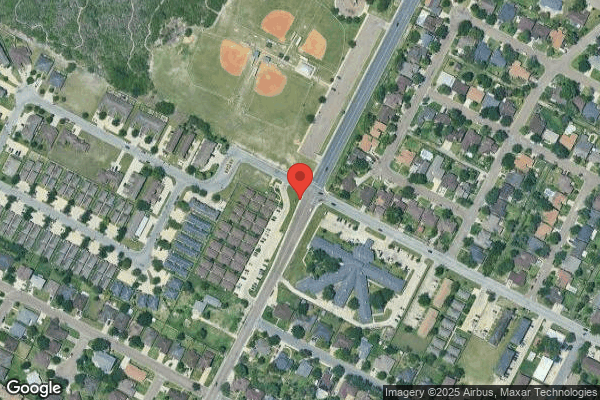
3810 HALE ST, HARLINGEN, TX 78550 (956) 412-8660
Non profit - Corporation 120 Beds WELLSENTIAL HEALTH Data: November 2025 1 Immediate Jeopardy citation
Trust Grade
71/100
#63 of 1168 in TX
Last Inspection: November 2024

Within standard 12-15 month inspection cycle. Federal law requires annual inspections.

Overview

Harlingen Nursing and Rehabilitation Center has a Trust Grade of B, indicating it is a good choice for care, though not without some concerns. It ranks #63 out of 1,168 facilities in Texas, placing it in the top half, and is the best option among 14 facilities in Cameron County. The facility is improving, with issues decreasing from five in 2023 to four in 2024. However, staffing is a notable weakness, with a low rating of 1 out of 5 stars and a turnover rate of 44%, which is still below the Texas average of 50%. Recent inspections revealed serious incidents, including a resident eloping from the facility due to inadequate supervision and another resident not receiving necessary personal grooming, which could affect their dignity and health. Additionally, there were concerns about food safety practices, as some food items were not properly labeled and dated, posing a risk for foodborne illnesses. Overall, while the facility has strengths in areas like excellent health inspections and quality measures, families should be aware of the staffing challenges and specific incidents that may impact resident care.

Trust Score
B
71/100
In Texas
#63/1168
Top 5%
Safety Record
High Risk
Review needed
Inspections
Getting Better
5 → 4 violations
Staff Stability
○ Average
44% turnover. Near Texas's 48% average. Typical for the industry.
Penalties
✓ Good
$6,016 in fines. Lower than most Texas facilities. Relatively clean record.
Skilled Nurses
⚠ Watch
Each resident gets only 20 minutes of Registered Nurse (RN) attention daily — below average for Texas. Fewer RN minutes means fewer trained eyes watching for problems.
Violations
⚠ Watch
17 deficiencies on record. Higher than average. Multiple issues found across inspections.
★★★★★
5.0
Overall Rating
★☆☆☆☆
1.0
Staff Levels
★★★★★
5.0
Care Quality
★★★★★
5.0
Inspection Score
Stable
2023: 5 issues
2024: 4 issues

The Good

  • 5-Star Quality Measures · Strong clinical quality outcomes
  • Full Sprinkler Coverage · Fire safety systems throughout facility
  • No fines on record
  • Staff turnover below average (44%)

    4 points below Texas average of 48%

Facility shows strength in quality measures, fire safety.

The Bad

Staff Turnover: 44%

Near Texas avg (46%)

Typical for the industry

Federal Fines: $6,016

Below median ($33,413)

Minor penalties assessed

Chain: WELLSENTIAL HEALTH

Part of a multi-facility chain

Ask about local staffing decisions and management

The Ugly 17 deficiencies on record

1 life-threatening
Nov 2024 3 deficiencies
CONCERN (D)

Potential for Harm - no one hurt, but risky conditions existed

ADL Care (Tag F0677)

Could have caused harm · This affected 1 resident

**NOTE- TERMS IN BRACKETS HAVE BEEN EDITED TO PROTECT CONFIDENTIALITY** Based on observation, interview and record review, the facility failed to ensure that a resident who was unable to carry out act...

Read full inspector narrative →
**NOTE- TERMS IN BRACKETS HAVE BEEN EDITED TO PROTECT CONFIDENTIALITY** Based on observation, interview and record review, the facility failed to ensure that a resident who was unable to carry out activities of daily living received the necessary services to maintain good grooming, and personal hygiene, for one (Resident #16) of 3 residents reviewed for activities of daily living. The facility failed to provide Resident #16 with nasal grooming. This failure could result in decrease in resident self-esteem, embarrassment, and infections. Findings included: Record review or Resident #16's admission Record dated 11/08/24 revealed a [AGE] year-old male with an Initial admission date of 11/10/22 with diagnoses of Guillain-Barre Syndrome (a condition where body's immune system attacks the nerves. Can cause weakness, numbness), Quadriplegia C1-C4 Incomplete (spinal cord injury that affects the spine and results in some paralysis of arms and legs but allows some movement and sensation to remain), Type 2 Diabetes Mellitus, Muscle Wasting and Atrophy Not Elsewhere Classified, Major Depressive Disorder Recurrent Unspecified. Record Review of Resident#16's Quarterly MDS assessment dated [DATE] revealed a BIMS score of 15 indicating cognition is intact and was dependent of two or more helpers for all his ADLs. Record Review of Resident#16's Care Plan Revised on 11/08/24 stated Resident #16 had an ADL self-care performance deficit r/t Quadriplegia, Impaired balance, Limited Mobility, Limited ROM. Interventions were Functional Performance: Oral Hygiene; The Resident requires (Dependent Required) for oral hygiene. Date initiated: 04/09/24 and Functional Performance: Personal Hygiene; The resident requires (Dependent Required) for personal hygiene. In an observation and interview on 11/05/24 at 10:59 a.m. it was observed Resident #16 had excessive nasal hair protruding from his nostrils. Resident #16 said he would like to have the nasal hair trimmed but said he never asked staff to do it because he did not think they could do it for him. He said staff never asked him if he would like it trimmed. In an interview on 11/05/24 at 12:24 p.m. CNA L said she showered and groomed Resident #16. She said she did not notice his nasal hairs. She also said she did not do that type of grooming. She said the nurses did that. In an interview on 11/05/24 at 4:35 p.m. LVN X said he had not noticed the excessive nasal hair on Resident #16. He said he had never trimmed nasal hair on a resident, and no one had requested that. He said he had not offered Resident #16 if he would like them to be trimmed. He also said only nurses were supposed to do that kind of trimming. In an interview on 11/06/24 at 2:21 p.m. LVN Y said residents should be groomed after showering. She said CNAs did that with the exception of ear and nose grooming. She said nurses were in charge of doing that. She said staff also offered grooming to residents. LVN Y said she had not noticed that Resident #16 needed nostril hair trimming. She said staff should be asking residents if they would like or need to have it done. She said she did not notice that Resident #16 needed it. LVN Y said that if he needs nasal trimming and it is not done, it could cause allergies or infections. Record review of facility's policy titled Activities of Daily Living (ADL's); date implemented 05/26/24 reflected: Policy: The facility will, based on resident's comprehensive assessment and consistent with the resident's needs and choices, ensure a resident's abilities in ADL's do not deteriorate unless deterioration is unavoidable. Care and services will be provided for the following activities of daily living: 1. Bathing, dressing, grooming and oral care; Policy Explanation and Compliance Guidelines: .3. A resident who is unable to carry out activities of daily living will receive the necessary services to maintain good nutrition, grooming, and personal and oral hygiene.
CONCERN (D)

Potential for Harm - no one hurt, but risky conditions existed

Food Safety (Tag F0812)

Could have caused harm · This affected 1 resident

Based on observation, interview, and record review the facility failed to store, prepare, distribute and serve food in accordance with professional standard or food service safety for 1 of 1 kitchen r...

Read full inspector narrative →
Based on observation, interview, and record review the facility failed to store, prepare, distribute and serve food in accordance with professional standard or food service safety for 1 of 1 kitchen reviewed for food service safety in that: The facility failed to ensure all food items were labeled and dated in freezer. One bag of nuggets was not labeled or dated. This failure could place residents at risk of foodborne illnesses. The findings included: An observation of the facility freezer on 11/05/24 at 8:43 a.m., revealed inside there was a plastic bag with no date or label containing what appeared to be chicken nuggets. In an interview on 11/05/24 at 8:45 a.m. the Dietary Manager said the plastic bag contained chicken nuggets that were leftover, uncooked from the previous day. He said they served nuggets for dinner the night before. The Dietary Manager said they were supposed to be labeled, dated, and stored in a zip top bag. He said the staff has been trained on that. In an interview on 11/07/24 at 3:27 p.m. [NAME] A said they were trained to label and date all food that was in the refrigerator, freezer, or dry storage that had been opened. He said that had to be done so other staff could know when it was opened and determine how long it would be good for or if it needed to be thrown away. In an interview on 11.8.24 at 11:30 a.m. the Administrator said the Dietary Manager oversaw the kitchen staff. He said staff had trainings and should be following policies. Record review of facility's policy titled Policy: Food Storage date revised: June 1, 2019, reflected: .3. Freezers a. Store all frozen meats, poultry, seafood, fruits and vegetables, and some dairy products, such as ice cream, in the freezer at a temperature that maintains the frozen state of the foods. . e. Store frozen foods in moisture-proof wrap or containers that are labeled and dated.
CONCERN (D)

Potential for Harm - no one hurt, but risky conditions existed

Infection Control (Tag F0880)

Could have caused harm · This affected 1 resident

**NOTE- TERMS IN BRACKETS HAVE BEEN EDITED TO PROTECT CONFIDENTIALITY** Based on observations, interviews, and record reviews the facility failed to establish and maintain an infection prevention and ...

Read full inspector narrative →
**NOTE- TERMS IN BRACKETS HAVE BEEN EDITED TO PROTECT CONFIDENTIALITY** Based on observations, interviews, and record reviews the facility failed to establish and maintain an infection prevention and control program designed to provide a safe, sanitary, and comfortable environment and to help prevent the development and transmission of communicable diseases and infections for two (Resident #69, and Resident #1) of eight residents observed for infection control. 1. LVN A touched multiple surfaces and did not perform hand hygiene prior to checking Resident #69's blood sugar. 2. LVN A placed an insulin pen inside his scrub top pocket prior to administering Resident #69's insulin. 3. RN B failed to perform hand hygiene in between glove changes during a g-tube feeding administration for Resident #1. These failures place residents at risk for healthcare associated cross contamination and infections. Findings included: 1. Record review of Resident #69's electronic facility face sheet dated 11/07/24, revealed he was a [AGE] year-old male admitted to the facility on [DATE], original admission date of 07/28/2023 with diagnoses of Type 2 Diabetes Mellitus, Unspecified Dementia (group of thinking and social symptoms that interferes with daily functioning), Hypertension (high blood pressure), and Carcinoma in Situ of Colon (cancer in the large intestine). Record review of Resident #69's quarterly MDS assessment dated [DATE] revealed he scored a 01 on his BIMS which indicated he was severely cognitively impaired. During an observation on 11/06/24 at 08:45 a.m. revealed LVN A applied gloves right outside Resident #69's room. He then walked towards Resident #69's room holding a medication tray with the diabetic supplies, he then turned back to the medication cart, took his keys out of his pocket, unlocked the medication cart, and then proceeded to check Resident #69's blood sugar using the same pair of gloves. LVN A stepped out of Resident #69's room, sanitized his hands, applied gloves, closed the privacy curtain, then proceeded to check Residents #69's blood sugar a second time. LVN A then took out Resident #69's insulin pen from his scrub top pocket and administered insulin. During an interview on 11/06/24 at 09:00 a.m. with LVN A, he stated he did not think he did anything wrong during his medication administration but maybe that he dropped the insulin pen cap on the floor. LVN A stated that it was important not to keep the insulin pen in his pocket, to remove his gloves and sanitize his hands prior to touching other surfaces to protect the resident from cross contamination. He stated that the last in-service he had on infection control was about a month ago and the topics were on handwashing, sanitizing, and enhanced barrier precautions. 2. Record review of Resident #1's electronic facility face sheet dated 11/07/24, revealed he was a [AGE] year-old male admitted to the facility on [DATE] with diagnoses of Cerebral Infarction (stroke), Gastrostomy Status (placement of feeding tube in stomach), Dysphagia (difficulty swallowing), Unspecified Dementia (group of thinking and social symptoms that interferes with daily functioning), and Hypertension (high blood pressure). Record review of Resident #1's BIMS assessment dated [DATE] revealed he scored a 07 which indicated he was severely cognitively impaired. During an observation on 11/06/24 at 11:30 a.m. revealed RN B administered a bolus feeding to Resident #1 via g-tube when he removed his gloves and applied a new pair without sanitizing hands. During an interview on 11/06/24 at 11:45 a.m. with RN B, he stated he did not think he did anything wrong during his g-tube feeding administration. RN stated it was important to sanitize his hands in between glove changes to prevent cross contamination. He stated the last in-service he had on infection control was done about a month ago and the topic was on hygiene, and making sure to wash their hands for no less than 20 seconds. During an interview on 11/06/24 at 03:17p.m. with the DON, stated the staff was to change gloves anytime anything was touched besides the resident. THat was to prevent cross contamination. She stated LVN A had been trained and in-serviced in the past on infection control. The DON stated staff was to wash their hands or sanitize prior to putting gloves on and once they were done with patient care. The staff was to remove their gloves, and sanitize their hands if not soiled with BM. If their hands were soiled, then they were to wash hands with soap and water. That was to prevent cross contamination. She stated that the most recent infection control in-service was done about a month ago. During an interview on 11/07/24 at 02:54 p.m. the ADON stated per facility policy the staff should change their gloves when they were visibly soiled and before they rendered patient care. She stated the staff was to sanitize their hands when they removed their gloves and or wash their hands prior to putting on a new pair of gloves. The ADON stated the staff was to sanitize in between glove changes. The ADON stated that hand washing or sanitizing in between glove changes was to prevent the spread of infection of any type of virus or bacteria. She stated infection control was done monthly, randomly, depending on if she saw a certain type of infection, therefore they were ongoing. She stated the most recent infection control in-service was done yesterday, 11/06/24, some in October 2024 and in September 2024. She stated the topic was on the enhanced barrier precautions. She also does monthly spot checks on nurses, housekeeping, CNAs (peri care), and every department for handwashing. Record review of LVN A's Medication Pass Competency assessment dated [DATE] revealed he performed hand hygiene when handling cart/equipment. Injection/Intravenous he performed hand hygiene prior to handling medication(s) and after med administration if resident contact is necessary. [NAME] (put on) gloves for injections, IV infusion/meds, blood glucose checks and other PPE as appropriate. Record review of LVN A's Hand Hygiene Competency assessment dated [DATE] revealed he performed hand hygiene procedures in accordance with the facility's standard of practice. Record review of RN B's Medication Pass Competency assessment dated [DATE] revealed during medication administration via feeding tube, he performed hand hygiene and apply clean gloves prior to med administration. Record review of RN B's Hand Hygiene Competency assessment dated [DATE] revealed he performed hand hygiene procedures in accordance with the facility's standard of practice. Record review of the facility's Infection Prevention and Control Program Policy and procedure dated 05/13/23 revealed Policy: This facility has established and maintains an infection prevention and control program designated to provide a safe, sanitary, and comfortable environment and to help prevent the development and transmission of communicable diseases and infections as per accepted national standard and guidelines. Definitions: Staff includes all facility staff (direct and indirect care functions), contracted staff, consultants, volunteers, others who provide care and services to residents on behalf of the facility, and students in the facility's nurse aide training programs or from affiliated academic institutions. 2. All staff are responsible for following all policies and procedures related to the program. 4. Standard Precautions: a. All staff shall assume that all residents are potentially infected or colonized with an organism that could be transmitted during the course of providing resident care services. b. Hand hygiene shall be performed in accordance with our facility's established hand hygiene procedures. c. All staff shall use personal protective equipment according to established facility policy governing of they of PPE. Record review of the facility's Hand Hygiene policy and procedure dated 10/24/22 revealed Policy: All staff will perform proper hand hygiene procedures to prevent the spread of infection to other personnel, residents, and visitors. This applies to all staff working in all locations within the facility. Hand hygiene is a general term for cleaning your hands by handwashing with soap and water or the use of an antiseptic hand rub, also known as alcohol-based hand rub (ABHR). Policy Explanation and Compliance Guidelines: 1. Staff will perform hand hygiene when indicated, using proper technique consistent with accepted standards of practice.
Sept 2024 1 deficiency 1 IJ
CRITICAL (J) 📢 Someone Reported This

A family member, employee, or ombudsman was alarmed enough to file a formal complaint

Immediate Jeopardy (IJ) - the most serious Medicare violation

Accident Prevention (Tag F0689)

Someone could have died · This affected 1 resident

**NOTE- TERMS IN BRACKETS HAVE BEEN EDITED TO PROTECT CONFIDENTIALITY** Based on interview and record review, the facility failed to ensure adequate supervision was provided for 1 of 3 residents revie...

Read full inspector narrative →
**NOTE- TERMS IN BRACKETS HAVE BEEN EDITED TO PROTECT CONFIDENTIALITY** Based on interview and record review, the facility failed to ensure adequate supervision was provided for 1 of 3 residents reviewed for accidents and supervision. (Resident #1) The facility failed to ensure Resident#1 received adequate supervision to prevent elopement. Resident #1 eloped from the facility on and was found by the police department approximately 2 miles away from the facility. The non-compliance was identified as past non-compliance. The Immediate Jeopardy began on 10/08/2023 and ended on 10/08/2023. The facility had corrected the noncompliance before the survey began. This failure could place residents at risk of sustaining serious injury, harm and death. Findings included: Record review of Resident #1's electronic facility face sheet dated 09/19/2024, revealed she was a [AGE] year-old female admitted to the facility on [DATE]. Diagnosis of Dementia, Type 2 Diabetes, Depression, and Cerebrovascular Disease (a group of conditions that affect blood flow in the brain). Record review of a Brief Interview for Mental Status dated 10/13/2023 indicated Resident #1 had severely impaired cognition with a score of 03 out of 15. Record review of Resident #1's quarterly MDS dated 10/13//2024, revealed his mobility functional abilities for self-care are independent. Resident #1wandering behavior occurred 1 to 3 days ago. Record review of Resident #1's care plan revealed she was an elopement risk/wander, date initiated 10/07/23. Resident #1 eloped facility on 10/8/2023. Interventions included Complete wandering evaluation tool and identify pattern of wandering. Record review of the Incident Report dated 10/08/2023 at 10:05p.m. revealed at 10:05p.m noted resident missing from room. Staff alerted and in facility and surroundings search initiated. At approximately 10:15p.m. police department called and stated Resident #1 had been picked up close to a supply store at 9:42 p.m. No injuries noted to resident but resident noted with confusion. Police department able to contact family via resident cell phone. As per police officer, resident voiced wanting to go home. Immediate Action Taken: MD and RP notified. Full body assessment completed. Vital isgns taken and within normal limits, labs obtained, and one to one initiated. Record review of the Wandering Evaluation dated 10/07/2023, revealed a Score 07 Moderate Risk. Record review of doctors visit records with a History and Physical dated 10/05/23, revealed resident had previously walked out of hospital during a previous visit and had been threatening to leave her home two days before. Record review of progress note dated 10/09/2023, revealed at 10:00 pm noted Resident #1 missing from room. Resident #1 was last seen in room at 9:31pm. Staff alerted, both inside the facility and surroundings search initiated. At approximately 10:15pm law enforcement stated resident had been picked up close to a supply store. No injuries noted to resident, but resident noted with confusion. Police department able to contact family via resident cell phone. As per police department resident in route to facility. At 10:25 pm law enforcement entered building with resident. As per Police officer, resident voiced wanting to go home. MD and RP notified. Full body assessment completed, Vital signs taken and within normal limits, labs obtained. One to One initiated. During an interview on 09/19/2024 at 09:45 a.m., LVN A stated Resident #1 was last seen at approximately 09:31 p.m. when roommates, blood sugar was checked. She stated that as soon as she noticed Resident #1 was not in her room around 10pm and did not know her whereabouts. She came out of the room letting all staff know to start looking. Then other staff started the missing person protocol. LVN A stated she knows that when a resident goes missing to call a code pink right away. She stated the police called at approximately 10:15 a.m. and stated that Resident #1 had been picked up close to the supply store. During an interview on 9/19/2024 at 4:15 p.m. the DON stated, she was not the DON at the time. She stated that Resident #1 was admitted Saturday 10/7/2023 and on Sunday 10/08/2023 at night was when she eloped. She stated she was a moderate risk on the wandering evaluation form on the admission assessment. She stated that the family didn't voice any wandering concerns. Law enforcement used Resident #1's phone, called her family, and then they called the facility. She stated a head count was done. She stated that maybe somebody went out the front door and she walked right behind them. They decided to reeducate everyone on elopement, on accuracy of elopement assessments. She stated they assessed high risk wandering residents for elopement and no scores were modified. Resident #1 was on one-on-one monitoring then she was transferred to a memory care unit for increased supervision. No additional elopement events have been identified since. During an interview on 09/20/2024 at 11:03a.m. the Administrator stated that he ensured that the staff was following the elopement protocol by conducting periodically monthly elopement education and drills. He stated that the drills are unannounced. He stated that the front door code was changed monthly and as needed. Sometimes if they noticed the family member knows the code then they change it right away. Record review of a policy with date implemented of 11/21/2022 titled Elopement and Wandering Residents revealed Policy: The facility ensures that residents who exhibit wandering behavior and/or are at risk for elopement receive adequate supervision to prevent accidents and receive care in accordance with their person-centered plan of care addressing the unique factors contributing to wandering or elopement risk. Definitions: Elopement occurs when a resident leaves the premises or a safe area without the authorization (i.e. an order for discharge or leave of absence), and/or any necessary supervision to do so. Policy Explanation and Compliance Guidelines: 3. The facility shall establish and utilize a systematic approach to monitoring and managing residents at risk for elopement or unsafe wandering including identification and assessment of risk evaluation and analysis of hazards and risks, implementing interventions to reduce hazards and risks, and monitoring for effectiveness and modifying interventions when necessary. The Administrator was notified on 09/20/2024 at 10:55 a.m., that a past non compliance Immediate Jeopardy situation had been identified due to the above failures. It was deternined these failures placed Resident #1 in an Immediate Jeopardy situation on 09/22/2024. The facility had corrected the noncompliance before survey began. The facility had implemented the following interventios. Record review of an In-Service Attendance Record with subject of Elopement Drill and Procedure, dated 10/10/2023, indicated that staff signed the in-service record. During an interview on 9/19/2024 at 4:15 p.m. the DON stated, Resident #1 was placed on a one-to-one monitoring. Resident #1 was transferred to a memory care unit for increase supervision. Assessments of high-risk residents were conducted, and no scores were modified. During interviews on 09/18/2024 at 09:35 a.m. - 09/19/2024 at 11:02 a.m., 3 CNAs were able to identify resident at risk for elopement, she was knowledgeable of the elopement policy and procedure. They were aware of the new expectations to not allow family members to have front door code and to notify the nurse immediately of any resident trying to go outside. During interviews on 09/18/2024 from 10:14 a.m. - 09/19/2024 09:45 a.m., 3 LVNs were able to identify residents at risk for elopement, all were knowledgeable of the elopement policy and procedure, all were aware of the new expectations to not allow any resident outside alone, and to notify the DON/ADON and the Administrator immediately of any resident trying to go outside alone.
Nov 2023 2 deficiencies
CONCERN (D) 📢 Someone Reported This

A family member, employee, or ombudsman was alarmed enough to file a formal complaint

Potential for Harm - no one hurt, but risky conditions existed

Comprehensive Care Plan (Tag F0656)

Could have caused harm · This affected 1 resident

**NOTE- TERMS IN BRACKETS HAVE BEEN EDITED TO PROTECT CONFIDENTIALITY** Based on observation, interview, and record review, the facility failed to develop and implement a comprehensive person-centered...

Read full inspector narrative →
**NOTE- TERMS IN BRACKETS HAVE BEEN EDITED TO PROTECT CONFIDENTIALITY** Based on observation, interview, and record review, the facility failed to develop and implement a comprehensive person-centered care plan for each resident that included measurable objectives and time frames to meet a resident's medical, nursing, and mental and psychosocial needs, for one Resident (R #3) of three residents reviewed for care plans, in that: The facility did not follow R #3's care plan which indicated to keep R #3's fingernails short. This failure could place residents at risk of not receiving the care and services as indicated by their comprehensive care plan. The findings included: Record review of R #3's face sheet reflected a [AGE] year-old male with original admission date of 11/10/22. His diagnosis included: local infection of the skin and subcutaneous tissue, pressure ulcer of left buttock, Guillain-Barre syndrome (disorder in which your body's immune system attacks your nerves), quadriplegia, type 2 diabetes, hyperlipidemia, and dysphagia. Record review of R #3's MDS assessment dated [DATE] reflected a BIMS score of 12 (cognitively intact). Functional abilities for ADLs of bed mobility and personal hygiene were dependent. R #3 had impairment to both sides of upper and lower extremities. Record review of R #3's care plan dated 08/30/23 reflected R #3 had an actual impairment to skin integrity related to a pressure ulcer. Date initiated: 11/11/22. Interventions included: avoid scratching and keep hands and body parts from excessive moisture. Keep fingernails short. Record review of R #3's progress notes dated 10/09/23-11/07/23 reflected no notes that indicated refusal of nail care. Interview with R #3 on 11/08/23 at 1:30 PM. R #3 said R #3's nails were too long and wanted them cut. R #3 showed HHSC Investigator R #3's nails which were about 0.5 inch long. R #3's nails were clean. R #3 did not allow for photographs to be taken of R #3's nails as he indicated, he was embarrassed. R #3 said had informed the CNAs and nurses about hiss nails being too long but R #3 was unsure of why his nails had not been cut. R #3 said did not remember the staff's names or the days R #3 told them. R #3 said tries to place R #3's hands a certain way to keep his nails from bothering his hands. R #3 said tried to prevent from scratching his body as R #3 knew that could lead to other problems. Observation of R #3 on 11/08/23 at 1:45 PM. R #3's hands were contracted and R #3's fingers and fingernails were facing down and somewhat inward towards R #3's hands (claw hand). There was no hand device or towel roll for R #3's contractures to R #3's hands. Interview with CNA B on 11/08/23 at 2:40 PM. CNA B said if any resident wanted their nails cut, CNA B would check with the nurse to see if the resident was diabetic. CNA B said if the resident was diabetic, then the CNAs could cut the nails, but the nurses could. CNA B said the CNAs usually focused on nail care on Sundays since that was the day there were no scheduled showers. CNA B said there were no residents with their nails too long. Interview with DON on 11/08/23 at 3:30 PM. DON was taken to observe R #3 along with HHSC Investigator. DON asked R #3 to see R #3's nails. DON said R #3's nails were too long. DON asked R #3 if R #3 wanted his nails to be cut, and R #3 responded, uhm yeah. DON said to HHSC investigator that maybe R #3 had refused nail care. HHSC Investigator informed DON there were no refusals documented in R #3's file. DON said the nurses would be the ones to cut R #3's nails since R #3 was diabetic, not the CNAs. DON said the CNAs would have informed the nurses about R #3's nails being too long. DON said R #3 could have also voiced R #3's nails being too long to the nurses or staff himself. DON said she was unsure of how R #3's nails went unnoticed, but DON would have them cut. Interview with LVN A on 11/14/23 at 12:35 PM. LVN A said if a resident was diabetic, and they have long nails, the nurses could file their nails. LVN A said if the CNAs noticed that the nails were long or the resident voiced that they wanted their nails cut, the CNAs or the resident could inform the nurses. LVN A said since there were no scheduled showers on Sundays, that was when the CNAs concentrated on nail care. LVN A said LVN A had not been informed that R #3's nails were too long or that R #3 wanted his nails to be cut. LVN A said if R #3's care plan indicated that R #3's fingernails needed to be kept short, then that was what should have been followed. LVN A said the nails were part of the skin. LVN A said R #3's nails should have been kept short for R #3's impairment to skin integrity as R #3 could sustain wounds and infections. Interview with R #3 on 11/15/23 at 12:05 PM. R #3 said he was doing well. R #3 said the nurse trimmed his nails. R #3 showed this investigator R #3's nails which were much shorter, clean, and filed (not sharp). R #3 said he felt much better. Interview with ADM on 11/15/23 at 4:30 PM. ADM said ADM was aware of the concern regarding that R #3's nails were too long. ADM said a nurse had already performed nail care and R #3 was doing well. ADM said the facility addressed this concern with all staff. Interview with DON on 11/15 /23 at 5:10 PM. DON said R #3's care plan indicated to keep R #3's fingernails short related to impairment of skin integrity as R #3 already had wounds. DON said R #3 did not have any skin tears or incidents from R #3's nails being too long. DON said R #3 could have scratched himself although R #3 was calm and not combative. DON said not keeping R #3's fingernails short could have resulted in a scratch or skin tear, and if left untreated or was not noticed, it could have led to an infection.
CONCERN (D) 📢 Someone Reported This

A family member, employee, or ombudsman was alarmed enough to file a formal complaint

Potential for Harm - no one hurt, but risky conditions existed

Medical Records (Tag F0842)

Could have caused harm · This affected 1 resident

**NOTE- TERMS IN BRACKETS HAVE BEEN EDITED TO PROTECT CONFIDENTIALITY** Based on interview and record review, the facility failed to maintain medical records in accordance with accepted professional s...

Read full inspector narrative →
**NOTE- TERMS IN BRACKETS HAVE BEEN EDITED TO PROTECT CONFIDENTIALITY** Based on interview and record review, the facility failed to maintain medical records in accordance with accepted professional standards and practices that were complete and accurately documented for 2 of 3 residents (R #2 and R #3) reviewed for accuracy of records. The facility did not document R #2 and R #3's wound care treatments in the MAR/TAR on 10/07/23, 10/14/23, 10/15/23, and 10/22/23. This failure could place residents with wound care at risk of not receiving adequate care and services. The findings included: Record review of R #2's face sheet reflected a [AGE] year-old female with original admission date of 10/19/18. Her diagnosis included: local infection of the skin and subcutaneous tissue, pressure ulcer of sacral region, zoster (shingles) without complications, paraplegia, fibromyalgia, osteoporosis, hyperlipidemia, major depressive disorder, and dysphagia. Record review of R #2's MDS assessment dated [DATE] reflected a BIMS score of 10 (cognitively moderately impaired). Functional abilities for ADLs of bed mobility and personal hygiene required extensive assistance. Record review of R #2's care plan dated 07/21/23 reflected R #2 had a stage 4 pressure ulcer to the sacrum related to immobility, incontinence of bowel, refuses repositioning, ADL care, and getting out of bed. Date initiated: 05/08/23. Interventions included: Administer treatments as ordered and monitor for effectiveness. Record review of R #2's MAR/TAR dated October 2023 reflected; On 10/07/23, 3 orders - Gentamicin Sulfate External Ointment 0.1 % apply to sacral stage 4 topically one time a day (start date- 06/14/23 8:00 AM, discontinue date- 10/10/23 8:37 AM), Collagenase (enzymes that break the peptide bonds in collagen) External Ointment 250 unit apply to sacral stage 4 topically one time a day (start date- 06/27/23 8:00 AM, discontinue date- 10/24/23 at 8:35 AM), and wound care as follows for right heel discoloration, skin prep daily, once a day, until resolved (start date- 10/04/23 at 8:00 AM, discontinue date- 10/18/23 at 4:53 PM) for diagnosis of sacral stage 4 pressure ulcer were not documented as administered or otherwise. On 10/14/23 and 10/15/23, 3 orders - cleanse sacral ulcer with wound cleanser, pat dry with gauze, apply Collagenase with collagen, cover with silicone super absorbent dressing daily (start date- 10/11/23 8:00 AM, discontinue date- 10/24/23 8:36 AM), Collagenase External Ointment 250 unit apply to sacral stage 4 topically one time a day (start date- 06/27/23 8:00 AM, discontinue date- 10/24/23 at 8:35 AM), and wound care as follows for right heel discoloration, skin prep daily, once a day, until resolved (start date- 10/04/23 at 8:00 AM, discontinue date- 10/18/23 at 4:53 PM) for diagnosis of sacral stage 4 pressure ulcer were not documented as administered or otherwise. Record review of R #3's face sheet reflected a [AGE] year-old male with original admission date of 11/10/22. His diagnosis included: local infection of the skin and subcutaneous tissue, pressure ulcer of left buttock, Guillain-Barre syndrome (disorder in which your body's immune system attacks your nerves), quadriplegia, type 2 diabetes, hyperlipidemia, and dysphagia. Record review of R #3's MDS assessment dated [DATE] reflected a BIMS score of 12 (cognitively intact). Functional abilities for ADLs of bed mobility and personal hygiene were dependent. R #3 had impairment to both sides of upper and lower extremities. Record review of R #3's care plan dated 08/30/23 reflected R #3 had a pressure ulcer stage 3 (left gluteal fold) related to extensive bed immobility and diagnosis of quadriplegia. Date Initiated: 11/11/22. Interventions included: Administer treatments as ordered and monitor for effectiveness. R #3 had an alteration in skin integrity related to the presence of a stage 3 pressure ulcer to the buttock area (left gluteal fold). Date initiated: 12/09/22. Interventions included: Apply treatment per Medical Practitioner's order and monitor for effectiveness of current treatment. Record review of R #3's MAR/TAR dated October 2023 reflected - On 10/07/23, 1 order - wound care for left gluteal fold wound as follows, cleanse with wound cleanser, pat dry with 4x4 apply dressing, cover with sterile dressing daily until resolved (start date- 09/13/23 8:00 AM, discontinue date- 10/09/23 8:47 AM) for left gluteal fold stage 3 pressure ulcer was not documented as administered or otherwise. On 10/15/23, 1 order - wound care for left gluteal fold wound as follows, cleanse with wound cleanser, pat dry with 4x4 apply dressing, cover with sterile dressing daily until resolved (start date- 10/10/23 8:00 AM, discontinue date- 10/16/23 3:45 PM) for unstageable pressure wound was not documented as administered or otherwise. On 10/22/23, 2 orders - Collagenase External Ointment 250 unit, apply to left gluteal fold topically one time a day (start date- 10/17/23 8:00 AM, discontinue date- 10/24/23 11:20 AM), and wound care for left gluteal fold wound as follows, cleanse with wound cleanser, pat dry with gauze, apply Collagenase dressing, cover with sterile dressing daily until resolved (start date- 10/17/23 8:00 AM, discontinue date- 10/24/23 11:23 AM) for diagnosis of unstageable pressure wound were not documented as administered or otherwise. Interview with R #2 on 11/08/23 at 12:45 PM. R #2 said R #2 was doing well and received all the care needed. R #2 said R #2 received wound care daily. R #2 said there had not been a day that R #2 had gone without wound care or that R #2 knew the wound care was missed. R #2 said R #2 had no concerns regarding wound care or treatment. Interview with R #3 on 11/08/23 at 1:30 PM. R #3 said R #3 was doing well. R #3 said R #3 received wound care on certain days but was unsure of the days. R #3 said the wound care might have been daily. R #3 said R #3 was always done and R #3 did not know of any time that the wound care was missed or not completed for R #3. R #3 said R #3 had no concerns regarding wound care or treatment. Interview with LVN B on 11/14/23 at 1:05 PM. LVN B said LVN B worked the 2-10 PM shift. LVN B said R #3 would have been assigned to LVN B to complete R #3's wound care as R #3 was on the left side of the hall. LVN B said LVN B worked with R #3 but did not recall specific dates. LVN B said when there was no treatment nurse working, then the floor nurses, including LVN B, would be responsible to do the wound care. LVN B said there was no time that the wound care was not done for R #3 as ordered. LVN B said the treatments were done, but LVN B possibly forgot to document in the MAR/TAR. LVN B said that should not have happened, but sometimes LVN B got busy and probably forgot to document. Interview with LVN D on 11/14/23 at 3:20 PM. LVN D said R #3 would have been assigned to LVN D to complete R #3's wound care as R #3 was on the left side of the hall and the afternoon shift would complete the left side of the hall for wound care. LVN D said LVN D worked the afternoon, 2-10 PM shift. LVN D said LVN D worked with R #3 a few times. LVN D said LVN D worked with R #3 on 10/07/23 and 10/15/23. LVN D said LVN D would have done the wound care treatments for R #3 on those dates. LVN D said LVN D did not miss any treatments or fail to complete the treatments with R #3. LVN D said perhaps LVN D forgot to mark the check offs on the MAR/TAR. LVN D said maybe LVN D marked it off, but it did not save on the MAR/TAR. LVN D said maybe LVN D forgot to document, but LVN D was sure the treatments were completed. Interview with ADON on 11/14/23 at 3:45 PM. ADON said the team tried to review documentation to ensure proper documentation was done. ADON said for R #3, on 10/07/23, 10/15/23 and 10/22/23, the documentation was missing for wound care in the MAR/TAR. ADON said for R #2, 10/14/23, 10/15/23, and 10/22/23, the documentation was missing for wound care in the MAR/TAR. ADON said the staff and residents did not voice that the treatments were not completed, but the documentation was missing. Interview with DON on 11/14/23 at 5:00 PM. DON said the facility identified the missing documentation for the MAR/TAR when DON initiated an audit on 11/06/23. DON said the plan of correction included to check the documentation at least weekly, however, DON was checking the documentation daily to ensure accuracy. DON said the nurses were also in-serviced to ensure the treatments were checked off on the MAR/TAR. DON said there were no negative outcomes to the residents. DON said for R #3, on 10/07/23, 10/15/23 and 10/22/23, the documentation was missing for wound care in the MAR/TAR. DON said for R #2, 10/14/23, 10/15/23, and 10/22/23, the documentation was missing for wound care in the MAR/TAR. DON said the treatments were done but the nurses failed to document. DON said although there would not be a risk of a negative outcome for the resident, the medical record needed to be accurately documented to ensure the doctors' orders were being followed for the residents. Interview with ADM on 11/15/23 at 4:30 PM. ADM said ADM was aware of the concern regarding that R #2 and R #3 missing documentation in the MAR/TAR. ADM said there were no concerns that the treatments were not done, but the lack of documentation. ADM said the facility addressed this concern with the nurses and the plan of correction was put in place on 11/06/23. Documentation in Medical Record Policy date implemented 10/24/22 reflected; Policy: Each resident's medical record shall contain an accurate representation of the actual experiences of the resident and include enough information to provide a picture of the resident's progress through complete, accurate, and timely documentation. Policy Explanation and Compliance Guidelines: 1. Licensed staff and interdisciplinary team members shall document all assessments, observations, and services provided in the resident's medical record in accordance with state law and facility policy. Record review of performance improvement plan and Ad Hoc (unplanned meeting focusing on specific problems) meeting dated 11/06/23 reflected upon performing chart audits, noted treatments were not consistently being performed per doctor's orders on weekends and when treatment nurse was not available. Immediate interventions: in-service nurses regarding completion of wound care on weekends and/or when treatment nurse was not available. Systemic changes: DON or designee will conduct weekly audits of TAR.
Aug 2023 3 deficiencies
CONCERN (D)

Potential for Harm - no one hurt, but risky conditions existed

Resident Rights (Tag F0550)

Could have caused harm · This affected 1 resident

**NOTE- TERMS IN BRACKETS HAVE BEEN EDITED TO PROTECT CONFIDENTIALITY** Based on observation, interview, and record review, the facility failed to ensure residents were treated with respect and dignit...

Read full inspector narrative →
**NOTE- TERMS IN BRACKETS HAVE BEEN EDITED TO PROTECT CONFIDENTIALITY** Based on observation, interview, and record review, the facility failed to ensure residents were treated with respect and dignity and care for each resident in a manner and in an environment, that promotes maintenance or enhancement of his or her quality of life, for one Resident (Resident #202) of eight residents reviewed for dignity issues. The facility failed to monitor Resident #202's behavior when resident had her hand with feces while in her wheelchair in the dining room. This failure could place residents at risk of feeling uncomfortable and disrespected and could decrease residents' self-esteem and/or quality of life. Findings included: Record review of Resident #202 admission record dated reflected Resident #202 was a[AGE] year old female and was admitted to the facility on [DATE]. Resident #202's diagnosis included dementia (loss of memory), chronic kidney disease, stage 3 (kidney disease with mild to moderate damage), dysphagia (difficulty in swallowing) and radiculopathy, lumber region (pinched nerve). Record review of Resident #202's care plans, initiated on 08/02/23 reflected Resident #202 had a problem, will place hands inside brief and will grasp BM (feces) with hands. Interventions included to intervene as necessary to protect the rights and safety of others. Remove from situation and take to alternate location as needed. Record review of Resident #202's significant change MDS, dated [DATE] reflected. -resident's cognitive status was severely impaired. -required extensive assistance by two persons for bed mobility, transfer, dressing, toilet use and personal hygiene. -always incontinent of bowel and bladder. Observation on 8/02/23 at 10:05 am revealed Resident #202 in the dining room, in wheelchair. Approximately eighteen residents were in the dining room, participating in activities. Activity Aide was the only staff in the dining room. Other staff were observed bringing in residents into the dining room and they would leave after they brought in the residents. Resident #202 was placed in a table with other residents and observed holding out her hand with feces without any verbal comments. Interview on 08/02/23 at 10:05 with LVN G revealed Resident #202 did have feces all over her right hand while sitting in the dining room. LVN G said she would take Resident #202 to the room to get her cleaned up. LVN G said Resident #202 did have behaviors of placing her hand inside her brief and pulling out feces in her hand. LVN G said the staff had not noticed the feces in her hand. Interview on 08/02/23 at 10:15 am with CNA A revealed hospice staff had come and bathed Resident #202 earlier in the morning. After Resident #202 was showered someone brought the resident to the dining room for activities. CNA A said Resident #202 was in the dining room about forty minutes, with the Activity Aide providing activities to the residents. CNA A said staff had to be checking Resident #202 regularly because she did have the behavior of reaching into her brief and pulling out feces. Interview on 08/02/23 at 10:13 am with Activity Aide revealed her responsibility was to monitor and supervise the residents when they were in the dining room with activities. Activity Aide said Resident #202 did not participate in the activities in the dining room due to her cognitive impairment. The Activity Aide said she was aware of Resident #202's behavior of reaching into her brief and grabbing her feces. The Activity Aide said she was not aware Resident #202 had feces in her hand while she was in the dining room. Interview on 08/03/23 at 8:50 am with the DON revealed that hospice had come and bathed Resident #202 earlier in the morning and then CNAs had taken the resident to the dining room. The DON said CNAs did go and help the Activity Aide with the residents but unfortunately Resident #202 had an episode of getting her feces on her hands and was not observed by any staff. The Activity Aide does ask staff for help if she saw any situation that needed the nurse's attention. Resident #202 is not aware she has this behavior but Resident #202 needs to be monitored so she is not sitting with feces in her hands at any time, especially when Resident #202 was out in the common area. Interview on 08/03/23 at 8:55 am with LVN F revealed Resident #202 had been placed in the dining room on 08/02/23. LVN F said she didn't know who had taken Resident #202 to the dining room. Resident #202 was placed in the dining room to be with other residents. LVN F said there had been several residents in the dining room. LVN F said that the Activity Aide had enough time to monitor all residents for incidents. LVN F said Resident #202's hand had been with feces and there were other residents around her. Record review of facility policy titled Promoting/Maintaining Resident Dignity dated 1/13/23 reflected policy; It is the practice of this facility to protect and promote resident rights and treat each resident with respect and dignity as well as care for each resident in a manner and in an environment, that maintains or enhances resident's quality of life by recognizing each resident's individuality.
CONCERN (D)

Potential for Harm - no one hurt, but risky conditions existed

Deficiency F0679 (Tag F0679)

Could have caused harm · This affected 1 resident

**NOTE- TERMS IN BRACKETS HAVE BEEN EDITED TO PROTECT CONFIDENTIALITY** Based on observations, interviews, and record reviews, the facility failed to provide, based on the comprehensive assessment and...

Read full inspector narrative →
**NOTE- TERMS IN BRACKETS HAVE BEEN EDITED TO PROTECT CONFIDENTIALITY** Based on observations, interviews, and record reviews, the facility failed to provide, based on the comprehensive assessment and care plan and the preferences of each resident, an ongoing program to support residents in their choice of activities for 1 of 6 residents (Resident #151) reviewed for activities in that: The facility failed to provide Resident #151 activities designed to meet his interests and promote physical, mental, and psychosocial well-being. This deficient practice could affect residents at the facility who require assistance to activities to decline in mental acuity due to lack of stimulation, boredom, and depression. The findings included: Record review of Resident #151's Order Summary Report dated 08/03/23 reflected Resident #151 was a [AGE] year-old male admitted to facility on 06/28/23 with the diagnosis of major depressive disorder (characterized by persistently depressed mood or loss of interest in activities, causing significant impairment in daily life), alcohol dependence with alcohol inducing dementia (damage to the brain, caused by regularly drinking too much alcohol over many years), and anxiety disorder (feelings of worry, anxiety, or fear that are strong enough to interfere with one's daily activities). Record review of Resident 151's Quarterly MDS assessment dated [DATE] reflected Resident #151 -had unclear speech, -was rarely understood by others -rarely understood others, -severe cognitive impairment and, -required extensive assistance of two plus persons for activities of daily living. Record review of Resident #151's care plan dated 07/06/22 revealed -Resident #151 is dependent on staff for meeting emotional, intellectual, physical, and social needs r/t cognitive deficits. Interventions included: -Establish and record the resident's prior level of activity involvement and interests by talking with the resident, caregivers, and family on admission and as necessary. -Invite the resident to scheduled activities. -Thank resident for attendance at activity function. -The resident needs assistance/escort to activity functions. Observation on 08/01/23 at 04:45 PM revealed Resident #151 in the dining room. Resident #151 sitting in his wheelchair, did not respond to greeting, has his head back, grabbing the bottom of his shirt with both hands and staring up at the ceiling. Interview on 08/02/23 at 9:28 AM Activity Director said Resident #151 was in the memory unit but was taken out of the memory unit because he does not pose a threat for elopement. AD said Resident #151was walking when he was first admitted to the unit. The AD said Resident #151 does not talk and needs assistance for all his ADLs. The staff assist him with feeding. The AD said Resident #151 does not participate in activities, so he is not taken to activities. The AD said they will play music for him or sit him in the hall or by the nurse's station so he can see people go by. Observation on 08/02/23 at 10: 10 am revealed Resident #151 in the dining room sitting in his wheelchair with a family member. Family member was sitting next to Resident #151 and patting his hand and rubbing his arm. In an interview on 08/02/23 at 10:13 am the Family Member said she would have liked the facility to provide activities to Resident #151 because he would sit in the dining room alone or out in the hall and does not have any sensory stimulation. Observation on 08/02/23 at 10:30 am revealed the AD placing residents in a circle in the dining room and passing out different colored balloons to residents in the circle. Resident #151 saw the balloons and pointed to the balloons. Resident #151 laughed and then said, [NAME], [NAME] (look, look)! Resident #151's family member moved Resident #151 closer to the group. In an interview on 08/03/23 at 9:37 am CNA H said Resident #151 would walk but would not talk, he would only say several words when he was admitted . CNA H said Resident #151 would participate in activities when he first arrived. CNA H said he would dance when they played music, or he would hit the ball or balloon when he first arrived in the unit. Resident declined and stopped participating in the activities. Interview on 08/03/23 at 10:00 am CNA I said Resident #151 would walk in the unit occasionally. Resident #151 was moved to the general population because he could not walk anymore. Resident would participate in activities sometimes. Resident #151 only liked the activity when they passed the balloon and the toy cars that his family member would bring him. Interview on 08/03/23 at 10:37 am CNA J said Resident #151 was walking when he was admitted to the memory unit. CNA said Resident #151 would wander up and down the hall and would go into other resident rooms. Resident would play with his cars and would participate in activities with music or food. Resident declined and stopped playing with his cars, he will only hold the toy car. Observation on 08/03/23 at 12:01 pm revealed Resident #151 at lunch time. Resident #151 was sitting in his wheelchair and a CNA was assisting resident to eat. In an interview on 08/03/23 at 4:00 pm LVN K said Resident #151 is not independent for his ADLs and does not have the strength to move independently. LVN said the Activity Director provides activities to the residents such as Loteria. The Activity Director will call out the cards and that will provide auditory stimulation for residents that are not able to actively participate. In an interview on 08/03/23 at 5:58 PM the Administrator said the Activity Director provides activities to resident #151 such as playing music for him and assisting resident to activities held in the dining room. The Administrator said a family member also brings Resident #151 toy cars because Resident #151 used to like cars. Record review of facility's revised Activity Policy dated 09/2014 reflected: Policy The facility has an on-going program of activities designed to meet the interests and the physical, mental, spiritual, and psychosocial well-being of each resident in accordance with his/her comprehensive assessment. Policy Interpretation and Implementation All residents, particularly bedfast and those residents unable to participate in group activities will be visited by Activity Director, Activity Assistant, and/or volunteers at least 3 times a week.
CONCERN (D)

Potential for Harm - no one hurt, but risky conditions existed

Infection Control (Tag F0880)

Could have caused harm · This affected 1 resident

**NOTE- TERMS IN BRACKETS HAVE BEEN EDITED TO PROTECT CONFIDENTIALITY** Based on observation, interview, and record review the facility failed to establish and maintain an infection prevention and con...

Read full inspector narrative →
**NOTE- TERMS IN BRACKETS HAVE BEEN EDITED TO PROTECT CONFIDENTIALITY** Based on observation, interview, and record review the facility failed to establish and maintain an infection prevention and control program, designed to provide a safe, sanitary, and comfortable environment and to help prevent the development and transmission of communicable diseases and infections, for two residents (Resident #105 and Resident #209) of twenty-four residents observed for infection control, in that: 1.The facility failed to post Droplet Precautions sign on Resident #105's door when Resident #105 was in isolation due to being COVID-19 positive. 2. CNA A did not use one wipe per swipe on Resident #209's buttocks during incontinent care. This failure could place residents at risk for infections and cross contamination. The findings included: 1.Record review of Resident #105's Face Sheet dated 08/02/23 reflected an [AGE] year old female admitted to the facility on [DATE], with diagnoses that included heart failure, dementia (progressive or persistent loss of intellectual functioning, especially with impairment of memory and abstract thinking, and often with personality change resulting from organic disease of the brain), type 2 diabetes mellitus, chronic kidney disease stage 3, dependence on dialysis Record review of Resident #105's Quarterly MDS dated [DATE] reflected Resident #105's cognitive status was moderately impaired, she required extensive assistance with two-person assistance for bed mobility, transfers, dressing, toilet use, and personal hygiene, at risk of developing ulcers/injuries, and was occasionally incontinent of bowel and frequently incontinent of bladder. Record review of Physician's Orders dated 08/01/23 reflected, Droplet isolation x 10 days related to COVID-19, Precautions. Every shift for 10 days. Record review of Resident 105's care plan dated 11/05/22, revised 08/01/23 reflected, (Resident 105) was at risk for deterioration of medical condition related to possible exposure to other COVID-19 positive individuals. Date Initiated: 08/01/2023 Revision on: 08/01/2023 GOALS: Resident will remain free from significant adverse effects related to COVID-19 positive test, including hospitalization, through next review. Date Initiated: 08/01/2023 Target Date: 10/12/2023. Record review of nurse's progress note dated 08/01/23 revealed, Resident (#105) initiated on droplet precautions x 10 days d/t (due to) COVID 19 exposures. No s/s (signs/symptoms) of COVID at this time. Resident (#105) stable. Tested negative. RP (Responsible Party) notified. MD (Medical Doctor) made aware. DON (name) notified. Observation on 08/02/23 at 08:45 a.m., Resident #105's door to room did not have a Droplet Precautions sign on it. Interview on 08/02/23 at 02:41 p.m., LVN C stated (Resident #105) is on precautions due to exposure. LVN C stated that everyone who was COVID+ or had exposure to COVID has PPE (Personal Protective Equipment) outside their doors and signs of Droplet Precautions on the door. LVN C stated (ADON E) is responsible for putting the Droplet Precautions signs on the door of residents who are in isolation. LVN C stated if a LVN noticed the PPE or the signs were not on the doors, the LVN stated they would notify ADON E. In an interview on 08/02/23 at 02:47 p.m., ADON E stated she is responsible for putting the signage on the doors of residents in isolation. ADON E stated housekeeping helps putting the PPE outside the isolation rooms. ADON E walked to (Resident #105's room) and stated she did not know what happened to the sign that was on the door. ADON E stated this morning she had some people removed the signs off the doors of the residents who had come off isolation and they must have removed (Resident #105's door) signage by mistake. ADON E stated she would get the signage right away. In an interview on 08/02/23 at 02:55 p.m., DON stated usually (ADON E) is the one who is responsible for putting the isolation signs on the door. DON stated, Yesterday y'all came in and it was hectic, and we forgot to put the sign up on (Resident #105)'s door. DON stated other staff are responsible for looking and checking to make sure everything is there at the isolation rooms. DON stated the negative outcome for not having a sign on the door of a resident who was exposed to COVID and in isolation could be someone going in the room and being exposed also. Surveyor asked for policy concerning signage on rooms on TBP (Transmission Based Precautions). Review of Regency Integrated Health Services, LLC Isolation Notices Policy dated Revised 04/2015 reflected, Policy Statement Appropriate isolation notices should be used to alert staff of the implementation of isolation precautions, while protecting to privacy of the resident. Policy Interpretation and Implementation 1. When isolation precautions are implemented, an appropriate isolation sign should be posted and placed at the entrance/doorway of the resident's room. 2. Categories of isolation are outlined in a separate policy entitled Categories of Infection Precautions. 2. Record review of Resident #209's Face Sheet dated 08/03/23 reflected a [AGE] year old male admitted to the facility on [DATE], with diagnoses that included Guillain-Barre Syndrome (a disorder of the peripheral nerves, often preceded by a virus infection, usually beginning in the lower limbs and resulting in abnormal sensation and muscle weakness or paralysis), quadriplegia (a symptom of paralysis that affects all a person's limbs and body from the neck down), type 2 diabetes mellitus Record review of Resident #209's Quarterly MDS dated [DATE] reflected Resident #209's cognitive status was not impaired, he required extensive assistance with two person assistance for bed mobility and dressing, he was totally dependent with two person assistance for transfers, toilet use, and personal hygiene, was totally dependent with one person physical assistance for eating, was occasionally incontinent of bowel and frequently incontinent of bladder, and had a stage 3 pressure ulcer on left gluteal fold. Record review of Physician's Orders dated 08/01/23 revealed, wound care orders for Stage 3 left gluteal pressure ulcer. Record review of Wound Care assessment dated [DATE] revealed, Stage 3 Gluteal Pressure Ulcer measurements of 3.3cm x 3.1cm x 0.2cm. Observation during incontinent care on 08/03/23 at 02:24 p.m. CNA A. CNA A used one wipe per swipe on buttock area wiping front to back. Scant bowel movement. CNA used one wipe wiping front to back on anal area. CNA A rewiped anal area using the same wipe wiping front to back. CNA A removed gloves, used hand sanitizer, and put on clean gloves. In an interview on 08/03/23 at 02:49 p.m., CNA A stated she was to use one wipe per swipe. CNA A stated she was nervous and did not remember wiping twice. CNA A stated infection could occur from using the same wipe on the same area twice. In an interview on 08/03/23 at 02:53 p.m., CNA B stated she was to use one wipe for each swipe. CNA B stated infection could occur when using the same wipe twice on the same area. In an interview on 08/03/23 at 03:20 p.m., WCN stated one wipe was to be used for each swipe during incontinent care. WCN stated infection could occur when using a wipe over the same area more than twice. WCN stated they are in-serviced on infection control all the time by the ADON E or DON. In an interview on 08/03/23 at 03:22 p.m., ADON E stated one wipe was to be used per each swipe during incontinent care. ADON E stated infection or cross-contamination could occur using the same wipe for more than one swipe. ADON E stated she was the one who does in-servicing on incontinent care, infection control, droplet, etc. She said she and the other ADON do in-services along with the DON. In an interview on 08/03/23 at 03:26 p.m., DON stated a wipe is to only be used once for each swipe during incontinent care. DON stated infection could occur if the same wipe is used over the same area for more than one wipe during incontinent care. DON stated the CNAs were in-serviced at least weekly on incontinent care. DON stated the two CNAs (CNA A and CNA B) who did the incontinent care have been with her for years and she did not think there would be any problems. Regency Integrated Health Services Perineal Care policy dated 10/24/22 reflected: Policy: It is the practice of this facility to provide perineal care to all incontinent residents during routine bath and as needed in order to promote cleanliness and comfort, prevent infection to the extent possible, and to prevent and assess for skin breakdown. Policy Explanation and Compliance Guidelines: 9. If perineum is grossly soiled, turn resident on side, remove any fecal material with toilet paper, then remove and discard. a. Cleanse buttocks and anus, front to back; vagina to anus in females, scrotum to anus in males, using a separate washcloth or wipes. b. Thoroughly dry.
May 2022 8 deficiencies
CONCERN (D)

Potential for Harm - no one hurt, but risky conditions existed

Resident Rights (Tag F0550)

Could have caused harm · This affected 1 resident

**NOTE- TERMS IN BRACKETS HAVE BEEN EDITED TO PROTECT CONFIDENTIALITY** Based on observation, interview and record review, the facility failed to ensure that the resident had the right to a dignified ...

Read full inspector narrative →
**NOTE- TERMS IN BRACKETS HAVE BEEN EDITED TO PROTECT CONFIDENTIALITY** Based on observation, interview and record review, the facility failed to ensure that the resident had the right to a dignified existence, self-determination, and communication with and access to persons and services inside and outside the facility for two of nine residents (Resident #54 and Resident #6) reviewed for dignity, in that: 1.The facility did not provide a consistent smoking schedule for Resident #54 who was a smoker. 2.The facility failed to cover Resident #6's urinary catheter bag with a privacy bag. These failures could place residents at risk for diminished quality of life and loss of self-worth. The findings include: 1.) Record review of Resident #54's Initial Baseline/Advanced Care plan dated 01/25/22 and revised 04/08/22 revealed Resident #54 is a [AGE] year-old male admitted to facility on 01/25/22 and readmitted on [DATE] with diagnoses of Type 2 Diabetes Mellitus (a chronic condition that affects the way the body processes blood sugar), Essential (Primary) Hypertension (high blood pressure), Sepsis (a life-threatening complication of infection), and Peptic Ulcer Disease (sore that develops on the lining of the esophagus, stomach, or small intestine). Section G. SAFETY & SKIN RISKS revealed question 3. Is the resident a smoker? The answer was Yes. Record review of the Resident #54's admission MDS assessment dated [DATE] indicated Resident #54 was: -was able to make himself understood, -was able to understand others, -has mild cognitive impairment with a BIMS score of 13, -requires extensive assistance with activities of daily living, -does not use tobacco. Record review of Resident #54's Comprehensive Care Plan dated 04/11/22 did not reveal a care plan for smoking. Record review of the list for Resident Smokers indicated two Residents on the list: Resident #54 Resident #60 Record review of facility's undated schedule for Supervised Smoking Times revealed: 08:00 AM - Maintenance Department 11:00 AM - Administration Department 01:00 PM - Housekeeping Department 03:00 PM - DON/ADONs 04:00 PM - Activities/Social Services Department 06:00 PM - Dietary Department 08:00 PM - Nursing Department Observation on 05/26/22 at 11:00 AM revealed no one at the gazebo/smoking area. In an interview on 05/26/22 at 11:04 AM Resident #54 said he is a smoker and went out to smoke earlier today. Surveyor asked Resident #54 if he had gone to smoke at 9:00 or 9:30 AM and Resident #54 said he had gone at that time. Resident #54 said the facility does not keep to the schedule because they were supposed to go out to smoke at 11:00 AM and no one has asked him to go smoke. Resident said if the maintenance man does not come to take them to go smoke, they will not go out. Resident said he must wear a smoking apron and be supervised by staff. In an interview on 05/26/22 at 11:13 AM Maintenance Director said he took the Residents out to smoke early in the morning. Maintenance Director said he is a smoker and will take the residents out to smoke between 8:00 AM and 9:00 AM. Maintenance Director said someone else is scheduled to take the residents out to smoke at 11:00 AM. Maintenance Director said if the other staff have not taken the residents out to smoke, he will do so after lunch around 12:30 PM or 1:00 PM. Maintenance Director said he does not mind taking the residents out to smoke, but he gets busy. Observation on 05/26/22 at 11:25 AM revealed Resident #54 sitting by the nurse's station. Observation on 05/26/22 11:30 AM of the gazebo/smoking area revealed no staff or residents outside. In an interview on 05/26/22 at 12:34 PM Resident #54 said his family member came to visit him and took him out to the gazebo to smoke around 12:00 PM. Resident said he had just come back in. Observation on 05/26/22 at 01:00 PM of the gazebo/smoking area did not reveal any staff or residents. In an interview on 05/26/22 at 01:10 PM Resident #60 said, It is difficult to find someone to take us out to smoke. It is usually the maintenance man who takes us out to smoke. If he is busy, we do not go out to smoke. When asked if he minded waiting to go out to smoke, Resident #60 replied, It's not like we have a choice. Resident #60 said he wears an apron, all residents who smoke must wear an apron or they don't smoke. In an interview on 05/26/22 at 01:44 PM the Administrator said they have set times for residents to be taken out to go smoke and the times are posted. They have smoke aprons, a smoke blanket, an ash container, and a fire extinguisher at the gazebo. The Administrator said the cigarettes and lighters are to be kept at the nurse's station. The administrator said each department has a scheduled time to take residents out to smoke. The administrator said the residents had not voiced any complaints to him about not being taken out to smoke, but he will correct the situation and have staff who are smokers take the residents out to smoke at the scheduled times. The administrator said he did not have a policy for smoking. Observation on 05/26/22 at 3:15 PM revealed Resident #54 outside in the gazebo with two maintenance staff members. Resident #54 sitting in his wheelchair with the smoking apron on. In an interview on 05/26/22 at 3:23 PM the DON said Resident #54's admission assessment has Resident #54 as a previous smoker and has not seen him go out to smoke. DON said Resident #54 was a previous admission and he was smoking. When Resident #54 was admitted on [DATE] he was not smoking. The DON said the Maintenance Supervisor takes residents out to smoke. DON said the residents are taken at resident's request also and both residents who smoke are verbal. The DON said she would speak with Resident #54 and ask if he wanted to go out to smoke. In an interview on 05/26/28 at approximately 4:00 PM the DON said she had talked with Resident #54 and he said he would like to go out to smoke three times a day. 2). Record review of Resident #6's admission Record dated 05/26/22 revealed an [AGE] year-old female admitted on [DATE] with diagnoses that included acute kidney failure, urinary tract infection, dysphagia (inability to swallow), cognitive communication deficit, hypotension (low blood pressure) and obstructive uropathy (hinderance of normal urine flow). Record review of Resident #6's physician orders dated 05/26/22 revealed Resident #6's foley catheter drainage bag should be changed on the 15th of each month. Record review of Resident #6's quarterly MDS dated [DATE] indicated -resident usually understood (difficulty communicating some words or finishing thoughts but is able if prompted or given time). -was sometimes able to understand others (responds adequately to simple, direct communication only). -required extensive assistance by two persons for bed mobility, dressing, toilet use and personal hygiene. -used an indwelling catheter. Record review of Resident #6's care plan revised on 05/25/22 revealed Resident #6 had indwelling catheter for diagnosis of obstructive uropathy. Interventions included to position catheter bag and tubing below the level of the bladder and away from entrance room door. Observation on 05/24/22 at 10:02 am revealed Resident #6 lying in her bed in B bed, closest to window. Resident #6 was alert and smiling. Resident # 6's catheter bag was observed hanging on the bed rail below bladder level and facing the entrance door to the bedroom. The catheter bag and tubing were full of dark, purple urine. Resident's catheter bag was without a privacy bag cover. Resident #6's catheter bag was facing her roommate in A bed, by the room door. Interview on 05/24/22 at 10:02 am with Resident #6 revealed she was not aware her catheter bag was not in a privacy bag or why her urine was dark purple. Interview and observation of Resident #6's catheter bag with dark purple urine and without a privacy bag on 05/24/22 at 10:21 am with RN C revealed all nurses and CNAs were responsible to ensure Resident #6's catheter bag was in a privacy bag. RN C said Resident #6's urine was dark purple because resident had been on antibiotics that had been discontinued on 05/18/22. Interview on 05/24/22 at 11:51 am with Resident #6 revealed she did not want anyone to see her urine bag. She would get visitors to come visit her and she did not feel comfortable that anyone could see her urine, especially since it was dark purple as she was told by the nurses. Interview on 05/24/22 at 11:51 am with Resident #6's Family Member D revealed he visited Resident #6 weekly. Family Member D said he did not like seeing Resident #6's urine output. Interview on 05/26/22 at 1:15 pm with CNA F revealed Resident #6's catheter bag should be in a privacy bag because it could affect the resident's dignity if visitors saw the urine. All CNAs and nurses must ensure that the catheter bag is in a privacy bag. Interview on 05/26/22 at 1:20 pm with LVN B revealed the catheter bags should be placed inside a privacy bag for resident's dignity, so no one sees urine level, color, etc. LVN B said all CNAs, nurses were responsible to ensure that catheter bags are placed inside a privacy bag. Interview on 05/26/22 at 2:20 pm with the DON revealed if a catheter bag was not placed in a privacy bag, this might cause embarrassment to the resident. The DON said all nurses were responsible to ensure all catheter bags were placed inside a privacy bag. Record review of the facility's Statement of Resident Rights, not dated indicated You have a right to privacy, including privacy during visits and telephone calls, and an elderly individual has the right to be treated with dignity and respect for the personal integrity of the individual
CONCERN (D)

Potential for Harm - no one hurt, but risky conditions existed

Assessment Accuracy (Tag F0641)

Could have caused harm · This affected 1 resident

**NOTE- TERMS IN BRACKETS HAVE BEEN EDITED TO PROTECT CONFIDENTIALITY** 2. Record review of Resident #35's face sheet, dated 05/27/2022, revealed a [AGE] year-old female with an initial admission date...

Read full inspector narrative →
**NOTE- TERMS IN BRACKETS HAVE BEEN EDITED TO PROTECT CONFIDENTIALITY** 2. Record review of Resident #35's face sheet, dated 05/27/2022, revealed a [AGE] year-old female with an initial admission date 03/29/2018 and a readmission date of 04/25/2022. The resident had diagnoses which included: Unspecified Dementia with Behavioral Disturbance (Principle Diagnosis), Schizophrenia, unspecified, Paranoid Schizophrenia, and Unspecified Intellectual Disabilities. Record review of Resident #35's Significant Change MDS assessment, dated 06/04/2021, revealed section A1500 indicated: no, which meant the resident is not currently considered by the state level II PASRR process to have serious mental illness and/or intellectual disability or a related condition. Record review of Resident #35's PASRR Evaluation Form, dated 12/05/2018, revealed section C0800 indicated yes, based on the QMHP (Qualified Mental Health Professional) assessment, this individual meets PASRR definition of mental illness. Interview on 05/25/2022 at 03:04 PM with Case Manager I revealed that Significant Change and Annual Assessments are the only assessments that MDS is updated for PASRR status. Resident #35's Significant Change MDS assessment dated [DATE] is the most current assessment identifying Resident #35's PASRR status. Resident #35's PASRR (Preadmission Screening and Resident Review) Evaluation Form dated 12/05/2018 would have been the current PASRR Evaluation form at the time of the 06/04/2021 Significant Change MDS assessment. Interview on 05/26/2022 at 11:09 AM, Case Manager I confirmed Resident #35's PASRR status on the Significant MDS assessment dated [DATE] should have been coded as yes instead of no. Review of CMS RAI Version 3.0 Manual (dated October 2019) in section A1500: Preadmission Screening and Resident Review (PASRR) revealed Code 1, yes: if PASRR Level II screening determined that the resident has a serious mental illness and/or ID/DD or related condition. Based on observation, interview, and record review the facility failed to ensure assessments accurately reflected the status for 2 of 8 residents (Residents #35 and #86) reviewed for MDS assessment accuracy. 1. The facility failed to ensure the Quarterly MDS dated [DATE] reflected an accurate assessment of Resident #86's weight loss. 2. The facility failed to ensure the Significant Change MDS assessment dated [DATE] reflected an accurate assessment of Resident#35's PASRR (Preadmission Screening and Resident Review) status. This deficient practice could place residents at risk of inappropriate care, due to inaccurate information about the resident being used to determine care. Findings Included: 1. Record review of Resident #86's admission Record, dated 05/26/22, revealed resident was a [AGE] year-old male who was admitted to the facility on [DATE]. Resident 86's diagnosis included COVID-19, encephalopathy (brain disease), altered mental status, protein-calorie malnutrition, diabetes (body does not make enough insulin) and acquired absence of left leg below knee. Record review of Resident #86's Quarterly MDS assessment dated [DATE] revealed Resident #86 -cognitive status was severely impaired. -required extensive assistance by two persons for bed mobility, transfer, dressing, toilet use and personal hygiene. -had no weight loss in the last month or loss of 10% or more in the last 6 months. -had one stage 2 pressure ulcer upon admission or reentry. -had three venous and arterial ulcers present. Record review of Resident #86's care plans dated 02/11/22 indicated -resident had unplanned/unexpected weight loss of 45 pounds in one month related to COVID-19 and recent hospitalization. Interventions included dietitian referral, monitor, and evaluate any weight loss, determine percentage lost and follow facility protocol for weight loss and weekly weights. Record review of Resident #86's weights indicated Resident #86 had -20.28% weight loss within six months. 1/21/2022 217.0 Lbs 2/11/2022 172.0 Lbs 2/18/2022 173.0 Lbs 2/28/2022 172.0 Lbs 3/10/2022 170.0 Lbs 3/17/2022 170.0 Lbs 3/30/2022 169.0 Lbs 4/8/2022 169.0 Lbs 4/14/2022 167.0 Lbs 4/22/2022 167.0 Lbs 4/29/2022 168.0 Lbs 5/8/2022 167.0 Lbs 5/8/2022 168.0 Lbs 5/15/2022 166.0 Lbs Observation on 05/24/22 at 10:54 am revealed Resident #86 lying in his bed in his bedroom with a catheter bag in a privacy bag, bed against wall and floor mat on his right side. Resident #86 was alert to self and did not respond to greeting by surveyor. Interview on 05/26/22 at 8:50 am with the DON revealed Resident #86 was admitted to the facility on [DATE] with positive COVID-19 status, had been placed on peg tube feedings at the hospital on [DATE], with severe cognitive impairment and wounds on lateral (from the sides) right ankle heel and sacrum (area in back part of pelvic cavity) and huge loss of appetite. Resident #86 was weighed again on 02/03/22 and he weighed 203 lbs. Resident #86 was referred to the Dietitian Consultant and on 02/14/22 the Dietitian Consultant made an assessment and made some recommendations to address Resident #86's weight loss. The Dietitian Consultant made recommendations that were implemented, and weekly weights were made. The weekly weights were documented in another binder and provided for review. On 04/11/22 the Dietitian Consultant made additional recommendations that were implemented to address Resident #86's weight loss. The DON said Resident #86 did lose 45 pounds, which was -20.28 % from 01/21/22 to 02/11/22 due to his COVID-19 positive status and other contributing factors as mentioned before. Resident #86's lateral ankle and calf wounds and Stage 2 pressure ulcer to sacrum had already healed and his weights had been stable for several months. The DON said Resident #86 had been a success story from how he was admitted to the present status. Currently Resident #86's weight was 166 lbs. Interview on 5/26/22 at 9:41 am with Case Manager/RN G revealed she was responsible to complete the MDS assessments for Resident #86. Case Manager/RN G said she knew that Resident #86 had lost 45 pounds since he was admitted on [DATE] to 02/11/22 but had not entered the correct information in his quarterly MDS assessment dated [DATE]. Resident #86's quarterly MDS dated [DATE] should have indicated he had lost more than 10% weight in the past six months. Case Manager/RN G said she was responsible to ensure the MDS assessments were correct and accurate. The DON would sign off on all MDS assessments to acknowledge the MDS assessments were completed. Interview on 02/26/22 at 2:20 pm with the DON revealed Resident #86's MDS assessment dated [DATE] had been inaccurately completed on the section of weight loss. The DON said she signed all the MDS assessments to acknowledge they had been completed but not that they were accurate. The Case Managers were responsible to ensure the assessments were completed accurately. The DON said she was not aware that the inaccurate MDS assessment had a negative outcome to the resident because they had addressed his weight loss when it had been occurring. Review of CMS RAI Version 3.0 Manual (dated October 2019) revealed In addition, an accurate assessment requires collecting information from multiple sources, some of which are mandated by regulations. Those sources must include the resident and direct care staff on all shifts and should also include the resident's medical record, physician, and family, guardian, or significant other as appropriate or acceptable. It is important to note here that information obtained should cover the same observation period as specified by the MDS items on the assessment and should be validated for accuracy (what the resident's actual status was during that observation period) by the IDT completing the assessment. As such, nursing homes are responsible for ensuring that all participants in the assessment process have the requisite knowledge to complete an accurate assessment. Accessed on 05/27/2022 from Minimum Data Set (MDS) 3.0 Resident Assessment Instrument (RAI) Manual | CMS.
CONCERN (D)

Potential for Harm - no one hurt, but risky conditions existed

Deficiency F0655 (Tag F0655)

Could have caused harm · This affected 1 resident

**NOTE- TERMS IN BRACKETS HAVE BEEN EDITED TO PROTECT CONFIDENTIALITY** Based on record review, observation, and interview, the facility failed to develop and implement a baseline care plan within 48 ...

Read full inspector narrative →
**NOTE- TERMS IN BRACKETS HAVE BEEN EDITED TO PROTECT CONFIDENTIALITY** Based on record review, observation, and interview, the facility failed to develop and implement a baseline care plan within 48 hours of the resident's admission that included the instructions needed to provide effective and person-centered care of the resident for 1 of 2 residents (Resident #410) reviewed, in that: Resident #410's baseline care plan was completed within 48 hours. This deficient practice could place residents at risk for not having adequate information documented about the plan of care for each resident. The findings were: Record review of Resident #410's face sheet, dated 05/18/2022, revealed the resident was admitted to the facility on [DATE] as an [AGE] year-old male with a primary diagnosis of acute hypotensive anemia (low blood pressure). Record review of Resident #410's baseline care plan dated 05/18/2022 revealed section 2 related to Health Conditions & Orders was indicated as incomplete; in addition, the final review by an RN was indicated as incomplete. admission notes or assessment did not include reference to baseline care plan. Record review of Resident #410's physician's orders revealed orders to continue Keflex antibiotic for treatment of UTI. In an observation on 05/24/2022 at 9:42 AM, Resident #410 was viewed watching television within room [ROOM NUMBER]. An interview was attempted with Resident #410 on 05/24/2022 at 9:45 AM but was incomplete due to Resident #410's low verbal ability and the ability to only speak the Spanish language with light English language comprehension. In an interview on 05/25/2022 at 2:45 PM the DON stated the baseline care plan for Resident #410 was completed on 05/23/2022 and had not been completed within 48 hours due to negligence. The DON stated that baseline care plans are normally completed within the same day of admission, the latest the following day and could not explain why it was completed 5 days after admission. The DON stated she completes the baseline care plans herself and that any RN at the facility could review it. The DON stated section 2 was completed, but it had not been documented properly on the care plan. The DON stated that the risk posed to the resident in not completing a baseline care plan would be that the resident could not be properly assessed for care as a new admission and coordination of care by direct care staff could be incomplete. In an interview on 05/25/2022 at 3:12 PM Staff K stated that the baseline care plan is viewed for new admissions by all care staff of that hall. Staff K stated that the DON is the staff responsible for completing the baseline care plan. Staff K stated that when the baseline care plan was incomplete, staff will ask the DON directly for care protocol.
CONCERN (D)

Potential for Harm - no one hurt, but risky conditions existed

Comprehensive Care Plan (Tag F0656)

Could have caused harm · This affected 1 resident

**NOTE- TERMS IN BRACKETS HAVE BEEN EDITED TO PROTECT CONFIDENTIALITY** Based on observation, interview and record review, the facility failed to develop the resident's comprehensive care plan for one...

Read full inspector narrative →
**NOTE- TERMS IN BRACKETS HAVE BEEN EDITED TO PROTECT CONFIDENTIALITY** Based on observation, interview and record review, the facility failed to develop the resident's comprehensive care plan for one (Resident #54) of six residents reviewed for care plans that describe the services to be provided to attain the resident's highest practicable physical, mental, and psychological well-being in that: Resident #54 did not have a care plan to address his choice to smoke. This failure could put Residents who smoke at risk of for withdrawal symptoms, low self-esteem and feelings of frustration of having their choices ignored. The findings included: Record review of Resident #54's Initial Baseline/Advanced Care plan dated 01/25/22 and revised 04/08/22 revealed Resident #54 was a [AGE] year-old male admitted to facility on 01/25/22 and readmitted on [DATE] with diagnoses of Type 2 Diabetes Mellitus (a chronic condition that affects the way the body processes blood sugar), Essential (Primary) Hypertension (high blood pressure), Sepsis (a life-threatening complication of infection), and Peptic Ulcer Disease (sore that develops on the lining of the esophagus, stomach, or small intestine). Section G. SAFETY & SKIN RISKS revealed question 3. Is the resident a smoker? The answer was Yes. Record review of the Resident #54's admission MDS assessment dated [DATE] indicated Resident #54: -was able to make himself understood, -was able to understand others, -had intact cognition with a BIMS score of 13, -required extensive assistance with activities of daily living, and -did not use tobacco. Record review of Resident #54's Comprehensive Care Plan dated 04/11/22 did not reveal a care plan for smoking. Record review of the list for Resident Smokers indicated two Residents on the list: Resident #54 Resident #60 In an interview on 05/26/22 at 11:04 a.m. Resident #54 said he was a smoker and had gone out to smoke earlier today. The Surveyor asked Resident #54 if he had gone to smoke at 9:00 a.m. or 9:30 a.m. and Resident #54 said he had gone at that time. Resident #54 said the facility did not keep to the smoking schedule because they were supposed to go out to smoke at 11:00 AM and no one had asked him to go smoke. Resident #54 said he must wear a smoking apron and be supervised by staff. Resident #54 said he had not complained to administration about the smoking schedule. Observation on 05/26/22 at 11:25 AM revealed Resident #54 was sitting by the nurse's station. In an interview on 05/26/22 at 3:09 PM RN G said she did not know Resident #54 was a smoker. RN G said she had not seen Resident #54 go out to smoke since he was admitted . RN G said they had seven days after the MDS assessment was completed to complete a resident's comprehensive care plan. RN G said she would go speak with Resident #54 and verify if he was a smoker. Observation on 05/26/22 at 3:15 PM revealed Resident #54 was outside in the gazebo with two maintenance staff members. Resident #54 was sitting in his wheelchair with the smoking apron on. In an interview on 05/26/22 at 3:23 PM the DON said Resident #54 did not have a care plan because Resident #54 was not a smoker. The DON said Resident #54's admission assessment had Resident #54 as a previous smoker and had not seen him go out to smoke. DON said Resident #54 was a previous admission and he was smoking then. When Resident #54 was admitted on [DATE] he was not smoking. The DON said smoking residents were supervised, the Maintenance Supervisor took residents out to smoke. DON said the residents are taken at resident's request also and both residents who smoke were verbal. The DON said the care plans were important to meet the resident's' preferences and choices while in the facility. The DON said it would be better if Resident #54 did not smoke. The DON said she would ask the resident about his preferences and choices and how many times he would like to go outside to smoke. In an interview on 05/26/28 at approximately 4:00 PM the DON said she had talked with Resident #54 and he said he did smoke, and he would like to go out to smoke three times a day. Record review of the policy for Care Planning revised in December 2017 provided by the facility revealed: A comprehensive, person-centered care plan is developed and implemented for each resident to meet the resident's physical, psychosocial and functional needs. A comprehensive care plan for each resident is developed within seven (7) days of completion of the resident assessment (MDS).
CONCERN (D)

Potential for Harm - no one hurt, but risky conditions existed

Deficiency F0692 (Tag F0692)

Could have caused harm · This affected 1 resident

**NOTE- TERMS IN BRACKETS HAVE BEEN EDITED TO PROTECT CONFIDENTIALITY** Based on observation, interview and record review, the facility failed to ensure a theraputic diet was offered after being order...

Read full inspector narrative →
**NOTE- TERMS IN BRACKETS HAVE BEEN EDITED TO PROTECT CONFIDENTIALITY** Based on observation, interview and record review, the facility failed to ensure a theraputic diet was offered after being ordered by a healthcare professional for 1 of 6 residents (Resident #10) whose records were reviewed, in that: The facility did not act upon Resident #10s dietician recommendation for adding a house shake 3x a day to improve wound healing and weight stability. Resident #10s physician was not notified of recommendation. This deficient practice could place residents at risk and delay of necessary medical treatment. The findings were: Record review of Resident #10's Physician Order Summary report dated 05/24/2022 revealed Resident #10 was a [AGE] year-old female who was admitted to facility on 02/13/2022 with diagnoses that included: Diabetes (A metabolic disorder in which the body has high sugar levels for prolonged periods of time), Dementia (A group of symptoms that affects memory, thinking and interferes with daily life) and Anxiety (Anxiety is the mind and body's reaction to stressful, dangerous, or unfamiliar situations). Resident #10's orders included: Regular diet Pureed texture, Regular Liquids consistency, fortified foods with all meals (start date 05/12/22). Record review of Resident #10's orders dated 05/26/22 revealed: House Shake with meals for supplement for 30 Days to meet calories/pro needs for wound healing and weight stability (start date 05/26/22). Record review of Resident #10's Quarterly MDS dated [DATE] revealed the resident was not able to complete a brief interview for mental status. Resident #10 required extensive to total assistance for activities of daily living. Record review of Resident #10's comprehensive care plan date initiated 04/21/2019 revealed: Resident #10 had a potential for a nutritional problem due to diet restrictions, regular diet, mechanical soft diet. The intervention reflected to Serve diet as ordered. Record review of Resident #10's Dietitian/Nursing/Physician Communication form dated 05/23/22 revealed: -Resident #10: Modify supplement: 1. Discontinue Prostat. 2. Add house shake TID (three times a day) with meals for 30 days to help meet calorie/pro needs for wound healing and weight stability. Record review of Resident #10's progress notes dated 05/26/22 at 11:30 a.m., revealed: Dietary recommendation: d/c [NAME], add house shake three times with meals x 30 days to help meet kcalorie/pro needs for wound healing and weight stability. Per nurse practitioner for dietary recommendation. In an observation on 05/24/22 at 12:27 p.m. revealed Resident #10 was assisted with feeding by staff. It was observed that there was not house shake or prostat at Resident #10's table. In an interview on 05/26/22 at 11:00 a.m., LVN A said she was currently overseeing residents weights. She said the previous nurse that monitored weights was no longer at the facility. LVN A said during the morning meetings residents' dietician recommendations were discussed. LVN A said after the meeting she or the resident's charge nurse would call physician to see if he/she would agree with the dietician recommendations. LVN A said if the doctor agreed with the recommendations, the order would be added to the resident's orders. She said had given the recommendation to LVN B. LVN A said on 05/24/22 dietary recommendations for Resident #10 were discussed during the morning meeting and she or charge nurse were supposed to follow up with Resident #10's doctor. In an interview on 05/26/22 11:26 a.m., the Dietary Manager said he could not implement any dietary recommendations until the order appeared in the resident's electronic record. He said at there was a drawer at the nurse's station that was labeled dietary communication slip and that was where the nurses placed dietary recommendations. He said he checked drawer at least twice a day. He said had not receive any new dietary recommendations for Resident #10. Dietary Manager said the kitchen had the house shakes, and if a resident had an order for it, staff would place the house shake in the meal tray. Observation on 05/26/22 at 12:25 p.m. revealed Resident #10 was in the dining area, eating independently. There was no house shake for Resident #10. In an interview at 05/26/22 at 12:37 p.m., the Dietary Manager said on 06/26/22 around noon he received the order from nursing staff. He said meal trays were already in the dining room. He said Resident #10's lunch meal tray went out to the dining room with no house shake. In an interview on 05/26/22 at 12:58 p.m., the DON said dietician recommendations were discussed in the morning meeting the following day of the dietician's visit. She said last time the dietician was at the facility was on 05/23/22 so the recommendations were reviewed on 05/24/22. The DON said the nurse that was in charge of weights and dietary recommendations was no longer working at facility. She said currently LVN A was in charge of taking care of the dietician recommendations. The DON said LVN A could call the doctor about recommendations or LVN A could tell the resident's charge nurse to call the physician. She said sometimes the implementation of the recommendations could take up to a week if the nurses were not able to talk to the physician. The DON said LVN B had called Resident #10''s physician on 05/24/22 for the dietician recommendation, however LVN B did not document the call made to the physician. The DON said not following the dietician recommendations could cause potential weight loss. In an interview on 05/26/22 at 1:11 p.m., LVN B said on 05/24/22 she called Resident #10's physician to let him know about the dietician recommendations, however, she was not able to talk to him. She said she did not document that she had made the call. She said the dietician order for house shake three times a day during meals was carried out a few days later after 05/24/22. She said even thought it was a few days there was a potential for weight loss. In an interview on 05/26/22 at 01:37 p.m., the DON said there was no policy for following physician orders.
CONCERN (D)

Potential for Harm - no one hurt, but risky conditions existed

Pharmacy Services (Tag F0755)

Could have caused harm · This affected 1 resident

**NOTE- TERMS IN BRACKETS HAVE BEEN EDITED TO PROTECT CONFIDENTIALITY** Based on observation, interview, and record review, the facility failed to provide pharmaceutical services, including procedures...

Read full inspector narrative →
**NOTE- TERMS IN BRACKETS HAVE BEEN EDITED TO PROTECT CONFIDENTIALITY** Based on observation, interview, and record review, the facility failed to provide pharmaceutical services, including procedures that assure the accurate administering of all drugs and biologicals, to meet the needs of each resident, for one resident (Resident #104) of four residents observed for medication administration. MA H did not check Resident #104's blood pressure or pulse rate before administering Carvedilol ( blood pressure medication), as ordered by Resident #104's physician. This failure could place residents who take blood pressure medications at risk for hypotension (low blood pressure). The findings were: Record review of Resident #104's admission Record, dated 05/26/22, revealed Resident #104 was a [AGE] year old male, admitted to the facility on [DATE]. Resident #104's diagnoses included: Essential hypertension (abnormally high blood pressure), nontraumatic intracranial hemorrhage (bleeding within the skull), and atherosclerotic heart disease of native coronary artery without angina pectoris (coronary arteries become narrowed or blocked by plaque). Record review of Resident #104's Entry MDS was not yet completed, due to being a recent admission. Record review of Resident #104's care plan revealed, Resident #104 was care planned for hypertension and received medication at risk for s/e, Date initiated and revised on 05/25/22. The interventions included to give anti-hypertensive medications as ordered. Record review of Resident #104's Order Summary Report, dated 05/16/22 revealed an order for Coreg(Carvedilol) tablet 3.125mg, give 1 tablet by mouth two times a day for HTN, hold if BP <100/60 or HR <60. Notify MD if continues. Observation on 05/25/22 at 8:55 a.m., revealed Medication Aide H prepared Resident #104's medications, which included: Aspirin 81mg one tablet (interferes with how blood clots to help prevent heart attacks or blot related strokes), Folic Acid 800mcg one tablet (supplement), Brillinta 90mg one tablet (used for coronary artery disease), Gabapentin 100mg one capsule (used for neuropathy), Isosorbide 60mg one tablet (used for angina), Carvedilol 3.125 mg one tablet (used for high blood pressure), Spironolactone 25mg one tablet (used for fluid retention), Vitamin D 50,000 u one capsule (supplement), Vitamin B6 100mg one tablet (supplement), Vitamin C 500mg one tablet (supplement), Vitamin B12 1000mcg one tablet (supplement), Multi vitamin one tablet (supplement), Ferrous Sulfate 325mg one tablet (supplement), and Levocetirizine 5mg one tablet (used for allergies). At 9:17 AM, Medication Aide H, administered Resident #104's medications, without checking Resident #104's blood pressure or pulse rate, prior to administering the Carvedilol 3.125mg. In an interview on 05/25/22 at 9:31 a.m. Medication Aide H said she used the nurses blood pressure for Resident #104 which was checked at 8:17 a.m. Medication Aide H said she also checked it at 8:30 a.m. and it was around the same, so she used the blood pressure from 8:17 a.m. Medication Aide H said it was possible for Resident #104's blood pressure to go down during the time the nurse last checked it to the time the medications were actually administered. In an interview on 05/25/22 at 10:43 a.m., the DON said the staff were supposed to check the blood pressure right before giving the medications. The DON said the expectation was that the staff were to check the blood pressure themselves. In an interview on 05/25/22 at 3:10 p.m., the DON nodded yes, when asked if the blood pressure and pulse rate could drop within an hour. The DON said that nurses and medication aides received training at hire and every year on medication administration. Record review of Resident #104's blood pressure and pulse rate record revealed: Blood pressure on 05/25/22 at 8:06 a.m. - 118/76 Pulse rate on 05/25/22 at 8:06 a.m. -76 bpm There was no record of a blood pressure or pulse rate at 8:17 a.m., or 8:30 a.m. Record review of facility policy, titled Medication Administration, dated 10/01/19 revealed: Right assessment/response - Medications like blood pressure medications always warrant a quick blood pressure check before giving a blood pressure medication. Nurses must be aware of paraments for administration, these to be done as specified.
MINOR (B)

Minor Issue - procedural, no safety impact

MDS Data Transmission (Tag F0640)

Minor procedural issue · This affected multiple residents

**NOTE- TERMS IN BRACKETS HAVE BEEN EDITED TO PROTECT CONFIDENTIALITY** FACILITY Resident Assessment 05/26/22 09:20 AM Initial Record Review: Submission Dates [NAME]: Record review verified the ARD r...

Read full inspector narrative →
**NOTE- TERMS IN BRACKETS HAVE BEEN EDITED TO PROTECT CONFIDENTIALITY** FACILITY Resident Assessment 05/26/22 09:20 AM Initial Record Review: Submission Dates [NAME]: Record review verified the ARD reports are done quarterly and annually. The PCC states that ARD quarterly report should be completed on 05/21/22, but the status on this report is in progress. Although this report is past due for the PCC expected completion date, it falls within the 14 day time frame before it will officially be considered late. [NAME]: In the PCC, the submission due date for the ARD is 05/31/22. This resident's ARD is currently in progress and is within the window of the submissions date. [NAME]: According to the PCC, the next date for ARD submission is 06/03/22 and this resident's documentation is currently up to date. As of now, each resident falls within the estimated ARD completion dates and can be considered up to date. Follow up should be given for resident [NAME] to verify a timely completion. 05/26/22 10:15 AM Spoke with MDS nurses [NAME] and Letty [NAME] Regarding accepted and completed submissions. [NAME]: [NAME] is under the VA. MDS reports that are accepted are the ones that are submitted to CMS that show the VA he is getting any kind of approved therapy. Once therapy is complete we do a separate survey to submit to VA that show he is not under anymore therapy survey and the pay changes. [NAME] is under VA as well. Submit to CMS a couple of times at least twice a week. I probed how long after a MDS has been completed, do you submit this information to CMS. [NAME] replied that she has 14 days post assessment completion. 05/26/22 10:54 AM Follow Up Questions with MDS Nurse [NAME] stated that she did not submit to CMS because CMS is not paying us, only the VA pays that resident. Some of them were completed just for the VA but the ones to CMS just show the treatment is done. CMS is a courtesy to just say that the resident is here and receiving treatment. All residents who are under the VA will show the same pattern in the PCC MDS reporting profile. Confirmed she did not submit the MDS reports to CMS on 10/17 and 03/01 for [NAME] and 03/01 [NAME]. 05/26/22 03:22 PM Asked the MDS nurse's [NAME] and Letty if there was a facility policy that stated that if a resident is VA funded, they did not have to submit the MDS assessment to CMS and they could not provide one. ********************************** 05/26/22 01:16 PM DON [NAME]: Follow Up VA has access to all records, not sure if they are sent to VA. They are not sent but they can check in if needed. They will request and they will get the information. Unsure if all MDS reports are sent to CMS. MDS reports may be out of cycle. 05/26/22 01:21 PM [NAME](Head of Care): We only submit the OBRA assessment because this is an open assessment. The VA has assessments that are required are at a different time than the quarterly MDS. This discloses why the frequency is off from the CMS completed reports. The MDS assessment is used to submit reports to the VA because it is a good indicator report to meet all the required fields from the VA. ******************* To summarize, this facility has failed to submit quarterly MDS reports to CMS for 2 out of the 3 residents flagged. Although the argument is understood that each assessment preformed in the PCC may not be intended to go to CMS, but may be used to satisfy the requirements of the VA, the pattern of accepted submissions are invalid. Following resident D. [NAME], his chart indicates that on 10/04/21 and 10/11/21, his MDS assessment was submitted and accepted to CMS. Following this breakdown, the next MDS assessment preformed on 10/17/21, was sent to the VA. On 11/19/21, another MDS assessment was preformed and submitted to CMS. Analyzing the trend from the initial assessment submitted in October, the next CMS deadline date will fall in January and the submission is documented on 1/17/22. The next quarterly assessment should have been completed in April, but there is no indication that this has been preformed. On 2/28/22, an assessment was marked completed but was not summitted to CMS. From the information provided by the DON and Head of Care, it can be assumed that the assessment completed on 02/28/22 was intended for the VA, but the next quarterly submission is dated for 05/21/22, which is one month after the April quarterly submission date. This leaves ground for a citation and coincides with tag F640, severity level 1. The same pattern can be found in another VA funded resident, W. [NAME]. The last MDS assessment was preformed on 03/18/22 and was marked as completed, but was not submitted and accepted to CMS. This documentation signifies that the last MDS assessment submitted and accepted fell on [DATE], which indicates that by CMS standards, this resident is 5 months behind on his quarterly assessment. The improper submission of the MDS form for this resident also warrants a citation that falls under tag F640, severity level 1. Inside chapter 5 of the CMS RAI Manual Submission and Correction of the MDS Assessment, it states all Nursing homes are required to submit Omnibus Budget Reconciliation Act (OBRA) required Minimum Data Set (MDS) records for all residents in Medicare- or Medicaid-certified beds regardless of the pay source. This shows an inconsistency on the guidelines the facility follows and the what is required by law. TAG: Based on interview and record review, the facility failed to submit a 3-month quarterly resident assessment to CMS for 2 of 3 residents (Resident #1 and Resident #4) reviewed for data encoding and transmission in a timely manner. 1. The facility failed to submit/transmit one OBRA 3-month quarterly MDS assessment for Resident #1 dated for 03/18/22. 2. The facility failed to submit/transmit two 3-month quartely MDS assessments dated for 10/17/21 and 03/01/22. Submission of documents are inconsistent for resident. This failure placed the residents at risk of having incomplete records and can affect the funding received by this facility for their care. Findings Include: 1. Record review of Resident #1's face sheet displays that he is a [AGE] year-old male, United States Veteran. He was admitted to the facility on [DATE] with a diagnosis of hypotension (low blood sugar) and muscle wasting atrophy. On 05/26/22, review of Resident #4's electronic health record in the section for MDS revealed that 03/18/22, a MDS assessment was preformed and completed, however, the last submitted and accepted MDS assessment to CMS was dated on 12/09/21, making Resident #1's quarterly assessment more than 5 months delayed. 2. Record review of Resident #4's face sheet displays that he is an [AGE] year-old male United States Veteran. He was admitted on [DATE] with a diagnosis of hypertension (high blood pressure), Parkinson's disease (disorder of the central nervous system), and unspecified dementia (memory loss) with behavioral disturbance. Review of Resident #4's electronic health record in the section for MDS revealed on 10/17/21 and 03/01/22, no MDS assessments were submitted and accepted to CMS to satisfy the 3-month quarterly requirements for the facility. During an interview on 05/26/22 10:15 a.m. with Case Manager G and Case Manager I, they stated Because [Residents #1 and #4] were funded under the Veteran Administration , the facility is required to submit assessments as needed to show the VA that this facility is conducting all approved therapy. Case Manager G stated the facility submitted to CMS a minimum of twice per week and no later than 14 days post the assessment submission date. During a follow up interview on 05/26/2022 at 10:54 a.m. with Case Manager G regarding the missing MDS submissions, she stated that documentation was submitted to CMS only as a courtesy because the VA funded [Residents #1 and #4] stay at this facility. Case Manager G confirmed that Case Manger I and herself are responsible for submitting the MDS assessment to the VA and CMS. However, she admitted that they only submitted the MDS reports dated for 10/17/21 and 03/01/22 for Resident #4, and the report dated for 03/01/22 for Resident #1 to the VA and no submissions were made to CMS. During a phone interview on 05/26/22 at 01:21 p.m., the Head of Care J stated that in relation to Residents #1 and #4 the facility used the MDS assessment tool to submit reports to the VA because it is a good indicator to meet all the required fields. The OBRA assessment is submitted to CMS quarterly, but the required submissions for the VA are required at an alternate time. Head of Care J oversees the submission of MDS assessments made by Case Manager G and I. Head of Care J did not provide any information regarding the effect of not submitting the MDS to CMS, only that timely submission to the VA was required. Review of the RAI Manual OBRA Assessment Summary, dated October 2019, section 2.3 states that: The requirements for the RAI are found at 42 CFR 483.20 and are applicable to all residents in Medicare and/or Medicaid certified long-term care facilities. The requirements are applicable regardless of age, diagnosis, length of stay, payment source or payer source. Federal RAI requirements are not applicable to individuals residing in non-certified units of long-term care facilities or licensed-only facilities.
MINOR (B)

Minor Issue - procedural, no safety impact

Medical Records (Tag F0842)

Minor procedural issue · This affected multiple residents

**NOTE- TERMS IN BRACKETS HAVE BEEN EDITED TO PROTECT CONFIDENTIALITY** Based on record reviews, observation, and interviews the facility failed to maintain medical records on each resident that are a...

Read full inspector narrative →
**NOTE- TERMS IN BRACKETS HAVE BEEN EDITED TO PROTECT CONFIDENTIALITY** Based on record reviews, observation, and interviews the facility failed to maintain medical records on each resident that are accurately documented for 1 of 2 (Resident #410) residents in that: Resident #410's chart reflected an order for droplet precautions with no end date when the resident was not on isolation. This deficient practice could result in and could affect the treatment and care provided to the resident by facility staff due to not having accurate information. The findings were: Record review of Resident #410's face sheet, dated 05/18/2022, revealed the resident was admitted to the facility on [DATE] as an [AGE] year-old male with a primary diagnosis of acute hypotensive anemia (low blood pressure). Record review of Resident #410's physician's orders revealed droplet precautions beginning on 05/24/2022 without a listed end date. The order did not include why Resident #410 was on droplet precautions. Record review of Resident #410's physician's orders revealed orders to continue Keflex antibiotic for treatment of UTI. In an observation on 05/24/2022 at 9:42 AM, Resident #410 was viewed watching television within room [ROOM NUMBER]. Signage of isolation or signs and symptoms were not found outside of Resident #410's room. An interview was attempted with Resident #410 on 05/24/2022 at 9:45 AM but was incomplete due to Resident #410's low verbal ability and the ability to only speak the Spanish language with light English language comprehension. In an interview on 05/25/2022 at 3:12 p.m. Staff K stated Resident #410's physician's orders indicated the resident was on droplet precautions however staff and visitors were not to follow the droplet precautions order as it was a clerical error in documentation. Staff K stated the physician's orders were entered with batch orders automatically with any new admission by an admitting nurse and that the orders were likely entered incorrectly. In an interview on 05/25/2022 at 2:45 p.m. the DON on 05/24/2022, the DON stated physician's orders were completed upon admission and updated after new orders were received from the physician. The DON stated the physician's orders containing a droplet precautions order were entered for all new admissions until a COVID-19 vaccination can be confirmed, or the droplet isolation has elapsed for 14 days from admission. The DON stated that vaccination status was confirmed on the day of admission. The DON stated the resident was not at risk by the incorrect physician's orders due to the physician order being a clerical issue that was removed within 24 hours. Record review of undated facility admission policy revealed physician orders are to be entered into electronic record immediately upon admission of residents.
Understanding Severity Codes (click to expand)
Life-Threatening (Immediate Jeopardy)
J - Isolated K - Pattern L - Widespread
Actual Harm
G - Isolated H - Pattern I - Widespread
Potential for Harm
D - Isolated E - Pattern F - Widespread
No Harm (Minor)
A - Isolated B - Pattern C - Widespread

Questions to Ask on Your Visit

  • "What changes have you made since the serious inspection findings?"
  • "Can I speak with families of current residents?"
  • "What's your RN coverage like on weekends and overnight?"

Our Honest Assessment

Strengths
  • • 44% turnover. Below Texas's 48% average. Good staff retention means consistent care.
Concerns
  • • Multiple safety concerns identified: 1 life-threatening violation(s). Review inspection reports carefully.
  • • 17 deficiencies on record, including 1 critical (life-threatening) violation. These warrant careful review before choosing this facility.
Bottom line: Mixed indicators with Trust Score of 71/100. Visit in person and ask pointed questions.

About This Facility

What is Harlingen's CMS Rating?

CMS assigns HARLINGEN NURSING AND REHABILITATION CENTER an overall rating of 5 out of 5 stars, which is considered much above average nationally. Within Texas, this rating places the facility higher than 99% of the state's 100 nursing homes. This rating reflects solid performance across the metrics CMS uses to evaluate nursing home quality.

How is Harlingen Staffed?

CMS rates HARLINGEN NURSING AND REHABILITATION CENTER's staffing level at 1 out of 5 stars, which is much below average compared to other nursing homes. Staff turnover is 44%, compared to the Texas average of 46%. This relatively stable workforce can support continuity of care.

What Have Inspectors Found at Harlingen?

State health inspectors documented 17 deficiencies at HARLINGEN NURSING AND REHABILITATION CENTER during 2022 to 2024. These included: 1 Immediate Jeopardy (the most serious level, indicating potential for serious harm or death), 14 with potential for harm, and 2 minor or isolated issues. Immediate Jeopardy findings are rare and represent the most serious regulatory concerns. They require immediate corrective action.

Who Owns and Operates Harlingen?

HARLINGEN NURSING AND REHABILITATION CENTER is owned by a non-profit organization. Non-profit facilities reinvest revenue into operations rather than distributing to shareholders. The facility is operated by WELLSENTIAL HEALTH, a chain that manages multiple nursing homes. With 120 certified beds and approximately 108 residents (about 90% occupancy), it is a mid-sized facility located in HARLINGEN, Texas.

How Does Harlingen Compare to Other Texas Nursing Homes?

Compared to the 100 nursing homes in Texas, HARLINGEN NURSING AND REHABILITATION CENTER's overall rating (5 stars) is above the state average of 2.8, staff turnover (44%) is near the state average of 46%, and health inspection rating (5 stars) is much above the national benchmark.

What Should Families Ask When Visiting Harlingen?

Based on this facility's data, families visiting should ask: "What changes have been made since the serious inspection findings, and how are you preventing similar issues?" "Can you walk me through typical staffing levels on day, evening, and night shifts?" "Can I visit during a mealtime to observe dining assistance and food quality?" "How do you handle medical emergencies, and what is your hospital transfer rate?" These questions are particularly relevant given the facility's Immediate Jeopardy citations and the below-average staffing rating.

Is Harlingen Safe?

Based on CMS inspection data, HARLINGEN NURSING AND REHABILITATION CENTER has documented safety concerns. Inspectors have issued 1 Immediate Jeopardy citation (the most serious violation level indicating risk of serious injury or death). The facility has a 5-star overall rating and ranks #1 of 100 nursing homes in Texas. Families considering this facility should ask detailed questions about what corrective actions have been taken since these incidents.

Do Nurses at Harlingen Stick Around?

HARLINGEN NURSING AND REHABILITATION CENTER has a staff turnover rate of 44%, which is about average for Texas nursing homes (state average: 46%). Moderate turnover is common in nursing homes, but families should still ask about staff tenure and how the facility maintains care continuity when employees leave.

Was Harlingen Ever Fined?

HARLINGEN NURSING AND REHABILITATION CENTER has been fined $6,016 across 1 penalty action. This is below the Texas average of $33,139. While any fine indicates a compliance issue, fines under $50,000 are relatively common and typically reflect isolated problems that were subsequently corrected. Families should ask what specific issues led to these fines and confirm they've been resolved.

Is Harlingen on Any Federal Watch List?

HARLINGEN NURSING AND REHABILITATION CENTER is not on any federal watch list. The most significant is the Special Focus Facility (SFF) program, which identifies the bottom 1% of nursing homes nationally based on persistent, serious quality problems. Not being on this list means the facility has avoided the pattern of deficiencies that triggers enhanced federal oversight. This is a positive indicator, though families should still review the facility's inspection history directly.