VERANDA REHABILITATION AND HEALTHCARE
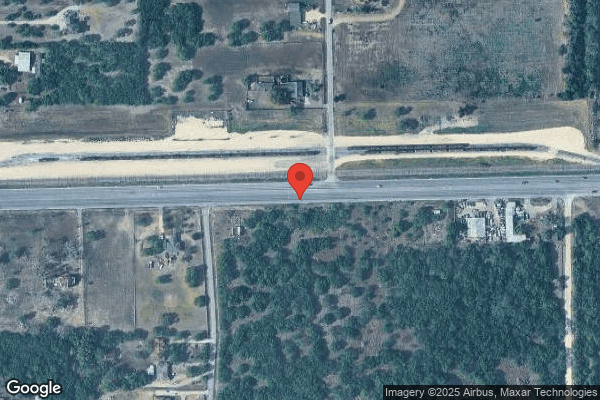
4301 S EXPRESSWAY 83, HARLINGEN, TX 78550 (956) 423-4959
For profit - Corporation 100 Beds THE ENSIGN GROUP Data: November 2025 1 Immediate Jeopardy citation
Trust Grade
76/100
#166 of 1168 in TX
Last Inspection: June 2025

Inspected within the last 6 months. Data reflects current conditions.

Overview

Veranda Rehabilitation and Healthcare in Harlingen, Texas has a Trust Grade of B, which indicates it is a good option for families, sitting solidly in the middle of the pack. It ranks #166 out of 1,168 facilities in Texas, placing it in the top half overall, and #3 out of 14 in Cameron County, meaning only two local homes are rated higher. However, the facility's trend is worsening, increasing from 4 issues in 2024 to 6 in 2025, which raises some concerns. Staffing is rated 2 out of 5 stars, indicating below-average performance, with a turnover rate of 42% that is slightly better than the state average. Notably, the facility has faced some serious incidents, such as a resident eloping from the facility, which raised critical safety concerns, as well as issues with pest control in the kitchen and a case of financial exploitation involving a resident's funds. While there are strengths such as excellent quality measures and good health inspection ratings, families should weigh these concerns carefully.

Trust Score
B
76/100
In Texas
#166/1168
Top 14%
Safety Record
High Risk
Review needed
Inspections
Getting Worse
4 → 6 violations
Staff Stability
○ Average
42% turnover. Near Texas's 48% average. Typical for the industry.
Penalties
✓ Good
$8,021 in fines. Lower than most Texas facilities. Relatively clean record.
Skilled Nurses
⚠ Watch
Each resident gets only 26 minutes of Registered Nurse (RN) attention daily — below average for Texas. Fewer RN minutes means fewer trained eyes watching for problems.
Violations
⚠ Watch
12 deficiencies on record. Higher than average. Multiple issues found across inspections.
★★★★★
5.0
Overall Rating
★★☆☆☆
2.0
Staff Levels
★★★★★
5.0
Care Quality
★★★★☆
4.0
Inspection Score
Stable
2024: 4 issues
2025: 6 issues

The Good

  • 5-Star Quality Measures · Strong clinical quality outcomes
  • Full Sprinkler Coverage · Fire safety systems throughout facility
  • No fines on record
  • Staff turnover below average (42%)

    6 points below Texas average of 48%

Facility shows strength in quality measures, fire safety.

The Bad

Staff Turnover: 42%

Near Texas avg (46%)

Typical for the industry

Federal Fines: $8,021

Below median ($33,413)

Minor penalties assessed

Chain: THE ENSIGN GROUP

Part of a multi-facility chain

Ask about local staffing decisions and management

The Ugly 12 deficiencies on record

1 life-threatening
Jun 2025 4 deficiencies
CONCERN (D) 📢 Someone Reported This

A family member, employee, or ombudsman was alarmed enough to file a formal complaint

Potential for Harm - no one hurt, but risky conditions existed

Deficiency F0602 (Tag F0602)

Could have caused harm · This affected 1 resident

**NOTE- TERMS IN BRACKETS HAVE BEEN EDITED TO PROTECT CONFIDENTIALITY** Based on interview and record review, the facility failed to ensure residents had the right to be free from misappropriation of ...

Read full inspector narrative →
**NOTE- TERMS IN BRACKETS HAVE BEEN EDITED TO PROTECT CONFIDENTIALITY** Based on interview and record review, the facility failed to ensure residents had the right to be free from misappropriation of property and exploitation for 1 of 3 (Resident #39) reviewed for misappropriation and exploitation, in that: The facility failed to ensure Resident #39 was free from exploitation. On 03/10/25, the facility learned that the former ABOM had accessed R Resident #39's bank account information and withdrew funds without his knowledge or consent on 18 different occasions. As a result, Resident #39 lost $4671.22 from his checking account. This failure could affect residents and their responsible party by preventing them from having access to their funds. The findings included: Record review of Resident #39's admission Record dated 06/25/25 reflected a [AGE] year-old male, original admission date 04/03/24, his relevant diagnoses included Chronic Obstructive Pulmonary Disease (lung disease with (Acute) Exacerbation Muscle Weakness (Generalized), Essential (Primary) Hypertension (high blood pressure), and Unspecified Atrial Fibrillation (irregular heartbeat). Record Review of Resident #39's quarterly MDS assessment reflected a BIMS score of 14 (intact cognitive function). Record review of Resident #39's bank statement, not dated, revealed 18 unauthorized transactions beginning in October 2024 through March 2025 that totaled $4671.22. Record review conducted on in-service for all staff for incident dated 03/11/25, titled In-Service Training Report; Subject Abuse Neglect, Exploitation. In an interview on 06/22/25 at 10:00 a.m., Resident #39 said he noticed money missing from his bank account and asked the BOM for help. He said she transported him to his bank where he found out that someone was withdrawing money through a peer-to-peer money transfer service known as Cash App, without his knowledge or permission. He said he had been able to close that account and open a new one. He also said the local police department was called in to investigate this situation. He said he didn't know how the former ABOM got access to withdraw money from his account. He said he never gave her permission to. Resident #39 also said the facility reimbursed him the full amount of $4,671.22. In an interview on 06/22/25 at 2:44 p.m., the Administrator said they did not know the former ABOM had been taking the money from Resident #39. He said she resigned in December 2024. The Administrator said they immediately called the police when they found out about the incident and gave law enforcement information that they requested. He said they also reimbursed Resident #39 the full amount of $4,671.22. He said they in-serviced all staff on Abuse, neglect and exploitation and conducted an audit of all residents' finances for the past year and found no concerns. He also said they now have a filling cabinet with lock and key to store all resident's financial information to which only the BOM has access to. In a telephone interview on 06/23/25 at 4:15 p.m. the BOM said Resident #39 asked her for help when he could not access his account via telephone. She said she took him to his bank so he could find out what was going on. She said at that point they found out that the former ABOM was taking money from his account without his permission. The BOM said she was not aware that the former ABOM was doing that. The BOM said that the ABOM had access to Medicaid applications because that was one of her duties to help with. She said she did not know how she was able to take money from Resident #39's account. BOM said that after the incident, she completed an audit of all resident's finances for the past year and found no concerns. She said she also has a cabinet with lock and key to keep all resident's financial information secured and she is the only one with access. 06/24/25 at 9:02 a.m. Attempted to contact former ABOM via telephone, there was no answer, only able to leave voice message. In a telephone interview on 06/24/25 at 10:12 a.m. the Police Investigator said he investigated the incident and found that the former ABOM gained access to Resident #39's bank account information and linked it to her personal Cash App and was transferring money to her account from October 2024 to March 2025. He said when he interviewed her, she admitted to taking Resident #39's money without his consent. He also said she was arrested for this incident. Record review of the facility's policy titled Abuse: Prevention of and Prohibition Against revised on 12/2023 . reflected; Policy It is the policy of this Facility that each resident has the right to be free from abuse, neglect, misappropriation of resident property, exploitation, and mistreatment. The Facility will provide oversight and monitoring to ensure that its staff, who are agents of the Facility, deliver care and services in a way that promotes and respects the rights of the residents to be free from abuse, neglect, misappropriation of resident property, exploitation, or use of technology that would infringe on the resident's right to personal property.
CONCERN (D)

Potential for Harm - no one hurt, but risky conditions existed

Comprehensive Care Plan (Tag F0656)

Could have caused harm · This affected 1 resident

**NOTE- TERMS IN BRACKETS HAVE BEEN EDITED TO PROTECT CONFIDENTIALITY** Based on observation, interview, and record review, the facility failed to develop and implement a person-centered care plan for...

Read full inspector narrative →
**NOTE- TERMS IN BRACKETS HAVE BEEN EDITED TO PROTECT CONFIDENTIALITY** Based on observation, interview, and record review, the facility failed to develop and implement a person-centered care plan for each resident that included measurable objectives and timeframes to meet a resident's medical, nursing, and mental and psychosocial needs that were identified in the comprehensive assessment for 2 of 8 residents (Resident #'s 44, Resident #30) reviewed for comprehensive care plans in that: 1.The facility failed to ensure Resident #44 ' s care plan included his ADL self-performance deficit for eating when Resident #44 needed substantial/maximal assistance and needed to be fed. 2. The facility failed to develop and implement a comprehensive person-centered care plan to address Resident #30's smoking. These deficient practices could place residents at risk of not receiving appropriate treatment and services. The findings included: 1.Record review of Resident #44 admission record dated 06/24/25 reflected an [AGE] year-old male admitted on [DATE], an initial admit date of 06/06/23, and an original admit date of 01/14/22. His relevant diagnoses included dementia (the loss of cognitive functioning, thinking, remembering, and reasoning) muscle weakness, dysphagia, oropharyngeal phase (difficulty in swallowing that originates in the mouth and throat and extends to the upper esophagus), anxiety disorder (intense, excessive, and persistent worry and fear about everyday situations), and bipolar disorder ( a disorder associated with episodes of mood swings ranging from depressive lows to manic highs) . Record review of Resident #44 ' s quarterly MDS assessment dated [DATE] reflected that he had a BIMS score of 02, which indicated his cognition was severely impacted. Further review reflected Resident #44 had a code of 5 (setup and clean-up assistance-helper sets up or cleans up; resident completes activity Helper assist only prior to or following the activity) for eating. Record review of Resident #44 ' s quarterly care plan dated 04/08/25 reflected a focus of assistance with ADLs: setup/clean-up: Eating. His interventions in part included eating peg tube ( a feeding tube inserted through the abdominal wall into the stomach). In an observation on 06/23/25 at 8:45 am, Resident #44 was observed in a sitting position on his bed. His bedside table was positioned over his bed. The breakfast tray was sideways, and his left elbow was observed to be resting in his pureed oatmeal bowl. His spoon had fallen between his contracted legs and was not within reach. Resident #44 kept repeating se me [NAME] y no puedo agararlo (it fell, and I can ' t get it) pointing to the spoon. Shortly after, CNA A was observed as she approached Resident #44 and asked him if he needed assistance with his breakfast, and he answered si (yes). CNA A began feeding Resident #44, and he ate 100% of his meal. In an interview on 06/23/25 at 8:55 a.m., CNA A said Resident #44 ADL for feeding was to set-up/clean-up for eating. She said that meant his meal tray had to be set up (uncover the drinks, making sure the utensils were within reach, and his tray was within reach). She said Resident #44 required assistance with feeding, but there were times in which he refused to be assisted with feeding. She said all they could do when he refused was to monitor him. She said Resident #44 had behavioral issues and would spit on them when he did not want to be fed. CNA A said she had set up his breakfast tray earlier that morning but had not checked up on him after that. In an interview on 06/23/25 at 9:00 a.m., MDS H said Resident #44 ' s care plan reflected that he had a feeding tube; therefore, there were no interventions for feeding. In an interview on 06/23/25 at 9:05 am, LVN B said Resident #44 never had a feeding tube. In an interview on 06/23/25 at 10:00 am, the DON approached this surveyor and provided a copy of Resident #44 ' s care plan and said, it was just revised. This surveyor asked what was revised, and her response was, I don't know, I was just told to bring it to you. In an interview on 06/23/25 at 10:05 am, MDS G said she had modified Resident #44 ' s care plan to reflect that he did not have a feeding tube and added x1 for feeding. She said the update meant he needed assistance with feeding. In an interview on 06/24/25 at 9:00 a.m., LVN B said there were days in which Resident #44 was able to eat on his own and days in which he required assistance with feeding. She said Resident #44 had behavior issues and when he did not want help with feeding, he would spit on the CNAs. She said there was no negative outcome for not having his care plan include he was a 1x for eating because the CNA staff were already assisting him in eating but at times he refused. In an interview on 06/24/25 at 9:40 am, the DON said she did not know why Resident #44 ' s care plan reflected he had a feeding tube. She said from what she recalled, Resident #44's ADL for eating was set-up and monitor, which meant a CNA would set up his meal tray and monitor him to see if he needed assistance with anything. This Surveyor asked the DON if set-up/clean-up (as reflected on Resident #44 ' s care plan) was the same as set-up and monitor and she did not respond. She said Resident #44 had behavior problems like spitting and hitting CNAs when they tried to feed him. The DON said there were no negative outcomes to Resident #44 because his care plan did not indicate that he required assistance X1 for feeding, because CNAs would assist with that task whenever he would allow them. 2. Review of Resident #30's Face sheet dated 06/22/2025 revealed an admission date of 05/21/2025. The Resident's diagnoses included Nicotine Dependence, Chronic Obstructive Pulmonary Disease (a progressive lung disease that makes it difficult to breath). Review of Resident #30's most recent comprehensive MDS assessment dated [DATE], revealed the resident's diagnosis of Chronic Obstructive Pulmonary Disease. Resident#30 was cognitively intact with a score of 13. Review of the Resident #30's Care Plan, dated 05/22/2025, revealed the care plan did not identify the resident's smoking interventions. Record Review of facility's smoking list provided by the facility on 6/23/24 Resident #30 was on the list. In an observation and interview on 06/23/25 at 8:45 am, Resident #30 was on his bed, lying down, resident did not have any concerns on abuse and neglect. The room was clean, resident was well groomed. during an interview Resident #30 revealed he was a smoker and the facility was facilitating his smoking needs. During an interview on 06/23/25 at 4:30 p.m. The MDS H nurse stated the care plan should have been updated when and by whomever found out that Resident #30 was a smoker. MDS H nurse stated that Resident #30 was very dependent and was able to light up the cigarette by himself. The MDS H nurse stated that a negative outcome was the lack of communication between staff and resident. During an interview on 6/24/25 at 11:20 a.m. The ADON stated that she did not know how was Resident#30's missed as a smoker. ADON stated that was important to have the care plan updated because that way Resident #30 could get the best care. The ADON stated the negative outcome would be not giving the care needed by Resident #30. During an interview on 06/24/25 at 11:50 a.m., the DON stated the care plan had to be updated to give the resident the best care and to verify if the interventions were effective. The DON stated care plans were created upon admission within 48 hours, updated 14 days after admission, quarterly, and upon change of condition. The DON stated Resident #30 was at risk of not receiving a proper care that she required. Record review of the facility ' s Comprehensive Person-Centered Care Planning policy, dated September 2016 revisied April 2025 reflected: Policy: It is the policy of this facility that the interdisciplinary team (IDT) shall develop a comprehensive person-centered care plan for each resident that includes measurable objectives and timeframes to meet a resident ' s medical, nursing, mental and psychosocial needs that are identified in the comprehensive assessment. The IDT team will also develop and implement a baseline care plan for each resident, within 48 hours of admission, that includes minimum healthcare information necessary to properly care for each resident ad instructions needed to provide effective and person-centered care that meet professional standard of quality care. Procedure: 3. The facility IDT will develop and implement a comprehensive persons-centered, culturally competent, and trauma-informed care plan for each resident within 7 days of completion of the Resident Minimum Data Set and will include resident ' s needs identified in the comprehensive assessment, any specialized services as a result of PASRR recommendation, and resident ' s goals and desired outcomes, preferences for future discharge and discharge plan. Review of the facility Smoking Policy with a revised date 03/2008 - reflected it is the policy of this facility to provide to its ' residents a smoke free environment. It is also policy to provide those residents who choose to smoke a means in which to do so that does not jeopardize their safety or the safety of others residing in the facility. The results of the evaluation will be placed in the resident ' s chart and the Interdisciplinary Team recommendations will be care planned
CONCERN (D)

Potential for Harm - no one hurt, but risky conditions existed

Infection Control (Tag F0880)

Could have caused harm · This affected 1 resident

**NOTE- TERMS IN BRACKETS HAVE BEEN EDITED TO PROTECT CONFIDENTIALITY** Based on observation, interview, and record review, the facility failed to ensure parenteral fluids were administered consistent...

Read full inspector narrative →
**NOTE- TERMS IN BRACKETS HAVE BEEN EDITED TO PROTECT CONFIDENTIALITY** Based on observation, interview, and record review, the facility failed to ensure parenteral fluids were administered consistent with professional standards for 1 of 4 residents (Resident #20) reviewed for infection control. The facility failed to ensure the dressing on Resident #20's peripheral intravenous line (a short flexible tube inserted into a vein to administer fluids and medications) was dated and initialed. The failures could affect residents by placing them at risk for infections. Findings included: Record review of Resident #20's electronic face sheet, dated 06/22/2025, reflected the resident was a [AGE] year-old female who was admitted to the facility on [DATE] with an original admission date of 02/11/2017. The resident had diagnoses which included: Cellulitis of Left Foot (skin infection), Alzheimer's Disease (a brain disorder that slowly destroys memory and thinking skills, and eventually, the ability to carry out the simplest tasks), Type 2 Diabetes Mellitus, Dementia, Muscle Weakness, and Age-Related Osteoporosis (causes bones to become weak and brittle). Record review of Resident #20's Quarterly MDS assessment dated [DATE] reflected that she had intravenous access. Resident #20 BIMS score was 0, indicating her cognition was severely impaired. Record review of Resident #20's person- centered care plan, initiated date 06/17/25 reflected resident was on IV Medications related to cellulitis to left foot and IV hydration-initiated date 06/21/2025. Interventions included IV medication as ordered. Check dressing at site daily, monitor PIV line for s/s of infection/infiltration every shift, notify provider if present change intravenous tubing with new IV bag reinsert peripheral IV line. Notify md if unable to reinsert after attempts. Change dressing prn if wet, soiled, saturated or loose peripheral intravenous care. IV fluids as ordered. Record review of Resident #20's physician orders reflected, 0.9% NS at 80mL/Hr x1 Liter one time only for hydration for 1 Day dated 06/21/2025. Linezolid Intravenous Solution 600 MG/300ML (Linezolid) Use 1 dose intravenously every 12 hours for cellulitis to left foot for 7 Days, dated 06/17/2025. An observation on 06/22/2025 at 10:58 a.m. revealed Resident #20 was in her room lying in bed. She had a peripheral intravenous line dressing properly labeled on her left wrist with 0.9% NS running at 80mL/hr. She also had a peripheral intravenous line dressing with no date and no initials on her right hand. There were no signs or symptoms of infection or infiltration noted at both peripheral line sites. In an interview on 06/22/2025 at 11:02 a.m. LVN I, the charge nurse for Resident #20, confirmed the resident had a peripheral IV lock in her right hand covered with a transparent dressing that was not labeled. LVN I stated that she was not the one that initiated it. LVN I stated that the nurse who initiated the IV was responsible for labeling the dressing with the date and initials. She stated that it was important to label the IV sites to know when they needed to be changed. LVN I stated she would remove the one on the right hand because she did not know how long she has had it. She stated she checked the sites that morning and flushed both IV sites but missed the labeling. She stated she knew she was supposed to check the date on the dressing, the site for infection, and the status of the dressing every shift. LVN I stated that it was important to label the dressings because it can cause infection not knowing how long they have had it for. She stated she had done training on IV administration upon hire and once a month. In an interview on 06/22/2025 at 11:15 a.m. the ADON confirmed that Resident #20 had a peripheral IV lock in her right hand with a dressing that was not labeled. She stated that the IV dressings needed to be changed every three days. The ADON stated that it was important to label the dressings because they did not know how long they have had it for, and it can cause infection and infiltration. She stated that the staff was to date and initial the dressings. The ADON stated she does rounds to check after the nurses and ensure IV bags and dressings were labeled with date and initials, but she did not have a chance to go down Resident #20's hall. She stated that the staff was trained in IV administration to meet all criteria. In an interview on 06/22/2025 at 11:25 a.m., the DON stated that the IV dressings were to be labeled with the date and initials and were to be changed every three days. She stated that it was important for the nurse to ensure that it was labeled so they knew when to change it. The DON stated that by not having the dressing labeled the site can develop an infection. She stated the ADON rounds to check after the nurses and ensures the dressings were being labeled. She stated that IV administration trainings were done annually and as needed. Record review of the facility's skill check off record provided revealed LVN I met requirements for Inserting a Peripheral IV on 05/01/2025. Record review of the facility's Competency Checklist Inserting a Peripheral IV blank form revealed: Title: Labeling Description: Place a label with the date of catheter insertion, clinicians' initials. Rationale: Allows for recognition of type of device and length of time that device has been in place. Record review of the facility's Administration of Medication and Fluids, Intravenous policy, dated revised 3/2023, revealed .15. Rotate sites every seventy-two hours. Record review of the facility's Infection Prevention and Control Program Policy date revised 10/2022 revealed: Policy: The infection prevention and control program is a facility wide effort involving all disciplines and individuals and is an integral part of the quality assurance and performance improvement program. The elements of the infection prevention and control program consist of coordination/oversight, surveillance, data analysis, antibiotic stewardship, outbreak management, prevention of infection, and employee health and safety. Goals: Recognize infection control practices while providing care. Ensure compliance with state and federal regulations related to infection control.
CONCERN (E)

Potential for Harm - no one hurt, but risky conditions existed

Deficiency F0925 (Tag F0925)

Could have caused harm · This affected multiple residents

Based on observation, interview, and record review, the facility failed to maintain an effective pest control program so that the facility is free of pests for 1 of 1 kitchen reviewed for environmenta...

Read full inspector narrative →
Based on observation, interview, and record review, the facility failed to maintain an effective pest control program so that the facility is free of pests for 1 of 1 kitchen reviewed for environmental conditions. The facility failed to have pest control effectively treat the kitchen for roaches. This deficient practice could place residents at risk of exposure to pests, diseases, infections, and diminished quality of life. Findings included: An observation and follow-up tour of the kitchen with the DM on 06/22/25 at 2:00 p.m., revealed there were roaches coming out of the floor drain under the 2-compartment sink on the north side of the kitchen. The DM said the kitchen had been fumigated last week and stated the roaches started coming out when the new parking lot construction began several weeks ago. She said she had already reported the problem to the facility ' s Maintenance Director and the Administrator. She said the negative outcome for having roaches in the kitchen was an infection control issue. In an interview on 06/22/25 at 2:30 p.m., the Maintenance Director said the DM had told him she had seen roaches in the kitchen. He said the roaches started coming out when they started the construction of their new parking lot in the back of the building. He said the entire facility had been fumigated last week for roaches. He was not able to say what the negative outcome of having roaches in the kitchen would have been. In an interview on 06/23/25 at 2:00 p.m., [NAME] E said the roach problem began a couple of weeks ago, when the construction of the new parking lot started. She said she had seen roaches in the morning when she came in and immediately reported it to the DM. She said the kitchen had been fumigated last week. She said she would only saw couple of roaches a day and said it was not an infestation. In an interview on 06/22/25 at 2:10 p.m., DA F said she had first noticed the roaches in the kitchen when the construction of the new parking lot started. She said the kitchen had been fumigated last week and that it was not like a lot of roaches. She said whenever she saw a roach she would kill it and then report it to the DM. In an interview on 06/22/25 at 4:00 p.m., the Administrator said the entire facility was fumigated at least once a week or more often if needed. He said the hot weather and the construction of the new parking lot behind the kitchen could be the reason the roaches were coming into the kitchen. He said he had already called the exterminator, and they would be coming back to fumigate the kitchen by tomorrow. He was not able to say what the negative outcome of having roaches in the kitchen would be. Record review on 06/22/25 at 3:00 of the facility ' s pest control log reflected the entire facility had been fumigated monthly from 01-25 to 05-25 and twice in 06-30-25 for ants, spiders, roaches, and silverfish. Record review on 06/23/25 of the facility's Infection Control Policy/Procedures: Pest Control Visits revised on May 2007 reflected: Policy: It is the policy of this facility to provide an environment free of pests. Procedures: 3. It will allow for additional visits when a problem is detected. 4. Monitoring of the environment will be done by the facility ' s staff. 5. Pest control problems will be reported promptly to the administrator.
May 2025 2 deficiencies
CONCERN (D) 📢 Someone Reported This

A family member, employee, or ombudsman was alarmed enough to file a formal complaint

Potential for Harm - no one hurt, but risky conditions existed

Deficiency F0740 (Tag F0740)

Could have caused harm · This affected 1 resident

**NOTE- TERMS IN BRACKETS HAVE BEEN EDITED TO PROTECT CONFIDENTIALITY** Based on interview and record review, the facility failed to provide behavioral health services to attain or maintain the highes...

Read full inspector narrative →
**NOTE- TERMS IN BRACKETS HAVE BEEN EDITED TO PROTECT CONFIDENTIALITY** Based on interview and record review, the facility failed to provide behavioral health services to attain or maintain the highest practicable physical, mental, and psychosocial well-being for two (Resident #1 and Resident #2) of six residents reviewed for behavioral health services. The facility failed to follow-up to ensure Resident #1 and Resident #2 received a psychiatric consultation after an order was received from the MD on 05/30/24. This failure could place residents at risk for not receiving behavioral health services and a decline in quality of life. Findings included: 1. Record review of Resident #1's face sheet, dated 05/22/25, reflected the resident was a [AGE] year-old male, with an original admission date of 8/30/23. Resident #1 had diagnoses of Dementia (a decline in cognitive functioning, affecting memory, thinking, and language to such an extent that it interferes with a person's daily life and activities), cognitive communication deficit (communication difficulty), and metabolic encephalopathy (neurological disorder caused by impaired brain function due to problems with bodily metabolism, such as infections, organ dysfunction, or electrolyte imbalances). Record review of Resident #1's quarterly MDS assessment dated [DATE], reflected Resident #1 mental status had short-term and long-term memory problem, able to recall staff names and faces, and had severely impaired cognitive skills for daily decision making, Record review of Resident #1's undated care plan reflected the following: Focus: Potential to demonstrate physical behaviors R/T agitation high ammonia level 5/26/24 combative/ aggressive behaviors towards another resident and skilled nurse 8/4/24 discord with another Date Initiated: 04/26/2024, Revision on: 08/05/2024. Goal: Will not harm self or others through the review date. Date Initiated: 04/26/2024, Revision on: 02/13/2025, Target Date: 08/04/2025. Interventions: o Assess and anticipate resident's needs: food, thirst. toileting needs, comfort level, body positioning, pain etc. Date Initiated: 04/26/2024. o (psychiatry) to evaluate and treat as ordered Date Initiated: 05/31/2024. o Give as many choices as possible about care and activities. Date Initiated: 04/26/2024. o When becomes agitated, guide away from source of distress; engage calmly in conversation. If response was aggressive, staff to walk calmly away, and approach later. Date Initiated: 04/26/2024. Record review of a physician order for Resident #1 dated 05/30/2024 at 3:14 PM, confirmed by DON, reflected the following: Order Summary: psychiatry services to evaluate and treat. 2. Record review of Resident #2's face sheet, dated 05/22/25, reflected the resident was an [AGE] year-old male, with an admission date of 7/11/23. Resident #2 had diagnoses of Alzheimer's Disease (a progressive neurodegenerative disorder that primarily affects the brain, leading to a decline in memory, thinking, and other cognitive functions) and Cognitive Communication Deficit (communication difficulty). Record review of Resident #2's quarterly MDS assessment dated [DATE], reflected Resident #2 had a BIMS score of 15 indicating cognitively intact, and had inattention and disorganized thinking. Record review of Resident #2's undated care plan reflected the following: Focus: Potential for a psychosocial well-being problem r/t being kicked to leg by another resident 5/26/24 Date Initiated: 05/31/2024. Goal: Will have no indications of psychosocial well-being problem by/through review date. Date Initiated: 05/31/2024 Revision on: 04/15/2025 Target Date: 07/14/2025. Interventions: o 5/26/24 head-to-toe assessment Date Initiated: 05/31/2024 o Allow time to answer questions and to verbalize feelings perceptions, and fears. Date Initiated: 05/31/2024. Record review of a physician order for Resident #2 dated 05/30/2024 at 3:14 PM, confirmed by DON, reflected the following: Order Summary: psychiatry services to evaluate and treat. Record review of the Provider Investigation Report # 507305 dated 05/31/25, reflected the following: Other Action Taken: . . Psychiatry services to evaluate and treat both residents. Record review of Resident #1's and Resident #2's electronic record did not reflect any psychiatric consultation, any scheduled consultation, or any follow-up regarding the psychiatry consult order. In an interview on 5/21/25 at 3:28 pm DON said she remembered she received a call from staff and was informed Resident #1 was observed swinging and kicking at Resident #2. She said the facility implemented moving Resident #1 to a different hallway prevented the incident from happening again. She said Resident #1 had not exhibited those behaviors before, but the facility felt Resident #1 being moved prevented the behavior from happening again. She said Resident #1 did not receive the evaluation/treatment for psychiatry. She said the social worker who was working at that time did not follow through with the orders for psychiatry to evaluate and treat. The DON said she provided the order to the social worker at the time, and she did not follow through. The DON said the social worker was the designee for psychiatry referrals. The DON said that social worker no longer worked for the facility. The DON said there was not a negative outcome with this incident. In an interview on 5/22/25 at 2:20 pm the Administrator said Resident #2 loved to talk about religion. The Administrator said Resident #2 could preach a lot and could be unrelenting. The Administrator said he thought Resident #2 was doing that with Resident #1 and Resident #1 did not like it. The Administrator said the facility separated the two residents and placed everything on the investigation summary. The Administrator said everything listed on the investigation summary should have been done. The Administrator said the social worker at the time was responsible for carrying out those orders. The Administrator said with that behavioral/psychiatric referrals, the social worker was the designated person who made sure the referral happened. Record review of the facility's Behavioral Health Services policy with a revision date of 12/2023, reflected the following: Policy It is the policy of this facility to provide residents with necessary behavioral health care and services to attain or maintain the highest practicable physical, mental, and psychosocial well-being, in accordance with the comprehensive assessment and plan of care. Behavioral health encompasses a resident's whole emotional and mental well-being, which includes the prevention and treatment of mental and substance use disorders, as well as psychosocial adjustment difficulty, or those with history of trauma and/or post-traumatic stress disorder. Procedure . 6. The physician, in collaboration with the IDT team, will determine the appropriate psychiatric or psychological treatment or rehabilitative services needed. Treatment will be provided as ordered by the physician. 7. Social services will make the appropriate professional services referral, if needed, following agreement from the resident and/or resident representative.
CONCERN (D) 📢 Someone Reported This

A family member, employee, or ombudsman was alarmed enough to file a formal complaint

Potential for Harm - no one hurt, but risky conditions existed

Pharmacy Services (Tag F0755)

Could have caused harm · This affected 1 resident

**NOTE- TERMS IN BRACKETS HAVE BEEN EDITED TO PROTECT CONFIDENTIALITY** Based on interviews and record review, the facility failed to provide pharmaceutical services (including procedures that assure ...

Read full inspector narrative →
**NOTE- TERMS IN BRACKETS HAVE BEEN EDITED TO PROTECT CONFIDENTIALITY** Based on interviews and record review, the facility failed to provide pharmaceutical services (including procedures that assure the accurate acquiring, receiving, dispensing, and administering of all drugs and biologicals) to meet the needs of each resident for one (Resident #3) of six residents. The facility failed to ensure that Resident #3 received his eye drops to his left eye as prescribed on the physician's prescription orders dated 2/26/25. Resident #3 received 1 drop twice a day instead of 1 drop three times a day to his left eye. This facility's failure placed residents receiving medications at risk for drug diversion, drug overdose, and decrease efficacy of medications. Findings included: Record review of Resident #3's face sheet, dated 05/22/25, reflected the resident was a [AGE] year-old male, with an original admission date of 1/17/24. Resident #3 had diagnoses of Dementia (a decline in cognitive functioning, affecting memory, thinking, and language to such an extent that it interferes with a person's daily life and activities), cystoid macular degeneration, right eye (a condition where the central part of the retina responsible for detailed vision, swells and forms cyst-like fluid collections) and presence of intraocular lens (an artificial lens implanted in the eye to replace the natural lens). Record review of Resident #3's quarterly MDS assessment dated [DATE], reflected Resident #3 had a BIMS score of 13 indicating cognitively intact. Record review of Resident #3's undated care plan reflected the following: Focus: impaired visual function r/t presence of intraocular lens, cystoid macular degeneration, right eye, combined forms of age-related cataract, bilateral, diabetes 2/11/25 s/p right eye cataract surgery. 2/24/25 s/p left eye cataract surgery. Date Initiated: 01/31/2024 Revision on: 03/19/2025. Goal: Will have no indications of acute eye problems through the review date. Date Initiated: 01/31/2024 Revision on: 02/12/2025 Target Date: 07/28/2025. Interventions: o 2/17/25 eye drops as ordered Date Initiated: 02/18/2025 o 2/26/25 eye drops as ordered Date Initiated: 02/27/2025 o 3/3/25 eye drops as ordered Date Initiated: 03/03/2025 Revision on: 03/04/2025 o appt. with ., OD 03/10/25 @ 8:00 am Date Initiated: 03/03/2025 o appt. with ., OD ***03/25/25 Date Initiated: 03/17/2025 o eye drops as ordered Date Initiated: 03/10/2025 Revision on: 03/19/2025 o f/u appt with . Surgical Center ***02/26/25 @ 8:15am*** [M .,Tx] Date Initiated: 02/25/2025 o f/u with ophthalmologist as needed Date Initiated: 06/04/2024 o Monitor/document/report to MD the following s/sx of acute eye problems: Change in ability to perform ADLs, decline in mobility, sudden visual loss, pupils dilated, gray or milky, c/o halos around lights, double vision, tunnel vision, blurred or hazy vision. Date Initiated: 01/31/2024. Record review of a prescription order for Resident #3 from eye doctor's office, signed by OD and dated 2/26/25 reflected the following: Drop orders: Right eye Prednisolone i gtt OD BID, Left Eye Prednisolone i gtt OS TID . Record review of a physician order on PCC for Resident #3 dated 2/25/25 reflected Prednisolone Acetate Ophthalmic Suspension 1% in both eyes 1 drop two times a day, everyday post cataract surgery, start date 2/26/25. In a phone interview on 5/20/25 at 6:10 pm LVN A said one of Resident #3's eye drops had been discontinued with the previous cataract surgery, so she could not resume those drops without clarified orders. LVN A said nurses are required to obtain detailed physician orders to administer any medications. LVN A said if they did not have detailed orders, they must call the physician to receive clarified orders. LVN A said she could not recall if she received a written prescription order or a verbal order for the eye drops. LVN A said she could not recall if the drops were prescribed two or three times a day. LVN A said if she did not clarify the order, she could have given the wrong medication or the wrong dose and that would have been an error. In a phone interview on 5/21/25 at 10:17 am RN B said nurses could not give eye drops or any medications without a physician's order. RN B said if the eye drops had been given without an order or clarification, they could have given the wrong medication or the wrong dose, which could have damaged the resident's eyes and could have affected her nursing license. RN B said nurses received orders and ensured orders were accurate which was protocol. She said as a nurse they clarified any order that needed clarification prior to administering a medication. In an interview on 5/22/25 at 10:20 am, the DON said nurses cannot administer medications without a complete prescription order. The DON said if there was missing information, such as the specific medication name, frequency, dosage, etc., the nurses were required to clarify those orders. The DON said they received a written prescription for the eye drops. The DON looked up the order on PCC and said the prednisolone for both eyes was prescribed two times a day. She looked up the prescription on the Provider Investigation Report and read the prednisolone for the left eye was prescribed three times a day. She said she really was not sure if there was another prescription or what happened. She said the thing with Resident #3 was he went to two different clinics, one in one town and one in another town, so she was not sure if they received a different order as well. The DON also said Resident #3 was resistant to providing the facility/nurses with post doctor visit orders. The DON said they could not administer medications without a complete prescription order. The DON said Resident #3 received his eye drops so she could not tell this surveyor if there would have been a negative outcome. The DON said if nurses did not give medications as prescribed, a resident could get worse for whatever reason they were receiving the medication. In an interview on 5/22/25 at 2:20 pm Administrator said any incident involving medications, he let his DON manage it. The Administrator said if the facility received a completed physician's order, they gave the resident exactly what was ordered on that written order. In a phone interview on 5/22/25 at 4:15 pm with the Ophthalmic Assistant at the eye doctor's office stated that patients usually have a follow up appointment the day after cataract surgery and were given their prescriptions at that time. She said patients were usually prescribed prednisolone 1 drop three times a day x 1 week, then it was decreased to 1 drop two times a day x 2 weeks, then 1 drop one time a day x 1 week. She said that was what was ordered Resident #3. She said from 2/26/25 to 3/3/25 Resident #3 should have received 1 drop 3 times a day to his left eye. She said if he received 1 drop two times a day instead, it would have minimal to no effect on the patient. She reviewed the Resident #3's record and said it showed no inflammation to the back of his left eye, so it had no effect to this patient. Record review of the Medication Administration - Eye Drops check-off dated 2/28/25 revealed the following: .Title: Check. Description: Verify the five rights of medication administration: (right person, medication, route, time, and dose) by checking the medication label to the MAR three times, upon removal from storage, before preparation, and before administration. Rational: Prevents medication errors with a check-off under Met. . Title: Administer. Description: Rest your dominant hand on the individual's forehead and instill the prescribed number of drops into the conjunctival sac. Rational: Ensures proper administration of the medication and prevents discomfort with a check-off under Met. . Title: Administer. Description: Repeat the procedure on the other eye as ordered. Rational: Prevents medication errors with a check-off under Met. Record review of the facility's Policy/Procedure - Nursing Clinical reviewed 8/2022 revealed: Policy: .It is the policy of this facility to accurately implement orders in addition to medication orders (treatment, procedures) only upon the written order of a person duly licensed and authorized to do so in accordance with the resident's plan of care.
May 2024 2 deficiencies
CONCERN (D) 📢 Someone Reported This

A family member, employee, or ombudsman was alarmed enough to file a formal complaint

Potential for Harm - no one hurt, but risky conditions existed

Medical Records (Tag F0842)

Could have caused harm · This affected 1 resident

**NOTE- TERMS IN BRACKETS HAVE BEEN EDITED TO PROTECT CONFIDENTIALITY** Based on interview and record review, the facility failed to maintain medical records that were complete, accurate, readily acce...

Read full inspector narrative →
**NOTE- TERMS IN BRACKETS HAVE BEEN EDITED TO PROTECT CONFIDENTIALITY** Based on interview and record review, the facility failed to maintain medical records that were complete, accurate, readily accessible, and systematically organized for 1 (Resident #11) of 24 residents reviewed for Advance Directives. The facility failed to have complete, accurate and readily accessible records to identify Resident #11's code status. Resident #11's medical record indicated Resident #11 code status was DNR, but the OOH-DNR form was not in Resident #11's medical record. This failure could affect residents who have implemented Advance Directives and established their choice to not be resuscitated at risk of receiving CPR against their wishes. The findings were: Record review of Resident #11's Physician's Orders dated [DATE] indicated Resident #11 was a 90-year female admitted to the facility on [DATE] with diagnoses of Essential Hypertension, Non-ST elevation myocardial infarction (a type of heart attack that usually happens when your heart's need for oxygen can't be met), dementia, mild, without behavioral disturbance, psychotic disturbance, mood disturbance (an early stage of memory loss), and chronic kidney disease, stage 3A (mild to moderate loss of kidney function). Record review of Resident #11's annual MDS assessment dated [DATE] indicated Resident #11 was understood by others, understood others, had good memory recall and had the cognitive skills for making decisions daily. Record review of Resident #11's care plan dated [DATE] revealed Resident #11 had code status of DNR with interventions that included, if resident is unresponsive, check for pulse, b/p, and respirations, if resident is unresponsive notify licensed staff immediately, review wishes annually and/or appointed healthcare representative. Record review of Resident #11's Physician's Orders dated [DATE] revealed Resident #11 had an order for DNR-Do Not Resuscitate dated [DATE]. Record review of Resident #11's electronic record did not reveal an OOH-DNR form. In an interview on [DATE] at 12:43 PM, the FM of Resident #11 said Resident #11 is a DNR. The FM said Resident #11 has told me several times that she does not want to be revived or put on a machine. The FM said the SW called her today to ask her to come to the facility so she could sign the DNR form. The FM said she thought Resident #11 already had a DNR form when she came from the hospital. FM said maybe the form wasn't valid, so they asked her to come to the facility and sign another DNR form. The FM said she had come in and signed the form. In an interview on [DATE] at 3:17 PM, ADON/LVN E said she checked PCC for Resident #11's record for the code status and it said Resident #11 code status was DNR. ADON/LVN said she asked the Medical Records clerk why Resident #11 was a DNR if they could not find any form to indicate she was a DNR. ADON/LVN E called the family and the FM said she had signed the DNR form. THE ADON/LVN E asked where she had signed the form and the FM said at the hospital. ADON/LVN E told the FM that the form was valid only at the hospital and the facility needed an OOH-DNR. The FM came in to sign the DNR form on [DATE], and the doctor was at the facility, so the form was signed by both. In an interview on [DATE] at 2:21 PM RN D said if a resident comes from the hospital the resident would be asked on admission if they were full code or DNR. If the resident was a DNR and something happened to the Resident, but they do not have the DNR form, and they do not resuscitate, the family could come in and say the resident was full code. If the resident was being admitted and the resident said they wanted to be DNR status, then the facility would start working on the DNR form right away. In an interview on [DATE] at 2:40 PM The SW said she did not fill out the DNR forms. The BOM assistant was the one that filled out the forms. The SW said she would only fill out the form if a family member came in and asked for her assistance. The SW said she did not audit the DNR forms to check if they were filled out correctly because she did not fill them out. The Medical records clerk takes the forms to the doctor to sign and then he would upload the form to PCC. In an interview on [DATE] at 8:57 AM, BOM Assistant said she did not fill out the DNR forms, the SW would fill out the DNR forms. The BOM Assistant said she would let the SW know the new admitting resident's code status was a DNR, so the SW could start the process. The BOM Assistant said she conducted the admission process and would check on PCC for the code status and if the resident code status was DNR, she would then follow up with the family or the resident if they were a DNR. The BOM Assistant would then let the SW know so the SW could get the form signed by all the necessary parties. Then the Medical Records Clerk would put the Advance directive in PCC. In an interview on [DATE] at 9:03 AM, Medical Records Clerk said when a resident comes from the hospital, sometimes they would come in with a DNR code status and during the meeting the staff would ask if the resident still wanted the DNR code status. If the resident did want to continue with the DNR code status, the SW was informed, and she assisted the family or resident with completing the form. Once the form was signed by the resident or representative, the SW would give the form to the Medical Records clerk. The Medical Records Clerk said he would send the form by carrier for the doctor's signature or if the physician comes to the facility, he can sign it here. Once the form was signed, the Medical Records Clerk would scan the form and send a copy to each department. Then it was up to each department to do their part. In an interview on [DATE] at 9:14 AM, MDS/LVN F said if a resident's code status was DNR, the resident would have an order from the physician and an OOH_DNR form. The staff would verify with the family/resident that the resident's code status was a DNR. The SW would assist the family with completing the form. Once the form was signed by all necessary persons the form would be uploaded to PCC. Then MDS would look for the order and would look under the miscellaneous tab in PCC for the form and then the care plan would be developed. MDS/LVN said she did not know how the care plan was developed for Resident #11 if they did not have the form. In an interview on [DATE] at 9:21 AM, the DON said Resident #11 came in from another nursing home as DNR. The SW would meet with the family and will initiate the process for the DNR. The SW would get it filled out and then the form goes to medical records. Medical Records Clerk would make sure it had all signatures and would upload to the form onto PCC and let all nursing departments know that Resident was now DNR. The MDS department will develop the care plan and will also check for the DNR form. The DON said she did not know how the error occurred. If Resident #11 had coded, they would still call the resident's loved one. The DON said sometimes the family would change their minds. The DON said if they started performing CPR once they start, they cannot stop. The DON said the DNR form might have been deleted from PCC by mistake. The DON said she would call the IT department and ask if the form was in PCC and if it could be retrieved. In an interview on [DATE] at 9:39 AM The SW said she would look at the referrals from the hospital and checked if they were full code or DNR status, but she did not review the DNR forms to check if they were correctly filled out or check if they were in the chart. The SW said the Medical Records Clerk would take the forms to the doctor to be signed and then would make sure the form had all the signatures and would scan the form and upload it onto PCC. In an interview on [DATE] at 11:09 AM, The Administrator said the SW was responsible for making sure the DNR form was in place and during care plans would review the code status and would review the form at that time. The Administrator said Resident #11 came in as a DNR from the hospital so there should be a DNR form somewhere. The Administrator said they had a couple of boxes with old medical records so they would go through them to look for the DNR form. In an interview on [DATE] at 12:31 PM, the DON provided the hard copy of the DNR form dated [DATE]. The DON said they had looked through boxes of old medical records and found Resident 11s DNR form. Record review of facility's policy on Advance Directives and Associated Documentation dated 11/2016 and revised on 12/2023 revealed: Procedure: 5. When an Advance Directive is completed: a. Review the Advance Directive to validate the document reflects the resident's choices and that the document is signed and dated by the resident or responsible agent. 6. Obtain a copy of the Advance Directive ad conservatorship/guardianship documents and place in resident's health record. b. Once the advance directive or information regarding resident preferences regarding treatment options is received by the facility, it will be confirmed in the resident medical record and communicated to members of the care plan team. c. The facility will notify the attending physician of advance directives so that, if necessary, appropriate orders can be documented in the resident's medical record and plan of care. i. A No CPR or DNR telephone order may be used once the Advance Directivee documents are received and in the health record.
CONCERN (D)

Potential for Harm - no one hurt, but risky conditions existed

Infection Control (Tag F0880)

Could have caused harm · This affected 1 resident

**NOTE- TERMS IN BRACKETS HAVE BEEN EDITED TO PROTECT CONFIDENTIALITY** Based on observation, interview and record review the facility failed to establish and maintain an infection prevention and cont...

Read full inspector narrative →
**NOTE- TERMS IN BRACKETS HAVE BEEN EDITED TO PROTECT CONFIDENTIALITY** Based on observation, interview and record review the facility failed to establish and maintain an infection prevention and control program designed to provide a safe, sanitary, and comfortable environment and to help prevent the development and transmission of communicable diseases and infections for two (Resident #78 and Resident #241) of five residents reviewed for infection control in that: 1. LVN A failed to properly disinfect equipment after providing wound care for Resident #78. 2. LVN A failed to wear appropriate PPE while providing device care for Resident #241. 3. LVN A failed to change all required items during device dressing care for Resident #241. These deficient practices could place residents at risk of infection, transmission of communicable diseases, and a decline in health. The findings included: 1. Record review of Resident #78's admission record revealed a [AGE] year-old female admitted to the facility on [DATE]. Diagnoses included encounter for orthopedic aftercare following surgical amputation, other acute osteomyelitis (infection of the bone) of right ankle and foot, acquired absence of right toe(s), sepsis (life threatening complication of an infection), pneumonia (infection of the lungs), and need for assistance with personal care. Record review of Resident #78's admission MDS dated [DATE] revealed Resident #78 had a BIMS score of 15 which indicated that she was cognitively intact. Record review of Resident #78's physician order summary report on 05/07/24 revealed an order that read, Cleanse right foot with NS (normal saline), pat dry with gauze, apply Medi honey, cover with gauze and wrap with kerlix (woven gauze used to cushion and protect wounds) daily every day shift for surgical post of amputation and enhanced barrier precautions: wound, every shift. Observation of Resident #78's wound care on 05/07/24 at 08:51 am, done by LVN A and assisted by LCNA revealed that LVN A used a pair of bandage scissors to cut the dressing off of Resident #78's right foot. When wound care was completed, LVN A took the bandage scissors back out into the hallway to the wound cart. LVN A unlocked and opened the wound cart and got an alcohol prep (approximately 1 inch by 1 inch 2 ply non-woven pad that contained 70% isopropyl (rubbing) alcohol), out and wiped only the scissor blades with it. LVN A then placed the scissors back into the left side of the top drawer of the wound care cart. LVN A then wiped down the table and hand sanitizer bottle with disinfectant wipes. The disinfectant wipes contained isopropyl alcohol and quaternary ammonium (a type of chemical used to kill bacteria, viruses and mold). In an interview on 05/07/24 at 09:44 am, LVN A stated it was very important to wipe down equipment and that she used alcohol on the scissor blades because she thought it was a 100% clean. LVN A stated if equipment was not wiped down with disinfectant wipes, it could lead to cross contamination which could lead to infection for the next resident it was used on. That could lead to sepsis, hospitalization, or death for the resident. In an interview on 05/07/24 at 2:47 pm, the DON stated that equipment was wiped with disinfectant wipes to prevent the spread of infections and if equipment was not cleaned/disinfected, it could cause cross contamination which could lead to multiple organism growths and hospitalization for other residents. In an interview on 05/08/24 at 01:14 pm, the ADON stated, No, we should not use alcohol preps to clean any equipment. We were always supposed to use disinfectant wipes to clean equipment/ supplies/ surfaces. If not done correctly, it could cause cross contamination, infections, and could lead to an outbreak, facility acquired infections or hospitalizations. Record review of the facility's Infection Prevention and Control Program dated 06/2021 and revised/reviewed 10/2022 stated in part: Goals: -Decrease the risk of infection to residents and personnel. -Recognize infection control practices while providing care. -Identify and correct problems relating to infection control. -Ensure compliance with state and federal regulations related to infection control. -The facility will provide areas, equipment, and supplies to implement its Infection Control Program with the goal of: -Effective cleaning and disinfecting equipment as needed. -Chemicals and equipment used for cleaning and disinfecting will be used in accordance with manufacturer's directions and recommendations. 2. Record review of Resident #241's admission record revealed a [AGE] year-old female admitted to the facility on [DATE]. Diagnoses included sepsis (life threatening complication of an infection), unspecified staphylococcus (bacteria that cause skin infection) as the cause of diseases elsewhere classified, cutaneous abscess (localized collection of pus in the skin) of right foot, type 2 diabetes, and need for assistance with personal care. Resident #241 had no known allergies. Record review of Resident #241's admission MDS dated [DATE] revealed Resident #241 had a BIMS score of 11 which indicated she had some cognitive impairment but was able to make her needs known and was oriented to self, place, and situation. Record review of Resident #241's physician order summary on 05/08/2024 revealed an order that read, Enhanced Barrier Precautions: PICC line- every shift and PICC LINE CARE: CHANGE PICC LINE DRESSING Q 7 DAYS IF SITE IS VISIBLE FOR ASSESSMENT. CHANGE DRESSING PRN IF WET, SOILED, SATURATED OR LOOSE. every day shift every Sun. Record review of Resident #241's progress notes reveal an entry created by LVN A on 05/09/24 at 11:18 am with an effective date of 05/08/24 at 3:16 pm, that read, Note Text: picc line dressing changed to rua,dressing [sic] noted with tape dislodging. sterile technique applied, pt tolerated well. pt and spouse aware. (PICC line dressing changed to right upper arm .) Observation on 05/08/24 at 2:21 pm with LVN A of Resident #241's entry way revealed an enhanced barrier precautions sign posted next to the door. Observation of Resident #241's PICC (a thin, long, soft catheter that is inserted into a vein of the upper arm and ending in a large vein that carries blood into the heart; used for long term intravenous antibiotics) line dressing revealed she had a right upper arm PICC line that had a folded piece of gauze under the clear dressing and a stat lock (a stabilization device used to hold the catheter in place) underneath the transparent dressing. There was tape on the entire right side of the dressing, indicating that the right side of the original dressing had come loose and had been taped back down. The tape was not adhered to the skin. LVN A stated the dressing needed to be changed because it was coming up on one side. Observation on 05/08/24 of the PICC line dressing change for Resident #241 performed by LVN A revealed that LVN A failed to put on a gown prior to or during the dressing change, as per the Enhanced Barrier Precautions sign outside the resident's door. It was noted that the central line dressing kit did not have a bio patch (an absorptive foam disc that is impregnated with chlorhexidine placed on top of the PICC line insertion site to aid in preventing blood stream infections) in it. LVN A stated, The bio patches usually come from the hospital. That I know of, we don't have them. We just put the split gauze on it. LVN A did not take the stat lock off the catheter or replace the two saline/heparin locks (needleless connectors used to seal off the IV catheter at the end where the medication is injected). LVN A did not clean the skin around the insertion site with the three PVP (Povidone Iodine) swab sticks or the three alcohol swab sticks provided in the kit. LVN A used the alcohol swab sticks to wipe down only the exposed PICC line catheter. The skin area around the insertion site that would be covered by the dressing was not cleaned. LVN A also did not use the skin protectant swab (used to help reduce the possibility of irritation from the adhesive in the transparent dressing) that was provided in the kit to provide a barrier film under the dressing. The PICC line was sutured into place, so LVN A was unable to slide a split gauze under it at the insertion site. Instead, LVN A unfolded the split gauze completely and laid it over the top of the entire external part of the PICC line, then placed the transparent dressing over it. In an interview on 05/09/24 09:49 am, with the DON and the CRN, the DON stated if the dressing has gauze under it, it should be changed every 7 days. The CRN stated, that's what our policy states. In reference to the PICC line having a stat lock, the DON stated, it didn't say a time frame in the policy. The CRN added, I don't think it says a date or anything. it's just best judgement. The DON stated if dressings aren't changed frequently enough or if they become soiled or loose, it could get infected, which could lead to sepsis. The CRN added, it could lead to catheter associated infection. When asked whether the facility carried stat locks the CRN stated, we have to go check supplies to see if we have the IV stat locks and the saline/ heparin locks. The CRN stated that Enhanced Barrier Precautions has been ongoing training, they've been talking to staff about it ever since it came out. The CRN further stated, If we are not doing formal training, we are out there talking to them and reminding them. We started training on it in Feb and March and it has been ongoing ever since. The DON and CRN both stated that Enhanced Barrier Precautions applied to anyone with a medical appliance or wound and that staff were to wear a gown whenever they touched the device or provided care. Observation in the med storage room with the DON and CRN on 05/09/24 at 10:02 am revealed there were saline/ heparin locks present in a bag hanging on the peg board. The CRN stated, I'm not sure how often they're changed, I'll have to check the policy on that. In an interview on 05/09/24 at 10:07 am, the ADON stated, PICC line dressings are changed every week and as needed if it becomes loose, wet, soiled, or peeling on the edges. If there was gauze under it, it is every 3 days, but I'll have to check the policy. The ADON further stated, If there was a stat lock in use, it gets changed with the dressing change. I have never seen stat locks here. Our kits do not have them. If there is a stat lock on there, it needs to come off when the dressing is changed, even though we don't have them. The connectors (saline/heparin locks) are changed weekly and as needed. IV tubing is changed every 24hours. To keep the end clean, the nurses put an alcohol impregnated cap on it. There are alcohol caps for the connectors (saline/ heparin locks), also. If the dressing is being changed, everything gets changed. All the nurses are sent for their IV validation- it is a half day course and is done by an RN that works for the parent company. The ADON stated the facility always has monthly education with the parent company nurse and that the new nurses went to IV training a couple of weeks ago. The ADON stated the nurses should know to change the dressing on a PICC/central/midline if it is loose, soiled, etc. In reference to IV medication, the ADON stated, If someone is getting any IV medication every 12 hours, the empty bag and tubing stay in the room until the next use. Then after 24 hours, it is all thrown out and new tubing it used. The ADON explained Enhanced Barrier Precautions were required when staff was doing wound care, incontinent care, transferring, oral care- any direct contact with a resident. The ADON explained the purpose of EBP was to prevent spreading infections from one resident to another and it was used on any resident that has a device, MDROs (multiple drug resistant organisms), foleys, nephrostomy tubes (a small flexible tube that goes from an opening in the back into the kidney and is used to drain urine from the kidney to a urine collection bag), etc. and used for dressing changes on lines, foley care, and dressing changes on wounds. The ADON stated the facility had just implemented it in March. The facility did a formal in-service in March, and it has been ongoing and daily. The ADON stated, every day I round and check new admissions. If they have lines, foleys, wounds, etc., I let the staff know, place the sign at the door and make sure the gowns are accessible. The gowns are placed in the room in a drawer with a little gown picture on it. Once staff finished with the gowns, they are thrown in the trash. The trash bag was tied and taken to the big bin that goes to the outside trash. In an interview on 05/09/24 at 10:29 am, LVN A stated, PICC dressings are changed every 7 days or when needed and can be changed by any qualified nurse. If there was gauze used with the dressing, I would change it every 4 to 7 days. If there was a stat lock on it and it was not loose or soiled, I would leave it on. In 7 days, I would just take it off because we do not have them in this facility. The connectors are changed every 7 days. If I was changing the dressing before 7 days, I would change the connectors, also. IV tubing is changed every 24 hours. If a resident had every 8 or every 12-hour infusions, cover the bag and tubing, after the date is checked, and put an alcohol impregnated protector on the end of it in between uses. LVN A also stated, EBP was used to prevent infection. We used EBP whenever the resident had something that was open. If there was a sign on the door it meant the resident had a device, wound or infection. EBP meant staff was supposed to use gloves and gown for wound care, peg tube care or use, IVs and anything that required touching the resident. In an interview on 05/09/24 at 10:52 am, LVN B stated Resident #241 got IV antibiotics every 8 hours. The medication ran for four hours, and after the four hours, the tubing was capped with the alcohol green cap. If the PICC dressing had a bio patch under it, it was to be changed every 7 days. If there was no bio patch, it was to be changed every 3 days. EBP means staff was to wear a gown with any contact with resident and any time dressings were changed or wound care/device care was done. Record review of the facility's Dressing Change for Vascular Access Devices policy/procedure dated 08/2021 stated in part: -Central venous access device and midline dressing changes will be done at established intervals and immediately if the integrity of the dressing is compromised, if moisture, drainage or blood is present, or for further assessment if infection is suspected. -Transparent semi-permeable membrane dressings are changed every 7 days and PRN. -If a chlorhexidine impregnated gauze sponge (Bio patch) is applied under the transparent dressing, change every 7 days. -If a patient is allergic to the transparent dressing and a gauze and tape dressing is used over the site, the gauze dressing must be changed every 48 hours and PRN. Gauze underneath a transparent semi-permeable membrane dressing is considered a gauze dressing. -A dressing is changed immediately if: -The dressing is non-occlusive or soiled. -If using a catheter securement device (Stat lock) it must be changed with each dressing change. Record Review of the facility's Central Line Dressing Change check off (not dated) stated: -Gather the necessary equipment: Antiseptic (chlorhexidine preferred) Sterile transparent semipermeable dressing (may be chlorhexidine impregnated) Or sterile 4 x 4 gauze pad Sterile tape Sterile drape Alcohol free skin barrier solution Sterile gloves Gloves Masks x2 (1 for nurse and 1 for the client) Label Sterile needless connectors (saline/ heparin lock) Sterile disinfectant caps Sterile, preservative free, prefilled syringes with 10 mL 0.9% normal saline (Number of syringes required based on number of lumens of the CVAD) *Many facilities have sterile pre-packaged CVAD dressing kits that contain the necessary supplies for a CVAD dressing change. Use of pre-packaged kits is recommended when available. -Follow manufacturer's recommendations for cleansing, application, and dry times: Follow manufacturer's recommendations for appropriate cleansing products, application, and dry times. Always allow the product to dry naturally without wiping, fanning, or blowing on the skin. Cleansing products are typically applied using back and forth motion while moving vertically and horizontally for at least 30 seconds. -Open the needleless connector package: Open the needleless connector package using sterile technique and inspect the integrity of the device. Attach the prefilled 10mL normal saline syringe and prime the connector. -Ensure the clamp between the connector and the catheter is closed -Remove the existing needleless connector and scrub the catheter hub: Remove the existing needleless connector. Perform a vigorous scrub of the catheter hub per facility policy. Allow it to dry completely. -Attach the new primed needleless connector: Attach the new primed needleless connector to the catheter hub and rotate to tighten. -Unclamp the catheter and aspirate for a blood return: Unclamp the catheter and aspirate for a blood return. If blood is aspirated, slowly inject the normal saline flush into the catheter using a pulsatile flushing technique. -Clamp the catheter and remove the syringe -Place a new antiseptic-impregnated sterile port cap: Place a new antiseptic-impregnated sterile port cap on the needleless connector, if available. Record review of the facility's Enhanced Barrier Precautions signage that was outside the entry doors of residents that required Enhanced Barrier Precautions states in part: -Providers and staff must also: Wear gloves and a gown for the following High-Contact Resident Care Activities. Device care or use: Central line.
Apr 2024 2 deficiencies 1 IJ
CRITICAL (J) 📢 Someone Reported This

A family member, employee, or ombudsman was alarmed enough to file a formal complaint

Immediate Jeopardy (IJ) - the most serious Medicare violation

Accident Prevention (Tag F0689)

Someone could have died · This affected 1 resident

**NOTE- TERMS IN BRACKETS HAVE BEEN EDITED TO PROTECT CONFIDENTIALITY** Based on observation, interview and record review the facility failed to ensure each resident received adequate supervision and ...

Read full inspector narrative →
**NOTE- TERMS IN BRACKETS HAVE BEEN EDITED TO PROTECT CONFIDENTIALITY** Based on observation, interview and record review the facility failed to ensure each resident received adequate supervision and assistance devices to prevent accidents for one resident of 3 residents (Resident#1) reviewed for supervision. 1. The facility failed to ensure Resident #1 received adequate supervision when Resident #1 eloped from the facility on 12/06/23. Resident #1 was found by Driver A on 12/06/23 approximately 0.2 miles from facility near a highway. 2. The facility failed to implement interventions to prevent Resident #1's elopement from the facility. The non-compliance was identified as PNC. The IJ began on 12/06/23 and ended on 12/07/23. The facility had corrected the noncompliance before the survey began. This failure could place residents at risk of injury or death. Findings include: Record review of Resident #1's admission Record, dated 04/10/24, documented an [AGE] year-old female who was admitted to the facility on [DATE] with diagnoses which included unspecified Dementia (decline in cognitive abilities), Muscle weakness, Abnormalities of gait and mobility and Cognitive communication deficit (difficulty with communication). Record review of Resident #1's Quarterly MDS, dated [DATE], reflected Brief Interview for Mental Status score of 2, which indicated severely impaired cognition. Record review of Resident #1's Elopement/Wandering Evaluation record, dated 12/6/23, reflected Resident #1 had a score of 13 and Category noted as High Risk. Record review of the Provider Investigation Report, dated 12/06/23, reflected Resident #1 was found at a Dialysis center by a Driver A. Driver A brought Resident #1 back to the facility. At 4:18 p.m. DON was notified and at 4:36 p.m. the resident was returned to facility with no injuries noted. The resident was no longer residing at the facility at the time of this investigation. In an interview on 04/10/24 at 9:08 a.m., the DON said Resident #1 left the facility and was found by the facility driver at a local dialysis center. She said they conducted an investigation. They reviewed the facility cameras and found Resident #1 exited the building from hall 300 at around 3:54 p.m. The DON said she did not know exactly how she ended up at the dialysis center. She said the area outside Hall 300 was fenced in. The DON said the facility driver found the resident around 4:07 p.m. and brought her back to the facility. She said Resident #1 was assessed and had a wander guard in place and had no injuries. DON said the cameras record for a short period of time and automatically record over. She did not have video of Resident #1 exiting facility saved for viewing. In an interview on 04/10/24 at 9:39 a.m., the Environmental Manager said Resident #1 left the facility from the exit door on hall 300. They reviewed the camera and found she went 3 times towards the exit trying to leave. She was able to get the door opened after a several attempts. The Environmental Manger said the door alarm did sound but it was not very loud. He said after the incident they placed another alarm near the top of the door. He said he was unsure how she left the premises since the area was fenced in. The Environmental Manager said they had a landscape company who went in every Wednesday and came in through that fenced area. He said there was a possibility the landscapers did not lock the fence or did not notice she walked out but he did not know if that was what happened. He said at the time, there was no one who verified if the fence was closed properly once they left the facility. Environmental Manager said after the elopement incident, he spoke to the contracted landscaping company and both he and the contractors will be ensuring the gates are closed and secured when they leave the facility grounds. In an interview on 04/10/24 at 10:01 a.m., LVN D said the day Resident #1 eloped, she was exit seeking. She said she redirected her at least once to the nurses station and Resident #1 went to the dining area where residents were participating in activities. In an interview on 04/10/24 at 10:22 a.m., Driver A said he was dropping off a resident at the dialysis center when he saw Resident #1 talking to a lady on the street at the dialysis center. He approached her and asked her to come with him back to the facility. He said she recognized him and appeared happy to see him and he was able to transport her back to the facility. Driver A said he called the facility to notify them he had found the resident at the dialysis center and was returning her back to the facility. In an interview on 04/10/24 at 2:56 p.m., the Activity Director said the day Resident #1 eloped, she was having an activity with the residents. She said Resident #1 was going towards the exit doors and she kept having to distract her with activities. In an interview on 04/10/24 at 3:00 p.m., CNA L said she conducted daily testing of door alarms for proper functioning and documented in the testing log. CNA L stated she also tested residents' wander guard bracelets for proper function. In an observation on 04/11/24 at 1:45 p.m. of hall 300 exit door located on north side of facility revealed door was equipped with code lock. Also noted was two white magnetic boxes at the top of the door. Further observation revealed door was programmed with delayed egress of 15 seconds. When door handle was held down door lock would release. The alarm was slightly audible, however, when door was ajar the alarm was audible at several decibels higher. In an observation on 04/11/24 at 1:50 p.m. revealed hall 300 exited into fenced off area of back yard. Gates were equipped with pool side gate latches. In an interview and observation on 04/11/24 at 2:20 p.m. with Environmental Manager revealed that after the resident was retrieved by the facility, he assessed the door Resident #1 had exited. The door was observed to function as designed. The Maintenance supervisor said they did notice that the door alarm was not audible, so additional door alarms were added to the top of the door. In an observation on 04/11/24 at 2:25 p.m. Environmental Manager engage two white magnetic boxes at the top of the door which initiated a high-pitched audible sound when door was open. In an interview on 04/11/24 at 2:45 p.m. with CNA L revealed she is in charge of testing the wander guard bracelets. CNA L said she checks every resident on the log to verify that the bracelets are placed as per orders and they are functional. If resident does not have guard on or it is not functional, she will get one from kit at nurses station. (Kit is a plastic box which contains parts for bracelets, replacement batteries and testing tool. Kit is located next to the wander guard log). CNA L said in addition to checking bracelets she also check that the locking mechanism at exit door is function properly. CNA L said only the main entrance is equipped with a wander guard lock, the rest of the doors only have alarms. In an interview on 04/11/24 at 2:50 pm CNA L demonstrated the use of testing wander guard device by walking towards system at which time there was an auditory signal and door lock engaged. In an observation on 04/11/24 at 2:55 p.m. CNA L demonstrated how bracelet was tested with resident by waving wand across bracelet. Record Review of Wander Guard Checklist dated April 2024 revealed daily testing of resident personal wander guards, photos of residents that are being monitored and documented daily testing log of wander guard bracelets. Record review of Resident #1's care plan, updated on 12/06/23, reflected the following interventions were put in place: -check for wander guard placement. -structured activities -check door alarms are working properly -elopement assessment completed -door alarms tested daily & documented Other precautions placed after incident were: -Daily Checking of exit Doors -Secondary door alarm (hall 3) -Pull lever on outside fence door Record Review revealed the following In-services conducted with staff after each incident: Topics: Elopement; abuse and neglect, missing resident policy and procedure, ensuring proper door engagement, fall and fall prevention. Dates: 12/06-12/23 Staff Interviews / All shifts: DON, ADON, LVN (3), RN (2), CMA (2), Environmental Manager, DON, . CNA's (4), Activity Director, Driver (1). All staff interviewed were informed and knowledgeable on facility policy and procedure related to identifying and monitoring residents with exit seeking tendencies, redirecting and ensuring residents at risk remained engaged. Record review of the facility's policy titled; Elopement / Unsafe Wandering Revised date 01/2022 states, Purpose: The facility is committed to promoting resident autonomy by providing an environment that remains as free of accident hazards as possible. Each resident is assisted in attaining or maintaining their highest practicable level of function through providing the resident adequate supervision and diversional programs to prevent unsafe wandering while maintaining the least restrictive environment for those at risk for elopement.
CONCERN (D) 📢 Someone Reported This

A family member, employee, or ombudsman was alarmed enough to file a formal complaint

Potential for Harm - no one hurt, but risky conditions existed

Deficiency F0558 (Tag F0558)

Could have caused harm · This affected 1 resident

**NOTE- TERMS IN BRACKETS HAVE BEEN EDITED TO PROTECT CONFIDENTIALITY** Based on observation, interview and record review the facility failed to ensure residents had the right to reside and receive se...

Read full inspector narrative →
**NOTE- TERMS IN BRACKETS HAVE BEEN EDITED TO PROTECT CONFIDENTIALITY** Based on observation, interview and record review the facility failed to ensure residents had the right to reside and receive services in the facility with reasonable accommodation of resident needs and preferences except when to do so would endanger the health or safety of the resident or other residents for 1 of 7 residents (Resident #2) reviewed for accommodation of needs. The facility staff did not provide Resident #2 with a call light that was within reach. This failure could place residents who utilized call lights at risk for not having his/her needs met. Findings include: Record review of the admission record for Resident #2, dated 06/07/2023, reflected Resident #2 was admitted to the facility on [DATE]. Resident #2 was a [AGE] year-old female with diagnoses which included hemiplegia (paralysis of one side of body) and hemiparesis (weakness to one side of the body), following a cerebral infraction affecting right dominant side. Record review of Resident #2's comprehensive care plan, last revised on 1/05/24 , reflected a focus care area resident is at risk for falls psychotropic medication use, poor safety awareness s/p Cerebrovascular Accident, right sided weakness Interventions included be sure call light is within reach and encourage to use it for assistance as needed. Record review of Resident #2's admission MDS assessment, dated 1/22/24, reflected the cognitive status was severe cognitive impairment (decisions poor). Observation on 04/09/24 at 2:05 PM revealed Resident #2 was in bed, awake, and her call light was on the left side under the pillow out of reach from Resident #2. Resident #2 was observed attempting to reach the call light with her left hand and was not able to reach it. Interview on 4/09/24 at 2:07 PM, Resident #2 said the call light was used to call for assistance like when she needed to be changed or was cold. She said was not able to reach the call light under her pillow . Interview on 4/09/24 at 2:07 PM, CNA C said Resident #2 used the call light to ask for assistance, however the call light was under the pillow out of reach from the resident. He said call lights should be accessible to all resident who could use them. CNA C said if the call light was not accessible the resident could not have the assistance needed and could cause stress for the resident . Interview on 04/09/24 at 2:09 PM, LVN B said Resident #2 did use the call light, however, if the call light was under the pillow Resident #2 could not reach it. LVN B said if the call light was not accessible for Resident #2 staff would not know if she needed to be assisted. LVN B said if the call light was not accessible for Resident #2 it could cause anxiety if she needed to be assisted. Interview on 4/09/24 at 3:49 PM, the DON said, call lights should be accessible to residents to use them . Record review of the facility's, undated, policy titled Call light/Bell reflected, Leave the resident comfortable. Place the call device within resident's reach before leaving room. If the call light/bell is defective, immediately report this information to the unit supervisor.
Mar 2023 2 deficiencies
CONCERN (D) 📢 Someone Reported This

A family member, employee, or ombudsman was alarmed enough to file a formal complaint

Potential for Harm - no one hurt, but risky conditions existed

Report Alleged Abuse (Tag F0609)

Could have caused harm · This affected 1 resident

**NOTE- TERMS IN BRACKETS HAVE BEEN EDITED TO PROTECT CONFIDENTIALITY** Based on interview and record review the facility failed to ensure all alleged violations involving neglect, including injuries ...

Read full inspector narrative →
**NOTE- TERMS IN BRACKETS HAVE BEEN EDITED TO PROTECT CONFIDENTIALITY** Based on interview and record review the facility failed to ensure all alleged violations involving neglect, including injuries of unknown source were reported immediately, but not later than 2 hour if the alleged violation resulted in serious bodily injury, to the administrator of the facility and to the State Survey Agency for 1 of 4 residents (Resident #22) reviewed for reporting injuries of unknown origin. The facility did not report within 2 hours when Resident #22 was found on the floor with purple discoloration and a hematoma. Resident #22 was sent to the emergency room, where a CT scan revealed a subarachnoid hemorrhage. This failure could place residents at risk for undetected abuse, neglect and/or decline in feelings of safety and well-being. The findings include: Record review of Resident #22's face sheet, dated 03/03/23, revealed an [AGE] year-old female with an admission date of 10/12/2012 with diagnoses which included: Traumatic hemorrhage (bleeding) of right cerebrum (largest part of the brain) without loss of consciousness, subsequent encounter, bacteriuria (presence of bacteria in the urine), dysphagia, oropharyngeal phase (swallowing problems occurring in the mouth or throat), hemiplegia (paralysis of one side of body) and hemiparesis (weakness on one side of body) following cerebral infarction (type of stroke resulting from blood flow to the brain being disrupted) affecting left non-dominant side and unspecified dementia (impaired ability to remember, think or make decisions that interferes with doing everyday activities) , unspecified severity, without behavioral disturbance, psychotic disturbance, mood disturbance and anxiety Record review of Resident #22's Medicare 5-day MDS dated [DATE] revealed a BIMS score of 05 which indicated Resident #22 had severe cognitive impairment. Record review of Resident #22's Medicare 5-day MDS dated [DATE] revealed a Resident #22 required extensive assistance for bed mobility and transfers. Record review of Resident #22's fall risk evaluation dated 01/09/23, revealed a score of 11, categorizing Resident #22 as high risk. Record review of Resident #22's order summary report retrieved on 03/03/23 revealed physician order for Apixaban Tablet 2.5 MG (used to prevent serious blood clots from forming due to a certain irregular heartbeat (atrial fibrillation) or after hip/knee replacement surgery.) with directions to give 1 tablet by mouth two times a day afib (atrial fibrillation) Record review of Residents #22's care plan, with a created date of 10/04/21, revealed Resident #22 was at risk for falls and had a goal of, Will be free of injuries as much as possible related to fall through the review date. Some Interventions included, Anticipate and meet needs, encourage/remind resident to call for assistance, wheelchair dump (wheelchairs the seat angle is usually referred to as the dump and it is measured by how much lower the rear of the seat is than the front of the seat) , continue with roll guards, close supervision while awake, nuero-checks (assessing mental status, carinal nerves, motor and sensory function, pupillary response, reflexes, the cerebellum and vital signs) as ordered, occupational and physical therapy. Record review of Resident #22's pain management review dated 01/09/23 at 10:38am revealed Resident #22 was status post unwitnessed fall and complained of pain to left side. Record review of Resident #22's nursing notes documented by LVN C dated 1/09/23 at 15:49 (3:49 PM revealed at 10:38am Resident #22 was found to be on the floor in her room. Resident #22 was found lying in her left side with the left side of her face on the floor and left arm positioned behind her. Resident #22 stated left side and left ankle hurt. Emergency medical services were called, and Resident #22 was taken to emergency room for evaluation and treatment. Record review of Resident #22's CT scan impressions from the hospital dated 01/09/23 at 11:59 (11:59AM) revealed there was a subarachnoid hemorrhage identified on imaging. Record Review of Resident #22's admission documentation from hospital dated 01/09/23 at 12:45 pm revealed Resident #22 was admitted to the intensive care unit. Record Review of TULIP (HHSC online incident reporting application) on 03/01/23 at 3:00 p.m., revealed 01/10/23 at 11:27 AM the facility made a self-reported incident involving Resident #22 being found on the floor and sent out to the emergency room. The report was submitted more than 24 hours after Resident #22 was found on the floor and identified by nursing staff to have a hematoma and purple discoloration to face on 01/09/23 at 10:38AM and not within the appropriate 2-hour time frame. Record review of provider investigation report submitted by the facility dated 01/16/23 revealed LVN D observed Resident #22 with a hematoma and purple to right side of forehead when assisting with Resident #22 on 01/09/23. During an interview on 03/03/23 at 4:56pm with LVN D she stated the Administrator was the abuse coordination and was responsible for reporting allegations of abuse, neglect, exploitation, and injuries of unknown source to state agencies. LVN D stated she was asked by LVN C to enter Resident #22's room with her and stated they entered Resident #22's room at the same time. LVN D stated she was not sure what time or date the incident involving Resident #22 being found on the floor was. LVN D stated Resident #22 was lying flat on the floor and had initial discoloration to the left eye and a raised bump to her head. LVN D stated her and LVN C started to assess Resident #22, checking for deformities, alertness level and took vitals. LVN D stated Resident #22 was cognitively impaired and was not a good historian. LVN D stated Resident #22 was not really able to verbalize what happened. LVN D stated she didn't think Resident #22's fall was witnessed and stated she didn't see anyone else in the room. LVN D stated she was made aware of initial injury to Resident #22 during her initial assessment when she identified discoloration to left eye and a raised bump to her head. LVN D stated the appropriate time frame to report allegations/incident of abuse, neglect, exploitation or injury of unknown source was immediately. LVN D stated she didn't report it within the 2-hour time frame to state agencies because she didn't feel it was neglect. During an interview on 03/03/23 at 5:19pm with the DON she stated the Administrator was the abuse coordinator. The DON stated both herself and the Administrator were responsible for reporting allegations of abuse, neglect, exploitation, and injuries of unknown source. The DON stated staff were required to complete training over abuse, neglect, exploitation, and reporting annually and several times during the year. The DON stated these trainings were provided by an online program called Relias. The DON stated Resident #22 was cognitively impaired and was not a good historian. The DON was not able to state time or date of incident when Resident #22 was found on the floor. The DON stated she was not there but was notified of incident. The DON stated the Maintenance worker was in the room but did not witness Resident #22 fall. The DON stated staff noticed a bump on her head with discoloration to the face. She stated she was notified by the hospital that she had a bleed. The DON was unable to give exact time and date she was notified by hospital and stated, she reported it to state as soon as she found out from the hospital. The DON stated she was told of hospital findings, the same day the DON was unable to specify what day. The DON stated she did not remember the time she reported to Health and Human Service Commission and stated she didn't report in time because Resident #22 was in the hospital and I didn't know anything. When asked why she didn't report it within a 2-hour time frame, The DON stated as soon as she knows a resident will be sent out it's kind of like, what triggered that nurse to send them out, there isn't a definitive. I want to look at it and then determine. The DON stated she monitored incidents and their associated reports were completed and submitted to state agencies in the appropriate time frame by receiving due dates through email after TULIP submissions and stated she kept her files for self-reports separate and dated so she would know the time frame. The DON stated a patient may get injured or abused if she doesn't report injuries of unknown origin and stated, we would get in a lot of trouble, that's our part of neglect when asked how not appropriately reporting allegations of ANE or injury of unknown origin that result in serious bodily injury could negatively affect the residents. The DON stated the facility's policy regarding reporting allegations of abuse, neglect and exploitation or injury of unknown origin which resulted in bodily injury, was to report all cases of abuse and neglect. The DON stated she would have to look at the policy to determine if it was followed. During an interview on 03/03/23 at 5:30pm the Administrator stated he was the abuse coordinator and responsible for reporting any allegations of abuse, neglect, exploitation, and injuries of unknown origin which resulted in serious bodily injuries. The Administrator stated he received annual training within the company and completed continuing education every year over abuse, neglect, exploitation, injury of unknown origin and reporting. The Administrator stated staff was provided this training via online training system called Relias and though monthly in-services. The Administrator stated the incident involving Resident #22 being found on the floor happened the morning of 01/09/23. The Administrator stated he was notified by the maintenance worker and stated nursing responded by assessing for abnormalities. The Administrator stated Resident #22 was cognitively impaired. The Administrator stated to his knowledge Resident #22 was not able to verbalize what happened. The Administrator stated Resident #22 had initial injuries of discoloration to head and stated she was taking Eliquis. The Administrator stated Resident #22 was taken to the hospital and placed in the intensive care unit. The Administrator stated he was not sure of the findings from the hospital but stated they were available in his provider investigation report. The Administrator stated he knew Resident #22 had a fall and was sent to the hospital and but was unable to give exact time and date he was made aware of injury. The Administrator stated if allegation has seriously bodily injury there is 2-hour time frame to report, when you confirm it. The Administrator stated he thinks the facility reported it within a 2-hour times frame. The Administrator stated his reasoning for not reporting was due to Resident #22 being on Eliquis and did not know if it was serious or not, stating, a fall could be serious or not serious. The Administrator stated to monitor incidents and their associated reports were completed and submitted to the state agencies within the appropriate time frame the facility followed provider letters and reported according to how we, the best we can interpret it. The Administrator did not specify which provider letter he was referring to. The Administrator stated, it depends on issue when responding to the negative impact not appropriately reporting incidents could have on a resident. The Administrator stated their facility policy on reporting allegations abuse, neglect and exploitation or injury unknown origin resulting in bodily injury followed the guidelines of the provider letter. The Administrator did not specify which provider letter he was referring to. The Administrator stated he thought their facility policy was followed. During an interview on 03/03/23 at 6:15pm the Maintenance Director stated he was in Resident #22's room working on her roommate's bed, he stated he had previously seen Resident #22 in the hallway maneuvering herself back and forth in her wheelchair. The Maintenance Director stated he did not see Resident #22 enter room. He stated he was on his knees fixing Resident #22's roommate bed with his back towards Resident #22's bed when he heard something behind him and turned around to find Resident #22 on the floor. The Maintenance Director stated he alerted 2 nursing staff members. The Maintenance Director stated he did not see or know how Resident #22 fell During an interview with LVN C on 03/03/23 at 6:23pm she stated she assessed Resident #22 when she was found on the floor on her left side. LVN C stated she identified abnormal findings of swelling, and hematoma to left side of forehead with purple discoloration. LVN C stated she assessed Resident #22, didn't move her, and called 911. LVN C stated Resident #22 could not verbalize what happened. LVN C also stated she notified all appropriate parties. LVN C stated Resident #22 was taking Eliquis and stated a head hit can impact her brain with swelling, bleeding and internal bleeding. LVN C stated she didn't report the incident to any state agencies but did report it to her superiors so they can do what they need to do and make those decisions. LVN C stated she thought the Administrator or DON would report to state agencies Record review of the facility policy titled Policy/Procedure- Administration with a revision date of 11/28/2017 read a section titled Resident rights and subject of Abuse: Prevention of and Prohibition Against and paragraph titled, H. Reporting/Response read, 2. Allegations of abuse, neglect, misappropriation of resident property or exploitation will be reported outside the Facility and to the appropriate State or Federal agencies in the applicable timeframe, as per this policy and applicable regulations.
CONCERN (D) 📢 Someone Reported This

A family member, employee, or ombudsman was alarmed enough to file a formal complaint

Potential for Harm - no one hurt, but risky conditions existed

Accident Prevention (Tag F0689)

Could have caused harm · This affected 1 resident

**NOTE- TERMS IN BRACKETS HAVE BEEN EDITED TO PROTECT CONFIDENTIALITY** Based on observation and interview, the facility failed to ensure the resident's environment remained as free of accident hazard...

Read full inspector narrative →
**NOTE- TERMS IN BRACKETS HAVE BEEN EDITED TO PROTECT CONFIDENTIALITY** Based on observation and interview, the facility failed to ensure the resident's environment remained as free of accident hazards as possible for 1 in 8 residents (Resident # 51) Resident #51 was found to have a multiple blade razor in his room on top of his chest of drawers. This failure could place residents at risk for injury or harm. The findings were: Record review of Resident #51's face sheet, dated 03/03/23, revealed the resident was a [AGE] year-old male who was admitted to the facility on [DATE] with diagnoses that included: Alzheimer's disease (progressive disease that destroys memory and other important mental functions), depression (an illness that negatively affects how you feel, the way you think and how you act.), hypertension (blood pressure that is higher than normal), and type 2 diabetes mellitus ( a chronic condition that affects the way the body proves blood sugar). Record review of Resident #51's quarterly MDS, dated [DATE], revealed Resident #51 had BIMS score of 12, indicating he had moderate cognitive impairment. Record review of Resident #51's quarterly MDS, dated [DATE], revealed Resident #51 required supervision for personal hygiene. Record review of Resident #51's care plan, retrieved 03/01/23, did not reveal any verbiage regarding resident's personal razor. During an observation on 03/01/23 at 9:54M Resident # 51 had a multiple blade razor on top of his chest of drawers. During an observation and interview on 03/01/23 at 12:20 pm with the Administrator, Resident #51 had a multiple blade razor in his room on top of the chest of drawers. The Administrator confirmed there was a razor present in Resident #51's room on top of his chest of drawers and stated he had to check to see if the razor was care planned on Resident #51's care plan. During an interview with LVN A on 03/01/23 at 12:25pm she stated she was an MDS nurse. LVN A stated Resident #51 had no documentation regarding razors on his care plan. LVN A stated it was not appropriate for Resident #51 to have a razor in his room. LVN A stated she was not aware he had a razor in his room. LVN A stated room rounds are completed by staff and stated the BOM is responsible for going into Resident #51's room to monitor. During an interview with the BOM on 03/01/23 at 12:45 pm she stated she was responsible for doing daily rounds in Resident #51's room and stated she had not seen a razor in his room. During an interview on 03/03/23 at 10:00AM with Resident #51 he stated he has had his razor in his room for the last 2 years and no one had attempted to secure or remove it from his room. He stated no one had mentioned to him that it could be a hazard. Resident #51 stated he had his razor in plain sight and never tried to hide it. During an interview on 03/03/23 at 10:25am CNA B stated she was a shower aide and would shave Resident #51 with his own razor. CNA B stated Resident #51 would hand her his razor to shave him and would want the razor back when complete. CNA B stated Resident #51's razor was usually left in his room. CNA B stated she has never tried to take away Resident #51's razor and stated Resident #51 will get upset if you try to take things away from him. CNA B stated residents were not allowed to have their razors in their rooms and stated, It's a danger if left in there, if somebody is not all there, they can cut themselves. During an interview with LVN C on 03/03/23 at 12:38pm she stated the facility had quite a few wanders, specifically Resident #16 who LVN C stated had previously entered Resident #51's room. LVN C stated Resident #51 shaves himself, but someone is supposed to be with him. LVN C stated she had not personally found a razor in his room; she had only heard they had found razors in his room. LVN C stated Residents are not allowed to have razors in their room and stated Resident #51's razor should be in a nurse's cart or in the shower room. LVN C checked her cart and stated it was not in her cart and was in lock box in the shower room. LVN C stated residents having razors in their room could negatively affect them because they can hurt themselves, especially if there's a confused resident who goes in and grabs everything. During an interview with the Administrator on 03/03/23 at 5:30 pm the administrator confirmed he identified a razor in Resident #51's room on top of his chest of drawers on 03/01/23. The Administrator stated the razor would be allowed in the resident's room if it was care planned, but it was not the administrator stated residents having razors in their room could negatively impact them because, it's a blade, you could get cut. The Administrator stated they did not have a policy that covered hazards or specifically mentioned razors. The Administrator stated they did have a resident rights policy that may contain relevant verbiage. Record review of facility policy titled, Resident Rights included a section titled, Respect and Dignity that read, retain and use personal possessions, including furnishings, personal items such as toiletries and clothing, as space permits, unless to do so would infringe upon the rights or health and safety of other residents.
Understanding Severity Codes (click to expand)
Life-Threatening (Immediate Jeopardy)
J - Isolated K - Pattern L - Widespread
Actual Harm
G - Isolated H - Pattern I - Widespread
Potential for Harm
D - Isolated E - Pattern F - Widespread
No Harm (Minor)
A - Isolated B - Pattern C - Widespread

Questions to Ask on Your Visit

  • "What changes have you made since the serious inspection findings?"
  • "Can I speak with families of current residents?"
  • "What's your RN coverage like on weekends and overnight?"

Our Honest Assessment

Strengths
  • • 42% turnover. Below Texas's 48% average. Good staff retention means consistent care.
Concerns
  • • Multiple safety concerns identified: 1 life-threatening violation(s). Review inspection reports carefully.
  • • 12 deficiencies on record, including 1 critical (life-threatening) violation. These warrant careful review before choosing this facility.
Bottom line: Generally positive indicators. Standard due diligence and a personal visit recommended.

About This Facility

What is Veranda Rehabilitation And Healthcare's CMS Rating?

CMS assigns VERANDA REHABILITATION AND HEALTHCARE an overall rating of 5 out of 5 stars, which is considered much above average nationally. Within Texas, this rating places the facility higher than 99% of the state's 100 nursing homes. This rating reflects solid performance across the metrics CMS uses to evaluate nursing home quality.
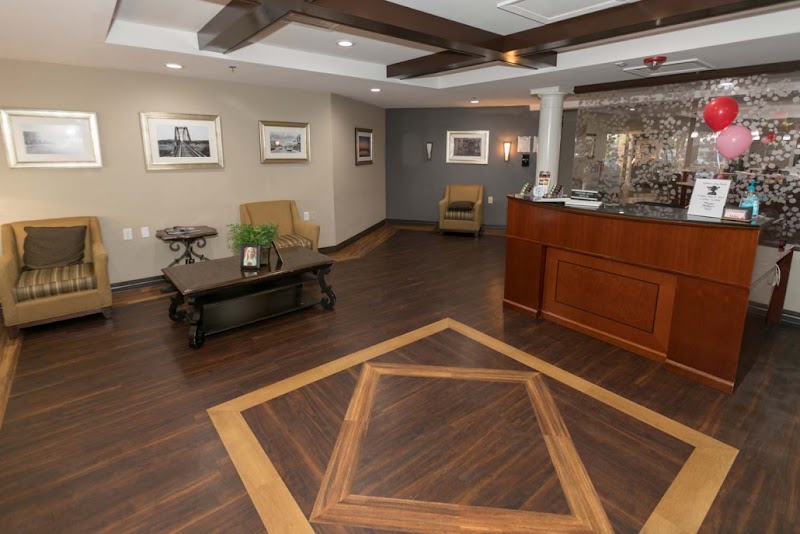
How is Veranda Rehabilitation And Healthcare Staffed?

CMS rates VERANDA REHABILITATION AND HEALTHCARE's staffing level at 2 out of 5 stars, which is below average compared to other nursing homes. Staff turnover is 42%, compared to the Texas average of 46%. This relatively stable workforce can support continuity of care.

What Have Inspectors Found at Veranda Rehabilitation And Healthcare?

State health inspectors documented 12 deficiencies at VERANDA REHABILITATION AND HEALTHCARE during 2023 to 2025. These included: 1 Immediate Jeopardy (the most serious level, indicating potential for serious harm or death) and 11 with potential for harm. Immediate Jeopardy findings are rare and represent the most serious regulatory concerns. They require immediate corrective action.
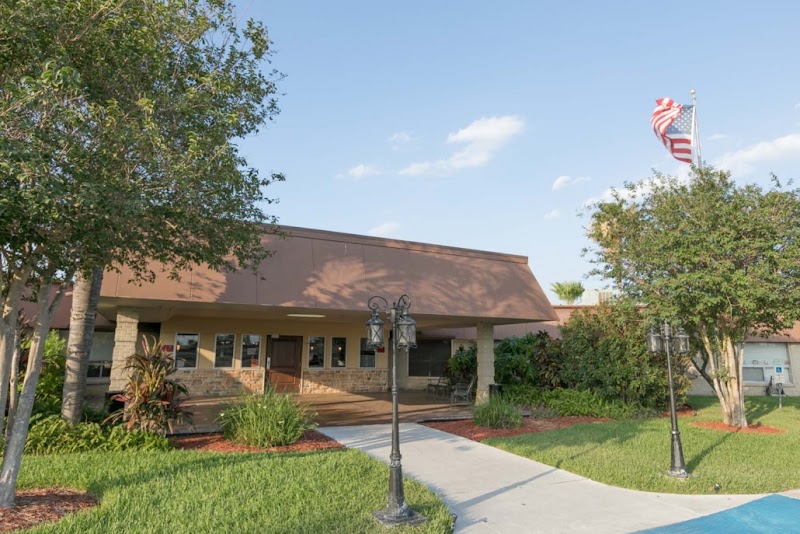
Who Owns and Operates Veranda Rehabilitation And Healthcare?

VERANDA REHABILITATION AND HEALTHCARE is owned by a for-profit company. For-profit facilities operate as businesses with obligations to shareholders or private owners. The facility is operated by THE ENSIGN GROUP, a chain that manages multiple nursing homes. With 100 certified beds and approximately 86 residents (about 86% occupancy), it is a mid-sized facility located in HARLINGEN, Texas.
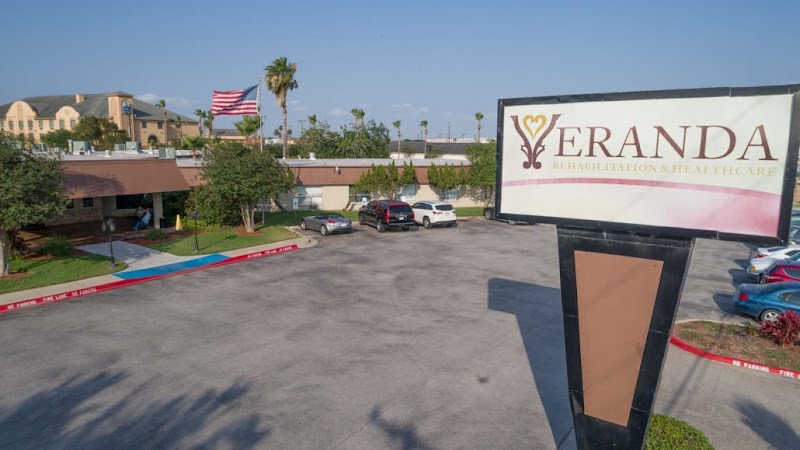
How Does Veranda Rehabilitation And Healthcare Compare to Other Texas Nursing Homes?

Compared to the 100 nursing homes in Texas, VERANDA REHABILITATION AND HEALTHCARE's overall rating (5 stars) is above the state average of 2.8, staff turnover (42%) is near the state average of 46%, and health inspection rating (4 stars) is above the national benchmark.

What Should Families Ask When Visiting Veranda Rehabilitation And Healthcare?

Based on this facility's data, families visiting should ask: "What changes have been made since the serious inspection findings, and how are you preventing similar issues?" "Can you walk me through typical staffing levels on day, evening, and night shifts?" "Can I visit during a mealtime to observe dining assistance and food quality?" "How do you handle medical emergencies, and what is your hospital transfer rate?" These questions are particularly relevant given the facility's Immediate Jeopardy citations and the below-average staffing rating.

Is Veranda Rehabilitation And Healthcare Safe?

Based on CMS inspection data, VERANDA REHABILITATION AND HEALTHCARE has documented safety concerns. Inspectors have issued 1 Immediate Jeopardy citation (the most serious violation level indicating risk of serious injury or death). The facility has a 5-star overall rating and ranks #1 of 100 nursing homes in Texas. Families considering this facility should ask detailed questions about what corrective actions have been taken since these incidents.

Do Nurses at Veranda Rehabilitation And Healthcare Stick Around?

VERANDA REHABILITATION AND HEALTHCARE has a staff turnover rate of 42%, which is about average for Texas nursing homes (state average: 46%). Moderate turnover is common in nursing homes, but families should still ask about staff tenure and how the facility maintains care continuity when employees leave.

Was Veranda Rehabilitation And Healthcare Ever Fined?

VERANDA REHABILITATION AND HEALTHCARE has been fined $8,021 across 1 penalty action. This is below the Texas average of $33,159. While any fine indicates a compliance issue, fines under $50,000 are relatively common and typically reflect isolated problems that were subsequently corrected. Families should ask what specific issues led to these fines and confirm they've been resolved.

Is Veranda Rehabilitation And Healthcare on Any Federal Watch List?

VERANDA REHABILITATION AND HEALTHCARE is not on any federal watch list. The most significant is the Special Focus Facility (SFF) program, which identifies the bottom 1% of nursing homes nationally based on persistent, serious quality problems. Not being on this list means the facility has avoided the pattern of deficiencies that triggers enhanced federal oversight. This is a positive indicator, though families should still review the facility's inspection history directly.