Brownsville Nursing and Rehabilitation Center

320 Lorenaly Dr, Brownsville, TX 78520 (956) 350-2252
Non profit - Corporation 120 Beds WELLSENTIAL HEALTH Data: November 2025 3 Immediate Jeopardy citations
Trust Grade
0/100
#940 of 1168 in TX
Last Inspection: August 2025

Inspected within the last 6 months. Data reflects current conditions.

Overview

Brownsville Nursing and Rehabilitation Center has received a Trust Grade of F, indicating significant concerns about the quality of care provided. With a state rank of #940 out of 1168, they are in the bottom half of Texas facilities, and they rank last in Cameron County at #14 out of 14. The situation is worsening, as the number of reported issues increased from 12 in 2024 to 23 in 2025. Staffing is a weakness, with a low RN coverage compared to 77% of Texas facilities, although the turnover rate is slightly below the state average at 46%. The facility has incurred $87,840 in fines, which is concerning and suggests ongoing compliance problems. Specific incidents include a resident being sent to the hospital due to a lack of proper orders for blood sugar checks and another resident who was not adequately supervised and ended up pinned in their wheelchair on the road, highlighting serious risks to resident safety. Overall, while there are some strengths, such as quality measures rated 4 out of 5, the major issues present significant risks for potential harm to residents.

Trust Score
F
0/100
In Texas
#940/1168
Bottom 20%
Safety Record
High Risk
Review needed
Inspections
Getting Worse
12 → 23 violations
Staff Stability
⚠ Watch
46% turnover. Above average. Higher turnover means staff may not know residents' routines.
Penalties
○ Average
$87,840 in fines. Higher than 68% of Texas facilities. Some compliance issues.
Skilled Nurses
⚠ Watch
Each resident gets only 13 minutes of Registered Nurse (RN) attention daily — below average for Texas. Fewer RN minutes means fewer trained eyes watching for problems.
Violations
⚠ Watch
40 deficiencies on record. Higher than average. Multiple issues found across inspections.
★☆☆☆☆
1.0
Overall Rating
★☆☆☆☆
1.0
Staff Levels
★★★★☆
4.0
Care Quality
★☆☆☆☆
1.0
Inspection Score
Stable
2024: 12 issues
2025: 23 issues

The Good

  • 4-Star Quality Measures · Strong clinical quality outcomes
  • Full Sprinkler Coverage · Fire safety systems throughout facility
  • No fines on record

Facility shows strength in quality measures, fire safety.

The Bad

1-Star Overall Rating

Below Texas average (2.8)

Significant quality concerns identified by CMS

Staff Turnover: 46%

Near Texas avg (46%)

Higher turnover may affect care consistency

Federal Fines: $87,840

Well above median ($33,413)

Moderate penalties - review what triggered them

Chain: WELLSENTIAL HEALTH

Part of a multi-facility chain

Ask about local staffing decisions and management

The Ugly 40 deficiencies on record

3 life-threatening
Aug 2025 1 deficiency
CONCERN (D) 📢 Someone Reported This

A family member, employee, or ombudsman was alarmed enough to file a formal complaint

Potential for Harm - no one hurt, but risky conditions existed

Quality of Care (Tag F0684)

Could have caused harm · This affected 1 resident

**NOTE- TERMS IN BRACKETS HAVE BEEN EDITED TO PROTECT CONFIDENTIALITY** Based on interview and record review the facility failed to ensure, based on the comprehensive assessment of a resident, that re...

Read full inspector narrative →
**NOTE- TERMS IN BRACKETS HAVE BEEN EDITED TO PROTECT CONFIDENTIALITY** Based on interview and record review the facility failed to ensure, based on the comprehensive assessment of a resident, that residents received treatment and care in accordance with the professional standards of practice of practice, the comprehensive person-centered care plan, and the residents' choices 1 of 3 residents (Resident #1) reviewed for quality of care. The facility failed to ensure Resident #1 had orders in place for wound care for arterial wounds to his left dorsum foot, right dorsum foot, left plantar foot, right plantar foot, right palm, right dorsum hand and surgical wound with 12 sutures to left plantar 3rd digit - amputation site until 08/19/25, after the resident was readmitted on [DATE], This deficient practice could place residents at risk for receiving inadequate treatments which could result in the worsening of the wounds. The findings include: Record review of Resident #1's face sheet, dated 08/31/25, reflected a [AGE] year-old male who was originally admitted to the facility on [DATE] and initially admitted to the facility on [DATE]. Resident #1 had diagnoses which included: idiopathic aseptic necrosis (a condition where bone tissue dies without a clear identifiable cause) of unspecified toe (s), complete traumatic metacarpophalangeal amputation (complete removal of the finger at the joint connecting the metacarpal bone and phalangeal bone) of unspecified finger, subsequent encounter, type 2 diabetes mellitus (insufficient production of insulation causing high blood sugar) without complications, chronic systolic (congestive) (left ventricle lose ability to contract normally and the heart cant with enough force to push enough blood into circulation) heart failure. Record review of Resident #1's admission MDS assessment, dated 08/19/25, reflected Resident #1 had a BIMS score of 11, which indicated his cognition was moderately impaired. Resident #1's section M - skin conditions reflected the resident was at risk for developing pressure ulcers/injuries, had a total of 6 venous and arterial ulcers present and other problems of selected as surgical wounds. Record review of Resident #1's care plan, with an initiation date of 07/24/25, reflected problems such as, [Resident #1] has an arterial of the left dorsum foot, left plantar foot, right dorsum foot, right plantar foot, right dorsum hand, right palm, left dorsum hand, left palm with an initiation date of 08/01/25. Record review of Resident #1's hospital documents, dated 08/14/25, and titled Physician-Discharge Med (medications) Rec Order Landsc (definition unknown) did not include any orders for impaired skin integrity management. Record review of Resident #1's nursing note, dated 08/15/25 at 8:40 PM and written by LVN A reflected Resident #1 was admitted with gangrene (Death of body tissue) affecting the left fingers and toes and stated, Wound care orders include 0-foam dressing with betadine cast on left hand wrapped with kerlix and betadine with kerlix wraps on the right hand and both feet.Plan included continuation of current medications, wound care regimen. Record review of Resident #1's initial nursing evaluation, with a date of 08/15/25, completed by LVN A, had yes marked off which indicated Resident #1 had skin impairments and documented the sites as, right hand (palm), left hand (palm), right hand (back), right toe(s), left toe(s), amputated left fingers and left hand (back) which was documented twice. Record review of Resident #1's skin/wound note, dated 08/18/25 at 6:08 PM, written by the Treatment Nurse, stated Resident has necrosis (Death of most or all of the cells in an organ or tissue due to disease, injury or failure of the blood supply) to right hand, bilateral feet, and amputation to left hand 3rd, 4th, and 5th digits. [Wound care MD] gave treatment orders. Sx (surgical) site has 12 sutures in place site cleansed with generic wound cleanser, dry with gauze, apply xeroform, cover with dry dressing, secure with tape. Extremities with necrosis, cleanse with generic wound cleanser, dry with gauze, apply betadine cast, wrap with rolled gauze secure with tape. Resident tolerated treatment well, no complaints of pain or discomfort. Record review of Resident #1's skin assessments, with an effective date of 08/18/25, reflected Resident #1 had arterial wounds to his left dorsum foot, right dorsum foot, left plantar foot, right plantar foot, right palm, right dorsum hand and surgical wound with 12 sutures to left plantar 3rd digit - amputation site, all were marked as present on admission. Record review of Resident #1's order summary report reflected he had no treatment orders for his identified skin impairments when admitted on [DATE] until 08/19/25, which include the following: 1. Cleanse arterial to left dorsum foot with generic wound cleanser, dry with gauze, apply betadine cast, wrap with rolled gauze, secure with tape. as needed for soiled/disloged [SIC] with an order and start date of 08/19/25.2. Cleanse arterial to left dorsum foot with generic wound cleanser, dry with gauze, apply betadine cast, wrap with rolled gauze, secure with tape. one time a day for arterial with an order date of 08/19/25 and a start date of 08/20/25.3. Cleanse arterial to left plantar foot with generic wound cleanser, dry with gauze, apply betadine cast, wrap with rolled gauze, secure with tape. as needed for soiled/dislodged with an order and start date of 08/19/25.4. Cleanse arterial to left plantar foot with generic wound cleanser, dry with gauze, apply betadine cast, wrap with rolled gauze, secure with tape. One time a day for arterial with an order date of 08/19/25 and start date of 08/20/25.5. Cleanse arterial to right dorsum foot with generic wound cleanser, dry with gauze, apply betadine cast, wrap with rolled gauze, secure with tape. as needed for soiled/dislodged with an order and start date of 08/19/25.6. Cleanse arterial to right dorsum foot with generic wound cleanser, dry with gauze, apply betadine cast, wrap with rolled gauze, secure with tape. One time a day for arterial with an order date of 08/19/25 and start date of 08/20/25.7. Cleanse arterial to right plantar foot with generic wound cleanser, dry with gauze, apply betadine cast, wrap with rolled gauze, secure with tape. as needed for soiled/dislodged with an order and start date of 08/19/25.8. Cleanse arterial to right plantar foot with generic wound cleanser, dry with gauze, apply betadine cast, wrap with rolled gauze, secure with tape. One time a day for arterial with an order date of 08/19/25 and start date of 08/20/25.9. Cleanse arterial to right dorsum hand with generic wound cleanser, dry with gauze, apply betadine cast, wrap with rolled gauze, secure with tape. as needed for soiled/dislodged with an order and start date of 08/19/25.10. Cleanse arterial to right dorsum hand with generic wound cleanser, dry with gauze, apply betadine cast, wrap with rolled gauze, secure with tape. One time a day for arterial with an order date of 08/19/25 and start date of 08/20/25.11. Cleanse arterial to right palm with generic wound cleanser, dry with gauze, apply betadine cast, wrap with rolled gauze, secure with tape. as needed for soiled/dislodged with an order and start date of 08/19/25.12. Cleanse arterial to right palm with generic wound cleanser, dry with gauze, apply betadine cast, wrap with rolled gauze, secure with tape. One time a day for arterial with an order date of 08/19/25 and start date of 08/20/25.13. Cleanse left hand amputation of 3rd, 4th, and 5th finger sx (surgical) incision with generic wound cleanser, dry with 4x4 gauze, apply xeroform, cover with dry gauze, secure with tape. as needed for soiled/dislodged with an order and start date of 08/19/25.14. Cleanse left hand amputation of 3rd, 4th, and 5th finger sx (surgical) incision with generic wound cleanser, dry with 4x4 gauze, apply xeroform, cover with dry gauze, secure with tape. One time a day for amputation sx (surgical) incision with an order date of 08/19/25 and start date of 08/20/25. Record review of Resident #1's August Treatment Administration Record (TAR) reflected Resident #1 was first provided his ordered treatment on 08/19/25. During an interview with Resident #1 on 08/31/25 at 3:15 PM, he stated he did not recall the exact date he most recently came back to the facility from the hospital but stated he knew he arrived in the evening and stated the following day was a weekend and he had not received his wound care for those 2 days. The resident stated someone told him it was because the wound care nurse only worked Monday through Friday. Resident #1 stated he received his wound care on the Monday (08/18/25) after he returned to the facility. Resident #1 stated he did not experience any negative impact or outcomes due to not receiving wound care over the weekend for 2 days. During an interview and record review with LVN A on 08/31/25 at 4:00 PM, he stated he was the admitting nurse for Resident #1 on 08/15/25. LVN A stated Resident #1 had gangrene to bilateral hands and feet and some amputation to his left hand and stated he identified this on his initial nursing assessment. LVN A stated he was given wound care orders for Resident #1 over the phone when he received admission report from the hospital. LVN A stated he verified the orders with the PA but did not recall if he discussed his findings with the PA. LVN A stated he did not discuss wound care orders for Resident #1 with the PA. LVN A stated he should have discussed wound care orders with the PA. LVN A reviewed Resident #1's chart and stated he did not see any wound care orders he had put in at admission on [DATE] and he probably forgot. LVN A stated he was trained over verification of orders and inputting orders and he was trained during his orientation in June 2025. LVN A stated their policy and procedure was to get the hospital paperwork and send to the provider and asked if there were any changes they would make and continue with their orders. LVN A stated the order should be input into the system and he was responsible for inputting the order on 08/15/25 for Resident #1. LVN A stated he followed the policy and procedures in this situation. LVN A stated we were not sure but thought the ADONs reviewed the resident charts the following day to ensure residents had the correct orders in place. LVN A stated a resident who did not have wound care orders in place and did not receive wound care and could have a negative outcome of infection. During an interview with RN B on 08/31/25 at 4:45 PM, she stated she was the weekend supervisor on 08/16/25 and 08/17/25. RN B stated it was her responsibility to review new admission charts to ensure they had the appropriate orders. RN B stated she recalled reviewing Resident #1's chart and had just reviewed it again at that time and she did not see any betadine order on Resident #1's chart for 08/16/25 or 08/17/25. RN B stated she saw LVN A's note regarding wound care but did not see any orders for wound care. RN B stated she did not like to go into the chart and put in orders specifically related to treatment because that was the wound care nurses responsibility. RN B stated she spoke to LVN C, who was the wound care nurse on the weekend of 08/16/15 and stated she spoke to him about seeing Resident #1 and she assumed he would see him and put in the related orders. RN B stated it was her responsibility to get clarification on any orders in question and she should have followed up with the provider. RN B stated LVN A should have put in the wound care orders because it's the admitting nurse's responsibility to do so and anything that was in question could have been let in a queue to be confirmed at a later date or report could have been given to the following nurse to get clarification. RN B stated she was trained over reviewing orders, ensuring all the correct orders were input and contacting the MD for any clarification. RN B stated she was recently trained in early August. RN B stated she reviewed Friday admission on Saturday and Saturday admissions on Sunday and on Monday the entire leadership staff would also review all of the admissions as a double check after her. RN B stated she felt like she followed her facility policy and procedure in this situation. RN B stated not having wound care orders and not having wound care could negatively impact residents by causing worsening or deteriorating wounds. RN B stated Resident #1 had no deterioration to his wounds that she knew of. Attempted interview on 08/31/25 at 5:05 PM, 5:15 PM and 5:16 PM with LVN C, who was the wound care nurse on 08/16/25 and 08/17/25, were unsuccessful. Voicemails were left with each call, however no communication with LVN C was made. During an interview with the DON on 08/31//25 at 6:55 PM, he stated when a resident was admitted to the facility the nurse should get report from the hospital and ask about any orders or treatment they had and wait for the accompanying orders that came with the resident and then verify those orders and any reports provided by the hospital with the physician. After verification, the nurse should then input the orders. The DON stated the charge nurse who admitted the resident was responsible for ensuring orders were clarified with the provider and input into their chart. The DON stated LVN A was responsible for verification and input of the orders for Resident #1 and RN B, who was the weekend supervisor, was also responsible for reviewing the orders and chart to ensure the appropriate orders were in place for treatment and LVN C who was the wound care nurse should have also verified. The DON stated during the weekday, he, the ADONs and the Treatment nurse were responsible for ensuring the orders were clarified and input into resident charts. The DON stated as far as he knew LVN A did verify the orders with a provider. The DON stated he reviewed Resident #1's chart and saw LVN A documented a progress note regarding wound care orders but it was not under his physician orders. The DON stated these orders should have been input by LVN A and according to LVN A he forgot to put them in. The DON stated was not able to get a hold of LVN C who was the wound care nurse on the weekend on 08/16/25 to see if he provided Resident #1 wound care on 08/16/25 and 08/17/25. The DON stated it was his understanding now that Resident #1 had not received wound care on those 2 days. The DON stated he spoke to Resident #1 who stated he did not get wound on the day in question. The DON stated RN B should have gotten clarification on Resident #1's wound care orders and he did not know why RN B did not get clarification on the orders and RN B told him she told LVN C to make sure to check on Resident #1. The DON stated as per their policy any time they got a physician order they had to input the order and had to verify all orders. The DON stated staff had not followed this policy and LVN A, RN B and LVN C had been trained multiple times over getting clarification for orders and inputting the orders by himself, the ADONs and their Regional. The DON stated Resident #1 went without wound care for 2 days. The DON stated the negative impact if inputting orders and not getting wound care would depend on the wound, the order and the extent of the wound and Resident #1 had no negative outcome or deterioration. During an interview with the Wound Care Physician on 08/31/25 at 7:37 PM, he stated Resident #1 would not have any negative outcome for not having wound care for a weekend on 08/16/25 and 08/17/25. The Wound Care Physician stated the treatment was just to maintain the areas of necrosis as dry and contained as possible. The Wound Care Physician stated no intervention would has been able to resolve his case and Resident #1 had severe peripheral artery disease (condition were plaque narrows arteries reducing blood flow to the arms, legs and abdomen). The Wound Care Physician stated the plan for Resident #1 was to at some point have more amputations. The Wound Care Physician stated he was following Resident #1 at the nursing home and would continue to see him when he returned to the hospital. The Wound Care Physician stated the orders on 08/15/25 were to continue the same treatment from the hospital which was betadine. The Wound Care Physician stated the order should have been sent from the hospital but sometimes orders got lost. The Wound Care Physician stated he thought he told them the orders verbally on the day of discharge from the hospital but did recall who he spoke to.,Record review of the facility's Inservice training report dated 07/01/25, revealed LVN A, RN B and LVN C were trained on charge nurse must follow the admission process and can use admission binder at nurses station to input an confirm orders for all residents from new admissions to new order for PCP which included but not limited to phone services. Record review of the facility's policy, with an implementation date of 04/10/23, and titled Medication Reconciliation included section titled, Policy Explanation and Compliance Guidelines: which stated, .4. admission Processes:Verify resident identifiers on the information received.Compare orders to hospital records, etc. Obtain clarification orders as needed.Transcribe orders in accordance with procedures for admission orders.Order medications from pharmacy in accordance with facility procedures for ordering medications.Verify medications received match the medication orders.5. Daily Processes:a. Address any clinically significant medication irregularities reported by pharmacy consultant.Verify medication labels match physician orders and consider rights of medication administration each time a medication is given.Obtain and transcribe any new orders in accordance with facility procedures. Obtain clarification as needed.Order medications from pharmacy in accordance with facility procedures for ordering medications.Verify medications received match the medication orders. During an interview with ADON D on 08/31/25 at 8:31pm he stated they did not have a policy related to wounds.
Aug 2025 7 deficiencies
CONCERN (D)

Potential for Harm - no one hurt, but risky conditions existed

Accident Prevention (Tag F0689)

Could have caused harm · This affected 1 resident

**NOTE- TERMS IN BRACKETS HAVE BEEN EDITED TO PROTECT CONFIDENTIALITY** Based on observation, interview, and record review, the facility failed to ensure that the residents' environment remained free ...

Read full inspector narrative →
**NOTE- TERMS IN BRACKETS HAVE BEEN EDITED TO PROTECT CONFIDENTIALITY** Based on observation, interview, and record review, the facility failed to ensure that the residents' environment remained free of accidents or hazards as possible for 1 of 5 residents' (Resident #29 and Resident #70) bathrooms reviewed for environment.The facility failed to maintain and ensure all chemicals were labeled appropriately and put away appropriately out of Resident #29 and #70's shared bathroom.This failure could place residents at risk for injury.The findings included:1. Record review of Resident #29's face sheet dated 08/12/25 revealed she was a [AGE] year-old female with an admission date of 09/16/2019. Pertinent diagnoses included Alzheimer's Disease (progressive decline in memory, thinking, and behavior), cognitive communication deficit (difficulty in communication which arises from impaired cognitive functions), and Unspecified Dementia (a group of symptoms affecting memory, thinking, and social abilities).Record review of Resident #29's Annual MDS assessment dated [DATE] revealed a BIMS score of 03, indicating severely impaired cognition.Record review of Resident #29's care plan initiated 07/10/25 revealed Resident #29 needed a structured environment in a secure unit related to cognitive deficit.2. Record review of Resident #70's face sheet dated 08/12/25 revealed she was an [AGE] year-old female with an admission date of 01/29/25. Pertinent diagnoses included Unspecified Dementia (a group of symptoms affecting memory, thinking, and social abilities) and Depression (a mood disorder described as feelings of sadness, loss, or anger which interfere with a person's everyday activities). Record review of Resident #70's Quarterly MDS dated [DATE] revealed a BIMS score of 06, indicating severely impaired cognition. Record review of Resident #70's care plan initiated 06/30/25 revealed Resident #70 needed a structured environment in a secure unit related to cognitive deficit.In an observation on 08/10/25 at 11:25 AM an unlabeled bottle with a clear liquid in the bottom of it was observed hanging on the handrail of Resident #29 and Resident #70's bathroom. The liquid had a very strong, chemical like odor. In an interview on 08/10/25 at 11:26 AM HA-I stated she had not known where the bottle came from or how it got there. She stated she was unsure if it belonged to the residents or the housekeeping staff. HA-I stated she did not think there should be a bottle with chemicals in the residents' rooms or bathrooms, especially unlabeled bottles. In an interview on 08/10/23 at 11:27 AM LA-J, who was assisting with housekeeping that day, stated she had not known what was in the bottle or where it came from. She stated she had not left it there and was not sure who had. She stated it smelled strong and if it was chemicals, it could have harmed the residents if they had ingested it or gotten it on their skin. In an interview on 08/10/23 at 11:31 AM ES stated he was unsure where the bottle came from, but he thought a resident's family member may have brought it in. He opened the bottle and stated it had a very strong chemical scent like bleach. He stated chemicals in the facility were supposed to have a label on them, and they were not supposed to be left in residents' rooms or bathrooms because if a resident was to drink it, it could harm them. He stated the facility did not have a specific policy on labeling chemicals or keeping them out of residents rooms.Record review of the facility's Safety Data Sheet, Disinfectant/Detergent Cleaner, no date identified, revealed 2. Hazards Identification: Hazard Statement: causes severe skin and eye burns; Harmful if swallowed; Harmful in contact with skin. Precautionary Statement: Store locked up.
CONCERN (D)

Potential for Harm - no one hurt, but risky conditions existed

Deficiency F0692 (Tag F0692)

Could have caused harm · This affected 1 resident

**NOTE- TERMS IN BRACKETS HAVE BEEN EDITED TO PROTECT CONFIDENTIALITY** Based on observation, interview and record review revealed based on a resident's comprehensive assessment, the facility must ens...

Read full inspector narrative →
**NOTE- TERMS IN BRACKETS HAVE BEEN EDITED TO PROTECT CONFIDENTIALITY** Based on observation, interview and record review revealed based on a resident's comprehensive assessment, the facility must ensure that a resident maintained acceptable parameters of nutritional status, such as usual body weight or desirable body weight range, unless the resident's clinical condition demonstrates that this is not possible or resident preferences indicate otherwise for 1 of 5 Residents (Resident #35 ) whose records were reviewed for weight loss. Nursing staff failed to follow physician orders to weigh Resident #35 weekly for four weeks, effective 07/17/25. This deficient practice could affect residents at risk for losing weight and result in unplanned weight loss and a decline in the resident's overall health.The findings were:Record review of Resident #35's admission record dated 08/12/25 reflected a [AGE] year-old-female with an admit date of 07/17/25. Her relevant diagnoses included pneumonia (an infection that inflames air sacs in one or both lungs, which may fill with fluid), dysphagia-oropharyngeal phase (difficulty swallowing that originates in the mouth and throat), sepsis (when chemicals released in the bloodstream to fight an infection trigger inflammation throughout the body), and Alzheimer's disease (a progressive disease that destroys memory and other important mental functions). Record review of Resident #35's initial MDS assessment dated [DATE] reflected a BIMS score of 10, which indicted her cognition was moderately intact. Record review of Resident #35's care plan assessment indicated:Problem: [Resident #35] had a nutritional problem or potential nutritional problem r/t diet restrictions.Interventions: in part included to monitor/record/report to MD prn s/sx of malnutrition, muscle wasting, significant weight loss (date initiated 07/31/25). Record review on 08/11/25 at 1: 20 p.m., of Resident #35's physician order effective 07/17/25 reflected weigh weekly for 4 weeks, then monthly and PRN one time a day every 7 day(s), and Med Plus 2.0 (nutritional drink) effective 08/09/25 three times a day for supplement to meet caloric intake, give 90 ml.Record review on 08/11/2025 at 1:22 p.m., of Resident #35's weight history on her electronic medical record reflected:07/18/2025 107.4 lbs.08/02/2025 102.0 lbs. In an interview on 08/10/25 at 1:15 p.m., Resident #35 said she liked the food being served in the facility and for the most part would eat all that was served. She said she would get assistance with her meals. During an interview on 08/11/25 at 2:43 p.m., RN D said Resident #35 had been admitted for IV therapy due to pneumonia. She said Resident #35 had an order for weekly weights due to being a new admit and the facility's restorative aide was responsible to take her weights. She said Resident #35 also had an order for a nutritional supplement Med Pass 2 which was given to her 3 times a day. She said it was to meet her caloric intake. During an interview and observation on 08/11/25 at 3:12 PM, the ADON A said it was the facility's policy to monitor new admits weight for 4 weeks upon admission and monthly or PRN thereafter. He said it was his responsibility as a ADON to ensure all residents who required daily, weekly, or monthly weights were weighed. He said Resident #35 was a new admit and had an order for weekly weights effective 07/17/25. He said the facility's restorative aide was tasked with the responsibility to weigh residents. ADON said once a week, he would provide the restorative aide with a paper list of residents that needed to be weighed. He said the restorative aide would log the resident's weight on the paper list and at the end of the week, she would give it back to him. He said at that time he would review their weights, make necessary changes, and enter their weight on the resident's electronic medical record. He said Resident #35 was supposed to have been weighed on 07/18/25, 07/25/25, 08/01/25, and on 08/08/25. The ADON A was observed as he checked a binder he had on his desk with paper list provided by the restorative aide and said the only weights recorded for Resident #35 were for 07/18/25 and 08/01/25. ADON A said the negative outcome for Resident #35 not being weighed per physician's order could have been that the facility might have missed if she had lost weight and possibly not meeting her nutritional and diuretics needs. During an interview on 08/11/2025 at 3:30 p.m., CNA E said she was responsible to weigh all residents. She said newly admitted residents were weighed weekly for 4 weeks after admission and monthly or as needed. CNA E said it was ADON A's responsibility to give her a weekly list of residents that required to be weighed. She said once she was done weighing the residents, she would give the list back to ADON A. She said once she handed over the list to ADON A, she did not know what he did with the list. She said she did not recall if Resident #35 was supposed to be weighed weekly. An interview on 08/12/2025 at 8:45 a.m., the DON, said new admits were supposed to be weighed weekly for 4 weeks and monthly or prn thereafter. He said it the responsibility of ADON A to ensure all residents were weighed according to their physician's order. He said a negative outcome for any resident not being weighed according to their physician order would be that the facility would not know if the resident had any weight loss or gain. Record review of the facility's policy on Weight Monitoring (undated) reflected:Policy: Based on the resident's comprehensive assessment, the facility will ensure that all residents maintain acceptable parameters of nutritional status, such as usual body weight or desirable body weight range and electrolyte balance, unless the resident's clinical condition demonstrates that this is not possible or resident preferences indicate otherwise.Compliance Guidelines:Weight can be a useful indicator of nutritional status. Significant unintended changes in weight (loss or gain) or insidious weight loss (gradual unintended loss over a period of time) may indicate a nutritional problem.5. A weight monitoring schedule will be developed upon admission for all residents:a. Weights should be recorded at the time obtained. b. Newly admitted residents-monitor weight weekly for 4 weeks.
CONCERN (D)

Potential for Harm - no one hurt, but risky conditions existed

Respiratory Care (Tag F0695)

Could have caused harm · This affected 1 resident

**NOTE- TERMS IN BRACKETS HAVE BEEN EDITED TO PROTECT CONFIDENTIALITY** Based on observation, interview and record review the facility failed to ensure that a resident who needs respiratory care was p...

Read full inspector narrative →
**NOTE- TERMS IN BRACKETS HAVE BEEN EDITED TO PROTECT CONFIDENTIALITY** Based on observation, interview and record review the facility failed to ensure that a resident who needs respiratory care was provided such care, consistent with professional standards of practice for 1 of 5 residents (Resident#2) reviewed for oxygen in that: The facility failed to ensure Resident #2's oxygen was administered at the correct setting of 2 liters per minute on 08/10/2025 as ordered by the physician. This deficient practice could place residents who receive respiratory care at an increased risk of developing respiratory complications and a decreased quality of care. The findings included: Record review of Resident 2's electronic admission record dated 08/10/2025 reflected an [AGE] year-old male with an admission date of 04/15/2025 and with an initial admit date of 04/24/2024. Pertinent diagnoses included Nonspecific Abnormal Findings of Lung Field, Dementia, Congestive Heart Failure, Chronic Kidney Disease, Muscle Wasting and Atrophy (loss of muscle tissue), Type 2 Diabetes Mellitus, Dysphagia (difficulty swallowing), and Hypertension (high blood pressure). Record review of Resident #2's Quarterly MDS assessment, dated 06/12/2025 reflected BIMS score of 11, which indicated his cognition was moderately impaired. Record review of Resident #2's person-centered care plan, revised date 05/08/2025 reflected Resident #2 had risk for altered respiratory status/difficulty breathing related to. hypoxia. Intervention included Oxygen settings: O2 as ordered. Record review of Resident #2's physician order dated 06/23/2025, reflected oxygen at 2 LPM via nasal cannula every shift for shortness of breath. During an observation of Resident #2 on 08/10/2025 at 12:28 p.m. the oxygen level setting on the oxygen concentration machine was at 3 LPM via nasal cannula. Observed Resident #2 with O2 tubing via nasal cannula in bed with head of the bed slightly elevated. No signs of respiratory distress noted. In an interview on 08/10/2025 at 12:29 p.m. with Resident #2, he stated that he did not know what the oxygen level settings was supposed to be at. He stated that he was feeling well. He stated he did not remember seeing the nurse checking the oxygen machine, but that she had been in his room that morning. Resident #2 stated if he needed anything, he used his call light. In an interview on 08/10/2025 at 12:30 p.m. LVN K, stated she was the nurse for Resident #2. LVN K confirmed that the O2 setting was set at 3 LPM. She stated the oxygen setting was supposed to be at 2 LPM per physician orders. She stated that she checked Resident #2's oxygen setting that morning, and it was at 2 LPM. LVN K stated that he had a nebulizer treatment that morning, and did not know who might have moved it. She stated that she checked the oxygen setting periodically throughout her shift. LVN K stated the negative outcome of the oxygen setting being high was that it could increase the CO2 and cause respiratory distress. In an interview on 08/10/2025 at 5:08 p.m. with the DON, stated that the charge nurses assigned to that hall were responsible for checking the O2 setting. He stated that the nurses were to check the setting once per shift. The DON stated they were to follow oxygen settings on physician orders. The DON stated that the negative outcome depended on the patient's diagnosis but for Resident #2 it would be hyperoxygenation (excessive oxygen in the lungs or other body tissues). He stated that they did not have an Oxygen Administration Policy. Record review of the facility's policy subject titled, Medication Administration, date implemented 10/24/22 revealed:Policy Explanation and Compliance Guidelines:14. Administer medications as ordered in accordance with manufacturer specifications. Record review of the Respiratory Care Critical Element Pathway revealed:Oxygen: Oxygen machine set at the correct Liters.
CONCERN (D)

Potential for Harm - no one hurt, but risky conditions existed

Deficiency F0761 (Tag F0761)

Could have caused harm · This affected 1 resident

Based on observation, interview, and record review, the facility failed to ensure all drugs and biologicals were secured and stored in accordance with currently accepted professional principles and st...

Read full inspector narrative →
Based on observation, interview, and record review, the facility failed to ensure all drugs and biologicals were secured and stored in accordance with currently accepted professional principles and standards for 1 of 4 medication carts (400 Hall Med-Aide Medication Cart) reviewed for storage. The facility failed to ensure the 400 Hall Med-Aide medication cart was locked and secured. This failure could place the residents at risk of gaining access to unlocked medications that were not prescribed to them. Findings included: In an observation on 08/10/25 at 11:34 AM, the med-cart which belonged to the 400 Hall Med-Aide was noted to be unlock, and the Med-Aide was noted to be off the unit. In an interview on 08/10/25 at 11:37 AM Med-Aide-C stated she knew she was supposed to lock her medication cart when she was away from it. She stated if the cart was left unlocked anyone could have gotten into it and taken medication which did not belong to them, and it could have made them sick, or even caused death. In an interview on 08/12/25 at 11:04 AM the DON stated nurses and med-aides should always lock their med-carts when they walk away from them. If a med-cart was left unlocked anyone could have taken anything out of it creating a drug diversion or causing possible harm to the resident if ingested. In an interview on 08/12/2025 at 3:04 PM ADON-B stated nurses were supposed to lock the med-carts when they were not in use, and med-carts should not be left unlocked because residents could get into it and ingest medications which did not belong to them. Depending on the medication ingested, the resident could have had side effects of dizziness, lethargy or even death. In a record review of the facility's Medication Administration: Medication Carts and Supplies for Administering Med policy, dated 10/01/19, revealed 2. The medication cart is locked at all times when not in used. 3. Do not leave the medication cart unlocked or unattended in the resident care areas.
CONCERN (D)

Potential for Harm - no one hurt, but risky conditions existed

Deficiency F0808 (Tag F0808)

Could have caused harm · This affected 1 resident

**NOTE- TERMS IN BRACKETS HAVE BEEN EDITED TO PROTECT CONFIDENTIALITY** Based on observation, interview, and record review, the facility failed to ensure each resident received food prepared in a form...

Read full inspector narrative →
**NOTE- TERMS IN BRACKETS HAVE BEEN EDITED TO PROTECT CONFIDENTIALITY** Based on observation, interview, and record review, the facility failed to ensure each resident received food prepared in a form designed to meet individual needs for 1 of 8 residents (Resident #100) reviewed for pureed diet needs. The facility failed to provide Resident #100 with her regular pureed diet (that was prescribed for individuals who have difficulty chewing or swallowing food) as designated on her meal ticket on 08/10/25. This deficient practice could place residents at risk for poor food intake, weight loss, and not having their nutritional needs met. Record review of Resident #100‘s face sheet dated 11/23/21 reflected the resident was a [AGE] year-old female who was admitted to the facility on [DATE]. Diagnoses included Stroke, Muscle wasting, and dysphasia (difficulty swallowing). Record review of Resident #100‘s quarterly MDS assessment dated [DATE] reflected the resident had active diagnoses including non-traumatic brain dysfunction, Alzheimer’s, Aphasia (difficulty speaking), dysphasia (difficulty swallowing), and disturbances of salivary secretion (dry mouth). Resident #100‘s BIMS score of 99 indicated severe cognitive impairment. She was dependent on staff or required maximal assistance for all ADL’s and required moderate assistance with eating. She utilized a manual wheelchair and could not self-propel. She was always incontinent of bladder and bowel. Record review of Resident #100' s Order Summary Report revealed Dietary Order for Regular Diet, Pureed texture, Nectar Thickened Liquids consistency, Fortified Foods with all meals. Order date 10/29/2024 and Start date 10/20/2024. Record review of Resident #100‘s care plan reflected a problem as “The resident has potential nutritional problem r/t current diet: Regular diet, Pureed texture, Nectar thickened liquids consistency, Fortified foods with all meals. Date initiated: 10/10/21 Revision on: 08/10/25. Goal: The resident will maintain adequate nutritional status through review date. Date initiated: 12/10/21. Revision on: 10/02/23. Target date: 10/09/25. Interventions included Monitor/document/report as needed and s/sx of dysphagia: Pocketing, choking, coughing, drooling, holding food in mouth…Date initiated: 06/18/25. Provide and serve diet as ordered. Date initiated: 06/18/25. Provide, served diet as ordered. Monitor intake and record every meal. Date initiated: 12/10/21. Problem: The resident has unplanned/unexpected weight loss r/t Poor food intake. Date initiated: 08/10/25. Goal: The resident will consume (100%) two of three meals/day. Date Initiated: 08/10/25 Revision on: 08/10/25 Target Date: 10/09/25. Interventions: Give the resident supplements as ordered. Alert nurse/ dietitian if not consuming on a routine basis. Date Initiated: 08/10/2025. Monitor and evaluate any weight loss. Determine percentage lost and place interventions for weight loss per dietician/physician. Date Initiated: 08/10/25. Monitor and record food intake at each meal. Date Initiated: 08/10/25. Offer substitutes as requested or indicated. Date Initiated: 08/10/25. Revision on: 08/10/25. Observation and interview on 08/10/25 at 12:24 pm in the dining room revealed Resident #100 was coughing after taking bites of her food. Her meal plate had chopped carrots, mashed potatoes, and cut up chicken. Her tray ticket indicated Regular Diet, Pureed Texture, Fluids-Nectar. RN F reviewed her meal ticket and said Resident #100 was provided the wrong food texture. RN F said Resident #100 required a regular diet with pureed texture and nectar thick liquids and not mechanical altered. She said Resident #100‘s plate had mechanical altered food. She said she checked the resident’s tray on the cart prior to delivering it to her. She said she saw “regular” (diet) on the tray card but overlooked where it read “pureed” texture. She said she should have taken the tray of mechanical textured food back to the kitchen immediately. She said she should have had an “order listing” (a list of all resident’s tray cards) to go by. She said the kitchen had the same one (list). She said Resident #100 should have a refusal form in her chart in the electronic health record under “miscellaneous”. RN F said Resident #100 had been refusing her pureed diet. She said Resident #100 was edentulous (no teeth) and did not want to wear dentures. She said the diet, refusal, having no teeth and not wanting dentures should all be in Resident #100‘s care plan. RN F said nurses were responsible for getting the refusal forms signed, verbally or a physical signature by the resident. She said if the resident was not able to sign or verbalize, then a nurse signed the form to verify with families or the resident, if the resident had a BIMS score of 10 or greater but was not sure about the BIMS score. In an interview with ADON-A, on 08/10/25 at 12:27 pm, he said Resident #100’s tray card showed pureed but Resident #100 had a mechanical altered plate she was choking on. He said meal trays were checked by the nurses. He would not say what the outcome or dangers could be if a resident had the wrong texture diet. In an interview with CK on 08/12/25 at 11:45 am, she said the “tray line” was responsible for getting the food correct on the trays from the kitchen. She said once the trays went on the carts, the nurses were responsible to check the trays before serving the residents. She said if there was a tray that did not have the right diet on it, she would correct it right away. She said sometimes the trays were mixed up on the carts. Kitchen policies, in-services, and the RD’s presence was requested at this time. The RD was not available for interview throughout the survey. In-services were not received. Record Review of the facility’s kitchen policy revised 06/01/19, titled, “Tray Service” revealed under “Policy: The facility believes that accurate tray service and adequate portion sizes are essential to the residents' well-being and safety. The facility will ensure that diets are served accurately and in the correct portions and that resident preferences are met. Under Procedure: 3. For tray line service, Nutrition & Foodservice staff will check each resident's tray card prior to service to ensure that preferences and dislikes are honored, the correct diet is served, portion sizes are accurate and appropriate substitutions provided. 6. The Nutrition & Foodservice Manager or consultant (RD) will conduct in-services with the Nutrition, Foodservice as needed to ensure all serving staff are familiar with portion sizes and therapeutic and mechanically altered diets.
CONCERN (E)

Potential for Harm - no one hurt, but risky conditions existed

Food Safety (Tag F0812)

Could have caused harm · This affected multiple residents

Based on observation, interviews and record review, the facility failed to store, prepare, distribute, and serve food in accordance with professional standards for food service safety for 1 of 1 kitch...

Read full inspector narrative →
Based on observation, interviews and record review, the facility failed to store, prepare, distribute, and serve food in accordance with professional standards for food service safety for 1 of 1 kitchen reviewed for storage, preparation and sanitation. 1.The facility failed to ensure the juice gun nozzle, coffee maker, cabinets, drinking glasses, pitchers, and utensils were clean. 2.The facility failed to ensure the area under a prep sink was free from water damage and debris. 3.The facility failed to ensure the underside of the shelf on the stove, directly above cooking food, was kept clean. 4.The facility failed to ensure dirty utensils were not kept in a clean drawer. 5.The facility to ensure dry storage items were not left on the floor. 6.The facility failed to ensure spices were not left open to air when not in use. 7.The facility failed to ensure leftovers in refrigerator #2 were labeled and dated. These failures could place residents who received meals and/or snacks from the kitchen at risk for food contamination and food borne illness. Findings included: Observation and initial tour of the kitchen on 08/10/25 at 11:10 am revealed the inner nozzle of the juice gun was clogged with a thick, red substance. The dripper of the coffeemaker had a thick, layered dark brown substance coating the opening. The cabinets below and in front of the coffee maker was stained from the countertop to the floor with a thin brown substance. 75 of 120 drinking glasses (4 full trays) and 7 plastic pitchers were stained and/or caked on the inside bottoms and up the sides with a removable white and/or light brown substance. The drinking glasses and pitchers were on clean racks. The drinking glasses did not have a dry mat between them and the trays. The area under a prep sink appeared to have water damage and a large amount of small, round, black fuzzy spots, dirt, stains, and debris. There were 2 metal spatulas with deep crevasses in the melted handles and a dirty hand-held lime juicer in a clean utensil drawer. The underside of the shelf above the stove was covered with a dark brown/black gritty substance that was directly over cooking food. Five sleeves of Styrofoam cups were on the floor near a large working water purifier in the dry storage room. There were 5 of 12, 16-ounce containers of spices open to air. There was a covered half-size holding pan with leftovers in refrigerator #2 that was not labeled or dated. In an interview with DA-1 on 08/10/25 at 11:10 am, she said the plastic glasses and pitchers were dry and on clean racks to be used for service. She said the substance in the drinking glasses was removable and could be stained by lemonade, tea, juice, or milk. She said the removable substance in the glasses could cause cross contamination and make residents sick. She said she would not drink from the glasses. She said she had been trained on sanitation and cleanliness of the kitchen but could not remember the last training or in-service she had. She said the juice gun was cleaned every shift. She said she had not cleaned the juice gun, did not know who was responsible for cleaning it, or when it was last cleaned. In an interview with DA-2 on 08/10/25 at 11:15 am, she said the plastic glasses and pitchers were dry and on clean racks to be used for service. She said the substance inside the drinking glasses was humidity. She said she would not drink from the glasses after removing some of the white substance with her finger. She said she did not know what the substance was. She said it could come off in the drinks and make residents sick. She said she had been trained on sanitation and cleanliness of the kitchen but could not remember the last training or in-service she had. She said she did not know how often the juice gun was cleaned or supposed to be cleaned, or who was responsible for cleaning it. In an interview with the FPS on 08/10/25 at 11:30 am, she said she had worked at the facility for 4 years. She said all the drinking glasses and pitchers were clean and dry. She said the white substance inside the glasses did not come off. When asked to try to remove some of the white substance by this surveyor, she did so with her fingernail then flicked it aside. She said she was not sure what the white substance was and today was the first time she had ever seen it (the heavy white build-up) before. She said they served juice, tea, lemonade, and milk to the residents in the same glasses. She said she would drink from the glasses and proceeded to do so but was stopped by this surveyor before the glass touched her lips. She said she did not know what the stuff was under the prep sink, and she had never looked there before. She said the spices were open to air because they (the cooks) used them for breakfast service. She said spices should not be left open to air because debris or anything in the air could contaminate them and if consumed, could make residents sick and alter the flavor of the food. She said she held an in-service last week on the topics of labeling and storage. In-services, the registered dietician, cleaning schedules, and facility policies for cleaning schedules and sanitization were requested at this time. In an interview with the CK on 08/10/25 at 11:45 am, she said all items in the refrigerators and freezers should be labeled and dated. She said she should have closed the spices when she was done cooking. She said she put the unlabeled leftovers that were in the holding pan in the refrigerator because she was in a hurry that morning and meant to label it later. She said undated leftovers and open spices could make residents sick if consumed due to cross contamination. Record Review of the facility's kitchen monthly cleaning schedules dated 05/01/25-08/10/25 indicated the vent hood and filters, ice machine, refrigerators, freezers, and floor were cleaned without fail. Record Review of the facility's kitchen daily cleaning schedules dated 05/01/25-08/10/25 included the coffee area and coffee machine were cleaned after each meal. Doors, walls, stove, and oven were cleaned on Saturdays or Sundays. All dates and times were initialed as having been cleaned. The different initials were written-in by what appeared to be the same writer. Record Review of the facility's kitchen weekly cleaning schedules dated 05/01/25-08/10/25 revealed all dates and times were initialed as having been cleaned. The different initials were written-in by what appeared to be the same writer. Record Review of the facility's kitchen policy dated 10/01/18, titled, Cleaning Schedules revealed under Policy: The facility will maintain a cleaning schedule prepared by the Nutrition & Foodservice Manager and followed by employees as assigned in order to ensure that the kitchen is clean and free of hazards. 3. The cleaning list will be posted weekly and initialed off and dated by each employee upon completion of the task. The Nutrition & Foodservice Manager or designee will verify that the tasks were completed as assigned. Record Review of the facility's kitchen policy approved 10/01/18, titled, Manual Cleaning and Sanitizing of Utensils and Portable Equipment revealed under Policy: The facility will follow the cleaning and sanitizing requirements of the state and US Food Codes for manual cleaning in order to ensure that all utensils and equipment are thoroughly cleaned and sanitized to minimize the risk of food hazards. Under Procedure: 5. Prior to washing, pre-flush or pre-scrape all equipment and multi-use utensils. When necessary, presoak to remove gross food particles and soil. 8. Sanitize all multi-use eating and drinking utensils and the food-contact surfaces of other equipment in the third compartment by one of the following methods: a. Immerse for at least 30 seconds in clean, hot water at a temperature of 170 F or above. b. Immerse for at least 60 seconds in a clean sanitizing solution.c. Be sure to cover all surfaces of the utensils and/or equipment with hot water or the sanitizing solution and keep them in in contact for the appropriate amount of time. 11. Air-dry the utensils or equipment, since wiping can re-contaminate equipment and can remove the sanitizing solution from the surfaces before it has finished working. Make certain all equipment is dry before putting it into storage. Record Review of the facility's kitchen policy approved 10/01/18, titled, General Kitchen Sanitation revealed under Policy: The facility recognizes that food-borne illness has the potential to harm elderly and frail residents. All Nutrition & Foodservice employees will maintain clean, sanitary kitchen facilities in accordance with the state and US Food Codes in order to minimize the risk of infection and food borne illness. Under Procedure: 1. Clean and sanitize all food preparation areas, food-contact surfaces, dining facilities and equipment. After each use, clean and sanitize all tableware, kitchenware and food-contact surfaces of equipment, except cooking surfaces of equipment and pots and pans that are not used to hold or store food and are used solely for cooking purposes. 3. Keep food-contact surfaces of all cooking equipment free of encrusted grease deposits and other accumulated soil. 4. Clean and sanitize all multi-use utensils and food-contact surfaces of equipment used in the preparation or storage of potentially hazardous food prior to each use. Clean and sanitize food-contact surfaces of equipment and multi-use utensils used for preparation of potentially hazardous foods on a continuous or production line basis at scheduled intervals throughout the preparation period based on food temperature, type of food and amount of food particle accumulation. 6. Clean non-food-contact surfaces of equipment at intervals as necessary to keep them free of dust, dirt, and food particles and otherwise in a clean and sanitary condition. References: FDA Food Code 2022 Ch. 2-102.20 Food Protection Manager Certification 2-103 Duties 2-103.11 Person in Charge. The person in charge shall ensure that: Ch. 4-202 Cleanability 4-202.11 Food-Contact Surfaces. (A)Multiuse food-contact surfaces shall be: (1) Smooth; (2) Free of breaks, open seams, cracks, chips, inclusions, pits, and similar imperfections; (3) Free of sharp internal angles, corners, and crevices; (4) Finished to have smooth welds and joints 4-5 Maintenance and Operation 4-501 Equipment 4-501.11 Good Repair and Proper Adjustment. (A) Equipment shall be maintained in a state of repair and condition that meets the requirements specified under Part 4-2. 4-602 Frequency 4-602.11 Equipment Food-Contact Surfaces and Utensils. (A) Equipment food-contact surfaces and utensils shall be cleaned: (5) At any time during the operation when contamination may have occurred. Equipment food-contact surfaces and utensils shall be cleaned throughout the day at least every 4 hours.
CONCERN (E)

Potential for Harm - no one hurt, but risky conditions existed

Infection Control (Tag F0880)

Could have caused harm · This affected multiple residents

**NOTE- TERMS IN BRACKETS HAVE BEEN EDITED TO PROTECT CONFIDENTIALITY** Based on observation, interview, and record review the facility failed to establish and maintain an infection prevention and con...

Read full inspector narrative →
**NOTE- TERMS IN BRACKETS HAVE BEEN EDITED TO PROTECT CONFIDENTIALITY** Based on observation, interview, and record review the facility failed to establish and maintain an infection prevention and control program designed to provide a safe, sanitary, and comfortable environment, and to help prevent the development and transmission of communicable diseases and infections for 3 of 5 residents (Resident #97, Resident #111 , ) reviewed for infection control practices. 1.The facility failed to ensure proper contact precautions for infections of ESBL and MRSA were followed for Resident #97 to prevent cross-contamination and possible infection. 2.The facility failed to ensure proper contact isolation precautions were followed for Resident #9 to prevent cross-contamination and spread of infection. 3.The facility failed to ensure proper Enhanced Barrier Precautions (EBP) were followed for Resident #111 when checking blood sugar and administering insulin. These failures could place residents at risk for cross contamination, infection, and improper wound healing. Findings included: 1.Record review of Resident #97's face sheet, dated 08/12/25, revealed a [AGE] year-old-male with an original admission date of 07/29/25. Current diagnoses included Encounter for Surgical Aftercare Following Surgery on the Skin and Subcutaneous Tissue, Abscess of Tendon Sheath (typically occurs due to an infection within the sheath surrounding a tendon), and Cellulitis of the Left Lower Limb (a bacterial infection which affects the skin and soft tissues underneath). Record review of Resident #97’s admission MDS assessment dated [DATE], revealed a BIMS score of 15, intact cognition. MDS also revealed Active Diagnoses: Encounter for Surgical Aftercare Following Surgery on the Skin, Cellulitis of Left Lower Limb, and Abscess of Tendon Sheath. Record review of Resident #97’s active physician orders with a start date of 08/12/25 revealed an order for wound care to surgical incision and drainage wound to left lateral lower leg. Another physician order with a start date of 08/10/2025 revealed monitor peripheral IV site for redness, as well as an order for contact isolation for ESBL and MRSA to left lower extremity. Record review of Resident #97’s progress note dated 08/01/25 revealed Resident #97 left on pass; Progress note dated 08/02/25 at 1:12 PM revealed Resident #97 left on pass; Progress note dated 08/02/25 at 7:09 PM revealed Resident #97 left on pass; Progress note dated 08/05/25 at 4:16 PM revealed continued to invite Resident #97 to activities; Progress note dated 08/07/25 at 8:33 PM revealed Resident #97 returned from being out on pass; Progress note dated 08/11/25 at 8:03 AM revealed Resident #97 continued to receive IV antibiotics for infection; Progress note dated 08/11/25 at 9:34 AM revealed Resident #97 continued to remain on contact isolation, but he could be out of his room as wound was contained within dressing. Progress note dated 08/11/25 at 9:51 AM revealed resident was re-educated on the importance of contact isolation to prevent the spread of infection, but wound was contained so he was allowed to step out of room but try and limit constant entering and exiting room. Progress note dated 08/12/25 at 7:57 AM revealed Resident #97 was re-educated on the importance of contact isolation. In an observation on 08/11/25 9:35 AM Resident #97 was observed entering and leaving his room twice within a 10-minute time period. He was also seen taking down his own IV antibiotic bag and carrying it across the room. Unsure what he did with it. In an interview on 08/11/25 at 3:45 PM, ADON-A stated a resident on contact isolation should not be going in and out of their room and exposing other residents to cross-contamination and infection, even if the wound was contained and covered. ADON-A stated Resident #97 was educated regarding this. He stated it was also not recommended to share a room with another resident, especially if the resident was not on any precautions at all, and there were available rooms, so he was not sure why the contact isolation Resident #97 was sharing a room with another resident who was not on any precautions or isolation. In an interview on 08/11/2025 at 5:35 PM the Administrator stated ADON-B was the new ICP and was still learning as the infection control nurse. The Administrator stated Resident #97 was on contact isolation and was allowed to come and go as he pleased since his wound was contained, and he was not considered a danger to other residents. He also stated regarding CDC and best practice, Resident #97 should probably not be coming and going as he pleased, and it would be best if he was placed in a room on his own instead of exposing someone else to his infection. In regard to a specific contact isolation policy, the Administrator stated the facility did not have one, and they followed CDC guidelines and recommendations. In an interview on 08/12/2025 at 8:01 AM ADON-B stated he had been in the ICP role for approximately 1 month. He stated contact precautions included draining wounds which cannot be contained, and just because a resident had a wound with a specific organism in it did not specifically qualify them for contact precautions. He stated Resident #97’s wounds did not necessarily constitute contact precautions, and he technically could have just been placed on EBP, but ADON-B placed him on contact precautions because he had MRSA to both wounds on his leg, and he felt like he took this extra step to be cautious. ADON-B stated patients had rights, so he was allowed to come and go as he pleased, but according to CDC recommendations, the facility tried to limit how much he was coming and going in and out of his room. ADON-B stated Resident #97 was not putting other residents at risk for cross-contamination or infection because the wound was contained. ADON-B stated regarding a specific contact isolation policy, the facility did not have one, and they just followed CDC guidelines and recommendations. In an interview on 08/12/25 at 11:04 AM the DON stated they did not have a specific contact isolation policy but followed CDC guidelines and recommendations. He also stated Resident #97’s wound was contained, and they tried to limit his coming and going so as to not cause any cross-contamination. 2. Record review of Resident #9’s face sheet dated 04/12/25, revealed a [AGE] year-old-female. Diagnoses included Atherosclerosis (the buildup of fats, cholesterol and other substances in and on the artery walls causing arteries to narrow and blocking blood flow) of native arteries of extremities with gangrene (when body tissue dies because it does net enough blood flow or because of a serious bacterial infection) of the right leg, need for assistance with personal care, acquired absence of the left leg below the knee, Alzheimer’s, and Diabetes. Record review of Resident #9’s quarterly MDS dated [DATE] revealed a BIMS score of 08, indicating moderate cognitive impairment. She was dependent on staff for all ADLs except eating and oral hygiene which required moderate assistance. She was always incontinent of bladder and bowel. She was receiving antidepressants, antibiotics, and opioid medications for pain control. Record review of Resident #9’s care plan dated 04/12/25 indicated she was on EBP for wound care Date initiated and revised: 06/03/25. The resident has infection of the urine Date Initiated: 07/27/25. Goal: The resident will be free from complications related to infection through the review date of 10/15/25. Interventions: Contact Isolation precautions for MRSA to urine; Wear gowns and masks when changing contaminated linens. Place soiled linens in bags marked biohazard. …Educate the resident/family/caregivers regarding the importance of hand washing. Use antibacterial soap and disposable towels. Wash hands immediately after ADLs, care tasks, and activities. Date Initiated 08/06/25. Administer antibiotic Macrobid x7 days for UTI. Date initiated: 07/27/25. Record review of Resident #9’s progress notes dated 08/11/25 at 9:36 am revealed patient remains on contact isolation when dealing direct contact/and or in room. Patient is bedbound so ok to be with another resident since patient does not use shared toilet. Note written by ADON B. Record review of Resident #9’s progress notes dated 08/11/25 at 11:25 am revealed patient has had 6 days of antibiotic therapy for UTI MRSA to urine with one left as well as no complaints of painful urination…ok to remove contact isolation and continue on EBP. Note written by ADON B. Record review of Resident #9’s lab results for urine cultures dated 07/21/25 indicated she had e. coli and was placed on the antibiotic Cipro. Urine cultures done on 08/03/25 indicated she had MRSA and was placed on the antibiotic Macrobid. Record review of Resident #9’s physician orders dated 07/22/25 indicated she received Cipro 500 mg by mouth every 12 hours for 7 days for UTI. Macrobid 100 mg by mouth every 12 hours for MRSA for 7 days from 08/12/25-08/12/25. Observation and interview with CNA G on 08/11/25 at 9:10 am in a contact isolation room, CNA G was wearing no PPE. CNA G was wearing a short- sleeved scrub shirt. He was sitting in a chair, contacting Resident #9’s bedrail with the underside of his right arm. He said he removed her oxygen (nasal cannula) for her so she could eat better. He said he did not use gloves to remove the oxygen. He said he did not wash his hands after removing the oxygen. CNA G was observed folding his arms, touching the resident’s bedcovers, and the utensils she was using that were on her tray. CNA G was asked by this surveyor why he was not wearing PPE. He said he was not touching the patient. He said he thought she had a wound infection. Then he said he did not know. He said the last time he had training on isolation was 2 weeks ago. He said he washed his hands 20 seconds or more, before & after contacting a resident. He said he knew he should have been wearing PPE. He said his arm was leaning on the side rail and he was touching where the patient touched. During the interview, he touched his face. In an interview with HA on 08/11/25 at 9:29 am, she said she donned PPE because she was going to help CNA G turn Resident #9. HA said staff wore PPE for wound infections and for “other things” she could not elaborate about. She said she got training 2 weeks ago on isolation. She said the process for proper hand washing was 2-3 minutes then said 2-3 seconds then said 20 minutes “or something like that”. HA used ABHR and donned gloves prior to entering the contact isolation room. In an interview with the DON on 08/11/25 at 4:19 pm, he said the last infection control in-service held was last month and today. He said today’s in-service was “just for continuing education”. He said CDC recommendations were to limit their (residents’) movements, and the facility could not force a resident to stay in their room if they were in isolation. He said it was preferrable to not have contact isolation patients rooming with someone without contact isolation. He said his expectations were for staff to wear PPE for all necessary precautions. In an interview with ADON B on 08/12/2025 at 8:05 am, he said the reason for PPE was to prevent the spread of infection. He said PPE was required for feeding residents in contact isolation. He said in-services and 1:1 education were enforced for staff who did not follow protocol. He said administrative staff knew if the staff was adhering to isolation precautions by consistent rounding or if it was brought to his attention. He said PPE policy education was done monthly and as needed. He said he did not say “policy”. He said the last in-service was yesterday and the one before that was 2 weeks ago. He said he did a 1:1 with CNA G and said CNA G told him he did not wear PPE because he thought he was not in direct contact with Resident #9. He said he told CNA G that PPE and handwashing was required on contact isolation when entering and exiting every single time to prevent spread of infection. PPE Policy was requested at that time. 3. Record review of Resident #111’s electronic face sheet dated 08/12/2025 reflected a [AGE] year-old-female with an admission date of 06/23/2025. Pertinent diagnoses included Cholecystectomy Drain (a drain placed after gallbladder surgery), Type 2 Diabetes Mellitus, Chronic Kidney Disease Stage 3A (damage to your kidneys and they aren't working as well as they should), Dependence on Renal Dialysis (dependent on a life sustaining treatment that replaces the function of failing kidneys), Absence of Right Leg Above Knee (above the knee amputation). Record review of Resident #111's MDS assessment, dated 06/23/2025, reflected she scored a 14 on her BIMS which reflected cognitively intact. Record review of Resident #111’s person-centered care plan-initiated date 07/04/2025 reflected Resident #111 had the need for Enhanced Barrier Precautions due to:… cholecystectomy tube. Intervention included Place on Enhanced Barrier Precautions…. Record review of Resident #111’s active physician orders with a start date of 08/10/2025 reflected an order for Enhanced Barrier Precautions: Use gown and gloves for high contact resident care activities for those with ……as well as those residents with wounds or indwelling medical devices every shift for cholecystectomy drain. During an observation of medication administration on 08/11/2025 at 4:16 p.m. revealed that LVN L wore gloves but did not put on a gown when she checked Resident #111’s blood sugar and administered insulin who had a drain. There was an Enhanced Barrier Precaution (EBP) (an infection control intervention designed to reduce transmission of drug-resistant organisms) sign posted on Resident #111’s door. In an interview on 08/11/2025 at 4:30 p.m. LVN L stated that the residents who meet the EBP criteria were residents with IV’s, infection, or those who have wounds. She stated Resident #111 was on EBP due to having a gallbladder drain. LVN L stated that it was to her understanding that the staff was to wear gloves and gowns only when having direct contact to the site. She stated that it was important to put on proper PPE to prevent the spread of infection. She stated she received in-services for enhanced barrier precautions upon hire. In an interview on 08/11/2025 at 4:51 p.m. the DON stated EBP was ordered for residents who meet the criteria such as residents with G-Tubes, open wounds, wounds that are draining, central lines, a tracheostomy, foley catheters, or central lines. The DON stated LVN L was supposed to put on a gown and gloves when checking blood sugar and administering insulin to Resident #111. He stated that proper PPE was to be worn to make sure they did not contaminate the area and to prevent the spread of infection. The DON stated LVN L was fairly new, and training was provided on infection control and EBP. Record review of the facility’s Infection Prevention and Control Program policy, dated 05/13/23, revealed “This facility has established and maintains an infection prevention and control program designed to provide a safe, sanitary, and comfortable environment and to help prevent the development and transmission of communicable diseases and infection as per accepted national standards and guidelines. 5.a. A resident with an infection or communicable disease shall be placed on transmission-based precautions as recommended by current CDC guidelines.” Record review of CDC: Transmission Based Precautions: Contact precautions are used for patients with known or suspected infections that represent an increased risk for contact transmission. Ensure appropriate patient placement in a single patient room if room was available and make room placement decisions balancing risks to other patients. Limit transport and movement of patients outside of the room to medically necessary purposes. When transport or movement in any healthcare setting was necessary, ensure that infected or colonized areas of the patient’s body are contained and covered. Remove and dispose of contaminated PPE and perform hand hygiene prior to transporting patients on contact precautions. DON clean PPE Website reviewed 08/12/25 at 12:35 PM https://www.cdc.gov/infection-control/hcp/basics/transmission-based-precautions.html Record review of the facility's policy, titled Enhanced Barrier Precautions, revised 04/5/24, reflected: Policy: It is the policy of this facility to implement enhanced barrier precautions for the prevention of transmission of multidrug-resistant organisms.” Definitions: “Enhanced barrier precautions (EBP) refer to an infection control intervention designed to reduce transmission of multidrug-resistant organisms that employs targeted gown, and gloves use during high contact resident care activities.” Policy Explanation and Compliance Guidelines: 1. “Prompt recognition of need: a. All staff receive training on enhanced barrier precautions upon hire and at least annually and are expected to comply with all designated precautions. 2. “Initiation of Enhanced Barrier Precautions: b. indwelling medical devices (e.g. central lines, urinary catheters, feeding tubes )”
Jul 2025 12 deficiencies 1 IJ
CRITICAL (J) 📢 Someone Reported This

A family member, employee, or ombudsman was alarmed enough to file a formal complaint

Immediate Jeopardy (IJ) - the most serious Medicare violation

Accident Prevention (Tag F0689)

Someone could have died · This affected 1 resident

**NOTE- TERMS IN BRACKETS HAVE BEEN EDITED TO PROTECT CONFIDENTIALITY** Based on observations, interviews, and record review, the facility failed to ensure residents remained free from accidents, haza...

Read full inspector narrative →
**NOTE- TERMS IN BRACKETS HAVE BEEN EDITED TO PROTECT CONFIDENTIALITY** Based on observations, interviews, and record review, the facility failed to ensure residents remained free from accidents, hazards and each resident received adequate supervision and assistance while providing care for 1 of 5 residents (Resident #1) reviewed for accidents and supervision. The facility failed to ensure Resident #1 received supervision when outside in his wheelchair. Resident #1 wheeled his way down the parking lot to the road, flipping his wheelchair where the parking lot met the roadway pinning Resident #1 on the roadway where he was unable to get up. The non-compliance was identified as past non-compliance. The Immediate jeopardy began on 12/31/2024 and ended on 01/02/2025. The facility had corrected the noncompliance before the survey began. This deficient practice has the potential to affect all residents in the building by causing resident injuries, such as falls, fractures, and even death due to improper supervision. The findings included: Record review of Resident #1's admission record dated 06/17/2025 revealed he was a [AGE] year-old male with an admission date of 12/27/2024. Diagnoses included dementia (the loss of cognitive functioning - thinking, remembering, and reasoning - to such an extent that it interferes with a person's daily life and activities), and osteoarthritis (a degenerative joint disease, in which the tissues in the joint break down over time). Record review of Resident #1's Care Plan dated 12/31/2024 revealed: FOCUS: o CANCELLED: Resident #1 is an elopement risk/wanderer r/t Dementia Date Initiated: 01/02/2025 Revision on: 01/31/2025 Cancelled Date: 01/31/2025 GOALS: o CANCELLED: The resident's safety will be maintained through the review date. Date Initiated: 12/31/2024 Revision on: 01/31/2025 Target Date: 01/15/2025 Cancelled Date: 01/31/2025 INTERVENTIONS/TASKS: o CANCELLED: Distract resident from wandering by offering pleasant diversions, structured activities, food, conversation, television, book. Resident prefers: Date Initiated: 12/31/2024 Revision on: 01/31/2025 Cancelled Date: 01/31/2025 ACTA CNA LN RN SS 01/31/2025 o CANCELLED: Provide structured activities: toileting, walking inside and outside, reorientation strategies including signs, pictures and memory boxes. Date Initiated: 12/31/2024 Revision on: 01/31/2025 Cancelled Date: 01/31/2025 ACTA CNA 01/31/2025 o CANCELLED: Pt Wandering seeking to exit. Wander guard placed for safety and monitoring. Date Initiated: 12/31/2024 Revision on: 01/31/2025 Cancelled Date: 01/31/2025 LN RN SS 01/31/2025. Record review of Resident #1's admission MDS dated [DATE] revealed Resident #1 had severe cognitive impairment with a BIMS of 03. Wandering impact was blank. Resident #1 was substantial/maximal assistance (Helper does more than half the effort) for ADLs. Record review of Resident #1's Wandering Evaluation dated 12/27/2024 revealed Resident #1 was not a wandering risk. Record review of Resident #1's Progress Notes revealed on 12/31/24 at 01:15 PM, Resident #1 had an unwitnessed fall from his wheelchair outside the facility. Record review of 12/31/24 at 03:45 PM Progress Notes for Resident #1 revealed on assessment, Resident #1 sustained a 1-inch abrasion to his right elbow when he fell. Observation on 06/19/25 at 08:15 AM revealed from the front door of the facility to the road in front of the facility where Resident #1 fell out of his wheelchair, while unsupervised on 12/31/24 at 01:15 PM, is approximately 150 feet. The road outside the facility is a busy road with a hospital across the street with cars parked on both sides of the roadway making visibility difficult for oncoming cars. Review of the weather on 12/31/24 at 01:15 PM revealed it was 72 degrees and clear. Record review of Resident #1's Progress Notes dated 12/31/24 at 03:45 PM written by LVN F revealed Resident #1 had an unwitnessed fall outside. Resident #1 was assessed. The Doctor and RP were notified. The Doctor ordered STAT x-ray of skull, shoulders bilaterally, femur bilateral, hip bilaterally, humerus bilaterally, ankles bilaterally, elbows bilaterally, and wrist bilaterally. Results negative for fracture or injury. Resident #1 had no complaints of pain and verbalized refusal to take pain medication. Record review of Resident #1's Progress Notes dated 01/01/2025 at 05:55 AM written by LVN C revealed LVN C reported x-ray results to doctor. LVN C notes there were no new orders given. Record review of Resident #1's Progress Notes dated 12/31/2024 at 08:29 PM written by LVN C revealed S/P Fall 24 hours: Resident in his bedroom without complain of pain or discomfort. Resident continues with wander guard placed on the right ankle. No seeking behaviors noted at this time. Record review revealed between 12/31/2024 - 01/02/2025, staff and residents were interviewed, in-services on Abuse/Neglect, Elopement, Notifying Nurses of Residents Going Outside re-education for all staff was initiated and ongoing. Record review of Resident #1's Care Plan was updated on 01//02/2024 to include elopement risk/wanderer/ related to dementia with intervention of a wander guard. Record review of Resident #1's Progress Notes dated 01/06/2025 at 02/27 PM written by LVN W revealed Resident #1's wander guard to his right ankle was removed due to resident was not exit seeking. Resident #1's wander guard was removed, and a nonskid placement pad applied to the resident's wheelchair. Record review on 06/20/2025 revealed Receptionist JJ was not trained on Notifying Nurses of Residents Going Outside prior to the incident on 12/31/2024. In an interview on 06/1920/25 at 11:24 AM a visitor stated on 12/31/24 around 01:15 PM she was arriving at the facility to visit another resident. She said she was trying to find a parking spot when she noticed a resident in a wheelchair trying to escape down the parking lot. The visitor stated the resident reached the road, and his wheelchair hit the pothole between the parking lot and the road. She said the wheelchair tipped over and threw the resident out of the wheelchair, and it landed on top of him. She said she ran to him and took the wheelchair off him and helped him back into his wheelchair. The visitor stated she asked the resident where he was going, and he told her he was going downtown. She said at that time staff started coming down to help the resident. She did not know how the staff found out the resident had fallen. In an interview on 06/19/2025 at 01:08 PM BOM G stated the receptionist was the one who told her a resident had fallen outside. BOM G stated she when she went out, Resident #1 was on the ground with his wheelchair next to him. She said at the time, the visitor, the receptionist, ADON H, ADON I, and the Interim Administrator were there. BOM G stated Resident #1 said he was moving, tripped, and he was fine. In an interview on 06/19/2025 at 01:15 PM LVN F stated on 12/31/2024 he was at the nurse's station when he was told Resident #1 had fallen outside. LVN F stated he stayed at the nurse's station when the other nurses ran outside. LVN F stated he remembers when the resident came back in, and LVN F stated the resident was assessed by him and ADON I who was no longer working at the facility. LVN F stated he thinks he remembers a skin tear, but he was unsure. LVN F stated if a resident had a BIMS of 13 or more, they could sign themselves out of the building, but if the BIMS was less than 13, a family member, nurse, or CNA had to sign or take them out. He said sometimes Activities would take a resident out, but they had to clear it with the nurse before they would take them out. In an interview on 06/19/25 at 09:35 AM The DON stated Receptionist JJ was terminated on 01/14/2025 for taking Resident #1 outside and leaving him unsupervised. Termination papers along with file reviewed by surveyor. In an interview on 06/19/2025 at 04:55 PM, the DON stated if a resident wanted to go outside, the DON could take the resident outside. He said if a family member, with the RP's permission, could take their resident outside, or a CNA could, or a nurse could. The DON stated if the resident had a good BIMS of 13 or above, they could go outside alone and if the BIMS is less than 13, they would have to be supervised. The DON stated the door at the front was always locked so the receptionist had to screen before opening the door. The DON stated Code Yellow was announced for missing residents. He said the last in-services on elopement, residents going outside were last Monday (06/16/25) and they are on-going. In an interview on 06/19/2025 at 05:17 PM The Administrator stated a resident could go outside by themselves would depend on their BIMS. He said for a BIMS of 13 or above they can sign themselves out. If their BIMS was 13 or below, they cannot go outside unsupervised. The Administrator stated they had to be signed out by a family member, but the RP had to agree to a family member signing the resident out, by a nurse. The Administrator stated Code Yellow was announced to the facility if a resident was missing. He said they had monthly drills on elopement so everyone would know what to do in the event a resident was missing. The Administrator stated last Friday, 06/13/2025, he had an all staff meeting and went over elopements, residents going out by themselves (who can and who cannot), and abuse/neglect. The facility had corrected the noncompliance before the survey began as followed: Record review of the following interventions put into place: 1. Record review of Resident #1's medical record revealed Resident #1 was assessed by the nurse, findings reported to doctor, and x-rays ordered. 2. Record review of Resident #1's Wandering Evaluation dated 12/31/2024 revealed he was a wander risk. 3. Record review of Resident #1's skin assessment dated [DATE] revealed abrasion to right elbow with slight bleeding and a skin tear to his left knee details. 4. Record review of Resident #1's neurological checks dated 12/31/2024 revealed were started at 01:20 PM. 5. Record review of Resident #1's medical record showed wander guard was placed on 12/31/2024. 4. Record review of in-service education dated 12/31/2024-01/02/25 revealed all staff including direct care staff were in-serviced on Abuse/Neglect, Elopement, and Notifying Nurses of Residents Going Outside. 5. Record review of questionnaires dated 12/31/2024-01/02/2025 reflected all staff were quizzed on Abuse/Neglect, Elopement, and Notifying Nurses of Residents Going Outside. 6. Record review of Resident #1's Care Plan was updated to include wandering risk, wander guard, and injuries sustained with interventions. 7. Record review of revealed the facility investigated the incident and Receptionist JJ was terminated for taking and leaving Resident #1 outside unsupervised. 8. Record review revealed facility reported the incident to State within the correct timeframe. On 06/19/2025, 2 Receptionists, 1 Activity Aide and 1 Activity Director, 1 Human Resource Coordinator, 1 Housekeeper, 1 Medication Aide, 1 Hospitality Aide, 9 CNAs, 1 MDS LVN, 12 LVNs, 1 RN, the DON, and the Administrator were interviewed on policy/procedures on Abuse/Neglect, Elopement, and for residents going outside supervised and unsupervised, Code Yellow for missing residents, and in-services. All staff were able to state the correct policy/procedures. In an interview on 06/19/25 at 05:17 PM the Administrator stated they had an all staff meeting on Friday, 06/13/25, in-servicing on Abuse/Neglect, Elopement, and Notifying Nurses of Residents Going outside and the in-services were ongoing. He said they had monthly Elopement Drills with the staff. Record review of facility's policy titled Going Outside Policy undated, revealed The resident's stay with the facility is voluntary. The resident may leave the facility temporarily on therapeutic leave at any time. The resident or responsible party shall follow the facility rules regarding signing in and out of the facility whenever he or she leaves the facility. Record review of facility's policy Elopements and Wandering Residents dated 11/21/2022 revealed: Policy: This facility ensures that residents who exhibit wandering behavior and/or are at risk for elopement receive adequate supervision to prevent accidents and receive care in accordance with their person-centered plan of care addressing the unique factors contributing to wandering or elopement risk. Policy Explanation and Compliance Guidelines: 1.The facility may be equipped with door locks/alarms to help avoid elopements. 2. Alarms are not a replacement for necessary supervision. Staff are to be vigilant in responding to alarms in a timely manner. 4.Monitoring and Managing Residents at Risk for Elopement or Unsafe Wandering d. Adequate supervision will be provided to help prevent accidents or elopements.
CONCERN (D) 📢 Someone Reported This

A family member, employee, or ombudsman was alarmed enough to file a formal complaint

Potential for Harm - no one hurt, but risky conditions existed

Deficiency F0552 (Tag F0552)

Could have caused harm · This affected 1 resident

**NOTE- TERMS IN BRACKETS HAVE BEEN EDITED TO PROTECT CONFIDENTIALITY** Based on interviews, and record reviews the facility failed to ensure the residents right to be informed of the risks and benefi...

Read full inspector narrative →
**NOTE- TERMS IN BRACKETS HAVE BEEN EDITED TO PROTECT CONFIDENTIALITY** Based on interviews, and record reviews the facility failed to ensure the residents right to be informed of the risks and benefits of proposed care, of treatment and treatment alternatives or treatment options and to choose the alternative or option he or she prefers, for 1 of 5 residents (Resident #3, Resident #6 ) reviewed for consent for antipsychotic medications in that: 1. Resident #3 was prescribed and administered Haldol (an antipsychotic) without prior consent based on information of the benefits, risks, and options available. 2. The facility failed to ensure psychoactive medication consents for Resident #6's were signed and dated by his guardian for the use of Zyprexa (antipsychotic medication), Buspirone (anxiolytic medication), lorazepam (benzodiazepine medication), and Risperidone (antipsychotic medication). These failures could affect the right to self-determination of all facility residents who receive medication by allowing them to receive medication without their prior knowledge or consent, or that of their responsible party or emergency contacts. The findings included: 1. Record review of Resident #3's admission record dated 06/17/2025, revealed an admission date of 08/15/2024, and a re-admission date on 11/25/2024, with a diagnoses which included dementia (a group of thinking and social symptoms that interferes with daily functioning) without behavioral disturbance, psychotic disturbance (delusions and hallucinations), mood disturbance, and anxiety, and traumatic subdural hemorrhage (a type of bleeding near the brain that can happen after a head injury) with loss of consciousness of 30 minutes or less. Record review of Resident #3's admission MDS, dated [DATE], revealed a BIMS of 01, indicating severe cognitive impairment. There were no potential indicators of psychosis, and no behavioral symptoms were indicated. Active diagnoses included: traumatic brain dysfunction (an impairment in the normal functioning of the brain caused by an outside force, usually a violent blow to the head), and dementia. Resident #3 was not receiving an antipsychotic.Record review of Resident #3's Progress Note written by LVN J, dated 10/28/2024 at 11:18 AM revealed, As per NP (S), new order for Haldol Deconate 50mg IM Q month for aggression behavior. Record review of Resident #3's Progress Note Orders - Administration Note on 10/28/2024 written by LVN J revealed This order is outside of the recommended dose or frequency. Haldol Decanoate Intramuscular Solution 50 MG/ML (Haloperidol Decanoate) Inject 50 mg intramuscularly one time a day every 1 month(s) starting on the 28th for 1 day(s) for 50mg IM Q month - The frequency of monthly is below the usual frequency of every 28 days.Record review of Resident #3's Progress Note dated 10/29/2024 at 08:18 PM written by LVN K, revealed Administered monthly haloperidol.Record review of resident #3's care plan, dated 11/19/2024, revealed:FOCUS: The resident uses antipsychotic medications (HALDOL) r/t AGITATION Date Initiated: 11/19/2024 Revision on: 11/19/2024.GOALS: Resident will have no injuries related to medication usage Date Initiated: 11/19/2024 Target Date: 12/31/2024.INTERVENTIONS/TASKS: o psych consult Date Initiated: 11/19/2024 Revision on: 11/19/2024 LN o Discuss side effects of medications with resident/RP Date Initiated: 11/19/2024 LN o Keep environment free of clutter and safety hazards Date Initiated: 11/19/2024 LN o Monitor behaviors. Notify MD of new or worsening behaviors Date Initiated: 11/19/2024 LN SS o Monitor vital signs as ordered by MD and PRN Date Initiated: 11/19/2024 LN o Monitor/document/report PRN any adverse reactions of antipsychotic medications: unsteady gait, tardive dyskinesia, EPS (shuffling gait, rigid muscles, shaking), frequent falls, refusal to eat, difficulty swallowing, dry mouth, depression, suicidal ideations, social isolation, blurred vision, diarrhea, fatigue, insomnia, loss of appetite, weight loss, muscle cramps nausea, vomiting, behavior symptoms not usual to the person. Date Initiated: 11/19/2024 LN. Record review of Resident #3's medical record did not reveal consent for the antipsychotic Haldol until 02/22/2025.During an interview on 06/25/2025 at 03:38 PM Resident #3's RP stated she had gone to the facility sometime around February to sign a consent for a medication they wanted to give Resident #3. The RP stated she could not remember the name of the medication. She said they told her it was for sleep because he woke up in the night and because he walked around. During an interview on 06/26/2025 at 01:14 PM LVN P stated for an antipsychotic to be given to a resident, the LVN needed to make sure she had a consent form, the correct diagnosis, the right reason, the right time, the right route, the right patient, and the right documentation. During an interview on 06/26/2025 at 01:48 PM LVN K stated he could not recall if he had administered the Haldol injection to Resident #3 on 10/29/2024 or not. He stated he had just started working as a nurse at the facility (October 2024). LVN K stated Resident #3 did not have behavior. In an interview on 06/26/25 at 05:33 PM the DON stated to administer an antipsychotic; consent must be signed prior to giving an antipsychotic. The DON stated he had seen the consent for the Haldol for Resident #3 had been signed in February 2025. The DON stated the consent should have been signed by the RP and checked by the nurse before the Haldol was administered. 2. Record review of Resident #6’s admission record dated 09/06/24, revealed a [AGE] year-old male with diagnoses which included: Alzheimer’s disease, unspecified dementia, unspecified severity, without behavioral disturbance, psychotic disturbance, mood disturbance, anxiety and cognitive communication deficit. Record review of Resident #6’s quarterly MDS assessment dated [DATE] revealed resident had a BIMS score of 6 indicating moderately impaired cognition and that Resident #6 was taking antipsychotic and antianxiety medications. Record review of Resident #6’s physician orders revealed orders which included the following: Zyprexa 2.5MG tablet Give 1 tablet by mouth two times a day for mood disorder effective 09/14/24; Zyprexa 5MG tablet Give 1 tablet by mouth three times a day for agitation effective 12/17/24; Buspirone 5MG tablet Give 1 tablet by mouth two times a day for mood disorder effective 03/19/25; Lorazepam 0.5MG tablet Give 1 tablet by mouth every 12 hours as needed for mood disorder effective 01/08/25; Risperidone 0.25MG tablet Give 1 tablet by mouth one time a day for mood disorder effective 04/04/25. Record review of Resident #6’s MAR revealed Zyprexa, Buspirone, and Lorazepam had been administered on dates prior to have received the signed consents. Record review of Resident #6’s “Informed Consent for Psychoactive Medications” for Zyprexa 2.5MG and Zyprexa 5MG revealed both forms were signed and dated by the doctor and resident’s RP on 05/22/25. Record review of Resident #6’s “Informed Consent for Psychoactive Medications” for Buspirone revealed the form was signed by the doctor but was not dated. The same form revealed resident’s RP signed and dated on 05/21/25. Record review of Resident #6’s “Informed Consent for Psychoactive Medications” for Buspirone revealed a second consent form was signed and dated by the doctor and resident’s RP on 06/25/25. Record review of Resident #6’s “Informed Consent for Psychoactive Medications” for lorazepam revealed the form was signed and dated by the doctor and resident’s RP on 06/27/25. Record review of informed consents revealed there was no actual consent form for Risperidone. Interview was attempted with Resident #6 on 07/14/25 at 9:35 am but resident was unable to answer any medication questions. During an interview on 07/14/25 at 10:28 am, LVN F stated that when a doctor gave an order for an antipsychotic medication, the nurse was to verify the order and make sure it was correct. Once the order was verified that it was correct, then the consent is needed from the family, either verbally or signed on paper. LVN F stated that verbal orders that were obtained by the phone, were to be verified with another nurse present during the phone call. Once the family gave consent, LVN F stated both nurses were to sign the form and then hand the form off to the medical records office. LVN F stated that the ADON H, ADON I, or the DON were responsible for reviewing the consents that were submitted for the new orders that were received. During an interview on 07/14/25 at 3:37 pm, MDS D stated that when a psychotropic medication was ordered by a doctor, the nurse that received the order had to obtain the family’s consent before the medication was given. MDS D stated that consents, either verbal or in person, are signed off on a paper form. MDS D verified which one of Resident #6’s medications needed a consent. MDS D stated that Zyprexa 2.5MG and Zyprexa 5MG, Buspirone, Lorazepam, and Risperidone all needed consents. The consents for Zyprexa, Buspirone and lorazepam had been uploaded to their computer system however the consent form for Risperidone was not found. MDS D stated those were the only consents she was able to find in the system for Resident #6. During an interview on 07/15/25 at 10:39 am, the DON stated that when a doctor gave an order for an antipsychotic, consent from the family was required. The DON stated that the family was informed of the new order and the family was allowed to give consent or refuse. If the family gave consent over the phone, then two nurses received the verbal consent and both nurses signed the actual consent form. The DON stated that consents were monitored every morning during the reports from the morning meeting. The DON stated that new medications or new orders were discussed in every morning meeting. The DON stated that ADON H, ADON I, or he himself would review that the forms have been signed correctly. If the consent had not been done, there would be a hold on medication administration and notify the doctor that the medication was not administered. The DON reviewed Resident #6’s medication administration record and stated the medications had been administered on dates prior to have received the written consent forms. The DON states he was unaware the consent forms had not been signed by RP nor by the doctor. A record review of the facility's policy Nursing Facility Residents' Rights, dated November 2021, revealed, Participation in Your Care You have the right to: -Have any psychoactive medications prescribed and administered in a responsible manner as mandated by the Texas Health and Safety Code, 242.505, and refuse to consent to the prescription of psychoactive medications. A record review of the facility's policy Use of Psychotropic Medication(s), dated 03/05/25, revealed, Policy Explanation and Compliance Guidelines: 9. Prior to initiating or increasing a psychotropic medication, the resident, family, and/or resident representative must be informed of the benefits, risks, and alternatives for the medication, including any black box warnings for antipsychotic medications, in advance of such initiation or increase. 10. The resident has the right to accept or decline the initiation or increase of psychotropic medication. 11. The facility will document that the resident or resident representative was informed in advance of the risks and benefits of the proposed care, the treatment alternatives or other options and the preferred option to accept or decline in a format the facility deems to use (e.g., written consent form, narrative note, etc.).
CONCERN (D) 📢 Someone Reported This

A family member, employee, or ombudsman was alarmed enough to file a formal complaint

Potential for Harm - no one hurt, but risky conditions existed

Assessment Accuracy (Tag F0641)

Could have caused harm · This affected 1 resident

**NOTE- TERMS IN BRACKETS HAVE BEEN EDITED TO PROTECT CONFIDENTIALITY** Based on interviews, and record review, the facility failed to ensure the assessment accurately reflected the resident's status ...

Read full inspector narrative →
**NOTE- TERMS IN BRACKETS HAVE BEEN EDITED TO PROTECT CONFIDENTIALITY** Based on interviews, and record review, the facility failed to ensure the assessment accurately reflected the resident's status for 1 (Resident #3) of 5 residents reviewed for accuracy of assessments. The facility failed to ensure Resident #3 was evaluated before administering an antipsychotic (Haldol). This failure could place residents at risk of receiving care and services to meet their needs. The findings included: Record review of Resident #3's admission record dated 06/17/2025, revealed an admission date of 08/15/2024, and a re-admission date on 11/25/2024, with a diagnoses which included dementia (a group of thinking and social symptoms that interferes with daily functioning) without behavioral disturbance, psychotic disturbance (delusions and hallucinations), mood disturbance, and anxiety, and traumatic subdural hemorrhage (a type of bleeding near the brain that can happen after a head injury) with loss of consciousness of 30 minutes or less. Record review of Resident #3's admission MDS, dated [DATE], revealed a BIMS of 01, indicating severe cognitive impairment. There were no potential indicators of psychosis, and no behavioral symptoms were indicated. Active diagnoses included: traumatic brain dysfunction (an impairment in the normal functioning of the brain caused by an outside force, usually a violent blow to the head), and dementia. Resident #3 was not receiving an antipsychotic. Record review of Resident #3's chart 10/25/2024 through 06/26/2025, revealed no evaluations were completed prior to Haldol being administered. Record review of Resident #3's Progress Note written by LVN J, dated 10/28/2024 at 11:18 AM revealed, As per NP (NP S), new order for Haldol Decanoate 50mg IM Q month for aggression behavior. Record review of Resident #3's Progress Note on 10/28/2024 at 11:19 AM written by LVN J revealed, Orders - Administration Note: This order is outside of the recommended dose or frequency. Haldol Decanoate Intramuscular Solution 50 MG/ML (Haloperidol Decanoate) Inject 50 mg intramuscularly one time a day every 1 month(s) starting on the 28th for 1 day(s) for 50mg IM Q month - The frequency of monthly is below the usual frequency of every 28 days. Record review of Resident #3's Progress Note dated 10/29/2024 at 08:18 PM written by LVN K, revealed Administered monthly haloperidol. Record review of resident #3's care plan, dated 11/19/2024, revealed: FOCUS: o The resident uses antipsychotic medications (HALDOL) r/t AGITATION Date Initiated: 11/19/2024 Revision on: 11/19/2024. GOALS: o Resident will have no injuries related to medication usage Date Initiated: 11/19/2024 Target Date: 12/31/2024. INTERVENTIONS/TASKS: o psych consult Date Initiated: 11/19/2024 Revision on: 11/19/2024 LN o Discuss side effects of medications with resident/RP Date Initiated: 11/19/2024 LN o Keep environment free of clutter and safety hazards Date Initiated: 11/19/2024 LN o Monitor behaviors. Notify MD of new or worsening behaviors Date Initiated: 11/19/2024 LN SS o Monitor vital signs as ordered by MD and PRN Date Initiated: 11/19/2024 LN o Monitor/document/report PRN any adverse reactions of antipsychotic medications: unsteady gait, tardive dyskinesia, EPS (shuffling gait, rigid muscles, shaking), frequent falls, refusal to eat, difficulty swallowing, dry mouth, depression, suicidal ideations, social isolation, blurred vision, diarrhea, fatigue, insomnia, loss of appetite, weight loss, muscle cramps nausea, vomiting, behavior symptoms not usual to the person. Date Initiated: 11/19/2024 LN. In an interview on 06/26/25 at 10:25 AM PA N stated she was the one who discontinued Resident #3's Haldol order on 06/19/2025. She said she spoke to MD O about the Haldol order for Resident #3, and they decided they wanted Resident #3 to evaluated by psychiatric services. PA N stated she did not see on the notes where Resident #3 had been evaluated. PA N stated before giving Haldol a resident would have to be evaluated by psych first. In an interview on 06/26/25 at 02:16 AM LVN Q stated she called PA N to have Resident #3's Haldol discontinued on 06/19/2025 due to checking the chart with resident had no behaviors and no evaluation. LVN Q stated she received an order for psychiatric services to come evaluate Resident #3. In an interview on 06/26/2025 at 05:33 PM, the DON stated to administer an antipsychotic, an evaluation needed to be done prior to giving the antipsychotic. A record review of the facility's policy Use of Psychotropic Medication(s), dated 03/05/25, revealed, Policy Explanation and Compliance Guidelines: 5.The indications for initiating, maintaining, or discontinuing medication(s), as well as the use of nonpharmacological approaches, will be determined by evaluating the resident's physical, behavioral, mental, and psychosocial signs and symptoms in order to identify and rule out any underlying medical conditions, including the assessment of relative benefits and risks, and the preferences and goals for treatment. 7. The resident's medical record shall include documentation of this evaluation and the rationale for chosen treatment options. 13.Residents who receive an antipsychotic medication will have an Abnormal Involuntary Movement Scale (AIMS) test performed on admission, every six months, with a significant change in condition, change in antipsychotic medication, PRN or as per facility policy.
CONCERN (D) 📢 Someone Reported This

A family member, employee, or ombudsman was alarmed enough to file a formal complaint

Potential for Harm - no one hurt, but risky conditions existed

Comprehensive Care Plan (Tag F0656)

Could have caused harm · This affected 1 resident

**NOTE- TERMS IN BRACKETS HAVE BEEN EDITED TO PROTECT CONFIDENTIALITY** Based on interviews, and record review the facility failed to develop and implement a comprehensive person-centered care plan fo...

Read full inspector narrative →
**NOTE- TERMS IN BRACKETS HAVE BEEN EDITED TO PROTECT CONFIDENTIALITY** Based on interviews, and record review the facility failed to develop and implement a comprehensive person-centered care plan for each resident, consistent with the resident rights, that included measurable objectives and timeframes to meet a resident's medical, nursing, and mental and psychosocial need that were identified in the comprehensive assessment for 1 of 5 residents (Resident #2) reviewed for comprehensive person-centered care plans.The facility failed to develop interventions in a comprehensive person-centered care plan for Resident #2 to address his behavior of putting small items in his mouth such as crayons.This deficient practice could place residents at risk of not being provided with the necessary care or services and not having personalized plans developed to address their specific needs.The Findings include: Record review of Resident #2's admission record dated , revealed a [AGE] year-old male with an admission date of 07/06/2021,with a diagnoses which included Alzheimer's Disease (a progressive disease that destroys memory and other important mental functions), dementia (a group of thinking and social symptoms that interferes with daily functioning) without behavioral disturbance, psychotic disturbance (delusions and hallucinations), mood disturbance, and anxiety. Record review of Resident #3's quarterly MDS assessment dated [DATE] reflected a blank BIMS score, which indicated a severe cognitive impairment. There were no potential indicators of psychosis, verbal behavioral symptoms occurred 1 - 3 days, and other behavioral symptoms not directed toward others (e.g., physical symptoms such as hitting or scratching self, pacing, rummaging, public sexual acts, disrobing in public, throwing, or smearing food or bodily waste, or verbal/vocal symptoms like screaming, disruptive sounds) occurred 1 - 3 days. Record review of Resident #2's quarterly care plan dated 06/13/2025 reflected the following: Problem: Resident #2 has a behavior problem r/t vascular dementia, mood disorder, delusional disorder:RP refuses psychiatric services. Only wants primary MD (Medical Doctor) to follow up with behaviors (no date); Resident #2 noted eating crayons during activity time. Apt to put activity objects in mouth (no date),Goal: Resident #8 will have fewer episodes by review date (date initiated 07/09/2021, revision on 12/26/2024, target date 09/16/2025).Interventions: no interventions noted for Resident #2's behavior of eating crayons. During an observation on 07/11/2025 at 10:07 p.m., Resident #2 was observed pacing back and forth down the memory unit's hall. His steps were balanced and steady. He was not interviewable. In an interview on 07/11/2025 at 10:15 p.m., CNA KK said she had worked with Resident #2 for over 2 years. She said Resident #2 kept to himself and walked repeatedly down the memory unit hall. She said at times he had been physically combative with staff and other residents. She said there had been times in which he had refused care but was easily redirected. She said Resident #2 liked to put small objects in his mouth and/or lick them. CNA KK said staff in the memory unit know Resident #2's behavior of trying to take small objects from them so as soon as they see Resident #2 approach them, they will hide those small objects and redirect him. In an interview on 07/11/2025 at 1:45 p.m., the MDS D said it was her responsibility to ensure a resident's MDS, and care plan were accurate and updated. She said if a resident had a problem related to behaviors and continued with the same behavior(s) at the next assessment, she would not update it. She said if the resident displayed a new behavior problem(s), she would simply add to the existing problem (behavior) listed on their previous care plan assessment. MDS D said her office was housed in the memory unit and for the most part would spend her time out in the memory unit's hall while she worked. She said this allowed her to become familiar with the residents. MDS D said Resident #2's behavior problems included, banging on doors, wandered into other residents' rooms and went through their closet/drawers, took small objects they had, and being aggressive with staff and other residents. She said Resident #2's behavior problems were a weekly occurrence and needed constant redirection. She said she remembered a time when the Activity Aide mentioned to her look [Resident #2] tried to eat crayons while he participated in an activity. She said she immediately cared for his behavior but forgot to include an initiation date for that behavior. She said she had also failed to include intervention(s) for that behavior. MDS D said in hindsight, she should have not been so specific but rather entered a general statement that read, Resident #2 likes to put small objects in his mouth and/or lick them. She said an interventionshe could have entered was to keep small objects away from his reach and to redirect him. The MDS D said there were no negative outcomes to Resident #2 for not having any interventions in place for his behavior of eating crayons. She said the staff that worked in the memory unit were aware of his behavior and would keep a close eye on him and knew not to give him any small objects.In an interview on 07/15/2025 at 10:15 a.m., the Activity Aide said she was housed in the memory unit Monday through Friday from 9:00 a.m. to 4:00 p.m. and her partner would work the same hours on the weekends. She said Resident #2 participated in activities but would not stay the entire time as he preferred walking back and forth down the hall. She said she was aware Resident #2 had behavior problems and recalled a time in which he tried to put crayons in his mouth. She said she could not give a date when that happened. She said she had informed MDS D because she was in the unit. She said she was pretty sure they told the Charge Nurse but did not remember. The Activity Aide said she knows not to give or leave any small objects accessible to Resident #2 because he liked to place them in his mouth. She said whenever he is participating, she would use a beach ball or music activities. In an interview on 07/15/2025 at 11:36 a.m., the DON said the facility's MDS nurse was responsible for ensuring residents' care plans were accurate and updated. He said a resident's behaviors should be care planned, and interventions set in place to prevent future occurrences. The DON said there were no negative outcomes to Resident #2 not having any interventions for his behavior (eating crayons) because staff in the memory unit knew his behaviors and there were always plenty of staff to redirect him. Record review of the facility's Comprehensive Care Policy dated 10/24/2022 reflected the following:Policy:It is a policy of this facility to develop and implement A comprehensive person-centered care plan for each resident, consistent with a resident right, that includes measurable objectives and time frames to lead in residence medical, nursing, and mental and psychosocial needs that are identified in the residence comprehensive assessment. Policy Explanation and Compliance Guidelines:The care planning the process will include an assessment of the residents' strengths and the needs and will be and will incorporate the president's personal and cultural preferences and developing goals of care period services provided or arranged by the facility, as outlined by the comprehensive care, shall be culturally competent and trauma informed.The comprehensive care plan will describe, at a minimum, the following:a. The services that are to be furnished to attain or maintain the resident's highest practicable physical, mental, and psychosocial well-being.5.The comprehensive care plan will be reviewed and revised by the interdisciplinary team after each comprehensive and quarterly MDS assessment.
CONCERN (D) 📢 Someone Reported This

A family member, employee, or ombudsman was alarmed enough to file a formal complaint

Potential for Harm - no one hurt, but risky conditions existed

Deficiency F0657 (Tag F0657)

Could have caused harm · This affected 1 resident

**NOTE- TERMS IN BRACKETS HAVE BEEN EDITED TO PROTECT CONFIDENTIALITY** Based on observation, interviews and record reviews, the facility failed to review and revise comprehensive care plans for 4 res...

Read full inspector narrative →
**NOTE- TERMS IN BRACKETS HAVE BEEN EDITED TO PROTECT CONFIDENTIALITY** Based on observation, interviews and record reviews, the facility failed to review and revise comprehensive care plans for 4 residents (Residents, #1, #2, #7, and #6) of 10 residents reviewed comprehensive care plan revisions. 1.The facility failed to review and revise Resident #1's comprehensive person-centered care plan from Full Code Status to DNR Status when ordered DNR was dated [DATE]. 2.The facility failed to review and revise Resident #7's comprehensive person-centered care plan when he had a resident-to-resident altercation with Resident #6 when she grabbed his left forearm and pierced skin with her fingernails which caused multiple skin tears on [DATE] at 5:30 p.m., 3. The facility failed to review and revise Resident #2's comprehensive person-centered care plan when he had a resident-to-resident altercation with Resident #7 when he striked her on the face with a closed hand on [DATE] at 3:00 p.m. 4.The facility failed to review and revise Resident #6's comprehensive person-centered care plan when he had a resident-to-resident altercation with: Resident #9 when he striked her left upper arm with a closed hand on [DATE] at 2:30 p.m. Resident #10 when he pushed his wheelchair toward her left knee which caused a skin tear on [DATE] at 3:15 p.m. Resident #7 when he grabbed her by the hair and her arm on [DATE] at 12:25 p.m. These failures could affect residents and place them at risk of not receiving appropriate interventions to meet their current needs. The findings included:: 1.Record review of Resident #1's admission record dated [DATE] revealed he was a [AGE] year-old male with an admission date of [DATE]. Diagnoses included dementia (the loss of cognitive functioning - thinking, remembering, and reasoning - to such an extent that it interferes with a person's daily life and activities), and osteoarthritis (a degenerative joint disease, in which the tissues in the joint break down over time). Record review of Resident #1's Care Plan dated [DATE] revealed the following:FOCUS: RESOLVED: Resident #1 is a full code Date Initiated: [DATE] Revision on: [DATE] Resolved Date: [DATE]GOALS: RESOLVED: Facility will comply with resident/family wishes Date Initiated: [DATE] Revision on: [DATE] Target Date: [DATE] Resolved Date: [DATE] INTERVENTIONS/TASKS: RESOLVED: If a resident has a cardiac arrest, initiate CPR and call 911. Notify MD/RP and follow MD orders after notification. Date Initiated: [DATE] Revision on: [DATE] Resolved Date: [DATE] LN [DATE] o RESOLVED: Keep emergency cart well supplied and ready for use at all times Date Initiated: [DATE] Revision on: [DATE] Resolved Date: [DATE] LN [DATE] o RESOLVED: [NAME] chart and all pertinent documents with FULL CODE Date Initiated: [DATE] Revision on: [DATE] Resolved Date: [DATE] LN SS [DATE]. FOCUS: CANCELLED: Resident #1 is a DNR Date Initiated: [DATE] Revision on: [DATE] Cancelled Date: [DATE]GOALS: CANCELLED: Facility will comply with resident/family wishes Date Initiated: [DATE] Revision on: [DATE] Target Date: [DATE] Cancelled Date: [DATE]INTERVENTIONS/TASKS: CANCELLED: Ensure signed DNR is in medical record Date Initiated: [DATE] Revision on: [DATE] Cancelled Date: [DATE] LN SS [DATE] CANCELLED: If resident has a cardiac arrest, do not call 911 or initiate CPR. Notify MD/RP and follow instructions after notification Date Initiated: [DATE] Revision on: [DATE] Cancelled Date: [DATE] LN [DATE] CANCELLED: Keep resident as comfortable as possible at all times Date Initiated: [DATE] Revision on: [DATE] Cancelled Date: [DATE] LN [DATE] o CANCELLED: [NAME] chart and all pertinent documents with DNR status Date Initiated: [DATE] Revision on: [DATE] Cancelled Date: [DATE] LN [DATE] CANCELLED: Send copy of DNR paperwork upon transfer from facility Date Initiated: [DATE] Revision on: [DATE] Cancelled Date: [DATE] LN [DATE] CANCELLED: Social services consult if resident/family want to change code status Date Initiated: [DATE] Revision on: [DATE] Cancelled Date: [DATE] SS [DATE].Record review of Resident #1's Facility Internal Patient Self-Determination Checklist Texas dated [DATE] revealed the Full Code status box checked. Record review of Resident #1's OOH-DNR signed by RP and witnesses on [DATE] and the physician signed on [DATE]. Record review of Resident #1's Physician's Order for DNR dated [DATE]. In an interview on [DATE] at 06:42 PM, the Administrator stated Resident #1 was a full code when he first came in, but the RP signed the DNR after he had been admitted . The nurses can see the code status on their computers on the first page. It would have been updated when his code status changed. 2. Record review of Resident #2's admission record dated , revealed a [AGE] year-old male with an admission date of [DATE],with a diagnoses which included Alzheimer's Disease (a progressive disease that destroys memory and other important mental functions), dementia (a group of thinking and social symptoms that interferes with daily functioning) without behavioral disturbance, psychotic disturbance (delusions and hallucinations), mood disturbance, and anxiety. Record review of Resident #2's quarterly MDS assessment dated [DATE] reflected his BIMS score was left blank, which indicated his cognition was severely impaired. Further review indicated no behavioral symptoms. Record review of the facility's incident by incident report from [DATE] to [DATE] reflected:Resident #2 had a resident-to-resident altercation with Resident # 7 on [DATE] at 3:00 p.m. Record review of Resident #2's quarterly care plan dated [DATE] reflected a problem the resident has a behavior problem related to vascular dementia, mood disorder, delusional disorder. Resident #2's resident-to-resident altercation with Resident #7 on [DATE] had not been care planned and no interventions were set in place. 3.Record review of Resident #6's admission record dated [DATE] reflected a [AGE] year-old-male with an admission date of [DATE]. His relevant diagnoses included Alzheimer's disease (a progressive disease that destroys memory and other important mental functions), dementia (a group of thinking and social symptoms that interferes with daily functioning), unspecified mood (affective) disorder (a serious mental illness that causes persistent and intense changes in a person's mood, energy, and behavior) , and cognitive communication deficit ( difficulties in communication that arise from impairments in cognitive processes like attention, memory, problem-solving, and executive functions). Record review of Resident #6's quarterly assessment dated [DATE] reflected a BIMS score of 06, which indicated his cognition was severely impaired. Further review reflected Resident #6 had behavioral problems with physical behavioral symptoms directed towards others (e.g., hitting kicking, pushing, scratching, grabbing, abusing others sexually) that occurred 1 to 3 days. Verbal behavioral symptoms directed towards others (e.g., threatening others, screaming at others, cursing at others) that occurred 4 to 6 days, but less than daily. Record review of the facility's incident by incident report from [DATE] to [DATE] reflected: Resident #6 had a resident-to-resident altercation with Resident #9 on [DATE] at 2:30 p.m. Resident #6 had a resident-to-resident altercation with Resident #8 on [DATE] at 3:15 p.m. Resident #6 had a resident-to-resident altercation with Resident #7 on [DATE] at 12:25 p.m. Record review of Resident #6's quarterly care plan dated [DATE] reflected:Problem: [Resident #6] gets physically/verbally aggressive in activities at times and isn't easily redirected (date initiated/revised on [DATE]). Further review of Resident #6's care plan reflected his resident-to-resident altercations he had with Residents #7, #9, and #10 had not been care planned and no interventions were set in place. In an interview and observation on [DATE] at 4:49 p.m., MDS D said it was her responsibility to ensure a resident' care plan was accurate and updated. She said Resident #7, #2, and #6 all had behavior problems related to being physically and verbally aggressive towards staff and other residents. She said all resident-to-resident altercations needed to be care planned and some type of intervention set in place. The MDS D was observed as she reviewed Resident #7, #2, and #6's care plans on their electronic medical record and said the resident-to-resident altercations Residents #7, #2, and #6 had not been care planned. She said there were no negative outcomes for either resident for not having interventions in place as their behavior of being aggressive had been care planned and they were being monitored closely by staff in case they needed to be redirected. In an interview on [DATE] at 11:36 a.m., the DON who said it was facility's MDS nurse responsibility to a residents' care plan were accurate and updated. He said a resident's behaviors should be care planned, and interventions set in place to prevent future occurrences. The DON said all resident-to-resident altercations should be care planned for the resident who was the aggressor. The DON said Resident #7, #2, and #6's had no negative outcomes due to their resident-to-resident altercations not care planned. He said all three residents' behaviors of being physically and verbally aggressive towards staff and other residents had been care planned and staff kept a close eye on them in case they needed to be redirected. Record review of facility's policy Communication of Code Status dated [DATE] revealed:Policy:It is the policy of this facility to adhere to residents' rights to formulate advance directives. In accordance to these rights, this facility will implement procedures to communicate a resident's code status to those individuals who need to know this information. Policy Explanation and Compliance Guidelines:2.When an order is written pertaining to a resident's presence or absence of an Advance Directive, the directions will be clearly documented in the physician orders section of the medical record. Examples of directions to be documented include, but are not limited to: a. Full Code b. Do Not Resuscitate3.The nurse who notates the physician order is responsible for documenting the directions in all relevant sections of the medical record. Record review of facility's policy Baseline Care Plan dated [DATE] revealed:Policy:The facility will develop and implement a baseline care plan for each resident that includes the instructions needed to provide effective and person-centered care of the resident that meets professional standards of quality care.Policy Explanation and Compliance Guidelines:1.The baseline care plan will: a. Be developed within 48 hours of a resident's admission. b. Include the minimum healthcare information necessary to properly care for a resident including, but not limited to: i. Initial goals based on admission orders. ii. Physician orders. iii. Dietary orders. iv. Therapy services. v. social services. vi. PASARR recommendation, if applicable. Record review of facility's policy Comprehensive Care Plans dated [DATE] revealed:Policy: It is the policy of this facility to develop and implement a comprehensive person-centered care plan for each resident, consistent with resident rights, that includes measurable objectives and timeframes to meet a resident's medical, nursing, and mental and psychosocial needs that are identified in the resident's comprehensive assessment.Policy Explanation and Compliance Guidelines:8.Qualified staff responsible for carrying out interventions specified in the care plan will be notified of their roles and responsibilities for carrying out the interventions, initially and when changes are made.
CONCERN (D) 📢 Someone Reported This

A family member, employee, or ombudsman was alarmed enough to file a formal complaint

Potential for Harm - no one hurt, but risky conditions existed

Deficiency F0692 (Tag F0692)

Could have caused harm · This affected 1 resident

**NOTE- TERMS IN BRACKETS HAVE BEEN EDITED TO PROTECT CONFIDENTIALITY** Based on observation, interview, and record review, the facility failed to ensure residents received therapeutic diets that were...

Read full inspector narrative →
**NOTE- TERMS IN BRACKETS HAVE BEEN EDITED TO PROTECT CONFIDENTIALITY** Based on observation, interview, and record review, the facility failed to ensure residents received therapeutic diets that were prescribed by the attending physician for 1 of 4 residents (Resident #8) reviewed for therapeutic diets.The facility failed to ensure Resident #8 received a house shake on 07/14/2025 with his breakfast tray as ordered by his physician with orders dated 07/11/2025 for a house shake with meals for malnutrition and a revised order effective 07/14/2025 for a house shake with meals for supplement.This failure could place residents at risk for poor intake, weight loss, unmet nutritional needs, and a loss of dignity.Findings Included:Record review of Resident #8's admission sheet dated 07/14/2025, reflected a [AGE] year-old male with an admission date of 01/14/2020, with a diagnoses which included vascular dementia (brain damage caused by multiple strokes), cognitive communication deficit (deficits in communication skills resulting from cognitive impairments like attention, memory, problem-solving, and sequencing), need for assistance with personal care, and age-related physical debility (decline in physical function and strength that commonly occurs with aging).Record review of Resident #8's quarterly MDS assessment dated [DATE] reflected a BIMS score of 04, which indicated his cognition was severely impaired.Record review of Resident #8's quarterly care plan dated 06/12/2025 reflected a nutritional problem related to current diet: regular diet, mechanical soft texture, regular liquids consistency, add fortified foods with all meals (date initiated 01/28/2020 and revised on 02/26/2024). His goal was to maintain adequate nutritional status as evidenced by maintaining weight through review date (date initiated 01/28/2020 and revised on 01/20/2025). Resident #8's interventions in part included, provide, and serve supplements as ordered: Med Plus 2.0 (date initiated/revised 07/10/2025).Record review on 07/15/2025 of Resident #8's weight history reflected07/04/2025 146.6 lbs.07/05/2025 136.0 lbs.06/05/2025 136.0 lbs.05/03/2025 144.2 lbs.Record review of Resident #8's order summary dated 07/15/2025 reflected an active order effective 07/11/2025 for a house shake with meals for malnutrition and a revised order effective 07/15/2025 for a house shake with meals for supplement.During an observation on 07/15/2025 at 10:25 a.m., this Surveyor, while observing residents in the memory unit, noticed a meal tray on the dining room counter. As per the meal ticket on the meal tray, it belonged to resident #8. The food and drinks on the tray seemed untouched. His meal ticket dated 07/15/2025, breakfast reflected the following:Texture: mech softSpecial diets: regular diet, fluids-thinNotes: milk of choice- 8 oz, juice of choice- 4 oz, water-8 oz. (ounces)Standing orders: fortified foodIn an interview on 07/15/20/2025 at 10:30 a.m., CNA KK said Resident #8 had refused his breakfast and she had placed it on the dining room counter in case he requests it later.In an interview on 07/15/2025 at 10:35 a.m., the DM said she was responsible for ensuring all residents' meals were served according to their physician's orders. She said each resident had a meal ticket which indicated their diet, texture, allergies, dislikes, and any standing order(s). She said she would print the meal tickets on a daily basis, and that was how the dietary aides would know what to serve each resident. The DM said there were several ways in which she would know if a resident received a new dietary order for a house shake. She said one way would be for the nursing staff that received the order to complete a dietary slip which indicated the new order and given to her. Another way would be if the nursing staff noticed the house shake was not included in the resident's meal tray, they would let her know, and the last way was when she did her weekly thorough checks on any new orders for that week. The DM said if the resident's meal ticket did not indicate a house shake, the dietary aides would not place one on their tray. The DM said the facility had been out of house shakes for about a month. She said they were substituting the house shakes with fortified milk. The DM said the way the dietary aides would identify a fortified milk glass from a regular milk glass was they would write an F on the fortified milk covers. The DM was observed as she inspected Resident #8's breakfast tray. She said, unfortunately the milk does not have an F therefore he was served regular milk and Resident #8's milk ticket did not indicate house shake. She said she was not given a dietary slip from the nurse that reflected Resident #8's order for a house shake.In an interview on 07/15/2025 at 11:00 a.m., LVN F said he had notified Resident #8's NP that on 07/11/2025, he had refused his breakfast and only eaten 30 % of his lunch. He said the NP gave an order for a house shake with each meal. LVN F said he did not remember if he had completed a dietary slip for Resident #8's house shake order nor did her remember if he had notified the DM. LVN F said he had corrected Resident #8's order on 07/15/2025 to reflect house shake for supplement. He said on 07/11/2025, he had indicated the house shake for malnutrition, and Resident #8 was not malnourished. LVN F said he was not aware the facility was out of house shakes. He said if a resident had an order for a house to shake, the Charge Nurse would have to sign off on it. He said since the facility was out of house shakes, they would still sign off on it but enter a code 9 which indicated other/see progress notes.In an interview on 07/15/2025 at 11:15 a.m., Resident #8 refused to be weighed. He said he had already weighed himself.Record review on 07/15/2025 at 11:25 a.m., of facility's purchase order from 06/16/2025 to 07/14/2025 reflected house shakes (strawberry, vanilla, chocolate) were out of stock.In an interview on 07/15/2025 at 11:36 a.m., the DON said on 07/11/2025, Resident #8's NP ordered a house shake with each meal because on same day he had refused breakfast. The DON said he was not aware the facility was out of house shakes. He said he had known the facility was out of house shakes, he would have updated Resident #8's order to reflect fortified milk. He said he would be calling the facility's Dietician to verify if the fortified milk the residents were being given equated the same nutrients as a house shake before he was able to say if Resident #8 had any negative effects due been given fortified milk instead of a house shake. This surveyor requested the facility's physician's orders policy but was given physician visits and physician delegation instead. The DON said that was the only policy related to following physician orders they had.Record review on 07/15/2025 of the facility's Supplement Conversion Table (undated) reflected:House shake conversion:House shake-1 carton converted to 8 oz. (ounces of fortified milk.In an interview on 07/15/2025 at 11:47 a.m., the Administrator said he had not been informed the facility was out of house shakes but knew the house shakes had been replaced with fortified milk. He said ideally, best practice the environment. He should have been informed the facility was out of house shakes. He said the management team, which included DM, met twice a day (9:00 am and 4:00 pm) and that is where they discuss any issues/concerns of the day. The Administrator said, we need to get better with communication and if there's an issue, we need to find out the root cause. The Administrator said there were no negative outcomes to Resident #8 for not being served a house shake because it was substituted with fortified milk.
CONCERN (D) 📢 Someone Reported This

A family member, employee, or ombudsman was alarmed enough to file a formal complaint

Potential for Harm - no one hurt, but risky conditions existed

Pharmacy Services (Tag F0755)

Could have caused harm · This affected 1 resident

**NOTE- TERMS IN BRACKETS HAVE BEEN EDITED TO PROTECT CONFIDENTIALITY** Based on observation, interview and record review, the facility failed to ensure the accurate acquiring, receiving, dispensing, ...

Read full inspector narrative →
**NOTE- TERMS IN BRACKETS HAVE BEEN EDITED TO PROTECT CONFIDENTIALITY** Based on observation, interview and record review, the facility failed to ensure the accurate acquiring, receiving, dispensing, and administering of all drugs and biologicals to meet the needs of each resident for 1 (Resident #3) of 5 residents reviewed for pharmacy services. The facility failed to verify there was a physician's order for Haldol (an antipsychotic) and to ensure the order had an indication of its use. This failure could place residents at risk for receiving an antipsychotic medication without a physician's order or an indication for use resulting in a resident receiving a medication which could cause a decline in health status. The findings included: Record review of Resident #3's admission record dated 06/17/2025, revealed an admission date of 08/15/2024, and a re-admission date on 11/25/2024, with a diagnoses which included dementia (a group of thinking and social symptoms that interferes with daily functioning) without behavioral disturbance, psychotic disturbance (delusions and hallucinations), mood disturbance, and anxiety, and traumatic subdural hemorrhage (a type of bleeding near the brain that can happen after a head injury) with loss of consciousness of 30 minutes or less. Record review of Resident #3's admission MDS, dated [DATE], revealed a BIMS of 01, indicating severe cognitive impairment. There were no potential indicators of psychosis, and no behavioral symptoms were indicated. Active diagnoses included: traumatic brain dysfunction (an impairment in the normal functioning of the brain caused by an outside force, usually a violent blow to the head), and dementia. Resident #3 was not receiving an antipsychotic. Record review of Resident #3's Progress Note written by LVN J, dated 10/28/2024 at 11:18 AM revealed, As per NP (NP S), new order for Haldol Decanoate 50mg IM Q month for aggression behavior. Record review of Resident #3's Progress Note on 10/28/2024 at 11:19 AM written by LVN J revealed, Orders - Administration Note: This order is outside of the recommended dose or frequency. Haldol Decanoate Intramuscular Solution 50 MG/ML (Haloperidol Decanoate) Inject 50 mg intramuscularly one time a day every 1 month(s) starting on the 28th for 1 day(s) for 50mg IM Q month - The frequency of monthly is below the usual frequency of every 28 days. No indication for use on the physician's order. Record review of Resident #3's Progress Note dated 10/29/2024 at 08:18 PM written by LVN K, revealed Administered monthly haloperidol. Record review of Resident #3's October 2024 MAR revealed there was no physician's order for Haldol Decanoate Intramuscular Solution 50 MG/ML (Haloperidol Decanoate) Inject 50 mg intramuscularly one time a day every 1 month(s) starting on the 28th for 1 day(s) for 50mg IM Q month - The frequency of monthly is below the usual frequency of every 28 days, nor was there an indication for use on the order. Record review of resident #3's care plan, dated 11/19/2024, revealed: FOCUS: o The resident uses antipsychotic medications (HALDOL) r/t AGITATION Date Initiated: 11/19/2024 Revision on: 11/19/2024. GOALS: o Resident will have no injuries related to medication usage Date Initiated: 11/19/2024 Target Date: 12/31/2024. INTERVENTIONS/TASKS: o psych consult Date Initiated: 11/19/2024 Revision on: 11/19/2024 LN o Discuss side effects of medications with resident/RP Date Initiated: 11/19/2024 LN o Keep environment free of clutter and safety hazards Date Initiated: 11/19/2024 LN o Monitor behaviors. Notify MD of new or worsening behaviors Date Initiated: 11/19/2024 LN SS o Monitor vital signs as ordered by MD and PRN Date Initiated: 11/19/2024 LN o Monitor/document/report PRN any adverse reactions of antipsychotic medications: unsteady gait, tardive dyskinesia, EPS (shuffling gait, rigid muscles, shaking), frequent falls, refusal to eat, difficulty swallowing, dry mouth, depression, suicidal ideations, social isolation, blurred vision, diarrhea, fatigue, insomnia, loss of appetite, weight loss, muscle cramps nausea, vomiting, behavior symptoms not usual to the person. Date Initiated: 11/19/2024 LN. During an interview on 06/26/2025 at 10:25 AM PA N stated when she talked with MD O about Resident #3 and the Haldol order, MD O said he was not familiar with the Haldol order for Resident #3, and he would not have ordered Haldol to him. PA N stated NP S (the one who ordered Haldol for Resident #3, was no longer working at the doctor's office). During an interview on 06/26/2025 at 01:14 PM LVN P stated for an antipsychotic to be given to a resident, the LVN needed to make sure she had a consent form, the correct diagnosis, the right reason, the right time, the right route, the right patient, and the right documentation. She stated if all those were not checked, a medication error could happen. During an interview on 06/26/2025 at 01:48 PM LVN K stated he could not recall if he had administered the Haldol injection to Resident #3 on 10/29/2024 or not. He stated he had just started working as a nurse and at the facility (October 2024). LVN K stated Resident #3 did not have behaviors. In an interview on 06/26/25 at 05:33 PM, the DON stated all orders must be complete. If the orders were not complete, they needed to be fixed by confirming with the doctor. The DON stated he had seen Resident #3's Haldol order had been given by NP S to LVN J on 10/28/2024, (LVN J no longer worked at the facility), and LVN K had written in the Progress Notes he had administered the Haldol on 10/29/2024 although the order was not on the MAR so it could not be checked off on the MAR. The DON stated the order should be checked by the nurse before the Haldol was administered. A review of the facility's policy Medication Administration dated 10/24/2022 revealed the following: Policy Explanation and Compliance Guidelines: 10. Review MAR to identify medication to be administered. 11. Compare medication source (bubble pack, vial, etc.) with MAR to verify resident name, medication name, form, dose, route, and time. 17. Sign MAR after administered. 18. If medication is a controlled substance, sign narcotic book.
CONCERN (D) 📢 Someone Reported This

A family member, employee, or ombudsman was alarmed enough to file a formal complaint

Potential for Harm - no one hurt, but risky conditions existed

Drug Regimen Review (Tag F0756)

Could have caused harm · This affected 1 resident

**NOTE- TERMS IN BRACKETS HAVE BEEN EDITED TO PROTECT CONFIDENTIALITY** Based on record review and interview, the facility failed to ensure any drug regimen irregularities reported by the Pharmacist C...

Read full inspector narrative →
**NOTE- TERMS IN BRACKETS HAVE BEEN EDITED TO PROTECT CONFIDENTIALITY** Based on record review and interview, the facility failed to ensure any drug regimen irregularities reported by the Pharmacist Consultant were acted upon, for 1 (Resident #3) of 5 residents whose medications were reviewed. The facility failed to act on the facility's Pharmacy Consultant recommendations for Resident #3 ' s Haldol order for 1. An approved psychiatric diagnosis and 2. To have an informed consent on file. This failure could place residents receiving antipsychotic medications at risk for adverse consequences and could cause a decline in their physical, mental, and psychosocial condition. The findings were: Record review of Resident #3's admission record dated 06/17/2025, revealed an admission date of 08/15/2024, and a re-admission date on 11/25/2024, with a diagnoses which included dementia (a group of thinking and social symptoms that interferes with daily functioning) without behavioral disturbance, psychotic disturbance (delusions and hallucinations), mood disturbance, and anxiety, and traumatic subdural hemorrhage (a type of bleeding near the brain that can happen after a head injury) with loss of consciousness of 30 minutes or less. Record review of Resident #3's admission MDS, dated [DATE], revealed a BIMS of 01, indicating severe cognitive impairment. There were no potential indicators of psychosis, and no behavioral symptoms were indicated. Active diagnoses included: traumatic brain dysfunction (an impairment in the normal functioning of the brain caused by an outside force, usually a violent blow to the head), and dementia. Resident #3 was not receiving an antipsychotic. Record review of the Pharmacy Consultant letter titled All Recommendations dated between 01/25/2025 and 02/27/2025 for Resident #3 revealed: Recommendations By Routing: Nursing Please ensure approved psych diagnosis has been documented to support continued use. Record review of the Pharmacy Consultant letter titled All Recommendations dated between 01/29/2025 and 01/30/2025 for Resident #3 revealed: Recommendations By Routing: Nursing An informed consent was not found in resident medical record for: Haldol – requires standardized antipsychotic consent form. Record review on 06/17/2025 of Resident #3's medical record did not reveal a consent for the antipsychotic Haldol (ordered 10/28/2024) until 02/22/2025. Record review on 06/17/2025 of Resident #3 ' s medical record revealed there had been no evaluations completed for the administration of Haldol (an antipsychotic) from 10/28/2024 through 06/17/2025. In an interview on 06/25/2025 at 03:38 PM Resident #3's RP stated she had gone to the facility sometime around February to sign a consent for a medication they wanted to give Resident #3. She said they told her it was for sleep because he woke up in the night and because he walked around. In an interview on 06/26/25 at 10:25 AM PA N stated she was the one who discontinued Resident #3 ' s Haldol order on 06/19/2025. She said she spoke to MD O about the Haldol order for Resident #3, and they wanted Resident #3 to evaluated by psychiatric services. PA N stated she did not see on the notes where Resident #3 had been evaluated. PA N stated before giving Haldol a resident would have to be evaluated by psych first. In an interview on 06/26/2025 at 01:14 PM LVN P stated for an antipsychotic to be given to a resident, the LVN needed to make sure she had a consent form (signed), the correct diagnosis, the right reason, the right time, the right route, the right patient, and the right documentation. In an interview on 06/26/25 at 02:16 PM LVN Q stated she called PA N (on 06/18/2025) to have Resident #3 ' s Haldol discontinued on 06/19/2025 due to checking the chart with resident had no behaviors and no evaluation. LVN Q stated she received an order for psychiatric services to come evaluate Resident #3. In an interview on 06/26/25 at 05:33 PM the DON stated, to administer an antipsychotic, an evaluation needed to be done, and a consent must be signed prior to giving the antipsychotic. The DON stated he had seen the consent for the Haldol for Resident #3 had been signed in February 2025 and the order had been given by NP S to LVN J on 10/28/2024, (LVN J no longer worked at the facility). The DON stated the consent should have been signed by the RP. Record review of facility ' s policy General Policy & Procedures, Subsection: Consultant Pharmacist Service Requirements dated 10/01/2019, revealed: Procedure B. Communicating to the responsible prescriber and the facility leadership potential or actual problems detected and other findings relating to medication therapy orders as well as recommendations for changes in medication therapy and monitoring of medication therapy at least monthly. 7.A. A written or electronic report of findings and recommendations resulting from the activities as described above is given to the administrator and/or director of nursing at least monthly. Record review of facility's policy Use of Psychotropic Medication(s) dated 03/05/1025 revealed: Policy: It is the intent of this policy to ensure that residents only receive psychotropic medications when other nonpharmacological interventions are clinically contraindicated. Policy Explanation and Compliance Guidelines: 5.The indications for initiating, maintaining, or discontinuing medication(s), as well as the use of nonpharmacological approaches, will be determined by evaluating the resident ' s physical, behavioral, mental, and psychosocial signs and symptoms in order to identify and rule out any underlying medical conditions, including the assessment of relative benefits and risks, and the preferences and goals for treatment. 7. The resident ' s medical record shall include documentation of this evaluation and the rationale for chosen treatment options. 13.Residents who receive an antipsychotic medication will have an Abnormal Involuntary Movement Scale (AIMS) test performed on admission, every six months, with a significant change in condition, change in antipsychotic medication, PRN or as per facility policy. Record review of the facility's policy Nursing Facility Residents' Rights, dated November 2021, revealed, Participation in Your Care You have the right to: -Have any psychoactive medications prescribed and administered in a responsible manner as mandated by the Texas Health and Safety Code, 242.505, and to refuse to consent to the prescription of psychoactive medications.
CONCERN (D) 📢 Someone Reported This

A family member, employee, or ombudsman was alarmed enough to file a formal complaint

Potential for Harm - no one hurt, but risky conditions existed

Deficiency F0757 (Tag F0757)

Could have caused harm · This affected 1 resident

**NOTE- TERMS IN BRACKETS HAVE BEEN EDITED TO PROTECT CONFIDENTIALITY** Based on interview and record review, the facility failed to ensure each resident's drug regimen was free of unnecessary drugs f...

Read full inspector narrative →
**NOTE- TERMS IN BRACKETS HAVE BEEN EDITED TO PROTECT CONFIDENTIALITY** Based on interview and record review, the facility failed to ensure each resident's drug regimen was free of unnecessary drugs for 1 (Resident #3) of 5 residents reviewed for medications. The facility failed to have an adequate indication for the use of the medication Haldol (an antipsychotic) for Resident #3 before administering the medication with a black box warning. This failure could put residents at risk of harm from adverse reactions or harmful side effects. The findings included: Record review of Resident #3's admission record dated 06/17/2025, revealed an admission date of 08/15/2024, and a re-admission date on 11/25/2024, with a diagnoses which included dementia (a group of thinking and social symptoms that interferes with daily functioning) without behavioral disturbance, psychotic disturbance (delusions and hallucinations), mood disturbance, and anxiety, and traumatic subdural hemorrhage (a type of bleeding near the brain that can happen after a head injury) with loss of consciousness of 30 minutes or less. Record review of Resident #3's admission MDS, dated [DATE], revealed a BIMS of 01, indicating severe cognitive impairment. There were no potential indicators of psychosis, and no behavioral symptoms were indicated. Active diagnoses included: traumatic brain dysfunction (an impairment in the normal functioning of the brain caused by an outside force, usually a violent blow to the head), and dementia. Resident #3 was not receiving an antipsychotic. Record review of Resident #3's Progress Note written by LVN J, dated 10/28/2024 at 11:18 AM revealed, As per NP (S), new order for Haldol Deconate 50mg IM Q month for aggression behavior. Record review of Resident #3's Progress Note Orders - Administration Note on 10/28/2024 written by LVN J revealed This order is outside of the recommended dose or frequency. Haldol Decanoate Intramuscular Solution 50 MG/ML (Haloperidol Decanoate) Inject 50 mg intramuscularly one time a day every 1 month(s) starting on the 28th for 1 day(s) for 50mg IM Q month - The frequency of monthly is below the usual frequency of every 28 days. Record review of Resident #3's October 2024 MAR revealed no order for Haldol Decanoate Intramuscular Solution 50 MG/ML (Haloperidol Decanoate) Inject 50 mg intramuscularly one time a day every 1 month(s) starting on the 28th for 1 day(s) for 50mg IM Q month - The frequency of monthly is below the usual frequency of every 28 days. Record review of Resident #3's Progress Note dated 10/29/2024 at 08:18 PM written by LVN K, revealed Administered monthly haloperidol. Record review of Resident #3's Order Summary dated 11/01/2024 revealed an order for Haldol Decanoate Intramuscular Solution 50 MG/ML (Haloperidol Decanoate) Inject 50 mg intramuscularly one time a day every 1 month(s) starting on the 28th for 1 day(s) for 50mg IM Q month - The frequency of monthly is below the usual frequency of every 28 days with an order date of 10/28/2024 and a start date of 12/15/2024. Record review of resident #3's care plan, dated 11/19/2024, revealed: FOCUS: o The resident uses antipsychotic medications (HALDOL) r/t AGITATION Date Initiated: 11/19/2024 Revision on: 11/19/2024. GOALS: o Resident will have no injuries related to medication usage Date Initiated: 11/19/2024 Target Date: 12/31/2024. INTERVENTIONS/TASKS: o psych consult Date Initiated: 11/19/2024 Revision on: 11/19/2024 LN o Discuss side effects of medications with resident/RP Date Initiated: 11/19/2024 LN o Keep environment free of clutter and safety hazards Date Initiated: 11/19/2024 LN o Monitor behaviors. Notify MD of new or worsening behaviors Date Initiated: 11/19/2024 LN SS o Monitor vital signs as ordered by MD and PRN Date Initiated: 11/19/2024 LN o Monitor/document/report PRN any adverse reactions of antipsychotic medications: unsteady gait, tardive dyskinesia, EPS (shuffling gait, rigid muscles, shaking), frequent falls, refusal to eat, difficulty swallowing, dry mouth, depression, suicidal ideations, social isolation, blurred vision, diarrhea, fatigue, insomnia, loss of appetite, weight loss, muscle cramps nausea, vomiting, behavior symptoms not usual to the person. Date Initiated: 11/19/2024 LN. Record review of Resident #3's December 2024 MAR revealed an order for Haldol Decanoate Intramuscular Solution 50 MG/ML (Haloperidol Decanoate) Inject 50 mg intramuscularly one time a day every 1 month(s) starting on the 28th for 1 day(s) for 50mg IM Q month and checked off as administered on 12/19/2024. Record review of Resident #3's physician's orders revealed no indication for use for the antipsychotic Haldol from 10/28/2024 through 06/18/2025. Record review of Resident #3's physician's order for Haldol dated 11/25/2024 written by MD O revealed a black box warning Increased mortality of elderly patients with dementia-related psychosis. Haloperidol is not approved for the treatment of dementia-related psychosis. During an interview on 06/25/25 at 02:25 PM CNA R stated when he first met Resident #3, he was walking and walking. CNA R stated now, Resident #3 was very calm. CNA R stated he did not know what happened to make Resident #3 calm. During an interview on 06/25/2025 at 03:38 PM Resident #3's RP stated she had gone to the facility sometime around February to sign a consent for a medication they wanted to give Resident #3. She said they told her it was for sleep because he woke up in the night and because he walked around. During an interview on 06/26/2025 at 10:25 AM PA N stated she discontinued the order for Haldol on 06/19/2025 for Resident #3. She said she had spoken to MD O about it, and they decided they wanted Resident #3 to be evaluated by psych. PA N stated she had not seen in the notes where Resident #3 had been evaluated. PA O stated when she talked with MD O about Resident #3 and the Haldol order, MD O said he was not familiar with the Haldol order for Resident #3, and he would not have ordered Haldol to him. PA N stated NP S (the one who ordered Haldol for Resident #3, was no longer working at the doctor's office). During an interview on 06/26/25 at 03:40 PM MD O stated he did not know where that order (Resident #3's order for Haldol) came from. He said it did not come from him. He said he would not give Haldol to a nursing home patient, and he definitely would not give it once a month. MD O stated he thought there was probably an error in communication and he thought it was just nonsensical. During an interview on 06/26/2025 at 01:14 PM LVN P stated for an antipsychotic to be given to a resident, the LVN needed to make sure she had a consent form, the correct diagnosis, the right reason, the right time, the right route, the right patient, and the right documentation. During an interview on 06/26/2025 at 01:48 PM LVN K stated he could not recall if he had administered the Haldol injection to Resident #3 on 10/29/2024 or not. He stated he had just started working as a nurse, and at the facility (October 2024). LVN K stated Resident #3 did not have behaviors. In an interview on 06/26/25 at 02:16 AM, LVN Q stated she called PA N to have Resident #3's Haldol order discontinued on 06/19/2025. LVN Q stated she had checked Resident #3's chart, and he had no behaviors. She said the staff were interviewed about behaviors with Resident #3 and none were reported. LVN Q stated she received an order for psych to come evaluate Resident #3. In an interview on 06/26/25 at 03:40 PM MD O stated he did not know where that order for Haldol came from for Resident #3. He said it had not come from him. He said he would not give Haldol to a nursing home patient, and he definitely would not order for it to be given once a month. MD O stated he thought there was probably an error in communication, and he thought it was just nonsensical. In an interview on 06/26/25 at 05:33 PM, the DON stated all orders must be complete. If the orders are not complete, they need to be fixed by confirming with the doctor. To administer an antipsychotic, an evaluation needed to be done, and a consent must be signed prior to giving the antipsychotic. The DON stated he had seen the consent for the Haldol for Resident #3 had been signed in February 2025 and the order had been given by NP S to LVN J on 10/28/2024, (LVN J no longer worked at the facility), and LVN K had written in the Progress Notes he had administered the Haldol on 10/29/2024 although the order was not on the MAR so it could not be checked off on the MAR. The DON stated the consent should have been signed by the RP and checked and the order should be checked by the nurse before the Haldol was administered. The DON stated he started working at the facility two months ago. A record review of the facility's policy Use of Psychotropic Medication(s), dated 03/05/25, revealed, Policy Explanation and Compliance Guidelines: 9.Prior to initiating or increasing a psychotropic medication, the resident, family, and/or resident representative must be informed of the benefits, risks, and alternatives for the medication, including any black box warnings for antipsychotic medications, in advance of such initiation or increase. 10. The resident has the right to accept or decline the initiation or increase of a psychotropic medication. 11.The facility will document that the resident or resident representative was informed in advance of the risks and benefits of the proposed care, the treatment alternatives or other options and the preferred option to accept or decline in a format the facility deems to use (e.g., written consent form, narrative note, etc.).
CONCERN (E) 📢 Someone Reported This

A family member, employee, or ombudsman was alarmed enough to file a formal complaint

Potential for Harm - no one hurt, but risky conditions existed

Free from Abuse/Neglect (Tag F0600)

Could have caused harm · This affected multiple residents

**NOTE- TERMS IN BRACKETS HAVE BEEN EDITED TO PROTECT CONFIDENTIALITY** Based on observations, interviews and record review, the facility failed to ensure the residents had the right to be free from a...

Read full inspector narrative →
**NOTE- TERMS IN BRACKETS HAVE BEEN EDITED TO PROTECT CONFIDENTIALITY** Based on observations, interviews and record review, the facility failed to ensure the residents had the right to be free from abuse, neglect, and misappropriation of property for 6 of 8 residents (Residents #6, #9, #7, and R#10) reviewed for abuse. 1.The facility failed to ensure Resident #6 was free from abuse when Resident #7 dug her nails on Resident #6's left forearm that resulted with multiple skin tears with serosanguineous drainage on 01/02/2025. 2.The facility failed to ensure Resident #9 was free from abuse when Resident #6 hit Resident 9 on her upper left arm with a closed hand on 03/25/2025.3.The facility failed to ensure Resident #7 was free from abuse when Resident #2 slapped Resident #7 on the left side of the face with a closed hand on 03/25/2025. 4.The facility failed to ensure Resident #7 was free from abuse when Resident #6 grabbed Resident #7 by the hair and arm on 04/11/2025. 5.The facility failed to ensure Resident #10 was free from abuse when Resident #6 rolled his wheelchair towards her and hit her left knee and caused a skin tear on 03/28/2025. The findings included: Resident #6Record review of Resident #6's admission record dated 07/15/2025 reflected a [AGE] year-old-male with an admission date of 09/06/2024. His relevant diagnoses included Alzheimer's disease (a progressive disease that destroys memory and other important mental functions), dementia (a group of thinking and social symptoms that interferes with daily functioning), unspecified mood (affective) disorder (a serious mental illness that causes persistent and intense changes in a person's mood, energy, and behavior) , and cognitive communication deficit ( difficulties in communication that arise from impairments in cognitive processes like attention, memory, problem-solving, and executive functions). Record review of Resident #6's quarterly assessment dated [DATE] reflected a BIMS score of 06, which indicated his cognition was severely impaired. Further review reflected Resident #6 had behavioral problems with physical behavioral symptoms directed towards others (e.g., hitting kicking, pushing, scratching, grabbing, abusing others sexually) that occurred 1 to 3 days. Verbal behavioral symptoms directed towards others (e.g., threatening others, screaming at others, cursing at others) that occurred 4 to 6 days, but less than daily. Record review of Resident #6's quarterly care plan dated 05/12/2025 reflected the following: Problem: [Resident #6] is/has potential to be physically aggressive r/t dementia (date initiated 04/21/2025 and revised on 07/11/2025). Goal: [Resident #6] will not harm self or others through the review date (date initiated 04/21/2025). Interventions: Administer medications as ordered, monitor/document for side effects and effectiveness (date initiated: 04/21/2025), communication, provide physical and verbal cues to alleviate anxiety; give positive feedback, assist verbalization of source of agitation, assist to set goals for more pleasant behavior, encourage seeking out of staff member when agitated (date Initiated 04/21/2025), give the resident as many choices as possible about care and activities (date initiated 04/21/2025), monitor/document/report PRN any s/sx (signs and symptoms) of resident posing danger to self and others (date initiated 04/21/2025) Resident #9Record review on 07/12/2025 of Resident #9's admission sheet dated 07/14/2025 reflected an [AGE] year-old female with an admission date of 08/14/2023 and an original admit date of 02/06/2023. Her relevant diagnoses included Alzheimer's disease (a progressive disease that destroys memory and other important mental functions), dementia (a group of thinking and social symptoms that interferes with daily functioning), mood disorder, and obsessive-compulsive personality disorder (a personality disorder characterized by an intense focus on order, perfectionism, and control).Record review on 07/12/2025 of Resident #9's change of condition MDS assessment dated [DATE] reflected a BIMS score of 06, which reflected her cognition was severely impaired. Record review on 07/12/2025 of Resident 9's quarterly care plan dated 05/22/2025 reflected no behavioral problems and the resident to resident on 03/25/2025 had not been care planned. Resident #7Record review of Resident #7's face sheet dated 07/14/2025 reflected a [AGE] year-old-female with an admission date of 09/16/2019. Her relevant diagnoses included Alzheimer's disease (a progressive disease that destroys memory and other important mental functions), emotional lability (a sign or symptom exaggerated changes in mood or affect in quick secession), mood disorder, and dementia(a group of thinking and social symptoms that interferes with daily functioning) . Record review of Resident #7's annual MDS assessment dated [DATE] reflected a BIMS score of 03, which reflected her cognition was severely impaired. Record review of Resident #7's comprehensive care plan dated 06/19/2025 reflected:Problem: [Resident #7] does tend to get verbally/physically abusive with staff and residents. She isn't easily redirected at time. Resident #10Record review of Resident #10's admission sheet dated 07/14/2025 reflected a [AGE] year-old-female with an admission date of 03/25/2025 and a discharge date of 04/16/2025. Her relevant diagnoses included chronic kidney disease (longstanding disease of the kidneys leading to renal failure), anemia (a condition in which the blood doesn't have enough healthy red blood cells and hemoglobin), unsteadiness on feet, and diabetes (too much sugar in the blood). Record review of Resident #10's admission MDS dated [DATE] reflected a BIMS score of 08, which reflected her cognition was moderately intact. Record review of Resident #10's comprehensive care plan dated 03/25/2025 reflected no behavior problems and resident-to-resident on 04/11/2025 had not been care planned. Resident #2Record review of Resident #2's admission sheet dated 07/14/2025, reflected [AGE] year-old male with an admission date of 07/06/2021. His relevant diagnoses w included Alzheimer's Disease (a progressive disease that destroys memory and other important mental functions), dementia (a group of thinking and social symptoms that interferes with daily functioning) without behavioral disturbance, psychotic disturbance (delusions and hallucinations), mood disturbance, and anxiety (feelings of worry, nervousness, or unease, often about an anticipated event. Record review on 07/12/2025 of Resident #2's quarterly MDS, dated [DATE], revealed a blank BIMS, which indicated his cognition was severely impaired. Record review on 07/12/2025 of Resident #2's quarterly care plan dated 06/13/2025 reflected a problem the resident has a behavior problem related to vascular dementia, mood disorder, delusional disorder. Resident #2's resident-to-resident altercation with Resident #7 on 03/25/2025 had not been care planned and no interventions were set in place. Record review on 07/11/2025 of the facility's incident reports from 01/02/2025 through 07/11/2025 reflected the following: Resident #6 had a resident-to-resident altercation (victim) on 01/02/2025 with Resident #7. 1. Record review of Resident #6's progress note dated 01/02/2025 at 6:19 p.m. authored by LVN P reflected sn (skilled nurse) noted resident trying to get passed another resident and bumped her chair and they exchanged words asking female resident to move and that is when the female resident responded and grabbed resident l fa and pierced the skin and caused multiple skin tears. SN (skilled nurse) witnessed and intervened immediately. SN (skilled nurse) assessed resident and noted serosanguineous drainage coming from site. SN (skilled nurse) cleansed sited with n/s (normal saline) and pat dried and applied steri-strips. Resident denies any discomfort at this time. Up to w/c (wheelchair) waiting for dinner. SN (skilled nurse) continues to monitor resident for any type of changes in condition.NP, RP and administrator made aware. Plan of care ongoingRecord review of Resident #6's change in condition dated 01/02/2025 at 5:30 p.m., reflected:Signs/symptoms details: skin tears to left forearm, started 01/02/2025, since started it has gotten stayed the same.Assessment/suggestion: cleanse with normal saline, pat dry and apply steri strips.Notifications: RP on 01/02/2025 at 5:35 p.m., NP on 01/02/2025 at 5:30 p.m. Record review on 07/11/2025 of Resident #6's skin and wound-total body skin assessment dated [DATE] at 5:09 p.m. Authored by LVN P reflected the following:Turgor: good elasticitySkin color: normal for ethic groupTemperature: warm (normal)Moisture: normalCondition: normalEnter the # of new wounds: 1 Record review of the facility's incident reports from 01/02/2025 through 07/11/2025 reflected the following: Resident #6 had the following resident-to-resident altercations (aggressor) on 03/25/2025 with Resident #9. 2. Record review on 07/11/2025 of Resident #9 progress note dated 03/25/2025 at 5:07 p.m., authored by LVN K reflected: resident (Resident #9) sitting at dining room table interacting with other residents when male resident (Resident #6) at sitti8ng [sitting] at the [NAME] [corner] of the dining room table attempts to take a jacket away from resident. Resident able to stay with a jacket. at this point sn (skilled nurse) noted male resident strike resident on left upper arm with closed hand. Sn (skilled nurse) immediatly [immediately]removed resident. SN (skilled nurse) assessed resident and no discoloration or erythema noted to site. v/s (vital signs) 126/74, 78,98%ra,18,97.8. resident stating that has discomfort to l upper extremity. resident noted with same rom (range of motion) as per baseline. When asked what happened, the resident stated [NAME] el [NAME] me golpio. (the man hit me) contacted dr pending callback with any new orders. administered prn (as needed). contacted rp and understanding verbalized. don made aware.Record review on 07/11/2025 of Resident #9's skin and wound-total body skin assessment dated [DATE] at 7:08 p.m., by LVN P reflected no new wounds.Record review of the facility's incident reports from 01/02/2025 through 07/11/2025 reflected the following: Resident #2 had the following resident-to-resident altercations (aggressor) on 03/25/2025 with Resident #7. 3. Record review on 07/11/2025 of Resident #7 progress note dated, authored by LVN P reflected: resident (Resident #7) in the middle of the hallway when cna (no name) was trying to move her out of the way from the exit door. as cna is maneuvering the resident out of the way of the exit door entrance a male resident (Resident #2) noted to close hand and strike resident in the face on the left cheek. Residentnoted to yell and attempt to strike back. sn intervene immediatly. sn assessed resident noted with no discoloration or erythema to left cheek. resident (Resident #7) denies any discomfort at this time. v/s (vital signs) 128/72,70,98%ra,18,97.3 resident (Resident #7) stating i don't know why he did that. contacted np (nurse practitioner) n/o (new orders) for xr t(x-ray) to left mandible, nasal and nose. RP made aware understanding verbalized. DON made aware. Record review of Resident #7's skin and wound-total body assessment dated [DATE] at 5:26 p.m., authored by LVN P reflected no new wounds. Record review of Resident #7's x-ray results reflected no fractures or other bony abnormalities. Record review of the facility's incident reports from 01/02/2025 through 07/11/2025 reflected the following: Resident #6 had the following resident-to-resident altercations (aggressor) on 04/11/2025 with Resident #7 at 3:15 p.m 4. Record review on 07/11/2025 of Resident #7's progress notes dated 04/11/2025 at 4:50 p.m., authored by LVN K reflected Upon my rounds CNA (no name) notified me of an altercation that occurred between this resident and other resident having her hair pulled and grabbed on her arm. Upon arriving to wandering unit both residents were already separated and performed whole body assessment resident finding no abnormalities. resident complained of no pain VS (vital signs) 123/89 BP, P 89, T 97.6, O297, RR 18. Neuro checks normal notified family and practitioner. Will continue to monitor for deviations of baseline and separate residents in facility.Record review of the facility's risk management report dated 04/11/2025 at 12:25 p.m., authored by LVN K reflected :Incident description: Upon my rounds CNA (no name) notified me of an altercation that occurred between this resident and other resident having her hair pulled and grabbed on her arm. Upon arriving to wandering unit both residents were already separated and performed whole body assessment resident finding no abnormalities. resident complained of no pain VS (vital signs) 123/89 BP, P 89, T 97.6, O297, RR 18. Neuro checks normal notified family and practitioner. Will continue to monitor for deviations of baseline and separate residents in facility. Injury type: no injuries observed at time of incidentLevel of pain: 0Resident description: Resident unable to answer Record review on 07/11/2025 of the Resident #7 skin and wound-total body skin assessment dated [DATE] at 3:18 p.m. reflected no new wounds.Record review of the facility's incident reports from 01/02/2025 through 07/11/2025 reflected the following: Resident #6 had the following resident-to-resident altercations (aggressor) on 03/28/2025 with Resident #10 at 3:15 p.m 5. Record review on 07/11/2025 of the facility's risk management report for Resident #6 (altercation with Resident #10) dated 03/28/2025 at 3:15 p.m., authored by LVN A reflected: aides reported to this nurse resident was hit with a wheelchair in the left knee by [Resident #6], resident has a small skin tear noted to left knee, wound care nurse assessed and treated skin tear, admin and don notified and aware, md at 1546 tx [treatment] order for , Rp notified at 1545. Immediate action taken: resident has small skin tear to left knee that was assessed and treated by wound care nurse. Left skin tear: clean with wound cleanser, pat dry; apply clean gauze dssg [dressing] and monitor for s/s infection. MD notified and tx[treatment] order for. no pain or discomfort noted, resident got herself up and started walking around hallway. Record review on 07/11/2025 of Resident #10's progress notes dated 03/28/2025 at 4:21 p.m., authored by LVN A reflected: aides reported to this nurse resident was hit with a wheelchair in the left knee by [Resident #6], resident has a small skin tear noted to left knee, wound care nurse assessed and treated skin tear, admin and DON notified and aware, md at 13:46 tx [treatment] order for , Rp notified .Record review on 07/11/2025 of Resident #10's change in condition dated 03/25/2025 at 4:26 p.m., reflected the following: The change in condition, symptom, or signs to report: resident was hit with a wheelchair in the left knee by [Resident #6], small skin tear noted to left knee, wound care nurse skin tear.In an interview on 07/11/2025 at 1:00 p.m., CNA KK said Resident #6 for the past couple of months had not displayed any aggressiveness towards staff or residents. She said he was much calmer and would spend more time in his room. She said his health had declined, and he was under palliative care. She said she had been present during his altercation with Resident #7 on 01/02/2025. She said LVN P was sitting in the nurse station facing both residents; she was in the hallway in proximity of where the altercation had taken place. She said Resident #6 had not shown any aggression prior to striking Resident #6 on her face. She said both she and LVN P immediately intervened and separated them. She said she removed Resident #6 while LVN P assessed Resident #6. She said all residents in the memory unit need constant redirecting. She said out of the 21 residents in the memory unit only 3 are bedbound, and the rest are able to ambulate on their own or wheelchairs. She said the unit had enough staff to monitor and redirect residents when needed. She said she was regularly trained in the topics of abuse, neglect, and exploitation. An interview on 07/14/2025 at 4:05 p.m., LVN P said she was the charge nurse in the memory unit during the resident-to-resident involving Resident #6 with Resident #7, and Resident #9. LVN P said on 01/02/2025 (day shift), Resident #7's wheelchair was parked in the middle of the entry of the dining room when Resident #6's wheelchair accidentally bumped into Resident #7's wheelchair. She said, as soon as he bumped her, Resident #7 started making a motion to grab his arm and that's when she immediately went towards them and removed Resident #7's hand from Resident #6's wrist. She said both Resident #6 and Resident #7 have dementia, and they have good and bad days and can be both physically and verbally aggressive. She said Resident #6 sustained multiple skin tears. She said she had immediately cleansed his wounds and notified his NP and RP. She said she was sitting at the nurse's station and always had eyes on them, that's why she was able to immediately intervene. She said Resident #6 and Resident #7 both resumed their normal activities.LVN P said on 03/25/2025 at 2:30 p.m., she was sitting in the nurse's station and had full visual of all the residents in the dining room. She said she saw Resident #7 sitting in the dining room and was approached by Resident #2. She said as Resident #2 tried to remove Resident #7's jacket that was in the back of her wheelchair, Resident #7 quickly grabbed it preventing him from taking it. She said at that time Resident #6 got upset and immediately striked her on her arm. She said she witnessed the entire incident and as soon as Resident #2 raised his hand, she quickly walked towards them, but he still managed to hit Resident #7. She said she and other staff quickly approached both residents and separated them. She said she assessed Resident #7 and saw no injuries. She said she notified their RP's, NP's, and the DON. LVN P said on 03/25/2025 at 3:00 p.m., while sitting in the nurse's station and having full visual of the dining room and hallway, she observed Resident #7 sitting on her wheelchair close to the exit door. She said she then saw Resident #2 walking in the same direction and as a CNA (no name given) tried to move Resident #7 out of the way, Resident #2 was seen closing his hand and what appeared to have striked Resident #7 on her left cheek. She said both were immediately separated and she rendered care to Resident #7. She said she notified her NP (nurse practitioner) who ordered an x-ray of her face area. She said Resident #7 had no visible marks after her skin assessment and denied any pain. LVN P said she was regularly in-service on the topic of abuse and neglect. She said Resident #6, #7, #9 and #2 all had behavior problems related to their diagnoses of Alzheimer's. She said the unit had enough staff to care for all 21 residents. She said Resident #6's resident-to-resident altercations would be considered abuse. She said the Administrator had always been notified of all the resident-to-resident altercations.In an interview on 07/11/2025 at 2:30 p.m., the DON said he was informed of all resident-to-resident altercations. He said all resident-to-resident altercations needed to be care planned and interventions set in place. He said the Administrator was also notified al all resident-to-resident altercations as he was the Abuse Coordinator. He said he was responsible for reporting to the state. The DON said the memory unit had enough staff to care for all 21 residents. He said there were always a minimum of 2 CNAs, 1 charge nurse, 1 activity aide, and the MDS nurse was housed in the unit. He said if a resident needed to be on a 1:1 then they would get another staff member from the facility to cover. The DON said all staff were in-service on the topic of abuse, neglect, and exploitation regularly. The DON could not say if Residents # 2, #6, #7, #9, and #10 had any negative outcomes due to the resident-to-resident altercations they had. In an interview on 07/11/2025 at 2:45 p.m., the Administrator said he would be notified of all resident-to-resident altercations. He said he did not consider the resident-to-resident altercations in the memory unit as abuse because of their mental status. He said all suffered from dementia and to him there was no ill intent when they would strike another resident. He said that was the reason he had not reported the resident-to-resident altercations. Record review of the facility's Abuse, Neglect and Exploitation policy dated 07/11/25 reflected the following:Policy:It is the policy of this facility to provide protections for the health, welfare, and rights of each resident by developing and implementing written policies and procedures that prohibit and prevent abuse, neglect, exploitation, and misappropriation of resident property. Definitions: Physical abuse includes, but is not limited to hitting, slapping, punching, biting, and kicking. It also includes controlling behavior through corporal punishment. III. Prevention of Abuse, Neglect, and Exploitation:The facility will implement policies and procedures to prevent and prohibit all types of abuse, neglect, misappropriation of resident property, and exploitation that achieves: B. Identifying, correcting and intervening in situations in which abuse, neglect, exploitation, and/or misappropriation of resident property is more likely to occur with the deployment of trained and qualified, registered, licensed, and certified staff on each shift in sufficient numbers to meet the needs of the resident, and assure that the staff assigned have knowledge of the individual residents' care needs and behavioral symptoms. D. The identification, ongoing assessment, care planning for appropriate interventions, and monitoring of residents with needs and behaviors which might lead to a conflict or neglect. IV: Identification of abuse, neglect, and exploitationB. Possible indicator of abuse includes, but are not limited to: 6. physical abuse of a resident observed
CONCERN (E) 📢 Someone Reported This

A family member, employee, or ombudsman was alarmed enough to file a formal complaint

Potential for Harm - no one hurt, but risky conditions existed

Report Alleged Abuse (Tag F0609)

Could have caused harm · This affected multiple residents

**NOTE- TERMS IN BRACKETS HAVE BEEN EDITED TO PROTECT CONFIDENTIALITY** Based on observations, interviews, and record review, the facility failed to ensure that all alleged violations involving abuse,...

Read full inspector narrative →
**NOTE- TERMS IN BRACKETS HAVE BEEN EDITED TO PROTECT CONFIDENTIALITY** Based on observations, interviews, and record review, the facility failed to ensure that all alleged violations involving abuse, neglect, or mistreatment, were reported immediately to the State Survey Agency, within two hours if the events that cause the allegation involve abuse or result in serious bodily injury, or not later than 24 hours if the events that cause the allegation do not involve abuse and do not result in serious bodily injury, for 3 (Resident #5, Resident #3, and Resident #2) of 4 residents reviewed for neglect. The facility failed to report allegations of resident neglect for Resident #5 to the State Survey Agency within the allotted time frame of 2 hours on 05/24/25 when Resident #5 had a fall at around 7:30 AM and sustained a serious bodily injury (distal fibular diametaphyseal fracture). The facility failed to report two Resident – to – Resident altercations. One on 11/15/24 between Resident #3 and Resident #2. The other occurred on 03/25/25 with Resident #2 and an unknown resident. The facility failed to report unwitnessed injury for Resident #2 on 11/11/24, 11/13/24, 12/17/24, 01/07/25, 02/04/2025, and 03/19/25. The facility failed to report an unwitnessed fall with skin tear to Resident #2 ' s nose. These failures could place all residents at increased risk for potential abuse/neglect due to unreported allegations of abuse and neglect. The findings included: 1.Record review of Resident #5 ' s admission sheet reflected a [AGE] year-old female with an admission date of 03/18/25 and an original admission date of 03/02/24 and a discharge date of 03/22/25). Her relevant diagnoses included dementia (a group of symptoms affecting memory, thinking, and social abilities, which interfere with daily life), abnormalities of gait and mobility (any deviations from typing walking pattern, often indicating underlying neurological, musculoskeletal, or other medical conditions), unsteadiness on feet. Record review of Resident #5 ' s quarterly MDS assessment dated [DATE] reflected she had a BIMS score of 12, which indicated her cognition was moderately intact. Record review of Resident #5 ' s quarterly care plan dated 03/04/24 reflected Resident #5 was at risk for falls related to impaired mobility and history of falls. Her interventions in part included to anticipate and meet her needs, call light within reach, and to ensure [Resident #5] wore appropriate footwear (when ambulating or mobilizing in wheelchair. Record review on 06/17/25 of Resident #5 ' s progress note dated 01/18/25 at 11:09 a.m., authored by LVN T reflected reported to NP purple skin discoloration to right dorsal foot and right inner extremity .Order x-ray, arterial scan to extremity and consult with Dr. Orders in place. Record review on 06/17/25 of Resident #5 ' s radiology result report dated 01/18/25 signed at 6:52 p.m., reflected Resident #5 had an acute distal fibular diametaphyseal fracture with soft tissue swelling. Record review on 06/17/25 of Resident #5 ' s progress note dated 01/18/25 at 10:50 p.m., authored by LVN C reflected charge nurse reported .foot right 2 views results serviced 01/18/25 to NP T. As per NP T repeat foot 2 views x-ray, tibia-fibula right 2 views x-ray . Record review on 06/17/25 of Resident #5 ' s intake reflected the facility reported her injury on 01/19/25 at 3:57 p.m. In a telephone interview on 06/17/25 at 02:45 p.m., LVN C said he did not remember much of Resident #5 ' s 01/18/25 incident. He said the only thing he remembered was that he had been given report by the outgoing nurse that Resident #5 had complained her ankle being discolored. An interview on 06/19/25 at 10:30 a.m., LVN U said on 01/18/25 (did not remember the time), Resident #5 had complained to her of having purple skin discoloration to her lower right inner extremity. She said while she assessed her, Resident #5 had voiced that she had not fallen or injured her right leg in any way. LVN U said she immediately notified Resident 4 ' s NP and received order for a scan and x-ray. In an interview on 06/19/25 at 10:55 p.m., the DON said Resident #5 had complained her lower right leg was discolored, purple in color on 01/18/25 around 11:00 a.m. He said the charge nurse had conducted a head-to-toe assessment and notified Resident #5 ' s NP. He said NP ordered a duplex and an x-ray to right tibia-fibula and to right foot. The DON said the facility had received confirmation from the mobile X-ray company on 01/18/25 at 6:52 p.m. that Resident #5 had a fracture. He said staff must have not read the report until 10:48 p.m. He said Resident #5 ' s NP was notified, and he had ordered a repeat x-ray to confirm fracture. The DON said the reason the NP had ordered a repeat x-ray was because Resident #5 had not complained of pain or reported any injury. The DON said Resident #5 had a repeated x-ray on 01/19/25 and the findings confirmed Resident #5 had an acute distal fibular diametaphyseal fracture. The DON said since Resident#4 ' s NP had requested a repeated x-ray; they did not considered Resident #5 having a fracture until the results from the second x-ray came in. He said Resident #5 ' s NP had not deemed it a fracture yet because he had ordered a second x-ray that was the reason the facility had reported the incident to state on 01/19/25 after the results from the second x-ray confirmed the findings from the first x-ray taken on 01/18/25. The DON said the facility would not call a fracture, until the NP/Dr. called it a fracture. An interview on 06/19/25 at 11:00 a.m., the Administrator the facility had received Resident #4 ' s x-ray results of a fracture on 01/18/25 at 7:00 p.m., but her NP had ordered a repeat to confirm the finding. The Administrator said the repeated x-ray was done and confirmed on 01/19/25 that Resident #4 had sustained an acute right distal fibular diametaphyseal fracture. He said he reported the fracture within 2 hours of confirming fracture. The Administrator said he did not report the fracture to state on 01/18/25 because Resident #4 ' s NP had not confirmed the fracture. A telephone interview on 06/19/25 at 12:48 p.m., NP T said he had ordered a repeated x-ray for Resident #4 to confirm the findings of the first x-ray which indicated she had a distal fibular diametaphyseal fracture. He said the second x-ray would serve as a confirmation only and he would go with the first x-ray findings to diagnose her as having a fracture. 2. Record review of Resident #3's admission record dated 06/17/2025, revealed an [AGE] year old male with an admission date of 08/15/2024, and a re-admission date on 11/25/2024, with a diagnoses which included dementia (a group of thinking and social symptoms that interferes with daily functioning) without behavioral disturbance, psychotic disturbance (delusions and hallucinations), mood disturbance, and anxiety, and traumatic subdural hemorrhage (a type of bleeding near the brain that can happen after a head injury) with loss of consciousness of 30 minutes or less. Record review of Resident #3's admission MDS, dated [DATE], revealed a BIMS of 01, indicating severe cognitive impairment. There were no potential indicators of psychosis, and no behavioral symptoms were indicated. Active diagnoses included: traumatic brain dysfunction (an impairment in the normal functioning of the brain caused by an outside force, usually a violent blow to the head), and dementia. 3. Record review of Resident #2's admission record dated 06/17/2025, revealed a [AGE] year old male with an admission date of 07/06/2021,with a diagnoses which included Alzheimer ' s Disease (a progressive disease that destroys memory and other important mental functions), dementia (a group of thinking and social symptoms that interferes with daily functioning) without behavioral disturbance, psychotic disturbance (delusions and hallucinations), mood disturbance, and anxiety. Record review of Resident #2's Change in Condition MDS, dated [DATE], revealed a blank BIMS, indicating severe cognitive impairment. There were no potential indicators of psychosis, verbal behavioral symptoms occurred 1 – 3 days, and other behavioral symptoms not directed toward others (e.g., physical symptoms such as hitting or scratching self, pacing, rummaging, public sexual acts, disrobing in public, throwing or smearing food or bodily waste, or verbal/vocal symptoms like screaming, disruptive sounds) occurred 1 – 3 days. Active diagnoses included: Alzheimer ' s Disease and dementia. Record review of Resident #2 ' s Care Plan dated 04/02/2025 revealed: FOCUS: · The resident is potential to be physically aggressive with staff when redirected. Physically aggresive with staff during showers, dressing, adl care UPSET WHEN REDIRECTED FROM OTHER PATIENTS BED. APT TO SLEEP IN OTHER'S ROOMS. AND ON SOFA. Date Initiated: 09/09/2021 Revision on: 11/11/2024 GOALS: · The resident will not harm self or others through the review date. Date Initiated: 09/09/2021 Revision on: 12/26/2024 Target Date: 07/01/2025 INTERVENTIONS/TASKS: · Administer medications as ordered. Monitor/document for side effects and effectiveness. Date Initiated: 11/11/2024 LN RN · COMMUNICATION: provide physical and verbal cues to alleviate anxiety; give positive feedback, assist verbalization of source of agitation, assist to set goals for more pleasant behavior, encourage seeking out of staff member when agitated. Date Initiated: 09/09/2021 CNA LN RN SS · Monitor/document/report PRN any s/sx of resident posing danger to self and others. Date Initiated: 09/09/2021 CNA LN RN SS · When the resident becomes agitated: Intervene before agitation escalates; Guide away from source of distress; Engage calmly in conversation; If response is aggressive, staff to walk calmly away, and approach later. Date Initiated: 11/11/2024 CNA LN RN FOCUS: · The resident has a behavior problem r/t Vascular Dementia, Mood disorder, Delusional disorder: RP REFUSES PSCHIATRIC SERVICES. ONLY WANTS PRIMARY MD TO FOLLOW UP WITH BEHAVIORS. Bangs on exit doors Wanders into other residents rooms Rummages through other residents personal belongings Takes other residents seeing eye glasses and puts them on Removes nurses items behind nurses station Urinates in trash cans, hallway, other residents rooms Defecates in trash cans urinates in closets at times likes to eat meals on sofa with bedside table 4/9/24 combative during adl care causing skin tear. RESIDENT NOTED EATING CRAYONS DURING ACTIITY TIME. APT TO PUT ACTIVITY OBJECTS IN MOUTH 9/3/24 ALTERCATION WITH ANOTHER RESDIENT punches, scratches, kicks staff during care Date Initiated: 07/09/2021 Revision on: 11/11/2024 GOALS: · The resident will have fewer episodes by review date. Date Initiated: 07/09/2021 Revision on: 12/26/2024 Target Date: 07/01/2025 INTERVENTIONS/TASKS: · 4/9/24 Administer wound care to skin tear as ordered-patient removes dressing Date Initiated: 04/11/2024 Revision on: 04/11/2024 LN RN · 9/3/24 MEDICATON REVIEW Date Initiated: 09/04/2024 Revision on: 09/04/2024 LN RN SS · Anticipate and meet The resident's needs. Psychiatric consult 12/15/21 with medication recommendations- RP refused. Date Initiated: 07/09/2021 Revision on: 12/30/2021 CNA LN RN · Caregivers to provided opportunity for positive interaction, attention. Stop and talk with him/her as passing by. Date Initiated: 07/09/2021 CNA LN RN SS · Explain all procedures to the resident before starting and allow the resident to adjust to changes. Date Initiated: 03/17/2022 Revision on: 03/17/2022 CNA LN RN · If reasonable, discuss The resident's behavior. Explain/reinforce why behavior is inappropriate and/or unacceptable to the resident. Date Initiated: 07/09/2021 CNA LN RN SS · Intervene as necessary to protect the rights and safety of others. Approach/Speak in a calm manner. Divert attention. Remove from situation and take to alternate location as needed. Date Initiated: 07/09/2021 CNA LN RN SS · Praise any indication of The resident's progress/improvement in behavior. Date Initiated: 03/17/2022 CNA LN RN SS · Reward the resident for appropriate behavior by (OFFERINC SNACKS, ICE ACTACREAM-PER FAMILY REQUEST)- ATTEMPTED FOOD, SNACKS AND ICE CREAM. Date Initiated: 04/11/2024 Revision on: 04/11/2024 CNA LN RN SS. Record review of Resident #2 ' s CPS Report dated 11/11/2024 revealed Today is 11/11/24. 77 yo has significant injuries to his face that may have been caused by another resident. There are concerns about the level of care that 77yo is receiving if another resident has assaulted him and caused these injuries. 77 yo has an injury to his mouth and was described as having a swollen lip. 77 yo has a bruise near his eye. Staff are unable to explain how this occurred. Staff did not seem to be aware of the injuries until concerns were voiced to them. There was not believed to be physical abuse by staff personnel at the facility. Record review of Resident #2 ' s Progress Notes dated 11/11/2024 at 11:25 AM written by LVN W revealed, head to toe assessment performed. residents affected areas measured. purplish discoloration to left forearm measured at 2cm (0.787 inches) in length and 2cm (0.787 inches) in in height. purplish discoloration to left side of 52w9chin measured at 1/2 cm in height. resident denies any pain when affected areas are assessed. no skin tears or abnormal skin breakage noted. Record review of Resident #2 ' s Progress Notes dated 11/13/2024 at 09:06 AM written by LVN P revealed LVN P assessed Resident #3 with reddened discoloration to bilateral (left and right) forearms. Record review of Resident #3 ' s Progress Notes on 11/15/24 at 12:06 PM written by LVN W revealed Resident #3 displayed physical behaviors toward Resident #2. Verbal comments were made by Resident #3 to Resident #2. Resident #3 pushed Resident #2 away from him. Record review of Resident #3 ' s Progress Notes on 11/15/24 at 12:07 PM written by LVN W revealed the interaction between both residents was stopped by staff. Residents were separated from each other. Residents PCP made aware of the incident. Order received to increase clonazepam 1mg BID scheduled (Resident #3), and psych consult. orders carried out. The residents ' behavior was to be monitored continuously. Record review of Resident #2 ' s Progress Notes on 11/15/2024 at 12:26 PM written by LVN W revealed Resident #2 was seen interacting with Resident #3. Resident #2 approached Resident #3 in their face. Resident #3 struck Resident #2 which caused Resident #2 to stumble back. Resident #2 proceeded to push Resident #3. Record review of Resident #2 ' s Progress Notes on 11/15/2024 at 12:26 PM written by LVN W revealed Resident #2 and Resident #3 were separated immediately by nursing staff. Resident #2 continued walking down the hallway. Resident #2 ' s behavior was to be monitored continuously. Record review of Resident #2 ' s Progress Notes dated 12/17/2024 at 09:06 AM written by LVN X revealed Monitor discoloration to the left arm and to the left side of the chin. every shift. Record review of Resident #2 ' s Progress Notes dated 01/07/2025 at 12:00 PM written by LVN J revealed CNA alerted this SN of resident having discoloration to bilateral upper extremities (left arm and right arm) and discoloration to right side of scalp. Upon assessment, red discoloration to bilateral arms noted, no skin tears to bilateral arms noted, and no swelling to bilateral arms noted. Purplish discoloration to scalp noted, approximately 2x2cm. Record review of Resident #2 ' s Change in Condition Note dated 02/04/2025 at 04:28 PM written by LVN J revealed Resident observed with a bump to forehead and was reported to physician. A new order was given to monitor Resident #2 for 24 hours for any changes. Record review of Resident #2 ' s Progress Note dated 03/10/2025 at 09:30 PM written by LVN B revealed LVN B was made aware by CNA that Resident #2 was found in supine position next to the bed. Resident #2 was assessed, and a skin tear was noted to bridge of his nose. Record review of Resident #2 ' s Change in Condition Note dated 03/10/2025 at 09:33 PM written by LVN B revealed Type: Change of Condition Signs/Symptoms Details: unwitnessed fall, started 03/10/2025. Record review of Resident #2 ' s Orders - Administration Note dated 03/19/2025 at 10:01 AM written by RN V revealed Monitor discoloration to the left arm and to the left side of the chin. every shift. Record review of Resident #2 ' s Progress Note dated 03/25/2025 at 08:48 PM written by LVN C revealed S/P 1/3 Resident to Resident, Vital signs BP 124/68, pulse 67, Respiration 18, oxygen saturation 97 Room air and temperature 97.8F. Record review of Resident #2 ' s Progress Note dated 03/25/2025 at 11:52 AM written by LVN J revealed Resident (#2) is S/P Day 2/3 of Resident to Resident. Interview on 06/16/2025 at 02:30 PM Resident #2 ' s FM stated Resident #2 always had bruises, but it was nothing like what it was that time with a swollen lip and bruised eye in November 2024. He said the facility told him it was unwitnessed, and they did not know what happened. He said he had not heard anything back from the facility. Interview on 06/18/2025 at 02:10 PM CNA Z stated she had been a CNA since August 2024 and had worked at the facility the entire time. She said if she would see a resident fall or found a resident on the floor, she would tell the nurse right away. CNA Z stated she would not move or leave the resident until the nurse said they could get them up. CNA Z stated she would stay with the resident until the nurse said it was ok to leave. CNA Z stated they try to keep the residents busy. They offer snacks, puzzles, and some watch television. CNA Z stated if there was a resident-to-resident altercation, they try to separate residents, and they call for the nurse. She said there was a nurse in the unit at all times. CNA Z stated CNAs reported any changes to a resident immediately to the nurse. CNA Z stated she would abuse/neglect the administrator because he is the Abuse Coordinator. Interview on 06/25/2025 at 04:00 PM LVN X stated he had not worked at the facility for over two months. LVN X stated he could not remember the progress note he wrote on 12/17/2024 which said, Monitor discoloration to left arm and left side of chin. He said he thought it was already reported by the prior shift. Interview on 06/26/2025 at 01:14 PM LVN P stated she could not remember why she completed a Skin and Wound Assessment on Resident #2 on 03/25/2025. LVN P stated Resident #2 was not a faller. She said he paced the hall and has Alzheimer/Dementia. LVN P stated Resident #2 self-ambulated and was an assisted feeding. LVN P stated Resident #2 had unexplained bruising and they did not know why. LVN P stated for discoloration out of nowhere, it should be reported to the doctor, RP, and DON. LVN P stated for changes of a resident either a CNA reported or assessed by the nurse, the doctor would be notified, she would follow through with orders, notify family, complete a Change in Condition form, and let all the team members know what was going on including the DON. LVN P stated if a CNA told her a resident had fallen or was on the floor or if she saw a resident on the floor or a resident fell she would assess the resident, make sure they were safe, contact doctor, follow through with orders, contact family, notify DON, and put in Incident Report. LVN P stated if there was a Resident – to – Resident altercation (verbally or physically) she would immediately separate residents, assess the residents, contact doctor, make sure residents were safe, contact family, complete an Incident /accident report, monitor for 72 hours, and notify DON. Interview on 06/26/2025 at 05:33 PM the DON stated he would have to look at Resident #2 ' s chart to know if he fell a lot because he had not been at the facility long and did not know all the residents yet. The DON stated he was not sure if Resident #2 had a history of a lot of unexplained bruising. He said all incidents are reported to the doctor (bruising, skin tears, change in condition, etc.). The DON stated all changes a CNA would report or if he would see to a resident are reported. He said if a CNA would tell him a resident had fallen or was on the floor or if he saw a resident on the floor or he had seen the resident fall, he would assess, notify doctor and RP, and follow all orders given. He said if it was safe to put the resident in bed, he would help put them in bed. He said if the fall were unwitnessed, he would get an x-ray, and report to State if needed. The DON stated if there were a Resident – to – Resident altercation (verbally or physically), first thing would be to separate them, safety first, assess, notify doctor and RP. He said if orders were given, he would follow through with the orders. Interview on 06/26/2025 at 06:42 PM the Administrator stated Resident #2 had a few falls since he had been at the facility. He said he had been at the facility since 02/03/2025. He said he was not aware of any unexplained bruising on Resident #2. He stated that no one had reported any unexplained bruising on Resident #2 to him. The Administrator stated abuse/neglect, injuries of unknown origin, and falls with major injuries were to be reported to State. Record review of the facility ' s Abuse, Neglect and Exploitation policy dated 08/15/22 reflected: Policy: It is a policy of this facility to provide protections for the health, welfare, and rights of each resident by developing and implementing policies and procedures that prohibit and prevent, neglect, exploitation, and misappropriation of property. IV. Identification of Abuse, Neglect and Exploitation A. The facility will have written procedures to assist staff in identifying the different types of abuse – mental/verbal abuse, sexual abuse, physical abuse, and the deprivation by an individual of goods and services. This includes staff to resident abuse and certain resident to resident altercations. B. Possible indicators of abuse include, but are not limited to: 2. Physical marks such as bruises or patterned appearances such as a handprint, belt or ring mark on a resident ' s body. 3. Physical injury of a resident, of unknown source. VII. Reporting/Response: The facility will have written procedures that include: Reporting of all alleged violations to the Administrator, state agency, adult protective services and to all other required agencies (e.g., law enforcement when applicable) within specified timeframes: Immediately, but no later than 2 hours after the allegation is made, if the events that cause the allegation involve abuse or result in serious bodily injury, or Not later than 24 hours if the events that cause the allegation do not involve abuse and do not result in serious bodily injury.
CONCERN (E) 📢 Someone Reported This

A family member, employee, or ombudsman was alarmed enough to file a formal complaint

Potential for Harm - no one hurt, but risky conditions existed

Medical Records (Tag F0842)

Could have caused harm · This affected multiple residents

**NOTE- TERMS IN BRACKETS HAVE BEEN EDITED TO PROTECT CONFIDENTIALITY** Based on observations, interviews and record review, the facility failed to maintain clinical records on each resident that were...

Read full inspector narrative →
**NOTE- TERMS IN BRACKETS HAVE BEEN EDITED TO PROTECT CONFIDENTIALITY** Based on observations, interviews and record review, the facility failed to maintain clinical records on each resident that were complete and accurately documented in accordance with accepted professional standards and practices for 3 (Resident #2, Resident#3, Resident #4) of 5 residents reviewed for accuracy and completeness of clinical records. 1.The facility failed to ensure LVN A and LVN F correctly completed Resident #4's neuro checks between 05/24/25 and 05/27/25. 2. The facility failed to ensure LVN A documented on Resident #4's electronic medical record; he had a nosebleed after the fall he sustained on 05/24/25. 3. The facility failed to ensure Resident #4's left inferior orbital wall fracture was documented on his electronic medical record. 4. The facility failed to ensure two Resident-to-Resident altercations were documented thoroughly. One altercation between residents on 11/15/2024 between Resident #3 and Resident #2, and the other altercation occurred on 03/25/2025 with Resident #2 and Resident #6.5. The facility failed to ensure the bruising of unknown origin for Resident #2 on 11/11/2024, 11/13/2024, 12/17/2024, 01/07/2025, 02/04/2025, and 03/19/2025 was thoroughly documented in the Progress Notes.6. The facility failed to ensure the unwitnessed fall on 03/10/2025 with skin tear to the bridge of Resident #2's nose was thoroughly documented.These failures could place residents at risk of not receiving adequate care and services due to inaccurate reflection of the care provided. Findings included: Record review of Resident #4's admission sheet dated 06/18/25 reflected an [AGE] year-old male with an admission date of 04/19/23 with pertinent diagnoses that included dementia (a group of symptoms affecting memory, thinking, and social abilities, which interfere with daily life), history of falling, difficulty walking, abnormalities of gait and mobility, and presence of intraocular (anything that is situated within the eyeball) lens . Record review of Resident #4's quarterly MDS assessment dated [DATE] reflected a BIMS score of 04, which indicated his cognition was severely impaired. Record review of Resident #4's quarterly care plan dated 05/26/25 reflected he was at risk for falls related to confusion and poor safety awareness (date initiated 04/19/23 and revised on 05/26/23). Resident #4's interventions in part included a safe environment with even floors free from spills and/or clutter, adequate flare free light, a working and reachable call light, and personal items within reach. Record review of Resident #4's progress notes on his electronic medical record dated 05/24/25 at 7:35 a.m., authored by LVN C reflected aide reported to this nurse resident had fell lying on left side on the floor in hallway. resident has redness to left side of cheek and skin tear to left hand. resident stated his foot caught his other foot while walking pushing wheelchair and fell. redness noted to left side of cheek, skin tear noted to back of left hand, NP notified. vs 130/74, 77, 18, 97.4 at time of assisting resident. skin tear cleansed with wound cleanser, and dry dressing applied. Record review of Resident #4's progress notes on his electronic medical record dated 05/24/25 at 9:12 a.m., authored by LVN C reflected NP gave order to send to ER for CT of head to rule out brain bleed from fall, EMS notified at 9:01 a.m. called ER and gave report to RN at 9:08 a.m. Record review on 06/19/25 of Resident #4's hospital record dated 05/24/25 reflected, he had presented to their emergency room via EMS due to a fall. His stated complaint: fall/nosebleed/left hand skin tear. The impression of cat scan performed on 05/24/25 was a left maxillary sinus anterior, medial, and lateral walls, and a left inferior orbital wall fracture which is minimally to nondisplaced. Record review of Resident #4's neuro checks on her electronic medical record reflected they were done from 05/24/25 to 05/26/25. Record review of Resident #4, 13th neuro checks on his electronic medical record were not dated, or time stamped by LVN C. Record review of Resident #4's, 16th and 17th neuro check was left blank by LVN F. In an observation and interview on 06/18/25 at 9:00 a.m., Resident #4 was observed sitting in his wheelchair in the memory unit's dining room. He did not have any visible bruising or any facial grimacing. Resident #4 closed his eyes when this surveyor started speaking to him. An interview on 06/18/25 at 9:15 a.m., LVN A said Resident #4 had sustained a fall on 05/24/25 at around 7:35 a.m., while walking down the hall of the memory unit. She said she was also in the hallway when a nurse aide reported to her Resident #4 had fallen. She said she found Resident #4 lying on his left side. She said she had immediately assessed him and the only injuries he had were a red mark on his cheek and a skin tear to his left hand. LVN A said Resident #4 told her, his foot caught his other foot while walking pushing his wheelchair and fell. She said she immediately notified his NP (no new order given) and proceeded to cleanse his wounds. She said she then proceeded to cleanse his wounds and checked his vitals. She said after his vitals were checked; she initiated the neuro checks. LVN A said during one of the 30-minute neuro checks, she noticed Resident #4 had a nosebleed. She said she called his NP again at 9:12 a.m., to let him know of the nosebleed and gave ordered for Resident #4 to be sent out to the ER to rule out brain bleed from the fall. LVN A said Resident #4 came back the same day with a diagnosis of a left sinus fracture. LVN A said she had contacted Resident #4's NP twice the morning of 05/24/25. She said she had documented Resident #4's fall and nosebleed on his electronic medical record under progress notes and on the neuro check where his nosebleed had been noticed. In an interview on 06/19/25 at 2:00 p.m., LVN A said she had completed Resident #4's neuro check #13. She said she had forgotten to enter the date and time but had answered the rest of the questions. LVN A said she thought she had documented Resident #4's nosebleed on the neuro check but did not know why there was no record of it. She said there were no negative outcomes to Resident #4 not having his neuro check #13th dated/timed, or his nosebleed documented on his electronic medical record. In an interview on 06/19/25 at 2:45 p.m., LVN F said he was supposed to complete Resident #4's neuro checks # 16 and 17 on 05/26/25. He said he did not remember why neuro checks #16 and #17 were blank. He said he did not remember if it was because Resident #4 had refused or if it had been a computer error that the information had not populated. This surveyor asked him what he meant by a computer error and his response was band width issues. LVN F said there were no negative outcomes to Resident #4 not having neuro checks #16 and #17 completed because Resident #4 had been stable that night. An interview on 06/19/25 at 3:00 p.m., the DON said on 05/24/25, Resident #4 had reported he was walking towards the dining area in the memory unit when he fell. The DON said Resident #4 was found lying to his left side in the hallway, he had redness to the left side of the cheek and a skin tear to left hand. He said Resident #4 had given a description of how he had fallen. The DON said after he had been assessed head-to-toe, his NP had been notified. The DON said what he thought had happened was that the NP had not answered the first time, and he later called back and had given orders to send to the ER for treatment, evaluation, and a CT scan. He said the neuro checks were initiated at 7:10 am on 05/24/25 and continued after Resident #4 returned from the hospital. He said neuro check #13, was not dated or timed on 05/25/25 and neuro checks #16 and #17 had been left blank. The DON said it was his responsibility to check on a daily basis any assessments to include neuro checks were done by his nursing staff to ensure they were completed correctly. The DON said when he checked any assessment and did any corrections, his name populated as signed by. He said he missed Resident #4's neuro check 13th had not been dated or signed by LVN C. The DON said on 05/26/25 which he checked Resident #4's neuro checks completed on 05/26/25, he noticed neuro check #16 and #17 had been left blank by LVN F. The DON said he ensured, Resident #4 had his vitals checked on 05/26/25 and that they were within normal range. The DON said no negative outcome to Resident #4 for not having his neuro checks #13, #16, and #17 completed correctly. This Surveyor read LVN A's interview back to the DON. He said he was not aware that LVN C had gotten a hold of Resident #4's NP the first time she called him on 05/24/24, that during a neuro check, Resident #4 had a nosebleed, or that the NP had been called a second time and given orders to send to the ER. The DON said he did not find that information on Resident #4's electronic medical records (progress notes or neuro checks). The DON said Resident #4 had sustained a fracture to the left maxillary sinus. This Surveyor asked the DON to review Resident #4's page 3 of his discharge form from the ER department where it reflected, he had sustained a fracture to the left maxillary sinus anterior, medial, and lateral walls and a left inferior orbital wall fracture which was minimally to nondisplaced. The DON said he had not read about the fracture to the left inferior orbital wall but that it did not matter because it was all the same area. He said both fractures would heal on their own therefore, there were no negative outcome to Resident #4 not having his second fracture (left inferior orbital wall) documented on his electronic medical record. Record review of the facility's Documentation in Medical Record policy dated 10/24/22 reflected: Policy: Each resident's medical record shall contain an accurate representation of the actual experiences of the resident and include enough information to provide a picture of the resident's progress through complete, accurate, and doing documentation. Record review of Resident #2's admission record dated 06/17/2025, revealed a [AGE] year old male with an admission date of 07/06/2021, with a diagnoses which included Alzheimer's Disease (a progressive disease that destroys memory and other important mental functions), dementia (a group of thinking and social symptoms that interferes with daily functioning) without behavioral disturbance, psychotic disturbance (delusions and hallucinations), mood disturbance, and anxiety. Record review of Resident #2's Change in Condition MDS, dated [DATE], revealed a blank BIMS, indicating severe cognitive impairment. There were no potential indicators of psychosis, verbal behavioral symptoms occurred 1 - 3 days, and other behavioral symptoms not directed toward others (e.g., physical symptoms such as hitting or scratching self, pacing, rummaging, public sexual acts, disrobing in public, throwing or smearing food or bodily waste, or verbal/vocal symptoms like screaming, disruptive sounds) occurred 1 - 3 days. Active diagnoses included: Alzheimer's Disease and dementia. Record review of Resident #2's Care Plan dated 04/02/2025 revealed: FOCUS: o The resident is potential to be physically aggressive with staff when redirected. Physically aggresive with staff during showers, dressing, adl care UPSET WHEN REDIRECTED FROM OTHER PATIENTS BED. APT TO SLEEP IN OTHER'S ROOMS. AND ON SOFA. Date Initiated: 09/09/2021 Revision on: 11/11/2024 GOALS: o The resident will not harm self or others through the review date. Date Initiated: 09/09/2021 Revision on: 12/26/2024 Target Date: 07/01/2025 INTERVENTIONS/TASKS: o Administer medications as ordered. Monitor/document for side effects and effectiveness. Date Initiated: 11/11/2024 LN RN o COMMUNICATION: provide physical and verbal cues to alleviate anxiety; give positive feedback, assist verbalization of source of agitation, assist to set goals for more pleasant behavior, encourage seeking out of staff member when agitated. Date Initiated: 09/09/2021 CNA LN RN SS o Monitor/document/report PRN any s/sx of resident posing danger to self and others. Date Initiated: 09/09/2021 CNA LN RN SS o When the resident becomes agitated: Intervene before agitation escalates; Guide away from source of distress; Engage calmly in conversation; If response is aggressive, staff to walk calmly away, and approach later. Date Initiated: 11/11/2024 CNA LN RN FOCUS: o The resident has a behavior problem r/t Vascular Dementia, Mood disorder, Delusional disorder: RP REFUSES PSCHIATRIC SERVICES. ONLY WANTS PRIMARY MD TO FOLLOW UP WITH BEHAVIORS. Bangs on exit doors Wanders into other residents rooms Rummages through other residents personal belongings Takes other residents seeing eye glasses and puts them on Removes nurses items behind nurses station Urinates in trash cans, hallway, other residents rooms Defecates in trash cans urinates in closets at times likes to eat meals on sofa with bedside table 4/9/24 combative during adl care causing skin tear. RESIDENT NOTED EATING CRAYONS DURING ACTIITY TIME. APT TO PUT ACTIVITY OBJECTS IN MOUTH 9/3/24 ALTERCATION WITH ANOTHER RESDIENT punches, scratches, kicks staff during care Date Initiated: 07/09/2021 Revision on: 11/11/2024 GOALS: o The resident will have fewer episodes by review date. Date Initiated: 07/09/2021 Revision on: 12/26/2024 Target Date: 07/01/2025 INTERVENTIONS/TASKS: o 4/9/24 Administer wound care to skin tear as ordered-patient removes dressing Date Initiated: 04/11/2024 Revision on: 04/11/2024 LN RN o 9/3/24 MEDICATON REVIEW Date Initiated: 09/04/2024 Revision on: 09/04/2024 LN RN SS o Anticipate and meet The resident's needs. Psychiatric consult 12/15/21 with medication recommendations- RP refused. Date Initiated: 07/09/2021 Revision on: 12/30/2021 CNA LN RN o Caregivers to provided opportunity for positive interaction, attention. Stop and talk with him/her as passing by. Date Initiated: 07/09/2021 CNA LN RN SS o Explain all procedures to the resident before starting and allow the resident to adjust to changes. Date Initiated: 03/17/2022 Revision on: 03/17/2022 CNA LN RN o If reasonable, discuss The resident's behavior. Explain/reinforce why behavior is inappropriate and/or unacceptable to the resident. Date Initiated: 07/09/2021 CNA LN RN SS o Intervene as necessary to protect the rights and safety of others. Approach/Speak in a calm manner. Divert attention. Remove from situation and take to alternate location as needed. Date Initiated: 07/09/2021 CNA LN RN SS o Praise any indication of The resident's progress/improvement in behavior. Date Initiated: 03/17/2022 CNA LN RN SS o Reward the resident for appropriate behavior by (OFFERINC SNACKS, ICE ACTACREAM-PER FAMILY REQUEST)- ATTEMPTED FOOD, SNACKS AND ICE CREAM. Date Initiated: 04/11/2024 Revision on: 04/11/2024 CNA LN RN SS. Record review of Resident #2's Progress Notes dated 11/11/2024 at 11:25 AM written by LVN W revealed, head to toe assessment performed. residents affected areas measured. purplish discoloration to left forearm measured at 2cm (0.787 inches) in length and 2cm (0.787 inches) in in height. purplish discoloration to left side of 52w9chin measured at 1/2 cm in height. resident denies any pain when affected areas are assessed. no skin tears or abnormal skin breakage noted. Record review of Resident #2's Progress Notes dated 11/13/2024 at 09:06 AM written by LVN P revealed LVN P assessed Resident #3 with reddened discoloration to bilateral (left and right) forearms. Record review of Resident #2's Progress Notes dated 12/17/2024 at 09:06 AM written by LVN X revealed Monitor discoloration to the left arm and to the left side of the chin. every shift. Record review of Resident #2's Progress Notes dated 01/07/2025 at 12:00 PM written by LVN J revealed CNA alerted this SN of resident having discoloration to bilateral upper extremities (left arm and right arm) and discoloration to right side of scalp. Upon assessment, red discoloration to bilateral arms noted, no skin tears to bilateral arms noted, and no swelling to bilateral arms noted. Purplish discoloration to scalp noted, approximately 2x2cm (about 0.79 inch by 0.79 inch). Record review of Resident #2's Change in Condition Note dated 02/04/2025 at 04:28 PM written by LVN J revealed Resident observed with a bump to forehead and was reported to physician. new order to monitor resident for 24 hours for any changes. Record review of Resident #2's Progress Note dated 03/10/2025 at 09:30 PM written by LVN B revealed LVN B was made aware by CNA that Resident #2 was found in supine position next to the bed. Resident #2 was assessed, and a skin tear was noted to bridge of his nose. Record review of Resident #2's Change in Condition Note dated 03/10/2025 at 09:33 PM written by LVN B revealed Type: Change of Condition Signs/Symptoms Details: unwitnessed fall, started 03/10/2025. Record review of Resident #2's Orders - Administration Note dated 03/19/2025 at 10:01 AM written by RN V revealed Monitor discoloration to the left arm and to the left side of the chin. every shift. Record review of Resident #2's Progress Note dated 03/25/2025 at 08:48 PM written by LVN C revealed S/P 1/3 Resident to Resident, Vital signs BP 124/68, pulse 67, Respiration 18, oxygen saturation 97 Room air and temperature 97.8F. Record review of Resident #2's Progress Note dated 03/25/2025 at 11:52 AM written by LVN J revealed Resident (#2) is S/P Day 2/3 of Resident to Resident. Interview on 06/18/2025 at 02:10 PM CNA Z stated if she would see a resident fall or found a resident on the floor, she would tell the nurse right away. CNA Z stated she would not move or leave the resident until the nurse said they could get them up. CNA Z stated she would stay with the resident until the nurse said it was ok to leave. CNA Z stated they try to keep the residents busy. They offer snacks, puzzles, and some watch television. CNA Z stated if there was a resident-to-resident altercation, they would try to separate residents, and they would call the nurse. She said there was a nurse in the unit at all times. CNA Z stated CNAs reported any changes to a resident immediately to the nurse. Interview on 06/25/2025 at 04:00 PM LVN X stated he had not worked at the facility for over two months. LVN X stated he could not remember the progress note he wrote on 12/17/2024 which said, Monitor discoloration to left arm and left side of chin. He said he thought it was already reported by the prior shift. Interview on 06/26/2025 at 01:14 PM LVN P stated she could not remember why she completed a Skin and Wound Assessment on Resident #2 on 03/25/2025. LVN P stated Resident #2 was not a faller. She said he paced the hall and has Alzheimer/Dementia. LVN P stated Resident #2 self-ambulated and was an assisted feeding. LVN P stated Resident #2 had unexplained bruising and they did not know why. LVN P stated for discoloration out of nowhere, it should be reported to the doctor, RP, and DON. LVN P stated for changes of a resident either a CNA reported or assessed by the nurse, the doctor would be notified, she would follow through with orders, notify family, complete a Change in Condition form, and let all the team members know what was going on including the DON. LVN P stated if a CNA told her a resident had fallen or was on the floor or if she saw a resident on the floor or a resident fell she would assess the resident, make sure they were safe, contact doctor, follow through with orders, contact family, notify DON, and put in Incident Report. LVN P stated if there was a Resident - to - Resident altercation (verbally or physically) she would immediately separate residents, assess the residents, contact doctor, make sure residents were safe, contact family, complete an Incident /accident report, monitor for 72 hours, and notify DON. Interview on 06/26/2025 at 05:33 PM the DON stated he would have to look at Resident #2's chart to know if he fell a lot because he had not been at the facility long and did not know all the residents yet. The DON stated he was not sure if Resident #2 had a history of a lot of unexplained bruising. He said all incidents are reported to the doctor (bruising, skin tears, change in condition, etc.). The DON stated all changes a CNA would report or if he would see to a resident are reported. He said if a CNA would tell him a resident had fallen or was on the floor or if he saw a resident on the floor or he had seen the resident fall, he would assess, notify doctor and RP, and follow all orders given. He said if it was safe to put the resident in bed, he would help put them in bed. He said if the fall were unwitnessed, he would get an x-ray, and report to State if needed. The DON stated if there were a Resident - to - Resident altercation (verbally or physically), first thing would be to separate them, safety first, assess, notify doctor and RP. He said if orders were given, he would follow through with the orders. Interview on 06/26/2025 at 06:42 PM the Administrator stated Resident #2 had a few falls since he had been at the facility. He said he had been at the facility since 02/03/2025. He said he was not aware of any unexplained bruising on Resident #2. He stated that no one had reported any unexplained bruising on Resident #2 to him. Record review of the facility's Documentation in Medical Record policy dated 10/24/22 revealed: Policy: Each resident's medical record shall contain an accurate representation of the actual experiences of the resident and include enough information to provide a picture of the resident's progress through complete, accurate, and doing documentation. Policy Explanation and Compliance Guidelines: 1.Licensed staff and interdisciplinary team members shall document all assessments, observations, and services provided in the resident's medical record in accordance with state law and facility policy 2.Documentation shall be completed at the time of service, but no later than the shift in which the assessment, observation, or care service occurred. 3.Principles of documentation include, but are not limited to: e. record date and time of entry
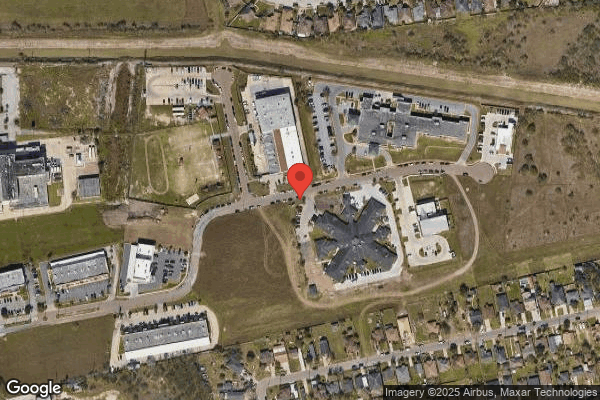
May 2025 3 deficiencies 2 IJ (2 affecting multiple)
CRITICAL (K) 📢 Someone Reported This

A family member, employee, or ombudsman was alarmed enough to file a formal complaint

Immediate Jeopardy (IJ) - the most serious Medicare violation

Deficiency F0635 (Tag F0635)

Someone could have died · This affected multiple residents

**NOTE- TERMS IN BRACKETS HAVE BEEN EDITED TO PROTECT CONFIDENTIALITY** Based on interview, and record review the facility failed to have physician orders for the resident's immediate care at time of ...

Read full inspector narrative →
**NOTE- TERMS IN BRACKETS HAVE BEEN EDITED TO PROTECT CONFIDENTIALITY** Based on interview, and record review the facility failed to have physician orders for the resident's immediate care at time of admission for 1 of 4 residents (Resident #2) reviewed for physician admission orders. 1.Resident #2 was readmitted to the facility on [DATE] and did not have orders in place for blood sugar checks and had an episode of low blood sugar on 04/08/25 that required him to be sent to hospital. 2.Resident #2 was readmitted to the facility on [DATE] and did not have wound care orders in place for identified impaired skin intergrity until 04/07/25. An IJ was identified on 05/06/25. The IJ template was provided to the facility on [DATE] at 5:18PM . While the IJ was removed on 05/08/25, the facility remained out of compliance at a scope of pattern and a severity level of no actual harm with potential for more than minimal harm that is not immediate jeopardy due to the facility continuing to monitor the implementation and effectiveness of their Plan of Removal. These deficient practices could affect residents by placing them at risk of not having orders for the staff to follow in order to provide care and treatment for identified health needs. The findings included: 1.Record review of Resident #2's face sheet, dated 04/16/25, revealed the resident was an [AGE] year-old male who was initially admitted to the facility on [DATE] with diagnoses that included: type 2 diabetes mellitus (insufficient production of insulation causing high blood sugar) without hypoglycemia (low blood sugars) without coma, chronic systolic (congestive) (left ventricle lose ability to contract normally and the heart cant with enough force to push enough blood into circulation) heart failure, hyperlipidemia (abnormally high levels of lipids (fat) in the blood) and essential (primary) hypertension (high blood pressure). Record review of Resident #2's Medicare 5-day MDS assessment, dated 02/27/25, revealed Resident #2 had a BIMS score of 11, indicating his cognition was moderately impaired. Record review of Resident #2's care plan with an initiation date of 04/16/25 reflected problems such as, [Resident #2] has Diabetes Mellitus and included a goal of the resident will have no complication related to diabetes and interventions including, Monitor/document/report PRN (as needed) any s/sx (signs and symptoms) of hypoglycemia: Sweating, Tremor, Increased heart rate (Tachycardia), Pallor (Pale), Nervousness, Confusion, slurred speech, lack of coordination and Staggering gait. with initiation dates of 04/16/25. Record review of Resident #2's hospital document titled, Physician - Discharge Med Rec Order Lansc (Definition unknown) dated 04/03/25 stated to stop Resident #2's order for insulin sliding scale and did not include any orders related to blood sugar checks. Record review of Resident #2's hospital document titled; Discharge Medication dated 04/03/25 did not include any orders related to blood sugar checks. Record review of Resident #2's order summary report from his admission on [DATE] indicated he had no orders for blood sugar checks. Record review of Resident #2's order summary report from his admission on [DATE] indicated he had an order for dapagliflozin propanediol oral tablet 5MG 1 time a day every day and glipizide-metformin HCI oral tablet 5-500MG 2 times a day every day both with a start date of 04/04/25 and a discontinue date of 04/10/25. Record review of Resident #2's nursing note dated 04/03/25 at 7:41 p.m., written by LVN A reflected he had returned to the facility at that time after a hospital stay and stated LVN A had verified medication list with the NP. Record review of Resident #2's order audit report revealed he had previously had blood sugar checks ordered on 03/05/25 and discontinued on 03/15/25 when resident was sent to the hospital prior to re-admitting to facility on 04/03/25. Record review of Resident #2's blood sugar summary revealed his last blood sugar check was completed on 03/15/25 and was 174. Record review of Resident #2's change in condition completed by LVN A dated 04/08/25 stated Resident #2 complained of shortness of breath, O2 saturation was at 98% and had a blood sugar reading of 50. Resident #2 was alert at all times, had no signs and symptoms of hypoglycemia or distress, had even and unlabored breathing, and was given glucose gel and a cup of orange juice. Resident #2 was transferred to hospital. Record review of Resident #2's hospital admission dated 04/08/25 revealed he was admitted for episodes of hypoglycemia. During an interview with the NP on 04/16/25 at 9:02 a.m., he stated residents with diabetes and history of low of fluctuating blood sugars would absolutely have to have blood sugar checks. The NP did not recall the specific phone call with LVN A when Resident #2 returned to the facility on [DATE]. The NP stated he usually continues the hospital orders and resume hospital orders and the resident's orders. The NP did not recall saying specifically to check his blood sugars but stated Resident #2 has had episode of fluctuating blood sugars and would imagine the facility would be checking his blood sugar. The NP clarified that Resident #2 would require blood sugar checks. The NP did not know why he did not have any blood sugar checked from 04/03/25-04/08/25 and stated it would not make any sense to discontinue the glucometer checks on a diabetic and stated he was not aware of an order like that being given. The NP stated if a resident did not have their blood sugar checked there was a possibility of hyperglycemic (high blood sugar) or hypoglycemic (low blood sugar) episodes. During a telephone interview with LVN A on 04/16/25 at 12:36 p.m., she stated she went over the orders with the NP and stated there was no communication to the NP asking if he needed blood sugar checks and LVN A stated she did not ask if Resident #2 needed them because usually they would come on the medication list. LVN A stated there was not a reason why she did not ask for blood sugar checks for Resident #2 and stated she just did not and stated she just followed the order from the hospital. LVN A stated some people who had type 2 diabetes had to have blood sugar and stated some people do not check their blood. LVN A stated Resident #2 did not have blood sugar checks for a total of 5 days during his stay from 04/03/25-04/08/25. LVN A stated she did not know why Resident #2 did not have blood sugar checks. LVN A stated not having blood sugar checks could impact a resident negatively by their sugar dropping or going too high. LVN A stated she had not been trained in requesting or inputting orders for blood sugar checks and stated she just put in whatever orders were on the paper. LVN A did not know the facility policy regarding blood sugar checks or diabetic procedures. LVN A stated the only negative outcome Resident #2 had was on 04/08/25 he was complaining of shortness of breath and had his blood sugar was at 50. LVN A stated Resident #2 was sent out to the hospital. During an interview on 04/16/25 at 4:12 p.m. ADON E stated normally when a resident is on diabetic PO (by mouth) medication they will do blood sugar checks on them and stated they reviewed the hospital medication list that Resident #2 came in with on 04/03/25 and stated they had discontinued his sliding scale insulin. ADON E stated she did not know if LVN A thought his blood sugar checks were discontinued because the sliding scale was discontinued. ADON E stated LVN A did document that she verified the medications with the NP but she did not know exactly what LVN A verified and did not know why the glucose checks were dropped. ADON E was not sure if there was any communication about getting blood sugar checks for Resident #2 and stated it was not documented on LVN As note. ADON E did not know why LVN A did not ask for blood sugar checks for Resident #2 and stated residents with type 2 diabetes should be on blood sugar checks. ADON E stated she spoke with the NP today who said if they would have addressed it with him he would have given the blood sugar checks. ADON E stated Resident #2 was without blood sugar checks for 5 days from 04/03/25-04/08/25. ADON E stated herself and ADON G had trained staff over requesting and in putting orders and about checking blood sugar for diabetics. ADON E stated they did not have a facility policy for diabetic procedures or blood sugar checks and stated it was just nursing 101 to check diabetics blood sugars before meals. ADON E stated LVN A did not follow procedure in this situation. ADON E stated not getting blood sugar checks could negatively impact a resident by causing them to go hypoglycemic (low blood sugar). ADON E stated she believed Resident #2 was sent out due to him becoming hypoglycemic on 04/08/25 and stated she did not see him during that time. During an interview with the DON on 05/02/25 at 6:11pm he stated there was a progress note from LVN A on 04/03/25 that stated she went over Resident #2's orders with the NP. The DON stated that progress note did not include communication regarding blood sugar checks. The DON stated some physicians did not have residents on blood glucose checks and would instead check their A1C. The DON stated if a resident's blood glucose is controlled with diet and oral medication, they can be taken off blood glucose checks and if they are uncontrolled then you really cannot take them off blood glucose checks. The DON was asked if there was a reason why LVN A did not ask the NP for blood glucose checks for Resident #2 and he stated it depended on the order that came in with the resident from the hospital, and stated it they were on insulin they are on glucose checks regardless but stated sometimes they went in with PO (oral) medication and would use an A1C to check their glucose. The DON stated Resident #2 did not have any order from blood sugar checks during his stay from 04/03/25 through 04/08/25. The DON stated Resident #2 had no negative outcomes from not having his blood glucose checked during that time that he knew of. The DON stated he was not sure if staff had been trained prior to Resident #2 over blood glucose checks but stated they had been trained since and stated the training occurred prior to him starting to work at the facility. The DON stated yes, the facility had a policy regarding diabetic procedures and blood glucose checks but had to read it to give me information regarding what it stated. The DON stated LVN A followed the admission process. The DON stated if someone had a history of hypoglycemia and did not have blood glucose checks it could put their life in danger. The DON reviewed Resident #2's blood sugar summary and stated he only identified 1 episode of Resident #2's blood sugar at 50 on 02/16/25. During a follow up interview on 05/06/25 at 12:14pm The DON stated if a resident was responsive they could decompensate within 5 to 30 minutes if their blood glucose was at 50 and was not being monitored. Record review of facility Inservice training report dated 04/11/25 revealed LVN A and ADON E had been trained on glucose checks, admissions and notifying the doctor. Record review of LVN A's orientation and skills competency revealed a section titled, Physician Orders and a subsection titled, acquisition that indicated she had been evaluated over this area on 01/02/24 by a previous DON. There was no additional comments on comment section and was signed and dated by both LVN A and a previous DON on 01/02/24 Record review of facility in services revealed LVN A had been trained over medication reconciliation and verifying medication on 04/17/25. Record review of facility Ad HOC QAPI dated 04/11/25 revealed, blood glucose as an agenda item. During an interview on 04/16/25 at around 4:00pm the Regional Clinical Specialist stated they did not have a facility policy for diabetic procedures or blood sugar checks. During an interview on 04/16/25 at 4:12pm ADON E stated they did not have a facility policy for diabetic procedures or blood sugar checks. During an interview on 04/16/25 at 5:16pm the Administrator stated they did not have a facility policy for diabetic procedures or blood sugar checks. Record review of facility policy with an implementation date or 10/24/22 and titled Notification of Changes stated, the purpose of this policy is to ensure the facility prompt informs the resident, consults the resident's physician; and notifies, consistent with his or her authority, the resident's representative when there is a change requiring notification. and 3. Circumstances that require a need to alter treatment. This may include a. a new treatment. 2.Record review of Resident #2's face sheet, dated 04/16/25, revealed the resident was an [AGE] year-old male who was initially admitted to the facility on [DATE] with diagnoses that included: type 2 diabetes mellitus (insufficient production of insulation causing high blood sugar) without hypoglycemia (low blood sugars) without coma, chronic systolic (congestive) (left ventricle lose ability to contract normally and the heart cant with enough force to push enough blood into circulation) heart failure, hyperlipidemia (abnormally high levels of lipids (fat) in the blood) and essential (primary) hypertension (high blood pressure). Record review of Resident #2's Medicare 5-day MDS assessment, dated 02/27/25, revealed Resident #2 had a BIMS score of 11, indicating his cognition was moderately impaired. Resident #2's section M - skin conditions reflected Resident #2 was at risk for developing pressure ulcers/injuries, had no unhealed pressure ulcers/injuries, 1 venous and arterial ulcer present, had diabetic foot ulcer(s), moisture associated skin damage (MASD), had a pressure reducing device for bed and had application of non-surgical dressings (with or without topical medications) other than to feet. Record review of Resident #2's care plan with an initiation date of 04/16/25 reflected problems such as, [Resident #2] has an arterial of the left dorsum foot, [Resident #2] has a stage 2 pressure injury to left gluteus and unstageable pressure injury to left heel and [Resident #2] has actual impairment to skin integrity of the sacrum r/t (related to) MASD and impairment to skin integrity of the penis r/t (related to) surgical wound. All 3 problem areas had an intervention of, Weekly treatment documentation to include measurement of each area of skin breakdown's width, length, depth, type of tissue and exudate and any other notable changes or observations. Record review of Resident #2's hospital documents dated 04/03/25 and titled Physician-Discharge Med (medications) Rec Order Landsc (definition unknown) and Discharge - Patient Medication Report did not include any orders for impaired skin integrity management. Record review of Resident #2's nursing note dated 04/03/25 at 7:41 p.m., written by LVN A reflected he had returned to the facility at that time after a hospital stay and stated LVN A had verified medication list with the NP. Record review of Resident #2's nursing note dated 04/03/25 at 7:41 p.m., written by LVN A reflected he had returned to the facility at that time after a hospital stay. Nursing note also stated Resident #2 present with Discoloration noted to bilateral arms. Multiple scabs noted to posterior left arm . Red discoloration noted to sacrum area .Surgical incision to penis area d/t (due to) circumcision. Swelling noted to groin area. Scab noted to top of left foot and left heel. Record review of Resident #2's initial nursing evaluation dated 04/03/25 completed by LVN A had yes marked off indicating Resident #2 had skin impairments but did not mark anything on body diagram or site and description table that detailed location or measurement. Record review of Resident #2's skin assessments with an effective date of 04/07/25 revealed Resident #2 had the following: a diabetic wound to left dorsum foot that measured an area of 3.1 cm² with a length of 3.3 cm, width of 1.4 cm, depth of 0.1 cm. A diabetic would to left heel that measured an area of 1.8 cm² with a length of 2.2 cm, width of 1.0 cm, depth of 0.1 cm, MASD specifically incontinence associated dermatitis to sacrum that measured an area of 2.2 cm² with a length of 3.8 cm, width of 0.7 cm, depth of 0.1 cm. and an abrasion to penis that measured an area of 8.7 cm² with a length of 4.6 cm, width of 4.4 cm, depth of 0.1 cm. All areas of skin impairments were listed as present on admission on [DATE] and 01/26/25 and were all marked as resolved. Record review of Resident #2's order summary report revealed he had no treatment orders for his identified skin impairments when admitted on [DATE] until 04/07/25, which include the following: 1. Penile wound: clean with dakin's, dab dry with gauze, apply Mupirocin topically, LOTA (leave open to air) one time a day with an order date of 04/07/25 and a start date of 04/08/25. 2. Sacral MASD (moisture associated skin damage): clean with Dakin's, apply Medihoney and optifoam patch. one time a day with an order date of 04/07/25 and a start date of 04/08/25. 3. Lt (left) heel wound: clean with Dakin's, apply Betadine cast followed by kerlix. one time a day with an order date of 04/07/25 and a start date of 04/08/25. 4. Lt (left) dorsum foot: clean with Dakin's, apply Silvadene, cover with gauze dssg. (dressing) one time a day with an order date of 04/07/25 and a start date of 04/08/25. Record review of Resident #2's change in condition completed by LVN A and dated 04/08/25 stated Resident #2 complained of shortness of breath, O2 saturation was at 98% and had a blood sugar reading of 50. Resident #2 was alert at all times, had no signs and symptoms of hypoglycemia or distress, had even and unlabored breathing, and was given glucose gel and a cup of orange juice. Resident #2 was transferred to hospital. During a telephone interview on 04/10/25 at 4:19 p.m., LVN A who was the admitting nurse for Resident #2 on 04/03/25 stated she recalled Resident #2 on 04/03/25 and recalled she did the initial nursing evaluation. LVN A stated she did not recall wounds too well and just put redness and discoloration. LVN A stated she did see redness on the sacrum and did not do anything, she stated she did not ask the doctor for any orders for the redness and stated it was more just on the sacrum. LVN A stated she did not know why she did not ask the doctor for any order. LVN A stated she just verified the medication list, LVN A stated they did not have an order for zinc and stated it was not on his medication list. LVN A stated LVN G assisted with the assessment of Resident #2. LVN A stated usually the wound care nurse would evaluate the resident the following day in the morning and stated if residents had wounds they usually came with order. During a follow up interview on 05/01/25 at 7:14pm with LVN A she stated when a resident arrived to the facility she would go and assess them, take vitals, verify orders and would complete a skin assessment that would be documented on a nursing note and stated she would complete a diagram as a reminder if they had things like a bruise. LVN A stated she did not open a new form for skin wound assessment when Resident #2 was admitted and stated she had since been educated to complete a wound form for new admissions. During an interview with the NP on 04/16/25 at 9:02 a.m., he stated to determine skin or wound care orders the nurse would discuss any skin impairments with him or request orders from him which he would give if they were requested. The NP stated he did not recall if LVN A informed him of any skin impairments identified on Resident #2 when he was admitted on [DATE]. The NP stated not having wound care orders could potentially impact Resident #2 negatively due to being fragile elderly patient and could potentially have worsening wounds. During an interview on 04/16/25 at 4:12 p.m., ADON E stated when a resident or new admission is identified with skin impairments or wounds the admitting nurse was responsible for doing a full head to toe and going over the medication with the doctor. ADON E stated the admitting nurse had to do a skin evaluation and document any skin impairment and if they came in without orders from the hospital then the admitting nurse needed to review any findings with the doctor. ADON E stated when Resident #2 admitted on [DATE], LVN A was the nurse who completed the initial nursing evaluation. ADON E stated the initial nursing evaluation did include a skin assessment but stated the model on the nursing evaluation did not have anything documented. ADON E confirmed that staff marked yes that skin impairments were identified but stated there was nothing documented on the model and stated there should be something documented on there. ADON E stated she is assuming LVN A did not communicate any skin impairment findings to the doctor because there was no order in place for wound care upon admission of Resident #2 on 04/03/25. ADON E stated identified skin impairments and wounds are something they needed to call the doctor about and see what changes he wanted to make and stated the NP was very accessible and if staff would have addressed the skin impairment with him then he would have given orders. ADON E did not know why staff did not communicate Resident #2's skin impairment findings from 04/03/25 with the doctor. ADON E stated it was important to communicate any findings to make sure they were not left untreated. ADON E stated staff had recently been trained by her and ADON G on making notifications to the doctor and requesting orders from the doctor. ADON E stated LVN A did not follow the facility policy which stated anything out of the norm should be reporting for monitoring or treatment. ADON E stated Resident #2 went without wound care for 5 days and stated she did not believe Resident #2 was receiving wound care during those days and stated she did not have a baseline from 04/03/25 to say if there was any deterioration to his wounds during that time and stated there was not any negative impact that she knew of. ADON E stated not having wound care could negatively impact residents by causing wounds to get bigger or infected or go septic. During a follow up interview on 04/16/25 at 6:52 p.m., LVN A stated when a new admission is identified with skin impairments or wounds they would either get order from the medication list or the treatment nurse would assess the resident the following day. LVN A confirmed that she completed Resident #2's initial nursing evaluation when he admitted on [DATE]. She stated she thought the initial nursing evaluation included a skin assessment. LVN A stated she identified skin impairments to include redness to sacrum and scabs to feet. LVN A stated she did not communicate these findings to the NP and did not ask for orders based on her skin assessment and stated she only verified orders with the NP. LVN A stated skin impairments and wounds are something she should communicate with the doctor and stated that she knew of it being the treatment nurse who would communicate that but stated no one told her she was out. LVN A stated she did not communicate her findings with the doctor because she thought the treatment nurse would. LVN A stated it was important to communicate skin and wound findings to the doctor to make sure it would not get worse. LVN A stated she did not remember a training over reporting skin impairments or changes in condition but stated they had to report it to the DON and doctor. LVN A did not know her facility policy regarding communicating findings with the doctor. LVN A stated she did not know how many days Resident #2 went without wound care and stated she was off that following weekend and was not sure if he was receiving any kind of wound care and did not know if there was any deterioration to his wounds during that time. LVN A stated not getting wound care for 4 days could negatively impact the resident by causing the wounds to get infected. LVN A stated she should have notified the doctor if she had seen any signs or symptoms of infection and stated she should have asked him for wound care orders as time of assessment. During an interview and record review with the DON on 05/02/25 at 6:11pm he stated he started working at the facility on 04/21/25. The DON stated LVN A completed Resident #2's initial nursing evaluation on 04/03/25. The DON reviewed Resident #2's initial nursing evaluation from 04/3/25 and stated there was a section for skin integrity on there and stated LVN A marked yes to skin impairments but did not identify them on that form and instead did so on her progress note. The DON stated a skin form was not completed until 04/07/25. The DON stated that LVN A did communicate findings with the NP based off a note that stated she verified medications with NP. The DON stated LVN A's note did not include if she asked for orders based on her skin assessment and stated he would have to ask the LVN A or the NP. The DON stated staff should communicate any findings that warranted an order with the NP. The DON did not know why LVN A had not communicate her findings with the NP. The DON stated communicating findings with the NP and getting order for wound care and skin impairments was important because wounds and skin impairments could get worse, go septic or get infected. The DON stated he knew staff had been trained on making notifications to the NP and getting orders for wound care and skin impairments prior to him starting to work at the facility. The DON stated the facility policy stated to notify the NP of any change in condition and anything to the skin. The DON stated LNV A followed the admission process and stated he didn't know if she actually asked the NP about the wounds or scans. The DON stated Resident #2 was without wound care orders from day of readmission on [DATE] until they were put in on 04/07/25. The DON stated not having wound care treatment in place could negatively impact a resident by causing deterioration of the wound, going septic or getting an infection and having pain. The Treament Nurse was attempted to be contacted via telephone for an interview on 05/05/25 at 3:59pm with no success. The Treament Nurse was attempted to be contacted via telephone for an interview on 05/05/25 at 4:00pm, the call was answered, reason for call was explained, however while explaining the reason for call the person who answered the phone hung up the phone. The Treatment Nurse was attempted to be contacted via telephone for an interview on 05/05/25 at 4:01pm with no success. During an interview with ADON E on 05/05/25 at 4:08pm stated she stated the Treatment Nurse would have been the nurse who completed Resident #2's skin assessment on 04/07/25. ADON E reveiwed the skin assessments from 04/07/25 and stated the Treatment Nurse was indicated as the staff memeber who created the skin assessments on 04/07/25 for Resident #2. Record review of facility Inservice training report dated 04/11/25 (after incident occurred) revealed LVN A and ADON E had been trained on glucose checks, admissions and notifying the doctor. Record review of facility policy with an implementation date or 10/24/22 and titled Notification of Changes stated, the purpose of this policy is to ensure the facility prompt informs the resident, consults the resident's physician; and notifies, consistent with his or her authority, the resident's representative when there is a change requiring notification. and 3. Circumstances that require a need to alter treatment. This may include a. a new treatment. This was determined to be an Immediate Jeopardy (IJ) on 05/06/25 at 4:55 PM. The administrator and the DON were notified. The Administrator and the DON were provided with the IJ template on 05/06/25 at 5:18pm The following Plan of Removal (POR) submitted by the facility was accepted on 05/07/25 at 11:30 PM: [Facility] [Address] [Phone Number] LETTER OF CREDIBLE ALLEGATION FOR REMOVAL OF IMMEDIATE JEOPARDY May 6, 2025 Attention Sir or Madam: On May 6, 2025, the facility was notified by the surveyor that an Immediate Jeopardy had been called and the facility needed to submit a letter of removal. The Facility respectfully submits this Letter for a Plan of Removal pursuant to Federal and State regulatory requirements. The immediate jeopardy is as follows: Issue: F 635 admission Orders LVN A failed to obtain clarification orders for glucose checks upon readmission despite having a diagnosis of diabetes. R#2 complained of shortness of breath and suffered hypoglycemic episode with a blood glucose of 50 on 04/08/25. Actions for Resident Involved On 4/16/25, Resident #2 returned to the facility and orders were reviewed. Resident #2 was readmitted with Blood Glucose Check orders and was carried out as ordered. Identification of Others: On 4/10/25 and 5/6/2025 the DON/Designee conducted an audit of admissions/readmissions in the last 30 days to ensure that orders have been reconciled and reviewed by Medical Providers and carried out as ordered. On 4/10/25 and 5/6/2025, residents with diagnosis of type 2 diabetes mellitus were identified and referred to medical providers to review if additional orders are needed related to management of diabetes. Systemic Changes/ Education On 4/10/25 and 5/6/2025, the Director of Nursing/Designee initiated and completed 100% education with licensed staff. Comprehension of training was verified by having nurses voice understanding of the training and repeat back training contents. Those that are PRN and/ or out on FMLA/ LOA will be taken off schedule and have the education completed prior to accepting assignment for their next scheduled shift. Licensed Nurses were educated on the following: Admission/readmission order review process: o Medication reconciliation for admission/readmissions. Nurses to ensure all medications and orders upon admit/readmit have been verified with Medical Providers and carried out as ordered. o Compare Hospital Transfer orders to hospital records including review of diagnosis. The License nurse will contact the medical provider and obtain clarification orders as needed based on order review and nursing assessment. Diabetes Mellitus and Blood Glucose Checks Beginning 5/6/25 and ongoing, newly hired licensed nurses will receive this training during orientation prior to providing care to the residents. The training will include the above-stated educational components. Admission/readmission/ER (emergency room) visits orders will be reviewed during the morning clinical meeting to ensure orders have been reconciled with hospital record and orders and the Medical Provider is notified of any orders requiring clarifications based on record review and/or nurse's assessment. Weekend RN Supervisor and/or ADON will complete and review Medication reconciliation for admission/readmissions over the weekend. Charge Nurses will ensure all medications and orders upon admit/readmit have been verified with Medical Providers and carried out as ordered. Monitoring Beginning 5/6/25 and going forward, The Director of Nursing/ designee will review new admissions /readmissions to ensure order reconciliation is completed and hospital records including the diagnosis are reviewed and medical provider is contacted if needed for clarifications based on order review and nursing assessment. Beginning 5/6/25 and going, the Director of Nursing or designee will
CRITICAL (K) 📢 Someone Reported This

A family member, employee, or ombudsman was alarmed enough to file a formal complaint

Immediate Jeopardy (IJ) - the most serious Medicare violation

Quality of Care (Tag F0684)

Someone could have died · This affected multiple residents

**NOTE- TERMS IN BRACKETS HAVE BEEN EDITED TO PROTECT CONFIDENTIALITY** Based on interview, and record review the facility failed to provide treatment and care in accordance with the comprehensive per...

Read full inspector narrative →
**NOTE- TERMS IN BRACKETS HAVE BEEN EDITED TO PROTECT CONFIDENTIALITY** Based on interview, and record review the facility failed to provide treatment and care in accordance with the comprehensive person-centered care plan and in accordance with professional standards of practice for 1 of 4 residents (Resident #2) reviewed for quality of care. 1.Resident #2 was readmitted to the facility on [DATE] and did not have orders in place for wound care for MASD to sacrum, diabetic wound to left heel and left dorsum foot or abrasion to penis until 04/07/25. 2. Resident #2 was readmitted to the facility on [DATE] and did not have orders in place for blood sugar checks and had an episode of low blood sugar on 04/08/25 that required him to be sent to hospital. An IJ was identified on 05/06/25. The IJ template was provided to the facility on [DATE] at 5:18PM . While the IJ was removed on 05/08/25, the facility remained out of compliance at a scope of pattern and a severity level of no actual harm with potential for more than minimal harm that is not immediate jeopardy due to the facility continuing to monitor the implementation and effectiveness of their Plan of Removal. These deficient practices could affect residents who receive wound care treatments by placing them at risk for receiving inadequate treatments resulting in the worsening of the wounds. The findings included: Record review of Resident #2's face sheet, dated 04/16/25, revealed the resident was an [AGE] year-old male who was initially admitted to the facility on [DATE] with diagnoses that included: type 2 diabetes mellitus (insufficient production of insulation causing high blood sugar) without hypoglycemia (low blood sugars) without coma, chronic systolic (congestive) (left ventricle lose ability to contract normally and the heart cant with enough force to push enough blood into circulation) heart failure, hyperlipidemia (abnormally high levels of lipids (fat) in the blood) and essential (primary) hypertension (high blood pressure). Record review of Resident #2's Medicare 5-day MDS assessment, dated 02/27/25, revealed Resident #2 had a BIMS score of 11, indicating his cognition was moderately impaired. Resident #2's section M - skin conditions reflected Resident #2 was at risk for developing pressure ulcers/injuries, had no unhealed pressure ulcers/injuries, 1 venous and arterial ulcer present, had diabetic foot ulcer(s), moisture associated skin damage (MASD), had a pressure reducing device for bed and had application of non-surgical dressings (with or without topical medications) other than to feet. Record review of Resident #2's care plan with an initiation date of 04/16/25 reflected problems such as, [Resident #2] has an arterial of the left dorsum foot, [Resident #2] has a stage 2 pressure injury to left gluteus and unstageable pressure injury to left heel and [Resident #2] has actual impairment to skin integrity of the sacrum r/t (related to) MASD and impairment to skin integrity of the penis r/t (related to) surgical wound. All 3 problem areas had an intervention of, Weekly treatment documentation to include measurement of each area of skin breakdown's width, length, depth, type of tissue and exudate and any other notable changes or observations. Record review of Resident #2's hospital documents dated 04/03/25 and titled Physician-Discharge Med (medications) Rec Order Landsc (definition unknown) and Discharge - Patient Medication Report did not include any orders for impaired skin integrity management. Record review of Resident #2's nursing note dated 04/03/25 at 7:41 p.m., written by LVN A reflected he had returned to the facility at that time after a hospital stay and stated LVN A had verified medication list with the NP. Record review of Resident #2's nursing note dated 04/03/25 at 7:41 p.m., written by LVN A reflected he had returned to the facility at that time after a hospital stay. Nursing note also stated Resident #2 present with Discoloration noted to bilateral arms. Multiple scabs noted to posterior left arm . Red discoloration noted to sacrum area .Surgical incision to penis area d/t (due to) circumcision. Swelling noted to groin area. Scab noted to top of left foot and left heel. Record review of Resident #2's initial nursing evaluation dated 04/03/25 completed by LVN A had yes marked off indicating Resident #2 had skin impairments but did not mark anything on body diagram or site and description table that detailed location or measurement. Record review of Resident #2's skin assessments with an effective date of 04/07/25 revealed Resident #2 had the following: a diabetic wound to left dorsum foot that measured an area of 3.1 cm² with a length of 3.3 cm, width of 1.4 cm, depth of 0.1 cm. A diabetic would to left heel that measured an area of 1.8 cm² with a length of 2.2 cm, width of 1.0 cm, depth of 0.1 cm, MASD specifically incontinence associated dermatitis to sacrum that measured an area of 2.2 cm² with a length of 3.8 cm, width of 0.7 cm, depth of 0.1 cm. and an abrasion to penis that measured an area of 8.7 cm² with a length of 4.6 cm, width of 4.4 cm, depth of 0.1 cm. All areas of skin impairments were listed as present on admission on [DATE] and 01/26/25 and were all marked as resolved. Record review of Resident #2's order summary report revealed he had no treatment orders for his identified skin impairments when admitted on [DATE] until 04/07/25, which include the following: 1. Penile wound: clean with dakin's, dab dry with gauze, apply Mupirocin topically, LOTA (leave open to air) one time a day with an order date of 04/07/25 and a start date of 04/08/25. 2. Sacral MASD (moisture associated skin damage): clean with Dakin's, apply Medihoney and optifoam patch. one time a day with an order date of 04/07/25 and a start date of 04/08/25. 3. Lt (left) heel wound: clean with Dakin's, apply Betadine cast followed by kerlix. one time a day with an order date of 04/07/25 and a start date of 04/08/25. 4. Lt (left) dorsum foot: clean with Dakin's, apply Silvadene, cover with gauze dssg. (dressing) one time a day with an order date of 04/07/25 and a start date of 04/08/25. Record review of Resident #2's change in condition completed by LVN A and dated 04/08/25 stated Resident #2 complained of shortness of breath, O2 saturation was at 98% and had a blood sugar reading of 50. Resident #2 was alert at all times, had no signs and symptoms of hypoglycemia or distress, had even and unlabored breathing, and was given glucose gel and a cup of orange juice. Resident #2 was transferred to hospital. During a telephone interview on 04/10/25 at 4:19 p.m., LVN A who was the admitting nurse for Resident #2 on 04/03/25 stated she recalled Resident #2 on 04/03/25 and recalled she did the initial nursing evaluation. LVN A stated she did not recall wounds too well and just put redness and discoloration. LVN A stated she did see redness on the sacrum and did not do anything, she stated she did not ask the doctor for any orders for the redness and stated it was more just on the sacrum. LVN A stated she did not know why she did not ask the doctor for any order. LVN A stated she just verified the medication list, LVN A stated they did not have an order for zinc and stated it was not on his medication list. LVN A stated LVN G assisted with the assessment of Resident #2. LVN A stated usually the wound care nurse would evaluate the resident the following day in the morning and stated if residents had wounds they usually came with order. During a follow up interview on 05/01/25 at 7:14pm with LVN A she stated when a resident arrived to the facility she would go and assess them, take vitals, verify orders and would complete a skin assessment that would be documented on a nursing note and stated she would complete a diagram as a reminder if they had things like a bruise. LVN A stated she did not open a new form for skin wound assessment when Resident #2 was admitted and stated she had since been educated to complete a wound form for new admissions. During an interview with the NP on 04/16/25 at 9:02 a.m., he stated to determine skin or wound care orders the nurse would discuss any skin impairments with him or request orders from him which he would give if they were requested. The NP stated he did not recall if LVN A informed him of any skin impairments identified on Resident #2 when he was admitted on [DATE]. The NP stated not having wound care orders could potentially impact Resident #2 negatively due to being fragile elderly patient and could potentially have worsening wounds. During an interview on 04/16/25 at 4:12 p.m., ADON E stated when a resident or new admission is identified with skin impairments or wounds the admitting nurse was responsible for doing a full head to toe and going over the medication with the doctor. ADON E stated the admitting nurse had to do a skin evaluation and document any skin impairment and if they came in without orders from the hospital then the admitting nurse needed to review any findings with the doctor. ADON E stated when Resident #2 admitted on [DATE], LVN A was the nurse who completed the initial nursing evaluation. ADON E stated the initial nursing evaluation did include a skin assessment but stated the model on the nursing evaluation did not have anything documented. ADON E confirmed that staff marked yes that skin impairments were identified but stated there was nothing documented on the model and stated there should be something documented on there. ADON E stated she is assuming LVN A did not communicate any skin impairment findings to the doctor because there was no order in place for wound care upon admission of Resident #2 on 04/03/25. ADON E stated identified skin impairments and wounds are something they needed to call the doctor about and see what changes he wanted to make and stated the NP was very accessible and if staff would have addressed the skin impairment with him then he would have given orders. ADON E did not know why staff did not communicate Resident #2's skin impairment findings from 04/03/25 with the doctor. ADON E stated it was important to communicate any findings to make sure they were not left untreated. ADON E stated staff had recently been trained by her and ADON G on making notifications to the doctor and requesting orders from the doctor. ADON E stated LVN A did not follow the facility policy which stated anything out of the norm should be reporting for monitoring or treatment. ADON E stated Resident #2 went without wound care for 5 days and stated she did not believe Resident #2 was receiving wound care during those days and stated she did not have a baseline from 04/03/25 to say if there was any deterioration to his wounds during that time and stated there was not any negative impact that she knew of. ADON E stated not having wound care could negatively impact residents by causing wounds to get bigger or infected or go septic. During a follow up interview on 04/16/25 at 6:52 p.m., LVN A stated when a new admission is identified with skin impairments or wounds they would either get order from the medication list or the treatment nurse would assess the resident the following day. LVN A confirmed that she completed Resident #2's initial nursing evaluation when he admitted on [DATE]. She stated she thought the initial nursing evaluation included a skin assessment. LVN A stated she identified skin impairments to include redness to sacrum and scabs to feet. LVN A stated she did not communicate these findings to the NP and did not ask for orders based on her skin assessment and stated she only verified orders with the NP. LVN A stated skin impairments and wounds are something she should communicate with the doctor and stated that she knew of it being the treatment nurse who would communicate that but stated no one told her she was out. LVN A stated she did not communicate her findings with the doctor because she thought the treatment nurse would. LVN A stated it was important to communicate skin and wound findings to the doctor to make sure it would not get worse. LVN A stated she did not remember a training over reporting skin impairments or changes in condition but stated they had to report it to the DON and doctor. LVN A did not know her facility policy regarding communicating findings with the doctor. LVN A stated she did not know how many days Resident #2 went without wound care and stated she was off that following weekend and was not sure if he was receiving any kind of wound care and did not know if there was any deterioration to his wounds during that time. LVN A stated not getting wound care for 4 days could negatively impact the resident by causing the wounds to get infected. LVN A stated she should have notified the doctor if she had seen any signs or symptoms of infection and stated she should have asked him for wound care orders as time of assessment. During an interview and record review with the DON on 05/02/25 at 6:11pm he stated he started working at the facility on 04/21/25. The DON stated LVN A completed Resident #2's initial nursing evaluation on 04/03/25. The DON reviewed Resident #2's initial nursing evaluation from 04/3/25 and stated there was a section for skin integrity on there and stated LVN A marked yes to skin impairments but did not identify them on that form and instead did so on her progress note. The DON stated a skin form was not completed until 04/07/25. The DON stated that LVN A did communicate findings with the NP based off a note that stated she verified medications with NP. The DON stated LVN A's note did not include if she asked for orders based on her skin assessment and stated he would have to ask the LVN A or the NP. The DON stated staff should communicate any findings that warranted an order with the NP. The DON did not know why LVN A had not communicate her findings with the NP. The DON stated communicating findings with the NP and getting order for wound care and skin impairments was important because wounds and skin impairments could get worse, go septic or get infected. The DON stated he knew staff had been trained on making notifications to the NP and getting orders for wound care and skin impairments prior to him starting to work at the facility. The DON stated the facility policy stated to notify the NP of any change in condition and anything to the skin. The DON stated LNV A followed the admission process and stated he didn't know if she actually asked the NP about the wounds or scans. The DON stated Resident #2 was without wound care orders from day of readmission on [DATE] until they were put in on 04/07/25. The DON stated not having wound care treatment in place could negatively impact a resident by causing deterioration of the wound, going septic or getting an infection and having pain. The Treament Nurse was attempted to be contacted via telephone for an interview on 05/05/25 at 3:59pm with no success. The Treament Nurse was attempted to be contacted via telephone for an interview on 05/05/25 at 4:00pm, the call was answered, reason for call was explained, however while explaining the reason for call the person who answered the phone hung up the phone. The Treatment Nurse was attempted to be contacted via telephone for an interview on 05/05/25 at 4:01pm with no success. During an interview with ADON E on 05/05/25 at 4:08pm stated she stated the Treatment Nurse would have been the nurse who completed Resident #2's skin assessment on 04/07/25. ADON E reveiwed the skin assessments from 04/07/25 and stated the Treatment Nurse was indicated as the staff memeber who created the skin assessments on 04/07/25 for Resident #2. Record review of facility Inservice training report dated 04/11/25 (after incident occurred) revealed LVN A and ADON E had been trained on glucose checks, admissions and notifying the doctor. Record review of facility policy with an implementation date or 10/24/22 and titled Notification of Changes stated, the purpose of this policy is to ensure the facility prompt informs the resident, consults the resident's physician; and notifies, consistent with his or her authority, the resident's representative when there is a change requiring notification. and 3. Circumstances that require a need to alter treatment. This may include a. a new treatment. 2. Record review of Resident #2's face sheet, dated 04/16/25, revealed the resident was an [AGE] year-old male who was initially admitted to the facility on [DATE] with diagnoses that included: type 2 diabetes mellitus (insufficient production of insulation causing high blood sugar) without hypoglycemia (low blood sugars) without coma, chronic systolic (congestive) (left ventricle lose ability to contract normally and the heart cant with enough force to push enough blood into circulation) heart failure, hyperlipidemia (abnormally high levels of lipids (fat) in the blood) and essential (primary) hypertension (high blood pressure). Record review of Resident #2's Medicare 5-day MDS assessment, dated 02/27/25, revealed Resident #2 had a BIMS score of 11, indicating his cognition was moderately impaired. Record review of Resident #2's care plan with an initiation date of 04/16/25 reflected problems such as, [Resident #2] has Diabetes Mellitus and included a goal of the resident will have no complication related to diabetes and interventions including, Monitor/document/report PRN (as needed) any s/sx (signs and symptoms) of hypoglycemia: Sweating, Tremor, Increased heart rate (Tachycardia), Pallor (Pale), Nervousness, Confusion, slurred speech, lack of coordination and Staggering gait. with initiation dates of 04/16/25. Record review of Resident #2's hospital document titled, Physician - Discharge Med Rec Order Lansc (Definition unknown) dated 04/03/25 stated to stop Resident #2's order for insulin sliding scale and did not include any orders related to blood sugar checks. Record review of Resident #2's hospital document titled; Discharge Medication dated 04/03/25 did not include any orders related to blood sugar checks. Record review of Resident #2's order summary report from his admission on [DATE] indicated he had no orders for blood sugar checks. Record review of Resident #2's order summary report from his admission on [DATE] indicated he had an order for dapagliflozin propanediol oral tablet 5MG 1 time a day every day and glipizide-metformin HCI oral tablet 5-500MG 2 times a day every day both with a start date of 04/04/25 and a discontinue date of 04/10/25. Record review of Resident #2's nursing note dated 04/03/25 at 7:41 p.m., written by LVN A reflected he had returned to the facility at that time after a hospital stay and stated LVN A had verified medication list with the NP. Record review of Resident #2's order audit report revealed he had previously had blood sugar checks ordered on 03/05/25 and discontinued on 03/15/25 when resident was sent to the hospital prior to re-admitting to facility on 04/03/25. Record review of Resident #2's blood sugar summary revealed his last blood sugar check was completed on 03/15/25 and was 174. Record review of Resident #2's change in condition completed by LVN A dated 04/08/25 stated Resident #2 complained of shortness of breath, O2 saturation was at 98% and had a blood sugar reading of 50. Resident #2 was alert at all times, had no signs and symptoms of hypoglycemia or distress, had even and unlabored breathing, and was given glucose gel and a cup of orange juice. Resident #2 was transferred to hospital. Record review of Resident #2's hospital admission dated 04/08/25 revealed he was admitted for episodes of hypoglycemia. During an interview with the NP on 04/16/25 at 9:02 a.m., he stated residents with diabetes and history of low of fluctuating blood sugars would absolutely have to have blood sugar checks. The NP did not recall the specific phone call with LVN A when Resident #2 returned to the facility on [DATE]. The NP stated he usually continues the hospital orders and resume hospital orders and the resident's orders. The NP did not recall saying specifically to check his blood sugars but stated Resident #2 has had episode of fluctuating blood sugars and would imagine the facility would be checking his blood sugar. The NP clarified that Resident #2 would require blood sugar checks. The NP did not know why he did not have any blood sugar checked from 04/03/25-04/08/25 and stated it would not make any sense to discontinue the glucometer checks on a diabetic and stated he was not aware of an order like that being given. The NP stated if a resident did not have their blood sugar checked there was a possibility of hyperglycemic (high blood sugar) or hypoglycemic (low blood sugar) episodes. During a telephone interview with LVN A on 04/16/25 at 12:36 p.m., she stated she went over the orders with the NP and stated there was no communication to the NP asking if he needed blood sugar checks and LVN A stated she did not ask if Resident #2 needed them because usually they would come on the medication list. LVN A stated there was not a reason why she did not ask for blood sugar checks for Resident #2 and stated she just did not and stated she just followed the order from the hospital. LVN A stated some people who had type 2 diabetes had to have blood sugar and stated some people do not check their blood. LVN A stated Resident #2 did not have blood sugar checks for a total of 5 days during his stay from 04/03/25-04/08/25. LVN A stated she did not know why Resident #2 did not have blood sugar checks. LVN A stated not having blood sugar checks could impact a resident negatively by their sugar dropping or going too high. LVN A stated she had not been trained in requesting or inputting orders for blood sugar checks and stated she just put in whatever orders were on the paper. LVN A did not know the facility policy regarding blood sugar checks or diabetic procedures. LVN A stated the only negative outcome Resident #2 had was on 04/08/25 he was complaining of shortness of breath and had his blood sugar was at 50. LVN A stated Resident #2 was sent out to the hospital. During an interview on 04/16/25 at 4:12 p.m. ADON E stated normally when a resident is on diabetic PO (by mouth) medication they will do blood sugar checks on them and stated they reviewed the hospital medication list that Resident #2 came in with on 04/03/25 and stated they had discontinued his sliding scale insulin. ADON E stated she did not know if LVN A thought his blood sugar checks were discontinued because the sliding scale was discontinued. ADON E stated LVN A did document that she verified the medications with the NP but she did not know exactly what LVN A verified and did not know why the glucose checks were dropped. ADON E was not sure if there was any communication about getting blood sugar checks for Resident #2 and stated it was not documented on LVN As note. ADON E did not know why LVN A did not ask for blood sugar checks for Resident #2 and stated residents with type 2 diabetes should be on blood sugar checks. ADON E stated she spoke with the NP today who said if they would have addressed it with him he would have given the blood sugar checks. ADON E stated Resident #2 was without blood sugar checks for 5 days from 04/03/25-04/08/25. ADON E stated herself and ADON G had trained staff over requesting and in putting orders and about checking blood sugar for diabetics. ADON E stated they did not have a facility policy for diabetic procedures or blood sugar checks and stated it was just nursing 101 to check diabetics blood sugars before meals. ADON E stated LVN A did not follow procedure in this situation. ADON E stated not getting blood sugar checks could negatively impact a resident by causing them to go hypoglycemic (low blood sugar). ADON E stated she believed Resident #2 was sent out due to him becoming hypoglycemic on 04/08/25 and stated she did not see him during that time. During an interview with the DON on 05/02/25 at 6:11pm he stated there was a progress note from LVN A on 04/03/25 that stated she went over Resident #2's orders with the NP. The DON stated that progress note did not include communication regarding blood sugar checks. The DON stated some physicians did not have residents on blood glucose checks and would instead check their A1C. The DON stated if a resident's blood glucose is controlled with diet and oral medication, they can be taken off blood glucose checks and if they are uncontrolled then you really cannot take them off blood glucose checks. The DON was asked if there was a reason why LVN A did not ask the NP for blood glucose checks for Resident #2 and he stated it depended on the order that came in with the resident from the hospital, and stated it they were on insulin they are on glucose checks regardless but stated sometimes they went in with PO (oral) medication and would use an A1C to check their glucose. The DON stated Resident #2 did not have any order from blood sugar checks during his stay from 04/03/25 through 04/08/25. The DON stated Resident #2 had no negative outcomes from not having his blood glucose checked during that time that he knew of. The DON stated he was not sure if staff had been trained prior to Resident #2 over blood glucose checks but stated they had been trained since and stated the training occurred prior to him starting to work at the facility. The DON stated yes, the facility had a policy regarding diabetic procedures and blood glucose checks but had to read it to give me information regarding what it stated. The DON stated LVN A followed the admission process. The DON stated if someone had a history of hypoglycemia and did not have blood glucose checks it could put their life in danger. The DON reviewed Resident #2's blood sugar summary and stated he only identified 1 episode of Resident #2's blood sugar at 50 on 02/16/25. During a follow up interview on 05/06/25 at 12:14pm The DON stated if a resident was responsive they could decompensate within 5 to 30 minutes if their blood glucose was at 50 and was not being monitored. Record review of facility Inservice training report dated 04/11/25 revealed LVN A and ADON E had been trained on glucose checks, admissions and notifying the doctor. Record review of LVN A's orientation and skills competency revealed a section titled, Physician Orders and a subsection titled, acquisition that indicated she had been evaluated over this area on 01/02/24 by a previous DON. There was no additional comments on comment section and was signed and dated by both LVN A and a previous DON on 01/02/24 Record review of facility in services revealed LVN A had been trained over medication reconciliation and verifying medication on 04/17/25. Record review of facility Ad HOC QAPI dated 04/11/25 revealed, blood glucose as an agenda item. During an interview on 04/16/25 at around 4:00pm the Regional Clinical Specialist stated they did not have a facility policy for diabetic procedures or blood sugar checks. During an interview on 04/16/25 at 4:12pm ADON E stated they did not have a facility policy for diabetic procedures or blood sugar checks. During an interview on 04/16/25 at 5:16pm the Administrator stated they did not have a facility policy for diabetic procedures or blood sugar checks. Record review of facility policy with an implementation date or 10/24/22 and titled Notification of Changes stated, the purpose of this policy is to ensure the facility prompt informs the resident, consults the resident's physician; and notifies, consistent with his or her authority, the resident's representative when there is a change requiring notification. and 3. Circumstances that require a need to alter treatment. This may include a. a new treatment. 2.Record review of Resident #2's face sheet, dated 04/16/25, revealed the resident was an [AGE] year-old male who was initially admitted to the facility on [DATE] with diagnoses that included: type 2 diabetes mellitus (insufficient production of insulation causing high blood sugar) without hypoglycemia (low blood sugars) without coma, chronic systolic (congestive) (left ventricle lose ability to contract normally and the heart cant with enough force to push enough blood into circulation) heart failure, hyperlipidemia (abnormally high levels of lipids (fat) in the blood) and essential (primary) hypertension (high blood pressure). Record review of Resident #2's Medicare 5-day MDS assessment, dated 02/27/25, revealed Resident #2 had a BIMS score of 11, indicating his cognition was moderately impaired. Resident #2's section M - skin conditions reflected Resident #2 was at risk for developing pressure ulcers/injuries, had no unhealed pressure ulcers/injuries, 1 venous and arterial ulcer present, had diabetic foot ulcer(s), moisture associated skin damage (MASD), had a pressure reducing device for bed and had application of non-surgical dressings (with or without topical medications) other than to feet. Record review of Resident #2's care plan with an initiation date of 04/16/25 reflected problems such as, [Resident #2] has an arterial of the left dorsum foot, [Resident #2] has a stage 2 pressure injury to left gluteus and unstageable pressure injury to left heel and [Resident #2] has actual impairment to skin integrity of the sacrum r/t (related to) MASD and impairment to skin integrity of the penis r/t (related to) surgical wound. All 3 problem areas had an intervention of, Weekly treatment documentation to include measurement of each area of skin breakdown's width, length, depth, type of tissue and exudate and any other notable changes or observations. Record review of Resident #2's hospital documents dated 04/03/25 and titled Physician-Discharge Med (medications) Rec Order Landsc (definition unknown) and Discharge - Patient Medication Report did not include any orders for impaired skin integrity management. Record review of Resident #2's nursing note dated 04/03/25 at 7:41 p.m., written by LVN A reflected he had returned to the facility at that time after a hospital stay and stated LVN A had verified medication list with the NP. Record review of Resident #2's nursing note dated 04/03/25 at 7:41 p.m., written by LVN A reflected he had returned to the facility at that time after a hospital stay. Nursing note also stated Resident #2 present with Discoloration noted to bilateral arms. Multiple scabs noted to posterior left arm . Red discoloration noted to sacrum area .Surgical incision to penis area d/t (due to) circumcision. Swelling noted to groin area. Scab noted to top of left foot and left heel. Record review of Resident #2's initial nursing evaluation dated 04/03/25 completed by LVN A had yes marked off indicating Resident #2 had skin impairments but did not mark anything on body diagram or site and description table that detailed location or measurement. Record review of Resident #2's skin assessments with an effective date of 04/07/25 revealed Resident #2 had the following: a diabetic wound to left dorsum foot that measured an area of 3.1 cm² with a length of 3.3 cm, width of 1.4 cm, depth of 0.1 cm. A diabetic would to left heel that measured an area of 1.8 cm² with a length of 2.2 cm, width of 1.0 cm, depth of 0.1 cm, MASD specifically incontinence associated dermatitis to sacrum that measured an area of 2.2 cm² with a length of 3.8 cm, width of 0.7 cm, depth of 0.1 cm. and an abrasion to penis that measured an area of 8.7 cm² with a length of 4.6 cm, width of 4.4 cm, depth of 0.1 cm. All areas of skin impairments were listed as present on admission on [DATE] and 01/26/25 and were all marked as resolved. Record review of Resident #2's order summary repo[TRUNCATED]
CONCERN (E) 📢 Someone Reported This

A family member, employee, or ombudsman was alarmed enough to file a formal complaint

Potential for Harm - no one hurt, but risky conditions existed

Medical Records (Tag F0842)

Could have caused harm · This affected multiple residents

**NOTE- TERMS IN BRACKETS HAVE BEEN EDITED TO PROTECT CONFIDENTIALITY** Based on interview and record review, the facility failed to maintain clinical records in accordance with accepted professional ...

Read full inspector narrative →
**NOTE- TERMS IN BRACKETS HAVE BEEN EDITED TO PROTECT CONFIDENTIALITY** Based on interview and record review, the facility failed to maintain clinical records in accordance with accepted professional standards and practices that are complete and accurately documented for 3 of 4 residents (Resident #1 and Resident #2 and Resident #7) reviewed for medical records accuracy, in that: 1. Resident #1's March 2025 Treatment Administration Record (TAR) documentation was incomplete. Staff did not sign off on the treatment ordered for Resident #1's wound care. 2. Resident #2's March 2025 TAR documentation was incomplete. Staff did not sign off on the treatment ordered for Resident #2's wound care. Resident #2's April Medication Administration Record (MAR) was incomplete. Staff did not document and sign off on Resident #2's blood sugar checks and insulin orders. 3. Resident #7's April and May 2025 MAR documentation was incomplete. Staff did not document and sign off on Resident #7's order for sliding scale insulin. This deficient practice could affect residents whose records are maintained by the facility and could place them at risk for errors in care, and treatment. The findings included: 1. Record review of Resident #1's face sheet, dated 04/16/25, revealed the resident was an [AGE] year-old male who was initially admitted to the facility on [DATE] with diagnoses that included: type 2 diabetes mellitus (insufficient production of insulation causing high blood sugar) without complication, Chronic obstructive pulmonary disease (progressive lung condition characterized by damage to the lungs leading to inflammation and restricted airflow), unspecified, acute (sudden) respiratory failure (air sacs of lungs cannot release enough oxygen into the blood) with hypoxia (low levels of oxygen), essential (primary) hypertension (high blood pressure). Record review of Resident #1's admission MDS assessment, dated 03/07/25, revealed Resident #1 had a BIMS score of 09, indicating his cognition was moderately impaired. Resident #1's section M - skin conditions reflected Resident #1 was at risk for developing pressure ulcers/injuries, had no unhealed pressure ulcers/injuries, no venous and arterial ulcers present and had a pressure reducing device for bed. Record review of Resident #1's care plan with an initiation date of 03/03/25 reflected, [Resident #1] has stage 2 pressure injury to right gluteus, DTI to left heel, DTI to right heel with an initiation date of 03/05/25 and with interventions that included, weekly treatment documentation to include measurement of each area of skin breakdown's width, length, depth, type of tissue and exudate with an initiation date of 03/05/25. Record review of Resident #1's physician's orders revealed orders for Mattress: Pressure Reduction, with directions of every shift with a start date of 03/04/25 and a status of active. Record review of Resident #1's physician's orders revealed an order for Silver sulfADIAZINE External Cream 1 % (Silver Sulfadiazine) with directions to Apply to Buttocks and Coccyx every shift for Skin breakdown with a start date of 03/03/25 and a status of active. Record review of Resident #1's physician's orders revealed an order for Venelex External Ointment (Balsam Peru Castor Oil) with directions to Apply to Bilateral heels topically every shift for skin breakdown, with a start date of 03/03/25 and an end date of 04/01/25. Record review of Resident #1's TAR revealed, Resident #1's physician order for, Mattress: Pressure Reduction was unsigned on the day shift of 03/09/25 and 03/23/25 and was unsigned for the night shifts on 03/04/25, 03/07/25, 03/08/25, 03/13/25, 03/17/25-03/20/25, 03/26/25, 03/27/25 and 03/31/25 for a total of 13 unsigned sections. Record review of Resident #1's TAR revealed, Resident #1's physician order for, Silver sulfADIAZINE External Cream 1 % (Silver Sulfadiazine) Apply to Buttocks and Coccyx every shift for Skin breakdown was unsigned on the day shift of 03/09/25 and 03/23/25 and was unsigned for the night shifts on 03/04/25, 03/07/25, 03/08/25, 03/13/25, 03/17/25-03/20/25, 03/26/25, 03/27/25 and 03/31/25 for a total of 13 unsigned sections. Record review of Resident #1's TAR revealed Resident #1's physician order for, Venelex External Ointment (Balsam Peru Castor Oil) Apply to Bilateral heels topically every shift for skin breakdown, was unsigned on the day shift of 03/09/25 and 03/23/25 and was unsigned for the night shifts on 03/04/25, 03/07/25, 03/08/25, 03/13/25, 03/17/25-03/20/25, 03/26/25, 03/27/25 and 03/31/25 for a total of 13 unsigned sections. During an interview on 04/16/25 at 6:28 a.m., RN B stated she worked with Resident #1 on the night shifts for March 4th, 7th,8th,13th,17th,18th, 26th, 27th, 31st, 2025 and was responsible for signing off on the TAR for those shifts and dates. RN B stated the nurses were responsible for checking residents pressure reducing mattress and were responsible for signing off for any treatment orders for skin impairments. RN B reviewed Resident #1's March 2025 TAR and stated she was not sure what the blanks on the TAR meant but did confirm there were multiple unsigned areas on Resident #1's TAR as well on the dates and shifts she worked with him. RN B stated on the days and shifts she worked she ensured Resident #1 had his pressure reduction mattress in place and stated she applied his treatments as orders but did not sign off on the TAR and stated she should have signed off the TAR but stated she probably was going so fast and forgot to go back and clear them off. RN B stated she had been trained within the last year on signing off the TAR when providing ordered treatment by their previous DON. RN B did not recall the facility policy over documentation of treatment administered and stated not accurately documenting the administration of ordered treatments could negatively impact residents because it will look like the order is always pending and would not let you know if the other shifts provided the treatment or not and things could fall through the cracks. 2. Record review of Resident #2's face sheet, dated 04/16/25, revealed the resident was an [AGE] year-old male who was initially admitted to the facility on [DATE] with diagnoses that included: type 2 diabetes mellitus (insufficient production of insulation causing high blood sugar) without hypoglycemia (low blood sugars) without coma, chronic systolic (congestive) (left ventricle lose ability to contract normally and the heart cant with enough force to push enough blood into circulation) heart failure, hyperlipidemia (abnormally high levels of lipids (fat) in the blood) and essential (primary) hypertension (high blood pressure). Record review of Resident #2's Medicare 5-day MDS assessment, dated 02/27/25, revealed Resident #2 had a BIMS score of 11, indicating his cognition was moderately impaired. Section M - skin conditions reflected Resident #2 was at risk for developing pressure ulcers/injuries, had no unhealed pressure ulcers/injuries, one venous (wounds that are caused by problems with blood flow in veins) and arterial ulcer ( wounds resulting from inadequate blood flow to tissue) present, had diabetic foot ulcer(s), moisture associated skin damage (MASD), had a pressure reducing device for bed and had application of non-surgical dressings (with or without topical medications) other than to feet. Record review of Resident #2's care plan with an initiation date of 04/16/25 reflected problems such as, [Resident #2] has an arterial of the left dorsum foot, [Resident #2] has a stage 2 pressure injury to left gluteus and unstageable pressure injury to left heel and [Resident #2] has actual impairment to skin integrity of the sacrum r/t (related to) MASD and impairment to skin integrity of the penis r/t (related to) surgical wound. All 3 problem areas had initiation dates of 04/16/25 and all had an intervention of, Weekly treatment documentation to include measurement of each area of skin breakdown's width, length, depth, type of tissue and exudate and any other notable changes or observations. Resident #2 also had a problem that read, [Resident #2] has Diabetes Mellitus with an initiation date of 04/16/25 and interventions including, Monitor/document/report PRN any s/sx of hypoglycemia: Sweating, Tremor, Increased heart rate (Tachycardia), Pallor, Nervousness, Confusion, slurred speech, lack of coordination, Staggering gait. With an initiation date of 04/16/25. Record review of Resident #2's nursing note with an effective date of 04/25/25 and a created date of 05/08/25 at 12:38pm by the DON stated he had confirmed with LVN A that Resident #2 had refused blood glucose checks on 04/25/25. Record review of Resident #2's physician orders revealed orders for HumuLIN R Injection Solution 100 UNIT/ML (Insulin Regular (Human)) with a start date of 04/16/25 and an end date of indefinite. Record review of Resident #2's order summary report revealed orders for Mattress: Pressure Reduction, with a directions of every shift with a start date of 02/25/25 and no end date noted, with a status of discontinued. Record review of Resident #2's order summary report revealed orders for Black scab to left heel. Cleanse with NS (normal saline), pat dry, apply Betadine cast, cover with kerlix and secure with tape. With directions of one time a day for Black scab healing with a start date of 02/25/25 and no end date noted, with a status of discontinued. Record review of Resident #2's order summary report revealed orders for MASD @ [at] Sacrum: Cleanse with Dakin's, pat dry, apply Silvadene and cover with Mepilex dressing. Daily with direction of, one time a day for Skin Abrasion with Red discoloration with a start date of 03/06/25 and no end date noted, with a status of discontinued. Record review of Resident #2's order summary report revealed orders for Open wound to Penis area. Cleanse with NS (normal saline), pat dry, apply TAO (triple antibiotic ointment), and leave open to air. With directions of one time a day for Open wound healing with a start date of 02/25/25 and no end date noted, with a status of discontinued. Record review of Resident #2's order summary report revealed orders for Silvadene External Cream 1 % (Silver Sulfadiazine) with direction to Apply to Left [NAME] (top surface of) foot topically one time a day for Scab healing, with a start date of 02/25/25 and no end date noted, with a status of discontinued. Record review of Resident #2's order summary report revealed orders for Skin abrasion and red discoloration to Sacrum area. Cleanse with NS (normal saline), pat dry, apply Medihoney and cover with Mepilex dressing. Daily. With directions of one time a day for Skin Abrasion with Red discoloration, with a start date of 02/25/25 and no end date noted, with a status of discontinued. Record review of Resident #2's order summary report revealed orders for Venelex External Ointment (Balsam Peru Castor Oil) with direction to Apply to Sacrum topically two times a day for Skin Abrasion with Red discoloration, with a start date of 02/25/25 and no end date noted, with a status of discontinued. Record review of Resident #2's March 2025 TAR revealed Resident #2's physician order for, Mattress: Pressure Reduction with a start date of 02/25/25 and a D/C (discontinue) date of 03/15/25 was unsigned for the night shifts on 03/05/25, 03/10/25, 03/11/25 for a total of 3 unsigned sections. Record review of Resident #2's March 2025 TAR revealed Resident #2's physician order for, Black scab to left heel. Cleanse with NS (normal saline), pat dry, apply Betadine cast, cover with kerlix and secure with tape. With directions of one time a day for Black scab healing with a start date of 02/25/25 and D/C (discontinue) date of 03/15/25 was unsigned for the day shifts on 03/01/25, 03/08/25, 03/09/25 for a total of 3 unsigned sections. Record review of Resident #2's March 2025 TAR revealed Resident #2's physician order for, MASD @ [at] Sacrum: Cleanse with Dakin's, pat dry, apply Silvadene and cover with Mepilex dressing. Daily with direction of, one time a day for Skin Abrasion with Red discoloration with a start date of 03/06/25 and D/C (discontinue) date of 03/15/25 was unsigned for the day shifts on 03/08/25, 03/09/25 for a total of 2 unsigned sections. Record review of Resident #2's March 2025 TAR revealed Resident #2's physician order for, Open wound to Penis area. Cleanse with NS (normal saline), pat dry, apply TAO (triple antibiotic ointment), and leave open to air. With directions of one time a day for Open wound healing with a start date of 02/25/25 and D/C (discontinue) date of 03/15/25 was unsigned for the day shifts on 03/01/25, for a total of 1 unsigned section. Record review of Resident #2's March 2025 TAR revealed Resident #2's physician order for, Silvadene External Cream 1 % (Silver Sulfadiazine) with direction to Apply to Left [NAME](top surface of) foot topically one time a day for Scab healing, with a start date of 02/25/25 and D/C (discontinue) date of 03/15/25 was unsigned for the day shifts on 03/01/25, 03/08/25, 03/09/25 for a total of 3 unsigned sections. Record review of Resident #2's March 2025 TAR revealed Resident #2's physician order for, Skin abrasion and red discoloration to Sacrum area. Cleanse with NS (normal saline), pat dry, apply Medihoney and cover with Mepilex dressing. Daily. With directions of one time a day for Skin Abrasion with Red discoloration, with a start date of 02/25/25 and D/C (discontinue) date of 03/05/25 was unsigned for the day shifts on 03/01/25, for a total of 1 unsigned section. Record review of Resident #2's March 2025 TAR revealed Resident #2's physician order for, Venelex External Ointment(Balsam Peru Castor Oil) with direction to Apply to Sacrum topically two times a day for Skin Abrasion with Red discoloration, with a start date of 02/25/25 and D/C (discontinue) date of 03/11/25 was unsigned for the day shifts on 03/01/25, 03/08/25 03/09/25 and the night shifts on 03/02/25 -03/07/25, and 03/10/25 for a total of 10 unsigned sections. Record review of Resident #2's April 2025 MAR revealed Resident #2's physician order for, HumuLIN R Injection Solution 100 UNIT/ML (Insulin Regular (Human)) Inject as per sliding scale: if 150 - 199 = 2 units; 200 - 249 = 4 units; 250 - 299 = 6 units; 300 - 349 = 8 units; 350 - 399 = 10 units; 400 - 450 = 10 units CALL MD, subcutaneously before meals and at bedtime for DM with a start date of 04/16/25 was unsigned on 04/25/25 at 1600 (4:00pm) and did not include blood glucose reading for a total of 1 unsigned section. During an interview on 04/16/25 at 6:16 a.m., LVN C stated she worked with Resident #2 on the night shift on 03/13/25 and was responsible for signing off on the TAR for those shifts and dates. LVN C stated it depended on who was responsible for checking residents pressure reducing mattress because they also had med aides and stated nurses were responsible for signing off the skilled nursing TAR. LVN C stated a blank on the TAR meant it was not signed. LVN C reviewed Resident #2's March 2025 TAR and confirmed there were multiple unsigned areas on Resident #2's TAR as well on the date and shift she worked with him. LVN C stated on the days and shifts she worked she ensured Resident #2 had his pressure reduction mattress in place and stated she applied his treatments as ordered but did not sign off on the TAR on 03/13/25 for Resident #2's pressure reduction mattress and stated he did have it in place at that time. LVN C stated she should have signed off the TAR but stated she maybe did not see it right at that time and did not know why she did not sign. LVN C stated she had been trained monthly on signing off the TAR when providing ordered treatment by their leadership staff. LVN C stated their facility policy stated they had to document treatments provided and sign off on the TAR. LVN C stated because she did not sign off on Resident #2's TAR she did not follow the facility policy. LVN C stated not accurately documenting the administration of ordered treatments could negatively impact residents because it could cause skin risks. During an interview on 04/16/25 at 7:45 p.m., LVN D stated she worked with Resident #2 on March 2nd, 5th, 6th, 10th, 11th, and 14th. LVN D stated if residents pressure reduction mattress was on the medication administration record (MAR) then the nurses were responsible. For checking and singing off. LVN D stated the nurse on shift was responsible for signing off for any treatment provided for skin impairment. LVN D stated she would not know what a blank on the TAR meant and stated she did not think there was a specific answer. LVN D reviewed Resident #2's March 2025 TAR and confirm there were multiple unsigned areas on Resident #2's TAR as well on the date and shift she worked with him. LVN D stated on the days and shifts she worked she ensured Resident #2 had his pressure reduction mattress in place. LVN D stated she could not specifically recall if she provided Resident #2 with his treatments for skin impairments or not and was not sure why she did not sign off the TAR. LVN D stated she should have signed off the TAR. LVN D stated she had been trained a couple of months prior on signing off the TAR by the Administrator and the facility ADONs. LVN D was not sure of the facility policy related to documentation of treatments provided. LVN D stated not accurately documenting the administration of treatments to residents could cause med errors and confusion with no clarification. During an interview with LVN M on 05/08/25 at 6:29 pm she confirmed she worked with Resident #2 on 04/25/25. LVN M stated the nurses were responsible for singing off on the residents MAR's and stated she was responsible for singing off on Resident #2's MAR on 04/25/25. LVN M stated a blank on the MAR indicated it was not signed off. LVN M stated on 04/25/25 Resident #2 had refused his orders for blood sugar check and insulin. LVN M stated she did not sign off on Resident #2's MAR because she forgot to go back and double check that. LVN M stated she should have coded the MAR appropriately for a refusal. LVN M stated she had been trained over signing off on the MAR and stated the last time was within the last 30 days and was provided by the DON and Regional Clinical Specialist. LVN M stated she did not know the facility policy regarding documentation policy. LVN M stated not accurately coding a residents MAR could have a big impact that could be serious because if you don't give a resident a medication that needed to be given it could hurt the resident. 3. Record review of Resident #7's face sheet, dated 04/16/25, revealed the resident was an [AGE] year-old male who was initially admitted to the facility on [DATE] with diagnoses that included: type 2 diabetes mellitus (insufficient production of insulation causing high blood sugar) without complication, heart failure (when the heart cant pump enough blood to meet the body's need), acute (sudden) respiratory failure (air sacs of lungs cannot release enough oxygen into the blood) with hypoxia (low levels of oxygen), essential (primary) hypertension (high blood pressure). Record review of Resident #7's admission Medicare 5 -day MDS assessment, dated 04/23/25, revealed Resident #7 had a BIMS score of 06, indicating his cognition was severely impaired. Resident #7's section N - medications reflected Resident #7 was taking insulin. Record review of Resident #7's care plan that was retrieved on 05/07/25 revealed, the resident has Diabetes Mellitus with an initiation date of 05/07/25/25 and with interventions that included, Educate regarding medication and importance of compliance. And Fasting Serum Blood Sugar as ordered by doctor with an initiation date of 05/07/25. Record review of Resident #7's progress note with an effective date of 05/05/25 and a created date of 05/07/25 at 6:11pm by LVN D stated it was a late entry and that Resident #7 refused blood sugar check at that time. Record review of Resident #7's physician's orders revealed orders for Accu checks (blood glucose check) as ordered before meals and at bedtime with an indication of use for glucose checks with a start date of 04/21/25 at 1600 (4:00pm) and an end date of 04/22/25. Record review of Resident #7's physician's orders revealed orders for HumuLIN R injection solution (insulin) 100 UNIT/ML, with directions of inject subcutaneously before meals and at bedtime for glucose sliding scale with a start date of 04/21/25 at 1600 (4:00pm) and an indefinite end date. Record review of Resident #7's April and May's 2025 MAR revealed Resident #7's physician order for, Accu checks (blood glucose check) as ordered before meals and at bedtime with directions of before meals and at bedtime for glucose checks revealed Resident #7 had his blood glucose checks on 04/21/25 at his scheduled time of 1600 (4:00pm) with a reading of 140, which indicated he did not require insulin. Record review of Resident #7's April and May's 2025 MAR revealed Resident #7's physician order for, HumuLIN R Injection Solution 100 UNIT/ML (Insulin Regular (Human)) Inject as per sliding scale: if 0 - 149 = 0 units; 150 - 199 = 2 units; 200 - 249 = 4 units; 250 - 299 = 6 units; 300 - 349 = 8 units; 350 - 399 = 10 units if bs is greater than 400, give insulin and call MD, subcutaneously before meals with a start date of 04/21/25 was unsigned for and did not include blood glucose documentation on 04/21/25 at the scheduled time of 1600 (4:00pm) and on 05/05/25 at the scheduled time of 2100 (9:00pm) for a total of 2 unsigned sections. During an interview on 04/16/25 at 4:12 p.m., ADON E stated the nurses was responsible for checking and singing off on resident's pressure reduction mattress. ADON E stated the treatment nurse was responsible for signing off on the resident's treatment for skin impairments Monday - Friday from 8am-5pm and stated on the weekends it was the charge nurse and at night it was the nurse who was responsible. ADON E stated a blank on the TAR meant it was not done. ADON E reviewed Resident #1's and #2's March 2025 TAR and confirm there were multiple unsigned areas on Resident #1 and Resident #2's TAR. ADON E was not exactly sure who worked on the days identified with unsigned spots but stated the nurses would have been responsible for providing and signing off on the TAR. ADON E stated she had not spoken to staff to see if treatment had been provided on the days and shifts that were unsigned. ADON E stated normally if there was an order for a pressure reducing mattress it was in place, but they just did not sign it off. ADON E stated staff should have signed off on the TAR when providing treatment to residents. ADON E stated her and ADON F and the Administrator had provided staff a training over documentation of completing orders the week prior. ADON E stated the facility policy stated that treatments administered needed to be documented and stated in this situation staff had not followed the facility policy. ADON E stated not accurately documenting the administration of ordered treatment could negatively impact residents because they may go untreated and that could lead to a wound getting deeper, bigger or infected. During an interview and record review with LVN I on 05/08/25 at 6:40pm she confirmed she worked with Resident #7 on 04/21/25 but did not recall that day. LVN I stated the nurses were responsible for singing off on the residents MAR's and stated she was responsible for singing off on Resident #7's MAR on 04/21/25. LVN I stated she recalled previously providing Resident #7 insulin but could not recall the specifics on 04/21/25. LVN I stated she would have to review her MAR to indicate what a blank on the MAR meant. LVN I reviewed the copy of Resident #7's April MAR on this Surveyor's computer, LVN I stated she did see the blank, unsigned area on 04/21/25. LVN I did not know why it was not signed and did not remember and stated she should have signed it or input the appropriate code. LVN I stated she had previously been trained over signing off on the MAR when administering physician orders within the last 7 days by the Regional Clinical Specialist and the DON. LVN I stated their facility policy stated they needed to make sure to document any refusal or if they gave the medication as a progress note or on the MAR itself. LVN I stated she did follow her policy in this situation. LVN I stated not accurately documenting to coding a residents MAR could negatively impact them because it would not reflect if they did or did not get their medication. LVN I requested to review her MAR on her computer and identified that she had documented Resident #7's blood sugar on 04/21/25 at 17:35 (5:35pm) as 140 and stated he would not require insulin at that reading. LVN D was attempted to be reached via phone call on 05/08/25 at 7:11pm however attempt was unsuccessful. Voicemail was left for LVN however no call back was received. During an interview and record review with the DON on 05/08/24 at 7:14pm he stated the skilled nurses on the floor were responsible for signing off on the MAR for Resident #2 and Resident #7 on 04/21/25, 04/25/25 and 05/05/25. The DON stated he had spoken to and verified with LVN M who worked with Resident #2 on 04/25/25 and LVN D who worked with Resident #7 on 05/05/25. The DON stated the Regional Clinical Specialist had spoken to the nurse responsible for Resident #7 on 04/21/25. The DON stated that LVN D and LVN M had told him that Resident #2 refused blood sugar checks on 04/25/25 and Resident #7 refused on 05/05/25. The DON reviewed the April 2025 MAR for Resident #2 and April and May 2025 MAR for #7 with unsigned areas and confirmed there were left unsigned. The DON stated this meant that either the nurse had forgotten to document or missed the documentation or had not saved it properly. The DON Stated it was not signed because the nurses were busy and sometimes, they forgot to go back and document after attempts. The DON stated staff should have signed on the MAR or input the corresponding codes for refusal. The DON stated staff had been trained over MAR documentation, and stated an Inservice was completed with LVN D and M over the phone and stated LVN D was brought back to the facility to finish the documentation. The DON stated he did not have any formal documentation of the in-service provided. The DON stated the facility policy stated there should always be documentation and a progress note and stated if a patient refuses the system will prompt a progress note. The DON stated prior to being notified by this surveyor staff had not followed the facility policy in this situation but did after they were notified. The DON stated not accurately coding or documenting on residents MAR could negatively impact them because they could be a little more hyperglycemic. During an interview and record review on 05/08/25 at 7:25pm with the Regional Clinical Specialist he stated Resident #7 had double orders with 1 for blood sugar checks and 1 with the sliding scale. The Regional Clinical Specialist stated Resident #7 had a blood glucose of 140 on 04/21/25 and did not need any units of insulin. Record review of facility in service training report dated 04/11/25 covered accurate documentation on the MAR and TAR revealed the training had been completed by RN B, LVN C, LVN D, ADON E and LVN M. Record review of facility policy titled Documentation in Medical Record with an implementation date of 10/24/2022 stated, 1. Licensed staff and interdisciplinary team members shall document all assessments, observations, and services provided in the resident's medical record in accordance with state law and facility policy. and b. Documentation shall be accurate, relevant, and complete, containing sufficient details about the residents care and or response to care. and c. documentation shall be timely and in chronological order. and f. Sign each entry with name and credentials of the person making the entry.
Sept 2024 2 deficiencies
CONCERN (E) 📢 Someone Reported This

A family member, employee, or ombudsman was alarmed enough to file a formal complaint

Potential for Harm - no one hurt, but risky conditions existed

Comprehensive Care Plan (Tag F0656)

Could have caused harm · This affected multiple residents

**NOTE- TERMS IN BRACKETS HAVE BEEN EDITED TO PROTECT CONFIDENTIALITY** Based on interviews, and record review, the facility failed to develop and implement a person-centered care plan for each reside...

Read full inspector narrative →
**NOTE- TERMS IN BRACKETS HAVE BEEN EDITED TO PROTECT CONFIDENTIALITY** Based on interviews, and record review, the facility failed to develop and implement a person-centered care plan for each resident that included measurable objectives and timeframes to meet a resident's medical, nursing, and mental and psychosocial needs that were identified in the comprehensive assessment for 4 of 4 residents (Resident #1, #2, #3, and #4) reviewed for comprehensive care plans. 1. The facility did not include Resident #1's wound and physician ordered wound care on his care plan. 2. The facility did not include Resident #2's diet and the need for crushed medications on their care plan. 3. The facility did not include Resident #3's diet and the need for crushed medications on their care plan. 4. The facility did not include Resident #2's diet and the need for crushed medications on their care plan. This failure could place residents at risk for not receiving appropriate treatment and services. The findings were: 1. Record review of Resident #1's face sheet, dated 09/12/24, revealed the resident was a [AGE] year-old male who was initially admitted to the facility on [DATE] with diagnoses that included: other acute (recent) osteomyelitis (infection of the bone), right ankle and foot, type 2 diabetes mellitus (high blood sugar) without complication, end stage renal disease (when kidneys no longer filter wastes ad fluids from the body), and dependence on renal (kidney) dialysis (blood is removed and filtered and then returned back into body). Record review of Resident #1's admission minimum data set assessment (MDS), dated [DATE], revealed Resident #1 had a BIMS score of 15, indicating the resident was cognitively intact. Resident #1's MDS's revealed Resident #1 had surgical wounds and surgical wound care as treatment. Record review of Resident #1's weekly wound progress note dated 09/09/24 revealed Resident #2 had a surgical incision on his right plantar foot and had an intervention to Apply treatment as ordered by physician checked off. Record review of Resident #1's active physician orders revealed Resident #1 had an order for surgical incision to right plantar foot: cleanse site with wound cleanser, dry with clean gauze, apply Santyl, then apply collagen powder, cover with clean gauze, wrap with rolled gauze, and secure with tape. To be completed daily with a start date of 09/04/24 and indefinite end date. Record review of Resident #1's care plan with an initiated date of 07/24/24 revealed no verbiage regarding Resident #1's wound or wound care. 2. Record review of Resident #2's face sheet, dated 09/12/24, revealed the resident was an [AGE] year-old female who was initially admitted to the facility on [DATE] with diagnoses that included: dysphagia, oropharyngeal phase (difficulty swallowing food or liquid), type 2 diabetes mellitus (high blood sugar) without complication, unspecified dementia (the loss memory and other thinking abilities that interfere with daily life ), unspecified severity, without behavioral disturbance, psychotic disturbance, mood disturbance, and anxiety, and essential (primary) hypertension (high blood pressure). Record review of Resident #2's admission minimum data set assessment (MDS), dated [DATE], revealed Resident #2 had a BIMS score of 03, indicating the resident was severely cognitively impaired. Resident #2's MDS's revealed Resident #2 was on a mechanically altered diet while a resident. Record review of Resident #2's modified barium swallow study completed on 07/30/24 revealed meal diet recommendations for pureed and thin liquids and a recommended pill strategy that stated, Chocking risk - crush meds. Record review of Resident #2's active physician orders revealed Resident #2 had an order for, NAS (No Added Salt) Diet with instructions of, Pureed texture, Regular Liquids consistency with a start date of 07/24/24. Record review of Resident #2's active physician orders revealed Resident #2 had an order for, May crush medications and/or open capsules PRN as per pharmacy guidelines with an order date of 07/23/24. Record review of Resident #2's care plan with an initiated date of 07/24/24 revealed no verbiage regarding Resident #2's diet or need for crushed medication. 3. Record review of Resident #3's face sheet, dated 09/11/24, revealed the resident was an [AGE] year-old male who was initially admitted to the facility on [DATE] with diagnoses that included: metabolic encephalopathy (brain dysfunction caused by problems with your metabolism), acute systolic (congestive) heart failure (when the left ventricle of the heart cant pump blood efficiently), pleural effusion (accumulation of excessive fluid in the pleural space, the potential space the surrounds each lung), not elsewhere classified, acute (recent) and chronic (continuing) respiratory failure (damaged airways reduce the amount of oxygen that enters the body and the carbon dioxide that gets out), unspecified whether with hypoxia (low oxygen levels), or hypercapnia (high levels of carbon dioxide). Record review of Resident #3's admission minimum data set assessment (MDS), dated [DATE], revealed Resident #3 had a BIMS score of 10, indicating the resident was moderately cognitively impaired. Resident #3's MDS's revealed Resident #3 was on a mechanically altered diet while a resident. Record review of Resident #3's miscellaneous documents were reviewed from 08/28/24 until 09/12/24 with no modified barium swallow study identified. Record review of Resident #3's active physician orders revealed Resident #3 had an order for, Regular diet, Pureed texture, Regular Liquids consistency with a start date of 09/10/24 and no end date. Record review of Resident #3's discontinued physician orders revealed Resident #3 had an order for, Regular diet, Pureed texture, Regular Liquids consistency with a start date of 09/06/24 and discontinued date of 09/10/24. Record review of Resident #3's active physician orders on 09/11/24 at 1:13 pm revealed Resident #3 did not have an order for crushed medications. Record review of Resident #3's physician orders revealed Resident #3 had an order for, May crush medications and/or open capsules PRN as per pharmacy guidelines with a start date of 08/31/24 and was discontinued by ADON B on 09/02/24. Record review of Resident #3's active physician orders on 09/12/24 at 10:05 am revealed the facility added an order of, May crush medications and/or open capsules PRN as per pharmacy guidelines on 09/11/24 at 4:1 after Surveyor A intervention. Record review of Resident #3's care plan with an initiated date of 09/02/24 revealed no verbiage regarding Resident #3's diet or need for crushed medication. 4. Record review of Resident #4's face sheet, dated 09/12/24, revealed the resident was a [AGE] year-old female who was initially admitted to the facility on [DATE] and discharged on 08/23/24 with diagnoses that included: dysphagia, oropharyngeal phase (difficulty swallowing food or liquid), unspecified fracture (break) of left femur (thigh bone), subsequent encounter for closed fracture (break) with routine healing, and essential (primary) hypertension (high blood pressure). Record review of Resident #4's admission minimum data set assessment (MDS), dated [DATE], revealed Resident #4 had a BIMS score of 12, indicating the resident was moderately cognitively impaired. Resident #4's MDS's revealed Resident #4 was on a mechanically altered diet while a resident. Record review of Resident #4's modified barium swallow study completed on 07/30/24 revealed meal diet recommendations of mechanical soft, INITIAL MEAL TRAY WITH SLP, Thin liquids. and a recommended pill strategy that stated, Chocking risk - crush meds. Record review of Resident #4's physician orders revealed Resident #4 had an order for, NAS (No Added Salt) diet, Pureed texture, Regular Liquids consistency with a start date of 08/07/24 and an end date of 08/24/24. Record review of Resident #4's physician orders revealed Resident #4 had an order for, May crush medications and/or open capsules PRN as per pharmacy guidelines with a start date of 07/23/24 and was discontinued by ADON B on 09/02/24. Record review of Resident #4's care plan with an initiated date of 07/23/24 revealed no verbiage regarding Resident #4's diet or need for crushed medication. During an interview and record review with MDS C on 09/11/24 at 3:09 pm she stated her and MDS D were responsible for the development of the resident's care plans. MDS C clarified that she would complete the care plans for the long-term side and MDS D would complete the care plans for the skilled side. MDS C stated Residents #1, #2, #3, and #4 were all a part of the skilled side however, MDS D was out on leave at the time of the interview. MDS C stated both long term and skilled residents have their care plans reviewed for accuracy and completion during the MD review, and with any changes or significant changes. MDS C stated residents wounds, wound care, diet, and need for crushed medications should be included on their care plan. MDS C stated it was important for these items to be on the resident's care plan so that all staff would be aware. MDS C reviewed care plans for Resident #1 and confirmed there was no verbiage of his wound or wound care to his right foot. MDS C reviewed the care plan for Resident #2, #3, and #4 and confirmed there was no verbiage regarding their specific diet or need for crushed mediation. MDS C stated the information was not there because MDS D had probably not gotten to it at that time. MDS C stated both her and MDS D had been trained over care plans and received training via an online software every 2 years in order to get certified for RUGS. MDS C stated she did not remember what was on the facility's care plan policy but stated she was aware they had 48 hours to complete a baseline care plan and 14 days for a comprehensive care plan. MDS C did not clarify if the facility policy was followed and only stated, at our best, yes we try. MDS C stated care plans were monitored to ensure accuracy, completion, and that all required resident care specifics had been added by updating them quarterly and as needed, reviewing them during care plan meetings, discussing any changes, and documenting those changes on the care plan. MDS C stated not including residents diet texture, need for crushed medication could negatively impact a resident because they could be given the wrong textured diet and choke. During an interview and record review with the DON on 09/11/24 at 3:14pm he stated MDS C completed the care plans for the long-term side and MDS D would complete the care plans for the skilled side, but they would help each other. The DON stated he would review the initial care plan on admission and stated the comprehensive care plans would go under the care of the MDS nurse. He stated the MDS nurses were in their clinical meetings and when changes arose, they would make those changes to the care plan. The DON stated residents' wounds, wound care, diet, and need for crushed medications should be included on their care plans. The DON stated it was important for these items to be on the resident's care plan to ensure that they had interventions and goals in place for those residents. He stated care plans had to be individualized for each resident and stated those goals and expectations had to be on there. The DON reviewed the care plan for Resident #1 and confirmed there was no verbiage of his wound or wound care to his right foot. The DON stated he had already reviewed the care plan for Resident #2, #3, and #4 and confirmed there was no verbiage regarding their specific diet or need for crushed mediation. The DON stated he was unable to answer why the information was not present on the resident's care plans but stated it should be and stated MDS D would be responsible for those care plans because those residents were short term. The DON stated both MDS C and MDS D had received frequent training from their regional MDS. The DON stated he didn't have the facility policy regarding care plans on the top of his head, but did know that things such as diets, crushed medications, and skin issues needed to be on the care plan. The DON stated in this situation staff followed the facility policy as much as they could. The DON stated every patient was different and had different needs. He stated they would put interventions in place to meet those needs, and if it was not on their care plan, then the residents' needs would not be taken care of. The DON stated not including a resident's diet texture, need for crushed medication, wounds, and wound care could negatively impact a resident because they won't get the specific care they need. Record review of facility in-service training reports revealed MDS C and MDS D were trained over comprehensive care plans and the policy by the Administrator on 06/28/24. Record review of facility policy titled Comprehensive Care Plans with an implementation date of 10/24/22 included a section titled, Policy Explanation and Compliance Guidelines that included the following verbiage: 3. The comprehensive care plan will describe, at a minimum, the following: a. The services that are to be furnished to attain or maintain the resident's highest practicable physical, mental, and psychosocial well-being.
CONCERN (E) 📢 Someone Reported This

A family member, employee, or ombudsman was alarmed enough to file a formal complaint

Potential for Harm - no one hurt, but risky conditions existed

Pharmacy Services (Tag F0755)

Could have caused harm · This affected multiple residents

**NOTE- TERMS IN BRACKETS HAVE BEEN EDITED TO PROTECT CONFIDENTIALITY** Based on interviews, and record review, the facility failed to provide pharmaceutical services (including procedures that assure...

Read full inspector narrative →
**NOTE- TERMS IN BRACKETS HAVE BEEN EDITED TO PROTECT CONFIDENTIALITY** Based on interviews, and record review, the facility failed to provide pharmaceutical services (including procedures that assure the accurate acquiring, receiving, dispensing, and administering of all drugs and biologicals) to meet the needs of each resident for 2 of 4 residents (Residents #3 and #4), reviewed for pharmaceutical services. 1. The facility failed to obtain and input orders for crushed medication for Resident #3. 2. The facility failed to obtain and input orders for crushed medication for Resident #4. This failure could place residents at risk of not receiving their medication safely. 1. Record review of Resident #3's face sheet, dated 09/11/24, revealed the resident was an [AGE] year-old male who was initially admitted to the facility on [DATE] with diagnoses that included: metabolic encephalopathy (brain dysfunction caused by problems with your metabolism), acute systolic (congestive) heart failure (when the left ventricle of the heart cant pump blood efficiently), pleural effusion (accumulation of excessive fluid in the pleural space, the potential space the surrounds each lung), not elsewhere classified, acute (recent) and chronic (continuing) respiratory failure (damaged airways reduce the amount of oxygen that enters the body and the carbon dioxide that gets out), unspecified whether with hypoxia (low oxygen levels), or hypercapnia (high levels of carbon dioxide). Record review of Resident #3's admission minimum data set assessment (MDS), dated [DATE], revealed Resident #3 had a BIMS score of 10, indicating the resident was moderately cognitively impaired. Resident #3's MDS's revealed Resident #3 was on a mechanically altered diet while a resident. Record review of Resident #3's miscellaneous documents were reviewed from 08/28/24 until 09/12/24 with no modified barium swallow study identified. Record review of Resident #3's active physician orders revealed Resident #3 had an order for, Regular diet, Pureed texture, Regular Liquids consistency with a start date of 09/10/24 and no end date. Record review of Resident #3's discontinued physician orders revealed Resident #3 had an order for, Regular diet, Pureed texture, Regular Liquids consistency with a start date of 09/06/24 and discontinued date of 09/10/24. Record review of Resident #3's active physician orders on 09/11/24 at 1:1 revealed Resident #3 did not have an order for crushed medications. Record review of Resident #3's physician orders revealed Resident #3 had an order for, May crush medications and/or open capsules PRN as per pharmacy guidelines with a start date of 08/31/24 and was discontinued by ADON B on 09/02/24. Record review of Resident #3's active physician orders on 09/12/24 at 10:05 am revealed the facility added an order of, May crush medications and/or open capsules PRN as per pharmacy guidelines on 09/11/24 at 4:1 after Surveyor A intervention. Record review of Resident #3's care plan with an initiated date of 09/02/24 revealed no verbiage regarding Resident #3's diet or need for crushed medication. 2. Record review of Resident #4's face sheet, dated 09/12/24, revealed the resident was a [AGE] year-old female who was initially admitted to the facility on [DATE] and discharged on 08/23/24 with diagnoses that included: dysphagia, oropharyngeal phase (difficulty swallowing food or liquid), unspecified fracture (break) of left femur (thigh bone), subsequent encounter for closed fracture (break) with routine healing, and essential (primary) hypertension (high blood pressure). Record review of Resident #4's admission minimum data set assessment (MDS), dated [DATE], revealed Resident #4 had a BIMS score of 12, indicating the resident was moderately cognitively impaired. Resident #4's MDS's revealed Resident #4 was on a mechanically altered diet while a resident. Record review of Resident #4's modified barium swallow study completed on 07/30/24 revealed meal diet recommendations of mechanical soft, INITIAL MEAL TRAY WITH SLP, Thin liquids. and a recommended pill strategy that stated, Chocking risk - crush meds. Record review of Resident #4's physician orders revealed Resident #4 had an order for, NAS (No Added Salt) diet, Pureed texture, Regular Liquids consistency with a start date of 08/07/24 and an end date of 08/24/24. Record review of Resident #4's physician orders revealed Resident #4 had an order for, May crush medications and/or open capsules PRN as per pharmacy guidelines with a start date of 07/23/24 and was discontinued by ADON B on 09/02/24. Record review of Resident #4's care plan with an initiated date of 07/23/24 revealed no verbiage regarding Resident #4's diet or need for crushed medication. During an interview with Resident #3 and his family member on 09/10/24 at 3:5 he stated he was a puree diet with his family member stating they brought him everything in puree form. Resident #3 stated his medication was already crushed when he received them. Resident #3's family member stated they would crush his medication and mix his medication with apple sauce. Resident #3 stated he had not had any problems with his medication. During an interview with Resident #4 on 09/11/24 at 10:33 am she stated her food was pureed and her medication was given to her with some crushed and some not. Resident #4 stated she did not have any problems taking her pills and stated she was okay with them regular because she did not want them crushed. During an interview and record review with MA E on 09/11/24 at 3:5 she stated medication aides were not responsible for and did not have access for inputting orders. She stated she had been going based off the resident's diet in order to identify which residents needed crushed medication. MA E stated if a resident was on puree, then the medication would have to be crushed. MA E stated from what she knew an order for crushed medication should be in place for those who required medications to be crushed. MA E reviewed orders for Resident #3 and #4 and stated there were no orders for crushed medication and both residents should have crushed medications. MA E did not know why there was not an order for crushed medications. MA E stated having orders for crushed medication was important so that residents could take their medication properly and not choke while taking their medication. MA E stated she worked with both Resident #3 and #4 on multiple occasions and had provided both with crushed medications. MA E stated she had not been provided any real training but was aware to go to her charge nurse for any inputting or requests for orders. MA E stated she had not noticed that Residents #3 and #4 did not have orders for crushed medication because she was going based off their diet. MA E stated she was not aware of the facility policy for needing orders for crushed medication. MA E stated she monitored to ensure residents had the accurate and appropriate orders in place by triple checking every time she provided medication and looking through residents' charts for any change to their diet since they used that to go off of. MA E stated not inputting an order for crushed medication could negatively impact the residents because they could possibly choke. During an interview and record review with ADON B on 09/11/24 at 4:8 she stated the nurses were responsible for inputting orders. ADON B stated they had been going based off the resident's diet in order to identify which residents needed crushed medication. ADON B stated they had only ever had batch orders, she had never come across anything that stated they needed to have an order for crushed medication, and stated nursing judgement went based off the residents' diet. ADON B reviewed Resident #3 and #4's charts and stated the diet was there for Resident #3 and that previously (before 09/11/24) there weren't crushed medication orders, but that they were doing that now. ADON B stated Resident #4 was on puree and crushed medication but stated her order was discharged on 07/24/24. ADON B stated both residents should have an order for crushed medications. ADON B stated when a resident was admitted they would do batch orders and one of those orders was for may have crushed meds. ADON B stated she was not sure why, but she would get a message that prompted her to confirm or confirm discontinue some orders. ADON B stated she thought somehow, she was prompted to confirm to discontinue Resident #4's order to crush medication, and she stated she thinks that may have been what happened. ADON B stated having orders for crushed medication was important to prevent aspiration and choking. ADON B stated she was not sure how Resident #3 and #4 were being administered their medication. ADON B stated as for staff being trained over requesting orders when needed it, was something that they would just tell staff about verbally. ADON B stated she did not think there was a policy regarding having orders in place for crushed medication, but she would ask the DON for clarification. ADON B stated she monitored to ensure residents had the accurate and appropriate orders in place during care plan meetings where MDS nurses would review medications, changes in conditions, and any new admissions. ADON B stated not inputting an order for crushed medication could negatively impact the residents because they could possibly aspirate or choke. During an interview and record review with MA F on 09/11/24 at 4:59pm she stated the nurses were responsible for inputting orders. MA F stated she had been going based off the resident's diet in order to identify which residents needed crushed medication. MA F stated if a resident was on puree, then the medication would have to be crushed unless the resident did not want medications crushed. MA F stated there should be orders in place for those who required medications to be crushed. MA F reviewed orders for Resident #3 and #4 and stated there were no orders for crushed medication and stated both residents should have crushed medication orders. MA F did not know why there was not an order for crushed medications for either resident and she had not noticed there weren't orders in place for crushed medication. MA F stated having orders for crushed medication was important so that they could make sure residents could swallow their pills. MA F stated she worked with both Resident #3 and #4, sometimes Resident #3 would want his medications whole, and his family was always there with him. MA F stated Resident #4 was very outspoken and alert and would say she did not want her medication crushed and wanted it whole. MA F stated she had been trained by the DON over requesting orders but could not recall when. MA F stated the facility policy was that they needed orders for crushed medications, and they needed to talk to the nurse about it. MA F stated in this situation she felt she followed the facility policy. MA F stated she monitored to ensure resident had accurate and appropriate orders in place by going over their order. MA F stated not inputting orders for crushed medications could negatively impact a resident because they could choke. During an interview and record review with MA G on 09/12/24 at 1:3 he stated the nurses were responsible for inputting orders. MA G stated he would review a resident's diet to identify which residents needed crushed medications. MA G stated if a resident was on puree, then the medication would have to be crushed. MA G stated there should be orders in place for those who required medications to be crushed. MA G reviewed orders for Resident #3 and #4 and stated for Resident #3 he did not see any order for crushed medication. He stated his diet was puree and that was how he would tell he required crushed medications. MA G stated Resident #3's family was with him 24/7 and the family had been refusing crushed medications and wanted them whole. MA G stated Resident #4 did not have an order for crushed medication, but he was on a puree diet. MA G stated he could not recall working with Resident #4, but stated if she had a puree diet then he would have given them to her crushed. MA G stated if the medications were going to be crushed, he thought there should be an order in place. MA G did not know why there was not an order for crushed medications for either resident and he had not noticed there weren't orders. MA G stated having orders for crushed medication was important because residents could possibly choke. MA G stated he had not been trained over requesting orders but stated it was just apart of his competence to go to the nurse with anything he noticed or with different family/resident requests. MA G reviewed the pharmacy policy and stated the DON had previously provided them training over the policy within the last few months. MA G did not clarify if he followed the policy or did not. He stated based on his understanding, he would give medication based off the diet that's on the MAR. MA G stated he monitored to ensure the resident had accurate and appropriate orders in place by talking to the residents and their family, confirming with the nurse, and getting the SLP involved. MA G stated not inputting orders for crushed medications could negatively impact a resident because they could choke. During an interview with the DON on 09/12/24 at 3:2 he stated the admitting nurses or charge nurses were responsible for inputting orders when new orders came in. The DON stated staff used the resident's diet in order to know if residents required their medications to be crushed. He stated if a resident received puree then the med aides knew to crush the medication unless the resident requested otherwise. The DON stated according to their facility policy there should be an order for crushed medications for those who require it. The DON stated he had already reviewed Resident #3 and Resident #4's orders and was making changes. The DON stated prior to today 09/12/24, there were no orders for crushed medication for Resident #3 and #4. He stated they did require it. The DON stated he did not know why the order for crushed medication was not there. The DON stated it was important to have orders for crushed medication specifically in order to know which can and can't be crushed. The DON did not know if Residents #3 and #4 were provided crushed medication. The DON stated staff had been trained over inputting and requesting orders when needed. He stated they had a training on 09/11/24 and February or March on documentation and orders specifically. The DON stated he usually provided those training's. The DON stated as per facility policy if the medication was going to be crushed there needed to be a physician order. The DON stated he did not think staff followed the facility policy in this situation. The DON stated he monitored to ensure residents had the accurate and appropriate orders in place by going medication by medication upon admission and reviewing any new order for long term care residents. The DON stated because they had been going by the resident's diet, they had not had any negative affects due to not having an order for crushed medication. Record review of facility in-service training reports revealed ADON B and MA F were trained over physician orders by the Administrator on 06/28/24. Record review of facility in-service training reports revealed MA E and MA G were trained over physician orders by the Administrator on 06/28/24. Record review of facility policy titled Medication Administration with an implementation date of 10/01/19 included a section titled, Procedure that included the following verbiage: G. Tablet Crushing/Capsule Opening: Crushing tablets may require a physician's order, per facility policy. If it is safe to do so, medication tablets may be crushed or capsules emptied out when a resident has difficulty swallowing or is tube-fed, using the following guidelines . h. The need for crushing medications is indicated on the resident's orders and the MAR so that all personnel administering medications are aware of this need and the consultant pharmacist can advise on safety issues and alternatives, if appropriate, during medication regimen reviews.
Jun 2024 7 deficiencies
CONCERN (D) 📢 Someone Reported This

A family member, employee, or ombudsman was alarmed enough to file a formal complaint

Potential for Harm - no one hurt, but risky conditions existed

Deficiency F0558 (Tag F0558)

Could have caused harm · This affected 1 resident

**NOTE- TERMS IN BRACKETS HAVE BEEN EDITED TO PROTECT CONFIDENTIALITY** Based on observations, interview and record review, the facility failed to ensure residents had the right to reside and receive ...

Read full inspector narrative →
**NOTE- TERMS IN BRACKETS HAVE BEEN EDITED TO PROTECT CONFIDENTIALITY** Based on observations, interview and record review, the facility failed to ensure residents had the right to reside and receive services in the facility with reasonable accommodation of resident needs and preference for two (resident #90 and resident #98) of four residents reviewed for call light. The facility failed to ensure Resident #90 and Resident #98's call lights were within reach. This failure could place residents at risk of being unable to obtain assistance when needed and help in the event of an emergency. Findings were: 1.Record review of Resident #90's admission record dated 06/27/24 reflected a [AGE] year-old female admitted to the facility on [DATE] with diagnoses of Muscle Weakness (Generalized), Hemiplegia (one sided weakness) and Hemiparesis (weakness of 1 side of body) following cerebral infraction (stroke) affecting left non-dominant side, and Need for Assistance with personal care. Record Review of Resident #90's Quarterly Care Plan revised 12/19/23 revealed the Resident was at risk for falls r/t impaired mobility, impaired cognition, impaired eliminated An intervention was to be sure call light was within reach and encourage the resident to use it for assistance, as needed. The resident needs prompt response to all requests for assistance. Date initiated 02/24/24 2. Record review of Resident #98's admission record dated 06/27/24 reflected a [AGE] year-old female admitted on [DATE] with diagnoses of Muscle Weakness (Generalized), Age-Related Physical Debility, Unspecified Atrial Fibrillation (abnormal heart rhythm), Need for Assistance with Personal Care. Record Review of Resident #98's Quarterly Care Plan revised 06/17/24 revealed the Resident was at risk for falls as fall risk score of 7.0 r/t history of fall. An intervention was to be sure the resident's call light was within reach and encourage the resident to use it for assistance, as needed. The resident needs prompt response to all requests for assistance. Observation on 06/24/24 at 9:49 a.m. revealed call light was on the floor behind night stand in Resident #98's room. During an interview on 06/24/24 at 9:50 a.m. Resident #98 said she uses the call light sometimes but staff are usually coming around to see if she needs anything. Observation on 06/24/24 at 10:05 a.m. revealed call light was on the floor next to Resident #90's bed. During an interview on 06/24/24 at 10:06 a.m. Resident #90 said that she usually did not have trouble finding her call light. She said she cannot get up out of bed on her own and eats in her room. During an interview on 06/24/24 at 10:08 a.m. NA G said the call light must have fallen on the floor. She said she had just picked up the food tray for Resident #90 and must have overlooked the call light on the floor. NA G said if the call lights are not within resident reach, and the resident needs help, they (staff) are not going to know that they need help. She said that they are told by nurses and DON weekly to remember to have resident call lights within reach. During an interview on 06/24/24 at 10:24 a.m. ADON P said that all residents should have call lights within their reach. She said she checks when she does her rounds to make sure they are clipped on the bed. ADON P said if a call light was not within reach, they wont be able to call for assistance and staff wont know that they need help. She said all staff know that the resident must be able to call for help with the call light so they are supposed make sure it was near the resident. During an interview on 06/24/24 at 4:20 p.m. the DON said that all staff have trainings on call lights, both answering and accessing them. The DON said the call light for a resident must be within reach at all times. He said the staff need to attend in a timely manner and in case of an emergency, this was why they need to be easily accessed by residents. Record review of facility's policy titled Call Lights: Accessibility and Timely Response Date implemented 10/13/22 states; Policy: The purpose of this policy is to assure the facility is adequately equipped with a call light to each residents' bedside, toilet, and bathing facility to allow residents to call for assistance . Policy Explanation and Compliance Guidelines: 1. All staff will be educated on the proper use of the resident call system, including how the system works and ensuring resident access to the call light. 5. Staff will ensure the call light is within reach of resident and secured, as needed.
CONCERN (D)

Potential for Harm - no one hurt, but risky conditions existed

Deficiency F0578 (Tag F0578)

Could have caused harm · This affected 1 resident

**NOTE- TERMS IN BRACKETS HAVE BEEN EDITED TO PROTECT CONFIDENTIALITY** Based on interview and record review the facility failed to ensure the resident's right to formulate advance directives for 1 (R...

Read full inspector narrative →
**NOTE- TERMS IN BRACKETS HAVE BEEN EDITED TO PROTECT CONFIDENTIALITY** Based on interview and record review the facility failed to ensure the resident's right to formulate advance directives for 1 (Resident #356) of 20 residents reviewed for advance directives. The facility failed to ensure that Resident #356s code status was entered in the records at the facility. This deficient practice could place the residents at risk of not having their end of life wishes honored, such as receiving unwanted resuscitative measures. Findings included: Record review of Resident #356's electronic face sheet dated [DATE] reflected he was admitted to the facility on [DATE] and original admission date [DATE]. His diagnoses included Nontraumatic Acute Subdural Hemorrhage (buildup of blood on the surface of the brain), Type 2 Diabetes Mellitus without Complications, Hemiplegia (one sided muscle paralysis or weakness), Essential Primary Hypertension (high blood pressure). Record review of Resident #356's Brief Interview of Mental Status Form had a BIMS score of 10, indicating Resident #356 cognition was moderately impaired. Record review of Resident #356's physician order summary report, dated [DATE], did not have an active physician's order for code status: Full Code Status or any other order to support her advanced directive. During an interview on [DATE] at 3:30pm with LVN A, stated she could not find the code status on the resident's electronic chart. She stated the admission nurse was responsible for entering the code status. She was not sure if that was her because they take turns doing admissions. She stated she does not have any code status to go by so she would have to say the resident was a full code. She stated at any time if they do not know or does not have the out of hospital paperwork for the DNR they keep them as full code. LVN A stated the negative outcome would be that she brought a resident back to life that was a DNR or vis versa, not code someone that was not DNR. During an interview on [DATE] at 3:40pm the DON, stated if they do not have the DNR paperwork on hand, they do not look at the facilities electronic record system because it could be wrong. He stated that a resident would be considered a Full code if there was no code status or if they do not have the DNR paperwork. The DON stated that the negative outcome would be if the resident was unresponsive and if there was no paperwork, they have to do CPR and the consequences were that the family did not want CPR, no pursuing extra measures. He stated that they have to educate residents to sign DNR. During an interview on [DATE] at 10:25 AM the Social Services , stated she discusses advance directives during admission. She then documents this information and discusses it in the care plan meeting. She stated she thought she had 5 days to complete the advance directives. She normally does it right away. The resident will be considered full code until she gets this information. She will then let the nurse know immediately that resident was DNR, and she was pending doctors' signature on advance directive form. During an interview on [DATE] at 03:10pm with LVN H, stated she was the admission nurse. She stated that if she does not get an ooh DNR right away then she puts the resident as a full code. She stated that maybe she forgot to enter the code status. LVN H stated the negative outcome would be not knowing if the resident was a full code or DNR. Record review of the facility's policy subject titled, Residents Rights Regarding Treatment and Advance Directives, Implemented [DATE], revealed Policy Statement It is the policy of this facility to support and facilitate a resident right to request, refuse and/or discontinue medical or surgical treatment and to formulate an advance directive. Policy Explanation and Compliance Guidelines 1. On admission, the facility will determine if the resident has executed an advance directive, and if not, determine whether the resident would like to formulate an advance directive.
CONCERN (D) 📢 Someone Reported This

A family member, employee, or ombudsman was alarmed enough to file a formal complaint

Potential for Harm - no one hurt, but risky conditions existed

Deficiency F0655 (Tag F0655)

Could have caused harm · This affected 1 resident

**NOTE- TERMS IN BRACKETS HAVE BEEN EDITED TO PROTECT CONFIDENTIALITY** Based on interviews and record review, the facility failed to develop a baseline care plan within 48 hours of a resident's admis...

Read full inspector narrative →
**NOTE- TERMS IN BRACKETS HAVE BEEN EDITED TO PROTECT CONFIDENTIALITY** Based on interviews and record review, the facility failed to develop a baseline care plan within 48 hours of a resident's admission that included the instructions needed to provide effective and person-centered care of 1 (Resident #356) of 4 residents reviewed for baseline care plan completion. The facility failed to complete the advance directive section in the baseline care plan for Resident #356 within the required 48-hour timeframe. This deficient practice could place the residents at risk of not having their end of life wishes honored, such as receiving unwanted resuscitative measures. Findings included: Record review of Resident #356's electronic face sheet dated 06/24/24 reflected he was admitted to the facility on [DATE] and original admission date 02/13/2024. No advance directive information on this form. His diagnoses included Nontraumatic Acute Subdural Hemorrhage (buildup of blood on the surface of the brain), Type 2 Diabetes Mellitus without Complications, Hemiplegia (one sided muscle paralysis or weakness), Essential Primary Hypertension (high blood pressure). Record review of Resident #356's had a BIMS score of 10, indicating Resident #356 cognition was moderately impaired. Record review of Resident #356's baseline care plan revealed the Advance Directive section was not completed. Record review of Resident #356's physician order summary report, dated 06/24/24, did not have an active physician's order for code status: Full Code Status or any other order to support her advanced directive. During an interview on 6/24/24 at 3:30pm LVN A, stated she could not find the code status on the resident's electronic chart. She stated the admission nurse was responsible for entering the code status. She was not sure if that was her because they take turns doing admissions. She stated she doesn't have any code status to go by so she would have to say the resident was a full code. She stated that at any time if they don't know or don't have the out of hospital paperwork for the DNR they keep them as full code. LVN A stated the negative outcome would be that she can bring a resident back to life that was a DNR or vis versa, not code someone that was not DNR. During an interview on 6/27/24 at 10:17 AM the MDS, stated the nurses open the initial baseline care plan. Then he completed the comprehensive care plan. He stated he has 14 days to complete the comprehensive care plan. He stated the social services are the one who take care of completing the code status. During an interview on 06/27/24 at 10:25 AM the Social Services, stated she discusses advance directives during admission. She then documents this information and discusses it in the care plan meeting. She stated she thought she had, 5 days to complete the advance directives. She normally does it right away. The resident will be considered full code until she gets this information. She will then let the nurse know immediately that resident was DNR, and she was pending doctors' signature on advance directive form. Record Review of the facility policy subject titled, Baseline Care Plan revised October 05, 2023, revealed policy statement The facility will develop and implement a baseline care plan for each resident that includes the instructions needed to provide effective and person-centered care of the resident that meet professional standards of quality care. Policy Explanation and Compliance Guidelines: 1. The baseline care plan will: a. Be developed within 48 hours of a resident admission.
CONCERN (D)

Potential for Harm - no one hurt, but risky conditions existed

Comprehensive Care Plan (Tag F0656)

Could have caused harm · This affected 1 resident

**NOTE- TERMS IN BRACKETS HAVE BEEN EDITED TO PROTECT CONFIDENTIALITY** Based on observation, interview and record review, the facility failed to develop and implement a comprehensive person-centered ...

Read full inspector narrative →
**NOTE- TERMS IN BRACKETS HAVE BEEN EDITED TO PROTECT CONFIDENTIALITY** Based on observation, interview and record review, the facility failed to develop and implement a comprehensive person-centered care plan for each resident, consistent with the resident rights, that includes measurable objectives and timeframes to meet a resident's medical, nursing, and mental and psychosocial needs that are identified in the comprehensive assessment for 1 of 4 residents (Resident #63) reviewed for care plans, in that: The facility failed to ensure Resident #63's comprehensive care plan dated 05/29/2024 reflected she was in the secured unit due to a high risk of elopement. This deficient practice could place residents in the facility at risk of not being provided with the necessary care or services and no having personalized plans developed to address their specific needs. The Findings included: Record review of Resident #63's face sheet dated 06/11/2024 reflected an [AGE] year-old female with an admission date of 07/11/2023. Resident #63's relevant diagnoses included Alzheimer's disease (a progressive disease that destroys memory and other important mental functions). Record review of Resident #63's quarterly MDS assessment dated [DATE] reflected a BIMS score 99, which indicated Resident #63's cognition was severely impaired. Section E reflected no behavior symptoms. Record review of Resident #63's quarterly Care Plan assessment dated [DATE] reflected resident had an elopement/wanderer risk related to impaired safety awareness, dementia. Date initiated/revised 02/23/2024. Interventions included complete wandering evaluation tool, distract resident from wandering by offering pleasant diversions, structured activities, food, conversation, television, book. resident prefers activities such as watching television and loteria. Date Initiated/revised: 02/23/2024 Record review of Resident #63's orders reflected an order dated 04/24/2024 reflected to be admitted to secured unit due to a high risk of elopement. An observation on 06/24/2024 at 9:30 a.m., Resident #63 was observed in the dining room of the facility's secured unit. She was sitting in her wheelchair, and she was dressed in her own personal clothing. Resident #63 was well groomed and was participating in the morning activities (coloring). An attempted interview on 06/24/2024 at 9:35 a.m. Resident #63 was not interviewable. An interview on 06/24/2024 at 9:35 a.m., the MDS-LVN said Resident #63 had been admitted to the facility's secured unit on 04/24/2024. She said her care plan should have reflected she was housed in the secured unit. The MDS-LVN said she completed Resident #63's care plan but must have forgotten to indicate she was housed in the facility's secured unit. The MDS-LVN said there were no negative outcome to Resident #63 not having her car plan indicate she was house in the facility's secured unit. An interview on 06/26/2024 at 2:00 p.m., The DON said Resident #63's care plan should have indicated she was housed in the facility's secured unit. He said there were no negative outcomes to Resident #63 for not having her care plan include she was housed in the facility's secured unit. Record review of facility's Comprehensive Care Plans policy dated 10/24/22 reflected: Policy: It is the policy of this facility to develop and implement a comprehensive person-centered care plan for each resident, consistent with resident rights, that includes measurable objectives and timeframes to meet a resident's medical, nursing, and mental and psychosocial needs that are identified in a resident's comprehensive assessment. Policy Explanation and Compliance Guidelines: 1. The care planning process will include an assessment of the resident's strengths and needs and will incorporate the president's personal and cultural preferences in developing goals of care Services provided or arranged by the facility, as outlined by the comprehensive care plan, shall be culturally competent and trauma informed. 3. The comprehensive care plan will describe, at a minimum, the following: a. The services that are to be furnished to attain or maintain the resident's highest practicable, physical, mental, and psychosocial well-being.
CONCERN (D)

Potential for Harm - no one hurt, but risky conditions existed

Incontinence Care (Tag F0690)

Could have caused harm · This affected 1 resident

**NOTE- TERMS IN BRACKETS HAVE BEEN EDITED TO PROTECT CONFIDENTIALITY** Based on observation, interview and record review, the facility failed to ensure a resident who was incontinent of bladder recei...

Read full inspector narrative →
**NOTE- TERMS IN BRACKETS HAVE BEEN EDITED TO PROTECT CONFIDENTIALITY** Based on observation, interview and record review, the facility failed to ensure a resident who was incontinent of bladder received appropriate treatment and services to prevent urinary tract infections and restore continence to the extent possible for 1 of 2 residents (Resident #255) reviewed for indwelling catheters. The facility failed to prevent Resident #255's urinary catheter tubing from touching the floor. This failure could place residents at risk for urinary tract infections. Findings included: Record review of Resident #255's admission record dated 06/25/24 reflected Resident #255 was admitted to the facility on [DATE]. Resident #255 was an [AGE] year-old male with diagnosis which included benign prostatic hyperplasia without lower urinary tract symptoms (an age-associated prostate gland enlargement that can cause urination difficulty), and acute kidney failure (a condition in which the kidneys suddenly cannot filter waste from the blood. Acute kidney failure develops rapidly over a few hours or days and can be fatal.) Record review of the quarterly MDS dated [DATE] reflected Resident #255 was severe cognitive impairment (never/rarely made decisions) and had an indwelling catheter in place. Record review of Resident #255's the physician orders dated 06/25/24, reflected orders for a foley catheter to be changed as needed, start date 06/10/24. Record review of Resident #255's care plan revealed on 06/07/24 reflected Resident #255 had an indwelling urinary catheter. Interventions included to position catheter bag and tubing below the level of the bladder and away from the entrance of door. Observation on 06/24/24 at 11:02 am revealed Resident #255 was in his bed, alert and wearing a urinary catheter was clipped to the bedside rail below his bladder level. The tubing did not have a plastic sleeve and was on the floor and attached to the urinary catheter. In an interview on 06/25/24 at 01:40 pm LVN A stated the floor nurse for the day was the one responsible for the Foley catheters. LVN A stated the catheter tubing should not be on the floor. LVN A stated, maybe we should put the sheath on the catheter tubing so even if the tubing touched the floor, there would not be an infection control issue. In an interview on 06/26/24 at 05:32 PM the DON stated they were now going to place sheaths on the catheter tubing of residents with catheters. The DON stated they already do that for oxygen. The DON stated if a catheter tubing was on the ground, it was an infection control issue and it should never be on the ground. The DON stated in-services were ongoing at the facility for catheters. In an interview on 06/27/24 at 1:00 pm the Administrator was asked for policy on catheter care or infection control. The policies were not provided prior to exit.
CONCERN (D)

Potential for Harm - no one hurt, but risky conditions existed

Respiratory Care (Tag F0695)

Could have caused harm · This affected 1 resident

**NOTE- TERMS IN BRACKETS HAVE BEEN EDITED TO PROTECT CONFIDENTIALITY** Based on observation, interview, and record review, the facility failed to ensure that a resident who needs respiratory care was...

Read full inspector narrative →
**NOTE- TERMS IN BRACKETS HAVE BEEN EDITED TO PROTECT CONFIDENTIALITY** Based on observation, interview, and record review, the facility failed to ensure that a resident who needs respiratory care was provided with professional standards of practice for 2 of 4 residents (Resident #258 and Resident #260) reviewed for oxygen in that: 1.Resident #258's oxygen was administered at 3.5 Lpm instead of 2 Lpm via nasal cannula as ordered by physician. 2.Resident #260's oxygen was administered at 2.5 Lpm instead of 3.0 Lpm via nasal cannula as ordered by physician. This failure could place residents who receive respiratory care at risk of developing respiratory complications and a decreased qualify of care. The findings included: 1.Record review of Resident #258's admission Record dated 06/25/24, revealed an [AGE] year-old female, admitted to facility on 06/14/24. Her diagnosis included: Acute respiratory failure (a sudden inability to maintain adequate oxygenation for tissues or adequate removal of carbon dioxide from tissues), chronic pulmonary edema (a long-term condition that occurs when fluid builds up in the lungs), pneumonia (an infection that inflames air sacs in one or both lungs which may fill with fluid), acute systolic (congestive) heart failure (a type of heart failure that occurs when the left ventricle of the heart cannot contract normally which prevents the heart from pumping enough blood with enough force to circulate throughout the body). Record review of Resident #258's admission MDS dated [DATE] revealed a BIMS score of 06, indicating moderately impaired cognition. MDS Section O Special Treatments, Procedures, and Programs Respiratory Treatments was not completed. Record review of Resident #258's Care Plan dated 06/21/24, revealed, FOCUS: o The resident has oxygen therapy r/t Respiratory illness, Acute Respiratory Failure, Pneumonia, Lung Disorder. Date Initiated: 06/24/2024 Revision on: 06/24/2024. INTERVENTIONS/TASKS: o If the resident is allowed to eat, oxygen still must be given to the resident but in a different manner (e.g., changing from mask to a nasal cannula). Return resident to usual oxygen delivery method after the meal. Date Initiated: 06/24/2024 CNA LN RN o Provide reassurance and allay anxiety: Have an agreed-on method for the resident to call for assistance (e.g., call light, bell). Stay with the resident during episodes of respiratory distress. Date Initiated: 06/24/2024 CNA LN RN. Record review of Resident #258's Order Summary dated 06/18/24 revealed: -Start date: 06/18/24 Discontinued: 06/25/24 2 liters of oxygen as needed as needed for hypoxia. Record review of Resident #258's Order Summary dated 06/25/24 revealed: Start date: 06/25/24 O2 at 2 LPM every shift related to Chronic Pulmonary Edema; Acute Systolic (Congestive) Heart Failure. Observation on 06/24/24 at 09:48 am Resident #258's door with Oxygen In Use signage on door. Resident #258's oxygen machine was set on 3.5 Lpm. Interview and observation on 06/24/24 at 09:52 am the stated he was going around checking O2 machines. The DON went into Resident #258's room to check Resident #258's O2 machine. The DON stated the machine was set on 3.5 Lpm and was supposed to be set at 2 Lpm. The DON reset the O2 machine to 2 Lpm. The DON stated the nurses are trained on setting the ball meter to the middle of the ball. The DON stated nurses are to check the O2 machine at the beginning of their shift and throughout their shift. 2. Record review of Resident #260's admission Record dated 06/25/24, revealed a [AGE] year-old female, admitted to facility on 06/14/24. Her diagnosis included: Metabolic encephalopathy (a brain disorder caused by a chemical imbalance in the blood, which can be brought on by an illness or organ dysfunction), acute respiratory failure (a sudden inability to maintain adequate oxygenation for tissues or adequate removal of carbon dioxide from tissues) with hypoxia (low levels of oxygen in the tissues), chronic pulmonary edema (a long-term condition that occurs when fluid builds up in the lungs), acute systolic (congestive) heart failure (a type of heart failure that occurs when the left ventricle of the heart cannot contract normally which prevents the heart from pumping enough blood with enough force to circulate throughout the body). Record review of Resident #260's Medicare 5-Day MDS dated [DATE] revealed a BIMS score of 15, indicating no impaired cognition. MDS Section O Special Treatments, Procedures, and Programs Respiratory Treatments revealed continuous oxygen therapy. Record review of Resident #260's Care Plan dated 06/18/24, revealed, FOCUS: o The resident has oxygen therapy r/t CHF, Acute Respiratory Failure, Chronic Pulmonary Edema Date Initiated: 06/18/2024 Revision on: 06/25/2024. INTERVENTIONS/TASKS: o Change residents position every 2 hours to facilitate lung secretion movement and drainage Date Initiated: 06/18/2024 CNA o Monitor for s/sx of respiratory distress and report to MD PRN: Respirations, Pulse oximetry, Increased heart rate (Tachycardia), Restlessness, Diaphoresis, Headaches, Lethargy, Confusion, Atelectasis, Hemoptysis, Cough, Pleuritic pain, Accessory muscle usage, Skin color. Date Initiated: 06/18/2024 LN RN o OXYGEN SETTINGS: O2 via nasal Date Initiated: 06/18/2024 Revision on: 06/25/2024 CNA LN RN o Position resident to facilitate ventilation/perfusion matching: Use upright, high Fowlers position whenever possible to allow for optimal diaphragm, when on side, the good side should be down (e.g., damaged lung should be up). Date Initiated: 06/18/2024 CNA LN RN o Provide reassurance and allay anxiety: Have an agreed-on method for the resident to call for assistance (e.g., call light, bell). Stay with the resident during episodes of respiratory distress. Date Initiated: 06/18/2024 CNA LN RN. Record review of Resident #258's Order Summary dated 06/18/24 revealed: -Start date: 06/18/24 Discontinued: 06/25/24 2 liters of oxygen as needed as needed for hypoxia. Record review of Resident #258's Order Summary dated 06/25/24 revealed: Start date: 06/25/24 Oxygen at 3 LPM via (specify) every shift for hypoxia. Observation on 06/24/24 at 10:07 am Resident #260's room with Oxygen In Use signage on door. The residents O2 was set at 2.5 Lpm. Ball meter set to top of ball instead of middle. In an interview on 06/25/24 at 01:40 pm, LVN A stated the nurse was responsible for setting the liters per minute on the oxygen machines. LVN A stated the middle of the ball needed to be level with the number and the nurse would have to look at the meter on eye level. LVN A stated oxygen machine was checked when the nurse comes on shift and throughout the day. LVN A stated they had training on the ball meter on the oxygen machine and was very sure they would be getting more training after this survey. In an interview on 06/26/24 at 05:32 pm, DON stated every shift the nurses was to check the oxygen machine with the order to make sure the resident was getting the liters per minute the doctor ordered. DON stated the nurse had to get down to the level of the ball meter to check the setting. DON stated the middle of the ball was to be where the order was set. Review of facility's Medication Administration policy dated 10/24/22 revealed: Policy: Medications are administered by licensed nurses, or other staff who are legally authorized to do so in this state, as ordered by the physician and in accordance with professional standards of practice, in a manner to prevent contamination or infection. Policy Explanation and Compliance Guidelines: 10. Review MAR to identify medication to be administered.
CONCERN (E)

Potential for Harm - no one hurt, but risky conditions existed

Pharmacy Services (Tag F0755)

Could have caused harm · This affected multiple residents

**NOTE- TERMS IN BRACKETS HAVE BEEN EDITED TO PROTECT CONFIDENTIALITY** Based on observation, interview and record review, the facility failed to provide pharmaceutical services including procedures t...

Read full inspector narrative →
**NOTE- TERMS IN BRACKETS HAVE BEEN EDITED TO PROTECT CONFIDENTIALITY** Based on observation, interview and record review, the facility failed to provide pharmaceutical services including procedures that assure accurate acquiring and administering of all drugs to meet the need of the resident for four residents (Resident #12, Resident #23, Resident #35, Resident #63) of ten residents reviewed for medications. 1. Resident #12 had four unidentified pills and two capsules in a medication cup on his overbed table that Resident #12 had not taken. 2. The Medication Aide left Resident #12's medications on his bedside table and documented that the medications had been administered. 3. Resident #23 had five medications that were not signed off on the MAR on 06/16/2024 and 06/24/2024. 4. Resident #35 had two medications that were not signed off on the MAR on 06/16/2024 and 06/24/2024. 5. Resident #63 had three medication that were not signed off on the MAR on 06/16/2024 and 06/24/2024. This failure could place residents at risk of not receiving their medications as ordered by their physician. 1. Record review of Resident #12's admission Record dated 06/26/24 revealed Resident #12 was an [AGE] year old male admitted to facility on 06/23/23 with diagnoses of dementia (progressive or persistent loss of intellectual functioning), type two diabetes mellitus with diabetic polyneuropathy (disease that occurs when blood sugar is too high and damages the nerves in the legs and feet), hyperlipidemia (an abnormally high concentration of fat in the blood), essential (primary) hypertension (when the pressure in your blood vessels is too high), and age-related osteoporosis without current pathological fracture. Record review of Resident #12's quarterly MDS dated [DATE] revealed Resident #12 was able to be understood by others, able to understand others, has moderate cognitive impairment, rarely or never experiences pain, and receives anticoagulant medication. Record review of Resident #12's care plan dated 06/06/23 revealed Resident #12 had hypertension, and the intervention is to give the metoprolol as ordered. Resident #12 had chronic pain r/t diabetic neuropathy and chronic back pain. The intervention was to administer medications for pain as ordered. Record review of Resident #12's Physician's Orders for June 2024 revealed orders for the following medications: Metoprolol tartrate oral tablet 50 mg, give 1 tablet by mouth one time a day for HTN hold if SBP<110 or DBP<60 with a start date of 12/8/2023 and a revision date of 2/23/2024. Namenda oral tablet 5 mg (Memantine HCl), give 1 tablet by mouth one time a day for dementia with start date of 02/10/2024. Gabapentin oral Capsule 100 mg (Gabapentin), give 2 capsules by mouth two times a day for nerve pain with a start date of 4/24/2024. Tylenol extra strength oral tablet, 500 mg (Acetaminophen), give 1 tablet by mouth every 12 hours for pain, a start date of 12/9/2023 and a revision dated of 2/21/2023. Record review of Resident #12's e-MAR for June 2024 revealed: Metoprolol tartrate oral tablet 50 mg was administered on 06/24/24 at 8:00 am Namenda oral tablet 5 mg was administered on 06/24/24 at 8:00 am, Gabapentin oral Capsule 100 mg was administered on 06/24/24 at 8:00 am, Tylenol extra strength oral tablet, 500 mg was administered on 06/24/24 at 8:00 AM. In an interview on 06/24/24 at 10:20 AM Resident #12 said he was hurt and upset and did not want to eat or take his medications because his stomach was upset. Resident #12 said he did not have pain. Resident #12 was upset because the staff had thrown the food his family had brought for him a few days ago. In an interview on 06/24/24 at 11:27 AM ADON/LVN C said the medications were not supposed to be left in the resident's room. ADON/LVN C said the Med Aide was passing out the medications and must have left them on the bedside table. ADON/LVN C said she did not know what the medications were and would check the Resident 12's MAR. ADON/ LVN C took the medications with her. In an interview on 06/24/24 at 11:29 AM Med Aide D said she should have stayed with the resident until he took the meds. Med Aide D said Resident #12 always took them. Med Aide D said that someone had called her, so she just gave him the medications and did not return to make sure Resident #12 had taken them. The Med Aide D said the medications in the cup were Tylenol 500 1 tablet, Eliquis one tablet, Metoprolol one tablet, gabapentin 2 capsules, and Namenda one tablet. Med Aide D said she did not know why resident did not take them. Med Aide D said they do not have residents that wander in this hall or residents that go into other residents' rooms so there was no negative outcome. In an interview on 06/24/24 at 1:44 PM, Med Aide D said the normal procedure for medication administration was she gave the medication to the resident and stayed with the resident until they took the medication. Med Aide D said she takes the blood pressure before administering the high blood pressure medication. Med Aide D said she would give the cup of meds to the resident if they could hold it and if they were not able, she would assist them. Med Aide said she would document as soon as she popped the medication, so she would not forget what she had popped. They have a list in the computer, and she would put a check mark on the medication to indicate that she had taken the medication out of the blister pack. Med Aide D said she documented after the resident was given the medication that the resident took the medication. Med Aide D said Resident #12 always took them. In an interview on 06/24/24 at 01:56 PM the DON the med aide should have waited until the resident took the medications or if he refused, she should have taken them and then returned and asked if resident wanted to take them. The Med Aide should not have left them in the resident's room. ADON/LVN C went in and did a head-to-toe assessment and asked Resident #12 if he would take the medications and Resident #12 refused to take the medications. The DON said they would correct the documentation that the Med Aide did, and they would document that the patient refused. The DON said Resident #12's PCP was informed of resident refusing the medications. The DON stated the doctor said they should take the vital signs and if they are fine then it's ok to miss one dose. In an interview on 06/24/24 at 2:40 PM Med Aide E had been employed five years. The process to administer medications would be he started with the blood pressure reading and then the med pass. When he popped the medication, he took one pill and signed that he popped the medication, then he would pop each one and sign for each medication that was popped from the blister pack. Then he would close the computer and would take the medication to the resident. Med Aide E said they had to stay with the resident until he took the last pill. Once the resident had taken the medication he would go back to the computer and sign that the resident had taken the medication. If the resident refused, he would tell the nurse and then would try two more times to administer it. If the resident refused again them, he would sign that the resident refused. Once he had offered it three times there is not much he can do, and the nurse would decide what she needed to do. In an interview on 06/26/24 at 9:29 AM NP F said the Med Aide should know better than to leave the medications with the resident. The Med Aide should have stayed until Resident #12 took his medications. In an interview on 06/27/24 at 12:12 PM NP G said if a resident did not receive his pain medication he would not do well, would not participate in rehab, and would not improve his quality of life. If a resident did not take the pain medication as scheduled it would not be as effective. If a resident missed a dose of the high blood pressure medication, a one time dose would not be a concern, the resident would have a change in his blood pressure. 2.Record review of Resident #23's face sheet dated 06/25/2024 reflected an [AGE] year-old female with an admission date of 11/02/2023 and an initial admission date of 11/22/2022. Resident #23's relevant diagnoses included dementia (loss of memory, language, problem-solving and other thinking ability's that interfere with daily life), Parkinson's (a disorder of the central nervous system that affects movement, often including tremors), edema (swelling), muscle wasting and atrophy (wasting or thinning of muscle mass), and acute chronic combined systolic and diastolic heart failure (congestive heart failure.) Record review of Resident #23's annual MDS assessment reflected a BIMS score of 8 which indicated she had moderately impaired cognition. Record review of Resident #23's annual care plan reflected: Problem: The resident has coronary artery disease (CAD) r/t atherosclerosis. Date Initiated: 03/14/2023. Interventions: Encourage compliance to treatment regimen and follow up with physician, give meds for hypertension and document response to medication and any side effects, give meds to control cholesterol level as ordered by the physician, date initiated 03/14/2023. Problem: The resident has GERD, date Initiated: 01/16/2023 Interventions: Give medications as ordered, date initiated: 01/16/2023 Problem: The resident has Parkinson's, date initiated 11/23/2022. Interventions: Give medications as ordered by the physician, date initiated: 11/23/2022. Problem: The resident has (chronic) pain r/t diabetic neuropathy, date initiated: 12/06/2022. Interventions: Administer medication as per orders, date initiated: 12/06/2022 Record review of Resident # 23's physician orders on 06/25/2024 reflected: Baclofen oral tablet 10 mg, give 1 tablet by mouth two times a day related to Parkinson's disease with dyskinesia date started 06/13/2024. Sacubitril-Valsartan Oral Tablet 24-26 MG (Sacubitril-Valsartan). Give 1 tablet by mouth every 12 hours for HTN DO NOT ADMINISTER IF BP <110/60. Date started 06/11/2024. CARBIDOPA-LEVODOPA 25-100 TAB. Give 1 tablet by mouth four times a day for PARKINSONS. Date initiated 06/05/2024. PREDNISOLONE AC 1% eye drop. Instill 1 drop in left eye four times a day for eye condition, date started 05/19/2024. Pramipexole Dihydrochloride Oral Tablet 0.5 MG (Pramipexole Dihydrochloride). Give 1 tablet by mouth two times a day related to Parkinson's Disease with dyskinesia. Date started: 04/14/2024 Record review of Resident #23's June 2024 MAR reflected the following medications were not signed off on 06/16/2024 and 06/24/2024 at 4:00 p.m.: Baclofen Oral Tablet 10 mg, Sacubitril-Valsartan Oral Tablet 24-26 mg, Prednisolone AC 1 %, Carbidopa-Levodopa oral tablet 25-100 mg, and Pramipexole Dihydrochloride oral tablet 0.5 mg. 3.Record review of Resident #35's face sheet dated 06/24/2024 reflected an [AGE] year-old female with an admission date of 07/14/23 and an initial admission date of 05/17/22. Resident #35's relevant diagnoses included Alzheimer's disease (a progressive disease that destroys memory and other important mental functions), anemia (a condition in which the blood does not have enough healthy red blood cells and hemoglobin), and hypertension (a condition in which the force of the blood against the artery walls is too high.) Record review of Resident #35's quarterly MDS assessment dated [DATE] reflected a BIMS score of 3 which indicated she had severe cognition impairment. Record review of Resident #35's quarterly care plan reflected a: Problem: The resident has hypertension (HTN), date initiated: 05/19/22. Interventions: Give anti-hypertensive medications as ordered, date Initiated: 05/19/22. Problem: The resident has anemia, date initiated: 05/19/22. Interventions: Give medications as ordered. Monitor for side effects, effectiveness, date initiated: 05/19/22. Record review of Resident #35's physician orders on 06/25/2024 reflected: Folic Acid Oral Tablet 1 mg (Folic Acid). Give 1 tablet by mouth two times a day for supplement. Start date 06/27/24. Metoprolol Tartrate Tablet 25 MG. Give 1 tablet by mouth two times a day for HTN. Start date 07/14/23. Record review of Resident #35's June 2024 MAR reflected the following medications were not signed off on 06/16/2024 and 06/24/2024 at 4:00 p.m.: Folic Acid Oral Tablet 1 mg Metoprolol Tartrate Tablet 25 MG 4. Record review of Resident #63's face sheet dated 06/11/2024 reflected an [AGE] year-old female with an admission date of 07/11/2023. Resident #63's relevant diagnoses included Alzheimer's disease (a progressive disease that destroys memory and other important mental functions) ,hyperlipidemia (high levels of fat particles (lipids) in the blood), bilateral hearing loss (hearing loss that affects both ears), acute kidney failure (a condition in which kidneys suddenly can't filter waste from the blood), heart failure (a condition in which the heart does not pump blood as well as it should), and hypertension (a condition in which the force of the blood against the artery walls is tool high). Record review of Resident #63's quarterly MDS assessment dated [DATE] reflected a BIMS score 99, which indicated Resident #63's cognition was severely impaired. Record review of Resident #63's quarterly care plan reflected the following: Problem: The resident is on anticoagulant therapy Eliquis r/t DVT, date initiated: 10/02/23. Interventions: Administer Anticoagulant medications as ordered by physician, ELIQUIS. Problem: The resident is on diuretic therapy r/t edema, date initiated 01/29/24. Interventions: Administer Diuretic medications as ordered by physician, LASIX (furosemide), date initiated 01/29/24. Problem: The resident has GERD r/t hyperacidity, date initiated: 01/29/24. Interventions: Give medications as ordered. Monitor/document side effects and effectiveness, date Initiated: 01/29/24. Record review of Resident #63's physician orders on 06/25/2024 reflected: Eliquis Oral Tablet 2.5 MG (Apixaban), give 1 tablet by mouth two times a day for DVT to upper extremities, date dispensed: 06/05/24. FUROSEMIDE 20 MG TABLET, give 1 tablet by mouth two times a day for Edema, date dispensed: 06/08/24. Pantoprazole Sodium Oral Tablet Delayed Release 40 MG (Pantoprazole Sodium), give 1 tablet by mouth two times a day for GASTRIC ULCER, date dispensed 06/11/24. Record review of Resident #63's June 2024 MAR reflected the following medications were not signed off on 06/16/2024 and 06/24/2024 at 4:00 p.m.; Eliquis Oral Tablet 2.5 MG (Apixaban), FUROSEMIDE 20 MG TABLET, Pantoprazole Sodium Oral Tablet Delayed Release 40 In an interview on 06/27/24 at 9:40 a.m., RN J said she covered hall 400 from 2:00 p.m. to 6:00 p.m. on 06/24/2024. She said before she administered any medication(s), she made sure it's the right resident, right time, right drug, right dosage, and right route. She said she remembered giving Resident #23, Resident #35, and Resident #63 their medications at 4:00 p.m. She said she was going through personal issues and must have forgotten to sign them off on their MAR. RN J was not able to say if there were any negative outcomes to Resident #23, Resident #35, and Resident #63 for not signing off their medication on their MAR. An interview on 06/27/24 at 2:37 p.m., Med-Aide K said she administered medications to residents in hall 400 on 06/16/2024 at 4:00 p.m. She said she did administer Resident #23, Resident #35, and Resident #63 their medications at 4:00 p.m. Med-Aide K said that day was Father's Day and felt overwhelmed with the number of visitors on the floor and must have forgotten to sign off their medication of the MAR. She said possible negative outcome to Resident #23, Resident #35, and Resident #63 could run the risk of receiving a double dose since it was not signed out on the MAR. An interview on 06/27/2024 at 2:45 p.m., the DON said if the nursing staff/med-aide failed to sign off a medication, resident's run the risk of receiving a double dose. The DON said every morning he and the rest of the IDT members reviewed all reports from the previous day that appeared in red on PCC's dashboard. He said if a report appeared in red it meant there was a signature missing. He said one of the reports they reviewed daily was the MAR. The DON said if he discovered a nursing staff/med-aide failed to sign off a medication, the first thing he would do was to have a meeting with them to make sure the medications were administered. The DON said it was his responsibility to make sure nursing staff/med-aides signed off all medications. He said he must have missed the 06/16/2024 and 06/24/2024 reports. Record review of facility's policy on Medication Administration dated 10/24/22 revealed: Policy: Medications are administered by licensed nurses, or other staff who are legally authorized to do so in this state, as ordered by the physician and in accordance with professional standards of practice, in a manner to prevent contamination or infection. Policy Explanation and Compliance Guidelines: 10. Review MAR to identify medication to be administered. 13. Remove medication from source, taking care not to touch medication with bare hand. 14. Administer medication as ordered in accordance with manufacturer specifications. 15. Observe resident consumption of medication. 17. Sign MAR after administered. For those medications requiring vital signs, record the vital signs onto the MAR. Record review of facility's Job Description of Certified Medication Aide indicated the Certified Medication Aide will prepare, administer, and document prescribed medications per protocol. Essential Functions Administer prescribed medications and treatments as defined by state regulations in accordance with company policy and procedure. Take and record vital signs prior to administration of medication which could affect or change the vital signs. Reports to charge nurse and documents reasons prescribed drugs are not administered. Be able to accurately follow all principals of good medication administration.
May 2024 2 deficiencies
CONCERN (D) 📢 Someone Reported This

A family member, employee, or ombudsman was alarmed enough to file a formal complaint

Potential for Harm - no one hurt, but risky conditions existed

Assessment Accuracy (Tag F0641)

Could have caused harm · This affected 1 resident

**NOTE- TERMS IN BRACKETS HAVE BEEN EDITED TO PROTECT CONFIDENTIALITY** Based on observation, interview, and record review the facility failed to ensure the assessment accurately reflected the residen...

Read full inspector narrative →
**NOTE- TERMS IN BRACKETS HAVE BEEN EDITED TO PROTECT CONFIDENTIALITY** Based on observation, interview, and record review the facility failed to ensure the assessment accurately reflected the resident's status for 2 (Resident #1 and #2) of 7 residents reviewed for accuracy of assessments. 1. The facility failed to ensure Resident #1 was coded in the MDS for a fall. 2. The facility failed to ensure Resident #2 was coded in the MDS for a fall. This failure could place residents at risk of improper or incorrect care and services necessary for their physical, mental, and psychosocial well-being. The findings included: 1. Record review of Resident #1's physician orders dated [DATE] revealed Resident #1 was admitted on [DATE] and was [AGE] years old. Resident #1 had diagnoses of Dementia, lack of coordination, Parkinson's(A chronic and progressive movement disorder that initially causes tremor in one hand, stiffness or slowing of movement) and unsteadiness on feet. Record review of Resident #1's comprehensive care plan reflected: The resident has had an actual fall r/t Poor Balance, Poor communication/comprehension Initiated: [DATE] Revision on: [DATE] due to Resident#1 fall on [DATE]. Record review of Resident #1's annual MDS dated [DATE] revealed: A score of 8 (moderately impaired) for Brief Interview of Mental status. required moderate assistance from seat to stand. No falls since previous quarterly MDS assessment. Record review of Resident#1's progress notes dated: [DATE] 05:50 NURSING - Nurse Note Note Text: [DATE] at 0500. Charge nurse noted a Resident in her bedroom in her right side of her body on the floor next to bed. Record review of facility's incident log not dated revealed that on [DATE] at 5 AM Resident #1 had an unwitnessed fall. An observation on [DATE] at 2:40 PM, revealed Resident #1 was in her bed laying down, well dressed and groomed. Resident #1 was holding her call light. Resident #1 said did not remember any recent falls. Interview on [DATE] at 2:50 PM , with MDS Nurse A said was in charge of coding long term care MDS and Resident #1 was a long term resident. She said Resident #1's fall should have been coded in the annual MDS dated [DATE]. She said not coding Resident#1's fall could reflect and Resident #1 not receiving the proper care and services. In an interview on [DATE] at 3:54 PM., DON said the fall for Resident #1 needed to be coded because the staff could missed the services and needs that a Resident #1's required. 2. Record review of Resident #2's physician orders dated [DATE] revealed resident was admitted to facility. Her primary diagnosis was Alzheimer's disease. Record review of Resident #2's comprehensive care plan reflected: Resident #2 had a witnessed fall with no injury Intervention: Activities Referral Initiated: [DATE]. Resident #2 fall [DATE] Intervention: Non-skid pad while in wheelchair Initiated: [DATE]. Record review of Resident #2's quarterly MDS dated [DATE] revealed: A score of 1 (severe impairment) for Brief Interview of Mental status. Resident required substantial/maximum assistance from seat to stand. No falls since prior quarterly MDS assessment. Record review of Resident #2's progress notes dated: [DATE] 6:18 PM NURSING - Nurse Note-GVN D Note Text: Alerted by CNA that patient was on the floor. Patient was found on the floor in her bedroom by the nurse manager, she was found lying down on the floor on her left side. She was picked up by staff and placed into her wheelchair. This nurse performed a head to toes assessment - 0.1cm x 0.3cm skin tear noted to the left elbow, no other skin impairments noted at this time. Patient remains within normal baseline, no change in mental status noted at this time. Np notified of change in condition, saw patient in person at 1800, no new orders given at this time . [DATE] 03:17 PM NURSING - Nurse Note-LVN B Note Text: Spoke to the resident's #2 son, in regards the fall. I explained to him how the incident happened. Resident was sitting in the dining room by second door of the dining room when she attempted to get up from wheelchair and fell on her left side. Her head did not hit the floor, there are no signs of redness or red/purple discoloration on the left side of the face or head. Staff members (were located by the main entrance of the dining room) tried breaking the fall but they were not able to reach to her on time. He verbalized understanding. Record review of facility's incident log revealed that on [DATE] at 4 PM, Resident #2 had an unwitnessed fall and [DATE] at 2:53 PM had a witnessed fall. Record review of a fall risk assessment for Resident #2 effective [DATE] at 4:13 PM had score of 7 with history of falls (last 3 months) with 1-2 falls. and [DATE] at 2:18 PM had score of 16, with history of falls (last 3 months) with 1-2 falls. Scoring, If the total score is 10 or greater, the resident should be considered at HIGH RISK for potential falls. A prevention protocol should be initiated immediately and documented on the care plan. Record review of Resident #2 Face Sheet, had discharge date of was discharged [DATE], patient was in hospice and expired [DATE] as per Nurse Progress note dated [DATE] by LVN C. [DATE] 5:51 PM NURSING - Nurse Note- LVN C Note Text: Approximately at 0530 was made aware by CNA that resident was not responding. Upon entering room resident in supine position on bed. No respiration n oted. No pulse noted. Unable to obtain vital signs. Called Hospice Nurse and made aware. As per Hospice Nurse, nurse will be here in facility shortly and will call RP. An interview conducted on [DATE] 10:44 AM, MDS Nurse A was asked regarding falls for Resident #2 in 2023. She looked up record and stated the resident had a laceration to left eyebrow. Fall for June was included in MDS dated [DATE]. MDS Nurse A stated that if any falls prior to MDS assessment, they are included. If fall before that MDS assessments, yes, falls are documented in that MDS, if falls after the current MDS then falls are logged on next MDS, whether there is an injury or not. MDS Nurse A responds after reviewing record that the resident had two falls in [DATE], one on [DATE], with intervention for an activity referral, and another fall [DATE], with intervention of a non-skid pad while in chair. She reviews MDS for October and stated no, they were not captured. She stated she is not sure why falls were not captured, that it was probably just an error in MDS. MDS Nurse A stated that falls are usually care planned and any incident, and that there was no negative outcome because it was in the care plan and it will have interventions that are put in place right away, which she stated interventions were implemented right away. She stated that the DON oversees MDS assessments. An interview on [DATE] at 11:03 AM, the DON looked up Resident #2 and stated Resident #2 had a fall on [DATE] and [DATE] in [DATE]. The DON stated they were care planned with the fall for [DATE] with intervention for an activity's referral, [DATE] fall with an intervention for non-skid pad. The DON stated the MDS nurse oversees MDS, then corporate nurse oversees once MDS is finished. The DON stated he does not know how often they go back on annual assessment, then he read instructions for J1900. The DON stated regarding negative outcomes for the resident, no, I don't think so, I don't know because incident is addressed immediately. The DON stated there are phone alerts that go to DON and administrator. Interventions are care planned specific to reason, such as if a fall, labs, UA whatever is going on is done. The DON stated that in my job MDS does not interfere in my job. The DON stated he had to cover an MDS nurse once, and was trained in MDS but does not understand, and again stated it does not affect his job because if there are incident interventions, they are put into place immediately. He stated he does not have to wait for supply for fall mats they go and get them if needed. The DON stated he performs ANE training every time there is an incident, the last one was about a week ago. He stated for night shift trainings he will stay late for night shift or come in during night shift or in the morning before shift is over and provide training and ensure training is completed and sign-in logs full. An interview on [DATE] at 11:32 AM., the Administrator stated that MDS assessments are completed by the 2 facility care managers. He stated that an Interdisciplinary Team oversees the accuracy and timeliness of the MDS assessments. He stated the interdisciplinary team is made up of the social services, care managers, nurse managers, activities director and dietary services. He stated the DON or other RNs can sign off on the accuracy of MDS assessment. If there are inaccuracies in MDS, an AD-HOC QAPI is held to review the issue, identify the system failure, and if there is a trend with a specific incident, such as like falls, then they would do a general audit of assessments with focus on that incident, for three months which he stated will be part of plan of correction which the facility has already begun by having LVN A auditing everything again. Record review of CMS's RAI Version 3.0 Manual Sections dated 10/2023, that Administrator provided, reflected : J1800: Any falls since admission/entry or reentry or Prior to Assessment. Coding instructions: Code 1, yes if the resident has fallen since the last assessment. Continue to number of falls since admission/entry or reentry or prior to assessment. J1900: Any falls since admission/entry or reentry or Prior to Assessment. Coding instructions: Code 1, yes if the resident has fallen since the last assessment. Continue to number of falls since admission/entry or reentry or prior to assessment.
CONCERN (D) 📢 Someone Reported This

A family member, employee, or ombudsman was alarmed enough to file a formal complaint

Potential for Harm - no one hurt, but risky conditions existed

Deficiency F0813 (Tag F0813)

Could have caused harm · This affected 1 resident

**NOTE- TERMS IN BRACKETS HAVE BEEN EDITED TO PROTECT CONFIDENTIALITY** Based on observation, interview, and record review, the facility failed to enact a policy regarding use and storage of foods bro...

Read full inspector narrative →
**NOTE- TERMS IN BRACKETS HAVE BEEN EDITED TO PROTECT CONFIDENTIALITY** Based on observation, interview, and record review, the facility failed to enact a policy regarding use and storage of foods brought to residents by family and other visitors to ensure safe and sanitary storage, handling, and consumption, for 1 (Resident #1) of 3 residents reviewed, in that: A plastic bag with food inside that contained tamales was found in Resident #1's night stand. The food was unlabeled, undated and not refrigerated. This deficient practice could lead to illness due to foodborne pathogens. The findings were: Record review of Resident #1's physician orders dated 05/29/24 revealed Resident #1 was admitted on [DATE] and was [AGE] years old. Resident #1 had diagnoses of Dementia, lack of coordination, Parkinson's (A chronic and progressive movement disorder that initially causes tremor in one hand, stiffness or slowing of movement) and unsteadiness on feet. Record review of Resident #1's annual MDS dated [DATE] revealed: A score of 8 (moderately impaired) for Brief Interview of Mental status. required moderate assistance from seat to stand. Observation on 05/30/24 at 8:41 AM., it was observed that Resident #1's nightstand had a plastic bag with aluminum foil inside. Resident #1 said she did not know what was inside the bag or who had brought the bag for her. In an interview on 05/30/24 at 8:42 AM., CNA B said she had the morning shift; however, she had gone inside Resident #1's room because when she came in to start her shift Resident #1 was in the dining area. She said she had not noticed the bag on top of the nightstand before. CNA B said Resident #'1's family brought food to her from the outside. In an interview on 05/30/24 at 8:44 AM, CNA C said he had not entered Resident #1's room since he started his morning shift. He said the plastic bag contained tamales, however he was not sure how long the bag of tamales had been in Resident #1's nightstand. He said he had worked the previous day from 6 am to 6 PM and did not remember seeing the bag of tamales. He said the bag with tamales was not label, dated, or refrigerated. He said food brought from the outside had to be labeled, dated and if needed refrigerated. In an interview on 05/30/24 at 8:50 AM, LVN D said she had worked the previous day from 6 am to 6 pm and had not seen the bag of food. She said the bag with tamales most probably was brought in by a family member for Resident #1 during the night shift. She said she did her rounds early in the morning of 05/30/24 and did not see the bag of food. She said Resident #1 could have hidden the tamales inside her nightstand. She said the bag of tamales was not labeled or dated as the facility's policy indicated. She said any resident could get sick if the food was not properly stored. In an interview on 05/30/24 at 9:01 AM., the DON said family members that brought in food from the outside should know that they need to tell the nurse about the food so the food can be properly stored and labeled. He said he was not sure what had happened with Resident #1's food. He said he would in-service staff on it. In an interview on 05/30/24 at 9:03 AM., the Dietary Manager said better to have tamales refrigerated. She said food can stand two hours outside the refrigerator then there is a possibility that the food can go bad. In an interview on 05/30/24 at 10:30 AM., the Administrator said there was a potential for a negative outcome if the food was not properly stored. In an interview on 05/30/24 at 12:33 PM., CNA E said he worked the previous night shift and one of Resident #1's family members brought tamales for her around 7 PM or 8 PM. He said the family member gave Resident #1 one tamale. He said later on Resident #1 said she was hungry, and he gave her two more tamales. He said he was aware that the tamales needed to be refrigerated however he did not want to get Resident #1 upset so he left the bag of tamales on the nightstand. He said he did not go back at the end of his shift to pick up the bag of tamales and put it in the refrigerator. Record review of the facility policy Use and storage of food brought in by family or visitors dated 01/27/23 revealed:' Is the right of the residents of this facility to have food brought in by family or other visitors, however the food must be handled in a way to ensure the safety of the residents. 2. All food items that are already prepared by the family, or visitor brought in must be labeled with content and dated. a. the facility may refrigerate labeled and dated prepared items in the nourishment refrigerator.
Feb 2024 1 deficiency
CONCERN (D) 📢 Someone Reported This

A family member, employee, or ombudsman was alarmed enough to file a formal complaint

Potential for Harm - no one hurt, but risky conditions existed

Medical Records (Tag F0842)

Could have caused harm · This affected 1 resident

**NOTE- TERMS IN BRACKETS HAVE BEEN EDITED TO PROTECT CONFIDENTIALITY** Based on interview and record review, the facility failed to maintain medical records in accordance with accepted professional s...

Read full inspector narrative →
**NOTE- TERMS IN BRACKETS HAVE BEEN EDITED TO PROTECT CONFIDENTIALITY** Based on interview and record review, the facility failed to maintain medical records in accordance with accepted professional standards and practices that were complete and accurately documented for 1 of 5 residents (R #1) reviewed for accuracy of records. The facility did not document R #1's urostomy bag was changed in the TAR on 01/24/24, 01/31/24 and 02/14/24. The facility did not document a for R #1's left ankle pain on 02/10/24. This failure could place residents at risk of not receiving adequate care and services due to inaccurate reflection of care provided. The findings included: Record review of R #1's face sheet reflected an [AGE] year-old male with original admission date of 01/23/24. His diagnosis included: Traumatic subarachnoid hemorrhage (brain bleed), type 2 diabetes, acute and subacute endocarditis (inflammation of the inner lining of the heart chambers and valves), hypertension, acute infarction of small intestine (loss of blood flow to the small intestine), peritoneal abscess (intra-abdominal collection of pus or infected material), postprocedural intestinal obstruction (blockage that keeps food or liquid from passing through your intestines resulting from a surgical procedure), and unspecified fall. Record review of R #1's MDS assessment dated [DATE] reflected a BIMS score of 8 (moderate cognitive impairment). MDS reflected R #1 required partial/moderate assistance (helper does less than half the effort, helper lifts, holds, or supports trunk or limbs, but provides less than half the effort) for toileting hygiene. Record review of R #1's care plan dated 02/20/24 reflected the resident has a urostomy (abdominal wall opening that allows urine to leave the body through a stoma and without the need of a bladder). Date initiated: 01/25/24. The resident will not show signs or symptoms of urinary infection through review date. The resident will be/remain free from urostomy related trauma through review date. Interventions: Check tubing for kinks each shift. Monitor/document for pain/discomfort due to catheter. Monitor/record/report to MD for signs/symptoms of urinary tract infection: pain, burning, blood-tinged urine, cloudiness, no output, deepening of urine color, increased pulse, increased temperature, urinary frequency, foul smelling urine, fever, chills, altered mental status, change in behavior, and change in eating patterns. Record review of R #1's TAR dated January and February 2024 reflected the order to change urostomy bag (once a week, clean skin with NS , dry with clean gauze and apply new urostomy bag, monitor and notify MD if noted redness, drainage from urostomy site, one time a day every Wednesday - start date: 01/24/24 at 8:00 AM). This was not documented as completed on 01/24/24, 01/31/24, and 02/14/24. R #1 also had an order to change urostomy bag (every 24 hours, as needed - start date: 01/24/24 at 10:45 AM) and there were no entries documented for between 01/24/24 (start date) and 02/21/24 (date TAR reviewed). Record review of R #1's order summary dated 02/21/24 reflected the orders: change urostomy bag (once a week, clean skin with NS, dry with clean gauze and apply new urostomy bag, monitor and notify MD if noted redness, drainage from urostomy site, one time a day every Wednesday) - start date: 01/24/24 and change urostomy bag (every 24 hours, as needed) - start date: 01/24/24. Record review of R #1's x-ray order dated 02/10/24 at 1:39 PM reflected an x-ray ordered for R #1's left ankle. Order scheduled by LVN A. Ordered by: MD. Record review of R #1's forms reflected no change of condition form for R #1's left ankle pain. Record review of R #1's progress notes reflected on 02/10/24, there was no progress note for when the x-ray was ordered or why the x-ray was ordered. Record review of R #1's x-ray results with date of exam: 02/10/24 reflected the findings suggest an old medial malleolar (the bump that protrudes on the inner side of your ankle) fracture. Record review of R #1's progress notes reflected on 2/13/24 at 10:39 AM, results of x-ray of left ankle reported to MD with new orders received to bandage left ankle and continue to monitor. Documented by RN B. Interview with LVN A on 02/23/24 at 3:20 PM. LVN A said she provided the care for R #1 as ordered, including changing the urostomy bag. LVN A said the urostomy bag was changed once a week at least, as it was ordered. LVN A said she changed the urostomy bag more frequently than once a week since R #1 voiced when R #1 wanted the bag changed. LVN A said on the days she worked that the bag needed to be changed, she changed the bag. LVN A said maybe she did not document the changing of the bag in the TAR, but the bag was changed. LVN A said R #1 had no signs of infection or indications that the bag was not being changed as ordered. LVN A said on 02/10/24, R #1 complained of pain to the left ankle. LVN A said she assessed the area and did not note swelling, bruising, redness, or any abnormality, but still she called the doctor, obtained orders, and followed through. LVN A said she did not complete a change of condition form although she probably should have. LVN A said she did not document a progress note, but she followed the protocol for the complaint of pain and just forgot to document. Interview with RN B on 02/23/24 at 4:15 PM. RN B said she provided the care for R #1 as ordered, including changing the urostomy bag. RN B said R #1 had the order to change the urostomy weekly on Wednesday and R #1 also had the order to change the bag as needed, so she would change the bag, usually as needed. RN B said she did remember changing the bag, but maybe she did not document in the EMR. RN B said R #1 would tell the staff if R #1 wanted the bag changed and R #1 was very vocal about things, so R #1 would have told them if the bag was not changed. RN B said R #1 had no signs of infection or indications that the bag was not being changed as ordered. RN B said on 02/13/24, she received the results for the x-ray to R #1's left ankle and she relayed the results to the MD. RN B said MD gave orders to wrap the ankle with an ace bandage as MD noted an old fracture. Interview with NP on 02/26/24 at 12:35 PM. NP said there were no indications that R #1's orders for changing the urostomy bag were not being followed as R #1 did not exhibit any signs/symptoms of infection or concern. Interview with DON on 02/26/24 at 1:00 PM. The DON said he was aware of the concern of lack of documentation for R #1. The DON said although there was no negative outcome for R #1, documentation must be accurate and complete to show the full picture of the care provided to R #1. The DON said if it was not documented, it did not happen, like they say in nursing. The DON said there were no indications that R #1 did not have the urostomy bag changed as there were no signs of infection or problems. The DON said there were no indications that the pain R #1 voiced to R #1's left ankle was not addressed as the x-ray was ordered and the results were received, then relayed to the MD. The DON said the issue was that there was a lack of documentation in the TAR, progress notes, and change of condition form. The DON said he completed a training on documentation sometime last month. The DON said he would complete another training specifically to address this concern. The DON said he spoke to R #1 and R #1 indicated the ankle fracture resulted from an incident many years ago, and there was no concern the old fracture resulted from the facility. Interview with ADM on 02/26/24 at 2:10 PM. The ADM said he was aware of the concern regarding that R #1 was missing documentation in the EMR. The ADM said there were no concerns that the treatments were not done or care was not provided, but the lack of documentation. The ADM said the facility would address this concern with an in-service. Documentation in Medical Record Policy date implemented 10/24/22 reflected Policy: Each resident's medical record shall contain an accurate representation of the actual experiences of the resident and include enough information to provide a picture of the resident's progress through complete, accurate, and timely documentation. Policy Explanation and Compliance Guidelines: 1. Licensed staff and interdisciplinary team members shall document all assessments, observations, and services provided in the resident's medical record in accordance with state law and facility policy.
Mar 2023 4 deficiencies
CONCERN (D) 📢 Someone Reported This

A family member, employee, or ombudsman was alarmed enough to file a formal complaint

Potential for Harm - no one hurt, but risky conditions existed

Comprehensive Care Plan (Tag F0656)

Could have caused harm · This affected 1 resident

**NOTE- TERMS IN BRACKETS HAVE BEEN EDITED TO PROTECT CONFIDENTIALITY** Based on observation, record review and interview the facility failed to develop and implement a comprehensive person-centered c...

Read full inspector narrative →
**NOTE- TERMS IN BRACKETS HAVE BEEN EDITED TO PROTECT CONFIDENTIALITY** Based on observation, record review and interview the facility failed to develop and implement a comprehensive person-centered care plan for 1 of 8 residents (Resident # 91) reviewed for comprehensive person-centered care plan in that: Resident #91's comprehensive care plan did not reflect the severe weight loss of the resident. This failure could affect residents who require care at the facility and could result in a deterioration of the resident's health status. The findings were: Record review of Resident #91's face sheet dated 3/28/2023 revealed an eighty-four year old male admitted on [DATE] and readmitted on [DATE] with diagnosis that included: Displaced Intertrochanteric fracture of left femur (a specific type of hip fracture of the bones between the bony protrusions on the thighbone); essential primary hypertension (high blood pressure); unspecified atrial fibrillation (an irregular and often very rapid heart rhythm that can lead to blood clots in the heart); benign prostatic hyperplasia without lower urinary tract symptoms (enlarged prostate); Type 2 diabetes mellitus (a chronic condition that affects the way the body processes sugar); unspecified dementia (a condition characterized by progressive or persistent loss of intellectual functioning, especially with impairment of memory and abstract thinking, and often with personality change, resulting from organic disease of the brain); muscle wasting and atrophy (the decrease in size and wasting of muscle tissue); and dysphagia (difficulty or discomfort in swallowing, as a symptom of disease.) Record review of Resident #91's Hospitalist Discharge summary dated [DATE] revealed Resident #91 was admitted to the hospital on [DATE] for a Fracture of the intertrochanteric, left femur. The Hospitalist Discharge Summary further revealed the fracture of the intertrochanteric, left femur was surgically repaired and Resident #91 was discharged from the hospital on 3/8/2023. Record review of Resident #91's MDS dated [DATE] revealed the resident was severely cognitively impaired for daily decision-making skills. Record review of Resident #91's weight log revealed a weight of 117.6 pounds on 2/11/2023 and a weight of 108.4 pounds on 3/15/2023 indicating a weight loss of 9.2 pounds within one month or -7.82% which indicated a severe weight loss. Record review of Resident #91's physician's order log revealed an order for Regular diet, Mechanical soft texture, regular liquids consistency, fortified foods with all meals and high protein snacks twice a day for Type 2 diabetes mellitus dated 3/29/2023. Record review of Resident #91's comprehensive care plan, with most recent revision date of 2/12/2023 did not reflect the resident's severe weight loss or any interventions that addressed Resident #91's weight loss. Observations on 3/28/2023 at 10:03 AM revealed Resident #91 sitting in a wheelchair in the 200-wing hallway. Resident appeared thin and frail. Resident was unable to converse with this surveyor. Observation on 3/29/2023 at 10:36 AM revealed Resident #91 sitting in a wheelchair in the dining room with other residents during activities. Resident #91 was not participating in activities. Observation on 3/30/2023 at 4:38 PM revealed Resident #91 sitting in wheelchair in the 200-wing hallway with other residents. During a private telephone interview on 3/28/23 at 11:30 AM with Family Z, Family Z stated that Resident 91 had lost some weight since he came to the nursing home and was weaker now than before the nursing home, when he lived with family members. During an interview on 3/29/2023 at 3:02 PM ADON B stated she was responsible for the resident's weights at the facility. ADON B stated the weights of Resident #91 were verified by reweighing the resident. ADON B verified Resident #91 had a severe weight loss. ADON B stated if there was a significant or severe weight loss for a resident, she would notify MDS LVN so that care plan could be revised for weight gain. ADON B did not have an answer to why this had not been done for Resident #91. During an interview on 3/29/2023 at 3:18 PM, MDS LVN stated she was unable to locate the interventions for weight loss in the care plan or notification to the physician regarding the severe weight loss. Record review of email sent by MDS LVN to this surveyor on 3/29/2023 at 5:03 PM revealed attachments that consisted of a revised care plan with revision date of 3/29/2023 which included the new diet order and interventions for weight loss. The email also included a new diet order dated 3/29/2023, a progress note dated 3/29/23 4:32 PM written by DON regarding the weight loss and MD notification and a Change of Condition form dated 3/29/2023 4:47 PM written by DON. During an interview on 3/30/2023 at 9:28 AM, the DON stated the facility policy was to notify dietician, MD and care plan interventions immediately upon discovering a significant weight loss. The DON stated that he contacted the dietician and MD after this surveyor brought the weight loss to the attention of the MDS LVN, and orders were received to change the resident's diet. The DON went on to state that the care plan was revised after this surveyor questioned the MD being contacted regarding the weight loss and care plan. The DON stated ADON LVN B is responsible for monitoring the weights of the residents and notifying the MDS LVN of any untoward findings. The DON did not have an answer as to why this was not done for this significant weight loss. The DON stated the consequence of not contacting the physician and updating the care plan was that the resident could continue to lose weight. The DON stated resident had been reweighed yesterday and remained at 108.4. During an interview on 3/30/2023 at 9:40 AM, the ADM stated the facility policy was to notify MD, family and care plan interventions for the weight loss. He was unsure why this was not done for Resident #91's weight loss. The ADM stated the consequence is that the resident could continue to lose weight. Review of the facility policy titled Care Plan Revisions Upon Status Change dated 10/24/2022 revealed in part, .Policy Explanation and Compliance Guidelines 1. The comprehensive care plan will be reviewed, and revised as necessary, when a resident experiences a status change. 2. Procedure for reviewing and revising the care plan when a resident experiences a status change. a. Upon identification of a change in status, the nurse will notify the MDS Coordinator, the physician, and the resident representative, if applicable d. The care plan will be updated with the new and modified interventions f. Care plans will be modified as needed by the MDS Coordinator or other designated staff member
CONCERN (D)

Potential for Harm - no one hurt, but risky conditions existed

Pharmacy Services (Tag F0755)

Could have caused harm · This affected 1 resident

**NOTE- TERMS IN BRACKETS HAVE BEEN EDITED TO PROTECT CONFIDENTIALITY** Based on observation, interview and record review the facility failed to provide pharmaceutical services (including procedures t...

Read full inspector narrative →
**NOTE- TERMS IN BRACKETS HAVE BEEN EDITED TO PROTECT CONFIDENTIALITY** Based on observation, interview and record review the facility failed to provide pharmaceutical services (including procedures that assure the accurate acquiring, receiving, dispensing and administering of all drugs and biological's) to meet the needs of each resident, for 1 of 4 medication carts reviewed. 1 medication was found to be expired in the 200 Hall medication cart. This failure could place residents receiving medications at risk for administering medication incorrectly or missing a dose of medications that could result in ineffective treatment and/or exacerbation of the disease process. Findings include: During an observation on 3/29/2023 at 8:45 AM of the 200 Hall medication cart, 1 bottle of Morphine 100mg/5ml (a non-synthetic narcotic with a high potential for abuse derived from opium that is used for the treatment of pain) was found to have expired January 2023. During an interview with ADON A on 3/29/2023 at 8:52 AM ADON A agreed that the bottle of Morphine 100 mg/5ml had an expiration date of January 2023. ADON A stated the facility policy was to notify the DON and remove the expired medication from the medication cart and give it to the DON so that it could be destroyed with the pharmacist. During an interview with the DON on 3/29/2023 at 1:26 PM, the DON acknowledged that the bottle of Morphine 100mg/5ml had an expiration date of January 2023. The DON stated the facility policy was to remove the medication from the medication cart and to put it in a lock box in the DON office for destruction with the pharmacist. The DON stated the nurses should have looked at the expiration date of this medication. The DON stated that last dose of this medication was [DATE]. The DON stated the consequence of administering expired medication was that the resident may not have the proper dose due to the effects of expired medications or that the resident could have a reaction due to the expired medication. During an interview with the ADM on 3/29/2023 at 1:32 PM. He stated he was informed of the Morphine Sulfate 100 mg/5ml that expired January 2023 by ADON A. The ADM stated the facility policy was to remove expired medications from the medication cart and place them in a locked box for destruction with the pharmacist. The ADM stated he was unsure why the medication was not removed from the medication cart and stated that the consequence of expired medication could be that the resident does not get the full effects of the medication, as it was expired and/or the resident may have adverse reactions due to the expired medication. During a record review on 3/29/2023 at 2:16 PM facility policy titled, Administering Medication revised 07/15 stated in part, Steps in the Procedure 8. Check the expiration date on the medication. In addition, facility policy titled Storage of Medications revised 07/15 stated in part .General Guidelines 3. No discontinued, outdated or deteriorated medications are available for use in this facility. All such medications are destroyed. Further review of facility policies included a policy titled, Medication Policies - Subsection Medication Storage and Disposal- Subject Expiration Dating and Expired Medications dated 10/01/2019 stated in part, Drugs, which have been dispensed for individual residents, are not to be used beyond the expiration date indicated by the manufacturer, by the pharmacy, or based on the following criteria. The Facility is to strictly adhere to the expiration dating .7. If the expiration date is expressed in terms of month and year only, the medication will not be utilized after the last day of the month. 8. It is the responsibility of all nurses who administer medications to monitor the expiration dates of the medications. Expired medications will not be administered in the Facility. All expired medications will be disposed of per Facility policy. 9. A continuous monitoring system will be designated by the Director of Nursing to identify expired medications and remove them from the medication system.
CONCERN (D)

Potential for Harm - no one hurt, but risky conditions existed

Deficiency F0761 (Tag F0761)

Could have caused harm · This affected 1 resident

Based on observation and interview the facility failed to ensure medications were stored in accordance with currently accepted professional principles on 1 of 1 medication rooms reviewed. The narcotic...

Read full inspector narrative →
Based on observation and interview the facility failed to ensure medications were stored in accordance with currently accepted professional principles on 1 of 1 medication rooms reviewed. The narcotic lock box located in the medication room refrigerator was not affixed to the refrigerator. This failure could place residents receiving medications at risk for administering medication incorrectly of missing a dose of medications that could result in ineffective treatment and/or exacerbation of the disease process. Findings include: During an observation on 3/29/2023 at 8:30 AM of the medication storage room, the narcotic locked box located inside of the refrigerator was not affixed to the refrigerator. During and interview on 3/29/2023 at 8:35 AM with the DON, the DON acknowledged that the narcotic lock box was not affixed to the refrigerator. The DON stated the consequence of the locked box not being secured would be that someone could take the whole box or leave all the medications located in the box unrefrigerated. During an interview with the ADM on 3/30/2023 at 11:55AM the ADM stated there were no facility policies regarding the need for a refrigerated lock box to be affixed to the refrigerator.
CONCERN (D)

Potential for Harm - no one hurt, but risky conditions existed

Infection Control (Tag F0880)

Could have caused harm · This affected 1 resident

Based on observation, interview and record review, the facility failed to maintain an infection prevention and control program designated to provide a safe, sanitary, and comfortable environment and t...

Read full inspector narrative →
Based on observation, interview and record review, the facility failed to maintain an infection prevention and control program designated to provide a safe, sanitary, and comfortable environment and to help prevent the development of and transmission of communicable disease and infection for 2 (Resident #249 and Resident #252) residents reviewed for infection control. The facility failed to ensure MA A disinfected the blood pressure cuff in between blood pressure checks for Resident #252 and Resident #249. This failure could place residents at risk for cross contamination which could result in infections or illness. Findings included: Observation on 3/28/2023 at 3:52 PM revealed MA A removed the blood pressure cuff from the medication cart. She did not sanitize the blood pressure cuff. MA A placed the blood pressure cuff on Resident #252's wrist. After blood pressure reading was completed, MA A did not clean the blood pressure cuff by sanitizing it with the disinfecting wipes on her cart. The blood pressure cuff was placed on top of the medication cart. Observation on 3/28/2023 at 4:02 PM, MA A removed the same blood pressure cuff used on Resident #252 from the top of the medication cart. She did not sanitize the blood pressure cuff. MA A placed the blood pressure cuff on Resident #249's wrist. After blood pressure reading was completed, MA A did not clean the blood pressure cuff by sanitizing it with disinfecting wipes on her cart. The blood pressure cuff was placed on top of the medication cart. Interview with MA A on 3/28/2023 at 4:16 PM, she stated she clean the blood pressure cuff. She further stated the facility policy was to clean the BP cuff before and after use with sanitizing wipes that are located on the medication cart. MA A stated the consequence of not cleaning the blood pressure cuff between residents could be cross contamination and would be an infection control issue. MA A stated she forgot to clean the BP cuff as she was nervous due to this surveyor observing her. Interview with the DON on 3/29/2023 at 9:15 AM, the DON stated he was informed of MA A not sanitizing the BP cuff between resident use because she was nervous by MA A. DON went on to state the facility policy was to cleanse the blood pressure cuff before and after resident use with cleansing cloths located on the medication cart. The DON stated the consequence of not cleansing the cuff would be infection control. Interview with the ADM on 3/29/2023 at 2:23 PM, the ADM stated the facility policy was to cleanse the blood pressure cuff before and after resident use with cleansing cloths located on the medication cart. The ADM stated the consequence of not cleansing the cuff would be infection control. Interview with LVN A on 3/30/2023 at 1:50 PM, LVN A stated the steps for using a blood pressure cuff was to cleanse the blood pressure cuff with antibacterial wipes that were located in the medication carts. Allow the blood pressure cuff to dry, apply blood pressure cuff to resident, when complete, cleanse the blood pressure cuff with antibacterial wipes again and allow it to air dry. LVN A stated the consequence of not cleaning the blood pressure cuff would be cross contamination between residents. Record review of facility policy titled, Standard Infection Precautions Revised 4/2015 stated .Policy Interpretation and Implementation NOTE: Clean and disinfect equipment between resident use and before storing with other clean equipment 5. Resident Care Equipment b. Make sure that reusable equipment is not used for the care of another resident until it has been properly cleaned .
Feb 2023 1 deficiency
CONCERN (D) 📢 Someone Reported This

A family member, employee, or ombudsman was alarmed enough to file a formal complaint

Potential for Harm - no one hurt, but risky conditions existed

Comprehensive Care Plan (Tag F0656)

Could have caused harm · This affected 1 resident

**NOTE- TERMS IN BRACKETS HAVE BEEN EDITED TO PROTECT CONFIDENTIALITY** Based on interview and record review the facility failed to develop and implement a comprehensive person-centered care plan for ...

Read full inspector narrative →
**NOTE- TERMS IN BRACKETS HAVE BEEN EDITED TO PROTECT CONFIDENTIALITY** Based on interview and record review the facility failed to develop and implement a comprehensive person-centered care plan for each resident, consistent with the resident rights, that included measurable objectives and timeframes to meet a resident's medical, nursing, mental and psychosocial needs that were identified in the comprehensive assessment for 2 of 3 residents (Residents #2 and #3) reviewed for care plans. 1. The facility failed to develop a care plan for Resident # 2 after a fall incident which occurred on 12/17/2022. 2. The facility failed to develop a care plan for Resident #3 after a fall incident which occurred on 01/27/2023. These failures could place residents at risk of not receiving the care required to meet their physical, mental, and psychosocial needs to attain or maintain their highest practicable physical, mental, and psychosocial outcome. Findings include: 1. Record review of Resident #2's Physician Order, dated 02/24/2023, revealed an [AGE] year-old-male who was re-admitted to the facility on [DATE] with diagnoses which included acute kidney failure (occurs when your kidneys suddenly become unable to filter waste products from your blood), hypertension ( blood pressure that is higher than normal), unspecified dementia (loss of memory, language, problem-solving and other thinking abilities that are severe enough to interfere with daily life), acquired absence of right leg below knee (amputation), needs for assistance with personal care. Record review of Resident #2's care plan, last review/revision date 10/30/2022 revealed no care plans that addressed the resident's fall that occurred on 12/17/2022. Record review of an incident report for Resident #2, provided by the DON revealed Resident #2 had fallen on 10/15/2022, 10/29/2022, 10/30/2022 and 12/17/2022. As per incident report obtained on 02/22/2023 revealed Resident #2 sustained a fall on 12/17/2022 which was not care planned. Record review of Resident #2's quarterly MDS, dated [DATE], revealed a BIMS score of 05, which indicated Resident #2 had severe cognitive impairment. Resident #2 required extensive assistance X2 with bed mobility, transfer, walk in-room, walk in-corridor and locomotion on/off unit. Record review of Resident #2's progress notes dated 12/17/2022 revealed on 12/17/2022 Note text- upon entering room noted resident sitting on the floor mat next to the bed. Head to toe assessment done. Resident without injury noted, resident without pain or discomfort noted. Neuro checks and vitals signs. As per PCP no new orders at this time. RP A notified at 03:26 AM. Resident is calm and relaxed, call light within reach and bed to the lowest level. Author: LVN F During an observation on 02/23/2023 at 10:00 AM, Resident#2 was observed lying in bed awake and alert. Resident #2's room was uncluttered. Resident #2's bed was against the northside wall and set to the lowest level. Floor mats were in place and the wheelchair was observed next to his bed. Resident#2's call light was clipped to his pillowcase and within reach. During an interview on 02/23/2023 at 11:30 AM, the MDS nurse, after reviewing Resident #2's comprehensive care plan, she agreed the 12/17/2022 fall had not been care planned. She stated the fall had not been care planned because she needed to get with the DON to see what interventions should be put into place. The MDS Nurse stated she was responsible for completing the comprehensive care plans/care plan revisions. The next day the DON, MDS nurse, Administrator got together to go over the incident reports for the previous day. She stated during the meeting the problem, goals and interventions were discussed and she then updated the care plan. She stated she didn't know how much time she was given to update care plans. During an interview on 02/23/2023 at 11:55 AM, the DON took a few minutes to review the comprehensive care plan and concluded Resident #2's 12/17/2022 fall was not care planned. The DON stated he didn't know the reason why the fall was not care planned. The DON stated if a fall was not care planned Resident #2 would be at risk of falling again with possible injury. The DON stated he wasn't sure how much time the facility had to care plan a fall since he relied on the MDS nurse to do them the day after the incident. 2. Record review of Resident #3's Physician orders, dated 02/24/2023, revealed a [AGE] year-old male who was admitted to the facility on [DATE] with diagnosis which included dementia (loss of memory, language, problem-solving and other thinking abilities that are severe enough to interfere with daily life), Alzheimer's disease (brain disorder that slowly destroys memory and thinking skills and, eventually, the ability to carry out the simplest tasks) repeated falls, unspecified abnormalities of gait and mobility, unsteadiness of feet, hypertension (blood pressure that is higher than normal) , type 2 diabetes mellitus (an impairment in the way the body regulates and uses sugar (glucose) as a fuel). need for assistance with personal care, other abnormalities of gait and mobility, pain and unspecified fall. Record review of Resident #3's MDS (change of condition), dated 11/23/2022, revealed a BIMS score of 09, which indicated Resident #3's cognition was moderately impaired. Resident #3 required supervised assistance with walk in room and walk in corridor. Extensive assistance with bed mobility, transfer, locomotion off/off unit. Record review of the facility's Incident report revealed: Resident #3 had fallen on 07/07/2022, 08/24/2022, 10/17/2022, 11/20/2022, 11/23/2022, 01/07/2023. A fall sustained on 01/27/2023 was not included in the incident report or care planned. Record review of Resident #3's care plan, last review/revision date 01/07/2023 revealed no care plans that addressed the resident's fall that occurred on 01/27/2023. Record review of Resident #3's progress notes dated 01/27/2023 revealed on 01/27/2023 at 18:50(6:50 pm) Note text: Charge nurse was walking by resident room when noticed resident by the closet and lost balanced, falling to the right side of body. Assessed patient and vital signs taken. BP 128/74 P 80 R18 T97.1 o2 98% room air pain 4 out of 10. Tylenol administered for pain. Dr. notified and an x-ray was ordered. Charge nurse called RP at 19:20 (07:20 pm). Author: LVN F. During an interview on 02/24/2023 at 2:00 PM, the MDS Nurse was asked to read progress notes for Resident #3 dated 01/27/2023 at 18:50 (06:50 pm). After reading the progress notes, she acknowledged reading Resident #3 sustained a fall and x-rays were ordered. She stated the fall had not been care planned. She stated there was no incident report for the fall on 01/27/2023. During an interview on 02/24/2023 at 3:30 PM, the ADON and DON revealed both searched Resident #3 comprehensive care plan and concluded 01/27/2023 fall had not been care planned and no incident report was done. The ADON and DON both stated Resident #3's fall he sustained on 01/27/2023 not being care planned could put the resident at risk of falling and sustaining an injury. Record review of the Fall Prevention Program, dated 08/15/2022, revealed the following: Policy: . 8. When any resident experiences a fall, the facility will: e. Review the resident's care plan and update as needed Record review of the Comprehensive Care Plans policy, dated 10/24/2022, revealed the following: Policy: It is the policy of this facility to develop and implement a comprehensive person-centered care plan for each resident, consistent with resident rights, that includes measurable objectives and timeframes to meet a resident's medical, nursing, and mental and psychosocial needs that are identified in the resident's comprehensive assessment Record review of the Facility's policy Care plan Revisions upon Status Change, dated 10/24/2022, revealed the following: Policy: The purpose of this procedure is to provide a consistent process for reviewing and revising the care plan for those residents experiencing a status change. Policy Explanation and Compliance Guidelines: 1. The comprehensive care plan will be reviewed, and revised as necessary, when a resident experiences a status change
Understanding Severity Codes (click to expand)
Life-Threatening (Immediate Jeopardy)
J - Isolated K - Pattern L - Widespread
Actual Harm
G - Isolated H - Pattern I - Widespread
Potential for Harm
D - Isolated E - Pattern F - Widespread
No Harm (Minor)
A - Isolated B - Pattern C - Widespread

Questions to Ask on Your Visit

  • "What changes have you made since the serious inspection findings?"
  • "Can I speak with families of current residents?"
  • "What's your RN coverage like on weekends and overnight?"

Our Honest Assessment

Strengths
  • • Licensed and certified facility. Meets minimum state requirements.
Concerns
  • • Multiple safety concerns identified: 3 life-threatening violation(s), $87,840 in fines. Review inspection reports carefully.
  • • 40 deficiencies on record, including 3 critical (life-threatening) violations. These warrant careful review before choosing this facility.
  • • $87,840 in fines. Extremely high, among the most fined facilities in Texas. Major compliance failures.
  • • Grade F (0/100). Below average facility with significant concerns.
Bottom line: This facility has 3 Immediate Jeopardy findings. Serious concerns require careful evaluation.

About This Facility

What is Brownsville Nursing And Rehabilitation Center's CMS Rating?

CMS assigns Brownsville Nursing and Rehabilitation Center an overall rating of 1 out of 5 stars, which is considered much below average nationally. Within Texas, this rating places the facility higher than 0% of the state's 100 nursing homes. A rating at this level reflects concerns identified through health inspections, staffing assessments, or quality measures that families should carefully consider.

How is Brownsville Nursing And Rehabilitation Center Staffed?

CMS rates Brownsville Nursing and Rehabilitation Center's staffing level at 1 out of 5 stars, which is much below average compared to other nursing homes. Staff turnover is 46%, compared to the Texas average of 46%.

What Have Inspectors Found at Brownsville Nursing And Rehabilitation Center?

State health inspectors documented 40 deficiencies at Brownsville Nursing and Rehabilitation Center during 2023 to 2025. These included: 3 Immediate Jeopardy (the most serious level, indicating potential for serious harm or death) and 37 with potential for harm. Immediate Jeopardy findings are rare and represent the most serious regulatory concerns. They require immediate corrective action.

Who Owns and Operates Brownsville Nursing And Rehabilitation Center?

Brownsville Nursing and Rehabilitation Center is owned by a non-profit organization. Non-profit facilities reinvest revenue into operations rather than distributing to shareholders. The facility is operated by WELLSENTIAL HEALTH, a chain that manages multiple nursing homes. With 120 certified beds and approximately 111 residents (about 92% occupancy), it is a mid-sized facility located in Brownsville, Texas.

How Does Brownsville Nursing And Rehabilitation Center Compare to Other Texas Nursing Homes?

Compared to the 100 nursing homes in Texas, Brownsville Nursing and Rehabilitation Center's overall rating (1 stars) is below the state average of 2.8, staff turnover (46%) is near the state average of 46%, and health inspection rating (1 stars) is much below the national benchmark.

What Should Families Ask When Visiting Brownsville Nursing And Rehabilitation Center?

Based on this facility's data, families visiting should ask: "What changes have been made since the serious inspection findings, and how are you preventing similar issues?" "Can you walk me through typical staffing levels on day, evening, and night shifts?" "Can I visit during a mealtime to observe dining assistance and food quality?" "How do you handle medical emergencies, and what is your hospital transfer rate?" These questions are particularly relevant given the facility's Immediate Jeopardy citations and the below-average staffing rating.

Is Brownsville Nursing And Rehabilitation Center Safe?

Based on CMS inspection data, Brownsville Nursing and Rehabilitation Center has documented safety concerns. Inspectors have issued 3 Immediate Jeopardy citations (the most serious violation level indicating risk of serious injury or death). The facility has a 1-star overall rating and ranks #100 of 100 nursing homes in Texas. Families considering this facility should ask detailed questions about what corrective actions have been taken since these incidents.

Do Nurses at Brownsville Nursing And Rehabilitation Center Stick Around?

Brownsville Nursing and Rehabilitation Center has a staff turnover rate of 46%, which is about average for Texas nursing homes (state average: 46%). Moderate turnover is common in nursing homes, but families should still ask about staff tenure and how the facility maintains care continuity when employees leave.

Was Brownsville Nursing And Rehabilitation Center Ever Fined?

Brownsville Nursing and Rehabilitation Center has been fined $87,840 across 2 penalty actions. This is above the Texas average of $33,957. Fines in this range indicate compliance issues significant enough for CMS to impose meaningful financial consequences. Common causes include delayed correction of deficiencies, repeat violations, or care failures affecting resident safety. Families should ask facility leadership what changes have been made since these penalties.

Is Brownsville Nursing And Rehabilitation Center on Any Federal Watch List?

Brownsville Nursing and Rehabilitation Center is not on any federal watch list. The most significant is the Special Focus Facility (SFF) program, which identifies the bottom 1% of nursing homes nationally based on persistent, serious quality problems. Not being on this list means the facility has avoided the pattern of deficiencies that triggers enhanced federal oversight. This is a positive indicator, though families should still review the facility's inspection history directly.