Fox Hollow Post Acute
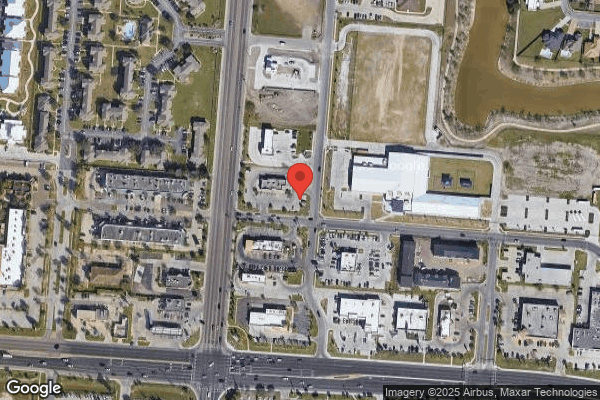
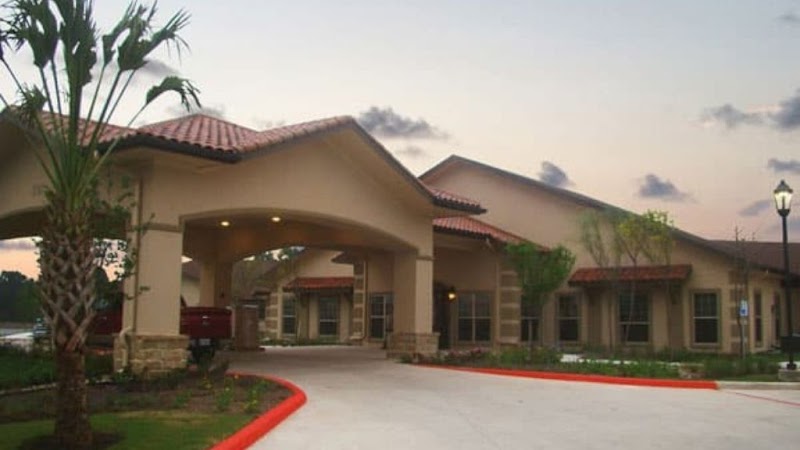
310 America Dr, Brownsville, TX 78526 (956) 574-3400
For profit - Limited Liability company 126 Beds Independent Data: November 2025
Trust Grade
63/100
#468 of 1168 in TX
Last Inspection: October 2024

Within standard 12-15 month inspection cycle. Federal law requires annual inspections.

Overview

Fox Hollow Post Acute has a Trust Grade of C+, indicating it's slightly above average but not exceptional in quality. It ranks #468 out of 1168 facilities in Texas, placing it in the top half of the state, and #7 out of 14 in Cameron County, meaning there are only a few local options that rank higher. Unfortunately, the facility's performance is worsening, with the number of issues increasing from 6 in 2023 to 12 in 2024. Staffing is a significant concern, as it received only 1 out of 5 stars, and while the turnover rate of 46% is below the Texas average, it still suggests instability. Recent inspections revealed troubling incidents, such as failure to provide necessary respiratory care and inadequate infection control practices, which could endanger residents' health. Despite having a good health inspection rating of 4 out of 5 stars, the facility's overall average performance shows that families should weigh both its strengths and weaknesses carefully.

Trust Score
C+
63/100
In Texas
#468/1168
Top 40%
Safety Record
Low Risk
No red flags
Inspections
Getting Worse
6 → 12 violations
Staff Stability
⚠ Watch
46% turnover. Above average. Higher turnover means staff may not know residents' routines.
Penalties
⚠ Watch
$4,092 in fines. Higher than 90% of Texas facilities. Major compliance failures.
Skilled Nurses
⚠ Watch
Each resident gets only 17 minutes of Registered Nurse (RN) attention daily — below average for Texas. Fewer RN minutes means fewer trained eyes watching for problems.
Violations
⚠ Watch
19 deficiencies on record. Higher than average. Multiple issues found across inspections.
★★★☆☆
3.0
Overall Rating
★☆☆☆☆
1.0
Staff Levels
★★★☆☆
3.0
Care Quality
★★★★☆
4.0
Inspection Score
Stable
2023: 6 issues
2024: 12 issues

The Good

  • Full Sprinkler Coverage · Fire safety systems throughout facility
  • No fines on record

Facility shows strength in fire safety.

The Bad

3-Star Overall Rating

Near Texas average (2.8)

Meets federal standards, typical of most facilities

Staff Turnover: 46%

Near Texas avg (46%)

Higher turnover may affect care consistency

Federal Fines: $4,092

Below median ($33,413)

Minor penalties assessed

The Ugly 19 deficiencies on record

Dec 2024 1 deficiency
CONCERN (D) 📢 Someone Reported This

A family member, employee, or ombudsman was alarmed enough to file a formal complaint

Potential for Harm - no one hurt, but risky conditions existed

Deficiency F0625 (Tag F0625)

Could have caused harm · This affected 1 resident

**NOTE- TERMS IN BRACKETS HAVE BEEN EDITED TO PROTECT CONFIDENTIALITY** Based on interview and record review, the facility failed to provide the resident and resident representative written notice whi...

Read full inspector narrative →
**NOTE- TERMS IN BRACKETS HAVE BEEN EDITED TO PROTECT CONFIDENTIALITY** Based on interview and record review, the facility failed to provide the resident and resident representative written notice which specifies the duration of the bed-hold policy for 1 (Resident #1) of 2 resident reviewed for bed-holds. The facility failed to provide bed-hold notification to Resident #1 when she was discharged to the hospital. This failure could place residents at risk of being improperly discharged and placed in unsafe conditions. The findings included: Record review of Resident #1's admission record dated 12/15/24 revealed an [AGE] year-old female with an admission date of 12/05/24 and diagnoses of Muscle Weakness (Generalized), Encephalopathy (brain disorder) Unspecified, Type 2 Diabetes Mellitus (body does not use insulin effectively or produce enough insulin) without complications, Alzheimer's Disease (brain disorder that causes gradual decline in memory, thinking and reasoning skills) unspecified, and other seizures. Record review of Resident #1's Hospital record dated 11/27/24 revealed Resident #1 was admitted to the hospital on [DATE]. Record review of Resident #1's progress note dated 12/05/24 revealed Resident #1 was re-admitted back to the facility on [DATE]. An attempt to interview Resident #1 on 12/14/24 at 11:15 a.m., was unsuccessful as Resident #1 was not interviewable. In an interview on 12/14/24 at 11:17 a.m. the RP stated Resident #1 had been sent to the hospital last month and stayed there for over a week. She said she was not given information or signed any papers about a bed-hold. She said Resident #1 was admitted back to the facility, however was not able to return to the same room. Record review of Resident #1's electronic records and chart on 12/15/24 at 11:05 a.m. revealed there was no bed-hold forms found in either. In an interview on 12/15/24 at 12:28 p.m. when asked about a bed hold notice for Resident #1, the DON said she could not find any bed-hold form or documentation of it being given. She said she was not in charge of that and did not believe that nursing was in charge of giving those. She said that residents who were discharged and were anticipating return have a room available, however, it would not necessarily be the same room depending on how long they were gone. In an interview on 12/15/24 at 1:23 p.m. the Administrator said the bed-hold form was in the admission agreement and it was signed when a resident was admitted to the facility. He said that his staff gave the resident and family the form to sign upon admission. He said that Business Office Manager was in charge of admission forms and was currently out of town. Record review of the facility's policy titled, Bed-Holds and Returns revealed: Policy Interpretation and Implementation 1. All residents/representatives are provided written information regarding the facility and state bed-hold policies, which address holding or reserving a resident's bed during periods of absence (hospitalization or therapeutic leave). Residents, regardless of payer source, are provided written notice about these policies at least twice: a. notice 1: well in advance of any transfer (e.g., in the admission packet); and b. notice 2: at the time of transfer (or, if the transfer was an emergency, within 24 hours).
Oct 2024 6 deficiencies
CONCERN (D)

Potential for Harm - no one hurt, but risky conditions existed

Deficiency F0635 (Tag F0635)

Could have caused harm · This affected 1 resident

**NOTE- TERMS IN BRACKETS HAVE BEEN EDITED TO PROTECT CONFIDENTIALITY** Based on observation, interview, and record review the facility failed to ensure at the time a resident is admitted , the facili...

Read full inspector narrative →
**NOTE- TERMS IN BRACKETS HAVE BEEN EDITED TO PROTECT CONFIDENTIALITY** Based on observation, interview, and record review the facility failed to ensure at the time a resident is admitted , the facility had physician orders for the resident's immediate care and needs for 1 of 8 residents (Resident #79) reviewed for complete and accurate medical records. The facility failed to obtain orders for oxygen for Resident #79. This failure placed the resident at risk for not receiving the appropriate physician ordered care. The findings included: Record review of Resident #79's face sheet dated 10/29/24 reflected the resident was a 73 -year-old female admitted to the facility on [DATE]. Resident #79 had diagnoses which included the following: morbid obesity (chronic disease in which the body mass index was 40 or higher or 35 or higher and experiencing obesity-related health conditions), muscle wasting and atrophy (wasting of an organ or tissue), muscle weakness, and hypertension (the pressure in blood vessels was too high). Record review of Resident #79's Comprehensive MDS assessment, dated 10/2/24, reflected the resident had a BIMS score of 14 which suggests intact cognition. Self-care assessment reflected she was dependent on staff for all self-care except eating and oral hygiene which required partial/moderate assistance from staff. Special treatments, procedures, and programs reflected the resident received continuous oxygen therapy. Record review of the Care Plan completed on 9/27/24 for Resident #79 did not reflect the resident required the use of oxygen therapy. Record review of the most recent Care Plan on 10/15/24 for Resident #79 reflected the resident was at risk for complications with the respiratory system due to shortness of breath. Date initiated: 10/29/24 with intervention to administer medications as ordered. Monitor for side effects/adverse reactions and effectiveness. Date initiated 10/29/24. Record review of the Doctor's Order Summary reflected Resident #79 was prescribed O2 at 2 LPM via nasal cannula continuous per concentrator. Start Date 10/28/2024 at 4:30 pm. End Date 10/28/24 and O2 at 2 LPM via nasal cannula per concentrator PRN. Start Date 10/28/24 at 4:32 pm. Record review of the MAR for September 2024 reflected the medication reconciliation had been performed for Resident #79 with review of the prior care setting discharge medications one time only for medication reconciliation for 1 day. -Start Date- 09/26/2024. The MAR did not reflect oxygen therapy was administered. Record review of the MAR for October 2024 reflected Resident #79 was prescribed O2 @2 LPM via nasal cannula continuous per concentrator as needed for SOB. Start Date: 10/28/2024 at 4:30 pm DC Date: 10/28/2024 at 4:33 pm and O2 @2LPM via nasal cannula per concentrator PRN as needed for SOB Start Date: 10/28/2024 at 4:32 pm. Record review of Medication Reconciliation Report for Discharge for Resident #79 dated 9/26/24 reflected no orders for oxygen. Record review of O2 saturation log documented Resident #79 with oxygen via nasal cannula since 9/26/24. Record review of progress note dated 10/20/24 reflected Resident #79 continues oxygen via NC. Record review of progress note dated 10/28/24 at 4:29 pm for Resident #79 reflected new order received from MD for oxygen PRN at 2 LPM via nasal canula due to SOB. Observation and interview on 10/28/24 at 11:45 am revealed Resident #79 in bed with head of bed elevated. Resident #79 received O2 2LPM via NC. Resident stated she was on O2 because she becomes short of breath due to her edema (swelling caused by fluid buildup in the body's tissues and organs). Resident said that she had received oxygen since the first day she arrived at the facility. In an interview on 10/29/24 at 1:50 PM with CNA J, she said Resident #79 had always had O2 since she worked with her. She said sometimes the resident will not have it on because she took it off. She said the resident called the nurse to help get it back on. She said she had noted resident #79 with O2 on and off since she was admitted . In an interview on 10/29/24 at 02:10 pm with LVN K, she said Resident #79 came to facility from hospital via ambulance with O2. She said they immediately took her off the oxygen, once orders were verified, because the resident's oxygen saturations were fine. She said yesterday MD gave orders for chest x-ray, PRN O2, and a nebulizer treatment after he completed his rounds with resident due to noted edema and shortness of breath. LVN K said a nurse may use her judgement to provide O2 without an order if signs or symptoms of respiratory distress were noted. She said there were no progress notes showing Resident #79 was under respiratory distress prior to receiving orders for PRN O2 on 10/28/24. In an interview on 10/29/24 at 4:24 pm with ADON/LVN H, she said she does not recall how long Resident #79 has been receiving oxygen. She said there should be an order for O2 if a resident was receiving oxygen, unless the resident was under respiratory distress, then the nurse uses her judgement to start the resident on oxygen then receive orders from the MD. She said they have no standing orders for O2 used for PRN. ADON said that there were no progress notes showing Resident #79 with respiratory distress. In an interview on 10/30/24 at 4:12 pm with ADON/LVN B, she said If a resident was receiving O2, there should be orders prior to resident receiving the O2. She said a nurse can give oxygen to a resident if needed, but they must have a PRN order. She said O2 was considered a medication, so it must be given as ordered to prevent respiratory complications. In an interview on 10/30/24 at 5:16 pm with DON, she said if a resident was receiving oxygen, they must have an order. She said if a resident was in respiratory distress, nursing intervention will apply, they will complete a change in condition, and must follow up with the order, otherwise they should not be on O2. She said if oxygen was received on admission, they should have orders in PCC (a cloud-based healthcare software platform that long-term care providers use for clinical documentation) or on progress notes. She said if nothing was on PCC or progress notes, then they should not be administering O2. The DON said when Resident #79 arrived on admission, the nurse should have verified the O2 order. She said once everything was reviewed, they will need to re-educate staff. Record review of the Oxygen Administration policy, revised October 2010, reflected: Purpose The purpose of this procedure is to provide guidelines for safe oxygen administration. Preparation 1. Verify that there is a physician's order for this procedure. Review the physician's orders or facility protocol for oxygen administration. 2. Review the resident's care plan to assess for any special needs of the resident. Record review of the Medication Orders policy, revised November 2014, reflected: Purpose The purpose of this procedure is to establish uniform guidelines in the receiving and recording of medication orders. Supervision by a Physician 1. Each resident must be under the care of a Licensed Physician authorized to practice medicine in this state and must be seen by the Physician at least every sixty (60) days. 2. A current list of orders must be maintained in the clinical record of each resident. Recording Orders 1. Medication Orders - When recording orders for medication, specify the type, route, dosage, frequency and strength of the medication ordered. A placebo is considered a medication and must also have specific orders. Example: Dilantin 100mg by mouth three times per day. 2. PRN Medication Orders - When recording PRN medication orders, specify the type, route, dosage, frequency, strength and the reason for administration. Example: Tylenol 500mg by mouth every 4 hours as needed for mild pain or temp greater than l01°F. 3. Oxygen Orders - When recording orders for oxygen, specify the rate of flow, route and rationale. Example: oxygen 3L/min per nasal cannula as needed for shortness of breath.
CONCERN (D) 📢 Someone Reported This

A family member, employee, or ombudsman was alarmed enough to file a formal complaint

Potential for Harm - no one hurt, but risky conditions existed

Assessment Accuracy (Tag F0641)

Could have caused harm · This affected 1 resident

**NOTE- TERMS IN BRACKETS HAVE BEEN EDITED TO PROTECT CONFIDENTIALITY** Based on observation, interview, and record review the facility failed to ensure the assessment accurately reflected the residen...

Read full inspector narrative →
**NOTE- TERMS IN BRACKETS HAVE BEEN EDITED TO PROTECT CONFIDENTIALITY** Based on observation, interview, and record review the facility failed to ensure the assessment accurately reflected the resident's status for 1 (Resident #1) of 8 residents reviewed for accuracy of assessments. The facility failed to ensure Resident #1's Discharge MDS reflected resident's falls. These failures could place residents at risk for improper care due to inaccurate records. The findings included: Record review of Resident #1's face sheet dated 10/30/24 reflected the resident was an 83 -year-old female admitted to the facility on [DATE] and discharged on 1/30/24 to home with family. Resident #1 had diagnoses which included the following: Alzheimer's (brain disorder that gradually destroys memory and thinking skills, and eventually the ability to perform even the simplest tasks), dementia (a loss of brain function that affects a person's ability to think, remember, and reason), muscle wasting and atrophy (a decrease in size of an organ or tissue), muscle weakness, difficulty in walking, lack of coordination and age-related osteoporosis (condition in which there was decrease in amount and thickness of bone tissue). Record review of Resident #1's Discharge MDS assessment, dated 1/30/24, reflected the resident had a BIMS score of 3 which suggests severe cognitive impairment. Self-care assessment reflected she was independent for all self-care except for the shower/bathe self which required setup or clean-up assistance from staff. Section J1800 reflected resident did not have any falls since admission or reentry or the prior assessment. Record review of the most recent Care Plan for Resident #1 reflected the resident had a fall while self-transferring from restroom back to bed, resulting in a laceration below chin on 1/8/24, and 1/23/24 resident noted with discoloration to eyebrow, resident stating she fell in restroom did not let anyone know, resident unable to recall date and time of incident. Date Initiated: 01/09/2024. In an interview on 10/30/24 at 4:45 pm with MDS/LVN D Coordinator. She said she was responsible for diagnosis codes, medications and any updates or changes for long term residents. She said the MDS assessments are done quarterly and if there are changes. She said a fall would be required to be captured on the following MDS assessment. She said that it would need to be in care plan. She said that Resident #1's fall should have been captured on the Discharge MDS dated [DATE]. She said she cannot think of a reason why it was not. In an interview on 10/30/24 at 5:16 pm with DON, she said Resident #1 was found with injuries and it was identified that she sustained a fall. She said the fall for Resident #1 should have been captured on the discharge MDS dated [DATE] if it fell within their look back period. Record review of the facility's Resident Assessments policy dated 2001 reflected, Policy Statement A comprehensive assessment of every resident's needs is made at intervals designated by OBRA and PPS requirements. Policy Interpretation and Implementation Definitions OBRA-Required Assessments - are federally mandated, and therefore, must be performed for all residents of Medicare and/or Medicaid certified nursing homes. 1. The resident assessment coordinator is responsible for ensuring that the interdisciplinary team conducts timely and appropriate resident assessments and reviews according to the following requirements: a. OBRA required assessments - conducted for all residents in the facility: . (7) Discharge Assessment (return anticipated and return not anticipated). 8. All persons who have completed any portion of the MDS resident assessment form must sign the document attesting to the accuracy of such information.
CONCERN (D)

Potential for Harm - no one hurt, but risky conditions existed

Comprehensive Care Plan (Tag F0656)

Could have caused harm · This affected 1 resident

**NOTE- TERMS IN BRACKETS HAVE BEEN EDITED TO PROTECT CONFIDENTIALITY** Based on Observation, interview and record review, the facility failed to develop and implement a comprehensive person-centered ...

Read full inspector narrative →
**NOTE- TERMS IN BRACKETS HAVE BEEN EDITED TO PROTECT CONFIDENTIALITY** Based on Observation, interview and record review, the facility failed to develop and implement a comprehensive person-centered care plan for each resident, consistent with the resident rights, that includes measurable objectives and timeframes to meet a resident's medical, nursing, and mental and psychosocial needs that are identified in the comprehensive assessment for 2 residents (Resident #79 and Resident #100) of 8 residents, reviewed for care plans, in that: 1. The facility failed to ensure Resident #79's care plan completed on 9/27/2024 and 10/15/24 reflected resident received oxygen therapy. 2. The facility failed to develop a comprehensive person-centered care plan for Resident #100's diagnosis of Alzheimer's disease once the MDS assessment was completed. This deficient practice could place residents in the facility at risk of not being provided with the necessary care or services and not having personalized plans developed to address their specific needs. The Findings included: 1. Record review of Resident #79's face sheet dated 10/29/24 reflected the resident was a 73 -year-old female admitted to the facility on [DATE]. Resident #79 had diagnoses which included the following: morbid obesity (chronic disease in which the body mass index was 40 or higher or 35 or higher and experiencing obesity-related health conditions), muscle wasting and atrophy (wasting of an organ or tissue), muscle weakness, and hypertension (the pressure in blood vessels was too high). Record review of Resident #79's Comprehensive MDS assessment, dated 10/2/24, reflected the resident had a BIMS score of 14 which suggests intact cognitions. Self-care assessment reflected she was dependent on staff for all self-care except for the eating task which required supervision and touching assistance from staff and the oral hygiene task which required partial/moderate assistance from staff. Special treatments, procedures, and programs reflected the resident did not receive oxygen therapy. Record review of the Care Plan completed on 9/27/24 for Resident #79 did not reflect the resident required the use of oxygen therapy. Record review of the most recent Care Plan on 10/15/24 for Resident #79 reflected the resident was at risk for complications with the respiratory system due to shortness of breath. Date initiated: 10/29/24 with intervention to administer medications as ordered. Monitor for side effects/adverse reactions and effectiveness. Date initiated 10/29/24. The care plan did not reflect resident required the use of oxygen therapy. Record review of the Doctor's Order Summary reflected Resident #79 was prescribed O2 at 2 LPM via nasal cannula continuous per concentrator. Start Date 10/28/2024 at 4:30 pm. End Date 10/28/24 and O2 at 2 LPM via nasal cannula per concentrator PRN. Start Date 10/28/24 at 4:32 pm. Record review of Medication Reconciliation Report for Discharge for Resident #79 dated 9/26/24 reflected no orders for oxygen. Record review of the MAR for September 2024 reflected the medication reconciliation had been performed for Resident #79 with review of the prior care setting discharge medications one time only for medication reconciliation for 1 day. -Start Date- 09/26/2024. The MAR did not reflect oxygen therapy was administered. Record review of O2 saturation log documented Resident #79 with oxygen via nasal cannula since 9/26/24. Record review of the MAR for October 2024 reflected Resident #79 was prescribed O2 @2 LPM via nasal cannula continuous per concentrator as needed for SOB. Start Date: 10/28/2024 at 4:30 pm DC Date: 10/28/2024 at 4:33 pm and O2 @2LPM via nasal cannula per concentrator PRN as needed for SOB Start Date: 10/28/2024 at 4:32 pm. Record review of progress note dated 10/20/24 reflected Resident #79 continues oxygen via NC. Record review of progress note dated 10/28/24 at 4:29 pm for Resident #79 reflected new order received from MD for oxygen PRN at 2 LPM via nasal canula due to SOB. Observation and interview on 10/28/24 at 11:45 am revealed Resident #79 in bed with head of bed elevated. Resident #79 received O2 2LPM via NC. Resident stated she was on O2 because she becomes short of breath due to her edema (swelling caused by fluid buildup in spaces around body's tissue or organs). Resident #79 said that she had received oxygen since the first day she arrived at the facility. In an interview on 10/29/24 at 1:50 PM with CNA J, she said Resident #79 had always had O2 since she worked with her. She said sometimes the resident would not have it on because she took it off, but the resident called the nurse to help get it back on. She said she noticed Resident #79 with O2 on and off since she was admitted . She said care plans were used to see what the resident needs and what process or steps would be taken towards the patient. She said if there was no care plan, they receive report from the previous CNA. In an interview on 10/30/24 at 4:12 pm with ADON/LVN B, she said the MDS department completed most of the sections of the care plans, especially on admission. She said the nurses had the ability to see the care plans in PCC (a cloud-based healthcare software platform that long-term care providers use for clinical documentation), but the ADONs also let them know so they are not caught off guard. She said if a resident was receiving O2, it should be care planned. She said the MDS department was responsible for that. She said the adverse effects of not having something care planned could include bad documentation and the nurses and CNAs not knowing what interventions would need to be implemented. In an interview on 10/30/24 at 4:45 pm with MDS Nurse/LVN D. She said she was responsible for diagnosis codes, medications and any updates and changes for long term residents. She said if a resident was admitted to the facility with oxygen, it would need to be placed on the Care Plan and MDS. She said if there was no order received for that oxygen, the MDS Nurse would not know if a resident was receiving O2. She said if oxygen was not in use during the 7- day look back period, then it would not be updated on the MDS. She said the floor nurses must place those orders in PCC. She said Resident #79 would not show on the care plan or MDS because there were no orders and can only place what was documented on the order. In an interview on 10/30/24 at 5:16 pm with DON. She said on admission, orders should be placed on PCC or on progress notes. She said if nothing was on PCC or progress notes, and it would not be care planned. She said if a resident was receiving O2 and there was an order, then they would care plan the oxygen. The DON said when Resident #79 was admitted to the facility, the nurse should have verified the O2 orders, so oxygen would be care planned. She said once everything was reviewed, they would need to re-educate staff. Record review of facility's Care Plans, Comprehensive Person-Centered policy dated revised March 2022 reflected: Policy Statement A comprehensive, person-centered care plan that includes measurable objectives and timetables to meet the resident's physical, psychosocial and functional needs is developed and implemented for each resident. Policy Interpretation and Implementation 7. The comprehensive, person-centered care plan: a. includes measurable objectives and timeframes; b. describes the services that are to be furnished to attain or maintain the resident's highest practicable physical, mental, and psychosocial well-being . 2. Record review of Resident #100's Face Sheet indicated Resident #100 was an [AGE] year-old female admitted to the facility on [DATE] with diagnoses of Alzheimer's disease with early onset cognitive communication deficit, muscle weakness and other reduced mobility. Record review of Resident #100's Physician's Orders for October 2024 indicated Resident #100 had order for Memantine HCl oral tablet 15 mg, give one tablet by mouth one time a day for dementia, start date 09/24/24. Record review of Resident #100's admission MDS assessment dated [DATE] revealed Resident #100, did not have speech, was unable to complete a Brief Interview for Mental Status, had short-term memory problem, had long-term memory problem, never/rarely made decisions and had a diagnosis of Alzheimer's Disease. Record review of Resident #100's care plan dated 10/22/24 did not reveal a care plan for Resident #100's diagnosis of Alzheimer's dementia or the medication memantine. Observation on 10/27/24 at 12:43 p.m. Resident #100 was sitting in the dining room. Resident was sitting at a table with two other female residents. Resident was not interacting with other residents at her table. In an interview on 10/30/24 at 3:19 p.m., LVN C said the nurse would inform the CNAs on the type of care the resident would need. The care plan informs them what the patient was here for, what needs they had, and the care plan was tailored to their needs to better care for the residents. If they did not have the care plan, they would not be able to care for the resident adequately. In an interview on 10/30/24 at 04:12 p.m., ADON/LVN B said the MDS nurses do their section on the care plan and the ADONs do their section on the care plan. The ADON/LVN B said she lets the nurses know about the care plan and the interventions for a resident and the nurse will inform the CNAs what type of care the resident requires. The adverse effect of no care plan would be that they do not have documentation so the nurses would not know what to do for the resident. In an interview on 10/30/24 at 04:45 p.m., MDS Nurse/LVN D said she was responsible for the diagnosis and medication care plans and assisted the other nurses to update the care plans and she did the MDS assessments. MDS Nurse/LVN D said if there were no orders in the chart, she had no way to know if the resident requires specific care or if there were any changes. The nurses put the orders into PCC. MDS Nurse/LVN said they have 21 days in which to complete the comprehensive care plan after admission. MDS Nurse/LVN D said Resident #100's care plan was completed within the 21 days. In an interview on 10/30/24 at 05:19 p.m., the DON said the MDS Nurse/LVN D had said she had completed the care plan for Resident #100. The DON reviewed Resident 100's care plan date agreed that the care plan had not been completed until Surveyor had requested a copy of the care plan. In an interview on 10/28/24 at 6:56 p.m., the Administrator said staff should follow their policy and procedures. Record review of the facility's policy revised on March of 2022 revealed: Policy Interpretation and Implementation 1. The interdisciplinary team (IDT), in conjunction with the resident and his/her family or legal representative, develops and implements a comprehensive, person-centered care plan for each resident. 2. The comprehensive, person-centered care plan is developed within seven (7) days of the completion of the required MDS assessment (Admission, Annual or Significant Change in Status), and no more than 21 days after admission. 3. The care plan interventions are derived from a thorough analysis of the information gathered as part of the comprehensive assessment. 11. Assessments of residents are ongoing and care plans are revised as information about the residents and the residents' conditions change.
CONCERN (D)

Potential for Harm - no one hurt, but risky conditions existed

Food Safety (Tag F0812)

Could have caused harm · This affected 1 resident

Based on observation, interview and record review, the facility failed to store, prepare and distribute food in accordance with professional standards for food service safety for 1 of 1 kitchen review...

Read full inspector narrative →
Based on observation, interview and record review, the facility failed to store, prepare and distribute food in accordance with professional standards for food service safety for 1 of 1 kitchen reviewed for sanitation. 1. The facility failed to properly store raw meat in refrigerator. This failure could place residents at risk for foodborne illnesses. Finding included: An observation of the kitchen on 10/27/24 at 10:20 a.m., revealed lettuce stock next to raw beef on a shelf inside the walk-in refrigerator. Also observed was raw meat being thawed in a 3-compartment sink. In an interview on 10/27/24 at 10:20 a.m., [NAME] A said that the raw meat should have been stored at the bottom shelf in the refrigerator. She said she was rushing and did not notice she put it next to the lettuce. In an interview on 10/28/24 at 3:56 p.m., the DM said that meat should be stored at the bottom of the shelf and should not be stored next to vegetables. She said there could be a risk of cross-contamination. In an interview on 10/28/24 at 6:56 p.m., the Administrator said that policy should have been followed when storing and preparing food. Record review of facility policy titled Food Receiving and Storage, revision date 11/2022 states; Policy Statement: Foods shall be received and stored in a manner that complies with safe food handling practices. Refrigerated/Frozen Storage 9. Uncooked and raw animal products and fish are stored separately in drip-proof containers and below fruits and vegetables and other ready-to-eat foods to prevent meat juices from dripping onto these foods. Record review of facility policy titled, Food Preparation and Service, not dated states; Policy Statement: Food service employees shall prepare and serve food in a manner that complies with safe food handling practices. Record review of U.S. Food And Drug Administration Food Code revised 01/18/23 states; 3-302 Preventing food and ingredient contamination 3-302.11 Packaged and Unpackaged Food - Separation, Packaging, and Segregation. (A) FOOD shall be protected from cross contamination by: (1) Except as specified in (1)(d) below or when combined as ingredients, separating raw animal FOODS during storage, preparation, holding, and display from: (a) Raw READY-TO-EAT FOOD including other raw animal FOOD such as FISH for sushi or MOLLUSCAN SHELLFISH, or other raw READY-TOEAT FOOD such as fruits and vegetables,P (b) Cooked READY-TO-EAT FOOD, P and (c) Fruits and vegetables before they are washed; (2) Except when combined as ingredients, separating types of raw animal FOODS from each other such as beef, FISH, lamb, pork, and POULTRY during storage, preparation, holding, and display.
CONCERN (E)

Potential for Harm - no one hurt, but risky conditions existed

Respiratory Care (Tag F0695)

Could have caused harm · This affected multiple residents

**NOTE- TERMS IN BRACKETS HAVE BEEN EDITED TO PROTECT CONFIDENTIALITY** Based on observations, interviews, and record review the facility failed to ensure a resident who needed respiratory care was pr...

Read full inspector narrative →
**NOTE- TERMS IN BRACKETS HAVE BEEN EDITED TO PROTECT CONFIDENTIALITY** Based on observations, interviews, and record review the facility failed to ensure a resident who needed respiratory care was provided such care, consistent with professional standards of practice, the comprehensive person-centered care plan and the residents' goals and preferences for 3 of 5 residents (Resident #79, Resident #260, and Resident #261) reviewed for respiratory care. 1. The facility failed to ensure Resident #260, and Resident #261 received oxygen at the prescribed rate. 2. The facility failed to ensure Resident #79 had appropriate orders to receive oxygen. These failures could place residents at risk for respiratory distress. The findings included: 1. Record review of Resident #260's face sheet dated 10/29/24 reflected the resident was a 75 -year-old female admitted to the facility on [DATE]. Resident #260 had diagnoses which included the following: chronic (long-standing) congestive heart failure (a long-term condition in which the heart weakens and causes fluid buildup in the feet, arms, lungs, and other organs), respiratory disorders, acute (severe and sudden in onset) respiratory failure with hypoxia (decrease in oxygen supply to the tissues), and dyspnea (shortness of breath). Record review of Resident #260's 5-Day scheduled MDS assessment, dated 10/15/24, reflected the resident had a BIMS score of 5 which suggests severe cognitive impairment. Self-care assessment reflected she was dependent on staff for all self-care except eating and oral hygiene which required partial/moderate assistance from staff. Special treatments, procedures, and programs reflected the resident received continuous oxygen therapy. Record review of the most recent Care Plan for Resident #260 reflected the resident required the use of continuous oxygen related to acute respiratory failure, congestive heart failure, and dyspnea. Interventions included administering oxygen at 2 LPM via nasal cannula continuous per concentrator. Date Initiated: 10/17/2024. Record review of the Doctor's Order Summary reflected Resident #260 was prescribed O2 at 2 LPM via nasal cannula continuous per concentrator. Start Date 10/15/2024. Record review of the MAR for October 2024 reflected Resident #260 was prescribed O2 at 2 LPM via nasal cannula continuous per concentrator every shift for SOB. Start Date 10/15/2024. Observation on 10/27/24 at 2:31 pm of Resident #260 revealed resident in bed with head of bed elevated. Resident #260 received O2 at 2.5 LPM via NC. In an interview on 10/27/24 at 2:38 pm with LVN I, she said she was the nurse assigned to Resident #260. She said she was responsible for ensuring the O2 rate was set accurately for Resident #260. She said that she checked the O2 rate every morning when she arrived on shift. The State Surveyor requested the LVN check the O2 rate, and she said the rate was at 2 LPM. She said that the concentrator must be looked at slanted because the machines are slanted and that the line was supposed to be in the middle of the ball. The State Surveyor asked Resident #260 how she was feeling, and she denied SOB, difficulty breathing, heart racing or dizziness. LVN checked Resident #260's O2 saturation, and it was at 98% with a heart rate of 72 bpm. LVN I said If a resident received more O2 than prescribed, they can experience hyperoxia or too much oxygen in the blood. Record review of Resident #261's face sheet dated 10/29/24 reflected the resident was an 82 -year-old female admitted to the facility on [DATE]. Resident #261 had diagnoses which included the following: acute (severe and sudden in onset) on chronic (long-standing) congestive heart failure (a long-term condition in which the heart weakens and causes fluid buildup in the feet, arms, lungs, and other organs) and acute (severe and sudden in onset) respiratory failure. Record review of Resident #261's Physician's Order Sheet/Routine Transfer Orders Summary, dated 10/9/24, reflected the resident had oxygen at 2 L via NC. Record review of the most recent Care Plan for Resident #261 reflected the resident required the use of continuous oxygen related to acute respiratory failure, congestive heart failure, and shortness of breath when lying flat. Interventions included administering oxygen at 2 LPM via nasal cannula. Date Initiated: 10/24/2024. Record review of the Doctor's Order Summary reflected Resident #261 was prescribed O2 at 2 LPM via nasal cannula continuous per concentrator. Start Date 10/23/2024. Record review of the MAR for October 2024 reflected Resident #261 was prescribed O2 at 2 LPM via nasal cannula continuous per concentrator every shift. Start Date 10/23/2024. Observation on 10/27/24 at 2:34 pm of Resident #261 revealed resident in bed with head of bed elevated. Resident #261 received O2 at 1.5 LPM via NC. In an interview on 10/27/24 at 2:38 pm with LVN I, she said she was the nurse assigned to Resident #261. She said she was responsible for ensuring the O2 rate was set accurately for Resident #261. She said that she checked the O2 rate every morning when she arrived on shift. The State Surveyor requested the LVN check the O2 rate, and she said the rate was at 2 LPM. She said that the concentrator must be looked at slanted because the machine was slanted and that the line was supposed to be in the middle of the ball. The State Surveyor asked Resident #261 how she was feeling, and she denied SOB, difficulty breathing, heart racing or dizziness. LVN checked Resident #261's O2 saturation, and it was at 96% with a heart rate of 88 bpm. LVN said If a resident received less O2 than prescribed, they can become short of breath, hypoxic (decreased perfusion of oxygen to tissues), or experience respiratory distress. In an interview on 10/30/24 at 4:12 pm ADON/LVN B said that the floor nurses assigned to the residents were responsible for ensuring oxygen concentrators were at the appropriate settings. She said the nurses should ensure the settings are correct when doing their rounds and when they first come on shift after getting report. She said when reading the O2 flow rate, the nurse must be at eye level to ensure the line was in the center of the ball. She said if it was looked at above or below eye level, the rate will appear to be at a higher or lower rate than it was. She said she was not aware of an oxygen concentrator that was not read at eye level. She said O2 was considered a medication, so must be given as ordered to prevent respiratory complications. In an interview on 10/30/24 at 5:16 pm DON said the floor nurse that worked with a resident who received O2 was responsible for ensuring the O2 was at the correct rate. She said the nurse should check the O2 rate settings throughout their shift and periodically when they go in to see their resident on O2. She said oxygen must be given as ordered to prevent respiratory distress. She said once they reviewed the situation, she would conduct further education with staff. 2. Record review of Resident #79's face sheet dated 10/29/24 reflected the resident was a 73 -year-old female admitted to the facility on [DATE]. Resident #79 had diagnoses which included the following: morbid obesity (chronic disease in which the body mass index was 40 or higher or 35 or higher and experiencing obesity-related health conditions), muscle wasting and atrophy (wasting of an organ or tissue), muscle weakness, and hypertension (the pressure in blood vessels was too high). Record review of Resident #79's Comprehensive MDS assessment, dated 10/2/24, reflected the resident had a BIMS score of 14 which suggests intact cognition. Self-care assessment reflected she was dependent on staff for all self-care except eating and oral hygiene which required partial/moderate assistance from staff. Special treatments, procedures, and programs reflected the resident received continuous oxygen therapy. Record review of the Care Plan completed on 9/27/24 for Resident #79 did not reflect the resident required the use of oxygen therapy. Record review of the most recent Care Plan on 10/15/24 for Resident #79 reflected the resident was at risk for complications with the respiratory system due to shortness of breath. Date initiated: 10/29/24 with intervention to administer medications as ordered. Monitor for side effects/adverse reactions and effectiveness. Date initiated 10/29/24. Record review of the Doctor's Order Summary reflected Resident #79 was prescribed O2 at 2 LPM via nasal cannula continuous per concentrator. Start Date 10/28/2024 at 4:30 pm. End Date 10/28/24 and O2 at 2 LPM via nasal cannula per concentrator PRN. Start Date 10/28/24 at 4:32 pm. Record review of the MAR for September 2024 reflected the medication reconciliation had been performed for Resident #79 with review of the prior care setting discharge medications one time only for medication reconciliation for 1 day. -Start Date- 09/26/2024. The MAR did not reflect oxygen therapy was administered. Record review of the MAR for October 2024 reflected Resident #79 was prescribed O2 @2 LPM via nasal cannula continuous per concentrator as needed for SOB. Start Date: 10/28/2024 at 4:30 pm DC Date: 10/28/2024 at 4:33 pm and O2 @2LPM via nasal cannula per concentrator PRN as needed for SOB Start Date: 10/28/2024 at 4:32 pm. Record review of Medication Reconciliation Report for Discharge for Resident #79 dated 9/26/24 reflected no orders for oxygen. Record review of O2 saturation log documented Resident #79 with oxygen via nasal cannula since 9/26/24. Record review of progress note dated 10/20/24 reflected Resident #79 continues oxygen via NC. Record review of progress note dated 10/28/24 at 4:29 pm for Resident #79 reflected new order received from MD for oxygen PRN at 2 LPM via nasal canula due to SOB. Observation and interview on 10/28/24 at 11:45 am revealed Resident #79 in bed with head of bed elevated. Resident #79 received O2 2LPM via NC. Resident stated she was on O2 because she becomes short of breath due to her edema (swelling caused by fluid buildup in the body's tissues and organs). Resident said that she had received oxygen since the first day she arrived at the facility. In an interview on 10/29/24 at 1:50 PM with CNA J, she said Resident #79 had always had O2 since she worked with her. She said sometimes the resident will not have it on because she took it off. She said the resident called the nurse to help get it back on. She said she had noted resident #79 with O2 on and off since she was admitted . In an interview on 10/29/24 at 02:10 pm with LVN K, she said Resident #79 came to facility from hospital via ambulance with O2. She said they immediately took her off the oxygen, once orders were verified, because the resident's oxygen saturations were fine. She said yesterday MD gave orders for chest x-ray, PRN O2, and a nebulizer treatment after he completed his rounds with resident due to noted edema and shortness of breath. LVN K said a nurse may use her judgement to provide O2 without an order if signs or symptoms of respiratory distress were noted. She said there were no progress notes showing Resident #79 was under respiratory distress prior to receiving orders for PRN O2 on 10/28/24. In an interview on 10/29/24 at 4:24 pm with ADON/LVN H, she said she does not recall how long Resident #79 has been receiving oxygen. She said there should be an order for O2 if a resident was receiving oxygen, unless the resident was under respiratory distress, then the nurse uses her judgement to start the resident on oxygen then receive orders from the MD. She said they have no standing orders for O2 used for PRN. ADON said that there were no progress notes showing Resident #79 with respiratory distress. In an interview on 10/30/24 at 4:12 pm with ADON/LVN B, she said If a resident was receiving O2, there should be orders prior to resident receiving the O2. She said a nurse can give oxygen to a resident if needed, but they must have a PRN order. She said O2 was considered a medication, so it must be given as ordered to prevent respiratory complications. In an interview on 10/30/24 at 5:16 pm with DON, she said if a resident was receiving oxygen, they must have an order. She said if a resident was in respiratory distress, nursing intervention will apply, they will complete a change in condition, and must follow up with the order, otherwise they should not be on O2. She said if oxygen was received on admission, they should have orders in PCC (a cloud-based healthcare software platform that long-term care providers use for clinical documentation) or on progress notes. She said if nothing was on PCC or progress notes, then they should not be administering O2. The DON said when Resident #79 arrived on admission, the nurse should have verified the O2 order. She said once everything was reviewed, they will need to re-educate staff. Record review of the Oxygen Administration policy, revised October 2010, reflected: Purpose The purpose of this procedure is to provide guidelines for safe oxygen administration. Preparation 1. Verify that there is a physician's order for this procedure. Review the physician's orders or facility protocol for oxygen administration. 2. Review the resident's care plan to assess for any special needs of the resident. Steps in the Procedure . 8. Turn on the oxygen. Unless otherwise ordered, start the flow of oxygen at the rate of 2 to 3 liters per minute. 9. Place appropriate oxygen device on the resident (i.e., mask, nasal cannula and/or nasal catheter). 10. Adjust the oxygen delivery device so that it is comfortable for the resident and the proper flow of oxygen is being administered.
CONCERN (E)

Potential for Harm - no one hurt, but risky conditions existed

Infection Control (Tag F0880)

Could have caused harm · This affected multiple residents

**NOTE- TERMS IN BRACKETS HAVE BEEN EDITED TO PROTECT CONFIDENTIALITY** Based on observation, interview, and record review, the facility failed to establish an infection prevention and control program...

Read full inspector narrative →
**NOTE- TERMS IN BRACKETS HAVE BEEN EDITED TO PROTECT CONFIDENTIALITY** Based on observation, interview, and record review, the facility failed to establish an infection prevention and control program designed to provide a safe, sanitary, and comfortable environment and to help prevent the development and transmission of communicable diseases and infections for 1 of 8 residents (Resident #79) observed for infection control issues in that: 1. Wound care LVN M did not put on PPE when she entered Resident #79's room who was on contact precautions. 2. The AD did not change gloves while handling food and then touched the handles of a resident's wheelchair before returning to the task of handling food again. This deficient practice could place residents at-risk for infection due to improper infection control practices. The findings included: 1. 1. Record review of Resident #79's face sheet dated 10/29/24 reflected the resident was a 73 -year-old female admitted to the facility on [DATE]. Resident #79 had diagnoses which included the following: morbid obesity (chronic disease in which the body mass index was40 or higher or 35 or higher and experiencing obesity-related health conditions), muscle wasting and atrophy (wasting of an organ or tissue), muscle weakness, and hypertension (the pressure in blood vessels was too high) and sebaceous cyst (nodules filled with keratin (a protein found in the body)). Record review of Resident #79's Comprehensive MDS assessment, dated 10/2/24, reflected the resident had a BIMS score of 14 which suggests intact cognition. Self-care assessment reflected she was dependent on staff for all self-care except eating and oral hygiene which required partial/moderate assistance from staff. Record review of the most recent Care Plan on 10/15/24 for Resident #79 reflected the resident had infection of the (UTI/ESBL) Date Initiated: 10/18/2024 Revision on: 10/24/2024. The resident was on antibiotic therapy (MACROBID 100MG BID X 10 DAYS) r/t infection (UTI/ESBL) Date Initiated: 10/18/2024 Revision on: 10/24/2024. Record review of the Doctor's Order Summary reflected Resident #79 had all services and meals to be rendered in single room due to contact isolation and single room Contact Isolation in Place: DX: Escherichia Coli (a gram-negative bacteria that can cause a variety of illnesses, such as UTI and diarrhea)/ ESBL Q shift. Start Date: 10/21/24. Observation on 10/29/24 at 1:40 pm revealed wound care LVN M entered Resident #79's room without donning gown and gloves. A red contact precaution sign was observed above the room number with the following instructions: All Healthcare Personnel must: wear gloves when entering room and remove before leaving room. Wear a gown when entering the room and remove before leaving room. In an interview on 10/29/24 at 1:45 pm with wound care LVN M, she said she only needed to use PPE if she provided care with actual contact with the resident, such as doing wound care. She said contact precautions required staff to wear a gown whenever they were having any type of contact with patients. She said if they did not follow the instructions on the precaution signs located outside of resident's rooms, they could spread infection. She said the last infection control in-service she attended was this morning. In an interview on 10/29/24 at 01:50 PM with CNA J, she said the last infection control in-service she attended was at hire approximately 4 months ago. She said they went over hand hygiene before entering rooms and when exiting rooms. She said when there was a contact precaution sign up, they cannot go into that room without applying the PPE required, which are gowns and gloves. In an interview on 10/29/24 at 1:58 PM with CNA L, she said the last infection control in-service she attended was upon hire approximately 4 weeks ago. She said they go over signs posted. She said if a resident had a yellow enhanced barrier protection sign, they must wear gowns and gloves while providing care and the resident had an indwelling device, such as a shunt for dialysis. If a resident had a red sign posted for contact precautions, they must wear gown and gloves when ever entering the room. She said they must sanitize their hands before and after entering and exiting all rooms. She said they must remove PPE before coming out of any room and wash their hands or sanitize. In an interview on 10/29/24 at 2:10 pm with LVN K, she said the last infection control in-service she attended was approximately a month or less ago. She said they go over types of PPE they must wear, and the signs posted on resident's rooms. She said for signs up showing EBP, they gown up if providing care and the resident had a foley catheter, IV, PEG tube, or was receiving dialysis. She said when a resident was on contact precautions, they must be careful with infection control and wear a gown and gloves anytime they enter the room. She said they must perform hand hygiene before entering the room and when exiting the room. She said they must doff PPE after care was completed and wash hands before exiting the room. In an interview on 10/30/24 at 4:12 pm with ADON/LVN B, she said staff had an in-service on infection control approximately every 1-2 weeks. She said the IP was responsible for those trainings. She said they went over all protocols for contact precautions, EBP, hand hygiene and how to don and doff PPE. She said if a resident was in contact isolation, staff must go in with gown and gloves to render care to the resident any time they enter the resident's room because they cannot be sure what the resident had touched. In an interview on 10/30/24 at 5:16 pm DON said that the IP usually trained on infection control, but she helped. She said in the training, they go over EBP and contact precautions. She said EBP had made things a little confusing, but they keep reminding staff of the differences because of it. She said if a resident was on contact precautions, staff must wear a gown and gloves prior to entering the resident's room. She said when wound care LVN M entered the resident's room without the appropriate PPE, it was not done intentionally. She said the LVN was very nervous. In an interview on 10/30/24 at 6:32 pm with the Administrator, he said for infection control, they have the IP and DON involved with training. He said they do admit residents with an array of infections and follow protocols for them. He said they are trained once a week. He said that he does not go to any of the trainings, but he was aware that for residents on precautions they must use appropriate PPE when providing care and remove PPE before exiting the rooms. He said for residents on EBP, they must gown up and wear gloves while providing direct care. He said for residents on contact precautions, they did not have a choice but to gown up before entering the room. Record review of the facility ' s Isolation - Categories of Transmission-Based Precautions, revised September 2022, revealed: Policy Statement Transmission-based precautions are initiated when a resident develops signs and symptoms of a transmissible infection; arrives for admission with symptoms of an infection; or has a laboratory confirmed infection; and is at risk of transmitting the infection to other residents. Contact Precautions 1. Contact precautions are implemented for residents known or suspected to be infected with microorganisms that can be transmitted by direct contact with the resident or indirect contact with environmental surfaces or resident-care items in the resident ' s environment. 7. Staff and visitors wear gloves (clean, non-sterile) when entering the room. b. Gloves are removed, and hand hygiene performed before leaving the room. c. Staff avoid touching potentially contaminated environmental surfaces or items in the resident ' s room after gloves are removed. 8. Staff and visitors wear a disposable gown upon entering the room and remove before leaving the room and avoid touching potentially contaminated surfaces with clothing after gown is removed. 2.Observation on 10/27/24 at 3:01 p.m. of the AD passing out cupcakes and coffee for residents during an activity. The AD had gloves on and was getting a napkin and picking up the cupcake a fork and placing it on the napkin. Surveyor observed the AD turn around and repositioned a female resident's wheelchair closer to the table. The AD then turned and resumed handing out the cupcakes without changing her gloves. In an interview on 10/27/24 at 03:05 p.m., the AD said she was not a CNA but did know that if she touches a resident or a chair, she needed to change gloves. Surveyor asked the AD if she should just put her gloves on, the AD said no she needs to wash her hands and then put on a pair of clean gloves before handling the food. In an interview on 10/27/24 at 03:10 p.m., Housekeeper E said they have in-services on infection control and hand hygiene often. Housekeeper E said if she is doing a task and then has to change tasks, she needs to change gloves. Housekeeper said she must wash her hands before she dons a clean pair of gloves. Housekeeper E said they must wash their hands for 30 seconds. Housekeeper E said they had an in-service on hand washing this month. In an interview on 10/28/24 at 9:30 a.m., the AD said the in-services on infection control were necessary so that they do not spread germs. The AD said if they touched a surface and then go in and touch a resident, they may spread germs and some residents do not have healthy immune systems. The AD said it is important to wash their hands before donning gloves to handle food and if they touch a surface such as a table or chair, they need to change gloves, they must wash or sanitize before donning a clean pair of gloves. In an interview on 10/28/24 at 10:52 a.m., CNA F said they have in-services every Monday and Thursday. CNA F said they had an in-service last Monday on abuse and neglect. The CNA said they also have in-services on infection control. CNA F said they would need to don PPE if a resident was on isolation, and they must wash their hands. CNA F said washing their hands was the best way to prevent transmission of germs. CNA F said if she was providing care and her gloves were dirty, she needed to doff the dirty gloves, wash her hands and don clean gloves. If she was feeding a resident in isolation, she needed to don gloves and then when she takes off the gloves, she needed to wash her hands before she left the room. In an interview on 10/28/24 at 4:15 p.m., LVN G said they get in-services on hand hygiene weekly. LVN G said the CNAs are in-serviced often by the Lead CNA. LVN G said the nurses are on the floor and can observe the CNAs to check if they are using hand sanitizer and washing their hands as needed. LVN G said they also check the non-nursing staff and family. They educated the family on the importance of hand hygiene. LVN G said that in-services on hand hygiene are for all staff because all staff are hands on. They do in-services with demand demonstration. LVN G said they do spot checks for CNAs, Housekeeping staff and the Activity Department. Interview on 10/29/24 at 10:59 a.m., ADON/LVN H said she did rounds daily. She made sure the staff are gowning up when going into an isolation room. ADON H said she did spot checks on staff and would go into a room to make sure they are washing their hands and checking the CNAs are cleaning the resident correctly. ADON/LVN H said she has not used the audit but would start soon. ADON/LVN H said she did hand hygiene in-services for the whole facility staff. ADON/LVN H said the reason they have infection control procedures is to prevent the spread of infection. In an interview on 10/30/24 at 4:35 p.m., the DON said they just had an in-service on hand hygiene last week. The DON said the AD was present for the in-service and she did well during the demand demonstration. The DON said hand hygiene is important to prevent transmission of infection. The DON said she would conduct another in-service for hand hygiene procedures with all staff immediately. Record review of policy for Handwashing/Hand Hygiene revised on October 2023 reflected: Policy Interpretation and Implementation Administrative Practices to Promote Hand Hygiene 1. All personnel are trained and regularly in-serviced on the importance of hand hygiene in preventing the transmission of healthcare-associated infections. 2. All personnel are expected to adhere to hand hygiene policies and practices to help prevent the spread of infections to other personnel, residents, and visitors. 3. Hand hygiene products and supplies (sinks, soap, towels, alcohol-based hand rub, etc.) are readily accessible and convenient for staff use to encourage compliance with hand hygiene policies. Alcohol- based hand-rub (ABHR) dispensers are placed in areas of high visibility and consistent with workflow throughout the facility. Indications for Hand Hygiene 1. Hand hygiene is indicated: 1. immediately before touching a resident; 2. before performing an aseptic task (for example, placing an indwelling device or handling an invasive medical device); 3. after contact with blood, body fluids, or contaminated surfaces; 4. after touching a resident; 5. after touching the resident's environment; 6. before moving from work on a soiled body site to a clean body site on the same resident; and 7. immediately after glove removal. 8. before aseptic procedures; 9. when anticipating contact with blood or body fluids; and 10. when in contact with a resident, or the equipment or environment of a resident, who is on contact precautions. 2. The use of gloves does not replace hand washing/hand hygiene. Applying and Removing Gloves 1. Perform hand hygiene before applying non-sterile gloves.
Sept 2024 3 deficiencies
CONCERN (D) 📢 Someone Reported This

A family member, employee, or ombudsman was alarmed enough to file a formal complaint

Potential for Harm - no one hurt, but risky conditions existed

Grievances (Tag F0585)

Could have caused harm · This affected 1 resident

**NOTE- TERMS IN BRACKETS HAVE BEEN EDITED TO PROTECT CONFIDENTIALITY** Based on interview and record review the facility failed to ensure prompt efforts by the facility were made to resolve grievance...

Read full inspector narrative →
**NOTE- TERMS IN BRACKETS HAVE BEEN EDITED TO PROTECT CONFIDENTIALITY** Based on interview and record review the facility failed to ensure prompt efforts by the facility were made to resolve grievances for the residents for 1 of 8 residents (Resident #2) reviewed for grievances. The facility failed to ensure a grievance was filled out and followed up on after Resident #2 reported her wallet was missing on 02/04/2024. This deficient practice could place residents at risk for decreased quality of life and feelings of neglect. The findings include: Record review of Resident #2's face sheet, dated 09/04/2024, reflected a [AGE] year-old female who was admitted to the facility on [DATE]. Resident #2 had diagnoses which included Diabetes Mellitus Type 2 (a long term condition in which the body has trouble controlling blood sugar and using it for energy), functional quadriplegia (complete immobility due to severe disability or frailty from another medical condition without injury to the brain or spinal cord), Essential Hypertension (A condition in which the force of the blood against the artery walls is too high.) and Morbid severe obesity due to excess calories (A disorder that involves having too much body fat, which increases the risk of health problems). Record review of Resident #2's admission MDS assessment, dated 08/7/2024, reflected Resident #2 had clear speech and was understood by staff. Resident #1 was able to understand others. Resident #1 had a BIMS score of 14, which indicated no cognitive impairment. The MDS reflected Resident #2 felt like it was somewhat important to take care of personal belongings. Record review of Resident #2's comprehensive care plan, revised on 08/3/2024, reflected Resident #2 had no cognitive decline. Record review of the resident grievance form dated 02/04/2024, reflected Resident #2 had initiated a grievance on 02/04/2024 with the Administrator. The details indicated Resident #2 was missing a wallet. The form was not complete. The following sections were left blank on the form: *The person investigating; *The Administrator's signature; *The resolution reviewed with concerned person; *The date of notification and method of notification for the resolution During an interview on 09/5/2024 at 2:05 PM, Resident #2 stated she had her wallet inside her purse on top of the bedside table and then she went to sleep and when she woke up her purse was on top of the nightstand, opened and the wallet was not in the purse. Resident #2 stated she told the Administrator about her wallet being missing. Resident #2 stated she did not hear anything about the investigation done by the facility, no body went to speak to her, the only thing the administrator informed was a police report was made. During an interview on 9/5/2024 at 2:05 he Administrator stated the concern about the missing wallet was resolved but he failed to fill out the form. The investigation revealed the missing wallet was in possession of Resident's #2 son. The Administrator stated the interdisciplinary team was responsible for ensuring grievances were monitored and followed up on. The Administrator stated it was important to ensure grievances were documented and followed up on to validate if the grievance was an resolved. During an interview on 09/6/2024 beginning at 3:00 PM, the DON stated grievances were reported in different ways and were shared with department heads. The DON stated they had a binder on each nurses station for the nurses to document each grievance. The DON stated the person responsible for completing the grievance was dependent on what the grievance was about. The DON stated a grievance was addressed during each morning meeting. The DON stated it was important to ensure grievances were documented and initiated to come up with a resolution and address concerns made by the residents. Record review of the grievance policy, revised December 2009, reflected Grievances should be filed within the allotted time period assigned for each step. Failure to do so may indicate that the grievance has been resolved and further action may be prohibited.
CONCERN (D) 📢 Someone Reported This

A family member, employee, or ombudsman was alarmed enough to file a formal complaint

Potential for Harm - no one hurt, but risky conditions existed

Comprehensive Care Plan (Tag F0656)

Could have caused harm · This affected 1 resident

**NOTE- TERMS IN BRACKETS HAVE BEEN EDITED TO PROTECT CONFIDENTIALITY** Based on observation, interview and record review the facility failed develop and implement a comprehensive person-centered care...

Read full inspector narrative →
**NOTE- TERMS IN BRACKETS HAVE BEEN EDITED TO PROTECT CONFIDENTIALITY** Based on observation, interview and record review the facility failed develop and implement a comprehensive person-centered care plan for each resident, consistent with resident the resident rights, that included measurable objectives and timeframes to meet a resident's medical, nursing, and mental and psychosocial need that were identified in the comprehensive assessment for 1 of 8 residents (Resident #3) reviewed for comprehensive person-centered care plans. The facility failed to develop a comprehensive person-centered care plan for Resident #3 to address oxygen therapy. This deficient practice could place residents at risk of not being provided with the necessary care or services and not having personalized plans developed to address their specific needs. The Findings include: 1. Record review of Resident #3's face sheet, dated 9/4/2024, reflected a [AGE] year old male who was originally admitted to the facility on [DATE]. Resident #3 had a diagnosis which included: Pneumonia, unspecified organism (a type of interstitial lung disease that causes inflammation between the air sacs of your lungs). Record review of Resident #3's Doctor's Order Summary, dated 9/6/2024, reflected Resident # 3 was prescribed Oxygen at 2Liters Per Minute via Nasal Cannula continuous and as needed for shortness of breath. Record review of Resident #3's Medication Administration Record, dated 9/6/2024, reflected an order for Resident #3 to receive O2 at 2L/MIN via nasal cannula continuous and as needed for shortness of breath. Record review of Resident #3's Care Plan, dated 8/2/24, reflected oxygen was not care planned. Record review of Resident #3's quarterly MDS assessment, dated 07/25/24, reflected a BIMS score of 0, which indicated Resident #3's cognition was severely impaired. Oxygen was not marked on the MDS. Observation on 9/5/24 at 9:00 AM, revealed Resident #3 in his room with Oxygen at 2 liters per minute via nasal cannula . Interview on 9/5/24 at 9:25 AM, the ADON stated the MDS nurses completed the care plan for oxygenation use. She stated the charge nurses got the orders from the physician and then the nurses put them in the point click system. She stated the ADON or DON checked any new orders on the morning meetings. Interview on 9/6/28 at 10:20 AM with LVN D, MDS nurse, stated that the negative effect for not having the oxygen care planned was that the residents can go into hypoxia, respiratory distress, and altered mental status. Interview on 9/6/24 at 1230 PM, LVN C stated the oxygen needed to be care plan and checked updates in a quarterly basis. LVN C stated the purpose of a comprehensive plan was to give the best care for the residents. Interview on 9/6/24 at 3:40 PM, the DON said Resident #3 did not have oxygen care planed. She stated the MDS nurses were responsible for updating the care plans. Record review of the Comprehensive Person-Centered Policy, dated September 2010, read in part An individualized comprehensive care plan that includes measurable objectives and timetables to meet the resident's medical, nursing, mental and psychological needs is developed for each resident. The facility's Care Planning/Interdisciplinary Team, in coordination with resident, his/her family or representative, develops and maintains a comprehensive care plan for each resident that identifies the highest level of functioning the resident may be expected to attain. The resident comprehensive care plan is developed within seven days of the completion of the resident's comprehensive assessment MDS.
CONCERN (D) 📢 Someone Reported This

A family member, employee, or ombudsman was alarmed enough to file a formal complaint

Potential for Harm - no one hurt, but risky conditions existed

Incontinence Care (Tag F0690)

Could have caused harm · This affected 1 resident

**NOTE- TERMS IN BRACKETS HAVE BEEN EDITED TO PROTECT CONFIDENTIALITY** Based on observation, interview and record review, the facility failed to ensure a resident who was incontinent of bladder recei...

Read full inspector narrative →
**NOTE- TERMS IN BRACKETS HAVE BEEN EDITED TO PROTECT CONFIDENTIALITY** Based on observation, interview and record review, the facility failed to ensure a resident who was incontinent of bladder received appropriate treatment and services to prevent urinary tract infections and to restore continence to the extent possible for 1 of 1 resident (Resident#1) reviewed for indwelling catheters. The facility failed to prevent Resident#1's urinary catheter tubing (bag) from touching the floor. This failure could place residents at risk for cross contamination and urinary tract infections. Findings include: Record review of Resident#1's face sheet reflected a [AGE] year-old male originally admitted to the facility on [DATE] and readmitted on [DATE]. Resident #1 had primary/admitting diagnoses which included cerebral infarction (lack of oxygen to the brain due to clot), acute kidney failure (sudden loss of kidney function), obstructive and reflux uropathy (when flow of urine is blocked in the bladder, ureter urethra), cystitis (inflammation of the bladder), hematuria (blood in the urine), and legal blindness. Record review of Resident #1's Quarterly MDS, dated [DATE], Section C-Cognitive patterns reflected Resident #1 had a BIMS score of 7, which indicated Resident #1 had severely impaired cognition. Section B-Hearing, Speech and Vision reflected Resident #1 had severely impairment-no vision or sees only light, colors or shapes, eyes do not appear to follow objects. Section H-Bladder and bowel reflected Resident #1 has an indwelling catheter. Record review of Resident #1's care plan reflected Resident #1 has a foley catheter Obstructive and reflux uropathy, date initiated 06/05/23 and revised on 02/14/24, Resident #1 had (indwelling/foley) Catheter Obstructive and Reflux uropathy, date initiated 02/14/24 and revised on 02/20/24, Intervention/tasks listed Provide catheter care every shift and Position catheter bag and tubing below the level of the bladder and away from entrance room door, initiated and revised on 09/04/24. Record review of Order Summary had an order printed 09/18/24 reflected order to Change Foley Catheter 20 # FR with 10mL/cc balloon q 30 days and if plugged out or dislodged PRN. Order Foley catheter care q shift and PRN start dated 05/26/23. During interview and observation conducted with Resident #1 on 09/18/24 at 2:30 PM, Resident #1's foley catheter bag was noted laying on the floor on the left side of Resident #1's bed. Resident #1 stated he had been at the facility for about 6 months. Resident #1 said the nurses recently changed his catheter because it was blocked, and he had discomfort. During interview with LVN A on 09/18/24 at 2:33 PM, LVN A stated it should be hung, it has two hooks to hang referring to the catheter bag on the floor. LVN A put on gloves after sanitizing hands with hand sanitizer and hung the foley bag on Resident#1's bedframe. She replied to a negative outcome of the foley catheter bag being on the floor the catheter wouldn't drain well and pick up bacteria from floor. During interview with the DON on 09/18/24 at 4:31 PM, she stated for catheters they should be on the side of bed. The DON stated, foley bag should not be on the floor, if on the floor it is not necessarily a problem because it is a closed system, but if open then something can go in. During interview with LVN B on 09/19/24 at 1:12 PM, LVN B stated after changing the catheter she usually clipped the bag on the bed frame below on the flat part, not part that went up and down, ensured it was not touching the floor and ensured it had a privacy cover . LVN B stated if the catheter bag did touch the floor there would be s risk of infection but sometimes it could fall but as soon as seen, she would correct it. Record review of the Policy Titled Catheter Care, Urinary with revision date August 2022, under heading of Infection Control #2 reflected Be sure the catheter tubing and drainage bag are kept off the floor.
Jul 2024 1 deficiency
CONCERN (D) 📢 Someone Reported This

A family member, employee, or ombudsman was alarmed enough to file a formal complaint

Potential for Harm - no one hurt, but risky conditions existed

Transfer Notice (Tag F0623)

Could have caused harm · This affected 1 resident

**NOTE- TERMS IN BRACKETS HAVE BEEN EDITED TO PROTECT CONFIDENTIALITY** Based on interview and record review, the facility failed to provide notice of transfer or discharge at least 30 days before a r...

Read full inspector narrative →
**NOTE- TERMS IN BRACKETS HAVE BEEN EDITED TO PROTECT CONFIDENTIALITY** Based on interview and record review, the facility failed to provide notice of transfer or discharge at least 30 days before a resident was transferred or discharged for 1 of 5 Residents (Resident #1) reviewed for discharges, in that: Resident #1 and their representative were not provided a 30 day discharge notice before being discharged home from facility on 07/01/24. This deficient practice could affect residents at the facility by placing them at risk of being transferred/discharged and not having access to available advocacy services, discharge/transfer options, and appeal processes. The findings included: Record review of Resident #1's face sheet, dated 07/09/24, revealed the resident was a [AGE] year-old male who was admitted to the facility on [DATE] with diagnoses that included: non-st elevation (NSTEMI) myocardial infarction (heart attack that happens when the hearts need for oxygen can't be met), type 2 diabetes mellitus with hyperglycemia (high blood sugar), hypertensive heart disease (heart problems that occur due to high blood pressure) with heart failure (when the heart doesn't pump enough blood for the body's need), chronic obstructive pulmonary disease, unspecified (chronic inflammatory lung disease that causes obstructed airflow from the lungs), chronic atrial fibrillation (irregular and often very rapid heart rhythm). Record review of Resident #1's optional Minimum Data Set assessment, dated 03/31/24, revealed Resident #1 had a BIMS score of 15, indicating no impaired cognition. Record review of Resident #1's physician order dated 07/01/24 at 11:59am ordered by MD A stated D/C HOME F/U WITH PCP. GIVEN MEDICATION AND TWO BOXES OF COLOSTOMY BAGS SENT HOME WITH RESIDENT. Record review of Resident #1's care plan with a print date of 07/09/24 did not reflect verbiage regarding discharge goals. Record review of Resident #1's uploaded miscellaneous documents from 03/08/24 - 07/02/24 did not include a 30-day notice for discharge. Record review of Resident #1's notice of Medicare non-coverage dated 04/12/24, revealed his last coverage date was 04/14/24. Record review of Resident #1's Kepro (the beneficiary and family centered care quality improvement organization that evaluates if skilled services need to continue) document dated 04/16/24 stated the letter provided was in follow up to their telephone call regarding their appeal closure. Record review of Resident #1's activity report revealed a note under the collection's activity section dated 04/16/24 completed by the ABOM stated she called Resident #1's family member to initiate the Medicaid application process however Resident #1's family member stated she did not see the need to file a Medicaid application since Resident #1 would be discharging home and not staying long term. Record review of Resident #1's activity report revealed a note under the collection's activity section dated 05/03/24 completed by the ABOM stating the Medicaid application for Resident #1 was completed over the phone with Resident #1's family member and they were provided a list of items needed to submit the Medicaid application, bank statements from February were requested by facility. Record review of Resident #1's activity report revealed multiple notes under the collections activity section regarding staff requesting Resident #1's family member to submit bank statements for Resident #1's Medicaid application. The dates of these notes were dated 05/09/24, 05/15/25 and were documented by the ABOM. On 05/17/24 the BOM documented speaking with Resident #1 about his family member refusing to submit bank statements and that they were needed for the Medicaid application. On 06/27/24 a note that did not have an assigned staff name but did include the initials of the ABOM at the end stated Resident #1 signed the Medicaid application and was made aware that his family member had not cooperated by bringing in bank statements. On 06/28/24 there was a note documented but there was no staff name assigned to identify who wrote it. The note stated Resident #1's family member was informed of need to do the Medicaid application due to last coverage date on 04/14/24 and was informed of balance of $21,175 with Resident #1's family member stating she was not going to leave Resident #1 long term. Record review of Resident #1's progress notes from 04/22/24 - 07/02/24 revealed no documentation related to a 30-day notice for discharge. Record review of Resident #1's progress note dated 06/28/24 at 3:56pm written by the Social Worker stated, SW informed that [family member] is not assisting in providing bank statement for Medicaid to B.O.M. Administrator is wanting discharge planning with family. [Family member] stated that she is ill and will not be coming to give bank statements to B.O.M. SW informed [family member] that discharge plans need to be made for 7-01-2024, she stated fine that she would pick him up at 5pm. [MD A] is out of country however his NP [NP] will be called for orders. Record review of Resident #1's progress note dated 07/01/24 at 10:39AM written by the Social Worker stated, SW informed Administrator in the morning meeting during review of discharge that [Resident #1] that his [family member] will be picking him up today at 5pm. Record review of Resident #1's progress note dated 07/01/24 at 12:00pm written by LVN B stated, RESIDENT D/C HOME WITH MEDICATION AND TWO BOXES OF COLOSTOMY BAGS. RESIDENT TO FOLLOW UP WITH PCP. RP WAS NOT PRESENT TO SIGN INVENTORY LIST. RESIDENT WAS TAKEN VIA FACILITY VAN. During an interview with Resident #1's family member on 07/08/24 at 10:41am Resident #1's family member stated she had previously done an appeal, but it had been closed and stated she had requested the appeal to be reopened and stated it was pending for July 12, 2024. Resident #1's family member did not clarify when the appeal was reopened, nor did she provide any documentation of appeal. Resident #1's family member stated Resident #1 was discharged on 07/01/24 due to owing the facility money and lack of payment. Resident #1's family member stated the facility had been asking her to bring in bank papers but stated she did not want to because she did not want Resident #1 there long term and because Resident #1 was low income and she had to pay for his rent and figured if she took the bank statements how would she pay Resident #1's rent. Resident #1's family member stated the 2 weeks before Resident #1 was discharged on 07/01/24 the facility told her the amount owed had reached $23,000 and she voiced to the facility that she would go pick Resident #1 up and take him home instead of letting the bill get higher and stated the facility wanted her to give a percentage of the debt she owed but she did not have it. Resident #1's family member stated she was notified by the facility on 06/28/24 that she had until Monday 07/01/24 to pick up Resident #1 and was asked what time she wanted to pick up Resident #1. Resident #1's family member stated she had made arrangements to pick up Resident #1 on 07/01/14 at 5:00pm. Resident #1's family member stated the Administrator called her on 07/01/24 and told her that because of the situation of the large debt and her not taking the bank papers they were going to discharge Resident #1. Resident #1's family member stated she told the Administrator that she could pick up Resident #1 at 5:00pm that day but the Administrator stated they were not going to wait until 5:00pm and would be dropping him off at that time. Resident #1's family member stated Resident #1 wanted to go home. During an interview with the Social Worker on 07/08/24 at 4:53pm she stated the facility initiated the discharge. The Social Worker stated she was informed by the BOM during a morning meeting that the Administrator wanted to discharge Resident #1 as soon as possible and for her to initiate the discharge . The Social Worker stated she called Resident #1's family member and asked if Monday (07/01/24) was okay for Resident #1's discharge and she stated that was fine. During an interview with the BOM on 07/09/24 at 4:14pm she stated Resident #1 had been at the facility for more than 30 days. The BOM stated Resident #1's family member had not submitted the bank statements needed for Resident #1's Medicaid application. The BOM stated they had been attempting to get bank statements since Resident #1 first admitted in March of 2024. The BOM stated Resident #1 and his family member had appealed their letter of Medicare non coverage but had lost the appeal. The BOM stated Resident #1's family member would mention discharge whenever they would check the status of the appeal and stated Resident #1's family member had made it clear Resident #1 was not going to stay at the facility and that she would be taking him. The BOM stated Resident #1's family member went into the office once and had refused the Medicaid application and had said she was not going to leave Resident #1 at the facility. The BOM stated during the last call she had with Resident #1's family member she stated she was going to take Resident #1 but could not take him at that time, the BOM did not specify when this conversation happened. The BOM stated both the facility and Resident #1's family member initiated the discharge and stated once Resident #1's family member was told how much was owed she would say she wanted to take Resident #1 home and stated that was when transportation was offered. The BOM stated Resident #1 was discharged due to financials and being non complaint with the Medicaid application and accumulating a huge balance. The BOM stated in this case a 30 day notice did not have to be given to Resident #1 or his family member and stated Resident #1's family member wanted to take him home and had everything for him and stated Resident #1's family member did not want to buy room and board at the facility. The BOM stated they would give a 30 day notice if they refused to pay or take the resident. The BOM stated its important to provide a 30 day notice for discharge because it gave time to plan. The BOM stated she did not know off the top of her head what the facility discharge policy stated regarding issuing 30 day notices. The BOM stated she monitored and ensured residents were notified within an appropriate amount of time prior to discharge through their care plan meetings, speaking with residents, and stated she tracked residents' days as they approached end of coverage or co-days (days when they have a copayment) with her manual census. The BOM stated she did not know how not providing a 30 day discharge notice could negatively impact residents and stated they rarely did 30 day discharge notices and only did them when residents were flat out refusing to pay or take the resident home. The BOM stated she could not give a 30 day notice because Resident #1's family member was on her 2nd or 3rd appeal. The BOM stated they only received notice the 1st appeal decision in writing and the rest had to be via call. No documentation of appeal results other than the 1st one was provided. During a follow up interview with the Social Worker on 07/09/24 at 5:25pm she stated Resident #1 was at the facility for more than 30 days. The Social Worker stated she did not know any of the business office information and only knew as of 06/28/24 that Resident #1's family member was not assisting in providing bank statements to the BOM. The Social Worker stated Resident #1's reason for discharge was financial. The Social Worker stated when a 30-day discharge was given the business office would send her and the ombudsman a copy and the Social Worker stated she did not receive one. The Social Worker stated they gave out 30-day notices for resident who were non-compliant, refused care, financial or behavior reasons. The Social Worker stated she didn't know if they gave Resident #1 a 30-day discharge notice and stated, probably, maybe they should have but stated business office did that. The Social Worker stated it was important to provide a 30-day discharge notice to residents and their family so that they knew what was going on and the reason for discharge. The Social Worker did not know why Resident #1 was not given a 30-day notice and did not know what the facility discharge policy stated about issuing 30 day discharge notices. The Social Worker stated she monitored and ensured residents were notified within an appropriate amount of time prior to being discharged by reviewing Medicare and managed care residents 2 to 3 times a week and had meetings where they would check what day a resident was on and stated she would ask if they were staying or going home. The Social Worker stated the negative impact of not providing a 30 day discharge notice depended on the doctors orders and stated some said to discharge with medication or follow up with PCP. During an interview with the Administrator on 07/09/24 at 5:04pm he stated Resident #1 was at the facility for more than 30 days. The Administrator stated Resident #1's family member was pending to submit bank statements for the Medicaid application. The Administrator stated Resident #1 was in an appeal process at one point but after that Resident #1's family member told the facility she would bring in the bank statement and there was no appeal because he would be Medicaid pending, pending the application. The Administrator stated they had been attempting to get bank statements submitted from Resident #1's family member for the last 2 months. The Administrator stated Resident #1's family member had stated she did not want to leave Resident #1 in the facility, the Administrator stated long term was never the option. The Administrator stated Resident #1 had not spoken to him directly about discharge planning but stated he spoke to him on his last day and stated Resident #1 expressed he was okay and wanted to leave. The Administrator stated Resident #1's discharge initiation was twofold between the facility and resident, and they were assisting with transporting Resident #1. The Administrator stated Resident #1 was discharged because he was ready to go. The Administrator stated the problem was deception and stated if Resident #1's family member had told him upfront that she wasn't going to submit anything for the Medicaid application then he would have given a 30 day notice. The Administrator stated with how things unfolded he should not have given Resident #1 a 30 day discharge notice and stated he did not give a 30 day notice because they were never under the impression that they were going to have an issues and stated Resident #1's family member always said she would bring the bank statement the following day or week but had not. The Administrator stated the facility discharge policy stated they could issue a 30-day discharge notice to residents for harassment, aggression, or payment reasons . The Administrator stated they monitored and ensured residents were notified within an appropriate amount of time prior to discharge by having Medicare meetings Monday, Wednesday and Friday and reviewing how many days out skilled patients were and making sure they had a process for residents nearing their days and stated they discussed those things in the morning meeting and in their Medicare meeting. The Administrator stated not issuing a 30-day notice could negatively impact residents because they might not be ready to go and might not feel mentally ready to go, or they may still need nursing services or their DME (durable medical equipment) may not be ready. Resident #1's family member was attempted to be reached for follow up interview on 07/09/24 at 9:55am and 12:34pm with no success. Resident #1 was attempted to be reached for interview via telephone number for family member on Resident #1's chart on 07/09/24 at 9:50am and 5:32pm with no success. Resident #1 was attempted to be reached for interview via telephone number provided by facility on 07/08/24 at 5:33pm, 07/09/24 at 10:14am with no success. Resident #1 was attempted to be reached for interview by calling local hospitals on 07/09/24 at 9:52am and 9:53am with no success. On 07/09/24 at 5:19pm the Administrator stated they did not have training that covered discharges and stated they just read the policy. On 07/09/24 at 5:55pm the Administrator stated he did not have a policy that specifically included verbiage of a 30-day discharge notice. Record review of facility policy titled, Transfer or Discharge with a revised date of August 2018 did not include any verbiage on issuing of a 30 day discharge notice.
Apr 2024 1 deficiency
CONCERN (D) 📢 Someone Reported This

A family member, employee, or ombudsman was alarmed enough to file a formal complaint

Potential for Harm - no one hurt, but risky conditions existed

Safe Transfer (Tag F0626)

Could have caused harm · This affected 1 resident

**NOTE- TERMS IN BRACKETS HAVE BEEN EDITED TO PROTECT CONFIDENTIALITY** Based on interview and record review, the facility failed to establish and follow written policy on permitting residents to retu...

Read full inspector narrative →
**NOTE- TERMS IN BRACKETS HAVE BEEN EDITED TO PROTECT CONFIDENTIALITY** Based on interview and record review, the facility failed to establish and follow written policy on permitting residents to return to the facility after they were hospitalized for one (Resident #1) of one resident reviewed for transfer/discharge. The facility failed to re-admit Resident #1 to the facility after he was sent to the hospital on [DATE]. This failure could place residents at risk of not receiving the care and services to meet their needs and could affect their mental and emotional well-being. The findings included: Record review of Resident #1's admission Record dated 04/06/24 indicated Resident #1 was a [AGE] year-old male admitted to facility on 10/28/2020 with diagnosis of Hypertensive heart disease with heart failure (chronic high blood pressure with increased risk of coronary artery disease), vascular dementia (brain damage caused by multiple strokes) and major depressive disorder, recurrent. Record review of Resident #1's quarterly MDS assessment dated [DATE] indicated Resident #1 was able to be understood by others, able to understand others, was not able to complete a Brief Interview for Mental Status, had physical behavioral symptoms directed toward others daily, had verbal behavioral symptoms directed toward others one to three days and Resident #1 was not receiving antipsychotic medications. Record review of Resident #1's Care Plan dated 10/21/20 indicated Resident #1 had potential to demonstrate physical/verbal behaviors using abusive language and kicking and hitting at staff. Interventions were to provide physical and verbal cues to alleviate anxiety, give positive feedback, assist verbalization source of agitation, assist to set goals for more pleasant behavior, encourage seeking out a staff member when agitated. Resident seen by Deer Oaks for psychological assessment and counseling. Record review of Resident #1's Care Plan dated 07/27/23 indicated Resident #1 exhibits or is at risk of behavioral symptoms (striking out, grabbing others, combative, verbally, or physically abusive, inappropriate disrobing) as observed behavior against another resident on 07/27/23. Interventions included activities assessment for diversional activities, anticipate needs and meet promptly, maintain a calm slow understandable approach, and notify physician, responsible party of episodes of aggression and abusive behaviors. Record review of 30-day Discharge Notice dated 02/19/24 revealed the notice was sent to Resident #1's RP indicating the facility was discharging Resident #1 due to facility could not meet his needs, the health of other individuals in the facility were endangered, and the safety of other individuals in the facility were endangered. The Notice indicated the reason Resident #1 was being discharged was that he was a threat to residents and staff. Record review of Notice of Hearing dated 03/07/24 revealed an appeal to the Discharge Notice was requested by Resident #1's RP and the hearing was dated for 04/04/24 at 3:00 p.m. via telephone. In an interview on 04/05/24 at 3:03 p.m., the Local Ombudsman said she had assisted Resident #1's RP to file an appeal against the Discharge Notice. The Local Ombudsman said the appeal indicated Resident #1 should not be transferred or discharge until the Hearing Officer decided. The Ombudsman said Resident #1 had been transferred to the hospital on [DATE]. The hospital discharged Resident #1 and the facility refused to let Resident #1 return. In an interview on 04/05/24 at 3:15 PM The DON said Resident #1 was sent to the hospital because he hit an elderly female resident in the mouth. The DON said Resident #1 refuses to take his medications. Resident #1 had been prescribed Seroquel and Haldol but would not take his meds. Resident #1 had a UTI and was prescribed an antibiotic and he would not take it. If the nurses tried to give him the medications, Resident #1 would become aggressive and would throw a shoe at the nurse and the Med Aide. The DON said Resident #1 also hit the NP. The Resident threw a shoe at the NP and hit him in the chest. Resident #1 would go sit in the dining room at a table by himself because he would get upset if anyone at the table was talking. Resident #1 would sit with another male resident in the dining room. The other male resident was very social and liked to talk to other residents. The other male resident was talking to Resident #1 and Resident #1 became upset and began yelling at the other male resident and hit him. Resident #1 had a couple of encounters with that resident. The DON said Resident #1 also had an encounter with a female resident and Resident #1 hit the female resident in the face. Resident #1 was sent to the ER for evaluation and to be cleared for the Behavioral Center. The DON said the ER cleared Resident #1, but the Behavioral Center refused to take Resident #1 because his aggression. The DON said when the Behavioral Center refused to take Resident #1 the Administrator refused to let Resident #1 return to facility. In an interview on 4:05 PM, Med Aide A said Resident #1 would not take his meds. Resident #1 had been here a long time, when he used to walk he would take his medications but as his illness progressed he began refusing his medications. Med Aide A said she would offer the medications and depending on Resident #1's mood he would say no, I am not taking those medications, or he would throw them at her and refuse. Med Aide said she witnessed the incident between Resident #1 and the female resident. Med Aide A said she was in the dining room and her back was toward the hall. The Med Aide said she heard people arguing. There were four female residents in the hall way and Resident 1's wheelchair was locked with the female resident. Med Aide A said she saw the female resident was holding Resident #1's hands. Resident #1 let go of one of her hands and then punched the female resident. Resident #1 hit her with his right hand with a closed fist on her left cheek. Med Aide A said she yelled for the nurse. The Med Aide A said she felt realy bad because she was too late and could not stop Resident #1. Med Aide A said you always had to be careful when he passes by because if he can't get through he will get upset and would lash out. In an interview with the nurse from the hospital on [DATE] at 5:10 PM, the RN said Resident #1's mood changes; sometimes he was calm and sometimes he was not. The RN said Resident #1 had been taking his medications lately. The RN said they were waiting for the Social Worker to find placement for Resident #1. In an interview at the hospital on [DATE] at 5:15 PM, Resident #1 said he was doing well but there was nothing wrong with him and he wanted to be discharged . Surveyor asked if Resident #1 wanted to go back to the facility and Resident #1 said wanted to go to his ranch. In an interview on 04/06/24 at 9:46 AM via phone with Administrator said Resident #1 was sent to the hospital to be cleared for sectioning to the Behavioral Center. The hospital said there was nothing wrong with Resident #1 and were going to send him back to the facility, but the Administrator refused to take him back because he is a threat to the residents and staff. Resident #1 has had four incidents where he hit staff and residents. The Administrator said Resident #1 refuses care, medications and does not allow staff to enter his room to clean. The Administrator said the appeal was scheduled for 04/04/24 but he requested the appeal to be rescheduled so he could gather all the documents needed for the hearing. The Administrator said Resident #1's RP was notified of the transfer to the ER, and she agreed with the decision to transfer Resident #1 to the ER. In an interview on 04/06/24 at 2:27 PM the Assistant Administrator said Resident #1 had 15 incidents of aggression and there were several self-reports of Resident #1 aggression toward other residents. The Assistant Administrator said the facility has tried to get family to assist with Resident #1's behavior. The Assistant Administrator said they have tried numerous interventions, but Resident #1 refuses all care. Record review of facility's Transfer or Discharge policy dated August 2018 revealed: 1. Residents will not be transferred unless: a. The transfer or discharge is necessary for the resident's welfare and the resident's needs cannot be met in the facility. b. The transfer or discharge is appropriate because resident's health has improved sufficiently . 2. If a resident exercises his or her right to appeal a transfer or discharge notice, he or she will not be transferred or discharged while the appeal is pending unless the failure to discharge or transfer would endanger the health or safety of the resident or other individuals in the facility.
Aug 2023 1 deficiency
MINOR (B) 📢 Someone Reported This

A family member, employee, or ombudsman was alarmed enough to file a formal complaint

Minor Issue - procedural, no safety impact

Staffing Information (Tag F0732)

Minor procedural issue · This affected multiple residents

Based on observation, interview, and record review the facility failed to ensure current staffing data indicating the total number and actual hours worked for licensed and unlicensed nursing staff res...

Read full inspector narrative →
Based on observation, interview, and record review the facility failed to ensure current staffing data indicating the total number and actual hours worked for licensed and unlicensed nursing staff responsible for resident care per shift was posted for one of one postings. The facility did not update the posted staffing data for 3 days. This failure could place residents and visitors at risk of not knowing how many nursing staff were on duty and the actual hours worked per shift daily. The findings were: On 08/07/23 at 5:43 AM, observation and record review of the daily staffing information sheet was noted to have a posting date of 08/03/23. On 08/07/23 at 9:02 AM, in an interview the Assistant Director of Nursing (ADON), said the daily staffing information was posted in the front lobby, next to the receptionist. The ADON said the information sheet should be changed on a daily basis and added that the last time he changed the information sheet was on Friday, 08/04/23. The ADON said he had crumbled it up but could print another. The ADON confirmed the data sheet that was currently posted reflected a date of 08/03/23. The ADON said he worked Monday-Friday, and he changed the sheet daily and may have thought he changed it on Friday, but perhaps he did not. In an interview on 08/07/23 at 10:00 AM, the Administrator, said the daily staffing posting was done by ADON. The Administrator said the ADON had informed him of the missed data sheet postings. The administrator verified that on Friday, 08/04/23, the daily posting was not changed. The Administrator said it had also not been changed on Saturday, 08/05/23, and Sunday, 08/06/23. Review of the facility's policy entitled, Staffing, Sufficient and Competent Nursing policy (revised August 2022) revealed the following: Competent Staff 6. Direct care daily staffing numbers (the number of nursing personnel responsible for providing direct care to residents) are posted in the facility for every shift.
Jul 2023 3 deficiencies
CONCERN (D)

Potential for Harm - no one hurt, but risky conditions existed

Report Alleged Abuse (Tag F0609)

Could have caused harm · This affected 1 resident

**NOTE- TERMS IN BRACKETS HAVE BEEN EDITED TO PROTECT CONFIDENTIALITY** Based on interview and record review, the facility failed to ensure that all alleged violations involving abuse, neglect, or mis...

Read full inspector narrative →
**NOTE- TERMS IN BRACKETS HAVE BEEN EDITED TO PROTECT CONFIDENTIALITY** Based on interview and record review, the facility failed to ensure that all alleged violations involving abuse, neglect, or mistreatment, were reported immediately to the State Survey Agency, within two hours if the events that cause the allegation involve abuse or result in serious bodily injury, or not later than 24 hours if the events that cause the allegation do not involve abuse and do not result in serious bodily injury, for 2 residents (Resident #77 and Resident #66) of 2 residents reviewed for abuse/neglect, in that: The facility did not report the allegation of resident abuse to the State Survey Agency within the allotted time frame for Resident #77 and Resident #66 who had a resident-to-resident altercation. This failure could place all residents at risk for injuries, abuse, and/or neglect. Findings included: 1.Record review of Resident #77's admission Record, dated 07/24/23, revealed Resident #77 was a [AGE] year-old male, who was admitted to the facility on [DATE]. Diagnoses included: Dementia (condition characterized by progressive or persistent loss of intellectual functioning, especially with impairment of memory and abstract thinking, and often with personality change, resulting from organic disease of the brain) with other behavioral disturbance, heart disease, and vertigo (dizziness). Record review of Resident #77's Quarterly MDS, dated [DATE], revealed Resident #77: -had clear speech -was able to make himself understood -was able to understand others -had a BIMS of 03 (severely impaired cognition) -required supervision for bed mobility and transfers with setup help only -required supervision with one person physical assistance for dressing, eating, toileting, and personal hygiene -Physical behavioral symptoms directed towards others (e.g., hitting, kicking, pushing, scratching, grabbing, abusing others sexually) 1 - 3 times Record review of Resident #77's Care Plan revised on 06/12/23 revealed, [Resident #77] showed poor impulse control when another resident entered his room and he grabbed and pushed, and told another resident with dementia to leave his room hitting her on chin 6/12/23. Record review of Resident #77's Care Plan revised on 06/17/23 revealed, [Resident #77] was observed with 3 small irregular shape maroon discolorations to forearm s/p (status post) altercation with another resident Date Initiated: 06/17/2023 Revision on: 06/19/2023. Record review of Resident #77's Nurse's Progress Note dated 06/12/23 at 04:00 p.m., written by LVN B, revealed, Made aware by [Restorative Aide A] Resident [Resident #77] noted to be in an altercation with another resident. Per [Restorative Aide A], [Resident #77] was holding [Resident #66's] right hand and hit [Resident #66] in the face. [Restorative Aide A] then took [Resident #66] out of room and made this nurse aware. This nurse went to [Resident #77's] room to assess resident, [Resident #77] sitting up to wheelchair. No pain or discomfort voiced. No distress noted. Call light placed within reach. MD made aware. [Resident #77] placed on q 15 minute checks X 72 hours. Called RP no answer at this time. Pending call back. 2. Record review of Resident #66's admission Record, dated 07/24/23, revealed Resident 66 was a [AGE] year-old female, who was admitted to the facility on [DATE]. Diagnoses included: Psychotic disorder (a mental disorder characterized by a disconnection from reality) with hallucinations, anxiety disorder, heart disease with heart failure, chronic obstructive pulmonary disease, and osteoporosis. Record review of Resident #66's Quarterly MDS, dated [DATE], revealed Resident #66: -had minimal difficulty hearing -had clear speech -was able to make himself understood -was able to understand others -had a BIMS of 01 (severely impaired cognition) -required extensive assistance on two staff for bed mobility -required extensive assistance with one staff assisting for transfers, dressing, toileting, and personal hygiene -required supervision with one staff physical assistance for eating Record review of Resident #66's Care Plan updated 07/07/23 to address [Resident #66] has behaviors issues with entering other rooms, [Resident #66] entered another resident's room and was grabbed and hit on chin before staff was able to intervene Date Initiated: 06/12/2023 Revision on : 06/28/2023. Goals and interventions applied. Record review of Resident #66's Nurse's Progress Note dated 06/12/23 at 04:15 p.m., written by LVN B, revealed, Made aware by [Restorative Aide A], Resident [Resident #66] noted to be in [Resident #77's] room when and altercation between residents happened. [Resident #77] was holding onto Resident #66's] hand and with his other hand hit [Resident #66] in the face. [Resident #66] was taken out of [Resident #77's] room immediately. This nurse assessed [Resident #66] at this time, minimal redness noted to chin; no c/o pain or discomfort voiced. No skin tear noted. [Resident #66] sitting up to wheelchair at nurse's station, no distress noted. Respirations even and unlabored. Able to voice out needs. Will continue to monitor. MD aware, order for xray to face. Order made and carried out. Record review of Resident #66's x-ray results dated 06/12/23 revealed negative results for facial bone fracture. In an interview on 07/27/23 at 12:15 p.m., ADON D stated he CNA/RA A reported the resident-to-resident altercation between (Resident #77) and (Resident #66) that she had witnessed. ADON D stated (Resident #77) was the resident ADON D warned surveyor about the other day because if he does not like you, he will hit at you. ADON D stated LVN C reported the incident to ADON D and ADON D and LVN C reported the altercation to the DON (the same day). ADON D stated (Resident #66) had been removed by CNA/RA A. ADON D stated CNA/RA brought Resident #66 over to the nurse's station. ADON D said LVN C assessed (Resident #66) and the doctor had been notified, and orders were given to get an x-ray (for Resident #66) if there is discolor or pain. ADON D stated (Resident #66)'s face turned purple and they (ADON D and LVN C) had ordered an x-ray. ADON D stated x-rays results were normal. ADON D stated the Abuse Coordinator is the Administrator. Attempted telephone interview on 07/27/23 at 12:55 p.m., with LVN C. No answer. Unable to leave message. In an interview on 07/27/23 at 01:00 p.m., the DON stated she and the Administrator were notified of the resident-to-resident altercation between (Resident #77) and (Resident #66). The DON stated the Administrator said they did not have to report to the state due to the residents' diagnoses. In an interview on 07/27/23 at 01:56 p.m., the Administrator stated he was notified of resident-to-resident altercation between Resident #77 and Resident #66. The Administrator stated he was the Abuse Coordinator. The Administrator stated when he received the internal report, he analyzed the incident, he and the DON decided whether they should report. The Administrator stated they did not report the resident to resident between Resident #77 and Resident #66 because there was no major injury and the residents' diagnoses. The negative outcome from not reporting could be future altercations not being reported. The bruising to Resident #77's forearm was reported to the DON and Administrator. The Administrator stated he, the DON, and the team had talked about it and did not believe it was reportable. The Administrator stated they had in-serviced staff, and had completed their own investigation even though it was not reportable. Facility did not provide surveyor with a policy on reporting with timeframe of resident-to-resident altercations.
CONCERN (D)

Potential for Harm - no one hurt, but risky conditions existed

Comprehensive Care Plan (Tag F0656)

Could have caused harm · This affected 1 resident

**NOTE- TERMS IN BRACKETS HAVE BEEN EDITED TO PROTECT CONFIDENTIALITY** Based on observation, interview and record review the facility failed to develop and implement a comprehensive person-centered c...

Read full inspector narrative →
**NOTE- TERMS IN BRACKETS HAVE BEEN EDITED TO PROTECT CONFIDENTIALITY** Based on observation, interview and record review the facility failed to develop and implement a comprehensive person-centered care plan that includes measurable objectives and time frames to meet a resident's medical and nursing needs to be furnished to attain or maintain the resident's highest practicable physical, mental, and psychosocial well-being for 1 resident (Resident #108) of 8 residents, reviewed for care plans in that: The facility failed to develop a comprehensive person-centered care plan for Resident #108 when she was admitted to hospice on 07/12/23. This deficient practice could place residents in the facility at risk of not being provided with the necessary care or services to address their specific needs. The findings were: Record review of Resident #108's Face Sheet dated 07/27/23 indicated Resident #108 was a [AGE] year-old female admitted to facility on 08/28/21 with the diagnosis of cerebral infarction (disrupted blood flow to the brain due to problems with the blood vessels that supply it), Type 2 Diabetes Mellitus (a chronic condition that affects the way the body processes blood sugar), and Parkinson's disease (a progressive disease of the nervous system marked by tremor and muscular rigidity). Record review of Resident #108's Significant Change in Status MDS assessment dated [DATE] indicated Resident #108: -was understood by others, -was able to understand others, -had severe cognitive impairment, -was receiving hospice services. Record review of Resident #108's Physician's Orders for July 2023 revealed: -order dated 06/21/23 OK for Hospice to evaluate. -order dated 07/12/23 Admit to Hospice due to diagnosis of Parkinson's disease. Record review of Resident #108's Care Plan dated 07/24/23 did not reveal a care plan for hospice. Observation on 07/23/23 at 10:54 AM revealed Resident #108 was in bed. Resident #108 was on her back with the covers up to her shoulders. Resident's head was resting on the pillow, and she had heel protectors on both feet. Resident #108 was on an air mattress and had an oxygen concentrator on the left side of her bed. In an interview on at 07/23/23 10:56 AM Resident #108 said the nurses are attentive and the CNAs do reposition her. The Surveyor asked if the CNAs from hospice came to provide care and the Resident said she was not sure which CNAs were hospice or facility CNAs. Resident #108 said all the staff were attentive. In an interview on 07/27/23 at 10:56 AM CNA A said she has been employed a year. CNA A said the nurse will inform her when a resident was put on hospice. CNA A said Resident #108 was on hospice. The CNA from hospice comes in daily to bathe Resident #108. Facility CNAs would do all the rest for Resident #108. CNA A said the nurse will let the CNAs know what type of care a resident requires or they can also check in the computer to find what type of care requires, for example if a resident requires extensive or total care, and if they should be transferred with a Hoyer lift or are not transferred at all. CNA A said Resident #108 was total care by two persons and was bed bound. In an interview on 07/27/23 at 11:06 AM CNA B said she has been employed a year. CNA B said there is a care plan in the computer, and they need to check it at the beginning of their shift. When there was a new resident, they would look in the computer for the information about their care. The nurse will also let them know how they need to provide care for a new resident. CNA B said they could also check the care plan to see if there were any changes to a resident's care. CNA B said when Resident #108 changed from palliative care to hospice the hospice CNAs came to provide care. The hospice CNAs came and bathed Resident #108 daily and facility CNAs do everything else. CNA B said she was not sure when Resident #108 was admitted to hospice. In an interview on 07/27/23 at 11:17 AM LVN C has been employed ten months. LVN C said if a new resident was admitted , they get report from the hospital and their medical records. The charge nurse would call the doctor and he would give new orders or would continue with the orders from the hospital. The nurse will do a full head to toe assessment and would check if there were any wounds and would get orders for treatment. The charge nurse will also ask the resident questions to check their cognition. LVN C said the care plan is more for the IDT then for nurses. The nurses are the ones that would notice a resident's change in condition, would conduct an evaluation and would document on the change of condition form. When a resident is admitted to hospice, that is more an administration task. The IDT meets with the family and the family will agree to admit the resident to hospice. The paperwork would be signed and then the SW or the ADON would let the nurse know about the change. LVN said the hospice nurse would also speak with the charge nurse and inform the nurse what hospice would do for the resident and how many times they will visit the resident at the facility. LVN C said she would then inform the CNAs that the resident was admitted to hospice and the hospice CNA will come shower the resident for however many times they agreed upon. LVN said if a resident was admitted to hospice, the care plan would then be revised, and the nurses and CNAs would get the changes immediately in the computer. LVN C said she did not know when Resident #108 was admitted to hospice. The information should be in the computer. In an interview on 07/27/23 at 12:23 PM LVN/MDS D said the change in condition should be care planned. LVN/MDS said they had an update in the electronic record system and it did not alert them to update the care plan for the change in condition. LVN/MDS D said they have 14 days to complete the MDS and seven days in which to complete the care plan, but she would rather do it within 48 hours. LVN said she has a notebook with a list of revisions she needs to do. LVN/MDS D said their PCC system was updated and maybe that is why PCC did not alert them to revise the care plan. The care plans are important because staff will know how they should care for the resident. In an interview on 07/27/23 at 1:31 PM the DON said yes, the nurse should have done a care plan for Resident #108 being admitted to hospice. The DON said the MDS nurses do not have a specific time to do the care plans, but they do try to do it as soon as possible. Record review of facility's policy for Care Plans, Comprehensive Person-Centered indicated: Interpretation and Implementation 1. A comprehensive, person-centered care plan for the resident should be developed by the interdisciplinary team (IDT), with input from the resident, and his/her family or legal representative. 2.The comprehensive person-centered care plan should be developed within the seven (7) days of the completion required MDS assessment. (Admission, Annual, or significant change in status), and should be completed within 21 days of admission. 8.The interdisciplinary team should review and update the care plan: a. When there has been a significant change in the resident's condition.
CONCERN (D) 📢 Someone Reported This

A family member, employee, or ombudsman was alarmed enough to file a formal complaint

Potential for Harm - no one hurt, but risky conditions existed

Deficiency F0813 (Tag F0813)

Could have caused harm · This affected 1 resident

**NOTE- TERMS IN BRACKETS HAVE BEEN EDITED TO PROTECT CONFIDENTIALITY** Based on observation, interview, and record review, the facility failed to maintain and ensure safe and sanitary storage of resi...

Read full inspector narrative →
**NOTE- TERMS IN BRACKETS HAVE BEEN EDITED TO PROTECT CONFIDENTIALITY** Based on observation, interview, and record review, the facility failed to maintain and ensure safe and sanitary storage of residents' food items for 2 (Resident #48 and Resident #45) of 2 resident refrigerators reviewed for refrigerator sanitation. Resident #48's personal refrigerator had 2 glasses of milk covered in plastic wrap with no date or label. Resident #45's personal refrigerator had cookies in a ziplock with no date or label. This failure could place residents who store food items in resident refrigerators, at risk for cross-contamination and food-borne illnesses. Findings were: Record review of Resident #48's admission Record dated 7/15/23 revealed [AGE] year-old male with diagnoses of Encounter for Surgical Aftercare Following Surgery on the Skin & Subcutaneous Tissue, Direct Infection of Right hand in Infectious and Parasitic Diseases Classified Elsewhere, Type 2 Diabetes Mellitius with Hyperglycemia. Record review of Resident #48's MDS dated [DATE] revelaed he had a BIM Score of 15 which indicated he was cognitively intact. In an observation on 7/23/23 at 3:16 p.m., revealed 2 glasses of milk covered in plastic wrap not labeled in resident 48's refrigerator . In an observation on 7/23/23 at 3:18 p.m. revealed Resident Refrigerator Temperature Log was taped on the outside of the resident 48's refrigerator door. It was noted that the refrigerator was last checked on 7/23/23 at 7:27 a.m In an interview on 7/23/23 at 3:20 p.m. Resident #48 said he usually requested milk from the staff the night before so he could drink some the next day. He said they brought him the milk the night before and he had not drank it. In an interview on 7/24/23 at 10:30 a.m. the Housekeeping Supervisor said that housekeeping staff was in charge of checking the resident refrigerators. She said they check the temperature and check if the food is expired. If the food belongs to the facility, they label it with a date. If it is not labeled or dated, it is possible that the resident could eat or drink it without knowing it is expired they could get sick. In an interview on 7.25.23 at 2:33 p.m. Housekeeper T said staff checks the refrigerators in the residents' rooms every day. They check for expired food or anything that the resident no longer wants they throw away. According to Housekeeper T, sometimes they request milk or other drinks that they get from the kitchen. She said they write in the date it was received and store it. Housekeeper T said the resident can get sick from expired food; it can be bad for their health. Housekeeper T said the manager does not give them trainings on food storage but does do rounds to make sure food is labeled. In an interview on 7.25.23 4:35 p.m. DON said housekeeping checks the residents' refrigerators daily and logs the time they checked them on the refrigerator log. She said if the food stored is not labeled the resident could become sick. Record review of Resident #45's admission Record dated 7/15/23 revealed [AGE] year-old male with diagnoses of Unspecified fracture of upper end of right humerus (upper arm bone) subsequent encounter for fracture with routine healing, Unspecified Atrial Fibrillation (abnormal heartbeat), and Hyperlipidemia Unspecified (elevetaed level of cholesterol & triglycerides). Record review of Resident #45's MDS dated [DATE] revealed a BIM score of 13 which indicated he was cognitively intact. In an observation on 7/23/23 at 3:18 p.m. released a ziplock bag containing cookies was inside Resident #45's refrigerator. There was no date or label on the ziplock bag. In an observation on 7/23/23 at 3:18 p.m. a Resident Refrigerator Temperature Log was taped on the outside of Resident #45's refrigerator door. It was noted the refrigerator was last checked on 7/23/23 at 7:27 a.m. In an interview on 7/23/23 at 3:21 p.m. Resident #45 said his family brought him the cookies. He said he did not remember when they brought them. In an interview on 7/24/23 10:30 a.m. Housekeeping Supervisor said that housekeeping staff is in charge of checking the resident refrigerators. She said they check the temperature and check if the food is expired. She said if family brings in food for residents, they ask family when it was brought in so we put a date. They also put a sign outside of the fridge for family that brings in food to date it. If it is not labeled or dated, it is possible that the resident could eat or drink it without knowing it is expired they could get sick. In an interview on 7/25/23 at 2:33 p.m. Housekeeper T said they check the refrigerators in the residents room every day. She said they check for expired food or anything that the resident no longer wants they throw away. Housekeeper T said food brought in from the outside food, is labelled with the date that it was brought in. Housekeeper T said the patient can get sick from expired food, it can be bad for their health. She said the manager does not give them trainings on food storage, but does do rounds to make sure food is labeled. In an interview on 7/25/23 4:35 p.m. the DON said housekeeping checks the resident refrigerators daily and logs them in on the refrigerator log. The staff is given a policy on foods brought by family/visitors; it is included in new hire employee for trainings. She also said that if the food stored is not labeled, resident could become sick. Record review of the facility's policy Food Receiving & Storage Policy Statement revealed, Food shall be received and stored in a manner that complies with safe food handling practices. Facility's Foods Brought by Family/Visitors policy dated June 2023 reflected: Policy Interpretation & Implementation 5. Food brought by family/visitors that is left with the resident to consume later is labeled and stored in a manner that is clearly distinguishable from facility-prepared food.
Jan 2023 2 deficiencies
CONCERN (D) 📢 Someone Reported This

A family member, employee, or ombudsman was alarmed enough to file a formal complaint

Potential for Harm - no one hurt, but risky conditions existed

Abuse Prevention Policies (Tag F0607)

Could have caused harm · This affected 1 resident

**NOTE- TERMS IN BRACKETS HAVE BEEN EDITED TO PROTECT CONFIDENTIALITY** Based on observation, interview and record review, the facility failed to implement its written policies and procedures to prohi...

Read full inspector narrative →
**NOTE- TERMS IN BRACKETS HAVE BEEN EDITED TO PROTECT CONFIDENTIALITY** Based on observation, interview and record review, the facility failed to implement its written policies and procedures to prohibit and prevent abuse, neglect, and exploitation of residents and misappropriation of resident property, for 1 of 5 residents (Resident#4) reviewed for abuse and neglect, in that: The facility did not implement their abuse policy related to reporting allegations within time frames required by federal requirements when Resident #4 was found on the floor which resulted in a left hip fracture at the intertrochanteric region to Health and Human Services Commission. This failure could place residents at risk of abuse and neglect. The findings were: Record review of the facility policy titled Abuse, Neglect, Exploitation and Misappropriation Prevention Program with a reversion date of April 2021 stated under section Policy Interpretation and Implementation, to 8. Investigate and report any allegations within timeframes required by federal requirements. Record review of Resident #4's face sheet, dated 01/31/23, revealed a [AGE] year-old female with an admission date of 03/28/2018 with diagnoses which included: DISPLACED INTERTROCHANTERIC FRACTURE OF LEFT FEMUR, SUBSEQUENT ENCOUNTER FOR CLOSED FRACTURE WITH ROUTINE HEALING (Hip fracture), DYSPHAGIA, OROPHARYNGEAL PHASE (swallowing problems occurring in the mouth or throat), HYPERTENSIVE HEART DISEASE WITHOUT HEART FAILURE (heart problems due to high blood pressure), UNSPECIFIED OSTEOARTHRITIS, UNSPECIFIED SITE (breakdown of cartilage within a joint), ALZHEIMER'S DISEASE, UNSPECIFIED ( progressive disease that destroys memory and other important mental functions) Record review of Resident #4's quarterly MDS dated [DATE] revealed a BIMS score of 03 which indicated Resident #4 had severe cognitive impairment. Record review of Resident #4's quarterly MDS dated [DATE] revealed Resident #4 required extensive assistance for bed mobility, transfers and all ADLs with limited assistance required for locomotion on and off unit. Record review of Resident #4's fall risk observation/assessment, dated 01/15/23, revealed a score of 22, categorizing Resident #4 as high risk. Record review of Residents #4's care plan, with an initiated date of 04/06/20, revealed Resident #4 was at risk for falls and had a goal of, Resident will not have any major injuries with falls. Interventions included, Document non-compliance with fall interventions and educate resident as needed. Fall risk assessment per policy to evaluate risk for falls. Notify MD and POA/guardian of all falls. Physical Therapy/Occupational Therapy to eval and treat as indicated. Staff will encourage resident not to wear slippers. Record review of Resident #4's nursing notes documented by LVN A dated 1/15/23 at 7:54p.m revealed Resident #4 was found sitting on the floor in the restroom and was unable to explain what happened. Resident #4 was able to complete range of motion of all extremities with no signs or vocalization of pain and was transferred from the floor to wheelchair with no complaints of pain and then to her bed when she began to complain of pain to her left hip. Record review of Resident #4's radiology results report dated 01/15/23 revealed resident had left hip x-ray completed on 01/15/23 at 9:14p.m with impressions of, acute left hip fracture at the intertrochanteric region. Record review of Resident #4's nursing notes dated 01/16/23 at 12:49 a.m. documented by LVN B revealed she notified The DON of the x-ray findings of acute left hip fracture at the intertrochanteric region. Record review of Resident #4's operative note from dated 01/19/2023 revealed Resident #4 had operative fixation of left hip intertrochanteric hip fracture with short interlocking nailing on 01/18/23. Record Review of TULIP (HHSC online incident reporting application) on 01/26/23 at 4:00 p.m., revealed the facility made a self-reported incident involving Resident #4's unwitnessed fall that resulted in a left hip fracture at the intertrochanteric region on 01/16/23 at 11:44 a.m., 10 hours and 55 minutes after being made aware of the injury on 01/16/23 at 12:49 a.m. and not within the appropriate 2-hour time frame. During an interview on 01/31/23 at 5:41 p.m., the DON stated the Administrator was the abuse coordinator. The DON stated for the most part the Administrator and myself too as the DON were responsible for reporting allegations of abuse, neglect, exploitation, and injuries of unknown source. The DON stated staff were required to complete training over abuse, neglect, exploitation, and reporting quarterly. The DON stated she along with the facility infection preventionist provided staff with the training . The DON stated Resident #4 was cognitively impaired and can't really tell you or remember definite things about what happened. The DON stated Resident #4 had an unwitnessed fall on 1/15/23 at around 5:15 pm and was unable to verbalize. The don't stated they were not aware of any initial injury until Resident #4 was placed in bed. The DON stated Resident #4 received imaging in house and was sent out to hospital after findings. The DON stated she was notified on 1/16/23 at 12:49am of fracture results for Resident #4. The DON stated the appropriate time frame to report allegations of abuse, neglect, exploitation or injury of unknown source was 2 hours. The DON stated the incident involving Resident #4 was not reported within that time frame because they were under the impression it was a 24-hour timeline. The DON stated she monitored incidents and their associated reports were completed and submitted to state agencies in the appropriate time frame by discussions with their team during morning meetings and use of a calendar. The DON stated as far as care and follow up I don't think it impacts them when asked how not appropriately reporting allegations of ANE or injury of unknown origin that result in serious bodily injury could negatively affect the residents. When asked what the facilities policy was regarding reporting allegations of abuse, neglect and exploitation or injury of unknown origin which resulted in bodily injury, the DON stated, following what regulatory issues. The DON stated, their Policy was followed by our understanding of 24 reporting. During an interview on 01/31/23 at 6:20 p.m., the Administrator stated he was the abuse coordinator and stated both he and the DON were responsible for reporting any allegations of abuse, neglect, exploitation, and injuries of unknown origin which resulted in serious bodily injuries. The Administrator stated staff received monthly in-services that were provide by clinical leadership over abuse, neglect, exploitation, injury of unknown origin and reporting. The Administrator was unable to recall the date Resident #4 was found on the floor by staff but stated LVN C made him aware at 1:30a.m on day of incident of Resident #4's imaging results of a left hip fracture at the intertrochanteric region. The Administrator stated Resident #4's fall was unwitnessed. The Administrator stated the initial injury was pain to Resident #4's hip. The Administrator stated Resident #4 vaguely verbalized what happened but was a poor historian and doesn't know if what she said could truly be considered. The Administrator stated they completed an investigation to rule out neglect, the Administrator state he was not present when Resident #4 was found but stated he assessed the area, gathered statements from staff to identify if anything was witnessed and provided staff with in services and trainings. The Administrator stated the reporting time frames for allegations of abuse, neglect, exploitation and injuries of unknown origin was 2 hours. The Administrator stated the incident was not reported within the 2-hour time frame. The Administrator stated Resident #4's unwitnessed fall and injury was not reported due to a lack of understanding from the provider letter. The Administrator stated he would wait for imaging or results of the situation and then assess if they need to report or not. The Administrator stated he uses calendar and email notifications to monitor incidents and their associated reports were completed and submitted to the state agencies within the appropriate time frame. The Administrator stated, if it is an incident that needs a little bit of priority, and we report late the state would get notified later than it should. when responding to the negative impact not appropriately reporting incidents could have on a resident. The Administrator stated, reporting has nothing to do with the actual assessment and treatment of the patient. When asked what the facilities policy was regarding reporting allegations of abuse, neglect and exploitation or injury of unknown origin which resulted in bodily injury, the Administrator stated, We go by the provider letter. The Administrator stated they did not follow their policy due to lack of understanding on time frames.
CONCERN (D) 📢 Someone Reported This

A family member, employee, or ombudsman was alarmed enough to file a formal complaint

Potential for Harm - no one hurt, but risky conditions existed

Report Alleged Abuse (Tag F0609)

Could have caused harm · This affected 1 resident

**NOTE- TERMS IN BRACKETS HAVE BEEN EDITED TO PROTECT CONFIDENTIALITY** Based on interview and record review the facility failed to ensure all alleged violations involving abuse, neglect, exploitation...

Read full inspector narrative →
**NOTE- TERMS IN BRACKETS HAVE BEEN EDITED TO PROTECT CONFIDENTIALITY** Based on interview and record review the facility failed to ensure all alleged violations involving abuse, neglect, exploitation or mistreatment, including injuries of unknown source were reported immediately, but not later than 2 hours after the allegation was made, if the alleged violation involved abuse or resulted in serious bodily injury, to the administrator of the facility and to the State Survey Agency for 1 of 5 residents (Resident #4) reviewed for reporting injuries of unknown origin. The facility failed to report within 2 hours when Resident #4 was found on the floor which resulted in a left hip fracture at the intertrochanteric region to Health and Human Services Commission. This failure could place residents at risk for undetected abuse, neglect and/or decline in feelings of safety and well-being. The findings include: Record review of Resident #4's face sheet, dated 01/31/23, revealed a [AGE] year-old female with an admission date of 03/28/2018 with diagnoses which included: DISPLACED INTERTROCHANTERIC FRACTURE OF LEFT FEMUR, SUBSEQUENT ENCOUNTER FOR CLOSED FRACTURE WITH ROUTINE HEALING (Hip fracture), DYSPHAGIA, OROPHARYNGEAL PHASE (swallowing problems occurring in the mouth or throat), HYPERTENSIVE HEART DISEASE WITHOUT HEART FAILURE (heart problems due to high blood pressure), UNSPECIFIED OSTEOARTHRITIS, UNSPECIFIED SITE (breakdown of cartilage within a joint), ALZHEIMER'S DISEASE, UNSPECIFIED ( progressive disease that destroys memory and other important mental functions) Record review of Resident #4's quarterly MDS dated [DATE] revealed a BIMS score of 03 which indicated Resident #4 had severe cognitive impairment. Record review of Resident #4's quarterly MDS dated [DATE] revealed Resident #4 required extensive assistance for bed mobility, transfers and all ADLs with limited assistance required for locomotion on and off unit. Record review of Resident #4's fall risk observation/assessment, dated 01/15/23, revealed a score of 22, categorizing Resident #4 as high risk. Record review of Residents #4's care plan, with an initiated date of 04/06/20, revealed Resident #4 was at risk for falls and had a goal of, Resident will not have any major injuries with falls. Interventions included, Document non-compliance with fall interventions and educate resident as needed. Fall risk assessment per policy to evaluate risk for falls. Notify MD and POA/guardian of all falls. Physical Therapy/Occupational Therapy to eval and treat as indicated. Staff will encourage resident not to wear slippers. Record review of Resident #4's nursing notes documented by LVN A dated 1/15/23 at 7:54p.m revealed Resident #4 was found sitting on the floor in the restroom and was unable to explain what happened. Resident #4 was able to complete range of motion of all extremities with no signs or vocalization of pain and was transferred from the floor to wheelchair with no complaints of pain and then to her bed when she began to complain of pain to her left hip. Record review of Resident #4's radiology results report dated 01/15/23 revealed resident had left hip x-ray completed on 01/15/23 at 9:14p.m with impressions of, acute left hip fracture at the intertrochanteric region. Record review of Resident #4's nursing notes dated 01/16/23 at 12:49 a.m. documented by LVN B revealed she notified The DON of the x-ray findings of acute left hip fracture at the intertrochanteric region. Record review of Resident #4's operative note from dated 01/19/2023 revealed Resident #4 had operative fixation of left hip intertrochanteric hip fracture with short interlocking nailing on 01/18/23. Record Review of TULIP (HHSC online incident reporting application) on 01/26/23 at 4:00 p.m., revealed the facility made a self-reported incident involving Resident #4's unwitnessed fall that resulted in a left hip fracture at the intertrochanteric region on 01/16/23 at 11:44 a.m., 10 hours and 55 minutes after being made aware of the injury on 01/16/23 at 12:49 a.m. and not within the appropriate 2-hour time frame. During an interview on 01/26/23 at 2:25p.m., LVN A stated she was notified on 01/15/23 that Resident #4 had fallen. LVN A stated she was notified by another nurse who was walking to Resident #4's room. LVN A stated Resident #4 could not verbalize what happened. LVN A stated Resident #4 had no initial injury and did not have pain when range of motion was being assessed or when transferred to chair and bed. LVN A stated Resident #4 complained of pain while she was rolled to remove a blanket from underneath her in the bed. LVN A stated she initiated neurochecks,( brief, serial bedside exams performed by nursing to evaluate for changes in clinical status or neurological function) notified the DON, Residents #4's family and doctor. LVN A stated Resident #4 received in house imaging but stated she did not receive results due to her shift ending and stated the nurse after her shift received results. During an interview with LVN B on 01/31/23 at 5:00pm she stated she did not know who the abuse coordinator was and stated the DON was responsible for reporting allegations of abuse, neglect, exploitation and injury of unknown source. LVN B stated she was trained once a month over reporting any allegations that result in serious bodily injury. LVN B stated Resident #4 was cognitively impaired and speaks but most of the time it doesn't make sense. LVN B stated she was not present at the time when resident #4 was found and was unsure of the date or details of Resident #4's fall. LVN B stated she got the report that Resident #4 had fallen, and an x-ray had been ordered. LVN B stated she notified the DON, and the medical director when she received the x-ray report. LVN B stated she notified the DON on 01/16/23 at 12:15am of the fracture and sent the DON a copy of Resident #4's x-ray. LVN B stated the appropriate time frame to report allegations of abuse, neglect, exploitation or injury of unknown source was 1 hour and stated she usually reports it to the DON. LVN B stated her understanding was that the administration was in charge of reporting, and we are responsible to tell them of those things in a timely manner. During an interview on 01/31/23 at 5:41 p.m., the DON stated the Administrator was the abuse coordinator. The DON stated for the most part the Administrator and myself too as the DON were responsible for reporting allegations of abuse, neglect, exploitation, and injuries of unknown source. The DON stated staff were required to complete training over abuse, neglect, exploitation, and reporting quarterly. The DON stated she along with the facility infection preventionist provided staff with the training . The DON stated Resident #4 was cognitively impaired and can't really tell you or remember definite things about what happened. The DON stated Resident #4 had an unwitnessed fall on 1/15/23 at around 5:15 pm and was unable to verbalize. The DON stated they were not aware of any initial injury until Resident #4 was placed in bed. The DON stated Resident #4 received imaging in house and was sent out to the hospital after the findings. The DON stated she was notified on 1/16/23 at 12:49am of fracture results for Resident #4. The DON stated the appropriate time frame to report allegations of abuse, neglect, exploitation or injury of unknown source was 2 hours. The DON stated the incident involving Resident #4 was not reported within that time frame because they were under the impression it was a 24-hour timeline. The DON stated she monitored incidents and their associated reports were completed and submitted to state agencies in the appropriate time frame by discussions with their team during morning meetings and use of a calendar. The DON stated as far as care and follow up I don't think it impacts them when asked how not appropriately reporting allegations of ANE or injury of unknown origin that result in serious bodily injury could negatively affect the residents. When asked what the facility's policy was regarding reporting allegations of abuse, neglect and exploitation or injury of unknown origin which resulted in bodily injury, the DON stated, following what regulatory issues. The DON stated, their policy was followed based on their understanding of 24 hour reporting. During an interview on 01/31/23 at 6:20 p.m., the Administrator stated he was the abuse coordinator and stated both he and the DON were responsible for reporting any allegations of abuse, neglect, exploitation, and injuries of unknown origin which resulted in serious bodily injuries. The Administrator stated staff received monthly in-services that were provided by clinical leadership over abuse, neglect, exploitation, injury of unknown origin and reporting. The Administrator was unable to recall the date Resident #4 was found on the floor by staff but stated LVN C made him aware at 1:30a.m on the day of the incident of Resident #4's imaging results of a left hip fracture at the intertrochanteric region. The Administrator stated Resident #4's fall was unwitnessed. The Administrator stated the initial injury was pain to Resident #4's hip. The Administrator stated Resident #4 vaguely verbalized what happened but was a poor historian and does not know if what she said could truly be considered. The Administrator stated they completed an investigation to rule out neglect. The Administrator stated he was not present when Resident #4 was found but stated he assessed the area, gathered statements from staff to identify if anything was witnessed and provided staff with in services and trainings. The Administrator stated the reporting time frames for allegations of abuse, neglect, exploitation and injuries of unknown origin was 2 hours. The Administrator stated the incident was not reported within the 2-hour time frame. The Administrator stated Resident #4's unwitnessed fall and injury was not reported due to a lack of understanding from the provider letter. The Administrator stated he would wait for imaging or results of the situation and then assess if they need to report or not. The Administrator stated he uses calendar and email notifications to monitor incidents and their associated reports were completed and submitted to the state agencies within the appropriate time frame. The Administrator stated, if it is an incident that needs a little bit of priority, and we report late the state would get notified later than it should. when responding to the negative impact not appropriately reporting incidents could have on a resident. The Administrator stated, reporting has nothing to do with the actual assessment and treatment of the patient. When asked what the facility's policy was regarding reporting allegations of abuse, neglect and exploitation or injury of unknown origin which resulted in bodily injury, the Administrator stated, We go by the provider letter. The Administrator did not specify which provider letter. The Administrator stated they did not follow their policy due to lack of understanding on time frames. Record review of the facility policy titled Abuse, Neglect, Exploitation and Misappropriation Prevention Program with a revision date of April 2021 stated under section Policy Interpretation and Implementation, to 8. Investigate and report any allegations within timeframes required by federal requirements.
May 2022 1 deficiency
CONCERN (E)

Potential for Harm - no one hurt, but risky conditions existed

Infection Control (Tag F0880)

Could have caused harm · This affected multiple residents

**NOTE- TERMS IN BRACKETS HAVE BEEN EDITED TO PROTECT CONFIDENTIALITY** Based on observation, interview and record review the facility failed to establish and maintain an infection prevention and cont...

Read full inspector narrative →
**NOTE- TERMS IN BRACKETS HAVE BEEN EDITED TO PROTECT CONFIDENTIALITY** Based on observation, interview and record review the facility failed to establish and maintain an infection prevention and control program, designed to provide a safe, sanitary, and comfortable environment and to help prevent the development and transmission of communicable diseases and infections, for two of two residents (Resident #91 and Resident #102) observed for incontinent care, in that: CNA I did not use clean technique and did not use clean wipes when cleaning catheter when performing pericare on Resident #91. CNA J did not perform hand hygiene between donning and doffing gloves when performing incontinent care for Resident #91. CNA K did not use clean technique or use clean wipes when performing pericare on Resident #102, wiping back to front. This failure could place residents at risk for infections and cross contamination. The findings included: Record review of Resident #91's Face Sheet dated 05/13/22 documented a [AGE] year-old female admitted on [DATE], diagnoses included: Pressure ulcer of sacral region, stage 3, type 2 diabetes mellitus with hyperglycemia, dementia. Record review of Resident #91's Care Plan dated 05/11/22 documented: -[Resident #91] has an ADL (Activities of Daily Living) self-care performance deficit related to generalized weakness, dementia, poor safety awareness, unsteady gait with intervention of : Toilet use: The resident requires 1-2 person physical assistance by staff to complete toileting needs. Incontinent. Observation on 05/12/22 at 02:26 p.m., during incontinent care for Resident #91, CNA I used 1 wipe to wipe catheter tubing from perineal area down the tubing, folded wipe and wiped tubing again from the perineal area down using the same wipe. CNA I used 1 wipe to wipe right buttock and used same wipe to wipe left buttock. CNA J removed gloves and put on new gloves without using hand sanitizer. Interview on 05/12/22 at 02:46 p.m., with CNA I, concerning pericare completed on resident #91, stating, I am supposed to use one wipe for one swipe during perineal care. Contamination can happen if a wipe is used more than once going over an area. Interview on 05/12/22 at 02:52 p.m., with CNA J stating, When doing pericare, hand sanitizer is used when gloves are removed before you put gloves back on. Constant infection could happen when hand sanitizer is not used after removing gloves and putting gloves back on. Interview on 05/12/22 at 03:33 p.m., with LVN A stating, When doing pericare you are supposed to use one wipe for one swipe. Infection can occur if you use the wipe more than once. The resident could get a UTI and cause discomfort. Hand sanitizer is used after checking vital signs, after you touch anything, after patient care handwashing is to be done, handwashing is done after giving meds, and when gloves are removed, hand sanitizer is used before putting on clean gloves. Interview on 05/13/22 at 01:00 p.m., with DON stating, One wipe should be used for each wipe of the resident's peri area. CNAs should be wiping from front to back and not back to front when doing peri care. DON stated handwashing is to occur when going into the resident's room, after they finished peri care or if gloves/hands are visibly soiled. If wipes are used more than once or if hands are not washed when they are supposed to be washed, infection can spread or possible cross-contamination is possible. Record review of Resident #102's Face Sheet dated 05/13/22 documented a [AGE] year-old female admitted on [DATE], diagnoses included: Malignant Neoplasm of esophagus (throat cancer), Type 2 diabetes mellitus, heart disease, feeding tube. Record review of Resident #102's Care Plan dated 04/06/22 documented: -[Resident #102] has an ADL Functional ADLs related to chronic illness, fluctuating ADLs, obesity with intervention of: -Toileting: x 1-2 person physical assist to complete toileting tasks as needed. -[Resident #102] has bladder incontinence related to difficulty in walking, diabetes, will wet self before reaching restroom with interventions of: -Brief Use: The resident uses disposable briefs. Change Q2HRS (every two hours) and prn (as needed). -Clean peri-area with each incontinence episode. Observation on 05/13/22 at 09:55 a.m., during incontinent care on Resident #102, CNA K used one wipe to wipe back-to-front toward resident's anus, then wiped from anus front to back with same wipe. CNA K wiped buttock area with one wipe, folded the wipe, wiped again, folded the wipe, and wiped a third time with same wipe on right and left buttock. Interview on 05/13/22 at 10:15 a.m., with CNA K stating, A wipe is to be used one time for each wipe. If you use a wipe more than once it could cause contamination. You are to wipe front down or front to back. If you wipe back to front, you could cause infection. We are supposed to wash our hands when we go in the room and when you leave the room. If hands are not washed when entering a room or leaving a room, contamination can happen. Interview on 05/13/22 at 10:21 a.m., with CNA L stating, You use hand sanitizer when you remove your gloves and before you put on new gloves. You wash your hands after using hand sanitizer three times and when you go into a new room you wash your hands and when you leave the room. If you did not wash your hands when leaving the room after direct patient care, you can give infection to the next patient or ourselves, too. Interview on 05/13/22 at 10:31 a.m., with LVN M stating, One wipe is to be used at one time during peri care. Wiping direction is front to back or cleanest to dirtiest. You wash your hands when going into the room, after using hand sanitizer three times, and before leaving the room. You can contaminate a resident or spread infection if you use a wipe more than once, wipe back to front, or do not wash your hands before leaving the room. Interview on 05/13/22 at 01:00 p.m., with DON stating One wipe should be used for each wipe of the resident's peri area. CNAs should be wiping from front to back and not back to front when doing peri care. DON stated, Handwashing is to occur when going into the resident's room, after they finished pericare or if gloves/hands are visibly soiled. If wipes are used more than once or if hands are not washed when they are supposed to be washed, infection can spread or possible cross-contamination is possible. Review of Hand Hygiene Policy (Med-Pass, Inc Revised October 2021) revealed: This facility considers hand hygiene the primary means to prevent the spread of infections. All personnel shall be trained and regularly in-serviced on the importance of hand hygiene in preventing the transmission of healthcare-associated infections. All personnel shall follow the handwashing/hand hygiene procedures to help prevent the spread of infections to other personnel, residents, and visitors. Use an alcohol-based hand rub containing at least 62% alcohol; or, alternatively, soap (antimicrobial or non-antimicrobial) and water for the following situations: b. Before and after direct contact with residents; m. After removing gloves. The use of gloves does not replace hand washing/hand hygiene. Integration of glove use along with routine hand hygiene is recognized as the best practice for preventing healthcare-associated infections. Procedure Washing hands 1. Vigorously lather hands with soap and rub them together, creating friction to all surfaces, for a minimum of 20 seconds (or longer) under a moderate stream of running water, at a comfortable temperature Applying and Removing Gloves 1. Perform hand hygiene before applying non-sterile gloves. 5. Perform hand hygiene (after removing gloves Step #4). Perineal Care (Med-Pass, Inc. Revised October 2021) For a female resident: a. Wash perineal area, wiping from front to back. How to Perform Perineal Care (https://cna.plus/faq/promotion-of-health/perineal-care-how-to/) 5. Cleanse the perineum, using front to back motions. Use a fresh washcloth for each pass from front to back. 6. Never wash back to front; this causes contamination and can cause infections.
Understanding Severity Codes (click to expand)
Life-Threatening (Immediate Jeopardy)
J - Isolated K - Pattern L - Widespread
Actual Harm
G - Isolated H - Pattern I - Widespread
Potential for Harm
D - Isolated E - Pattern F - Widespread
No Harm (Minor)
A - Isolated B - Pattern C - Widespread

Questions to Ask on Your Visit

  • "Can I speak with families of current residents?"
  • "What's your RN coverage like on weekends and overnight?"

Our Honest Assessment

Strengths
  • • No major safety red flags. No abuse findings, life-threatening violations, or SFF status.
  • • $4,092 in fines. Lower than most Texas facilities. Relatively clean record.
Concerns
  • • 19 deficiencies on record. Higher than average. Multiple issues found across inspections.
Bottom line: Mixed indicators with Trust Score of 63/100. Visit in person and ask pointed questions.

About This Facility

What is Fox Hollow Post Acute's CMS Rating?

CMS assigns Fox Hollow Post Acute an overall rating of 3 out of 5 stars, which is considered average nationally. Within Texas, this rating places the facility higher than 99% of the state's 100 nursing homes. This mid-range rating indicates the facility meets federal standards but may have areas for improvement.
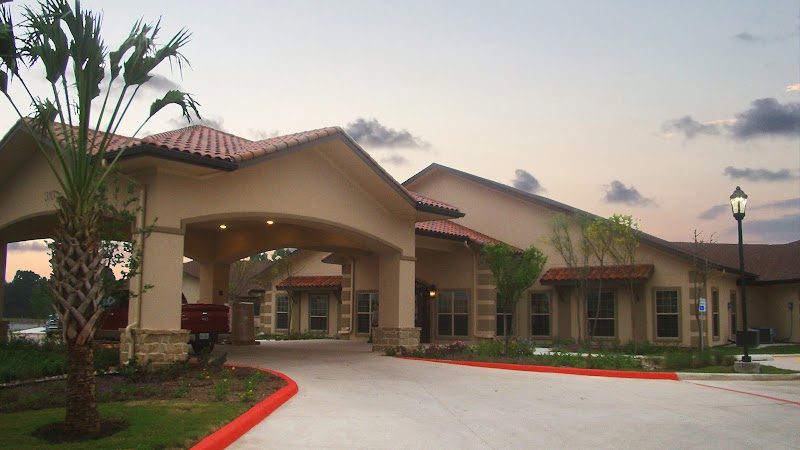
How is Fox Hollow Post Acute Staffed?
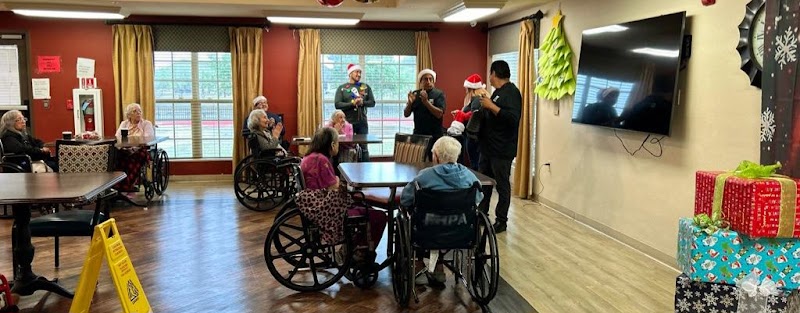
CMS rates Fox Hollow Post Acute's staffing level at 1 out of 5 stars, which is much below average compared to other nursing homes. Staff turnover is 46%, compared to the Texas average of 46%. RN turnover specifically is 67%, which is notably high. RNs provide skilled clinical oversight, so turnover in this role can affect medical care quality.

What Have Inspectors Found at Fox Hollow Post Acute?

State health inspectors documented 19 deficiencies at Fox Hollow Post Acute during 2022 to 2024. These included: 18 with potential for harm and 1 minor or isolated issues.

Who Owns and Operates Fox Hollow Post Acute?

Fox Hollow Post Acute is owned by a for-profit company. For-profit facilities operate as businesses with obligations to shareholders or private owners. The facility operates independently rather than as part of a larger chain. With 126 certified beds and approximately 127 residents (about 101% occupancy), it is a mid-sized facility located in Brownsville, Texas.

How Does Fox Hollow Post Acute Compare to Other Texas Nursing Homes?

Compared to the 100 nursing homes in Texas, Fox Hollow Post Acute's overall rating (3 stars) is above the state average of 2.8, staff turnover (46%) is near the state average of 46%, and health inspection rating (4 stars) is above the national benchmark.

What Should Families Ask When Visiting Fox Hollow Post Acute?

Based on this facility's data, families visiting should ask: "Can you walk me through typical staffing levels on day, evening, and night shifts?" "Can I visit during a mealtime to observe dining assistance and food quality?" "How do you handle medical emergencies, and what is your hospital transfer rate?" "Can I speak with family members of current residents about their experience?" These questions are particularly relevant given the below-average staffing rating.

Is Fox Hollow Post Acute Safe?

Based on CMS inspection data, Fox Hollow Post Acute has a clean safety record: no substantiated abuse findings (meaning no confirmed cases of resident harm), no Immediate Jeopardy citations (the most serious violation level indicating risk of serious injury or death), and is not on the Special Focus Facility watch list (a federal program monitoring the lowest-performing 1% of nursing homes). The facility has a 3-star overall rating and ranks #1 of 100 nursing homes in Texas. While no facility is perfect, families should still ask about staff-to-resident ratios and recent inspection results during their visit.

Do Nurses at Fox Hollow Post Acute Stick Around?

Fox Hollow Post Acute has a staff turnover rate of 46%, which is about average for Texas nursing homes (state average: 46%). Moderate turnover is common in nursing homes, but families should still ask about staff tenure and how the facility maintains care continuity when employees leave.

Was Fox Hollow Post Acute Ever Fined?

Fox Hollow Post Acute has been fined $4,092 across 1 penalty action. This is below the Texas average of $33,120. While any fine indicates a compliance issue, fines under $50,000 are relatively common and typically reflect isolated problems that were subsequently corrected. Families should ask what specific issues led to these fines and confirm they've been resolved.

Is Fox Hollow Post Acute on Any Federal Watch List?

Fox Hollow Post Acute is not on any federal watch list. The most significant is the Special Focus Facility (SFF) program, which identifies the bottom 1% of nursing homes nationally based on persistent, serious quality problems. Not being on this list means the facility has avoided the pattern of deficiencies that triggers enhanced federal oversight. This is a positive indicator, though families should still review the facility's inspection history directly.