Las Alturas Nursing & Transitional Care Brownsvill
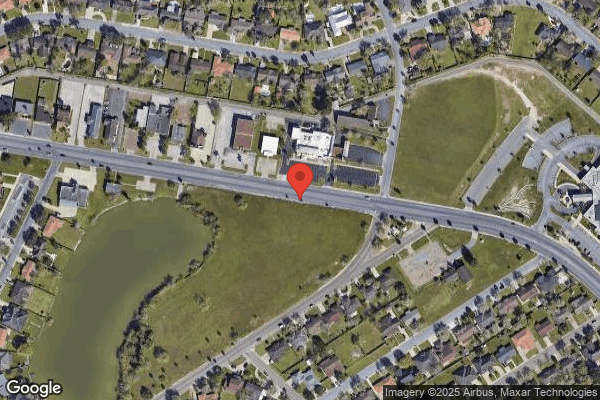
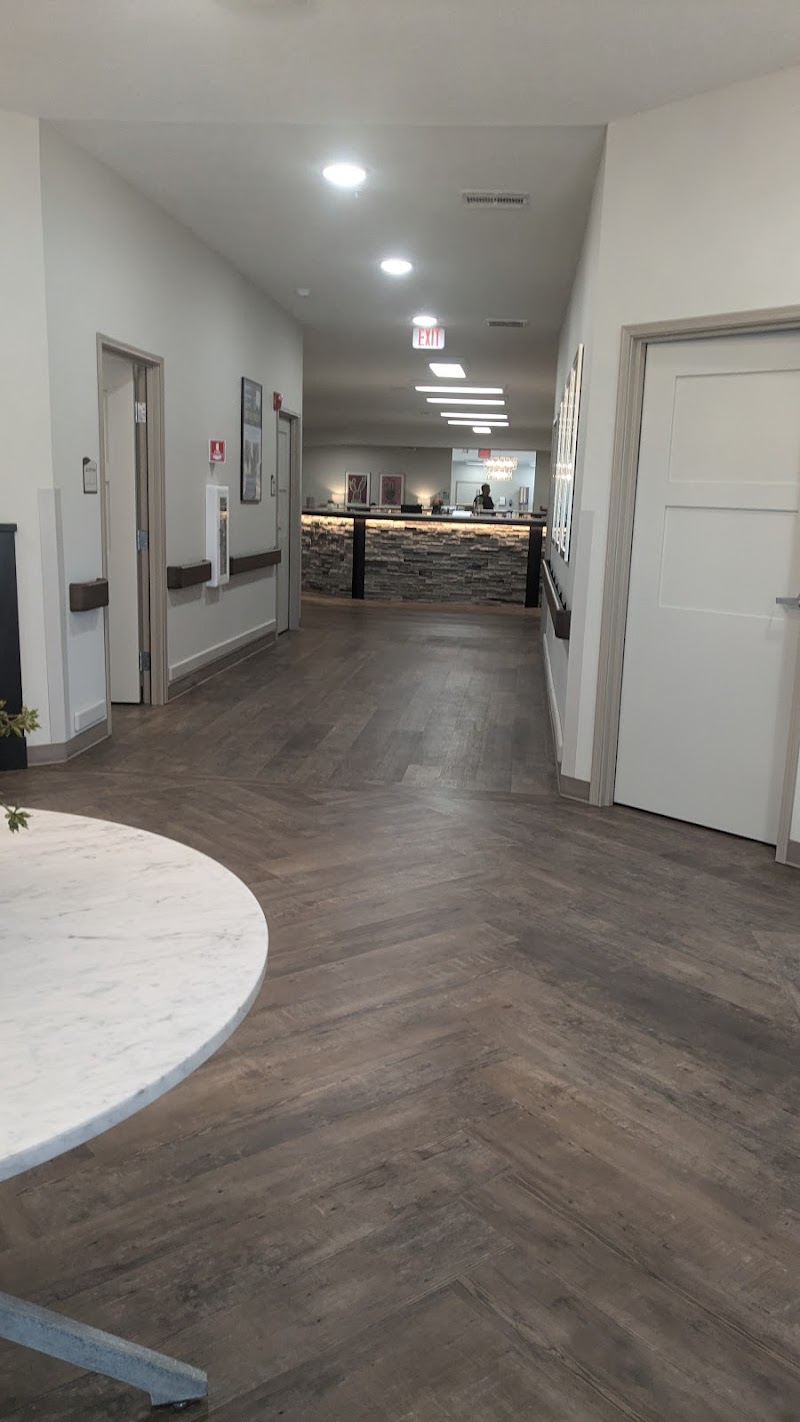
180 East Price Road, Brownsville, TX 78521 (956) 303-2002
For profit - Corporation 122 Beds Independent Data: November 2025 1 Immediate Jeopardy citation
Trust Grade
56/100
#512 of 1168 in TX
Last Inspection: July 2025

Inspected within the last 6 months. Data reflects current conditions.

Overview

Las Alturas Nursing & Transitional Care in Brownsville, Texas, has a Trust Grade of C, indicating an average level of care that is neither great nor terrible. It ranks #512 out of 1168 facilities in Texas, placing it in the top half, but at #9 out of 14 in Cameron County, there are only a few local options that are better. The facility's trend is worsening, with reported issues increasing from 1 in 2024 to 10 in 2025. Staffing is a significant concern, rated at only 1 out of 5 stars, but the turnover rate is impressively low at 0%, meaning staff are likely to stay and build relationships with residents. The facility has incurred $12,740 in fines, which is average, but it has less RN coverage than 81% of Texas facilities, suggesting that residents may not receive the level of nursing oversight needed for optimal care. Specific incidents reported include a critical failure where a resident eloped from the facility and was found 0.5 miles away, raising significant safety concerns. Additionally, some residents did not have their call lights within reach, which could prevent them from obtaining help in emergencies. Lastly, there was a failure to properly complete an advance directive for a resident, potentially compromising their end-of-life wishes. While the facility has strengths in low staff turnover and quality measures, these safety and oversight issues indicate areas that need urgent attention.

Trust Score
C
56/100
In Texas
#512/1168
Top 43%
Safety Record
High Risk
Review needed
Inspections
Getting Worse
1 → 10 violations
Staff Stability
○ Average
Turnover data not reported for this facility.
Penalties
⚠ Watch
$12,740 in fines. Higher than 100% of Texas facilities. Major compliance failures.
Skilled Nurses
⚠ Watch
Each resident gets only 14 minutes of Registered Nurse (RN) attention daily — below average for Texas. Fewer RN minutes means fewer trained eyes watching for problems.
Violations
⚠ Watch
11 deficiencies on record. Higher than average. Multiple issues found across inspections.
★★★☆☆
3.0
Overall Rating
★☆☆☆☆
1.0
Staff Levels
★★★★★
5.0
Care Quality
★★★☆☆
3.0
Inspection Score
Stable
2024: 1 issues
2025: 10 issues

The Good

  • 5-Star Quality Measures · Strong clinical quality outcomes
  • Full Sprinkler Coverage · Fire safety systems throughout facility
  • No fines on record

Facility shows strength in quality measures, fire safety.

The Bad

3-Star Overall Rating

Near Texas average (2.8)

Meets federal standards, typical of most facilities

Federal Fines: $12,740

Below median ($33,413)

Minor penalties assessed

The Ugly 11 deficiencies on record

1 life-threatening
Jul 2025 8 deficiencies
CONCERN (D)

Potential for Harm - no one hurt, but risky conditions existed

Deficiency F0558 (Tag F0558)

Could have caused harm · This affected 1 resident

**NOTE- TERMS IN BRACKETS HAVE BEEN EDITED TO PROTECT CONFIDENTIALITY** Based on observations, interview and record review, the facility failed to ensure residents had the right to reside and receive ...

Read full inspector narrative →
**NOTE- TERMS IN BRACKETS HAVE BEEN EDITED TO PROTECT CONFIDENTIALITY** Based on observations, interview and record review, the facility failed to ensure residents had the right to reside and receive services in the facility with reasonable accommodation of resident needs and preference for 2 (Resident #34 and Resident #60) of 25 residents reviewed for call lights. The facility failed to ensure Resident #34 and Resident #60 had the call light within reach while in bed in their room. This failure could place residents at risk of being unable to obtain assistance or help when needed and in the event of an emergency. Findings were: 1.Record review of Resident #34's admission record dated 06/29/25 reflected a [AGE] year-old male with diagnoses of Unspecified Dementia (decline in thinking, learning and reasoning), Muscle Wasting And Atrophy Multiple Sites, Need for assistance with personal care, Difficulty in Walking. Record Review of Resident #34's Annual MDS dated [DATE] reflected a BIMS score of 14 indicating no cognitive impairment. Resident #34 used a wheelchair. 2. Record review of Resident #60's admission record dated 06/29/25 reflected a [AGE] year-old male with diagnoses of Unspecified Dementia (decline in thinking, learning and reasoning), Muscle weakness, Need for assistance with personal care, Difficulty in Walking and History of falling. Record Review of Resident #60's Annual MDS dated [DATE] reflected a BIMS score of 9 indicating moderate cognitive impairment. Resident #34 used a wheelchair. During an observation and interview on 6/29/25 at 10:25 a.m. revealed Resident #34's and Resident #60's call light devices were on the floor, and Resident #34 and Resident #60 were not able to reach them. Resident #34 and Resident #60 said that they were not able to reach the call light. During an interview on 6/29/25 at 10:30 a.m. LVN B observed Resident #34's and Resident #60's call light devices were on the floor, and Resident #34 [and Resident #60 were not able to reach them. LVN B said Resident #34 and Resident #60 were supposed to have their call lights near so residents can call for help if they need to. LVN B said Resident #34 and Resident #60 usually used the call light on and off. LVN B said she checks all residents to make sure their call lights are within reach, and they are not in need of any other assistance. She said she does this at the beginning when she first begins working and throughout her shift. LVN B said a negative outcome of not having the call light within reach was that Residents could fall and Residents could not be able to call for help. During an interview on 6/29/25 at 11:35 a.m. LVN A said that Resident #34 and Resident #60 usually used the call light when they needed something. She said she always makes sure residents had it within their reach and reminds them to use it. LVN A said that if a resident cannot reach the call light, then they cannot get help, they may have a fall and be at risk of getting hurt. During an interview on 7/1/25 at 11:00 a.m. the DON said that if call lights were not within reach, residents might need help. The DON said that she did not think there was a negative outcome due to residents were able to get up by themselves. Record review of facility's policy titled Routine Resident Care with date implemented: 3/14/19 stated; Policy: Residents should receive the necessary assistance to maintain good grooming, personal/oral hygiene and safety. Steps are taken to provide that a resident's capacity for self-performance of these activities does not diminish unless circumstances of the resident's clinical condition demonstrate the decline is unavoidable. Care is taken to maintain resident safety at all times.Guidelines: 9. resident call lights should be answered timely and resident requests are addressed, if permitted. Call lights should be placed within easy reach of the resident. Specific types of call lights, i.e. call light pads etc. should be added to the resident plan of care based upon residents abilities and limitations.
CONCERN (D) 📢 Someone Reported This

A family member, employee, or ombudsman was alarmed enough to file a formal complaint

Potential for Harm - no one hurt, but risky conditions existed

Deficiency F0578 (Tag F0578)

Could have caused harm · This affected 1 resident

**NOTE- TERMS IN BRACKETS HAVE BEEN EDITED TO PROTECT CONFIDENTIALITY** Based on interview and record review, the facility failed to ensure residents had the right to formulate an advance directive fo...

Read full inspector narrative →
**NOTE- TERMS IN BRACKETS HAVE BEEN EDITED TO PROTECT CONFIDENTIALITY** Based on interview and record review, the facility failed to ensure residents had the right to formulate an advance directive for 1 (Resident #173) of 8 residents reviewed for Advance Directives. The facility failed to ensure Resident #173's OOH-DNR was completed. The OOH-DNR form did not have the physician's signature. This failure could affect all residents who have implemented Advance Directives and established their choice not to be resuscitated at risk of receiving CPR against their wishes. The findings were: Record review of Resident #173's electronic face sheet dated [DATE] reflected the resident was a [AGE] year-old male admitted to the facility on [DATE]. His diagnoses included: Respiratory Failure, Metabolic Encephalopathy (any disease or disorder of the brain, characterized by changes in brain function or structure), Heart Failure, Chronic Obstructive Pulmonary Disease (a chronic lung disease that causes air flow limitation), Type 2 Diabetes Mellitus, Hypertension (high blood pressure), Acute Kidney Failure.Resident #173's electronic face sheet reflected Code Status: DNR. Record review of Resident #173's MDS assessment dated [DATE] reflected he scored a 0 on his BIMS which reflected he was severely cognitively impaired. Record review of Resident #173's undated comprehensive care plan reflected, Resident #173's Advanced Directives: Code Status: (DNR) Do Not Resuscitate Date Initiated: [DATE]. Honor my Advance Directives, care wishes, and Code Status will be respected and honored as indicated. Date Initiated: [DATE]. Refer to Social Services as indicated. Date Initiated: [DATE]. Record review of Resident #173's physician order dated [DATE] reflected ***Code Status: ***DNR*** Record review of Resident #173's OOH-DNR form dated [DATE] reflected the form was signed in section C. Declaration by a qualified relative of the adult person who is incompetent or otherwise incapable of communication: I am the above person's: spouse. The OOH-DNR revealed the form was not signed by the attending physician below section E, Physician's Statement: I am the attending physician of the above noted person and have noted the existence of this order in the person's medical records. I direct health care professionals acting in our-of- hospital settings, including a hospital emergency department, not to initiate or continue for the person: cardiopulmonary resuscitation (CPR), transcutaneous cardiac pacing, defibrillation, advanced airway management, artificial ventilation. It also revealed the physician did not sign section F, All persons who have signed above must sign below, acknowledging that this document has been properly completed. In an interview on [DATE] at 11:15 a.m., Social Services stated that she was the one responsible for completing the OOH DNR form. She stated that upon admission, she informed the resident and/or family of their rights regarding the DNR status. If it was confirmed for the resident to be DNR, she provided them with the form, and obtained their signatures, and the doctor's signature. She stated that the OOH DNR form should be signed by the doctor as soon as possible. She called the doctor's office to notify her of needing a signature. She stated that it was important for the OOH DNR form to be signed by the doctor because it made the document official, a legal document that all parties signed. The Social Services stated the DNR was not official until the doctor signed it. She stated Resident #173's OOH DNR form was not signed because his doctor's NP had not come to the facility yet. In an interview on [DATE] at 1:05 p.m., LVN A stated that the DNR form was discussed upon admission. She stated residents who were DNR should have a completed and signed by all parties, the OOH DNR. She stated all parties were residents or family, witnesses, and the doctor. LVN A stated that until they have a completed signed OOH DNR, the resident was considered a full code (provide cardiopulmonary resuscitation) . They would have to provide CPR causing the resident harm. She stated that the DNR status of a resident was located on PCC (it serves as an electronic health record system). LVN A stated if it showed DNR on PCC that meant the OOH DNR form had been verified and completed. In an interview on [DATE] at 1:35 p.m., the DON stated that the social worker was responsible for completing the OOH DNR form. She stated the facility explains the document and if they say yes that they want to be DNR, the facility would obtain the resident/RP and witnesses signatures. They then called the MD for an order and changed the DNR status in PCC. The DON stated that it was important for the MD to sign the OOH DNR form to verify that they agreed to the process. She stated that it was an official legal form. She stated that they got the MD signature fast. Record review of the facility's Advance Directives policy date reviewed/revised 2017, revealed theCompliance Guidelines:Every resident has the right to formulate an advance directive and to refuse treatment. The community will determine the existence of an advance directive at the time of admission.A copy of the advance directive and subsequent revisions will be included in the resident's medical record.The IDT should honor the care decision expressed and initiate the advance directive by initiating the Out of Hospital Do Not Resuscitate (OOH DNR) form and should obtain the medical provider/physician's signature as per the OOH DNR instructions. The medical record and resident plan of care should reflect the residents wishes as well as the physician orders in order to meet the directives described. Record review of the OOH DNR Order instructions for issuing an OOH-DNR Order revealed thePurpose: The Out-of-Hospital Do-Not-Resuscitate (OOH-DNR) Order on reverse side complies with Health and Safety Code (HSC), Chapter 166 for use by qualified persons or their authorized representatives to direct health care professionals to forgo resuscitation attempts and to permit the person to have a natural death with peace and dignity. Applicability: This OOH-DNR Order applies to health care professions in out-of-hospital settings, including physicians' offices, hospital clinics and emergency departments. Implementation: A competent adult person at least [AGE] years of age, or the person's authorized representative or qualified relative may execute or issue an OOH-DNR Order. The person attending physician will document the existence of the Order in the person's permanent medical record. The OOH-DNR Order may be executed as follows: . In addition: the OOH-DNR Order must be signed and dated by two competent adult witnesses, who have witnessed either the competent adult person making his/her signature in section A, or authorized declarant making his/her signature in either sections B, C, or E, and if applicable, have witnessed a competent adult person making and OOH-DNR Order by nonwritten communication to the attending physician, who must sign in Section D and also the physician's statement section.
CONCERN (D) 📢 Someone Reported This

A family member, employee, or ombudsman was alarmed enough to file a formal complaint

Potential for Harm - no one hurt, but risky conditions existed

Deficiency F0628 (Tag F0628)

Could have caused harm · This affected 1 resident

**NOTE- TERMS IN BRACKETS HAVE BEEN EDITED TO PROTECT CONFIDENTIALITY** Based on record reviews and interviews, the facility failed to send a copy of the residents' discharge notice, prior to discharg...

Read full inspector narrative →
**NOTE- TERMS IN BRACKETS HAVE BEEN EDITED TO PROTECT CONFIDENTIALITY** Based on record reviews and interviews, the facility failed to send a copy of the residents' discharge notice, prior to discharge, to the representative of the Office of State Long-Term Care (LTC) Ombudsman of the residents' transfer or discharge and the reasons for the move for 2 of 3 (Resident #1, Resident #41) reviewed for notifying the LTC Ombudsman of the residents' discharge. 1.Resident #1 was discharged to the hospital on [DATE] without a notice to the LTC state ombudsman. 2.Resident #41 was discharged home on [DATE] without a notice to the LTC state ombudsman. These failures could place residents at risk of not knowing their rights and receiving the services of the state LTC Ombudsman. Findings were: 1. Record review of Resident #1’s admission record dated 07/01/25 revealed Resident #1 was a [AGE] year-old female with diagnoses of Acute Respiratory Failure with Hypoxia (lungs cannot supply oxygen to blood), Type 2 Diabetes Mellitus without Complications (high blood sugar levels), Chronic Obstructive Pulmonary Disease (lung disease that causes obstructed airflow from lungs), Essential (Primary) Hypertension (high blood pressure), Shortness of Breath, Muscle Weakness (Generalized). Record review of Resident #1’s latest MDS dated [DATE] revealed a BIM score of 13 indicating intact cognition. Record review of Resident #1’s electronic medical record revealed a progress note dated 04/09/25 stating Resident #1 had been discharged to the hospital. Record review of Resident #1’s electronic medical record from 03/29/25 to 04/09/25 revealed no evidence of notice given to the LTC Ombudsman pertaining to Resident #1’s discharge to the hospital. 2.Record review of Resident #41's electronic face sheet dated 07/01/2025 reflected the resident was a [AGE] year-old male admitted to the facility on [DATE] with a discharge date of 06/11/2025. His diagnoses included Chronic Obstructive Pulmonary Disease (a sudden worsening in a chronic lung disease that causes air flow limitation), Peripheral Vascular Disease (reduced circulation of blood to a body part, other than the brain or heart), Acute Respiratory Failure with Hypoxia (a condition where you don’t have enough oxygen in your body), Dementia, Hypertension (high blood pressure), Gastrostomy Status (a surgical procedure used to insert a tube through the abdomen and into the stomach), Dysphagia (difficulty swallowing), Anxiety Disorder. Record review of Resident #41’s comprehensive MDS dated [DATE] revealed a BIMS score of 13 indicating intact cognition. Record review of Resident #41’s electronic medical record revealed a progress note dated 06/11/2025 stating Resident #41 had been discharged home with family. Record review of Resident #41’s electronic medical record from 06/02/2025 to 06/13/2025 revealed no evidence of notice given to the LTC Ombudsman pertaining to Resident #41’s discharge home. During an interview on 07/01/25 at 4:43 p.m. the SSD said she had been working at the facility for a year. She said she wasn’t aware that she needed to notify the ombudsman whenever a resident was discharged from the facility. She said she had not notified the ombudsman of any residents that had been discharged since she has been working at the facility. During an interview on 07/01/25 at 11:03 a.m. the state LTC Ombudsman representative for the facility stated he had not received any discharge notices from the facility for the past year. During an interview on 07/01/25 at 4:55 p.m. the Administrator, said he had contacted the ombudsman on recent discharges for the current month. Record review of the facility’s policy titled “Admission, transfer, and Discharge”, date revised: September 2022 stated: “Notification before transfer Before a transfer or discharge occurs, the community notifies the resident and, if known, the family member, surrogate, or representative of the transfer and the reasons for it. A copy or documentation of the notice is kept in the clinical record and a copy is sent to a representative of the Office of the State Long Term Care Ombudsman.”
CONCERN (D)

Potential for Harm - no one hurt, but risky conditions existed

PASARR Coordination (Tag F0644)

Could have caused harm · This affected 1 resident

**NOTE- TERMS IN BRACKETS HAVE BEEN EDITED TO PROTECT CONFIDENTIALITY** Based on interview and record review, the facility failed to coordinate assessments with the Pre-admission Screening and Residen...

Read full inspector narrative →
**NOTE- TERMS IN BRACKETS HAVE BEEN EDITED TO PROTECT CONFIDENTIALITY** Based on interview and record review, the facility failed to coordinate assessments with the Pre-admission Screening and Resident Review (PASRR) program to the maximum extent practicable to avoid duplicative testing and effort for 2 of 8 residents reviewed for PASRR. (Resident #20, Resident #22)1. The facility failed to refer Resident #20 for PASRR Level II assessment when the facility incorrectly coded her PASRR Level I assessment.2. The facility failed to refer Resident #22 for PASRR review following new mental illness diagnosis of Major Depressive Disorder, added on 04/30/2025.These failures could place residents at risk of not receiving needed assessments (PASRR Evaluation), individualized care, and specialized services to meet their needs.Findings include:1. Record review of face sheet dated 06/30/25 indicated Resident #20 was a [AGE] year-old male admitted on [DATE]. His diagnoses included post-traumatic stress disorder, need for assistance with personal care, cognitive communication deficit.Resident #20's admission Minimum Data Set (MDS) assessment dated [DATE] indicated her Brief Interview for Mental Status (BIMS) score was 8 out of 15 showing moderate cognitive impairment. She was coded as having post-traumatic stress disorder.Observation and interview with Resident #20 on 06/29/25 at 2:28 PM, indicated he was lying in bed watching television.During an interview on 06/30/25 at 9:15 a.m., MDS D said she completed the PASRR assessments for the facility. When MDS D was asked if bipolar disorder was a qualifying diagnosis for a positive PASRR Level 1, she stated, yes. MDS D said that she missed the diagnosis for this resident. MDS there was not a negative outcome because she submitted the form 1012 for the resident to be evaluated on 6/30/25 after surveyor asked for PASRR Level 2.During an interview on 7/1/25 at 11:40 a.m. with the Director of Nursing (DON) confirmed post-traumatic stress disorder was a qualifying diagnosis for PASRR and there should have been a Level 2 evaluation conducted. The DON said the MDS nurse should not have entered it in as negative and should have requested the Level 1 be recompleted. The DON said that PASRR was just extra help that the resident could benefit from. The DON said that the negative outcome was that the resident was not receiving the extra help.2. Record review of Resident #22's electronic face sheet dated 06/30/2025 reflected the resident was an [AGE] year-old female admitted to the facility on [DATE] and with an original admission date of 10/08/2024. Her diagnoses included Major Depressive Disorder, Metabolic Encephalopathy (any disease or disorder of the brain, characterized by changes in brain function or structure), Acute Respiratory Failure with Hypoxia (a low level of oxygen in the blood), Type 2 Diabetes Mellitus, Heart Failure, Muscle Wasting and Atrophy (the decrease in size and wasting of muscle tissue), and Hypertension (high blood pressure).Record review of Resident #22's quarterly MDS assessment dated completed on 04/18/2025, Section C, revealed a BIMS score of 14, indicating intact cognition. Section I (Active Diagnoses) indicated Resident #22 had diagnoses included Depression (other than bipolar). Section N (Medications) indicated Resident #22 was on antidepressant medications.Record review of Resident #22's comprehensive care plan, dated 05/22/2025, reflected Resident #22 requires antidepressant medication. Interventions: administer medication per MD orders, educate me and/or my family regarding all potential side effects, and risks associated with psychotropic medications and obtain consent for medication use, Monitor for target behaviors/symptoms, monitor/document/report to MD prn ongoing s/s of depression unaltered by antidepressant meds .In an interview on 06/30/2025 at 3:43 p.m. with MDS D, she was responsible for completing the PASRR assessments for the facility. She confirmed Resident #22 had a diagnosis of Major Depressive Disorder and was a qualifying diagnosis for PASRR Level 1. She stated that she submitted form 1012 for Resident #22. She stated she spoke to a staff member from LIDDA this morning and was informed that they would notify her of when they can come to get it done. MDS D stated that it was important for the PASARR level 1 screening to be completed so they can get the LIDDA to do the evaluation to see if they were a true positive.In an interview on 07/01/2025 at 1:35 p.m. with the DON stated, the MDS D nurse was responsible for completing the PASSR assessments. She stated that Major Depressive Disorder was a qualifying diagnosis for PASRR. The DON stated that she was not aware that Resident #22 had a new diagnosis of Major Depressive Disorder. She stated that it was important for the residents to be screened again with new added diagnosis because they can render services if, they were positive.Record review of facility policy titled comprehensive assessments with an implemented date February 2017 and a revised date January 2014 reflected: Pre-admission screening and resident review (PASRR) screen was required of all individuals with mental illness or mental retardation regardless of the applicant ' s source of payment. These screenings were provided when there had been a significant change in the residents ' condition. The community coordinates resident assessment with pre-admission screening to maximize the resident assessment process.
CONCERN (D)

Potential for Harm - no one hurt, but risky conditions existed

Comprehensive Care Plan (Tag F0656)

Could have caused harm · This affected 1 resident

**NOTE- TERMS IN BRACKETS HAVE BEEN EDITED TO PROTECT CONFIDENTIALITY** Based on interview, and record review, the facility failed to implement a comprehensive person-centered care plan that includes ...

Read full inspector narrative →
**NOTE- TERMS IN BRACKETS HAVE BEEN EDITED TO PROTECT CONFIDENTIALITY** Based on interview, and record review, the facility failed to implement a comprehensive person-centered care plan that includes measurable objectives and timeframes to meet a resident's medical, nursing, and mental and psychosocial needs identified in the comprehensive assessment for 1 of 22 residents (Resident #20) reviewed for care plans. The facility did not develop Resident #20's care plan related to diagnosis Post-Traumatic Stress Disorder. These failures could place residents at risk for unmet care needs and decreased quality of care. Findings included: Record review of face sheet dated 06/30/25 indicated Resident #20 was a [AGE] year-old male admitted on [DATE]. His diagnoses included post-traumatic stress disorder, need for assistance with personal care, cognitive communication deficit. Record review of Resident #20's admission MDS assessment dated [DATE] indicated his BIMS score was 8 out of 15 showing moderate cognitive impairment. He was coded as having post-traumatic stress disorder. Observation and interview with Resident #20 on 06/29/25 at 2:28 PM, indicated he was lying in bed watching television. Resident #20 said that he felt safe in this facility, and he was treated with respect and dignity. Record review of Resident #20's care plan, initiated on 5/25/2025, indicated Resident #20 did not have Post traumatic stress disorder in the care plan. During an interview on 6/30/25 at 1:40 p.m., MDS D said it was important to have Post traumatic stress disorder in the care plan to communicate with the floor nurses. MDS D said she was not sure what was the negative outcome because the resident was stable. MDS D said that she was not aware that Resident #20 had PTSD. During an interview on 7/1/25 at 2:30 p.m. the DON said she was not sure if post-traumatic stress disorder was supposed to be care planned. The DON said that staff followed the care plan. The DON said that the negative outcome was not giving the proper care to Resident #20. Record review of the facility's policy titled Care Plans implemented 02/2017, indicated, The community develops a comprehensive care plan for each resident that includes measurable objectives to meet a resident's medical, nursing, mental, and psychosocial needs that are identified in the comprehensive assessment. The care plan should be reflective of the identified problem or risk, a measurable outcome objective and appropriate intervention in relation to the identified problem or risk, outcome objective and resident's ability, needs, medical condition, preventative measures. The care plan may also include the expressed preferences. The care plan in conjunction with the plan of care throughout the medical record is developed and or recommended to attain or maintain the resident's highest practicable physical mental, and psychosocial well-being.
CONCERN (D)

Potential for Harm - no one hurt, but risky conditions existed

Tube Feeding (Tag F0693)

Could have caused harm · This affected 1 resident

**NOTE- TERMS IN BRACKETS HAVE BEEN EDITED TO PROTECT CONFIDENTIALITY** Based on observation, interview, and record review, the facility failed to ensure residents fed by enteral means received the ap...

Read full inspector narrative →
**NOTE- TERMS IN BRACKETS HAVE BEEN EDITED TO PROTECT CONFIDENTIALITY** Based on observation, interview, and record review, the facility failed to ensure residents fed by enteral means received the appropriate treatment and services to prevent complications of enteral feeding for 1 of 5 residents (Resident #29) reviewed for tube feeding management. The facility failed to ensure there were labels or instructions on Resident #29' s enteral nutrition supplemental feeding bottle on 06/29/25. These failures could place residents at risk for non-therapeutic responses to enteral feeding, as well as receiving the wrong feeding or receiving a feeding at the wrong rate. Findings included: Record review of Resident #29's face sheet, dated 06/29/25, revealed a [AGE] year-old female with an original admission date of 08/20/24 and a current admission date of 12/25/24. Diagnoses included Gastrostomy Status (a surgical procedure that creates an opening into the stomach, allowing for access to the stomach for feeding). Record review of Resident #29's Significant Change MDS Assessment, dated 03/26/25, revealed a BIMS score of 1 as the resident was severely cognitively impaired. The MDS assessment also revealed Resident #29 had a feeding tube. Record review of Resident #29's care plan, initiated 08/20/24 and revised 6/25/25, revealed a care plan for tube feeding with a goal I will not experience any complication associated with my feeding tube or enteral nutrition/hydration through my next review date. Record review of Resident #29's physician orders, dated 06/29/25, revealed an order for Nepro (therapeutic nutrition) at 1.8 milliliters per hour for 18 hours via G-tube stationary pump. During an observation on 06/29/25 at 11:50 a.m. it was revealed Resident #29's enteral feeding bottle was not labeled, and there was no label on the ground. In an interview on 06/29/25 at 11:55 a.m. with LVN B, she stated the feeding bags were supposed to be labeled with the resident's name, the feeding type, the feeding rate, and the time and date the feeding was initiated. She stated sometimes the labels fell off because they did not stick very well. She stated if this information was not listed, then the nurse would not be able to verify if the feeding was correct, and this could cause the resident harm. In an interview on 07/01/25 at 10:45 a.m. with LVN C, she stated the feeding bottles should always be labeled so the nurses were aware the resident was receiving the correct feeding at the correct rate. She stated the bottle could not be checked with another nurse or verified against the order without a proper label on it, and this could cause the resident harm or the resident could not get the proper nutrition. In an interview on 07/01/25 at 11:35 a.m. with the DON, she stated the labels needed to be on the enteral feeding bottles so that nurses were aware the resident received the correct feeding because if it was not labeled appropriately, a resident could receive the wrong feeding., She said there was not a negative outcome but nurses needed to know when the feeding bottle was opened. Record review of the facility policy titled Medication Administration via Enteral Tube implemented on 3/15/19 stated the following: to administer medications through a enteral tube in an accurate, safe, timely and sanitary manner.
CONCERN (D)

Potential for Harm - no one hurt, but risky conditions existed

Respiratory Care (Tag F0695)

Could have caused harm · This affected 1 resident

**NOTE- TERMS IN BRACKETS HAVE BEEN EDITED TO PROTECT CONFIDENTIALITY** Based on observation, interview and record review, the facility failed to ensure that residents who needed respiratory care were...

Read full inspector narrative →
**NOTE- TERMS IN BRACKETS HAVE BEEN EDITED TO PROTECT CONFIDENTIALITY** Based on observation, interview and record review, the facility failed to ensure that residents who needed respiratory care were provided such care consistent with professional standards of practice, the comprehensive person-centered care plan, and the resident's goals and preferences for 1 of 3 (Resident #61) residents reviewed for respiratory care. 1. The facility failed to ensure Resident #61's oxygen was administered at the correct setting of 2 liters per minute on 06/29/2025 as ordered by the physician. These deficient practices could place residents who receive respiratory care at an increased risk of developing respiratory complications and a decreased quality of care. The findings included: 1.Record review of Resident #61's admission record dated 06/29/2025 reflected a [AGE] year-old female with an admission date of 01/16/2025. Pertinent diagnoses included Pulmonary Fibrosis (a lung disease characterized by the scarring and thickening of lung tissue, specifically the interstitium, which is the area between the air sacs), Muscle weakness, shortness of breath, and Need for assistance with personal care. Record review of Resident #61's person-centered care plan, initiated date 1/16/2025 reflected Resident #61 used oxygen therapy related to shortness of breath. Intervention included oxygen settings: Provide oxygen as ordered/recommended by my physician. Record review of Resident #61's physician order dated 06/29/2025, revealed oxygen at 2 liters per minute via nasal cannula every shift. Record review of Resident #61's Quarterly MDS assessment, dated 03/15/2025 revealed oxygen therapy while a resident. During an observation of Resident #61 on 06/29/2025 at 11:15 a.m. the oxygen level on the oxygen concentration machine was at 1.5Liters Per Minute via nasal cannula. Observed Resident #61 in bed with the head of the bed slightly elevated. No signs of respiratory distress were noted. In an interview on 06/29/2025 at 11:20 a.m. LVN B, stated she was the nurse for Resident #61. LVN B agreed that the Oxygen setting was set at 1.5 Liters Per Minute. She stated the oxygen setting was supposed to be at 2 Liters Per Minute per physician orders. She stated that she checked the settings at the beginning of her shift. She was not sure who might have moved it. LVN B stated that she checked Resident #61's oxygen tubing and saturation this morning. She stated that she usually checks the oxygen once a day and as needed. LVN B stated that the negative outcome to keeping Resident# 61's oxygen setting at 1.5 Liters Per Minute was that the resident could go into respiratory distress or her oxygen level might drop. In an interview on 07/1/2025 at 10:45 a.m. with the DON, she stated that the nurses assigned to that hall were responsible for checking the Oxygen settings. She stated that the nurses were to check the setting once per shift. The DON stated they were to follow oxygen settings on physician orders. The DON stated that the negative outcome could be the resident could have a respiratory distress and hypoxia (low oxygen levels). Record review of the facility policy named Oxygen Administration with an implemented date 2/14/19 and revised date January 2023, revealed: a resident receives oxygen therapy when there is an order by a physician. the resident's disease, physical condition, and age will help determine the most appropriate method of administration and should be reflected in the physician order.
CONCERN (D)

Potential for Harm - no one hurt, but risky conditions existed

Infection Control (Tag F0880)

Could have caused harm · This affected 1 resident

**NOTE- TERMS IN BRACKETS HAVE BEEN EDITED TO PROTECT CONFIDENTIALITY** Based on observation, interviews, and record review, the facility failed to establish and maintain an infection prevention and c...

Read full inspector narrative →
**NOTE- TERMS IN BRACKETS HAVE BEEN EDITED TO PROTECT CONFIDENTIALITY** Based on observation, interviews, and record review, the facility failed to establish and maintain an infection prevention and control program, designed to provide a safe, sanitary, and comfortable environment and to help prevent the development and transmission of communicable diseases and infections, for 1 of 4 Residents (Resident #39) that were observed for infection control in that: The facility failed to ensure CNA E performed proper hand hygiene during pericare (incontinent care) for Resident #39.The facility failed to ensure CNA F performed proper Foley catheter care for Resident #39. These deficient practices could place residents at risk for infections, healthcare associated cross contamination, and the spread of infection. Findings included: Record review of Resident #39's electronic face sheet dated 07/01/2025 reflected the resident was an [AGE] year-old female admitted to the facility on [DATE]. Her diagnoses included Personal History of Urinary Tract Infections, Acute Kidney Failure, Unspecified Hydronephrosis (a condition that occurs when a kidney swells and cannot get rid of urine), Obstructive and Reflux Uropathy (a condition in which the flow of urine was blocked), Type 2 Diabetes Mellitus, Unspecified Dementia. Record review of Resident #39's quarterly MDS assessment, dated 04/18/2025, reflected a BIMS score of 00, indicating Resident #39 was severely cognitively impaired. Resident #39 had an indwelling foley catheter. Record review of Resident #39's comprehensive person-centered care plan, dated on 05/22/2025 reflected Focus Resident #39 at risk for infection or recurrent/chronic infection r/t compromised medical condition: Foley Catheter. Interventions: Report changes in condition to MD as clinically indicated. Monitor vital signs as indicated. Enhanced Barrier Precautions practices as clinically indicated. Observation on 06/30/2025 at 1:38 p.m. revealed CNA E grabbed the bed remote, while wearing gloves, to adjust the height of the bed to working level and with the same pair of gloves she proceeded to touch the clean wipe. CNA E handed the wipe to CNA F and used it to clean Resident #39's inner thigh. Throughout the entire pericare process, CNA E handed the clean wipes to CNA F with the same pair of dirty gloves that touched the bed remote. During catheter care, CNA F cleansed the catheter tubing line going upwards towards the vaginal opening instead of downwards. In an interview on 06/30/2025 at 1:55 p.m., CNA E stated that she should have changed her gloves and sanitized after touching the bed remote. She stated that she did not change them due to being nervous. CNA E stated the potential negative outcome was infection. She stated that they were to clean the foley catheter tube downward, away from the vaginal opening to prevent infection. CNA E stated that pericare and foley catheter care skill checks off were done about a month ago and skills were met. She stated infection control in-services were done frequently, but she could not remember the exact date that it was done. In an interview on 06/30/2025 at 2:02 p.m., CNA F stated that she cleansed the foley catheter tubing upward towards the vaginal opening instead of downward. She made this error because she got nervous and was standing on the opposite side of the bed so that threw her off. CNA F stated that proper cleansing of the foley catheter tubing was to prevent infection. She stated that CNA E should have changed her gloves after touching the bed remote to prevent infection. CNA F stated that pericare and foley catheter care skill checks off were done randomly and skills were met. She stated infection control in services were done monthly. In an interview on 07/01/2025 at 1:35 p.m., the DON stated CNA E should have changed her gloves prior to touching the clean wipes. This was important to prevent germs from spreading onto the wipes. The DON stated the proper way to cleanse foley catheter tubing was to start from the vaginal opening and go downwards. This was important to keep infections away from the site. The DON stated that they have monthly infection control in-services. She stated that they conduct sporadic skill check offs. Record review of CNA E's Competency Skills Checklist dated 06/09/2025 reflected skills for Pericare and Foley Catheter Care for both males and females were all met in accordance with the facility's standard of practice. Record review of CNA F's Competency Skills Checklist dated 02/11/2025 reflected skills for Pericare and Foley Catheter Care for both males and females were all met in accordance with the facility's standard of practice. Record review of the facility's Infection Prevention and Control Program Policy date revised 04/2024 reflected: Compliance Guidelines: The infection prevention and control program is a facility wide effort involving all disciplines and individuals and is an integral part of the quality assurance and performance improvement program.The elements of the infection prevention and control program consist of coordination/oversight, surveillance, data analysis, antibiotic stewardship, outbreak management, prevention of infection, and employee health and safety. Prevention of Infection:Important facets of infection prevention include:(3) educating staff and ensuring that they adhere to proper techniques and procedures;(6) educating staff and ensuring that they adhere to proper infection prevention and control practices when performing resident care activities as it pertains to his/her role, responsibilities and situation.
Jun 2025 2 deficiencies 1 IJ
CRITICAL (J) 📢 Someone Reported This

A family member, employee, or ombudsman was alarmed enough to file a formal complaint

Immediate Jeopardy (IJ) - the most serious Medicare violation

Accident Prevention (Tag F0689)

Someone could have died · This affected 1 resident

**NOTE- TERMS IN BRACKETS HAVE BEEN EDITED TO PROTECT CONFIDENTIALITY** Based on interviews and record review, the facility failed to ensure adequate supervision was provided for 1 of 3 residents revi...

Read full inspector narrative →
**NOTE- TERMS IN BRACKETS HAVE BEEN EDITED TO PROTECT CONFIDENTIALITY** Based on interviews and record review, the facility failed to ensure adequate supervision was provided for 1 of 3 residents reviewed for accidents and supervision. (Resident #1) The facility failed to ensure Resident#1 received adequate supervision to prevent elopement. Resident #1 eloped from the facility on 02/12/2025 and was found by the police department approximately 2700 feet (0.5 mile) away from the facility. The non-compliance was identified as past non-compliance. The Immediate Jeopardy began on 02/12/2025 and ended on 02/13/2025. The facility had corrected the noncompliance before the survey began. This failure could prevent residents from receiving appropriate supervision which could lead to residents sustaining serious injury, harm, or death. Findings included: Record Review of Resident #1's electronic facility face sheet dated 06/11/2025, revealed she was an [AGE] year-old male admitted to the facility on [DATE]. Her diagnoses included Unspecified Dementia, Hypertension (high blood pressure), Insomnia (sleep disorder in which you have trouble falling asleep), Unspecified Mood Disorder, and Hyperlipidemia (high cholesterol). Record Review of Resident #1's quarterly MDS assessment, dated 03/24/2025 revealed a BIMS score of 01 indicating Resident #1 was severely cognitive impaired and ambulated independently with a walker. Record Review of Resident #1's admission assessment dated [DATE] revealed the resident had a wandering history, and she had a wander guard in place. Record review of an incident report dated 02/13/2025, revealed on 02/12/2025 at around 9:00 p.m. the Administrator was notified by the DON, that Resident #1 had left the facility unattended and was returned to the facility without incident by the PD. The PD indicated they had located the resident around 8:19 p.m. after receiving a call from a civilian. Resident #1 was safely dropped off at the facility around 8:50 p.m. Surveillance footage revealed that the resident left from the facility at 7:00 p.m. A head-to-toe assessment was completed with no findings. Record review of LVN A's written statement on 02/12/2025 regarding Resident #1's incident indicated that she last saw Resident #1 in front of the nurse's station around 6:30 p.m.-6:40 p.m. She did not understand what the resident was asking and when asked again the resident was not able to answer. LVN A redirected Resident #1 to sit in the common area. Resident #1 walked away from nurse station as LVN A used desktop. In an interview on 06/11/2025 at 1:58 p.m., the DON stated she received a call from LVN A notifying her Resident #1 had returned to the facility and was brought in by the PD. She notified the Administrator. She stated that CNA B was doing her round in Resident #1's room when she realized Resident #1 was not there. She then walked out to notify the nurse and at that time LVN A had called her and told her the PD had just brought in Resident #1. She stated a head-to-toe assessment was done; no injuries were noted. The facility's secured unit was not open at that time. She stated the interventions prior to the elopement were a wander guard, redirection, and activities. The DON stated interventions after the elopement were Resident #1 was monitored every 30 minutes, the code was changed to the front door, residents were assessed for exit seeking tendencies with the need for additional personalized interventions. The DON stated that staff were trained and had drills on elopement and exit seeking management procedures. The DON stated there have been no elopements since the incident on 02/12/2025. In an interview on 06/11/2025 at 2:19 p.m., the Administrator stated the DON notified him of the incident. He reviewed the facility's surveillance cameras and was able to identify that a visitor had opened the door for Resident #1. The visitor was not aware Resident #1 was a resident, allowing her to leave the facility. The Administrator was able to identify the visitor and was called in for an interview. The visitor did confirm that she had opened the door for Resident #1 when she visited but did not know that that person was a resident. She stated that the individual had told her to hold the door open and not to close it. The Administrator educated the visitor regarding not to hold the door open for anyone and ensuring the door closes behind her anytime she was visiting. She was reminded to be aware of her surroundings and other individuals to help prevent future incidents. The Administrator also sent out a mass message via text and email, depending on families' preferred method of communication on file, to not hold the door open. Record Review of an Elopement Response & Exit Seeking Management Policy with date revised of January 2023, revealed Guideline: A. Elopement Response: Unable to locate resident: 1. If a resident is unable to be located or the alarms have sounded, immediately initiate a search of the entire community both inside and outside premises. B. Response following the location of the resident: 1. Once located and safety confirmed, conduct an assessment. Record Review of Routine Resident Care Policy with date revised of January 2024, revealed Compliance Guidelines: Care is taken to maintain resident safety at all times. Responsible Disciplines License nurses and non-licensed direct care team members. The facility had implemented the following interventions: Resident was placed on a 1:1. Vitals monitored every 4 hours for 24 hours The RP and physician notified. Head count. All other residents were assessed for exit seeking tendencies with a need for additional personalized interventions. Educated visitor regarding not opening the door for anyone and being aware of her surroundings and other individuals. Staff were trained in elopement/supervision procedures on 02/12/2025. Interviews with staff revealed that they were aware of the policy and procedures of elopement. The code changed to the front door. Reminder sent out to all families regarding entering/exiting the facility. Posted sign on the front entrance reminding visitors to exercise caution when entering/exiting the community to ensure residents do not follow them out. No additional elopement events had been identified since 02/12/2025. Resident placed in the new secured care unit for increased supervision on 02/26/2025. During an observation on 06/11/2025 at 8:30 a.m. revealed a posted sign on the front entrance which reflected, Please refrain from providing assistance to anyone out of the community without checking with a team member. During an observation on 06/11/2025 at 9:16 a.m. revealed Resident #1 was sitting in a chair in her room that was located in the secured unit. She was well dressed and appeared with good personal hygiene. The resident was observed without injury. Record review of Resident #1 revealed that she was placed on a 1:1, vitals were monitored every 4 hours for 24 hours, the RP and physician were notified. Record review of Resident #1 revealed that all other residents were assessed for exit seeking tendencies with a need for additional personalized interventions. Record review of Resident #1 revealed that visitors were educated regarding not opening the door for anyone and being aware of her surroundings and other individuals. Record review of an in-service attendance record with topic of Elopement and subject Missing person response & Elopement/exit seeking risk & response/Identifying & responding to triggers to prevent elopement drill and procedure, dated 02/12/2025, indicated that staff signed the in-service record. Record review of Resident #1 revealed the code was changed to the front door and a reminder was sent out to all families regarding entering/exiting the facility. Record review revealed no additional elopement events had been identified since 02/12/2025. In interviews on 06/11/2025 at 10:28 a.m. - 06/12/2025 at 2:20 p.m., 4 CNAs from different shifts were able to identify residents at risk for elopement; all were knowledgeable of the elopement policy and procedure. In interviews on 06/11/2025 from 4:05 p.m. - 06/12/2025 2:40 p.m., 3 LVNs from different shifts were able to identify residents at risk for elopement, all were knowledgeable of the elopement policy and procedure. The non-compliance was identified as past non-compliance. The Immediate Jeopardy began on 02/12/2025 and ended on 02/13/2025. The facility had corrected the noncompliance before the survey began.
CONCERN (D) 📢 Someone Reported This

A family member, employee, or ombudsman was alarmed enough to file a formal complaint

Potential for Harm - no one hurt, but risky conditions existed

Deficiency F0655 (Tag F0655)

Could have caused harm · This affected 1 resident

**NOTE- TERMS IN BRACKETS HAVE BEEN EDITED TO PROTECT CONFIDENTIALITY** Based on interviews and record reviews, the facility failed to develop and implement baseline care plans that included the instr...

Read full inspector narrative →
**NOTE- TERMS IN BRACKETS HAVE BEEN EDITED TO PROTECT CONFIDENTIALITY** Based on interviews and record reviews, the facility failed to develop and implement baseline care plans that included the instructions needed to provide effective and person-centered care within 48 hours of admission for 2 of 4 residents (Resident #3 and Resident #2) reviewed for baseline care plans: 1. The facility failed to complete Resident #3's baseline care plan within 48 hours. 2. The facility failed to include in her baseline care plan that Resident #2's was admitted with a PICC line to upper right arm. These deficient practices could affect residents who receive care at the facility and could result in missed or inadequate care. The findings included: 1.Record review of Resident #3's face sheet dated 6/12/25 revealed a [AGE] year-old male admitted to the facility on [DATE] with diagnoses that included Alzheimer's disease (a progressive, irreversible brain disorder that primarily affects memory, thinking and reasoning eventually leading to difficulty with everyday tasks), dementia (a decline in cognitive function that is severe enough to interfere with daily life and activities) without behavioral disturbance, psychotic disturbance, mood disturbance, and anxiety. Record review of Resident #3's admission MDS dated [DATE] revealed the resident had a BIMS score of 00 which indicated severe cognitive impairment. It also revealed Resident #3 was dependent on assistance with toileting hygiene, required substantial/maximal assistance with shower/bathe self, upper and lower body dressing, putting on/taking off footwear and personal hygiene, and partial/moderate assistance with eating and oral hygiene. Record review of Resident #3's Admission/readmission assessment revealed he was admitted on [DATE] and assessed by LVN A. Record review of Resident #3's undated Comprehensive Care Plan revealed the following: Baseline / Initial Care Plan: I may be at risk for: self-care deficit, falls, skin concerns, pain, infection & nutritional/hydration concerns and emotional distress. Date Initiated: 05/19/2025. During an interview on 6/12/25 at 9:20 a.m., LVN A stated she had performed the admission assessment on Resident #3 on 5/15/25. LVN A said when she completed an admission, she reviewed medications, received/clarified orders, completed head-to-toe assessment, completed inventory, completed Braden scale for the skin, received consents for psychotropic medications, and the look back period for the past 3 days. LVN A said she believed the RNs completed the baseline care plans, but she would have to check with the DON to ensure that it was accurate. LVN A said it is important for the baseline to be completed and accurate because if not, a resident who could be at risk for falls for example could have a fall especially if he attempted to get out of bed and staff were not aware of his fall risks. During an interview on 6/12/25 at 10:36 am, the MDS Coordinator said when the admitting nurse completed the initial admission assessment, that initial assessment triggered and created the baseline care plan. She said the baseline care plan was usually completed withing 24 hours. She said she was the only MDS staff, so she oversaw the care plans. She said at times the regional MDS and the DON helped with the care plans, so an RN usually completed the care plans. She said the LVNs don't really understood that their initial/admission assessment was the baseline care plan. The surveyor asked the MDS if Resident #3 could be at risk for falls since the baseline care plan was not added until 5/19/25, 4 days later. She said any resident was at risk of falls due to age and co-morbidities. The MDS coordinator said when she worked on the assessment, she placed a fall risk on every resident. During an interview on 6/12/25 at 4:10 pm the DON said most of the time the baseline care plan was triggered off the admission and readmission assessment. The Surveyor asked the DON if the baseline care plan was not completed within their policy time frame, could it cause a resident to fall if they were a fall risk. The DON said they tried and treated most residents as they were a fall risk. The DON said for Resident #3, his bed had always been set to the lowest position. The DON said any resident could fall. She said even after the fall risk was added on 5/19/25, the resident sustained a fall after. 2. Record review of Resident #2's admission record dated 06/12/25 reflected she was an [AGE] year-old female admitted on [DATE], an original admit date of 10/03/24 and a discharge date of 11/14/24. Her relevant diagnoses included sepsis (a life-threatening complication of an infection) , cerebral infarction (occurs when blood flow to the brain is blocked, causing brain tissue to die), Alzheimer's disease (a progressive disease that destroys memory and other important mental functions), and seizures (uncontrolled jerking, loss of consciousness, blank stares, or other symptoms by abnormal activity in the brain). Record review on 060/11/25 of Resident #2's progress notes dated 10/03/24 at 3:00 p.m. authored by RN D reflected in part .Resident arrived at facility via facility .head to toe assessment done midline (PICC) to right upper arm. Record review on 06/11/25 of Resident #2's quarterly MDS assessment dated [DATE] reflected a BIMS score of 99, which indicated her cognition was severely impaired. Further review reflected that she had an IV access: central (picc line) when she had been admitted . Record review on 06/11/25 of Resident #2's baseline care plan dated 10/03/24, Section D: Special Care/Needs reflected an answer of no to having a PICC/Central Line/Implanted Catheter-Access Port. In an interview on 06/11/25 at 1:54 pm, LVN C said Resident #2 had been admitted with a PICC line to her right upper arm and which was required to be flushed before and after medication and the dressing to be changed/cleaned at least once a week. LVN C said if a resident had a physician's order for monitoring and flushing their PICC line, it would automatically populate on their electronic medical administration record and that was what she followed. An interview on 06/11/25 at 2:00 p.m., The MDS Coordinator said when a resident was admitted with a PICC line it needed to be included in their baseline care plan. She said Resident #2 had been admitted with a PICC line to her upper right arm on 10/03/24. She said RN D had completed the baseline care plan and had failed to answer yes to Section D, which asked if the resident had a PICC/central/implanted catheter access port. She said by answering no to that question, it did not trigger any interventions. She said there were no negative outcome to Resident #2 because Resident #2 had not started her IV therapy until 10/22/24. She said Resident #2 had a physician's order to monitor PICC line and to flush the PICC line before and after medication effective 10/22/24. The MDS Coordinator said nurse's really just look at the orders and not at the care plans. An interview on 06/11/25 at 2:35 p.m., the DON said Resident #2 had been admitted on [DATE] with a PICC line to her upper right arm. She said RN D had completed the baseline assessment which triggered off the admission and readmission assessment. She said RN D had not indicated that Resident #2's had a PICC line on her baseline assessment. The DON said Resident #2 had not sustained any negative outcome due to her baseline care plan not indicating she had a PICC line because it wasn't until 10/22/24, that Resident #2 had started on IV therapy. In a telephone interview on 06/12/25 at 12:45 p.m., RN D (former employee) said she had been the admitting nurse for Resident #2. She said she did not remember if Resident #2 had a PICC line. She said if Resident #2 did have a picc line, she should have answered yes to the question asking if resident had a picc line. She said after she completed the base line assessment the facility's MDS Coordinator should have revised it and make any corrections or additions that she might have missed. RN D said there were no negative outcome to Resident #2 baseline care plan not indicating she had a PICC line when admitted . On 6/12/25 at 4:30 pm, a baseline care plan policy was requested from the Administrator. The Administrator provided a Care Plans policy, dated February 2017 and revised January 2024, and stated they did not have a policy specific to baseline care plans. He said the Care Plans policy was the only policy they had regarding care plans. Record review of the facility's Care Plan's policy dated February 2017 and revised January 2024 reflected, . The care plan should be initiated upon admission, continued to be developed during the initial 48-72 hrs., throughout the completion of the admission comprehensive assessment.The care plan should be considered part of the medical record and should be utilized in conjunction with the complete medical record. The care plan should serve as a guide, which should direct care needs, care choices and care preferences .the care plan should serve as a guide, that identified risks, direct care needs, care choices and care preferences.
Nov 2024 1 deficiency
CONCERN (D) 📢 Someone Reported This

A family member, employee, or ombudsman was alarmed enough to file a formal complaint

Potential for Harm - no one hurt, but risky conditions existed

Pharmacy Services (Tag F0755)

Could have caused harm · This affected 1 resident

**NOTE- TERMS IN BRACKETS HAVE BEEN EDITED TO PROTECT CONFIDENTIALITY** Based on observation, interview, and record review, the facility failed to provide pharmaceutical services including procedures ...

Read full inspector narrative →
**NOTE- TERMS IN BRACKETS HAVE BEEN EDITED TO PROTECT CONFIDENTIALITY** Based on observation, interview, and record review, the facility failed to provide pharmaceutical services including procedures that ensure the accurate administering of all drugs and biologicals, to meet the needs of 1 of 3 (Resident #1) residents reviewed for pharmacy services. The facility failed to ensure that on 11/01/2024, LVN A signed off the administration of PRN acetaminophen to Resident #1 that was administered for a skin tear sustained after a transfer. These failure could place residents at risk for not receiving the therapeutic benefits of the prescribed medications and side effects from missed doses. Findings included: Record review of Resident #1's Face Sheet, dated 11/05/2024, reflected a [AGE] year-old resident admitted to the facility on [DATE] and an original admission date of 09/07/2024 with diagnoses including myxedema coma (an extreme or decompensated form of hypothyroidism), type 2 diabetes mellitus ( a long term condition in which the body has trouble controlling blood sugar and using it for energy), and hyperlipidemia ( a condition in which there are high levels of fat particles (lipids) in the blood. Record review of Resident #1's quarterly MDS dated [DATE], reflected a BIMS score of 07, indicating severe impairment. Record review of Resident #1's quarterly care plan dated 09/18/2024 reflected a focus of being at risk for experiencing discomfort or pain. Interventions/tasks included administering medication to relieve pain as recommended by doctor, date initiated 09/09/2024. Record review of Resident #1's physician's order reflected, a start date of 09/08/2024 for acetaminophen oral tablet 325 mg (acetaminophen) give 2 tablet by mouth every 6 hours as needed for pain. Record review of Resident #1's eMAR for the month of November 2024 revealed: Acetaminophen oral tablet 325 mg had not been signed off from 11-01-2024 to 11-04-2024. Record review of Resident #1's progress notes by LVN A, dated 11/01/2024 at 4:56 p.m. reflected .Administered PRN acetaminophen. In a phone interview on 11/05/2024 at 2:11 p.m., LVN A said he did not remember if he had administered Resident #1 acetaminophen on 11/01/2024 for a skin tear. In an interview on 11/05/2024 at 3:27 p.m., the ADON-RN said on 11/01/2024 at 4:56 p.m., she accompanied LVN A to assess Resident #1 who had sustained a skin tear. The ADON/RN said Resident #1 had been administered acetaminophen for pain. In an interview and observation on 11/05/2024 at 3:30 p.m., The DON said on 11/01/2024, Resident #1 had sustained a skin tear and per progress notes, acetaminophen (PRN) had been administered for pain. The DON was observed reviewing Resident #1's eMAR for the month of November and said LVN A must have forgotten to sign off the acetaminophen (PRN). In an interview on 11/06/2027 at 10:00 a.m., The DON said the facility's Medication Administration policy did not mention PRN medication had to be signed off on the residents eMAR. She said as long as it was documented in resident's electronic medical record it would suffice. The DON said there were no negative outcome for Resident #1 not having her PRN pain medication signed off on eMAR on 11/01/2024. The DON said LVN A's shift ended at 10 p.m. on 11/01/2024. She said since Resident #1's progress notes indicated she had received the PRN acetaminophen at 4:56 p.m., LVN A would have remembered he had given her a dose earlier in his shift. The DON said if Resident #1 would have requested another dose of PRN acetaminophen after LVN A's shift ended, it would have been considered safe to be administered since it would have been past 6 hours. The DON said she and the ADON/RN would conduct in-services for all nursing staff and medication aides on medication administration on a regular basis. In an interview on 11/07/2027 at 10:30 a.m., The Administrator said the facility's Medication Administration policy did not state PRN medication had to be signed off in the resident's eMAR. He said, as long it was charted, it was acceptable. The Administrator said there were no negative outcome to Resident #1 for not having her PRN acetaminophen signed off on 11/01/2024 because it had been charted in her electronic medical record. Record review of Facility's Medication Administration policy implemented on March 2019 and revised in January 2024 reflected: Compliance Guidelines: Resident medications are administered in an accurate, safe, timely, and sanitary manner . 10. Record the results of medications administered as necessary.
Understanding Severity Codes (click to expand)
Life-Threatening (Immediate Jeopardy)
J - Isolated K - Pattern L - Widespread
Actual Harm
G - Isolated H - Pattern I - Widespread
Potential for Harm
D - Isolated E - Pattern F - Widespread
No Harm (Minor)
A - Isolated B - Pattern C - Widespread

Questions to Ask on Your Visit

  • "What changes have you made since the serious inspection findings?"
  • "Can I speak with families of current residents?"
  • "What's your RN coverage like on weekends and overnight?"

Our Honest Assessment

Strengths
  • • Licensed and certified facility. Meets minimum state requirements.
Concerns
  • • Multiple safety concerns identified: 1 life-threatening violation(s). Review inspection reports carefully.
  • • 11 deficiencies on record, including 1 critical (life-threatening) violation. These warrant careful review before choosing this facility.
  • • $12,740 in fines. Above average for Texas. Some compliance problems on record.
  • • Grade C (56/100). Below average facility with significant concerns.
Bottom line: Mixed indicators with Trust Score of 56/100. Visit in person and ask pointed questions.

About This Facility

What is Las Alturas Nursing & Transitional Care Brownsvill's CMS Rating?

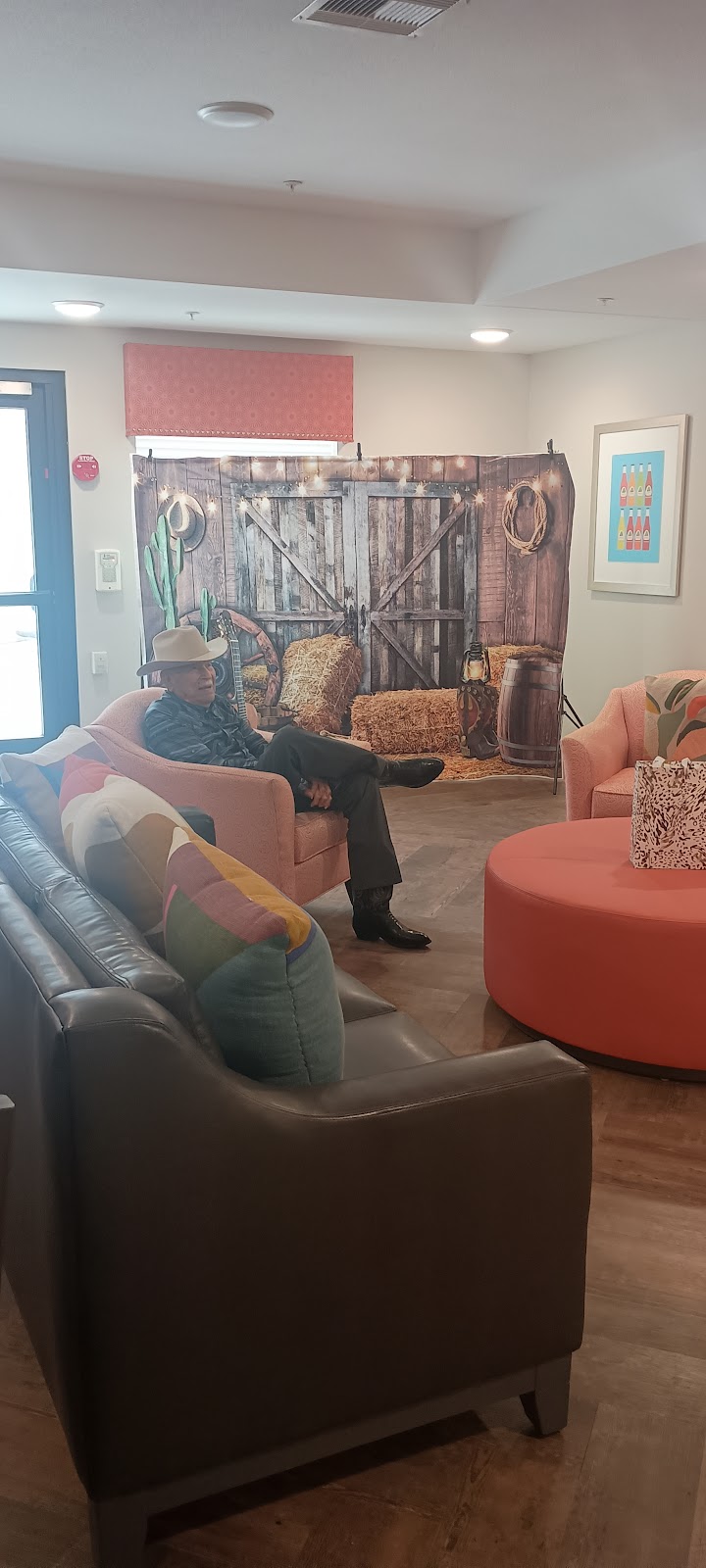
CMS assigns Las Alturas Nursing & Transitional Care Brownsvill an overall rating of 3 out of 5 stars, which is considered average nationally. Within Texas, this rating places the facility higher than 99% of the state's 100 nursing homes. This mid-range rating indicates the facility meets federal standards but may have areas for improvement.
How is Las Alturas Nursing & Transitional Care Brownsvill Staffed?
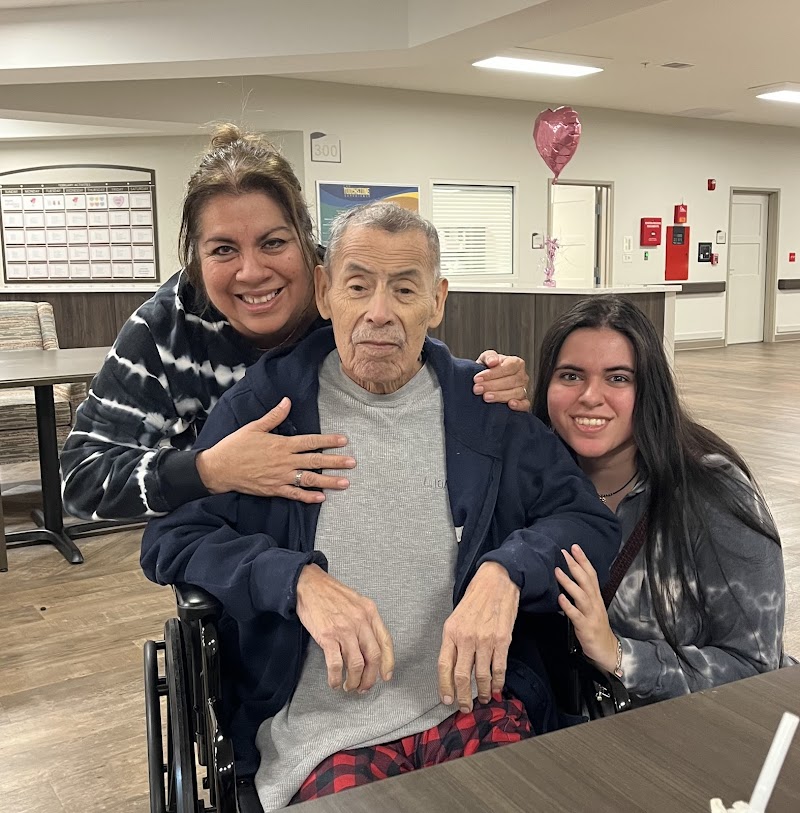
CMS rates Las Alturas Nursing & Transitional Care Brownsvill's staffing level at 1 out of 5 stars, which is much below average compared to other nursing homes.

What Have Inspectors Found at Las Alturas Nursing & Transitional Care Brownsvill?

State health inspectors documented 11 deficiencies at Las Alturas Nursing & Transitional Care Brownsvill during 2024 to 2025. These included: 1 Immediate Jeopardy (the most serious level, indicating potential for serious harm or death) and 10 with potential for harm. Immediate Jeopardy findings are rare and represent the most serious regulatory concerns. They require immediate corrective action.
Who Owns and Operates Las Alturas Nursing & Transitional Care Brownsvill?

Las Alturas Nursing & Transitional Care Brownsvill is owned by a for-profit company. For-profit facilities operate as businesses with obligations to shareholders or private owners. The facility operates independently rather than as part of a larger chain. With 122 certified beds and approximately 73 residents (about 60% occupancy), it is a mid-sized facility located in Brownsville, Texas.

How Does Las Alturas Nursing & Transitional Care Brownsvill Compare to Other Texas Nursing Homes?

Compared to the 100 nursing homes in Texas, Las Alturas Nursing & Transitional Care Brownsvill's overall rating (3 stars) is above the state average of 2.8 and health inspection rating (3 stars) is at the national benchmark.

What Should Families Ask When Visiting Las Alturas Nursing & Transitional Care Brownsvill?

Based on this facility's data, families visiting should ask: "What changes have been made since the serious inspection findings, and how are you preventing similar issues?" "Can you walk me through typical staffing levels on day, evening, and night shifts?" "Can I visit during a mealtime to observe dining assistance and food quality?" "How do you handle medical emergencies, and what is your hospital transfer rate?" These questions are particularly relevant given the facility's Immediate Jeopardy citations and the below-average staffing rating.

Is Las Alturas Nursing & Transitional Care Brownsvill Safe?

Based on CMS inspection data, Las Alturas Nursing & Transitional Care Brownsvill has documented safety concerns. Inspectors have issued 1 Immediate Jeopardy citation (the most serious violation level indicating risk of serious injury or death). The facility has a 3-star overall rating and ranks #1 of 100 nursing homes in Texas. Families considering this facility should ask detailed questions about what corrective actions have been taken since these incidents.

Do Nurses at Las Alturas Nursing & Transitional Care Brownsvill Stick Around?

Las Alturas Nursing & Transitional Care Brownsvill has not reported staff turnover data to CMS. Staff turnover matters because consistent caregivers learn residents' individual needs, medications, and preferences. When staff frequently change, this institutional knowledge is lost. Families should ask the facility directly about their staff retention rates and average employee tenure.

Was Las Alturas Nursing & Transitional Care Brownsvill Ever Fined?

Las Alturas Nursing & Transitional Care Brownsvill has been fined $12,740 across 1 penalty action. This is below the Texas average of $33,206. While any fine indicates a compliance issue, fines under $50,000 are relatively common and typically reflect isolated problems that were subsequently corrected. Families should ask what specific issues led to these fines and confirm they've been resolved.

Is Las Alturas Nursing & Transitional Care Brownsvill on Any Federal Watch List?

Las Alturas Nursing & Transitional Care Brownsvill is not on any federal watch list. The most significant is the Special Focus Facility (SFF) program, which identifies the bottom 1% of nursing homes nationally based on persistent, serious quality problems. Not being on this list means the facility has avoided the pattern of deficiencies that triggers enhanced federal oversight. This is a positive indicator, though families should still review the facility's inspection history directly.