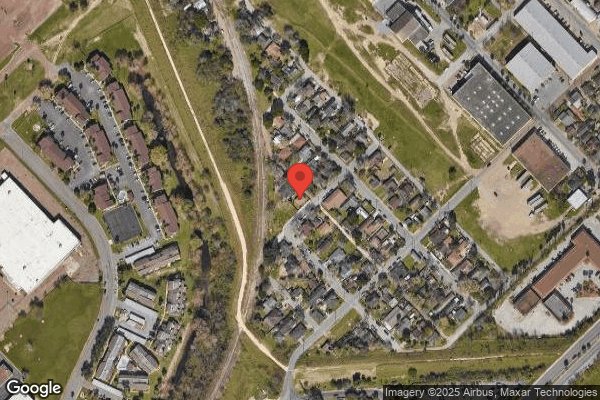
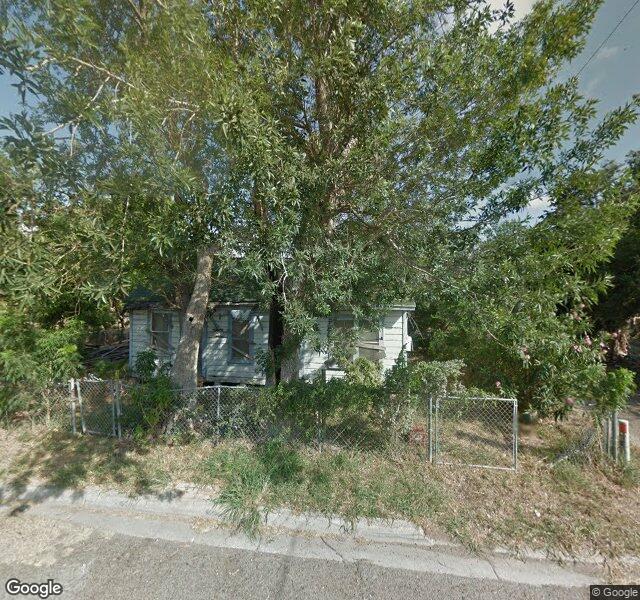
SPANISH MEADOWS

440 E RUBEN TORRES BLVD, BROWNSVILLE, TX 78520 (956) 546-7378
For profit - Corporation 119 Beds Independent Data: November 2025 1 Immediate Jeopardy citation
Trust Grade
41/100
#566 of 1168 in TX
Last Inspection: October 2024

Within standard 12-15 month inspection cycle. Federal law requires annual inspections.

Overview

Spanish Meadows in Brownsville, Texas, has a Trust Grade of D, indicating below-average performance with some concerns regarding resident care. It ranks #566 out of 1168 facilities in Texas, placing it in the top half, but is #11 out of 14 in Cameron County, meaning there are better local options available. The facility is showing improvement, with issues decreasing from 13 in 2024 to 3 in 2025, which is a positive trend. Staffing is rated at 2 out of 5 stars, which is below average, but has a relatively low turnover rate of 28%, suggesting some stability among staff. However, the facility has concerning RN coverage, falling below 93% of Texas facilities, meaning fewer registered nurses are available to catch potential issues. Specific incidents of concern include a resident who eloped from the facility unnoticed, sustaining serious injuries during that time, and another resident who received care from a single CNA instead of the required two, resulting in a laceration that needed stitches. Additionally, the facility failed to document essential skin assessments for a resident over a two-month period, which could lead to errors in care. While there are strengths in staffing stability, the facility’s history of critical incidents and below-average RN coverage raise important questions for families considering care options.

Trust Score
D
41/100
In Texas
#566/1168
Top 48%
Safety Record
High Risk
Review needed
Inspections
Getting Better
13 → 3 violations
Staff Stability
✓ Good
28% annual turnover. Excellent stability, 20 points below Texas's 48% average. Staff who stay learn residents' needs.
Penalties
✓ Good
$26,406 in fines. Lower than most Texas facilities. Relatively clean record.
Skilled Nurses
⚠ Watch
Each resident gets only 11 minutes of Registered Nurse (RN) attention daily — below average for Texas. Fewer RN minutes means fewer trained eyes watching for problems.
Violations
⚠ Watch
26 deficiencies on record. Higher than average. Multiple issues found across inspections.
★★★☆☆
3.0
Overall Rating
★★☆☆☆
2.0
Staff Levels
★★★★☆
4.0
Care Quality
★★★☆☆
3.0
Inspection Score
Stable
2024: 13 issues
2025: 3 issues

The Good

  • 4-Star Quality Measures · Strong clinical quality outcomes
  • Low Staff Turnover (28%) · Staff stability means consistent care
  • Full Sprinkler Coverage · Fire safety systems throughout facility
  • No fines on record
  • Staff turnover is low (28%)

    20 points below Texas average of 48%

Facility shows strength in quality measures, staff retention, fire safety.

The Bad

3-Star Overall Rating

Near Texas average (2.8)

Meets federal standards, typical of most facilities

Federal Fines: $26,406

Below median ($33,413)

Moderate penalties - review what triggered them

The Ugly 26 deficiencies on record

1 life-threatening 1 actual harm
Sept 2025 2 deficiencies
CONCERN (D) 📢 Someone Reported This

A family member, employee, or ombudsman was alarmed enough to file a formal complaint

Potential for Harm - no one hurt, but risky conditions existed

PASARR Coordination (Tag F0644)

Could have caused harm · This affected 1 resident

**NOTE- TERMS IN BRACKETS HAVE BEEN EDITED TO PROTECT CONFIDENTIALITY** Based on interview and record review the facility failed to incorporate the recommendations from the PASRR Level II determinatio...

Read full inspector narrative →
**NOTE- TERMS IN BRACKETS HAVE BEEN EDITED TO PROTECT CONFIDENTIALITY** Based on interview and record review the facility failed to incorporate the recommendations from the PASRR Level II determination and the PASRR evaluation report for 1 of 4 residents (Resident #1) reviewed for PASRR.The facility failed to initiate an NFSS within 20 business days following the date the services were agreed upon in the IDT meeting.This failure could cause residents with mental health disorders and psychiatric conditions to have a delay in services or not receive specialized services or equipment that may be needed.Findings include: Record review of Resident #1's face sheet, dated 09/17/25, revealed a [AGE] year-old male originally admitted [DATE], and most recent admission date of 12/11/23. His diagnoses included dementia (a loss of cognitive functioning such as thinking, remembering, and reasoning to such an extent that it interferes with a person's daily life and activities), severe intellectual disabilities (a significant impairment with intellectual and adaptive functioning which may affect intelligence, learning, and everyday life skills), cognitive communication deficit, muscle wasting and atrophy (gradual wasting away or shrinkage of an organ, tissue or muscle), and muscle weakness. Record review of Resident #1's Quarterly MDS assessment, dated 09/06/25, revealed a BIMS score of 02, indicating severely impaired cognition. The MDS assessment also revealed Resident #1 had impairment to lower extremities on both sides and utilized a wheelchair, as well as Resident #1 required partial/moderate assistance with eating, substantial/maximal assistance with oral hygiene, upper and lower body dressing, putting on/taking off footwear, personal hygiene and dependent on toileting hygiene and shower/bathing self. Record review of Resident #1's undated care plan revealed resident was identified as having PASSR positive status related to severe intellectual disabilities with a goal of maintaining highest level of practicable wellbeing. Interventions included provide service coordination with Behavioral Health, invite TTBH and RP to the quarterly care plan meetings to discuss resident's function and report any need to evaluate for habilitative services and/or durable medical equipment to maintain the resident's current level of function, PT/OT/ST as ordered, obtain order to evaluate for physical and occupational therapy, and once the evaluations were complete, submit form 2466 to request habilitative PT and OT services. Record review of Resident #1's Form 1057 - LIDDA Habilitation Service Plan, with plan date of 08/20/24, revealed an annual meeting was held in person. Services agreed upon: . OT and PT. In an interview with Resident #1 on 9/15/25 at 3:40 pm, the resident was unable to answer any questions using words. He was able to nod yes or shake head no. Resident was unable to answer any questions pertaining to receiving PASSR services or attending PASSR meetings. Resident nodded yes when asked if receiving therapy. In an interview via email on 09/09/25 at 9:34 AM with the HHSC PASSR Unit Program Specialist, she said, I call before I send the email and they said they would work on getting the NFSS request submitted. are because they were late or did NOT submit or initiate and get approved for service. In an interview on 9/16/25 at 9:50 am the MDS nurse said he was responsible to complete the PL1 upon a resident's initial admission. The MDS nurse said once it was complete, the DON takes over with any follow-ups. The MDS nurse said he was not responsible for submitting the NFSS in the LTC Online Portal. The MDS nurse said the DON deals with that. In an interview on 9/16/25 at 3:50 pm the DON said he was responsible for PASSR submission in the online portal. He said once the original meeting was done by TTBH, they must notify the MD. Once they received the MD order for services such as PT, PT would then evaluate for habilitation services, then the NFSS would be completed with the recommended services, and he would submit the NFSS in the online portal. The DON said to his understanding, the submission of the NFSS form in the online portal were submitting within 21 business days of the IDT meeting. The DON said he recently took over the task in March of this year. The DON said the previous MDS/RN Coordinator oversaw the NFSS submissions in the online portal in collaboration with the DOR. The DON said they submitted the NFSS for Resident #1 and it was denied. The DON said he talked to someone in March, but he could not remember who, and he was told to submit the NFSS within a certain time frame, but it was denied because it was submitted incorrectly. The DON said the resident did receive the PT and OT services, but not through PASSR. The DON said they had a recent IDT meeting on the 3rd of September. The DON said PT and OT already did their assessments and they were pending MD signature. The DON said he the NFSS would be submitted within the 20 business calendar days. In an interview on 9/16/25 at 4:47 pm with the Administrator, he said it was his understanding that upon approval of services for PASSR, they had 20 business days to update that information onto the online portal. He said he believed the DON was in charge with the assistance of the DOR. He said he knew of the 20-business day requirement because he overheard it said by the DON in a discussion regarding the urgency of the time frame. Record review of the facility's admission Criteria policy revised December 2016 reflected: Policy Statement: Our facility will admit only those residents whose medical nursing care needs can be met. Policy Interpretation and Implementation: .8. Nursing and medical needs of individuals with mental disorders or intellectual disabilities will be determined by coordination with the Medicaid Pre-admission Screening and Resident Review program (PASARR) to the extent practicable.9. Potential residents with mental disorders or intellectual disabilities will only be admitted if the State mental health agency has determined (through the preadmission screening program) that the individual has a physical or mental condition that requires the level of services provided by the facility.10. The acceptance of resident with certain conditions or needs may require authorization or approval by the Medical Director, Director of Nursing Services, and/or the Administrator.12. The Administrator, through the Admissions Department, shall assure that the resident and the facility follow applicable admission policies.
CONCERN (E) 📢 Someone Reported This

A family member, employee, or ombudsman was alarmed enough to file a formal complaint

Potential for Harm - no one hurt, but risky conditions existed

Medical Records (Tag F0842)

Could have caused harm · This affected multiple residents

**NOTE- TERMS IN BRACKETS HAVE BEEN EDITED TO PROTECT CONFIDENTIALITY** Based on interview and record review, the facility failed to maintain clinical records in accordance with accepted professional ...

Read full inspector narrative →
**NOTE- TERMS IN BRACKETS HAVE BEEN EDITED TO PROTECT CONFIDENTIALITY** Based on interview and record review, the facility failed to maintain clinical records in accordance with accepted professional standards and practices that are complete and accurately documented for 1 of 3 residents (Resident #2) reviewed for medical records accuracy, in that: The facility failed to document Resident #2's physician ordered weekly skin assessment from 12/26/24 through 02/27/25 for a total of 10 out of 10 skin assessments that were not documented. This failure could affect residents whose records are maintained by the facility and could place them at risk for errors in care, and treatment. The findings included: Record review of Resident #2's face sheet, dated 09/16/25, revealed the resident was a [AGE] year-old female who was admitted to the facility on [DATE] with diagnoses that included: psoriasis ( skin cells build up and form scales and itchy, dry patches), unspecified dementia (loss of memory, language, problem solving and other thinking abilities that are severe enough to interfere with daily life ), unspecified severity, without behavioral disturbance, psychotic disturbance mood disturbance, and anxiety, contracture, unspecified joint, and essential (primary) hypertension (high blood pressure) Record review of Resident #2's quarterly MDS assessment, dated 08/22/25, revealed Resident #2 had a BIMS score of 01, indicating severe cognitive impairment. Record review of Resident #2's care plan with an initiation date of 05/02/25 reflected a focus of I'M AT RISK FOR SKIN BREAKDOWN AS I HAVE: (1) Anemia (2) Major Depressive Disorder (3) Dementia (4) Bony prominences (5) I require partial/moderate assistance with bed mobility and substantialassistance with transfers (6) I am incontinent of Bowel and Bladder with no initiated date and interventions of, WEEKLY SKIN ASSESSMENT BY LISCENCED [licensed] NURSE with no initiated date. Record review of Resident #2's active physician's orders revealed orders for, WEEKLY ASSESSMENT DUE THURSDAY, with a frequency of every night shift every Thu (Thursday) with an order date of 08/06/20 and an order type of Standard Order Treatment - [TAR] Record review of Resident #2's December 2024, January, February and March 2025 TAR reflected her order for weekly skin assessment was signed by LVN A weekly from 12/26/25 through 02/27/25 as administered. Record review of Resident #2's weekly skin assessment record document that included more details such as a body diagram to indicate location and description of any skin issues reflected Resident #2's last weekly skin assessment record document was completed on 12/19/24. There were no weekly skin assessment record documents identified from 12/26/25 through 02/27/25. During an interview with Resident #2 on 09/09/25 at 10:17am she was unable to answer any related questions coherently. During an interview and record review with the DON on 09/15/25 at 4:32pm he stated skin assessments were completed weekly and stated an assessment should be completed whether a resident had anything new or not. The DON reviewed Resident #2's assessments and confirmed that there was a gap without skin assessments from December 2024 till March 2025 that should not be there. The DON stated he had not noticed they were missing. The DON reviewed Resident #2's TAR and stated LVN A had documented that she done the skin assessment in December 2024 till March 2025 but there were no skin assessments document populated. The DON stated the nursing staff was responsible for completing the weekly skin assessments and stated he did not know why they were not done and stated he had not spoken to LVN A yet and did not know if LVN A completed Resident #2's skin assessment and did not document them or if she had not done them. The DON stated completing weekly skin assessments were important to see if there was any abnormal development of skin issues and to make sure they were attended to properly. The DON stated staff had been trained over completely skin assessments weekly and stated they completed annual competencies that covered skin. The DON stated the wound care nurse was responsible for monitoring and reviewing skin assessments to ensure they were completed. The DON stated LVN B who was the previous wound care nurse was responsible for reviewing the skin assessments during the time of the identified gap. The DON stated LVN B no longer worked at the facility and stated their current wound care nurse had recently started but was still in training and had not yet been on the floor. The DON stated he and the ADON had weekly meetings where they wound go over documentation which included progress on wounds and the completion of their systems. The DON stated their facility policy stated staff should develop a new skin assessment document anytime one was scheduled and stated staff did not follow their policy in this situation. The DON stated he had reviewed Resident #2's chart and did not identify any deterioration of Resident #2's skin from December 2024 through March 2025 when no skin assessments were populated. The DON stated not completing skin assessments as ordered could negatively impact residents because they could develop skin issues that do not get treated on time or appropriately. During a telephone interview on 09/15/25 at 11:00pm with LVN A she stated nurses were responsible for completing skin assessments for residents weekly and stated sometimes the wound care nurse would also complete skin assessments. LVN A stated they had to assess the resident's skin, sign off on the TAR and should document on the body diagram. LVN A stated the body diagram should be completed whether or not there were any changes in skin integrity. LVN A stated she was not aware of Resident #2 not having a skin assessment document populated from 12/26/24- 02/27/25. LVN A stated she recalled assessing Resident #2 during her night shifts with the assistance of a CNA and stated Resident #2 did not have any deterioration from 12/16/24 -03/06/25 during the time she did not populate a skin assessment document. LVN A stated she did not know why she did not document Resident #2's skin assessment and stated she knew how to complete the body diagram and stated she did not know if she was in a hurry or didn't have time to document it on the body diagram. LVN A stated she had previously been trained over completion and documentation of skin assessments every year during their annual competencies. LVN A stated it was important to document residents skin assessment on the body diagram weekly to observe any changes. LVN A stated she thought the ADON was responsible for monitoring and ensuring the nurses skin assessments were completed but was not sure how the ADON did so. LVN A stated their facility policy stated they should document on the body diagram. Although LVN A did not follow the facility policy in this situation LVN A stated in this situation she had followed the facility policy. LVN A stated Resident #2 had no deterioration but stated a negative impact if they did not document skin assessments could be that they would not know if something was new or not. During a telephone interview on 09/16/25 at 3:45pm with LVN B who was the previous wound care nurse she stated she would do the initial skin assessment and skin assessments for residents who had any wound and nurses were responsible for completing skin assessments for resident's weekly who did not have any wounds. LVN B stated she recalled Resident #2 and stated from December 2024 to March 2025 the nurses would have been responsible for completing her weekly skin assessments. LVN B stated they had to sign off on the TAR and populate the body diagram and document anything that was noticed on there. LVN B stated the body diagram had to be populated every time regardless if a resident had any changes or not to their skin integrity. LVN B stated she was not aware of Resident #2 not having a skin assessment document completed from 12/26/24 - 02/27/25 and did not know why that was not documented and was not sure if the skin assessment had been completed and not documented on the body diagram. LVN B stated she was previously the wound care nurse at the time and stated the wound care nurse or DON were responsible for monitoring and ensuring nurses skin assessment were completed by running reports to see if the skin assessments were completed. LVN B stated she never ran any reports and stated the DON would run the report and then show her what was not complete and then she would track down the nurse and tell them. LVN B stated was trained over the completion and documentation of skin assessment when she first got hired in September of 2023. LVN B stated she did not recall the facility skin policy. LVN B stated it was important to document on the body diagram for things to be reported and treated when noticed and stated not documenting a resident skin assessment could negatively impact them because something could go unnoticed or intreated. Record review of LVN A's skills verification checklist dated 05/07/24 indicated she had met the skill for skin assessment sheet. Record review of facility policy titled, Pressure Ulcer Injury/Injury Risk Assessment with a revised date of July 2017 stated, .b. Once inspection of skin is completed document the findings on a facility- approved skin assessment tool.The following information should be recorded in the resident's medical record utilizing facility forms: 1. The type of assessment (s) conducted.5. The condition of the resident's skin (i.e., the size and location of any red or tender areas), if identified.11. Initiation of a (pressure or non-pressure ) form related to the type of altercation in skin if new skin alteration noted.
Mar 2025 1 deficiency
CONCERN (D) 📢 Someone Reported This

A family member, employee, or ombudsman was alarmed enough to file a formal complaint

Potential for Harm - no one hurt, but risky conditions existed

Safe Environment (Tag F0584)

Could have caused harm · This affected 1 resident

**NOTE- TERMS IN BRACKETS HAVE BEEN EDITED TO PROTECT CONFIDENTIALITY** Based on observation, interview, and record review, the facility failed to ensure residents have a right to a safe, clean, comfo...

Read full inspector narrative →
**NOTE- TERMS IN BRACKETS HAVE BEEN EDITED TO PROTECT CONFIDENTIALITY** Based on observation, interview, and record review, the facility failed to ensure residents have a right to a safe, clean, comfortable, and homelike environment for 2 of 85 residents (Resident #1 and Resident #2) reviewed for safe, clean, and comfortable environment. The facility failed to recognize and repair water damage to the ceiling, in two rooms occupied by Resident #1, and Resident #2. This deficient practice failure could place residents at risk of a diminished quality of life due to exposure to an environment that is unpleasant, unsanitary, and unsafe. The findings included: 1). Record review of Resident #1's admission Record, dated 03/07/2025, reflected she was a [AGE] year old female, initially admitted on [DATE], with diagnoses of dementia (a general term for loss of memory, language, problem-solving and other thinking abilities that are severe enough to interfere with daily life). Record review of Resident #1's Quarterly MDS dated [DATE], reflected Resident #1 had a BIMS score of 12 which suggests moderate cognitive impairment. Resident #1 was always incontinent of bowel and bladder according to section H in the MDS. Record review of Resident #1's Care Plan, dated 02/15/2025 was up-to-date with interventions in place. Record review revealed on 02/21/2025 at 02:26 pm, a Progress Note was written by the Social Worker documenting Resident #1 had a room change due to inclement weather and roof renovations with the RP being notified. Observation on 03/03/25 at 02:55 pm Resident 1's previous room had slight bubbling to seams on ceiling by light and vent. In an interview on 03/07/2025 at 04:11 pm, the DON stated he did not notice anything wet or damaged in Resident #1's room during his tour of the rooms on Saturday and Sunday (02/22/2025 and 02/23/2025) with the ceiling in Resident #1's original room except being able to see the seams in the drywall, but he could see the seams in the drywall in the ceilings in some of the rooms. The DON stated he had not known it was wet until Life Safety notified them of what they had seen from the attic side on 02/28/2025. DON stated they had moved Resident #1 out of that room as soon as Life Safety told them about the hole in the roof and the ceiling of Resident #1's room being wet. 2). Record review of Resident #2's admission Record, dated 03/07/2025, reflected she was a [AGE] year old female, initially admitted on [DATE], with diagnoses of dementia (a general term for loss of memory, language, problem-solving and other thinking abilities that are severe enough to interfere with daily life), chronic obstructive pulmonary disease (a group of lung diseases that block airflow and make it difficult to breathe), osteoporosis (brittle bones), and anxiety disorder. Record review of Resident #2's Quarterly MDS dated [DATE], reflected Resident #2 had a BIMS score of 12 which suggests moderate cognitive impairment. Record review of Resident #2''s Care Plan, dated 12/28/2024, revealed was up-to-date with interventions in place. Record review revealed on 02/21/2025 at 02:38 pm, a Progress Note was written by the Social Worker documenting Resident #2 was moved to a new room due to due to inclement weather and roof renovations with the RP being notified. Observation on 02/28/25 at 01:35 pm Resident #2's previous room had a maintenance worker in the room patching the walls and ceiling. In an interview on 03/03/2025 at 01:15 pm, Resident #2 stated it looked as if the corner in her new room was either leaking or going to leak and when it did leak, she would file a complaint and they would come fix it. In an interview on 03/03/2025 at 03:19 pm, CNA B stated she only saw the barrel catching the water dripping from the ceiling in Resident #2's previous room on 02/21/2025, after Resident #2 had been moved out. In a telephone interview on 03/07/2025 at 01:15 pm, LVN C worked the 6 am - 10 pm shift on the South halls on 02/22/2025 and 02/23/2025. He said he thought only two of his rooms were affected by dripping from the ceiling. One of his rooms was Resident #2's room. LVN C stated he heard about the ceilings falling when he came to work (02/22/2025). He said he would do random room checks all the weekend. LVN C stated he told his CNAs to let him know if they noticed any leaking or water damage. He said when his checks were completed, he had not notice any of the other ceilings leaking. In an interview and observation on 03/07/2025 at 07:15 pm, Resident #2 stated she told the two guys who came around asking if she had problems with her room that there might be damage to the upper corner at the ceiling. She stated she did not know the two guys, but whoever they were, they fixed the water damage to the corner. She said she was very happy about how quickly they fixed her room. The corner of the wall/ceiling area had been patched and no damage was visible. Record review of facility's Resident Rights Policy, Nursing Services Policy and Procedure Manual for Long-Term Care 2001 MED-PASS, Inc. (Revised February 2021), revealed, Policy Statement Employees shall treat all residents with kindness, respect, and dignity. Policy Interpretation and Implementation 1. Federal and state laws guarantee certain basic rights to all residents of this facility. These rights include the resident's right to: a. a dignified existence; b. be treated with respect, kindness, and dignity;
Nov 2024 1 deficiency 1 IJ
CRITICAL (J) 📢 Someone Reported This

A family member, employee, or ombudsman was alarmed enough to file a formal complaint

Immediate Jeopardy (IJ) - the most serious Medicare violation

Accident Prevention (Tag F0689)

Someone could have died · This affected 1 resident

**NOTE- TERMS IN BRACKETS HAVE BEEN EDITED TO PROTECT CONFIDENTIALITY** Based on observations, interviews, and record review the facility failed to ensure adequate supervision was provided to prevent ...

Read full inspector narrative →
**NOTE- TERMS IN BRACKETS HAVE BEEN EDITED TO PROTECT CONFIDENTIALITY** Based on observations, interviews, and record review the facility failed to ensure adequate supervision was provided to prevent accidents for 1 of 5 residents (R #1) reviewed for supervision. The facility failed to ensure R #1 received adequate supervision as R #1 eloped from the facility without anyone's knowledge on 11/21/24 between 2:30AM-3:00AM and was found by RT A when R #1 was reentering the facility. R #1 was out of the facility for approximately 8 minutes before RT A saw him reenter the facility. R#1 sustained an unwitnessed fall while out of the facility that resulted in a closed tripod fracture of left zygomaticomaxillary complex, a fracture of lateral orbital wall, left side, initial encounter for closed fracture, a fracture of left orbital floor, and a closed fracture of the left maxillary sinus. The non-compliance was identified as Past Non-Compliance. The Immediate Jeopardy (IJ) began on 11/21/24 and ended on 11/22/24. The facility corrected the non-compliance before the investigation began. This failure could lead to residents exiting the facility unattended which could result in injuries, hospitalization, or death. The findings included: Record review of R #1's face sheet dated 11/26/24 reflected a [AGE] year-old male, with an original admission date of 11/19/24. His diagnoses included cognitive communication deficit (difficulty with communication skills that stem from an underlying cognitive impairment), unspecified dementia (lose of cognitive functioning, a group of thinking, and social symptoms that interferes with daily functioning), unspecified severity, without behavioral disturbance, psychotic disturbance, mood disturbance, and anxiety, and Alzheimer's disease (a progressive disease that destroys memory and other important mental functions). Record review of R #1's admission Minimum Data Set (MDS) assessment dated [DATE] reflected R #1 had a BIMS score of 10 indicating moderate cognitive impairment. R#1's MDS reflected he required supervision or touching assistance for bed mobility, transfers, and when walking 50 feet with two turns. Record review of R #1's wandering risk scale signed on 11/21/24 by the ADON with an effective date of 11/20/24 at 10:46AM reflected R #1 was ambulatory, could communicate, could follow instructions, had no history of wandering, had no reported episodes of wandering in the past 3 months, and had medical diagnoses of dementia/cognitive impairment with a BIMS score of 12 or less. R #1's wandering risk scale score was 9, which indicated R #1 was at risk to wander. Record review of R #1's Care Plan initiated 11/20/24 reflected R #1 was at risk of wandering/elopement and included his 11/20/24 wandering risk scale score of 9 and category of At Risk to Wander, no specific initiation date was noted. Some of the interventions included were, staff to assist with re-orientation to room and facility, routine check every 2 hours and to locate the residents where abouts, providing verbal cues and reminding often, hourly checks, assure that staff/receptionist was aware the resident was at risk for elopement, if the resident was walking in a potentially unsafe area or situation, redirect to safer area, leave safe and reassess regularly, encourage activities to divert attention and meet needs for social, cognitive stimulation, and complete elopement risk, if the resident was missing from the facility, follow elopement protocol, and notify the MD and family immediately and document. Interventions did not have a specific initiation date noted. R #1's care plan reflected a focus of, I had a fall on 11/21/24 with no injuries at [SIC] related to (r/t) cognitive impairment, poor balance, and poor safety awareness. I fell outside while I was walking looking for my cousin. No specific initiation date was noted. R #1's interventions included sensor alarm to bed, transfer to emergency room for evaluation and treatment, bed to the lowest positioning, administration of pain medications, encouraging resident to call for assistance, notifying the MD and responsible party (RP) of any falls and injuries, call light within reach, taking vital signs with neuro checks protocol if head injury occurred, monitoring and reporting to the MD for signs and symptoms of pain, bruises, change in mental status, new onset of confusion, sleepiness, inability to maintain posture and agitation, and these interventions did not have a specific initiation date noted. Record review of R #1's progress notes documented on 11/20/24 reflected R #1 seemed confused, disoriented, and unaware of where he was. Record review of R#1's change in condition dated 11/21/24 at 2:59am stated R #1 had an unwitnessed fall with documentation of an abrasion/skin tear discoloration to left elbow, abrasion/skin tear to back of left hand, abrasions to front of left knee, left cheek discoloration/abrasion, left eyebrow contusion (bruise), abrasion, discoloration, and left eye discoloration. Record review of R# 1's progress notes dated 11/21/24 at 3:00am written by LVN B reflected R #1 had an unwitnessed fall and was noted outside in back of the facility next to the dumpster. R #1 was found with abrasions to the left knee, left elbow, left cheek, nodule to left brow, discoloration under left eye with swelling, discoloration noted to left eye and left arm, with resident stating that his foot got caught (dragged) and he lost his balance falling. Progress note stated R #1 was confused and forgetful at times and was looking for his cousin's house. Notifications were made to the MD, the DON, the on call manager, and R #1's family. R #1 was sent to the hospital. Record review of the hospital visit summary for R #1 stated patient arrived to hospital on [DATE] and had a diagnosis of, closed tripod fracture of left zygomaticomaxillary complex, fracture of lateral orbital wall, left side, initial encounter for closed fracture, fracture of left orbital floor, and closed fracture of the left maxillary sinus. Record review on 11/22/24 at 1:54pm and 2:31pm of the facility video surveillance footage reflected R #1 exited the double fire door exit at the end of his hall and was noted entering the service hall approximately 8 minutes later when found by RT A. Time stamped date and time on videos reviewed were not accurate. Record review of R #1's progress note dated 11/21/24 at 4:26pm by the Social Worker reflected R #1's photo and face sheet had been added to the elopement binder in anticipation of his return to the facility. Record review of R #1's progress notes dated 11/21/24 at 9:00pm reflected R #1 returned to facility from the hospital and was unaware he had been at the hospital for a fall. Report received from the emergency room to the facility nurse communicated R #1 had a left eye blow out orbital fracture. Record review of R #'1's progress notes dated 11/22/24 at 1:57pm by the Social Worker reflected the facility had a care meeting with R #1's family on 11/22/24. R #1's family was explained 3 options, 1.) R #1 could stay at facility and would continue to be monitored 2.) R #1 can be referred to a facility that has a wander guard system in place or 3.) R #1 could be referred to a facility that had a secured unit. Family for R #1 stated they preferred for R #1 to be referred to another facility. Record review of R# 1's progress noted dated 11/22/24 at 2:24pm by the Social Worker reflected she had reached out to 6 facilities to gather information regarding, VA contracts, wander guard systems, secure units, and male beds. Record Review of TULIP (HHSC online incident reporting application) on 11/22/24 at 12:00pm revealed a self-report was submitted by the facility and received on 11/21/24 at 10:29AM. During an interview with the DON on 11/22/24 at 1:09pm the DON stated R #1 admitted to the facility on [DATE] and had only been in the facility about a day. He stated he was not aware that R #1 was a wanderer until time went on and they noticed R #1 would walk out of his room and wandered the hallway but was not exit seeking. The DON stated R #1's nurse at the time of R #1's exit from the facility on 11/21/24 was LVN B. He stated the last person to round on R #1 was CNA D at around 2am. The DON stated they reviewed surveillance footage and saw that R #1 exited through the 31-40 hallway door and entered the facility through the service door in the back hallway. The DON stated a respiratory therapist was in the service hall and saw R #1 in the service hall at around 2:30am/3:00am. The DON stated staff completed a head to toe and noted skin tears and open areas to his left, arm, forehead, and left side of his face. The DON stated R #1's family was notified and wanted him sent out for evaluation. The DON stated at the hospital he was treated for a facial maxillary fracture. The DON stated prior to R #1 exiting the facility on 11/21/24, the only assessments completed on R #1 were their regular admission packet and nursing assessments. The DON stated a wandering assessment was completed on R #1 the day of the incident, after the incident. The DON stated the doors R #1 exited from had a continuous alarm that went off when the doors were opened. The DON stated through their investigation they gathered the nurses did not hear any alarm go off. The DON stated the following day they checked the doors and stated they were up and running with nothing identified not working. The DON stated he thought the staff followed all the procedures that they needed to at that time and did not think there was any failure by staff. The DON stated in response to the incident when R #1 exited the building they identified 4 other residents at risk for wandering, which were placed on hourly checks along with R #1 who was placed on 15-minute visual checks. The DON stated they had added keypad locks to the service entry doors and were doing hourly monitoring on the fire exits to ensure all fire exits were activated. The DON stated additionally in R #1's hall they had added an additional chime door alarm to both the service hall door and the double fire door exit on that hall. The DON stated they had also added a chime alarm to the front entry door and had added a staff member to be in the service hall between the hours of 7pm and 7am. The DON stated he had provided in services to staff. The DON provided copy of in services and topics covered and resident/door monitoring. During an interview with LVN B on 11/22/24 at 4:32pm, she stated she was R #1's nurse from 10:00pm on 11/20/24 until 6am on 11/21/24. LVN B stated R #1 was a brand-new admission and had been completing his first 24 hours in the building. LVN B stated R #1 was wandering but was not exit seeking. LVN B stated R #1 was confused looking for his cousin and was wandering the halls and rooms and was reoriented by staff to go back to his room. LVN B stated this had been constant since he was admitted . LVN B stated because R #1 was not exit seeking and they did not have any specific timeline/monitoring in place before the incident, when he exited the building, aside from random check ins with him and when they saw him in the hallway. LVN B stated R #1 was last rounded by CNA D when he was asked to take R #1 back to his room to get dressed because R #1 was getting undressed and wandering the hall. LVN B stated R #1 needed to use the restroom and CNA D took him to the toilet and exited the room to give R #1 privacy because he was able to go to the restroom on his own. LVN B stated R #1 went out through the double doors or the loading dock doors and stated she was not sure but knows that one of the respiratory therapists saw R #1 outside. LVN B stated R #1 was taken to his room where she asked what happened, and completed a head-to-toe assessment, took vitals, contacted the DON, the responsible party for R #1, on call manager, and the MD. LVN B stated R #1 stated his foot got caught on something and he tripped and fell and then got up and continued walking looking for his cousin's house. LVN B stated R #1 was not very reliable. LVN B stated when she assessed R #1, he had multiple abrasions to his left knee, elbow, hand, cheek, and eyebrow along with a nodule and contusion to left eyebrow and underneath left eye and left arm. She stated she could not identify if it was new or not because R #1 admitted with some bruising from the hospital admission. LVN B stated she explained injuries, his head injury, and that R #1 was on blood thinners to the MD and he ordered to send R #1 out. LVN B stated when R #1 returned from the hospital he had an orbital fracture. LVN B stated when R #1 was found she and LVN C went to test the door alarm in R #1's hall and noted there was no alarm that sounded. LVN B stated the alarm was deactivated and it was indicated by no alarm sounding and the light being off on the panel at the nurse's station. LVN B stated she was not aware of any issues with the door alarms recently. She stated there was construction going on at the facility and was not familiar with who deactivated the alarm or reactivated it. She stated she was not told that the construction crew had left. LVN B stated when the exit doors needed to be used the nurses had to be notified and had to be told when they were done using the exit doors because they were responsible for activating the door alarm. LVN B stated she did not see any fault on the nurse but stated they were ultimately responsible for the residents. LVN B stated in response to the incident when R #1 exited the building they had added a staff member to be sitting at the back doors to monitor the service hallway. R #1 was placed on 15-minute visual checks, and they were having to check the doors and alarms hourly. LVN B stated they also added chirping alarms to the service hall door and back double doors. LVN B stated not monitoring residents who were at risk for elopement and not monitoring door alarms to ensure they were functioning and activated could negatively impact residents because they could leave the building and get lost, have an accident, or get injured. During an interview with the ADON on 11/22/24 at 7:45pm she stated she completed wandering/elopement assessments on all residents and had identified 4 residents at risks (R #1, R #2, R #3, and R #5). These residents were updated in the wandering/elopement binders located at the nurses stations and the front desk and were being monitored hourly. The ADON stated she added R #4 to the list to be cautious because although he was not a wandering risk, he did enjoy walking around the outside of facility. During an interview with LVN C on 11/25/24 at 10:30pm, she stated she was not R #1's nurse but did work from 10:00pm on 11/20/24 until 6am on 11/21/24. LVN C stated R #1 would wander in the hall and staff would redirect him back to his room but never stated he wanted to leave and never tried to leave. LVN C stated R #1 was last rounded by an aide at around 2:30am who took him to the restroom. LVN C stated at that time, R #1 was just mumbling to himself and talking about Vietnam. LVN C stated after the camera footage was reviewed, they identified that R #1 exited through the back doors in his hall. LVN C stated the respiratory therapist found R #1 between 2:00am-3:00am. LVN C stated R #1 didn't say why he left but did state that he tripped and fell on the cement and that was how he got the scrapes on his knee, elbow, wrist, and around and under his eye. LVN C stated R #1 was assessed, the MD was notified, and R #1 was sent out. LVN C stated she knew they did a CT scan at the hospital and thought everything had been found to be okay. LVN B stated when R #1 was found she and LVN C went to test the door alarm in R #1's hall and noted there was no alarm that sounded. LVN C stated her and LVN B tested the door alarm on R#1's hall and realized that it was not on because no alarm sounded, and the light was off on the panel. LVN C stated they reset the door alarm and activated it. LVN C stated she was not aware of any issues with the door alarms recently. She stated there was construction going on in the back all week at the facility, so the alarms were turned off. LVN C stated the nurses were responsible for making sure the alarms were on and stated the construction workers should have told them when they left, so the nurses could have turned the alarms back on. LVN C stated anyone needing to use the exit doors should notify the nurses and should let them know when they were done. LVN C stated it was miscommunication because the construction crew never told them they left, so the nurses never turned the alarm back on. LVN C stated she did not know who deactivated the door alarm and stated the facility failed to ensure the fire door alarm was activated in the 31-40 hall. LVN C was aware of how to check that the door alarms were activated. LVN C stated this was her first night back since the incident. She stated she had been trained over door alarm activation, both at the start of her shift and previously over the phone by the DON, who also went over added door alarms, a new worker that would be in in the back hall monitoring, and R #1's nurses monitoring him every 15 minutes. LVN C stated not monitoring residents who were at risk for elopement and not monitoring door alarms to ensure they were functioning and activated could negatively impact residents because they could leave or get injured without their knowledge. During an interview with RT A on 11/26/24 at 12:39am, he stated he worked from 10pm on 11/20/22 to 6am on 11/21/24. RT A stated R #1 was last rounded at around 2am and 4am, when an aide and nurse took R #1 to the restroom, and the nurse walked away but the aide stayed in the hallway. RT A stated at that time R #1 was fine. RT A stated about 30 minutes later he went to heat up his coffee in the back hall between 2AM and 4AM when he saw R #1 enter the service hall and appeared dirty and with some blood on the side of his head. RT A stated he asked R #1 who seemed confused what had happened, and R #1 stated he had tried to go down the stairs and he tripped, he fell on his side, he got an abrasion to one side of his temple, and a scrape on one knee and shoulder. RT A stated R #1 was assessed and LVN B took over. RT A stated he was not aware of R #1 wandering. RT A stated he did not hear any alarm between 2:30am and 3:00am. RT A stated there had not been any issues with the door alarm and stated they were good at checking the doors to be locked with activated alarms. RT A stated not monitoring residents who were at risk for elopement and not monitoring door alarms to ensure they were functioning and activated could negatively impact residents because they could leave the facility if the alarm was not activated and could get an injury from a fall or even worse. RT A stated the residents would be placed in jeopardy if they left the facility. During an interview with CNA D on 11/26/24 at 1:54am, he stated he worked from 10:00pm on 11/20/24 until 6am on 11/21/24. CNA D stated he rounded on R #1 at around 2am when R #1 was talking about random things, praying, and walking around his room. CNA D stated R #1 was taken to the restroom and then taken to bed. CNA D exited the room and went to work with another resident. CNA D stated he had not heard R #1 state that he wanted to leave the facility and he had only seen R #1 up in his room. CNA D stated he was not sure how R #1 got outside, and he understood he went through the emergency doors. CNA D stated he did not hear any alarms between 2:30am and 3AM. CNA D stated he did not know if there were any issues with the activation of the door alarms recently. CNA D stated the nurses were responsible for turning the alarm off and on. CNA D stated he did not know who deactivated the alarm the night R #1 exited the building. CNA D stated he did not know if staff failed to ensure the fire door alarm was activated for hall 31-40 on 11/21/24 between 2:30am-3:00am. CNA D stated after the incident the nurses now had to sign off when checking the doors. CNA D stated not monitoring residents who were at risk for elopement and not monitoring door alarms to ensure they were functioning and activated could negatively impact residents because they can get out. During a follow up interview on 11/26/24 at 5:42pm the DON stated the nurses, LVN B and LVN C were responsible for ensuring the door alarms were activated. The DON stated they should have been monitoring/checking if the door alarm was activated on 11/21/24 but was not able to say why they had not. The DON stated both LVN B and LVN C were aware of the procedures for the door alarms and had both been trained prior to the incident with R #1 but was unsure by who or when. The DON stated not monitoring residents who were at risk for elopement and not monitoring door alarms to ensure they were functioning and activated could negatively impact residents by having a similar situation occur with doors left unarmed and unattended and residents could wander out through the exit without staff being aware. During a follow up interview with the ADON on 11/26/24 at 6:50pm, she stated LVN B was R #1's nurse and CNA D was R #1's CNA from 10:00pm on 11/20/24 until 6am on 11/21/24. The ADON stated she was not sure who rounded on R #1 last, as the DON had conducted those interviews. The ADON stated R #1 was a brand-new patient and had not had a history of wandering and had not stated he wanted to leave the facility. The ADON stated she was told R #1 went through the fire exit doors to get outside and she was not aware of any staff hearing an alarm on 11/21/24 between 2:30am and 3:00am. The ADON stated a respiratory therapist found R #1 when he walked back into the facility service hall. The ADON stated that as per staff, R #1 voiced he was looking for his cousin. The ADON stated staff were not aware that R #1 had exited the facility. The ADON stated R #1 was assessed, and the MD was notified and gave orders to send R #1 out to the hospital. The ADON stated R #1 had minor bruising and skin tears. The ADON stated the hospital finding was a facial fracture. The ADON stated she was not aware of any recent issues with the fire door alarm activation. The ADON stated in order to activate the door alarm the light would have to be on and the alarm should sound when the door was opened. The ADON stated to deactivate the alarm you would need to go back physically and press the button on the panel and reset it to turn off the alarm. The ADON stated the nurses were responsible for ensuring the door alarms were activated. The ADON stated the nursing staff, LVN B and LVN C were responsible for monitoring the door alarms to ensure they were activated on 11/21/24 and should have been but she did not know why they did not. The ADON stated prior to the incident with R #1 staff had just been verbally trained on how to monitor the door alarms to ensure they were activated. The ADON stated in response to the incident the facility implemented 15 minutes checks for R #1, 1-hour checks for any at risk residents, hourly door checks, in-services over elopement policy, wander/elopement binder, and assessing 100% of residents for wandering risk. The ADON stated they also added a bed alarm to R #1's bed, in-serviced staff on deactivation and activation of the fire door alarms and who was responsible, added chime alarms on service doors, added keypad lock to service doors, and placed a staff member in the service hall from 7pm -7am. The ADON stated the failure was staff did not make sure the alarm was on. The ADON stated not monitoring residents who were at risk for elopement and not monitoring door alarms to ensure they were functioning and activated could negatively impact residents because they could exit the building without staff being aware and could cause a serious injury. Record review of R #1's physician order dated 11/21/24 at 10:49pm reflected R #1 was placed on hourly checks. Record review of R #1's November medication administration record (MAR) reflected R # 1 was being checked hourly. Record review of additional sampled residents R #2, R #3, R #4, and R #5 reflected wandering assessments had been completed on 01/21/24 with R #2, R #3, and R #5 identified as at risk for wandering and were placed on hourly checks. Record review of R #2, R #3, and R #5's November medication administration record (MAR) reflected they were being checked hourly. Record review of R #1's physician order dated 11/22/24 at 1:53pm reflected R #1 had a sensor pad added to bed due to poor safety awareness and history of falls. Observation on 11/22/24 at 1:32pm confirmed a keypad lock had been added to the service hall door located in R #1's hall in addition to a chime alarm present on both the service hall door and the double fire exit doors. Observation and test of north side doors on 11/22/24 at 3:10pm confirmed 3 of 3 doors had working alarms that sounded when opened and continued when closed until staff pressed button on panel. Observation and test of north side doors on 11/22/24 at 3:15pm confirmed 3 of 3 doors had working alarms that sounded when opened and continued when closed until staff pressed button on panel. Observation of R #1 on 11/22/24 at 5:43pm confirmed he had a bed sensor pad that would trigger sound notification when resident would move off it. Observation and record review on 11/22/24 at 7:35pm of wander/elopement binders located at the nurses' station and front desk reflected they had been updated to include residents identified at risk for wandering/elopement. Face sheets and pictures of at-risk residents were noted in binders. Record review of R #1's 15-minute checks reflected staff started monitoring him at 9:15PM on 11/21/24 and had completed all checks up until current time of 5:15pm on 11/26/24, when copies of 15-minute checks were submitted to Surveyor E. Record review of north and south side hourly door checks reflected staff started hourly checks on 11/22/24 at 7:00AM and had completed all checks up until current time of 5:15pm on 11/26/24 when copies of the hourly door checks were submitted to Surveyor E. Record review of in-service dated 11/21/24 reflected staff from all departments were in-serviced over hourly checks for fire exit doors activation, 15-minute interval checks for R #1 and hourly checks for any resident at risk for wandering, wandering/elopement binder placement, and policy and procedures for elopement and wandering. 18 staff members from various shifts included 5 LVNs, 4 CNAs', 2 respiratory therapists, 1 therapy staff, 1 housekeeping staff, 1 dietary staff, and 4 leadership staff including the Maintenance Director, DON, ADON and Administrator were interviewed between 11/22/24 and 11/26/24 and recalled and understood the recent Inservice/training. During an interview on 11/26/24 at 7:53pm with the Regional Nurse she stated there was only 9 full time staff members that had not been trained and had not yet worked since the incident. The Regional Nurse stated they were going to be working on calling them. Record review of the wandering and elopement policy with a revised date of March 2019 stated, The facility will identify residents who are at risk of unsafe wandering and strive to prevent harm while maintaining the least restrictive environment for residents. Record review of the exit and means of egress policy dated January 2019 stated under the section, Policy Interpretation and Implementation the following verbiage, 7. Exit doors will remain unlocked at all times. Residents are never denied access to unlocked exits. During an interview with the Administrator on 11/26/24 at 7:33pm he stated the closest policy they had related to door alarms was the Exits or Means of Egress policy that was provided.
Oct 2024 9 deficiencies
CONCERN (D) 📢 Someone Reported This

A family member, employee, or ombudsman was alarmed enough to file a formal complaint

Potential for Harm - no one hurt, but risky conditions existed

Report Alleged Abuse (Tag F0609)

Could have caused harm · This affected 1 resident

**NOTE- TERMS IN BRACKETS HAVE BEEN EDITED TO PROTECT CONFIDENTIALITY** Based on interviews and record reviews the facility failed to ensure that all alleged violations involving abuse, neglect, explo...

Read full inspector narrative →
**NOTE- TERMS IN BRACKETS HAVE BEEN EDITED TO PROTECT CONFIDENTIALITY** Based on interviews and record reviews the facility failed to ensure that all alleged violations involving abuse, neglect, exploitation, or mistreatment, including injuries of unknown source and misappropriation of resident property, are reported immediately, but no later than 2 hours after the allegation is made to the State Survey Agency for 1 of 4 residents reviewed for abuse (Resident #1). The facility did not immediately report an incident involving alleged physical abuse to Resident #1 by an unknown staff member to the state agency. This failure placed resident at increased risk for delayed treatment and investigation for abuse and neglect. Findings Included: Record review of Resident #1's face sheet revealed a [AGE] year-old female, admitted to the facility on [DATE] with diagnoses including, but not limited to, unspecified dementia without behavioral disturbance, depression, hypertension, hypotension, chronic kidney failure and falls. Record review of the MDS assessment for Resident #1, dated 2/28/24 revealed no BIMS score as Resident #1 was cognitively unable to complete the brief interview for mental status. She was not coded for any behaviors. She required substantial/maximal assistance of one person for toilet use. She was frequently incontinent of bladder and occasionally incontinent of bowel. Record review of a progress note for social services dated 4/1/2024 revealed that a grievance was filed on Resident #1's behalf by the social worker, but record review of the grievance log does not show this grievance was documented in the log. Record review of the Provider Investigation Report revealed the allegation of abuse was reported to HHSC on 4/2/24, and the abuse assessment was completed on 3/31/24, and assessment revealed no injuries or bruising to hands, as well as no change in behavior. The Provider Investigation Report also revealed that the incident was reported to the facility on 4/31/24, but that it occurred on 3/18/24. Resident #1 was unable to recall the staff or CNA's name. Facility investigation report also revealed that Abuse, Neglect, and Exploitation in-service was conducted with all staff on 4/2/24. In an interview with Resident #2 on 10/23/24 at 9:26 AM, she stated Resident #1 got mad easily whenever anyone spoke to her, and she would sometimes try to hit the staff. Resident #2 stated she had never seen her roommate Resident #1 get abused physically or verbally. Resident #2 stated the staff treated her with dignity and respect. They always knock on her door before they come in her room. Resident #2 denied having any complaints about the facility. In an interview with the Social Worker (SW) on 10/22/24 at 11:40 AM, she stated she did not think a grievance was done since a report was filed with the state, but it should have been so that it would be listed on the grievance log. The SW does not remember Resident #1 ever accusing anyone of abuse prior to this event or after, and the SW denied seeing any bruising or other marks to Resident #1's body. In an interview with the ADON on 10/22/24 at 12:15 PM, she stated Resident #1 accused a CNA, who was trying to pull up her brief, of abuse, and either Resident #1 stopped the CNA and pushed her hand away or the CNA pushed Resident #1's hand away. ADON stated she doesn't remember exactly what occurred or how, but incident was reported. The ADON stated Resident #1's roommate was present and denied seeing the incident occur. ADON denied ever having any complaints on either of the CNAs that were working on that shift. The ADON denied seeing any bruising or any redness to Resident #1's hands or arms around that time. In an interview with the DON on 10/22/24 at 12:35 PM, he stated he would have to look into the investigation for Resident #1 and review it again, but obviously the dates are wrong as the provider investigation and assessment should read 3/31/24 and not 4/31/24. Also, he stated that how and when they reported depended on the allegation or situation, but typically with resident abuse it is reported to the state immediately. In an interview with the Administrator on 10/22/24 at 12:40 PM, he stated that the dates on the facility investigation were wrong because the incident did not occur or happen on 4/31/24, and then get reported on 4/2/24, as that would be impossible. He also stated with physical abuse they typically reported immediately, and he was not sure why they didn't in this case. In an interview with CNA - F on 10/23/24 at 3:11 PM, stated if she remembered correctly, the CNA grabbed Resident #1's diaper to fix it, and Resident #1 reached down to help her, and the CNA playfully swatted her hand telling her don't grab that. CNA - F felt that Resident #1 took it the wrong way, and that Resident #1 had never made complaints such as that before that she was aware of. CNA - F stated if she ever witnessed abuse, she would report it to the charge nurse and Administrator. In an interview with CNA - J on 10/22/24 at 3:21 PM, stated she did not remember Resident #1 ever making any claims of abuse, and never noticed bruising or redness to her hands or arms. CNA - J stated that she checked Resident #1's blood pressure daily, so she always saw her arms and hands. CNA - J denied ever hearing about staff slapping or swatting any residents' hands, but if she ever witnessed abuse, she would report to charge nurse and administrator. Record review of facility's Abuse and Neglect Policy, revised April 2021, revealed the facility would identify and investigate all possible incidents of abuse, neglect, mistreatment, or misappropriation of resident property, and investigate and report any allegations within timeframes required by federal requirements.
CONCERN (D) 📢 Someone Reported This

A family member, employee, or ombudsman was alarmed enough to file a formal complaint

Potential for Harm - no one hurt, but risky conditions existed

Transfer Notice (Tag F0623)

Could have caused harm · This affected 1 resident

**NOTE- TERMS IN BRACKETS HAVE BEEN EDITED TO PROTECT CONFIDENTIALITY** Based on interviews and record reviews, the facility failed to send a copy of the notice of transfer or discharge, and the reaso...

Read full inspector narrative →
**NOTE- TERMS IN BRACKETS HAVE BEEN EDITED TO PROTECT CONFIDENTIALITY** Based on interviews and record reviews, the facility failed to send a copy of the notice of transfer or discharge, and the reasons for the transfer or discharge, in writing to the resident, resident representative, or the Office of the State Long-Term Care Ombudsman at least 30 days before transfer or discharge (or as soon as practicable before transfer or discharge when the safety of the individual is endangered, the health of the individual would be endangered, the resident's health improves sufficiently to allow a more immediate transfer or discharge, an immediate transfer or discharge is required for urgent medical needs, or a resident has not resided in the facility for 30 days) for one of four residents (Resident #3) reviewed for transfer and discharge. The facility failed to send the notice of transfer or discharge within 30 days, or as soon as practicable, in writing to Resident #3s RP or the Ombudsman when Resident #3 was discharged home on 5/9/23 and 3/5/24. This failure could affect residents by placing them at risk of being discharged and not having access to available advocacy services, discharge/transfer options, and the appeal processes. Findings included: Record review of Resident #3's face sheet revealed she is an [AGE] year-old female who was originally admitted to the facility on [DATE] and re-admitted on [DATE]. Diagnoses including, but were not limited to, Hyperkalemia, Hypertension, Heart Failure, Acute Kidney Failure, Diabetes Mellitus, Falls, and Dehydration. Record review of discharge summary for Resident #3 dated 5/9/23 revealed resident was discharged home on this date. Record review Resident #3's discharge notes and summaries revealed no discharge notices for discharges on 5/9/23 or for discharge noted on 3/5/24. Only discharge notice found in Resident #3's chart was a verbal discharge notification via telephone noted on the Notice of Medicare Non-Coverage (NOMNC) form dated for 5/5/23. Interview with the ADON 10/22/24 at 2:20 PM she stated she could not find the written discharge notice for the most recent discharge of 3/5/24, and she was going to get with medical records to see if they could print it for her. Interview with DON 10/22/24 at 2:30 PM he stated he had a discharge summary, but he would get with medical records to try and find the written discharge notification. Interview with the Admissions Coordinator 10/23/24 at 4:00 PM, she denied having anything to do with written discharge or transfer notices to residents. She stated she tried to see residents and talk to them during business hours and asks for their insurance information. Interview with the Assistant Business Office Manager, 10/22/24 at 4:05 PM, he denied having or getting written discharge or transfer notices, and he thought nurses take care of that; he stated he only asks for information needed for business office such as bank information or bank statements when they are applying for Medicaid. Interview with the Administrator, 10/22/24 at 12:40 PM, he stated that he did not handle the written discharge or transfer notifications; he stated that would be the nursing department that would have copies of them or know how to find them. Interview with the Social Worker, 10/22/24 at 11:37 AM, she stated the nursing department handled discharge and transfer education and notifications, so they would be able to get a copy of a written discharge notification or know where to find it. Interview with DON, 10/23/24 at 4:00 PM, he stated he had spoken with medical records about looking for this specific discharge notification, but he was just going to admit he already knew they will not find it because he was sure there wasn't one.
CONCERN (D)

Potential for Harm - no one hurt, but risky conditions existed

Deficiency F0692 (Tag F0692)

Could have caused harm · This affected 1 resident

**NOTE- TERMS IN BRACKETS HAVE BEEN EDITED TO PROTECT CONFIDENTIALITY** Based on observation, interview, and record review the facility failed to ensure that residents maintained acceptable parameters...

Read full inspector narrative →
**NOTE- TERMS IN BRACKETS HAVE BEEN EDITED TO PROTECT CONFIDENTIALITY** Based on observation, interview, and record review the facility failed to ensure that residents maintained acceptable parameters of nutritional status, such as usual body weight or desirable body weight range, for 1 of 5 Residents (Resident #19) reviewed for nutritional status in that: The facility failed to initiate timely intervention to prevent weight loss when Resident #19 experienced severe weight loss of -8.2% (9 pounds) between the dates 09/27/2024 and 10/24/2024. This failure could place residents who are dependent on staff for their nutrition and hydration at risk for nutritional deficit, weight loss, skin breakdown, and overall decline in quality of life. Findings included: Record review of Resident #19's Face Sheet, dated 10/24/2024, reflected an [AGE] year-old resident admitted to the facility on [DATE] and an original admission date of 09/27/2023 with diagnoses including sepsis (a life threatening complication of an infection), pressure ulcer of sacral region-stage 2 ( an open wound that has broken through the top layer of skin and part of the layer below), acute kidney failure ( a condition in which the kidneys suddenly can't filter waste from the blood), anorexia (eating disorder causing people to obsess about weight and what they eat), and unspecified dementia (group of thinking and social symptoms that interferes with daily functioning). Record review of Resident #19's MDS assessment, dated 10/03/2024, reflected a BIMS score of 08, indicating moderate cognitive impairment. Further review reflected that Resident #19 had no or unknown weight loss of 5% or more in the last month or loss of 10% or more in the last 6 months. Record review of Resident #19's Care Plan, dated 10/03/2024, reflected Resident #19 had a focus of being at risk for dehydration and malnutrition for having a diagnosis of anorexia. Goal was for him not to lose more than 5 % weight per month by next review in 90 days (target date 10/04/2024). His interventions included to monitor weight monthly and report a 5% weight loss or gain to MD and to monitor labs and meds for possible side effects causing weight loss and to give diet/feedings as ordered, refer to dietician to evaluate diet/feeding as needed. Resident #19 also had a focus of having a non-beneficial weight loss of 10.8% in 1 month. Weight on 08/20/24 was 127 pounds, weight on 09/2024 was 113.2 pounds. Weekly weights for four weeks. Goal was for him not to lose more than 5% within next review in 30 days (target date:10/04/2024). Interventions included to monitor labs and meds for possible side effects causing weight loss/gain, weekly weights for 4 weeks. Record review of Resident #19's weight record reflected that on 09/27/2024 he weighed 110 pounds and on 10/24/2024 he weighed 101.4 pounds. Record review of Resident #19's meal ticket reflected he was on a mechanical soft diet with special notes to add shakes to all meals. The order to add a shake to all meals was from a standing order from his physician. Record review of Resident #19's order dated 09/26/2024 for 10 ml of megestrol acetate oral suspension to be given once a day which started on 09/27/2024. The purpose of this medication was to act as an appetite stimulant. Record review of Resident #19's order for admission weight monitoring was weekly times 4 weeks starting on 09/27/2024. An interview on 10/21/2024 at 3:20 p.m., LVN C said Resident #19 had recently been re-admitted after being sent to hospital for rectal bleeding. She said Resident #19 preferred eating in his room but recently she noticed he was not eating well in his bed. So, she recommended for him to be taken to the dining room to see if he could get some encouragement while eating. LVN C said Resident #19 was being weighed weekly as he was considered a new admission. LVN C could not say if she had notified the ADON of Resident #19's weight loss. She said Resident #19 was prescribed megestrol acetate oral suspension as an appetite stimulant and was on a health shake with meals. She said she had also advised his RP to bring him soups from home as those were his favorites. LVN C said she had also advised the DM to include soups in his daily meal trays. An interview and observation on 10/24/2024 at 10:30 a.m., revealed the DM said she had no interventions for Resident #19 due to his weight loss. She said it was not her responsibility to assess residents for weight loss. The DM said it was the responsibility of the Dietician to assess residents and make recommendations. The DM was observed checking PCC to see if the Dietician had made any recent recommendations and said no the last one that was done was in January 2024. The DM called the Dietician during the interview and asked about any recommendations for Resident #19. After the phone call ended, the DM said the Dietician told her she was going to work on Resident #19 on 10/24/2024. An interview and observation on 10/24/2024 at 11:05 am, revealed the ADON was in charge of keeping track of residents weights. She said Resident #19 had been re-admitted on [DATE]. She said because he was a considered a new admit, his weights were being monitored weekly for four weeks until 10/25/2024 as a standard protocol. The ADON was observed reviewing Resident #19's weight history on PCC. She said Resident #19 had a weight loss of -8.2% from 09/18/2024 to 10/18/2024 which was a loss of 13 pounds. The ADON said when a resident was weekly weight checks, the assigned CNA would weigh the residents and enter their weight on [NAME]. She said the CNA would also notify the resident's Charge Nurse so the weight could be entered on PCC. The ADON said she herself would not review the weekly weights until the 1st of each month. She said in Resident #19's case, he was currently on weekly weight checks from 09/26/2024 to 10/25/2024 and she would not have checked his weights until 11/01/2024. She said she had not been prompted by Resident #19's charge nurse. She said the only thing she remembered was LVN C verbally telling her about Resident #19 not eating well in bed and so she instructed LVN C to eat his meals in the dining room when possible. The ADON said interventions for Resident #19 were an appetite stimulant, a house shake with each meal, and to be taken to the dining room for all his meals. The ADON said she had not notified the Dietician yet of his weight loss because she had not yet reviewed his weights and would not have done so until 11/01/2024. The ADON said the facility's protocol when a resident had weight loss was to notify the Dietician, conduct weekly weight checks for 4 weeks, and notify the physician and family. The ADON said Resident #19's physician had provided a standing order for his residents which instructed the facility on what to do in case of weight loss. The ADON said Resident #19 had significant weight loss and the facility should have started him on other interventions, notify the Dietician, physician, and family. The ADON said the Dietician should do quarterly assessments or as needed on all residents and stated the last time the Dietician did an assessment was in January 2024. She said PCC showed an assessment in April 2024, but it appeared as a draft. She said what draft meant was that the Dietician had not finalized the assessment and the facility was not able to review her assessment and/or any recommendations. The ADON was asked to have Resident #19 weighed on 10/24/2024. She said if she had waited until 11/01/2024 to review Resident #19's weight loss, it could have a result of continued weight loss and put the resident at risk of his wounds not healing properly. An interview on 10/24/2024 at 11:45 a.m., the DON said it was obvious the proper protocol was not followed for Resident #19's continued weight loss. He said the ADON should have reviewed Resident #19's weights since his re-admission to identify any weight loss trends, and if so, the Dietician should have been contacted. He said he would be looking in Resident #19's weight loss and would make sure the Dietician assessed him. The DON was not able to say how Resident #19's weight loss could affect his health. Observation on 10/24/2024 at 12:35 p.m., Resident #19 was observed in the dining room eating lunch. A house shake and a soup was on the resident's meal tray, and he was being fed by a staff member. Resident #19 was not non interviewable. Resident #19 did not appear to be frail or emaciated. Record review of Resident #19's weight history on 10/24/2024 revealed his weight was 101.4. Record review of Resident #19's standing order for weight loss (no date) revealed: Weight loss: Step 1-Fortified cereal in the AM (if diabetic) sugar free, snacks between meals and at HS, place at feeder/cueing table, update food preferences, 60 cc of vital cuisine QID with med pass, weekly weights, and dietary consult. Weight loss: Step 2- continued weight loss: 60 cc (or increase to 120 cc) of vital cuisine supplement QID with med pass Record review of the facility's weight assessment and intervention policy revised on September 2008, revealed: Policy statement: The multidisciplinary team will strive to prevent, monitor, and intervene for undesirable weight loss for our residents. Policy Interpretation and Implementation: Weight assessment .3. any weight loss of 5% or more since the last weight assessment will be retaken the next day for confirmation. If the weight is verified, nursing will immediately notify the Dietitian in writing. Verbal notification must be confirmed in writing. 4. The dietician will respond within 24 hours of receipt of written notification. 5. The dietician will rereview the unit weight record by the 15th of the month to follow individual weight trends over time. Negative trends will be evaluated by the treatment team whether or not the criteria for significant weight change has been met. 6. The threshold for significant unplanned and undesirable weight loss will be based on the following criteria: a. 1 month- 5% weight loss is significant; greater than 5% is severe.
CONCERN (D)

Potential for Harm - no one hurt, but risky conditions existed

Respiratory Care (Tag F0695)

Could have caused harm · This affected 1 resident

**NOTE- TERMS IN BRACKETS HAVE BEEN EDITED TO PROTECT CONFIDENTIALITY** Based on observations, interviews, and record review the facility failed to ensure a resident who needed respiratory care was pr...

Read full inspector narrative →
**NOTE- TERMS IN BRACKETS HAVE BEEN EDITED TO PROTECT CONFIDENTIALITY** Based on observations, interviews, and record review the facility failed to ensure a resident who needed respiratory care was provided such care, consistent with professional standards of practice, the comprehensive person-centered care plan and the residents' goals and preferences for 1 of 3 residents (Resident #38) reviewed for respiratory care. The facility failed to ensure staff remained with Resident #38 while he received his nebulizer treatment. This failure could place residents at risk for respiratory distress. The findings included: Record review of Resident #38's face sheet dated 10/23/24 reflected the resident was a 72 -year-old male admitted to the facility on [DATE] with an original admission date of 11/13/2018. Resident #38 had diagnoses which included the following: dementia (loss of cognitive functioning which interferes with daily life and activities), dysphagia (difficulty swallowing, and peripheral vascular disease (circulation disorder caused by narrowing, blockage or spasms in blood vessels). Record review of Resident #38's Quarterly MDS assessment, dated 9/21/24, reflected the resident had a BIMS score of 1 which suggested severe cognitive impairment. Self-care assessment reflected he was dependent on staff for all ADLs. Record review of the most recent Care Plan for Resident #38 reflected the resident require respiratory treatments due to cough and congestion and would have no shortness of breath by the next review. Target Date Initiated: 12/20/2024. Interventions included: administer albuterol as per MD order, administer ipratropium as per md order, monitor breathing/lung sounds before treatment and afterwards, and monitor for sob/congestion and administer treatments as ordered. Record review of the Doctor's Order Summary reflected Resident #38 was prescribed Albuterol Sulfate Inhalation Nebulization Solution (2.5 MG/3ML) 0.083% (Albuterol Sulfate) 1 dose inhale orally via nebulizer every 6 hours related to cough. Start Date 10/06/2023. Record review of the MAR/TAR for October 2024 reflected the resident was prescribed Albuterol Sulfate Inhalation Nebulization Solution (2.5 MG/3ML) 0.083% 1 dose inhale orally via nebulizer every 6 hours related to cough. -Start Date- 10/06/2023. Observation on 10/21/24 at 12:10 PM revealed Resident #38 was in bed with head of bed elevated. Resident was receiving a nebulizer treatment via mask. The mask was not completely covering nose and mouth, and was slanted towards the left side of face. Resident began coughing, so the State Surveyor notified the floor nurse, LVN B. LVN B came to Resident #38's room and said RTs were responsible for providing nebulizer treatments to the residents, and he was not informed by the RTs when the treatment was started or that the resident was left alone. RT K and RT L arrived shortly after and asked if there was something going on. LVN B provided the RT K and RT L with report. The RTs went into the room with the resident. LVN B came out of the room and informed me that RTs were suctioning Resident #38 and adjusting his mask. In an interview on 10/21/24 at 12:15 pm with RT K, she said she was the RT for Resident #38. She said they started the nebulizer treatments for residents, then checked on other residents with tracheae or ventilators. She said they stayed nearby so not to leave the resident completely alone. The State Surveyor asked if their facility protocol or policy allowed them to leave a resident unattended while receiving a nebulizer treatment, and she said they are allowed to leave the resident alone to check on other residents. In an interview on 10/21/24 at 4:46 pm, conducted follow-up interview with RT K. She said when they started a nebulizer treatment on a resident, they made sure the head of bed was elevated and stayed in the area. She said, we left them alone maybe 2 to 3 minutes. We left to care for residents on ventilators or started other nebulizer treatments. The State Surveyor asked a second time if the facility's protocols or policies allowed them to leave a resident unattended while receiving a nebulizer treatment and she said, honestly I don't know if that is part of the protocol. She said the facility completed a skills check-off at hire but she had not had another training or skills check off since. She said a negative effect of leaving a resident unattended with a nebulizer treatment was their heart rate could go up. She said the nurses should be first to respond, but RTs went if it was something the nurse could not take care of. She said they let the nurses know when they left the resident's room. She said she was not sure if RT L in-training let LVN B know, she was tasked with the assignment. In an interview on 10/21/24 at 12:20 pm with RT L in training, she said they did not step out of the resident's room for long. She said they went to check on residents with ventilators and then came back. She said she was unaware of the facility's protocol or policy because she had been in training for 3 or 4 days. In an interview on 10/21/24 at 4:38 pm with RT L at 4:38 pm. She said they don't completely leave the resident alone. She said they went and checked on ventilators to ensure they were not beeping. She said that RT K trained her that day and told her the responsibility of providing nebulizer treatments were given to the RTs. She said she did not think she let Resident #38's nurse know they left resident with nebulizer going but doesn't remember. She said a negative effect of leaving a resident unattended with a nebulizer treatment is that they can throw up, but that is why they leave the head of bed elevated, so that they cannot aspirate. In an interview on 10/21/24 at 12:29 PM with the DON, he said the RT could leave a resident alone while receiving a nebulizer treatment. The State Surveyor requested the DON provide a copy of the facility's policy on respiratory care. In an interview on 10/23/24 at 10:03 am with the DON, he said he was caught off guard when I asked him if the RT could leave a resident alone while receiving a nebulizer treatment. The DON said the RT or nurse must stay with a resident until the nebulizer treatment was completed. He said they already in-serviced the RTs and nurses that same day, they ensured RT K was there, and they had the updated policy on hand. He said they had a certification for nurses and RTs on nebulizer treatment in the past. He said RT L just started training, so she has not been checked off on her skills yet. He said a negative effect of leaving a resident unattended with a nebulizer treatment is the resident could become anxious, tachycardic (a heart rate that is faster than 100 beats per minute) or could have removed the mask and not received the whole treatment. He said Resident #38 would not be able to adjust his mask on his own. He is also not able to completely cough up phlegm on his own. In an interview on 10/22/24 at 1:55 pm with LVN B, he said he was the floor nurse for the north wing where Resident #38 resided. He said he was not told by RT K or RT L that they had started the nebulizer treatment on Resident #38. He said RT K nor RT L asked him to keep an eye on the resident because they would be leaving him unattended for a short amount of time. He said that anytime a nurse or RT provided a nebulizer treatment for a resident, they stayed with the resident until the treatment was completed. He said we did not leave the resident alone. He said they all received respiratory care training annually which included nebulizer treatment. He said a negative effect of leaving a resident unattended with a nebulizer treatment could be that the resident goes into respiratory distress or tachycardia. He said he had checked on Resident #38 earlier and he was doing well. He said Resident #38 received nebulizers due to a chronic forceful cough. Record review of the Administering Medications through a small Volume (Handheld) Nebulizer policy, revised October 2010, reflected: Purpose: The purpose of this procedure is to safely and aseptically administer aerosolized particles of medication into the resident's airway. Steps in the Procedure . 17. Remain with the resident for the treatment. Documentation . 6. Pulse during treatment 7. Amount and characteristics of sputum production. 8. The resident's tolerance of the treatment. 9/ Any adverse effects of the medication and/or treatment . Reporting . 2. Notify the Physician if nausea or vomiting occurs during treatment. Notify the Physician if the resident experiences adverse effects from the medication. 4. Notify the Physician if the pulse rate during treatment increases 20 percent above baseline.
CONCERN (D)

Potential for Harm - no one hurt, but risky conditions existed

Infection Control (Tag F0880)

Could have caused harm · This affected 1 resident

Based on observation, record review, and interview, the facility failed to establish and maintain an infection prevention and control program, designed to provide a safe and sanitary environment to he...

Read full inspector narrative →
Based on observation, record review, and interview, the facility failed to establish and maintain an infection prevention and control program, designed to provide a safe and sanitary environment to help prevent the development and transmission of communicable diseases and infections, for 2 residents (Resident #14 and Resident # 69) of 30 residents that were reviewed for infection control and transmission-based precautions policies and practices, in that: The facility failed to ensure: 1. Med-Aide T did not grab Resident #69's barbeque sandwich with bare hands while being fed. 2. Med-Aide T did not feed Resident #14 a pureed diet without sanitizing her hands. These failures could place residents at risk for infection through cross contamination of pathogens. The findings include: During a lunch dining observation on 10/21/2024 at 12:15 p.m., Med-Aide T was observed sitting on a semi round table with four residents sitting in front of her. She grabbed Resident #69's barbeque sandwich with her bare hands and started feeding her. After feeding Resident #69 she moved over to Resident #14 and started feeding her puree diet without sanitizing her hands or wearing gloves. She did that several times and at one point she was feeding Resident #69 her barbeque sandwich with 1 bare hand while feeding Resident #19 her puree diet with her other bare hand at the same time. An interview and observation on 10/21/2024 at 12:20 pm, the DON said staff could feed up to 4 people at a time. The DON observed Med-Aide T feeding both Resident #14 and #69 and said Med-Aide T should not have touched Resident #69's barbeque sandwich with her bare hands without sanitizing or using gloves before and after. He said staff were supposed to be wearing gloves and/or sanitizing their hands when feeding residents. The DON was observed leaving the dining hall and coming back with four bottles of hand sanitizers: one for each table. The DON said staff were regularly in-serviced on infection control. The DON said when staff did not sanitize their hands while feeding residents, that was an infection control issue. An interview on 10/21/24 at 1:00 p.m., Med Aide T said she would assist in feeding residents during lunch time daily. She said during feeding times, she could have up to 4 residents on her table. She said she washed her hands prior to sitting down to feed Resident #14 and Resident #69. She said both Resident #14 and #69 were very demanding and she said she caught herself feeding both residents at the same time, but just wanted to feed them because they were hungry. Med-Aide T said she had received infection control in-services at least monthly. She said she was aware she had not followed proper infection control protocol and negative effects on residents would be cross contamination and infection control. In an interview on 10/24/2024 at 3:00 p.m., the Administrator was informed of what Med-Aide T had failed to do while feeding Resident #69 and #14, the Administrator said, I will look into it and was not able to say if there were any negative effects to residents. Record review of facility's Handwashing/Hand Hygiene policy dated 2001 and revised October 2023 revealed: Policy Statement: This facility considers hand hygiene the primary means to prevent the spread of healthcare-associated infections. Policy Interpretation and Implementation: Administrative Practices to Promote Hand Hygiene: 1. All personnel are trained and regularly in-serviced on the importance of hand hygiene in preventing the transmission of healthcare-associated infections. 2. All personnel are expected to adhere to hand hygiene policies and practices to help prevent the spread of infections to other personnel, residents, and visitors.
CONCERN (D)

Potential for Harm - no one hurt, but risky conditions existed

Safe Environment (Tag F0921)

Could have caused harm · This affected 1 resident

Based on observation, interview, and record review the facility failed to provide a safe, functional, sanitary, and comfortable environment for 1 of 2 halls (Halls) reviewed for environment. The facil...

Read full inspector narrative →
Based on observation, interview, and record review the facility failed to provide a safe, functional, sanitary, and comfortable environment for 1 of 2 halls (Halls) reviewed for environment. The facility failed: 1. Failed to maintain Resident #37's room in good condition. This deficient practice could place residents at risk of not living in a safe, functional, sanitary, and comfortable environment. The findings included: An observation on 10/22/24 at 9:15 a.m., Resident #37's room revealed the wall behind the bed had the sheet rock peeling and the vinyl strip was separated from the wall. An interview on 10/23/2024 at 2:30 pm, the Maintenance Director stated the wall damage to Resident #37's room (wall) was caused when the bed was pushed against the wall. d He said the bed had a u shape metal rod that extended longer than the headboard and that's what caused the damage. He said that was a recurring problem in all the rooms and the only solution was to replace the vinyl strip and sheet rock. In an interview on 10/24/2024 at 3:00 p.m., the Administrator did not say if he was aware that some resident rooms wall were damaged. I will look into it and was not able to say if there were any negative effects to residents. Record review of facility's Maintenance Service policy dated 2001 and revised December 2009 revealed: Policy Statement: Maintenance service shall be provided to all areas of the building, grounds, and equipment. Policy Interpretation and Implementation: 1. The maintenance department is responsible to maintaining the buildings, grounds, and equipment in a safe and operable manner at all times. 2. Functions of maintenance personal include, but are not limited to: b) maintaining the building in good repair and free from hazards.
CONCERN (E)

Potential for Harm - no one hurt, but risky conditions existed

Deficiency F0802 (Tag F0802)

Could have caused harm · This affected multiple residents

Based on interview and record review, the facility failed to employ staff with the appropriate competencies and skills sets to carry out the functions of the food and nutrition service for 5 of 11 die...

Read full inspector narrative →
Based on interview and record review, the facility failed to employ staff with the appropriate competencies and skills sets to carry out the functions of the food and nutrition service for 5 of 11 dietary staff (Dietary Staff M, N, P, Q, and R) reviewed for food and nutrition services. The facility did not ensure Dietary Staff M, N, P, Q, and R had a current food handlers' certificate while working in the facility's kitchen. This failure could place residents who consumed food prepared from the kitchen at risk of food-borne illness. Findings included: Record review of the 11 Dietary Staff food handler's certificates revealed 5 of them (Dietary Staff M, N, P, Q, and R) did not have a food handler's certificate prior to 10/21/2024. Record review of facility's staff roster revealed Dietary Staff M's hire date was 09/19/2023, Dietary Staff N's hire date was 12/12/2021, Dietary Staff P's hire date was 07/31/2024, Dietary Staff Q's hire date was 10/09/2024, and Dietary Staff R's hire date was 07/21/2023 An interview on 10/23/2024 at 8:45 a.m., the DM said she was hired on 01/03/2024. She said when she first met her staff, she asked them if they all had their food handlers certificate, and all said yes. She said she took their word and didn't bother asking them for a copy of their certificate. She said the person who was responsible for making sure dietary staff had their food handlers certificate was human resources. The DM said she called Dietary Staff M, N, P, R, and Q on 10/21/2024 after the surveyor's initial tour to request their food handlers certificate because she didn't have a copy in her records. She said Dietary Staff M, N, P, R, and Q told her they did not have a current food handlers certificate and she advised them to take the course as soon as possible and to provide her with the certificate. The DM said the residents could be at risk for food borne illness if the staff did complete training on proper food handling requirements as required by regulations. The DM said the facility did not have a policy indicating dietary staff needed a food handlers certificate. An interview on 10/23/2024 at 9:30 a.m., the HR Manager said she was responsible for hiring all staff and making sure all staff had the required credentials. She said she was not aware kitchen staff had to have a food handlers certificate within 30 days of employment. She said her main focus was on making sure CNA's, LVN's, and RN's had their credentials. She said, I'm going to be honest with you, I know for sure there are some kitchen staff that do not have a food handlers certificate. She was not able to say how not having a food handler's certificate could negatively affect the residents. An interview on 10/23/2024 at 3:00 p.m., the Administrator said, he would look into it and was not able to say if there were any negative effects to residents. A copy of the facility's policy indicating the dietary staff needed a food handlers certificate was requested but he did not provide one before exit. Review of the TAC chapter 228.31 .Certified Food Protection Manager and Food Handler Requirements. (d) All food employees, except for the certified food protection manager, shall successfully complete an accredited food handlers training course, within 30 days of employment. (e) The food establishment shall maintain on premises a certificate of completion of the food handler training course for each food employee. The requirement to complete a food handler training course for each employee.
CONCERN (E)

Potential for Harm - no one hurt, but risky conditions existed

Food Safety (Tag F0812)

Could have caused harm · This affected multiple residents

Based on observation, interview, and record review, the facility failed to store, prepare, distribute, and serve food in accordance with professional standards for food service safety for 1 of 1 kitch...

Read full inspector narrative →
Based on observation, interview, and record review, the facility failed to store, prepare, distribute, and serve food in accordance with professional standards for food service safety for 1 of 1 kitchen reviewed for sanitation in that: 1. The facility failed to keep the kitchen and dish room walls and floors clean. 2 The facility failed to ensure the juice dispenser nozzles were clean. 3 The facility failed to ensure the ice machine was clean. These failures could place residents at risk of foodborne illnesses. Findings included: An observation of the kitchen on 10/21/2024 at 8:45 a.m., revealed multiple broken floor tiles, the floor grout had a thick black substance adhered to it, the tiles on the corner edges of the floor bed were cracked and had a black substances collected in the corner. The walls in the kitchen and dish room had yellowish stains and, in some areas, there were black spots in the ceiling. The vinyl backsplash strip on the bottom of the walls throughout the kitchen had black spots and, in some areas, separated from the wall and the sheet rock was peeling. In an interview on 10/21/2024 at 9:15 a.m., the DM said the kitchen floors were cleaned daily by the dietary staff. She said the floors were swept and mopped daily with hot water and cleaning chemicals. The DM said the yellowish stains on the walls were water stains. She said whenever it rained the water would leak into the kitchen. The DM said the roof was in the process of being repaired due to the water damage from recent rains. The DM said she did not know what the black spots throughout the ceiling were. The DM said she had a cleaning schedule for her staff to follow and to ensure the kitchen was kept clean. An observation of the kitchen (follow-up) on 10/22/2024 at 2:00 p.m., revealed one juicer that had two nozzle dispensers that were not clean. One nozzle had a reddish and white slimy substance adhered to hit and the second nozzle had a reddish slimy substance adhered to it. In an interview and observation on 10/22/2024 at 2:12 p.m., Dietary [NAME] N said the juicer was cleaned daily. She said the staff member who cleaned the juicer would initial and date the log. Surveyor observed Dietary [NAME] N review a binder with different logs but said she was not able to find the daily cleaning schedule log in the binder. She said she didn't know where the daily cleaning schedule log was. In an interview on 10/22/2024 at 2:16 pm, the DM said staff were supposed to clean the juicer and both dispensers daily. She said she had a log where staff members would sign off after they cleaned the equipment. The DM said she would have to look for the log because she didn't have it readily available. The DM said if the juicer and its dispenser were not cleaned it could cause contamination and it would be an infection control problem. An observation and interview with the DM on 10/22/2024 at 2:30 p.m., of the facility's ice machine reflected a 2 to 2 ½ inch oblong black spot on the plastic backsplash which could have direct contact with the ice when it fell into the holding area. The DM said her staff were not responsible for cleaning the ice machine. She said the responsibility fell on the Maintenance Director. The DM said she was not sure what the black spot was but said it should not be there as it could contaminate the ice. An interview and observation on 10/22/2024 at 2:45 pm, the Maintenance Director said he was responsible for cleaning the ice machine. He was observed checking the black spot on the ice machine and said, I must have missed that spot two weeks ago when I cleaned the ice machine. He said he cleaned the ice machine every 3 months or earlier if needed, he said he did not keep cleaning logs. He said when he cleaned the ice machine, he would first melt all the ice, then he would use a mixture of water and Clorox to clean it. He said he had never seen any black spots on the ice machine prior to 10/22/2024. He said he would immediately melt the ice and clean the ice machine. He was not able to say if the black spot caused had any negative effects on residents. An interview on 10/22/2024 at 3:00 p.m., the DON said the ice machine was not his responsibility but if the ice machine were not cleaned properly it could cause respiratory issues for residents. An interview on 10/23/2024 at 11:53 a.m., the Dietician said she was not responsible of making sure the dietary staff had their food handler's certification. She said she would visit the facility two times a month or as needed. She said during her visits, she would make sure the kitchen was sanitary. She said she would also inspect the ice machine and had never seen any black spots and the juicer did not have any slimy substance adhered to the nozzles. The Dietician said the facility's kitchen was kept in a sanitary condition. In an interview on 10/24/2024 at 3:00 p.m., the Administrator was asked if he were aware of the kitchen's walls, broken floor tiles, the sanitation of the juicer, and ice machine and he said, he would look into it and was not able to say if there were any negative effects to residents. Record review of the kitchen's daily cleaning schedule (provided on 10/23/2024) for the month of October 2024 (1st to 21st) revealed the floor had been cleaned but they did not include the juicer. The daily cleaning schedule from October 21-27, 2024, revealed the word juices had been added (handwritten) to the cleaning schedule. Record review of the kitchen's daily cleaning schedule for the months of September through October 19, 2024, revealed the juicer was not included in the daily cleaning schedule to be cleaned. The daily cleaning schedule for October 21-27, 2024, revealed the word juices had been added (handwritten) to the cleaning schedule. In an interview on 10/24/2024, the DM said even though the daily cleaning schedule prior to 10/19/2024 did not include the juicer as an item to be cleaned, she would make sure staff cleaned it daily. Record review of the ice machine manufacture's recommendations revealed, recommends cleaning your ice maker every six months to keep it working properly. Record review of FDA Code 2022, chapter 2, Mangement and Personnel reflected (8) Describing the relationship between the prevention of foodborne illness and the management and control of the following: (a) Cross contamination, Pf (b) Hand contact with READY-TO-EAT FOODS, Pf (c) Handwashing, Pf and (d) Maintaining the FOOD ESTABLISHMENT in a clean condition and in good repair; Record review of the kitchen's Sanitation policy dated 2001 and revised on 11/2022 revealed: Policy statement: The food service area is maintained in a clean and sanitary manner. Policy interpretation and implementation: 1. All kitchens, kitchen areas and dining areas are kept clean, free from garbage and debris, and protected from rodents and insects. 2. All utensils, counters, shelves, and equipment are kept clean, maintained in good repair and are free from breaks, corrosions, open seams, cracks, and chipped areas that may affect their use or proper cleaning. Seals, hinges, and fasteners are kept in good repair. 10. Ice machines and ice storage containers are drained, cleaned and sanitized per manufacturer's instructions.
MINOR (C)

Minor Issue - procedural, no safety impact

Staffing Information (Tag F0732)

Minor procedural issue · This affected most or all residents

**NOTE- TERMS IN BRACKETS HAVE BEEN EDITED TO PROTECT CONFIDENTIALITY** Based on observations, interviews, and record review, the facility failed to ensure nurse staffing data was posted and readily a...

Read full inspector narrative →
**NOTE- TERMS IN BRACKETS HAVE BEEN EDITED TO PROTECT CONFIDENTIALITY** Based on observations, interviews, and record review, the facility failed to ensure nurse staffing data was posted and readily accessible to residents and visitors with all required information for 4 (10/21/24, 10/22/24, 10/23/24, and 10/24/24) of 4 days reviewed for nurse staffing information. The facility failed to ensure the daily staffing information was posted on a form or spreadsheet, with all the required information on 10/21/24, 10/22/24, 10/23/24 and 10/24/24. This failure could place residents, families, and visitors at risk of not being informed of the census and number of staff working each day to provide care on all shifts. Findings included: Upon entrance to the facility on [DATE] at 8:30 am, The State Surveyor observed a dry erase board to the top right of the wall next to the front desk with the current date, and the total number of CNAs, LVNs, and RNs written in dry erase marker. No other staffing information was posted on the dry erase board. During a walkthrough of the facility on 10/23/24 at 8:00 am, The State Surveyor observed a dry erase board on the north wing behind the nurse station with the current date, nurses' names and rooms assigned, CNAs names and rooms assigned for shifts 6:00 am to 2:00 pm and 2:00 pm to 10pm, written in dry erase marker. No information noted for night shift 10:00 pm to 6:00 am. No other staffing information was observed posted on the dry erase board. No dry erase board or other staff posting was located on the south wing. In an interview on 10/23/24 at 8:35 am with LVN B, he said the dry erase board behind the nurse station where he was, only pertained to the north wing. He said he always ensured the information on the board was accurate when he entered his shift. He said the CNAs updated the information daily, and the nurses reviewed and updated the information as needed when they entered their shift. In an interview on 10/23/24 at 8:42 am with the ADON, she said she oversaw both wings, north and south. She said she was told by the DON the staffing that was required for both wings. She said they were supposed to post staffing information for residents and visitors. She said the posting information was located behind each nurse's station. She said the CNAs in charge of the task obtained the information from the schedules and placed the information on the board daily including the weekends. The State Surveyor requested the ADON point out the staff information posted on the south wing. She did not locate the information. She questioned staff and said the dry erase board was taken down when the walls were painted and were not replaced yet. She said the posting should have CNA and nurse information, shifts worked, current date, and that they also added RT information. In an interview on 10/23/24 at 8:52 am with the DON, he said they did not have the south side dry erase board up with staffing information because of the repairs being completed. He said the information included on the dry erase board included staffing for the day per shift for LVNs, CNAs, and RNs. He said the census was not posted, and he was not aware of that as being a requirement. He said if the information was not posted, it could cause miscommunication with anyone coming into facility. He said the staff posting should be there for visitors to be aware of daily staffing. He said CNAs entered at 6:00 am with their assignments and updated the dry erase board. He said the nurses then entered at the start of their shift and made sure information was accurate and updated, or made corrections as needed. In an interview on 10/24/24 at 1:35 am with the Administrator, he said staff postings were required and should include nursing information and census information. He said he normally looked at policy to ensure, what was required, was implemented. He said the information was for the building and internal. He said the DON told him it required the census but did not know that requirement was updated. He said he was not aware if the posting was required in form or spreadsheet format, but he would get it that way if required. Record review of the Posting Direct Care Daily Staffing Numbers policy, revised August 2022, reflected: Policy Statement: Our facility will post on a daily basis for each shift nurse staffing data, including the number of nursing personnel responsible for providing direct care to residents. Policy Interpretation and Implementation: 1. Within two (2) hours of the beginning of each shift, the number of licensed nurses (RNs, LPNs, and LVNs) and the number of unlicensed nursing personnel (CNAs and NAs) directly responsible for resident care is posted in a prominent location (accessible to residents and visitors) and in a clear and readable format. 2. .Shift staffing information is recorded on a form for each shift. The information recorded on the form shall include the following: a. The name of the facility; b. The current date (the date for which the information is posted; c. The resident census at the beginning of the shift for which the information is posted; d. Twenty-four (24)-hour shift schedule operated by the facility; e. The shift for which the information is posted; f. Type (RN, LPN, LVN, or CNA) and category (licensed or non-licensed) of nursing staff working during that shift who are paid by the facility (including contract staff); g. The actual time worked during that shift for each category and type of nursing staff; and h. Total number of licensed and non-licensed nursing staff working for the posted shift.
Oct 2024 2 deficiencies
CONCERN (D) 📢 Someone Reported This

A family member, employee, or ombudsman was alarmed enough to file a formal complaint

Potential for Harm - no one hurt, but risky conditions existed

Safe Environment (Tag F0584)

Could have caused harm · This affected 1 resident

**NOTE- TERMS IN BRACKETS HAVE BEEN EDITED TO PROTECT CONFIDENTIALITY** Based on observation, interview, and record review, the facility failed to ensure residents have a right to a safe, clean, comfo...

Read full inspector narrative →
**NOTE- TERMS IN BRACKETS HAVE BEEN EDITED TO PROTECT CONFIDENTIALITY** Based on observation, interview, and record review, the facility failed to ensure residents have a right to a safe, clean, comfortable, and homelike environment for 4 of 89 residents (Resident #1, and Resident #2, Resident #3, and Resident #4 reviewed for safe, clean, and comfortable environment. The facility failed to repair water damage to the wall and ceiling, in two rooms in which there were occupied by Residents #1, #2, #3 and #4. 2 residents in each room. This deficient practice failure could place residents at risk of a diminished quality of life due to exposure to an environment that is unpleasant, unsanitary, and unsafe. The findings included: 1) Record review of Resident #1's admission Record, dated 10/16/2024, reflected she was a [AGE] year old female, initially admitted on [DATE], with diagnoses of dementia (a general term for loss of memory, language, problem-solving and other thinking abilities that are severe enough to interfere with daily life), psychotic disorder with delusions (a mental disorder characterized by a disconnection from reality in which the person cannot tell what is real from what is imagined), spastic hemiplegia cerebral palsy (uncontrolled or involuntary muscle movements that affects one side of the body). Record review of Resident #1's Annual MDS dated [DATE], reflected Resident #1 had a BIMS score of 12 which suggests moderate cognitive impairment. Resident #1 was occasionally incontinent of bowel and frequently incontinent of bladder according to section H in the MDS. Record review of Resident #1's Care Plan, dated 07/24/2024, revealed, she had chest x-ray results on 07/29/2024 with diagnosis of pneumonia with interventions. 2) Record review of Resident #2's admission Record, dated 10/16/2024, reflected she was a 96- year old female, initially admitted on [DATE], with diagnoses of dementia (a general term for loss of memory, language, problem-solving and other thinking abilities that are severe enough to interfere with daily life), Alzheimer's Disease (a progressive disease that destroys memory and other important mental functions), and chronic obstructive pulmonary disease (a group of lung diseases that block airflow and make it difficult to breathe). Record review of Resident #2's Quarterly MDS dated [DATE], reflected Resident #2 had a BIMS score of 03 which suggests severe cognitive impairment. Record review of Resident #2''s Care Plan, dated 08/25/2024, revealed FOCUS: I am at risk for SOB and congestion as I have Dx. Of SOB, allergic rhinitis, COPD, and episodes of cough. GOALS: no episodes of shortness of breath daily by next review. INTERVENTIONS/TASKS: o ADMINISTER ADVAIR DISKUS AS PER ORDERS RN/LVN MED-A o ALBUTEROL PER MD ORDER RN/LVN o BENZONATATE PER MD ORDER RN/LVN o CHEST XRAY Q YEAR IN OCTOBER TO RULE OUT TB RN/LVN o GUAIFENESIN PER MD ORDER RN/LVN o MEDICATION AS ORDERED: RN/LVN o ADMINISTER NEBULIZER TREATMENTS AS ORDERED: RN/LVN o HAVE O2 AVAILABLE IF NEEDED RN/LVN o LABS AND X-RAYS AS ORDERED AND REPORT RESULTS TO MD RN/LVN o MONITOR FOR CONGESTION OR ELEVATED TEMPERTURE AND NOTIFY MD IF OCCURS RN/LVN o ENCOURAGE FLUIDS AND MONITOR SKIN TURGOR RN/LVN CNA o ENCOURAGE RESIDENT TO BE OUT OF BED DAILY AND PARTICIPATE WITH EXERCISES RN/LVN Physical Therapist CNA o NOTIFY MD IF O2 SATS DROP BELOW 90% RN/LVN o MONITOR VITAL SIGNS AND NOTIFY MD OF ANY CHANGES RN/LVNo MONITOR FOR SOB/CONGESTION AND ADMINISTER TREATMENTS AS ORDERED RN/LVN o PROVIDE ORAL/NASAL CARE AS NEEDED RN/LVN CNA Record review of Resident #3''s admission Record, dated 10/16/2024, reflected she was a [AGE] year-old female, initially admitted on [DATE], with diagnoses of wedge compression fracture of T11 -- T12 vertebra (a type of spinal compression fracture that occurs when the front of the vertebra collapses, causing it to take on a wedge shape) and type 2 diabetes mellitus. Record review of Resident #3''s Quarterly MDS dated [DATE], reflected Resident #3 had a BIMS score of 12 which suggests moderate cognitive impairment. Record review of Resident #3's Care Plan, dated 08/10/2024, reflected FOCUS: o I'M AT RISK FOR INEFFECTIVE AIRWAY CLEARANCE RELATED TO ACCUMULATION OF NASAL SECRETIONS SECONDARY TO INFLAMMATION OF THE SINUSES. GOALS: o I WILL HAVE ADEQUATE LEVEL OF COMFORT AND RELIEF FROM RHINITIS SYMPTOMS AS EVIDENCED BY EXPRESSING COMFORT AND EXHIBITING NO S/SX OR DECREASED S/SX THROUGH NEXT REVIEW DATE IN 90 DAYS Target Date: 11/10/2024 INTERVENTIONS/TASKS: o I WILL HAVE ADEQUATE LEVEL OF COMFORT AND RELIEF FROM RHINITIS SYMPTOMS AS EVIDENCED BY EXPRESSING COMFORT AND EXHIBITING NO S/SX OR DECREASED S/SX THROUGH NEXT REVIEW DATE IN 90 DAYS Target Date: 11/10/2024. 4) Record review of Resident #4's admission Record, dated 10/16/2024, reflected she was a [AGE] year old female, initially admitted on [DATE], with diagnoses of dementia (a general term for loss of memory, language, problem-solving and other thinking abilities that are severe enough to interfere with daily life), asthma (a condition in which a person's airways become inflamed, narrow and swell, and produce extra mucus, which makes it difficult to breathe), and dependence on supplemental oxygen. Record review of Resident #4's Quarterly MDS dated [DATE], reflected Resident #4 had a BIMS score of 00, which suggests severe cognitive impairment. Record review of Resident #4's Care Plan, dated 09/22/2024, revealed, FOCUS: o I'M AT RISK FOR SOB, COUGH AND CONGESTION AS I HAVE DX: REACTIVE AIRWAY DISEASE, (ASTHMA). I AM SHORT OF BREATH WHEN LYING FLAT GOALS: o I WILL HAVE NO EPISODES OF SHORTNESS OF BREATH DAILY BY NEXT REVIEW IN 90 DAYS Target Date: 12/21/2024 INTERVENTIONS/TASKS: o ADMINISTER GUAIFENESIN PER MD ORDERS MED-A RN/LVN o HOB ELEVATED WHEN IN BED DUE TO SHORTNESS OF BREATH WHEN LYING FLAT CNA RN/LVN o CHECK SPO2 Q SHIFT AND NOTIFY MD IF O2 SATS DROP BELOW 90% RN/LVN o ELEVATE HEAD OF BED AT LEAST 30-45 DEGREES AT ALL TIMES RN/LVN CNA o CHANGE OXYGEN TUBING AS ORDERED RN/LVN o CLEAN OXYGEN CONCENTRATOR FILTERS AS ORDERED RN/LVN o ANNUAL FLU AND PNEUMOVAX IF RESIDENT/FAMILY IN AGREEMENT RN/LVN FOCUS: I HAVE CHRONIC KIDNEY DISEASE III AND I'M AT RISK FOR SHORTNESS OF BREATH, CHEST PAIN AND ELEVATED BLOOD PRESSURE. GOALS: o I WILL HAVE NO SOB, CHEST PAIN OR ELEVATED B/P DAILY BY NEXT REVIEW IN 90 DAYS Target Date: 12/21/2024 INTERVENTIONS/TASKS: o URETHRAL STENT EXCHANGE BY DR. EWANE RN/LVN o DIET AND MEDICATION AS ORDERED RN/LVN o DIETICIAN CONSULT AS NEEDED RN/LVN o ENCOURAGE RESIDENT TO GET OUT OF BED DAILY AND EXERCISE RN/LVN CNA o GOOD PERSONAL HYGIENE RN/LVN CNA o LAB AND X-RAY AS ORDERED RN/LVN o MONITOR FEET AND HANDS FOR EDEMA RN/LVN CNA o MONITOR OUTPUT RN/LVN o NOTIFY MD IF RESIDENT IS C/O ITCHING RN/LVN o NOTIFY MD IF SOB, CHEST PAIN, EDEMA OR ELEVATED B/P OCCUR RN/LVN. During an observations and interview on 10/12/24 at 10:10 a.m., the ceiling in room where Resident #1 and Resident #2 were, showed where there had been water damage around vent. The wall on the window side showed water damage with bubbling and some black discoloration. The wall was dry. Resident #1, who was in the room, stated she was moved to that room because they were fixing her other room because the ceiling had leaked, and she was in that room for now and it also leaked. Resident #1 stated they had to move her bed because she had gotten wet with the ceiling leaking on her. Resident #1 stated she had no cough or illness. Resident stated she had no complaints or concerns. In an observation and interview on 10/12/24 at 12:00 p.m., RN A and LVN B were sitting at nurse's station on the north side of the building. RN A stated she only worked weekends and if it rained, the ceilings leaked, but today it was not raining. LVN B stated she worked PRN and she had not noticed any leaking except down North 10 -20 hallway. In an interview on 10/12/24 at 04:20 p.m., LVN C stated none of her residents in the 30's hall had any new onset respiratory issues and neither did staff that she knew of. LVN C stated there were no leaks on the 30's hallway that she knew of. She said she knew they were working on the other side of the building, but that was all she knew. LVN C came back and reported discoloration on ceiling in room [ROOM NUMBER]. She said she had not noticed before. In an interview on 10/12/24 at 04:25 p.m., Resident #3 in room stated the vent dripped from all four sides and would get her sheets, blankets, and floor wet when it drizzled or rained outside. She said her bed was moved so it did not get her wet. Resident stated she had not gotten sick from the water dripping. Resident stated she had no complaints about anything. In an interview on 10/12/24 at 04:36 p.m., LVN D stated he worked in 40's hall. LVN D stated he had not seen any leaking or dripping from vents. He said he had mostly seen it in the dining room. LVN D stated there was not a fear the ceiling would fall, but there was always that risk. LVN D stated none of his residents had any acute respiratory problems. In an interview on 10/12/24 at 05:30 p.m., the administrator said they had the roof replaced north to south. The administrator stated they were going to have the whole roof replaced but were doing it in chunks. He said the worst had been replaced. The administrator said they had not tested the vents. He said they sprayed the black discoloration with Clorox and wiped it off. The administrator stated the water damage started with Hurricane [NAME] back in June or July. Record review on 10/13/24 at 01:30 p.m., the infection control mapping revealed there were no increases in any respiratory infections from June through September. Observation of facility on 10/16/24 at 09:23 a.m., revealed: room [ROOM NUMBER]: - Water damage to ceiling with bubbled area above dresser. - Water damage to ceiling above A bed area. - Water damage to ceiling in corner on B bed side. - Water damage to wall on B bed side. - Black discoloration on wall by B bed. - Water damage below window. - Water damage with black discoloration to window sill and window frame. - Water damage to restroom ceiling. - Black discoloration to restroom ceiling and walls. - Black discoloration to vent in restroom. room [ROOM NUMBER]: - Water damage to ceiling in room. - Black discoloration to vent and around vent in room. - Water damage to wall with black discoloration. - Black discoloration to restroom vent and ceiling. In an interview on 10/16/24 at 02:05 p.m., Resident #1 was in another room, sitting on her bed. She said they moved her to a new room. She said she does not think the room will rain on her. Resident #1 stated the room seemed smaller than her other room. In an interview on 10/16/24 at 02:10 p.m., Resident #2, who was the roommate to Resident #2, was in her wheelchair in the hallway. Resident #2 had a dripping nose. When surveyor told Resident #2 would get a CNA to wipe her nose, Resident #2 stated it was no problem and pulled her shirt up and wiped her nose. Resident #2 stated, See? No problem. Resident stated she liked her new room because she was closer to therapy. DON notified of Resident #2's dripping nose. In an observation on 10/16/24 at 02:14 p.m., men were painting the ceilings of the dining room. In an observation and interview on 10/16/24 at 02:15 p.m., Resident #3 in her room was lying in her bed with head of bed elevated. Resident #3 stated they fixed her ceiling a couple days ago and so far it had not dripped. Resident #3 stated it had not dripped on her, it had dripped on the floor. Resident #3 stated they painted the ceiling, put a new vent in, and it had been perfect. Resident stated she had no complaints. In an observation on 10/16/24 at 02:14 p.m., Resident #4, roommate of Resident #3, was sleeping on right side with head of bed inclined. Resident #4 snoring lightly. Resident #4 not easily rousable. Rise and fall of chest noted. In an interview on 10/16/24 at 02:40 p.m., the administrator stated the gentleman who was doing the testing (mold) was walking around with his maintenance man right now and had not been given the report yet. In an interview on 10/16/24 at 03:25 p.m., the DON stated they were putting orders in every resident's chart for respiratory signs and symptoms. The DON notified of Resident #2's dripping nose. The DON went to assess Resident #2 and said that was what they were looking for when they put the orders in to check for respiratory signs and symptoms. Observation on 10/17/24 at 10:25 a.m., room [ROOM NUMBER] no leakage noted from ceiling vent and wall on window side after it had rained overnight. In an observation on 10/17/24 at 10:27 a.m., room [ROOM NUMBER] had men working in room. The wall was torn down on window side. Men were reinsulating pipes. Plastic barrier was up at the door. In an observation and interview on 10/17/24 at 10:29 a.m. the room where Residents #3 and #4 were located showed no leakage of rain from the night. Resident #3 and a FM stated there had been no leakage from ceiling even though it rained. Resident #3 stated she was happy about it. Record review of Visual Indoor Mold Inspection Report dated 10/16/24, revealed No visible suspected Fungal Growth was identified on the Door Frames and Air Vents during the inspection.The maintenance crew had been wet wiping the ceilings and door frames using a mold and mildew disinfectant and had changed all air vents with new vents. All intake and return air vents showed no signs of any suspected fungal growth and looked clean. Record review of facility's Resident Rights Policy, Nursing Services Policy and Procedure Manual for Long-Term Care 2001 MED-PASS, Inc. (Revised February 2021), revealed, Policy Statement Employees shall treat all residents with kindness, respect, and dignity. Policy Interpretation and Implementation 1. Federal and state laws guarantee certain basic rights to all residents of this facility. These rights include the resident's right to: a. a dignified existence; b. be treated with respect, kindness, and dignity;
CONCERN (E) 📢 Someone Reported This

A family member, employee, or ombudsman was alarmed enough to file a formal complaint

Potential for Harm - no one hurt, but risky conditions existed

Safe Environment (Tag F0921)

Could have caused harm · This affected multiple residents

**NOTE- TERMS IN BRACKETS HAVE BEEN EDITED TO PROTECT CONFIDENTIALITY** Based on observation, interview, and record review the facility failed to provide a safe, functional, sanitary, and comfortable ...

Read full inspector narrative →
**NOTE- TERMS IN BRACKETS HAVE BEEN EDITED TO PROTECT CONFIDENTIALITY** Based on observation, interview, and record review the facility failed to provide a safe, functional, sanitary, and comfortable environment for 4 of 6 halls (Hall 1-10, 11-20, 21-30, room [ROOM NUMBER], and room [ROOM NUMBER]) reviewed for environment. The facility did not address moisture damage and discoloration around vents, ceilings and walls. This failure could place residents at risk of not living in a safe, functional, sanitary, and comfortable environment. The findings included: In an interview on 10/12/24 at 04:36 p.m., LVN D stated he worked in 40's hall. LVN D stated he had not seen any leaks in the rooms however had seen it in the dining room. LVN D stated none of his residents had any acute respiratory problems. In an interview on 10/12/24 at 05:30 p.m., the administrator said they had the roof replaced north to south. The administrator stated they were in the process of having the whole roof replaced but were doing it in chunks. He added that the worst had been replaced. The administrator said the facility had been cleaning the black discoloration as it was identified. The administrator stated the water damage started after Hurricane [NAME] back in June or July. Record review on 10/13/24 at 01:30 p.m., the infection control mapping revealed there were no increases in any respiratory infections from June through September. Observation with DON of facility on 10/16/24 at 09:23 a.m., revealed: Women's restroom across from conference room: - Vents with black discoloration. Men's restroom across from conference room: - Vents with black discoloration room [ROOM NUMBER]: - Black discoloration on bathroom vent and beside vent. - Water damage to ceiling in room. room [ROOM NUMBER]: - Water damage to ceiling in room painted over. - Black discoloration to vent in room. - Black discoloration to restroom ceiling. room [ROOM NUMBER]: - Water damage to ceiling round area peeling from ceiling. Black discoloration seen under patch that was peeling. - Vent in room with black discoloration. - Water damage under window. - Bathroom vent with black discoloration. - Black discoloration on walls below ceiling all the way around bathroom approximately 12 - 15 down from ceiling. room [ROOM NUMBER]: - Water damage to ceiling with bubbled area above dresser. - Water damage to ceiling above A bed area. - Water damage to ceiling in corner on B bed side. - Water damage to wall on B bed side. - Black discoloration on wall by B bed. - Water damage below window. - Water damage with black discoloration to window sill and window frame. - Water damage to restroom ceiling. - Black discoloration to restroom ceiling and walls. - Black discoloration to vent in restroom. room [ROOM NUMBER]: - Black discoloration to vent in restroom. - Black discoloration to wall in restroom. room [ROOM NUMBER]: - Water damage patched to ceiling in room. One spot black discoloration bleeding through. room [ROOM NUMBER]: - Water damage to ceiling patched. - Black discoloration to vent and beside vent. room [ROOM NUMBER]: - Water damage patched to ceiling in room. - Vent with black discoloration. - Black discoloration to walls. room [ROOM NUMBER]: - Hole in drywall under window. - Vent in room with black discoloration. - Vent in bathroom with black discoloration. North side Nurse's restroom: - Vent with no cover and black discoloration. - Under sink with black discoloration. - Wall/ceiling with water damage painted over. North side Nurse's station: - Black discoloration on ceiling. room [ROOM NUMBER]: - Water damage to ceiling painted over. room [ROOM NUMBER]: - Black discoloration on vent and around vent in room. - Black discoloration around restroom door that had been painted over and is bleeding through. - Black discoloration on walls in restroom. - Black discoloration on vent and around vent in restroom. room [ROOM NUMBER]: - Water damage to ceiling - Black discoloration bleeding through paint in restroom. - Black discoloration on and around vent in restroom. Hallway Rooms 1 - 9: - Vent with black discoloration. - Water damage around vent. room [ROOM NUMBER]: - Black discoloration on vent. - Black discoloration to light in restroom. room [ROOM NUMBER]: - Black discoloration to ceiling by window with water damage. - Water damage to windowsill and window frame. - Black discoloration to vent in room. - Water damage to restroom behind toilet. room [ROOM NUMBER]: - Water damage to window with black discoloration to window frame. - Black discoloration to ceiling. room [ROOM NUMBER]: - Water damage patched to ceiling. room [ROOM NUMBER]: - Patched painted water damage to ceiling. room [ROOM NUMBER]: - Water damage to ceiling. Some areas patched and painted, some not patched. room [ROOM NUMBER]: - Black discoloration on vent and around vent in room. - Water damage to windowsill. - Black discoloration to portable air conditioning vent to outside at window. - Water damage painted to wall in room by window. - Water damage pained to ceiling above window. - Vent with black discoloration in restroom. - Black discoloration on wall behind peeling floorboard in restroom. room [ROOM NUMBER]: - No one in room. Used as storage. Water damage to ceiling. Patched. room [ROOM NUMBER]: - No one in room. Room being painted. room [ROOM NUMBER]: - No one in room. Storage. Room being painted. Discoloration bleeding through paint under window. Hallway outside room [ROOM NUMBER]: - Black discoloration on vent. room [ROOM NUMBER]: - No one in room. Room being painted. - Black discoloration on and around vent. - Black discoloration on walls. room [ROOM NUMBER]: - No one in room. Room being painted. Used as storage. room [ROOM NUMBER]: - No one in room. Room being painted. - Black discoloration on and around vent. room [ROOM NUMBER]: - No one in room. Room being painted. - Black discoloration behind removed floorboards. - Water damage under window being painted. Assisted Dining Room: - Just painted. - Water damage to ceiling. Painted. - Discoloration to wall at ceiling. - Damaged area to doorsill. Hallway from dining room to south side: - Black discoloration on vent and around vent. room [ROOM NUMBER]: - Water damage painted on ceiling of room. - Black discoloration to ceiling/wall. - Vent with black discoloration and around vent. - Black discoloration around PVC venting in ceiling. room [ROOM NUMBER]: - Water damage to ceiling in room. - Black discoloration to vent and around vent in room. - Water damage to wall with black discoloration. - Black discoloration to restroom vent and ceiling. room [ROOM NUMBER] (Resident in room): - Water damage to wall under window. - Black discoloration to wall behind/beside bed. - Black discoloration along wall 12 - 15 deep below ceiling. room [ROOM NUMBER]: - Water damage painted on walls by window. - Black discoloration on floorboard on window side. - Under restroom sink with black discoloration. room [ROOM NUMBER]: - Water damage to ceiling. Painted over. - Water damage to wall under window. - Black discoloration along floorboard under window. - Black discoloration on windowsill and window frame. - Vent with black discoloration. Dining room: - Tape peeling at peak. - Black discoloration beside 2 new vents in ceiling. - Water damage to ceiling in the side dining room (white ceiling). - Black discoloration to ceiling in the side dining room (white ceiling). - Water damage to window area between main dining room and assisted dining room. - Vents with black discoloration in white dining room. In an observation on 10/16/24 at 02:14 p.m., men were painting the ceilings of the dining room. In an interview on 10/16/24 at 02:40 p.m., the administrator stated the gentleman who was doing the testing (mold) was walking around with his maintenance man right now and had not been given the report yet. In an interview on 10/16/24 at 03:25 p.m., the DON stated they were putting orders in every resident's chart for respiratory signs and symptoms. The DON notified of Resident #2's dripping nose. The DON went to assess Resident #2 and said that was what they were looking for when they put the orders in to check for respiratory signs and symptoms. Observation on 10/17/24 at 10:25 a.m., room [ROOM NUMBER] no leakage noted from ceiling vent and wall on window side after it had rained overnight. In an observation on 10/17/24 at 10:27 a.m., room [ROOM NUMBER] had men working in room. The wall was torn down on window side. Men were reinsulating pipes. Plastic barrier was up at the door. Record review of Visual Indoor Mold Inspection Report dated 10/16/24, revealed No visible suspected Fungal Growth was identified on the Door Frames and Air Vents during the inspection.The maintenance crew had been wet wiping the ceilings and door frames using a mold and mildew disinfectant and had changed all air vents with new vents. All intake and return air vents showed no signs of any suspected fungal growth and looked clean. Record review of facility's Resident Rights Policy, Nursing Services Policy and Procedure Manual for Long-Term Care 2001 MED-PASS, Inc. (Revised February 2021), revealed, Policy Statement Employees shall treat all residents with kindness, respect, and dignity. Policy Interpretation and Implementation 2. Federal and state laws guarantee certain basic rights to all residents of this facility. These rights include the resident's right to: a. a dignified existence; b. be treated with respect, kindness, and dignity;
Feb 2024 1 deficiency
CONCERN (D) 📢 Someone Reported This

A family member, employee, or ombudsman was alarmed enough to file a formal complaint

Potential for Harm - no one hurt, but risky conditions existed

Pharmacy Services (Tag F0755)

Could have caused harm · This affected 1 resident

Based on observation, interview and record review, the facility failed to provide pharmaceutical services (including procedures that assure the accurate acquiring, receiving, dispensing, and administe...

Read full inspector narrative →
Based on observation, interview and record review, the facility failed to provide pharmaceutical services (including procedures that assure the accurate acquiring, receiving, dispensing, and administering of all drugs and biologicals) to meet the needs of each resident. The facility failed to remove narcotic medications from medication carts once the order was discontinued for Resident #1. This failure could place the residents at risk for inaccurate drug administration. The findings included: During an observation and record review on 01/31/24 at 3:30 pm, an inspection of the medication cart for North Wing and logbook, revealed there was a narcotic sheet for Resident #1 that reflected Lorazepam medication, 0.5 mg tablet sub for Ativan, give one tablet by mouth every 6 hours as needed for anxiety for 14 days, dated 05/26/23. Record review of Resident #1's active orders dated January 2023 list revealed no active order for Lorazepam. Interview on 01/31/24 at 4:30 pm with LVN A revealed staff would not have administered the medication because there was no active order for the administration of the medication. LVN A said the discontinued medication should have been removed by the DON when it was discontinued. During an interview on 01/31/24 at 4:45 pm with the DON, he stated that the medication Lorazepam should have been removed from the medication cart and stored with the narcotic medications pending disposal when the medication was discontinued, on 06/07/23. The DON said the previous DON had overlooked the process for the removal of medication Lorazepam from the medication cart. The DON said there should not have been any negative adverse effect since the charge nurses would have seen the medication was not active. Record review of the facility's policy titled, Controlled Substances, revised in 11/22, revealed, .3. nursing staff count controlled medication inventory at the end of each shift . 4. Nurse coming on duty and nurse going off duty make the count together . 13. Controlled substances remaining in the facility after the order has been discontinued are securely locked in an area with restricted access until destroyed.
Aug 2023 3 deficiencies
CONCERN (D)

Potential for Harm - no one hurt, but risky conditions existed

Food Safety (Tag F0812)

Could have caused harm · This affected 1 resident

Based on observation, interview, and record review the facility failed to store, prepare, distribute, and serve food in accordance with professional standards for food service safety in 1 of 1 kitchen...

Read full inspector narrative →
Based on observation, interview, and record review the facility failed to store, prepare, distribute, and serve food in accordance with professional standards for food service safety in 1 of 1 kitchen reviewed for dietary services in that: The facility failed to ensure foods were processed under sanitary conditions. This failure could place residents at risk of cross contamination and food borne illness. The findings include: Observation during initial tour on 08/21/23 at 1:50 pm revealed a tray of approximately thirty cooked hamburger patties in a large tray on the cooking counter. The hamburger patties were uncovered for approximately 20 minutes during which staff walked around the hamburger patties tray preparing other food items for the evening meal. Interview on 08/2123 at 1:50 pm with the Dietary [NAME] revealed the Dietary Manager had stepped out and would return to the kitchen later. The Dietary [NAME] conducted the initial tour of the kitchen with surveyor. Observation and interview on 08/21/23 at 2:20 pm with the Dietary [NAME] revealed the cooked hamburger patties had not been covered by the Dietary [NAME] or any other staff present in the kitchen. The Dietary [NAME] said she was going to prepare the cooked hamburger patties in hamburger buns and cheese, wrap and place in the oven for the evening meal which was begun to be served at about 4:00 pm. The Dietary [NAME] said she should have covered the hamburger patties when she began to talk to the surveyor or someone other staff should have covered the hamburger patties to prevent contamination to the food and to prevent any flying insects to land on the food. Interview on 08/22/23 at 1:05 pm with the Dietary Manager revealed food should always be covered when not in preparation because food might get contaminated, and food might cool down to a temperature below guidelines. Interview on 08/22/23 at 2:30 pm with the DON revealed all foods should be covered when not in preparation stage to avoid contamination. Record review of the facility policy titled Food Preparation and Service dated November 2010 reflected Food preparation staff will adhere to proper hygiene and sanitary services to prevent the spread of foodborne illness. Cooking and Holding Temperatures and Times: The danger zone for food temperatures is between 41 degrees and 135 degrees Fahrenheit. This temperature range promotes the rapid growth of pathogenic microorganisms that cause foodborne illness.
CONCERN (D)

Potential for Harm - no one hurt, but risky conditions existed

Deficiency F0838 (Tag F0838)

Could have caused harm · This affected 1 resident

Based on interview and record review, the facility failed to conduct and document a facility-wide assessment to determine what resources were necessary to care for its residents competently during bot...

Read full inspector narrative →
Based on interview and record review, the facility failed to conduct and document a facility-wide assessment to determine what resources were necessary to care for its residents competently during both day-to-day operations and emergencies for one of one facility. The facility did not have a designated seven-day food supply for emergencies for their census of 72 residents who were served from the facility kitchen and 65 staff. The facility's failure could place the resident population at risk for not having resources identified and available to provide the necessary care and services the residents required. The findings included: Interview and observation in the facility kitchen on 08/22/23 at 1:05 pm with the Dietary Manager revealed she did not have a designated 7-day food supply for emergencies for residents and staff. The Dietary Manager said she had six one-gallon cans of peaches six one-gallon can of carrots that were designated for emergency food supply that were inventoried with the daily general food supply. The Dietary Manager said she had not made any calculations to determine how much was needed for a 7-day food supply for emergencies for the current census of residents and the total number of staff. Record review of the facility policy titled Emergency and Disaster Planning dated Facility Assessment dated 05/26/23 reflected the following will be available during an emergency or disaster, Emergency food, water and supplies for the planned menu pattern for 3 to 7 days. Interview on 08/24/23 at 11:25 am with the DON and the Administrator revealed the Food Dietary Manager did not have an emergency 7-day food supply calculated and kept in inventory for emergencies. The Administrator revealed he was responsible to ensure the emergency 7-day food supply was calculated and stored for emergencies. Record review of the Facility Assessment, dated 05/26/2023 reflected Hazards/Risks identified were, -chemical accidents, -earthquakes, -explosions, -tornados, -flood, -pandemic episode, -hurricane, -active shooter, and -loss of power. It is the responsibility of the facility management /department heads to order the necessary supplies and services needed to maintain the operations of the facility and its residents at all times.
CONCERN (D)

Potential for Harm - no one hurt, but risky conditions existed

Deficiency F0925 (Tag F0925)

Could have caused harm · This affected 1 resident

Based on observations, interviews, and record review the facility failed to maintain an effective pest control program so that facility is free of pests and rodents for the facility's only kitchen and...

Read full inspector narrative →
Based on observations, interviews, and record review the facility failed to maintain an effective pest control program so that facility is free of pests and rodents for the facility's only kitchen and dry storage room. The facility did not maintain an effective pest control program to ensure the facility was free roaches in the dry storage room in the kitchen. These findings could place residents at risk for an unsanitary environment and a decreased quality of life. The findings included: During the initial kitchen observation on 08/21/23 at 1:50 pm accompanied by the Cook, a live roach was observed by surveyor in the dry storage room in the upper right corner ceiling. The [NAME] said she had not noticed the live roach in the ceiling of the dry storage room. The [NAME] said all food items in the dry storage room were closed and or sealed. The [NAME] said the dry storage room was next to the kitchen where food was being prepared and were uncovered while being prepared. The [NAME] said the was an opportunity the live roach could land in uncovered food in the kitchen. The [NAME] had the live roach cleaned off the ceiling. Interview on 08/22/23 at 1:05 pm with the Dietary Manager revealed that the kitchen and the dry storage room was treated with pest control regularly. The Dietary Manager said roaches could fly and land on uncovered foods and could cause contamination. Interview on 08/24/23 at 11:25 am with the DON revealed there was a low potential that foods could be contaminated by flying insects such as roaches or other particles dropped into foods not covered. The DON said the facility had pest control contracts and the last pest control treatment was made in July 2023. Interview on 08/24/23 at 1:30 pm with the Maintenance Supervisor revealed the facility had a contract with a pest elimination company where scheduled pest control treatments were made in the facility. The last time the kitchen was treated for pest control including roaches was on 07/12/23. Record review of the facility policy titled Pest Control dated May 2008 reflected Our facility shall maintain an effective pest control program. Record review of the facility invoice Pest Elimination dated 07/12/23 reflected No pest structural, sanitation or preparation findings recorded. Location applied.
Aug 2023 1 deficiency
CONCERN (E) 📢 Someone Reported This

A family member, employee, or ombudsman was alarmed enough to file a formal complaint

Potential for Harm - no one hurt, but risky conditions existed

Deficiency F0620 (Tag F0620)

Could have caused harm · This affected multiple residents

**NOTE- TERMS IN BRACKETS HAVE BEEN EDITED TO PROTECT CONFIDENTIALITY** Based on observation, interview and record review the facility failed to establish and implement an admission policy for 2 of 3 ...

Read full inspector narrative →
**NOTE- TERMS IN BRACKETS HAVE BEEN EDITED TO PROTECT CONFIDENTIALITY** Based on observation, interview and record review the facility failed to establish and implement an admission policy for 2 of 3 residents (Resident #1 and #3) reviewed for admissions. The facility failed to provide a signed admission packet for Resident #3 upon his admission on [DATE] and Resident #1 upon his admission on [DATE]. This deficient practice could place residents at risk of not being made aware of their rights, the facility characteristics, and services provided by the facility or policies of the facility. Findings include: Record review of Resident #1's face sheet, dated 08/13/23, revealed a [AGE] year-old male who was admitted to the facility on [DATE] and discharged on 08/10/23. Resident #1 had diagnoses which included: hemiplegia (paralysis of one side of body) and hemiparesis (weakness of one entire side of body) following cerebral infarction (a result of disrupted blood flow to the brain due to problems with the blood vessels that supply it) affecting left non-dominant side, spinal stenosis (narrowing of the spinal canal), cervical region (neck area of the spine), post laminectomy syndrome (a condition where the patient suffers from persistent pain in the back following surgery to the back), not elsewhere classified, unspecified sequelae (condition which is the consequence of a previous disease or injury) of cerebral infarction (a result of disrupted blood flow to the brain due to problems with the blood vessels that supply it). Record review of Resident #1's admission MDS assessment, dated 07/25/23, revealed a BIMS score of 15, which indicated no cognitive impairment. Resident #1's functional status revealed Resident #1 required extensive assistance for transfers and bed mobility, dressing and toileting, one-person physical assistance for bathing and supervision for eating and limited assistance for personal hygiene. Record review of Resident #1's nursing notes, completed by LVN A, on 07/18/23 at 10:53 PM, stated Resident #1 had arrived to the facility. Record review of Resident #1's social service notes, completed on 07/21/23 at 5:45 PM, by the Social Worker stated Resident #1's discharge plan was short term rehab. Record review of Resident #1's social service notes, completed by the Social Worker, on 08/08/23 at 5:38 PM, stated Resident #1 was on day 22 of stay and was notified that he was responsible for $196 per day after day 20 and owed $392 as of 08/08/23. Record review of Resident #1's social service notes, completed by the Social Worker, on 08/09/23 at 2:33 PM, stated Resident #1 was on day 24 of stay and told her he wanted to go home the following day on 08/10/23 after speaking with BOM C. The Social Worker documented that she confirmed the conversation with BOM C with her stating Resident #1 did not have a secondary payor source. Record review of Resident #1's admission packet, provided on 08/13/23, by BOM D, revealed It was completed and signed by Resident #1 on 08/10/23. Record review of Resident #3's face sheet, dated 08/14/23, revealed a [AGE] year-old male who was admitted to the facility on [DATE] and discharged on 06/12/23. Resident #3 had diagnoses which included: type 2 diabetes mellitus (high blood sugar) with diabetic nephropathy (kidney disease), essential (primary) hypertension (high blood pressure), chronic atrial fibrillation (abnormal heartbeat), unspecified systolic (congestive) heart failure (issue with how the left ventricle pumps blood to the rest of the body), chronic kidney disease (damaged kidneys that cannot filter blood as well as they should), stage 3, unspecified. Record review of Resident #3's admission MDS assessment, dated 05/18/23, revealed a BIMS score of 13, which indicated little to no cognitive impairment. Resident #3's functional status revealed Resident #3 required extensive assistance for transfers and bed mobility, dressing and toileting, one-person physical assistance for bathing and supervision for eating and personal hygiene. Record review of Resident #3's nursing note, completed by LVN B, on 05/11/23 at 4:34 PM, stated Resident #3 had arrived at the facility via wheelchair by the facility van at 3:26 PM. Record review of Resident #3's clinical records revealed no admission packet present. Observation on 08/14/23 at 4:20 PM of items included in the Medicaid packet included a list of items needed for the Medicaid application written in both English and Spanish. A page with information on Texas benefits included along with how to apply for Medicaid, how to send in application, tips on filling out application and where to call with questions on application. Interview with Resident #3's Responsible Party by phone on 08/12/23 at 6:45 PM, revealed Resident #3 was asleep. The responsible party for Resident #3 stated while Resident #3 was at the facility BOM D had told her she could help her with the payment, but stated they began to ask her questions about her assets, income and if she had a home. The responsible party for Resident #3 stated she did not know you had to pay with those things and decided to take Resident #3 home. During a telephone interview with Resident #1 on 08/12/23 at 7:33 PM, he stated he was notified about 4 days before he left the facility that he owed a balance of around $3000. Resident #1 stated he was told staying more days would have to be paid for out of pocket at a rate of $200. Resident #1 stated he would rather leave because he did not have money. Resident #1 stated he was informed he had 100 days during a meeting with the Social Worker, BOM D and the previous DOR. Resident #1 stated he was then told he only had 20 or 21 days. During an interview on 08/13/23 at 6:31 PM with the Assistant BOM, he stated he did not usually do the admission packets and the admission Coordinator would do them. The Assistant BOM stated Resident #1 did not have an admission agreement packet and because of that he got with Resident #1 and did the admission agreement packet with Resident #1 close to the date of his discharge. Attempted interview with Resident #3 and Resident #3's Responsible Party on 08/14/23 at 9:01 AM revealed the responsible party for Resident #3 answered and refused to speak with the State Surveyor. During an interview with the admission Coordinator on 08/14/23 at 10:44 AM, he stated the BOM D and Assistant BOM were responsible for completing the admission agreement packets with the residents. The Admissions Coordinator stated the admission agreement packets were done at admission or a couple of days after admission, he further stated he liked to do it at admission or before but stated sometimes that presented challenges. The admission Coordinator stated he had not recently reviewed the facility policy covering admission agreement packets. The admission Coordinator stated Resident #1 was not provided an admission agreement packet upon admission and Resident #1 signed his admission packet with the Assistant BOM very close to his discharge date . The admission Coordinator stated he did not recall completing an admission agreement packet with Resident #3, he was not sure if BOM D or the Assistant BOM completed it, but they were unable to locate an admission agreement packet for Resident #3. The admission Coordinator stated the admission agreement packets were not completed because the previous administrator had implemented for the previous Social Worker to complete the admission packets, however the Social Worker was injured and out of the facility for a long time and during that time communication was dropped and it had fallen through the cracks. The admission Coordinator stated he monitored pending admission agreement packets by discussing what they were pending for residents who were coming in and those residents who were in house. The admission Coordinator stated the admission agreement packet included and explained a financial sheet that referenced the estimated daily/monthly Medicare copay amount which started on day 21. The admission Coordinator was not sure if Residents #1 and #3 had a change in cost after day 20, and he did not follow up in that regard. The admission Coordinator stated if he was aware of a change in costs then he would make the residents aware but typically it was handled by BOM D and the Assistant BOM. The admission Coordinator stated not providing and completing admission agreement packets could negatively affect the residents because they wouldn't be able to make the preparations for discharge planning, they needed to know that information upfront so they could make arrangements or make payment plans. During an interview on 08/14/23 at 3:51 PM with the Assistant BOM, he stated he provided Resident #1 with a Medicaid application in Spanish and informed him of items he needed such as bank and property information. The Assistant BOM stated Resident #1 told him he was going to get with a friend to complete application. During a telephone interview with Resident #1 on 08/14/23 at 3:59 PM, he stated he was not provided any admission agreement until the day he left the facility. Resident #1 stated the day he discharged from the facility was the first day he was told anything about having to pay and he said no, he did not have any money to pay and left that same day. Resident #1 stated he was not willing to pay with the check he received and wanted it covered at 100% by his insurance. Resident #1 stated he spoke to BOM D every day and would be told by her that he was covered for free for 100 days. During an interview with BOM D on 08/14/23 at 4:30 PM, she stated the Admissions Coordinator was responsible for completing the admission agreement packet and herself and the Assistant BOM were backup. BOM D stated as per the facility policy the admission agreement packet should be completed upon admission. BOM D stated they did not locate an admission agreement packet from admission for Resident #1 or Resident #3. They were not completed at that time and did not know why they were not completed. BOM D stated Resident #1 did not have an admission agreement packet that was completed at admission but did have one that was completed on 08/10/23. BOM D stated no admission agreement packet was found for Resident #3. BOM D stated they monitored pending admission agreement packets with a list of new admissions that indicated if the admission agreement packet was completed. BOM D stated the admission agreement packets did include the estimated daily/monthly Medicare copay residents could expect starting on day 21. BOM D stated both Resident #1 and #3 had change in costs starting day 21. BOM D stated copayments were talked about prior to admission and at admission and stated weekly meetings were completed in order to care plan the next level of care and projected discharge date . BOM D stated if it looked like a resident would enter their copay days they would let the resident know what they would expect as far as copay estimates. BOM D stated based on their policy residents would be made aware of any changes taking effect on admission. BOM D stated she was not able to confirm Resident #1 was made aware of the change in cost that would be expected on day 21 but she would have discussed it with him coming in. BOM D stated she and Resident #1 had conversations about it and about submitting the needed items for Medicaid. BOM D stated Resident #3's day of copay started on 05/31/23 and she started working at the facility on 05/30/23 and the responsible party of Resident #3 refused to proceed with the Medicaid application. BOM D stated she would need to get clarification on who was responsible for making residents aware of changes in cost. BOM D stated changes in cost were discussed prior to admission by the Admissions Coordinator and at admission by herself in more detail. BOM D stated she did not document when she spoke to Resident #1 about what he could expect to pay as a copay. BOM D stated not providing and completing admission agreement packets could negatively affect the residents because it would cause unnecessary difficulty, frustration and confusion on coverage, patient responsibility, who was paying and what they would be responsible for. BOM D stated not notifying residents of changes in cost at least 15 days prior would cause residents to incur a bill they were unaware of but she would hesitate to say that, because residents were made aware when they entered the facility of the days of coverage. During an interview with the Social Worker on 08/14/23 at 4:58 PM, she stated she was not responsible for the admission agreement packets, the paper trail had been challenging because there were different people assigned and it had not been assigned to her. The Social Worker was not aware if Residents #1 or #3 had an admission packet completed and was not aware of how they monitored pending admission agreement packets, that was out of her scope of practice. During an interview with the Administrator on 08/14/23 at 6:15 PM, he stated usually the admission Coordinator would start the admission agreement packet and then a lot of it would fall on BOM D to complete. The Administrator stated the admission agreement packet should be completed within the first few days of admission. The Administrator stated he reviewed Resident #1's admission agreement packet and it was done after the fact (after admission) and was dated 08/09/23 and Resident #1 discharged on 08/10/23. The Administrator stated there was no admission packet found for Resident #3 and was not sure if one was completed. The Administrator stated he asked the Assistant BOM why it was not completed and he was unable to recollect why. The Administrator stated he monitored pending admission packets through discussions had during morning meetings when the business office would notify him of any new residents and what documents had already been completed. The Administrator was asked if the admission agreement plan would include a change in costs such as an estimate of a daily/monthly copay after day 20 to which he stated, upon admission families were educated on expected costs and what insurance would cover by the admission Coordinator in the community, BOM D and the Assistant BOM once at the facility. The Administrator was not sure if Resident #1 or Resident #3 had any change in costs after day 20 and he was not sure if Residents #1 and #3 were made aware of a change in cost. The Administrator stated based on the facility policy they had to notify residents of cost changes 15 days before. The Administrator stated he would have to check with Resident #1 and Resident #3 to see if they were made aware 15 days prior to a change in cost. The Administrator stated BOM D was responsible for making residents aware of those changes. The Administrator stated notifications of cost changes would normally be found on their point click care system (electronic medical record software) unless they were still done on paper. The Administrator stated not completing, signing or providing residents/families an admission agreement packet could have negative effects on residents such as not knowing what financial change would come, it could be detrimental to them, which in this case was what happened to Resident #1. The Administrator stated he asked Resident #1 if he could do a payment plan to which he said he could not. The Administrator stated not notifying residents of changes in cost at least 15 days prior could be a financial surprise. Record review of the facility's policy titled admission Agreement , with a revision date of March 2017, revealed a section titled, Policy Statement .All residents have a signed and dated admission Agreement on file .Policy Interpretation and Implementation .1. At the time of admission, the resident (or his/her representative) must sign an admission Agreement (contract). 2. The admission Agreement (contract) will reflect all charges for covered and non-covered items, as well as identify the parties that are responsible for the payment of such services. 4. A copy of the admission Agreement is provided to the resident or his/her representative (sponsor), and a copy placed in the resident's permanent file. 5. Residents will be informed of any changes) in the costs or availability of services at least fifteen (15) days prior to such change(s) taking effect. Changes in services, charges, payments, etc., will require that new agreements be signed
Dec 2022 1 deficiency 1 Harm
SERIOUS (G) 📢 Someone Reported This

A family member, employee, or ombudsman was alarmed enough to file a formal complaint

Actual Harm - a resident was hurt due to facility failures

Accident Prevention (Tag F0689)

A resident was harmed · This affected 1 resident

**NOTE- TERMS IN BRACKETS HAVE BEEN EDITED TO PROTECT CONFIDENTIALITY** Based on observtion, interview and record review, the facility failed to provide adequate supervision for one Resident (Resident...

Read full inspector narrative →
**NOTE- TERMS IN BRACKETS HAVE BEEN EDITED TO PROTECT CONFIDENTIALITY** Based on observtion, interview and record review, the facility failed to provide adequate supervision for one Resident (Resident #1) of 12 residents reviewed for accidents and hazards, in that. Resident #1, who required the assistance of two persons for bed mobility and toileting, sustained a laceration requiring twelve sutures when provided care by only one CNA. This failure could place residents at risk of serious injury. The noncompliance was identified as past non compinace. The noncompliance began on 12/01/22 and ended on 12/05/22. The facility had corrected the noncompliance before the survey began. The findings were: Record review of Resident #1's admission Record dated 12/19/22 indicated Resident #1 was a [AGE] year-old male admitted to facility on 11/25/19 with the diagnoses of chronic kidney disease, type 2 diabetes mellitus with long-term use of insulin, gastronomy (tube into stomach for feeding and medications), hypertension (high blood pressure), dementia (progressive or persistent loss of intellectual functioning, especially with impairment of memory and abstract thinking, and often with personality change), psychotic disturbance (severe mental disorder that cause abnormal thinking and perceptions. People with psychoses lose touch with reality), mood disturbance (feelings of distress, sadness or symptoms of depression, and anxiety), heart failure, cerebral infarction (stroke), and myocardial infarction (heart attack). Record review of Resident #1's quarterly MDS dated [DATE] indicated Resident #1: -had unclear speech, -was rarely/never understood by others, -was sometimes able to understand others, - was severely cognitively impaired, -transfers and locomotion on the unit did not occur, -was totally dependent for bed mobility, dressing, toileting with two or more persons assisting. -was always incontinent of bowel and bladder. Record review of Resident #1's care plan dated 09/27/22 indicated: -Resident #1 required assistance with Activities of Daily Living due to Resident #1 being totally dependent on nutrition/hydration from staff via enteral tube feedings. Resident #1 had limited mobility related to left sided weakness following a stroke. Resident #1 was confused and unable to make his needs known, and staff needed to anticipate all of Resident #1's needs. Resident #1 care plan reflected for bed mobility and toileting: total dependence with 2+ person physical assist. -Resident #1 was a fall risk and dependent on staff for transfers due to decreased physical mobility, weakness, unsteady balance with transitions, cognitive impairment, poor safety awareness, and unstable health condition. Resident #1's status post stroke with left-sided weakness. Staff to encourage and remind resident to call on staff for assistance with all transfers by using the call light when in room, staff to redirect resident as needed when attempting to transfer self, staff to ensure call light was always within reach when in room and answered promptly, bed to the lowest position when in bed, and bedside fall mats. Record review of Resident #1's Fall Risk Assessments revealed: -12/01/22 Fall Risk Assessment, 10 Score, High Risk for falling. -04/04/20 Morse Scale Fall Risk Assessment, 65 Score, High Risk for falling -11/25/19 Morse Scale Fall Risk Assessment, 50 Score, High Risk for Falling Record review of Resident #1's progress notes revealed: -On 12/08/22 at 11:35 AM Nursing Note written by ADON H: Note Text: S/P FALL Patient had a fall on 12/01/2022. Patient unable to communicate how incident occurred due to having a medical diagnosis of vascular dementia, and history of cerebral infarction. Resident was noted with a laceration to left forehead on time of fall and was sent out to VRMC for eval and treat. Patient returned back to our facility the same day with stiches to forehead. Neuro checks initiated by floor nurse. Prn pain medications are being administered. PCP and Family members were notified of time of incident. Patient has been stable s/p fall. Will continue with IV hydration continuous r/t abnormal labs. -On 12/01/22 at 11:20 AM Nursing Note written by LVN B: Note Text: EMS ARRIVED AND PATIENT TRANSFERED TO STRETCHER VIA EMT'S AWAKE AND ALERT. TRANSFERED TO VRMC, CHEST NOTED RISING AND FALLING. REPORT GIVEN TO (Name) RN AT VRMC. -On 12/01/22 at 11:04 AM Nursing Note written by LVN B: Note Text: EMS ACTIVATED PENDING ARRIVAL. -On 12/01/22 at 11:00 AM Nursing Note written by LVN B: Note Text: I WAS NOTIFIED BY STAFF THAT PT HAD FALLEN FROM HIS BED WHILE SHE WAS PROVIDING PERICARE. UPON ENTERING ROOM NOTED PATIENT ON HIS LEFT SIDE WITH LARGE AMOUNT OF BLOOD WHERE HIS HEAD WAS. ASKED PATIENT IF HE WAS OK AND PATIENT RESPONDED, 'SI (yes)'. ASSISTED PATIENT BACK TO BED WITH STAFF AND APPLIED PRESSURE TO LACERATION ON LEFT SIDE OF HEAD TO STOP BLEEDING. AFTER BLEEDING SUBSIDE AREA WAS CLEANED WITH NS, PAT DRIED, APPLIED GAUZE AND COVERED WITH DRY DRESSING. ASSESSED PATIENTS VITALS BP-133/93, P-104, T-97.7, R-22, O2 SAT-100%. NEURO CHECK PERFORMED, PATIENT ALERT AND ABLE TO VOICE NAME, PERRLA, RIGHT AND LEFT PUPIL SIZE 3MM. GTUBE IN PLACE BUT TORN MID TUBE. RP NOTIFIED. [Doctor name] NOTIFIED AND ORDERS TO SENT TO VRMC TO EVALUATE AND TREAT. Record review of the hospital report for Resident #1, dated 12/01/22 revealed: [AGE] year-old male evaluated status post fall from bed with a laceration to left frontal area. Laceration was closed with 12 sutures. CT of head and C-spine for traumatic injury were negative for acute. Resident was discharge back to nursing facility with sutures to be removed in 7 - 10 days. Observation on 12/15/22 at 02:57 PM revealed Resident #1 was sitting up in bed with his knees bent. The bed was at the lowest level and a fall mat was beside the bed. Resident #1 was well-groomed abd the call light was within reach. Resident #1 had a bandage to hi sleft forehead which was clean, dated and initialed. A bandage was noted on his right upper arm which was clean with initials and date. Resident #1 was nonverbal. In an interview on 12/15/22 at 03:40 p.m., the DON stated CNA A was suspended, in-serviced, and written up because she did not follow the plan of care during care for Resident #1. The DON stated Resident #1 was to have 2 people in the room for care and CNA A was by herself. In an interview on 12/15/22 at 04:18 p.m., LVN B stated she was doing her medication rounds and was notified by a CNA A that Resident #1 had fallen. LVN B stated she immediately went to the resident. LVN B stated Resident #1 was on the floor next to the bed, on his left side with blood around head. LVN B said Resident #1 stated he was okay. LVN B stated she applied pressure to Resident #1's forehead to stop bleeding. LVN B said Resident #1's left arm is contracted but he was able to move other extremities. LVN B said vitals were taken and neuro checks completed. LVN B stated she notified the doctor and RP. LVN B stated the doctor gave orders to send the resident out to hospital. LVN B stated LVN J came in and assisted. LVN B stated CNA A was at the side of the bed. LVN B stated CNA A told her she was changing the resident and the resident struck at her so she let go when he struck her and the resident fell on the floor. LVN B stated Resident #1 does make (unintelligible) comments to her but has never struck out at her. LVN B stated CNA A was the only CNA in the room doing care. In an interview on 12/19/22 at 01:06 p.m., CNA A stated she went in to check on Resident #1 (12/01/22 at 11:00 a.m.). He had vomited and was dirty. CNA A stated her partner was with another resident so she started to clean Resident #1. CNA A stated when she was turning him to remove his brief, he hit out with his right arm. She stated she let go from the hit she received on her right hand. CNA A stated de started to roll off the bed. CNA A stated she attempted to stop him from falling off the bed but was unable to. She said her arms ached for two days from the effort of trying to stop him from falling off the bed. CNA A saw somebody, another CNA, passing by and she asked him to get the nurse because she did not want to leave the resident. CNA A stated one of her partners and the nurse, LVN B, came to check the resident. CNA A stated LVN B assessed the resident and they put him back to bed. CNA A stated she did not see any bleeding when the resident fell, but after the nurse came in and was checking him, the nurse said he was bleeding. CNA A stated normally there are two people going in to take care of that resident, but since she saw he had vomited, she started performing care. CNA A stated there are people who only need one person for care, but there are others who are two people for care. CNA A stated it is also on the CNA's computer. CNA A stated Resident #1 is a two person assist. Observation on 12/19/22 at 01:22 p.m., of the CNAs computer in the hallway revealed CNA A demonstrated where to find the information for residents on how many people were needed for assistance. CNA A demonstrated knowledge on how to obtain information for four different residents. In an interview on 12/19/22 at 02:05 p.m., CNA C stated she is CNA A's partner today. CNA C stated the CNAs work on either side of the hall. CNA C stated when there is a two person assist, the two CNAs get together and coordinate a plan to work together for the two-person assist. Observation on 12/19/22 at 02:14 p.m. of CNA C on the CNAs computer in the hallway revealed the aide demonstrated knowledge on the computer finding whether a resident was a one or two person assist. In an interview on 12/19/22 at 02:28 p.m., CNA D stated when she is working on the hallway there are two CNAs on the hall. CNA D stated when she has a resident who is a two person assist, it is her responsibility to get her partner to help. CNA D stated if there is a new resident and she does not know the care, she will ask the nurse or therapy. CNA D stated she had been trained on the CNA computer, but it has been a while. CNA D stated she has been at the facility for 11 years working as a CNA. Observation on 12/19/22 at 02:43 p.m. revealed CNA D demonstrated knowledge on the CNA computer on how to find how much assist is needed for residents. In an interview on 12/19/22 at 02:55 p.m., CNA E stated there are two CNAs per hallway. CNA E stated she likes to work as a team and partner up with each other for resident care, both going to each resident's rooms to provide care. Observation on 12/19/22 at 03:10 p.m. of CNA E at the CNA computer revealed the aide demonstrated knowledge of how to find how many person assist is needed for residents. In an interview on 12/19/22 at 03:30 p.m., CNA F stated there are always two CNAs on a hall. CNA F stated, We work together as a team. CNA F stated he had been a CNA for five years. CNA F stated he would check the computer at the beginning of his shift and also round with a CNA from the previous shift. He stated he has a partner on the hall and they both provide care for residents who are a two person assist. In an interview on 12/19/22 at 03:52 p.m., CNA G stated she was working on two hallways with a partner. CNA G stated there were only ten residents she was assigned to. CNA G stated some of the residents are one person assist and some were two person assist. CNA G stated if she needs assistance, she gets her partner. CNA G stated she can find on the CNA computer how much assist a resident is. CNA G stated she had training on the computer about two weeks ago. CNA G stated when performing care, if changes are noted, she reports the changes directly to the nurse. In an interview on 12/19/22 at 05:20 p.m., DON stated she is notified of all falls through the ADONs. DON checks notes every morning to see what has occurred since she was last in the building. The DON stated the Administrator does the reporting to State if necessary (Administrator reported this incident to State). DON stated CNA A should have had another staff with her while performing incontinent care for Resident #1 per their policy. The DON stated the negative outcome was that the resident fell and received a laceration to the head requiring sutures. The DON stated CNA A was suspended, in-serviced before being allowed back on the floor, and written-up. The DON stated all staff were in-serviced after the incident with Resident #1. DON stated she had only been the DON for a couple months and she was trying to make changes to improve the facility and staff for the better. DON stated she had been the MDS nurse at the facility before taking the DON position. DON stated she and the RN ICP are the ones who teach the in-services. DON stated CNA A has not had any other similar incidents. Record review of the facility's policy Nursing Services Policy and Procedure Manual for Long Term Care 2001 MED-PASS, Inc (Revised December 2007) Falls and Fall Risk, Managing revealed: Policy Statement Based on previous evaluations and current data, the staff will identify interventions related to the resident's specific risks and causes to try to prevent the resident from falling and to try to minimize complications from falling. Policy Interpretation and Implementation Prioritizing Approaches to Managing Falls and Fall Risk 1.The staff, with the input of the Attending Physician, will identify appropriate interventions to reduce the risk of falls. If a systematic evaluation of a resident's fall risk identifies several possible interventions, the staff may choose to prioritize interventions (i.e., to try one or a few at a time, rather than many at once).
Jun 2022 5 deficiencies
CONCERN (D)

Potential for Harm - no one hurt, but risky conditions existed

Resident Rights (Tag F0550)

Could have caused harm · This affected 1 resident

**NOTE- TERMS IN BRACKETS HAVE BEEN EDITED TO PROTECT CONFIDENTIALITY** Based on observation, interview, and record review, the facility failed to ensure residents were treated with respect and dignit...

Read full inspector narrative →
**NOTE- TERMS IN BRACKETS HAVE BEEN EDITED TO PROTECT CONFIDENTIALITY** Based on observation, interview, and record review, the facility failed to ensure residents were treated with respect and dignity and care for each resident in a manner and in an environment, that promotes maintenance or enhancement of his or her quality of life, for 1 Resident (R#65) of 5 residents reviewed for dignity issues related to privacy cover on catheter bag. Resident #65's foley catheter drainage bag did not have a privacy bag, leaving the urine in the bag visually exposed. This failure could place residents at risk of feeling uncomfortable and disrespected and could decrease residents' self-esteem and/or quality of life. Findings were: Record review of Resident #65's Face sheet dated 6/15/22 documented a [AGE] year-old male, admitted on [DATE]. Diagnoses included myocardial infarction (heart attack), history of pulmonary embolism (blood clot in one or more arteries of the lungs), hypertension (high blood pressure), Stage 4 sacral pressure ulcer (sores that extend below the subcutaneous fat into deep tissues, including muscle, tendons, and ligaments. In severe cases, they can extend as far down as the cartilage or bone. There is a high risk of infection at this stage.), neuromuscular dysfunction of bladder (lack of bladder control due to brain, spinal cord or nerve problems) Record review of Resident #65's admission MDS, dated [DATE], revealed a Brief Interview of Mental Status score of 15, and had an indwelling catheter. Record review of Resident #65's Care plan dated 5/07/22 documented Resident #65 required a foley catheter related to diagnosis of neuromuscular dysfunction of bladder. Record review of Resident #65's Physician's orders dated 05/26/22 revealed F/C (Foley Catheter)(20 FR) necessity neuromuscular dysfunction of bladder. During an observation of Resident #65 on 06/13/22 at 11:48 a.m., revealed Resident #65's foley catheter drainage bag was hanging on the left side of the bed with yellow urine noted. The urinary drainage bag was able to be viewed from outside of the room while in the hall. In an interview with Resident #65 on 06/13/22 at 11:48 a.m., he stated his catheter bag should have a cover on it and it bothers him that it does not. Resident did not state how long his catheter bag did not have a cover. CNA did not state how long the catheter bag did not have a cover. On observation 06/13/22 at 11:50 a.m., CNA D standing outside Resident #65's room and overheard Resident #65 tell surveyor the catheter bag needed a cover. CNA D went to get a privacy cover for it. On 06/14/22 at 04:30 p.m., in an interview with Administrator asked if a privacy cover had been put on Resident #65's catheter bag. Surveyor notified administrator a CNA had gone to get a privacy cover for the resident's catheter bag when he heard the resident state the catheter bag should have a privacy bag and it bothered him that it did not. In an interview on 06/16/22 at 11:35 a.m., LVN G stated, catheter bags should have a privacy bag on them. If there is not a privacy cover on the catheter bag, it is exposing the resident's urine and could cause the resident embarrassment. In an interview on 06/16/22 at 11:42 a.m., ADON F stated, privacy covers should be on all catheter bags. Nurses are to put a privacy bag on the catheter bag when changing out the Foley on the 15th of the month. If a privacy bag is not on the catheter bag, it is a dignity issue for the patient. In an interview on 06/16/22 at 02:58 p.m., DON stated, catheter bags are supposed to have privacy covers on them unless the resident request not to have a privacy cover on their catheter bag. It would be a privacy/dignity issue if the resident wanted a cover on their catheter bag (and there was no cover on the catheter bag). In an interview on 06/16/22 at 03:42 p.m., RN H stated, Catheter bags have a privacy cover. It would be a dignity issue if the resident's catheter bag did not have a cover on it. The resident could be ashamed. It could be a privacy issue, too. Record review of the facility's Quality of Life - Dignity policy (not dated), documented Policy Statement: Each resident shall be cared for in a manner that promotes and enhances quality of life, dignity, respect and individuality. Policy Interpretation and Implementation 11a. Helping the resident to keep urinary catheter bags covered
CONCERN (D)

Potential for Harm - no one hurt, but risky conditions existed

Pressure Ulcer Prevention (Tag F0686)

Could have caused harm · This affected 1 resident

**NOTE- TERMS IN BRACKETS HAVE BEEN EDITED TO PROTECT CONFIDENTIALITY** Based on observations, interviews and record review, the facility failed to ensure a resident receives care consistent with prof...

Read full inspector narrative →
**NOTE- TERMS IN BRACKETS HAVE BEEN EDITED TO PROTECT CONFIDENTIALITY** Based on observations, interviews and record review, the facility failed to ensure a resident receives care consistent with professional standards of practice, to prevent pressure ulcers and does not develop pressure ulcers unless the individual's clinical condition demonstrates they were unavoidable for 1 (Resident #60) of 5 residents reviewed for pressure ulcers, in that: Resident #60 was observed on three days not to have bilateral heel protectors when in bed as the physician ordered and was care planned to prevent skin breakdown. The findings were: Record review of Resident #60's admission record dated 06/15/22 revealed resident was admitted to the facility on [DATE] and re-admitted on [DATE] with diagnoses that included osteomyelitis (bone infection), major depressive disorder (feeling down), chronic kidney disease, stage 3, venous insufficiency (flow of blood from leg veins to heart), restlessness and agitation, psychotic disorder with delusions, alzheimer's disease (cognitive impairment), diabetes (how body turns food into energy), anxiety disorder (nervousness), dementia with behavioral disturbance. Record review of Resident #60's quarterly MDS dated [DATE] revealed Resident #60. -cognitive status was severely impaired. -required extensive assistance by one person for bed mobility, dressing, eating, toilet use, and personal hygiene. -had functional limitation in range of motion on both sides of lower extremity (hip, knee, ankle, foot). -at risk of developing ulcers/injuries. -had two venous and arterial ulcers present. -had infection of the foot. -had applications of dressings to feet. Record review of Resident #60's comprehensive physician orders for June 2022 indicated orders: -bilateral heel protectors when in bed, start date, 04/01/22. - arterial to right dorsal first toe; cleanse with ns, pat dry, apply iodosorb and cover qd and prn, start date, 05/29/22. -arterial wound of the left, dorsal, third toe; skin prep, qd, every shift, start date, 06/15/22. -order. -arterial wound right distal 1st toe; cleanse with ns, pat dry, apply iodosorb and cover qd and prn. Record review of Resident #60's comprehensive person-centered care plan indicated: -an arterial ulcer to the left dorsal second toe. Interventions included to provide wound care to the left dorsal second toe as ordered, dated 06/06/22. -an arterial wound to the right distal 1st toe, new treatment order given. Interventions included to keep dressings clean, dry, and intact. -an arterial wound to right dorsal first toe, new treatment order given. Interventions included may off load heels as needed. -at risk for skin breakdown related to weakness, cognitive impairment, incontinent of bowel and bladder and history of skin breakdown. Interventions included bilateral heel protectors when in bed, dated 05/12/22. Review of Resident #60's quarterly Braden Assessment (tool used to predict risk of pressure sores) dated 05/10/22 revealed she scored a 11 which indicated she was at high risk for skin breakdown. Observation on 06/13/22 at 2:59 pm of Resident #60 revealed she was lying in bed. Resident #60's right foot big toe had a bandage dated 06/13/22. Resident #60's legs were crossed and had no heel protectors on either foot. Resident #60 was observed moving her legs and feet against the sheet on bed and rubbing her feet on her opposite leg. Observation on 06/14/22 at 10:22 am of Resident #60 revealed she was lying in bed. Resident #60's right foot big toe had a bandage dated 06/14/22. Resident #60's legs were crossed and had no heel protectors on either foot. Resident #60 was observed moving her legs and feet against the sheet on bed and rubbing her feet on her opposite leg. Observation and interview on 06/15/22 at 10:20 am of Resident #60 revealed she was lying in bed. Resident #60's both feet were covered with blanket. CNA A uncovered both feet and revealed Resident #60 was not wearing heel protectors. CNA A said all staff was responsible to make sure the heel protectors were on both resident's feet to prevent her heels from rubbing on the bed sheet and on her calves and ankles. Observation on 06/15/22 at 10:31 am of Resident # 60 and interview with LVN B revealed Resident #60 had an order for heel protectors while she was in bed. LVN B said Resident #60 did not have heel protectors on. LVN A said the heel protectors would help Resident #60 prevent skin breakdown on her heels. LVN A said currently Resident #60 did not have any skin breakdown on her heels, resident did move her legs around the bed and on calves and ankles. Resident #60 did have a wound on her right toe that was being treated. The dressing on resident's toe was dated 6/14/22 and was changed every two days. LVN B said she did not know why Resident #60 did not have the heel protectors on her heels. Interview on 06/15/22 at 10:58 am with LVN C revealed she was the Wound Care Nurse. LVN C said she would change the dressing on the wound on Resident #60's foot daily. She said Resident #60 moves her legs and feet all the time. Resident #60 rubs her heels against her opposite leg, across the sheets and crosses her legs. The heel protectors are for preventing of skin breakdown in her heels. LVN C said all staff were responsible to ensure that order was carried out. On 06/16/22 at 4:41 pm the DON said that not following the order to place heel protectors on Resident #60 cause skin breakdown. The DON said he did not know why the heel protectors had not been placed on Resident #60's heels. Review of the facility policy and procedure titled Policy and Procedure of Heel Protectors undated, revealed Heel protectors are used as a nursing intervention for residents who are at risk for developing heel pressure ulcers.
CONCERN (D)

Potential for Harm - no one hurt, but risky conditions existed

Deficiency F0801 (Tag F0801)

Could have caused harm · This affected 1 resident

Based on interview and record review, the facility failed to designate a person to serve as director of food and nutrition services who was a certified Dietary Manager for 1 of 1 facility reviewed for...

Read full inspector narrative →
Based on interview and record review, the facility failed to designate a person to serve as director of food and nutrition services who was a certified Dietary Manager for 1 of 1 facility reviewed for qualified dietary staff, in that: The Dietary Manager did not have the qualifications to serve as Dietary Manager. This failure could affect residents who ate food from the kitchen and could result in the dietary needs of residents not being met. The findings were: Record review on 06/16/22 of the personnel file for the facility Dietary Manager revealed no evidence the Dietary Manager had the qualifications to serve as Dietary Manager. Interview on 06/16/22 at 9:40 am with the Human Resources Manager revealed the Dietary Manager was hired for the position on 05/24/22. The Human Resources Manager said the Dietary Manager was not certified or had the qualifications to serve as Dietary Manager. The Dietary Manager had the Food Handlers certification but had not taken the required courses to be certified as Dietary Manager. Interview on 06/16/22 at 10:21 am with the facility Dietitian Consultant via telephone on revealed the Dietary Manager had not completed her courses to qualify her for that position. The Dietitian Consultant said she was working with the facility Dietary Manager to have her register for classes in September to begin the courses necessary to qualify her as a Dietary Manager. Interview on 06/16/22 at 10:58 am with the Dietary Manager revealed she was receiving consultations with the Dietitian Consultant via online. The Dietary Manager said she had not taken the courses required to be certified as a Dietary Manager because after the COVID crisis the kitchen staff were shorthanded, and she had not been able to make time to take the necessary courses. The Dietary Manager said the Dietitian Consultant was assisting her with registering for the required courses to get certified as Dietary Manager. Interview on 06/16/22 at 11:14 am with the facility Administrator revealed the Dietary Manager had taken food service trainings but had not completed the courses to qualify her as a Dietary Manager. The Administrator said the Dietitian Consultant consulted with the Dietary Manager online to give her consultation on dietary services. The Administrator said he did not see any negative outcomes to residents due to the Dietary Manager not been qualified to serve as the Dietary Manager. Record review of the facility job description titled Dietetic Services Director/Certified Dietary Manager, undated under section for Education revealed must possess, as a minimum, a high school diploma and have completed an approved dietary managers course.
CONCERN (D)

Potential for Harm - no one hurt, but risky conditions existed

Infection Control (Tag F0880)

Could have caused harm · This affected 1 resident

**NOTE- TERMS IN BRACKETS HAVE BEEN EDITED TO PROTECT CONFIDENTIALITY** Based on observation, record review, and interview, the facility failed to establish and maintain an infection prevention and co...

Read full inspector narrative →
**NOTE- TERMS IN BRACKETS HAVE BEEN EDITED TO PROTECT CONFIDENTIALITY** Based on observation, record review, and interview, the facility failed to establish and maintain an infection prevention and control program, designed to provide a safe, sanitary, and comfortable environment and to help prevent the development and transmission of communicable diseases and infections, for one of one resident (Resident #65) reviewed during incontinent care for infection control, in that: CNA A did not change wipes and used the same wipe on Resident #65 during incontinent care increasing the risk for cross-contamination or infection. CNA E did not remove gloves when going from dirty to clean when performing incontinent care for Resident #65, increasing the risk for infection or disease transmission. This failure could place residents at risk for infections and cross contamination. The findings included: Record review of Resident #65's Face sheet dated 6/15/22 documented a [AGE] year-old male, admitted on [DATE]. Diagnoses included myocardial infarction (heart attack), history of pulmonary embolism (blood clot in one or more arteries of the lungs), hypertension (high blood pressure), Stage 4 sacral pressure ulcer (sores that extend below the subcutaneous fat into deep tissues, including muscle, tendons, and ligaments. In severe cases, they can extend as far down as the cartilage or bone. There is a high risk of infection at this stage.), neuromuscular dysfunction of bladder (lack of bladder control due to brain, spinal cord or nerve problems) Record review of Resident #65's admission MDS, dated [DATE], revealed a Brief Interview of Mental Status score of 15, had an indwelling catheter, and always incontinent of bowel. Resident required extensive assistance with one-person physical assist with toileting. Observation on 06/16/22 at 10:09 a.m., during incontinent care revealed, CNA E wiped Resident #65's rectal area front to back with a wipe then front to back again using the same wipe. CNA E did not remove gloves or use hand sanitizer before she put a clean mattress pad under resident's right side and rolled resident to right side. In an interview on 06/16/22 at 10:28 a.m., interview with CNA E stated one wipe is supposed to be used for one area. She said for the backside she would use a wipe for the right buttock, a wipe for the left buttock, and a wipe for the middle and she would use more than one wipe, as many as were necessary for the wipe to be clean (with no feces, etc. on wipe after cleaning). CNA E stated she changes her gloves twice during peri-care after she cleans the front and turns them to the other side or if the gloves are dirty she will change them. CNA E stated if she did not change her gloves when necessary, infection or cross-contamination could happen. If a wipe is used more than once to wipe an area, infection could occur. CNA E stated the CNAs are evaluated every month or so on CNA responsibilities. RN is the one who demonstrates, and we do it after that. In an interview on 06/16/22 at 11:35 a.m., LVN G stated one wipe should be used for one swipe. If a wipe is used more than once, it can contaminate and cause a UTI. Gloves are changed after cleaning the resident before putting a clean brief on the resident. If gloves are not changed, it could cause an infection. In an interview on 06/16/22 at 11:42 a.m., ADON F stated one wipe is to be used for each swipe. Contamination could occur if a wipe is used more than once. Gloves are changed out when going from dirty to clean when doing peri-care. When going to dirty to clean and not changing the gloves, it could cause contamination and/or infection. In an interview on 06/16/22 at 02:58 p.m., DON stated one wipe with one swipe and throw it away and get another wipe. Gloves should be changed from dirty and going to another area. Gloves should be changed after wiping a dirty area before moving on to another section. When wiping the rectal area before moving onto anything clean, gloves should be changed and handwashing or hand sanitizer is to be used, then new gloves should be put on. Infection control and cross-contamination can occur if infection control procedures are not followed. In an interview on 06/16/22 at 03:42 p.m., RN H stated peri-care one swipe is used then thrown away. The wipe is not to be used more than once. Gloves are to be changed going from dirty to clean. Infection could occur if gloves are not changed during peri-care. Review of Handwashing/Hand Hygiene Policy (2001 MED-PASS, Inc [Revised April 2010]) revealed: This facility considers hand hygiene the primary means to prevent the spread of infections. 1. All personnel shall be trained and regularly in-serviced on the importance of hand hygiene in preventing the transmission of healthcare-associated infections. 2. All personnel shall follow the handwashing/hand hygiene procedures to help prevent the spread of infections to other personnel, residents, and visitors. 5. Use alcohol-based hand rubs containing 60-95% ethanol or isopropanol between handwashing while providing care to same resident up to 3 times. In most situations, the preferred method of hand hygiene is with an alcohol-based hand rub. If hands are not visibly soiled, use an alcohol-based hand rub containing 60-95% ethanol or isopropanol for all the following situations: a. Before and after direct contact with residents; e. Before handling clean or soiled dressings, gauze pads, etc.; f. Before moving from a contaminated body site to a clean body site during resident care; g. After contact with a resident's intact skin; m. After removing gloves; 7. The use of gloves does not replace hand washing/hand hygiene. How to Perform Perineal Care (https://cna.plus/faq/promotion-of-health/perineal-care-how-to/) 5. Cleanse the perineum, using front to back motions. Use a fresh washcloth for each pass from front to back. 6. Never wash back to front; this causes contamination and can cause infections.
CONCERN (E)

Potential for Harm - no one hurt, but risky conditions existed

Deficiency F0761 (Tag F0761)

Could have caused harm · This affected multiple residents

**NOTE- TERMS IN BRACKETS HAVE BEEN EDITED TO PROTECT CONFIDENTIALITY** Based on observations, interviews, and record reviews the facility failed to ensure drugs and biologicals used in the facility w...

Read full inspector narrative →
**NOTE- TERMS IN BRACKETS HAVE BEEN EDITED TO PROTECT CONFIDENTIALITY** Based on observations, interviews, and record reviews the facility failed to ensure drugs and biologicals used in the facility were labeled in accordance with currently accepted professional principles, and included the appropriate accessory and cautionary instructions, including the opened date on over the counter (OTC) medications in 2 of 7 medication carts (Northside 1 Medication Aide Cart and Northside 2 Medication Aide Cart) reviewed for medication storage in that: The OTCs in the Northside 1 Medication Aide Cart and Northside 2 Medication Aide Cart did not have an opened date written on the bottle. This deficient practice could place residents at risk for adverse effects and not receiving the therapeutic effects of the medication or treatment. The findings were: Observation on [DATE] at 02:36 p.m., of Medication Aide Cart Northside 2 with MA I, revealed three over the counter (OTC) medications which did not have an opened date written on the bottles (Senna-S Natural Vegetable Laxative + Stool Softener Docusate sodium 50mg Stool softener Sennosides 8.6 mg laxative tablets, Geri-dryl Allergy Relief Diphenhydramine HCl 25mg antihistamine tablets, and Vitamin B-12 500mcg tablets). In an interview on [DATE] at 02:52 p.m., Medication Aide I stated the OTCs should have an open date written on them. She said they were still within the expiration date but should have had an opened date written on them. Observation on [DATE] 03:16 p.m., of Medication Aide Cart Northside 1 with MA J, revealed four over the counter (OTC) medications without the opened date written on the bottles (Zinc 50mg tablets, Iron tablets, Vitamin B-Complex tablets, and Geri-Kot Natural Vegetable Laxative tablets). In an interview on [DATE] at 03:16 p.m., MA J, stated the OTCs should have an open date written on them. In an interview on [DATE] at 03:47 p.m., DON stated that he would make sure the bottles found (without an open date written on them) were disposed of because they did not know when the bottles were opened and he did not want residents to get medication that they did not know when it was opened. In an interview on [DATE] at 04:30 p.m., Administrator stated the DON had told him about the seven OTCs medications in the med carts that did not have open dates on them and the DON was taking care of it. In an interview on [DATE] at 11:35 a.m., LVN G stated OTC medications are always supposed to have an open date on them to ensure they are not using expired medication. In an interview on [DATE] at 11:42 a.m., ADON F stated OTC medication should always have an opened date written on it that way everyone knows what date it was opened and possible contaminated to air (losing effectiveness or strength). In an interview on [DATE] at 02:58 p.m., DON stated OTC medications are supposed have an open date written on them. In an interview on [DATE] at 03:42 p.m., RN H stated, OTC medications are to have an opened date written on them. The OTC medication could go bad and no one would know if an opened date is not written on the bottle. Review of the facility policy and procedure titled Labeling of Medication Containers (not dated) revealed 6. Over-the-Counter Labeling Requirements d. Directions for use and appropriate accessory/cautionary statements.
Understanding Severity Codes (click to expand)
Life-Threatening (Immediate Jeopardy)
J - Isolated K - Pattern L - Widespread
Actual Harm
G - Isolated H - Pattern I - Widespread
Potential for Harm
D - Isolated E - Pattern F - Widespread
No Harm (Minor)
A - Isolated B - Pattern C - Widespread

Questions to Ask on Your Visit

  • "What changes have you made since the serious inspection findings?"
  • "Can I speak with families of current residents?"
  • "What's your RN coverage like on weekends and overnight?"

Our Honest Assessment

Strengths
  • • 28% annual turnover. Excellent stability, 20 points below Texas's 48% average. Staff who stay learn residents' needs.
Concerns
  • • Multiple safety concerns identified: 1 life-threatening violation(s), 1 harm violation(s), $26,406 in fines, Payment denial on record. Review inspection reports carefully.
  • • 26 deficiencies on record, including 1 critical (life-threatening) violation. These warrant careful review before choosing this facility.
  • • $26,406 in fines. Higher than 94% of Texas facilities, suggesting repeated compliance issues.
  • • Grade D (41/100). Below average facility with significant concerns.
Bottom line: Trust Score of 41/100 indicates significant concerns. Thoroughly evaluate alternatives.

About This Facility

What is Spanish Meadows's CMS Rating?

CMS assigns SPANISH MEADOWS an overall rating of 3 out of 5 stars, which is considered average nationally. Within Texas, this rating places the facility higher than 99% of the state's 100 nursing homes. This mid-range rating indicates the facility meets federal standards but may have areas for improvement.

How is Spanish Meadows Staffed?

CMS rates SPANISH MEADOWS's staffing level at 2 out of 5 stars, which is below average compared to other nursing homes. Staff turnover is 28%, compared to the Texas average of 46%. This relatively stable workforce can support continuity of care.

What Have Inspectors Found at Spanish Meadows?

State health inspectors documented 26 deficiencies at SPANISH MEADOWS during 2022 to 2025. These included: 1 Immediate Jeopardy (the most serious level, indicating potential for serious harm or death), 1 that caused actual resident harm, 23 with potential for harm, and 1 minor or isolated issues. Immediate Jeopardy findings are rare and represent the most serious regulatory concerns. They require immediate corrective action.

Who Owns and Operates Spanish Meadows?

SPANISH MEADOWS is owned by a for-profit company. For-profit facilities operate as businesses with obligations to shareholders or private owners. The facility operates independently rather than as part of a larger chain. With 119 certified beds and approximately 89 residents (about 75% occupancy), it is a mid-sized facility located in BROWNSVILLE, Texas.

How Does Spanish Meadows Compare to Other Texas Nursing Homes?

Compared to the 100 nursing homes in Texas, SPANISH MEADOWS's overall rating (3 stars) is above the state average of 2.8, staff turnover (28%) is significantly lower than the state average of 46%, and health inspection rating (3 stars) is at the national benchmark.

What Should Families Ask When Visiting Spanish Meadows?

Based on this facility's data, families visiting should ask: "What changes have been made since the serious inspection findings, and how are you preventing similar issues?" "Can you walk me through typical staffing levels on day, evening, and night shifts?" "Can I visit during a mealtime to observe dining assistance and food quality?" "How do you handle medical emergencies, and what is your hospital transfer rate?" These questions are particularly relevant given the facility's Immediate Jeopardy citations and the below-average staffing rating.

Is Spanish Meadows Safe?

Based on CMS inspection data, SPANISH MEADOWS has documented safety concerns. Inspectors have issued 1 Immediate Jeopardy citation (the most serious violation level indicating risk of serious injury or death). The facility has a 3-star overall rating and ranks #1 of 100 nursing homes in Texas. Families considering this facility should ask detailed questions about what corrective actions have been taken since these incidents.

Do Nurses at Spanish Meadows Stick Around?

Staff at SPANISH MEADOWS tend to stick around. With a turnover rate of 28%, the facility is 17 percentage points below the Texas average of 46%. Low turnover is a positive sign. It means caregivers have time to learn each resident's needs, medications, and personal preferences. Consistent staff also notice subtle changes in a resident's condition more quickly.

Was Spanish Meadows Ever Fined?

SPANISH MEADOWS has been fined $26,406 across 3 penalty actions. This is below the Texas average of $33,343. While any fine indicates a compliance issue, fines under $50,000 are relatively common and typically reflect isolated problems that were subsequently corrected. Families should ask what specific issues led to these fines and confirm they've been resolved.

Is Spanish Meadows on Any Federal Watch List?

SPANISH MEADOWS is not on any federal watch list. The most significant is the Special Focus Facility (SFF) program, which identifies the bottom 1% of nursing homes nationally based on persistent, serious quality problems. Not being on this list means the facility has avoided the pattern of deficiencies that triggers enhanced federal oversight. This is a positive indicator, though families should still review the facility's inspection history directly.