LAMPSTAND NURSING AND REHABILITATION
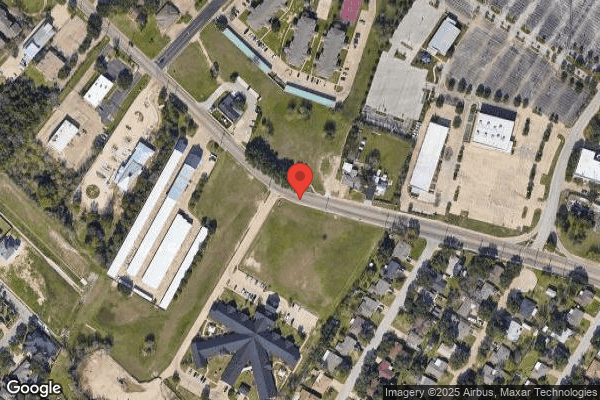
2001 E 29TH ST, BRYAN, TX 77802 (979) 822-6611
For profit - Limited Liability company 140 Beds CREATIVE SOLUTIONS IN HEALTHCARE Data: November 2025 4 Immediate Jeopardy citations
Trust Grade
0/100
#752 of 1168 in TX
Last Inspection: February 2025

Within standard 12-15 month inspection cycle. Federal law requires annual inspections.

Overview

Lampstand Nursing and Rehabilitation has received a Trust Grade of F, indicating significant concerns about the quality of care provided. The facility ranks #752 out of 1168 in Texas, placing it in the bottom half of nursing homes statewide, and #5 out of 7 in Brazos County, meaning there are only two options that are worse locally. Although the facility is showing improvement, decreasing from 20 issues in 2024 to 9 in 2025, it still faces serious challenges, including 39 total deficiencies found during inspections. Staffing is a relative strength, with a turnover rate of 30%, which is significantly better than the Texas average, and average RN coverage is present, although specific incidents of concern include a resident being improperly discharged and left outside alone, as well as failures to protect residents from potential abuse, which raises serious red flags. Overall, families should weigh these strengths against the troubling deficiencies when considering this facility for their loved ones.

Trust Score
F
0/100
In Texas
#752/1168
Bottom 36%
Safety Record
High Risk
Review needed
Inspections
Getting Better
20 → 9 violations
Staff Stability
○ Average
30% turnover. Near Texas's 48% average. Typical for the industry.
Penalties
○ Average
$31,046 in fines. Higher than 64% of Texas facilities. Some compliance issues.
Skilled Nurses
⚠ Watch
Each resident gets only 23 minutes of Registered Nurse (RN) attention daily — below average for Texas. Fewer RN minutes means fewer trained eyes watching for problems.
Violations
⚠ Watch
39 deficiencies on record. Higher than average. Multiple issues found across inspections.
★★☆☆☆
2.0
Overall Rating
★★★☆☆
3.0
Staff Levels
★★★★☆
4.0
Care Quality
★★☆☆☆
2.0
Inspection Score
Stable
2024: 20 issues
2025: 9 issues

The Good

  • 4-Star Quality Measures · Strong clinical quality outcomes
  • Full Sprinkler Coverage · Fire safety systems throughout facility
  • No fines on record
  • Staff turnover below average (30%)

    18 points below Texas average of 48%

Facility shows strength in quality measures, fire safety.

The Bad

2-Star Overall Rating

Below Texas average (2.8)

Below average - review inspection findings carefully

Staff Turnover: 30%

16pts below Texas avg (46%)

Typical for the industry

Federal Fines: $31,046

Below median ($33,413)

Moderate penalties - review what triggered them

Chain: CREATIVE SOLUTIONS IN HEALTHCARE

Part of a multi-facility chain

Ask about local staffing decisions and management

The Ugly 39 deficiencies on record

4 life-threatening 1 actual harm
Apr 2025 1 deficiency
CONCERN (D) 📢 Someone Reported This

A family member, employee, or ombudsman was alarmed enough to file a formal complaint

Potential for Harm - no one hurt, but risky conditions existed

Deficiency F0761 (Tag F0761)

Could have caused harm · This affected 1 resident

**NOTE- TERMS IN BRACKETS HAVE BEEN EDITED TO PROTECT CONFIDENTIALITY** Based on observations, interviews, and record reviews, the facility failed to store all drugs and biologicals in locked compartm...

Read full inspector narrative →
**NOTE- TERMS IN BRACKETS HAVE BEEN EDITED TO PROTECT CONFIDENTIALITY** Based on observations, interviews, and record reviews, the facility failed to store all drugs and biologicals in locked compartments under proper temperature controls, and permit only authorized personnel to have access, for 1 Resident (Resident #1) of four residents reviewed for medication storage, in that: A bottle of Nystatin Topical Powder was found on 04/24/25 at 12:55 pm left unattended and unsecured at Resident #1's bedside. This deficient practice placed residents at risk for unauthorized access, drug diversion, or ingestion of medications leading to harm. Findings included: Review of Resident #1's face sheet dated 0414/25 reflected a [AGE] year-old female admitted to the facility on [DATE]. She had diagnoses of diabetes mellitus Type 2 (a chronic condition where the body either doesn't produce enough insulin, or the cells don't properly respond to the insulin produced, leading to elevated blood sugar levels), mild cognitive impairment, disorder of pituitary gland, and obesity. Review of Resident #1's quarterly MDS assessment dated [DATE] reflected a BIMS score of 15 indicating intact cognition. Review of Resident #1's care plan reflected a focus dated 07/19/2022 that Resident #1 had a potential for pressure ulcer development with an intervention of administer medications as ordered. Review of Resident #1's order dated 04/03/15 reflected Nystatin Powder (a topical antifungal medication used to treat fungal skin infections, particularly those caused by Candida albicans (a naturally occurring fungus that lives on your body) and available by prescription only) apply to affected area topically every 24 hours as needed for yeast and apply to affected areas topically one time a day for yeast rash for 10 days. Observation on 04/24/25 at 12:55 pm revealed a bottle of Nystatin Topical Powder, USP 100,000 USP Units Per Gram on Resident #1's bedside table. Interview on 04/24/25 with Resident #1 at 12:55 pm reflected she said she had an order for the two medications to be left bedside. Interview on 04/24/25 with LVN A at 4:30 pm revealed she was Resident #1's nurse that day, and she worked the 6:00 am until 6:00 pm shift. She stated she was not aware of the Nystatin Topical Powder at Resident #1's bedside, and she did not know how the medications got there. She stated the negative effects of leaving medications in a resident's room was that someone could pick up the medications and, anything could happen. She said children could walk in and take the medications. She said that she felt sure Resident #1 would not have touched the medications, and Resident #1 would wait for staff to administer the medications. Interview on 04/24/25 with ADON LVN at 3:35 revealed she had worked with Resident #1, and she was not aware that Resident #1 had Nystatin Topical Powder by her bedside. She revealed that the facility did not allow any medications to be at residents' bedsides. She said it was the responsibility of the charge nurse to make sure no medications were at resident's bedside, but it should be everyone's responsibility if they see a medication by a residents' bedside to grab it and return it to where it belongs. She revealed the negative effect of leaving medications by a residents' bedside was that someone who had dementia could get confused and might try to drink or eat the medication. She revealed that if the resident used the medication, without the staff's knowledge, the nurse would not know how much medication the resident might have used or consumed. Interview on 04/24/25 with RN B at 3:10 pm revealed ordered medications should not be left in a resident's rooms, and she did not know there were medications left by Resident #1's bedside. She said it was against policy for both over the counter and prescribed medications to be left out in a resident's room. She said the negative effects could be that medications must be taken in accordance with the doctor's orders, and if they were left out, they did not know if a resident had taken the medication, and it could impact the resident's health negatively. Interview on 04/24/25 with the DON 4:26 pm revealed she found the Nystatin Topical Powder in Resident #1's room after the surveyor asked her about it. She stated it was not facility policy to have any medications left in a resident's room and she removed the medication. She revealed it was the responsibility of the nurses to make sure there were no medications left in a residents' room and the negative effect of leaving medications in a residents' room was they could use the medication and receive the incorrect dosage, and it might cause the resident harm. Review of the facility's Medication Administration Procedures dated 10/25/17 reflected all medications are administered by licensed medical or nursing personnel. The facility had no policy that addressed medicaitons at residents bedside.
Feb 2025 5 deficiencies
CONCERN (D)

Potential for Harm - no one hurt, but risky conditions existed

Deficiency F0802 (Tag F0802)

Could have caused harm · This affected 1 resident

Based on interview and record review, the facility failed to employ sufficient staff with the appropriate competencies and skills sets to carry out the functions of the food and nutrition service in 1...

Read full inspector narrative →
Based on interview and record review, the facility failed to employ sufficient staff with the appropriate competencies and skills sets to carry out the functions of the food and nutrition service in 1(DA B) of- 8 1 kitchen staff in that: DA B had not received training from facility management staff, mandatory online training, or obtained a food handlers certificate before working in the kitchen. This could leave the resident's at risk of consuming improperly handled food and a contracting a foodborne illness Findings included: Record Review on 02/12/25 at 2:30 PM of DA B's employee file revealed her application and background check, but nothing else. In an interview with DA B on 02/10/25 at 9:30 am, she stated that she had not been trained on how to use the dishwasher,. She stated she was not sure what temperature was appropriate for the dishwasher and what level the disinfectant was supposed to be at. In an interview with DA A on 02/10/25 at 9:35 am, she stated that DA B was hired on 02/04/25 and that she was trying to help her out, but was not able to teach her everything. She stated that a traveling dietary manager would show up to order food occasionally, but the kitchen staff was handling all the daily operations and cleaning. In an interview with DA B on 02/10/25 at 2:09 PM, she stated that she was hired on 02/04/25, and the only person that coached her was DA A. DA A She stated DA A had told me her about the dishwashers and how to do the resident orders. DA A showed her the difference between the mechanical and regular diet. The lady in HR had told DA B to do the online trainings, but she was gone all last week. DA B had not received her food handler's certification yet. She knew she was supposed to label and date foods , but did not get trained, and did not know how long food was good for. DA B She had only unloaded a delivery truck once and was unsure how to do it properly. She stated she was worried that she was making mistakes while serving the resident's food because she didn't know what she was doing. In an interview with TDM on 02/11/25 at 2:00 PM, she stated that her first day in the kitchen was 02/10/25, and she not aware that DA B had not received a food handlers certificated, finished her online trainings, or had not had any oversight by a dietary manager while she worked. She stated that when employees are were hired, they should go through their online trainings and get their food handlers certificate before working in the kitchen. After the online training, employees should receive an orientation to the kitchen and then shadow another dietary aide. After, they should work under the supervision of a dietary manager and dietary aide until they completed their competency checks by the dietary manager. She expected the administrator to manage the kitchen with the help of other dietary managers from nearby facilities. She stated that there was another dietary manager from a nearby facility that had come to help out, but she was unaware when the manager came to oversee. She stated the residents could get the wrong food and choke or get sick if employees did not have proper training. In an interview with the Administrator on 02/11/25 at 11:30 AM, he stated that he thought the traveling dietary managers were training the employees when they came in to assist the kitchen. He stated that he did not know why she had not completed her online trainings and that he knew she should have a food handlers' certificate before working in the kitchen. In an interview with HR on 02/12/25 at 12:30 PM, she stated that she hired DA B on 02/04/25 and then had left for a family emergency the next day. HR did not coordinate any further training for DA B after her hire. She stated that she should have completed her online trainings and received a food handlers' certificate before working in the kitchen. She stated she knew employees should be working with other employees and dietary managers before working on their own in the kitchen. She stated if employees did not have training, they could get the resident's sick by not serving food properly. In an interview with the CRD on 02/12/25 at 11:45 am, she stated that she was unaware DA B had not had her training. She was aware that there was no full-time dietary manager, but the administrator should have communicated with regional management about having an untrained employee. The employees should complete their online training and get a food handler certificate before working in the kitchen. She stated there is was no reason why DA B should not have had the proper training because the traveling dietary manager should have been training her while she was there. The employees should be watched by other dietary aides and then checked off on the competency lists. She stated that there was likely no actual risk to residents because she was unaware what trainings had not been completed for the employees, and she could not speak to the previous knowledge of the employee. Record Review of DA B's employee file revealed her application and background check, but nothing else. No facility policies were provided on training new dietary employees.
CONCERN (E)

Potential for Harm - no one hurt, but risky conditions existed

Food Safety (Tag F0812)

Could have caused harm · This affected multiple residents

Based on observation, interviews, and record reviews, the facility failed to store, prepare, distribute, and serve food in accordance with professional standards for food service safety for one of one...

Read full inspector narrative →
Based on observation, interviews, and record reviews, the facility failed to store, prepare, distribute, and serve food in accordance with professional standards for food service safety for one of one kitchen reviewed for sanitation. 1. The facility failed to properly label food and dispose of store perishable foods in the dry storage pantry and walk in fridge. 2. The facility failed to ensure the ice machine was properly cleaned. These failures could place residents who were served from the kitchen at risk for consuming hazardous expired food and developing foodborne illnesses. Findings Included: Observation on 02/10/25 at 9:30 am revealed a 50-pound bag of yellow onions sitting in water on the floor in the dry storage room. Observation on 02/10/25 at 9:38 am revealed cold eggs sitting on the stove top in a pan with a spatula in the pan. Observation on 02/10/25 at 9:39 am revealed a pitcher of tea and a pan of cake sitting in the food warmer. The warmer was in the off position. Observation on 02/10/25 at 10:32 am revealed the inside of the ice machine had an unknown black slime by the internal dispenser. Observation on 02/10/25 at 10:36 in the dry storage room revealed undated red onions in a container that had sprouting greens from the tops. Observation on 02/10/25 at 10:36 revealed the 50-pound bag of onions leaking water from the bottom of the bag . Observation on 02/10/25 at 10:37 am revealed a large can in the dry storage without a label or date . Observation on 02/10/25 at 10:43 am revealed a box labeled simply potatoes with the expiration date of 01/30/25. During an interview on 02/10/25 at 9:40 am, [NAME] A stated that the onions were not sitting in water, and she didn't know why they were leaking. She stated that the warmer had been working shortly before and she did not know why it was off. She stated the cake and tea were only put in there a short time, but should have been refrigerated. She said the eggs on the stove were from breakfast and she had not had the time to throw them out. She stated she did not throw out or remove cans without a label or date; she would just not use the cans. She stated the red onions needed to be thrown out. She stated that all food should be thrown out by the expiration date and opened food can be 7 days in the fridge. She stated she had been trained 18 years ago by the dietary manager when she started working at the facility. She stated if they didn't take care of the food properly, the residents could get sick. During an interview on 02/11/25 at 2:00 PM with the TDM , she stated that her first day in the this kitchen was the day before. She did not know how long they had been without an acting dietary manager. She stated all foods exposed to water, improperly labeled or dated, or questionable should be thrown out. She expected the employees to follow all facility policies, Texas Food Code , and to ask, if they didn't have training or were unsure. She stated the ice machine should have been cleaned by the previous dietary manager 1 time a month. During an interview with DA A 02/11/25 02:28 PM, she stated that the tea and the cake should have been placed in the refrigerator. She stated All foods needed to be labeled and dated. If not, they should have been thrown out. She stated that the ice machine was supposed to be cleaned by the previous dietary manager and she did not know when it had last been cleaned. She stated the residents could become sick from the food especially if it's was expired. In an interview with CRD on 02/12/25 at 11:45 am, she stated that she has not been onsite in the facility since the end of 2024. She stated that she expected the employees to follow the Texas food code and facility policies and procedures . Record review of the facility's policy entitled Cleaning of the Ice Machine stated: 4. If any soil or food stains are present wash with all-purpose cleaner and rinse well. 5. Wipe down all food/ice contact surface with a sanitizer solution, per manufacturer instructions. DO not rinse. Record review of the facility's policy entitled Food Storage and Supplies stated: Food items that are opened need to be used within 7 days of opening date. If in doubt, the dietary manager should inspect and determine if they are best quality for use.
CONCERN (E)

Potential for Harm - no one hurt, but risky conditions existed

Infection Control (Tag F0880)

Could have caused harm · This affected multiple residents

**NOTE- TERMS IN BRACKETS HAVE BEEN EDITED TO PROTECT CONFIDENTIALITY** Based on observation, interview, and record review, the facility failed to maintain an infection prevention and control program ...

Read full inspector narrative →
**NOTE- TERMS IN BRACKETS HAVE BEEN EDITED TO PROTECT CONFIDENTIALITY** Based on observation, interview, and record review, the facility failed to maintain an infection prevention and control program designed to provide a safe, sanitary, and comfortable environment, and to help prevent the development and transmission of communicable diseases and infections, for two of two medication aides (MA A and MA B) observed for infection control practices during medication pass. A) MA A failed to sanitize the blood pressure cuff during medication pass after using it on Resident #46 then using it on Resident #45. B) MA B failed to sanitize the blood pressure cuff during medication pass after using it on Resident #133 then using it on Resident #28. This failure could place residents who require assistance with medication administration at risk for healthcare associated cross-contamination and infections. Findings included: A) Review of Resident #46's face sheet dated 02/11/2025 reflected she was admitted on [DATE] and readmitted on [DATE] with the following diagnoses anemia (Deficiency of healthy red blood cells in blood. Red blood cells are essential to carry oxygen to all parts of the body.), chronic viral hepatitis C (viral infection that causes liver swelling, called inflammation) and hypertension (High pressure in the arteries. Symptoms varies from person to person and generally include unexplained fatigue and headache.). Review of Resident #46's quarterly MDS assessment dated [DATE] reflected she was assessed to have a BIMS score of 15 indicating she was cognitively intact. Review of Resident #45's face sheet dated 02/11/2025 reflected she was admitted on [DATE] with the following diagnoses hypertension, congestive heart failure (long-term condition in which your heart can't pump blood well enough to meet your body's needs.), and atrial fibrillation (A disease of the heart characterized by irregular and often faster heartbeat.). Review of Resident #45's annual MDS dated [DATE] reflected she was assessed to have a BIMS score of 12 indicating she had moderate cognitive impairment. Observation on 02/11/2025 at 7:37 AM revealed, MA A took the blood pressure monitor from the top of the med cart and without sanitizing it, she took the blood pressure of Resident #46. After completing the blood pressure measurement for Resident #46, without cleaning the blood pressure monitor, she kept it on the top of the medication cart and moved to next resident. MA A then took Resident #45's blood pressure with the same blood pressure monitor without cleaning the monitor. In an interview on 01/22/2025 at 8:00 AM, MA A stated she was trained to clean the blood pressure monitor between residents and stated she should have cleaned the blood pressure monitor using the sanitizing wipes to prevent the spread of germs. MA A then took a sanitizing wipe from her medication cart and cleaned the blood pressure monitor. B) Review of Resident #133's face sheet reflected she was admitted on [DATE] with the following diagnoses of hypertension and hyperlipidemia (is an excess of lipids or fats in your blood. This can increase your risk of heart attack and stroke because blood can't flow through your arteries easily.) . Review of Resident #133's initial MDS assessment dated [DATE] reflected the MDS was in process of completion the BIMS was not yet completed. Review of Resident #28's face sheet dated 02/11/2025 reflected she was admitted on [DATE] with the following diagnoses dementia (A group of symptoms that affects memory, thinking and interferes with daily life.) and. Review of Resident #28's quarterly MDS assessment dated [DATE] reflected she was assessed to have a BIMS score of 15 indicating she was cognitively intact. Observation on 02/11/2025 at 08:19 AM revealed, MA B took the blood pressure monitor from the top of the med cart, and without sanitizing it, she took the blood pressure of Resident #133. After completing the blood pressure measurement for Resident #133, without cleaning the blood pressure monitor, she kept it on the top of the medication cart and moved to next resident. MA A then took Resident #28's blood pressure with the same blood pressure monitor without cleaning the monitor. In an interview on 02/11/2025 at 8:20 AM, MA B stated she should have cleaned the blood pressure monitor between residents to prevent the spread of infection. She stated she just forgot she was concentrating on the medication pass. In an interview on 02/12/2025 at 1:35 PM, the DON stated it was her expectation that blood pressure cuffs be cleaned between residents to ensure no cross contamination occurs to prevent infections. Review of the facility's policy entitled fundamentals of infection control precautions dated 2019 reflected A variety of infection control measures are used for decreasing the risk of transmission of microorganisms in the facility. These measures make up the fundamentals of infection control precautions .Non-invasive resident care equipment is cleaned daily or as need between use by the nursing assistant. Equipment that is visibly soiled with blood or body fluids will be cleaned immediately with an approved disinfectant by the nursing assistant. A documentation system will be maintained of the cleaning .
CONCERN (E)

Potential for Harm - no one hurt, but risky conditions existed

Room Equipment (Tag F0908)

Could have caused harm · This affected multiple residents

Based on observation, interview, and record review, the facility failed to maintain all mechanical and electrical equipment in safe operating condition in 1 of 1 kitchen, in that: The coffee brewing s...

Read full inspector narrative →
Based on observation, interview, and record review, the facility failed to maintain all mechanical and electrical equipment in safe operating condition in 1 of 1 kitchen, in that: The coffee brewing system was not heating. The left side of the double oven was not heating. One well on the steam table was not heating The mobile heated delivery cart was not maintaining a proper temperature. This deficient practice could place residents at risk of decreased resident's quality of life who receive meals from the kitchen and could result in foodborne illness for residents who received meals from the kitchen. Findings included: Observation in the kitchen on 02/10/2025 at 9:15 am revealed the heated delivery cart on with the temperature reading 75 degrees . Observation in the kitchen on 02/10/2025 at 9:15 am revealed the coffee pot had an error message stating, heating element malfunction. Observation in the kitchen on 02/10/2025 at 11:30 am revealed the left well of the steam table was not working. Observation in the kitchen on 02/10/2025 at 11:30 am revealed the left side compartment of the oven was not hot while the right side compartment of the oven was. During an interview on 02/10/25 at 9:40 am [NAME] A stated that the warmer had only been working intermittently for a few months. [NAME] A stated that it should have reached 120 degrees while on. She said that it would work sometimes, after they had to reset the plug, but it was not consistently working. The maintenance department had been notified verbally by her previous dietary manager. She stated that they had not had a working coffee pot for over a week. She was unsure if anyone had called the company responsible for servicing the coffee pot. She believed it was the dietary manager's responsibility to call maintenance or company about broken equipment. She stated she would tell them again after her shift ended. During an interview on 02/10/25 at 11:50 am, DA A stated that she had spoken to the administrator and the maintenance department about the broken equipment last week. She stated the oven had been broken since November, but the maintenance person had inspected the equipment, but never returned about it. The warmer only worked intermittently and she was sure they had called the company to repair the coffee pot. She stated the steam table well has not been working for a few months. She could not recall when it went stopped working. Interview with TDM on 02/11/25 at 2:00 PM, she stated her first day in the kitchen was the previous day, 02/11/25. She said that she noted the equipment was broken and had talked to the administrator. The administrator was working with the necessary companies to fix the equipment. During an interview with MS on 02/11/25 at 1:35 PM, he stated that he was made aware that of the oven and, steam table were broken from the previous dietary manager over two months ago. He stated the warmer had only worked intermittently. The coffee pot had been repaired earlier in the day . He stated that the protocol was to receive maintenance orders either verbally or through the QR code. He would assess the repair and then call the area supervisor if he could not replace it. He still had the maintenance requests for the broken equipment, but was waiting for an outside company to come fix the steam table and oven . He stated he was unaware that warmer issue was due to the equipment malfunctioning. Previously, he believed it was an electrical issue because the outlet couldn't handle the amount of equipment plugged into it. He had instructed the kitchen on how to prevent the plug from shutting off. In an interview with AMS on 02/11/25 at 2:35 PM, he stated that he knew the oven and the steam table were broken. He was unaware of the coffee pot, but expected an outside company to repair that. He stated he expected the MS to fix the steam table because it was a basic repair. He stated that he was made aware around two months again that part of the oven wasn't working, but had not heard anything else about the situation. He said that repairs should be logged in their system and assessed by the maintenance supervisors. He stated If the repair could not be done onsite, he expected to be notified. He expected to be notified of repairs that were needed by a piece of equipment that was not under a contract, like the coffee pot company. He said he did not look at the pending maintenance requests of the facilities until he received a complaint. He had not received any complaints about the facility's maintenance and thought they were ok. He stated he should have been contacted and would have helped fix the problems. In an interview with, CRD, on 02/12/25 at 11:45 am, she stated that she knew the equipment was broken, but was not aware that the previous dietary manager did not follow up on the broken equipment. She stated that if she knew the equipment was broken, she would have stepped in to make sure it got fixed. She stated there was a missing invoice about the oven that was resolved. In an interview with the Administrator on 02/10/25 at 11:35 am, he stated that he was made aware of the kitchen equipment being broken two days ago. He was aware of the coffee pot and was awaiting a representative from the coffee equipment company. He stated that he expected his maintenance director to take care of the problem and update him on the status of the equipment. He said that there was a missing invoice that went unpaid, so the company did not come out to fix the oven since he started in January of 2025 . He felt it was unnecessary to have the equipment in nonworking condition and that the resident's quality of food would suffer because of it. Record review of maintenance logs reveled the coffee pot maintenance had been called in on 02/10/25. No other records were available for other broken equipment. No facility policies were available for equipment maintenance were provided before exit.
CONCERN (F)

Potential for Harm - no one hurt, but risky conditions existed

Deficiency F0572 (Tag F0572)

Could have caused harm · This affected most or all residents

Based on interviews, observations, and record reviews, the facility failed to provide a notice of residents' rights to the residents during the residents' stay for three out of four halls. Informatio...

Read full inspector narrative →
Based on interviews, observations, and record reviews, the facility failed to provide a notice of residents' rights to the residents during the residents' stay for three out of four halls. Information of residents' rights was posted only on Hallway 4 and not accessible for viewing by all facility residents. Resident rights were not included in residents' admission packets since November 2023. These failures placed residents at risk of a decreased quality of life, decreased awareness or their rights, and decreased execution of their resident rights. The findings were: Record review of facility's admission packet dated 10/19/22 reflected Health Care Center Policies, Information, and Required Notices: Acknowledgement of Receipt of Policies, Information, & Required Notices - Statement of Resident Rights Notice of rights and services (19.403)(B)(6). The Health Care Center must inform the resident, the resident's next of kin or guardian, both orally and in writing, a language that the resident understands. Of his rights and all rules and regulations governing resident conduct and responsibilities during the resident's stay in the Heal Care Center. This notification must be made prior to or upon admission and during the resident's stay. The Health Care Center must post a copy of DADS' rules and Health Care Center's policy in a conspicuous location. A confidential group interview on 02/11/25 at 2:00 PM with 21 residents revealed that they were unfamiliar with how to find out about rights. When asked if they knew about their resident rights and if the staff talked about and reviewed the rights of residents, they said, no. No resident was aware of what their rights were, where to locate them in the facility, and said a copy of resident rights had not been either given to or discussed with them. Review of Resident #23's BIMS, dated 1/3/25 revealed a score of 15, indicating intact cognition. Review of Resident #66 BIMS, dated 1/28/25, revealed a score of 12, indicating moderate cognitive impairment. Review of Resident #45 BIMS, dated 12/31/24, revealed a score of 12, indicating moderate cognitive impairment. Observations on 2/12/25 at 1:14 PM revealed signage of Residents' Rights located directly inside the right and left sides of hallway 4. A tour of the facility revealed no other observations of resident rights postings. Interview on 2/12/25 at 10:51 am with Resident #23, whose room was on the 400 hallways, revealed no one had talked to him about his resident rights and he was not given a document listing resident rights. He felt like communicating to him about his resident rights was something he would like. He said that he did not have any complaints with the facility, but if he knew his resident rights, he would be more informed about living at the facility. He said he had not noticed that there were signs at the end of the hallways that listed resident rights, ombudsman information, or where to call if he had a complaint. Interview on 2/12/25 at 10:56 am with Resident #66, whose room was on the 200 hallways, revealed he was not told his resident rights or given a document that listed his resident rights. He said it was important and good to know their rights. He said he would like the facility staff to tell him his rights or give them to him on paper. He said he had not seen any postings in the facility about resident rights, the ombudsman, or where to call if he had a complaint. Interview on 02/12/25 at 10:19 am with Resident #45, who's room was on the 200 hallways, revealed no one had told her about her rights while she had been at the facility and that was incomplete information, but she had not had an occasion to worry about her rights. She said knowing her rights would be helpful because it would be a guideline to know what she could do and could not do as a resident and what the facility could and could not do. She said she felt knowing her rights was extremely important to her. She said she had not seen any posting at the facility of resident rights, ombudsman information, or who to call if she had a complaint. Interview on 2/12/25 at 11:46 am with the M/AC revealed she was responsible for providing and obtaining signatures on all resident paperwork including the resident admission packet. She said she had been working at the facility since 11/15/23. She revealed she did not know that the resident rights document, referenced in the admission packet as an attachment, needed to be included in the resident admission packet. She said she had never included the residents' rights document with the facility admission documents when an admission packet was given to the resident or their RP to review and sign. She did not audit the packets for accuracy. She revealed she thought it was important that the residents were provided their rights in a manner that each resident could understand, and it was abuse if they were not informed of their rights. She said she did not know that residents had not received the residents' rights. Observation on 2/12/25 at 1:14 PM during a tour of the facility with the Administrator revealed that the only resident rights postings where on the 400 hallway. Interview on 2/12/25 at 1:14 PM with the Administrator revealed that he did not think that the resident rights postings, which were only posted on the 400 hallway, were accessible to all residents and that they should be posted on all hallways for residents to have access to view. He said the negative impact of them not being accessible to all resident was that all residents did not have access to the information about their facility rights. Interview on 2/12/25 at 11:38 am with the Administrator, who had been at the facility beginning 1/14/25, revealed he was the supervisor for the M/A C and it was his expectation that residents received all attachments, including resident rights, when they received their admission packet and he did not open up the packets to confirm that residents were receiving the required information. His expectation was for there to be follow through with the admission packet to confirm that the residents received all the required information. He checked the admission packet but did not open the packet to observe it the packet contained all the documents residents were supposed to receive. He said the M/A C had no clue the residents were not receiving the required information. He said the negative impact of the resident not being informed about their rights was that they would not know what they could expect or not expect and if they had an issue, they would not know what to do and how to remedy the issue.
Jan 2025 3 deficiencies
CONCERN (D) 📢 Someone Reported This

A family member, employee, or ombudsman was alarmed enough to file a formal complaint

Potential for Harm - no one hurt, but risky conditions existed

Safe Environment (Tag F0584)

Could have caused harm · This affected 1 resident

**NOTE- TERMS IN BRACKETS HAVE BEEN EDITED TO PROTECT CONFIDENTIALITY** Based on observation, interview, and record review, the facility failed to ensure the resident's right to a safe, clean, comfort...

Read full inspector narrative →
**NOTE- TERMS IN BRACKETS HAVE BEEN EDITED TO PROTECT CONFIDENTIALITY** Based on observation, interview, and record review, the facility failed to ensure the resident's right to a safe, clean, comfortable, and homelike environment for 1 (Resident #1) of 4 residents reviewed for environment. The facility failed to ensure Resident #1's room was free of odor and soiled sheets. This failure placed residents at risk of living in an uncomfortable environment leading to a diminished quality of life. Findings included: Record review of Resident #1's face sheet, dated, 01/17/2025, reflected an [AGE] year-old male who was admitted to the facility on [DATE] and readmitted on [DATE]. Resident #1 had diagnoses which included Parkinson's disease without dyskinesia, without mention of fluctuations (a progressive movement disorder of the nervous system. Dyskinesia (involuntary, erratic, writhing movements of the face, arms, legs, or trunk)), unspecified dementia, unspecified severity, without behavioral disturbance, psychotic disturbance, mood disturbance, and anxiety (a decline in mental ability that affects memory, thinking, and behavior), adult failure to thrive ( a syndrome in older adults characterized by unexplained weight loss, decreased appetite, poor nutrition, inactivity, and often accompanied by depression, cognitive decline and, functional impairments). Record review of Resident #1's Quarterly MDS Assessment, dated 12/06/2024, reflected the resident had a BIMS score of 7, which indicated his cognition was severely impaired. Resident #1 required substantial/maximal assistance (helper does more than half the effort) with the following: toileting hygiene, showers, lower body dressing, and personal hygiene. Resident was always incontinent of bowel and bladder. Record review of Resident #1's Comprehensive Care plan, dated 12/06/2025, reflected Resident #1 had an ADL self-care performance deficit. Intervention: Bathing, toileting, and dressing: Resident #1 required one staff assistance. Resident #1 required assistance with personal hygiene as needed. Observation and interview on 01/16/2025 at 8:55 AM revealed Resident #1 were lying in bed. There was a strong urine odor beside Resident #1's bed. Resident #1's sheets were partially wet and partially dried with urine. The urine odor was stronger near the resident. Resident #1 did not respond to any questions or conversations. Resident #1 would open and close his eyes during visit and covered his head with the bedspread. Observation and interview on 01/16/2025 at 9:40 AM revealed Resident #1 was lying in bed. There was a strong urine odor beside Resident #1's bed. Resident #1's sheets were dried with urine odor and beginning to make a stain on the sheets. Interview on 01/16/2025 at 10:00 AM with CNA A revealed she did smell a strong urine scent in Resident #1's room. CNA A stated part of the sheet was wet and part of the sheet the urine was dried. CNA A stated she was not assigned to Resident #1 and she worked on another hall. She stated she did not know who was assigned to Resident #1's room. CNA A stated staff made rounds on residents every 2 hours. She stated began making rounds at 7:00 AM and rounds was expected to be made by 9:00 AM. CNA A stated I that was when she made her rounds. She stated she would report this to someone. Interview on 01/16/2025 at 10:10 AM with CNA B revealed she was assigned to the same hall where Resident #1 resided, and she checked on him between 9:10 AM and 9:30 AM. She stated she did not recall if there was a urine odor in room or if his sheets were wet. CNA B stated she had taken care of several residents and did not recall the circumstance with Resident #1. She did not respond when asked if she had changed Resident #1. In an interview on 01/16/2025 at 11:45 AM, the Director of Nurses stated all staff was expected to make rounds every 2 hours. She stated if any resident had a urine odor on their sheets, the CNA was expected to change the sheet immediately and place new sheets on the bed. The Director of Nurses stated the resident was expected to be changed immediately. Record review of the facility's Policy of Resident Rights, revised on 11/28/2016, reflected the resident has a right to a safe, clean, comfortable, and homelike environment, including but not limited to receiving treatment and supports for daily living safely.
CONCERN (D) 📢 Someone Reported This

A family member, employee, or ombudsman was alarmed enough to file a formal complaint

Potential for Harm - no one hurt, but risky conditions existed

Grievances (Tag F0585)

Could have caused harm · This affected 1 resident

**NOTE- TERMS IN BRACKETS HAVE BEEN EDITED TO PROTECT CONFIDENTIALITY** Based on interview and record review , the facility did not ensure prompt efforts were made to document a resident grievance for...

Read full inspector narrative →
**NOTE- TERMS IN BRACKETS HAVE BEEN EDITED TO PROTECT CONFIDENTIALITY** Based on interview and record review , the facility did not ensure prompt efforts were made to document a resident grievance for one (Resident #2) of four residents reviewed for grievance resolutions. The facility failed to promptly document grievances regarding answering call lights and begin an investigation. This failure placed resident at risk of not having their grievances resolved. Findings included: Record review of Resident #2's face sheet, dated, 01/17/2025, reflected a [AGE] year-old male who was admitted to the facility on [DATE] and readmitted on [DATE]. Resident #2 had diagnoses which included chronic obstructive pulmonary disease, unspecified (a long- term lung disease that makes it hard to breathe), polyneuropathy, unspecified (a condition that occurs when nerves are damaged, causing problems with sensation, coordination, and other body functions), and morbid obesity with alveolar hypoventilation ( a severe form of obesity that can be life-threatening. Record review of Resident #2's admission MDS assessment, dated 12/13/2024, reflected the resident had a BIMS score of 15, which indicated his cognition was intact. Resident #2 required partial to moderate assistance (helper does less than half the effort) with toileting hygiene, and showers. Resident #2 required supervision or touching assistance with upper and lower body dressing, toilet transfers, and personal hygiene. Record review of Resident #2's Comprehensive Care Plan, with target date of 2/18/205, reflected Resident #2 had an ADL self-care performance deficit. Interventions: Toilet use: Resident #2 required assistance (wash hands, adjust clothing, clean self , transfer onto toilet, transfer off toilet) to use toilet. Encourage Resident #2 to use bell (call light) to call for assistance. Encourage Resident #2 to discuss feelings about self-care deficit. Transfers: supervise Resident #2 as needed. Resident #2 was at risk for falls related to balance problems. Interventions: Anticipate and meet the resident's needs. Encourage Resident #2 to use the call light for assistance. In an interview on 01/16/2025 at 9:45 AM, Resident #2 stated he assisted himself to the bathroom and this was normal for him to assist self on the toilet. He stated he usually could clean himself when he urinated. However, he was not capable of cleaning himself when he had a bowel movement. Resident #2 stated he used the call light to get assistance with cleaning himself after he had a bowel movement yesterday (1/15/2025). He stated he waited at least forty-five minutes or more before any staff came to his room. Resident #2 stated while he was on the toilet, he called the complaint into state about the call light not being answered. He stated he also called the Director of Nurses and asked her to write a complaint about him having to wait on the toilet for forty-five minutes or more before someone answered his call light. He stated the Director of Nurses stated she would investigate his complaint about the call light beginning that day (01/15/2025). Resident #2 stated he asked her twice to write a complaint about the call lights and he stated the Director of Nurses stated she would write the complaint that day ( 01/15/2025). Resident #2 stated there were times he had voiced a complaint, and no one wrote it down on any paper. He stated that was why he called the state to voice his concern due to feeling his concern would not be documented or investigated. Record review of the facility's grievance's records from residents and families reflected Resident #2's grievance on 01/15/2025 had not been documented. In an interview on 01/16/2025 at 11:45 AM, the Director of Nurses stated Resident #2 called her on the phone on 1/15/2025 and requested a complaint be written about him having to wait about forty-five minutes before staff answered his call light. She stated she informed Resident #2 she would write a grievance and investigate his complaint. The Director of Nurses stated anytime a resident or family member voiced a grievance it was to be documented immediately and begin the investigation the day the complaint was voiced to any staff. She stated she was expected to write a grievance on 1/15/2025. In an interview on 01/16/2025 at 2:45 PM, the Director of Operations stated anytime a resident or family member voiced a grievance, the staff was expected to write the grievance the time it was voiced to them or report it to someone in administration for them to write an official grievance on the companies' grievance form. She stated either the person received the grievance would investigate it or delegate the investigation to appropriate staff according to the grievance. She stated if it was related to call lights the Director of Nurses would be responsible to investigate the call light grievance. The Director of Operations stated if a grievance was voiced to the Director of Nurses on 01/15/2025, she was expected to document the grievance and begin investigation on 01/15/2025. Record review of the facility's policy on Grievances, revised on 11/02/2016 reflected all written grievances decisions will include: 1. The date the grievance was received. 2. A summary statement of the resident's grievance. 3. The steps taken to investigate the grievance. 4. A summary of the pertinent findings or conclusions regarding the resident's concern(s). 5. A statement as to whether the grievance was confirmed or not confirmed. 6. Any corrective action taken or to be taken by the facility as a result of the grievance. 7. The date the written decision was issued.
CONCERN (E) 📢 Someone Reported This

A family member, employee, or ombudsman was alarmed enough to file a formal complaint

Potential for Harm - no one hurt, but risky conditions existed

Food Safety (Tag F0812)

Could have caused harm · This affected multiple residents

Based on observation, interview, and record review, the facility failed to store, prepare, distribute food in accordance with professional standards for food service safety for one of one kitchen revi...

Read full inspector narrative →
Based on observation, interview, and record review, the facility failed to store, prepare, distribute food in accordance with professional standards for food service safety for one of one kitchen reviewed for kitchen sanitation. The facility failed to ensure [NAME] C properly used proper hand hygiene during food preparation. This failure could place residents who ate food from the kitchen at risk for foodborne illness. Findings included: Observation on 01/16/2025 between 10:45 AM and 11:15 AM, [NAME] C was preparing residents' lunch meal. She was not wearing gloves when she was stirring food in pots on the stove. [NAME] C exited from the stove area and pushed a utility kitchen cart from the stove area located in front of the kitchen to the area back of the kitchen. [NAME] C touched her clothes and adjusted her hair net prior to picking up gloves from the container. [NAME] C did not wash or sanitize her hands prior to picking up the fourchettes ( a component of the glove where the fingers fit into the glove) on the gloves with her fingers on both hands. [NAME] C proceeded to put her right hand into chicken bouillon powder and placed it in a container. [NAME] C exited the back of the kitchen into the front of the kitchen where the stove was located. She placed the bouillon into a pot on the stove. [NAME] C discarded the gloves and did not wash or sanitize her hands. [NAME] C touched her clothes and picked up a large pot. [NAME] C's middle, ring, and fore fingers on her right hand (from the knuckle to the tip of her fingers) touched inside of the pot. [NAME] C did not take the pot into the dirty dishwasher room after using the pot. She placed the pot back on the bottom shelf. [NAME] C exited the front of the kitchen and entered the back of the kitchen where she obtained a plastic bag of food. [NAME] C did not wash or sanitize her hands between tasks. She touched the outside of plastic bag with her bare hands. She placed her right hand into the bag and picked up pasta and placed pasta into the pot on the stove. [NAME] C touched inside the curved area in a large ladle with her bare hands. [NAME] C never washed or sanitized her hands the entire time she was being observed in the kitchen. [NAME] C washed her hands when surveyor was getting ready to leave the kitchen area. The Dietary Manger asked her to wash her hands. In an interview with the Director of Operations on 01/16/2025 at 11:20 AM ( she was in the kitchen with surveyor during observation) stated she observed that [NAME] C did not wash or sanitize her hands during the entire kitchen observation on 01/16/2025. She stated [NAME] C was expected to sanitize or wash hands between tasks and before touching food. The Director of Operations stated [NAME] C cross contaminated the food when [NAME] C touched the food with her bare hands. The Director of Operations stated she agreed with everything the surveyor observed in the kitchen. In an interview on 01/17/2025 at 1:15 PM, [NAME] C stated she did not wash or sanitize her hands prior to placing gloves on her hands and in between tasks. She stated she touched her clothes and the handle of the utility cart. [NAME] C stated her clothes and the handle of the utility cart would be considered contaminated. She stated after she touched those items, she did not sanitize or wash her hands. [NAME] C stated there was a possibility she contaminated the food. She stated a resident may become ill such as stomach issues such as vomiting if the residents ate food with bacteria. [NAME] C stated she received an in-service on hand hygiene. She stated she did not recall the date or time of in-service. In an interview on 01/17/2025 at 1:30 PM, the Dietary Manager stated she expected the dietary staff to wash their hands especially when the staff touched raw food such as chicken and touched other food. She stated staff was expected to wash their hands when the staff changed tasks in the kitchen. Dietary Manager stated yes when asked if she instructed Dietary Manager to wash her hands after approximately 20 minutes of surveyor observing [NAME] C in the kitchen. She stated dietary staff received in-services on Relias computer system. Dietary in-services were requested prior to 01/16/225 from the Dietary Manager and this was not provided at time of exit. Record review of the facility's Hand Washing Policy, dated 2012, reflected we will ensure proper hand hygiene procedures are utilized. Employees are too frequently perform hand washing.
Sept 2024 2 deficiencies
CONCERN (D) 📢 Someone Reported This

A family member, employee, or ombudsman was alarmed enough to file a formal complaint

Potential for Harm - no one hurt, but risky conditions existed

ADL Care (Tag F0677)

Could have caused harm · This affected 1 resident

**NOTE- TERMS IN BRACKETS HAVE BEEN EDITED TO PROTECT CONFIDENTIALITY** Based on observations, interviews, and record review, the facility failed to ensure a resident who was unable to carry out activ...

Read full inspector narrative →
**NOTE- TERMS IN BRACKETS HAVE BEEN EDITED TO PROTECT CONFIDENTIALITY** Based on observations, interviews, and record review, the facility failed to ensure a resident who was unable to carry out activities of daily living received the necessary services to maintain functional abilities for 1 (Resident #3) out of 7 residents reviewed for ADLs. The facility failed to ensure Resident #3 was placed in a safe and comfortable position while eating. This failure placed the resident at risk of discomfort and choking/aspiration. Findings included: Review of Resident #3's face sheet reflected a [AGE] year-old male admitted to the facility on [DATE] with diagnoses of unspecified fracture of left femur, multiple sclerosis (a disease which causes nerve damage and disrupts communication between the brain and the body), dysphagia (difficulty swallowing), and cognitive communication deficit (communication impairment causing trouble reasoning and making decisions while communicating). Review of Resident #3's comprehensive MDS, dated [DATE], reflected a brief interview for mental status (BIMS) score of 10 indicating moderate cognitive impairment. MDS reflected Resident #3 was dependent on assistance with lying to sitting and sitting to lying position change. Review of Resident #3's Care Plan, dated 06/22/2024, reflected the resident had an ADL Self Care Performance Deficit and required staff assistance with bed mobility. The care plan reflected the resident received tube feedings with a history of dysphagia and risk for aspiration (occurs when contents such as food, drink, saliva enter the lungs). Observation of video recorded at 07/15/2024 at 08:39 AM revealed Resident #3 lying in bed eating breakfast with the head of the bed slightly elevated. He was observed trying to lift his head off the pillow and struggling to see his food and eat while lying down. No observation of choking noted. In an interview on 09/03/2024 at 11:20 AM the RP for Resident # 3 stated she was concerned about the position Resident #3 was placed in while eating sometimes. She stated she had spoken with the Administrator and the staff regarding Resident #3's history of difficulty swallowing and the need for him to be raised to as close to 90 degrees as possible for meals due to the risk of choking. In an interview on 09/05/2024 at 9:25 AM Resident #3 stated he preferred to sit up when eating his meals and the staff sometimes sit him all the way up, but not always. He stated it was difficult to eat and see his food while lying down . In an interview on 09/05/2024 at 10:25 AM CNA A stated residents should be sitting up right while eating or with the head of the bed elevated to prevent choking. In an interview on 09/05/2024 at 10:30 AM LVN C stated residents should be sitting up at about 90 degrees while eating due to the risk for aspiration/choking and to increase digestion and absorption. In an interview on 09/05/2024 at 10:45 AM MA D stated residents should be in an upright position while eating to prevent choking. In an interview on 09/05/2024 at 11:06 AM the ADON stated residents should be in high Fowler position (head of bed elevated between 60-90 degrees) to eat, if tolerated, and preferably in a chair. She stated the resident needs to sit up while eating due to the risk for choking. She stated the position of Resident #3 in the video did not look safe and you can see him struggling to see his food and lift his head to eat. She stated she completed an in-service on the importance of sitting up and eating after viewing the video of Resident #3. In an interview with the Administrator and the AIT on 09/05/2024 at 11:15 AM, the Administrator stated Resident #3 did not look comfortable while trying to eat in the video. The AIT stated the position was a safe position and the resident often stated he did not want the head of the bed raised any more than what was shown in the video. They both stated the importance of respecting resident wishes. Review of an in-service on residents eating meals in their beds, dated 07/18/2024, reflected staff were trained to ensure the residents were sitting up as high in bed as they could tolerate during mealtimes. Training reflected staff were educated on the purpose of sitting up while eating including to lessen the risk of choking, the residents are able to feed themselves better, the residents can enjoy their meals as they can see what they are eating, and it helps aid in digestion.
CONCERN (D) 📢 Someone Reported This

A family member, employee, or ombudsman was alarmed enough to file a formal complaint

Potential for Harm - no one hurt, but risky conditions existed

Infection Control (Tag F0880)

Could have caused harm · This affected 1 resident

**NOTE- TERMS IN BRACKETS HAVE BEEN EDITED TO PROTECT CONFIDENTIALITY** Based on observations, interviews, and record review, the facility failed to maintain an infection prevention and control progra...

Read full inspector narrative →
**NOTE- TERMS IN BRACKETS HAVE BEEN EDITED TO PROTECT CONFIDENTIALITY** Based on observations, interviews, and record review, the facility failed to maintain an infection prevention and control program designed to provide a safe, sanitary, and comfortable environment and to help prevent the development and transmission of communicable diseases and infections for one (Resident #3) out of five residents reviewed for infection control. 1. The facility failed to ensure staff wore PPE while providing care for Resident #3. 2. The facility failed to ensure staff followed the facility policy and tied back long hair to minimize cross contamination. These failures placed the residents at risk of cross contamination and infection. Findings included: Review of Resident #3's face sheet reflected a [AGE] year-old male admitted to the facility on [DATE] with diagnoses of unspecified fracture of left femur, multiple sclerosis (a disease which causes nerve damage and disrupts communication between the brain and the body), dysphagia (difficulty swallowing), and cognitive communication deficit (communication impairment causing trouble reasoning and making decisions while communicating). Review of Resident #3's comprehensive MDS, dated [DATE], reflected a brief interview for mental status (BIMS) score of 10 indicating moderate cognitive impairment. MDS reflected Resident #3 was dependent on assistance with bed mobility, toileting, and bathing. Review of Resident #3's Care Plan, dated 06/22/2024, reflected resident was on enhanced barrier precautions (EBP ) and gown and gloves should be worn during linen change, resident hygiene, transfers .with a goal of no transmission of infection from or to the resident. 1.Observation of video recorded on 08/24/2024 at 8:00PM revealed a staff member (unidentified) in Resident #3's room pulling back the linens and touching the resident's diaper without wearing the proper PPE as required for a resident on EBP. In an interview on 09/05/2024 at 09:25 AM Resident #3 stated the staff usually wear gowns when they provide care, but not always. In an interview on 09/05/2024 at 10:25 AM CNA A stated he was trained on EBP and contact precautions. He stated residents with open wounds or with a catheter are on EBP and staff need to wear a gown when providing care, because we don't want to get anybody sick. In an interview on 09/05/2024 at 10:30 AM LVN C stated EBP should be used for a resident that has anything that could cause an infection. She stated staff should wear PPE to try and prevent the spread of infection. She stated PPE should be worn while providing ADL care when a resident has a wound or a catheter. In an interview on 09/05/2024 at 10:35 AM MA D stated EBP was used for anything to do with a catheter or anything with secretions. She stated PPE should be worn for residents with a PEG tube or a foley catheter. She stated PPE was worn for protection from fluids and splashing. In an interview on 09/05/20204 at 11:06 AM the ADON stated EBP was used for residents with infections or isolation and should be used for residents with wounds and indwelling lines or catheters. She stated gowns and gloves should be worn in the room while providing care and proper hand hygiene should be done to prevent cross contamination and infection. In an interview with the ADM and the AIT on 09/05/2024 at 11:15 AM the AIT reviewed the facility policy and stated EBP should be used when transferring a resident in bed and during linen changes as seen in the videos due to the risk for infection. Review of facility policy on EBP, date unknown, reflected PPE should be worn during high-contact resident care activities for residents with a chronic wound or indwelling medical device. Review of in-service on 07/09/2024 reflected staff were trained on EBP and when to wear PPE. 2. Observation of video recorded on 08/21/2024 at 11:17 AM revealed HK supervisor and CNA B in Resident #3's room providing care. HK supervisor was seen gathering dirty linens on the floor. Her long hair/braids were not tied back and touched the dirty linens and the floor. Observation revealed both staff members without gowns despite the resident being on EBP. In an interview on 09/03/2024 at 2:10 PM RN E stated long hair should be tied back while providing care due to the risk of infection for the residents. In an interview on 09/05/2024 at 10:45 AM HK supervisor stated her long hair may touch dirty things at times. She stated, in reference to the video you're talking about, I was just helping the nurse because she asked for help . In an interview on 09/05/2024 at 11:06 AM the ADON stated long hair should be put up for infection control concerns as it could touch contaminated objects and then touch the residents. She stated she would expect staff to keep hair tied back. In an interview on 09/05/20204 at 11:06 AM the ADM and AIT stated the long hair touching the dirty linens and the floor as seen in the video was an infection control concern due to the risk of cross contamination. Review of facility policy on dress code/grooming, dated 09/20/2019, reflected employees providing direct resident care must keep hair pulled back.
Aug 2024 1 deficiency
CONCERN (D) 📢 Someone Reported This

A family member, employee, or ombudsman was alarmed enough to file a formal complaint

Potential for Harm - no one hurt, but risky conditions existed

Deficiency F0558 (Tag F0558)

Could have caused harm · This affected 1 resident

**NOTE- TERMS IN BRACKETS HAVE BEEN EDITED TO PROTECT CONFIDENTIALITY** Based on observations, interviews, and record reviews, the facility failed to ensure residents received services in the facility...

Read full inspector narrative →
**NOTE- TERMS IN BRACKETS HAVE BEEN EDITED TO PROTECT CONFIDENTIALITY** Based on observations, interviews, and record reviews, the facility failed to ensure residents received services in the facility with reasonable accommodations of each resident's needs for 1 of 8 residents (Resident #1) reviewed for resident rights in that: The facility failed to ensure Resident #1's call light was within reach on 08/14/24. This failure could affect residents who needed assistance with activities of daily living and could result in needs not being met. Findings included: Record review of Resident #1's admission record dated 08/14/24 documented a 63year-old female admitted on [DATE]. Resident #1 had diagnoses which included: cerebral infarction (disrupted blood flow to the brain due to problems with the blood vessels that supply it) essential primary hypertension (abnormally high blood pressure that not caused by a medical condition), dysphagia (difficulty swallowing), and general anxiety disorder (mental health condition that causes people to feel constant, excessive, and unrealistic worry about everyday things). Record review of Resident #1's Quarterly MDS assessment, dated 06/05/24, revealed the resident had a BIMS score of 03 indicating the resident had severe cognitive impairment. The MDS also revealed Resident #1 was dependent in various areas of activities of daily living such as eating, oral hygiene, toileting hygiene, shower/bathe self, upper and lower dressing, and personal hygiene. Record review of Resident #1's care plan, dated 07/26/24, revealed Resident #1 was care planned for falls and had an intervention resident needs a safe environment with: (a working and reachable call light). No interview could be conducted with Resident #1 due to the resident not being interview able. Observation on 08/14/24 at 11:11am, revealed Resident #1's call light was underneath her bed and out of her reach. Observation on 08/14/24 at 1:23pm, revealed Resident #1's call light was underneath her bed and out of her reach. An interview with CNA A on 08/14/24 at 1:45pm, CNA A stated the call lights should always be in reach so a resident can call for assistance. CNA A stated that if a call light was not in reach, then the resident might fall trying to get assistance. CNA A stated that when making rounds CNAs were supposed to see if a resident need assistance, ensure the resident was comfortable, and to make sure the call lights were in reach. An interview with the DON on 08/14/24 at 3:30pm, the DON stated the purpose of call light was for resident to notify staff if they needed assistance. The DON stated that if a resident's call light was not in reach, then a resident wouldn't get assistance. The DON stated that CNAs should be making sure call lights were in place during their rounds. The DON stated that Resident #1 was physically able to use a call light. An interview with the ADM on 08/14/24 at 4:10pm, the ADM stated that rounds should be conducted at least every two hours or as needed. The ADM stated his expectation was that everyone that enters a resident's room should be ensuring that resident was comfortable, checking if they needed as assistance, and that the call light was within reach. The ADM stated that facility does not have a call light policy.
Apr 2024 1 deficiency 1 IJ
CRITICAL (J) 📢 Someone Reported This

A family member, employee, or ombudsman was alarmed enough to file a formal complaint

Immediate Jeopardy (IJ) - the most serious Medicare violation

Deficiency F0660 (Tag F0660)

Someone could have died · This affected 1 resident

**NOTE- TERMS IN BRACKETS HAVE BEEN EDITED TO PROTECT CONFIDENTIALITY** Based on observation, interview, and record review, the facility failed to provide and document an effective discharge planning ...

Read full inspector narrative →
**NOTE- TERMS IN BRACKETS HAVE BEEN EDITED TO PROTECT CONFIDENTIALITY** Based on observation, interview, and record review, the facility failed to provide and document an effective discharge planning process that focused on the resident's discharge goals, the preparation of the residents to be active partners and effectively transition them to post discharge care, and the reduction of factors leading to preventable readmissions for 1 of 6 (Resident #1) of residents reviewed for safe discharge. On 4/26/2024 the facility discharged Resident #1 from the facility pending a hearing for an appeal. The facility transported Resident #1 and all of his belongings to RP1's home. There was no one at the home who was able to accept Resident #1, the facility left the resident sitting outside of the home that was located on a busy street. Resident #1 was considered blind, was moderately cognitively impaired, was at risk for elopement with a previous history of elopement. The facility failed to ensure a safe discharge for Resident #1 when the facility dropped Resident #1 off at his RP1's home on the front porch unsupervised. The facility failed to ensure and coordinate the discharge of Resident #1 with RP1. The facility failed to ensure the completion of the discharge appeal process prior to discharging Resident #1 An (IJ) Immediate Jeopardy was identified on 4/27/2024 at 3:40 p.m. The IJ Immediate Jeopardy template was provided to the Admin on 4/27/2024 at 3:40 p.m. While the (IJ) Immediate Jeopardy was removed on 4/30/2024 at 4:05 p.m., the facility remained out of compliance at a scope of isolated and severity level of no actual harm with the potential for more than minimal harm that is not immediate jeopardy. This failure could place residents at risk of an unsafe discharge from facility leading to hospitalization, injury, elopement, and death. Findings included: Record review of Resident #1's face sheet dated 4/27/2024 reflected, Resident #1 was a [AGE] year-old male admitted to the facility on [DATE] with the following diagnoses: Unspecified Dementia (when symptoms and findings of cognitive dysfunction do not meet the criteria for a specific type of dementia), Unspecified Severity, without behavioral disturbance, psychotic disturbance (paranoid or delusional), mood disturbance (depression), and anxiety (worry), and blind. The face sheet listed RP 1 and RP 2 as the RP's for Resident #1. Record review of Resident #1's quarterly MDS dated [DATE] reflected in Section A identification information indicated Resident #1 preferred language was Spanish. Under section C cognitive patterns reflected a BIMS score of 8 indicating moderate impairment for daily decision making. Under section G functional status and ADL's reflected Resident #1 required supervision with transfers, eating, toileting. Record review of Resident #1's care plan dated 4/25/2024 reflected Resident #1 had impaired vision, at risk for falls due to vision, confusion and poor comprehension. The care plan reflected Resident #1 was an elopement risk and a previous elopement from the facility on 10/22/2023. Interventions indicated watch for wandering behaviors, request to leave, attempt to leave facility, home, or hospital. The care reflected an ADL performance deficit and required 1x staff assistance with bathing, mobility, toileting, and dressing. The care plan also reflected that a discharge from the facility is not feasible as evidenced by Resident #1's dementia, inability to care for himself, administer medications, and recognize a change in condition. In an interview via phone on 4/26/2024 at 12:30 p.m. with Resident #1 RP2, she stated the facility dropped Resident #1 off on Resident #1's RP1's front porch. She stated there was no one home and she was leaving as soon as possible to go to the home because Resident #1 was unattended. She stated she could see him on the camera all alone with his belongings. In a follow-up interview she stated she arrived to find Resident #1 confused on the doorstep of RP1's home. She reported it took her about 15 minutes to get to home, so Resident #1 was there for that period of time with no supervision. She stated Resident #1 did not know where he was and thought he was in a different state. She did not understand how the facility could leave him unattended when there is a busy street nearby. She stated he could have fallen or been hit by a car. She stated they did receive a discharge notice from the facility but filed an appeal with the assistance of an ombudsman. She stated she thought the facility could not discharge Resident #1 until the appeal was decided. She stated they cannot care for Resident #1 at home as his medical needs are high and that is why he required nursing facility care. In an interview on 4/27/2024 at 12:45 p.m. the Admin stated on 4/26/2024 she and other staff members dropped Resident # 1 off at RP1's home. The Admin stated on 4/23/2024 the facility issued the family an emergency discharge of Resident #1 due to ongoing behaviors at the facility. The Admin stated the family did file and appeal for this discharge she stated the facility moved forward with the discharge and did not wait on the appeal process because they had already spoken with the family and started the discharge process due to the residents behavior. The Admin stated they provided the family with three choices for Resident #1, she stated they tried to locate another placement for the resident, and none were found. She stated the facility tried to get Resident #1 sent to the behavioral psychiatric hospital, she stated he was not accepted because he was not having current behaviors. The Admin stated the last choice was Resident #1 was going to be discharged to the family. She stated the family was going to have a family meeting on 4/25/2024 and let the facility know what they decided. The Admin stated she never heard back from the family so the facility discharged Resident #1 to RP1's home on 4/26/2024. The Admin stated she was not aware of who the person was who answered the door, but stated it was not either of the RPs for Resident #1. The Admin stated when they dropped Resident #1 off at the home they did not speak with or see either of the RPs for Resident #1 but thought they may have been in the home. The Admin stated she left the aftercare service for Resident #1 on the porch along with his other personal items. In an interview on 4/27/2024 at 1:55 p.m. with Admissions Coordinator revealed she assisted with the discharge of the resident. Stated they wanted to ensure that the family was home. She stated someone did answer the door and stated the Admin. provided whoever answered the door the resident's medications. She stated when they got ready to leave whoever answered the door opened the door and threw the residents medications outside on the bench where the Resident #1 was sitting. She stated the resident tried to get up and walk away and stated their CNA A spoke with the resident in Spanish and advised him to continue to sit on the porch. She stated the Admin. called the police to complete a welfare check and stated she also called APS because someone, whoever was in the house did not allow Resident #1 to come into the home and closed the door. In an interview via phone on 4/27/2024 at 2:10 p.m. with BOM revealed they took the resident to RP1's house and stated they went to the door and a lady answered the door. Stated the Admin. spoke with the person who answered the door that this was the resident's medications, and this was the provider aftercare information. She stated the lady took the medication and closed the door, then she opened the door and started speaking in Spanish and threw the medications out on the bench. She stated before they were leaving the resident started walking down the driveway with his walker and stated they went back and talked with the resident about sitting in the chair and waiting for his daughter to come. She stated the other staff were speaking to him in Spanish because he does not speak English that good. She stated they unloaded his stuff and left it on the porch and stated they were not there that long. She stated she did not think that this person spoke English. Record review of facility discharge policy dated 11/28/2016 that reflected the following: The facility must discharge planning when you anticipate discharging a resident to a private home, another nursing facility or skilled nursing facility or any type, or another type of residential facility. The Admin was notified on 4/27/2024 at 3:40 p.m., An (IJ) Immediate Jeopardy was identified due to the above failures. The Admin was provided with the (IJ) Immediate Jeopardy template on 4/27/2024 at 3:40 p.m., and a Plan of Removal (POR) was requested. The POR was accepted on 4/30/2024 at 3:32 p.m. The POR included the following: Problem: F660 Discharge Planning On 04/27/2024 an abbreviated survey was initiated at facility. On 4/27/24 the surveyor provided an Immediate Jeopardy (IJ)Template notification that the Regulatory Services has determined that the condition at the facility constitutes an immediate Jeopardy to resident health and safety. The notification of Immediate Jeopardy states as follows: 660: The facility must develop and implement an effective discharge planning process that focuses on the resident's discharge goals, the preparation of residents to be active partners and effectively transition them to post-discharge care, and the reduction of factors leading to preventable Readmissions. The facility failed to ensure a safe discharge for Resident #1 when the facility dropped Resident #1 off at his RP1's home on the front porch unsupervised. The facility failed to ensure and coordinate the discharge of Resident #1 to RP1. The facility failed to ensure the completion of the discharge appeal process prior to discharging Resident #1 Interventions: 1. Resident #1 currently does not reside in the facility as of 4/27/24. Facility contacted family on 04/30/2024 and offered to return to facility. Family is pending decision to return. 2. The Administrator, DON, Admissions Coordinator, Social Worker, and Business Office Coordinator were in-serviced 1:1 by the [NAME] President of Clinical Services on 4/27/24 on the follow topics. Completed 4/27/24. a. Abuse and Neglect Policy b. Discharge Process Policy: Administrator will ensure a safe discharge in a safe environment with the family representative. Accommodation will be made with the RP prior to discharge during a care plan meeting. The resident will remain in the facility until the family has agreed to the services and care arranged for the discharge. c. Provider Letter/Discharge Appeal Process: A resident will not be discharged pending a discharge appeal. The resident will remain in the facility unless the resident/family agrees to a transfer or safe discharge. 3. The medical Director was notified of the Immediate Jeopardy on 4/27/24 by the Administrator. 4. An ADHOC QAPI meeting was completed with interdisciplinary team on 4/27/24 which included the medical director, Administrator, Director of Nursing, Social Worker, and Business Office Coordinator to discuss the citations and plan of removal. In-services The Administrator and DON initiated the following in-services. Training began 4/27/24 and will be completed 4/28/24. 1. All staff were in-serviced on Abuse/Neglect and Discharge Process, including safe discharge and implementation of discharge plan. All staff not present will not work their next scheduled shift until in-serviced. All new hires will be in-serviced during facility orientation. All agency staff will in be serviced before working their assignment. Monitoring of POR on 4/29/2024 included the following: 2. Observation made on 4/29/2024 at 11:15 a.m. reflected a clean, homelike facility. Residents were up, out of their rooms, dressed and groomed appropriately for the weather. There were no foul odors present or soiled residents. Staff was observed assisting residents in the dining areas, answering call lights in a timely manner, and interacting with residents respectfully. The facility had a sufficient number of staff members to meet residents' needs. No environmental issues noted. 3. In an interview on 4/29/2024 at 11:20 a.m. the Admin stated she had completed 100 percent of in-service training with all staff including Aides and Dietary. The in-services included Abuse/Neglect, Discharge procedures and policy and Resident Property. The Administrator stated she was given one to one inservice by the [NAME] President of Clinical services. She stated knowledge of Abuse Neglect exploitation Policy. The Administrator stated the discharge of Resident #1 should have been accepted by a responsible family member. 4. In an interview on 4/29/2024 at 12:30 p.m. LVN A stated she received in-service education this morning on Abuse Neglect and Discharge Procedures. LVN A stated Abuse Neglect Policy included provisions for providing optimal care to improve a resident's health or living conditions. She stated a Resident must be discharged to a safe and responsible person after discharge planning. 5. In an interview on 4/29/2024 at 12:45 p.m. with Resident #10 stated he had no problems with staff at the facility. He stated they were always polite and kind to him. 6. In an interview on 4/29/2024 at 12:50 p.m. the ADON stated she had received in-service education on Abuse Neglect and Discharge Procedures. The ADON stated knowledge of the Abuse Neglect Policy, she stated staff were tested on knowledge, but she felt familiar with the policy. The ADON stated she received Discharge Planning and Discharge Procedures training, she stated the RP must accept discharged residents and state knowledge of their care needs and medication lists. 7. In an interview on 4/29/2024 at 12:55 p.m. with CNA G stated she had been in serviced on Abuse Neglect and Discharge Procedures. CNA G stated she was inserviced this morning as she had been off work. She stated failing to provide a safe secure environment for a resident would be an example of neglect. She stated the RP must receive a copy of the Discharge Plan and Medication list and understanding of the instructions for care should be checked. 8. In an interview on 4/29/2024 at 1:02 p.m. with Resident # 4, Resident # 7, Resident #8, and Resident #11 stated most staff were nice and that they had no complaints at this time. 9. In an interview on 4/29/2024 at 2:20 p.m. Med Aide A stated she worked the night shift. Med Aide A stated everyone had been in-serviced on Abuse Neglect, Dementia Care, Discharge Procedures, and Customer Service. Med Aide A stated she had worked with the Resident #1 and he took his medications without any problems. The Med Aide A stated knowledge of Abuse Neglect policy, she stated a resident must be provided a safe secure environment and care as needed to avoid neglect. Med Aide A stated discharge planning should include a list of medications, instructions for their administration and a daily schedule. 10. In an interview on 4/30/2024 at 3:38 p.m. the Admin stated she had spoken to the family of Resident #1 today (4/30/2024) and they were still considering their options. She stated the family was still appealing Resident #1's discharge and there was a hearing scheduled for 5/29/24, she stated she was notified of the hearing date today. 11. Record review of facility's abuse and neglect policy revealed the policy included the key components of screening, training, prevention, identification, investigation, protection and reporting alleged incidents of abuse, neglect, and exploitation/misappropriation. 12. Record review of facility's discharge policy revealed the policy included key components of the discharge process. On 4/30/2024 at 4:05 p.m., the Admin was informed the (IJ) Immediate Jeopardy was removed. While the (IJ) Immediate Jeopardy was removed on 4/30/2024 at 4:05 p.m., the facility remained out of compliance at a scope of isolated and severity level of no actual harm with the potential for more than minimal harm that is not immediate jeopardy.
Apr 2024 1 deficiency
CONCERN (D) 📢 Someone Reported This

A family member, employee, or ombudsman was alarmed enough to file a formal complaint

Potential for Harm - no one hurt, but risky conditions existed

Deficiency F0657 (Tag F0657)

Could have caused harm · This affected 1 resident

**NOTE- TERMS IN BRACKETS HAVE BEEN EDITED TO PROTECT CONFIDENTIALITY** Based on interviews and record reviews, the facility failed to review and revise care plans for 1 (Resident #1) of 5 residents r...

Read full inspector narrative →
**NOTE- TERMS IN BRACKETS HAVE BEEN EDITED TO PROTECT CONFIDENTIALITY** Based on interviews and record reviews, the facility failed to review and revise care plans for 1 (Resident #1) of 5 residents reviewed for care plan revision. The facility failed to complete a quarterly review and revision of Resident #1's care plan by 03/29/24. Resident #1's last care plan was reviewed, revised, and completed on 12/29/23. This failure could place residents at risk of not having their individual care needs met in a timely manner or a diminished quality of life. Findings included: Record review of Resident #1's admission record, dated 04/25/24, revealed he was a [AGE] year-old male who was admitted to the facility on [DATE], had an RP, and diagnoses including unspecified dementia (A group of thinking and social symptoms that interferes with daily functioning), unspecified recurrent major depressive disorder, unspecified mood [affective] disorder, cognitive communication deficit, unspecified chronic obstructive pulmonary disease (A group of lung diseases that block airflow and make it difficult to breathe), unspecified protein-calorie malnutrition, and unspecified blindness in one eye and low vision in other eye. Record review of Resident #1's MDS log revealed his last quarterly MDS assessment was completed on 01/29/24. Record review of Resident #1's quarterly MDS assessment, dated 01/29/24, revealed he had a BIMS score of 8, which indicated he had moderate cognitive impairment. Resident #1 also required set up or clean-up assistance with eating and oral hygiene, supervision or touching assistance with toileting and upper body dressing, partial/moderate assistance with showering/bathing, lower body dressing, putting on/taking off footwear and personal hygiene, and was independent with bed mobility and bed transfers. Record review of Resident #1's care plan log revealed his last care plan was reviewed, revised, and completed on 12/29/23. During an interview on 04/25/24 at 3:31 p.m., MDS Coordinator A revealed residents' care plans were reviewed and revised whenever there was a care plan meeting, IDT team met, and as needed. MDS Coordinator A stated the facility had two MDS coordinators. MDS Coordinator A explained she completed care plans for Medicaid residents and the other MDS coordinator completed care plans for the skilled care residents. MDS Coordinator A stated the Regional Reimbursement Nurse checked on residents' care plans. MDS Coordinator A also stated her and the other MDS coordinator communicated with the Regional Reimbursement Nurse on a weekly basis. MDS Coordinator stated the DON reviewed residents' care plans. MDS Coordinator A stated she was responsible for checking on residents' care plans on a regular basis, which she indicated was every week. MDS Coordinator A also stated residents' health, safety, and well-being could be negatively affected if staff did not review and revise residents' care plans. MDS Coordinator A stated she did not know Resident #1's care plan had not been reviewed and revised since December 2023 and did not know why it had not been reviewed and revised. MDS Coordinator A also stated she missed Resident #1's care plan review and revision. During an interview on 04/25/24 at 3:50 p.m., MDS Coordinator B stated the facility had two MDS coordinators. MDS Coordinator B explained she focused on completing the skilled residents' care plans and the other MDS coordinator completed the other remaining residents' care plans. MDS Coordinator B stated residents' care plans were revised every quarter, whenever resident had significant change in condition, as needed or if there was a concern. MDS Coordinator B also stated corporate checked and oversaw her and the other MDS coordinator and reached out to them when something was not done. MDS Coordinator B stated she heard from corporate at least monthly. MDS Coordinator B also stated the DON oversaw here and the other MDS coordinator's work. MDS Coordinator B stated she did not know Resident #1's care plan had not been reviewed and revised since December 2023. MDS Coordinator B also stated Resident #1's care plan was missed because she was busy with completing the new admissions, the other MDS coordinator was completing most of the residents' care plans by herself, and she had not worked at the facility full-time until after 03/29/24. MDS Coordinator B explained she began working full-time at the facility after 03/29/24. MDS Coordinator B stated residents' health, safety, and well-being could be negatively affected if staff did not review and revise residents' care plans. During an interview on 04/25/24 at 4:05 p.m., DON revealed care plans were reviewed and revised every quarter, as needed, and annually. DON stated there were two MDS coordinators who worked at the facility. DON explained one MDS coordinator completed Medicaid residents' care plans and the other MDS coordinator completed Long Term Care residents' care plans. DON stated corporate oversaw the MDS coordinators' work. DON did not know how often corporate reviewed the MDS coordinators' work, but she knew corporate reviewed every month. DON also stated she expected care plans to be completed in a timely manner. DON stated residents' health, safety, and well-being could be negatively affected if staff did not review and revise residents' care plans. DON stated she did not know Resident #1's care plan had not been reviewed and revised since December 2023. DON explained Resident #1's care plan might have not been revised due to the facility's high admission rate. DON further explained the facility recently had an increase in new admissions. DON stated the facility had a staffing contingency plan in which corporate stepped in whenever there was a high admission rate to meet care plan deadlines. DON also stated she did not believe the facility was currently facing that a high admission rate to the extent in which corporate needed to step in to ensure residents' care plans met deadlines. DON stated corporate trained the MDS coordinators. DON did not know when corporate last in-serviced the MDS coordinators. Record review of the facility's Comprehensive Care Planning policy and procedure, undated, revealed the following, The resident's care plan will be reviewed after each Admission, Quarterly, Annual and/or Significant Change MDS assessment, and revised based on changing goals, preferences and needs of the resident and in response to current interventions.
Jan 2024 15 deficiencies
CONCERN (D)

Potential for Harm - no one hurt, but risky conditions existed

Deficiency F0558 (Tag F0558)

Could have caused harm · This affected 1 resident

**NOTE- TERMS IN BRACKETS HAVE BEEN EDITED TO PROTECT CONFIDENTIALITY** Based on observations and record review, the facility failed to accommodate the needs and preferences for two of twenty resident...

Read full inspector narrative →
**NOTE- TERMS IN BRACKETS HAVE BEEN EDITED TO PROTECT CONFIDENTIALITY** Based on observations and record review, the facility failed to accommodate the needs and preferences for two of twenty residents (Residents #33 and #74) reviewed for accommodation of needs, in that: The facility failed to ensure that Residents #33 and #74 had their call lights in reach. This deficient practice could place residents at risk for not receiving timely care and nursing interventions. Findings included: Resident #33 Review of Resident #33's Face Sheet reflected a [AGE] year-old female admitted to the facility on [DATE] with the following diagnosis cerebral palsy, severe intellectual, paralytic syndrome (loss of weakness or movement). Review of Resident #33's Quarterly MDS assessment dated [DATE] reflected Resident #33 was assessed to have a BIMS score of five (5) indicating severe cognitive impairment. Resident #33 required extensive assist with all ADLs. Further review reflected Resident #33 had impairment in range of motion (ROM) to the upper (shoulder, elbow, wrist, hand) and lower extremity (hip, knee, ankle, foot). Resident #33 was dependent with eating, oral hygiene, toileting hygiene, shower/bathe self, upper body dressing, lower body dressing, putting on/taking off footwear, and personal hygiene. Resident #33 was assessed to be at risk for pressure ulcers and assessed to not receive restorative nursing care. Review of Resident #33's Comprehensive Care Plan reflected the resident was at risk of communication/comprehension, unaware of safety needs revised 04/08/2022. An intervention dated 03/24/2022 revealed be sure the resident's call light was within reach and encourage the resident to use it for assistance as needed. Resident #74 Review of Resident #74's face sheet reflected a [AGE] year-old male admitted to the facility on [DATE] readmission date 11/21/2023 with the following diagnosis acute cerebrovascular, schizophrenia, bipolar disorder, and unspecified dementia, unspecified severity, without behavioral 11/21/2023 secondary disturbance, psychotic disturbance, mood disturbance, and anxiety. Review of Resident #74's Quarterly Minimum Data Set (MDS) dated [DATE] reflected Resident #74 was assessed to have a Brief Interview for Mental Status (BIMS) score of three (3) indicating severe cognitive impairment. Resident #74 was assessed to require a one person assist when transferring, supervision and limited assist with toileting and eating. Resident #74 used a wheelchair. Review of Resident #74's Comprehensive Care Plan reflected care plan focus the resident is risk for falls related to confusion, incontinence, unaware of safety needs revised 07/05/2023 with intervention dated 03/24/2022 revealed be sure the resident's call light was within reach and encourage the resident to use it for assistance as needed. Observation on 01/07/2024 at 10:59 AM revealed Resident #33called out in pain. Surveyor entered the room and asked her if her legs hurt, and she replied yes. Observed Resident #33's call light was a round, flattened ,soft vinyl pad with gripping feet. Resident #33's arms were bent and tucked closely under her chin, and her hands were closed with contractures. Resident #33's call light was on the bed next to her right shoulder out of her reach. In an interview on 01/07/204 at 11:37 AM Med Aide M stated Resident #33's call light should be somewhere where the resident can reach it, anywhere close where she can touch it, under her chin or under her arms so she can push down on it. In an interview on 01/07/2024 at 10:59 AM CNA K said she has never been told that Resident #33's call light needs to be under her chin or to have it in reach so she can call staff. In an interview on 01/09/204 at 9:36 AM RN G stated Resident #33's call light should be under Resident #33's chin or under her arms. If her call light was not in reach she could left in pain or need water and she would not be able to get assistance. RN G said that Resident #33 suffered from chronic pain and Resident #33's call light was not near her it was not good resident care. Resident #3 was absolutely very disabled, and RN G assumed that all staff knew that Resident #33's call light needed to be under her chin or under her arms so she could use it. In an interview on 01/09/2024 at 1:10 PM the DON stated that Resident #33's said that every time staff entered Resident #33's room they needed to make sure that her call light was under her chin or under her arms. The DON said she had no idea that all staff were not aware that Resident #33's call light should be either under her chin or under her arms and this should have been specified in Resident #33's care plan. Observations of Resident #74 in his COVID isolation room, laying on his bed revealed Resident #74's call light under Resident #74's bed on 01/08/2024 at the following times: revealed the following: 12:07 PM, 1:48 PM, and 4:05 PM The facility call light policy was not provided prior to exit.
CONCERN (D)

Potential for Harm - no one hurt, but risky conditions existed

Deficiency F0578 (Tag F0578)

Could have caused harm · This affected 1 resident

**NOTE- TERMS IN BRACKETS HAVE BEEN EDITED TO PROTECT CONFIDENTIALITY** Based on interview and record review the facility failed to recognize the residents right to formulate an advance directive for ...

Read full inspector narrative →
**NOTE- TERMS IN BRACKETS HAVE BEEN EDITED TO PROTECT CONFIDENTIALITY** Based on interview and record review the facility failed to recognize the residents right to formulate an advance directive for one of three residents (Resident #138) reviewed for DNR status. The facility failed to enter a life code status for Residents #138 in his chart until pointed out by the surveyor on second day of survey. This failure could place residents at risk of not having their end of life wishes met. Findings include: Review of the Face Sheet for Resident #138 reflected he was admitted on [DATE] with diagnoses of Fluid Overload and Pyuria. On 1/09/24 an admission MDS assessment had not been completed for Resident #138. Review of the Care Plan for Resident #138 dated 1/06/24 reflected interventions were in place for: risk of pressure ulcer development, fall risk, Foley Catheter, Diuretic therapy, ADL deficits, and Fluid Overload. A DNR intervention was added to the Care Plan on 1/08/24 after surveyor intervention. Review of Resident #138's out of hospital Do Not Resuscitate Order (DNR) dated 1/05/24 was included in his files. In an interview on 1/09/24 at 8:00 am LVN D stated the baseline care plans for Resident #138 was not completed and the DNR status was not mentioned. She stated her review of computer records reflected the baseline care plan was not done. She stated the baseline care plan was part of the admissions packet and a copy was to be given to the Resident or their RP. LVN D stated the baseline care plan for resident #138 was marked in the computer as due on 1/05/24 and not done. In an interview on 1/09/24 at 9:25 am the DON stated an order for Do Not Resuscitate (DNR) should be entered into a Resident's records immediately on admission. In an interview on 1/09/24 at 12:34 pm the Administrator stated she expected the facility staff to follow policy and update Resident Care Plans and DNR orders as the policy instructed. No copy of the Facility policy on DNR orders was provided. on 1/09/24.
CONCERN (D)

Potential for Harm - no one hurt, but risky conditions existed

Safe Environment (Tag F0584)

Could have caused harm · This affected 1 resident

**NOTE- TERMS IN BRACKETS HAVE BEEN EDITED TO PROTECT CONFIDENTIALITY** Based on observations, interviews, and record review, the facility failed to provide a safe, functional, sanitary, and comfortab...

Read full inspector narrative →
**NOTE- TERMS IN BRACKETS HAVE BEEN EDITED TO PROTECT CONFIDENTIALITY** Based on observations, interviews, and record review, the facility failed to provide a safe, functional, sanitary, and comfortable environment for 1 of 1 resident (Resident #74) reviewed for physical environment, in that: The facility failed to maintain a clean commode free from feces. These failures could affect resident by placing him at risk for diminished quality of life due to the lack of a well-kept environment, infection, and illness. Findings included: Review of Resident #74's face sheet reflected a [AGE] year-old male admitted to the facility on [DATE] readmission date 11/21/2023 with the following diagnosis acute cerebrovascular, schizophrenia, bipolar disorder, and unspecified dementia, unspecified severity, without behavioral 11/21/2023 secondary disturbance, psychotic disturbance, mood disturbance, and anxiety. Review of Resident #74's Quarterly Minimum Data Set (MDS) dated [DATE] reflected Resident #74 was assessed to have a Brief Interview for Mental Status (BIMS) score of three (3) indicating severe cognitive impairment. Resident #74 was assessed to require a one person assist when transferring, supervision and limited assist with toileting and eating. Resident #74 used a wheelchair. Review of Resident #74's Comprehensive Care Plan reflected care plan focus the resident was at risk for falls related to confusion, incontinence, unaware of safety needs revised 07/05/2023 with intervention dated 03/24/2022 revealed be sure the resident's call light is within reach and encourage the resident to use it for assistance as needed. Observation on 01/08/2024 at 12:07 PM, 1:48 PM, and 4:05 PM of Resident #74's COVID isolation room bathroom commode toilet bowel revealed it was splattered with diarrhea and observed an area of diarrhea on the floor of the bathroom next to the commode. Observation on 01/08/2024 at 1:49 PM of Resident #74's COVID isolation room with a pair of knit pants next to Resident #74's bed turned inside out with diarrhea in the crouch of the pants. Observation and interview on 01/08/2024 at 4:05 PM RN G said that when staff entered the resident's room, they needed to enter it all the way and not just peak in and staff needed to look into all areas of the room including the bathroom. RN G observed the diarrhea and confirmed it was feces on Resident #74's commode and said that it should have been cleaned and it is unsanitary for diarrhea and feces o be left on the commode. In an interview on 01/08/2024 at 12:07 PM with Resident #74 surveyor asked the resident how he was doing. Resident did not want to be interviewed at that time. In an interview on 01/09/2023 at 1:10 PM the DON stated excrement on the outside of a resident's commode was hazardous to the resident because it can lead to contamination that causes illness. Homelike environment policy was not provided prior to exit.
CONCERN (D)

Potential for Harm - no one hurt, but risky conditions existed

Quality of Care (Tag F0684)

Could have caused harm · This affected 1 resident

**NOTE- TERMS IN BRACKETS HAVE BEEN EDITED TO PROTECT CONFIDENTIALITY** Based on observation, interview and record review, the facility failed to ensure that residents received care, consistent with p...

Read full inspector narrative →
**NOTE- TERMS IN BRACKETS HAVE BEEN EDITED TO PROTECT CONFIDENTIALITY** Based on observation, interview and record review, the facility failed to ensure that residents received care, consistent with professional standards of care to prevent development or worsening of diabetic ulcers for one of five (Resident #1) residents reviewed for diabetic ulcers. The facility failed to ensure Resident #1 received her physician ordered diabetic ulcer preventative measures routinely. This failure could place residents at risk for worsening pressure ulcers leading to discomfort, pain, and potential infections. Findings included: Review of Resident #1's Face sheet dated 01/08/2024 revealed a [AGE] year-old female admitted to the facility on [DATE] with the following diagnoses Chronic Kidney Disease Stage 4 (It is the last stage before kidney failure. It is likely someone with stage 4 will need dialysis or a kidney transplant in the near future.), Myocardial Infarction (Damage to the heart muscle caused by a loss of blood supply due to blocks in the arteries.), and Type 2 Diabetes Mellitus (A condition results from insufficient production of insulin, causing high blood sugar.). Review of Resident #1's Quarterly MDS assessment dated [DATE] reflected Resident #1was assessed to have a BIMS score of 15 indicating she was cognitively intact. Resident #1 was further assessed to be at risk for pressure ulcers. Resident #1 was assessed to not have pressure ulcers at the time of the assessment. Resident #1 was assessed to have diabetic foot ulcers. Review of Resident #1's Comprehensive Care plan reflected a problem with the start date of 04/27/2023 The resident has a potential for pressure ulcer development. Further review reflected an intervention dated 04/27/2023 ensure heels are floated with the use of pillows. Further review of Resident #1's care plan reflected a problem dated 07/12/2023 The resident has diabetic ulcer related to diabetes. Poor glycemic control, vascular insufficiency. Interventions included position resident off affected area. Change position every 2 hours and PRN. Review of Resident #1 TAR dated 01/2024 reflected an entry ensure pillows are in place, heels floated while in bed every shift for preventative: wound healing with start date of 01/09/2024. Observation and interview on 01/08/24 9:15 AM revealed the Treatment Nurse in Resident #1's room to perform wound care. Resident #1 was in bed she was observed with her heels flat on the bed not floated. The Treatment Nurse stated Resident #1's heels should be floated with pillows. The Treatment Nurse looked around and stated there were no pillows for the resident. The Treatment nurse stated when they moved her roommate out, they took all the pillows last week. She stated she would have to go get some. In an interview on 01/09/2024 at 8:45 PM the DON stated residents with pressure ulcers prevention interventions should have them in place per physician orders if they are not used it could lead to decline in their wound or development of new wounds Review of facility policy, undated, skin integrity management revealed use pillows or foam wedges to keep bony prominences from direct contact and any individual assessed to be at high risk for developing pressure ulcers should be placed when lying in bed on a pressure-reducing device.
CONCERN (D)

Potential for Harm - no one hurt, but risky conditions existed

Pressure Ulcer Prevention (Tag F0686)

Could have caused harm · This affected 1 resident

**NOTE- TERMS IN BRACKETS HAVE BEEN EDITED TO PROTECT CONFIDENTIALITY** Based on observation, interview and record review, the facility failed to ensure that residents received care, consistent with p...

Read full inspector narrative →
**NOTE- TERMS IN BRACKETS HAVE BEEN EDITED TO PROTECT CONFIDENTIALITY** Based on observation, interview and record review, the facility failed to ensure that residents received care, consistent with professional standards of care to prevent development or worsening of pressure ulcers for one of one (Resident #32) reviewed for pressure ulcers. The facility failed to ensure Resident #32 received her physician ordered pressure ulcer preventative measures routinely. This failure could place residents at risk for worsening pressure ulcers leading to discomfort, pain, and potential infections. Findings included: Review of Resident #32's Face Sheet dated 01/09/2024 reflected a [AGE] year-old female admitted to the facility on [DATE] with diagnoses of unspecified dementia, unspecified severity, without behavioral disturbance, psychotic disturbance, mood disturbance, and anxiety, type 2 diabetes and morbid (severe) obesity. Record review of Resident #32's comprehensive MDS dated [DATE] reflected Resident #32's functional status required extensive assistance of two-person physical assist for bed mobility and for toileting. Resident #32's skin condition reflected she did not have any pressure ulcers and was at high risk of developing pressure ulcers/injuries and required pressure ulcer reducing devices for bed. Record review of the care plan for Resident #32's focus revision date 03/09/2023 reflected Resident #32 had the potential for pressure ulcer development with intervention/task date 02/03/2023 revealed ensure heels are floated with the use of pillows. Observation on 01/08/2024 at 12:52 PM revealed Resident #32 in her bed with no pillow floating her heels. Observation and interview on 01/09/2024 at 1:30 PM with RN G revealed she stated Resident #32's care plan reflected that Resident #32 should have a pillow under her heels for pressure ulcer prevention and no pillow was observed under Resident #32's feet when surveyor and RN G went into Resident #32's room. In an interview on 01/09/2024 at 1:30 PM RN G revealed Resident #32's intervention to have a pillow under her heels was in place to prevent skin breakdown and she could not explain a reason why the pillow was not there and not having the intervention in place was not good resident care. RN G revealed that it was the responsibility for everyone who does patient care to make sure that interventions are in place. Review of facility policy, undated, skin integrity management revealed use pillows or foam wedges to keep bony prominences from direct contact and any individual assessed to be at high risk for developing pressure ulcers should be placed when lying in bed on a pressure-reducing device.
CONCERN (D)

Potential for Harm - no one hurt, but risky conditions existed

Accident Prevention (Tag F0689)

Could have caused harm · This affected 1 resident

**NOTE- TERMS IN BRACKETS HAVE BEEN EDITED TO PROTECT CONFIDENTIALITY** Based on observation, interviews and record reviews the facility failed to ensure the resident environment remains free of accid...

Read full inspector narrative →
**NOTE- TERMS IN BRACKETS HAVE BEEN EDITED TO PROTECT CONFIDENTIALITY** Based on observation, interviews and record reviews the facility failed to ensure the resident environment remains free of accident hazards as possible. The facility failed to ensure a needle was disposed of safely when a blood draw needle was found in a Resident #48's room with blood in tubing. This failure put residents in danger of accidental injury and exposure to blood borne illness. Findings include: Observation on 1/07/24 at 9:07 am of Resident #48's room revealed a used needle (butterfly type) with blood visible in tubing was on the extra bed in the room. In an interview at the time Resident #48 stated she had a lab test some days earlier but she stated she rarely touched the extra bed. Review of the Face Sheet for Resident #48 reflected she was admitted on [DATE] with a diagnoses of: Hypo-osmolality and Hyponatremia, Restless legs syndrome, Anxiety disorder, Bipolar disorder, Chronic pain syndrome and congenital spinal deformity. Review of the MDS assessment for Resident #48 dated 12/15/23 reflected a BIMS score of 15 indicating a normal cognitive capability. Her functional assessment reflected she was independent in some ADLs like eating and dressing, She needed assistance for dressing, hygiene and putting on footwear. She was assessed as occasionally incontinent of bladder. Review of the Care Plan for Resident #48 reflected interventions were in place for: uncontrolled pain r/t arthritis, bipolar disorder with mixed severe psychotic features, a history of making false allegations, resistance to care, Parkinson's disease, Oxygen therapy, Antipsychotic medications and Impaired cognitive function/Dementia. Review of Physician's orders for Resident #48 reflected an order to have a CBC, CMP and Depakote levels every three months dated 12/13/23. Progress notes reflected Resident #48 had a blood test (basic metabolic panel) drawn on 1/03/24 results were received on 1/04/24. In an interview on 1/08/24 at 3:00 pm RN G stated she recalled Resident #48 had a blood test drawn for her Depakote level and CBC on 1/03/24. She stated the nurses at the facility did not draw blood for tests, the contracted lab performed all blood draws. RN G stated a needle left with blood in it was not good news. She stated it was possible the needle had been on the extra bed in the room since the time of the blood draw and she had no other explanation for how it got there. In an interview on 1/08/24 at 3:05 pm the DON stated records indicated Resident #48 had a blood draw on 1/03/24. She stated the facility did not use or stock butterfly needles. She stated the lab performed all blood draws. The DON stated the extra bed in the room where the needle was found was a shrine to her departed daughter, who had shared a room with her mom for years, and it was seldom touched. In an interview on 1/09/24 at 12:34 pm the Administrator stated she expected the facility staff to follow policy and dispose of sharps such as needles and syringes as the policy instructed
CONCERN (D)

Potential for Harm - no one hurt, but risky conditions existed

Incontinence Care (Tag F0690)

Could have caused harm · This affected 1 resident

**NOTE- TERMS IN BRACKETS HAVE BEEN EDITED TO PROTECT CONFIDENTIALITY** Based on observation, interview, and record review the facility failed to ensure residents who are incontinent of bladder receiv...

Read full inspector narrative →
**NOTE- TERMS IN BRACKETS HAVE BEEN EDITED TO PROTECT CONFIDENTIALITY** Based on observation, interview, and record review the facility failed to ensure residents who are incontinent of bladder receive appropriate treatment and services to prevent urinary tract infections for two of four residents reviewed for catheters (Resident #22, and Resident #138). A) The facility failed to ensure Resident #22's received care to prevent urinary tract infections when they stored his catheter bag on the floor. B) The facility failed to ensure Resident #138 received care to prevent urinary tract infections when they stored his catheter bag on the floor. These failures could place residents with foley catheters at risk for urinary tract infections and change of condition. Findings included: A) Review of Resident #22's Face sheet dated 01/08/2024 reflected a [AGE] year old male admitted on [DATE] with the following diagnosies Dementia (A group of symptoms that affects memory, thinking and interferes with daily life.), Chronic Diastolic (Congestive) Heart failure (A condition where the heart can't fill up with blood properly due to stiffening of the left ventricle.) and retention of urine (A condition where your bladder doesn't empty all the way or at all when you urinate.). Review of Resident #22's Quarterly MDS dated [DATE] reflected Resident #22 was assessed to have a BIMS score of 7 indicating moderate cognitive impairment. Resident #22 was assessed to have an indwelling urinary catheter. Review of Resident #22's comprehensive care plan reflected a problem dated 04/28/2021 The resident has Foley Catheter in place related to obstructive and reflux uropathy. Interventions included check tubing for kinks and maintain the drainage bag off the floor. Observation on 01/07/2024 at 11:30 AM revealed Resident #22 in room in bed his foley catheter bag was resting on the floor. B) Review of the Face Sheet for Resident #138 reflected he was admitted on [DATE] with Fluid Overload and Pyuria. On 1/09/24 an admission MDS assessment had not been completed for Resident #138. Review of the Care Plan for Resident #138 dated 1/06/24 reflected interventions were in place for Foley Catheter, Diuretic therapy and Fluid Overload. Review of Physician orders for Resident #138 reflected he was to have his foley drainage bag in a privacy bag while in bed or his wheelchair, a catheter strap and daily catheter care. Review of the [NAME] instructions for Resident #138 for the aides dated 1/05/24 reflected the urinary catheter was to checked frequently and all output recorded. Observation of Resident #138 on 1/07/24 at 9:40 am revealed he was lying in bed and his Foley Catheter collection bag was laying on the floor. In an interview on 01/08/2024 at 9:37 AM CNA J stated that residents foley catheters bags should not be on the floor. She stated it was an infection control concern. In an interview on 01/09/2024 at 8:35 AM the DON stated Foley Bags should be kept off the floor at all times to prevent the spread of bacteria which could lead to urinary infections Review of the facility's policy Catheter Care dated 02/13/2007 reflected .5. Check the resident frequently to be sure he or she is not lying on the catheter and to keep the catheter and tubing free of kinks. Keep tubing off floor and minimize friction or movement at insertion site . Be sure the catheter tubing and drainage bag are kept off the floor .
CONCERN (D)

Potential for Harm - no one hurt, but risky conditions existed

Respiratory Care (Tag F0695)

Could have caused harm · This affected 1 resident

**NOTE- TERMS IN BRACKETS HAVE BEEN EDITED TO PROTECT CONFIDENTIALITY** Based on observation, interview, and record review, the facility failed to ensure respiratory care was provided consistent with ...

Read full inspector narrative →
**NOTE- TERMS IN BRACKETS HAVE BEEN EDITED TO PROTECT CONFIDENTIALITY** Based on observation, interview, and record review, the facility failed to ensure respiratory care was provided consistent with professional standards of practice for 2 of 6 Residents (Resident #22 and #59) reviewed for respiratory care. A) The facility failed to ensure Resident 22's oxygen tubing was changed weekly and his oxygen concentrator filter was clean and in place. B)The facility failed to ensure Resident #59's oxygen tubing and nasal canula were dated and changed. The facility further failed to ensure Resident #59 was comfortable by receiving humidified air to prevent dried nasal passages. This failure could place residents who use respiratory equipment at risk for respiratory infections. Findings included: A) Review of Resident #22's Face sheet dated 01/08/2024 reflected a [AGE] year old male admitted on [DATE] with the following diagnoses Dementia (A group of symptoms that affects memory, thinking and interferes with daily life.), Chronic Diastolic (Congestive) Heart failure (A condition where the heart can't fill up with blood properly due to stiffening of the left ventricle.) and retention of urine (A condition where your bladder doesn't empty all the way or at all when you urinate.). Review of Resident #22's Quarterly MDS dated [DATE] reflected Resident #22 was assessed to have a BIMS score of 7 indicating moderate cognitive impairment. Resident #22 was further assessed to have oxygen therapy. Review of Resident #22's comprehensive care plan reflected a problem with the start date of 04/28/2021 The resident has oxygen therapy. Interventions included O2 via nasal prongs at 2 liters continuously. Humified. Review of Resident #22's consolidated physician orders dated 01/07/2024 reflected an order to change or clean the filter of the oxygen, machine every Sunday night. Review of Resident #22's TAR dated January 2024 reflected an entry Change or clean the filter of the 02, nebulizer machine every night shift on Sunday. The TAR was signed by the nurse as complete. Observation on 01/07/2024 at 11:40 AM revealed Resident #22 in room in bed. Resident #22 was on oxygen via nasal cannula, the tubing was not dated, the humidifier bottle was not labeled. Observation of the concentrator revealed the air intake filter was not present. Observation and interview on 01/08/2024 at 9:37 AM revealed Resident #22 in room in bed on oxygen. Observation of the oxygen concentrator revealed it did not have a filter in place on the air intake vent. Resident #22's oxygen tubing was not labeled. The Treatment nurse observed the concentrator and stated the tubing was not dated and the concentrator did not have a filter. She stated the resident needed a whole new concentrator since the air going into the machine had not been filtered and the inside of the machine would be dirty which could lead to URI infections. The Treatment nurse stated the night nurse was supposed to change the tubing and check the oxygen concentrators on Sunday nights. In an interview on -1/09/2024 at 8:50 AM the DON stated the facility's policy did not state that they had to change the oxygen tubing every week or date it. She stated it was changed when it was visibly solid. The DON further stated the concentrators should have filters on them clean and changed weekly. She stated by not cleaning the filters or having concentrators without filters could lead to dirt and bacteria getting into the concentrator which could lead to the concentrator malfunctioning and respiratory infections. B) Review of Resident #59's Face Sheet dated 01/08/2024 reflected an [AGE] year-old female admitted to the facility on [DATE] with the following diagnosis: Chronic Obstructive Pulmonary Disease (COPD) (group of diseases that cause airflow blockage and breathing-related problems), and COVID-19 (coronavirus disease 2019 is a viral respiratory illness that causes fever, coughing, and shortness of breath). Review of Resident #59's MDS 5-Day Medicare Part A Assessment, dated 11/24/2023 revealed Resident #59 had a BIMS Score of 03, which indicated severe cognitive impairment. Review of Resident #59's Comprehensive Care Plan revealed a focus area dated 12/29/2023 PROBLEM: ACUTE CAREPLAN: COVID-19 Infection I require care and isolation precautions specifically related to active COVID-19 Infection. Interventions / Tasks included, Please have oxygen available as ordered and whenever needed for shortness of breath. Review of Resident 59's Consolidated Physician Orders last reviewed 1/5/2024 reflected the following orders: PRN oxygen 2 Liter for SOB during sleeping dated 10/22/2023, Check O2 sat Q shift and PRN dated 10/22/2023, and Change nasal canula (device that delivers extra oxygen through a tube and into the nose) as needed dated 10/22/2023. Review of Resident #59's MAR from 12/01/2023 - 01/08/2024 through the facility's electronic records system indicated no change of Resident #59's nasal canula during the reviewed timeframe. Review of Resident #59's undated O2 Sats Summary Report from 01/01/2024 at 00:17 through 01/09/2024 at 09:22 indicated 22 of 28 (79%) checks of O2 Sats. Observation on 01/07/2024 at 2:25 PM, Resident #59 was in bed receiving air through nasal canula via an air concentrator. Observed that concentrator did not have a humidifier bottle and that retaining strap for the bottle on the front of the concentrator was broken. Observed that there was no date present on the tubing or canula for Resident #59. In an observation and interview on 01/08/2024 at 12:24 PM, Resident #59 was in bed receiving air through nasal canula via an air concentrator. Observed that the concentrator did not have a humidifier bottle and that the tubing / nasal canula were not dated. Resident #59 was asked if her nose was dry and stated, my God it is always dry. Observation on 01/09/2024 at 10:20 AM, Resident #59 was in bed with her nasal canula not in her nasal passages. Resident #59 was asked if she wanted her oxygen back and she stated she did. In an observation and interview on 01/09/2024 at 10:33 AM, LVN C entered the room of Resident #59 and assisted her with the nasal canula. LVN C stated that the tubing / canula should be dated and checked for one but was not able to locate one. LVN C stated that the tubing should be changed out every seven days. LVN C stated that she did not know why there was no humidifier bottle for Resident #59's air and stated that it could result in nasal dryness and discomfort. In an interview on 01/09/2024 at 10:41 AM, LVN C advised she was incorrect in her statement earlier and that they do not date tubing and only change it if visibly dirty. LVN C further stated that the concentrators are humidified only if there was an order in place for it, which Resident #59 does not have. In an interview on 01/09/2024 at 1:40 PM, the ADON stated that they only humidify oxygen if there was an order in place to do so. The ADON stated that they do not date oxygen tubing and only change it when visibly dirty. The ADON was asked if there could be microorganisms present that were not visible that could pose as risk to a resident, and she stated it was possible. The ADON stated that they would seek an order for humidification of oxygen if a resident complained of nasal dryness. In an interview on 01/09/2024 at 1:48 PM, the DON stated that Resident #59 was using oxygen daily and the order needs to be changed. The DON stated that they do not date tubing, only humidify oxygen if ordered, and only replace tubing when soiled. The DON was asked if it was possible for there to be microorganisms present in and on the tubing that were not visible, and she stated it was possible. The DON was asked what the outcome could be if that tubing continued to be used and she stated it could result in Respiratory Infection. Review of the facility's Respiratory Policies and Procedures, with a revision date of June 1, 2006 reflected, POLICY TITLE: 2.0 Nasal Canula, Policy - Oxygen therapy via nasal cannula is administered as ordered by a physician and includes correct flow rate, mode of delivery, and frequency. Humidification of oxygen issued for a flow rate of four liters per minute or greater, or if requested by a patient. Oxygen is set up, delivered, and monitored by a licensed nurse or respiratory therapist. Process - 15. Relace entire set-up every seven days. Date and store in treatment bag when not in use.
CONCERN (D)

Potential for Harm - no one hurt, but risky conditions existed

Deficiency F0761 (Tag F0761)

Could have caused harm · This affected 1 resident

**NOTE- TERMS IN BRACKETS HAVE BEEN EDITED TO PROTECT CONFIDENTIALITY** Based on observation and interviews the facility failure to ensure drugs and biologicals were stored and labeled in accordance w...

Read full inspector narrative →
**NOTE- TERMS IN BRACKETS HAVE BEEN EDITED TO PROTECT CONFIDENTIALITY** Based on observation and interviews the facility failure to ensure drugs and biologicals were stored and labeled in accordance with currently accepted professional principles. The facility failed to ensure safe medication administration when an observation during medication pass on [DATE] revealed five loose pills were found within the medication cart's drawers and greatly increased the chances for accident administration to the wrong resident. This failure put residents at risk for accidental ingestion of medication that was not prescribed to them and subsequent side effects. Findings include: Observation of the Medication Cart for hall 100 on [DATE] at 11:00 AM revealed medication was loose in the cart with Med Aide M. Observation revealed OTC meds were not marked for opening dates. Med Aide Sterling stated the facility policy indicated they no longer had to mark opening dates on OTC medications. Observation revealed 5 loose pills were found in the medication drawer, one clear oblong, two white oblong, one white circular, one pink circular. A pair of scissors with black stuff on the blades were observed in the OTC supply drawer. Med Aide M stated she did not know when the scissors were cleaned or how often they were to be cleaned. In an interview on [DATE] at 11:05 am Med Aide M stated loose medication was to be disposed of in the sharps container. She stated she had not received any complaints about loose medications or missed doses. She stated when the medication gets to a certain number (10 to 5 doses depending on the medication) it was reordered so the resident did not miss any doses. Observation on [DATE] at 8:00 am observed Hall 300 medication cart with Med Aide N In an interview Med Aide N stated OTC medications have not been marked with opening date for a couple of years. She stated eye drops were marked with opening date and were kept for individual residents Observation of the med cart for Hall 400 on[DATE] at 8:45 am with Med Aide O revealed no concerns. In an interview Med Aide O stated no opening dates were marked on OTC meds. She stated expiration dates were checked. In an interview on [DATE] at 11:15 am the DON stated med aides and nurses were responsible for keeping the carts clean of spills and loose medications. She stated any medications which had been popped out of a blister pack were to be wasted. In an interview on [DATE] at 12:35 pm the Administrator stated the charge nurse was responsible for supervision of the med aides. She stated the DON and ADON checked medication carts with monthly audits to look for expired and discontinued medications. She stated no loose pills should have been left in a medication cart.
CONCERN (D)

Potential for Harm - no one hurt, but risky conditions existed

Deficiency F0806 (Tag F0806)

Could have caused harm · This affected 1 resident

**NOTE- TERMS IN BRACKETS HAVE BEEN EDITED TO PROTECT CONFIDENTIALITY** Based on observation, interview and record review, the facility failed to provide reasonable accommodation of one of one (Reside...

Read full inspector narrative →
**NOTE- TERMS IN BRACKETS HAVE BEEN EDITED TO PROTECT CONFIDENTIALITY** Based on observation, interview and record review, the facility failed to provide reasonable accommodation of one of one (Resident #31) resident reviewed with needs and preferences to assist the resident in maintaining and/or achieving independent functioning, dignity, and well-being to the extent possible in accordance with the resident's own needs and preferences. The staff did not accommodate Resident #31's dietary preferences. This failure could affect residents who have told the facility their food preferences and rely on the facility to not serve them food that they have told them they dislike to the detriment to their dignity and quality of life . Findings include: Review of Resident #31's Face Sheet dated 01/07/2023 reflected an [AGE] year-old female admitted to the facility on [DATE] with diagnoses of major depressive disorder, cognitive communication, mood [affective] disorder, vascular dementia, and hemiplegia and hemiparesis following cerebral infarction 04/09/2022 secondary affecting left dominant side. Review of Resident #31's Quarterly Minimum Data Set (MDS) dated [DATE] revealed a Brief Inventory for Mental Status (BIMS) score of indicating a mild cognitive deficit, no assistance with all Activities of Daily Living (ADLs). MDS Section E0800 (Behavior) reflected that there was no presence or frequency of rejection of care by Resident #31. Review of Resident #31's care plan intervention task dated 07/20/2022 revealed, update food preferences as needed, focus care plan dated 04/11/2022 revealed the resident is on anticoagulant (medicines that help prevent blood clots) therapy with interventions/Tasks dated 4/11/2022 revealed avoid foods high in Vitamin K - these include greens such as . cabbage Review of Resident Grievance from Resident #31 dated 08/08/2023 revealed Resident #31 reported to the social worker that she had a grievance regarding dietary/food and that the food was hard and they did not serve what was on the menu. Review of Resident #31's printed lunch dietary ticket included with Resident #31's lunch tray dated 01/07/2024 reflected resident received an entrée of pork gravy over pork, field peas w/ snaps, braised cabbage, and cornbread. The printed ticket listed dislikes - pork and pork products. Observation on 01/07/2024 at 1:26 AM revealed Resident #31 received a lunch tray that included pork gravy over pork and cabbage. In an interview on 01/07/2024 at 10:00 PM Resident stated the facility did not follow her diet and gave her food she had told them she does not like and upset her stomach. Resident #31 said she has told the staff (however, she cannot recall who she told) several times that the facility serves her things she did not like or food that upsets her stomach, but they continued to serve her the same food. In an interview with the Administrator on 01/09/2024 at 4:30 PM revealed she was not aware that Resident #31's food choices were not being honored. Review of facility Resident Meal Service undated revealed a procedure of upon admission and periodically thereafter, the resident and/or family member will be interviewed by the dietary manager or designee to determine individual food preferences dislikes and allergies. These will be recorded on their tray card and honored at mealtimes. If a resident makes food choices that do not include food items from all of the food groups, this will be addressed individually in the resident's care plan. However, resident preferences will be honored. If a resident wishes to not eat a meal, food substitutions will be offered first, then nutritional supplements.
CONCERN (D)

Potential for Harm - no one hurt, but risky conditions existed

Safe Environment (Tag F0921)

Could have caused harm · This affected 1 resident

**NOTE- TERMS IN BRACKETS HAVE BEEN EDITED TO PROTECT CONFIDENTIALITY** Based on observation, interview, and record review, the facility failed to maintain a safe functional environment for room [ROOM...

Read full inspector narrative →
**NOTE- TERMS IN BRACKETS HAVE BEEN EDITED TO PROTECT CONFIDENTIALITY** Based on observation, interview, and record review, the facility failed to maintain a safe functional environment for room [ROOM NUMBER], 200 hall, Resident #22, staff, and the public. A large crack in the floor was observed from the outside wall in room [ROOM NUMBER](Resident #22's room) which extended all the way through the room and across 200 hallway. Ants were noted building a mound from the crack under Resident #22's bed. This failure could place residents at risk for an unsafe environment. Findings included: Review of Resident #22's Face sheet dated 01/08/2024 reflected a [AGE] year old male admitted on [DATE] with the following diagnoses Dementia (A group of symptoms that affects memory, thinking and interferes with daily life.), Chronic Diastolic (Congestive) Heart failure (A condition where the heart can't fill up with blood properly due to stiffening of the left ventricle.) and retention of urine (A condition where your bladder doesn't empty all the way or at all when you urinate.). Review of Resident #22's Quarterly MDS dated [DATE] reflected Resident #22 was assessed to have a BIMS score of 7 indicating moderate cognitive impairment. Resident #22 was assessed to have an indwelling urinary catheter. Resident #22 was further assessed to have oxygen therapy. Further review of the MDS reflected he required extensive assist with all ADLs. Review of Resident #22's comprehensive care plan reflected a problem dated 04/28/2021 *The resident has Foley Catheter in place related to obstructive and reflux uropathy. Interventions included check tubing for kinks and maintain the drainage bag off the floor. Observation and interviews on 01/08/2023 at 9:40 AM revealed CNA H and CNA I in room [ROOM NUMBER] to provide care for Resident #22. Observation revealed a large crack in the floor tile an ant mound was noted on the crack. CNA I using a wet wipe picked up some of the ant pile and stated, Those are ants they must be coming through the floor. Further observation of the crack revealed it was approximately 3 to 4 cm wide and extended the entire width of the room and across 200 hall. In an interview on 01/08/2024 at 10:14 AM the Maintenance Director stated the crack in the floor has been there for years. He stated he was not aware of the ants. He stated the Administrator was aware of the situation and no plan to fix the foundation that he was aware of. In an interview on 01/09/2024 at 12:37 PM the Administrator stated she was not aware of the crack in the floor in Resident #22's room being more than a superficial crack and was not aware of the ants. She stated they have routine pest control come in but was not made aware of the ants. The facility's policy on a safe functional environment was not provided prior to exit.
CONCERN (E)

Potential for Harm - no one hurt, but risky conditions existed

Deficiency F0655 (Tag F0655)

Could have caused harm · This affected multiple residents

**NOTE- TERMS IN BRACKETS HAVE BEEN EDITED TO PROTECT CONFIDENTIALITY** Based on interviews and record review the facility failed to enter baseline care plans for three of three Residents (Resident #1...

Read full inspector narrative →
**NOTE- TERMS IN BRACKETS HAVE BEEN EDITED TO PROTECT CONFIDENTIALITY** Based on interviews and record review the facility failed to enter baseline care plans for three of three Residents (Resident #136, Resident #138 and Resident #141) admitted within the last month and reviewed for new admissions to the facility. The facility failed to follow its policy which reflected residents must have a baseline care plan on admission and it must be presented to the resident. This failure put residents at risk for not being provided assistance as needed. Findings include: Resident #136 Review of the Face Sheet for Resident #136 reflected he was admitted on [DATE] with diagnoses of Sepsis, Acute Respiratory Failure, Fluid overload, Malignant Melanoma of skin, bacterial pneumonia, Depression, Atrial Fib, Cerebrospinal disease, COPD, Cellulitis of left lower limb, Pressure Ulcer of Sacrum. Review of MDS assessments for Resident #136 reflected no assessments had yet been completed. Review of Resident #136's assessment records reflected no baseline or other care plans were present for the resident, the system stated they were due 1/03/24. Review of Physician's orders for Resident #136 reflected orders were in place for wound care to his left foot. Resident #138 Review of the Face Sheet for Resident #138 reflected he was admitted on [DATE] with diagnosis of fluid Overload and Pyuria. Review of Resident #138 admission MDS assessment dated [DATE] had not been completed for Resident #138. Review of the Comprehensive Care Plan for Resident #138 dated 1/06/24 reflected interventions were in place for: risk of pressure ulcer development, fall risk, Foley Catheter, Diuretic therapy, ADL deficits, and Fluid Overload. A DNR intervention was added to the Care Plan on 1/08/24. Review of Physician orders for Resident #138 reflected he was to have his foley drainage bag in a privacy bag while in bed or his wheelchair, a catheter strap and daily catheter care. A DNR order was added to Resident #138's records on 1/08/24. Resident #141 Review of the face sheet for Resident #141 reflected he was admitted on [DATE] with diagnoses of End Stage Renal disease, Iron deficiency Anemia, Type 2 Diabetes, Pressure ulcer of sacral region, Pressure ulcer to posterior of right leg stump, Amputation of right (above Knee) and left leg (below knee). Review of the MDS assessment for Resident #141 dated 1/03/24 reflected it had not been completed. The red letters above the assessment reflected it was to have been completed by 1/06/24 and was two days overdue on 1/08/24. Review of the Care plan dated 1/01/24 for Resident #141 reflected interventions were in place for: Diabetes, Stage 3 to pressure ulcer to sacrum, Suprapubic catheter, Right BKA, Left AKA, and Regular diet. In an interview on 1/09/24 at 8:00 am LVN D stated the baseline care plans for Residents #138 and #141 were not completed. She stated her review of computer records reflected the baseline care plan was not done. She stated the baseline care plan was part of the admissions packet and a copy was to be given to the Resident or their RP. LVN D stated the baseline care plan for resident #138 was marked in the computer as due on 1/05/24 and not done. In an interview on 1/09/24 at 9:25 am the DON stated a Resident Care Plan should be completed within 48 hours of entry to the facility. In an interview on 1/09/24 at 12:34 pm the Administrator stated she expected the facility staff to follow policy and update Resident Care Plans as the policy instructed.
CONCERN (E)

Potential for Harm - no one hurt, but risky conditions existed

ADL Care (Tag F0677)

Could have caused harm · This affected multiple residents

**NOTE- TERMS IN BRACKETS HAVE BEEN EDITED TO PROTECT CONFIDENTIALITY** Based on observation, interview and record review, the facility failed to ensure residents who were unable to carry out activiti...

Read full inspector narrative →
**NOTE- TERMS IN BRACKETS HAVE BEEN EDITED TO PROTECT CONFIDENTIALITY** Based on observation, interview and record review, the facility failed to ensure residents who were unable to carry out activities of daily living received the necessary services to maintain good grooming and personal hygiene for 3 of 22 residents (Resident #8, Resident #33, Resident #57 ) reviewed for ADL's. A) The facility failed to ensure assistance was provided for showering/bathing and personal hygiene for Resident #8. B) The facility failed to provide nail care for Resident #33. C) The facility failed to provide nail care for Resident #57. These failures could lead to a reduction in quality of life by creating isolating behaviors due to embarrassment, loss of self-esteem, and dignity and could contribute to health-related issues from lack of hygiene. Findings Included: A) Review of Resident #8's Face Sheet dated 01/08/2024 reflected a [AGE] year-old male admitted on [DATE] with the following diagnoses Autistic Disorder (A condition related to brain development that impacts how a person perceives and socializes with others, causing problems in social interaction and communication.), Hypertension (High pressure in the arteries (vessels that carry blood from the heart to the rest of the body). Symptoms varies from person to person and generally include unexplained fatigue and headache.), and seizures (Sudden, uncontrolled electrical disturbance in the brain which can cause changes in behavior, movements, feelings, and consciousness.). Review of Resident #8's Quarterly MDS dated [DATE] reflected he was assessed to have a 12 BIMS score indicating he had mild cognitive impairment. Resident #8 was assessed to require assist for bathing and personal hygiene. Resident #8 was assessed to be occasionally incontinent of bladder and always continent of bowels. Review of Resident #8's comprehensive care plan reflected a problem dated 12/13/2019 The resident has an ADL self-care performance deficit. interventions included Assist with personal hygiene .Bathing: requires staff assist times one staff .Dressing: require staff times one staff assist . In an observation and interview on 01/07/2024 at 10:15 AM revealed Resident #8 in room on COVID isolation. Resident #8 was noted to have a dirty face and his sheets had a large brown dried stain on it. Resident #8's blanket was also observed to have dried food and dirt on it. Resident #8 was observed to not have on pants. Resident #8's pants and dirty brief were observed on the empty bed in the room. Resident #8 stated he put the pants there himself. Resident #8 stated he had not had a bath, or his sheets changed in over a week since he was placed in isolation. In an interview on 01/07/2024 at 11:07 AM CNA H stated residents in isolation were supposed to get sponge baths with their sheets changed on their bath days. She stated she was not sure why Resident #8's sheets were so dirty. She stated she did not work down the hall all the time. She stated she had not provided care to Resident #8 yet but would go check on him. CNA H stated Resident #8 does not refuse baths. Review of Resident #8's POC response history from 12/27/2023 through 01/08/2024 reflected bathing for Resident #8 was not documented as being completed. In an interview on 01/09/24 at 8:30 AM the DON stated residents should have baths as scheduled when they are in isolation and their sheets should be changed on bath days or when soiled. She stated failure of staff to do so could lead to infection control issues and resident comfort or dignity. B) Review of Resident #33's Face Sheet reflected a [AGE] year-old female admitted to the facility on [DATE] with the following diagnoses: cerebral palsy, severe intellectual, paralytic syndrome (loss of weakness or movement). Review of Resident #33's Quarterly Minimum Data Set (MDS) assessment dated [DATE] reflected Resident #33 was assessed to have a Brief Interview for Mental Status (BIMS) score of five (5) indicating severe cognitive impairment. Resident #33 was assessed to require extensive assist with all Activities of Daily Living (ADLs). Further review reflected Resident #33 was assessed to have impairment in range of motion (ROM) to the upper (shoulder, elbow, wrist, hand) and lower extremity (hip, knee, ankle, foot). Resident #33 was dependent with eating, oral hygiene, toileting hygiene, shower/bathe self, upper body dressing, lower body dressing, putting on/taking off footwear, and personal hygiene. Resident #33 was assessed to be at risk for pressure ulcers and assessed to not receive restorative nursing care. Review of Resident #33's Comprehensive Care Plan Focus dated 03/24/2022 revealed the resident has Hemiplegia/Hemiparesis (complete paralysis and partial weakness) with an intervention dated 03/24/2022 to assist with ADL (Activities of Dailey Living)/Mobility as needed. Observation on 01/09/2024 at 1:00 PM revealed hands Resident #33 has contractures to both hands. Observation of the left-hand palm revealed a fresh red cut to the center of the hand approximately 1.0 cm long. On request the resident was able to open her left hand about 50 percent of the way and was able to fully open her right hand on request. Observation of her fingernails revealed they were over 1.0 cm long; brown material was observed under the index fingers of both hands and some other fingers. In an interview on 01/09/2024 at 9:36 AM RN G stated that Resident #33's nails needed to be trimmed on a regular basis if they are long nails it could cause a cut that could become infected from bacteria. She stated nails not being trimmed affects the dignity of the resident. It was not good resident care not to trim residents' nails regularly and it was the policy of the facility that nails are trimmed regularly. C) Review of Resident #57's Face Sheet reflected a [AGE] year-old male admitted to the facility on [DATE] and readmitted on [DATE] with the following diagnoses: transient cerebral ischemic attack and chronic leukemia in remission. Review of Resident #57's Quarterly Minimum Data Set (MDS) assessment dated [DATE] reflected Resident #57 was assessed to have a Brief Interview for Mental Status (BIMS) score of 13 indicating no cognitive impairment. Resident #57 was assessed to require extensive assist with all Activities of Daily Living (ADLs). Further review reflected Resident #57 was assessed to have impairment in range of motion (ROM) on one side to the upper (shoulder, elbow, wrist, hand) and both sides to the lower extremity (hip, knee, ankle, foot). Resident #57 uses a wheelchair and Resident #57 was partial moderate assist with the ability to maintain personal hygiene, including combing hair, shaving, applying makeup, washing/drying face, and hands. Review of Resident #57's Comprehensive Care Plan Focus revision 06/01/2022 revealed Resident #57 has Hemiplegia/Hemiparesis (complete paralysis and partial weakness) as the result of a CVA (cerebral vascular accident or a brain attack) with an intervention dated 05/18/2022 to assist with ADL (Activities of Dailey Living)/Mobility as needed. Review of Resident #57's Comprehensive Care Plan Focus 08/18/2022 the resident has an ADL (Activities of Daily Living) self-care performance deficit intervention dated 06/18/2022 revealed assist with personal hygiene as required: hair, shaving, oral care as needed, bathing requires staff times 1 for assistance. Observation and interview on 01/09/2024 at 8:27 AM revealed Resident #57's fingernails were about 1.0 cm long and jagged. Resident #57 revealed he asked about a week and a half ago for his nails to be trimmed but they have not done it yet. He felt like they were a little long and rough. In an interview on 01/09/2023 at 1:10 PM the DON stated that residents' nails should be trimmed every Sunday and she does not know why it was not being done. The DON stated it was the responsibility of the charge nurse to make sure names are trimmed on Sundays. The DON stated that if residents' nails are not trimmed, they could cut themselves. Review of the facility's policy Dressing and personal Grooming dated 2003 reflected .The purposes of this procedure are to assist the resident as necessary with dressing and undressing and to promote cleanliness. Record review of facility's policy titled Bath, Tub/Shower dated 2003 reflected in part, Bathing by tub or shower is done to remove soil, dead epithelia cells, microorganisms from the skin and body odor to promote comfort, cleanliness, circulation, and relaxation Goals 1. The resident will experience improved comfort and cleanliness by bathing. 2. The resident will maintain intact skin integrity. Record review of facility's policy titled, Resident Rights, undated, reflected in part . A facility must treat each resident with respect and dignity and care of each resident in a manner and in an environment that promotes maintenance or enhancement of his or her quality of life. Review of facility nail care, undated, reflected: 1. Nail care will be performed regularly and safely. 2.The resident will free from abnormal nail conditions. 3.The resident will be free from infection.
CONCERN (E)

Potential for Harm - no one hurt, but risky conditions existed

Deficiency F0688 (Tag F0688)

Could have caused harm · This affected multiple residents

**NOTE- TERMS IN BRACKETS HAVE BEEN EDITED TO PROTECT CONFIDENTIALITY** Based on observation, interview, and record review the facility failed to ensure two of four residents reviewed with limited ran...

Read full inspector narrative →
**NOTE- TERMS IN BRACKETS HAVE BEEN EDITED TO PROTECT CONFIDENTIALITY** Based on observation, interview, and record review the facility failed to ensure two of four residents reviewed with limited range of motion (Resident #33 and Resident #51), received appropriate treatment and services to prevent a decline in range of motion. A) The facility failed to ensure Resident #33 had interventions in place for her hand contractures to prevent further decline of her hand, associated pain and pressure areas. B) The facility failed to ensure Resident #51 had interventions in place for her left-hand contracture (A permanent tightening of the muscles, tendons, skin, and surrounding tissues that causes the joints to shorten and stiffen and a decrease in ROM) and left knee contracture to prevent further decline of the range of motion in her left hand and left knee. This deficient practice placed residents with contractures at risk for decrease in mobility, range of motion, and contribute to worsening of contractures. Findings Include: A) Review of Resident #33's Face Sheet reflected a [AGE] year-old female admitted to the facility on [DATE] with the following diagnoses: cerebral palsy, severe intellectual, paralytic syndrome (loss of weakness or movement). Review of Resident #33's Quarterly Minimum Data Set (MDS) assessment dated [DATE] reflected Resident #33 was assessed to have a Brief Interview for Mental Status (BIMS) score of five (5) indicating severe cognitive impairment. Resident #33 was assessed to require extensive assist with all Activities of Daily Living (ADLs). Further review reflected Resident #33 was assessed to have impairment in range of motion (ROM) to the upper (shoulder, elbow, wrist, hand) and lower extremity (hip, knee, ankle, foot). Resident #33 was dependent with eating, oral hygiene, toileting hygiene, shower/bathe self, upper body dressing, lower body dressing, putting on/taking off footwear, and personal hygiene. Resident #33 was assessed to be at risk for pressure ulcers and assessed to not receive restorative nursing care. Review of Resident #33's Comprehensive Care Plan Reflected Resident #33 did not have a plan of care for her hand contractures. Observation on 01/09/2024 at 9:00 AM revealed contracture to both hands. Resident #33's fingers were bent toward her palm with her fingers pushing into the palm of her hand. Observation of the left-hand palm revealed a fresh red cut to the center of the hand approximately 1.0 cm long. Resident #33 did not have a hand roll or splint in her hand. On request Resident #33 was able to open her left hand about 50 percent of the way and fully open her right hand on request. In an interview on 01/09/2024 at 12:10 PM the DON stated that Resident #33 should have already be seen by therapy and interventions for her contractures should be included in her care plan and her contractures should have been addressed earlier and care was not provided that was needed. If a resident does not receive the care that was needed it could result in overall decline to the resident. The DON said it was her responsibility to make sure that Resident #33 received the care she needed for her hand contractures. B) Review of Resident #51's Face Sheet dated 01/08/2024 reflected a [AGE] year-old female admitted to the facility on [DATE] and readmitted on [DATE] with the following diagnoses Cerebral Infarction(the pathologic process that results in an area of necrotic tissue in the brain. It is caused by disrupted blood supply (ischemia) and restricted oxygen supply (hypoxia).) , Hemiplegia and Hemiparesis(Hemiplegia is a symptom that involves one-sided paralysis. Hemiplegia affects either the right or left side of your body.), Aphasia(A comprehension and communication (reading, speaking, or writing) disorder resulting from damage or injury to the specific area in the brain.) and Encephalopathy (A medical term used to describe a disease that affects brain structure or function. It causes altered mental state and confusion.) Review of Resident #51's Annual MDS dated [DATE] reflected she was assessed to not have a BIMS conducted indicating severe cognitive impairment. Resident #51 was assessed to limitation in ROM to her upper and lower extremities. Resident #51 was assessed to be dependent on staff for all ADLs. Review of Resident #51's Comprehensive Care Plan reflected a focus area with the start state of 01/04/2021 The Resident has Hemiplegia/ Hemiparesis related to CVA .Place left knee extension on after breakfast and remove after lunch. Place rolled up wash cloth to left hand as tolerated. May use palmar guard PRN instead of wash cloth as tolerated . Review of Resident #51 Consolidated physician orders dated 01/09/2024 reflected an order dated 04/25/2023 May use palmar guard PRN as tolerated instead of wash cloth, assess skin prior to placing brace and after removing . Further review of Resident #51's consolidated physician orders reflected an order dated 04/25/2023 Place left knee extension brace on in AM and off in early afternoon as tolerated . Observation on 01/07/2024 at 11:17 AM revealed Resident #51 in her room in bed (resident was not interviewable). Resident #51 was noted with a fixed contracture to her left hand and left knee. No braces or splints were noted on her left leg. Resident #51 was holding a stuffed animal that was pushed partially into her left hand. No hand roll or wash cloth was observed. Observation on 01/08/2024 at 9:22 AM of wound care for Resident #51 revealed Resident #51 was in bed. Resident #51 was observed to be holding a stuffed animal which appeared dirty, and it was slightly in her left hand contracture. No braces or splints were observed to her left leg. Review of Resident #51's TAR dated 01/2024 reflected Resident #51's order for her left knee extension braces on in AM and off in early afternoon was signed as completed by LVN D for 01/08/2024. Further review of her TAR reflected her order to place a rolled-up wash cloth in her left hand for contracture management was signed as completed by LVN D. Observation on 01/09/2024 at 9:30 AM revealed Resident #51 in room in bed. No contracture devices were noted to her left hand or left leg. In an interview on 01/09/2024 at 9:45 AM LVN D stated she put on Resident #51s left leg brace most days. She stated she was working yesterday (01/08/24) and today and stated she did not put on the braces she stated they are hard to put on and she ran out of time. When asked about the stuff animals being used for her left-hand contracture, she stated she did not know but if they do not fit well in her hand or are not being cleaned then we should use something else. She stated her order says to use a rolled-up wash cloth. In an interview on 01/09/2024 at 10:00 AM the DON stated Resident #51's was supposed to have her hand roll and leg braces used daily per physician orders. The DON stated the stuff animal should not be used if they cannot clean them. She stated the staff should probably not be using large stuff animals especially if they are dirty as it could lead to infections. She stated the lack of contracture devices could lead to worsening contractures. Review of the Facilities Immobilization Devices, Splints/ Slings/ Collars/ Straps dated 2003 reflected immobilization devices are splints, slings, cervical collars, and clavicle straps that are applied to restrict movement, support, and preserve the integrity of an injured arm, shoulder or neck. Splints are rigid devices that can be used to treat a bone fracture, dislocation, or to prevent further damage of bones. All devices will be monitored on every two-hour schedule. Monitoring will be documented in the clinical record or flow sheet.
CONCERN (F)

Potential for Harm - no one hurt, but risky conditions existed

Food Safety (Tag F0812)

Could have caused harm · This affected most or all residents

Based on observation, interview, and record review, the facility failed to store, prepare, distribute, and serve food under sanitary conditions in the facility's only kitchen reviewed for kitchen sani...

Read full inspector narrative →
Based on observation, interview, and record review, the facility failed to store, prepare, distribute, and serve food under sanitary conditions in the facility's only kitchen reviewed for kitchen sanitation. The facility failed to discard of food products that were past the use by date or in accordance with facility policy. The facility failed to properly label left over food held in the walk-in refrigerator. The facility failed to ensure that their three-door refrigerator was operating at a temperature of 41 degrees Fahrenheit or less and that temperatures were properly logged. The facility failed to remove dented cans from the dry storage area to prevent service to residents. The facility failed to clean the industrial can opener. The facility failed to clean up a liquid spill in the kitchen. These failures could place the residents at risk of cross contamination, loss of nutritional value, weight loss, and foodborne illness. Findings included: Observation on 01/07/2024 at 9:09 AM revealed that the facility's three door refrigerator's exterior thermometer displayed 48 degrees Fahrenheit. Upon opening the refrigerator's door surveyor located an internal thermometer near the back wall of the refrigerator and it displayed a temperature of 48 degrees Fahrenheit. The refrigerator had a temperature log on the left door which indicated the last recorded AM temperature of 35 on 1/3/2024 and the last PM temperature of 39 on 1/5/2023. Observation of interior contents of the refrigerator revealed 2 sealable plastic bags dated 12/27/23 that contained a wrapped sandwich, chips, honey bun, and cookie. The refrigerator also contained 9.25 gallons of milk, beverage thickener, and single serve butter packages. Observation on 01/07/2024 at 9:20 AM revealed a dark liquid spill on the kitchen floor beside that propane stove that measured approximately two foot by two foot in size. Observation on 01/07/2024 at 9:23 AM revealed that dry food storage area contained two rollable can good racks and a displayed note that stated, ATTENTION NO DENTED OR DAMAGE CAN ON THE CAN RACK. The rack with the displayed note contained 2 six-pound cans of diced tomatoes that had noticeable dents in the bottom seal, and one 55 ounce can of sliced ripe olives that had a noticeable dent in the bottom seal. Observation on 01/07/2024 at 9:32 AM of the refrigerator portion revealed a box dated 11/8/23 that contained 12-liter cartons of heavy whipping cream. All 12 cartons displayed a use by date of 01/03/24 15:12. Observation of a plastic container with a brown substance the label revealed the contents to be Peanut butter with Jelly, dated 12/27/23 with no documented expiration or use by date, which were present on the label. In an observation and interview on 01/07/2023 at 9:44 AM, the Dietary Manager stated that the items in the three-door refrigerator were removed because the temperature was above 41 degrees Fahrenheit. The Dietary Manager stated that failure to hold food at a temperature of 41 degrees Fahrenheit or less could result in food borne illnesses. The Dietary Manager checked the temperature of the milk which was at 54 Fahrenheit and the heavy cream which was at 58 Fahrenheit. The Dietary Manager stated that all produces from the three-door refrigerator were being discarded. In an interview on 01/07/2024 at 9:55 AM, the Dietary [NAME] stated that the milk had been served to the majority of the Residents this morning with breakfast. The Dietary [NAME] stated that the temperature was to be checked daily but could not advise at what temperature and stated it should have been done by Dietary Aide A this AM. In an interview and observation on 01/07/2024 at 10:00 AM, the Dietary Manager stated that all dietary staff were in-serviced on safe temperatures and the importance of checking temperatures to prevent food borne illnesses. The Dietary Manager advised that Dietary Aide A was at work this morning and should have recorded temperatures for the three-door refrigerator. The Dietary Manager stated that Dietary Aide A would not be available for interview. The Dietary Manager advised that dents in cans could lead to a chemical reaction within the can / produce, which could lead to food borne illness. The Dietary Manager stated the expired heavy whipping cream should have been discarded on 01/03/2024. The Dietary manager stated that failure to remove expired food products could lead to loss of nutritional value and food borne illnesses. The Dietary Manager stated that all left over food products are to be dated with the expiration date. The Dietary Manager stated that left over food are to be held no more than seven days by policy. The Dietary [NAME] advised that the liquid on the floor was coffee that had leaked out of the container and had been present since 8:15 AM. The Dietary Manager advised the liquid posed both a safety risk of falls as well as presenting a source of bacteria growth if not cleaned. Further observation of the kitchen revealed an industrial can opener, which had dried and liquid substance around and behind the cutting blade. The Dietary Manager stated the can opener was not cleaned for three weeks and that the failure could result in cross contamination and should be cleaned daily. In an interview on 01/09/2024 at 1:48 PM, the DON was informed of observations from the kitchen. The DON stated that the failures could result in food borne illness and cross contamination. In an interview on 01/09/2024 at 2:23 PM, Dietary Aide B stated that items in the refrigerator are to be held at a temperature of 41 degrees Fahrenheit or below. Dietary Aide B stated that when food was placed in the refrigerator should be labeled with the date, what it is, and when it expires. Dietary Aide B stated that food produces in the refrigerators should be checked daily and any expired food should be discarded immediately. Dietary Aide B stated that expired food could result in it becoming spoiled and food borne illnesses if consumed by residents. Dietary Aide B stated she did not know how often the industrial opener can needed to be cleaned and she had never cleaned it herself. Dietary Aide B stated that failure to clean the can opener could lead to cross contamination. On 01/09/2024 at 2:30 PM, Surveyor attempted to conduct a follow-up interview with the Dietary Cook, but they were not available. Review of Dietary Services Policy and Procedure Manual dated 2012, for Food Safety reflected, We will insure all food purchased shall be wholesome and manufactured, processed, and prepared in compliance with all State, Federal, and local laws and regulations. Food Shall be handled in a safe manner. Procedure: 4. Potentially hazardous food shall be maintained at: 41 degrees F or less, or 140 degrees or above. 7. Dented or otherwise damaged cans will not be used, unless inspected by the dietary service manager and found not to be dented on the top or seam, and not perforated. Dented cans will be stored in a separate location and returned to the food vender for credit. 8. Do not keep potentially hazardous food in refrigerator past the labeled expiration date. Storage Refrigerators reflected, All Storage Refrigerators shall be maintained clean and have a proper temperature for food storage and to ensure a proper environment and temperature for food storage. Procedure: 2. Storage refrigerators shall have thermometers frequently monitored throughout the day and recorded in the am and pm shifts. Temps are recorded on the Refrigerator / Freezer Temperature Log. The refrigerator should be 41 degrees F or less, and the freezer should be maintained at less than 0 degrees F. Equipment Sanitation reflected, We will provide clean and sanitized equipment for food preparation. The facility will clean all food service equipment in a sanitary manner. Review of In-Service Training Attendance Roster for 10/17/2023, reflected that nine dietary staff members were trained by the Dietary Manager, STAFF WILL LABEL AND DATE ALL FOOD ITEMS THAT IS OPEN OR HAVE BEEN USED. DATE SHOULD BE 7 DAYS COUNTING THE DAY IT WAS OPEN. ANYTHING THAT HAS BEEN OPEN THAT CAN BE RESEALED SHOULD HAVE AN OPEN DATE ON IT. Review of In-Service Training Attendance Roster for 12/15/2023, reflected that nine dietary staff members were trained by the Dietary Manager for Refrigerator / freezer Temp log with a notation on the top that stated, All temp log need to be fill out every day. Review of In-Service Training Attendance Roster for 12/15/23, reflected that eight dietary staff members were trained by the Dietary Manager for ALL DENTED CAN GOODS CAN NOT BE PLACE ON THE CAN RACK. PLACE TEHM ON THE LOWER SHELF IN MY OFFICE. COOKS MUST TAKE TEMPER OF FOOD BEFORE SERVING. AND MUST WAIT 20 MINS BEFORE BREAKING DOWN THE STEAM TABLE. COOKS CAN ONLY PUT FOOD ON THE STEAM.
Nov 2023 1 deficiency 1 IJ
CRITICAL (J) 📢 Someone Reported This

A family member, employee, or ombudsman was alarmed enough to file a formal complaint

Immediate Jeopardy (IJ) - the most serious Medicare violation

Laboratory Services (Tag F0770)

Someone could have died · This affected 1 resident

**NOTE- TERMS IN BRACKETS HAVE BEEN EDITED TO PROTECT CONFIDENTIALITY** Based on interview and record review the facility failed to obtain timely laboratory services to meet the needs of 1 of 4 reside...

Read full inspector narrative →
**NOTE- TERMS IN BRACKETS HAVE BEEN EDITED TO PROTECT CONFIDENTIALITY** Based on interview and record review the facility failed to obtain timely laboratory services to meet the needs of 1 of 4 residents reviewed for laboratory services. (Resident #3) The facility failed to obtain laboratory values as ordered on [DATE]. Resident #3's laboratory blood draw specimen became useless after an extended time and was not redrawn. Resident #3 was hospitalized on [DATE] with diagnoses including sepsis. An Immediate Jeopardy (IJ) situation was identified on [DATE] at 5:10 p.m. While the IJ was removed on [DATE] at 1:45 p.m., the facility remained out of compliance at actual harm with a scope identified as isolated, due to the facility's need to evaluate the effectiveness of the corrective systems. This failure could place residents at risk for a delay in identifying or diagnosing medical issues. Findings Include: Review of Resident #3's undated face sheet reflected she was a [AGE] year-old female with diagnoses including Alzheimer's, dementia, congestive heart failure and type II diabetes. Resident #3 was discharged on [DATE] to a local hospital. Review of Resident #3's MDS dated [DATE] revealed a BIMS of 3, indicating moderately impaired cognitive functioning. Review of Resident #3's Care Plan updated [DATE] revealed the following focus: infection Pacemaker placement [DATE]. The goal of the focus was written as discomfort or adverse side effects of antibiotic therapy through the review date. The interventions included in the care plan are, Any antibiotic may cause diarrhea, nausea, vomiting, anorexia, and hypersensitivity/allergic reactions. Monitor q [every] shift for adverse reaction. Observe for possible side effects every shift. Review of Resident #3's Progress Notes revealed on [DATE], Resident #3 was readmitted to the facility after having a pacemaker implanted. Review of Resident #3's E Transfer Form, dated [DATE] revealed at 11 a.m. resident was sent to the hospital emergency room for pacemaker site bleeding. Review of Resident #3's [DATE] TAR revealed on [DATE] an order for standard labs including a CBC, CMP, HgBA1c, lipid evaluation and TSH was ordered by the NP. The 31st contains initials. Review of Resident #3's [DATE] TAR revealed the order was carried over, but all days were blocked off with an X. Review of the Laboratory Results Form for Resident #3 revealed that on [DATE] a blood draw was conducted; specimen was obtained for the laboratory tests ordered. On [DATE] at 3:27 p.m. the laboratory returned results that did not show values for any of the ordered laboratory test. The reason the tests were not performed noted to be Test cancelled due to the age of the specimen. Continued review revealed there were no initials on the form indicating it had been seen by a nurse or that the NP had been notified of the labs not having been completed. Review of the Nurses' Lab Logging Book kept at the nurse's station revealed the front cover of the notebook contains the following: LOG ALL LAB ORDERS YOU RECEIVE INTO THIS BOOK. **6P-6A NURSES: COMPLETE LOG WHEN LAB IS PICKED UP. CHECK DAILY FOR LAB RESULTS **6A-6P NURSES: FOLLOW UP WITH LAB RESULTS. COMPLETE LOG WHEN RESULTS ARE RECEIVED/NOTIFY MD. Review of the book revealed pages titled Lab Audit Forms which contain a section for the nurse to document the date, resident name, labs ordered, whether the order is stat, date collected/picked up, date results received, and MD notification. Resident #3's name was not listed as a resident that had labs or lab orders for the months of October or November. The lab results or initial order were not located in the book. Review of Resident #3's hospital admission records from the local hospital revealed Resident #3 was admitted on [DATE]. On [DATE] Resident #3 was transferred to a larger hospital where the pacemaker had been implanted, for removal, due to a MRSA infection at the pacemaker site and Sepsis. Review of the facility In-services revealed on [DATE] an in-service was provided by ADON/LVN D contains the following: Lab Procedures: When charge nurse receives new lab order, must notify DON/ADONs. A copy of the lab requisition form and the order should be placed in the lab book, located at the nurse's station. At the start of the shift, all nurses are to check the lab portal for results. The DON/ADON will audit the book regularly to ensure all nurses are following the new protocol. All abnormal results must be reported to the NP/MD. By signing you understand the new process and are aware of how to log into new lab portal and obtain results. Interview on [DATE] at 1:50 p.m., RN A revealed when a lab order comes in the nurse's document it in the lab book kept at the nurse's desk. Once they get results, which arrive by fax or you can also check the portal on computer, the Doctor or NP will be notified. RN A stated the nurse will write on the lab or the NP will initial indicating if new orders. RN A stated some labs do take longer than others but there is a lab trouble shooter that works for lab company that the nurse can call. RN A stated she did not know of a negative outcome because of lab values but if ever encountered that situation would send the resident to the emergency room. Interview on [DATE] at 1:56 p.m., LVN B revealed when a nurse gets an order for a lab draw, they put the order in the lab book and when the results come back, they notify the doctor or NP. LVN B stated they put the hard copy into medical records drawer after the nurse signs it and puts the date it was sent to the doctor or NP. If the NP sees the lab in person, she will initial the hard copy. Interview on [DATE] at 11:11 a.m., LVN C revealed the nurses get orders several different ways mostly from the NP and she will give them a written order on an order sheet. We put the order into the computer under the resident that it was ordered for, and it makes the order pop up on the resident's TAR. LVN C stated once on the TAR, it will let the licensed person knows that the order was made, and that lab is going to be drawn, it is a method of keeping track of whether it was done or not, the nurse initials the TAR when it was drawn and puts in the lab book. LVN C stated the orders also go into the lab website, so they will know to come and collect. LVN C stated she put the lab results hard copy into the medical records drawer where medical records will scan it into the residents EHR. LVN C stated that after we have written the items in the lab book, she believes the ADON or someone else audits the entries. LVN C stated that she has worked at the facility 5 or 6 months and has not received training on the use of the lab book, but the other nurses did explain to her how it is to be used. LVN C stated she has not seen a lab returned without being done due to the specimen being too old. Interview on [DATE] at 11:49 a.m. with LVN D, who is also an ADON, revealed they explained to the nurses when they receive an order, they are supposed to log in the lab book so the next nurses know to look for the lab results and can follow-up. LVN D stated the purpose of the lab book is so it can be tracked when drawn and when to watch for results. The nurses also must make sure to put the order into the EHR but when they notify the lab that triggers the order to appears on the EHR. When an order is made the nurse is acknowledging they have seen and have taken the order off to be completed. The ADON stated she does not know anything about Resident #3's lab results other than it was not documented in the book. LVN D stated that all nurses are to be checking the lab book each time they work, that she works the halls occasionally and always looks at the book. Interview on [DATE] at 1:08 p.m. with LVN E revealed she did work Resident #3's hall the day the lab results came in but that does not mean she would have automatically been the one to pick the results up off the fax machine in the medication room. LVN E stated if it were not in the lab book she would not have known to be watching for the results. LVN E stated she did not see those results and if she had she would have notified the NP that the labs were not conducted and would have expected a new order for a new draw. LVN E stated if lab results come in and it was not documented they add it in the lab book to show it was completed. If there is a critical value or the labs show something that needs to be communicated to the NP, they will call her and make a note on the lab that they did so. If it is a lab that can wait till the NP's next visit, she comes several times a week, they will place it in a folder on her door so she will see it next time comes in. LVN E stated she was initially told how to do the lab book from other nurses but thinks that there may have been an in-service about the lab procedures making sure the nurses were doing it correctly. Interview on [DATE] at 12:55 p.m. and on [DATE] at 10:24 a.m. with the facility NP revealed the last order she made for Resident #3 to have labs on 10/31 were a prophylactic measure because she had just finished antibiotics after the pacemaker procedure and standard labs due to diagnoses. The NP stated that the nurses are to send the results to her or hand them to her when she is in the facility. She stated she did not specifically remember being told or seeing the insufficient sample results but if she had she would have just ordered that new lab be taken. The NP stated she is almost certain she would have been told of the labs because 95% of the time the nurses let her know. She stated if she had given verbal orders the nurse would place the orders in the EHR, but she does not see any orders for a redraw. The NP stated that she does rely heavily on the nurses to keep up with the labs, that she is just one person, and, in this case, it was a total flub up but usually it is not. She stated she does see how it looks like there is not a good system, but the lab was drawn, it was a mix up on the part of the lab that the specimen was too old. The NP stated there has been some issues with this lab company in the past. Interview on [DATE] at 1:23 p.m. with the facility DON revealed she stated that she was not happy with the current lab company they are using, she has looked into changing to another company and spoken to corporate about the amount of time some of the labs take to receive back. She stated the problem is finding a company that has a phlebotomist to make the blood draws. The DON stated she was not aware when this company started that they would be sending labs to Los Angeles for processing unless it is a stat order. She stated when they started with this company in April an in-service was given for the nurses explaining the new process. She and the ADONs monitor the lab book. The DON stated the nurses are notifying the lab when they get an order, but they are not always documenting in the lab book. She stated she was not notified of this lab specimen being too old for Resident #3 but knows that a nurse must have seen the results as the hard copy was put in the drawer for medical records and uploaded to Resident #3's EHR. The DON stated she will be getting with the medical records person to let them know not to upload a lab that does not include a nurse or NP signature. The DON stated there is not a policy and/or procedure on labs or the process. The DON confirmed that the current system for tracking lab values was broken or was not utilized correctly, and the laboratory was not efficient. Interview on [DATE] at 1:44 p.m. with the RCN revealed that she is at the facility to monitor the process of the lab system as of last week. Do have plans in action we are discussing the process that they have been employing. The RNC stated she think for this facility they are going to have to have someone that audits the process daily. In addition, she stated there is no procedure written up, so she is going to type up the procedures for the new floor nurses that start working for the facility. The RNC stated while she has been speaking to the current facility nurses, they were familiar with the process, but they do not always follow the process the same each time. The RCN stated they have had some issues with the lab company and are in the process of getting a different company that is in a nearby city. Interview on [DATE] at 10:57 a.m. with the facility Administrator revealed she was unable to locate a policy specific to the lab process for nurses. She stated her expectation is that nurses follow the physicians' orders, she assumes they are taught this in nursing school, and it is also located in the facility Physician Order policy. This was determined to be an Immediate Jeopardy (IJ) on [DATE] at 5:10 p.m. The facility Administrator, DON, and RCN were notified. The Administrator was provided with the IJ template on [DATE] at 5:10 p.m. The facility plan of removal was accepted on [DATE] at 1:45 p.m. was as follows. Plan of Removal Problem: F770 Laboratory Services Residents Affected: Residents requiring labs have the potential to be affected by deficient practice. Interventions: 1. Resident #3 remains in the hospital as of [DATE]. 2. Director of Nursing contacted the lab as of [DATE] to follow up on why communication was not made sooner for expired specimen and how can it be prevented. Lab rep stated it was an error on their part and the results will be in the next day. DON/designee will monitor labs daily to check portal for results for 4 weeks. 3. Adhock QAPI meeting held with staff and medical director on [DATE] to discuss and address lab findings. 4. DON/designee audited 100% of resident labs to ensure results were reported to NP/MD, completed on [DATE]. No additional abnormal findings were found. 5. DON/designee audited 100% of lab log notifications on [DATE]. No additional abnormal findings were found. 6. DON/designee pulled new order listing report from PCC daily starting [DATE] to ensure no new orders go unaddressed. This is be an ongoing process and will be regularly monitored by DON/designee. 7. DON/designee in-serviced all licensed staff on [DATE] on checking and printing all lab results from portal at start of shift and end of shift for abnormal results. All abnormal labs will be reported to MD immediately. All lab results will be placed in NP/MDs box for review and signature. DON ADON/weekend supervisor will check daily that labs are printed, reviewed, and reported to MD. DON will conduct random audits starting [DATE] and will continue for the next 4 weeks. 8. All licensed staff not inserviced on [DATE] will be inserviced prior to start of shift, completed [DATE]. All licensed new hires will be inserviced on day 1 of orientation by DON/designee. 9. Compliance Nurse inserviced Administrator, DON and ADON on [DATE] on auditing resident labs daily and on checking and printing all lab results from portal at start of the shift for abnormal results. All abnormal labs will be reported to MD. All lab results will be placed in NP/MDs box for review and signature. DON ADON/weekend supervisor will check daily that labs are printed, reviewed, and reported to MD. DON will conduct random audits [DATE] and will continue for the next 4 weeks. 10. Medical Director notified of immediate jeopardy on [DATE]. Monitoring: 1. The DON and/or ADON will monitor the following at least 5 times per week for at least 4 weeks then monthly thereafter: a. Resident orders to ensure that the timing was appropriate (routine pick up or stat) for all lab orders and to ensure the lab was completed timely according to the order. This will be performed by reviewing the 24-hour report in PCC, and then reviewing the documented condition of each resident who had a lab ordered. b. Review the 24-hour report and documentation to ensure any lab order was entered into PCC correctly and ensure that the lab was ordered via the lab service portal. c. Lab results were reported to the physician or nurse practitioner immediately. 2. The DON and/or ADON will ask at least 4 nurses per week for 4 weeks and then quarterly thereafter to ensure compliance. If staff are no able answer questions, DON/designee will re-inservice on the spot until staff fully understand. a. the timing parameters for the current lab service, i.e., non-stat vs stat b. what they would do if there is a delay in obtaining a lab specimen by the lab. c. What they would do if there is a resident change while awaiting the lab service to obtain a specimen. 3. All findings will be reported to QAPI for the next 3 months. The Surveyor monitored the POR on [DATE] as followed: During interviews on [DATE] from 10:16 a.m. - 3:40 p.m. with the Adm, the DON, two RNs and two LVNs revealed they all stated they were in-serviced on lab procedures. The DON reported they are continuing to audit the lab book. Review of an Ad Hoc QAPI Meeting Agenda Summary, dated [DATE], reflected the NP, RCN, ADM, DON, RNs and LVNs were in attendance. Review of an in-service titled Lab Procedures, dated [DATE] and conducted by the DON, reflected staff were educated on the protocol for labs including the nurse that confirms the order must be the nurse documenting on the lab book, each nurse at the beginning of shift checks the lab portal and faxes, results must be reported to MD/NP, nurse documents name, date and time and places in MD/NP box. The ADON and DON to check the lab book regularly. On [DATE] the surveyor confirmed the facility implemented their plan of removal sufficiently to remove the IJ by : Interview with Adm on [DATE] at 12:10 p.m. revealed they have finished monitoring all lab orders for all residents. They have audited the month of [DATE] and all labs were completed as ordered. The facility has a new process if labs are needed sooner and will use the hospital lab for stat labs. Review of lab book to show 100% completion of audit for labs ordered in November. Review of sampled resident's lab orders, results and notifications revealed no concerns noted. While the IJ was removed on [DATE] at 1:45 p.m., the facility remained out of compliance at a severity level of actual harm that is not immediate jeopardy at a scope of isolated due to the facility's need to evaluate the effectiveness of the corrective systems.
Apr 2023 2 deficiencies 2 IJ
CRITICAL (J) 📢 Someone Reported This

A family member, employee, or ombudsman was alarmed enough to file a formal complaint

Immediate Jeopardy (IJ) - the most serious Medicare violation

Free from Abuse/Neglect (Tag F0600)

Someone could have died · This affected 1 resident

**NOTE- TERMS IN BRACKETS HAVE BEEN EDITED TO PROTECT CONFIDENTIALITY** Based on observations, interviews, and record reviews the facility failed to protect residents' rights to be free from sexual ab...

Read full inspector narrative →
**NOTE- TERMS IN BRACKETS HAVE BEEN EDITED TO PROTECT CONFIDENTIALITY** Based on observations, interviews, and record reviews the facility failed to protect residents' rights to be free from sexual abuse for 1 of 5 residents (Resident #1) reviewed for abuse. The facility failed immediately intervene to ensure Resident #1 was free from sexual abuse. An allegation was reported that Resident #1 had sexual abuse as non-consensual contact of any type with a resident. Resident #1 did not have a capacity assessment to determine if she was able to provide consent and had a BIMs score of 01 indicating a severe cognitive impairment. The facility failed to protect Resident #1 from potential abuse as the AP was in the facility at the time of allegation was reported. An IJ (Immediate Jeopardy) was identified on [DATE]. The IJ template was provided to the facility on [DATE] at 12:14 p.m. to ADM, the facility remained out of compliance at no actual harm with a potential for more than minimal harm that is not immediate with a scope of isolated. This failure placed Residents at risk for abuse and not being provided a safe environment. Findings Included: Review of Resident #1's face sheet, dated [DATE], reflected an [AGE] year-old female admitted to the facility on [DATE] with diagnoses of metabolic encephalopathy (condition in which brain function is disturbed either temporarily or permanently due to different diseases or toxins in the body), and dementia (impaired ability to remember, think, or make decisions). Review of Resident #1's admission MDS, dated [DATE], reflected a BIMS of 01, indicating a severe cognitive impairment. Review of Resident #1's assessments tab, no date, reflected no assessment completed to determine Resident #1's capacity to consent. Review of Resident #2's face sheet, dated [DATE], reflected a [AGE] year-old female admitted to the facility on [DATE] with diagnoses of hyperglycemia (too much sugar in blood), mild cognitive impairment, and altered mental status (abnormal state of alertness or awareness). Review of Resident #2's quarterly MDS, dated [DATE], reflected a BIMS of 15, indicating an intact cognitive response. Further review of Resident #2's MDS reflected a 0 for hearing indicating adequate-no difficulty in normal conversation, social interaction, listening to TV. Interview on [DATE] at 1:02 p.m., NA A stated at the start of her shift she was made aware that Resident #2 heard Resident #1 having sexual intercourse with the AP. NA A stated that she did not know who the AP was, she did not know his name. NA A stated that the AP would leave sometimes at ten o'clock in the evenings, sometimes in the early mornings. NA A stated that the AP would visit frequently with Resident #1, she stated that she would inquire the identity to nursing staff, although there was no confirmation on the person. NA stated that facility policy is to keep residents free from abuse and neglect and report all allegations to the administrator. Interview on [DATE] at 1:12 p.m., Resident #2 informed CNA D and stated she overheard Resident #1 and the AP having sexual intercourse on [DATE] in the early morning. Resident #2 stated that she is sure Resident #1 said no. Resident #2 stated the AP would come frequently during the afternoons and stay until late at night. Resident #2 stated she did not know the identity of the AP. Resident #2 stated that, I think he (AP) is a pervert. , as AP would come to the facility for Resident #1 in the afternoons and stay until the night hours. Interview on [DATE] at 1:19 p.m., Resident #1 revealed that she is not aware of who is the current, or the previous, President of the United States. Resident #1 stated that she does not know where she is at, the city she is in, but knows that she lives in the state of Texas. Resident #1 stated that she does not know of anyone visiting her recently. Resident #1 stated she is terrible at remembering things. Resident #1 stated that she does not get visited from her family members. Interview on [DATE] at 2:03 p.m., CNA A revealed that she has seen Resident #1's AP. CNA A stated that the AP comes often and has lunch with Resident #1. CNA stated she provides aide to Resident #1 and recalled that sometimes during aide, Resident #1 will cry or when she is turned Resident #1 will cry. CNA A stated that she is unsure if that is Resident #1's RP. CNA A stated that she is not aware of the AP's name. Interview [DATE] at 2:11 p.m., CNA B revealed that she has observed Resident #1's AP at the facility frequently. CNA B stated that she sometimes she chooses to work a double shift and she would see AP stay late at night. CNA B stated she does not know the AP's name. Interview on [DATE] at 2:11 p.m., CNA C stated that she would see the AP occasionally stay until six o'clock in the morning the following day after coming in the afternoon the day before. CNA C stated that she does not know the AP's name or exactly who he is. Interview on 3/30.2023 at 2:17 p.m., LVN A stated that the male person has been visiting Resident #1 since she admitted to the facility. LVN A revealed that she does not know the AP's name, she stated that it may start with a B. LVN A stated the AP comes around daily. LVN A stated she has not seen him today, but the AP will stay for a long time. LVN A stated that the allegation was brought to her attention to her by LVN B at the morning meeting at approximately 6:00am, in that CNA D was doing her rounds in the overnight shift and Resident #2 woke up from noises and alleged that she overheard Resident #1 having sexual intercourse and that Resident #1 gave consent. LVN A stated that she called the ADM and DON after the morning meeting, and reported the allegation approximately at 6:30 p.m. Interview on [DATE] at 2:30 p.m., the DON stated that the details of the allegation in that Resident #2 reported she heard the AP ask Resident #1 to have sex, and that Resident #1 gave consent, and that Resident #2 heard noises that sounded like pain. The DON further added that Resident #2 recalled the AP asked Resident #1 are you ok?. The DON stated that Resident #1 and the AP have been friends for a long time since Resident #1 has been admitted , they are always sitting together. The DON stated that she cannot think of AP's name, she is unable to recall it. The DON confirmed that it is not Resident #1's family. The DON states that they found out about the allegation today, this morning. The DON stated that if that is a relationship of her (Resident #1) prior to being here, we must respect her wishes. The DON stated that they considered Resident #2's statement as consensual. The DON further stated that they have no other contact information of AP. Interview on [DATE] at 2:35 p.m., the ADM stated that the allegation was reported to her this morning at seven o'clock. The ADM revealed that there is a relationship between Resident #1 and AP, and is unsure of the history, she cannot confirm if Resident #1 and the AP are dating. The ADM stated she informed the RP of the AP this morning by phone call, and she left a voice message, and that AP has been visiting for a long time. The ADM stated that when she spoke to Resident #2 about the allegation this morning, no approximate time, Resident #1 gave consent, and when Resident #1 asked to stop the AP would stop. The ADM asked Resident #2 if she observed anything disrespectful to Resident #1, or if the AP did anything to not follow Resident #1's wishes and if the AP bothers her, Resident #2 responded no. The ADM was not able to recall the AP's name. During the interview the ADM stated that she is going to pull files from the electronic check in station to retrieve the AP's name. The ADM stated she referred to the allegation as consensual. Interview on [DATE] at 3:42 p.m., the ADM stated that this allegation has never been reported before. The ADM stated that visitation policy revealed that visitors can stay after hours, if residents want the visitor to stay after hours and it is not bothering his or her roommates, the visitors they can stay. The ADM revealed that she was able to retrieve the AP's name from its system. The ADM stated, I updated Resident #1's face sheet so his name is listed there. Record review of Resident #1's face sheet revealed update on [DATE] at 3:40 p.m. Interview on [DATE] at 3:46 p.m., RP revealed that Resident #1 is his family member. The RP stated that he was not aware of the AP's frequent visits. The RP stated that no one at the facility informed him of the AP visiting. The RP stated that he is has heard the name of the AP before, although he does not know who the AP is. The RP states he thinks the Resident #1 met the AP when they worked together at a store. The RP revealed that when Resident #1 was in the hospital, the hospital is the only entity that called him and inquired who the AP was, and the hospital wanted confirmation. The RP stated he never trusted the AP, and he did not give consent for the frequent visits. The RP further stated, if I had the authority, I would not consent to any visits from him. The RP reiterated that he does not trust this person and further stated, he (AP) seems a little weird, I (RP) felt like this person wants to get something if Resident #1 died. The RP further stated that he is not aware if Resident #1 and the AP are in an intimate relationship or dating, and further stated that he hopes they are not. The RP stated that assessments were not completed at the time of admit indicating if she can give consent, and that he does not know if Resident #1 can consent to an intimate relationship. Observation and interview on [DATE] at 5:14 p.m., revealed the AP in Resident #1's room, sitting on the chair next to Resident #1's bed. Resident #1 was asleep. The AP stated that his name, and that Resident #1 is his good friend. The AP stated they met at the store, and that they are not coworkers and met randomly. The AP reiterated that they are good friends. The AP stated that he does not provide medical care to Resident #1, and that he comes here often and a lot. The AP stated that he is sometimes alone with her, and sometimes he pushes Resident #1 when she is on her wheelchair around the facility, has lunch, and sits with Resident #1 in the room. The AP stated that he used to go to Resident #1's home and visit her. Interview on [DATE] at 6:42 p.m., the NP stated that it is hard to say if Resident #1 can give consent to sexual intercourse, Resident #1 can have fluctuation in mentation. The NP further stated that places she worked for in the past would have formal assessments to determine this. The NP further stated she would not be able to say if Resident #1 can give consent to having sexual intercourse as she did not perform an assessment on the resident, there was no indication other than today, assessments are not routinely done unless a situation arises. Interview on [DATE] at 6:42 p.m., LVN B revealed she works the 6 a.m. to 6 p.m., and she is on a rotating schedule. LVN B stated she has seen the AP leaving the facility approximately at 2 a.m. or 3 a.m., LVN B further stated she wanted to ask him to leave because Resident #1 cannot rest although she was informed, she had permission to stay. LVN B revealed observations of Resident #1 in that when the AP comes early in the day and Resident #1 will be happy, although at the late hours Resident #1 will become restless, for example Resident #1 will try climbing out of her bed and complain about pain. LVN B revealed observation of Resident #1 being partially undressed, and the AP would be in the room with Resident #1. LVN B revealed she first started noticing these items approximately in February 2023. LVN B stated that she has never seen the AP have intimate encounters with Resident #1 other than rubbing Resident #1's hand, face, or hair in a consoling manner. LVN B stated the events to her knowledge in that, Resident #2 told the allegation to CNA D approximately at 3:40 a.m., it was not documented, in that Resident #2 heard noises behind the curtains and it sounded like it was sexual in nature, Resident #1 was making noises in pain, and that Resident #1 said stop and then later said ok. LVN B stated she reported it to ADON on [DATE] at 7:42 a.m., then later updated her report to 7:20 a.m., LVN B stated that LVN A was also made aware of her suspicions. Interview on [DATE] at 8:07 p.m., CNA D stated that Resident #2 informed her of the allegation approximately on [DATE] at 3:30 a.m. while she was performing her rounds. CNA D recalled the allegation in that Resident #1 consented to sexual intercourse, and that Resident #1 screamed, and the AP left the room. CNA D recalled she informed LVN B. CNA D revealed that she has not observed any sexual intercourse between Resident #1 and the AP. CNA D that the night shift had concerns about the AP staying in the late hours., CNA D stated she wrote a letter to the ADM about the night shifts concerns. CNA D stated that, in the past, she did not know who the AP was and one instance she had to ask him who he was, how are you and Resident #1 related. The AP informed CNA D that they met at the store. The CNA D stated that occasionally she would do rounds, and Resident #1 would have feces all over her, and would pull her covers back and Resident #1's diaper would be off. Interview on [DATE] at 7:39 a.m., the ADM and DON revealed that Resident #1 returned from the hospital and that according to the SANE nurse there were no significant findings. Resident #1 was sent to the hospital on [DATE]. Interview on [DATE] at 8:30 a.m., the ADON stated she was text messaged by LVN B on [DATE] at 7:34 a.m. about the allegation, although she had already been made aware by LVN A at 6:00 a.m., The ADON further stated that she advised LVN A to contact the ADM immediately about the allegation. Interview on [DATE] at 9:16 a.m., ADM revealed on [DATE] as he was being escorted out of the facility, the AP wanted to inform the details of the allegation in that all he was doing was attempting to get Resident #1's gown in place to get comfortable. The ADM further stated that she does not have the letter from the night shift about expressing their concerns. Interview on [DATE] at 11:09 a.m., Resident #1 stated she is doing fine today, although she revealed that she does not recall meeting the Investigator yesterday. Interview on [DATE] at 2:47 p.m., the ADM stated that before Resident #1 was sent to the hospital, she was assessed for pain, the pubic fracture was identified at the hospital. X-rays were completed at the hospital after the SANE. The ADM added that per the SANE nurse there was no evidence of significant injuries, and the report would be sent off for further testing. The ADM further stated that the NP and other clinical staff discussed the pubic ramus fracture (fracture to the bones to the lower pelvis), and determine it was a new injury. The ADM stated she found out about the injury on [DATE] at 8:15 a.m. and reported it as a facility reported incident as an injury of unknown origin to health and human services. Interview on [DATE] at 9:15 a.m., the DON revealed at the entrance conference that Resident #1 and Resident #2 are having a telehealth with NPPS. The DON revealed copies of the progress notes will be supplied. The DON further stated Resident #1 had pain and pain medication was administered this morning. Interview on [DATE] at 9:52 a.m., NP stated that x-rays were reviewed for Resident #1's visit from the hospital and based on the location of pubic fracture she cannot fathom how the injury would be sustained during sexual intercourse. The NP further stated that the pubic bone that was fractured was the sit bones that you would see injured in a fall to the ground in which a resident landed on her buttocks. The NP stated Resident #1 did recently have a fall in which she landed on her buttocks after slipping out of the bed. The NP stated the recent fall would be more likely to cause that type of fracture as opposed to sexual intercourse because the fracture is located on the interior rim of pubic bone. The NP stated Resident #1 had very brittle bones and the osteoporosis (condition when bone strength weakens and is susceptible to fracture) was easily visible in x-rays of Resident #1's ribs. The NP did not think Resident #1 would be limber enough to be in a sexual position that would cause the broken pubic bone. Interview on [DATE] at 10:20 a.m., Resident #2 stated that Resident #1 did cry out in pain when the AP was having sexual intercourse with her. Resident #2 stated the AP would ask permission for sexual intercourse and Resident #1 would say yes, but Resident #1 would cry out in pain and AP would stop. Resident #2 further stated that a little later the AP would ask again and attempt to have sex with Resident #1, but she would cry out in pain and then stop. Resident #2 added that after 5 to 6 times of trying to have sexual intercourse with Resident #1, the AP would stop. Resident #2 stated this was the first time AP attempted to have sex with Resident #1. Interview on [DATE] at 10:45 a.m., the ADM revealed she spoke to the RP and further stated that when the investigations are closed out and if there are no concerns for Resident #1's safety with the AP, the RP would allow continued visits with Resident #1. The ADM explained about a resident's ability to make decisions, stating that Resident #1 can consent to sexual intercourse or Resident #1 can decline to go to the hospital after at will. ADM revealed RP has no medical power of attorney for Resident #1. Interview on [DATE] at 9:04 a.m., NPPS described Resident #1 of having significant dementia, Resident #1 could not recall date of birth , and family's names. NPPS stated she is not able to determine if Resident #1 can consent to sexual intercourse from one psychiatric evaluation alone. Interview on [DATE] at 2:09 p.m., LCSW described Resident #1's memory is as impaired, and is oriented to person but not to time, place, or situation. Resident #1 has impaired judgement related to memory impairment. LCSW was not able to answer if Resident #1 has the capacity to give consent to sexual intercourse as it is beyond her scope of practice, and she does not assess for capacity. Interview on [DATE] at 4:16 p.m., NP stated that she is not able to answer if Resident #1 is able to understand the risks and benefits of sexual behavior., NP stated that Resident #1 needs formal assistance, and explained that the BIMS is not as detailed as a formal assessment. Interview on [DATE] at 4:17 p.m., NPPS stated she does not know if Resident #1 is able to understand the risks and benefits of sexual behavior, Resident #1 has dementia (impaired ability to remember, think, or make decisions), The NPPS further reiterated her previous statement that she is not able to determine if Resident #1 can consent to sexual intercourse from one psychiatric evaluation alone. Interview on [DATE] at 9:39 a.m., the SANE nurse confirmed that she reported the incident to HHSC generating intake #416188. The SANE nurse confirmed she performed the SANE on Resident #1. The SANE nurse stated there were findings on the left back of Resident #1 revealing scratch marks, and an abrasion inside of Resident #1's right labia majora (outer folds of the vulva), she added Resident #1 complained of hip pain and orders were made for additional x-rays. The SANE nurse revealed she was not aware of the additional findings of Resident #1's fractured Pubic ramus, she furthered added there are multiple possibilities of sustaining an abrasion in the labia majora, such as scratching or a fingernail causing it, she could not confirm what action could have caused it but confirmed the abrasion had to be from some type of penetration to that area. The SANE nurse stated that Resident #1 was baseline alert and oriented x1, and Resident #1 had memory issues during the exam as Resident #1 could not recall the previous steps of the assessments after it being explained to her. Interview on [DATE] at 10:38 a.m., CNA E revealed proper technique when performing perineal care, proper infection control practices of wearing gloves and PPE. CNA E revealed that nails are to be trimmed at an appropriate length to perform properly quality of care. CNA E stated that she provided care to Resident #1 occasionally and she is aware to gently provide care to Resident #1 and all residents. CNA E recalls performing care to Resident #1 in that there is always a barrier of her gloved hand and designated wipes, and to always be mindful of not scratching Resident #1 or any residents. Interview on [DATE] at 11:10 a.m., CNA A revealed proper technique when performing perineal care, proper infection control practices of wearing gloves and PPE. CNA A revealed that nails are to be trimmed at an appropriate length to perform properly quality of care. CNA A she provides care to Resident #1 and is familiar on the proper steps to be gentle with the Resident #1 when in perineal care and when applying barrier cream. CNA A stated that she has not seen Resident #1 scratch herself in her perineal areas. CNA A states that Resident #1's movements are usually slow. Observation on [DATE] at 11:22 a.m., Resident #1's nails on both hands appear short and not sharp. Record review of Resident #1's advance directive acknowledgement, dated [DATE], revealed RP signed document. Review of incident reports, no date, revealed Resident #1 fall on [DATE] in that she slid off the side of her bed and fell to the floor. No injuries were noted at that time and pain level was 0. Review of Resident #1's hospital records, dated [DATE], revealed x-ray impressions indicating an age-indeterminate left inferior pubic fracture ramus fracture, new from previous CT. Review of Resident #1's physician orders, dated [DATE], revealed Monitor resident for pain every 4 hours. Assess for verbal and non-verbal cues. If resident is having signs or symptoms of pain, medicate with PRN Norco per order. Hold for signs or symptoms of over sedation and notify medical doctor (examples: increased drowsiness, respiratory changes). Review of Resident #1's MAR, no date, revealed Resident #1 received PRN Norco on [DATE] at 8:16 p.m. with a pain level at 7 and [DATE] at 2:48 p.m. with pain level at 6. Resident #1 received 2 doses on [DATE] at 10:00 a.m. and 3:38 p.m. with a pain level of 4 and 5 respectively. On [DATE] Resident#1 received 1 dose at 10:00 a.m. for a pain level of 6. Review of Resident #1's medical forensic assessment report, dated [DATE], revealed Resident #1 alert and oriented x1, unknown for penetration and ejaculation, top hip left buttocks approximately 5 liner abrasions-similar to scratch like appearance new per ADON, bottom left buttock small red circular abrasions with yellow to red bruising surrounding tender to touch new per ADON, and small abrasion to labia majora at about the 10 o'clock position no bleeding noted at the time of exam, and in follow up care DFPS mandatory if abuse suspected-yes. Review of Resident #1's psychiatric evaluation, dated [DATE], revealed a presumptive diagnosis of dementia, disorganized thinking, general appearance, and behavior as confused, orientation x1, intelligence unable to determine, anxious affect, and disorganized thought content. Review of Resident #1's psychosocial evaluation, dated [DATE], revealed impaired memory, cognitive/executive function not intact, and impaired judgement. Review of the facility's abuse and neglect policy, revised [DATE], revealed, Residents should not be subjected to abuse by anyone, including, but not limited to, facility staff, other residents, consultants or volunteers, staff of other agencies serving the resident, family members or legal guardians, friends, or other individuals. The facility will provide and ensure the promotion and protection of resident rights. It is each individual's responsibility to recognize, report, and promptly investigate actual or alleged abuse, neglect, exploitation, mistreatment of residents or misappropriation of resident property abuse and situations that may constitute abuse or neglect to any resident in the facility. Definitions 4. Sexual Abuse: non-consensual sexual contact of any type with a resident. C. Prevention 3. All reports of abuse or suspicion of abuse/neglect or potentially criminal behavior will be investigated as per facility protocol. Investigations will be reviewed by the facility administrator and/or anise preventionist within 24-hours of complaint. Appropriate notification to state and home office will be the responsibility of the administrator per policy. 4. The facility will be responsible to identify, correct, and intervene in situations of possible abuse/neglect. The facility has in place a method to identify events such as suspicious bruising of resident, occurrences, patterns, and trends that may constitute abuse. All occurrences of potential abuse or criminal behavior will be investigated by the Abuse Preventionist and/or designee. E. Reporting 1. Any person having reasonable cause to believe an elderly or incapacitated adult is suffering from abuse, neglect, or exploitation must report this to the DON, administrator, state and/or adult protective services. State law mandates that citizens report all suspected cases of abuse, neglect, or financial exploitation of the elderly and incapacitated persons. 2. When a suspected abused, neglected, exploited, mistreated or potential victim of misappropriation of property comes to the attention of any employee, that employee will make an immediate verbal report to the Abuse Preventionist or designee. If the discovery occurs outside normal business hours, the Abuse Preventionist or designee will be called. 3. Facility employees must report all allegation of: abuse. Neglect, exploitation, mistreatment of residents, misappropriation of resident property or injury of unknown source to the facility administrator. The facility administrator or designee will report to HHSC all incidents that meet the criteria of Provider Letter 19-17 dated [DATE]. a. if the allegations involve abuse or result in serious bodily injury, the report is to be made within 2 hours of the allegation. b. if the allegation does not involve abuse or serious bodily injury, the report must be made within 2 hours of the allegation. G. Protection The facility will take necessary measures to protect residents and employees from harm during and following an abuse, neglect, exploitation, mistreatment of residents of property investigation. Review of QAPI meeting, no date, completed for the facility's plan of removal-actions taken to remove the immediate jeopardy. An IJ (Immediate Jeopardy) was identified on [DATE]. The IJ template was provided to the facility on [DATE] at 12:14 p.m. to ADM and a Plan of Removal was requested. A Plan of Removal was first submitted by the ADM on [DATE] at 2:24 p.m.pm. The Plan of removal was accepted on [DATE] at 9:00 a.m. Plan of Removal Immediate Plan of Removal The facility submits this Plan of Removal to address the Immediate Jeopardy identified on [DATE]. Identification of Others Affected by Alleged Deficient Practice: All residents have the potential to be affected by this alleged deficient practice. Summary: Per the immediate jeopardy template, the facility failed to ensure the resident was free from abuse. Immediate Action Taken: 1. ADM/DON had alleged perpetrator removed from the facility on [DATE]. 2. The resident who was potentially assaulted was interviewed by ADM/DON for any emotion distress on [DATE]. 3. A head-to-toe assessment was performed on [DATE] by ADON 1 and ADON 2 for the resident who was potentially assaulted. No negative findings noted. 4. On [DATE], resident #1 had recent hospital visit to address the allegation of sexual abuse. 5. Resident 1 had psych service telehealth visit on [DATE] at 9:30 am. Resident 2 had psych service telehealth visit on [DATE] at 10:15 am. Resident 1 and 2 care plan updated as appropriate. 6. The ADM/DON/Social Worker interviewed other interviewable residents regarding any inappropriate behavior from residents or visitors on [DATE]. There were no negative findings found from interviews. To ensure non-interviewable residents are accounted for, skin assessments were performed on [DATE] by DON/ADON/MDS/Treatment Nurse/Charge nurses. There were no negative findings found from the skin assessments. 7. ADM/DON identified 65 residents with cognitive loss after reviewing the MDS' on [DATE]. 8. The ADM/DON/ADON interviewed all staff who have worked in the last 30 days regarding any observations of inappropriate/sexual behavior among resident, employees, visitors. No additional staff had observed or had concerns of inappropriate/sexual behavior. The 1 staff member who was the initial staff member made aware by resident #2, provided statement to ADM after allegation and investigation began on [DATE]. 9. The visitor entry door code has been changed by Maintenance Director on [DATE] so all staff can monitor who enters the facility. Visitors will only be allowed in by ringing doorbell and staff must open to allow entry. Visitors must sign in to include their name and who they are visiting. All facility staff are responsible for screening visitors, to include visitor name and resident visiting, prior to entry. ADM/DON/ADON inserviced all staff on [DATE] regarding new door policy. 10. ADM/DON/ADON inserviced all facility staff on [DATE] regarding visitor policy. 11. The ADM/DON/ADON began in-servicing on [DATE] for all staff. New hires will be inserviced at orientation. Facility does not utilize agency. Volunteers will be required to screen with any facility staff prior to entry. ADM inserviced Volunteers on [DATE] regarding Abuse/Neglect, Visitor Policy, and New Door Policy. On leave staff were in-service over phone by ADM on [DATE]. If staff are not present, they will be in-serviced prior to assuming their duties on their next scheduled shift regarding: o Abuse/Neglect Policy which includes sexual abuse/inappropriateness. Sexual abuse can occur from a resident, staff, or visitor. o If observed or reported: Separate the residents, staff, or visitors immediately. The alleged perpetrator will be asked to leave the facility. The ADM/DON inserviced all staff that the alleged perpetrator was removed from the facility due to a sexual abuse allegation. The in-service included the alleged perpetrator's name with directions to report to the ADM/DON immediately if seen in the facility. Inserviced performed on [DATE] Report any sexual abuse/inappropriateness to the administrator and DON immediately either in person or by speaking with them on the phone, including weekends. Law enforcement will be notified by ADM/DON immediately upon being made aware of sexual abuse allegation. If a resident is identified to request a sexual relationship, a care plan meeting will be initiated by the Social Service Director to determine the ability to consent. Care plan meetings will occur[TRUNCATED]
CRITICAL (J) 📢 Someone Reported This

A family member, employee, or ombudsman was alarmed enough to file a formal complaint

Immediate Jeopardy (IJ) - the most serious Medicare violation

Abuse Prevention Policies (Tag F0607)

Someone could have died · This affected 1 resident

**NOTE- TERMS IN BRACKETS HAVE BEEN EDITED TO PROTECT CONFIDENTIALITY** Based on observations, interviews, and record reviews the facility failed to implement written policies and procedures that proh...

Read full inspector narrative →
**NOTE- TERMS IN BRACKETS HAVE BEEN EDITED TO PROTECT CONFIDENTIALITY** Based on observations, interviews, and record reviews the facility failed to implement written policies and procedures that prohibited and prevented abuse for 1 of 5 residents (Resident #1) reviewed for abuse. The facility failed immediately intervene to ensure Resident #1 was free from abuse. An allegation was reported that Resident #1 had sexual abuse as non-consensual contact of any type with a resident and the facility failed to identify if Resident #1 had the capacity to consent to sexual intercourse, to assess if Resident #1's had the capacity to consent to sexual intercourse, to get consent acknowledged by the RP, limit and enforce the visitation hours, to report the allegation, and the facility failed to protect Resident #1 from potential abuse as the AP was in the facility at the time of allegation was reported. An IJ (Immediate Jeopardy) was identified on [DATE]. The IJ template was provided to the facility on [DATE] at 12:14 p.m. to ADM, the facility remained out of compliance at no actual harm with a potential for more than minimal harm that is not immediate with a scope of isolated, because all staff had not been trained on Abuse/Neglect, denying AP entrance into the facility, tracking visitors entering the facility, and the facility's need to evaluate the effectiveness of the corrective systems. This failure placed Residents at risk for abuse and not being provided a safe environment. Findings Included: Review of Resident #1's face sheet, dated [DATE], reflected an [AGE] year-old female admitted to the facility on [DATE] with diagnoses of metabolic encephalopathy (condition in which brain function is disturbed either temporarily or permanently due to different diseases or toxins in the body), and dementia (impaired ability to remember, think, or make decisions). Review of Resident #1's admission MDS, dated [DATE], reflected a BIMS of 01, indicating a severe cognitive impairment. Review of Resident #1's assessments tab, no date, reflected no assessment completed to determine Resident #1's capacity to consent. Review of Resident #2's face sheet, dated [DATE], reflected a [AGE] year-old female admitted to the facility on [DATE] with diagnoses of hyperglycemia (too much sugar in blood), mild cognitive impairment, and altered mental status (abnormal state of alertness or awareness). Review of Resident #2's quarterly MDS, dated [DATE], reflected a BIMS of 15, indicating an intact cognitive response. Further review of Resident #2's MDS reflected a 0 for hearing indicating adequate-no difficulty in normal conversation, social interaction, listening to TV. Interview on [DATE] at 1:02 p.m., NA A stated at the start of her shift she was made aware that Resident #2 heard Resident #1 having sexual intercourse with the AP. NA A stated that she did not know who the AP was, she did not know his name. NA A stated that the AP would leave sometimes at ten o'clock in the evenings, sometimes in the early mornings. NA A stated that the AP would visit frequently with Resident #1, she stated that she would inquire the identity to nursing staff, although there was no confirmation on the person. NA stated that facility policy is to keep residents free from abuse and neglect and report all allegations to the administrator. Interview on [DATE] at 1:12 p.m., Resident #2 informed CNA D and stated she overheard Resident #1 and the AP having sexual intercourse on [DATE] in the early morning. Resident #2 stated that she is sure Resident #1 said no. Resident #2 stated the AP would come frequently during the afternoons and stay until late at night. Resident #2 stated she did not know the identity of the AP. Resident #2 stated that, I think he (AP) is a pervert. , as AP would come to the facility for Resident #1 in the afternoons and stay until the night hours. Interview on [DATE] at 1:19 p.m., Resident #1 revealed that she is not aware of who is the current, or the previous, President of the United States. Resident #1 stated that she does not know where she is at, the city she is in, but knows that she lives in the state of Texas. Resident #1 stated that she does not know of anyone visiting her recently. Resident #1 stated she is terrible at remembering things. Resident #1 stated that she does not get visited from her family members. Interview on [DATE] at 2:03 p.m., CNA A revealed that she has seen Resident #1's AP. CNA A stated that the AP comes often and has lunch with Resident #1. CNA stated she provides aide to Resident #1 and recalled that sometimes during aide, Resident #1 will cry or when she is turned Resident #1 will cry. CNA A stated that she is unsure if that is Resident #1's RP. CNA A stated that she is not aware of the AP's name. Interview [DATE] at 2:11 p.m., CNA B revealed that she has observed Resident #1's AP at the facility frequently. CNA B stated that she sometimes she chooses to work a double shift and she would see AP stay late at night. CNA B stated she does not know the AP's name. Interview on [DATE] at 2:11 p.m., CNA C stated that she would see the AP occasionally stay until six o'clock in the morning the following day after coming in the afternoon the day before. CNA C stated that she does not know the AP's name or exactly who he is. Interview on 3/30.2023 at 2:17 p.m., LVN A stated that the male person has been visiting Resident #1 since she admitted to the facility. LVN A revealed that she does not know the AP's name, she stated that it may start with a B. LVN A stated the AP comes around daily. LVN A stated she has not seen him today, but the AP will stay for a long time. LVN A stated that the allegation was brought to her attention to her by LVN B at the morning meeting at approximately 6:00am, in that CNA D was doing her rounds in the overnight shift and Resident #2 woke up from noises and alleged that she overheard Resident #1 having sexual intercourse and that Resident #1 gave consent. LVN A stated that she called the ADM and DON after the morning meeting, and reported the allegation approximately at 6:30 p.m. Interview on [DATE] at 2:30 p.m., the DON stated that the details of the allegation in that Resident #2 reported she heard the AP ask Resident #1 to have sex, and that Resident #1 gave consent, and that Resident #2 heard noises that sounded like pain. The DON further added that Resident #2 recalled the AP asked Resident #1 are you ok?. The DON stated that Resident #1 and the AP have been friends for a long time since Resident #1 has been admitted , they are always sitting together. The DON stated that she cannot think of AP's name, she is unable to recall it. The DON confirmed that it is not Resident #1's family. The DON states that they found out about the allegation today, this morning. The DON stated that if that is a relationship of her (Resident #1) prior to being here, we must respect her wishes. The DON stated that they considered Resident #2's statement as consensual. The DON further stated that they have no other contact information of AP. Interview on [DATE] at 2:35 p.m., the ADM stated that the allegation was reported to her this morning at seven o'clock. The ADM revealed that there is a relationship between Resident #1 and AP, and is unsure of the history, she cannot confirm if Resident #1 and the AP are dating. The ADM stated she informed the RP of the AP this morning by phone call, and she left a voice message, and that AP has been visiting for a long time. The ADM stated that when she spoke to Resident #2 about the allegation this morning, no approximate time, Resident #1 gave consent, and when Resident #1 asked to stop the AP would stop. The ADM asked Resident #2 if she observed anything disrespectful to Resident #1, or if the AP did anything to not follow Resident #1's wishes and if the AP bothers her, Resident #2 responded no. The ADM was not able to recall the AP's name. During the interview the ADM stated that she is going to pull files from the electronic check in station to retrieve the AP's name. The ADM stated she referred to the allegation as consensual. Interview on [DATE] at 3:42 p.m., the ADM stated that this allegation has never been reported before. The ADM stated that visitation policy revealed that visitors can stay after hours, if residents want the visitor to stay after hours and it is not bothering his or her roommates, the visitors they can stay. The ADM revealed that she was able to retrieve the AP's name from its system. The ADM stated, I updated Resident #1's face sheet so his name is listed there. Record review of Resident #1's face sheet revealed update on [DATE] at 3:40 p.m. Interview on [DATE] at 3:46 p.m., RP revealed that Resident #1 is his family member. The RP stated that he was not aware of the AP's frequent visits. The RP stated that no one at the facility informed him of the AP visiting. The RP stated that he is has heard the name of the AP before, although he does not know who the AP is. The RP states he thinks the Resident #1 met the AP when they worked together at a store. The RP revealed that when Resident #1 was in the hospital, the hospital is the only entity that called him and inquired who the AP was, and the hospital wanted confirmation. The RP stated he never trusted the AP, and he did not give consent for the frequent visits. The RP further stated, if I had the authority, I would not consent to any visits from him. The RP reiterated that he does not trust this person and further stated, he (AP) seems a little weird, I (RP) felt like this person wants to get something if Resident #1 died. The RP further stated that he is not aware if Resident #1 and the AP are in an intimate relationship or dating, and further stated that he hopes they are not. The RP stated that assessments were not completed at the time of admit indicating if she can give consent, and that he does not know if Resident #1 can consent to an intimate relationship. Observation and interview on [DATE] at 5:14 p.m., revealed the AP in Resident #1's room, sitting on the chair next to Resident #1's bed. Resident #1 was asleep. The AP stated that his name, and that Resident #1 is his good friend. The AP stated they met at the store, and that they are not coworkers and met randomly. The AP reiterated that they are good friends. The AP stated that he does not provide medical care to Resident #1, and that he comes here often and a lot. The AP stated that he is sometimes alone with her, and sometimes he pushes Resident #1 when she is on her wheelchair around the facility, has lunch, and sits with Resident #1 in the room. The AP stated that he used to go to Resident #1's home and visit her. Interview on [DATE] at 6:42 p.m., the NP stated that it is hard to say if Resident #1 can give consent to sexual intercourse, Resident #1 can have fluctuation in mentation. The NP further stated that places she worked for in the past would have formal assessments to determine this. The NP further stated she would not be able to say if Resident #1 can give consent to having sexual intercourse as she did not perform an assessment on the resident, there was no indication other than today, assessments are not routinely done unless a situation arises. Interview on [DATE] at 6:42 p.m., LVN B revealed she works the 6 a.m. to 6 p.m., and she is on a rotating schedule. LVN B stated she has seen the AP leaving the facility approximately at 2 a.m. or 3 a.m., LVN B further stated she wanted to ask him to leave because Resident #1 cannot rest although she was informed, she had permission to stay. LVN B revealed observations of Resident #1 in that when the AP comes early in the day and Resident #1 will be happy, although at the late hours Resident #1 will become restless, for example Resident #1 will try climbing out of her bed and complain about pain. LVN B revealed observation of Resident #1 being partially undressed, and the AP would be in the room with Resident #1. LVN B revealed she first started noticing these items approximately in February 2023. LVN B stated that she has never seen the AP have intimate encounters with Resident #1 other than rubbing Resident #1's hand, face, or hair in a consoling manner. LVN B stated the events to her knowledge in that, Resident #2 told the allegation to CNA D approximately at 3:40 a.m., it was not documented, in that Resident #2 heard noises behind the curtains and it sounded like it was sexual in nature, Resident #1 was making noises in pain, and that Resident #1 said stop and then later said ok. LVN B stated she reported it to ADON on [DATE] at 7:42 a.m., then later updated her report to 7:20 a.m., LVN B stated that LVN A was also made aware of her suspicions. Interview on [DATE] at 8:07 p.m., CNA D stated that Resident #2 informed her of the allegation approximately on [DATE] at 3:30 a.m. while she was performing her rounds. CNA D recalled the allegation in that Resident #1 consented to sexual intercourse, and that Resident #1 screamed, and the AP left the room. CNA D recalled she informed LVN B. CNA D revealed that she has not observed any sexual intercourse between Resident #1 and the AP. CNA D that the night shift had concerns about the AP staying in the late hours., CNA D stated she wrote a letter to the ADM about the night shifts concerns. CNA D stated that, in the past, she did not know who the AP was and one instance she had to ask him who he was, how are you and Resident #1 related. The AP informed CNA D that they met at the store. The CNA D stated that occasionally she would do rounds, and Resident #1 would have feces all over her, and would pull her covers back and Resident #1's diaper would be off. Interview on [DATE] at 7:39 a.m., the ADM and DON revealed that Resident #1 returned from the hospital and that according to the SANE nurse there were no significant findings. Resident #1 was sent to the hospital on [DATE]. Interview on [DATE] at 8:30 a.m., the ADON stated she was text messaged by LVN B on [DATE] at 7:34 a.m. about the allegation, although she had already been made aware by LVN A at 6:00 a.m., The ADON further stated that she advised LVN A to contact the ADM immediately about the allegation. Interview on [DATE] at 9:16 a.m., ADM revealed on [DATE] as he was being escorted out of the facility, the AP wanted to inform the details of the allegation in that all he was doing was attempting to get Resident #1's gown in place to get comfortable. The ADM further stated that she does not have the letter from the night shift about expressing their concerns. Interview on [DATE] at 11:09 a.m., Resident #1 stated she is doing fine today, although she revealed that she does not recall meeting the Investigator yesterday. Interview on [DATE] at 2:47 p.m., the ADM stated that before Resident #1 was sent to the hospital, she was assessed for pain, the pubic fracture was identified at the hospital. X-rays were completed at the hospital after the SANE. The ADM added that per the SANE nurse there was no evidence of significant injuries, and the report would be sent off for further testing. The ADM further stated that the NP and other clinical staff discussed the pubic ramus fracture (fracture to the bones to the lower pelvis), and determine it was a new injury. The ADM stated she found out about the injury on [DATE] at 8:15 a.m. and reported it as a facility reported incident as an injury of unknown origin to health and human services. Interview on [DATE] at 9:15 a.m., the DON revealed at the entrance conference that Resident #1 and Resident #2 are having a telehealth with NPPS. The DON revealed copies of the progress notes will be supplied. The DON further stated Resident #1 had pain and pain medication was administered this morning. Interview on [DATE] at 9:52 a.m., NP stated that x-rays were reviewed for Resident #1's visit from the hospital and based on the location of pubic fracture she cannot fathom how the injury would be sustained during sexual intercourse. The NP further stated that the pubic bone that was fractured was the sit bones that you would see injured in a fall to the ground in which a resident landed on her buttocks. The NP stated Resident #1 did recently have a fall in which she landed on her buttocks after slipping out of the bed. The NP stated the recent fall would be more likely to cause that type of fracture as opposed to sexual intercourse because the fracture is located on the interior rim of pubic bone. The NP stated Resident #1 had very brittle bones and the osteoporosis (condition when bone strength weakens and is susceptible to fracture) was easily visible in x-rays of Resident #1's ribs. The NP did not think Resident #1 would be limber enough to be in a sexual position that would cause the broken pubic bone. Interview on [DATE] at 10:20 a.m., Resident #2 stated that Resident #1 did cry out in pain when the AP was having sexual intercourse with her. Resident #2 stated the AP would ask permission for sexual intercourse and Resident #1 would say yes, but Resident #1 would cry out in pain and AP would stop. Resident #2 further stated that a little later the AP would ask again and attempt to have sex with Resident #1, but she would cry out in pain and then stop. Resident #2 added that after 5 to 6 times of trying to have sexual intercourse with Resident #1, the AP would stop. Resident #2 stated this was the first time AP attempted to have sex with Resident #1. Interview on [DATE] at 10:45 a.m., the ADM revealed she spoke to the RP and further stated that when the investigations are closed out and if there are no concerns for Resident #1's safety with the AP, the RP would allow continued visits with Resident #1. The ADM explained about a resident's ability to make decisions, stating that Resident #1 can consent to sexual intercourse or Resident #1 can decline to go to the hospital after at will. ADM revealed RP has no medical power of attorney for Resident #1. Interview on [DATE] at 9:04 a.m., NPPS described Resident #1 of having significant dementia, Resident #1 could not recall date of birth , and family's names. NPPS stated she is not able to determine if Resident #1 can consent to sexual intercourse from one psychiatric evaluation alone. Interview on [DATE] at 2:09 p.m., LCSW described Resident #1's memory is as impaired, and is oriented to person but not to time, place, or situation. Resident #1 has impaired judgement related to memory impairment. LCSW was not able to answer if Resident #1 has the capacity to give consent to sexual intercourse as it is beyond her scope of practice, and she does not assess for capacity. Interview on [DATE] at 4:16 p.m., NP stated that she is not able to answer if Resident #1 is able to understand the risks and benefits of sexual behavior., NP stated that Resident #1 needs formal assistance, and explained that the BIMS is not as detailed as a formal assessment. Interview on [DATE] at 4:17 p.m., NPPS stated she does not know if Resident #1 is able to understand the risks and benefits of sexual behavior, Resident #1 has dementia (impaired ability to remember, think, or make decisions), The NPPS further reiterated her previous statement that she is not able to determine if Resident #1 can consent to sexual intercourse from one psychiatric evaluation alone. Interview on [DATE] at 9:39 a.m., the SANE nurse confirmed that she reported the incident to HHSC generating intake #416188. The SANE nurse confirmed she performed the SANE on Resident #1. The SANE nurse stated there were findings on the left back of Resident #1 revealing scratch marks, and an abrasion inside of Resident #1's right labia majora (outer folds of the vulva), she added Resident #1 complained of hip pain and orders were made for additional x-rays. The SANE nurse revealed she was not aware of the additional findings of Resident #1's fractured Pubic ramus, she furthered added there are multiple possibilities of sustaining an abrasion in the labia majora, such as scratching or a fingernail causing it, she could not confirm what action could have caused it but confirmed the abrasion had to be from some type of penetration to that area. The SANE nurse stated that Resident #1 was baseline alert and oriented x1, and Resident #1 had memory issues during the exam as Resident #1 could not recall the previous steps of the assessments after it being explained to her. Interview on [DATE] at 10:38 a.m., CNA E revealed proper technique when performing perineal care, proper infection control practices of wearing gloves and PPE. CNA E revealed that nails are to be trimmed at an appropriate length to perform properly quality of care. CNA E stated that she provided care to Resident #1 occasionally and she is aware to gently provide care to Resident #1 and all residents. CNA E recalls performing care to Resident #1 in that there is always a barrier of her gloved hand and designated wipes, and to always be mindful of not scratching Resident #1 or any residents. Interview on [DATE] at 11:10 a.m., CNA A revealed proper technique when performing perineal care, proper infection control practices of wearing gloves and PPE. CNA A revealed that nails are to be trimmed at an appropriate length to perform properly quality of care. CNA A she provides care to Resident #1 and is familiar on the proper steps to be gentle with the Resident #1 when in perineal care and when applying barrier cream. CNA A stated that she has not seen Resident #1 scratch herself in her perineal areas. CNA A states that Resident #1's movements are usually slow. Observation on [DATE] at 11:22 a.m., Resident #1's nails on both hands appear short and not sharp. Record review of Resident #1's advance directive acknowledgement, dated [DATE], revealed RP signed document. Review of incident reports, no date, revealed Resident #1 fall on [DATE] in that she slid off the side of her bed and fell to the floor. No injuries were noted at that time and pain level was 0. Review of Resident #1's hospital records, dated [DATE], revealed x-ray impressions indicating an age-indeterminate left inferior pubic fracture ramus fracture, new from previous CT. Review of Resident #1's physician orders, dated [DATE], revealed Monitor resident for pain every 4 hours. Assess for verbal and non-verbal cues. If resident is having signs or symptoms of pain, medicate with PRN Norco per order. Hold for signs or symptoms of over sedation and notify medical doctor (examples: increased drowsiness, respiratory changes). Review of Resident #1's MAR, no date, revealed Resident #1 received PRN Norco on [DATE] at 8:16 p.m. with a pain level at 7 and [DATE] at 2:48 p.m. with pain level at 6. Resident #1 received 2 doses on [DATE] at 10:00 a.m. and 3:38 p.m. with a pain level of 4 and 5 respectively. On [DATE] Resident#1 received 1 dose at 10:00 a.m. for a pain level of 6. Review of Resident #1's medical forensic assessment report, dated [DATE], revealed Resident #1 alert and oriented x1, unknown for penetration and ejaculation, top hip left buttocks approximately 5 liner abrasions-similar to scratch like appearance new per ADON, bottom left buttock small red circular abrasions with yellow to red bruising surrounding tender to touch new per ADON, and small abrasion to labia majora at about the 10 o'clock position no bleeding noted at the time of exam, and in follow up care DFPS mandatory if abuse suspected-yes. Review of Resident #1's psychiatric evaluation, dated [DATE], revealed a presumptive diagnosis of dementia, disorganized thinking, general appearance, and behavior as confused, orientation x1, intelligence unable to determine, anxious affect, and disorganized thought content. Review of Resident #1's psychosocial evaluation, dated [DATE], revealed impaired memory, cognitive/executive function not intact, and impaired judgement. Review of the facility's abuse and neglect policy, revised [DATE], revealed, Residents should not be subjected to abuse by anyone, including, but not limited to, facility staff, other residents, consultants or volunteers, staff of other agencies serving the resident, family members or legal guardians, friends, or other individuals. The facility will provide and ensure the promotion and protection of resident rights. It is each individual's responsibility to recognize, report, and promptly investigate actual or alleged abuse, neglect, exploitation, mistreatment of residents or misappropriation of resident property abuse and situations that may constitute abuse or neglect to any resident in the facility. Definitions 4. Sexual Abuse: non-consensual sexual contact of any type with a resident. C. Prevention 3. All reports of abuse or suspicion of abuse/neglect or potentially criminal behavior will be investigated as per facility protocol. Investigations will be reviewed by the facility administrator and/or anise preventionist within 24-hours of complaint. Appropriate notification to state and home office will be the responsibility of the administrator per policy. 4. The facility will be responsible to identify, correct, and intervene in situations of possible abuse/neglect. The facility has in place a method to identify events such as suspicious bruising of resident, occurrences, patterns, and trends that may constitute abuse. All occurrences of potential abuse or criminal behavior will be investigated by the Abuse Preventionist and/or designee. E. Reporting 1. Any person having reasonable cause to believe an elderly or incapacitated adult is suffering from abuse, neglect, or exploitation must report this to the DON, administrator, state and/or adult protective services. State law mandates that citizens report all suspected cases of abuse, neglect, or financial exploitation of the elderly and incapacitated persons. 2. When a suspected abused, neglected, exploited, mistreated or potential victim of misappropriation of property comes to the attention of any employee, that employee will make an immediate verbal report to the Abuse Preventionist or designee. If the discovery occurs outside normal business hours, the Abuse Preventionist or designee will be called. 3. Facility employees must report all allegation of: abuse. Neglect, exploitation, mistreatment of residents, misappropriation of resident property or injury of unknown source to the facility administrator. The facility administrator or designee will report to HHSC all incidents that meet the criteria of Provider Letter 19-17 dated [DATE]. a. if the allegations involve abuse or result in serious bodily injury, the report is to be made within 2 hours of the allegation. b. if the allegation does not involve abuse or serious bodily injury, the report must be made within 2 hours of the allegation. G. Protection The facility will take necessary measures to protect residents and employees from harm during and following an abuse, neglect, exploitation, mistreatment of residents of property investigation. Review of QAPI meeting, no date, completed for the facility's plan of removal-actions taken to remove the immediate jeopardy. An IJ (Immediate Jeopardy) was identified on [DATE]. The IJ template was provided to the facility on [DATE] at 12:14 p.m. to ADM and a Plan of Removal was requested. A Plan of Removal was first submitted by the ADM on [DATE] at 2:24 p.m.pm. The Plan of removal was accepted on [DATE] at 9:00 a.m. Plan of Removal Immediate Plan of Removal The facility submits this Plan of Removal to address the Immediate Jeopardy identified on [DATE]. Identification of Others Affected by Alleged Deficient Practice: All residents have the potential to be affected by this alleged deficient practice. Summary: Per the immediate jeopardy template, the facility failed to ensure the resident was free from abuse. Immediate Action Taken: 12. ADM/DON had alleged perpetrator removed from the facility on [DATE]. 13. The resident who was potentially assaulted was interviewed by ADM/DON for any emotion distress on [DATE]. 14. A head-to-toe assessment was performed on [DATE] by ADON 1 and ADON 2 for the resident who was potentially assaulted. No negative findings noted. 15. On [DATE], resident #1 had recent hospital visit to address the allegation of sexual abuse. 16. Resident 1 had psych service telehealth visit on [DATE] at 9:30 am. Resident 2 had psych service telehealth visit on [DATE] at 10:15 am. Resident 1 and 2 care plan updated as appropriate. 17. The ADM/DON/Social Worker interviewed other interviewable residents regarding any inappropriate behavior from residents or visitors on [DATE]. There were no negative findings found from interviews. To ensure non-interviewable residents are accounted for, skin assessments were performed on [DATE] by DON/ADON/MDS/Treatment Nurse/Charge nurses. There were no negative findings found from the skin assessments. 18. ADM/DON identified 65 residents with cognitive loss after reviewing the MDS' on [DATE]. 19. The ADM/DON/ADON interviewed all staff who have worked in the last 30 days regarding any observations of inappropriate/sexual behavior among resident, employees, visitors. No additional staff had observed or had concerns of inappropriate/sexual behavior. The 1 staff member who was the initial staff member made aware by resident #2, provided statement to ADM after allegation and investigation began on [DATE]. 20. The visitor entry door code has been changed by Maintenance Director on [DATE] so all staff can monitor who enters the facility. Visitors will only be allowed in by ringing doorbell and staff must open to allow entry. Visitors must sign in to include their name and who they are visiting. All facility staff are responsible for screening visitors, to include visitor name and resident visiting, prior to entry. ADM/DON/ADON inserviced all staff on [DATE] regarding new door policy. 21. ADM/DON/ADON inserviced all facility staff on [DATE] regarding visitor policy. 22. The ADM/DON/ADON began in-servicing on [DATE] for all staff. New hires will be inserviced at orientation. Facility does not utilize agency. Volunteers will be required to screen with any facility staff prior to entry. ADM inserviced Volunteers on [DATE] regarding Abuse/Neglect, Visitor Policy, and New Door Policy. On leave staff were in-service over phone by ADM on [DATE]. If staff are not present, they will be in-serviced prior to assuming their duties on their next scheduled shift regarding: o Abuse/Neglect Policy which includes sexual abuse/inappropriateness. Sexual abuse can occur from a resident, staff, or visitor. o If observed or reported: Separate the residents, staff, or visitors immediately. The alleged perpetrator will be asked to leave the facility. The ADM/DON inserviced all staff that the alleged perpetrator was removed from the facility due to a sexual abuse allegation. The in-service included the alleged perpetrator's name with directions to report to the ADM/DON immediately if seen in the facility. Inserviced performed on [DATE] Report any sexual abuse/inappropriateness to the administrator and DON immediately either in person or by speaking with them on the phone, including weekends. Law enforcement will be notified by ADM/DON im[TRUNCATED]
Nov 2022 1 deficiency
CONCERN (D) 📢 Someone Reported This

A family member, employee, or ombudsman was alarmed enough to file a formal complaint

Potential for Harm - no one hurt, but risky conditions existed

Pressure Ulcer Prevention (Tag F0686)

Could have caused harm · This affected 1 resident

**NOTE- TERMS IN BRACKETS HAVE BEEN EDITED TO PROTECT CONFIDENTIALITY** Based on interview and record review, the facility failed to ensure that residents received care, consistent with professional s...

Read full inspector narrative →
**NOTE- TERMS IN BRACKETS HAVE BEEN EDITED TO PROTECT CONFIDENTIALITY** Based on interview and record review, the facility failed to ensure that residents received care, consistent with professional standards of care to prevent development or worsening of pressure ulcers for 1 of 4 (Resident #1) residents reviewed for pressure ulcers. The facility failed to ensure a weekly skin assessment was completed for Resident #1 within seven days per facility policy. This failure could place all residents at risk for undetected skin breakdown leading to discomfort, pain, and potential infections. Findings include: Record review of an undated face sheet for Resident #1 reflected she was a [AGE] year-old female admitted to the facility on [DATE] and readmitted on [DATE] with diagnoses of Metabolic Encephalopathy (brain injury affecting brain functions), Essential (Primary) Hypertension (high blood pressure), Dysphagia (difficulty swallowing), Type 1 Diabetes (insulin dependent), and Severe Protein Calorie Malnutrition (muscle wasting, loss of subcutaneous (under the skin) fat, nutritional intake of less than 50% of recommended intake for two weeks or more). Record review of Resident #1's comprehensive MDS dated [DATE] reflected Resident #1's functional status required extensive assistance of two-person physical assist for bed mobility and for toileting. Resident #1's skin condition reflected she did not have any pressure ulcers and was at high risk of developing pressure ulcers/injuries. Record review of the care plan for Resident #1 dated 09/28/2022 and revised on 10/06/2022 reflected she had the potential for pressure ulcer development and had bowel incontinence. Record review of a weekly skin assessment for Resident #1 dated 10/28/2022 and completed by the Treatment Nurse, LVN reflected she had MASD but no pressure ulcers . Record review of the assessment section of the EMR for Resident #1 reflected her weekly skin assessment was due on 11/04/2022 and was five days overdue. Record review of the hospital emergency record for Resident #1 dated 11/07/2022 at 12:40 PM and completed by the ER MD reflected Physical Exam: Back: Patient has multiple small stage I/II gluteal (buttock) ulcers from skin breakdown. In an interview on 11/10/2022 at 9:47 AM the DON stated the Treatment Nurse was responsible for doing the weekly skin assessments unless she had assigned it to someone else. In an interview on 11/10/2022 at 1:05 PM the Treatment Nurse, LVN stated she worked Monday's through Friday's. She stated she missed the skin assessment for Resident #1 that was due on 11/4/22 . She stated the last assessment was completed on 10/28/2022. In an interview on 11/10/2022 at 1:08 PM the DON stated skin assessments were due weekly. She stated if skin assessments were not completed timely, there could have been a wound that was not treated. She stated that incontinence would increase that risk. In an interview on 11/10/2022 at 1:13 PM the Regional Compliance Nurse stated it was concerning that a skin assessment was missed. She stated there could have been a pressure ulcer and incontinence could have increased that risk. Record review of the facility Wound Care Policy and Procedure: Skin Assessment: revised on 08/15/2016 reflected All residents should have a skin assessment on a weekly basis completed in (facility EMR).
Oct 2022 6 deficiencies 1 Harm
SERIOUS (G)

Actual Harm - a resident was hurt due to facility failures

Deficiency F0697 (Tag F0697)

A resident was harmed · This affected 1 resident

**NOTE- TERMS IN BRACKETS HAVE BEEN EDITED TO PROTECT CONFIDENTIALITY** Based on observation, record review, and interview, the facility failed to ensure that pain management was provided to residents...

Read full inspector narrative →
**NOTE- TERMS IN BRACKETS HAVE BEEN EDITED TO PROTECT CONFIDENTIALITY** Based on observation, record review, and interview, the facility failed to ensure that pain management was provided to residents who required such services, consistent with professional standards of practice, the comprehensive person-centered care plan, and the residents' goals and preferences, for one of one residents (Resident #3) reviewed for pain management. The facility failed to ensure Resident #3 was assessed, monitored and received pain medication for wound care provided for an infected left ankle wound and a stage 4 pressure ulcer to the left buttock. This failure could place all residents at risk for unnecessary pain and discomfort. Findings include: Review of the undated face sheet for Resident #3 reflected he was a [AGE] year-old male admitted to the facility on [DATE] with diagnoses of Post-Traumatic Stress Disorder, acute, unspecified open wound of left buttock, Heart Failure, Alcohol Dependence, in remission and Insomnia (difficulty sleeping). Review of the quarterly MDS dated [DATE] for Resident #3 reflected a BIMS should be completed but there was no score. His assessment of cognitive patterns indicated his short-term and long-term memory were ok. He could recall the current season, the location of his own room, staff names and faces, and that he was in a nursing home. He was independent to make decisions regarding tasks of daily life. Review of the care plan dated for Resident #3 reflected Resident has venous stasis ulcer r/t CHF, left medial (inner) ankle. Date initiated 01/19/2022 and revised on 07/25/2022. Give meds as ordered for pain. The resident has a potential for uncontrolled pain. Date initiated 02/24/2022. The resident will not have an interruption in normal activities due to pain. Administer analgesia's as per orders. Give ½ hour before treatments or care. The resident has a pressure ulcer left buttock stage 4. Initiated 01/26/2022. Treat pain as per orders prior to treatment/turning etc. to ensure the resident's comfort. Interview on 10/25/2022 at 11:37 AM, Resident #3 stated he had a burning pain at night to his left foot. I've asked them (nurses) to talk to the Dr. I'm not sure if they have anything left to give me . Observation and interview on 10/26/2022 at 9:31 AM, the treatment nurse provided wound care for Resident #3. LVN Treatment Nurse stated the wound on his left medial, inner foot was a venous wound, and was infected with the bacteria Pseudomonas and he was started on an antibiotic that day. RN Charge Nurse A was in the resident's room for part of the procedure as was the Regional Compliance Nurse. When the dressing was removed from Resident #3's ankle wound, he groaned and said ooh as if in pain. The LVN Treatment Nurse did not ask him if he was having any pain and did not stop the procedure. She stated he had scheduled pain meds. During wound care to his ankle he stated, Oh my god and was grimacing. She stated his left buttock pressure ulcer was facility acquired and a Stage 4 (deep wound reaching the muscles, ligaments or bones). This is the wound we have to pack a little because there is tunneling. She cleansed the wound with saline, and stated to Resident #3, You're going to feel it. The Treatment Nurse began to pack the narrow diameter wound using a sterile applicator and calcium alginate. Resident #3 was grimacing and groaning when the Treatment Nurse asked if he was ok? He stated, yeah then said, Oh god and groaned as she continued pushing the packing into the wound. He stated, Oh dear as she finished packing the wound tunnel. Interview on 10/26/2022 at 10:04 AM, Resident #3 stated his pain level after wound care on his left foot was about an 8. His buttock wound a 3 to 4 but when she crosses that last tunnel (when packing it) it's a good 8 or 9 (out of 10). I receive Tylenol # 3, which is my scheduled pain med, about 8:30 AM after breakfast. I get nothing before wound care. If I could get something that would be great. I'm ok with a pain level of 4-5. Interview on 10/26/2022 at 10:10 AM, the Treatment Nurse, LVN stated, Normally I would ask if the resident was having any pain, but with having to pack a wound, I definitely should have. I should ask if they need a prn med. When asked if she should inquire about a resident's pain after a procedure she stated, I didn't ask them today. I normally would. Record review of the MAR reflected Resident # 3 received his routine pain medication Tylenol with Codeine #3, 300-30 mg 2 tablets two times a day for osteoarthritis on 10/26/2022 at 8:57 AM. No PRN medications were ordered or noted as given on the MAR for his complaint of his ankle burning during the night. Record review of a order change note for Resident # 3 by the Treatment Nurse, LVN dated 10/26/2022 at 10:53 AM reflected Tylenol with Codeine #3 Tablet 300-30 MG (Acetaminophen-Codeine) *Controlled Drug* Give 2 tablet by mouth every 6 hours as needed for Pain Must be 6 hours between scheduled dose; 3AM or 3PM. Record review of a progress note dated 10/27/2022 at 8:38 AM by the Treatment Nurse, LVN reflected, Note Text: Surveyor stated res reported 8/10 pain level which is effecting his sleep at night. Resident interviewed and assessed by this nurse and res states he has dealt w/pain all of his life and Vistaril is the only medication that has helped with his pain and sleep at night. Spoke w/NP A [NAME] and recieved following new orders; Vistaril 25mg po q hs x 5 days- will re evaluate after duration. Tylenol #3 2 tabs prn q 6 hours- Must be 6 hours from 9 am and 6pm scheduled doses; (3pm, and 3am). Res aware w/new orders. Interview on 10/27/2022 at 8:46 AM, with the Treatment Nurse, LVN stated, Signs and symptoms of pain could be facial grimacing, verbal complaints, groans. I did not hear him say oh god or oh dear, but yes, that would indicate pretty severe pain. He was medicated with Tylenol # 3 at 8:57 AM. I asked him one time if he wanted me to stop and he didn't ask me to. Interview on 10/27/2022 at 8:58 AM, RN Charge Nurse A stated, At least once while I was there he did give out a groan while she was pulling the calcium alginate out of the wound. I would think a moan or groan would indicate around a level 6 on the pain scale. Interview on 10/27/2022 at 9:03 AM, the Regional Compliance Nurse who stated he was in the room for wound care performed on Resident #3 on 10/26/2022. He stated the signs and symptoms of pain would be verbal, groans, tense body language, facial expressions. When (Resident #3) was turned over to do the sacral wound he groaned during the packing of the wound. He was pre-medicated, but he did moan during that time. We did not follow up with him on his pain level after treatment. I didn't see any facial grimacing. I didn't hear him say anything to indicate pain. He did tell us later he's been dealing with pain all his life. He brought that to our attention. Yes, we should check pain levels before starting a procedure. Interview on 10/27/22 at 3:03 PM, with the Admin regarding pain management for Resident #3 stated, My expectation is that if a resident is in pain, stop the treatment and make sure he gets pain medications. Admin was informed Resident #3 said, Oh my god, oh dear and was grimacing and groaning during his wound care treatment. Review of an undated facility Dressing Change Checklist reflected, Determine need to pre-medicate for pain. If necessary, verify pain medication order and allow appropriate time for medication to be effective. Review of a facility Nursing Policy and Procedure Manual 2003, Pain Management, Assessment Scale, revised on 05/25/2016 reflected, Pain is a subjective sensation of discomfort from multiple sensory nerve interactions generated by physical, chemical, biological or psychological stimuli. Complaints of pain will be assessed accordingly by the nurse and effectively managed though prescribed medications, and comfort measures and all available resources of the facility. Goals: resident articulates factors that intensify pain. Resident expresses a feeling of comfort and relief from pain. Procedure: Assess resident's physical symptoms of pain, physical complaints. Have the resident to rate pain on a scale of one to ten with one being the least pain and ten being the worst pain experienced. The nurse may use the pain rating scale when assessing effectiveness of medications and assessing for pain intensity. Talk with the resident about pain and assess for pain relief after interventions. Monitor for effectiveness of pain interventions.
CONCERN (D)

Potential for Harm - no one hurt, but risky conditions existed

Incontinence Care (Tag F0690)

Could have caused harm · This affected 1 resident

**NOTE- TERMS IN BRACKETS HAVE BEEN EDITED TO PROTECT CONFIDENTIALITY** Based on observations, interview and record review the facility failed to ensure that a resident who was incontinent of bladder ...

Read full inspector narrative →
**NOTE- TERMS IN BRACKETS HAVE BEEN EDITED TO PROTECT CONFIDENTIALITY** Based on observations, interview and record review the facility failed to ensure that a resident who was incontinent of bladder received appropriate treatment and services to prevent urinary tract infections for 1 (Resident #93) of 7 residents reviewed for services to maintain bladder and bowel continence. The facility had failed to assist Resident #93 in toileting and maintaining his continent status, he was found in bed his brief was heavily saturated with urine and bowel incontinence. This failure could place residents at an increased risk of urinary and other infections and a decreased quality of life. Findings include: Review of undated Face Sheet for Resident #93 reflected he was admitted on [DATE] with diagnoses of: Parkinson's disease, Cognitive impairment of uncertain etiology, Dysphagia, Repeated Falls, Long term use Opiate Analgesic, Muscle Wasting and Atrophy. Review of the MDS quarterly assessment for Resident #93 dated 10/18/22 reflected a BIMS score of 15 indicating normal cognitive function. His functional assessment reflected he required only supervision, or one person assist for all ADLs. He was assessed as always continent of bowel and bladder. He had no behaviors marked on his assessment. Review of the Care Plan dated 00/00/00, indicated Resident #93 reflected interventions were in place for: Parkinson's disease, Pressure ulcer risk, Fall risk, Communication problem with quiet voice, Bladder incontinence (continent during waking hours), uncontrolled pain, Bowel Incontinence, Full Code, ADL self-care deficit (bed mobility, transfers, eating, dressing toilet use and personal hygiene), weight gain. Interventions for incontinence (bowel and bladder) included every 2-hour checks, assisting to bathroom and reporting to charge nurse. Observation and interview on 10/25/22 at 9:08 a.m., revealed Resident #93 was incontinent in bed and lying in a large amount of urine. The room smelled strongly of urine. Resident #93's bedding was soaked over a large area from one side of the bed to the other with urine and brown material that smelled like feces. Resident #93 stated no one had been in his room to check if he needed assistance all night. Review of Progress Notes for Resident #93 dated from 6/27/22 to 9/23/22 (no notes from 9/23/22 to 10/26/22 first day of survey) reflected no mention of incontinence episodes. On 8/07/22 Resident #93 had a fall in his room with a skin tear to his elbow, he stated he fell while attempting to go to the bathroom. In an interview on 10/26/22 at 10:50 a.m., CNA G stated she had not received any complaints from Resident #93 about not checking when he needed help. She stated Resident #93 didn't like people in his room, so she would knock on the door every couple hours and ask if he needed help. She stated he usually only worried about food and didn't use his call light. She stated Resident #93 had episodes of incontinence and would call to let them know he had wet the bed. She stated he was able to get up to the bathroom and she did not know why he chose to use a brief at night. In an interview on 10/27/22 at 9:09 a.m., MA K stated she gave medications to Resident #93 on a regular basis. She stated she had noticed a strong smell and episodes of incontinence one or two times recently (within the last month), indicating aides did not always check on the resident. She stated a lot of time Resident #93 got up to the bathroom on his own and did not call for assistance, she stated he would use the call light if he really needed something. MA K stated she always encouraged new staff to check on him, even though he did not like people in his room. In an interview on 10/26/22 at 8:12 a.m., Resident #93 stated he normally got up to the bathroom by himself. Resident #93 stated he liked his privacy and did most everything for himself. He stated he put his own brief on at night. He stated the staff should check on him but did not. In an interview on 10/27/22 at 9:35 a.m., LVN E stated Resident #93 was not often incontinent of urine or bowels. She stated he had occasional problems. She stated aides have to check Resident #93 to see if he had any needs. She stated he normally utilized his call light. In an interview on 10/27/22 at 1:05 pm., the DON stated the charge nurse was responsible to see if the aides had completed resident care each shift. The DON stated CNAs should provide the care prescribed by each resident's care plan as written in the [NAME]. She stated the [NAME] was accessible to all staff through PCC. The DON stated Resident #93 should be checked on every two hours for needs and care. She stated the charge nurse was responsible for overseeing the aides and the care provided to residents. The DON stated skills checkoffs are done with each aide at hiring, in response to incidents, and annually. In an interview on 10/27/22 at 2:05 p.m., CNA F stated Resident #93 had no incontinent episodes when she worked with him Monday 10/24/22 through 10/25/22 night. She stated she did her last check in with him at 6:00 a.m. on 10/26/22 and he requested oatmeal for breakfast. She stated he did not like to be bothered or woken up and would use his call light if he wanted anything. She stated he did wear a brief or pull up at night and sometimes wore a brief and a pull up, she stated the nurse was aware of this behavior. In an interview on 10/27/22 at 2:55 p.m., the Administrator stated it was her expectation the aides would check residents for their needs every two hours. She stated Resident #93 was able to refuse care when he wished but the checks should have been completed.
CONCERN (E)

Potential for Harm - no one hurt, but risky conditions existed

ADL Care (Tag F0677)

Could have caused harm · This affected multiple residents

**NOTE- TERMS IN BRACKETS HAVE BEEN EDITED TO PROTECT CONFIDENTIALITY** Based on observation, interview and record review the facility failed to ensure that residents who were unable to carry out acti...

Read full inspector narrative →
**NOTE- TERMS IN BRACKETS HAVE BEEN EDITED TO PROTECT CONFIDENTIALITY** Based on observation, interview and record review the facility failed to ensure that residents who were unable to carry out activities of daily living received necessary services to maintain personal hygiene for 3 of 3 residents (Residents #82, #53 and #35) reviewed for ADL's. The facility failed to provide Resident #82 with showers, nail care, and shaving assistance. The facility failed to provide Resident #53 with nail care. The facility failed to provide Resident #35 with intact clothing without holes, hair and fingernail care, and shaving assistance. The facility failed to provide Resident #72 with clean clothing and grooming. Theses failures could place all residents who are dependent upon staff for personal hygiene at risk for infections, embarrassment, risk of social isolation, loss of dignity and self-worth. Findings include: Review of the undated face sheet for Resident #82 face reflected he was a 78- year-old man admitted to the facility on [DATE] with diagnoses of Anxiety disorder, Chronic Obstructive Pulmonary disease (a condition involving constriction of the airways and difficulty or discomfort breathing), Hypertension (high blood pressure), Paraphilia (condition characterized by abnormal sexual desires, typically involving extreme or dangerous activities), Dementia Unspecified, other sexual disorders, alcohol abuse remission, Cerebral Infarction (brain stroke), Hemiplegia and Hemiparesis (paralysis of one side of the body) following infarction affecting left non-dominant side. Review of the quarterly MDS for Resident #82 dated 10/11/2022 reflected he had a BIMS score of 12 indicating moderate cognitive impairment. His functional status reflected he required one-person assist for personal hygiene. Review of the care plan for Resident #82 dated 8/20/2020 reflected he had an ADL self-care deficit and required assistance with personal hygiene: bathing, showering, shaving, oral care as needed. Check nail length and trim and clean on bath day and as necessary. Observation and interview on 10/25/22 at 10:00 AM, reflected Resident #82 was sitting on the side of his bed, looked disheveled and was unshaved. His fingernails were approximately 1 inch long, yellowish in color with dirt or other debris underneath. He stated he had not had a shower in over three weeks and had to ask the staff to clean and cut his nails. He stated he was provided a bowl of water, liquid soap, and towels to bathe. Review of Resident #53's face sheet reflected he was an [AGE] year-old man admitted to the facility on [DATE] with diagnoses of Major depressive disorder, Pain in Unspecified joint, Chronic Kidney disease (longstanding disease of the kidneys leading to renal failure, waste and excess fluid builds up in the blood), Unspecified Dementia, Sepsis (blood infection), Obstructive and Reflux Uropathy (when urine can't flow through tube from bladder to outside of body and flows backwards into the kidneys), Obesity, Hyperlipidemia (High levels of fats (lipids) in the blood). Review of Resident #53's care plan dated 3/1/2021 and revised on 8/12/2022 reflected he had an ADL self-care deficit and required assist with personal hygiene: hair, shaving, oral care as needed. Check nail length and trim and clean on bath day and as necessary, resident requireds a lift for transfers. Review of quarterly MDS for Resident #53 dated 9/29/2022 reflected he had a BIMS score of 12 indicating moderate cognitive impairment. His functional status reflected he required extensive assistance of one-person physical assist for personal hygiene. Observation of Resident #53 on 10/25/22 at 10:00 AM, revealed his fingernails were ¾ inches long past the fingertips and were unclean with some debris noted underneath. Review of the face sheet for Resident #35 reflected she was a [AGE] year-old female admitted to the facility on [DATE] and re-admitted on [DATE] with diagnoses of Alzheimer's Disease (a progressive disease that destroys memory and other important mental functions), Protein-Calorie Malnutrition (muscle wasting, loss of subcutaneous (under the skin) fat, nutritional intake of less than 50% for 2 weeks or more), Pruritis (itching) and Hypothyroidism (underactive thyroid gland). Review of the quarterly MDS for Resident #35 dated 09/14/2022 reflected she did not have a BIMS score as she was rarely or never understood. Her functional status reflected she required extensive assistance of one-person physical assist for personal hygiene. Review of the care plan for Resident #35 dated 12/11/2019 reflected she had an ADL self-care deficit and required assist with personal hygiene: hair, shaving, oral care as needed. Check nail length and trim and clean on bath day and as necessary. Observation on 10/25/2022 at 8:54 AM, of Resident #35 was sitting in the lobby revealed her pink pajama top had several large holes in it. Her hair was uncombed. She had ¾ to 1-inch long, jagged fingernails with brown debris underneath. Her chin had two long [NAME] of gray hair. Record review of an undated Face Sheet reflected Resident #72 was admitted on [DATE] with diagnoses of: Unspecified Dementia, Sepsis due to MRSA, Metabolic encephalopathy, cellulitis of face, UTI, Fracture of Right lower leg, bipolar disorder, Schizophrenia, and Type 2 diabetes. Record review of the Significant Change MDS assessment for Resident #72 dated 10/05/22 reflected she was assessed as having severely impaired cognitive abilities. Her functional assessment reflected she required extensive assistance for all ADLs. She was assessed as always incontinent of bowel and bladder. Record review of Care Plan dated 09/28/22 reflected Resident #72's interventions were in place for: High blood pressure, Diabetes, Impaired Cognitive abilities, Pressure Ulcer risk, Hospice Care, PASRR Positive for Mental Illness (MI), and a swallowing problem. Her Care Plan also reflected an ADL self-performance deficit, she had assistance required for personal hygiene, hair care, bathing, and mobility. An observation on 10/26/22 at 10:00 a.m., revealed Resident #72 was wandering in the TV area. Resident #72 was not able to answer questions appropriately. Resident #72 was observed with a large five-inch brown liquid stain to the front of her shirt. Resident #72 did not have on a bra underneath her thin T-shirt. Resident #72's hair was unkept and looked greasy, it appeared to not have been washed. In an interview on 10/27/22 at 9:47 a.m., CNA M stated Resident #72 sometimes refused care. She stated Resident #72 will slap at aides, she will refuse showers and she will not let anyone fix her hair. CNA M stated Resident #72 spoke mainly Spanish, and she was able to talk Spanish to her and calm her down. CNA M stated another Spanish speaking aide was also able to calm Resident #72 but she did not know what staff did when they weren't around. In an interview on 10/27/22 at 9:35 a.m., LVN E stated she worked with residents on 400 Hall. She stated Resident #72 had extensive needs and had difficulty making her needs known. She stated the aides had to prompt or ask Resident #72 about all her needs. LVN E stated Resident #72 was receiving Hospice care. LNV E stated she had not observed Resident #72 refuse care. She stated Resident #72 became agitated from time to time but would accept redirection. She stated no one had alerted her about any recent behaviors by Resident #72 such as refusing grooming. In an interview on 10/27/22 at 1:05 p.m., the DON stated the charge nurse was responsible to see if the Aides had completed resident care and grooming each shift. The DON stated CNAs should provide the care prescribed by each resident's care plan as written in the [NAME]. She stated the [NAME] was accessible to all staff through the facility's electronic health record. She stated the charge nurse was responsible for overseeing the aides and the care provided to residents. The DON stated skills checkoffs are done with each aide at hiring, in response to incidents and annually. In an interview on 10/27/22 at 2:55 p.m., the Administrator stated she would find a resident who had not been bathed or groomed to be unacceptable. She stated some residents would refuse care from time to time but multiple attempts to complete dressing and grooming should be made. She stated stains to resident clothing should be limited by clothing protectors used during meals Interview on 10/27/2022 at 1:05 PM, the DON stated she did not know if there was a place to document nail care. She stated there was not a person who looked at nail care on a regular basis. Interview on 10/27/2022 at 3:03 PM, the Admin stated she would expect ADLs should be taken care of. She stated the nursing team was responsible for trimming nails. She stated if anyone saw long, jagged nails, they should address it. Review of the facility policy for Nail Care dated 2003 reflected Nail management is the regular care of the toenails and fingernails to promote cleanliness, and skin integrity of tissues, to prevent infection and injury form scratching. It includes cleansing, trimming, smoothing and cuticle care usually done during the bath. Nail care will be performed regularly and safely. Review of the facility policy for Shaving, Electric Safety Razors dated 2003 reflected It is usually done as part of daily personal hygiene. It is done to promote cleanliness and a positive body image.
CONCERN (E)

Potential for Harm - no one hurt, but risky conditions existed

Deficiency F0805 (Tag F0805)

Could have caused harm · This affected multiple residents

Based on observation, interview, and record review the facility failed to provide food prepared in a form designed to meet individual needs for 28 of 28 residents reviewed for food form. The facility ...

Read full inspector narrative →
Based on observation, interview, and record review the facility failed to provide food prepared in a form designed to meet individual needs for 28 of 28 residents reviewed for food form. The facility failed to ensure residents who required a mechanical (ground) textured diet, had the appropriate food to meet their individual needs. This failure could place residents who required a mechanical(ground) texture diet to be at risk of aspiration and weight loss due to inability to chew their food. Findings include: Observation on 10/25/22 at 12:00 PM, of the lunch service revealed, all plates were served to the residents with regular meat on their tacos. Observation on 10/25/22 at 1:45 PM, the test trays revealed the mechanical (ground) soft diet tray had regular and ground meat on the same taco. Interview conducted on 10/25/22 at 10:00 AM with Resident #82, revealed no concerns regarding the food. Interview conducted on 10/25/22 at 11:20AM with Resident # 53, revealed no concerns regarding the food. Interview on 10/27/22 at 10:00 AM, Kitchen Aide A stated they follow the recipes when preparing different textured diets. She stated they also follow the resident meal ticket and their diet. Interview on 10/27/22 at 10:10 AM, Kitchen Aide B stated they use a food processor machine to make the mechanical textured. She stated they prepare plates according to the resident's diet ticket. Interview conducted on 10/27/22 at 10:20 AM , the DM (Dietary Manager) stated her staff did not follow the recipe when they prepared the Taco meat for the residents who required a mechanical soft diet. She stated serving a resident who required a mechanical soft diet could cause them to choke. Phone interview conducted on 11/4/22 at 10:47 AM, Kitchen Aide C stated she did work on the line during the lunch service conducted on 10/25/22. She stated she asked about the mechanical diet because they were using a different meat and all the meat looked the same going out. She stated for a machinal diet they usually grind up the meat and use a gravy on top. She stated if residents who require a mechanical are served a regular diet texture it could cause them to choke. Phone interview conducted at 11:06 AM on 11/4/22 with Kitchen Aide D, who stated she worked the line on 10/25/22. She stated the meat for the mechanical diet should have been chopped down more using the machine and the gravy. She stated, I was told that I could use the same meat for the mechanical and regular diet. She stated the resident could choke eating meat that they possibly can't chew up good. Interview on 10/27/22 at 3:03PM, Admin stated she expected that all needs of the residents are met. She expected that any food served to the residents is not expired and that this was the dietary managers responsibility. Review of grievance logs did not reveal any concerns regarding food textures. Review of the undated EMenu Manage Recipe for Mechanical diet indicated: Beef Fajita Taco: Grind prepared recipe portions to an appropriate consistency. Serve with 2 TBSP with a #10 scoop of GR in tortilla.
CONCERN (F)

Potential for Harm - no one hurt, but risky conditions existed

Deficiency F0761 (Tag F0761)

Could have caused harm · This affected most or all residents

**NOTE- TERMS IN BRACKETS HAVE BEEN EDITED TO PROTECT CONFIDENTIALITY** Based on observation, interview and record review, the facility failed to ensure expired/discontinued medications were removed a...

Read full inspector narrative →
**NOTE- TERMS IN BRACKETS HAVE BEEN EDITED TO PROTECT CONFIDENTIALITY** Based on observation, interview and record review, the facility failed to ensure expired/discontinued medications were removed and destroyed for 1 of 1 medication storage rooms reviewed for medications. The facility failed to remove three bottles of expired medications and three bottles of expired glucose control solutions from the medication storage room. This failure could place all residents at an increased risk of receiving expired medication or inaccurate glucometer readings resulting in adverse health consequences. Findings include: Observation on 10/25/2022 at 3:34 PM, of the medication storage room with the DON in attendance revealed a brand name bottle of [NAME] Back and Body pain reliever expired 08/2022, Slow Mag Chloride with Calcium expired 06/2022, Acetaminophen 500 mg with Benadryl 25 mg expired 09/2022, and 3 bottles of Even care G2 glucose control solutions expired 06/2022. Interview on 10/25/2022 at 3:50 PM, the DON stated, The central supply medical records person is supposed to clean out the storage room and remove expired drugs on a monthly basis. Interview on 10/26/2022 at 2:15 PM, the DON stated, I would expect that meds are stored appropriately and removed before they are expired. The meds may not be as effective if they are given. The solution for the glucometers solution being expired could make the blood sugar reading not accurate. Interview on 10/27/2022 at 9:32 AM, the Medical Records/Central Supply Coordinator stated We were checking the med storage room monthly for expired meds but now they want us to check it twice a week for expired meds. A corporate person trained me how to know when a drug is expired. We should check everything that has an expiration date on it including glucometer solution. We are supposed to fill out a CS sweep form monthly, but I haven't been in this position long enough to do it . Review of a Central Supply Reference Guide dated 11/2021 reflected Monthly (or weekly) CS Sweep Instructions: It is our company policy that a complete sweep of all areas that contain nursing supplies are done at least monthly to ensure that nothing expired is in place on our shelves. During the sweep you will need to remove any expired items from the shelves. Expired OTCs should be given to the DON or place in the dc med area.
CONCERN (F)

Potential for Harm - no one hurt, but risky conditions existed

Food Safety (Tag F0812)

Could have caused harm · This affected most or all residents

**NOTE- TERMS IN BRACKETS HAVE BEEN EDITED TO PROTECT CONFIDENTIALITY** Based on observation, interview, and record review the facility failed to store, prepare, distribute and serve food in accordanc...

Read full inspector narrative →
**NOTE- TERMS IN BRACKETS HAVE BEEN EDITED TO PROTECT CONFIDENTIALITY** Based on observation, interview, and record review the facility failed to store, prepare, distribute and serve food in accordance with professional standards for one of one kitchen. The facility failed to ensure all stored food was properly labeled and stored at appropriate temperatures. The deficient practice placed residents who were served from the kitchen at risk for health complications and foodborne illnesses. Findings include: Observation on 10/25/22 at 9:04 AM, of the facility kitchen revealed the following: -Italian sausage, [NAME] Dean pork sausage, and ground beef patties observed thawed in the refrigerator the label stated to keep frozen until use, - cocktail sauce expired 2/5/19, -taco sauce expired 2/2/22, -baking soda expired 3/15/20 - granola with no label, removed from original packaging with an expiration date of 9/26/21, - [NAME] slaw expired 10/17/22, Interview conducted on 10/25/22 at 10:00 AM, the DM (Dietary Manager) reported she does not know the expiration dates, they only mark the date the item is opened. She stated the thawed meat products are kept there just in case someone request an alternate meal, the meat will already be thawed out. She stated if the residents are served expired food, it could make them to get sick and have other food borne illnesses. Phone interview conducted on 11/4/22 at 10:47 AM, Kitchen Aide C stated all the kitchen staff are responsible for ensuring that no food is expired and if it is expired remove it at that time. She stated they label their food using the date the food was opened and the use by date. She stated if residents are served food that is expired or outdated it could make them sick. Phone interview conducted on 11/4/22 at 11:06 AM, Kitchen Aide D stated when they store food, they label the food with the open date and use by date. She stated they are all responsible for checking and removing expired foods. She stated the residents could get sick if they eat expired food. Interview on 10/27/22 at 3:03PM, Admin stated she expected that all needs of the residents are met. She expected that any food served to the residents is not expired and that this was the dietary managers responsibility. Review of the grievance logs did not reveal any concerns regarding food textures. Record review of the Facility Dietary Services Policy & Procedure dated 2012 indicated: 4. Open packages of food are stored in closed containers with covers or in sealed bags, and dated as to when opened 10. Frozen items that should be thawed before preparation should be stored under refrigeration until thawed and should be dated with the date removed from the freezer and used within 7 days. Record review of the dietary in-services completed on 10/27/22, revealed the dietary staff had not been in-serviced on labeling foods.
Understanding Severity Codes (click to expand)
Life-Threatening (Immediate Jeopardy)
J - Isolated K - Pattern L - Widespread
Actual Harm
G - Isolated H - Pattern I - Widespread
Potential for Harm
D - Isolated E - Pattern F - Widespread
No Harm (Minor)
A - Isolated B - Pattern C - Widespread

Questions to Ask on Your Visit

  • "What changes have you made since the serious inspection findings?"
  • "Can I speak with families of current residents?"
  • "What's your RN coverage like on weekends and overnight?"

Our Honest Assessment

Strengths
  • • 30% turnover. Below Texas's 48% average. Good staff retention means consistent care.
Concerns
  • • Multiple safety concerns identified: 4 life-threatening violation(s), 1 harm violation(s), $31,046 in fines. Review inspection reports carefully.
  • • 39 deficiencies on record, including 4 critical (life-threatening) violations. These warrant careful review before choosing this facility.
  • • $31,046 in fines. Higher than 94% of Texas facilities, suggesting repeated compliance issues.
  • • Grade F (0/100). Below average facility with significant concerns.
Bottom line: This facility has 4 Immediate Jeopardy findings. Serious concerns require careful evaluation.

About This Facility

What is Lampstand Nursing And Rehabilitation's CMS Rating?

CMS assigns LAMPSTAND NURSING AND REHABILITATION an overall rating of 2 out of 5 stars, which is considered below average nationally. Within Texas, this rating places the facility higher than 0% of the state's 100 nursing homes. A rating at this level reflects concerns identified through health inspections, staffing assessments, or quality measures that families should carefully consider.
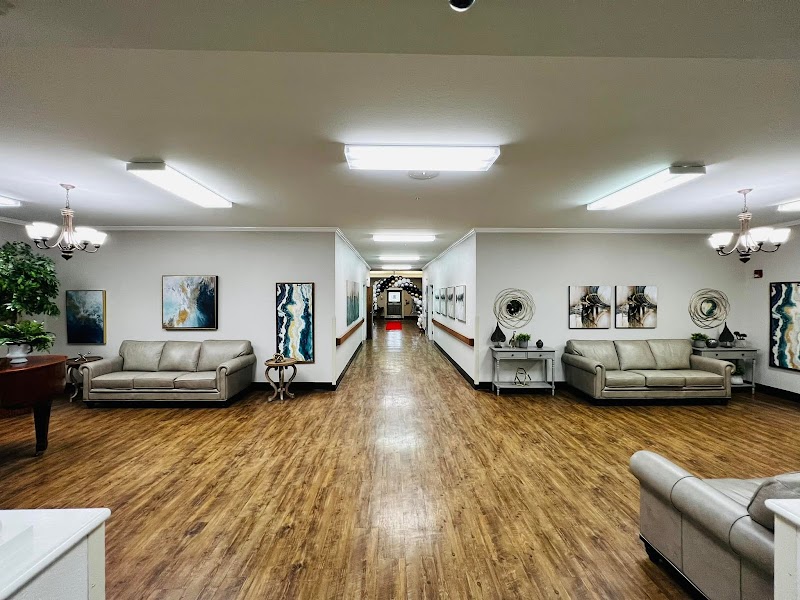
How is Lampstand Nursing And Rehabilitation Staffed?

CMS rates LAMPSTAND NURSING AND REHABILITATION's staffing level at 3 out of 5 stars, which is average compared to other nursing homes. Staff turnover is 30%, compared to the Texas average of 46%. This relatively stable workforce can support continuity of care.

What Have Inspectors Found at Lampstand Nursing And Rehabilitation?

State health inspectors documented 39 deficiencies at LAMPSTAND NURSING AND REHABILITATION during 2022 to 2025. These included: 4 Immediate Jeopardy (the most serious level, indicating potential for serious harm or death), 1 that caused actual resident harm, and 34 with potential for harm. Immediate Jeopardy findings are rare and represent the most serious regulatory concerns. They require immediate corrective action.
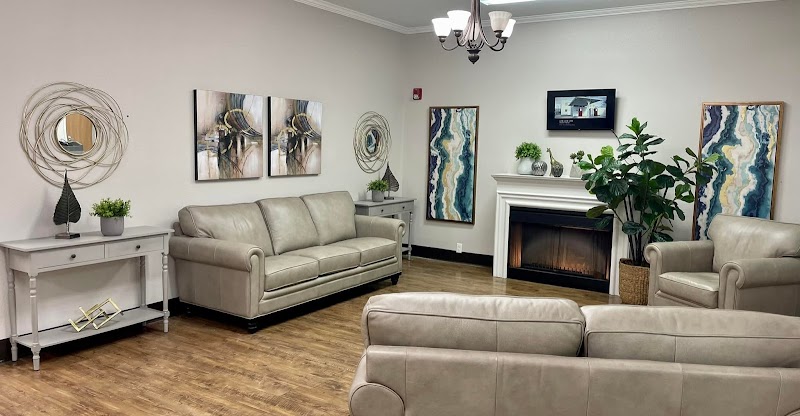
Who Owns and Operates Lampstand Nursing And Rehabilitation?

LAMPSTAND NURSING AND REHABILITATION is owned by a for-profit company. For-profit facilities operate as businesses with obligations to shareholders or private owners. The facility is operated by CREATIVE SOLUTIONS IN HEALTHCARE, a chain that manages multiple nursing homes. With 140 certified beds and approximately 84 residents (about 60% occupancy), it is a mid-sized facility located in BRYAN, Texas.
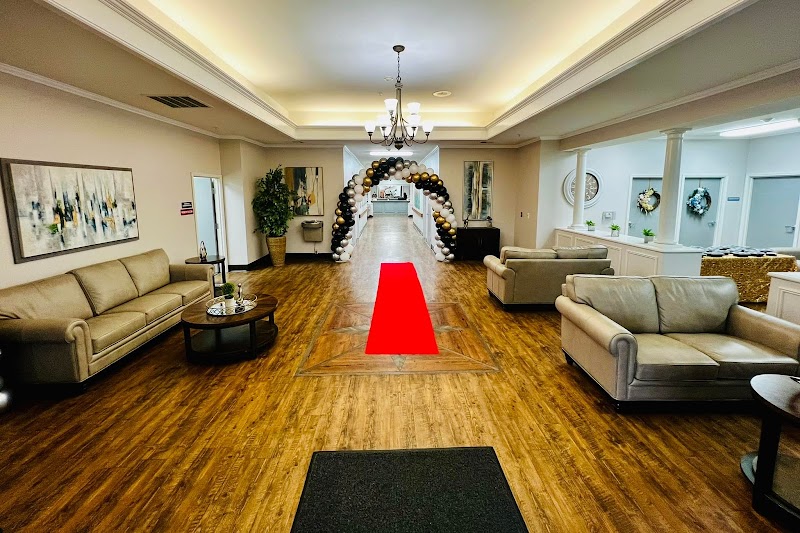
How Does Lampstand Nursing And Rehabilitation Compare to Other Texas Nursing Homes?

Compared to the 100 nursing homes in Texas, LAMPSTAND NURSING AND REHABILITATION's overall rating (2 stars) is below the state average of 2.8, staff turnover (30%) is significantly lower than the state average of 46%, and health inspection rating (2 stars) is below the national benchmark.

What Should Families Ask When Visiting Lampstand Nursing And Rehabilitation?

Based on this facility's data, families visiting should ask: "What changes have been made since the serious inspection findings, and how are you preventing similar issues?" "Can I visit during a mealtime to observe dining assistance and food quality?" "How do you handle medical emergencies, and what is your hospital transfer rate?" "Can I speak with family members of current residents about their experience?" These questions are particularly relevant given the facility's Immediate Jeopardy citations.

Is Lampstand Nursing And Rehabilitation Safe?

Based on CMS inspection data, LAMPSTAND NURSING AND REHABILITATION has documented safety concerns. Inspectors have issued 4 Immediate Jeopardy citations (the most serious violation level indicating risk of serious injury or death). The facility has a 2-star overall rating and ranks #100 of 100 nursing homes in Texas. Families considering this facility should ask detailed questions about what corrective actions have been taken since these incidents.

Do Nurses at Lampstand Nursing And Rehabilitation Stick Around?

LAMPSTAND NURSING AND REHABILITATION has a staff turnover rate of 30%, which is about average for Texas nursing homes (state average: 46%). Moderate turnover is common in nursing homes, but families should still ask about staff tenure and how the facility maintains care continuity when employees leave.

Was Lampstand Nursing And Rehabilitation Ever Fined?

LAMPSTAND NURSING AND REHABILITATION has been fined $31,046 across 2 penalty actions. This is below the Texas average of $33,389. While any fine indicates a compliance issue, fines under $50,000 are relatively common and typically reflect isolated problems that were subsequently corrected. Families should ask what specific issues led to these fines and confirm they've been resolved.

Is Lampstand Nursing And Rehabilitation on Any Federal Watch List?

LAMPSTAND NURSING AND REHABILITATION is not on any federal watch list. The most significant is the Special Focus Facility (SFF) program, which identifies the bottom 1% of nursing homes nationally based on persistent, serious quality problems. Not being on this list means the facility has avoided the pattern of deficiencies that triggers enhanced federal oversight. This is a positive indicator, though families should still review the facility's inspection history directly.