Advanced Rehabilitation & Healthcare of Burleson
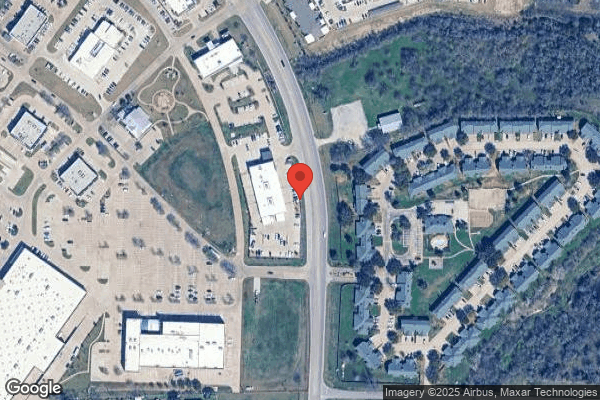
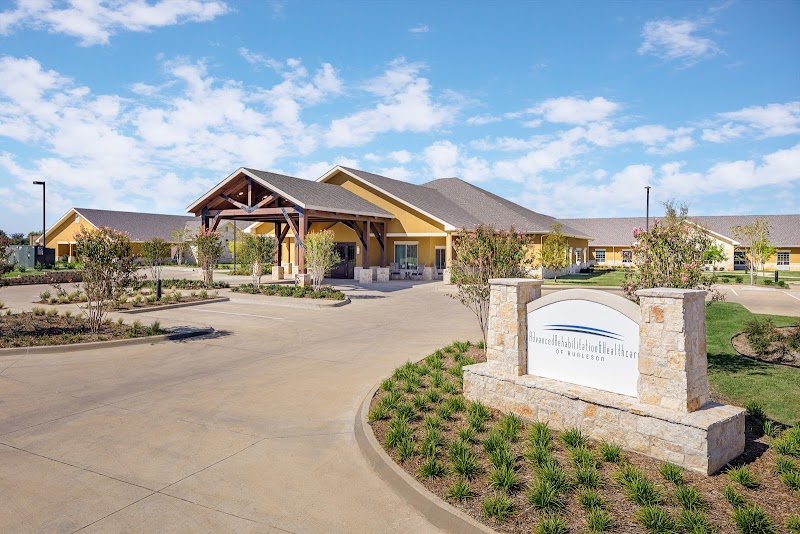
275 SE John Jones Drive, Burleson, TX 76028 (817) 730-4603
Government - Hospital district 121 Beds ADVANCED HEALTHCARE SOLUTIONS Data: November 2025 1 Immediate Jeopardy citation
Trust Grade
46/100
#405 of 1168 in TX
Last Inspection: August 2024

Within standard 12-15 month inspection cycle. Federal law requires annual inspections.

Overview

Advanced Rehabilitation & Healthcare of Burleson has a Trust Grade of D, indicating below-average quality with some concerns about care and safety. They rank #405 out of 1168 facilities in Texas, placing them in the top half, and #4 out of 9 in Johnson County, meaning only three local options are better. The facility is improving, having reduced issues from 13 in 2024 to 2 in 2025, but it still shows weaknesses, particularly in staffing with a low rating of 1 out of 5 stars and a turnover rate of 56%, slightly above the state average. While RN coverage is concerning, being lower than 81% of Texas facilities, there have been specific incidents that raise alarms, such as a resident not receiving timely radiology services after reporting pain and a failure to maintain food safety standards in the kitchen, which could risk residents' health. Overall, while there are some positive trends, families should carefully consider these challenges when evaluating this nursing home.
Trust Score
D
46/100
In Texas
#405/1168
Top 34%
Safety Record
High Risk
Review needed
Inspections
Getting Better
13 → 2 violations
Staff Stability
⚠ Watch
56% turnover. Above average. Higher turnover means staff may not know residents' routines.
Penalties
⚠ Watch
$22,121 in fines. Higher than 98% of Texas facilities. Major compliance failures.
Skilled Nurses
⚠ Watch
Each resident gets only 15 minutes of Registered Nurse (RN) attention daily — below average for Texas. Fewer RN minutes means fewer trained eyes watching for problems.
Violations
⚠ Watch
18 deficiencies on record. Higher than average. Multiple issues found across inspections.
★★★☆☆
3.0
Overall Rating
★☆☆☆☆
1.0
Staff Levels
★★★★☆
4.0
Care Quality
★★★★☆
4.0
Inspection Score
Stable
2024: 13 issues
2025: 2 issues

The Good

  • 4-Star Quality Measures · Strong clinical quality outcomes
  • Full Sprinkler Coverage · Fire safety systems throughout facility
  • No fines on record

Facility shows strength in quality measures, fire safety.

The Bad

3-Star Overall Rating

Near Texas average (2.8)

Meets federal standards, typical of most facilities

Staff Turnover: 56%

Near Texas avg (46%)

Frequent staff changes - ask about care continuity

Federal Fines: $22,121

Below median ($33,413)

Minor penalties assessed

Chain: ADVANCED HEALTHCARE SOLUTIONS

Part of a multi-facility chain

Ask about local staffing decisions and management

Staff turnover is elevated (56%)

8 points above Texas average of 48%

The Ugly 18 deficiencies on record

1 life-threatening
May 2025 2 deficiencies
CONCERN (D) 📢 Someone Reported This

A family member, employee, or ombudsman was alarmed enough to file a formal complaint

Potential for Harm - no one hurt, but risky conditions existed

Assessment Accuracy (Tag F0641)

Could have caused harm · This affected 1 resident

**NOTE- TERMS IN BRACKETS HAVE BEEN EDITED TO PROTECT CONFIDENTIALITY** Based on observation, interviews, and record review the facility failed to ensure the resident assessment accurately reflected t...

Read full inspector narrative →
**NOTE- TERMS IN BRACKETS HAVE BEEN EDITED TO PROTECT CONFIDENTIALITY** Based on observation, interviews, and record review the facility failed to ensure the resident assessment accurately reflected the resident's status for 1 (Resident #1) of 7 residents reviewed for accuracy of assessments. The facility failed to ensure Resident #1's comprehensive MDS assessment dated [DATE] accurately reflected her use of dentures and having no natural teeth. This deficient practice could have placed the resident at risk for inadequate care due to inaccurate assessments. Findings included: Record review of Resident #1's comprehensive MDS, dated [DATE], indicated Resident #1 was a [AGE] year-old female who was admitted to the facility on [DATE]. She had diagnoses of dementia (memory loss), heart failure, depression (extreme sadness), cataracts, glaucoma, or macular degeneration (vision difficulties), lack of coordination, need for assistance with personal care, and problem related to life management difficulty. Her MDS reflected in Section L - Oral/Dental Status an 'x' in box 'Z. None of the above were present' when indicating if the resident had natural teeth, dentures, oral abnormalities, pain, or inability to examine oral cavity. She had a BIMS score of 13 which indicated her cognition was intact. Record review of Resident #1's dental note dated 4/21/2025 in her EHR reflected from the dental company that the resident's dentures were inspected for fit and occlusion, debris was removed from the dentures with dental tools and instruments. No pain or discomfort were noted by patient (Resident #1), and it was noted there was a tooth broken on her top denture, in the treatment plan notes it was stated they were to make a copy of the denture in order to replace the broken tooth. In an observation on 05/27/2025 at 12:34pm of Resident #1's bathroom revealed a denture toothbrush, and denture cleaning tablets in their sealed packages on her bathroom sink, her dentures were not visible in the bathroom. In an interview and observation on 04/30/2025 at 1:38pm of Resident #1's room revealed her teeth were in her backpack on the ground. Her dentures had a tooth missing on the top , she stated those were the 6th pair of dentures she had received. She said she needed glue, but the dental company told her not to put them in. She asked if she looked bad without her dentures in because she takes pride in her appearance. In an interview on 05/27/2025 at 11:57 AM with Resident #1's FM revealed that the resident had lived without her own natural teeth for years before admitting to the facility. The FM stated that the resident admitted to the facility with dentures, and to her knowledge the facility does not help Resident #1 clean her dentures, she stated the resident has full top and bottom dentures. She stated Resident #1 took pride in her appearance and would rather not wear the dentures until the missing tooth was replaced, so she would fold her dentures up in a napkin and put them in her nightstand or backpack. The FM stated they had no concerns with the resident's diet and there had been no weight loss. In an interview on 05/27/2025 at 12:32pm with HA B she stated that she provided denture care to residents who needed it and that those tasks included: washing dentures, brushing them, putting the cleaning tablets in the denture cups. She also helped residents insert their dentures by rinsing them before putting in the resident's mouth, inserting them, asking residents how the placement was, and adjusting as needed. She stated that if someone was known for refusing to wear their dentures, the staff would tell the RN. She stated she was unsure if Resident #1 wore dentures. In an interview on 05/27/2025 at 12:39pm with the DON, she stated that she began working at the facility on 4/30/2025. She stated that the process for completing MDS assessments and care plans was that the MDSC would start their assessment and build into the comprehensive assessment. The nursing team would do acute care planning, and she stated that dentures should be care planned, additionally it should be noted if they refuse to wear them. She stated the CNA's were responsible for ensuring cleanliness and whereabouts of dentures, helping residents insert and remove the assistive devices, and proper storage. In an interview on 05/27/2025 at 12:51pm with CNA A revealed she began working at the facility in December 2024, she stated that Resident #1 had not worn her dentures since she began working there. She stated Resident #1 kept her dentures in her backpack, and that she probably had the cup in her backpack at that time. She said they document denture use on the EHR under tasks, and if a resident refused to wear them, it would be put under 'service not provided'. She stated that she would let the nurse know if Resident #1 did not want to wear her dentures. She stated that Resident #1 was on a regular diet and had no known issues chewing foods. She stated the help she provided to residents with dentures is that she would help take them out of their mouths at night, put them back in the morning, help with brushing, and using the cleaning tablets. She stated she was not aware of Resident #1's dentures being broken. She stated she offered to help Resident #1 with her dentures every day, but she refused to wear them , and that lately it was because she had a dentist appointment upcoming. In an interview on 05/27/25 at 01:18 PM with the MDSC revealed she started working at the facility 3.5 years ago. She stated that Resident #1 usually did not have dentures in. Her process for conducting MDS assessments was by going to see the residents. When asked how she would know if a resident had dentures if they don't normally wear them, she stated she would have to ask the staff. She stated that 'No natural teeth or tooth fragments' should have been marked for Resident #1 on the MDS. She said she would be responsible for care planning dentures as well. She stated that the facility was in the midst of auditing care plans due to the new DON's arrival at the facility. A negative impact on the resident could be nutrition issues and weight loss. Record review of undated Facility policy titled MDS Accuracy Guidelines dated last revised 10/24/2022, reflected, The purpose of the MDS guideline is to ensure each resident receives an accurate assessment by qualified staff that are familiar with his/her physical, mental, and psychosocial well-being in order to identify the specific needs of the resident in accordance with the RAI Manual. All Sections of the MDS will be encoded and signed as accurate and completed as of the date the assessment or portion of the assessment is completed. Back dating is not allowed. Record review of the Long-Term Care Facility Resident Assessment Instrument 3.0 User's Manual, version 1.19.1, dated October 2024, reflected, The RAI process has multiple regulatory requirements. Federal regulations at 42 CFR 483.20 (b)(1)(xviii), (g), and (h) require that (1) the assessment accurately reflects the resident's status. (3) the assessment process includes direct observation, as well as communication with the resident and direct care staff on all shifts.
CONCERN (D) 📢 Someone Reported This

A family member, employee, or ombudsman was alarmed enough to file a formal complaint

Potential for Harm - no one hurt, but risky conditions existed

Comprehensive Care Plan (Tag F0656)

Could have caused harm · This affected 1 resident

**NOTE- TERMS IN BRACKETS HAVE BEEN EDITED TO PROTECT CONFIDENTIALITY** Based on observation, interviews, and record review the facility failed to ensure the resident care plan accurately reflected th...

Read full inspector narrative →
**NOTE- TERMS IN BRACKETS HAVE BEEN EDITED TO PROTECT CONFIDENTIALITY** Based on observation, interviews, and record review the facility failed to ensure the resident care plan accurately reflected the resident's status for 1 of 7 residents (Resident #1) who were reviewed for care plans. The facility failed to develop a person-centered care plan for Resident #1's oral care needs related to denture use despite a dentists' visit and cleaning of her dentures on 4/21/25. This failure could place residents at risk of their needs going unmet, unintentional weight loss, and/or feelings of self-consciousness. Findings included: Record review of Resident #1's comprehensive MDS, dated [DATE], indicated Resident #1 was a [AGE] year-old female who was admitted to the facility on [DATE]. Resident #1 had diagnoses of dementia (memory loss), heart failure, depression (extreme sadness), cataracts, glaucoma, or macular degeneration (vision difficulties), lack of coordination, need for assistance with personal care, and problem related to life management difficulty. Resident #1 MDS reflected in Section L - Oral/Dental Status an 'x' in box 'Z. None of the above were present' when indicating if the resident had natural teeth, dentures, oral abnormalities, pain, or inability to examine oral cavity. Resident #1 had a BIMS score of 13 which indicated her cognition was intact. Record review of Resident #1's care plan dated last revised on 05/26/2025 reflected no indication the resident had dentures and/or wore or refused wearing them. Record review of Resident #1's dental note dated 4/21/2025 in her EHR reflected from the dental company that the resident's dentures were inspected for fit and occlusion, debris was removed from the dentures with dental tools and instruments. No pain or discomfort were noted by patient, and it was noted there was a tooth broken on her top denture, in the treatment plan notes it was stated they were to make a copy of the denture in order to replace the broken tooth. In an observation on 05/27/2025 at 12:34pm of Resident #1's bathroom revealed a denture toothbrush, and denture cleaning tablets in their sealed packages on her bathroom sink, his dentures were not visible in the bathroom. In an interview and observation on 04/30/2025 at 1:38pm of Resident #1's room revealed her teeth were in her backpack on the ground. Resident #1's dentures had a tooth missing on the top , and she stated those were the 6th pair of dentures she had received. She said she needed glue, but the dental company told her not to put them in. She asked if she looked bad without her dentures in because she takes pride in her appearance. Resident #1 was observed on multiple occasions without her dentures in, including during lunch. In an interview on 05/27/2025 at 11:57 AM with Resident #1's FM revealed that the resident had lived without her own natural teeth for years before admitting to the facility. The FM stated that the resident admitted to the facility with dentures, and to her knowledge the facility does not help Resident #1 clean her dentures, she stated the resident has full top and bottom dentures. She stated Resident #1 took pride in her appearance and would rather not wear the dentures until the missing tooth was replaced, so she would fold her dentures up in a napkin and put them in her nightstand or backpack. The FM stated they had no concerns with the resident's diet and there had been no weight loss. In an interview on 05/27/2025 at 12:32pm with HA B she stated that she provided denture care to residents who needed it and that those tasks included: washing dentures, brushing them, putting the cleaning tablets in the denture cups. She also helped residents insert their dentures by rinsing them before putting in the resident's mouth, inserting them, asking residents how the placement was, and adjusting as needed. She stated that if someone was known for refusing to wear their dentures, the staff would tell the RN. She stated she was unsure if Resident #1 wore dentures. In an interview on 05/27/2025 at 12:39pm with the DON, she stated that she began working at the facility on 4/30/2025. She stated that the process for completing MDS assessments and care plans was that the MDSC would start their assessment and build into the comprehensive assessment. The nursing team would do acute care planning, and she stated that dentures should be care planned, additionally it should be noted if they refuse to wear them. She stated the CNA's were responsible for ensuring cleanliness and whereabouts of dentures, helping residents insert and remove the assistive devices, and proper storage. In an interview on 05/27/2025 at 12:51pm with CNA A revealed she began working at the facility in December 2024, she stated that Resident #1 had not worn her dentures since she began working there. She stated Resident #1 kept her dentures in her backpack, and that she probably had the cup in her backpack at that time. She said they document denture use on the EHR under tasks, and if a resident refused to wear them, it would be put under 'service not provided'. She stated that she would let the nurse know if Resident #1 did not want to wear her dentures. She stated that Resident #1 was on a regular diet and had no known issues chewing foods. She stated the help she provided to residents with dentures was that she would help take them out of their mouths at night, put them back in the morning, help with brushing, and using the cleaning tablets. She stated she was not aware of Resident #1's dentures being broken. She stated she offered to help Resident #1 with her dentures every day, but she refused to wear them , and that lately it was because she had a dentist appointment upcoming. Review of the facility's policy titled Comprehensive Care plans dated 2/10/2021 reflected, The comprehensive care plan will describe, at a minimum, the following: The services that are to be furnished to attain or maintain the resident's highest practicable physical, mental, and psychosocial well-being. Any services that would otherwise be furnished but are not provided due to the resident's exercise of his or her right to refuse treatment. The physician, other practitioner, or professional will inform the resident and/or resident representative of the risks and benefits of proposed care, of treatment, and treatment. alternatives/options. The facility will attempt alternate methods for refusal of treatment and services and document such attempts in the clinical record, including discussions with the resident and/or resident representative.
Aug 2024 9 deficiencies
CONCERN (D)

Potential for Harm - no one hurt, but risky conditions existed

Resident Rights (Tag F0550)

Could have caused harm · This affected 1 resident

**NOTE- TERMS IN BRACKETS HAVE BEEN EDITED TO PROTECT CONFIDENTIALITY** Based on observation and interview, the facility failed to treat each resident with respect and dignity and care for each reside...

Read full inspector narrative →
**NOTE- TERMS IN BRACKETS HAVE BEEN EDITED TO PROTECT CONFIDENTIALITY** Based on observation and interview, the facility failed to treat each resident with respect and dignity and care for each resident in a manner and in an environment that promotes maintenance or enhancement of his or her quality of life, recognizing each resident's individuality for two of eight residents (Residents #42 and #32) reviewed for resident rights. The facility failed to ensure Residents #42 and #32 were kept clean shaven. This failure could place residents at risk of a decreased sense of self-worth. Findings included: Record review of Resident #42's undated admission Record reflected the resident was a [AGE] year-old female, who was admitted to the facility on [DATE], with diagnoses which included dementia, diabetes, communication deficit, and history of falling. Record review of Resident #42's Quarterly MDS Assessment, dated 08/06/24, reflected the resident's cognition was intact with a BIMS score of 14. The MDS reflected the resident required assistance with her personal hygiene. Record review of Resident #42's care plan, dated 05/29/24, reflected she had an ADL self-care deficit with interventions which included providing shower, shaving, oral care, hair care, and nail care. Observation and interview on 08/20/24 at 10:58 AM revealed Resident #42 had facial hair growth on her upper lip and chin. The hair on her chin was approximately an inch long. The resident stated having facial hair embarrassed her, and she preferred to have it shaved off. The resident stated the last time she was shaved was about two weeks prior. Resident #42 stated she was bathed twice a week, which was when she was usually shaved. Observation on 08/21/24 at 11:30 AM revealed Resident #42 remained unshaven. The resident stated she was bathed the previous afternoon, but they did not shave her. She stated she did not ask to be shaved. Record review of Resident #32's undated admission Record reflected the resident was a [AGE] year-old female admitted to the facility on [DATE], with diagnoses which included heart failure, dementia, sleep apnea, and diabetes. Record review of Resident #32's Annual MDS Assessment, dated 08/04/24, reflected a BIMS score was not calculated. Her Functional Status assessment indicated she required assistance with her personal hygiene. Record review of Resident #32's care plan, dated 05/06/24, reflected she had an ADL self-care deficit with interventions which included providing shower, shave, oral care, hair care and nail care. Observation and interview on 08/20/24 at 11:10 AM revealed Resident #32 had facial hair on her upper lip and chin. She stated she was embarrassed to have facial hair. The hair on Resident #32's chin was approximately 1/2 an inch long. Resident #32 stated she thought she was shaved the previous week. Interview on 08/22/24 at 1:34 PM with CNA A revealed all residents were shaved as part of their shower or bath process. She stated sometimes the male residents would ask not to be shaved, but the females always said yes when their facial hair was pointed out to them. She stated she did not know personally how long it had been since Residents #32 and #43 were shaved because she worked all over the facility. She stated she would make sure it was done as soon as possible. Record review of the facility's ADL Care policy, dated 02/11/21, reflected: Residents will receive essential services for activities of daily living to maintain good nutrition, grooming, and personal and oral hygiene Bathing includes grooming activities such as shaving and brushing teeth and hair
CONCERN (D)

Potential for Harm - no one hurt, but risky conditions existed

Comprehensive Care Plan (Tag F0656)

Could have caused harm · This affected 1 resident

**NOTE- TERMS IN BRACKETS HAVE BEEN EDITED TO PROTECT CONFIDENTIALITY** Based on observation, interview and record review, the facility failed to develop and implement a comprehensive person-centered ...

Read full inspector narrative →
**NOTE- TERMS IN BRACKETS HAVE BEEN EDITED TO PROTECT CONFIDENTIALITY** Based on observation, interview and record review, the facility failed to develop and implement a comprehensive person-centered care plan for each resident, consistent with the resident rights, that included measurable objectives and timeframes to meet a resident's medical, nursing, and mental, and psychosocial needs that were identified in the comprehensive assessment for 1 of 5 residents (Resident #4) reviewed for care plans. The facility failed to develop a care plan with measurable objectives and timeframes to address Resident #4's catheter. This failure could place residents at risk of receiving inadequate interventions not individualized to their care needs. Findings included: Record review of Resident #4's MDS, dated [DATE], reflected the resident was a [AGE] year-old female re-admitted to the facility on [DATE]. Her diagnoses included heart failure, hypertension (high blood pressure), and diabetes. Resident #4 had a BIMS of 12, which indicated the resident's cognition was moderately impaired. The MDS further reflected the resident had a stage 3 pressure injury and an indwelling catheter. Record review of Resident #4's care plan, initiated on 06/15/24, reflected the resident had a stage 3 pressure ulcer and was at risk for infection, pain, and a decline in functional abilities. Interventions included to provide wound care per physician's order. The care plan did not reflect Resident #4 had a catheter for wound healing. Record review of Resident #4's monthly physician orders for August 2024 reflected she had a Foley catheter 18 French for wound healing with a start date of 07/11/24. Observation and interview on 08/20/24 at 11:32 AM with Resident #4 revealed she was up in her motorized chair. The resident had a catheter and it was draining clear urine. Resident #4 stated the catheter had recently been inserted to help the wound on her bottom heal. Interview on 08/22/24 at 1:21 PM with the MDS Nurse revealed she was responsible for updating resident comprehensive care plans. She said Resident #4's catheter should have been care planned and it must have been missed. The MDS Nurse said it was important to keep care plans up to date so people would know how to care for the residents . Interview on 08/22/24 at 4:04 PM with the DON revealed the MDS nurse was responsible for updating the care plans and nursing should have followed up to make sure they were in place. The DON said risks of not having care plans updated included direct care staff not knowing how to care for the residents. Record review of the facility's Comprehensive Care Plans policy, dated February 2021, reflected the following: Policy It is the policy of this facility to develop and implement a comprehensive person-centered care plan for each resident, consistent with resident rights, that includes measurable objectives and timeframes to meet a resident's medical, nursing, and mental and psychosocial needs that are identified in the resident's comprehensive assessment
CONCERN (D)

Potential for Harm - no one hurt, but risky conditions existed

ADL Care (Tag F0677)

Could have caused harm · This affected 1 resident

**NOTE- TERMS IN BRACKETS HAVE BEEN EDITED TO PROTECT CONFIDENTIALITY** Based on observation and interview, the facility failed to ensure residents who are unable to carry out activities of daily livi...

Read full inspector narrative →
**NOTE- TERMS IN BRACKETS HAVE BEEN EDITED TO PROTECT CONFIDENTIALITY** Based on observation and interview, the facility failed to ensure residents who are unable to carry out activities of daily living received the necessary services to maintain good grooming for two of eight residents (Residents #42 and #32) reviewed for resident rights. The facility failed to ensure Residents #42 and #32 were kept clean shaven. This failure could place residents at risk of a decreased sense of self-worth. Findings included: Record review of Resident #42's undated admission Record reflected the resident was a [AGE] year-old female, who was admitted to the facility on [DATE], with diagnoses which included dementia, diabetes, communication deficit, and history of falling. Record review of Resident #42's Quarterly MDS Assessment, dated 08/06/24, reflected the resident's cognition was intact with a BIMS score of 14. The MDS reflected the resident required assistance with her personal hygiene. Record review of Resident #42's care plan, dated 05/29/24, reflected she had an ADL self-care deficit with interventions which included providing shower, shaving, oral care, hair care, and nail care. Observation and interview on 08/20/24 at 10:58 AM revealed Resident #42 had facial hair growth on her upper lip and chin. The hair on her chin was approximately an inch long. The resident stated having facial hair embarrassed her, and she preferred to have it shaved off. The resident stated the last time she was shaved was about two weeks prior. Resident #42 stated she was bathed twice a week, which was when she was usually shaved. Observation on 08/21/24 at 11:30 AM revealed Resident #42 remained unshaven. The resident stated she was bathed the previous afternoon, but they did not shave her. She stated she did not ask to be shaved. Record review of Resident #32's undated admission Record reflected the resident was a [AGE] year-old female admitted to the facility on [DATE], with diagnoses which included heart failure, dementia, sleep apnea, and diabetes. Record review of Resident #32's Annual MDS Assessment, dated 08/04/24, reflected a BIMS score was not calculated. Her Functional Status assessment indicated she required assistance with her personal hygiene. Record review of Resident #32's care plan, dated 05/06/24, reflected she had an ADL self-care deficit with interventions which included providing shower, shave, oral care, hair care and nail care. Observation and interview on 08/20/24 at 11:10 AM revealed Resident #32 had facial hair on her upper lip and chin. She stated she was embarrassed to have facial hair. The hair on Resident #32's chin was approximately 1/2 an inch long. Resident #32 stated she thought she was shaved the previous week. Interview on 08/22/24 at 1:34 PM with CNA A revealed all residents were shaved as part of their shower or bath process. She stated sometimes the male residents would ask not to be shaved, but the females always said yes when their facial hair was pointed out to them. She stated she did not know personally how long it had been since Residents #32 and #43 were shaved because she worked all over the facility. She stated she would make sure it was done as soon as possible. Record review of the facility's ADL Care policy, dated 02/11/21, reflected: Residents will receive essential services for activities of daily living to maintain good nutrition, grooming, and personal and oral hygiene Bathing includes grooming activities such as shaving and brushing teeth and hair
CONCERN (D)

Potential for Harm - no one hurt, but risky conditions existed

Accident Prevention (Tag F0689)

Could have caused harm · This affected 1 resident

**NOTE- TERMS IN BRACKETS HAVE BEEN EDITED TO PROTECT CONFIDENTIALITY** Based on observation, interview, and record review, the facility failed to ensure each resident received adequate supervision an...

Read full inspector narrative →
**NOTE- TERMS IN BRACKETS HAVE BEEN EDITED TO PROTECT CONFIDENTIALITY** Based on observation, interview, and record review, the facility failed to ensure each resident received adequate supervision and assistance devices to prevent accidents for one of three residents (Resident #6) reviewed for accidents and hazards. NA B failed to follow policy for transferring residents with mechanical lift devices while transferring Resident #6, resulting in him falling. This failure could place residents at risk for falls and injuries. Findings included: Record review of Resident #6's undated admission Record reflected the resident was admitted to the facility on [DATE] with diagnoses which included emphysema, diabetes, morbid obesity, and heart failure. Record review of Resident #6's annual MDS, dated [DATE], reflected a BIMS score not calculated. His Functional Status Assessment indicated he required maximum assistance with transfers. Record review of Resident #6's care plan, dated 06/21/24, reflected the resident had cognitive impairment, and an ADL self-care deficit with interventions of maximum assistance with all of his ADLs. Record review of Resident #6's EHR reflected the resident's last weight on 08/01/24 was 402 pounds. Observation on 08/20/24 at 2:10 PM of a video on Resident #6's phone revealed a staff member, identified as NA B by the resident, lifting the resident out of his wheelchair using the Hoyer lift device without another staff member present. NA B positioned the lift device beside the bed but appeared to have problems positioning the support legs of the device under the bed. While NA B was repositioning the Hoyer lift, it tilted sideways causing Resident #6 to fall onto his bed, roll off the bed, and end up on the floor on the opposite side of the bed. NA B left the room to call for help and within one minute three additional staff members were present in the room. Resident #6 was eventually put back in bed with the assistance of five staff members and the Hoyer device. Interview on 08/20/24 at 2:01 PM with Resident #6 revealed he had recently had a fall while he was being transferred to bed. He stated NA B had tried to transfer him with the hydraulic lift, and she dropped him. He stated he fell onto the floor but did not suffer any injury. Resident #6 stated CNA B did not have any help to do the transfer, and she tried to do it on her own. Resident #6 stated he had a video of the event from his camera located at the head of his bed. Interview on 08/22/24 at 2:12 PM with NA B revealed the nurse told her Resident #6 was ready to go back to bed, and the nurse told her she would be right there to help her. When she entered Resident #6's room, the resident told her he had soiled himself and wanted to get back in bed, so he could be changed. NA B stated she looked for the nurse, but she was busy medicating another resident. NA B stated she opted to go ahead and start the transfer. NA B stated everything was fine until she tried to position the legs of the lift device under the bed. She stated the legs would not fit under the bed and would not spread for stabilization. She stated as she was re-positioning the lift device, it tilted sideways, dumped the resident onto his bed, and then he rolled off the other side of the bed. Interview on 08/22/24 at 3:00 PM with the Administrator revealed it was the policy of the facility to have two staff members present for all mechanical lift transfers. The Administrator stated Resident #6 had shown him the video as well, and it showed NA B violating policy by performing the lift with no assistance. The Administrator suspended NA B immediately and had the DON in-service staff on transferring residents using the Hoyer lift. Record review of the facility's undated Hydraulic Lift (Hoyer Lift) policy reflected the purpose of the policy was: .to enable one individual to lift and move a resident safely, with as little effort as possible. 1. Open lift to widest point and set brakes
CONCERN (D)

Potential for Harm - no one hurt, but risky conditions existed

Respiratory Care (Tag F0695)

Could have caused harm · This affected 1 resident

**NOTE- TERMS IN BRACKETS HAVE BEEN EDITED TO PROTECT CONFIDENTIALITY** Based on observation, interview and record review, the facility failed to ensure that a resident who needed respiratory care, in...

Read full inspector narrative →
**NOTE- TERMS IN BRACKETS HAVE BEEN EDITED TO PROTECT CONFIDENTIALITY** Based on observation, interview and record review, the facility failed to ensure that a resident who needed respiratory care, including tracheostomy care and tracheal suctioning, was provided consistent with professional standards of practice, the comprehensive person-centered care plan and the resident's goals and preferences for 1 of 6 residents (Resident #101) reviewed for respiratory care. The facility failed to replace Resident #101's oxygen humidifier bottle when it was empty. This deficient practice could place residents at-risk for respiratory infection, and ineffective treatment. Findings include: Record review of Resident #101's face sheet, dated 08/22/24, reflected the resident was a [AGE] year-old female who was admitted to the facility on [DATE] and readmitted on [DATE]. Record review of Resident #101's significant change in status MDS assessment, dated 08/06/24, reflected a BIMS score of 10, which indicated the cognition was moderately impaired. Her diagnoses included unspecified dementia (loss of cognitive functioning), essential hypertension (high blood pressure), malignant neoplasm of colon (colon cancer) and diabetes. Section O - Special Treatments, Procedures, and Programs indicated the resident received oxygen therapy. Record review of Resident #101's care plan, revised on 07/23/24, reflected: Focus: Resident uses oxygen therapy routinely or as needed and is at risk for ineffective gas exchange. This is related to heart failure. Goal: Resident will have no signs or symptoms of hypoxia (low levels of oxygen) through the next review date. Interventions: Administer oxygen therapy per physician's orders. Record review of Resident #101's physician orders, dated 07/07/24, reflected Change O2 tubing and humidifier bottle every night shift every Sun Ensure that tubing is dated when changed. Observation and interview on 08/20/24 at 10:38 AM revealed Resident #101 was lying in his bed, he stated he was doing well. Resident #101 was observed to be receiving oxygen via nasal cannula. The nasal cannula was dated 08/19/24, the oxygen concentrator was set at 2 liters, the oxygen concentrator humidifier bottle was empty. Resident #101 stated he always received oxygen. Resident #101 could not recall when the last time the water bottle was changed. Resident #101 denied any discomfort or pain. Observation and interview on 08/21/24 at 8:58 AM, revealed Resident #101 lying in bed with his oxygen nasal cannula in place. Resident #101's oxygen water bottle was empty. He denied any discomfort. Observation and interview on 08/21/24 at 2:32 PM, revealed Resident #101 lying in bed with his oxygen nasal cannula in place. Resident #101's oxygen water bottle was empty. He denied any discomfort. Interview on 08/21/24 at 2:42 PM with LVN I revealed she was the assigned nurse for Resident #101. She stated Resident #101 received oxygen. She stated Resident #101's humidifier bottle should have water. She stated she checked Resident #101's oxygen level this morning (08/21/24) but did not check to see if the humidifier had water. Observed LVN I entered Resident #101 room and stated the humidifier did not have water. LVN I stated the potential risk of the humidifier bottle not having water could lead to sinuses drying out. Interview on 08/22/24 at 1:08 PM with ADON B revealed she was informed by LVN I regarding Resident #101 humidifier bottle being empty. The ADON B stated when staff checked residents' oxygen levels her expectations were for her staff to be checking humidifier bottles and refilling them. She stated it was the responsibility of the charge nurses to ensure it got done and it was her responsibility to follow up. She stated the potential risk of humidifier bottles not having water could lead to the nasal getting dried out. Interview on 08/22/24 at 3:00 PM with the DON revealed her expectations were for her nurses to follow physician orders, give the correct amount, stat checks, change tubing weekly and for humidifier bottle to be changed weekly or has needed. She stated it was the responsibility of the charge nurses, the ADON and herself to ensure it was being done. The potential risk would be dry out nasal passages . Record review of the facility's Respiratory: Oxygen Administration policy, dated 02/10/20, reflected: To describe method for delivering oxygen in order to improve tissue oxygenation, prevent hypoxia, decrease work of breathing and prevent shortness of breath with activity. Preparation of Humidification: 1. Use pre-filled humidifier bottle. Change pre-filled bottle only when empty and label bottles with date and initial.
CONCERN (D)

Potential for Harm - no one hurt, but risky conditions existed

Deficiency F0761 (Tag F0761)

Could have caused harm · This affected 1 resident

**NOTE- TERMS IN BRACKETS HAVE BEEN EDITED TO PROTECT CONFIDENTIALITY** Based on observation, interview and record review, the facility failed to ensure, in accordance with State and Federal laws, all...

Read full inspector narrative →
**NOTE- TERMS IN BRACKETS HAVE BEEN EDITED TO PROTECT CONFIDENTIALITY** Based on observation, interview and record review, the facility failed to ensure, in accordance with State and Federal laws, all drugs and biologicals were stored in locked compartments under proper temperature controls and permitted only authorized personnel to have access to the keys for 1 of 26 residents (Resident #92) reviewed for storage of medication. The facility failed to ensure Resident #92 did not have Dulcolax Docusate Sodium 100 mg/Stool Softener Laxative stool softener stimulant-free stored at the resident's bedside table. This failure could place residents at risk of accessing medications not prescribed to them and overdosing. Findings included: Record review of Resident #92's face sheet, dated 08/22/24, reflected the resident was a [AGE] year-old male with an admission date of 12/24/23 and original admission date of 08/12/23. Resident #1 had diagnoses which included Type 2 diabetes mellitus, (an impairment in the way the body regulates and uses sugar) cerebral infarction, (stroke), hemiplegia and hemiparesis following a cerebral infarction, (one-sided muscle weakness and paralysis) and depression. Record review of Resident #92's Quarterly MDS Assessment, dated 04/12/24, reflected a BIMS score of 12, which indicated moderate cognitive impairment. Record review of Resident #92's care plan, dated 08/22/24 did not reflect anything regarding ability to self-administer medications. Record review of Resident #92's physician order, dated 08/12/23, reflected he had an order for Docusate Sodium Oral Tablet 100 mg (Docusate Sodium). Directions stated, Give one tablet by mouth two times per day. Observation and interview on 08/20/24 at 12:39 PM with Resident #92 revealed the Resident's family member brought him Dulcolax Docusate Sodium (USP) 100 mg/Stool Softener Laxative stool softener stimulant-free when he told her he was going to have a colonoscopy. He stated he had taken two tablets as well as the Golightly that was prescribed to him the day before the colonoscopy. Resident #92 also said he was having another colonoscopy soon, and he thought he would need it then as well. Resident had the medication bedside from 07/22/24 to 08/22/24. Resident did not state that he had informed staff he had the stool softener bedside. Observation on 08/21/24 at 3:58 PM revealed the Dulcolax Docusate Sodium (USP) 100 mg/Stool Softener Laxative stool softener stimulant-free was located at the bedside in the same location as the previous day on 08/20/24. Observation on 08/22/24 at 10:01 AM revealed the Dulcolax Docusate Sodium (USP) 100 mg/Stool Softener Laxative stool softener stimulant-free was located at the bedside in the same location as the first observed on 08/20/24. Staff was notified and questioned about the medication on 08/22/24 by surveyor. The staff removed the medication and placed it in the med room. The staff did not open the package in front of the surveyor. And the surveyor did not open the package to observe its contents. Interview on 08/22/24 at 10:14 AM revealed CNA C had not observed the Dulcolax Docusate Sodium (USP) 100 mg/Stool Softener Laxative stool softener stimulant-free stored at Resident #92's bedside table during the observation period of 08/20/24-08/22/24. CNA C stated she had not noticed it sitting beside the resident. CNA C stated prescribed medications and over the counter medications were not supposed to be at the bedside or accessible to residents per the facility policy. CNA C also stated the facility policy also reflected if CNAs observed medications at the bedside, they were supposed to notify their charge nurse. CNA C also revealed it was the nurse's responsibility to ensure medications were not at bedsides. CNA C concluded by stating residents could overdose leading to death if medications were left out unsupervised for residents to easily access. CNA C did not remember the last time she was in-serviced on the topic of self-administered medications. Records revealed the aides and nurses work 8- hour shifts Monday through Friday. And, the same staff were present during the days of the survey for Resident #92's hall. Interview on 08/22/24 at 10:24 AM with LVN F revealed she was passing medications to residents on Resident's 92's hall since 2023. LVN F stated she had not observed the over-the-counter medication at the bedside in Resident #92's room. LVN F also revealed she did not know the facility policy of prescribed medications or over the counter medication at the bedside. LVN F stated residents probably should not have any type of medication at the bedside without an order. LVN F said when the residents had items without orders, she should report it to the charge nurse. LVN F revealed it was everyone's responsibility to ensure medications were not at the bedside because there was a risk that someone could wander in and take the medication which could in harm to a resident. LVN F also revealed she would notify the charge nurse if she found any type of medication at a resident's bedside. LVN F concluded by stating she didn't remember when she was last in-serviced on medications at the bedside. Interview on 08/22/24 at 10:27 AM with LVN G revealed he was the Monday through Friday 6:00 AM-2:00 PM charge nurse. LVN G stated he had not observed the medication at the bedside. LVN G said if he had seen the medication, he would have removed the medication. LVN G said the family must have brought the medication without consent. LVN G stated if family brought medication, they were supposed to give it to the nurse. LVN G revealed if he found medication at the bedside, he would report it to the ADON and the DON. LVN G stated the procedure reflected he should document any medications found. LVN G said the risk to the resident when medication was found at the bedside depended on the medication. He stated (USP) 100 mg/Stool Softener Laxative stool softener stimulant-free could lead to diarrhea and then lead to many things depending on the resident. LVN G said he didn't remember when he was last in-serviced on medications at the bedside. Interview on 08/22/24 at 10:35 AM with ADON A revealed Resident #92 had a colonoscopy recently. ADON A stated the facility's policy stated residents were not supposed to have medications at the bedside. ADON A said if medications were brought to the facility, they were supposed to be given to the charge nurse. ADON A stated if the charge nurse found medications in the resident's room, the nurse should notify the family, call the doctor, and get an order for the mediation if the resident needed the medication. ADON A said the risk to residents having access to unsecured medications was there was a risk of overmedication and the medication not being compatible with their other medications. ADON A revealed the facility had not in-serviced on medications in residents' room. ADON A also stated she was notified about a medication being found at a resident's bedside. ADON A stated Resident #92 should not have a medication at the bedside; she educated the charge nurse and physician. Interview on 08/22/24 at 10:53 AM with the DON revealed she had been the DON since April 2024. The DON stated if a resident wanted to have a medication at the bedside, the facility must perform a self-administration assessment. The DON said since this was not done on Resident #92, they would remove the medication and notify the doctor. The DON stated the facility would contact the family and explain medications must be turned into the nurses' station if they thought the family member needed additional medication. The DON stated the nurse would now complete an assessment and notify the physician and the responsible party. The charge nurse would also educate the resident if he had a medical issue to notify the nurse, so they could get an order for a needed medication. The DON revealed it was any staff member's responsibility who walked in and looked at the bedside and saw medications, to notify the charge nurse. The DON continued by stating the risk to the resident in this case was it was unknown how much was taken, so it could affect the electrolytes as well as the patient getting diarrhea which could cause a change in condition. The DON said they would count how many were in the bottle and attempt to determine how many pills were missing. The DON finished by stating she didn't remember in-servicing on this topic, but she would do one today. Record review of the facility's Medication Storage Policy, dated 01/20/21, reflected, .All drugs and biologicals will be stored in locked compartments (i.e., medication carts, cabinets, drawers, refrigerators, medications rooms) under proper temperature controls
CONCERN (D)

Potential for Harm - no one hurt, but risky conditions existed

Infection Control (Tag F0880)

Could have caused harm · This affected 1 resident

**NOTE- TERMS IN BRACKETS HAVE BEEN EDITED TO PROTECT CONFIDENTIALITY** Based on observation, interview, and record review, the facility failed to establish and maintain an infection prevention and co...

Read full inspector narrative →
**NOTE- TERMS IN BRACKETS HAVE BEEN EDITED TO PROTECT CONFIDENTIALITY** Based on observation, interview, and record review, the facility failed to establish and maintain an infection prevention and control program designed to provide a safe, sanitary and comfortable environment and to help prevent the development and transmission of communicable diseases and infections for 1 of three residents (Residents #43) reviewed for infection control. RN H failed to don a gown before providing bolus feeding to Resident #43, who was on Enhanced Barrier Precautions. This failure could place residents at risk of contracting an infection from residents on Enhanced Barrier Precautions and cross contamination, which could result in infections or illness. Findings include: Record review of Resident #43's face sheet, dated 08/22/24, reflected the resident was a [AGE] year-old female who was admitted to the facility on [DATE] and readmitted on [DATE]. Record review of Resident #43's quarterly MDS assessment, dated 07/26/24, reflected his diagnoses included Parkinsonism (brain conditions that cause slowed movements), aphasia (language disorder) following other cerebrovascular disease (brain injury), gastrostomy status and feeding difficulties. Resident #43's BIMS score was not completed due to the resident being rarely/never understood. The MDS reflected the resident had a feeding tube. Record review of Resident #43's care plan, revised on 04/04/24, reflected: Focus: The resident requires Enhanced Barrier Precautions d/t Feeding tube. Goal: The resident will remain free from active infection with MDROs through the review date. Interventions: Educate the resident and family on the reason and procedure for enhanced barrier precautions. Ensure PPE is available for use on the resident. Wear gown and gloves during high-contact resident care activities. Record review of Resident #43's physician order, dated 08/21/24 , reflected every 4 hours related to Dysphagia, Oropharyngeal Phase. Intermittent Gravity (Bolus) Enteral Feeding: Formula Jevity 1.2 Amount: 237 ml Frequency 6x/day Total ml/24 hours 1422 ml/day. Observation on 08/22/24 at 11:52 AM revealed RN H preparing to provide Resident #43's bolus feeding. Resident #43 had a sign on the door which stated EBP and had a bin of PPE hanging on the door. RN H conducted appropriate hand hygiene and then proceeded to don gloves. RN H failed to don a gown. RN H checked for residual and placement. Bolus feeding was not provided due to residual. Interview on 08/22/24 at 12:22 PM with RN H revealed she was the nurse assigned to Resident #43. RN H stated any resident who had a catheter, or wound were on Enhanced Barrier Precautions and staff were required to don PPE when providing care. She stated the reason why Resident #43 was on EBP was due to resident's g-tube. RN H stated since she had been a nurse for more than 10 years and was very careful, and she did not need to don a gown. RN H stated she would don PPE when she would help change the resident. RN H stated she had never had any accidents when providing Resident #43's bolus feedings. She stated the potential risk of not donning PPE would be infection control. Interview on 08/22/24 at 1:06 PM with ADON B revealed she was the ADON assigned to Resident #43 and was the infection preventionist. She stated residents who were on Enhanced Barrier Precautions had signs on the doors to indicate the resident was on Enhanced Barrier Precautions. ADON B stated resident who were on EBP were resident who had dialysis, Foley catheter, PICC-lines and g-tubes. She stated staff should don PPE when providing care. The ADON B stated when providing bolus feedings nurses should don PPE which includes gown and gloves. She stated the potential risk would be spread of infection. Interview on 08/22/24 at 3:03 PM with the DON revealed EBP applied to residents with skin issues, wounds, catheter, and g-tubes. The DON stated her expectations were for staff to follow facility policy on EBP regardless of the years of experience. The DON stated residents who were on EBP had signs on the doors to indicate they were on EBP. She stated the potential risk would be infection control. Record review of the facility's Infection Prevention and Control Program policy, revised on 03/26/24, reflected: .6. Enhanced Barrier Precaution EBP are used in conjunction with standard precautions and expand the use of PPE to donning of gown and gloves during high-contact resident care activities that provided opportunities for transfer of MDRO's to staff hands and clothing. EBP are indicated for residents with any of the following: a. Infection or colonization with an MDRO when Contact Precautions do not otherwise apply. b. Wounds and/or indwelling medical devices (e.g., central lines, urinary catheter, feeding tube, tracheostomy/ventilator) regardless of MDRO colonization status
CONCERN (D)

Potential for Harm - no one hurt, but risky conditions existed

Antibiotic Stewardship (Tag F0881)

Could have caused harm · This affected 1 resident

**NOTE- TERMS IN BRACKETS HAVE BEEN EDITED TO PROTECT CONFIDENTIALITY** Based on interview and record review, the facility failed to establish an antibiotic stewardship program that included antibioti...

Read full inspector narrative →
**NOTE- TERMS IN BRACKETS HAVE BEEN EDITED TO PROTECT CONFIDENTIALITY** Based on interview and record review, the facility failed to establish an antibiotic stewardship program that included antibiotic use protocols and a system to monitor antibiotic use for the facility. The facility failed to have sufficient justification for antibiotic use when Resident #57 was prescribed antibiotic treatment for UTI on 11/11/23 and it was not discontinued. This failure placed the resident at risk for unnecessary antibiotic medication and increased risk of multi-drug resistant organism (MDRO) infections. Findings included: Review of Resident #57's MDS, dated [DATE], reflected the resident was a [AGE] year-old female was admitted to the facility on [DATE]. Her diagnoses included coronary artery disease (when coronary arteries struggle to supply the heart with enough blood), hypertension, end-stage renal disease, stroke, and non-Alzheimer's dementia. Resident #57 had a BIMS of 8, which indicated her (cognition severely impaired.) Resident #57 was usually understood. The MDS further reflected the resident was taking antibiotics. Review of Resident #57's care plan, initiated on 04/20/24, reflected the resident was incontinent of bowel/bladder related to dementia and had a history of UTI. Review of Resident #57's monthly physician orders for August 2024 reflected she was on the antibiotic Cefdinir Oral Capsule 300 MG ; Give 1 capsule by mouth two times a day for UTI prevention with a start date of 11/11/23. Review of Resident #57's progress notes, dated 11/11/23, reflected the resident was started on the antibiotic Cefdinir 300 MG PO BID X 7 days due to family concern of increased confusion and strong urine odor. The antibiotic was provided by the Hospice company. Review of Resident #57's original order, created by RN A, for Cefdinir, dated 11/11/23, reflected the following: Ordered by: [Physician ] Medication: Cefdinir Oral Capsule 300 MG Frequency: two times a day Schedule Type: Everyday For(Indications for Use): UTI Prevention Start Date: 11/11/23 End Date: Indefinite Interview on 08/22/24 at 12:27 PM with the Hospice Nurse revealed she began working with Resident #57 March 2024, and she noticed the resident was on antibiotics, Cefdinir. The Hospice Nurse said the hospice company did not prescribe antibiotics to be taken daily as a UTI preventative and they only treated active UTI's with a round of antibiotics. She said the order would have come from Resident #1's primary care physician. The Hospice Nurse further stated she had talked to the resident's family about the ongoing use of antibiotics and educated them on the risks, and the family told her they wanted to keep Resident #57 on the antibiotics because the resident had a history of reoccurring UTI's. Interview on 08/22/24 at 3:01 PM with ADON B revealed she began working at the facility in January 2024, and Resident #57 was already on the antibiotic daily. ADON B said it was her understanding the antibiotic was prescribed by the hospice company as a prophylactic because the resident had reoccurring UTI's. ADON B further stated she was not aware Resident #57's primary physician or the hospice denied prescribing antibiotic to be taken daily as a preventative. She said there appeared to have been a lack of communication . Interview on 08/22/24 at 2:57 PM with the DON revealed she began working at the facility in March, 2024, and Resident #57 was already on the antibiotic daily. The DON said she did not question the order because she was told by ADON B the resident was on the antibiotic as a prophylactic for UTI's. The DON said risks of residents being on antibiotics long term could cause them to become resistant to the medication. Interview on 08/22/24 at 2:29 PM with Resident #57's Physician revealed Cefdinir and that amount was not normally an antibiotic that was prescribed as a prophylactic and denied prescribing that medication to be used long term. The Physician said she was under the impression the antibiotic was prescribed by the hospice company because they usually handled all resident medications when they were put on hospice services. The Physician further stated risks of being on that much antibiotics could cause the resident to become resistant to that medication . Review of the facility's Antibiotic Stewardship Program policy, revised June 2020, reflected the following: Purpose To limit antibiotic resistance in the post-acute care setting, improve treatment efficacy and resident safety, and reduce treatment-related costs. Policy The Antibiotic Stewardship Program (ASP) is designed to promote appropriate use antibiotics while optimizing the treatment of infections, and simultaneously reducing the possible adverse events associated with antibiotic use
CONCERN (E)

Potential for Harm - no one hurt, but risky conditions existed

Food Safety (Tag F0812)

Could have caused harm · This affected multiple residents

Based on observation, interview and record review the facility failed to store, prepare, distribute, and serve food in accordance with professional standards for food safety in the facility's only kit...

Read full inspector narrative →
Based on observation, interview and record review the facility failed to store, prepare, distribute, and serve food in accordance with professional standards for food safety in the facility's only kitchen reviewed for food and nutrition services. The facility failed to ensure the griddle was kept clean and free from build-up of grease and food crumbs. This failure could place residents at risk of food borne illnesses and cross contamination. Findings included: Observation on 08/20/24 at 9:03 AM revealed the grill had a significant grease build-up (approximately .25 inches towards the back half of it) and crumbs of food on it. Interview on 8/21/24 at 11:49 AM with the [NAME] revealed she used the griddle on Monday, 8/19/24, during the breakfast shift. The [NAME] stated she was the last person to use the grill and it had not been used since then. The [NAME] revealed the facility policy stated the grill should be cleaned then scrubbed with degreaser every time it was used. The [NAME] said she did not get a chance to clean the grill since after she used it. The [NAME] stated it was the cook's responsibility to clean the grill after it was used. The [NAME] revealed the risk to the residents was cross contamination because residents could easily become sick due to their weakened immune systems. Interview on 8/21/24 at 12:17 PM with the Dietary Manager revealed she recalled the grill last being used on Monday, 8/19/24. The Dietary Manager stated the [NAME] did not clean the griddle because there was only one packet of degreaser. The Dietary Manager stated the ideal situation was that two packets were used to thoroughly clean the griddle. The Dietary Manager stated other products could have been utilized to clean the griddle if one packet of degreaser did not finish cleaning the griddle completely. The dietary manager stated that the degreaser would be delivered on the next truck and did not state how often it is ordered. The Dietary Manager revealed the facility policy stated to clean the griddle after every shift. The Dietary Manager concluded by stating if the griddle was not cleaned, then cross contamination could occur which could lead to sickness. Record review of the Federal Drug Administration Food Code, dated 2017, section 4-601.11 Equipment, Food-Contact Surfaces, Nonfood-Contact Surfaces, and Utensils reflected the following: .(A) equipment food-contact surfaces and utensils shall be clean to sight and touch. (B) The food-contact surfaces of cooking equipment and pans shall be kept free of encrusted grease deposits and other soil accumulations. (C) Nonfood-contact surfaces of equipment shall be kept free of an accumulation of dust, dirt, food residue, and other debris A record review of the facility's Dietary Policy and Procedure Manual policy titled Equipment Cleaning Procedures revised date 05/2018 reflected, Equipment and items that are used in food preparation should be cleaned and sanitized after each use
May 2024 1 deficiency 1 IJ (1 affecting multiple)
CRITICAL (K) 📢 Someone Reported This

A family member, employee, or ombudsman was alarmed enough to file a formal complaint

Immediate Jeopardy (IJ) - the most serious Medicare violation

Pharmacy Services (Tag F0755)

Someone could have died · This affected multiple residents

**NOTE- TERMS IN BRACKETS HAVE BEEN EDITED TO PROTECT CONFIDENTIALITY** Based on interview and record review the facility failed to provide pharmaceutical services to include the acquiring and adminis...

Read full inspector narrative →
**NOTE- TERMS IN BRACKETS HAVE BEEN EDITED TO PROTECT CONFIDENTIALITY** Based on interview and record review the facility failed to provide pharmaceutical services to include the acquiring and administering of medications to meet the needs of each resident for 1 of 6 residents (Resident #1) reviewed for pharmacy services. The facility failed to ensure Resident #1 received his prescribed anti-convulsant medications (medications to prevent seizures) for eight days (16 doses) from 5/17/2024 until 5/25/2024. Resident #1 had a seizure on 5/25/2024 and was sent to the ED for emergent care, returned to the facility on 5/26/2024 and had another seizure on 5/27/2024 and was sent back to the ED. The noncompliance was identified as PNC. The IJ began on 5/28/2024 and ended on 5/29/2024. The facility had corrected the noncompliance before the survey began. This failure could affect all residents who received medication and result in residents not receiving a therapeutic dose of prescribed medications. Findings included: Review of Resident #1's face sheet dated 5/31/2024 reflected a [AGE] year-old male resident admitted on [DATE] with diagnoses that included: Cerebral Palsy (congenital disorder of movement, muscle tone or posture), Epilepsy (seizure disorder), Spastic Hemiplegia (type of Cerebral Palsy that affects one side of the body), Hypertensive Heart Disease (heart problems due to high blood pressure) and Intermittent Explosive Disorder (mental health condition that causes sudden, impulsive and aggressive outbursts). Review of Resident #1's MDS discharge assessment dated [DATE] reflected a BIMS score of 01 suggesting severe cognitive impairment. Review of Section I - Active Diagnosis reflected the following diagnosis: Cerebral Palsy, Epilepsy, Spastic Hemiplegia, Hypertensive Heart Disease, and Intermittent Explosive Disorder. Review of Resident #1's care plan dated 5/31/2024 reflected no focus areas, goals or interventions related to his seizure diagnosis or history. Review of Resident #1's physician orders dated 5/31/2024 reflected a medication order: Lacosamide Oral Tablet 200 MG Give 2 tablet by mouth two times a day for seizure with a start date of 5/17/2024 and medication order: Phenobarbital Oral Tablet 64.8 MG Give 1 tablet by mouth two times a day for seizure with a start date of 5/17/2024. Review of Resident #1's MAR for May 2024 dated 5/31/2024 reflected a line item for anti- seizure medication Lacosomide Oral Tablet 200 MG with a code of 3 under 5/17/2024 and a code of 9 from 5/18/2024 to 5/25/2024 for the 8:00 am and 8 pm doses. Review of the May 2024 MAR chart codes for Resident #1 indicates 3 = Away from home and 9 = medication unavailable. Review of Resident #1's MAR for May 2024 dated 5/31/2024 reflected a line item for anti-seizure medication Phenobarbital Oral Tablet 64.8 MG with a code of 3 under 5/17/2024 and a code of 9 from 5/18/2024 to 5/25/2024 for the 8:00 am and 8 pm doses. Review of the May 2024 (5/1/2024-5/31/2024) MAR chart codes for Resident #1 indicates 3 = Away from home and 9 = medication unavailable. Review of the progress notes dated 5/25/2024 at 4:05 pm by LVN C reflected Resident #1 had a change in condition and Resident observed in bed with seizure activity of muscular convulsions and decreased level of consciousness greater than 5 minutes .the physician was notified on 5/25/2024 at 4:10 pm and the physician recommends emergency transport to the hospital. Review of the progress notes dated 5/27/2024 at 5:52 pm by LVN B reflected Resident #1 had a change in condition: seizure and the MD was notified at 5:10 pm on 5/27/2024 and the physician recommends the following: emergency transport to the hospital Review of the hospital records for Resident #1 dated 5/26/2024 at 5:25 pm reflected a date of service of 5/25/2024 at 10:12 pm with a Chief Complaint: Seizures (Multiple seizures) Review of the hospital lab records for Resident #1 with a collection time dated 5/25/2024 at 5:47 pm reflected a Phenobarbital level of 6.0 (L), where L means low. Review of the hospital lab records for Resident #1 with a collection time dated 5/27/2024 at 6:20 pm reflected a Phenobarbital level of 8.0 (L), where L means low. Review of the hospital lab records for Resident #1 with a collection time dated 5/30/2024 at 4:08 am reflected a Phenobarbital level of 14.8 with no letter designation, indicating result was within range and not high (H) or low (L). During an interview on 5/30/2024 at 1:40 pm with the DON , she stated Resident #1 had been admitted on [DATE] from the hospital and had orders for four different anti-convulsant (anti-seizure) medications. She stated she did not realize Resident #1 did not have two of his anti-seizure medications until 5/28/2024, after Resident #1 went to the hospital for the second time. She stated the medication orders had been put in and sent to the pharmacy, but they were controlled substances, so the pharmacy sent an electronic message back through the EMR stating they needed a triplicate prescription order (a special type of prescription order for controlled substances/medications). The facility never saw this electronic message because the pharmacy previously would either call or fax the facility to let them know there was a problem filling a medication order. She stated the facility learned on 5/29/2024 how to run this report in the EMR every day so they can keep track of any pharmacy messages related to problems filling medication orders. She stated nursing staff had been coding the medications in the EMR as unavailable since 5/17/2024. She stated if a medication was not available nursing staff were supposed to check the e-kit, call the pharmacy, and notify the Doctor. She stated the admitting nurse did check the e-kit, but the two missing medications were not in the e-kit. The nurse did not call the pharmacy or the doctor. She stated the ADON was working on 5/17/2024 when Resident #1 was admitted . She stated the ADON was working the medication aide cart that evening for coverage. She stated the ADON was part of the nursing leadership team and was an agent of the facility Doctor. As an agent, the ADON had the authority to call the pharmacy and order controlled substances on behalf of the Doctor. The DON stated even though the ADON was working the medication aide cart passing medication, she should have called the pharmacy and ordered Resident #1's missing medications. The DON stated when she discussed the missing medications with the ADON, the ADON admitted to being an agent of the doctor, but stated she was working as a medication aide that shift and no one had asked her to call it in. The DON stated the ADON was familiar with the two missing medications, she knew they were controlled substances and required a triplicate, and she was an agent of the doctor so her expectation was that the ADON should have called the pharmacy and taken care of the missing medications when the ADON found out they were not available. She stated no nursing staff called the pharmacy until 5/20/2024; at that time LVN A called the pharmacy and was informed the medications for Resident #1 would be sent that afternoon, 5/20/2024. The medications did not show up on 5/20/24 and staff continued to mark it as unavailable with nursing staff failing to call the pharmacy, notify the doctor or the DON. During an interview on 5/31/2024 at 12:04 pm, the ADON stated she worked on 5/17/2024 as a MA. The ADON stated when she went to give Resident #1 his medication the Lacosamide and Phenobarbital were not in the cart. She stated she notified the charge nurse they were not in the cart and documented in the MAR that the medications were not available. She stated after that she finished the medication pass and then went home. She stated she had received training on following physician orders and if a med was unavailable the nurse is supposed to check the e-kit, call the pharmacy, and notify the doctor; but the MA was supposed to notify the charge nurse and that's what she did. She stated she was aware that the medications that were unavailable were used to prevent seizures and require a triplicate prescription. She stated she was an agent of the Doctor and was authorized to call in triplicate prescriptions and I could have sent it [prescription] over if she [ LVN B] had asked me. She stated even though she was an LVN, she was working as a MA and all she was supposed to do was pass meds. The ADON stated it was not her responsibility to follow up on the missing medications because she was working as a MA - not the charge nurse - the charge nurse would have been the one to follow up on the medications. The ADON stated she had also worked on 5/18/2024 and 5/19/2024 as a charge nurse but was not aware the medications had still not come in, because the MA had not said anything to her about the medications being unavailable. The ADON stated she knew the medications were being used to prevent seizures and if Resident #1 had not gotten his medications it could have caused his levels [of medication in the blood] to drop but did not believe that missing one dose would cause an adverse reaction or caused a seizure. The ADON stated she was in serviced on 5/29/2024 on what to do if a medication was not available: check the e-kit, call the pharmacy, notify the doctor and DON, and complete all documentation in the EMR. She stated she was also in serviced one on one as to the role of the ADON and expectations of her role. During an interview on 5/31/2024 at 12:28 pm, the Regional Compliance Nurse (RCN) stated when the facility discovered the issue with the medications being unavailable, they made sure the medications were ordered and received on 5/29/2024 for Resident #1. She stated they also had those medications added to the facility e-kit on 5/29/2024. She said the facility started educating staff immediately on 5/28/2024 on medication ordered and receiving, what to do if a medication has not arrived, who to call - Pharmacy, DON, Doctor, RP and the documentation needed for the MAR and progress notes. She stated the DON was now monitoring the electronic transmission report from the pharmacy daily and the facility added additional agents of the doctor on each hall to ensure triplicate prescriptions can be handled by multiple nursing staff. During an interview on 5/31/2024 at 1:30 pm, with the AD and DON, the DON stated when Resident #1 went to the hospital for the second time on 5/27/2024, she had been reviewing his hospital notes and she saw something in the notes about his medications not being available. She then reviewed Resident #1's Orders and MAR and that was when she found out that two of his medications to prevent seizures had never been received. She stated she immediately brought it to the attention of the AD. The AD stated as soon as the DON made him aware there was an issue, he completed a self-report on 5/28/2024 to the state agency and they held an ad hoc QAPI meeting with the medical director to discuss the root cause of the incident and developed a timeline and performance improvement plan to include a complete audit of all medication availability and ongoing monitoring. The DON also stated that LVN C was not available for interview as she was out of the country, and they were unable to contact her. During an interview on 5/31/2024 at 1:48 pm, LVN A stated he was working on 5/20/2024 through 5/24/2024, 6 am to 2 pm. He stated on 5/20/2024 the MA had come to him and notified him that Resident #1 had two missing medications. He stated he called the pharmacy to check on the medications and the pharmacy told him they would be there that afternoon. He stated at the end of his shift he completed shift hand off report to LVN B and verbally passed on that the medications would be coming in that afternoon. He stated he did not complete any document regarding his call with the pharmacy and the status of the missing medications for Resident #1. He stated the remaining days that he worked, none of the MA came and told him the medications were not available and nothing was shared in shift report from the other nurses, so he assumed the medications had come in for Resident #1. LVN A stated he had received training on following doctors orders and if you cannot follow an order to give medications they were supposed to document that you don't have it, call the pharmacy to find out where it was and then call the doctor to see if there were any new orders and if so they were supposed to put the orders in. He stated he did call pharmacy, but he did not complete any documentation and did not call the doctor on 5/20/2024 to tell her the medications were not there. LVN A stated, I should have done that [call the doctor] and I guess I forgot to do it - there is no justification for that. He stated he had received training on the medication administration procedure and the nurse was responsible; if the medication was unavailable the MA should notify the nurse and the nurse was responsible for taking action. He stated he was aware the missing medications for Resident #1 were controlled substances and used to prevent seizures. He stated Resident #1 by missing his medications the resident could surely have a seizure and that is not desirable - we don't want them to have a seizure. LVN A stated he did not find out Resident #1's medications never being received until after her had a seizure and went to the ED. LVN A stated he was in serviced on 5/29/2024 on what to do if a medication was not available: check the e-kit, call the pharmacy, notify the doctor and DON, and complete all documentation in the EMR. During an interview on 5/31/2024 at 2:50 pm, the Regional Compliance Nurse stated the facility found out about the electronic transmission report from the pharmacy on 5/29/2024. She stated the facility ran the report and discovered the two medications for Resident #1 were on the report as of 5/17/2024 with the error code stating the orders could not be filled without a script. During an interview on 5/31/2024 at 4:14 pm, LVN B stated she was the charge nurse on 5/17/2024 and completed Resident #1's admission. She stated she worked the 2pm - 10pm shift on 5/17/2024 and put in all of Resident #1's medication orders. She stated she checked the e-kit for all of the medications due that evening but two of the anti-seizure medications were not available. She stated she figured they would come in later that evening on the midnight run for the pharmacy. She stated she did not document that the medications were unavailable, did not call the pharmacy and did not notify the doctor. She stated she did not know the medications for Resident #1 were not available until he had a seizure on 5/27/2024 and went out to the ED. LVN B stated if she was not able to follow a physicians' order for medication she was supposed to check the e-kit, call the pharmacy, and notify the doctor. LVN B stated she was in serviced on 5/29/2024 on what to do if a medication was not available: check the e-kit, call the pharmacy, notify the doctor and DON, and complete all documentation in the EMR. During an interview on 5/31/2024 at 4:48 pm, the Medical Director stated no one from the facility had contacted her and informed her that Resident #1's medication were not available . On 5/28/2024 the DON notified her that Resident #1 had a seizure due to no medications. She stated she was informed there was a communication issue back from the pharmacy that there was no script available, but the facility had not received that communication. The MD stated she had participated in the ad hoc QAPI meeting by phone on 5/29/2024 and they determined the root case was the admitting nurse was not aware these medications had to be called in and cannot wait to see if they show up - they had to be in the building and staff not communicating to pharmacy, DON and doctor when medications were not available. The MD stated her expectation for missing medications were that staff would inform the DON or ADON and then contact the MD to see if they have new orders or if there was something she could do - but not wait a day or two for the medications. She stated Resident #1 not getting his medication could lead to seizures and possibly having further complications from the seizures. She further stated, this is a major mistake and delay on everybody's part that took care of this patient - I wouldn't have known it was not available unless someone called me. She further stated another concern was the pharmacy just sat on it [the medication orders] when there had been minor mistakes in the past on scripts and they did not call her [MD] or the DON. Record Review of the Pharmacy Electronic Transmission Report dated 5/29/2024 at 2:07 pm, revealed the two unavailable medications for Resident #1 (Lacosamide and Phenobarbital) were listed as of 5/17/2024 at 5:16 pm with the Error Details: unsigned new order for Narcotics. Record Review of an in-service indicated staff were in-serviced on 5/29/2024 about Admission, Ordering/Receiving Meds, if a med did not arrive notify your charge nurse and the DON, ADON. Document attached for your review and was signed by 27 nurses and 4 medication aides. Review of Ad-Hoc PIP/Off cycle review QAPI meeting revealed the meeting was attended by AD, DON, RNC and MD and included root cause analysis, Performance Improvement Project (PIP), and detailed Plan of Correction (POC). Record review of the facility's Policy for Medication Administration dated 10/1/19 indicated: 1.K. If a medication with a current, active order cannot be located in the medication cart/drawer, other areas of the medication cart, medication room, and facility (e.g., other units) are searched, if possible. If the medication cannot be located after further investigation, the pharmacy is contacted, or medication removed from the night box/emergency kit. 2.F. If a dose of regularly scheduled medication is withheld, refused, not available, or given at a time other than the scheduled time (e.g., the resident is not in the facility at scheduled dose time, or a starter dose of antibiotic is needed), the space provided on the front of the MAR for that dosage administration is initialed and circled. An explanatory note is entered on the reverse side of the record. If 3 consecutive doses of a vital medication are withheld, refused, or not available the physician is notified. Nursing documents the notification and physician response. Record review of the facility's policy Medication - Treatment Administration and Documentation Guidelines dated 4/6/2023 indicated: 7. Medications or treatments that were not administered should be documented as not administered on the EMAR/ ETAR with the reason for the not administration. 9. Check the E Box list for medication not available. If medication is not available verify availability with pharmacy. 10 Notify the physician when medication or treatment will be available, provide information regarding medications in E-Box and document physician response and/or physician .
May 2024 3 deficiencies
CONCERN (D) 📢 Someone Reported This

A family member, employee, or ombudsman was alarmed enough to file a formal complaint

Potential for Harm - no one hurt, but risky conditions existed

Deficiency F0558 (Tag F0558)

Could have caused harm · This affected 1 resident

**NOTE- TERMS IN BRACKETS HAVE BEEN EDITED TO PROTECT CONFIDENTIALITY** Based on observation, interview, and record review, the facility failed to ensure residents had the right to reside and receive ...

Read full inspector narrative →
**NOTE- TERMS IN BRACKETS HAVE BEEN EDITED TO PROTECT CONFIDENTIALITY** Based on observation, interview, and record review, the facility failed to ensure residents had the right to reside and receive services in the facility with reasonable accommodation of resident needs for 1 of 7 residents (Resident #2) who were reviewed for accommodation of needs. The facility failed to ensure Resident #2's call light were placed within their reach. This failure could place dependent residents at risk of injuries and unmet needs. Findings included: Record review of Resident #2's face sheet dated [DATE], reflected the resident was a [AGE] year-old male who admitted to the facility on [DATE] with diagnosis of edema (swelling caused by fluid trapped in your body's tissues), unspecified lack of coordination (coordination impairment or loss of coordination), muscle weakness (decrease in muscle strength), muscle wasting and atrophy(decrease in size and wasting muscle tissues), and cognitive communication deficit (difficulty paying attention to a conversation, staying on topic or remembering information). Review of Resident #2's Quarterly MDS Assessment, dated [DATE], reflected Resident #2 had a BIMS score of 12 indicating moderately impaired. Resident #2's Quarterly MDS assessment also reflected he required substantial/maximal assistance for toileting hygiene, shower/bathe self, lower body dressing, putting on/taking off footwear. Record review of Resident #2's care plan dated [DATE] reflected Resident #2 was care planned for impaired cognitive function, communication problem, and limited physical mobility. During an interview and observation [DATE] at 9:50am Resident #2's call light was observed to be on the floor on the left side of his bed. Resident #2 stated that his call light was often on the floor and that his call light does not work. Resident #2 stated he has a hard time picking up his call light when it was on the floor. An interview with the HA on [DATE] at 1:15pm, the HA stated that it was the CNA's responsibility to ensure the call light was in reach of the resident during their rounds. The HA stated if a call light was not in reach of the resident, then the resident may fall trying to get it. An interview with the CNA on [DATE] at 12:15pm, the CNA stated that CNAs make rounds at least every two hours to assist residents with ADLs. The CNA stated when making rounds they check with the resident to see if they need anything like assistance, water, and check to see if the call light was in reach. The CNA stated she was working the 500 hall were Resident #2 resided but she did notice his call light on the floor. The CNA stated that it was everyone's responsibility to ensure that a residents call light was within reach. The CNA stated if a resident call light was not in reach, they would not be able to call for assistance if they needed something. An interview with the ADM on [DATE] at 2:45pm, the ADM stated that anyone that entered the resident's room would be responsible for ensuring that the call light was in reach. The ADM stated if a residents call light was not in reach, then the resident would not be able to call for assistance and the resident needs would not be met. An interview with the DON on [DATE] at 3:15pm, the DON stated that anyone that entered the resident's room would be responsible for ensuring that the call light was in reach. The DON stated that CNAs and HAs should be ensuring the residents call light was within reach when they made rounds. The DON stated if a residents call light was not in reach, then the resident would not be able to call for assistance. Review of the facility's Call Light Response policy, dated [DATE], reflected: The purpose of this policy is to assure the facility is adequately equipped with a call light at each residents' bedside, toilet, and bathing facility to allow residents to call for assistance. Call lights will directly relay to a staff or centralized location to ensure appropriate response. Process 1. All staff will be educated on the proper use of the resident call system, including how the system works and ensuring resident access to the call light. 5. With each interaction in the resident's room or bathroom, staff will ensure the call light is within reach of resident and secured, as needed. 6. Staff will report problems with a call light or the call system immediately to the supervisor and/or maintenance director and will provide immediate or alternative solutions until the problem can be remedied. (Examples include: replace call light, provide a bell or whistle, increase frequency of rounding, etc.).
CONCERN (D) 📢 Someone Reported This

A family member, employee, or ombudsman was alarmed enough to file a formal complaint

Potential for Harm - no one hurt, but risky conditions existed

Safe Environment (Tag F0584)

Could have caused harm · This affected 1 resident

**NOTE- TERMS IN BRACKETS HAVE BEEN EDITED TO PROTECT CONFIDENTIALITY** Based on observations, interviews, and record reviews the facility failed to ensure the resident's right to a safe, clean, comfo...

Read full inspector narrative →
**NOTE- TERMS IN BRACKETS HAVE BEEN EDITED TO PROTECT CONFIDENTIALITY** Based on observations, interviews, and record reviews the facility failed to ensure the resident's right to a safe, clean, comfortable, and homelike environment, for 1 of 7 residents (Resident #1) reviewed for residents' rights. The facility failed to keep Resident #1's room free of trash. This failure could lead to residents being harmed due to falls, feeling uncomfortable in their surroundings, or becoming sick due to spread of germs. Findings Included: Record review of Resident #1's face sheet dated 05/23/2024 revealed a [AGE] year-old female admitted to the facility on [DATE] with diagnoses that included seizure disorder (uncontrollable shaking that is rapid and rhythmic, with the muscles contracting and relaxing repeatedly), gastrointestinal (the organs that food and liquids travel through when they are swallowed, digested, absorbed, and leave the body as feces), acute respiratory failure with hypoxia (a condition where you don't have enough oxygen in the tissues in your body), cognitive communication deficit (difficulty paying attention to a conversation, staying on topic or remembering information), and type 2 diabetes mellitus with diabetic nephropathy (a condition that could damage blood vessels in the kidney that filters waste from the blood). Record review of Resident #1's quarterly MDS completed on 05/01/24 revealed a BIMS score of 14 which indicated cognitively intact. During an interview and observation 05/23/24 9:40am Resident #1 had two clear trash bags with what appeared to be food and other items in them. One trash bag was tied to a bedside table to the left of Resident #1's bed and the other trash bag was in Resident #1's trash can. Resident #1 stated that her trash hasn't been taking out in two days. Resident #1 stated she has asked for the trash to be remove but staff haven't removed it. During an observation on 05/23/24 at 12:35pm Resident #1's trash was still located in the same area from the initial observation. During an observation on 05/23/24 at 2:35pm Resident #1's trash was still located in the same area from the initial observation. An interview with the ADM on 05/23/24 at 2:45pm, the ADM stated that CNAs and housekeepers were responsible for taking out the trash and the trash should be taken out once a shift or as needed. The ADM stated that he was not aware that Resident #1's trash hadn't been taken out. The ADM stated that the HD was responsible for ensuring the housekeepers are taken trash out daily. The ADM stated that if the trash was not taken out then that could be an infection control issues, insect issue, the room may smell and that wouldn't be sanitary. An interview with the DON on 05/23/24 at 3:15pm, the DON stated housekeeping was responsible for taking out residents' trash daily. The DON stated that housekeeping takes out trash at least once a day or when needed. The DON stated that the HD was responsible for ensuring the housekeeper were taken out trash daily. The DON stated that if a resident's trash wasn't taken out then that could cause insects, infection control issues, and that would be unsanitary. An interview with the HD on 05/23/24 at 2:55pm, the HD stated that both the housekeepers and nurse take out the residents' trash daily. The HD stated that his expectations were that the housekeepers take trash out once in the morning and before they leave for the day. The HD stated he was not aware Resident #1 trash wasn't taken out. The HD stated if a resident's trash wasn't taken out then that could cause odors, insects, or the resident could get sick. Record review of facility policy titled Housekeeping Standards not dated reflected, 1. The facility will provide a clean and sanitary living environment for the physical and emotional well-being of the resident. The housekeeping program will address itself to upgrading the professionalism of housekeeping personnel and the prevention of the spread of disease and infection through proper and effective disinfection procedures. 2. The facility will provide a written quality control program that insures a clean safe, pleasant, and functional environment for residents, staff and visitors. The program will provide the following: A. Frequency scheduling - for every room, department, and area both inside and outside the facility. Frequencies based on the individual needs of each resident and facility condition .
CONCERN (D) 📢 Someone Reported This

A family member, employee, or ombudsman was alarmed enough to file a formal complaint

Potential for Harm - no one hurt, but risky conditions existed

Deficiency F0919 (Tag F0919)

Could have caused harm · This affected 1 resident

**NOTE- TERMS IN BRACKETS HAVE BEEN EDITED TO PROTECT CONFIDENTIALITY** Based on observation, interview, and record review, the facility failed to be adequately equipped to allow residents to call for...

Read full inspector narrative →
**NOTE- TERMS IN BRACKETS HAVE BEEN EDITED TO PROTECT CONFIDENTIALITY** Based on observation, interview, and record review, the facility failed to be adequately equipped to allow residents to call for staff assistance through a communication system which relays the call directly to a centralized staff work area, for 1 of 7 residents (Resident #2) reviewed for physical environment. The facility failed to ensure Resident #2 had a working call light in the room. This failure could place residents at risk of not being able to get assistance when needed. Findings included: Record review of Resident #2's face sheet dated [DATE], reflected the resident was a [AGE] year-old male who admitted to the facility on [DATE] with diagnosis of edema (swelling caused by fluid trapped in your body's tissues), unspecified lack of coordination (coordination impairment or loss of coordination), muscle weakness (decrease in muscle strength), muscle wasting and atrophy(decrease in size and wasting muscle tissues), and cognitive communication deficit (difficulty paying attention to a conversation, staying on topic or remembering information). Review of Resident #2's Quarterly MDS Assessment, dated [DATE], reflected he had a BIMS score of 12 indicating moderately impaired. Resident #2's Quarterly MDS assessment also reflected he required substantial/maximal assistance for toileting hygiene, shower/bathe self, lower body dressing, putting on/taking off footwear. Record review of Resident #2's care plan dated [DATE] reflected Resident #2 was care planned for impaired cognitive function, communication problem, and limited physical mobility. During an interview and observation [DATE] 9:50am Resident #2's call light was observed to be on the floor on the left side of his bed. Resident #2 stated that his call light was often on the floor and that his call light does not work . Resident #2 stated that he noticed his call light wasn't working on [DATE]. Resident #2 stated that the nurses was aware that his call light was not working. Resident #2 stated he would get in his wheelchair and go to the nurse's station for assistance or yell for help when a nurse passed his room. Resident #2 was observed pressing the call light and neither the light in his room or above his doorway illuminated when the call light was pressed. An interview with the ADM on [DATE] at 2:45pm, the ADM stated that all resident call lights should be functioning properly. The ADM stated he was not aware Resident #2 call light was not working. The ADM stated it was maintenance responsibility for ensure call lights were working properly. The ADM stated that he and the maintenance director replaced call light that were not working immediately. The ADM stated the facility had several call light replacements on hand if there were needed. The ADM stated that if a residents call light was not working then the resident would not be able to call for assistance and the residents needs would not be met. An interview with the DON on [DATE] at 3:15pm, the DON stated that all resident call lights should be functioning properly. The DON stated that maintenance was responsible for ensure the call lights were working. The DON stated that the maintenance director and the ADM replaced call lights that weren't working properly immediately. The DON stated the facility had call light replacements on hand. The DON stated that if a residents call light was not working then the resident would not be able to call for assistance and the residents needs would not be met. Review of the facility's Call Light Response policy, dated [DATE], reflected: The purpose of this policy is to assure the facility is adequately equipped with a call light at each residents' bedside, toilet, and bathing facility to allow residents to call for assistance. Call lights will directly relay to a staff or centralized location to ensure appropriate response. Process 1. All staff will be educated on the proper use of the resident call system, including how the system works and ensuring resident access to the call light. 5. With each interaction in the resident's room or bathroom, staff will ensure the call light is within reach of resident and secured, as needed. 6. Staff will report problems with a call light or the call system immediately to the supervisor and/or maintenance director and will provide immediate or alternative solutions until the problem can be remedied. (Examples include: replace call light, provide a bell or whistle, increase frequency of rounding, etc.).
Jun 2023 1 deficiency
CONCERN (E) 📢 Someone Reported This

A family member, employee, or ombudsman was alarmed enough to file a formal complaint

Potential for Harm - no one hurt, but risky conditions existed

Deficiency F0776 (Tag F0776)

Could have caused harm · This affected multiple residents

**NOTE- TERMS IN BRACKETS HAVE BEEN EDITED TO PROTECT CONFIDENTIALITY** Based on observation, interview and record review, the facility failed to provide or obtain radiology services to meet the needs...

Read full inspector narrative →
**NOTE- TERMS IN BRACKETS HAVE BEEN EDITED TO PROTECT CONFIDENTIALITY** Based on observation, interview and record review, the facility failed to provide or obtain radiology services to meet the needs of its residents to include timeliness of the services for two (Resident #70 and Resident #8) of 18 residents reviewed for radiology and diagnostic services. 1. LVN A failed to request x-ray orders to be STAT (referring to a diagnostic or therapeutic procedure that is to be performed immediately; prioritized in a lab, as the results have a potentially immediate impact on patient management) for Resident #70 after reporting pain to her left hand and hip due to a fall on 06/20/23. 2. LVN A failed to obtain and enter x-ray orders for Resident #8 after being informed by Hospice on 06/22/23 regarding Resident #8 complaining of knee pain. These failures placed residents at risk of a delay in treatment. Findings included: 1.Review of Resident #70's, Face Sheet, dated 06/29/23, revealed the resident was a [AGE] year-old-female admitted to the facility on [DATE] and readmitted on [DATE]. Resident #70's diagnosis included muscle weakness and pain in unspecified joint. Review of Resident #70's quarterly MDS Assessment, dated 05/26/23, revealed Resident #70 had a BIMS score of 15, which indicated her cognition was intact. Resident #70 required supervision with ADLs, including toilet use. Resident #70 had not had any falls. MDS assessment revealed Resident #8 would occasionally experience pain and was on scheduled pain medication. Review of Resident #70's care plan, 02/20/23, revealed: Resident #70 is (High risk for falls r/t gait/balance problems, unaware of safety needs while sleep walking, stays up all night and falls asleep and compromising positions. Goal: Resident #70 will be free of falls through the review date. Interventions: Educate the resident/family/caregivers about safety reminders and what to do if a fall occurs. Follow facility fall protocol. PT evaluate and treat as ordered or PRN. Further review of the care plan revealed: Resident #70 had had an actual fall with poor balance, unsteady gait, staying up all night and falling asleep and sleep walking. Goal: Resident #70 injured areas will resolve without complication by review date. Interventions: Check range of motion, educate resident to inform staff immediately of falls, medication review, neuro checks per facility protocol, PT consult for strength and mobility. Review of Resident #70's incident report created by LVN A, dated 06/20/23, revealed the following: Incident Description: Resident informed [me] that she fell in her bathroom. Resident wheeled self to the station and stated, [I fell in my bathroom and my left wrist and left hip hurt, I did not hit my head.] Immediate Action Taken: Resident taken to her room and head to toe assessment completed for injuries' no swelling or bruising noted to either area, ice applied to left wrist, v/s taken, neuro check initiated, MD notified order received to x-ray left wrist, and left hip. Administered PRN Norco 10/325 d/t c/o pain 9/10. Resident own POA, notified ADON and DON. Awaiting xray. Review of Resident #70's physician order, dated 06/20/23 at 9:55 AM, revealed an order for X-ray hand, left wrist and left hip due to recent fall and pain. Review of Resident #70's progress note, documented by LVN A on 06/20/23 at 10:44 AM revealed: Resident in w/c stated; I fell in the bathroom and now my wrist hurts an hip, left hand wrist and left hip, resident given pain pill per her request, MD notified DON and ADON notified Family member [NAME] notified, ice pack applied to left hand, wrist, [wew] order to x-ray left hand, wrist and left hip, X-ray Dept notified. Review of Resident #70 progress note, documented by LVN A on 06/20/23 at 12:06 PM revealed: Resident up in wheelchair wheeling self, waiting on X-ray Dept. Review of Resident #70's progress note, documented by LVN B on 06/20/23 at 5:06 PM revealed: Resident had a fall this morning in her bathroom, and stated that she landed on her left hip and left wrist. This nurse received in report that X rays were ordered for these this AM. Resident complained to this nurse of increased pain to the left hip of 9/10 and this nurse administered a PRN Norco per orders to this resident, as well as a PRN Flexural. Upon reevaluation resident stated that her wrist is more swollen and that her thumb and fingers are feeling numb. This nurse notified the resident provider and received an order to send resident out to the Emergency room, for further evaluation. Resident stated to this nurse that she felt lightheaded and dizzy, while standing in the bathroom texting her family and fell to the floor catching herself with the left wrist and landing on her hip. Resident denies hitting her head when she fell. This nurse noted that resident left wrist is even more swollen that it was at the start of the shift. Resident is normally up walking in the hall during the shift, and today resident is noted to be in a wheelchair. Resident denies feeling lightheaded at this time. Resident has reduced movement in her left hand and fingers at this time. Resident complains that pain is moving up the arm to the elbow at this time. Resident able to notify family of the transfer to the hospital. Review of Resident #70's hospital records, dated 06/20/23, revealed reason for visit fall and diagnoses broken arm. Observation and interview on 06/27/23 at 10:58 AM of Resident #70 revealed she was sitting in her wheelchair, observed Resident #70 to have a cast on her left hand. Resident #70 stated last Tuesday (06/20/23) at around 9:00 AM she had a fall in her bathroom. She stated she was on her phone and felt dizzy and fell to the floor. Resident #70 stated she got up by herself and noticed she had pain to her left wrist and hip. She stated she was able to get up and got in her wheelchair. She stated she wheeled herself to the nurses' station and informed her nurse at approximately 9:20 AM, she stated her nurse was LVN A. She stated LVN A assessed her and provided her with an ice pack, pain meds and ordered x-rays. Resident #70 stated around 12:00 PM she asked LVN A about her x-rays and LVN informed her they were still waiting. Resident stated she was having pain. Resident #70 stated at around 2:00 PM before shift change, she asked LVN A again about the status of the x-rays and LVN A informed her that the order was put in and they were waiting on the x-ray department. Resident #70 stated at around 4:20-4:30 PM she talked to the DON about her fall. She stated that the DON was unaware of her fall, and she informed the DON that she was having pain to her left wrist and hip. Resident #70 stated between 5:00-6:00 PM EMS arrived and was taken to the hospital. Resident #70 stated she only sustained a fracture to her left wrist. Resident #70 stated she was in pain; however, she was provided with her pain medication to reduce the pain. Resident #70 stated her hand was swollen and she felt her fingers were getting numb. Resident #70 stated she did not understand why the x-rays took a long time to arrive. Resident #70 stated if she would not have gone to the DON and informed her about her fall and being in pain, she would have still been waiting for the x-ray department to come by. Interview on 06/29/23 at 11:31 AM with LVN A revealed Resident #70 had an unwitnessed fall in her bathroom the morning of 06/20/23. LVN A stated Resident #70 wheeled herself to the nurses' station and informed her about her fall. She stated she conducted a head-to-toe assessment and range of motion. She stated Resident #70 complained of pain to her left wrist, she stated upon assessment resident hand was straight, no swelling and no deformity noted. LVN A stated she provided Resident #70 with an ice pack and pain medication. She stated she contacted the doctor and x-ray orders were provided approximately at 10:00 AM. LVN A stated x-ray department did not make it out during her shift or evening shift, she stated Resident #70 was sent to the hospital. LVN A stated the x-ray orders were ordered as a regular order and not STAT. She stated if the order was placed as STAT the x-ray department had four hours to respond. LVN A stated she did not order the x-ray STAT because she did not see any swelling and Resident #8 was able to move her fingers. She stated if Resident #70 hand would have been swollen or disfigured, she would had sent her out to the hospital. Interview on 06/29/23 at 2:16 PM with the DON revealed on 06/20/23 at around 4:00-4:30 PM Resident #70 came to her and informed her that she had a fall and had pain to her left wrist. The DON stated she observed Resident #70 wrist to have a raised area but no deformity. She stated Resident #70 was unable to move her fingers and that was what prompted her to send resident out to the hospital immediately for further evaluation. The DON stated Resident #70 did complain of pain; however, Resident #70 was given an ice pack and pain medication through-out the day. The DON stated Resident #70 sustained a fracture to her left wrist. The DON stated she was notified that morning 06/20/23 of Resident #70 fall and that x-rays were ordered; however, she was not aware that the x-rays were not ordered STAT. She stated the order should had been STAT due to resident expressing pain. The DON stated every morning she conducts an order summary report from the day prior and will review any x-ray orders. She stated there was no risk to the resident from not obtaining STAT orders because Resident #70 was still propelling around the facility in her wheelchair and was receiving pain medication. Interview on 06/29/23 at 3:09 PM with LVN B revealed she worked the 2:00-10:00 PM shift and was the nurse for Resident #70 on 06/20/23. LVN B stated the morning of 06/20/23 Resident #70 had a fall. She stated in the evening unknown of the exact time Resident #70 informed her that she was in pain 9/10 pain scale. She stated she assessed Resident #70 and noted resident's left hand to be swollen, she stated resident was able to move her fingers but not a lot. LVN B stated Resident #70 complained of pain and stated her fingers were going numb. LVN B stated she provided Resident #70 with a pain pill. She stated she reviewed Resident #70 physician orders and noted that an x-ray order had already been ordered; however, the orders were not STAT. LVN B stated Resident #70 was able to verbalize how she fell and was able to express the pain she had which should have prompt them to obtain STAT orders. LVN B stated Resident #70 was sent to the hospital for further evaluation and returned same day. She stated Resident #70 sustained a fracture to her left wrist. 2. Review of Resident #8's Face Sheet, dated 06/29/23, revealed the resident was an [AGE] year-old-female admitted to the facility on [DATE] and readmitted on [DATE]. Resident #8's diagnosis included pain in left knee. Review of Resident #8's quarterly MDS Assessment, dated 05/02/23, revealed Resident #08 had a BIMS score of 10, which indicated her cognition was moderately impaired. Resident #8 required extensive assistance with ADLs, including toilet use. Resident #8 had not had any falls or experience any pain. Review of Resident #8's care plan, 02/20/23, revealed: The resident had pain r/t left knee pain, chronic back pain with presence of spinal cord stimulator. Goal: The resident will verbalize adequate relief of pain or ability to cope with incompletely relieved pain through the review date. Interventions: Administer analgesia as per orders. Anticipate the resident's need for pain relief and respond immediately to any complaint of pain. Evaluate the effectiveness of pain interventions. Further review of the care plan revealed Resident has a terminal prognosis. Goal: The resident's comfort will be maintained through the review date. Interventions: Work cooperatively with hospice team to ensure the resident's spiritual, emotional, intellectual, physical, and social needs are met. Observed and interview on 06/27/23 at 2:07 PM of Resident #8 lying in bed. Resident #8 stated she was concerned about right knee being swollen. Resident #8 stated about three weeks ago while being changed she heard her knee pop and she informed her hospice nurse about the pop and being in pain. Resident #8 could not recall the aides who assisted her. Resident #8 stated her hospice nurse had informed her that she was going to request x-rays to be completed. Resident #8 stated the hospice nurse was the only person she informed of her knee popping. Resident #8 stated as of today she was still waiting for x-ray to be completed. Resident #8 stated she was in pain but did get pain medication upon request. Interview on 06/27/23 at 2:51 PM with LVN B revealed she was the nurse for Resident #8. LVN B stated she was just notified today by Resident #8 of having knee pain. LVN B stated she was going to notify hospice about the resident's new complaint of knee pain. Review of Resident #8 physician orders, dated 06/28/23 at 12:45 PM, revealed Resident #8 had an order for an x-ray of the right knee due to an increase in pain. Follow-up observation and interview on 06/28/23 at 1:50 PM of Resident #8 lying in bed. Resident #8 denied having any pain. Resident #8 stated she was still waiting on x-rays to be completed for her knee. Interview on 06/28/23 at 1:58 PM with LVN B stated she had contacted hospice nurse yesterday evening; however, there was no response. LVN B stated the hospice staff contacted LVN A earlier today (06/28/23) and x-ray orders had been obtained. Interview on 06/28/23 at 2:00 PM with LVN A stated Resident #8 had not complained of pain to her. She stated she received a text message earlier today (06/28/23) from hospice nurse informing her about obtaining x-ray orders for Resident #8. LVN A stated they were waiting for x-ray department to arrive. LVN A stated this was the first time being notified of any x-ray orders. Interview on 06/28/23 at 3:12 PM with the Hospice Nurse revealed last week on 06/22/23 Resident #8 notified her that one of the aides had turned her and she felt like her knee had popped. She stated resident complained of pain and swelling. She stated she assessed the resident; however, Resident #8 had a history of edema and swelling to her legs. She stated Resident #8 does complain of pain when getting assistance. She stated after her visit with Resident #8 on 06/22/23 she verbally notified LVN A to order x-rays for Resident #8. The Hospice Nurse stated LVN A knew about the request regarding the x-rays. The Hospice Nurse stated, the ball was dropped, when asked what that meant, The Hospice Nurse stated she had to follow-up with LVN A today (06/28/23) regarding Resident #8's x-rays. She stated the hospice aide visited Resident #8, and Resident #8 notified the hospice aide she was still waiting on x-rays to be completed. The Hospice Nurse stated she sent a text message to LVN A today 06/28/23 at 11:41 AM asking her to order the x-rays for Resident #8. By 12:45 PM, LVN A responded stating x-rays were ordered. The Hospice Nurse stated she communicated with facility staff by verbal communication before and after her visits and by phone. The Hospice Nurse stated depending on the x-ray results there could be a delay in treatment due to Resident #8 stating she heard a pop. Review of Resident #8 x-ray report, dated 06/28/23 6:06 PM, revealed no fracture identified. Interview on 06/29/23 at 11:18 AM with LVN A revealed the x-ray department came to complete the x-rays yesterday (06/28/23) evening. LVN A stated x-ray results were negative for any fractures and hospice had been notified of results. LVN A stated she was informed recently by Hospice aid and the Hospice Nurse to obtained x-rays for Resident #8. LVN A stated prior to yesterday (06/28/23) she was asked to obtained orders for Resident #8. LVN A stated she could not recall the exact date; however, Hospice Nurse reminded her yesterday about the x-rays due to resident complaining of pain. LVN A stated Resident #8 had not informed her of having any knee pain or her knee popping. She stated hospice staff communicated with her verbally or by phone. LVN A stated she might had forgotten to obtain x-ray orders for Resident #8. LVN A stated there was no risk to the resident for not obtaining x-ray on 06/22/23 due to Resident #8 not having a fracture. However, there was a risk of delay in treatment if results were different. Interview on 06/29/23 2:02 PM with the DON revealed her expectation was for her nurses and hospice staff to communicate and for her staff to keep management informed of any events. The DON stated hospice staff and facility staff communicated via phone or in-house. The DON stated her nurses were keeping her up-to-date with any change in condition regarding residents. The DON stated she was not aware of any x-rays being ordered on 06/22/23 for Resident #8. She stated she was only aware about the x-rays ordered yesterday 06/28/23. The DON stated her expectation was for her nursing staff to follow-up with any orders requested from hospice. Review of the facility's Notification of Changes policy, revised 02/10/21, revealed the following: To provide guidance on when to communicate acute changes in status to MD, NP, and / responsible party. The facility will immediately inform the resident; consult with the resident's physician, and if known, notify the resident's legal representative or appropriate family member (s) of the following: 1. An accident resulting in injury to the resident that potentially requires physician intervention. 2. An emergency response situation that require EMS involvement. 3. A significant change in the physical, mental or psychosocial status of the resident. 4. The need to significantly alter the resident's treatment.
Feb 2023 1 deficiency
CONCERN (D) 📢 Someone Reported This

A family member, employee, or ombudsman was alarmed enough to file a formal complaint

Potential for Harm - no one hurt, but risky conditions existed

Pharmacy Services (Tag F0755)

Could have caused harm · This affected 1 resident

**NOTE- TERMS IN BRACKETS HAVE BEEN EDITED TO PROTECT CONFIDENTIALITY** Based on observation, interview, and record review, the facility failed to provide pharmaceutical services (including procedures...

Read full inspector narrative →
**NOTE- TERMS IN BRACKETS HAVE BEEN EDITED TO PROTECT CONFIDENTIALITY** Based on observation, interview, and record review, the facility failed to provide pharmaceutical services (including procedures that assure the accurate acquiring, receiving, dispensing, and administering of all drugs and biologicals) to meet the needs of each resident in two of three nutrition rooms (Nutrition room [ROOM NUMBER] and Activity Nutrition room) reviewed for expired items. The facility failed to remove all drugs and biologicals that had passed the expiration date in nutrition room [ROOM NUMBER] and activity nutrition room. This failure could place residents who receive prescribed formula for feeding via a feeding tube at risk of not receiving the intended therapeutic benefit of their prescribed nutrition. The findings were: An observation on [DATE] at 1:15 pm of the nutrition room, 505-A, revealed a box that held 24 individual Pulmocare cartons that had expired on [DATE]. Further observation revealed two boxes of Jevity 1.2 Cal cartons had also expired, one box on [DATE] and one box expired on [DATE]. A box of Nepro with Carbsteady, butter pecan 8-ounce cartons had an expiration date of [DATE]. One container of the Jevity 1.2 Cal cartons was sitting out on the counter and had an expiration date of [DATE]. The remaining expired items were on a wire rack or in boxes in a cabinet in the nutrition room. An observation on [DATE] at 4:13 pm of a second nutrition room, with the fridge labeled Activity Fridge, revealed a box of Nepro with Carbsteady, butter pecan 8-ounce cartons had an expiration date of [DATE] and was located in a mini-fridge in the nutrition room. Record review of [NAME] nutrition's website dated 2023, accessed [DATE] and found at https://www.abbottnutrition.com/our-products/pulmocare#:~:text=PULMOCARE%20is%20designed%20for%20people,For%20tube%20or%20oral%20feeding, revealed that PULMOCARE is designed for people with chronic obstructive pulmonary disease (COPD), cystic fibrosis, or respiratory failure who may benefit from a high-calorie, modified carbohydrate and fat enteral formula that may help reduce diet-induced carbon dioxide production. Record review of [NAME] nutrition's website dated 2023, accessed [DATE] and found at https://www.abbottnutrition.com/our-products/jevity-1_2-cal, revealed that JEVITY 1.2 CAL is fiber-fortified therapeutic nutrition that provides complete, balanced nutrition for long- or short-term tube feeding. For tube feeding. For supplemental or sole-source nutrition. May be used for oral feeding of patients with altered taste perception. Use under medical supervision. Record review of [NAME] nutrition's website dated 2023, accessed [DATE] found at https://www.abbottnutrition.com/our-products/nepro-with-carbsteady, revealed that NEPRO WITH CARBSTEADY® is therapeutic nutrition specifically designed to help meet the nutritional needs of people on dialysis (stage 5 CKD). For tube or oral feeding. For supplemental or sole-source nutrition. Use under medical supervision. An interview on [DATE] at 5:37 pm with the ADM revealed that it was Central Supply's responsibility to check for expiration dates, and that using expired prescribed nutrition could cause infections, lack of proper nutrition, or illness in residents. Record review of the policy titled Medication Storage dated [DATE] revealed: Section 8. stated, .discontinued, outdated, defective, or deteriorated medications with worn, illegible, or missing labels. These medications are removed and destroyed in accordance with the facility policy related to medication carts. It further stated in section 9 that Unused Medications: The pharmacy and all medication rooms are routinely inspected by the consultant pharmacist for discontinued, outdated, defective, or deteriorated medications with worn, illegible, or missing labels. These medications are destroyed in accordance with the facility policy.
May 2022 1 deficiency
CONCERN (D)

Potential for Harm - no one hurt, but risky conditions existed

Medical Records (Tag F0842)

Could have caused harm · This affected 1 resident

Based on interviews, record reviews, and facility policy review, it was determined the facility failed to in accordance with accepted professional standards and practice, maintain medical complete and...

Read full inspector narrative →
Based on interviews, record reviews, and facility policy review, it was determined the facility failed to in accordance with accepted professional standards and practice, maintain medical complete and accurate medical records for 2 of 3 (Resident #74 and Resident #188) residents sampled for medical records. The facility failed to ensure narcotic medication doses for Resident #74 and Resident #188 on the medication administration record. This failure had the potential to affect residents receiving as needed narcotic medications in the facility. Findings included: A review of the facility's, Medication Administration policy, reviewed 05/04/2021, revealed, Medications are administered by licensed nurses, or other staff who are legally authorized to do so in this state, as ordered by the physician and in accordance with professional standards of practice, in a manner to prevent contamination or infection .14. Administer medication as ordered in accordance with manufacturer specifications .17. Sign MAR after administered .18. If medication is a controlled substance, sign narcotic book. 1. A review of Resident #74's admission Record revealed the resident was admitted to the facility with diagnoses which included morbid obesity, pain of left arm, diabetes mellitus with diabetic neuropathy, arthritis, and lymphedema (the build-up of fluid in soft body tissues when the lymph system is damaged or blocked). A review of Resident #74's Care Plan, dated 02/08/2021, revealed the resident was at risk for pain due to diabetic neuropathy and arthritis. A review of Resident #74's Order Summary Report revealed a physician order, dated 04/12/2022, for the resident to receive Norco 10-325 milligrams (mg) every six hours as needed for pain. A review of Resident #74's Narcotic Administration Record revealed five doses of Norco 10-325 mg were removed from the narcotic box for the resident on the following dates: - 05/09/2022 at 7:00 AM - 05/09/2022 at 12:00 PM - 05/10/2022 at 6:30 AM - 05/10/2022 at 12:00 PM - 05/11/2022 at 8:00 AM A comparative review of Resident #74's Medication Administration Record [MAR] revealed the five doses of Norco 10-325 mg were not initialed or documented by the nurses as administered to the resident. The MAR was blank for the dates and times Norco 10-325 mg had been removed from the narcotic box for the resident. On 05/11/2022 at 2:03 PM, Licensed Vocational Nurse (LVN) C reviewed Resident #74's narcotic administration record and MAR with the surveyor and an interview was conducted. LVN C noted the only dose that had been documented was for 05/05/2022 at 5:31 AM, and the five Norco 10-325 mg doses from 05/09/2022 through 05/11/2022 had not been documented as administered on the MAR. LVN C admitted that she had administered some of the doses but failed to document the administered doses on the MAR. LVN C admitted she often did not document administered narcotics on the MAR. She stated she would sign them out on the narcotic administration record, but she would get busy and not sign them out on the MAR. On 05/11/2022 at 2:43 PM, an interview was conducted with the Director of Nursing (DON) and Administrator. The DON, with the Administrator in agreement, stated when nursing staff administered narcotic medications it was expected that the nurses signed the medication out on the narcotic administration record and on the MAR when the medication was given. 2. A review of Resident #188's admission Record revealed the resident was readmitted to the facility with diagnoses which included fracture of left femur, joint replacement surgery, and joint pain. A review of Resident #188's Care Plan, dated 05/10/2022, revealed the resident had pain due to a left hip fracture and status post hemiarthroplasty (replacement of half the hip joint). A review of Resident #188's Order Summary Report revealed a physician order, dated 04/28/2022, for the resident to receive hydrocodone-acetaminophen (name brand Norco, a narcotic pain medication) 5-325 milligrams (mg) every four hours as needed for joint pain. A review of Resident #188's Narcotic Administration Record revealed two doses of hydrocodone-acetaminophen 5-325 mg were signed out of the narcotic box for the resident on 05/05/2022 at 10:00 PM and 05/07/2022 at 2:30 AM. A comparative review of Resident #188's Medication Administration Record [MAR] revealed the two doses of hydrocodone-acetaminophen (Norco) 5-325 mg were not initialed or documented by the nurse as administered to the resident. The MAR was blank for the dates and times the Norco 5-325 mg had been removed from the narcotic box and administered to the resident. On 05/10/2022 at 3:42 PM a concurrent review of Resident #188's narcotic administration record and MAR, and an interview was conducted with Licensed Vocational Nurse (LVN) A, who was also the Assistant Director of Nursing. After reviewing the MAR, LVN A stated that nursing staff had signed out Resident #188's hydrocodone-acetaminophen 5-325 mg doses on the narcotic administration record but had failed to document the doses as administered on the MAR . LVN A stated she would check to see which nurses failed to document and would have them go back into the MAR and document as late charting. LVN A stated when nurses failed to document pain medications on the MAR, they also failed to document a pain assessment on the MAR. LVN A stated the nurse (LVN B) who did not document the 05/05/2022, 10:00 PM medication dose was currently working and could be interviewed. On 05/10/2022 at 4:05 PM, an interview was conducted with LVN B. LVN B stated it was at the end of her shift, and she was rushing when she documented the 05/05/2022, 10:00 PM dose of hydrocodone-acetaminophen 5-325 mg on R#188's narcotic administration record. She stated she had forgotten to chart she gave the medication to the resident on the MAR. On 05/11/2022 at 2:43 PM, an interview was conducted with the Director of Nursing (DON) and Administrator. The DON, with the Administrator in agreement, stated that when nursing staff administered narcotic medications it was expected that the nurses signed the medication out on the narcotic administration record and on the MAR when the medication was given. On 05/12/2022 at 9:40 AM, the DON provided the surveyor with the medication administration policy which revealed how nursing staff were to document narcotics on the MAR. The DON also provided documentation that revealed there were 43 residents in the facility that had current physician orders for as needed narcotic medications.
Understanding Severity Codes (click to expand)
Life-Threatening (Immediate Jeopardy)
J - Isolated K - Pattern L - Widespread
Actual Harm
G - Isolated H - Pattern I - Widespread
Potential for Harm
D - Isolated E - Pattern F - Widespread
No Harm (Minor)
A - Isolated B - Pattern C - Widespread

Questions to Ask on Your Visit

  • "What changes have you made since the serious inspection findings?"
  • "Why is there high staff turnover? How do you retain staff?"
  • "Can I speak with families of current residents?"
  • "What's your RN coverage like on weekends and overnight?"

Our Honest Assessment

Strengths
  • • Licensed and certified facility. Meets minimum state requirements.
Concerns
  • • Multiple safety concerns identified: 1 life-threatening violation(s). Review inspection reports carefully.
  • • 18 deficiencies on record, including 1 critical (life-threatening) violation. These warrant careful review before choosing this facility.
  • • $22,121 in fines. Higher than 94% of Texas facilities, suggesting repeated compliance issues.
  • • Grade D (46/100). Below average facility with significant concerns.
Bottom line: Trust Score of 46/100 indicates significant concerns. Thoroughly evaluate alternatives.

About This Facility

What is Advanced Rehabilitation & Healthcare Of Burleson's CMS Rating?

CMS assigns Advanced Rehabilitation & Healthcare of Burleson an overall rating of 3 out of 5 stars, which is considered average nationally. Within Texas, this rating places the facility higher than 99% of the state's 100 nursing homes. This mid-range rating indicates the facility meets federal standards but may have areas for improvement.
How is Advanced Rehabilitation & Healthcare Of Burleson Staffed?

CMS rates Advanced Rehabilitation & Healthcare of Burleson's staffing level at 1 out of 5 stars, which is much below average compared to other nursing homes. Staff turnover is 56%, which is 10 percentage points above the Texas average of 46%. High turnover can affect care consistency as new staff learn residents' individual needs. RN turnover specifically is 56%, which is notably high. RNs provide skilled clinical oversight, so turnover in this role can affect medical care quality.

What Have Inspectors Found at Advanced Rehabilitation & Healthcare Of Burleson?

State health inspectors documented 18 deficiencies at Advanced Rehabilitation & Healthcare of Burleson during 2022 to 2025. These included: 1 Immediate Jeopardy (the most serious level, indicating potential for serious harm or death) and 17 with potential for harm. Immediate Jeopardy findings are rare and represent the most serious regulatory concerns. They require immediate corrective action.
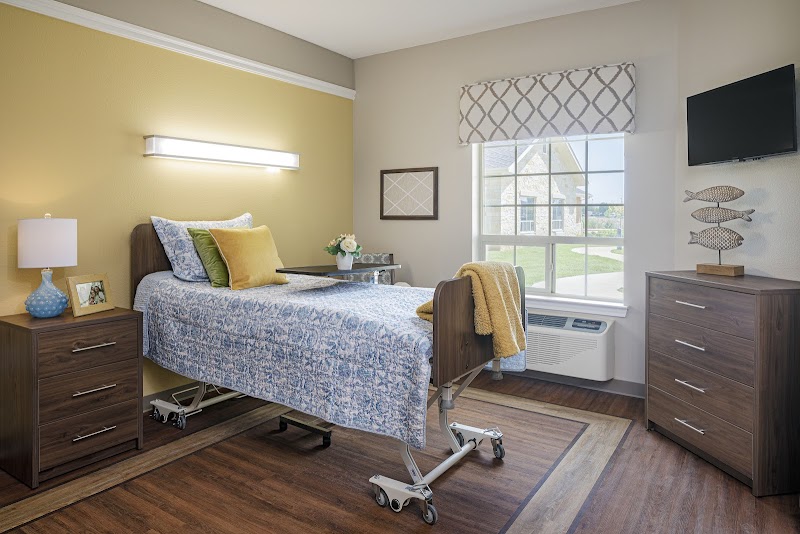
Who Owns and Operates Advanced Rehabilitation & Healthcare Of Burleson?

Advanced Rehabilitation & Healthcare of Burleson is owned by a government entity. Government-operated facilities are typically run by state, county, or municipal agencies. The facility is operated by ADVANCED HEALTHCARE SOLUTIONS, a chain that manages multiple nursing homes. With 121 certified beds and approximately 103 residents (about 85% occupancy), it is a mid-sized facility located in Burleson, Texas.

How Does Advanced Rehabilitation & Healthcare Of Burleson Compare to Other Texas Nursing Homes?

Compared to the 100 nursing homes in Texas, Advanced Rehabilitation & Healthcare of Burleson's overall rating (3 stars) is above the state average of 2.8, staff turnover (56%) is near the state average of 46%, and health inspection rating (4 stars) is above the national benchmark.

What Should Families Ask When Visiting Advanced Rehabilitation & Healthcare Of Burleson?

Based on this facility's data, families visiting should ask: "What changes have been made since the serious inspection findings, and how are you preventing similar issues?" "How do you ensure continuity of care given staff turnover, and what is your staff retention strategy?" "Can you walk me through typical staffing levels on day, evening, and night shifts?" "Can I visit during a mealtime to observe dining assistance and food quality?" These questions are particularly relevant given the facility's Immediate Jeopardy citations, the facility's high staff turnover rate, and the below-average staffing rating.

Is Advanced Rehabilitation & Healthcare Of Burleson Safe?

Based on CMS inspection data, Advanced Rehabilitation & Healthcare of Burleson has documented safety concerns. Inspectors have issued 1 Immediate Jeopardy citation (the most serious violation level indicating risk of serious injury or death). The facility has a 3-star overall rating and ranks #1 of 100 nursing homes in Texas. Families considering this facility should ask detailed questions about what corrective actions have been taken since these incidents.

Do Nurses at Advanced Rehabilitation & Healthcare Of Burleson Stick Around?

Staff turnover at Advanced Rehabilitation & Healthcare of Burleson is high. At 56%, the facility is 10 percentage points above the Texas average of 46%. Registered Nurse turnover is particularly concerning at 56%. RNs handle complex medical decisions and coordinate care — frequent RN changes can directly impact care quality. High turnover means new staff may not know residents' individual needs, medications, or preferences. It can also be disorienting for residents, especially those with dementia who rely on familiar faces. Families should ask: What is causing the turnover? What retention programs are in place? How do you ensure care continuity during staff transitions?

Was Advanced Rehabilitation & Healthcare Of Burleson Ever Fined?

Advanced Rehabilitation & Healthcare of Burleson has been fined $22,121 across 2 penalty actions. This is below the Texas average of $33,300. While any fine indicates a compliance issue, fines under $50,000 are relatively common and typically reflect isolated problems that were subsequently corrected. Families should ask what specific issues led to these fines and confirm they've been resolved.

Is Advanced Rehabilitation & Healthcare Of Burleson on Any Federal Watch List?

Advanced Rehabilitation & Healthcare of Burleson is not on any federal watch list. The most significant is the Special Focus Facility (SFF) program, which identifies the bottom 1% of nursing homes nationally based on persistent, serious quality problems. Not being on this list means the facility has avoided the pattern of deficiencies that triggers enhanced federal oversight. This is a positive indicator, though families should still review the facility's inspection history directly.