BURLESON NURSING AND REHABILITATION CENTER
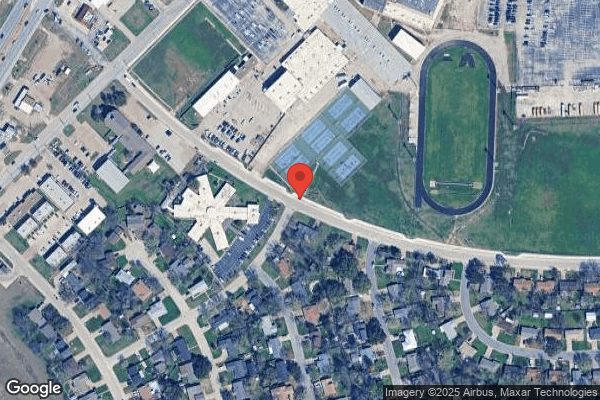
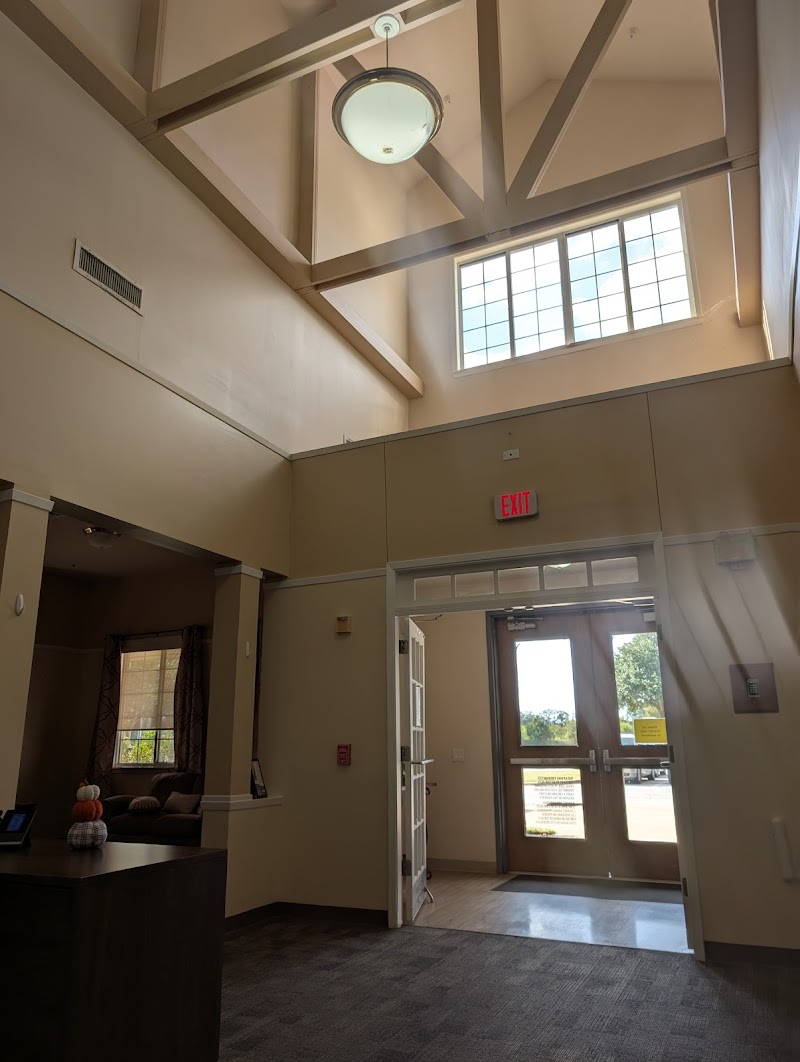
600 MAPLE ST, BURLESON, TX 76028 (817) 295-8118
For profit - Corporation 120 Beds SLP OPERATIONS Data: November 2025
Trust Grade
60/100
#425 of 1168 in TX
Last Inspection: August 2024

Within standard 12-15 month inspection cycle. Federal law requires annual inspections.

Overview

Burleson Nursing and Rehabilitation Center has a Trust Grade of C+, which means it is decent and slightly above average. It ranks #425 out of 1,168 facilities in Texas, placing it in the top half of nursing homes in the state, and #5 out of 9 in Johnson County, indicating that only a few local options are better. The facility is improving overall, with a decrease in issues from 10 in 2024 to just 2 in 2025. However, staffing is a weakness with a low rating of 1 out of 5 stars and a turnover rate of 60%, which is higher than the Texas average. Despite having no fines on record, the facility has concerning RN coverage that is less than 94% of Texas facilities, which may affect the level of care residents receive. Specific incidents noted by inspectors included improper food storage practices, such as cucumbers not being stored in a sealed container and dented cans not being removed, which raises concerns about food safety. Additionally, the facility failed to maintain cleanliness in the shower rooms, with soiled equipment and wipes left on the floor, posing a risk for infection. Lastly, there was an incident where soup was served at excessively high temperatures, potentially putting residents at risk for burns. These findings highlight both the strengths and weaknesses of the facility, making it crucial for families to weigh their options carefully.

Trust Score
C+
60/100
In Texas
#425/1168
Top 36%
Safety Record
Low Risk
No red flags
Inspections
Getting Better
10 → 2 violations
Staff Stability
⚠ Watch
60% turnover. Above average. Higher turnover means staff may not know residents' routines.
Penalties
✓ Good
No fines on record. Clean compliance history, better than most Texas facilities.
Skilled Nurses
⚠ Watch
Each resident gets only 9 minutes of Registered Nurse (RN) attention daily — below average for Texas. Fewer RN minutes means fewer trained eyes watching for problems.
Violations
⚠ Watch
16 deficiencies on record. Higher than average. Multiple issues found across inspections.
★★★☆☆
3.0
Overall Rating
★☆☆☆☆
1.0
Staff Levels
★★★★☆
4.0
Care Quality
★★★★☆
4.0
Inspection Score
Stable
2024: 10 issues
2025: 2 issues

The Good

  • 4-Star Quality Measures · Strong clinical quality outcomes
  • Full Sprinkler Coverage · Fire safety systems throughout facility
  • No fines on record

Facility shows strength in quality measures, fire safety.

The Bad

3-Star Overall Rating

Near Texas average (2.8)

Meets federal standards, typical of most facilities

Staff Turnover: 60%

14pts above Texas avg (46%)

Frequent staff changes - ask about care continuity

Chain: SLP OPERATIONS

Part of a multi-facility chain

Ask about local staffing decisions and management

Staff turnover is elevated (60%)

12 points above Texas average of 48%

The Ugly 16 deficiencies on record

Mar 2025 2 deficiencies
CONCERN (D) 📢 Someone Reported This

A family member, employee, or ombudsman was alarmed enough to file a formal complaint

Potential for Harm - no one hurt, but risky conditions existed

Comprehensive Assessments (Tag F0636)

Could have caused harm · This affected 1 resident

**NOTE- TERMS IN BRACKETS HAVE BEEN EDITED TO PROTECT CONFIDENTIALITY** Based on interview and record review, the facility failed to complete a comprehensive assessment within 14 calendar days after a...

Read full inspector narrative →
**NOTE- TERMS IN BRACKETS HAVE BEEN EDITED TO PROTECT CONFIDENTIALITY** Based on interview and record review, the facility failed to complete a comprehensive assessment within 14 calendar days after admission as required for 1 (Resident #1) of 5 residents records reviewed for comprehensive assessments and timing. The facility failed to ensure Resident #1 did not have a completed admission/comprehensive MDS assessment within 14 days following his admission to the facility. This deficient practice could result in newly admitted residents not receiving the proper care required to attain or maintain the highest practicable physical, mental, and psychosocial well-being. Findings included: Review of Resident #1's undated admission record revealed he was an [AGE] year-old male who admitted to the facility on [DATE]. His admitting diagnoses included: surgical aftercare following surgery on the genitourinary system (surgery on the organs in the urinary system), malignant neoplasm of bladder (bladder cancer), altered mental status, diabetes (high blood sugar), chronic kidney disease (gradual loss of kidney function), muscle weakness, high blood pressure, chronic pain, heart disease, and heart failure. Review of Resident #1's MDS summary screen in his EHR on 03/21/25 revealed Resident #1's admission MDS was still in progress. His MDS was last edited on 3/18/25. In an interview on 03/21/25 at 1:19 pm, the RRM stated that the CCM was responsible for completing MDS assessments. She stated she knew about Resident #1's MDS not being completed on time because she was working on it on 3/17/25 with the CCM before the CCM left early that day due to illness. She stated that she was responsible for training the MDSC and that she had already gone over the timelines for assessments with her. Additionally, she stated that the items that still remained for Resident #1's MDS needed to be completed on-site. In an interview on 03/21/25 at 1:28 pm, the ADM stated it was his expectation that MDS assessments be completed on time and that he is aware the admission assessments must be done within 14 calendar days of admission. He stated that the CCM was recently hired into that position, and before being promoted she was a floor nurse. He stated she left early on 3/17/25 due to illness and that might be why the assessment was not completed. He stated that the RRM helps out when needed. The ADM stated he was not sure what a negative outcome to the residents would be for late MDS assessments. During a telephone interview on 3/21/25 at 2:44 pm, the CCM stated that she originally started at the facility in August of 2024 and was promoted in February 2025 to the CCM. She stated she had prior experience in MDS but that was about 4-5 years ago, and she was having to learn all over again. She recalled doing an admission assessment on Resident #1 and did not recall why it was not completed. She stated that the due date would show up for her in the EHR. She further stated that she was trained by the RRM on timeliness, and she was aware of the 14-day timeframe. Review of the CCM's job description dated last revised 4/22/22 reflected under Essential Functions: Manages the RAI Process from resident admission to discharge to maintain clinical compliance and receive appropriate funding from Medicare, Medicaid and Managed Care pay sources. Completes MDS assessments according to the LTC Facility Resident Assessment Instrument 3.0 User's Manual (RAI) in a timely, accurate, documentation-supported and case mix optimized manner. The job description was signed by the CCM on 1/30/25. Review of the CCM Checklist dated last revised 2/01/21 reflected, the CCM completed the MDS Submission/Analyze/Validation training on 1/30/25. Review of the facility's current MDS Completion and Submission Timeframes policy revised July 2017 reflected the following: 1. The Assessment Coordinator or designee is responsible for ensuring that resident assessments are submitted to CMS' QIES Assessment Submission and Processing (ASAP) system in accordance with current federal and state guidelines. 2. Timeframes for completion and submission of assessments is based on the current requirements published in the Resident Assessment Instrument Manual. Review of the Long-Term Care Facility Resident Assessment Instrument 3.0 User's Manual Version 1.19.1 dated last revised October 2024, required OBRA Assessments for the MDS table reflected that the admission (comprehensive) assessment reference date is due no later than the 14th calendar day of the resident's admission (admission date + 13 calendar days).
CONCERN (D) 📢 Someone Reported This

A family member, employee, or ombudsman was alarmed enough to file a formal complaint

Potential for Harm - no one hurt, but risky conditions existed

Incontinence Care (Tag F0690)

Could have caused harm · This affected 1 resident

**NOTE- TERMS IN BRACKETS HAVE BEEN EDITED TO PROTECT CONFIDENTIALITY** Based on observation, interview, and record review, the facility failed to ensure a resident with an indwelling urinary catheter...

Read full inspector narrative →
**NOTE- TERMS IN BRACKETS HAVE BEEN EDITED TO PROTECT CONFIDENTIALITY** Based on observation, interview, and record review, the facility failed to ensure a resident with an indwelling urinary catheter received treatment and services for 1 of 5 residents (Resident #1) reviewed for indwelling urinary catheters. The facility failed to ensure Resident #1's urinary drainage bag tubing and bag were kept from touching and resting on the floor. This deficient practice could affect any resident with an indwelling urinary catheter and place them at risk of developing or increased UTIs. The findings included: Review of Resident #1's undated admission record revealed he was an [AGE] year-old male who admitted to the facility on [DATE]. His admitting diagnoses included: surgical aftercare following surgery on the genitourinary system (surgery on the organs in the urinary system), malignant neoplasm of bladder (bladder cancer), altered mental status, diabetes (high blood sugar), chronic kidney disease (gradual loss of kidney function), muscle weakness, high blood pressure, chronic pain, heart disease, and heart failure. Review of Resident #1's comprehensive care plan, dated 3/06/25, revealed it addressed Resident #1's urinary catheter. No intervention approaches were included to keep the urinary catheter securely in place. No risks or complications were listed. Additionally, the care plan addressed a problem start date of 3/10/25 for I pull off my urostomy and that staff will notify nurse if resident removes urostomy. Observation on 3/21/25 at 10:12 a.m., revealed Resident #1 resting in bed. The Foley Catheter drainage bag and tubing were resting directly on the floor on the right side of his bed. The drainage bag was nearly empty, but the tube closest to Resident #1's midsection had urine in it. The drainage bag was only visible if someone walked into the resident's room. The left side of his bed was against the wall closest to the door. An additional observation on 3/21/25 at 11:05 am, revealed Resident #1 resting in bed with the Foley Catheter bag inside a privacy bag resting directly on the floor on the right side of his bed. The surveyor attempted to obtain an interview with Resident #1, but he preferred to sleep. An interview on 3/21/25 at 1:32 PM with Resident #1's FM revealed that Resident #1 had recently experienced a decline and the FM was devastated they were having to meet with a hospice agency that day. The FM stated that Resident #1 had a urostomy as well as an indwelling catheter and for some reason the urostomy was not adhering to Resident #1's skin very well. The FM also acknowledged awareness of Resident #1 kicking the drainage bag off his bedside during his sleep and expressed a wish for that to be managed by the facility to keep the bag from being on the floor. An interview on 3/21/25 at 2:10 p.m., the DON revealed Resident #1's catheter drainage bag and tubing should not have been touching the floor because the bag and tubing would get contaminated and could cause infections. The DON stated that if the drainage bag was covered by a privacy bag and knocked to the ground staff could place the bag back onto the bed hook, but if the drainage bag is outside of the privacy bag, they would need to replace the drainage bag due to infection control issues. She stated that when colostomy/urostomy/catheter care is performed all supplies needed for the care should be brought into the room so that the staff are not having to leave and get other supplies before the care is completed. When asked if there was anything they could do to keep the catheter bag off the floor she stated she would need to get with the ADM to see what interventions he has used in the past. An interview on 3/21/25 at 11:19 a.m., CNA A revealed she had worked at the facility since August 2024. She stated during catheter care they were trained to make sure the catheter bag was toward the end of the bed when hanging them, and to ensure residents stayed clean by changing their briefs often and cleansing their skin. She stated that Resident #1 tended to kick his catheter bag onto the ground, sometimes he was calm but sometimes had outbursts like taking off all his clothes and talking like he saw people in his room who were not there. She stated the catheter bag was to be hooked onto the bed, not necessarily in a certain place, but just to keep it downward so it can drain/flow right. She stated it was always supposed to be covered with a privacy bag. If a privacy bag was not in there, they would get a new one from the supply room. She did not know if he tended to take his urostomy out or not. She is unsure if he toileted himself to have bowel movements. She stated that he was 1 of 2 residents on his hall and the CNAs rotate who work that hall so she does not have much experience with him but from the few times she had worked with him those were her observations. An interview on 3/21/25 at 12:01 p.m., the ADON revealed Resident #1 was admitted to the facility with a catheter and urostomy. She stated they had to change his catheter bag often, and that he recently had the urostomy placed, but for some reason it would not stick to his skin, and that when he sat himself up, it would come loose. She stated they contacted the doctor to look at it, and the doctor made a visit on 3/20 to observe the area on his skin, and he recommended a different kind of tape be used. She stated they had a urine panel come back on 3/19 but it said it was still pending the results of a UTI. She further stated they had to do frequent monitoring with him regarding the catheter bag, and if a CNA observes the bag on the ground, they were to tell the ADON, and if they found it on the floor, they had to replace it due to infection control procedures. She also stated that the privacy bag should be on there at all times. The ADON stated that there was not any one CNA in particular who had the most experience working with Resident #1 as the CNA's rotated working that hall. Record review of facility policy titled Catheter Care dated 12/2023 indicated: It is the policy of this facility to ensure that residents with indwelling catheters receive appropriate catheter care and maintain their dignity and privacy when indwelling catheters are in use. 1. Catheter care will be performed every shift and as needed by nursing personnel. 2. Privacy bags will be available and catheter drainage bags will be covered at all times while in use. 3. Privacy bags will be changed out when soiled, with a catheter change or as needed.
Dec 2024 1 deficiency
CONCERN (D) 📢 Someone Reported This

A family member, employee, or ombudsman was alarmed enough to file a formal complaint

Potential for Harm - no one hurt, but risky conditions existed

Deficiency F0558 (Tag F0558)

Could have caused harm · This affected 1 resident

**NOTE- TERMS IN BRACKETS HAVE BEEN EDITED TO PROTECT CONFIDENTIALITY** Based on observations, interviews, and record reviews, the facility failed to ensure residents received services in the facility...

Read full inspector narrative →
**NOTE- TERMS IN BRACKETS HAVE BEEN EDITED TO PROTECT CONFIDENTIALITY** Based on observations, interviews, and record reviews, the facility failed to ensure residents received services in the facility with reasonable accommodations of each resident's needs for 1 of 6 residents (Residents #1) reviewed for resident rights in that: The facility failed to ensure Residents #1's call light was within reach on 12/11/24. This failure could affect residents who needed assistance with activities of daily living and could result in needs not being met. Findings included: Record review of Resident #1's admission record dated 12/11/24 documented a [AGE] year-old female admitted on [DATE]. Resident #1 had diagnoses which included: vascular dementia (a type of dementia where thinking abilities are affected because of reduced blood flow to the brain), generalized anxiety (constantly worrying about everyday things), lack of coordination (not being able to move your body smoothly and precisely, often resulting in clumsiness, stumbling, or jerky movement), and unsteadiness of feet (your feet feel like they are not stable or balanced, making it difficult to walk steadily). Record review of Resident #1's Quarterly MDS assessment, dated 11/02/24, revealed the resident had a BIMS score of 03, which indicated severe impairment. The MDS also revealed Resident #1 was dependent in the area of eating. Resident #1 required substantial/maximal assistance in the areas of oral hygiene, toileting hygiene, shower/bathe self, upper body dressing, lower body dressing, putting on/taking off footwear, and personal hygiene. Record review of Resident #1's care plan, dated 12/11/24, revealed Resident #1 was care planned for a fall r/t dementia and had an intervention of: Keep call light in reach at all times. Observation on 12/11/24 at 10:47 a.m., revealed Resident #1 was lying in bed and call light was placed on a chair out of her reach. Observation on 12/11/24 at 2:04 p.m., revealed Resident #1 was lying in bed and call light was placed on a chair out of her reach. During attempted interview on 12/11/24 at 10:47 a.m., Resident #1 was not able to be interviewed due to her cognitive level. During an interview on 12/11/24 at 11:20 a.m., CNA A stated that CNAs should make rounds at least every two hours. CNA A stated that CNAs should be looking to see if a resident needs assistance, ensuring call lights were within reach, and making sure all residents were comfortable. CNA A stated if a resident's call light was not within reach, then the resident could fall attempting to reach it or the resident would not receive assistance. During an interview on 12/11/24 at 3:30 p.m., the DON stated that anyone that entered the resident's room was responsible for ensuring the call light was within reach. The DON stated the purpose of a call light was for resident to notify staff when they need assistance. The DON stated if a resident's call light was not in reach, then they would not be able to call for assistance. The DON stated her expectation was that all resident's call lights were always within reach and answered timely so the resident can notify staff they need assistance. An interview with the ADM on 12/11/24 at 3:45 p.m., the ADM stated that all resident call lights should be always within reach. The ADM stated that it's everyone's responsibility to ensure call lights are within reach. The ADM stated that the resident needs would not be met promptly if the resident's call light was not within reach. Review of the facility's Answering the Call Light policy, revised March 2021, reflected, Purpose: The purpose of this procedure is to ensure timely responses to the resident's requests and needs. General Guidelines . 5. When the resident is in bed or confined to a chair be sure the call light is within easy reach of the resident.
Nov 2024 1 deficiency
CONCERN (E) 📢 Someone Reported This

A family member, employee, or ombudsman was alarmed enough to file a formal complaint

Potential for Harm - no one hurt, but risky conditions existed

Infection Control (Tag F0880)

Could have caused harm · This affected multiple residents

Based on observations, interviews, and record review, the facility failed to provide a safe and sanitary environment to help prevent the development and transmission of communicable diseases and infec...

Read full inspector narrative →
Based on observations, interviews, and record review, the facility failed to provide a safe and sanitary environment to help prevent the development and transmission of communicable diseases and infections 1 of 1 facility reviewed for infection control. The facility failed to clean and disinfect soiled shower chair in combined shower room A and B. The facility failed to clean and discard soiled wipes left on the floor in shower room C. This failure could place resident at risk of infection transmission. Findings included: Observation on 11/09/2024 at 10:30 AM revealed a combined shower room A and B shower chair had dried bowel movement on the top left seat and inside left corner of the shower chair. Observation on 11/09/2024 at 10:38 AM revealed shower room C had soiled wipes left on the shower room floor. Interview on 11/09/2024 at 11:44 AM with CNA A stated in combined shower room A and B it was dried bowel movement on the shower chair seat. CNA A stated in shower room C it was soiled wipes on the shower room floor. CNA A stated that she did not know who used the shower rooms last and it was expected to clean and disinfect the shower rooms after each use. Interview on 11/09/2024 at 12:23 PM with RN B stated she would not know who used the shower rooms last and did not clean the shower chair or pick up soiled wipes off the floor. RN B stated the expectations were for the CNAs to clean and disinfect the shower rooms after each use and in between residents. RN B stated it was unknown how long the shower chair was soiled or last used. RN B stated once wipes were used it was expected to be discarded in the personal hygiene trash bag ,tied up, and discarded. Interview on 11/09/2024 at 12:30 PM with the ADM stated it was expected for the shower rooms to be cleaned and disinfected after each use. The ADM stated it was unacceptable for the shower chair to be soiled and the soiled wipes to be on the floor of the shower rooms. The ADM stated not cleaning and disinfecting after each use could cause transmission of diseases and infections that may cause illness. Interview on 11/09/2024 at 1:24 PM with CNA C stated it was expected to disinfect and clean showers after each use. CNA C stated she had observed the shower chairs left uncleaned with feces. CNA C stated she could not recall the dates when the showers were left unclean. CNA C stated she would just clean and disinfect the shower room once she noticed it not being cleaned and disinfected. Interview on 11/09/2024 at 1:43 PM with CNA D stated when she would shower residents, she often found feces left on the shower chairs and not being cleaned. CNA D stated she would clean and disinfect the showers and report it to a charge nurse(no specific name given). CNA D stated she was not sure who was not cleaning the shower chairs after each use. CNA D stated it was expected that staff would clean and disinfect the showers after each use. Interview on 11/09/2024 at 2:09 PM with ADON stated it was the staff's responsibility to make sure after each shower use that the shower area was clean. The ADON stated it was expected for the shower rooms to be cleaned and disinfected after each shower use. Interview on 11/09/2024 at 2:40 PM with CNA E stated she gave her resignation to the ADON on 11/08/2024 by email. CNA E stated she could no longer work there because the shower chairs aways had feces left on them and it was not cleaned. CNA E stated she would clean once she noticed but never knew who had left the shower chairs not cleaned. CNA E stated it was expected for the shower rooms to be cleaned after each use. Record review of the facility's Infection Prevention and Control Policy dated July 2024 reflected An infection prevention and control program is established and maintained to provide a safe, sanitary and comfortable environment and to help prevent the development and transmission of communicable diseases and infections. Record review of the facility's Bathrooms Policy dated revised February 2020 Bathrooms, including showers, sinks, commodes, etc, are cleaned and disinfected daily in accordance with out established procedures.
Oct 2024 5 deficiencies
CONCERN (D) 📢 Someone Reported This

A family member, employee, or ombudsman was alarmed enough to file a formal complaint

Potential for Harm - no one hurt, but risky conditions existed

Deficiency F0558 (Tag F0558)

Could have caused harm · This affected 1 resident

**NOTE- TERMS IN BRACKETS HAVE BEEN EDITED TO PROTECT CONFIDENTIALITY** Based on observations, interviews, and record review, the facility failed to ensure residents had the right to receive services ...

Read full inspector narrative →
**NOTE- TERMS IN BRACKETS HAVE BEEN EDITED TO PROTECT CONFIDENTIALITY** Based on observations, interviews, and record review, the facility failed to ensure residents had the right to receive services in the facility with reasonable accommodation of resident needs and preferences except when to do so would endanger the health or safety of the resident for 4 of 62 residents (Resident #1, Resident #2, Resident #6, and Resident #10) reviewed for accommodation of needs. The facility failed to ensure the BCLB, in Resident #1, Resident #2, Resident #6, and Resident #10's was fully accessible for its intended use. This failure could have placed residents at risk of having their needs gone unmet. Findings Included: Resident #1 Record review of Resident #1's FS, downloaded from the Matrix on 10/4/2024, reflected a [AGE] year-old woman, born on 5/10/1951, who's admittance date to the facility was on 7/16/2024. She was diagnosed with Dementia (which was a disease that affected memory, thought, and interfered with daily life.) Record review of Resident #1's admission MDS, dated [DATE], reflected the Resident #1 had a BIMS Score of 9. A BIMS Score of 9 indicated the resident had moderate cognitive impairment. Resident #1 had no impairment in either upper extremity (shoulder, elbow, wrist, and hand). Resident #1 had impairment on one side of their lower extremities (hip, knee, ankle, and foot). Resident #1 was occasionally incontinent of bladder. Resident #1 was always continent of bowel. Record review of Resident #1's CP reflected an area of Problem area for ADL Functions, started on 7/25/2024 evidenced by toileting, with the assist of 1 person. The Goal stated the resident would not develop skin breakdown related to incontinence. The Approach, started on 7/25/2024, delegated nursing home staff to assist to toilet as needed. Interview and observation on 10/1/2024 at 10:15 AM in the room of Resident #1 revealed her in her room, on the bed. The room was clean, free from clutter, no odors of bowel or urine. Resident alert; orientated to the day, date, and current president. Observations revealed the call light system in Resident #'1 bathroom consisted of a call light box, approximately 6 inches tall and 4 inches wide, attached to the wall. The bottom of the call light box was attached to the wall approximately 28 inches (at its bottom) to 34 inches (at its top) from the floor. The call light box had a thin white cord (BCLS,) about the size of a cooked piece of spaghetti, having extended from the bottom center of the call light box towards the direction of the floor. The top portion of the call light box, top 2 inches, had a reset button. On the bathroom wall, next to the toilet, was metal handrail, approximately 3 feet long, and as wide as a tube of toilet paper. The metal handrail was attached to the wall parallel to the floor at approximately 30 to 32 inches from the floor. The handrail was directly covering 2 inches, 30th inch to the 32nd inch, of the call light box. The BCLS was tied in a knot on the metal handrail, having resulted in a U-shaped loop. Resident #1 stated she had tied the BCLS in the knot around the metal bar because it was easier to push the U-shaped string configuration (the loop) downwards, with her hand and forearm, to call for assistance. From the seated position, and without the knot being tied (the loop), she had difficulty pinching the BCLS with two fingers and pushing the string downwards, because she had no leverage. She had not stated anything to staff. Having learned the BCLS was intended to be used if lying on the floor, she felt she would not have been able to reach it as it was tied in a knot. If she were to fall on the floor, and not have been able to reach the BCLS, she would have been uncomfortable, scared, and helpless. She then felt like she needed an accommodation to be able to use the call light system for both sitting on the toilet or lying on the floor. Interview on 10/1/2024 at 1:21 PM with the ADM revealed the facility had a system in place to identify and correct deficiencies in each resident's room. The practice in place was the use of a visual checklist used when having conducted daily [Angel Rounds.] Angel Round checklists directed staff to check specific items in each resident's room. The Angel Rounds checklists were kept on file if they contained information on needed repairs. The ADM stated it was the ADON's responsibility for the resident's room in question. Upon request, the ADM was unable to provide recent copies of the conducted Angel Rounds. Interview on 10/1/2024 at 1:29 PM with the ADON revealed she was the staff member who performed Angel Rounds for the resident's room in question. She stated she had utilized the Angel Rounds checklist. She stated she did not perform Angel Rounds today, 10/1/2024, yesterday, 9/30/2024. The ADON stated she utilized the Angel Rounds Checklist the last time she performed Angel Rounds, which was sometime last week. She put the Angel Round Checklist on the ADM's desk. Interview on 10/2/2024 at 10:45 AM with the SW revealed she had not previously been informed of a need for an accommodation for Resident #1's call light button. She stated she would speak to Resident #1 and address any accommodation she may have needed. Interview and observation on 10/3/2024 at 11:01 AM with the SW revealed Resident #1 had been moved to a new room. Observations in the bathroom in Resident #1's new room revealed the metal handrail, same as in the description on 10/1/2024 at 10:15 AM, had been raised on one end, and no longer blocked the call light box at the level of 30 to 32 inches from the floor. The metal handrail, having been raised on one end, uncovered a BCLB at the middle section of the call light box, 30 to 32 inches from the floor. The call light box had a button to press, from the seated position, and cord to pull, from lying on the floor. With the assistance of the SW, the BCLB and the BCLS were checked for function and the accommodation resulted with both having worked correctly. Observation and interview on 10/3/2024 at 11:20 AM revealed the ADM and the MNTD having entered Resident #1's new room to have investigated the metal handrail having blocked the BCLB. The ADM stated he would gather a list of rooms in the building where the metal handrail blocked the BCLB of the call light box. Interview on 10/3/2024 at 12:57 PM with the ADM revealed the metal handrails interfered with resident's reaching the BCLB in an isolated number of rooms, which were 10. Record review of highlighted names on the facility's room roster, dated 10/3/2024, designated rooms C1, C3, C4, C5, C6, C7, C8, C9, C10, and E1 all had metal handrails that obstructed the call light system BCLB. He, and the MNTD, had been working to address the concern of inaccessibility. The facility's Call Light Policy was requested. Resident #10 Record review of Resident #10's FS, downloaded from the Matrix on 10/4/2024, reflected a [AGE] year-old woman, born on 9/09/1948, who's admittance date to the facility was on 4/14/2023. She was diagnosed with pain in the right arm and lack of coordination. Record review of Resident #10's Quarterly MDS, dated [DATE], reflected the resident had a BIMS Score of 11. A BIMS Score of 11 indicated the resident had moderate cognitive impairment. Resident #10 had no impairment in either upper extremity (shoulder, elbow, wrist, and hand). The resident had no impairment in either lower extremity (hip, knee, ankle, and foot). The resident utilized a walker for mobility. The resident was independent for toileting hygiene and toilet transfer, which meant the resident completed the activity. The resident was occasionally incontinent of bladder. The resident was occasionally incontinent of bowel. Record review of Resident #10's CP reflected an area of Problem area for falls, started on 9/24/2024, evidenced by weakness. The Goal stated the resident would have remained free from injury. The Approach, started on 9/4/2024, delegated nursing home staff to encourage call light use and always keep the call light within reach. Observation and interview on 10/4/2024 at 10:17 AM with Resident #10 revealed her lying in her bed under her covers. Room was free from odors and clutter. She ambulated with her walker to the restroom and used the toilet on her own. The metal handrail in the bathroom was covering the call light box and the BCLB. She stated the metal handrail posed difficulty having tried to press the BCLB; instead, she had to pinch and push the BCLS downward. Her toilet seat was raised and the angle to having pinched and pushed the BCLS from the sitting position, with her fingertips, was difficult. There was only a ½ to ¾ inch gap between the metal handrail and the BCLB. It was not readily identifiable. To operate the BCLB on the toilet while seated, this investigator had to extend their hand straight out palm facing down, tilt the hand (thumb side down) 90 degrees, lower the hand by raising the elbow, insert the fingertips in the ½ to ¾ inch gap, and feel for the button to press it. Resident #2 Record review of Resident #2's FS, downloaded from the Matrix on 10/4/2024, reflected a [AGE] year-old woman, born on 9/14/1949, who's admittance date to the facility was on 4/28/2024. She was diagnosed with Major Depression (which was a mental condition characterized by depressed mood, loss of pleasure, or interest in life.) Record review of Resident #2's Quarterly MDS, dated [DATE], reflected the resident had a BIMS Score of 14. A BIMS Score of 14 indicated the resident had no cognitive impairment. The resident had no impairment in either upper extremity (shoulder, elbow, wrist, and hand). The resident had no impairment in either lower extremity (hip, knee, ankle, and foot). The resident utilized a walker for mobility. The resident required partial/moderate assistance with toileting and toilet transfer, which meant the helper provided less than half the effort while the resident completed the greater portion of the activity. The resident was occasionally incontinent of bladder. The resident was occasionally incontinent of bowel. Record review of Resident #2's CP reflected an area of Problem area for falls, started on 8/14/2024 evidenced by poor balance. The Goal stated the resident would remain free from injury. The Approach, started on 9/30/2024, delegated nursing home staff to always keep the call light in reach; and a Problem area for call lights, started on 10/2/2024 evidenced by non/compliant use. The Goal stated the resident would have begun to use the call light when she needed assistance. The Approach, started on 10/2/2024, delegated nursing home staff to educate risk versus benefit, make sure call light was in reach, and to respond promptly. Observation and interview on 10/4/2024 at 10:17 AM with Resident #2 revealed her lying in her bed under her covers. Room was free from odors and clutter. She ambulated with her walker to the restroom and used the toilet on her own. The metal handrail in the bathroom was covering the call light box and the BCLB. She stated the metal handrail, which covered the bathroom call button, made pressing BCLB difficult; instead, she had to pull the BCLS downward with her fingers. She stated the angle of having pulled the string from the sitting position was difficult. To operate the BCLB on the toilet while seated, this investigator had to extend their hand straight out palm facing down, tilt the hand (thumb side down) 90 degrees, lower the hand by raising the elbow, insert the fingertips in the ½ to ¾ inch gap, and feel for the button to press it. Resident #6 Record review of Resident #6's FS, downloaded from the Matrix on 10/4/2024, reflected a [AGE] year-old man, born on 6/05/1967, who's admittance date to the facility was on 3/10/2021. He was diagnosed with acquired absence of left leg below knee (which was an amputation of his lower leg,) and lack of coordination. Record review of Resident #6's Quarterly MDS, dated [DATE], reflected the resident had a BIMS Score of 9. A BIMS Score of 9 indicated the resident had moderate cognitive impairment. The resident had no impairment in either upper extremity (shoulder, elbow, wrist, and hand). The resident had no impairment in either lower extremity (hip, knee, ankle, and foot). The resident utilized a wheelchair for mobility. The resident was independent with toileting and toilet transfer, which meant the resident completed the activity. The resident was always continent of bladder. The resident was always continent of bowel. Record review of Resident #6's CP reflected an area of Problem area for transfer self and falls, started on 7/24/2024 evidenced by below/knee amputation. The Goals stated the resident would have safely transferred self independently and remained free from injury. The Approaches, started on 7/4/2024, delegated nursing home staff to have encouraged resident to use the call light and to have kept the call light in reach. Observation on 10/04/2024 at 10:35 AM revealed Resident #6 in his room in his wheelchair. Room was free from odors and clutter. He stated he was able to ambulate with his wheelchair to the restroom and used the toilet on his own. The metal handrail was not blocking the call light box's BCLB. He realized at that time, that the support railing had been removed from his bathroom. There was fresh spackling compound, moist to the touch, in two spaces that were congruent with where the metal handrails were affixed to the wall in the other affected rooms. He stated he did not use the BCLS from inside his bathroom frequently, but remarked the BCLB was inaccessible because the bar was in the way. He stated he could pull the string with ease. Interview on 10/4/2024 at 1:13 PM with the MDSC revealed he was unaware the metal handrails could have impeded a resident's ability to call for help from in the bathroom. The MDSC, having then known about the positioning of the call light box and the metal handrail, stated the call light box was in a bad position on the wall. He stated the position of the metal handrail, which covered the BCLB, was in the most effective placement for the resident safety. The call light systems, in those isolated bathrooms, had not provided their intended function. Resident might not have been able to call from help. The MDSC stated there was a plan in place to address the remaining 8 resident rooms affected. Interview on 10/4/2024 at 1:30 PM with the ADM revealed the handrails, originally having blocked 10 resident BCLBs (corrected having left only 8) were already affixed to the wall when the new the call light system was replaced in 2022. Two had been corrected, that left 8 resident rooms. The old call lights were like a light switch on a wall and a split ring, like that on your car keys, led a string to the floor. The new call light system, with the BCLS and the BCLB, were installed by their local building safety company at the existing power source location on the bathroom wall, behind the metal handrail. The local building safety company did not bring the affected rooms to the attention of the facility administrator. He had never had a complaint from a resident, a health survey, or a LSC survey. The Angel Round checklist, created by the administrator, did not provide the staff instruction to check the resident's bathroom, but the checklist was meant for the staff to check the call button, which protruded from the wall on a long cord. The affected resident rooms, which were 10 then 8, were not viewed as a physical environment problem. The call light box was there and there was a BCLS. The Administrator thought the functionality of the call light system was adequate and the residents simply had the option to push the BCLB or pull the BCLS. Any reason to change the configuration would have been made as a case-by-case basis for the resident. There was no confirmation, from the ADM, of any resident assessment to have ascertained the unincumbered use of the BCLB or BCLS. Even though the ADM stated the change would have only been made on a case by case basis, the facility had already begun to fix the configuration so residents could use both the BCLB and the BCLS. Record review of the facility's Angel Round Checklist, undated, reflected a line item. The line item indicated to make sure the call light was within reach, untangled, with clip present. Record review of the facility's Call Light Policy, dated December 2009, reflected a resident who had disabilities that make use of the facility's communication system inaccessible, alternative auxiliary aids, or services are provided to meet the resident's needs as identified in the resident's assessment or the plan of care. Record review of U.S. Access Board, Guide to the ADA Accessibility Standards, Chapter 6: Toilet Rooms (access/board.gov), viewed on 10/5/2024, indicated side grab bars for toilet rooms must be 33 inches to 36 inches at the top of the gripping surface. Any projecting object must be located at least 12 inches above and at least 1.5 inches from the bottom, and ends, of grab bars, so that the reach and use of grab bars was not impeded. The 1.5-inch clearance between the grab bar and wall was not a minimum but an absolute dimension to prevent entrapment.
CONCERN (D) 📢 Someone Reported This

A family member, employee, or ombudsman was alarmed enough to file a formal complaint

Potential for Harm - no one hurt, but risky conditions existed

Safe Environment (Tag F0584)

Could have caused harm · This affected 1 resident

**NOTE- TERMS IN BRACKETS HAVE BEEN EDITED TO PROTECT CONFIDENTIALITY** Based on observations, interviews, and record review, the facility failed to provide a safe, clean, comfortable, and homelike en...

Read full inspector narrative →
**NOTE- TERMS IN BRACKETS HAVE BEEN EDITED TO PROTECT CONFIDENTIALITY** Based on observations, interviews, and record review, the facility failed to provide a safe, clean, comfortable, and homelike environment for the 1 of 15 residents (Resident #12) reviewed for a safe and comfortable environment. The facility failed to report maintenance issues to the MNTD and make repairs to a broken toilet seat in Resident #1's bathroom. This failure could have placed the residents at risk of falling from skin breakdown or falling from the toilet. Findings Included: Record review of Resident #1's FS, downloaded from the Matrix on 10/4/2024, reflected a 73 year/old woman, born on 5/10/1951, who's admittance date to the facility was on 7/16/2024. She was diagnosed with dementia (which was a disease that affected memory, thought, and interfered with daily life.) Record review of Resident #1's admission MDS, dated [DATE], reflected the resident had a BIMS Score of 9. A BIMS Score of 9 indicated the resident had moderate cognitive impairment. The resident had no impairment in either upper extremity (shoulder, elbow, wrist, and hand). The resident had impairment on one side of their lower extremities (hip, knee, ankle, and foot). The resident was occasionally incontinent of bladder. The resident was always continent of bowel. Record review of Resident #1's CP reflected an area of Problem area for ADL Functions, started on 7/25/2024 evidenced by toileting, with the assist of 1 person. The Goal stated the resident would not develop skin breakdown related to incontinence. The Approach, started on 7/25/2024, delegated nursing home staff to assist to toilet as needed. Interview and observation on 10/1/2024 at 10:15 AM in the room of Resident #1 revealed her in her room, on the bed. The room was clean, free from clutter, no odors of bowel or urine. Resident alert; orientated to the day and date; current president. Resident #1 complained about the toilet lid, and that it had broken in August, and it took about a week to fix. It was fixed up until a week ago, 9/22/2024, when it became loose; it came off for good 2 days ago, 9/29/2024. The toilet seat was observed removed and resting up against the wall under the bathroom sink. The back of Resident #1's toilet, where the seat was supposed to have been attached, had two grey protruding plastic attachments (male connectors), which were about ½ inch high and the diameter of a quarter. The loose toilet seat had two connections on its underside (female connectors) underneath the spot where a sitting resident's upper buttock would have been. Having used to toilet in its current state of repair, use caused discomfort on her upper left and right buttock area. She stated she told her nurse about the broken seat. The nurse stated she would put in a work order. Interview on 10/1/2024 at 11:25 AM with LVN C revealed staff were able to submit work orders for broken items through the maintenance QR code submittal process. Staff simply scanned a QR code (a small picture on a piece of paper made up of dots and dashed, shaped like a square, that directed the user to a centralized computer program) at the nurse's station and wrote a description of the broken item. The MNTD received the alerts . Interview and observation on 10/1/2024 at 1:04 PM with the MNTD revealed there was a QR code system, with TELS (an internet based technology for building maintenance records) to report maintenance issues. The staff scanned a QR code, located at the nurse's station, and described the error by having written a brief description. The MNTD read the workorder on the computer and fixed the issue; safety repairs took priority. Observation at the nurse's station revealed an 8 inch by 10 inch piece of paper with a maintenance request QR code. The MNTD printed out the work orders that were made, or in progress. Record review of list did not reveal a work order had been entered for the broken toilet seat in Resident #1's bathroom. The MNTD stated management, and department heads, conducted daily rounds of the facility and rooms, to identify maintenance needs. The process was called Angel Rounds (management room visits to check their condition.) Interview on 10/1/2024 at 1:21 PM with the ADM revealed each Angel Round covered a specific area of the facility. Angel Round checklists were kept on file if they contained information on needed repairs. The ADM stated the ADON was assigned the specific area. Upon request, the ADM was not able to produce a completed Angel Round checklists. Interview and observations on 10/1/2024 at 1:29 PM with the ADON revealed she was a staff member who performed Angel Rounds at the facility. Observations revealed the ADON walking with this state investigator and pointing out the rooms she checked. The ADON pointed at Resident #1's Room. She did not perform Angel Rounds today, 10/1/2024, yesterday, 9/30/2024, and did not recall further. The ADON stated she utilized the Angel Rounds Checklist the last time she performed Angel Rounds, which was sometime last week. She put the Angel Round Checklist on the ADM's desk . Observations on 10/1/2024 at 1:53 PM revealed Resident #1's toilet lid still broken off. Interview and observation on 10/1/2024 at 8:00 PM with Resident #1 revealed she told staff earlier in the day, 10/1/2024, about the toilet seat and it was fixed. Observations revealed the toilet seat was connected to the toilet. She was happy and stated the plastic pieces that stuck up from the toilet were not pressing up against her skin like before. Interview on 10/4/21024 with the ADM at 2:20 PM revealed the facility used a QR code to report maintenance issues to the MNTD. He expected his staff to report the work, per policy, so the MNTD could make the repair. A system in place to catch maintenance issues was Anger Rounds, which specifically talked about the toilet functioning correctly. He was not aware that the resident had experienced discomfort while having utilized the toilet, due to the ½ inch raised; quarter in diameter raised plastic attachments pressing into her skin. The failure to identify the broken toilet seat fell upon the ADM for not following up and having ensured the Angel Rounds were performed correctly . Record review of the facility's Maintenance Service Policy, dated November 2021, reflected the MNTD was responsible for having maintained the building, the grounds, and equipment in a safe and operable manner at all times. Functions of maintenance personnel included having maintained plumbing fixtures. Record review of the Direct Supply's TELS work order list, dated 10/1/2024 and signed by the MNTD, reflected open and in-progress work orders. Review of the work order list did not reveal a work order for Resident #1's toilet seat repair. Record review of the facility's Angel Round's Checklist, undated, indicated staff were supposed to check for sink and toilets to have been in good repair.
CONCERN (E) 📢 Someone Reported This

A family member, employee, or ombudsman was alarmed enough to file a formal complaint

Potential for Harm - no one hurt, but risky conditions existed

Accident Prevention (Tag F0689)

Could have caused harm · This affected multiple residents

**NOTE- TERMS IN BRACKETS HAVE BEEN EDITED TO PROTECT CONFIDENTIALITY** Based on observations, interviews, and record review, the facility failed to ensure the resident environment remained as free of...

Read full inspector narrative →
**NOTE- TERMS IN BRACKETS HAVE BEEN EDITED TO PROTECT CONFIDENTIALITY** Based on observations, interviews, and record review, the facility failed to ensure the resident environment remained as free of accident hazards as possible for the facility's only kitchen reviewed for accidents and hazards. The facility failed to take temperatures of soup during meal service, which resulted with soup being served at 180 degrees. This failure could have placed residents at risk of being burned. Findings included: Record review of Resident #11's FS, downloaded from the Matrix on 10/4/2024, reflected a [AGE] year-old man, born on [DATE], who's admittance date to the facility was on 05/31/2023. He was diagnosed with quadriplegia (which meant paralyzed from the neck down). Record review of Resident #11's Significant Event (Discharge) MDS, dated [DATE], reflected the resident had a BIMS Score of 14. A BIMS Score of 14 indicated the resident had no cognitive impairment. The resident was dependent for eating, which meant the helper provided all the effort of the activity. Interview on 10/1/2024 at 3:55 PM with Resident #11 revealed the food, served from the facility's only kitchen, had a chemical taste. He was worried other residents at the facility tasted it too but were not willing to say anything. Observation and interview on 10/2/2024 at 11:38 AM reflected the facility served Cream of Mushroom soup, as part of a state surveyor requested lunch test tray. The state surveyor was provided with a test tray at 11:38 AM from the facility's only kitchen. Some residents were observed having had soup on their trays, but soup was not provided on the state surveyor requested lunch test tray. A soup was requested from the kitchen, which was poured in a thermal bowl, immediately and directly from the kitchen's steamtable. The thermal bowl was an insulated serving dish meant to keep food warm longer and prevent fast cooling. The steamtable was a metal food serving apparatus designed to use water, and steam, to warm food from underneath to keep food at the minimum temperature of 135 degrees. Having received the Cream of Mushroom Soup, after the meal service and plating had already begun, it was evaluated for temperature. The temperature of the Cream of Mushroom soup was taken at 11:38 AM, with the use of a state issued thermometer, model TP301. The internal temperature of the Cream of Mushroom soup was 180 degrees. The Cream of Mushroom Soup was tasted for patentability, which resulted extreme heat and having burned this state investigators mouth and lips. The facility's SPT had been standing in proximity of the state surveyor having evaluated the lunch tray for temperature. The SPT observed the thermometer's results of 180 degrees and stated 180-degree soup could have burned a resident's tongue, roof of mouth, or cheeks. Interview with the KM, ADM, and the MDSC revealed the soup was 180 degrees. The further delivery of the soup stopped at that moment. The ADM and the MDSC were observed immediately having searched the dining room for effected residents in the facility. The KM stated she checked the temperature of the soup, on the steam table, prior to food service, and the temperature was 172 degrees. Of the foods tasted on the state surveyor test tray, none of the food had a chemical taste. Observations and interview on 10/2/2024 from 11:43 AM reflected the originally served Cream of Mushroom Soup was 160 degrees, interview with the SPT stated 160 degrees could have still caused burns to the mouth; 11:52 AM revealed the soup was 146 degrees; 11:54 AM revealed the soup was 145 degrees; 11:59 AM revealed the soup was 130 degrees. Observation on 10/2/2024 at 12:05 PM observed Resident #9 having requested soup, towards the end of the meal service; observed soup being served. Overheard the resident state the soup was not too hot. Interview on 10/2/2024 at 12:30 PM with KM revealed she, and her staff, immediately stopped serving the soup at 11:38 AM. She stated she added heavy whipping cream, and it had a temperature of 160 degrees at 11:43, but still had not served any more. She stated she continued to add heavy whipping cream until the soup had lowered to a temperature at 140 degrees. Interview and record review on 10/2/2024 at 12:45 PM with the KM revealed the facility had utilized the dial thermometers, which were not instant result thermometers; furthermore, the KM stated she did not wait the entire time to see the true temperature of the soup. She stated she removed the thermometer from the Cream of Mushroom soup, when the dial on the dial thermometer started to slow down, having suggested the soup may have been hotter than 172 degrees. The facility's food temperature chart, for the date of 10/2/2024, indicated the soup temperature was 172 degrees. Interview and record review on 10/2/2024 at 3:00 PM with the ADM revealed he performed a resident safety survey of the census of residents, which was 62 residents. The safe surveys, dated 10/2/2024, reflected the questions: 1. Was the soup at lunch today too hot for you? 2. Did you spill the soup from lunch on you today? * If either question was answered [yes,] resident would have been assessed by a nurse. Review of the safe surveys resulted in 20 residents having received soup on their lunch tray. Of the 20 safe surveys, no resident responded with a [yes] response. Only one resident, Resident #9, responded with a response other than [no.]: Question: Was the soup at lunch today too hot for you? Response: [No. It was warm, real warm but not too hot. It was good.] Question: Did you spill the soup from lunch on you today? Response: [No. I did not.] Observation and interview on 10/2/2024 at 4:55 PM with the KM manager revealed potato soup, sandwiches, and goulash (mixture of beef and macaroni) were being served for dinner. The KM sated the potato soup was cooked on the stove to an internal temperature of 170 degrees. The soup was poured into small sized individual thermal bowls, and she was instructed to monitor and not to serve any soup until it had an internal temperature of 140 degrees. Temperature observations taken, with the facility's own thermometer, of the sandwiches and goulash on the steam table were 145 degrees and 155 degrees, respectively. The steam table had three sections, each controlled by its own low, medium, and elevated temperature dial. A temperature was taken, with the state issued thermometer (sanitized) on an unused [NAME] on the steam table, set at the highest level. The temperature of the water, which produced steam, was 183 degrees. A soup was requested for evaluation at the beginning of meal service. The soup had the temperature taken at 5:05 PM, which resulted in 138 degrees. The soup was tasted for palatability, which resulted with an easily consumable temperature. Interview on 10/4/2024 at 3:26 with the ADON revealed there were parameters for the temperature for safe consumption of foods and beverages. 180-degree liquids consumed would result in burns to the mouth, tongue, and cheeks. Interview and record review on 10/4/2024 at 3:58 PM with the KM revealed the kitchen made sure the steam tables were set to an appropriate temperature and hot foods were not served too hot. She stated they took the temperatures about 10 minutes before meal service started and only checked the temperature the one time. If a resident would have asked for a food item after meal service began, it would have been served but the temperature would not have been taken again. If a resident consumed soup at 180 degrees, it could have scalded the mouth, lips, and tongue. The KM stated the kitchen staff should have checked the food's temperatures more than once during meal service, and thought the steam table, set on high, may have contributed to the 180-degree soup. Record review of the facility's food temperature chart reflected a spot for two annotations of the meals' temperatures. Interview and record review on 10/4/2024 at 4:25 PM with the ADM revealed the facility did not have a policy that indicated food's maximum levels of temperature. The facility's food temperature chart indicated optimum temperatures for entrees was 160-175 degrees. The facility's Food Holding and Service Policy, dated 2018, indicated food should be served at least 135 degrees or greater; adjust the temperature to account for the time the food would have been held prior to the service on the steam table and on the tray carts; take and record temperatures of all hot foods at the beginning, middle, and end of tray service. The ADM expected his dietary manager to follow policy and check the temperatures at the beginning, middle, and the end. A safeguard in place to prevent food from being served too hot was the policy and checks that were supposed to have occurred prior to food having been served. The failure of the facility's only kitchen to prevent service of food out of temperature range, was the kitchen having not checked a state surveyor test tray item like they would have for a resident. Record review of the facility's Hot Beverage Policy, undated, reflected hot beverages should have been served at appropriate temperatures to maintain palatability and reduce the risk of burns. The serving temperature of hot coffee was supposed to be 140 degrees or less. Coffee temperatures were supposed to be monitored to promote resident safety. Record review of the facility's Safety of Hot Liquids Policy, dated October 2021, reflected the potential from burns from hot liquids was considered an ongoing concern among residents with weakened motor skills, balance issues, impaired cognition, and nerve or musculoskeletal conditions. Residents with these, or other conditions, may have suffered from accidental burns and related complications stemming from thinner, more fragile skin, which may burn quickly and severely, and take longer to heal. Record review of the facility's incident and accident list, dated 8/1/2024 to 10/2/2024, did not result in the discovery of residents having been injured due to burns from hot coffee or hot food.
CONCERN (E) 📢 Someone Reported This

A family member, employee, or ombudsman was alarmed enough to file a formal complaint

Potential for Harm - no one hurt, but risky conditions existed

Food Safety (Tag F0812)

Could have caused harm · This affected multiple residents

**NOTE- TERMS IN BRACKETS HAVE BEEN EDITED TO PROTECT CONFIDENTIALITY** Based on observations, interviews, and record review the facility failed to store, prepare, and distribute food in accordance wi...

Read full inspector narrative →
**NOTE- TERMS IN BRACKETS HAVE BEEN EDITED TO PROTECT CONFIDENTIALITY** Based on observations, interviews, and record review the facility failed to store, prepare, and distribute food in accordance with professional standards for food service safely for 3 of 11 residents (Resident #2, Resident #4, and Resident #5) reviewed for dietary services. The facility failed to ensure staff cleaned, or sanitized, their hands prior to meal service delivery. This failure could have placed residents at risk of the spread of infection. Findings included: Resident #2 Record review of Resident #2's FS, downloaded from the Matrix on 10/4/2024, reflected a [AGE] year-old woman, born on 9/14/1949, who's admittance date to the facility was on 4/28/2024. She was diagnosed with major depression (which was a mental condition characterized by depressed mood, loss of pleasure, or interest in life.) Record review of Resident #2's Quarterly MDS, dated [DATE], reflected the resident had a BIMS Score of 14. A BIMS Score of 14 indicated the resident had no cognitive impairment. The resident was independent with eating, which meant the resident completed the activity by herself. Record review of Resident #2's order summary report, downloaded from the Matrix on 10/4/2024, reflected an order, on 7/26/2024, for a regular diet. Record review of Resident #2's CP reflected an area of Problem area for weight loss, started on 8/14/2024, evidenced by refusal of breakfast. The Goal stated the resident would not have significant weight loss. The Approach, started on 8/14/2024, delegated nursing home staff to provide the resident a regular diet. Resident #4 Record review of Resident #4's FS, downloaded from the Matrix on 10/4/2024, reflected a [AGE] year-old woman, born on 3/08/1957, who's admittance date to the facility was on 05/11/2024. She was diagnosed with major depression (which was a mental condition characterized by depressed mood, loss of pleasure, or interest in life.) Record review of Resident #4's Quarterly MDS, dated [DATE] reflected the resident had a BIMS Score of 12. A BIMS Score of 12 indicated the resident had moderate cognitive impairment. The resident was independent with eating, which meant the resident completed the activity by herself. Record review of Resident #4's order summary report, downloaded from the Matrix on 10/4/2024, reflected an order, on 7/11/2024, for a low sodium/regular diet. Record review of Resident #4's CP reflected an area of Problem area for weight loss, started on 8/27/2024, evidenced by her ordered diet. The Goal stated the resident would not have significant weight loss. The Approach, started on 8/27/2024, delegated nursing home staff to provide the resident diet as ordered. Resident #5 Record review of Resident #5's FS, downloaded from the Matrix on 10/4/2024, reflected a [AGE] year-old man, born on 1/05/1963, who's admittance date to the facility was on 2/10/2024. He was diagnosed with Schizophrenia (which was a severe mental disorder having caused hallucination, delusions, and disorganized speech.) Record review of Resident #5's Quarterly MDS, dated [DATE], reflected the resident had a BIMS Score of 10. A BIMS Score of 10 indicated the resident had moderate cognitive impairment. The resident was independent with eating, which meant the resident completed the activity by himself. Record review of Resident #5's order summary report, downloaded from the Matrix on 10/4/2024, reflected an order, on 3/20/2024, for a regular diet. Record review of Resident #5's CP reflected an area of Problem area for failure to thrive, started on 9/20/2024, evidenced by medical diagnosis. The Goal stated the resident would not have exhibit signs of malnutrition. The Approach, started on 9/20/2024, delegated nursing home staff to provide the resident diet as ordered and provide selective menu. Observation on 10/4/2024 at 11:10 AM revealed CNA A having delivered food service tray to Resident #2. She was observed having taken a food tray from the service cart and having entered Resident #2's room without having sanitized her hands. She was observed exiting the resident's room without the lunch tray and did not sanitize her hands. Observation on 10/4/2024 at 11:15 AM revealed CNA A having delivered food service tray to Resident #4. She was observed having taken a food tray from the service cart and having entered Resident #4's room without having sanitized her hands. She was observed exiting the resident's room without the lunch tray and did not sanitize her hands. Observation on 10/4/2024 at 11:18 AM revealed CNA A having delivered food service tray to Resident #5. She was observed having taken a food tray from the service cart and having entered Resident #5's room without having sanitized her hands. She was observed exiting the resident's room without the lunch tray and did not sanitize her hands. Observation and interview on 10/4/2024 at 11:19 AM revealed the MDSC having approached CNA A and having held his face close to her ear. Interview with CNA A revealed the MNDSC reminded her to sanitize her hands before she served a lunch tray. She stated she had not sanitized her hands before she served the three residents listed above. She stated she was trained to sanitize her hands before each meal tray service but did not sanitize her hands until reminded by the MDSC . Interview on 10/4/2024 at 3:05 PM with the ADON revealed staff were supposed to sanitize their hands prior to delivering the resident food to reduce the spread of infection. Hand sanitizing was part of the facility policy. Staff were trained to know how to sanitize their hands. They used the hand washing skill check trainable item on the CNA competency check off sheet. A negative result of a resident ingesting germs could be an illness, having to unnecessarily take medications, or go to the hospital. A safeguard in place to make sure staff were sanitizing their hands in between each meal tray delivery was continued education and on-the-spot corrections. The failure for staff to sanitize their hands prior to serving meals trays falls on management. Interview on 10/4/2024 at 4:19 PM with the ADM revealed staff were trained, per facility policy, to sanitize hands prior to delivering residents their meal trays. Sanitizer dispensers were attached to the walls throughout the facility. The failure to meet the standard of infection control fell upon human error and honest mistakes. Upon request, the ADM was unable to present a policy that addressed hand sanitizing prior to each meal tray delivery . Record review of the facility's Handwashing/Hand Hygiene Policy, undated, reflected all personnel were supposed to follow hand washing and hand hygiene procedures to help prevent the spread of infections to other personnel, residents, and visitors. Staff were supposed to apply generous amounts of alcohol-based hand sanitizers to the palm of hand and rub together cover all surfaces of hands and fingers until hands were dry. Record review of the 2022 Food Code, Section 2-301; Hands and Arms. Food employees were supposed to keep their hands clean. Employees were supposed to clean their hands immediately before engaging in food preparation, including working with exposed food, clean equipment and utensils, and unwrapped single service and single use articles.
CONCERN (E) 📢 Someone Reported This

A family member, employee, or ombudsman was alarmed enough to file a formal complaint

Potential for Harm - no one hurt, but risky conditions existed

Infection Control (Tag F0880)

Could have caused harm · This affected multiple residents

**NOTE- TERMS IN BRACKETS HAVE BEEN EDITED TO PROTECT CONFIDENTIALITY** Based on observations, interviews, and record review, the facility failed to provide a safe and sanitary environment to help pre...

Read full inspector narrative →
**NOTE- TERMS IN BRACKETS HAVE BEEN EDITED TO PROTECT CONFIDENTIALITY** Based on observations, interviews, and record review, the facility failed to provide a safe and sanitary environment to help prevent the development and transmission of communicable diseases and infections 1 of 1 facility reviewed for infection control. 1. The facility failed to keep stored linens covered. 2. The facility failed to follow EBP (Enhanced Barrier Precaution was an infection control intervention designed to reduce transmission of MDRO that employed targeted gown and glove use during high contact resident care activity) while having provided direct care for Resident #12. This failure could place resident at risk of infection transmission. Findings included: Linens Observation on 10/1/2024 at 6:57 PM revealed a small laundry cart in a facility hallway. The cart had two shelf levels and was made of plastic pipe. The laundry cart had blue meshing that covered the rear, the top, the left, and the right side. The piece of the blue meshing, designed to cover the front of the cart, was folded backwards over the top of the laundry cart. The front opening of the laundry cart was not covered, having exposed the stored linens, towels, and a box of open rubber gloves (size large) to dust, or other soiling agents. Facing the cart, exposed items were brown and blue towels on the lower left, white towels on the lower right, white towels, and white sheets on the upper left, and white linens and a box of open rubber gloves on the upper right. Resident #12 Record review of Resident #12's FS, downloaded from the Matrix on 10/4/2024, reflected an [AGE] year-old man, born on 6/20/1941, who's admittance date to the facility was on 2/10/2024. He was diagnosed with peripheral vascular disease (which was a disease that cause problems with the circulatory function in the extremities) and a bacterial infection. Record review of Resident #12's Quarterly MDS, dated [DATE] reflected the resident had a BIMS Score of 9. A BIMS Score of 9 indicated the resident had moderate cognitive impairment. Record review of Resident #12's order summary report, downloaded from the Matrix on 10/4/2024, reflected an order, on 7/23/2024, for EBP. The resident was ordered Cefepime Reconstitution Solution (antibiotic,) intravenous (inserted into a vein,) starting on 9/17/2024 till 10/4/2024. The resident was ordered Daptomycin (antibiotic,) intravenous starting on 9/13/2024 till 10/3/2024. Record review of Resident #12's CP reflected an area of Problem area for [General], started on 8/20/2024, evidenced by precautions for MDRO acquisition from wound. The Goal stated the resident would not exhibit signs of MDRO. The Approach, started on 8/20/2024, delegated nursing home post a sign on door referring to see a nurse before entering; Staff will wear PPE during high contact activities such as dressing, bathing/showing, transferring, providing hygiene, changing lines, incontinent care, wound care, and device care or use (central line.) Interview and observation on 10/1/2024 at 7:47 PM with Resident #12 revealed an EBP sign on his door. An EBP sign warned staff, and visitors, that the resident required targeted gown and glove use during high contact resident care activity. Resident #12 was in his bed resting comfortably, his head, at the 12 o'clock position, the bed was at a 60-degree angle. The resident had intravenous drugs through a connect line on his right arm, at the 9 o'clock position. During interview, he stated he was hungry and called the nurse's station for a snack. LVN A came to his room, where she was asked for a snack. She was observed leaving to retrieve Resident #12 a snack. Upon her return, she conversed with the resident about how he was doing. She was not wearing gloves; she was observed opening his snack and touching his tray top table. He voiced difficulty with having had enough slack on his call light button cord fully extend to reach his left hand, to the 3 o'clock position. LVN A was observed standing at his right side, at the 10 o'clock position, and was observed, with her bare hands, taking the resident's call light button cord from his left hand. She pulled the resident's covers down from his right midsection to his waist. With both hands, she was observed having attempted to untangle the call light button cord from being looped around the resident' right side support rail. In doing so, LVN A touched the resident's right arm, to get him to raise it. She had to untangle the residents call light button cord from his intravenous antibiotic line. She had to move the intravenous line with her bare hands, reverse loop the call light button cord for its entanglement, and then return the call light button cord to the residents left hand. Once completed the touched the resident's right arm to let him know he could lower it. She moved the resident's covers back to his right-side mid-section. LVN A was observed touching her face after the resident care was provided. Gloves and Protective gear were located outside of the resident's door. Interview on 10/2/2024 at 10:05 AM with LVN B revealed Resident #12 required EBP while having provided resident care in his room. He required EBP because he had an intravenous antibiotics and received wound care on his feet. Having described the observations from 10/1/2024 at 7:47 to LVN B, she stated LNN A staff should have used gloves and PPE to provide the described care. EBP was an intervention used to prevent infections, and keep any present infections at bay or, from worsening. Interview on 10/04/2024 at 3:26 PM with the ADON revealed the facility had a policy in place to address the requirements for residents with EBP and how to safely store linens. Residents on EBP had a sign on the door, to signify the resident had an order for EBP. The facility staff practiced EBP because those residents, who required EBP, were more susceptible to infections and their health could become compromised. In addition to the sign on their door, gowns, gloves, and face shields were available on the floor. As far as linens, the linen carts were supposed to be covered to protect them from dirt and germs. The failure for staff to follow EBP procedures and keep linens protected from dirt and germs fell upon staff oversight and the need for continued education . Interview on 10/4/2024 at 4:19 PM with the ADM revealed staff were trained per facility policy for EBP and safe storage of linens. Residents who required EBP had a sign on the door to say what level of PPE to use for what type of care and contact provided. The intent of the EBP was to stop the spread of infection and the intent of the policy for linens was to make sure they stayed clean. The failure to meet the standard of infection control fell upon human error and honest mistakes. Record review of a Center for Disease Control and Prevention certificate, dated 11/20/2023, indicated the ADM successfully completed the Nursing Home Infection Preventionist Training Course. Record review of the facility's Enhanced Barrier Precautions Policy, undated, indicated an order for EBP would have been obtained for residents with wounds and indwelling medical devices, such as central lines. Enhanced Barrier Precaution was an infection control intervention designed to reduce transmission of MDRO that employed targeted gown and glove use during high contact resident care activity. High-contact resident care activities included device care, or use of central lines. Record review of the facility's Soiled and Bedding Policy, dated April 2020, reflected clean linens were supposed to be protected from dust and soiling during storage to ensure cleanliness.
Aug 2024 3 deficiencies
CONCERN (D) 📢 Someone Reported This

A family member, employee, or ombudsman was alarmed enough to file a formal complaint

Potential for Harm - no one hurt, but risky conditions existed

Deficiency F0561 (Tag F0561)

Could have caused harm · This affected 1 resident

**NOTE- TERMS IN BRACKETS HAVE BEEN EDITED TO PROTECT CONFIDENTIALITY** Based on interviews and record review, the facility failed to ensure each resident had the right to make choices about aspects o...

Read full inspector narrative →
**NOTE- TERMS IN BRACKETS HAVE BEEN EDITED TO PROTECT CONFIDENTIALITY** Based on interviews and record review, the facility failed to ensure each resident had the right to make choices about aspects of his or her life in the facility that were significant to the resident for 1 of 8 residents (Resident #18) reviewed for self-determination. The facility failed to ensure Resident #18 received a bed bath as scheduled and upon request and failed to assist her out of bed when she requested to attend a Resident Council meeting. This failure could place residents at risk for being denied the opportunity to exercise his or her autonomy regarding things that are import in their life and decrease their quality of life. Findings included: Record review of Resident #18's Face Sheet dated 8/14/24 revealed she was a [AGE] year-old female re-admitted to the facility on [DATE]. Record review of Resident #18's Quarterly MDS assessment dated [DATE] revealed she had a BIMS score of 15 indicating she was cognitively intact. She was completely dependent on staff for bed to chair transfers and required maximal assistance for bathing. Her diagnoses included hypertension (high blood pressure), diabetes, anxiety and depression. Record review of Resident #18's Care Plan revealed an entry dated 7/8/24 that reflected: she required extensive assistance with 2 people for transfers, and extensive assistance by 1 person for personal hygiene. Goal: Will maintain a sense of dignity by being clean, dry, odor free and well-groomed over next 90 days. Approaches included, .2) Staff will give -shower, shave, oral, hair, nail care per schedule and prn . 3) Assist with dress according to climate, monitor appearance .5) Assist with transfer as needed . During an observation and interview on 8/13/24 (Tuesday) at 12:35 PM, Resident #18 was observed sitting up in her bed eating lunch. Resident #18 stated she sometimes felt like staff did not want to do their jobs. She stated, This last Saturday (08/10/24) I asked for a bed bath 4 times. The first time she said, 'Oh ok, let me finish with this other person and I'll be right back' and she never came. I called again, she said, 'Oh ok, I'll be right back'. It happened 4 times then she left. The last call was around 10:00 PM. The night aide came and said, 'we don't do baths at night' and left. Resident #18 stated she had an outing planned with her family the next day and really wanted to be bathed before she left. She stated it took a while on Sunday, but they finally bathed her before she left. She stated her bath days were Tuesday, Thursday, and Saturday in the evening. She was unable to recall the name of the Aide. Resident #18 stated, This past Tuesday, they came around and informed me there was a Resident meeting at l1:00 AM. I told the Aide at 10:00 AM I wanted to go. I missed the last meeting because I couldn't get help. I waited and called; they never got me up. I just watched the clock, 11:00, 11:15, 11:30-nothing. I want to tell them not to even tell me they are happening if I can't go. What's the point in telling me if you won't help me get up and go? It made me feel like I'm not worth it, like I'm not worth their time. Why even tell me if you won't get me up? Resident #18 stated she required a mechanical lift for transfers to her chair as she was unable to use her legs. Resident #18 stated she had complained to facility management about the incidents and thought she had told the DON. She did not know whether they had addressed her issue. In an interview on 8/14/24 at 1:07 PM, CNA A stated she had worked the 6:00 AM to 2:00 PM shift and had worked at the facility for two months. She stated she regularly worked with Resident #18 and had worked the previous week. CNA A stated she did not recall Resident #18 asking to get up for the Resident Council meeting or being asked to get her up. She stated Resident #18 usually wanted to get up after lunch for therapy. In an interview on 8/15/24 at 7:45 AM, Resident #18 stated she had not heard anymore from facility management and had also missed her scheduled bath on 8/13/24. She stated she had not received a bath since Sunday, 8/11/24. She stated she asked the Aide twice on 8/13/24 for her bath and was told she did not have enough help and was working two halls that day. She could not recall the name of the aide. She stated she was not offered a bath on 8/14/24 either. Resident #18 stated she prefers evening baths because she gets up daily for rehab after lunch and that takes a while. She stated, I guess we'll see if I get one tonight. She stated she has had so many problems and just wanted them addressed. In an interview on 8/15/24 at 8:03 AM, CNA B stated she cared for Resident #18 and had been assigned to her hall on 8/13/24. She stated she knew Resident #18 got up after lunch for rehab and was due for a bath that evening. When asked about her scheduled bath for Tuesday 8/13/24, CNA B stated she did not know why she did not do it. She stated they were down an aide that evening, but she should have done it. She stated they usually had enough staff to care for the residents and even had shower aides most of the time. She stated the risk for not getting bathed was you don't feel very good if you're not clean. CNA B did not recall whether she worked with Resident #18 the day of the last Resident Council meeting but stated residents had a right to get up whenever they wanted. During an interview on 8/15/24 at 8:42 AM, the Activity Director stated she had worked at the facility for 3 years but had just taken over as the Activity Director on 8/1/24. She stated there was a Resident Council meeting on 8/9/24. She stated she lets all the residents know on the day before and the day of Resident Council meetings by going room to room and handing out a paper letting them know the date and time of the meeting. She stated, if a resident was dependent and said they wanted to go, she would check with them and let the nursing staff know they would need assistance. She stated she would verbally alert the staff and offer to assist with resident transfers because she was a CNA and could help. She stated she also placed a paper with a list of dependent residents who expressed interest in attending the Resident Council meetings in a binder at the nurse's station that contained the staff schedule. The Activity Director stated she recalled telling Resident #18 about the meeting on 8/9/24 and recalled her saying she wanted to get up and go. The Activity Director stated she recalled making an aide aware but could not recall the name of the aide. She stated she did not assist with transfers that day because the meeting was in the morning and there was little time. She stated she noticed Resident #18 was not at the meeting but did not know what had happened. She stated residents often changed their minds about attending at the time of the meeting. She stated she thought she recalled Resident #18 complaining about missing the meeting and believed she had reported it to the Administrator but was not certain. She stated Resident #18 was the only one unable to attend that day. She stated the risk of failing to assist residents to meetings or other activities was emotional distress. She stated, If no one will get them up when they want to, can make them feel like, 'is it me, is it the staff?', if you don't communicate, they can think anything. The Activity Director stated she usually kept a copy of the lists provided and would look for the list used for the last Resident Council meeting. No list was located prior to the exit conference. In an interview on 8/15/24 at 9:30 AM, the ADON stated she had worked on 8/11/24 and recalled Resident #18 complaining that she had missed her bath on 8/10/24. She stated Resident #18 was upset because she had family coming and wanted her bath. She stated the aide was CNA C who told her Resident #18 had refused her bath 8/10/24. The ADON stated she did not follow up with Resident #18 to ask if she had, in fact, refused her bath because she was upset and they took care of her bath for her. She stated she had completed a grievance form on the matter. The ADON stated CNA C had resigned and no longer worked for the facility. She was not aware Resident #18 also missed her bath on 8/13/24 or the previous Resident Council meeting. The ADON stated risks for residents missing baths and activities included social and skin breakdowns, mental health decline and a spectrum of breakdowns. During an interview on 8/15/24 at 10:26 AM, the DON stated they had received complaints about missed baths and showers over a month ago and had added a shower aide to the schedule to assist with completions. She stated the shower aides provided a list at the end of the day of completed showers they were using to track. She stated the shower aides did not provide bed baths, but the assigned CNAs completed them . The DON stated she had heard from the ADON that Resident #18 had missed a bath over the weekend and the ADON had taken care of it. She stated Resident #18 had her and the Administrator's personal phone numbers to call if she had any concerns. She stated she was unaware Resident #18 had missed her bath again on 8/13/24. The DON stated they did have a shower aide that day but had to suspend her and send her home when they received a complaint about her which may have contributed to the situation. She checked her phone and stated she had not received any complaints. The DON stated she did not know about Resident #18 missing the Resident Council meeting the previous week. She stated Resident #18 had a history of not wanting to get out of bed and they had had a meeting with her about it, so she was disappointed to hear they did not get her up when she wanted to. She stated the risk of not getting residents bathed or out of bed as desired was it could diminish their dignity. During an interview on 8/15/24 at 12:14 PM, LVN D stated she worked the 6:00 AM to 2:00 PM shift and regularly cared for Resident #18. She stated she recalled the resident complaining to her after she missed the last Resident Council meeting. She stated she had complained after the fact. LVN D stated she was aware of the list provided by the Activity Director of residents who needed assistance to go to an activity and checked it daily. She could not recall whether she had noted Resident #18's name on the list for that day. LVN D stated she would typically assist with transferring residents out of bed when needed. She stated she attempted to find the aide to determine why she had not gotten her out of bed but did not recall who the aide was or what she was told on that day. LVN D stated Resident #18 had complained to her previously about missing baths but could not recall when it was but stated it had not been the current week. She stated Resident #18 received her baths on the evening shift. She stated the nurses were responsible for ensuring the baths were completed and were told in report when they were completed. She stated she had not heard anything about her missing any baths that week. She stated the risk to residents when not receiving baths or transfers as requested included pressure ulcers, poor hygiene, not having their voices heard, and depression. On 8/15/24 at 3:24 PM, an attempt to reach CNA C via telephone was unsuccessful. A voicemail message was left. No return call was received prior to facility exit. In an interview on 8/15/24 at 3:42 PM, LVN E stated she worked the 2:00 PM to 10:00 PM shift and regularly cared for Resident #18. She stated Resident #18 usually received bed baths on her shift and the aides reported to her when the baths were given. She stated her last bath should have been this week and she was not aware Resident #18 had missed her scheduled bath on 8/13/24. She stated Resident #18 did not complain to her about it. She denied asking her or the aide whether her bath had been done. LVN E stated the risk of missing baths was loss of dignity. LVN E stated she, herself, would not want to be around anyone if she missed a shower. She stated this was the resident's home and they deserved good treatment. During an interview on 8/15/24 at 3:48 PM, the Administrator stated he was very familiar with Resident #18, and she had his cellphone number to call or text with any complaints. He checked his phone and stated the last call he received had been in July and was related to staff taking too long to answer her call light. He stated he was away from the facility at that time but sent a staff member to check on her and had re-educated the staff about customer service after the incident. He stated she had made him aware of missing the Resident Council meeting. He stated he had been assisting another facility that day and came back and made evening rounds which was when she told him. He stated he told her he would personally ensure it did not happen again and would transfer her himself if needed. The Administrator stated he was not aware that had been the second time it had happened. He stated he did not know about the missed baths that had occurred on Saturday or Tuesday. The Administrator stated the risks to residents in these instances included decreased emotional status and pressure sores. He stated they generally followed up on resident complaints during QA meetings. He stated, with Resident #18, they were focused on ensuring she had been getting up for therapy, which had improved. Record review of the facility's policy titled, Resident Self Determination and Participation dated, Revised February 2021 reflected: Policy Statement: Our facility respects and promotes the right of each resident to exercise his or her autonomy regarding what the resident considers to be important facets of his or her life. Policy Interpretation and Implementation: 1. Each resident is allowed to choose activities, and schedule health care and healthcare providers, that are consistent with his or her interests, values, assessments and plans of care, including: a. daily routine, such as sleeping and waking, eating, exercise and bathing schedules. b. personal care needs, such as bathing methods, grooming styles and dress; . e. activities, hobbies, and interests . 2. In order to facilitate resident choices, the administration and staff: . b. gather information about the residents' personal preferences on initial assessment and periodically thereafter, and document these preferences in the medical record; c. include information gathered about the resident's preferences in the care planning process; and d. document and communicate any medical conditions or limitations that may inhibit or interfere with participation in preferred activities. 3. Residents are encouraged to make choices about aspects of their lives in the facility, including: . b. organizing and participating in resident groups; . 4. Residents are provided assistance as needed to engage in their preferred activities on a routine basis .
CONCERN (D) 📢 Someone Reported This

A family member, employee, or ombudsman was alarmed enough to file a formal complaint

Potential for Harm - no one hurt, but risky conditions existed

ADL Care (Tag F0677)

Could have caused harm · This affected 1 resident

**NOTE- TERMS IN BRACKETS HAVE BEEN EDITED TO PROTECT CONFIDENTIALITY** Based on observation, interview, and record review the facility failed to ensure residents unable to carry out activities of dai...

Read full inspector narrative →
**NOTE- TERMS IN BRACKETS HAVE BEEN EDITED TO PROTECT CONFIDENTIALITY** Based on observation, interview, and record review the facility failed to ensure residents unable to carry out activities of daily living received the necessary services to maintain good nutrition, grooming, and personal hygiene for 1 of 8 residents (Resident #18) reviewed for ADLs. The facility failed to ensure Resident #18 received a bed bath as scheduled and upon request and failed to assist her out of bed when she requested to attend a Resident Council meeting. This failure could place residents at risk for being denied the opportunity to exercise his or her autonomy regarding things that are import in their life and decrease their quality of life. Findings included: Record review of Resident #18's Face Sheet dated 8/14/24 revealed she was a [AGE] year-old female re-admitted to the facility on [DATE]. Record review of Resident #18's Quarterly MDS assessment dated [DATE] revealed she had a BIMS score of 15 indicating she was cognitively intact. She was completely dependent on staff for bed to chair transfers and required maximal assistance for bathing. Her diagnoses included hypertension (high blood pressure), diabetes, anxiety and depression. Record review of Resident #18's Care Plan revealed an entry dated 7/8/24 that reflected: she required extensive assistance with 2 people for transfers, and extensive assistance by 1 person for personal hygiene. Goal: Will maintain a sense of dignity by being clean, dry, odor free and well-groomed over next 90 days. Approaches included, .2) Staff will give -shower, shave, oral, hair, nail care per schedule and prn . 3) Assist with dress according to climate, monitor appearance .5) Assist with transfer as needed . During an observation and interview on 8/13/24 (Tuesday) at 12:35 PM, Resident #18 was observed sitting up in her bed eating lunch. Resident #18 stated she sometimes felt like staff did not want to do their jobs. She stated, This last Saturday (08/10/24) I asked for a bed bath 4 times. The first time she said, 'Oh ok, let me finish with this other person and I'll be right back' and she never came. I called again, she said, 'Oh ok, I'll be right back'. It happened 4 times then she left. The last call was around 10:00 PM. The night aide came and said, 'we don't do baths at night' and left. Resident #18 stated she had an outing planned with her family the next day and really wanted to be bathed before she left. She stated it took a while on Sunday, but they finally bathed her before she left. She stated her bath days were Tuesday, Thursday, and Saturday in the evening. She was unable to recall the name of the Aide. Resident #18 stated, This past Tuesday, they came around and informed me there was a Resident meeting at l1:00 AM. I told the Aide at 10:00 AM I wanted to go. I missed the last meeting because I couldn't get help. I waited and called; they never got me up. I just watched the clock, 11:00, 11:15, 11:30-nothing. I want to tell them not to even tell me they are happening if I can't go. What's the point in telling me if you won't help me get up and go? It made me feel like I'm not worth it, like I'm not worth their time. Why even tell me if you won't get me up? Resident #18 stated she required a mechanical lift for transfers to her chair as she was unable to use her legs. Resident #18 stated she had complained to facility management about the incidents and thought she had told the DON. She did not know whether they had addressed her issue. In an interview on 8/14/24 at 1:07 PM, CNA A stated she had worked the 6:00 AM to 2:00 PM shift and had worked at the facility for two months. She stated she regularly worked with Resident #18 and had worked the previous week. CNA A stated she did not recall Resident #18 asking to get up for the Resident Council meeting or being asked to get her up. She stated Resident #18 usually wanted to get up after lunch for therapy. In an interview on 8/15/24 at 7:45 AM, Resident #18 stated she had not heard anymore from facility management and had also missed her scheduled bath on 8/13/24. She stated she had not received a bath since Sunday, 8/11/24. She stated she asked the Aide twice on 8/13/24 for her bath and was told she did not have enough help and was working two halls that day. She could not recall the name of the aide. She stated she was not offered a bath on 8/14/24 either. Resident #18 stated she prefers evening baths because she gets up daily for rehab after lunch and that takes a while. She stated, I guess we'll see if I get one tonight. She stated she has had so many problems and just wanted them addressed. In an interview on 8/15/24 at 8:03 AM, CNA B stated she cared for Resident #18 and had been assigned to her hall on 8/13/24. She stated she knew Resident #18 got up after lunch for rehab and was due for a bath that evening. When asked about her scheduled bath for Tuesday 8/13/24, CNA B stated she did not know why she did not do it. She stated they were down an aide that evening, but she should have done it. She stated they usually had enough staff to care for the residents and even had shower aides most of the time. She stated the risk for not getting bathed was you don't feel very good if you're not clean. CNA B did not recall whether she worked with Resident #18 the day of the last Resident Council meeting but stated residents had a right to get up whenever they wanted. During an interview on 8/15/24 at 8:42 AM, the Activity Director stated she had worked at the facility for 3 years but had just taken over as the Activity Director on 8/1/24. She stated there was a Resident Council meeting on 8/9/24. She stated she lets all the residents know on the day before and the day of Resident Council meetings by going room to room and handing out a paper letting them know the date and time of the meeting. She stated, if a resident was dependent and said they wanted to go, she would check with them and let the nursing staff know they would need assistance. She stated she would verbally alert the staff and offer to assist with resident transfers because she was a CNA and could help. She stated she also placed a paper with a list of dependent residents who expressed interest in attending the Resident Council meetings in a binder at the nurse's station that contained the staff schedule. The Activity Director stated she recalled telling Resident #18 about the meeting on 8/9/24 and recalled her saying she wanted to get up and go. The Activity Director stated she recalled making an aide aware but could not recall the name of the aide. She stated she did not assist with transfers that day because the meeting was in the morning and there was little time. She stated she noticed Resident #18 was not at the meeting but did not know what had happened. She stated residents often changed their minds about attending at the time of the meeting. She stated she thought she recalled Resident #18 complaining about missing the meeting and believed she had reported it to the Administrator but was not certain. She stated Resident #18 was the only one unable to attend that day. She stated the risk of failing to assist residents to meetings or other activities was emotional distress. She stated, If no one will get them up when they want to, can make them feel like, 'is it me, is it the staff?', if you don't communicate, they can think anything. The Activity Director stated she usually kept a copy of the lists provided and would look for the list used for the last Resident Council meeting. No list was located prior to the exit conference. In an interview on 8/15/24 at 9:30 AM, the ADON stated she had worked on 8/11/24 and recalled Resident #18 complaining that she had missed her bath on 8/10/24. She stated Resident #18 was upset because she had family coming and wanted her bath. She stated the aide was CNA C who told her Resident #18 had refused her bath 8/10/24. The ADON stated she did not follow up with Resident #18 to ask if she had, in fact, refused her bath because she was upset and they took care of her bath for her. She stated she had completed a grievance form on the matter. The ADON stated CNA C had resigned and no longer worked for the facility. She was not aware Resident #18 also missed her bath on 8/13/24 or the previous Resident Council meeting. The ADON stated risks for residents missing baths and activities included social and skin breakdowns, mental health decline and a spectrum of breakdowns. During an interview on 8/15/24 at 10:26 AM, the DON stated they had received complaints about missed baths and showers over a month ago and had added a shower aide to the schedule to assist with completions. She stated the shower aides provided a list at the end of the day of completed showers they were using to track. She stated the shower aides did not provide bed baths, but the assigned CNAs completed them . The DON stated she had heard from the ADON that Resident #18 had missed a bath over the weekend and the ADON had taken care of it. She stated Resident #18 had her and the Administrator's personal phone numbers to call if she had any concerns. She stated she was unaware Resident #18 had missed her bath again on 8/13/24. The DON stated they did have a shower aide that day but had to suspend her and send her home when they received a complaint about her which may have contributed to the situation. She checked her phone and stated she had not received any complaints. The DON stated she did not know about Resident #18 missing the Resident Council meeting the previous week. She stated Resident #18 had a history of not wanting to get out of bed and they had had a meeting with her about it, so she was disappointed to hear they did not get her up when she wanted to. She stated the risk of not getting residents bathed or out of bed as desired was it could diminish their dignity. During an interview on 8/15/24 at 12:14 PM, LVN D stated she worked the 6:00 AM to 2:00 PM shift and regularly cared for Resident #18. She stated she recalled the resident complaining to her after she missed the last Resident Council meeting. She stated she had complained after the fact. LVN D stated she was aware of the list provided by the Activity Director of residents who needed assistance to go to an activity and checked it daily. She could not recall whether she had noted Resident #18's name on the list for that day. LVN D stated she would typically assist with transferring residents out of bed when needed. She stated she attempted to find the aide to determine why she had not gotten her out of bed but did not recall who the aide was or what she was told on that day. LVN D stated Resident #18 had complained to her previously about missing baths but could not recall when it was but stated it had not been the current week. She stated Resident #18 received her baths on the evening shift. She stated the nurses were responsible for ensuring the baths were completed and were told in report when they were completed. She stated she had not heard anything about her missing any baths that week. She stated the risk to residents when not receiving baths or transfers as requested included pressure ulcers, poor hygiene, not having their voices heard, and depression. On 8/15/24 at 3:24 PM, an attempt to reach CNA C via telephone was unsuccessful. A voicemail message was left. No return call was received prior to facility exit. In an interview on 8/15/24 at 3:42 PM, LVN E stated she worked the 2:00 PM to 10:00 PM shift and regularly cared for Resident #18. She stated Resident #18 usually received bed baths on her shift and the aides reported to her when the baths were given. She stated her last bath should have been this week and she was not aware Resident #18 had missed her scheduled bath on 8/13/24. She stated Resident #18 did not complain to her about it. She denied asking her or the aide whether her bath had been done. LVN E stated the risk of missing baths was loss of dignity. LVN E stated she, herself, would not want to be around anyone if she missed a shower. She stated this was the resident's home and they deserved good treatment. During an interview on 8/15/24 at 3:48 PM, the Administrator stated he was very familiar with Resident #18, and she had his cellphone number to call or text with any complaints. He checked his phone and stated the last call he received had been in July and was related to staff taking too long to answer her call light. He stated he was away from the facility at that time but sent a staff member to check on her and had re-educated the staff about customer service after the incident. He stated she had made him aware of missing the Resident Council meeting. He stated he had been assisting another facility that day and came back and made evening rounds which was when she told him. He stated he told her he would personally ensure it did not happen again and would transfer her himself if needed. The Administrator stated he was not aware that had been the second time it had happened. He stated he did not know about the missed baths that had occurred on Saturday or Tuesday. The Administrator stated the risks to residents in these instances included decreased emotional status and pressure sores. He stated they generally followed up on resident complaints during QA meetings. He stated, with Resident #18, they were focused on ensuring she had been getting up for therapy, which had improved. Record review of the facility's policy titled, Resident Self Determination and Participation dated, Revised February 2021 reflected: Policy Statement: Our facility respects and promotes the right of each resident to exercise his or her autonomy regarding what the resident considers to be important facets of his or her life. Policy Interpretation and Implementation: 1. Each resident is allowed to choose activities, and schedule health care and healthcare providers, that are consistent with his or her interests, values, assessments and plans of care, including: a. daily routine, such as sleeping and waking, eating, exercise and bathing schedules. b. personal care needs, such as bathing methods, grooming styles and dress; . e. activities, hobbies, and interests . 2. In order to facilitate resident choices, the administration and staff: . b. gather information about the residents' personal preferences on initial assessment and periodically thereafter, and document these preferences in the medical record; c. include information gathered about the resident's preferences in the care planning process; and d. document and communicate any medical conditions or limitations that may inhibit or interfere with participation in preferred activities. 3. Residents are encouraged to make choices about aspects of their lives in the facility, including: . b. organizing and participating in resident groups; . 4. Residents are provided assistance as needed to engage in their preferred activities on a routine basis .
CONCERN (F) 📢 Someone Reported This

A family member, employee, or ombudsman was alarmed enough to file a formal complaint

Potential for Harm - no one hurt, but risky conditions existed

Food Safety (Tag F0812)

Could have caused harm · This affected most or all residents

Based on observation, interview, and record review, the facility failed to store, prepare, distribute, and serve food in accordance with professional standards for food service safety for 1 of 1 kitch...

Read full inspector narrative →
Based on observation, interview, and record review, the facility failed to store, prepare, distribute, and serve food in accordance with professional standards for food service safety for 1 of 1 kitchen reviewed, in that: The facility failed to ensure that the cucumbers in the facility's refrigerator, were placed in a sealed container according to guidelines. The facility failed to ensure that the dented cans were removed and separated from the other canned food. The facility failed to ensure that the dust on the air filters and air vents in the kitchen were cleaned. These deficient practices could affect residents who received meals and/or snacks from the main kitchen and place them at risk for cross contamination and other air-borne illnesses. Findings Included: Observation of the kitchen on 08/13/2024 at 9:05 AM, revealed that inside the large refrigerator were 6 cucumbers in a box on a shelf. They were not in a sealed container and were not dated. In the dry storage area, there were 2 dented cans of Vegan Salad Sliced Beets on the shelf with the other canned goods. There were 7 air vents in the kitchen that were dusty including 2 air vents above the food preparation area. There was 1 air vent above the dishwashing area that had a considerable amount of dust on the exposed air filter. In an interview with [NAME] F on 08/14/2024 at 1:30 PM, she stated that she was responsible for storing the canned goods in the dry pantry area. She stated that she did not observe the 2 dented cans of Vegan Salad Sliced Beets on the shelf when she was restocking the canned goods. She stated that the dented cans are to be placed in a separate area for the dented cans. She stated that a resident possibly ingesting foods from a dented can could cause the resident to become sick and ill. In an interview with [NAME] G on 08/14/2024 at 1:37 PM, she stated that she had been told by someone that it was okay to keep the vegetables in the box in the refrigerator. She could not recall who told her the information but stated that she would correct the error and place the 6 cucumbers in a sealed container and label and date the container. She stated that the risk of the 6 cucumbers being in the refrigerator in an open box on the shelf could be cross-contamination and could lead to air-borne illnesses for the residents. In an interview with the Maintenance Director on 08/15/2024 at 1:42 PM, he stated that the general cleaning of the kitchen would be the responsibility of the staff in the kitchen including the cleaning of the air filters and air vents. He stated that he did not have a cleaning log that recorded the cleaning and sanitization of the air filters and air vents in the kitchen. He stated that the risk of the dust being on the air filters and air vents in the kitchen above the food preparation and dishwashing areas could be that the dust from the air filters and vents could land on the food that the residents eat and can make them sick. In an interview with the Dietary Manager on 08/15/2024 at 1:55 PM in the presence of the Maintenance Director, she stated that the Maintenance Director was responsible for the cleaning of the air vents in the kitchen. She stated that it was her responsibility to ensure that the air vents and air filters in the kitchen remained free of any dust. She stated that her staff can also notify her if the air filters and air vents needed to be cleaned and then she would notify the Maintenance Director to request for the air filters and air vents in the kitchen to be cleaned and sanitized. She stated that the kitchen did not have a log or schedule for cleaning the air vents in the kitchen. She stated that it is the responsibility of everyone in the kitchen to ensure that there are not any dented cans in the dry storage area with the other canned goods. She stated that she has a routine of checking the dry storage area to ensure that everything is labeled, dated and that there were not any dented cans on the shelf with the other canned goods. She stated that she was absent from work the day before and had not checked the dry storage area upon her return. She stated that the 6 cucumbers in the open box in the refrigerator should be placed in a sealed container and labeled and dated. She stated that the risks for there being dust on air filters and vents, the 6 cucumbers in the open box in the refrigerator, and the dented cans being stored with the other canned goods could be cross-contamination, dust getting in the food that is prepared for the residents and has the potential for air-borne illnesses for the residents who eat food that is prepared in the kitchen by staff. Interview with the Maintenance Director on 08/15/2024 at 2:06 PM, he stated that the cleaning of the air vents in the kitchen are his responsibility. He stated that if the air vents needed to be painted, they would be his responsibility as well. He stated that the air vent above the dishwashing area does not have a vent cover and is designed to have an exposed air filter. He reported that the changing of the air filter is his responsibility and the air vents and air filters should be cleaned at least twice a month. In an interview with the Administrator on 08/15/2024 at 4:55 PM, he stated that the Dietary Manager is responsible for overseeing the staff in the kitchen. He stated that the cleaning of the air vents is the responsibility of the Maintenance Director, but it is the responsibility of the staff in the kitchen to notify the Maintenance Director to clean the air vents in the kitchen. He stated that the dented cans should be separated from the other cans in the kitchen to prevent the risk of sickness and illness of the residents in the facility. The Administrator stated that the vegetables in the kitchen should be stored in a sealed container and labeled and dated to prevent the risk of sickness and illness of the residents or anyone that eats food that comes from the kitchen. Record review of the facility's undated policy, Kitchen Sanitization and Cleaning Schedules, revealed All surfaces, including floors, walls, storage shelves, prep tables, trash cans, and all food contact surfaces must be routinely cleaned and sanitized. Ceilings, vents, light fixtures, pipes, and any other potentially contaminated surface will be cleaned as needed. All equipment must be thoroughly washed and sanitized between uses, in different food preparation tasks and anytime contamination occurs or is suspected. Food and Storage Sanitation .Dented or otherwise damaged cans will not be used. Once identified, dented cans should be stored in a separate area of the storeroom to be returned to vendor or discarded. Record review of the facility's August 2024 Weekly Cleaning Schedule revealed that there were not any cleaning schedule entries that included the cleaning the air vents in the kitchen. Record review of the facility's August 2024 Weekly Cleaning Schedule revealed that in the Item column there was a handwritten entry All Vents. In the Responsible Party column, there was a handwritten entry, All Staff. The Week 1 and Week 2 columns were empty and Week 3 column, there was a handwritten entry with 2 staff members initials, [Cook F and [NAME] G] Review of the U.S. Food and Drug Administration (FDA) Code (2022) revealed, PACKAGED FOOD shall be labeled as specified in LAW, including 21 CFR 101 FOOD Labeling, 9 CFR 317 Labeling, Marking Devices, and Containers, and 9 CFR 381 Subpart N Labeling and Containers, and as specified under § 3-202.18. FOOD shall be protected from contamination that may result from a factor or source not specified under Subparts 3-301 - 3-306.
Jul 2023 4 deficiencies
CONCERN (D) 📢 Someone Reported This

A family member, employee, or ombudsman was alarmed enough to file a formal complaint

Potential for Harm - no one hurt, but risky conditions existed

Resident Rights (Tag F0550)

Could have caused harm · This affected 1 resident

**NOTE- TERMS IN BRACKETS HAVE BEEN EDITED TO PROTECT CONFIDENTIALITY** Based on observation, interview and record review, the facility failed to ensure each resident was treated with respect and dign...

Read full inspector narrative →
**NOTE- TERMS IN BRACKETS HAVE BEEN EDITED TO PROTECT CONFIDENTIALITY** Based on observation, interview and record review, the facility failed to ensure each resident was treated with respect and dignity and care for each resident in a manner and in an environment that promotes maintenance or enhancement of his or her quality of life for two (Residents #4 and Residents #44) of five residents reviewed for dignity. The facility failed to promote both Resident #4 and Resident #44's dignity by not covering their catheter urinary collection bag with a privacy bag. This failure could place residents with catheters at risk for a loss of dignity, decreased self-worth and decreased self-esteem. Findings included: Review of Resident 4's MDS quarterly assessment, dated 06/07/23, revealed the resident was a [AGE] year-old male who was initially admitted to the facility on [DATE] and readmitted on [DATE]. Resident #4's diagnoses which included urinary tract infection, neuromuscular dysfunction of bladder (urinary bladder problems due to disease or injury of the central nervous system), resistance to multiple antibiotics, hyperlipidemia (blood has too many fats) polyneuropathy (affect nerves throughout the body). The assessment reflected the resident's cognitive was intact, with a BIMS score of 13. Resident #4's functional status with toileting is extensive assistance with one-person physical assistance. Resident #4 bowel and bladder indicated an indwelling catheter (including suprapubic catheter). Review of Resident #4's care plan, dated 07/10/23, reflected: Resident #4 required a suprapubic catheter related to neurogenic bladder. The resident will have suprapubic catheter care managed appropriately. Approach start date 06/14/23 included avoid obstructions in the drainage, do not allow tubing or any part of the drainage system to touch the floor, position bag below level of bladder, Store collection bag inside a protective dignity pouch. Observation and interview on 07/11/23 at 10:54 AM revealed Resident #4 in his room in bed. The resident had a catheter bag hanging on the right side of his bed facing the door. Resident #4's urinary collection bag was not in a privacy bag; urine was visible inside the collection bag. Resident #4 stated he was not sure if there was a privacy bag over his collection bag, but there should be a blue one. Resident #4 stated the collection bag was usually always placed on the right side of the bed facing the door, so it was embarrassing to know the collection bag was not covered. Interview on 07/11/23 at 2:23 PM with CNA C revealed she did assist Resident #4 this morning with draining his catheter; however, she forgot to ensure he had a privacy bag. CNA C stated she realized he did not have a privacy bag after the DON asked her why it was not covered. According to CNA C, not having a privacy bag put residents at risk of dignity issues. CNA C stated it was the responsibility of the nursing staff to ensure residents with catheters had a privacy bag at all times. Review of Resident 44's MDS quarterly assessment, dated 04/23/23, revealed the resident was a [AGE] year-old male who was initially admitted to the facility on [DATE] and readmitted on [DATE]. Resident #44's diagnoses included urinary tract infection, infection, and inflammatory reaction due to indwelling urethral catheter, neuromuscular dysfunction of bladder (urinary bladder problems due to disease or injury of the central nervous system). The assessment reflected the resident's cognitive was intact, with a BIMS score of 15. Resident #4's functional status with toileting is extensive assistance with one-person physical assistance. Resident #4 bowel and bladder indicated an indwelling catheter (including suprapubic catheter). Review of Resident #44's care plan, dated 07/10/23, reflected: Resident #44 required an indwelling urinary catheter related to neurogenic bladder. Resident will have catheter care managed appropriately as evidenced by not exhibiting signs of infection or urethral trauma. Approach start date 04/2423 included observe for leakage, change catheter bag every month, do not allow tubing or any part of the drainage system to touch the floor, position bag below level of bladder, provide catheter care every shift, use a catheter strap. Observation on 07/11/23 at 11:41 AM revealed Resident #44 observed resident in his wheelchair in the hallway entering the dining area for lunch. The resident had a catheter urinary bag which was not covered by a privacy bag. The urinary catheter bag had urine inside. Observed resident to continue to get his meal tray. There were several residents in the dining area eating lunch. During interview on 07/11/23 at 2:30 PM with Resident #44 revealed while in the dining room, CNA D put on a privacy bag to cover his catheter during lunch. According to Resident #44, he did not have a problem with the catheter not being covered; however, someone else could be bothered by it and it could bother others. Resident #44 stated he did not want to make others feel uncomfortable. Resident #44 stated he usually used his manual wheelchair which had a privacy bag, due to the change to the electric chair may have prompted the missing privacy bag so he felt he needed to alert CNA D. Interview on 07/12/23 at 9:32 AM with CNA D revealed she assisted Resident #44 out of bed and into his electric chair on yesterday morning (07/11/23). CNA D stated while in the dining room, Resident #44 mentioned to her that there was not a privacy bag covering his catheter bag. CNA D stated she then went to grab a privacy bag to place over the catheter. CNA D stated not having a privacy bag put Resident #4 at risk of affecting his dignity. CNA D stated, I would not want anyone seeing my pee so I don't think he would want that for himself CNA D stated the nursing staff were responsible for ensuring the privacy bag was on at all times. Interview on 07/13/23 at 1:22 PM with LVN B revealed she worked Hall F with Resident #4 and Resident #44. LVN B stated neither Resident #4 or Resident #44's urine collection bag had a privacy cover. She stated it was facility protocol to have urinary collection bags covered at all times. LVN B stated it was the responsibility of all staff, especially aides and nurses, to ensure bags were covered. LVN A stated she had completed training regarding privacy bags and noted urine collection bags should be covered to ensure the resident's privacy and to prevent infections. Interview on 07/13/23 at 2:10 PM with the DON revealed a urinary collection catheter bag should always be covered. She stated all staff were responsible for ensuring the urinary collection catheter bags were covered. She stated the negative outcome of the collection bag not being covered was that it could affect the resident's dignity and the resident's right to privacy. Review of the facility's policy titled Dignity revised February 2021, reflected the following: .Demeaning practices and standards of care that compromise dignity are prohibited. Staff are expected to promote dignity and assist residents, for example: a. Helping the resident to keep urinary catheter bags covered
CONCERN (D)

Potential for Harm - no one hurt, but risky conditions existed

Tube Feeding (Tag F0693)

Could have caused harm · This affected 1 resident

**NOTE- TERMS IN BRACKETS HAVE BEEN EDITED TO PROTECT CONFIDENTIALITY** Based on observation, interview, and record review, the facility failed to ensure residents fed by enteral means received the ap...

Read full inspector narrative →
**NOTE- TERMS IN BRACKETS HAVE BEEN EDITED TO PROTECT CONFIDENTIALITY** Based on observation, interview, and record review, the facility failed to ensure residents fed by enteral means received the appropriate treatment and services to prevent complications of enteral feedings for 1 of 2 residents (Resident #20) reviewed for tube feeding. LVN A failed to check placement of Resident #20's g-tube (a tube going into the stomach through the abdomen to administer medications and liquid nutrition) placement prior to flushing with water and administered bolus feeding. LVN A did not flush g-tube with the correct amount of water before and after bolus feeding. Facility failed to follow physician order for Resident #20 when cleaning enteral stoma site by not applying gauze dressing. This deficient practice could place residents who require enteral feedings at risk for weight loss, dehydration, metabolic abnormalities, and hospitalizations. Findings included: Record review of Resident #20's Face Sheet, dated 07/13/23, revealed Resident #20 was an [AGE] year-old male who admitted to the facility on [DATE] and readmitted on [DATE] with diagnoses that included dysphagia oropharyngeal phase (difficulty swallowing) and gastrostomy status (surgical opening into the stomach). Record review of Resident #20's quarterly MDS Assessment, dated 06/26/23, revealed Resident #20 had a BIMS score of 09, which indicated cognition was moderately impaired. Resident #20's MDS Assessment Section K revealed nutritional approach was feeding tube. Record review of Resident #20's Care Plan, dated 04/24/23, revealed the following: Feeding tube: Enteral feedings related to CVA, Inability to swallow PO and brain tumor. Goal: [I] will maintain adequate parameters of nutrition through tube feedings as evidence by stable weight and labs within normal limits. Approach: Administer water flushes per MD order. Administer tube feeding formula per MD order. Check placement of tube prior to each addition of feeding, fluids, or medication. Cleanse peg tube site with soap and water. Dehydration/Fluid Maintenance: At risk of dehydration related to diuretic therapy, meds, swallowing problems (NPO status), tube feeding. Goal: [I] will be free of s/s of dehydration. Approach: Encourage fluids frequently. Feeding tube: At risk of aspiration due to resident needing feeding tube. Goal: Airway will be clear to prevent no aspiration over the next 90 days. Approach: Check tube placement, by auscultation, before each feeding and med administration. Check gastric residual as ordered. Monitor ostomy site and report irritation or breakdown. Record review of Resident #20's physician order dated 01/17/23, revealed an order for: Enteral Stoma Site Care: (With Dressing - Routine) Clean with Normal Saline. Pat dry. Apply split gauze dressing. Once a day. Record review of Resident #20's physician order dated 01/17/2023, revealed an order for: Enteral Stoma Site Care: (With Dressing - PRN) Clean with Normal Saline. Pat dry. Apply split gauze dressing. Record review of Resident #20's physician order dated 06/13/2023, revealed an order for: Enteral Feeding Bolus Administration: Jevity 1.5, Bolus 237ML 6 times per day via gravity. Total Bolus in 24 Hours: 1,185ML Total Kcal per Day: 1775Kcal. Record review of Resident #20's physician order dated 06/13/2023, revealed an order for: Enteral Free Water: Administer bolus (100) ML of Water before and after administration of enteral feeding 6 times per day. Observation and interview on 07/11/23 at 12:14 PM of Resident#20 sitting in the facility common area. Resident #20 stated he was doing well. Resident stated he had a g-tube and had already had his feeding. He stated his g-tube did not bother him or hurt him. Resident #20 pulled his shirt up and stated he did not have any redness or signs of infection. There was no observation of a dressing around the g-tube. Observation on 07/12/23 at 12:17 PM revealed LVN A prepping to provide Resident #20 his bolus feeding. LVN A reviewed Resident #20 treatment screen and stated Resident #20 would be receiving one can of Jevity 1.5 Bolus and 100 ml of water before and after feeding. Observed LVN A grab the formula can and an empty clear 5 oz cup. LVN A entered the resident's room without her stethoscope. Observed LVN A add water to the cup. She checked for the g-tube for gastric content residual but did not check for placement of the g-tube. The g-tube was flushed with approximately 10 -15ml of water before the bolus administration. LVN A then provided Resident #20's formula via gravity and flushed with approximately 20 - 30ml of water via gravity. Observed cup to still be half full of water. Interview on 07/12/23 12:50 PM with LVN A revealed she had been working for the facility for a couple of months. She stated she had been Resident #20 nurse since working here and she was the nurse assigned to Resident #20 today (07/12/23). LVN A stated she reviewed Resident #20 order's before entering the room, and stated resident had an order for 100ml of water before and after feeding. LVN A stated the syringe she used can hold 60 cc of fluids. LVN A stated if Resident #20 needed 100ml of water she should have provided Resident #20 with 60 cc and then another 40 cc of water. LVN A stated she failed to provide Resident #20 with his full 100ml of water before and after his bolus feeding. LVN A stated she normally would provide the correct amount; however, she was nervous and forgot. LVN A stated the risk of not providing Resident #20 with his water fluids could cause dehydration and g-tube to get clogged. LVN A stated she cleaned the g-tube site daily. LVN A stated she was not aware that the order states to apply slip gauze dressing. LVN A stated since Resident #20 g-tube site had no signs or symptoms of irritation she did not need to apply gauze, she stated she was looking at the PRN orders. She stated the risk of not applying a dressing could cause an infection. LVN A stated she failed to follow physician order regarding applying a gauze dressing. LVN A stated there are two ways for checking placement of the g-tube. She stated one way of checking placement would be checking for residual and if residual comes out the g-tube is in place. Second way of checking would be by using a stethoscope and inserting a little air inside the g-tube. LVN A stated when she checked Resident #20 g-tube there was no residual. When asked how she checked for placement, LVN A stated she should have used a stethoscope but failed to do so. LVN A stated the risk of not checking placement could cause aspiration or g-tube to be clogged. Interview on 07/13/23 at 2:59 PM with the ADON revealed her expectations are for her nurses to follow physician orders and policy. The ADON stated prior to nurses entering a resident room, nurses should check physician orders and prepare supplies. She stated each nurse should have a measuring cup for water. Nurses should check for placement by using a stethoscope, then check for residual and then flush with water depending on the order, continue with bolus feeding via gravity and then flush again. The ADON stated if any of the nurses failed to follow physician orders could cause dehydration and tube can get clogged. The ADON stated residents with g-tube have two orders; one is for cleaning the g-tube site and applying a dressing daily and the other order was PRN in case the dressing comes off or is soiled the nurses can change them. She stated the risk of not following physician order could cause an infection around the g-tube placement. Interview on 07/13/2023 at 3:19 PM with the DON revealed she just started working at the facility 3 weeks ago. She stated she had not provided any in-services to her nurses regarding g-tubes and has not observed her nurses provide bolus feedings yet. The DON stated her expectations are for her nurses to follow physician orders. She stated residents with g-tube have two orders; one is for cleaning the g-tube site and applying a dressing daily and the other order was PRN in case the dressing comes off or is soiled the nurses can change the dressing accordingly. The DON stated it was the ADON and herself responsibility to ensure their staff are following physician orders. The DON stated risk of not following orders could cause dehydration, and skin irritation. Record review of the facility policy Enteral Nutrition revised date November 2018 reflected the following: .11. The nurses confirms that orders for enteral nutrition are complete. A. the enteral nutrition product; b. delivery site (tip placement); c. the specific enteral access device; d. administration method (continuous, bolus, intermittent). 12). The provider will consider the need for supplemental orders, including: a. confirmation of tube placement; e. head of bed elevation; g. checks for gastric residual volume (GRV). 14). Staff caring for resident with feeding tubes are trained to how to recognize and report complications associated with insertion and /or use of a feeding tube, such as: a. spiration; b. tube misplacement or migration; c. skin breakdown around insertion site; f. clogging of the tube
CONCERN (D) 📢 Someone Reported This

A family member, employee, or ombudsman was alarmed enough to file a formal complaint

Potential for Harm - no one hurt, but risky conditions existed

Pharmacy Services (Tag F0755)

Could have caused harm · This affected 1 resident

Based on observation, interview, and record review, the facility failed to pharmaceutical services, including procedures that assure the accurate acquiring, receiving, dispensing, and administering of...

Read full inspector narrative →
Based on observation, interview, and record review, the facility failed to pharmaceutical services, including procedures that assure the accurate acquiring, receiving, dispensing, and administering of all drugs and biologicals, to meet the needs of each resident for one (C Hall cart) of three nurse medication carts reviewed for medication storage. LVN A failed to remove expired medications for Resident #14 from the nurse medication cart for the C Hall cart. This failure placed residents at risk of receiving medications that failed to deliver their full effectiveness. Findings included: Observation on 07/12/23 at 12:50 PM of nurse medication cart on C Hall revealed two Fluconazole inhalers , labeled for Resident #14, had expired on 05/31/23. Interview on 07/12/23 at 12:52 PM LVN A stated she had administered Resident #14's Fluconazole that morning. She stated she did not notice the medication was expired. She stated the risk of giving an expired medication included the resident not receiving the full effects intended by the physician. Interview on 07/12/23 at 1:00 PM the DON stated she expected the nurses to check their medications for expiration dates before they administer them. The DON stated the nurses were responsible for re-stocking their carts and checking for expired medications before making their rounds. She stated the risk of giving a resident expired medications was the resident not receiving the therapeutic effects of the medication. Review of Resident #14's July 2023 MAR revealed Fluconazole was not on the list of medications. Review of Resident #14's physician orders revealed Fluconazole had been discontinued on 05/01/23. Interview on 07/12/23 at 2:20 PM Resident #14 was confused, he could not recall if he had taken an inhaler in the morning. He stated he was not feeling short of breath. Interview on 07/13/23 at 10:00 AM with LVN A revealed she must have misunderstood what the surveyor was asking her on 07/12/23 about administering the Fluconazole. She stated she just had the medication on her cart but had not administered it. LVN A stated the nurses were responsible for checking their carts and removing expired or discontinued medications. She stated she did not know why the Fluconazole was still on the cart when it had been discontinued over two months ago. Interview on 07/13/23 at 11:03 AM with the DON revealed she had followed-up with all the nurses on 07/12/23 and checked all the medication carts for expired medications. The DON stated she did not know why LVN A had stated she had given the Fluconazole because if it was not on the MAR she would not have been triggered to give it. Review of the facility's Administering Medications policy and procedure, dated April 2019, reflected: .12. The expiration/beyond use date on the medication label is checked prior to administering
CONCERN (E)

Potential for Harm - no one hurt, but risky conditions existed

Deficiency F0925 (Tag F0925)

Could have caused harm · This affected multiple residents

**NOTE- TERMS IN BRACKETS HAVE BEEN EDITED TO PROTECT CONFIDENTIALITY** Based on observation, interview, and record review, the facility failed to maintain an effective pest control program to ensure ...

Read full inspector narrative →
**NOTE- TERMS IN BRACKETS HAVE BEEN EDITED TO PROTECT CONFIDENTIALITY** Based on observation, interview, and record review, the facility failed to maintain an effective pest control program to ensure the facility was free of pests for 1 (Hall B) of 6 halls, 1 of 1 nurses' station and 1 of 1 dining room. The facility failed to ensure Hall B, nurses' station and the dining room were free from flies. This failure could place residents at risk for the potential spread of infection, cross-contamination, and decreased quality of life. Findings included: Observation of Hall B on 07/11/23 10:20 AM, Resident #14 had flies circling in his room and landing on his personal items. Observation of Hall B on 07/11/23 10:44 AM, Resident #57 had flies circling in his room and landing on his personal items. Resident #57 stated staff spray a chemical for the flies but does not seem to help. He stated he does not like them but got used to them already. Observation and interview of Hall B on 07/11/23 at 10:46 AM, there were several flies on Resident #21 while he was in bed. Resident #21 stated flies were a major issue and it has gotten worse since summer started. Resident #21 stated he had informed staff but all they do is say Sorry about that. Observation of Hall B on 07/11/23 11:07 AM, Resident #16 had flies circling in his room and landing on his personal items Observation on 07/11/23 11:35 AM, there were a few flies sitting on some of the dining tables where residents were sitting at and flying around residents' plates. Record review of facility pest control binder revealed the following: 06/7/23 - Location (Hall/Room/Area) B5, B6, B7, B8 - Issues Flies, 07/11 - Location (Hall/Room/Area) B6. Interview during a confidential group meeting on 07/12/23 at 2:00 PM, eight out of twelve residents revealed concerns regarding flies. Residents stated they have seen pest control company spraying chemicals; however, it did not seem to help. During the meeting there was residents observed with fly swatters on their wheelchairs. Observation on 07/13/23 during the times of 10:00 AM - 3:00 PM, there were several flies observed around the nurses' station. The staff were observed brushing the flies off. Interview on 07/13/23 at 10:50 AM with Nurse Aide E revealed she had been working at the facility for 5 months. She stated at the beginning of this summer they have had a constant issue with flies. She stated it was worse when summer started and had gotten better. She stated she has had residents complain about flies, but it seemed like they have gotten used to them that they did not complain as much. She stated she would report the concerns to the Administrator and Maintenance Supervisor. She stated she was not sure if pest control had come by. She stated they had fly swatters to kill them. Interview on 07/13/23 at 11:00 AM with the Pest Control Technicain revealed at the facility today (07/13/23) to complete the facility's monthly pest control visit. He stated last month monthly visit was on 06/08/23, and the facility had concerns regarding flies. He stated when he entered the facility the first thing he did was review the pest control binder to review if the facility had any concerns. He stated they treated the entire building first and if the facility had a concern regarding a specific room, they would treat that room after the building had been completed. He stated pest control also came when the facility had an emergency, such as when they were at the facility on 07/11/23 to treat flies. He stated that treatment should still be active. Interview on 07/13/23 at 1:12 PM with Housekeeper F revealed she had been working at the facility since April 2023. She stated she was assigned to A, B, C, D Hall. She stated she has had residents complain about flies. She stated the worst hall was B Hall. She stated she killed about 20-30 flies a day. She stated she did not know what attracted them. She stated she cleaned the rooms every day and at times twice mostly on B Hall. She stated when a resident reported a complaint regarding pest, she reported it on the maintenance pest control log. She stated Maintenance was responsible for following up on the complaints. She stated pest control had been at the facility; however, she dod not think the treatment they were applying was working because they still had flies. She stated it had gotten worse since summer started. Interview on 07/13/23 at 4:23 PM with the Maintenance Supervisor revealed he has had complaints regarding flies. He stated it was worse when summer started; however, it had gotten better. He stated pest control had been at the facility for their monthly visits and on 07/11/23 for an emergency visit to treat flies. He stated pest control applied a treatment powder and sprayed outdoor and indoor. He stated about two months ago they ordered fly lights on Halls B, C, D. They still had an outstanding order for the other Halls A, F, E. He stated he did his rounds and would kill any that he observed. He stated they called pest control on Tuesday due to the number of flies they observed. The Maintenance Supervisor stated other than being a pest control issue the risk would be residents being annoyed by them. Interview on 07/13/23 at 4:35 PM with the Administrator revealed flies had been a constant issue. He stated this year had been worse than others. The Administrator stated since May 2023 they have had monthly services with an additional service to treat the flies. The Administrator stated they treated it as best as they were able; however, pest control could not enter the resident rooms with residents inside and some residents did not want to leave their rooms. He stated housekeeping went inside the room twice a day to clean the rooms. He stated the heaviest halls with flies were Hall B and D due to the door leading outside. The Administrator stated the risk would be infection control in the environment. Review of the facility's Pest Control policy, revised dated [NAME] 2008, reflected: Our facility shall maintain an effective pest control program. 1. This facility maintains an on-going pest control program to ensure that the building is kept free of insects and rodents .6. Maintenance services assist, when appropriate and necessary, in providing pest control service .
Understanding Severity Codes (click to expand)
Life-Threatening (Immediate Jeopardy)
J - Isolated K - Pattern L - Widespread
Actual Harm
G - Isolated H - Pattern I - Widespread
Potential for Harm
D - Isolated E - Pattern F - Widespread
No Harm (Minor)
A - Isolated B - Pattern C - Widespread

Questions to Ask on Your Visit

  • "Why is there high staff turnover? How do you retain staff?"
  • "Can I speak with families of current residents?"
  • "What's your RN coverage like on weekends and overnight?"

Our Honest Assessment

Strengths
  • • No major safety red flags. No abuse findings, life-threatening violations, or SFF status.
  • • No fines on record. Clean compliance history, better than most Texas facilities.
Concerns
  • • 16 deficiencies on record. Higher than average. Multiple issues found across inspections.
  • • 60% turnover. Above average. Higher turnover means staff may not know residents' routines.
Bottom line: Mixed indicators with Trust Score of 60/100. Visit in person and ask pointed questions.

About This Facility

What is Burleson's CMS Rating?

CMS assigns BURLESON NURSING AND REHABILITATION CENTER an overall rating of 3 out of 5 stars, which is considered average nationally. Within Texas, this rating places the facility higher than 99% of the state's 100 nursing homes. This mid-range rating indicates the facility meets federal standards but may have areas for improvement.
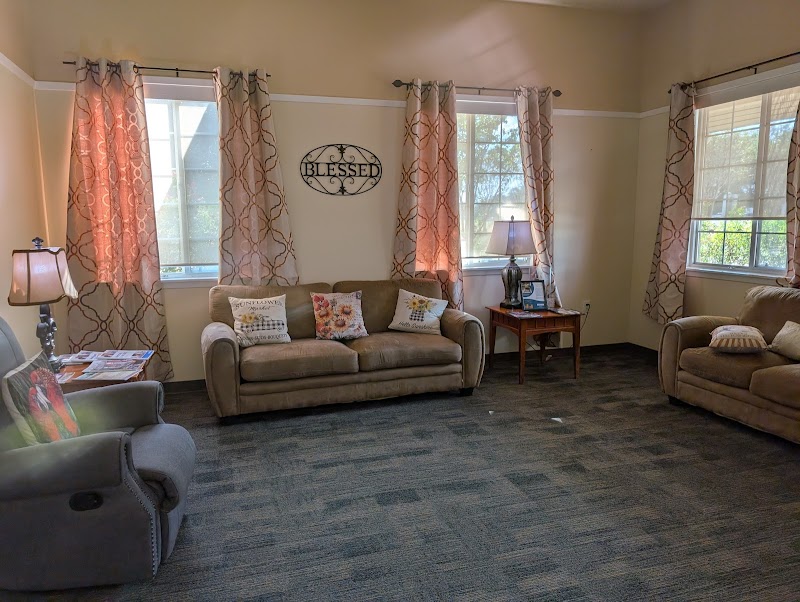
How is Burleson Staffed?

CMS rates BURLESON NURSING AND REHABILITATION CENTER's staffing level at 1 out of 5 stars, which is much below average compared to other nursing homes. Staff turnover is 60%, which is 14 percentage points above the Texas average of 46%. High turnover can affect care consistency as new staff learn residents' individual needs.

What Have Inspectors Found at Burleson?

State health inspectors documented 16 deficiencies at BURLESON NURSING AND REHABILITATION CENTER during 2023 to 2025. These included: 16 with potential for harm.
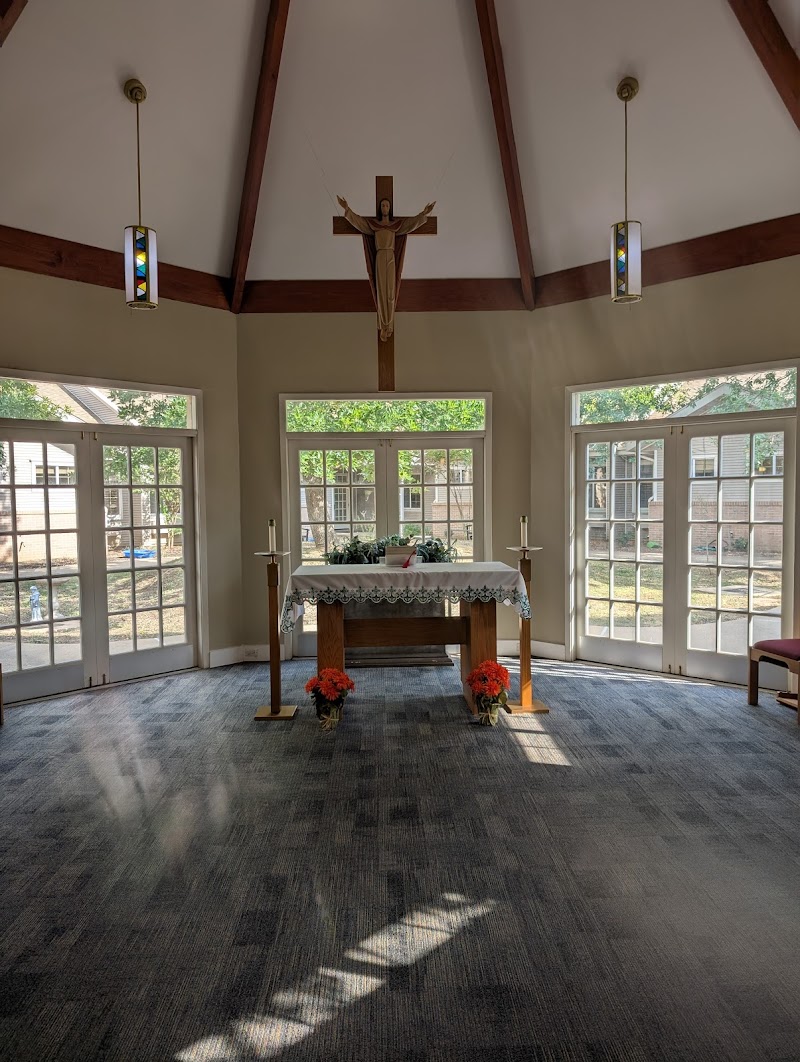
Who Owns and Operates Burleson?

BURLESON NURSING AND REHABILITATION CENTER is owned by a for-profit company. For-profit facilities operate as businesses with obligations to shareholders or private owners. The facility is operated by SLP OPERATIONS, a chain that manages multiple nursing homes. With 120 certified beds and approximately 57 residents (about 48% occupancy), it is a mid-sized facility located in BURLESON, Texas.
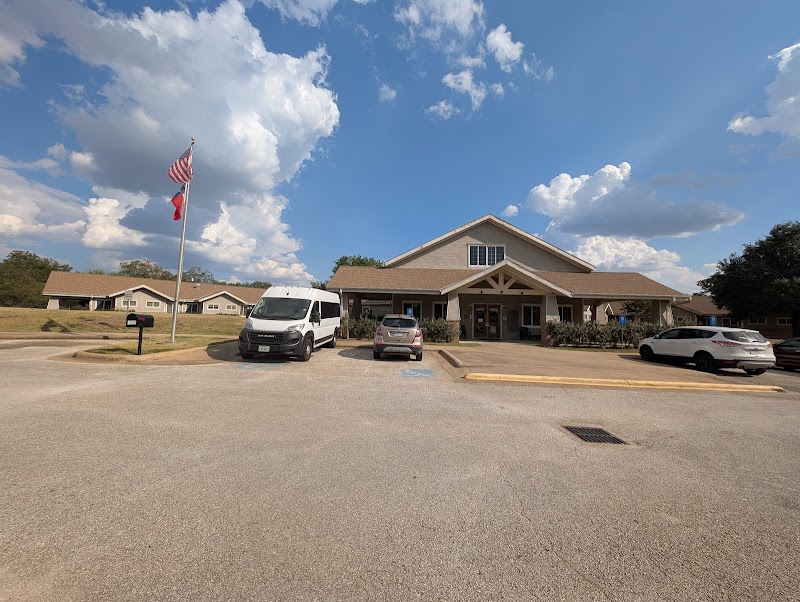
How Does Burleson Compare to Other Texas Nursing Homes?

Compared to the 100 nursing homes in Texas, BURLESON NURSING AND REHABILITATION CENTER's overall rating (3 stars) is above the state average of 2.8, staff turnover (60%) is significantly higher than the state average of 46%, and health inspection rating (4 stars) is above the national benchmark.

What Should Families Ask When Visiting Burleson?

Based on this facility's data, families visiting should ask: "How do you ensure continuity of care given staff turnover, and what is your staff retention strategy?" "Can you walk me through typical staffing levels on day, evening, and night shifts?" "Can I visit during a mealtime to observe dining assistance and food quality?" "How do you handle medical emergencies, and what is your hospital transfer rate?" These questions are particularly relevant given the facility's high staff turnover rate and the below-average staffing rating.

Is Burleson Safe?

Based on CMS inspection data, BURLESON NURSING AND REHABILITATION CENTER has a clean safety record: no substantiated abuse findings (meaning no confirmed cases of resident harm), no Immediate Jeopardy citations (the most serious violation level indicating risk of serious injury or death), and is not on the Special Focus Facility watch list (a federal program monitoring the lowest-performing 1% of nursing homes). The facility has a 3-star overall rating and ranks #1 of 100 nursing homes in Texas. While no facility is perfect, families should still ask about staff-to-resident ratios and recent inspection results during their visit.

Do Nurses at Burleson Stick Around?

Staff turnover at BURLESON NURSING AND REHABILITATION CENTER is high. At 60%, the facility is 14 percentage points above the Texas average of 46%. High turnover means new staff may not know residents' individual needs, medications, or preferences. It can also be disorienting for residents, especially those with dementia who rely on familiar faces. Families should ask: What is causing the turnover? What retention programs are in place? How do you ensure care continuity during staff transitions?

Was Burleson Ever Fined?

BURLESON NURSING AND REHABILITATION CENTER has no federal fines on record. CMS issues fines when nursing homes fail to meet care standards or don't correct problems found during inspections. The absence of fines suggests the facility has either maintained compliance or corrected any issues before penalties were assessed. This is a positive indicator, though families should still review recent inspection reports for the full picture.

Is Burleson on Any Federal Watch List?

BURLESON NURSING AND REHABILITATION CENTER is not on any federal watch list. The most significant is the Special Focus Facility (SFF) program, which identifies the bottom 1% of nursing homes nationally based on persistent, serious quality problems. Not being on this list means the facility has avoided the pattern of deficiencies that triggers enhanced federal oversight. This is a positive indicator, though families should still review the facility's inspection history directly.