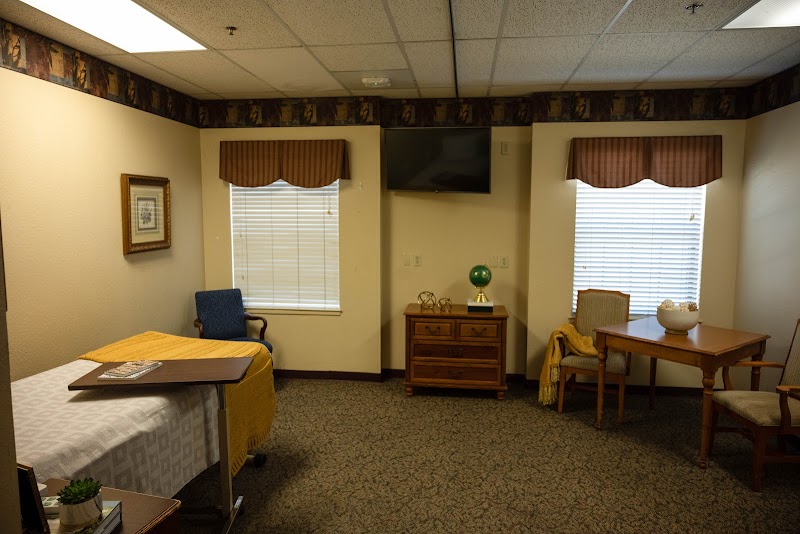
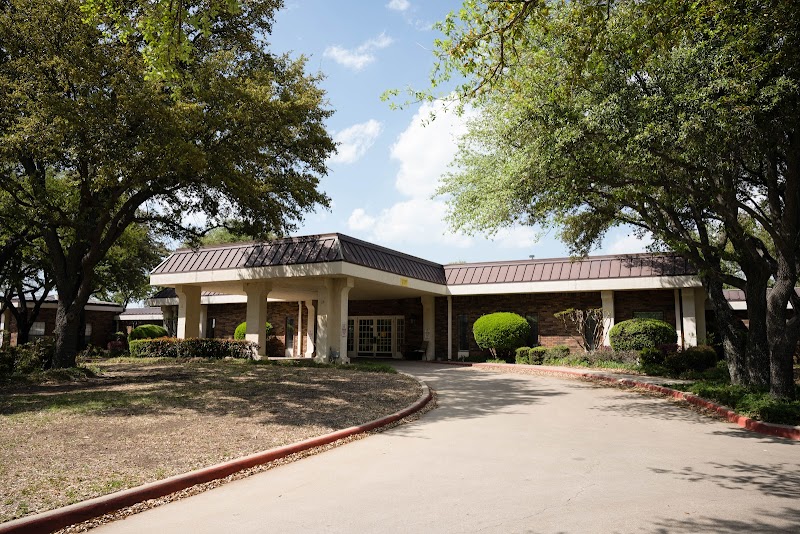
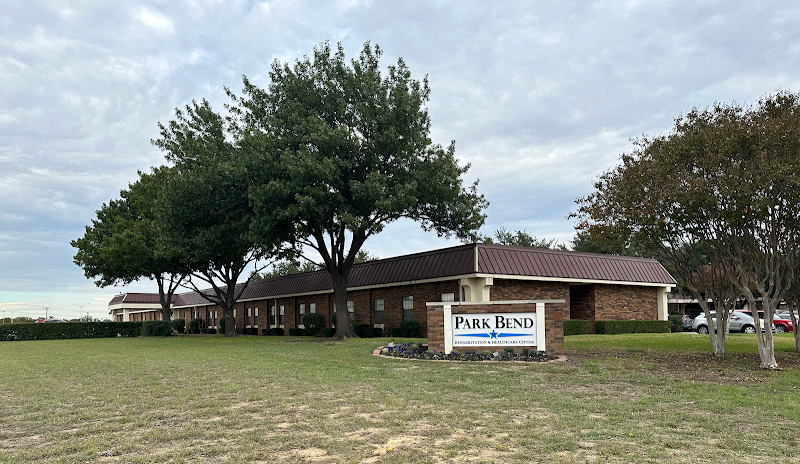
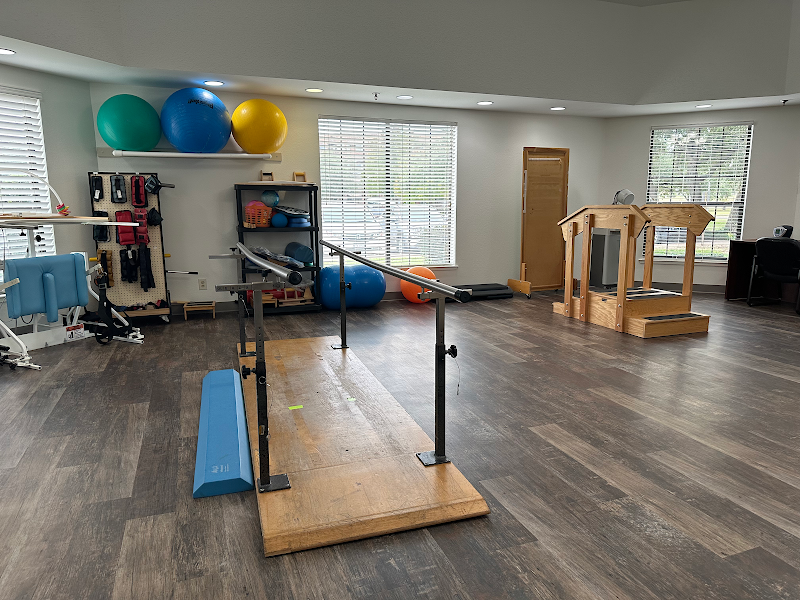
PARK BEND REHABILITATION AND HEALTHCARE CENTER

301 HUGULEY BLVD, BURLESON, TX 76028 (817) 551-5900
Government - Hospital district 178 Beds MOMENTUM SKILLED SERVICES Data: November 2025 5 Immediate Jeopardy citations
Trust Grade
0/100
#537 of 1168 in TX
Last Inspection: September 2024

Within standard 12-15 month inspection cycle. Federal law requires annual inspections.

Overview

Park Bend Rehabilitation and Healthcare Center has received a Trust Grade of F, indicating poor performance with significant concerns about care. They rank #537 out of 1,168 facilities in Texas, placing them in the top half, but their county rank is #7 of 9 in Johnson County, meaning there are better options nearby. Although the facility is improving overall, reducing their issues from 11 in 2024 to 2 in 2025, they still face serious challenges, including 20 total deficiencies, with five classified as critical. Staffing is a concern, with only 2 out of 5 stars and less RN coverage than 99% of Texas facilities, which can affect the quality of care. Specific incidents noted include a failure to keep hazardous items like hand sanitizer and aspirin away from a resident, which posed safety risks, and a lack of effective discharge planning resulting in missed antibiotic treatment for a resident. While the quality measures rating is excellent, families should weigh these strengths against the significant weaknesses before making a decision.

Trust Score
F
0/100
In Texas
#537/1168
Top 45%
Safety Record
High Risk
Review needed
Inspections
Getting Better
11 → 2 violations
Staff Stability
⚠ Watch
49% turnover. Above average. Higher turnover means staff may not know residents' routines.
Penalties
✓ Good
$71,096 in fines. Lower than most Texas facilities. Relatively clean record.
Skilled Nurses
⚠ Watch
Each resident gets only 6 minutes of Registered Nurse (RN) attention daily — below average for Texas. Fewer RN minutes means fewer trained eyes watching for problems.
Violations
⚠ Watch
20 deficiencies on record. Higher than average. Multiple issues found across inspections.
★★★☆☆
3.0
Overall Rating
★★☆☆☆
2.0
Staff Levels
★★★★★
5.0
Care Quality
★★☆☆☆
2.0
Inspection Score
Stable
2024: 11 issues
2025: 2 issues

The Good

  • 5-Star Quality Measures · Strong clinical quality outcomes
  • Full Sprinkler Coverage · Fire safety systems throughout facility
  • No fines on record

Facility shows strength in quality measures, fire safety.

The Bad

3-Star Overall Rating

Near Texas average (2.8)

Meets federal standards, typical of most facilities

Staff Turnover: 49%

Near Texas avg (46%)

Higher turnover may affect care consistency

Federal Fines: $71,096

Well above median ($33,413)

Moderate penalties - review what triggered them

Chain: MOMENTUM SKILLED SERVICES

Part of a multi-facility chain

Ask about local staffing decisions and management

The Ugly 20 deficiencies on record

5 life-threatening
May 2025 1 deficiency 1 IJ
CRITICAL (J) 📢 Someone Reported This

A family member, employee, or ombudsman was alarmed enough to file a formal complaint

Immediate Jeopardy (IJ) - the most serious Medicare violation

Free from Abuse/Neglect (Tag F0600)

Someone could have died · This affected 1 resident

**NOTE- TERMS IN BRACKETS HAVE BEEN EDITED TO PROTECT CONFIDENTIALITY** Based on interviews and record reviews the facility failed to ensure residents were free from neglect for 1 of 4 residents (Resi...

Read full inspector narrative →
**NOTE- TERMS IN BRACKETS HAVE BEEN EDITED TO PROTECT CONFIDENTIALITY** Based on interviews and record reviews the facility failed to ensure residents were free from neglect for 1 of 4 residents (Resident #1) reviewed for neglect. 1. The facility failed to ensure Resident #1 was protected from neglectful treatment by failing to respond to family members performing medical procedures on her. 2. The facility delayed sending Resident #1 to the hospital after discovering family had started an IV on the resident. An IJ was identified on 05/22/25. The IJ template was provided to the facility on [DATE] at 5:10 PM. While the IJ was removed on 05/23/25, the facility remained out of compliance at a scope of isolated and a severity level of potential for more than minimal harm due to the facility continuing to monitor the implementation and effectiveness of their Plan of Removal. This failure could place residents at risk of harm or death from medical procedures being performed on them. Findings included: Record review of Resident #1's undated admission Record reflected the resident was a [AGE] year-old female admitted to the facility on [DATE] with diagnoses which included Seizures, stroke, legal blindness, and malnutrition. Record review of Resident #1's discharge MDS, dated [DATE], reflected her BIMS score was not calculated. Her Functional Status reflected she was dependent on staff for her ADLs. Record review of Resident #1's care plan, dated 02/03/25, indicated she had impaired communication, loss of vision, and dehydration related to fluid hydration maintenance. Record review of the facility's investigation report revealed on 05/01/25 the resident's Family Member A (her RP as well) was discovered to have brought in the supplies and equipment to initiate IV fluid therapy, and had inserted an IV into the right neck of Resident #1. Staff visualized IV fluid hanging from an IV pole, but never observed IV fluids being administered to the resident. Family Member A was trespassed from the facility by the Administrator and the police department. Record review of Resident #1's nursing progress notes reflected the following entries: 04/28/25 written by the Unit Manager - Received a fax with orders for Seroquel 25 mg QHS PRN insomnia, agitation , or hallucinations and Remeron 15 mg at bedtime for insomnia. Called and spoke with .RN with .Hospice who stated that [Family Member B], gave the orders. [Family Member B] notified concerning the orders for Seroquel and Remeron. [Family Member B] stated she was the medical director of XXX hospice and wanted the Seroquel to be PRN for hallucinations. Educated [Family Member B] that pt is already on Depakote and the dose could be increased if needed. Remeron, which was written for insomnia, educated the [Family Member B] that Remeron is an antidepressant that in lower dosage is appetite stimulant not a hypnotic. Pt is currently on Melatonin which could be increased. Educated [Family Member B] that orders could not be taken from her just because she is a Dr in the community. This is when [Family Member B] stated I am the medical director of hospice and several different nursing homes, I have hospital privilege's. Give one extra tab of Depakote if hallucinations arepresent and [Family Member A] is concerned about her not eating so give the Mirtazapine 7.5 mg at bedtime. Called .hospice to ask who Medical director is and it is Dr. XX MD. Questioned if [Family Member B] was one of [hospice agency] hospice physicians and the answer was no. Notified DON and Admin. 05/01/25 at 1:39 PM written by the Unit Manager - [Family Member A], in house, trying to start an IV on resident. Spoke with [Family Member A] educating him that on Hospice and if wanting IV therapy then resident should be sent to the hosp. [Family Member A] stated no, I still want her on hospice.'. Questioned [Family Member A] why the IV and he responded because we can, it will either help or it won't. Notified DON at this time. 05/01/25 at 2:03 PM written by LVN A - Resident's [Family Members] in room at this time, inserting iv line into resident's right neck for infusion of lactated ringers solution. [Family Member A] is physician, no orders from resident's primary doctor or from hospice regarding iv therapy, DON and unit mgr aware of [Family Member A's] actions 05/01/25 at 7:45 PM written by LVN B - [EMS] here to transport resident to [hospital] ER for further evaluation and treatment r/t to IV placement by family. Resident AAO to self only. No s/s of discomfort noted at this time. No grimacing or c/o pain. [Family Member A] called and notified of transfer. All necessary paperwork completed and sent with resident. Record review of EMS report indicated 911 was called at 7:19 PM on 05/01/25. The crew was dispatched at 7:19 PM, and arrived at the facility at 7:32 PM. The EMS report reflected: Upon arrival, pt was lying supine in a bed unresponsive. Staff reports this is the pt's normal baseline. Staff reports the [Family Member A] started an IV on the pt's neck and giving her something unknown. Staff reports wanting to send the pt out due to not knowing what the family gave the pt. Staff relays pt's is also on hospice. Upon talking with [Family Member A], stated he is a plastic surgeon who started an EJ on the pt using a sonogram and gave 3L of fluid. [Family Member A] relays pt' s temperature has been all over the place recently and pt was tachycardic so that is why he gave the fluids. [Family Memebr A] also reports having done this 2 other times. [Family Member A] agreed with transport. Vitals were monitored and a head to toe was done. Pt was transferred onto the stretcher. PD arrived on scene. Pt was placed on oxygen via NC for low oxygen saturation. There was no change in pt condition while en route to the hospital. Verbal report was given and pt care was transferred. Record review of the Unit Manager's written statement, dated 05/02/25, reflected she was contacted by the hospice nurse that the resident's son might be on the way to start and IV on the resident. The Unit Manager checked on the resident and saw Family Member A with two 1-liter bags of IV fluid. She advised Family Member A that if the resident needed IV fluid she needed to go to the hospital. After she left the room, Family Member A apparently started the IV anyway. Record review of LVN A's written statement, dated 05/02/25, reflected he stated when he entered the resident's room he noted the resident had an IV in her right neck. The family member stated they put it in the resident's neck there because it was the only place they could get an IV. In an interview on 05/22/25 at 12:50 PM, the Unit Manager stated she was called by the hospice nurse and told they had been made aware the (Family Member A) might try to start an IV on the resident. When she arrived at work the (Family Member A) was stating he was going to start an IV because it might help the resident. When she told him the resident needed to go to the hospital if she needed IV fluid therapy, he did not want the resident go to the hospital and come off hospice. She notified the DON right away and left it for the DON to handle. In an interview on 05/22/25 at 1:45 PM, the DON stated the Unit Manager's note was incorrect and that at 1:39 PM Family Member A was wanting an IV placed and the Unit Manager was contacting hospice about doing so. The Unit Manager thought they were waiting to hear back from Hospice but apparently Family Member A started the IV in the Right EJ at some point. LVN-A did not notify the DON or the Unit Manager as he stated in his note at 2:03 PM. The Unit Manager contacted the DON at 5:53 PM about the IV being placed. In the intervening time the family was keeping staff out of the room. After being notified the DON contacted the Administrator, the Administrator was making phone calls to the doctor, hospice, and corporate about how to proceed. Hospice notified them that they had fired the resident from their services. When Family Member A was notified the police were coming, he removed all the evidence from the room and took it out to his car. The DON displayed the Unit Manager's text message on 5/22/25 at 5:53 PM. In an interview on 5/22/25 at 2:24 PM, LVN A stated charting was not totally accurate. He stated he was approached by the hospice aide who was looking for an IV pole. He asked why and she stated they were trying to start an IV, he assumed hospice was starting an IV. When he went into the room around 1:50 PM he noticed a pink IV catheter in the resident's right neck, with a bad of Lactated Ringers hanging from the IV pole, but not infusing into the resident. He asked why it was in the neck and Family Member C stated it was where they could get one. He realized at that point the family had put the IV in, not hospice. He notified the Unit Manager via text right away and he left as his shift was over. In an interview on 05/22/25 at 4:10 PM, the Administrator stated she was made aware of the situation around 6:00 PM by the DON via phone. She then called her boss for guidance as she had not encountered this type of situation before. She was advised to call the police to have Family Member A trespassed from the facility. She was also calling hospice to consult to see if they had authorized IV fluids, etc. She did not know why the Unit Manager had delayed contacting the DON. In a follow up interview on 05/22/25 at 4:15 PM, the Unit Manager stated she was contacted by LVN-A via text around 2:00 PM while she was in a meeting. She called the nurse on duty to verify if there was an IV in the resident. She heard him ask the family member standing at the desk and she confirmed there was an IV in the resident's neck. She stated she contacted the DON right away. In an interview on 05/22/25 at 4:38 PM, LVN B stated it was reported to him at shift change the resident either had an IV or they were going to do an IV, he could not recall exactly what he was told. When he checked on the resident about 20 minutes later he saw the IV fluids hanging but did not see the resident's neck to see if there was an IV in her neck. He assumed there was an order for IV fluids. He was called by the Unit Manager about 2:30 PM asking him to check if there was an IV in place. There was a family member at the nurse station who verified there was an IV in the resident's neck. About 3:00 PM he notified the family the resident was going to be sent to the hospital by EMS and Family Member A packed everything up and took it to his car. When EMS arrived the IV had been removed. He stated it took a while for EMS to arrive. Record review of the facility's policy Abuse, Neglect, and Exploitation, dated 01/08/23, reflected: It is the policy of this facility to provide protections for the health, welfare, and rights of each resident by developing and implementing written policies and procedures that prohibit and prevent abuse, neglect, exploitation and misappropriation of resident property An Immediate Jeopardy was identified on 5/22/25 at 3:42 PM. The Administrator was notified of the Immediate Jeopardy on 05/22/25 at 5:10 PM and the IJ Template was provided to her. The facility was asked to provide a Plan of Removal to address the Immediate Jeopardy. The Facility's Plan of Removal for Immediate Jeopardy was accepted on 5/23/25 at 9:31 AM and reflected the following: PLAN OF REMOVAL Name of facility: [Facility] Date: 5/22/25 F 600 Neglect Problem: - The facility failed to protect a resident from neglect when the facility failed to prevent a family member from inserting an IV and failed to intervene timely after they learned that it had been inserted. - Prior to this incident on 04/28/25, the resident's (Family Member B) impersonated herself as the Hospice Director and attempted to give faxed orders for medications for Seroquel to be given for insomnia and Remerol. The facility looked into this and determined that she was not the Hospice Director. They provided her verbal education that she was a doctor in the community and did not have rights to practice at the facility. -The facility needs to take immediate measures to protect residents from neglect by ensuring that only designated physicians and medical personnel provide medical services to residents to prevent serious harm, impairment, or death. Immediate action: 1. 5/1/25 The facility administrator completed a self-report incident to HHSC due to (Family Member A) placing an IV in resident's right jugular. 2. 5/22/25 The facility/DON/Administrator educated staff regarding immediately reporting any family member performing a procedure on their family. 3. 5/22/25 The facility/DON/Administrator educated all families via [electronic noitifcation application] regarding the prohibited action of performing any procedure on their family member and that they will be reported to the facility administrator immediately if seen doing so. Interventions: 4. On 5/22/25 the DON/Designee initiated an in-service with the facility staff that any individual not employed or contracted by facility performing any procedures, i.e. starting an IV on a resident must be immediately reported to the abuse coordinator. 5. On 5/22/25 the DON/Designee initiated an in-service with the families via [electronic noitifcation application] regarding the prohibition of any non-employed or non-contracted performing any procedure on any resident and that if anyone is seen doing so, they will be reported immediately to the abuse coordinator. Completed 5/22/25 6. On 5/22/25 the Regional Corporate nurse/Designee initiated an in-service with the Administrator and DON regarding the prohibition of any individual not employed or contracted with [Facility] performing a procedure on any resident. Completed 5/22/25 7. On 5/22/25 DON and Administrator placed a sign at the entrance to the facility where visitors sign in stating that they are not allowed to bring outside medications or perform any medical procedure on any resident. Ongoing Projected completion 5/24/25 Any staff member not present or in service, will not be allowed to assume their duties until in-serviced. Ongoing In-service will be completed by Administrator/DON/ADON/WC NURSE/or weekend nurse supervisor, until all staff, weekend, prn, and agency staff is completed. If it is determined family or non-staff are attempting to provide medical services and/or medication prescription after the Abuse Coordinator is notified the Abuse Coordinator will alert the police and the perpetrator will be removed from the building. If staff observe non-staff providing or attempting to provide medical services, staff will intervene and ensure the resident is safe and that the procedure is halted to protect the resident. If the facility determines there might be issues with family or non-staff interfering with resident care, the facility will immediately alert the physician, Medical Director and provide education to said family or non-staff regarding the prohibition of interfering with resident care. Monitoring 8. On 5/22/25 The DON/designee began a questionnaire to validate the effectiveness of the training. The questionnaire is conducted with facility staff. Immediate re-education will be completed by the DNS/designee if any staff is unable to answer appropriately to the questions on the questionnaire. Staff will not be allowed to work until after completion of the questionnaire. Projected completion 5/24/25 9. An impromptu QAPI meeting was conducted with the facility's Medical Director, Dr. XX on 5/22/25 to notify of the potential for non-compliance and the action plan implemented for approval. Plan approved on 5/22/25 Monitoring of the IJ continued, reflecting: Signage posted at front desk stating family are not allowed to bring outside medications or perform any medical procedure on any resident The Administrator and DON were in-serviced on reporting any family member performing a procedure on their family member by the Regional Nurse Consultant on 05/22/25 at 6:01 PM. The Administrator in-serviced resident Responsible Parties via their electronic notification application on 05/22/25 at 6:58 PM to advise family is not to bring any medications, including OTC medications, to their family member, and they are not to perform any medical procedures on their family member, including starting an IV on the resident. The DON initiated in-services for all staff that any individual not employed or contracted by facility performing any procedures, i.e. starting an IV on a resident must be immediately reported to the abuse coordinator. The in-service was followed up with a written test. Interviews were conducted with staff regarding the in-service they received and the written test completed afterwards. Staff were able to verbalize what interventions they were expected to do if they observed a family member administering a medication to a resident or performing a medical procedure on a resident. The staff interviewed included: Director of Rehab, MDS Coordinator, Business Office Manager, ADON, Unit Manger, Maintenance Supervisor, Dietary [NAME] C , CNA D, Dietary Director, Dietary Aide, Restorative Aide, Dietary [NAME] E, LVN F, LVN G, OTA, OT, LVN H, Housekeeper I, LVN J, Housekeeper K, CNA L, CNA M, CNA N, MA O, OT P, CNA Q, CNA R, CNA S, CNA T, MA U, Activity Director, Social Worker, and LVN-V The Administrator and DON were informed the Immediate Jeopardy was removed on 05/23/25 at 12:20 PM. The facility remained out of compliance at a scope of isolated with no actual harm with a potential for more than minimal harm, due to the facility's continuation of in-servicing and monitoring the plan of removal.
Feb 2025 1 deficiency 1 IJ (1 affecting multiple)
CRITICAL (K) 📢 Someone Reported This

A family member, employee, or ombudsman was alarmed enough to file a formal complaint

Immediate Jeopardy (IJ) - the most serious Medicare violation

Accident Prevention (Tag F0689)

Someone could have died · This affected multiple residents

**NOTE- TERMS IN BRACKETS HAVE BEEN EDITED TO PROTECT CONFIDENTIALITY** Based on observation, interview and record review the facility failed to ensure that the resident environment remained as free o...

Read full inspector narrative →
**NOTE- TERMS IN BRACKETS HAVE BEEN EDITED TO PROTECT CONFIDENTIALITY** Based on observation, interview and record review the facility failed to ensure that the resident environment remained as free of accident hazards as was possible for 1 of 5 residents (Resident #1) reviewed for accident hazards. 1. The facility failed to implement interventions for Resident #1 to ensure she did not consume hand sanitizer after empty bottles of hand sanitizer were found in her room. 2. The facility failed to ensure Resident #1 did not keep aspirin at her bedside. The noncompliance was identified at an Immediate Jeopardy (IJ) PNC (past nocompliance). The noncompliance began on 10/12/2024 and ended on 12/17/2024. The facility had corrected the noncompliance before the survey began. The Administrator was provided the IJ template on 02/27/25 at 5:32 PM. These failures could place residents at risk of harm, injury, or death. Findings include: Record review of Resident #1's admission record, dated 12/11/2024, revealed a [AGE] year-old female with an original admission date to the facility on [DATE] and readmission date of 12/02/2024. Resident #1 had diagnoses which included unspecified dementia (brain disease that alters brain function and causes cognitive decline), chronic pain syndrome (pain that last for months or years), major depressive disorder (persistently low or depressed mood), and opioid dependence (development of tolerance or withdrawal to opioids). Record review of Resident #1's quarterly MDS assessment, dated 12/17/2024, revealed a BIMS score of 12, which indicated moderate cognitive impairment. Record review of Resident #1's, undated, care plan revealed Resident #1's psychosocial well-being was affected d/t Disease Process: Alcoholism/Addiction. Interventions included the following: - Allow the resident time to answer questions and to verbalize feelings, perceptions, and fears - Consult with: Pastoral care, Social Services, Psych services - Encourage participation from resident who depends on others to make own decisions - Monitor surroundings for hazardous ingestible items. - Provide opportunities for the resident and family to participate in care - Refer to inpatient stay Record review of Resident #1's nursing note, dated 10/12/2024 at 1:07 PM, revealed a late entry: Housekeeping noted several bottles of squeezed empty store bought alcohol based hand sanitizer without pump inside and a bottle of 70% rubbing alcohol almost empty under residents bed. This nurse went to speak to resident regarding alcohol based products and facility guidelines/policies but resident sleeping in stable condition. DON [Name], RN made aware. Record review of Resident #'1 nursing note, dated 10/14/2024 at 1:49 PM, revealed Dr [Name] updated on hand sanitizer bottles and rubbing alcohol bottle found in [Resident #1's] room. New orders for CBC,CMP, Ethanol blood level. Record review of Resident #'1 nursing note, dated 11/15/2024, 8:48 AM, revealed Entered room to have pt sign consent for new order Trazodone. Noted a thermal cup with handle on the nightstand that appeared to have been run over and bent. Picked up the cup to question pt on how the cup got bent. When I brought cup up towards my face I could smell alcohol. Inside the mug was 2 plastic cups that facility utilizes to pass water with meds. Removed the plastic cups and at the bottom of the cup was a blue colored thicker then water liquid. There was also straw in the cup. Took cup to DON and notified Dr [Name]. Awaiting return call from Dr [Name]. Record review of Resident #'1 nursing note, dated 11/15/2024 11:00 AM, revealed Dr [Name] returned call and recommended in house treatment/ placement for ETOH addiction. Suggested starting with [Facility Name A]. DON notified. Record review of Resident #1's nursing note, dated 11/15/2024 at 11:54 AM, revealed Spoke with resident and son regarding continued drinking of hand sanitizer and physicians recommendation of in placement care. Both agreed this would be beneficial. Phoned [Facility Name A] and faxed requested info to transfer unit @ [Fax Number]. Awaiting response at this time. Record review of Resident #1's nursing note, dated 11/15/2024 at 2:14 PM, revealed Phoned [Facility Name A] for update no change in referral status. Reached out to [Facility Name B] Liaison, [Name] RN @ [Phone Number]. She is with both [Facility Name A] and [Facility Name B], requested to fax referral to [Facility Name B] and she would follow up for both via phone. Referral faxed to [fax number]. Awaiting response. MD and resident updated. Record review of Resident #1's nursing note, dated 11/15/2024 at 4:19 PM, revealed Recd call from [Facility Name B] that resident was accepted. MD, son and resident aware. Awaiting transport to take resident at this time. Record review of Resident #1's nursing note, dated 11/15/2024 at 5:16 PM, revealed Transferred to [Facility Name B] in [City Name] via wheelchair with necessary paperwork/spare clothing in facility van. All other personal belongings remain in room. Writer to notify dietary dept. and relay above to incoming charge nurse. Record review of Resident #1's nursing note, dated 12/02/2024 at 8:44 PM, revealed Resident has returned from [Facility Name B] around1800. Resident was transferred via transportation services, accompanied by no family members. Resident is alert and oriented to the current situation. Resident refused dinner meal. Resident has no skin issues. Resident is resting in her bedroom with call light within reach. Record review of Resident #1's nursing note, dated 12/09/2024 at 9:49 PM, revealed resident aa&ox4, during routine care noted rash to rt thigh pt denies pain, assessment done, area warm to touch, Dr [Name] notified, n/o Keflex 500mg I po tid x 5days DR states will come tomorrow to see patient, initial dose given from pyxis, no a/r noted, call light in reach, will cont. to monitor. Record review of Resident #1's nursing note, dated 12/10/2024 at 6:09 AM, revealed Resident is on Keflex for the right thigh rash. The area is warm to tach. She remains afebrile at 98.0 . No c/o pain/discomfort voiced. Call light within reach. Record review of Resident #1's nursing note, dated 12/10/2024 at 8:56 AM, revealed CNA reports to nurse that resident has bottle of aspirin in room. Nurse questioned resident who states 'Yes I have a bottle because I know what works for me'. Nurse then reinforced regulation that residents are not to have any meds in room, resident states 'I know that' and handed bottle to nurse. Reported to DON and administrator. Record review of Resident #1's nursing note, dated 12/10/2024 at 1:17 PM, revealed Per DON, amount of aspirin missing from bottle surrendered by resident exceeds safe dosage within time that resident has possessed bottle. Resident to be transferred to [Hospital Name] ER for eval. [EMS Name] called for transport, resident's son [Name] notified. Record review of Resident #1's nursing note, dated 12/13/2024 at 10:00 PM, revealed Resident came back from [Hospital Name] on a stretcher accompanied by ambulance personnel. Alert and oriented x4 with the ability to communicate needs in a clear speech. Vital signs are within normal limits. No concerns voiced at the moment. resting in bed with the call light within reach. Record review of Resident #1's nursing note, dated 12/17/2024 at 1:26 PM, revealed Resident readmitted to facility, adjusting well. clarification of ABT r/t cellulitis to leg, no AR noted- area with small amount of exudate. Alert able to voice needs appropriately. c/o pain medicated with PRN meds as needed, effective. Met with son and resident regarding plan for recent events. Resident agrees to not have any medications in room. Discussed pain and physicians hesitation with given history, resident promised to be open and honest with pysch and take any offers of resources from PASSR. Resident willing to have room checked periodically and give Admin key to her lock box. Will cont plan of care and have made MD aware. Record review of provider investigation report (PIR), dated 12/17/24, revealed Incident date:12/10/2024 Resident was noted to have a bottle of aspirin at bedside . Resident noted to have new rash to leg paired with nausea/vomiting while self medication . Provider investigation is unconfirmed. Per staff interviews, resident had stated that aspirin is the only thing that assists with pain and that she had only taken 'a few'. Upon count, DON noted 28 missing pills. When she questioned resident, resident stated she had opened the bottle 4 days ago and that she did not realize she had taken so many. Resident was then sent to ER for further evaluation and to rule out any negative outcomes related to self medication. Resident room was searched and any restricted items found were removed. Guardian Angels searched each room on their rounds and also removed restricted items found, if any. Resident was assessed by [Name], MD. and found to have right lower extremity cellulitis with no evidence of negative outcomes due to ingested aspirin noted. Resident also received a psych evaluation while in hospital and remains on psych services offered by [Company Name] at the facility. Provider concluded [family member] provided aspirin to resident. DON met with [family member] and resident to explain that he is not to bring any OTC's to [Resident#1] moving forward. A list of items not allowed in the facility were re-sent to all resident contacts via cliniconex. Safe surveys were positive. Record review of DON's statement included in the PIR, dated 12/10/2024, revealed in part: After [Resident #1] was sent to the Emergency Department a full room sweep was conducted [by Administrator Name and DON Name] and no further contraband was noted. Interview on 02/12/2025 at 9:37 AM, LVN A stated Resident #1 had aspirin at her bedside, and he did not remember who found it, but he took the bottle to the DON. He stated he could not remember if Resident #1 bought it or if a family member brought it in. He said he remembered looking at the count on it and it seemed Resident #1 took more than what should have been taken and wound up sending her out. LVN A stated residents were not supposed to have medications at the bedside because they could overdose on anything, mix meds that should not be, or another resident could take them. He stated there were no residents who self-administered medications in the facility. LVN A stated Resident #1 drank hand sanitizer and was sent to rehab for that but did not remember when. Interview on 02/12/2025 at 10:30 AM, the Unit Manager stated she was aware aspirin was found in Resident #1's room with so many missing. She stated she was in-serviced to look for medications and those types of things in resident rooms when doing angel rounds. Observation and interview on 02/12/2025 at 11:57 AM, revealed Resident #1 lying in bed in her room. No medications were observed near the resident or in the room. Resident #1 stated her legs hurt all her life, Tylenol did not work, and aspirin did. She stated she did not feel the pain was being addressed and when she went to[Store Name] during the facility's monthly trip, she bought aspirin one time and kept it in her drawer. She stated it was unopened and she had just opened it [when staff found it], and it was innocent on her part. She said she did not realize it was such a problem because she used to take them like candy when she was working. Resident #1 stated for some reason her drawer was open, she had a rash on her legs and when the nurse came in to look at her legs, the nurse saw the aspirin in the drawer. She said the nurse asked her about them, counted them and took them out of her room. She stated she was sent to the hospital with the rash, the hospital ran tests to see if any aspirin toxicity and there was nothing there. She said she had cellulitis in her legs. She stated staff explained she could not be buying things like aspirin at [Store Name] and she was on a blood thinner, and aspirin was also a blood thinner. Resident #1 stated the facility had since addressed her leg pain. Interview on 02/12/2025 at 1:45 PM, the DON stated Resident #1 was sent to [Facility Name B] for drinking hand sanitizer, had been back about a week and then the aspirin was found in her room. She stated LVN A gave her the aspirin bottle and noticed the amount missing and talked with the doctor who said they needed to get labs. She said she asked Resident #1 when she opened the bottle, how many she took, and noticed she was lethargic. The DON stated since Resident #1 also had a rash and thought the 2 might be related. The DON said they sent Resident #1 out and the hospital ran all the labs when she was there and found she had not taken that many. The DON said the hospital treated her for cellulitis and psych, and when Resident #1 returned, she agreed to have random room searches and to talk with a counselor. When asked about Resident #1 drinking hand sanitizer, the DON stated the resident never admitted to how much she consumed, and the resident told her she came up to the front desk and took the bottles from the drawers. The DON stated the facility took residents to [Store Name] and the Driver and the Activity Director was in-serviced on providing Resident #1 her money or debit card at the register to monitor items she purchased. Interview on 02/12/2025 at approximately 2:40 PM, CNA B stated she was aware of incidents with Resident #1 and was in serviced that items like hand sanitizer and medications should not be near residents. CNA B stated if these items were near residents, they could overdose or have side effects. She said if she found these items, she would move them away and tell the nurse. CNA A stated if she noticed any changes like depression, crying, sadness, or something different she would report it to the nurse. Interview on 02/12/2025 at 2:56 PM, LVN C stated he was not working during any incidents with Resident #1 but was aware of Resident #1's alcoholism. He stated when he went to her room, he would check cognition to see if she was alert and oriented, and not acting out of her normal character. He said he would do a quick scan of the room to make sure nothing was there when it was not supposed to, like pills by the bedside, hand sanitizer or anything with alcohol. LVN C stated if any of those items were found he would take them from the room and assess the resident, notify the DON, Doctor, and family if needed. He stated CNA's were trained to look for these things in the room and not to leave hand sanitizer in rooms. Interview on 02/12/2025 at 3:21 PM, the Activity Director stated Resident #1 participated in activities, and she liked to read, go to [Store Name], bingo, and social events. She said she was aware medications were found at Resident #1's bedside and when going to the resident rooms she looked for meds, eye drops, and hand sanitizer. She said these items were not allowed by the bedside because anybody could get a hold of it and take it, they could be allergic, and a lot of things could happen and go wrong. The AD stated nursing had instructed her and the van driver to assist Resident #1 and to make sure she did not purchase any alcoholic substances at [Store Name]. She stated she was told to lock up extra hand sanitizer bottles kept in her office. Interview on 02/12/2025 at 3:42 PM, the SW stated Resident #1 attempted to drink hand sanitizer, went to a psych hospital, the family was aware, and Resident #1 was being seen by psych services at the facility. She stated interventions included educating staff, educating family, knowing the history of the resident so they had a bigger picture, and where the resident was in acceptance or denial, and refer to psych services. She said staff were on the lookout for those things in her room and encouraged to carry hand sanitizer for their use in pockets or carts. She stated Resident #1 was encouraged to participate in activities. Interview on 02/12/2025 at 4:44 PM, Resident #1 stated she consumed hand sanitizer in November. She stated she was an alcoholic and read on the side of the bottle ethyl alcohol and decided to try it. She stated a staff member saw the remains in her cup, confronted her and took her to the DON's office. She said she got 18 oz bottles at the front and reception desk and the facility removed it. Resident #1 stated she drank 3-4 oz only that one time and did not get sick and was sent to rehab for 16 days afterwards. Interview on 02/12/2025 at 5:04 PM, the DON stated the risk was possible harm form ingesting substances. She stated her expectations for staff were if they saw something out in the open that was not supposed to be there to remove it and report it. Interview on 02/12/2025 at 5:19 PM, the Administrator stated keeping medications or things like hand sanitizer at resident bedside could cause harm when ingested. She stated she expected staff to look for substances kept in Resident #1's room that could be ingested. She stated unless Resident #1 was acting unusual then that would warrant a deeper search, she still has the right to some privacy. Record review of Angel room rounds/grand room rounds included in the PIR, dated 12/12/24, revealed in part no medications at bedside including cough drops, neb treatments, eye drops and ointments were found in rooms. Record review of Inservice, dated 12/12/24, on the topic of Abuse/Neglect and Resident Rights revealed staff signatures and Abuse/Neglect policy and Resident Rights policy. Record review of Inservice dated 12/18/24 on the topic of Restricted Resident Items and what to do if you see them revealed staff signatures and List of Things NOT Allowed o Prescription and over-the-counter medications are not allowed in resident rooms . o Anything that can create a life safety hazard must be removed from resident rooms o Any liquid item that says, Keep out of reach of children. Record review of the facility policy, titled Incidents and Accidents revised on 08/2023, revealed in part: It is the policy of this facility for staff to utilize risk management tool from [EHR] and complete an incident report. The Administrator and DON will report and review any accidents or incidents that occur or allegedly occur, on facility property and may involve or allegedly involve a resident . The purpose of incident reporting can include: o Assuring that appropriate and immediate interventions are implemented and corrective actions are taken to prevent recurrences and improve the management of resident care. o Conducting root cause analysis to ascertain causative/contributing factors as part of the Quality Assurance Performance Improvement (QAPI) to avoid further occurrences. o Alert risk management and/or administration of occurrences that could result in claims or further reporting requirements. o Meeting regulatory requirements for analysis and reporting of incidents and accidents The noncompliance was identified at an Immediate Jeopardy (IJ) PNC (past nocompliance). The noncompliance began on 10/12/2024 and ended on 12/17/2024. The facility had corrected the noncompliance before the survey began. The Administrator was provided the IJ template on 02/27/25 at 5:32 PM.
Sept 2024 5 deficiencies
CONCERN (D) 📢 Someone Reported This

A family member, employee, or ombudsman was alarmed enough to file a formal complaint

Potential for Harm - no one hurt, but risky conditions existed

ADL Care (Tag F0677)

Could have caused harm · This affected 1 resident

**NOTE- TERMS IN BRACKETS HAVE BEEN EDITED TO PROTECT CONFIDENTIALITY** Based on observations, interviews, and record review the facility failed to provide the necessary services for residents who wer...

Read full inspector narrative →
**NOTE- TERMS IN BRACKETS HAVE BEEN EDITED TO PROTECT CONFIDENTIALITY** Based on observations, interviews, and record review the facility failed to provide the necessary services for residents who were unable to carry out activities of daily living to maintain good grooming and personal hygiene for 2 (Resident #138, Resident #19) of 8 residents reviewed for ADLs. The facility failed to ensure: 1- Resident #138 had his fingernails cleaned and trimmed. 2- Resident #19 had her fingernails cleaned and trimmed. This failure could place residents who were dependent on staff for ADL care at risk for loss of dignity, risk for infections, and a decreased quality of life. Findings included: 1- A record review of Resident #138's Comprehensive MDS assessment dated [DATE] reflected Resident #138 was an [AGE] year-old male admitted to the facility on [DATE] with diagnoses included diabetes mellitus, above knee amputation of both legs, and anxiety. Resident #138 had a BIMS score of 11 which indicated Resident #138's cognition was moderately impaired. He required partial assistance with self-care. A record review of Resident #138's Comprehensive Care Plan, revised 08/01/24, reflected the following: Focus: [Resident#138] requires assistance to perform functional abilities in self-care .Interventions: Provide the following self-care assistance: . Personal hygiene - moderate assist. An observation and Interview on 09/10/24 at 9:32 AM revealed Resident #138 was laying in his bed. The nails on both hands were long and dirty. The fingernails on both hands were approximately 0.5 inches long and had dirt underneath the nails. Observation of the right hand reflected a greenish matter on the nail beds. In an interview with Resident#138 he stated he would like the fingernails to be trimmed and cleaned. He stated usually the nails were trimmed and cleaned by a nurse, but the nails have not been cut for long time. 2- A record review of Resident #19's Quarterly MDS assessment dated [DATE] reflected Resident #19 was an [AGE] year-old female admitted to the facility on [DATE] with diagnoses that included contracture of left hand, Alzheimer's disease, and diabetes mellitus. Resident #19 had a BIMS score of 14 which indicated Resident #19's cognition was intact. She required extensive assistance of two-person physical assistance with personal hygiene. A record review of Resident #19's Comprehensive Care Plan, revised 08/09/24, reflected the following: Focus: [Resident #19] has an ADL self-care performance deficit. Interventions: . Personal hygiene: Extensive assist x 1 staff. An observation and interview on 09/10/24 at 09:56 AM revealed Resident #19 was laying in her bed. The nails on the right hand were approximately 0.4 centimeter in length extending from the tip of his fingers. The nails were discolored tan and the underside had dark brown colored residue. The nails on the left, contracted, hand were approximately 0.5 centimeter in length extending from the tip of her fingers. Resident #19 stated she did not like her fingernails that long and she stated she did not tell the nurse. She stated she did not remember when the last time somebody trimmed her fingernails. In an interview with CNA D on 09/10/24 at 12:39 PM, she stated CNAs and LVNs were responsible for nail care. She stated if a resident has diabetes, only nurses were allowed to provide nailcare. She stated the risk for not performing nailcare was an increased risk of infection. She stated Resident #138 and #19 both were diabetic; she would notify the nurse. In an interview with LVN E on 09/10/24 at 12:47 PM, she stated she did not notice both residents' nails this morning, and nobody notified her about the nailcare needed for both residents. Since both residents had a diagnosis of diabetes, nurses should provide nailcare. She stated that nailcare should be provided as needed. She stated the risk of not providing adequate nail care was increased infections. In an interview with the DON on 09/11/24 at 2:16 PM revealed her expectation was that nail care should be provided as needed, especially during shower time. She stated that CNAs were responsible for doing nail care unless the resident had a diagnosis of diabetes. She also stated that as the DON, either herself or her designee were responsible to do routine rounds for monitoring. The DON stated that residents having long, and dirty fingernails could be an infection control issue and skin breakdown. Record Review of the facility policy titled Activities of Daily Living revised 2, 2023 reflected, Care and services will be provided for the following activities of daily living: 1. Bathing, dressing, grooming, and oral care . A resident who is unable to carry out activities of daily living will receive the necessary services to maintain good nutrition, grooming, and personal and oral hygiene.
CONCERN (D) 📢 Someone Reported This

A family member, employee, or ombudsman was alarmed enough to file a formal complaint

Potential for Harm - no one hurt, but risky conditions existed

Respiratory Care (Tag F0695)

Could have caused harm · This affected 1 resident

**NOTE- TERMS IN BRACKETS HAVE BEEN EDITED TO PROTECT CONFIDENTIALITY** Based on observations, interviews, and record review the facility failed to ensure a resident who needed respiratory care was pr...

Read full inspector narrative →
**NOTE- TERMS IN BRACKETS HAVE BEEN EDITED TO PROTECT CONFIDENTIALITY** Based on observations, interviews, and record review the facility failed to ensure a resident who needed respiratory care was provided such care, consistent with professional standards of practice, the comprehensive person-centered care plan and the residents' goals and preferences for 1 of 3 Residents (Resident #36) reviewed for respiratory care. The facility failed to ensure Resident #36's nasal cannula tubing was labeled or dated. This failure could place residents at risk of respiratory infections. The findings were: Record review of Resident #36's Quarterly MDS assessment, dated 05/27/2024, reflected Resident #36 was a [AGE] year-old male who had a readmission date of 08/12/2024. Resident #36's relevant diagnoses included chronic obstructive pulmonary disease (lung disease that block airflow and make it difficult to breathe), Stroke (disruption of blood flow to the brain), hypertension (high blood pressure), dysphagia (difficulty swallowing) and cognitive communication deficit (a difficulty with communication caused by disruption in mental cognition). Resident#36 had BIMS of 11, which indicated moderate cognitive impairment. Record review of Resident #36's comprehensive care plan dated 8/12/2024, reflected, Focus: Behavior [Resident #36] has a history of disruptive behaviors of yelling out .not using call light, refusing lab draws, and refusing to get out of bed at times. Refuses to wear oxygen at times, even when oxygen saturation are low. Goal: [Resident#36] will have less than daily episodes of behavior by review date. Interventions: Administer medications as ordered. Monitor/document for side effects and effectiveness. Record review of Resident #36's Physician order, dated 09/08/24, reflected Oxygen at 2 L/min via Nasal Cannula PRN for Shortness of breath, Low oxygen saturation as needed for Cyanosis (blue discoloration of skin, lips due to low oxygen in blood), Respiratory distress, Labored breathing, Tachypnea (rapid and shallow breathing). Record review of Resident #36's Physician order dated 09/08/24, reflected Oxygen at 2 L/min via Nasal Cannula PRN for Shortness of breath, Low oxygen saturation as needed for every night shift every Sunday for Oxygen Change and label water humidification and nasal cannula tubing weekly every Sunday night shift. Date bottle and tubing. Keep nasal cannula bagged when not in use. In an observation on 09/10/24 at 11:09 AM revealed Resident #36 was sleeping in his room, was on oxygen therapy, and the nasal cannula tubing was not labeled or dated. Attempted interview with Resident #36 on 9/10/24 at 11:10 AM, was not able to interview Resident#36 since he was too sleepy to arouse for the interview. In an observation and interview on 09/10/24 at 11:11 AM with LVN C stated that she started working in the facility since July 2024. She stated that nurses on the night shift every Sunday were responsible for changing, labeling, and dating oxygen equipment. LVN C stated that she did not observe a date on the nasal cannula tubing during the interview. She stated that the nasal cannula would have been switched out, but the nursing staff may have forgotten to date and label it. She stated that the risk to the resident for not dating and labeling oxygen equipment was lapses in infection control since it was unknown how long the resident was on the same oxygen tubing. She also stated that she would change out the nasal cannula tubing after the interview was completed. In an interview on 09/11/2024 at 3:01 PM the DON stated that her expectation was that nurses were responsible for changing and dating the nasal cannula oxygen tubing weekly, every Sunday on 10-6 shift, or as needed. She also stated that as the DON of the facility, she had checked on quality-of-care needs for all residents in the facility on Monday, 09/09/24, and was certain Resident #36 had new nasal cannula tubing with date and label on it. She stated that one of the nursing staff may have changed the nasal cannula tubing and possibly forgotten to date it. She stated that as the DON of the facility, department heads of the facility, including herself, conducted daily rounds to check on residents. She stated that the potential risk of not dating the residents' oxygen equipment was the nasal cannula tubing could crack, malfunction, delivery of amount of oxygen and quality of oxygen could be hampered as well as the tubing could be dirty, if not changed or dated. She stated that there was no facility policy for changing and dating the nasal cannula tubing, however it was her expectation that they follow standard nursing protocols and physician orders for oxygen equipment. Record review of facility's policy titled Oxygen administration dated 10/2023 reflected, Oxygen is administered to residents who need it, consistent with professional standards of practice, the comprehensive person-centered care plans, and the resident's goals and preferences .
CONCERN (D) 📢 Someone Reported This

A family member, employee, or ombudsman was alarmed enough to file a formal complaint

Potential for Harm - no one hurt, but risky conditions existed

Deficiency F0761 (Tag F0761)

Could have caused harm · This affected 1 resident

**NOTE- TERMS IN BRACKETS HAVE BEEN EDITED TO PROTECT CONFIDENTIALITY** Based on observations, interviews, and record review the facility failed to label drugs and biologicals used in the facility in ...

Read full inspector narrative →
**NOTE- TERMS IN BRACKETS HAVE BEEN EDITED TO PROTECT CONFIDENTIALITY** Based on observations, interviews, and record review the facility failed to label drugs and biologicals used in the facility in accordance with currently accepted professional principles, and include the appropriate accessory and cautionary instructions, and the expiration date when applicable for 1 (600 hall nurses' medication cart) of 3 medication carts reviewed for pharmacy services. The facility failed to ensure the 600 Hall medication cart had 1 insulin pen for Resident #74 with no opened date. This failure could affect residents resulting in diminished effectiveness, and not receiving the therapeutic benefits of the medications. The findings included: Record review of Resident #74's Quarterly MDS, dated [DATE], revealed the resident was a [AGE] year-old male admitted to the facility on [DATE] with diagnoses including type 2 diabetes mellitus, elevated blood pressure, and hyperlipidemia (too many lipids and fats in the blood). He had a BIMS score of 15 indicating his cognition was intact. Record review of Resident #74's physician's orders dated [DATE] revealed an order for Insulin lispro subcutaneous solution pen-injector 100 unit/ml; inject per sliding scale: if 151 - 200 =2; 201 - 250 =4; 251 - 300 =6; 301 - 350 =8; 351 - 400 =10. Over 405 call doctor. Observation on [DATE] at 12:15 PM revealed the 600-hall nurse's medication cart had a pen of Insulin lispro U-100 insulin 100 unit/ml, for Resident #74, had no opened date. The label revealed discard after 28 days. Interview on [DATE] at 12:20 PM, LVN D stated the insulin pen that belonged to Resident #74 had no open date. LVN D stated she did not use the insulin pen in the morning. She stated she did not check the pen for an expiration date because she did not use it. LVN D stated the purpose of open dates were for expiration purposes because the insulin was only good for 28 days. She stated expired insulin would be ineffective. Interview on [DATE] at 2:16 PM, the DON stated the insulin flex pens, once opened, needed to be dated because each insulin pen had a 28 or 30 days shelf life and if the insulin used after the shelf life time, it could lose its effectiveness. The DON stated the Assisted DON and the DON were supposed to do random checks of the medication carts for monitoring. Record review of the facility's policy titled Medication Storage, dated [DATE], revealed in part .8. All medication rooms are routinely inspected by the consultant pharmacist for discontinued, outdated, defective, or deteriorated medications with worn, illegible, or missing labels. Thes medications are destroyed .
CONCERN (D) 📢 Someone Reported This

A family member, employee, or ombudsman was alarmed enough to file a formal complaint

Potential for Harm - no one hurt, but risky conditions existed

Infection Control (Tag F0880)

Could have caused harm · This affected 1 resident

**NOTE- TERMS IN BRACKETS HAVE BEEN EDITED TO PROTECT CONFIDENTIALITY** Based on observations, interviews, and record review, the facility failed to maintain an Infection Prevention and Control Progra...

Read full inspector narrative →
**NOTE- TERMS IN BRACKETS HAVE BEEN EDITED TO PROTECT CONFIDENTIALITY** Based on observations, interviews, and record review, the facility failed to maintain an Infection Prevention and Control Program designed to provide a safe, sanitary, and comfortable environment and to help prevent the development and transmission of communicable diseases and infections for one (Residents #52) of 9 residents observed for infection control. CNA A and CNA B failed to perform hand hygiene during incontinence care for Resident #52. This failure could place residents at risk for the development and/or worsening of urinary tract infections, cross contamination, and skin breakdown. Findings included: Review of Resident #52's quarterly MDS assessment dated [DATE] reflected she was a [AGE] year-old-female originally admitted to the facility on [DATE], and readmitted [DATE], no BIMS score recorded. Her active diagnoses included stroke (a brain damaged due to a lack of blood flow due to blocked or ruptured blood vessel, CVA), diabetes mellitus, hemiplegia of right side (paralysis of one side of the body), and aphasia (a language disorder that affects a person's ability to communicate). Review of Resident #52's Care Plan dated 07/16/2024 reflected the following: .Focus: She had impaired cognitive function, and impaired thought processing The resident has an ADL self-care performance deficit r/t CVA with Hemi Goal: The resident will be clean, dry, and well-groomed through review date. Interventions and task: . Resident requires extensive assist of 1 staff with personal hygiene Observation on 09/11/24 at 9:20 a.m. revealed CNA A entered Resident #52's room, washed her hands with soap and water, put on double pair of clean gloves. CNA B entered Resident #52's room, donned gloves without any form of hand hygiene and went to the right side of Resident #52's bed. CNA B uncovered Resident #52, both CNAs unfastened Resident #52's brief. CNA A cleaned Resident #52's front area using one wipe per stroke, front to back. Both CNAs helped Resident #52 turn to her left side. CNA A cleaned Resident #52's buttocks area, removed the brief, and disposed of it in the trash can. CNA A removed one pair of gloves, placed clean brief under Resident #52's buttocks, and applied zinc oxide to the resident's buttocks. Both CNAs turned the resident on her back side and fastened the brief. Both CNAs removed their gloves and donned clean gloves without any form of hand hygiene. Both CNAs helped Resident #52 redress and transfer from the bed to the wheelchair. Both CNAs removed gloves, and washed hands before exiting the resident's room. In an interview with CNA A on 09/11/24 at 09:38 a.m. revealed she knew she was supposed to perform hand hygiene between glove changes. She stated she forgot, and there were no hands sanitizers in rooms in this place. She stated she had an in-service on hand hygiene and did a skill check off with the ADON. She stated the risk to residents were development of infection, and contamination. In an interview with CNA B on 09/11/24 at 10:38 a.m. revealed she knew she was supposed to perform hand hygiene between glove changes. She stated she thought she had done it correctly and did not realize she had missed some of the steps. She stated the risk to the resident was they could get infection and if there was anyone around, they would transfer it to them. In an interview with the ADON on 09/11/24 at 1:09 p.m. revealed, she stated staff were supposed to do hand hygiene when going into resident rooms, any time their hands were visibly soiled, when coming out residents room, and after removing gloves. She stated the risk to the residents was it could give them an infection. The ADON further stated it was the responsibility of the department head, herself, to make sure residents' direct care staff follow the proper procedure for hand hygiene. She stated in-service on hands hygiene, and infection control done monthly and as needed. Interview with the DON on 09/12/24 at 11:26 a.m. revealed staff were to sanitize their hands before care, when going from clean to dirty and after care, and each time they changed their gloves. The DON stated staff were responsible to make sure to follow the training, and the ADON did audits monthly on hand hygiene. She stated the training and skills check off were done annually, monthly, and upon hire. She stated the risk to the residents if hands hygiene protocol was not followed could be possible cross contamination, and infection. Record review reflected both CNAs A&B had an in-service titled hands Hygiene Competency Validation on 08/05/24. Review of the facility's policy titled Infection Prevention and Control Program dated May 2023, reflected, .1. Standard Precaution b. Hand hygiene shall be performed in accordance with our facility's established hands hygiene procedure . Review of the facility's' policy titled Hand Hygiene dated February 2023, reflected Hand hygiene is indicated and will be performed under the conditions listed in, but not limited to .Before applying and after removing personal protective equipment (PPE), including gloves.
CONCERN (E) 📢 Someone Reported This

A family member, employee, or ombudsman was alarmed enough to file a formal complaint

Potential for Harm - no one hurt, but risky conditions existed

Safe Environment (Tag F0584)

Could have caused harm · This affected multiple residents

Based on observations, interviews and record reviews, the facility failed to provide a safe, clean, comfortable and homelike environment. The facility failed to ensure the front door was monitored fr...

Read full inspector narrative →
Based on observations, interviews and record reviews, the facility failed to provide a safe, clean, comfortable and homelike environment. The facility failed to ensure the front door was monitored from 5:00pm-7:00pm once the receptionist left for the day. Leaving the door unlocked and unattended allowed anyone to enter without knowledge. This failure could place residents at risk for living in an unsafe, unhomelike environment which could cause a decline in resident psychosocial well-being. The findings included: A confidential group meeting on 09/11/24 at 10:43 am, revealed residents were concerned about security. It was revealed that the receptionist leaves at 5:00pm but the front door locks at 7:00pm. It was stated that an unknown person, who claimed to be from Maintenance, entered the room of a resident, approximately six months ago. It was stated that the unknown person looked at the resident's TV, stated he would hang it and left but never returned. It was revealed after checking with Maintenance that no one from Maintenance was scheduled to provide service to the resident's TV. It was stated that the unknown person was a homeless individual. An interview with the Receptionist on 09/11/24 at 12:26 pm, revealed she worked 8:00am-5:00pm, Monday-Friday. She stated there was a receptionist on weekends who worked 9:00am-6:00pm, Saturday and Sunday. She stated the front door was locked at 6:55pm and unlocked at 6:55am daily. She stated no other employee worked at the front desk outside of her working hours as well as the weekend receptionist's working hours. An interview and observation with the Administrator on 09/12/24 at 11:39 am, revealed she has never considered security an issue. The Administrator stated she has worked at places where the front door remained unlocked for 24 hours. The Administrator stated it may have been a Maintenance worker that went into the resident's room regarding the TV. The Administrator stated it may have been a vendor. The Administrator stated vendors come into the facility all the time. The Administrator was observed viewing her computer. The Administrator stated she did not show any invoices regarding vendors for TVs specifically, but vendors may have worked on wiring in the resident's room. An email received from the Administrator on 09/12/24 at 12:08 pm, revealed, Artcomm was here on 3/8/24 and Direct TV was here on 3/18/24 but I have no proof of whose room(s) they were in during their visit. An interview with LVN C on 09/12/24 at 02:13 pm, revealed when she worked double shifts, she did not feel comfortable due to the location of the building. She said there were lots of homeless people in the area. An interview with Med Aide D on 09/12/24 at 2:20 pm, revealed she worked 2:00pm-10:00pm. She stated she felt safe although she has thought about safety in the facility, but she hasn't been scared. An interview with a Housekeeper on 09/12/24 at 2:30 pm, revealed she worked 8:30am-9:00pm today. She stated she has felt unsafe when working because there was not anyone working up front. She stated there was an open field on the east part of the facility near the dumpsters. She said she has seen clothes and people talking in the field area. She said there were homeless people that hang out at the Quick Trip store nearby. Record review of Resident Council Minutes Secretary's Worksheet dated 07/31/2024 revealed: Any additional business or Comments: Sitting in front of the building unsafe.
Aug 2024 3 deficiencies
CONCERN (D) 📢 Someone Reported This

A family member, employee, or ombudsman was alarmed enough to file a formal complaint

Potential for Harm - no one hurt, but risky conditions existed

Deficiency F0553 (Tag F0553)

Could have caused harm · This affected 1 resident

**NOTE- TERMS IN BRACKETS HAVE BEEN EDITED TO PROTECT CONFIDENTIALITY** Based on observation, interview and record review, the facility failed to allow the MPOA the right to participate in the develop...

Read full inspector narrative →
**NOTE- TERMS IN BRACKETS HAVE BEEN EDITED TO PROTECT CONFIDENTIALITY** Based on observation, interview and record review, the facility failed to allow the MPOA the right to participate in the development and implementation of the resident's person-centered plan of care, including but not limited to: (i) The right to participate in the planning process, including the right to identify individuals or roles to be included in the planning process, the right to request meetings and the right to request revisions to the person-centered plan of care, (ii) The right to participate in establishing the expected goals and outcomes of care, the type, amount, frequency, and duration of care, and any other factors related to the effectiveness of the plan of care for one (Resident #1) of eight residents reviewed for resident rights. When Resident #1 began to experience significant weight loss, the facility failed to ensure the MPOA 1's request to upgrade Resident #1's diet from a pureed texture back to mechanical soft for all meals was implemented as a goal for eating to prevent further decline. This failure could place residents at risk for their identified/requested goals included in their plan of care Findings included: Record review of Resident #1's Face Sheet dated 08/09/24 reflected she was a [AGE] year old female who admitted to the facility on [DATE]. Resident #1's active diagnoses include Alzheimer's disease, major depressive disorder, adult failure to thrive, dysphagia/oropharyngeal phase (diagnosed 12/21/23) (A type of dysphagia that manifests as difficulty initiating swallowing, coughing, choking, or aspiration), dentofacial anomaly (diagnosed 08/03/23) (Teeth are misaligned) and anemia. Resident #1 had a medical power of attorney. Record review of Resident #1's quarterly MDS assessment dated [DATE] reflected she had a BIMS score of 02, which indicated severe cognitive impairment. Resident #1 had no signs or symptoms of delirium, no negative mood symptoms, no indicators of psychosis, no rejection of care and no verbal or physical aggression towards others. Resident #1 required setup assistance by staff when eating. Resident #1's assessment reflected she had a loss of liquids/solids from mouth when eating or drinking and she held food in her mouth/cheeks or residual food in mouth after meals. At the time of the MDS assessment, Resident #1 weighed 140 pounds and was five foot four inches tall and did not trigger for significant or severe weight loss. While a resident at the facility, the MDS assessment reflected Resident #1 was on a mechanically altered and therapeutic diet. Resident #1 also received hospice services and received zero minutes of speech therapy during the assessment look back period. Record review of Resident #1's care plan dated 05/30/24 reflected the following care areas: -ADLS:[Resident #1]as an ADL self-care performance deficit r/t her Alzheimer's dementia, muscle weakness, anxiety, depression, and delusion disorders; Interventions- Eating: Level of Assistance: Supervision X 1 person. - [Resident #1] is on a Altered Consistency Diet; Interventions- [Resident #1] will have adequate nutrition, fluid intake and weight will stabilize through the next review, Dietary Manager to monitor & discuss for food preferences, Encourage dietary\fluids intake within dietary limits, Offer snacks with in diet, Serve diet as ordered and offer subs if less than 75% is eaten, monitor intake. -NUTRITIONAL CONCERNS: [Resident #1] is at risk for nutritional concerns related to her impaired mobility and cognition, behaviors, dementia, anxiety, depression, and delusional disorders; Interventions- [Resident #1] will maintain current weight, Administer medications as ordered. Monitor/Document for side effects and effectiveness, Monitor/document/report PRN any s/sx of dysphagia: Pocketing, Choking, Coughing, Drooling, Holding food in mouth, Several attempts at swallowing, Refusing to eat, Appears concerned during meals, Monitor/record/report to MD PRN s/sx of malnutrition: Emaciation (Cachexia), muscle wasting, significant weight loss: 3lbs in 1 week, >5% in 1 month, >7.5% in 3 months, >10% in 6 months, Monthly weight CNA, Obtain and monitor lab/diagnostic work as ordered. Report results to MD and follow up as indicated, OT to screen and provide adaptive equipment for feeding as needed, Provide and serve diet as ordered, DIET: NAS, regular textures, regular/thin consistency, Provide, serve diet as ordered. Monitor intake and record q meal, RD to evaluate and make diet change recommendations PRN. Record review of Resident #1's current August 2024 physician's orders reflected she was prescribed a no added salt diet/puree, Regular/Thin consistency, patient able to tolerate mechanical soft pleasure feeds as desired. (Start date 02/27/24). Record review of Resident #1's Weight Summary Report (undated) reflected the following weight loss over the past 12 months: -07/10/24: 132 pounds -06/10/24: 137.6 pounds -05/10/24: 139.6 pounds -04/10/24: 144.8 pounds -03/10/24: 139.6 pounds -02/10/24: 148 pounds -01/02/24: 150 pounds -12/27/23: 150.4 pounds -11/10/23: 147.4 pounds -10/10/23: 159.6 pounds -09/10/23: 164.2 pounds -08/10/23: 162.2 pounds -07/10/23: 169.4 pounds Record review of Resident #1's most recent Nutrition/Dietary Note dated 07/11/24 reflected, Monthly Wt Variance: Res is 103YOF showing -4.1%/5.6lbs x 30 days, moderate undesirable, -10.8%/16lbs x 5 months, significant undesirable r/t reduced appetite and hospice status. Of note, res is on hospice, wt loss may be unavoidable as health/nutrition status declines .Current diet order is NAS, puree texture, thin liquids + health shake once per day with breakfast. Res is able to tolerate mech soft pleasure feeds. Res is able to feed self with supervision/set up assist at mealtime, typically consuming 51-75% most meals per nursing graphics. Record review of pertinent nursing progress notes reflected the following: 12/06/23 - MPOA gave consent for the use of Remeron. Consent placed on resident's chart. 12/14/23 - Family Member requested diet be changed from mechanical soft to pureed due to difficulty chewing/swallowing. Writer notified N.P. for attending physician and order received to change diet to pureed and for ST to eval and treat as indicated. 01/11/24 - Current wt 150 lbs., which shows a 10% in six months loss, dietary recommendation is to add fortified foods. 02/18/24 - Resident with dry red eyes with slight drainage, nasal congestion, new order per standing orders of [Physician E], loratadine 10mg QD x7 Mucinex 600 mg x7and natural tears x7. 02/21/24 - Resident was sent to hospital at request of [MPOA] 02/24/24 - Resident re-admitted to SNF, diagnosed with pneumonia at hospital, decreased appetite and needs to be fed at times. On a NAS Moist mince diet with thin liquids. Family is considering hospice related to failure to thrive. 02/25/24 - Resident admitted to hospice services 02/27/24 - MPOA requested Resident #1's diet be changed to Puree, educated that once the diet is downgraded the only way it can be upgraded is by speech therapy eval, MPOA verbalized understanding and verbalized wanting diet downgraded. There were no nursing progress notes or RD progress notes from December 2023 through August 08/08/24 that indicated Resident #1 had choked on food, pocketed food, aspirated or had any negative outcome through eating while at the facility. Record review of the MPOA's email to the facility's DON dated 04/12/24 reflected she had left messages for the past two weeks requesting a swallow study evaluation to determine if Resident #1's diet could be changed from puree back to soft mechanical. She referenced the DON had told her that the diet had been updated as of 04/10/24 but when she was visiting Resident #1 on 04/11/24, the diet remained as pureed. She asked the DON how long until Resident #1's diet would be converted back to mechanical soft. On 04/12/24, the DON responded via email that Resident #1's diet was upgraded by speech and she had the same diet with the following additions, Patient able to tolerate mechanical soft pleasure feeds as desired. On 07/14/24, the MPOA sent an email to the DON, Administrator, DOR and Dietary Manager asking to them to explain if Resident #1's diet was upgraded on 04/11/24, what changes were made and to explain what Patient able to tolerate mechanical soft pleasure feeds as desired meant. On 07/17/24, the DON responded via an email that the speech therapist on 04/11/24 kept Resident #1 at a pureed diet, but added that she could tolerate mechanical soft pleasure feeds and the speech therapist did that due to Resident #1's alternating status. The DON wrote, She [ST] noted in her evaluation that Resident #1 had mild-moderate oropharyngeal dysphagia. This means at times she had trouble initiating correct sequencing to swallow. This causes increased risk for choking and aspiration. With the order being written this way, it keeps her safe from choking and aspiration risks. On days she isn't able to correctly swallow, she is covered with the pureed diet and on days you feel she is alert enough to tolerate a mechanical soft plate you can request a mechanical soft tray. As far as the conversations you and I have had, you did not want to give a blanket 'waiver/consent' to increase her diet completely. Not without looking into other areas due to it being medically contraindicated and has the possibility to negatively impact your mother [choke, aspirate and even death). We discussed aspiration and silent aspiration that your [Resident #1] exhibits at times (eyes and nose watering, clearing of the throat after food or water, coughing, pocketing food or just some examples. Is this now something you would like to consent to or request (upgrading diet completely against medical advice)? On 07/23/24, the MPOA responded to the email thread stating that availability of a mechanical soft tray request was not made clear as the staff the MPOA had talked to never offer an alternate meal for puree and the family was continuing to bring food prepared at home without any difficulty and had noted that Resident #1 had told family visiting on several occasions she was hungry. On 07/21/24, the MPOA stated Resident #1 did not want the pureed tray and when the MPOA spoke to the weekend manager regarding an alternate mech soft tray, the weekend manager said she could be given that texture. The MPOA showed her the mail ticket which reflected mech soft pleasure feeds, and only then did the weekend manager agree and the kitchen provided a dry meat substance chopped and whole french fries. The MPOA also stated to the email thread she did not recall having any conversations about signing a blanket waiver/consent to upgrade her diet. The MPOA also expressed concern that Resident #1 had lost a tremendous amount of weight, too rapidly and her clothing size had decreased from a size 20 to a size 12 and she was not receiving the nourishment she needed I do not doubt in my mind that everyone expects to receive a level of care that is at least standard or above. We are all part of a Care Team and should be working in a positive direction so that any level of care that falls below standard will be recognized, acknowledged and corrected promptly. During an interview with the DON on 08/08/24 at 10:30 AM, she was queried where in Resident #1's medical record did she get her information that upgrading to a mech soft diet was medically contraindicated as she told the MPOA in an email. She was unable to articulate why that statement was made to the MPOA by herself. The DON stated Resident #1 had two adult children and one of them (not the current MPOA) was concerned that she wasn't eating well and suggested the facility may need to downgrade her diet earlier in January or February 2024. Speech therapy evaluated her and agreed as she did not have any issues eating pureed textured. Then she was sent to the hospital and came back on hospice services after that change was made. When she returned to the facility, a new and updated MPOA document was provided to the facility which designated the other adult child as Resident #1's decision maker. The DON stated Resident #1 had declined as she had aged, but it was to be expected. She stated Resident #1 sometimes ate on her own, sometimes wanted to be fed, sometimes had to be prompted to eat, it just depended on her mental status that day. The DON stated, Sometimes she doesn't want to eat at all for a meal, we can't force her, that is her right. She is her own person. The DON stated the facility had a speech evaluation done on Resident #1 and it did not recommend that all meals be mechanical soft, the speech therapist recommended pleasure feeds, And that is what we do, pleasure feeds. So when the family is up here and they want to give her food that is not pureed, okay. If the resident asks for something, we can do mech soft, like the other day she had a piece of cake, but not every meal. The DON stated she had presented a facility dietary waiver the MPOA could sign if she wanted Resident #1's diet to be all mechanical soft texture, Because it went against the recommendation of speech, and she [MPOA] did not want to sign it, so right now, the resident is pureed with pleasure feeds of mechanical soft. A follow-up interview with the DON on 08/08/24 at 2:42 PM revealed the facility nursing staff could downgrade a resident's diet if the nurse observing the meal was concerned about a resident's ability to swallow, or the family could request for a downgrade. However, in order to upgrade the diet back to where it was, the DON stated either the speech therapist or the physician would have to approve it. When asked why Resident #1's diet was downgraded in February 2024, the DON responded the other adult child (not the current MPOA) was visiting and noticed Resident #1 was coughing and had watery eyes and the family member felt like she was pocketing food and maybe choking. So that family member let the charge nurse know and the diet was downgraded at that moment to pureed, which she tolerated well. A few weeks later, the other adult child who was the current MPOA questioned why Resident #1's diet was downgraded and requested a swallow study be done to evaluate the resident's swallowing ability, but the DON said that was a problem due to the resident being on hospice and what was covered, so they came to the agreement that the speech therapist would complete an evaluation on her. After that, the DON stated the facility and the MPOA came to the agreement that they could meet on common ground and if she [Resident #1] is wanting a different textured food, that we can do a pleasure feed. The DON stated, Right now we are doing palliative care, comfort measures and that is what hospice is about. So speech therapy met with her [MPOA] in April [2024] and we agreed to the purred that is safe and if with family, and she [Resident #1] asks, or is more communicative, then she can have the mech soft. The DON also stated Resident #1 had been on Mirtazapine/Remeron but hospice stopped paying for it and it was explained to the MPOA. The DON stated, There is a fine line with that and this hospice company does not provide those types of services for those patients, things that stimulate the appetite. I tried to explain that to her. I told her the antidepressant can do things to you and it is not keeping her comfortable, but rather is stimulating her to prolong life. She said you are just going to let her die. No, we are trying to let her live her life with what time she has left. Finally hospice said we will pay for it because she would not stop, so now they are paying for that one medication. The DON stated hospice got a lump sum of money when a resident came onto their services and if they chose to not cover a medication, then the family could pay out of pocket but the MPOA did not want to do that, and she also did not want to liberalize Resident #1's diet and sign a waiver. The DON stated the facility could not do a swallow study on Resident #1 because she was receiving hospice services, that is a prolonging life issue, and we could have [company] come here and evaluate her but she would have to get off hospice and go a different route. An observation of Resident #1 on 08/08/24 at 12:15 PM occurred during the lunch meal in the dining room. She was sitting in her wheelchair at a table with another female resident, no staff at tableside, with a pureed meal in front of her. She was slowly eating on her own, holding a spoon in her right hand, dropping some food at times. She ate her dessert first, a scoop of ice cream. She ate 100% of her protein which was pureed chicken and 100% of her ice cream. She ate a very small bite of brussel sprouts, none of the mashed potatoes or bread. No alternate was provided and no mechanical soft food was provided. Resident #1's meal ticket on her lunch tray reflected pureed texture, able to tolerate mechanical soft pleasure feeds as desired. There were no assistance instructions on the meal ticket and no one sat down to assist or encourage the resident to eat. An interview with CNA A on 08/09/24 at 10:39 AM revealed in the mornings, the restorative aide fed Resident #1 breakfast in bed, depending on how sleepy she was. For lunch, Resident #1 was usually taken to the dining room. If she only ate 2-3 bites for breakfast, CNA A stated she would usually eat lunch in the afternoon. CNA A stated sometimes staff fed her, sometimes they did not. She said Resident #1 was a feeder now because she is not even trying, not eating as much as she was. If we are late in getting her, we feed her here by the tv station [next to nurses station]. CNA A never saw Resident #1 struggle to swallow but said the aides were all told by nursing staff that she was on a pureed diet. She stated the MPOA did not want Resident #1 on a pureed diet and would bring her vegetables that were mechanical soft and the Resident #1 ate everything the family brought. CNA A stated she had never seen Resident #1 be offered anything that was mechanical soft to eat by staff. CNA A stated Resident #1 was losing weight and she could see that her eyes were starting to sink in and her collar bone was more pronounced. CNA A stated, The weight loss, I think is from not eating enough. To get her to eat more .She should be fed lunch and dinner. An interview with CNA B on 08/09/24 at 11:05 AM revealed when Resident #1 was sick with COVID last fall of 2023, she needed a lot of help at that time with being fed, but currently, she just needed some direction. CNA B stated Resident #1 was on a pureed diet and did not get any other type of food texture given to her from the facility, only through family when they brought her food to eat from outside the facility. CNA B stated, We cannot give her something other than pureed. We stick to the diet unless speech says otherwise. An interview with the DOR on 08/09/24 at 11:41 AM revealed a swallow study was requested by the MPOA after Resident #1 was admitted for hospice services. The DOR contacted hospice to ask of they would pay for the swallow study and they stated it was not warranted or necessary so they would not cover it. The DOR stated, We never saw a need for it as well, she is subjective on the eating or not eating of the puree, it depends on the day and her mood. The DON stated Resident #1 had an order for pleasure feeds for mechanical soft which meant if she was in a cognitive state for eating, such as not tired and wanted to eat, then the family could request a mechanical soft tray to give her because she had been deemed safe by speech for mechanical soft food. The DOR stated the decision to upgrade a diet was subjective on what the speech therapist wanted; we just never noted any change in her condition for it to be warranted for every meal. The DOR stated she did not remember why the family had requested Resident #1's diet be downgraded, only that the facility nurse did not request it. In April 2024, the family wanted to look at upgrading her diet back to mech soft, so speech did the evaluation and determined Resident #1 could tolerate a mechanical soft diet if her cognitive state allowed it. The DOR was asked, then who determines when it was safe for pleasure feeds of mech soft and she responded if she is alert enough, she can eat it. The DOR stated the staff (including CNAs) would determine if she was alert enough by just talking to her. If the resident was not alert and oriented (Resident #1 had a BIMS of 02) and no family present, then she did not know who was asking her or assessing her cognition and desire for a mech soft food/meals versus a pureed meal. She stated pleasure feeds meant if the resident requested or the family requested it. To upgrade a diet, the DOR stated that had to come from the speech therapist. She stated the speech therapist that had completed the evaluations on Resident #1 was no longer employed with the facility. The DOR stated she did not know why the speech therapist chose to write diet orders which reflected both puree and mech soft textures versus making a full mechanical soft diet. The DOR stated the down-grading of a diet could relate to potential weight loss because if the resident did not like it, they would not eat it. The DOR stated she was not sure if a modified barium swallow study was covered when a resident was on hospice services and who had to pay for it, the facility or hospice. If it was just a speech evaluation, she was sure traditional Medicare would pay for it, but the facility had not asked her to complete an updated re-evaluation for speech on Resident #1. The DOR stated it was in talks and the MPOA had requested it, but we didn't see a change in the patient and I know they were working other routes with health shakes to work on the weight loss. The DOR stated if Resident #1 had an increase in cognition or a good reason to evaluate her, they would have, but she was not told of any changes that would necessitate it. The DOR stated she did not realize the facility staff were not offering Resident #1 mechanical soft pleasure feeds. Record review of the last speech therapy evaluation completed on Resident #1 dated 04/10/24 reflected the following diagnoses: Adult failure to thrive (onset 4/10/2024), Muscle weakness (onset 4/10/2024) and Dysphagia, oropharyngeal phase (onset 04/10/24). Recommendations were Intake Diet Recs - Solids = Puree Consistencies, Pleasure feeding (pleasure feeds of mechanical soft textures); Diet Recs - Liquids = Thin liquids; Supervision for Oral Intake = Occasional supervision, Distant supervision, Close supervision; Strategies Swallow Strategies/Positions: To facilitate safety and efficiency, it is recommended the patient use the following strategies and/or maneuvers during oral intake: alternation of liquid/solids and bolus size modifications upright posture during meals and upright posture for >30 mins after meals. An observation of lunch on 08/09/24 at 12:10 PM revealed Resident #1 was brought her pureed tray of food and was served pureed tray of a lumpy orange pureed jello substance, a dark green puree and a small bowl of a yellowish brown puree, red juice and water at 12:10 PM. Her meal ticket listed she was served Regular Diet Puree Level 4 texture, NAS, a pork chop, macaroni and cheese, fresh zucchini, bread, margarine, red velvet cake, pudding and lemonade. None of those items were observed.[Resident #1] sat in her wheelchair looking around throughout the lunch service. She was observed to eat one bite. No staff sat with her for about 15 minutes while four were observed walking around serving trays in the dining room. Around 12:25 PM, a staff member sat with the resident but did not offer any other food to her, to include an alternate pureed meal or a mechanical soft meal. Resident #1 was offered the pureed meal in front of her and turned her head no. The CNA tried to pick her fork up and Resident #1 took it and sat it back down on the table. The CNA got up after about five minutes and ADON G told her if Resident #1 ate less than 50%, offer her a health shake and encourage. The CNA then went to another table with a different resident and took him out of the dining room in his wheel chair. ADON F was observed to bring Resident #1 a health shake, opened it, did not say anything to Resident #1 and sat it on the table in arm's reach and walked away. Resident #1 did not reach for it and did not drink it. Another staff member walked by and asked her if she was okay and Resident #1 motioned to her mouth and said her mouth was hurting. The staff member told her, Your teeth don't have nothing to do with drinking and brought her red juice with straw to her mouth to drink. That staff member then left the dining room to talk to another resident. During these observations, no one was consistently observed to sit with Resident #1 and encourage her to eat and offer alternate food, to include mech soft food. Around 12:35 PM, ADON F sat down and asked Resident #1 was there anything else she wanted to eat. Resident #1 said no, ADON F said okay. ADON F never specifically offered a name of the food or meal to the resident, nor did she present her with a visual option of a mech soft meal. Additionally, Resident #1 was observed to not be given pudding and ice cream which was on her meal diet and diet orders to help encourage weight gain. An observation of a weight taken by CNA B on 08/09/23 at 1:01 PM reflected Resident #'1 weight was 132 pounds. An interview with the Hospice MD who was also the facility's Medical Director on 08/09/24 at 1:30 PM revealed the MPOA did not want Resident #1 to have a swallow study, she just wanted Resident #1 back on her mechanical soft diet. The Hospice MD stated, I can write the order today, but the facility wants her to sign a release for aspiration, pneumonia and death. The Hospice MD stated that changing the diet order from puree with mech soft pleasure feeds to mechanical soft for all meals was not an issue, the issue was that the facility wanted the resident to have a swallow study completed or have the MPOA sign a waiver releasing them from liability. An interview with the DON on 08/09/24 at 3:00 PM revealed in the past when Resident #1's MPOA was asking for the resident to go back to her mechanical soft diet, the DON would educate her to know the side effects, the good, the bad and the potential harm. The DON stated when she would get to the part of the conversation with the MPOA about a waiver and dangers, she stated the MPOA would be concerned about upgrading her, That is how we got to pureed with mech soft as desired. When she starts to choke tonight because the doctor just changed it, we are in this whole conversation again when the nurse downgrades her. The DON stated, The [MPOA] wanted a swallowing evaluation, then the dentist and the teeth thing, so what we found that was a fix for her, was the pureed with mech soft. The DON stated Resident #1 could eat mechanical soft food as long as she was alert, and that would be determined by literally the difference in her slumped over and not responding and making eye contact and not talking to you, then she is not appropriate to eat mechanical soft. An interview with LVN D on 08/09/24 at 3:48 PM revealed she had known Resident #1 for 14 years while she had been a resident at the facility and her dementia is way up there. LVN D stated Resident #1 had a pureed diet but the MPOA would bring her other food of mech soft texture. She stated for example, the MPOA the week prior had brought Resident #1 salmon, asparagus, potatoes, not pureed but mech soft and tender and the resident ate it when the family fed it to her. LVN D stated her meals were always pureed but when the family came to visit her, they wanted her to have different options with mechanical soft, But I don't bring it because I can't upgrade, I can only downgrade. So if they came and wanted the [resident] to eat mech soft pizza .no, you cannot mech soft that. If they come and ask for mech soft version of the pureed meal, I can't do that. LVN D stated she had not seen Resident #1 choke on food provided by the facility or on what the family brought to feed her. Review of the facility's policy titled, Nutritional Management revised February 2023 reflected, .Compliance Guidelines: .6. Resident/representative has the right to choose and decline interventions designed to improve or maintain nutritional or hydration status; b. The facility shall discuss the risks and benefits associated with the resident/representative decision and offer alternatives, as appropriate; c. The comprehensive care plan should describe any interventions offered, but declined by the resident or resident's representative.
CONCERN (D) 📢 Someone Reported This

A family member, employee, or ombudsman was alarmed enough to file a formal complaint

Potential for Harm - no one hurt, but risky conditions existed

Grievances (Tag F0585)

Could have caused harm · This affected 1 resident

**NOTE- TERMS IN BRACKETS HAVE BEEN EDITED TO PROTECT CONFIDENTIALITY** Based on interview and record review, the facility failed to Maintaining evidence demonstrating the result of all grievances for...

Read full inspector narrative →
**NOTE- TERMS IN BRACKETS HAVE BEEN EDITED TO PROTECT CONFIDENTIALITY** Based on interview and record review, the facility failed to Maintaining evidence demonstrating the result of all grievances for a period of no less than 3 years from the issuance of the grievance decision for one (Resident #1) of eight residents reviewed for grievances. The facility did not have any grievance resolution or grievance documentation related to Resident #1's MPOA expressed concerns related to her well-being, weight loss and lack of assistance with eating in emails to the facility management team. This failure could place residents at risk with unresolved grievances and unmet care needs. Findings included: Record review of Resident #1's Face Sheet dated 08/09/24 reflected she was a [AGE] year-old female who admitted to the facility on [DATE]. Resident #1's active diagnoses include Alzheimer's disease, major depressive disorder, adult failure to thrive, dysphagia/oropharyngeal phase (diagnosed 12/21/23) (A type of dysphagia that manifests as difficulty initiating swallowing, coughing, choking, or aspiration), dentofacial anomaly (diagnosed 08/03/23) (teeth are misaligned) and anemia. Resident #1 had a medical power of attorney. Record review of Resident #1's quarterly MDS assessment dated [DATE] reflected she had a BIMS score of 02, which indicated severe cognitive impairment. Resident #1 had no signs or symptoms of delirium, no negative mood symptoms, no indicators of psychosis, no rejection of care and no verbal or physical aggression towards others. Resident #1 required setup assistance by staff when eating. Resident #1's assessment reflected she had a loss of liquids/solids from mouth when eating or drinking and she held food in her mouth/cheeks or residual food in mouth after meals. At the time of the MDS assessment, Resident #1 weighed 140 pounds and was five foot four inches tall and did not trigger for significant or severe weight loss. While a resident at the facility, the MDS assessment reflected Resident #1 was on a mechanically altered and therapeutic diet. Resident #1 also received hospice services and received zero minutes of speech therapy during the assessment look back period. Record review of Resident #1's care plan dated 05/30/24 reflected the following care areas: -NUTRITIONAL CONCERNS: [Resident #1] is at risk for nutritional concerns related to her impaired mobility and cognition, behaviors, dementia, anxiety, depression, and delusional disorders; Interventions- [Resident #1] will maintain current weight, Administer medications as ordered. Monitor/Document for side effects and effectiveness, Monitor/document/report PRN any s/sx of dysphagia: Pocketing, Choking, Coughing, Drooling, Holding food in mouth, Several attempts at swallowing, Refusing to eat, Appears concerned during meals, Monitor/record/report to MD PRN s/sx of malnutrition: Emaciation (Cachexia), muscle wasting, significant weight loss: 3lbs in 1 week, >5% in 1 month, >7.5% in 3 months, >10% in 6 months, Monthly weight CNA, Obtain and monitor lab/diagnostic work as ordered. Report results to MD and follow up as indicated, OT to screen and provide adaptive equipment for feeding as needed, Provide and serve diet as ordered, DIET: NAS, regular textures, regular/thin consistency, Provide, serve diet as ordered. Monitor intake and record q meal, RD to evaluate and make diet change recommendations PRN. Record review of Resident #1's Weight Summary Report (undated) reflected the following weight loss over the past 12 months: -07/10/24: 132 pounds -06/10/24: 137.6 pounds -05/10/24: 139.6 pounds -04/10/24: 144.8 pounds -03/10/24: 139.6 pounds -02/10/24: 148 pounds -01/02/24: 150 pounds -12/27/23: 150.4 pounds -11/10/23: 147.4 pounds -10/10/23: 159.6 pounds -09/10/23: 164.2 pounds -08/10/23: 162.2 pounds -07/10/23: 169.4 pounds Record review of the MPOA's email to the facility's DON dated 04/12/24 reflected she had left messages for the past two weeks requesting a swallow study evaluation to determine if Resident #1's diet could be changed from puree back to soft mechanical. She referenced the DON had told her that the diet had been updated as of 04/10/24 but when she was visiting Resident #1 on 04/11/24, the diet remained as pureed. She asked the DON how long until Resident #1's diet would be converted back to mechanical soft. On 04/12/24, the DON responded via email that Resident #1's diet was upgraded by speech and she had the same diet with the following additions, Patient able to tolerate mechanical soft pleasure feeds as desired. On 07/14/24, the MPOA sent an email to the DON, Administrator, DOR and Dietary Manager asking to them to explain if Resident #1's diet was upgraded on 04/11/24, what changes were made and to explain what Patient able to tolerate mechanical soft pleasure feeds as desired meant. On 07/17/24, the DON responded via an email that the speech therapist on 04/11/24 kept Resident #1 at a pureed diet, but added that she could tolerate mechanical soft pleasure feeds and the speech therapist did that due to Resident #1's alternating status. The DON wrote, She [ST] noted in her evaluation that Resident #1 had mild-moderate oropharyngeal dysphagia. This means at times she had trouble initiating correct sequencing to swallow. This causes increased risk for choking and aspiration. With the order being written this way, it keeps her safe from choking and aspiration risks. On days she isn't able to correctly swallow, she is covered with the pureed diet and on days you feel she is alert enough to tolerate a mechanical soft plate you can request a mechanical soft tray. As far as the conversations you and I have had, you did not want to give a blanket 'waiver/consent' to increase her diet completely. Not without looking into other areas due to it being medically contraindicated and has the possibility to negatively impact your mother [choke, aspirate and even death). We discussed aspiration and silent aspiration that your mom exhibits at times (eyes and nose watering, clearing of the throat after food or water, coughing, pocketing food or just some examples. Is this now something you would like to consent to or request (upgrading diet completely against medical advice)? On 07/23/24, the MPOA responded to the email thread stating that availability of a mechanical soft tray request was not made clear as the staff the MPOA had talked to never offer an alternate meal for puree and the family was continuing to bring food prepared at home without any difficulty and had noted that Resident #1 had told family visiting on several occasions she was hungry. On 07/21/24, the MPOA stated Resident #1 did not want the pureed tray and when the MPOA spoke to the weekend manager regarding an alternate mech soft tray, the weekend manager said she could be given that texture. The MPOA showed her the mail ticket which reflected mech soft pleasure feeds, and only then did the weekend manager agree and the kitchen provided a dry meat substance chopped and whole french fries. The MPOA also stated to the email thread she did not recall having any conversations about signing a blanket waiver/consent to upgrade her diet. The MPOA also expressed concern that Resident #1 had lost a tremendous amount of weight, too rapidly and her clothing size had decreased from a size 20 to a size 12 and she was not receiving the nourishment she needed I do not doubt in my mind that everyone expects to receive a level of care that is at least standard or above. We are all part of a Care Team and should be working in a positive direction so that any level of care that falls below standard will be recognized, acknowledged and corrected promptly. Record review of a written e-mail correspondence provided by Resident #1's MPOA on 08/15/24 at 6:08 PM revealed an email thread between her and the facility DON. In the email thread, after Resident #1's release from the hospital in February 2024 and MPOA's concerns, the DON told the MPOA if there was a family concern that needed to be brought to her attention regarding the care of a resident she suggested the MPOA file a grievance using a form found at the nurse's station. The MPOA stated she filed several grievances, but never received a response on any filed, so she began to send emails to the DON and the Administrator. An interview with the Administrator on 08/09/24 at 2:38 PM revealed there had been grievances filed for Resident #1 by the MPOA, but there was a problem, the facility's social worker just up and quit the week prior and when the Administrator went to look for the facility grievances on 08/09/24, she could not find the binder. The Administrator stated she had not called the social worker to ask her where it was located. The Administrator stated she signed off on the grievances when they were finished so she knew there had been some for Resident #1. The Administrator stated the policy/protocol when a family member had a concern about a resident was that a grievance was typically filed with the facility social worker, but any staff could write a grievance up for the family member. That form is given to the social worker who then gave it to whatever department supervisor the issue related to and then she would let the family know what she was doing to correct it. The Administrator stated they tried to have a turn-around time on addressing grievances to be within 72 hours. After that, it came to the Administrator to sign off on as completed and it was logged into the grievance book, which she could not find. An interview with the DON on 08/09/24 at 3:00 PM revealed she believe she or the Administrator wrote a grievance for the emails from Resident #1's MPOA about care concerns and weight loss. She said there was a care plan meeting with the MPOA in April 2024 and some grievance came out of that, but she was not sure where they were at. Review of the facility's policy, Resident and Family Grievances, revised February 2023, reflected, Policy Explanation and Compliance Guidelines .9. Procedure .b. b. The staff member receiving the grievance will record the nature and specifics of the grievance on the designated grievance form, or assist the resident or family member to complete the form; 1.Take any immediate actions needed to prevent further potential violations of any resident right; . c. Forward the grievance form to the Grievance Official as soon as practicable; d. The Grievance Official will take steps to resolve the grievance, and record information about the grievance, and those actions, on the grievance form; .i. Steps to resolve the grievance may involve forwarding the grievance to the appropriate department manager for follow up-1. All staff involved in the grievance investigation or resolution should make prompt efforts to resolve the grievance and return the grievance form to the Grievance Official. 'Prompt efforts' include acknowledgment of complaint/grievances and actively working toward a resolution of that complaint/grievance .e. The Grievance Official, or designee, will keep the resident appropriately apprised of progress towards resolution of the grievances; f. The facility will take appropriate action in accordance with State law if an alleged violation of resident's rights is confirmed by the facility or an outside entity, such as State Survey Agency, Quality Improvement Organization, or local law enforcement agency, g. In accordance with the resident's right to obtain a written decision regarding his or her grievance, the Grievance Official will issue a written decision on the grievance to the resident or representative at the conclusion of the investigation. The written decision will include at a minimum: i. The date the grievance was received, ii. The steps taken to investigate the grievance, iii. A summary of the pertinent findings or conclusions regarding the resident's concern(s), iv. A statement as to whether the grievance was confirmed or not confirmed, v. Any corrective action taken or to be taken by the facility as a result of the grievance, vi. The date the written decision was issued .10. Evidence demonstrating the results of all grievances will be maintained with the administrator or designee, 11. The facility will make prompt efforts to resolve grievances.
CONCERN (D) 📢 Someone Reported This

A family member, employee, or ombudsman was alarmed enough to file a formal complaint

Potential for Harm - no one hurt, but risky conditions existed

Deficiency F0692 (Tag F0692)

Could have caused harm · This affected 1 resident

**NOTE- TERMS IN BRACKETS HAVE BEEN EDITED TO PROTECT CONFIDENTIALITY** Based on observation, interview and record review, the facility failed to maintain acceptable parameters of nutritional status, ...

Read full inspector narrative →
**NOTE- TERMS IN BRACKETS HAVE BEEN EDITED TO PROTECT CONFIDENTIALITY** Based on observation, interview and record review, the facility failed to maintain acceptable parameters of nutritional status, such as usual body weight or desirable body weight range and electrolyte balance, and offered a therapeutic diet when there is a nutritional problem and the health care provider orders a therapeutic diet for one (Resident #1) of four residents reviewed for weight loss. 1. The facility failed to provide Resident #1 with care planned nutritional interventions and failed to ensure they were providing the physician ordered appetite stimulant medication Mirtazapine/Remeron in the correct hospice ordered dose from 07/24/24 through 08/08/24. 2. The facility failed to ensure the dietary orders for Resident #1 were followed. Resident #1's diet orders were subjective and not clear as to when staff could provide her a mechanical soft diet versus a pureed diet. 3. The facility failed to provide Resident #1 with the correct meal on her meal ticket, did not offer ice cream or pudding which was an intervention to prevent weight loss. 4. The facility staff did not offer Resident #1 an alternate meal of mechanical soft texture and attempt to assist her when she did not eat her pureed meal for two meal observations. The facility failure could lead to continued weight loss, malnutrition, loss of energy, depression a decrease in the quality of life. Findings included: Record review of Resident #1's Face Sheet dated 08/09/24 reflected she was a [AGE] year-old female who admitted to the facility on [DATE]. Resident #1's active diagnoses include Alzheimer's disease, major depressive disorder, adult failure to thrive, dysphagia/oropharyngeal phase (diagnosed 12/21/23) (a type of dysphagia that manifests as difficulty initiating swallowing, coughing, choking, or aspiration), dentofacial anomaly (diagnosed 08/03/23) (teeth are misaligned) and anemia. Resident #1 had a medical power of attorney. Record review of Resident #1's quarterly MDS assessment dated [DATE] reflected she had a BIMS score of 02, which indicated severe cognitive impairment. Resident #1 had no signs or symptoms of delirium, no negative mood symptoms, no indicators of psychosis, no rejection of care and no verbal or physical aggression towards others. Resident #1 required setup assistance by staff when eating. Resident #1's assessment reflected she had a loss of liquids/solids from mouth when eating or drinking and she held food in her mouth/cheeks or residual food in mouth after meals. At the time of the MDS assessment, Resident #1 weighed 140 pounds and was five foot four inches tall and did not trigger for significant or severe weight loss. While a resident at the facility, the MDS assessment reflected Resident #1 was on a mechanically altered and therapeutic diet. Resident #1 also received hospice services and received zero minutes of speech therapy during the assessment look back period. Record review of Resident #1's care plan dated 05/30/24 reflected the following care areas: -ADLS: [Resident #1] has an ADL self-care performance deficit r/t her Alzheimer's dementia, muscle weakness, anxiety, depression, and delusion disorders; Interventions- Eating: Level of Assistance: Supervision X 1 person. - [Resident #1] is on a Altered Consistency Diet; Interventions- [Resident #1] will have adequate nutrition, fluid intake and weight will stabilize through the next review, Dietary Manager to monitor & discuss for food preferences, Encourage dietary\fluids intake within dietary limits, Offer snacks with in diet, Serve diet as ordered and offer subs if less than 75% is eaten, monitor intake. -NUTRITIONAL CONCERNS: [Resident #1] is at risk for nutritional concerns related to her impaired mobility and cognition, behaviors, dementia, anxiety, depression, and delusional disorders; Interventions- [Resident #1] will maintain current weight, Administer medications as ordered. Monitor/Document for side effects and effectiveness, Monitor/document/report PRN any s/sx of dysphagia: Pocketing, Choking, Coughing, Drooling, Holding food in mouth, Several attempts at swallowing, Refusing to eat, Appears concerned during meals, Monitor/record/report to MD PRN s/sx of malnutrition: Emaciation (Cachexia), muscle wasting, significant weight loss: 3lbs in 1 week, >5% in 1 month, >7.5% in 3 months, >10% in 6 months, Monthly weight CNA, Obtain and monitor lab/diagnostic work as ordered. Report results to MD and follow up as indicated, OT to screen and provide adaptive equipment for feeding as needed, Provide and serve diet as ordered, DIET: NAS, regular textures, regular/thin consistency, Provide, serve diet as ordered. Monitor intake and record q meal, RD to evaluate and make diet change recommendations PRN. Record review of Resident #1's current August 2024 physician's orders reflected she was prescribed a (NAS) No added salt diet/puree, Regular/Thin consistency, Patient able to tolerate mechanical soft pleasure feeds as desired, Add pudding or ice cream to lunch and supper (Start date 02/27/24); Admit to [Name] Hospice for Alzheimer's (start date 06/03/24), and Mirtazapine Tablet 7.5 mg once at bedtime Give 1 tablet by mouth at bedtime for appetite stimulation (Start date 07/24/24). Record review of Resident #1's order summary changes related to her nutritional needs reflected: -01/09/24- Regular diet mechanical soft/chopped meat texture, Regular/Thin/0 consistency -02/21/24- Hospice to eval and treat as indicated -02/23/24- (Discontinued due to resident being in hospital) Mirtazapine Oral Tablet 7.5 MG (Mirtazapine) Give 1 tablet by mouth at bedtime for Appetite stimulant -02/24/24- (Added) Remeron Oral Tablet 7.5 MG (Mirtazapine) Give 1 tablet by mouth at bedtime for Appetite -02/24/24- (Added) No added salt diet, mechanical soft/ground meat, regular/Thin/0 consistency, Minced Moist -02/24/24- Admit to hospice for palliative care -02/27/24-(Discontinued per family member) (NAS) No added salt diet mechanical soft/ground meat texture, Regular/Thin/0 consistency, Minced Moist -04/24/24-Late entry effective 04/10/24- ST to evaluate/screen and treat if indicated -06/08/24- (Discontinue per hospice RN and hospice physician) Remeron Oral Tablet 7.5 MG (Mirtazapine) Give 1 tablet by mouth at bedtime for Appetite Stimulation -07/24/24-Mirtazapine Tablet 7.5 MG Give 1 tablet by mouth at bedtime for appetite stimulation Record review of Resident #1's Weight Summary Report (undated) reflected the following weight loss over the past 12 months: -07/10/24: 132 pounds -06/10/24: 137.6 pounds -05/10/24: 139.6 pounds -04/10/24: 144.8 pounds -03/10/24: 139.6 pounds -02/10/24: 148 pounds -01/02/24: 150 pounds -12/27/23: 150.4 pounds -11/10/23: 147.4 pounds -10/10/23: 159.6 pounds -09/10/23: 164.2 pounds -08/10/23: 162.2 pounds -07/10/23: 169.4 pounds Record review of Resident #1's hospice admission documentation reflected an admission date to hospice on 02/24/24 for the diagnosis of Alzheimer's disease. Resident #1's eating ability reflected she needed moderate assistance. The medications covered by hospice through Medicare Part D at the time of admission did not include Mirtazapine (Remeron). The hospice medication orders reflected, Continue to order these medications from your current source: .Mirtazapine. Review of current hospice orders for August 2024 reflect Resident #1 was prescribed Remeron 15 mg once daily for anxiety (start date 07/24/24). Record review of Resident #1's MAR for April 2024 through June 2024 reflected she missed the following doses of the antidepressant/appetite stimulant Mirtazapine (Remeron) due to various reasons documented in the nursing progress notes such as Medication on order or Medication not available: April 7th, 14th, 20th, 22nd, 25th and 26th; May 1st, 16th, 18th, 19th, 20th, 21st, 25th-31st; June 1st, 3rd and 7th. The dose listed for Mirtazapine/Remeron on the MAR was 7.5 mg. Record review of Resident #1's MAR from 07/24/24 through 08/08/24 reflected she was administered 7.5 mg of Remeron daily, not the 15 mg ordered as documented in her hospice binder in the facility. Record review of Resident #1's most recent Nutrition/Dietary Note dated 07/11/24 reflected, Monthly Wt Variance: Res is 103YOF showing -4.1%/5.6lbs x 30 days, moderate undesirable, -10.8%/16lbs x 5 months, significant undesirable r/t reduced appetite and hospice status. Of note, res is on hospice, wt loss may be unavoidable as health/nutrition status declines .Current diet order is NAS, puree texture, thin liquids + health shake once per day with breakfast. Res is able to tolerate mech soft pleasure feeds. Res is able to feed self with supervision/set up assist at mealtime, typically consuming 51-75% most meals per nursing graphics. Current diet order and po intake should be adequate to meet estimated nutritional/hydration needs .RD Recommendations: 1. Dc health shake per res request. 2. Add nutrient dense between meals am, pm, and hs for additional nutrition. 3. Please offer ice creams, puddings, etc. with lunch and dinner for additional nutrition. Record review of pertinent nursing progress notes reflected the following: 12/06/23 - MPOA gave consent for the use of Remeron. Consent placed on resident's chart. 12/14/23 - Family Member requested diet be changed from mechanical soft to pureed due to difficulty chewing/swallowing. Writer notified N.P. for attending physician and order received to change diet to pureed and for ST to eval and treat as indicated. 01/11/24 - Current wt 150 lbs., which shows a 10% in six months loss, dietary recommendation is to add fortified foods. 02/18/24 - Resident with dry red eyes with slight drainage, nasal congestion, new order per standing orders of [Physician E], loratadine 10mg QD x7 Mucinex 600mg x7and natural tears x7. 02/21/24 - Resident was sent to hospital at request of [MPOA] 02/24/24 - Resident re-admitted to SNF, diagnosed with pneumonia at hospital, decreased appetite and needs to be fed at times. On a NAS Moist mince diet with thin liquids. Family is considering hospice related to failure to thrive. 02/25/24 - Resident admitted to hospice services 02/27/24 - MPOA requested Resident #1's diet be changed to Puree, educated that once the diet is downgraded the only way it can be upgraded is by speech therapy eval, MPOA verbalized understanding and verbalized wanting diet downgraded. 04/30/24 - Med aide stated that the Remeron still has not arrived yet and she had been asking and requesting for week for this medication to be refilled and sent out; And that there was some communication from hospice stating that they wouldn't be covering the Depakote that it wasn't covered, and that the facility needed to authorize this transaction. The PRIOR AUTH sheet was sent to the DON as a reminder to get these medications filled. So, pharmacy will send out. There were no nursing progress notes or RD progress notes from December 2023 through August 08/08/24 that indicated Resident #1 had choked on food, pocketed food, aspirated or had any negative outcome through eating while at the facility. Record review of the MPOA's email to the facility's DON dated 04/12/24 reflected she had left messages for the past two weeks requesting a swallow study evaluation to determine if Resident #1's diet could be changed from puree back to soft mechanical. She referenced the DON had told her that the diet had been updated as of 04/10/24 but when she was visiting Resident #1 on 04/11/24, the diet remained as pureed. She asked the DON how long until Resident #1's diet would be converted back to mechanical soft. On 04/12/24, the DON responded via email that Resident #1's diet was upgraded by speech and she had the same diet with the following additions, Patient able to tolerate mechanical soft pleasure feeds as desired. On 07/14/24, the MPOA sent an email to the DON, ADM, DOR and Dietary Manager asking to them to explain if Resident #1's diet was upgraded on 04/11/24, what changes were made and to explain what Patient able to tolerate mechanical soft pleasure feeds as desired meant. On 07/17/24, the DON responded via an email that the speech therapist on 04/11/24 kept Resident #1 at a pureed diet, but added that she could tolerate mechanical soft pleasure feeds and the speech therapist did that due to Resident #1's alternating status. The DON wrote, She [ST] noted in her evaluation that Resident #1 had mild-moderate oropharyngeal dysphagia. This means at times she had trouble initiating correct sequencing to swallow. This causes increased risk for choking and aspiration. With the order being written this way, it keeps her safe from choking and aspiration risks. On days she isn't able to correctly swallow, she is covered with the pureed diet and on days you feel she is alert enough to tolerate a mechanical soft plate you can request a mechanical soft tray. As far as the conversations you and I have had, you did not want to give a blanket 'waiver/consent' to increase her diet completely. Not without looking into other areas due to it being medically contraindicated and has the possibility to negatively impact your mother [choke, aspirate and even death). We discussed aspiration and silent aspiration that your mom exhibits at times (eyes and nose watering, clearing of the throat after food or water, coughing, pocketing food or just some examples. Is this now something you would like to consent to or request (upgrading diet completely against medical advice)? On 07/23/24, the MPOA responded to the email thread stating that availability of a mechanical soft tray request was not made clear as the staff the MPOA had talked to never offer an alternate meal for puree and the family was continuing to bring food prepared at home without any difficulty and had noted that Resident #1 had told family visiting on several occasions she was hungry. On 07/21/24, the MPOA stated Resident #1 did not want the pureed tray and when the MPOA spoke to the weekend manager regarding an alternate mech soft tray, the weekend manager said she could be given that texture. The MPOA showed her the mail ticket which reflected mech soft pleasure feeds, and only then did the weekend manager agree and the kitchen provided a dry meat substance chopped and whole french fries. The MPOA also stated to the email thread she did not recall having any conversations about signing a blanket waiver/consent to upgrade her diet. The MPOA also expressed concern that Resident #1 had lost a tremendous amount of weight, too rapidly and her clothing size had decreased from a size 20 to a size 12 and she was not receiving the nourishment she needed. Regarding the medication Mirtazapine/Remeron, the MPOA stated during the recent care plan meeting, she was told that the medication Remeron was not being given because hospice could not justify paying for it. The MPOA expressed concern that the medication was prescribed for three reasons: 1) depression, 2) sleep, and 3) to stimulate her appetite. She stated, [Resident #1] has been more depressed since her two hospital stays and is known to stay up 3-4 nights of the week during the 6pm -6am shift. I have previously requested and am requesting again a restart of the medication. I have been informed that this is an option of the family pays for it. I am hoping that some or all of you can related to or understand the concerns aforementioned I do not doubt in my mind that everyone expects to receive a level of care that is at least standard or above. We are all part of a Care Team and should be working in a positive direction so that any level of care that falls below standard will be recognized, acknowledged and corrected promptly. During an interview with the DON on 08/08/24 at 10:30 AM, she was queried where in Resident #1's medical record did she get her information that upgrading to a mech soft diet was medically contraindicated as she told the MPOA in an email. She was unable to articulate why that statement was made to the MPOA by herself. The DON stated Resident #1 had two adult children and one of them (not the current MPOA) was concerned that she wasn't eating well and suggested the facility may need to downgrade her diet earlier in January or February 2024. Speech therapy evaluated her and agreed as she did not have any issues eating pureed textured. Then she was sent to the hospital and came back on hospice services after that change was made. When she returned to the facility, a new and updated MPOA document was provided to the facility which designated the other adult child as Resident #1's decision maker. The DON stated Resident #1 had declined as she had aged, but it was to be expected. She stated Resident #1 sometimes ate on her own, sometimes wanted to be fed, sometimes had to be prompted to eat, it just depended on her mental status that day. The DON stated, Sometimes she doesn't want to eat at all for a meal, we can't force her, that is her right. She is her own person. The DON stated the facility had a speech evaluation done on Resident #1 and it did not recommend that all meals be mechanical soft, the speech therapist recommended pleasure feeds, And that is what we do, pleasure feeds. So when the family is up here and they want to give her food that is not pureed, okay. If the resident asks for something, we can do mech soft, like the other day she had a piece of cake, but not every meal. The DON stated she had presented a facility dietary waiver the MPOA could sign if she wanted Resident #1's diet to be all mechanical soft texture, Because it went against the recommendation of speech, and she [MPOA] did not want to sign it, so right now, the resident is pureed with pleasure feeds of mechanical soft. A follow-up interview with the DON on 08/08/24 at 2:42 PM revealed the facility nursing staff could downgrade a resident's diet if the nurse observing the meal was concerned about a resident's ability to swallow, or the family could request for a downgrade. However, in order to upgrade the diet back to where it was, the DON stated either the speech therapist or the physician would have to approve it. When asked why Resident #1's diet was downgraded in February 2024, the DON responded the other adult child (not the current MPOA) was visiting and noticed Resident #1 was coughing and had watery eyes and the family member felt like she was pocketing food and maybe choking. So that family member let the charge nurse know and the diet was downgraded at that moment to pureed, which she tolerated well. A few weeks later, the other adult child who was the current MPOA questioned why Resident #1's diet was downgraded and requested a swallow study be done to evaluate the resident's swallowing ability, but the DON said that was a problem due to the resident being on hospice and what was covered, so they came to the agreement that the speech therapist would complete an evaluation on her. After that, the DON stated the facility and the MPOA came to the agreement that they could meet on common ground and if she [Resident #1] is wanting a different textured food, that we can do a pleasure feed. The DON stated, Right now we are doing palliative care, comfort measures and that is what hospice is about. So speech therapy met with her [MPOA] in April [2024] and we agreed to the purred that is safe and if with family, and she [Resident #1] asks, or is more communicative, then she can have the mech soft. The DON also stated Resident #1 had been on Mirtazapine/Remeron but hospice stopped paying for it and it was explained to the MPOA. The DON stated, There is a fine line with that and this hospice company does not provide those types of services for those patients, things that stimulate the appetite. I tried to explain that to her. I told her the antidepressant can do things to you and it is not keeping her comfortable, but rather is stimulating her to prolong life. She said you are just going to let her die. No, we are trying to let her live her life with what time she has left. Finally hospice said we will pay for it because she would not stop, so now they are paying for that one medication. The DON stated hospice got a lump sum of money when a resident came onto their services and if they chose to not cover a medication, then the family could pay out of pocket but the MPOA did not want to do that, and she also did not want to liberalize Resident #1's diet and sign a waiver. The DON stated the facility could not do a swallow study on Resident #1 because she was receiving hospice services, that is a prolonging life issue, and we could have [company] come here and evaluate her but she would have to get off hospice and go a different route. An observation of Resident #1 on 08/08/24 at 12:15 PM occurred during the lunch meal in the dining room. She was sitting in her wheelchair at a table with another female resident, no staff at tableside, with a pureed meal in front of her. She was slowly eating on her own, holding a spoon in her right hand, dropping some food at times. She ate her dessert first, a scoop of ice cream. She ate 100% of her protein which was pureed chicken and 100% of her ice cream. She ate a very small bite of brussel sprouts, none of the mashed potatoes or bread. No alternate was provided and no mechanical soft food was provided. Resident #1's meal ticket on her lunch tray reflected pureed texture, able to tolerate mechanical soft pleasure feeds as desired. There were no assistance instructions on the meal ticket and no one sat down to assist or encourage the resident to eat. An interview with CNA A on 08/09/24 at 10:39 AM revealed in the mornings, the restorative aide fed Resident #1 breakfast in bed, depending on how sleepy she was. For lunch, Resident #1 was usually taken to the dining room. If she only ate 2-3 bites for breakfast, CNA A stated she would usually eat lunch in the afternoon. CNA A stated sometimes staff fed her, sometimes they did not. She said Resident #1 was a feeder now because she is not even trying, not eating as much as she was. If we are late in getting her, we feed her here by the tv station (next to nurses station). CNA A never saw Resident #1 struggle to swallow but said the aides were all told by nursing staff that she was on a pureed diet. She stated the MPOA did not want Resident #1 on a pureed diet and would bring her vegetables that were mechanical soft and the Resident #1 ate everything family brought. CNA A stated she had never seen Resident #1 be offered anything that was mechanical soft to eat by staff. CNA A stated Resident #1 was losing weight and she could see that her eyes were starting to sink in and her collar bone was more pronounced. CNA A stated, The weight loss, I think is from not eating enough. To get her to eat more .She should be fed lunch and dinner. An interview with CNA B on 08/09/24 at 11:05 AM revealed when Resident #1 was sick with COVID last fall of 2023, she needed a lot of help at that time with being fed, but currently, she just needed some direction. CNA B stated Resident #1 was on a pureed diet and did not get any other type of food texture given to her from the facility, only through family when they brought her food to eat from outside the facility. CNA B stated, We cannot give her something other than pureed. We stick to the diet unless speech says otherwise. An interview with the DOR on 08/09/24 at 11:41 AM revealed a swallow study was requested by the MPOA after Resident #1 was admitted for hospice services. The DOR contacted hospice to ask of they would pay for the swallow study and they stated it was not warranted or necessary so they would not cover it. The DOR stated, We never saw a need for it as well, she is subjective on the eating or not eating of the puree, it depends on the day and her mood. The DON stated Resident #1 had an order for pleasure feeds for mechanical soft which meant if she was in a cognitive state for eating, such as not tired and wanted to eat, then the family could request a mechanical soft tray to give her because she had been deemed safe by speech for mechanical soft food. The DOR stated the decision to upgrade a diet was subjective on what the speech therapist wanted; we just never noted any change in her condition for it to be warranted for every meal. The DOR stated she did not remember why the family had requested Resident #1's diet be downgraded, only that the facility nurse did not request it. In April 2024, the family wanted to look at upgrading her diet back to mech soft, so speech did the evaluation and determined Resident #1 could tolerate a mechanical soft diet if her cognitive state allowed it. The DOR was asked, then who determines when it was safe for pleasure feeds of mech soft and she responded if she is alert enough, she can eat it. The DOR stated the staff (including CNAs) would determine if she was alert enough by just talking to her. If the resident was not alert and oriented (Resident #1 had a BIMS of 02) and no family present, then she did not know who was asking her or assessing her cognition and desire for a mech soft food/meals versus a pureed meal. She stated pleasure feeds meant if the resident requested or the family requested it. To upgrade a diet, the DOR stated that had to come from the speech therapist. She stated the speech therapist that had completed the evaluations on Resident #1 was no longer employed with the facility. The DOR stated she did not know why the speech therapist chose to write diet orders which reflected both puree and mech soft textures versus making a full mechanical soft diet. The DOR stated the down-grading of a diet could relate to potential weight loss because if the resident did not like it, they would not eat it. The DOR stated she was not sure if a modified barium swallow study was covered when a resident was on hospice services and who had to pay for it, the facility or hospice. If it was just a speech evaluation, she was sure traditional Medicare would pay for it, but the facility had not asked her to complete an updated re-evaluation for speech on Resident #1. The DOR stated it was in talks and the MPOA had requested it, but we didn't see a change in the patient and I know they were working other routes with health shakes to work on the weight loss. The DOR stated if Resident #1 had an increase in cognition or a good reason to evaluate her, they would have, but she was not told of any changes that would necessitate it. The DOR stated she did not realize the facility staff were not offering Resident #1 mechanical soft pleasure feeds. Record review of the last speech therapy evaluation completed on Resident #1 dated 04/10/24 reflected the following diagnoses: Adult failure to thrive (onset 4/10/2024), Muscle weakness (onset 4/10/2024) and Dysphagia, oropharyngeal phase (onset 04/10/24). Recommendations were Intake Diet Recs - Solids = Puree Consistencies, Pleasure feeding (pleasure feeds of mechanical soft textures); Diet Recs - Liquids = Thin liquids; Supervision for Oral Intake = Occasional supervision, Distant supervision, Close supervision; Strategies Swallow Strategies/Positions: To facilitate safety and efficiency, it is recommended the patient use the following strategies and/or maneuvers during oral intake: alternation of liquid/solids and bolus size modifications upright posture during meals and upright posture for >30 mins after meals. An interview with the Hospice DON on 08/09/24 at 11:55 AM reflected insurance coverage for a swallow study to be done could be an issue if a resident could not swallow and it was part of the disease process. She stated if the facility did a swallow evaluation and upgraded Resident #1 and insurance ended up not paying for it, the facility would have to eat the costs. However, the Hospice DON stated the hospice company could consider helping the facility if the cost was not covered as they have a speech therapist the hospice company contracted with that could be used. Regarding the appetite stimulant Mirtazapine/Remeron, the Hospice DON stated the hospice company was only reimbursed for medications that pertained to the resident's hospice admission diagnosis and the hospice physician and nursing judgement determined that as part of the initial assessment. Any medications not related to a resident's hospice admission diagnosis would have to come from another payor source. An observation of lunch on 08/09/24 at 12:10 PM revealed Resident #1 was brought her pureed tray of food and was served pureed tray of a lumpy orange pureed jello substance, a dark green puree and a small bowl of a yellowish brown puree, red juice and water at 12:10 PM. Her meal ticket listed she was served Regular Diet Puree Level 4 texture, NAS, a pork chop, macaroni and cheese, fresh zucchini, bread, margarine, red velvet cake, pudding and lemonade. None of those items were observed. Resident #1 sat in her wheelchair looking around throughout the lunch service. She was observed to eat one bite. No staff sat with her for about 15 minutes while four were observed walking around serving trays in the dining room. Around 12:25 PM, a staff member sat with the resident but did not offer any other food to her, to include an alternate pureed meal or a mechanical soft meal. Resident #1 was offered the pureed meal in front of her and turned her head no. The CNA tried to pick her fork up and Resident #1 took it and sat it back down on the table. The CNA got up after about five minutes and ADON G told her if Resident #1 ate less than 50%, offer her a health shake and encourage. The CNA then went to another table with a different resident and took him out of the dining room in his wheel chair. ADON F was observed to bring Resident #1 a health shake, opened it, did not say anything to Resident #1 and sat it on the table in arm's reach and walked away. Resident #1 did not reach for it and did not drink it. Another staff member walked by and asked her if she was okay and Resident #1 motioned to her mouth and said her mouth was hurting. The staff member told her, Your teeth don't have nothing to do with drinking and brought her red juice with straw to her mouth to drink. That staff member then left the dining room to talk to another resident. During these observations, no one was consistently observed to sit with Resident #1 and encourage her to eat and offer alternate food, to include mech soft food. Around 12:35 PM, ADON F sat down and asked Resident #1 was there anything else she wanted to eat. Resident #1 said no, ADON F said okay. ADON F never specifically offered a name of the food or meal to the resident, nor did she present her with a visual option of a mech soft meal. Additionally, Resident #1 was observed to not be given pudding and ice cream which was on her meal diet and diet orders to help encourage weight gain. An observation of a weight taken by CNA B on 08/09/23 at 1:01 PM reflected Resident #'1 weight was 132 pounds. An interview with the Hospice RN on 08/09/24 at 1:25 PM reflected Resident #1 came onto hospice services on 02/24/24 for palliative care. After a hospital stay in February 2024, Resident #1 came back to the facility on a pureed diet. Remeron was considered an appetite stimulant and hospice was end of life where they did not actively try to make a resident eat more. The hospice RN stated hospice had never provided Remeron to Resident #1 when she initially came onto hospice services and the facility told the MPOA if they wanted to continue on Remeron, it would be a cost incurred by the family and the family did not want to pay for it. Then there was a lapse in the prescription for a length of time and on 07/23/24, the Hospice RN stated she received a text and call from the MPOA who really wanted the Remeron to be given to Resident #1 because she felt it would save her life. The MPOA told her Resident #1's attending physician had written the order for depression and that should qualify the resident to continue receiving it. The Hospice RN stated she called the Hospice MD who said it was

Jun 2024 1 deficiency
CONCERN (E) 📢 Someone Reported This

A family member, employee, or ombudsman was alarmed enough to file a formal complaint

Potential for Harm - no one hurt, but risky conditions existed

Medical Records (Tag F0842)

Could have caused harm · This affected multiple residents

**NOTE- TERMS IN BRACKETS HAVE BEEN EDITED TO PROTECT CONFIDENTIALITY** Based on interview and record review, the facility failed to ensure medical records, in accordance with accepted professional st...

Read full inspector narrative →
**NOTE- TERMS IN BRACKETS HAVE BEEN EDITED TO PROTECT CONFIDENTIALITY** Based on interview and record review, the facility failed to ensure medical records, in accordance with accepted professional standards and practices, were complete and accurate for 4 (Residents # 1, #2, #3, and #4) of 10 resident records reviewed. The facility failed to ensure the MAR for Residents #1, #2, #3, and #4 from 06/01/24 to 06/18/24 accurately reflected the administration of pain medications. This failure could cause residents to receive additional dosages and provide an inaccurate picture of the resident's helath to the physician. Findings included: Review of Resident #1's undated admission Record reflected the resident was an [AGE] year-old female admitted to the facility on [DATE] with diagnoses that included osteoarthritis (most commont type of athritis which causes joint pain, stiffness, and swelling) of the right shoulder with removal of the joint replacement, diabetes, and high blood pressure. Review of Resident #1's admission MDS, dated [DATE], reflected a BIMS score of 15, indicating she was cognitively intact. Review of her Pain Assessment indicated the resident had taken pain medications but was not currently having any pain. Review of Resident #1's care plan, dated 05/02/24, reflected she had a surgical wound from removal of hardware from her right shoulder. She was not at risk of pain related to the surgery. Interview on 06/18/24 at 11:20 AM with Resident #1 revealed her pain was well controlled. She stated she required pain medication once or twice a day. Review comparison of Resident #1's NAR to her MAR reflected on 06/13/24, 06/14/24, and 06/18/24 Tylenol with Codeine had been removed but not documented on her MAR as being given to the resident. Review of Resident #2's undated admission Record reflected the resident was a [AGE] year-old female admitted to the facility on [DATE] with diagnoses that included kidney failure, heart failure, asthma, and emphysema (a lung condition that causes shortness of breath and reduces the amount of oxygen in the blood). Review of Resident #2's quarterly MDS, dated [DATE], reflected a BIMS score of 15 indicating she was cognitively intact. Her Pain Assessment indicated she required the regular use of pain medications. Review of Resident #2's care plan, dated 04/11/24, reflected she was at risk for pain related to her leg wounds. Interview on 06/18/24 at 10:00 AM with Resident #2 revealed she required pain medication 2-3 times a day due to dressing changes that are quite painful. Resident #2 had a diary indicating times she had taken pain meds, when dressing changes were done, when she was provided peri care, et cetera. Resident #2 stated she knew when she could have pain medication, and she kept track of it. She stated her pain was well controlled. Review comparison of Resident #2's NAR to her MAR reflected on 06/14/24 at 1:30 PM and on 06/15/24 at 9:50 PM hydrocodone 10/325 were removed but not documented in her MAR as being given to the resident. Review of Resident #3's undated admission Record reflected the resident was a [AGE] year-old male admitted to the facility on [DATE] with diagnoses that included MRSA skin infection (a type of staph infection that is resistant to some antibiotics) to both lower legs, bone infection to left foot, diabetes, and emphysema. Review of Resident #3's quarterly MDS, dated [DATE], reflected a BIMS score of 14 indicating he was cognitively intact. His Pain Assessment indicated he frequently used pain medication. Review of Resident #3's care plan, dated 04/11/24, reflected he was at risk for pain related to his left hip fracture and surgical repair. Review comparison of Resident #3's NAR to his MAR reflected on 06/11/24 at 7:00 PM, 06/13/24 at 8:00 AM, 06/14/24 at 11:00 AM, and 06/15/24 at 4:00 PM Hydrocodone 10/325 mg was removed but not documented on his MAR as being given to the resident. Review of Resident #4's undated admission Record reflected the resident was an [AGE] year-old male admitted to the facility on [DATE] with diagnoses including fracture of right thigh bone, history of falls, and emphysema. Review of Resident #4's admission MDS, dated [DATE], reflected a BIMS score of 13, indicating he was cognitively intact. His Pain Assessment indicated he was not having pain. Resident #4's comprehensive care plan had not been completed yet. Review comparison of Resident #4's NAR to his MAR revealed on 06/16/24 three doses of hydrocodone 7.5/325 mg had been removed but had not been documented in her MAR as being administered to the resident. Interview on 06/18/24 at 2:45 PM with the DON revealed her expectation was the nurse to sign the medication out of the NAR and document it in the MAR as soon as the medication was given. She stated filing to accurately document medications in the MAR could cause the resident to be double dosed and give the physician a false picture of the resident's care. She stated if the physician sees the resident is not using pain medications very often he might discontinue the medication, or change it to something less effective. Review of the facility's Medication Administration policy, dated February 2023, reflected: .17. Sign MAR after administration . 18. If the medication is a controlled substance, sign the narcotic book
Mar 2024 2 deficiencies
CONCERN (D) 📢 Someone Reported This

A family member, employee, or ombudsman was alarmed enough to file a formal complaint

Potential for Harm - no one hurt, but risky conditions existed

Pharmacy Services (Tag F0755)

Could have caused harm · This affected 1 resident

**NOTE- TERMS IN BRACKETS HAVE BEEN EDITED TO PROTECT CONFIDENTIALITY** Based on observation, interview, and record review, the facility failed to provide pharmaceutical services (including procedures...

Read full inspector narrative →
**NOTE- TERMS IN BRACKETS HAVE BEEN EDITED TO PROTECT CONFIDENTIALITY** Based on observation, interview, and record review, the facility failed to provide pharmaceutical services (including procedures that assure the accurate acquiring, receiving, dispensing, and administering of all drugs and biologicals) to meet the needs of each resident for one (Resident #1) of ten residents reviewed for medication administration. MA A failed to administer medications accurately. Medications were observed in a medication cup, at Resident #1's bedside and MA A signed the MAR as administered. These failures could place residents at risk of consuming unsafe medications. Findings included: Record review of Resident #1's Face Sheet, dated 03/30/2024 reflected he was a [AGE] year-old male admitted to the facility on [DATE] with diagnosis which included, unspecified dementia without behavioral disturbance (mild dementia), bipolar disorder (mental illness that causes unusual shifts in a person's mood, energy, activity level, and concentration), peripheral vascular disease (a slow progressive circulation disorder caused by narrowing or blockage of blood vessels), type 2 diabetes with hyperglycemia and diabetic neuropathy (high blood sugar which can lead to nerve and blood vessel damage), anemia (the body does not have enough red blood cells) and hyperlipidemia (elevated level of lipids [cholesterol] in the blood). Record review of Resident #1's quarterly MDS assessment, dated 01/26/2024 reflected a BIMS of 15, which indicated no cognitive impairment. Functional assessment reflected he was independent with eating, and oral hygiene. Record review of Resident #1's Care Plan, dated 01/31/2024 reflected, Anti-platelet aggregation/hemorrhage risk: [Resident #1] is receiving Plavix due to diagnosis of PVD and tubular necrosis and is at risk for abnormal bleeding, bruising or hemorrhage. Administer Anti-Platelet medications as ordered by physician. Monitor for side effects and effectiveness Q-shift. Anemia: [Resident #1] has a diagnosis or history of anemia and is at risk for further complications. Receives scheduled supplement. Give medications as ordered. Monitor for side effects, effectiveness. [Resident #1] has the diagnosis of Bipolar and is at risk for impaired mood. Medications as ordered and monitor for effectiveness. [Resident #1] has Dx of hyperlipidemia. Medication per MD orders. The care plan did not reflect medication self-administration. Record review of Resident #1's MAR dated 03/30/2024, reflected, MA A's initials indicating administration of the following morning medications: - Clopidogrel Bisulfate Tablet 75 MG, give 1 tablet by mouth one time a day for anti-coagulant related to Peripheral Vascular Disease. - Decubi-Vite Capsule (Multivitamin-Minerals), give 1 capsule by mouth one time a day for Wound Supplement, related to encounter for surgical aftercare following surgery on the skin and subcutaneous tissue. - Nifedipine ER Oral Tablet extended Release 24 Hour 30 MG, give 1 tablet by mouth one time a day for Hypertension. - Vitamin D Oral Tablet, give 5000 unit by mouth one time a day for Vitamin D deficiency. - Lyrica Capsule 50 MG, give 50 mg by mouth two times a day for Neuropathy. - Magnesium Glycinate Oral Capsule, give 1 capsule by mouth two times a day for Hypo magnesium. During an observation and interview on 03/30/2024 at 9:19 AM, Resident #1 and his roommate were in their beds. Resident #1 was reading, his bedside table was next to his bed. A medication cup that contained six pills was on the table beside a full glass of apple juice. Resident #1 said MA A left the medications on the bedside table earlier. He stated nursing staff often left his medications in his room to take when he wanted. He said he would take them now and swallowed the pills then drank the apple juice. In an interview on 03/30/2024 at 9:27 AM, LVN B said MA A had passed medications to Resident #1 earlier in the morning. She stated staff needed to watch all residents take their medications. She said medications should never be left unattended or for residents to take on their own. She stated other residents could consume the medications and there was no way to know if the prescribed medications were taken by the resident. In an interview on 03/30/2024 at 10:05 AM, the DON stated medications should not be left in rooms for residents to take on their own. She said she expected LVNs and MAs to witness residents take their medication to ensure they received their prescribed meds. She said unattended medications placed residents at risk of getting medication that were not prescribed to them. In an interview on 03/30/2024 at 10:20 AM, MA A stated she had dispensed and administered Resident #1's medications at about 8:00 AM. She said she did not recall the medications she gave him but did initial the MAR. She said Resident #1 took his medications with apple juice. She said she did not take the medication cup when she left the room. MA A denied she left Resident #1's medication in his room on the bedside table. She said she saw Resident #1 take the medications but Resident #1 must have spit them back into the medication cup after she left the room. She said she watched residents take their medications to ensure they did not choke. She said residents were placed at risk if medications were left in their rooms because anyone could get them, or the resident may not take them. She said she had been trained in medication administration but did not recall when. In an interview on 03/30/2024 at 11:45 AM, the Administrator said she expected staff to follow the facility policy and ensure they observe residents take their prescribed medications. She said if medications were left at bedside, other residents could consume them. Record review of the facility's policy titled, Administering medications, revised April 2019, reflected, Medications are administered in a safe and timely manner, and as prescribed .2. The Director of Nursing Services supervises and directs all personnel who administer medications and/or have related functions .22. The individual administering the medication initials the resident's MAR on the appropriate line after giving each medication and before administering the next ones .26. Residents may self-administer their own medications only if the Attending Physician, in conjunction with the Interdisciplinary Care Planning Team, and a self-administration assessment of medications has determined that they have the decision-making capacity to do so safely .
CONCERN (D) 📢 Someone Reported This

A family member, employee, or ombudsman was alarmed enough to file a formal complaint

Potential for Harm - no one hurt, but risky conditions existed

Deficiency F0761 (Tag F0761)

Could have caused harm · This affected 1 resident

**NOTE- TERMS IN BRACKETS HAVE BEEN EDITED TO PROTECT CONFIDENTIALITY** Based on observation, interview, and record review the facility failed to ensure all drugs and biologicals were stored in accord...

Read full inspector narrative →
**NOTE- TERMS IN BRACKETS HAVE BEEN EDITED TO PROTECT CONFIDENTIALITY** Based on observation, interview, and record review the facility failed to ensure all drugs and biologicals were stored in accordance with State and Federal laws, in locked compartments under proper temperature controls, and permit only authorized personnel to have access to the keys for one (Resident #1) of ten residents reviewed for medication administration. MA A failed to securely store Resident #1's medication; Resident #1's morning medications were observed in a medication cup on the bedside table. These failures could place residents at risk of consuming unsafe medications. Findings included: Record review of Resident #1's Face Sheet, dated 03/30/2024 reflected he was a [AGE] year-old male admitted to the facility on [DATE] with diagnosis which included, unspecified dementia without behavioral disturbance (mild dementia), bipolar disorder (mental illness that causes unusual shifts in a person's mood, energy, activity level, and concentration), peripheral vascular disease (a slow progressive circulation disorder caused by narrowing or blockage of blood vessels), type 2 diabetes with hyperglycemia and diabetic neuropathy (high blood sugar which can lead to nerve and blood vessel damage), anemia (the body does not have enough red blood cells) and hyperlipidemia (elevated level of lipids [cholesterol] in the blood). Record review of Resident #1's quarterly MDS assessment, dated 01/26/2024 reflected a BIMS of 15, which indicated no cognitive impairment. Functional assessment reflected he was independent with eating, and oral hygiene. Record review of Resident #1's Care Plan, dated 01/31/2024 reflected, Anti-platelet aggregation/hemorrhage risk: [Resident #1] is receiving Plavix due to diagnosis of PVD and tubular necrosis and is at risk for abnormal bleeding, bruising or hemorrhage. Administer Anti-Platelet medications as ordered by physician. Monitor for side effects and effectiveness Q-shift. Anemia: [Resident #1] has a diagnosis or history of anemia and is at risk for further complications. Receives scheduled supplement. Give medications as ordered. Monitor for side effects, effectiveness. [Resident #1] has the diagnosis of Bipolar and is at risk for impaired mood. Medications as ordered and monitor for effectiveness. [Resident #1] has Dx of hyperlipidemia. Medication per MD orders. The care plan did not reflect medication self-administration. Record review of Resident #1's MAR dated 03/30/2024, reflected, MA A's initials indicating administration of the following morning medications: - Clopidogrel Bisulfate Tablet 75 MG, give 1 tablet by mouth one time a day for anti-coagulant related to Peripheral Vascular Disease. - Decubi-Vite Capsule (Multivitamin-Minerals), give 1 capsule by mouth one time a day for Wound Supplement, related to encounter for surgical aftercare following surgery on the skin and subcutaneous tissue. - Nifedipine ER Oral Tablet extended Release 24 Hour 30 MG, give 1 tablet by mouth one time a day for Hypertension. - Vitamin D Oral Tablet, give 5000 unit by mouth one time a day for Vitamin D deficiency. - Lyrica Capsule 50 MG, give 50 mg by mouth two times a day for Neuropathy. - Magnesium Glycinate Oral Capsule, give 1 capsule by mouth two times a day for Hypo magnesium. During an observation and interview on 03/30/2024 at 9:19 AM, Resident #1 and his roommate were in their beds. Resident #1 was reading, his bedside table was next to his bed. A medication cup containing six pills was on the table beside a full glass of apple juice. Resident #1 said MA A left the medications on the bedside table earlier. He stated nursing staff often left his medications in his room to take when he wanted. He said he would take them now and swallowed the pills then drank the apple juice. In an interview on 03/30/2024 at 9:27 AM, LVN B said MA A had passed medications to Resident #1 earlier in the morning. She stated staff needed to watch all residents take their medications. She said medications should never be left unattended or for residents to take on their own. She stated other residents could consume the medications and there was no way to know if the prescribed medications were taken by the resident. In an interview on 03/30/2024 at 10:05 AM, the DON stated medications should not be left in rooms for residents to take on their own. She said she expected LVNs and MAs to witness residents take their medication to ensure they received their prescribed meds. She said unattended medications placed residents at risk of getting medication that were not prescribed to them. In an interview on 03/30/2024 at 10:20 AM, MA A stated she had dispensed and administered Resident #1's medications at about 8:00 AM. She said she did not recall the medications she gave him but did initial the MAR. She said Resident #1 took his medications with apple juice. She said she did not take the medication cup when she left the room. MA A denied she left Resident #1's medication in his room on the bedside table. She said she saw Resident #1 take the medications but Resident #1 must have spit them back into the medication cup after she left the room. She said she watched residents take their medications to ensure they did not choke. She said residents were placed at risk if medications were left in their rooms because anyone could get them, or the resident may not take them. She said she had been trained in medication administration but did not recall when. In an interview on 03/30/2024 at 11:45 AM, the Administrator said she expected staff to follow the facility policy and ensure they observe residents take their prescribed medications. She said if medications were left at bedside, other residents could consume them. Record review of the facility's policy titled, Storage of Medications, revised November 2020, reflected, The facility stores all drugs and biologicals in a safe, secure, and orderly manner. 1. Drugs and biologicals used in the facility are stored in locked compartments under proper temperature, light and humidity controls. Only persons authorized to prepare and administer medications have access to locked medications .3. The nursing staff is responsible for maintaining medication storage and preparation areas in a clean, safe, and sanitary manner .6. Compartments (including, but not limited to, drawers, cabinets, rooms, refrigerators, carts, and boxes) containing drugs and biologicals are locked when not in use. Unlocked medication carts are not left unattended .
Nov 2023 1 deficiency 1 IJ (1 affecting multiple)
CRITICAL (K) 📢 Someone Reported This

A family member, employee, or ombudsman was alarmed enough to file a formal complaint

Immediate Jeopardy (IJ) - the most serious Medicare violation

Deficiency F0660 (Tag F0660)

Someone could have died · This affected multiple residents

**NOTE- TERMS IN BRACKETS HAVE BEEN EDITED TO PROTECT CONFIDENTIALITY** Based on interview and record review, the facility failed to provide and document an effective discharge planning process that f...

Read full inspector narrative →
**NOTE- TERMS IN BRACKETS HAVE BEEN EDITED TO PROTECT CONFIDENTIALITY** Based on interview and record review, the facility failed to provide and document an effective discharge planning process that focused on the resident's discharge goals, the preparation of residents to be active partners and effectively transition them to post-discharge care, and the reduction of factors leading to preventable readmissions for 1 (Resident #1) of 6 residents reviewed for discharges. The facility failed to complete the process for home health services for Resident #1 to receive continued care for her IV antibiotics, needed for cellulitis to her left foot, prior to her discharge on [DATE]. Resident #1 had not received her antibiotics from 11/18/23 through 11/21/23 as a result of the facility's failure. An IJ was identified on 11/21/23. The IJ template was provided to the facility on [DATE] at 5:16 p.m. While the Immediate Jeopardy was removed on 11/22/23, the facility remained out of compliance at a scope of pattern and a severity level of no actual harm with potential for more than minimal harm that is not immediate jeopardy, due to the facility's continuation of in-servicing and monitoring the Plan of Removal. This failure could place residents at risk of worsened health conditions and hospitalizations. The findings included: Record review of Resident #1's face sheet, printed on 11/21/23, revealed a [AGE] year-old female who admitted to the facility on [DATE]. She had diagnoses of cellulitis of left lower limb (skin infection caused by bacteria), acute osteomyelitis, left ankle and foot (infection of the bone), type 2 diabetes mellitus without complications (condition that affects the way the body processes blood sugar), essential (primary) hypertension (abnormally high blood pressure), urinary tract infection (infection in the urinary system), parkinsonism (a progressive disorder that affects the nervous system and the parts of the body controlled by the nerves), orthostatic hypotension (sudden drop in blood pressure upon standing from a sitting or supine position), generalized anxiety disorder (a condition of excessive worry about everyday issues and situations), muscle weakness (reduced muscle strength), muscle wasting and atrophy, not elsewhere classified, multiple sites (loss of muscle tissue), other abnormalities of gait and mobility (inability to walk normally due to injuries, underlying conditions, or issues with legs or feet), unsteadiness on feet, and gastro-esophageal reflux (stomach acid repeatedly flows back into the tube connecting your mouth and stomach). Resident #1 discharged from the facility on 11/18/23. Record review of Resident #1's MDS, dated [DATE], revealed Resident #1 had a BIMS score of 13, which indicated Resident #1 was cognitively intact. Section GG - Functional Abilities and Goals, revealed Resident #1 required supervision or touching assistance with ADLs of eating, oral hygiene, toileting, bathing and dressing. Section Q - Participation in Assessment and Goal Setting, indicated Resident #1's overall goal for discharge was to discharge to the community with family. Question Q0400, indicated discharge planning had already occurred for Resident #1 to return to the community. Question O0110. Special Treatments, Procedures, and Programs indicated Resident #1 had IV medications of antibiotics, upon admission and while she was a resident of the facility. Record review of Resident #1's care plan, initiated on 10/25/23, indicated Resident #1 had an ADL self-care performance deficit r/t osteomyelitis L ankle, Parkinson's disease with interventions that included the resident requires limited assistance by (1) staff to move between surfaces as necessary. The care plan indicated Resident #1 was on Daptomycin IV therapy for osteomyelitis of a diabetic foot ulcer with interventions to call the MD and RP for any complications with the IV and to monitor and report to the MD and RP any s/s of infection of IV site. The care plan indicated Resident #1 had a history of osteomyelitis and was at risk for recurrent infection to bones, with interventions that included, medications as ordered and monitor for s/s of infections as needed and report abnormalities. The care plan indicated Resident #1 had osteomyelitis and a diabetic foot infection of the left foot with interventions to administer medications as ordered and treatment per the MD order daily and as needed. Record review of Resident #1's physician orders tab of her electronic health record revealed an order, dated 10/25/23, for Daptomycin-Sodium Chloride Intravenous Solution 500-0.9 MG/50ML-% (Daptomycin- Sodium Chloride) Use 500 mg intravenously one time a day for infection. The order had an discharge date of 11/13/23. Record review of Resident #1's physician orders tab of her electronic health record revealed an order, dated 11/13/23, for Daptomycin-Sodium Chloride Intravenous Solution 500-0.9 MG/50ML-% (Daptomycin-Sodium Chloride) Use 500 mg intravenously one time a day for left diabetic foot infection cellulitis recurrent until 11/30/2023 23:59 (11:59 p.m.) . Record review of Resident #1's undated Notice of Medicare Non-Coverage revealed, Resident #1 had services end date of 11/17/23 and a discharge date of 11/18/23. Record review of Resident #1's Discharge IDT Data Collection form, dated 11/18/23, Section 1, completed by the DSS, indicated Resident #1 discharged Home under care of organized home health service organization and The resident was discharged with [home health and infusion services], with no DME needed. Record review of Resident #1's progress note tab of her electronic health record, dated 10/25/23 to 11/21/23, revealed the following notes written by LVN A: - Progress note written on 11/18/23 at 9:00 a.m. reflected, Staff reports patient is to be discharged today, [nurse] unable to find orders for discharge, Call placed to office of [PCP] to request discharge orders, [nurse] spoke with [NP] states she knows nothing about pending discharge, Call placed to ADON who said she will put orders in computer. - Progress note written on 11/18/23 at 9:15 a.m. reflected, Discharge orders received from ADON. Patient to be discharged home with mid line [IV] to continue antibiotics at home. - Progress note written on 11/18/23 at 9:15 a.m. reflected, NOTES CONTINUED, NP states patient needs to wait until Monday [11/20/23]and speak with social worker, Additional call placed to [ADON] to inform of instructions received from Np. Instructed to call Social Worker. - Progress note written on 11/18/23 at 10:50 a.m., reflected, [RP] has arrived to take patient home. Informed [RP] when antibiotic will be due, [RP] states that is too late, that they need to leave Midline flushed to verify placement. Dressing dry and intact. Patient discharged home with medications ,med list and personal possessions. Record review of Resident #1's referral documentation completed by the DSS revealed the following: - faxes, dated 11/18/23 to the infusion company and home health agency, with remarks: please see attached orders for IV ABX therapy. - a referral, dated 11/20/23 was faxed to the home health agency with remarks: referral for HH/IV therapy. In a telephone interview on 11/21/23 at 11:05 a.m., Resident #1's RP stated Resident #1 had a bone infection that she had been battling for some time. The RP stated Resident #1 resided in the facility a month prior to her recent stay due to the infection in her foot. The RP stated four days after Resident #1's previous stay at the facility the resident was hospitalized due to the infection recurrence and the resident readmitted to the facility on [DATE]. The RP stated Resident #1 discharged from the facility on 11/18/23 on IV antibiotics due to the bone infection. The RP stated the resident did not receive her treatment before she left the facility because she was told by the nurse who discharged Resident #1 that someone would visit later that evening to administer her treatment, which did not happen. The RP stated she did not know how to administer Resident #1's IV medication and she was not comfortable enough to attempt to administer the medication. The RP stated Resident #1 had not received her antibiotic therapy since she had discharged from the facility, and she was worried about possible re-hospitalization. The RP stated she had been in contact with the home health and infusion companies who did not have orders for Resident #1's IV antibiotic therapy. The RP stated she had been in contact with the facility's DON and DSS and was told the referral and supporting documentation were sent incorrectly which was the reason for the delay of services. In an interview on 11/21/23 at 2:36 p.m., LVN A stated she had worked in the facility as a nurse for roughly one month and she was the nurse who discharged Resident #1. LVN A stated she was unaware of Resident #1's discharge when her RP arrived at the facility to take her home. LVN A stated she looked in Resident #1's electronic health record and found no orders for the resident's discharge. LVN A stated she contacted Resident #1's PCP and NP who stated they had no knowledge of the discharge as well. LVN A stated she then contacted the ADON, who stated to send Resident #1 home with her medications, contact information for the home health company, and HH would handle the administration. LVN A stated when a resident was discharged from the facility, she would first look at the resident's orders to see discharge instructions and discharge the resident. LVN A stated she was trained to contact her supervisor if any documentation was missing or when there were any questions regarding the discharge. In an interview on 11/21/23 at 2:49 p.m., the DSS stated she had been employed as the facility's social worker since 09/11/23. The DSS stated she was responsible for discharge planning for every resident who discharged from the facility, to include the coordination of services needed and ordering medical equipment as needed. The DSS stated she did not need to order any special equipment for Resident #1, but she did have to coordinate services for Resident #1's IV antibiotics. The DSS stated she coordinated infusion and home health services for Resident #1's discharge. The DSS stated coordination was done by phone, email and fax. She stated if information was missing the services companies would contact her by phone or email to request the needed information. The DSS stated she contacted the home health agency the Tuesday (11/14/23) prior to Resident #1's discharge from the facility to see what was needed. The DSS stated the agency advised her that an infusions company would be needed to administer the resident's first IV antibiotic dosage before the home health agency would be able to administer the medication. The DSS stated she then made a referral to an infusion company. The DSS stated she received a call on the morning of 11/18/23 regarding Resident #1's discharge and home health services that would be needed, so she went into the facility that afternoon to ensure the referrals and orders were sent. The DSS stated she had not received confirmation of Resident #1's services acceptance and she should have followed up with the agencies, but she had not. The DSS confirmed that there were not services in place at the time of Resident #1's discharge. The DSS stated she was told by the home health liaison that someone from the home health agency would visit Resident #1 on 11/19/23. The DSS stated she spoke with Resident #1's RP on 11/19/23 and was advised the home health and transfusion companies did not have orders for her IV antibiotics. The DSS stated to her knowledge Resident #1 was discharged home with her medications and was to wait for the transfusion and home health agency to provide services. In an interview on 11/21/23 at 3:14 p.m., the ADON stated she had been employed as the facility's assistant director of nursing since 05/10/23. The ADON stated she put an order in Resident #1's electronic health record regarding her PICC line for discharge. The ADON stated she was responsible for ensuring facility nurses discharged residents correctly and the DSS was responsible for discharge planning. The ADON stated the DON and DSS were to ensure discharge orders were in the system. The ADON stated she noticed a note in Resident #1's electronic health record, indicating she had given the order for Resident #1's discharge, but reiterated the order was regarding the resident's PICC line, which was to be kept in place for the discharge. The ADON stated the DSS was aware of the order for the PICC line. The ADON stated she was unaware that there was not confirmation of home health or infusion services for Resident #1 prior to her discharge. The ADON stated when a resident was discharged from the facility due to Medicare non-coverage, the DSS coordinated services and would alert nursing staff, and discharge orders would be found in the resident's chart which would provide discharge instructions. The ADON stated Resident #1 not having her antibiotics through the weekend could worsen her infection. In an interview on 11/21/23 at 3:26 p.m., the IDON stated she was a corporate nurse for the facility's parent company and interim director of nursing for the past week. The [NAME] stated she knew of Resident #1's discharge, but was not heavily involved in the process, as she had been in the position for a short time. The IDON stated from her knowledge Resident #1 was on a short term stay in the facility and was on IV antibiotics for an infection. The IDON stated Resident #1 was given a NOMNC shortly after her admittance to the facility. The IDON stated Resident #1 was to continue IV antibiotics through 11/30/23 and was encouraged to appeal the NOMNC to finish her treatment but refused. The IDON stated the DSS set-up infusion and home health services for Resident #1's discharge and Resident #1's RP was advised the home health agency would not visit the same day Resident #1 discharged from the facility. The IDON stated she had no additional knowledge of Resident #1's discharge, as when she returned to work on 11/20/23, Resident #1 had already discharged from the facility. The IDON stated she was not aware that that Resident #1 was discharged from the facility without confirmation of infusion and home health services. The IDON stated she had not received any notification of issues with Resident #1's discharge but did hear it did not go as smoothly as it should have been and assumed she did not need to intervene. The IDON stated it was the expectation for discharge planning to start at admission and for residents to be discharged with the proper services in place. The DSS stated not having services in place could affect the resident and cause a delay in care. The IDON stated moving forward, nursing staff would ensure all discharge documentation was in the system, planned properly and all service confirmations were received prior to a resident discharge from the facility. The IDON stated she would begin to re-educate staff to ensure every discharges was coordinated and handled correctly. In an interview on11/21/23 at 3:51 p.m., the ADMIN stated he had been the facility's administrator for 2 years. The ADMIN stated Resident #1 was in the facility following a hospital stay for an infection and admitted to the facility with IV antibiotics that were extended through 11/20/23. The ADMIN stated the facility attempted to get Resident #1 to appeal her NOMNC to finish her antibiotics, but she declined and decided to discharge the Thursday (11/16/23) before she left. The ADMIN stated he had no knowledge that Resident #1 was discharged without services in place, but he knew the DSS sent information to the service providers after the resident had discharged from the facility. The ADMIN stated he had not been notified that Resident #1 had not received her antibiotics since she discharged from the facility, and he was under the impression Resident #1 received her antibiotics prior to her discharge and services were started on 11/20/23. The ADMN stated it was the expectation for the DSS to begin discharge planning upon admission and for resident to be discharged with all needed services and equipment in place, as not doing so could exacerbate a resident's condition and cause a delay in care. The ADMIN stated he would start to re-educate staff of discharges. Record review of the facility's policy entitled Transfer and Discharge (including AMA), revised in August of 2023, reflected in part: Policy: It is the Policy of this facility to permit each resident to remain in the facility, and not initiate transfer or discharge for the resident from the facility, except in limited circumstances . Definitions: . Anticipated transfer or discharge is a transfer or discharge that is planned and not due to the resident's death or and emergency. Policy Explanation and Compliance Guidelines: . 14. Anticipated Transfers or discharges - a. Obtain physicians orders for transfer or discharge and instructions or precautions for ongoing care . c. Orientation for transfer or discharge must be provided and documented to ensure safe and orderly transfer or discharge from the facility, in a form and manner that the resident can understand An Immediate Jeopardy was identified on 11/21/23. The ADMIN was notified of the Immediate Jeopardy on 11/21/23 at 5:16 p.m. and was provided with the Immediate Jeopardy Template. The facility was asked to provide a Plan of Removal to address the Immediate Jeopardy. In an interview on 11/22/23 at 9:20 a.m., the RIQAN stated she, the IDON and the ADON had conducted a one-on-one in-service with the DSS over discharge planning and also tested her knowledge on the subject. The RIQAN stated they reviewed the facility's last six discharges that included home health services to ensure all orders and services were received. The RIQAN stated the ADON was in serviced on discharge procedures and had begun to in service all licensed nursing staff. The RIQAN stated future discharges would be monitored to ensure necessary documentation and services were in place prior to the resident discharge, and if orders were not found in the resident's chart, the discharge would be stopped until the proper documentation was received. The RIQAN stated if the resident decided to discharge without proper documentation, they would be advised the discharge would be against medical advice. In an telephone interview on 11/22/23 at 9:44 a.m., the home health agency liaison stated Resident #1 discharged from the facility on 11/18/23 was seen by home health on 11/21/23. The home health liaison stated she began to receive calls from facility personnel around noon on 11/18/23, regarding Resident #1's services. The liaison stated she had not received orders for IV therapy or for infusion. The liaison stated she received Resident #1's referral and orders on 11/20/23 and services began on the evening of 11/21/23. In an telephone interview on 11/22/23 at 11:31 a.m., Resident #1's PCP stated her NP had been in contact with the facility prior to her discharge from the facility. The PCP stated she received a call from the facility stating Resident #1 was to discharge from the facility on 11/18/23. The PCP stated she believed it would have been beneficial for Resident #1 to stay in the facility for the duration of her antibiotic treatment, but her stay was no longer covered by her insurance. The PCP stated her NP saw Resident #1 on 11/17/23 and her vitals and blood work looked great. The PCP stated Resident #1 had a history of osteomyelitis and was ordered to be on antibiotics until 11/30/23. The PCP stated Resident #1's main risks of not receiving her antibiotic according to orders would the recurrence of the infection, and possible rehospitalization if the regimen were not resumed. The PCP stated Resident #1 should be fine since the regimen was resumed on 11/21/23. The PCP stated if Resident #1's antibiotics were not restarted the infection could worsen, but it was hard to say at what severity the resident would be affected, as Resident #1 was back on her antibiotics. The Plan of Removal was accepted on 11/22/23 at 1:05 p.m. and reflected the following: Plan of Removal Name of facility: [facility name] Date: 11/21/23 F- Immediate action: 1. An audit was performed on 11/21/23, by the IDNS, ADON; QA nurse on the residents discharged from the facility to ensure all discharge orders for home health services haven't been appropriately written and submitted to the agencies for continuum of care going back 21 days. 2. Residents noted without proper discharged home health services were addressed, orders submitted and signed by the physician. The home health and/or residents were contacted via phone call to verify services. 3. On 11/21/23, the social worker received a 1:1 in-service by the IDNS on the importance of ensuring all residents, with a plan discharge home, requiring home health services have an appropriate order entered into the electronic medical record, that the order is signed by the PCP and that is received and accepted by the home health agency before any resident can be discharged home from the facility. 4. On 11/21/23, the ADON received a 1:1 in-service by the corporate QA nurse on the resident discharge process to include ensuring all services such as DME and IV medication have an appropriate order in the electronic medical record that is singed by the PCP, submitted, verified, and accepted by the home health agency before any resident can be discharged from the facility. Facilities Plan to Ensure Compliance. 5. On 11/21/23, the Licensed nurses received a in-service by the corporate IDNS/ADON/QA on the resident discharge process to include ensuring all services such as DME and IV medication have an appropriate order in the electronic medical record that is signed by the PCP, before any resident can be discharged from the facility. 6. 11/21/23 the IDNS/Designee conducted and in-service with the weekend manager/designee on the resident discharge process to include ensuring all services such as DME and IV medication have an appropriate order in the electronic medical record that is signed by the PCP, before any resident can be discharged from the facility. 7. The SW reviews all planned discharges with the IDT, the resident and the resident responsible party at least 3 days before the day of discharge, questions and potential issues are discussed at this time and documented in the electronic medical record. 8. The home health agency representative verifies receipt of the resident discharged orders and provides a verbal update on DME and or infusion therapy to the SW and or designee before the resident is discharged from the facility. The SW and or designee communicates and documents the discharge plan and potential issue to the IDT, the resident and or the resident responsible party. 9. 11/21/23 The DON/designee began a questionnaire to validate effectiveness of the facility discharged process. The questionnaire is conducted with licensed nurses, social worker, and nurse managers. Immediate re-education will be completed by the IDNS/designee if any staff is unable to answer appropriately to the questions on the questionnaire. 10. The DNS/Designee will run the physicians' orders report from the prior day, any new discharge orders received will be checked and verified for accuracy. Issues identified will be immediately corrected. 11. When, if incomplete, incorrect, conflicting discharge orders are noted, it will be clarified and corrected by SW/Designee immediately. 12. An impromptu QAPI meeting was conducted with the facility Medical Director, on 11/21/23 to notify of the potential for noncompliance and the action plan implemented for approval. [MD] approved the plan on 11/ 21/23 13. The Administrator, IDNS/DNS/Designee will report the findings to the QI process and QA committee monthly. Any concerns or recommendations will be addressed immediately. On 11/22/23 the investigator began monitoring if the facility implemented their plan of removal sufficiently to remove the IJ by: A record review of the following was completed on 11/22/23: Admission/discharge report dated 11/21/23, that covered 11/01/23 to 11/21/23, and documentation which verified the last six discharged residents for those dates were reconciled by IDON. One-on-one in-service documentation dated 11/21/23, which verified the ADMIN, DSS, and ADON received in-services on discharged orders and the discharge processes. The documentation included questionnaires which validated the ADMIN, the DSS, and the ADON's understanding of when discharge process was to be initiated, that all discharge orders must be signed by the NP/PCP or medical director before the resident can be discharged home with home health, when the social worker and IDT review projected discharges, what to do when discharge orders were not obtained prior to the residents discharge, what to do if the home health agency was not able to provide DME or services needed for the resident's continuum of care, when should the resident discharge against medical advice, the education of the resident and responsible party as a part of the discharge process and all parties who should be notified of a residents discharge from the facility. In-service documentation, dated 11/21/23, Discharge orders and Discharge Process., held by the IDON, ADON and RIQAN which indicated 20 facility nurses were in-serviced. Interviews on 11/22/23 from 12:27 p.m. to 3:08 p.m., with the ADMIN, ADON, DSS, IDON, LVN A and 8 LVNs (all licensed nursing staff on the 6:00 a.m. to 2:00 p.m. and 2:00 p.m. to 10:00 p.m. shifts), indicated they participated in an in-service training about the facility's discharge orders and discharge process. Each staff member was able to explain in their own words, the facility's discharge processes, to include review of the resident's chart for discharge orders, and all could verbalize when to stop a discharge, who to notify and the procedure when a resident insisted on the discharge. On 11/22/23 at 3:45 p.m. the ADMIN was notified the IJ was removed; however, the facility remained out of compliance at a severity level of no actual harm with potential for more than minimal harm that is not immediate jeopardy and a scope of pattern due to the facility's need to complete in-service training and evaluate the effectiveness of the corrective systems.
Nov 2023 2 deficiencies 2 IJ
CRITICAL (J) 📢 Someone Reported This

A family member, employee, or ombudsman was alarmed enough to file a formal complaint

Immediate Jeopardy (IJ) - the most serious Medicare violation

Quality of Care (Tag F0684)

Someone could have died · This affected 1 resident

**NOTE- TERMS IN BRACKETS HAVE BEEN EDITED TO PROTECT CONFIDENTIALITY** Based on interview and record review, the facility failed to ensure the resident received treatment and care in accordance with ...

Read full inspector narrative →
**NOTE- TERMS IN BRACKETS HAVE BEEN EDITED TO PROTECT CONFIDENTIALITY** Based on interview and record review, the facility failed to ensure the resident received treatment and care in accordance with professional standards of practice, and the residents' choices, for one (Resident #1) of six residents reviewed, in that: The facility failed to ensure the order from the hospital was transcribed onto the electronic health record after re-admission, failed to assess the resident as needed, check her glucose levels, and consult a physician. The resident did not receive insulin from the facility between 11/08/23-11/14/23, resulting in the resident being admitted to the hospital from a doctor's appointment, due to a high glucose level. An IJ was identified on 11/16/23. The IJ template was provided to the facility on [DATE] at 11:44 AM. While the IJ was removed on 11/16/23, the facility remained out of compliance at a scop of isolated and a severity level of actual harm that is not Immediate Jeopardy, because all staff had not been trained on transcribing, neglect, and following-up on orders after admission. This failure could affect residents by placing them at risk for a delay in medical treatment, worsening in condition, or possible death. Findings included: Record review of Resident #1's face sheet, dated 11/15/23, revealed a [AGE] year-old female, who initially admitted to the facility on [DATE], and readmitted to the facility on [DATE], with a diagnoses that included Unspecified Cerebrovascular Disease (blood flow issue to the brain), Chronic Kidney Disease Stage Four Severe (advanced kidney damage), Congestive Heart Failure (heart does not pump blood efficiently), Acute Respiratory Failure with Hypoxia (respiratory system cannot adequately provide oxygen to the body), Type 2 Diabetes (condition that affects the way the body processes blood sugar), Hypothyroidism (thyroid gland does not make enough thyroid hormones), Exocrine Pancreatic Insufficiency (small intestine does not digest food completely due to digestive enzyme issue in pancreas), Anemia (blood produces lower amount than normal red blood cells), Major Depressive Disorder (persistently depressed mood), Acute Metabolic Acidosis (buildup of acid in the body due to kidney disease), Insomnia (sleep disorder), Congenital Renal Artery Stenosis (narrowing of arteries that carry blood to your kidneys), Spondylosis without Myelopathy or Radiculopathy, Lumbar Region (wear and tear of lower spinal region), Hyperlipidemia (high cholesterol), Essential (Primary) Hypertension (abnormally high blood pressure), Post Laminectomy Syndrome (chronic neck or back pain after surgery), and Transient Ischemic Attack and Cerebral Infarction (stroke that only last a few minutes and disrupted blood flow to the brain). Record review of Resident #1's base line care plan, dated 11/09/23, revealed the admission goals of the facility were to participate in the treatment, participate in therapy, and to display progress/get better. It also revealed the following: D. Disease/illness Management 11. Diabetes D1. Disease Illness Management Plan of Care 1. Goals- Disease Illness will be monitored and managed using best nursing practices until re-evaluated upon the comprehensive care plan. Follow MD orders for treatment The plan was signed by Resident #1, Resident #1's family member, and Corporate Nurse A Record review of the hospital's After Visit Summary, dated 11/08/23 revealed the following: Take these medications after you go home Basaglar Kwikpen U-100 Insulin Record review of Resident #1's Med Tech MAR and Nurse MAR, both dated 11/15/23, revealed the above medication was not added to the resident's electronic record. Record review of the progress notes on Resident #1's electronic record from 11/08/23-11/14/23, revealed that glucose levels were never checked. Record review of Resident #1's Hospital Visit Summary, dated 11/14/23 revealed the resident's glucose level upon admission to the hospital on [DATE] was 653 mg/dL, and noted the normal range for glucose should be 70 mg/dL-110 mg/dL. In an interview on 11/15/23 at 9:46 AM, Administrator B confirmed the error of Resident #1's missing medication on the MAR. He stated Admitting Nurse/Agency Nurse C told him and corporate staff she had questions about the orders, so she did not add all medications to the resident's electronic record. In a follow-up interview, on 11/15/23 at 10:23 AM, Administrator B provided the name of Admitting Nurse/Agency Nurse and stated they did not have a lot of information on her, because she was an agency nurse. He stated they called her to the facility on [DATE], in-serviced her, and suspended her for the error. Administrator B stated he, the corporate nurses, and ADON D were in the process of in-servicing the other staff on the error and neglect of not following up on the orders and medication for Resident #1. Record review of the facility Medication Error Assessment, dated 11/14/23, revealed the following: Description of Error: Insulin 13 units every night Outcome to the resident: Send to Acute Care from Outpatient Center Type of Error: Omission transcription order In an interview on 11/15/23 at 11:16 AM, Resident #1's Primary Care Physician stated he advised the facility to follow the orders on the hospital discharge/after summary visit record. He stated he never received any concerns from the facility regarding Resident #1 or her orders for medication. He stated he received a call from them yesterday, which was when he learned of Resident #1 returning to the hospital due to a high glucose level. He stated the facility should have provided insulin to Resident #1. The doctor ended the call and stated al he would say was he did not receive any concerns from the facility regarding the resident, and the facility should have followed the discharge orders from the hospital. In an interview on 11/15/23 at 11:37 PM, Corporate Nurse A stated a family member took Resident #1 out for an appointment, which is when her glucose levels were checked, and that was when she was sent to the hospital. She stated she was not sure what her glucose level was at the time, and the facility did not have access to the current hospital records. She confirmed Resident #1 had not had any insulin administered while at the facility. In an interview on 11/15/23 at 12:05 PM, Resident #1's Family Member stated Resident #1 had an outpatient appointment on 11/14/23. Family Member stated when they arrived to the appointment, the staff at the outpatient center attempted to check Resident #1's glucose level using a meter. Family Member stated Resident #1's glucose was so high, it would not register on the meter. Family Member stated at that time the outpaitent center sent Resident #1 to the hospital. Family Member stated Resident #1 had slept a lot a day or two before 11/14/23, but Family Member just thought Resident #1 was tired. In an interview on 11/15/23 at 2:15 PM, Admitting Nurse/Agency Nurse C stated she did not see the orders for the Basaglar Kwikpen, Bupropion, or Creon when she added the other medication orders to Resident #1's electronic record. She stated she remembered being super busy that night and had two other admits. She stated she was not aware Resident #1 was diabetic or needed insulin. Admitting Nurse/Agency Nurse C stated she was made aware yesterday by the nurse managers of the facility. She stated she recalled sending two faxes to the primary care physician that night, and she sent the health and history of the resident and a list of medications. Admitting Nurse/Agency Nurse C stated there is really no expectation for the doctor to reply to the initial faxes sent. She stated she had some system issues where some of the medications would not populate in the electronic record when she searched for the name, and she stated she could not remember if she mentioned the error to the oncoming nurse. She stated generally, the admitting nurse would put the initial orders in, and if there are any concerns or changes, a nurse would go back into the electronic record and update it. Admitting Nurse/Agency Nurse C stated she just did not recall seeing those medications she missed. She stated she reviewed the orders from the hospital on the After Visit Summary. She stated she would just go down the line of all the medication orders and add each. She stated she had received at least one in-service or training on abuse and neglect from the facility. She stated a risk of not adding all medications on a resident's electronic record was them not getting the medicine and being ill. In an interview on 11/15/23 at 2:50 PM, ADON D stated the facility did not have any specific admitting nurses and that any nurse could do admissions. In an interview on 11/15/23 at 2:50 PM, LPN E stated she had completed admissions for residents before, and the unit manager usually reviews the admissions to ensure everything was added to the resident record. She stated there used to be two unit managers, but the facility had not had a unit manager for about two weeks. She stated ADON D was the acting unit manager. LPN E stated the facility did not have a director of nursing, and the corporate nurses had been in the facility to take over those responsibilities. LPN E stated if she saw a resident with a diagnosis of diabetes and no orders to check the glucose level or provide diabetic medication, she would question that and do a follow up with the doctor. She stated she did not complete anything clinically with Resident #1 since 11/08/23. In an interview on 11/15/23 at 3:25 PM, ADON D stated if an admitting nurses had issues with the initial orders, that nurse should have asked her fellow nurses for assistance or called her for assistance. She stated Admitting Nurse/Agency Nurse C did not contact her for assistance. ADON D stated it should have been documented, so he would show up on the 24-hour report, and a follow up would have been completed. She stated a follow-up was not really completed, because Resident #1 had a baseline care plan meeting the following day after admission, 11/09/23. She stated she just learned Admitting Nurse/Agency Nurse C had three admits that night, and that was just too much work for one nurse. She stated she was not sure who made the check marks on the medication list from the hospital. She stated it was only two people that had access to that record at the time, which was Admitting Nurse/Agency Nurse C and Corporate Nurse A, who completed the baseline care plan. ADON D stated a risk of not adding all medication orders to the resident's electronic record or anyone following up on it was the resident could possibly be ill from missing mediation, which is what happened. In a follow-up interview on 11/15/23 at 3:25 PM, ADON D stated there was not a director of nursing at the facility, but Administrator B had been interviewing for the position. She stated the corporate nurses were at the facility to cover that position. She stated since there was not unit manager, she was responsible for reviewing the new admission records. ADON D stated she did not review Resident #1's electronic record, because Corporate Nurse A wanted to takeover the care plan meeting to show the social worker how to properly do a care plan meeting. She stated Corporate Nurse A would have been responsible for reviewing Resident #1's electronic record. She stated that Corporate Nurse A completed the documentation and listed the staff and family member that were present during the meeting. She stated she would have seen the diagnoses on the baseline care plan. ADON D stated Administrator B was the abuse coordinator. She stated the nurse managers, which included herself, were responsible for ensuring the staff were trained on abuse and neglect, including in-services. She stated all her staff were trained on abuse and neglect. In an interview on 11/15/23 at 3:45 PM, Corporate Nurse A stated during the baseline care plan she compared the medications on the electronic record to the care plan information. Corporate Nurse A stated they did not compare medications on Resident #1's electronic record to the hospital summary discharge record, because it was not available during the meeting. Corporate Nurse A stated she just reviewed the medication orders that were added to the electronic record by Admitting Nurse/Agency Nurse C. Corporate Nurse A stated she did not locate the physical paper Admitting Nurse/Agency Nurse C used, and it had not been uploaded into the facility's system yet. Corporate Nurse A stated she did not have an answer why staff did not follow up later to compare Resident #1's electronic record to the hospital discharge document after it was uploaded later that day, 11/09/23. Corporate Nurse A stated she felt there was not a risk, because the family's only concern during the meeting was a missing vaginal cream. Corporate Nurse F stated a nurse should have seen the discrepancy and attempted to contact the doctor, to ask what is happening with this and where are we going. Corporate Nurse F stated someone should have asked specific questions to the doctor, the family member, or responsibility party. Corporate Nurse F stated for important medications like insulin, immediate questions should have been asked, or orders should have been reviewed, the next day. Corporate Nurse F stated items like vitamins and supplements are not as immediate, but medications like insulin are important and need follow-ups. Corporate Nurse F stated some medications are life or death. Corporate Nurse F stated the facility's process would be to review the new admits from the previous day during the stand-up meeting with department heads, to call the family to complete the baseline care plan and discuss the goals for the resident. Corporate Nurse F stated that baseline care plan meeting did occur after Resident #1's admission, but a follow-up to the orders was not completed. Corporate Nurse A stated she did not feel a follow-up was needed since the family did not have any major concerns during the baseline care plan meeting. Record review of the facility's policy titled, Abuse, Neglect and Exploitation, dated 01/08/23, revealed the following: Policy: It is the policy of this facility to provide protections for the health, welfare, and rights of each resident by developing and implementing written policies and procedures that prohibit and precent, abuse, neglect, exploitation and misappropriation of resident property. Definitions: Neglect means failure of the facility, its employees, or service providers to provide goods and services to a resident that are necessary to avoid physical harm, pain, mental anguish, or emotional distress. An Immediate Jeopardy was identified on 11/16/23. Corporate Nurse A, Administrator B, ADON D, and Corporate Nurse F were notified of the Immediate Jeopardy on 11/16/23 at 11:44 AM and were provided with the Immediate Jeopardy Template. The facility was asked to provide a Plan of Removal to address the Immediate Jeopardy. The Plan of Removal was accepted on 11/16/23 at 3:47 PM and reflected the following: Plan of Removal Name of facility: Facility Name Date: 11/16/23 F- 600 Immediate action: 1. An audit was performed on 11/14/23, 11/15/23 and 11/16/23 by the IDNS, ADON; QA nurse on the facility newly admitted and readmitted residents to ensure all transfer orders, including blood sugar checks and insulin, were transcribed, and reconciled appropriately going back x16 days. LTC resident blood sugar checks and insulin current order were also reviewed through this process. 2. All newly admitted , readmitted and LTC orders were verified by the resident specific PCP to ensure accuracy on 11/ 14/23, 11/15/23 and 11/16/23. Any irregularities identified were immediately corrected. 3. An audit of HgA1C levels on all current residents with a diagnosis of diabetes was done to ensure management of diabetes and review of insulin by their PCP on 11/16/23. Medication changes are made based on results. 4. The admitting agency nurse received a 1:1 in-service on Medication Transcription process focusing on transfer orders for new admitted and readmitted residents by the IDNS. The admitting nurse was placed on the do not returned list on 11/14/23. 5. The facility Admissions coordinator received a 1:1 in-service by the IDNS on the importance of gathering and collecting documentation including the most recent medication list for prospective and actual admissions and readmissions to the facility. The information provided is reviewed by the IDNS/ADON or designee on 11/16/23. Any clarification/questions are communicated via written on the new admission alert form. 6. The facility medical records clerk received a 1:1 on the importance of uploading resident medical records into the facility electronic medical records system (PCC) by the next day, 11/16/23. 7. 11/14/23 The facility Administrator submitted a Self -report to the HHSC complaint line due to failure to provide insulin and transcription error by the admitting nurse. Investigation of incident initiated at this time. Intake number 464504. Facilities Plan to Ensure Compliance. Monitoring: In an interview on 11/16/23 at 3:54 PM, Admissions Director G stated she had been in-serviced around 1:00 PM, and it covered the admissions process. She stated management wanted her to start adding the clinicals to the admission packet, then provide it to the director of nursing (or acting director of nursing), the assistant director of nursing, and the nurse who would be responsible for the incoming resident. She stated the in-service was completed by Corporate Nurse A and Corporate Nurse F. In an interview on 11/16/23 at 4:04 PM, Medical Records Clerk H stated she was in-serviced this afternoon, and the corporate nurses went over uploading the hospital records daily between 7:00 AM and 8:00 AM. She stated she was responsible for scanning all documents that come into the facility. She stated she would walk around to all nurses' stations and pick up all documents that needed to be uploaded. She stated she stamped every document she uploaded. She stated it usually took about 10-15 minutes to upload documents, but it depended on the size of each document. She stated once she uploaded, the documents were immediately added to the resident's electronic record. Medical Records Clerk H stated she returned those documents to the nurses once she uploaded them. She stated she was told to request additional information from the hospital if needed. In an interview at 11/16/23 at 4:30 PM, LVN I stated he started working at the facility two days ago. He stated he was trained on abuse and neglect prior to working on the floor at the facility. He stated today he received an in-service that covered medication reconciliation, abuse and neglect, and how to receive mediations. He stated he had been trained on how to admit the residents too. He stated the in-service covered medical records and where to place the documents to be uploaded. In an interview on 11/16/23 at 4:33 AM, LVN J stated she had multiple in-services that included, how to receive verbal and written orders, abuse and neglect, admissions, telephone orders, medical records, and discharge records. She stated the in-service covered where to put the documents to be scanned. LVN J stated she was in-serviced on how to contact the doctor if there were discrepancies. A record review of the following was completed on 11/16/23: Admission/discharge report dated 11/16/23, that covered 11/01/23 to 11/16/23, and documentation which verified all incoming residents for those dates were reconciled by ADON D. Medication Error assessment dated [DATE] and completed on 11/16/23. In-service dated 11/14/23, One on One In-service Attendance Record, Subject: Medication Order Transcription Participant was listed as Admitting Nurse/Agency Nurse C and signed by participant. In-service dated 11/15/23, Abuse, Neglect, and Exploitation. In-service dated 11/15/23, Medication and Treatment Orders In-serviced dated 11/15/23, Admissions In-service dated 11/16/23, Medication Reconciliation Facility reconciliation audit report for residents with a diagnosis of Diabetes covering 04/01/2023-11/30/2023, and dated 11/15/23 A reconciliation of new admitted resident orders dated 11/16/23 An IJ was identified on 11/16/23. The IJ template was provided to the facility on [DATE] at 11:44 AM. While the IJ was removed on 11/16/23, the facility remained out of compliance at a scop of isolated and a severity level of actual harm that is not Immediate Jeopardy, because all staff had not been trained on transcribing, neglect, and following-up on orders after admission.
CRITICAL (J) 📢 Someone Reported This

A family member, employee, or ombudsman was alarmed enough to file a formal complaint

Immediate Jeopardy (IJ) - the most serious Medicare violation

Deficiency F0760 (Tag F0760)

Someone could have died · This affected 1 resident

**NOTE- TERMS IN BRACKETS HAVE BEEN EDITED TO PROTECT CONFIDENTIALITY** Based on interview and record review the facility failed to ensure the resident was free of any significant medication errors fo...

Read full inspector narrative →
**NOTE- TERMS IN BRACKETS HAVE BEEN EDITED TO PROTECT CONFIDENTIALITY** Based on interview and record review the facility failed to ensure the resident was free of any significant medication errors for one (Resident #1) of six residents reviewed in that: 1. Admitting Nurse/Agency Nurse C failed to add Resident #1's medication order for Basaglar Kwikpen U-100 Insulin to the electronic record. The facility did not administer insulin to Resident #1 from 11/08/23-11/14/23, resulting in the resident being admitted to the hospital from her doctor's visit due to a high glucose level. An IJ was identified on 11/16/23. The IJ template was provided to the facility on [DATE] at 11:44 AM. While the IJ was removed on 11/16/23, the facility remained out of compliance at a scop of isolated and a severity level of actual harm that is not Immediate Jeopardy, because all staff had not been trained on transcribing, neglect, and following-up on orders after admission. This failure could place residents who require medications administered by the facility at risk of not receiving their medication as ordered, illness, and death. Findings included: Record review of Resident #1's face sheet, dated 11/15/23, revealed a [AGE] year-old female, who initially admitted to the facility on [DATE], and readmitted to the facility on [DATE], with a diagnoses that included Unspecified Cerebrovascular Disease (blood flow issue to the brain), Chronic Kidney Disease Stage Four Severe (advanced kidney damage), Congestive Heart Failure (heart does not pump blood efficiently), Acute Respiratory Failure with Hypoxia (respiratory system cannot adequately provide oxygen to the body), Type 2 Diabetes (condition that affects the way the body processes blood sugar), Hypothyroidism (thyroid gland does not make enough thyroid hormones), Exocrine Pancreatic Insufficiency (small intestine does not digest food completely due to digestive enzyme issue in pancreas), Anemia (blood produces lower amount than normal red blood cells), Major Depressive Disorder (persistently depressed mood), Acute Metabolic Acidosis (build up of acid in the body due to kidney disease), Insomnia (sleep disorder), Congenital Renal Artery Stenosis (narrowing of arteries that carry blood to your kidneys), Spondylosis without Myelopathy or Radiculopathy, Lumbar Region (wear and tear of lower spinal region), Hyperlipidemia (high cholesterol), Essential (Primary) Hypertension (abnormally high blood pressure), Post Laminectomy Syndrome (chronic neck or back pain after surgery), and Transient Ischemic Attack and Cerebral Infarction (stroke that only last a few minutes and disrupted blood flow to the brain). Record review of the hospital's After Visit Summary, dated 11/08/23 revealed the following: Take these medications after you go home Basaglar Kwikpen U-100 Insulin Record review of Resident #1's Med Tech MAR and Nurse MAR, both dated 11/15/23, revealed the medication was not added to the resident's electronic record for November 2023. Record review of the progress notes on Resident #1's electronic record from 11/08/23-11/14/23, revealed that glucose levels were never checked. Record review of Resident #1's Hospital Visit Summary, dated 11/14/23 revealed the resident's glucose level upon admission to the hospital on [DATE] was 653 mg/dL, and noted the normal range for glucose should be 70 mg/dL-110 mg/dL. In an interview on 11/15/23 at 9:46 AM, Administrator B confirmed the error of Resident #1's missing medication on the MAR. He stated Admitting Nurse/Agency Nurse C told him and corporate staff she had questions about the orders, so she did not add all medications to the resident's electronic record. Administrator B stated management had already in-serviced Admitting Nurse/Agency Nurse C on medications not transcribed to Resident #1's orders upon admission. He stated the risk was a resident not receiving needed medication. In a follow-up interview, on 11/15/23 at 10:23 AM, Administrator B provided the name of Admitting Nurse/Agency Nurse and stated they did not have a lot of information on her, because she was an agency nurse. He stated they called her to the facility on [DATE], in-serviced her, and suspended her for the error. Record review of the facility Medication Error Assessment, dated 11/14/23, revealed the following: Description of Error: Insulin 13 units every night Outcome to the resident: Send to Acute Care from Outpatient Center Type of Error: Omission transcription order In a telephone interview on 11/15/23 at 11:16 AM, Resident #1's PCP stated he was notified yesterday, 11/14/23, by the facility, that Resident #1 was taken to the hospital due to a high glucose level. He stated he told the facility to follow all orders on the hospital discharge summary. He stated the facility never contacted him with concerns about Resident #1's orders or care. In an interview on 11/15/23 at 11:37 AM, Corporate Nurse A stated a family took Resident #1 out for an appointment, which is when her glucose levels were checked, and that is when she was sent to the hospital. She stated she was not sure what her glucose level was at the time, and the facility did not have access to the current hospital records. She confirmed Resident #1 had not had any insulin administered while at the facility. In an interview on 11/15/23 at 12:05 PM, Resident #1's Family Member stated Resident #1 had an outpatient appointment on 11/14/23. Family Member stated when they arrived to the appointment, the staff at the outpatient center attempted to check Resident #1's glucose level using a meter. Family Member stated Resident #1's glucose was so high, it would not register on the meter. Family Member stated at that time the outpaitent center sent Resident #1 to the hospital. Family Member stated Resident #1 had slept a lot a day or two before 11/14/23, but Family Member just thought Resident #1 was tired. In an interview on 11/15/23 at 2:15 PM, Admitting Nurse/Agency Nurse C stated she did not see the orders for the Basaglar Kwikpen when she added the other medication orders to Resident #1's electronic record. She stated she remembered being super busy that night and had two other admits. She stated she was not aware Resident #1 was diabetic or needed insulin. Admitting Nurse/Agency Nurse C stated she was made aware yesterday by the nurse managers of the facility. She stated she recalled sending two faxes to the primary care physician that night, and she sent the health and history of the resident and a list of medications. Admitting Nurse/Agency Nurse C stated there is really no expectation for the doctor to reply to the initial faxes sent. She stated she had some system issues where some of the medications would not populate in the electronic record when she searched for the name, and she stated she could not remember if she mentioned the error to the oncoming nurse. She stated generally, the admitting nurse would be the initial orders in, and if there are any concerns or changes, a nurse would go back into the electronic record and update it. Admitting Nurse/Agency Nurse C stated she just did not recall seeing those medications she missed. She stated a risk of not adding all medications on a resident's electronic record was them not getting the medicine and being ill. In an interview on 11/15/23 at 2:50 PM, ADON D stated the facility did not have any specific admitting nurses and that any nurse could do admissions. In an interview on 11/15/23 at 3:25 PM, ADON D stated if an admitting nurses had issues with the initial orders, that nurse should have asked her fellow nurses for assistance or called her for assistance. She stated Admitting Nurse/Agency Nurse C did not contact her for assistance. ADON D stated it should have been documented, so he would show up on the 24-hour report, and a follow up would have been completed. She stated she just learned Admitting Nurse/Agency Nurse C had three admits that night, and that was just too much work for one nurse. She stated she was not sure who made the check marks on the medication list from the hospital. She stated it was only two people that had access to that record at the time, which was Admitting Nurse/Agency Nurse C and Corporate Nurse A, who completed the baseline care plan. ADON D stated a risk of not adding all medication orders to the resident's electronic record was the resident could possibly be ill from missing mediation, which is what happened. She stated the nurse managers, which included herself, were responsible for ensuring the staff were trained on admissions, including in-services. She stated if nurses had questions or concerns, they should contact the nurse managers, including herself. Record review of the facility's policy titled, Medication Reconciliation dated 01/2023, revealed the following: Policy: This facility reconciles medication frequently throughout a resident's stay to ensure that the resident is free of any significant medication errors, and that the facility's medication error rate is less than 5 percent. Policy Explanation and Compliance Guidelines: 3. Pre-admission Processes: a. Obtain current medication list from referral source (hospital, home health, hospice, or primary care provider) b. Obtain current medication/admission orders. c. Verify resident identifiers. d. Forward to nursing unit accepting the resident. 4. admission Processes: a. Obtain clarification order as needed from MD. b. Transcribe orders in accordance with procedures for admission orders. c. Order medications from pharmacy in accordance with facility procedures for ordering medications. d. Verify medications received match the medication orders. An Immediate Jeopardy was identified on 11/16/23. Corporate Nurse A, Administrator B, ADON D, and Corporate Nurse F were notified of the Immediate Jeopardy on 11/16/23 at 11:44 AM and were provided with the Immediate Jeopardy Template. The facility was asked to provide a Plan of Removal to address the Immediate Jeopardy. The Plan of Removal was accepted on 11/16/23 at 3:47 PM and reflected the following: Plan of Removal Name of facility: Facility Name Date: 11/16/23 F 755 Immediate action: 1. An audit was performed on 11/14/23, 11/15/23 and 11/16/23 by the IDNS, ADON; QA nurse on the facility newly admitted and readmitted residents to ensure all transfer orders, including blood sugar checks and insulin, were transcribed, and reconciled appropriately going back x16 days. LTC resident blood sugar checks and insulin current order were also reviewed through this process. 2. All newly admitted , readmitted and LTC orders were verified by the resident specific PCP to ensure accuracy on 11/ 14/23, 11/15/23 and 11/16/23. Any irregularities identified were immediately corrected. 3. An audit of HgA1C levels on all current residents with a diagnosis of diabetes was done to ensure management of diabetes and review of insulin by their PCP on 11/16/23. Medication changes are made based on results. 4. The admitting agency nurse received a 1:1 in-service on Medication Transcription process focusing on transfer orders for new admitted and readmitted residents by the IDNS. The admitting nurse was placed on the do not returned list on 11/14/23. 5. The facility Admissions coordinator received a 1:1 in-service by the IDNS on the importance of gathering and collecting documentation including the most recent medication list for prospective and actual admissions and readmissions to the facility. The information provided is reviewed by the IDNS/ADON or designee on 11/16/23. Any clarification/questions are communicated via written on the new admission alert form. 6. The facility medical records clerk received a 1:1 on the importance of uploading resident medical records into the facility electronic medical records system (PCC) by the next day, 11/16/23. 7. 11/14/23 The facility Administrator submitted a Self -report to the HHSC complaint line due to failure to provide insulin and transcription error by the admitting nurse. Investigation of incident initiated at this time. Intake number 464504. Facilities Plan to Ensure Compliance. Monitoring: In an interview on 11/16/23 at 4:04 PM, Medical Records Clerk H stated she was in-serviced this afternoon, and the corporate nurses went over uploading the hospital records daily between 7:00 AM and 8:00 AM. She stated she was responsible for scanning all documents that come into the facility. She stated she would walk around to all nurses' stations and pick up all documents that needed to be uploaded. She stated she stamped every document she uploaded. She stated it usually took about 10-15 minutes to upload documents, but it depended on the size of each document. She stated once she uploaded, the documents were immediately added to the resident's electronic record. Medical Records Clerk H stated she returned those documents to the nurses once she uploaded them. She stated she was told to request additional information from the hospital if needed. In an interview at 11/16/23 at 4:30 PM, LVN I stated he started working at the facility two days ago. He stated today he received an in-service that covered medication reconciliation and how to receive mediations. He stated he had been trained on how to admit the residents too. He stated the in-service covered medical records and where to place the documents to be uploaded. In an interview on 11/16/23 at 4:33 AM, LVN J stated she had multiple in-services that included, how to receive verbal and written orders, abuse and neglect, admissions, telephone orders, medical records, and discharge records. She stated the in-service covered where to put the documents to be scanned. LVN J stated she was in-serviced on how to contact the doctor if there were discrepancies. A record review of the following was completed on 11/16/23: Admission/discharge report dated 11/16/23, that covered 11/01/23 to 11/16/23, and documentation which verified all incoming residents for those dates were reconciled by ADON D. Medication Error assessment dated [DATE] and completed on 11/16/23. In-service dated 11/14/23, One on One In-service Attendance Record, Subject: Medication Order Transcription Participant was listed as Admitting Nurse/Agency Nurse C and signed by participant. In-service dated 11/15/23, Medication and Treatment Orders In-serviced dated 11/15/23, Admissions In-service dated 11/16/23, Medication Reconciliation Facility reconciliation audit report for residents with a diagnosis of Diabetes covering 04/01/2023-11/30/2023, and dated 11/15/23 A reconciliation of new admitted resident orders dated 11/16/23 Verification that all residents with diabetes had a documented vital check for glucose level, dated 11/16/23. An IJ was identified on 11/16/23. The IJ template was provided to the facility on [DATE] at 11:44 AM. While the IJ was removed on 11/16/23, the facility remained out of compliance at a scop of isolated and a severity level of actual harm that is not Immediate Jeopardy, because all staff had not been trained on transcribing, neglect, and following-up on orders after admission.
Nov 2023 1 deficiency
CONCERN (E) 📢 Someone Reported This

A family member, employee, or ombudsman was alarmed enough to file a formal complaint

Potential for Harm - no one hurt, but risky conditions existed

Infection Control (Tag F0880)

Could have caused harm · This affected multiple residents

**NOTE- TERMS IN BRACKETS HAVE BEEN EDITED TO PROTECT CONFIDENTIALITY** Based on observation, interview, and record review, the facility failed to maintain an infection prevention and control program ...

Read full inspector narrative →
**NOTE- TERMS IN BRACKETS HAVE BEEN EDITED TO PROTECT CONFIDENTIALITY** Based on observation, interview, and record review, the facility failed to maintain an infection prevention and control program designed to provide a safe, sanitary, and comfortable environment and to help prevent the development and transmission of communicable diseases and infections for 10 of 15 residents (Residents #1, #2, #4 , #6 , #7, #8, #9, #10, #11 and #12) in the facility reviewed for infection control practices and transmission-based precautions. The facility failed to ensure staff utilized PPE appropriately to prevent cross contamination between residents positive with COVID-19 and residents who were not positive for the virus. This failure could place residents at increased risk for serious complications from a communicable disease that could diminish the resident's quality of life. Findings included: Review of Resident #1's face sheet, dated 11/01/23, revealed the resident was an [AGE] year-old female, who was admitted to the facility 11/13/22. Resident #1 was diagnosed with COVID-19 on 10/23/23. Review of Resident #1's care plan, dated 08/17/23, reflected the following: Focus [Resident #1] Requires Strict Droplet Isolation d/t positive covid test . Interventions: Follow facility isolation policy. Hand washing to prevent the spread of infection. Inform staff and visitors of resident isolation requirements. Post isolation precautions on the door to the room. Provide protective equipment at entrance to room. Review of Resident #2's face sheet, dated 11/01/23, revealed the resident was a [AGE] year-old female, who was admitted to the facility 06/26/23. Review of Resident #2's care plan, dated 10/03/23, reflected the following: Focus [Resident #2] Requires Isolation . Interventions: Follow facility isolation policy. Hand washing to prevent the spread of infection. Inform staff and visitors of resident isolation requirements. Post isolation precautions on the door to the room. Provide protective equipment at entrance to room. Review of Resident #3's face sheet, dated 11/01/23, revealed the resident was a [AGE] year-old female, who was admitted to the facility 10/11/22. Review of Resident #4's face sheet, dated 11/01/23, revealed the resident was a [AGE] year-old female, who was readmitted to the facility 10/15/23. Resident #4 was diagnosed with COVID-19 on 10/22/23. Review of Resident #4's care plan, dated 08/17/23, reflected the following: Focus: [Resident #4] Requires Strict Droplet Isolation d/t positive covid test . Interventions: Follow facility isolation policy. Hand washing to prevent the spread of infection. Inform staff and visitors of resident isolation requirements. Post isolation precautions on the door to the room. Provide protective equipment at entrance to room. Review of Resident #5's face sheet, dated 11/01/23, revealed the resident was a [AGE] year-old male, who was admitted to the facility 10/24/23. Review of Resident #6's face sheet, dated 11/01/23, revealed the resident was a [AGE] year-old female, who was admitted to the facility 06/14/23. Resident #6 was diagnosed with COVID-19 on 10/23/23. Review of Resident #6's care plan, dated 10/10/23, reflected the following: Focus [Resident #6] Requires Strict Droplet Isolation d/t positive covid test . Interventions: Follow facility isolation policy. Hand washing to prevent the spread of infection. Inform staff and visitors of resident isolation requirements. Post isolation precautions on the door to the room. Provide protective equipment at entrance to room. Review of Resident #7's face sheet, dated 11/01/23, revealed the resident was a [AGE] year-old female, who was re-admitted to the facility 08/28/23. Resident #7 was diagnosed with COVID-19 on 10/23/23. Record review of Resident #8's face sheet, dated 11/01/23, revealed the resident was a [AGE] year-old female, who was admitted to the facility 08/14/06. Resident #8 was diagnosed with COVID-19 on 10/23/23. Review of Resident #8's care plan, dated 09/05/23, reflected the following: Focus [Resident #8] Requires Strict Droplet Isolation d/t positive covid test . Interventions: Follow facility isolation policy. Hand washing to prevent the spread of infection. Inform staff and visitors of resident isolation requirements. Post isolation precautions on the door to the room. Provide protective equipment at entrance to room. Review of Resident #9's face sheet, dated 11/01/23, revealed the resident was a [AGE] year-old female, who was admitted to the facility 05/23/22. Resident #9 was diagnosed with COVID-19 on 10/25/23. Review of Resident #9's care plan, dated 09/29/23, reflected the following: Focus [Resident #9] Requires Strict Droplet Isolation d/t positive covid test . Interventions: Follow facility isolation policy. Hand washing to prevent the spread of infection. Inform staff and visitors of resident isolation requirements. Post isolation precautions on the door to the room. Provide protective equipment at entrance to room. Review of Resident #10's face sheet, dated 11/01/23, revealed the resident was a [AGE] year-old female, who was admitted to the facility 12/14/21. Resident #10 was diagnosed with COVID-19 on 10/23/23. Review of Resident #10's care plan, dated 09/26/23, reflected the following: Focus [Resident #10] Requires Strict Droplet Isolation d/t positive covid test . Interventions: Follow facility isolation policy. Hand washing to prevent the spread of infection. Inform staff and visitors of resident isolation requirements. Post isolation precautions on the door to the room. Provide protective equipment at entrance to room. Review of Resident #11's face sheet, dated 11/01/23, revealed the resident was a [AGE] year-old female, who was admitted to the facility 04/30/20. Resident #11 was diagnosed with COVID-19 on 10/23/23. Review of Resident #11's care plan, dated 08/21/23, reflected the following: Focus [Resident #11] Requires Strict Droplet Isolation d/t positive covid test . Interventions: Follow facility isolation policy. Hand washing to prevent the spread of infection. Inform staff and visitors of resident isolation requirements. Post isolation precautions on the door to the room. Provide protective equipment at entrance to room. Review of Resident #12's face sheet, dated 11/01/23, revealed the resident was an [AGE] year-old female, who was admitted to the facility 12/25/21. Resident #12 was diagnosed with COVID-19 on 10/23/23. Review of Resident #12's care plan, dated 08/16/23, reflected the following: Focus [Resident #12] Requires Strict Droplet Isolation d/t positive covid test . Interventions: Follow facility isolation policy. Hand washing to prevent the spread of infection. Inform staff and visitors of resident isolation requirements. Post isolation precautions on the door to the room. Provide protective equipment at entrance to room. Review of facility COVID-19 positive residents spreadsheet revealed the following residents with positive test dates: Resident #1 (10/23/23), Resident #2 (10/25/23), Resident #4 (10/22/23), Resident #6 (10/23/23), Resident #7 (10/23/23), Resident #8 (10/23/23), Resident #9 (10/25/23), Resident #10 (10/23/23), Resident #11 (10/23/23) and Resident #12 (10/23/23). Interview on 11/01/23 at 8:45 AM with the Administrator revealed currently the facility had 35 COVID-19 positive residents. The Administrator stated facility staff were supposed to wear full PPE which included a surgical gown, gloves, eye protection/face shield and an N95 facemask when entering the COVID positive resident's rooms. The Administrator stated facility staff should don PPE prior to entering the rooms and doff inside the rooms before exiting. Observations on 11/01/23 from 9:45 AM - 11:00AM revealed Resident #1, #2, #4, #6, #7, #8, #9, #10, #11, #12 had signs on the doors that indicated to see nurse prior to entering room and to don full PPE prior to entering room. There was a cart of PPE outside of the rooms. Observation on 11/01/23 at 12:10 PM revealed lunch trays being delivered on the 300 Hall. Observed CNA A delivered lunch tray to Resident #1's room, who was on isolation for COVID-19. CNA A was only wearing a N95 face mask. She did not don a surgical gown, gloves, or eye protection. Observed CNA A exit room, she did not perform hand hygiene, then was observed to grab a drinking straw, and then re-entered Resident #1's room. Observed CNA A exit room without using hand hygiene, then grabbed another lunch tray and delivered the lunch tray to Resident #2's room, who was on isolation for COVID-19. CNA A was only wearing a N95 face mask. She did not don a surgical gown, gloves, or eye protection. Observed CNA A wash her hands. CNA A then was observed to deliver lunch tray to Resident #3's room, who was COVID negative. Observed CNA A set up lunch tray for Resident #3. No observation of hand hygiene was performed after CNA A exited Resident #3's room. Observation on 11/01/23 at 12:27 PM revealed lunch trays being delivered on the 400 Hall. Observed CNA B delivered the lunch tray to Resident #4's room, who was on isolation for COVID-19 positive. CNA B was wearing a N95 face mask. CNA B did not perform hand hygiene when exiting Resident #4's room. Observed CNA B enter Resident #5's room to assist CNA C with Resident #5, who was COVID negative. Then observed CNA B re-enter Resident #4's room, don PPE inside Resident #4's room, and then close the door. Observed CNA C deliver the lunch tray to Resident #6's room, who was on isolation for COVID-19 positive. CNA C was wearing a N95 face mask and eye protection. Observation on 11/01/12 at 12:42 PM revealed lunch trays being delivered on the 500 Hall. Observed CNA D exit Resident #7 and Resident #8's room with PPE on, which consisted of gown, gloves, face shield and N95 face mask. Resident #7 and Resident #8 were in isolation for COVID-19. Then CNA D entered Resident #9 and Resident #10's room with the same PPE to deliver lunch tray. Resident #9 and Resident #10 were in isolation for COVID-19 positive. Observed CNA D entered Resident #11 and Resident #12 room with the same PPE to deliver lunch tray. Resident #11 and Resident #12 were in isolation for COVID-19 positive. Interview on 11/01/23 at 1:18 PM with the ADON revealed she was the Infection Preventionist at the facility. She stated since the COVID outbreak, she had in serviced all staff on hand hygiene, donning and doffing PPE. The ADON stated her expectations were for staff to wear full PPE, which consisted of a gown, N95 face mask, face shield and gloves prior to entering a COVID positive room. She stated even when delivering meal trays, staff should be donning PPE. The ADON stated staff should be using hand hygiene in between rooms. She stated staff should don PPE outside the rooms and doff PPE inside the rooms prior to exiting the rooms. She stated all COVID positive rooms had signs on the doors regarding PPE. The ADON stated the risk of not following COVID-19 policy and procedures could cause the spread of the COVID. Interview on 11/01/23 on 1:26 PM with CNA C revealed she had been employed for six months. She stated she was the CNA assigned to rooms 407 to 417. She stated she had 4 residents on her hall who were COVID positive. She stated she had been in-serviced on infection control last week, unknown of exact date. CNA C stated prior to entering the COVID positive rooms, staff should don PPE outside the rooms and doff PPE inside the rooms. CNA C stated Resident #6 was in room [ROOM NUMBER] and the resident is COVID-19 positive. CNA C stated she made a mistake and did not observe the PPE cart outside the room. CNA C stated she should have don PPE prior to entering the room. She stated the risk of not donning PPE could cause her to get COVID and spread it. Interview on 11/01/23 at 1:38 PM with CNA B revealed she had been employed for 29 years. She stated she was the CNA assigned to Rooms 401-406, 501 and 502. She stated she delivered lunch trays to the 400 Hall. She stated she had been in-serviced on infection control. She stated prior to entering the covid positive rooms, staff should have don PPE outside the rooms and doff PPE inside the rooms. She stated she was in a hurry to deliver lunch trays, so they would not get cold that she forgot to don PPE. She stated she should be using hand hygiene before and after each room. She stated the risk of not donning PPE or using hand hygiene could cause the infection to spread. Interview on 11/01/23 at 1:47 PM with CNA D revealed she had been employed for 11 years. She stated she was the CNA assigned to the 500 Hall. She stated she had delivered lunch trays to the 500 Hall. She stated she had been in-serviced on infection control. She stated prior to entering the COVID positive rooms staff should don PPE outside the rooms and doff PPE inside the rooms. She stated she should have doffed PPE before exiting her COVID positive residents. CNA D stated she could not recall how many rooms she had entered with the same PPE; however, she should have doffed PPE and donned new PPE before entering another room. She stated the risk of not doffing PPE could cause infection. Interview on 11/01/23 at 1:52 PM with CNA A revealed today (11/01/23) was her first day employed and was training today. She stated she was assigned to the 100 and 200 Halls. She stated she was shadowing CNA E. She stated she had not been in-serviced on infection control. She stated she was only informed the facility had COVID positive residents. CNA A stated CNA E told her that she only had to don PPE when providing care not when delivering meal trays. She stated she should have used hand hygiene before and after each room. She stated she could not recall if she used hand hygiene after each room. She stated the risk of not donning PPE or using hand hygiene could cause cross contamination. Interview on 11/01/23 at 2:35 PM with CNA E revealed she had been employed for almost a year. She stated she was assigned to the 300 Hall and to train CNA A today (11/01/23). CNA E stated she did not don PPE when she entered the COVID positive rooms. She stated she did not informed CNA A to don PPE when delivering lunch trays. She stated she had been in-serviced on COVID-19. She stated the last in-service was on 10/25/23. She stated the risk of not donning PPE or using hand hygiene could cause cross contamination. Interview on 11/01/23 at 3:05 PM with the DON revealed Resident #5 was the first resident who tested positive for COVID on 10/18/23. She stated it was believed Resident #5 contracted the illness during his visits at the hospital. The DON stated Resident #5 had recovered and was no longer in isolation. She stated all staff had been in-serviced on COVID, PPE, and hand hygiene. She stated her expectations are for staff to don a gown, gloves, mask, face shield/goggles prior to entering a COVID positive room and doff inside the room before exiting the room. She stated each COVID positive room had signs on the door indicating to don PPE. She stated there are no exceptions. Even when delivering meal trays, staff should be donning PPE. The DON stated it was the responsibility of the nurse managers, department heads, the Administrator and herself to ensure any staff who entered a COVID positive room are donning appropriate PPE. The DON stated the risk of not donning appropriate PPE could cause the spread of COVID. Review of CNA B's in-service attendance: Topic COVID-19 Outbreak, - use of PPE (Donning/Doffing) dated 10/23/23. Review of CNA C's in-service attendance: Topic COVID-19 Outbreak, - use of PPE (Donning/Doffing) dated 10/23/23 and COVID staff testing 10/24/23. Review of CNA D's in-service attendance: Topic COVID staff testing 10/17/23 and 10/24/23. Review of CNA E's in-service attendance: Topic COVID staff testing dated 10/17/23 and COVID-19 Outbreak, - use of PPE (Donning/Doffing) dated 10/23/23. Review of the facility's COVID-19 Prevention, Response and Reporting policy, revised date May 2023, reflected the following: 16. HCP (Healthcare Personnel) who enter the room of a patient with suspected or confirmed SARS-CoV-2 (severe acute respiratory syndrome coronavirus 2) infection should adhere to Standard Precautions and use of NIOSH (National Institute for Occupational Safety and Health) -approved particulate respirator with N95 filters or higher gown, gloves, and eye protection (i.e. (that is), goggles or a face shield that covers the front and sides of the face). Review of the CDC's Interim Infection Prevention and Control Recommendations for Healthcare Personnel During the Coronavirus Disease 2019 (COVID-19) Pandemic, retrieved on 11/14/23 at https://www.cdc.gov/coronavirus/2019-ncov/hcp/infection-control-recommendations.html, reflected the following: .Source control is recommended for individuals in healthcare settings who: - Have suspected or confirmed SARS-CoV-2 infection or other respiratory infection (e.g., those with runny nose, cough, sneeze); or - Had close contact (patients and visitors) or a higher-risk exposure (HCP) with someone with SARS-CoV-2 infection, for 10 days after their exposure Source control is recommended more broadly as described in CDC ' s Core IPC Practices in the following circumstances: - By those residing or working on a unit or area of the facility experiencing a SARS-CoV-2 or other outbreak of respiratory infection; universal use of source control could be discontinued as a mitigation measure once the outbreak is over (e.g., no new cases of SARS-CoV-2 infection have been identified for 14 days); or - Facility-wide or, based on a facility risk assessment, targeted toward higher risk areas (e.g., emergency departments, urgent care) or patient populations (e.g., when caring for patients with moderate to severe immunocompromise) during periods of higher levels of community SARS-CoV-2 or other respiratory virus transmission (See Appendix) - Have otherwise had source control recommended by public health authorities (e.g., in guidance for the community when COVID-19 hospital admission levels are high) .2. Recommended infection prevention and control (IPC) practices when caring for a patient with suspected or confirmed SARS-CoV-2 infection .Personal Protective Equipment - HCP who enter the room of a patient with suspected or confirmed SARS-CoV-2 infection should adhere to Standard Precautions and use a NIOSH Approved particulate respirator with N95 filters or higher , gown, gloves, and eye protection (i.e., goggles or a face shield that covers the front and sides of the face). - Respirators should be used in the context of a comprehensive respiratory protection program, which includes medical evaluations, fit testing and training in accordance with the Occupational Safety and Health Administration ' s (OSHA) Respiratory Protection standard (29 CFR 1910.134) - Additional information about using PPE is available in Protecting Healthcare Personnel .
Aug 2023 3 deficiencies
CONCERN (D)

Potential for Harm - no one hurt, but risky conditions existed

Grievances (Tag F0585)

Could have caused harm · This affected 1 resident

**NOTE- TERMS IN BRACKETS HAVE BEEN EDITED TO PROTECT CONFIDENTIALITY** Based on observation, interview and record review, the facility failed to make information on how to file a grievance or complai...

Read full inspector narrative →
**NOTE- TERMS IN BRACKETS HAVE BEEN EDITED TO PROTECT CONFIDENTIALITY** Based on observation, interview and record review, the facility failed to make information on how to file a grievance or complaint available to the residents, including notifying residents individually or through postings in prominent locations throughout the facility of the right to file grievances orally (meaning spoken) or in writing; the right to file grievances anonymously; the contact information of the grievance official with whom a grievance can be filed for 1 of (Resident #87) of 4 residents reviewed for grievances. 1. The facility failed to ensure Resident #87 knew how to file a grievance. 2. The facility failed to file a grievance for Resident #87 who complained that she had not received physical therapy. The facility's failure could place the residents at risk for concerns not being reported and addressed. Findings included: Review of Resident #87's Face sheet, dated 08/04/23, reflected she was a [AGE] year-old female who admitted to the facility on [DATE]. Her diagnoses included cerebral infarction. Review of Resident #87's admission paperwork packet revealed there was no documentation that instructed the resident on the grievance process. Review of the facility Grievance Report forms for July 2023 and August 2023 revealed there were no grievances documented for Resident #87 until 08/04/23. Review of The Facility Grievance Report for Resident #87, dated 08/04/23, revealed Resident #87 said she was told she was being admitted to the facility for therapy, but had not received any therapy. The facility action indicated the resident would start a restorative therapy plan. Observations on 08/02/23 - 08/04/23 revealed the facility had renovations being completed. There were no postings that gave instructions on how to file a complaint or file a grievance. There was a posting that said the resident had the right to file a complaint. An interview on 08/02/23 at 2:47 PM with Resident #87 revealed she admitted to the facility for a stroke but was complaining because she had not received any rehabilitative therapy since her admit on 07/17/23. A follow-up interview on 08/04/23 at 10:28 AM with Resident #87 revealed she was complaining because she still had not received any rehabilitative therapy. She said she admitted to the facility for therapy and if she was not going to receive therapy she might as well go home. She said she had reported her complaint to the Administrator and the nurses. The resident said she did not know what a grievance was or how to file a grievance. An interview on 08/04/23 at 10:45 AM with the ADON for Resident #87 revealed the resident was anxious and upset because she was not receiving rehabilitative therapy due to insurance issues. She said the SW was responsible for doing rounds and documenting grievances. The ADON said she had not filled out a grievance or received a grievance for the resident. An interview on 08/04/23 at 10:55 AM with the SW revealed she had not filed any grievances for Resident #87 because she was not aware of any complaints. She said residents were supposed to be told about the grievance process when they are admitted , but she did not know who was supposed to tell them. An interview on 08/04/23 at 11:03 AM with the DON revealed Resident #87 was not receiving rehabilitative therapy because the facility was still looking to see if she had insurance coverage for the therapy. The DON said she was not aware of any complaints or grievances about the resident not receiving therapy because she had never seen the resident face to face. An interview on 08/04/23 at 1:15 PM with the Administrator revealed Resident #87 told him about her complaint of not receiving rehabilitative therapy, but he had not documented a grievance or the conversation. He said the SW was responsible for making sure residents knew about the grievance process. The Administrator said the SW was his designated Grievance Official. He said the postings for the grievance process were posted, but they were taken down for facility renovations. He said Resident #87 should have been told about the grievance process upon admission and he did not know why the information was not in her admission packet. Follow-up interviews on 08/04/23 from 1:28 PM to 4:00 PM with the DON revealed Resident #87 never received a full therapy assessment but was assessed after a fall on 08/01/23. The DON said Resident #87 would receive a full therapy assessment on 08/04/23 following Surveyor intervention. She said she was also going to write a grievance for Resident #87. The DON said if the resident did not qualify for therapy, then she could create a restorative program for her, but did not know why a restorative program had not been started for her yet. Review of the facility's policy and procedure, Resident and Family Grievances, dated 2023, reflected: Policy Explanation and Compliance Guidelines: 1. The facility Administrator or Designee has been designated as the Grievance Official. 2. The Grievance Official is responsible for overseeing the grievance process; receiving and tracking grievances through to their conclusion; leading any necessary investigations by the facility . 3. Notices of resident's rights regarding grievances will be posted in prominent locations throughout the facility. 4. A resident or family member may voice grievances with respect to care and treatment which has been furnished as well as that which has not been furnished, the behavior of staff or other residents, and other concerns regarding their LTC facility stay . 6. Information on how to file a grievance or complaint will be available to the resident . 7. Grievances may be voiced in the following forums : a. Verbal complaint to a staff member or Grievance Official . b. The staff member receiving the grievance will record the nature and specifics of the grievance on the designated grievance form or assist the resident or family member to complete the form. i. Take any immediate actions needed to prevent further potential violations of any resident right .
CONCERN (D)

Potential for Harm - no one hurt, but risky conditions existed

Deficiency F0694 (Tag F0694)

Could have caused harm · This affected 1 resident

**NOTE- TERMS IN BRACKETS HAVE BEEN EDITED TO PROTECT CONFIDENTIALITY** Based on observation, interview, and record review, the facility failed to ensure parenteral fluids were administered consistent...

Read full inspector narrative →
**NOTE- TERMS IN BRACKETS HAVE BEEN EDITED TO PROTECT CONFIDENTIALITY** Based on observation, interview, and record review, the facility failed to ensure parenteral fluids were administered consistent with professional standards of practice and in accordance with physician orders for 1 (Resident #68) of 4 residents reviewed for intravenous fluids. The facility failed to ensure Resident #68 received PICC (PICC line is a soft, flexible catheter inserted into a central vein used for prolonged antibiotic therapy) line dressing changes as ordered. This failure could affect residents by placing them at risk for infection. Findings included: Review of Resident #68's Minimum Data Set assessment dated , 08/02/23, revealed he was a [AGE] year-old male admitted to the facility on [DATE]. His diagnoses included sepsis, osteomyelitis, and elevated white blood cell count. (Sepsis is the human body's extreme response to an infection and a medical emergency. Osteomyelitis is a bone infection.) Review of Resident #68's Order Summary Report dated 06/13/23, reflected: PICC line dressing change as needed and one time a day every Sunday. Review of Resident #68's Treatment Administration Record for June, July, and August 2023 revealed there were no documented PICC line dressing changes. An observation on 08/02/23 at 12:16 PM with Resident #68 revealed he was awake and laying on his back in his bed. He had a single lumen PICC line in his right upper arm with a dressing that was coming off. The clear dressing around the PICC revealed the dressing was loose and had come off around the edges. A white 4x4 medium sized tape band-aid was placed on top holding the dressing in place. The overlaying band-aid was not dated. The PICC line entry site was not exposed to air. The dressing looked old, was not dated, and was coming off around the edges near the arm pit and the upper right side of the arm. The PICC line entry site could not be seen because of the white tape overlaying on top of the dressing. An interview on 08/02/23 at 12:20 PM with Resident #68 revealed his PICC line dressing had not been changed since it was inserted on 06/08/23. An interview on 08/03/23 at 1:42 PM with Resident #68's family member revealed that the facility did not change the PICC line dressing until 08/03/23. She said the resident was admitted to the facility on [DATE]. The resident's PICC line dressing had been changed by the facility on 08/03/23. There were no signs/symptoms of infection at the insertion site. An interview with LVN A on 08/03/23 at 9:35 AM revealed that PICC line dressing changes were to be completed whenever they were soiled or as ordered every Sunday. LVN A said that the dressing change was to be changed using a sterile kit per policy and procedure. She also said that 4X4 tape was not allowed to be applied on top of dressing. She said the documentation of dressing changes was to be charted. An interview with the ADON on 08/03/23 at 11:35 AM revealed PICC line dressing changes were to be completed by the assigned nurses as needed and every Sunday. The ADON said she reviewed the records for Resident #68 and found that no PICC line dressing changes had been documented. She said the error of not changing the PICC line dressing could cause a potential for infection. An interview with the DON on 08/03/23 at 1:20 PM revealed that nurses were responsible for assessing PICC line dressings and completing dressing changes as ordered weekly. She said all dressing changes should be documented by the nurses. She said if the dressing did not get changed as ordered, then there was a potential for infection. Record review of the facility's policy for PICC Line Dressing changes dated May 2023, reflected: Policy: It is the policy of this facility to change peripherally inserted central catheter (PICC), midline or central venous access device (CVAD) dressing, weekly or if soiled . 7. Remove old dressing . 12. Perform hand hygiene and put on sterile gloves. 14. Clean the insertion site . 18. Apply a transparent semipermeable dressing to the insertion site . 21. Label the dressing with the date and time and your initials . 24.Document the procedure.
CONCERN (E)

Potential for Harm - no one hurt, but risky conditions existed

Food Safety (Tag F0812)

Could have caused harm · This affected multiple residents

Based on observation, interview, and record review the facility failed to store, prepare, distribute, and serve food in accordance with professional standards for food safety in the facility's only ki...

Read full inspector narrative →
Based on observation, interview, and record review the facility failed to store, prepare, distribute, and serve food in accordance with professional standards for food safety in the facility's only kitchen. 1. The facility failed to ensure food items were kept away from potential airborne contaminants (dust and fuzz) on the ice machine. 2. The facility failed to properly label food items with the contents and date the items were placed in the refrigerator in accordance with professional standards. 3. The facility failed to ensure a trash bin in the dry food storage area of the kitchen was covered. These failures could place residents, who receive food from the kitchen, at risk for food contamination and food-borne illness. Findings included: An observation and interview on 8/2/2023 at 9:45AM, with the Dietary Manager revealed two pies covered with tin foil and one cake with sprinkles, covered with plastic wrap in a chest freezer in the kitchen. Neither the pies nor the cake was labeled indicating the contents or dated indicating when they were placed in the freezer. The Dietary Manager said the pies were pecan but did not know when they were placed in the freezer. She said the chest freezer was used by the Activities Director and the food in the freezer was used for resident parties. She stated she did not keep track of its contents. She said the items should be labeled with the contents and dated to ensure freshness and so everyone knew when the item was placed in the freezer. An observation and interview on 8/2/2023 at 9:50AM, with the Dietary Manager revealed dust and fuzz particles on top of the ice machine in the kitchen. There was an air vent on top of the ice machine and the ice scoop was stored in a plastic holder attached to the side of the ice machine. The Dietary Manager said she did have a cleaning schedule and all kitchen staff were responsible to ensure the kitchen and equipment were clean. She said the air from the vent could blow dust from the top of the ice machine into the scoop holder and into the ice, causing contamination. An observation and interview on 8/2/2023 at 9:55AM, with the Dietary Manager revealed a large, uncovered trash can in the dry food storage area of the kitchen. The plastic liner in the trash can was half over the rim and half in the can. Liquid and trash particles were visible on the bottom of the trash can. The Dietary Manager said the trash can should always be covered unless staff were using it. She said the liquid on the bottom of the trash can was likely water from when the can was rinsed out. An observation and interview on 8/2/2023 at 10:05AM, wiht the Dietary Aide, in a food preparation area outside the dry food storage area revealed a Dietary Aide filling trays of condiments into portion cups. The Dietary Aide said she was preparing portion cups of condiments to refill the trays already containing portions of condiments. She said she was not sure when the portions, already on the tray, were filled. She said she could not be sure the condiments were rotated because she did not label or date them. An observation in the walk-in cooler, and interview on 8/2/2023 at 10:10AM with the Dietary Manager revealed a food cart with trays of condiments, in portion cups, including mayonnaise and a variety of salad dressings. The tray nor the portion cups were labeled or dated. On another food cart were four portions of cake and a salad also not labeled or dated. She said some of the condiment portions the Dietary Aide was working on were prepared yesterday or the day before. She said she understood adding new portions to the existing portions without dates made it impossible to determine when the item was prepared. The Dietary Manager said all the portions should be labeled with the contents of the container and dated with the date the item was portioned to ensure the food items were rotated and ensure freshness. She said the Dietary Aides and Cooks were responsible for labeling and dating all food items that were not in their original sealed packaging. In an interview on 8/2/2023 at 12:51PM, the Regional Dietary Manager said there should not be a trash can in the dry food storage area. She said all trash cans should be kept covered to ensure sanitation and prevent any cross-contamination. She said the kitchen should be cleaned to prevent any dust build up to prevent food contamination. She stated all food taken from its original packaging needed to be labeled with the container's contents and dated with the date it was placed in the container. She said this was to ensure food was rotated and to prevent food spoilage. She said she expected staff to know these things. In an interview on 8/4/2023 at 1:55PM, the Assistant Activities Director said the chest freezer in the kitchen was used by Activities. She said they stored food items in the freezer used for resident parties and activities. She said she was not sure when the pecan pies or cake were placed in the freezer. She said she knows all items need to be labeled with the contents and dated with the day they were placed in the freezer to ensure freshness. She said she knows the Dietary Manager wanted everything labeled and dated. Record review of the facility's policy titled, Date marking for food safety, revised 05/2023, reflected, The facility adheres to a date marking system to ensure the safety of ready to eat food .The food shall be clearly marked to indicate the date or day by which the food shall be consumed or discarded. The individual opening or preparing a food shall be responsible for date marking the food at the time the food is opened or prepared. The Head Cook, or designee, shall be responsible for checking the refrigerator daily for food items that are expiring, and shall discard accordingly. The Dietary Manager, or designee, shall spot check refrigerators weekly for compliance, and document accordingly. Corrective action shall be taken as needed. Record review of the facility's policy titled, Sanitation inspection, revised 05/2023, reflected, It is the policy of this facility, as part of the department's sanitation program, to conduct inspections to ensure food services areas are clean, sanitary and in compliance with applicable state and federal regulations. All food areas should be kept clean and sanitary . Record review of the facility's policy titled, Disposal of garbage and refuse, revised 05/2023, reflected, Garbage shall be disposed of in refuse containers with plastic liners and lids. Garbage and refuse containers shall be durable, cleanable, and free from cracks or leaks and covered when not in use. Record review of the Federal Drug Administration Food Code dated 2022 section 4-601.11 Equipment, Food-Contact Surfaces, Nonfood-Contact Surfaces, and Utensils revealed (A) EQUIPMENT FOOD-CONTACT SURFACES and UTENSILS shall be clean to sight and touch. (C) NonFOOD-CONTACT SURFACES of EQUIPMENT shall be kept free of an accumulation of dust, dirt, FOOD residue, and other debris. 3-305.11 Food Storage. (A) Except as specified in (B) of this section, FOOD shall be protected from contamination by storing the FOOD: (1) In a clean, dry location; (2) Where it is not exposed to splash, dust, or other contamination; and (3) At least 15 cm (6 inches) above the floor. 3-307.11 Miscellaneous Sources of Contamination. FOOD shall be protected from contamination that may result from a factor or source not specified under Subparts 3-301 - 3-306. 3-602.11 Food Labels. (A) FOOD PACKAGED in a FOOD ESTABLISHMENT, shall be labeled as specified in LAW, including 21 CFR 101 - Food labeling, and 9 CFR 317 Labeling, marking devices, and containers. 3-501.17 Commercially processed food . PACKAGED by a FOOD PROCESSING PLANT shall be clearly marked, at the time the original container is opened in a FOOD ESTABLISHMENT and if the FOOD is held for more than 24 hours, to indicate the date or day by which the FOOD shall be consumed on the PREMISES, sold, or discarded, based on the temperature and time combinations specified in .(1) The day the original container is opened in the FOOD ESTABLISHMENT shall be counted as Day 1; and (2) The day or date marked by the FOOD ESTABLISHMENT may not exceed a manufacturer ' s use-by date if the manufacturer determined the use-by date based on FOOD safety.
Understanding Severity Codes (click to expand)
Life-Threatening (Immediate Jeopardy)
J - Isolated K - Pattern L - Widespread
Actual Harm
G - Isolated H - Pattern I - Widespread
Potential for Harm
D - Isolated E - Pattern F - Widespread
No Harm (Minor)
A - Isolated B - Pattern C - Widespread

Questions to Ask on Your Visit

  • "What changes have you made since the serious inspection findings?"
  • "What safeguards are in place to prevent abuse and neglect?"
  • "Can I speak with families of current residents?"
  • "What's your RN coverage like on weekends and overnight?"

Our Honest Assessment

Strengths
  • • Licensed and certified facility. Meets minimum state requirements.
Concerns
  • • Multiple safety concerns identified: Federal abuse finding, 5 life-threatening violation(s), $71,096 in fines. Review inspection reports carefully.
  • • 20 deficiencies on record, including 5 critical (life-threatening) violations. These warrant careful review before choosing this facility.
  • • $71,096 in fines. Extremely high, among the most fined facilities in Texas. Major compliance failures.
  • • Grade F (0/100). Below average facility with significant concerns.
Bottom line: This facility has a substantiated abuse finding. Extreme caution advised. Explore alternatives.

About This Facility

What is Park Bend Rehabilitation And Healthcare Center's CMS Rating?

CMS assigns PARK BEND REHABILITATION AND HEALTHCARE CENTER an overall rating of 3 out of 5 stars, which is considered average nationally. Within Texas, this rating places the facility higher than 99% of the state's 100 nursing homes. This mid-range rating indicates the facility meets federal standards but may have areas for improvement.

How is Park Bend Rehabilitation And Healthcare Center Staffed?

CMS rates PARK BEND REHABILITATION AND HEALTHCARE CENTER's staffing level at 2 out of 5 stars, which is below average compared to other nursing homes. Staff turnover is 49%, compared to the Texas average of 46%. RN turnover specifically is 60%, which is notably high. RNs provide skilled clinical oversight, so turnover in this role can affect medical care quality.

What Have Inspectors Found at Park Bend Rehabilitation And Healthcare Center?

State health inspectors documented 20 deficiencies at PARK BEND REHABILITATION AND HEALTHCARE CENTER during 2023 to 2025. These included: 5 Immediate Jeopardy (the most serious level, indicating potential for serious harm or death) and 15 with potential for harm. Immediate Jeopardy findings are rare and represent the most serious regulatory concerns. They require immediate corrective action.

Who Owns and Operates Park Bend Rehabilitation And Healthcare Center?

PARK BEND REHABILITATION AND HEALTHCARE CENTER is owned by a government entity. Government-operated facilities are typically run by state, county, or municipal agencies. The facility is operated by MOMENTUM SKILLED SERVICES, a chain that manages multiple nursing homes. With 178 certified beds and approximately 97 residents (about 54% occupancy), it is a mid-sized facility located in BURLESON, Texas.

How Does Park Bend Rehabilitation And Healthcare Center Compare to Other Texas Nursing Homes?

Compared to the 100 nursing homes in Texas, PARK BEND REHABILITATION AND HEALTHCARE CENTER's overall rating (3 stars) is above the state average of 2.8, staff turnover (49%) is near the state average of 46%, and health inspection rating (2 stars) is below the national benchmark.

What Should Families Ask When Visiting Park Bend Rehabilitation And Healthcare Center?

Based on this facility's data, families visiting should ask: "What changes have been made since the serious inspection findings, and how are you preventing similar issues?" "What safeguards and monitoring systems are in place to protect residents from abuse or neglect?" "Can you walk me through typical staffing levels on day, evening, and night shifts?" "Can I visit during a mealtime to observe dining assistance and food quality?" These questions are particularly relevant given the facility's Immediate Jeopardy citations, the substantiated abuse finding on record, and the below-average staffing rating.

Is Park Bend Rehabilitation And Healthcare Center Safe?

Based on CMS inspection data, PARK BEND REHABILITATION AND HEALTHCARE CENTER has documented safety concerns. The facility has 1 substantiated abuse finding (meaning confirmed case of resident harm by staff or other residents). Inspectors have issued 5 Immediate Jeopardy citations (the most serious violation level indicating risk of serious injury or death). The facility has a 3-star overall rating and ranks #1 of 100 nursing homes in Texas. Families considering this facility should ask detailed questions about what corrective actions have been taken since these incidents.

Do Nurses at Park Bend Rehabilitation And Healthcare Center Stick Around?

PARK BEND REHABILITATION AND HEALTHCARE CENTER has a staff turnover rate of 49%, which is about average for Texas nursing homes (state average: 46%). Moderate turnover is common in nursing homes, but families should still ask about staff tenure and how the facility maintains care continuity when employees leave.

Was Park Bend Rehabilitation And Healthcare Center Ever Fined?

PARK BEND REHABILITATION AND HEALTHCARE CENTER has been fined $71,096 across 3 penalty actions. This is above the Texas average of $33,790. Fines in this range indicate compliance issues significant enough for CMS to impose meaningful financial consequences. Common causes include delayed correction of deficiencies, repeat violations, or care failures affecting resident safety. Families should ask facility leadership what changes have been made since these penalties.

Is Park Bend Rehabilitation And Healthcare Center on Any Federal Watch List?

PARK BEND REHABILITATION AND HEALTHCARE CENTER is not on any federal watch list. The most significant is the Special Focus Facility (SFF) program, which identifies the bottom 1% of nursing homes nationally based on persistent, serious quality problems. Not being on this list means the facility has avoided the pattern of deficiencies that triggers enhanced federal oversight. This is a positive indicator, though families should still review the facility's inspection history directly.