ACCEL AT COLLEGE STATION
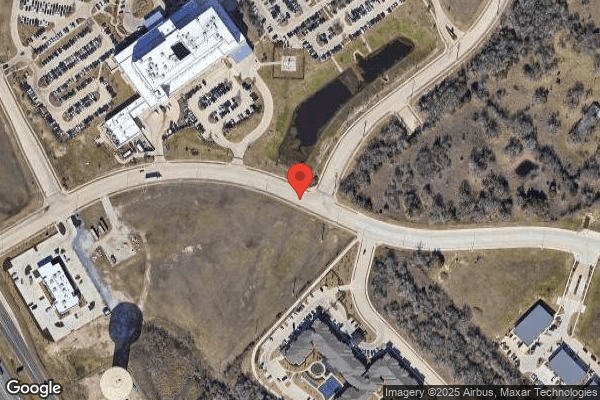

1500 MEDICAL AVENUE, COLLEGE STATION, TX 77845 (979) 272-1000
For profit - Limited Liability company 116 Beds HMG HEALTHCARE Data: November 2025 12 Immediate Jeopardy citations
Trust Grade
0/100
#625 of 1168 in TX
Last Inspection: May 2025

Inspected within the last 6 months. Data reflects current conditions.

Overview

Accelerated College Station has received a Trust Grade of F, indicating significant concerns about the quality of care provided. It ranks #625 out of 1168 facilities in Texas, placing it in the bottom half for overall performance, while ranking #3 out of 7 in Brazos County, meaning only two local options are worse. The facility's conditions are worsening, with reported issues increasing from 10 in 2024 to 18 in 2025. Staffing is a significant weakness, with a low rating of 1 out of 5 stars and a concerning turnover rate of 73%, which is much higher than the Texas average of 50%. The facility has also incurred $171,127 in fines, indicating compliance problems that are higher than 89% of Texas facilities. Strengths include that the quality measures received a 5 out of 5 star rating, suggesting some aspects of care may be satisfactory. However, serious incidents have occurred, such as a resident not receiving necessary care for their PICC line, leading to a dressing change being missed for 27 days. In another case, a resident was injured when a staff member did not follow their care plan and assisted them alone, resulting in a severe laceration and a fracture. Overall, while there are some positive aspects, the numerous critical deficiencies raise significant concerns for families considering this facility.

Trust Score
F
0/100
In Texas
#625/1168
Bottom 47%
Safety Record
High Risk
Review needed
Inspections
Getting Worse
10 → 18 violations
Staff Stability
⚠ Watch
73% turnover. Very high, 25 points above average. Constant new faces learning your loved one's needs.
Penalties
⚠ Watch
$171,127 in fines. Higher than 93% of Texas facilities. Major compliance failures.
Skilled Nurses
⚠ Watch
Each resident gets only 22 minutes of Registered Nurse (RN) attention daily — below average for Texas. Fewer RN minutes means fewer trained eyes watching for problems.
Violations
⚠ Watch
49 deficiencies on record. Higher than average. Multiple issues found across inspections.
★★☆☆☆
2.0
Overall Rating
★☆☆☆☆
1.0
Staff Levels
★★★★★
5.0
Care Quality
★☆☆☆☆
1.0
Inspection Score
Stable
2024: 10 issues
2025: 18 issues

The Good

  • 5-Star Quality Measures · Strong clinical quality outcomes
  • Full Sprinkler Coverage · Fire safety systems throughout facility
  • No fines on record

Facility shows strength in quality measures, fire safety.

The Bad

2-Star Overall Rating

Below Texas average (2.8)

Below average - review inspection findings carefully

Staff Turnover: 73%

27pts above Texas avg (46%)

Frequent staff changes - ask about care continuity

Federal Fines: $171,127

Well above median ($33,413)

Significant penalties indicating serious issues

Chain: HMG HEALTHCARE

Part of a multi-facility chain

Ask about local staffing decisions and management

Staff turnover is very high (73%)

25 points above Texas average of 48%

The Ugly 49 deficiencies on record

12 life-threatening
Sept 2025 1 deficiency
CONCERN (D) 📢 Someone Reported This

A family member, employee, or ombudsman was alarmed enough to file a formal complaint

Potential for Harm - no one hurt, but risky conditions existed

Resident Rights (Tag F0550)

Could have caused harm · This affected 1 resident

**NOTE- TERMS IN BRACKETS HAVE BEEN EDITED TO PROTECT CONFIDENTIALITY** Based on interviews and record reviews, the facility failed to ensure the resident had a right to a dignified existence for 1 (R...

Read full inspector narrative →
**NOTE- TERMS IN BRACKETS HAVE BEEN EDITED TO PROTECT CONFIDENTIALITY** Based on interviews and record reviews, the facility failed to ensure the resident had a right to a dignified existence for 1 (Resident #1) of 6 residents reviewed for resident rights. The facility failed to ensure that Resident #1 did not lie sideways on his bed and was covered in dried feces and a full brief on 08/30/25. This failure could place residents at risk of an undignified existence and not receiving care. Findings include: Review of Resident #1's admission Record, dated 09/03/25, reflected he was an [AGE] year old male who was admitted to the facility on [DATE] and discharged from the facility on 09/01/25. Resident #1 had diagnoses that included dementia (a group of symptoms characterized by a significant decline in mental abilities that impairs daily life), muscle weakness, unsteadiness on feet, cognitive communication deficit, and weakness. Review of Resident #1's admission MDS, dated [DATE], reflected he had a BIMs of 12, which indicated he had moderate cognitive impairment. Resident #1 also required partial/moderate assistance with toileting hygiene. Resident #1 was also occasionally urinary incontinent and frequently bowel incontinence.Review of Resident #1's Care Plan, dated 07/24/25, reflected there were care areas related to checking and changing him. Review of a photograph, captured on 08/30/25 at 7:20 a.m., reflected Resident #1 was lying sideways on his bed in his room at the facility. There were several brown spots around him that appeared to have come from his brief that were consistent with fecal matter. Resident #1 was wearing a full, soiled brief that appeared to have stained his bed sheets underneath him with a brown color. There was fecal matter coming out of the bottom of his brief.Review of Resident #1's POC, as of 09/03/25, reflected Resident #1 had an incontinent, solid, medium bowel movement on 08/30/25 at 1:18 a.m. There were no other entries documented on 08/30/25. Review of Resident #1's Progress Notes, 08/04/25-09/04/25, reflected there were no notes documented on 08/30/25. During an interview on 09/03/25 at 11:37 a.m., CNA A stated CNAs and nurses were responsible for checking and changing residents every 1-2 hours and whenever they observed a resident was soiled. CNA A stated CNAs and nurses documented checking and changing residents in residents' POC. CNA A stated the administration was responsible for overseeing and ensuring CNAs and nurses checked and changed residents by checking on residents 2-3 times daily. CNA A stated she knew the importance of checking and changing residents at least every two hours and said, So residents don't have any skin breakdown and the skin remains good. It's also a dignity issue. Residents could be at risk of a skin breakdown if they were not checked and changed at least every two hours. During an interview on 09/03/25 at 11:46 a.m., CNA B stated CNAs and nurses were responsible for checking and changing residents every two hours or if residents had a bowel or bladder movement daily. CNA B stated CNAs documented checking and changing residents in residents' POC. CNA B stated she did not know were nurses documented checking and changing residents. CNA B stated there was no one who oversaw and ensured residents were checked and changed every two hours. CNA B stated she knew the importance of checking and changing residents every two hours and said, To avoid infections, sometimes UTIs (an infection in any part of the urinary system), skin breakdowns and residents could be wet later on. It's a dignity issue. Residents could be at risk of falling because they will try to get up and clean themselves if they were not checked and changed at least every two hours. During an interview on 09/03/25 at 12:13 p.m., LVN C stated CNAs and nurses were responsible for checking and changing residents every two hours and sooner if they observed residents had a bowel or bladder movement. LVN C stated the CNAs documented checking and changing residents in the residents' POC. LVN C stated the nurses did not document checking and changing residents, but they did inform the CNAs to document whenever they checked and changed residents in their POC. LVN C stated she was unsure if there was anyone who oversaw and ensured CNAs and nurses checked and changed residents. LVN C stated she knew the importance of checking and changing residents at least every two hours and said, To prevent UTIs, infections, bed sores, and because who wants to sit in their own feces. It's dignity. Residents could be at risk of infection, UTI, C. diff (a bacterium that causes diarrhea and colon inflammation), sickness, or get up and fall if they were not checked and changed at least every two hours. During an interview on 09/03/25 at 12:33 p.m., the ADON stated CNAs, MAs, and nurses were responsible for checking and changing residents every two hours or more as needed. The ADON stated CNAs documented checking and changing residents after completing the task in residents' POC. The ADON stated nurses documented checking and changing residents after completing the task in nurse's notes. The ADON stated her, the DON, and Wound Care Nurse were responsible for overseeing and ensuring CNAs, MAs, and nurses were checking and changing residents at least every two hours or more as needed by performing morning rounds and conducting spot checks throughout the day. The ADON stated she knew the importance of checking and changing residents at least every two hours and said, We want to have our residents clean. To prevent skin breakdown due to urine and feces. Residents could be at risk of skin breakdown if they were not checked and changed at least every two hours. It would be inappropriate for a resident to be lying in dried feces and sideways in bed. The surveyor attempted to contact and interview Resident #1 on 09/03/25 at 1:13 p.m. The surveyor left a voicemail and call back number. Resident #1 did not return the call before exit. During an interview on 09/03/25 at 2:14 p.m., the RP stated he observed Resident #1 lying sideways on his bed at the facility and covered in dried feces on 08/30/25. The RP stated Resident #1's room had a foul, feces odor. During an interview on 09/03/25 at 3:23 p.m., the DON stated CNAs were responsible for checking and changing residents every two hours and whenever a resident had an incontinent episode in between rounds. The DON stated she expected CNAs and nurses to round at the beginning of their shift and every two hours to ensure residents were in good condition. The DON stated CNAs documented checking and changing residents in residents' POC after performing the task. The DON stated she expected the nurses to ensure CNAs were checking and changing residents. The DON stated she knew the importance of checking and changing residents at least every two hours and said, It's extremely important for skin care. We don't want to be responsible for development of pressure ulcers. We also want to maintain a residents' dignity. Residents could be at risk of falling if they try to get up due to discomfort and skin breakdown if they were not checked and changed at least every two hours. The DON stated a resident lying sideways on their bed with dried feces covering their bed was a dignity issue. During an interview on 09/03/25 at 3:49 p.m., LVN D stated CNAs and nurses were responsible for checking and changing residents every two hours. LVN D stated CNAs documented checking and changing residents in residents' POC. LVN D did not explain where nurses documented checking and changing residents and who oversaw and ensured CNAs and nurses checked and changed residents every two hours. LVN D stated she knew the importance of checking and changing residents at least every two hours and said, You don't want residents to be in discomfort, it could also cause skin breakdown and ulcers. We don't want skin breakdown because it could get infected. Residents could be at risk of trying to get up on their own and fall and could also develop skin breakdown if they were not checked and changed at least every two hours. LVN D stated a resident lying sideways on their bed in a bowel movement was a dignity issue. Review of the facility's in-services, July-September 2025, reflected there were no in-services related to dignity and resident rights. Review of the facility's Quality of Life - Dignity policy, revised October 2009, reflected, Policy Statement: Each resident shall be cared for in a manner that promotes and enhances quality of life, dignity, respect and individuality.Policy Interpretation and Implementation: 1. Residents shall be treated with dignity and respect at all times.2. Treated with dignity means the resident will be assisted in maintaining and enhancing his or her self-esteem and self-worth .10. Staff shall promote, maintain and protect resident privacy, including bodily privacy during assistance with personal care and during treatment procedures.Review of the facility's Resident Rights policy, revised October 2009, reflected, Policy Statement: Employees shall treat residents with kindness, respect, and dignity. Policy Interpretation and Implementation: 1. Federal and state laws guarantee certain basic rights to all residents of this facility.3. Our facility will make every effort to assist each resident in exercising his/her rights to assure that the resident is always treated with respect, kindness, and dignity. Review of the facility's Perineal Care policy, revised December 2011, reflected, Purpose: The purposes of this procedure are to provide cleanliness and comfort to the resident, to prevent infections and skin irritation, and to observe the resident's skin condition.Documentation: The following information should be recorded in the resident's medical record: 1. The date and shift that perineal care was given. 2. The name or initials of the individual(s) giving the perineal care.Reporting:. 3. Report other information in accordance with facility policy and professional standards of practice.
May 2025 9 deficiencies
CONCERN (D)

Potential for Harm - no one hurt, but risky conditions existed

Deficiency F0552 (Tag F0552)

Could have caused harm · This affected 1 resident

**NOTE- TERMS IN BRACKETS HAVE BEEN EDITED TO PROTECT CONFIDENTIALITY** Based on record review and interview, the facility failed to ensure that the resident has the right to be informed of, and parti...

Read full inspector narrative →
**NOTE- TERMS IN BRACKETS HAVE BEEN EDITED TO PROTECT CONFIDENTIALITY** Based on record review and interview, the facility failed to ensure that the resident has the right to be informed of, and participate in, his or her treatment, including the right to be informed in advance of the risks and benefits of proposed care, of treatment and treatment alternatives or treatment options and to choose the alternative or option he or she prefers for 1 (Residents #35) of 5 residents reviewed for resident rights. The facility failed to obtain an Antipsychotic or Neuroleptic Medication Treatment informed consent (form 3713 Medication Consent Form) for the use of Risperdal (an antipsychotic medication used for major depressive disorder) for Resident #35. The failure could place residents at risk of receiving medications without prior consent and without the option to choose alternative treatment or decline based on awareness of risk and benefits of the medications. Findings included: Record review of the admission record reflected Resident #35 was an [AGE] year-old female who admitted to the facility on [DATE]. She had diagnoses of unspecified dementia with psychotic feature (memory problems with delusions), lack of coordination, unsteadiness on feet, and major depressive disorder. Record review of Resident #35's Quarterly MDS dated [DATE] reflected she had a BIMS score of 3 indicating she had severe cognitive impairment. The MDS reflected Resident #35 received an antipsychotic medication daily. Record review of Resident #35's care plan dated 08/31/2023 reflected she had delusional disorder and used antipsychotic medication. Interventions included Administer medications as ordered. Observe/document for side effects, Monitor target behavior/symptoms and document. Record review of Resident #35's Physicians Order Summary Report for the month of May 2025 reflected an order for Risperdal 0.5mg 1 tablet by mouth one time daily for major depressive disorder. Record review of Resident #35's Medication Administration Record for May 2025 reflected she received Risperdal 0.5mg 1 tablet by mouth one time daily. Record review of a Pharmacy Consultant Report dated 12/13/24 reflected Resident #35's medications had been reviewed by the pharmacist and instructions were given to the DON to Ensure 3713 form (Medication Consent Form) for Risperdal has resident or representative's signature . In an interview on 05/21/25 at 11:14 LVN F stated she was aware of medication consents were required for antipsychotic medications. She stated the ADON or DON completed the forms and ensures it had a signature. She stated the nurses had been educated in the past related to obtaining medication consent forms for antipsychotic medications by the ADON and DON. She stated negative effects related to not having an informed consent could be adverse reactions to medications. In an interview on 05/21/2025 at 12:09 pm the Interim DON stated she expected informed consents to be signed and filled out appropriately prior to administration of antipsychotic medications. She stated the resident, family, or responsible party had to agree to administration of antipsychotic medications. The nurse practitioner is good about completing the forms, then she leaves the forms for the responsible party to sign at the nurses' station. The DON stated the nurses are responsible for reaching out to the family/responsible party and obtaining a signature at that time. She stated she was not sure why the pharmacy recommendation was not completed in December 2024 to obtain a family/responsible party signature on the informed consent. She stated she was not at the facility at that time. The DON stated negative effects could be that the resident may receive a medication that the resident or responsible party would not want, a lack of communication or information related to use and side effects received by the responsible party. Record review of facility policy dated July 2016 titled Medication Utilization and Prescribing-Clinical Protocol reflected: 1. When a medication is prescribed in response to an identified problem, condition, or risk, the physician and staff will identify the indications (condition or problem for which it is being given, or what the medication is supposed to do or prevent), considering the resident's age, conditions, risks, health status, and existing medication regimen. a. Symptoms should be characterized in sufficient detail (onset, duration, frequency, intensity, location, etc.) to help identify whether a problem exists or whether a symptom is just a variation of normal. b. A symptom (confusion, pain, etc.) may have diverse causes, so it is usually relevant to try to identify likely causes and pertinent non-pharmacologic interventions. c. A diagnosis by itself may not be sufficient justification for prescribing a medication. The existence of a condition or risk does not necessarily require a treatment and the treatment may be something besides, or in addition to, medication. The physician and staff will review the rationale for existing medications that lack a clear indication or are being used intermittently on a PRN (as needed) basis. 3. The physician and staff will identify situations in which a resident is taking medications associated with potentially significant medication-related problems such as allergies, drug-drug interactions, drug-food interactions, and adverse drug reactions. 4. The physician and staff will identify significant risk factors that may affect medication effectiveness and medication-related problems; for example, someone with a high risk for falling who takes medications associated with an increased risk for falling, someone with impaired nutrition who is taking medications that affect appetite, or someone who cannot express thirst or is unable to drink without assistance who is taking diuretics and/or ACE inhibitors. a. The consultant pharmacist can help by reviewing facility medication usage patterns and trends and by intensifying medication reviews of individuals taking medications that present higher risks. Treatment/Management 1. The physician and staff will adjust existing medications based on their efficacy and the continued presence of relevant conditions and risks. 2. The physician will provide and/or document a rationale when the dose, duration, or frequency of a prescribed medication is greater than commonly accepted practice or the manufacturer's recommendations or the medication is considered high-risk compared to other available, relevant alternatives. 3. The consultant pharmacist will advise the physician and staff about options to address medication-related issues such as medication side effects, food-drug interactions, effects of medication combinations, and drug-disease interactions. The staff and physician will identify and address unexpected, unintended, undesirable or excessive responses to a medication based on the severity of underlying conditions, the seriousness of any adverse drug reactions, risks of worsening of medical conditions, and other factors. a. This may include changing doses, changing times of administration, switching to another medication, or stopping one or more medications. b. For example, a necessary medication that is causing daytime sedation could instead be administered in the evening so that peak side effects occur during sleep. 5. The physician will explain and/or document the rationale for not modifying a medication in a situation where an adverse drug reaction is likely. 6. The staff and physician will manage complications of adverse drug reactions appropriately. 7. In addition to medication adjustments, appropriate interventions might include additional support for someone with medication-related delirium or intensified efforts to feed and hydrate the individual with medication-induced anorexia.
CONCERN (D)

Potential for Harm - no one hurt, but risky conditions existed

Deficiency F0578 (Tag F0578)

Could have caused harm · This affected 1 resident

**NOTE- TERMS IN BRACKETS HAVE BEEN EDITED TO PROTECT CONFIDENTIALITY** Based on interview and record review, the facility failed to ensure all residents had the right to formulate an advance directiv...

Read full inspector narrative →
**NOTE- TERMS IN BRACKETS HAVE BEEN EDITED TO PROTECT CONFIDENTIALITY** Based on interview and record review, the facility failed to ensure all residents had the right to formulate an advance directive for 1 of 5 residents (Residents #64) reviewed for advanced directives, in that: Resident #64's OOH-DNR (Out of Hospital-Do Not Resuscitate) form was not available in her medical records and failed to ensure they had a completed OOH-DNR prior to obtaining a Physician's order for DNR for Resident #64. This failure could place residents at risk for not having their end of life wishes honored. Findings included: Record review of the admission record reflected Resident #64 was a [AGE] year-old female who admitted to the facility on [DATE]. She had diagnoses of pneumonia, age related cognitive decline, hyperlipidemia (elevated cholesterol), and acute respiratory failure. Record review of Resident #64's Quarterly MDS dated [DATE] reflected she had a BIMS score of 8 indicating she was cognitively impaired. Record review of Resident #64's care plan dated [DATE] reflected she had a code status of Full Code indicating to perform CPR (Cardiopulmonary Resuscitation). Interventions included If the Resident arrests CPR will be performed, 911 emergency medical services called, medical doctor and responsible party informed Staff will honor and respect Resident wish to be Full Code. Record review of Resident #64's Physician's Order Summary Report for the month of [DATE] reflected an order for DNR (Do Not Resuscitate) dated [DATE]. Record review of Resident #64's facility advanced directives reflected there was no signed Out of Hospital-Do Not Resuscitate Form. In an interview on [DATE] at 10:19 am Resident #64's Responsible Party stated she had not filled out the OOH-DNR paperwork. She stated the facility had given the form to her, but she had not signed it, or returned it to the facility . She stated it is Resident #64's wishes to be DNR. In an interview on [DATE] at 11:14 am LVN F stated the code status was documented on the face sheet and admission orders. She stated if a resident was sent to the hospital a copy of the OOH-DNR must go with them. She stated had been trained on where to find the code status on the face sheet and in orders through in-services given by the ADON or DON. She stated if the code status (DNR or CPR) was incorrect the resident may get resuscitated against their wishes either way. In an interview on [DATE] at 11:37 am the Concierge / Case Manager stated the facility did not currently have an official social worker. She stated yes, she could assist residents if they chose to change their code status. She stated she had been trained on how to fill out a DNR and educate families and residents on the paperwork required. She stated if a resident were their own RP she would assist the resident with the forms, if the resident had a Responsible Party, she would reach out to them prior to moving forward with the DNR process. She stated once everything was filled out and the DNR was signed the facility would scan and upload it to the chart. The DON would then be notified to change code status on chart. She stated Resident #64 went and told the nurses she was a DNR. She stated Resident #64, and her Responsible Party were instructed that the signed DNR form must be on file in the medical record prior to changing code status. The Concierge / Case Manager stated negative effects for having an inaccurate code order would be not honoring the residents wishes and CPR would be performed. In an interview on [DATE] at 12:09 pm the Interim DON stated it was her expectations the facility has the signed OOH-DNR on file prior to changing code status orders from CPR to DNR. She stated if the form was not completed, we must put CPR on the medical record and preform CPR. She stated a resident shows interest in becoming a DNR we should provide the correct forms and help their responsible party fill it out. She stated she was not sure if the staff had been trained on OOH-DNR or not. She stated she had only been working with the facility 1 month. The Interim DON stated negative effects for not having an accurate OOH-DNR on file could be the residents wishes would not be met. Record review of facility undated policy titled Advance Directives' Step by Step Guidance reflected: During initial assessment, Social Services Director will verify the Resident's Advance Directive requests, Advance Directive Documents if provided, and ensure the medical record is flagged accordingly as initial page, a Red Sheet for DNR or a [NAME] Sheet for Full Code. If the Resident or RP has provided a copy of a Living Will or Directive to Physician which specifies DNR, Social Services Director will assist with the completion of an OOH-DNR. On completion of the OOH-DNR, Social Services Director will ensure that the original Physician's order for DNR is the first item seen and the completed OOH-DNR is immediately behind the DNR order in the 'Advance Directives' section of the medical record.
CONCERN (D)

Potential for Harm - no one hurt, but risky conditions existed

Deficiency F0638 (Tag F0638)

Could have caused harm · This affected 1 resident

**NOTE- TERMS IN BRACKETS HAVE BEEN EDITED TO PROTECT CONFIDENTIALITY** Based on interview and record review, the facility failed to assess each resident quarterly (every 3 months) using the MDS form ...

Read full inspector narrative →
**NOTE- TERMS IN BRACKETS HAVE BEEN EDITED TO PROTECT CONFIDENTIALITY** Based on interview and record review, the facility failed to assess each resident quarterly (every 3 months) using the MDS form specified by the state and approved by CMS for 1 of 5 residents (Resident #7) reviewed for assessments. The facility failed to ensure Residents #7's quarterly MDS assessment was completed within 3 months from the previous assessment. This failure could place residents at risk of not receiving necessary care or receiving inappropriate care for their conditions. Findings: Record review of Resident #7's admission record reflected a [AGE] year-old female admitted to the facility on [DATE] with diagnoses to included Type 2 Diabetes Mellitus (elevated blood sugar), Morbid Obesity, and Asthma (difficulty breathing). Record review of Resident #7's electronic health record MDS tab reflected Resident #7 received a quarterly assessment on 01/09/2025 and had an open incomplete quarterly assessment dated [DATE]. In an interview on 05/21/25 at 11:15 am the MDSC stated she was previously just doing Medicare and Managed care MDS' but had to recently taken over for Medicaid as well. She stated her regional MDS nurse was completing the Medicaid MDS assessments for the facility. She stated she had been trained on MDS' at different jobs she had worked at. The MDSC stated she was aware of the MDS timing schedule. She stated a new MDS consultant was recently hired to review assessments and as they were reviewing, they found an assessment that had not been completed for Resident #7. She stated MDS did affect the payment system and negative effects could be that the facility would not be paid for the resident, we would not be within state and federal regulations. The resident could lose services. In an interview on 05/21/2025 at 12:09 pm the Interim DON stated her expectation is that the MDS was completed when they are due. The MDS coordinators training comes from the corporate MDS nurse, and I do know she has had training. The negative effects for not having current assessments completed on residents would be that staff would not know if the resident has had a decline in condition. The MDS drives the care plan and how it should be built for the resident's needs. Record review of facility policy dated September 2010 titled MDS Completion and Submission Timeframes reflected: Our facility will conduct and submit resident assessments in accordance with current federal and state submission timeframes. The Assessment Coordinator or designee shall be responsible for ensuring that resident assessments are submitted to CMS QIES Assessment Submission and Processing (ASAP) system in accordance with current federal and state guidelines. The following timeframes will be observed by this facility Quarterly (Non-Comprehensive) ARD of any previous OBRA assessment + 92 calendar days.
CONCERN (D)

Potential for Harm - no one hurt, but risky conditions existed

Deficiency F0645 (Tag F0645)

Could have caused harm · This affected 1 resident

**NOTE- TERMS IN BRACKETS HAVE BEEN EDITED TO PROTECT CONFIDENTIALITY** Based on interviews and record reviews, the facility failed to ensure that all Pre-admission Screening and Resident Review (PASA...

Read full inspector narrative →
**NOTE- TERMS IN BRACKETS HAVE BEEN EDITED TO PROTECT CONFIDENTIALITY** Based on interviews and record reviews, the facility failed to ensure that all Pre-admission Screening and Resident Review (PASARR) Level I screenings were completed accurately and that a PASARR Level II assessment was provided for 1 (Resident #68) of 2 residents reviewed who had a mental illness. Resident #68's PASARR Level I did not identify a mental illness diagnosis that was present at admission. This failure had the potential to place all residents with a mental illness at risk of not receiving necessary assessments, care, and services to meet their needs. Findings included: Record review of Resident #68's face sheet dated 5/20/2025, revealed he was a 76- year- old admitted to the facility on [DATE] with diagnosis of Post-Traumatic Stress Disorder. Record review of Resident #68's electronic medical record showed that the PASARR level I was completed by the hospital on 3/27/2025 and did not document a mental illness. Record review of Resident #68's Care Plan dated 4/24/2025 reflected the following: [Resident #68] has PTSD, he will not have any complication related to PTSD, assess and recognize his level of anxiety, assess for presence of fear, and determine coping mechanisms for anxiety. Interview with the MDSC (MDS Coordinator) on 5/20/2025 at 2:30 PM, PASARR level I was requested for resident #68. Record review of Resident #68's PASARR Level I screening, received 5/20/2025 at 3:17PM reflected no to the question: Is there evidence or an indicator this is an individual that has a Mental Illness? The screening was signed by the MDSC and documented the admission date of 5/20/2025, which was the same day the screening was completed. Interview with the MDSC on 5/20/2025 at 3:40 PM, the surveyor informed the MDSC that the PASARR Level I screening received earlier indicated the resident was admitted on [DATE], and the screening was negative for mental illness. The MDSC immediately responded that the information was incorrect and explained that one screening was completed at 8:50 AM and another at 3:17p.m. The MDSC invited the surveyor to view her computer to verify that two screenings had been completed. The surveyor then asked the MDSC to provide a copy of the second PASARR screening. The MDSC agreed and stated she would obtain a copy. The surveyor asked the MDSC what differed between the two PASARR screenings. The MDSC stated that the second screening completed in the afternoon reflected the resident had a mental health diagnosis. When asked why the first screening did not include that information, the MDSC explained that the diagnosis had been discovered earlier that day after she reviewed the record more closely following surveyor's request for the PASARR. The MDSC was asked, What is the facility's process for identifying residents with a possible MD, ID or a related condition prior to admission to the facility? The MDSC stated, she would need to ask someone for help with the question, as she had only recently assumed the MDS role in April, 2025 after graduating and becoming a registered nurse. The MDSC was asked, How does the facility identify residents with newly evident or possible serious MD, ID or a related condition after admission to the facility? The MDSC stated, she would need to ask someone. The MDSC was asked, Who is responsible for making the referral to the appropriate state-designated authority when a resident is identified as having an evident or possible MD, ID or related condition? The MDSC stated, she the MDSC was responsible for the referral. The MDSC was asked, If a resident is identified as having newly-evident or possible MD, ID or a related condition after admission, what is the facility's process for referring the resident to the appropriate state-designated authority? MDSC stated, the PL1 is entered in the Simple LTC system used by their facility. The MDSC was asked, why a referral was not made for Resident #68 who was identified as having a mental health diagnosis and the MDSC stated a referral was not made because the facility made a mistake. The MDSC was asked about the potential risk of harm if the resident was not referred to the appropriate authority. The MDSC responded that the resident might not receive necessary services and could experience a possible relapse. Interview with the Interim DON on 5/21/2025 at 12:40 PM, the surveyor asked the Interim DON was she aware of the facility's PASAAR policy, and she stated she would need to review it, explaining that she had only been at the facility for one month and was serving in a corporate capacity due to the vacancy of a permanent DON. When asked about her expectations regarding completion of the PASAAR Level I Screenings, she stated the nurses are expected to complete them correctly. The Interim DON was asked, What is the facility's process for identifying residents with a possible MD, ID or a related condition prior to admission to the facility? The Interim DON stated, The residents should come from the hospital with one completed, if they come from home the facility will complete it or we will have a doctor complete it. The Interim DON was asked, How does the facility identify residents with newly evident or possible serious MD, ID or a related condition after admission to the facility? The Interim DON stated, the IDT (Interdisciplinary Team) discussed the residents at the meetings when there were new developments. The Interim DON was asked, Who is responsible for making the referral to the appropriate state-designated authority when a resident is identified as having an evident or possible MD, ID or related condition? She responded, the MDS Coordinators. The Interim DON was asked, If a resident is identified as having newly-evident or possible MD, ID or a related condition after admission, what is the facility's process for referring the resident to the appropriate state-designated authority? She responded, the MDS Coordinator would complete the referral to the MHMR authority. The Interim DON was asked, about Resident #68's PASARR not being completed correctly, she stated she could not say why the PASARR was not completed correctly as resident was at the facility prior to her. The Interim DON was asked about the potential risk of harm if the resident was not referred to the appropriate authority. She stated that the care plan might not be properly followed, as the necessary services would not be included, resulting in the resident missing out on services that would be helpful for him. She furthered stated the resident's intention was to return to the community and if he qualified for services, those services would be helpful for resident's transition. Record review of the PASRR Clinical Policy reflected the PASRR will be completed for every resident prior to admission. It stated the MDS/PPS Nurse/DON or designee will follow DADS guide to complete the PASRR Level I Screening Form The policy reflected if a resident was identified to have a mental health diagnosis the resident was referred for Level II Screening.
CONCERN (D)

Potential for Harm - no one hurt, but risky conditions existed

Pharmacy Services (Tag F0755)

Could have caused harm · This affected 1 resident

**NOTE- TERMS IN BRACKETS HAVE BEEN EDITED TO PROTECT CONFIDENTIALITY** Based on interview and record review, the facility did not provide pharmaceutical services (including procedures that assure the...

Read full inspector narrative →
**NOTE- TERMS IN BRACKETS HAVE BEEN EDITED TO PROTECT CONFIDENTIALITY** Based on interview and record review, the facility did not provide pharmaceutical services (including procedures that assure the accurate acquiring, receiving, dispensing, and administering of all drug and biological) to meet the needs of each resident for one (Resident # 8) of five residents reviewed for pharmaceutical services. The facility failed to ensure MA A completed the medication administration for Resident #8 when she left the medications in a cup at his bedside and left prior to Resident #8 taking the medication. This failure could place residents at risk of not receiving the intended therapeutic benefit of the medications. Findings include: Review of Resident #8's Face sheet, dated 05/20/2025, reflected a [AGE] year-old male, admitted to the facility on [DATE] with the following diagnoses type 2 diabetes mellitus with diabetic neuropathic arthropathy (chronic condition where the body either did not produce enough insulin or the cells did not respond properly to the insulin produced, leading to high blood sugars, neuropathy arthropathy - nerve damage leads to destruction and deformity of the joints, particularly in the foot and ankle), unspecified combined systolic (congestive) and diastolic (congestive) heart failure (condition where both the heart's ability to pump blood and its ability to relax and fill with blood are impaired), chronic respiratory failure (a condition where the lungs does not have enough oxygen), generalized anxiety disorder ( irrational worry and fear about everyday situations and events), and major depressive disorder (a mood disorder that causes a persistent feeling of sadness and loss of interest). Review of Resident #8's Quarterly MDS Assessment, dated 03/10/2025, reflected Resident #8 had a BIMS score of 15 indicating his cognition was intact. Resident #8 had a diagnosis of heart failure, diabetes mellitus, depression, anxiety, and respiratory failure. Resident #8 received pain medication. He received antidepressant (used to treat mental health conditions), opioid (manages pain), and hypoglycemic (used to lower blood glucose levels). Observation and interview on 05/20/2025 at 11:25 AM Resident #8 was sitting in his room. There was five medications in a medication cup on a table in Resident #8 room. Interview with Resident #8 stated the nurse brought him his medications and left them on his table. He stated he had not taken his medications. Resident #8 picked up the cup of pills and ingested them. He stated the medications had been in his room a few minutes. Resident #8 stated he did not recall all his medications but knew one of them was for his depression and for his blood sugar. Interview on 05/20/2025 at 11:40 AM, MA A stated she did give Resident #8 morning medications on 05/20/2025. She stated she did leave the medications in Resident # 8's room. She stated she was expected to observe Resident #8 swallow his medications. MA A stated she did not make any observation of Resident #8 swallowing any of his medications. MA A stated there was a possibility Resident #8 may throw his medications in the garbage and not take his medicines. She stated there was a possibility Resident #8 may leave his room and another resident may wander into Resident #8 room and swallow Resident #8's medication. MA A stated if another resident swallowed Resident #8's medication there was a potential the other resident may become very ill with allergic reaction to the medication and may need to be hospitalized . She also stated it was a possibility no one would know another resident had taken Resident #8 medication and if the resident became severely sick, the staff would not know what happened to the resident and would not know what to report to the doctor of the accurate information of why the resident became suddenly sick. She stated she had been in-service not to leave a resident without observing the resident swallowing all medications. MA A did not respond to the question of why she left Resident #8's medication in his room. She stated Resident #8 does not have an order to self- administer medications. Interview on 5/20/2025 at 2:55 PM The Interim Director of Nurses stated she expected for the Med-Aides and Nurses to remain with the resident until they have ingested all their medications. She stated it was not safe for any medications be left in Resident #8's room. She stated there was a potential Resident #8 may not take his medication. The Interim Director of Nurses stated if another resident ingested Resident #8's medication there was a potential the other resident may become severely sick such as: drop in blood pressure or blood sugar, increase in heart rate or if the resident was allergic to the medication the resident may die. She stated if Resident #8 did not take his medications, he may need to be hospitalized for further assessment and care. She stated she was responsible to monitor MA, LVN's, and RN's. She stated the nurses and MAs had been in-service on administering medication. She did not recall the date of the in-service. Interview on 05/21/2025 at 9:30 AM The Administrator stated her expectations was the MA or nurse never leave any medications in a resident room. She sated there was a possibility the resident may not take their medications. The Administrator if a resident missed their medication there was a potential the resident may become physically ill such as high blood pressure, affect the residents blood sugar, mood, or increase pain. She stated it was according to what type of medications the residents needed to determine exactly what possibility may happen to a resident's physical condition. She stated the nursing staff had been in-service on administering medications. The Administrator stated she did not recall the date. She stated the Director of Nurses was responsible to monitor the nurses. Review of the Facility's Administering Medication Policy, dated December 2012, reflected Medications shall be administered in a safe and timely manner, and as prescribed. The individual administering the medication, the individual administering the medication will record in the resident's medical record. The individual administering the medication will record in the resident's medical record: a. The date and time the medication was administered. b. The dosage. c. The route of the administration. d. The injection site (if applicable). e. Any complaints or symptoms for which the drug was administered. f. Any results achieved and when those results were observed; and g. The signature and title of the person administering the drug.
CONCERN (D)

Potential for Harm - no one hurt, but risky conditions existed

Deficiency F0761 (Tag F0761)

Could have caused harm · This affected 1 resident

Based on observation and interview the facility failed to ensure all drugs and biologicals were stored in accordance with currently accepted professional principles for 1 of 3 medication carts reviewe...

Read full inspector narrative →
Based on observation and interview the facility failed to ensure all drugs and biologicals were stored in accordance with currently accepted professional principles for 1 of 3 medication carts reviewed for storage of drugs and biologicals. The facility failed to prevent Medication Cart #1 being unattended and unlocked near the five hundred hall nurses' desks on 05/20/2025. These failures could place residents at risk of not receiving the intended therapeutic benefits of their medications, missing medication, and access of others to residents' medications. Findings include: Observation on 05/20/2025 at 4:35 AM, an unlocked Medication Cart #1 was located at the front of the 500- hall against a wall. LVN H was located at the end of 500- hall administering medications to residents in their rooms. Observed LVN H enter and exit a resident room (do not know the room number). Interview on 05/20/2025 at 4:48 AM, LVN H stated Medication Cart #1 was unlocked. LVN H stated she was the nurse with the key to Medication Cart #1. Interview on 05/20/2025 at 5:10 AM, The Director of Nurses stated the medication carts were expected to be locked when the nurse or MAs were not removing medications from the cart and when stepped away from the cart. She stated there was a possibility a resident may remove medications from the cart, ingest the medication, and become ill such as have an allergic reaction, overdose, may cause blood pressure to drop or cause all types of physical issues. She stated the resident may need to be hospitalized . She stated the nurses were responsible to ensure the medication carts were locked when not in use. The Director of Nurses stated she was responsible to monitor the nurses.
CONCERN (D)

Potential for Harm - no one hurt, but risky conditions existed

Infection Control (Tag F0880)

Could have caused harm · This affected 1 resident

Based on observation, interview, and record review the facility failed to establish and maintain an infection prevention and control program designated to provide a safe, sanitary, and comfortable env...

Read full inspector narrative →
Based on observation, interview, and record review the facility failed to establish and maintain an infection prevention and control program designated to provide a safe, sanitary, and comfortable environment and to help prevent the development and transmission of communicable diseases and infections for 1 of 4 residents (Resident #28) reviewed for infection control. MA A failed to properly sanitize or wash hands prior to the beginning of medication preparation for Resident #28 during an observation of medication pass on 05/20/2025. This failure places residents at risk for infection by the spreading of germs that could lead to illness and hospitalization. Findings included: During an observation and interview of medications pass on 05/20/2025 at 8:20am performed by MA A she proceeded to prepare Resident #28's medications for the morning liberalized medication pass. MA A prepared the following medications ; * Bumetanide (a water pill) 2mg 1 tab, *Famotidine (a stomach acid medication) 20mg 1 tab, *Tamsulosin (used to treat urinary flow) 0.4 1 tab, *Entresto (a medication used to treat heart failure) 24/26mg 0.5 tabs, *Amiodarone (used to treat heart irregular rhythm)200mg 1 tab, *Eliquis (a blood thinner) 5 mg 1 tab, *Docusate sodium (a stool softener) 100mg 1 tab, *Vitamin c 500mg 1 tab, *Multivitamin 1 tab, *MiraLAX (a laxative) 17gm, *Mucinex (a mucous thinner)er 600mg 1 tab, and *Zyrtec(an allergy medication) 10mg 1 tab. MA A failed to sanitize or wash hands prior to the medication pass. She stated she had been trained on handwashing. She stated the DON and ADON do give in-services related to washing their hands. She stated risk to residents for not washing hands would be the spread of germs and infection. During an interview on 05/21/2025 at 12:09 pm the Interim DON stated all staff should be washing hands and using hand sanitizer prior to and after medication administration. She stated they were instructed on hand washing through in-services provided by the ADON and DON. She stated The Pharmacist Consultant does complete check offs and watch medication pass, and hand sanitizing and washing is part of that check off. She stated she was not sure the frequency of the medication passes check offs. The Interim DON stated negative effects for not washing hands are spreading germs from one resident to another making residents sick. Record review of facility policy titled Handwashing/Hand Hygiene dated 2001 and revised August 2015. 1. Use an alcohol-based hand rub containing at least 62% alcohol; or, alternatively, soap (antimicrobial or non-antimicrobial) and water for the following situations: a. Before and after direct contact with residents. b. Before preparing or handling medications.
CONCERN (E)

Potential for Harm - no one hurt, but risky conditions existed

Deficiency F0679 (Tag F0679)

Could have caused harm · This affected multiple residents

**NOTE- TERMS IN BRACKETS HAVE BEEN EDITED TO PROTECT CONFIDENTIALITY** Based on observation, interview and record review the facility failed to provide, based on the comprehensive assessment and care...

Read full inspector narrative →
**NOTE- TERMS IN BRACKETS HAVE BEEN EDITED TO PROTECT CONFIDENTIALITY** Based on observation, interview and record review the facility failed to provide, based on the comprehensive assessment and care plan and the preference of each resident, an ongoing program to support residents in their choice of activities designed to meet the interests of and support the physical, mental, and psychosocial well-being for 2 of 5. (Residents #65 and Resident #67) reviewed for activities residents reviewed for activities. A-The facility failed to ensure daily activities occurred on a regular basis for residents who were bed fast . B-The facility failed to ensure Room visits were conducted and met the needs of the residents. The facility's failure to provide an ongoing program to support residents in their choice of activities designed to meet the interests of and support the physical, mental, and psychosocial well-being could potentially place all residents at risk of decreased self-worth, boredom, poor quality of life, depression, behaviors and decreased cognitive function. Findings Include: Record review of Resident #67's face sheet 05/21/2025 indicated a [AGE] year-old female and was admitted on [DATE] with diagnoses including Osteomyelitis of vertebra, Sacral and Sacrococcygeal region ( bone infection of the spine), Multiple Sclerosis ( auto immune disease that affects the nervous system), bacteremia ( bacteria in the blood stream) ,Major depression( mental health condition) , Autonomic Neuropathy ( nerve damage ),and Paraplegia ( paralysis of lower half of body). Record review of Resident # 67 quarterly MDS dated [DATE] indicated a BIMS score of 6 indicating a severe cognitive impairment . Section G functional reflected a 3 which indicated : Extensive assistance - resident involved in activity, staff provide weight-bearing support and total dependence. The MDS did not specify activitiy preferences. Record review of Resident #67's care plan dated 04/11/2025 reflected .Dependent on staff for activities, cognitive stimulation, social interaction r/t Physical Limitations. GOAL: Will maintain involvement in cognitive stimulation, social activities as desired through review date. INTERVENTION: Introduce the resident, to residents with similar background, interests, and encourage/facilitate interaction. Invite the resident, to scheduled activities. Provide with activities calendar. Notify resident of any changes to the calendar of activities. o The resident prefers activities which do not involve overly demanding cognitive tasks. Engage in simple, structured activities. Responsible staff are CNA, ACTA and ACTD . Observation and interview on 05/21/2025 12:40 p.m., Resident # 67 said she would like more activities. She said an activity calendar was placed on her closet door, but she was not able to see it because she did not get out of bed. She said she did not remember an activity director ever coming to her room to visit with her. She stated she had her cell phone and guessed she could play games and her laptop , which was sitting in a chair and not reachable. She stated she did not like bingo but would try other activities if offered. Observation on 05/19/2025 at 10:30 a.m. revealed an activity schedule was posted on Resident #67's closet door ; however, it was not visible for her to read. Observation on 05/20/2025 at 10:50 a.m., revealed Resident #67 laying in her bed in a dark room and had no activities provided to her room. Observation on 05/21/2025 at 1:30 p.m., revealed Resident #67 laying in her bed in her dark room and had no activities provided to her room. Record review of Resident #65's face sheet dated 05/21/2025 indicted a [AGE] year-old female who was admitted on [DATE] with diagnosis of : Metabolic encephalopathy ( brain disorder) , Ataxia (poor muscle control) Severe obesity, Major depression ( mental health disorder / low mood) and Anxiety( mental health disorder). Record review of Resident # 65's care plan dated 02/07/2025 reflected a focus related to activities were not monitored. According to Resident # 65 care plan she was on antidepressant Medication and interventions include: Observe/document/report to MD . signs of Sad, irritable, anger, never satisfied, crying, shame, worthlessness, guilt, suicidal ideations, neg. mood/comments, slowed movement , agitation, disrupted sleep, fatigue, lethargy, does not enjoy usual activities, changes in cognition. Record review of a quarterly MDS assessment dated [DATE] indicated Resident #65 had a BIMS score of 15 indicating intact cognition. The MDS section G - functional abilities reflected the resident needed partial assistance from another person to complete any activities. Resident #67 required Substantial/maximal assistance - Helper does more than half the effort. Helper lifts or holds trunk or limbs and provides more than half the effort. The MDS did not specify activity preferences. Interview on 05/20 /2025 at 9:59 a.m., the Activity Director said she would go to the resident's room who were bed fast or refused to go to group activities 3 times a week. She stated she would do daily devotional with them, play music or talk with them. She stated it was difficult for her to keep up with everyone because she did not have help and the CNA's did not help her. She said a lot of times it was hard to get the residents to attend activities and when they came to group activities they came and went and did not stay engaged. She stated she would have to look for her participation log for group and in room activities to show activities were offered. Observation and interview on 05/21/2024 at 12:28 a.m. with Resident # 65 revealed she was lying in her bed while visiting with her family member. She said she did not know who the activity director was, and she did not believe she had an activity calendar in her room. She stated no one had come to her room and provided activities. She stated she would like to do any activity besides bingo. Observation and interview on 05/20/2025 at 11:50 a.m., revealed Resident #65 laying in her bed with her eyes closed. She was asked if she had seen the Activity Director and if activites were provided to her and she said No. Resident # 65 did not provide any additional information. Observation on 05/21/2025 at 1:00 p.m., revealed Resident #65 out of bed and sitting in her chair with the TV on; however she was not watching it and was asleep. She stated she had not seen the Activity Director and had no activities provided to her room. Interview 0n 05/21/2025 at 11:00 a.m., the Activity Director provided a participation log to the surveyor. The Activity Director was asked if she had just completed the participation log and she stated, I am not going to lie. I have not been doing a participation log and I just made these up and I do not want to get in trouble. Interview on 05/21/2025 at 11:03 a.m., the DON said she did not supervise the Activity Director directly, but from her knowledge she should have activities that she could take residents who were dependent on staff for care or refuse to come out of the room for group activities. She stated she should provide activities residents enjoyed, in her office. She stated she should provide in room activities such as card games, and music of their preference. She stated without activities provided could be socially disconnected and become depressed and have no joy, if activities were not provided to them. An interview on 05/21/2025 with the ADMIN, she said she would expect the Activity Director to follow the activity calendar or put another activity in the place as needed and ensure activities were provided to residents as a group, and individually. She stated the Activity Director should visit each resident who was bedbound and / refused to leave their room and provide activities of their preference. She stated she would expect for the Activity Director to document on a participation log and if she was not, she would have to give disciplinary actions. She stated without activities provided residents could have a decline in their care and health and their interest in doing activities. She said she would be bored out of her mind if she did not have activities to do and the residents could feel that way. On 05/20/2025 at 9:59 a.m. Activity Diretor was asked to provide a copy of Resident #65 and # 67 Activities Assessments; however, they were not provided. On 05/20/2025 at 2:00PM Activity Director was asked to provide a Daily Participation form/log for Resident #65 and #67 for May 2025 and was not provided to the surveyor . Record review of facility Activities policy dated 11/28/2017 reflected, Policy Statement The facility will provide, based on the comprehensive assessment, care plan and preferences of each resident, an ongoing activity program to support residents in their choice and interests. Policy Interpretation and Implementation 1. Our activity programs are designed to encourage individual participation and are geared to the individual resident's interests, hobbies, and cultural preferences. 2. Activities are scheduled daily and residents are given an opportunity to contribute to the planning, preparation, conducting, cleanup, and critique of the programs. 3. Our activity programs consist of individual and small and large group activities that are designed to meet the needs and interests of each resident and include, as a minimum: a. Activities that stimulate the cardiovascular system, prevent behavioral symptoms and assist with range of motion, such as exercise, movement to music, wheelchair basketball/volleyball, etc., are offered five to seven times per week. b. Intellectual activities that are mentally stimulating, such as current events, trivia, word games, book reviews, educational movies, etc. c. Weather permitting, outdoor activities are held on a regular basis. d. At least one evening activity is offered per week, depending on population needs. e. Spiritual programming is scheduled to meet the religious needs of the residents. f. Creative and expressive activities, such as arts and crafts, ceramics, painting, drama, creative writing, poetry and music, are available on a regular basis to meet the needs of residents. g. Social activities are scheduled to increase self esteem, to stimulate interest and friendships, and to provide fun and enjoyment. Activities include, but are not limited to, daily coffee social, birthday and holiday parties, entertainment, candlelight dinner, country breakfast, cultural and theme events (Cinco de Mayo, Western Day, Crazy Hat Day, etc.). h. Participation in community groups and religious organizations are encouraged based on the needs of the resident population. 4. Activities are not necessarily limited to formal activities being provided only by activities staff. Other facility staff, volunteers, visitors, residents, and family members may also provide the activities. 5. Activities participation for each resident is approved by the Attending Physician based on information in the resident's comprehensive assessment. 6. Scheduled activities are posted on the resident bulletin board. Activity schedules are also provided individually to residents who cannot access the bulletin board. 7. Individualized and group activities are provided that: a. Reflect the schedules, choices, and rights of the residents. b. Are offered at hours convenient to the residents, including evenings, holidays, and weekends. c. Reflect the cultural and religious interests, hobbies, life experiences, and personal preferences of the residents; and d. Appeal to men and women as well as those of various age groups residing in the facility. 8. Residents are encouraged, but not required, to participate in scheduled activities. 9. Adequate space and equipment are provided to ensure that needed services identified in the resident's plan of care are met.
CONCERN (E)

Potential for Harm - no one hurt, but risky conditions existed

Food Safety (Tag F0812)

Could have caused harm · This affected multiple residents

Based on observation, interview, and record review, the facility failed to store, prepare, distribute food in accordance with professional standards for food service safety for one of one kitchen revi...

Read full inspector narrative →
Based on observation, interview, and record review, the facility failed to store, prepare, distribute food in accordance with professional standards for food service safety for one of one kitchen reviewed for kitchen sanitation. 1. The facility failed to ensure Dietary Aide wore a beard guard when standing over clean dishes on food prep table. 2. The facility failed to ensure Dietary [NAME] changed her gloves during food preparation after touching contaminated bread plastic bag. This failure could place residents who ate food from the kitchen at risk for foodborne illness. Findings include: 1. Observation on 05/19/2025 at 9:15 AM, Dietary Aide was standing over clean dishes on the food prep table and he did not cover his beard with the beard guard. He had approximately 8 inches of hair growth around his chin and jaw area. Interview on 05/20/2025 at 8:47 AM, Dietary Aide stated he was not wearing a beard guard correctly. He stated there was a potential hair may fall from his face onto the clean plates. Dietary Aide stated if there was hair on the plates there was a potential hair may transfer to food being served to the residents. He stated a resident may become physically ill with stomach issues such as vomiting if a resident ingested hair. Dietary Aide stated hair was considered contaminated. Dietary Aide stated he was trained to wear beard guards and hair nets when in the kitchen. He did not recall the date or time of the in-service. 2. Observation on 05/19/2025 at 9:15 AM Dietary [NAME] was not wearing a gloves. She was placing shredded lettuce and sliced tomatoes in a silver pan for resident's lunch meal with both hands. She placed her right hand inside her pocket on the right side of her pants. Dietary [NAME] was removing a permanent marker from the pocket of her pants. She wrote the date on a label and placed the label on the silver pan with the lettuce and tomatoes. Dietary [NAME] did not wash her hands. She touched the lettuce with her middle, ring, and fore fingers on her right hand. Interview on 05/20/2025 at 9:05 AM Dietary [NAME] stated she did not wash or sanitize her hands when she placed her right hand inside her pants pocket. She stated she needed the permanent marker in her pocket to write date on a label. Dietary [NAME] stated she did touch the lettuce in the large silver pan with the fingers on her right hand. She stated the lettuce was for the resident's lunch meal. Dietary [NAME] stated there was a possibility of spreading germs from her pants onto her hands. She stated germs may transfer from her hands onto the lettuce. Dietary [NAME] stated if a resident ate food with germs on it there was a possibility a resident may become ill with stomach problems such as vomiting. She stated she had been in-service on hand hygiene but did not remember the date of the in-service. Interview on 05/21/2025 at 8:15 AM The Dietary Manager stated all male staff were expected to wear beard nets in the kitchen. She stated there was a possibility hair may fall on the food, the food preparation table, and clean dishes. She stated if hair was on the food or plate and a resident ingested the hair, there was a potential a resident may become ill with some type of food borne illness. She stated hair was considered contaminated. The Dietary Manager stated all staff were required to wash hands between tasks and whenever they touched anything contaminated. She stated staff clothes, and a permanent marker was considered contaminated. The Dietary Manager stated the staff was in-serviced on hand hygiene and wearing hair nets. She stated she did not recall the date of the in-service. Interview on 05/21/25 at 9:45 AM the Administrator stated her expectation was that beard restraints were to be worn by all male kitchen staff with facial hair when working in the kitchen. The Administrator stated if hair restraints are not worn there was a possibility a hair may fall into food. She stated there was a possibility if a resident ingested a hair the resident may become ill with some type of stomach issues such as nausea or vomiting. The Administrator stated she expected the dietary staff to wash their hands in between tasks or when they touched any contaminated item. She stated if dietary staff did not wash their hands after touching anything considered contaminated, there was a potential a resident may become ill with an upset stomach such as nausea or vomiting if a resident ingested any type of bacteria in their food. The Administrator stated the Dietary Manager was responsible to monitor the kitchen. She stated she made rounds in the kitchen several times per week and had meetings with the Dietary Manager to ensure the kitchen was following guidelines. Review of the Facility's Handwashing for Food Safety, not dated, reflected inadequate handwashing has been identified as a contributing factor to foodborne illness, especially when preparing raw meat and poultry. Hands can move germs that can cause illness found in raw meat and poultry, around the area you are preparing food, which can lead to foodborne illness. Washing your hands often is one of the best ways to stop the spread of harmful germs that can cause illness, including foodborne illness. Review of the Facility's Staff Hygienic Dress Code Policy, not dated, reflected hair and facial hair: staff must keep hair tied back of off the shoulders and secured under a hair net or cap. Facial hair should also be neatly restrained to prevent contamination. Review of FDA Food Code 2022 reflected 2-301.16 Hand Antiseptics (A) A hand antiseptic used as a topical application, a hand antiseptic solution used as a hand dip, or a hand antiseptic soap shall: (1) Comply with one of the following: (a) Be an APPROVED drug that is listed in the FDA publication Approved Drug Products with Therapeutic Equivalence Evaluations as an APPROVED drug based on safety and effectiveness; Pf or (b) Have active antimicrobial ingredients that are listed in the FDA monograph for OTC Health-Care Antiseptic Drug Products as an antiseptic handwash, Pf and (2) Consist only of components which the intended use of each complies with one of the following: FDA Food Code 2022 Chapter 2. Management and Personnel Chapter 2 - 20 (a) A threshold of regulation exemption under 21 CFR 170.39 - Threshold of regulation for substances used in FOOD-contact articles;Pf or (b) 21 CFR 178 - Indirect FOOD Additives: Adjuvants, Production Aids, and Sanitizers as regulated for use as a FOOD ADDITIVE with conditions of safe use, Pf or (c) A determination of generally recognized as safe (GRAS). Partial listings of substances with FOOD uses that are GRAS may be found in 21 CFR 182 - Substances Generally Recognized as Safe, 21 CFR 184 - Direct FOOD Substances Affirmed as Generally Recognized as Safe, or 21 CFR 186 - Indirect FOOD Substances Affirmed as Generally Recognized as Safe for use in contact with FOOD, and in FDA's Inventory of GRAS Notices, Pf or (d) A prior sanction listed under 21 CFR 181 - Prior Sanctioned FOOD Ingredients,Pf or (e) a FOOD Contact Notification that is effective,PF and (3) Be applied only to hands that are cleaned as specified under § 2-301.12. Pf (B) If a hand antiseptic or a hand antiseptic solution used as a hand dip does not meet the criteria specified under Subparagraph (A)(2) of this section, use shall be: (1) Followed by thorough hand rinsing in clean water before hand contact with FOOD or by the use of gloves; Pf or (2) Limited to situations that involve no direct contact with FOOD by the bare hands. Pf (C) A hand antiseptic solution used as a hand dip shall be maintained clean and at a strength equivalent to at least 100 MG/L chlorine
Apr 2025 2 deficiencies 2 IJ
CRITICAL (J) 📢 Someone Reported This

A family member, employee, or ombudsman was alarmed enough to file a formal complaint

Immediate Jeopardy (IJ) - the most serious Medicare violation

Comprehensive Care Plan (Tag F0656)

Someone could have died · This affected 1 resident

**NOTE- TERMS IN BRACKETS HAVE BEEN EDITED TO PROTECT CONFIDENTIALITY** Based on interview and record review the facility failed to develop and implement a comprehensive person-centered care plan for ...

Read full inspector narrative →
**NOTE- TERMS IN BRACKETS HAVE BEEN EDITED TO PROTECT CONFIDENTIALITY** Based on interview and record review the facility failed to develop and implement a comprehensive person-centered care plan for each resident, consistent with the resident rights, that included measurable objectives and timetables to meet a resident's medical, nursing, and mental and psychosocial needs that are identified in the comprehensive assessment for one (Resident #1) of ten residents reviewed for care plans. The facility failed to ensure staff followed Resident #1's care plan on 03/26/25 when CNA A was giving her a bed bath alone and she slid from the bed onto the floor sustaining a severe laceration to her right hip and fracture to her left hip. An IJ was identified on 04/09/25. The IJ template was provided to the facility on [DATE] at 5:36 pm. While the IJ was removed on 04/09/25, the facility remained at a level of no actual harm at a scope of isolated that is not immediate jeopardy due to the facility's need to evaluate the effectiveness of the corrective systems. This failure placed residents at risk for negligence, injury, and hospitalization. Findings included: Review of Resident #1's face sheet, dated 04/09/25, reflected a [AGE] year-old female who was admitted to the facility on [DATE], re-admitted on [DATE] and 07/07/23 with diagnoses including Congestive heart failure (a condition where the heart can't pump enough blood to meet the body's needs, leading to fluid buildup in the body, particularly in the lungs and extremities), varicose veins (swollen, twisted, and enlarged veins, usually seen on the legs), and body mass index BMI 45.0 - 49.9 (indicates Class III obesity, also known as morbid obesity). Review of Resident #1's quarterly MDS assessment, dated 01/27/25, reflected a BIMS of 15, indicating resident had intact cognition. Review of Resident #1's quarterly care plan, revised on 11/24/21, reflected ADL performance deficit related to immobility, pain, and poor vision with interventions of: Toilet use - Resident #1 required (X2) staff participation to use toilet revised on 11/24/21 Transfer - Resident #1 required (X2) staff participation with transfers revised on 11/24/21 Bed Mobility - Resident #1 required (X2) staff participation to reposition and turn in bed revised on 11/24/21 Bathing - Resident #1 required (X2) participation with bathing revised on 11/24/21 Review of Resident #1's hospital HPI dated 03/26/25 reflected Resident #1 presented to the ER after a fall. Resident lived at a nursing home and reportedly when they were changing the sheets she fell out of bed. In the ER she was found to have a left comminuted intertrochanteric fracture (a break in the femur (thigh bone) that occurs in the intertrochanteric region, specifically between the greater and lesser trochanters. This fracture type is often seen in older adults and can result from a fall or impact. The comminuted aspect means the fracture has multiple bone fragments making it a more unstable fracture) and a large V-shaped skin tear that was stabled in the ER. A review of the Texas Unified Licensure Information Portal for the facility revealed that on 03/26/25 the facility reported that on 03/26/25 CNA A administered ADL care to Resident #1 and rolled her to her right side. Resident #1 slid out of bed onto the floor. Resident #1 received a laceration to her right lower extremity and was sent to the Emergency Room. The facility later received notification that Resident #1 had a left hip fracture. Review of unsigned facility statement from CNA A dated 03/26/25 reflected, I [CNA A] was giving [Resident #1] a bed bath, when I turned her over to clean the other side of her she slid out of her bed on to the Floor. I ran fast to tell nurse. we came back with help to get her off the floor. her legs were bleeding bad, so the nurse called 911, the nurses wrapped her legs to slow some of the bleeding. By then the paramedics/EMT Came and took her to the hospital. A review of Resident #1's Progress Note by LVN B reflected he was called to Resident #1's room by staff and found resident on floor at bedside closest to window. Resident #1 was nude from ADL care and her lower extremities lay across the legs of the bedside table, while her head was partially resting against wheels of bed. Resident #1 was alert and oriented and able to converse about her condition. After returning resident to bed with assistance of staff and mechanical devise it was determined that the laceration on the upper part of right thigh required a physician's intervention. While additional staff nurses remained with resident to help control bleeding RN B returned to desk and called EMS and reported to hospital ER of impending transfer. Resident was transferred to [hospital] by EMS, MD was made aware, and DON was informed. Resident #1 was her own responsible party and concurred with the treatment plan. Review of facility statement by the Administrator dated 03/27/25 9:15 am revealed she spoke with CNA A regarding the incident with Resident #1 and asked if she know how to read the [NAME] (a concise nursing documentation system that summarizes key patient information, including medications, treatments, and daily care plans) and CNA said she did. Administrator asked her if she read it the morning of the incident with Resident #1 and CNA A said she did not. The Administrator asked CNA A how many people it took to assist Resident #1 and with peri care (cleaning the genital and anal areas to maintain hygiene and prevent infections) as well as other ADL's and CNA A said 2 (two). The Administrator asked CNA A if she used another person to assist Resident #1 and CNA A replied no, that the other aides were assisting other residents. The Administrator revealed she educated CNA A on the importance of reading the [NAME] as well as following the [NAME] and that it was to prevent any injuries to the resident. Review of facility statement by the Administrator dated 03/27/25 9:15 am revealed she asked CNA A to go to Resident #1's room and show her how the incident occurred. The Administrator said CNA A raised the bed to the position it was at the time of the incident and CNA A stated that when she got ready to turn [Resident #1] she pulled the sheet up and turned [Resident #1] on her right side. This is when [Resident #1's] left leg swung over the side of the bed causing [Resident #1] to slide off the bed landing on her stomach. [Resident #1's] head was by the front wheels of the bed and her legs were by the back wheels of the bed. [CNA A] stated that [Resident #1's] lower right leg was laying on the top of the bottom of the over the bed table. This table has a metal frame that holds the table with the bottom of the bedside table where [Resident #1's] right lower extremity landed. CNA A told the Administrator that there was blood at the bottom of the bedside table where [Resident #1's] right lower extremity landed. The Administrator said she asked if Resident #1 complained of pain to either of her hips and CNA A stated that [Resident #1] did not. Review of signed statement dated 03/26/25 of CNA C who stated I was sitting at the nurse's station when we were approached by [RN B] to assist with [Resident #1] that fell out of bed. I went to assist with the fall of [Resident #1]. I came to help get [Resident #1] off the floor. Review of signed statement dated 03/26/25 of CNA D who stated, I was sitting at the nurse's station when we were approached by [RN B] to assist with [Resident #1] that fell out of bed. I went to assist with the fall of [Resident #1]. I came and grabbed the [assistive device] to help assist until no longer needed. Attempted interview on 04/09/25 with Resident #1 at 11:42 am, who discharged to another facility after she discharged from the hospital, reflected, when phoning Resident #1, received a voice mail that the number requested could not be dialed and unable to interview Resident #1. Interview on 04/09/25 with a Family Member of Resident #1 at 11:25 am revealed Resident #1 no longer had a telephone. Family Member reported the facility staff, rolled [Resident #1] right off the bed. The Family member said there was a policy in place for Resident #1 to have 2 (two) people always go in and assist Resident #1 when she needed to be changed. The Family member reported Resident #1 had, 30 staples and 7 stitches and a broken hip. An interview on 04/09/25 with CNA A at 12:36 pm reflected she felt like the facility was short staffed and she did not want to bother the other staff and ask for help. She said she had helped Resident #1 alone previously and Resident #1 had been sitting in urine and needed to be changed. CNA A said she did not purposely hurt Resident #1, but she did not ask for help to assist Resident #1. She said she had not been asked to return to work at the facility. CNA A said when Resident #1 fell, she ran to get a nurse and he assessed with getting Resident #1, using an assistive devise, off the floor. CNA A she was not trained on how to use the [NAME] but did know that Resident #1 was a 2 (two) person assist when changing or moving Resident #1. A phone call interview on 04/10/25 with LVN B at 02:12 pm revealed he was the nurse on shift at time of Resident #1's fall on 03/26/25 and, to his knowledge the resident was a 2 (two) person assist. He said the [NAME] contained information about Resident #1's ADLs and transfer status. LVN B stated the CNAs referred to the [NAME] to determine the care needs of a resident and the [NAME] was available to all CNAs. LVN B stated, he was not aware, at the time of the incident, that CNA A was providing care alone. LVN B stated he was informed by staff (staff name unknown) that Resident #1 had a large bowl movement and CNA A wanted to bath her after but stated that CNA A should have gotten help and that there was plenty of staff that night to assist and no reason for her to not ask for help. CNA B revealed, Why she chose not to do that I don't know, I was at the nurses station charting when she came to get me for help after. He stated if CNA A had told him that she was going to bathe Resident #1 he would have gotten up to help CNA A, but she did not inform him that she needed a second staff member to help her with Resident #1. He stated he was the charge nurse that night. He stated the caregiver was ultimately responsible for asked for assistance with residents because they knew the rules when they were given their assignments. LVN B stated anyone would be crazy to take a resident her size on by themselves and he did not know why to this day CNA A did not ask for help. LVN B recalled the resident's weight to be in the area of 260 plus pounds. Resident #1 was in a bariatric bed, and it was hard for LVN B to imagine that someone would attempt changing and cleaning her alone. When LVN B walked into the room to help after CNA A called him, he said it looked like she [CNA A] was getting ready to change the oil on the bed- that was never safe at any time for any patient especially someone with Resident #1's weight to have a bed that high. The aide should have gotten help, the call light was available there was always a way to get help. An interview on 04/10/25 with CNA C at 2:33 pm revealed she was at the nurses' station on the rehabilitation side of the facility when LVN B came to get her stating they needed help getting a resident off the floor. CNA C stated she saw the resident on the floor in between the wall and the bed and Resident #1's bed was pretty high up. CNA C stated prior to this event, she never worked with Resident #1 but upon seeing Resident #1, because of Resident #1 was a big woman, she would have known that Resident #1 was a 2 (two) person assist. CNA C stated that the number of staff assistance a resident required for safe resident care was in the [NAME] located in EMR. A CNA could click on the [NAME] to see if the resident was a one or two person assist. The CNA C said if there was not another person to assist a resident who was a 2 (two) person assist, she would ask a nurse to help or wait for a coworker to get help before assisting the resident. She said she did not recall how many staff members were working that night but said there were plenty of people listing herself, two aides, a nurse, and a nurse trainee. CNA C stated that CNA A could have also asked the people in the rehabilitation side of the facility for help. CNA C stated it was never appropriate to proceed with just one person if the resident was listed in the [NAME] as a 2 (two) person assist. If the [NAME] says the Resident require a 2 (two) person assist, you wait until you have 2 (two) people to assist. CNA C stated, you never know the condition or if they just had hip surgery, you always wait to have the amount of people you need. CNA C stated she has no idea why the CNA A did not ask for help that night. A phone interview on 04/10/25 with CNA D at 2:50 pm revealed LVN B asked for help with a resident. CNA D she walked into Resident #1's room and saw Resident #1 on the floor and she went to grab the mechanical devise to lift help get Resident #1 off the floor. CNA D stated they needed a mechanical device due to Resident#1's size and also because of Resident #1's ADL abilities. CNA D stated she had worked with Resident #1 in the past and stated it was very obvious for anyone, even working with Resident #1 for the first time, to see that Resident #1 was a 2 (two) person assist based on her size and appearance. CNA D stated she would look at the [NAME] to determine the level of assistance needed for residents. CNA D stated if she did not have the 2nd person needed to assist a resident, she would go find help and stated, you just have to ask for help. CNA D Stated it was never appropriate to proceed to assist without the help of others if they require 2 (two) or more even assist if it appeared manageable. CNA D stated it was everyone's responsibility to ensure the residents received the level of care they need. She stated she referred to the [NAME] daily because something could change. She stated she would report any [NAME] issues to her nurse or the Administrator as needed. In an interview on 04/10/25 with ADON at 6:02 pm she stated CNAs were ultimately responsible for ensuring the correct level of care for residents because they were trained and knew the procedures. She stated that agency and PRN staff also have access to the [NAME]. She stated she was responsible for the PRN and new hire staff be aware of where to locate the [NAME] which displays the care needs of the residents. She stated it was her expectation that they provided the highest level of care, that all residents needs were met in a safe, respectful, and dignified manner. The ADON stated that level of resident care and resident transfer status understanding was the knowledge that kept patients safe. She said that if staff knew the level of resident care needs it helped to makes sure residents remained safe. She stated that if the person was aware of the transfer status of a resident and did not follow the resident transfer status when providing resident care she would consider it negligence because they did not provide the safest level of care. An interview on 04/10/25 with the DON at 6:20 pm revealed she had been the DON at the facility for a week and a half and it was her expectation that the CNAs follow the [NAME] that they have been trained to follow. She stated she would consider it negligence if a CNA knew the transfer status of a resident and failed to follow it and stated that CNA would require retraining. She stated that training for [NAME] occurred frequently. An interview on 04/10/25 with the Administrator at 2:33 pm revealed staff needed to ensure the physical abilities and the level of the ADL care needed for residents when providing assistance. The CNAs can find out if residents require a 1 (one) or 2 (two) person level of assistance by referring to the [NAME]. If there is not a 2nd staff member available, they need to wait until a 2nd staff member is available to provide resident care. An interview on 04/10/25 with the Administrator at 6:45 pm revealed it was the CNAs responsibility to ensure they were providing the care the resident required. She stated all PRN staff had access to the [NAME] and knew how to locate it. She stated it was important to follow the transfer status due to resident safety as well as staff safety. She stated that when she asked CNA A why she didn't ask for help CNA A said that other CNAs were busy, and Resident #1 was impatient. Review of facility Falls and Fall Risk, Managing Policy dated April 2007 reflected based on previous evaluations and current data, the staff will identify interventions related to the resident specific risks and causes to try to prevent resident from falling and try to minimize complications from falling. Review of the facility Falls - Clinical Protocol dated April 2007 based on the preceding assessment, the staff and physician will identify pertinent interventions to try to prevent subsequent falls and to address risks of serious consequences of falling. Review of the facility Abuse and Neglect - Clinical Protocol Assessment and Recognition policy dated April 2007 reflected neglect means failure to provide good and services necessary to avoid physical harm, mental anguish, or mental illness. Treatment/Management -The facility management and staff will institute measures to address the needs of residents and minimize the possibility of abuse and neglect. The ADM was notified on 04/09/25 at 5:36 pm that an IJ had been identified and an IJ template was provided. The following POR was approved on 04/10/25 at 2:27 pm: The POR included: PLAN OF REMOVAL Date: April 9, 2025 The Texas Department of Health and Human Services entered facility on April 9, 2025 for a Complaint Survey. During the survey process an IJ (Immediate Jeopardy) was cited regarding F656 Develop and implement a comprehensive person-centered care plan for each resident, consistent with the resident rights that include measurable objectives and timeframes to meet a resident's medical, nursing, and mental and psychosocial needs. The facility failed to follow Resident # 1's care plan when care was provided by one staff member only. Immediate action: What corrective actions have been implemented for the identified residents? Resident #1 discharged from the facility on 3-26-25 to the hospital and did not return to the facility. On 4-9-25, the Clinical Service Director in-serviced the nurse managers to include the DON to refer to the [NAME] for the level of assistance: including 2 person assistance required by residents with ADL care. On 4-9-25, DON/designees in-serviced all direct care (full-time, part-time, and PRN) nursing staff to utilize [NAME] to determine the level of assistance required to provide care. On 3-27-25, the Administrator educated CNA A to refer to the [NAME] for the level of assistance: including 2 person assistance required by residents with ADL care. CNA A last day worked was 3-31-25. All direct care nursing staff (full-time, part-time, and PRN) will demonstrate and acknowledge that they are aware of how to identify and utilize the [NAME] to review resident's care plan to identify the level of assistance: including 2 person assistance) required to provide ADL care. The [NAME] was in the POC dashboard which is accessible by all direct care nursing staff in the facility. To access the employee will log into their POC, select the resident and then select the [NAME] button located on the right-hand side of their screen. This will then display the level of care required to provide care as directed in their care plan including 2 person assistance. On 4-10-25, DON/designees audited residents' [NAME] to ensure the level of required assistance was stated as directed by resident's care plan. 13 residents were identified as needing 2-person assistance for bed mobility. On 4-10-25, DON/designees audited employee roster to ensure 100% of direct care nursing staff (full-time, part-time, and PRN) are in-serviced to refer to the [NAME] for the level of assistance: including 2 person assistance required by residents with ADL care. The training regarding to refer the [NAME] for the level of assistance: including 2 person assistance required to provide ADL care will be ongoing. Continuous training to be conducted during the orientation of newly hired direct care nursing staff (full-time, part-time, and PRN). The DON/designees provide oversight and ensure compliance. No direct care nursing staff will be allowed to work without receiving the in-service on the utilization of the residents' [NAME] to determine the level of assistance that is required to provide care. DON/designees will conduct random direct care observation audit for compliance with the utilization of the [NAME] for the level of assistance: including 2 person assistance required by residents with ADL care daily for 1 week, weekly for 1 month and monthly thereafter until compliance is sustained for 3 consecutive months. Noncompliance identified will be corrected immediately. On 4/9/25, the facility Administrator notified the Medical Director via phone. Items discussed were: IJ (Immediate Jeopardy) was cited on 4/9/25 as evidenced by facility's failure to: F656 - Develop and implement a comprehensive person-centered care plan The facility failed to follow Resident # 1's care plan when care was provided by one staff member only. All direct care nursing staff is to identify and utilize the [NAME] to review resident's care plan to determine the level of assistance required to provide care. All direct care nursing staff will demonstrate and acknowledge that they are aware of how to identify and utilize the [NAME] to review resident's care plan to identify the level of assistance required to provide care. The [NAME] is in the POC dashboard which is accessible by all direct care nursing staff in the facility. To access the employee will log into their POC, select the resident and then select the [NAME] button located on the right-hand side of their screen. This will then display the level of care required to provide care as directed in their care plan. DON/designees audited residents' [NAME] to ensure the level of required assistance is stated as directed by resident's care plan. DON/designees audited employee roster to ensure 100% of direct care nursing staff are in-serviced regarding identification and utilization of the [NAME]. The training regarding to refer the [NAME] for the level of assistance: including 2 person assistance required to provide ADL care will be ongoing. Continuous training to be conducted during the orientation of newly hired direct care nursing staff (full-time, part-time, and PRN). The DON/designees provide oversight and ensure compliance No direct care nursing staff will be allowed to work without receiving the in-service on the utilization of the residents' [NAME] to determine the level of assistance that is required to provide care. Random direct care observation audit will be conducted by DON/designees for compliance with the utilization of the [NAME] to determine the level of assistance that is required to provide care to the residents daily for 1 week, weekly for 1 month and monthly thereafter until compliance is sustained for 3 consecutive months. Noncompliance identified will be corrected immediately. This will be reviewed monthly in QAPI until sustained compliance is achieved. Quality Assurance An impromptu Quality Assurance and Performance Improvement review of the plan of removal was completed on 4/09/2025 with the Medical Director. The Medical Director has reviewed and agrees with this plan. While the IJ was removed on 04/10/25 at 7:10 pm, the facility remained out of compliance at a level of no actual harm at a scope of widespread because the facility's need to evaluate the effectiveness of the corrective systems. Monitoring: Record review completed on 04/10/25 of inservice dated 04/09/25 by clinical services director - refer to [NAME] on level of assistance required by residents with ADL care including residents that require a 2 person assist, signed by the DON. Record review completed on 04/10/25 of log dated 04/09/25 used to complete training for staff, indicated who was trained over the phone or in person. Of 77 direct care staff, 75 were inserviced which is 97 percent. 2 which have not are PRN staff not scheduled to work, but per the clinical services director, they will be inserviced when they are scheduled prior to their shift. During interviews on 04/10/25 from 12:40 pm - 3:20 pm, two LVNs, one MA, and 9 CNAs from different shifts all stated they were in-serviced before working their shift on utilization of the residents' [NAME] to determine the level of assistance that is required to provide care and observed the CNA's ability to locate the [NAME] and care requirements for ADLS and transfers. Record review completed on 04/10/25 of in-service dated 03/27/25 at 9:00 am presented by Administrator to CNA A you must refer to the [NAME] prior to providing assistance to residents so that you can ensure you are providing the appropriate level of care. Observed signature by CNA A. Record review completed on 04/10/25 of audit done on all residents dated 04/10/25 for bed mobility and level of assist and [NAME] accuracy. Audit was completed of all residents, of 15 that had a x2 status- 2 were corrected which no longer required x2 assistance and changed to x1 assist, condition improved. Record review completed on 04/10/25 of audit of employee rooster to ensure 100% of direct care (full-time, part-time, and PRN) were in-serviced to refer to the [NAME] for the level of assistance: including 2 person assistance required by residents with ADL care. Record review completed on 04/10/25 of adhoc QAPI dated 04/09/25 with sign in sheet that included 7 staff; Administrator, Regional VP of Ops, DON, ADON E, ADON F, Clinical Services Director, and facility MD. While the IJ was removed on 04/10/25 at 7:10 pm, the facility remained out of compliance at a level of no actual harm at a scope of widespread because the facility's need to evaluate the effectiveness of the corrective systems.
CRITICAL (J) 📢 Someone Reported This

A family member, employee, or ombudsman was alarmed enough to file a formal complaint

Immediate Jeopardy (IJ) - the most serious Medicare violation

Accident Prevention (Tag F0689)

Someone could have died · This affected 1 resident

**NOTE- TERMS IN BRACKETS HAVE BEEN EDITED TO PROTECT CONFIDENTIALITY** Based on observation, interview, and record review, the facility failed to ensure the residents environment remained as free of ...

Read full inspector narrative →
**NOTE- TERMS IN BRACKETS HAVE BEEN EDITED TO PROTECT CONFIDENTIALITY** Based on observation, interview, and record review, the facility failed to ensure the residents environment remained as free of accident hazards as is possible and ensure each resident received adequate supervision for one (Resident #1) of six residents reviewed for accidents and hazards, in that: The facility failed to protect Resident #1, who required a two person assist for toilet, transfers, bed mobility and bathing, when CNA A, acting alone on 03/26/2025, assisted Resident #1 with ADL care. Resident #1 slid off her bed, sustained a severe laceration (a tear or cut in the skin or other tissues caused by trauma) to her right hip and a fracture to her left hip. An IJ was identified on 04/09/25. The IJ template was provided to the facility on [DATE] at 5:36 pm. While the IJ was removed on 04/09/25, the facility remained at a level of no actual harm at a scope of isolated that was not immediate jeopardy due to the facility's need to evaluate the effectiveness of the corrective systems. This failure placed residents at risk for negligence, injury, and hospitalization. Findings included: Review of Resident #1's face sheet, dated 04/09/25, reflected a [AGE] year-old female who was admitted to the facility on [DATE], re-admitted on [DATE] and 07/07/23 with diagnoses including Congestive heart failure (a condition where the heart can't pump enough blood to meet the body's needs, leading to fluid buildup in the body, particularly in the lungs and extremities), varicose veins (swollen, twisted, and enlarged veins, usually seen on the legs), and body mass index BMI 45.0 - 49.9 (indicates Class III obesity, also known as morbid obesity). Review of Resident #1's quarterly MDS assessment, dated 01/27/25, reflected a BIMS of 15, indicating resident had intact cognition. Review of Resident #1's quarterly care plan, revised on 11/24/21, reflected ADL performance deficit related to immobility, pain, and poor vision with interventions of Toilet use - Resident #1 required (X2) staff participation to use toilet revised on 11/24/21. Transfer - Resident #1 required (X2) staff participation with transfers revised on 11/24/21. Bed Mobility - Resident #1 required (X2) staff participation to reposition and turn in bed revised on 11/24/21. Bathing - Resident #1 required (X2) participation with bathing revised on 11/24/21. Review of Resident #1's hospital HPI dated 03/26/25 reflected Resident #1 presented to the ER after a fall. Resident lived at a nursing home and reportedly, when they were changing the sheets she fell out of bed . In the ER she was found to have a left comminuted intertrochanteric fracture (a break in the femur (thigh bone) that occurs in the intertrochanteric region, specifically between the greater and lesser trochanters. This fracture type was often seen in older adults and can result from a fall or impact. The comminuted aspect means the fracture has multiple bone fragments making it a more unstable fracture) and a large V-shaped skin tear that was stabled in the ER. A review of the Texas Unified Licensure Information Portal for the facility revealed that on 03/26/25 the facility reported that on 03/26/25 CNA A was administering ADL care to Resident #1 and rolled her to her right side. Resident #1 slid out of bed onto the floor. Resident #1 received a laceration to her right lower extremity and was sent to the Emergency Room. The facility later received notification that Resident #1 had a left hip fracture. Review of unsigned facility statement from CNA A dated 03/26/25 reflected, I [CNA A] was giving [Resident #1] a bed bath, when I turned her over to clean the other side of her, she slid out of her bed on to the Floor. I ran fast to tell nurse. we came back with help to get her off the floor. her legs were bleeding bad, so the nurse called 911, the nurses wrapped her legs to slow some of the bleeding. By then the paramedics/EMT Came and took her to the hospital. A review of Resident #1's Progress Note dated 03/26/25 by LVN B reflected he was called to Resident #1's room by staff and found resident on floor at bedside closest to window. Resident #1 was nude from ADL care and her lower extremities lay across the legs of the bedside table, while her head was partially resting against wheels of bed. Resident #1 was alert and oriented and able to converse about her condition. After returning resident to bed with assistance of staff and mechanical lift it was determined that the laceration on the upper part of right thigh required a physician's intervention. While additional staff nurses remained with resident to help control bleeding RN B returned to desk and called EMS and reported to hospital ER of impending transfer. Resident was transferred to [hospital] by EMS, MD was made aware, and DON was informed. Resident #1 was her own responsible party and concurred with the treatment plan. Review of facility statement by the Administrator dated 03/27/25 9:15 am revealed she spoke with CNA A regarding the incident with Resident #1 and asked if she knew how to read the [NAME] (a concise nursing documentation system that summarizes key patient information, including medications, treatments, and daily care plans) and CNA said she did. Administrator asked her if she read it the morning of the incident with Resident #1 and CNA A said she did not. The Administrator asked CNA A how many people it took to assist Resident #1 and with peri care (cleaning the genital and anal areas to maintain hygiene and prevent infections) as well as other ADL's and CNA A said 2 (two). The Administrator asked CNA A if she used another person to assist Resident #1 and CNA A replied no, that the other aides were assisting other residents. The Administrator revealed she educated CNA A on the importance of reading the [NAME] as well as following the [NAME] and that it was to prevent any injuries to the resident. Review of facility statement by the Administrator dated 03/27/25 9:15 am revealed she asked CNA A to go to Resident #1's room and show her how the incident occurred. The Administrator said CNA A raised the bed to the position it was at the time of the incident and CNA A stated that when she got ready to turn [Resident #1] she pulled the sheet up and turned [Resident #1] on her right side. This was when [Resident #1's] left leg swung over the side of the bed causing [Resident #1] to slide off the bed landing on her stomach. [Resident #1's] head was by the front wheels of the bed and her legs were by the back wheels of the bed. [CNA A] stated that [Resident #1's] lower right leg was laying, on the top of the bottom of the over the bed table. This table has a metal frame that holds the table with the bottom of the bedside table where [Resident #1's] right lower extremity landed. CNA A told the Administrator that there was blood at the bottom of the bedside table where [Resident #1's] right lower extremity landed. The Administrator said she asked if Resident #1 complained of pain to either of her hips and CNA A stated that [Resident #1] did not. Review of signed statement dated 03/26/25 of CNA C who stated I was sitting at the nurse's station when we were approached by [RN B] to assist with [Resident #1] that fell out of bed. I went to assist with the fall of [Resident #1]. I came to help get [Resident #1] off the floor. Review of signed statement dated 03/26/25 of CNA D who stated, I was sitting at the nurse's station when we were approached by [RN B] to assist with [Resident #1] that fell out of bed. I went to assist with the fall of [Resident #1]. I came and grabbed the [mechanical lift] to help assist until no longer needed. Attempted interview on 04/09/25 with Resident #1, who discharged to another facility from the hospital after the incident, at 11:42 am reflected, when phoning Resident #1, received a voice mail that the number requested could not be dialed and unable to interview Resident #1. Interview on 04/09/25 with a Family Member of Resident #1 at 11:25 am who stated Resident #1 no longer had a telephone. Family Member reported the facility staff, rolled [Resident #1] right off the bed. The Family member said there was a policy in place for Resident #1 to have 2 (two) people always go in and assist Resident #1 when she needed to be changed. The Family member reported Resident #1 had, 30 staples and 7 stitches and a broken hip. An interview on 04/09/25 with CNA A at 12:36 pm she stated she felt like the facility was short staffed and she did not want to bother the other staff and ask for help. She said she had helped Resident #1 alone previously and Resident #1 had been sitting in urine and needed to be changed . CNA A said she did not purposely hurt Resident #1, but she did not ask for help to assist Resident #1 with ADL care. She said she had not been asked to return to work at the facility since the incident. CNA A said when Resident #1 fell, she ran to get a nurse and he assisted with getting Resident #1 off the floor, using a mechanical assistive devise. CNA A stated she was not trained on how to use the [NAME] but did know that Resident #1 was a 2 (two) person assist when changing or moving Resident #1. A phone call interview on 04/10/25 with LVN B at 2:12 pm revealed he was the nurse on shift at time of Resident #1's fall on 03/26/25 and, to his knowledge the resident was a 2 (two) person assist. He said the [NAME] contained information about Resident #1's ADLs and transfer status. LVN B stated the CNAs referred to the [NAME] to determine the care needs of a resident and the [NAME] was available to all CNAs. LVN B stated, he was not aware, at the time of the incident, that CNA A was providing care alone. LVN B stated he was informed by staff (staff name unknown) that Resident #1 had a large bowl movement and CNA A wanted to bath her after but stated that CNA A should have gotten help and that there was plenty of staff that night to assist and no reason for her to not ask for help. CNA B revealed, Why she chose not to do that I don't know, I was at the nurses station charting when she came to get me for help. He stated if CNA A had told him that she was going to provide ADL assistance for going to bathe Resident #1 he would have gotten up to help CNA A, but she did not inform him that she needed a second staff member to help her with Resident #1. He stated he was the charge nurse that night. He stated the caregiver was ultimately responsible to ask for assistance with residents because they knew the rules when they were given their assignments. LVN B stated anyone would be crazy to take a resident her size on by themselves and he did not know why to this day CNA A did not ask for help. LVN B recalled the resident's weight to be in the area of 260 plus pounds. Resident #1 was in a bariatric bed, and it was hard for LVN B to imagine that someone would attempt changing and cleaning her alone. When LVN B walked into the room to help after CNA A called him, he said it looked like she [CNA A] was getting ready to change the oil on the bed- that was never safe at any time for any patient especially someone with Resident #1's weight to have a bed that high. The aide should have gotten help, the call light was available and there was always a way to get help. An interview on 04/10/25 with CNA C at 2:33 pm revealed she was at the nurses' station on the rehabilitation side of the facility when LVN B came to get her stating they needed help getting a resident off the floor. CNA C stated she saw the resident on the floor in between the wall and the bed and Resident #1's bed was pretty high up. CNA C stated prior to this event, she never worked with Resident #1 but upon seeing Resident #1, because of Resident #1 was a big woman, she would have known that Resident #1 was a 2 (two) person assist. CNA C stated that the number of staff assistance a resident was required for safe resident care and the information was in the [NAME] located in EMR. A CNA could click on the [NAME] to see if the resident was a one or two person assist. CNA C said if there was not another person to assist a resident who was a 2 (two) person assist, she would ask a nurse to help or wait for a coworker to get help before assisting the resident. She said she did not recall how many staff members were working that night but said there were plenty of people listing herself, two aides, a nurse, and a nurse trainee. CNA C stated that CNA A could have also asked the people in the rehabilitation side of the facility for help. CNA C stated it was never appropriate to proceed with just one person if the resident was listed in the [NAME] as a 2 (two) person assist. If the [NAME] says the Resident require a 2 (two) person assist, you wait until you have 2 (two) people to assist. CNA C stated, you never know the condition or if they just had hip surgery, you always wait to have the amount of people you need. CNA C stated she has no idea why the CNA A did not ask for help that night. A phone interview on 04/10/25 with CNA D at 2:50 pm revealed LVN B asked for help with a resident. CNA D stated she walked into Resident #1's room and saw Resident #1 on the floor and she went to grab the mechanical lift to lift help get Resident #1 off the floor. CNA D stated they needed a mechanical lift due to Resident#1's size and also because of Resident #1's ADL abilities. CNA D stated she had worked with Resident #1 in the past and stated it was very obvious for anyone, even working with Resident #1 for the first time, to see that Resident #1 was a 2 (two) person assist based on her size and appearance. CNA D stated she would look at the [NAME] to determine the level of assistance needed for residents. CNA D stated if she did not have the 2nd person needed to assist a resident, she would go find help and stated, you just have to ask for help. CNA D stated it was never appropriate to proceed to assist without the help of others if they require 2 (two) or more even assist if it appeared manageable. CNA D stated it was everyone's responsibility to ensure the residents received the level of care they need. She stated she referred to the [NAME] daily because something could change. She stated she would report any [NAME] issues to her nurse or the Administrator as needed. An interview on 04/10/25 with ADON at 6:02 pm stated stated CNAs were ultimately responsible for ensuring the correct level of care for residents because they were trained and knew the procedures. She stated that agency and PRN staff also have access to the [NAME]. She stated she was responsible for the PRN and new hire staff be aware of where to locate the [NAME] which displays the care needs of the residents. She stated it was her expectation that they provided the highest level of care, that all residents needs were met in a safe, respectful, and dignified manner. The ADON stated that level of resident care and resident transfer status understanding was the knowledge that kept patients safe. She said that if staff knew the level of resident care needs it helped to makes sure residents remained safe. She stated that if the person was aware of the ADL transfer status of a resident and did not follow the resident ADL transfer status when providing resident care she would consider it negligence because they did not provide the safest level of care. An interview on 04/10/25 with the DON at 6:20 pm revealed she had been the DON at the facility for a week and a half and it was her expectation that the CNAs follow the [NAME] that they have been trained to follow. She stated she would consider it negligence if a CNA knew the ADL transfer status of a resident and failed to follow it and stated that CNA would require retraining. DON stated that training for [NAME] occurred frequently. An interview on 04/10/25 with the Administrator at 2:33 pm revealed staff needed to ensure the physical abilities and the level of the ADL care needed for residents when providing assistance. The CNAs can find out if residents require a 1 (one) or 2 (two) person level of assistance by referring to the [NAME]. If there was not a 2nd staff member available, they need to wait until a 2nd staff member was available to provide resident care. An interview on 04/10/25 with the Administrator at 6:45 pm revealed it was the CNAs responsibility to ensure they were providing the care the resident required. She stated all PRN staff had access to the [NAME] and knew how to locate it. She stated it was important to follow the ADL transfer status due to resident safety as well as staff safety. She stated that when she asked CNA A why she didn't ask for help CNA A said that other CNAs were busy, and Resident #1 was impatient. Review of facility Falls and Fall Risk, Managing Policy dated April 2007 reflected based on previous evaluations and current data, the staff will identify interventions related to the resident specific risks and causes to try to prevent resident from falling and try to minimize complications from falling. Review of the facility Falls - Clinical Protocol dated April 2007 based on the preceding assessment, the staff and physician will identify pertinent interventions to try to prevent subsequent falls and to address risks of serious consequences of falling. Review of the facility Abuse and Neglect - Clinical Protocol Assessment and Recognition policy dated April 2007 reflected neglect means failure to provide good and services necessary to avoid physical harm, mental anguish, or mental illness. Treatment/Management -The facility management and staff will institute measures to address the needs of residents and minimize the possibility of abuse and neglect. The ADM was notified on 04/09/25 at 5:36 pm that an IJ had been identified and an IJ template was provided. The following POR was approved on 04/10/25 at 2:27 pm: The POR included the following: F- 600 IJ Template provided to entity: 04/09/25 5:36pm F-600 Plan of Removal Date: April 9, 2025 The Texas Department of Health and Human Services entered the facility on April 9, 2025, for a Complaint Survey. During the survey process an IJ (Immediate Jeopardy) was cited regarding F600 -The resident has the right to be free from neglect . The facility failed to ensure Resident #1 had two staff members assisting her during care as outlined in Resident #1's care plan. What corrective actions have been implemented for the identified residents? A. On 3/26/2025 Resident #1 involved in alleged deficient practice was discharged to the hospital resident did not return to the facility. B. On 3/26/2025 CNA A was in-serviced on Referring to the [NAME] for the level of assistance required by residents with ADL care and the Abuse and Neglect Policy by the administrator. C. On 3/26/025 CNA A was suspended on 3/26/2025 pending investigation findings. D. On 4/09/2025 at 7:20 pm the Administrator notified the Medical Director of the alleged deficient practice. Record review completed on 04/10/25 of screenshot showing call made to the MD 04/09/25 at 7:20 pm. E. CNA A last day employed was on 3/31/2025. F. On 4/09/2025 the Corporate Clinical Service Director re-educated the nurse management team on referring to the [NAME] for the level of assistance required with ADL care including residents needing 2-person assistance and the Abuse and Neglect Policy. The completion date was 4/09/2025. G. On 4/09/2025 the Administrator and Nurse Managers re-educated the nursing staff on referring to the [NAME] for the level of assistance required with ADL care including residents needing 2-person assistance and the Abuse and Neglect Policy. The completion date was 4/10/2025. H. On 4/10/2025 an audit was conducted by the Corporate Clinical Service Director and the nurse management team to ensure the level of ADL care required, including residents needing 2-person assistance was noted in the [NAME]. There were 13 residents identified that require 2-person assistance with bed mobility. Discrepancies found were immediately corrected on 04/10/2025. I. The Corporate Clinical Service Director reviewed facility policy on 04/09/2025 regarding change in condition and no revisions were deemed necessary. How were other residents at risk to be affected by this deficient practice identified? A. All residents have the potential to be affected by the alleged deficient practice. On 4/10/2025 the Regional Nurse completed Resident Life Satisfactory Surveys for residents that require 2-person assistance, no concerns were noted. What does the facility need to change immediately to keep residents safe and ensure it does not happen again? A. On 4/09/2025 the nurse management team re-educated the nursing staff (Full-time, Part-time, and PRN) on referring to the [NAME] for the level of assistance required, including residents needing 2-person assistance with ADL care and the Abuse and Neglect Policy. Nursing staff will not be allowed to return to work until they receive this in-service. The completion date was 4/10/2025. B. Newly hired nursing staff will be in-serviced upon hire during staff orientation by nurse management/designee on referring to the [NAME] for the level of assistance required, including residents needing 2-person assistance with ADL care and the Abuse and Neglect Policy. C. DNS /designee will conduct random observations of ADL care including residents needing 2-person assistance is being provided daily for one week, then weekly for one month, and monthly thereafter until compliance is sustained for three consecutive months. Noncompliance identified will be addressed immediately. How will the system be monitored to ensure compliance? A. The ADONs will review the change in condition daily x 3 months for any changes in residents' ADL level of assistance requirements and ensure the [NAME] is updated as applicable. Discrepancies noted during reviews will be immediately corrected. Further training will be provided as identified by the nurse manager who identified the discrepancy when and if necessary. The review will be documented on an audit report form. B. The Administrator will review the audit reports on a weekly basis to ensure nurse managers are following the plan of correction for three months. The review will be documented on an audit report form. Quality Assurance An impromptu Quality Assurance and Performance Improvement review of the plan of removal was completed on 4/09/2025 with the Medical Director. The Medical Director has reviewed and agrees with this plan. Record review completed of adhoc QAPI dated 04/09/25 with sign in sheet that included 7 staff; Administrator, Regional VP of Ops , DON, both ADONs, Clinical Services Director, and facility MD. Monitoring: Monitoring: Record review completed on 04/10/25 of in-service dated 03/27/25 at 9:00 am presented by Administrator to CNA A you must refer to the [NAME] prior to providing assistance to residents so that you can ensure you are providing the appropriate level of care. Observed signature by CNA A. Record review completed on 04/10/25 of disciplinary action for CNA C dated 03/31/25 with violation date of 03/26/25 reflecting termination for not following proper protocol in regard to providing care to resident, the resident sustained a laceration and fractured hip. Record review completed on 04/10/25 of screenshot showing call made to the MD 04/09/25 at 7:20 pm notifying the Medical Director of the alleged deficient practice Record review completed on 04/10/25 of disciplinary action for CNA C dated 03/31/25 with violation date of 03/26/25 reflecting termination for not following proper protocol in regard to providing care to resident as 2x staff, the resident sustained a laceration and fractured hip. Record review completed on 04/10/25 of in-service dated 04/09/25 by clinical services director to nurse management - refer to [NAME] on level of assistance required by residents with ADL care including residents that require a 2 person assist, and ANE signed by DON, two ADONs, LVN MDS, and treatment nurse. Record review completed on 04/10/25 of log used to complete training for staff, dated 04/09/25, that indicated who was trained over the phone or in person. Of 77 direct care staff, 75 were in-serviced which was 97 percent. 2 which are PRN staff not scheduled to work, but per the clinical services director, they will be in-serviced when they are scheduled prior to their shift. During interviews on 04/10/25 from 12:40 pm - 3:20 pm, two LVNs, one MA, and 9 CNAs from different shifts all stated they were in-serviced before working their shift on utilization of the residents' [NAME] to determine the level of assistance that is required to provide care and observed the CNA's ability to locate the [NAME] and care requirements for ADLS and transfers. Record review completed on 04/10/25 of audit done on all residents dated 04/10/25 for bed mobility and level of assist for [NAME] accuracy. Audit was completed of all residents, of 15 that had a x2 status- 2 were corrected which no longer required x2 assistance and changed to x1 assist, condition improved. Record review completed on 04/10/25 of the in-serviced dated 04/09/25 on re-education of the nursing staff on referring to the [NAME] for the level of assistance required with ADL care including residents needing 2-person assistance and the Abuse and Neglect Policy. Record review completed on 04/10/25 of adhoc QAPI dated 04/09/25 with sign in sheet that included 7 staff; Administrator, Regional VP of Ops , DON, both ADONs, Clinical Services Director, and facility MD. While the IJ was removed on 04/10/25 at 7:10 pm, the facility remained out of compliance at a level of no actual harm at a scope of widespread because the facility's need to evaluate the effectiveness of the corrective systems.
Mar 2025 1 deficiency 1 IJ (1 affecting multiple)
CRITICAL (K) 📢 Someone Reported This

A family member, employee, or ombudsman was alarmed enough to file a formal complaint

Immediate Jeopardy (IJ) - the most serious Medicare violation

Deficiency F0694 (Tag F0694)

Someone could have died · This affected multiple residents

**NOTE- TERMS IN BRACKETS HAVE BEEN EDITED TO PROTECT CONFIDENTIALITY** Based on observation, interview, and record review, the facility failed to ensure parenteral fluid were administered consistent ...

Read full inspector narrative →
**NOTE- TERMS IN BRACKETS HAVE BEEN EDITED TO PROTECT CONFIDENTIALITY** Based on observation, interview, and record review, the facility failed to ensure parenteral fluid were administered consistent with professional standards of practice in accordance with physician orders, the comprehensive-centered care plan, and the resident's goals and preferences for two (Resident #1 and Resident #2) of two residents reviewed for parenteral fluids. 1. The facility failed to ensure Resident #1's PICC line dressing was changed every 7 days or as needed as Resident #1 went 27 days without a dressing change. Resident #1's dressing was dated 2/20/2025 and was not changed on 02/27/2025, 03/06/2025, and 03/13/2025. 2. The facility failed to ensure Resident #1, and Resident #2 were on enhanced barrier precautions for PICC lines. This failure resulted in the identification of an Immediate Jeopardy (IJ) on 03/18/2025 at 2:25 PM and an IJ template was provided. While the IJ was removed on 03/19/2025 at 6:30 PM, the facility remained out of compliance at no actual harm at a scope of pattern that was not immediate jeopardy due to the facility's need to evaluate the effectiveness of the corrective systems. This failure could place residents with central lines at risk for serious infection, impaired nutrition, and hospitalization. Findings included: Review of Resident #1 face sheet reflected a [AGE] year-old man re-admitted on [DATE] with diagnoses of other acute osteomyelitis, left femur, sepsis due to Escherichia coli, type 2 diabetes mellitus, unspecified dementia, malignant neoplasm of prostate, and abscess of bursa. Review of Resident #1 quarterly MDS reflected a BIMS score of 06. Further review reflected Resident #1 had septicemia and received intravenous, antibiotics. Review of Resident #1's physician orders dated 02/20/2025 reflected Resident #1 had a PICC inserted for IV access until 03/19/2025. Review of Resident #1's physician orders dated 02/11/2025 reflected to change IV dressing every seven days and as needed. Resident #1's dressing should have been changed on 02/27/2025, 03/06/2025, and 03/13/2025 and/or as needed. Review of Resident #1's physician orders dated 02/11/2025 reflected to administer cefazolin sodium intravenous solution every 8 hours for sepsis until 03/19/2025 through PICC line. Further review reflected orders dated 02/12/2025 to flush IV line before and after administration of IV medication. Observation on 03/18/2025 at 9:53 AM, revealed there were no EBP signage or PPE available for Resident #1. Further observation revealed Resident #1's PICC line dressing was dated 02/20/2025. There was no signs of redness or odor observed at site. During an observation and interview on 03/18/2025 at 11:26 AM, LVN A stated that Resident #1's dressing was dated 02/20/2025. LVN A stated dressings were supposed to be changed at least once a week and if it was not changed the resident could get an infection. LVN A stated she was not sure what residents were supposed to be on EBP. LVN A was observed flushing Resident #1's PICC line with gloves on and no gown. LVN A stated the nurse who was assigned to the resident should change the dressing. LVN A stated she thought she should use a gown and gloves if you were flushing or doing anything with a PICC line. During an observation and interview on 03/18/2025 at 11:43 AM, ADON B stated EBP should have been used on residents who have direct line in or out of the body and any major wound. ADON B stated you should use EBP when you changed dressings or provided personal care. ADON B stated residents who had a PICC line should have been on EBP. ADON B stated he needed to double check whether staff needed to wear a gown to flush the line. ADON B observed Resident #1's dressing and stated, I can tell you right now, that isn't good. ADON B stated that Resident #1's dressing was dated 02/20/2025. During a subsequent interview on 03/18/2025 at 12:23 PM, ADON B stated that he was informed that central supply ran out of dressings two weeks ago and their order was backordered for some time. ADON B stated they should get a new delivery today. ADON B stated he was not aware the facility was out of the dressings. Review of Resident #2's face sheet reflected a [AGE] year-old man admitted on [DATE] with diagnoses of other specified sepsis, infection and inflammatory reaction due to internal right hip prosthesis, abscess of [NAME], staphylococcal arthritis, and hearth failure. Review of Resident #2's physician order dated 03/13/2025 reflected to change foley catheter as needed, and provide catheter care every shift or as needed. Further review reflected to change IV dressing every seven days or as needed. Observation on 03/18/2025 at 10:49 AM, revealed no EBP signage or PPE in or outside of Resident #2's door. Observation on 03/18/2025 at 10:50 AM, revealed facility staff posted EBP sign on Resident #2's door. Observation on 03/18/2025 at 10:55 PM, revealed LVN C flushed Resident #2's line with gloves on and did not have a gown on. During an interview on 03/18/2025 at 11:26 AM, LVN C stated that dressings were supposed to be changed every 7days and if there were not an infection could occur. LVN C stated residents who had a PICC line were usually on EBP. LVN C started EBP was used to provide personal care such as showers. LVN C stated that only gloves could be used for flushing, and it was not considered personal care. During an interview on 03/18/2025 at 1:38 PM, DON stated that EBP should have been used on residents with a foley, PICC, IVs and wounds. She stated that this included using gloves, gown and mask when care was provided. DON stated resident with PICC lines should be on EBP. She stated PPE should have been just inside or just outside of the resident's room. She stated that when staff handled the PICC lines they should have implemented EBP. DON stated the purpose of EBP was to possibly prevent infection. DON stated she was not aware that Resident #1's dressing had not been changed since 02/20/2025. DON stated the nurse was responsible for putting in the orders and changing the dressing when it was needed. DON stated ADONs should have monitored that orders were initiated and PICC dressings were changed. DON stated dressings should be changed every seven days. She stated the potential outcome of not changing the dressing or using EBP was possible introducing an infection. DON stated central supply was responsible for ordering supplies and that PICC line dressings were on back order. DON stated they had one dressing in the facility today and she just learned that there was a PICC dressing shortage. During an interview on 03/18/2025 at 1:18 PM, MD stated that dressing was supposed to be every seven days and as needed. MD stated there was a risk for infection if the dressing was not changed but it was not anything outrageous and stated Resident #1's dressing should have been changed. MD stated there are no standing orders for EBP, but she would expect the staff to have EBP PPE on such as gown and gloves. Review of facility policy titled Central Venous Catheter Dressing Changes with revision date of April 2016 reflected the purpose of this procedure is to prevent catheter-related infections that are associated with contaminated, loosened, soiled, or wet dressings. Further reviewed reflected general guidelines included to change dressings at least every 5-7 days and PRN. Review of facility policy titled Enhanced Barrier Precautions - Policy dated 04/01/2024 reflected the use of gown and gloves during high-contact resident care activities were required. High-contact resident care activities included device care or use such as central line or urinary catheter. Further review reflected indwelling medical device examples include central lines, urinary catheters, feeding tubes, and tracheostomies. A peripheral intravenous line (not a peripherally inserted central catheter) is not considered an indwelling medical device for the purpose of EBP. The ADM and DON were notified on 03/18/2025 at 2:25 PM, that an IJ had been identified. An IJ template was provided, and a POR was requested. The following POR was approved on 03/19/2025 at 12:19 PM and indicated: Plan of Removal A. On 3/18/25, an abbreviated survey was initiated at the facility. The surveyor provided an Immediate Jeopardy Template notification that the Regulatory Services has determined that the condition at the facility constitutes an immediate jeopardy stating the facility failed to ensure resident #1's PICC line dressing was changed every 7 days. The facility failed to ensure resident #1 and resident#2 were on enhanced barrier precautions for PICC line. What corrective actions have been implemented for the identified residents? B. On 3/18/2025 at 2:25pm, resident #1's PICC line dressing change was done by Nurse Manager A. C. On 3/18/2025 at 2:25pm, resident #1 was placed on enhanced barrier precautions and signage posted on resident #1's door by Nurse Manager A. D. On 3/18/25 at 2:30pm, resident #2 was placed on enhanced barrier precautions and signage posted on resident #2's door by Nurse Manager A. E. On 03/18/2025 at 2:40pm the Administrator notified the Medical Director of the alleged deficient practice. F. The Corporate Clinical Service Director in-serviced the Nurse Managers on 3/18/25 at 3:30pm on ensuring PICC line dressing change is done every 7 days. G. On 3/18/25 at 4pm Nurse Manager A and B completed an assessment of 2 residents with PICC line to ensure the dressing change date is less than 7 days, and no concerns were identified. H. Nurse Managers completed a 100% audit of residents residing in the facility to assess the need for barrier precautions, no concerns were identified. I. On 3/18/2025 licensed nurses were in-serviced on ensuring PICC line dressing change is done every 7 days by Nurse Manager A and B. The facility audited all residents with PICC line for dressing change dates less than 7 days old, no concerns were identified by Nurse Manager A and B. J. The Corporate Clinical Service Director reviewed facility policy on 3/18/2025 regarding PICC line dressing change and no revisions were deemed necessary. K. The Corporate Clinical Service Director reviewed facility policy on 3/18/2025 regarding enhanced barrier precautions and no revisions were deemed necessary. How were other residents at risk to be affected by this deficient practice identified? A. All residents have the potential to be affected by the alleged deficient practice. What does the facility need to change immediately to keep residents safe and ensure it does not happen again? A. An in-service was completed on 3/18/2025 by the Corporate Clinical Service Director with the Director of Nursing on ensuring residents PICC line dressing change is done every 7 days. B. An in-service was completed on 3/18/25 by the Corporate Clinical Service Director with the Director of Nursing on ensuring residents requiring enhanced barrier precautions have signage posted on the door. C. The Director of Nursing completed an in-service on 3/18/2025 with the licensed nursing staff on ensuring PICC line dressing change is done every 7 days. D. The Director of Nursing completed an in-service on 3/18/2025 with the licensed nursing staff on ensuring residents requiring enhanced barrier precautions have signage posted on the door. E. Nurses will not be allowed to return to work until they receive this in-service. Nursing staff who are unable to physically attend the in-service training in person will be in-serviced via phone by Nurse Manager A. The completion date is 3/19/2025. F. Newly hired nurses will be in-serviced by the Director of Nursing or designee to ensure PICC line dressing change is done every 7 days during facility orientation upon hire. G. Newly hired nurses will be in-serviced by the Director of Nursing or designee to ensure residents requiring enhanced barrier precautions have signage placed on the door during facility orientation upon hire. Quality Assurance An impromptu Quality Assurance and Performance Improvement review of the removal was completed on 3/18/2025 with the Medical Director. The Medical Director has reviewed and agrees with this plan. Surveyor monitored the POR on 03/19/2025 as followed: Observation on 03/19/2025 at 11:32 AM revealed Resident #1's dressing was changed and dated for 03/18/2025. No odor or redness was observed. Observation revealed EBP signage on door and PPE such as gown and gloves in bind inside of Resident #1's room. Observation on 03/19/2025 at 11:39 AM, revealed EBP signage posted on Resident #2's door and bin of PPE such as gown and gloves outside of Resident #2's door. Review of facility in-service dated 03/18/2025 completed by corporate nurse reflected EBP signage must be posted on door and PICC line dressing change was done every 7 days was completed with DON, ADON B and ADON D. Review of in-services dated 03/18/2025 and 03/19/2025 by ADON D reflected 56 staff were educated on EBP. Review of in-services dated 03/18/2025 and 03/19/2025 by ADON D reflected 8 nurses were in-serviced on PICC line dressing changes. Review QAPI sign-in sheet undated reflected medical director, ADM, DON and ADONs attended. During an interview on 03/19/2025 at 4:47 PM, ADON B stated that facility nursing staff (CNAs and nurses) work 12-hour shifts. ADON B stated that all nursing staff was called yesterday and if they answered they were in-serviced via telephone or left a voicemail requesting a return phone call. ADON B stated that staff would be in-serviced prior starting their shift if they had not already been in-serviced. During interviews conducted on 03/19/2025 between 3:45 PM and 6:12 PM, 2 RNs, 2 ADONS, DON, 3 LVNs and 6 CNAs it was revealed that staff received an in-service either on 03/18/2025 or 03/19/2025 or prior to their shift by ADON D or ADON B. Staff stated that in-service included that EBP were to be used with residents who have an open wound, catheter, PICC line, or feeding tube to prevent infection from staff to the resident. Staff stated that EBP included to use PPE such as gown and gloves when they provided direct care such as flushing the line, changing the dressing, peri care and/or showers. Staff stated they can tell to use EBP with a resident on signage that was posted and PPE bin in or outside the resident's room. Licensed nurses stated that PICC line dressings were to be changed every 7 days or as needed to prevent infection to the resident. Licensed nurses stated that they should wear a gown and gloves when changing the dressings or flushing the line for residents with PICC lines. Licensed nurses stated that upon admission they can post EBP signage and get PPE needed or if they notice a resident was supposed to be on EBP. The ADM and DON were notified on 03/19/2025 at 6:30 PM that the IJ had be lowered. While the IJ was lowered, the facility remained out of compliance at a level of no actual harm that was not immediate jeopardy at a score of pattern due to the facility's need to evaluate the effectiveness of the corrective systems.
Feb 2025 2 deficiencies
CONCERN (D) 📢 Someone Reported This

A family member, employee, or ombudsman was alarmed enough to file a formal complaint

Potential for Harm - no one hurt, but risky conditions existed

Free from Abuse/Neglect (Tag F0600)

Could have caused harm · This affected 1 resident

**NOTE- TERMS IN BRACKETS HAVE BEEN EDITED TO PROTECT CONFIDENTIALITY** Based on interview, and record review the facility failed to ensure the resident was free from neglect for one resident (Residen...

Read full inspector narrative →
**NOTE- TERMS IN BRACKETS HAVE BEEN EDITED TO PROTECT CONFIDENTIALITY** Based on interview, and record review the facility failed to ensure the resident was free from neglect for one resident (Resident #1) of four residents reviewed for neglect. The nursing staff failed to assess or make any observations on Resident #1 after he was admitted to the facility 01/14/2025 at 5:47 PM until approximately 7:45 PM. Resident #1 was unable to assist self to the bathroom and urinated on himself and was in distress. This failure placed residents at risk of neglect, injury, and psychosocial harm. Findings included: Review of Resident #1's face sheet, dated 02/21/2025, reflected a [AGE] year-old male who was admitted to the facility on [DATE]. Resident #1's diagnoses was not listed on the face sheet. Review of the Resident #1's facility report reflected Resident #1's diagnosis was generalized weakness (a feeling of lacking physical strength throughout most of your body, where you feel you need to exert extra effort to move your muscles), COVID ( a mild to severe respiratory illness) , Chronic Renal Failure (a long-term condition where the kidneys gradually lose their ability to filter waste products from the blood), chronic heart failure (a weakened heart condition that causes fluid buildup in the feet, arms , lungs, and other organs, coronary artery disease (common type of heart disease that occurs when the coronary arteries narrow and reduces blood flow to the heart muscle), Hypertension (also known as high blood pressure, is a condition in which the force of blood against the walls of the arteries is consistently too high, Diabetes (a disease that occurs when your blood glucose, also called blood sugar, is too high. Glucose is our body's main source of energy) and Dementia (a decline in brain function that affects a person's ability to think, remember, and reason). Review of Resident #1's electronic medical record reflected Resident #1 arrived at the facility as a new admit on 01/14/2021 at 5:47 PM and was discharged on 01/14/2025 approximately 8:49 PM. Review of Resident #1's nurses' documentation on 02/21/2025 reflected RN A documented on 01/14/2025 at 5:50 PM, Resident #1 arrived at the building at 5:47 PM. Review of Resident #1's nurses' documentation on 02/21/2025 reflected RN A documented on 01/14/2025 at 7:26 PM MD aware to call in narcotic and aware of Resident #1's arrival. Review of Resident #1's nurses' documentation on 02/21/2025 reflected (this was the last nurse documentation prior to Resident #1 being discharge) LVN B documented Family unhappy with facility and stated they were going to leave. Obtained vitals before resident departed. VS: BP (blood pressure) 133/78, P (pulse) 72, Temperature 98.1, Respiratory 19, O2 (oxygen) 98 room air, blood sugar 168. Resident #1 departed in wheelchair with family at side. Requested on 02/21/2025 from the Director of Nurses at 8:50 AM the CNA's names and phone numbers scheduled to work on 1/14/2025 and the shift the CNAs worked. Did not receive this information prior to exit. Requested on 02/21/2025 from the Director of Nurses at 9:50 AM all assessments completed on Resident #1 on his admission and discharge date of 01/14/2025. This was not provided prior to exit. Record review on 02/21/2025 of Resident #1's electronic medical record revealed there were not any assessments completed on Resident #1 on 01/14/2025. Interview on 02/202/2025 at 11:05 AM, the admission Coordinator stated I completed the paperwork for the facility to give care to Resident #1 prior to him entering the facility on 01/14/2025 approximately 5:45 PM. She stated if she was not in the facility the nurse on duty was expected to greet the resident. Interview on 02/20/2025 at 12:06 PM RN A stated she was working when Resident #1 was admitted to the facility. She stated Resident #1 arrived at the facility approximately 5:47 PM in first part of January. She stated she did not recall the exact date Resident #1 was admitted to the facility. RN A stated the cut off time for the nurse to do admit a resident to the facility was at 5:45 PM. She stated she was not responsible for Resident #1's admission it was the oncoming nurse's responsibility to take over the admission when the nurse arrived at 6:00 PM and after the nurse received report and counted medications. RN A stated she was not certain if anyone met the resident when he arrived by ambulance. She stated she thought a CNA may have spoken to Resident #1 when he entered the facility but she was not certain where the CNA spoke to Resident #1. She stated she did not know if any staff went to Resident #1's room. RN A stated she was not responsible for Resident #1 when he arrived at the facility and she did not notice if anyone went to his room. She stated she did not go to his room and greet him or do any type of assessment on Resident #1 when he entered the facility at 5:47 PM. She stated I have already explained Resident #1 was not my responsibility the cut off time for the nurse on duty to do any type of assessments or give any directions to staff on a new admission was at 5:45 PM. She stated she did write a note after 6:00 PM on Resident #1 and she was still in the facility. She stated she did leave the facility after she documented on Resident #1 about his narcotic medication. She stated she was not aware of when or if the oncoming nurse did an assessment on Resident #1 or when Resident #1's vitals was taken by the nurse. She stated she did not complete any assessments on Resident #1. Interview on 02/202/2025 at 1:27 PM LVN B stated he worked on the day Resident #1 was admitted to the facility. He stated he arrived at the facility approximately 6 PM and he worked until 6:00 AM the next morning. He stated RN A explained to him any resident arrived at the facility after 5:45 was the oncoming nurse responsibility to do the admission. LVN B stated he believed Resident #1 arrived around 5:47 to the facility. LVN B stated there was no assessments or vitals on Resident #1 when he began duty. He stated he received report from RN A of new admit and this was all the report he received from RN A. He stated he did not go to Resident #1's room until he heard the family was upset. He stated it was approximately 7:40 he went to Resident #1's room and the family was wanting to speak to management. LVN B stated he had not completed any type of assessment or vitals at this time. LVN B stated Resident #1 was upset and had some anxiety when I was speaking with the family. He stated he exited the room and found the Treatment Nurse C and asked her to speak to the family. LVN B stated he did return to the room before Resident #1 was being discharged and obtained his vital signs at that time. He stated from when Resident #1 arrived at the facility around 5:47 PM until approximately 8:49 PM Resident #1 was not assessed by a nurse or vitals was taken by a nurse. LVN B stated he did obtain Resident #1's vitals few minutes before he left the facility. He stated when a resident was admitted to the facility the nurse on duty was to obtain vitals and do a head-to-toe assessment on the resident. He stated he never heard a nurse was not to do anything with a new admit at 5:45 PM. He stated the nurse on duty was to review the EMS packet to ensure it was correct. He stated he did not complete any assessments such as pain or head-to- toe assessments on Resident #1. He stated he only received vital signs when he was being discharged . Interview on 02/21/2025 at 2:00 PM Treatment Nurse C stated she entered Resident #1's room at approximately 7:45 PM after LVN B explained the family was upset and wanted to talk to someone in management. She stated when she entered Resident #1's room the family was very upset over no one had been in his room to check on him and he was soiled. Treatment Nurse C stated she did observe Resident #1 being soiled. She stated I provided care on Resident #1 and changed his soiled clothes. She stated I don't know how long he had been soiled. Treatment Nurse C stated she was not certain if any staff had been in his room. She stated after she cleaned him and changed his clothes the family member of Resident #1 was going to contact another family member to make decision if they should keep him at the facility or discharge him home. She stated when she was giving ADL care to Resident #1 he was upset and anxious he kept saying he was so nervous and upset. Treatment Nurse C stated after a few minutes the family decided to discharge him home. She stated this is when LVN B obtained vital signs. She stated she was not aware of a cut off time when a nurse did not accept a new admission into the facility. Treatment Nurse C stated if she was working and a new resident was admitted to the facility at 5:45 PM and her shift ended at 6:00 PM, she stated I would go to the resident room introduce myself and obtain vital signs and do a head-to-toe assessment. She stated I would give all this information to the oncoming nurse but I would not leave the facility until I felt comfortable that all my documentation on the new admission was completed and gave a full report to the oncoming nurse. Treatment Nurse C stated if the nurse did not go to Resident #1's room when he was admitted and vital signs was not obtained for approximately 2 hours after admission she stated there was a possibility the resident may have high blood pressure, his blood sugar may be elevated, or anything could happen within 2 hours. She stated if the resident was not accustomed in using the call light button he would not know how to use it to get help. The Treatment Nurse C stated she did not complete any assessments on Resident # 1 such as head to toe or pain assessment. Interview with the Administrator on 02/202/2025 at 2:30 PM The Administrator stated her expectation when Resident #1 was admitted to the facility between shift change it was the nurse on duty responsibility to greet Resident #1 and complete a quick head to toe assessment and obtain vital signs. She stated the oncoming nurse was also expected to complete an assessment on Resident #1. The Administrator stated ultimately it was the nurse on duty ( RN A) responsibility assess Resident #1 and greeted him. She stated possible negative outcome of Resident #1 not being assessed or vital signs obtained by RN A and LVN B the resident blood sugar may have elevated, possible high blood pressure, pain and not receive any ADL care. The Administrator stated the nurses was neglectful of their duties to provide care to Resident #1. Interview on 02/202/2025 at 4:00 PM the Director of Nurses stated when Resident #1 was admitted to the facility at 5:47 her expectations were the RN A ( the nurse on duty when Resident #1 was admitted ) to visit Resident #1 in his room and introduce herself and get his vital signs. She stated for the oncoming nurse (LVN B) beginning duty at 6:00 PM, she expected RN A and LVN B to begin their rounds and start with Resident #1. The Director of Nurses stated there was not a cut off time of when an admission was not to be completed. She stated 5:45 PM was not a cut off time for the nurse on duty to not begin the admission process. The Director of Nurses stated this was not the facility protocol. She stated RN A was not expected to complete all assessments but she was expected to begin the admission process and report to LVN B of what she had completed and the results of her findings. She stated there was no an assessment completed on Resident #1 and vital signs was obtained when Resident #1 was discharged from the facility and he had been in the facility approximately over an hour. The Director of Nurses stated there was a possibility Resident #1 may be in distress and if he did not know how to use the call light the nursing staff would not have known it until the family showed up at the facility around 8:00 PM. She stated she was not aware of any assessments completed on Resident #1 except vital signs when he was being discharged . Interview on 02/27/2025 at 2:40 PM with Family Member E via phone stated Family Member F attempted to call Resident #1 and could not get in touch with him. She stated she decided to try and call him and he finally answered his cell phone. Family Member E stated he was upset and it was difficult for him to talk. She stated Resident #1 explained his bed was not locked and he sat on his bed and moved the bed with his good leg and used his cane to guide the bed from one side of the room to another side to get his cell phone. She stated Resident #1 explained it kept ringing and he was afraid something had happened. Family Member E stated Resident #1 explained he needed to go to the bathroom and no one answered the call light and he urinated all over himself, the bed, and the floor. She stated Resident #1 was very upset and did not understand what was going on because he had not seen any staff at the facility. Family Member E stated this had been approximately 45 minutes to one hour since he had been at the facility. She stated she called the facility and did not recall who she spoke to that Resident #1 would be arriving to the facility around 5:30 and he would need assistance and she wanted someone to greet him. She stated she was reassured he would be greeted and someone would assist him to his room and explain the facility to him and give him any care he may need upon arrival to the facility. Family member E stated the reason the family did not go to the facility with him was because the majority of the family had COVID and she had Pneumonia. Family member E stated she told Resident #1 she would be at the facility in a few minutes. She hung up the phone and called Resident #1's and asked her to call him. Family member E stated when she arrived he was half on the bed and part of him was half off the bed. She stated he was soaking wet and there was urine on the bed on Resident #3's pants and his socks was soaked with urine. Family member E stated the bed was not where it was supposed to be due to Resident # 1 moved the bed to get his cell phone. She stated the bed was unlocked and she did not know how Resident #3 did not fall. She stated one of his hips is bone rubbing bone and if he falls he may not ever be able to walk again. She stated Resident #1 was so upset and anxious. Family member E stated she had never seen him that upset in her life. She stated she found Treatment Nurse C and she came to the room and when she walked in and saw what was going on with Resident #1, her eyes became wide and she did not say anything. Family member E stated this was after 8:00 PM. She stated when he arrived at the facility around 5:40 until 8:00 PM no one had been in his room and he turned on call light and it was not answered. Family member E stated she was so upset and mad because of the shape Resident #1 was in when she walked in the room. She stated the treatment nurse C did not know he was in the facility and she was the nurse supervisor. She stated she asked the male staff his name and all she could get from him was first name but not his position at the facility. Family member E stated Resident #1 was neglected by the staff working at the facility and she would have never admitted him to this facility if she knew he would not be seen by any staff for an hour or more and he would have to urinate on himself and almost fall due to no one would answer the call light. She stated for a resident to have to move the bed with one leg and a cane to get his cell phone so he could get some help she stated this was unacceptable. Family member E stated Resident #1 vital signs was taken when they decided to leave the facility and take Resident #1 home until they could make a decision about his care. She stated she was shocked in how her father (Resident #1) looked, his emotional state and his physical condition when she entered the room. She stated he was exhausted from moving the bed. Review of the facility's Abuse and Neglect Policy, dated 2009, reflected neglect is defined as failure to provide goods and services necessary to avoid physical harm, mental anguish, or mental illness.
CONCERN (D) 📢 Someone Reported This

A family member, employee, or ombudsman was alarmed enough to file a formal complaint

Potential for Harm - no one hurt, but risky conditions existed

Deficiency F0624 (Tag F0624)

Could have caused harm · This affected 1 resident

**NOTE- TERMS IN BRACKETS HAVE BEEN EDITED TO PROTECT CONFIDENTIALITY** Based on interview and record review, the facility failed to provide sufficient preparation and orientation to resident to ensur...

Read full inspector narrative →
**NOTE- TERMS IN BRACKETS HAVE BEEN EDITED TO PROTECT CONFIDENTIALITY** Based on interview and record review, the facility failed to provide sufficient preparation and orientation to resident to ensure safe and orderly transfer or discharge from the facility for one of three (Resident #2) residents reviewed for discharges. The facility failed to provide and document that Resident #2 was given an orientation prior to discharging the resident from the facility and notifying when the resident would be leaving the facility to be transferred to another facility. This failure could place residents at risk of being discharged without a safe and effective transitions of care. Findings included: Review of Resident #3's face sheet, not dated, reflected an [AGE] year-old female who was admitted to the facility on [DATE] . Resident #3 had diagnoses which included Alzheimer's disease ( a progressive disorder that gradually destroys memory, thinking skills, and the ability to carry out daily activities), vascular dementia, unspecified severity, without behavioral disturbance, psychotic disturbance, mood disturbance ( caused by conditions that reduce or block blood flow to the [NAME] without having any behavior problems), and anxiety ( problems with reasoning, planning, judgement, memory and other thought processes without behavior issues), and other abnormalities of gait and mobility ( change in a person's walking pattern). Review of Resident #3's Quarterly MDS Assessment, dated 12/19/2025, reflected Resident #3's BIMS score was 99, which indicated Resident #3 was unable to complete the interview. She had poor short- and long-term memory recall. Her decision-making ability was moderately impaired- decisions poor; cues/supervision required. Resident did not have any behavior problems. She had difficulty concentrating. She required substantial/maximal assistance ( helper does more than half the effort) with the following: upper and lower dressing, showers, personal hygiene, transfers, bed mobility, and toileting hygiene. Review of Resident #3's Comprehensive Care Plan, with completion date 12/07/2024, reflected Resident #3 had impaired cognitive function/ impaired thought processes related to Alzheimer's. Interventions: Administer medications as needed. Keep the resident's routine consistent and try to provide consistent care givers as much as possible in order to decrease confusion. Observe /document/report to Medical Doctor any changes in decision making ability, recall and general awareness, difficulty expressing self, difficulty understanding others, level of consciousness, and mental status. Resident #3 was at risk for falls. Interventions : Anticipate and meet the resident's needs. Ensure that Resident #3 wearing appropriate footwear when ambulating or mobilizing in wheelchair. Resident #3 was an elopement risk/ wanderer. She had a history of attempts to leave the facility unattended, impaired safety awareness, Resident# 3 wanders aimlessly. Interventions: Distract Resident #3 from wandering by offering pleasant diversions, structured activities, food, conversation, television, or a book. Requested medical records on 02/21/2025 at 9:13 AM from the Director of Nurses all information related to Resident #3's discharge. Record review on 02/21/2025 throughout the day received the following related to Resident #3's discharge: 1. Note from the Administrator related to Resident #3's R/P requesting on 01/14/2025 medical records to be sent to Brenham Nursing and Rehabilitation Center . 2. Nurses note related to Resident #3's discharge date d 01/15/2025 the date of the discharge. 3. Discharge Policy. Record review on 02/21/2025 of Resident #3's discharge nurses note, dated 01/15/2025, reflected Resident #3 discharged to another facility transportation with their staff. Condition stable, able to ambulate to transportation van. Sutures intact to right face, no bleeding/drainage, edema at site. Some redness around right eye No signs/symptoms of pain. Temperature 98, Pulse 63, Blood Pressure 120/78. Signed by LVN D. Interview with admission Coordinator on 02/21/2025 at 10:15 AM, she stated she had contacted Resident #3's responsible party in few days after Christmas about the possibility of Resident #3 discharging to a secure unit for safety concerns of Resident #3. She stated Resident #3 had been exit seeking. She stated she gave Resident #3's R/P several names of facilities with secure unit. The admission Coordinator stated Resident #3's R/P called her and was not satisfied with any of the facilities she toured. She stated she had attempted numerous times to call Resident #3's R/P and left messages and she never returned her phone calls. The admission Coordinator stated the facility did not give the family or resident a 30-day discharge notice. They were concerned with her increase in exit seeking. Interview with the Administrator on 02/21/2025 at 2:30 PM stated Resident #3's R/P contacted her and stated she received a phone call on 01/14/2025 at 9:00 AM giving the facility permission to fax information to another nursing home She stated the medical records were faxed and someone from that facility to came to this facility to assess Resident #3. The Administrator stated she received a phone call from someone at the facility in Brenham and stated they would accept Resident #3. She stated Resident #3 was transferred via facility van on 01/15/2025. She stated she did not have any contact with the family on 01/15/2025. The Administrator stated the only contact she had with Resident #3's R/P during the discharge process was when Resident #3's R/P requested for medical records to be faxed to the other facility. She stated the nurse on duty was expected to call Resident #3's R/P and notify the R/P when Resident #3 left the facility and to explain the discharge to Resident #3. Interview on 02/21/2025 at 3:00 PM with the admission Coordinator stated I talked to the family about resident attempting to exit seek in November the 12th and 28th I spoke with Resident #3's R/P on [DATE]th and R/P and explained to her the need of Resident #3 exit seeking and the staff believed she would benefit being on a secure unit. She stated R/P stated she understood the concern of Resident #3 walking and not realizing where she is walking to and going to the door and the R/P stated Resident #3 needed to be on a secure unit. The admission Coordinator stated I sent Resident #3 medical records to 3 secure unit facilities in the local area. The admission Coordinator stated 2 of the facilities accepted her but the R/P refused to admit Resident #3 at these facilities. The admission Coordinator stated she called Resident #3's R/P after Christmas (did not know the exact date and left messages). She stated Resident #3's R/P never returned her phone calls. She stated on 01/14/2025 the administrator at this facility asked me to send Resident #3's medical records to a facility another city. She stated on the morning of the 01/15/2025 I received a phone call from the admission coordinator from that facility in . She stated the admission coordinator at the facility stated they had accepted Resident #3 and would be at their facility around 3:00 PM that day ( 01/15/2025) to transfer her to their facility . She said they had accepted as a resident. She stated Resident #3's family was not at the facility when she was discharged to another facility and she did not know if anyone had contacted the family to inform them when Resident #3 was leaving the facility. She stated she did not know if anyone had conversations with the family about the discharge of Resident #3. She stated whoever set up the transportation was to inform the family. If the family or resident was not notified in advance of the discharge there was a possibility the resident or family may become anxious (experiencing worry, unease, or nervousness abut and event or something with an uncertain outcome). Interview on 02/21/2025 at 3:30 PM LVN D stated she was the nurse on duty when Resident #3 was discharged . She stated she did not contact the R/P to inform her when Resident #3 left the facility and she did not explain the discharge to Resident #3. She stated Resident #3 was confused but she sometimes understood what was being said to her. LVN D stated anytime any resident was discharged the staff was expected to explain the discharge to the resident and contact the family if the family was not present with the resident. LVN D stated she did not contact the R/P or explain to Resident #3 where she was going and how she was being transported to another facility . She stated she forgot to call. LVN D stated it was a possibility a Resident may become more confused and afraid if they did not know where they were going and why they were assisted on a facility bus to go to another facility. She stated a resident needed to be prepared for their new facility and explain why they were being assisted on a bus. LVN D stated she did not explain anything to the resident or call the family to notify them when the Resident was being discharged from the facility. She stated she did not call the receiving facility and give a report. Attempted to contact Resident #3's R/P on 02/21/2025 at 8:59 AM and left voice mail for her to return phone call. Received a message from Resident #3's R/P on 02/27/2025 asking if she could call later. Review of the facility's Policy on Discharging the Resident, dated December 2016, reflected The purpose of this procedure is to provide guidelines for the discharge process. The Resident should be consulted about the discharge. Discharges can be frightening to the resident. Approach the discharge in a positive manner. Reassure the resident that all his or her personal effects will be taken to his or her place of residence. If discharging the resident to another long-term-care facility tell the resident: a. Where the new facility is located. b. How large the facility is, what services it offers, what it looks like, etc. (if known) c. Any information you can about the facility ( if you don't know, ask the supervisor about this information.) d. Who will be providing the resident's care ( such as nurses, assistants, therapists, etc.) e. That his or her family and visitors will be informed of the discharge and where the resident will be living. f. Why the discharge is necessary (such as closer to home, relatives, etc.) -If the resident is being discharged to a hospital or another facility, ensure that a transfer summary is completed and telephone report is called to the receiving facility. -Assess and document resident's condition at discharge, including skin assessment, if medical condition allows. - All ambulatory residents being discharged must be transported to the pick-up area by a wheelchair.
Jan 2025 3 deficiencies
CONCERN (D) 📢 Someone Reported This

A family member, employee, or ombudsman was alarmed enough to file a formal complaint

Potential for Harm - no one hurt, but risky conditions existed

Grievances (Tag F0585)

Could have caused harm · This affected 1 resident

**NOTE- TERMS IN BRACKETS HAVE BEEN EDITED TO PROTECT CONFIDENTIALITY** Based on interview and record review the facility failed to establish a grievance policy to ensure the prompt resolution of all ...

Read full inspector narrative →
**NOTE- TERMS IN BRACKETS HAVE BEEN EDITED TO PROTECT CONFIDENTIALITY** Based on interview and record review the facility failed to establish a grievance policy to ensure the prompt resolution of all grievances regarding the resident rights and maintain evidence demonstrating the result of all grievances for a period of no less than 3 years from the issuance of the grievance decision for 1 of 7 residents (Resident #1) reviewed for grievances. The facility failed to resolve grievances filed between 11/13/24 and 12/06/24 by the FM for Resident #1 or to maintain copies of the grievances and their resolutions. This failure could place residents at risk of not having their grievances resolved. Findings include: Record review of Resident #1's, undated face sheet reflected a [AGE] year-old female who was admitted to the facility on [DATE]. Resident #1 had diagnoses which included metabolic encephalopathy (a change in how the brain works due to an underlying condition), spinal stenosis (narrowing of spaces in the spine causing pain, numbness, and tingling), hypertensive urgency (marked elevation in blood pressure without evidence of target organ damage), dementia , hyperlipidemia (high cholesterol), syringomyelia and syringobulbia (conditions causing fluid-filled cavities on the brain stem and spinal cord). Record review of Resident #1's care plan, dated 11/05/24, reflected the following: [Resident #1] has impaired thought processes. Will improve decision making ability by next review date. Discuss concerns about confusion, disease process, NH placement with the resident/family/caregivers. Record review of Resident #1's discharge MDS, dated [DATE] , reflected a BIMS score of 00, which indicated severely impaired cognition. Record review of grievances from October 2024 to January 2025 provided by the ADM reflected no grievances related to Resident #1. During an interview on 01/08/25 at 10:14 AM, the FM for Resident #1 stated he filed at least three grievances related to Resident #1's care, and he never heard anything back on the result of the grievances. He stated he had tried to give the grievances to the DON, and she gave them all back at once and told him he needed to give them to the administrator at the time. The FM stated the administrator was not in the building at that time, so the FM put the grievances under the administrator's door. He stated he thought this was the last week of November 2024 but could not remember the exact dates on the grievances. During an interview on 01/09/25 at 02:00 PM, the DON stated she remembered there were some grievances related to Resident #1 and she had a lot of communication with Resident #1's FM, but she could not remember the exact content of the grievances and did not know what had happened to them. She stated she started as the DON at the end of October 2024 and was still learning the job while Resident #1 was in the facility, but she communicated frequently with Resident #1's FM and did her best to resolve any issues brought to her attention . During an interview on 01/09/25 at 04:31 PM, the ADM stated she looked in all the management offices and was not able to find the grievances filed by Resident #1's FM in November 2024. She stated she had just taken the position as administrator on 12/16/24 and had not known Resident #1 or her FM . She stated she was not able to contact the previous administrator. She stated she was the person responsible for the written grievance process, and she monitored that process by following up on every single grievance to ensure they were resolved. She stated if a grievance was made and not written and filed, it could keep interventions from being implemented, which could have a negative impact on almost every area of resident life. Record review of the facility's policy, dated August 2008, and titled Filing Grievances/Complaints reflected the following: Our facility will help residents, their representatives, other interested family members, or resident advocates file grievances, or complaints when such requests are made without discrimination or reprisal, and without fear of discrimination or reprisal . 5. Upon receipt of a grievance and/or complaint, the designated staff member will investigate or delegate the investigation accordingly to the responsible department head, who will investigate the allegations and submit a written report of such findings to the administrator within five working days of receiving the grievance and/or complaint. The designated grievance official will oversee the grievance process, receiving and tracking grievances to ensure corrective action if needed. 6. The administrator will review the findings with the person investigating the complaint to determine what corrective actions if any need to be taken. 7. The resident, or person filing the grievance and/or complaint on behalf of the resident, will be informed of the findings of the investigation, and the actions that will be taken to correct any identified problems. The administrator, or his or her designee, will make such reports orally within five working days of the filing of the grievance or complaint with the facility. A written summary of the investigation will also be provided to the resident upon request, and a copy will be filed in the social service office or the administrator's office.
CONCERN (D) 📢 Someone Reported This

A family member, employee, or ombudsman was alarmed enough to file a formal complaint

Potential for Harm - no one hurt, but risky conditions existed

Pressure Ulcer Prevention (Tag F0686)

Could have caused harm · This affected 1 resident

**NOTE- TERMS IN BRACKETS HAVE BEEN EDITED TO PROTECT CONFIDENTIALITY** Based on interview and record review the facility failed to ensure, based on the comprehensive assessment of a resident, a resid...

Read full inspector narrative →
**NOTE- TERMS IN BRACKETS HAVE BEEN EDITED TO PROTECT CONFIDENTIALITY** Based on interview and record review the facility failed to ensure, based on the comprehensive assessment of a resident, a resident with pressure ulcers received necessary treatment and services, consistent with professional standards of practice, to promote healing, prevent infection and prevent new ulcers from developing for 1 of 5 residents (Resident #1) reviewed for pressure ulcers. 1. The facility failed to reposition Resident #1 during the overnight shift on 11/25/24 after she developed a stage III pressure ulcer identified on 11/20/24. 2. The facility failed to refer Resident #1 to the RD after the WCD recommended a dietitian consult on 11/19/24. This failure could place residents at risk of worsening pressure ulcers. Findings include: Record review of Resident #1's, undated, face sheet reflected a [AGE] year-old female who was admitted to the facility on [DATE]. Resident #1 had diagnoses included metabolic encephalopathy (a change in how the brain works due to an underlying condition), spinal stenosis (narrowing of spaces in the spine causing pain, numbness, and tingling), hypertensive urgency (marked elevation in blood pressure without evidence of target organ damage), dementia, hyperlipidemia (high cholesterol), syringomyelia and syringobulbia (conditions causing fluid-filled cavities on the brain stem and spinal cord). Record review of Resident #1's care plan, dated 11/21/24 , reflected the following: [Resident #1] has pressure injury Stage 3 Pressure Wound Sacrum with potential for further pressure injury development r/t Decrease mobility. Record review of Resident #1's discharge MDS, dated [DATE], reflected she required partial/moderate assistance for moving in her bed. It also reflected her number of Stage III pressure ulcers was one. It reflected a BIMS score of 00, which indicated severely impaired cognition. Record review of Resident #1's weekly skin assessments for reflected the following, documented by the TXN: 11/07/24 Open lesion sacrum 5.5 cm (width) x 11 cm (length) x 0.1 cm (depth) 11/12/24 Open lesion sacrum 3 cm x 4 cm x 0.1 cm 11/20/24 Pressure stage III sacrum 3.5 cm x 4.5 cm x 0.1 cm 11/26/24 Pressure stage III sacrum 1.2 cm x 0.6 cm x 0.1 cm 12/03/24 Pressure stage III sacrum 1.6 cm x 0.8 cm x 0.1 cm Record review of wound care physician notes reflected the following notes: 11/12/24 Goal of treatment is healing evidenced by a 80.2% decrease in surface area within the wound bed in comparison to the previous wound care visit. 11/19/24 Exacerbated due to generalized decline of patient, not offloading well. The progress of this wound and the context surrounding the progress were considered in greater detail today. Discussed pain and pain management strategies with patient, family, and/or care providing staff. Patient not following repositioning or off-loading recommendations and counseling provided. Impaired nutritional status discussed with patient, family, nursing staff, and/or dietitian. Reviewed off-loading surfaces and discussed surfaces care plan. Discussed signs of atypical ulceration and consideration of biopsy with patient and/or family. Considered patient behavior as factor that is complicating wound healing and discussed it further with staff and/or family. Discussed wound healing trajectory and expectations with patient and/or family. Recommendations Off-Load Wound; Reposition per facility protocol; Turn side to side in bed every 1-2 hours if able; Low Air Loss Mattress. additional recommendations related to performed expanded evaluation Nutritional Status: Dietitian consult. 11/26/24 Improved evidenced by decreased surface area. 12/03/24 Exacerbated due to mattress on static, husband report little turning at night. Record review of a document for Resident #1, dated 12/09/24, and titled Evaluation of Clinically Unavoidable Pressure Injury reflected the following interventions in place: turn/reposition as indicated, offloading of extremities, pressure redistribution mattress, RD consult, vitamins and dietary supplements. It reflected the following clinical conditions that are primary risk factors for developing pressure ulcers were triggered: Immobility secondary to underlying disease process and incontinence of bowel and/or bladder. Observation of video footage from Resident #1's automated electronic monitoring reflected no person entered Resident #1's room from 09:00 PM to 04:45 AM on the night of 11/13/24 and the morning of 11/14/24. During an interview on 01/08/25 at 02:43 PM, the WCD stated Resident #1 was difficult to work with, because she would scream out anytime they tried to do anything with her. The WCD stated he could calm her down by speaking with her nd she would allow him to proceed without screaming. The WCD stated she initially had moisture-associated skin damage, and then his wound care company had him stage the wound to a stage III, because then they would be able to debride the wound. A lot of the reason the wound developed and worsened to the stage III was Resident #1's refusal to offload (take pressure off the wound). The WCD stated he was aware of the allegation that staff did not care for Resident #1 overnight, but he knew the ADONs had conducted an investigation and they assured him it was not an issue. He stated his experience with this clinical team was they told him if they failed instead of lying to cover it up, so he felt they were generally honest about their [NAME]. The WCD stated Resident #1's wound was clinically unavoidable due to her refusal to offload and her declining condition. He stated the recommendation of a dietitian consult was made as a last ditch effort, but anything the dietitian recommended would not have helped in the amount of time Resident #1 remained in the facility. During an interview on 01/09/25 at 12:36 PM, the TXN stated Resident #1 did acquire a pressure ulcer at the facility, and they treated it, and it improved. The TXN stated Resident #1's FM was always concerned, and she always felt every concern was valid. The TXN stated the staff felt his wish they wake Resident #1 up every hour to reposition her and give her water was excessive, but the staff should have been repositioning her every two hours and checking to make sure she was dry. The TXN stated she was not sure if anyone went in Resident #1's room on the night shift, but she knew the nurses went in at night as well as the CNAs. She stated Resident #1 would scream as if in pain and refuse to be turned. The TXN stated Resident #1 was treated for pain, and they did all they could to try to alleviate her anxiety, but she just did not want to be moved all the time, and the FM did not seem to understand that it was her right to refuse. The TXN stated he also had an issue if the staff did not reposition every two hours on the dot rather than needing an extra five or ten minutes to get in to see her. The TXN stated they started her on supplements, and she had an air mattress, and the wound was improving steadily prior to her discharge. She stated she could not remember the physician's recommendation of a dietitian consult, but the RD would have been consulted automatically if she had stayed in the facility longer. During an interview on 01/09/25 at 01:27 PM, the RD stated a request for consult should have been made a day or two after the physician ordered or recommended it . She stated 16 days was too long to wait for the recommendation. She stated she did not know if she would have been able to make much of a difference when Resident #1 discharged on 12/06/24, but the referral should have been made. The RD stated she did not receive a request for a consult for Resident #1 after 11/19/24. She did see Resident #1 when she first admitted to the facility, and at the point there were several risk factors that she addressed. During an interview on 01/09/25 at 02:00 PM, the DON stated the facility policy was residents should have been checked on every two hours during the overnight shift and changed or repositioned as necessary. The DON stated the potential negative impact of not being repositioned every two hours depended on whether the resident was eating well, drinking well, and receiving the proper medications. She stated a referral for a dietitian consult should have been made by the TXN within one or two days of the physician recommending it. The DON stated she was not sure whether a referral was made to the dietitian, because Resident #1 discharged 16 days after the physician recommendation, The DON stated she did not necessarily monitor directly to ensure residents were being checked and repositioned every two hours, but the nurses monitored that. The DON stated Resident #1's FM was her advocate, and the FM would not have allowed her care to slip. During an interview on 01/09/25 at 04:31 PM, the ADM stated the TXN was the responsible person for the pressure ulcer prevention program. She stated she was new to the facility and had not developed a system to ensure the program facilitated compliance with regulations. She stated potential negative side effects of the failures to reposition and refer for a dietitian consult were infection, worsening skin conditions, sickness, debilitation, pain and indignity. Record review of the facility policy, dated July 2017, and titled Prevention of Pressure Ulcers/Injuries reflected the following: Purpose The purpose of this procedure is to provide information regarding identification of pressure ulcer/injury risk factors and interventions for specific risk factors. Nutrition 1. Monitor the resident for weight loss and intake of food and fluids. 2. Include nutritional supplements in the resident's diet to increase calories and protein, as indicated in the care plan. Mobility/Repositioning 1. Choose a frequency for repositioning based on the resident's mobility, the support surface in use, skin condition and tolerance, and the resident's stated preferences. 2. Reposition more frequently as needed, based on the condition of the skin and the resident's comfort. 3. Teach residents who can change positions independently the importance of repositioning. Provide support devices and assistance as needed. Remind and encourage residents to change positions. Support Surfaces and Pressure Redistribution Select appropriate support surfaces based the resident's mobility, continence, skin moisture and perfusion, body size, weight, and overall risk factors. Monitoring 1. Evaluate, report and document potential changes in the skin. 2. Review the interventions and strategies for effectiveness on an ongoing basis.
CONCERN (E) 📢 Someone Reported This

A family member, employee, or ombudsman was alarmed enough to file a formal complaint

Potential for Harm - no one hurt, but risky conditions existed

ADL Care (Tag F0677)

Could have caused harm · This affected multiple residents

**NOTE- TERMS IN BRACKETS HAVE BEEN EDITED TO PROTECT CONFIDENTIALITY** Based on observation, interview and resident review the facility failed to ensure a resident who was unable to carry out activit...

Read full inspector narrative →
**NOTE- TERMS IN BRACKETS HAVE BEEN EDITED TO PROTECT CONFIDENTIALITY** Based on observation, interview and resident review the facility failed to ensure a resident who was unable to carry out activities of daily living received the necessary services to maintain good nutrition, grooming, and personal and oral hygiene for 3 of 10 residents (Residents #1, #2 and #3) reviewed for ADL care. The facility failed to ensure Residents #1, #2 and #3 received baths or showers as scheduled. This failure could place residents at risk of embarrassment and unidentified skin issues . Findings include: 1. Record review of Resident #1's, undated, face sheet reflected a [AGE] year-old female who was admitted to the facility on [DATE]. Resident #1 had diagnoses which included metabolic encephalopathy (a change in how the brain works due to an underlying condition), spinal stenosis (narrowing of spaces in the spine causing pain, numbness, and tingling), hypertensive urgency (marked elevation in blood pressure without evidence of target organ damage), dementia , hyperlipidemia (high cholesterol), syringomyelia and syringobulbia (conditions causing fluid-filled cavities on the brain stem and spinal cord). It reflected she discharged form the facility on 12/06/24. Record review of Resident #1's discharge MDS, dated [DATE], reflected she was totally dependent on staff for bathing. It reflected a BIMS score of 00, which indicated severely impaired cognition. Record review of Resident #1's care plan, dated 11/05/24, reflected the following: [Resident #1] has an ADL Self Care. Will maintain current level of function in (Bed Mobility, Transfers, Eating, Dressing, Toilet Use and Personal Hygiene; ADL Score) through the review date. Performance Deficit Bathing: [Resident #1] requires (X 1-2) staff participation with bathing. Record review of the, undated, shower schedule reflected the room Resident #1 occupied from 10/22/24 to 12/06/24 was scheduled for a shower on Tuesday/Thursday/Saturday. Record review of showers documented for Resident #1 during her stay at the facility from 10/11/24-12/06/24 reflected she was provided the following showers: 10/18/24 10/23/24 10/27/24 11/07/24 11/09/24 11/19/24 11/24/24 12/02/24 12/06/24 Showers were scheduled but not documented as given on 10/15/24 10/20/24 10/29/24 10/31/24 11/02/24 11/05/24 11/12/24 11/14/24 11/16/24 11/21/24 11/26/24 11/28/24 11/30/24 2. Record review of Resident #2's, undated, face sheet reflected a [AGE] year-old female who was admitted to the facility on [DATE]. Resident #2 had diagnoses which included cerebral infarction (pathologic process that results in an area of dead tissue in the brain), gram-negative sepsis (a condition where gram-negative bacteria cause sepsis, which is a life-threatening condition that occurs when the body's response to an infection damages its own tissues and organs) , hypotension (low blood pressure), hypertension (high blood pressure), arthritis of knee, hypothyroidism (low thyroid hormone), kidney failure, aphasia (A comprehension and communication (reading, speaking, or writing) disorder resulting from damage or injury to the specific area in the brain .), syncope and collapse (fainting or passing out), bipolar disorder, social phobia, and insomnia. Record review of Resident #2's admission MDS dated [DATE] reflected she was totally dependent on staff for bathing and required partial/moderate assistance for bed moving in her bed. It reflected she had one stage III pressure ulcer upon discharge. It reflected a BIMS score of 00, which indicated severely impaired cognition. Record review of Resident #2's care plan dated 01/08/25, reflected the following: [Resident #2] has an ADL Self Care. Will maintain current level of function in (Bed Mobility, Transfers, Eating, Dressing, Toilet Use and Personal Hygiene; ADL Score) through the review date. Performance Deficit Bathing: [Resident #2] requires (X 1) staff participation with bathing. Record review of the shower schedule reflected Resident #2 was scheduled for showers on Tuesdays, Thursdays, and Saturdays during the day shift. Record review of showers recorded for Resident #2 between 12/21/24 and 01/09/25 reflected she was provided the following showers: 12/24/24 12/26/24 12/28/24 12/31/24 01/04/25 Showers were scheduled but not documented as given on 01/02/25 01/07/25 During an interview on 01/09/25 at 11:43 AM, LVN A stated she was the charge nurse over her CNAs and she made sure showers were done and refusals documented. She stated she monitored for compliance by going into the resident rooms and asking if they were showered. LVN A stated she did not know Resident #2 had not received all of her showers. LVN A stated some of those showers were supposed to happen on her days off, and CNA B was responsible for the last few showers. She stated Resident #2 needed to have her showers regularly in order to be clean and not risk infection. She stated she was not aware of Resident #2 having any refusals. During observation and interview on 01/09/25 at 11:50 AM, revealed Resident #2 was sitting in her wheelchair in her room. She was conversant but could not answer questions easily. Her hair was slightly disheveled and greasy. She did not answer when asked about showers. 3. Record review of Resident #3's, undated, face sheet reflected a [AGE] year-old female who was admitted to the facility on [DATE]. Resident #3 had diagnoses which included atrial fibrillation (an irregular and often very rapid heart rhythm), morbid obesity due to excess calories, asthma, type two diabetes mellitus , chronic obstructive pulmonary disease (ongoing lung condition caused by damage to the lungs, resulting in inflammation and swelling inside the airways ), mild dementia, generalized anxiety disorder , and visual disturbance (anything that impacts the ability to see clearly and comfortably). Record review of Resident #3's quarterly MDS dated [DATE] reflected she was totally dependent on staff for bathing. It reflected she had one stage III pressure ulcer upon discharge. It reflected a BIMS score of 15, which indicated intact cognition. Record review of Resident #3's care plan, dated 10/03/24, reflected the following: [Resident #3] has an ADL Self Care. Will maintain current level of function in (Bed Mobility, Transfers, Eating, Dressing, Toilet Use and Personal Hygiene; ADL Score) through the review date. Performance Deficit Bathing: [Resident #3] requires (X 1) staff participation with bathing. Record review of the shower schedule reflected Resident #3 was scheduled for showers on Tuesdays, Thursdays, and Saturdays during the day shift. Record review of showers recorded for Resident #3 between 12/11/24 and 01/09/25 reflected she was provided the following showers: 12/12/24 12/14/24 12/21/24 12/28/24 01/02/25 01/07/25 Showers were scheduled but not documented as given on 12/17/24 12/19/24 12/24/24 12/26/24 12/31/24 01/04/25 Record review of grievances from October 2024 to January 2025 reflected a grievance filed by Resident #3 on 12/18/24 that contained the following information: Resident reports she has not had a shower since Thanksgiving. Requests shower. The resolution reflected the following: Resident received shower. Refuses at times- documented. During observation and interview on 01/09/25 at 12:10 PM, Resident #3 was in her room. She was clean and groomed. She stated she missed many showers, as the CNAs were often telling her they did not have time. She stated she did not think she had ever refused. She stated the new administrator said it would get better, but they were still not doing the showers according to schedule. She stated she received her last scheduled shower . She stated she felt embarrassed and uncomfortable when she did not get her showers. During an interview on 01/09/25 at 12:20 PM, CNA C stated she always gave showers when they were scheduled. She stated she gave Resident #3 a shower the day prior. She stated she did not know Resident #3 had not received her scheduled shower before that, and she had not been working that day on 01/04/25. A telephone interview was attempted on 01/09/25 at 12:45 PM with CNA B. A voicemail was left and not returned. During an interview on 01/09/25 at 02:00 PM, the DON stated the nursing staff were responsible for ensuring residents received their showers. She stated the CNAs should have documented any refusals and should never document Not Applicable. During an interview on 01/09/25 at 04:31 PM, the ADM stated the nursing department was responsible for ensuring showers were given as scheduled. She stated she had not developed a system to oversee and ensure compliance, because she was so new to the facility. She stated potential negative impacts of not receiving showers were poor hygiene, unidentified skin issues and infection . Record review of the facility policy, dated October 2009, and titled Shower/Tub Bath reflected the following The purposes of this procedure are to promote cleanliness, provide comfort to the resident and to observe the condition of the resident's skin. Documentation The following information should be recorded on the resident's ADL record and/or in the resident's medical record: 1. The date and time the shower/tub bath was performed. 2. The name of the individual who assisted the resident with the shower/tub bath. 3. All assessment data obtained during the shower/tub bath. 4. If the resident refused the shower/tub bath, the reason reasons why, and the intervention taken. Reporting 1. Notify the supervisor if the resident refuses the shower/tub bath. 2. Notify the physician of any skin areas that may need to be treated. 3. Report other information in accordance with facility policy and professional standards of practice.
Nov 2024 1 deficiency
CONCERN (D) 📢 Someone Reported This

A family member, employee, or ombudsman was alarmed enough to file a formal complaint

Potential for Harm - no one hurt, but risky conditions existed

Deficiency F0655 (Tag F0655)

Could have caused harm · This affected 1 resident

**NOTE- TERMS IN BRACKETS HAVE BEEN EDITED TO PROTECT CONFIDENTIALITY** Based on interview and record review, the facility failed to develop and implement a baseline care plan for each resident that i...

Read full inspector narrative →
**NOTE- TERMS IN BRACKETS HAVE BEEN EDITED TO PROTECT CONFIDENTIALITY** Based on interview and record review, the facility failed to develop and implement a baseline care plan for each resident that includes the instructions needed to provide effective and person-centered care of the resident that meet professional standards of quality care for one (Resident #1) of three residents reviewed for baseline care plans. The facility failed to complete a baseline care plan for Resident #1. This deficient practice could place residents at risk of not having individualized need met, a delay in services, sustaining injuries, and not receiving adequate care. Findings included: 1. Record review of Resident #1's Face Sheet, dated 11/05/2024, reflected a -[AGE] year-old male admitted to the facility on [DATE] and readmitted on [DATE] with a diagnoses of sepsis, unspecified organism ( a medical condition where the body has an extreme response to an infection, but the type of organism causing the infection was unknown), type 2 diabetes mellitus with foot ulcer ( when the body does not respond properly to insulin, a hormone that helps move sugar from the blood into the cells. High blood sugar levels from diabetes can damage nerves and blood vessels in the feet, leading to foot ulcers), essential hypertension ( a condition of high blood pressure that is not caused by another medical condition), hiccup( repeated spasms or sudden movements in the diaphragm [has a major part in breathing] that a person cannot control), nausea and vomiting ( feeling sickness to your stomach causes eject matter from your stomach through your mouth), and local infection of the skin and subcutaneous tissue, unspecified ( a common condition that occurs when harmful bacteria or fungi enter the skin and cause inflammation and tissue damage). Record review of Resident #1's admission MDS Assessment, dated 06/26/2024, reflected Resident #1 had a BIMS score of 15 indicating his cognition was intact. Resident #1 was assessed to be dependent on staff for the following ADLs: personal hygiene, dressing, showers, toileting hygiene, chair to bed, and bed to chair transfers. Resident #1 required partial/moderate assistance ( helper does less than half the effort) with showers and repositioning in bed. He required substantial/maximal assistance (help does more than half the effort) with transfers, toileting hygiene and lower body dressing. Resident #1 required set up assistance with oral hygiene and upper body dressing. Resident #1 required set up or clean up assistance with personal hygiene. Resident #1 was diagnosed with medically complex conditions ( a chronic health issue that affect multiple organs or systems in the body, and often requires ongoing medical attention) Record review of Resident #1's Baseline Care Plan, dated 06/24/2024, reflected Resident #1's nausea/vomiting on the was not documented. ( Resident #1 had an admitting diagnosis of nausea/vomiting ). Section O: Diabetic Alert : medications and diet were not documented. Section R : Infection Alert was not documented ( Resident #1 was admitted with sepsis and with a diagnosis of local infection of the skin). Signed by LVN A. In an interview on 11/5/2024 at 2:30 PM, MDS Coordinator B stated a baseline care plan was to be completed within 48 hours of admission. She stated if a resident has an admitting diagnosis of infection or diabetes all of the information related to these diagnoses was expected to be documented on the baseline care plan. MDS Coordinator B stated it would be difficult for the CNAs to know what type of care a resident may need if baseline was not completed in its entirety. She stated the information given to the residents in the computer system came from the baseline care plan. MDS Coordinator stated it was the DONs responsibility to complete the baseline care plan. The MDS Coordinator stated after reviewing Resident #1's baseline care plan, it was not a completed document. She stated there were areas on the baseline care plan not documented such as diabetes and infection alert. In an interview on 11/5/2024 at 2:45 PM, requested baseline care plan policy from the DON. In an interview on 11/5/2024 at 3:30 PM, requested baseline care plan policy from the Administrator. In an interview on 11/5/2024 at 3:45 PM, the DON stated she was responsible for baseline care plans. She stated if a resident was admitted after 5:00 PM on a Friday the nurse supervisor would complete the baseline care plan and she would review it on the following Monday to ensure the baseline care plan was completed and accurate. The DON stated if a resident was admitted with diagnoses of diabetes type 2 with a foot ulcer and had sepsis infection, the information of these two diagnoses was expected to be on the baseline care plan. She did not respond when asked if a resident had a diagnosis of type 2 diabetes with foot ulcer and an admitting diagnosis of sepsis with unspecified organism was expected to be documented on the baseline care plan. Requested a baseline care plan. The DON stated she was responsible at all times for baseline care plan if a resident was admitted during the week. The DON did not respond to the question if she was not in the facility during the week who would be responsible for the baseline care plan. In an interview on 11/5/2024 at 4:15 PM, LVN C stated the DON was responsible for the baseline care plans. She stated it was very unusual for a resident to be admitted after 5:00 PM. LVN C stated if a resident was admitted to the facility it was the DON responsibility to complete the baseline care plan. LVN C stated if the DON was not in the facility the nurse supervisor would complete the baseline care plan. She stated there had been times the DON was not available to complete the baseline care plan. The facility policy of baseline care plan was not provided at time of exit on 11/5/2024.
Aug 2024 1 deficiency
CONCERN (D) 📢 Someone Reported This

A family member, employee, or ombudsman was alarmed enough to file a formal complaint

Potential for Harm - no one hurt, but risky conditions existed

Deficiency F0919 (Tag F0919)

Could have caused harm · This affected 1 resident

**NOTE- TERMS IN BRACKETS HAVE BEEN EDITED TO PROTECT CONFIDENTIALITY** Based on observation, interview, and record review the facility failed to be adequately equipped to allow residents to call for ...

Read full inspector narrative →
**NOTE- TERMS IN BRACKETS HAVE BEEN EDITED TO PROTECT CONFIDENTIALITY** Based on observation, interview, and record review the facility failed to be adequately equipped to allow residents to call for staff assistance through a communication system which relays the call directly to a staff member or to a centralized staff work area for 1 of 6 residents (Resident #1) reviewed for physical environment. The facility failed to ensure Resident #1 had a working call light in their room. This failure could place residents at risk of not being able to get assistance when needed. Findings include: Record review of Resident #1's face sheet dated 08/23/24 reflected a [AGE] year old male who was admitted to the facility on [DATE] with a diagnoses that included heart failure, chronic atrial fibrillation (an irregular and often very rapid heart rhythm that can lead to stroke, heart failure, and other complication), benign prostatic hyperplasia (a condition in which the flow of urine is blocked due to the enlargement of the prostate gland) with lower urinary tract symptoms, muscle weakness, difficulty walking, and essential (primary) hypertension (high blood pressure). Record review of Resident #1's quarterly MDS assessment dated [DATE] reflected a BIMS score of 10 which indicated mild cognitive impairment. Section GG of the MDS which covered functional abilities reflected Resident #1 required supervision or touching assistance with toileting, shower/ tub transfers, and chair to bed transfers. Section H of the MDS reflected Resident #1 was occasionally incontinent of bowel and urinary continence. Record review of Resident #1's care plan revised 03/29/24 reflected a problem identified of [Resident #1] is a moderate risk for falls deconditioning, gait/balance problems with interventions that included, the resident needs a safe environment; even floors free from spills and/or clutter, adequate glare free light, a working and reachable call light . Another problem identified in the care plan was, [Resident #1] has an ADL self-care performance deficit with interventions that reflected resident required x1 staff participation with toilet use, transfers, and bed mobility and stated, encourage the resident to use bell to call for assistance. Record review of Resident #1's nursing progress notes dated 07/23/24 reflected Resident #1 was moved to his current room on 07/23/24 and his RP was notified of the room change and approved. Record review of the facility fall incidents generated 08/23/24 revealed Resident #1 did not have a fall between 05/23/24 and 08/23/24. An observation and interview on 08/23/24 at 10:55 AM revealed Resident #1 sitting in his wheelchair at bedside, Resident #1 stated that his call light has not worked for him since moving into that room from another room in the facility. Resident #1 stated when he needed assistance if he was in his chair, he would try to propel himself into the hall to get someone's attention and he said if he was in bed the only way he can get help was if he screamed. Resident #1 stated he wanted his call light fixed because it bothered him and did not make him feel good that he couldn't call for help when he needed it. Resident #1 stated he had not suffered any injuries from falling due to not being able to use his call light. He stated he had notified an employee previously about the concern, but nothing was done about it. Resident #1 was not able to provide the name of the employee he notified because he stated he did not remember. An observation was made of Resident #1 pushing his call light and neither the indicator light at the base of the call light nor the light outside of the room were activated. An observation made of the call light base on the wall revealed the plastic base plate was broken off and detached exposing a red and white wire which were detached from the inside. An additional observation revealed a sign posted on the wall directly in front of the resident's bed which reflected, call don't fall indicating the resident was a fall risk. An observation and interview on 08/23/24 at 11:04 AM with LVN A, she was observed attempting to push the call light which did not activate the light at the base connected to the wall or outside of the room. LVN A was observed touching the wall base to which she then said, Oh it fell apart. The call light base along with the call light cords were then observed to have completely fallen off the wall. LVN A stated she did not know how long the call light had been nonfunctional but that it was important Resident #1 had a functioning call light. LVN A stated that a potential negative outcome would be the resident could be in pain with no way to call for help or could fall. LVN A stated she would immediately let the MNT know of the issue and that Resident #1 would be given a bell to use in the meantime. An observation on 08/23/24 at 11:15 AM the MNT was observed in Resident #1's room fixing the call light. LVN A was observed checking other residents' rooms for call light functionality. Observations of other residents' rooms at this time did not reveal other call light issues/ concerns. An interview on 08/23/24 at 01:28 PM with CNA B, she said call lights were supposed to be functional and answered in a timely manner which she said was within 10 minutes. CNA B said she checked for call light placement and functionality anytime she is in a resident's room or when a resident verbalizes that there was an issue with the light. She stated that any problems with call lights were reported immediately to the MNT, and he worked on them pretty quick. CNA B said that a potential negative outcome to a nonfunctioning call light would be the resident could end up on the floor. An interview on 08/23/24 at 01:37 PM with MA C, she stated that she checked call light placement and functional status anytime she was in the room for care or medication pass. MA C said she was not aware of any call light issues currently with any residents. She stated a nonfunctional call light was an issue and said, that was why they are there for residents to get assistance. If they fall, they need to be able to contact someone for help. An interview on 08/23/24 at 02:05 PM with the MNT, he stated that there was a system staff report any maintenance issues through and if it is something serious like a call light issue, he worked on it immediately. He stated he was also on call on the weekends for issues that arise. The MNT said that residents were supposed to be provided a hand bell in the meantime while the call light issue was resolved. He stated that the call light in Resident #1's room for his side of the bed (bed A) was not able to get repaired and they moved Resident #1 temporarily to bed B which was able to get repaired since he was the only resident in that room. The MNT said he reached out to the company that diagnosis and fixed the call light system, and they would be in the following week for repairs. He stated the call light was in fact not initially transmitting a signal at all to the nurse's station for side A. After fixing and reattaching the plate and cords to the wall, side B was now transmitting a signal, but side A was still not which was why it needed to be looked at by the company he scheduled. The MNT said that there was not a previously reported maintenance concern for Resident #1's call light in his maintenance logs. He stated other call lights were checked and in working order. An interview on 08/23/24 at 02:22 PM with the DON she stated that it was her expectation that resident call lights were always within reach and functional whether they are in their wheelchair at bedside or in bed. She stated if there is a call light that was not functioning staff are to notify maintenance immediately and get the resident a hand bell they can use to call for help until the problem was resolved. The DON stated that residents call lights were checked in the mornings during angel rounds, and they assess for placement and functionality. She stated these rounds are conducted by heads of departments. The DON said that a potential negative outcome to a nonfunctional call light is a resident could fall trying to reach for something or could be choking and need to call for assistance. She stated that sometimes residents also call when their neighbor needs help or is doing something unsafe. An interview on 08/23/24 at 02:41 PM with the ADON she stated it was her expectation that call lights are in reach, functional, and answered in a timely manner. She stated that it is all staff's responsibility to answer them in a timely manner. She said if one was not functional the resident would need to be provided with a bell until it is fixed or would need to be moved into a new room if it was not able to get fixed. The ADON said that the MNT is on call even when he is out of the building and can come in if there is an emergency and a call light needs to be fixed. She said a potential negative outcome to a nonfunctional call light was nobody would know what the residents' needs were and they wouldn't be able to call for help. The ADON said that she was not made aware of the call light problem in Resident #1's room previously and it was not something they caught or were notified about. An interview on 08/23/24 at 03:09 PM with the ADM he stated that it was his expectation that call lights were always in proximity and never away from the resident to where they don't have access to it. He stated they should also be functional. The ADM said if the call light went down the residents should be given a hand bell or a whistle so they can call for help. He stated that not being able to call for help could prevent residents from getting help with pain or other needs. The ADM said, It is a customer service issue as well as a clinical issue. He stated that maintenance does routine checks on the call lights as well as angel rounds checks by other staff. Record review of the facility maintenance logs revealed there was not a previously reported call light maintenance request from 07/23/24 through 08/23/24 from Resident #1's room. Review of the facility policy Answering the call light last revised 10/2010 reflected: - Be sure the call light is plugged in at all times. - Report all defective call lights to the nurse supervisor promptly. - Answer the residents call as soon as possible.
Mar 2024 8 deficiencies
CONCERN (D)

Potential for Harm - no one hurt, but risky conditions existed

Deficiency F0551 (Tag F0551)

Could have caused harm · This affected 1 resident

**NOTE- TERMS IN BRACKETS HAVE BEEN EDITED TO PROTECT CONFIDENTIALITY** Based on interview and record review the facility failed to allow the resident representative the right to exercise the resident...

Read full inspector narrative →
**NOTE- TERMS IN BRACKETS HAVE BEEN EDITED TO PROTECT CONFIDENTIALITY** Based on interview and record review the facility failed to allow the resident representative the right to exercise the resident's rights to the extent those rights were delegated to the representative for 1 (Resident #39) of 12 residents whose records were reviewed for resident rights. The facility failed to follow through with the request of Resident #39's RP to place an electronic monitoring device in the room. This failure could place residents at risk of not having their responsible party represent them in care decisions. Findings included: Review of Resident #39's Face Sheet dated 03/20/24 reflected a [AGE] year-old female admitted to the facility on [DATE] with the following diagnosis: Hyperlipidemia (elevated level of lipids (fat) like cholesterol and triglycerides in the blood), Dementia (loss of cognitive functioning - thinking, remembering, and reasoning to such an extent that it interferes with a person's daily life and activities), and Bipolar Disorder (mental illness that causes unusual shifts in the mood, ranging from extreme highs to lows). Further review of Resident #39's Face Sheet identified her RP, who was also documented in the system as her POA - Care, POA - Financial, and Emergency Contact #1. Review of Resident #39's Quarterly MDS Assessment, dated 11/15/2023 revealed Resident #39 had a BIMS Score of 9 indicating moderately impaired cognition. Review of Resident #12's Face Sheet dated 03/21/2024 reflected a [AGE] year-old female admitted to the facility on [DATE] with the following diagnosis: Metabolic Encephalopathy (problem in the brain caused by a chemical imbalance in the blood), Dementia (loss of cognitive functioning - thinking, remembering, and reasoning to such an extent that it interferes with a person's daily life and activities), and Somnolence (state of being sleepy or ready to fall asleep). Further review of Resident #12's Face Sheet identified her RP, who was also documented in the system as her Emergency Contact #1. Review of Resident #12's Quarterly MDS Assessment, dated 01/19/2024 revealed Resident #12 had a BIMS Score of 1 indicating severe cognitive impairment. Interview on 03/20/2024 at 1:50 PM with Resident #39 RP to ascertain if she had any concerns with care the facility was providing to Resident #39. Resident #39 RP stated that strange things have been occurring lately with Resident #39 and that items have come up missing from her room. Resident #39 RP stated that they are not sure if the issues are due to Resident #39's diminishing condition or if something is occurring. Resident #39 RP stated that she requested to have electronic monitoring placed in Resident #39's room and was denied. Resident #39 RP stated that she was told by the SW that the RP for her roommate Resident #12 would not consent to monitoring in the room. Resident #39 RP stated that the SW told her that if another roommate became available that would consent to the monitoring they could move her but at that time no one meet the criteria. Resident #39 RP stated that she asked SW if she could speak with the other family and was told they could not provide them with any of Resident #12's information. Resident #38 RP stated that she had email correspondence with the SW in reference to the request and would forward them to Surveyor. Interview on 03/21/2024 at 12:12 PM with Resident #12 RP to ascertain if she had any concerns with care the facility was providing Resident #12 and to see if she was contacted in reference to the electronic monitoring consent. Resident #12 RP stated that she was not contacted by anyone with the facility in reference to the electronic monitoring of Resident #39 in the shared room. Resident #12 RP stated that she would have to think about it and had some questions but was herself debating the request of electronic monitoring in the room for Resident #12. Interview on 03/21/2024 at 1:00 PM, admission stated that anyone entering the facility who desires to place electronic monitoring devices in their room can do so but must complete a consent form. admission stated that if there is going to be a roommate they or their responsible party must also sign a consent form before any monitoring can take place. admission stated that once a resident is past their initial admission that all electronic monitoring consents and questions are handled by the SW. Interview on 03/21/2024 at 1:15 PM, the SW stated that if a resident or their responsible party request to have electronic monitoring placed in their room after initial admission they would do so through her. The SW stated that they must fill out a consent form to do so and that if they have a roommate the resident or their responsible party must consent as well. The SW stated that if consent is not obtained from the roommate that the monitoring cannot be placed in the room, and they would search for an alternative roommate that would consent. The SW stated that Resident #39's RP did complete a consent for electronic monitoring form and showed it to Surveyor. The SW stated that it was not scanned into Resident #39's paperwork because it was not approved due to Resident #12 RP lack of consent. The SW was asked where she would document the date, time, and information in reference to Resident #12 RP not agreeing to the electronic monitoring. The SW stated that they do not document the contact or any information in reference to it. The SW was advised that Surveyor contacted Resident #12 RP, who stated that she did not receive a call from SW or anyone in the facility and had not denied consent. The SW stated that she was pretty sure she contacted Resident #12 RP but was not positive . The SW confirmed email correspondence with Resident #39 RP. Interview on 03/21/2024 at 1:55 PM, the DON stated that he was unaware of a declined requested for electronic monitoring by a resident or their responsible party. The DON stated that monitoring allows families to check on their loved ones and to notify the facility if they observe any issues with the residents' care. Interview on 03/21/2024 at 2:17 PM, the ADM stated that residents and their responsible parties do have the right to electronic monitoring if requested, unless the room is shared and the roommate declines. The ADM stated that if the roommate does decline they would work to find an alternative to allow the monitoring request. The ADM stated that she was unaware of the request made by Resident #39 RP. The ADM stated that she was unsure of a negative effect for not allowing monitoring but stated it is a resident's right and that their process should be followed. Review of Resident #39's Progress Notes from 03/04/2024 to 03/18/2024 revealed no documentation of request for electronic monitoring. Review of Resident #12's Progress Notes from 03/07/2024 to 03/19/2024 revealed no documentation of request to allow electronic monitoring or a request being denied. Review of Texas Health and Human Services From 0067 (Consent by Roommate for Authorized Electronic Monitoring) reflected that Resident #39 RP did complete a consent for electronic monitoring of Resident #39 on 03/12/2024. Review of emails provided to Surveyor by Resident #39 RP reflected the following: 03/18/2024 at 9:21 AM, Resident #39 RP to SW, Good morning, I put in a request for approval for a camera in [Resident #39] room and want to check on the status. Her [family member]and I are concerned about some things and need to be able to check on her. Thanks, [Resident 39 RP (POA). 03/18/2024 at 11:19 AM, SW to Resident #39 RP, Good morning, Unfortunately, the roommate's family did not consent to a camera so we are unable to allow you to put the camera in her current room. The only other option would be for [Resident #39] to move rooms however, we do not have a room available at this time that would be a good fit for her. Thank you, [SW]. 03/18/2024 at 11:40 AM, Resident #39 RP to SW, The only time she could be seen would be as she was passing by. Can we talk to them? She is having a lot of issues and we really need to see what is happening. 03/18/2024 at 11:48 AM, SW to Resident #39 RP, Hello, Unfortunately, we are not able to give their information out. Thank you, [SW]. 03/18/2024 at 12:04 PM, Resident #39 RP to SW, I wouldn't need to get their information. I could just talk to them at the facility. Do you know when the next advocacy meeting is? Thanks, [Resident #39 RP). Response from SW to Resident #39 RP on 03/18/2024, To my understanding, we do not have another meeting scheduled at this time. Review of the facility's Resident Rights policy with a revision date of December 2016 revealed, Policy Statement - Employees shall treat all residents with kindness, respect, and dignity. Policy Interpretation and Implementation 1. Federal and state laws guarantee certain basic rights to all residents of this facility. These rights include the resident's right to: k. appoint a legal representative of his or her choice, in accordance with state law. Review of the facility's undated Electronic Monitoring policy revealed, A resident or the resident's guardian or legal representative is entitled to conduct authorized electronic monitoring (AEM) under Subchapter R, Chapter 242, Health and Safety Code. To request AEM, you, your guardian or your legal representative must: 1. Complete the Request for Authorized Electronic Monitoring form (available from the facility); 2. Obtain the consent of other residents, if any, in your room, using the Consent to Authorized Electronic Monitoring form (available from the facility); and 3. Give the form(s) to the facility administrator or designee. Who may request AEM? 3. The legal representative of the resident, if the resident does not have capacity to request AEM and has not been judicially declared to lack the required capacity. Who may consent to AEM? 3. The legal representative of the other resident, if the resident does not have capacity to sign the form, but has not been judicially declared to lack the required capacity. The legal representative is determined by following the procedure for determining a legal representative, as stated above, under Who determines if the resident does not have the capacity to request AEM?
CONCERN (D)

Potential for Harm - no one hurt, but risky conditions existed

Deficiency F0658 (Tag F0658)

Could have caused harm · This affected 1 resident

**NOTE- TERMS IN BRACKETS HAVE BEEN EDITED TO PROTECT CONFIDENTIALITY** Based on observation, interview and record review, the facility failed to provide treatment and care in accordance with professi...

Read full inspector narrative →
**NOTE- TERMS IN BRACKETS HAVE BEEN EDITED TO PROTECT CONFIDENTIALITY** Based on observation, interview and record review, the facility failed to provide treatment and care in accordance with professional standards of practice and the comprehensive care plan for 1 of 10 residents (Resident #14) reviewed for quality of care. The facility failed to ensure nursing staff followed Physician orders for ace wrap bandages to both legs on Resident #14. This failure could place residents at a risk of discomfort and decline in overall health. Findings included: Record review of the undated Face Sheet for Resident #14 reflected he was a [AGE] year-old male admitted to the facility on [DATE] with diagnoses of Chronic Respiratory Failure (condition in which blood does not have enough oxygen or has too much carbon dioxide or both), Unspecified combined systolic (Congestive) and diastolic (Congestive) Heart Failure (chronic condition in which the heart does not pump blood as well as it should), and Type 2 Diabetes Mellitus (long term condition in which the body has trouble controlling blood sugar and using it for energy) with other circulatory complications. Record review of a Comprehensive MDS dated [DATE] for Resident #14 reflected he had a BIMS score of 15 indicating intact cognitive status. Record review of a Care Plan for Resident #14 dated 11/02/2022 reflected he had a diagnosis of Congestive Heart Failure. Goal: Will be free of peripheral edema through the review date 04/27/2024. Interventions: Observe/document/report to MD prn any s/sx of Congestive Heart Failure, dependent edema of legs and feet. Record review of a Physician order by Dr. A with a date of service 03/18/2024 reflected Staff tells me they have had difficulty putting on TED [compression] hose on his legs. Record review of Clinical Physician Orders dated 03/18/2024 reflected Ace wraps to both legs, on Q AM, off Q PM. Record review of the MAR for Resident #14 dated 03/18/2023 reflected an order for ace wraps to both legs on Q AM and off Q PM. Documentation on 03/19/2024 was signed as being placed on by LVN D at 9:00 AM and removed by ADON Long Term at 8:00 PM. Documentation for the 20th reflected LVN D placed ace wraps on at 9:00 AM and LVN I removed them at 8:00 PM. Observation on 03/19/2024 at 1:26 PM revealed Resident #14 in his bed with no ace wraps noted on either leg. Observation on 03/20/2024 at 11:30 AM revealed Resident # 14 in his bed with no ace wraps noted on either leg. Observation and Interview on 03/21/12024 at 11:15 AM revealed Resident #14 sitting in his wheelchair with ace wraps on his legs. He stated nursing staff had put them on him approximately 30 minutes earlier. In an interview on 03/21/2024 at 11:40 AM ADON Long Term stated the nurses for Resident #14 should have placed ace wraps on his legs if the orders were written starting the 18th of March. She stated the potential risk to the resident was for edema (fluid build-up) in his legs. In an interview on 03/21/2024 at 1:20 PM Dr. A stated he wrote an order for Resident #14 to have ace wraps placed on his lower extremities on Monday the 18th of March. He stated the potential risk for the resident not having the ace wraps was more discomfort in his legs. He further stated Resident #14 tended to refuse a lot of recommendations, however, the nurses would generally let him know if he refused a treatment. Record review of Resident #14's chart reflected there were no nursing progress notes for Resident #14 refusing the placement of ace wraps. In an interview on 03/21/2024 at 2:20 PM LVN E stated she had worked at the facility full time for four weeks. She stated Resident #14 did not have any ace wraps on his legs when she came on her shift. She stated there was kerlix (gauze wrap) on one leg and she removed that. She stated she had documented on the MAR that she removed his ace wraps, however, she could not provide an explanation as to why she did that. In an interview on 03/21/2024 at 2:23 PM LVN D stated she had worked at the facility for four years. She stated she worked the 6 am-6 pm shifts on the 18th, 19th and 20th of March 2024 and had cared for Resident #14. She did not recall putting on his ace wraps and signing off for them but stated she must have put them on late in the day which is why they were signed off on the MAR. She stated the ace wraps were ordered for edema. In an interview on 03/21/2024 at 3:27 PM the DON stated the nurses should have been following Dr's orders. In an interview on 03/21/2024 at 4:20 PM the ADM stated her expectation was for the nurses to follow Dr's orders and they should have been documenting on the MAR accurately. She stated by signing off on something they did not do it was falsification of records. She stated not following orders could potentially affect the resident's health. No policy and procedure regarding following Physician orders was provided by the ADM at the time of exit from the facility.
CONCERN (D)

Potential for Harm - no one hurt, but risky conditions existed

Respiratory Care (Tag F0695)

Could have caused harm · This affected 1 resident

**NOTE- TERMS IN BRACKETS HAVE BEEN EDITED TO PROTECT CONFIDENTIALITY** Based on observation, interview, and record review, the facility failed to ensure that a resident who needs respiratory care, is...

Read full inspector narrative →
**NOTE- TERMS IN BRACKETS HAVE BEEN EDITED TO PROTECT CONFIDENTIALITY** Based on observation, interview, and record review, the facility failed to ensure that a resident who needs respiratory care, is provided such care, consistent with professional standards of practice for 1 (Resident #11) of 5 residents reviewed for respiratory care. The facility failed to ensure that Resident #11's Nebulizer tubing and mask, which included the nebulizing chamber (unit into which liquid medicine is converted into aerosol or mist by the pressurized air pumped through the tubing), was replaced every seven (7) days and bagged. These failures could place residents at risk for respiratory compromise and infection. Findings included: Review of Resident #11's Face Sheet dated 03/20/24 reflected a [AGE] year-old female admitted to the facility on [DATE] with the following diagnosis: Chronic Obstructive Pulmonary Disease (a group of diseases that cause airflow blockage and breathing-related problems), Systemic Lupus Erythematosus (autoimmune disease in which the immune system attacks its own tissues, causing widespread inflammation and tissue damage in the affected organs), and Cardiomyopathy (diseases of the heart muscle where the walls for the heart chambers become stretched, thickened, or stiff which affects the heart's ability to pump blood around the body). Review of Resident #11's Comprehensive MDS Assessment, dated 02/10/2024 revealed Resident #11 had a BIMS Score of 10 indicating moderately impaired cognition. Section I - Active Diagnoses has an indication under Pulmonary for I6200 Asthma, Chronic Obstructive Pulmonary Disease (COPD), or Chronic Lung Disease. Review of Resident #11's Comprehensive Care Plan with a revision date of 03/19/2024 did not provide a focus area, goal, or interventions for Resident #11 in reference to her ordered PRN nebulizer treatments. Review of Resident #11's Consolidated Physician Orders reflected an order dated 02/09/2024, Albuterol Sulfate (2.5 MG/3ML) 0.083% Nebulization solution, Directions - 1 puff inhale every 4 hours as needed. There was no order for the care of Resident #11's Nebulizer tubing or mask. Observation on 03/19/2024 at 9:43 AM, Resident #11 was in her room seated in a wheelchair. Resident #11 had a nebulizer on the nightstand beside her bed, which had tubing, nebulizing chamber, and a mask, which was not bagged. The mask was dated 2/25 and had Resident #11's room number on it. Observation on 03/20/2024 at 8:20 AM, Resident #11 was in her room and the nebulizer mask remained on the nightstand unbagged and displayed a date of 2/25. Interview and observation on 03/21/2024 at 8:06 AM, Resident #11 was in her bed and the nebulizer mask was still on the nightstand, unbagged and displayed a date of 2/25. Resident #11 stated that she has used the nebulizer for treatments but could not recall the last time she did so. Resident #11 stated that she did not believe that they had changed her nebulizer mask since she arrived at the facility. Interview on 03/21/2024 at 8:38 AM, ADON Rehab stated that all tubing and mask are to be dated, bagged when not in use, and replaced every Sunday night by an LVN or RN. ADON Rehab stated that nebulizer's are handled in the same manner and are usually dated on the nebulizing chamber. ADON Rehab stated that PRN oxygen / nebulizer are handled in the same manner if they are in the room and should be removed or free of tubing and mask if they are not used. ADON Rehab checked the facility's administration record and stated that Resident #11's last nebulizer treatment was on 03/01/2024. ADON Rehab stated that there were no orders present for the cleaning / care of Resident #11's nebulizer and no record of the tubing, chamber, or mask being changed out. ADON Rehab stated that if the nebulizer was still in the room of Resident #11 that the tubing and mask, if present, should have been changed out per their procedure. ADON Rehab stated that failure to change out the nebulizer tubing, chamber, and mask could result in bacteria growth and possible respiratory infections. Interview on 03/21/2024 at 9:08 AM, ADON Rehab was in the room of Resident #11 and advised that the nebulizer had been removed. ADON Rehab stated that since the nebulizer with tubing, chamber, and mask were in the room they should have been changed out. Interview on 03/21/2024 at 9:33 AM, the DON stated that he had been made aware of Resident #11's nebulizer tubing, chamber, and mask not being changed out and that it was unacceptable. The DON stated that all oxygen / nebulizer tubing and mask should be changed out weekly if it is in a resident's room, even if PRN. The DON stated that failure to change out the tubing and mask could result in a respiratory infection. Interview on 03/21/2024 at 10:52 AM, the ADM stated oxygen / nebulizer tubing and mask should be changed out weekly. The ADM stated that if the respiratory equipment is PRN and not in use that it should be removed from the room until needed or discontinued. The ADM stated that failure to change out tubing / mask could result in respiratory issues for the resident. Review of Record of In-service for the facility from 2/4/24 reflected training by ADON Long Term for oxygen and nebulizer's. Nebulizer tubing / mask .above tubing mask is to be changed every week on Sunday Night - tubing is to be [changed] if solid, discolored and or not gagged or noted on the floor. Maintenance and changing nasal cannula, tubing, mask help prevent the spreading of diseases, reduce risk of infection and germs that can lead to the common cold, flu and or pneumonia. In-service was attended by 11 LVN and 2 RN. Review of the facility's Departmental (Respiratory Therapy) Nursing - Prevention of Infection policy with a revised date of April 2007 revealed, Infection Control Considerations Related to Medication Nebulizers/Continuous Aerosol: 7. Store the circuit in plastic bag, marked with date and resident's name, between uses. 9. Discard the administration set-up every seven (7) days.
CONCERN (D)

Potential for Harm - no one hurt, but risky conditions existed

Deficiency F0699 (Tag F0699)

Could have caused harm · This affected 1 resident

**NOTE- TERMS IN BRACKETS HAVE BEEN EDITED TO PROTECT CONFIDENTIALITY** Based on observation, interviews and record reviews the facility failed to ensure residents who are trauma survivors received cu...

Read full inspector narrative →
**NOTE- TERMS IN BRACKETS HAVE BEEN EDITED TO PROTECT CONFIDENTIALITY** Based on observation, interviews and record reviews the facility failed to ensure residents who are trauma survivors received culturally competent, trauma-informed care in accordance with professional standards of practice and accounting for residents' experiences and preferences in order to eliminate or mitigate triggers that may cause re-traumatization for 2 (Resident #14 and Resident #68) of 2 resident reviewed for trauma informed care. The facility failed to provide care in a manner to eliminate and / or mitigate triggers for Resident #14 and Resident #68, who had active diagnoses of Post-Traumatic Stress Disorder (PTSD). The facility failed to develop and implement policy and procedures related to trauma informed care. These failures could place residents at increased risk for psychological distress due to re-traumatization. Findings included: A) Review of Resident #14's Face Sheet dated 03/20/2024 reflected a [AGE] year-old male admitted to the facility on [DATE] with the following diagnoses: Acute Post Traumatic Stress Disorder (mental health condition that can affect anyone who has experienced a traumatic event, such as military combat, sexual or physical assault, or a natural disaster - chronic suffers my experience symptoms such as flashbacks, nightmares, and severe anxiety that can interfere with daily life), and Major Depressive Disorder (persistent feeling of sadness and loss of interest that can interfere with daily life), Chronic Respiratory Failure (condition that occurs when the lungs cannot get enough oxygen into the blood or eliminate enough carbon dioxide from the body causing trouble breathing and fatigue), and Systolic and Diastolic Congestive Heart Failure (ventricles cannot produce enough pressure in the contraction phase to push blood into circulation and cannot relax, expand, or fill with enough blood). Review of Resident #14's Comprehensive MDS assessment dated [DATE] reflected that he had a BIMS Score of 15, indicating cognition is intact. The MDS reflected that Resident #14 did not exhibit any behavior indicating rejection of evaluation or care. The MDS reflected that Resident #14 had an active diagnosis for PTSD. Review of Resident #14's Comprehensive Care plan reflected the following focus area with revised date: 04/17/2023, [Resident #14] has a mood problem r/t PTSD. Further review revealed no reference to triggers or interventions for Resident #14 to prevent re-traumatization. Review of Resident #14's Trauma Screening Assessment from 02/02/2024 revealed the following: Sometimes things happen to people that are unusually or especially frightening or traumatic. 1. A serious accident or fire? 2. A physical or sexual assault or abuse? 3. An earthquake or flood? 4. A war? 5. Seeing someone be killed or seriously injured? 6. Having a loved one die through homicide or suicide? 7. If all answers are NO stop here. If yes, please answer the questions below. B. Interview cont. 7. Additional Information:. The assessment indicated that the answer to all six questions was no, and no triggers or additional information was documented. Review of Resident #14's Psychiatric Services for follow-up, Psychiatric Encounter documentation from 7/11/2023 revealed, Problems F43.12 Chronic Post-traumatic Stress Disorder but did not provide any triggers or interventions in reference to his diagnosis of PTSD. Psychiatry Progress Note from 10/13/2023 revealed no documentation in reference to his diagnosis of PTSD or triggers. Observation and interview on 03/21/2024 at 9:11 AM, Resident #14 was in his room seated in his wheelchair. Resident #14 appeared aggravated but agreed to speak. Resident #14 stated that he was not sure if he had a diagnosis of PTSD but could see how he would. Resident #14 stated that one thing that really upsets him is if someone talks about his mother. Resident #14 stated that his mother physically and verbally abused him from approximately seven years of age after his sister was born. Resident #14 stated that his mother beat him during the Christmas of 1959 because she thought he lost the cheap paint brush she gave him, while his sister received an expensive gift. Interview was discontinued with Resident #14 to prevent him from becoming upset or re-traumatized. B) Review of Resident #68's Face Sheet dated 03/21/2024 reflected a [AGE] year-old male admitted to the facility on [DATE] with the following diagnoses: Chronic Post Traumatic Stress Disorder (mental health condition that can affect anyone who has experienced a traumatic event, such as military combat, sexual or physical assault, or a natural disaster - chronic suffers my experience symptoms such as flashbacks, nightmares, and severe anxiety that can interfere with daily life), and Major Depressive Disorder (persistent feeling of sadness and loss of interest that can interfere with daily life), Schizophrenia (serious mental disorder in which people interpret reality abnormally that impairs daily functioning and can be disabling), and Vascular Dementia With Psychotic Disturbance (decline in thinking and problem-solving skills, as well as delusions or hallucinations of psychosis). Review of Resident #68's Quarterly MDS assessment dated [DATE] reflected that he had a BIMS Score of 13, indicating cognition is intact. The MDS reflected that Resident #68 did not exhibit any behavior indicating rejection of evaluation or care. The MDS reflected that Resident #68 had an active diagnosis for PTSD. Review of Resident #68's Comprehensive Care plan reflected the following focus area with revised date: 04/25/2023, [Resident #68] has a mood problem r/t PTSD. Further review revealed no reference to triggers or interventions for Resident #68 to prevent re-traumatization. Review of Resident #68's Trauma Screening Assessment from 06/28/2022 revealed the following: Sometimes things happen to people that are unusually or especially frightening or traumatic. 1. A serious accident or fire? 2. A physical or sexual assault or abuse? 3. An earthquake or flood? 4. A war? 5. Seeing someone be killed or seriously injured? 6. Having a loved one die through homicide or suicide? 7. If all answers are NO stop here. If yes, please answer the questions below. B. Interview cont. 7. Additional Information:. The assessment indicated that the answer to all six questions was no, and no triggers or additional information was documented. Review of Resident #68's Psychiatry Progress Note from 10/13/2023 revealed documentation of a diagnosis for Chronic post-traumatic stress disorder but did not provide any triggers or interventions in reference to his PTSD. Interview on 03/21/2024 at 1:20 PM, the SW stated that she provides input for MDS and Care Plans in reference to social services and behaviors. The SW stated that nursing would handle PTSD and any triggers associated with the diagnosis. The SW stated that the DON is responsible for signing off on all MDS submissions and Care Plans. The SW stated that failure to identify triggers in relation to PTSD could affect resident interactions and could result in the resident having flashbacks. Interview on 03/21/2024 at 1:29 PM, ADON Rehab stated that she works on MDS and Care Plans, which are approved and signed off on by the DON. ADON Rehab stated that she could only think of Resident #14 when questioned in reference to trauma informed care and PTSD diagnosis. ADON Rehab stated that she was notified by the Doctor that Resident #14 was hit by his [family member]. ADON Rehab stated that trigger would be important to identify and should be documented to ensure that the resident is not triggered and retraumatized. ADON Rehab was questioned if they had a policy for trauma informed care and she stated she was not sure. ADON Rehab stated that she did not realize that triggers needed to be specifically addressed. ADON Rehab reviewed their MDS Matrix and observed that Resident #68 also had a PTSD diagnosis. ADON Rehab stated that she knew he had Schizophrenia but did not recall the PTSD diagnosis. Interview on 03/21/2024 at 2:17 PM, the DON stated that he is responsible for MDS and Care Plan approvals. The DON stated that as a part of trauma informed care they should be ensuring that triggers are being identified, as well as documented in Care Plans. The DON stated that trauma informed care is important to ensure proper care of the residents as well as to prevent re-traumatization. The DON stated that he was not sure if they had a trauma informed care policy . Interview on 03/21/2024 at 2:17 PM, the ADM stated that triggers for residents with PTSD should be identified and further advised that they need to be care planned. The ADM stated that she was not sure if they had a trauma informed care policy but would check. The ADM later notified Surveyor that the facility did not have a policy for Trauma Informed Care. Resident #68 was not available for interview due to being on leave outside the facility with family. Review of the facility's Care Planning - Interdisciplinary Team policy with a revised dated of September 2013 made no reference to Trauma Informed Care, PTSD, or triggers.
CONCERN (D)

Potential for Harm - no one hurt, but risky conditions existed

Deficiency F0800 (Tag F0800)

Could have caused harm · This affected 1 resident

**NOTE- TERMS IN BRACKETS HAVE BEEN EDITED TO PROTECT CONFIDENTIALITY** Based on observation, interview and record review, the facility failed to ensure all residents were provided a nourishing, palat...

Read full inspector narrative →
**NOTE- TERMS IN BRACKETS HAVE BEEN EDITED TO PROTECT CONFIDENTIALITY** Based on observation, interview and record review, the facility failed to ensure all residents were provided a nourishing, palatable well-balanced diet that meets daily nutritional and special dietary needs for 1 of 8 (Resident #28) residents reviewed for needs and preferences. The facility failed to ensure Resident #28 received a health shake as ordered as well as other items listed on his meal ticket including cereal, coffee and juice. This failure placed residents at risk of not having their needs and preferences honored. Findings included: A record review of Resident #28's face sheet dated 3/20/2024 reflected a [AGE] year-old male admitted on [DATE] with diagnoses of seizures, polyneuropathy (damage to multiple peripheral nerves), hepatic encephalopathy (altered level of conscious), focal traumatic brain injury (localized damage in a specific area of the brain), unspecified cirrhosis of the liver (scarred and permanently damaged liver), and legal blindness. A record review of Resident #28's admission MDS assessment dated [DATE] reflected a BIMS score of 15, which indicated no cognitive impairment. A review of Section K (Swallowing/Nutritional Status) reflected he had not had weight loss of 5% or more in the past month. A record review of Resident #28's care plan last revised on 1/26/2024 reflected he had a potential nutrition problem and staff were to provide and serve his diet as ordered. A record review of Resident #28's physician orders reflected an order dated 3/14/2024 to give a health shake to Resident #28 three times a day with breakfast, lunch and dinner. A record review of Resident #28's weight history reflected he weighed 136 lb. on 1/11/2024 and 134.8 lb. on 3/21/2024. This is a 0.8% loss, which is not clinically significant. During an observation and interview on 3/20/2024 at 8:27 a.m., Resident #28 was observed sitting on the side of his bed with his breakfast plate sitting on the bedside table. Resident #28's meal ticket reflected he was to receive a cold cereal of choice, juice, coffee, and a health shake-none of these items were on his tray. Resident #28 stated he did not get cereal that morning, said he liked coffee but did not get any, and confirmed he had not received the juice or shake. Resident #28 stated, the people in the dining room say if it's not on the tray, they don't have it. Resident #28 stated he was supposed to receive health shakes. Resident #28 said the Dietary Manager had told him they would not get any house shakes from the manufacturer until the end of the month (March) and that the kitchen had been making them. During an observation and interview on 3/20/2024 at 12:02 p.m., Resident #28 was observed eating in the dining room. Resident #28's meal ticket reflected he was to receive a house shake but he did not have one. Resident #28 stated he got everything except for the house shake. An observation on 3/21/2024 at 12:17 p.m. revealed Resident #28 was sitting in the dining room and LVN B delivered his lunch tray to him. Observed Resident #28's ticket reflected he was to receive a house shake but he did not have one. During an interview on 3/21/2024 at 12:19 p.m., LVN C stated she had checked the trays for lunch that day and during lunch the previous day (3/20/2024) and said I try to make sure the ticket matched what was on the tray. LVN C stated the kitchen had not put the house shake on the tray yet. LVN C then said she had not checked Resident #28's tray that afternoon, but LVN B had. LVN C stated sometimes Resident #28 did not want the shake but no he had not told her he did not want it that day or the previous day (3/20/2024). During an interview on 3/21/2024 at 12:26 p.m., LVN B stated she had checked Resident #28's lunch tray but she did not see a shake on his ticket and she just kind of glanced over it. During an interview on 3/21/2924 at 1:37 p.m., Resident #28 stated he had been getting the health shake consistently until that week. Resident #28 stated the kitchen had been making homemade shakes, but he had not received one until that day (3/21/2024). During an interview on 3/21/2024 at 1:44 p.m., the Dietary Manger stated she had served lunch that day (3/21/2024) and in regard to Resident #28's health shake, he should have received it. The Dietary Manager stated, yeah probably that it was missed. The Dietary Manger stated the manufacturer had been out of health shakes since last week and had not consistently carried the product. The Dietary Manager stated they had been making house shakes for a couple weeks but started using another nutritional supplement in place of the house shakes. The Dietary Manager stated if residents did not receive an alternative, they could start losing weight. During an interview on 3/21/2024 at 2:24 p.m., the RDN stated the Dietary Manager and cooks checked trays to ensure all items were on the tray. The RDN stated staff were trained via in-services on tray pass. The RDN stated currently there was a national shortage of health shakes, so they were substituting it with another nutritional supplement. The RDN stated she would have expected someone to give Resident #28 the replacement nutritional supplement and said yeah not receiving it could lead to weight loss. The RDN stated, it could account for weight loss, and we need to address that. During an interview on 3/21/2024 at 3:39 p.m., the DON stated, we recognize that if there is a caloric deficit that's causing them to lose weight, we order supplements. The DON stated the expectation was that residents received health shakes as ordered and said Resident #28 was supposed to get a health shake. The DON stated nurses were supposed to make sure health shakes were on the tray. In regard to training, the DON stated, it's a pretty straight forward process and they know. The DON stated we do spot checks to monitor staff for checking tray tickets. The DON stated if residents did not receive supplements as ordered, they could continue to lose weight. During an interview on 3/21/2024 at 4:22 p.m., the ADM stated the expectation was that orders were followed as written. The ADM stated monitoring trays started with dietary and then nurses should monitor that everything on the meal ticket was on the tray. The ADM stated the facility did weekly rounds and had a manager on duty at each meal to oversee trays. The ADM stated if residents did not receive health shakes s ordered, they could lose weight. Dietary in-services were requested on 3/20/2024 and were not provided prior to exit . A record review of the facility's policy titled Quality of Life - Accommodation of Needs dated 9/14/2023 reflected the following: Policy Statement Our facility's environment and staff behaviors are directed toward assisting the resident in maintaining and/or achieving independent functioning, dignity and well-being. Policy Interpretation and Implementation 1. The resident's individual needs and preferences shall be accommodated to the extent possible, except when the health and safety of the individual or other residents would be endangered. A record review of the facility's policy titled Diet Orders dated May 2014 reflected the following: Policy Statement It is the Center policy to [ensure] that all residents have a diet order, including regular, therapeutic, and texture modified, prescribed by the attending physician, physician extender, or credentialed practitioner in accordance with applicable regulatory guidelines. Action Steps 3. Diets are prepared in accordance with the guidelines in the approved diet manual and the individualized plan of care. A record review of the facility's policy titled Food Preferences dated May 2014 reflected the following? Policy Statement It is the center policy that individual food preferences are identified for all residents/patients Action Steps 4. The individual tray assembly ticket will identify all food items appropriate for the resident/patient based on diet order, allergies & intolerances, and preferences.
CONCERN (E) 📢 Someone Reported This

A family member, employee, or ombudsman was alarmed enough to file a formal complaint

Potential for Harm - no one hurt, but risky conditions existed

ADL Care (Tag F0677)

Could have caused harm · This affected multiple residents

**NOTE- TERMS IN BRACKETS HAVE BEEN EDITED TO PROTECT CONFIDENTIALITY** Based on observation, interview and record review, the facility failed to ensure residents who were unable to carry out activiti...

Read full inspector narrative →
**NOTE- TERMS IN BRACKETS HAVE BEEN EDITED TO PROTECT CONFIDENTIALITY** Based on observation, interview and record review, the facility failed to ensure residents who were unable to carry out activities of daily living received the necessary services to maintain good grooming and personal hygiene for 8 of 16 residents (Resident #10, Resident #26, Resident #63, Resident #60, Resident #36, Resident #96, Resident #16, and Resident #49) reviewed for activities of daily living. The facility failed to ensure Resident #63 had clean and well-groomed hair The facility failed to ensure Resident #36 received regular baths The facility failed to ensure Resident #36, Resident #96, Resident #26, Resident #63, Resident #10, Resident #60, Resident #49, and Resident #16 had nails that were trimmed and groomed. These failures placed residents at risk of not receiving help with activities of daily living. Findings included: A record review of Resident #10's face sheet dated 3/21/2024 reflected a [AGE] year-old male readmitted on [DATE] with diagnoses of metabolic encephalopathy (problem with your brain that is due to an underlying condition), epilepsy (seizure disorder), major depressive disorder (depression), dysphagia (difficulty swallowing), heart disease, and dysarthria (speech sound disorder) following cerebral infarction (stroke). A record review of Resident #10's quarterly MDS assessment reflected a BIMS score of 9, which indicated moderately impaired cognition. A review of Resident #10's functional abilities reflected he was dependent on staff for personal hygiene. A record review of Resident #10's care plan last revised on 6/22/2023 reflected he had potential for impairment to skin integrity and CNAs were to keep his fingernails short. Resident #10's care plan reflected he had hemiplegia (paralysis of one side of the body) and ADL self-care performance deficit and required extensive assistance from CNAs with personal hygiene. A record review of Resident #10's bathing record reflected he was last bathed on 3/17/2024. A record review of Resident #10's progress notes dated 2/20/2024-3/21/2024 reflected no documented refusals of nail care. A record review of Resident #26's face sheet dated 3/20/2024 reflected an [AGE] year-old male admitted on [DATE] with diagnoses of type 2 diabetes (uncontrolled blood sugar), dementia, hemiplegia and hemiparesis (paralysis of one side of the body), major depressive disorder (depression), cerebral infarction (stroke), anxiety disorder, dysphagia (difficulty swallowing), and hypertension (high blood pressure). A record review of Resident #26's quarterly MDS assessment dated [DATE] reflected a BIMS score of 11, which indicated moderately impaired cognition. A review of Resident #26's functional abilities reflected he required substantial/maximal assistance with personal hygiene. A record review of Resident #26's care plan last revised on 2/25/2024 reflected he had ADL self-care performance deficit and required assistance from CNAs with grooming. A record review of Resident #26's bathing record reflected he was bathed on 3/17/2024 and 3/20/2024. A record review of Resident #26's progress notes dated 2/19/2024-3/20/2024 reflected no documented refusals of nail care. A record review of Resident #63's face sheet dated 3/20/2021 reflected a [AGE] year-old female readmitted on [DATE] with diagnoses of chronic respiratory failure, type 2 diabetes (uncontrolled blood sugar), heart failure, major depressive disorder (depression), psoriasis (skin condition), dysphagia (difficulty swallowing) hypertension (high blood pressure), and personal history of sudden cardiac arrest. A record review of Resident #63's quarterly MDS assessment dated [DATE] reflected a BIMS score of 15, which indicated no cognitive impairment. Resident #63's functional abilities reflected she required substantial/maximal assistance with personal hygiene. A record review of Resident #63's care plan last revised on 1/10/2024 reflected she had potential for impairment to skin integrity and CNAs were to keep her fingernails short. Resident #63's care plan reflected she had ADL self-care performance deficit. A record review of Resident #63's bathing record reflected she was last bathed on 3/16/2024. A record review of Resident #63's progress notes dated 2/19/2024-3/20/2024 reflected no documented refusals of baths or nail care. A record review of Resident #60's face sheet dated 3/20/2024 reflected a [AGE] year old female admitted on [DATE] with diagnoses of atrial fibrillation (irregular heartbeat), fractured left femur (leg), chronic obstructive pulmonary disease, end stage renal (kidney) disease, gastro-esophageal reflux disorder (acid reflux), anemia, cholecystitis (inflammation of the gallbladder), fracture of right tibia (leg), hypotension (low blood pressure) and hypertension (high blood pressure). A record review of Resident #60's admission MDS assessment dated [DATE] reflected a BIMS score of 15, which indicated no cognitive impairment. Resident #60's functional abilities were not reflected on this MDS. A record review of Resident #60's care plan last revised on 2/09/2024 reflected she had potential for impairment to skin integrity and CNAs were to keep her fingernails short. Resident #60's care plan reflected she had ADL self-care performance deficit and required assistance from CNAs with personal hygiene. A record review of Resident #60's bathing record reflected she was last bathed on 3/15/2024. A record review of Resident #60's progress notes dated 2/20/2024-3/21/2024 reflected no documented refusals of nail care. A record review of Resident #36's face sheet dated 3/21/2024 reflected a [AGE] year-old male readmitted on [DATE] with diagnoses of Parkinson's disease (chronic and progressive movement disorder), hemiplegia and hemiparesis (paralysis of one side of the body) following cerebral infarction (stroke), neurocognitive disorder with lewy bodies (type of dementia), emphysema (lung disease), hypertension (high blood pressure), and amnesia (brain damage). A record review of Resident #36's admission MDS assessment dated [DATE] reflected a BIMS score of 4, which indicated severely impaired cognition. Resident #36's functional abilities were not reflected on this MDS. A record review of Resident #36's care plan last revised on 2/19/2024 reflected he had ADL self-care performance deficit and required assistance from CNAs with personal hygiene. A record review of Resident #36's bathing record reflected he was last bathed on 3/12/2024. A record review of Resident #36's progress notes dated 2/20/2024-3/21/2024 reflected no documented refusals of nail care. Record review of an undated Face Sheet for Resident #96 reflected she was a [AGE] year-old female admitted to the facility on [DATE] with diagnoses of Cerebral Infarction (brain stroke), and Hemiplegia and Hemiparesis (muscle weakness or partial paralysis on one side of the body) following cerebral infarction . (stroke). Record review of an admission MDS dated [DATE] for Resident #96 reflected she had a BIMS score 10 indicating moderate cognitive impairment. Her Functional Abilities and Goals indicated she was totally dependent for all personal hygiene. Record review of a Care Plan dated 01/19/2024 for Resident #96 reflected she had an ADL self-care performance deficit. Interventions: personal hygiene/oral care: Requires (X 1) staff participation with personal hygiene and oral care. Record review of a EHR Response History regarding nail care for Resident #96 reflected she had received nail care on 03/16/2024 and 03/17/2024. Observation on 03/19/2024 at 9:44 a.m. of Resident #96's fingernails on both hands revealed they were 3/4-inch -1 inch long past her fingertips with brown debris underneath. Record review of an undated Face Sheet for Resident #16 reflected she was an [AGE] year-old female admitted to the facility on [DATE] with diagnoses of Multiple Sclerosis (disease in which the immune system eats away at the protective coating of nerves causing nerve damage that disrupts the communication between the brain and the body), and Unspecified Dementia (condition characterized by progressive or persistent loss of intellectual functioning, especially with an impairment of memory and abstract thinking, often with personality change), mild, without behavioral disturbance. Record review of a Quarterly MDS dated [DATE] for Resident #16 reflected she had a BIMS score of 7 indicating severe cognitive impairment. Her Functional Abilities and Goals did not indicate her abilities with personal hygiene. Record review of a Care Plan dated 07/08/2023 reflected she will be cleaned, well-groomed with a target date of 04/02/2024. Interventions: personal hygiene/oral care: The resident requires 1 staff participation with personal hygiene and oral care. Record review of a EHR Response History regarding nail care for Resident #16 reflected she had received nail care on 3/13/2024, 3/14/2024, 3/16/2024 and 3/18/2024. Observation and interview on 03/19/2024 at 10:45 AM with Resident #16 who stated her fingernails were too long and I don't have any clippers. Observation of two fingernails on each hand which were 1 long past the fingertips, and her other fingernails were jagged, 3/4 long past the fingertips, and all fingernails had brown debris underneath. Her hair was uncombed and was disheveled. Record review of an undated Face Sheet for Resident #49 reflected he was an [AGE] year-old male admitted to the facility on [DATE] and readmitted on [DATE] with diagnoses of Unspecified Dementia (condition characterized by progressive or persistent loss of intellectual functioning, especially with an impairment of memory and abstract thinking, often with personality change), unspecified severity, with other behavioral disturbance, Cerebral Infarction (brain stroke) and need for assistance with personal care. Record review of a Quarterly MDS for Resident #49 dated 01/24/2024 reflected he had a BIMS score of 2 indicating severe cognitive impairment. His Functional Abilities and Goals did not indicate his abilities with personal hygiene. Record review of a Care Plan for Resident #49 dated 09/09/2019 reflected he had an ADL self-care deficit r/t CVA. Interventions: Personal hygiene/Oral care: requires total assist x1 staff participation with personal hygiene and oral care. Record review of a EHR Response History regarding nail care for Resident #49 reflected he had received nail care on 03/16/2024, 03/17/2024, and 03/18/2024. During an observation and interview on 3/19/2024 at 10:25 a.m., Resident #36 was observed lying in bed, appeared appropriately groomed and there were no noticeable odors. Resident #36's fingernails were observed to have about 2 mm of the whites showing and he said, they need to be cut. Resident #36 stated it was on his list to ask staff to cut his nails. Resident #36 said, they're too long and they need to be cut. Resident #36 stated it had been a week or two since he had been bathed and said, I need a bath. During an observation and interview on 3/19/2024 at 10:37 a.m., Resident #60 was observed lying in bed with fingernails that had about 2-3 mm of whites showing. Resident #60 stated her nails had not been trimmed since she was admitted to the facility and they need to be trimmed. During an observation and interview on 3/19/2024 at 2:15 p.m., Resident #26 was observed sitting in his room. Resident #26's fingernails had about 4 mm of whites showing, and they had a dark unidentifiable substance underneath them. Resident #26 stated I think they're too long and yeah he thought his fingernails were dirty . During an observation and interview on 3/19/2024 at 2:16 p.m., Resident #10 was observed lying in bed with fingernails that had about 4 mm of whites showing. Resident #10 shook his head yes that his fingernails appeared long to him and he was unable to say when the last time was that staff trimmed his fingernails. During an observation and interview on 3/19/2024 at 3:30 p.m., Resident #63 was observed lying in bed. Resident #63's hair appeared greasy from the scalp to the tips, which was approximately 8 cm. Resident #63's fingernails had approximately 4 mm of the whites showing. Resident #63 stated it had been over a week since she bathed, said staff documented she refused baths but she did not refuse, and stated that's an easy out for them. Resident #63 stated, I mean look at my hair. Observed Resident #63 hold up her hair. Resident #63 stated it used to really bother her. Resident #63 stated she saw a podiatrist, but he did not trim her fingernails. Resident #63 stated her fingernails were too long and she did not know the last time they were trimmed. An observation on 3/20/2024 at 11:24 a.m. revealed Resident #36's fingernails had approximately 2 mm of whites showing. During an observation and interview on 3/20/2024 at 3:15 p.m., Resident #63 stated no she had not had a shower. Resident #63's nails were observed to be the same length as they were on 3/19/2024 (4 mm of whites showing) and her hair still appeared to be greasy. Observation on 3/20/2024 at 3:24 PM of Resident #49 who was observed sitting in a wheelchair in the living/TV room in for Halls 100-300. He had ¾-inch-long to 1-inch-long fingernails past the fingertips on all hands. During an observation and interview on 3/20/2024 at 3:25 p.m., Resident #26 stated someone had trimmed his nails and I guess so that his fingernails looked dirty. Resident #26 stated no staff did not clean his nails. Both of Resident #26's thumb nails had about 2-3 mm of whites showing. In an interview on 03/20/2024 at 3:27 PM LVN D stated Resident #49 needed to have his nails trimmed so he wouldn't injure himself. She stated he could scratch himself and cause an infection. She stated the night nurses were supposed to check him and do a weekly skin assessment. She stated she had not checked his nails lately. During an observation and interview on 3/20/2024 at 3:27 p.m., Resident #10 stated staff gave him a shower the day prior and they cleaned and trimmed his nails. Resident #10's fingernails were observed to have a dark, unidentifiable substance underneath them. During an observation and interview on 3/20/2024 at 3:34 p.m., Resident #60 was lying in bed eating lunch. Resident #60's fingernails were observed to extend about 3 mm from her fingertips. Resident #60 stated they were long and said they had not been trimmed. During an observation and interview on 3/20/2024 at 3:35 p.m., Resident #36 was observed lying in bed with fingernails which had about 2-3 mm of whites showing. Resident #36 stated I need them cut. In an interview on 03/20/2024 at 3:40 PM LVN C stated nurses did rounds every two hours, and she completed a head-to-toe assessment of the residents. She stated she had seen Resident #49's fingernails and they were too long, and he could scratch himself. During an interview on 3/20/2024 at 3:43 p.m., CNA F stated Resident #36's nails could be too long and said 2-3 of his fingernails had food underneath them. CNA F stated she just started working at the facility the day prior (3/19/2024) and did not know who did nail care. CNA F stated Resident #60's fingernails could get cut down. CNA F stated if nails were long and dirty, residents could get food underneath them or cut a CNA by accident. During an interview on 3/20/2024 at 3:53 p.m., CNA H stated CNAs and restorative aides did nail care once a week and on bath days, which were three times a week. CNA H stated she was not sure when Resident #63's last shower was but said she would get one tonight. CNA H stated she gave Resident #10 a shower on Saturday 3/16/2024 and Resident #26 should have gotten one the night prior (3/19/2024) but she did not know whether he did since she worked morning shift. CNA H stated Resident #36's fingernails were a little long and her hair looked a little oily. CNA H stated she was not sure when the last time was that Resident #63 got a good scrub. CNA H stated if she had to, she would give Resident #63 a bath that day. CNA H stated she did not know when the last time Resident #63's fingernails were trimmed. CNA H stated Resident #10's and Resident #26's nails had been trimmed the day prior (3/19/2024) but looked like they could be filed and both residents' nails were a little dirty underneath. During an observation and interview on 3/21/2024 at 11:21 a.m., Resident #60's fingernails were observed to be shorter, and she said they were trimmed. In an interview on 03/21/2024 at 1:58 PM ADON Long Term stated her expectation were that a resident's nails should be trimmed when they received their showers and prn. She stated the nurses and aides should be checking the nails, periodically and randomly. She stated nail care was performed for the Long-Term residents on 03/21/2024 and the nurses noted nail care refusals. She further stated she had instructed the night shift nurses to ensure the residents are getting their nails trimmed. She stated she had given an in-service on nails earlier in the month. She stated the potential risk to the residents of having untrimmed nails was they could get skin tears or an infection from the debris under their nails. Observation and interview on 03/21/2024 at 2:06 p.m. Resident #16 stated her nails were way too long and I want them trimmed. I try to get the dirt out of them. The resident was observed picking at the dirt under her fingernails. In an interview on 03/21/2024 at 2:15 p.m. LVN C stated Resident #16's nails needed trimming and told the resident I know your nails are long and I see a little food under them. Resident # 16 stated I would like them trimmed LVN C stated CNAs should be doing nail care during the residents' bathes. In an interview on 03/21/2024 at 2:17 p.m. CNA G stated she had worked at the facility since August 2023. She stated she had given Resident #16 a bath that morning but did not get nail supplies and clean her nails or trim them. She had no explanation as to why she did not retrieve the supplies or trim and clean her fingernails . She further stated the resident could get an infection from a scratch. During an interview on 3/21/2024 at 3:35 p.m., the DON stated the facility's policy on nail care and showers was that it gets done. The DON stated they had a shower schedule that was supposed to be followed, and when CNAs gave showers, they were supposed to check fingernails and make sure they were trimmed and cleaned. The DON stated CNAs did general training and competency-based trainings on providing ADL care. The DON stated it was not his expectation for residents to have greasy hair and he expected residents to have short, trimmed, and neat nails-he said the facility had sticks they could use to clean underneath fingernails and there shouldn't be anything underneath nails. The DON stated CNAs were monitored by the ADON. The DON stated if residents did not receive nail care or showers, it was a quality-of-life issue and could cause infection if residents scratched themselves. During an interview won 3/21/2024 at 4:22 p.m., the ADM stated nail care and showers were supposed to be done by CNAs or nurses as scheduled and as necessary. The ADM stated charge nurses and department heads monitored by doing daily rounds. The ADM stated nursing staff were trained on providing ADL care upon hire, as needed and yearly. The ADM stated if residents did not receive nail care or showers, it could result in skin tears, scratches and infections. A record review of the facility's in-service dated 3/23/2023 reflected staff were trained on meal cards and checking that meal cards matched trays. A record review of the facility's in-service dated 3/27/2023 reflected staff were trained on ADL care and showers. A record review of the facility's in-service dated 4/05/2023 reflected staff were trained on ensuring showers were completed. A record review of the facility's in-service dated 4/20/2023 reflected staff were trained on providing showers according to scheduled. A record review of the facility's in-service dated 1/18/2024 reflected Showers should be given on scheduled days no exceptions. A record review of the facility's in-service dated 2/28/2024 reflected staff were in-serviced on skin prevention/protection including ADL care. A policy on providing ADL care to dependent residents was not provided before exit.
CONCERN (E)

Potential for Harm - no one hurt, but risky conditions existed

Garbage Disposal (Tag F0814)

Could have caused harm · This affected multiple residents

Based on observation, interview and record review, the facility failed to dispose of garbage and refuse properly for one of one dumpster's reviewed for garbage disposal. The facility failed to ensure ...

Read full inspector narrative →
Based on observation, interview and record review, the facility failed to dispose of garbage and refuse properly for one of one dumpster's reviewed for garbage disposal. The facility failed to ensure the dumpster was covered and free of debris. These failures placed residents at risk of an unsightly appearance and pests. Findings included: An observation on 3/19/2024 at 9:05 a.m. revealed the dumpster was halfway covered due to the lid being broken. There were a dozen pieces of trash around the ground near the dumpster including plastic gloves, paper trash, plastic trash and cardboard trash. The front side of the dumpster was splattered with a white unidentifiable substance. During an interview on 3/20/2024 at 1:43 p.m., DA J stated she thought the dumpster lid had been broken for a few months. An observation on 3/20/2024 at 2:18 p.m. revealed the dumpster had a new lid on it, trash debris from the ground had been removed, but a white unidentifiable splatter was still observed on the front wall of the dumpster. During an interview on 3/20/2024 at 2:18 p.m., the Dietary Manager stated she had not seen the dumpster. The Dietary Manager stated she had a bad back so she could not toss trash, and that staff took out trash. The Dietary Manager stated, we are the ones that make sure it's covered and said she thought the Maintenance Director had called the city to replace the broken lid. The Dietary Manager said she checked the dumpster every time she drove in to work in the morning to ensure the lids were closed. The Dietary Manager stated, that's dirty when she observed a picture of the dumpster taken on 2/19/2024 at 9:04 a.m. The Dietary Manager stated us or housekeeping were responsible for keeping the dumpster clean and covered. The Dietary Manager stated if it were not kept clean and covered, critters could get in, the wind could blow trash and it could definitely make a big mess. During an interview on 3/21/2024 at 2:19 p.m., the RD stated she knew there was a crack in the dumpster lid and they're supposed to be getting it fixed. The RD stated the facility had a full time maintenance man and he was usually receptive. The RD stated she did not know how long the lid had been cracked but she thought the Dietary Manager was working with the Maintenance Director to get it fixed. The RD stated, I know we want to not keep stuff around it or under it to ensure rodents did not come in. The RD explained that by stuff, she meant trash. The RD stated, anything flying out of the dumpster wouldn't be good. The RD stated she completed her last sanitation audit the third week of February and I just didn't' notice it cracked at that time. The RD stated she was made aware of the crack in the past week by the Dietary Manager. The RD stated the Dietary Manager and anyone who goes out there to put trash out there was responsible for monitoring the dumpster to ensure it was clean and covered. When asked how the facility monitored the dumpster, the RD stated the Dietary Manager was here every day so I'm sure she is aware of things going on. The RD stated dietary staff were trained on maintaining the dumpster through computer-based programs which covered sanitation. The RD stated if the dumpster were not clean and covered, we would worry about rodents and infection, issues like that, and it's unsightly. During an interview on 3/21/2024 at 2:40 p.m., the Maintenance Director stated he was aware the dumpster lid had broken, and he called the city about three weeks to a month ago to replace it. The Maintenance Director stated as soon as he followed up on Tuesday 3/19/2024, the city fixed it. The Maintenance Director stated, in regard to who ensured the dumpster was clean and covered, I think that'd be me, housekeeping and kitchen. When asked who was responsible for ensuring the dumpster had a properly fitted lid, the Maintenance Director stated, that'd be me. The Maintenance Director stated no a maintenance request had not been filed for the broken dumpster lid and yes the issue had been communicated via word of mouth. The Maintenance Director stated yes it slipped through the cracks. The Maintenance Director stated if the issue had been in their maintenance reporting system, it would cover me and yes it would have served as a reminder had it been in writing. During an interview on 3/21/2024 at 4:13 p.m., the ADM stated the dumpster was supposed to be clean and closed. The ADM stated the Maintenance Director monitored the dumpster weekly and if it were not clean and covered, trash could fly out and attract pests and rodents. A request was made on 3/20/2024 for six months of dietary in-services but they were not provided before exit. A record review of the RD's Sanitation Audit Report dated 2/22/2024 reflected several areas of sanitation, but the dumpster was not an item listed on the table of items to be reviewed by the RD. A record review of the facility's document titled Work Order Report dated 9/20/2024-3/20/2024 reflected no maintenance request for the broken dumpster lid. A record review of the facility's policy titled Environment dated May of 2014 reflected the following: Policy It is the center policy that all food preparation areas, food service areas, and dining areas will be maintained in a clean and sanitary condition. Action Steps 6. The Food Services Director will [ensure] that all trash is contained in covered leak proof containers that prevent cross contamination. 7. the Food Services Director will [ensure] that all trash is properly disposed in external receptacles (dumpsters) and that the area is free of debris.
CONCERN (E)

Potential for Harm - no one hurt, but risky conditions existed

Infection Control (Tag F0880)

Could have caused harm · This affected multiple residents

**NOTE- TERMS IN BRACKETS HAVE BEEN EDITED TO PROTECT CONFIDENTIALITY** Based on observation, interview, and record review the facility failed to establish and maintain an infection prevention and con...

Read full inspector narrative →
**NOTE- TERMS IN BRACKETS HAVE BEEN EDITED TO PROTECT CONFIDENTIALITY** Based on observation, interview, and record review the facility failed to establish and maintain an infection prevention and control program designed to provide a safe, sanitary, and comfortable environment and to help prevent the development and transmission of communicable diseases and infections and follow accepted national standards for three of three Residents (Resident #103, #69 and #58) reviewed for infection control. A) The facility failed to ensure ADON Rehab followed standard precautions during wound care for Resident #103's pressure injury (stage 3 [full thickness tissue loss: fat may be visible, but bone, tendon or muscle is not exposed] pressure wound of the left, lateral (toward the side) ankle when she failed to perform hand hygiene prior to obtaining wound care supplies and performed wound care using contaminated 4 X 4 gauze. B) The facility failed to ensure ADON Rehab followed standard precautions during wound care for Resident #69 when she failed to perform hand hygiene prior to gathering wound care supplies and performed wound care using contaminated 4 X 4 gauze and Anasept gel. C) The facility failed to ensure the ADON Rehab followed standard precautions during wound care for Resident #58 when she failed to perform hand hygiene prior to gathering wound care supplies and performed wound care using contaminated 4 X 4 gauze. These failures could place residents at risk for developing wound infections. Findings included: A. Record review of the undated Face Sheet for Resident #103 reflected he was a [AGE] year-old male admitted to the facility on [DATE] with diagnoses of Peripheral Vascular Disease (circulatory condition in which narrowed blood vessels reduce blood flow to the limbs) and Cellulitis (common and potentially serious bacterial infection) of the left lower limb. Record review of the Comprehensive MDS dated [DATE] for Resident #103 reflected he had a BIMS score of 15 indicating intact cognitive status. Section M - Skin Conditions reflected he had an unstageable deep tissue injury (type of bed sore that occurs due to prolonged pressure on a specific area of the skin, resulting in lack of blood flow and oxygen to the tissue) and an unstageable pressure ulcer (full thickness pressure injury in which the base is obscured by slough [by-product of inflammatory phase of wound healing] and or eschar [collection of dry, dead tissue within a wound]. Record review of the Care Plan for Resident #103 dated 03/08/2024 reflected Focus: has a pressure injury (stage 3 [full thickness tissue loss. Subcutaneous fat may be visible but bone, tendon or muscle is not exposed pressure wound of the left, lateral ankle full thickness) with potential for further skin breakdown r/t impaired mobility. Goal: Pressure ulcer will show signs of healing and remain free from infection by/through review dated 05/30/2024. Interventions: Administer treatments as ordered and monitor effectiveness. Focus: has pressure injury to (Unstageable DTI) of the left anterior [front] ankle undetermined thickness) with potential for further skin breakdown r/t: disease process, impaired mobility. Goal: pressure ulcer will show signs of healing and remain free from infection by/through review date 05/30/2024 Treatment: administer treatments as ordered and monitor effectiveness. Record review of the physician orders for Resident #103 dated 03/14/2024 reflected Order summary: location of wound: Stage 3 pressure ulcer of the left, lateral (toward the side) ankle full thickness. Treatment order: Everyday shift treatment nurse cleanse with NS, wd cleanser, pat dry. Apply collagen as primary. Cover with gauze island w/bdr as secondary. Location of wound: Unstageable DTU of the left anterior ankle undetermined thickness. Treatment order: as needed cleanse with NS, wd cleanser, pat dry. Apply xeroform gauze as primary. Cover with gauze island with border as secondary. Observation on 03/20/2024 at 10:20 AM of ADON Rehab preparing to perform wound care for Resident #103. She cleaned the tray table with Microkill (germicidal wipes) then placed parchment paper on the table and a handful of gloves. She then touched the unclean drawer and grabbed a handful of 4 X 4 gauze, placed them into a cup with unclean hands, and squirted them with wound cleanser. She cleansed both wounds using the contaminated 4 X 4 gauze. B. Record review of the undated Face Sheet for Resident #69 reflected he was [AGE] year-old male who as admitted to the facility on [DATE] and readmitted on [DATE] with a diagnosis of pressure ulcer of sacral (near the lower back and spine) region, Stage 4 (ulcer extending into the muscle, tendon, ligament, and possible bone). Record review of the Comprehensive MDS for Resident #69 reflected he had a BIMS score of 14 indicating intact cognitive status. Section M - Skin Condition reflected he had pressure ulcer/injury care. Record review of the Care Plan for Resident #69 dated 03/13/2024 reflected Focus: pressure injury stage four to sacrum [full thickness tissue loss with exposed bone, tendon, or muscle] with potential for further skin breakdown r/t hx of pressure injuries, impaired mobility, incontinence. Goal: Pressure ulcer will show signs of healing and remain free from infection b/through review date 05/19/2024. Interventions: Administer treatments as ordered and monitor effectiveness. Record review of the physician orders for Resident #69 dated 02/13/2024 reflected Order: Location of wound Stage 4 coccyx wound every day shift Treatment. Observation on 03/20/2024 at 11:05 AM of ADON Rehab preparing to perform wound care for Resident #69's Stage 4 coccyx wound. She touched the treatment cart drawer with unsanitized hands and placed 4 X 4 gauze into two cups. She touched the inside of a medication cup, and squirted Anasept gel (antimicrobial) into the cup. She then performed wound care using the contaminated 4 X 4 gauze and placed the Anasept gel into the wound. C. Record review of an undated Face Sheet for Resident #58 reflected he was a [AGE] year-old male admitted to the facility on [DATE] and readmitted on [DATE] with a diagnosis of pressure ulcer of sacral region, stage 4 (near the lower back and spine region, extending into the muscle, tendon, ligament, and possible bone). Record review of the Quarterly MDS for Resident #58 dated 01/26/2024 reflected he had a BIMS score of 13 indication intact cognitive status. Section M - Skin Conditions reflected he had pressure ulcer/injury care. Record view of the Care Plan for Resident #58 dated 10/24/2023 reflected Focus: pressure injury to stage four [pressure wound coccyx [tailbone] Goal: Pressure ulcer will show signs of healing and remain free from infection by/through review date 06/04/2024. Interventions: Administer treatments as ordered and monitor effectiveness. Observation and interview on 03/20/2024 at 11:29 AM of ADON Rehab preparing to perform wound care for Resident #58's stage 4 pressure injury to his coccyx. She cleaned the tray table with Microkill (germicidal wipes) then placed parchment paper on the table and then a handful of gloves. She then touched the unclean drawer and grabbed a handful of 4 X 4 gauze, placed them into a cup with unclean hands, and squirted them with wound cleanser. She cleansed his coccyx pressure ulcer using the contaminated 4 X 4 gauze. In an interview on 03/20/2024 at 12:10 PM the ADON Rehab stated she should have put on gloves prior to touching the 4 X 4 gauze and putting them into the cups. She stated it was an infection control issue and she could have spread bacteria from the treatment cart to her hands and then to the residents' wounds which could have caused an infection. She stated she had not received any formal wound care training and learned on the job. She stated the facility was trying to hire a wound care nurse and she was sure they would pay for nurses to attend a wound care course. In an interview on 03/21/2024 at 10:35 AM the DON stated he had worked at the facility five months. He stated by the ADON Rehab touching the 4 X 4 gauze with unclean hands she could have potentially spread bacteria and caused an infection in the residents' wounds. He stated the wound care nurse had called in that morning and they caught the ADON Rehab by surprise by asking her to do wound care. He stated she had done on the job wound care training but had not received official training. Review of a facility Policies and Practices - Infection Control dated 2001 and revised August 2007 reflected This facility's infection control policies and practices are intended to facilitate maintain a safe, sanitary, and comfortable environment and to help prevent and manage transmission of disease and infections. 5. The depth of employee training shall be appropriate to the degree of direct resident contact and job responsibilities. No specific wound care policies and procedures were provided by the ADM at exit from the facility.
Nov 2023 1 deficiency
CONCERN (D) 📢 Someone Reported This

A family member, employee, or ombudsman was alarmed enough to file a formal complaint

Potential for Harm - no one hurt, but risky conditions existed

Infection Control (Tag F0880)

Could have caused harm · This affected 1 resident

**NOTE- TERMS IN BRACKETS HAVE BEEN EDITED TO PROTECT CONFIDENTIALITY** Based on observation, interview, and record review the facility failed to establish and maintain an infection prevention and con...

Read full inspector narrative →
**NOTE- TERMS IN BRACKETS HAVE BEEN EDITED TO PROTECT CONFIDENTIALITY** Based on observation, interview, and record review the facility failed to establish and maintain an infection prevention and control program designed to provide a safe, sanitary and comfortable environment and to help prevent the development and transmission of communicable diseases and infections for one of one resident (Residents #2) Reviewed for infection control. CNA B failed to utilize appropriate PPE, when entering Resident #2's room, specifically a face shield or goggles, to prevent the transmission of COVID to the other eleven residents on hall five hundred. This failure could place residents at risk of exposure to infectious diseases. Findings Include: Record review of Resident #2's face sheet, dated 11/20/23, reflected a [AGE] year-old male who was admitted to the facility on [DATE] with diagnoses which included pneumonia and on 11/13/23 Covid-19. Record review of Resident #2's admission MDS assessment, dated 11/12/23, reflected a BIMS score of 5, which indicated severely impaired cognition. Record review of Resident #2's, undated, care plan reflected there was no data included, the plan was blank. Observation on 11/23/2023 at 11:14 a.m. of Resident #2's room door revealed signs posted on the doorway which stated see nurse before entering room, droplet and contact precaution signs, PPE required sign which had a picture of gown, gloves, mask and face shield. In the hallway, outside the closed door was a set of plastic drawers, on top of the drawers were two sizes of gloves, and inside the drawers were gowns and masks, no face shields or goggles were available. Observation on 11/23/23 at 11:20 a.m. of the supply area, outside hall five hundred nurses station, revealed there were no goggles or face shields. Continued observation of the main supply room revealed boxes of goggles and face shield were available . Interview on 11/20/2023 at 11:15 a.m. with MA A revealed she was in Resident #2's room this morning giving medications. MA A stated she had a personal set of goggles that she wore in his room that she disinfected each time. MA A looked through the drawers outside Resident #1's room and was also unable to find any face shields or goggles. MA A stated she would find some. MA A stated she believed it was the nurses who were supposed to be checking supplies outside isolation rooms. Interview on 11/20/2023 at 11:23 a.m. with CNA B revealed she was aware there were no face shields or goggles in the drawer. She stated she was in Resident #2's room earlier for breakfast and had not worn eye protection. CNA B stated she did go look in the nurses' supply but could not find any face shield or goggles. She stated any of them could check the supply of PPE and she could have access to the supply room if she asked the nurses for the key. CNA B stated she knew COVID could be spread by respiratory droplets in the air. CNA B stated she was the only CNA for the residents on hall five hundred and she assisted them all. Interview on 11/20/2023 at 11:33 a.m. with LVN C revealed she was the nurse for hall five hundred. She stated she believed the drawers were checked for isolation rooms by the supply person . LVN C did not realize there had were not face shields or goggles available in the drawers. LVN C stated if staff let her know they needed supplies she would get it for them, she had a key to the supply room. Interview on 11/20/2023 at 5:10 p.m. with the CS staff revealed she oversaw making sure supplies were available, she checked the supplies outside precaution rooms once a day when she worked , but not at a set time. The CS staff stated all staff knew there was a supply area beside the nurses' desk and a main supply room further down the hall that had PPE. There was not a problem keeping the supplies on hand, but the staff must make sure they had what was needed prior to going into a room. The nurses all had keys to the supply rooms. Interview on 11/20/2023 at 5:14 p.m. with the DON revealed training occurred frequently for staff on appropriate use of PPE and he just spoke with the staff this morning about checking their supplies. The DON stated there were plenty of supplies and each staff was responsible for making sure they had what they needed. He stated the CS checked the drawers once a day. The goggles or face shield were available to the staff. They had no problems having PPE available. Record review of the facility's COVID-19 Policy, dated 5/11/23, reflected a section titled Personal Protective Equipment, which included the following: HCP who enter the room of a patient with suspected or confirmed SARS-C0V-2 infection should adhere to Standard Precautions and use a NOISH approved particulate respirator with N95 filters or higher, gowns , gloves, and eye protection (i.e., goggles or a face shield that covers the front and sides of the face).
Nov 2023 2 deficiencies 2 IJ
CRITICAL (J) 📢 Someone Reported This

A family member, employee, or ombudsman was alarmed enough to file a formal complaint

Immediate Jeopardy (IJ) - the most serious Medicare violation

Comprehensive Care Plan (Tag F0656)

Someone could have died · This affected 1 resident

**NOTE- TERMS IN BRACKETS HAVE BEEN EDITED TO PROTECT CONFIDENTIALITY** Based on observation, interview and record review the facility failed to develop and implement a comprehensive person-centered c...

Read full inspector narrative →
**NOTE- TERMS IN BRACKETS HAVE BEEN EDITED TO PROTECT CONFIDENTIALITY** Based on observation, interview and record review the facility failed to develop and implement a comprehensive person-centered care plan for each resident, consistent with the resident rights that included measurable objectives and timetables to meet a resident's medical, nursing, and mental and psychosocial needs for two of two residents reviewed for care plans. (Residents #1, and #2) A) The facility failed to ensure Resident #1's fall care plan intervention were followed by not placing a fall mat in his room. Resident #1 had a fall and died. B) The facility failed to implement Resident #2's fall care plan intervention by not placing a fall mat in her room. An IJ was identified on [DATE]. The IJ template was provided to the facility on [DATE] at 5:00 pm. While the IJ was removed on [DATE], the facility remained at a level of actual harm at a scope of pattern that is not immediate jeopardy due to the facility's need to evaluate the effectiveness of the corrective systems. This failure placed residents at risk of not having their individualized needs met in a timely manner and communicated to providers and could result in injury, a decline in physical well-being, serious injury, serious harm, serious impairment, or death. Findings included: Record review of Resident #1's face sheet dated [DATE] revealed an original admission date of [DATE], initial admission date [DATE] and admission date [DATE] revealed [AGE] year-old-male with diagnoses of Parkinson's disease without dyskinesia (uncontrolled, involuntary movement), fracture of unspecified part of neck of left femur, subsequent encounter for closed fracture with routine healing, and paroxysmal atrial fibrillation (occurs when a rapid, erratic heart rate begins suddenly and then stops on its own within 7 day). Resident #1's care plan focus initiated [DATE] and revised on [DATE] revealed: Resident #1 is high risk for fall, Gait/balance problems, unaware of safety needs, history of multiple falls, orthostatic hypotension (a condition in which your blood pressure suddenly drops when you stand up from a seated or lying position), and confusion. Resident #1's care plan goal initiated [DATE] and target date [DATE] Resident #1 will be free of falls through the review date. Resident #1's care plan interventions were the falling star program initiated [DATE], CNA and CN to anticipate and meet the resident's needs date initiated [DATE], CNA and CN to be sure the resident #1's call light was within reach and encourage the resident to use it for assistance as needed, resident needed prompt response to all requests for assistance date Initiated [DATE], encourage the resident to participate in activities that promote exercise, physical activity for strengthening and improved mobility date Initiated [DATE] revised on [DATE], falling mats date initiated [DATE]. Resident #1's MDS dated [DATE] revealed a BIMS score of 8 suggesting mild cognitive impairment. Functional status reflected extensive assistance - resident involved in activity, staff provide weight-bearing support and 1-person physical assist and mobility devise of use of a wheelchair. Resident #1's fall risk assessment dated [DATE] revealed he was a high risk for falls, reason for assessment recent falls, had fallen 1 - 2 times within the last 6 months, he was disoriented, he was unable to independently come to a standing position and used an assistive device, e.g., cane, walker, etc. Resident #1's Visual/Bedside [NAME] Report revealed SAFETY - [DATE] anti-roll back on wheelchair, [DATE] drop wheelchair seat, [DATE] scoop mattress, be sure the resident's call light is within reach and encourage the resident to use it for assistance as needed. The resident needs prompt responses to all requests for assistance, encourage the resident to use [NAME] to call for assistance, falling mats. Resident #1's hospital records dated [DATE] revealed, chief complaint of fall of [AGE] year-old man with a hx of Parkinson's disease and advanced dementia, previously on hospice and presents after a fall in his nursing home. He was down on the ground for some about of time. The facility reported they are not exactly sure why he fell, but he did fall frequently. It was revealed he most likely fell from his bed. Physical exam revealed soft tissue contusion (a region of injured tissue or skin in which blood capillaries have been ruptured) with 2-centimeter laceration (cut referring to a skin wound) over the left eyebrow. He struck his head on the ground, was alert disoriented at his neurologic baseline. CT impression large acute left cerebral convexity subdural (the aspect of the cerebral hemisphere that lies in contact with the flat bones of the skull) hematoma (a bad bruise that happens when an injury causes blood to collect and pool under the skin) with 10 millimeter rightward midline shift (most epidural, subdural, or intracerebral hematomas associated with a midline shift of 5 mm or more are surgically evacuated). Resident had a chronic indwelling right parietal ventriculostomy catheter. He was on hospice, but it was discontinued. He had a significant brain bleed and operating room visit may not benefit the patient if he were to decline. Final dx of traumatic subdural hematoma and intraparenchymal hematoma of brain (blood pools in the tissues of the brain) due to trauma, fall from a height of less than 3 feet. Resident #1's hospital records dated [DATE] revealed worsening of intracranial hemorrhage, was transitioned to comfort measures and passed away. Resident #2's face sheet dated [DATE] with admission date [DATE] revealed [AGE] year-old female with diagnoses of fracture of upper end of right humerus (the bone of the upper arm or forelimb), hyperosmolality (a condition in which the blood has a high concentration of salt (sodium), glucose, and other substances common electrolyte problem) and hypernatremia (common electrolyte problem). Resident #2's MDS dated [DATE] revealed a BIMS score of 10 suggesting moderately impaired cognition. Functional status reflected limited assistance needed resident highly involved in activity; staff provided guided maneuvering and one-person physical assist. Resident #2's care plan focus revealed she had an actual fall on [DATE] as the result of cognitive impairment and poor safety awareness and an actual fall on [DATE] fall with injury with laceration (a deep cut or tear in skin or flesh). Resident #2's care plan goal initiated on [DATE] reflected inflicted injured areas will resolve without complication by review date and resident will resume usual activities without further incident through [DATE]. Resident #2's care plan interventions included falling star program initiated [DATE], CNA and CN to perform frequent safety checks to assess and assist resident with needs initiated [DATE], therapy to work on safety awareness and use of assistive devices, CALL DO NOT FALL sign in room initiated [DATE], CNA and CN to place fall mats initiated [DATE], psych eval for increase confusion and refusal of care initiated: [DATE]. Resident #2's Visual/Bedside [NAME] Report revealed SAFETY - [DATE] falling star program, [DATE] frequent safety checks to assess and assist with needs, [DATE] therapy to work on safety awareness and use of assistive devices, [DATE] call do not fall sign in room, [DATE] fall mats while patient is in bed, be sure the resident's call light is within reach and encourage the resident to use it for assistance as needed. The resident needs prompt response to all request for assistance, sling to right arm. Facility progress note dated [DATE] reflected Resident #2 was admitted to the facility after fall that occurred on [DATE]. Facility progress note dated [DATE] reflected Resident #2 had a fall and was sent to the emergency room and sustained a laceration to her forehead that required 4 staples and a contusion to her left hip. DX recurrent falls and continued to attempt to ambulate on her own. Interview on [DATE] at 11:55 am CNA A revealed she initially discovered Resident #1 laying in the floor. She revealed she went to his room because his call light was on. She revealed there was no fall mat in Resident #1's room but a wheelchair was beside his bed. When asked a second time if a fall mat was present, she said there was no fall mat anywhere and said she could say for sure there was no fall mat. She revealed she did see Resident #1's bed was lowered. Interview on [DATE] at 11:19 am with RN/CN revealed she was the nurse who assessed Resident #1 after he was found by the CNA, and he appeared to have tried to get out of the bed and fell. She said he had fall interventions of a lowered bed, but he did not have a fall matt because it was a trip hazard when he attempted to get out of bed. RN/CN revealed there was no fall mat when she assessed him after his fall on [DATE]. Interview on [DATE] at 1:20 pm with Resident #1's family member said he visited Resident #1 the Friday before Resident #1's fall on [DATE] and there was no mat in the room and there had been no mat in the resident's room for a least two months. The family member said initially, when Resident #1 first had a fall, there was a mat then it was folded up in the corner of the room, but he had not seen it anywhere for about 2 months. Interview on [DATE] at 1:20 pm with who said she visited Resident #1 the Thursday before resident's fall [DATE]. She said resident was sleeping/dozing when she entered his room, and there was no floor mat. She said when the resident first fell, there was a mat for a while, then it was folded and put in a corner of the room, and she had not seen it for about 1 or 2 months. Interview on [DATE] at 3:20 pm with the facility MD revealed that if Resident #1's care plan listed fall mats as an intervention, ideally the fall mat should have been in place. The MD said he can't recall if there was a fall mat in place when he last visited with Resident #1. Interview and observation on [DATE] at 6:47 am with LVN A revealed Resident #2 did not have a fall mat in her room. Surveyor observed the falling star placard on the outside of Resident #1's room and entered room with LVN A. LVN A expressed that all fall interventions were in place and pointed out the saddle seat in the wheelchair for Resident #1's roommate and lowered bed for Resident #1. No fall mat was observed in any area of the room. LVN A told surveyor that all interventions for the falls were in place. Interview on [DATE] at 1:46 pm surveyor told LVN A that when she went to Resident #2's room on [DATE] with LVN A there was no fall mat, and the surveyor went into Resident #2's room later the same day and looked all over the room and on both sides of the room there was no fall mat. Surveyor asked how the staff caring for the resident were informed of resident fall interventions. LVN A said that there was a [NAME] Report that listed all fall interventions. Surveyor showed LVN A Resident #2's [NAME] Report where the report revealed, under SAFETY on [DATE] fall mats. LVN A revealed she did not know that Resident #2 had an intervention for a fall mat. She said she missed the fall mat because she did not see it on the doctor's orders for Resident #2 but agreed, after looking at the [NAME] Report, that Resident #2 should have had a fall mat. LVN A revealed that if a fall intervention was not in place, it was horrible to contemplate what could happen. The resident could break their hip, they could get bruised, and get a hematoma. When the surveyor went into Resident #2's room with her on [DATE] she said she did not mention the fall mats as an intervention for Resident #2 because she did not see the mats in the room to point them out to the surveyor as an intervention in place. Interview on [DATE] at 11:06 pm with the LVN MDS Coordinator revealed care plans tell a story about the resident care needs from medications to dietary needs and resident requests and it was in place to keep resident's safe. The care plan was an integral part to all resident care. If a staff member does not carry out something in a care plan, it could be detrimental to the resident and the resident could receive a physical injury. If the care plan says there should be a fall mat in place for the resident, then, there should be a fall mat for the resident. The MDS Coordinator said that every staff member who goes into the resident's room should know that the resident was care planned for a fall mat and should make sure that a fall mat was there . She revealed that every resident who comes into the facility should have received a fall assessment and the fall assessment would be used to decide any necessary care planned fall interventions. Residents who were at high risk for falls were in the falling star program. Interview a t 12:06 pm with RN A revealed that to learn about resident interventions, staff could look at both or either the residents' care plan located in the EHR or the visual/bedside [NAME] Report, also located in the EHR. The [NAME] Report listed all resident care plan needs, including fall interventions, and both the nurses and CNAs can access the care plans and the [NAME] Report. She revealed she checked that all the interventions were in place at the start of her shifts. She revealed that if there was not a fall mat in a resident's room and the resident was care planned for a fall mat there could be injury to the resident. It was extremely important to make sure fall mats were in place because it can minimize the risk of injury. RN A revealed staff should follow the intervention that was in place. Interview on [DATE] at 4:35 with the DON revealed the entire nursing staff, including the DON, were responsible for the care plans, including fall interventions, and it was the responsibility of the DON to make sure accurate interventions were in place and were being carried out. Interview on [DATE] at 2:46 pm with the DON revealed the facility absolutely has the responsibility to follow the interventions that were in the residents' care plans. A care plan guides the care of a patient and was in place to prevent falls or injuries due to falls. At this time the Surveyor informed him that she had observed on three different occasions that Resident #2, who was care planned for a fall mat, did not have a fall mat in her room and he responded that if it was in her care plan, it should have been in there. He revealed that every nurse should know the plan of care for their patients, that was why they do the plan of care. He revealed that if care planned interventions were not in place, residents could fall and become injured. Interview on [DATE] at 1:26 pm with the ADM revealed facilities have care plans to develop an appropriate plan of care when a resident was receiving services at the facility. She revealed it was necessary to the safety of the residents to do anything possible to prevent them from falling or having injuries and it would jeopardize the safely of the resident if fall interventions were not in place. She revealed that it was the responsibility of the DON and the ADM to ensure interventions were in place. Review of facility Fall Risk assessment dated 02/2012 reflected Facility Nursing will document the following in the nursing note, full assessment and/or approaches in the care plan. Rationale for the fall precautions, falling star program placement, all steps taken to aid in the safety of the resident, education of the resident and responsible party, consult request. Fall status will be documented in the resident care guide and communicated between shifts and disciplines. Review of facility Care Planning - Interdisciplinary Team Policy Statement dated 12/2008 reflected Policy Statement our facility's care planning/interdisciplinary team is responsible for the development of an individualized comprehensive care plan for each resident. Policy Interpretation and Implementation 1. A comprehensive crew plan for each resident is developed within seven (7) days of completion of the resident assessment (MDS). 2. The care plan is based on the resident's comprehensive assessment and is developed by a Care Planning/Interdisciplinary team which includes but is not necessarily limited to the following personnel: a. the resident's attending physician b. the registered nurse who has responsibility for resident c. the dietary manager d. the social services worker responsible for the resident e. the activity director f. therapists g. consultants h. the director of nursing i. the charge nurse responsible for resident care j. nursing assistants responsible for the resident's care plan and k. others as appropriate or necessary to meet the needs of the resident. Review of facility Care Plans - Comprehensive dated 12/2009 reflected: Policy Statement - An individualized comprehensive care plan that includes measurable objectives and timetables to meet the resident's medical, nursing, mental and psychological needs is developed for each resident. 1. Our facility's care planning/interdisciplinary team in coordination with the resident, his/her family or representative develops and maintains a person-centered comprehensive care plan for each resident that identifies the highest level of functioning the resident may be expected to attain through establishing the expected goals and outcomes of care, the type, amount, frequency, and duration of care, and other factors related to effectiveness of the plan of care. 2. The comprehensive care plan is based on a thorough assessment that includes, but is not limited to, the MDS, Assessments of residents are ongoing and cre plans are revised as information about the resident and the resident's condition change. 3. Each resident's comprehensive care plan is designed to: a. Incorporate identified problem areas. b. Incorporate risk factors associated with identified problems. c. Build on the resident's strengths. d. Reflect treatment goals, timetables, and objectives in measurable outcomes. e. Identify the professional services that are responsible for each element of care. f. Aid in prevention or reducing declines in the resident's functional status and/or functional levels. g. Enhance the optimal functioning of the resident by focusing on a rehabilitative program and h. Reflect currently recognized standards of practice for problems areas and conditions. This was determined to be an Immediate Jeopardy (IJ) on [DATE] at 5:00 PM. The ADM and the DOW were notified. The ADM as provided with the IJ template on [DATE] at 5:00 pm. [name of facility]PLAN OF REMOVAL F656 Name of Facility: Date: [DATE] Residents residing in the facility have the potential to be affected by not developing and implementing a comprehensive person-centered care plan for each resident, consistent with the resident rights that includes measurable objectives and time frames to meet a resident's medical, nursing, and mental and psychosocial needs that are identified in the comprehensive assessment. What corrective actions have been implemented for the identified resident? Resident #1 No longer resides in the building. Resident #2 careplan was reviewed by the DON to ensure careplan was updated to meet the resident fall risk. DON ensure resident had fall matt placed in proper location. What corrective actions were taken? 1. The following actions were initiated immediately on [DATE]. a. On [DATE] an audit was completed by DON and/or designee to identify residents care planned for fall mats, all residents currently requiring fall mats careplaned was reviewed and careplans updated by the DON/designee to address patients fall needs. Those care planned for fall mats a check of the residents' room was completed by Don/Designee during the clinical morning meeting. DON/Designee will review 5 days a week and will round to ensure fall mats are in place. The weekend manager/Nurse on duty on the weekend will round to ensure fall mats that are care planned are in place. b. On [DATE], the Director of Nursing (DON) initiated an in-service session for the licensed nursing staff (Nurses,CNA,CMA). The focus of the in-service was to review patient fall interventions and ensure their proper implementation. All untrained Nursing staff (Nurses,CNA,CMA) staff will not be allowed to work on the floor without receiving the in-service c. On [DATE] an in-service was initiated for the facility Nursing Management by the DON on the importance of updating and reviewing care plan of resident at risk for fall to ensure proper interventions are placed to meet the residents' needs. The MDS/PPS coordinator, unit manager, ADON and DON will update resident care plans with new/changed orders, changes in condition, falls, etc. Quality Assurance An impromptu Quality Assurance and Performance Improvement review of the plan of removal was completed on [DATE] with the Medical Director. The Medical Director has reviewed and agrees with this plan. The Surveyor monitored the POR on [DATE] as followed: During interviews on [DATE] from 12:06 pm through 1:46 pm with two CNAs and two LVNs, they all stated they were in-serviced before their shifts on reporting abuse, neglect, and exploitation, patient fall interventions and to ensure their proper implementation and updating and reviewing care plan of resident at risk for fall to ensure proper interventions were placed to meet the residents' needs. Reviewed in-service for the licensed nursing staff (Nurses,CNA,CMA) subject patient fall interventions and ensure their proper implementation. Reviewed in-service for the facility Nursing Management by the DON on the importance of updating and reviewing care plan of resident at risk for fall to ensure proper interventions are placed to meet the residents' needs. Surveyor observed that Resident #2 had a fall mat placed by her bed. The ADM and DON were informed the Immediate Jeopardy was removed on [DATE] at 4:06 pm. The facility remained out of compliance at a severity level of actual harm that is not immediate and a scope of isolated due to the facility's need to evaluate the effectiveness of the corrective systems that were put into place.
CRITICAL (J) 📢 Someone Reported This

A family member, employee, or ombudsman was alarmed enough to file a formal complaint

Immediate Jeopardy (IJ) - the most serious Medicare violation

Accident Prevention (Tag F0689)

Someone could have died · This affected 1 resident

**NOTE- TERMS IN BRACKETS HAVE BEEN EDITED TO PROTECT CONFIDENTIALITY** Based on observations, inteviews, and record reviews the facility failed to ensure it provides an environment that is free from ...

Read full inspector narrative →
**NOTE- TERMS IN BRACKETS HAVE BEEN EDITED TO PROTECT CONFIDENTIALITY** Based on observations, inteviews, and record reviews the facility failed to ensure it provides an environment that is free from accident hazards over which the facility has control and provides supervision and assistive devices to each resident to prevent avoidable accidents for 2 (Resident #1 and Resident #2) out of 15 residents reviewed for accidents and hazards. The facility failed to provide the necessary fall care planned service to Resident #1 by falling to provide the intervention of a fall mat. Resident #1 had a fall, was taken to the hospital, and died. The facility failed to implement interventions for Resident #2 by not placing a fall mat in her room after she had two previous falls, one that resulted in an injury requiring medical intervention. An IJ was identified on 11/08/23. The IJ template was provided to the facility on [DATE] at 5:00 pm. While the IJ was removed on 11/10/23, the facility remained at a level of actual harm at a scope of pattern that is not immediate jeopardy due to the facility's need to evaluate the effectiveness of the corrective systems. This failure placed residents at risk of injury, a decline in physical well-being, serious injury, serious harm, serious impairment, or death. Findings Include: Resident #1's face sheet dated 11/08/23 with original admission date 05/01/22, initial admission date 08/03/22 and admission date 01/18/23 revealed [AGE] year-old-male with diagnoses of Parkinson's disease without dyskinesia (uncontrolled, involuntary movement), fracture of unspecified part of neck of left femur, subsequent encounter for closed fracture with routine healing, and paroxysmal atrial fibrillation (occurs when a rapid, erratic heart rate begins suddenly and then stops on its own within 7 day). Resident #1's care plan focus initiated 08/03/22 and revised on 08/04/22: Resident #1 is high risk for fall, Gait/balance problems, unaware of safety needs, history of multiple falls, orthostatic hypotension (a condition in which your blood pressure suddenly drops when you stand up from a seated or lying position), and confusion. Resident #1's care plan goal initiated 05/02/23 and target date 08/15/23 Resident #1 will be free of falls through the review date. Resident #1's care plan interventions were the falling star program initiated 08/03/22, CNA and CN to anticipate and meet the resident's needs date initiated 05/02/2022, CNA and CN to be sure the resident #1's call light was within reach and encourage the resident to use it for assistance as needed, resident needed prompt response to all requests for assistance date Initiated 05/02/22, encourage the resident to participate in activities that promote exercise, physical activity for strengthening and improved mobility date Initiated 05/02/22 revised on 08/04/22, falling mats date initiated 05/02/2022. Resident #1's MDS dated [DATE] revealed a BIMS score of 8 suggesting mild cognitive impairment. Functional status reflected extensive assistance - resident involved in activity, staff provide weight-bearing support and 1-person physical assist and mobility devise of use of a wheelchair. Resident #1's fall risk assessment dated [DATE] revealed he was a high risk for falls, reason for assessment recent falls, had fallen 1 - 2 times within the last 6 months, he was disoriented, he was unable to independently come to a standing position and used an assistive device, e.g., cane, walker, etc. Resident #1's Visual/Bedside [NAME] Report revealed SAFETY - 01/04/23 anti-roll back on wheelchair, 11/27/23 drop wheelchair seat, 12/05/22 scoop mattress, be sure the resident's call light is within reach and encourage the resident to use it for assistance as needed. The resident needs prompt responses to all requests for assistance, encourage the resident to use [NAME] to call for assistance, falling mats. Resident #1's hospital records dated 11/05/23 revealed chief complaint of fall of [AGE] year-old man with a hx of Parkinson's disease and advanced dementia, previously on hospice and presents after a fall in his nursing home. He was down on the ground for some about of time. The facility reported they are not exactly sure why he fell, but he did fall frequently. It was revealed he most likely fell from his bed. Physical exam revealed soft tissue contusion (a region of injured tissue or skin in which blood capillaries have been ruptured) with 2-centimeter laceration (cut referring to a skin wound) over the left eyebrow. He struck his head on the ground, was alert disoriented at his neurologic baseline. CT impression large acute left cerebral convexity subdural (the aspect of the cerebral hemisphere that lies in contact with the flat bones of the skull) hematoma (a bad bruise that happens when an injury causes blood to collect and pool under the skin) with 10 millimeter rightward midline shift (most epidural, subdural, or intracerebral hematomas associated with a midline shift of 5 mm or more are surgically evacuated). Resident had a chronic indwelling right parietal ventriculostomy catheter. He was on hospice, but it was discontinued. He had a significant brain bleed and operating room visit may not benefit the patient if he were to decline. Final dx of traumatic subdural hematoma and intraparenchymal hematoma of brain (blood pools in the tissues of the brain) due to trauma, fall from a height of less than 3 feet. Resident #1's hospital records dated 11/06/23 revealed worsening of intracranial hemorrhage, was transitioned to comfort measures and passed away. Resident #2's face sheet dated 11/08/23 with admission date 07/29/23 revealed [AGE] year-old female with diagnoses of fracture of upper end of right humerus (the bone of the upper arm or forelimb), hyperosmolality (a condition in which the blood has a high concentration of salt (sodium), glucose, and other substances common electrolyte problem) and hypernatremia (common electrolyte problem). Resident #2's MDS dated [DATE] revealed a BIMS score of 10 suggesting moderately impaired cognition. Functional status reflected limited assistance needed resident highly involved in activity; staff provided guided maneuvering and one-person physical assist. Resident #2's care plan focus revealed she had an actual fall on 08/12/23 as the result of cognitive impairment and poor safety awareness and an actual fall on 09/01/23 fall with injury with laceration (a deep cut or tear in skin or flesh). Resident #2's care plan goal initiated on 08/12/23 reflected inflicted injured areas will resolve without complication by review date and resident will resume usual activities without further incident through 10/28/2023. Resident #2's care plan interventions included falling star program initiated 08/12/22, CNA and CN to perform frequent safety checks to assess and assist resident with needs initiated 08/12/2023, therapy to work on safety awareness and use of assistive devices, CALL DO NOT FALL sign in room initiated 09/01/2023, CNA and CN to place fall mats initiated 09/01/23, psych eval for increase confusion and refusal of care initiated: 09/01/2023. Resident #2's Visual/Bedside [NAME] Report revealed SAFETY - 08/12/23 falling star program, 08/12/23 frequent safety checks to assess and assist with needs, 08/12/23 therapy to work on safety awareness and use of assistive devices, 09/01/23 call do not fall sign in room, 09/01/23 fall mats while patient is in bed, be sure the resident's call light is within reach and encourage the resident to use it for assistance as needed. The resident needs prompt response to all request for assistance, sling to right arm. Facility progress note dated 08/15/23 reflected Resident #2 was admitted to the facility after fall that occurred on 08/12/23. Facility progress note dated 09/01/23 reflected Resident #2 had a fall and was sent to the emergency room and sustained a laceration to her forehead that required 4 staples and a contusion to her left hip. DX recurrent falls and continued to attempt to ambulate on her own. Resident #2 osteopathic progres notes dated 09/01/23 reflected she had a fall on 08/12/23 and was transported to the emergency departrment. X-ray revealed a right humeral (upper arm) fracture, laceration to head that required four staples, and burising to her left hip. Diagnoses recurrent falls, continues to attempt to ambulate on her own, last fall required a trip to the emergency department. Interview at 11:55 am CNA A on 11/07/23 revealed she initially discovered Resident #1 laying in the floor. She revealed she went to his room because his call light was on. She revealed there was no fall mat in Resident #1's room but a wheelchair was beside his bed. When asked a second time if a fall mat was present, she said there was no fall mat anywhere and said she could say for sure there was no fall mat. She revealed she did see Resident #1's bed was lowered. Interview at 11:19 am with RN/CN on 11/07/23 revealed she was the nurse who assessed Resident #1 after he was found by the CAN, and he appeared to have tried to get out of the bed and fell. She said he had fall interventions of a lowered bed, but he did not have a fall matt because it was a trip hazard when he attempted to get out of bed. RN/CN revealed there was no fall mat when she assessed him after his fall on 11/05/23. Interview at 1:20 pm with Resident #1's son on 11/08/23 who said he visited his father the Friday before Resident #1's fall on 11/5/23 and there was no mat in the room and there had been no mat in his father's room for a least two months. Resident #1's son said initially, when his father first had a fall, there was a mat then it was folded up in the corner of the room, but he had not seen it anywhere for about 2 months. Interview at 1:20 pm with resident's former wife on 11/08/23 who said she visited Resident #1 the Thursday before resident's fall 11/05/23. She said resident was sleeping/dozing when she entered his room and there was no floor mat. She said when the resident first fell, there was a mat for a while, then it was folded and put in a corner of the room, and she had not seen it for about 1 or 2 months. Interview at 3:20 pm with the facility MD on 11/07/23 revealed that if Resident #1's care plan listed fall matts as an intervention, ideally the fall mat should have been in place. MD said he can't recall if there was a fall mat in place when he last visited with Resident #1. Interview and observation on 11/08/23 at 6:47 am with LVN A revealed Resident #2 did not have a fall mat in her room. Surveyor observed the falling star placard on the outside of Resident #1's room and entered room with LVN A. LVN A expressed that all fall interventions were in place and pointed out the saddle seat in the wheelchair for Resident #1's roommate and lowered bed for Resident #1. No fall mat was observed in any area of the room. LVN A told surveyor that all interventions for the falls were in place. Observations on 11/08/23 at 2:00 pm and 3:30 pm of Resident #2's room revealed no floor mats. Interview on 11/09/23 at 1:46 pm surveyor told LVN A that when she went to Resident #2's room on 11/08/23 with LVN A there was no fall mat, and the surveyor went into Resident #2's room later the same day and looked all over the room and on both sides of the room there was no fall mat. Surveyor asked how the staff caring for the resident were informed of resident fall interventions. LVN A said that there was a [NAME] Report that listed all fall interventions. Surveyor showed LVN A Resident #2's [NAME] Report where the report revealed, under SAFETY on 09/01/23 fall mats. LVN A revealed she did not know that Resident #2 had an intervention for a fall mat. She said she missed the fall mat because she did not see it on the doctor's orders for Resident #2 but agreed, after looking at the [NAME] Report, that Resident #2 should have had a fall mat. LVN A revealed that if a fall intervention was not in place, it was horrible to contemplate what could happen. The resident could break their hip, they could get bruised, and get a hematoma. When the surveyor went into Resident #2's room with her on 11/08/23 she said she did not mention the fall mats as an intervention for Resident #2 because she did not see the mats in the room to point them out to the surveyor as an intervention in place. Interview at 11:06 pm with LVN MDS Coordinator on 11/08/23 revealed care plans tell a story about the resident care needs from medications to dietary needs and resident requests and it is in place to keep resident's safe. The care plan is an integral part to all resident care. If a staff member does not carry out something in a care plan, it could be detrimental to the resident and the resident could receive a physical injury. If the care plan says there should be a fall mat in place for the resident, then, there should be a fall mat for the resident. The MDS Coordinator said that every staff member who goes into the resident's room should know that the resident was care planned for a fall mat and should make sure that a fall mat is there. She revealed that every resident who comes into the facility should have received a fall assessment and the fall assessment would be used to decide any necessary care planned fall interventions. Residents who were at high risk for falls were in the falling star program. Interview at 12:06 pm with RN A revealed that to learn about resident interventions staff could look at both or either the residents' care plan located in the EHR or the visual/bedside [NAME] Report, also located in the EHR. The [NAME] Report listed all resident care plan needs, including fall interventions, and both the nurses and CNAs can access the care plans and the [NAME] Report. She revealed she checked that all the interventions were in place at the start of her shifts. She revealed that if there is not a fall mat in a resident's room and the resident is care planned for a fall mat there could be injury to the resident. It is extremely important to make sure fall mats are in place because it can minimize the risk of injury. RN A revealed staff should follow the intervention that is in place. Interview at 4:35 with the DON on 11/08/23 revealed the entire nursing staff, including the DON, were responsible for the care plans, including fall interventions, and it is the responsibility of the DON to make sure accurate interventions were in place and were being carried out. 2:46 pm with the DON on 11/8/23 revealed the facility absolutely has the responsibility to follow the interventions that are in the residents' care plans. A care plan guides the care of a patient and are in place to prevent falls or injuries due to falls. He revealed that every nurse should know the plan of care for their patients that is why they do the plan of care. He revealed that if care planned interventions are not in place, residents could fall and become injured. Interview at 1:26 pm with the ADM on 11/10/23 revealed facilities have care plans to develop an appropriate plan of care when a resident is receiving services at the facility. She revealed it is necessary to the safety of the residents to do anything possible to prevent them from falling or having injuries and it would jeopardize the safely of the resident if fall interventions were not in place. She revealed that it is the responsibility of the DON and the ADM to ensure interventions were in place. Review of facility Fall Risk assessment dated 02/2012 reflected Facility Nursing will document the following in the nursing note, full assessment and/or approaches in the care plan. Rationale for the fall precautions, falling star program placement, all steps taken to aid in the safety of the resident, education of the resident and responsible party, consult request. Fall status will be documented in the resident care guide and communicated between shifts and disciplines. Review of facility fall and fall risk managing policy dated December 2007 revealed based on previous evaluations and current data, the staff will identify interventions related to the residents' specific risks and causes to try to prevent the resident from falling and try to minimize complications from falling. The staff, with the input of the attending physician, identify appropriate interventions to reduce the risk of falls. If a systematic evaluation of the residence fall risk identifies several possible interventions, the staff may choose to prioritize interventions (i.e., to try one or a few at a time, rather than many at once). If falling recurs despite initial interventions, staff will implement additional or different interventions, or indicate why the current approach remains relevant. If underlying causes cannot be readily identified or corrected, staff will try various interventions, based on assessment of the nature or category of falling, until falling is reduced or stopped, or until the reason for the continuation of the falling is identified as unavoidable. In conjunction with the attending physician, staff will identify and implement relevant interventions as applicable to try to minimize serious consequences of falling. The staff will monitor and document each resident's responses to interventions intended to reduce falling or the risks of falling. If interventions have been successful in preventing falling, staff will continue the interventions or reconsider whether these measures are still needed if a problem that required the interventions has resolved. If the resident continues to fall, staff will re-evaluate the situation and whether it is appropriate to continue or change current interventions. As needed, the attending physician will help the staff reconsider possible causes that may not previously have been identified. The staff and/or physician will document the basis for conclusions that specific irreversible risk factors exist that continue to prevent a risk for falling or injury due to falls. Review of facility falling star program protocol dated February 2012 policy statement based on previous evaluations and current data, the staff will identify interventions related to the residents' specific risks and causes to try to prevent the resident from falling and to try to minimize complications from falling. Purpose and implementation to identify residents at high risk for falls and to attempt to prevent these falls through an interdisciplinary approach in cooperation with nursing, the resident, the family or significant others and facility staff period to assist in preventing resident falls by frequent monitoring of residents need for assistance while in the facility period to implement preventative measures in order to minimize the degree of injury sustained by a resident resulting from a fall. Intrinsic risk factors for falls include changes that are part of normal aging as well as certain acute or chronic conditions and medications. The following are samples of intrinsic risk factors Parkinson's disease and conductive impairments. Extrinsic risk factors for falls are part of their resident environment and are most likely to be seen in areas such as the resident room, bathroom, dining room, and hallways. Policy all residents admitted to the facility will be assessed for risk of falling on admission and at least quarterly or whenever is necessary secondary to a change in resident status. All residents will be assessed for risk of falls on admission, after a fall, after a change of condition, quarterly. Resident identified at a high risk for falling will be placed on the protocol falling star program which includes - consider therapy consult, educate resident and responsible party regarding the risk of falls, provide tips to avoid falls. Ensure adequate lighting and remove clutter from room, provide non slip footwear, observe sleep and elimination and offer assistance, please call light, phone, and personal items within reach, bed in low position, wheels locked, consider a pharmacy consult, consider timing of diuretic and laxative administration, place resident on the falling star program, anticipate toileting needs, consider bed/chair alarm, consider low bed, move resident close to nursing station, if possible, restroom light on in the evening and night, place internal pumps, Avi poles, Foley and other equipment on the side of the bed the resident exits, consider disease processes during room selection, admit process. Overview - interdisciplinary fall teams are a key success factors in fall prevention programs. This section will cover the following information choosing the right people, responsibilities of the team members, options for facilities of various sizes, functions of the interdisciplinary team. Choosing the right people - the interdisciplinary fall team should have people with administrative and direct care functions. We recommend the following people to be involved in the interdisciplinary fall team: Clinical staff - fall clinical nurse specialist (or similar position) if available or applicable, nurse manager, nursing assistant, pharmacy, rehab team, physician or nurse practitioner. Nonclinical staff patient safety manager/quality manager coordinator, facility management manager, central supply manager, environmental manager, transportation, and activities. They should be clearly defined in the policy charter. Clinical staff - fall clinical nurse specialist- not all facilities have a fall clinical nurse specialist. Some facilities have a particular nurse manager, generally in the long term or extended care wards that have an interest in falls and fall related injuries prevention. This person will generally facilitate team meetings, ensure fall prevention measures are being used (this is a responsibility of the entire team), elicit comments from staff regarding the program and other fall related activities. Nurse manager - due to their management responsibilities, they can enforce the interventions taken by the interdisciplinary team. Due to their management responsibilities, they can enforce the interventions taken by the interdisciplinary teams and ensure that interventions become the standard of care for high fall risk residents. Nursing assistant - nursing assistants are generally the most affected by the interventions implemented by the fall team. They can help educate their peers on the interventions. They can also act as fall prevention advocates and collect data for the aggregate reviews submitted. Pharmacy - pharmacy review medications of all high fall risk residents when they are identified and following a fall. Pharmacy help to identify issues with the medications and notify physicians that medication need to be adjusted. This is very important because many falls are the result of medication side effects. Rehabilitation staff - occupational therapy and physical therapies provide balance and strength assessments for high fall risk residents. They can also assess the ability of a resident to use specific interventions taking into account grip strength and other factors. Physician slash nurse practitioner - the physician looks at the medical history and stability of the high fall- risk residents when admitted and following a fall. He or she should identify aspects of the medical history that could contribute to falls. Nonclinical staff - residents safety manager/quality management coordinator - the resident safety manager can facilitate the team if there is no falls clinical specialist. He or she can also act as a liaison between the team and the management of the facility. He or she can provide data to the team to help determine the impact of the intervention taken. Facility management member - the facility management member can help to ensure that the environment of care is set up to reduce falls. they can train the janitorial staff to perform environmental assessments to remove cutter from rooms, ensure that spills are cleaned up promptly and other things. The facility management person can also identify fall hazards related to cleaning supplies, such as a particular cleaning agent causing floor to be sticky. They may assess the environment in common rooms to ensure that furniture is safe for people who are at risk for falls. Central supply manager - the central supply manager can help facilities purchase items to reduce the risk of falls- related injuries. They can also ensure that the supply is adequate and ensure that the correct products are purchased. Environmental manager - the environmental manager can ensure that all devices used are in working order to prevent residents from falling. They can also look into devices that were involved in falls, such as wheelchairs or walkers. Options for facilities of various sizes. Smaller facilities can integrate the falls team into their interdisciplinary treatment teams. The treatment teams for high fall risk residents should include: physician or nurse practitioner, physical or occupational therapist, pharmacy, nurse manager for residents unit, the other suggested members can serve as resources for the treatment team. Responsibilities of the fall team - develop/review facility fall prevention protocols, implement fall prevention strategies across the facility, act as a resource for interdisciplinary treatment teams treating a high fall-risk residents, review fall on a case by case basis and make recommendations to treatment teams, collect and analyze data on falls to see if there are any common factors and determine if the interventions are working to reduce falls and fall-related injuries. Logistics of the fall team - fall teams operate differently depending on the facility: however, once the team is established, they need to decide the following things: when and how often they are going to meet (i.e., monthly, biweekly), where are they going to meet, what their relationship is to the treatment team (i.e., hi fall-risk residents are referred to the falls team or the interdisciplinary treatment team ask for help with specific residence. Tips to avoid falls - for residents and responsible parties - medications such as tranquilizers, sleeping aids, pain relievers, blood pressure pills or diuretics may make you dizzy and disoriented, your illness, and the most common laxatives, long periods without food may leave you weak and unsteady, the nursing facility is born and unfamiliar to you, especially when you wake up at night, some falls, as those associated with illness or therapy, cannot be avoided, however, by following the safety guidelines you and your family can help reduce the risk of falling. Residents attempting to climb out of bed over side rails. Safety guidelines for preventing falls - when you need assistance, use your call light by the bed and/or restroom and wait for assistance. It is recommended that you wear rubber sold or [NAME] sold slippers or shoes whenever you walk in the facility. Ask the nurse or assistant for help if you feel dizzy or weak getting out of bed. Remember you are most likely to feel dizzy after sitting or lying for a long time period before you get up, sit in bed for a while before standing then rise carefully and slowly. Walk carefully and slowly. Do not attempt yourself on rolling objects, always follow your physician's orders and caregivers instructions whether you must stay in bed or require assistance to get up or go to use the restroom. Do not bring excessive amounts of furnishings from home ask administration prior to bringing in outside furniture observe what signs in the hallway or other areas. This was determined to be an Immediate Jeopardy (IJ) on 11/08/2023 at 5:00 PM. The ADM and the DOW were notified. The ADM as provided with the IJ template on 118/0/2023 at 5:00 pm. [name of facility]PLAN OF REMOVAL QOC-600 Name of Facility: [name of facility] Date: 11/8/2023 Residents residing in the facility have the potential to be affected and should free from abuse, neglect, misappropriation of resident property, and exploitation as defined in this subpart. This includes but is not limited to freedom from corporal punishment, involuntary seclusion and any physical or chemical restraint not required to treat the resident's medical symptoms. What corrective actions have been implemented for the identified resident? Resident #1 no longer resides in the building. Observations on 11/08/23 at 2:00 pm and 3:30 pm of Resident #2's room revealed o What corrective actions were taken? 2. The following actions were initiated immediately on 11/8/23. d. On 11/8/23 an audit was completed by DON and/or designee to identify residents care plan for fall mats. Those care planned for fall mats, a check of the resident's room was completed by DON/Designee to ensure the fall mat was in place. Going forward the Don/Designee will review careplans during the clinical morning meeting 5 days a week and will round to ensure fall mats are in place. The weekend manager/Nurse on duty on the weekend will round to ensure fall mats that are care planned are in place. e. Don was in serviced on 11/7 by the regional nurse consultant on importance of reviewing and updating residents fall careplans to ensure proper interventions are put into place to prevent falls. f. On November 8, 2023, the Director of Nursing (DON) initiated an in-service session for the licensed nursing staff (Nurses,CNA,CMA). The focus of the in-service was to review patient fall interventions and ensure their proper implementation. All untrained Nursing staff, PRN Nursing Staff and Agency nursing staff (Nurses,CNA,CMA) will not be allowed to work on the floor without receiving the in-service to be completed 11/9/2023. g. On 11/8/23 an in-service was initiated for the facility Nursing Management by the DON on the importance of updating and reviewing the care plan of residents with falls to ensure care planned interventions such as fall mats are in place. Quality Assurance An impromptu Quality Assurance and Performance Improvement review of the plan of removal was completed on 11/8/23 with the Medical Director. The Medical Director has reviewed and agrees with this plan. The Surveyor monitored the POR on 11/08/23 as followed: Reviewed in service of by the regional nurse consultant on importance of reviewing and updating residents fall careplans to ensure proper interventions are put into place to prevent falls. Reviewed in-services for the licensed nursing staff (Nurses,CNA,CMA) for patient fall interventions and ensure their proper implementation. Reviwed in-service for the facility Nursing Management by the DON on the importance of updating and reviewing the care plan of residents with falls to ensure care planned interventions such as fall mats are in place. During interviews on 11/08/23 from12:06 pm through 1:46 pm two CNAs and two LVNs they all stated they were in-serviced before their shifts on reporting abuse, neglect, and exploitation, patient fall interventions and to ensure their proper implementation and updating and reviewing care plan of resident at risk for fall to ensure proper interventions are placed to meet the residents' needs. Observed floor mat in Resident #2's room. The ADM and DON were informed the Immediate Jeopardy was removed on 11/09/23 at 4:06 pm. The facility remained out of compliance at a severity level of actual harm that is not immediate and a scope of isolated due to the facility's need to evaluate the effectiveness of the corrective systems that were put into place.
Sept 2023 2 deficiencies
CONCERN (D) 📢 Someone Reported This

A family member, employee, or ombudsman was alarmed enough to file a formal complaint

Potential for Harm - no one hurt, but risky conditions existed

Deficiency F0553 (Tag F0553)

Could have caused harm · This affected 1 resident

**NOTE- TERMS IN BRACKETS HAVE BEEN EDITED TO PROTECT CONFIDENTIALITY** Based on interview and record review, the facility failed to ensure that the residents and/or representatives had the right to p...

Read full inspector narrative →
**NOTE- TERMS IN BRACKETS HAVE BEEN EDITED TO PROTECT CONFIDENTIALITY** Based on interview and record review, the facility failed to ensure that the residents and/or representatives had the right to participate in the development and implementation of his or her person-centered plan of care, and to ensure that the planning process facilitated the inclusion of the residents and/or representatives for one (Resident #1) of five residents reviewed for care planning in that: The facility failed to include Resident's #1 or their resident representative in their Care Conference meeting on 05/30/23. The failure could affect residents by placing them at risk for not receiving adequate care. The findings included: Record review of Resident #1's face sheet dated 09/13/23 revealed she was a [AGE] year-old female, admitted to the facility on [DATE], with diagnoses of Acute Respiratory Failure, Urinary Tract infection, Hypothyroidism (low thyroid hormone level), Dysphagia (difficulty to swallow), Hypertension, Muscle Weakness, Moderate protein-calorie malnutrition, and adult failure to thrive. Record review of Resident #1's MDS dated [DATE] revealed, Section C Cognitive Patterns BIMS score was 15/15 (cognitively intact). Record review of Resident #1's care plan dated 06/21/23 revealed that there were no focus, goal or intervention related to activities, individual activities, or independent activities in the care plan. Record review of Resident #1's activity evaluation dated 05/23/23 revealed the resident answered, every day to the questions how important is it to you to do your favorite activities?, how important it to you is to do things with groups of people? and how important is it to you to participate in religious services or practices? Observation on 09/13/23 at 10:08 AM, revealed Resident #1 was sleeping in her bed with an open book on her chest. Resident #1's room was located at the end of the 200- hall. Observation of the room revealed a bookshelf in her room filled with books and a group activity schedule was posted on a wall away from Resident #1's bed so that she was unable to read it without help In an interview on 09/13/23 at 10:08 AM Resident #1 stated she had not been invited to a care plan meeting since admission to this facility a few months ago. Resident #1 stated her son was actively involved in her care at the facility. In a telephone interview on 5/03/2023 at 1:30 PM with the FM for Resident #1, he stated he has not been invited to any comprehensive care plan meeting since Resident #1's admission to the facility. He stated the facility had no idea what her interests were and never consulted the family to discuss it. The FM stated if he had the opportunity to participate in the care plan meeting, he would have suggested the team to include the activities that Resident # 1 was interested in as they were big part of her life. Record review of the care plan meeting attendee page dated 06/21/23 revealed, neither family nor Resident #1 had participated in the comprehensive care plan meeting. The only meeting the FM attended (via Phone) was the 48-hour engagement meeting conducted on 06/16/23 and Resident #1's activities were not discussed in that. In an interview on 09/13/23 at 2:30 PM with the ADON, she stated she checked the records, and it was evident that there was no comprehensive care plan meeting conducted with the participation of Resident #1 and/or the FM. The ADON stated the care plan had a person-centered approach and participation of residents and/or the FM in care plan meeting was very important to Resident #1's wellbeing. ADON stated that was an opportunity for them to voice their concerns, talk to the staff regarding the expectations and the residents' likes and dislikes. ADON stated the omission of activities in Resident #1's care plan was due to the lack of the participation of Resident #1 and the FM. ADON stated it was the responsibility of the social worker to communicate with residents and their family members and organize the care plan meeting accordingly. She stated the facility has a new Social Worker and it seemed the previous social worker did not do her job appropriately. During an interview on 09/13/23 at 4:00PM, the ADM stated she was new to the facility, joined two weeks ago. She stated there should have been individual activities offered to Resident #1 as she was unable to participate in majority of the group activities as it went back to Resident #1's right to make her own choices. The ADM stated the residents' likes and dislikes should have been in their plan of care and as part of their social history. The ADM stated most of the residents had guardians so it was not very common they could be invited to careplan meetings and find out what the residents enjoyed doing and it seems that had not happened in Resident #1's case. The ADM stated the social worker was responsible for coordinating the care plan meetings and since she was new to the facility, she did not know what had happened. ADM stated the current Social Worker also did not have any idea as she also was new at the facility. Record review of the undated facility policy titled Care Plans- Comprehensive reflected: An individualized comprehensive care plan that includes measurable objectives and timetables to meet the resident's medical, nursing, mental and psychological needs is developed for each resident. The facility will ensure the resident has the right to participate in the development and implementation of his or her person-centered plan of care. Our facility's Care Planning/Interdisciplinary Team, in coordination with the resident, his/her family or representative (sponsor), develops and maintains a person-centered comprehensive care plan for each resident that identifies the highest level of functioning the resident may be expected to attain through establishing the expected goals and outcomes of care, the type, amount, frequency, and duration of care, and other factors related to effectiveness of the plan of care.
CONCERN (D) 📢 Someone Reported This

A family member, employee, or ombudsman was alarmed enough to file a formal complaint

Potential for Harm - no one hurt, but risky conditions existed

Deficiency F0679 (Tag F0679)

Could have caused harm · This affected 1 resident

**NOTE- TERMS IN BRACKETS HAVE BEEN EDITED TO PROTECT CONFIDENTIALITY** Based on observations, interviews, and record reviews the facility failed to provide, based on the comprehensive assessment and ...

Read full inspector narrative →
**NOTE- TERMS IN BRACKETS HAVE BEEN EDITED TO PROTECT CONFIDENTIALITY** Based on observations, interviews, and record reviews the facility failed to provide, based on the comprehensive assessment and care plan and the preferences of each resident, an ongoing program to support residents in their choice of activities, individual activities and independent activities, designed to meet the interests of and support the physical, mental, and psychosocial well-being of 1 of 5 residents (Residents #1) reviewed for activities in that: The facility failed to provide Resident #1 activities designed to meet her interests and promote physical, mental, and psychosocial well-being. This failure placed residents at risk of boredom, depression, increased behaviors, and diminished quality of life. The Finding included: Record review of Resident #1's face sheet dated 09/13/23 revealed she was a [AGE] year-old female, admitted to the facility on [DATE], with diagnoses of Acute Respiratory Failure, Urinary Tract infection, Hypothyroidism (low thyroid hormone level), Dysphagia (difficulty to swallow), Hypertension, Muscle Weakness, Moderate protein-calorie malnutrition and adult failure to thrive. Record review of Resident #1's MDS dated [DATE] revealed, Section C Cognitive Patterns BIMS score was 15/15 (cognitively intact). Record review of Resident #1's care plan dated 06/21/23 revealed that there were no focus, goal or intervention related to activities, individual activities, or independent activities in the care plan. Record review of Resident #1's activity evaluation dated 05/23/23 revealed the resident answered, every day to the questions how important is it to you to do your favorite activities?, how important it to you is to do things with groups of people? and how important is it to you to participate in religious services or practices? Observation on 09/13/23 at 10:08 AM, revealed Resident #1 was sleeping in her bed with an open book on her chest. Resident #1's room was located at the end of the 200- hall. Observation of the room revealed a bookshelf in her room filled with books and a group activity schedule was posted on a wall away from Resident #1's bed so that she was unable to read it without help Interview on 09/13/23 at 10:20 AM, Resident #1 stated the only activity she had at the facility was reading. Resident #1 stated she was an avid reader in the past and liked to continue as much as she could. She stated all the books she had were provided by her family as no books were available at the facility. Resident #1 stated she was bored as there were no other activities at the facility for her. She stated staff did not come to her room or offer her any activities. When the investigator asked about the activity calendar in her room, Resident #1 stated she did not know the content as she was not able get up without help and no one bothered to read it out for her. She stated, though she looked weak and fragile physically, her mind was active and cognitively intact. She wanted to keep her brain active by participating in as much as activities within her physical capabilities. Resident #1 stated she was engaged in many activities until a month ago when she was on the 500-hall however once moved to 200-hall, that was far away from all the offices; the activity team ignored her. During an observation on 09/13/23 at 11:30 AM of the conversation between Resident #1 and the AD, the AD stated to Resident #1 that the AD met her =sometime in July 2023. The AD stated to Resident #1 that the facility had a mobile library for residents so that residents could pick up the books. Resident #1 said to the AD that she was not aware of that arrangement as no one offered it. Resident #1 stated she loved to read European history and fantasy stories however those were not in her personal collection. The AD stated the AAD was supposed to meet Resident #1 every day and fulfil residents' activity wishes. Resident #1 replied that the AAD met with her two weeks ago and she noted down Resident #1's request of getting a Mexican dominos game however she had never heard or seen her after that. During an interview on 09/13/23 at 12:30PM the AD stated they had programs throughout the day for the residents. There were individualized programs available for the residents who were bed ridden. AD stated Resident #1 was able to get out of bed with support though she preferred to be in bed most of the time. She stated, it was likely that the AAD had not waken Resident #1 up if she was sleeping while the AAD visited her. When the investigator asked if the AAD should try to meet Resident #1 after her sleep, the AD stated the AAD was supposed to do so. The Investigator also pointed out that the AD or AAD did not meet Resident #1 in the past two weeks. The AD responded that the AAD was supposed to visit Resident #1 every day. When asked, the AD stated she did not have a system for making sure all the residents were visited and offered the activities they were interested in. When asked what kind of activities were there for Resident #1, the AD stated the programs were designed as per the care plan and in addition to that the residents were always welcome to participate in any group activities. The AD did not respond to the question if she ensured Resident #1 was getting her intended programs as per her care plan. During a telephone interview on 09/13/23 at 1:30PM with the FM, he stated Resident #1 was a PhD holder in youth education and reading was a big part of her life. Apart from reading she was active in various activities whether it was individual or group. He stated the facility had no idea what her interests were and never consulted the family to discuss about it. When the investigator asked about his participation in the care plan meeting, the FM stated he never heard of one or participated in any care plan meeting. Record review of the care plan meeting attendee page dated 06/21/23 revealed, neither family nor Resident #1 had participated in the comprehensive care plan meeting. The only meeting the FM attended (via Phone) was the 48-hour engagement meeting conducted on 06/16/23 and Resident #1's activities were not discussed in that. During an interview on 09/13/23 at 2:30PM, the ADON stated she checked the records, and it was evident that there was no comprehensive careplan meeting conducted with the participation of Resident #1 and/or the FM. The ADON stated the care plan had a person-centered approach and participation of residents and/or the FM in care plan meeting was very important to Resident #1's wellbeing. The ADON stated it was the responsibility of the social worker at the facility to coordinate the care plan meeting. She added, the current Social Worker was unaware of the situation as she was new; started working at the facility one week ago. On 09/13/23 at 2:00PM the AAD was called for an interview over the phone. The Investigator left a voice message requesting her to call back and there was no return call from her as on 7:00 PM, 09/13/23. During an interview on 09/13/23 at 4:00PM, the ADM stated she was new to the facility, joined two weeks ago. She stated there should have been individual activities offered to Resident #1 as she was unable to participate in most of the group activities as it went back to Resident #1's right to make her own choices. The ADM stated staff were supposed to know what each resident wanted to do. The ADM stated the residents' likes and dislikes should have been in their plan of care and as part of their social history. The ADM stated it was the usual practice to invite family to the care plan meetings and find out what the residents enjoyed doing and it seemed that had not happened in Resident #1's case. The ADM stated she had observed lots of group activities going on at the facility however was not sure about the induvial activities. Record review of the undated facility policy Activity Programs revealed, 1. Our activity programs are designed to encourage maximum individual participation and are geared to the individual resident's needs. 2. Activities are scheduled 7 (seven) days a week and residents are given an opportunity to contribute to the planning, preparation, conducting, cleanup, and critique of the programs. 3. Our activity programs consist of individual and small and large group activities that are designed to meet the needs and interests of each resident and include, as a minimum: Activities that stimulate the cardiovascular system and assist with range of motion, such as exercise, movement to music, wheelchair basketball/volleyball, etc., are offered five to seven times per week. Intellectual activities that are mentally stimulating, such as current events, trivia, word games, book reviews, educational movies, etc., are provided five to seven times per week. . Individualized and group activities are provided that reflect the schedules, choices and rights of residents, are offered at hours convenient to the residents, including evenings, holidays and weekends
Aug 2023 2 deficiencies 2 IJ
CRITICAL (J) 📢 Someone Reported This

A family member, employee, or ombudsman was alarmed enough to file a formal complaint

Immediate Jeopardy (IJ) - the most serious Medicare violation

Safe Transfer (Tag F0626)

Someone could have died · This affected 1 resident

**NOTE- TERMS IN BRACKETS HAVE BEEN EDITED TO PROTECT CONFIDENTIALITY** Based on interview and record review, the facility failed to establish and follow a written policy on permitting residents to re...

Read full inspector narrative →
**NOTE- TERMS IN BRACKETS HAVE BEEN EDITED TO PROTECT CONFIDENTIALITY** Based on interview and record review, the facility failed to establish and follow a written policy on permitting residents to return to the facility after they are hospitalized or placed on therapeutic leave for one (Resident #1) of three residents reviewed for discharges, in that: The facility failed to provide or document sufficient preparation for an orderly discharge when they did not allow Resident #1 to return to the facility after being sent to a behavioral health hospital on [DATE]. He was discharged to his FM's home where he had two falls, was not bathed, his wounds worsened, and he subsequently required hospitalization. This failure resulted in an identification of an Immediate Jeopardy (IJ) on 08/23/23 at 3:15 PM. While the IJ was removed on 08/25/23 at 4:00 PM, the facility remained at a level of actual harm at a scope of isolation that is not immediate jeopardy due to the facility's need to evaluate the effectiveness of the corrective systems. This failure could place residents at risk for not receiving care and services to meet their needs upon discharge, injury, and hospitalization. Findings Included: Review of Resident #1's undated face sheet reflected an [AGE] year-old male who was admitted to the facility on [DATE] with diagnoses including type II diabetes, stage IV pressure ulcer of right heel, history of heart attack, and repeated falls. Review of Resident #1's quarterly MDS assessment, dated 05/30/23, reflected a BIMS of 12, indicating a moderate cognitive impairment. Section E (Behaviors) reflected he had verbal behavioral symptoms directed toward others. Functional Status (G) reflected he utilized a wheelchair. Section GG (Functional Abilities and Goals) reflected he required partial/maximal assistance with most ADLs. Section H (Bladder and Bowel) reflected he was occasionally incontinent of bladder and bowel. Section M (Skin Conditions) reflected he had one or more unhealed pressure ulcers/injuries. Review of Resident #1's quarterly care plan, r evised 03/09/23, reflected he had potential/actual impairment to skin integrity related to surgical wound to the right foot 3rd digit amputation and stage IV pressure ulcer to his right heel with an intervention of administering treatment as ordered. Review of Resident #1's nursing note in his EMR, dated 06/30/23, reflected the following: [Resident #1] discharged to (behavioral hospital) in stable condition . [Resident #1] was accepted for physical and verbal aggression . There were no further nursing notes documented. Review of Resident #1's medical documentation from the behavioral health hospital, from 06/30-23 - 07/20/23, reflected there was no documentation or orders from the facility on discharge planning or orders for alternate placement upon discharge. Review of Resident #1's medical documentation from the ER, dated 07/24/23, reflected he presented to the ER with complaints of running out of his diabetes medication, an elevated blood sugar (232), four recent falls, and pain to the wound on his right heel. During an interview on 07/26/23 at 10:05 AM, the facility's Ombudsman stated she received a call the previous Monday, 07/17/23, from the MRC requesting recommendations for other nursing facilities for Resident #1. She stated she explained to the MRC that it was the facility's responsibility to accept the resident back after his hospitalization and if they felt they could not meet his needs, she could be of assistance in the discharge process. She stated she explained 30-day discharge letter would also need to be given to Resident #1. She stated she received a call the previous Thursday, 07/20/23, from Resident #1's FM stating that Resident #1 had been discharged to her home and she was not able to care for him and did not have his medications. During an interview on 07/26/23 at 10:55 AM, the MRC stated they had been without a SW for a long time so for three weeks she had been assisting with resident discharges. She stated Resident #1 was admitted to the behavioral hospital due to his verbal abuse towards staff. She stated he would cuss and call the staff derogatory names and had hit a resident. She stated after she spoke with the Ombudsman on the phone, she related the message to their old ADM (he was no longer working for the facility). She stated if he had been discharged home that would have been inappropriate as he was unable to care for himself and was in a wheelchair. She stated she knew it was the facility's due diligence to accept all residents back after hospitalization. She stated she was not informed of the situation and thought he was still at the behavioral hospital. During a telephone interview on 07/26/23 at 11:03 AM, Resident #1's FM stated the behavioral hospital called her last Thursday, 07/20/23, and informed her the nursing facility was not allowing Resident #1 back. She stated she told them it would not be a good idea but agreed because she did not want him to be homeless. She stated attempting to care for him had made her physically sick and she now had a pinched nerve in her back. She stated she was not able to bathe him and had a hard time changing his brief. She stated he came with some medications and a walker. She stated he was not able to walk well due to the wounds on his feet and his amputated toes. She stated he had two falls during the week he was at her home. She stated the wounds to his heels and amputated toes started to cause him a lot of pain and have a foul odor, so she had her family member take him to the ER and he was admitted to the hospital where he remained. During an interview on 07/26/23 at 11:32 AM, the AC stated Resident #1 had been having a lot of problems at the facility, such has hitting a resident and calling staff names, so he was sent to the behavioral hospital. She stated she received a call from the behavioral hospital on [DATE] informing her he was ready to be discharged . She stated she notified the old ADM, and he told her they could not accept him back without giving her a reason. She stated she knew it was unacceptable to not accept a resident back after a hospitalization, but since he was the ADM, she had not known did not know what else to do. She stated she was not aware he was discharged to his FM's home. She stated she was aware that they were having a hard time getting him Medicaid because he was refusing to provide his SS benefits, and was reminded that even in that instance, a 30-day discharge letter was necessary. During an interview on 07/26/23 at 1:18 PM, the DON stated she had been working at the facility for about a week and was not aware of the situation with Resident #1. She stated if they were to discharge a resident to the hospital, they were expected to accept them back. She stated there could be some instances, such as a resident needing a secured unit, in which they may not accept them back. During an interview on 07/26/23 at 2:34 PM, the ADM stated she had started working at the facility that Monday, 07/24/23, and was not aware of the situation with Resident #1. She stated not accepting a resident back to the facility after hospitalization could be considered hospital dumping. She stated yes, generally a resident would be accepted back, but she did not know the whole story with Resident #1. She stated a possible negative outcome of not accepting a resident back after hospitalization could be deterioration in their health. During an interview on 08/23/23 at 3:00 PM, the CSD stated she was involved with all admissions and discharges. She stated she spoke with Resident #1 before he was discharged to the behavioral health hospital and he told her he wanted to be discharged from the hospital to where his FM was residing at another facility. She stated she did not know the name of the facility, nor did she notify the hospital of his wishes, because he was his own RP and could make those decisions as it was his right. She stated once a resident was discharged to a hospital/behavioral health hospital, the facility was no longer responsible for their care. She stated the former ADM did not deny him of being readmitted to their facility and she had text messages to prove it. She stated if the behavioral health hospital was not able to find him placement, they could have brought him back to their facility. Review of the text messages between the former ADM and the CSD, dated 07/18/23, reflected the following: ADM: They're trying to send [Resident #1] back to us from (behavioral health hospital). Do y'all want us to tell them that we don't have a bed for him? Or should we take him back and seek other placement? CSD: Will they not help to send him somewhere else? He is Medicare and easy to find placement at this time. ADM: I'm sure they will if we tell them we can't or won't take him. CSD: Yes tell them and if they can't then we will accept but you will appreciate if they can help us. Review of the facility's Discharge a Resident Policy, revised December of 2016, reflected the following: Purpose: The purpose of this procedure is to provide guidelines for the discharge process. Preparation: 1. The resident should be consulted about the discharge. . 3. If discharging the resident to another long-term care facility tell the resident where the new facility is located. 4. If the resident is being discharged home, ensure that resident and/or responsible party receive teaching and discharge instructions. 5. If the resident is being discharged to a hospital or another facility, ensure that a transfer summary is completed and telephone report is called to the receiving facility. The ADM and CSD were notified on 08/23/23 at 3:15 PM that an Immediate Jeopardy had been identified due to the above failures and an IJ template was provided. The following POR was accepted on 08/25/23 at 12:00 PM: Impact Statement: On 8/23/23 a health survey was initiated at (facility). On 8/23/23 the facility was provided notification that the Survey Agency has determined that the conditions at the center constitute Immediate Jeopardy to resident health due to failure to identify and provide treatment and care to resident #1. How were other residents at risk to be affected by this deficient practice identified? The facility completed an audit to address all discharges to behavioral hospital completed in the last 30 days for safe discharge plans. All residents sent to behavioral hospital have the potential to be affected by this deficient practice, no other residents were identified as being affected. What corrective actions have been implemented for the identified resident? Resident with deficient practice was discharged to behavioral hospital on [DATE]. What corrective actions were taken? 1. The following actions were initiated immediately on 8/23/23 a. On 8/23/23 an audit was completed by CSD (Clinical Services Director) and/or designee to identify all residents who had a discharge to behavior hospital in the last 30 days. No residents were identified to be discharged to behavioral hospital in the last 30 days. b. Social worker/discharge planner was educated on 8/23/23 by Clinical Services Director on discharge process of residents to behavioral hospital and readmission process of these residents to facility. c. Admissions Coordinator in-serviced by Clinical Services Director/Designee on readmission of residents sent to behavioral hospital on 8/23/23. 2. How will the system be monitored to ensure compliance? a. The Director of Nurses/Administrator will review discharges to behavioral hospital in the morning meeting beginning on 8/24/23 and ongoing to ensure safe discharge process. Any identified concerns will be addressed immediately, and additional training will be provided as needed. b. The Director of Nurses/Administrator will include the residents discharged to behavioral hospital on daily census list which will be reviewed during weekdays in the morning meeting for re-admission to facility. Any discharges that did not re-admit will be followed up by Social Worker/admission Coordinator/Designee to ensure safe discharge was set up for resident(s). This was started on 8/24/23 and will be monitored 5 days a week for 4 weeks and then ongoing. Quality Assurance An impromptu Quality Assurance and Performance Improvement review of the plan of removal was completed on 8/23/23 with the Medical Director. The Medical Director has reviewed and agrees with this plan. The Surveyor monitored the Plan of Removal from 08/24/23 - 08/25/23 as followed: During interviews on 08/24/23 from 9:15 AM - 9:50 AM, the SW, two medication aides, three LVN's and one CNA all stated they had been in-serviced on resident discharges and readmissions. They all stated nurses were to handle all discharge planning, with assistance from the SW. They stated that discharges to the hospital or a behavioral health hospital were no different than a discharge home or to another facility. During interviews on 08/25/23 from 1:52 PM - 2:20 PM, three RN's and one CNA all stated they had been in-serviced on resident discharges and readmissions. They all stated nurses were to handle all discharge planning, with assistance from the SW. They stated that discharges to the hospital or a behavioral health hospital were no different than a discharge home or to another facility. Review of the facility's Admission/Discharges in-service, dated 08/23/23, reflected staff were being in-serviced before the start of their shifts. The ADM and CSD were notified 08/25/23 at 4:00 PM that the IJ had been lowered. While the IJ was lowered, the facility remained out of compliance at a level of actual harm with potential for more than minimal harm that is not immediate jeopardy identified due to the facility's need to evaluate the effectiveness of the corrective systems.
CRITICAL (J) 📢 Someone Reported This

A family member, employee, or ombudsman was alarmed enough to file a formal complaint

Immediate Jeopardy (IJ) - the most serious Medicare violation

Deficiency F0740 (Tag F0740)

Someone could have died · This affected 1 resident

**NOTE- TERMS IN BRACKETS HAVE BEEN EDITED TO PROTECT CONFIDENTIALITY** Based on interview and record review, the facility failed to ensure each resident received the necessary behavioral health care ...

Read full inspector narrative →
**NOTE- TERMS IN BRACKETS HAVE BEEN EDITED TO PROTECT CONFIDENTIALITY** Based on interview and record review, the facility failed to ensure each resident received the necessary behavioral health care and services to attain or maintain the highest practicable mental and psychosocial well-being in accordance with the comprehensive assessment and plan of care for one (Resident #1) of three residents reviewed for behavioral health services., in that: The facility failed to ensure alternate interventions were attempted such as psychiatric care or medication for Resident #1 until admission to a behavioral health hospital for treatment was necessary. This failure resulted in an identification of an Immediate Jeopardy (IJ) on 08/23/23 at 3:15 PM. While the IJ was removed on 08/25/23 at 4:00 PM, the facility remained at a level of actual harm at a scope of isolation that is not immediate jeopardy due to the facility's need to evaluate the effectiveness of the corrective systems. This failure could place residents at risk of not receiving needed services and treatments and a decreased quality of life. Findings included: Review of Resident #1's undated face sheet reflected an [AGE] year-old male who was admitted to the hospital on [DATE] with diagnoses including type II diabetes, stage IV pressure ulcer of right heel, history of heart attack, and repeated falls. Review of Resident #1's quarterly MDS assessment, dated 05/30/23, reflected a BIMS of 12, indicating a moderate cognitive impairment. Section E (Behaviors) reflected he had verbal behavioral symptoms directed toward others. Review of Resident #1's quarterly care plan, revised 04/17/23, reflected he had potential to demonstrate verbally abusive behaviors related to saying racist remarks to the staff with an intervention of assessing his coping skills and support system. Review of Resident #1's EMR, on 07/26/23, reflected no assessments or treatment notes by a psychiatrist or psychologist. Review of Resident #1's physician orders in his EMR, on 07/26/23, reflected he was not prescribed any psychiatric medication. Review of Resident #1's behavior nursing note in his EMR, dated 06/28/23, reflected the following: [Resident #1] was in dining room and was slapping (resident) on the side of his head. Nonpharmacological interventions: N/A PRN medications: N/A Results: sent [Resident #1] out of dining room. Review of Resident #1's behavioral nursing note in his EMR, dated 06/29/23 at 12:46 PM, reflected the following: [Resident #1] verbal aggressive to sitter and this nurse during lunch, stated he did not want to be guarded, he felt like a dog in the pound, stated he is unable to eat while being watched . This behavior continued throughout lunch in the dining room. Resident behavior unchanged PRN medications: N/A Review of Resident #1's incident report, dated 06/28/23, reflected was seen hitting another resident on the head and was put on 1:1 and a referral to behavioral hospital was made to receive appropriate treatment in a controlled environment. Review of Resident #1's nursing note in his EMR, dated 06/30/23 at 2:48 PM, reflected the following: [Resident #1] discharged to (behavioral hospital) in stable condition . [Resident #1] was accepted for physical and verbal aggression . Review of Resident #1's medical documentation from the behavioral health hospital, dated 07/01/23 and signed by their MD, reflected the following: Inpatient Psychiatric Evaluation: History of Present Illness: Per (facility) report, [Resident #1] has been verbally/physically aggressive with peers and staff. [Resident #1] has been hitting peers, difficult to redirect, not always taking meds, decreased sleep. Review of Symptoms: Irritability and Mood Swings Liabilities: Cognitive Impairment, Depression, Psychosis Assessment and Plan: Major depressive disorder recurrent moderate. Major neurocognitive disorder Alzheimer's type mild to moderate with behavioral disturbance. Unspecified psychosis. Complexity of [Resident #1]'s mental condition is severe. Plan: Medication changes on 07/01/2023: Start Aricept 10 mg p.o. every morning Start Zoloft 25 mg p.o. daily Review of Resident #1's medical documentation from the behavioral health hospital, from 06/30/23-23 - 07/20/23, reflected the following additional medications were ordered: 06/30/23 - Hydroxyzine - 50 mg (1 capsule) by mouth every six orders PRN for anxiety 07/02/23 - Sertraline HCL, 25 mg (1 tablet) by mouth for major depressive disorder. 07/02/23 - Donepezil HCL - 5 mg (tablet) by mouth daily for mild to moderate Alzheimer's type dementia. 07/10/23 - Trazodone - 50 mg by mouth at bedside for major depressive disorder. 07/14/23 - Abilify, 10 mg (1 tablet) by mouth daily for major depressive disorder. Review of Resident #1's medical documentation from the behavioral health hospital, dated 07/16/23 and signed by a nurse, reflected the following: Problem from Plan of Care: Alteration in Thought Processes Psychosis related to psychotropic disease process as evidenced by paranoid behavior, sleep disturbance, decreased impulse control, delusional thoughts, withdrawn behaviors, decreased focus and concentration. Disease process that interferes with ability to function appropriately in social situations. Review of Resident #1's medical documentation from the behavioral health hospital, dated 07/016/23 and signed by their MD, reflected the following: Assessment and plan: [Resident #1 is adherent with the treatment recommendations. Gradual dose reduction not recommended due to potential risk of returning psychosis, depression, or manic symptoms. Complexity of [Resident #1]'s mental condition is severe. Current medications are helping. Plan to increased Abilify soon and switch to long-acting injectable before discharge. During an interview on 07/26/23 at 10:55 AM, the MRC stated Resident #1 was admitted to the behavioral hospital due to his verbal abuse towards staff, and the fact that he recently hit a resident. She stated he would cuss and call the staff derogatory names. She stated she was unaware if he was receiving psych services while at the facility. During an interview on 07/26/23 at 1:18 PM, the DON stated she had been working at the facility for about a week and was not aware of the situation with Resident #1. She stated before a resident was sent to a psychiatric hospital, there should be interventions attempted, such as psych services or medication. She stated normally the nurse managers would make the psych referrals. She stated if a resident who needed psychiatric care and/or medication went without, it would lead to the deterioration of their mental health. During an interview on 08/07/23 at 10:12 AM, Resident #1's MD stated he was seeing the resident monthly when he was residing at the facility. He stated the last time he saw Resident #1 back in May, he was notified by staff of his increased verbal aggressive episodes. He stated he ordered a psych consult but had to assume the staff did not get to it in time before Resident #1 needed in-patient psychiatric help. When asked if he thought it was necessary to discharge Resident #1 to a behavioral health hospital before other interventions was appropriate, he stated, That was a facility choice, I will just leave it at that. During an interview on 08/23/23 at 3:00 PM, the CSD stated they attempted psychiatric care with Resident #1, but would tell them, I don't need that, I'm not crazy. She stated there was not any documentation of those attempts. She stated they did provide interventions such as re-direction, and he was placed on 1:1 after he hit another resident on 06/29/23. Review of the facility's Behavior Assessment and Monitoring policy, revised April of 2007, reflected the following: Policy Statement: 1. Problematic behavior will be identified and managed appropriately Management: 1. The staff will identify and discuss with the practitioner situations where nonpharmacologic approaches are indicated and will institute such measures to the extent possible. The ADM and CSD were notified on 08/23/23 at 3:15 PM that an Immediate Jeopardy had been identified due to the above failures and an IJ template was provided. The following POR was accepted on 08/25/23 at 12:00 PM: Impact Statement: On 8/23/23 an abbreviated survey was initiated at (facility). On 8/23/23 the facility was provided notification that the Survey Agency has determined that the conditions at the center constitute Immediate Jeopardy to resident health due to failure to ensure immediate actions to ensure residents are receiving mental/behavior health. How were other residents at risk to be affected by this deficient practice identified? The facility completed an audit to address all discharges to behavioral hospital completed in the last 30 days to ensure alternate behavioral interventions were implemented. All residents sent to behavioral hospital have the potential to be affected by this deficient practice, no other residents were identified as being affected. What corrective actions have been implemented for the identified resident? Resident with deficient practice was discharged to behavioral hospital on [DATE]. What corrective actions were taken? 1. The following actions were initiated immediately on 8/23/23 a. On 8/23/23 an audit was completed by CSD (Clinical Services Director) and/or designee to identify all residents who had a discharge to behavior hospital in the last 30 days to ensure alternate behavioral interventions were implemented prior discharge. No residents were identified to be discharged to behavioral hospital in the last 30 days. b. Social worker was educated on 8/23/23 by Clinical Services Director on referral process to in-house mental/behavioral services for all residents with behaviors. c. Initiated in-services on 8/23/23 with licensed nurses by Clinical Services Director/Designee to report behavioral changes to Director of Nurses /Designee and initiate non-pharmacological and pharmacological behavioral interventions. 2. How will the system be monitored to ensure compliance? a. The Director of Nurses/Administrator will review behavioral changes in conditions in the morning meeting starting on 8/24/23 and ongoing to ensure behaviors are appropriately addressed. Any identified concerns will be addressed immediately, and additional training will be provided as needed. b. The Director of Nurses/Administrator will review during weekdays in the daily stand down meetings all interventions that have been implemented for residents identified in morning meeting experiencing behaviors. Any identified concerns will be addressed to ensure immediate alternative intervention were implemented. This was started on 8/24/23 and will be monitored 5 days a week for 4 weeks and then ongoing. c. The weekend supervisor and/or designee was in-serviced on 8/23/23 by Clinical Services Director/ Designee on identifying all residents experiencing behaviors on Saturdays and Sundays and ensure that any resident with behaviors receive immediate pharmacological and or non-pharmacological behavioral interventions. d. Newly hired staff, agency, and PRN staff will be educated by Clinical Services Director/Designee on implementing immediate pharmacological and or non-pharmacological behavioral interventions. Staff unable to come to receive education will be required to completed training before their next scheduled shift. Quality Assurance An impromptu Quality Assurance and Performance Improvement review of the plan of removal was completed on 8/23/23 with the Medical Director. The Medical Director has reviewed and agrees with this plan. The Surveyor monitored the Plan of Removal from 08/24/23 - 08/25/23 as followed: During interviews on 08/24/23 from 9:15 AM - 9:50 AM, the SW, two medication aides, three LVN's and one CNA all stated they had been in-serviced on resident behaviors and dealing with aggressive residents. They stated interventions such as re-directing, offering food, notifying the charge nurse, and ensuring they were receiving their prescribed psych meds as ordered. During interviews on 08/25/23 from 1:52 PM - 2:20 PM, three RN's and one CNA all stated they been in-serviced on resident behaviors and dealing with aggressive residents. They stated interventions such as re-directing, offering food, notifying the charge nurse, and ensuring they were receiving their prescribed psych meds as ordered. Review of the facility's Resident Behaviors in-service, dated 08/23/23, reflected staff were being in-serviced before the start of their shifts. The ADM and CSD were notified 08/25/23 at 4:00 PM that the IJ had been lowered. While the IJ was lowered, the facility remained out of compliance at a level of actual harm with potential for more than minimal harm that is not immediate jeopardy identified due to the facility's need to evaluate the effectiveness of the corrective systems.
Aug 2023 2 deficiencies 2 IJ
CRITICAL (J) 📢 Someone Reported This

A family member, employee, or ombudsman was alarmed enough to file a formal complaint

Immediate Jeopardy (IJ) - the most serious Medicare violation

Notification of Changes (Tag F0580)

Someone could have died · This affected 1 resident

**NOTE- TERMS IN BRACKETS HAVE BEEN EDITED TO PROTECT CONFIDENTIALITY** Based on interview and record review the facility failed to immediately inform the resident; consult with the resident's physici...

Read full inspector narrative →
**NOTE- TERMS IN BRACKETS HAVE BEEN EDITED TO PROTECT CONFIDENTIALITY** Based on interview and record review the facility failed to immediately inform the resident; consult with the resident's physician; and notify, consistent with his or her authority, the resident representative(s) when there is-A significant change in the resident's physical, mental, or psychosocial status (that is, a deterioration in health, mental, or psychosocial status in either life-threatening conditions or clinical complications) for one (Resident #1) of 15 residents reviewed for change in condition. The facility failed to notify the physician of a change in condition in Resident #1 when she became increasingly lethargic, unarousable, unresponsive, experienced high blood sugar and required emergency transfer to the hospital. These failures resulted in an Immediate Jeopardy (IJ) situation on [DATE]. While the IJ was removed on [DATE] the facility remained out of compliance at a severity level of actual harm at a scope of isolation due to staff needing more time to monitor the plan of removal for effectiveness. This failure put residents a risk of decline, serious injury and death. Findings included: Review of Resident #1 face sheet dated [DATE] revealed Resident #1 was an [AGE] year old female admitted to the facility on [DATE] with a diagnoses of heart disease, hypertension, UTI and a history of falling. Review of Resident #1 Baseline Care Plan dated [DATE] revealed Resident #1 had a diabetic alert with the goal to manage symptoms and no interventions listed or medications. Resident #1 was noted to be at risk for dehydration with the goal to provide adequate fluids and interventions included determine likes/dislikes and monitor signs/symptoms. Review of Resident #1 eInteract Change in Condition Evaluation dated [DATE] revealed Resident #1 had sign and symptoms of abnormal vital signs, other change in condition and talk/communicates less. An additional change noted was high blood sugar and the change started on [DATE] in the afternoon. It was noted that since the change in condition occurred have the symptoms or signs gotten: worse and the symptoms had not occurred before. Resident #1 had an altered level of consciousness and it was noted to be a sudden change. Resident #1's functional status was noted to be have general weakness. Resident #1 had a blood pressure of 111/53 and the blood sugar noted was from [DATE] at 117.0. The physician was notified at 5:06 PM on [DATE] and Resident #1 was sent to the ER. Respiratory status was noted to be labored or rapid breathing which was recent intermittent change from usual pattern. Resident #1 was not noted to have pain. In an interview on [DATE] at 9:36 AM, JP #1 stated he pronounced the death at [HOSPITAL] for Resident #1 who was sent from [FACILITY] when she was found unresponsive after having high blood sugar. He stated Resident #1 was diabetic and had high blood sugar way above her normal routine blood sugars at the facility. He stated the cause of death he wrote on the death certificate was acute cardiac failure caused by atherosclerotic heart disease related to blood sugar levels were allowed to rise to 334 without medication being given. He stated the responsible party for Resident #1 told him Resident #1's Hemoglobin A1C was a five (to indicate good control of diabetes mellitus with insulin). He stated the RP #1 said Resident #1 had good control on insulin of her diabetes mellitus and rarely had blood sugars higher than 150. He stated he reviewed records from Resident #1 and was concerned Resident #1 had a high blood sugar when she died and was not given any interventions to prevent her blood sugar from continuing to rise. He stated Resident #1's RP reported having to ask the facility staff to send Resident #1 to the ER after she declined and became unresponsive. In an interview on [DATE] at 9:50 AM, RP #1 stated he was the responsible party for Resident #1 who died after being admitted to the facility for 48 hours. He stated Resident #1 lived independently prior to being hospitalized due to a UTI and dehydration. He stated Resident #1 was going to an assisted living facility after the hospital but they decided to have her complete a couple of weeks at the SNF to strengthen her because she was weak after the hospitalization. He stated Resident #1 was not on hospice and no one thought she was close to dying. He stated he was with Resident #1 when she was admitted on [DATE] and though Resident #1 was weak and in a wheelchair (when Resident #1 previously ambulated using a walker at home), Resident #1 was alert and oriented times three. He stated on [DATE] he spoke with Resident #1 and Resident #1 had a good day, went to physical therapy at the facility and was feeling well. He stated Resident #1 spoke easily to him on the phone around 4:00 PM on [DATE]. He stated on [DATE] he tried to call Resident #1 multiple times in the morning and received no answer. He stated he assumed Resident #1 was at therapy. He stated in the afternoon on [DATE] he was unable to reach Resident #1 on her phone so he called the nurse's station and could not reach anyone multiple times. He stated around 4:00 PM on [DATE] he was able to speak with Resident #1's nurse and asked that LVN A check on Resident #1. He stated LVN A said Resident #1 was tired today and refused physical therapy today. He said LVN A told him Resident #1 did not want to do nothing today. He stated LVN A tried to wake Resident #1 during that phone call and Resident #1 was sleeping and would not wake up. He stated he told LVN A he would check back in an hour. He stated he called back around 5:00 PM and LVN A said Resident #1 is laying here making rattling noises and told him to listen. He stated he could hear through the phone Resident #1 making unusual loud breathing noises. He stated LVN A told him Resident #1 would not wake up and he told LVN A to check Resident #1's blood sugar. He stated LVN A checked her blood sugar and blood pressure. LVN A said Resident #1's blood pressure was 111/53, which was low for her. LVNA said Resident #1's blood sugar was 334 which was very high for Resident #1. He stated he told LVN A to call an ambulance since Resident #1 was unresponsive with high blood sugar and low blood pressure. He stated LVN A told him she thought about calling an ambulance but the facility did not have anyone to sit with Resident #1 at the hospital so she did not call an ambulance. He stated he told LVN A to call an ambulance at that time and LVN A hung up. He stated approximately 30 minutes later he received a phone call from the ER physician who said Resident #1 passed away. He stated the ER physician told him Resident #1 was expired upon arrival at the ER. Resident #1's RP stated he was told Resident #1 died of cardiac arrest because she was in a diabetic coma. He stated he does not believe they were monitoring Resident #1's blood sugar closely and did not understand why he had to direct the nurse to check her blood sugar and call 911. He said LVN A did tell her that Resident #1's blood sugar was high that morning at 262 prior to insulin administration. He said LVN A told him she did not re-check Resident #1's blood sugar after administering the insulin to see if Resident #1's blood sugar went down. He stated he did not understand how Resident #1 died within 48 hours of admission to the facility when she was only admitted for a short term stay for weakness. In an interview on [DATE] at 1:00 PM, LVN A stated she worked with Resident #1 on [DATE] - [DATE]. She stated on [DATE] Resident #1 was alert and oriented times three and went to therapy without a problem. She stated on [DATE] Resident #1 was tired and did not want to go to therapy. She stated she checked Resident #1's blood sugar prior to administering her insulin but did not document the result. She stated Resident #1's blood sugar was 262 that morning so she administered the ordered insulin. She said she did not re-check Resident #1's blood sugar later in the day to ensure the blood sugar returned to normal range. She stated Resident #1 did not have a physician order for routine blood sugar checks. She stated Resident #1 did not have routine blood sugar checks because the nurse who admitted Resident #1 did not obtain the order from her physician. She stated normally the admitting nurse would obtain routine blood sugar checks from the resident's physician upon admission. She stated it was an oversight that routine blood sugar checks were not ordered for Resident #1. She stated when Resident #1's RP called later in the day on [DATE], he wanted LVN A to check Resident #1's blood sugar and it was 343. She stated she did not document the high blood sugar or notify the physician as Resident #1's RP wanted Resident #1 sent to the ER. She stated she did not know how long Resident #1 had been experiencing high blood sugar as it had not been monitored since Resident #1 was admitted . She stated if a resident had high blood sugar above their routine readings she would notify their physician for further orders. LVN A was unsure of what blood sugar level she should have notified Resident #1's physician. She stated Resident #1 had no additional symptoms of high blood sugar besides being sleepy, lethargic and arouseable. She stated CNA B came and got her after Resident #1's RP called the first time on [DATE] and said Resident #1 was breathing funny. She stated Resident #1 was breathing faster, shallower and had a rattle. She said she did not notify the doctor at that time or start life saving measures. She stated Resident #1's RP called back and she had him listen to Resident #1's breathing and told Resident #1's RP that Resident #1 would not wake up. She stated she did not notify Resident #1's physician at that time that Resident #1 would not wake up. She stated she called 911 upon direction from Resident #1's RP. She stated she did not start CPR or other life saving measures because Resident #1 was a DNR even though the facility did not have the paperwork at the facility to confirm Resident #1 was an OOH-DNR. In an interview on [DATE] at 1:20 PM, the interim DON stated she was new to the facility and had only been at the facility since [DATE]. She stated she was not very familiar with Resident #1 but knew that she was a new admit that passed away at the hospital on [DATE]. She stated she was called to her room on [DATE] because Resident #1 was unresponsive and she assisted with Resident #1's care while they waited for EMS response. She stated she checked Resident #1's blood sugar approximately 10 minutes after LVN A checked it and Resident #1's blood sugar had increased to 376. She said EMS arrived after that and took over Resident #1's care. She stated the facility had a hypoglycemic protocol for residents that experience low blood sugar but the facility did not have a hyperglycemic protocol (for high blood sugar). She stated for residents with high blood sugar, the physician would need to be notified per physician order at parameters set by the physician for high blood sugar. For instance, the physician would be notified for any blood sugar over 400. She stated she did not know why Resident #1 did not have an order for routine blood sugar checks since she was on insulin. She stated it was likely an oversight by the nurse that admitted Resident #1. She stated Resident #1 should have had her blood sugar checked at least once daily since she was on insulin. She stated she could not say that the reason Resident #1 was unarouseable on [DATE] was because of high blood sugar and/or a diabetic coma. She stated when Resident #1 was admitted routine blood sugar checks should have been ordered. She stated LVN A should have re-checked Resident #1's blood sugar after administering the insulin on [DATE] to ensure Resident #1's blood sugar returned to normal range. She stated the nurse should have recognized the change in condition in Resident #1 on [DATE] and notified her physician. She stated interventions could have put into place sooner to address Resident #1's symptoms. In an interview on [DATE] at 1:30 PM, Resident #1's NP stated he had not examined or seen Resident #1 since she was admitted . He stated based on Resident #1's blood sugar readings and history of well controlled diabetes, he could not rule out that she was in diabetic coma when she was sent to the ER on [DATE] and passed away. He stated he should have been notified and routine blood sugar checks should have been ordered upon admission for Resident #1 with parameters to notify him or the attending physician when results were abnormal. In an interview on [DATE] at 1:12 PM, the ER PHYSICIAN stated she treated Resident #1 upon arrival at the ER. She stated Resident #1 was in full cardiac arrest upon arrival and when they confirmed with Resident #1's RP that Resident #1 had a DNR order, they stopped all life saving measures. She stated Resident #1 was deceased upon arrival and the EMS life saving measures was what kept her showing signs of life. She stated it is unclear what exactly caused Resident #1's death but Resident #1 experienced a rapid decline that day [DATE] that should have been detectable to healthcare staff at the facility. In an interview on [DATE] at 3:00 PM, CNA B stated on [DATE] she notified LVN A that Resident #1 was complaining of pain in the morning and could not even hold a cup to her mouth. She stated she told LVN A Resident #1 had increased weakness and wanted additional pain medication. She stated she told LVN A twice and was not sure if LVN A did anything for Resident #1. She was going to give Resident #1 a bed bath and Resident #1 was too sleepy and lethargic and declined a bed bath. She stated Resident #1 was not voiding normally and did not require routine incontinent care as her brief was dry. She stated later in the day around 1:00 PM she notified LVN A Resident #1 was breathing differently in that Resident #1 was breathing faster and shallower. She stated she did not see LVN A do an assessment on Resident #1. She stated Resident #1 became increasingly less responsive through out the day and she did not see any interventions put into place to address her change in condition. She stated she did as required and notified Resident #1's nurse and did not know what else to do for Resident #1. In an interview on [DATE] at 3:20 PM, PT E stated she went to check on Resident #1 on [DATE] and Resident #1 was weak and reported being in a lot of pain. PT E said she told Resident #1's nurse LVN A. She stated on [DATE] she worked with Resident #1 as her PT and Resident #1 was alert and oriented times three and was able to complete all exercises. She stated Resident #1 did report being tired after her exercises but was otherwise okay. She said on the morning of [DATE] Resident #1 reported to PT A Resident #1's abdomen was sore and Resident #1 was noted to be grimacing in pain. She said Resident #1 could not sit up on the side of the bed as Resident #1 could the day before easily. She said she reported this to LVN A without any interventions noted before she exited the room. In a follow-up interview on [DATE] at 1:23 PM, the interim DON stated the change in condition should have been detected by LVN A sooner in Resident #1 and the physician should have been notified immediately the morning of [DATE] instead of after 911 was called on the evening of [DATE]. She stated any significant change in condition would require physician notification and notification of the resident's RP. She stated she was not aware that Resident #1 had complained of pain to CNA B and PT E. She stated moving forward if staff do not see an appropriate intervention when they notify a charge nurse of a resident change in condition, they should contact her or one of her designees to intervene. Review of Resident #1's progress notes dated [DATE] did not reveal any notes regarding the nurse being notified of Resident #1's change in condition, complaints of pain or change in breathing. There were no notes regarding Resident #1 being increasingly sleepy and refusing therapy. Review of Change in a Resident's Condition or Status Policy dated [DATE] revealed our facility shall promptly notify the resident, his or her attending physician, and representative of changes in the resident's medical/mental condition and/or status. The nurse will notify the resident's attending physician or physician on call when there has been: . d. significant change in the resident's physical/emotional/mental condition . The Administrator was notified of the Immediate Jeopardy on [DATE] at 2:30 PM and the IJ template was provided. The Administrator expressed understanding of the Immediate Jeopardy and a Plan of Removal was requested. The Plan of Removal was accepted on [DATE] at 9:45 AM and included the following: Impact Statement: On [DATE] an abbreviated survey was initiated at [FACILITY]. On [DATE] the facility was provided notification that the Survey Agency has determined that the conditions at the center constitute Immediate Jeopardy to resident health due to failure to identify and provide needed care and services after a change in condition to resident #1. How were other residents at risk to be affected by this deficient practice identified? The facility completed an audit to address potential change of conditions on all residents using the 24/72-hour report on [DATE]. All residents had the potential to be affected by this deficient practice, no other residents were identified as being affected. What corrective actions have been implemented for the identified resident? Resident with deficient practice was discharged to hospital on [DATE]. What corrective actions were taken? 3. The following actions were initiated immediately on [DATE] d. On [DATE] an audit was completed by traveling DON and/or designee to identify all residents who were at risk for having a change of condition related to their disease process including those receiving insulin. No residents were identified to be affected including those who receive insulin. Interim DON and ADON were educated on [DATE] by CSD (Clinical Service Director) on identification of change of condition, e-interact stop and watch tool, and notification to physician when changes of condition are observed in residents. e. On [DATE] an in-service was initiated for all staff to include housekeeping, therapy, dietary, and agency/contract staff by the traveling DON on change of condition, notification of the nurse on duty, notifying the physician of changes, verifying orders, and s/s of hypo/hyper glycemia. In-service was completed on [DATE] and all staff who was unable to attend will be required to complete training before their next scheduled shift. f. On [DATE] an in-service was initiated for all staff by the DON and/or designee on the importance of completing stop and watch forms when there are changes of condition noticed in residents. In-service was completed on [DATE] and all staff including agency who was unable to attend will be required to complete training before their next scheduled shift. 4. How will the system be monitored to ensure compliance? f. The ADON, Interim DON and/or designee will review the facilities 24/72 hour summary report in PCC 5 days per week in the morning clinical meeting starting on [DATE] for 4 weeks and then ongoing to identify any resident who has had a change in condition or has symptoms that may trigger an acute decline requiring medical attention. Licensed and trained nursing staff will ensure the physician has been notified and interventions implemented. Any identified concerns will be addressed immediately, and additional training will be provided as needed. g. The acting DON or designee will review new daily telephone orders, and new/readmit orders after being entered by licensed nursing staff into PCC to ensure anyone with an insulin order has accuchecks in place and parameters of when to call the physician. This was started on [DATE] and will be monitored 5 days a week for 4 weeks and then ongoing. h. The Interim DON and Nurse Manager will review all stop and watch forms completed by all staff in morning meetings to help identify observed changes in condition and to ensure the physician has been notified. Starting on [DATE] and will be ongoing. i. The weekend supervisor and/or designee was in-serviced on [DATE] by acting DON on how to review the 24/72-hour report from PCC and the stop and watch tools on Saturdays and Sundays to ensure that any residents with a change in condition are identified. Nursing staff will contact the physician and ensure appropriate orders and interventions are in place. j. Newly hired staff, agency, and PRN staff will be trained on the stop and watch tools, changes in condition, verification of orders, notification to physician and s/s of hyper hypoglycemia during orientation by the acting DON or designee. Staff unable to come to receive training will be required to complete training before their next scheduled shift. Quality Assurance An impromptu Quality Assurance and Performance Improvement review of the plan of removal was completed on [DATE] with the Medical Director. The Medical Director has reviewed and agrees with this plan. Monitoring was completed on [DATE] and [DATE]: In an observation on [DATE] at 1:00 PM, Resident #2 and Resident #3, both diagnosed with insulin dependent diabetes mellitus, were observed with no issues or complications related to diabetes mellitus. Review of inservices completed [DATE] - [DATE] revealed all current staff inserviced on change in condition reporting and interventions. In an interview on [DATE] at 12:15 PM, CNA G stated she received education regarding a resident change in condition, who should notify and what to do if an appropriate intervention was not put into place for the resident. She stated she would notify the charge nurse and if the charge did not put an acceptable intervention into place she would notify the ADON, DON or administrator. In an interview on [DATE] at 12:22 PM, CAN H stated she received education to notify the charge immediately if a resident had a change in condition and if an appropriate intervention was not put into place she would follow the chain of command. She stated a change in condition could a mental change like a cognitive decline or a physical change. In an interview on [DATE] at 12:30 PM, MA J stated she received education about what to do if a resident had a change in condition and she would notify their charge nurse. She stated if the charge nurse did not evaluate the resident and ensure an appropriate intervention was put into place, she would notify the ADON or DON. In an interview on [DATE] at 12:43 PM, RN D stated she received education on resident change in condition and appropriate interventions to put into place and who to notify immediately. She stated if an intervention was not effective she would notify the physician for additional interventions. In an interview [DATE] at 1:23 PM, the interim DON stated all staff were educated regarding what to do if a resident experienced a change in condition, who to notify and what to do if interventions implemented were not effective. She stated new staff or agency staff would be educated prior to working with residents. Review of 24 hour summary report dated [DATE] and no residents were identified as at risk for related to not having blood sugar checks routinely. Review of Stop and Watch form dated [DATE] revealed the form would identify residents at risk for blood sugar issues and change in condition.
CRITICAL (J) 📢 Someone Reported This

A family member, employee, or ombudsman was alarmed enough to file a formal complaint

Immediate Jeopardy (IJ) - the most serious Medicare violation

Quality of Care (Tag F0684)

Someone could have died · This affected 1 resident

**NOTE- TERMS IN BRACKETS HAVE BEEN EDITED TO PROTECT CONFIDENTIALITY** Based on interview, and record review the facility failed to, based on the comprehensive assessment of a resident, ensure that r...

Read full inspector narrative →
**NOTE- TERMS IN BRACKETS HAVE BEEN EDITED TO PROTECT CONFIDENTIALITY** Based on interview, and record review the facility failed to, based on the comprehensive assessment of a resident, ensure that residents received treatment and care in accordance with professional standards of practice, the comprehensive person-centered care plan and the resident's choices for one (Resident #1) of 15 residents reviewed for quality of care. The facility failed to obtain orders to check/monitor Resident #1's blood sugar levels/parameters related to her diabetes upon admission. These failures resulted in an Immediate Jeopardy (IJ) situation on [DATE]. While the IJ was removed on [DATE] the facility remained out of compliance at a severity level of actual harm at a scope of isolation due to staff needing more time to monitor the plan of removal for effectiveness. This failure could place residents at risk of not receiving the care and treatment needed Findings included: Review of Resident #1 face sheet dated [DATE] revealed Resident #1 was an [AGE] year-old female admitted to the facility on [DATE] with a diagnoses of heart disease, hypertension, UTI and a history of falling. Review of Resident #1 Baseline Care Plan dated [DATE] revealed Resident #1 had a diabetic alert with the goal to manage symptoms and no interventions listed or medications. Resident #1 was noted to be at risk for dehydration with the goal to provide adequate fluids and interventions included determine likes/dislikes and monitor signs/symptoms. Review of Resident #1 Blood Sugar vital sign documentation dated [DATE] - [DATE] revealed one blood sugar documented on [DATE] at 6:50 PM and the ready reading was documented as 117.0 mg/dL. There were not additional blood sugars documented during this time period. Review of Resident #1's physician orders dated [DATE] - [DATE] revealed no physician orders for blood sugar checks for Resident #1. Review of Resident #1's physician orders dated [DATE] revealed Resident #1 was ordered Insulin Detemir Subcutaneous Solution Pen-injector 100 unit/mL with orders to inject 12 unit subcutaneously one time a day for Hyperglycemia. In an interview on [DATE] at 9:36 AM, JP #1 (Justice of the Peace) stated he pronounced the death at [HOSPITAL] for Resident #1 who was sent from [FACILITY] when she was found unresponsive after having high blood sugar. He stated Resident #1 was diabetic and had high blood sugar way above her normal routine blood sugars at the facility. He stated the cause of death he wrote on the death certificate was acute cardiac failure caused by atherosclerotic heart disease related to blood sugar levels were allowed to rise to 334 without medication being given. He stated the responsible party (RP) for Resident #1 told him Resident #1's Hemoglobin A1C was a five (to indicate good control of diabetes mellitus with insulin). He stated the RP #1 said Resident #1 had good control on insulin of her diabetes mellitus and rarely had blood sugars higher than 150. He stated he reviewed records from Resident #1 and was concerned Resident #1 had a high blood sugar when she died and was not given any interventions to prevent her blood sugar from continuing to rise. In an interview on [DATE] at 9:50 AM, RP #1 stated he was the responsible party for Resident #1 who died after being admitted to the facility for 48 hours. He stated Resident #1 lived independently prior to being hospitalized due to a UTI and dehydration. He stated Resident #1 was going to an assisted living facility after the hospital but they decided to have her complete a couple of weeks at the SNF to strengthen her because she was weak after the hospitalization. He stated Resident #1 was not on hospice and no one thought she was close to dying. He stated he was with Resident #1 when she was admitted on [DATE] and though Resident #1 was weak and in a wheelchair (when Resident #1 previously ambulated using a walker at home), Resident #1 was alert and oriented times three. He stated on [DATE] he spoke with Resident #1 and Resident #1 had a good day, went to physical therapy at the facility and was feeling well. He stated Resident #1 spoke easily to him on the phone around 4:00 PM on [DATE]. He stated on [DATE] he tried to call Resident #1 multiple times in the morning and received no answer. He stated he assumed Resident #1 was at therapy. He stated in the afternoon on [DATE] he was unable to reach Resident #1 on her phone so he called the nurse's station and could not reach anyone multiple times. He stated around 4:00 PM on [DATE] he was able to speak with Resident #1's nurse and asked that LVN A check on Resident #1. He stated LVN A said Resident #1 was tired today and refused physical therapy today. He said LVN A told him Resident #1 did not want to do nothing today. He stated LVN A tried to wake Resident #1 during that phone call and Resident #1 was sleeping and would not wake up. He stated he told LVN A he would check back in an hour. He stated he called back around 5:00 PM and LVN A said Resident #1 is laying here making rattling noises and told him to listen. He stated he could hear through the phone Resident #1 making unusual loud breathing noises. He stated LVN A told him Resident #1 would not wake up and he told LVN A to check Resident #1's blood sugar. He stated LVN A checked her blood sugar and blood pressure. LVN A said Resident #1's blood pressure was 111/53, which was low for her. LVN A said Resident #1's blood sugar was 334 which was very high for Resident #1. He stated he told LVN A to call an ambulance since Resident #1 was unresponsive with high blood sugar and low blood pressure. He stated LVN A told him she thought about calling an ambulance but the facility did not have anyone to sit with Resident #1 at the hospital so she did not call an ambulance. He stated he told LVN A to call an ambulance at that time and LVN A hung up. He stated approximately 30 minutes later he received a phone call from the ER physician who said Resident #1 passed away. He stated the ER physician told him Resident #1 was expired upon arrival at the ER. Resident #1's RP stated he was told Resident #1 died of cardiac arrest because she was in a diabetic coma. He stated he does not believe they were monitoring Resident #1's blood sugar closely and did not understand why he had to direct the nurse to check her blood sugar and call 911. He said LVN A did tell her that Resident #1's blood sugar was high that morning at 262 prior to insulin administration. He said LVN A told him she did not re-check Resident #1's blood sugar after administering the insulin to see if Resident #1's blood sugar went down. He stated he did not understand how Resident #1 died within 48 hours of admission to the facility when she was only admitted for a short term stay for weakness. In an interview on [DATE] at 1:00 PM, LVN A stated she worked with Resident #1 on [DATE] - [DATE]. She stated on [DATE] Resident #1 was alert and oriented times three and went to therapy without a problem. She stated on [DATE] Resident #1 was tired and did not want to go to therapy. She stated she checked Resident #1's blood sugar prior to administering her insulin but did not document the result. She stated Resident #1's blood sugar was 262 that morning so she administered the ordered insulin. She said she did not re-check Resident #1's blood sugar later in the day to ensure the blood sugar returned to normal range. She stated Resident #1 did not have a physician order for routine blood sugar checks. She stated Resident #1 did not have routine blood sugar checks because the nurse who admitted Resident #1 did not obtain the order from her physician. She stated normally the admitting nurse would obtain routine blood sugar checks from the resident's physician upon admission. She stated it was an oversight that routine blood sugar checks were not ordered for Resident #1. She stated when Resident #1's RP called later in the day on [DATE], he wanted LVN A to check Resident #1's blood sugar and it was 343. She stated she did not document the high blood sugar or notify the physician as Resident #1's RP wanted Resident #1 sent to the ER. She stated she did not know how long Resident #1 had been experiencing high blood sugar as it had not been monitored since Resident #1 was admitted . She stated if a resident had high blood sugar above their routine readings she would notify their physician for further orders. LVN A was unsure of what blood sugar level she should have notified Resident #1's physician. She stated Resident #1 had no additional symptoms of high blood sugar besides being sleepy, lethargic and arousable. In an interview on [DATE] at 1:20 PM, the interim DON stated she was new to the facility and had only been at the facility since [DATE]. She stated she was not very familiar with Resident #1 but knew that she was a new admit that passed away at the hospital on [DATE]. She stated she was called to her room on [DATE] because Resident #1 was unresponsive and she assisted with Resident #1's care while they waited for EMS response. She stated she checked Resident #1's blood sugar approximately 10 minutes after LVN A checked it and Resident #1's blood sugar had increased to 376. She said EMS arrived after that and took over Resident #1's care. She stated the facility had a hypoglycemic protocol for residents that experience low blood sugar but the facility did not have a hyperglycemic protocol (for high blood sugar). She stated for residents with high blood sugar, the physician would need to be notified per physician order at parameters set by the physician for high blood sugar. For instance, the physician would be notified for any blood sugar over 400. She stated she did not know why Resident #1 did not have an order for routine blood sugar checks since she was on insulin. She stated it was likely an oversight by the nurse that admitted Resident #1. She stated Resident #1 should have had her blood sugar checked at least once daily since she was on insulin. She stated she could not say that the reason Resident #1 was unarouseable on [DATE] was because of high blood sugar and/or a diabetic coma. She stated when Resident #1 was admitted routine blood sugar checks should have been ordered. She stated LVN A should have re-checked Resident #1's blood sugar after administering the insulin on [DATE] to ensure Resident #1's blood sugar returned to normal range. In an interview on [DATE] at 1:30 PM, Resident #1's NP stated he had not examined or seen Resident #1 since she was admitted . He stated based on Resident #1's blood sugar readings and history of well controlled diabetes, he could not rule out that she was in diabetic coma when she was sent to the ER on [DATE] and passed away. He stated he should have been notified and routine blood sugar checks should have been ordered upon admission for Resident #1 with parameters to notify him or the attending physician when results were abnormal. In an interview on [DATE] at 3:00 PM, CNA B stated she worked with Resident #1 on [DATE] and reported to LVN A Resident #1 had a change in condition. She stated she saw LVN A check her blood sugar prior to insulin administration but did not see her check Resident #1's blood sugar again until Resident #1's RP requested it via phone later that afternoon around 4:00 PM. In an interview on [DATE] at 11:05 AM, LVN C stated any new admit with a diagnosis of diabetes mellitus would require an order for routine blood sugar checks. She stated new residents on insulin would typically have morning and bedtime blood sugar checks unless the resident was unstable and then it would be more frequently. She stated if a resident experienced a high blood sugar greater than 160 she would notify their physician for further orders. She stated the admitting nurse would be responsible for obtaining the orders and ensuring it was in the EMR. In an interview on [DATE] at 11:20 AM, RN D stated she would ask the admitting physician for an order for routine blood sugar checks and it would be dependent on whether the resident received insulin or oral medication for diabetes mellitus. RN D stated for a resident on insulin the order would typically be for twice daily in the morning and at bedtime. She stated it was likely an oversight by the admitting nurse that Resident #1 did not have a routine order for blood sugar checks. She stated the charge nurses should have checked Resident #1's blood sugar at least daily prior to insulin administration to make sure her blood sugar was not low prior to insulin administration. The Administrator was notified of the Immediate Jeopardy on [DATE] at 2:30 PM and the IJ template was provided. The Administrator expressed understanding of the Immediate Jeopardy and a Plan of Removal was requested. The Plan of Removal was accepted on [DATE] at 9:45 AM and included the following: Impact Statement: On [DATE] an abbreviated survey was initiated at [FACILITY]. On [DATE] the facility was provided notification that the Survey Agency has determined that the conditions at the center constitute Immediate Jeopardy to resident health due to failure to identify and provide treatment and care to resident #1. How were other residents at risk to be affected by this deficient practice identified? The facility completed an audit to address potential change of conditions on all residents using the 24/72-hour report on [DATE]. All residents had the potential to be affected by this deficient practice, no other residents were identified as being affected. What corrective actions have been implemented for the identified resident? Resident with deficient practice was discharged to hospital on [DATE]. What corrective actions were taken? 1. The following actions were initiated immediately on [DATE] a. On [DATE] an audit was completed by traveling DON and/or designee to identify all residents who were at risk for having a change in condition related to their disease process including those receiving insulin. No residents were identified to be affected including those who receive insulin. Interim DON and ADON were educated on [DATE] by CSD (Clinical Service Director) on identification of change of condition, e-interact stop and watch tool, and notification to physician when changes of condition are observed in residents. b. On [DATE] an in-service was initiated for all staff to include housekeeping, therapy, dietary, and agency/contract staff by the traveling DON on change of condition, notification of the nurse on duty, notifying the physician of changes, verifying orders, s/s of altered mental status, and s/s of hypo/hyper glycemia. In-service was completed on [DATE] and all staff who was unable to attend will be required to complete training before their next scheduled shift. c. On [DATE] an in-service was initiated for all staff by the DON and/or designee on the importance of completing stop and watch forms when there are changes of condition noticed in residents. In-service was completed on [DATE] and all staff including agency who was unable to attend will be required to complete training before their next scheduled shift. 2. How will the system be monitored to ensure compliance? a. The ADON, Interim DON and/or designee will review the facilities 24/72 hour summary report in EMR 5 days per week in the morning clinical meeting starting on [DATE] for 4 weeks and then ongoing to identify any resident who has had a change in condition or has symptoms that may trigger an acute decline requiring medical attention. Licensed and trained nursing staff will ensure the physician has been notified and interventions implemented. Any identified concerns will be addressed immediately, and additional training will be provided as needed. b. The acting DON or designee will review new daily telephone orders and new/readmits orders after being entered by licensed nursing staff into EMR to ensure anyone with an insulin order has blood sugar checks in place and parameters of when to call the physician. This was started on [DATE] and will be monitored 5 days a week for 4 weeks and then ongoing. c. The Interim DON and Nurse Manager will review all stop and watch forms completed by all staff in morning meetings to help identify observed changes in condition and to ensure the physician has been notified. Starting on [DATE] and will be ongoing. d. The weekend supervisor and/or designee was in-serviced on [DATE] by DON on how to review the 24/72-hour report from EMR and the stop and watch tools on Saturdays and Sundays to ensure that any residents with a change in condition are identified. Nursing staff will contact the physician and ensure appropriate orders and interventions are in place. e. Newly hired staff, agency, and PRN staff will be trained on the stop and watch tools, changes in condition, verification of orders, notification to physician and s/s of hyper hypoglycemia during orientation by the acting DON or designee. Staff unable to come to receive training will be required to completed training before their next scheduled shift. Quality Assurance An impromptu Quality Assurance and Performance Improvement review of the plan of removal was completed on [DATE] with the Medical Director. The Medical Director has reviewed and agrees with this plan. Monitoring was completed on [DATE] and [DATE]: In an observation on [DATE] at 1:00 PM, Resident #2 and Resident #3, both diagnosed with insulin dependent diabetes mellitus, were observed with no issues or complications related to diabetes mellitus. Review of 24 hour summary report dated [DATE] and no residents were identified as at risk for related to not having blood sugar checks routinely. Review of Stop and Watch form dated [DATE] revealed the form would identify residents at risk for blood sugar issues and change in condition. In an interview on [DATE] at 12:23 PM, RN D stated she received education regarding entering orders for routine blood sugar checks for diabetic residents who require insulin. She stated she would notify the physician if there was not an order specified for routine blood sugar checks. She said most of the time diabetic residents on insulin require a morning and bedtime blood sugar check unless the resident's diabetes was unstable and then the physician may order more frequent blood sugar checks. In an interview on [DATE] at 12:45 PM at LVN F stated she received education regarding routine blood sugar checks that should be ordered by the resident's physician upon admission. She stated most of the time if the resident's diabetes was stable the resident would only require twice daily, in the morning before breakfast and at bed time blood sugar checks. She stated she was educated on parameters to notify a resident's physician if the resident's blood sugar was low or high above the normal range. She stated there was also orders for when a resident experienced low blood sugar called the hypoglycemia protocol. Review of Routine Blood Sugar Orders Inservice dated [DATE] - [DATE] revealed all required staff were educated regarding a new admission and asking resident physician for routine blood sugar orders. In an interview [DATE] at 1:23 PM, the interim DON stated all nurses were educated regarding obtaining order upon admission for residents on insulin for blood sugar checks. She stated the nurses should also obtain parameters for which the physician should be notified for abnormal blood sugar levels. The DON stated agency and PRN staff will not be allowed to work until they have received the education.
May 2023 4 deficiencies 2 IJ
CRITICAL (J) 📢 Someone Reported This

A family member, employee, or ombudsman was alarmed enough to file a formal complaint

Immediate Jeopardy (IJ) - the most serious Medicare violation

Quality of Care (Tag F0684)

Someone could have died · This affected 1 resident

**NOTE- TERMS IN BRACKETS HAVE BEEN EDITED TO PROTECT CONFIDENTIALITY** Based on interview and record review, the facility failed to ensure that residents received treatment and care in accordance wit...

Read full inspector narrative →
**NOTE- TERMS IN BRACKETS HAVE BEEN EDITED TO PROTECT CONFIDENTIALITY** Based on interview and record review, the facility failed to ensure that residents received treatment and care in accordance with professional standards of practice, the comprehensive person-centered care plan, and the residents' choices for one (Resident #1) of five residents reviewed for quality of care, in that: The facility failed to properly assess or provide effective pain management to Resident #1 after she fell and injured her hip on [DATE], resulting in uncontrolled pain, decline in health, and ultimately death on [DATE]. This failure resulted in an identification of an Immediate Jeopardy (IJ) on [DATE] at 3:30 PM. While the IJ was removed on [DATE] at 4:30 PM, the facility remained out of compliance at a level of actual harm that is not immediate jeopardy at a scope of isolated due to the facility's need to evaluate the effectiveness of the corrective systems. This failure could place residents at risk of injury, uncontrolled pain, and a decreased quality of life. Findings included: Review of Resident #1's undated face sheet reflected a [AGE] year-old female who was admitted to the facility on [DATE] for respite care with diagnoses of history of falling, chronic respiratory failure, type II diabetes, hypertensive (high blood pressure) heart disease, seizures, and other specified anxiety disorders. Review of Resident #1's fall risk assessment, dated [DATE], reflected a score of 16, indicating she was a high risk for falls. Review of Resident #1's discharge MDS assessment, dated [DATE], reflected she died in the facility. Review of Resident #1's initial baseline care plan, dated [DATE], reflected she had an actual fall (on [DATE]) with no injury related to cognitive impairment and poor balance with interventions of frequent rounding and checking range of motion. Review of Resident #1's progress notes in her EMR documented by RN K, dated [DATE] at 6:59 PM, reflected the following: [Resident #1] admitted into (facility) on respite care per (hospice agency) . care giver will be at beside daily from 8:00 AM - 6:00 PM . clear adequate speech, adequate vision, adequate hearing . Review of Resident #1's progress notes in her EMR documented by LVN H, dated [DATE] at 7:45 AM, reflected the following: During monitoring rounds observed [Resident #1] attempting to self-ambulate and fell to floor. Unable to reach [Resident #1] before she fell to the floor. [Resident #1] did not hit her head and landed on her bottom. Assessed [Resident #1] and assisted back into wheelchair and assisted back into bed. [Resident #1] does not display any signs of pain/discomfort, with no injuries observed at this time. Review of text messages sent by CG C to Resident #1's RP B reflected the following: [DATE]: 8:28 AM - Soon as I arrived, I asked if [Resident #1] wanted breakfast and she said no . I noticed her making a face and I asked what was wrong and she said her left leg hurts. 9:39 AM - I got [Resident #1] up in the chair and had to ask for help to change her brief . [Resident #1] was asking to get back in bed because her leg was hurting. When breakfast arrived, [Resident #1] did not want to eat because she was nauseated. 1:01 PM - She ate a little (lunch). She's really out of it. Not sure what to do. I don't wanna put her in bed and she doesn't want to do anything else. I had her in the living room but she kept hollering for help . She's also tilted all the way forward (in her wheelchair). 1:11 PM - The hospice nurse arrived and was just told that [Resident #1] fell at 6am. Now we know the reason for the pain. Review of text messages sent by CG D to Resident #1's RP B reflected the following: [DATE]: 2:29 PM - . [Resident #1] isn't talking much today and when they put her in the wheelchair she just stated hunched over. This is not normal for her at all . They put her on oxygen today. 3:29 PM - . HN G told me she was going to figure out why they did not treat [Resident #1] right away because she was in pain. 7:23 PM - . I requested Morphine so I could change her brief . [LVN H] never brought the Morphine so I changed her the best I could. She cried out yelling it hurts. [DATE]: 8:57 AM - I asked for the morphine and other morning meds but [LVN H] still hasn't brought them so [Resident #1] won't stop getting loud saying please let it work, please let it work. Her leg is hurting her a lot and she can't move it. 10:24 AM - [LVN H] came in at 9:57 AM and asked [Resident #1] if she needed anything and I told her she needs her morphine to help with the pain. So she asked [Resident #1] what was hurting and where and she told her she doesn't have any pain so the nurse said ok if you need it hit the red button. So she didn't give her morphine. As soon as [LVN H] left, [Resident #1] starts saying it hurts please help. Review of Resident #1's hospice notes documented by HN G, dated [DATE] (no time documented), reflected the following: New complaints, problems or concerns: [Resident #1] fell this morning and her hip hurts. Objective findings: [Resident #1] on respite and in room with paid caregiver. [Resident #1] lethargic but answering some questions. [Resident #1] is now total assist [Resident #1] was in wheelchair in room with head hung forward and most of her body limp when RN arrived. CG C was at beside and stated she is not herself today and does not know what's wrong. RN asked if she was aware that [Resident #1] had fallen this morning and CG C she was not told of any fall. RN asked [Resident #1] to lift her head but she stated she was not able to. [Resident #1] stated she was SOB and oxygen was applied via nasal canula at 3 L however oxygen sat was not obtainable. [Resident #1] was breathing comfortably with nasal canula and RN continued assessment. RN had to use both hands to gently lift [Resident #1]'s head to examine her eyes and face . [Resident #1] complained of slight pain with left leg lifting at hip only . Once laying in bed, [Resident #1] did call out in pain with movement of left leg especially at hip joint . RN educated facility staff on medication management and use of PRN Morphine for [Resident #1]'s pain if Tylenol is not enough. LVN H verbalized understanding. Assessment: [Resident #1] is possibly at start of decline in status. She has been more lethargic, not eating much, and had a recent fall . [Resident #1] may have fracture or deep injury of left hip or coccyx. RN also spoke with HA who confirmed they were not notified of [Resident #1] having a fall that morning when she and another aide came to bathe her. She reports it took both of them to transfer [Resident #1] but they were able to shower her . HA recalls that [Resident #1] would groan from time to time but they thought it had something to do with her being medicated because she was less alert than usual. Review of Resident #1's hospice notes documented by an on-call nurse, dated [DATE] at 4:24 PM, reflected the following: CG D would like to speak with the on-call nurse regarding [Resident #1] falling that morning and is experiencing a lot of pain on her left side. She was provided 1 Tylenol and it's not working. Review of Resident #1's hospice notes documented by HN G, dated [DATE] (no time documented), reflected the following: Objective findings: [Resident #1] complained of pain on left side when is moved or touched on that side . Her left leg was straight, and foot dropped to the left . [Resident #1] had pain when leg was gently turned to point foot up towards ceiling. Anytime left hip was touched or leg slightly moved or lifted she complained of paint. RN got LVN H and had her administer morphine IR 15 MG at 10:20 AM. Per LVN H she had just been in the room and [Resident #1] did not have any s/s of pain . This RN educated LVN H on [Resident #1]'s confusion and that she has pain anytime she moves or is moved for brief changes, and she may need to have caregiver help with administration of meds since [Resident #1] is familiar with her and she may be able to facilitate [Resident #1] accepting needed meds. She verbalized understanding. RN obtained order to schedule Morphine Q4 hours for pain. Review of Resident #1's progress notes in her EMR documented by LVN H, dated [DATE] at 11:12 AM, reflected the following: Hospice nurse and [CG C] of [Resident #1] c/o left hip pain and wanted MS administered. During assessment of [Resident #1], asked if in any pain or if she needed any medication, she responded no . Hospice nurse enters room and states to [Resident #1] that the nurse is going to give you medication, the resident states okay. MS administered per Hospice. Review of Resident #1's progress notes in her EMR documented by LVN H, dated [DATE] at 11:56 AM, reflected the following: Hospice in facility, new orders for Morphine sulfate 15mg q4 hours for pain. Hospice nurse/sitter reported [Resident #1] to have pain to her left leg . Review of Resident #1's progress notes in her EMR documented by RN I, dated [DATE] at 12:05 AM, reflected the following: CNA notified the Nurse that [Resident #1] is unresponsive. On assessment, resident unresponsive to verbal and tactile stimulation. No visible breathing, no pulse, pupils dilated and fixed, [Resident #1] has expired . Review of a documented Interview between a Hospice State Surveyor and the hospice agency's Alternate Administrator regarding the timeline of Resident #1, dated [DATE] at 1:30 PM, reflected the following: On [DATE] at approximately 6:30 AM, [Resident #1] was found on the floor by facility staff. [Resident #1]'s private caregiver arrived at 8:00 AM. From 11:30 AM - 12:30 PM, hospice aides assisted [Resident #1] with her shower and personal care. At 12:57 PM, HN G arrived to conduct a skilled nursing visit. It was at that time a facility nurse reported the fall to her. This was the first notification of a fall. Review of a documented Interview between a Hospice State Surveyor and Resident #1's HN G, dated [DATE] at 2:50 PM, reflected the following: Surveyor asked [HN G] to discuss what she recalled about what occurred when she arrived at the facility on [DATE]. [HN G] stated when arrived at the facility to conduct a visit, the client was sitting in a wheelchair with her head hung down. Surveyor asked if this was unusual. [HN G] stated, That was very unusual. I asked her to lift her head and she said she couldn't. I was concerned she had injured her head or neck when she fell. During a telephone interview on [DATE] at 11:22 AM, CG D stated CG C would sit with Resident #1 from 8:00 AM - 2:00 PM and she would relieve her at 2:00 PM - 6:00 PM. She stated CG C contacted her in the morning of [DATE] and asked if Resident #1 had fallen the day prior ([DATE]). She stated she told her no and asked her why. CG C told her Resident #1 was complaining of left hip/leg pain. She stated when she arrived at 2:00 PM on [DATE], Resident #1 was still in pain, and that was when HN G learned of the fall from the facility staff; CG C was never notified during her entire shift. She stated Resident #1 was able to verbalize pain and would yell, Owe! when she attempted to change her brief or reposition her. She stated she had worked with Resident #1 for over two months, and new her tendencies well. The day before, [DATE], when she was admitted , she ate a big breakfast, was able to self-transfer to the toilet, and even ambulated independently into the nursing facility via walker. She stated on [DATE] she was lethargic, was not eating, required oxygen, and needed full assistance. She stated she told LVN H that Resident #1 needed Morphine as she was in pain and her hip appeared swollen. She stated when LVN H came into the room and asked her if she was in pain, she said no. She stated she tried to explain that when Resident #1 was not familiar/comfortable with a person, she would appear as though everything was fine and would not verbalize her pain. She stated she may have been on hospice, but she drastically changed after the fall, and was not at end-of-life stages when she was admitted to the facility. During a telephone interview on [DATE] at 12:12 PM, Resident #1's RP A stated the Justice of the Peace and police were now involved because the death was suspicious/questionable. He stated Resident #1 was completely fine two days before her death and after being admitted to the facility. During a telephone interview on [DATE] at 1:12 PM, a Judge with the Justice of the Peace stated he had contacted the funeral home Resident #1 was sent to and was able to view her body. He stated there had been an abrasion on her left forehead and her left hip was black and blue. He stated he gave legal authority for an autopsy to be conducted due to the questionable death of Resident #1. During an interview on [DATE] at 10:46 AM, LVN H stated she witnessed Resident #1's fall. She stated she saw Resident #1 attempting to stand up out of her wheelchair when she fell to her bottom. She stated she did not hit her head. She stated CNA E assisted her with getting Resident #1 up and into her wheelchair. She stated Resident #1 was guarding her left hip/thigh and moaned a little, so they laid her down in bed. She stated when she did her full-body assessment, she touched her left thigh, she groaned a little bit, so she did not conduct a ROM assessment for this reason. She stated in the early morning sometime on [DATE], Resident #1's sitter (CG C) notified her that she was in pain. She stated around that time, Resident #1's hospice nurse arrived and administered her Tylenol after she informed her about the fall. She stated she had not notified HN G sooner because she was doing her rounds. She stated she had not notified the sitter, as that was not normal protocol. She stated when the sitter continued to notify her that she was in pain later that day, she called her hospice nurse who changed the order to Tylenol 3x/day instead of PRN. She stated she was aware she had an order for PRN Morphine, but when she asked the resident if she was in pain, she would say no. She stated although there were indications of pain, Resident #1 continued to deny pain when asked, and she was not going to administer Morphine to a resident who said they were not in pain. She stated Resident #1 did appear more lethargic on [DATE] during the day, but believed it was from all the medications. She stated she did not know if there was a decline in her health because she had not been at the facility that long. She stated she was not aware if she was eating or drinking normally because she always had a sitter with her during the day, and no one had reported it to her. LVN H denied Resident #1 utilizing oxygen throughout her time at the facility and denied hearing her hollering out in pain from her room. During an interview on [DATE] at 10:35 AM, the DON stated she had not heard anything abnormal about the death of Resident #1. She stated her expectations were that a full fall assessment be conducted after every fall - including a ROM, even if the resident denies pain. She stated if the fall was unwitnessed, neuros would be conducted; if fall was witnessed and the resident had not hit their head, neuros would not be conducted. She stated Resident #1's HN should have been notified immediately and LVN H should have conducted a full fall assessment to ensure proper care was initiated for pain management. During an interview on [DATE] at 11:03 AM with RN J, she stated after a fall, an assessment on a resident should be conducted. She stated this included a head-to-toe assessment, vitals, ROM, pain level, and neuro checks. She stated a ROM should be conducted even if the resident claims of no pain. She stated she would notify the resident's RP, DON, NP immediately after the fall. She stated if the resident was on hospice services, she would call the hospice nurse immediately after the incident as well. During an interview on [DATE] at 11:32 AM, CNA E stated she did not witness Resident #1's fall. She stated LVN H asked for her assistance to get her up. She stated when she entered the room, Resident #1 was on her bottom. She stated she did not believe she had hit her head. She stated she had not seen any bumps or redness on her head. During a telephone interview on [DATE] at 11:02 AM, RP B stated she was still in shock with the quick decline and death of Resident #1. She stated Resident #1 was herself the day of admission to the facility, [DATE]. She stated she ate breakfast, was able to transfer from her wheelchair to the toilet, and even walked into the facility with her walker. She stated although she was sometimes confused, she was able to make her needs known and have a conversation. She stated being lethargic and refusing to eat was definitely not her baseline. She stated no family member should have to go through something like that - they should feel comfortable and at ease dropping their loved one off at a skilled nursing facility for a few days without fear of not being properly cared for. Review of Resident #1's Medication Administration Audit, on [DATE], reflected she was administered Tylenol Extra Strength, 500 MG (order was for three times a day), once on [DATE] at 7:31 PM. It also reflected Resident #1 was not administered PRN Morphine Sulfate, 15 MG until [DATE] at 10:17 AM by LVN H (when HN G mandated her to administer it). Review of the facility's Assessing Falls Policy, Revised [DATE], reflected the following: Preparation: 1. Review the resident's care plan to assess for any special needs of the resident. 2. Identify the resident's current medications and active medical conditions. . General Guidelines: 1. Falls are a leading cause of morbidity and mortality among the elderly in nursing homes. 2. Approximately 50 percent of residents fall annually and 10 percent of these falls result in serious injury. Review of the facility's Pain Assessment and Management Policy, revised [DATE], reflected the following: Purpose: The purposes of this procedure are to help the staff identify pain in the resident, and to develop interventions that are consistent with the resident's goals and needs and that address the underlying causes of pain. General Guidelines: 1. The pain management program is based on a facility-wide commitment to resident comfort. 2. Pain Management is defined as the process of alleviating the resident's pain to a level that is acceptable to the resident and is based on his or her clinical condition and established treatment goals. 3. Pain management is a multidisciplinary care process that includes the following: a. Assessing for potential pain b. Effectively recognizing the presence of pain c. Identifying the characteristics of pain d. Addressing the underlying causes of the pain e. Developing and implementing approaches to pain management f. Identifying and using specific strategies for different levels and sources of pain g. Monitoring for the effectiveness of interventions h. Modifying approaches as necessary Steps in the procedure: Recognizing Pain: 1. Observe the reside (during rest and movement) for physiologic and behavioral (non-verbal) signs of pain. Possible Behavioral Signs of Pain: a. Verbal expressions such as groaning, crying, screaming b. Facial expressions such as grimacing, frowning, flinching of the jaw, etc. c. Changes in gait, skin color and vital signs d. Behavior such as resisting care, irritability, depression, decreased participation in usual activities e. Limitations in his or her level of activity due to the presence of pain f. Guarding, rubbing, or favoring a particular part of the body g. Difficulty eating or loss of appetite The ADM and DON were notified on [DATE] at 3:30 PM that an Immediate Jeopardy had been identified due to the above failures. The IJ template was provided to the ADM and DON [DATE] at 3:30 PM. A Plan of Removal was accepted on [DATE] at 5:40 PM: Impact Statement On [DATE] a health complaint survey was initiated at (facility) at (address). On [DATE] the facility was provided notification that the Survey Agency has determined that the conditions at the center constitute Immediate Jeopardy to resident health due to the failure to take immediate action to ensure residents are treated for acute injuries and pain effectively. What corrective actions have been implemented for the identified residents? Resident with the deficient practice expired on [DATE]. How were other residents at risk to be affected by this deficient practice identified? All residents (92) residing in the facility on [DATE] are at risk for the same deficient practice. All residents residing in facility on [DATE] were audited by Director of Nursing (DON) and nurse managers for effectiveness of pain management and if acute injuries present and treated effectively. No residents with acute injuries not treated effectively with pain management identified. What does the facility need to change immediately to keep residents safe and ensure it does not happen again? An in-service was initiated to licensed nurses on [DATE], by the Director of Nursing (DON) on assessing residents effectively for pain and acute injuries using Numerical/ Painad Scale and head to toe assessment post injuries. Residents will be assessed by licensed nurses immediately for injuries and will be treated with pain medications based on level of pain assessed. Licensed nurses will assess effectiveness of pain management within 30-45 minutes post pain medication administration to ensure the pain medication was effective. If the resident does not have a PRN pain medication ordered or if the current pain medication prescribed by hospice to the resident is not effective in managing the resident's pain, the nurse is to contact the resident's physician to obtain guidance on how to address the pain and notify DON/Designee. Facility in-serviced licensed nurses by DON on [DATE] on calling the hospice resident's responsible party (RP) to notify for changes in condition. If facility unable to reach RP the facility will leave voicemail indicating the RP needs to call facility back and collaborate with hospice company to use all the efforts to contact RP for further direction in plan of care of resident. Licensed nurses educated to notify [NAME] or Administrator when RP is unable to be reached for further direction. All notification attempts will be documented into resident's chart. Nurses that are unable to come to the facility by [DATE] will be educated via phone by the DON by [DATE]. Nurses unable to contacted will be kept on employee roster list and will be educated upon their return prior to starting their shift by DON or a nurse manager who as previously been in serviced on the topic. Daily staffing sheets will be audited prior to each scheduled shift starting on [DATE] by staffing coordinator or nurse manager daily for one week or until determined effective to ensure all staff who have worked are in service prior to their shift. Facility will in-service new license nurse hires during orientation. Start Date: [DATE] End Date: ongoing Who is Responsible: DON and Nurse Managers Who will Monitor: Administrator/Designee Facility's DON contacted on [DATE] the contracted hospice companies to notify that all changes in conditions of hospice residents will be directly notified to the DON/designee and will be documented on the change in condition log at the nursing station after each hospice nurse visit and will include the facility's identified changes of condition for communication between hospice staff and facility's staff. Hospice residents will have change in condition log implemented to use for all hospice visits to log and communicate changes on [DATE]. Hospice change in condition log will be daily reviewed by DON/Designee to ensure all changes in condition identified by hospice are effectively communicated and addressed. Administrator will review the Hospice Change in Condition Log twice a week for four weeks to ensure intervention implemented is effective. Start Date: [DATE] End Date: ongoing Who is Responsible: DON/Designee Who will Monitor: Administrator/Designee An in-service was initiated to certified nurse aides (CNAs) on [DATE], by the Director of Nursing (DON) on pain management. CNAs were in-serviced on reporting any pain needs reported by resident, noted during ADL care, or pain treated but not effective to change nurses. CNAs in-serviced to report to DON/Designee when residents continue to complain of pain post pain treatment and no interventions implemented by nurse. CNAs that are unable to come to the facility by [DATE] will be educated via phone by the DON by [DATE]. CNAs unable to be contacted will be kept on employee roster list and will be educated upon their return prior to starting their shift by DON or a nurse manager who as previously been in serviced on the topic. Daily staffing sheets will be audited prior to each scheduled shift starting on [DATE] by staffing coordinator or nurse manager daily for one week or until determined effective to ensure all staff who have worked are in service prior to their shift. The new CNA hires will be in-serviced on pain management during orientation process. Start Date: [DATE] End Date: ongoing Who is Responsible: DON or Nurse Managers Who will Monitor: Administrator/Designee How will the system be monitored to ensure compliance? The DON or nurse manager will review daily all pain assessments in the residents' eMAR and assess all residents with injuries to ensure all assessments are completed and document by the licensed nurse appropriately in addressing patients' acute injuries and pain for 2 weeks starting [DATE]. Any discrepancies identified will be addressed immediately and further education by the DON or nurse manager. Start Date: [DATE] End Date: until metrics met Who is Responsible: DON and Nurse Managers Who will Monitor: Administrator/Designee Starting [DATE] the DON or nurse manager will interview 10 residents daily for 2 weeks to ensure the licensed charge nurses are assessing and addressing pain and acute injuries effectively. Post the daily monitoring the DON/nurse manager will review pain assessments of 10 residents and acute injuries twice weekly for 4 weeks to ensure acute injuries are effectively treated for pain. Any discrepancies identified will be addressed immediately by the nurse manager and further education provided by the DON or designee when necessary. Administrator will review the pain assessment auditing and rounding on patients on a weekly basis to ensure nurse managers are following the plan of correction for six weeks or until it is determined the metric is met starting [DATE] Start Date: [DATE] End Date: until metrics met Who is Responsible: DON and Nurse Managers Who will Monitor: Administrator/Designee Quality Assurance An impromptu Quality Assurance and Performance Improvement review of the plan of removal was completed on [DATE] with the Medical Director. The Medical Director has reviewed and agrees with this plan. The Survey team monitored the Plan of Removal from [DATE] - [DATE] as followed: During interviews on [DATE] from 5:51 PM - 6:21 PM, three RN's, two LVN's, one MA, and one CNA stated they had been in-serviced on resident falls, assessments, and pain management. They were able to identify different indicators of pain - groaning, wincing, grimacing, clenching fists. All stated if when providing care, the resident voices pain or shows indicators of pain, care should be stopped immediately, and a nurse should be notified. During interview on [DATE] from 1:15 PM - 3:00 PM, two LVN's and on RN stated they had received education regarding assessing for pain and effective pain management, education regarding communication with hospice agencies/staff and addressing acute injuries, and non-verbal indicators of pain. During an interview on [DATE] at 1:45 PM, the DON stated she had finished the in-services for all staff for the completion of the POR. She stated staff that were unable to be reached would be in-serviced before working the floor. She stated there were currently no resident with acute injuries or unmanaged pain. Review of an in-service conducted to all staff by the DON, dated [DATE], reflected education was provided on ADL Care and Pain: When providing ADL care, if resident complains of pain or shows signs/symptoms of pain, notify nurse immediately. If nurse does not administer medication, notify DON/ADON. If resident is in pain, you must stop ADL care until pain is addressed. Review of an in-service conducted to all staff by the DON, dated [DATE], reflected education was provided on Acute Injury Incidents and Pain: - Assessing residents effectively for pain and injuries using numerical/painAD sale with head-to-toe assessment pot injuries - Assess immediately after fall and medicate based on pain level - Assess effectiveness of pain management within 30-45 minutes post pain medications The ADM and DON were notified [DATE] at 4:30 PM that the IJ had been lowered. While the IJ was lowered on [DATE] at 4:30 PM, the facility remained out of compliance at a level of actual harm with potential for more than minimal harm that is not immediate jeopardy at a scope of isolated identified due to the facility's need to evaluate the effectiveness of the corrective systems.
CRITICAL (J) 📢 Someone Reported This

A family member, employee, or ombudsman was alarmed enough to file a formal complaint

Immediate Jeopardy (IJ) - the most serious Medicare violation

Deficiency F0697 (Tag F0697)

Someone could have died · This affected 1 resident

**NOTE- TERMS IN BRACKETS HAVE BEEN EDITED TO PROTECT CONFIDENTIALITY** Based on interview and record review, the facility failed to ensure that residents received treatment and care in accordance wit...

Read full inspector narrative →
**NOTE- TERMS IN BRACKETS HAVE BEEN EDITED TO PROTECT CONFIDENTIALITY** Based on interview and record review, the facility failed to ensure that residents received treatment and care in accordance with professional standards of practice, the comprehensive person-centered care plan, and the residents' choices for one (Resident #1) of five residents reviewed for quality of care, in that: The facility failed to properly assess or provide effective pain management to Resident #1 after she fell and injured her hip on [DATE], resulting in uncontrolled pain, decline in health, and ultimately death on [DATE]. This failure resulted in an identification of an Immediate Jeopardy (IJ) on [DATE] at 3:30 PM. While the IJ was removed on [DATE] at 4:30 PM, the facility remained out of compliance at a level of actual harm that is not immediate jeopardy at a scope of isolated due to the facility's need to evaluate the effectiveness of the corrective systems. This failure could place residents at risk of injury, uncontrolled pain, and a decreased quality of life. Findings included: Review of Resident #1's undated face sheet reflected a [AGE] year-old female who was admitted to the facility on [DATE] for respite care with diagnoses of history of falling, chronic respiratory failure, type II diabetes, hypertensive (high blood pressure) heart disease, seizures, and other specified anxiety disorders. Review of Resident #1's fall risk assessment, dated [DATE], reflected a score of 16, indicating she was a high risk for falls. Review of Resident #1's discharge MDS assessment, dated [DATE], reflected she died in the facility. Review of Resident #1's initial baseline care plan, dated [DATE], reflected she had an actual fall (on [DATE]) with no injury related to cognitive impairment and poor balance with interventions of frequent rounding and checking range of motion. Review of Resident #1's progress notes in her EMR documented by RN K, dated [DATE] at 6:59 PM, reflected the following: [Resident #1] admitted into (facility) on respite care per (hospice agency) . care giver will be at beside daily from 8:00 AM - 6:00 PM . clear adequate speech, adequate vision, adequate hearing . Review of Resident #1's progress notes in her EMR documented by LVN H, dated [DATE] at 7:45 AM, reflected the following: During monitoring rounds observed [Resident #1] attempting to self-ambulate and fell to floor. Unable to reach [Resident #1] before she fell to the floor. [Resident #1] did not hit her head and landed on her bottom. Assessed [Resident #1] and assisted back into wheelchair and assisted back into bed. [Resident #1] does not display any signs of pain/discomfort, with no injuries observed at this time. Review of text messages sent by CG C to Resident #1's RP B reflected the following: [DATE]: 8:28 AM - Soon as I arrived, I asked if [Resident #1] wanted breakfast and she said no . I noticed her making a face and I asked what was wrong and she said her left leg hurts. 9:39 AM - I got [Resident #1] up in the chair and had to ask for help to change her brief . [Resident #1] was asking to get back in bed because her leg was hurting. When breakfast arrived, [Resident #1] did not want to eat because she was nauseated. 1:01 PM - She ate a little (lunch). She's really out of it. Not sure what to do. I don't wanna put her in bed and she doesn't want to do anything else. I had her in the living room but she kept hollering for help . She's also tilted all the way forward (in her wheelchair). 1:11 PM - The hospice nurse arrived and was just told that [Resident #1] fell at 6am. Now we know the reason for the pain. Review of text messages sent by CG D to Resident #1's RP B reflected the following: [DATE]: 2:29 PM - . [Resident #1] isn't talking much today and when they put her in the wheelchair she just stated hunched over. This is not normal for her at all . They put her on oxygen today. 3:29 PM - . HN G told me she was going to figure out why they did not treat [Resident #1] right away because she was in pain. 7:23 PM - . I requested Morphine so I could change her brief . [LVN H] never brought the Morphine so I changed her the best I could. She cried out yelling it hurts. [DATE]: 8:57 AM - I asked for the morphine and other morning meds but [LVN H] still hasn't brought them so [Resident #1] won't stop getting loud saying please let it work, please let it work. Her leg is hurting her a lot and she can't move it. 10:24 AM - [LVN H] came in at 9:57 AM and asked [Resident #1] if she needed anything and I told her she needs her morphine to help with the pain. So she asked [Resident #1] what was hurting and where and she told her she doesn't have any pain so the nurse said ok if you need it hit the red button. So she didn't give her morphine. As soon as [LVN H] left, [Resident #1] starts saying it hurts please help. Review of Resident #1's hospice notes documented by HN G, dated [DATE] (no time documented), reflected the following: New complaints, problems or concerns: [Resident #1] fell this morning and her hip hurts. Objective findings: [Resident #1] on respite and in room with paid caregiver. [Resident #1] lethargic but answering some questions. [Resident #1] is now total assist [Resident #1] was in wheelchair in room with head hung forward and most of her body limp when RN arrived. CG C was at beside and stated she is not herself today and does not know what's wrong. RN asked if she was aware that [Resident #1] had fallen this morning and CG C she was not told of any fall. RN asked [Resident #1] to lift her head but she stated she was not able to. [Resident #1] stated she was SOB and oxygen was applied via nasal canula at 3 L however oxygen sat was not obtainable. [Resident #1] was breathing comfortably with nasal canula and RN continued assessment. RN had to use both hands to gently lift [Resident #1]'s head to examine her eyes and face . [Resident #1] complained of slight pain with left leg lifting at hip only . Once laying in bed, [Resident #1] did call out in pain with movement of left leg especially at hip joint . RN educated facility staff on medication management and use of PRN Morphine for [Resident #1]'s pain if Tylenol is not enough. LVN H verbalized understanding. Assessment: [Resident #1] is possibly at start of decline in status. She has been more lethargic, not eating much, and had a recent fall . [Resident #1] may have fracture or deep injury of left hip or coccyx. RN also spoke with HA who confirmed they were not notified of [Resident #1] having a fall that morning when she and another aide came to bathe her. She reports it took both of them to transfer [Resident #1] but they were able to shower her . HA recalls that [Resident #1] would groan from time to time but they thought it had something to do with her being medicated because she was less alert than usual. Review of Resident #1's hospice notes documented by an on-call nurse, dated [DATE] at 4:24 PM, reflected the following: CG D would like to speak with the on-call nurse regarding [Resident #1] falling that morning and is experiencing a lot of pain on her left side. She was provided 1 Tylenol and it's not working. Review of Resident #1's hospice notes documented by HN G, dated [DATE] (no time documented), reflected the following: Objective findings: [Resident #1] complained of pain on left side when is moved or touched on that side . Her left leg was straight, and foot dropped to the left . [Resident #1] had pain when leg was gently turned to point foot up towards ceiling. Anytime left hip was touched or leg slightly moved or lifted she complained of paint. RN got LVN H and had her administer morphine IR 15 MG at 10:20 AM. Per LVN H she had just been in the room and [Resident #1] did not have any s/s of pain . This RN educated LVN H on [Resident #1]'s confusion and that she has pain anytime she moves or is moved for brief changes, and she may need to have caregiver help with administration of meds since [Resident #1] is familiar with her and she may be able to facilitate [Resident #1] accepting needed meds. She verbalized understanding. RN obtained order to schedule Morphine Q4 hours for pain. Review of Resident #1's progress notes in her EMR documented by LVN H, dated [DATE] at 11:12 AM, reflected the following: Hospice nurse and [CG C] of [Resident #1] c/o left hip pain and wanted MS administered. During assessment of [Resident #1], asked if in any pain or if she needed any medication, she responded no . Hospice nurse enters room and states to [Resident #1] that the nurse is going to give you medication, the resident states okay. MS administered per Hospice. Review of Resident #1's progress notes in her EMR documented by LVN H, dated [DATE] at 11:56 AM, reflected the following: Hospice in facility, new orders for Morphine sulfate 15mg q4 hours for pain. Hospice nurse/sitter reported [Resident #1] to have pain to her left leg . Review of Resident #1's progress notes in her EMR documented by RN I, dated [DATE] at 12:05 AM, reflected the following: CNA notified the Nurse that [Resident #1] is unresponsive. On assessment, resident unresponsive to verbal and tactile stimulation. No visible breathing, no pulse, pupils dilated and fixed, [Resident #1] has expired . Review of a documented Interview between a Hospice State Surveyor and the hospice agency's Alternate Administrator regarding the timeline of Resident #1, dated [DATE] at 1:30 PM, reflected the following: On [DATE] at approximately 6:30 AM, [Resident #1] was found on the floor by facility staff. [Resident #1]'s private caregiver arrived at 8:00 AM. From 11:30 AM - 12:30 PM, hospice aides assisted [Resident #1] with her shower and personal care. At 12:57 PM, HN G arrived to conduct a skilled nursing visit. It was at that time a facility nurse reported the fall to her. This was the first notification of a fall. Review of a documented Interview between a Hospice State Surveyor and Resident #1's HN G, dated [DATE] at 2:50 PM, reflected the following: Surveyor asked [HN G] to discuss what she recalled about what occurred when she arrived at the facility on [DATE]. [HN G] stated when arrived at the facility to conduct a visit, the client was sitting in a wheelchair with her head hung down. Surveyor asked if this was unusual. [HN G] stated, That was very unusual. I asked her to lift her head and she said she couldn't. I was concerned she had injured her head or neck when she fell. During a telephone interview on [DATE] at 11:22 AM, CG D stated CG C would sit with Resident #1 from 8:00 AM - 2:00 PM and she would relieve her at 2:00 PM - 6:00 PM. She stated CG C contacted her in the morning of [DATE] and asked if Resident #1 had fallen the day prior ([DATE]). She stated she told her no and asked her why. CG C told her Resident #1 was complaining of left hip/leg pain. She stated when she arrived at 2:00 PM on [DATE], Resident #1 was still in pain, and that was when HN G learned of the fall from the facility staff; CG C was never notified during her entire shift. She stated Resident #1 was able to verbalize pain and would yell, Owe! when she attempted to change her brief or reposition her. She stated she had worked with Resident #1 for over two months, and new her tendencies well. The day before, [DATE], when she was admitted , she ate a big breakfast, was able to self-transfer to the toilet, and even ambulated independently into the nursing facility via walker. She stated on [DATE] she was lethargic, was not eating, required oxygen, and needed full assistance. She stated she told LVN H that Resident #1 needed Morphine as she was in pain and her hip appeared swollen. She stated when LVN H came into the room and asked her if she was in pain, she said no. She stated she tried to explain that when Resident #1 was not familiar/comfortable with a person, she would appear as though everything was fine and would not verbalize her pain. She stated she may have been on hospice, but she drastically changed after the fall, and was not at end-of-life stages when she was admitted to the facility. During a telephone interview on [DATE] at 12:12 PM, Resident #1's RP A stated the Justice of the Peace and police were now involved because the death was suspicious/questionable. He stated Resident #1 was completely fine two days before her death and after being admitted to the facility. During a telephone interview on [DATE] at 1:12 PM, a Judge with the Justice of the Peace stated he had contacted the funeral home Resident #1 was sent to and was able to view her body. He stated there had been an abrasion on her left forehead and her left hip was black and blue. He stated he gave legal authority for an autopsy to be conducted due to the questionable death of Resident #1. During an interview on [DATE] at 10:46 AM, LVN H stated she witnessed Resident #1's fall. She stated she saw Resident #1 attempting to stand up out of her wheelchair when she fell to her bottom. She stated she did not hit her head. She stated CNA E assisted her with getting Resident #1 up and into her wheelchair. She stated Resident #1 was guarding her left hip/thigh and moaned a little, so they laid her down in bed. She stated when she did her full-body assessment, she touched her left thigh, she groaned a little bit, so she did not conduct a ROM assessment for this reason. She stated in the early morning sometime on [DATE], Resident #1's sitter (CG C) notified her that she was in pain. She stated around that time, Resident #1's hospice nurse arrived and administered her Tylenol after she informed her about the fall. She stated she had not notified HN G sooner because she was doing her rounds. She stated she had not notified the sitter, as that was not normal protocol. She stated when the sitter continued to notify her that she was in pain later that day, she called her hospice nurse who changed the order to Tylenol 3x/day instead of PRN. She stated she was aware she had an order for PRN Morphine, but when she asked the resident if she was in pain, she would say no. She stated although there were indications of pain, Resident #1 continued to deny pain when asked, and she was not going to administer Morphine to a resident who said they were not in pain. She stated Resident #1 did appear more lethargic on [DATE] during the day, but believed it was from all the medications. She stated she did not know if there was a decline in her health because she had not been at the facility that long. She stated she was not aware if she was eating or drinking normally because she always had a sitter with her during the day, and no one had reported it to her. LVN H denied Resident #1 utilizing oxygen throughout her time at the facility and denied hearing her hollering out in pain from her room. During an interview on [DATE] at 10:35 AM, the DON stated she had not heard anything abnormal about the death of Resident #1. She stated her expectations were that a full fall assessment be conducted after every fall - including a ROM, even if the resident denies pain. She stated if the fall was unwitnessed, neuros would be conducted; if fall was witnessed and the resident had not hit their head, neuros would not be conducted. She stated Resident #1's HN should have been notified immediately and LVN H should have conducted a full fall assessment to ensure proper care was initiated for pain management. During an interview on [DATE] at 11:03 AM with RN J, she stated after a fall, an assessment on a resident should be conducted. She stated this included a head-to-toe assessment, vitals, ROM, pain level, and neuro checks. She stated a ROM should be conducted even if the resident claims of no pain. She stated she would notify the resident's RP, DON, NP immediately after the fall. She stated if the resident was on hospice services, she would call the hospice nurse immediately after the incident as well. During an interview on [DATE] at 11:32 AM, CNA E stated she did not witness Resident #1's fall. She stated LVN H asked for her assistance to get her up. She stated when she entered the room, Resident #1 was on her bottom. She stated she did not believe she had hit her head. She stated she had not seen any bumps or redness on her head. During a telephone interview on [DATE] at 11:02 AM, RP B stated she was still in shock with the quick decline and death of Resident #1. She stated Resident #1 was herself the day of admission to the facility, [DATE]. She stated she ate breakfast, was able to transfer from her wheelchair to the toilet, and even walked into the facility with her walker. She stated although she was sometimes confused, she was able to make her needs known and have a conversation. She stated being lethargic and refusing to eat was definitely not her baseline. She stated no family member should have to go through something like that - they should feel comfortable and at ease dropping their loved one off at a skilled nursing facility for a few days without fear of not being properly cared for. Review of Resident #1's Medication Administration Audit, on [DATE], reflected she was administered Tylenol Extra Strength, 500 MG (order was for three times a day), once on [DATE] at 7:31 PM. It also reflected Resident #1 was not administered PRN Morphine Sulfate, 15 MG until [DATE] at 10:17 AM by LVN H (when HN G mandated her to administer it). Review of the facility's Assessing Falls Policy, Revised [DATE], reflected the following: Preparation: 1. Review the resident's care plan to assess for any special needs of the resident. 2. Identify the resident's current medications and active medical conditions. . General Guidelines: 1. Falls are a leading cause of morbidity and mortality among the elderly in nursing homes. 2. Approximately 50 percent of residents fall annually and 10 percent of these falls result in serious injury. Review of the facility's Pain Assessment and Management Policy, revised [DATE], reflected the following: Purpose: The purposes of this procedure are to help the staff identify pain in the resident, and to develop interventions that are consistent with the resident's goals and needs and that address the underlying causes of pain. General Guidelines: 1. The pain management program is based on a facility-wide commitment to resident comfort. 2. Pain Management is defined as the process of alleviating the resident's pain to a level that is acceptable to the resident and is based on his or her clinical condition and established treatment goals. 3. Pain management is a multidisciplinary care process that includes the following: a. Assessing for potential pain b. Effectively recognizing the presence of pain c. Identifying the characteristics of pain d. Addressing the underlying causes of the pain e. Developing and implementing approaches to pain management f. Identifying and using specific strategies for different levels and sources of pain g. Monitoring for the effectiveness of interventions h. Modifying approaches as necessary Steps in the procedure: Recognizing Pain: 1. Observe the reside (during rest and movement) for physiologic and behavioral (non-verbal) signs of pain. Possible Behavioral Signs of Pain: a. Verbal expressions such as groaning, crying, screaming b. Facial expressions such as grimacing, frowning, flinching of the jaw, etc. c. Changes in gait, skin color and vital signs d. Behavior such as resisting care, irritability, depression, decreased participation in usual activities e. Limitations in his or her level of activity due to the presence of pain f. Guarding, rubbing, or favoring a particular part of the body g. Difficulty eating or loss of appetite The ADM and DON were notified on [DATE] at 3:30 PM that an Immediate Jeopardy had been identified due to the above failures. The IJ template was provided to the ADM and DON [DATE] at 3:30 PM. A Plan of Removal was accepted on [DATE] at 5:40 PM: Impact Statement On [DATE] a health complaint survey was initiated at (facility) at (address). On [DATE] the facility was provided notification that the Survey Agency has determined that the conditions at the center constitute Immediate Jeopardy to resident health due to the failure to take immediate action to ensure residents are treated for acute injuries and pain effectively. What corrective actions have been implemented for the identified residents? Resident with the deficient practice expired on [DATE]. How were other residents at risk to be affected by this deficient practice identified? All residents (92) residing in the facility on [DATE] are at risk for the same deficient practice. All residents residing in facility on [DATE] were audited by Director of Nursing (DON) and nurse managers for effectiveness of pain management and if acute injuries present and treated effectively. No residents with acute injuries not treated effectively with pain management identified. What does the facility need to change immediately to keep residents safe and ensure it does not happen again? An in-service was initiated to licensed nurses on [DATE], by the Director of Nursing (DON) on assessing residents effectively for pain and acute injuries using Numerical/ Painad Scale and head to toe assessment post injuries. Residents will be assessed by licensed nurses immediately for injuries and will be treated with pain medications based on level of pain assessed. Licensed nurses will assess effectiveness of pain management within 30-45 minutes post pain medication administration to ensure the pain medication was effective. If the resident does not have a PRN pain medication ordered or if the current pain medication prescribed by hospice to the resident is not effective in managing the resident's pain, the nurse is to contact the resident's physician to obtain guidance on how to address the pain and notify DON/Designee. Facility in-serviced licensed nurses by DON on [DATE] on calling the hospice resident's responsible party (RP) to notify for changes in condition. If facility unable to reach RP the facility will leave voicemail indicating the RP needs to call facility back and collaborate with hospice company to use all the efforts to contact RP for further direction in plan of care of resident. Licensed nurses educated to notify [NAME] or Administrator when RP is unable to be reached for further direction. All notification attempts will be documented into resident's chart. Nurses that are unable to come to the facility by [DATE] will be educated via phone by the DON by [DATE]. Nurses unable to contacted will be kept on employee roster list and will be educated upon their return prior to starting their shift by DON or a nurse manager who as previously been in serviced on the topic. Daily staffing sheets will be audited prior to each scheduled shift starting on [DATE] by staffing coordinator or nurse manager daily for one week or until determined effective to ensure all staff who have worked are in service prior to their shift. Facility will in-service new license nurse hires during orientation. Start Date: [DATE] End Date: ongoing Who is Responsible: DON and Nurse Managers Who will Monitor: Administrator/Designee Facility's DON contacted on [DATE] the contracted hospice companies to notify that all changes in conditions of hospice residents will be directly notified to the DON/designee and will be documented on the change in condition log at the nursing station after each hospice nurse visit and will include the facility's identified changes of condition for communication between hospice staff and facility's staff. Hospice residents will have change in condition log implemented to use for all hospice visits to log and communicate changes on [DATE]. Hospice change in condition log will be daily reviewed by DON/Designee to ensure all changes in condition identified by hospice are effectively communicated and addressed. Administrator will review the Hospice Change in Condition Log twice a week for four weeks to ensure intervention implemented is effective. Start Date: [DATE] End Date: ongoing Who is Responsible: DON/Designee Who will Monitor: Administrator/Designee An in-service was initiated to certified nurse aides (CNAs) on [DATE], by the Director of Nursing (DON) on pain management. CNAs were in-serviced on reporting any pain needs reported by resident, noted during ADL care, or pain treated but not effective to change nurses. CNAs in-serviced to report to DON/Designee when residents continue to complain of pain post pain treatment and no interventions implemented by nurse. CNAs that are unable to come to the facility by [DATE] will be educated via phone by the DON by [DATE]. CNAs unable to be contacted will be kept on employee roster list and will be educated upon their return prior to starting their shift by DON or a nurse manager who as previously been in serviced on the topic. Daily staffing sheets will be audited prior to each scheduled shift starting on [DATE] by staffing coordinator or nurse manager daily for one week or until determined effective to ensure all staff who have worked are in service prior to their shift. The new CNA hires will be in-serviced on pain management during orientation process. Start Date: [DATE] End Date: ongoing Who is Responsible: DON or Nurse Managers Who will Monitor: Administrator/Designee How will the system be monitored to ensure compliance? The DON or nurse manager will review daily all pain assessments in the residents' eMAR and assess all residents with injuries to ensure all assessments are completed and document by the licensed nurse appropriately in addressing patients' acute injuries and pain for 2 weeks starting [DATE]. Any discrepancies identified will be addressed immediately and further education by the DON or nurse manager. Start Date: [DATE] End Date: until metrics met Who is Responsible: DON and Nurse Managers Who will Monitor: Administrator/Designee Starting [DATE] the DON or nurse manager will interview 10 residents daily for 2 weeks to ensure the licensed charge nurses are assessing and addressing pain and acute injuries effectively. Post the daily monitoring the DON/nurse manager will review pain assessments of 10 residents and acute injuries twice weekly for 4 weeks to ensure acute injuries are effectively treated for pain. Any discrepancies identified will be addressed immediately by the nurse manager and further education provided by the DON or designee when necessary. Administrator will review the pain assessment auditing and rounding on patients on a weekly basis to ensure nurse managers are following the plan of correction for six weeks or until it is determined the metric is met starting [DATE] Start Date: [DATE] End Date: until metrics met Who is Responsible: DON and Nurse Managers Who will Monitor: Administrator/Designee Quality Assurance An impromptu Quality Assurance and Performance Improvement review of the plan of removal was completed on [DATE] with the Medical Director. The Medical Director has reviewed and agrees with this plan. The Survey team monitored the Plan of Removal from [DATE] - [DATE] as followed: During interviews on [DATE] from 5:51 PM - 6:21 PM, three RN's, two LVN's, one MA, and one CNA stated they had been in-serviced on resident falls, assessments, and pain management. They were able to identify different indicators of pain - groaning, wincing, grimacing, clenching fists. All stated if when providing care, the resident voices pain or shows indicators of pain, care should be stopped immediately, and a nurse should be notified. During interview on [DATE] from 1:15 PM - 3:00 PM, two LVN's and on RN stated they had received education regarding assessing for pain and effective pain management, education regarding communication with hospice agencies/staff and addressing acute injuries, and non-verbal indicators of pain. During an interview on [DATE] at 1:45 PM, the DON stated she had finished the in-services for all staff for the completion of the POR. She stated staff that were unable to be reached would be in-serviced before working the floor. She stated there were currently no resident with acute injuries or unmanaged pain. Review of an in-service conducted to all staff by the DON, dated [DATE], reflected education was provided on ADL Care and Pain: When providing ADL care, if resident complains of pain or shows signs/symptoms of pain, notify nurse immediately. If nurse does not administer medication, notify DON/ADON. If resident is in pain, you must stop ADL care until pain is addressed. Review of an in-service conducted to all staff by the DON, dated [DATE], reflected education was provided on Acute Injury Incidents and Pain: - Assessing residents effectively for pain and injuries using numerical/painAD sale with head-to-toe assessment pot injuries - Assess immediately after fall and medicate based on pain level - Assess effectiveness of pain management within 30-45 minutes post pain medications The ADM and DON were notified [DATE] at 4:30 PM that the IJ had been lowered. While the IJ was lowered on [DATE] at 4:30 PM, the facility remained out of compliance at a level of actual harm with potential for more than minimal harm that is not immediate jeopardy at a scope of isolated identified due to the facility's need to evaluate the effectiveness of the corrective systems.
CONCERN (D) 📢 Someone Reported This

A family member, employee, or ombudsman was alarmed enough to file a formal complaint

Potential for Harm - no one hurt, but risky conditions existed

Notification of Changes (Tag F0580)

Could have caused harm · This affected 1 resident

**NOTE- TERMS IN BRACKETS HAVE BEEN EDITED TO PROTECT CONFIDENTIALITY** Based on interview and record review, the facility failed to immediately notify the resident's representative(s) when there was ...

Read full inspector narrative →
**NOTE- TERMS IN BRACKETS HAVE BEEN EDITED TO PROTECT CONFIDENTIALITY** Based on interview and record review, the facility failed to immediately notify the resident's representative(s) when there was a significant change in the resident's physical status for one (Resident #1) of four residents reviewed for changes in condition, in that: The facility failed to notify the Responsible Party (RP) of Resident #1s fall on [DATE], subsequent decline, and death on [DATE]. This failure placed residents at risk of not having family input and involvement in their care and treatment decisions. Findings included: Review of Resident #1's undated face sheet reflected a [AGE] year-old female who was admitted to the facility on [DATE] for respite care with diagnoses of history of falling, chronic respiratory failure, type II diabetes, hypertensive (high blood pressure) heart disease, seizures, and other specified anxiety disorders. Review of Resident #1's fall risk assessment, dated [DATE], reflected a score of 16, indicating she was a high risk for falls. Review of Resident #1's discharge MDS assessment, dated [DATE], reflected she died in the facility. Review of Resident #1's initial baseline care plan, dated [DATE], reflected she had an actual fall with no injury related to cognitive impairment and poor balance with interventions of frequent rounding and checking range of motion. Review of Resident #1's progress notes in her EMR documented by LVN H, dated [DATE] at 7:45 AM, reflected the following: During monitoring rounds observed [Resident #1] attempting to self-ambulate and fell to floor. Unable to reach [Resident #1] before she fell to the floor. [Resident #1] did not hit her head and landed on her bottom. Assessed [Resident #1] and assisted back into wheelchair and assisted back into bed. [Resident #1] does not display any signs of pain/discomfort, with no injuries observed at this time . Attempt X2 to notify RP. Review of Resident #1's hospice notes documented by her HN G, dated [DATE] (no time documented), reflected the following: New complaints, problems or concerns: [Resident #1] fell this morning and her hip hurts. Objective findings: [Resident #1] on respite and in room with paid caregiver. [Resident #1] lethargic but answering some questions. [Resident #1] is now total assist [Resident #1] was in wheelchair in room with head hung forward and most of her body limp when RN arrived. CG C was at beside and stated she is not herself today and does not know what's wrong. RN asked if she was aware that [Resident #1] had fallen this morning and CG C she was not told of any fall. RN asked [Resident #1] to lift her head but she stated she was not able to. [Resident #1] stated she was SOB and oxygen was applied via nasal canula at 3 L however oxygen sat was not obtainable. [Resident #1] was breathing comfortably with nasal canula and RN continued assessment. RN had to use both hands to gently lift [Resident #1]'s head to examine her eyes and face . [Resident #1] complained of slight pain with left leg lifting at hip only . Once laying in bed, [Resident #1] did call out in pain with movement of left leg especially at hip joint . RN educated facility staff on medication management and use of PRN Morphine for [Resident #1]'s pain if Tylenol is not enough. LVN H verbalized understanding. Assessment: [Resident #1] is possibly at start of decline in status. She has been more lethargic, not eating much, and had a recent fall . [Resident #1] may have fracture or deep injury of left hip or coccyx. RN also spoke with HA who confirmed they were not notified of [Resident #1] having a fall that morning when she and another aide came to bathe her. She reports it took both of them to transfer [Resident #1] but they were able to shower her . HA recalls that [Resident #1] would groan from time to time but they thought it had something to do with her being medicated because she was less alert than usual. Review of Resident #1's progress notes in her EMR documented by RN I, dated [DATE] at 12:05 AM, reflected the following: CNA notified the Nurse that [Resident #1] is unresponsive. On assessment, resident unresponsive to verbal and tactile stimulation. No visible breathing, no pulse, pupils dilated and fixed, [Resident #1] has expired . Attempts made twice to notify RP. Review of a documented Interview between a Hospice State Surveyor and Resident #1's HN G, dated [DATE] at 2:50 PM, reflected the following: Surveyor asked [HN G] to discuss what she recalled about what occurred when she arrived at the facility on [DATE]. [HN G] stated when arrived at the facility to conduct a visit, the client was sitting in a wheelchair with her head hung down. Surveyor asked if this was unusual. [HN G] stated, That was very unusual. I asked her to lift her head and she said she couldn't. I was concerned she had injured her head or neck when she fell. During a telephone interview on [DATE] at 12:12 PM, Resident #1's RP A stated the facility never notified him or FM B of her fall, decline in health, or death. He stated they were only notified by her hospice agency. He stated they had no missed calls, text messages, or voicemails from the facility. During a telephone interview on [DATE] at 1:31 PM, LVN H stated she did attempt to notify Resident #1's RP twice after she fell. She stated she could not get ahold of FM A or FM B. She stated she did not leave a voicemail because she did not want to leave that kind of information in a message. On [DATE] at 1:36 PM, a voicemail was left for RN I, requesting a call back. During an interview on [DATE] at 10:35 AM, the DON stated it was her expectation that a resident's RP be notified immediately after any change of condition, such as a fall or death. She stated if the RP did not answer, she expected a voicemail to be left requesting a call back. She stated it was important for the resident's RP to be notified because they deserve to hear first what was going on with their loved one. During an interview on [DATE] at 11:03 AM, RN J stated if a resident has a change in condition, such as a fall or death, she would notify the RP immediately. She stated if she could not get ahold of them, she would leave a vague voicemail requesting a returned call. She stated it was facility's policy to notify the RP after any kind of change in condition. During a telephone interview on [DATE] at 11:02 AM, RP B stated she was still in shock with the quick decline and death of Resident #1. She stated she felt it inappropriate that the facility did not contact her or FM A regarding her fall, major decline in her health, or death. She stated they had no missed calls or voicemails from the facility. Review of an in-service conducted by the DON, dated [DATE], reflected nurses were educated on Notifying the RP: You must notify RP when an incident occurs. Do not pass this on to another nurse. Notify in a timely manner. Regardless of time of incident. If you leave a voicemail and do not hear back, continue to attempt contact. Review of the facility's Change in a Resident's Condition or Status, Revised [DATE], reflected the following: Our facility shall promptly notify . the RP of changes in the resident's medical/mental condition and/or status (e.g. changes in level of care, etc.) . 4. Unless otherwise instructed by the resident, a nurse will notify the resident's RP when: a. The resident is involved an any accident or incident that results in an injury including injuries of an unknown source b. There is a significant change in the resident's physical, mental, or psychosocial status
CONCERN (D) 📢 Someone Reported This

A family member, employee, or ombudsman was alarmed enough to file a formal complaint

Potential for Harm - no one hurt, but risky conditions existed

Deficiency F0691 (Tag F0691)

Could have caused harm · This affected 1 resident

**NOTE- TERMS IN BRACKETS HAVE BEEN EDITED TO PROTECT CONFIDENTIALITY** Based on interview and record review, the facility failed to ensure all residents who required colostomy services received such ...

Read full inspector narrative →
**NOTE- TERMS IN BRACKETS HAVE BEEN EDITED TO PROTECT CONFIDENTIALITY** Based on interview and record review, the facility failed to ensure all residents who required colostomy services received such care consistent with professional standards of practice and the resident's goals and preferences for one (Resident #2) of two residents reviewed for colostomy care. The facility failed to ensure Resident #2 had physician's orders in place to have routine colostomy care. This failure placed residents who have a colostomy at risk of discomfort, decreased dignity, decreased quality of care, and mental anguish. Findings included: Review of Resident #2's undated face sheet reflected a [AGE] year-old female who was admitted to the facility on [DATE] with diagnoses including peritonitis (inflammation of the peritoneum - lining of the abdomen wall), acute appendicitis (inflammation of the appendix - a pouch present at the lower right side of the abdomen), and muscle weakness. Review of Resident #2's admission MDS assessment, dated 04/06/23, reflected a BIMS of 15, indicating no cognitive impairment. Section H (Bladder and Bowel) reflected she had an ostomy. Review of Resident #2's initial care plan, dated 04/05/23, reflected she had an ostomy (an opening in the large intestine) secondary to ileostomy (an opening in the abdomen wall that was made during surgery) and was at risk for complications including but not limited to stoma, irritation, bleeding, and ischemia (diminished blood supply to a tissue or organ). Interventions included emptying, irrigating, and cleansing ostomy pouch on a routine basis as needed, as well as monitoring for signs of infections such as edema (swelling), redness, or increased pain around the stoma area. Review of Resident #2's physician orders, on 04/25/23, reflected no orders for a colostomy, routine ostomy care or monitoring for signs of infections. During an interview on 04/25/23 at 1:45 PM, the DON stated if a resident had an ostomy, there should be physician orders for ostomy care to ensure it was getting done regularly and as needed. She stated her expectations were that the pouch was emptied when it got to be halfway full. She stated if not cared for as necessary, the pouch could leak or rupture, which could lead to infection. During an interview on 04/25/23 at 2:27 PM, CNA F stated colostomy pouches should be emptied if a residents asked for it to be, if it was full of air, or if it was leaking. She stated aides did not empty the pouches. She stated if she saw one that needed to be emptied/changed, she would notify a nurse. During an interview on 04/25/23 at 2:32 PM, RN L stated colostomy pouches were change normally every three days unless there was leakage. She stated it would be documented in the resident's MAR/TAR. She stated it was important for there to be physician orders to ensure care was performed regularly and it was monitored for signs and symptoms of infections. She stated if there were not physician orders, she would document in the resident's progress notes. Review of Resident #2's progress notes, from 04/03/23 - 04/25/23, reflected no documentation of ostomy care or monitoring. Review of the facility's Physician Orders Policy, Revised December 2009, reflected policy and procedures based on medication orders. There was nothing regarding care/monitoring orders. Review of the facility's Colostomy/Ileostomy Care Policy, revised September 2005, reflected policy and procedures on the steps for caring for the colostomy/ileostomy. There was nothing regarding care/monitoring orders.
Jan 2023 6 deficiencies 1 IJ
CRITICAL (J) 📢 Someone Reported This

A family member, employee, or ombudsman was alarmed enough to file a formal complaint

Immediate Jeopardy (IJ) - the most serious Medicare violation

Pressure Ulcer Prevention (Tag F0686)

Someone could have died · This affected 1 resident

**NOTE- TERMS IN BRACKETS HAVE BEEN EDITED TO PROTECT CONFIDENTIALITY** Based on observation, interview and record review the facility failed to ensure residents admitted without pressure ulcers do no...

Read full inspector narrative →
**NOTE- TERMS IN BRACKETS HAVE BEEN EDITED TO PROTECT CONFIDENTIALITY** Based on observation, interview and record review the facility failed to ensure residents admitted without pressure ulcers do not develop pressure ulcers and once developed, provide care to prevent decline for one of eight residents with pressure ulcers (Resident #63). 1. The facility failed to ensure Resident #63's unstageable pressure ulcer to his heel was assessed and treated daily to ensure Resident #63's pressure ulcer did not decline. 2. The facility failed to update the care plan to indicate a change in the status of the pressure ulcer. 3. The facility failed to ensure that once the pressure ulcer declined, that the Physician treatment orders were followed and failed to notify the Physician of x-ray results indicating osteomyelitis. These failures resulted in an Immediate Jeopardy (IJ) situation on [DATE]. While the IJ was removed on [DATE] the facility remained out of compliance at a severity level of actual harm at a scope of isolated due to staff needing more time to monitor the plan of removal for effectiveness. These failures placed the residents at risk for developing worsening pressure ulcers, Osteomyelitis (infection of the bone), Sepsis (infection of the blood), severe pain or death. Findings include: Review of Resident #63's undated Face Sheet reflected he was a [AGE] year-old male admitted to the facility on [DATE] with diagnoses of ataxia (impaired balance or coordination) following unspecified cerebrovascular disease (group of conditions that affect blood flow and blood vessels in brain), transient cerebral ischemic attack (brief stroke-like attack), idiopathic normal pressure hydrocephalus (potentially reversible neurodegenerative disease characterized by dementia, gait and urinary disturbance), anxiety disorder, primary hypertension (high blood pressure), polyneuropathy (malfunction of many peripheral nerves throughout the body), contracture left hip and knee (condition of shortening and hardening of muscles, tendons or other tissue, leading to deformity and rigidity of joints). Review of Resident #63's Care Plan dated [DATE] reflected he had a pressure injury Stage 2 (some of outer surface of skin, (epidermis) or deeper layer (dermis) is damaged leading to skin loss) to the left heel with potential for further pressure injury development related to deceased mobility. Goal: pressure injury will show signs of healing and remain free from infection through review date. Target date: [DATE]. Administer treatments as ordered and monitor for effectiveness. Assess/record/monitor wound healing weekly. Measure length, width, and depth where possible. Assess and document status of wound perimeter, wound bed, and healing progress. Obtain and monitor lab/Diagnostic work as ordered. Report results to MD and follow up as indicated. (The care plan did not reflect the current stage or treatment of Resident #63's left heel pressure ulcer.) Review of Resident #63's Quarterly MDS dated [DATE] reflected he had a BIMS of 7 indicating severe cognitive impairment, Prognosis: no to does the resident have a condition or chronic disease that may result in a life expectancy of less than 6 months. Reflected no unhealed pressure ulcers or injuries. Review of a Facility Wide Pressure Ulcer Assessment list dated [DATE] and completed by LVN Treatment Nurse reflected Resident #63 first documentation on the list with a stage 3 pressure ulcer ( full thickness of the skin and may extend into the subcutaneous tissue layer; granulation tissue) to his left heel measuring 6 cm length X 4 cm wide and 0.2 cm deep, and indicated it was facility acquired on [DATE]. Treatment was alginate and chemical debridement. Review of a Facility Wide Pressure Ulcer Aassessment completed by LVN Treatment Nurse on [DATE] reflected Resident #63's wound measurements had not changed, the treatment remained the same and reflected multivitamins and protein supplement had been added to his treatment. Review of a Surgical Progress Note dated [DATE] by the Wound Care Dr. for Resident #63 reflected the reason for the visit was consultation and evaluation of a wound found on the left heel. Patient conversive, alert and oriented X 2 (person, place). Location: left heel pressure injury/ulcer wound stage 3 - pressure injury, Preoperative indications: Breakdown of muscle, breakdown of tissue, necrotic tissue, poor healing, and slough. Signs of infection: none. A muscle tissue debridement was performed using surgical incision of devitalized subcutaneous (fat) muscle, fascia (connective tissue) and tendon tissue. The preop wound area was 4 cm X 4 cm X 0.2 cm with post-op wound area measuring the same. There was no odor noted to the wound and the drainage was moderate and serosanguineous. (yellow with small amounts of blood) The wound progress was noted as decreased in size. Assessment and plan: The patient has a wound at the left heel. The wound debrided today is at the left heel. For this wound, there was confirmation of tissue breakdown which will entail ongoing surveillance and may require future debridement. Reason for continued debridement: the patient continues to need ongoing weekly debridement since he shows signifiers that can hamper wound healing which consist recurring slough, difficulty offloading ulcer, and resistance to prescribed protective devices. This patient has a chronic wound which may or may not heal and may worsen because of chronic comorbidities (more than one disease or condition in body), restricted mobility, and wound edge epiboly (rolled or curled under closed wound edges). Follow up at an interval of one week. Goals: overall goals for the wound are wound stabilization, prevention of wound decline and prevention of further wound decline. Review of a Pressure Ulcer Assessment completed by LVN Treatment Nurse on [DATE] reflected the wound for Resident #63's left heel was 4 cm length X 4 cm wide X 0.2 cm deep. On [DATE] Resident #63's wound had slightly increased in size to 4.0 cm length X 5.0 cm wide X 0.8 cm deep. Review of a Progress Note by the NP service date [DATE] for Resident #63 reflected Patient is seen sitting up in WC in common area, he appears fatigued and reports his left foot has been bothering him. He is noted to have a Stage 3 pressure ulcer on his left heel, foul odor noted. Review of Physician Orders for Resident #63 dated [DATE] and signed by LVN A reflected x-ray left heel. Review of a Radiology Report for Resident #63 dated Saturday [DATE] at 3:52 PM reflected Findings suspicious for calcaneal (heel) osteomyelitis (bone infection), recommend MRI. Review of the [DATE] TAR for Resident #63 reflected that treatment was not documented as completed on the weekend of [DATE]-[DATE]. Review of Progress Notes for Resident #63 on the weekend of [DATE]-[DATE] reflected there were no wound care progress notes documented. Review of Physician Orders for Resident #63 dated [DATE] reflected Location of wound: stage 3 pressure ulcer left heel. Treatment order, every day shift for wound healing Cleanse with dakins 1/4 strength, pat dry gently, wipe skin prep to peri wound, apply thin layer of santyl to wound bed, apply calcium alginate to wound bed , cover with foam dressing. Review of the Hospital Records for Resident #63 reflected he presented to the ER on [DATE] at 8:15 AM with a fever, was hypoxic (an absence of enough oxygen in the tissues to sustain bodily functions) with an O2 sat of 80%, had chronic pressure wounds to his right hip and left heel. He had an open, necrotic wound on his left heel draining black, foul-smelling liquid at the base of his calcaneus (heel). Probable acute osteomyelitis (bone infection) of the plantar aspect (thick tissue at bottom of foot) of the calcaneus with adjacent gas gangrene (bacterial infection releasing toxins that cause tissue death) He was admitted to the hospital for sepsis. (blood infection). Interview on [DATE] at 8:30 AM LVN Treatment Nurse stated Resident #63's left heel wound was getting worse on Friday [DATE], had dark eschar and was starting to smell necrotic. The NP saw Resident #63 on Friday [DATE] and changed the wound care to Dakins solution ( broad-spectrum antibacterial cleanser) and Santyl (removes damaged tissue from the wound) and LVN Treatment Nurse stated he was going to start that treatment on Monday. LVN Treatment Nurse further stated, the wound care Dr. was involved with Resident #63's wound care every Monday, but the Wound Care Dr. was out due to illness for two weeks and last saw the Rresident #63 on [DATE]. LVN Treatment Nurse stated, We used to have a wound care nurse on the weekends but haven't for the past two months. Interview [DATE] at 8:45 AM DON stated there was no proof the wound care for Resident #63 was completed on the weekend of [DATE]-[DATE] as it was not documented on the TAR. DON further stated they used to have an RN weekend supervisor who completed the wound care but now the charge nurses were doing wound care. Interview on [DATE] at 9:00 AM LVN Treatment Nurse stated the potential risk of not doing wound care is it could get infected, but he was unsure if that would lead to osteomyelitis. (Infection of the bone). Interview [DATE] at 10:16 AM LVN A stated she performed the wound care over the weekend of [DATE]-[DATE] for Resident #63 but could not recall the condition of the wound except for a little yellow slough in the middle. LVN A did not remember any odor from the wound. LVN A stated she had repositioned him in his wheelchair several times and fed him in the dining room but denied noticing any change in his condition. Interview on [DATE] at 10:51 AM NP stated the nurses told her Resident #63 didn't look right on Friday ([DATE]) and described him as sluggish. NP stated she ordered labs CBC, BMP, ESR, CRP, an x-ray of the foot and a wound culture. NP stated she assumed they would collect the lab that day and further stated if they had collected the lab, she would have received the lab results on Saturday and would have started a broad-spectrum antibiotic. NP said the wound care nurse said he was going to wait to collect the wound culture on Monday and she was unsure why he would wait. NP received the lab results on Monday and the WBCs were up, (indicating infection) but by the time the facility called, Resdient #63 had been sent to the hospital. Interview on [DATE] at 1:38 PM with LVN A who stated an x-ray technician came and performed the left heel x-ray for Resident #63 (on Saturday, [DATE]). LVN A stated she didn't see the x-ray results and Those (results) go directly to management. LVN A denied noticing any changes in Resident #63's behavior and did not smell any unusual odors. Interview on [DATE] at 11:18 AM ADON stated she had been ADON since July and did not know anything about Resident #63's condition on Friday the 13th, 2023 when the NP came to her unit and gave her a verbal order for labs. (blood work). ADON stated she asked the NP if she wanted them STAT (now) or the next lab draw, and she stated the next lab draw was fine. ADON stated she was not sure the NP was aware the next draw was to be on Monday or not and that the DON oversaw the wound care system. Interview on [DATE] at 9:20 AM with Resident #63 in his hospital room who stated, I've been hurting every minute from his heel wound. Resident #63 was unable to answer any other questions. Interview on [DATE] at 9:25 AM with Resident #63's family member who stated they couldn't do surgery because they were afraid to put him under anesthesia, that he wouldn't make it. The family member stated, Hospice is coming. I never asked what size the wound was on his foot. I thought it was healed. Someone from the facility called and told me they had checked the wound on Friday (13th, 2023), and it was fine and that he had developed a fever over the weekend. She stated He's septic and has pneumonia. I was never informed how bad the wound was getting. Interview on [DATE] at 11:18 AM ADON LVN stated, Wound care is coordinated by the DON and wound care nurse and the charge nurses perform wound care on the weekends. ADON LVN further stated The facility used to have an RN weekend supervisor who completed wound care on the weekends but now the LVN Treatment Nurse leaves the keys to the treatment cart with the charge nurses on Fridays. Interview on [DATE] at 12:30 PM the Wound Care Dr. stated The last time I saw (Resident #63) was on [DATE]nd (2023) when I debrided his left heel. It was 20% slough. We were having luck with Medi-honey. I changed the orders to silver gel and calcium alginate. On [DATE] it measured 6 cm X 4 cm, then on [DATE] it was 4 cm X 4 cm. There's no way the wound could go from necrotic with foul odor on Friday ([DATE]th, 2023) to no odor and slight yellow drainage and yellow slough on the weekend then back again. I think we failed him on the weekend. Interview on [DATE] at 1:22 PM LVN M stated the last time she saw Resident #63 prior to the morning of [DATE]th (2023) was on Thursday [DATE]th (2023). LVN M stated Resident #63 was getting up in his WC, was talking and responding and he was at his normal baseline. LVN M stated Monday morning ([DATE]) the CNA working on Resident #63's hall came to her and told her the resident was not doing well. LVN M stated she went to assess him, and he was clammy to touch, was not responding, had a low-grade temperature of 99.7 and his heart rate was 138. LVN M stated she felt at that time he was full blown septic (the body's extreme reaction to an infection) and knew Resident #63 had a wound on his heel with a very strong necrotic (dead tissue) odor. LVN M stated Resident #63's oxygen saturation rate was 73-83%. LVN M further stated she called the MD to have Resident #63 sent to the hospital and stated the night nurse, LVN N, did not give her any report that Resident #63 was not doing well. Interview attempt was made by Surveyor who placed a phone call to LVN N on [DATE] at 1:25 PM and left a message for a return call. Surveyor placed a call on [DATE] at 1:41 PM to CNA O (who had worked the night shift of [DATE]-[DATE] with LVN N) and she responded she was busy and would call back. As of [DATE] no return calls had been received. Interview on [DATE] at 1:30 PM CNA B stated she had worked the 6-2 shift on [DATE]-[DATE] and cared for Resident #63. CNA B stated when she turned him over, he screamed in pain. CNA B stated she smelled his foot and the odor smelled like death. CNA B stated she told LVN A he was in pain because every time she moved him, he yelled. CNA B stated she got Resident #63 up in his wheelchair and could tell he was not his normal self as he was moving a lot in pain and fidgeting. Interview on [DATE] at 1:50 PM ADMIN stated his expectation for wound care is that it be done and to follow the Dr's orders. Interview on [DATE] at 2:07 PM DON stated her expectations for wound care are that it should be done and documented. The potential risk if not completed is deterioration of the wound and that could cause a change of condition and infection. She further stated she pulled the x-ray report on Monday morning ([DATE]) for Resident #63 indicating osteomyelitis and that LVN A had access to that report over the weekend. DON stated, I don't know why (LVN A) didn't pull the x-ray report. The NP knew the next lab draw wouldn't be until Monday. Interview on [DATE] at 2:18 PM DON stated regarding Resident #63's Care Plan it should have been updated as his wound progressed and the Care Plan stating Resident #63 had a Stage 2 pressure ulcer was not appropriate and could affect his care. DON stated his wound measurements and staging indicating Resident #63's wound had slough and necrotic tissue and staging at Stage 3 was not appropriate since the wound bed was not fully visible, but they were staging it that way because the wound doctor did. DON stated nurse aides can update the management staff on resident conditions in the POC (point of care, wall mounted kiosk) and none of the aides did that regarding Resident #63. Interview on [DATE] at 8:08 AM ER RN at a local hospital stated when Resident #63 arrived at the ER on [DATE] he had altered mental status and was not at his baseline per the NH. He could gesture yes or no. He was non-verbal. He did react to painful stimuli. The first thing I noticed was a putrid odor. I removed his sock and dressing, and he had a nasty heel ulcer that desperately needed attention. His sock was soaked through with sero-sanguineous (yellow body fluid with blood) and purulent (thick, foul smelling) wound drainage. I don't recall a date on the old dressing. He had the beginning of pressure ulcers on his right hip in three spots. He had a nasty cough, sepsis, and pneumonia. That odor ranked in the top three worst in my twelve years of nursing. It was so bad that when the daughter came in, she asked for air freshener. Interview on [DATE] at 2:00 PM ER Dr. stated Resident #63 came into the ER with a foul-smelling wound on his left foot. ER Dr. said the wound was necrotic with osteomyelitis and had black fluid draining from the wound. ER Dr. did not see the date of the dressing that was on the wound, but it did not appear to be a fresh dressing or one that had been changed recently as it was soaked through and dirty. ER Dr. said the wound did not appear to have been cared for or treated recently and it was likely it had not been since Friday. ER Dr. stated he would find it hard to believe that the heel had wound treatment the day before his admission. ER Dr. stated it was tough to say if earlier transfer to the hospital would have changed the outcome to the wound but it would have given Resident #63 a better chance of saving his foot (as an amputation of the foot was recommended) and a better chance for a positive outcome. ER Dr. stated Resident #63 also had diagnoses of pneumonia and a UTI. Review of a Facility Policy titled Change in Residents Condition or Status dated 2001 and revised in [DATE] reflected Our facility shall promptly notify the resident, his or her attending Physician and representative of changes in the residents medical/mental condition and or status. The nurse will notify the resident's Attending Physician or physician on call when there has been a significant change int the residents physical/emotional/mental condition, need to alter the resident's medical treatment significantly. A significant change of condition is a major decline in the resident's status that will not normally resolve itself without intervention by staff or by implementing standard disease-related clinical interventions. Impacts more than one area of the resident's health status. Requires interdisciplinary review and/or revision to the care plan. The Administrator was notified of the Immediate Jeopardy on [DATE] at 4:20 PM and the IJ template was provided. The Administrator stated he understood the meaning of the Immediate Jeopardy and a Plan of Removal was requested. The Plan of Removal was accepted on [DATE] at 5:00 PM and included the following: Impact Statement: On [DATE], a health survey was initiated at Accel at College Station at 1500 Medical Ave., College Station, TX 77845. On [DATE], the facility was provided notification that the Survey Agency has determined that the conditions at the center constitute an Immediate Jeopardy to the resident's health due to the failure to prevent wound, development and worsening of a wound, which caused the resident to be admitted to the hospital with sepsis related to acute osteomyelitis of the wound. What corrective actions have been implemented for the identified residents? The resident with the deficient practice was discharged to the hospital on [DATE]. How were other residents at risk to be affected by this deficient practice identified? All residents (95) residing in the facility on [DATE] are at risk for the same deficient practice. What does the facility need to change immediately to keep residents safe and ensure it does not happen again? The Clinical Service Director completed an in-service on [DATE] with the DON (Director of Nursing) and Administrator on how to properly complete and review skin treatments, lab orders, and diagnostic test orders are completed and followed as per physician's orders during the daily clinical meeting held Monday - Friday. Start Date: [DATE] End Date: [DATE] Who is Responsible: DON, and Nurse Managers Who will Monitor: Administrator/Designee The DON completed an in-service with Nurse Managers on [DATE] to review and ensure that skin treatments, lab, and diagnostic orders are completed and followed as per the physician's orders during the clinical meeting. Facility Nursing Managers will complete these tasks during the weekends by following the assigned Manager on Duty Schedule. The facility's nurse managers will complete these tasks on weekends until a weekend manager is hired to monitor wound treatment is provided, documentation of wound care, and abnormal diagnostic test and labs are reported to the DON and Physician. Start Date: [DATE] End Date: [DATE] Who is Responsible: Nurse Managers Who will Monitor: DON and Administrator The DON completed a 1 to 1 with the Wound Care nurse on [DATE] covering wound care treatments, assessing skin, receiving and implementing wound care orders, reporting any wound changes to the DON and Physician, reporting abnormal labs and diagnostic test results to the DON and Physician, and documenting wound care. Start Date: [DATE] End Date: [DATE] Who is Responsible: Wound Care Nurse Who will Monitor: DON The DON completed an in-service on [DATE] with nurse managers on; wound treatments, wound prevention, assessing skin, receiving and implementing wound care orders, reporting any wound changes to the DON and Physician, reporting abnormal labs and diagnostic test results to the DON and Physician, and documenting wound care. Start Date: [DATE] End Date: [DATE] Who is Responsible: Nurse Managers Who will Monitor: DON The DON initiated in-service on [DATE] with licensed nursing staff on the wound care treatments, assessing skin, receiving, and implementing wound care orders, reporting any wound changes, following, and reporting abnormal lab and diagnostic test results, and documenting wound care. The facility will continue to be in service until 100% of the nursing staff have received in-servicing. PRN and agency staff will be in service prior to their next scheduled shift and provide care to the residents. Start Date: [DATE] End Date: [DATE] Who is responsible: DON Who will Monitor: Administrator The DON initiated in-services on [DATE] with licensed nurses, CNAs, and MAs, on pressure injury prevention including reporting any skin changes to the licensed nurse. The facility will continue to be in service until 100% of the nursing staff have completed the training. PRN and agency staff will be in-serviced prior to the start of their next scheduled shift and prior to providing care to residents. Start Date: [DATE] End Date: [DATE] Who is Responsible: DON/Nursing Managers Who will Monitor: Administrator Starting on [DATE] all newly hired licensed nurses will be in-serviced by DON/Nurse Managers during the orientation process prior to providing care to residents on wound care, skin assessments, receiving, and implementing wound care orders, reporting any wound changes, following, and reporting labs and diagnostic test results, when to notify the DON and physician of changes and documenting wound care. Start Date: [DATE] End Date: Ongoing Who is Responsible: DON/Nurse Managers Who will Monitor: Administrator Starting on [DATE] all newly hired nursing staff including certified nurse aides, medications aides, and licensed nurses will be in-serviced by DON/Nurse Managers during the orientation process on pressure injury prevention to include but not limited to turning and repositioning, incontinent care, offloading, nutrition, reporting skin discolorations or any skin changes. Start Date: [DATE] End Date: Ongoing Who is Responsible: DON/Nurse Managers Who will Monitor: Administrator How will the system be monitored to ensure compliance? DON or designee will audit the wound system and labs/diagnostics weekly to ensure residents with wounds have necessary treatment and services initiated and followed, and any wound with decline will be evaluated for signs and symptoms of infection. Any decline in wounds will be reported immediately to the physician for evaluation and a treatment plan. The DON and Administrator will make bi-weekly random rounds starting on [DATE] to ensure residents at risk for skin injuries are proactively turned and repositioned, toileted, and nutritional needs addressed to prevent wounds. This will continue for the next two months or until further recommendations by the QAPI process. Weekly skin assessments will be completed on residents residing in the facility. The DON or designee will conduct a weekly skin meeting to review current wounds in the facility to monitor for healing or worsening wounds and the physician will be notified of any concerns for further orders. Quality Assurance An impromptu Quality Assurance and Performance Improvement review of the plan of removal was completed on [DATE] with the Medical Director. The Medical Director reviewed and agreed with this plan. Monitoring for Plan of Removal was completed from [DATE] - [DATE] as follows: In an interview on [DATE] 09:30 AM DON stated they have initiated a change on the weekend for the week supervisor to do treatments for all wounds. She stated the treatment nurse was on call this weekend for treatments and is doing them today. She stated the charge nurses would no longer be responsible for wound care on the weekends. In an interview on [DATE] at 10:12 AM LVN charge nurse on 500 & 600 hall stated she had been in-serviced on wound management and the new protocol that the weekend supervisor would be doing wound care on the weekend. Observation on [DATE] at 10:15 AM revealed the TREATMENT NURSE was performing a treatment on Resident #66 with no concerns noted during the treatment. Review of IJ in-service training on [DATE] reflected a one on one with CSD RN and the DON which reflected training in wound care and assessment. Wounds were to be reviewed by the DON in clinical meetings to ensure orders were implemented and followed. Any decline in wounds would be further assessed and evaluated and to ensure all preventive measures were implemented and followed. In an in interview on [DATE] at 10:30 AM the DON stated her training reflected she was knowledgeable about the new process and verbalized understanding of the importance of monitoring the wound care nurse assessment but also monitoring the documentation from the wound care physician to ensure the wound care nurse and the physicians assessments were accurate. Orders were to be carried out and changes in condition were to be monitored and reported. Review of IJ in-service training on [DATE] for the TREATMENT NURSE reflected he was in-serviced by the DON regarding completion of wound care and notifying the MD of wound declines and if the wound care MD was not available, the Primary MD must assess the wounds weekly and the assessment of the wounds must be completed weekly. Any changes in wound would be reported to the DON promptly. In an interview with the TREATMENT NURSE on [DATE] at 11:58 AM he verbalized understanding of the above. Review of IJ in-service training dated [DATE] regarding stop and watch related to CNAs reporting all changes in condition including wound odor must be competed and preventative measures must be checked and in place for residents. Interviews on [DATE] with CNA Q, CNA R, CNA S, CNA T, and CNA U stated they received training on the stop and watch program and verbalized understanding of when changes should be reported. Observation [DATE] at 12:07 PM revealed the DON trained CNA V on the stop and watch procedures in the EMR and regarding reporting changes in condition and sending alerts to her. The DON trained CNA V notifying nursing of resident changes she covered preventative measures and ensuring they are in place. CNA V verbalized understanding. Observation and interview on [DATE] at 12:20 PM revealed Resident #42 in bed and he stated he received his wound care treatment to his right heel. His his heel boot was in place. Resident #42 stated he had no pain. Observation and interview on [DATE] at 12:30 PM revealed Resident #89 in room in bed on an air mattress. RP at bedside stated she had received her wound care treatment and was getting ready for lunch with resident and RP had no concerns. Observation and interview on [DATE] at 12:35 PM revealed Resident #79 in room in bed on air mattress. Observation of his coccyx wound revealed dressing D&I dated [DATE]. Review of QA&A Committee Minutes dated [DATE] revealed QA&A committee members held an ad hoc QAPI meeting regarding the IJ for 686 and the plan of removal. The meeting included the ADMIN, MEDICAL DIRECTOR, the DON, the CSD RN, and the regional director of operations. Review of 1 on 1 In-Service Record dated [DATE] revealed the DON, the ADMIN and TREATMENT NURSE were inserviced by the CSD RN regarding weekly skin integrity reviews to be completed by TREATMENT NURSE by a schedule per hallway. Any new skin issues will be immediately reported to the MD/DON for new orders to be placed. If there was another skin integrity review that a nurse had placed that was not accurate the findings should be reported to the DON promptly. Review of On Call Schedule 2023 revealed on call nurses designated each weekend for the remainder of 2023 and will complete wound care on the weekends. In an interview on [DATE] at 2:10 PM , LVN E stated she received training regarding the on call nurse will complete wound care on the weekends. She stated if a resident had a new skin issue or decline in a wound she would contact the doctor immediately and notify the DON. She stated aides were to notify the charge nurses immediately if a resident had a change in a wound or a new skin issue. In an interview on [DATE] at 2:30 PM, LVN G stated she received training on new skin issues or decline of a wound and would notify the MD or the DON. She stated the weekend on call nurse would be completing the wound treatments and charge nurses would no longer be responsible for wound care on the weekends. In an interview on [DATE] at 2:45 PM, the ADMIN stated he received training on the wound care protocol and what nursing staff should do if a resident experienced a change in condition or decline of a wound. He stated the wounds would be monitored by the DON and they would review in clinical meetings weekly. On [DATE] at 11:00 AM, the ADMIN was notified that the Immediate Jeopardy (IJ) was removed. However, the facility remained out of compliance at a severity level of actual harm that was not immediate jeopardy with a scope of isolated, due to the facility need to evaluate the effectiveness of the corrective systems.
CONCERN (D)

Potential for Harm - no one hurt, but risky conditions existed

ADL Care (Tag F0677)

Could have caused harm · This affected 1 resident

**NOTE- TERMS IN BRACKETS HAVE BEEN EDITED TO PROTECT CONFIDENTIALITY** Based on observation, interview, and record review, the facility failed to ensure residents unable to carry out activities of da...

Read full inspector narrative →
**NOTE- TERMS IN BRACKETS HAVE BEEN EDITED TO PROTECT CONFIDENTIALITY** Based on observation, interview, and record review, the facility failed to ensure residents unable to carry out activities of daily living, received the necessary services to maintain good grooming and personal hygiene for 1 of 25 residents (Residents #28) reviewed for quality of care. The facility failed to ensure Resident #28 received showers three times a week. This failure could place residents at risk of skin infection, urinary tract and other infections, and poor self-esteem. Findings included: Review of Resident #28's undated Face Sheet reflected she was an [AGE] year-old female admitted to the facility on [DATE] with diagnoses of Fibromyalgia (widespread muscle pain and weakness), Spondylosis (age related wear and tear of the spinal disks without Myelopathy (spinal cord compression) or Radiculopathy (pinched nerve) lumbar (lower back) region, pain in thoracic (center of upper and middle back) spine, Cervicalgia (neck pain) repeated falls, unspecified lack of coordination, difficulty walking, and urgency of urination. Review of Resident #28's Care Plan dated 12/20/2022 reflected Resident #28 was at a moderate risk for falls and gait/balance problems. Review of Resident #28's Annual MDS dated [DATE] reflected her BIMS score was 12 indicating moderate cognitive impairment. Functional status reflected she required limited assistance and one-person physical assistance for personal hygiene. Review of a staff member undated Schedule reflected CNA C and CNA P had been assigned to provide care for Resident #28. Interview on 01/17/2023 at 10:00 AM with Resident #28 who said she had one bath since she had been at the facility. Resdient #28 said she had asked to be bathed but had been told it was not her shower day. Residnet #28 said she had asked staff ten plus times for a shower and stated she had assistance with only one shower . Interview on 01/18/2023 at 9:35 AM Resident #28 stated she gave herself a shower on 01/17/2023. She said that the staff did not offer a shower, but she had gone without a shower for so long she gave herself one. Resident #28 said the staff reported that they only gave showers two times a week and she never refused a shower. Resident #28 believed she asked for a shower every day. Interview on 01/19/2023 at 1:13 PM with CNA C who stated she charted resident showers in the electronic POC. CNA C stated sometimes the staff failed to chart showers and did not give residents the required showers, she was aware of residents not getting showers and was aware of complaints from residents who were not getting showers. CNA C stated that there was a problem in the facility that residents were not getting showers and that every day there was a complaint that someone did not get a shower. CNA C stated the possible effects on the resident's if they did not get showers were skin breakdown, infection, and residents would feel dirty and not cared for. Interview on 01/19/2023 at 2:00 PM with LVN D who stated all shower charting is done electronically on POC and she did not go into POC on a regular basis to see if residents were getting their showers. LVN D further stated if residents were not getting their necessary showers or hygiene, they could get skin infections, urinary tract infections, and can feel depressed from not feeling clean. Interview on 01/19/2023 at 3:54 PM with CNA P who stated residents were supposed to be getting showers three times a week. POC was where staff members document if residents were given a shower. CNA P said sometimes the facility was short staffed and if she was covering halls 400 and 500 it was hard to give every resident a shower and sometimes people didn't get showers because of staff availability. Interview on 01/20/2023 at 11:38 AM with Resident #28 who stated she felt neglected when she did not get a shower. Interview on 01/20/2023 at 9:44 AM the ADMIN stated he had checked with his Regional Director and the facility did not have an Activities of Daily Living or shower policy. Interview on 01/20/2023 at 2:07 PM the DON stated her expectation with ADLs is that they be completed.
CONCERN (E)

Potential for Harm - no one hurt, but risky conditions existed

Grievances (Tag F0585)

Could have caused harm · This affected multiple residents

**NOTE- TERMS IN BRACKETS HAVE BEEN EDITED TO PROTECT CONFIDENTIALITY** Based on observation, interview and record review, the facility failed to ensure each resident had the right to voice grievances...

Read full inspector narrative →
**NOTE- TERMS IN BRACKETS HAVE BEEN EDITED TO PROTECT CONFIDENTIALITY** Based on observation, interview and record review, the facility failed to ensure each resident had the right to voice grievances to the facility or other agency or entity that hears grievances without discrimination or reprisal and without fear of discrimination or reprisal for 11 out of 24 residents (Resident #256 and 12 residents in a confidential group interview) reviewed for grievances. 1. The facility failed to follow-up on grievances Resident #256 made regarding housekeeping issues. 2. The facility failed to routinely address and follow-up on grievances expressed by 11 residents who attended the confidential group meeting. These failures placed residents who reside at the facility at risk of depression, social isolation and diminished quality of life. Findings included: Review of Resident #256 Face S [NAME] dated 01/19/2023 revealed Resident #256 was a [AGE] year-old male admitted to the facility 01/06/2023 with a diagnoses of history of stroke with altered mental status, dysphagia (difficulty swallowing) and weakness. Review of Resident #256's Care Plan dated 01/18/2023 revealed Resident #256 had an ADL self-care deficit related to stroke with the goal that Resident #256 will be cleaned, well-groomed, appropriately dressed and weight maintained through next review date. Interventions included: -PT/OT evaluation and treatment as per MD orders . Encourage resident to participate to the fullest extent possible with each interaction. Encourage the resident to discuss feelings about self-care deficit. Encourage the resident to use bell to call for assistance. Observe/document/report to MD PRN any changes, any potential for improvement, reasons for self-care deficit, expected course declines in function. Review of Resident #256's incomplete admission MDS assessment dated [DATE] reflected Resident #256 had a BIMS score of 10 to indicate moderately impaired cognition. Interview on 01/17/2023 at 3:15 PM Resident #256 stated he made multiple complaints about housekeeping because his room was not consistently cleaned, his bed made with the linens changed and his bathroom cleaned. Resident #256 stated he reported the problems to nursing staff, housekeeping staff and the housekeeping supervisor without resolution. Resident #256 stated he told them the previous resident's urinal was sealed in a plastic bag and was hanging on the safety bar on the toilet. He said the bag had the date of January 11th and the previous resident's name. He stated he asked housekeeping to remove it and they only removed the urinal containing the urine and left the plastic bag hanging beside his own bag with his own urinal in it. He stated his bed had only been made twice over the past week and the linens were not changed. He stated yesterday he called about his bed not being made and housekeeping said it would be taken care of and it was not done. He said spoke with housekeeping supervisor, but the issues were not resolved. He stated he had not spoken with the administrator for the building and did not know who he was and had not met him. He said he had not been given a grievance form or offered one. He said he did not know about the grievance form. A confidential group meeting on 01/18/2023 at 2:30 PM revealed, eleven (11) residents in the meeting stated grievances were not resolved and did not know how to file a grievance or complaint. One resident stated he did not know there was a grievance form to complete. He stated there was no one to follow up on their concerns or complaints that they knew of in the building. Multiple residents stated they made complaints about the facility food and there were no changes made. One resident stated if you want something changed on your meal ticket and make a complaint, the changes do not get made. He stated communication in the building between staff was very poor. They stated the food was often late and cold when it was served and little improvement had been made. The residents stated they used to receive a weekly or monthly menu so they would know what they would be served, but now they receive no menu in advance and have no idea what they are having until the meal was served. The residents reported the daily menu was not posted on most days. They stated the past two months the resident council meeting was with new administrator and he was aware of the food issues but no improvement was made. Interview on 01/20/2023 at 10:42 AM LVN G stated if a resident had a complaint, she would pass it on to the appropriate department, for example, if a food related incident it would be passed to dietary. She said the form for grievances was at the nurse's station and anyone could complete one. She said the residents did not ask to complete them, so she did not complete them. She had not completed one or given one out since she had been working there since August 2022. She said she was not sure how the complaints were resolved and assumed the department head resolved the complaints. She did not routinely circle back to the resident who made the complaint to make sure the complaint was resolved. She was not sure who oversaw checking to make sure complaints were resolved. Interview on 01/20/2023 at 10:50 AM, LVN E stated if she received complaints from residents, she would notify the DON or other department head then they handle it if it was not nursing related. She said she did not know who ensured grievances were resolved. Grievance forms were completed by the dept head. She had not recently completed the grievance forms and residents did not ask to complete the form. She said she was not sure if residents know about the form. Interview on 01/20/2023 at 11:00 AM LVN H stated if she received a complaint, she would tell whoever was in charge of the area of the complaint. If it was a nursing complaint, she would try to resolve it. She stated she did not complete a grievance form usually unless a resident asked to complete the form. She was not sure who followed up to ensure grievances were resolved. She said the main complaint received from residents was about food. Interview on 01/20/2023 at 11:09 AM CNA J stated if there was a resident complaint, she would tell the charge nurse and she was not sure what happened after that or who was in charge of dealing with complaints. She said she did not know about the grievance form and was not sure who completed the grievance form. Interview on 01/20/2023 11:15 AM RA R stated if a resident made a complaint, she would pass it to the department or change nurse and let nurse know. She was not sure who resolved the complaints or who completed the grievance form for a resident. Interview on 01/20/2023 at 11:24 AM the ADON stated grievance forms were at each nurses' station for staff to be able to complete when a resident had a complaint. She said if she received a complaint, she would refer it to the appropriate department if not nursing related. She said the administrator was supposed to follow-up on grievance resolution. If it's a complaint related to nursing care or issue, she tried to resolve it and follow-up with the resident. She said residents were made aware of the grievance form and complaint process upon admission. If a staff member received a complaint from a resident that could not immediately be resolved, staff were supposed to complete the grievance form. Interview on 01/20/2023 at 12:38 PM the ADMIN stated he was the grievance officer at the facility along with the social worker, but the social worker was out on leave. He stated if he was notified of a grievance or received a complaint, he would try to resolve it as best as possible and then let the resident know the result. He said if staff were not notifying him of complaints, he would not be able to resolve them. He stated all staff were trained on the grievance procedure and completion of the grievance form. He said a grievance form should be completed for all complaints and even if the resident did not want to complete the form. He stated he thought he addressed complaints in the resident council meetings and had not received feedback that complaints were not resolved. He stated he was continuing to work with the kitchen staff to improve the complaints he received regarding the food. He stated other complaints he received were about housekeeping and not enough staff at times. He stated he did not know residents were unaware of the grievance procedure and they felt like grievances were resolved. Review of Grievances dated October 2022 - January 2023 reflected one complaint in January 2023 regarding a resident's shower. There were four complaints in December 2022 regarding a resident wearing briefs, price of stay, minutes of therapy the resident was receiving, colostomy bag changes not often enough, missing laundry and a lost phone charger. There were no grievance forms completed or complaints in November 2022. There were nine grievance forms completed in October 2022 regarding a resident's roommate, facility failed to notify a resident's RP about a resident testing positive for COVID, call light response, foley catheter removal, not enough staff to care for the residents, communication with staff and residents, housekeeping not cleaning rooms, no sodas on the snack cart and food complaints. Review of Filing Grievances/Complaints Policy dated September 2005 revealed our facility will assist residents, their representatives, other interested members, or resident advocates in filing grievances or complaints when such requests are made. The policy further revealed Grievances and/or complaints may be submitted orally or in writing. The Grievance Official will oversee the grievance process, receiving and tracking through to their conclusion . The administrator has delegated the responsibility of grievance and/or complaint investigation to the head of the department responsible depending on the nature of the grievance. Upon receipt of a written grievance and/or complaint, the designee will investigate the allegations and submit a report of such findings to the administrator within 3 working days of receiving the grievance and/or complaint. The resident, or person filing the grievance and/or complaint in behalf of the resident, will be informed of the findings of the investigation and the actions that will be taken to the correct any identified problems. Should the resident not be satisfied with the result of the investigation, or the recommended actions, he or she may file a written complaint to the local ombudsman office or to the state survey and certification agency.
CONCERN (E)

Potential for Harm - no one hurt, but risky conditions existed

Deficiency F0804 (Tag F0804)

Could have caused harm · This affected multiple residents

Based on observation, interview, and record review the facility failed to ensure residents received food that is palatable, attractive and at a safe and appetizing temperature for 1 of 1 kitchen revie...

Read full inspector narrative →
Based on observation, interview, and record review the facility failed to ensure residents received food that is palatable, attractive and at a safe and appetizing temperature for 1 of 1 kitchen reviewed for palatable and attractive food. 1. The facility failed to provide an entrée at lunch that was palatable as residents were unable to eat the pork chop served because it was tough to chew. 2. The facility failed to provide an entrée at lunch that was attractive and palatable in that the pork was served on one piece of sliced bread and the sliced bread was soggy and inedible from the gravy. This failure could lead to a diminished quality of life and expose residents to food borne pathogens and illness. Findings included: In an observation on 01/18/2023 at 12:45 PM, the lunch test tray had a piece of pork with brown gravy that was served on one piece of sliced bread. The pork chop was tough, difficult to chew and not palatable. The bread underneath the pork was soggy and inedible. The lemon cake was dry. Interview on 01/18/2023 at 2:15 PM, Resident #21 stated the pork at lunch today was too tough to eat and she did not eat it. She stated the meat served at lunch and dinner was often too tough to eat and she just didn't eat it . She stated she complained in the past about the meat and there had not been any improvement. In a confidential group meeting on 01/18/2023 at 2:30 PM, eleven (11) residents agreed the quality of the food was poor. The residents stated, the food is terrible, it's gone downhill over the past four to five years. The residents stated the food was not warm and frequently was not edible. When asked about the lunch menu from today, the response was it was tough and I couldn't chew it. One resident stated, pork was on the menu, you know you can't eat the meat. Residents stated they have told the ADMIN and the DM but have not seen improvement. In an interview on 01/18/2023 at 2:06 PM, Resident #256 stated the pork at lunch was too hard to eat and he could not cut it with a knife to make it easier to eat. He stated the food was often cold when delivered and the bread was soggy or hard. He stated he complained about the food being cold and has not seen improvement. In an interview on 01/20/2023 at 10:42 AM, LVN G stated she received complaints about the food from residents. She said the complaints were ongoing and all the time about food temperatures being too cold, meals were late, taste and presentation of the food. She stated they pass the complaints to the DM but it did not seem to be resolved. In an interview on 01/20/2023 at 10:50 AM, LVN E stated she received complaints about the food from residents including the food was cold, it did not taste good, and their trays were late. She stated she told the DM about the resident complaints, but the residents continued to complain about the food. In an interview on 01/20/2023 at 12:08 PM, the DIST MAN for the food service provider for food service. He said he had not received any complaints about the food from residents at this facility, but he had not been out with residents to speak with them. He usually just checks on kitchen. He said the DM would be responsible for checking in with residents about food preferences and/or issues. He said had not received grievances regarding food. He said the issue with cold food seems to be related trays delivered by dietary staff and then a delay in nursing staff distributing them to residents. He stated he was surprised they there were complaints the pork loin was tough at lunch on 01/18/2023 because they changed to using the pork loin to make the pork tender. He stated registered dietitians at the corporate level made the menu and associated recipes for the residents. He stated the facility did not deviate from the menus and recipes. The DM would provide feedback to the registered dietitians if the residents did not like the food. He stated he was not sure the registered dietitians made changes to accommodate resident preferences per facility. He stated he did not know there were so many residents at this facility that were dissatisfied with the food. In an interview 01/20/2023 on 12:21 PM, the DM said he worked at the facility since Mid-October and tried to improve food satisfaction. He stated he did not know the pork was tough and would provide the feedback to the corporate registered dietitians who determine the recipes and cooking methods. He stated he received complaints from resident about the lack of seasoning of the food and then complaints that the food was too seasoned. He stated they started adding individual seasoning packets that did not have salt to residents so they could choose the level of seasoning. He stated they did improve the timing of the delivery of trays and felt meal timing had improved. He said if the food was cold, it was because the nursing staff delayed in distributing the trays. In an interview on 01/20/2023 at 12:38 PM, the ADMIN stated he was aware of the complaints about the food and was working with dietary staff to improve the quality and timing of the food. He stated he did not try the pork served on 01/18/2023 and was not aware that it was too tough to eat. He stated they contracted with a company to provide the foodservice at the facility, and they determined what was served and how it was prepared. He stated there needed to be better communication between the contracted dietary staff and the facility residents. He stated the facility had no policy regarding food quality or palatability meals or food .
CONCERN (E)

Potential for Harm - no one hurt, but risky conditions existed

Food Safety (Tag F0812)

Could have caused harm · This affected multiple residents

Based on observation, interview, and record review, the facility failed to store, prepare, distribute, and serve food under sanitary conditions in resident ice machines in one (Ice Machine #2) out of ...

Read full inspector narrative →
Based on observation, interview, and record review, the facility failed to store, prepare, distribute, and serve food under sanitary conditions in resident ice machines in one (Ice Machine #2) out of two ice machines used to provide ice to the residents. The facility failed to clean and sanitize the resident nourishment room Ice Machine #2 which had black mold growing in the ice bin and on the ice chute. These failures could place the residents who received ice from the ice machine at risk of foodborne illness and decreased quality of life. Findings included: Observation on 01/17/2023 at 11:21 AM, Ice Machine #2 in the nutrition room on the 400-hallway had black colored mold in the ice bin and on the ice chute. The machine was observed to be leaking water into the floor of the nutrition room and into the hallway. Observation on 01/18/2023 at 10:30 AM, Ice Machine #2 was empty, and the machine was not on and making ice. Interview on 01/20/2023 at 10:42 AM, LVN G stated nursing staff were not in charge of cleaning the ice machine in the nourishment room. She stated she was not sure if kitchen staff, housekeeping staff or maintenance staff were in charge of cleaning the ice machine. She said residents exposed to black mold from the ice machine could have food borne illness including nausea, vomiting and diarrhea. In an interview on 01/20/2023 at 12:21 PM, the DM stated dietary were not responsible for cleaning the ice machine in the nourishment room. He stated the maintenance staff were responsible for the cleaning of Ice Machine #2. He stated residents exposed to ice that had contact with black mold could have food borne illness. In an interview on 01/20/2023 at 12:38 PM, the ADMIN stated maintenance director was responsible for the cleaning and maintenance of Ice Machine #2. He stated the MAINT DIR was on a cruise and could not be interviewed at this time. He stated the MAINT DIR last cleaned and serviced the ice machine on 12/06/2022. He stated the monthly maintenance had not been done for the month of January 2023. He stated he did not know what would happen to residents who received ice that was exposed to black mold. Review of facility Ice Machine Instructions dated 01/19/2023 revealed Ice Machine #2 was due to be cleaned by 01/31/2023. The instructions further revealed the interior of the machine should be sanitized by: 1. Sanitize interior of ice machine per manufacturer's instructions. 2. Clean out and sanitize ice bin. Review of facility Ice Machine #2 Work History Report dated 01/19/2023 revealed the machine had been cleaned on 12/06/2022, 11/10/2022, 10/18/2022, 09/21/2022, 08/15/2022 and 07/06/2022.
CONCERN (E)

Potential for Harm - no one hurt, but risky conditions existed

Infection Control (Tag F0880)

Could have caused harm · This affected multiple residents

**NOTE- TERMS IN BRACKETS HAVE BEEN EDITED TO PROTECT CONFIDENTIALITY** Based on observation, interview, and record review, the facility failed to maintain an infection prevention and control program ...

Read full inspector narrative →
**NOTE- TERMS IN BRACKETS HAVE BEEN EDITED TO PROTECT CONFIDENTIALITY** Based on observation, interview, and record review, the facility failed to maintain an infection prevention and control program designed to provide a safe, sanitary, and comfortable environment, and to help prevent the development and transmission of communicable diseases and infections, for two (Resident #89, Resident #88 and Resident #256) of residents observed for infection control practices, in that: 1. The facility failed to ensure a sanitary environment for Resident #256 in that the previous resident's urinal and the plastic bag that it was contained in remained in his bathroom after he moved into the room. 2. The facility failed to ensure a sanitary environment for Resident #89 and Resident #88 as feces was observed in their shared shower stall. This failure could place residents that require assistance with personal care at risk for healthcare associated cross-contamination and infections. Findings included: Review of Resident #256 Fface Sheet dated 01/19/2023 revealed Resident #256 was a [AGE] year old male admitted to the facility 01/06/2023 with a diagnoses of history of stroke with altered mental status, dysphagia (difficulty swallowing) and weakness. Review of Resident #256's care p lan dated 01/18/2023 revealed Resident #256 had the inability to control urination occasionally. Review of Resident #256's incomplete admission MDS assessment dated [DATE] revealed Resident #256 had a BIMS score of 10 to indicate moderately impaired cognition. Interview and observation on 01/17/2023 at 2:43 PM, Resident #256 stated there was a bag in his bathroom hung on the bar next to the toilet that used to contain the previous resident's urinal. He said when he was admitted a couple of weeks ago the urinal had urine in it and was in the plastic bag with the previous resident's name on the bag and it was dated. He stated his bag with his urinal was hanging next to it. Observation of a plastic bag hanging tied to the bar next to toilet with the previous resident's name on it and it had the date 11/21/2022. He stated he requested for it to be removed and they removed the urinal but not the bag. He said he did not want to touch the bag either because of germs. Interview on 01/18/2023 at 10:43 AM, LVN F stated the CNA's should have removed the previous resident's urinal bag from Resident #256's room. She stated when a resident was moved to a different room or discharged and before the new resident was admitted to the room, the CNA clears the room of the previous resident's linens and supplies. She said once the CNA cleared the room, housekeeping would deep clean the room. She said exposure to the previous resident's urinal bag could put the resident at risk of contracting an infection. Interview on 01/20/2023 at 11:24 AM, ADON stated the previous resident's urinal bag should not have been left in the bathroom once the next resident moved into the room. She said the CNA's and housekeeping should have removed the bag when the previous resident was moved from the room. She said it put the current resident at risk for infection. Interview on 01/20/2023 at 2:08 PM, the DON stated housekeeping should do a deep clean and clear any supplies or trash after a resident was discharged from a room. She stated the deep clean of the room should have included clearing the previous resident's urinal bag. She stated exposure to the previous resident's urinal bag could put the current resident at risk for infection. Review of the face sheet undated for Resident #89 reflected she was a [AGE] year-old female admitted to the facility on [DATE] with diagnoses of COVID-19, Gout (form of arthritis characterized by severe pain, redness, and tenderness in joints), Malignant Neoplasm (cancer) of unspecified site of left female breast, Hypothyroidism (deficiency of thyroid hormones), Hyperlipidemia (high level of fats in blood), anxiety disorder, and Transient Ischemic Attack (a brief stroke-like attack). Review of the Comprehensive MDS dated [DATE] for Resident #89 reflected she had a BIMS score of 13 indicating intact cognition. Functional abilities and goals reflected she required substantial or maximum assistance for showering and bathing. Review of the Face Sheet undated for Resident #88 reflected she was an [AGE] year-old female admitted on [DATE] with diagnoses of Cerebral Infarction (brain stroke), Hemiplegia (paralysis) affecting left non-dominant side, facial weakness, slurred speech, Chronic Kidney Disease, Stage 3 (mild to moderate damage to kidneys resulting in half of normal ability to filter waste and fluid out of the blood), and Major Depressive Disorder (mood disorder causing persistent feeling of sadness and loss of interest in daily activities). Review of the Quarterly MDS dated [DATE] for Resident #88 reflected she had a BIMS score of 13 indicating intact cognition. Functional status indicated she required physical help in part of her bathing activity with help limited to transfer only. Review of the care plan dated 10/25/2022 for Resident #88 reflected she had bowel incontinence. Observation on 01/17/23 at 12:49 PM of the shower stall in the bathroom shared by Resident #89 and Resident #88 revealed a clump of brown feces on the shower floor and two areas of feces smashed into the shower grate. Review of Infection Control Policies and Procedures dated August 2007 revealed This facility's infection control policy and practices are intended to facilitate maintaining a safe, sanitary and comfortable environment and to help prevent and manage transmission of diseases and infection.
Dec 2022 2 deficiencies
CONCERN (D) 📢 Someone Reported This

A family member, employee, or ombudsman was alarmed enough to file a formal complaint

Potential for Harm - no one hurt, but risky conditions existed

Deficiency F0661 (Tag F0661)

Could have caused harm · This affected 1 resident

**NOTE- TERMS IN BRACKETS HAVE BEEN EDITED TO PROTECT CONFIDENTIALITY** Based on interview and record review, the facility failed to ensure residents had a discharge summary that included a recapitula...

Read full inspector narrative →
**NOTE- TERMS IN BRACKETS HAVE BEEN EDITED TO PROTECT CONFIDENTIALITY** Based on interview and record review, the facility failed to ensure residents had a discharge summary that included a recapitulation of the resident's stay that included, but was not limited to diagnoses, course of illness/treatment or therapy, and pertinent lab, radiology, and consultation results for one (Resident #2) of one residents reviewed for discharge summaries. The Discharge Summary for Resident #2 did not include a complete recapitulation of the resident's stay for residents discharged to the community to include treatments received while at the facility and information regarding the status and follow-up information for Resident #2. This failure could place residents discharged from the facility at risk for incorrect, incomplete, or misleading information recorded regarding discharged or deceased residents. Findings included: Review of Resident #2's face sheet dated [DATE] revealed Resident #2 was an [AGE] year old female admitted to the facility on [DATE] with a diagnoses of history of hip fracture with healing surgical wound, hypothyroidism, atrial fibrillation (disorder causing irregular or fast heart beat), high blood pressure and history of falls. Review of Resident #2's discharge MDS assessment dated [DATE] revealed Resident #2 had a BIMS score of nine to indicate moderately impaired cognition. Resident #2 was noted to require extensive assistance for ADL's. Review of Resident #2's care plan dated [DATE] revealed Resident #2 had a pressure injury unstageable to the left foot second toe with potential for further pressure injury development. Interventions included administer treatments as ordered and monitor for effectiveness, assess/record/monitor wound healing weekly, check/observe dressing to ensure its intact and refer to wound specialist as needed. In an interview on [DATE] at 3:15 PM, Resident #2's RP stated she took Resident #2 to her PCP after discharge from the facility. She said the PCP looked at Resident #2's left second toe and noted it to be infected with visible pus and bone exposed. She stated when Resident #2 left the [SNF ] they did not tell her anything about Resident #2's toe being infected or that there was bone exposed. She said she knew Resident #2 had an appointment with a podiatrist next week for the toe, but was not updated on the current condition of Resident #2's toe. She said the PCP sent Resident #2 to the ER immediately and Resident #2 was admitted and then required amputation of the toe and IV antibiotics. She stated while at the PCP and hospital she was asked multiple questions about Resident #2's toe and the course of treatment for it while Resident #2 was at the [SNF] and she had no answer for them. She stated the only paperwork she received from the [SNF] upon Resident #2's discharge from the SNF was a list of her medications. She stated she did not have any other documentation regarding Resident #2's current condition or the treatments she received while at the [SNF]. She stated the [SNF] did not coordinate discharge with Resident #2's ALF and they were unaware that Resident #2 would be returning until she called them on [DATE]. She stated to ALF staff she would be bringing Resident #2 to the ALF after her PCP appointment on [DATE]. She stated normally the ALF staff would go to the [SNF] to assess Resident #2 to ensure she was appropriate for ALF care and ALF staff were not given enough notice to coordinate the discharge with the [SNF]. In an interview on [DATE] at 12:38 PM the TX LVN stated Resident #2 was discharged on [DATE] with follow-up appointment to her podiatrist to address her left toe that had bone exposed. He stated she was admitted with the wound and it was a chronic issue due to poor blood flow. He said during her stay at the [SNF] the wound was treated daily and in the week prior to discharge the dead tissue covering the wound came off and there was bone exposed with no signs of infection. He said he examined the wound on the day Resident #2 was discharged and saw no signs of infection. He stated he notified the doctor immediately when the dead tissue came off and there was bone exposed. He stated the doctor wanted her to be seen by a podiatrist and the soonest the podiatrist could see her was [DATE]. He stated the doctor did not feel it was an emergency for Resident #2 to be seen sooner. He stated he did not document in Resident #2's EMR the condition of the wound upon discharge on [DATE]. He stated he relayed the podiatrist appointment information to Resident #2's RP who he assumed would then tell the ALF about the appointment. He stated he did not coordinate wound care with the ALF or speak with anyone at the ALF regarding the wound. He stated the SW coordinated discharge planning and was currently out on maternity leave. He stated she would have completed the discharge summary for Resident #2. In an interview on [DATE] at 1:00 PM, the WD from the ALF stated discharge planning was not coordinated with them for Resident #2's discharge from [SNF]. She stated Resident #2's RP called them on [DATE] to let them know Resident #2 would return to the ALF on [DATE]. She stated she would normally go out one to two days prior to a resident's discharge to ensure their level of care needs could be met by the ALF. She said no one from [SNF] contacted regarding Resident #2's follow-up needs following discharge from the [SNF]. In an interview on [DATE] at 2:11 PM, the DON stated Resident #2 was referred to a podiatrist for left second toe. She stated her doctor at the [SNF] did not feel it was an emergency to be seen sooner. She stated Resident #2 showed no signs of infection in the left second toe upon discharge and the TX LVN has entered a late entry note for [DATE] regarding the condition of her toe upon discharge. She stated the discharge summary should have been completed by the SW but she was on maternity leave. She was not sure who would have been responsible for completion of the discharge summary and would have to find out who that was that should have completed the discharge summary per the facility policy. She stated the SW would have coordinated the discharge with Resident #2's ALF but the ALF was not contacted since the SW was on maternity leave. In an interview on [DATE] at 3:03 PM, the ADMIN stated the SW was responsible for completion of the discharge summary. He stated he was not sure what paperwork was used to fulfill the requirements of the facility's discharge summary policy. He stated the facility had not delegated the responsibility to anyone else since the SW was on maternity leave. When asked if it would have been easier for Resident #2's RP to have all of the information required in the discharge summary paperwork for follow-up care regarding Resident #2's toe, he said all information was relayed verbally for Resident #2's follow-up care for her toe. Review of Resident #2's physician appointment for discharge date d [DATE] revealed Resident #2 had a displaced hip fracture of the right femur and her condition on discharge was fair. Resident #2 was noted to be discharged to her assisted living facility. Resident #2 was noted to have skin ulcer of second toe, left, . arrived with. Initial necrotic tissue sloughed off. Exposed bone revealed. Empirically treated with clindamycin . Podiatry visit scheduled [DATE]. Home health arranged and they will care for it until she sees podiatry. In a follow-up interview [DATE] at 3:20 PM, Resident #2's RP stated she was not told about the current condition of Resident #2's toe and that bone was exposed upon discharge of Resident #2 on [DATE]. She stated she was not aware that Resident #2 had been treated with antibiotics for her toe during her stay. She stated she was not aware of coordination of wound care for Resident #2's toe while at the ALF following discharge. She stated she could have told Resident #2's PCP this information and possibly avoided the emergency situation. Review of Discharge Summary and Plan policy dated [DATE] revealed when the facility anticipates a resident's discharge to a private residence or other facility . a discharge summary and post-discharge plan will be developed which will assist the resident to adjust to his or her new living environment. The discharge summary will include a recapitulation of the resident's stay at this facility and a final summary of the resident's status at the time of discharged . The discharge summary shall include a description of the resident's . f. special treatments or procedures (treatments and procedures that are not part of basic services provided; for example treatment for pressure ulcers .). In addition A copy of the post-discharge plan and summary will be provided to the resident and receiving facility, and copy will be filed in the resident's medical record.
CONCERN (D) 📢 Someone Reported This

A family member, employee, or ombudsman was alarmed enough to file a formal complaint

Potential for Harm - no one hurt, but risky conditions existed

Deficiency F0806 (Tag F0806)

Could have caused harm · This affected 1 resident

**NOTE- TERMS IN BRACKETS HAVE BEEN EDITED TO PROTECT CONFIDENTIALITY** Based on observations, interviews, and record reviews, the facility failed to ensure each resident received food that accommodat...

Read full inspector narrative →
**NOTE- TERMS IN BRACKETS HAVE BEEN EDITED TO PROTECT CONFIDENTIALITY** Based on observations, interviews, and record reviews, the facility failed to ensure each resident received food that accommodates resident allergies, intolerances, and preferences for one (Resident #1) of five residents reviewed for food preferences. The facility failed to provide physician ordered ice cream at lunch and dinner for Resident #1 who had a history of weight loss and was underweight. These failures could place residents at risk for weight loss, malnutrition and decreased oral intake. Findings included: Review of Resident #1's face sheet dated 12/21/2022 revealed Resident #1 was an [AGE] year-old female was admitted to the facility on [DATE] with a diagnoses including: metabolic encephalopathy (acute condition of brain dysfunction in the absence of primary structural brain disease), high blood pressure, atrial fibrillation (an irregular and rapid heartbeat that can lead to blood clots in the heart), hypothyroidism (low thyroid hormone levels) and depression. Review of Resident #1's care plan dated 12/21/2022 revealed Resident #1 had a potential nutritional problem related to impaired vision and GERD. Interventions included: Observe/record/report to MD PRN signs and symptoms of malnutrition. Provide, serve diet as ordered, monitor intake, and record each meal. RD to evaluate and make diet change recommendations as needed. Resident prefers that the following foods not be on her tray: eggs, toast, green beans and rice. Resident wants cheerios, a biscuit, and a sausage patty for breakfast. Review of Resident #1's quarterly MDS assessment dated [DATE] revealed Resident #1 had a BIMS score of 11 to indicate moderately impaired cognition. Resident #1 was not noted to require a therapeutic or mechanically altered diet and no recent weight loss. Review of Resident #1 Annual Nutrition assessment dated [DATE] revealed Resident #1 was to have a magic cup with lunch and dinner. Resident #1 was to have her food preferences honored whenever possible to maximize acceptance and satisfaction. Review of Resident #1's physician orders dated 12/21/2022 revealed Resident #1 was ordered on 09/14/2021 a regular diet, regular texture, and thin liquids. Review of Resident #1's physician orders dated 12/21/2022 revealed Resident #1 was ordered on 10/26/2022 ice cream with lunch and dinner. Review of Resident #1's meal ticket dated 12/22/2022 revealed Resident #1's had no ice cream noted on the meal ticket. Resident #1 was noted to be lactose intolerant on her meal ticket. In an observation and interview on 12/21/2022 beginning at 12:40 PM Resident #1 received her meal tray and ice cream was not observed on the tray. She stated she did not receive ice cream routinely and when she asked about the ice cream, she was told someone Would get back to her. She said she did not like the food at the facility and would often not eat what was served but she would eat the ice cream to make up for missing the meal. She said the only time the facility staff did what they said would do and bring her ice cream was when a state surveyor was in the building. She said she spoke with the ADMIN and he said he would figure it out, but he never got back to her. When asked if Resident #1 was lactose intolerant, she said no she was not and had never had problems with dairy products. Resident #1 stated she would not want ice cream if she was lactose intolerant. In an interview on 12/21/2022 at 1:00 PM, Resident #1's RP (Responsible Party) stated Resident #1 had not received ice cream routinely at lunch and dinner since the state surveyor was in the building in October 2022. She asked nursing and dietary staff about why Resident #1 did not receive the ice cream as ordered and they had no answer for her. She said Resident #1 did not eat the facility's meals because she did not like them and Resident #1's RP frequently brought food for her to keep Resident #1 from losing weight. She said Resident #1 lost weight in the past and was underweight. She said she asked the DON and the ADMIN about why Resident #1 did not receive the ice cream and they always said they would get it to her but never did. In an interview on 12/21/2022 at 1:30 PM, CNA A stated she did not know Resident #1 was to receive ice cream with lunch and dinner. She stated it would have been on her meal ticket if Resident #1 was ordered ice cream at lunch and dinner by her physician. In an interview on 12/21/2022 at 2:26 PM, the DM stated he received a change or new order for a resident's diet order from the nursing staff. He said the charge nurse would complete a diet order change form and attach the physician order, then he would make the change to the meal ticket to ensure the resident received the correct food and drinks. He stated he had been the DM for about a month and was unaware of the order for Resident #1 to have ice cream with lunch and dinner. He stated he checked for diet order change form from when the ice cream was ordered and there was not one. He stated either the previous dietary manager threw it away or the form was not completed by the nursing staff. He stated he was not sure why Resident #1 was noted to be lactose intolerant as she had not previously been lactose intolerant per the records before 10/26/2022. He said Resident #1 could have had weight loss related to decreased calorie intake. In an interview on 12/21/2022 at 3:00 PM, LVN C stated she received the order back in October 2022 from the physician and entered it into the EMR. She completed the diet order communication form and gave it to the previous dietary manager for Resident #1's meal ticket to be updated. She did not know why it was not added to Resident #1's meal ticket. She stated she was not sure who added that Resident #1 was lactose intolerant. She stated in Resident #1's EMR clinical record it was not noted that Resident #1 was lactose intolerant or had a history of lactose intolerance. When LVN C was asked what could have happened to Resident #1 in her not receiving the physician ordered ice cream, she said Resident #1 could have lost weight and suffered a decline. In an interview on 12/21/2022 at 3:10 PM, the ADMIN stated he did not know why Resident #1's meal ticket was incorrect. He stated he was sure Resident #1 had been receiving the ice cream and it was not only the one time when the state surveyor was in the building. He stated he did not know why Resident #1 was labeled lactose intolerant that it must have been a communication error. He said when the physician ordered the ice cream, the EMR was updated by nursing staff and then the new order should have been communicated to the DM with a diet order communication form which did not seem to have happened. Review of Resident #1 nursing progress note dated 10/26/2022 revealed Resident #1 requested ice cream instead of magic cup. Order change received from [PHYSICIAN]. Dietary notified. Review of Resident Nutrition Services policy dated December 2009 revealed each resident shall receive the correct diet, with preferences accommodated as feasible and shall receive prompt meal service and appropriate feeding assistance. The multidisciplinary staff . will assess each resident's nutritional needs, food likes, dislikes and eating habits. They will develop a resident care plan based on this assessment.
Understanding Severity Codes (click to expand)
Life-Threatening (Immediate Jeopardy)
J - Isolated K - Pattern L - Widespread
Actual Harm
G - Isolated H - Pattern I - Widespread
Potential for Harm
D - Isolated E - Pattern F - Widespread
No Harm (Minor)
A - Isolated B - Pattern C - Widespread

Questions to Ask on Your Visit

  • "What changes have you made since the serious inspection findings?"
  • "Why is there high staff turnover? How do you retain staff?"
  • "Can I speak with families of current residents?"
  • "What's your RN coverage like on weekends and overnight?"

Our Honest Assessment

Strengths
  • • Licensed and certified facility. Meets minimum state requirements.
Concerns
  • • Multiple safety concerns identified: 12 life-threatening violation(s), Special Focus Facility, $171,127 in fines, Payment denial on record. Review inspection reports carefully.
  • • 49 deficiencies on record, including 12 critical (life-threatening) violations. These warrant careful review before choosing this facility.
  • • $171,127 in fines. Extremely high, among the most fined facilities in Texas. Major compliance failures.
  • • Grade F (0/100). Below average facility with significant concerns.
Bottom line: This facility is on CMS's Special Focus list for poor performance. Consider alternatives strongly.

About This Facility

What is Accel At College Station's CMS Rating?

CMS assigns ACCEL AT COLLEGE STATION an overall rating of 2 out of 5 stars, which is considered below average nationally. Within Texas, this rating places the facility higher than 0% of the state's 100 nursing homes. A rating at this level reflects concerns identified through health inspections, staffing assessments, or quality measures that families should carefully consider.

How is Accel At College Station Staffed?

CMS rates ACCEL AT COLLEGE STATION's staffing level at 1 out of 5 stars, which is much below average compared to other nursing homes. Staff turnover is 73%, which is 27 percentage points above the Texas average of 46%. High turnover can affect care consistency as new staff learn residents' individual needs. RN turnover specifically is 67%, which is notably high. RNs provide skilled clinical oversight, so turnover in this role can affect medical care quality.

What Have Inspectors Found at Accel At College Station?

State health inspectors documented 49 deficiencies at ACCEL AT COLLEGE STATION during 2022 to 2025. These included: 12 Immediate Jeopardy (the most serious level, indicating potential for serious harm or death) and 37 with potential for harm. Immediate Jeopardy findings are rare and represent the most serious regulatory concerns. They require immediate corrective action.

Who Owns and Operates Accel At College Station?

ACCEL AT COLLEGE STATION is owned by a for-profit company. For-profit facilities operate as businesses with obligations to shareholders or private owners. The facility is operated by HMG HEALTHCARE, a chain that manages multiple nursing homes. With 116 certified beds and approximately 73 residents (about 63% occupancy), it is a mid-sized facility located in COLLEGE STATION, Texas.

How Does Accel At College Station Compare to Other Texas Nursing Homes?

Compared to the 100 nursing homes in Texas, ACCEL AT COLLEGE STATION's overall rating (2 stars) is below the state average of 2.8, staff turnover (73%) is significantly higher than the state average of 46%, and health inspection rating (1 stars) is much below the national benchmark.

What Should Families Ask When Visiting Accel At College Station?

Based on this facility's data, families visiting should ask: "What changes have been made since the serious inspection findings, and how are you preventing similar issues?" "How do you ensure continuity of care given staff turnover, and what is your staff retention strategy?" "Can you walk me through typical staffing levels on day, evening, and night shifts?" "Can I visit during a mealtime to observe dining assistance and food quality?" These questions are particularly relevant given the facility's Immediate Jeopardy citations, the facility's high staff turnover rate, and the below-average staffing rating.

Is Accel At College Station Safe?

Based on CMS inspection data, ACCEL AT COLLEGE STATION has documented safety concerns. Inspectors have issued 12 Immediate Jeopardy citations (the most serious violation level indicating risk of serious injury or death). The facility is currently on the Special Focus Facility watch list (a federal program monitoring the lowest-performing 1% of nursing homes nationwide). The facility has a 2-star overall rating and ranks #100 of 100 nursing homes in Texas. Families considering this facility should ask detailed questions about what corrective actions have been taken since these incidents.

Do Nurses at Accel At College Station Stick Around?

Staff turnover at ACCEL AT COLLEGE STATION is high. At 73%, the facility is 27 percentage points above the Texas average of 46%. Registered Nurse turnover is particularly concerning at 67%. RNs handle complex medical decisions and coordinate care — frequent RN changes can directly impact care quality. High turnover means new staff may not know residents' individual needs, medications, or preferences. It can also be disorienting for residents, especially those with dementia who rely on familiar faces. Families should ask: What is causing the turnover? What retention programs are in place? How do you ensure care continuity during staff transitions?

Was Accel At College Station Ever Fined?

ACCEL AT COLLEGE STATION has been fined $171,127 across 5 penalty actions. This is 4.9x the Texas average of $34,790. Fines at this level are uncommon and typically indicate a pattern of serious deficiencies, repeated violations, or failure to correct problems promptly. CMS reserves penalties of this magnitude for facilities that pose significant, documented risk to resident health or safety. Families should request specific documentation of what issues led to these fines and what systemic changes have been implemented.

Is Accel At College Station on Any Federal Watch List?

ACCEL AT COLLEGE STATION is currently an SFF Candidate, meaning CMS has identified it as potentially qualifying for the Special Focus Facility watch list. SFF Candidates have a history of serious deficiencies but haven't yet reached the threshold for full SFF designation. The facility is being monitored more closely — if problems continue, it may be added to the official watch list. Families should ask what the facility is doing to address the issues that led to this status.