Five Points Nursing & Rehabilitation of College St

3105 Corsair Drive, College Station, TX 77845 (979) 213-6105
For profit - Corporation 130 Beds CREATIVE SOLUTIONS IN HEALTHCARE Data: November 2025 2 Immediate Jeopardy citations
Trust Grade
0/100
#981 of 1168 in TX
Last Inspection: April 2025

Within standard 12-15 month inspection cycle. Federal law requires annual inspections.

Overview

Five Points Nursing & Rehabilitation of College St has received a Trust Grade of F, indicating poor performance with significant concerns in care quality. It ranks #981 out of 1168 facilities in Texas, placing it in the bottom half, and #6 out of 7 in Brazos County, meaning there is only one local option that is better. The facility's performance is worsening, with issues increasing from 1 in 2024 to 21 in 2025. Staffing is a mixed bag; while the turnover rate is 0%, which is excellent, the overall staffing rating is only 2 out of 5 stars, suggesting below-average support for residents. Additionally, the facility has been fined $12,191, which is average compared to other Texas facilities. This place boasts good RN coverage, being better than 92% of facilities in the state, which is a positive aspect since registered nurses can catch issues that other staff members might miss. However, there are alarming concerns, including a critical incident where a resident was left unchecked for over two hours, resulting in a dangerously high temperature of 104 degrees and hospitalization. Another serious finding revealed inadequate staffing to meet residents’ needs, leading to prolonged suffering for some residents, including one who experienced pain from diarrhea without help for hours. While there are strengths in staffing stability and RN coverage, the serious deficiencies and recent trend of worsening conditions raise significant concerns for families considering this facility.

Trust Score
F
0/100
In Texas
#981/1168
Bottom 17%
Safety Record
High Risk
Review needed
Inspections
Getting Worse
1 → 21 violations
Staff Stability
○ Average
Turnover data not reported for this facility.
Penalties
⚠ Watch
$12,191 in fines. Higher than 100% of Texas facilities. Major compliance failures.
Skilled Nurses
○ Average
Each resident gets 39 minutes of Registered Nurse (RN) attention daily — about average for Texas. RNs are the most trained staff who monitor for health changes.
Violations
⚠ Watch
22 deficiencies on record. Higher than average. Multiple issues found across inspections.
★☆☆☆☆
1.0
Overall Rating
★★☆☆☆
2.0
Staff Levels
★★★★☆
4.0
Care Quality
★☆☆☆☆
1.0
Inspection Score
Stable
2024: 1 issues
2025: 21 issues

The Good

  • 4-Star Quality Measures · Strong clinical quality outcomes
  • Full Sprinkler Coverage · Fire safety systems throughout facility
  • No fines on record

Facility shows strength in quality measures, fire safety.

The Bad

1-Star Overall Rating

Below Texas average (2.8)

Significant quality concerns identified by CMS

Federal Fines: $12,191

Below median ($33,413)

Minor penalties assessed

Chain: CREATIVE SOLUTIONS IN HEALTHCARE

Part of a multi-facility chain

Ask about local staffing decisions and management

The Ugly 22 deficiencies on record

2 life-threatening 2 actual harm
Aug 2025 3 deficiencies 2 IJ
CRITICAL (J) 📢 Someone Reported This

A family member, employee, or ombudsman was alarmed enough to file a formal complaint

Immediate Jeopardy (IJ) - the most serious Medicare violation

Free from Abuse/Neglect (Tag F0600)

Someone could have died · This affected 1 resident

**NOTE- TERMS IN BRACKETS HAVE BEEN EDITED TO PROTECT CONFIDENTIALITY** Based on observation, interviews and record review the facility failed to ensure the resident had the right to be free from abus...

Read full inspector narrative →
**NOTE- TERMS IN BRACKETS HAVE BEEN EDITED TO PROTECT CONFIDENTIALITY** Based on observation, interviews and record review the facility failed to ensure the resident had the right to be free from abuse, neglect, misappropriation of resident property, and exploitation for 1 out of 8 residents (Resident #1) reviewed for abuse/neglect. The facility failed to ensure Resident #1 was not neglected by not checking on Resident #1 from 2:40pm - 4:40pm on 08/26/2025. Resident #1 was found outside with a temperature of 104 degrees [F] and sent to the hospital due to being unresponsive and tachycardic (your heart is beating too fast, over 100 times a minute at rest). The temperature on 08/26/25 was a high of 97 degrees [F]. An IJ was identified on 08/28/2025 at 4:15 PM. While the IJ was removed on 08/29/2025 at 10:27 AM, the facility remained out of compliance at a severity level of no actual harm with the potential for more than minimal harm that was not immediate jeopardy and a scope of isolated due to the facility's need to evaluate the effectiveness of the corrective systems This deficient practice could place residents at risk of injury, psychosocial harm, hospitalization and death. Findings included: Record review of Resident #1's admission record, dated 08/28/2025, reflected a [AGE] year-old male who was admitted to the facility on [DATE]. Resident #1 had diagnoses which included: multiple sclerosis (a disease where your immune system mistakenly attacks the protective fatty covering around your nerve in the brain and spinal cord), sickle cell (a condition where red blood cells become abnormally sickle), scoliosis (an abnormal sideways curving of the spine that often looks like a C or S shape when viewed from the back), adult failure to thrive (a syndrome not a specific disease, characterized by a general decline in health, marked by weight loss, decreased appetite, poor nutrition, and increased inactivity), and unspecified lack of coordination (trouble controlling you movements, making them jerky, unsteady, and clumsy instead of smooth and precise). Record review of Resident #1's Quarterly MDS assessment, dated 06/06/2025, reflected the resident had a BIMS score of 15, which indicated cognition intact. Resident #1 was dependent in the areas of eating, oral hygiene, toileting hygiene, shower/bathe self, upper body dressing, lower body dressing, putting on/taking off footwear and personal hygiene. Record review of Resident #1's care plan, dated 08/28/2025, reflected Resident #1 wanted to go outside and sit and move himself around by himself. This focus was not added to Resident #1's care plan until 08/28/2025. Review of Resident #1's hospital records, dated 08/26/25, reflected He was apparently left outside in his w/c. He was found to be slumped in the WC with temp of 104 [F]. Initial temp here is 100.4 degrees [F] and he has sinus tachycardia (a normal, but faster than usual, heart rhythm) in the 110s. Record review of the local weather app with outside temperatures for the local area on 08/26/2025 was a high of 97 degrees [F}. Review of Resident #1's readmission Nurses' Note, dated 08/27/25, reflected the reason for his recent hospitalization was systemic inflammatory response syndrome (An exaggerated defense response from your body to a harmful stressor. It causes severe inflammation throughout your body. This can lead to reversible or irreversible organ failure and even death). During an interview with Resident #1 on 08/28/2025 at 12:40 PM, Resident #1 stated that went outside after lunch around 1:30pm. Resident #1 stated the NA A took him outside and left him there. Resident #1 stated that he rolled himself in the sun but did not remember anything after that. Resident #1 stated it was very hot outside and he wanted to go back inside but nobody was around to take him back inside. During an interview with LVN A on 08/28/2025 at 10:25 AM, LVN A stated the NP possibly brought Resident #1 in from outside around 4:40pm, but she was not certain. LVN A stated the NP wheeled the resident to the nurse's station and asked if she could take his vitals because he wasn't responding to touch or verbal commands. LVN A stated she took Resident #1's blood pressure and pulse but did not take Resident #1's temperature. LVN A stated the facility put damp towels on Resident #1's arms, forehead, and the back of his neck to cool him down. LVN A stated she did not know how long Resident #1 was outside and stated she did not see him at 1:15pm when she went to lunch. LVN A stated she was not sure who was responsible for checking on the residents when they sat outside. LVN A stated that a negative outcome could be the resident could have heat exhaustion from sitting in the sun. During an interview with the DON on 08/28/2025 at 10:55 AM, the DON stated she was not aware of how Resident #1 got outside. The DON stated the resident was outside for about 30-45minutes per the GRC. The DON stated when she walked up Resident #1 was at the nurse station with LVN A receiving oxygen. The DON stated that Resident #1's vital were good but he was sent out per the NP. The DON stated that she was not aware that Resident #1's temperature was not taken prior to him going to the hospital. The DON stated while at the nurse station Resident #1 was slumped over with a little bit of drool coming from his mouth. The DON stated Resident #1 was not verbally saying anything at that time. The DON stated she was told that Resident #1 went outside daily to sit in the sun. The DON stated Resident #1 stated that someone would have had to open the door for him due to the resident not being able to open the front door. The DON stated a negative outcome from being in the sun for a long period of time could be heat exhaustion. The DON stated she did not remember the outside temperature on 08/26/2025 but in her opinion the resident did not suffer from heat exhaustion.During an interview with the GRC on 08/28/2025 at 11:05 AM, the GRC stated she did not let Resident #1 outside on 08/26/2025 nor was she aware who did. The GRC stated she went to lunch at 2:40pm and at that time Resident #1 was sitting by the door in the shade. The GRC stated when she returned to the facility around 3:50pm Resident #1 was sitting in the sun (sunning) but stated she did not think nothing of it because he was talking to her as she entered the facility. The GRC stated she did not see anyone bring Resident #1 back in the facility. The GRC stated prior to the incident residents who sat in front of the building were not required to sign out. The GRC stated that she was not sure who was supposed to check on the residents that sat outside. During an interview with the NP on 08/28/2025 at 11:45 AM, the NP stated someone came inside and told her there was a resident on the sidewalk that needed help. The NP stated she did not know the lady that alerted her about Resident #1 but thought it could have been a family member visiting the facility. The NP stated she did not know how long Resident #1 was outside. The NP stated she took Resident #1 immediately to the nurse station around 4:40pm. The NP stated that Resident #1 received oxygen, and damp cool rags prior to being taken by EMS. The NP stated Resident #1 was unresponsive but breathing. The NP stated when EMS put Resident #1 on the stretcher, he began to become alert. The NP stated it was 5-7 minute from the time she brought Resident #1 inside before EMS arrived. The NP stated a negative outcome would have to depend on the temperature outside and how long the resident was in the sun. The NP stated if Resident #1 suffered a heat stroke/heat exhaustion there would be signs of organ damage in which Resident #1 did not have. During an interview with NA A on 08/28/2025 at 1:10 PM, NA A stated he assisted Resident #1 outside around 2:40 PM. NA A stated that Resident #1 was outside of the front door in the shaded area. NA A stated that Resident #1 was able to self-propel his wheelchair. NA A stated he did not check on Resident #1 while he was outside. NA A stated it was not until Resident #1 was brought in the facility unresponsive before he had seen him again. NA A stated when Resident #1 was brought in the facility, Resident #1 had his head down unresponsive and drooling. NA A stated he was the NA responsible for checking on the residents on Resident #1 hall. NA A stated that NAs were supposed to make rounds at least every two hours. NA A stated during rounds they should check to see if a resident needs water, go to the restroom and check to see if the resident was comfortable. NA A stated he was no aware who was responsible for checking on the residents when they were outside. NA A stated a negative outcome form a resident being left outside on a hot day would be the resident could pass out and no one would know. During a interview with the ADM on 08/29/2025 at 2:45 PM, the ADM stated no one was assigned to check on Resident #1 while he was outside. The ADM stated Resident #1 was outside for 30-45 minutes per the GRC. The ADM stated prior to Resident #1 going to the hospital his vitals were within normal limits. The ADM stated that she was not aware the Resident #1's temperature was not taken prior to him going to the hospital. The ADM stated a negative outcome from sitting in the sun could be heat exhaustion. A record review of the facility's Abuse/Neglect policy, undated, reflected The resident has the right to be free of abuse neglect, and misappropriation of resident property, and exploitation as defined in this subpart. This includes but is not limited to freedom from corporal punishment, involuntary seclusion and any physical or chemical restraint not required to treat the resident's medical symptoms. Residents should not be subjected to abuse by anyone including, but not limited to, facility staff, other residents, consultants or volunteers, staff of other agencies serving the residents, family members or legal guardians, friends, or other individuals. The facility will provide and ensure the promotion and protection of resident rights. It is each individual's responsibility to recognize report, and promptly investigate actual or alleged abuse, neglect, exploitation, mistreatment or residents or misappropriation of resident property abuse and situations that may constitute abuse or neglect to any resident in the facility. Definitions 7 Neglect: is the failure of the facility, its employees or service providers to provide goods and services to a resident that are necessary to avoid physical harm, mental anguish, or emotional distress. This was determined to be an Immediate Jeopardy on 08/28/2025 at 4:15 PM. The ADM was notified. The ADM was provided with the IJ template on 08/28/2025 at 4:15 PM. The Plan of Removal was accepted on 08/29/2025 at 10:27 AM and included the following: All listed items will be completed by 08/29/2025 with continued follow-up: Resident #1 was assessed by the DON for any signs of heat exhaustion on 8/28/25. No further signs and symptoms of heat exhaustion were noted. All residents who have been observed to be sitting outside in the last 24hrs were assessed for any signs of heat exhaustion by the DON, ADON and Charge Nurses. No further residents were noted with any signs of a change in condition. 3. The Administrator and DON were in-serviced 1:1 on the following policies:a. Abuse and Neglect: failure to check on residents every 1 hour while outside during hot weather could result in harm and be considered neglect. b. Notification of a change in condition policy: including sign and symptoms of heat exhaustion such as lethargy, unresponsive, and elevated temperature, excessive sweating, thirst cramping or elevated temperature. c. Residents who are sitting out on porch will be rounded on every 1hr. They will be checked on by the charge nurses, CNAs or designee for any signs of heat exhaustion and offered hydration. Staff rounds will continue during the hot weather until further directed by the Administrator. A sign out sheet/binder has been implemented by the administrator for residents that go outside of the facility. Staff have been in-serviced on this process. d. New Process: a hydration cooler will be placed outside of residents who sit on the porch. The charge nurse, CNA or designated staff member will round every hour on all residents outside for any signs of heat exhaustion. The staff members will offer residents hydration and the opportunity to return inside the facility. If any resident shows signs of heat exhaustion, the charge will be notified immediately. This process will start 8/28/25 and continue indefinitely. 4. Administrator and DON were provided with written in-service cheat sheets to place in name badge for quick reference, signature and verbal acknowledgements were obtained. 5. All staff were in-serviced on the following topics: Abuse and Neglect, notification of a change in condition policy, check on resident sitting outside every hour, signs and symptoms of heat exhaustion, and the hydration cooler placed outside for resident who sit outside. Any staff member not present or in-serviced as of 8/28/25 will not be allowed to assume their duties until in-serviced. All new hires will be in-serviced during orientation. All PRN, agency staff, or staff on leave will in serviced prior to assuming their next assignment. Completion date 8/29/25. 6. A hydration cooler was placed outside for residents who sit on the porch. The charge nurse, CNA or designated staff member will round every hour on all residents outside for any signs of heat exhaustion. The staff members will offer residents hydration and the opportunity to return inside the facility. If any resident shows signs of heat exhaustion, the charge will be notified immediately. 7. Involvement of the Medical Director: The medical director was notified of the immediate jeopardy on 8/28/25 by the DON. 8. ADHOC QAPI: This meeting was completed by the interdisciplinary team to include the Medical Director on 08/28/2025 Monitoring: During an observation on 08/29/2025 at 9:45 AM, reflected there was 3 resident outside near the hydration cooler. The hydration cooler was observed to have cold water in it. Record review of the facility's Resident Sign Out/In sheet on 08/29/2025 at 9:50 AM, reflected the current residents sitting outside had been signed out properly. Record review of the facility's Nursing Progress notes on 08/29/2025 at 10:00 AM, reflected there was 5 residents observed setting outside in the last 24 hours. All were assessed and there were no signs of heat exhaustion noted. Record review of the facility's Abuse and Neglect, Notification of a change in condition policy, check on resident sitting outside every hour, Signs and symptoms of heat exhaustion, and the hydration cooler placed outside for resident who sit outside inservices, on 08/29/2025 at 10:00 AM, reflected the ADM and DON had been inserviced on those topics. Record review of the facility's Monitoring Chart sheet on 08/29/2025 at 10:30 AM, reflected the resident sitting outside were being monitored hourly. Record review of the facility's Off Cycle (ADHOC) QA meeting document on 08/29/2025 at 10:45 AM, reflected the QA meeting was conducted on 08/28/2025 and there were 6 member that attended the meeting. During an observation on 08/29/2025 at 11:00 AM, reflected a CNA was monitoring the resident outside of the facility. During interviews and observations on 08/29/2025 from 12:00 pm - 1:30 pm with 14 staff members (3 6am - 6pm LVNs, 3 6am-6pm CNAs, 2 6pm - 6 am LVNs, 2 6pm - 6am CNAs, 2 7:00 am - 3pm housekeepers, 2 dietary staff), reflected they were able to articulate information from the following in-services: abuse and neglect, notification of a change in condition policy, check on resident sitting outside every hour, signs and symptoms of heat exhaustion, and the hydration cooler placed outside for resident who sit outside. All staff interviewed were observed with their in-service cheat sheet in their name badge. During an interview with the DON on 08/29/2025 at 2:30 PM, the DON was able to articulate information from the following in-services: abuse and neglect, notification of a change in condition policy, check on resident sitting outside every hour, signs and symptoms of heat exhaustion, and the hydration cooler placed outside for resident who sit outside. The DON was observed with her in-service cheat sheet in their name badge. During an interview with the ADM on 08/29/2025 at 2:45 PM, the ADM was able to articulate information from the following in-services: abuse and neglect, notification of a change in condition policy, check on resident sitting outside every hour, signs and symptoms of heat exhaustion, and the hydration cooler placed outside for resident who sit outside. The ADM was observed with her in-service cheat sheet in their name badge.While the IJ was removed on 08/29/2025 at 10:27 AM, the facility remained out of compliance at a severity level of no actual harm that is not immediate jeopardy and at a scope of isolated due to the facility's need to evaluate the effectiveness of the corrective systems.
CRITICAL (J) 📢 Someone Reported This

A family member, employee, or ombudsman was alarmed enough to file a formal complaint

Immediate Jeopardy (IJ) - the most serious Medicare violation

Accident Prevention (Tag F0689)

Someone could have died · This affected 1 resident

**NOTE- TERMS IN BRACKETS HAVE BEEN EDITED TO PROTECT CONFIDENTIALITY** Based on observation, interviews and record review the facility failed to ensure each resident received adequate supervision for...

Read full inspector narrative →
**NOTE- TERMS IN BRACKETS HAVE BEEN EDITED TO PROTECT CONFIDENTIALITY** Based on observation, interviews and record review the facility failed to ensure each resident received adequate supervision for 1 of 8 resident (Resident #1) reviewed for supervision. The facility failed to ensure Resident #1 had adequate supervision or was checked on for over two hours as he was found outside on 08/26/25 with a temperature of 104 degrees [F] and sent to the hospital due to being unresponsive and tachycardic (your heart is beating too fast, over 100 times a minute at rest). The temperature on 08/26/25 was a high of 97 degrees [F]. An IJ was identified on 08/28/2025 at 4:15 PM. While the IJ was removed on 08/29/2025 at 10:27 AM, the facility remained out of compliance at a level of no actual harm at a scope of isolated with a potential for more than minimal harm, that was not immediate jeopardy, due to the facility's need to evaluate the effectiveness of the corrective systems This deficient practice placed residents at risk for falls, injuries, dehydration, hospitalization, and death. Findings included: Record review of Resident #1's admission record, dated 08/28/2025, reflected a [AGE] year-old male who was admitted to the facility on [DATE]. Resident #1 had diagnoses which included: multiple sclerosis (a disease where your immune system mistakenly attacks the protective fatty covering around your nerve in the brain and spinal cord), sickle cell (a condition where red blood cells become abnormally sickle), scoliosis (an abnormal sideways curving of the spine that often looks like a C or S shape when viewed from the back), adult failure to thrive (a syndrome not a specific disease, characterized by a general decline in health, marked by weight loss, decreased appetite, poor nutrition, and increased inactivity), and unspecified lack of coordination (trouble controlling you movements, making them jerky, unsteady, and clumsy instead of smooth and precise). Record review of Resident #1's Quarterly MDS assessment, dated 06/06/2025, reflected the resident had a BIMS score of 15, which indicated cognitive intact. Resident #1 was dependent in the areas of eating, oral hygiene, toileting hygiene, shower/bathe self, upper body dressing, lower body dressing, putting on/taking off footwear and personal hygiene. Record review of Resident #1's care plan, dated 08/28/2025, reflected Resident #1 want to go outside and sit and move himself around by himself. This focus was not added to Resident #1's care plan until 08/28/2025. Review of Resident #1's hospital records, dated 08/26/25, reflected He was apparently left outside in his w/c. He was found to be slumped in the WC with temp of 104 [F]. Initial temp here is 100.4 degrees [F] and he has sinus tachycardia (a normal, but faster than usual, heart rhythm) in the 110s. Record review of the local weather app with outside temperatures for the local area on 08/26/2025 was a high of 97 degrees [F}. Review of Resident #1's readmission Nurses' Note, dated 08/27/25, reflected the reason for his recent hospitalization was systemic inflammatory response syndrome (An exaggerated defense response from your body to a harmful stressor. It causes severe inflammation throughout your body. This can lead to reversible or irreversible organ failure and even death). During an interview with the Resident #1 on 08/28/2025 at 12:40 PM, Resident #1 stated that went outside after lunch around 1:30pm. Resident #1 stated that NA A took him outside and left him there. Resident #1 stated that he rolled himself in the but doesn't remember anything after that. Resident #1 stated it was very hot outside and he wanted to go back inside but nobody was around to take him back inside. During an interview with the LVN A on 08/28/2025 at 10:25 AM, the LVN A stated the NP possibly brought Resident #1 in from outside around 4:40pm, but she was not certain. LVN A stated that the NP wheeled the resident to the nurse's station and asked if she could take his vitals because he wasn't responding to touch or verbal commands. LVN A stated she took Resident #1 blood pressure, pulse, but did not take Resident #1 temperature. LVN A stated the facility put damp towels on Resident #1's arms, forehead, and the back of the neck to cool him down. LVN stated she did not know how long Resident #1 was outside but stated she did not see him at 1:15pm when she went to lunch. LVN stated she was no sure who was responsible for checking on the residents when they sat outside. LVN A stated that a negative outcome could be resident could have heat exhaustion from setting in the sun. During an interview with the DON on 08/28/2025 at 10:55 AM, the DON stated she was not aware of how Resident #1 got outside. The DON stated that resident was outside for about 30-45minutes per the GRC. The DON stated when she walked up the Resident #1 was at the nurse station with LVN A receiving oxygen. The DON stated that Resident #1 vital were good but was sent out per the NP. The DON stated that she was not aware that Resident #1 temperature was not taken prior to him going to the hospital. The DON stated while at the nurse station Resident #1 was slumped over with a little bit of drool coming from his mouth. The DON stated Resident #1 was not verbally saying anything at that time. The DON stated she was told that Resident #1 goes outside daily to sit in the sun. The DON stated Resident #1 stated that someone would have had to open the door for Resident due to the resident not being able to open the front door. The DON stated there was nothing in place to monitor resident while they were outside. The DON stated a negative outcome from being in the sun for a long period of time could be heat exhaustion. The DON stated she does not remember the outside temperature on 08/26/2025 but in her opinion the resident was not suffering from heat exhaustion. During an interview with the GRC on 08/28/2025 at 11:05 AM, the GRC stated she did not let Resident #1 outside on 08/26/2025 nor was she aware who did. The GRC stated she went to lunch at 2:40pm and at that time Resident #1 was sitting by the door in the shade. The GRC stated when she returned to the facility around 3:50pm Resident #1 was sitting in the sun (sunning) but stated she did not think nothing of it because he was talking to her as she entered the facility. The GRC stated she did not see anyone bring Resident #1 back in the facility. The GRC stated prior to the incident resident who sat in front of the building were not required to sign out. The GRC stated that she was no sure who was supposed to check on the resident that sit outside. During an interview with the NP on 08/28/2025 at 11:45 AM, the NP stated someone came inside and told her they there the resident on the sidewalk that needed help. The stated she did not know the lady that alerted her about Resident #1 but thinks it could have been a family member visiting the facility. The NP stated she did not know how long Resident #1 was outside. NP stated she took Resident #1 immediately to the nurse station 4:40pm. The NP stated that Resident #1 received oxygen, and damp cool rags prior to being taken by EMS. The NP stated Resident #1 was unresponsive but breathing. The NP stated when EMS put Resident #1 on the stretcher, he began to be alert. The NP stated it was 5-7 minute from the time she brought Resident #1 inside before EMS arrived. The NP stated a negative outcome would have to depend on the temperature outside and how long the resident was in the sun. The NP stated if Resident #1 suffered a heat stroke/heat exhaustion there would be signs of organ damaged in which Resident #1 did not have. During an interview with the NA A on 08/28/2025 at 1:10 PM, NA A stated he assisted Resident #1 outside around 2:40 PM. NA A stated that Resident #1 was placed outside of the front door in the shaded area. NA stated he did not check on Resident #1 while he was outside. NA A stated it was not until Resident #1 was brought in the facility unresponsive before he had seen him again. NA A stated when Resident #1 was brought in the facility, Resident #1 had his head down unresponsive and drooling. NA A stated he was the NA responsible for checking on the resident on Resident #1 hall. NA A stated that NAs are supposed to make rounds at least every two hours. NA A stated during round you should check to see if a resident needs water, go to the restroom and check to see if the resident was comfortable. NA A stated he was no aware on who was responsible for checking on the residents when they were outside. NA A stated a negative outcome form a resident being left outside on a hot day would be the resident could pass out and no one would know. During an interview with the ADM on 08/29/2025 at 2:45 PM, the ADM stated no one assigned to check on Resident #1 while he was outside. The ADM stated there was nothing in place to monitor resident while they were outside. The ADM stated Resident #1 was outside for 30-45 minutes per the GRC. The ADM stated prior to Resident #1 going to the hospital his vital were within normal limits. The ADM stated that she was not aware the Resident #1 temperature was not taken prior to him going to the hospital. The ADM stated a negative outcome from sitting in the sun could be heat exhaustion. Review of the facility's Resident Rights policy, revised dated 11/28/2016, reflected The residents has a right to a dignified existence, self-determination, and communication with and access to persons and services inside and outside the facility, including those specified in this policy. A facility must treat each resident with respect and dignity and care for each resident in a manner and in an environment that promotes maintenance or enhancement of his or her quality of life, recognized each resident's individuality. The facility must protect and promote the rights of the resident. Respect and dignity - The resident has a right to be treated with respect and dignity, including:3. The right to reside and receive services in the facility with reasonable accommodation of resident needs and preferences except when to do so would endanger the health and safety of other residents. This was determined to be an Immediate Jeopardy on 08/28/2025 at 4:15 PM. The ADM was notified. The ADM was provided with the IJ template on 08/28/2025 at 4:15 PM. The Plan of Removal was accepted on 08/29/2025 at 10:27 AM and included the following: All listed items will be completed by 08/29/2025 with continued follow-up: Resident #1 was assessed by the DON for any signs of heat exhaustion on 8/28/25. No further signs and symptoms of heat exhaustion were noted. All residents who have been observed to be sitting outside in the last 24hrs were assessed for any signs of heat exhaustion by the DON, ADON and Charge Nurses. No further residents were noted with any signs of a change in condition. 3. The Administrator and DON were in-serviced 1:1 on the following policies:a. Abuse and Neglect: failure to check on residents every 1 hour while outside during hot weather could result in harm and be considered neglect. b. Notification of a change in condition policy: including sign and symptoms of heat exhaustion such as lethargy, unresponsive, and elevated temperature, excessive sweating, thirst cramping or elevated temperature. c. Residents who are sitting out on porch will be rounded on every 1hr. They will be checked on by the charge nurses, CNAs or designee for any signs of heat exhaustion and offered hydration. Staff rounds will continue during the hot weather until further directed by the Administrator. A sign out sheet/binder has been implemented by the administrator for residents that go outside of the facility. Staff have been in-serviced on this process. d. New Process: a hydration cooler will be placed outside of residents who sit on the porch. The charge nurse, CNA or designated staff member will round every hour on all residents outside for any signs of heat exhaustion. The staff members will offer residents hydration and the opportunity to return inside the facility. If any resident shows signs of heat exhaustion, the charge will be notified immediately. This process will start 8/28/25 and continue indefinitely. 4. Administrator and DON were provided with written in-service cheat sheets to place in name badge for quick reference, signature and verbal acknowledgements were obtained. 5. All staff were in-serviced on the following topics: Abuse and Neglect, notification of a change in condition policy, check on resident sitting outside every hour, signs and symptoms of heat exhaustion, and the hydration cooler placed outside for resident who sit outside. Any staff member not present or in-serviced as of 8/28/25 will not be allowed to assume their duties until in-serviced. All new hires will be in-serviced during orientation. All PRN, agency staff, or staff on leave will in serviced prior to assuming their next assignment. Completion date 8/29/25. 6. A hydration cooler was placed outside for residents who sit on the porch. The charge nurse, CNA or designated staff member will round every hour on all residents outside for any signs of heat exhaustion. The staff members will offer residents hydration and the opportunity to return inside the facility. If any resident shows signs of heat exhaustion, the charge will be notified immediately. 7. Involvement of the Medical Director: The medical director was notified of the immediate jeopardy on 8/28/25 by the DON. 8. ADHOC QAPI: This meeting was completed by the interdisciplinary team to include the Medical Director on 08/28/2025 Monitoring: During an observation on 08/29/2025 at 9:45 AM, reflected there was 3 resident outside near the hydration cooler. The hydration cooler was observed to have cold water in it. Record review of the facility's Resident Sign Out/In sheet on 08/29/2025 at 9:50 AM, reflected the current residents sitting outside had been signed out properly. Record review of the facility's Nursing Progress notes on 08/29/2025 at 10:00 AM, reflected there was 5 residents observed setting outside in the last 24 hours. All were assessed and there were no signs of heat exhaustion noted. Record review of the facility's Abuse and Neglect, Notification of a change in condition policy, Check on resident sitting outside every hour, Signs and symptoms of heat exhaustion, and The hydration cooler placed outside for resident who sit outside inservices, on 08/29/2025 at 10:00 AM, reflected the ADM and DON had been inserviced on those topics. Record review of the facility's Monitoring Chart sheet on 08/29/2025 at 10:30 AM, reflected the resident sitting outside were being monitored hourly. Record review of the facility's Off Cycle (ADHOC) QA meeting document on 08/29/2025 at 10:45 AM, reflected the QA meeting was conducted on 08/28/2025 and there were 6 member that attended the meeting. During an observation on 08/29/2025 at 11:00 AM, reflected a CNA was monitoring the resident outside of the facility. During interviews and observations on 08/29/2025 from 12:00 pm - 1:30 pm with 14 staff members (3 6am - 6pm LVNs, 3 6am-6pm CNAs, 2 6pm - 6 am LVNs, 2 6pm - 6am CNAs, 2 7:00 am - 3pm housekeepers, 2 dietary staff), reflected they were able to articulate information from the following in-services: abuse and neglect, notification of a change in condition policy, check on resident sitting outside every hour, signs and symptoms of heat exhaustion, and the hydration cooler placed outside for resident who sit outside. All staff interviewed were observed with their in-service cheat sheet in their name badge. During an interview with the DON on 08/29/2025 at 2:30 PM, the DON was able to articulate information from the following in-services: abuse and neglect, notification of a change in condition policy, check on resident sitting outside every hour, signs and symptoms of heat exhaustion, and the hydration cooler placed outside for resident who sit outside. The DON was observed with her in-service cheat sheet in their name badge. During an interview with the ADM on 08/29/2025 at 2:45 PM, the ADM was able to articulate information from the following in-services: abuse and neglect, notification of a change in condition policy, check on resident sitting outside every hour, signs and symptoms of heat exhaustion, and the hydration cooler placed outside for resident who sit outside. The ADM was observed with her in-service cheat sheet in their name badge. While the IJ was removed on 08/29/2025 at 10:27 AM, the facility remained out of compliance at a severity level of no actual harm that is not immediate jeopardy and at a scope of isolated due to the facility's need to evaluate the effectiveness of the corrective systems.
MINOR (B) 📢 Someone Reported This

A family member, employee, or ombudsman was alarmed enough to file a formal complaint

Minor Issue - procedural, no safety impact

Staffing Information (Tag F0732)

Minor procedural issue · This affected multiple residents

Based on observation and interview, and record review the facility failed to ensure nurse staffing data was posted daily and readily accessible to residents and visitors with all required information ...

Read full inspector narrative →
Based on observation and interview, and record review the facility failed to ensure nurse staffing data was posted daily and readily accessible to residents and visitors with all required information for 3 (08/26/2025, 08/27/2025, 08/28/2025) of 4 days reviewed for nurse staffing posting.The facility failed to post the daily staffing information in a prominent place on 08/26/2025, 08/27/2025, and 08/28/2025. This failure could place residents, families, and visitors at risk of not being informed of the census and number of staff working each day to provide care on all shifts. Findings:During an observation on 08/28/2025 at 9:06 am, revealed the nursing staffing information posted outside out the DON's office was dated 08/25/2025.During an interview with the DON on 08/29/2025 at 2:30 PM, the DON stated she was responsible for posting the nursing staffing information. The DON stated she had not posted the nursing staff information since 08/25/2025. The DON stated the residents would not be affected by the nursing information not being posted. The DON stated the nursing staffing show transparency of the number of staff present for each shift. During an interview with the ADM on 08/29/2025 at 2:45 PM, the ADM stated the nursing staffing information should be posted daily. The ADM it was the DON's or the ADON's responsibility to ensure it was posted daily. The ADM stated the purpose of posting the nursing staffing information was to show that the facility had adequate staffing. The ADM stated the residents would not suffer any adverse effects if the nursing staff information was not posted. The ADM stated the facility did not have a policy regarding the posting of the nursing staff information.
Jun 2025 2 deficiencies
CONCERN (D) 📢 Someone Reported This

A family member, employee, or ombudsman was alarmed enough to file a formal complaint

Potential for Harm - no one hurt, but risky conditions existed

Deficiency F0558 (Tag F0558)

Could have caused harm · This affected 1 resident

**NOTE- TERMS IN BRACKETS HAVE BEEN EDITED TO PROTECT CONFIDENTIALITY** Based on observation, interview, and record review, the facility failed to ensure the resident had the right to reside and recei...

Read full inspector narrative →
**NOTE- TERMS IN BRACKETS HAVE BEEN EDITED TO PROTECT CONFIDENTIALITY** Based on observation, interview, and record review, the facility failed to ensure the resident had the right to reside and receive services in the facility with reasonable accommodations of resident needs and preferences except when to do so would endanger the health or safety of the resident or other residents for 1 of 6 residents (Resident #3) reviewed for resident rights. The facility failed to ensure Resident #3 call light was within reach on 06/03/2025. This failure could place residents at risk of their needs not being met. Findings include: Record review of Resident #3's admission record, dated 06/03/2025, reflected a [AGE] year-old male who was admitted to the facility on [DATE]. Resident #3 had diagnoses which included: unspecified dementia severity without behavioral disturbance psychotic disturbance, mood disturbance, and anxiety (memory loss and thinking difficulties), major depressive disorder (mental health condition characterized by persistent feelings of sadness, loss of interest, and reduce functioning in various areas of life), and essential primary hypertension (high blood pressure). Record review of Resident #3's admission MDS assessment, dated 05/08/2025, reflected the resident had a BIMS score of 06, which indicated severe cognitive impairment. Resident #3 was dependent in the areas of toileting hygiene and putting on/taking off footwear. Resident #3 required substantial/maximal assistance in the areas of shower/bathe self, lower body dressing, and personal hygiene. Record review of Resident #3's care plan, dated 06/03/2025, reflected Resident #3 was care planned for falls r/t impaired mobility function, cognition and communication and had an intervention of be sure the resident's call light is within reach and encourage the resident to use it for assistance as needed. During an interview and observation on 06/03/2025 at 9:20 AM., Resident #3 was observed sitting in his recliner while his call light on the ground approximately 2 feet away from him. Resident #3 was not able to be interviewed due to his cognitive impairment. During an interview and observation on 06/03/2025 at 11:05 AM., Resident #3 was observed sitting in his recliner while his call light on the ground approximately 2 feet away from him. Resident #3's call light was observed in the same location from the previous observation on 9:20 AM on 06/03/25. During an interview on 06/03/2025 at 3:10 PM, CNA A stated she was the CNA for Resident #3. CNA A stated that she was not aware that the resident's call light was not within reach from 9:20am - 11:05am. CNA A stated she was not working with Resident #3 during those times. CNA A stated there was a CNA working with Resident #3 at those times. CNA A stated that the other CNA left to go to an appointment. CNA A stated that once she put Resident #3 in his bed after lunch, she places his call light within reach. CNA A stated that was everyone responsible to ensure call lights were within reach. CNA A stated if a resident's call light was not within reach, then the resident would not be able to call for assistance. During an interview with the DON on 06/03/2025 at 4:30PM, the DON stated all residents call lights should be always within reach. The DON stated it was everyone's responsibility to ensure residents call lights were always within reach. The DON stated if a resident's call light was not within reach, the resident would not be able to call for assistance. During an interview with the ADM on 06/03/2025 at 5:25 PM, the ADM stated call lights should always be within reach. The ADM stated it was everyone's responsibility to ensure the call lights were within reach. The ADM stated if a resident's call light was not within reach, then the resident would not be able to express their needs nor have their needs met. The ADM stated her expectation was for staff members to ensure call lights were within reach prior to exiting the resident's rooms. The facility does not have a policy regarding call lights.
CONCERN (D) 📢 Someone Reported This

A family member, employee, or ombudsman was alarmed enough to file a formal complaint

Potential for Harm - no one hurt, but risky conditions existed

ADL Care (Tag F0677)

Could have caused harm · This affected 1 resident

**NOTE- TERMS IN BRACKETS HAVE BEEN EDITED TO PROTECT CONFIDENTIALITY** Based on interview, and record review, the facility failed to ensure residents who were unable to carry out activities of daily ...

Read full inspector narrative →
**NOTE- TERMS IN BRACKETS HAVE BEEN EDITED TO PROTECT CONFIDENTIALITY** Based on interview, and record review, the facility failed to ensure residents who were unable to carry out activities of daily living received necessary services to maintain personal hygiene for 2 of 6 residents (Resident #1 and Resident #2) reviewed for bathing. The facility failed to provide showers to Resident #1 and Resident #2 in compliance with her shower schedule. This deficient practice could place residents at risk of decline in skin integrity and overall health. Findings included: Record review of Resident #1's admission record, dated 06/03/2025, reflected an [AGE] year-old female who was admitted to the facility on [DATE]. Resident #1 had diagnoses which included: chronic obstructive pulmonary disease (lung disease that makes it difficult to breathe), hyperlipidemia (having too much fat in your blood, specifically too much cholesterol and or triglycerides), heart failure (the heart isn't able to pump enough blood to meet the body's needs), primary generalized osteoarthritis (cartilage in joints start to break down and wear away, making them stiff and painful to move) and dependance on supplement oxygen (a person's body needs extra oxygen beyond what they can get from breathing normal air). Record review of Resident #1's care plan, dated 06/03/2025, reflected Resident #1 was care planned for ADL self-care performance deficit and had an intervention of bath: requires staff x1 for assistance. Review of Resident #1's EMR task Bathing M-W-F evenings dated 06/03/25, reflected Resident #1 received a bath on the following dates: 05/24/25, 05/31/25, 06/02/25, 06/03/25. EMR reflected that Resident #1 was scheduled for a bath on Mondays, Wednesdays, and Fridays during the evening shift. There was no documentation reflecting Resident #1 received a bath on the following dates: 05/26/25, 05/28/25, 05/30/25. During an interview on 06/03/2025 at 10:15 AM, Resident #1 stated she did not receive a bath last week from the facility staff. Resident #1 stated she only received a bath when her hospice provider comes. Resident #1 stated if it was not for the hospice provider, she would smell terrible. Record review of Resident #2's admission record, dated 06/03/2025, reflected a [AGE] year-old male who was admitted to the facility on [DATE]. Resident #2 had diagnoses which included: type 2 diabetes mellitus with unspecified complications (a condition where your body either doesn't make enough insulin or doesn't use it well), abnormalities of gait and mobility (any deviation from the typical and efficient pattern of walking and movement), Muscle weakness (decrease ability of muscles to contract and move), lack of coordination (difficulty making smooth precise movements) and anxiety disorder (condition where excessive worry, fear, and apprehension interfere with daily life) Record review of Resident #2's Quarterly MDS assessment, dated 04/14/2025, reflected the resident had a BIMS score of 13, which indicated the resident cognition was intact. Resident #2 required substantial/maximal assistances in the areas of shower/bathe self, lower body dressing, putting on/taking off footwear. Resident #2 required partial/moderate assistance in the areas of toileting hygiene and upper body dressing. Record review of Resident #2's care plan, dated 06/03/2025, reflected Resident #2 was care planned for ADL self-care performance deficit and had an intervention of bath: requires staff x1 for assistance. Review of Resident #2's EMR task Bathing: Prefers Showers T-TH-Sa day shift, dated 06/03/25, reflected Resident #2 received a shower on the following dates: 05/06/25, 05/08/25, 05/13/25, 05/15/25, 05/20/25 & 06/03/25. EMR reflected that Resident #2 was scheduled for a shower on Tuesday, Thursday, and Saturday on day shift. There was no documentation reflecting Resident #1 received a bath from 05/25/25 to 05/30/25. There was no documentation reflecting Resident #2 received a shower on the following dates: 05/06/25, 05/10/25, 05/17/25, 05/22/25, 05/24/25, 05/27/25, 05/29/25, 05/31/25. During an interview on 06/03/2025 at 10:35 PM, Resident #2 stated the facility is terrible about giving showers on the residents' scheduled shower day. Resident #2 stated that he was scheduled to receive a shower after lunch today. Resident stated all he wanted was to receive his showers as scheduled. Resident #2 stated he does not like to or want to smell bad. During an interview on 06/03/2025 at 2:30 PM, CNA A stated Resident #2 received his bath today. CNA A stated she was not aware that Resident #2 had not been receiving showers as scheduled. CNA A stated that resident's bath/shower schedule was located on the POC in EMR. CNA A stated that if a resident did not receive scheduled a bath/shower they would smell bad. During an interview on 06/03/2025 at 3:10 PM, CNA B stated Resident #1 received her bath today. CNA B stated she was not aware that Resident #1 did not receive her showers last week. CNA B stated that she doesn't normally work the hall with Resident #1 but reviewed her POC in the EMR and saw she was scheduled for a shower. CNA B stated that if a resident did not receive scheduled showers they could smell or get an infection. During an interview with the DON on 06/03/2025 at 4:30PM, the DON stated CNAs were responsible for giving the residents a bath/shower. The DON stated if a resident did not receive their scheduled bath/shower they could develop an odor or a skin issue. The DON stated he expected for all residents to receive a bath/shower as scheduled. During an interview with the ADM on 06/03/2025 at 5:25 PM, the ADM stated the CNAs were responsible for giving the residents a bath/shower. The ADM stated that residents would develop an odor if they were not receiving a bath/shower per the residents' bath/shower schedule. ADM stated that she expected for all residents to receive a bath/shower as scheduled. A record review of the facility's Bath, Tub/Shower policy, not dated, reflected Bathing by tub bath or shower is done to remove soil, dead epithelial cells, microorganisms from the skin, and body odor to promote comfort, cleanliness, circulation, and relaxation, A medicated tub bath can also be provided to treat skin conditions. The aging skin becomes dry, wrinkled, thinner and blemish with various aging spots over time and is easily affected by environment temperature and humidity, sun exposure, soaps, and clothing fabrics. The frequency and type of bathing depends on resident preference, skin condition, tolerance, and energy level. Although a daily bath or shower is preferred and necessary for some, the aging skin can be maintained by bathing every two days or with partial bathing as needed. Goal 1. The resident will experience improved comfort and cleanliness by bathing, 2. The resident will maintain intact skin integrity. 3. The resident will be free from soil, odor, dryness, and pruritus following bathing. 4. Procedure 2. Become familiar with type and pattern of bathing, assistance or aids needed, skin condition, presence of dressing or casts
May 2025 1 deficiency
CONCERN (E) 📢 Someone Reported This

A family member, employee, or ombudsman was alarmed enough to file a formal complaint

Potential for Harm - no one hurt, but risky conditions existed

Pressure Ulcer Prevention (Tag F0686)

Could have caused harm · This affected multiple residents

**NOTE- TERMS IN BRACKETS HAVE BEEN EDITED TO PROTECT CONFIDENTIALITY** Based on interview and record review, the facility failed to ensure that residents received care, consistent with professional s...

Read full inspector narrative →
**NOTE- TERMS IN BRACKETS HAVE BEEN EDITED TO PROTECT CONFIDENTIALITY** Based on interview and record review, the facility failed to ensure that residents received care, consistent with professional standards of care to prevent development or promote wound healing for one (Resident #1) of three residents reviewed for pressure ulcers. The facility failed to provide treatments on 04/30/2025, 05/03/2025, and 05/05/2025 to a pressure ulcer on Resident #1's left heel. This failure could place residents at risk for worsening pressure ulcers leading to discomfort, pain, and potential infections. Findings included: Review of Resident #1's face sheet, dated, 05/15/2025, reflected an [AGE] year-old female who was admitted on [DATE] and readmitted on [DATE]. Resident #1 had diagnoses which included cellulitis of left lower limb (a bacterial skin infection affecting the deeper layers of the skin and the tissue beneath it in the left leg), pressure ulcer of left heel, stage 4 (the most severe type, characterized by deep tissue damage, potentially exposing muscles, tendons, or bone), type 2 diabetes mellitus with diabetic neuropathy, unspecified (a chronic condition where the body either does not produce enough insulin or can not effectively use the insulin it produces, leading to high blood sugar levels), cognitive communication deficit ( communication difficulties stemming from underlying cognitive impairments, rather from speech or language deficits), and sepsis, unspecified organism ( infection is present, but the exact type of bacteria, virus, or fungus causing it is not identified). Review of Resident #1's Quarterly MDS, dated [DATE], reflected Resident #1 had a BIMS score of 14 which indicated her cognition was intact. Resident #1 had a diagnoses of pressure ulcer of left heel, stage 4, sepsis, unspecified organism, and diabetes mellitus. Resident #1 pressure ulcer stage 4 was present upon admission. Resident #1 was dependent on staff for toileting, showers, and transfers. She required partial/moderate assistance (helper does less the half the effort) with personal hygiene and upper body dressing. Resident #1 required substantial/maximal assistance (helper does more than half the effort) with lower body dressing. Review of Resident #1's Comprehensive Care Plan, with a completion date 04/30/2025, reflected Resident #1 had a pressure ulcer on her left heel. Interventions: Administer medications as ordered. Administer treatments as ordered and monitor for effectiveness. Replace any loose or missing dressings as needed. Assess/record/ monitor wound healing at least weekly. Measure length, width, and depth where possible. Avoid positioning the resident on the location of the left heel. Follow facility policies/protocols for the prevention/treatment of skin breakdown. Reviewed Resident #1's TAR for the month of April 2025 revealed Resident #1 had an order for cleanse stage 4 left heel pressure wound with NS, pat dry with gauze, apply methylene blue, cover with gauze island border dressing one time a day every Monday, Wednesday, and Saturday. Resident #1 did not receive treatment to stage 4 left heel wound on Wednesday, 04/30/2025. Reviewed Resident #1's TAR for the month of May 2025 revealed Resident #1 had an order for cleanse stage 4 left heel- pressure wound with NS, pat dry with gauze, apply methylene blue, cover with gauze island border dressing one time a day every Mon, Wed, Sat for wound care. Resident #1 did not receive treatment to left heel on 05/03/2025 and 05/05/2025. Review of Resident #1's skin assessment, dated 04/16/2025, reflected Resident #1 had stage IV pressure ulcer to left heel. 1. L -1.5 cm, W- 1.8 cm, and depth 0.1 cm. 2. Slough yellow or white tissue adhered to the wound. 3. Granulation: pink or beefy red tissue; shiny, moist, granular. 4. Approximate amount of epithelial and/or granulation tissue- 76-100 percent. 5. Approximate amount of necrotic tissue (slough or eschar): 76-100 percent. 6. Exudate amount- moderate 7. Exudate color- Pink 8. Exudate character - Clear 9. Undermining present- no 10. Tunneling present- no 11. Is there bone, tendon, or hardware visible or directly palpable in the wound -no 12. Surrounding Tissue/Wound Edges- none 13. Surrounding Skin Color- Pink 14. Odor- No 15. Signs/Symptoms of infection observed- No 16. Pain associated with this wound - No Intervention: cleanse area, pat dry, apply methylene blue foam and cover with a gauze island with border dressing, three times per week until resolved. Pressure reducing devices in place: 1. Air mattress 2. Pillows to float heels 3. Podus boot Pressure ulcer was present on admission. Review of Resident #1's weekly ulcer assessment, dated 4/23/2025, reflected Resident #1 had a stage IV pressure ulcer to left heel. 1. L -1.5 cm, W- 1.7 cm, and depth 0.1 cm. 2. Slough yellow or white tissue adhered to the wound. 3. Granulation: pink or beefy red tissue; shiny, moist, granular. 4. Approximate amount of epithelial and/or granulation tissue- 76-100 percent. 5. Approximate amount of necrotic tissue (slough or eschar): 76-100 percent. 6. Exudate amount- moderate 7. Exudate color- Pink 8. Exudate character - Clear 9. Undermining present- no 10. Tunneling present- no 11. Is there bone, tendon, or hardware visible or directly palpable in the wound -no 12. Surrounding Tissue/Wound Edges- none 13. Surrounding Skin Color- Pink 14. Odor- No 15. Signs/Symptoms of infection observed- No 16. Pain associated with this wound - No Intervention: cleanse area, pat dry, apply methylene blue foam and cover with a gauze island with border dressing, three times per week until resolved. Pressure reducing devices in place: 17. Air mattress 18. Pillows to float heels 19. Podus boot Pressure ulcer was present on admission. Review of Resident #1's weekly ulcer assessment, dated 4/30/2025, reflected Resident #1 had a stage IV pressure ulcer to left heel. 20. L -1.8 cm, W- 1.8 cm, and depth 0.1 cm. 21. Slough yellow or white tissue adhered to the wound. 22. Granulation: pink or beefy red tissue; shiny, moist, granular. 23. Approximate amount of epithelial and/or granulation tissue- 76-100 percent. 24. Approximate amount of necrotic tissue (slough or eschar): 76-100 percent. 25. Exudate amount- moderate 26. Exudate color- Pink 27. Exudate character - Clear 28. Undermining present- no 29. Tunneling present- no 30. Is there bone, tendon, or hardware visible or directly palpable in the wound -no 31. Surrounding Tissue/Wound Edges- none 32. Surrounding Skin Color- Pink 33. Odor- No 34. Signs/Symptoms of infection observed- No 35. Pain associated with this wound - No Intervention: cleanse area, pat dry, apply methylene blue foam and cover with a gauze island with border dressing. Frequency of wound treatment: three times per week. Pressure reducing devices in place: 36. Air mattress 37. Pillows to float heels 38. Podus boot Pressure ulcer was present on admission. Review of Resident #1's Wound Physician Evaluation and Management Summary Report, dated 04/30/2025 reflected the following: 1. Etiology quality- Pressure 2. Stage - 4 3. Duration - > 287 days 4. Objective- Healing/Maintaining Healing. 5. Healing Potential - Fair 6. Care goal (s) this month- decrease ulcer area 7. Approach: Serial debridement 8. Wound Size: L (length)- 1.8 x W (width)- 1.8, D (depth)- 0.1cm 9. Surface Area: 3.24 cm2 10. Exudate: moderate serous (a drainage amount that falls between 25% and 75% saturation of the dressing) 11. Slough - 100 percent 12. Wound progress: Exacerbated due to patient non-compliant with wound care, PAD (peripheral artery disease - a condition where the arteries that carry blood to the arms, legs, and feet become narrowed or blocked- multifactorial (involving or dependent on several factors or causes). 13. Infection Assessment- No infection. 14. Primary Dressings: methylene blue foam apply three times per week and as needed: if saturated, soiled, or dislodged. For 19 days. 15. Secondary Dressing(s): Gauze Island with bdr (background diabetic retinopathy) apply three times per week for 30 days. Review of Resident #1's hospital records with encounter date 05/06/2025, reflected Resident #1 was seen in podiatry clinic and had debridement of her foot ulcer-provided with medication. Resident #1 had diabetic foot infection (HCC) chronic. Resident discharge diagnosis was diabetic foot infection (chronic). She was discharged to Skilled Nursing Facility. Interview on 05/15/2025 at 2:45 PM via phone the former Treatment Nurse A and left message. Former Treatment Nurse A did not return phone call. Interview on 05/15/2025 at 3:45 PM via phone The Wound Doctor stated in his opinion Resident #1's wound on her left heel did not decline after missing 3 treatments. He stated he assessed Resident #1's wound on 04/30/2025 and assessed Resident #1's wound on 05/14/2025 at another facility. The Wound Physician stated Resident #1's wound on her left heel had not declined and there was no infection to the wound in his opinion. Interview on 05/15/2025 at 4:45 PM The Administrator stated all the physician orders for wound treatments was documented on the TAR (Treatment Authorization Record) record. She stated whatever treatment was documented from the TAR came from the physician order. She stated her expectations from a treatment nurse was to receive orders and execute the orders as they have been given to treatment nurse by a physician. The treatment nurse was responsible to monitor all treatments were being completed by the physician order. She stated every day in the computer system program the treatments populated in the system of the treatments due for the day. The Administrator stated if a resident was not receiving treatment to their wounds there were a risk the wound would deteriorate. She stated it was possible a resident may develop an infection or may take longer for the wound to heal. She stated the Wound Physician visited the facility weekly and gave care to all residents with wound concerns. She stated after the wound physician visited all wounds was discussed in the next day morning meeting. She stated the following disciplines was in the morning meeting: treatment nurse, DON, ADON, Administrator, charge nurse, Social Worker, Dietary Manger, Manger, admission Coordinator, etc. She stated all aspects of every resident with wounds was discussed such as: has wound healed, has it deteriorated, any new treatments, etc. The Administrator stated the Treatment Nurse monitored the treatments of wounds, the DON monitored the Treatment Nurse, and she would monitor the DON. Interview on 05/15/2025 at 5:10 PM The Director of Operations stated her expectations was the nurses to follow the physician orders. She stated all orders for treatments was discussed in morning meetings. She stated all nurse managers including treatment nurse, the Administrator, Dietary Manager, Social Worker, Treatment Nurse, ADON and Nurse Managers. The Director of Operations stated she also attended the meetings. She stated in the meetings any new orders of any type including wounds was discussed in the morning meeting. She stated there was a stand down meeting in the afternoons. The Director of Operation stated the Treatment Nurse, DON, ADON, Nurse managers, Administrator, Dietary Manager, and Social Worker attended these meetings. She stated she also attended the meetings. The Director of Operations stated change of condition and any new orders including wounds was reviewed with the DON, Treatment Nurse, Administrator, ADON, Social Worker and Dietary Manager. She stated the DON monitors treatment nurse and Regional Compliance Nurse monitors the DON. She stated all resident wound treatments due for the day populates in the electronic record. She stated the treatment nurses knows what treatments was due for the day when they reviewed the electronic medical record. She stated the facility had a standards weekly meeting and wounds was discussed in the meeting. The Director of Operations stated the same staff attends the standards weekly meeting as the morning meetings. She stated if a resident did not receive treatments to wounds as ordered by the physician, a resident's wound may heal slower, and it was a possibility a resident may develop an infection. Review of Facility Checklist for Treatment Dressing Change, not dated, reflected verifies orders for wound treatment from TARS and chart.
Apr 2025 12 deficiencies
CONCERN (D)

Potential for Harm - no one hurt, but risky conditions existed

Deficiency F0561 (Tag F0561)

Could have caused harm · This affected 1 resident

**NOTE- TERMS IN BRACKETS HAVE BEEN EDITED TO PROTECT CONFIDENTIALITY** Based on observations, interviews, and record review, the facility failed to promote and facilitate resident self-determination ...

Read full inspector narrative →
**NOTE- TERMS IN BRACKETS HAVE BEEN EDITED TO PROTECT CONFIDENTIALITY** Based on observations, interviews, and record review, the facility failed to promote and facilitate resident self-determination through support of resident choices for one (Resident #48 ) of six residents reviewed for resident rights. The facility failed to promote and facilitate Residents #48's self-determination by not providing the resident with the support needed to get out of bed daily. This failure could place the resident at risk of feelings of depression, lack of self-determination and decreased quality of life. Findings included: Review of Resident #48's face sheet on 4/22/2025, revealed an [AGE] year-old female resident admitted to the facility on [DATE]. The resident's diagnoses included unspecified sequelae of cerebral infarction (a condition that occurs after a stroke), muscle weakness, abnormal posture, anemia, muscle wasting and atrophy, hyperlipidemia (abnormally high levels of fats in the blood), depression, generalized anxiety disorder, and hemiparesis (one-sided muscle weakness resulting from brain or nerve conditions). Review of Resident #48's quarterly MDS dated [DATE], revealed a BIMS Summary Score of 10, which is indicative of moderately impaired cognition. The assessment showed the resident to have experienced feeling down, depressed and hopeless over the last 2 weeks with symptom frequency being 2-6 days (several days) over the last 2 weeks. The resident's functional limitation in range of motion was labeled as impairment on both sides of her upper and lower extremity. The resident was shown to use a wheelchair for mobility. The resident's functional abilities regarding self-care were mostly scored as Substantial/maximal assistance, (Helper does MORE THAN HALF the effort. Helper lifts or holds the trunk or limbs and provides more than half the effort) and Dependent, (Helper does ALL the effort. Resident does none of the effort to complete the activity. Or the assistance of 2 or more helpers is required for the resident to complete the activity). Review of Resident #48's care plan initiated on 9/9/2024 and revised on 3/10/2025, reflected the resident's ADL Self Care Performance Deficit with the goal being that the resident will maintain or improve current level of function in .bed mobility .through the review date. The listed interventions include: Bed Mobility: requires staff x2 for assistance, and The resident requires a mechanical lift x 2 staff for all transfers. Observation and interview of Resident #48 on 4/21/2025 at 2:33 PM, and on 4/22/2025, at approximately 1:00 PM, revealed the resident sitting in her bed, with the bed elevated in such a way that the resident could see and watch television. The resident was observed to be wearing the same pajamas and in the same position in bed on both days. The resident stated that she was dissatisfied with the care she receives at the facility, mostly due to the lack of response by facility staff in meeting her needs and the inconsistency in which she receives basic care. The resident stated that she had not been out of bed in seven days. The resident stated that she has asked to be assisted out of bed every morning for the last seven days with no results. The resident stated that she has told staff it is her preference to get out of bed in the mornings so that she is able to spend as much time as possible out of her bed. Staff will acknowledge the resident's request but say they will have to find another staff member to assist and leave her room. If they return, they do so in the late afternoon right before she needs to be back in bed to eat dinner and prepare for nightly care. The resident stated she feels the staff don't see her request to get out of bed as important. The resident stated that staff provide care and services on their own timeline and according to their own priorities. The resident stated the facility is also shortly staffed which creates a hardship for those residents who require a 2-person assist. During an interview with CNA D on 4/23/2025 at 1:39 PM, CNA D stated that she has been employed with the facility 2 times in the last year. CNA D stated that she has been trained in resident rights and understands the importance of allowing residents to exercise these rights, including the choice as to when they would like to get out of bed. CNA D stated residents can experience negative feelings, feelings of disrespect, and feelings of being unimportant when their choices and rights are disregarded. During an interview with MR/CS/CNA C on 4/23/2025, at 1:45 PM, MR/CS/CNA C stated residents have the right to get up and out of bed at a time of their choosing. However, staffing limitations and equipment availability within the facility don't always allow for their requests to be addressed immediately. During an interview with RN on 4/23/2025 at 1:53 PM, RN stated that she has been a nurse since 1995 and she has been employed as a charge nurse at this facility for 1 year. RN stated she has been trained on resident rights. RN stated self-determination is important because it provides the residents with a sense of empowerment, and it is also their right to get up at a time that is preferable to them. RN stated a shortage in staff contributed to residents not getting the assistance needed to get out of bed and complete ADLs. RN stated a negative outcome of a resident not being able to get out of bed for prolonged periods of time is skin breakdown and a higher risk for falls due to being deconditioned. During an interview with MDSC A on 4/23/2025 at 2:05 PM, MDSC A stated that she has been a nurse for 25 years and has been employed as an MDS Coordinator with this facility since 7/15/2024. MDSC A stated she has been trained on resident rights and in serviced on the topic regularly. MDSC A stated self-determination was important to the residents' overall well-being. Without the ability to exercise self-determination, residents could become depressed and suffer an overall health decline. MDSC A stated the facility experienced a high turnover rate with their aides and this contributed to residents' ADL and mobility needs not being met. During an interview on 4/23/2025 at 2:22 PM with RCN , RCN stated that resident rights are, and self-determination are important to residents as it help prevent a loss of autonomy. RCN stated that there is always enough staff to complete residents' ADLs and meet their mobility needs. During an interview on 4/23/2025 at 2:40 PM, ADM stated resident rights are enforced and regarded within the facility. ADM stated all staff are trained on resident rights as part of their initial orientation and training upon hire and periodically throughout the year in the form of in-service trainings. ADM stated that residents' requests to get up and out of bed should be regarded and assistance provided. ADM stated failure to do so could lead to skin issues and unrealistic fears that their needs aren't going to be met. Review of the facility's Nursing Facility Residents' Rights dated November 2021, stated in part: residents have to the right to be treated with dignity and respect and the right to Be treated with dignity, courtesy, consideration, and respect . The policy also stated residents have a right to participate in their care and the right to Receive all care necessary to have the highest possible level of health.
CONCERN (D)

Potential for Harm - no one hurt, but risky conditions existed

Deficiency F0583 (Tag F0583)

Could have caused harm · This affected 1 resident

**NOTE- TERMS IN BRACKETS HAVE BEEN EDITED TO PROTECT CONFIDENTIALITY** Based on observation, interview, and record review the facility failed to ensure the resident had a right to personal privacy an...

Read full inspector narrative →
**NOTE- TERMS IN BRACKETS HAVE BEEN EDITED TO PROTECT CONFIDENTIALITY** Based on observation, interview, and record review the facility failed to ensure the resident had a right to personal privacy and confidentiality of his or her personal and medical records for 1 of 6 residents (Resident #1) reviewed for medical record confidentiality. The facility failed to ensure the ADON kept Resident #1's medical information confidential. This failure could place residents at risk of their medical information being provided to unauthorized personnel, other residents, or visitors. Findings include: Record review of the undated Face Sheet for Resident #1 reflected he was a [AGE] year-old male admitted to the facility on [DATE] with diagnoses of Type 2 Diabetes (long-term condition in which the body has trouble controlling blood sugar and using it for energy) without complications. Record review of the Comprehensive MDS for Resident #1 dated 02/17/2025 reflected he had a BIMS score of 5 indicating severe cognitive impairment. Observation on 04/22/2025 from 8:10 AM until 8:13 AM revealed the ADON walked away from the computer screen and into Resident #1 ' s room. The computer screen was left open and facing the hallway exposing Resident #1 ' s confidential medical information including his name and insulin order. In an interview on 04/22/2025 at 8:20 AM the ADON stated she had worked at the facility for two months. She stated Resident #1's name and insulin order were on the open screen; however, she could not remember if his diagnosis was on the screen. She stated she had received on the floor training regarding medication pass but stated everyone knew they should close the computer screens when they were not at their medication carts. She stated she had not received any formal training since she had been at the facility. She stated she might have received HIPAA training but could not remember. In an interview on 04/23/2025 at 1:07 PM the ADM stated her expectation was for confidentiality of the residents to be protected. She stated computer screens should have been closed when not in use and any paperwork with resident information should have been covered. She stated that was protected confidential information and it could have been a HIPAA violation. In an interview on 04/25/2025 at 10:55 AM the DON stated resident information should be kept confidential and if it was not, it would be a HIPAA violation. Record review of the Social Services Manual dated 2003 revised 11/28/2016, reflected, Privacy and confidentiality - The resident has a right to personal privacy and confidentiality of his or her personal and medical records.
CONCERN (D)

Potential for Harm - no one hurt, but risky conditions existed

Comprehensive Care Plan (Tag F0656)

Could have caused harm · This affected 1 resident

**NOTE- TERMS IN BRACKETS HAVE BEEN EDITED TO PROTECT CONFIDENTIALITY** Based on observation, interviews, and record reviews, the facility failed to develop and implement a comprehensive person-center...

Read full inspector narrative →
**NOTE- TERMS IN BRACKETS HAVE BEEN EDITED TO PROTECT CONFIDENTIALITY** Based on observation, interviews, and record reviews, the facility failed to develop and implement a comprehensive person-centered care plan that includes measurable objectives and timeframes to meet a resident's medical, nursing and mental and psychosocial needs for two (Resident #14 and Resident #48) of six residents reviewed for comprehensive care plans. 1. The facility included anticoagulant therapy on the residents' care plans without a recommendation or order for such. 2. The facility failed to include ordered antiplatelet therapy on the residents' care plans. This failure could affect residents by placing them at risk of not receiving appropriate interventions and care to meet their current needs. Findings included: Review of Resident #14's face sheet on 4/22/2025, revealed a [AGE] year-old female resident receiving hospice services, who was admitted to the facility on [DATE]. The resident's diagnoses included senile degeneration of the brain, cognitive communication disorder, polycythemia vera (a rare blood cancer in which bone marrow produces too many red blood cells), abnormalities of gait and mobility, atrial fibrillation (an irregular and often very rapid heart rhythm), Hyperlipidemia (abnormally high levels of fats in the blood), hypertension (high blood pressure), cerebral infarction (stroke), venous insufficiency (damaged valves in the veins), Poly osteoarthritis (arthritis that affects multiple joints at the same time), and obstructive sleep apnea. Review of Resident #14's Quarterly MDS dated [DATE], reflected a BIMS Summary Score of 00, which is indicative of severe cognitive impairment, with limited ability to understand or be understood. In addition, the assessment indicated the resident was taking an antiplatelet medication. The assessment did not indicate the resident was taking an anticoagulant medication. Review of Resident #14's Order Summary Report on 4/22/2025, reflected an active order for Aspirin 81 Oral Tablet Chewable (Aspirin), used for antiplatelet therapy, dated 11/30/2024. Further review of Resident #14's Order Summary Report revealed no orders for any anticoagulant medication(s). Review of Resident #14's care plan, initiated on 7/7/2024 and revised on 1/25/2025, revealed, The resident is on [Anticoagulant] therapy with the goal being The resident will be free from discomfort or adverse reactions related to anticoagulant use through the review date. The listed interventions did not include the administration of an anticoagulant medication, but the plan did include an intervention initiated on 7/7/2024, to Monitor/document/report to MD PRN s/sx of anticoagulant complications . Observation of Resident #14 on 4/21/2025, at 11:00 AM, and 4/22/2025 , revealed the resident to be sitting in her room in her wheelchair watching tv. The resident was dressed in clothing appropriate for the day with no concerns noted for her appearance or hygiene. The resident was unable to participate in conversation or answer questions asked of her as evidenced by her lack of response and eye contact, and her mumbling of incoherent phrases to herself while looking up at the ceiling. Review of Resident #48's face sheet on 4/22/2025, revealed an [AGE] year-old female resident admitted to the facility on [DATE]. The resident's diagnoses included unspecified sequelae of cerebral infarction (a condition that occurs after a stroke), muscle weakness, abnormal posture, anemia, muscle wasting and atrophy, hyperlipidemia (abnormally high levels of fats in the blood), depression, generalized anxiety disorder, and hemiparesis (one-sided muscle weakness resulting from brain or nerve conditions). Review of Resident #48's quarterly MDS dated [DATE], revealed a BIMS Summary Score of 10, which is indicative of moderately impaired cognition. In addition, the assessment indicated the resident was taking an antiplatelet medication. The assessment did not indicate the resident was taking an anticoagulant medication. Review of Resident #48's Order Summary Report on 4/22/2025, reflected an active order for Aspirin 81 Oral Tablet Chewable (Aspirin), used for antiplatelet therapy, dated 11/30/2024. Further review of Resident #48's Order Summary Report revealed no orders for any anticoagulant medication(s). Review of Resident #48's care plan initiated on 10/16/2024, and revised on 4/17/2025, revealed The resident is on [Anticoagulant] therapy with the goal being The resident will be free from discomfort or adverse reactions related to anticoagulant use through the review date. The listed interventions did not include the administration of an anticoagulant medication, but the plan did include an intervention initiated on 7/7/2024 , to Monitor/document/report to MD PRN s/sx of anticoagulant complications . Observation and interview of Resident #48 on 4/21/2025 at 2:33 PM, and on 4/22/2025, at approximately 1:00 PM, revealed the resident sitting in her bed, with the bed elevated in such a way that the resident could see and watch television. The resident stated that she was included in the development of her care plan, but she could not confirm the contents or the accuracy of the plan. The resident stated she is familiar with her prescribed medications and believes she receives those medications daily. During an interview with CNA D on 4/23/2025 at 1:39 PM, CNA D stated that she has been employed with the facility 2 times in the last year. CNA D stated that she is typically assigned to care for the same residents, in the same hall during her assigned shifts so she has become familiar with the extent of their care and needs. CNA D stated the care plan is the basis for all care and treatment provided to the residents. CNA D stated that she has received training on care plan review in the past. CNA D stated that changes, corrections, and/or updates to the residents' care plans are typically communicated verbally between staff while reporting off to the oncoming staff member at the change of shifts. CNA D said residents could suffer negative consequences such as not receiving sufficient care required to meet their needs if their care plans are inaccurate or not followed. During an interview with MR/CS/CNA C on 4/23/2025, at 1:45 PM, MR/CS/CNA C stated that she has been employed with the facility in different capacities and has been trained on care planning and the significance of an accurate care plan. MR/CS/CNA C stated that she gets the support and training by facility leadership to perform her job duties. MR/CS/CNA C stated that care plans should be reviewed prior to providing care to a resident. MR/CS/CNA C stated that changes to a resident's care plan are communicated verbally between nursing staff. MR/CS/CNA C said it is important that the care plans accurately reflect the resident's needs to ensure they receive proper care to meet those needs. If a resident's care plan is incorrect, this could have a negative impact on the resident and the care they receive. MR/CS/CNA said any inaccuracies or contradictions in the physician's orders, MDS data, or notes should be cross referenced, verified, and reported to the nurse so that corrections can be made. During an interview with RN on 4/23/2025 at 1:53 PM, RN stated that she has been a nurse since 1995 and she has been employed as a charge nurse at this facility for 1 year. RN stated that she has been trained on resident care and is familiar with care plans . RN said it is important that care plans are accurate as this keeps treatment providers on the same page regarding residents' goals, wants, and desires. RN stated that inaccurate care plans pose a risk to the residents in that they may not receive the necessary care. RN said it is the responsibility of all to make sure care plans are up to date and followed. RN stated that changes to the care plan are usually communicated directly by the person who is managing the change to those providing the care. RN stated that care plan changes are also communicated while giving report and are captured in the resident's electronic medical record. During an interview with MDSC A on 4/23/2025 at 2:05 PM, MDSC A stated that she has been a nurse for 25 years and has been employed as an MDS Coordinator with this facility since 7/15/2024. MDSC A stated that it is her responsibility to ensure the residents are accurately assessed to ensure they are receiving all services and supports necessary to support their health and well-being. MDSC A stated that care plans are an important component of resident care because they dictate how to care for the residents. MDSC A stated that care plan errors should be reported to any nurse once discovered. MDSC A stated upon admission the residents are provided with a copy and explanation of their care plan. During quarterly reviews care plans are reviewed for updates and accuracy as well. MDSC A stated that floor care in accordance with the care plan is the responsibility of the floor care nurses. MDSC A stated that she utilizes a communication form system to notify the different departments of changes to residents' care and needs. During the interview with MDSC A she was advised of the inaccuracies in the care plans of Residents #14 and #48 . MDSC A reviewed the residents' care plans and determined the former Director of Nursing and former Corporate Compliance Nurse triggered the wrong focus areas for the residents. MDSC A confirmed neither resident was taking an anticoagulant medication, rather an antiplatelet medication (Aspirin). MDSC A corrected the residents' care plans and stated this would be communicated to the floor nurses. MDSC A stated that the potential risk to the residents is minimal as the signs and symptoms of the adverse effects and the interventions are the same. However, MDSC A stated that it is important to correct the mistakes for classification purposes and because the residents' records need to accurately reflect the care they need. During an interview on 4/23/2025 at 2:22 PM with RCN , RCN stated that staff are taught to review residents' care plans regularly as this serves as their guide to the residents' care. RCN stated that staff should always review the residents' care plan if there is a known change or upon a new admission. During an interview on 4/23/2025 at 2:22 PM with DON, DON stated care plan information is derived from admission and ongoing assessment information. DON stated that an inaccurate assessment could lead to an inaccurate care plan. DON acknowledged that an inaccurate care plan could also be the result of a care area being triggered by mistake. The DON stated the negative impact this could have on the residents was inaccurate care. During an interview on 4/23/2025 at 2:40 PM, ADM stated that the MDS Coordinators should be ensuring the accuracy of resident care plans. ADM stated that care plans should be reviewed every 90 days for accuracy. If this is not done, this could lead to an inaccurate reflection of care and care providers could miss something .
CONCERN (D)

Potential for Harm - no one hurt, but risky conditions existed

Pharmacy Services (Tag F0755)

Could have caused harm · This affected 1 resident

Based on observations, interviews, and record review, the facility failed to provide pharmaceutical services (including procedures that assure the accurate acquiring, receiving, dispensing, and admini...

Read full inspector narrative →
Based on observations, interviews, and record review, the facility failed to provide pharmaceutical services (including procedures that assure the accurate acquiring, receiving, dispensing, and administering of all drugs and biologicals) to meet the needs of each resident for 1 of 1 medication room reviewed for pharmacy services. The facility failed to ensure an expired medication was removed from the medication storage room. This failure could place residents at risk of receiving an expired medication, not reaching the intended therapeutic dose and possible exacerbation of health conditions. Findings included: Observation on 04/21/2025 at 3:50 PM in the medication storage room across from the nurse stations revealed a bottle of Glucosamine and Chondroitin with an expiration date of 3/2025. In an interview on 04/21/2025 at 4:03 PM the RCN stated expired medications could potentially not be as effective and could lead to harm In an interview on 04/23/2025 at 10:38 AM the MR/CS/CNA C stated she had worked for the company for almost seven years and had been at the facility since October of 2024. She stated she was responsible for removing expired medications from the medication storage room. She stated she performed a monthly audit of the medications but sometimes she might miss removing one. She stated if a medication was expired it should be disposed of. She stated if the expired medication was given to a resident they could have a harmful reaction. In an interview on 04/23/2025 at 1:10 PM the ADM stated nursing staff should check medications for an expiration date prior to administering it to a resident. She stated if the medication was expired it should be discarded and replaced. She stated the expired medication would not be as effective. In an interview on 04/23/2025 at 10:50 AM the DON stated MR/CS/CNA C audited the medication storage room. She stated medications could be ineffective if they were expired. In an interview on 04/23/2025 at 10:30 AM the ADM stated there was no specific policy and procedure regarding expired medications.
CONCERN (D)

Potential for Harm - no one hurt, but risky conditions existed

Drug Regimen Review (Tag F0756)

Could have caused harm · This affected 1 resident

**NOTE- TERMS IN BRACKETS HAVE BEEN EDITED TO PROTECT CONFIDENTIALITY** Based on interviews and record review, the facility failed to ensure the drug regimen review recommendations from the pharmacy c...

Read full inspector narrative →
**NOTE- TERMS IN BRACKETS HAVE BEEN EDITED TO PROTECT CONFIDENTIALITY** Based on interviews and record review, the facility failed to ensure the drug regimen review recommendations from the pharmacy consultant were received and acted upon for 1 (Resident # 58) of 4 residents reviewed for drug regimen review. The facility failed to follow up on pharmacy consultant recommendations dated 1/28/25 for Resident # 58. These failures could place residents being at risk for medication errors, unnecessary medications, and incorrect administration. Findings included: Record review of admission a face sheet dated 4/23/25 for Resident # 58 reflected a [AGE] year old female admitted to the facility on [DATE] and readmitted on [DATE] with a diagnoses of dementia (a group of thinking and social symptoms that interferes with daily functioning), type 2 diabetes (a long term condition in which the body has trouble controlling blood sugar and using it for energy), atrial fibrillation (irregular heart rate), cognitive communication deficit (difficulties in communication caused by problems with cognitive functions such as attention, memory, and problem solving), hyperlipidemia (increased fat particle in the blood), chronic pain, muscle weakness, hallucinations, amnesia, hypertension (high blood pressure), major depressive disorder (clinical depression), hypothyroidism (underactive thyroid gland), Parkinson's disease with dyskinesia (a situation where individuals with Parkinson's a central nervous system disorder that affects movement experience abnormal involuntary movements), congestive heart failure (a condition where the heart is unable to pump blood effectively to the organs), cerebral infarction (stroke), lack of coordination, and nontraumatic subarachnoid hemorrhage (brain bleed). Record review of a Quarterly MDS dated [DATE] for Resident # 58 reflected a BIMS score of 13 indicating intact borderline cognition. Section GG Functional Abilities reflected Resident # 58 required supervision or touching assistance for all ADLs. Record review of a Care Plan dated 9/9/24 reflected Resident # 58 required anti-psychotic medications with interventions of administer medications as ordered. Monitor/document for side effects and effectiveness. Consult with pharmacy, the MD to consider dosage reduction when clinically appropriate. Discuss with the MD and family ongoing need for use of the medication. Educate the resident/family /caregivers about risks, benefits, and the side effects. Monitor/record occurrence of for target behavior symptoms and document per facility protocol. Monitor/record/report to the MD prn side effects and adverse reactions of psychoactive medications. Record review of clinical physician orders dated 4/9/25 for Quetiapine 50 mg 1 tablet orally at bedtime. Record review of April MAR reflected Quetiapine 50 mg 1 tablet orally at bedtime. Record review of Resident # 58 progress notes for April reflected no physician notification seen or documented. Record review of pharmacy recommendations dated 1/28/25 reflected for Resident # 58 a gradual dose reduction request for Quetiapine 12.5 mg PO HS. In an interview on 4/21/25 at 2:00 PM with Resident # 58 revealed the resident sitting in her chair in her room. The resident neatly groomed. The resident had concerns with low staffing and staff constantly changing. The resident stated the call response was not good, as the aides just come turn the light off and don't even ask what their need was. The resident stated she had frequent pain and needed more assistance with daily tasks because of the pain. In an interview on 4/22/25 at 5:05 PM. RCN stated she was unable to provide documentation that the pharmacy recommendations dated 1/28/25 concerning the GDR for Resident #58 had been sent to the physician for review. The RCN stated there had been some discrepancy with getting pharmacy recommendations uploaded to the physician for review due to the facility DON and Medical Records staff having staff turnover. The RCN stated corporate staff had been in the building assisting and training the new staff in hopes to correct the problems. The RCN stated it was the responsibility of the DON to ensure pharmacy recommendations were communicated to the physician. The RCN stated it could negatively affect residents if the pharmacy recommendations were not communicated to the physician. In an interview on 4/23/25 at 3:19 PM The ADM stated she was unaware the pharmacy recommendations for Resident # 58 had not been communicated to the physician. The ADM stated not having pharmacy recommendations communicated to the physician could negatively affect residents by overmedication, undermedication, and/or duplicate medication. The ADM stated the DON was responsible for ensuring the pharmacy recommendations were communicated to the physician. Record review of Psychotropic Drug policy dated 2003 revision on 10/25/17 reflected The intent of this policy is that each resident's entire drug/medication regimen is managed and monitored to promote or maintain the resident's highest practicable mental, physical, and psychosocial wellbeing, the facility implements gradual dose reductions(GDR) and non-pharmacological interventions, unless contraindicated, prior to initiating or instead of continuing psychotropic medication; and PRN orders for psychotropic medications are only used when the medication is necessary and PRN use is limited. A psychotropic drug is any drug that affects brain activities associated with mental processes and behavior. These drugs include, but are not limited to, drugs in the following categories: (i) Anti-psychotic; (ii) Anti-depressant; (iii) Anti-anxiety; and (iv) Hypnotic The facility must will ensure that- 1. Residents who have not used psychotropic drugs are not given these drugs unless the medication is necessary to treat a specific condition as diagnosed and documented in the clinical record; Residents who use psychotropic drugs receive gradual dose reductions, and behavioral interventions, unless clinically contraindicated, in an effort to discontinue these drugs.
CONCERN (D)

Potential for Harm - no one hurt, but risky conditions existed

Deficiency F0761 (Tag F0761)

Could have caused harm · This affected 1 resident

**NOTE- TERMS IN BRACKETS HAVE BEEN EDITED TO PROTECT CONFIDENTIALITY** Based on observations, interviews, and record review the facility failed to properly store, label, and/or secure medications and...

Read full inspector narrative →
**NOTE- TERMS IN BRACKETS HAVE BEEN EDITED TO PROTECT CONFIDENTIALITY** Based on observations, interviews, and record review the facility failed to properly store, label, and/or secure medications and biologicals for 1 of 2 medication carts. The facility failed to ensure the medication aide cart for A hall was locked when unattended by CMA J on [DATE] from 07:15 AM until 07:43 AM. These failures could place residents at risk of harm due to unauthorized access and potential ingestion of medication, needles, and other biologicals. These failures could also place residents at risk of receiving an expired medication, not reaching the intended therapeutic dose and possible exacerbation of health conditions. Findings included: Observations on [DATE] from 7:15 AM until 7:43 AM revealed a medication cart on A Hall intermittently left unlocked, facing the hallway, and unattended by CMA J as she went into rooms and dispensed medications to the residents on the hall. In an interview on [DATE] at 12:06 PM CMA J stated she was a prn employee who had not worked at the facility for one month. She stated [DATE] was the third time she had passed medications by herself without supervision. She stated by leaving the medication cart unlocked a resident could get into the medications, ingest them, overdose or could have an allergic reaction and have to go to the hospital. She stated she had been trained to lock the medication cart. In an interview on [DATE] at 9:50 AM the ADON stated the medication carts should be locked anytime the nurse or MA [NAME] not at the cart. She stated a resident could access the cart, ingest a medication, and become very ill. She stated there would be no way of knowing what the resident ingested. In an interview on [DATE] at 10:50 AM the DON stated the medication cart should always be locked when the nurse or MA stepped away from it. She stated if the medication cart was unlocked it would be accessible to residents, visitors, and staff. She stated if they ingested medications the person could have an allergic reaction depending on the medications and possibly need to be hospitalized . In an interview on [DATE] at 1:12 PM the ADM stated she expected the medication cart to be locked when it was not being attended. She stated the medication could be taken and if ingested could cause an adverse reaction. Record review of a Pharmacy Policy and Procedure Manual dated 2003 revised [DATE] and titled Medication Administration Procedures reflected 5. After the resident has been identified, administer the medication and immediately chart doses administered on the medication administration record. It is recommended that medication be charted immediately after administration, but if facility policy permits, medication may be charted immediately before administration. Initials are to be used. Check marks are not acceptable. During the medication administration process, the unlocked side of the cart must always be in full view of the nurse. 8. After the medication administration process is completed, the medication cart must be completely locked, or otherwise secured.
CONCERN (D)

Potential for Harm - no one hurt, but risky conditions existed

Infection Control (Tag F0880)

Could have caused harm · This affected 1 resident

**NOTE- TERMS IN BRACKETS HAVE BEEN EDITED TO PROTECT CONFIDENTIALITY** Based on observation, interview, and record review, the facility failed to establish and maintain an infection prevention and co...

Read full inspector narrative →
**NOTE- TERMS IN BRACKETS HAVE BEEN EDITED TO PROTECT CONFIDENTIALITY** Based on observation, interview, and record review, the facility failed to establish and maintain an infection prevention and control program designed to provide a safe, sanitary, and comfortable environment and to help prevent the development and transmission of communicable diseases and infections for 1 (Resident #13) of 15 residents reviewed for infection control. The facility failed to ensure TN, MDSC B, DON performed appropriate Enhanced Barrier Precaution steps while providing wound care to Resident #13. This deficient practice could place residents in the facility at risk for infections that could lead to other facility-acquired infections, delayed wound healing, sepsis, and hospitalizations. Findings included: Record review of the undated Face Sheet for Resident #13 reflected he was a [AGE] year-old male admitted to the facility on [DATE] with diagnoses of Multiple Sclerosis (disease in which the immune system eats away at the protective covering of nerves), and pressure induced deep tissue damage of other site. Record review of the Optional State Assessment MDS for Resident #13 dated 04/15/2025 reflected he had a BIMS score of 10 indicating moderate cognitive impairment. Section M - Skin Conditions reflected he had one or more unhealed pressure ulcers/injuries and had two Stage 4 pressure ulcers (most severe stage involving full-thickness skin and tissue loss extending to muscle, tendon or bone.) Record review of the Care Plan for Resident #13 dated 11/22/2024 reflected Focus: Resident is on enhanced barrier precautions. Goal: There will not be any transmission of infection from or to the resident. Interventions: Gloves and gown should be donned if any of the following activities are to occur: linen change, resident hygiene, transfer, dressing, toileting/incontinent care, bed mobility, wound care, enteral feeding care, catheter care, trach care, bathing, or other high-contact activity. Posting at the resident's room entrance indicating the resident is on enhanced barrier precautions. Record review of the order Summary Report dated 4/22/2025 for Resident #13 indicated he had two stage 4 pressure ulcers, an indwelling catheter and orders for enhanced barrier precautions in place. Observation on 04/22/2025 at 9:30 AM of the door to Resident #13's room revealed two posted signs. The first sign revealed Stop Enhanced Barrier Precautions. Everyone must clean their hands including before entering and when leaving room. Providers and staff must also wear gloves and a gown for the following High-Contact resident care activities, Wound care: any skin opening requiring a dressing. The second sign revealed Multidrug-resistant organisms (MDROs) are a threat to our residents. Enhanced Barrier Precaution (EBP) steps Perform hand hygiene, wear gown, wear gloves. Use EBP during high-contact care activities for residents with 1. Indwelling medical devices (e.g. central line, urinary catheter, feeding tube, tracheostomy/ventilator) 2. Wounds 3. Colonization or infection with an MDRO. Observation on 04/22/2025 at 9:30 AM of the TN preparing to provide wound care for Resident #13 and assisted by MDSC B and the DON. The TN cleaned the bedside tray with germicidal disinfectant wipes, assembled the wound care supplies on wax paper including silver alginate, a border dressing, normal saline and 4 X 4 gauze. She prepared a bleach-based solution and cleaned her scissors with germicidal disinfectant wipes. The three staff entered the room without donning gowns. MDSC B was not gowned and pulled the resident's blanket down thereby contaminating her scrubs. TN was not gowned and removed the dressing to the resident's left elbow. MDSC B was not wearing a gown and held his elbow up so that wound care could be performed. TN removed her gloves and sanitized her hands. Observation on 04/22/2025 at 9:39 AM of the DON and MDSC B who did not have protective gowns on revealed they turned Resident #13 onto his right side and their uniforms touched his bedding and gown. The resident had had a bowel movement, and the TN cleaned the resident's buttocks while leaning over and touching his bedding with her uniform. She changed his brief, removed her gloves, sanitized her hands and re-gloved. All three staff rolled him to his left side. Their uniforms were touching his bedding and his gown. The DON removed the soiled brief, washed her hands and re-gloved. At 9:45 AM MDSC B touched the curtain between the residents with a soiled glove. TN washed her hands and retrieved more gloves from the cart in the hallway. TN returned to the room still without a gown on. MDSC B and the DON turned the resident to his right side touching his gown and bedding with their uniforms. TN removed the under pad and placed another clean pad underneath him. TN removed the soiled dressing from his left buttock, cleaned her hands with sanitizer and re-gloved. TN cleaned his wound with NS and 4 X 4 gauze. At 9:54 AM, the TN leaned on the resident's bed to look at his wound and contaminated her uniform. TN then applied a dressing to the wound. In an interview on 04/22/2025 at 10:00 AM MDSC B stated all three staff who were in the room during wound care for Resident #13 should have been wearing gowns because the resident was on EBP. She stated by not wearing a gown they could have transmitted bacteria to other residents and cause cross contamination. In an interview on 04/22/2025 at 10:05 AM the TN stated she started working at the facility in April of 2024. She stated she had been a Charge Nurse, ADON, then Charge Nurse again and was now the wound care nurse since 03/19/2025. She stated she had been a nurse for 16 years. She stated she had received mostly on the job training for wound care, but she did get her WCC on 04/21/2025. She stated she should have put a gown on to prevent soiling her clothing, and by not doing so it could cause cross contamination between residents. She stated he had an indwelling catheter and other residents could get the same infection he had. She could not specify what if any infection he had. In an interview on 4/22/2025 at 10:09 AM the DON stated all the staff involved in performing the wound care for Resident #13 should have worn gowns to prevent the spread of infection from the staff to the resident and from the resident to the staff. She stated her uniform could have picked up his bodily fluids. She stated he could have had transmissible infections that have been spread around the facility. She stated she had been in-serviced on infection control and had EBP training. In an interview on 04/23/2025 at 1:15 PM the ADM stated nursing staff attending to a resident on EBP would follow the policy and procedure and wear a gown. She stated by not wearing a gown there was an increased risk of spreading infection. Record review of the Infection Control Policy and Procedure Manual dated 2019 reflected Fundamentals of Infection Control Precautions: A variety of infection control measures are used for decreasing the risk of transmission of microorganisms in the facility. These measures make up the fundamentals of infection control precautions. Gowns and protective apparel are worn to provide barrier protection and reduce the opportunity for transmission of microorganisms in the LTCF. Gowns are worn to prevent contamination of clothing and to protect the skin of personnel from blood and body fluid exposures. Gowns that are selected for use in the facility will be impermeable to liquids. Gowns are also worn by personnel during the care of patients infected with epidemiologically important microorganisms to reduce the opportunity for transmission of pathogens from residents or items in their environment to other residents or environments; when gowns are worn for this purpose, they are removed before the personnel leave the resident's environment. Record review of an Enhanced Barrier Precautions Policy and Procedure dated 04/01/2024 reflected, Enhanced Barrier Precautions Multidrug-resistant organism (MDRO) transmission is common in long term care (LTC) facilities. Many residents in nursing homes are at increased risk of becoming colonized and developing infections with MDROs. Enhanced Barrier Precautions (EBP) refer to an infection control intervention designed to reduce transmission of multidrug-resistant organisms that employ targeted gown and glove use during high contact resident care activities. EBP are used in conjunction with standard precautions and expand the use of PPE to donning of gown and gloves during high-contact resident care activities that provide opportunities for transfer of MDROs to staff hands and clothing. A single set of PPE cannot be used for more than 1 patient. EBP are indicated for residents with any of the following: Colonization with a CDC-targeted MDRO when Contact Precautions do not otherwise apply (see MDRO list on page 3); or Wounds and/or indwelling medical devices even if the resident is not known to be infected or colonized with a MDRO. Wounds generally include chronic wounds, not shorter-lasting wounds, such as skin breaks or skin tears covered with an adhesive bandage (e.g., Band-Aid®) or similar dressing. Examples of chronic wounds include, but are not limited to, pressure ulcers, diabetic foot ulcers, unhealed surgical wounds, and venous stasis ulcers. Indwelling medical device examples include central lines, urinary catheters, feeding tubes, and tracheostomies.
CONCERN (E)

Potential for Harm - no one hurt, but risky conditions existed

ADL Care (Tag F0677)

Could have caused harm · This affected multiple residents

**NOTE- TERMS IN BRACKETS HAVE BEEN EDITED TO PROTECT CONFIDENTIALITY** Based on observations, interview, and record review, the facility failed to ensure residents who were unable to carry out activi...

Read full inspector narrative →
**NOTE- TERMS IN BRACKETS HAVE BEEN EDITED TO PROTECT CONFIDENTIALITY** Based on observations, interview, and record review, the facility failed to ensure residents who were unable to carry out activities of daily living received the necessary services to maintain grooming, and personal and oral hygiene for 9 of 23 residents (Resident # 6, #15, #17, # 24, # 28, #45, # 66, #72, #76) reviewed for ADL care. The facility failed to provide showers as scheduled for Residents # 6, #15, #17, # 24, # 28, #45, # 66, #72, and #76. This failure could place residents who were unable to carry out ADLs independently, at risk of skin breakdown, pain, and infection. Findings included: 1. Record review of face sheet dated 4/22/25 for Resident # 6 reflected she was an [AGE] year old female admitted to the facility on [DATE] with diagnoses of acute respiratory failure with hypoxia (a condition where the lungs fail to adequately oxygenate the blood, leading to low blood oxygen levels), dysphagia (difficulty swallowing food or liquids), type 2 diabetes (a long term condition in which the body has trouble controlling blood sugar levels), cognitive communication deficit (difficulties in communication stemming from problems with cognitive functions such as attention, memory, and reasoning), hypertension (high blood pressure), hyperlipidemia (increased fat particles in the blood), muscle weakness, lack of coordination, abnormal posture, and congestive heart failure (a condition where the heart can't pump blood effectively enough to meet the body's needs). Review of Quarterly MDS for Resident # 6 dated 3/13/25 reflected she had a BIMS score of 14 indicating intact cognitive status. Section GG-Functional Abilities reflected she was totally dependent for toileting, required substantial/maximal assistance for transfers and lower body dressing, and required partial/moderate assistance for personal hygiene, bathing, and upper body dressing. Review of Care Plan for Resident # 6 dated 1/6/25 reflected an ADL self-care deficit and required supervision as needed for bathing. Review of POC Task Care Record for the month of April 2025 reflected Resident # 6 was to have bathing on Tuesday, Thursday, and Saturday days. Resident # 6 had documented baths on Tuesday 4/8/25 and Thursday 4/10/25. In an observation and interview on 4/21/25 at 11:32 AM with Resident # 6, Resident was up in her wheelchair neatly groomed. Resident has concerns because of low staff on Easter day and she stated there were only 2 staff in the building. Resident stated her call light was answered at 10 and turned off by an aide. She said she was told by the aide, I will be back with the aide not returning. Resident stated her call light was then answered again at 11. The call light was turned off by an aide and the aide stated, I will be back to help you. At 11:30 the resident was changed and got up from bed. Resident stated they were last changed at 4:30 am prior to finally being changed at 11:30 am. Resident said her showers are T, TH, SAT and she only received 1 shower a week. Resident stated the last shower she received was last Thursday 4/17/25 and there was a conflict with a doctor appointment and it was very rushed. Resident said the shower before that was on 4/9/25. Resident stated the aides lie about giving showers. 2. Record review of Resident #15's undated face sheet reflected a [AGE] year-old male, admitted on [DATE], and his diagnoses included: Cerebrovascular disease (conditions that affect the blood vessels of the brain), Chronic heart failure, type 2 diabetes (high blood sugar), morbid (severe) obesity (Body Mass Index of 40 or greater), major depression, and epilepsy (seizure disorder). Record review of Resident #15's MDS assessment dated [DATE] indicated a BIMS score of 10, indicating moderate cognitive impairment. Section GG- Functional Abilities reflected he required extensive assistance - resident involved in activity, staff provide weight-bearing support and two-person physical support. Record review of Resident #15's care plan dated, 01/31/2025 indicated he had an ADL Self Care Performance Deficit and required CNA for personal hygiene; walking: provide supervision as needed assist as needed. During bathing and dressing, Resident #15 required staff x2 for assistance and mechanical lift for transfers. An observation and interview on 04/21/2025 , revealed Resident #15 was laying in his bed, and he stated he was ready to get up, but he was told by the aide that she needed to find help. Resident # 15 stated he had not had a shower and he did not know his shower schedule. He stated the aides would give him a bed bath because it is easier for them, but he preferred to have a shower because he is a large man. He stated it is difficult for staff to give him a shower because he required 2 staff to get him out of bed and they must transfer him with a mechanical lift. 3. Record review of Resident # 17's undated face sheet reflected she was [AGE] years old, admitted on [DATE], and her diagnoses included Huntington's disease (brain cells slowly lose function and die), dementia without behavior disturbance (loss of memory, thinking without behavioral symptoms), Depression (mental health disorder), Bradycardia (heart rate lower than normal), and schizophrenia (disruptions in thought process, perceptions). Record review of Resident #17's admission MDS assessment dated [DATE] indicated a BIMS score of 12, indicating moderate cognitive impairment. Section GG- Functional Abilities reflected during showers- she required substantial/maximal assistance - Helper does more than half the effort. Helper lifts or holds trunk or limbs and provides more than half the effort. During Personal hygiene and dressing: The ability to maintain personal hygiene, including combing hair, shaving, applying makeup, washing/drying face, and hands (excludes baths, showers, and oral hygiene) required Supervision or touching assistance - Helper provides verbal cues and/or touching/steadying and/or contact guard assistance as resident. completes activity. Record review of Resident #17's care plan dated 02/07/2025 indicated she had an ADL self-care performance deficit and required CNA for personal hygiene; walking: provide supervision as needed assist as needed. Review of a task schedule dated April 2025 for Resident #17 reflected she was to have bathing on Monday, Wednesday, and Friday evening shift. She had documented baths on Friday 4/4/2025. Interview and observation on 04/21/25 at 10:23 AM revealed Resident #17 came out of her room and loudly stated, get me out of her . Resident # 17's hair was dismantled and stiff, and her face was dry and dirty. She stated, I have not had a shower, and something needs to be done about this place. She stated she did not know why she was not given a shower. Observation on 04/22/2025 at 1:30PM revealed Resident # 17 had the same clothes on since 04/21/2025, her hair was dismantled and stiff, and her face was dry and dirty. Observation and interview on 04/23/25 at 11:16 AM, revealed Resident # 17 came out of her room and walked the hallway and then she went back to her bed. Resident #17 had the same clothes on for 3 days (04/21/2025- 04/23/2025), and her hair was untidy. Resident stated she had not been showered all week and the staff did not help her change her clothes. She stated, I would like to take a shower. Review of a task schedule dated April 2025 for Resident # 17 reflected no documentation found in his electronic heath records. 4. Review of the undated Face Sheet for Resident #24 reflected she was a [AGE] year-old female admitted to the facility on [DATE] and readmitted on [DATE] with diagnoses of chronic kidney disease, stage 5 (when kidneys stop functioning), Heart Failure, Type 2 Diabetes (long term condition in which the body has trouble controlling blood sugar and using it for energy) with chronic kidney disease, and Morbid (severe) Obesity. Review of the Quarterly MDS for Resident #24 dated 04/12/2025 reflected she had a BIMS score of 14 indicating intact cognitive status. Section GG- Functional Abilities reflected she was dependent for all activities in bed. She had not attempted tub/shower transfer due to medical condition or safety concerns. Review of the Care Plan for Resident #24 dated 02/24/2025 reflected she needed hemo (blood) dialysis related to renal (kidney) failure. She went to dialysis on Tuesdays, Thursdays, and Saturdays. She had an ADL self-care deficit and required one staff for bathing assistance. Review of the POC Response history reflected Resident #24 had received her last documented bed bath on 03/25/2025. Review of a task schedule dated April 2025 for Resident #24 reflected she was to have bathing on Monday, Wednesday and Friday evenings. She had documented baths on Monday 4/7/2025, and Friday 4/18/2025. In an interview on 04/21/2025 at 10:00 AM Resident #24 stated some nurse's aides refused to give her an evening bath. She further stated, at the worst, I only got one bath a week. In an interview on 04/23/2025 at 10:43 AM MR A stated Sometimes we have a problem with staffing on the weekends. The staff don't call in and they don't show up. 5. Record review of face sheet dated 4/22/25 for Resident # 28 reflected a [AGE] year old male admitted to the facility on [DATE] and readmitted on [DATE] with a diagnoses of multiple sclerosis (a disease in which the immune system eats away at the protective covering of the nerves), abnormal posture, lack of coordination, anemia (lack of red blood cells), muscle weakness, hypokalemia (low blood potassium), hypertension (elevated blood pressure), dysphagia (difficulty swallowing food and liquids), cognitive communication deficit (difficulties in communication stemming from problems with cognitive functions such as attention, memory, and reasoning), major depressive disorder (clinical depression), adjustment disorder, legal blindness, neuromuscular dysfunction of the bladder, and enterocolitis due to clostridium difficile (an inflammation of the small intestines and the colon). Record review of Quarterly MDS for Resident # 28 dated 4/4/25 reflected a BIMS score of 10 indicating moderate cognitive impairment. Section GG- Functional Abilities reflected total dependence for toileting, bathing, dressing, personal hygiene, and transfers. Record review of Care Plan for Resident # 28 dated 11/14/24 reflected he had an ADL self-care performance deficit with interventions of bathing, mobility, toileting, and dressing requiring X2 staff assistance. Resident has bowel incontinence with interventions of check resident every 2 hours and assist with toileting as needed. Provide peri care after each incontinent episode. See care plan on mobility, ADLs, cognitive deficit, and communication. Record review of POC Task Care Record for the month of April 2025 reflected Resident # 28 was to have bathing on Tuesday, Thursday, and Saturday days. Resident # 28 had documented baths on 4/8/25, 4/10/25, and 4/19/25. Resident # 28 was to have toileting, personal hygiene, transferring, and turn/reposition documented every shift. Resident # 28 had no toileting, personal hygiene, transferring, and turn/reposition documented for 4/1/25, 4/5/25, 4/11/25, and 4/17/25. In an observation and interview on 4/21/25 at 1:35 PM with Resident # 28, Resident was up in his motorized wheelchair in his room, neatly groomed. Resident stated his main concern is with lack of staffing having to wait a long time for assistance. Facility not having a standing lift and him having to wear briefs and have bowel movements on himself and wait forever for staff to come change him . Resident has concerns about receiving showers timely and as scheduled. 6. Review of the undated Face Sheet for Resident #45 reflected she was an [AGE] year-old female admitted to the facility on [DATE] and readmitted on [DATE]. Her diagnoses were Cellulitis (bacterial skin infection) of the left lower limb, acute and chronic Respiratory failure with hypoxia (condition where lungs are unable to effectively exchange oxygen and carbon dioxide, leading to chronically low oxygen levels in the blood), Pressure Ulcer of the sacral region (bone at the base of the spine) stage 4 (full thickness skin loss with exposed bone, tendon or muscle), and Type 2 Diabetes Mellitus (long term condition in which the body has trouble controlling blood sugar and using it for energy with diabetic neuropathy (nerve damage caused by chronically high blood sugar levels). Review of the Quarterly MDS for Resident #45 dated 04/12/12025 reflected she had a BIMS score of 14 indicating intact cognitive status. Section GG - Functional Abilities reflected she was dependent on staff for showering and bathing, and chair/bed-to-chair transfer. She used a manual wheelchair. Review of the Care Plan for Resident #45 dated 01/15/2025 reflected she had an ADL self-care performance deficit. Interventions dated 03/08/2025 included The resident is totally dependent on staff to provide a bath and 01/15/2025 Transfer: the resident requires mechanical lift X 2 staff. Review of the POC Response history reflected Resident #45 had received her last documented bed bath on 03/31/2025. Review of a task schedule dated April 2025 for Resident #45 reflected she was to have bathing on Monday, Wednesday and Friday day shift. She had documented baths on Monday 4/7/2025, and Friday 4/18/2025. In an interview on 04/21/2025 at 9:00 AM Resident #45 stated it had been a week since she had a bath. She stated she was supposed to receive a bath on Monday, Wednesday and Fridays but there was not enough help in the facility. In an interview on 04/22/2025 at 12:30 PM Resident #45 stated she had received a bath on Monday 4/21/2025 in the evening but she thought it had been one week prior when she had received her last bath. She stated not receiving a bath made her feel icky. 7. Record review of face sheet dated 4/22/25 for Resident # 66 reflected a [AGE] year old male admitted to the facility on [DATE] with diagnoses of acute respiratory failure with hypoxia (a condition where the lungs fail to adequately oxygenate the blood leading to low blood oxygen levels), pneumonia, muscle weakness, lack of coordination, cognitive communication deficit (difficulties in communication stemming from problems with cognitive functions such as attention, memory, and reasoning), hyperlipidemia (increased fat particles in the blood), dysphagia (difficulty swallowing food and liquids), type 2 diabetes (a long term condition in which the body has trouble controlling blood sugar and using it for energy), dementia (a group of thinking and social symptoms that interferes with daily functioning), abnormalities of gait and mobility, insomnia (persistent problems falling and staying asleep), and obstructive sleep apnea (intermittent airflow blockage during sleep). Record review of the Comprehensive MDS dated [DATE] for Resident # 66 reflected a BIMS score of 2 indicating severe cognitive impairment. Section GG - Functional Abilities reflected he was totally dependent on staff for toileting and bathing. Substantial/maximal assistance was required for transfers, personal hygiene, and dressing. Record review of Care Plan for Resident # 66 dated 4/7/25 reflected Resident # 66 has bowel incontinence with interventions of check resident every 2 hours and assist with toileting as needed. Provide peri care after each incontinent episode. See care plan on mobility, ADLs, cognitive deficit, and communication. Resident has an ADL self-care performance deficit with interventions of bathing and bed mobility require staff x1 for assistance and toileting required supervision as needed. Record review of POC Task Care Record for the month of April 2025 reflected Resident #66 was to have bathing on Tuesday, Thursday, and Saturday days. Resident # 66 with documented baths on 4/4/25, 4/8/25, and 4/10/25. Resident # 66 was to have toilet use, personal hygiene, transferring, bed mobility, bowel continence, and ADL assistance documented each shift. Resident # 66 had no documentation for toilet use, personal hygiene, transferring, bed mobility, bowel continence, and ADL assistance on 4/5/25, 4/11/25, and 4/19/25. In an interview on 4/21/25 at 2:24 PM with Resident # 66's RP revealed RP stated she has concerns because at the time of Resident # 66 admission staff were unaware resident had even admitted to the facility for the first 5 hours. RP stated she came into the room and Resident #66 was in the dark, so she turned the room light on, and a staff member came in and stated, I did not even know there was a resident in this room. RP stated the facility is always greatly understaffed. When resident eats in his room staff are not present to help even though resident admitted due to aspiration pneumonia . RP stated last week she notified the ADM that the resident was lying in bed and had not been changed for over 4 hours. RP stated Therapy came to get the resident while RP was present, and resident was soaked in urine all the way up the back of his shirt. RP stated when staff are here, they are good about helping and providing care but the problem was there were many times there was no staff present. RP stated the staffing issues are during the week and on the weekends. 8. Record review of face sheet dated 4/22/25 for Resident # 72 reflected a [AGE] year old male admitted to the facility on [DATE] and readmitted on [DATE] with diagnoses of quadriplegia (a paralysis that affects the ability to voluntarily move the upper and lower body), osteomyelitis (inflammation of the bone caused by infection), pressure ulcer of sacral region stage 4 (bedsores on the buttocks that involves full thickness skin and tissue loss), muscle weakness, anemia (lack of red blood cells), lack of coordination, acute bronchitis (a short term inflammation of the lungs bronchial tubes), and anxiety disorder. Record review of Quarterly MDS for Resident # 72 dated 3/7/25 reflected a BIMS score of 15 indicating intact cognitive status. Section GG - Functional Abilities reflected he was totally dependent for toileting, bathing, dressing, and transfers. Resident # 72 required substantial maximal assistance for personal hygiene. Record review of Care Plan for Resident # 72 dated 12/31/24 reflected Resident # 72 has bowel incontinence with interventions of check resident every 2 hours and assist with toileting as needed. Provide peri care after each incontinent episode. See care plan on mobility, ADLs, cognitive deficit, and communication. Resident # 72 has an ADL self-care deficit with interventions of bathing, bed mobility, toileting, and dressing of staff x2 for assistance. Resident # 72 requires a lift for all transfers. Record review of POC Task Care Record for the month of April 2025 reflected Resident #72 was to have bathing on Monday, Wednesday, and Fridays. Resident # 72 with documented baths on 4/3/25, 4/8/25, and 4/14/25. Resident was to have toilet use, personal hygiene, bowel continence, transferring, bed mobility, and ADL assistance documented each shift. Resident # 72 had no documentation for toilet use, personal hygiene, bowel continence, transferring, bed mobility, and ADL assistance on 4/1/25, 4/5/25, 4/6/25, 4/8/25, 4/11/25, and 4/19/25. In an observation and interview on 4/21/25 at 3:45 PM with Resident # 72Resident was up in his motorized wheelchair outside in front of the building visiting with fellow residents. Resident has concerns about staffing and stated it has been a problem since the end of last year. Resident stated his shower days are M, W, F in the evening. Resident stated he is supposed to get bed baths on these days. Resident stated he has not received a bath in a week. Resident states the call response time is slow, and you must wait several hours before anyone comes to see what is needed. 9. Record review of Resident #76 's undated face sheet reflected he was [AGE] years old, admitted on [DATE], and his diagnosis included: type 2 diabetes. Record review of Resident # 76 's quarterly MDS assessment dated [DATE] indicated a BIMS score of 13 indicating intact cognitive response. Section GG- Functional Abilities reflected he required Limited assistance - resident highly involved in activity; staff provide guided maneuvering of limbs or other non-weight-bearing assistance. Resident #76 required one-person physical assist. In an interview on 04/21/25 at 11:33 AM Resident #76 stated he did not want to complain but he had his first shower since his admission [DATE]) the day before Easter (04/19/2025). He stated there is not enough staff to help him with a shower because he required two staff assist and he is transferred by mechanical lift. He stated sometimes the staff would give him a bed bath because it is easier for them. An observation and interview on 04/23/25 at 11:18 AM, revealed Resident # 76 was laying in his bed listening to music in his phone. He stated he was supposed to get a shower last night (04/22/25) and he did not. Review of a task schedule dated April 2025 for Resident #76 reflected he was to have showers on Tuesday, Thursday, and Saturday day shift. He had documented baths on Saturday April 5th, Thursday April 10th, and Saturday April 19th. In an interview on 04/22/25 at 2: 16PM, CNA F , stated some of the resident's shower schedules are split between morning and shift showers . She stated she had not given showers to anyone beside one resident because she had an accident and needed a shower. She stated she thought an aide was assigned to shower assignments in the evenings, but she was not sure if showers were given. CNA F stated, to be honest I have not given a lot of showers and there is not enough of staff to help. I do not know how to document showers and I do not know who my supervisor is to ask for help. In an interview on 04/22/2025 at 02:25PM with CNA G she stated she had only worked for 2 days and was in on the job training. She stated she thought there was a shower tech who came in the morning, but she had not seen any one take showers since she started this week. In an interview on 04/23/2025 at 10:58AM with CNA K she stated they have been told to find another staff on another hall when they need help with showers and when they need to get a Resident who requires a 2 person assist for showers and mobility transfers. She stated she was not sure if Resident # 15 had a shower because he required a mechanical lift and the majority of the time the battery is not charged. She stated she would guess the CNAs are responsible for ensuring the mechanical lifts are charged but no one has ever told her who was responsible. She stated showers should be documented in POC and if a resident should get a bed bath it would be in POC. She stated she did not believe showers are given as scheduled because they are always short on staff and people call in a lot. In an interview on 04/23/25 at 2:37 PM with RN she stated, the CNAs will tell her if residents refused shower. She stated CNAs should document showers under task in POC but she could not say if they are documenting or not. She stated when there are concerns regarding showers not given the DON or ADON is notified. She stated she had no documentation showing showers were not given. She stated they used to have a shower book at the nursing station for CNAs to review related to shower schedules and refusals, but she was not sure if it was still there. She stated it is bad if the CNAs are not giving showers because it can affect the resident's skin integrity. In an interview on 04/23/25 at 2:45 PM with DON, she stated the CNAs are primarily responsible for residents' baths/ showers. She stated all staff was trained to go into the POC task list and document showers and her expectations are for staff to provide showers. She stated if showers are not given the DON and ADON were responsible for following up with the CNAs and determining why ( e.g. refusals or not given). She stated the CNAs are instructed to go to another hall and request assistance from another CNA, Nurse, or Med Aide, and they have all been made aware to do so. She stated the DON and ADON supervise the CNAs and monitor showers/ baths in POC. She stated they are monitored and reviewed in their morning stand -up meeting . She stated she was not aware that showers/ baths were not documented, and CNAs should document if a resident refused to take a shower and inform the charge nurse. Record review of ADL policy attempted and requested on 4/22/25 and 4/23/25 from ADM. A policy was not provided prior to exit.
CONCERN (E)

Potential for Harm - no one hurt, but risky conditions existed

Deficiency F0725 (Tag F0725)

Could have caused harm · This affected multiple residents

**NOTE- TERMS IN BRACKETS HAVE BEEN EDITED TO PROTECT CONFIDENTIALITY** Based on observations, interviews, and record review the facility failed to have sufficient nursing staff to provide nursing and...

Read full inspector narrative →
**NOTE- TERMS IN BRACKETS HAVE BEEN EDITED TO PROTECT CONFIDENTIALITY** Based on observations, interviews, and record review the facility failed to have sufficient nursing staff to provide nursing and related services to assure resident safety and attain or maintain the highest practicable physical, mental, and psychosocial well-being of each resident and determined by considering the number, acuity, and diagnoses of the facility's resident population with accordance with 9 (Residents #6, #11, #24,#28, #45, #66, #72, #73, #76) of 20 residents reviewed for sufficient staffing. The facility failed to ensure the facility had sufficient staffing to meet the needs of Residents #6, #11, #24, #28, #45, #66, #72, #73, #76. This failure could place the residents at risk of resident's needs, safety, and psychosocial well-being not being met. Findings included: 1. Record review of the face sheet dated 4/22/25 for Resident # 6 reflected she was an [AGE] year old female admitted to the facility on [DATE] with diagnoses of acute respiratory failure with hypoxia (a condition where the lungs fail to adequately oxygenate the blood, leading to low blood oxygen levels), dysphagia (difficulty swallowing food or liquids), type 2 diabetes (a long term condition in which the body has trouble controlling blood sugar levels), cognitive communication deficit (difficulties in communication stemming from problems with cognitive functions such as attention memory and reasoning), hypertension (high blood pressure), hyperlipidemia (increased fat particles in the blood), muscle weakness, lack of coordination, abnormal posture, and congestive heart failure (a condition where the heart can't pump blood effectively enough to meet the body's needs). Review of the Quarterly MDS for Resident # 6 dated 3/13/25 reflected she had a BIMS score of 14 indicating intact cognitive status. Section GG-Functional Abilities reflected she was totally dependent for toileting, substantial/maximal assistance for transfers and lower body dressing, partial/moderate assistance for personal hygiene, bathing, and upper body dressing. Review of the Care Plan for Resident # 6 dated 1/6/25 reflected an ADL self-care deficit and required supervision as needed for bathing. Review of POC Task Care Record for the month of April reflected Resident # 6 was to have bathing on Tuesday, Thursday, and Saturday, days. Resident # 6 had documented baths on Tuesday 4/8/25 and Thursday 4/10/25. Record review of Resident # 6 progress notes for April and found no refusals documented. In an observation and interview on 4/21/25 at 11:32 AM with Resident # 6 revealed the resident up in her wheelchair neatly groomed. The resident had concerns because of low staff on Easter day. She stated only 2 staff were in the building. The resident stated her call light was answered at 10, turned off by an aide, and told by Aide I will she be back but the aide did not return. The resident stated her call light was then answered again at 11, the call light was turned off by the aide, and the aide stated, I will be back to help you Resident stated at 11:30 a CNA returned, and resident was changed and got up from bed. Resident stated they were last changed at 4:30 am prior to finally being changed at 11:30 am. Showers were T, TH, SAT and only received 1 shower a week. The resident stated the last shower received was last Thursday 4/17/25. It conflicted with her doctor appointment and was a very rushed shower, before that shower the last one was on 4/9/25. The resident stated the aides lie about giving showers. On this past Saturday due to low staff. the residents were told no dining room meals would be served and all the residents had to eat in their rooms for breakfast. On 4/16/25, Resident # 6 stated her morning medications were not administered until 1:20 pm. 2. Record review of a face sheet dated 4/21/25 for Resident #11 reflected she was an [AGE] year old female admitted to the facility on [DATE] with diagnoses of dementia (a group of thinking and social symptoms that interferes with daily functioning), major depressive disorder (clinical depression), hypertension (elevated blood pressure), hypothyroidism (underactive thyroid), chronic pain, atrial fibrillation (irregular heart rate), osteoporosis (a condition in which the bones become weak and brittle), anemia (lack of blood), heart disease, and tremor. Record review of the Quarterly MDS for Resident # 11 dated 3/6/25 reflected a BIMS score of 9 indicating moderate cognitive impairment. Section GG-Functional Abilities reflected she required supervision or touching assistance for toileting, bathing, dressing, and transfers. Record review of the Care Plan for Resident # 11 dated 3/30/24 reflected an ADL self-care deficit and required supervision as needed for bathing, toileting, and transfers. Record review of Resident # 11 progress notes for April and found no refusals documented. In an observation and interview of Resident # 11 on 4/21/25 at 11:44 AM revealed the resident in her room sitting on the edge of her bed watching tv. The resident appeared to be neatly groomed. The resident stated she did not receive any medications until 1:00 pm. The resident stated this was due to not having enough MA's. The resident stated the only MA has put in her 2-week notice. The Resident stated the facility has not had MA staff for a couple of weeks. In an interview on 4/22/25 at 9:30 AM with Resident # 11 's RP revealed the RP stated she had concerns about Resident # 11 not getting medications. The RP stated she was concerned because other residents' family members were staying at the facility until 3am because staffing was just not there. The RP stated the weekend staffing was terrible. The RP had concerns because Resident # 11 did not get medications on 4/19/25 Saturday night until the DON came up and started passing medications at 11 pm. On Wednesday, 4/16/25, the RP stated she was told by the facility staff that morning medications were to be given before noon and then it would still be considered morning. The RP stated her mother did not receive her medications on 4/16/25 until 1:00 pm. 3. Review of the undated Face Sheet for Resident #24 reflected she was a [AGE] year-old female admitted to the facility on [DATE] and readmitted on [DATE] with diagnoses of chronic kidney disease, stage 5 (when kidneys stop functioning), heart failure, type 2 diabetes (long term condition in which the body has trouble controlling blood sugar and using it for energy) with chronic kidney disease, and morbid (severe) obesity. Review of the Quarterly MDS for Resident #24 dated 04/12/2025 reflected she had a BIMS score of 14 indicating intact cognitive status. Section GG- Functional Abilities reflected she was dependent for all activities in bed. She had not attempted tub/shower transfer due to medical condition or safety concerns. Review of the Care Plan for Resident #24 dated 02/24/2025 reflected she needed hemo (blood) dialysis related to renal (kidney) failure. She went to dialysis on Tuesdays, Thursdays, and Saturdays. She had an ADL self-care deficit and required one staff for bathing assistance. Review of the POC Response history reflected Resident #24 had received her last documented bed bath on 03/25/2025. Review of a task schedule dated April 2025 for Resident #24 reflected she was to have bathing on Monday, Wednesday, and Friday, evenings. She had documented baths on Monday 4/7/2025, and Friday 4/18/2025. Record review of Resident # 24 progress notes for April and found no refusals documented. In an interview on 04/21/2025 at 10:00 AM Resident #24 stated there was not enough help on the weekends and not enough help to get her out of bed as she needed to use a (mechanical) lift and it takes two people. She stated an (unnamed) aide told her staffing was short on Easter weekend as a lot of staff had called to say they were not coming in. She stated some nurse's aides refused to give her an evening bath. She further stated, at the worst, I only got one bath a week. In an interview on 04/23/2025 at 10:43 AM the MR A stated Sometimes we have a problem with staffing on the weekends. The staff don't call in and they don't show up. 4. Record review of the face sheet dated 4/22/25 for Resident # 28 reflected a [AGE] year old male admitted to the facility on [DATE] and readmitted on [DATE] with diagnoses of multiple sclerosis (a disease in which the immune system eats away at the protective covering of the nerves), abnormal posture, lack of coordination, anemia (lack of blood), muscle weakness, hypokalemia (low blood potassium), hypertension (elevated blood pressure), dysphagia (difficulty swallowing food and liquids), cognitive communication deficit (difficulties in communication stemming from problems with cognitive functions such as attention memory and reasoning), major depressive disorder (clinical depression), adjustment disorder, legal blindness, neuromuscular dysfunction of the bladder, and enterocolitis due to clostridium difficile (an inflammation of the small intestines and the colon). Record review of the Quarterly MDS for Resident # 28 dated 4/4/25 reflected a BIMS score of 10 indicating moderate cognitive impairment. Section GG- Functional Abilities reflected total dependence for toileting, bathing, dressing, personal hygiene, and transfers. Record review of the Care Plan for Resident # 28 dated 11/14/24 reflected he had an ADL self-care performance deficit with interventions of bathing, mobility, toileting, and dressing requiring X2 staff assistance. Resident has bowel incontinence with interventions of check resident every 2 hours and assist with toileting as needed. Provide perineal care after each incontinent episode. See care plan on mobility, ADL's, cognitive deficit, and communication. Record review of POC Task Care Record for the month of April reflected Resident # 28 was to have bathing on Tuesday, Thursday, and Saturday, days. Resident # 28 had documented baths on 4/8/25, 4/10/25, and 4/19/25. Resident # 28 to have toileting, personal hygiene, transferring, and turn/reposition documented every shift. Resident # 28 had no toileting, personal hygiene, transferring, and turn/reposition documented for 4/1/25, 4/5/25, 4/11/25, and 4/17/25. Record review of Resident # 28 progress notes for April and found no refusals documented. In an observation and interview on 4/21/25 at 1:35 PM with Resident # 28 revealed the resident up in his motorized wheelchair in his room neatly groomed. The resident stated his main concern was with lack of staffing. Him having to wait a long time for assistance, the facility not having a standing lift, him having to wear briefs and have bowel movements on himself and wait forever for staff to come change him. The resident had concerns about receiving showers timely and as scheduled. 5. Review of the undated Face Sheet for Resident #45 reflected she was an [AGE] year-old female admitted to the facility on [DATE] and readmitted on [DATE]. Her diagnoses were cellulitis (bacterial skin infection) of the left lower limb, acute and chronic respiratory failure with hypoxia (condition where lungs are unable to effectively exchange oxygen and carbon dioxide, leading to chronically low oxygen levels in the blood), pressure ulcer of the sacral region (bone at the base of the spine) stage 4 (full thickness skin loss with exposed bone, tendon or muscle), and type 2 diabetes mellitus (long term condition in which the body has trouble controlling blood sugar and using it for energy with diabetic neuropathy (nerve damage caused by chronically high blood sugar levels). Review of the Quarterly MDS for Resident #45 dated 04/12/12025 reflected she had a BIMS score of 14 indicating intact cognitive status. Section GG - Functional Abilities reflected she was dependent on staff for showering and bathing, and chair/bed-to-chair transfer. She used a manual wheelchair. Review of the Care Plan for Resident #45 dated 01/15/2025 reflected she had an ADL self-care performance deficit. Interventions dated 03/08/2025 included The resident is totally dependent on staff to provide a bath and 01/15/2025 Transfer: the resident requires mechanical lift X 2 staff. Review of the POC Response history reflected Resident #45 had received her last documented bed bath on 03/31/2025. Review of a task schedule dated April 2025 for Resident #45 reflected she was to have bathing on Monday, Wednesday, and Friday, day shift. She had documented baths on Monday 4/7/2025, and Friday 4/18/2025. Record review of Resident # 45 progress notes for April and found no refusals documented. In an interview on 04/21/2025 at 9:00 AM Resident #45 stated it had been a week since she had a bath. She stated she was supposed to receive a bath on Monday, Wednesday, and Fridays but there was not enough help in the facility. She stated staff did not get her up a lot as she required a mechanical lift and there had to be two people to safely lift her. She further stated she would like to get up at least once a day. In an interview on 04/22/2025 at 12:30 PM Resident #45 stated she had received a bath on Monday 4/21/2025 in the evening but she thought it had been one week prior when she had received her last bath. She stated not receiving a bath made her feel icky. 6. Record review of the face sheet dated 4/22/25 for Resident # 66 reflected a [AGE] year old male admitted to the facility on [DATE] with diagnoses of acute respiratory failure with hypoxia (a condition where the lungs fail to adequately oxygenate the blood leading to low blood oxygen levels), pneumonia, muscle weakness, lack of coordination, cognitive communication deficit (difficulties in communication stemming from problems with cognitive functions such as attention memory and reasoning), hyperlipidemia (increased fat particles in the blood), dysphagia (difficulty swallowing food and liquids), type 2 diabetes (a long term condition in which the body has trouble controlling blood sugar and using it for energy), dementia (a group of thinking and social symptoms that interferes with daily functioning), abnormalities of gait and mobility, insomnia (persistent problems falling and staying asleep), and obstructive sleep apnea (intermittent airflow blockage during sleep). Record review of the Comprehensive MDS dated [DATE] for Resident # 66 reflected a BIMS score of 2 indicating severe cognitive impairment. Section GG - Functional Abilities reflected he was totally dependent on staff for toileting and bathing. Substantial/maximal assistance required for transfers, personal hygiene, and dressing. Record review of the Care Plan for Resident # 66 dated 4/7/25 reflected Resident # 66 has bowel incontinence with interventions of check resident every 2 hours and assist with toileting as needed. Provide perineal care after each incontinent episode. See care plan on mobility, ADL's, cognitive deficit, and communication. The resident has an ADL self-care performance deficit with interventions of bathing and bed mobility require staff x1 for assistance and toileting required supervision as needed. Record review of POC Task Care Record for the month of April reflected the resident was to have bathing on Tuesday, Thursday, and Saturday, days. Resident # 66 with documented baths on 4/4/25, 4/8/25, and 4/10/25. Resident # 66 to have toilet use, personal hygiene, transferring, bed mobility, bowel continence, and ADL assistance documented each shift. Resident # 66 had no documentation for toilet use, personal hygiene, transferring, bed mobility, bowel continence, and ADL assistance on 4/5/25, 4/11/25, and 4/19/25. Record review of Resident # 66 progress notes for April and found no refusals documented. In an interview on 4/21/25 at 2:24 PM Resident # 66's RP stated she had concerns because at the time of Resident # 66's admission staff were unaware the resident had even admitted to the facility for the first 5 hours. The RP stated she came into the room and her husband was in the dark, so she turned the room light on, and a staff member came in and stated, I did not even know there was a resident in this room. The RP stated the facility was always greatly understaffed. When the resident eats in his room staff were not present to help even though the resident admitted due to aspiration pneumonia. The RP stated the MA told her that resident admitted on Thursday 4/3/25 and did not receive medication until Sunday 4/6/25 when the orders were filled. The RP stated last week she notified the ADM the resident was lying in bed and had not been changed for over 4 hours. The RP stated Therapy came to get the resident while the RP was present, and the resident was soaked in urine all the way up the back of his shirt. The RP stated when staff were here, they were good about helping and providing care, the problem was there was just many times there were no staff present. The RP stated the staffing issues were during the week and on the weekends. The RP stated the staff were frequently arguing in the hallway about the low staffing and job responsibilities. 7. Record review of the face sheet dated 4/22/25 for Resident # 72 reflected a [AGE] year old male admitted to the facility on [DATE] and readmitted on [DATE] with diagnoses of quadriplegia (a paralysis that affects the ability to voluntarily move the upper and lower body), osteomyelitis (inflammation of the bone caused by infection), pressure ulcer of sacral region stage 4 (bedsores on the buttocks that involves full thickness skin and tissue loss), muscle weakness, anemia (lack of blood), lack of coordination, acute bronchitis (a short term inflammation of the lungs bronchial tubes), and anxiety disorder. Record review of the Quarterly MDS for Resident # 72 dated 3/7/25 reflected a BIMS score of 15 indicating intact cognitive status. Section GG - Functional Abilities reflected he was totally dependent for toileting, bathing, dressing, and transfers. Resident # 72 was substantial maximal assistance for personal hygiene. Record review of the Care Plan for Resident # 72 dated 12/31/24 reflected Resident # 72 had bowel incontinence with interventions of check resident every 2 hours and assist with toileting as needed. Provide perineal care after each incontinent episode. See care plan on mobility, ADL's, cognitive deficit, and communication. Resident # 72 had an ADL self-care deficit with interventions of bathing, bed mobility, toileting, and dressing of staff x2 for assistance. Resident # 72 required a lift for all transfers. Record review of POC Task Care Record for the month of April reflected the resident was to have bathing on Monday, Wednesday, and Fridays. Resident # 72 with documented baths on 4/3/25, 4/8/25, and 4/14/25. The resident was to have toilet use, personal hygiene, bowel continence, transferring, bed mobility, and ADL assistance documented each shift. Resident # 72 had no documentation for toilet use, personal hygiene, bowel continence, transferring, bed mobility, and ADL assistance on 4/1/25, 4/5/25, 4/6/25, 4/8/25, 4/11/25, and 4/19/25. Record review of Resident # 72 progress notes for April and found no refusals documented. In an observation and interview on 4/21/25 at 3:45 PM with Resident # 72 revealed the resident was up in his motorized wheelchair outside in front of the building visiting with fellow residents. The resident had concerns about staffing and stated it had been a problem since the end of last year. The resident stated he had not gotten up on Friday the 18th, as nobody came to get him up until 3:00 pm, even though he had been asking all day to get up. The resident stated by that time he just told staff never mind as it was too late in the day. The resident stated he had not gotten up at all or offered to on Saturday the 19th and Sunday the 20th even though he had asked to be gotten up. The resident stated he was told by staff, I need another staff member to help me get you up and nobody is here. The resident stated his shower days were M, W, and F, in the evening. The resident stated he was supposed to get bed baths on these days. The resident stated he had not received a bath in a week. The resident stated the call response time was slow, and you must wait several hours before anyone came to see what was needed. 8. Record review of the face sheet dated 4/22/25 for Resident # 73 reflected a [AGE] year old male admitted to the facility on [DATE] and readmitted on [DATE] with a diagnoses of cerebral infarction (stroke), abnormalities of gait and mobility, lack of coordination, muscle weakness, atrial fibrillation (irregular often rapid heart rate), mild cognitive impairment, major depressive disorder (clinical depression), hemiplegia (muscle weakness or partial paralysis) affecting left non dominant side, bradycardia (slower than expected heart rate), insomnia (persistent problems falling and staying asleep), prostatic hyperplasia (prostate gland enlargement), and atherosclerosis (buildup of fats, cholesterol, and other substances in and on the artery walls) of coronary artery bypass graft. Record review of the Quarterly MDS for Resident # 73 dated 1/19/25 reflected a BIMS score of 12 indicating moderate cognitive impairment. Section GG - Functional Abilities reflected he required set up/ clean up assistance for bathing with supervision/touching assistance for bathing transfers. Record review of the Care Plan for Resident # 73 dated 11/12/24 reflected the resident had hemiplegia/hemiparesis related to stroke with interventions of assist with ADLs/mobility as needed. The resident had an ADL self-care performance deficit with interventions of bathing which required staff x1 assistance, toileting, transfers, and bed mobility supervision as needed. Record review of Resident # 73 progress notes for April and found no refusals documented. In an interview on 4/21/25 at 11:22 AM Resident # 73 stated the facility was behind on showers. The resident stated he last had a shower on Saturday 4/19/25 but he took himself to the shower room. The resident stated prior to the 19th, his last shower was on Tuesday 4/15/25. The resident stated the call response time was slow waiting at least 1 hour on staff and they don't come at all. In an interview on 4/23/25 at 10:14 AM Resident # 73's RP stated she took the resident out of the facility to attend a wedding and they returned to the facility between 10:30 PM-11:30 PM. The RP stated when they entered the parking lot, she noticed there were only 3 cars in the lot. The RP stated she walked Resident # 73 back into the facility and encountered no staff during her time at the facility. The RP stated there may have been 1 person there, but she didn't recall seeing or speaking to anyone. The RP stated she had many concerns with staffing and had brought this to the attention of staff in the form of 10 but less than 20 complaints at most made to the former ADM, but her latest complaint was this week, and it was related to this past Easter weekend. The RP stated she typically took Resident # 73 to church on Saturday night but last week they went on Sunday since it was Easter. The RP stated Resident # 73 was supposed to get a bath on Saturday, so the RP stated she called the facility 2x last week to remind staff Resident # 73 needed a bath on Saturday for church on Sunday. The RP stated staff assured her this would occur. The RP stated Resident # 73 did not get a bath on Saturday. The RP stated she met with the interim ADM and the new ADM on Monday about the shower issue again. The RP was assured it would be dealt with and the resident would receive a shower. The RP stated Resident # 73 still had not received a bath and it had been at least 8 days since the last bath. The RP stated when she had complained in the past the ADM would tell her the facility was working on the issue but there was never any resolution given. The RP stated there was high staff turnover at the facility, it was basically a revolving door, and she was unsure of what the staffing issue truly was. The RP stated the facility didn't follow up or through with resolutions to problems. 9. Record review of Resident #76 's undated face sheet reflected he was [AGE] years old, admitted on [DATE], and had a diagnosis of type 2 diabetes. Record review of Resident # 76 's quarterly MDS assessment dated [DATE] revealed a BIMS score of 13 indicating intact cognitive response. Section GG- Functional Abilities reflected Limited assistance - resident highly involved in activity; staff provide guided maneuvering of limbs or other non-weight-bearing assistance. Resident #76 required one-person physical assist. Review of a task schedule dated April 2025 for Resident #76 reflected she was to have showers on Tuesday, Thursday, and Saturday, day shift. He had documented baths on Saturday April 5th, Thursday April 10th,, and Saturday April 19th. Record review of Resident # 76 progress notes for April and found no refusals documented. In an interview on 04/21/25 at 11:33 AM Resident #76 stated he did not want to complain but he had his first shower since his admission [DATE]) the day before Easter (04/19/2025). He stated there was not enough staff to help him with a shower because he required two staff assist and he was transferred by a mechanical lift. He stated sometimes the staff would give him a bed bathe because it was easier for them. An observation and interview on 04/23/25 at 11:18 AM, Resident # 76 was laying in his bed listening to music on his phone. He stated he was supposed to get a shower last night (04/22/25) and he did not. In an interview on 04/22/25 at 2:16 PM CNA F stated some of the resident's showers were scheduled for the mornings and some residents' showers were scheduled for the evenings. She stated she had not given showers to anyone besides one resident because she had an accident and needed a shower. She stated she thought an aide was assigned to shower assignments in the evenings, but she was not sure if showers were given. CNA F stated, to be honest I have not given a lot of showers and there is not enough of staff to help. I do not know how to document showers and I do not know who my supervisor is to ask for help. This failure could affect the residents by residents not receiving the care they required in a timely manner. In an interview on 04/22/2025 at 02:25PM CNA G stated she had only worked for 2 days and was on the job training. She stated she had not been trained on hall 200 and was assigned to 400 hall. She stated she thought there was a shower tech who came in the morning, but she had not seen any one take showers since she started this week. This failure could affect residents by the residents not receiving the care they required in a timely manner. In an interview on 4/23/25 at 10:43 AM with MR/CS/CNA C revealed MR/CS/CNA C stated Sometimes we have a problem with staffing on the weekends. The staff don't call in and they don't show up. MR/CS/CNA C stated when this happens sometimes it can affect the residents by meaning the care they need is delayed. In an interview on 04/23/2025 at 10:58 AM CNA K stated they have been told to find another staff on another hall when they need help with showers and when they need to get a Resident who required a 2 person assist for showers and mobility transfers. She stated she was not sure if Resident # 15 had a shower because he required a mechanical lift and the majority if the time the battery was not charged. She stated she would guess the CNAs were responsible for ensuring the mechanical lifts were charged but no one had ever told her who was responsible. She stated showers should be documented in the POC and if a resident should get a bed bathe it would be in the POC. She stated she did not believe showers were given as scheduled because they were always short on staff and people call in a lot. CNA K stated if the facility is short staffed then sometimes the resident care is delayed. CNA K stated the administration has been made aware of the staffing problems and always respond we are working on it. In an interview on 4/23/25 at 10:59 AM CNA L stated staffing of CNAs and nurses had been poor since January. CNA L states it was supposed to be 2 CNAs on each hall but frequently it was just one CNA for each hall. CNA L stated 100 and 400 halls were heavy on the workload of residents that needed more assistance, or 2 persons assist. CNA L stated the day shift, and the weekends were when the staff shortages were the worst. CNA L stated the evening and night shift were fully staffed. CNA L stated when there was only 1 CNA per hall, and a resident was a two person assist needed help or to be transferred, she would ask for help from one of the other CNA's and they tag team and help each other out. CNA L stated she must tell that resident it will be a little bit before she could help them as she must get some assistance. CNA L stated if she requested help from another CNA on a different hall then she would go and help them with their residents that required 2 people assist. CNA L stated sometimes residents must wait for assistance if they were short staffed which would be a delay in care for residents. CNA L stated upper management had been told of the short staffing and always respond we are aware and are working on the matter. In an interview on 4/23/25 at 11:34 AM CNA M stated staffing was not good. CNA M stated the staff were always short and it had been this way since she started 7 months ago. The leadership was the problem. She stated, I have worked in the field for the past 14 years and some facility leadership does not care about letting the staff struggle. CNA M stated she went PRN a month ago because of staffing problems and was always working so short. CNA M stated most of the time there was only 1 CNA per hall even if the schedule said there would be 2. CNA M stated the schedule was written as to where it appeared the building was fully staffed. CNA M stated sometimes resident care and assistance is delayed while hunting for staff members to assist if the resident requires a two person assist. CNA M stated administration is aware of the staffing problem but does not care and just says they are working on the issue. In an interview on 4/23/25 at 1:53 PM the RN stated if CNAs can't give showers as scheduled then the CNA was supposed to let the charge nurse know so the shower could be attempted or be rescheduled. The RN stated the shortage of staff contributed to the lack of shower/baths and overall ADL care that could not be provided. The RN stated the ADLs were documented in the facility electronic record keeping system by the CNAs. The RN stated the facility used to have a shower book with the resident's shower schedule at the nurse's station, but she was unsure if that was still being utilized. In an interview on 4/23/25 at 2:22 PM RCN stated the facility always had enough staff to complete ADL tasks and low staffing was not a reason for ADL tasks not to be completed for the residents. RCN stated it was their expectation the staff member explained to the resident the care being provided and communicate with the residents in a professional manner. RCN stated if the resident was not communicated with about their care, then the residents could become frightened and unsure of what was being done with their care. RCN stated staff should be ensuring baths/showers and ADL care were completed and the nurse should be going to ask the resident about ADL care and if they still refused, the MD and the RP should be notified of refusal. RCN stated if a resident refuse it should be documented in the electronic record keeping system. In an interview on 04/23/25 at 2:37 PM the RN stated,[TRUNCATED]
CONCERN (E)

Potential for Harm - no one hurt, but risky conditions existed

Food Safety (Tag F0812)

Could have caused harm · This affected multiple residents

**NOTE- TERMS IN BRACKETS HAVE BEEN EDITED TO PROTECT CONFIDENTIALITY** Based on observations, interviews, and record review, the facility failed to store, prepare, distribute, and serve food in accor...

Read full inspector narrative →
**NOTE- TERMS IN BRACKETS HAVE BEEN EDITED TO PROTECT CONFIDENTIALITY** Based on observations, interviews, and record review, the facility failed to store, prepare, distribute, and serve food in accordance with professional standards for food service safety for 1 of 1 kitchen. 1. The facility failed to discard a ham expired 04/16/2025 containing ice particles in the plastic ziplog bag. 2. The facility failed to ensure an opened bag of rolls were properly sealed, labeled, and dated. These failures could place residents at risk for food borne illness. The findings included: Observation on 04/ 21/2025 at 9:00 AM revealed a ham which was not in the original packing and stored in a freezer bag with an expiration date of 04/16/2025 and filled with ice particles. Observation on 04/21/2025 at 9:00Am revealed a 24-count package of rolls in the freezer, unsealed, and not labeled. An interview on 04/22/25 at 03:06 PM the DM stated she was not aware of expired ham and rolls that were opened and not labeled in freezer or she would have thrown it in the trash. She stated it was every kitchen staff's responsibility to ensure all food items [NAME] dated and expired food items were discarded. She stated kitchen staff were to date and label food when the food truck came in weekly. She stated there could be a potential risk of the residents getting sick if they [NAME] served expired food. In an interview on 4/23/2024 at 10:16AM with CK , she stated she worked in the kitchen for 5 months. She stated she was trained by the DM to check the refrigerator and the freezer daily or every other day and throw away expired and unlabeled food items. She stated if expired food was not discarded a resident could get sick. In an interview on 04/23/25 at 2:59 AM the ADM stated her expectations were for all kitchen staff to ensure foods were labeled and/ dated once they come off the truck and any open food items were to be labeled and dated . She stated they should monitor for expired food daily and discard it if it was expired. She stated there was a potential for someone to get sick and the food could be spoiled if given to the residents if expired or not dated. Record review of facility Food Storage and Supplies dated ,unknown month , 2012, If perishable food items are not stored at the proper temperature, spoilage bacteria can grow faster than anticipated and food becomes spoiled and should not be served. Food items such as loaves of bread or dairy products with a stamped best-by or use by date do not need to be labeled when opened as this will not affect the date by which they should be used. However, if possible, food spoilage is observed prior to the best by date, the product will be discarded. Record review of the U.S. Food and Drug Administration (FDA) Code (2022) revealed, PACKAGED FOOD shall be labeled as specified in LAW, including 21 CFR 101 FOOD Labeling, 9 CFR 317 Labeling, Marking Devices, and Containers, and 9 CFR 381 Subpart N Labeling and Containers, and as specified under § 3-202.18. FOOD shall be protected from contamination that may result from a factor or source not specified under Subparts 3-301 - 3-306.
CONCERN (F)

Potential for Harm - no one hurt, but risky conditions existed

Staffing Data (Tag F0851)

Could have caused harm · This affected most or all residents

Based on interview and record review, the facility failed to electronically submit to CMS complete and accurate direct care staffing information, including information for agency and contract staff, b...

Read full inspector narrative →
Based on interview and record review, the facility failed to electronically submit to CMS complete and accurate direct care staffing information, including information for agency and contract staff, based on payroll and other verifiable and auditable data in a uniform format according to specifications established by CMS for fiscal year 2025 for the first quarter (October 1, 2024, to December 31, 2024) reviewed for one of one facility administration reviewed. The facility failed to submit PBJ (Payroll Based Journal) staffing information to CMS for October 1, 2024, to December 31, 2024. This failure could place all residents at risk for personal needs not being identified and met, decreased quality of care, decline in health status, and decreased feelings of well-being within their living environment. Findings Included: Record review of the CMS PBJ report for CMS FY Quarter 1 2025 (October 1, 2024-December 31, 2024) indicated the facility failed to submit data for the quarter. In an interview on 4/21/25 at 9:49 AM with ADM and RCN revealed ADM and RCN stated that they were aware the PBJ data had not been submitted for the prior quarter to CMS. ADM stated she was unsure as to why the data had not been reported and she would reach out to her corporate level staff and attempt to get an answer. In an interview on 4/23/25 at 3:19 PM with ADM revealed the ADM was still unsure as to why the PBJ data had not been submitted to CMS. ADM stated she did not think it had the potential to negatively affect the residents by not submitting the data. ADM stated it was the responsibility of the corporate office to ensure the PBJ data was submitted to CMS in the required timeframes. ADM stated she was still waiting for responses from some corporate staff concerning the PBJ submission and she would let the surveyor know when she got a response. ADM stated she was unsure if the facility had a policy on PBJ data reporting, but she would check. In an interview on 4/23/25 at 4:45 PM with the ADM revealed the ADM stated she had been told from the RCN that the facility had not submitted their PBJ data to CMS because the company had just received their federal number from CMS in mid-October and their next scheduled reporting date had not occurred since they had received the number. ADM stated that the response from the RCN is the only response she had received concerning the lack of PBJ data submission. Record review of PBJ data submission policy attempted/ requested from ADM on 4/23/25 at 3:19 PM. The policy was not provided prior to exit.
MINOR (C)

Minor Issue - procedural, no safety impact

Staffing Information (Tag F0732)

Minor procedural issue · This affected most or all residents

**NOTE- TERMS IN BRACKETS HAVE BEEN EDITED TO PROTECT CONFIDENTIALITY** Based on observations and interviews, the facility failed to post the daily nurse staffing data at the beginning of each ...

Read full inspector narrative →
**NOTE- TERMS IN BRACKETS HAVE BEEN EDITED TO PROTECT CONFIDENTIALITY** Based on observations and interviews, the facility failed to post the daily nurse staffing data at the beginning of each shift in a prominent place, readily accessible to residents and visitors that included the facility name; and the total number of hours worked per shift by the registered nurses, the licensed vocational nurses, and the certified nurse aides directly responsible for resident care for the facility for 1 of 1 days reviewed for staffing postings. The facility failed to post current daily staffing information on 04/22/2025. This failure could place the residents, families, and visitors at risk of not having access to information regarding the number of staff working each day to provide care on all shifts. Findings included: In an interview and observation on 04/22/25 at 5:00 PM the ADM stated and showed the state surveyor an empty plastic notice holder outside the DON office, was where the staff posting should be located. In an interview on 04/22/2025 at 5:02 PM, the DON stated staffing should be posted because it told visitors how many staff [NAME] in the building. In an interview on 04/23/2025 at 9:40 AM the ADON stated putting up the staff posting was something she had forgotten to do as she had been working as a floor nurse as well. She stated it should have been posted by her so everyone would know how many staff were working. In an interview on 04/23/2025 at 1:17 PM the ADM stated her expectation was for staff to post the daily staffing. She further stated it was important for staff and family members to know how many staff were in the building. A policy and procedure regarding staff postings were requested from the ADM on 04/23/2025 at 10:00 AM. In an interview on 04/23/2025 at 1:30 PM the ADM stated the facility did not have a policy regarding daily nurse staffing data.
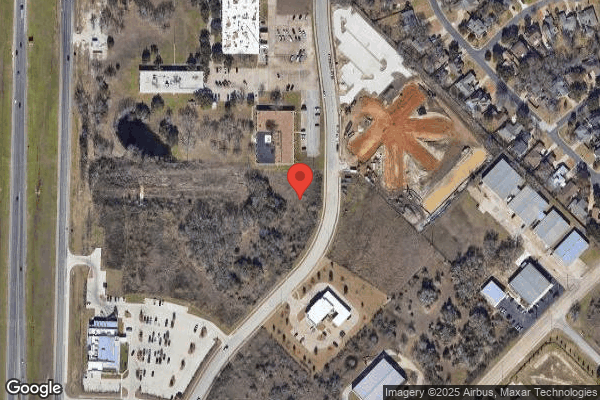
Jan 2025 3 deficiencies 2 Harm
SERIOUS (G) 📢 Someone Reported This

A family member, employee, or ombudsman was alarmed enough to file a formal complaint

Actual Harm - a resident was hurt due to facility failures

Deficiency F0725 (Tag F0725)

A resident was harmed · This affected 1 resident

**NOTE- TERMS IN BRACKETS HAVE BEEN EDITED TO PROTECT CONFIDENTIALITY** Based on interviews, and record review, the facility failed to have sufficient nursing staff with the appropriate competencies a...

Read full inspector narrative →
**NOTE- TERMS IN BRACKETS HAVE BEEN EDITED TO PROTECT CONFIDENTIALITY** Based on interviews, and record review, the facility failed to have sufficient nursing staff with the appropriate competencies and skills sets to provide nursing and related services to assure resident safety and attain or maintain the highest practicable physical, mental, and psychosocial well-being of each resident, as determined by resident assessments and individual plans of care and considering the number, acuity and diagnoses of the facility's resident population in accordance with a current accurate facility assessment for 9 of 11 residents ( Residents #1, #2, #3, #4 #5, #6, #7,#8 and #11). 1. The facility failed to ensure sufficient staff to provide Resident #6 needed care to prevent feelings of helplessness and pain from prolonged exposure to diarrhea for 3 hours while unable to obtain assistance. Residents #4 and #7 needed care including incontinent care and repositioning on 1/23/2025 for an unknown amount of time. 2. The facility failed to provide adequate staff to provide showers to Residents #1, #2, #3, #4 #5, #6, #7,#8 and #11 in compliance with their shower schedules. These failures placed residents at risk of inadequate supervision, an unsafe environment, skin breakdowns, falls and serious harm. Findings included: 1.) Review of Resident #6's, undated, face sheet reflected a [AGE] year-old female who was admitted to the facility on [DATE]. Resident #6 had diagnoses which included complex tear of lateral meniscus of left knee (cartilage between the femur and shin), difficulty walking and hypertension (high blood pressure). Review of Resident #6's admission MDS assessment, dated 1/15/25, reflected a BIMS score of 15, which indicated cognition was intact. Section H (Bladder and Bowel) reflected she was occasionally incontinent of bladder and bowel. Review of Resident #6's care plan, initiated on 1/17/25, reflected she had a potential for pressure ulcer development, interventions include Incontinent care after each episode and apply a moisture barrier and needs assistance with repositioning at least every 2 hours. During an interview on 1/26/2025 at 2:40pm with Resident #6 revealed she had been having issues with constipation and had taken laxatives on 1/23/2025. Resident #6 stated the laxative began working after she had finished dinner. She stated she used her call light to get help with cleaning up after her bowels had released. Resident #6 stated it had happened before that staff took up to an hour to answer call lights because they were short staffed. She waited over an hour then began calling the front desk to ask for help. Resident #6 stated the diarrhea was burning her skin, was uncomfortable and she felt helpless because she cannot get up out of bed by herself. She stated when she could not get anyone to answer the phone she was feeling even worse. After calling for over another hour, the call was answered and she told the person she had diarrhea all over herself and needed to be changed, the person answering the call said they would be there to help as soon as possible. Resident #6 stated she waited about 45 minutes then she called the non-emergency 911 and told the person answering that she could not get help. Resident #6 stated she was so upset, feeling helpless and having burning skin sensations and she did not know what else to do to get help. She stated in a few minutes the firefighters showed up but the staff were just leaving her room having come to change her right after she called the fire department. Resident #6 stated she did not know if they heard her make the call or if that was just when they finally showed up but it was 3 hours after she had started calling using the call light . Review of Resident #7's, undated, face sheet reflected a [AGE] year-old female who was admitted to the facility on [DATE]. Resident #7 had diagnoses which included cerebral infarction (blood flow to the brain blocked by a blood clot causing brain tissue damage), dysphagia (difficulty swallowing), hypertension (high blood pressure). Review of Resident #7's quarterly MDS assessment, dated 1/8/25, reflected a BIMS score of 12, which indicated cognition was moderately impaired. Section H (Bladder and Bowel) reflected she was always incontinent of bladder and frequently incontinent of bowel. Review of Resident #7's care plan, initiated on 11/9/24, reflected she had an ADL self-care performance deficit related to a need for assistance with ADLs including incontinence. Interventions include incontinent care after each episode apply a moisture barrier. During an interview on 1/25/25 at 11:34am with Resident #7's FM revealed the resident had called and spoken to the FM about not being able to get anyone to take her to the bathroom; that there were no CNAs only 2 nurses. The FM stated she called the facility and after the phone rang for a long time a nurse answered and admitted that there were no CNAs; that the nurses were trying to do everything. The FM stated there have been concerns over staffing before, but it usually was that there was not enough CNAs, but there had not been none before, that they knew about. The FM stated when they arrived the police were in the parking lot and they told the police they were there to take Resident #7 to the bathroom because she could not get anyone to help her. The FM stated when she got on the hall that Resident #7 was on, almost all the call lights were on outside the rooms on that hall. The FM stated they began assisting Resident #7 to the bathroom but a CNA that had just arrived to work came in to help her. The FM stated Resident #7 was so relieved and told them it was so uncomfortable having to hold it for that long once you realized you needed to go. The CNA assisted Resident #7 to bed and then helped her roommate who was also up in her wheelchair and who was incontinent. The FM stated it was well after 9:30 pm when Resident #7 and Resident #4(roommate) were put to bed and that usually they are in bed by 8pm. The FM stated when they got home they looked at the video from a camera in Resident #7's room and realized no staff had been to her room to assist her to the bathroom after she was taken at 3:30 pm. During an interview on 1/25/25 at 11:34am with Resident #7 revealed she recalled being uncomfortable on the evening of 1/23/2024. Resident #7 stated her call light was on the whole evening but she heard someone in the hall saying there was only 2 nurses no CNA's. Resident #7 stated she finally called her FM who she hated to disturb, and asked for help going to the bathroom, she could not hold it any longer. Review of Resident #4's, undated, face sheet reflected a [AGE] year-old female who was admitted to the facility on [DATE]. Resident #4 had diagnoses which included dementia (group of thinking and social symptoms that interferes with daily functioning), Williams syndrome (genetic condition with cognitive delays), and severe intellectual disabilities. Review of Resident #4's admission MDS assessment, dated 11/05/24, reflected a BIMS score of 7, which indicated severe cognitive impairment. Section H (Bladder and Bowel) reflected she was always incontinent of bladder and bowel. Review of Resident #4's care plan, revised on 1/25/25, reflected she had a potential for pressure ulcer development, bladder incontinence, and bowel incontinence. Each of the three focus areas included an intervention of incontinent care after each episode and apply a moisture barrier. During an interview on 1/25/25 at 12:53pm with Resident #4's Guardian revealed she was notified of the staffing issue on 1/23/2025. She stated she looked at the video footage and saw that Resident #4 was sitting in her wheelchair beside her bed from 5:30pm to 9:30pm with no one coming in the room. The Guardian stated Resident #4 has an intellectual disability and she relies on staff to check on her and make sure Resident #4 was safe. The Guardian stated Resident #4 is usually in bed at 8pm so she knew Resident #4 was uncomfortable as she was not used to being in one position that long. Review of the facility staffing sheet for 1/23/2025 revealed there were 2 nurses listed for 6pm to 6am, 1 CNA listed for 6pm to 10pm, and three listed for 10pm-6am. During an interview on 1/25/25 at 7:30pm with RN B revealed she had made the schedule for 1/23/2025. She stated she was told she would be making the staffing schedules but she was not given any training or direction. RN B stated she was told, Use this and given a list of staff. She stated she had made the staff schedule on the 20th and realized there was only one staff available to put on the 6pm to 10pm timeframe for the 23rd. RN B stated she had notified the Corporate Traveling DON who was acting as the DON of the facility and assumed she would plan for others to be scheduled. RN B stated she was not aware that no other CNAs were added or that the one she scheduled called out as she was not the on-call person for that night. During an interview on 1/26/25 at 1:50pm with Corporate Traveling Nurse RN-C revealed she was the acting DON for the facility prior to the new DON starting. RN C stated she had not been notified that only one CNA was scheduled to work from 6p to 10p. RN C stated they had never worked with just one CNA on that shift while she was there. She stated the staffing depends on census and they typically have 2 nurses and 4 CNAs. During an interview on 1/25/2025 at 3:00pm with the facility DON revealed that 1/23/2025 was her second day working at the facility. She stated she stayed over to work as one of the nurses scheduled for 6pm to 6am had a family emergency and would not be working. The DON stated she reached out to different nurses to see if they would pick up the shift but no one was available. The CNA that had been scheduled to work did not show up. There should have been more scheduled. The DON stated they had one CNA from the day shift stay over till 7:30pm, when she had to leave. After 7:30pm she and another nurse were the only ones there until 9:30pm when a CNA came. They had scheduled 2 other CNAs a total of 3 working on the 10pm to 6am shift, one for that shift called out also. The DON stated the police and firefighters came around 9pm saying they had received a call from Resident #6 that she needed help. The DON stated they been in the process of cleaning Resident #6 up when the police and fire department showed up. They did not find any residents in need of care so the police considered the visit a welfare concern and the firefighters left. She stated the facility was currently having staffing issues that she planned to address. Part of the problem she felt was the split shifts she planned to make all positions 12-hour shifts so everyone would be working a 6 to 6 shift. They also are in the process of hiring five CNAs that are starting next week. The DON stated it was not planned and she did not think 2 nurses was enough staff to care for 76 residents. She did not know if they could have evacuated all the residents if there had been an emergency when there was just the two of them but she felt like they would have been able to do so. During an interview on 1/25/25 at 2:39pm with the facility Administrator revealed she had not been aware there had been only one staff scheduled for the 6pm to 10pm time, on 1/23/25. She stated on 1/23/25 she received a call at 9:07pm from the DON saying the Fire Department was at the building and then at 9:34pm the police were here. She stated she had arrived soon after. The Administrator stated the police had reported that Resident #6 had called saying that she could not get any help. The Administrator stated she had known there were call ins but did not know how many staff there were. She stated she later found out there were only 2 staff in the building, which is not acceptable, but was working to get positions filled. The Administrator stated Resident #6 stated she did not feel neglected just that it took too long for someone to help her. The Administrator stated that it had not happened before that there were only two staff working the building, that they have been short staffed but have been pulling people from other positions such as the office to meet the resident's needs. The Administrator stated she did not know if two people would have been able to evacuate the building. She said they started having people be a manager on duty so they can monitor. She said she did not know if they would be able to evacuate the residents with only 2 staff. The Administrator stated the facility assessment was what they based staffing on. In an additional interview on 1/26/2025 at 11:58am the Administrator revealed when asked how many staff were needed to meet the residents' personal care needs, the Administrator stated they did not have a number. They know what they would like to have but that is not a regulation. The Administrator explained that the acuity levels change, they were a new facility and it was more of a moving number. She stated they have hired more CNAs and nurses. Review of the facility Daily Census on 1/25/25 revealed the census was 76 residents . Review of the Facility Assessment Tool provided by the facility, dated 7/25/2024, indicated an average daily census in the last year was 8. The staffing plan indicated: Licensed Nurses: RN, LPN, LVN providing direct care 1 during the day shift 6am to 6pm, 1 during the evening shift 1 6pm to 6am. Nurse Aides: 2 during the day shift, 1 during the 6pm to 6am shift. Review of the facility document titled Facility Assessment, updated, provided after a request of staffing policy, revealed the following: This facility will conduct and document a facility-wide assessment to determine what resources are necessary to care for the residents competently during both day-to-day operations and emergencies. The facility will review and update that assessment, as necessary, and at least annually. The facility will also review and update this assessment whenever there is, or the facility plans for, any change that would require a substantial modification to any part of this assessment. The facility assessment addresses the following: 1. The facility's resident population, including, but not limited to: o Both the number of residents and the facility's resident capacity; o The care required by the resident population, using evidence-based, data-driven methods that considering the types of diseases, conditions, physical and behavioral health needs, cognitive disabilities, overall acuity, and other pertinent facts that are present within that population, consistent with and informed by individual resident assessments as required under § 483.20; o The staff competencies and skill sets that are necessary to provide the level and types of care needed for the resident population; o The physical environment, equipment, services, and other physical plant considerations that are necessary to care for this population; and o Any ethnic, cultural, or religious factors that may potentially affect the care provided by the facility, including, but not limited to, activities and food and nutrition services. 2. The facility's resources, including but not limited to the following: All buildings and/or other physical structures and vehicles; Equipment (medical and non- medical); Services provided, such as physical therapy, pharmacy, behavioral health, and specific rehabilitation therapies; All personnel, including managers, nursing and other direct care staff (both employees and those who provide services under contract), and volunteers, as well as their education and/or training and any competencies related to resident care; Contracts, memorandums of understanding, or other agreements with third parties to provide services or equipment to the facility during both normal operations and emergencies; and Health information technology resources, such as systems for electronically managing patient records and electronically sharing information with other organizations. 3. A facility-based and community-based risk assessment, utilizing an all- hazards approach. In conducting the facility assessment, the facility will ensure: Active involvement of the following participants in the process: Nursing home leadership and management, including but not limited to, a member of the governing body, the medical director, an administrator, and the director of nursing; and Direct care staff, including but not limited to, RNs, LPNs/LVNs, NAs, and representatives of the direct care staff, if applicable. The facility will also solicit and consider input received from residents, resident representatives, and family members vis suggestion boxes throughout the facility. The facility will use this facility assessment to: Inform staffing decisions to ensure that there are a sufficient number of staff with the appropriate competencies and skill sets necessary to care for its residents' needs as identified through resident assessments and plans of care as required in § 483.35(a)(3). Consider specific staffing needs for each resident unit in the facility and adjust as necessary based on changes to its resident population. Consider specific staffing needs for each shift, such as day, evening, night, and adjust as necessary based on any changes to its resident population. Develop and maintain a plan to maximize recruitment and retention of direct care staff. Inform contingency planning for events that do not require activation of the facility's emergency plan, but do have the potential to affect resident care, such as, but not limited to, the availability of direct care nurse staffing or other resources needed for resident care. 2.) A. Review of Resident #1's, undated, face sheet reflected an [AGE] year-old female who was admitted to the facility on [DATE], with a readmission on [DATE]. Resident #1 had diagnoses which included chronic (persisting) kidney disease, major depressive disorder (depressed mood), low back pain and muscle weakness. Review of Resident #1's quarterly MDS assessment, dated 12/08/24, reflected a BIMS score of 12, which indicated moderate cognitive impairment. Section GG (Functional Abilities and Goals) reflected she required partial/moderate assistance with showering. Review of Resident #1's care plan, revised on 12/06/24, reflected she had an ADL self-care performance deficit related to a need for assistance with ADLs with an intervention of assistance of one staff with showering. Review of Resident #1's showering schedule, provided by the facility, revealed she was scheduled to receive showers every Monday, Wednesday, and Friday. Indicating thirteen showers were scheduled during the dates 12/26/24 - 01/26/25. Review of Resident #1's showering tasks in her EMR, from 12/26/24 - 01/26/25, reflected there were no showers documented during these dates. During an interview on 01/25/25 at 10:36 am, with Resident #1 revealed she stated she usually bathes herself in her bathroom. Resident #1 stated there was not enough staff to answer a call then there was not enough to stay in the shower with her. Resident #1 stated if the facility ever got enough staff she would be taking showers because she feels cleaner. B. Review of Resident #2's, undated, face sheet reflected an [AGE] year-old male who was admitted to the facility on [DATE], with a readmission on [DATE]. Resident #2 had diagnoses which included chronic total occlusion of coronary artery (a blockage in coronary artery that has been present longer than three months), mild dementia (group of thinking and social symptoms that interferes with daily functioning) with anxiety, and repeated falls. Review of Resident #2's quarterly MDS assessment, dated 1/11/25, reflected a BIMS score of 11, which indicated moderate cognitive impairment. Section GG (Functional Abilities and Goals) reflected he was dependent on staff assistance with showering. Review of Resident #2's care plan, revised on 1/17/24, reflected he had an ADL self-care performance deficit related to a need for assistance with ADLs with an intervention of requiring assistance of two staff with showering. Review of Resident #2's showering schedule, provided by the facility, revealed he was scheduled to receive showers every Tuesday, Thursday, and Saturday. Indicating thirteen showers were scheduled during the dates 12/26/24 - 01/26/25. Review of Resident #2's showering tasks in his EMR, from 12/26/24 - 01/26/25, reflected there were 5 showers documented during these dates. C. Review of Resident #3's, undated, face sheet reflected an [AGE] year-old female who was admitted to the facility on [DATE], with a readmission on [DATE]. Resident #3 had diagnoses which included dementia (group of thinking and social symptoms that interferes with daily functioning) and combined systolic and diastolic congestive heart failure (the hearts ventricles do not pump or fill with enough blood). Review of Resident #3's admission MDS assessment, dated 11/09/24, reflected a BIMS score of 9, which indicated moderate cognitive impairment. Section GG (Functional Abilities and Goals) reflected she was dependent on staff assistance with showering. Review of Resident #3's care plan, initiated on 11/06/24, reflected she had an ADL self-care performance deficit related to a need for assistance with ADLs with an intervention of one staff assistance with showering. Review of Resident #3's showering schedule, provided by the facility, revealed she was scheduled to receive showers every Monday, Wednesday, and Friday. Indicating thirteen showers were scheduled during the dates 12/26/24 - 01/26/25. Review of Resident #3's showering tasks in her EMR, from 12/26/24 - 01/26/25, reflected there were 4 showers documented during these dates and 4 refusals from Resident #3. C. Review of Resident #4's, undated, face sheet reflected a [AGE] year-old female who was admitted to the facility on [DATE]. Resident #4 had diagnoses which included dementia (group of thinking and social symptoms that interferes with daily functioning), Williams syndrome (genetic condition with cognitive delays), and severe intellectual disabilities. Review of Resident #4's admission MDS assessment, dated 11/05/24, reflected a BIMS score of 7, which indicated severe cognitive impairment. Section GG (Functional Abilities and Goals) reflected she was dependent on substantial maximum assistance with showering. Review of Resident #4's care plan, revised on 1/25/25, reflected she had an ADL self-care performance deficit related to a need for assistance with ADLs with an intervention of one staff assistance with bathing. Review of Resident #4's showering schedule, provided by the facility, revealed she was scheduled to receive showers every Monday, Wednesday, and Friday. Indicating thirteen showers were scheduled during the dates 12/26/24 - 01/26/25. Review of Resident #4's showering tasks in her EMR, from 12/26/24 - 01/26/25, reflected there were 6 showers documented during these dates, and one refusal. During an interview on 1/25/25 at 12:53pm with Resident #4's Guardian revealed the biggest concern was the lack of adequate staff. The CNAs are hard working but they are being assigned to many residents to provide appropriate care. Resident #4's Guardian stated Resident #4 had gotten some of her showers but she was not getting three showers a week, she can tell when she visits her. The Guardian stated she worries about what effects of bad hygiene practices will affect Resident #4 long term. D. Review of Resident #5's, undated, face sheet reflected an [AGE] year-old female who was admitted to the facility on [DATE]. Resident #5 had diagnoses which included dementia (group of thinking and social symptoms that interferes with daily functioning) and displaced subtrochanteric fracture of the left femur (a break in the upper part of thigh bone below the hip joint. Review of Resident #5's admission MDS assessment, dated 12/23/24, reflected a BIMS score of 4, which indicated severe cognitive impairment. Section GG (Functional Abilities and Goals) reflected she was dependent on staff assistance with showering. Review of Resident #5's care plan, initiated on 12/26/24, reflected she had an ADL self-care performance deficit related to a need for assistance with ADLs with an intervention of assistance of two staff with showering. Review of Resident #5's showering schedule, provided by the facility, revealed she was scheduled to receive showers every Monday, Wednesday, and Friday. Indicating thirteen showers were scheduled during the dates 12/26/24 - 01/26/25. Review of Resident #5's showering tasks in her EMR, from 12/26/24 - 01/26/25, reflected there were 4 showers documented during these dates. E. Review of Resident #6's, undated, face sheet reflected a [AGE] year-old female who was admitted to the facility on [DATE]. Resident #6 had diagnoses which included complex tear of lateral meniscus of left knee (cartilage between the femur and shin), difficulty walking and hypertension (high blood pressure). Review of Resident #6's admission MDS assessment, dated 1/15/25, reflected a BIMS score of 15, which indicated cognition was intact. Section GG (Functional Abilities and Goals) reflected she was dependent on substantial/maximal assistance with showering. Review of Resident #6's showering schedule, provided by the facility, revealed she was scheduled to receive showers every Monday, Wednesday, and Friday. Indicating five showers were scheduled during the dates 1/15/24 - 01/26/25. Review of Resident #6's showering tasks in her EMR, from 1/15/24 - 01/26/25, reflected 1 shower was documented during these dates. During an interview on 1/26/2025 at 2:40pm with Resident #6 revealed she had not had a shower since she had been at the facility, although she had known she needed one. Resident #6 stated all the sudden today the staff acted insistent that she take a shower. She stated she felt like they were insinuating she had been refusing to shower but she had not previously been offered a shower. F. Review of Resident #7's, undated, face sheet reflected a [AGE] year-old female who was admitted to the facility on [DATE]. Resident #7 had diagnoses which included cerebral infarction (blood flow to the brain blocked by a blood clot causing brain tissue damage), dysphagia (difficulty swallowing), hypertension (high blood pressure). Review of Resident #7's quarterly MDS assessment, dated 1/8/25, reflected a BIMS score of 12, which indicated cognition was intact. Section GG (Functional Abilities and Goals) reflected she required substantial/maximal staff assistance with showering. Review of Resident #7's care plan, initiated on 11/9/24, reflected she had an ADL self-care performance deficit related to a need for assistance with ADLs with an intervention of assistance of one staff with showering. Review of Resident #7's showering schedule, provided by the facility, revealed she was scheduled to receive showers every Tuesday, Thursday, and Saturday. Indicating thirteen showers were scheduled during the dates 12/26/24 - 01/26/25. Review of Resident #7's showering tasks in her EMR, from 12/26/24 - 01/26/25, reflected there were 6 showers documented during these dates. During an interview on 1/25/25 at 11:34am with Resident #7's FM revealed the resident want a lot more showers than she was given. The FM stated during the admission process they were told Resident #7 would be showered three times a week if she wanted. There was no indication that at times there would not be enough staff to provide her with assistance or that showers occurring depended on staff availability. The FM stated it makes Resident #7 uncomfortable when she was not clean. During an interview on 1/25/25 at 11:34am with Resident #7 revealed she does not get her showers like she was supposed to, like they had told her she would. Resident #7 stated she had asked before to be given a shower but the CNA will say they do not have enough time. G. Review of Resident #8's, undated, face sheet reflected an [AGE] year-old male who was admitted to the facility on [DATE]. Resident #8 had diagnoses which included dementia (group of thinking and social symptoms that interferes with daily functioning) and repeated falls. Review of Resident #8's quarterly MDS assessment, dated 12/10/25, reflected a BIMS score of 6, which indicated cognition was intact. Section GG (Functional Abilities and Goals) reflected he required substantial/maximal staff assistance with showering. Review of Resident #8's care plan, revised on 12/17/24, reflected he had an ADL self-care performance deficit related to a need for assistance with ADLs with an intervention of assistance of one staff with showering. Review of Resident #8's showering schedule, provided by the facility, revealed he was scheduled to receive showers every Monday, Wednesday, and Friday. Indicating thirteen showers were scheduled during the dates 12/26/24 - 01/26/25. Review of Resident #8's showering tasks in her EMR, from 12/26/24 - 01/26/25, reflected there were no showers documented during these dates. H. Review of Resident 11's, undated, face sheet reflected a [AGE] year-old female who was admitted to the facility on [DATE]. Resident #11 had diagnoses which included dementia (group of thinking and social symptoms that interferes with daily functioning), Diabetes Mellitus Type II (uncontrollable blood sugar levels), and muscle weakness. Review of Resident #11's admission MDS assessment, dated 8/1/24, reflected a BIMS score of 0, which indicated severe cognitive impairment. Section GG (Functional Abilities and Goals) reflected she required partial/moderate staff assistance with showering. Review of Resident #11's care plan, initiated on 1/25/25, reflected she had an ADL self-care performance deficit related to a need for assistance with ADLs with an intervention of assistance of two staff with showering. Review of Resident #11's showering schedule, provided by the facility, revealed he was scheduled to receive showers every Tuesday, Thursday, and Saturday. Indicating thirteen showers were scheduled during the dates 12/26/24 - 01/26/25. Review of Resident #11's showering tasks in her EMR, from 12/26/24 - 01/26/25, reflected one shower was documented during these dates. During an interview on 1/25/2025 at 2:11 pm with CNA A revealed she works the 6am to 6pm shift, she stated she was able to complete her assigned showers. She documents the showers she has given in the EHR, under the task section. CNA C stated she does have residents complaining to her that they are not getting their showers that are scheduled during other shifts. During a confidential interview with a facility CNA revealed they stated there has not been enough staff to give[TRUNCATED]
SERIOUS (G) 📢 Someone Reported This

A family member, employee, or ombudsman was alarmed enough to file a formal complaint

Actual Harm - a resident was hurt due to facility failures

Administration (Tag F0835)

A resident was harmed · This affected 1 resident

**NOTE- TERMS IN BRACKETS HAVE BEEN EDITED TO PROTECT CONFIDENTIALITY** Based on interviews, and record reviews, the facility failed to be administered in a manner that enabled it to use its resources...

Read full inspector narrative →
**NOTE- TERMS IN BRACKETS HAVE BEEN EDITED TO PROTECT CONFIDENTIALITY** Based on interviews, and record reviews, the facility failed to be administered in a manner that enabled it to use its resources effectively and efficiently to maintain the highest practicable well-being of each resident for for 9 of 11 residents ( Residents #1, #2, #3, #4 #5, #6, #7,#8 and #11). 1. The facility Administration failed to ensure an effective system to monitor for adequate staffing to provide Resident #6 needed care to prevent feelings of helplessness and pain from prolonged exposure to diarrhea for 3 hours while unable to obtain assistance. Residents #4 and #7 needed care including incontinent care and repositioning on 1/23/2025 for an unknown amount of time. 2. The facility Administration failed to ensure an effective monitoring system for adequate staffing to provide showers to Residents #1, #2, #3, #4 #5, #6, #7,#8 and #11 in compliance with their shower schedules. These failures placed residents at risk of inadequate supervision, an unsafe environment, skin breakdowns, falls and serious harm. Findings included: 1. Review of Resident #6's, undated, face sheet reflected a [AGE] year-old female who was admitted to the facility on [DATE]. Resident #6 had diagnoses which included complex tear of lateral meniscus of left knee (cartilage between the femur and shin), difficulty walking and hypertension (high blood pressure). Review of Resident #6's admission MDS assessment, dated 1/15/25, reflected a BIMS score of 15, which indicated cognition was intact. Section H (Bladder and Bowel) reflected she was occasionally incontinent of bladder and bowel. Review of Resident #6's care plan, initiated on 1/17/25, reflected she had a potential for pressure ulcer development, interventions include Incontinent care after each episode and apply a moisture barrier and needs assistance with repositioning at least every 2 hours. During an interview on 1/26/2025 at 2:40pm with Resident #6 revealed she had been having issues with constipation and had taken laxatives on 1/23/2025. Resident #6 stated the laxative began working after she had finished dinner. She stated she used her call light to get help with cleaning up after her bowels had released. Resident #6 stated it had happened before that staff take up to an hour to answer call lights because they were short staffed. She waited over an hour than began calling the front desk to ask for help. Resident #6 stated the diarrhea was burning her skin, was uncomfortable and she felt helpless because she cannot get up out of bed by herself. She stated when she could not get anyone to answer the phone she was feeling even worse after calling for over another hour the call was answered and she told the person she had diarrhea all over herself and needed to be changed, the person answering the call said they would be there to help as soon as possible. Resident #6 stated she waited about 45 minutes than she called the non-emergency 911 and told the person answering that she could not get help. Resident #6 stated she was so upset, feeling helpless and having burning skin sensations and she did not know what else to do to get help. She stated in a few minutes the firefighters showed up but the staff were just leaving her room having came to change her right after she called the fire department. Resident #6 stated she did not know if they heard her make the call or if that was just when they finally showed up but it was 3 hours after she had started calling using the call light. Review of Resident #7's, undated, face sheet reflected a [AGE] year-old female who was admitted to the facility on [DATE]. Resident #7 had diagnoses which included cerebral infarction (blood flow to the brain blocked by a blood clot causing brain tissue damage), dysphagia (difficulty swallowing), hypertension (high blood pressure). Review of Resident #7's quarterly MDS assessment, dated 1/8/25, reflected a BIMS score of 12, which indicated moderate cognitive impairment. Section H (Bladder and Bowel) reflected she was always incontinent of bladder and frequently incontinent of bowel. Review of Resident #7's care plan, initiated on 11/9/24, reflected she had an ADL self-care performance deficit related to a need for assistance with ADLs including incontinence. Interventions include incontinent care after each episode apply a moisture barrier. During an interview on 1/25/25 at 11:34am with Resident #7's FM revealed the resident had called and spoken to the FM about not being able to get anyone to take her to the bathroom that there were no CNAs only 2 nurses. The FM stated she called the facility and after the phone rang for a long time a nurse answered and admitted that there were no CNAs that the nurses were trying to do everything. The FM stated there have been concerns over staffing before but it usually was that there was not enough CNAs but had not been none before that they knew about. The FM stated when they arrived the police were in the parking lot and they told the police they were there to take Resident #7 to the bathroom because she could not get anyone to help her. The FM stated when she got on the hall that Resident #7 was on that almost all the call lights were on outside the room. The FM stated they began assisting Resident #7 to the bathroom but a CNA that had just arrived to work came in to help her. The FM stated Resident #7 was so relieved and told them it was so uncomfortable having to hold it for that long once you realized you needed to go. The CNA assisted Resident #7 to bed and then help her roommate who was also up in her wheelchair and who was incontinent. The FM stated it was well after 9:30 pm when Resident #7 and Resident #4 (Roommate) were put to bed and that usually they are in bed by 8pm. The FM stated when they got home they looked at the video from a camera in Resident #7's room and realized no staff had been to her room to assist her to the bathroom after she was taken at 3:30 pm. During an interview on 1/25/25 at 11:34am with Resident #7 revealed she recalled being uncomfortable on the evening of 1/23/2024. Resident #7 stated her call light was on the whole evening but she heard someone in the hall saying there was only 2 nurses no CNA's. Resident #7 stated she finally called her FM who she hated to disturb, and asked for help going to the bathroom, she could not hold it any longer. Review of Resident #4's, undated, face sheet reflected a [AGE] year-old female who was admitted to the facility on [DATE]. Resident #4 had diagnoses which included dementia (group of thinking and social symptoms that interferes with daily functioning), Williams syndrome (genetic condition with cognitive delays), and severe intellectual disabilities. Review of Resident #4's admission MDS assessment, dated 11/05/24, reflected a BIMS score of 7, which indicated severe cognitive impairment. Section H (Bladder and Bowel) reflected she was always incontinent of bladder and bowel. Review of Resident #4's care plan, revised on 1/25/25, reflected she had a potential for pressure ulcer development, bladder incontinence, and bowel incontinence. Each of the tree focus areas include an intervention of incontinent care after each episode and apply a moisture barrier. During an interview on 1/25/25 at 12:53pm with Resident #4's Guardian revealed she was notified of the staffing issue on 1/23/2025. She stated she looked at the video footage and saw that Resident #4 was sitting in her wheelchair beside her bed from 5:30pm to 9:30pm with no one coming in the room. The Guardian stated Resident #4 has an intellectual disability and she relies on staff to check on her and make sure Resident #4 was safe. The Guardian stated Resident #4 is usually in bed at 8pm so she knew Resident #4 was uncomfortable as she was not used to being in one position that long. Review of the facility staffing sheet for 1/23/2025 revealed there were 2 nurses listed for 6pm to 6am, 1 CNA listed for 6pm to 10pm, and three listed for 10pm-6am. During an interview on 1/25/25 at 7:30pm with RN B revealed she had made the schedule for 1/23/2025. She stated she was told she would be making the staffing schedules but she was not given any training or direction. RN B stated she was told use this and given a list of staff. She stated she had made the staff schedule on the 20th and realized when she it there was only one staff available to put on the 6pm to 10pm timeframe for the 23rd. RN B stated she had notified the Corporate Traveling DON who was acting as the DON of the facility and assumed she would plan for others to be scheduled. RN B stated she was not aware that no other CNAs were added or that the one she scheduled called out as she was not the on-call person for that night. During an interview on 1/26/25 at 1:50pm with Corporate Traveling Nurse RN-C revealed she was the acting DON for the facility prior to the new DON starting. RN C stated she had not been notified that only one CNA was scheduled to work from 6p to 10p. RN C stated they had never worked with just one CNA on that shift while she was there. She stated the staffing depends on census and they typically have 2 nurses and 4 CNAs. During an interview on 1/25/2025 at 3:00pm with the facility DON revealed that 1/23/2025 was her second day working at the facility. She stated she stayed over to work as one of the nurses scheduled for 6pm to 6am had a family emergency and would not be working. The DON stated she reached out to different nurses to see if they would pick up the shift but no one was available. The CNA that had been scheduled to work did not show up. There should have been more scheduled. The DON stated they had one CNA from the day shift stay over till 7:30pm, when she had to leave. After 7:30pm she and another nurse were the only ones there until 9:30pm when a CNA came. They had scheduled 2 other CNAs a total of 3 working on the 10pm to 6am shift, one for that shift called out also. The DON stated the police and firefighters came around 9pm saying they had received a call from Resident #6 that she needed help. The DON stated they been in the process of cleaning Resident #6 up when the police and fire department showed up. They did not find any residents in need of care so the police considered the visit a welfare concern and the firefighters left. She stated the facility was currently having staffing issues that she planned to address. Part of the problem she felt was the split shifts she planned to make all positions 12-hour shifts so everyone would be working a 6 to 6 shift. They also are in the process of hiring five CNAs that are starting next week. The DON stated it was not planned and she did not think 2 nurses was enough staff to care for 76 residents. She did not know if they could have evacuated all the residents if there had been an emergency when there was just the two of them but she felt like they would have been able to do so. During an interview on 1/25/25 at 2:39pm with the facility Administrator revealed she had not been aware there had been only one staff scheduled for the 6pm to 10pm time, on 1/23/25. She stated on 1/23/25 she received a call at 9:07pm from the DON saying the Fire Department was at the building and then at 9:34pm the police were here. She stated she had arrived soon after. The Administrator stated the police had reported that Resident #6 had called saying that she could not get any help. The Administrator stated she had known there were call ins but did not know how many staff there were. She stated she later found out there were only 2 staff in the building, which is not acceptable, but we are working to get positions filled. The Administrator stated Resident #6 stated she did not feel neglected just that it took too long for someone to help her. The Administrator stated that it had not happened before that there were only two staff working the building, that they have been short staffed but have been pulling people from other positions such as the office to meet the resident's needs. The Administrator stated she did not know if two people would have been able to evacuate the building. We have started having people be a manager on duty so they can monitor. Do not know if they would be able to evacuate. The Administrator stated the facility assessment is what they base staffing on. In an additional interview on 1/26/2025 at 11:58am revealed when asked how many staff are needed to meet the residents personal care, the Administrator stated they do not have a number they know what they would like to have but that is not a regulation. The Administrator explained that the acuity levels change, they are a new facility it was more of a moving number. She stated they have hired more CNAs and nurses. Review of the facility Daily Census on 1/25/25 revealed the census was 76 residents. Review of the Facility Assessment Tool provided by the facility, dated 7/25/2024, indicated an average daily census in the last year was 8. The staffing plan indicated: Licensed Nurses: RN, LPN, LVN providing direct care 1 during the day shift 6am to 6pm, 1 during the evening shift 1 6pm to 6am. Nurse Aides: 2 during the day shift, 1 during the 6pm to 6am shift. Review of the facility document titled Facility Assessment, updated, provided after a request of staffing policy, revealed the following: This facility will conduct and document a facility-wide assessment to determine what resources are necessary to care for the residents competently during both day-to-day operations and emergencies. The facility will review and update that assessment, as necessary, and at least annually. The facility will also review and update this assessment whenever there is, or the facility plans for, any change that would require a substantial modification to any part of this assessment. The facility assessment addresses the following: 4. The facility's resident population, including, but not limited to: o Both the number of residents and the facility's resident capacity; o The care required by the resident population, using evidence-based, data-driven methods that considering the types of diseases, conditions, physical and behavioral health needs, cognitive disabilities, overall acuity, and other pertinent facts that are present within that population, consistent with and informed by individual resident assessments as required under § 483.20; o The staff competencies and skill sets that are necessary to provide the level and types of care needed for the resident population; o The physical environment, equipment, services, and other physical plant considerations that are necessary to care for this population; and o Any ethnic, cultural, or religious factors that may potentially affect the care provided by the facility, including, but not limited to, activities and food and nutrition services. 5. The facility's resources, including but not limited to the following: All buildings and/or other physical structures and vehicles; Equipment (medical and non- medical); Services provided, such as physical therapy, pharmacy, behavioral health, and specific rehabilitation therapies; All personnel, including managers, nursing and other direct care staff (both employees and those who provide services under contract), and volunteers, as well as their education and/or training and any competencies related to resident care; Contracts, memorandums of understanding, or other agreements with third parties to provide services or equipment to the facility during both normal operations and emergencies; and Health information technology resources, such as systems for electronically managing patient records and electronically sharing information with other organizations. 6. A facility-based and community-based risk assessment, utilizing an all- hazards approach. In conducting the facility assessment, the facility will ensure: Active involvement of the following participants in the process: Nursing home leadership and management, including but not limited to, a member of the governing body, the medical director, an administrator, and the director of nursing; and Direct care staff, including but not limited to, RNs, LPNs/LVNs, NAs, and representatives of the direct care staff, if applicable. The facility will also solicit and consider input received from residents, resident representatives, and family members vis suggestion boxes throughout the facility. The facility will use this facility assessment to: Inform staffing decisions to ensure that there are a sufficient number of staff with the appropriate competencies and skill sets necessary to care for its residents' needs as identified through resident assessments and plans of care as required in § 483.35(a)(3). Consider specific staffing needs for each resident unit in the facility and adjust as necessary based on changes to its resident population. Consider specific staffing needs for each shift, such as day, evening, night, and adjust as necessary based on any changes to its resident population. Develop and maintain a plan to maximize recruitment and retention of direct care staff. Inform contingency planning for events that do not require activation of the facility's emergency plan, but do have the potential to affect resident care, such as, but not limited to, the availability of direct care nurse staffing or other resources needed for resident care. 2. 1. Review of Resident #1's, undated, face sheet reflected an [AGE] year-old female who was admitted to the facility on [DATE], with a readmission on [DATE]. Resident #1 had diagnoses which included chronic (persisting) kidney disease, major depressive disorder (depressed mood), low back pain and muscle weakness. Review of Resident #1's quarterly MDS assessment, dated 12/08/24, reflected a BIMS score of 12, which indicated moderate cognitive impairment. Section GG (Functional Abilities and Goals) reflected she required partial/moderate assistance with showering. Review of Resident #1's care plan, revised on 12/06/24, reflected she had an ADL self-care performance deficit related to a need for assistance with ADLs with an intervention of assistance of one staff with showering. Review of Resident #1's showering schedule, provided by the facility, revealed she was scheduled to receive showers every Monday, Wednesday, and Friday. Indicating thirteen showers were scheduled during the dates 12/26/24 - 01/26/25. Review of Resident #1's showering tasks in her EMR, from 12/26/24 - 01/26/25, reflected there were no showers documented during these dates. During an interview on 01/25/25 at 10:36 am, with Resident #1 revealed she stated she usually bathes herself in her bathroom. Resident #1 stated there was not enough staff to answer a call then there was not enough to stay in the shower with her. Resident #1 stated if the facility ever got enough staff she would be taking showers because she feels cleaner. 2. A. Review of Resident #2's, undated, face sheet reflected an [AGE] year-old male who was admitted to the facility on [DATE], with a readmission on [DATE]. Resident #2 had diagnoses which included chronic total occlusion of coronary artery (a blockage in coronary artery that has been present longer than three months), mild dementia (group of thinking and social symptoms that interferes with daily functioning) with anxiety, and repeated falls. Review of Resident #2's quarterly MDS assessment, dated 1/11/25, reflected a BIMS score of 11, which indicated moderate cognitive impairment. Section GG (Functional Abilities and Goals) reflected he was dependent on staff assistance with showering. Review of Resident #2's care plan, revised on 1/17/24, reflected he had an ADL self-care performance deficit related to a need for assistance with ADLs with an intervention of requiring assistance of two staff with showering. Review of Resident #2's showering schedule, provided by the facility, revealed he was scheduled to receive showers every Tuesday, Thursday, and Saturday. Indicating thirteen showers were scheduled during the dates 12/26/24 - 01/26/25. Review of Resident #2's showering tasks in his EMR, from 12/26/24 - 01/26/25, reflected there were 5 showers documented during these dates. B. Review of Resident #3's, undated, face sheet reflected an [AGE] year-old female who was admitted to the facility on [DATE], with a readmission on [DATE]. Resident #3 had diagnoses which included dementia (group of thinking and social symptoms that interferes with daily functioning) and combined systolic and diastolic congestive heart failure (the hearts ventricles do not pump or fill with enough blood). Review of Resident #3's admission MDS assessment, dated 11/09/24, reflected a BIMS score of 9, which indicated moderate cognitive impairment. Section GG (Functional Abilities and Goals) reflected she was dependent on staff assistance with showering. Review of Resident #3's care plan, initiated on 11/06/24, reflected she had an ADL self-care performance deficit related to a need for assistance with ADLs with an intervention of one staff assistance with showering. Review of Resident #3's showering schedule, provided by the facility, revealed she was scheduled to receive showers every Monday, Wednesday, and Friday. Indicating thirteen showers were scheduled during the dates 12/26/24 - 01/26/25. Review of Resident #3's showering tasks in her EMR, from 12/26/24 - 01/26/25, reflected there were 4 showers documented during these dates and 4 refusals from Resident #3. C. Review of Resident #4's, undated, face sheet reflected a [AGE] year-old female who was admitted to the facility on [DATE]. Resident #4 had diagnoses which included dementia (group of thinking and social symptoms that interferes with daily functioning), Williams syndrome (genetic condition with cognitive delays), and severe intellectual disabilities. Review of Resident #4's admission MDS assessment, dated 11/05/24, reflected a BIMS score of 7, which indicated severe cognitive impairment. Section GG (Functional Abilities and Goals) reflected she was dependent on substantial maximum assistance with showering. Review of Resident #4's care plan, revised on 1/25/25, reflected she had an ADL self-care performance deficit related to a need for assistance with ADLs with an intervention of one staff assistance with bathing. Review of Resident #4's showering schedule, provided by the facility, revealed she was scheduled to receive showers every Monday, Wednesday, and Friday. Indicating thirteen showers were scheduled during the dates 12/26/24 - 01/26/25. Review of Resident #4's showering tasks in her EMR, from 12/26/24 - 01/26/25, reflected there were 6 showers documented during these dates, and one refusal. During an interview on 1/25/25 at 12:53pm with Resident #4's Guardian revealed the biggest concern was the lack of adequate staff. The CNAs are hard working but they are being assigned to many residents to provide appropriate care. Resident #4's Guardian stated Resident #4 had gotten some of her showers but she was not getting three showers a week, she can tell when she visits her. The Guardian stated she worries about what effects of bad hygiene practices will affect Resident #4 long term. D. Review of Resident #5's, undated, face sheet reflected an [AGE] year-old female who was admitted to the facility on [DATE]. Resident #5 had diagnoses which included dementia (group of thinking and social symptoms that interferes with daily functioning) and displaced subtrochanteric fracture of the left femur (a break in the upper part of thigh bone below the hip joint. Review of Resident #5's admission MDS assessment, dated 12/23/24, reflected a BIMS score of 4, which indicated severe cognitive impairment. Section GG (Functional Abilities and Goals) reflected she was dependent on staff assistance with showering. Review of Resident #5's care plan, initiated on 12/26/24, reflected she had an ADL self-care performance deficit related to a need for assistance with ADLs with an intervention of assistance of two staff with showering. Review of Resident #5's showering schedule, provided by the facility, revealed she was scheduled to receive showers every Monday, Wednesday, and Friday. Indicating thirteen showers were scheduled during the dates 12/26/24 - 01/26/25. Review of Resident #5's showering tasks in her EMR, from 12/26/24 - 01/26/25, reflected there were 4 showers documented during these dates. E. Review of Resident #6's, undated, face sheet reflected a [AGE] year-old female who was admitted to the facility on [DATE]. Resident #6 had diagnoses which included complex tear of lateral meniscus of left knee (cartilage between the femur and shin), difficulty walking and hypertension (high blood pressure). Review of Resident #6's admission MDS assessment, dated 1/15/25, reflected a BIMS score of 15, which indicated cognition was intact. Section GG (Functional Abilities and Goals) reflected she was dependent on substantial/maximal assistance with showering. Review of Resident #6's showering schedule, provided by the facility, revealed she was scheduled to receive showers every Monday, Wednesday, and Friday. Indicating five showers were scheduled during the dates 1/15/24 - 01/26/25. Review of Resident #6's showering tasks in her EMR, from 1/15/24 - 01/26/25, reflected 1 shower was documented during these dates. During an interview on 1/26/2025 at 2:40pm with Resident #6 revealed she had not had a shower since she had been at the facility, although she had known she needed one. Resident #6 stated all the sudden today the staff acted insistent that she take a shower. She stated she felt like they were insinuating she had been refusing to shower but she had not previously been offered a shower. F. Review of Resident #7's, undated, face sheet reflected a [AGE] year-old female who was admitted to the facility on [DATE]. Resident #7 had diagnoses which included cerebral infarction (blood flow to the brain blocked by a blood clot causing brain tissue damage), dysphagia (difficulty swallowing), hypertension (high blood pressure). Review of Resident #7's quarterly MDS assessment, dated 1/8/25, reflected a BIMS score of 12, which indicated cognition was intact. Section GG (Functional Abilities and Goals) reflected she required substantial/maximal staff assistance with showering. Review of Resident #7's care plan, initiated on 11/9/24, reflected she had an ADL self-care performance deficit related to a need for assistance with ADLs with an intervention of assistance of one staff with showering. Review of Resident #7's showering schedule, provided by the facility, revealed she was scheduled to receive showers every Tuesday, Thursday, and Saturday. Indicating thirteen showers were scheduled during the dates 12/26/24 - 01/26/25. Review of Resident #7's showering tasks in her EMR, from 12/26/24 - 01/26/25, reflected there were 6 showers documented during these dates. During an interview on 1/25/25 at 11:34am with Resident #7's FM revealed the resident want a lot more showers than she was given. The FM stated during the admission process they were told Resident #7 would be showered three times a week if she wanted. There was no indication that at times there would not be enough staff to provide her with assistance or that showers occurring depended on staff availability. The FM stated it makes Resident #7 uncomfortable when she was not clean. During an interview on 1/25/25 at 11:34am with Resident #7 revealed she does not get her showers like she was supposed to, like they had told her she would. Resident #7 stated she had asked before to be given a shower but the CNA will say they do not have enough time. G. Review of Resident #8's, undated, face sheet reflected an [AGE] year-old male who was admitted to the facility on [DATE]. Resident #8 had diagnoses which included dementia (group of thinking and social symptoms that interferes with daily functioning) and repeated falls. Review of Resident #8's quarterly MDS assessment, dated 12/10/25, reflected a BIMS score of 6, which indicated cognition was intact. Section GG (Functional Abilities and Goals) reflected he required substantial/maximal staff assistance with showering. Review of Resident #8's care plan, revised on 12/17/24, reflected he had an ADL self-care performance deficit related to a need for assistance with ADLs with an intervention of assistance of one staff with showering. Review of Resident #8's showering schedule, provided by the facility, revealed he was scheduled to receive showers every Monday, Wednesday, and Friday. Indicating thirteen showers were scheduled during the dates 12/26/24 - 01/26/25. Review of Resident #8's showering tasks in her EMR, from 12/26/24 - 01/26/25, reflected there were no showers documented during these dates. H. Review of Resident 11's, undated, face sheet reflected a [AGE] year-old female who was admitted to the facility on [DATE]. Resident #11 had diagnoses which included dementia (group of thinking and social symptoms that interferes with daily functioning), Diabetes Mellitus Type II (uncontrollable blood sugar levels), and muscle weakness. Review of Resident #11's admission MDS assessment, dated 8/1/24, reflected a BIMS score of 0, which indicated severe cognitive impairment. Section GG (Functional Abilities and Goals) reflected she required partial/moderate staff assistance with showering. Review of Resident #11's care plan, initiated on 1/25/25, reflected she had an ADL self-care performance deficit related to a need for assistance with ADLs with an intervention of assistance of two staff with showering. Review of Resident #11's showering schedule, provided by the facility, revealed he was scheduled to receive showers every Tuesday, Thursday, and Saturday. Indicating thirteen showers were scheduled during the dates 12/26/24 - 01/26/25. Review of Resident #11's showering tasks in her EMR, from 12/26/24 - 01/26/25, reflected one shower was documented during these dates. During an interview on 1/25/2025 at 2:11 pm with CNA A revealed she works the 6am to 6pm shift, she stated she was able to complete her assigned showers. She documents the showers she has given in the EHR, under the task section. CNA C stated she does have residents complaining to her that they are not getting their showers that are scheduled during other shifts. During a confidential interview with a facility CNA revealed they stated there has not been enough staff to give showers. The CNA stated frequently they must tell the residents that request a shower that they cannot shower them. They are trying to make sure people are cleaned well with adult briefs/incontinence changes because they all know about skin breakdown. During a confidential interview with a facility Nurse revea[TRUNCATED]
CONCERN (E) 📢 Someone Reported This

A family member, employee, or ombudsman was alarmed enough to file a formal complaint

Potential for Harm - no one hurt, but risky conditions existed

ADL Care (Tag F0677)

Could have caused harm · This affected multiple residents

**NOTE- TERMS IN BRACKETS HAVE BEEN EDITED TO PROTECT CONFIDENTIALITY** Based on interview, and record review, the facility failed to ensure a resident who was unable to carry out activities of daily ...

Read full inspector narrative →
**NOTE- TERMS IN BRACKETS HAVE BEEN EDITED TO PROTECT CONFIDENTIALITY** Based on interview, and record review, the facility failed to ensure a resident who was unable to carry out activities of daily living received necessary services to maintain good nutrition, grooming, personal and oral hygiene for nine (Resident #1, #2, #3, #4 #5, #6, #7, #8 and #11) of eleven residents reviewed for ADLs. The facility failed to provide showers to Residents #1, #2, #3, #4 #5, #6, #7,#8 and #11 in compliance with their shower schedules. This deficient practice could place residents at risk of a decline in hygiene, at risk of skin breakdown, level of satisfaction with life, and feelings of self-worth. Findings include: 1. Review of Resident #1's, undated, face sheet reflected an [AGE] year-old female who was admitted to the facility on [DATE], with a readmission on [DATE]. Resident #1 had diagnoses which included chronic (persisting) kidney disease, major depressive disorder (depressed mood), low back pain and muscle weakness. Review of Resident #1's quarterly MDS assessment, dated 12/08/24, reflected a BIMS score of 12, which indicated moderate cognitive impairment. Section GG (Functional Abilities and Goals) reflected she required partial/moderate assistance with showering. Review of Resident #1's care plan, revised on 12/06/24, reflected she had an ADL self-care performance deficit related to a need for assistance with ADLs with an intervention of assistance of one staff with showering. Review of Resident #1's showering schedule, provided by the facility, revealed she was scheduled to receive showers every Monday, Wednesday, and Friday. Indicating thirteen showers were scheduled during the dates 12/26/24 - 01/26/25. Review of Resident #1's showering tasks in her EMR, from 12/26/24 - 01/26/25, reflected there were no showers documented during these dates. During an interview on 01/25/25 at 10:36 am, with Resident #1 revealed she stated she usually bathes herself in her bathroom. Resident #1 stated there was not enough staff to answer a call then there was not enough to stay in the shower with her. Resident #1 stated if the facility ever got enough staff she would be taking showers because she feels cleaner . 2. Review of Resident #2's, undated, face sheet reflected an [AGE] year-old male who was admitted to the facility on [DATE], with a readmission on [DATE]. Resident #2 had diagnoses which included chronic total occlusion of coronary artery (a blockage in coronary artery that has been present longer than three months), mild dementia (group of thinking and social symptoms that interferes with daily functioning) with anxiety, and repeated falls. Review of Resident #2's quarterly MDS assessment, dated 1/11/25, reflected a BIMS score of 11, which indicated moderate cognitive impairment. Section GG (Functional Abilities and Goals) reflected he was dependent on staff assistance with showering. Review of Resident #2's care plan, revised on 1/17/25 reflected he had an ADL self-care performance deficit related to a need for assistance with ADLs with an intervention of requiring assistance of two staff with showering. Review of Resident #2's showering schedule, provided by the facility, revealed he was scheduled to receive showers every Tuesday, Thursday, and Saturday. Indicating thirteen showers were scheduled during the dates 12/26/24 - 01/26/25. Review of Resident #2's showering tasks in his EMR, from 12/26/24 - 01/26/25, reflected there were 5 showers documented during these dates. 3. Review of Resident #3's, undated, face sheet reflected an [AGE] year-old female who was admitted to the facility on [DATE], with a readmission on [DATE]. Resident #3 had diagnoses which included dementia (group of thinking and social symptoms that interferes with daily functioning) and combined systolic and diastolic congestive heart failure (the hearts ventricles do not pump or fill with enough blood). Review of Resident #3's admission MDS assessment, dated 11/09/24, reflected a BIMS score of 9, which indicated moderate cognitive impairment. Section GG (Functional Abilities and Goals) reflected she was dependent on staff assistance with showering. Review of Resident #3's care plan, initiated on 11/06/24, reflected she had an ADL self-care performance deficit related to a need for assistance with ADLs with an intervention of one staff assistance with showering. Review of Resident #3's showering schedule, provided by the facility, revealed she was scheduled to receive showers every Monday, Wednesday, and Friday. Indicating thirteen showers were scheduled during the dates 12/26/24 - 01/26/25. Review of Resident #3's showering tasks in her EMR, from 12/26/24 - 01/26/25, reflected there were 4 showers documented during these dates and 4 refusals from Resident #3. 4. Review of Resident #4's, undated, face sheet reflected a [AGE] year-old female who was admitted to the facility on [DATE]. Resident #4 had diagnoses which included dementia (group of thinking and social symptoms that interferes with daily functioning), Williams syndrome (genetic condition with cognitive delays), and severe intellectual disabilities. Review of Resident #4's admission MDS assessment, dated 11/05/24, reflected a BIMS score of 7, which indicated severe cognitive impairment. Section GG (Functional Abilities and Goals) reflected she was dependent on substantial maximum assistance with showering . Review of Resident #4's care plan, revised on 1/25/25, reflected she had an ADL self-care performance deficit related to a need for assistance with ADLs with an intervention of one staff assistance with bathing. Review of Resident #4's showering schedule, provided by the facility, revealed she was scheduled to receive showers every Monday, Wednesday, and Friday. Indicating thirteen showers were scheduled during the dates 12/26/24 - 01/26/25. Review of Resident #4's showering tasks in her EMR, from 12/26/24 - 01/26/25, reflected there were 6 showers documented during these dates, and one refusal. During an interview on 1/25/25 at 12:53pm with Resident #4's Guardian revealed the biggest concern was the lack of adequate staff. The CNAs are hard working but they are being assigned too many residents to provide appropriate care. Resident #4's Guardian stated Resident #4 had gotten some of her showers but she was not getting three showers a week, she can tell when she visits her. The Guardian stated she worries about what effects of bad hygiene practices will affect Resident #4 long term. 5. Review of Resident #5's, undated, face sheet reflected an [AGE] year-old female who was admitted to the facility on [DATE]. Resident #5 had diagnoses which included dementia (group of thinking and social symptoms that interferes with daily functioning) and displaced subtrochanteric fracture of the left femur (a break in the upper part of thigh bone below the hip joint. Review of Resident #5's admission MDS assessment, dated 12/23/24, reflected a BIMS score of 4, which indicated severe cognitive impairment. Section GG (Functional Abilities and Goals) reflected she was dependent on staff assistance with showering. Review of Resident #5's care plan, initiated on 12/26/24, reflected she had an ADL self-care performance deficit related to a need for assistance with ADLs with an intervention of assistance of two staff with showering. Review of Resident #5's showering schedule, provided by the facility, revealed she was scheduled to receive showers every Monday, Wednesday, and Friday. Indicating thirteen showers were scheduled during the dates 12/26/24 - 01/26/25. Review of Resident #5's showering tasks in her EMR, from 12/26/24 - 01/26/25, reflected there were 4 showers documented during these dates. 6. Review of Resident #6's, undated, face sheet reflected a [AGE] year-old female who was admitted to the facility on [DATE]. Resident #6 had diagnoses which included complex tear of lateral meniscus of left knee (cartilage between the femur and shin), difficulty walking and hypertension (high blood pressure). Review of Resident #6's admission MDS assessment, dated 1/15/25, reflected a BIMS score of 15, which indicated cognition was intact. Section GG (Functional Abilities and Goals) reflected she was dependent on substantial/maximal assistance with showering. Review of Resident #6's showering schedule, provided by the facility, revealed she was scheduled to receive showers every Monday, Wednesday, and Friday. Indicating five showers were scheduled during the dates 1/15/24 - 01/26/25. Review of Resident #6's showering tasks in her EMR, from 1/15/24 - 01/26/25, reflected 1 shower was documented during these dates. During an interview on 1/26/2025 at 2:40pm with Resident #6 revealed she had not had a shower since she had been at the facility, although she had known she needed one. Resident #6 stated all of a sudden today the staff acted insistent that she take a shower. She stated she felt like they were insinuating she had been refusing to shower but she had not previously been offered a shower. 7. Review of Resident #7's, undated, face sheet reflected a [AGE] year-old female who was admitted to the facility on [DATE]. Resident #7 had diagnoses which included cerebral infarction (blood flow to the brain blocked by a blood clot causing brain tissue damage), dysphagia (difficulty swallowing), hypertension (high blood pressure). Review of Resident #7's quarterly MDS assessment, dated 1/8/25, reflected a BIMS score of 12, which indicated moderate cognitive impairment. Section GG (Functional Abilities and Goals) reflected she required substantial/maximal staff assistance with showering. Review of Resident #7's care plan, initiated on 11/9/24, reflected she had an ADL self-care performance deficit related to a need for assistance with ADLs with an intervention of assistance of one staff with showering. Review of Resident #7's showering schedule, provided by the facility, revealed she was scheduled to receive showers every Tuesday, Thursday, and Saturday. Indicating thirteen showers were scheduled during the dates 12/26/24 - 01/26/25. Review of Resident #7's showering tasks in her EMR, from 12/26/24 - 01/26/25, reflected there were 6 showers documented during these dates. During an interview on 1/25/25 at 11:34am with Resident #7's FM revealed the resident wanted a lot more showers than she was given. The FM stated during the admission process they were told Resident #7 would be showered three times a week if she wanted. There was no indication that at times there would not be enough staff to provide her with assistance or that showers occurring depended on staff availability. The FM stated it makes Resident #7 uncomfortable when she was not clean . During an interview on 1/25/25 at 11:34am with Resident #7 revealed she does not get her showers like she was supposed to, like they had told her she would. Resident #7 stated she had asked before to be given a shower but the CNA will say they do not have enough time. 8. Review of Resident #8's, undated, face sheet reflected an [AGE] year-old male who was admitted to the facility on [DATE]. Resident #8 had diagnoses which included dementia (group of thinking and social symptoms that interferes with daily functioning) and repeated falls. Review of Resident #8's quarterly MDS assessment, dated 12/10/24, reflected a BIMS score of 6, which indicated cognition was severely impaired. Section GG (Functional Abilities and Goals) reflected he required substantial/maximal staff assistance with showering. Review of Resident #8's care plan, revised on 12/17/24, reflected he had an ADL self-care performance deficit related to a need for assistance with ADLs with an intervention of assistance of one staff with showering. Review of Resident #8's showering schedule, provided by the facility, revealed he was scheduled to receive showers every Monday, Wednesday, and Friday. Indicating thirteen showers were scheduled during the dates 12/26/24 - 01/26/25. Review of Resident #8's showering tasks in her EMR, from 12/26/24 - 01/26/25, reflected there were no showers documented during these dates. 9. Review of Resident 11's, undated, face sheet reflected a [AGE] year-old female who was admitted to the facility on [DATE]. Resident #11 had diagnoses which included dementia (group of thinking and social symptoms that interferes with daily functioning), Diabetes Mellitus Type II (uncontrollable blood sugar levels), and muscle weakness. Review of Resident #11's admission MDS assessment, dated 8/1/24, reflected a BIMS score of 0, which indicated severe cognitive impairment. Section GG (Functional Abilities and Goals) reflected she required partial/moderate staff assistance with showering. Review of Resident #11's care plan, initiated on 1/25/25 , reflected she had an ADL self-care performance deficit related to a need for assistance with ADLs with an intervention of assistance of two staff with showering. Review of Resident #11's showering schedule, provided by the facility, revealed he was scheduled to receive showers every Tuesday, Thursday, and Saturday. Indicating thirteen showers were scheduled during the dates 12/26/24 - 01/26/25. Review of Resident #11's showering tasks in her EMR, from 12/26/24 - 01/26/25, reflected one shower was documented during these dates. During an interview on 1/25/2025 at 2:11 pm with CNA A revealed she works the 6am to 6pm shift, she stated she was able to complete her assigned showers. She documents the showers she has given in the EHR, under the task section. CNA C stated she does have residents complaining to her that they are not getting their showers that are scheduled during other shifts. During a confidential interview with a facility CNA revealed they stated there has not been enough staff to give showers. The CNA stated frequently they must tell the residents that request a shower that they cannot shower them. They are trying to make sure people are cleaned well with adult briefs/incontinence changes because they all know about skin breakdown. During a confidential interview with a facility Nurse revealed when there are only two nurses and one CNA in the evening, which has happened several times lately, the staff make sure the residents are fed, changed as needed and assisted to bed. The Nurse stated showers are placed at the bottom of the list so frequently no showers are given as there was not time. During an interview on 1/25/2025 at 2:39 pm with the facility Administrator revealed she has recognized a concern of residents not receiving showers as scheduled. There have been staffing shortages that may have affected showers recently. The problem was something they were working on; she did expect that showers be given as scheduled. During an interview on 1/25/2025 at 3:00 pm with the facility DON she revealed she had been at the facility for 3 days. She stated she had not looked at the shower issues completely but recognized it needed to be addressed although she had not had any residents complain to her about not receiving a shower. The DON stated her expectation was that showers are provided as scheduled. Review of the facility's Nursing Policy and Procedure Manual, dated 2003, reflected the following: Bath, Tub/Shower Bathing by tub bath or shower is done to remove soil, dead epithelial cells, microorganisms from the skin, and body odor to promote comfort cleanliness, circulation, and relaxation. A medicated tub bath can also be provided to treat skin conditions. The aging skin becomes dry, wrinkled, thinner and blemished with various aging spots over time and is easily affected by environmental temperatures and humidity, sun exposure, soaps, and clothing fabrics. The frequency and type of bathing depends on the resident preference, skin condition, tolerance, and energy level. Although a daily bath or shower is preferred and necessary for some, the aging skin can be maintained by bathing every two days or with partial bathing as needed. Goals 1. The resident will experience improved comfort and cleanliness by bathing. 2. The resident will maintain intact skin integrity. 3. The resident will be free from soil, odor, dryness, and pruritus following bathing.
Oct 2024 1 deficiency
CONCERN (D) 📢 Someone Reported This

A family member, employee, or ombudsman was alarmed enough to file a formal complaint

Potential for Harm - no one hurt, but risky conditions existed

Deficiency F0761 (Tag F0761)

Could have caused harm · This affected 1 resident

**NOTE- TERMS IN BRACKETS HAVE BEEN EDITED TO PROTECT CONFIDENTIALITY** Based on observation, interviews, and record review, the facility failed to store all drugs and biologicals in locked compartmen...

Read full inspector narrative →
**NOTE- TERMS IN BRACKETS HAVE BEEN EDITED TO PROTECT CONFIDENTIALITY** Based on observation, interviews, and record review, the facility failed to store all drugs and biologicals in locked compartments under proper temperature controls for 1 of 2 (100/200 hall cart) medication carts reviewed for pharmacy services. The facility failed when RN A did not ensure the 100/200 medication carts was locked and medications were secured and not accessible to other staff, residents, or visitors when not in use on 10/16/2024. These failures could place residents at risk of injury and result in residents not receiving doses of medication as well as not being maintained at their best therapeutic level. Findings included: An observation and interview on 10/16/24 at 3:09 PM a medication cart in the 100 hallway was observed unattended against the wall with the drawer's facing outward. The cart was not secured, and the drawers were easily opened revealing various routine medications and other items. Approximately 2-3 minutes later RN A was observed opening the door and coming out of room [ROOM NUMBER] next to where the cart was located against the wall. In an interview with RN A she stated that when leaving the medication cart unattended it is supposed to be locked. She said when not in use and not in direct view of the cart, the laptop on top of the medication cart is to be secured to protect a resident's medical information and the cart is to be locked (by pushing the metal lock in to secure the drawers). RN A stated the cart was used for hall 100 and 200. 4 drawers total were observed unlocked; the first drawer contained items that included insulin and lancets, the second contained routine medications, the third contained items for residents breathing treatments, and the fourth drawer contained items that included urinary drainage bags, gauze packages, and cleaning/sanitizing products. RN A stated that a potential negative outcome to leaving the medication cart unlocked and unattended would be that other residents could have access to the medications and consume something that is not for them. No residents were observed in the hallway at the time of the observations made with the cart left unattended and unsecured. The left-hand side of the cart which contained narcotic medications was observed secured with a different lock. An interview on 10/16/2024 at 03:57 AM DON, she stated that it was her expectation that when the medication cart was not in use that all drawers should be locked and the screen containing resident information on top of the cart should be secured. DON stated that leaving a medication cart unlocked while its unattended could result in a resident ingesting something that they shouldn't. An interview on 10/16/2024 at 04:13 PM ADM stated that medication carts should be locked when not in use and not in eyeshot of the staff member doing medication pass. ADM said that a potential negative outcome of an unsecured medication cart would be a resident ingesting medication that was contraindicated for them and their diagnosis. Record review of the facility policy titled Pharmacy Policy & Procedure Manual 2003 reflected: Medication carts: - The carts are to be locked when not in use or under the direct supervision of the designated nurse. - Carts must be secured.
Understanding Severity Codes (click to expand)
Life-Threatening (Immediate Jeopardy)
J - Isolated K - Pattern L - Widespread
Actual Harm
G - Isolated H - Pattern I - Widespread
Potential for Harm
D - Isolated E - Pattern F - Widespread
No Harm (Minor)
A - Isolated B - Pattern C - Widespread

Questions to Ask on Your Visit

  • "What changes have you made since the serious inspection findings?"
  • "What safeguards are in place to prevent abuse and neglect?"
  • "Can I speak with families of current residents?"
  • "What's your RN coverage like on weekends and overnight?"

Our Honest Assessment

Strengths
  • • Licensed and certified facility. Meets minimum state requirements.
Concerns
  • • Multiple safety concerns identified: Federal abuse finding, 2 life-threatening violation(s), 2 harm violation(s). Review inspection reports carefully.
  • • 22 deficiencies on record, including 2 critical (life-threatening) violations. These warrant careful review before choosing this facility.
  • • $12,191 in fines. Above average for Texas. Some compliance problems on record.
  • • Grade F (0/100). Below average facility with significant concerns.
Bottom line: This facility has a substantiated abuse finding. Extreme caution advised. Explore alternatives.

About This Facility

What is Five Points Nursing & Rehabilitation Of College St's CMS Rating?

CMS assigns Five Points Nursing & Rehabilitation of College St an overall rating of 1 out of 5 stars, which is considered much below average nationally. Within Texas, this rating places the facility higher than 0% of the state's 100 nursing homes. A rating at this level reflects concerns identified through health inspections, staffing assessments, or quality measures that families should carefully consider.

How is Five Points Nursing & Rehabilitation Of College St Staffed?

CMS rates Five Points Nursing & Rehabilitation of College St's staffing level at 2 out of 5 stars, which is below average compared to other nursing homes.

What Have Inspectors Found at Five Points Nursing & Rehabilitation Of College St?

State health inspectors documented 22 deficiencies at Five Points Nursing & Rehabilitation of College St during 2024 to 2025. These included: 2 Immediate Jeopardy (the most serious level, indicating potential for serious harm or death), 2 that caused actual resident harm, 16 with potential for harm, and 2 minor or isolated issues. Immediate Jeopardy findings are rare and represent the most serious regulatory concerns. They require immediate corrective action.

Who Owns and Operates Five Points Nursing & Rehabilitation Of College St?

Five Points Nursing & Rehabilitation of College St is owned by a for-profit company. For-profit facilities operate as businesses with obligations to shareholders or private owners. The facility is operated by CREATIVE SOLUTIONS IN HEALTHCARE, a chain that manages multiple nursing homes. With 130 certified beds and approximately 78 residents (about 60% occupancy), it is a mid-sized facility located in College Station, Texas.

How Does Five Points Nursing & Rehabilitation Of College St Compare to Other Texas Nursing Homes?

Compared to the 100 nursing homes in Texas, Five Points Nursing & Rehabilitation of College St's overall rating (1 stars) is below the state average of 2.8 and health inspection rating (1 stars) is much below the national benchmark.

What Should Families Ask When Visiting Five Points Nursing & Rehabilitation Of College St?

Based on this facility's data, families visiting should ask: "What changes have been made since the serious inspection findings, and how are you preventing similar issues?" "What safeguards and monitoring systems are in place to protect residents from abuse or neglect?" "Can you walk me through typical staffing levels on day, evening, and night shifts?" "Can I visit during a mealtime to observe dining assistance and food quality?" These questions are particularly relevant given the facility's Immediate Jeopardy citations, the substantiated abuse finding on record, and the below-average staffing rating.

Is Five Points Nursing & Rehabilitation Of College St Safe?

Based on CMS inspection data, Five Points Nursing & Rehabilitation of College St has documented safety concerns. The facility has 1 substantiated abuse finding (meaning confirmed case of resident harm by staff or other residents). Inspectors have issued 2 Immediate Jeopardy citations (the most serious violation level indicating risk of serious injury or death). The facility has a 1-star overall rating and ranks #100 of 100 nursing homes in Texas. Families considering this facility should ask detailed questions about what corrective actions have been taken since these incidents.

Do Nurses at Five Points Nursing & Rehabilitation Of College St Stick Around?

Five Points Nursing & Rehabilitation of College St has not reported staff turnover data to CMS. Staff turnover matters because consistent caregivers learn residents' individual needs, medications, and preferences. When staff frequently change, this institutional knowledge is lost. Families should ask the facility directly about their staff retention rates and average employee tenure.

Was Five Points Nursing & Rehabilitation Of College St Ever Fined?

Five Points Nursing & Rehabilitation of College St has been fined $12,191 across 2 penalty actions. This is below the Texas average of $33,201. While any fine indicates a compliance issue, fines under $50,000 are relatively common and typically reflect isolated problems that were subsequently corrected. Families should ask what specific issues led to these fines and confirm they've been resolved.

Is Five Points Nursing & Rehabilitation Of College St on Any Federal Watch List?

Five Points Nursing & Rehabilitation of College St is not on any federal watch list. The most significant is the Special Focus Facility (SFF) program, which identifies the bottom 1% of nursing homes nationally based on persistent, serious quality problems. Not being on this list means the facility has avoided the pattern of deficiencies that triggers enhanced federal oversight. This is a positive indicator, though families should still review the facility's inspection history directly.