WHISPERING OAKS REHAB & NURSING

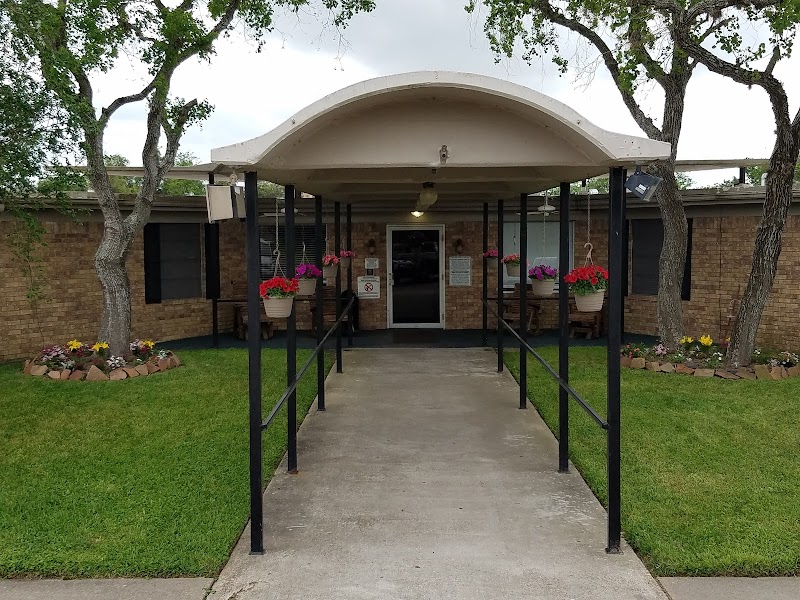
105 HOSPITAL DR, CUERO, TX 77954 (361) 275-3421
For profit - Limited Liability company 98 Beds ADVANCED HEALTHCARE SOLUTIONS Data: November 2025 1 Immediate Jeopardy citation
Trust Grade
51/100
#612 of 1168 in TX
Last Inspection: July 2025

Inspected within the last 6 months. Data reflects current conditions.

Overview

Whispering Oaks Rehab & Nursing in Cuero, Texas, has a Trust Grade of C, indicating that it is average compared to other facilities. It ranks #612 out of 1168 in Texas, placing it in the bottom half, but it is #2 out of 4 in De Witt County, meaning only one local option is better. The facility's trend is improving, as it reduced issues from 12 in 2024 to 9 in 2025. Staffing is a strength with a 4/5 star rating and a turnover rate of 25%, which is significantly better than the Texas average. Notably, there have been no fines, indicating good compliance; however, there were critical issues, such as food being served that was stored improperly, which could pose a risk of foodborne illness, and inaccurate assessments that might lead to inadequate care for residents.

Trust Score
C
51/100
In Texas
#612/1168
Bottom 48%
Safety Record
High Risk
Review needed
Inspections
Getting Better
12 → 9 violations
Staff Stability
✓ Good
25% annual turnover. Excellent stability, 23 points below Texas's 48% average. Staff who stay learn residents' needs.
Penalties
✓ Good
No fines on record. Clean compliance history, better than most Texas facilities.
Skilled Nurses
⚠ Watch
Each resident gets only 23 minutes of Registered Nurse (RN) attention daily — below average for Texas. Fewer RN minutes means fewer trained eyes watching for problems.
Violations
⚠ Watch
27 deficiencies on record. Higher than average. Multiple issues found across inspections.
★★★☆☆
3.0
Overall Rating
★★★★☆
4.0
Staff Levels
★★★★★
5.0
Care Quality
★★☆☆☆
2.0
Inspection Score
Stable
2024: 12 issues
2025: 9 issues

The Good

  • 4-Star Staffing Rating · Above-average nurse staffing levels
  • 5-Star Quality Measures · Strong clinical quality outcomes
  • Low Staff Turnover (25%) · Staff stability means consistent care
  • Full Sprinkler Coverage · Fire safety systems throughout facility
  • No fines on record
  • Staff turnover is low (25%)

    23 points below Texas average of 48%

Facility shows strength in staffing levels, quality measures, staff retention, fire safety.

The Bad

3-Star Overall Rating

Near Texas average (2.8)

Meets federal standards, typical of most facilities

Chain: ADVANCED HEALTHCARE SOLUTIONS

Part of a multi-facility chain

Ask about local staffing decisions and management

The Ugly 27 deficiencies on record

1 life-threatening
Jul 2025 8 deficiencies
CONCERN (D)

Potential for Harm - no one hurt, but risky conditions existed

Deficiency F0583 (Tag F0583)

Could have caused harm · This affected 1 resident

Based on observation, interview, and record review, the facility failed to ensure residents have a right to personal privacy for 1 of 6 resident (Residents #21) reviewed for privacy, in that: LVN B le...

Read full inspector narrative →
Based on observation, interview, and record review, the facility failed to ensure residents have a right to personal privacy for 1 of 6 resident (Residents #21) reviewed for privacy, in that: LVN B left her computer screen open showing Resident #'21's protected information while administering medications. This deficient practice could place residents at-risk of loss of dignity due to lack of privacy.The findings included:Record review of Resident #21's face sheet, dated 07/21/2025, revealed an admission date of 10/03/2019 and, a readmission date of 02/08/2022, with diagnoses which included: Hyperlipidemia (Elevated level of any or all lipids(fat) in the blood), Dementia (decline in cognitive abilities), Peripheral vascular disease (progressive disorder that affects blood flow to the limbs and other body parts), Osteoporosis (causes bones to become weak and brittle) and, Anxiety (A group of mental illnesses that cause constant fear and worry).Record review of Resident #21's Quarterly MDS assessment, dated 06/28/2025, revealed the resident had no BIMS score, had memory problem and was severely cognitively impaired. Resident #21 required total assistance with his ADLs. Observation on 07/17/2025 at 8:43 a.m., revealed while administering medications for Resident #21, LVN B left the screen of her tablet open which reflected the electronic medical record. The tablet reflected the medication administration record with the name of Resident #21. The tablet was on the medication cart, which was in the hall in view of residents and other staff members. During an interview with LVN B, on 07/17/2025 at 8:45 a.m., LVN B confirmed the screen was left open to be seen by other staff and residents and she should have locked it to hide the information. She confirmed receiving training for resident rights within the year. During an interview with the DON on 07/17/2024 at 3:48 p.m., the DON confirmed the medication administration record was protected information and the nurse should have locked her tablet to hide the information from other staff and residents. She confirmed the staff was receiving resident rights training at least annually and the training was provided by her or the ADON. Review of facility's policy, titled Maintenance of Electronic Clinical Records, dated 01/04/2022, revealed HIPPA standards should be used when sharing confidential medical information about residents with employees or other providers from the clinical record. The facility should not release resident-identifiable medical information to the public.
CONCERN (D)

Potential for Harm - no one hurt, but risky conditions existed

Incontinence Care (Tag F0690)

Could have caused harm · This affected 1 resident

**NOTE- TERMS IN BRACKETS HAVE BEEN EDITED TO PROTECT CONFIDENTIALITY** Based on observation, interview, and record review, the facility failed to ensure a resident who is incontinent of bladder recei...

Read full inspector narrative →
**NOTE- TERMS IN BRACKETS HAVE BEEN EDITED TO PROTECT CONFIDENTIALITY** Based on observation, interview, and record review, the facility failed to ensure a resident who is incontinent of bladder receives appropriate treatment and services to prevent urinary tract infections and to restore continence to the extent possible for 1 of 6 resident (Resident #4) reviewed for incontinent care, in that: While providing incontinent care for Resident #4, CNA C used a back to front motion to clean Resident #4's buttocks. This deficient practice could place residents at-risk for infection and skin break down due to improper care practices. The findings were: Record review of Resident #4's face sheet, dated 07/17/2025, revealed an admission date of 04/20/2017, and, a readmission date of 01/03/2024, with diagnoses which included: History of traumatic brain injury (Brain injury caused by an outside force), Dysphagia (Difficulty swallowing), Hypertension (High blood pressure), Congenital hydrocephalus (condition in which too much fluid builds up in the brain). Record review of Resident #4's Quarterly MDS, dated [DATE], revealed the resident had a BIMS score of 09 indicating moderate cognitive impairment. Resident #4 required limited to extensive assistance and was frequently incontinent of bowel and bladder.Review of Resident #4's care plan, dated 12/26/2024, revealed a problem of Incontinence: [ .] is frequently incontinent of bowel/bladder related to Confusion, poorcontrol. and an intervention of INCONTINENT: Check frequently for wetness and soiling and change as needed.Observation on 07/17/2025 at 11:40 a.m. revealed while providing incontinent care for Resident #4, CNA c wiped Resident #4's buttocks in a back to front motion. During an interview on 07/17/2025 at 11:48 a.m. with CNA C, she confirmed she had wiped Resident #4's buttocks in a back to front motion. She said she thought she was using the correct technique. She confirmed receiving training on incontinent care from the facility. During an interview with the DON on 07/17/2025 at 3:48 p.m., she confirmed the correct motion to clean the residents during perineal care was front to back to prevent fecal matter from contacting the urethra and possibly cause an infection. The DON revealed the staff received training on infection control and incontinent care at least annually. The staff skills were checked yearly. The DON and ADON spot checked the staff while they provided care for infection control and quality of care. Review of annual skills check for CNA C revealed CNA C passed competency for Perineal care/incontinent care on 03/14/2025. Review of facility policy, titled Incontinent care, dated 04/10/2017, revealed Cleanse peri-area and buttocks with cleansing agent wiping from front of perineum toward rectum [ .].
CONCERN (D)

Potential for Harm - no one hurt, but risky conditions existed

Deficiency F0726 (Tag F0726)

Could have caused harm · This affected 1 resident

**NOTE- TERMS IN BRACKETS HAVE BEEN EDITED TO PROTECT CONFIDENTIALITY** Based on observations, interviews and record reviews the facility failed to ensure that CNAs were able to demonstrate competency...

Read full inspector narrative →
**NOTE- TERMS IN BRACKETS HAVE BEEN EDITED TO PROTECT CONFIDENTIALITY** Based on observations, interviews and record reviews the facility failed to ensure that CNAs were able to demonstrate competency in skills and techniques necessary to care for residents' needs for 1 of 6 residents (Resident #4) by 1 of 4 CNAs (CNA C) reviewed for competent staff, in that:The facility failed to ensure CNA C used the right technique to clean Resident #4 while providing incontinent care. This deficient practice could place residents at-risk for infection and skin break down due to improper care practices. The findings were: Record review of Resident #4's face sheet, dated 07/17/2025, revealed an admission date of 04/20/2017, and, a readmission date of 01/03/2024, with diagnoses which included: History of traumatic brain injury (Brain injury caused by an outside force), Dysphagia (Difficulty swallowing), Hypertension (High blood pressure), Congenital hydrocephalus (condition in which too much fluid builds up in the brain). Record review of Resident #4's Quarterly MDS, dated [DATE], revealed the resident had a BIMS score of 09 indicating moderate cognitive impairment. Resident #4 required limited to extensive assistance and was frequently incontinent of bowel and bladder.Review of Resident #4's care plan, dated 12/26/2024, revealed a problem of Incontinence: [ .] is frequently incontinent of bowel/bladder related to Confusion, poorcontrol. and an intervention of INCONTINENT: Check frequently for wetness and soiling and change as needed.Observation on 07/17/2025 at 11:40 a.m. revealed while providing incontinent care for Resident #4, CNA c wiped Resident #4's buttocks in a back to front motion.During an interview on 07/17/2025 at 11:48 a.m. with CNA C, she confirmed she had wiped Resident #4's buttocks in a back to front motion. She said she thought she was using the correct technique. She confirmed receiving training on incontinent care from the facility.During an interview with the DON on 07/17/2025 at 3:48 p.m., she confirmed the correct motion to clean the residents during perineal care was front to back to prevent fecal matter from contacting the urethra and possibly cause an infection. The DON revealed the staff received training on infection control and incontinent care at least annually. The staff skills were checked yearly. The DON and ADON spot checked the staff while they provided care for infection control and quality of care.Review of annual skills check for CNA C revealed CNA C passed competency for Perineal care/incontinent care on 03/14/2025.Review of facility policy, titled Incontinent care, dated 04/10/2017, revealed Cleanse peri-area and buttocks with cleansing agent wiping from front of perineum toward rectum [ .].Review of facility policy, titled Staff competency, dated 01/01/2025, revealed The purpose of this Staff Competency Policy is to ensure that all staff employed by the long term care facility demonstrate and maintain the knowledge, skills and, abilities required to deliver safe, effective, and person-centered care.
CONCERN (D)

Potential for Harm - no one hurt, but risky conditions existed

Deficiency F0761 (Tag F0761)

Could have caused harm · This affected 1 resident

Based on observation, interview, and record review, the facility failed to ensure all drugs and biological were stored in locked compartments for 1 of 3 medication carts (Treatment cart) reviewed for ...

Read full inspector narrative →
Based on observation, interview, and record review, the facility failed to ensure all drugs and biological were stored in locked compartments for 1 of 3 medication carts (Treatment cart) reviewed for storage, in that: RN A left the treatment cart unlocked on 1 occasion. This deficient practice could place residents at risk of misappropriation of medications or harm due to accidental ingestion of unprescribed medications.The findings were: Observation on 07/17/2025 at 9:10 a.m. revealed RN A was providing wound care to residents. On one occasion the treatment cart was left unlocked and out of sight of RN A. The lock had not been pushed down to lock the cart. Inside the unlocked cart were wound care supply, ointments, cream, dressing and other supply for treatment including a pair of scissors. Observation on 07/17/2025 at 9:34 a.m., the ADON passed by the cart going down the hall and locked the cart. Interview on 07/17/2025 at 9:35 a.m. with the ADON revealed that the treatment cart should have been kept locked when the nurse was not around it. She stated residents could open the cart and take things from it that could harm them. She confirmed the staff was trained about medications diversion and keeping their cart locked when not used. During an interview with RN A on 07/17/2025 at 10 a.m., RN A confirmed the treatment cart should not have been left unlocked while she was providing care in the resident's room. RN A confirmed she knew she had to keep the cart locked and had forgotten. During an interview with the DON on 07/17/2025 at 4:38 p.m., the DON confirmed the treatment carts should have been kept locked. The DON confirmed the nursing staff received training about drug diversion including keeping their cart locked at all times when not in use to prevent drug diversion. The DON revealed one possible outcome of drug diversion was the residents missing doses of medications or treatments. Record review of the facility's policy titled, Medication Storage, dated 01/20/2021, revealed, All drugs and biologicals will be stored in locked compartments [ .] only authorized personnel will have access to the keys to locked compartments.
CONCERN (D) 📢 Someone Reported This

A family member, employee, or ombudsman was alarmed enough to file a formal complaint

Potential for Harm - no one hurt, but risky conditions existed

Deficiency F0808 (Tag F0808)

Could have caused harm · This affected 1 resident

**NOTE- TERMS IN BRACKETS HAVE BEEN EDITED TO PROTECT CONFIDENTIALITY** Based on observations, interviews and record reviews, the facility failed to provide a therapeutic diet, in the appropriate form...

Read full inspector narrative →
**NOTE- TERMS IN BRACKETS HAVE BEEN EDITED TO PROTECT CONFIDENTIALITY** Based on observations, interviews and record reviews, the facility failed to provide a therapeutic diet, in the appropriate form as prescribed by a physician for 1 of 8 residents (Resident #19) observed for therapeutic diets. The facility failed to provide Resident #19 a CCHO (Controlled Carbohydrate) NAS (No Added Salt) diet, as ordered by the physician. This failure could affect residents with physician orders for therapeutic diets and could result in consumption of inappropriate food items which could cause elevated blood sugars and a decline in health. The findings were: Record review of Resident #19's face sheet, dated 07/17/2025, revealed he was admitted to the facility on [DATE] (original admission on [DATE]) with diagnoses which included: type 2 diabetes mellitus without complications, hypo-osmolality (a condition where the concentration of dissolved particles (solutes) in a fluid, like blood, is lower than normal) and hyponatremia (a condition where there is too much sodium in the blood, indicating a deficit of water relative to sodium in the body), essential (primary) hypertension (high blood pressure), and localized edema (swelling caused by excess fluid trapped in your body's tissues). Record review of Resident #19's Quarterly MDS assessment, dated 07/09/2025, revealed the resident's BIMS score was 15, which indicated intact cognition. The Quarterly MDS assessment further revealed Resident #19 received a therapeutic diet (e.g., low salt, diabetic, low cholesterol) while a resident. Record review of Resident#19's physician's order summary dated 07/17/2025 revealed the following order CCHO NAS diet Regular texture. with a start date of 07/11/2025. Record review of Resident #19's care plan date initiated 05/24/2025 revealed Focus: [Resident #19] is on a CCHO NAS diet, Regular texture. Intervention: Provide and serve diet as ordered- CCHO NAS diet, Regular texture, THIN LIQUIDS consistency with a revision date of 07/11/2025. Observation and interview on 07/17/2025 at 12:11 p.m. revealed the survey test tray that was sent the halls was not present on the tray rack. An interview with CNA C revealed she had given the meal tray with no ticket on it to Resident #19. CNA C further stated she had given it to Resident #19 due to the day before his tray had come out without a ticket and so she thought it had happened again. Observation and interview on 07/17/2025 at 12:18 p.m. revealed Resident #19 in his room sitting on the edge of his bed with his over bed table in front of him eating his lunch. There was not a diet ticket on the tray. Resident #19 stated the tray did have condiments on the tray including salt and a packet of sugar. He then stated he had thrown them in the trash can when he was finished with them. Resident #19's trash can revealed a salt packet and sugar packet torn open. Resident #19 stated he was not to have salt, but he sure did use it. Resident #19 further stated he was pleased with today's meal and said he could really see the turkey chunks today in the sauce. During an interview on 07/17/2025 at 12:25 p.m. CNA C stated she usually would check the trays when they came on the hallway and made sure everyone had a slip, but because yesterday Resident #19 did not have a slip she thought he did not have one then. CNA C further stated she just passed out the trays. CNA C stated the nurse was responsible for checking the diets on the trays. CNA C stated Resident #19 was a regular diet, so she thought it was his tray. CNA C further stated she did not know anything about their diets, only knew when saw the diet card. CNA C stated the meal trays were checked. CNA C further stated she realized Resident #19's meal tray was on the cart after she had given him the one that did not have a meal ticket. During an interview on 07/17/2025 at 12:39 p.m. the Dietary Manager stated a CCHO diet was a controlled carbs diet. and NAS was no added salt. The Dietary Manger further stated a tray with that diet would be sent with no salt and a pink or yellow sweetener (sugar substitute). The Dietary Manager stated the facility diets were liberalized, and the resident would have been served what was on the menu and on their diet ticket. During an interview on 07/17/2025 at 3:58 p.m. the DON stated if the CNA saw the tray without a ticket, she should have gone back for a ticket to make sure it was the resident's tray. The DON further stated the final check was done in the kitchen and the nurses did look at the trays, but the final check was done in the kitchen. The DON stated if the diet had not been the same texture there could have been a risk for choking, however the DON stated Resident #19 was a regular diet texture. The DON further stated she though the only risk there might have been for Resident #19 was his blood sugars could have risen or changed. The DON stated by Resident #19 having received the sodium, it could have been more heart related but nothing immediate for him. During an interview on 07/18/2025 at 3:39 p.m. the Administrator stated the staff should not have passed out a tray without a meal ticket. The Administrator further stated the risk could vary from #1. they did not know who it belonged to and #2. the tray without a diet could be given to a person that was on a different diet such as a regular to a puree resident. The Administrator stated the meal Resident #19 received was correct by diet, however he received the salt packet and the regular sugar instead of a pink packet of sugar substitute and no salt. The Administrator stated he felt in Resident #19's case that was a minimal risk because if he asked for salt or sugar, they would educate Resident #19 but would still give it to him. The Administrator further stated the facility must serve residents the diet they were ordered and then provide them the condiments they ask for due to it was the resident's right. The Administrator stated it was the kitchen line was the last check of the trays, and it was not part of the facility's policy for nursing to check the trays. Record review of the facility's Meal Service Delivery System policy, revised 11/7/2023, revealed Policy: The Administrative staff of the facility will ensure that the meal service delivery program is designed and implemented in a manner that ensures that all residents receive their meals in a timely manner, at palatable temperatures, the correct diet and adequate assistance with meals. Fundamental Information: Each tray will be checked by the last person on the tray line. They will check each tray to make sure it is accurate per the diet order and menu selection. If staff serving a tray to a resident notice that it is not correct they will take the tray back to the kitchen for correction.
CONCERN (D)

Potential for Harm - no one hurt, but risky conditions existed

Medical Records (Tag F0842)

Could have caused harm · This affected 1 resident

**NOTE- TERMS IN BRACKETS HAVE BEEN EDITED TO PROTECT CONFIDENTIALITY** Based on observation, interview and record review, the facility failed to maintain clinical records in accordance with accepted ...

Read full inspector narrative →
**NOTE- TERMS IN BRACKETS HAVE BEEN EDITED TO PROTECT CONFIDENTIALITY** Based on observation, interview and record review, the facility failed to maintain clinical records in accordance with accepted professional standards and practices that are complete and accurately documented for 1 of 8 residents (Resident #12) reviewed for accuracy of medical records. The facility failed to ensure Residents #12 had transcribed orders for suction from the hospice orders to the resident's EMR (Electronic Medical Record). This deficient practice could affect residents whose records are maintained by the facility and could place them at risk for errors in care and treatment. The findings included: Record review of Resident #12's face sheet, dated 07/15/2025, revealed Resident #12 was admitted on [DATE] with diagnoses which included: cerebral infarction (a condition where a portion of the brain tissue dies due to a lack of blood supply) unspecified, cerebrovascular disease (a group of conditions that affect blood vessels and blood supply to the brain), adult failure to thrive, and disturbances of salivary secretion. Record review of Resident #12's admission MDS assessment, dated 06/30/2025, revealed Resident #12 unable to complete BIMS with resident appearing to exhibit short-term and long-term memory loss. Record review of Resident #12's care plan with an initiated date of 07/14/2025 and a targeted date 10/12/2025, revealed Resident #12 had a Focus: [resident's name] has impaired respiratory status and is at risk for shortness of breath, respiratory distress, increased anxiety and hypoxia. This related to diagnosis of: acute respiratory failure with hypoxia. Record review of Resident #12's Hospice IDG Comprehensive Assessment and Plan of Care Update Report from Resident #12's hospice binder at nursing station, dated, 07/03/2025, revealed, client orders for Resident #12, order date 06/24/2025 reflected, Hospice Nurse/Facility Nurse/Patient/Caregiver to perform oral suctioning PRN increased or excessive secretions. Record review of Resident #12's physician order summary report, dated, 07/15/2025, revealed no orders for Resident #12 to receive oral suctioning PRNObservation on 07/15/2025 at 3:52 p.m. revealed Resident #12 lying in her bed with a suction machine on her nightstand with the canister full of secretions. Observation on 07/17/2025 at 2:39 p.m. revealed Resident #12 sleeping wearing oxygen and a suction machine on the nightstand with the canister having the contents in it to the 150-cc line. Resident #12 while sleeping with head of bed elevated was observed to make periodic gurgling sounds and at times as if she was clearing her throat. During an interview and observation on 07/17/2025 at 3:21 p.m. LVN B stated Resident #12 was suctioned as needed. LVN B further stated she had just gone and suctioned her. LVN B stated it was the first time she had to suction Resident #12 herself and it being the second day she had worked with Resident #12. LVN B stated Resident #12 was also medicated with her Atropine drops (drops given for excessive secretions). LVN B stated there was not a schedule for suctioning for Resident #12, but it was to be done as needed. LVN B stated she was not sure if there was a set protocol regarding when Resident #12 was supposed to be suctioned. LVN B further stated there should have been an order for a resident to be suctioned. LVN B was observed reviewing Resident #12's EMR orders and stated Resident #12 did not have an order to be suctioned. LVN B stated by suctioning without orders could be ineffective or causes damage of some sort. During an interview on 07/17/2025 at 3:42 p.m. LVN B returned with forms from Resident #12's hospice binder. LVN B stated the hospice binder was kept at the nursing station and further stated the order should have been transcribed in the MAR. During an interview on 07/17/2025 at 3:47 p.m. the DON stated the orders for suctioning were not written on a physician's order for the nurses to transcribe to the EMR physician's orders, but there were orders from hospice. The DON further stated the hospice charts were available at the nurse's station for the nurses to review. The DON stated the orders in the hospice binder were signed by the doctor, so they had an order. During an interview on 07/18/2025 at 3:51 p.m. the Administrator stated hospice should have given the nurses a written order so it could have been in the system. The Administrator stated the nurses knew to do suction because it was in the hospice binder at the nurse's station. The Administrator stated by not transcribing an order it could possibly not be initiated or completed. The Administrator further stated by not transcribing an order the care provided would not be documented. The Administrator stated the nurses were responsible to put the orders in the PCC (Point Click Care facility EMR) when hospice or the physician writes an order. The Administrator further stated when hospice brought the suction machine the hospice should have written the order.Record review of the facility's policy titled Transcribing or Noting and Discontinuing, review date, 02/10/2021, revealed Purpose: To provide a guideline for the process of physician order management for transcribing or noting and discontinuing orders. Fundamental Information: Guideline: When a physician order is completed, it is necessary to transcribe or note the information received onto the appropriate forms to ensure care provision. The instructions for care provision is entered onto a Physician order form then transcribed or noted on the Medications Administration Record (MAR) or Treatment Administration Record (TAR) and/or other center designated areas i.e . Electronic Physician order system . Procedure: Transcribe the order exactly as is written on the physician order form. Physician orders are written and transcribed, noted and discontinued by the Charge Nurse onto the MAR, TAR, or other center designated area.
CONCERN (D)

Potential for Harm - no one hurt, but risky conditions existed

Infection Control (Tag F0880)

Could have caused harm · This affected 1 resident

**NOTE- TERMS IN BRACKETS HAVE BEEN EDITED TO PROTECT CONFIDENTIALITY** Based on observation, interviews, and record reviews, the facility failed to maintain an infection prevention and control progra...

Read full inspector narrative →
**NOTE- TERMS IN BRACKETS HAVE BEEN EDITED TO PROTECT CONFIDENTIALITY** Based on observation, interviews, and record reviews, the facility failed to maintain an infection prevention and control program designed to provide a safe, sanitary, and comfortable environment and to help prevent the development and transmission of communicable disease and infection for 1 of 6 residents (Resident #4) reviewed for infection control, in that: While providing incontinent care for Resident #4, CNA C failed to use proper infection control. These deficient practices could place residents at-risk for infection due to improper care practices. The findings were: Record review of Resident #4's face sheet, dated 07/17/2025, revealed an admission date of 04/20/2017, and, a readmission date of 01/03/2024, with diagnoses which included: History of traumatic brain injury (Brain injury caused by an outside force), Dysphagia (Difficulty swallowing), Hypertension (High blood pressure), Congenital hydrocephalus (condition in which too much fluid builds up in the brain).Record review of Resident #4's Quarterly MDS, dated [DATE], revealed the resident had a BIMS score of 09 indicating moderate cognitive impairment. Resident #4 required limited to extensive assistance and was frequently incontinent of bowel and bladder.Review of Resident #4's care plan, dated 12/26/2024, revealed a problem of Incontinence: [ .] is frequently incontinent of bowel/bladder related to Confusion, poorcontrol. and an intervention of INCONTINENT: Check frequently for wetness and soiling and change as needed.Observation on 07/17/2025 at 11:40 a.m. revealed while providing incontinent care for Resident #4, CNA C, after washing her hands, touched the privacy curtain to close it and did not sanitize her hands prior to putting her gloves on and started care. During an interview with CNA C, on 07/17/2025 at 11:48 a.m., she stated she did not sanitize her hands after touching the privacy curtain and before putting her gloves on. She said she thought the privacy curtain was clean. She confirmed receiving training on incontinent care from the facility. During an interview with the DON on 07/17/2025 at 3:48 p.m., she confirmed the privacy curtain was considered dirty and the staff should have sanitized her hands after touching it and prior to putting her gloves on. Not sanitizing her hands before starting care could cause a risk of cross contamination and infection for the resident. The DON revealed the staff received training on infection control and incontinent care at least annually. The staff skills were checked yearly. The DON and ADON spot checked the staff while they provided care for infection control and quality of care. Review of annual skills check for CNA C revealed CNA C passed competency for Perineal care/incontinent care and infection control on 03/14/2025. Review of facility policy, titled Hand Hygiene, dated 11/12/2017, revealed Hand hygiene is indicated and will be performed under the conditions [ .] After handling contaminated object [ .] Before applying and after removing personal protective equipment, including gloves.
MINOR (C)

Minor Issue - procedural, no safety impact

Deficiency F0912 (Tag F0912)

Minor procedural issue · This affected most or all residents

**NOTE- TERMS IN BRACKETS HAVE BEEN EDITED TO PROTECT CONFIDENTIALITY** Based on observations, record reviews and interviews, the facility failed to ensure that 44 out of 44 resident rooms provided a ...

Read full inspector narrative →
**NOTE- TERMS IN BRACKETS HAVE BEEN EDITED TO PROTECT CONFIDENTIALITY** Based on observations, record reviews and interviews, the facility failed to ensure that 44 out of 44 resident rooms provided a minimum of 80 square feet of floor space per resident. Forty-Four of the two-bed resident rooms measured 155, 156 or 157 square feet per room leaving 77.5, 78 or 78.5 square feet per bed. This deficient practice could affect residents living in these rooms by restricting the amount of resident care equipment and resident's personal effects that could be accommodated in these rooms. The findings were: Review of the facility Bed Classification Form 3740 dated 06/14/2024 as completed by facility Administrator revealed, resident rooms 100 through 108, 201 through 207, 300 through 305, 401 through 404, 500 through 509, and 600 through 608 were listed as two resident bedrooms. Observation on 06/12/2024 beginning at 1:00 p.m. of the measurements of resident bedrooms using a laser measuring tool by the Life Safety Code surveyor, revealed the following measurements: Hall A - room [ROOM NUMBER] -measured 155 square feet providing 77.5 square feet per bed. Hall A - Rooms 100, 102, 103, 104, 105, 106, 107, and 108 - measured 156 square feet, providing 78 square feet per bed. Hall B - Rooms 201, 202, 204, 205 206, and 207 - measured 155 square feet, providing 77.5 square feet per bed. Hall B - room [ROOM NUMBER] - measured 156 square feet, providing 78 square feet per bed. Hall C - Rooms 300, 301, 302, 303, 304, and 305 - measured 156 square feet, providing 78 square feet per bed. Hall D - room [ROOM NUMBER] - measured 157 square feet, providing 78.5 square feet per bed. Hall D - Rooms 401, 402, 403, and 404 - measured 156 square feet, providing 78 square feet per bed. Hall E - rooms [ROOM NUMBERS] - measured 155 square feet, providing 77.5 square feet per bed. Hall E - Rooms 502, 503, 504, 505, 506, 507 508, and 509 - measured 156 square feet, providing 78 square feet per bed. Hall E - room [ROOM NUMBER] - measured 157 square feet, providing 78.5 square feet per bed. Hall F- Rooms 600, 601, 602, 603, 605 and 608 - measured 156 square feet, providing 78 sq. ft per bed. Hall F - room [ROOM NUMBER] - measured 155 square feet, providing 77.5 square feet per bed. During an interview on 07/18/2025 at 4:50 p.m., the Administrator confirmed the identified residents' rooms were 2-person rooms and did not provide a minimum of 80 square feet of floor space per resident. The Administrator requested a room size waiver for those resident rooms and completed Form 3762 Room Size Waiver for Facilities that reflected that all justification criteria for the wavier had been met which would not adversely affect the residents living in the rooms.
May 2025 1 deficiency 1 IJ (1 facility-wide)
CRITICAL (L) 📢 Someone Reported This

A family member, employee, or ombudsman was alarmed enough to file a formal complaint

Immediate Jeopardy (IJ) - the most serious Medicare violation

Food Safety (Tag F0812)

Someone could have died · This affected most or all residents

⚠️ Facility-wide issue

**NOTE- TERMS IN BRACKETS HAVE BEEN EDITED TO PROTECT CONFIDENTIALITY** Based on observation, interview, and record review, the facility failed to ensure food was stored, prepared, and served under sa...

Read full inspector narrative →
**NOTE- TERMS IN BRACKETS HAVE BEEN EDITED TO PROTECT CONFIDENTIALITY** Based on observation, interview, and record review, the facility failed to ensure food was stored, prepared, and served under sanitary conditions for 1 of 1 kitchen reviewed for food served under sanitary conditions. Food from the walk-in refrigerator, with readings in the danger zone for 3 days, was served to residents. An Immediate Jeopardy was identified on 5/23/25 at 4:15 pm. While the Immediate Jeopardy was removed on 5/24/25 at 9:00 pm, the facility remained out of compliance at a scope of widespead and a severity level of no actual harm with potential for more that minimal harm that is not Immediate Jeopardy due to the facility's need to monitor and evaluate the effectiveness of the plan of removal and corrective actions. This failure could affect residents by placing them at risk for food contamination, food borne illness and a diminished quality of life. The findings included: Record review of the walk-in refrigerator logs reflected: 5/18/25 at 5:10 AM= 55F 7:50 PM=50F 5/19/25 at 4:30 AM= 37F 7:00 PM=50F 5/20/25 at 4:00 AM= 39F 7:00 PM=55 F 5/21/25 at 5: 00 AM=70F 7:00 PM= 55F 5/22/25 at 5:30 AM= 40F 11:00 AM=41F Record review of facility's food purchase receipt a from local vendor dated 5/21/25 reflected $77.50 food purchase. Record review of receipt [local grocery store name], dated 05/21/2025, reflected food items purchased included bacon and eggs. An additional 4 items listed but illegible or abbreviations not determined. Per the FSS, the food items on the receipt included 3 packages of sausage, a package of butter, 2 packages of bacon, and a package of eggs. Record review of facility's week 2 of the 14-day menu reflected the breakfast items from 5/18/25 to 5/20/25 included: milk, bacon, sausage, and eggs. During an interview on 5/22/25 at 11:30 AM, the Administrator stated: a food purchase was made on 5/21/25 pending the arrival of the food truck on 5/22/25 for food to be served on 5/22/25. The Administrator stated he did not know whether food from 5/18/25 to 5/20/25 was discarded from the refrigerator. The Administrator stated, the danger zone reading on 5/18/25 could have resulted from the refrigerator door left opened. The Administrator stated, he did not know the types of the food served on 5/18/25. The Administrator stated on 5/19/25 and 5/20/25, the coolant system was in range but out of range in the afternoon. The Administrator stated, he did not know the type of the food served on 5/19/25 and 5/20/25. The Administrator stated, on 5/21/25 when refrigerator temperature read 70 F, all food was discarded. The Administrator stated on 5/20/25, he called a kitchen contractor because of the danger zone readings and a repair visit was scheduled for 5/21/25. The Administrator stated the contractor repaired the condenser on 5/21/25 at 7:45 am. The Administrator stated the facility's procedure was to discard food when the temperature was in the danger zone. The Administrator again stated he did not know whether the food was discarded on 5/18/25 through 5/20/25 when there was a danger zone documented reading for the refrigerator. Observation on 5/22/25 at 2:30 PM, revealed walk-in refrigerator was working and holding a temperature below 41 F. Temperature of milk was 41 F; and un-opened bacon packet read 41 F. During a telephone interview on 5/22/25 at 1:00 pm, the refrigeration contractor stated: he was notified on 5/20/25 sometime in the afternoon that there were issues with the walk-in refrigerator. The contractor stated that the refrigerator's condenser was repaired on 5/21/25 around 7:45 am. Record review of a faxed invoice dated 5/21/25 revealed Checked cooler - found bad wire on condenser - repaired & tested operation. During a telephone interview on 5/22/25 at 1:05 pm, the facility's MD stated, no resident had presented with GI issues for the week starting 5/18/25. The MD stated that no resident or staff complained that residents had S/S related to food borne illness for the week starting 5/18/25. The MD stated that his expectation was to discard food if the temperature in the refrigerator was out the acceptable refrigeration range. The MD stated the facility should not risk cooking food from a refrigerator that did not operate correctly in cooling temperatures because of the potential for food borne illnesses and food contamination. During a telephone interview on 5/22/25 at 1:20 PM, the Dietician stated she was never made aware of the refrigerator not working or being out of compliance in temperature. She stated that maintenance needed to be contacted and food discarded. The Dietician stated the purchase of food on 5/21/25 was made by the FSS. She stated no resident had complained to her about any food borne illness. She stated that it was not a requirement for her contact if the refrigerator was not working. The Dietician repeated that food needed to be discarded every day the temperature was not at an expected temperature range, and not in a danger zone temperature. During an interview on 5/22/25 at 1:39 PM, the DON (IP) stated: she became aware of the refrigerator not working on 5/21/25 and the refrigerator was repaired. The DON stated that if the temperature range on 5/18/25 to 5/20/25 did not meet expectation, the food needed to be discarded. The DON stated she did not know whether the food was discarded for the dates 5/18/25 to 5/20/25. The DON stated that no resident presented with S/S of food borne illnesses from 5/18/25 to the present. The DON stated that the FSS should have informed her about the temperature readings to allow her to make an assessment about IC. During an interview on 5/22/25 at 1:53 PM, Dietary Aide A stated she worked on 5/18/25 and remembered that food from the refrigerator was served for the dinner meal. Dietary Aide A stated that she did not work on 5/19/25 and 5/20/25. During an interview on 5/22/25 at 1:55 PM, [NAME] B stated she worked 5/18/25 and all food cooked came out of the freezer. [NAME] B stated she did not work on 5/19/25 and 5/2025. Her expectation was that food be discarded if not in temperature range. [NAME] B stated the menu for 5/18/25 to 5/20/25 called for milk at breakfast; but she did not know whether milk was served to the residents. During an observation and interview on 5/22/25 at 2:00 PM, there was no other refrigerator in the kitchen except the walk-in refrigerator. The FSS stated: from 5/18/25 to 5/20/25, the fan worked in the walk-in refrigerator. The FSS stated the high readings from 5/18/25 to 5/20/25 at certain temperature reading intervals might have been due to the refrigerator opened for meal preparation. The FSS stated that on 5/21/25 the decision was made to shut down the walk-in refrigerator and discard the food in the refrigerator. The FSS stated, based on the meal menu for week 2, only breakfast items from the refrigerator were prepared and served to the residents from 5/18/25 to 5/20/25. The FSS stated the breakfast items were eggs, sausage, beacon, and milk. The FSS repeated that the fan worked in the refrigerator and at times the refrigerator reading was within range of regulation. The FSS stated that individual temperatures of the items in the refrigerator from 5/18/25 to 5/20/25 were not taken because, the fan worked and at times the temperature was within range. The FSS stated he discarded the food on 5/21/25 from the refrigerator and purchased food from a local vendor pending arrival of the food truck scheduled for 5/22/25 in the afternoon. The FSS repeated, no readings were taken of the food and milk stored in the refrigerator on the days (5/18/25-5/20/25) the refrigerator log indicated danger zone temperatures. During a telephone interview on 5/22/25 at 2:;10 PM, [NAME] C stated, the days she cooked were 5/18/25 and 5/19/25 in the afternoon and all food products came from the freezer. [NAME] C stated that the fan worked in the refrigerator from 5/18/25 to 5/20/25. [NAME] C stated that milk from the refrigerator was on the breakfast menu from 5/18/25 to 5/20/25; but she did not know whether milk was served to the residents. [NAME] C stated that food needed to be discarded if the refrigerator did not meet expected temperature readings. [NAME] C stated that she assumed food from the refrigerator from 5/18/25 to 5/20/25 was okay to consume. During an observation and interview on 5/23/25 at 3:00 PM, observation reflected the refrigerator temperature was 39 F. Items in the refrigerator included: eggs, bacon, butter, one roll of frozen beef, frozen fruit boxes, juices, deserts, and tortillas in packages. The FSS stated contracted staffing for the kitchen was: 1 FSS, 3 Cooks, and 3 Dietary Aides. The FSS stated when the refrigerator reflected danger zone readings all food was thawed under running water in the sink. The FSS stated that food items were cooked from the refrigerator from 5/18/25 to 5/20/25. The FSS stated that no training on danger zone temperatures and corrective actions started after the surveyor's entrance on 5/22/25. Record review of the facility's 802 reflected the vulnerable residents to foodborne illnesses included 1 resident on hospice, 3 residents with diagnoses of infections, and 1 resident with dehydration. The facility provided a list of 9 residents with compromised immune systems due to diagnoses. Record review of the 7 dietary staff employee files (FSS, Dietary Aide A, [NAME] B, [NAME] C, [NAME] D, Dietary Aide E and [NAME] F) reflected all had food service certifications that were current. Record review of facility document Schedule for week- 05/11/2025 to 05/17/2025 [sic], dated 05/18/2025 to 05/24/2025, reflected: - [NAME] F worked as a cook on 5/19/25 to 5/22/25 for shifts scheduled from 4:00 AM to 12:00 PM, - [NAME] C worked as a cook on 5/18/25 for a shift scheduled from 5:00 AM to 1:00 PM and on 5/19/25 and 5/20/25 for a shift scheduled from 12:30 PM to 7:30 PM, - [NAME] D worked as a diet aide on 5/19/25 to 5/21/25 for shifts scheduled from 6:00 AM to 1:30 PM, - [NAME] B worked as a cook on 5/18/25, 5/21/25, and 05/22/25 for shifts scheduled from 12:30 PM to 7:30 PM, - Diet Aide A worked as a diet aide on 5/18/25 and 5/22/25 for shifts scheduled from 6:00 AM to 1:30 PM and on 5/19/25 for a shift scheduled from 12:30 PM to 7:30 PM, and - Diet Aide E worked as diet aide on 5/18/25 and 5/20/25 to 5/22/25 for shifts scheduled from 12:30 PM to 7:30 PM. Record review of Contractor R Job Invoice dated 5/21/25, reflected the job location as Walk in Cooler and description of work as checked cooler [sic] found bad wire on condenser [sic] repaired and tested operation. Record review of Kitchen's in-service entitled, Refrigeration Temp Control and Corrective Actions, dated 5/22/25 reflected 3 kitchen staff had taken the training provided by the FSS. Record review of Kitchen staff list, dated 5/23/25, reflected contracted staff assigned to the kitchen included: 1 FSS, 3 cooks, and 3 dietary aides. During interview on 5/23/25 at 6:30 PM, [NAME] B stated the highlight of the in-service was to throw away food in the refrigerator that read danger zone temperatures. During an interview on 5/23/25 at 6:35 PM, Dietary Aide A stated she learned from the in-service that food needed to be thrown away in refrigerators that registered danger zone readings. During an interview on 5/23/25 at 6:40 PM, the FSS stated the message he wanted to give dietary staff was to monitor danger zone temperatures, know about food borne illnesses, and throw away food that was in a refrigerator with danger zone readings for an extended period, and to take the temperature of foods and liquids in the refrigerator. During telephone interview on 5/23/25 at 6:45 PM, [NAME] D stated the training highlight was to know danger zone temperatures, throw away foods in the danger zone, and to notify the FSS. Record review of facility's Foodborne Illness policy revised 11/2017 read Foodborne illness is a disease caused by the consumption of a contaminated food .Controlling temperature is the most critical way to assure food safety .The temperature danger zone is between 41 F to 135 F. The Administrator and the DON were notified of the Immediate Jeopardy on 5/23/25 at 4:15 PM and were provided with the Immediate Jeopardy Template. The facility was asked to provide a Plan of Removal to address the Immediate Jeopardy. The Plan of Removal was accepted on 5/23/24 at 9:18 pm and reflected the following: [Facility] 5/23/25 @ 4:50pm Food & Nutrition F812 - Called related to delay in response to temperatures out of parameters and failure to dispose of potentially spoiled food[.] I. Resident Specific On 5/20/25 at 3:30pm. All immunocompromised residents immediately assessed by DON and ADON for any signs and symptoms of GI concerns or change of condition. No residents identified with symptoms[.] On 5/20/25 at 3:50pm All residents immediately assessed by [NAME] [sic] & ADON for any signs and symptoms of GI concerns or change of condition. No residents identified with symptoms[.] 5/22/25 at 11:45am All immunocompromised residents were reassessed by charge nurse when it was identified that there was potential that improperly store food was used and served. No residents identified with symptoms. On 5/22/25 at 12:15pm all other residents were assed [sic] by charge nurse when identified that there was potential that improperly store food was used and served. No residents identified with symptoms. On 5/22/25 @ 11:45am DON documented on the 24-hour report to continue to monitor all residents for GI symptoms and change of condition and report any residents with symptoms to the medical director. On 5/22/25 at 1:06pm Medical Director notified of the delay in Administrator notification of [out-of-range] temperatures without removing potentially spoiled food, Medical Director stated resident should show signs & symptoms within 24 hours of being given food stored at improper temperatures. On 5/23/25 all monitoring results were documented in the resident['s] chart. No residents displayed any symptoms of GI concerns or change of conditions from potential exposure to improperly stored food. II. System Changes On 5/20/25 @ 7:45am last time food was served from refrigerator which means 24 hours wound end on 5/21/25 @ 7:45am On 5/20/25 @ 3:30pm Administrator was notified of improper temperature on refrigerator. On 5/20/25 @ 3:45pm Administrator called repairman to fix refrigerator. On 5/21/25 @ 6am all food was removed from the refrigerator and thrown out On 5/21/25 @ 7:45am the refrigerator motor wire was repaired On 5/22/25 @ 6am Fresh food purchased and placed in the refrigerator On 5/22/25 Administrator will start making rounds in the kitchen 3x weekly during environmental rounds to validate temperatures match documentation and within correct parameters III. Education On 5/22/25 @ 11am All kitchen staff on duty were educated by Dietary manager on recording all required temperatures daily and reporting any that are out of range to both Dietary manager and Administrator immediately as well as all steps that should be taken. This education will continue with all staff as they return to work prior to start of shift until 100% of staff are completed. And all new employee's and contract dietary staff will be educated prior to their 1st shift. On 5/22/25 @ 2pm Dietary manager was educated on his responsibility of notifying the Dietician. On 5/22/25 @ 11:45am Kitchen staff not reporting out of range temperatures when identified was counseled and education of potential risk to residents for not reporting. In March 2025 Three of Dietary staff just completed food handler certification. IV. Monitoring Administrator/Designee will review temperature of the refrigerators daily x1 week validating they match the recorded temperature, then 3x weekly thereafter. Dietary/Designee manager will monitor daily that all temperatures are documented as part of his start up process. All monitoring will be reviewed in stand up meeting and monthly in QAPI intervention will be changed or added as needed. Verification of Plan of Removal: During an observation of facility walk-in refrigerator and freezer on 5/24/25 at 4:43 PM, the refrigerator and freezer were noted to be within acceptable food storage temperature ranges, 40 degrees and 5 degrees. The food was observed to be dated and stored properly. The food in the refrigerator was noted to not have foods dated earlier than 5/22/25. Record review of Resident #1's admission Record, dated 5/24/25, reflected an [AGE] year-old female. She was initially admitted on [DATE] and re-admitted on [DATE]. Record review of Resident #1's Diagnosis Report, dated 5/24/25, reflected a primary diagnosis of cerebral infarction (a disruption in the brain's blood flow), with other diagnoses of peripheral vascular disease (a circulatory condition in which narrowed blood vessels reduce blood flow to the limbs), and heart disease (a range of conditions that affect the heart). Record review of Resident #1's Quarterly MDS Assessment, dated 4/15/25 and signed as completed on 4/17/25, reflected Resident #1 had a BIMS score of 13 indicating she was cognitively intact. Under Nutritional Approaches, Resident #1 was noted to have not received parenteral/IV feeding (received nutrients administered directly into a vein, bypassing the digestive system), used a feeding tube, received a mechanically altered diet, or received a therapeutic diet while a resident. Record review of Resident #1's Progress Note, dated 05/23/2025 at 06:10 p.m., reflected Resident was assessed immediately when temp were [sic] reported out of range and have been monitor [sic] for the 24 hours recommended by MD has had no signs and symptoms of food borne illness. During an interview on 5/24/25 at 4:08 PM, Resident #1 stated she ate the food provided by the facility. She revealed the food had been okay over the last week, she had a history of upset stomach occasionally, but the food had been okay, and her stomach had not been upset. Record review of Resident #2's admission Record, dated 5/24/25, reflected a [AGE] year-old female. She was initially admitted on [DATE] and re-admitted on [DATE]. Record review of Resident #2's Diagnosis Report, dated 5/24/25, reflected a primary diagnosis of pneumonia (a lung infection), with other diagnoses of transient cerebral ischemic attack (a brief, stroke-like attack that resolves itself), and dementia (a general term for impaired ability to remember, think, or make decisions). Record review of Resident #2's Quarterly MDS Assessment, dated 4/19/25 and signed as completed on 4/25/25, reflected Resident #2 had a BIMS score of 3 indicating she was moderately cognitively impaired. Under Nutritional Approaches, Resident #2 was noted to have received a therapeutic diet while a resident. Record review of Resident #2's Progress Note, dated 05/23/2025 at 06:02 p.m., reflected Res was assessed immediately when temp were [sic] reported out of range and has been monitor [sic] for the 24 hours recommended by MD has Res. has had no S/S of food borne illness. During an interview on 5/24/25 at 4:12 PM, Resident #2 stated she ate the food provided by the facility and the food had been okay over the last week. She revealed she had one loose bowel movement during the last week, which she did not report to the nursing staff, but that was normal for her, and it had been resolving since then. Record review of Resident #3's admission Record, dated 5/24/25, reflected an [AGE] year-old female. She was admitted on [DATE]. Record review of Resident #3's Diagnosis Report, dated 5/24/25, reflected a primary diagnosis of dementia, with other diagnoses of polyuria (excessive or abnormally large production of urine), and hypo-osmolality (low levels of electrolytes, proteins, and nutrients in the blood) and hyponatremia (low levels of sodium in the blood). Record review of Resident #3's Annual MDS Assessment, dated 5/4/25 and signed as completed on 5/15/25, reflected Resident #3 had a BIMS score of 15 indicating she was cognitively intact. Under Nutritional Approaches, Resident #3 was noted to have received a therapeutic diet while a resident. Record review of Resident #3's Progress Note, dated 05/23/2025 at 06:02 p.m., reflected [Resident's name] was assessed immediately when temp was reported out of range and have been monitor [sic] for the 24 hours recommended by md and patient has had no signs or symptoms of food borne illness. During an interview on 5/24/25 at 4:16 PM, Resident #3 stated she ate the food provided by the facility and the food had been good this last week, but it depended on who had cooked that meal. She revealed she had colitis (inflammation of the colon which can lead to symptoms such as pain, diarrhea, and sometimes blood in the stool), which limited the foods she tolerated; however, she stated she took medicine for the colitis and had not experienced diarrhea. Record review of Resident #4's admission Record, dated 5/24/25, reflected a [AGE] year-old male. He was initially admitted on [DATE] and re-admitted on [DATE]. Record review of Resident #4's Diagnosis Report, dated 5/24/25, reflected a primary diagnosis of cerebrovascular disease (a group of conditions that affect the blood flow and blood vessels in the brain), with other diagnoses of basal cell carcinoma of skin (type of skin cancer) of nose, and peripheral vascular disease. Record review of Resident #4's Quarterly MDS Assessment, dated 2/23/25 and signed as completed on 2/24/25, reflected Resident #4 had a BIMS score of 15 indicating he was cognitively intact. Under Nutritional Approaches, Resident #4 was noted to have not received parenteral/IV feeding (received nutrients administered directly into a vein, bypassing the digestive system), used a feeding tube, received a mechanically altered diet, or received a therapeutic diet while a resident. Record review of Resident #4's Progress Note, dated 05/23/2025 at 05:00 p.m., reflected Res. was assessed immediately when temp. were [sic] reported out of range and has been monitor [sic] for 24 hours recommended by MD. Res has had no S/S of food borne illness. During an interview on 5/24/25 at 4:20 PM, Resident #4 stated he ate food from the facility and sometimes it tasted good. He revealed he had not had an upset stomach in the last week. Record review of Resident #5's admission Record, dated 5/24/25, reflected a [AGE] year-old male. He was initially admitted on [DATE] and re-admitted on [DATE]. Record review of Resident #5's Diagnosis Report, dated 5/24/25, reflected a primary diagnosis of dementia, with other diagnoses of end stage renal disease (condition where the kidneys reach an advanced state of loss of function), and hyperlipidemia (high fat levels in the blood). Record review of Resident #5's Quarterly MDS Assessment, dated 3/4/25 and signed as completed on 3/7/25, reflected Resident #5 had a BIMS score of 9 indicating he was mildly cognitively impaired. Under Nutritional Approaches, Resident #5 was noted to have received a therapeutic diet while a resident. Record review of Resident #5's Progress Note, dated 05/23/2025 at 05:28 p.m., reflected Resident was assessed immediately when temp were [sic] reported out of range and have been monitor [sic] for the 24 hours recommended by MD [sic] has had no signs and symptoms of food borne illness. During an interview on 5/24/25 at 4:24 PM, Resident #5 stated he ate the food provided by the facility and it had been okay over the last week. He stated he had not experienced an upset stomach over the last week. Record review of Resident #6's admission Record, dated 5/24/25, reflected a [AGE] year-old male. He was admitted on [DATE]. Record review of Resident #6's Diagnosis Report, dated 5/24/25, reflected a primary diagnosis of fracture (break) of unspecified part of neck of right femur (a part of the thigh bone that connects the upper round part of the bone to the rest of the straight thigh bone), with other diagnoses of alcohol dependence with alcohol-induced persisting dementia, and alcohol dependence with withdrawal. Record review of Resident #6's EMR reflected Resident #6 did not have a completed comprehensive MDS Assessment on 5/24/25. Record review of Resident #6's BIMS assessment, dated 5/19/25, reflected Resident #6 had a BIMS score of 13 indicating he was cognitively intact. Record review of Resident #6's Progress Note, dated 05/23/2025 at 05:37 p.m., reflected Res. was assessed immediately when temp were [sic] reported out of range and have been monitor [sic] for the 24 hours recommended by MD [sic] and Res. has had no S/S of food borne illness. During an interview on 5/24/25 at 4:25 PM, Resident #6 stated he had been eating the food provided by the facility. He revealed he did not like the type or section of food provided, and due to his dislike of the food, he did not eat very much. He stated he had not experienced any upset stomach over the last week. Record review of Resident #7's admission Record, dated 5/24/25, reflected a [AGE] year-old male. He was initially admitted on [DATE] and re-admitted on [DATE]. Record review of Resident #7's Diagnosis Report, dated 5/24/25, reflected a primary diagnosis of acute and chronic respiratory failure with hypoxia (sudden onset and long-lasting condition in which the lungs cannot adequately oxygenate the blood leading to low oxygen levels), with other diagnoses of chronic systolic (congestive) heart failure (long-lasting condition resulting from the gradual decrease in the heart's ability to pump blood out to the rest of the body), and erythema intertrigo (red inflamed rash). Record review of Resident #7's Significant Change MDS Assessment, dated 5/7/25 and signed as completed on 5/15/25, reflected Resident #7 had a BIMS score of 13 indicating he was cognitively intact. Under Nutritional Approaches, Resident #7 was noted to have received a therapeutic diet while a resident. Record review of Resident #7's Progress Note, dated 05/23/2025 at 05:34 p.m., reflected Res. was assessed immediately when temp was reported out of range and has been monitor [sic] for the 24 hours recommended by MD [sic] and has had no S/S of food borne illness. During an interview on 5/24/25 at 4:29 PM, Resident #7 revealed he ate the food provided by the facility and the food was improving in consistency for quality. He revealed he had not had any stomach upset in the last week. Record review of Resident #8's admission Record, dated 5/24/25, reflected a [AGE] year-old female. She was initially admitted on [DATE] and re-admitted on [DATE]. Record review of Resident #8's Diagnosis Report, dated 5/24/25, reflected a primary diagnosis of encounter for surgical aftercare following surgery on the digestive system, with other diagnoses of periprosthetic fracture around internal prosthetic right knee joint (a broken bone around an artificial right knee joint), and dementia. Record review of Resident #8's Quarterly MDS Assessment, dated 5/2/25 and signed as completed on 5/7/25, reflected Resident #8 had a BIMS score of 15 indicating she was cognitively intact. Under Nutritional Approaches, Resident #8 was noted to have not received parenteral/IV feeding (received nutrients administered directly into a vein, bypassing the digestive system), used a feeding tube, received a mechanically altered diet, or received a therapeutic diet while a resident. Record review of Resident #8's Progress Note, dated 05/23/2025 at 05:58 p.m., reflected Res. was assessed immediately when temp were [sic] reported out of range and has been monitor [sic] for the 24 hours recommended by MD [sic] and Res. has had no S/S of food borne illness. During an interview on 5/24/25 at 4:38 PM, Resident #8 stated she ate the food provided by the facility and the food had been normal over the last week. She revealed she had not experienced an upset stomach in the last week. Record review of Resident #9's admission Record, dated 5/24/25, reflected a [AGE] year-old female. She was initially admitted on [DATE] and re-admitted on [DATE]. Record review of Resident #9's Diagnosis Report, dated 5/24/25, reflected a primary diagnosis of hemiplegia (paralysis of one side of the body) and hemiparesis (muscle weakness of one side of the body) following cerebral infarction affecting left non-dominant side, with other diagnoses of chronic kidney disease stage 4 (severe, a condition where the kidneys lose their ability to filter blood and remove wastes), and malignant neoplasm (cancerous tumor) of unspecified site of right female breast. Record review of Resident #9's Quarterly MDS Assessment, dated 5/6/25 and signed as completed on 5/12/25, reflected Resident #9 had a BIMS score of 15 indicating she was cognitively intact. Under Nutritional Approaches, Resident #9 was noted to have received a therapeutic diet while a resident. Record review of Resident #9's Progress Note, dated 05/23/2025 at 05:10 p.m., reflected Resident was assessed immediately when temp were [sic] reported out of range and have [sic] been monitor [sic] for the 24 hours recommended by MD [sic] and patient has had no signs and symptoms of food borne illness. During an interview on 5/24/25 at 4:46 PM, Resident #9 revealed she did eat the food provided by the facility. She stated the food was normal over the last week and she had not had any problems with her stomach. Record review of Resident #10's admission Record, dated 5/24/25, reflected a [AGE] year-old male. He was admitted on [DATE]. Record review of Resident #10's Diagnosis Report, dated 5/24/25, reflected a primary diagnosis of dementia, with other diagnoses of chronic kidney disease stage 3A, and viral hepatitis C (a viral infection that causes liver inflammation) without hepatic coma (a coma induced by severe liver disease). Record review of Resident #10's Quarterly MDS Assessment, dated 5/16/25 and signed as completed on 5/21/25, reflected Resident #10 had a BIMS score of 13 indicating he was cognitively intact. Under Nutritional Approaches, Resident #10 was noted to have not received parenteral/IV feeding (received nutrients administered directly into a vein, bypassing the digestive system), used a feeding tube, received a mechanically altered diet, or received a therapeutic diet while a resident. Record review of Resident #10's Progress Note, dated 05/23/2025 at 05:24 p.m., reflected Resident was assessed immediately when temp were [sic] reported out of range and have [sic] been monitor [sic] for the 24 hours recommended by MD [sic] and patient has had no signs and symptoms of food borne illness. During an interview on 5/24/25 at 4:44 PM, Resident #10 revealed he ate the food provided by the facility and thought that it had been the same over the last week. He stated he had not experienced an upset stomach over the last week. Record review of Resident #11's admission Record, dated 5/24/25, reflected a [AGE] year-old female. She was initially admitted on [DATE] and re-admitted on [DATE]. Record review of Resident #11's Diagnosis Report, dated 5/24/25, reflected a primary diagnosis of speech and language deficits (difficulties in communication that can affect both the ability to produce sounds and to understand and use language) following unspecified cerebrovascular disease, with other diagnoses of malignant neoplasm of bladder, and dementia. Record review of Resident #11's Quarterly MDS Assessment, dated 4/28/25 and signed as completed on 4/30/25, reflected Resident #11 had a BIMS [TRUNCATED]
Jun 2024 11 deficiencies
CONCERN (D)

Potential for Harm - no one hurt, but risky conditions existed

Comprehensive Care Plan (Tag F0656)

Could have caused harm · This affected 1 resident

**NOTE- TERMS IN BRACKETS HAVE BEEN EDITED TO PROTECT CONFIDENTIALITY** Based on observation, interview, and record review, the facility failed to develop and implement a comprehensive person-centered...

Read full inspector narrative →
**NOTE- TERMS IN BRACKETS HAVE BEEN EDITED TO PROTECT CONFIDENTIALITY** Based on observation, interview, and record review, the facility failed to develop and implement a comprehensive person-centered care plan for each that includes measurable objectives and timeframes to meet a resident's medical, nursing, and mental needs that are identified in the comprehensive assessment, and services that are to be furnished to attain or maintain the resident's highest practicable physical, mental, and psychosocial well-being for 2 of 9 residents (Resident #9 and Resident #46) reviewed for care plans. 1. The facility failed to ensure Residents #9's care plan reflected her dental issues of missing teeth. 2. The facility failed to ensure Resident #46's comprehensive care plan, dated 05/28/2024, reflected nurses might replace plunger back into syringe and push in gently when flushing because the resident had Jejunostomy feeding tube. This deficient practice places residents at risk for not receiving proper care and services due to inaccurate care plans. The findings included: 1. Record review of Resident #'s face sheet, dated 06/13/2024, revealed Resident #9 was admitted on [DATE] with diagnoses which included: muscle wasting and atrophy, not elsewhere classified, multiple sites, dysphagia, oropharyngeal phase, type 2 diabetes, and peripheral vascular disease. Record review of Resident #9's admission assessment, dated 04/24/2024, revealed Resident #9's BIMS score was 15 for intact cognition with no dental issues coded. Observation and interview on 06/11/2024 at 11:29 a.m. revealed Resident #9 was missing a majority of her teeth and some teeth were worn/broken to the gum. Resident #9 stated it had been a long time since she had seen a dentist. Resident #9 further stated she was honestly scared to see one and couldn't remember if the facility had offered for her to be seen by a dentist. Record review of Resident #9's care plan with a revision date of 05/08/2024 and a targeted date 08/06/2024, revealed no care plan addressing Resident #9's missing teeth with teeth to the gums. During an interview on 06/13/2024 at 4:49 p.m. the CMM stated if the teeth were not bothering Resident #9 or causing her issues, she would not code them on the MDS assessment which triggered the care plan. The CMM further stated the care plans were in the middle of a major overhaul. The CMM stated she started her employment at the facility on 03/08/2024 and in April 2024 it was noted there was a care plan issue of which the facility had a PIP (performance improvement plan) for care plans. The CMM stated dental issues should be care planned due to the risk of the resident suffering weight loss. She further stated the IDT (interdisciplinary team) all had a hand in care plans. The CMM again stated there was a PIP in place for care plans and were reviewed every 3 months with the MDS. During an interview on 06/14/2024 at 9:34a.m. the DON stated the care plans were reviewed by each section by the IDT and they were brought to the QAPI meetings to review. The DON further stated each department would have their sections and stated the dietary supervisor was responsible for the sections regarding nutrition. The DON stated the responsibility of the care plans was the IDT. She stated the care plan was to ensure proper care was provided to the residents. 2. Record review of Resident #46's electronic face sheet, dated 01/13/2024, reflected she was initially admitted to the facility on [DATE] and readmitted on [DATE]. Her diagnoses included: hemiplegia and hemiparesis following cerebral infarction affecting left non-dominant side (characterized by one side weakness, but without complete paralysis by a result of disrupted blood flow to the brain due to problems with the blood vessels that supply it), dysphagia (difficulty swallowing), cerebral edema (brain swelling, or swelling that happens in part or all of brain because of excessive fluid buildup in the tissue), and diaphragmatic hernia without obstruction or gangrene (a hole that abdominal organs move upward into chest through in the diaphragm). Record review of Resident #46's significant change MDS assessment with an ARD of 04/10/2024 reflected she scored an 15/15 on her BIMS which signified she was cognitively intact, and feeding tube was marked as Yes. Record review of Resident #46's comprehensive care plan, revised on 05/28/2024, reflected Administer tube feeding and water flushes as ordered, and Glucerna 1.2 calory at 75 milliliter per hour & pump to start at 1600 or 4 pm and run x 19 hours (down 11 am or 1320 milliliter volume delivered) via Jejunostomy feeding tube. Record review of Resident #46's physician's order, dated 04/08/2024, revealed every shift flush enteral tube with 30 milliliter water pre and post medication administration and 5 to 10 milliliters water between each medication and every shift administer tube feeding and water flushes as ordered, and Glucerna 1.2 calory at 75 milliliter per hour & pump to start at 1600 or 4 pm and run x 19 hours (down 11 am or 1320 milliliter volume delivered) via Jejunostomy feeding tube. Record review of competency evaluation tool of LVN C for Gastrostomy feeding tube or Jejunostomy feeding tube continuous feeding and discontinuation of feeding, dated 04/05/2024, revealed . 9. Pours 20 milliliters or other prescribed amount of water into syringe, unclamps tube and allows water to flow into stomach/intestine by gravity. For Jejunostomy feeding tube, may have to replace plunger back into barrel and push in gently. Observation on 06/13/2024 at 11:00 am revealed LVN C discontinued Resident #46's Jejunostomy feeding tube and flushed it with 30 milliliters of water by pushing a plunger gently, instead of using gravity. Observation on 06/13/2024 at 3:40 pm revealed LVN C tried to flush 30 milliliters of water by gravity after administering a medication via Resident #46's Jejunostomy feeding tube. However, the water inside the syringe could not flow into Resident #46's Jejunostomy feeding tube. LVN C stopped using gravity and flushed the tube by pushing a plunger gently. Interview with LVN C on 06/13/2024 at 12:00 pm and 3:45 pm confirmed LVN C flushed Resident #46's Jejunostomy feeding tube with 30 milliliters of water by pushing a plunger gently, instead of using gravity when discontinuing the feeding tube and administering a medication because Resident #46 had history of her Jejunostomy feeding tube clogged. Interview with the DON on 06/13/2024 at 12:05 pm confirmed nurses usually pushed a plunger gently, instead of using gravity when nurses flushed Resident #46's Jejunostomy feeding tube because Resident #46 had a history of her Jejunostomy feeding tube getting clogged. Further interview with the DON confirmed Resident #46's comprehensive care plan should address that nurses should use pushing a plunger gently, instead of using gravity when discontinuing the feeding tube and administering a medication because Resident #46 had history of her Jejunostomy feeding tube clogged because all nurses could provide the same care to Resident #46 based on the care plan. Interview with RN D (care plan nurse) on 06/13/2024 at 2:21 pm confirmed Resident #46's comprehensive care plan should address nurses should use pushing a plunger gently, instead of using gravity when discontinuing the feeding tube and administering a medication because Resident #46 had history of her Jejunostomy feeding tube clogged because a care plan should be individualized. However, Resident #46's current comprehensive care plan did not reflect Resident #46's status regarding her Jejunostomy feeding tube. Record review of facility's Care Plan Guidelines policy, revision date 05/06/2016, revealed Purpose: The purpose of this guide is to ensure that interdisciplinary (IDT) approach is utilized in addressing the Care Area Triggers (CATs) that were generated by the completion of the Minimum Data Set (MDS) in order to effectively address the Care Area Assessments (CAAs) and ultimately achieve the completion of an effective comprehensive plan of care for each resident. Acute Care Plans: As acute problems or changes to intervention or goals are identified, an appropriate care plan will be developed or modified by a Nursing staff member.
CONCERN (D)

Potential for Harm - no one hurt, but risky conditions existed

Deficiency F0657 (Tag F0657)

Could have caused harm · This affected 1 resident

**NOTE- TERMS IN BRACKETS HAVE BEEN EDITED TO PROTECT CONFIDENTIALITY** Based on interviews and record reviews, the facility failed to review and revise the comprehensive person-centered care plan for...

Read full inspector narrative →
**NOTE- TERMS IN BRACKETS HAVE BEEN EDITED TO PROTECT CONFIDENTIALITY** Based on interviews and record reviews, the facility failed to review and revise the comprehensive person-centered care plan for one resident (Resident #28) out of 24 residents reviewed for comprehensive care plans timing and revision. Resident #28's annual MDS assessment dated [DATE] reflected she was incontinent of bowel and her comprehensive care was not revised by the MDS Nurse to reflect she was incontinent of bowel. This deficient practice could affect residents who are assessed and have care plans and places them at risk for not receiving necessary care. The findings included: Record review of Resident #28's electronic face sheet dated 06/12/2024 reflected she was admitted to the facility on [DATE]. Her diagnoses included: Alzheimer's disease (an irreversible brain disease that destroys memory, thinking and the ability to carry out daily activities), polyarthritis (refers to a joint disease that involves at least 5 joints, inflammation, pain, movement restriction, warmth, swelling and redness can occur) and dementia (a group of conditions characterized by impairment of at least two brain functions such as memory loss and judgment). Record review of Resident #28's annual MDS assessment dated [DATE] reflected she was not a candidate for a BIMS which signified she was severely cognitively impaired. She was dependent on staff for her ADL's and was always incontinent of bowel and bladder. Record review of Resident #28's comprehensive person-centered care plan revised 05/08/2024 reflected Focus, incontinent of bladder r/t dementia. No incontinence of bowel was noted. During an interview on 06/13/2024 at 4:12 PM with LVN A, she stated Resident #28 was incontinent of bowel and bladder. She stated it was important for the care plan to be accurate and updated because it communicated the care the resident required, and care could be missed. During an interview on 06/14/2024 at 07:38 AM with the CMM, she stated she had not reviewed Resident #28's care plan since she took over the position in March 2024. She stated it was important for the care plan to be revised after an MDS assessment and reviewed in case there were changes and to confirm the residents care was accurate, or they could get care that was needed and identified in the MDS assessment missed. During an interview on 06/14/2024 at 09:30 a.m. with the DON, she stated it was important for the MDS assessments to be accurate because they communicated the type of care required for a resident and the care could be missed if inaccurate. Record review of CMS Long-Term Care Facility Resident Assessment Instrument 3.0 User's Manual, Version 1.17.1, October 2023 revealed Care Plan Completion .the resident's care plan must be reviewed after each assessment, as required by §483.20, except discharge assessments, and revised based on changing goals, preferences and needs of the resident and in response to current interventions.
CONCERN (D)

Potential for Harm - no one hurt, but risky conditions existed

Incontinence Care (Tag F0690)

Could have caused harm · This affected 1 resident

**NOTE- TERMS IN BRACKETS HAVE BEEN EDITED TO PROTECT CONFIDENTIALITY** Based on observation, interview, and record review, the facility failed to ensure a resident who is incontinent of bladder recei...

Read full inspector narrative →
**NOTE- TERMS IN BRACKETS HAVE BEEN EDITED TO PROTECT CONFIDENTIALITY** Based on observation, interview, and record review, the facility failed to ensure a resident who is incontinent of bladder receives appropriate treatment and services to prevent urinary tract infections and to restore continence to the extent possible for 1 of 1 resident (Resident #5) reviewed for supra-pubic catheter care. When CNA B moved Resident #5 to his bed from his wheelchair on 06/13/2024 at 2:00 PM he took Resident #5's urinary drainage bag out of the privacy bag tied to the wheelchair and hooked it onto the low rail of his bed. The uncovered urinary catheter bag and drainage spout touched the floor. Resident #5 did not have a strap to secure his catheter tubing to his leg. This deficient practice could place residents with in dwelling urinary catheters at-risk for urinary tract infections and/or pain related to injury from the unsecured catheter tube pulling on the bladder. He could make himself understood and usually understands. He required substantial assistance with his ADL's. The findings were: Record review of Resident #5's electronic face sheet dated 06/13/2024 reflected he was admitted to the facility on [DATE]. His diagnoses included: cerebrovascular disease (a group of conditions that affect blood flow and the blood vessels in the brain), cognitive communication deficit, obstructive and reflux uropathy and dementia (a group of conditions characterized by impairment of at least two brain functions, such as memory loss and judgment). Record review of Resident #5's quarterly MDS assessment with an ARD of 02/27/2024 reflected he had an indwelling catheter. He scored a 02 out of 15 on his BIMS which signified he was severely cognitively impaired. Record review of Resident #5's comprehensive person-centered care plan revised 05/21/2024 reflected Focus, has a suprapubic catheter and is at risk for urinary tract infections, Interventions, monitor for pain and discomfort due to catheter, position catheter bag and tubing below the level of the bladder and away from the entrance door. Observation on 06/13/2024 at 2:00 PM of CNA B assist Resident #5 out of his wheelchair and onto his bed so that LVN A could perform catheter care, he pulled the urinary drainage bag out of the privacy bag and hooked it onto the lower rail of the bed. The bottom of the urinary drainage bag and spout which was loose, were touching the floor. Resident #5 did not have a leg strap to secure the catheter tubing. Interview on 06/13/24 at 2:05 PM with CNA B, he stated Resident #5 had a leg strap on the day prior and maybe someone took it off when they showered him and forgot to put one back on. He stated the strap holds the tubing in place so the catheter will not pull out. He stated the bag and tubing should not touch the floor because of cross contamination and potential for infection. During an interview on 06/13/2024 with LVN A, she stated Resident ##5's indwelling urinary catheter bag and open drainage spout should not have touched the floor because of the risk of cross contamination and infection. She stated without a leg strap to anchor the catheter tubing, it could pull and cause pain or come out. During an interview on 06/14/2024 at 09:30 a.m. with the DON, she stated it was important for Resident #5 to have a leg strap in place to prevent the catheter tubing from being pulled out, and to prevent cross contamination and infection, the drainage bag should be off the floor. Record review of the facility policy and procedure titled Indwelling Foley Catheter Guidelines reviewed dated 02/10/2021 reflected Properly secure indwelling catheters after insertion to prevent movement, do not rest the bag on the floor.
CONCERN (D)

Potential for Harm - no one hurt, but risky conditions existed

Tube Feeding (Tag F0693)

Could have caused harm · This affected 1 resident

**NOTE- TERMS IN BRACKETS HAVE BEEN EDITED TO PROTECT CONFIDENTIALITY** Based on observation, interview, and record review, the facility failed to ensure a resident who is fed by enteral means receive...

Read full inspector narrative →
**NOTE- TERMS IN BRACKETS HAVE BEEN EDITED TO PROTECT CONFIDENTIALITY** Based on observation, interview, and record review, the facility failed to ensure a resident who is fed by enteral means receives the appropriate treatment and services to prevent complications of enteral feeding including but not limited to aspiration pneumonia, diarrhea, vomiting, dehydration, metabolic abnormalities, and nasal-pharyngeal ulcers for 1 resident (Resident #46) of 1 resident reviewed for J tube feeding. The facility failed to follow the facility policy regarding checking the placement of Resident #46's Jejunostomy feeding tube by auscultation (the action of listening to sounds) of growl sounds with injecting the air into the feeding port, but the facility policy indicated checking Jejunostomy feeding tube placement by the visualization and comparison of tube markings to prior check. This failure could place resident at risk of discomfort, aspiration, bleeding, perforation, and even pneumonia. Findings Included: Record review of Resident #46's electronic face sheet, dated 01/13/2024, reflected she was initially admitted to the facility on [DATE] and readmitted on [DATE]. Her diagnoses included: hemiplegia and hemiparesis following cerebral infarction affecting left non-dominant side (characterized by one side weakness, but without complete paralysis by a result of disrupted blood flow to the brain due to problems with the blood vessels that supply it), dysphagia (difficulty swallowing), cerebral edema (brain swelling, or swelling that happens in part or all of brain because of excessive fluid buildup in the tissue), and diaphragmatic hernia without obstruction or gangrene (a hole that abdominal organs move upward into chest through in the diaphragm). Record review of Resident #46's significant change MDS assessment with an ARD of 04/10/2024 reflected she scored an 15/15 on her BIMS which signified she was cognitively intact, and feeding tube was marked as Yes. Record review of Resident #46's comprehensive care plan, dated on 12/26/2023, reflected Check for tube placement and monitor contents residual volume per facility protocol. Hold tube feedings and notify physician if residual volume is greater than threshold as dictated by the physician. Record review of Resident #46's physician's order, dated 04/08/2024, revealed every shift check tube placement prior to administration of meds and hanging enteral feedings. Record review of LVN C's competency evaluation tool for Gastrostomy feeding tube or Jejunostomy feeding tube continuous feeding and discontinuation of feeding, dated 04/05/2024, revealed LVN C was assessed and passed to . 6. Check Jejunostomy feeding tube placement by the visualization and compare tube markings to prior marking or check measurement of tube length outside the skin the length of the tube if there are no markings on the tube, compare with previous measurement. Observation on 06/13/2024 at 11:00 am revealed LVN C turned off Resident #46's pump machine. LVN C checked the resident's Jejunostomy feeding tube placement by listening to growl sounds by injecting 20 milliliters of air into the feeding port with LVN C's stethoscope and flushed the Jejunostomy feeding tube with 30 milliliters of water by pushing the syringe gently, and then discontinued the Resident #46's Jejunostomy feeding tube. Interview on 06/13/2024 at 11:30 am with Resident #46 revealed the resident did not have any discomfort to her abdomen. Interview on 06/13/2024 at 12:00 pm with LVN C confirmed LVN C checked Resident #46's Jejunostomy feeding tube placement by listening to growl sounds by injecting 20 milliliters of air into the feeding port with LVN C's stethoscope. Further interview with LVN C on 06/13/2024 at 4:00 pm, LVN C stated the nurse did not know the facility policy regarding checking placement by visualization and comparison of tube markings to the prior check, but LVN C said she checked Resident #46's Jejunostomy feeding tube placement with her eyes when checking the tube placement by listening to injecting the air. LVN C stated she should have followed the facility policy regarding checking placement by visualization and comparison of tube markings to the prior check. Checking tube placement by auscultation of growl sounds by injecting the air into the feeding port was not part of the facility policy and it might cause discomfort to the resident. The LVN C stated, I forgot the policy regarding checking Jejunostomy feeding tube placement by visualization and comparison of tube markings to prior check. I might need to have more training related to Jejunostomy feeding tube because most of residents had gastrostomy feeding tube. Interview on 06/13/2024 at 12:05 pm the DON stated LVN C checked Resident #46's Jejunostomy feeding tube placement with visualization by seeing the tube and auscultation by listening to growl sounds by injecting the air into the feeding port. However, the facility policy did not say checking tube placement with auscultation by listening to growl sounds by injecting the air into the feeding port, and the DON checked LVN C's competency for Gastrostomy feeding tube or Jejunostomy feeding tube continuous feeding and discontinuation of feeding on 04/05/2024. Record review of the facility policy and procedure, titled G-Jejunostomy Tube, reviewed 02/14/2020, revealed Safety consideration - Check J-tube [Jejunostomy feeding tube] placement by the visualization and comparison of tube markings to prior check.
CONCERN (D)

Potential for Harm - no one hurt, but risky conditions existed

Respiratory Care (Tag F0695)

Could have caused harm · This affected 1 resident

**NOTE- TERMS IN BRACKETS HAVE BEEN EDITED TO PROTECT CONFIDENTIALITY** Based on observation, interview, and record review, the facility failed to ensure that a resident who needs respiratory care was...

Read full inspector narrative →
**NOTE- TERMS IN BRACKETS HAVE BEEN EDITED TO PROTECT CONFIDENTIALITY** Based on observation, interview, and record review, the facility failed to ensure that a resident who needs respiratory care was provided such care consistent with professional standards of practice for 1 of 2 residents (Resident #11) reviewed for oxygen in that: Resident #11's oxygen was administered at 3 Lpm, instead of 2.0 Lpm, via nasal cannula as ordered by physician. This failure could place residents who received oxygen at risk of developing respiratory complications and a decreased qualify of care. The findings included: Record review of Resident #11's electronic face sheet, dated 01/13/2024, reflected she was initially admitted to the facility on [DATE] and readmitted on [DATE]. Her diagnoses included: end stage renal disease (kidneys cease functioning on a permanent basis leading to the need for a regular course of long-term dialysis or a kidney transplant to maintain life), pressure ulcer of left heel-stage 3 (full thickness tissue loss and subcutaneous fat may be visible, but bone, tendon, or muscle is not exposed), type 2 diabetes mellitus (a long-term condition in which the body has trouble controlling blood sugar and using it for energy), and chronic obstructive pulmonary disease ( a common lung disease causing restricted airflow and breathing problems). Record review of Resident #11's quarterly MDS assessment with an ARD of 03/01/2024 reflected she scored an 15/15 on her BIMS which signified she was cognitively intact, and oxygen therapy was marked as Yes. Record review of Resident #11's comprehensive care plan, dated on 04/10/2024, revealed Resident on oxygen 2.0 Lpm via nasal cannula. Record review of Resident #11's physician's order, dated on 02/28/2024, revealed oxygen 2.0 Lpm via nasal cannula every shift related to chronic obstructive pulmonary disease. Observation on 06/12/2024 at 10:10 am revealed Resident #11 was receiving oxygen at 3.0 Lpm via nasal cannula. Observation on 06/14/2024 at 9:10 am revealed Resident #11 was sitting on the bed in her room and was receiving oxygen 3.0 Lpm via nasal cannula. Interview on 06/14/2024 at 9:10 am with Resident #11 stated nurses set up the resident's oxygen, and she though it was supposed to 3.0 Lpm because she saw the oxygen was set up to 3.0 Lpm. Interview on 06/14/2024 at 9:13 am with LVN A confirmed Resident #11 had oxygen 3.0 Lpm via nasal cannula. However, the physician order indicated the resident should have oxygen 2.0 Lpm via nasal cannula, instead of 3.0 Lpm. LVN A stated the resident might increase oxygen 2.0 Lpm to 3.0 Lpm, but checking oxygen every shift was a nurse's responsibility. LVN A confirmed she usually checked Resident #11's oxygen every day, but she did not check Resident #11's oxygen today (06/14/2024)'s morning because she was very busy, and the potential harm was high oxygen level could cause toxin. Interview on 06/14/2024 at 9:43 am the DON confirmed Resident #11 should have had oxygen 2.0 Lpm via nasal cannula as the physician's order, and the nurses should have checked every shift as ordered. Record review of the facility policy and procedure, titled Oxygen Administration, dated 09/12/2014, revealed Procedure - 1. Verify physician order.
CONCERN (D)

Potential for Harm - no one hurt, but risky conditions existed

Deficiency F0726 (Tag F0726)

Could have caused harm · This affected 1 resident

**NOTE- TERMS IN BRACKETS HAVE BEEN EDITED TO PROTECT CONFIDENTIALITY** Based on observations, interviews, and record review, the facility failed to have sufficient nursing staff with the appropriate ...

Read full inspector narrative →
**NOTE- TERMS IN BRACKETS HAVE BEEN EDITED TO PROTECT CONFIDENTIALITY** Based on observations, interviews, and record review, the facility failed to have sufficient nursing staff with the appropriate competencies and skill sets to provide nursing and related services to assure resident safety and attain or maintain the highest practicable, physical, mental, and psychosocial well-being for 1 of 2 (LVN C) nurses reviewed for competent nursing care. The facility failed to ensure LVN C followed the facility policy regarding checking the placement of Resident #46's Jejunostomy feeding tube by auscultation of growl sounds with injecting the air into the feeding port, but the facility policy indicated checking Jejunostomy feeding tube placement by the visualization and comparison of tube markings to prior check. These deficient practices affect residents who depend on nursing care and could place residents at risk for injury, infection, and harm. The findings included: Record review of Resident #46's electronic face sheet, dated 01/13/2024, reflected she was initially admitted to the facility on [DATE] and readmitted on [DATE]. Her diagnoses included: hemiplegia and hemiparesis following cerebral infarction affecting left non-dominant side (characterized by one side weakness, but without complete paralysis by a result of disrupted blood flow to the brain due to problems with the blood vessels that supply it), dysphagia (difficulty swallowing), cerebral edema (brain swelling, or swelling that happens in part or all of brain because of excessive fluid buildup in the tissue), and diaphragmatic hernia without obstruction or gangrene (a hole that abdominal organs move upward into chest through in the diaphragm). Record review of Resident #46's significant change MDS assessment with an ARD of 04/10/2024 reflected she scored an 15/15 on her BIMS which signified she was cognitively intact, and feeding tube was marked as Yes. Record review of Resident #46's comprehensive care plan, dated on 12/26/2023, reflected Check for tube placement and monitor contents residual volume per facility protocol. Hold tube feedings and notify physician if residual volume is greater than threshold as dictated by the physician. Record review of Resident #46's physician's order, dated 04/08/2024, revealed every shift check tube placement prior to administration of meds and hanging enteral feedings. Record review of LVN C's competency evaluation tool for Gastrostomy feeding tube or Jejunostomy feeding tube continuous feeding and discontinuation of feeding, dated 04/05/2024, revealed LVN C was assessed and passed to . 6. Check Jejunostomy feeding tube placement by the visualization and compare tube markings to prior marking or check measurement of tube length outside the skin the length of the tube if there are no markings on the tube, compare with previous measurement. Observation on 06/13/2024 at 11:00 am revealed LVN C turned off Resident #46's pump machine. LVN C checked the resident's Jejunostomy feeding tube placement by listening to growl sounds by injecting 20 milliliters of air into the feeding port with LVN C's stethoscope and flushed the Jejunostomy feeding tube with 30 milliliters of water by pushing the syringe gently, and then discontinued the Resident #46's Jejunostomy feeding tube. Interview on 06/13/2024 at 11:30 am with Resident #46 revealed the resident did not have any discomfort to her abdomen. Interview on 06/13/2024 at 12:00 pm with LVN C confirmed LVN C checked Resident #46's Jejunostomy feeding tube placement by listening to growl sounds by injecting 20 milliliters of air into the feeding port with LVN C's stethoscope. Further interview with LVN C on 06/13/2024 at 4:00 pm, LVN C stated the nurse did not know the facility policy regarding checking placement by visualization and comparison of tube markings to the prior check, but LVN C said she checked Resident #46's Jejunostomy feeding tube placement with her eyes when checking the tube placement by listening to injecting the air. LVN C stated she should have followed the facility policy regarding checking placement by visualization and comparison of tube markings to the prior check. Checking tube placement by auscultation of growl sounds by injecting the air into the feeding port was not part of the facility policy and it might cause discomfort to the resident. The LVN C stated, I forgot the policy regarding checking Jejunostomy feeding tube placement by visualization and comparison of tube markings to prior check. I might need to have more training related to Jejunostomy feeding tube because most of residents had gastrostomy feeding tube. Interview on 06/13/2024 at 12:05 pm the DON stated LVN C checked Resident #46's Jejunostomy feeding tube placement with visualization by seeing the tube and auscultation by listening to growl sounds by injecting the air into the feeding port. However, the facility policy did not say checking tube placement with auscultation by listening to growl sounds by injecting the air into the feeding port, and the DON checked LVN C's competency for Gastrostomy feeding tube or Jejunostomy feeding tube continuous feeding and discontinuation of feeding on 04/05/2024 because checking nurse's competency annually was DON's responsibility. Record review of the facility policy and procedure, titled G-Jejunostomy Tube, reviewed 02/14/2020, revealed Safety consideration - Check J-tube [Jejunostomy feeding tube] placement by the visualization and comparison of tube markings to prior check.
CONCERN (D)

Potential for Harm - no one hurt, but risky conditions existed

Deficiency F0761 (Tag F0761)

Could have caused harm · This affected 1 resident

Based on observations, interviews, and record review, the facility failed to store all drugs and biologicals in locked compartments under proper temperature controls and permit only authorized personn...

Read full inspector narrative →
Based on observations, interviews, and record review, the facility failed to store all drugs and biologicals in locked compartments under proper temperature controls and permit only authorized personnel to have access to the keys for 1 medication cart (400 Hall) and 1 Treatment cart of 4 carts observed for secure biologicals and drugs. LVN A left the medication cart and treatment carts unsecured on 400 Hallway on 06/13/2024 at 08:15 a.m. when she prepared to perform wound treatments for a resident. This deficient practice could place residents at risk for misappropriation, misuse or tampering of medications. The findings included: Observation on 06/13/2024 at 08:15 a.m. when LVN A came to get the surveyor to observe a treatment for a resident, the surveyor followed LVN A down 400 Hallway where the 400 Hall medication cart and treatment cart were both unsecured. Other staff were observed to be passing out breakfast trays and cleaning the floor near the two unsecured carts. LVN A then took her treatment supplies into the resident's room and left the surveyor in the hallway with the unsecured carts. The surveyor went to the ADON's office which was located on the same hallway and asked her to come and check the two unsecured carts. The ADON immediately secured both carts. During an interview on 06/13/2024 at 08:30 with the ADON, she stated the treatment and medication carts needed to be secured and she did not know why LVN A left them unsecured. She stated other people had access to treatment supplies and medications that could be harmful if taken and not prescribed. She stated misappropriation, misuse, and harm could happen if someone were to get into the cart and acquire something they should not have. She stated nurses were trained to keep the carts always secured. During an interview on 06/13/2024 at 4:12 p.m. with LVN A, she stated she had not left the carts unsecured before and must have been nervous. She stated the medication and treatment cart needed to be secured to prevent someone from taking medications or supplies that could be harmful. She stated she was trained and accountable for the security of her assigned carts. During an interview on 06/14/2024 at 09:30 a.m. with the DON, she stated it was important for the medication and treatment cart to be secured at times when the nurse or medication aide are not present. She stated anyone could have access to medications that could be harmful if taken and not prescribed. Record review of the facility's policy and procedure titled Medication Storage dated 01/21/2021 reflected, All drugs and biologicals will be stored in locked compartments, only authorized personnel will have access to the keys to locked compartments, during a medication pass, medications must be under the direct observation of the person administering medications or locked in the medication storage area/cart.
CONCERN (D)

Potential for Harm - no one hurt, but risky conditions existed

Infection Control (Tag F0880)

Could have caused harm · This affected 1 resident

**NOTE- TERMS IN BRACKETS HAVE BEEN EDITED TO PROTECT CONFIDENTIALITY** Based on observations, interviews, and record reviews, the facility failed to establish and maintain an infection control progra...

Read full inspector narrative →
**NOTE- TERMS IN BRACKETS HAVE BEEN EDITED TO PROTECT CONFIDENTIALITY** Based on observations, interviews, and record reviews, the facility failed to establish and maintain an infection control program designed to provide a safe, sanitary, and comfortable environment and to help prevent the development of communicable diseases and infections for 2 residents (Residents #5 and #11) of 24 residents reviewed for infection control. 1.CNA B hooked Resident #5's catheter urinary drainage bag to the low rail of his bed on 06/13/2024 at 2:00 PM, and the uncovered bottom of the bag, and loosened drainage spout touched the floor. 2. LVN A re-entered Resident #11's room, who was on EBP on 06/13/2024 at 08:40 a.m., 3 times and failed to sanitize her hands prior to re-entering the room when she left and re-entered the room to get more treatment supplies when she performed wound treatments for Resident #11. These deficient practices affect residents who require assistance treatments and indwelling catheters and could place residents at risk for cross contamination and infections. The findings included: 1.Record review of Resident #5's electronic face sheet dated 06/13/2024 reflected he was admitted to the facility on [DATE]. His diagnoses included: cerebrovascular disease (a group of conditions that affect blood flow and the blood vessels in the brain), cognitive communication deficit, obstructive and reflux uropathy (a disorder of the urinary tract that occurs due to obstructed urinary flow and can be either structural or functional and dementia (a group of conditions characterized by impairment of at least two brain functions, such as memory loss and judgment). Record review of Resident #5's quarterly MDS assessment with an ARD of 02/27/2024 reflected he had an indwelling catheter. He scored a 02 out of 15 on his BIMS which signified he was severely cognitively impaired. Record review of Resident #5's comprehensive person-centered care plan revised 05/21/2024 reflected Focus, has a suprapubic catheter and is at risk for urinary tract infections, Interventions, monitor for pain and discomfort due to catheter, position catheter bag and tubing below the level of the bladder and away from the entrance door. Observation on 06/13/2024 at 2:00 PM of CNA B assist Resident #5 out of his wheelchair and onto his bed so that LVN A could perform catheter care, he pulled the urinary drainage bag out of the privacy bag and hooked it onto the lower rail of the bed. The bottom of the urinary drainage bag and spout which was loose, were touching the floor. Interview on 06/13/24 at 2:05 PM with CNA B, he stated Resident #5 had a leg strap on the day prior and maybe someone took it off when they showered him and forgot to put one back on. He stated the strap holds the tubing in place so the catheter will not pull out. He stated the bag and tubing should not touch the floor because of cross contamination and potential for infection. During an interview on 06/13/2024 at 4:12 p.m. with LVN A, she stated Resident ##5's indwelling urinary catheter bag and open drainage spout should not have touched the floor because of the risk of cross contamination and infection. During an interview on 06/14/2024 at 09:30 a.m. with the DON, she stated it was important for Resident #5 to prevent cross contamination and infection, the drainage bag should be off the floor. Record review of the facility policy and procedure titled Indwelling Foley Catheter Guidelines reviewed dated 02/10/2021 reflected Properly secure indwelling catheters after insertion to prevent movement, do not rest the bag on the floor. 2.Record review of Resident #11's electronic face sheet dated 06/13/2024 reflected she was admitted to the facility on [DATE] with diagnoses of pressure ulcer to left heel, Stage 3 (pressure ulcer with full thickness skin loss involving damage or necrosis of subcutaneous tissue), osteoporosis (condition in which there is increased demineralization of long bones, making them weak) and cognitive communication deficit (trouble with one or more cognitive processes involved in communication. Record review of Resident #11's quarterly MDS assessment with an ARD of 03/01/2024 reflected she scored a 15 out of 15 on her BIMS which signified she was cognitively intact. She was dependent on staff for her ADL's. She had a pressure ulcer and received treatment. Record review of Resident #11's comprehensive person-centered care plan revised date 04/16/2024 reflected requires Enhanced Barrier precautions r/t implanted vascular access devise and pressure ulcers, Interventions, ensure EBP signage is posted outside the resident's room and above the head of the resident's bed. Record review of Resident #11's Active Orders as of: 06/13/2024 reflected Stage 3 to left heel, cleanse with W/C and pat dry and apply collagen (encourages cell proliferation) dressing and wrap with rolled gauze and secure with tape until healed. Record review of the EBP sign on Resident #11's door STOP, EVERYONE MUST: Clean their hands, including before entering and when leaving the room. Wear gloves and a gown for the following High-Contact Resident Care Activities .Changing briefs and assisting with toileting .Wound Care: Any skin opening requiring a dressing. Observation on 06/13/2024 at 08:30 a.m. of LVN A perform treatments for Resident #11 revealed she gathered her supplies, sanitized hands, wore a gown and glove since the Resident was on EBP. She later exited the room and re-entered twice more to get more treatment items, and did no sanitize her hands prior to re-entering the room as the sign on the door indicated for EBP. Everyone must sanitize hands upon entering and exiting the room. During an interview on 06/13/2024 at 4:12 p.m. with LVN A, she stated she should have sanitized her hands each time she went out of Resident #11's room and prior to entering. She stated EBP was important to assist in preventing the spread of infection. She stated she was trained on EBP but must have been in a hurry and forgot. During an interview on 06/14/2024 at 09:30 a.m. with the DON, she stated it was important for staff to adhere to the signs and LVN A needed to sanitize her hands each time she re-entered Resident #11's room. She stated the EBP sign is clear and posted and staff was trained on EBP precautions. Record review of facility training titled EBP dated 04/19/2024 reflected LVN A signed off that she had training. Record review of the facility's policy and procedure titled Enhanced Barrier Precautions dated 04/05/2024 reflected An order for Enhanced Barrier Precautions will be obtained for residents with any of the following, wounds, diabetic foot ulcers, unhealed surgical wounds, chronic venous stasis ulcers). Record review of CDC presentation titled Indwelling Urinary Catheter Insertion and Maintenance undated https://www.cdc.gov/infection-control/media/pdfs/Strive-CAUTI104-508.pdf reflected Maintain Unobstructed Urine Flow .Keep the urine bag off the floor.
CONCERN (D)

Potential for Harm - no one hurt, but risky conditions existed

Room Equipment (Tag F0908)

Could have caused harm · This affected 1 resident

**NOTE- TERMS IN BRACKETS HAVE BEEN EDITED TO PROTECT CONFIDENTIALITY** Based on observations, interviews, and record reviews, the facility failed to ensure the maintenance of mechanical, electrical, ...

Read full inspector narrative →
**NOTE- TERMS IN BRACKETS HAVE BEEN EDITED TO PROTECT CONFIDENTIALITY** Based on observations, interviews, and record reviews, the facility failed to ensure the maintenance of mechanical, electrical, and patient care equipment in safe operating condition for 1 (Residents #11) of 20 residents reviewed for safe environment, in that: Resident #11's wheelchair on 06/12/2024 at 9:39 a.m. had the left and right armrest vinyl torn and sharp and appeared worn and damaged. The deficient practice could affect residents who rely on facility equipment for mobilization and could result in skin tears or injuries. The findings included: Record review of Resident #11's electronic face sheet, dated 01/13/2024, reflected she was [AGE] years old (date of birth [DATE]) female and initially admitted to the facility on [DATE] and readmitted on [DATE]. Her diagnoses included: end stage renal disease (kidneys cease functioning on a permanent basis leading to the need for a regular course of long-term dialysis or a kidney transplant to maintain life), pressure ulcer of left heel-stage 3 (full thickness tissue loss and subcutaneous fat may be visible, but bone, tendon, or muscle is not exposed), type 2 diabetes mellitus (a long-term condition in which the body has trouble controlling blood sugar and using it for energy), and chronic obstructive pulmonary disease ( a common lung disease causing restricted airflow and breathing problems). Record review of Resident #11's quarterly MDS assessment with an ARD of 03/01/2024 reflected she scored an 15/15 on her BIMS which signified she was cognitively intact, and the resident required a manual wheelchair and could roll the wheelchair once seated in the chair. Record review of Resident #11's comprehensive person-centered plan of care 02/01/2024 reflected Wheelchair 50 feet with two turns: supervision or touching assistance, and Wheel 150 feet - partial/moderate assistance. Observation on 06/12/2024 at 9:39 a.m. and on 06/13/2024 at 3:50 p.m. revealed Resident #11 was sitting in her wheelchair and the right and left armrests' vinyl was torn with sharp ragged edges and appeared worn and damaged. Resident #11 did not have any scratch to her arms. Interview on 06/12/2024 at 9:39 a.m. with Resident #11 stated the torn vinyl on her left and right wheelchair armrests had many cracks. Resident #11 stated she sometimes had scratches on her arm from the vinyl. When asked why she did not ask the staff to repair it, she stated she did not want to bother anyone and did not complain. Interview on 06/13/2024 at 4:35 p.m. the DOR (Director of Rehab) stated therapy staff usually checked residents' wheelchair, but the therapy staff did not know Resident #11's wheelchair armrest had many cracks because the resident did not say anything regarding her wheelchair to therapy staff. However, checking residents' wheelchairs was all facility staff's responsibility. Interview on 06/13/2024 at 4:40 p.m. the DON stated worn and torn armrests on Resident #11's wheelchairs were a safety issue and might discuss it at the care plan meeting. The DON stated she was not aware and had not noticed Resident #11's wheelchair needed the armrests replaced or repaired. The DON also stated she was not aware of any injuries from the torn vinyl on the armrests, but she might discuss it with a care team.
CONCERN (E)

Potential for Harm - no one hurt, but risky conditions existed

Assessment Accuracy (Tag F0641)

Could have caused harm · This affected multiple residents

**NOTE- TERMS IN BRACKETS HAVE BEEN EDITED TO PROTECT CONFIDENTIALITY** Based on interview and record review, the facility failed to ensure assessments accurately reflected the resident's status for 3...

Read full inspector narrative →
**NOTE- TERMS IN BRACKETS HAVE BEEN EDITED TO PROTECT CONFIDENTIALITY** Based on interview and record review, the facility failed to ensure assessments accurately reflected the resident's status for 3 of 17 Residents (Resident #5, Resident #11 and Resident #42) whose MDS records were reviewed for accuracy. 1. Facility failed to ensure Resident #5's comprehensive MDS, dated [DATE] assessment accurately reflected that he had a suprapubic catheter. 2. The facility failed to ensure Resident #11's quarterly MDS assessment dated [DATE] accurately reflected she had a significant weight loss. 3. The facility failed to ensure Resident #42's Quarterly MDS assessment dated [DATE] accurately reflected she had received a therapeutic diet while a resident at the facility. This failure could place residents at risk for inadequate care due to inaccurate assessments. The findings included: 1.Record review of Resident #5's quarterly MDS assessment with an ARD of 02/27/2024 reflected he had an indwelling catheter. He scored a 02 out of 15 on his BIMS which signified he was severely cognitively impaired. Record review of Resident #5's electronic face sheet dated 06/13/2024 reflected he was admitted to the facility on [DATE] with diagnoses that included: cerebrovascular disease, cognitive communication deficit, obstructive and reflux uropathy and dementia (a group of conditions characterized by impairment of at least two brain functions, such as memory loss and judgment). During an interview on 6/14/2024 at 9:30AM the CMM confirmed the suprapubic catheter was not coded on the MDS. She stated it was important to code the MDS correctly because it drives the care for the resident. She clarified the statement by saying it was a way to know how take care of the residents. During an interview on 6/14/2024 at 10:05AM the DON stated the MDS assessment needed to be accurate for proper care for the resident. The DON confirmed the suprapubic catheter was not coded on the MDS. 2. Record review of Resident #11's electronic face sheet, dated 01/13/2024, reflected she was initially admitted to the facility on [DATE] and readmitted on [DATE]. Her diagnoses included: end stage renal disease (kidneys cease functioning on a permanent basis leading to the need for a regular course of long-term dialysis or a kidney transplant to maintain life), pressure ulcer of left heel-stage 3 (full thickness tissue loss and subcutaneous fat may be visible, but bone, tendon, or muscle is not exposed), type 2 diabetes mellitus (a long-term condition in which the body has trouble controlling blood sugar and using it for energy), and chronic obstructive pulmonary disease ( a common lung disease causing restricted airflow and breathing problems). Record review of Resident #11's quarterly MDS assessment with an ARD of 03/01/2024 reflected she scored an 15/15 on her BIMS which signified she was cognitively intact, and weight loss (loss of 5% or more in the last month or loss of 10% or more in last 6 months) in the section K (Swallowing/Nutritional status) was marked as No or unknown. Record review of Resident #11's comprehensive care plan revised on 02/01/2024 reflected A significant weight loss is more than 5% in 30 days, more than 7.5% in 90 days, or more than 10% in 180 days. Invite the resident to activities that promote additional intake and weight and record at least monthly. Report signs and symptoms of malnutrition such as emaciation, cachexia (great weight loss and muscle loss), temporal wasting or any significant weight loss to the physician as detected. Record review of Resident #11's weight log revealed the resident weighed 165 pounds on 01/29/2024 (admission MDS) and 126 pounds on 03/01/2024 (quarterly MDS) which the resident had a -23.64% significant weight loss due to starting hemodialysis on 02/28/2024. Record review of Resident #11's nutrition assessment, dated on 03/19/2024, revealed Weight history reflects significant/severe weight loss (54.2 pounds) x 30 days from 02/13/24 to 03/18/24. hospitalized [DATE] - 02/28/24 & now on dialysis. Some/most of weight loss related to diuresis (increase in the amount of urine) & new dialysis. However, some recent weight loss may be related to inconsistent/poor intake. Weight appears to have stabilized 111-114 pounds per post hemodialysis weight 03/13/24 - 03/18/24. BMI (body mass index) within desirable weight range. Further record review of the nutrition assessment indicated Recommendations were Renal, Regular Texture, thin Liquid diet, Nepro (8oz) by mouth every day for supplement, and follow-up as needed for updates to preferences & meal choices; acceptance of supplement. Observation on 06/12/2024 at 10:00 am revealed Resident #11 was sitting on the bed in her room for waiting for the transportation for dialysis revealed there were three energy bars and snack box on the bedside table. Interview with Resident #11 on 06/12/2024 at 10:03 am revealed she refused taking Nepro, and it was her choice because she did not like Nepro, but the facility gave her energy bar and snack every day. The resident said she did not have any issue related to nutrition or weight loss. Interview with LVN A on 06/13/2024 at 4:20 pm confirmed since Resident #11 had dialysis, the resident's weight was lost. The facility gave the resident Nepro as the dietitian's recommendation, but the resident refused. The facility communicated to the nurses at the dialysis center and started giving her an energy bar. Interview with the CMM on 06/14/2024 at 12:08 pm confirmed Resident #11 had a -23.64% significant weight loss from 01/29/2024 to 03/01/2024, and the quarterly MDS assessment with an ARD of 03/01/2024's weight loss in the section K (Swallowing/Nutritional status) should have been marked as Yes. The CMM stated she did not know the reason it was marked No.; it was mistake, and the CMM would modify it. 3. Record review of Resident #42's face sheet dated 06/12/2024 revealed Resident #42 was admitted to the facility on [DATE] with diagnoses that included: type 2 diabetes mellitus without complications, and dysphagia, unspecified. Record review of Resident #42's physician order summary dated 06/12/2024, revealed order dated 01/19/2024, No added Salt diet, Regular texture, THIN LIQUIDS consistency. Record review of Resident #42's Quarterly MDS, dated [DATE], revealed while a resident, Resident #42 had not received a therapeutic diet within the last 7 days. Record review of Resident #42's Modified Quarterly MDS, dated [DATE], revealed while a resident, Resident #42 had not received a therapeutic diet within the last 7 days. During an interview on 06/13/24 at 4:55 p.m. the CMM confirmed Resident #42' MDS assessment was miscoded, and it had been completed by the prior dietary supervisor. The CMM further stated the importance of the MDS assessment was to ensure proper care of the resident and proper reimbursement for the facility. The CMM stated the MDS assessment miscoded, affected proper care and affected the accuracy of care plan which affected the tasks for staff. The CMM stated when the dietary supervisor at the facility it was the dietary supervisor's responsibility for the accurate coding of the MDS assessment and in absence of a dietary supervisor the CMM was responsible. Record review of the facility's MDS Completion: Clinical Practice Guidelines MDS Completion policy, review date 02/10/2021, revealed Anticipated Outcome: Residents are assessed, using a comprehensive assessment process, in order to identify care needs and to develop an interdisciplinary care plan. Process: 1. According to federal regulations, the facility conducts initially and periodically a comprehensive, accurate and standardized assessment of each resident's functional capacity, using the RAI specified by the State. Record review of the CMS MDS 3.0 Manual dated October 2023 revealed in part, .The OBRA regulations require nursing homes that are Medicare certified, Medicaid certified or both, to conduct initial and periodic assessments for all their residents. The Resident Assessment Instrument (RAI) process is the basis for the accurate assessment of each resident. The MDS 3.0 is part of that assessment process and is required by CMS .
MINOR (C)

Minor Issue - procedural, no safety impact

Deficiency F0912 (Tag F0912)

Minor procedural issue · This affected most or all residents

**NOTE- TERMS IN BRACKETS HAVE BEEN EDITED TO PROTECT CONFIDENTIALITY** Based on observations, record reviews and interviews, the facility failed to ensure that 44 out of 44 resident rooms provided a ...

Read full inspector narrative →
**NOTE- TERMS IN BRACKETS HAVE BEEN EDITED TO PROTECT CONFIDENTIALITY** Based on observations, record reviews and interviews, the facility failed to ensure that 44 out of 44 resident rooms provided a minimum of 80 square feet of floor space per resident. Forty-Four of the two-bed resident rooms measured 155, 156 or 157 square feet per room leaving 77.5, 78 or 78.5 square feet per bed. This deficient practice could affect residents living in these rooms by restricting the amount of resident care equipment and resident's personal effects that could be accommodated in these rooms. The findings were: Per the facility Bed Classification Form 3740 dated 06/14/2024 as completed by facility Administrator revealed, Resident Rooms 100 through 108, 201 through 207, 300 through 305, 401 through 404, 500 through 509, and 600 through 608 were listed as two resident bedrooms. Observation on 06/12/2024 beginning at 1:00 p.m.of the measurements of resident bedrooms using a laser measuring tool by the Life Safety Code surveyor, revealed the following measurements: Hall A - room [ROOM NUMBER] -measured 155 square feet providing 77.5 square feet per bed. Hall A - Rooms 100, 102, 103, 104, 105, 106, 107, and 108 - measured 156 square feet, providing 78 square feet per bed. Hall B - Rooms 201, 202, 204, 205 206, and 207 - measured 155 square feet, providing 77.5 square feet per bed. Hall B - room [ROOM NUMBER] - measured 156 square feet, providing 78 square feet per bed. Hall C - Rooms 300, 301, 302, 303, 304, and 305 - measured 156 square feet, providing 78 square feet per bed. Hall D - room [ROOM NUMBER] - measured 157 square feet, providing 78.5 square feet per bed. Hall D - Rooms 401, 402, 403, and 404 - measured 156 square feet, providing 78 square feet per bed. Hall E - rooms [ROOM NUMBERS] - measured 155 square feet, providing 77.5 square feet per bed. Hall E - Rooms 502, 503, 504, 505, 506, 507 508, and 509 - measured 156 square feet, providing 78 square feet per bed. Hall E - room [ROOM NUMBER] - measured 157 square feet, providing 78.5 square feet per bed. Hall F- Rooms 600, 601, 602, 603, 605 and 608 - measured 156 square feet, providing 78 sq. ft per bed. Hall F - room [ROOM NUMBER] - measured 155 square feet, providing 77.5 square feet per bed. During an interview on 06/13/2024 at 3:57 p.m., the Administrator confirmed the identified residents' rooms were 2-person rooms and did not provide a minimum of 80 square feet of floor space per resident. The Administrator requested a room size waiver for those resident rooms and completed Form 3762 Room Size Waiver for Facilities that reflected that all justification criteria for the wavier had been met which would not adversely affect the residents living in the rooms.
Jan 2024 1 deficiency
CONCERN (E) 📢 Someone Reported This

A family member, employee, or ombudsman was alarmed enough to file a formal complaint

Potential for Harm - no one hurt, but risky conditions existed

Deficiency F0551 (Tag F0551)

Could have caused harm · This affected multiple residents

**NOTE- TERMS IN BRACKETS HAVE BEEN EDITED TO PROTECT CONFIDENTIALITY** Based on observations, interviews and record review, the facility failed to ensure that the resident representative had the oppo...

Read full inspector narrative →
**NOTE- TERMS IN BRACKETS HAVE BEEN EDITED TO PROTECT CONFIDENTIALITY** Based on observations, interviews and record review, the facility failed to ensure that the resident representative had the opportunity to exercise the resident's rights for 3 of 7 residents (Resident #s 2, 3, and 10) reviewed for resident rights in that: The facility failed to inform the residents ' responsible parties that the heater on A hall was not working and offer the choice to move the residents to another room or sister facility. This deficient practice could affect residents and place them at risk for hypothermia and/or decline in health due to exposure to low temperatures. Findings included : Observation, on 1/17/24 at 12:44 pm, of thermostat on the A hall revealed the temperature was 67 degrees Fahrenheit. During an interview on 1/17/24 at 12:40 pm, the Administrator said the heater on A hall went out on 1/14/24. He said the residents on A hall were offered to be moved to another room or their sister facility on 1/15/24. The Administrator said the residents that were currently on the A hall refused to be moved to their sister facility. Record review of Resident #2's admission Record, dated 1/17/24, revealed Resident #2 was admitted to the facility on [DATE] with the following diagnoses: Displaced fracture of greater trochanter (protuberance by which muscle is attached to the upper part of the thigh bone) of right femur (thigh bone), dementia (group of thinking and social symptoms that interferes with daily functioning), muscle weakness, lack of coordination, major depressive disorder, hypertension (high blood pressure), and osteoporosis (weak/brittle bones). Further review of this record revealed Resident #2 had RPs. Record review of Resident #2's MDS assessment, dated 11/9/23, revealed Resident #2 had a BIMS score of 8, suggesting moderately impaired cognition. Record review of Resident #2's Care Plan, dated 1/17/24, revealed Resident #2 had elected to remain on A hall while the heater was being repaired. Record review of Resident #2's nursing progress note written by LVN A, dated 1/17/24, revealed she spoke to Resident #2's RP to inform her of Resident #2's decision to stay in her room while the heater was being repaired. Observation of the thermostat in Resident #2's room revealed the temperature of the room was 68.7 degrees Fahrenheit. During an interview with Resident #2 on 1/17/24 at 1:02 pm, she said that it was cold, she added the facility offered to have her moved to another room or sister facility but did not want to move while the heater was repaired. During an interview with Resident #2's RP on 1/17/24 at 4:24 pm, she said the facility notified her, on 1/17/24, the heater went down, and Resident #2 was asked if she wanted to move but she refused. Record review of Resident #3's admission Record, dated 1/17/24, revealed Resident #3 was admitted to the facility on [DATE] with the following diagnoses: Alzheimer's Disease (disease affecting memory and other important mental functions), psychosis, muscle weakness, dementia (group of thinking and social symptoms that interferes with daily functioning) hypertension (high blood pressure), and anxiety. Further review of this record revealed Resident #3 had an RP. Record review of Resident #3's MDS assessment, dated 10/13/23, revealed Resident #3 had a BIMS score of 1, suggesting severely impaired cognition. Record review of Resident #3's Care Plan, dated 1/17/24, revealed Resident #3 had elected to remain on A hall while the heater was being repaired. Record review of Resident #3's nursing progress note written by LVN A, dated 1/17/24, revealed she spoke to Resident #3's RP to inform him Resident #3's room was cold, but the resident stated he was fine. During an interview with Resident #3 on 1/17/24 at 12:59 pm, he said he was fine and did not want to move while the heater was repaired. During an interview with Resident #3's RP on 1/17/24 at 3:55 pm, he said the facility notified him, on 1/17/24, the heater was not working. He added the facility did not mention moving Resident #3 to another room or sister facility. Resident #3's RP said he preferred if Resident #3 was transferred to the sister facility because the temperature outside was not getting better , and Resident #3 would be closer to the RP. Record review of Resident #10's admission Record, dated 1/17/24, revealed Resident #10 was admitted to the facility on [DATE] with the following diagnoses: Lack of coordination, cognitive deficit, dysphagia (difficulty swallowing), hyperlipidemia (high cholesterol), hypertension (high blood pressure), and end stage renal disease. Further review of this record revealed Resident #10 had an RP. Record review of Resident #10's MDS assessment, dated 12/1/23, revealed Resident #10 had a BIMS score of 3, suggesting severely impaired cognition. Record review of Resident #10's Care Plan, dated 1/17/24, revealed Resident #10 had elected to remain on A hall while the heater was being repaired. Record review of Resident #10's nursing progress note written by LVN A, dated 1/17/24, revealed Resident #10's RP was called to be notified of resident's decision to stay in his room . During an interview on 1/17/24 at 1:49 pm, LVN A said all the residents on A hall were their own RPs, with the exception of Resident #3 and Resident #2. She added that Residents #2 and #3 refused to move while the heater was being repaired. LVN A said she called all the affected residents' RPs on 1/17/24. She added the residents were offered to move on Monday (1/15/24) in the afternoon but did not call the RPs on that day. LVN A said there was no specific person responsible for making notification to the RPs, but nobody called. She added notification of changes to the RPs was important because they needed to be notified about their loved ones' condition. On 1/18/24 at 10:15 am, LVN A said the facility policy did not specify a timeframe to make notification of changes to the RPs. During an interview on 1/17/24 at 2:13 pm, the DON said that most of the residents on A hall that decided to stay in their rooms while the heater was repaired were their own RPs. She added that when she realized the RPs should have been notified, the facility began making notifications. The DON said there was no responsible party for making notifications in a situation such as the heater not working because the was not a clinical change. During an interview on 1/18/24 at 10:28 am, the Administrator said the nursing staff was responsible for making notifications of changes. He added there was no time frame on the notification requirement, but the expectation was it be done within a reasonable amount of time . Review of website Weather.com revealed the following temperatures: 1/14/24, 36 degrees Fahrenheit with a low of 19 degrees Fahrenheit; 1/15/24, 26 degrees Fahrenheit with a low of 18 degrees Fahrenheit; 1/16/24, 36 degrees Fahrenheit with a low of 15 degrees Fahrenheit; 1/17/24, 50 degrees Fahrenheit with a low of 42 degrees Fahrenheit. Record review of facility policy titled, Notification of Changes, dated 7/13/15, revealed the following: These rights include the resident's right to: .be notified of his or her medical condition and of any changes in his or her condition. Policy: To provide guidance on when to communicate acute changes in status to MD, NP, and/ responsible party. The facility will immediately inform the resident; consult with the resident's physician; and if known, notify the resident's legal representative or appropriate family member(s) of the following .4. The need to significantly alter the resident's treatment . 6. A change in room or roommate assignment .
Apr 2023 6 deficiencies
CONCERN (D)

Potential for Harm - no one hurt, but risky conditions existed

Deficiency F0578 (Tag F0578)

Could have caused harm · This affected 1 resident

**NOTE- TERMS IN BRACKETS HAVE BEEN EDITED TO PROTECT CONFIDENTIALITY** Based on interview and record review, the facility failed to ensure residents' right to formulate an advance directive for 2 of ...

Read full inspector narrative →
**NOTE- TERMS IN BRACKETS HAVE BEEN EDITED TO PROTECT CONFIDENTIALITY** Based on interview and record review, the facility failed to ensure residents' right to formulate an advance directive for 2 of 8 residents (Resident #5 and #6) reviewed for advanced directives, in that: Resident #5's Out-of-Hospital Do Not Resuscitate (OOHDNR) form did not have the physician's printed name and license number on the spaces indicated on the form. Resident #6's Out-of-Hospital Do Not Resuscitate (OOHDNR) form did not have the resident's signature at the bottom of the form as required. This deficient practice could place residents at-risk for not having their end of life wishes honored and of having CPR performed against their will. The findings were: Record review of Resident #5's admission Record revealed a [AGE] year-old female admitted to facility [DATE] with diagnoses that included acute on chronic combined systolic (congestive) and diastolic (congestive) heart failure [Both systolic and diastolic heart failure affect the left ventricle. In systolic heart failure, the heart muscle is weak, and the ventricle can't contract normally. With diastolic heart failure, the heart muscle is stiff, and the left ventricle can't relax normally], muscle wasting and atrophy, hypothyroidism [a condition in which the thyroid gland doesn't produce enough thyroid hormone] and cognitive communication deficit [difficulty with thinking and how someone uses language]. Record review of Resident #5's active physician orders as of [DATE] documented an order for DNR. Record review of Resident #5's annual MDS assessment dated [DATE] revealed a BIMS score of 5 indicating severe cognitive impairment. Record review of Resident #5's care plan with a revision date of [DATE] documented resident has physician's orders that include an order for DNR. Record review of Resident #5's DNR form on the electronic chart showed that only Resident #5's signature and one witness could be deciphered on the bottom of the form and a white shadow at the bottom of the form obscured any other signatures. The physician's signature and the second witness's signature required at the bottom of the form were missing. The physician's printed signature and license number were also missing. Record review of Resident #6's admission Record revealed an [AGE] year-old male admitted to facility [DATE] with diagnoses that included Alzheimer's Disease [brain disorder that slowly destroys memory and thinking skills, and, eventually, the ability to carry out the simplest tasks], unspecified sequalae of unspecified cerebrovascular disease [cerebrovascular disease is a term for conditions that affect blood flow to your brain - sequelae of cerebrovascular disease specifies the type of stroke that cause the sequelae (late effect) as well as the residual condition itself], and other obstructive and reflux uropathy [Obstructive uropathy occurs when urine cannot drain through the urinary tract]. Record review of Resident #6's active physician orders as of [DATE] documented an order for DNR. Record review of Resident #6's annual MDS assessment dated [DATE] revealed a BIMS score of 3 indicating severe cognitive impairment. Record review of Resident #6's care plan with a revision date of [DATE] documented resident has physician's orders that include an order for DNR. Record review of Resident #6's OOHDNR forms revealed the form was signed by the resident at the top of the form but lacked the second signature at the bottom of the form as required. The physician's name was also not printed on the form. During an interview on [DATE] at 3:50 pm with the ADON, she discussed the process for getting the DNR. The ADON stated the BOM gets the DNR signed while completing the admission Packet with the Responsible Party and/or resident. The BOM then gives the form to the ADON to get the physician to sign it when he comes to the facility or else the Medical Records person takes it to the doctor's office. After it is signed, the ADON looks at it again and Medical Records scans it into the EHR chart. The ADON stated it was her responsibility to ensure the form is witnessed, either the resident or the responsible party has signed and then the physician has signed it. The ADON stated that everyone needs to sign the form twice and if it is not signed properly then it wouldn't be valid. On [DATE] at 04:16 PM, during an interview and record review with the ADON, Resident #5's original DNR on the hard chart was reviewed. The ADON pointed out that the DNR on the chart included the physician's signature at the bottom along with the second witness but the scan obscured the signatures. The physician's license number was not on the form and the physician's name was not printed. The ADON stated the form needed be corrected before it was valid. Record review of the Advance Directives/Advance Care Planning facility policy with a revision date of 12/2019 documented This facility will honor a resident's wishes and advanced directives pertaining to his/her own medical treatment, including wishes to withhold treatment.In the absence of the Social Worker the Administrator appoints a staff member to assume the responsibility for advance directives and advanced care planning. Review of the Health and Safety code Title 2, Subtitle H, chapter 166 document the sections required to be in a valid DNR form. Section 166.082 includes: (6) places for the printed names and signatures of the witnesses or the notary public 's acknowledgment and for the printed name and signature of the attending physician of the person and the medical license number of the attending physician; (13) a statement at the bottom of the document, with places for the signature of each person executing the document, that the document has been properly completed.
CONCERN (D)

Potential for Harm - no one hurt, but risky conditions existed

Assessment Accuracy (Tag F0641)

Could have caused harm · This affected 1 resident

**NOTE- TERMS IN BRACKETS HAVE BEEN EDITED TO PROTECT CONFIDENTIALITY** Based on interviews and record reviews, the facility failed to accurately reflect the resident's status for two residents (#4 an...

Read full inspector narrative →
**NOTE- TERMS IN BRACKETS HAVE BEEN EDITED TO PROTECT CONFIDENTIALITY** Based on interviews and record reviews, the facility failed to accurately reflect the resident's status for two residents (#4 and #9) of eight residents reviewed for accurate MDS assessments in that: 1.Resident #4's quarterly MDS assessment with an ARD of 02/13/2023 reflected she was always incontinent of bowel and bladder when she was frequently incontinent. 2.Resident #9's quarterly MDS assessment with an ARD of 01/27/2023 reflected she had a pressure sore and did not reflect what stage. This deficient practice could affect residents who receive care based on assessment and could result in missed or inaccurate treatment provided. The findings were: 1. Review of Resident #4's electronic face sheet dated 04/12/2023 revealed she was admitted to the facility on [DATE] with diagnoses of cerebral infarction (a brain lesion in which the cluster of brain cells die because they do not get enough blood), dementia (a group of symptoms that affects memory, thinking and interferes with daily life) and bipolar disorder (a mental health condition that causes extreme mood swings that include emotional highs and lows). Review of Resident #4's quarterly MDS assessment with an ARD of 02/13/2023 revealed Resident #4 was assessed a 3 for which indicated always incontinent of bowel and bladder. Further review revealed she scored a 14/15 on her BIMS which indicated she was cognitively intact. Staff could understand her and she usually was able to understand. Review of Resident #4's comprehensive person-centered care plan revised date of 12/22/2021 revealed Focus .is frequently incontinent of bladder r/t decreased mobility, obesity and refuses to go to the bathroom on her own. Review of the facility seven day look back of CNA task notes dated 02/07/2023 for ARD 02/13/2023 revealed she was continent of bladder for three days. Review of the facility seven day look back of CNA task notes dated 02/07/2023 for ARD 02/13/2023 revealed she was continent of bowel for three days. Interview on 04/13/2023 at 3:00 p.m. with Resident #4 revealed she sometimes went to the restroom with help and sometimes she did not. She stated there were days when she used the bathroom and did not urinate or defecate in her brief. Interview on 04/13/2023 at 4:08 p.m. with the MDS nurse revealed based on the seven-day lookback for Resident #4 that she was frequently incontinent of bowel and bladder instead of always. She stated she did not know how she missed not getting it right. She stated she reviewed the C NA tasks sheets for Resident #4 which showed if the resident was incontinent during the 7-day lookback. She stated that an inaccurate MDS assessment could result in staff not providing proper care for the resident. Interview on 04/13/2023 at 4:30 p.m. with the DON revealed that the MDS for Resident #4 needed to be accurate to communicate the care to staff that Resident #4 required. She stated Resident #4 did have times she could be continent with assistance and that was important for her to maintain proper bodily functions if she could. Review of the Long-Term Care Facility Resident Assessment Instrument 3.0 User's Manual, Version 1.17.1, dated October 2019 under Section H: Bladder and Bowel revealed Code 3, always incontinent: if during the 7-day look-back period, the resident had no continent voids. 2. Review of Resident #9's electronic face sheet dated 04/13/2023 revealed she was admitted to the facility on [DATE] with diagnoses of pressure ulcer of the right buttock, stage 2 (the sore area of skin has broken through the top layer of skin and some of the layer below), Alzheimer's Disease (brain disorder that gets worse over time leading to a gradual decline in memory), and moderate protein-calorie malnutrition (an imbalance of nutrients from food and drinks that are needed to keep the body healthy). Review of Resident #9's quarterly MDS assessment dated [DATE] revealed under Section M - Skin that Resident #9's pressure sore appeared to heal and the treatment discontinued on 01/27/2023. The MDS nurse stated that Resident #9 had a pressure sore during the 7-day look-back and that her MDS assessment should have reflected Stage II. Review of Resident #9's comprehensive person-centered care plan dated 02/27/2023 revealed Focus .was admitted with a stage 2 pressure ulcer on her right buttock and is at risk for pain, and a decline in functional abilities .Interventions .provide wound care per physician's order. Review of Resident #9's physician orders dated Active as of January 2023 revealed Clean Stage II pressure ulcer to buttock with wound cleanser apply hydrocolloid dressing (a dressing with gel like properties to absorb excretions from the wound) every third day .discontinued on 01/27/2023. Interview on 04/12/2023 at 2:00 p.m. with Resident #9, she stated she had an open skin area to her buttock when she arrived at the facility, and she no longer has skin breakdown. Interview on 04/13/2023 at 4:08 p.m. with the MDS nurse revealed that an inaccurate MDS assessment could result in staff not providing proper care for the resident. Interview on 04/13/2023 at 4:30 p.m. with the DON revealed that the MDS for Resident #9 needed to be accurate to communicate the care to staff that Resident #9 required. Review of the Long-Term Care Facility Resident Assessment Instrument 3.0 User's Manual, Version 1.17.1, dated October 2019 under Section M: Skin Conditions revealed Enter the number of pressure ulcers that are currently present and whose deepest anatomical stage is Stage 2. Review of the facility policy and procedure titled MDS Accuracy Guidelines revised date 10/24/2022 revealed the purpose of the MDS guideline are to ensure each resident receives an accurate assessment by qualified staff that are familiar with his/her physical, mental, and psychosocial well-being to identify the specific needs of the residents in accordance with the RAI Manual.
CONCERN (D)

Potential for Harm - no one hurt, but risky conditions existed

Comprehensive Care Plan (Tag F0656)

Could have caused harm · This affected 1 resident

**NOTE- TERMS IN BRACKETS HAVE BEEN EDITED TO PROTECT CONFIDENTIALITY** Based on interviews and record reviews, the facility failed to develop and implement a comprehensive person-centered care plan f...

Read full inspector narrative →
**NOTE- TERMS IN BRACKETS HAVE BEEN EDITED TO PROTECT CONFIDENTIALITY** Based on interviews and record reviews, the facility failed to develop and implement a comprehensive person-centered care plan for each resident, consistent with the resident's rights, that includes measurable objectives and timeframes to meet a resident's medical, nursing and mental and psychosocial needs that are identified in the comprehensive assessment for one resident (#34) of 8 residents reviewed for comprehensive care plans in that: Resident #34's DNR status was not in her comprehensive person-centered care plan. This deficient practice could affect residents who have comprehensive person-centered care plans and could result in their advanced directive wishes not done. The findings were: Review of Resident #34's electronic face sheet dated 04/12/2023 revealed she was admitted to the facility on [DATE] with diagnoses of cerebral infarction (a brain lesion in which a cluster of brain cells die when they do not get enough blood), dysphagia (a condition with difficulty in swallowing food or liquid) and cognitive communication deficit (may occur after a stroke and result in difficulty with thinking and how someone uses language}. Review of Resident #34's admission MDS assessment dated [DATE] revealed she scored a 14/15 on her BIMS which indicated she was cognitively intact. Others could understand her and she could understand them. Review of Resident #34's comprehensive person-centered care plan revised date 03/08/2023 revealed Focus .ADL's .has an ADL self-care performance deficit and is at risk for not having needs met in a timely manner. Her preference of DNR for an advanced directive was not in her care plan. Review of Resident #34's Out of hospital do not resuscitate order revealed a signature and date of 03/01/2023. Review of Resident #34's order summary report Active Orders as of: 04/12/2023 revealed DNR active as of 03/13/2023. Interview on 04/13/2023 at 4:08 p.m. with the MDS nurse revealed that Resident #34's DNR order should have been in the resident's person-centered care plan. She stated that it was important for staff to know her advanced directive wishes and could result in her getting CPR when she did not want that. She stated she reviewed the physician orders and progress notes for changes in the care plan. Interview on 04/13/2023 at 4:30 p.m. with the DON revealed that Resident #34's DNR needed to be in her care plan because her wishes to not get CPR if she had a code was important for staff to know. Review of the facility policy and procedure titled Care Plans and Care Area Assessments revised date 05/06/2016 revealed As acute problems or changes to intervention or goals are identified, an appropriate care plan will be developed or modified by a Nursing staff member.
CONCERN (D)

Potential for Harm - no one hurt, but risky conditions existed

Deficiency F0657 (Tag F0657)

Could have caused harm · This affected 1 resident

**NOTE- TERMS IN BRACKETS HAVE BEEN EDITED TO PROTECT CONFIDENTIALITY** Based on interviews and record reviews, the facility failed to ensure review and revision of comprehensive care plans for two re...

Read full inspector narrative →
**NOTE- TERMS IN BRACKETS HAVE BEEN EDITED TO PROTECT CONFIDENTIALITY** Based on interviews and record reviews, the facility failed to ensure review and revision of comprehensive care plans for two residents (#4 and #9) of eight residents reviewed for comprehensive care plan revisions in that: 1.Resident #4's comprehensive person-centered care plan updates did not address her bowel status. 2.Resident #9's comprehensive person-centered care plan updates reflected she had a pressure sore. This deficient practice could affect residents and place them at risk of not having care plans that are reviewed/revised when needed affecting their care.who have comprehensive person-centered care plans and could result in missed treatments. The findings were: 1. Review of Resident #4's electronic face sheet dated 04/12/2023 revealed she was admitted to the facility on [DATE] with diagnoses of cerebral infarction (a brain lesion in which the cluster of brain cells die because they do not get enough blood), dementia (a group of symptoms that affects memory, thinking and interferes with daily life) and bipolar disorder (a mental health condition that causes extreme mood swings that include emotional highs and lows). Review of Resident #4's quarterly MDS assessment with an ARD of 02/13/2023 revealed Resident #4 was a 3 for which indicated always incontinent of bowel and bladder. Further review revealed she scored a 14/15 on her BIMS which indicated she was cognitively intact. Staff could understand her and she usually was able to understand. Review of Resident #4's comprehensive person-centered care plan revised date of 12/22/2022 revealed Focus .is frequently incontinent of bladder r/t decreased mobility, obesity and refuses to go to the bathroom on her own and did not address Resident #4's bowel status. Interview on 04/13/2023 at 3:00 p.m. with Resident #4 revealed she sometimes went to the restroom with help and sometimes she did not. She stated there were days when she used the bathroom and did not urinate or defecate in her brief. Interview on 04/13/2023 at 4:08 p.m. with the MDS nurse revealed that she did not know why Resident #4's bowel status was not on the care plan. She stated the resident's care plan is a form of communication needed for staff to do proper care for a resident. She stated this could result in a resident trying to be toileted if they were incontinent. Interview on 04/13/2023 at 4:30 p.m. with the DON revealed that the care plan for Resident #4 needed to be accurate to communicate the care to staff that resident #4 required. She stated Resident #4 did have times she could be continent with assistance and that was important for her to maintain proper bodily functions if she could. She stated the care plan needed to be revised after their assessment for any changes or if other changes in the resident's care were made, such as new physician orders. 2. Review of Resident #9's electronic face sheet dated 04/13/2023 revealed she was admitted to the facility on [DATE] with diagnoses of pressure ulcer of the right buttock, stage 2 (the sore area of skin has broken through the top layer of skin and some of the layer below), Alzheimer's Disease (brain disorder that gets worse over time leading to a gradual decline in memory), and moderate protein-calorie malnutrition (an imbalance of nutrients from food and drinks that are needed to keep the body healthy). Review of Resident #9's quarterly MDS assessment dated [DATE] revealed under Section M - Skin that Resident #9's pressure sore appeared to heal and the treatment discontinued on 01/27/2023. The MDS nurse stated that Resident #9 had a pressure sore during the 7-day look-back and that her MDS assessment should have reflected Stage II. Review of Resident #9's comprehensive person-centered care plan dated 02/27/2023 revealed Focus .was admitted with a stage 2 pressure ulcer on her right buttock and is at risk for pain, and a decline in functional abilities .Interventions .provide wound care per physician's order. Review of Resident #9's physician orders dated Active as of January 2023 revealed Clean Stage II pressure ulcer to buttock with wound cleanser apply hydrocolloid dressing (a dressing with gel like properties to absorb excretions from the wound) every third day .discontinued on 01/27/2023. Interview on 04/12/2023 at 2:00 p.m. with Resident #9, she stated she had an open skin area to her buttock when she arrived at the facility, and she no longer has skin breakdown. Interview on 04/13/2023 at 4:08 p.m. with the MDS nurse revealed She stated that an inaccurate care plan could result in staff not providing proper care for the resident. Interview on 04/13/2023 at 4:30 p.m. with the DON revealed that the care plan for Resident #9 needed to be accurate to communicate the care to staff that resident #9 required. Review of the facility policy and procedure titled Care Plans and Care Area Assessments revised date 05/06/2016 revealed under Care Plan Updates: The IDT will review the care plans Annually, Quarterly and as needed to ensure all goals and approaches are appropriate.
CONCERN (D) 📢 Someone Reported This

A family member, employee, or ombudsman was alarmed enough to file a formal complaint

Potential for Harm - no one hurt, but risky conditions existed

Incontinence Care (Tag F0690)

Could have caused harm · This affected 1 resident

**NOTE- TERMS IN BRACKETS HAVE BEEN EDITED TO PROTECT CONFIDENTIALITY** Based on observation, interview and record reviews, the facility failed to ensure that resident who is incontinent of bladder re...

Read full inspector narrative →
**NOTE- TERMS IN BRACKETS HAVE BEEN EDITED TO PROTECT CONFIDENTIALITY** Based on observation, interview and record reviews, the facility failed to ensure that resident who is incontinent of bladder receives appropriate treatment and services to prevent urinary tract infections for one resident (#31) of two residents reviewed for incontinent care in that: CNA A wiped Resident #31 from back to front instead of front to back during incontinent care. This deficient practice could affect residents and place them at risk of disease and infections. The findings were: Review of Resident #31's electronic face sheet dated 04/12/2023 revealed she was admitted to the facility on [DATE] with diagnoses of dementia (a group of symptoms that affects memory, thinking and interferes with daily life), seizure disorder (sudden uncontrolled electrical disturbance in the brain which can cause changes in behavior, movements, feelings, and consciousness) and other neurological conditions (a type of nervous system disorder that affects brain and neurons). Review of Resident #31's quarterly MDS assessment with an ARD of 01/19/2023 revealed she scored a 03/15 which indicated she was severely cognitively impaired. Further review indicated she was always incontinent of bowel and bladder. Review of Resident #31's person-centered comprehensive care plan dated 01/20/2023 revealed Focus .is always incontinent of bladder and bowel .Interventions .keep resident clean and dry. Observation on 04/13/2023 at 03:52 p.m. of CNA A and CNA B perform incontinent care for Resident #31 revealed CNA A wiped from back to front when she cleaned the backside of the resident. Interview on 04/13/2023 at 4:00 p.m. with CNA A revealed she did not think about what she was doing when she wiped Resident #31's backside in the wrong direction. She stated that she knew she needed to wipe from front to back and that the way she cleaned Resident #31 from back to front could introduce bacteria into her frontside and could result in a urinary tract infection. She stated she was trained to wipe from front to back for incontinent care. Interview on 04/13/2023 at 4:30 p.m. with the DON revealed that CNA A knew how to perform proper incontinent care and that it needed to be front to back because of the cross contamination of germs which could result in a urinary tract infection. Review of CNA A's competency checklist titled Discipline .Skill .Nursing Peri-Care, dated 09/02/2022 revealed she met all the requirements of incontinent care. Further review revealed cleans by wiping from vagina toward anus with one stroke. Review of the facility policy and procedure titled Incontinence Care with a review date of 04/10/17 revealed Cleanse peri-area and buttocks with cleansing agent wiping from front of perineum toward rectum. Turn patient side to side to cleanse entire affected area, as needed . Dry peri-area and buttocks from front to back.
MINOR (C)

Minor Issue - procedural, no safety impact

Deficiency F0912 (Tag F0912)

Minor procedural issue · This affected most or all residents

Based on observations, record reviews and interviews, the facility failed to ensure that 44 out of 44 resident rooms provided a minimum of 80 square feet of floor space per resident in that: Forty-Fou...

Read full inspector narrative →
Based on observations, record reviews and interviews, the facility failed to ensure that 44 out of 44 resident rooms provided a minimum of 80 square feet of floor space per resident in that: Forty-Four of the two-bed resident rooms measured 156 square feet per room leaving 78 square feet per bed. This deficient practice could affect residents living in these rooms by restricting the amount of resident care equipment and resident's personal effects that could be accommodated in these rooms. The findings were: During an interview on 04/13/23 at 10:30 a.m., the Administrator confirmed the identified residents' rooms were 2-person rooms and did not provide a minimum of 80 square feet of floor space per resident. The Administrator requested a room size waiver for those resident rooms and completed Form 3762 Room Size Waiver for Facilities that stated that all justification criteria for the wavier had been met which would not adversely affect the residents living in the rooms. Per the facility Bed Classification Form 3740 dated 04/13/23 as completed by facility administrator, Resident Rooms 100 through 108, 201 through 207, 300 through 305, 401 through 404, 500 through 509, and 600 through 608 were listed as two resident bedrooms. Observation on 04/13/23 beginning at 3:30 pm and measurement of resident bedrooms using a laser measuring tool by the Life Safety code surveyor and facility Maintenance Director, revealed the following measurements which were consistent with the measurements obtained during previous annual surveys: Hall A - Rooms 100, 101, 102, 103, 104, 105, 106, 107, and 108 - measured 156 square feet, providing 78 sq. ft per bed Hall B - Rooms 201, 202, 203, 204, 205 206, and 207 - measured 156 square feet, providing 78 sq. ft per bed Hall C - Rooms 300, 301, 302, 303, 304, and 305 - measured 156 square feet, providing 78 sq. ft per bed Hall D - Rooms 400, 401, 402, 403, and 404 - measured 156 square feet, providing 78 sq. ft per bed Hall E - Rooms 500, 501, 502, 503, 504, 505, 506, 507 508, and 509 - measured 156 square feet, providing 78 sq. ft per bed Hall F- Rooms 600, 601, 602, 603, 604, 605 and 608 - measured 156 square feet, providing 78 sq. ft per bed.
Understanding Severity Codes (click to expand)
Life-Threatening (Immediate Jeopardy)
J - Isolated K - Pattern L - Widespread
Actual Harm
G - Isolated H - Pattern I - Widespread
Potential for Harm
D - Isolated E - Pattern F - Widespread
No Harm (Minor)
A - Isolated B - Pattern C - Widespread

Questions to Ask on Your Visit

  • "What changes have you made since the serious inspection findings?"
  • "Can I speak with families of current residents?"
  • "What's your RN coverage like on weekends and overnight?"

Our Honest Assessment

Strengths
  • • No fines on record. Clean compliance history, better than most Texas facilities.
  • • 25% annual turnover. Excellent stability, 23 points below Texas's 48% average. Staff who stay learn residents' needs.
Concerns
  • • Multiple safety concerns identified: 1 life-threatening violation(s). Review inspection reports carefully.
  • • 27 deficiencies on record, including 1 critical (life-threatening) violation. These warrant careful review before choosing this facility.
  • • Grade C (51/100). Below average facility with significant concerns.
Bottom line: Mixed indicators with Trust Score of 51/100. Visit in person and ask pointed questions.

About This Facility

What is Whispering Oaks Rehab & Nursing's CMS Rating?

CMS assigns WHISPERING OAKS REHAB & NURSING an overall rating of 3 out of 5 stars, which is considered average nationally. Within Texas, this rating places the facility higher than 99% of the state's 100 nursing homes. This mid-range rating indicates the facility meets federal standards but may have areas for improvement.
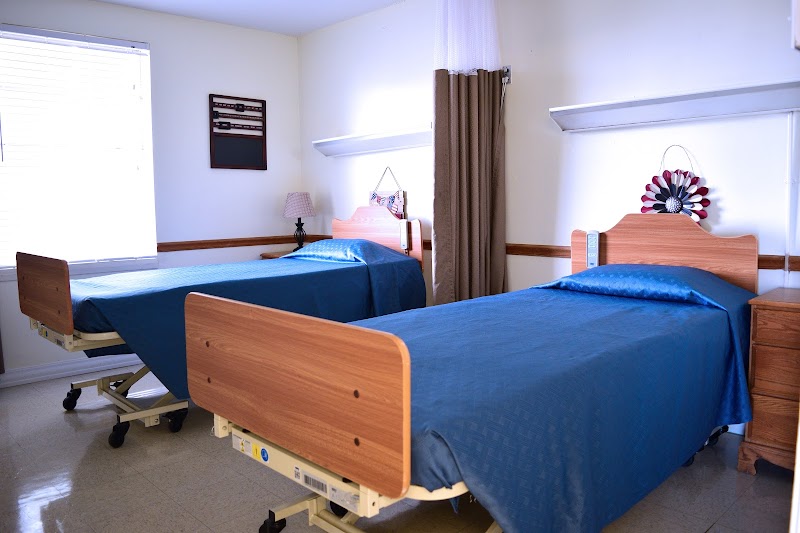
How is Whispering Oaks Rehab & Nursing Staffed?

CMS rates WHISPERING OAKS REHAB & NURSING's staffing level at 4 out of 5 stars, which is above average compared to other nursing homes. Staff turnover is 25%, compared to the Texas average of 46%. This relatively stable workforce can support continuity of care.

What Have Inspectors Found at Whispering Oaks Rehab & Nursing?

State health inspectors documented 27 deficiencies at WHISPERING OAKS REHAB & NURSING during 2023 to 2025. These included: 1 Immediate Jeopardy (the most serious level, indicating potential for serious harm or death), 23 with potential for harm, and 3 minor or isolated issues. Immediate Jeopardy findings are rare and represent the most serious regulatory concerns. They require immediate corrective action.
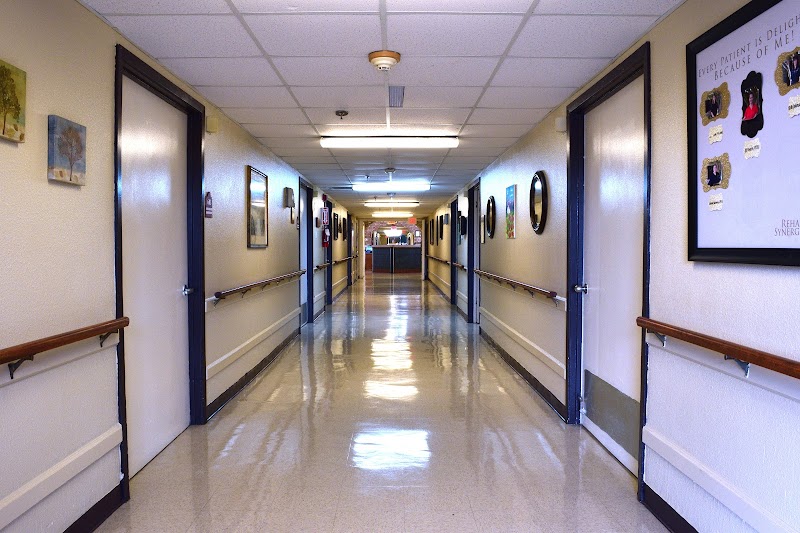
Who Owns and Operates Whispering Oaks Rehab & Nursing?

WHISPERING OAKS REHAB & NURSING is owned by a for-profit company. For-profit facilities operate as businesses with obligations to shareholders or private owners. The facility is operated by ADVANCED HEALTHCARE SOLUTIONS, a chain that manages multiple nursing homes. With 98 certified beds and approximately 43 residents (about 44% occupancy), it is a smaller facility located in CUERO, Texas.

How Does Whispering Oaks Rehab & Nursing Compare to Other Texas Nursing Homes?

Compared to the 100 nursing homes in Texas, WHISPERING OAKS REHAB & NURSING's overall rating (3 stars) is above the state average of 2.8, staff turnover (25%) is significantly lower than the state average of 46%, and health inspection rating (2 stars) is below the national benchmark.

What Should Families Ask When Visiting Whispering Oaks Rehab & Nursing?

Based on this facility's data, families visiting should ask: "What changes have been made since the serious inspection findings, and how are you preventing similar issues?" "Can I visit during a mealtime to observe dining assistance and food quality?" "How do you handle medical emergencies, and what is your hospital transfer rate?" "Can I speak with family members of current residents about their experience?" These questions are particularly relevant given the facility's Immediate Jeopardy citations.

Is Whispering Oaks Rehab & Nursing Safe?

Based on CMS inspection data, WHISPERING OAKS REHAB & NURSING has documented safety concerns. Inspectors have issued 1 Immediate Jeopardy citation (the most serious violation level indicating risk of serious injury or death). The facility has a 3-star overall rating and ranks #1 of 100 nursing homes in Texas. Families considering this facility should ask detailed questions about what corrective actions have been taken since these incidents.

Do Nurses at Whispering Oaks Rehab & Nursing Stick Around?

Staff at WHISPERING OAKS REHAB & NURSING tend to stick around. With a turnover rate of 25%, the facility is 21 percentage points below the Texas average of 46%. Low turnover is a positive sign. It means caregivers have time to learn each resident's needs, medications, and personal preferences. Consistent staff also notice subtle changes in a resident's condition more quickly.

Was Whispering Oaks Rehab & Nursing Ever Fined?

WHISPERING OAKS REHAB & NURSING has no federal fines on record. CMS issues fines when nursing homes fail to meet care standards or don't correct problems found during inspections. The absence of fines suggests the facility has either maintained compliance or corrected any issues before penalties were assessed. This is a positive indicator, though families should still review recent inspection reports for the full picture.

Is Whispering Oaks Rehab & Nursing on Any Federal Watch List?

WHISPERING OAKS REHAB & NURSING is not on any federal watch list. The most significant is the Special Focus Facility (SFF) program, which identifies the bottom 1% of nursing homes nationally based on persistent, serious quality problems. Not being on this list means the facility has avoided the pattern of deficiencies that triggers enhanced federal oversight. This is a positive indicator, though families should still review the facility's inspection history directly.