CENTER AT ZARAGOZA, LLC

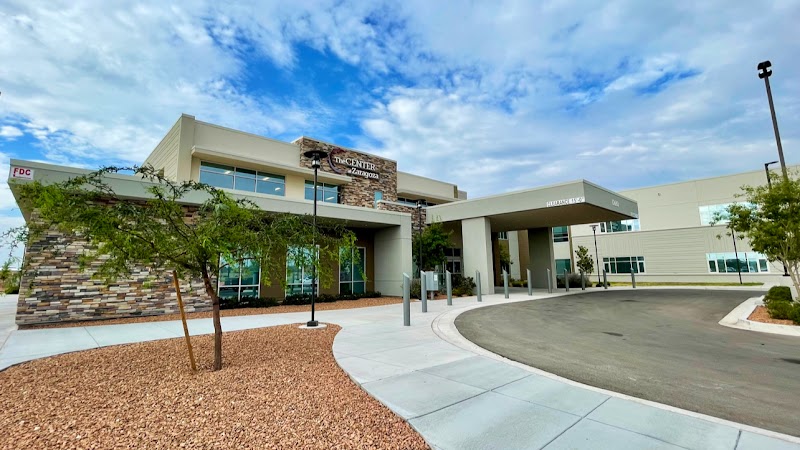
12660 PEBBLE HILLS BLVD., EL PASO, TX 79938 (915) 990-1700
For profit - Corporation 80 Beds VERITAS MANAGEMENT GROUP Data: November 2025
Trust Grade
63/100
#208 of 1168 in TX
Last Inspection: July 2025

Inspected within the last 6 months. Data reflects current conditions.

Overview

The Center at Zaragoza, LLC has a Trust Grade of C+, indicating it is decent and slightly above average compared to other facilities. It ranks #208 out of 1,168 nursing homes in Texas, placing it in the top half, and #3 out of 22 in El Paso County, meaning only two local options are better. However, it is trending worse, with issues increasing from 5 in 2024 to 12 in 2025. Staffing is rated at 4 out of 5 stars, which is good, but the turnover rate of 60% is average, meaning staff change frequently. While the facility has a solid RN coverage that exceeds 92% of Texas facilities, it has faced some concerning incidents, such as food safety violations that could risk residents' health and failure to ensure residents had their call lights within reach, potentially compromising their comfort and care.

Trust Score
C+
63/100
In Texas
#208/1168
Top 17%
Safety Record
Low Risk
No red flags
Inspections
Getting Worse
5 → 12 violations
Staff Stability
⚠ Watch
60% turnover. Above average. Higher turnover means staff may not know residents' routines.
Penalties
⚠ Watch
$5,000 in fines. Higher than 99% of Texas facilities. Major compliance failures.
Skilled Nurses
✓ Good
Each resident gets 62 minutes of Registered Nurse (RN) attention daily — more than 97% of Texas nursing homes. RNs are the most trained staff who catch health problems before they become serious.
Violations
⚠ Watch
28 deficiencies on record. Higher than average. Multiple issues found across inspections.
★★★★☆
4.0
Overall Rating
★★★★☆
4.0
Staff Levels
★★★★★
5.0
Care Quality
★★★☆☆
3.0
Inspection Score
Stable
2024: 5 issues
2025: 12 issues

The Good

  • 4-Star Staffing Rating · Above-average nurse staffing levels
  • 5-Star Quality Measures · Strong clinical quality outcomes
  • Full Sprinkler Coverage · Fire safety systems throughout facility
  • No fines on record

Facility shows strength in staffing levels, quality measures, fire safety.

The Bad

Staff Turnover: 60%

14pts above Texas avg (46%)

Frequent staff changes - ask about care continuity

Federal Fines: $5,000

Below median ($33,413)

Minor penalties assessed

Chain: VERITAS MANAGEMENT GROUP

Part of a multi-facility chain

Ask about local staffing decisions and management

Staff turnover is elevated (60%)

12 points above Texas average of 48%

The Ugly 28 deficiencies on record

Jul 2025 6 deficiencies
CONCERN (D)

Potential for Harm - no one hurt, but risky conditions existed

Respiratory Care (Tag F0695)

Could have caused harm · This affected 1 resident

**NOTE- TERMS IN BRACKETS HAVE BEEN EDITED TO PROTECT CONFIDENTIALITY** Based on observations, interviews, and record review the facility failed to ensure that a resident who needed respiratory care w...

Read full inspector narrative →
**NOTE- TERMS IN BRACKETS HAVE BEEN EDITED TO PROTECT CONFIDENTIALITY** Based on observations, interviews, and record review the facility failed to ensure that a resident who needed respiratory care was provided such care, consistent with professional standards of practice for 1 (Resident #108) of 9 residents observed for oxygen management. The facility failed to post an Oxygen sign indicating Resident # 108 received oxygen. This failure could place residents on oxygen therapy at risk of receiving incorrect or inadequate oxygen support and decline in health and at risk of fire hazards by not posting oxygen signs outside the residents' rooms. Findings Include: Record review of Resident #108's Face sheet dated 6/18/25 revealed a [AGE] year-old female with an admission date of 6/3/25. Record review of Resident #108's admission MDS dated [DATE] revealed BIMS score of 13 indicating the resident was cognitively intact. The MDS revealed the resident was dependent on staff for toileting and personal hygiene, and required maximal assistance with showering, upper and lower body dressing and putting on or taking off footwear. Section I for active diagnosis in the MDS revealed Resident # 108 had asthma, chronic obstructive pulmonary disease, or chronic lung disease. Section J for health conditions revealed the resident had shortness of breath or trouble breathing with exertion and while lying flat. Section O for special treatment, procedures and programs revealed the resident was receiving oxygen therapy. Record review of Resident #108's care plan dated 6/18/25 revealed the resident used supplemental oxygen related to poor oxygen absorption and called for intervention to monitor for respiratory distress and to report to physician respirations, oximetry, increased heart rate, restlessness and headaches. The care plan stated Resident #108 had oxygen via nasal prongs at two liters continuously. In an observation and interview on 06/18/25 at 10:31 AM, the resident was in her room lying on her bed. She was wearing a nasal canula and was receiving oxygen. The resident stated she was in oxygen therapy, and she used her oxygen while she was inside her room. There was no oxygen sign posted outside the residents' room. In an interview on 06/18/25 at 01:46 PM with CNA A, she stated that when a resident was receiving oxygen in their room, an oxygen sign had to be posted by the door. This sign served to alert other staff to check oxygen levels and to warn visitors or anyone entering the facility about the potential fire hazard. She explained that failing to post a sign could lead to hazards and accidents for residents. In an interview on 06/18/25 at 02:07 PM with LVN B, she explained one of the reasons for posting an oxygen sign outside the resident's rooms was to alert anyone who went into the facility there was oxygen in use inside the room and to avoid potential fire hazards. LVN B stated the potential negative outcome for not posting an oxygen sign could result in fire hazards of residents not being checked for oxygen levels. In an interview on 06/18/25 at 03:05 PM with the DON, she stated all rooms who had oxygen in use inside in the facility were required to have an oxygen in use sign posted outside the door. The DON explained that a potential outcome for not posting a warning sign for oxygen in use outside a residents' room was that a resident could go without oxygen, and that a fire hazard and potential explosion existed. She also noted that ADONs were responsible for checking upstairs for oxygen signs, and it was an expectation for CNAs or LVNs to report to her or the administrator if they noted a room was missing an oxygen sign. In an interview on 06/19/25 at 11:42 AM with the Administrator, she expressed that oxygen signs were posted to notify staff and visitors of oxygen use in a room or by a resident. The administrator highlighted that there was a fire hazard if oxygen was in use without a sign posted outside the rooms and someone went in there and lit a spark. The Administrator stated there could also be a risk if a resident went unchecked for oxygen levels and they were in oxygen therapy. In an interview with the Administrator and the DON on 6/19/25 at 3:51 PM, it was revealed that the facility did not have a policy stating oxygen signs needed to be posted outside the rooms of those residents who received oxygen.
CONCERN (D)

Potential for Harm - no one hurt, but risky conditions existed

Pharmacy Services (Tag F0755)

Could have caused harm · This affected 1 resident

**NOTE- TERMS IN BRACKETS HAVE BEEN EDITED TO PROTECT CONFIDENTIALITY** Based on interview and record review, the facility failed to provide pharmaceutical services (including procedures that assure t...

Read full inspector narrative →
**NOTE- TERMS IN BRACKETS HAVE BEEN EDITED TO PROTECT CONFIDENTIALITY** Based on interview and record review, the facility failed to provide pharmaceutical services (including procedures that assure the accurate acquiring, receiving, dispensing, and administering of all drugs and biologicals) to meet the needs of each resident for one (Resident #213) of 10 residents reviewed for medications. The facility failed to administer Megestrol Acetate for Resident #213 per physician's order for 2 days. This failure could place the residents at risk of not receiving therapeutic doses of their medication. Findings included: Record review of Resident #216's face sheet dated 06/19/25 revealed resident was [AGE] year-old female with admission date 05/01/25 and her medical diagnoses: Nontraumatic intracerebral hemorrhage (type of stroke characterized by sudden bleeding into the brain tissue), Hemiplegia (paralysis that affects only one side of your body), Generalized Anxiety Disorder, muscle weakness, unspecified protein-calorie malnutrition, and Anorexia (treatable eating disorder in which people have a low body weight based on personal weight history). Record review of Resident #216's admission MDS dated [DATE] revealed a BIMS (Brief Interview for Mental Status) score of 14 indicating resident was cognitively intact. Record review of Resident #216's health and physical dated 04/30/25 revealed active medication list included Megestrol Acetate, medication used to treat loss of appetite, by mouth daily. Record review of Resident #216's Medication Administration Record dated 05/01/2025 revealed Megestrol Acetate was not administered per physician order on 05/03/25, 05/04/25 and 05/05/25 . Record review of Resident #216's progress notes revealed no documented rationale for not administering medication per physician's order. In an interview on 6/19/2025 at 5:00 pm with RN F revealed that medication aids are the ones who administer most medications. She stated that when residents refuse medications or medications were not administered as per doctors orders, the med aide had to let the nurse know, the nurse would then go to resident and attempt to prompt them to take medication. If that did not work, then the refusal would have to be documented in a progress note and it would be reported to the doctor and to the ADON or DON. RN F stated nurses were responsible for monitoring medications aides administered medications or that medications were administered per physician's orders. In an interview on 6/19/2025 at 5:20pm with LVN B revealed that med aides administer the majority of medications. She stated that when there was a medication refusal, the medication aide was to let nurse know and then nurse would go prompt the resident to take the medication, if that did not work, then it would have been documented in a progress note and on the Medication Administration Record. She stated that the doctor would have been notified and the DON as well. She stated that documentation was nursing judgment, and she could not recall the last time there was training provided. In an interview on 06/19/2025 at 5:30 pm with the DON revealed that nursing staff was trained to document any medication refusals. She stated that medication aides have to let the nurse know when residents were refusing medications or not receiving medications as per physician's orders. She stated that the nurses would follow up with residents on the reasoning for their refusal of medications or review why they were not receiving medications per physician's orders and then document in a progress note. She stated that residents not receiving medications as per physician's orders could cause a decline in resident health depending on the medication and how long they were not receiving it. In an interview on 06/19/2025 at 5:40 pm with Administrator revealed that staff (nurses and medication aides) were to document any medication refusals or residents not getting medications as per doctors' orders. She stated that this was part of on-hire training and training as needed. She stated that she was not sure how long missing medication doses would affect the residents. Record review of facility policy titled Skilled Nursing Facility Policy: Nursing Documentation, not dated read in part Record daily nursing notes reflecting the residents' condition, responses to interventions and any changes in status.
CONCERN (E)

Potential for Harm - no one hurt, but risky conditions existed

Deficiency F0558 (Tag F0558)

Could have caused harm · This affected multiple residents

**NOTE- TERMS IN BRACKETS HAVE BEEN EDITED TO PROTECT CONFIDENTIALITY** Based on observation, interview and record review, the facility failed to ensure the resident resided and received services in t...

Read full inspector narrative →
**NOTE- TERMS IN BRACKETS HAVE BEEN EDITED TO PROTECT CONFIDENTIALITY** Based on observation, interview and record review, the facility failed to ensure the resident resided and received services in the facility with reasonable accommodation of resident needs and preferences for 3 (Resident # 3, Resident # 38, Resident # 104) of 12 residents reviewed for accommodation of needs. The facility failed to ensure Residents 3, 38 and 104, had their call lights within reach. These failures could place residents at risk for not having their needs/preferences met. Findings included: Resident #3 Record review of Resident #3's Face sheet dated 6/17/25 revealed an [AGE] year-old female with an initial admission date of 8/8/24 and a readmission date of 4/18/25. Record review of Resident #3's health and physical dated 8/26/24 revealed an [AGE] year-old female with a diagnoses of generalized muscle weakness, lack of coordination, abnormalities of gait and mobility, unspecified gout (a painful and common form of inflammatory arthritis), and age-related physical debility. Record review of Resident #3's admission MDS dated [DATE] revealed a BIMS score of 14 indicating the resident was cognitively intact. It indicated in the active diagnoses section I, that Resident # 3 had triggered the care area for arthritis. MDS revealed under section GG for Functional abilities that Resident # 3 had limited range of motion with impairment on both sides of upper extremities, was dependent for toileting hygiene, lower body dressing and to putting on and taking off footwear and required substantial assistance with showering and upper body dressing. The MDS revealed Resident # 3 was dependent on staff for rolling on her bed to both sides and required substantial assistance for sitting to lying and lying to siting positions, and from siting to standing. Record review of Resident #3's care plan dated 4/18/25 called for interventions that included making sure the residents' call light was within reach and encouraging the resident to use it for assistance as needed. Resident #38 Record review of Resident #38's face sheet dated 06/19/25 revealed a [AGE] year-old male with initial admission [DATE] and readmission date 05/24/25. Record review of Resident #38's health and physical dated 06/18/25 revealed a medical diagnoses of dysphagia (difficulty swallowing), Cerebrovascular accident (Stroke), memory and attention deficit, delirium (a specific state of acute confusion attributable to the direct physiological consequence of a medical condition, effects of a psychoactive substance, or multiple causes), malnutrition, lack of coordination, and impaired mobility. Record review of Resident #38's significant change of status MDS dated [DATE] revealed a BIMS score of 2, indicating severe cognitive status. In Section GG-Functional Abilities revealed Resident #38 was dependent for all self-care abilities, meaning the helper does all of the effort, and the resident does none of the effort to complete the activity. Record review of Resident #38's care plan revealed resident was to be monitored for fall risk. In an observation and interview on 06/17/25 at 2:21 PM with Resident #38 was in his wheelchair and the call light was observed on the resident's bed frame on the opposite side where resident was. CNA G stated Resident #38 was unable to move by himself in his wheelchair and the call light was out of the resident's reach. She stated the risk of Resident #38 not having his call light within reach included injury or a fall. In an interview on 06/19/25 at 11:30 AM with RN H, she stated the purpose of the call light was for residents to request assistance from staff. She stated the call light was to be located within the resident's reach, whether the resident was in their bed or wheelchair. RN H stated nursing staff were responsible for monitoring call light placement. RN H stated nursing staff round on residents every 2 hours and the ADON rounds on residents' multiple times throughout their shift. RN H stated the risks of a call light being out of residents' reach included a fall or not having needs met. In an interview on 06/19/25 at 11:55 AM with CNA E revealed residents use call lights to communicate or request attention from staff. CNA E stated call lights were to be within the resident's reach and the risks of call lights not being in reach included injury or not having needs met. She stated that the nurses and CNA's were responsible for monitoring call lights. She stated the administration and supervisors also rounded on residents daily and included call light placement. In an interview on 06/19/25 at 12:29 PM with the ADON, she stated residents use their call light to request assistance from staff. She stated the call light was to be within the residents' reach. She stated every staff member was responsible for ensuring the call light was within residents' reach. The ADON stated nursing staff round on residents every 2 hours including call light placement. She stated the risks of call lights being out of reach included injury or a fall. Resident #104 Record review of Resident #104's Face sheet dated 6/17/25 revealed a [AGE] year-old male with an admission date of 5/23/25. Record review of Resident #104's health and physical dated 4/30/25 revealed [AGE] year-old male with a diagnoses of abnormalities of gait and mobility, muscle wasting and atrophy (refers to the decrease in size and mass of muscle tissue), lack of coordination and generalized muscle weakness. Record review of Resident #104's admission MDS dated [DATE] revealed a BIMS score of 14 indicating the resident was cognitively intact. The MDS indicated under section GG for functional abilities that Resident # 104 had limited range of motion with impairment to both sides on lower extremities. Resident # 104 was dependent on staff for eating, oral hygiene, toileting hygiene, shower and lower body dressing. Resident # 104 depended on personnel for rolling to both sides while on bed, sit to lying and lying to sitting on side of the bed, sit to stand, transferring from bed to wheelchair and toilet transfer. Record review of Resident #104's care plan dated 5/23/25 revealed Resident # 104 was at fall risk related to impaired mobility secondary to weakness and debility. The care plan indicated interventions by always keeping the call light within reach, to post signs on the residents' room with call don't fall to remind the resident to call for assistance. In an observation and interview on 06/17/25 at 10:17 AM, the resident #104 was lying in bed and greeted the surveyor. The call light was on the floor to the resident's right side and about three feet away from the bed. The resident stated he had not realized the call light had fallen to the floor and attempted to look at it, and stated he could not see it. The resident said that whenever the call light fell to the floor, he needed to wait until a staff member made rounds and went into his room and then he would request assistance if needed. The resident said if there was an emergency and the call light was not within reach; he would need to wait until a staff member went to check on him or he would try to shout for help and hope someone heard him. The resident said he was not able to get on his feet. In an observation and interview on 06/17/25 at 10:43 AM, resident #3 was sitting on her bed watching TV. The call light was observed on the floor near the back wall towards the head of the bed and out of the residents' reach. The resident stated that she needed assistance to get out of bed and to transfer to her wheelchair. The resident said she could not reach her call bell and was not able to see it. The resident stated that staff checked on her every hour and a half or up to two hours and said she would have to wait that amount of time if there was an emergency and she could not reach her call bell to ask for help. In an observation and interview on 06/17/25 at 2:21 PM with Resident #38 was in his wheelchair and the call light was observed on the resident's bed frame on the opposite side where resident was. CNA G stated Resident #38 was unable to move by himself in his wheelchair and the call light was out of the resident's reach. She stated the risk of Resident #38 not having his call light within reach included injury or a fall. In an interview on 06/18/25 at 01:46 PM with CNA A, stated the purpose of a call light was for the residents to call for assistance if they needed something. CNA A said the call light needed to be within a resident's reach and if it was not accessible for a resident, there was a risk of them trying to get up to look for it which could pose a fall risk in those residents who had been diagnosed for high fall risk, and for the residents not to get the help they needed on time. CNA A stated that staff made rounds every two hours to check on residents and to ensure the call lights were accessible for them. In an interview on 06/18/25 at 02:07 PM with LVN B, stated the residents needed to have access to a call light and it had to always be within reach. LVN B explained if a resident was not able to reach for their call light, it could potentially result in them not being helped in a timely manner which could result in several issues such as leaving a resident soiled or not responding to a serious emergency. In an interview on 06/18/25 at 03:05 PM with the DON, she stated the purpose of a call light was for residents to request assistance if they needed help. The DON said a call light needed to be within reach of all residents either clipped to the bed sheets near the residents' hand or on top of the bed if it was a touch pad with the call lights. The DON explained the risk of not having a call light within reach could result in accidents such as falls if they required assistance and a resident attempted to get up on their own and they were not able to transfer themselves. The DON stated all staff were responsible for checking on the residents while in their rooms to make sure they had their call light within reach. In an interview on 06/19/25 at 11:30 AM with RN H, she stated the purpose of the call light was for residents to request assistance from staff. She stated the call light was to be located within the resident's reach, whether the resident was in their bed or wheelchair. RN H stated nursing staff were responsible for monitoring call light placement. RN H stated nursing staff round on residents every 2 hours and the ADON rounds on residents' multiple times throughout their shift. RN H stated the risks of a call light being out of residents' reach included a fall or not having needs met. In an interview on 06/19/25 at 11:42 AM with the Administrator, she stated call lights were used by the residents so they could call the staff if they need assistance with something. The Administrator said the call light needs to be within reach of the residents and the potential risk if a call light was not within reach, was that a resident could not ask for help if they needed assistance with something or if there was an emergency and they needed help. The Administrator explained that staff such as CNAs, LVNs and RNs had to make rounds ensuring the call lights were always within reach of the residents. In an interview on 06/19/25 at 11:55 AM with CNA E revealed residents use call lights to communicate or request attention from staff. CNA E stated call lights were to be within the resident's reach and the risks of call lights not being in reach included injury or not having needs met. She stated that the nurses and CNA's were responsible for monitoring call lights. She stated the administration and supervisors also rounded on residents daily and included call light placement. In an interview on 06/19/25 at 12:29 PM with the ADON, she stated residents use their call light to request assistance from staff. She stated the call light was to be within the residents' reach. She stated every staff member was responsible for ensuring the call light was within residents' reach. The ADON stated nursing staff round on residents every 2 hours including call light placement. She stated the risks of call lights being out of reach included injury or a fall. Record review of the facility's Policy, not dated, titled: Call light policy, stated in part: When the resident is in bed or confined to a chair, be sure the call light is within easy reach to the resident.
CONCERN (E)

Potential for Harm - no one hurt, but risky conditions existed

ADL Care (Tag F0677)

Could have caused harm · This affected multiple residents

**NOTE- TERMS IN BRACKETS HAVE BEEN EDITED TO PROTECT CONFIDENTIALITY** Based on observation, interview and record review, the facility failed to provide ADL care for 2 of 16 residents (Resident # 152...

Read full inspector narrative →
**NOTE- TERMS IN BRACKETS HAVE BEEN EDITED TO PROTECT CONFIDENTIALITY** Based on observation, interview and record review, the facility failed to provide ADL care for 2 of 16 residents (Resident # 152 and #206) reviewed for ADLs. The facility failed to ensure Resident #152 and #206's fingernails were clean and free from debris. This failure could place residents who required assistance with ADL's at risk for unmet care needs. Findings included: Resident # 206 Record review of Resident #206's face sheet dated 06/19/25 revealed resident was an [AGE] year-old female with an initial admission date 05/21/25. Record review of Resident #206's health and physical dated revealed medical diagnosesis of Diabetes Mellitus, hypertension (high blood pressure), anxiety, depression, and Alzheimer's disease (a neurodegenerative disease affecting memory and ability to perform activities of daily living). Record review of Resident #206's admission MDS dated [DATE] revealed a BIMS score of 0 indicating severe cognitive impairment. Section GG-Functional Abilities notated Resident #206 required substantial/maximal assistance and was dependent, meaning the helper does more than half or all the effort to complete activities. Record review of Resident #206 care plan revealed resident had an actual/potential decline in resident's ability to perform her activities of daily living and called for staff to provide assistance as needed with grooming, bathing, and personal hygiene. In an observation 06/17/25 at 10:19 AM revealed Resident #206 had dirty fingernails, with black debri under fingernails on both hands. In an interview on 06/19/25 at 12:32 PM with the ADON revealed nursing staff were responsible for monitoring resident's nails. She stated CNA's were to clean the residents' fingernails and nurses were to file or cut them. She stated the risks of not maintaining clean, groomed nails were injuries such as cuts on the skin, or an infection control issue. In an interview on 06/19/25 at 01:42 PM with the DON, she stated the facility provided grooming services including fingernail cleanliness and trimming. She stated the nursing staff such as CNA's and the nurses were to cut and clean the nails. The DON stated no one monitors to ensure this service was provided. The DON stated the risks of untrimmed and dirty nails including an infection control issue. In an interview on 06/19/25 at 2:05 PM with the Administrator revealed that the facility provided fingernail trimming and cleaning services to residents. She stated that if residents were diabetic, nurses were to provide nail care and if not diabetic, then all staff could provide nail care. She stated that the nurse was responsible for monitoring residents' fingernails. She stated that she believes nail care was reviewed under ADL training upon hire and annually. She stated that the risk of residents having long dirty fingernails would be that if residents put fingers to mouth while eating something it could have led to infection. Resident #152 Record Review of Resident # 152's admission Record dated 06/19/25 revealed a [AGE] year-old male with an original admission date of 11/29/2022 and a readmission date of 05/20/2025. Record Review of Resident # 152's History and Physical dated 06/18/25 revealed medical diagnoses of Dementia (a neurodegenerative disease a group of symptoms affecting memory, thinking and social abilities), muscle weakness, type 2 Diabetes, depression, and anxiety. Record Review of Resident #152's admission MDS dated [DATE] revealed a BIMS score of 04 indicating severe cognitive impairment. Section GG-Functional Abilities notated Resident #152 required substantial/maximal assistance with personal hygiene, meaning the helper does all the effort while the resident does none of the effort to complete the activity. Record Review of Resident #152's Care Plan revealed the resident was diagnosed with depression and called for staff to monitor for signs or symptoms of depression. In an observation and interview on 06/17/25 at 9:37 AM in residents room, it was revealed Resident #152 had long dirty fingernails for both hands. He stated that he would have liked his fingernails to be cleaned and cut. In an interview on 06/19/25 at 2:05 PM with the Administrator revealed that the facility provided fingernail trimming and cleaning services to residents. She stated that if residents were diabetic, nurses were to provide nail care and if not diabetic, then all staff could provide nail care. She stated that the nurse was responsible for monitoring residents' fingernails. She stated that she believes nail care was reviewed under ADL training upon hire and annually. She stated that the risk of residents having long dirty fingernails would be that if residents put fingers to mouth while eating something it could have led to infection. Review of facility policy titled ADL Services dated 02/01/16 read in part Patients shall receive assistance with activities of daily living (ADLs) every shift, as appropriate including grooming.
CONCERN (E)

Potential for Harm - no one hurt, but risky conditions existed

Deficiency F0761 (Tag F0761)

Could have caused harm · This affected multiple residents

**NOTE- TERMS IN BRACKETS HAVE BEEN EDITED TO PROTECT CONFIDENTIALITY** Based on observation, interview, and record review, the facility failed to ensure biologicals were stored in locked compartments...

Read full inspector narrative →
**NOTE- TERMS IN BRACKETS HAVE BEEN EDITED TO PROTECT CONFIDENTIALITY** Based on observation, interview, and record review, the facility failed to ensure biologicals were stored in locked compartments and accessed by authorized personnel for 2 (Resident #3 and Resident #155) of 12 residents reviewed for medication storage , in that: Resident #3 had a clear measuring cup at bedside with Zinc Oxide pomade (skin ointment) and a tongue depressor in it, exposed and within reach of other residents. Resident #155 had a clear measuring cup with unknown pink ointment at bedside, exposed and within reach of other residents. This failure could place residents at risk of access to medications not approved for administration by their physician. Findings included: Resident # 3 Record review of Resident #3's Face sheet dated 6/17/25 revealed an [AGE] year-old female with an original admission date of 8/8/24 and a readmission date of 4/18/25. Record review of Resident #3's health and physical dated 8/26/24 revealed an [AGE] year-old female with a diagnosis of pressure ulcer of sacral region (the area of the lower back and pelvis that overlies the sacrum which is a large, triangular-shaped bone located at the very bottom of the spine, just above the tailbone or coccyx) and unspecified constipation. Record review of Resident #3's admission MDS dated [DATE] revealed a BIMS (brief interview for mental status) score of 14 indicating the resident was cognitively intact. It indicated in the active diagnoses section I, that Resident # 3 had a diagnosis of pressure ulcer of the sacral region. Resident #3 triggered the care area for arthritis. MDS revealed under section GG for Functional abilities that Resident # 3 was dependent on toileting hygiene, lower body dressing and putting on and taking off footwear and required substantial assistance with showering and upper body dressing. MDS revealed Resident # 3 was dependent on rolling on her bed to both sides. MDS revealed under section M for skin conditions and treatments that Resident #3 was at risk for developing pressure ulcers and required the application of ointments and medications. Record review of Resident #3's care plan dated 4/18/25 revealed the resident had a potential for pressure ulcers development related to scar tissue to sacral region and limited mobility. The care plan indicated Resident # 3 had moisture associated skin damage to the sacrum and gluts. The care plan called for intervention to follow the facility's protocols to prevent and treat skin breakdown by keeping the wound clean and dry by providing treatment to the site per physicians' orders until healed. Resident #155 Record Review of Resident #155's admission record dated 6/19/2025 revealed a [AGE] year old female admitted to the facility on [DATE]. Record Review of Resident #155's history and physical dated 06/10/2025 revealed diagnosis of insulin-dependent diabetes mellitus, hypertension, hyperlipidemia(high cholesterol) and known left bundle branch block (a heart condition where the electrical signal that control the hearts rhythm is delayed or blocked). Record Review of Resident #155's admission MDS dated [DATE] revealed no BIMS score. Record Review of Resident # 155's care plan dated 06/11/2025 revealed resident had a potential for skin breakdown requiring barrier cream to be applied to affected area. Record Review of Resident #155's physicians orders dated 06/11/2025 revealed Barrier cream to coccyx/buttock/peri area/ redden area for prevention every and as needed every shift. In an observation and interview on 06/17/25 at 9:30 am revealed, a clear plastic measuring cup with an unknown pink cream like ointment was sitting on a nightstand in Resident #155's room. The resident did not know what the ointment was or what it was used for. The Residents family member stated that it had been sitting there for days, and he did not know what it was used for either. In an observation and interview on 06/17/25 at 10:43 AM, resident #3 was observed sitting in her bed. There was a clear measuring cup containing a white substance and a tongue depressor at her bedside on her nightstand. The resident stated that the substance was a medication pomade applied by staff to her coccyx area to help a wound heal. She believed staff had applied the medication earlier that morning and forgotten to dispose of it. The resident expressed that the cup should have been discarded after use because any remaining pomade would be unusable. In an interview on 06/18/25 at 01:38 PM with CNA A, stated that a nurse or an LVN would give the CNAs the cup with the cream for them to apply it to the resident. CNA A said if there was medication left on the cup, it needed to be disposed of, instead of leaving it on the residents' nightstand. CNA A explained that leaving the cream exposed could potentially contaminate the medication if dust or lint got into the cup. CNA A stated if the cream was to be reused and applied to the resident after being exposed and potentially contaminated, the wound on the resident could get infected, potentially making the resident sick. In an interview on 06/18/25 at 02:07 PM with LVN B, stated the orders with cream barriers or medications were to apply the medication and then dispose of any residual cream. LVN B said the cream in the container was zinc oxide and it was to be applied with the tongue depressor in the area ordered by the wound nurse and any residual medication should be disposed of. She stated the potential outcome was for the cream to be contaminated because it was left exposed to the air and if it was applied to a resident in a wound area, it could have a negative reaction and the wound could worsen and infected. She also explained if there was a possibility for a confused resident to ingest the cream by leaving it unattended at bedside, which would make them sick. In an interview on 06/19/2025 at 11:30am with RN D, revealed that medications were not to be left at bedside unattended for any resident. She stated that leaving medication unattended could potentially expose the resident to misuse of the medication such as medication not being applied to the indicated area. She stated that it was an infection control issue because it was exposed to air. She could not recall the last training done about not leaving medications at bedside. She stated that it was the responsibility of the nurses to ensure that medications were not left at the bedside. In an interview on 06/19/2025 at 11:55am with CNA E, revealed that medications should not be left at bedside. She stated that as a CNA, the nurse would give them the cup with ointment that needed to be applied to the resident during a brief change or after a shower. She stated that after applying the ointment, the CNA would dispose of the cup immediately. Ointments should not have been left at bedside because residents could ingest it or apply it to contraindicated areas of the body. She could not recall the last training over not leaving medications at bedside. She stated that it was all staffs' responsibility to ensure that there weren't any medications left in the reach of residents. In an interview on 06/19/25 at 02:48PM with the Wound Care Nurse revealed that medications were not to be left unattended at bedside. She stated medication ointments were to be administered to the resident per physician's orders and disposed of per policy. She stated the risks of medications left unattended included residents misusing the medication. The Wound Care Nurse stated all nurses and medication aides were responsible for ensuring to administer all medications per physician's orders and to dispose of them properly. In an interview on 06/18/25 at 03:05 PM with the DON, she stated that the cream left on the residents' nightstand was zinc oxide which was a barrier cream to prevent rash and to promote wound healing. DON said the cream that was leftover in the cup should have been discarded immediately once the medication had been applied to the resident for infection prevention and control. The DON said there was a risk of infection for a resident if staff were to re-use the crem and it had been contaminated by being left exposed to the air. She explained that a potential outcome could be the wound would get infected, and the residents' health could deteriorate as a result of the infected wound. The DON concluded by saying that any medication that was open and administered to a resident needed to be discarded immediately and not be left by bedside. In an interview with the Administrator and the DON on 6/19/25 at 3:51 PM, it was revealed that the facility did not have a policy including information on procedures for supervising medications and the steps for disposing of a medication after it had been supervised.
CONCERN (E)

Potential for Harm - no one hurt, but risky conditions existed

Food Safety (Tag F0812)

Could have caused harm · This affected multiple residents

Based on observations, interviews, and record reviews, the facility failed to store, prepare, distribute, and serve food in accordance with professional standards for food service safety in 1 of 1 kit...

Read full inspector narrative →
Based on observations, interviews, and record reviews, the facility failed to store, prepare, distribute, and serve food in accordance with professional standards for food service safety in 1 of 1 kitchen reviewed for kitchen sanitation and food storage. -The facility failed to store foods in walk-in refrigerator and freezer in sealed containers. -The facility failed to label and date frozen pastries stored in the freezer. -The facility failed to keep container of tomato sauce free of dry drippings and residue around the lid. These failures could place residents at risk of food-borne illnesses. Findings included: Walk-in Refrigerator: -During an observation on 06/17/2025 at 8:10 am revealed the lids of 2 containers containing rice and rice and chicken soup to be slightly opened. - During an observation on 06/17/2025 at 8:12 am revealed a bag of carrots was torn, exposing the carrots to air. Walk-in Freezer: -During an observation on 06/17/2025 at 8:18 am revealed a bag of frozen turkey patties not properly sealed and exposed to air. -During an observation on 06/17/2025 at 8:19am revealed a container of frozen tomato sauce with dried drippings around the lid and running down the side of the container. -During an observation on 06/17/2025 at 8:20am revealed an undated bag of churros and donuts. In an interview with the Executive Chef on 06/19/2025 at 12:40pm revealed that all containers stored in the refrigerator and freezer should have been completely sealed to prevent any cross contamination and to preserve the freshness of the food items. He stated that all vegetables should have been kept in a sealed bag to prevent cross contamination and to seal in freshness. He stated that all containers should have been cleaned prior to being stored back in the freezer. He stated that staff were trained to ensure that all containers were cleaned after using them. He stated that dirty containers could have the potential for cross contamination and food could gather bacteria. He stated that all foods in the freezer should be in sealed bags to prevent freezer burn and prolong freshness and prevent cross contamination. He also stated that all foods should have been labeled and dated because if they were not labeled and dated, they could have expired, and the staff would not have known. He stated that all these things could lead to residents becoming sick by potentially having been exposed to bacteria or expired foods. In an interview with the cook on 06/19/2025 at 1:00pm revealed that all containers stored in the refrigerator were to be completely closed to prevent cross contamination and growth of bacteria. He stated that all vegetables were to be kept in sealed bags to preserve freshness and prevent bacteria growth. He stated that he was trained to ensure that all containers were cleaned upon storing them back in the refrigerator and freezer. He stated that this was to be done to prevent bacteria growth and cross contamination. He stated that all items in the freezer should have been dated so that the staff could know how long the food had been stored in the freezer. He stated not knowing how long food had been stored could have led to residents becoming sick due to eating something that was not fresh anymore. Review of facility policy titled Food Storage Policy dated 2021 read in part All frozen food items are to be properly sealed and dated. fresh fruits and vegetables should be placed in bins, cartons or bags to promote freshness.
Jan 2025 6 deficiencies
CONCERN (D) 📢 Someone Reported This

A family member, employee, or ombudsman was alarmed enough to file a formal complaint

Potential for Harm - no one hurt, but risky conditions existed

Deficiency F0583 (Tag F0583)

Could have caused harm · This affected 1 resident

**NOTE- TERMS IN BRACKETS HAVE BEEN EDITED TO PROTECT CONFIDENTIALITY** Based on observation, interview and record review the facility failed to respect a resident's right to personal privacy during p...

Read full inspector narrative →
**NOTE- TERMS IN BRACKETS HAVE BEEN EDITED TO PROTECT CONFIDENTIALITY** Based on observation, interview and record review the facility failed to respect a resident's right to personal privacy during personal care for 2 of 7 residents (Resident #4 and Resident #8) reviewed for respect and dignity. Staff Coordinator did not close the room binds when providing patient care for Resident #4 during weighing Resident #4. CNA A left Resident #8's room leaving the door open exposing Patient #8's brief and private area. These failures could place residents at risk of diminished quality of life, lack of privacy, and lack of dignity. Finding included: Resident #4 Record review of Resident #4's face sheet dated 01/22/25, revealed, admission on [DATE] to the facility. Record review of Resident #4's hospital history and physical dated 12/11/24, revealed, an [AGE] year-old female diagnosed with Diabetes Type 2 and right leg pain due to a fall. Record review of Resident #4's admission MDS dated [DATE], revealed, moderate impaired cognition BIMS score of 11 to be able to recall or make daily decisions. ADLs revealed dependent (staff does all the work) for roll left or right, sit to lying, lying to sitting, toileting, showers, dressing lower body. Diagnosed with Ankylosing spondylitis of thoracic region (a type of arthritis that causes inflammation in the thoracic spine, or middle of the back). Record review of Resident #4's care plan dated 12/26/24, revealed, decline in mood state. Patients' mood will remain stable or improve. Observation and interview on 01/17/25 at 2:53 PM, with LVN C, she stated she saw state agency observing Staffing Coordinator conducting resident care with the blinds open it and immediately walked into Resident #4's room and closed the binds. LVN C stated the Staff Coordinator should have closed the binds and not left them open because everyone could see what was being done to Resident #4 during patient care. LVN C stated there was no privacy for Patient #4. During an interview on 01/17/25 at 3:20 PM, with Staffing Coordinator, stated he did not close the binds to Resident #4's room when he was providing patient care. Staffing Coordinator stated he did need to close the blinds or window curtains for the Residents dignity. Resident #8 Record review of Resident #8's face sheet dated 01/22/25, revealed, admission on [DATE], and re-admission on [DATE] to the facility. Record review of Resident #8's hospital history and physical dated 12/28/24, revealed, a [AGE] year-old female diagnosed with Dementia, Fibromyalgia (a chronic condition that causes pain and tenderness in the muscles and soft tissues throughout the body), cervical intervertebral disc herniation (occurs when the soft center of a spinal disc pushes out through a tear in the disc's outer ring). Record review of Resident #8's MDS dated [DATE], revealed, there was no BIMS score completed to assess cognition nor the Residents functional ability. Diagnoses revealed muscle weakness (e muscles lack strength and may not move as easily), muscle wasting (the loss of muscle mass and strength), and lack of coordination. Resident #8 was coded for always incontinent for urinary and frequently incontinent for bowel. Record review of Resident #8's Comprehensive Care Plan dated 12/07/24, revealed, potential/actual decline in ADLs. Provide assistance as needed with grooming, bathing, and personal hygiene and per patients' preferences. Incontinence with bowel/bladder. Check frequently and assist with toileting as needed. Provide peri care after each episode and apply barrier cream as needed. Patient #8 has impaired mobility secondary to weakness and debility. Record review of Resident #8's baseline care plan dated 01/09/25, revealed, dependent (Where nursing staff does all the work) for bed mobility and transfers. Baseline care plan does not indicate any specifics on incontinence care or toileting for Resident #8. Observation on 01/17/25 at 2:45 PM, revealed, CNA A coming out of Resident #8's room heading to get incontinent care items while Resident #8's door remained open exposing Resident #8's brief and private area. During an interview on 01/17/25 at 3:58 PM, with CNA A, she stated she was going to change Resident #8. CNA A stated she left the room to go get the incontinent care items (briefs and pads) that she was going to need for Resident #8. CNA A stated anytime incontinent care was to be performed the curtain or door had to be closed or the Patient covered up to provide privacy. CNA A stated there was no risk for the patient other than the privacy issue. CNA A stated she would be embarrassed if the curtain or door was left open exposing her brief and or private area. During an interview on 01/21/25 at 1:38 PM, with NP, he stated when performing the incontinence care the facility staff should be providing privacy for the patient. NP stated it was a moral issue and it would be a HIPPA but with the patient's body. During an interview on 01/21/25 at 2:51 PM, with the DON, she stated nursing staff were trained on incontinence care and privacy was number one and patients should feel safe and comfortable with care. Record review of the facility Patient Rights: Planning and Implementing Care dated 02/08/21, revealed, The Centers honor our patients' rights to: Equal access to quality of care. The policy given does not indicate anything regarding resident rights for privacy or dignity.
CONCERN (D) 📢 Someone Reported This

A family member, employee, or ombudsman was alarmed enough to file a formal complaint

Potential for Harm - no one hurt, but risky conditions existed

Assessment Accuracy (Tag F0641)

Could have caused harm · This affected 1 resident

**NOTE- TERMS IN BRACKETS HAVE BEEN EDITED TO PROTECT CONFIDENTIALITY** Based on interview and record review the facility failed to ensure that the assessment accurately reflected the patient's status...

Read full inspector narrative →
**NOTE- TERMS IN BRACKETS HAVE BEEN EDITED TO PROTECT CONFIDENTIALITY** Based on interview and record review the facility failed to ensure that the assessment accurately reflected the patient's status for 1 (Resident #2) of 4 residents reviewed for accuracy of MDS assessment. Resident #2's admission MDS did not accurately reflect the patients' use of bed rails (enablers). This deficient practice could place residents at risk of not receiving adequate care. Findings included: Record review of Resident #2's hospital history and physical dated 11/22/24, revealed, an [AGE] year-old female diagnosed with anxiety and osteoporosis. Record review of Resident #2's face sheet dated 01/21/25, revealed, admission on [DATE] to the facility. Record review of Resident #2's order dated 12/04/24, revealed, Enablers - upper to allow use of bed controls and assist with bed mobility. Record review of Resident #2's Assistive Transfer Device Consent dated 12/04/24, revealed, Assistive Transfer Device: The facility utilizes fully functional beds that come equipped with transfer bars. The benefits of theses bars are - 1. Independent control of bed positions. 2. Assist with transferring and reposition. The risks are - 1. Falling. 2. Entrapment. It was signed by Patient/Guardian, nurse, and Patient #2. Record review of Resident #2's baseline care plan dated 12/04/24, revealed, there was no focus area for bed rail (enables) use. Record review of Resident #2's MDS dated [DATE], revealed, little to no cognitive impairment BIMS score of 13 to be able to recall or make daily decisions. ADLs were dependent (staff does all the work) for toileting, roll lift and right, and sit to lying while in bed. Patient #2 was not coded for bed rail (enabler) in Section P - Restraints and Alarms of the MDS. Record review of Resident #2's comprehensive care plan dated 01/21/25, revealed there was no focus area for bed rails (enablers). During an interview 01/17/25 at 2:04 PM, with the DON, she stated she had observed Resident #2's MDS and did not see it was coded for bed rails. The DON stated she was new to nursing home and needed to review with the MDS department regarding the risks but would think there would be a risk. During an interview on 01/21/25 at 11:47 AM, with the MDS Coordinator, she stated the MDS department and nurses were responsible for generating the MDSs and making sure they were correct and accurate. The MDS Coordinator stated Patient #2 was not coded for bed rails (enabler) on the MDS but does use them to assist staff and herself. The MDS Coordinator stated she did not know what the risk would be not having it coded on the MDS. Record review of the facility MDS policy dated 03/14/24, revealed, Policy - It was the policy of this facility that MDS assessments, discharge and reentry records will be completed and electronically encoded into our facility's MDS information system and appropriate assessment will be transmitted to CMS. All staff members will be responsible for completion of the MDS and transmission processes in accordance with the MDS RAI instruction manual.
CONCERN (D) 📢 Someone Reported This

A family member, employee, or ombudsman was alarmed enough to file a formal complaint

Potential for Harm - no one hurt, but risky conditions existed

Accident Prevention (Tag F0689)

Could have caused harm · This affected 1 resident

**NOTE- TERMS IN BRACKETS HAVE BEEN EDITED TO PROTECT CONFIDENTIALITY** Based on the observation, interview, and record review the facility failed to ensure that the patients environment remains free ...

Read full inspector narrative →
**NOTE- TERMS IN BRACKETS HAVE BEEN EDITED TO PROTECT CONFIDENTIALITY** Based on the observation, interview, and record review the facility failed to ensure that the patients environment remains free of accidents hazards as is possible and each patient received adequate supervision to prevent accidents for 1 (Resident #4) of 4 residents reviewed for accidents. Staff Coordinator was weighing Resident #4 in her room by using a mechanical lift to lift Resident #4 by himself. Staff Coordinator did not lock the mechanical lift brakes when lifting Patient #4 up in the air as he was weighing and then moved the mechanical lift upwards to re-position Patient #4. This failure could affect residents who required the use of a mechanical lift for transfers, by placing them at risk of improper transfers resulting in injury. Findings include: Record review of Resident #4's face sheet dated 01/22/25, revealed, admission on [DATE] to the facility. Record review of Resident #4's hospital history and physical dated 12/11/24, revealed, an [AGE] year-old female diagnosed with Diabetes Type 2 and right leg pain due to a fall. Record review of Resident #4's admission MDS dated [DATE], revealed, moderate impaired cognition BIMS score of 11 to be able to recall or make daily decisions. ADLs revealed dependent (staff does all the work) for roll left or right, sit to lying, lying to sitting, toileting, showers, dressing lower body. Diagnosed with Ankylosing spondylitis of thoracic region (a type of arthritis that causes inflammation in the thoracic spine, or middle of the back). Record review of Resident #4's baseline care plan dated 12/17/24, revealed, bed mobility - physical assist of two persons and transfer was total dependent. History of falls. Record review of Resident #4's care plan dated 12/26/24, revealed, ADLs related to self-care and deficits and decreased functional mobility was added on 01/20/25 during state agency's visit. Hoyer lift with two aides was also added on 01/20/25 during state agency's visit as there was no ADLs noted before visit date. Record review of facility Weights Form dated 01/15/25, revealed, name of Resident #4 and type of transfer which was hoyer. Observation and interview on 01/17/25 at 2:53 PM, LVN C stated she saw state agency seeing it and immediately walked into Resident #4's room and then came out of the room. LVN C stated the Staffing Coordinator was in the room with Resident #4 and was using the mechanical lift. LVN C stated when using the mechanical lift it required two staff to operate it. LVN C stated this was for the safety of the resident. LVN C stated the mechanical lift brakes where to be applied before lifting Resident #4 into the air. LVN C stated this was for safety reason. LVN C stated the mechanical lift could slide back and forth causing an injury to both staff and patient. During an interview on 01/17/25 at 3:20 PM, with Staffing Coordinator, he stated he was trained on transfers and using the hoyer lifts. Staffing Coordinator stated he was going to take Patient #4's weights but was not going to transfer her. Staffing Coordinator stated he was alone when he performed the weighing. Staffing Coordinator stated using the mechanical lift required two staff when operating it. Staffing Coordinator stated his Weights Form notified him of what transfer Patient #4 was and other patients. Staffing Coordinator stated he did not apply the hoyer lift brakes and he should have. Staffing Coordinator stated the risk for using the hoyer lift with one person and not applying the brakes was a fall and or injury to both the patient or the staff. During an interview on 01/21/25 at 2:51 PM, with the DON, she stated facility staff have been trained on hoyer transfers. The DON stated when using the mechanical lift it did require to have two staff to operate it. The DON stated this was in cases something went wrong. The DON stated the brakes had to be locked before lifting the patient up. The DON stated the risk would be an injury to both the patient and staff. Record review of the facility Mechanical Lifts Policy dated 02/01/23, revealed, Policy - The Centers utilize mechanical lifts when appropriate to ensure safe patient handling during transfers and employee safety when providing patient care. Direct care staff will receive training upon hire and as needed for proper preparation of the patient, equipment, and environment during utilization of mechanical lifts. 2 staff members are required for utilization of the lift. On 01/17/25 at 3:48 PM, a text message was sent to the Administrator requesting an Accidents Policy and nothing was provided to state agency. At the end of exit state agency asked if the facility had anything to provide and nothing else was provided.
CONCERN (D) 📢 Someone Reported This

A family member, employee, or ombudsman was alarmed enough to file a formal complaint

Potential for Harm - no one hurt, but risky conditions existed

Incontinence Care (Tag F0690)

Could have caused harm · This affected 1 resident

**NOTE- TERMS IN BRACKETS HAVE BEEN EDITED TO PROTECT CONFIDENTIALITY** Based on observation, interview, and record review it was determined the facility failed to ensure patients who were incontinent...

Read full inspector narrative →
**NOTE- TERMS IN BRACKETS HAVE BEEN EDITED TO PROTECT CONFIDENTIALITY** Based on observation, interview, and record review it was determined the facility failed to ensure patients who were incontinent received appropriate treatment and services to prevent urinary tract infections for 1 (Resident #3) of 2 residents reviewed for incontinent care/Foley catheter care. The facility failed to empty Resident #3's catheter before it got full backing up into the tubing. These failures placed residents at risk for infection and hospitalization. Findings included: Record review of Resident #3's face sheet dated 01/22/25, revealed, admission on [DATE] to the facility. Record review of Resident #3's facility history and physical dated 01/17/25, revealed a [AGE] year-old female diagnosed with Diabetes, right ankle displaced Tri-malleolar fracture (a rare, but severe break in the ankle that affects three parts of the ankle bone). Record review of Resident #3's admission MDS dated [DATE], revealed, an intact cogitation BIMS score of 15 to be able to recall and make daily decisions. Patient #3 was always incontinent. MDS did not have the functional abilities coded. Was coded for indwelling catheter. Record review of Resident #3's Order dated 01/16/25, revealed, foley catheter care q shift and as needed. Every shift for foley catheter maintenance. Record review of Resident #3's care plan dated 01/16/25, revealed, incontinent with bowel/bladder. Keep call light within reach and remind Patient #3 to call for assistance. Resident #3 had catheter. Change foley catheter as ordered by physician and as needed. Observation and interview on 01/17/25 at 3:01 PM, with Resident #3, it was observed Resident #3 to be lying in bed. Catheter bag was hanging off the left side of the bed. The catheter bag was full of a dark brownish colored urine. The tubing was filled with pink colored and cloudy substance that went all the way back towards the patient. Resident #3 stated the nursing staff were draining the catheter bag 3-4 times a day. During an interview on 01/17/25 at 3:58 PM, with CNA A, she stated the CNAs were responsible for checking on the catheter bags at the end of every shift when the bag was drained and then documented. CNA A stated if the catheter bag was too full then they will drain it during the day. CNA A stated if the catheter bag was really full then it could cause reverse back flow, going back into the patient causing an infection. CNA A stated if there was anything in the tube such as blood or its too dirty, they are to be reporting it to the nurse to prevent infection. During an interview on 01/21/25 at 1:38 PM, with NP, he stated cloudy tubing and filled catheter bags should be emptied and should not be full. NP stated this was to avoid a UTI. NP stated if there was sediment in the tubing then it should be reported to the nurse. NP stated full or cloudy tubing and catheter bags should be prevented to prevent back flow into the Patient and bacterial growth. During an interview on 01/21/25 at 2:51 PM, with the DON, she stated the CNAs were responsible for reporting an issue with catheter such as the tubing being full, having sediment, and color. The DON stated it was not okay to have sediment in the tubing and need to notify the nurse. The DON stated the CNAs should be changing out the catheter bags when it gets half ways and should be done with their intentional rounds. The DON stated the risk could be back flow and infection. Record review of the facility Foley Catheter Policy dated 02/08/21, revealed, Purpose - The Centers are dedicated to providing the best care possible to patients who entrust us with their care. Policy - If a patient requires an indwelling catheter, the facility will follow routine foley catheter care orders. Notify DON/ADON of issues.
CONCERN (E) 📢 Someone Reported This

A family member, employee, or ombudsman was alarmed enough to file a formal complaint

Potential for Harm - no one hurt, but risky conditions existed

Comprehensive Care Plan (Tag F0656)

Could have caused harm · This affected multiple residents

**NOTE- TERMS IN BRACKETS HAVE BEEN EDITED TO PROTECT CONFIDENTIALITY** Based on observation, interview, and record review the facility failed to develop and implement comprehensive person-centered ca...

Read full inspector narrative →
**NOTE- TERMS IN BRACKETS HAVE BEEN EDITED TO PROTECT CONFIDENTIALITY** Based on observation, interview, and record review the facility failed to develop and implement comprehensive person-centered care plan that includes measurable objectives and time frames to meet a resident medical and nursing needs to be furnished to attain or maintain the residents highest practicable physical, mental, and psychosocial well-being for 1 of 7 residents (Resident #2) reviewed for care plans. The facility failed to implement a comprehensive person-centered care plan for Resident #2's use of bed rails (enablers). The facility failed to implement a comprehensive person-centered care plan for CNA B not being able to work with Resident #2 due to an facility self-reported incident. This deficient practice could place residents in the facility at risk of not receiving the necessary care or services and having personalized plans developed to address their needs. Findings include: Record review of Resident #2's hospital history and physical dated 11/22/24, revealed, an [AGE] year-old female diagnosed with anxiety and osteoporosis. Record review of Resident #2's face sheet dated 01/21/25, revealed, admission on [DATE] to the facility. Record review of Resident #2's order dated 12/04/24, revealed, Enablers - upper to allow use of bed controls and assist with bed mobility. Record review of Resident #2's Assistive Transfer Device Consent dated 12/04/24, revealed, Assistive Transfer Device: The facility utilizes fully functional beds that come equipped with transfer bars. The benefits of theses bars are - 1. Independent control of bed positions. 2. Assist with transferring and reposition. The risks are - 1. Falling. 2. Entrapment. It was signed by Patient/Guardian, nurse, and Patient #2. Record review of Resident #2's baseline care plan dated 12/04/24, revealed, there was no focus area for bed rail (enables) use. Record review of Resident #2's MDS dated [DATE], revealed, little to no cognitive impairment BIMS score of 13 to be able to recall or make daily decisions. ADLs were dependent (staff does all the work) for toileting, roll lift and right, and sit to lying while in bed. Patient #2 was not coded for bed rail (enabler) in Section P - Restraints and Alarms of the MDS. Record review of Patient #2's comprehensive care plan dated 01/21/25, revealed there was no focus area for bed rails (enablers). Record review of facility self-report dated 12/11/24, revealed during incontinent care on 12/10/24 Patient #2 hit her right wrist on a bed rail (enabler) when trying to assist CNA A who was being rough during incontinent care. LVN E noted Resident #2's right wrist to be swollen and tender to touch. CNA A was placed on suspension, the physician/DON/Administrator/family were notified, x-rays were ordered stat of Resident #2's wrist revealing no fractures, CNA A was not allowed to work with Resident #2 anymore, and facility self-reported to state agency. Facility summary of investigation revealed resident interviews were conducted with no findings in relation to occurrence. Facility investigation was unconfirmed. During an interview 01/17/25 at 2:04 PM, with the DON, she stated CNA A was conducting incontinent care when Resident #2 was trying to assist CNA A and Resident #2 hurt her herself and could not remember which hand it was. The DON stated x-rays were ordered stat and revealed no fractures. The DON stated CNA A was suspended until the facility investigation was complete and in-services on Abuse and Customer service were given to all the staff and CNA A. The DON stated CNA A was not to be assigned to Resident #2 and should have been care planned. The DON stated the risk was that the CNA A could end up assigned to Resident #2. The DON stated she had observed Resident #2's care plan and did not see any focus area or intervention for the bed rail (enabler) use. The DON stated there would be a risk of the patient getting hurt and nursing staff not knowing how to work with the resident. The DON stated all the nursing staff were responsible for the care plan. During an interview on 01/21/25 at 11:47 AM, with the MDS Coordinator and Administrator, the MDS Coordinator stated the MDS department and nurses were responsible for generating the care plans and making sure they were correct and accurate. The MDS Coordinator stated there was no focus area nor interventions on the care plan for Resident #2 for use of bed rails (enabler). The Administrator stated she did not see a focus area nor interventions for Resident #2 on the care plan. The MDS Coordinator stated it should have been care planned for CNA A to not be working with Resident #2. The MDS Coordinator stated the risk of not care planning it would be not identifying the issues and interventions related to the resident. During an interview on 01/21/25 at 1:38 PM, with NP, he stated that patients using bed rails (enabler) needed to have it care planned. The NP stated the risk of not having it care planned would depend on the situation of the patient.
CONCERN (E) 📢 Someone Reported This

A family member, employee, or ombudsman was alarmed enough to file a formal complaint

Potential for Harm - no one hurt, but risky conditions existed

Deficiency F0700 (Tag F0700)

Could have caused harm · This affected multiple residents

**NOTE- TERMS IN BRACKETS HAVE BEEN EDITED TO PROTECT CONFIDENTIALITY** Based on observation, interview, and record review the facility failed to assess the patient for risk of entrapment from an enab...

Read full inspector narrative →
**NOTE- TERMS IN BRACKETS HAVE BEEN EDITED TO PROTECT CONFIDENTIALITY** Based on observation, interview, and record review the facility failed to assess the patient for risk of entrapment from an enabler (bed rail) prior to installation or review the risks prior to installation for 1 (Resident #2) of 4 patients reviewed for enablers (bed rails). Resident #2 did not have a Bed Transfer Bar Evaluation Assessment done to ensure the Enablers (bed rails) were appropriate for the use of Resident #2's needs. This failure could place residents who have bed [NAME] (enablers) at risk of having inappropriate or unnecessary enablers in place increasing their risk of injury. Findings included: Record review of Resident #2's face sheet dated 01/21/25, revealed, admission on [DATE] to the facility. Record review of Resident #2's hospital history and physical dated 11/22/24, revealed, an [AGE] year-old female diagnosed with anxiety and osteoporosis. Record review of Resident #2's MDS dated [DATE], revealed, little to no cognitive impairment BIMS score of 13 to be able to recall or make daily decisions. ADLs were dependent (staff does all the work) for toileting, roll lift and right, and sit to lying while in bed. Patient #2 was not coded for bed rail (enabler) in Section P - Restraints and Alarms of the MDS. Record review of Resident #2's order dated 12/04/24, revealed, Enablers - upper to allow use of bed controls and assist with bed mobility. Record review of Resident #2's baseline care plan dated 12/04/24, revealed, there was no focus area for bed rail (enables) use. Record review of Resident #2's comprehensive care plan dated 01/21/25, revealed there was no focus area for bed rails (enablers). Record review of Resident #2's Assistive Transfer Device Consent dated 12/04/24, revealed, Assistive Transfer Device: The facility utilizes fully functional beds that come equipped with transfer bars. The benefits of theses bars are - 1. Independent control of bed positions. 2. Assist with transferring and reposition. The risks are - 1. Falling. 2. Entrapment. It was signed by Patient/Guardian, nurse, and Patient #2. Record review of Resident #2's Progress Notes generated by LVN D dated 12/10/24, revealed, LVN D went into administrator morning medications when Resident #2 complained of pain to her right wrist. This LVN D attempted to reach over for blanket to further assess and Resident #2 yelled in pain and flinched without touching Resident #2. This LVN D then noted Resident #2 right wrist to be swollen and tender to touch. This LVN D asked Resident #2 how her wrist got hurt and Resident #2 stated it was during incontinence care where she hit her hand on the bar (bed rail (enabler)). X-ray were ordered for right wrist and medicated for pain. - 12/10/24 - Progress Note: X-rays results were negative for any fractures/dislocation to the right hand and wrist. Record review of facility self-report dated 12/11/24, revealed during incontinent care on 12/10/24 Resident #2 hit her right wrist on a bed rail (enabler) when trying to assist CNA A who was being rough during incontinent care. LVN E noted Resident #2's right wrist to be swollen and tender to touch. CNA A was placed on suspension, the physician/DON/Administrator/family were notified, x-rays were ordered stat of Resident #2's wrist revealing no fractures, and facility self-reported to state agency. Facility summary of investigation revealed patient interviews were conducted with no findings in relation to occurrence. Facility investigation was unconfirmed. During an interview on 01/21/25 at 11:05 AM, with the Administrator, she stated she was not able to see or find a Bed/Transfer/Bar Evaluation for Resident #2. During an interview on 01/21/25 at 1:38 PM, with NP, he stated all residents using bed rails (enablers) were required to have an assessment for use of a bed rail (enabler). NP stated if the patient was not strong enough to use them then they were not able to use the bed rails. NP stated not conducting a bed rail assessment would be a risk and would depend on the patient situation. On 01/21/25 at 2:50 PM, the DON, she stated there was no Bed/Transfer/Bar Assessment policy. During an interview on 01/21/25 at 2:55 PM, with the DON, she stated the purpose of a Bed/Transfer/Bar Assessment was to ensure if bed rails (enablers) were safe for the resident or not. The DON stated the risk could be harm and the patient getting their limbs stuck on the bed. The DON stated the nursing staff were responsible for ensuring a Bed/Transfer/Bar Assessment was completed. During an interview on 01/22/25 at 11:05 AM, with the Administrator, she stated the purpose of a Bed/Transfer/Bar Evaluation was to see if the resident needed the bed rails (enablers) or not. The Administrator stated the negative outcome would be that the nursing staff would not be able to use it to see if the resident needed it or not.
Apr 2024 5 deficiencies
CONCERN (D)

Potential for Harm - no one hurt, but risky conditions existed

Tube Feeding (Tag F0693)

Could have caused harm · This affected 1 resident

**NOTE- TERMS IN BRACKETS HAVE BEEN EDITED TO PROTECT CONFIDENTIALITY** Based on observation, interview and record review the facility failed to ensure that a resident who is fed by enteral means rece...

Read full inspector narrative →
**NOTE- TERMS IN BRACKETS HAVE BEEN EDITED TO PROTECT CONFIDENTIALITY** Based on observation, interview and record review the facility failed to ensure that a resident who is fed by enteral means receives the appropriate treatment and services to prevent complications of enteral feeding for one (Resident #91) of 6 residents reviewed for appropriate treatment and services to prevent complications of enteral feeding. The facility failed to ensure Resident #91 ' s enteral feeding formula bag was labeled with her name, type of feeding, frequency, time and date administration started. This failure could put residents at increased risk of receiving incorrect feeding formula and/or incorrect quantity of formula. Findings included: Record review of Resident #91 ' s face sheet dated 04/16/2024 revealed she was [AGE] years old and admitted to the facility on [DATE]. Record review of Resident #91 ' s hospital History and Physical dated 04/05/2024 revealed she had diagnoses including diabetes and was assessed with intractable (not easily treated or managed) nausea and vomiting. Record review of Resident #91 ' s admission assessment dated [DATE] revealed she was receiving enteral feedings (tube into the stomach to deliver nutritional formula) and was to receive nothing by mouth. The nutritional formula she was to receive was Jevity 1.2 (a brand and particular concentration of feeding formula). She was confused. Record review of Resident # 91 ' s Baseline Care Plan dated 04/16/2024 revealed she was receiving enteral feedings. Record review of Resident #91 ' s nursing progress note dated 04/16/2024 revealed the resident had a g-tube (tube into the stomach to deliver nutritional formula). Record review of Resident #91 ' s physician ' s order dated 04/16/2024 revealed she was to receive nothing by mouth and have continuous feedings with Jevity 1.2 until she was evaluated by speech therapy. Record review of Resident #91 ' s MAR for April 2024 revealed that the morning of 04/16/2024 she was administered Jevity 1.2 60 ML per hour via gtube per pump for 22 hours a day. In observation and interview on 04/16/24 at 09:08 AM Resident #91 was in bed. A feeding formula bag that was mostly full of feeding formula and a water bag were observed hanging from a pole beside the resident ' s bed, with tubes running from the bags into a feeding pump. A tube ran from the feeding pump into the resident ' s side. It was observed that there were no labels on the formula or the water bag. Present in the room were Resident #91 ' s family members who were not able to state when the tube feeding formula had been hung. In an interview on 04/16/2024 at 09:12 AM LVN B revealed that the feeding formula bag tube should have a label on it. She stated that feeding formula bag was probably hung by the night nurse (name not known) and that the bag should have a label on it indicating the resident's name, type of feeding, rate of feeding, how often it was to be placed and the time and date placed. The LVN stated that the risk to the resident of not having the bag of feeding formula labeled was that there was no way to be sure if the resident was getting the correct formula. She said that could put the resident at risk of not getting the nutrition she needed. In an interview on 04/19/2024 at 2:57 PM the DON the policy on labeling of enteral tube feeding bags was requested. The DON asked if this was for the resident [unidentified] whose tube feeding formula bag label was found on the floor. Surveyor C told the DON that no information regarding a tube feeding bag label being found on the floor had been received and asked which resident the DON was referring to. The DON was not able to supply a resident ' s name. Surveyor C requested documentation regarding the tube feeding bag label found on the floor. A policy on labeling of enteral feeding bags and information about a resident whose enteral feeding bag label was found on the floor were not received before exit.
CONCERN (E)

Potential for Harm - no one hurt, but risky conditions existed

Deficiency F0655 (Tag F0655)

Could have caused harm · This affected multiple residents

**NOTE- TERMS IN BRACKETS HAVE BEEN EDITED TO PROTECT CONFIDENTIALITY** Based on interview and record review, the facility failed to develop and implement a baseline care plan for each resident that i...

Read full inspector narrative →
**NOTE- TERMS IN BRACKETS HAVE BEEN EDITED TO PROTECT CONFIDENTIALITY** Based on interview and record review, the facility failed to develop and implement a baseline care plan for each resident that includes the instructions needed to provide effective and person-centered care of the resident that meet professional standards of quality care for three (Resident #35, Resident #89 and #192) of 12 residents reviewed for baseline care plans. The facility failed to ensure that Resident #35 ' s baseline care plan included her expressed preference for a vegetarian diet. The facility failed to ensure that Resident #89 ' s Baseline Care Plan addressed her Diabetes II. The facility failed to ensure that Resident #192 ' s baseline care plan included pressure reducing boots and that a copy was given to the resident and the resident ' s representative. These failures put residents at risk of not having their dietary needs and preferences met, not having their treatment needs associated with diabetes met and not receiving physician-ordered treatments. Findings included: Resident #35 Record review of Resident #35 ' s face sheet, dated 04/18/2024, revealed she was [AGE] years old and was admitted to the facility on [DATE]. Record review of Resident #35 ' s hospital history and physical, dated 03/27/2024, revealed she had severe osteoporosis (weak and brittle bones), a closed fracture of the left tibial plateau (broken left knee); fracture of humeral head, left, closed (broken left shoulder); closed fracture fibula, head (broken leg); and systematic lupus erythematosus (illness when the immune system attacks healthy tissue). Orders included that she was to have a vegetarian diet (page 45). Record review of Resident #35 ' s Baseline care plan, dated 03/29/2024, revealed Diet Order for regular diet, she was at risk for weight loss, with a nutritional goal of maintaining current weight. Preferences included that she liked to eat in her room. The Baseline care plan did not state that the resident followed a vegetarian diet. Record review of Resident #35 ' s Diet Order dated 03/29/2024 revealed she was to receive a regular diet. It stated ***PT [patient] IS VEGETARIAN***. Record review of Resident #35 ' s MAR for April 2024 revealed the words Vegetarian diet at the top of each page. Record review of Resident #35 ' s nursing progress notes dated 03/29/2024 through 04/18/2024 revealed no notes indicating she was receiving a vegetarian diet. In an interview on 04/16/24 at 04:28 PM Resident #35 revealed she was a vegetarian and wondered if a dietitian had looked at her diet. She expressed concern that she was not getting a balanced diet and said a family member brought in food to supplement her diet. She said she talked to staff, including dietary staff, about being a vegetarian but continued to be concerned that she was not getting good nutrition. In an interview and record review on 04/19/24 at 1:54 PM the Dietary Manager said he was aware that Resident #35 followed a vegetarian diet. He said he had assessed her dietary preferences, and the resident wrote him notes regularly on diet slips indicating what she wanted and how the food provided worked for her. Record review revealed seven dietary slips the Dietary manager had received from Resident #35 regarding preferences and concerns. In a telephone interview on 04/19/24 at 02:04 PM the Dietitian recalled working with a resident who was vegetarian. The Dietitian thought the dietary software used by the facility might have an algorithm to calculate dietary needs for a vegetarian. The Dietitian said she had talked with the Dietary Manager about Resident #35 ' s dietary needs and advised him that if there were animal proteins such as milk products in each meal the resident ' s diet should be adequate. In an interview on 04/19/24 at 03:33 PM the MDS Coordinator RN stated that Resident #35 ' s preference for a vegetarian diet should be care planned under preferences. The reason this should be done was so the facility could follow vegetarian guidelines. The risk to resident of not having her vegetarian dietary preferences on the baseline was that the facility might not follow through on her vegetarian diet preferences. The MDS Coordinator RN stated that she did not know if there were risks to a person following a vegetarian diet but that they might lack certain vitamins that are found in meat but not in vegetables, and result in vitamin deficiency. Resident #89 Closed record review of Resident #89 ' s face sheet dated 04/18/2024 revealed she was [AGE] years old and was admitted to the facility on [DATE]. It indicated she had diagnoses including Type 2 Diabetes Mellitus with Other Diabetic Kidney Complication. Closed record review of Resident #89 ' s electronic census record revealed she was discharged on 12/07/2023. Closed record review of Resident #89 ' s hospital history and physical dated 10/21/2023 revealed she had a medical history including Type 2 diabetes with renal (kidney) complications. The plan for diabetes was to have her on low dose sliding scale insulin (amount of insulin given depends on her blood sugar test). Discharge instructions included monitoring her blood sugar and stated that her health care provider would set individualized treatment goals for her to maintain blood glucose levels within specified ranges. Closed record review of Resident #89 ' s admission MDS dated [DATE] revealed her diagnoses included diabetes mellitus. She was not receiving hypoglycemic (medicine to treat diabetes) medications. The CAA triggered the care area of nutritional status and indicated that a decision about care planning needed to be made about her nutritional status. Closed record review of Resident #89 ' s physicians orders from 11/13/2023 through 12/09/2023 revealed no orders for medications or for monitoring of diabetes mellitus. Record review of Resident #89 ' s baseline care plan dated 11/13/2023 revealed no care plans related to diabetic management. In an interview on 04/18/24 at 01:33 PM Resident #89 ' s family member revealed that the resident had been taking insulin when she was still living at home, but the family member did not remember if the resident was being given insulin in the facility. In an interview on 04/18/24 at 02:15 PM RN A revealed that she had worked with Resident #89 on several occasions and that there were no orders to check her blood sugar. The RN stated she was not aware Resident #89 had diabetes. In an interview on 04/19/24 at 03:32 PM the MDS Coordinator RN revealed she was unaware that Resident #89 had a diagnosis of diabetes. She said that if a resident had a diagnosis of diabetes, it should be on the baseline care plan because it was important to monitor for symptoms even if the resident was not receiving medications for the diagnosis. Resident #192 Record review of Resident #192 ' s face sheet dated 04/18/2024 revealed he was [AGE] years old and was admitted to the facility on [DATE]. Record review of Resident #192 ' s wound management dated 04/12/2024, revealed physician orders for pressure reducing boots. Record review of Resident #192 ' s Baseline care plan dated 04/11/2024 revealed the following: Patient and Representative did not sign or attend the baseline care plan. Resident did not have pressure reducing boots included in the baseline careplan. In an interview on 04/16/24 at 10:20 AM Resident #192 revealed that he has been wearing pressure reducing boots from the hospital. He stated that he is supposed to wear them whenever he is in bed. Resident #192 stated that he was not given a copy of the baseline care plan nor was he asked any questions concerning his care. In an interview and record review on 04/17/24 at 3:00 PM, the DON said she was aware that Resident #192 was to wear pressure reducing boots to upload the pressure from his heels while he was in bed. She stated that she was made aware that residents and their representatives were not being included in the baseline care plan process or receiving a copy of it after completion. She revealed that the pressure reducing boots should have been completed in the baseline care plan. She stated that they did a regional audit and were trying to correct the issue. She stated that this failure could place residents at risk of not being included in the admission process. She said she was going to start a new process where it would be part of the admission packet and had to be signed with the other paperwork. She revealed that it was the LVN ' s that was admitting the resident to complete the baseline care plan, but she was responsible for checking for accuracy and completion. Record review of the facility policy Baseline Care Plan revised 06/30/2022 revealed that the facility must develop and implement a baseline care plan for each resident that includes instructions needed to provide effective and person-centered care of the resident that reflects the resident ' s goals and objectives and includes interventions that address the resident ' s current needs.
CONCERN (E)

Potential for Harm - no one hurt, but risky conditions existed

Comprehensive Care Plan (Tag F0656)

Could have caused harm · This affected multiple residents

**NOTE- TERMS IN BRACKETS HAVE BEEN EDITED TO PROTECT CONFIDENTIALITY** Based on interview and record review the facility failed to develop and implement a comprehensive person-centered care plan for ...

Read full inspector narrative →
**NOTE- TERMS IN BRACKETS HAVE BEEN EDITED TO PROTECT CONFIDENTIALITY** Based on interview and record review the facility failed to develop and implement a comprehensive person-centered care plan for each resident that describes the services that are to be furnished to attain or maintain the resident ' s highest practicable physical, mental, and psychosocial well-being for 3 of 16 residents (Resident #11, Resident #35 and Resident #89) reviewed for Comprehensive Care Plans. The facility failed to ensure that Resident #11 ' s Comprehensive care plan addressed her Tracheostomy (a surgical opening in the throat to allow for breathing). The facility failed to ensure that Resident #35 ' s Comprehensive Care Plan addressed her preference for a vegetarian diet. The facility failed to ensure that Resident #89 ' s Comprehensive Care Plan addressed her Diabetes II. This failure by the facility places current and future residents at risk of not receiving care that is thoughtful, planned, and relevant to their condition(s) which could lead to complications in resident health and quality of life and care. Findings include: Record review of resident face sheet dated 04/16/2024 revealed that Resident #11 was a [AGE] year-old female, admitted to the facility on [DATE]. A record review of Resident #11 ' s MDS, dated [DATE], revealed the following: -Section I (Active Diagnosis)- stroke (damage to the brain from interruption of its blood supply), Diabetes Mellitus 2 (a long term condition in which the body has trouble controlling blood sugar and using it for energy), respiratory failure (a condition in which your blood doesn't have enough oxygen or has too much carbon dioxide), dysphasia (difficulty swallowing), hydrocephalus (a buildup of fluid in the cavities deep within the brain), aphasia (difficulty talking) and acute respiratory failure with hypoxia (a condition where you don't have enough oxygen in the tissues in your body). -Section O (treatments and Special Procedures)- Resident had a Tracheostomy while a resident. Record review of Resident #11 ' s Comprehensive care plan dated 03/26/2024 revealed that her Tracheostomy was not care planned. In an interview on 04/16/2024 at 1:05 PM., Resident #11 stated that she has had the tracheostomy for a few months. Record review of Resident #11 ' s orders revealed an order for a Tracheostomy and Trach Care: Stoma (opening): Cleanse stoma area with NS, apply new drain sponge (no woven gauze) secure in place with new trach tie. Monitor for s/sx of breakdown around stoma every shift, Start date: 12/03/2023. In an interview on 4/19/2024 at 2:46 PM the DON said Comprehensive Care plans were not completed accurately because they had not been trained in them yet. She stated it was MDS Coordinator ' s responsibility to complete them accurately. She was going to start making a schedule to help her more with care plans. She revealed this failure causes them to not identify care areas. In an interview on 04/19/2024 at 4:24 PM MDS Coordinator #1 revealed that for Resident #11 ' s care plan, she missed putting the Tracheostomy on it. She stated that it would have triggered the CAAS and she should have included it. She stated that this failure could result in the resident ' s care areas not being identified by staff. Resident #35 Record review of Resident #35 ' s face sheet dated 04/18/2024 revealed she was [AGE] years old and was admitted to the facility on [DATE]. Record review of Resident #35 ' s hospital history and physical dated 03/27/2024 revealed she had severe osteoporosis (weak and brittle bones), a closed fracture of the left tibial plateau (broken left knee); fracture of humeral head, left, closed (broken left shoulder); closed fracture fibula, head (broken leg); and systematic lupus erythematosus (illness when the immune system attacks healthy tissue). Orders included that she was to have a vegetarian diet (page 45). Resident #35 ' s MDS from her admission was requested but was not received prior to exit. Record review of Resident #35 ' s Comprehensive Care plan initiated 03/29/2024 revealed a care plan to address maintaining her nutrition. It did not address that she used a vegetarian diet. Her care plan dated 03/29/2024 stated that the facility would honor her preferences but did not mention her preference for a vegetarian diet. Record review of Resident #35 ' s Diet Order dated 03/29/2024 revealed she was to receive a regular diet. It stated ***PT [patient] IS VEGETARIAN***. Record review of Resident #35 ' s MAR for April 2024 revealed the words Vegetarian diet at the top of each page. Record review of Resident #35 ' s nursing progress notes dated 03/29/2024 through 04/18/2024 revealed no notes indicating she was receiving a vegetarian diet. In an interview on 04/16/24 at 04:28 PM Resident #35 revealed she was a vegetarian and wondered if a dietitian had looked at her diet. She expressed concern that she was not getting a balanced diet and said a family member brought in food to supplement her diet. She said she talked to staff, including dietary staff, about being a vegetarian but continued to be concerned that she was not getting good nutrition. In an interview and record review on 04/19/24 at 1:54 PM the Dietary Manager said he was aware that Resident #35 followed a vegetarian diet. He said he had assessed her dietary preferences, and the resident wrote him notes regularly on diet slips indicating what she wanted and how the food provided worked for her. Record review revealed seven dietary slips the Dietary manager had received from Resident #35 regarding preferences and concerns. In a telephone interview on 04/19/24 at 02:04 PM the Dietitian recalled working with a resident who was vegetarian. The Dietitian thought the dietary software used by the facility might have an algorithm to calculate dietary needs for a vegetarian. The Dietitian said she had talked with the Dietary Manager about Resident #35 ' s dietary needs and advised him that if there were animal proteins such as milk products in each meal the resident ' s diet should be adequate. In an interview on 04/19/24 at 03:33 PM the MDS Coordinator RN stated that Resident #35 ' s preference for a vegetarian diet should be care planned under preferences. The reason this should be done was so the facility could follow vegetarian guidelines. The risk to resident of not having her vegetarian dietary preferences on the comprehensive care plan was that the facility might not follow through on her vegetarian diet preferences. The MDS Coordinator RN stated that she did not know if there were risks to a person following a vegetarian diet but that they might lack certain vitamins that are found in meat but not in vegetables, and result in vitamin deficiency. Resident #89 Closed record review of Resident #89 ' s face sheet dated 04/18/2024 revealed she was [AGE] years old and was admitted to the facility on [DATE]. It indicated she had diagnoses including Type 2 Diabetes Mellitus with Other Diabetic Kidney Complication. Closed record review of Resident #89 ' s electronic census record revealed she was discharged on 12/07/2023. Closed record review of Resident #89 ' s hospital history and physical dated 10/21/2023 revealed she had a medical history including Type 2 diabetes with renal (kidney) complications. The plan for diabetes was to have her on low dose sliding scale insulin (amount of insulin given depends on her blood sugar test). Discharge instructions included monitoring her blood sugar and stated that her health care provider would set individualized treatment goals for her to maintain blood glucose levels within specified ranges. Closed record review of Resident #89 ' s admission MDS dated [DATE] revealed her diagnoses included diabetes mellitus. She was not receiving hypoglycemic (medicine to treat diabetes) medications. The CAA triggered the care area of nutritional status and indicated that a decision about care planning needed to be made about her nutritional status. Closed record review of Resident #89 ' s physicians orders from 11/13/2023 through 12/09/2023 revealed no orders for medications or for monitoring of diabetes mellitus. Record review of Resident #89 ' s Comprehensive Care plan initiated 11/13/2023 revealed care plans indicating that she was at risk for skin breakdown due to diabetes, and that she was at risk of inability to maintain her nutrition due to diabetes. There were no care plans to monitor her blood glucose. In an interview on 04/18/24 at 01:33 PM Resident #89 ' s family member revealed that the resident had been taking insulin when she was still living at home, but the family member did not remember if the resident was being given insulin in the facility. In an interview on 04/18/24 at 02:15 PM RN A revealed that she had worked with Resident #89 on several occasions and that there were no orders to check her blood sugar. The RN stated she was not aware Resident #89 had diabetes. In an interview on 04/19/24 at 03:32 PM the MDS Coordinator RN revealed she was unaware that Resident #89 had a diagnosis of diabetes. She said that if a resident had a diagnosis of diabetes, it should be care planned because it was important to monitor for symptoms even if the resident was not receiving medications for the diagnosis. In an interview on 04/19/2024 at 2:57 PM the DON revealed that Resident #89 ' s diagnosis of diabetes should be on her care plan. The DON said this was important because the facility needed to make sure they had medications on hand for the resident in case she should need them. She said the diagnosis should be care planned so staff would know to monitor for signs and symptoms of diabetic issues such as hypo- or hyperglycemia (low or high blood sugar). Record review of a facility policy titled; Care Area Assessments taken from the facility ' s Nursing Services Policy and Procedure Manual, 2001 MED-PASS, Inc (Revised December 2011) revealed the following: Policy Statement Care Area Assessments (CAAs) will be used to help analyze data obtained from the MDS and to develop individualized care plans. CAAs are the link between assessment and care planning. Policy Interpretation and Implementation titled Care Plan Policy, dated 03/14/2024 was received and revealed the following: The care plan will identify priority problems and needs to be addressed by the interdisciplinary team, and reflect the patient's strengths, limitations, and goals. The care plan will be specific and appropriate to the individual needs for each resident. The interdisciplinary care plan will be developed through collaborative efforts of the IDT and other healthcare professionals. The care plan will be patient centered emphasizing the resident ' s and/or family ' s goals. Procedure: the [facility] will develop, implement, and provide care in accordance with the comprehensive person-centered care plan for the residents consistent with regulatory requirements. The care plan is to include measurable objectives and timeframes to meet a resident ' s medical, nursing, psychosocial, and functional needs identified with completion of the comprehensive assessment. To the extent that is practical, the resident and/or family will be involved in the development of their care plan. The care plan will be modified when needed to meet the resident ' s current needs, problems, and goals. Any revision, additions, or deletions to the plan of care will be dated and initialed.
CONCERN (E)

Potential for Harm - no one hurt, but risky conditions existed

Quality of Care (Tag F0684)

Could have caused harm · This affected multiple residents

**NOTE- TERMS IN BRACKETS HAVE BEEN EDITED TO PROTECT CONFIDENTIALITY** Based on observation, interview and record review the facility failed to ensure that residents received treatment and care in ac...

Read full inspector narrative →
**NOTE- TERMS IN BRACKETS HAVE BEEN EDITED TO PROTECT CONFIDENTIALITY** Based on observation, interview and record review the facility failed to ensure that residents received treatment and care in accordance with professional standards of practice, the comprehensive person-centered care plan, and the residents' choices for one (Resident #35) of 12 residents reviewed for quality of care. The facility failed to ensure that Resident #35 received care for a wound to her left inner knee from 03/30/2024 to 04/09/2024. This failure could result in residents not receiving care needed for wounds. Findings included: Record review of Resident #35 ' s face sheet dated 04/18/2024 revealed she was [AGE] years old and was admitted to the facility on [DATE]. Record review of Resident #35 ' s hospital history and physical dated 03/27/2024 revealed she had severe osteoporosis (weak and brittle bones), a closed fracture of the left tibial plateau (broken left knee); fracture of humeral head, left, closed (broken left shoulder); closed fracture fibula, head (broken leg); and systematic lupus erythematosus (illness when the immune system attacks healthy tissue). She had swelling around her left knee and was at risk for wound healing complications infections. It was recommended that she keep her knee in a knee immobilizer until the facture healed. Record review of Resident #35 ' s Baseline care plan dated 03/29/2024 revealed she had a left tibial and humeral head fracture (broken left knee and leg). She was alert, oriented and able to communicate. The baseline care plan did not identify any skin conditions including abrasions, lacerations, skin tears, pressure injuries, ulcerations, or surgical wounds at the time of admission. The resident was at risk of skin breakdown due to impaired mobility. In an interview on 04/18/2024 at 4:49 PM with the Administrator, Resident #35 ' s admission MDS was requested but it was not provided prior to exit. Record review of Resident #35 ' s nursing admission progress note dated 03/29/2024 revealed the resident had swelling to her left leg, had an immobilizer on her left leg. Record review of Resident #35 ' s Daily Skilled Nurse ' s Note dated 03/30/2024 revealed the resident had swelling to her left leg and had an immobilizer on her left leg and a small wound to the inner side of the left knee. Record review of Resident #35 ' s Daily Skilled Nurse ' s Note dated 03/31/2024 revealed the resident had swelling to her left leg and had an immobilizer on her left leg and a small wound to the inner side of the left knee. Record review of Resident #35 ' s Daily Skilled Nurse ' s Note dated 04/01/2024 revealed the resident had a wound to the inner side of the left knee. Record review of Resident #35 ' s Daily Skilled Nurse ' s Note dated 04/02/2024 revealed the resident had a wound to the inner side of the left knee. Record review of Resident #35 ' s Daily Skilled Nurse ' s Note dated 04/04/2024 revealed the resident had a wound to the inner side of the left knee. Record review of Resident #35 ' s Daily Skilled Nurse ' s Note dated 04/05/2024 revealed the resident had a wound to the inner side of the left knee. Record review of Resident #35 ' s Daily Skilled Nurse ' s Note dated 04/07/2024 at 1:06 PM revealed the resident had a wound to the inner side of the left knee. Record review of Resident #35 ' s Daily Skilled Nurse ' s Note dated 04/07/2024 at 2:56 PM revealed she had an open area to the left lateral (outer) side of left knee. Record review of Resident #35 ' s Daily Skilled Nurse ' s Note dated 04/08/2024 revealed the resident had a wound to the inner side of the left knee. Record review of Resident #35 ' s physician ' s order dated 04/08/2024 and discontinued 04/16/2024 revealed the resident ' s left inner and outer knee were to be cleansed with normal saline, patted dry, that bacitracin (anti-bacterial) ointment was to be applied and covered with a dressing once a day and as needed. Record review of Resident #35 ' s Comprehensive Care Plan initiated 04/09/2024 revealed the resident had partial thickness ulcers to her left medial (inside) knee. Wound care was to be provided as ordered and documented. Record review of Resident #35 ' s active physician ' s order dated 04/16/2024 revealed the residents left inner knee was to be cleansed with normal saline, patted dry, bacitracin (anti-bacterial) ointment was to be applied and covered with a dressing once a day and as needed. Record review of Resident #35 ' s March MAR revealed that on 04/09, 04/10, 04/13, 04/14, and 04/18/2024 wound care was not provided because the resident was asleep. In an interview and observation on 04/16/24 at 04:35 PM Resident #35 was seated in a wheelchair with her left leg elevated and in a brace. The resident stated she had developed a wound under her left leg brace and the facility did not look at it until the physical therapist took her knee brace off and said she needed wound care. The resident stated she did not get treatment for the wound on her left knee the first week she was in the facility. She said that the wound care nurse would come in to dress the wound if she [the nurse] could find her. The resident stated she continued to receive treatment for the wound to her left knee. In an interview on 04/19/24 at 02:57 PM the DON revealed she was not able to explain why there was a delay in provision of wound care to Resident #35 ' s left knee. She stated she would have to ask the wound care nurse why there was a delay in starting treatment. The DON said that the risk to Resident #35 of a delay in treating the wound to her knee was that the wound could get worse, and the resident might be at increased risk of infection to the wound. Record review of the facility policy Nursing Comprehensive revised 02/08/2024 revealed that skin evaluation and examination for any ulcerations or alterations in skin would be completed as part of the nursing comprehensive evaluation. In addition, the nurse would describe and document full evaluation of the skin, a Skin Evaluation would be scheduled weekly, and nurses were to follow treatment order as prescribed.
CONCERN (F)

Potential for Harm - no one hurt, but risky conditions existed

Food Safety (Tag F0812)

Could have caused harm · This affected most or all residents

Based on observation, interview, and record review the facility failed to store, prepare, distribute, and serve food in accordance with professional standards for food safety for 1 of 1 kitchen review...

Read full inspector narrative →
Based on observation, interview, and record review the facility failed to store, prepare, distribute, and serve food in accordance with professional standards for food safety for 1 of 1 kitchen reviewed for dietary services. A. Food containers had accumulations of dried drippings and residue on them. B. Food preparation areas had items with accumulation of dust, encrusted grease deposits, and other soiled accumulations. C. Food in refrigerator with expired dates. D. Bananas were stored next to a dirty trash bin. E. The Dietary Manager entered the kitchen without a beard guard. This failure places residents who eat food prepared by the facility at risk of food borne illnesses. The findings include: During an observation on 4/16/2024 at 8:21 AM, revealed one red 1 Gallon plastic bottle that contained dressing that had liquid build up and it was sticky to the touch; a bottle of 1 Gallon Soy Sauce had liquid residual and dried dripping on sides of bottle. A container with soup had residue on the lid. A clear plastic container had 3 1-gallon Ziplock bags containing expired vegetables. Bag #1 was labeled as salad mix with a date of 3/20/2024 with an expiration date of 3/27/2024. Bag # 2 was labeled with the date of 3/30/2024 with an expiration date of 4/05/2024. Bag #3 was labeled with a date of 4/6/2024 with an expiration date of 4/12/2024. During an interview on 4/16/2024 at 8:25 AM, Dietary Aide said residues on bottles could lead to risk of contamination of the plastic containers and bacteria could build up on them. The Dietary Aide also said that storing expired vegetables could lead to illness for the residents in the facility if they were used or if they contaminated other foods in the refrigerator. During an observation on 4/16/2024 at 8:30 AM, revealed plastic containers with Paprika, Parsley Flakes, Ground [NAME] Pepper, Lemon and Pepper Seasoning Salt and Black Pepper had powder residues on the side of the bottle and on the lid. A cooking oil plastic bottle was sitting on top of a paper towel soaked in oil. During observation and interview on 4/16/2024 at 8:35 AM, A box of bananas was next to a dirty trash bin. Interview with the Dietary Aide revealed the bananas should not be next to the trash can and kitchen staff store them on the opposite side of the counter, but she did not know why they were there or who left them there. During an observation on 4/16/2024 at 8:37 AM, Water stains were observed on the walls and on the pantries. The wall towards the back of the deep fryer had white calcium build-up and water stains. During observation and interview on 4/16/2024 at 8:40 AM, the Dietary Manager entered the kitchen without a beard guard, and after a short time said, Excuse me and stepped out of the kitchen, returning wearing a beard guard, although it was not covering his mustache. The Dietary Manager stated that he started working at the facility around February of 2024. Observation of a small refrigerator revealed there were expired flour tortillas with a Preparation date of 4/1/24 and a Use by date of 4/10/24. Interview with Dietary Manager revealed using the flour tortillas on a meal with the use-by date of 04/10/24 could pose a risk of bacteria growing on the tortillas and that it could result in digestive infections to the residents. During observation and interview on 4/16/2024 at 8:45 AM, Dietary Manager revealed there was a plastic trashcan with a white trash bag inside that was placed in between the grill and the gridle. The trash can had visible signs of food on the lid, and it looked dirty. The grill was dirty and grimy as well as the gridle with signs of grease and dry residues. The Dietary Manager stated that the gridle and the grill were cleaned every week. The Dietary Manager stated that there was no tracking system in place to record when these items were being cleaned. The Dietary Manager stated he did not see issues with the trashcan being near or in between the gridle and the grill. During observation and interview on 4/16/2024 at 8:48 AM, Dietary Manager revealed the deep fryer was dirty with food residues and grease. The back of the fryer had food residues and the oil was dark in color. The Dietary Manager stated the used oil is disposed of weekly and that the fryer is cleaned every week. The Dietary Manager stated that there was no tracking system to record when the fryer has been cleaned. During observation and interview on 4/16/2024 at 9:04 AM, Dietary Manager on the dish washing area revealed the drain at the back of the room where the kitchen floor mats are washed was dirty and clogged with trash and debris. Record review of facility's policy and procedure on Food Storage Policy Dated 9/4/2018 and revised on 2/8/2021 documented in part: Purpose: Food items within the building are to be stored properly to ensure they are optimal for safe consumption by patients and staff. Storing food properly helps to prevent foodborne illness and maintain their food ' s peak qualities such as flavor, texture, color, and aroma. These factors contribute to a positive and enjoyable dining experience. Policy: the same day that food products are delivered to the facility, they are to be inspected for safety and quality. Each item is to be accurately dated upon receipt. When items are opened or in use, Use-by-date are to be labeled upon them followed by storing the item in the proper area such as the refrigerator, freezer, or dry storage area located in the kitchen. All outdated, expired, or damaged food products are to be discarded immediately. Proper food sanitation guidelines are to be followed. Involved Personnel: Food items belonging to the facility may be handled by the dietary department. Procedure: Facility food storage: refrigerated, frozen, and dry storage items. Refrigerated items: storing foods in the refrigerator slows bacterial growth and can help prevent foodborne illness. All items requiring refrigeration should be stored at temperatures of 36 - 41° F or below and are to be dated properly. The FIFO method (first in first out method) is to be used with all items to ensure proper rotation. Fresh fruits and vegetables should be placed in bins, cartons, or bags to promote freshness. Expired or damaged foods are to be discarded and not consumed. Review of facility's policy and procedure on Use of Gloves/Hairnets/Covering of food, dated 9/4/2018 and revised on 4/2/2024 revealed in part: Hair nets are to be used when cooking or preparing food. Hair nets are not required when delivering food. Ex: cooking food such as stirring pots or assembling ingredients. Policy & Procedure Manual. General Sanitation of Kitchen. Policy: food and nutrition services staff will maintain the sanitation of the kitchen through compliance with a written, comprehensive cleaning schedule. Procedure: Cleaning and sanitation tasks for the kitchen will be outlined in a written cleaning schedule. Tasks will be assigned to be the responsibility of specific positions. Frequency of cleaning for each task will be defined. Methods and materials/cleaning compounds to be used for cleaning/sanitizing will be written for each task. Employees will be trained on how to perform cleaning tasks. On the cleaning schedule, employees will initial and date tasks when completed. (Refer to chapter 5: cleaning instructions for sample cleaning schedule and sample cleaning forms.) Employees will wear rubber gloves and an apron to protect hands and clothing while cleaning the kitchen. Protective eyeglasses will be worn as appropriate. The safety data sheets (SDS) will be available for all chemicals used by the food and nutrition services staff. Employees will be in-service on the proper use of chemical and SDS Sheets. Resource: OSHA Quick Card. Hazard Communication Safety Data Sheets, https://www.osha.gov/Publications/HazComm QuickCard SafetyData.html.
Mar 2023 11 deficiencies
CONCERN (D)

Potential for Harm - no one hurt, but risky conditions existed

Grievances (Tag F0585)

Could have caused harm · This affected 1 resident

**NOTE- TERMS IN BRACKETS HAVE BEEN EDITED TO PROTECT CONFIDENTIALITY** Based on observation, interview, and record review the facility failed to properly execute the grievance process including revie...

Read full inspector narrative →
**NOTE- TERMS IN BRACKETS HAVE BEEN EDITED TO PROTECT CONFIDENTIALITY** Based on observation, interview, and record review the facility failed to properly execute the grievance process including review in morning meeting with IDT members, coordinating and developing a plan for resolution, notify complainant about resolution and document all action taken in grievance form and disposition of the grievance will be provided in writing to Executive Director or Designee for 2 out of 24 residents (Resident #20 and Resident #55) reviewed for grievances. The facility failed to document all actions taken for the resolution of grievance to included Administrator's signature in the section resolution of concern for the grievance. The facility failed to fill and resolve grievance for Resident #55's laundry not being washed . This failure could place residents in the facility at risk of grievances going unresolved. Findings included: Record review of Resident #20's face-sheet dated 3/15/23 revealed a [AGE] year-old male with an admission date of 02/23/2023. Review of Resident #20's History and Physical dated 02/23/2023 revealed diagnoses of cellulitis of left lower limb, diabetes type 2 with neuropathy, muscle weakness, lack of coordination, difficulty walking. Record review of a grievance dated 3/06/23 filed out by Activities Director for Resident #20 described a concern of wanting a set schedule for therapy. Record review of a grievance form dated 3/06/23 revealed, Residents #20 issue was addressed by Director of Therapy through verbal one on one communication. The form indicated grievance was resolved, and resident was notified in a one-to-one conversation with no signature present in line for Administrator to sign. Interview on 03/16/23 at 10:41 AM with Social Worker, stated the process for grievances is the form is submitted to the head department base on the grievance. Then the team would meet once a week in the IDT meeting and discuss to see if any interventions need to be made. The form is signed and approved. The grievance will also be addressed in the morning meeting and must be signed by the administrator when completed. Interview on 3/16/23 at 11:00 AM with Director of Therapy, stated he received Resident #20 grievance form provided by the Activity Director. Director of Therapy stated IDT is held every week, to discuss how residents progress and discharge planning and concerns with residents. He stated that no IDT meeting or morning meeting to address Resident #20 complaint was held. State he addressed the complaint with Resident #20 in a one-to-one conversation explaining the process of scheduling residents for their therapy. Director of Therapy filled out his portion in the grievance form and signed it. Interview on 03/17/23 at 04:50 PM Administrator stated, the grievance process includes we receive the form, we discussed it as a team. Then it is given to the appropriate department head, to address the issue and discuss the resolution with the resident or resident family. After the grievance is addressed, the form is filled out completely and returned for I can review it and sign it. If the issue is a pattern, it will be included in our QAPPI meeting. The grievance process is important because if it's not done right residents run the risk of not getting their grievances heard. Resident #55 Review of Resident #55's face-sheet dated 03/14/23 revealed an [AGE] year-old Male with an admission date of 02/20/2023. Face-sheet revealed as emergency contact his daughter and grandson who reside out of town. Observation on 03/14/23 at 10:15 AM, Resident #55 room reveal personal soiled clothing on the floor in front of his closet. Observation 03/15/23 at 9:40 AM, notice a translucent plastic bin uncovered that contained resident soiled laundry and soiled laundry on the floor in Residents #55 room. Resident #55 observed telling LVN I in a loud tone of voice if she could help him with his dirty clothes or who wash them for him. LVN I observed responding I will go check. Observation on 03/16/23 at 02:16 PM, in Resident #55 room his soiled clothing remained in a translucent plastic bin. Noted bin to be almost filled to the top with soiled laundry, and no clean clothing in resident's room. Interview on 03/14/23 at 10:15 AM, Resident #55 stated, here the family takes the residents laundry and washes it then brings it back. But I have no family so my laundry is all dirty and I have been wanting to get assistance, but no one here helps. I have mentioned it to everyone, the Activity Director is aware, but no one washes it I will even pay for they can take it to the laundry mat. Resident #55 verbalized he did have a daughter, but she lived out of town and was not involved in his care. Interview on 03/16/23 at 02:16 PM with Resident #55 revealed the resident was upset the facility had still not given him an answer about who was going to wash his laundry. Resident #55 stated, I have told everyone in this facility who can help me I have $5 on the counter to pay for them to wash my clothes. I do not have any clean clothes left. I have been asking over and over who can wash my clothes, everything is dirty what am I supposed to wear? Interview with Activities Director on 3/15/23 at 09:57 AM, she denied being aware of Resident #55 needing assistance with his laundry, however has never asked. Activities Director stated she has not never done this and would require permission to go to the laundry mat for residents. Interview with DON on 3/13/23 at 3:13 PM, DON stated laundry services not provided here in the facility. If the resident has no family, then it would be the Activities Director or housekeeping who would have to go offsite to wash their clothing. The staff use refer to the social assessment, and hospital referrals or the resident will tell us they do not have any family. The therapy room has a washer and drier but that is only utilized for therapy services exercises/activities by the residents. No staff are allowed to use it, not even for residents' dirty clothes. DON stated, Resident #55 had never complained to her and he a daughter in El Paso, who brought him his belongings. The DON, will assign a staff member to take a Resident #55 laudry to the laudry mat. Review of facility-provided policy titled Grievance Policy, issuing date;10/1/16, revised date 2/8/21 read in part each patient and visitors have the right to voice complaints and or grievances without discrimination or the fear of reprisal. All grievance will be reviewed in morning meeting with IDT members. All actions taken on grievances including meetings with patients, action plans, revisions of care plans must be documented on the grievance form. Any patient who wishes to do so my express his/her grievance in writing or verbally to any staff member. If the complaint is verbal, it is the responsibility of the staff member who received the complaint to to properly complete the grievance form on behalf of the complainant.
CONCERN (D)

Potential for Harm - no one hurt, but risky conditions existed

Comprehensive Care Plan (Tag F0656)

Could have caused harm · This affected 1 resident

**NOTE- TERMS IN BRACKETS HAVE BEEN EDITED TO PROTECT CONFIDENTIALITY** Based on observation, interview, and record review the facility failed to develop and implement comprehensive person-centered ca...

Read full inspector narrative →
**NOTE- TERMS IN BRACKETS HAVE BEEN EDITED TO PROTECT CONFIDENTIALITY** Based on observation, interview, and record review the facility failed to develop and implement comprehensive person-centered care plan that includes measurable objectives and time frames to meet a resident medical and nursing needs to be furnished to attain or maintain the residents highest practicable physical, mental, and psychosocial well-being for 1 of 6 residents (Resident #41) reviewed for care plans in that: The facility failed to implement a comprehensive person-centered care plan for Resident #41's history of refusing showers. This deficient practice could place residents in the facility at risk of not receiving the necessary care or services and having personalized plans developed to address their needs. Findings include: Record review of Resident #41's face sheet dated 3/14/23 revealed an [AGE] year-old male who was admitted to the facility on [DATE]. Record review of Resident #41's history and physical dated 1/2/22 revealed diagnoses of delusional disorder (belief or altered reality that is persistently held despite evidence or agreement to the contrary, generally in reference to a mental disorder), dementia (memory loss that interferes with daily functioning) due to medical condition with behavioral disturbances, and anxiety disorder (intense, excessive, and persistent worry and fear about everyday situations. Fast heart rate, rapid breathing, sweating, and feeling tired may occur.) Record review of Resident #41's MDS admission assessment dated [DATE] revealed a BIMS score of 8, which indicated moderate cognitive impairment. Section G: personal hygiene revealed Resident #41 required limited assistance with one-person physical assist. Record review of Resident #41's care plan dated 2/7/23 revealed no intervention addressing Resident #41's history of refusing showers. Record review of Resident #41's POC (plan of care) response history: bathing on Wednesday and Saturday nights and PRN for last 30 days (2/16/23- 3/12/23) revealed resident refused the 7 days he was scheduled to receive a shower. Observation and interview on 03/13/23 at 1:11 PM, Resident #41 refused to talk, appeared upset and asked surveyor to leave. Resident #41 hair was not combed, appeared very greasy, had long fingernails, was not shaved, and had body odor. Observation on 03/14/23 at 9:32 AM, Resident #41 was in room, hair was not combed and appeared greasy, long fingernails noted, was not shaved. Observation and interview on 03/15/23 at 10:57 AM, LVN G stated if a resident had refused more than 2 showers during a week, she would then report to nursing administration for further assistance. LVN G referred to electronic record to review Resident #41's history of showers and stated it was a first time she had seen the number of times it was documented he had refused a shower. LVN G stated she had not received any reports of Resident #41 refusing showers in the past month she had been working in the facility. LVN G stated she had been trained to report to DON if there was a pattern of shower refusals on any residents. LVN G stated if this was a pattern for Resident #41 would be something that should be addressed in his care plan for proper monitoring and set goals addressing his history of refusing showers. LVN G opened Resident #41 care plan on PCC and stated there was nothing addressing Resident #41's refusal in care. LVN G stated all nurses had access to updating care plans. Interview on 03/15/23 at 3:38 PM, the DON stated CNAs had been trained upon hire regarding shower refusals, they were expected to report to their charge nurse and document on residents POC. The DON stated nurses were trained upon hire to follow up on residents who CNAs reported refused showers to offer different options and to see why they did not want to shower. The DON stated if there was a pattern of at least 3 showers refused consecutively the charge nurse was trained and required to report to nursing administration for further assistance. The DON stated she had not received reports regarding Resident #41 refusing so many showers. The DON stated Resident #41's pattern in refusing showers was something that would need to be care planned to address and monitor his ADLs. The DON did not have reason for refusal in care not being included in Resident #41 care plan. Record review of Care Plan policy dated 2/8/21 revealed It is the policy of the facility to promote seamless interdisciplinary care for our residents by utilizing the interdisciplinary plan of care based on assessment, planning, treatment, service, and intervention. It is utilized to plan and manage resident care as evidenced by documentation from admission through discharge for each resident. The care plan will contain information about the physical, emotional/psychological, psychosocial, spiritual, educational, and environmental needs as appropriate. It is our purpose to ensure that each resident is provided with individualized, goal directed care, which is reasonable, measurable, and based on residents' needs. The care plans will be modified when needed to meet the residents' current needs, problems, and goals. Any revision, additions, or deletion to the care plan will be dated.
CONCERN (D)

Potential for Harm - no one hurt, but risky conditions existed

Deficiency F0676 (Tag F0676)

Could have caused harm · This affected 1 resident

**NOTE- TERMS IN BRACKETS HAVE BEEN EDITED TO PROTECT CONFIDENTIALITY** Based on observation, interview, and record review the facility failed to ensure residents are given the appropriate treatment a...

Read full inspector narrative →
**NOTE- TERMS IN BRACKETS HAVE BEEN EDITED TO PROTECT CONFIDENTIALITY** Based on observation, interview, and record review the facility failed to ensure residents are given the appropriate treatment and services to maintain or improve his or her ability to carry out the activities of daily living (ADLs) for 1 of 6 residents (Resident #41) reviewed for hygiene. A. Resident #41 appeared disheveled, had long fingernails, hair was not combed and greasy, he was not shaved, and had body odor. This deficient practice could place residents who required assistance with showering and maintaining good personal hygiene at risk for not receiving care and services to meet their needs and avoid ADL decline. Findings include: Record review of Resident #41's face sheet dated 3/14/23 revealed an [AGE] year-old male who was admitted to the facility on [DATE]. Record review of Resident #41's history and physical dated 1/2/22 revealed diagnoses of delusional disorder, dementia due to medical condition with behavioral disturbances, and anxiety disorder. Record review of Resident #41's MDS admission assessment dated [DATE] revealed a BIMS score of 8, which indicated moderate cognitive impairment. Section G: personal hygiene revealed Resident #41 required limited assistance with one-person physical assist. Record review of Resident #41's care plan dated 2/7/23 revealed no focus or intervention addressing Resident #41 history of refusing showers. Record review of Resident #41's POC (plan of care) response history: bathing on Wednesday and Saturday nights and PRN for last 30 days (2/16/23- 3/12/23) revealed resident refused the 7 days he was scheduled to receive a shower. Observation and interview on 03/13/23 at 1:11 PM, Resident #41 refused to talk, appeared upset and asked surveyor to leave. Resident #41 hair was not combed and appeared very greasy, had long fingernails, was not shaved, and had body odor. Observation on 03/14/23 at 9:32 AM, Resident #41 was in room, hair was not combed and appeared greasy, long fingernails noted, was not shaved. Observation and interview on 03/15/23 at 9:15 AM, CNA F stated residents received showers twice a week and sometimes more upon their requests and preferences. CNA F stated if a resident were to refuse a shower, she was trained to attempt at a different time and report to the nurse in charge. CNA F stated if a resident did not receive a shower in her shift she was required to report to the next shift and document on the plan of care in PCC. CNA F stated Resident #41 was under her care this morning and stated she did not know when his last shower was. CNA F walked to Resident #41 room and stated his hair was not combed and appeared greasy, and stated he had long fingernails and had body odor. CNA F stated she had not received report of Resident #41 refusing showers recently. CNA F stated he had history of refusing care at times like eating or going to activities and when he refused, she would report to the charge nurse. Observation and interview on 03/15/23 at 9:23 AM, Resident #41 was in his room in wheelchair, alert and orientated to person only. Resident #41 stated he did not need help with showers, he stated he was able to shower on his own and would shower every day. Resident #41 stated he hoped staff would help if needed help with showers and did not know if the staff ever helped him with a shower. Resident #41 stated he did not remember the last time he took a shower and could not remember if the facility staff had offered assistance with hygiene. Resident #41 did not mention anything about refusing showers. Interview on 03/15/23 at 10:57 AM, LVN G stated resident received showers at least twice a week and more upon requests and residents' preferences. LVN G stated if a CNA reported to her that a resident had refused a shower, she had been trained to follow up few minutes later and ask if they prefer a shower in a different shift, a different CNA to assist, or type of shower they preferred. LVN G stated if a resident had refused more than 2 showers during a week, she would then report to nursing administration for further assistance. LVN G referred to electronic record to review Resident #41 history of showers and stated it was a first time she had seen the number of times it was document he had refused a shower. LVN G stated she had not received any reports of Resident #41 refusing showers in the past month she had been working in the facility. LVN G stated she saw Resident #41 this morning and noticed he could use a shower, stated his hair appeared greasy and not combed and had faint smell of body odor. LVN G stated she was not sure if the long beard and mustache was a preference of his. LVN G stated Resident #41 had a history of refusing shower was concerning due to lack of monitoring and reporting affecting his dignity and hygiene. Interview on 03/15/23 at 3:38 PM, the DON stated residents were scheduled to receive two showers per week and more upon request and preferences. The DON stated CNAs had been trained upon hire regarding shower refusals, they were expected to report to their charge nurse and document on residents POC. The DON stated nurses were trained upon hire to follow up on residents who CNAs reported refused showers to offer different options and to see why they did not want to shower. The DON stated if there was a pattern of at least 3 showers refused consecutively the charge nurse was trained and required to report to nursing administration for further assistance. The DON stated she had not received reports regarding Resident #41 refusing so many showers. The DON stated the lack of communication and monitoring from staff that worked with Resident #41 had potentially affected his quality of life and dignity due to his poor hygiene that had not been maintained. The DON did not have answer for Resident #41 poor hygiene. The DON stated she had found 2 shower refusal forms for Resident #41. Record review of Showers policy dated 2/8/21 revealed The purpose of the shower is to promote cleanliness and provide comfort to the patient and observe skin condition. 3. Patients will be offered 2 showers weekly if patient does not have a preference. 4. Staff will respect the patients right to refuse showers. Staff will complete a shower refusal form. The policy did not address patterns of shower refusals or if they were required to report to anyone.
CONCERN (D)

Potential for Harm - no one hurt, but risky conditions existed

Deficiency F0687 (Tag F0687)

Could have caused harm · This affected 1 resident

**NOTE- TERMS IN BRACKETS HAVE BEEN EDITED TO PROTECT CONFIDENTIALITY** Based on observation, interview, and record review the facility failed to provide proper treatment and care to maintain mobility...

Read full inspector narrative →
**NOTE- TERMS IN BRACKETS HAVE BEEN EDITED TO PROTECT CONFIDENTIALITY** Based on observation, interview, and record review the facility failed to provide proper treatment and care to maintain mobility and good foot health in accordance with professional standards of practice, including to prevent complications from the resident's medical conditions and if necessary, assist the resident in making appointments with a qualified person, and arranging for transportation to and from such appointments for 1 of 6 residents (Resident #19) reviewed for foot care. The facility failed to provide access to podiatrist for Resident #19. This deficient practice placed residents at risk of poor foot hygiene and decline in residents' physical condition. Findings include: Record review of Resident #19 face sheet dated 3/15/23 revealed a [AGE] year-old male who was admitted to the facility on [DATE]. Record review of Resident #19's history and physical dated 1/18/23 revealed diagnoses of diabetes mellitus type II , Record review of Resident #19's admission MDS assessment dated [DATE] revealed a BIMS score of 15, which indicated resident was cognitively intact. Active diagnoses section revealed had type II diabetes with foot ulcer. Observation and interview on 03/13/23 at 9:34 AM, Resident #19 stated he had been in the facility for at least 3 months. Resident #19 stated he had heard an unidentified female staff member asking residents if they wanted their nails trimmed a few weeks ago and requested for his toenails to be trimmed but he was told she could not assist because he had diabetes and required professional assistance. Resident #19 left foot toenails appeared a dark yellow color, thick and long. Resident #19 stated he had requested for help because he had mild discomfort and he wanted to feel good about himself like the other residents would have after their nails were trimmed. Resident #19 also stated he wanted his toenails trimmed to prevent his socks from getting stuck to his toenails. Resident #19 stated he did not report to a nurse about wanting his toenails trimmed because he assumed the unidentified female staff had reported to the nurse about his request. Interview on 03/15/23 at 9:28 AM, CNA F stated they conducted skin assessments during scheduled showers. CNA F stated they looked for any bruises, skin tears, and fingernail and toenails status during showers. CNA F stated they are not able to trim or cut fingernails or toenails for residents who had diabetes. CNA F stated Resident #19 had complained about discomfort to his toenails several days ago and she reported to the charge nurse, she could not remember who the charge nurse was, and had also reported his toenails were long and very thick. Interview on 03/15/23 at 10:57 AM, LVN G stated nurses conduct a skin assessment weekly, a head-to-toe assessment. LVN G stated they looked for new bruises, scratches, lumps, anything out of the ordinary of a resident's baseline. LVN G stated for residents with diabetes they assess fingernails and toenails. LVN G stated residents with diabetes required toenail treatment and care from podiatrist. LVN G stated she noticed Resident #19 had long toenails this morning and stated he had not complained about any discomfort. LVN G stated licensed nurses were responsible for reporting to NP/ MD to obtain a referral to podiatrist to get them the necessary care and treatment. LVN G stated she had not received any reports regarding Resident #19 concerns.LVN G stated she did not know when Resident #19's last podiatrist appointment was or if he had received podiatrist services since his admission. LVN G stated by not providing podiatrist services to residents with diabetes could affect them by not feeling good about themselves . Interview on 03/15/23 at 3:38 PM, DON stated nursing staff were not able to trim or cut toenails for residents who had a diabetes diagnosis. The DON stated nurses were the ones in charge of obtaining referral to podiatrist or setting up appointments for further treatment if there were any concerns related to toenail care. DON stated Resident #19 had not complained about toenail discomfort to her and had not received any reports from nursing staff regarding voiced toenail discomfort. DON stated it was expected for the nurses to obtain a podiatrist appointment based on their assessments, if toenails appeared to be long, they did not have to wait for resident to voice toenail discomfort to take action. DON stated by not providing podiatrist services affected the residents foot health. DON did not have answer for podiatrist services not being offered or provided to Resident #19. DON stated there was no policy that addressed foot care for diabetic residents . Record review of Medical Appointment policy dated 5/3/22 revealed To ensure that patients obtain needed medical services. Centers will assist with arranging medical appointments that are deemed medically
CONCERN (D)

Potential for Harm - no one hurt, but risky conditions existed

Deficiency F0760 (Tag F0760)

Could have caused harm · This affected 1 resident

**NOTE- TERMS IN BRACKETS HAVE BEEN EDITED TO PROTECT CONFIDENTIALITY** Based on observation, interviews and record review, the facility failed to ensure that resident was free of any significant medi...

Read full inspector narrative →
**NOTE- TERMS IN BRACKETS HAVE BEEN EDITED TO PROTECT CONFIDENTIALITY** Based on observation, interviews and record review, the facility failed to ensure that resident was free of any significant medication errors for 1 resident (Resident #51) of 4 reviewed for medication administration in that: -Blood pressure medication was not administered according to prescribed parameters for Resident #51. This deficient practice could cause a decline in health of residents who receive medication that are not according to physician orders. Findings included: Review of Resident #51's face sheet dated 03/15/23 revealed [AGE] year-old male with an admission date of 02/15/23. Review of Resident #51's History and Physical dated 02/27/23 revealed he had a diagnosis of hypertension. Review of a 5-Day MDS assessment dated [DATE] revealed Resident #51 had a diagnosis of hypertension. Review of physician orders dated 2/27/2023 revealed Propranolol HCl Oral Tablet 10 MG: Give 1 tablet via PEG-Tube two times a day for tremors. Hold medication if blood pressure less 110/60 and pulse less 55. Review of Resident #51's MAR for March 2023 revealed medication was administered 9 times without checking the blood pressure and pulse prior to medication administration according to physician's orders. Review of Resident #51's vital signs for March 2023 revealed for the 9 times he received the medication; his systolic blood pressure was less than 110. They were as follows; March 1st, 105/60, March 3rd, 98/60, and 95/56, March 4th, 103/50, March 10th, 92/51, March 11th, 86/50, 103/51, March 14th, 92/70, March 15th, 105/62. Observations during medication pass on 03/15/23 at 8:43 AM, revealed LVN D administered Propranolol medication to Resident #51 without checking his blood pressure measurement before administration. In an interview on 03/15/23 at 8:58 AM with LVN D, revealed she did not know Resident # 51's Propranolol order had blood pressure parameters. She said she did not check his blood pressure before giving the medication and said he usually ran low. She said his latest blood pressure from the morning was 105/62. At this time, she looked at the order for Propranolol that read Hold if BP is <110/60. She said she should have not given him the medication because his blood pressure was low and less than the parameter. She said the risk for that would be to drop his blood pressure even more. She said she had been trained on medication administration during on-hire training. In an interview on 03/15/23 at 10:40 AM with NP, revealed the Propranolol was a beta-blocker type of medication that should have been held if the blood pressure was low. (A beta-blocker is a type of medication that causes low blood pressure). He said he would expect the nurses to check his order and blood pressure reading before administering medication. He stated the risks of not doing so could be the blood pressure would drop even more. In an interview on 03/15/23 at 3:49 PM with ADON #1, stated the nurses had been trained in medication administration but could not recall the day. ADON #1 said the process for medication administration was to check the physician orders and ensure they were correct before administering the medication. She stated she was aware that LVN D had administered the medication without checking the blood pressure according to the physician order. She stated LVN D should not have given the medication because Resident #51's blood pressure was lower than the blood pressure parameters, and he could suffer from hypotension. In an interview on 03/15/23 at 4:19 PM with DON, she said LVN D should have checked the medication order and not administered it to Resident #51 because his blood pressure had been out of the parameters. DON could not recall when the nurses had been trained last in medication administration. Review of facility policy titled Medication Administration dated 2/8/2021 read in part .Medications must be administered in accordance with the written orders of the attending physician .
CONCERN (E)

Potential for Harm - no one hurt, but risky conditions existed

Deficiency F0645 (Tag F0645)

Could have caused harm · This affected multiple residents

**NOTE- TERMS IN BRACKETS HAVE BEEN EDITED TO PROTECT CONFIDENTIALITY** Based on interview and record review the facility failed to ensure that each resident was screened for a mental disorder or inte...

Read full inspector narrative →
**NOTE- TERMS IN BRACKETS HAVE BEEN EDITED TO PROTECT CONFIDENTIALITY** Based on interview and record review the facility failed to ensure that each resident was screened for a mental disorder or intellectual disability prior to admission for 10 of 16 residents (Resident #'s 48,29,47,19,44,5,32,211,55,and 11) reviewed for PASRR compliance. The facility failed to ensure that an initial PASSR screening (Level 1 screen) was completed prior to admission to the facility for Resident #'s 48,29,47,19,44,5,32,211,55 and 11. These failures could place residents at risk of not receiving specialized and/or habilitation services as needed to meet their needs Findings include: Record review of TULIP (Texas Unified Licensure Information Portal), bed notes revealed effective 01/01/2023 the facility became dually certified with 6 Medicaid beds and 74 Medicare beds. Resident #48 Record review of Resident #48's face sheet dated 3/15/23 revealed [AGE] year-old female who was admitted on [DATE]. Record review of Resident #48's history and physical dated 2/1/23 revealed diagnoses of depression. Record review of Resident #48's admission MDS assessment dated [DATE] active diagnoses section revealed depression was marked as yes. Record review of Resident #48's electronic clinical record revealed PASRR level 1 screening had not been completed. Resident #28 Record review of Resident #28's face sheet dated 3/15/23 revealed [AGE] year-old female who was admitted on [DATE]. Record review of Resident #28's history and physical dated 2/9/23 revealed diagnoses of end stage renal disease, dependence on renal dialysis, lack of coordination, and cognitive communication deficit. Resident #28 did not have a diagnoses of mental illness, intellectual disability, and/or developmental disability. Record review of Resident #28's admission MDS assessment dated [DATE] active diagnosis section revealed diagnoses of renal insufficiency, lack of coordination, cognitive communication deficit. Resident #28 did not have a mental illness, intellectual disability, and/or developmental disability. Record review of Resident #28's electronic clinical record revealed PASRR level 1 screening revealed it had not been completed. Resident #47 Record review of Resident #47's face sheet dated 3/15/23 revealed a [AGE] year-old male who was admitted on [DATE]. Record review of Resident #47's history and physical dated 1/30/23 revealed diagnoses of schizophrenic disorder (disorder that affects a person's ability to think, feel, and behave clearly), PTSD (disorder in which a person has difficulty recovering after experiencing or witnessing a terrifying event), and bipolar disorder (disorder associated with episodes of mood swings ranging from depressive lows to manic highs). Record review of Resident #47's admission MDS assessment dated [DATE] active diagnoses section revealed anxiety, depression, schizophrenia, and PTSD were marked as yes. Record review of Resident #47's electronic clinical record revealed PASRR level 1 screening revealed it had not been completed. Resident #19 Record review of Resident #19's face sheet dated 3/15/23 revealed a [AGE] year-old male who was admitted on [DATE]. Record review of Resident #19's history and physical dated 1/18/23 revealed diagnoses of diabetes mellitus type two, hypertension, hyperlipidemia, spina bifida, physical deconditioning and bed bound. Resident #19 did not have a mental illness, intellectual disability, and/or developmental disability. Record review of Resident #19's admission MDS assessment dated [DATE] active diagnoses section revealed had type two diabetes with foot ulcer. Resident #19 did not have any mental illness, intellectual disability, and/or developmental disability. Record review of Resident #19's electronic clinical record revealed PASRR level 1 screening revealed it had not been completed. Resident #44 Record review of Resident #44's face sheet dated 3/15/23 revealed [AGE] year-old male who was admitted on [DATE]. Record review of Resident #44's history and physical dated 1/25/23 revealed diagnoses of metastatic liver cancer with and diabetes mellitus. Resident #44 did not have any mental illness, intellectual disability, and/or developmental disability listed. Record review of Resident #44's admission MDS dated [DATE] revealed active diagnoses section revealed bipolar disorder was marked as yes. Record review of Resident #44's electronic clinical record revealed PASRR level 1 screening revealed it had not been completed. Resident #5 Record review of Resident #5's face sheet dated 3/15/23 revealed [AGE] year-old female who was admitted on [DATE]. Record review of Resident #5's history and physical dated 1/21/23 revealed diagnoses of diabetes mellitus type two, hypertension, hypothyroidism, and altered mental status. Resident #5 did not have any mental illness, intellectual disability, and/or developmental disability. Record review of Resident #5's admission MDS assessment dated [DATE] active diagnoses section revealed depression was marked yes. Record review of Resident #5's electronic clinical record revealed PASRR level 1 screening revealed it had not been completed. Resident #32 Record review of Resident #32's face sheet dated 3/15/23 revealed [AGE] year-old male who was admitted on [DATE] to the facility. Record review of Resident #32's history and physical dated 2/8/23 revealed diagnoses of coronary artery disease (when the arteries that supply blood to heart muscle become hardened and narrowed), hyperlipidemia (condition in which there are high levels of fat particles (lipids) in the blood), hypertension (high blood pressure), hypothyroidism(condition in which the thyroid gland doesn't produce enough thyroid hormone), urinary retention with chronic foley catheter, dysphagia with peg tube placement, and stage 5 decubitus ulcer. Resident #32 did not have any mental illness, intellectual disability, and/or developmental disability. Record review of Resident #32 admission MDS assessment date 2/13/23 active diagnoses section revealed anemia, coronary artery disease, orthostatic hypotension (low blood pressure that happens when standing up from sitting or lying down), pneumonia, septicem ia (life-threatening complication of an infection), diabetes mellitus, hyperlipidemia, malnutrition. The MDS did not document resident had mental illness, intellectual disability, and/or developmental disability. Record review of Resident #32 electronic clinical record revealed PASRR level 1 screening revealed it had not been completed. Resident #11 Record review of Resident #11's face-sheet dated 03/14/23 revealed an [AGE] year-old female with an admission date of 01/25/2023. Record review of an MDS dated [DATE] documented Resident'#11's BIMS score was 99 indicating she was severely cognitively impaired and no behaviors documented. Record review of a History and physical dated 1/27/23 revealed diagnoses of diabetes mellitus type two, hypertension, hypothyroidism, and arthritis. Record review of Resident #11's PASSR level 1 screening revealed it had not been completed. Resident #55 Record review of Resident #55's face-sheet dated 03/14/23 revealed an [AGE] year-old Male with an admission date of 02/20/2023. Record review of a History and physical dated 2/27/23 revealed diagnoses of schizophrenia and dementia with behavioral disturbances. Record review of Resident #55 PASSR level 1 screening revealed it had not been completed. Resident #211 Record review of Resident #211's face-sheet dated 03/15/23 revealed an [AGE] year-old female with an admission date of 02/03/2023. Record review of an MDS dated [DATE] revealed Resident #211 BIMs was 15 indicating she was cognitively intact, no behaviors documented. Record review of a History and physical dated 2/3/23 revealed Resident #211 had diagnoses of diabetes mellitus type two, polio, hard of hearing, end stage renal disease, and depression. Record review of Resident #211 PASSR level 1 screening revealed it had not been completed. Interview on 3/15/23 at 2:30 PM, Administrator stated the facility did not require PASRR screening due to not being dually certified. The Administrator stated TULIP documented under bed notes that stated the facility had 6 Medicaid beds as of 1/1/23 and stated he was not aware the facility was dually certified. Administrator stated none of the residents had been screened for PASRR level 1 since the beginning of 2023. Record review of PASRR policy dated 2/8/21 revealed PASRR is guided by federal regulations that require all individuals being considered for admission to a Medicaid-certified nursing facility (NF) be screened prior to admission.
CONCERN (E)

Potential for Harm - no one hurt, but risky conditions existed

Pharmacy Services (Tag F0755)

Could have caused harm · This affected multiple residents

**NOTE- TERMS IN BRACKETS HAVE BEEN EDITED TO PROTECT CONFIDENTIALITY** Based on interview and record review, the facility failed to provide pharmaceutical services (including procedures that assure t...

Read full inspector narrative →
**NOTE- TERMS IN BRACKETS HAVE BEEN EDITED TO PROTECT CONFIDENTIALITY** Based on interview and record review, the facility failed to provide pharmaceutical services (including procedures that assure the accurate acquiring, receiving, dispensing, and administering of all drugs and biologicals) to meet the needs of each resident for 1 resident (Resident #51) of 4 reviewed for medication administration and failed to keep drug records to account of all controlled drugs to be maintained and periodically reconciled for 2 of 4 ( 200 hall North and South) narcotic count sheets reviewed for controlled medications in that: The facility failed to ensure: -LVN D administered Resident #51 medication through feeding tube without checking for residuals first. -LVN E signed narcotic sheet before doing end of shift narcotic count for 200 Southside Hall. -Narcotic count sheet on 200 Northside Hall was missing signatures from staff for three days. -1st and 2nd floor medication storage rooms had expired medications. -2nd floor medication refrigerator had expired medications. This deficient practice could result in a decline in health due to incorrect medication administration and inaccurate count of controlled medications that could result in drug diversion. Findings included: Review of Resident #51's face sheet dated 03/15/23 revealed a [AGE] year-old male with an admission date of 02/15/23. Review of Resident #51's History and Physical dated 02/27/23 revealed he had a feeding tube and was receiving tube feedings, after suffering from a brain bleed. Review of physician orders dated 2/15/2023 revealed Enteral Feed Order every shift Check g-tube (feeding tube) placement via auscultation (using stethoscope to stomach to listen for tube placement) prior to medication or tube feeding administration. Review of 5-Day MDS assessment dated [DATE] revealed Resident #51 had a feeding tube and was receiving tube feedings. Review of comprehensive care plan dated 03/13/23 revealed Resident #51 had the potential for inability to maintain my Nutrition and his goal was to follow the diet recommendations through interventions such as providing equipment for feeding and monitoring. Observations during medication pass on 03/15/23 at 8:24 AM, LVN D administered medications to Resident #51 without checking for residuals or tube feeding placement. LVN D was checking residuals, by seeing how much of the tube feeding is in the stomach. In an interview with LVN D on 03/15/23 at 8:58 AM, she revealed she was nervous, and had forgotten to check for residuals and tube placement prior to medication administration. She said she had been trained to check for residuals and tube placement before administering medications through the feeding tube. She said she had been trained during orientation about tube feeding medication administration. LVN D said the risk of not checking for residuals or placement before administering medications could place the resident at risk of aspiration or the tube could be dislodged and not in the stomach. In an interview with ADON #1 on 03/15/23 at 3:56 PM, she revealed since she had been hired in November 2022, there had not been training on tube feeding administration. She said the nurses had to check for placement of the feeding tube and check for residuals before giving any medication. ADON #1 also stated if the placement of the tube was not checked and the tube was not in the correct place, it could cause harm to the resident. In an interview with DON on 03/15/23 at 4:19 PM, she revealed it was Nursing 101 to check for residuals and tube placement before administering medications to residents with a feeding tube. DON said she had started an in-service on 03/15/23 and could not remember the last training to nurses on tube feeding medication administration. The process for administering medications through a feeding tube was to always check for placement and residuals. The risk of not doing so was the feeding tube could be out of place. Record review on 03/13/23 at 11:21 AM, revealed narcotic count sheet for 200 Northside Hall was missing staff signatures for March 9th for On-shift and Off-shift as well March 12th and 13th for On-shift. Record review on 03/13/23 at 3:22 PM, revealed narcotic count sheet for 200 Southside Hall had nurse signature for On-shift and Off-shift. In an interview on 03/13/23 at 4:50 PM with LVN E, she revealed she was new to the facility and had only been working for 3 weeks. She said she would sign the On-shift section when she did narcotic count at the beginning of her shift with the nurse that was leaving for the day. LVN E said that she would then sign Off-shift at the end of her shift when she did narcotic count with the nurse that was coming in for night shift. She stated that on 3/13/23 she had signed both the On-shift and Off-shift spots on the narcotic sheet prior to counting narcotics at the change of shift. LVN E stated she was trained to count narcotics at the change of shift with the on-coming nurse and at the end of the shift with off-going nurse. In an interview 3/13/23 at 4:58 PM with ADON #2, revealed she was notified by charge nurse of blanks in documentation on the narcotic sheet on March 9th the 6PM shift going and exiting, March 12th on the 6 AM shift going in, and March 13 the 6 AM shift going in. ADON #2 stated nursing staff had been trained regarding initialing the narcotic sheet after narcotic count in the beginning and end of the shift with incoming and off-shift nurse. ADON #2 stated the nurses were trained to only initial when they worked the shift and after narcotic count was completed. In an interview on 3/13/23 at 5:01 PM with DON, she revealed she had been notified of blanks on narcotic sheets. DON stated nurses were trained upon hire and as needed regarding narcotic counts at the change of shift. DON stated the narcotic sheet would only be signed at the beginning and end of their shift after they completed count with the incoming and off-going nurse. DON stated both ADONs were responsible for randomly checking the narcotic count sheets for accuracy in documentation. DON could not state a reason for the failure or state a risk for doing so. Observations with ADON #1 on 03/13/23 at 2:55 PM, of 1st floor medication storage room revealed a package of Phosphorus Supplement with Sodium and Potassium packets had an expiration date of 06/2022. There were over 30 individual packets. Observations with ADON #2 on 03/13/23 at 3:29 PM of 2nd floor medication storage room revealed an unopened 7-Day Vaginal Cream with an expiration date of September 2021. Observations with ADON #2 on 03/13/23 at 3:36 PM of 2nd floor medication refrigerator revealed Bisacodyl suppositories with an expiration date of 02/2023 and Acetaminophen suppositories with an expiration date of 12/2022. In an interview on 03/13/23 at 2:58 PM with ADON #1, revealed she trained to check the medication rooms and medication refrigerators for expired medication. ADON #1 was responsible for checking the medication rooms and medication refrigerators for expired medications and could not remember what date she had done it. ADON #1 said they should not have been in the medication storage room due to being expired and they would not have the same strength, potency or effect. In an interview on 03/16/23 at 2:59 PM with DON, she revealed she expected all the nurses to check for expiration dates for medication in the medication rooms. She could not state a risk to the resident. Review of facility policy titled Storage of Medication: Policy dated 1/23/2022 read in part .outdated medications .should be removed from stock and disposed of according to the medication disposal policy . Record review of facility policy titled Tube Feeding/Enteral Nutrition Policy dated June 2022 read in part .Prior to feeding administration . nurse will review order to confirm .placement check and residual specifications. Unless otherwise indicated by physician orders, nurse will check for placement for continuous feedings via auscultation prior to feeding administration. Residual will be checked at least once per shift . Policy did not have anything specific on medication administration via tube feeding. Review of facility policy titled Storage of Medication: Policy dated 01/13/2022 read in part .At each shift change or when keys are rendered, a physical inventory of all Schedule II medications should be conducted by two licensed nurses or per state regulation and documented on the controlled substances accountability record .
CONCERN (E)

Potential for Harm - no one hurt, but risky conditions existed

Food Safety (Tag F0812)

Could have caused harm · This affected multiple residents

Based on the observations, interviews, and record review the facility failed to store, prepare, distribute and serve food in accordance with professional standards for food service safety in 1 of 1 ki...

Read full inspector narrative →
Based on the observations, interviews, and record review the facility failed to store, prepare, distribute and serve food in accordance with professional standards for food service safety in 1 of 1 kitchen reviewed for Food and nutrition services, in that: 1. Foods in containers and or zip lock bags in dry storage, walk in, and freezer not dated or labeled properly. 2. Stove food catchers/food traps not being cleaned regularly as there was grease built up and food pieces. 3. Therapist and Maintenance staff not wearing hair nets. 4. Sanitation logs and buckets checks are not being documented on logs to ensure the sanitation liquid was in the appropriate parts per million and sanitation cleaning duties of equipment are being done. 5. Daily Scheduled logs not being followed to ensure sanitation of kitchen equipment and labeling/ rotation of foods. These failures could affect residents by placing them at risk of food borne illness. Findings include: Observation of the kitchen on 03/14/2023 at 9:00 AM with the Dietary Manager, revealed in the walk-in refrigerator a bag of opened liquid eggs was not dated, labeled, or sealed properly. A clear bag of lettuce was moist, dark greenish black, and slimy and not sealed properly. 9 cup desserts of cake on a sheet rack not labeled. Bread bag was open and not completely sealed and was stored in the walk-in refrigerator. In the freezer on a sheet rack were 3 wrapped undated/unlabeled racks of ribs, hamburger patty not sealed properly and not labeled/dated, tater tots and fries not labeled. Freezer floors had pieces of chicken and a tater tot on the floor near and under the shelves. Interview on 03/14/2023 at 9:05 AM, the Dietary Manager revealed dietary staff had been trained on labeling and dating to ensure dietary staff are using food items before their expiration date. Dietary Manager stated food items not labeled, dated or rotated can be spoiled which might be served to residents and they should not be served. Dietary Manager revealed he oversees that labeling and dating are being done. Dietary Manager revealed he had not been doing the review of labels and dating of food items. Observation on 03/14/2023 at 10:00 AM, with the Dietary Manager in the kitchen revealed 3 opened bags of cheese that were not completely sealed or dated. 3 containers of seasoning: meat tenderizer, Cajun seasoning, and salt container on the serving line were not sealed properly with their lids. Seasoned meat tenderizer had residual on the cover. Powdered sugar container on the serving line had residual on the cover. Interview on 03/14/2023 at 10:02 AM, the Dietary Manager revealed that open spice containers could attract pests and could become contaminated. Dietary Manager stated staff had been trained to clean spice containers etc. after each use. Observation on 03/13/2023 at 10:09 AM, with Dietary Manager, on the wall there was a facility daily cleaning schedule log which was not signed off by staff every day. Observation on 02/13/2023 at 10:09 AM, with Dietary Manager, on the wall there was a facility daily check in log for dating and rotation revealed that they had not been checking for the month of march since March 7th, 2023. Interview on 03/13/2023 at 10:10 PM, Dietary Manager revealed the sanitation log was from February 2023 and there was no documentation that staff were following the cleaning schedules. Dietary Manager stated he was responsible for checking that cleaning schedules were being followed. Dietary Manager stated that not ensuring tasks were being done could get resident's sick. Observation and interview on 03/13/2023 at 10:15 AM, with the Dietary Manager revealed the stove/grill in greasy trap and food trap had food pieces and grease. Dietary Manager stated the food traps were supposed to be cleaned daily and had not been cleaned for a week as per Dietary Manager. Dietary Manager revealed the failure to clean the food traps could catch on fire and attract pests/rodents. Observation on 03/13/2023 at 10:20 AM Dietary Aid A was not wearing a beard guard exposing his beard on his face. Interview on 03/13/2023 at 10:21 AM, Dietary Manager revealed dietary staff that have a beard must wear a beard guard. Dietary Manager revealed the kitchen did not have a sanitizer log to check that the sanitation fluid was at the appropriate PPM to sanitize. Dietary Manager revealed the sanitary fluid was to be changed every hour to prevent cross contamination and food borne illness. Dietary Manager revealed staff were not documenting on the sanitation log and checking the fluid every hour. Dietary Manager stated this could lead to cross contamination between equipment and food items as well as residents could get sick. Observation on 03/13/2023 at 11:40 AM, Speech Therapist enter the kitchen with no hair net or beard guard and was speaking to [NAME] B. Observation on 03/13/2023 at 12:08 PM, outside of the kitchen was a sign posted by the entrance to the kitchen stated, Must wear a hair net and a mask before entering the kitchen. Interview on 03/14/2023 at 2:08 PM, the Dietitian revealed dietary staff had been trained to date and label opened food containers be to keep dust out and maintain the quality of the foods. Dietitian stated food containers should be labeled, dated and rotated. Dietitian stated that food items not dated or labeled must be thrown out. Dietitian revealed wearing hairnets must be worn for sanitation to keep all the hair out of the food. Dietitian revealed basic food sanitation with residents if proper procedures were not followed the residents could get sick. Observation and interview on 03/15/2023 at 2:40 PM, Maintenance C entered the kitchen not wearing a hairnet. Maintenance C revealed he was told by the kitchen before, to put on a hairnet when entering the kitchen. Maintenance C revealed he forgot to put on a hairnet. Maintenance C revealed the risk to the residents would be infection and he said he would not like hair in his food. Interview on 03/14/2023 at 2:56 PM, [NAME] B revealed they are trained in labeling, dating, safety, and pureeing foods. [NAME] B revealed that labeling and dating foods ensures expired foods are not served to the residents. [NAME] B revealed that not labeling/dating/ or wearing a hairnet can result in residents becoming sick if the food has mold, bugs, or has hair in it. Foods not sealed properly can result in cross contamination. [NAME] B revealed that not following facility recipes could affect the flavor of the foods. [NAME] B revealed the cooks sign off on the daily logs to ensure daily cleaning duties and sanitation are being followed. [NAME] B stated that not following the daily cleaning schedule and sanitation log could lead to cross contamination. [NAME] B revealed there are no sanitation logs, and the kitchen should have one. [NAME] B revealed the risk to the residents is salmonella. Interview and record review on 03/14/2023 at 9:00 AM, with Dietary Manager revealed dietary staff had completed food Handlers Course that included training on how to label and date foods, take temps, food preparation, sanitization, rotation of food containers, and proper storage of waste. Record review of in-service training dated 02/15/2022 on labeling and dating food revealed dietary staff who was where responsible for labeling, dating, how to prevent foodborne illness which dietary staff have sign off completing. Record review of facility Use of Gloves, Hairnets, and Covering of food policy dated 10/12/2022 revealed hairnets, beard guards for facial hair to be used when cooking or preparing food.
CONCERN (E)

Potential for Harm - no one hurt, but risky conditions existed

Infection Control (Tag F0880)

Could have caused harm · This affected multiple residents

**NOTE- TERMS IN BRACKETS HAVE BEEN EDITED TO PROTECT CONFIDENTIALITY** Based on observation, interview and record review the facility failed to maintain an infection prevention and control program de...

Read full inspector narrative →
**NOTE- TERMS IN BRACKETS HAVE BEEN EDITED TO PROTECT CONFIDENTIALITY** Based on observation, interview and record review the facility failed to maintain an infection prevention and control program designed to provide a safe, sanitary and comfortable environment and to help prevent the development and transmission of communicable disease and infection for 2 of 24 residents (Resident #162 and Resident #1) reviewed for infection control in that: 1.PPE (Protective equipment such as gowns and gloves) were not disposed of properly for Resident #162. 2.Resident #1's tube feeding was not properly capped. These deficient practices could place residents at risk for infection due to improper care practices. Findings include: Resident #162 Record review of Resident #162 history and physical dated 3/7/23 revealed diagnosis of C diff (Inflammation of the colon caused by the bacteria Clostridium difficile) Record review of Resident #162 electronic physician order dated 3/8/23 revealed resident on contact isolation due to diagnosis of c-diff. Observation on 03/14/23 at 09:53 AM, revealed Resident # 162 was in contact precautions for C.diff infection (an infection of the large intestine that causes diarrhea and can be transmitted thorough contact with others). There was no PPE disposal container inside the room. PPE was being disposed of in the regular trash. Interview on 03/16/23 at 9:37 AM, the DON stated when residents were placed in isolation rooms, isolation signs were placed on their door. PPE signs were placed on door as well to show staff and visitors the type of PPE they required to use prior to entry. DON stated a PPE cart was placed outside of room with gloves, mask, biohazard bags for PPE disposal, and gowns. DON stated biohazard bags were required to be placed inside the room close to the door. DON stated biohazard bags were important for safely disposing of PPE especially if residents were in isolation due to C-Diff. DON stated nursing administration were in charge of doing daily rounds to ensure PPE were properly used and disposed of. DON stated by not disposing PPE properly, it could be a cross contamination issue. DON stated all nurses were trained regarding PPE use and disposal upon hire and as needed. Resident #1 Review of Resident #1's face sheet dated 03/15/23 revealed an [AGE] year-old female with an admission date of 01/25/2023. Review of Resident #1's History and Physical dated 01/27/2023 revealed a diagnosis of Dysphagia (difficulty swallowing) and was receiving tube feedings through a feeding tube. Review of physician orders dated 01/26/23 revealed Change enteral tube feeding administration set daily during night shift and PROVIDE GTUBE SITECARE DAILY AND PRN. Review of a 5-Day MDS assessment dated [DATE] revealed Resident #1 had a diagnosis of dysphagia and required tube feedings through a feeding tube. Review of a comprehensive care plan dated 02/14/2023 revealed Resident #1 had a potential and was at risk for inability to maintain nutrition due to trach, and weakness. Goal was to maintain her weight and nutritional status through intervention such as providing enteral feeding as ordered. Observations on 03/14/23 at 9:58 AM, revealed tube feeding was disconnected from Resident #1 and the end of the tube was on holder uncapped and exposed to air and dust . In an interview on 03/16/23 at 10:32 AM, LVN I revealed when a resident is disconnected from the tube feeding, the end of the tube would be capped and placed on the holder. She stated the way the tube feeding had been left on 03/14/23 was not correct because it was exposed and it could be an infection control issue, LVN I stated by leaving it that way, it would be a port for bacteria and bacteria could be introduced to the resident. In an interview on 03/16/23 at 2:59 PM, the DON revealed once a resident would get disconnected from the tube feeding the tube would get capped, and it would be placed on the holder. DON stated by not doing so, it could pose an infection risk for the resident. Record review of the facility policy Infection Prevention, Control & Immunization revised date 01/13/2023 read in part . the staff will use standard precautions (hand hygiene and appropriated PPE equipment). PPE equipment is to be worn for contact with blood, body fluids, mucus membranes, or non-intact skin. Appropriated PPE to be worn for infection/ illnesses. Staff will implement appropriate Transmission-Based precautions . Policy did not address capping of g-tube and proper disposal of PPE.
MINOR (C)

Minor Issue - procedural, no safety impact

Staffing Information (Tag F0732)

Minor procedural issue · This affected most or all residents

Based on observation, interview, and record review the facility failed to post the following information on a daily basis: (1) Facility name. (2) Current date. (3) The total number and the actual hour...

Read full inspector narrative →
Based on observation, interview, and record review the facility failed to post the following information on a daily basis: (1) Facility name. (2) Current date. (3) The total number and the actual hours worked by Register Nurses, Licensed Vocational Nurses, Certified nurse's aides and Resident census at the beginning of each shift in a prominent place readily accessible to residents and visitors. The facility did not post and maintain the required staffing information from March 10, 2023 to March 13, 2023. This failure could place residents and visitors at risk of not knowing how many nursing staff were on duty and the actual hours worked per shift daily. Findings include: During an observation on 03/13/23 at 08:18 AM, Nursing Staffing Information dated 03/10/23 was posted up in the facility main entrance visible to all residents and visitors. In an interview on 03/17/23 at 4:50 PM, DON revealed the Nursing Staffing Information is usually posted by the secretary during the weekdays in the morning. DON stated, if we have any change in the census or staff call-in, I will modify the nursing staffing sheets as needed. This would be completed in the morning when I come to work. DON stated, During the week I check it, on the weekends the weekend supervisor is responsible for the Nursing Staffing Information. DON confirmed that the staffing sheet was placed in the morning slightly after the survey team had arrived. DON stated, the staffing sheet were not done for this weekend, because my weekend supervisor called in last minute since she resigned. I do not know the negative outcome of not having the Nursing Staffing sheet posted, the family will not be aware of much staff is present in the facility. DON and Administrator stated they did not have a policy Nursing Staffing Information/Postings.
MINOR (C)

Minor Issue - procedural, no safety impact

Garbage Disposal (Tag F0814)

Minor procedural issue · This affected most or all residents

Based on the observations, interviews, and record reviews the facility failed to dispose of garbage and refuse properly for 2 of 2 dumpsters (Dumpster #1 and #2) reviewed for food safety requirements....

Read full inspector narrative →
Based on the observations, interviews, and record reviews the facility failed to dispose of garbage and refuse properly for 2 of 2 dumpsters (Dumpster #1 and #2) reviewed for food safety requirements. 1. Dumpsters #1 and #2 located at the back of the facility had trash on the ground outside and around the dumpsters. 2. One dumpster was to the left of the fryer oil container was uncovered. This failure could result in providing harborage and breeding areas for insects, rodents and other pests which could infest the facility placing the residents at risk of illnesses, and living in an unsafe, unsanitary, and uncomfortable environment. Findings include: Observation on 03/14/2023 at 8:50 AM, with the Dietary Manager revealed Dumpster #1 was uncovered. Trash and clear plastic bags noted on the ground. There were purple gloves, disposable incontinent briefs, emptied water bottles, cardboard boxes, plastic spoon, napkins, Styrofoam cups/plates, emptied cigarette box, empty foil pill rack, and alcohol shot bottles on the ground. In the back of the dumpster were more bags filled with yellow isolation gowns, gloves, and disposable briefs round dumpster #1. Interview on 03/14/2023 at 8:52 AM, the Dietary Manager revealed he does not know who was responsible for ensuring the trash was placed in the dumpsters and was not on the ground. Dietary Manager revealed he does not know if there is a garbage refuse policy. Interview on 03/16/2023 at 11:00 AM, the DON revealed the facility had no Garbage Refuse policy and did not know who took care of the garbage.
Understanding Severity Codes (click to expand)
Life-Threatening (Immediate Jeopardy)
J - Isolated K - Pattern L - Widespread
Actual Harm
G - Isolated H - Pattern I - Widespread
Potential for Harm
D - Isolated E - Pattern F - Widespread
No Harm (Minor)
A - Isolated B - Pattern C - Widespread

Questions to Ask on Your Visit

  • "Why is there high staff turnover? How do you retain staff?"
  • "Can I speak with families of current residents?"
  • "What's your RN coverage like on weekends and overnight?"

Our Honest Assessment

Strengths
  • • No major safety red flags. No abuse findings, life-threatening violations, or SFF status.
  • • $5,000 in fines. Lower than most Texas facilities. Relatively clean record.
Concerns
  • • 28 deficiencies on record. Higher than average. Multiple issues found across inspections.
  • • 60% turnover. Above average. Higher turnover means staff may not know residents' routines.
Bottom line: Mixed indicators with Trust Score of 63/100. Visit in person and ask pointed questions.

About This Facility

What is Center At Zaragoza, Llc's CMS Rating?

CMS assigns CENTER AT ZARAGOZA, LLC an overall rating of 4 out of 5 stars, which is considered above average nationally. Within Texas, this rating places the facility higher than 99% of the state's 100 nursing homes. This rating reflects solid performance across the metrics CMS uses to evaluate nursing home quality.

How is Center At Zaragoza, Llc Staffed?

CMS rates CENTER AT ZARAGOZA, LLC's staffing level at 4 out of 5 stars, which is above average compared to other nursing homes. Staff turnover is 60%, which is 14 percentage points above the Texas average of 46%. High turnover can affect care consistency as new staff learn residents' individual needs.

What Have Inspectors Found at Center At Zaragoza, Llc?

State health inspectors documented 28 deficiencies at CENTER AT ZARAGOZA, LLC during 2023 to 2025. These included: 26 with potential for harm and 2 minor or isolated issues.

Who Owns and Operates Center At Zaragoza, Llc?

CENTER AT ZARAGOZA, LLC is owned by a for-profit company. For-profit facilities operate as businesses with obligations to shareholders or private owners. The facility is operated by VERITAS MANAGEMENT GROUP, a chain that manages multiple nursing homes. With 80 certified beds and approximately 51 residents (about 64% occupancy), it is a smaller facility located in EL PASO, Texas.
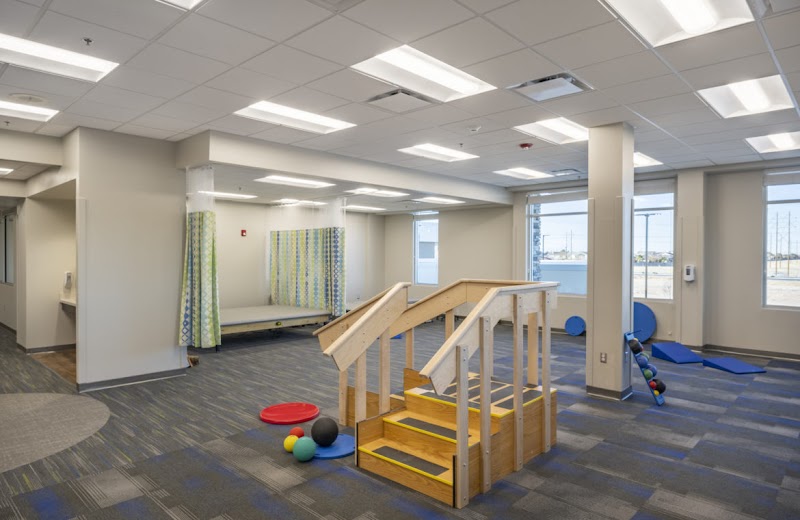
How Does Center At Zaragoza, Llc Compare to Other Texas Nursing Homes?

Compared to the 100 nursing homes in Texas, CENTER AT ZARAGOZA, LLC's overall rating (4 stars) is above the state average of 2.8, staff turnover (60%) is significantly higher than the state average of 46%, and health inspection rating (3 stars) is at the national benchmark.

What Should Families Ask When Visiting Center At Zaragoza, Llc?

Based on this facility's data, families visiting should ask: "How do you ensure continuity of care given staff turnover, and what is your staff retention strategy?" "Can I visit during a mealtime to observe dining assistance and food quality?" "How do you handle medical emergencies, and what is your hospital transfer rate?" "Can I speak with family members of current residents about their experience?" These questions are particularly relevant given the facility's high staff turnover rate.

Is Center At Zaragoza, Llc Safe?

Based on CMS inspection data, CENTER AT ZARAGOZA, LLC has a clean safety record: no substantiated abuse findings (meaning no confirmed cases of resident harm), no Immediate Jeopardy citations (the most serious violation level indicating risk of serious injury or death), and is not on the Special Focus Facility watch list (a federal program monitoring the lowest-performing 1% of nursing homes). The facility has a 4-star overall rating and ranks #1 of 100 nursing homes in Texas. While no facility is perfect, families should still ask about staff-to-resident ratios and recent inspection results during their visit.

Do Nurses at Center At Zaragoza, Llc Stick Around?

Staff turnover at CENTER AT ZARAGOZA, LLC is high. At 60%, the facility is 14 percentage points above the Texas average of 46%. High turnover means new staff may not know residents' individual needs, medications, or preferences. It can also be disorienting for residents, especially those with dementia who rely on familiar faces. Families should ask: What is causing the turnover? What retention programs are in place? How do you ensure care continuity during staff transitions?

Was Center At Zaragoza, Llc Ever Fined?

CENTER AT ZARAGOZA, LLC has been fined $5,000 across 1 penalty action. This is below the Texas average of $33,129. While any fine indicates a compliance issue, fines under $50,000 are relatively common and typically reflect isolated problems that were subsequently corrected. Families should ask what specific issues led to these fines and confirm they've been resolved.

Is Center At Zaragoza, Llc on Any Federal Watch List?

CENTER AT ZARAGOZA, LLC is not on any federal watch list. The most significant is the Special Focus Facility (SFF) program, which identifies the bottom 1% of nursing homes nationally based on persistent, serious quality problems. Not being on this list means the facility has avoided the pattern of deficiencies that triggers enhanced federal oversight. This is a positive indicator, though families should still review the facility's inspection history directly.