GOLDEN PALMS REHABILITATION AND RETIREMENT

2101 TREASURE HILLS BLVD, HARLINGEN, TX 78550 (956) 430-3100
For profit - Corporation 60 Beds THE ENSIGN GROUP Data: November 2025 1 Immediate Jeopardy citation
Trust Grade
41/100
#474 of 1168 in TX
Last Inspection: January 2025

Within standard 12-15 month inspection cycle. Federal law requires annual inspections.

Overview

Golden Palms Rehabilitation and Retirement has received a Trust Grade of D, indicating below average performance with some concerns. They rank #474 out of 1168 nursing homes in Texas, placing them in the top half, but #8 out of 14 in Cameron County suggests there are better local options available. Unfortunately, the facility is worsening, with issues increasing from 4 in 2024 to 9 in 2025. Staffing is a mixed bag, rated at 2 out of 5 stars, with a turnover rate of 56%, which is average for Texas but suggests some instability. While the facility has good RN coverage, exceeding 91% of Texas facilities, there have been critical incidents, such as a resident eloping due to unsecured exit doors, and a failure to provide necessary therapeutic diets, raising concerns about resident safety and nutrition.

Trust Score
D
41/100
In Texas
#474/1168
Top 40%
Safety Record
High Risk
Review needed
Inspections
Getting Worse
4 → 9 violations
Staff Stability
⚠ Watch
56% turnover. Above average. Higher turnover means staff may not know residents' routines.
Penalties
✓ Good
$15,997 in fines. Lower than most Texas facilities. Relatively clean record.
Skilled Nurses
✓ Good
Each resident gets 43 minutes of Registered Nurse (RN) attention daily — more than average for Texas. RNs are trained to catch health problems early.
Violations
⚠ Watch
18 deficiencies on record. Higher than average. Multiple issues found across inspections.
★★★☆☆
3.0
Overall Rating
★★☆☆☆
2.0
Staff Levels
★★★☆☆
3.0
Care Quality
★★★☆☆
3.0
Inspection Score
Stable
2024: 4 issues
2025: 9 issues

The Good

  • Full Sprinkler Coverage · Fire safety systems throughout facility
  • No fines on record

Facility shows strength in fire safety.

The Bad

3-Star Overall Rating

Near Texas average (2.8)

Meets federal standards, typical of most facilities

Staff Turnover: 56%

Near Texas avg (46%)

Frequent staff changes - ask about care continuity

Federal Fines: $15,997

Below median ($33,413)

Minor penalties assessed

Chain: THE ENSIGN GROUP

Part of a multi-facility chain

Ask about local staffing decisions and management

Staff turnover is elevated (56%)

8 points above Texas average of 48%

The Ugly 18 deficiencies on record

1 life-threatening 1 actual harm
May 2025 1 deficiency
CONCERN (D) 📢 Someone Reported This

A family member, employee, or ombudsman was alarmed enough to file a formal complaint

Potential for Harm - no one hurt, but risky conditions existed

Comprehensive Care Plan (Tag F0656)

Could have caused harm · This affected 1 resident

**NOTE- TERMS IN BRACKETS HAVE BEEN EDITED TO PROTECT CONFIDENTIALITY** Based on observation, interview, and record review the facility failed to develop and implement a comprehensive person-centered ...

Read full inspector narrative →
**NOTE- TERMS IN BRACKETS HAVE BEEN EDITED TO PROTECT CONFIDENTIALITY** Based on observation, interview, and record review the facility failed to develop and implement a comprehensive person-centered care plan for each resident, consistent with the resident rights, that included measurable objectives and timeframes to meet a resident's medical, nursing, mental and psychosocial needs that were identified in the comprehensive assessment for 2 of 3 residents (Residents #1 and #2) reviewed for care plans. 1.The facility failed to ensure Resident #1's care plan reflected he was a 2 person assist for toileting. 2. The facility failed to ensure Resident #2's care plan reflected he was a 2 person assist for toileting. These failures could place residents at risk of not receiving the necessary care and services. Findings include: 1.Record review of Resident #1's admission record, dated 05/15/25, reflected a [AGE] year-old male admitted on [DATE], and an initial admit date of 03/08/25. Pertinent diagnoses included muscle weakness, lack of coordination, and difficulty in walking. Record review of Resident #1's 5-day MDS assessment dated [DATE], reflected a BIMS score of 06, which indicated his cognition as severely impaired. Further review reflected a functional limitation in range of motion due to impairment on both sides of his lower extremities, and dependent (helper does all of the effort. Resident does none of the effort to complete the activity. Or the assistance of 2 or more helpers is required for the resident to complete the activity) for toileting. Record review of Resident #1's care plan dated 05/06/25, reflected a focus of ADL self-care performance deficit r/t weakness . Care plan did not indicate if he was a 1 or 2 person assist for toileting. Record review of Resident #1's [NAME] report (a kiosk CNAs use to identify if a resident is a 1 or 2 person assist and enter their ADLs for the day) dated 05/14/25 did not reflect a task for toileting. 2.Record review of Resident #2's admission record, dated 05/15/25, reflected an [AGE] year-old male admitted on [DATE], and an initial admit date of 08/06/24. His relevant diagnoses included dementia (a group of thinking and social symptoms that interferes with daily functioning), Alzheimer's Disease (a progressive disease that destroys memory and other important mental functions), and sciatica- right side ( pain radiating along the sciatic nerve, which runs down one or both legs from the lower back). Record review of Resident #2's quarterly MDS assessment dated [DATE] reflected that a brief interview for mental status should not be conducted due to resident rarely/never being understood. Further review reflected he had a functional limitation in range of motion due to upper and lower extremities and dependent (helper does all of the effort. Resident does none of the effort to complete the activity. Or the assistance of 2 or more helpers is required for the resident to complete the activity) for roll left to right (the ability to roll from lying on back to left and right side and return to lying on back on the bed). For the task of toilet transfer he was coded as not attempted due to medical condition or safety concerns. Record review of Resident #2's quarterly care plan dated 03/11/25 reflected he had a focus of ADL self-care performance deficit r/t weakness, sciatica to right side, dementia, and Alzheimer's disease. His interventions failed to indicate if he was a 1 or 2 person assist for toileting. Record review of Resident #2's [NAME] report dated 05/14/25 failed to reflect if he was a 1 or 2 person assist for toileting. An observation and interview on 05/14/25 at 9:17 a.m., CNA A said Resident #1 and Resident #2 were total bed bound residents who required a 2 person assist for toileting. CNA A said if a CNA needed to check if a resident required a 1 or 2 person assist on their ADLs, they would check the resident's [NAME] report. She was observed checking Resident #1 and Resident #2's [NAME] report and said it did not indicate if they were a 1 or 2 person assist for toileting. CNA A said she had cared for Resident #1 and Resident #2 since they had been admitted and knew they both were a 2 person assist for toileting. She was observed as she checked Resident #1's [NAME] report and stated his report did not have the ADL of toileting listed. CNA A said Resident #2's [NAME] report had his ADL of toileting listed but did not indicate if he was a 1 or 2 person assist for this specific task. CNA A said if a resident's [NAME] report failed to indicate the ADL of toileting and did not indicate if they were a 1 or 2 person assist, a CNA would not know how to provide the ADL of toileting. An interview with MDS-RN on 05/14/25 at 9:30 a.m. said the information listed on a resident's care plan was from what was listed on their MDS assessment. She said both Resident #1 and Resident #2 were considered dependent for all their ADLs which meant, both required a 2 person assist for toileting. She said their care plans did not reflect they were a were a 2 person assist for toileting and neither did their [NAME] report. She said a resident's [NAME] report reflected what was on their care plan. She said she had failed to care plan Resident #1 and Resident #2 were a two person assist for toileting. MDS-RN was not able to say if there were any negative outcomes to Resident #1 and/or Resident #2 not having their care plan indicate if they were a 1 or 2 person assist for toileting, she said that was a question for the DON. An interview on 05/14/25 at 10:03 am, the DON said Resident #1 and Resident #2 were both bed bound residents who required a 2 person assist for their ADL of toileting. The DON said the information listed on a resident's [NAME] report, was what was on their care plan. She said there were no negative outcome for Resident #1 and Resident #2 for not having their task of toileting on their care plans/[NAME] report because the CNAs assigned to their hall were tenured and had worked with both Resident #1 and Resident #2 since they had been admitted . The DON said a PRN or new CNA would check the residents [NAME] report to guide them in performing their ADL tasks. She said if a specific ADL was not listed on a resident's [NAME] report, the CNA could always ask their charge nurse for assistance. Record review of facility's Comprehensive Person-Centered Care Planning (no date) reflected: Policy: It is the policy of this facility that the interdisciplinary team (IT) shall develop a comprehensive person-centered care plan for each resident that includes measurable objectives and timeframes to meet a resident's medical, nursing, mental and psychosocial needs that are identified in a comprehensive assessment. The IDT team will also develop and implement a baseline care plan for each resident, within 48 hours of admission, that includes minimum healthcare information necessary to properly care for each resident and instruction needed to provide effective and person-centered care that meet professional standards of quality of care. Procedure: 4. The facility IDT will develop and implement a comprehensive person-centered care plan for each resident within 7 days of completion of the MDS and will include resident's needs identified in the comprehensive assessment, any specialized services as a result of PASRR recommendation, and resident's goal and desired outcomes, preferences for future discharge and discharge plans.
May 2025 3 deficiencies
CONCERN (D) 📢 Someone Reported This

A family member, employee, or ombudsman was alarmed enough to file a formal complaint

Potential for Harm - no one hurt, but risky conditions existed

Assessment Accuracy (Tag F0641)

Could have caused harm · This affected 1 resident

**NOTE- TERMS IN BRACKETS HAVE BEEN EDITED TO PROTECT CONFIDENTIALITY** Based on interviews and record review, the facility failed to ensure the assessment accurately reflected the resident's status f...

Read full inspector narrative →
**NOTE- TERMS IN BRACKETS HAVE BEEN EDITED TO PROTECT CONFIDENTIALITY** Based on interviews and record review, the facility failed to ensure the assessment accurately reflected the resident's status for 2 (Resident #1 and Resident #2) of 3 residents reviewed for accuracy of assessments. The facility failed to ensure Resident #1 and Resident #2 were coded in the MDS for dialysis. This failure could place residents at risk of improper or incorrect care and services necessary for their physical, mental, and psychosocial well-being. The findings included: Record review of Resident #1's face sheet dated 05/01/25 reflected the resident was a [AGE] year-old female who was admitted to the facility on [DATE] with diagnoses that included: cerebral infarction (stroke), muscle weakness, type 2 diabetes (high levels of sugar in blood), unspecified protein-calorie malnutrition (does not consume enough protein or calories which can lead to weight loss or malnutrition), hypertension (high blood pressure), anemia (low iron levels), peripheral vascular disease (narrowing or blockage of blood vessels), end stage renal disease, and dependence on renal dialysis. Record review of Resident #1's MDS assessment dated [DATE] reflected Resident #1 had a BIMS score of 8, indicating moderate cognitive impairment. Dialysis was not coded for section O: special treatments, procedures, and programs. Record review of Resident #1's care plan dated 05/01/25 reflected Resident #1 had renal failure related to end stage disease. Date initiated: 02/26/25. Resident #1 needed dialysis related to ESRD. Date initiated: 02/26/25. Record review of Resident #2's face sheet dated 05/01/25 reflected the resident was a [AGE] year-old male who was admitted to the facility on [DATE] with diagnoses that included: chronic kidney disease (progressive loss of kidney function), muscle weakness, unspecified protein-calorie malnutrition (does not consume enough protein or calories which can lead to weight loss or malnutrition), hypertension (high blood pressure), end stage renal disease, and dependence on renal dialysis. Record review of Resident #2's MDS assessment dated [DATE] reflected Resident #2 had a BIMS score of 15, indicating intact cognition. Dialysis was not coded for section O: special treatments, procedures, and programs. Record review of Resident #2's care plan dated 05/01/25 reflected Resident #2 had renal failure related to end stage disease. Date initiated: 06/17/24. Resident #2 needed dialysis related to ESRD. Date initiated: 06/17/24. On 05/07/25 at 4:00 PM, in an interview with MDS F, she said section O of the MDS assessment was completed by the MDS nurses. MDS F said she reviewed the MDS assessments for Resident #1 and Resident #2. MDS F said she agreed that dialysis was not coded correctly for the residents MDS assessments. MDS F said there was no negative outcome to the residents and they would not be at risk of a negative outcome as the MDS assessment section O was not used to care plan, but rather as a billing tool. MDS F said they would correct the assessments for payment and audit accuracies. On 05/07/25 at 4:30 PM, in an interview with the DON, she said for the MDS coding, section O did not trigger care areas to develop the care plans for dialysis. The DON said the care plans included dialysis for Resident #1 and Resident #2. The DON said they would modify the assessments for accuracy and for payment. The DON said there was no negative outcome or risk of injury for the residents as that section of the MDS assessments was used for billing. Record review of the facility's Resident Assessment and Associated Processes policy dated January 2022 reflected - Policy: It is the policy of this facility that resident's will be assessed and the findings documented in their clinical health record. The comprehensive assessment includes the completion of the MDS as well as the Care Area Assessment process. An accurate comprehensive assessment will include special treatments and procedures. Record review of CMS's RAI Version 3.0 Manual dated 10/2024 reflected section O: O0110: Special Treatments, Procedures, and Programs Coding instructions: Review the resident's medical record to determine whether or not the resident received or performed any of the treatments, procedures, or programs within the assessment period defined for each column (on admission, while a resident, and at discharge).
CONCERN (D) 📢 Someone Reported This

A family member, employee, or ombudsman was alarmed enough to file a formal complaint

Potential for Harm - no one hurt, but risky conditions existed

Medical Records (Tag F0842)

Could have caused harm · This affected 1 resident

**NOTE- TERMS IN BRACKETS HAVE BEEN EDITED TO PROTECT CONFIDENTIALITY** Based on interviews and record review, the facility failed to maintain medical records in accordance with accepted professional ...

Read full inspector narrative →
**NOTE- TERMS IN BRACKETS HAVE BEEN EDITED TO PROTECT CONFIDENTIALITY** Based on interviews and record review, the facility failed to maintain medical records in accordance with accepted professional standards and practices that were complete and accurately documented for 1 (Resident #1) of 3 residents reviewed for accuracy of records, in that: LVN A failed to document Resident #1's change of condition for nausea on 03/24/25. This failure could affect residents whose records are maintained by the facility and could place them at risk for errors in care. The findings included: Record review of Resident #1's face sheet dated 05/01/25 reflected the resident was a [AGE] year-old female who was admitted to the facility on [DATE] with diagnoses that included: cerebral infarction (stroke), muscle weakness, type 2 diabetes (high levels of sugar in blood), unspecified protein-calorie malnutrition (does not consume enough protein or calories which can lead to weight loss or malnutrition), hypertension (high blood pressure), anemia (low iron levels), peripheral vascular disease (narrowing or blockage of blood vessels), end stage renal disease, and dependence on renal dialysis. Record review of Resident #1's MDS assessment dated [DATE] reflected Resident #1 had a BIMS score of 8, indicating moderate cognitive impairment. Record review of Resident #1's care plan dated 05/01/25 reflected Resident #1 had risk for acute/chronic pain related to diagnosis and disease processes. Date initiated: 02/26/25. Interventions included: Monitor/document for side effects of pain medication. Observe for constipation; new onset or increased agitation, restlessness, confusion, hallucinations, dysphoria; nausea; vomiting; dizziness and falls. Report occurrences to the physician. Report to nurse any change in usual activity attendance patterns or refusal to attend activities related to signs/symptoms or complaints of pain or discomfort. Date initiated: 02/26/25. Record review of Resident #1's stop and watch form dated 03/24/25 at 2:10 PM reflected Resident #1 seemed different than usual, ate less, was tired/weak/confused, and stated she felt nauseous. Form completed by SLP G and reported to LVN A. Nurse response: pending orders. Record review of Resident #1's chart on 05/01/25 reflected LVN A did not document a form or note regarding the change of condition when Resident #1 experienced nausea. On 05/07/25 at 12:50 PM, in an interview with LVN A, she said on 03/24/25 during the day shift, a therapy staff (did not remember who) informed her that Resident #1 was not feeling well. LVN A said she followed up with Resident #1 and she said she felt nauseous. LVN A said she notified the physician but did not recall if they gave any new orders or said to just monitor. LVN A said she did not recall if she documented a form or note for the change of condition. On 05/07/25 at 2:00 PM, in an interview with SLP G, she said on 03/24/25 at around 2 PM, Resident #1 looked different so she completed a stop and watch where she noted the change. SLP G said Resident #1 told her she did not feel like eating as she felt nauseous. SLP G said she completed the form, reminded Resident #1 to use the call light, and informed Resident #1 she would notify the nurse. SLP G said she informed and gave the stop and watch form to LVN A. SLP G said LVN A said she would notify the physician and was pending orders from what she recalled. On 05/07/25 at 8:30 PM, in an interview with LVN B, she said on 03/24/25, LVN A informed her during shift change that Resident #1 had felt nauseous during the day shift and that she notified the physician. LVN B said she did not recall if the physician gave new orders or if Resident #1 was given any new medications. On 05/08/25 at 11:15 AM, in an interview with the DON, she said she did not recall if there was a change of condition for Resident #1 on 03/24/25. The DON said if a therapy staff did a stop and watch (form where they noted a change), and gave the form to the nurse, the nurse would have had to notify the physician, physician would have given an order or maybe just said to monitor. The DON said the nurse would have carried out orders or documented the result of the notification to the physician. The DON said she did not see any documentation on Resident #1's chart on 03/24/25 regarding a change such as her feeling nauseous. Record review of the facility's Daily Skilled Nursing Documentation policy dated 05/2023 reflected - Policy statement: All skilled services provided to the resident receiving skilled level of care, or any changes in the resident's medical or mental condition shall be documented in the resident's medical record. 6. Documentation of direct skilled nursing services, procedures, and treatments shall include care-specific details and shall include at a minimum: a. date/time b. name and title of the licensed nurse c. the assessment/evaluation data or any unusual findings f. notification of family, physician, or other staff g. conversation with physician or other staff
CONCERN (E) 📢 Someone Reported This

A family member, employee, or ombudsman was alarmed enough to file a formal complaint

Potential for Harm - no one hurt, but risky conditions existed

Deficiency F0692 (Tag F0692)

Could have caused harm · This affected multiple residents

**NOTE- TERMS IN BRACKETS HAVE BEEN EDITED TO PROTECT CONFIDENTIALITY** Based on interviews and record review, the facility failed to offer a therapeutic diet when there was a nutritional problem and ...

Read full inspector narrative →
**NOTE- TERMS IN BRACKETS HAVE BEEN EDITED TO PROTECT CONFIDENTIALITY** Based on interviews and record review, the facility failed to offer a therapeutic diet when there was a nutritional problem and the health care provider ordered a therapeutic diet for 1 (Resident #1) of 3 residents reviewed for diets. The facility failed to administer Resident #1 with liquid protein (on 02/28/25, 03/02/25, 03/03/25, 03/04/25, 03/08/25, 03/09/25, 03/10/25, 03/11/25, 03/12/25, 03/14/25, 03/16/25, 03/17/25, 03/19/25, 03/20/25, 03/21/25, and 03/24/25) and Nepro (on 02/28/25, 03/01/25, 03/03/25, 03/04/25, 03/06/25, 03/07/25, 03/09/25, 03/12/25, 03/13/25, 03/15/25, and 03/24/25) supplements as ordered by her physician. This failure could affect residents on therapeutic diets by placing them at increased risk for significant weight loss and malnutrition. Findings include: Record review of Resident #1's face sheet dated 05/01/25 reflected the resident was a [AGE] year-old female who was admitted to the facility on [DATE] with diagnoses that included: cerebral infarction (stroke), muscle weakness, type 2 diabetes (high levels of sugar in blood), unspecified protein-calorie malnutrition (does not consume enough protein or calories which can lead to weight loss or malnutrition), hypertension (high blood pressure), anemia (low iron levels), peripheral vascular disease (narrowing or blockage of blood vessels), end stage renal disease, and dependence on renal dialysis. Record review of Resident #1's MDS assessment dated [DATE] reflected Resident #1 had a BIMS score of 8, indicating moderate cognitive impairment. Resident #1 was noted to be at risk for malnutrition (protein or calorie). Nutritional approaches included a mechanically altered diet and a therapeutic diet. Record review of Resident #1's Mini Nutritional assessment dated [DATE] reflected Resident #1 was at risk of malnutrition with a score of 9. Resident #1's BMI was less than 19 (underweight). Record review of Resident #1's care plan dated 05/01/25 reflected Resident #1 had a nutritional problem or potential nutritional problem related to risk for malnutrition due to diagnoses of cerebral infarction, hypertension, diabetes, anemia, and ESRD with dialysis. Date initiated: 02/26/25. Interventions included: renal diet mechanical soft with thin liquids. Date initiated: 02/27/25. Liquid protein as ordered for 30 days. Date initiated: 02/27/25. Nepro. Date initiated: 02/28/25. Record review of Resident #1's order summary dated 05/01/25 reflected dietary supplements - Resident #1 was ordered liquid protein one time a day for risk for malnutrition. Give 30 ml for days. Start date: 02/28/25. Resident #1 was ordered Nepro (specialized nutritional product designed for individuals on dialysis) one time a day for supplement 118 ml. Start date: 02/28/25. Record review of Resident #1's MAR reflected - Liquid protein was not administered on 02/28/25, 03/02/25, 03/03/25, 03/04/25, 03/08/25, 03/09/25, 03/10/25, 03/11/25, 03/12/25, 03/14/25, 03/16/25, 03/17/25, 03/19/25, 03/20/25, 03/21/25, and 03/24/25. Nepro was not administered on 02/28/25, 03/01/25, 03/03/25, 03/04/25, 03/06/25, 03/07/25, 03/09/25, 03/12/25, 03/13/25, 03/15/25, and 03/24/25. Record review of Resident #1's progress notes reflected - On 02/28/25 at 4:40 PM - Medication Administration Note for Nepro, one time a day for supplement. Need clarification on supplement. Nurse notified. Documented by: CMA E On 03/03/25 at 4:30 PM - Medication Administration Note for Nepro, one time a day for supplement. Need clarification on supplement (quantity). Nurse notified. Documented by: CMA E On 03/04/25 at 8:18 AM - Medication Administration Note for liquid protein, one time a day for risk for malnutrition, give 30 ml for 30 days. Pending clarification in which protein to give. Nurse notified. Documented by: CMA E On 03/04/25 at 4:54 PM - Medication Administration Note for Nepro, one time a day for supplement. Need clarification on supplement. Documented by: CMA E On 03/06/25 at 3:11 PM - Medication Administration Note for Nepro, one time a day for supplement. Need clarification on supplement. Documented by: CMA D On 03/09/25 at 7:46 AM - Medication Administration Note for liquid protein, one time a day for risk for malnutrition, give 30 ml for 30 days. Pending clarification in which protein to give. Nurse notified. Documented by: CMA D On 03/09/25 at 4:50 PM - Medication Administration Note for Nepro, one time a day for supplement. Need clarification on supplement. Documented by: CMA D On 03/11/25 7:26 AM - Medication Administration Note for liquid protein, one time a day for risk for malnutrition, give 30 ml for 30 days. Pending clarification in which protein to give. Nurse notified. Documented by: CMA D On 03/12/25 at 3:25 PM - Medication Administration Note for Nepro, one time a day for supplement 118ml. Needs clarification on Nepro 118 ml. Nurse notified. Documented by: CMA E On 03/14/25 9:31 AM - Medication Administration Note for liquid protein, one time a day for risk for malnutrition, give 30 ml for 30 days. Pending clarification in which protein to give. Nurse notified. Documented by: CMA D On 03/15/25 4:49 PM - Medication Administration Note for Nepro, one time a day for supplement. Need clarification on supplement. Documented by: CMA E On 03/16/25 7:25 AM - Medication Administration Note for liquid protein, one time a day for risk for malnutrition, give 30 ml for 30 days. Pending clarification in which protein to give. Nurse notified. Documented by: CMA D On 03/19/25 11:12 AM - Medication Administration Note for liquid protein, one time a day for risk for malnutrition, give 30 ml for 30 days. Pending clarification in which protein to give. Nurse notified. Documented by: CMA D On 03/24/25 8:24 AM - Medication Administration Note for liquid protein, one time a day for risk for malnutrition, give 30 ml for 30 days. Pending clarification in which protein to give. Nurse notified. Documented by: CMA D Record review of Resident #1's weights dated 05/01/25 reflected Resident #1 weighed 117 pounds on 02/26/25 and 119 pounds on 03/04/25. Record review of Resident #1's meal percentage task dated 05/08/25 reflected from 03/11/25-03/24/25 Resident #1 ate between 51-100% for most meals. On 05/07/25 at 12:35 PM, in an interview with CMA D, she said there was a resident that she recalled she did not give the liquid protein and Nepro to because she needed clarification on the orders. CMA D said she did not remember the resident's name but she remembered that situation. CMA D said the order did not have the quantity or dosage, or she needed clarification on something, so she could not administer the supplements. CMA D said when that happened, she documented and notified the nurse. CMA D said she did not remember the specific nurse or date/time that she needed the clarification for but she remembered following those steps. CMA D said she did not remember if she ever got clarification on those orders. On 05/07/25 at 1:00 PM, in an interview with CMA E, he said he recalled asking the nurses for clarification on Resident #1's orders. CMA E said he needed clarification on the liquid protein as the order did not specify what kind of protein to use. CMA E said he also needed clarification for Nepro because the orders said to give 118 ml but the cups they use did not have show 118 ml, only showed 120, 130, 140 ml. CMA E said the nurses rotated so it was not one specific nurse he notified but he did his part in informing the nurse, and the nurse would have taken over from there and possibly called the doctor to get clarification. CMA E said he was unsure if he got clarification on those orders. On 05/08/25 at 11:15 AM, in an interview with the DON, she said Resident #1 had physician's orders for liquid protein and Nepro. The DON said she reviewed Resident #1's file and it appeared that the med aides needed clarification on these orders such as which kind or brand of liquid protein to use and the ml for the Nepro. The DON said the med aides did not receive clarification on these orders and Resident #1 was not administered the supplements. The DON said she was unsure of how many times or days were missed. The DON said the root cause of how they went many days without clarification was lack of follow up or miscommunication. The DON said the med aides administered those supplements but since they documented and signed off on the order, then the clarification was not obtained or followed up on. The DON said they identified this issue on 05/01/25 during a chart audit. The DON said she implemented a change for the med aides to not sign off on the MAR so that it stays red in the system and the nurses must follow up on those orders. The DON said Resident #1 had the orders for liquid protein and Nepro because she was at risk for malnutrition based on her assessments. The DON said Resident #1 did not have any weight loss and ate well. The DON said she informed the staff and this was an on-going in-service. The DON said Resident #1 was not at risk of any negative outcomes because the liquid protein and Nepro were for risk of malnutrition but Resident #1 still had a good appetite and good meal intake. The DON said there was no specific policy available for the process of how med aides inform the nurse when they need clarification on orders, then the nurse reaches out to the doctor. The DON said she was working on the in-service which would turn into a policy.
Apr 2025 1 deficiency
CONCERN (D) 📢 Someone Reported This

A family member, employee, or ombudsman was alarmed enough to file a formal complaint

Potential for Harm - no one hurt, but risky conditions existed

Comprehensive Care Plan (Tag F0656)

Could have caused harm · This affected 1 resident

**NOTE- TERMS IN BRACKETS HAVE BEEN EDITED TO PROTECT CONFIDENTIALITY** Based on interviews and record review the facility failed develop and implement a comprehensive person-centered care plan for ea...

Read full inspector narrative →
**NOTE- TERMS IN BRACKETS HAVE BEEN EDITED TO PROTECT CONFIDENTIALITY** Based on interviews and record review the facility failed develop and implement a comprehensive person-centered care plan for each resident, consistent with resident needs, that included measurable objectives and time frames to meet a resident's medical, nursing, and mental and psychosocial needs, for 1 (Resident #1) of 5 residents reviewed for care plans. The facility failed to develop a comprehensive person-centered care plan for Resident #1 to address her behaviors (e.g. not offloading, not wearing heel protectors, weight bearing, refusing to attend dialysis, drinking soda or too much fluid, and not following dietary recommendations such as eating fried chicken). This failure could place the residents at risk of not receiving appropriate interventions and care to meet their current needs as indicated on the comprehensive care plans. The findings included: Record review of Resident #1's face sheet dated 04/09/25 reflected the resident was a [AGE] year-old female who was admitted to the facility on [DATE] with diagnoses that included: fracture of orbital floor (skull fracture), muscle weakness, unsteadiness on feet, type 2 diabetes (high levels of sugar in blood), end stage renal disease, edema (fluid retention, swelling in the body's tissues), hypertension, heart disease, heart failure, peripheral vascular disease (narrowing/blocking of the blood vessels outside of the heart), and dependence on renal dialysis. Record review of Resident #1's MDS assessment dated [DATE] reflected Resident #1 had a BIMS score of 15, indicating intact cognition. Resident #1 was at risk of developing pressure ulcers. Record review of Resident #1's care plan dated 04/09/25 reflected Resident #1 had renal failure related to end stage disease. Date initiated: 01/30/25. Resident #1 needed dialysis related to ESRD . Date initiated: 01/30/25. Resident #1 had a nutritional problem or potential nutritional problem related to risk for malnutrition due to diagnoses. Date initiated: 01/30/25. Interventions included: diet as ordered by MD - renal diet, regular texture with thin liquids and 1.5 liter fluid restriction. Resident had arterial ulcer of the left heel. Date initiated: 03/21/25. Right medial 4th toe and right medial 5th toe. Date initiated: 03/24/25. Right lateral ankle and left lateral ankle. Date initiated: 03/29/25. Interventions included: antibiotics, arterial doppler to bilateral lower extremities, labs, heel protectors, treatment per order, and observe/report to MD changes in status. Resident #1's care plan did not reflect behaviors (not offloading, not wearing heel protectors, weight bearing, refusing to attend dialysis, drinking soda or too much fluid, and not following dietary recommendations such as eating fried chicken). Interview with CMA F on 04/15/25 at 11:00 AM revealed CMA F said Resident #1 was getting wound care but Resident #1 was not keeping on her heel protectors like she was supposed to in order for her feet to not have pressure. CMA F said Resident #1 removed the heel protectors and was always sitting up in her chair. Interview with RN C on 04/15/25 at 3:25 PM revealed RN C said Resident #1 was on a fluid restriction because she received dialysis, but Resident #1 was always asking for ice. RN C said she explained to Resident #1 that ice melted into water and that could cause fluid overload but Resident #1 was very adamant that she wanted ice. RN C said Resident #1 called the dialysis center herself and canceled her treatment appointments. RN C said she explained to Resident #1 the importance of her receiving dialysis but she was still able to make those decisions and refused to go. RN C said they ordered waffle boots (heel protectors) and therapy evaluated Resident #1 to help address Resident #1's wounds. RN C said therapy indicated that Resident #1 should not bear weight on her feet because the wounds were getting worse. RN C said Resident #1 was non-complaint and tried to stand on her feet especially when her family took her out on pass. RN C said they explained the importance of not bearing weight to Resident #1 and her family, but they did not know if they followed the recommendations when they took Resident #1 out on pass. RN C said Resident #1's family brought her food all the time such as fried chicken, crackers, or food from restaurants that were unhealthy and did not aid in wound healing. Interview with the ADON on 04/15/25 at 3:55 PM revealed the ADON said Resident #1 had arterial wounds on her heels. The ADON said Resident #1 had very poor circulation and had diabetes. The ADON said Resident #1 received dialysis but she drank sodas and did not like to stay off her feet or offload. The ADON said she would place a pillow under Resident #1's feet to help relieve pressure but Resident #1 would remove the pillow. Interview with the DON on 04/15/25 at 5:10 PM revealed the DON said Resident #1's family brought her outside food such as food from a steak house and fried chicken which had too much sodium. The DON said Resident #1 received dialysis and refused to follow the renal diet or fluid restrictions. The DON said they ensured to document and explained the risks of not following the diet. The DON said Resident #1 liked to drink sodas and liked ice. The DON said they explained the limit on the fluids but Resident #1 still asked her family to bring her what she wanted. The DON said the wounds Resident #1 had were arterial wounds. The DON said Resident #1 had the offloading booties (heel protectors) but she did not leave the booties on. The DON said they explained the importance of her wearing them. The DON said Resident #1 was educated that the booties were to help prevent the wounds from getting worse. The DON said she was informed maybe of one time that Resident #1 refused to go to dialysis but she was unsure if it was more than that or if there was a history of Resident #1 refusing dialysis. The DON said Resident #1's non-compliance with care should have been care planned. The DON said those behaviors of noncompliance would place residents at risk for their condition to worsen, not improve, or other adverse effects, so they should have ensured the behaviors were care planned. The DON said it was important for Resident #1's behaviors to be care planned so that staff were aware and knew what to do if Resident #1 exhibited behaviors. The DON said the care plan would have reflected the interventions implemented specific for Resident #1's behaviors such as to redirect, re-educate, and document that she was made aware of the adverse effects of being noncompliant. The DON said if it was not care planned, maybe it was not communicated to the IDT. The DON said any changes noted such as noncompliance with care were noted by staff and should have been communicated with the team so that they could have developed interventions and updated the care plan. The DON said she was not sure why Resident #1's behaviors were not care planned. The DON said the renal diet, fluid restriction, heel protectors, offloading, and dialysis were important for wound healing. The DON said if the behaviors were not care planned, that could result in Resident #1's condition worsening. Record review of the facility's Comprehensive Person-Centered Care Planning policy dated December 2023 reflected - Policy: It is the policy of this facility that the interdisciplinary team shall develop a comprehensive person-centered care plan for each resident that includes measurable objectives and timeframes to meet the resident's medical, nursing, mental, and psychosocial needs that are identified. 5. The resident has the right to refuse or discontinue treatment. In the event that a resident refuses certain services posing a risk to resident's health and safety, the comprehensive care plan will identify care or service declined, the associated risks, IDT's effort to educate the resident and resident representative and any alternate means to address risk.
Jan 2025 4 deficiencies 1 IJ
CRITICAL (J) 📢 Someone Reported This

A family member, employee, or ombudsman was alarmed enough to file a formal complaint

Immediate Jeopardy (IJ) - the most serious Medicare violation

Accident Prevention (Tag F0689)

Someone could have died · This affected 1 resident

**NOTE- TERMS IN BRACKETS HAVE BEEN EDITED TO PROTECT CONFIDENTIALITY** Based on observation, interview, and record review, the facility failed to ensure the resident environment remained as free of a...

Read full inspector narrative →
**NOTE- TERMS IN BRACKETS HAVE BEEN EDITED TO PROTECT CONFIDENTIALITY** Based on observation, interview, and record review, the facility failed to ensure the resident environment remained as free of accident hazards as possible for 1 of 1 resident (Resident #1) reviewed for accidents. The facility failed to ensure an exit door was secured to prevent elopement. Resident #1 eloped from the facility on 9/19/24 and was found by hospital security guards. The non-compliance was identified as past non-compliance. The Immediate Jeopardy began on 9/19/24 and ended on 10/3/24. The facility had corrected the noncompliance before the survey began. This failure could place residents at risk of sustaining serious injury, harm, and death. Findings included: Record review of Resident #1's electronic facility face sheet dated 1/24/2025, revealed he was an [AGE] year-old male admitted to the facility on [DATE]. He had diagnoses of mild protein-calorie malnutrition, muscle weakness, and other reduced mobility. Record review of MDS dated [DATE] indicated Resident #1 had moderately impaired cognition with a BIMS score of 10 out of 15. The MDS revealed his mobility functional abilities for self-care were partial/moderate assistance to supervision or touching assistance. Resident #1 had no wandering behavior. Record review of Resident #1's undated care plan revealed elopement from facility on 9/19/24. Interventions included assess for fall risk and document wandering behavior and attempted diversional interventions. Date Initiated: 09/19/2024. Record review of the Incident Report dated 9/19/24 revealed at 9:15 am, MA A noted resident not in his room. Staff alerted and 100 % head count completed, then on-site and off-site search initiated. Facility driver called facility to inform Resident #1 had been in front of neighboring hospital with hospital security guards. DON arrived where resident was located, and resident returned to facility via facility van at approximately 9:58 am. No injuries noted to resident, but resident complained of pain to right knee. As per security guards, resident was found on sidewalk in the grass on his knees and stated he lost balance and fell. Resident voiced wanted to go fishing. Immediate Action Taken: MD, DON, and RP notified. Full body assessment completed. Vital signs taken and within normal limits, resident sent out to ER for evaluation. Record review of SBAR Communication Form dated 9/19/24 completed by RN B, revealed resident had change of condition: patient eloped from facility on 9/19/24, it was unknown if resident had any elopement prior, and resident had increased confusion or disorientation. Record review of the Nursing note dated 9/19/24 completed by DON, revealed elopement risk assessment done by RN B and Resident #1 is high risk and is currently at hospital per MD order. Record review of a History and Physical from hospital Resident #1 was admitted from dated 9/12/24, revealed no previous elopement history. Record review of nursing note dated 9/19/24 revealed at 9:15 am MA A noted Resident #1 was not in his room and could not be found throughout facility. Staff alerted and immediately completed 100% resident head count. On-site and off-site search began immediately, and resident found within minutes across parking lot at neighboring hospital with 2 security guards. Resident brought back to facility via facility van. As per security guard resident was found on sidewalk in the grass on his knees and stated he lost balance and fell. Visual assessment initially completed with no visible abnormalities. Resident stated pain to right knee. Upon arrival to facility, at approximately 9:58 am head to toe assessment completed. Resident's speech clear and coherent and able to answer questions appropriately when asked. No visible injuries or abnormalities noted. No new skin issues noted. Placed call to MD and received orders to transfer resident to ER for evaluation. Placed call to RP and made aware of elopement and transfer to ER. injuries noted to resident, but resident noted with confusion. Record review of document dated 9/19/24 by unknown author with question on first line that says, What was done to prevent incident from reoccurring? revealed Within less than an hour of elopement, maintenance director activated the sound on the East Hall door which was identified as the door the resident used to exit the building. All staff present were in serviced on alarm sound and directed to no longer use East door for regular exit purposes. Record review of the provider investigation report dated 9/26/24 indicated in an interview on 9/19/24 at 10:12 am by DON, Staff A stated during med pass she noticed resident was missing and stated looking for him and couldn't find him, so notified ADON at time that he was missing. Record review of the provider investigation report dated 9/26/24 indicated in an interview on 09/19/2024 at 10:56 am by DON, with RN B stated Resident #1 was last seen resting in room after he ate breakfast. Record review of the Wanderguard Checklist revealed Exit Doors for Main Entrance, Elevator, Bistro, Chandelier, Stairs 1200 Hall, Stairs 1100 Hall, and Hall 1100 were being checked daily from 9/20/24 to 12/31/24. Record review of the Weekly Checklist for Wander System: Door Devices revealed the door devices were checked on 9/19/24, 9/21/24, 9/23/24, 9/27/24, 9/29/24, and 10/1/24. The logs revealed the facility continued to assess door devices from 10/4/21 to 12/20/24 sporadically. Beginning 12/30/24 to 1/17/15 the door devices were checked daily Monday - Friday. Record review of Abuse, Neglect and Exploitation and Elopement in-services and Drills revealed they were conducted on the day of elopement for 1st and 2nd shift on 9/19/24 at 6:35 pm and 9/20/24 at 10:00 am. Record review of Elopement Drills revealed they were conducted for 1st and 2nd shifts on 9/19/24 and 9/20/24, 9/23/24 and 9/24/24, 9/25/24, 10/1/24, 10/4/24, 10/25/24, and 12/20/24. Record review of Head Count of resident head count document revealed 100 % head count conducted on 9/19/24 and 9/20/24. All residents accounted for on 1st and 2nd shifts. Record review also revealed 100% head count were conducted on 9/21/24, 9/23/24, 9/25/24, 9/27/24, 9/30/24, 10/2/24, 10/4/24, 10/7/24, 10/9/24, and 10/11/24. Record review of the Elopement Risk Re-evaluation revealed it was conducted on 9/19/24, 10/15/24, 11/2024, 12/2024 and 1/2025. In an interview on 1/24/25 at 10:31 am CNA F said the facility had elopement trainings prior to incident but since the incident they were more frequent. She said when an alarm goes off, they must look to see where it was coming from. She said if a resident was missing, everyone looked for the resident and they didn't stop until they found them. In an interview on 1/24/25 at 12:16 pm MA A stated that she didn't remember much due to Resident #1 arrived the evening before. MA A said she was the medication aide for that day. She said she was making rounds about to do med pass and Resident #1 was not in room. She said she was not sure of the time but was in the morning. She said she usually started med pass around eight beginning in the 1200 hall first, then began med pass in 1100 hallway. She said she does not remember the alarm going off. She said once she reported it, everyone went out to go search for Resident #1. She said that Resident #1 was new. She said he arrived at the facility the evening before, so there was no opportunity to hear him saying he wanted to leave. In an interview on 1/24/25 at 12:30 pm RN B stated that she remembered working that day and somebody noticed Resident #1 wasn't in his room in the morning, so an elopement code was started immediately. RN B said she did not remember a time frame of when she last saw Resident #1. She said she did not remember hearing an alarm go off. She said Resident #1 was new, but she didn't think he was a wanderer. RN B said she thinks he left through the door at end of 1100 hallway. She said she is not sure, but she thinks it is always locked. In an interview on 1/24/25 at 1:05 pm with the Maintenance Supervisor he said, upon inspection of the alarm system for exit door down hallway 1100, they learned the alarm for that exit door was silenced. He said they immediately turned the alarm sound back on with laptop. He said it could have been turned off by the IT person that was servicing the system 3 to 4 days before. Maintenance Supervisor said they checked the doors weekly prior to the elopement, but no log was kept. He said now they keep a log of all door checks. He said the facility put a plan of correction in place and it was still ongoing. He said they check the doors daily to ensure they were locked and now the door alarms are checked weekly to ensure the alarms go on every time the doors open. He said they must check the doors for 6 months. In an interview on 1/24/25 at 1:22 pm RN G said she was working on the 1200 hall when heard that a resident was missing. She said all staff stopped and searched for the resident. They searched inside and outside of the facility, and the resident was located approximately 20 minutes later. She said prior to the incident they had in-services on elopement, but after the incident they had them more frequently. She said all staff must look if a door alarm or wander guard alarm goes off. If it was an actual elopement, they used walkies to inform everyone and all staff must stop and search for the resident. She said they completed a head count to ensure all residents were accounted. She said they do not stop searching until the resident was located. In an interview on 1/24/25 at 2:43 pm with the facility's Driver, he said on the morning of 9/19/24, while driving towards the facility he saw Resident #1 sitting at the neighboring hospital with security. He turned back and they asked if resident was from the nursing facility he worked for, and he said yes. The Driver said security would not release Resident #1 without identification. The Driver called the facility and informed the person who answered where the resident was. The DON was informed, and she arrived at the hospital with a face sheet and ID. They released him and brought him back to facility in the van. It took about 15 minutes in total to get him back to the facility. Driver said resident was walking and doesn't remember resident limping. He said resident stated he wanted to go fishing. He said resident really didn't say much more. In an interview on 1/25/25 at 10:28 LVN H said the facility had elopement in-services and drills when she worked on the weekends. She said elopements were called code yellow on the walkies. She said they must check inside the building and then check outside the building. She said they do not stop searching until the resident was located. She said a head count was completed to ensure all residents were accounted for and they must always notify the MD, RP, DON and Administrator when there was an actual elopement. In an interview on 1/25/25 at 11:10 LVN D said the facility had done multiple code yellow trainings and drills. He said elopements were called code yellow. He said if they heard an alarm go off, they must lookd to figure out the source. He said if a resident was missing, they do a head count then it's all hands-on deck to make sure they find the resident as soon as possible. If resident is located, MD and family were notified. If the resident can not be located, the authorities must also be contacted. He said the resident was assessed, an investigation was done, and resident and staff were re-educated. The plan of care was modified as needed and the resident could be placed on a wanderguard if indicated. In an interview on 1/25/25 at 12:32 pm with the DON, she said around 9:15 am she was notified resident was not found in his room. While the search was ongoing, the front desk received a phone call from the Driver that Resident #1 was seen at the neighboring hospital with 2 security guards and they wouldn't release him without some type of identification that he belonged at the facility. The DON said she went with resident's information and when resident was released to their care, he was brought back in the facility's van. She said they notified RP and MD, and they received orders to send resident to the emergency room for evaluation. The DON said Resident #1's wife met the resident at the facility and went with the resident to the emergency room. The DON said she felt the resident was confused due to new environment. The DON said Resident #1 was admitted to facility the day before on 9/18/24 in the evening, and the elopement happened the next morning. The DON said the resident walked out the exit door from the 1100 hallway. The DON said there was an alarm on that door, but it did not go off when resident left. The DON said the Maintenance Director looked at the door and made corrections. The DON said prior to the elopement on 9/19/24, elopement training was done. The DON said elopement training was done upon hire and annually. She said that after the elopement on 9/19/24, elopement trainings and drills were done. She said they had elopement drills twice a week for 2 weeks and 100% head count twice a week for 2 weeks. DON said staff was in-serviced on code yellow for elopement. The DON said there have been no other elopements since. In an interview on 1/25/25 at 12:43 pm ADON said elopement in-services had been done at the facility and that drills were done frequently. He said for the elopement drills, they used radios and called out code yellow. He said they go room by room and searched the premises for the resident. He said they contact law enforcement if they resident was not located. He said that the family, DON and administrator were always contacted when a resident was missing. He said they do not stop searching for the resident until they were located. In an interview on 1/25/25 at 1:45 pm with the Administrator. She said that for the elopement on 9/19/24, once they found out that someone was missing, they did a head count. They then called a code yellow, so everyone knew to start looking. All staff check inside and outside of the facility. She said this would be done for any elopement and they don't stop looking until the resident is found. The RP and MD were called once he was found, and he was sent out to the hospital for evaluation. Staff completed a new elopement risk evaluation because the status has changed. The Administrator said the nurses usually have 24 hours to complete the elopement assessment, but they try to get them as soon as they can when they come in. The Administrator said for all elopements a wander guard would be placed, and the information would be placed into a binder kept at the nurse's station. The Administrator said that Resident #1 did not return to the facility from the hospital. The Administrator said they provided in-services on Abuse and Neglect and Elopement for all staff. The Maintenance Supervisor assessed the door and learned the alarm had been silenced, so he turned it back on. She said they initiated a plan of correction which included 100 % head counts for residents, weekly tests of the door alarms and elopement drills for the next couple of weeks. During an observation on 1/24/25 at 1:05 pm, this surveyor observed the exit door in the 1100 hallway that Resident #1 used to exit the building along with the Maintenance Director. The Maintenance Director opened the door, the alarm sounded, then he entered the alarm code into the keypad located on the inside of the facility to turn the alarm off. The front entry door alarm was observed in working order throughout the the survey. During an observation on 1/24/25 at 3:00 pm, the elopement binder was observed at the nurse's station and staff were aware of which residents had exit seeking behavior. During an observation on 1/24/25 at 5:30 pm, this surveyor noted that the path the resident took to the neighboring hospital had a busy street the resident would have crossed. This street brought in traffic from the hospital and from another street which includes all types of vehicles entering and exiting to get to the hospital, medical offices, and the Facility including ambulances and the Facility's own van. The time the resident walked to the neighboring hospital would have been a busy weekday. Record review of Elopement/Unsafe Wandering policy with date revision/review of 12/2023 revealed: Policy: It is the policy of this facility to provide a safe environment, as free of accidents as possible, for all residents through appropriate assessment, interventions, and adequate supervision to prevent accidents related to unsafe wandering or elopement while maintaining the least restrictive manner for those at risk for elopement. Definitions: .Elopement occurs when a resident leaves the premises or a safe area without the authorization (i.e. an order for discharge, appointment, or leave of absence), and/or any necessary supervision to do so. The Administrator was notified on 1/24/2025 at 5:00 pm, that a past noncompliance Immediate Jeopardy situation had been identified due to the above failures. It was determined these failures placed Resident #1 in an Immediate Jeopardy situation on 9/19/24. The facility had corrected the noncompliance before survey began. The facility had implemented the following interventions as per Provider Investigation Report dated 9/26/24: 1. Head to Toe Assessment completed 2. Notification of MD 3. Notification of RP 4. Clinicians initiated and completed 100% re-evaluations for elopement risk and no other new residents were identified as medium to high risk All new admissions to be reviewed within 24hr by DON/designee and LN staff educated/inserviced to notify DON/designee of any new admissions flagging medium to high risk on UDA. In-service on Abuse and Neglect and Elopement initiated and completed 6. 100% of resident head count was conducted by licensed nurses at time of incident and all active residents accounted for and Facility initiated 100% of head count qshift x48hr 9/19124 & 9/20/24. 100% Head count will continue 3xW 2nd shift x2 weeks 7. East exit door sound activated on door resident used to elope through. 8. Maintenance director tested all doors with alarms to ensure alarm sounds at in working order. Maintenance director/designee will test alarm sounds 3xW x2 consecutive weeks for working order. 9. Alert system placed to residents left wrist 10. Elopement drills initiated on 09/19/24 and continued on 9/19/24. Effective 9/23/24 elopement drills will be conducted 2xW for both 1st and 2nd shift for a period of 2 weeks Record review of Nursing note dated 9/19/24 revealed Resident #1's family member picked up his belongings at the facility. The family member stated she was overwhelmed with resident's gradual decline and has decided to go to another city to live with a family member, and where another family member lives a block away, to help her.
CONCERN (D) 📢 Someone Reported This

A family member, employee, or ombudsman was alarmed enough to file a formal complaint

Potential for Harm - no one hurt, but risky conditions existed

Pressure Ulcer Prevention (Tag F0686)

Could have caused harm · This affected 1 resident

**NOTE- TERMS IN BRACKETS HAVE BEEN EDITED TO PROTECT CONFIDENTIALITY** Based on observation, interviews, and record review, the facility failed to ensure that a resident with pressure ulcers received...

Read full inspector narrative →
**NOTE- TERMS IN BRACKETS HAVE BEEN EDITED TO PROTECT CONFIDENTIALITY** Based on observation, interviews, and record review, the facility failed to ensure that a resident with pressure ulcers received necessary treatment and services consistent with professional standards of practice to promote healing and prevent infections for 1 of 3 (Resident #19) residents reviewed for quality of care. The facility failed to ensure LVN C labeled and dated Resident #19's wound treatment dressing after completing wound care on 01/23/2025. This deficient practice could affect residents who receive wound care treatments by placing them at risk for receiving inadequate treatments resulting in the worsening of the wounds. The findings included: Record review of Resident #19's face sheet dated 01/24/2025 reflected a [AGE] year-old female who originally admitted to the facility on [DATE] and readmitted on [DATE]. Pertinent diagnoses included Cerebral Infarction (condition that affects blood flow to the brain), Right hip Osteoarthritis (the breakdown of cartilage that leads to pain and inflammation), Embolism and Thrombosis of superficial veins of left lower extremity (blood clot that occurs in veins under the skin), and Unspecified Protein-Calorie Malnutrition (a disorder caused by a lack of proper nutrition or inability to absorb nutrients from food). Record review of Resident #19's quarterly MDS assessment, dated 11/22/2024, reflected a BIMS score of 03, indicating severe cognitive impairment. Section M, titled Skin Conditions, indicated Resident #19 had one stage four pressure ulcer. Record review of Resident #19's comprehensive person-centered care plan, dated 12/31/2024, reflected Resident #19 had has pressure ulcer or potential for pressure ulcer development r/t cerebral infarction, Right hip Osteoarthritis, Embolism and Thrombosis of superficial veins of left lower extremity. Wounds to sacral area (large, triangular bone at the base of the spine), stage four. The interventions included monitor and report to physician as needed for any changes in skin status: signs and symptoms of infection, appearance, color, wound healing, wound size, stage, and treatments as ordered. Record review of Resident #19's physician order summary, dated 01/24/2025, reflected an order to cleanse sacral wound with wound cleanser, pat dry with gauze. Apply wet to dry (dakins solution) BID. May redress if dressing becomes soiled or dislodged as needed for Stage IV and cover with a dressing. During an observation of a wound treatment for Resident #19, on 01/23/2025 at 02:20 p.m., completed by LVN C. Resident #19's LVN C completed the wound treatment, redressed the wound, and did not label the dressing with date, time, and initials. Upon placing the dressing towards the bottom, LVN C realized Resident #19 had bowel movement and the edge of the dressing touched stool. LVN C completed the wound treatment again, redressed the wound, and again, did not label the dressing. In an interview on 01/23/2025 at 02:45 p.m. with LVN C, she stated she did not label the dressing because it slipped her mind. She stated that she always labels the dressings with her initials, time, and date. LVN C stated it was important to label the dressing with the initials, time, and date for when the doctor makes his rounds, and for other staff to know when it was changed. In an interview on 01/23/2025 at 03:06 p.m. the DON, stated the nurse was to initial, time, and date the wound dressings at the time the dressing was applied. The DON said the importance of dating, putting the time, and initialing the wound dressings was because it was the process, and it was the only way of knowing when the dressing was changed. The DON also stated that the negative outcome of not labeling dressing was that if it does not get changed, the wound can get worse and harbor bacteria. Record review of a facility document titled, Wound Care- Skills Checklist, undated reflected Mark tape with initials, time, and date and apply to dressing. Review of facility policy titled, Skin Management System revised date December 2019, reflected Policy: It is the policy of this facility that any resident who enters the facility without pressure ulcers will have appropriate preventive measures taken to ensure that the resident does not develop pressure ulcers, or that resident admitted with wounds will not develop signs and symptoms of infection, unless the residents clinical condition makes development unavoidable.
CONCERN (D)

Potential for Harm - no one hurt, but risky conditions existed

Respiratory Care (Tag F0695)

Could have caused harm · This affected 1 resident

**NOTE- TERMS IN BRACKETS HAVE BEEN EDITED TO PROTECT CONFIDENTIALITY** Based on observation, interview and record review, the facility failed to ensure that residents who needed respiratory care were...

Read full inspector narrative →
**NOTE- TERMS IN BRACKETS HAVE BEEN EDITED TO PROTECT CONFIDENTIALITY** Based on observation, interview and record review, the facility failed to ensure that residents who needed respiratory care were provided such care consistent with professional standards of practice, the comprehensive person-centered care plan, and the resident's goals and preferences for 1 of 5 (Resident #39) residents reviewed for respiratory care. The facility failed to ensure Resident #39's oxygen was administered at the correct setting of 3 liters per minute on 01/22/2025 as ordered by the physician. This deficient practice could place residents who receive respiratory care at an increased risk of developing respiratory complications and a decreased quality of care. The findings included: Record review of Resident #39's face sheet dated 01/22/2025 reflected an [AGE] year-old female with an admission date of 01/06/2025. Pertinent diagnoses included Acute and Chronic Respiratory Failure with Hypoxia (a condition where you don't have enough oxygen in your body), Bronchiectasis (condition that occurs when the tubes that carry air in and out of your lungs get damaged, causing them to widen and become loose and scarred), Idiopathic Pulmonary Fibrosis (a disease that causes scarring (fibrosis) of the lungs), Allergies, Primary Hypertension (high blood pressure), and Depression Unspecified. Record review of Resident #39's MDS assessment, dated 01/10/2025 reflected continuous oxygen therapy. Resident #39's BIMS score of 15, indicating cognitively intact. Record review of Resident #39's comprehensive person-centered care plan, dated 01/16/2025 reflected Resident #39 has altered respiratory status/difficulty breathing r/t Acute and Chronic Respiratory Failure with Hypoxia, Bronchiectasis, Idiopathic Pulmonary Fibrosis, Allergies. Intervention Provide oxygen as ordered. Record review of Resident #39's physician order summary, dated 01/22/2025, reflected oxygen at 3 L/min via nasal cannula continuous every shift. During an observation of Resident #39 on 01/22/2025 at 02:35 p.m. revealed the oxygen level on the oxygen concentration machine to be at 1L/min via nasal cannula. Observed Resident #39 in bed, awake. No signs of respiratory distress noted. In an interview on 01/22/2025 at 2:37 p.m. with Resident #39 stated, she was admitted about two weeks ago and was doing well. She denied any chest pain, shortness of breath or headache. In an interview on 01/22/2025 at 2:40 p.m. with RN B, stated she was the nurse for Resident #39. RN B verified that the O2 setting was set at 1L/min. She stated she did not know what the setting was supposed to be at and needed to check in the computer. RN B then logged onto her computer, reviewed Resident #39's oxygen setting physician order and stated it was supposed to be set at 3L/min. RN B stated the person responsible for checking that the oxygen setting was correct, was the person who put it on Resident #39. In this case, it was the night shift nurse who was supposed to check the oxygen setting and change the tubing. RN B stated her shift started at 6 a.m. and she had not checked the oxygen setting today. She stated that she normally does but she was working on a discharge. RN B stated that she did her rounds this morning upon shift change but did not look at her oxygen concentrator. RN B stated that when she checks the resident's oxygen, she checks their vital signs, checks that it was the right dose, humidifier, that the concentrator was working, that all the tubing was in place, and that the resident was connected to the nasal cannula or mask. RN B stated she has had respiratory care training in the past but cannot remember of exact date. She stated the negative outcome to keeping Resident#39's oxygen setting at 1L/min was that she can get short of breath and be in respiratory distress. In an interview on 01/22/2025 at 2:52 p.m. with the DON, stated that the floor nurse was responsible for checking the resident's oxygen setting. She stated that the facility has angel rounds, where the department heads check them daily in the morning before the 9 a.m. meeting. The DON stated the nurse should check the oxygen setting whenever she goes into the room, and as needed. She stated that training was provided for oxygen administration upon hire and annually. The DON stated that the negative outcome to keeping Resident#39's oxygen setting at 1L/min was that she can get hypoxia and go into respiratory distress. In an interview on 01/25/2025 at 3:35 p.m. with the ADON stated the nurses, the DON, and himself are responsible for checking the resident's oxygen setting. He stated the nurses are to check the oxygen setting each shift and they are to monitor them throughout the day. The ADON stated they are to follow oxygen setting physician orders. He stated that the nurses get respiratory care training upon hire and annually. The ADON stated the negative outcome to keeping Resident#39's oxygen setting at 1L/min was that she was not getting enough oxygen and she can go into a medical emergency. Record review of the facility's policy subject titled, Oxygen Administration, dated December 2023, revealed, Policy: It is the policy of this facility that oxygen therapy is administered, as ordered by the physician or as an emergency measure until the order can be obtained. Purpose: The purpose of the oxygen therapy is to provide sufficient oxygen to the blood stream and tissues. Procedure: #13. Reassess oxygen flowmeter for correct liter flow.
CONCERN (D)

Potential for Harm - no one hurt, but risky conditions existed

Deficiency F0761 (Tag F0761)

Could have caused harm · This affected 1 resident

**NOTE- TERMS IN BRACKETS HAVE BEEN EDITED TO PROTECT CONFIDENTIALITY** Based on observations, interviews, and record reviews the facility failed to store all drugs and biologicals under proper temper...

Read full inspector narrative →
**NOTE- TERMS IN BRACKETS HAVE BEEN EDITED TO PROTECT CONFIDENTIALITY** Based on observations, interviews, and record reviews the facility failed to store all drugs and biologicals under proper temperature controls, for 1 of 3 (black fridge) refrigerators in the medication storage reviewed, in that, The black fridge was not maintained between 35-40 degrees as per facility policy. This failure placed residents at risk for harm by not receiving the therapeutic effects of their medications. The findings included: During an observation accompanied by the Administrator, of the medication storage room located behind the front desk on [DATE] at 11:13 AM the temperature inside the black fridge was at 45 degrees F. Checked refrigerator again at 11:55 AM and temperature was at 50 degrees F. The black refrigerator contained insulins and eye drops. The temperature log located at the side of the refrigerator revealed the temperature should read between 35-40 degrees F. If not notify Supervisor immediately. In an interview on [DATE] at 11:10 am LVN D he stated the night nurses were in charge of checking the temperatures on the refrigerators located in the medication storage room. He said if the temperature was above or below the recommended range, the medications located in the refrigerator could expire and no longer be effective. In an interview on [DATE] at 11:55 am LVN E said checking the temperatures of the refrigerators in the medication room were one of her responsibilities. She said she did not check the black refrigerator on [DATE] because it had already been checked off by one of the other night nurses. She said she did not recall who. She said if the refrigerator was not in the recommended range on the log, the medication could go bad. She said they must read the directions on each medication. She said if she noticed the temperature was not within the recommended degrees she must report to maintenance, ADON, DON and document. She said they would probably have to call the pharmacy to get assistance. She said she received training on medications needing refrigeration during orientation. In an interview on [DATE] at 12:43 pm with the ADON, he said refrigerator temperatures in the medication storage room were checked by night nurses. He said as the ADON, he and DON must verify the next day to ensure it was checked nightly by the night shift. He said that morning he did not check the log. He said if the refrigerator was not kept within the recommended temperatures, the medication could go bad. He said they must also take into consideration what the labels of each medication recommend. He said he does not recall the protocol for what to do if the temperature was out of range because he was still in training. In an interview on [DATE] at 1:25 pm with the DON, she said the night nurses check the temperatures on the refrigerators. She said if the refrigerator was not within the recommended range, the medications could no longer be effective, and she would have to re-order those medications. She said she reviews medication requiring refrigeration with nurses upon hire and annually. Record review of the Refrigerator Temperature Log for the Black Refrigerator dated [DATE] reflect the temperature has been checked daily from [DATE] to [DATE] and temperatures ranged from 36 degrees F to 39 degrees F. The last temperature documented was the night shift of [DATE] at 36 degrees F. Record review of the facility's Storing and Controlling Medications policy revealed, Policy: It is the policy of this facility to: 1. Store medications safely, securely, and properly following manufacturer's recommendations or those of the supplier, and in accordance with federal and state laws and regulations. 8. Medications requiring storage in the refrigerator will be kept by the staff in the medication room refrigerator. Refrigerated temperatures will be maintained between 35-40 degrees Fahrenheit. 9. Medications that are discontinued, expired, contaminated, or deteriorated, .are immediately removed from the locked medication storage area and disposed of in accordance with the Facility policies and procedures.
Nov 2024 1 deficiency
CONCERN (D) 📢 Someone Reported This

A family member, employee, or ombudsman was alarmed enough to file a formal complaint

Potential for Harm - no one hurt, but risky conditions existed

Pharmacy Services (Tag F0755)

Could have caused harm · This affected 1 resident

**NOTE- TERMS IN BRACKETS HAVE BEEN EDITED TO PROTECT CONFIDENTIALITY** Based on interview and record review, the facility failed to provide pharmaceutical services (including procedures that assure t...

Read full inspector narrative →
**NOTE- TERMS IN BRACKETS HAVE BEEN EDITED TO PROTECT CONFIDENTIALITY** Based on interview and record review, the facility failed to provide pharmaceutical services (including procedures that assure the accurate acquiring, receiving, dispensing, and administering of all drugs and biologicals) to meet the needs of each resident for 1 of 6 residents (Residents #6), reviewed for pharmaceutical services, in that: The facility failed to ensure Resident #6 had his physician ordered Ceftriaxone sodium (antibiotic) available on 01/31/24. This failure could place residents at risk for not receiving medication as ordered. The findings included: Record review of Resident #6's face sheet, dated 11/21/24, revealed the resident was a [AGE] year-old male who was admitted to the facility on [DATE] and discharged on 02/12/24 with diagnoses that included: acute (sudden) respiratory failure (abnormal levels of oxygen and carbon dioxide in the blood) with hypoxia (not enough oxygen to the body), diabetes mellitus due to underlying condition with hyperglycemia (high blood sugar), essential (primary) hypertension, (blood pressure that is higher than normal), acute kidney failure (a sudden decline in kidney function that can range from minor to complete kidney failure) urinary tract infection (bladder infection, an illness in any part of the urinary tract), site not specified. Record review of Resident #6's admission Minimum Data Set assessment, dated 02/03/24, revealed Resident #6 had a BIMS score of 14 indicating cognition was intact. Resident #6's MDS also revealed he was taking an antibiotic. Record review of Resident #6's care plan, with an initiation date of 01/31/24 stated Resident #6 was on antibiotic therapy related to sepsis and had an intervention to administer medication as ordered. Record review of Resident #6's physician's orders, retrieved on 11/2/24, revealed an order for cefTRIAXone Sodium Injection Solution Reconstituted 2GM with start date on 01/31/24 with scheduled time of 4:00pm. Record review of Resident #6's January 2024 medication administration record revealed RN A documented a 7 on Resident #6's scheduled ceftriaxone on 01/31/24 at 4:00pm which indicated Other/ See Nurse Notes. Record review of Resident #6's medication administration note regarding his order for ceftriaxone that was written by RN A on 01/31/24 at 7:47 PM stated, medication not in facility faxed to pharm. During an interview with Pharmacy Tech B on 11/20/24 at 4:33pm she stated the order for Ceftriaxone had an order date of 01/31/24 at 12:43pm and a printed date of 01/31/24 at 8:06PM. Pharmacy Tech C stated they received the order on 02/01/24 at 9am and sent out the medication STAT and stated it was delivered to the facility on [DATE] at 12:08pm. During an interview and record review of the pulled pyxis inventory with Pharmacy Director C on 11/20/24 at 4:51pm he stated 2 vials of ceftriaxone were pulled from the pyxis on 02/01/24 at 8:31am and stated there had not been any restock noted and stated the medication was in the pyxis the entire time and was there on 01/30/24. During an interview with Pharmacy Director C on 11/21/24 at 10:21am he stated he did not think there was any negative impact on a resident if they missed one dose of an antibiotic. Pharmacy Director C stated the antibiotic would need to be started as soon as possible. During an interview on 11/20/24 at 2:19pm with RN A she stated they didn't really have anyone appointed to be responsible for ensuring newly admitted residents had their medications available as ordered. RN A stated it would be up to the admitting nurse to speak to the ADON. RN A stated if a resident was admitted in the middle of the night, and they needed a medication and had an order for a medication later that day then they would need to check the pyxis and put in the order as soon as the order had arrived. RN A stated if the medication is due right then and there and was not available then they needed to contact the MD. RN A stated she recalled Resident #6 and stated he had either a midline or picc line. RN A believed Resident #6 had been on antibiotics but was unsure how far into his stay that was. RN A was unable to recall if Resident #6's antibiotics were available or not. RN A explained the note she wrote on 01/31/24 at 7:47pm about medication not being available and faxing information to the pharmacy. RN A stated that was what they needed to do if the medication was not available in the pyxis and stated that it probably was not available. RN A stated the pharmacy they used made deliveries 2 times a day. RN A stated she was unable to pinpoint if she had contacted the MD about Resident #6's antibiotic medication not being available or any alternative options. RN A stated the nurses were responsible for notifying the MD about medication not being available and any alternative options. RN A stated it was important for residents to get their antibiotics because they were on it due to some sort of infection. RN A stated if residents did not get their antibiotics as ordered it could negatively impact their health and cascade into other problems. RN A stated the previous ADON D used to audit their admissions and make sure they weren't missing any assessments or medications. RN A stated she had been trained during orientation on ensuring residents had their physician ordered medications available and what to do if they did not. RN A stated she did not know the facility policy for ensuring residents had access to their physician ordered medications off the top of her head but stated she did know it had to be done as fast as possible and stated when NPs wrote orders they wanted them done then. RN A stated because she didn't know the exact policy, she was not sure if she followed her facility policy or not. Record review of clock in times on 1/30/24 revealed both LVN E and LVN F worked at the time of Resident #6's admission. Record review of Resident #6's admitting assessments on 01/30/24 revealed LVN E completed them. During an interview with LVN E on 11/20/24 at 6:04pm she stated she did not recall Resident #6. LVN E stated the nurses and whoever had done the admission was responsible for ensuring residents had their medications available as ordered. LVN E stated if a resident was admitted at night, she would go through the pyxis to check if they had the medication available and if it was not available then she would call the pharmacy to see how quickly they could get it. LVN E stated if she is doing an admission, she needs to verify all the medication with the MD and once they got clarification on the medications such as IV medications, she would then have to fax the IV orders, batch orders and resident face sheet over to the pharmacy otherwise the pharmacy could not send over the medication. LVN E stated she did have access to the pyxis. LVN E stated she did not recall anything about Resident #6 or his admission and was unable to answer if he had his antibiotics available at the time of admission. LVN E stated she was not sure what time the pharmacy delivered during the day but stated they did deliver at night around 8:30pm/9pm. LVN E stated if residents didn't get their antibiotics as ordered they won't get better and could get worse. LVN E stated management would check to ensure residents had their ordered medications available. LVN E stated she had been trained over ensuring residents had their physician ordered medication available and the procedures to get them if not available. LVN E stated she followed her facility policy regarding ensuring residents had access to their physician ordered medication. During an interview with LVN F on 11/21/24 at 12:47pm he stated he did not recall Resident #6 and stated that he was taught to put the orders in the system and wait until the medication got delivered. LVN F stated he had been taught that if they did not have the medication to check the pyxis and if it was not found there then to contact the pharmacy to see what was going on and if not then they had to write a medication administration note and document that they were pending the medication. LVN F stated from what he understood it was the ADON or DON who monitored to ensure residents had their ordered medication available but was not sure of how that process was done. During an interview with the DON on 11/21/24 at 2:20pm she stated she was not employed at the facility when Resident #6 was a resident and stated she started working at the facility on 08/04/24 and was not familiar with Resident #6. The DON stated based off what she saw in the chart Resident #6 was admitted on [DATE] and had orders for ceftriaxone on 01/31/24 and was scheduled at 4:00pm but RN A put a note that medication was not in the facility and was faxed to the pharmacy. The DON stated Resident #6 was then given a dose of his ceftriaxone on 02/01/24. The DON stated it was everyone's responsibility including the admitting nurse and the all the shifts after to ensure Resident #6 had his antibiotic available. The DON stated she did not see any documentation of them trying to get the medication. The DON stated the process staff should follow was to put in the orders and it would go to the pharmacy but also to send over IV medication orders via fax otherwise the pharmacy would not get it. The DON stated she was not sure if that was the same process previously. The DON stated staff should also check the pyxis and if it's not there then they should be calling the MD to see if they need to put the medication on hold or give something different that they may have available. The DON stated all nursing staff should have access to the pyxis. The DON stated she was not able to review the pyxis inventory from 01/31/24 and was only told by pharmacy staff that the medication Ceftriaxone was pulled on 01/31/24 but stated she had not seen that. The DON was not sure if staff checked the pyxis or reached out to the MD about any substitutes for Resident #6's medication and stated all she knew is what she saw in the chart. The DON stated it was important to ensure residents were provided their medication as scheduled to continue the course and follow it to get rid of any infection and because they did not want any adverse reaction. The DON stated it was important for the staff to be trained on checking the pyxis in order to get the medication for their residents and to start or continue their medication and not have any breakage in the medication. The DON was not sure if RN A and LVN E had been trained over checking the pyxis of procedures to follow when medication was not available. The DON stated they did not have a policy for verifying residents' medications were available and stated it was more of a procedure that they provided staff during orientation than a policy. The DON was unable to answer if staff followed their procedure and stated at that time she had no idea what they did because nothing was documented. The DON stated not getting a dose of antibiotic could throw off a medication regimen and may prolong the infection. During an interview on 11/21/24 at 5:58pm with the Clinical Resource she stated Resident #6 was admitted on [DATE] and had an order for ceftriaxone that started on 01/31/24 with a scheduled dose at 4:00pm that was not given. The Clinical Resource stated RN A documented on 01/31/24 at 7:47pm that medication was not in the facility, and she faxed information to the pharmacy. The Clinical Resource stated the admitting nurse is responsible for inputting the order and if there are any IV orders then they need to be faxed and stated the following nurse should make sure the pharmacy received it. The Clinical Resource stated LVN E was the admitting nurse. The Clinical Resource stated the process to check if medication was available was to fax the orders to the pharmacy and then check if the medication as available in the pyxis and if not then to contact the physician for a different medication. The Clinical Resource stated all nursing staff had access to the pyxis. The Clinical Resource stated she was unable to review inventory that was in the pyxis on 01/31/24. The Clinical Resource stated she did not know if staff checked the pyxis for Resident #6's medication or if they contacted the MD. The Clinical Resource stated it was important to ensure residents were provided their medications as scheduled so that they did not miss a dose. The Clinical Resource stated it was important for staff to be trained on checking the pyxis so that patients could get their medications. The Clinical Resource stated she saw a training for LVN E but could not find the training for RN A regarding procedures to follow when medication was not available. The Clinical Resource stated she could not find a policy regarding what should be completed when verifying resident's medications were available and stated it was more of a process. The Clinical Resource stated after looking at Resident #6's record he had already received 8 or 10 doses of his medication and she didn't know if he would be negatively impacted by not getting a dose but did state it was important for him to get his entire dose. During an interview on 11/21/24 at 5:58pm The Clinical Resource stated she could not find the training for RN A regarding procedures to follow when medication was not available. Record review of LVN E's nurse training skills check list dated 09/10/23 revealed she had been evaluated by a previous DON. LVN E's skills list did not have the met or not met sections checked off but did have a date of 9/10 on the side of the following titles, What medications can be found in the first dose machine (as applicable -Ekit) with a description of how to access first dose machine, Facility policy for medication unavailability, Pharmacy process and medication ordering/reordering process, and Demonstrated competency in transcribing new admissions orders. During an interview with the DON on 11/21/24 at 2:20pm she stated they did not have a policy for verifying residents' medications were available and stated it was more of a procedure. During an interview with the Clinical Resource on 11/21/24 at 5:58pm she stated she could not find a policy regarding what should be completed when verifying resident's medications were available and stated it was more of a process.
Jun 2024 2 deficiencies 1 Harm
SERIOUS (G) 📢 Someone Reported This

A family member, employee, or ombudsman was alarmed enough to file a formal complaint

Actual Harm - a resident was hurt due to facility failures

Accident Prevention (Tag F0689)

A resident was harmed · This affected 1 resident

**NOTE- TERMS IN BRACKETS HAVE BEEN EDITED TO PROTECT CONFIDENTIALITY** Based on interview, and record review, the facility failed to ensure that the resident environment remained as free of accident ...

Read full inspector narrative →
**NOTE- TERMS IN BRACKETS HAVE BEEN EDITED TO PROTECT CONFIDENTIALITY** Based on interview, and record review, the facility failed to ensure that the resident environment remained as free of accident hazards as is possible and each resident received adequate supervision and assistance devices to prevent accidents for 1 of 4 residents (Resident #1) reviewed for accidents and hazards. The facility failed to ensure Resident #1's environment remained free of hazards. On 06/19/24 at around 4:00pm - 6:00pm Resident #1 was found by the ADON with altered mental status and a bottle of rubbing alcohol that was ¼ empty on a dresser at the foot of his bed after Medical Records staff had found 2 bottles of alcohol in residents room earlier in the morning. This deficient practice could place the residents at risk for harm, or serious injury. The findings were: Record review of Resident #1's face sheet, dated 06/24/24, revealed the resident was a [AGE] year-old male who was initially admitted to the facility on [DATE] with diagnoses that included: pulmonary hypertension (high blood pressure that affects the arteries in the lungs and in the heart), acute (severe and sudden onset) and subacute (recent onset, somewhat rapid change) endocarditis (inflammation of the heart valve), type 2 diabetes mellitus (high blood sugar) without complications, end stage renal disease (when kidneys no longer work as they should to meet the body's needs), and nicotine dependence ( need for nicotine that you cannot stop). Record review of Resident #1's admission minimum data set assessment (MDS), dated [DATE], revealed Resident #1 had a BIMS score of 14, indicating no cognitive impairment. The MDS assessment reflected Resident #1's independence level for eating was set up (helper sets up or cleans up; resident completed activity). Record review of Resident #1's change in condition dated 06/19/24 at 6:12pm completed by the ADON stated, unknown amount of rubbing alcohol missing from original bottle/consumed and stated the ADON was notified by dialysis center that resident had a large bottle of rubbing alcohol ½ bottle was empty, patient noted to be having altered mental stated when assessed and poison control called. Change in condition documentation stated Resident #1 was recommended to be sent to the emergency room for evaluation and treatment as per poison control and the FNP. Record review of Resident #1's nursing notes with an effective date of 06/20/24 at 3:46 am by LVN A revealed the nurse spoke to a nurse from the hospital who notified her that Resident #1 would be admitted for alcohol poisoning. Record review of Resident #1's hospital record dated 06/19/24 stated Resident #1 was seen on 06/19/24 and stated Resident #1 had stated he drank about ¼ of rubbing alcohol because he wanted to get drunk. Hospital records revealed Resident #1 had an ethanol level of <10 mcg/ml on 06/19/24. During an interview with Resident #1 on 06/24/24 at 12:55pm while at the hospital he stated while at the facility he had 2 bottles of rubbing alcohol that he would keep with him or on the counter. Resident #1 stated he did not know if staff had seen the rubbing alcohol bottles but stated he did not have them hidden and had them in plain sight, but no one had said anything. Resident #1 then stated a lot of people would see the rubbing alcohol bottles but he did not recall exactly who. Resident #1 stated he used the rubbing alcohol for his legs since they were dry. Resident #1 stated he had not drank any and did not remember where he got it from. Resident #1 stated he was not sure If when he arrived at the facility they went over his inventory and completed an inventory sheet. Resident #1 stated upon admission the facility did not go over checking in any items that were brought in with himself or his responsible party. Resident #1 stated upon admission the facility had not explained to him or his responsible party items that were not allowed in the facility. During an interview and record review on 06/19/24 at 1:05 pm with Resident #1's Hospital Nurse he stated Resident #1 was admitted for some sort of ingestion of rubbing alcohol. Resident #1's Hospital Nurse reviewed his resident list that had their diagnosis and pointed to Resident #1 diagnoses, which read, isopropyl alcohol poisoning. During an interview with Medical Records on 06/24/24 at 4:21 pm she stated during her morning rounds that were completed before 8:30 am on 06/19/24 she found 2 bottles of rubbing alcohol in Resident #1's room. She stated there was 1 bottle of rubbing alcohol on his bed side table and another on his nightstand. Medical Records stated she did not know how full they were but stated Resident #1 was able to reach both. Medical Records stated Resident #1 should not have any bottles of rubbing alcohol. Medical Records stated she explained the regulations to Resident #1 and informed him that those items were not allowed. Medical Records stated she removed both bottles of rubbing alcohol and gave them to Resident #1's family member and explained that they were not allowed. Medical Records stated she did not know who brought in the rubbing alcohol bottles to Resident #1 and had not asked why he had them. Medical Records stated Resident #1 had not had rubbing alcohol bottles during her previous morning rounds unless they had been hidden. Medical Records stated she had not been made aware prior of anything related to Resident #1 having rubbing alcohol and stated no staff had mentioned seeing rubbing alcohol in his room. Medical Records stated she had not observed Resident #1 ingest any of the rubbing alcohol. Medical records stated she monitored and ensured residents did not bring in non-permitted by removing anything she saw that was not permitted. Medical Records stated she believed residents were educated when they were admitted over what's not permitted, she stated upon admission the admission coordinator would complete an inventory sheet for residents and would notify the resident if anything was brought in to go to the nurse's station and update their inventory sheet. Medical Records stated she had been trained over non permitted items and procedures to identify/prevent them from entering within the last month and stated some procedures used were completing their rounds, inventory sheets and informing residents and their family what Is and is not allowed. Medical Records stated having rubbing alcohol could negatively impact residents because not only could they drink it but stated because its medication he could be overdosing himself. During an interview with the ADON on 06/24/24 at 1:26pm she stated on 6/19/14 at around 4 or 5pm she was notified by the dialysis center that they had found a bottle of rubbing alcohol with Resident #1 on 06/18/24 while he was at dialysis. The ADON stated this prompted her to go to Resident #1's room immediately where she found a bottle of rubbing alcohol that had about ¼ missing and Resident #1 very lethargic, not coherent, and slumped over. The ADON stated she did not see Resident #1 consume any of the rubbing alcohol but asked Resident #1 If he had consumed any and he stated he did not know if something was put in a cup at bedside. ADON stated she called poison control because it was a substance. During a follow up interview and record review with the ADON on 06/24/24 at 4:36pm she stated she had not seen Resident #1 with rubbing alcohol until identified on 06/19/24. The ADON stated when she found the bottle of rubbing alcohol, she asked to remove the bottle of alcohol that was located on the dresser at the foot of the bed and asked Resident #1 if he had consumed any to which he responded he was not sure If he did or not because he couldn't see. The ADON stated during previous interactions with Resident #1 he was alert and orientated and stated during their interaction on 06/19/24 he was a different person and stated, something was wrong. Resident #1 did not disclose to the ADON who brought him the rubbing alcohol and stated he did not know how long he had it. The ADON was not sure how long Resident #1 had the rubbing alcohol in his possession and stated she was aware that they had removed some rubbing alcohol from his room earlier and stated he should not have had the rubbing alcohol. The ADON stated no staff had mentioned seeing rubbing alcohol in his room. The ADON stated to monitor and ensure residents do not bring in non-permitted items they educate both residents and their families, complete an inventory of their belongings was completed upon admission. At this time the inventory sheet was reviewed with no rubbing alcohol identified. The ADON stated the IDT (interdisciplinary team) and staff had been in serviced on things that were permitted and not permitted such as cigarettes and lighters but was unsure the last time any 1 on 1 or Inservice had been provided. The ADON stated the procedures used to identify and prevent any non-permitted items from entering the facility was more of a check list over what the residents could and could not have, removing items, and notifying family. The ADON stated having rubbing alcohol could be deadly if consumed or could alter their mental status. During an interview and record review on 06/24/24 at 5:42pm with the Interim Administrator/Clinical Resource she stated she had not met Resident #1 but stated she was informed that Medical Records had found a bottle of rubbing alcohol, removed it and spoke to family member for Resident #1 about it not being allowed in Resident #1's room and about stopping at the nurses station to check in any other items he brought. the Interim Administrator/Clinical Resource was also aware that the ADON had found a bottle of rubbing alcohol but stated she had not been told where it was found and stated she just knew that all 3 found bottles were in Resident #1's room. The Interim Administrator/Clinical Resource stated Medical Records checked the room because it was her daily rounds and the ADON checked the Resident #1's room after being notified by dialysis center that they had found a bottle of rubbing alcohol on him the previous day 06/18/24. The Interim Administrator/Clinical Resource stated Resident #1 was hospitalized . The Interim Administrator/Clinical Resource reviewed hospital records and stated Resident #1 had impression of isopropyl alcohol poisoning and ethanol levels less than 10. The Interim Administrator/Clinical Resource stated staff had not seen Resident #1 with any rubbing alcohol previously and had not seen him ingest any rubbing alcohol but stated he should not have had the bottle of rubbing alcohol. The Interim Administrator/Clinical Resource stated Resident #1 had not stated who brought the rubbing alcohol to him or when. The Interim Administrator/Clinical Resource stated they monitored and ensured non permitted items were not in residents' possession or brought in by doing visual checks, asking questions if they have a suspicion, completing their angel rounds (daily rounds completed by leadership team) and completing inventory. The Interim Administrator/Clinical Resource stated Resident #1 did have an inventory sheet completed when admitted and no bottle of rubbing alcohol was identified. The Interim Administrator/Clinical Resource stated all staff was being trained over non permitted items and started that training on 06/21/24 and stated previously it had only been covered with the leadership team. The Interim Administrator/Clinical Resource stated having rubbing alcohol could negatively impact the residents if ingested it could cause stomach, gastritis and burning of the esophagus. Record review of facility in services revealed Medical Records and the ADON had both been trained over How to conduct proper angel rounds, state prep on 04/12/2023. Record review of the facility's admission packet section titled, FACILITY RULES, REGUALTIONS, POLICIES AND PROCEDURES included verbiage that stated, All residents are required to comply with the Facility's Resident Policies and Procedures, including the Facility Prohibition Against Illegal and Recreational Drugs. The section titled, PERSONAL AND OTHER PROPERTY stated, The facility reserves the right to require certain personal property to be removed from the premises: (i) for safe keeping, or (ii) if the use or possession of the personal property infringes on the rights, health, or safety of other residents.
CONCERN (D) 📢 Someone Reported This

A family member, employee, or ombudsman was alarmed enough to file a formal complaint

Potential for Harm - no one hurt, but risky conditions existed

Report Alleged Abuse (Tag F0609)

Could have caused harm · This affected 1 resident

**NOTE- TERMS IN BRACKETS HAVE BEEN EDITED TO PROTECT CONFIDENTIALITY** Based on interviews and record reviews the facility failed to ensure all alleged violations involving abuse, neglect, exploitati...

Read full inspector narrative →
**NOTE- TERMS IN BRACKETS HAVE BEEN EDITED TO PROTECT CONFIDENTIALITY** Based on interviews and record reviews the facility failed to ensure all alleged violations involving abuse, neglect, exploitation or mistreatment, including injuries of unknown source and misappropriation of resident property, are reported immediately, but not later than 2 hours after the allegation is made, if the events that cause the allegation involve abuse or result in serious bodily injury, or not later than 24 hours if the events that cause the allegation do not involve abuse and do not result in serious bodily injury, to the administrator of the facility and to other officials (which included to the State Survey Agency) in accordance with State law through established procedures for 1 of 4 residents (Resident #1) reviewed for reporting alleged allegation of abuse. The facility did not report, within 2 hours, when Resident #1 was found with altered mental status and a ¼ empty bottle of rubbing alcohol on 06/19/24 at around 4:00pm - 6:00 PM. This failure could place residents at risk for undetected abuse, neglect and/or decline in feelings of safety and well-being. The findings were: Record review of Resident #1's face sheet, dated 06/24/24, revealed the resident was a [AGE] year-old male who was initially admitted to the facility on [DATE] with diagnoses that included: pulmonary hypertension (high blood pressure that affects the arteries in the lungs and in the heart), acute (severe and sudden onset) and subacute (recent onset, somewhat rapid change) endocarditis (inflammation of the heart valve), type 2 diabetes mellitus (high blood sugar) without complications, peripheral vascular disease, end stage renal disease (when kidneys no longer work as they should to meet the body's needs), nicotine dependence ( need for nicotine that you cannot stop) Record review of Resident #1's admission minimum data set assessment (MDS), dated [DATE], revealed Resident #1 had a BIMS score of 14, indicating no cognitive impairment. The MDS assessment reflected Resident #1's independence level for eating was set up (helper sets up or cleans up; resident completed activity). Record review of Resident #1's change in condition dated 06/19/24 at 6:12 PM completed by the ADON stated, unknown amount of rubbing alcohol missing from original bottle/consumed and stated the ADON was notified by dialysis center that resident had a large bottle of rubbing alcohol ½ bottle was empty, patient noted to be having altered mental stated when assessed and poison control called. Change in condition documentation stated Resident #1 was recommended to be sent to the emergency room for evaluation and treatment as per poison control and the FNP. Record review of Resident #1's nursing notes with an effective date of 06/20/24 at 3:46 am by LVN A revealed the nurse spoke to a nurse from the hospital who notified her that Resident #1 would be admitted for alcohol poisoning. Record review of Resident #1's hospital record dated 06/19/24 stated Resident #1 was seen on 06/19/24 and stated Resident #1 had stated he drank about ¼ of rubbing alcohol because he wanted to get drunk. Hospital records revealed Resident #1 had an ethanol level of <10 mcg/ml on 06/19/24. Record Review of TULIP (HHSC online incident reporting application) on 06/24/24 at 6:30 PM revealed a self-report received by the facility on 06/20/24 at 3:09 PM, more than 2 hours after facility identified Resident #1 with a ¼ empty bottle of alcohol and altered mental status. During an interview with Resident #1 on 06/24/24 at 12:55 PM while at the hospital he stated while at the facility he had 2 bottles of rubbing alcohol that he would keep with him or on the counter. Resident #1 stated he did not know if staff had seen the rubbing alcohol bottles but stated he did not have them hidden and had them in plain sight, but no one had said anything. Resident #1 then stated a lot of people would see the rubbing alcohol bottles but he did not recall exactly who. Resident #1 stated he used the rubbing alcohol for his legs since they were dry. Resident #1 stated he had not drank any and did not remember where he got it from. Resident #1 stated he was not sure If when he arrived at the facility they went over his inventory and completed an inventory sheet. Resident #1 stated upon admission the facility did not go over checking in any items that were brought in with himself or his responsible party. Resident #1 stated upon admission the facility had not explained to him or his responsible party items that were not allowed in the facility. During an interview and record review on 06/19/24 at 1:05 PM with Resident #1's Hospital Nurse he stated Resident #1 was admitted for some sort of ingestion of rubbing alcohol. Resident #1's Hospital Nurse reviewed his resident list that had their diagnosis and pointed to Resident #1 diagnoses, which read, isopropyl alcohol poisoning. During an interview with the ADN on 06/24/24 at 1:26 PM she stated on 6/19/14 at around 4 or 5 PM she was notified by the dialysis center that they had found a bottle of rubbing alcohol with Resident #1 on 06/18/24 while he was at dialysis. ADON stated this prompted her to go to Resident #1's room immediately where she found a bottle of rubbing alcohol that had about ¼ missing and Resident #1 very lethargic, not coherent, and slumped over. ADON stated she did not see Resident #1 consume any of the rubbing alcohol but asked Resident #1 If he had consumed any and he stated he did not know if something was put in a cup at bedside. ADON stated she called poison control because it was a substance. During an interview with LVN A on 06/25/24 at 3:22 PM she stated the Interim Administrator/Clinical Resource was the abuse coordinator and stated any nurse who witnessed abuse was responsible for reporting any allegations of abuse, neglect, or exploitation to state agencies as well as reporting it to their ADON/DON. LVN A stated they had a couple of hours to report. LVN A stated on 06/20/24 sometime after 2:00 am she called the hospital to check the status of Resident #1 and was informed he was probably getting admitted for alcohol poisoning, but they were not sure due to pending lab results. LVN A stated she notified the ADON as soon as she hung up with the hospital. LVN A stated as far as reporting to stated agencies she was not sure if she could report it herself as that was usually taken care of by the abuse coordinator. LVN A stated she had been trained over this topic within the last month and stated trainings were either provided but the abuse coordinator or the DON. LVN A stated facility policy was to report as soon as you see something happening and stated in this situation, she did follow her policy. LVN A stated not reporting allegations of abuse, neglect or exploitation within the appropriate time frames could cause resident to injure themselves or overdose. During a follow up interview with the ADON on 06/24/24 at 4:36 PM she stated the Interim Administrator/Clinical Resource was the abuse coordinator and was responsible for reporting any allegations of abuse, neglect, or exploitation to state agencies along with DONs or Administrators from their sister facilities being responsible as well. The ADON stated they had a 2-hour window to report. The ADON stated she did not know the timeline of the facility submitted self-report but stated it should have been reported within 2 hours because Resident #1 ingested something. The ADON stated herself and staff had been trained over reporting and the appropriate time frames and stated their facility policy also stated to report within a 2-hour window. The ADON stated when she found Resident #1 with altered mental status and a bottle of rubbing alcohol in his room she reported to the Interim Administrator/Clinical Resource after she had assessed Resident #1 and called poison control to let her know she would be sending Resident #1 out to hospital. The ADON stated she reported to the Interim Administrator/Clinical Resource on 06/19/24 at around 4:30 PM-6:00 PM, closer to 6:00 PM. The ADON stated she was also notified by LVN A on 06/20/24 at 4:43 am that Resident #1 had been admitted with a diagnoses of alcohol poisoning and stated at around 6:00 am she had notified the Interim Administrator/Clinical Resource and a DON from a sister facility. The ADON stated not appropriately reporting allegations of abuse, neglect and exploitation could cause bodily injury or death. During an interview with the Interim Administrator/Clinical Resource on 06/24/24 at 5:42 PM she stated she was the abuse coordinator and was responsible for reporting any allegations of abuse, neglect, or exploitation to state agencies. The Interim Administrator/Clinical Resource stated the reporting time depended on their assessment and would be either 2 hours or 24 hours and stated they reported on a 24-hour time frame based off provider letter 19-17. The Interim Administrator/Clinical Resource stated on 06/19/24 at around 6:00 PM was when she was notified by the ADON of the dialysis center finding rubbing alcohol with Resident #1 the previous day 06/18/24, at this time the Interim Administrator/Clinical Resource was also notified of the ADON finding a bottle of rubbing alcohol in Resident #1's room and the results of the assessment completed by the ADON on Resident #1. The Interim Administrator/Clinical Resource stated she informed the ADON to call poison control and to send Resident #1 out. The Interim Administrator/Clinical Resource stated she submitted self-report on 06/20/24 at around 2:00 PM. The Interim Administrator/Clinical Resource stated she did not report with 2 hours because they were getting hearsay information from dialysis and stated no one at the dialysis center had witnessed Resident #1 ingest anything. The Interim Administrator/Clinical Resource stated after explanation by Surveyor B she agreed the situation was a more urgent situation and should have been reported within 2 hours. The Interim Administrator/Clinical Resource stated herself and staff had been trained over reporting and the appropriate time frames and stated staff was last trained over the topic within the last 30 days. The Interim Administrator/Clinical Resource stated she was not notified by LVN A when she got information that Resident #1 was admitted with a diagnosis of alcohol positioning and stated she was not sure if LVN A had notified the ADON. The Administrator stated the negative impact of not appropriately reporting allegations of abuse, neglect and exploitation within the appropriate time frame depended on the severity and stated if it was severe enough it could cause a negative impact. During an interview with the Interim Administrator/Clinical Resource on 06/25/24 at 5:24 PM she stated the following in services was all they were able to find. Record review of facility training dated 04/04/24 revealed the ADON had been trained over abuse and neglect. Record review of facility training dated 06/20/24 revealed LVN A had been trained over reporting abuse and neglect. Record review of the Interim Administrator/Clinical Resource's training transcript revealed she had completed a training titled, Obligation to Report Abuse Letter for Staff on 09/29/2023. Record review of facility policy titled Reporting Alleged Violations of Abuse, Neglect, Exploitation or Mistreatment with a review date of 12/2023 specified, Procedure: 1. In response to allegations of abuse, neglect, exploitation, or mistreatment, the facility will: a. Ensure that all alleged violations involving abuse, neglect, exploitation or mistreatment, including injuries of unknown source and misappropriation of resident property, are reported immediately but not later than two (2) hours after the allegation is made if the events that cause the allegation involves abuse or results in serious bodily injury.
Feb 2024 1 deficiency
CONCERN (D) 📢 Someone Reported This

A family member, employee, or ombudsman was alarmed enough to file a formal complaint

Potential for Harm - no one hurt, but risky conditions existed

Safe Transfer (Tag F0626)

Could have caused harm · This affected 1 resident

**NOTE- TERMS IN BRACKETS HAVE BEEN EDITED TO PROTECT CONFIDENTIALITY** Based on interview and record review, the facility failed to establish and follow written policy on permitting residents to retu...

Read full inspector narrative →
**NOTE- TERMS IN BRACKETS HAVE BEEN EDITED TO PROTECT CONFIDENTIALITY** Based on interview and record review, the facility failed to establish and follow written policy on permitting residents to return to the facility after they were hospitalized for one (Resident #1) of one resident reviewed for transfer/discharge. The facility failed to admit Resident #1 back to facility after he was sent to the hospital on [DATE]. This failure could place residents at risk of not receiving the care and services to meet their needs and could affect their mental and emotional well-being. The findings included: Record review of Resident #1's admission Record dated 02/22/24 indicated resident was a [AGE] year-old male originally admitted to the facility on [DATE] with the diagnoses of Quadriplegia (paralysis from the neck down, including the trunk, legs, and arms), muscle weakness, and urinary tract infection. Record review of Resident #1's Quarterly MDS assessment dated [DATE] indicated Resident #1 was able to be understood by others, able to understand others, had a BIMS of 15 which indicated Resident #1 was cognitively intact, and required extensive assistance from two persons for his ADLs. Record review of Resident #1's quarterly MDS dated [DATE] indicated the type of assessment was a code 10: Discharge Assessment - return not anticipated. Resident #1 was sent to the hospital and facility did nto anticpate his return. Record review of Resident#1's Care Plan dated 07/26/23 revealed the potential for injury r/t Resident with Poly Microbial Infection (acute and chronic disease caused by various combinations of viruses, bacteria, fungi, and parasites) to wounds and refuses hospital care/transfer to hospital. The facility explained the risks to Resident regarding not going to the hospital for TX, and the need for IV antibiotics. Reisdent was also given an explanation about Assisted Living and Healthcare. Resident was provided with an explanation about the informed refusal form. Record review of Resident #1's Discharge summary dated [DATE] indicated Resident #1 was transferred to the hospital for a sacral wound and signed by Resident #1's physician. Interview with the local Ombudsman on 02/20/24 at 1:50 PM revealed Resident #1 was transferred to the hospital and was not provided with a copy of the Bed Hold Policy. Resident #1 went to the hospital and was told that he had three days in which he could come back and still be accepted to the facility. Resident #1 went to the hospital on a Friday, and he returned on a Monday but was told he no longer had a bed available. Ombudsman said she assisted Resident #1 to appeal the discharge and the judge made the decision that the discharge should be reversed, and Resident #1 could then return to the facility. The Ombudsman said the judge signed the order on December 15th and Resident #1 still has not been returned to the facility. Interview with the facility SW on 02/21/24 at 2:57 PM revealed the SW said Resident #1 had a life-threatening infection and the doctor gave orders to send to the hospital. The SW said Resident #1 refused to go to the hospital and they were finally able to convince him to go. The SW said they explained about the bed hold and Resident #1 said he could not pay for the bed hold. The SW said Resident #1 was told if the hospital released him within three days, he would be able to return to his room. The SW said Resident #1 came back a day early, but he did not have any doctor's orders because he left the hospital AMA. Resident #1 was insisting the facility accept him back, but they told Resident #1 they could not admit him until they had doctor's orders. The doctor would not give orders because he left the hospital against medical advice. The Resident finally agreed to go back to the hospital but then he was transferred to a Long-Term Care Acute Hospital. Resident #1 was discharged from the facility. Resident #1 appealed the discharge and the judge decided that the discharge be reversed. In an interview on 02/21/24 at 3:38 PM Resident #1 said he was sent to the hospital and was told that he had three days before his bed would be taken. Resident #1 said he did not sign a bed hold or discharge paperwork. The facility did not tell him about the bed hold. Resident #1 said after discharged from the hospital he was transferred to a Long-Term Care Acute Hospital for two weeks. Resident #1 said he went to the hospital due to osteomyelitis and was in isolation. Resident #1 said he is not contagious and would only be able to infect someone if they touched his wound without gloves and the only ones that would touch him would be the nurses and they wore gloves. Resident #1 said he appealed the discharge, and the decision was that he could return to the facility. The facility kept saying they were full and did not have any beds available. Resident #1 said he still wanted to return because he was hoping to go upstairs to the ALF. Resident #1 said he had friends at the facility and would visit with them. Resident #1 said he hated being at the current facility and did not want to be there. Resident #1 said he spoke with the Administrator yesterday and he would be returning to the facility. In a telephone interview on 02/21/24 at 3:53 PM the former DON said he did remember Resident #1 but did not recall the incident when he went to the hospital. The former DON said he did not recall if Resident #1 was provided with discharge information or if he went to a Long-Term Care Acute Hospital. The former DON said he did recall that Resident #1 did not want to go to the hospital and that everyone was trying to convince Resident #1 that he needed to go. The DON said he could not provide any further information. In an interview on 02/21/24 at 4:12 PM the Administrator said the facility had not accepted Resident #1 because they did not have a long-term bed available, and they finally have one available. The Administrator said they have a Pending admission List and Resident #1 was on it. The Administrator said they also had not accepted Resident #1 because he was on isolation, and he would not stay in his room. The Administrator said they were afraid that Resident #1 would not stay in his room and would infect other residents. The Administrator said they could provide a copy of the Pending admission List. Record review of the Copy of the Pending admission List dated 01/15/24 indicated Resident #1 was approved for admission. In an interview on 02/21/24 at 4:15 PM RN/Clinical Resource said Resident #1 was sent to the hospital due to a life-threatening infection. Resident #1 refused to do a bed hold. Resident went to the hospital and then went to a Specialty Acute Hospital. RN/Clinical Resource said the facility did not have an available bed for Resident #1 when he was ready to return. Record review of Fair Hearing - Medicaid Nursing Facility Residents - Discharge Order dated 12/15/2023, ordered by the Lead Hearing Officer Health and Human Services Commission revealed: In accordance with the decision, Facility is instructed to allow Appellant to remain in, or immediately be re-admitted back to into its facility, if the Appellant and his representative so desire, and not transfer or discharge the Appellant from the facility. The Facility must report compliance with this order within 10 days from the date of this decision by completing and faxing the attached Health and Human Services Commission (HHSC) form H4807 (Action Taken on Hearing Decision) to the Hearings Officer. Facility is not precluded from issuing a new 30-day notice of discharge meeting program guidelines in the future. Record review of facility's Policy for Criteria for Transfer and discharge date d November 2016 and revised/reviewed in December 2023 indicated: It is the policy of this Facility that each resident will remain in the Facility, and not be transferred or discharged unless the discharge or transfer is appropriate as per the existing criteria. When the Facility transfers or discharges a resident, the Facility shall ensure the transfer or discharge is documented in the resident's medical record and appropriate information is communicated to the receiving health care institution or provider. Procedure: 1. The facility shall permit each resident to remain in the Facility, and not transfer or discharge the resident from the Facility unless: i. The transfer or discharge is necessary for the resident's welfare and the resident's needs cannot be met in the Facility. ii. The transfer or discharge is appropriate because the resident's health has improved sufficiently so the resident no longer needs the services provided by the Facility. iii. The safety of individuals in the Facility is endangered to the clinical or behavioral status of the resident. 2. If the resident and/or their representative) exercises their right to appeal the transfer or discharge notice, the Facility shall not transfer or discharge resident while the appeal is pending, unless the failure to discharge or transfer would endanger the health or safety of the resident or other individuals in the Facility. The Facility will document the danger that failure to transfer, or discharge would pose. Record review of Admissions from 12/15/23 to 02/20/24 revealed there were 82 residents admitted from Acute care hospital, five residents admitted from home, three admitted from Long Term Care Acute Hospital, and two residents were transferred from another skilled nursing facility.
Nov 2023 2 deficiencies
CONCERN (D)

Potential for Harm - no one hurt, but risky conditions existed

ADL Care (Tag F0677)

Could have caused harm · This affected 1 resident

**NOTE- TERMS IN BRACKETS HAVE BEEN EDITED TO PROTECT CONFIDENTIALITY** Based on interviews and record reviews the facility failed to ensure that residents who were unable to carry out activities of d...

Read full inspector narrative →
**NOTE- TERMS IN BRACKETS HAVE BEEN EDITED TO PROTECT CONFIDENTIALITY** Based on interviews and record reviews the facility failed to ensure that residents who were unable to carry out activities of daily living received the necessary services to maintain good personal hygiene for 1 of 3 residents (Resident # 21) reviewed for ADLs care provided to dependent residents. The facility failed to ensure Resident #21 received baths or showers consistently based on records reviewed from 10/25/2023-11/06/2023 referencing resident showers. This failure could place residents at risk of not receiving necessary services to maintain good personal hygiene, skin integrity, or decreased self- esteem. Findings included: Record review of Resident #21's Face Sheet, dated 11/06/2023, reflected she was a [AGE] year-old female admitted on [DATE]. Relevant diagnosis included muscle weakness, unsteadiness on feet, difficulty in walking, protein-calorie malnutrition, lack of coordination, type 2 diabetes, cognitive communication deficit, hemorrhage of anus and rectum, wrist drop, end stage renal disease, nausea with vomiting, dependence on renal dialysis. Record review of Resident #21's MDS dated [DATE] reflected she had a BIMS score of 11 (moderately impaired) and for ADL care it reflected: Supervision or touching assistance (helper provides verbal cues and/or touching assistance as resident completes activity) for eating and oral hygiene Substantial/maximal assistance (helper does more than half the effort) for shower/bath self, upper body dressing and putting on/taking off footwear Record review of Resident #21's Care Plan dated 10/26/2023 reflected: Focus: ADL Self Care Performance deficit related to weakness status post hospital stay Interventions: Bathing-I require assistance with bathing/showering (3x weekly) and as necessary. Record review of Resident #21's shower schedule reflected Odd Room #'s- Tuesday, Thursday, and Saturday. Record review of Resident #21's Nurse Aide Skin Identification form from 10/25/2023-11/06/2023 referencing resident showers revealed Resident #21 had only showered one time (10/26/2023) in 11 days. Record review of Resident #21's Skin Evaluation dated 11/02/2023 reflected: Initial/admission head to toe assessment was done at bedside. Patient is free from rashes, skin tears and ulcers at this time. Good skin turgor noted, skin dry and warm to touch, palpable pedal pulses noted to bilateral lower extremities. Capillary refill withing normal limits. Patient has yellow brittle toenails to bilateral feet. Patient has a dialysis fistula ( a vessel that is formed by joining a vein to an artery in your arm to form an accessible blood vessel that gives increased flows of blood that are adequate for dialysis) to left area. Patient is complaining of pain to upper arm and nurse in charge of her care was made aware. Will continue to monitor for any skin breakdowns. Interview on 11/06/2023 at 11:39 a.m., Resident #21 said she had only been showered 1 time since being admitted to the facility. She said her shower schedule was on Tuesday's, Thursday's, and Saturday's which were the same days she had dialysis. She said her shower schedule was in the mornings and she had dialysis in the afternoons. Resident #21 said she has told the CNA's she did not want to shower on those days because she was cold or did not want to go to dialysis clinic with wet hair. Resident #21 said the one time they showered her she arrived at the dialysis clinic with wet hair and was uncomfortable because the clinic was very cold. Resident #21 said because of her illnesses, she has had multiple episodes of vomiting throughout the week. She said there were times in which she felt embarrassed to go to dialysis because she felt she smelled. She said the only staff she has explained her reasons for not showering were the CNA's. Resident #21 said she had not given an option to choose a different shower schedule. Interview on 11/08/23 10:01 a.m., The DON, with RN C was present said Resident #21's shower schedule was on Tuesday's, Thursday's, and Saturday's. He confirmed Resident #21 had only showered two times, stating the second shower was on 11/07/23 since being admitted to the facility. The DON said he had not been informed by the LVN's Resident #21 had refused to shower on her scheduled days. He said the negative effects for Resident #21 not showering on a regular basis could be skin infection, skin breakdown and personal hygiene. The DON said as of 11/08/2023, Resident #21 did not have any skin issues. Interview on 11/08/23 at 11:45 a.m., CNA G said there had been times in which Resident #21 refused to shower. She said Resident #21's excuse was that she was cold, or she had dialysis that afternoon. CNA G said CNA's are required to complete and sign a Nurse Aide Skin Assessment Form for each resident indicating if they were showered or not. She said those forms are kept in a binder in the nurse's station. She said each time Resident #21 refused to shower she would immediately inform the Charge Nurse (LVN F) and she too signed the Nurse Aide Skin Assessment Form. CNA G said her responsibility ended when she notified the Charge Nurse. Interview on 11/08/2023 at 01:59 p.m., Social Service Coordinator said Resident #21 was admitted to facility for occupational, physical, and speech therapy. She said during one of the times she visited Resident #21 she told her said had refused to shower on her scheduled days which were the days she had dialysis. She said the reason Resident #21 gave her was because she was waiting for medication. The Social Service Coordinator said when Resident #21 would return from dialysis, the CNA's would offer shower alternatives, but the resident would refuse because telling them she cold or had a headache. She said the one time she tried to re-educate Resident #21 about not showering was on a day she was scheduled to go to dialysis, and she felt Resident #21 had a valid reason for not showering and did offer to change her shower schedule. She said she did not inform MDS or the DON because that responsibility fell on the Charge Nurse. The Social Service Coordinator said she did not inform the charge nurse of her conversation with Resident #21. She said she had no idea, Resident #21 had only been showered 2 times (10/26/2023 and 11/07/2023) since being admitted to the facility. The Social Service Coordinator said she did not document the times she spoke with Resident #21. She said the negative effects for Resident #21 not showering on a regular basis could be a urinary tract infection being she was a woman and self-esteem. Interview on 11/09/23 08:40 a.m., LVN F said Resident #21 would often refuse to shower and said her excuse would be that she was cold, or she was scheduled to go to dialysis. She said she remembered speaking to Resident #21 on two occasions about the importance of showering but did not inform The ADON or The DON. LVN F, said she had documented the two times she had spoken to Resident #21 on her progress notes. She said it was the CNA's responsibility to notify the LVN's if a resident refused to shower, and then they would notify The ADON or The DON. She said she did not notify the ADON/DON Resident #21 had refused to shower on her scheduled days because she did not know Resident #21 had not showered for so many days. She said there was no intervention in place and Resident #21 had not been offered an alternative schedule. She said, it would have been a good idea if we had care planned it. LVN F said the negative effects for Resident #21 not showering for 11 days would be skin issues and basic hygiene. Interview on 11/09/2023 at 9:30 a.m., LVN F said she had not documented the times she re-educated Resident #21 on the importance of showering on a regular basis. Interview on 11/09/23 09:45 a.m., the MDS RN said the CNA's were responsible to inform their Charge Nurse when a resident refused to shower. The Charge Nurses were responsible to inform the ADON or the DON and if they felt an intervention was needed it would be care planned. After she checked Resident #21's Care Plan and said there was no intervention in place for her refusal to shower for 11 consecutive days. Interview on 11/09/2023 at 11:15 a.m., the DON said the facility's protocol for when a resident refused to shower was for the CNA to notify the Charge Nurse after they had documented the refusal on the Nurse Aide Skin Assessment Form. Once the LVN was notified, it was their responsibility to talk to the resident to see why they refused and re-educate on the importance of showering. He said the LVN's were supposed to document and also contact the resident's RP. He said sometimes the RP can assist in convincing the resident to shower. The DON said he would also discuss the resident's refusal to shower during their daily meetings but was not able to say if Resident #21's refusal to shower had been discussed. Record Review of facility's Policy on Showers/bathing revised on 11/2007, 07/2013, 05/2021, and 05/2022 reflected: Policy: It is the policy of this facility that residents are given the appropriate treatment and services to attain or maintain the highest practicable physical, mental, and psychosocial well-being of each resident in accordance with a written plan of care. Procedures: 1. Showers, bed baths, and sponge baths will be provided to resident in accordance with the residents shower schedule or preference. 2. If a resident is unable to be showered on their scheduled day related to room change or appointments, will attempt to reschedule. 3. Showers bed baths, and sponge baths will be documented in the medical record/POC. Refusals will also be documented.
CONCERN (E)

Potential for Harm - no one hurt, but risky conditions existed

Accident Prevention (Tag F0689)

Could have caused harm · This affected multiple residents

**NOTE- TERMS IN BRACKETS HAVE BEEN EDITED TO PROTECT CONFIDENTIALITY** Based on interview and record review the facility failed to ensure adequate supervision and assistive devices to prevent acciden...

Read full inspector narrative →
**NOTE- TERMS IN BRACKETS HAVE BEEN EDITED TO PROTECT CONFIDENTIALITY** Based on interview and record review the facility failed to ensure adequate supervision and assistive devices to prevent accidents for 1 of 8 resident (Resident #30) reviewed for accidents. The facility failed to provide Resident #30 with adequate supervision, resulting in falls on 09/22/23, 10/06/23, 10/9/2023, 10/09/23, 10/10/23, 10/11/23, 10/14/23, and 10/15/23. This deficient practice could lead to the injury of residents that are at risk for falls. The findings included: Record review of Resident #30's admission record dated,11/9/2023, revealed he was a [AGE] year-old male, with an initial admission date of 09/21/2023, with diagnoses of metabolic encephalopathy (chemical imbalance in the brain), muscle weakness, dysphagia (swallowing difficulties), other abnormalities of gait and mobility, unspecified lack of coordination, depression, unilateral primary osteoarthritis left knee (joint inflammation), spondylosis without myelopathy or radiculopathy, cervical region (abnormal wear on cartilage without injury to spinal cord or injury to nerve roots in the spine), and gastrostomy (tube inserted through the abdomen into the stomach). Record review of Resident #30's significant change MDS assessment dated [DATE], revealed Resident #30 had a BIMS score of 14 which indicated his cognition was intact. Resident #30 requires assistance for transfers, lying to sitting on side of bed, sit to stand, and eating. The MDS reflected Resident #30 used a wheelchair. Record review of Resident #30's comprehensive person- centered care plan revised date of 10/24/23 revealed: Focus: Resident #30 has risk for falls related to weakness status post hospital stay and requires assist for mobility. Date Initiated: 09/21/2023. Interventions Included: Avoid rearranging furniture. Be sure the call light is within reach and encourage to use it to call for assistance as needed. Bed in lowest position. Keep needed items in reach. Maintain a clear pathway, free of obstacles. Focus: requires assist with mobility and ADLs tasks due to deficit related to weakness status post hospital stay. Date initiated: 09/21/2023. Interventions included: Mobility bars to aide in easy turning & repositioning while in bed Resident prefers to keep urinal at bed side. on bed side table. Toilet use: requires assistance (x1) to wash hands, adjust clothing, clean self, transfer onto toilet, transfer off toilet, to use toilet. Bed mobility: Requires (x1) staff participation to reposition and turn in bed. Encourage to participate to the fullest extent possible with each interaction. Bathing: (Specify: I require, the Resident requires, assistance (x1) with bathing/showering (3x weekly) and as necessary. Dressing: Requires (x1) staff participation to dress. Record review of Residents # 30's fall incident dated 09/22/2023 at 1:39am. Incident Location:1103 B revealed Incident Description: Resident #30 was found lying down on floor with legs against bed with NG tube wrapped around arm and hand. Resident stated I have to go get my family member, I tried to get up but couldn't patient reported knee pain. DON Notes: 9/24/2023 Upon further investigation, SN found resident laying down on floor with legs against bed with NG tube rapped around arm and hand. Resident stated, I have to go get my family member, I tried to get up but couldn't. SN and staff then proceeded to put resident on bed with all precautions. Bed was to lowest position. SN performed, pain, skin and fall assessment. Resident did complain of pain. Unable to administer as needed medication via NG tube due to resident pulling it out. No discolorations or injuries noted to resident by SN assessment. RP was called and Hospice was called RP and Hospice both agreed to send the resident out for NG tube placement. EMS came to facility and transferred resident to local medical center-Harlingen. Record review of Residents # 30 fall incident dated 10/06/2023 at 7:45pm. Incident Location:1208 B revealed Incident Description: SN called into residents' room by a CNA, resident was lying face down on the side of the bed with his lower body on the bed. Peg tube dislodged and on the side of resident. Resident stated he rolled off the bed. DON Notes: 10/08/2023 Upon further investigation, SN called into residents' room by CNA, resident was lying face down on the side of the bed with his lower body on the bed. Peg tube dislodged and on the side of resident. Resident stated he rolled off the bed. Resident was assisted back into bed by nursing staff, head to toe, pain, skin, and falls assessment done, redness to chest, left forehead and left cheek noted. Peg tube was found dislodged next to resident on floor. Vital signs within normal limits. DON, RP, Hospice and MD notified. As per Hospice RN resident to be sent out to the local medical center ER for peg tube replacement. Resident was sent out to local medical center for peg tube replacement only. Resident returned from local medical center with new peg tube in place at 12:19am. No redness noted or changes in AMS. Resident was in bed and vital signs within normal limits. Bed was left in low position Fall mats placed on both sides of bed. Record review of Residents # 30 fall incident dated 10/09/2023 at 1:15am. Incident Location:1208 B revealed Incident Description: Resident laying on the floor mat by his bed. Resident kept voicing he needed to go to his car downstairs. DON Notes: 10/10/2023 Upon further investigation, resident was noted to be laying on the floor mat by his bed. Resident kept voicing he needed to go to his car downstairs. SN and CNA assisted resident back into his bed. Head to toe, pain, skin, and fall assessment completed. Resident was educated to use call light when needing assistance, new intervention includes to check on resident more frequently throughout shift. Hospice, MD, RP made aware. Will continue to monitor. Record review of Residents # 30 fall incident dated 10/09/2023 at 2:30am. Incident Location:1208 B revealed Incident Description: Resident sitting on the floor mat by his bed. Resident voiced he needed to go to his car. DON Notes: 10/10/2023 Upon further investigation, SN reported that resident was found sitting on his floor mat again. Resident continued to voice that he needed to go to his car. Pain, skin, fall, and head to toe assessment completed by SN. No injuries noted. Bed was in the lowest position at time of incident. Resident was administered his antianxiety mediation. Neuro checks initiated. Hospice, MD, DON, and RP made aware. SN/CNA stayed with resident for duration of shift. New intervention includes moving resident to room by nurses' station to be able to observe resident and after discussing resident frequent falls with MD, hospice, daughter and IDT, New intervention (Per Hospice) Lorazepam 2mg/ml give 0.25ml q4hr PRN. RP gave consent. Resident made aware. Record review of Residents # 30 fall incident dated 10/10/2023 at 8:48am. Incident Location:1201 A revealed Incident Description: SN heard resident stating help SN walked into room noticed resident not in bed. Resident was lying in a left side laying position with left elbow under bed on top of floor mat close to window. Resident verbal and denies pain. Resident was just apologizing saying sorry unable to identify what he was trying to do. DON Notes: 10/10/2023 Upon further investigation, SN reported that resident was found sitting on his floor mat again. Resident continued to voice that he needed to go to his car. Pain, skin, fall, and head to toe assessment completed by SN. No injuries noted. Bed was in the lowest position at time of incident. Resident was administered his antianxiety mediation. Neuro checks initiated. Hospice, MD, DON, and RP made aware. SN/CNA stayed with resident for duration of shift. New intervention includes moving resident to room by nurses' station to be able to observe resident and after discussing resident frequent falls with MD, hospice, daughter and IDT, New intervention (Per Hospice) Lorazepam 2mg/ml give 0.25ml q4hr PRN. RP gave consent. Resident made aware. Record review of Residents # 30 fall incident dated 10/11/2023 at 7:35am. Incident Location:1201 A revealed Incident Description: at 7:35am resident noted half off the bed and half on the floor mat reaching for the recliner. Denies pain. No injuries noted. Assisted to bed x 3 employees. Reoriented to call light. Per MD, monitor and continue with [NAME] checks. Residents #30 daughter made aware. DON present at time. Resident was reaching for recliner. Denies pain. LVN A Notes: 10/11/2023 Upon further investigation it was noted that at 7:35am resident noted half off the bed and half on the floor mat reaching for the recliner as per nurse LVN A. Pain, fall, skin assessment completed. Resident denies pain. No injuries noted after skin assessment completed. Assisted to bed x3 employees. Resident was reoriented to call light by LVN A. Per MD, monitor and continue with neuro checks. Residents #30 daughter made aware. DON preset at time. After discussing resident frequent falls with MD, hospice, daughter and IDT, New intervention (Per Hospice) D/c Lorazepam, start Risperdal 1mg twice a day Dx: Psychosis r/t metabolic encephalopathy/hallucinations. RP gave consent. Resident made aware. Record review of Residents # 30 fall incident dated 10/14/2023 at 8:30am. Incident Location:1201 A revealed Incident Description: at 8:30am Resident #30 found sitting on floor mat by CNA, west side nurse, and treatment nurse. Range of motion within normal limits, denies pain. Per head to toe no injuries noted. Assisted to bed x 4. Resident states he was attempting to get out of bed to walk across room. Reoriented to resident that he needs to use call light for assistance and that at the moment he does not have the strength to walk by himself. Voiced understanding. Vitals stable. Nonslip socks on, floor mats were in place, call light attached to bed but was not used to call for help. Hospice made aware at 8:45am, DON made aware at 8:45am, sister now bedside with resident. Per MD, monitor closely, ok to use neuro checks and every hour monitoring. Resident states he was attempting to get out of bed to walk across room. DON Notes: 10/15/2023 Upon further investigation it was reported that at 8:30am resident found sitting on floor mat by CNA, west side nurse, and treatment nurse. Pain, fall, skin assessment completed. The resident's range of motion was within normal limits and denies pain. Per head to toe, no injuries noted. Assisted to bed x4. Resident states he was attempting to get out of bed to walk across room. Reoriented to resident that he needs to use the call light for assistance and that at the moment he does not have the strength to walk by himself. Voiced understanding. Vitals stable. Nonslip socks on, floor mats were in place to both sides of bed on floor, call light attached to bed, was within reach, but was not used to call for help. Hospice made aware at 8:45am, DON made aware at 8:45am, family member now bedside with resident and RP made aware. Per MD, monitor closely, ok to use neuro checks and every hour monitoring. On 10/14/23, Hospice was called, and SN requested for medication review as new intervention for residents' frequent falls. Hospice states that they were going to relay request to hospice IDT team for review. Pending medication review outcome from hospice. Record review of Residents #30 fall incident dated 10/15/2023 at 12:15am. Incident Location:1201 A revealed Incident Description: Resident #30 sitting on the floor mat. Resident said, I was trying to get chap stick for my lips. DON Notes: 10/15/2023 Upon further investigation, LVN B reported that the resident was found sitting on the floor on fall mat next to bed. When questioned, the resident stated that he was Trying to get chap stick for my lips. Pain, fall, and skin assessment were performed. No injuries noted. Resident was assisted to bed by SN and x2 CNAs. Hospice was notified. Neuro checks initiated. ADON was notified immediately, and DON notified in the morning. MD notified and RP notified. New intervention reeducated resident to room. Provided remote for resident to watch tv and listen to music. Resident remained calm and was actively watching tv and listening to music (music/tv therapy while in bed). Will continue to monitor. Record review of the in-service record dated 09/25/2023 for Topics: Fall, fall prevention, and reporting falls was conducted by the DON. The nursing and rehab staff attended this in-service. Record review of the in-service record dated 10/05/2023 for Topics: Fall mats was conducted by the DON. The nursing staff attended this in-service. Record review of the in-service record dated 10/07/2023 for Topics: Fall, fall prevention, and reporting falls was conducted by the DON. The nursing and rehab staff attended this in-service. Record review of the in-service record dated 10/13/2023 for Topics: Room rounds was conducted by the DON. The nursing staff attended this in-service. Record review of the in-service record dated 10/16/2023 for Topics: Fall, fall prevention, and reporting falls was conducted by the DON. The nursing and rehab staff attended this in-service Observation on 11/06/2023 at 1:46pm., Resident #30 was in his room sitting in a wheelchair. He told me he was waiting for the driver to come pick him up to take him to his VA appointment . Resident #30 had fall mats on both sides of the bed. The room had a homelike environment. The room was clean and free of odors. Resident #30 had good personal hygiene and was not in distress. I was not able to ask him about the falls due to an employee came to get him and told him that the driver was here. Employee proceeded to push Resident #30 out to the front. In an interview on 11/9/2023 at 9:48am with DON, which RN C was present. The DON stated that all the falls were care planned. The DON stated the 9/22/23 fall-Resident was sent out to the hospital and stayed out for a few days. He stated Resident #30 was recently admitted from Local Medical Center in Harlingen and then he had the fall incident. The DON stated Resident #30 rolled out of bed and pulled the NG tube out. No injury to the body was noted, he was sent out to hospital only to replace the NG tube. Resident #30 stayed in the hospital from [DATE] and returned on 10/4/23. Interventions implemented were a concave mattress, showed him how to use call light and reviewed medications again. Care Planned: bed lowest position, nurses to monitor changes mental status. Fall mats. The DON stated for the 10/6/23 fall- interventions were fall mats on both sides of bed. Reeducated Resident #30 to use call light for assistance and if he needs something to let us know. The DON stated for 10/9/23, Resident #30 had 2 falls. One at 1:15pm and intervention was to reeducate to use call light when needing assistance. Check on him frequently and neuro checks. Then he fell again at 2:30pm and, Resident #30 was moved to the nurse's station and as needed medication was ordered, Lorazepam. Monitor resident more frequently and was also care planned. The DON stated Resident #30 was a hospice resident. He stated Resident #30 was on his death bed when he first came to the facility. He wanted to be super independent. A while back, he used to be a a resident from upstairs. Resident #30 would tell us that he was getting better and was wanting to keep moving and that he didn't mean to be falling. The DON stated Resident #30 had a diagnosis of Metabolic encephalopathy. The DON stated for 10/10/23 fall- Lorazepam was scheduled. He would communicate with hospice and reassess together. The DON would talk to him and his family. He stated Residents #30s family member was closest to him, but she couldn't travel to come down. Facility was always in close communication with her. The DON stated the 10/11/23 fall- Intervention was risperidone ordered and lorazepam was discontinued. He stated 10/14/23 fall-intervention was medications were reviewed. The DON stated the 10/15/23 fall- intervention was music and television therapy while in bed. Resident #30 loved to watch oldies. The DON stated Resident #30 was getting better towards the end. He would check up on him and spend as much time with him. Resident #30 got to the point to where he was laying down and enjoyed watching television. The DON was asked did you identify that the interventions were suitable for this resident? The DON stated that any resident we start with intervention, we interview, and ask why it happened. Facility implements neuro checks. He also follows up with staff and checks in with residents themselves. He stated that he checks with morning meetings and whoever is assigned to that room we will ask them questions like, how's is it going, how's the resident doing, how resident doing with therapy. He stated he also talks to all CNAs and nurses for any incidents. He always makes sure that what was done was good enough. The DON stated interventions can always be adjusted. He stated the resident/representative in decisions regarding interventions. He stated he had spoken to Resident #30s RP. When asked how does he monitor staff to ensure they are implementing care-planned interventions he stated by conducting medication review and talking to the staff, to let him know interventions are done. Neuro checks with nurses and to ensure information is passed on shift to shift and talk to CNAs to check on Resident #30 more frequently. CNAs help with vitals for neuro checks, bed in lowest position for floor mat. The DON stated he was in communication with everyone, and education was provided. He stated he was trying to switch different interventions. He would sit with him and talk to him. He was recuperating and getting stronger. Resident #30 was coming to an understanding of not being able to get out of bed without assistance. Medications were changed to help him and prevent any future falls. He stated Residents #30 constant falls were concerning and that's why they were calling daughter and hospice. DON stated that they do not have incidents like this. He stated that they are present and put those interventions into place. Residents' safety comes first. The DON stated the fall interventions that the facility puts into place typically work. He stated the interventions that we typically do typically work. Resident #30 was just trying to slide down. The DON stated that they don't use bed alarms because they are considered a type of restraint. In an interview on 11/9/23 10:58am CNA D stated she has worked at this facility since July 2023. She stated she did work with Resident #30. She stated Resident #30 was initially in room [ROOM NUMBER] then was moved to 1201 to keep him closer to nurse's station. Then roommate had COVID, and he was moved back into 1208. The interventions that were in place for him were low bed and floor mats. She stated the [NAME] in PCC is where to references to for any new interventions. She also documents it when she sees floor mats. CNA stated Resident #30 didn't have the padded foams on the sides of the bed the last 2 weeks he was here. She stated that she checks on the residents every time she walks by their room and after she is done changing or bathing someone. Resident #30 was fairly good at using his call light or he would yell if he needed something. She stated in service for falls was done a couple days ago. In an interview on 11/9/23 at 11:17am with CNA E stated he has worked here for about 3.5 months. He works from 7am-1pm, as needed, in different halls. He stated Resident #30 had floor mats and low bed. He stated resident #30 was in room [ROOM NUMBER] and nurses were able to have a constant visual on him. The nurse tells him during shift change of any new interventions that the residents may have, and he also checks in their computer system. Some residents also come in wearing a fall risk band. He is to call the nurse if a resident falls. He is not to leave the resident by themselves. He stated in service for falls was completed back in August 2023. In an interview on 11/9/2023 at 11:32am with LVN F, stated she was Resident #30s nurse a couple of times. She stated Resident #30 interventions related to falls were that he had floor mats, his room got changed, he would wear nonstick socks and he would be kept at the nurse's station. He was on neuro checks, every shift when he had the fall incidents. Plus, medication aides check vitals as well. We would do head to toe. Changes of condition sheet as well. He was a readmit then when he came back, he was improving. He was non-compliant at first then he would listen to us and was compliant. He fell about 3 times, one of them was during shift change. No injuries at the times he did fall and they notified RP and MD. They give each other reports prior to shift change, who has neuro and check w/floor mats. If a as needed nurse comes in, we let them know of falls. They did med review after a fall. He was constantly wanting to get out of bed and was given something to help w/that during hospice. In service on falls was 2 weeks ago. Record review of the Policy: Fall Management System Policy (revised 01/2022) It is the policy of this facility to provide an environment that remains as free of accident hazards as possible. It is also the policy of this facility to provide each resident with appropriate assessment and interventions to prevent falls an to minimize complication if a fall occurs.
Oct 2023 1 deficiency
CONCERN (D) 📢 Someone Reported This

A family member, employee, or ombudsman was alarmed enough to file a formal complaint

Potential for Harm - no one hurt, but risky conditions existed

Safe Environment (Tag F0921)

Could have caused harm · This affected 1 resident

Based on observation, interview, and record review, the facility failed to provide a safe, functional, sanitary, and comfortable environment for residents, staff, and the public for 3 of 10 therapy gy...

Read full inspector narrative →
Based on observation, interview, and record review, the facility failed to provide a safe, functional, sanitary, and comfortable environment for residents, staff, and the public for 3 of 10 therapy gym equipment reviewed for environement The facility failed to ensure the therapy gym equipment was not stained and rusted during resident therapy sessions. This failure could place residents at risk of not having a sanitary and functional equipment while receiving therapy treatments. Findings include: During an observation of the facility therapy gym on 10/19/23 at 9:45 am revealed seven residents were observed receiving therapy treatments while using some of the therapy equipment. There were two overbed tables with overbed table metal legs completely covered with brown and rusted stains that were being used for residents' therapy sessions. The equipment hanging on the wall in the gym room revealed a walker with metal legs covered with brown and rusted stains. Interview on 10/19/23 at 9:48 am with the Director of Therapy revealed the equipment was used to provide some types of therapy for the residents such as hand exercises that were placed on top of the overbed tables in the therapy gym for residents. The walkers were used to provide therapy to residents while in the gym. The Director of Therapy said he should have replaced the rusted equipment before today but had not paid attention to the equipment that was rusted. Interview on 10/19/23 at 11:15 pm with the Administrator revealed the staff who used the facility equipment were responsible to replace rusted or malfunctioning equipment or report the equipment to the Maintenance Supervisor. During an interview on 10/19/23 at 1:43 pm with the Maintenance Supervisor, he said he was responsible to oversee all the equipment used in the facility which included in the therapy gym. The Maintenance Supervisor he would replace equipment such as the overbed tables and facility owned walkers if they needed repairs or replacement. The Maintenance Supervisor said he had not seen the equipment in the therapy gym that needed replacement. Record review of the facility policy titled Equipment Maintenance dated 09/2018 reflected It is the policy of this facility to establish procedures for routine and non-routine care of equipment and to ensure that equipment remains in good order for resident and staff safety. The Maintenance Supervisor will carry out routine maintenance on specified program equipment, as per manufacture's recommendations and/or program policy.
Aug 2022 2 deficiencies
CONCERN (E)

Potential for Harm - no one hurt, but risky conditions existed

Accident Prevention (Tag F0689)

Could have caused harm · This affected multiple residents

**NOTE- TERMS IN BRACKETS HAVE BEEN EDITED TO PROTECT CONFIDENTIALITY** Based on observation, interview, and record review, the facility failed to ensrure the residents environment remained as free of...

Read full inspector narrative →
**NOTE- TERMS IN BRACKETS HAVE BEEN EDITED TO PROTECT CONFIDENTIALITY** Based on observation, interview, and record review, the facility failed to ensrure the residents environment remained as free of accidents and hazards as possible for seven rooms (Rooms: 1103, 1104, 1201,1202, 1207, 1209, and 1216) of seven rooms checked for safe water temperatures. The facility did not maintain water temperatures in seven rooms (Rooms: 1103, 1104, 1201,1202, 1207, 1209, and 1216) at a safe temperature, below 110 degrees. This failure could place residents residing in the facility at risk of burn injuries from hot water. The findings included: Inspection of room [ROOM NUMBER]'s bathroom water temperature on 08/02/22 at 09:54 AM revealed the water temperature was hot to touch. Stream began to rise from the water approximately 13 seconds after the water was turned on. Interview with Resident #25 (room [ROOM NUMBER]) on 08/02/22 at 09:56 AM revealed she said she did not really use the hot water because she usually just turned on the cold water. Resident #25 said she could regulate the water herself to her comfort. Observation and interview with Maintenance Director (MD) on 08/02/22 at 04:22 PM revealed he said he checked random resident rooms daily on each hall. The MD said his prior hot water temperature readings were 118-119 degrees Fahrenheit. The MD said the boilers and mixing valves were functional and were set at 118/119 degrees Fahrenheit. The MD said the resident room hot water temperatures should be 115-119 degrees Fahrenheit. The surveyor accompanied the MD and observed him use his digital thermometer to check hot water temperatures in the following resident rooms: room [ROOM NUMBER] - 121.4 degrees Fahrenheit room [ROOM NUMBER] - 121.4 degrees Fahrenheit room [ROOM NUMBER] - 121.3 degrees Fahrenheit room [ROOM NUMBER] - 121.4 degrees Fahrenheit room [ROOM NUMBER] - 120.7 degrees Fahrenheit room [ROOM NUMBER] - 120.2 degrees Fahrenheit room [ROOM NUMBER] - 121 degrees Fahrenheit After checking the temperatures, the MD said Yeah, it is too hot, it is over 120 degrees Fahrenheit. Interview with the MD on 08/03/22 at 12:27 PM revealed he provided the surveyor his water temperature logs and the policy and procedure for hot water temperatures. The MD said he read the policy and for the state of Texas, Hot water temperatures in resident rooms are not to exceed 110 degrees Fahrenheit. The MD said he was not aware of the temperature requirements or temperatures listed on the policy. The MD said the mixing valves were checked and were found not to be working properly. The MD said contractors were called and would be replacing the mixing valves. The MD said it was important to keep the hot water regulated to a safe temperature to keep from anyone burning themselves. Interview with Administrator on 08/04/22 at 02:16 PM revealed she said she and the Operations Manager were the Maintenance Director's supervisors. The Administrator said the Maintenance Supervisor's immediate supervisor was the Operations Manager. The Administrator said the state regulations were that resident room hot water temperatures were not to exceed 110 degrees Fahrenheit. The Administrator said she was made aware of the water temperatures being above 110 degrees Fahrenheit yesterday. The Administrator said she reviewed the Maintenance Director's Water Temperature Log and found that the temperatures were higher than 110 degrees Fahrenheit. The Administrator said she found that the Maintenance Director was not trained on the proper water temperatures upon hire. The Administrator said she and the Operations Manager were responsible to ensure the Maintenance Director received proper training. The Administrator said she had not monitored the Maintenance Director's work or his documentation prior to yesterday because she had been in training herself for her current position. The Administrator said it was important to keep water temperatures at safe levels to prevent residents from burning themselves. Interview with Operations Manager on 08/04/22 at 02:39 PM revealed she said she was the Maintenance Director's immediate supervisor. The Operations Manager was aware of water temperatures were not to exceed 110 degrees Fahrenheit. The Operations Manager said she had not monitored the Maintenance Director's work or his documentation because she Assumed he knew the regulations since he was trained by the prior Maintenance Director. The Operations Manager said it was important to keep the water temperatures regulated to ensure the residents do not get burned. Record review of the facility's Water Temperature Logs dated 05/30/22-07/29/22 revealed all temperature entries documented were between 117-120 degrees Fahrenheit. There were no entries with a reading of 110 degrees Fahrenheit or below. Record review of the facility's undated TELS- Accidents: 1. Water Temperature Policy documented Ensure resident room water temperatures are between 100 to 110 degrees Fahrenheit (or as specified by state requirements. 2. Test temperature in shower areas. 3. Test temperature at mixing valve. 4. Check resident rooms at the end of each wing on a rotating basis or per facility policy . Record results in Water Temperature Log Adjust water heater settings as required.
CONCERN (E)

Potential for Harm - no one hurt, but risky conditions existed

Food Safety (Tag F0812)

Could have caused harm · This affected multiple residents

Based on observation, interview, and record review, failed to ensure food was prepared, distributed and served in accordance with professional standards for food services safety for three (Cook A & B ...

Read full inspector narrative →
Based on observation, interview, and record review, failed to ensure food was prepared, distributed and served in accordance with professional standards for food services safety for three (Cook A & B and Dietary Aide C) of six staff reviewed for food service practices during meal preparation: Cooks A & B and Dietary Aide C did not scrub their hands with soap for at least 20 seconds during meal preparation. This failure could place residents that consume food prepared by facility kitchen staff at risk for foodborne illness. The findings included: Meal preparation was conducted on 08/02/22 beginning at 10:45 AM. The surveyor stood in front of the serving line where there was a clear view of the sink located behind the serving line. Observation of Dietary Aide (DA) C on 08/02/22 at 11:03 AM revealed she washed her hands, scrubbing her hands with soap for a total of 8 seconds then rinsed the soap off with water. DA C used her right wet hand to push down on the water faucet handle to turn off the water, then pulled three napkins from the dispenser to dry her hands. Observation of [NAME] A on 08/02/22 at 11:14 AM revealed she washed her hands, scrubbing her hands with soap for a total of 6 seconds then rinsed the soap off with water. [NAME] A used her right wet hand to push down on the water faucet handle to turn off the water, then pulled two napkins from the dispenser to dry her hands. Observation of [NAME] B on 08/02/22 at 11:16 AM revealed she washed her hands, scrubbing her hands with soap for a total of 7 seconds then rinsed the soap off with water, then pulled napkins from the dispenser to dry her hands. After washing her hands, [NAME] B was assisting with serving of nachos. Observation of DA C on 08/02/22 at 11:46 AM revealed she washed her hands, scrubbing her hands with soap for a total of 10 seconds then rinsed the soap off with water. Interview with DA C on 08/02/22 at 11:48 AM revealed she verbalized she was trained to wash her hands with soap and water for 20 seconds. The DA C said she did not realize she had not washed her hands for at least 20 seconds and touched the water faucet with her clean hands. She said she should have used a napkin to turn off the water. The DA C said she had received hand washing training in the past 3 months but could not recall the date. The DA C said proper hand washing was important to prevent cross-contamination and illness. Simultaneous interview with Cooks A and B on 08/02/22 at 3:10 PM revealed they said they could not recall the last time they were trained on hand hygiene Both staff said they were taught to wash their hands with soap for 20 seconds, dry their hands, then turn off the water with a napkin. Both staff said they were instructed to sing the Happy Birthday song while washing their hands to equal 20 seconds. When specifically asked about singing the song, both staff said they would sing it in their head once and slowly. Both staff said proper hand washing was important to prevent the spread of germs. Interview with Dietary Manager (DM) on 08/02/22 at 3:57 PM revealed she said she just recently began her employment approximately two months ago. The DM said she did not know when was the last time the kitchen staff had been trained on hand hygiene/hand washing. The DM said she was responsible to ensure the kitchen staff were up to date with all training and following policy and procedures. The DM said she had not yet implemented the practice of observing or checking the kitchen staff for proper hand hygiene practices. The DM said proper hand washing was important in the kitchen to prevent any food borne illness. Interview with the Director of Nursing (DON) on 08/02/22 at 4:00 PM revealed she said she found it hard to believe that the kitchen staff did not wash their hands for 20 seconds since she had recently performed competency checks on hand washing for each kitchen staff member which they all hand washing requirements were met. The DON said she instructed all staff during in-services to hum the Happy Birthday song, twice, while washing hands to ensure the 20 second rule. Record review of Dietary Aide C, [NAME] A and B's Hand washing Competency Check-Off revealed all were dated 08/02/22 (no time was documented). Each competency check-off revealed each staff met the requirement for hand washing. During exit conference on 08/04/21, the DON stated she thought this citation was unfair because she felt the surveyor did not have a clear view of the kitchen sink from where she was standing at the time of the observation. The surveyors accompanied the DON, Administrator, and Operations Manager to the kitchen and the surveyor demonstrated her standing position and hand washing procedures at the same sink staff previously used during the time of the observation, to show there was a clear view of staff hand washing practices. Record review of the facility's Hand Washing Policy and Procedure dated 05/2007 documented It is the policy of this facility to cleanse hands to prevent transmission of possible infectious material and to provide clean, healthy environment for residents and staff. Procedures: Hand washing: 1. Wet hands and apply soap to hands from soap dispenser, 2. Rub hands and between fingers in circular motion for at least 20 seconds. 3. Rinse hands with warm water. 4. Dry hands with paper towel. 5. Turn off faucet with paper towel. 6. Discard paper towel in appropriate receptacle. Record review of the facility's Staff Development/In-service Attendance Sheet- Infection Control dated 06/03/22 documented Soap and water: -Wet your hands with clean running water, turn off the tap, and apply soap. -Lather your hands by rubbing them together with the soap. Lather the backs of your hands, between your fingers, and under your nails. -Scrub your hands for at least 20 seconds. Need a timer? Hum the Happy Birthday song twice. -Rinse your hands under clean, running water. -Dry your hands using a clean towel or air dry them. Among the names who received the in-service were [NAME] A and [NAME] B. Dietary Aide C name was not listed on the in-service.
Understanding Severity Codes (click to expand)
Life-Threatening (Immediate Jeopardy)
J - Isolated K - Pattern L - Widespread
Actual Harm
G - Isolated H - Pattern I - Widespread
Potential for Harm
D - Isolated E - Pattern F - Widespread
No Harm (Minor)
A - Isolated B - Pattern C - Widespread

Questions to Ask on Your Visit

  • "What changes have you made since the serious inspection findings?"
  • "Why is there high staff turnover? How do you retain staff?"
  • "Can I speak with families of current residents?"
  • "What's your RN coverage like on weekends and overnight?"

Our Honest Assessment

Strengths
  • • Licensed and certified facility. Meets minimum state requirements.
Concerns
  • • Multiple safety concerns identified: 1 life-threatening violation(s), 1 harm violation(s). Review inspection reports carefully.
  • • 18 deficiencies on record, including 1 critical (life-threatening) violation. These warrant careful review before choosing this facility.
  • • $15,997 in fines. Above average for Texas. Some compliance problems on record.
  • • Grade D (41/100). Below average facility with significant concerns.
Bottom line: Trust Score of 41/100 indicates significant concerns. Thoroughly evaluate alternatives.

About This Facility

What is Golden Palms Rehabilitation And Retirement's CMS Rating?

CMS assigns GOLDEN PALMS REHABILITATION AND RETIREMENT an overall rating of 3 out of 5 stars, which is considered average nationally. Within Texas, this rating places the facility higher than 99% of the state's 100 nursing homes. This mid-range rating indicates the facility meets federal standards but may have areas for improvement.

How is Golden Palms Rehabilitation And Retirement Staffed?

CMS rates GOLDEN PALMS REHABILITATION AND RETIREMENT's staffing level at 2 out of 5 stars, which is below average compared to other nursing homes. Staff turnover is 56%, which is 10 percentage points above the Texas average of 46%. High turnover can affect care consistency as new staff learn residents' individual needs. RN turnover specifically is 83%, which is notably high. RNs provide skilled clinical oversight, so turnover in this role can affect medical care quality.

What Have Inspectors Found at Golden Palms Rehabilitation And Retirement?

State health inspectors documented 18 deficiencies at GOLDEN PALMS REHABILITATION AND RETIREMENT during 2022 to 2025. These included: 1 Immediate Jeopardy (the most serious level, indicating potential for serious harm or death), 1 that caused actual resident harm, and 16 with potential for harm. Immediate Jeopardy findings are rare and represent the most serious regulatory concerns. They require immediate corrective action.

Who Owns and Operates Golden Palms Rehabilitation And Retirement?

GOLDEN PALMS REHABILITATION AND RETIREMENT is owned by a for-profit company. For-profit facilities operate as businesses with obligations to shareholders or private owners. The facility is operated by THE ENSIGN GROUP, a chain that manages multiple nursing homes. With 60 certified beds and approximately 45 residents (about 75% occupancy), it is a smaller facility located in HARLINGEN, Texas.
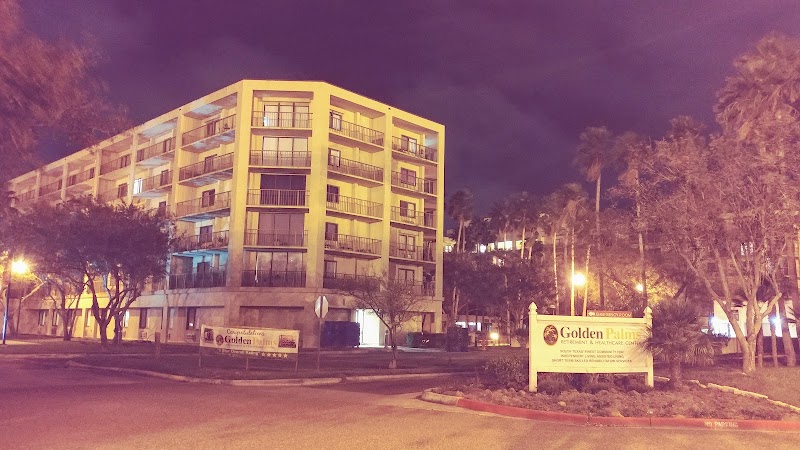
How Does Golden Palms Rehabilitation And Retirement Compare to Other Texas Nursing Homes?

Compared to the 100 nursing homes in Texas, GOLDEN PALMS REHABILITATION AND RETIREMENT's overall rating (3 stars) is above the state average of 2.8, staff turnover (56%) is near the state average of 46%, and health inspection rating (3 stars) is at the national benchmark.

What Should Families Ask When Visiting Golden Palms Rehabilitation And Retirement?

Based on this facility's data, families visiting should ask: "What changes have been made since the serious inspection findings, and how are you preventing similar issues?" "How do you ensure continuity of care given staff turnover, and what is your staff retention strategy?" "Can you walk me through typical staffing levels on day, evening, and night shifts?" "Can I visit during a mealtime to observe dining assistance and food quality?" These questions are particularly relevant given the facility's Immediate Jeopardy citations, the facility's high staff turnover rate, and the below-average staffing rating.

Is Golden Palms Rehabilitation And Retirement Safe?

Based on CMS inspection data, GOLDEN PALMS REHABILITATION AND RETIREMENT has documented safety concerns. Inspectors have issued 1 Immediate Jeopardy citation (the most serious violation level indicating risk of serious injury or death). The facility has a 3-star overall rating and ranks #1 of 100 nursing homes in Texas. Families considering this facility should ask detailed questions about what corrective actions have been taken since these incidents.

Do Nurses at Golden Palms Rehabilitation And Retirement Stick Around?

Staff turnover at GOLDEN PALMS REHABILITATION AND RETIREMENT is high. At 56%, the facility is 10 percentage points above the Texas average of 46%. Registered Nurse turnover is particularly concerning at 83%. RNs handle complex medical decisions and coordinate care — frequent RN changes can directly impact care quality. High turnover means new staff may not know residents' individual needs, medications, or preferences. It can also be disorienting for residents, especially those with dementia who rely on familiar faces. Families should ask: What is causing the turnover? What retention programs are in place? How do you ensure care continuity during staff transitions?

Was Golden Palms Rehabilitation And Retirement Ever Fined?

GOLDEN PALMS REHABILITATION AND RETIREMENT has been fined $15,997 across 3 penalty actions. This is below the Texas average of $33,239. While any fine indicates a compliance issue, fines under $50,000 are relatively common and typically reflect isolated problems that were subsequently corrected. Families should ask what specific issues led to these fines and confirm they've been resolved.

Is Golden Palms Rehabilitation And Retirement on Any Federal Watch List?

GOLDEN PALMS REHABILITATION AND RETIREMENT is not on any federal watch list. The most significant is the Special Focus Facility (SFF) program, which identifies the bottom 1% of nursing homes nationally based on persistent, serious quality problems. Not being on this list means the facility has avoided the pattern of deficiencies that triggers enhanced federal oversight. This is a positive indicator, though families should still review the facility's inspection history directly.