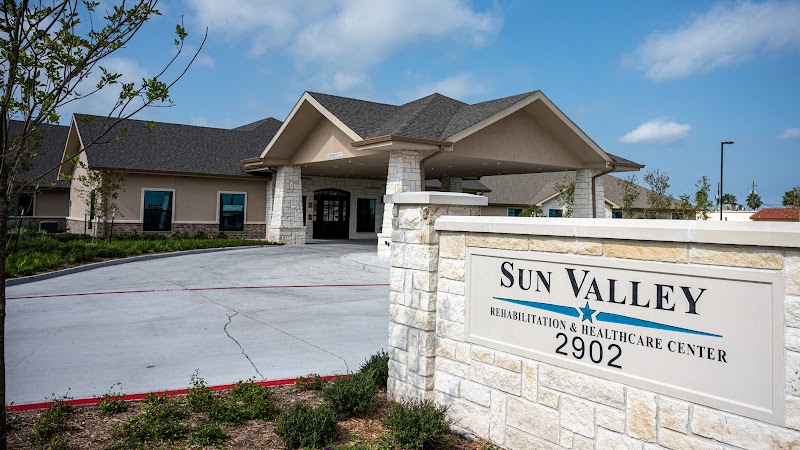
SUN VALLEY REHABILITATION AND HEALTHCARE CENTER
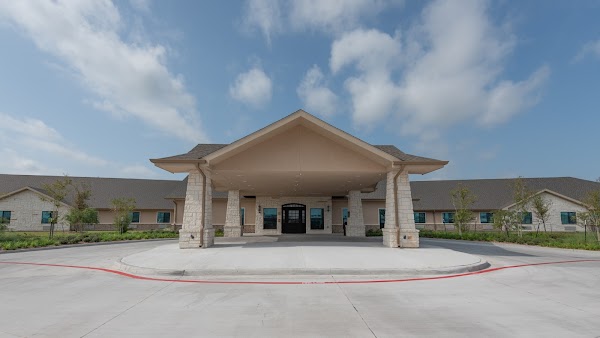
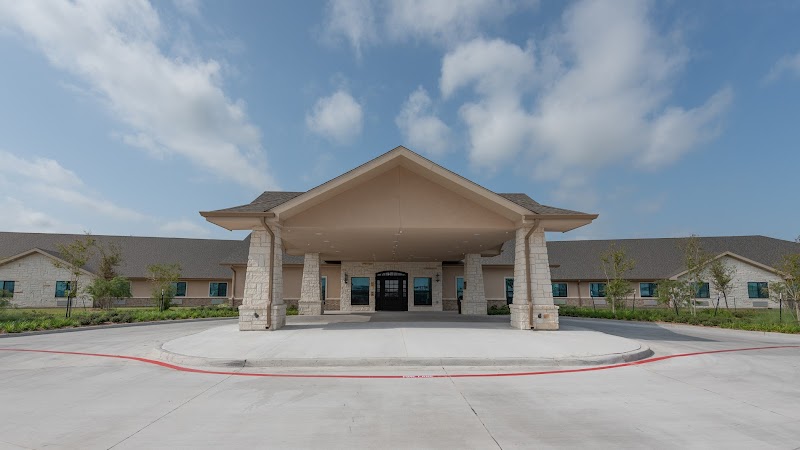
2902 S 77 SUNSHINE STRIP, HARLINGEN, TX 78550 (956) 428-2800
Government - Hospital district 124 Beds MOMENTUM SKILLED SERVICES Data: November 2025
Trust Grade
90/100
#139 of 1168 in TX
Last Inspection: July 2025

Inspected within the last 6 months. Data reflects current conditions.

Overview

Sun Valley Rehabilitation and Healthcare Center in Harlingen, Texas, has received a Trust Grade of A, indicating it is excellent and highly recommended. It ranks #139 out of 1,168 facilities in Texas, placing it in the top half, and #2 out of 14 in Cameron County, meaning there is only one local facility with a better ranking. However, the facility's trend is worsening, as it has increased from 1 issue in 2024 to 4 in 2025. Staffing is a concern, with a rating of 2 out of 5 stars and only 38% turnover, which is better than the state average, but the lower RN coverage is troubling as it is less than 97% of Texas facilities. Despite having no fines, which is positive, specific incidents such as failing to accurately assess a resident's anxiety and not developing comprehensive care plans for residents highlight areas needing improvement. Additionally, there were concerns regarding the storage of expired influenza vaccines, which could affect residents' health.

Trust Score
A
90/100
In Texas
#139/1168
Top 11%
Safety Record
Low Risk
No red flags
Inspections
Getting Worse
1 → 4 violations
Staff Stability
○ Average
38% turnover. Near Texas's 48% average. Typical for the industry.
Penalties
✓ Good
No fines on record. Clean compliance history, better than most Texas facilities.
Skilled Nurses
⚠ Watch
Each resident gets only 9 minutes of Registered Nurse (RN) attention daily — below average for Texas. Fewer RN minutes means fewer trained eyes watching for problems.
Violations
✓ Good
Only 5 deficiencies on record. Cleaner than most facilities. Minor issues only.
★★★★★
5.0
Overall Rating
★★☆☆☆
2.0
Staff Levels
★★★★★
5.0
Care Quality
★★★★★
5.0
Inspection Score
Stable
2024: 1 issues
2025: 4 issues

The Good

  • 5-Star Quality Measures · Strong clinical quality outcomes
  • Full Sprinkler Coverage · Fire safety systems throughout facility
  • No fines on record
  • Staff turnover below average (38%)

    10 points below Texas average of 48%

Facility shows strength in quality measures, fire safety.

The Bad

Staff Turnover: 38%

Near Texas avg (46%)

Typical for the industry

Chain: MOMENTUM SKILLED SERVICES

Part of a multi-facility chain

Ask about local staffing decisions and management

The Ugly 5 deficiencies on record

Jul 2025 4 deficiencies
CONCERN (D)

Potential for Harm - no one hurt, but risky conditions existed

Assessment Accuracy (Tag F0641)

Could have caused harm · This affected 1 resident

**NOTE- TERMS IN BRACKETS HAVE BEEN EDITED TO PROTECT CONFIDENTIALITY** Based on interview and record review, the facility failed to ensure the assessment accurately reflected the resident's status fo...

Read full inspector narrative →
**NOTE- TERMS IN BRACKETS HAVE BEEN EDITED TO PROTECT CONFIDENTIALITY** Based on interview and record review, the facility failed to ensure the assessment accurately reflected the resident's status for 1 of 8 residents (Resident #37) reviewed for assessments: Resident #37's quarterly MDS assessment, dated 05/17/2025, did not include a diagnosis of Anxiety. This failure could place residents at risk for inadequate care due to inaccurate assessments. The findings included: Record review of Resident #37's electronic face sheet dated 07/09/2025 reflected a [AGE] year-old female who was admitted to the facility on [DATE] with diagnoses which included: Unspecified Dementia, Anxiety Disorder, Type 2 Diabetes Mellitus, Muscle Weakness, Hypertension (high blood pressure), and Major Depressive Disorder. Record review of Resident #37's physician order summary, dated 07/09/2025, reflected the resident had medication order for Buspirone 10 mg tablet for Anxiety with start date of 06/13/2024. Record review of Resident #37's medication administration record, from 07/01/2025 to 07/09/2025, reflected the resident was receiving Buspirone 10 mg tablet as ordered. Record review of Resident #37 's Quarterly MDS dated [DATE] reflected: Section I - Active Diagnoses Psychiatric/Mood Disorder I5700. Anxiety Disorder. The facility did not check off active diagnosis. In an interview on 07/09/25 at 1:53 p.m. with the MDS nurse stated that she was responsible for completing the MDS assessments for the facility. She confirmed, Resident #37 was receiving Buspirone 10 mg for Anxiety. The MDS nurse added that the diagnosis of Anxiety should have been included on the MDS assessment for Resident #37 and was not included as an oversight. She stated there was no system in place that oversees that they were accurately completed. The MDS nurse stated that the MDS assessment accuracy was important on how the resident receives the care that they need and to form a plan of care. In an interview on 07/09/25 at 2:02 p.m. with the DON stated that the MDS nurse was responsible for the MDS assessments. He stated there was a software system in place that checks for accuracy in the MDS assessments called simple and corporate reviews them as well. The DON confirmed that Resident #37 had a diagnosis of Anxiety and that the MDS nurse should have included Resident #37's diagnosis on the MDS assessment. He stated that it was important for the MDS assessment to be completed accurately to make sure that they provide proper care and medication. Record review of the facility policy, titled Assessment Frequency/Timeliness, date reviewed/revised 02/2023, reflected that Policy: The purpose of this policy is to provide a system to complete standardized assessment in a timely manner according to the current RAI [NAME]. Record review of the CMS's RAI Version 3.0 Manual dated October 2024, reflected section: I: Active Diagnoses I: Active Diagnosis in the Last 7 Days-Check all that apply Psychiatric/Mood Disorder I5700. Anxiety Disorder There may be specific documentation in the medical record by a physician, nurse practitioner, physician assistant, or clinical nurse specialist of active diagnosis.
CONCERN (D)

Potential for Harm - no one hurt, but risky conditions existed

Comprehensive Care Plan (Tag F0656)

Could have caused harm · This affected 1 resident

**NOTE- TERMS IN BRACKETS HAVE BEEN EDITED TO PROTECT CONFIDENTIALITY** Based on observation, interview, and record review the facility failed to develop and implement a comprehensive person-centered ...

Read full inspector narrative →
**NOTE- TERMS IN BRACKETS HAVE BEEN EDITED TO PROTECT CONFIDENTIALITY** Based on observation, interview, and record review the facility failed to develop and implement a comprehensive person-centered care plan for each resident, consistent with the resident rights, that included measurable objectives and timeframes to meet a resident's medical, nursing, and mental and psychosocial need that were identified in the comprehensive assessment for 1 of 5 residents (Resident #59) reviewed for comprehensive person-centered care plans. 1.The facility failed to ensure Resident #59's care plan had the correct interventions for her vision impairment. This failure could place residents at risk of not being provided with the necessary care or services and not having personalized plans developed to address their specific needs. The Findings include: Record review of Resident #59's face sheet dated 07/09/25 reflected an [AGE] year-old female with an admit date of 10/03/23 and an original admission date of 01/18/23. Her relevant diagnoses included dementia (a group of thinking and social symptoms that interferes with daily functioning), peripheral vascular disease (a circulatory condition in which narrowed blood vessels reduce blood flow to the limbs), and need for assistance with personal care. Record review of Resident #59's quarterly MDS assessment dated [DATE] reflected a BIMS score of 99, which indicated her cognition was severely impaired. MDS also indicated Resident #59's vision was moderately impaired (limited vision, not able to see newspaper headlined but can identify objects), and no to corrective lenses. Record review of Resident #59's quarterly care plan dated 06/05/25 reflected: Focus: [Resident #59] has impaired visual function r/t decreased visual acuity (date initiated 01/31/23 and revised on 10/19/23). Goal: The resident will have no indications of acute eye problems through the review date (date initiated 01/31/23 and revised on 03/17/25). Her interventions: in part included remind resident to wear glasses when up. Ensure resident is wearing glasses which are clean, free from scratches and in good repair. Report any damage to nurse/family. An observation on 07/07/25 at 3:30 p.m., Resident #59 was observed sitting in her wheelchair in the dining room during activities and was not wearing glasses. Resident #59 smiled at this Surveyor as she approached her, was able to make eye contact, but was not interviewable. An observation on 07/08/25 at 10:00 a.m., Resident #59 was observed in her room sitting in her wheelchair and was not wearing glasses. An observation on 07/09/25 at 12:15 p.m., Resident #59 was observed in the dining room during lunch and was not wearing glasses. In an interview on 07/09/25 at 12:30 p.m., CNA A said she had cared for Resident #59 for over a year and had never seen her wear glasses. CNA A said she had not noticed Resident #59 had vision problems. In an interview on 07/09/25 at 12:59 p.m., CNA B said she had cared for Resident #59 for over a year and had never seen her wear glasses. CNA B said she had not noticed Resident #59 had vision problems. In an interview on 07/09/25 at 1:10 p.m., LVN C said she was the charge nurse for Resident #59. She said Resident #59 required extensive assistance for all ADLs but had never seen her wear glasses. In an interview on 07/09/25 at 1:45 p.m., the MDS Nurse said it was her responsibility to ensure a resident's MDS assessment was accurate. She said Resident #59 had impaired visual function due to decreased visual acuity. She said whenever a resident suffered a visual impairment, she would enter it on their MDS assessment. She said once the visual impairment had been entered on their MDS, it would trigger a set of interventions for their care plan. The MDS Nurse said she had a pre-selected option she could select that included: Announce self by name, call resident by name, Anticipate and assist with all visual needs, Keep both eyes clean and free from matter, Monitor both eye for redness, drainage, swelling, signs, and symptoms of infection, notify MD as needed, Monitor/document/report PRN any s/sx of acute eye problems: change in ability to perform ADLs, decline in mobility, sudden visual loss, pupils dilated, gray or milky c/o halos around lights, double vision, tunnel vision, blurred or hazy vision, and Remind resident to wear glasses when up. Ensure resident is wearing glasses which are clean free from scratches and in good repair. Report any damage to nurse/family (date imitated 01/31/23).The MDS Nurse said she also had the option to not select the pre-selected interventions and only click on those that applied to that resident. She said Resident #59 did not wear glasses as noted in her MDS assessment. The MDS Nurse said I'm only human, and by that she said she should have selected the interventions that only applied to Resident #59 and the pre-selected interventions. The MDS Nurse said there had been no negative outcome to Resident #59 because her care plan indicated she wore glasses. In an interview and observation on 07/09/25 at 2:00 p.m., the DON said he was pretty sure Resident #59 wore glasses. He was observed as he reviewed Resident #59's care plan and said the reason she wore glasses was because of her vision impairment. The DON was observed as he called Resident #59's RP. While the DON had Resident #59's RP on speaker, he asked her does your [Resident #59] wear glasses and she replied no, I don't think she has ever worn glasses. The DON then asked her She was admitted with glasses, right? and RPs replied no, she was not. After the telephone conversation with Resident #59 RP, the DON said, I know she wore glasses. This Surveyor requested the facility's Care Plan policy several times, but the DON provided Care Plan Revision Upon Status Change.
CONCERN (D)

Potential for Harm - no one hurt, but risky conditions existed

Pharmacy Services (Tag F0755)

Could have caused harm · This affected 1 resident

**NOTE- TERMS IN BRACKETS HAVE BEEN EDITED TO PROTECT CONFIDENTIALITY** Based on observations and interviews, the facility failed to ensure all drugs and biologicals were stored and labeled in accorda...

Read full inspector narrative →
**NOTE- TERMS IN BRACKETS HAVE BEEN EDITED TO PROTECT CONFIDENTIALITY** Based on observations and interviews, the facility failed to ensure all drugs and biologicals were stored and labeled in accordance with currently accepted professional principles and included the appropriate accessory and cautionary instructions, and the expiration date when applicable in 5 of 5 influenza vaccine single-dose, pre-filled syringes reviewed for vaccine storage and labeling. The facility failed to ensure that all influenza vaccine single-dose, pre-filled syringes were not past their expiration date. The facility's failure could result in residents receiving influenza vaccines at their best therapeutic level. The findings included: During an observation on [DATE] at 01:22 PM, of the influenza vaccines revealed 5 out of 5 influenza vaccine single-dose, pre-filled syringes past the expiration date of [DATE]. During an interview on [DATE] at 01:30 PM, RN A stated the influenza vaccines were expired and should have been discarded. She said she thought they were still good. RN A stated the expiration date was checked before administering the vaccine and would have been caught. During an interview on [DATE] at 01:35 PM, the DON stated they should have known the influenza vaccines were expired and they should have been discarded. The DON stated he would discard them immediately. The DON stated the vaccine’s expiration date was checked before administration and the resident would not have received an expired vaccine. During an interview on [DATE] at 05:35 PM, the DON stated the only policy he could find was the medication administration policy which did not mention expiration dates. He said he looked through all the policies and none mentioned expiration dates. He said he had looked for a policy on vaccinations and could not find anything. B
CONCERN (D)

Potential for Harm - no one hurt, but risky conditions existed

Infection Control (Tag F0880)

Could have caused harm · This affected 1 resident

**NOTE- TERMS IN BRACKETS HAVE BEEN EDITED TO PROTECT CONFIDENTIALITY** Based on observation, interview, and record review, the facility failed to maintain an infection prevention and control program ...

Read full inspector narrative →
**NOTE- TERMS IN BRACKETS HAVE BEEN EDITED TO PROTECT CONFIDENTIALITY** Based on observation, interview, and record review, the facility failed to maintain an infection prevention and control program designed to provide a safe, sanitary, and comfortable environment to help prevent the development and transmission of disease and infection for one (Resident #11) of three residents reviewed for infection control, in that: LVN C failed to don personal protective equipment (PPE) before entering Resident #11's room. Resident #11 was under enhanced barrier precautions per physician orders. This failure could place residents who resided in the facility, as well as employees and visitors, at risk for communicable diseases and infections. The findings included: Record review of Resident #11's face sheet dated 07/08/25 revealed a [AGE] year-old male admitted into the facility on [DATE], with a diagnosis of acute hematogenous osteomyelitis, left ankle and foot ( a bone infection caused by bacteria traveling through the bloodstream to the bone), end stage renal failure (a severe medical condition where the kidneys have permanently lost their ability to function), dependance on renal dialysis (when a person's kidneys are no longer able to adequately remove waste and excess fluid from the blood, necessitating regular dialysis treatments to sustain life), and severe sepsis with sepsis shock (a life-threatening condition where the body's extreme response to an infection causes organ damage and dangerously low blood pressure). Record review of Resident #11's Physician Orders dated 06/16/25 revealed Enhanced barrier precautions every shift with high contact care activities. No end date to order noted. Record review of Resident #11's baseline care plan dated 06/16/25 revealed requirement of enhanced barrier precautions to reduce risk of Multidrug-resistant organism (MDRO) transmission. Resident 11 was at risk for infection as evidence by pressure wound, cellulitis wound, current use of indwelling device: foley catheter, and dialysis access permcath (a type of catheter used for long-term hemodialysis or other therapies requiring reliable vascular access). Goal: Will be free from MDRO infection through the next review date. Interventions: Enhanced barrier precautions. Staff to use gowns and gloves during high contact care activities. Record review of Resident #11's baseline MDS dated [DATE] revealed a BIMS score of 15 which meant cognition was intact. During an observation on 06/07/25 at 1:15 p.m., Resident #11 was on enhanced barrier precautions. Outside Resident #11's room was an enhanced barrier sign, and personal protective equipment placed inside plastic drawers with gowns available. Just inside Resident 11's room gloves were available. LVN C entered Resident #11's room without donning a gown but did don gloves. LVN C then went up to Resident 11's bedside. LVN C then proceeded to remove Resident 11's blanket to reveal foley catheter tubing. LVN C touched foley drainage tubing and balloon inflation port to locate foley catheter size. In an interview on 06/07/25 at 1:25 p.m. with LVN C, - LVN C stated when a resident was placed on enhanced barrier precautions, staff needed to put on gloves and gown before they entered their room if contact with the resident occurred. LVN C stated she got nervous and forgot to don gown. LVN C stated it was important to wear personal protective equipment before they entered the room to prevent the spread of infection to staff and other residents. In an interview on 07/09/25 at 5:02 p.m., the DON stated enhanced barrier precautions were in place with high contact care residents. The DON stated enhanced barrier precautions should be followed by all staff for infection control. The DON stated that in-services (training) on infection control were the key to preventing this from happening again. Review of facility's policy titled Infection Prevention and Control Program dated 5/13/2023 revealed; Isolation Protocol (Transmission-Based Precautions):a. A resident with an infection or communicable disease shall be placed on transmission-based precautions as recommended by current CDC guidelines.Review of CDC guidelines revealed: https://www.cdc.gov/infection-control/hcp/basics/transmission-based-precautions.html: Use personal protective equipment (PPE) appropriately, including gloves and gowns. Wear a gown and gloves for all interactions that may involve contact with the patient or the patient's environment. Donning Personal protective equipment upon room entry and properly discarding before exiting the patient room is done to contain pathogens.
May 2024 1 deficiency
CONCERN (D)

Potential for Harm - no one hurt, but risky conditions existed

Comprehensive Care Plan (Tag F0656)

Could have caused harm · This affected 1 resident

**NOTE- TERMS IN BRACKETS HAVE BEEN EDITED TO PROTECT CONFIDENTIALITY** Based on observation, interview, and record review, the facility failed to develop and implement a comprehensive person-centered...

Read full inspector narrative →
**NOTE- TERMS IN BRACKETS HAVE BEEN EDITED TO PROTECT CONFIDENTIALITY** Based on observation, interview, and record review, the facility failed to develop and implement a comprehensive person-centered care plan for each resident, consistent with the resident rights and describes the services that are to be furnished to attain or maintain the resident's highest practicable physical, mental, and psychosocial well-being for 1 of 8 residents (Resident #39), reviewed for care plans. The facility failed to ensure Resident #31's care plan was revised to reflect an order for an alarm guard. This failure could place residents at risk of current needs not being met. Findings include: Record review of Resident #31's admission record, dated 05/31/2024, reflected the resident was an [AGE] year-old female with an admission date of 04/11/23. Resident #31had diagnoses which included dementia (general decline in cognitive activities), diabetes (sustained high blood sugar levels), cognitive communication deficit (problems with communication), and anxiety disorder (mental disorder associated with stress.) Record review of Resident #31's significant change status MDS assessment, dated 05/24/24, reflected a BIMS score of 3, which indicated Resident #31's cognition was severely impaired and had no behaviors of wandering. Resident #31 used a wander/elopement alarm daily. Resident #31 used a wheelchair as a mobility device. Resident #31 was transferred from the secured unit to the general population on 05/07/24. Record review of Resident #31's physician orders reflected an order for an alarm guard, to the left arm, start date 05/07/24. An order, dated 05/29/24, reflected an order for the alarm guard to the left ankle. Record review of Resident #31's care plans reflected the resident required a wander guard (alarm guard) bracelet and was at risk for injury from wandering in an unsafe environment, as evidenced by dementia and Alzheimer's, date initiated on 05/29/24. Observation on 05/29/24 at 11:00 AM revealed Resident #31 in bed, wearing an alarm guard on her left ankle. Interview on 05/31/24 at 2:42 PM with the DON revealed Resident #31 was in the secured unit and was transferred into the general population because she became dependent on Hoyer lift transfers and could no longer be in the secured unit. Resident #31 had an order for an alarm guard on 05/07/24 when she was transferred out of the secured unit. As part of an IDT decision, the order for an alarm guard was requested. Interview on 05/31/24 at 10:55 AM with MDS Coordinator E, revealed Resident #31's care plan was not immediately updated to reflect the use of an alarm guard on 05/07/24 until a significant change status MDS was completed on 05/29/24. MDS Coordinator E said she did not remember she was informed about the order until she completed the significant change status MDS that involved an assessment of the resident's care plans. MDS Coordinator E said she developed a care plan to address Resident #31's use of alarm guard until 05/29/24. Interview on 05/31/24 at 1:34 PM with LVN F revealed a care plan was used to gather information on focus areas, goals and interventions. This information was then communicated to the CNAs
Understanding Severity Codes (click to expand)
Life-Threatening (Immediate Jeopardy)
J - Isolated K - Pattern L - Widespread
Actual Harm
G - Isolated H - Pattern I - Widespread
Potential for Harm
D - Isolated E - Pattern F - Widespread
No Harm (Minor)
A - Isolated B - Pattern C - Widespread

Questions to Ask on Your Visit

  • "Can I speak with families of current residents?"
  • "What's your RN coverage like on weekends and overnight?"

Our Honest Assessment

Strengths
  • • Grade A (90/100). Above average facility, better than most options in Texas.
  • • No major safety red flags. No abuse findings, life-threatening violations, or SFF status.
  • • No fines on record. Clean compliance history, better than most Texas facilities.
  • • Only 5 deficiencies on record. Cleaner than most facilities. Minor issues only.
Concerns
  • • No significant concerns identified. This facility shows no red flags across CMS ratings, staff turnover, or federal penalties.
Bottom line: Generally positive indicators. Standard due diligence and a personal visit recommended.

About This Facility

What is Sun Valley Rehabilitation And Healthcare Center's CMS Rating?

CMS assigns SUN VALLEY REHABILITATION AND HEALTHCARE CENTER an overall rating of 5 out of 5 stars, which is considered much above average nationally. Within Texas, this rating places the facility higher than 99% of the state's 100 nursing homes. This rating reflects solid performance across the metrics CMS uses to evaluate nursing home quality.
How is Sun Valley Rehabilitation And Healthcare Center Staffed?

CMS rates SUN VALLEY REHABILITATION AND HEALTHCARE CENTER's staffing level at 2 out of 5 stars, which is below average compared to other nursing homes. Staff turnover is 38%, compared to the Texas average of 46%. This relatively stable workforce can support continuity of care.

What Have Inspectors Found at Sun Valley Rehabilitation And Healthcare Center?

State health inspectors documented 5 deficiencies at SUN VALLEY REHABILITATION AND HEALTHCARE CENTER during 2024 to 2025. These included: 5 with potential for harm.
Who Owns and Operates Sun Valley Rehabilitation And Healthcare Center?

SUN VALLEY REHABILITATION AND HEALTHCARE CENTER is owned by a government entity. Government-operated facilities are typically run by state, county, or municipal agencies. The facility is operated by MOMENTUM SKILLED SERVICES, a chain that manages multiple nursing homes. With 124 certified beds and approximately 95 residents (about 77% occupancy), it is a mid-sized facility located in HARLINGEN, Texas.

How Does Sun Valley Rehabilitation And Healthcare Center Compare to Other Texas Nursing Homes?

Compared to the 100 nursing homes in Texas, SUN VALLEY REHABILITATION AND HEALTHCARE CENTER's overall rating (5 stars) is above the state average of 2.8, staff turnover (38%) is near the state average of 46%, and health inspection rating (5 stars) is much above the national benchmark.

What Should Families Ask When Visiting Sun Valley Rehabilitation And Healthcare Center?

Based on this facility's data, families visiting should ask: "Can you walk me through typical staffing levels on day, evening, and night shifts?" "Can I visit during a mealtime to observe dining assistance and food quality?" "How do you handle medical emergencies, and what is your hospital transfer rate?" "Can I speak with family members of current residents about their experience?" These questions are particularly relevant given the below-average staffing rating.

Is Sun Valley Rehabilitation And Healthcare Center Safe?

Based on CMS inspection data, SUN VALLEY REHABILITATION AND HEALTHCARE CENTER has a clean safety record: no substantiated abuse findings (meaning no confirmed cases of resident harm), no Immediate Jeopardy citations (the most serious violation level indicating risk of serious injury or death), and is not on the Special Focus Facility watch list (a federal program monitoring the lowest-performing 1% of nursing homes). The facility has a 5-star overall rating and ranks #1 of 100 nursing homes in Texas. While no facility is perfect, families should still ask about staff-to-resident ratios and recent inspection results during their visit.

Do Nurses at Sun Valley Rehabilitation And Healthcare Center Stick Around?

SUN VALLEY REHABILITATION AND HEALTHCARE CENTER has a staff turnover rate of 38%, which is about average for Texas nursing homes (state average: 46%). Moderate turnover is common in nursing homes, but families should still ask about staff tenure and how the facility maintains care continuity when employees leave.

Was Sun Valley Rehabilitation And Healthcare Center Ever Fined?

SUN VALLEY REHABILITATION AND HEALTHCARE CENTER has no federal fines on record. CMS issues fines when nursing homes fail to meet care standards or don't correct problems found during inspections. The absence of fines suggests the facility has either maintained compliance or corrected any issues before penalties were assessed. This is a positive indicator, though families should still review recent inspection reports for the full picture.

Is Sun Valley Rehabilitation And Healthcare Center on Any Federal Watch List?

SUN VALLEY REHABILITATION AND HEALTHCARE CENTER is not on any federal watch list. The most significant is the Special Focus Facility (SFF) program, which identifies the bottom 1% of nursing homes nationally based on persistent, serious quality problems. Not being on this list means the facility has avoided the pattern of deficiencies that triggers enhanced federal oversight. This is a positive indicator, though families should still review the facility's inspection history directly.