TREASURE HILLS HEALTHCARE AND REHABILITATION CENTE
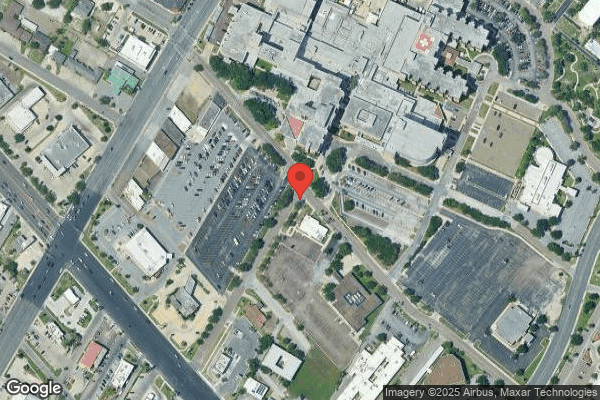
2204 PEASE ST, HARLINGEN, TX 78550 (956) 425-2812
For profit - Corporation 120 Beds THE ENSIGN GROUP Data: November 2025
Trust Grade
60/100
#597 of 1168 in TX
Last Inspection: September 2024

Within standard 12-15 month inspection cycle. Federal law requires annual inspections.

Overview

Treasure Hills Healthcare and Rehabilitation Center has received a Trust Grade of C+, indicating a decent performance that is slightly above average. They rank #597 out of 1168 facilities in Texas, placing them in the bottom half, and #12 out of 14 in Cameron County, meaning there are only two better options nearby. The facility has shown improvement in recent years, reducing reported issues from 11 in 2024 to 5 in 2025. Staffing is a concern, with a rating of 2 out of 5 stars and a turnover rate of 39%, which, while lower than the state average, still suggests challenges in staff retention. Additionally, recent inspections revealed serious concerns, such as failing to report resident altercations and incidents of potential abuse in a timely manner, which could jeopardize resident safety. Despite these weaknesses, the facility has not incurred any fines and has a good quality measures rating of 4 out of 5 stars, indicating some positive aspects in care quality.

Trust Score
C+
60/100
In Texas
#597/1168
Bottom 49%
Safety Record
Low Risk
No red flags
Inspections
Getting Better
11 → 5 violations
Staff Stability
○ Average
39% turnover. Near Texas's 48% average. Typical for the industry.
Penalties
✓ Good
No fines on record. Clean compliance history, better than most Texas facilities.
Skilled Nurses
⚠ Watch
Each resident gets only 18 minutes of Registered Nurse (RN) attention daily — below average for Texas. Fewer RN minutes means fewer trained eyes watching for problems.
Violations
⚠ Watch
25 deficiencies on record. Higher than average. Multiple issues found across inspections.
★★★☆☆
3.0
Overall Rating
★★☆☆☆
2.0
Staff Levels
★★★★☆
4.0
Care Quality
★★★☆☆
3.0
Inspection Score
Stable
2024: 11 issues
2025: 5 issues

The Good

  • 4-Star Quality Measures · Strong clinical quality outcomes
  • Full Sprinkler Coverage · Fire safety systems throughout facility
  • No fines on record
  • Staff turnover below average (39%)

    9 points below Texas average of 48%

Facility shows strength in quality measures, fire safety.

The Bad

3-Star Overall Rating

Near Texas average (2.8)

Meets federal standards, typical of most facilities

Staff Turnover: 39%

Near Texas avg (46%)

Typical for the industry

Chain: THE ENSIGN GROUP

Part of a multi-facility chain

Ask about local staffing decisions and management

The Ugly 25 deficiencies on record

Aug 2025 3 deficiencies
CONCERN (D) 📢 Someone Reported This

A family member, employee, or ombudsman was alarmed enough to file a formal complaint

Potential for Harm - no one hurt, but risky conditions existed

PASARR Coordination (Tag F0644)

Could have caused harm · This affected 1 resident

**NOTE- TERMS IN BRACKETS HAVE BEEN EDITED TO PROTECT CONFIDENTIALITY** Based on observation, interview and record review, the facility failed to incorporate the recommendations from the PASRR Level I...

Read full inspector narrative →
**NOTE- TERMS IN BRACKETS HAVE BEEN EDITED TO PROTECT CONFIDENTIALITY** Based on observation, interview and record review, the facility failed to incorporate the recommendations from the PASRR Level II determination and the PASRR evaluation report for 1 of 12 residents (Resident #1) reviewed for PASRR. The facility failed to initiate an NFSS within 20 business days following the date the services were agreed upon in the IDT meeting for Resident #1. This failure could affect residents by placing them at risk of their specialized needs not being met. Findings included: Record review of Resident #1's admission record dated 08/18/25 reflected an [AGE] year-old female admitted on [DATE]. Her relevant diagnoses included, lack of coordination, unsteadiness on feet, age-related osteoporosis (increased fracture risk due to declining bone mass and strength), and seizures (uncontrolled jerking, loss of consciousness, blank stares, or other symptoms caused by abnormal electrical activity in the brain). Record review of the resident's quarterly MDS assessment dated [DATE] reflected, a BIMS score of 99, which reflected her cognition was severely impaired. Further review indicated she required a wheelchair (manual or electric) for mobility. Record review of Resident #1's quarterly care plan dated 08/12/25 reflected: Focus: [Resident #1] is receiving PASRR services for IDD PASRR positive diagnosis (date initiated 07/11/25). Interventions: in part included occupational, speech, and physical therapy with long- and short-term goals. During an observation on 08/19/25 at 9:00 a.m., Resident #1 was observed sitting on her specialized wheelchair in the dining room. She was not interviewable. Record review on 08/20/25 of Resident #1's LIDDA's Individual Profile-Nursing Facility dated 01/09/25 reflected:Adaptive Aids and Medical Supplies: Due to recent falls, team agreed to specialized mattress, bolsters and concave mattress to support her from falling off the bed. An interview and observation on 08/19/25 at 9:20 a.m., MDS/RN B said she was responsible for submitting PASRR specialized services through the Simple Online Portal, but that she was not working at the facility when Resident #1 had her initial Interdisciplinary Team meeting on 01/09/25. She said the facility had 20 days to submit a completed request for nursing facility specialized services on the Simple Online Portal after the Interdisciplinary Team meeting. She was observed as she reviewed Resident #1's electronic medical record and said Resident #1's initial interdisciplinary team meeting was held on 01/09/25 and what was recommended was independent living skills training, physical therapy, occupational therapy, speech therapy, and a specialized wheelchair. She said she did not find a request for any durable medical equipment (support surface mattress). An interview on 08/19/25 at 9:45 a.m., DOR said she had been present during Resident #1's initial Interdisciplinary Team meeting held on 01/09/25. She said she remembered discussing Resident #1 required a specialized wheelchair and the possibility of a concave mattress. She said she remembered she received a call from the Administrator asking her if a specialized mattress had been ordered during the Interdisciplinary Team meeting, because she had received an email from the PASSR state office coordinator inquiring on it. She said she had told the Administrator that Resident #1 had been assessed by an Occupational Therapist and it was determined that she did not require a specialized mattress only bolsters (because she was a fall risk). Record review on 08/20/25 of Resident #1's LIDDA's Individual Profile-Nursing Facility dated 01/09/25 reflected:Adaptive Aids and Medical Supplies: Due to recent falls, team agreed to specialized mattress, bolsters and concave mattress to support her from falling off the bed. Record review on 08/20/25 of Resident #1's progress note dated 01/09/25, authored by the DOR reflected, Initial IDT meeting for [Resident #1] held with LIDDA. Resident chose not to participate in meeting. [The DOR] requested specialized wheelchair through PASRR as well as concave mattress if possible. An interview on 08/20/25 at 10:00 a.m., the DON said her involvement with PASSR was very minimum. She said she did not know the timeframes after the IDT meeting, she said the MDS nurse in charge of that. An interview on 08/20/25 at 10:20 a.m., the Administrator said she had been present during Resident #1's initial Interdisciplinary Team meeting held on 01/09/25. She said she remembered the team had not requested a specialized mattress. She said what was requested was a specialized wheelchair, therapy (physical, occupational, and speech), and a provider to visit resident daily. She said it's the LIDDA caseworker responsibility to upload a resident's Individual Profile to LTC Simple portal after the Interdisciplinary Team meeting. She said since a specialized mattress had not been requested during the IDT meeting, she did not follow-up on it. The Administrator said she remembered she received an email from PASSR (state office) inquiring on a specialized mattress and she had forwarded it to the current MDS/RN B to handle it. She said the current MDS/RN B had responded to the email. The Administrator said MDS/RN B received an email back from PASSR (state office) advising them it had been resolved, she did not remember the date and did not provide a copy. The Administrator said the facility did not have access to the LIDDA's Individual Profiles and did not know the timeframes they had to submit to the Simple portal. She said what she suspected was that the LIDDA caseworker had included a request for a specialized mattress after the IDT meeting without the facility's knowledge. The Administrator said the facility did not have a PASSR policy but did provide their Behavioral Health Services policy. Record review on 08/20/25 of Resident #1's LIDDA's Individual Profile-Nursing Facility dated 01/09/25 reflected:Adaptive Aids and Medical Supplies: Due to recent falls, team agreed to specialized mattress, bolsters and concave mattress to support her from falling off the bed. Record review on 08/20/25 of the facility's Behavioral Health Services policy, dated 08/2017 which reflected: It is the policy of this facility to provide resident with necessary behavioral health care and services to attain or maintain the highest practicable physical, mental, and psychosocial well-being, in accordance with the comprehensive assessment and plan of care. Behavioral health encompasses a resident's whole emotional and mental well0being, which includes the prevention and treatment of mental and substance use disorders, as well as psychosocial adjustment difficulty, or those with history of trauma and/or post-traumatic stress disorder. Procedure:8. The IDT will also review PASRR recommendations.
CONCERN (D) 📢 Someone Reported This

A family member, employee, or ombudsman was alarmed enough to file a formal complaint

Potential for Harm - no one hurt, but risky conditions existed

Deficiency F0761 (Tag F0761)

Could have caused harm · This affected 1 resident

Based on observations, interviews, and record review, the facility failed to ensure drugs and biologicals were stored and labeled in accordance with currently accepted professional principles for 1 (C...

Read full inspector narrative →
Based on observations, interviews, and record review, the facility failed to ensure drugs and biologicals were stored and labeled in accordance with currently accepted professional principles for 1 (Cart 1) of 5 medication carts. The facility failed to ensure that the nurses medication cart for 100 hall was secured by a lock when it was left unattended by RN A. These failures could place residents at risk of injury if medication left unsecured were consumed. Findings included: During an observation on 08/20/2025 from 02:40 PM revealed the A Wing Hall nurse's medication cart was left unlocked and unattended against the nurse's station. During the observation RN A approached the nurses' medication cart and notice that was unlocked and the RN A secured the cart by locking it. During an interview on 08/20/2025 at 02:42 PM with RN A revealed she was responsible for the nurse's medication cart that was left unlocked. She stated he was expected to lock the nurse's medication cart when she walked away from it. She stated if it was left unlocked then a resident could open a drawer and take anything that was not for them. She stated he had left the cart unlocked because she just went to another cart to use the computer. During an interview on 08/20/2025 at 04:18 PM with the DON revealed numerous staff, including her and the ADON, were responsible for ensuring medications carts were locked. The DON stated her expectation of staff when they walk away from the medication cart was to lock it. DON stated that the negative outcome for leaving the cart unlocked was that a resident or visitor could grab the medication from the cart, and it could harm them. She stated she had provided in-services to the staff, and she visually monitored daily. Record review of undated facility policy Medication Access and Storage: revealed It is the policy of this facility to store all drugs and biological in locked compartments under proper temperature controls. The medication supply is accessible only to licensed nursing personnel, pharmacy personnel, or staff members lawfully authorized to administer medications
CONCERN (E) 📢 Someone Reported This

A family member, employee, or ombudsman was alarmed enough to file a formal complaint

Potential for Harm - no one hurt, but risky conditions existed

Report Alleged Abuse (Tag F0609)

Could have caused harm · This affected multiple residents

**NOTE- TERMS IN BRACKETS HAVE BEEN EDITED TO PROTECT CONFIDENTIALITY** Based on interviews and record reviews the facility failed to ensure all alleged violations including abuse, neglect, exploitati...

Read full inspector narrative →
**NOTE- TERMS IN BRACKETS HAVE BEEN EDITED TO PROTECT CONFIDENTIALITY** Based on interviews and record reviews the facility failed to ensure all alleged violations including abuse, neglect, exploitation or mistreatment, including injuries of unknown source and misappropriation of resident property, are reported immediately, but not later than 2 hours after the allegation is made, if the events that cause the allegation involve abuse or result in serious bodily injury, or not later than 24 hours if the events that cause the allegation do not involve abuse and do not result in serious bodily injury, to the administrator of the facility and to other officials (which included to the State Survey Agency) in accordance with State law through established procedures for 2 of 4 residents (Resident #2, #3) reviewed for reporting alleged allegation of abuse. 1.The facility failed to report, within 2 hours, when Resident #2 and Resident #3 had a resident-to-resident altercation on 02/24/25. 2. The facility failed to report, within 24 hours, when there was a flash fire in the kitchen on 04/08/25. These failures could place residents at risk for undetected abuse, neglect and/or decline in feelings of safety and well-being.The findings included: 1. Record review of Resident # 2's admission sheet, dated 08/18/25, revealed the resident was a [AGE] year-old female with an admission date of 01/24/25 with diagnoses that included: unspecified dementia ( a group of thinking an social symptoms that interferes with daily functioning), muscle weakness, anxiety disorder (feeling worry or fear that are strong enough to interfere with one's daily activities), and cognitive communication deficit (difficulty paying attention to a conversation, staying on topic, remembering information, responding accurately, understanding jokes or metaphors, or following directions). Record review of Resident #2's quarterly MDS assessment, dated 08/02/25, revealed Resident #2 had a BIMS score of 07, indicating her cognition was severely impaired. Record review of Resident 2's quarterly care plan, dated of 08/12/25 reflected [Resident #1] has potential for a psychosocial well-being problem r/t another resident making contact to her throat and chest area (date initiated/revised 02/25/25). Her interventions in part included when conflict arises, remove residents to a calm safe environment and allow to vent/share feelings, needs assistance/supervision/support with identification of potential solutions to present problems. Record review of Resident #2's x-ray results dated 02/25/25 reflected: Chest x-ray 1 view, Impression: no acute cardiopulmonary process (no acute problems with heart or lungs). Spine cervical x-ray 2-3 views, impression: no acute osseous process (no bone abnormalities). Record review of Resident #2's Risk Management report with an effective date and time of 02/24/25 at 7:45 p.m., reflected This shift other resident made hand contact to resident's throat and upper chest area. [RP] was present at the time of this occurring. At this time pain medication offered and taken. Assessment done to site. No redness, no discolorations noted. Area flat. Call placed to [Dr] but no call back. At this time [Medical Director] was informed. Gave order for x-rays. [RP] was made aware of order pending to be done. Level of pain: 5, immediate action taken check x-ray and skin assessment, injuries reported post incident: no injuries observed post incident. In an attempted interview with Resident #2 on 08/19/25 at 3:00 p.m., Resident #2 was not interviewable. In an attempted telephone interview on 08/19/25 at 3:15 p.m., Resident #2's RP did not answer, voice message left. Record review of Resident #3's admission record dated 08/21/25 reflected an admit date of 04/28/2, an original admission date of 11/06/20, and a discharge date of 05/14/25. His relevant diagnosis included Parkinson's disease (a disorder of the central nervous system that affects movement, often including tremors), dementia (a group of thinking and social symptoms that interferes with daily functioning), and cognitive communication deficit (difficulty paying attention to a conversation, staying on topic, remembering information, responding accurately, understanding jokes or metaphors, or following directions). Record review on Resident #3's significant change MDS dated , 05/15/25, reflected a BIMS score of 99, which indicated his cognition was severely altered. Record review on Resident #3's quarterly care plan dated, 04/15/25 reflected:Focus: [Resident #3] has the potential to demonstrate physical behaviors r/t made contact to throat and chest on another resident (date initiated (02/25/25). Interventions: in part included to analyzed key times, places, circumstances, triggers and de-escalate behavior and document and document and observe behavior and attempted interventions (date initiated: 03/04/25). Record review of Resident #3's Risk Management report with an effective date and time of 02/24/25 at 8:49 p.m. and authored by the DON reflected This shift resident made hand contact ot other resident throat and upper chest area. [Resident #3] noted to be getting up from wheelchair and has been walking around facility aimlessly, immediate action take: assessment, call placed to [NP] to inform of resident's status. At this time gave order for Benadryl 50 mg im x 1 dose. Call placed to [RP] to inform of his status and order.Room change, new lab orders (CBC, ammonia, vitamin D, CMP, and UA), injuries report post incident: no injuries observed post incident, Predisposing psychological factors: confused, incontinent, recent change of condition, and impaired memory. Record review of the facility's incident report dated 08/18/25 reflected:Resident-to-Resident incidents: Resident #2 and Resident #3 on 02/24/25 at 7:45 p.m. Record Review of TULIP (HHSC online incident reporting application) on 08/18/25 at 4:00 p.m. revealed a self-report by the facility's Administrator was received on 02/25/25 at 8:15 p.m. more than 24 hours after Resident #2 and Resident #3's an altercation on 02/24/25 at 7:45 p.m. The allegation was abuse. In an interview on 08/20/25 at 2:00 p.m., the DON said either the facility's Administrator or herself were responsible to ensure all allegations of abuse were reported timely. She said this incident, the Administrator was the one who reported it to the state agency. She said the incident occurred on 02/24/25 at 7:45 p.m., and it was reported to the state agency on 02/25/25 at 8:15 p.m. She said prior to May 2025, she and the Administrator thought, they had either 2 or 24 hours from when the Administrator or herself were notified of the incident. She said sometime in May 2025, they were cited for not reporting ANE allegations within the allotted timeframes. She said the surveyor who cited them educated them on the timeframes. She said Resident #2 had not sustained any injuries and Resident #3 was moved to another hall. In an interview on 08/20/25 at 2:30 p.m., the Administrator said it was her responsibility to ensure all ANE allegations were reported within the allotted timeframes to the state agency. the Administrator said the resident-to-resident altercation between Resident #2 and Resident #3 on 02/24/25 had been reported within 24 hours. 2. Record Review of TULIP (HHSC online incident reporting application) on 04/05/25 reflected an anonymous complaint with the allegation of physical environment and administration/personnel. The complainant alleged that during the week 04/07/25, a small explosion that occurred with a faulty stove in the facility's kitchen. There were no injuries to the residents or the staff. The local fire department was called. It was alleged the facility's Administrator failed to address the kitchen's faulty stove prior to the small explosion. In an interview on 08/18/25 at 9:30 a.m., the DM said she started working at the facility in June 2025. She said she heard that sometime in April 2025, there had been an implosion related to a hot plate left in the oven which pop and caused a loud boom effect. She said she was told after that incident; the stove was not operable. She said by the time, she was hired, there was a new stove in the kitchen. She said she was also told by her kitchen staff that the local fire department had been called and the residents in the dining room had been evacuated. She said that was all she was told about the implosion. She explained the hot plates were stainless steel plates that were heated in an oven or plate warmer and placed in an insulated dome as an underliner. The serving place was placed on top of the stainless-steel plate and covered with an insulated dome cover. The DM one of the major changes she implemented when she was hired the to no longer use hot plates to keep the resident's meals warm. In an interview on 08/18/25 at 10: 30 a.m., Maintenance Supervisor C said he had been working at the facility for one month. He said he did not know the details of what the incident with the stove was about, all he knew was that the kitchen got a new stove. In an interview on 08/18/25 at 10:15 a.m., the Dish Washer G said he had been working at the facility for the past 6 months. He said he knew the old stove had been replaced but was not sure why. He said was not working at the time of the incident. In a telephone interview on 08/18/25 at 11:00 a.m. to Maintenance Supervisor D but the phone number provided by the facility had been disconnected. In an attempted telephone interview on 08/18/25 at 11:05 a.m. and 2:15 p.m., to [NAME] I, there was no answer. In an interview on 08/18/25 at 2:41 p.m., [NAME] F. She said was one of 2 cooks in the facility and she worked the morning shift. She said the stove had been having issues with the oven and stove top. She said she had reported it to Maintenance Supervisor D on several occasions. She said prior the 04/08/25 incident, the Administrator had already purchased a new stove, but it had not arrived yet. She said the stove had two ovens, one of them would heat too much and other would not heat. She said it had to do something with the calibration. She said the silver plates were placed in the oven that would heat too much to expedite the serving process. She said whoever placed the silver plates on that side of the oven had to be vigilant because they would heat up too much. She said there were times where she would hear the silver plates cracking and that's when she knew they had been left in the oven too long. She said the afternoon cook was the one working when the incident occurred. She said when she came back the next day, she was told by the Maintenance Supervisor D to not use the stove and later that day it was taken outside. In an interview on 08/18/26 at 2:23 p.m., Dietary Aide E said only the kitchen cooks were allowed to use the stove. She said she knew there had been times in which the oven would work and then all of a sudden it didn't but did not know the specifics. She said on 04/08/25, she was scheduled with [NAME] I. She said between 6:00 and 6:30 pm (after dinner) as she was exiting the kitchen she heard a loud boom, she said at the same time she saw what she said looked like a lightening. She said she got very scared and quickly made her way to the dining room where she heard a CNA (not name given) yell fire. She said her first instinct was to transfer the few residents who were in the dining room to another hall. She said she called out for help and several staff members responded and quickly started transferring the residents away from the dining room. She said she first transferred a resident who was in a wheelchair and then a resident who was visually impaired. She said all residents were transferred to another hall. She said she was afraid for the residents. She said once she realized it was safe to reenter the kitchen, [NAME] I opened the oven door and saw a silver plate in the oven. She said the silver plate was enlarged. She said there was no smoke, no damage. She said immediately after that the stove was not used. She said what she remembered was that the residents were served sandwiches and nothing hot. She said she had been in-serviced on the topics of fire safety, food safety and temperature settings. In an interview on 08/18/25 at 4:20 p.m., The Administrator said that on 04/08/25 after dinner, she received a call from [NAME] I who told her that there had been a fire in the kitchen. She said she immediately asked him if the fire department had been called and he told her no. She said [NAME] I told her that it just went boom and saw a flame coming out of the oven and immediately went back in. The Administrator said [NAME] I told her the fire extinguisher was not used because the fire had immediately disappeared. She said [NAME] I told her after the boom sound and the flash, he went back into the kitchen to check for any damages and there were none. The Administrator said [NAME] I told her there was no smoke, no damage to the stove/oven, no injuries, and the flash fire had not registered with the monitoring company. The Administrator said she was told by [NAME] I the incident happened between 6:30 p.m. and 6:35 p.m. She said [NAME] I told her he had immediately shut off the gas to the kitchen. She said by the time she returned to the facility the Maintenance Supervisor H had shut off the gas to the entire building. The Administrator said she instructed Maintenance Supervisor D to call the local fire department before turning on the gas to the building. She said the fire department was called as a precaution only, she wanted to make sure there was no gas leaks. She said the fire department was called around 8:00 p.m. and after they inspected the entire building, it was deemed safe to turn on the gas back on. The Administrator said what she was told by [NAME] I was that he had accidently left a silver plate in the oven when he was cooking dinner. The Administrator said she was told (not sure by who) there were only two residents who were ambulatory in the dining room during the flash fire. She said she had not reported the incident to the state agency because it did not pose any threat to resident safety and according to the provider letter it said to not report to state emergency situations that do not pose a threat to resident health and safety secondary to proper management. She said since the cooks were having a hard time with the burners, she had already ordered a new stove prior to the incident. The Administrator provided a copy of the FD's report but stated the first sentence was not correct ( Ladder 4 responded to a report of a gas leak inside a structure), and the alarm/arrival/departure time was not correct. She said she had spoken to the FD Captain and was waiting for him to call her back to dispute the first sentence and time listed on the report. Record review on 08/19/25 at 10:00 a.m., of the local fire department incident report dated 04/08/25 reflected they had been received the call at 10:08 p.m., arrived at the facility at 10:15 p.m., and left the facility at 10:47 p.m. Under remarks it stated Ladder 4 responded to a report of a gas leak inside a structure at [facility]. We arrived at the location where we were greeted by the [Maintenance Supervisor D] with maintenance department. [Maintenance Supervisor D] stated to us that around 8:00 p.m. they had a fire in te kitchen that was not reported to us. He explained that when the worker was opening the over door, to the stove/oven, a flash fire occurs. [ Maintenance Supervisor D] secured the gas to the appliance at the stove and on the las line for the appliance. He stated that administration wanted us to check the hallway for any smell of gas in the building. We checked the hallway to the kitchen, kitchen, and dining areas. Nothing was picked up by the gas monitor.The employee was not injury and didn't seek medical attention as per [the Maintenance Supervisor D]. Record review of the facility's Reporting Alleged Violations of Abuse, Neglect, Exploitation or Mistreatment policy with an original date of 11/2017 and a revision date of 12/2023 reflected: Policy: It is the policy of this facility that each president has a right to be free from abuse calmly liberal, misappropriation of resident property, exploitation, and mistreatment. This includes but is not limited to freedom from, involuntary seclusion in any physical or chemical restraint not required to treat the residents and medical symptoms. Residents must not be subjected to abuse by anyone, including, but not limited to facilities staff, other residents, consultants or volunteers, staff of other agencies serving the resident, resident representatives, families, friends, or other individuals. If there is an allegation or suspicion reviews, the facility will make a report to the appropriate agencies as designated by state and federal laws. Procedure:In response to allegations of abuse, neglect, exploitation, or mistreatment, the facility will:Ensure that all alleged violations involving abuse, neglect, exploitation, or mistreatment, including injuries of unknown source and misappropriation of resident property, are reported immediately but: Note later than two (2) hours after the allegation is made if the events that cause the allegation involves abuse or results in serious bodily injury. No later than twenty-four (24) hours if the events that cause the allegation does not involve abuse and does not result in serious bodily injury.
Jun 2025 2 deficiencies
CONCERN (E) 📢 Someone Reported This

A family member, employee, or ombudsman was alarmed enough to file a formal complaint

Potential for Harm - no one hurt, but risky conditions existed

Free from Abuse/Neglect (Tag F0600)

Could have caused harm · This affected multiple residents

**NOTE- TERMS IN BRACKETS HAVE BEEN EDITED TO PROTECT CONFIDENTIALITY** Based on interview and record review, the facility failed to ensure the residents had the right to be free from abuse, neglect a...

Read full inspector narrative →
**NOTE- TERMS IN BRACKETS HAVE BEEN EDITED TO PROTECT CONFIDENTIALITY** Based on interview and record review, the facility failed to ensure the residents had the right to be free from abuse, neglect and misappropriation of property for 4 of 9 residents (Residents #1, #2, #3 and #4) reviewed for abuse, in that: 1. Resident #1 and Resident #2 had a resident to resident altercation when Resident #1 struck Resident #2 on her upper shoulder and neck. 2.Resident #3 and Resident #4 had a resident to resident altercation that resulted in a skin tear with scant bleeding to Resident #3's hand. These deficient practices could affect residents and place them at risk for abuse, trauma, psychosocial harm, injuries, or hospitalization. The findings included: 1. Record review of Resident #1's face sheet, dated 06/18/25, revealed the resident was a [AGE] year-old female who was initially admitted to the facility on [DATE] with diagnoses that included: schizophrenia (disorder that affects a person's ability to think, feel and behave clearly.), unspecified, bipolar disorder, (a disorder associated with episodes of mood swings ranging from depressive lows to manic highs) unspecified and unspecified dementia ( a group of thinking an social symptoms that interferes with daily functioning), unspecified severity, without behavioral disturbance, psychotic disturbance, mood disturbance and anxiety. Record review of Resident #1's quarterly MDS assessment, dated 03/19/25, revealed Resident #1 had a BIMS score of 07, indicating her cognition was severely impaired. Record review of Resident #1's care plan with an initiation date of 12/12/24 reflected [Resident #1] has potential to demonstrate physical behaviors r/t (related to) another resident alleged [Resident #1] hit her with an initial date of 01/02/25, and [Resident #1] is at risk for impaired cognitive function r/t (related to) dementia, schizophrenia with an initiation date of 12/12/24. Record review of Resident #1's progress note with an effective date and time of 01/01/25 at 10:00am stated LVN A heard a loud voice coming from hallway and when arriving she noted Resident #1 was standing in the hall way and stated in Spanish, Yo no le pegue ya me [NAME] a mi cuarto which translated to, I did not hit them, I'm going to my room. As per same note LVN A redirected Resident #1 to her room and completed a full body skin assessment with no injuries or discoloration noted and Resident #1 denying any pain or discomfort. LVN A documented that she had made notifications at that time to the medical doctor (MD), Resident #1's responsible party, the DON and the Administrator. Record review of Resident #1's skin evaluation completed by LVN A on 01/01/25 revealed a full body assessment was completed after a resident to resident altercation with no injuries, no discoloration and no complaints of pain or discomfort. Record review of Resident #1's change in condition evaluation completed by LVN A on 01/01/25 stated a resident to resident altercation occurred on 01/01/25 with no changes to skin and no pain. Primary care physician was notified and provided new orders after alteration including labs and urinalysis. During an interview with Resident #1 on 06/11/25 at 4:34pm Resident #1 stated her and Resident #2 had never gotten into any fight and had never hit each other and stated she thought the two of them were friends. 2. Record review of Resident #2's face sheet, dated 06/18/25, revealed the resident was a [AGE] year-old female who was initially admitted to the facility on [DATE] with diagnoses that included: unspecified dementia ( a group of thinking an social symptoms that interferes with daily functioning), mild, without behavioral disturbance, psychotic disturbance, mood disturbance and anxiety, and anxiety disorder (a mental health disorder characterized by feeling of worry, anxiety, or fear that are strong enough to interfere with one's daily activities), unspecified. Record review of Resident #2's quarterly MDS assessment, dated 05/06/25, revealed Resident #2 had a BIMS score of 14, indicating her cognition was intact. Record review of Resident #2's care plan with an initiation date of 04/15/24 reflected focuses of [Resident #1] has potential for a psychosocial well- being problem r/t (related to) alleging [sic] another resident hit her in the face with an initial date of 01/02/25, and [Resident #2] is at risk for impaired thought process r/t (related to) anxiety, dementia with an initiation date of 04/15/24. Record review of Resident #2's progress note written by LVN A with an effective date and time of 01/01/25 at 10:00am stated LVN A heard a loud voice coming from hallway and when arriving Resident #2 alleged she was ambulating through the hallway and all of a sudden Resident #1 hit her in the face all of a sudden. As per note LVN A completed a skin assessment with no skin tears or discolorations noted and Resident #2 denied any pain or discomfort. LVN A documented that she had made notifications at time of altercation to the medical doctor (MD), Resident #2's responsible party, who did not answer and was left a voicemail by LVN A, the DON and the Administrator. Record review of Resident #2's skin evaluation completed by LVN A on 01/01/25 at 10:00am revealed a skin assessment was completed after a resident to resident altercation with no skin tears and no discoloration noted. Record review of Resident #2's change in condition evaluation completed by LVN A on 01/01/25 stated a resident to resident altercation occurred on 01/01/25 with no changes to skin and no pain. Primary care physician was notified and provided recommendation to monitor for any skin injuries or pain. Record review of Administrators written undated statement in facility's submitted provider investigation report gave description of video surveillance that Administrator reviewed and stated Resident #2 was observed ambulating down A wing hall when Resident #1 spontaneously emerged from her room and walked up to Resident #2 without reason or cause and raised her hand towards Resident #2 to strike her. As per statement written by the Administrator Resident #1 was able to hit Resident #2 on her upper shoulder and neck with Resident #2 making no attempt to strike back. Resident #2 was removed by staff and the Administrator interviewed Resident #1 who did not recall any incident occurring. During an interview with Resident #2 on 06/11/25 at 6:21pm she stated one day Resident #1 went at her and made contact with her shoulder. Resident #2 stated when the incident occurred nursing went to check and assess her and stated staff was right there. Resident #2 stated she did not get hurt, did not have any injury, and did not have any open areas. Resident #2 stated it was not a big a deal because Resident #1 was just raising her arm and was not aiming for anything. Resident #2 was not sure of the exact date of the altercation with Resident #1 but stated she felt safe in the facility and stated no other similar incident had occurred since. During an interview with LVN A on 06/18/25 at 2:01pm she stated she was the responding nurse to the altercation between Resident #1 and Resident #2 on 01/01/25, LVN A stated she had heard Resident #2 screaming and responded but when she got there Resident #1 was already in her room and stated she then took Resident #2 to her room to complete a full body assessment and then she went to Resident #1 who did not recall anything. LVN A stated she did not witness any contact between Resident #1 and Resident #2 and stated Resident #2 told her that she was walking in the hallway when Resident #1 came out of her room and tried to slap Resident #2 in the face and then then went back to her room after she hit Resident #2. LVN A stated there were no injuries noted on Resident #1 or Resident #2. LVN A stated she had been trained over resident to resident altercations and stated as soon as she was able to separate and assess the residents she would report within 1 hour to the Administrator, LVN A stated she notified the Administrator shortly after the incident with Resident #1 and #2 but did not recall the exact time of notification. LVN A stated the Administrator went to the facility and LVN A was able to review the surveillance footage of the incident. LVN A stated that they zoomed into the video which was very blurry and stated they saw Resident #1 swipe at Resident #2 but were unable to tell if there was contact made. LVN A stated neither Residents #1 or #2 had similar previous incidents and stated they had not had any similar incidents since either. LVN A stated she did not consider the altercation between Residents #1 and #2 abuse because Resident #1 was not fully alert or there. During an interview with the Administrator on 06/18/25 at 6:04pm she stated LVN A was the responding nurse to the altercation between Resident #1 and Resident #2. The Administrator stated LVN A did not witness any contact between Resident #1 and Resident #2 and stated Resident #2 told her that she was hit all of a sudden by Resident #1. The Administrator stated she did review the surveillance footage at time of the incident and stated she saw Resident #1 extend her arm but did not see Resident #1 hit Resident #2 on her face area and saw her only make contact with Resident #2's shoulder. The Administrator stated staff removed residents and completed change in condition, progress note, made notifications and skin assessments that revealed no injuries noted on Resident #1 or Resident #2. The Administrator stated Resident #2 had poor cognition and her ability to make decisions was extremely poor. The Administrator stated she was not aware of neither Resident #1 or #2 having similar incident prior this incident and stated they had not had any similar incidents since either. The Administrator stated staff had been trained over resident to resident altercations, behavioral management and what their procedures and policy required them to do and stated staff were to notify her of any resident to resident altercations as soon as staff did everything to keep the resident safe. The Administrator stated she was notified of the resident to resident altercation immediately after the incident by nursing but did not recall the exact date or time of incident occurring or of being notified. The Administrator stated she did not consider the altercation between Resident #1 and Resident #2 abuse. The Administrator stated she reported the incident to HHSC within 24 hours and stated she was previously following a QSO but was not able to recall exactly which one and stated her understanding was that she had 24 hours because there was no major physical injury. The Administrator stated according to the guidelines she learned recently it should have been reported in 2 hours, the Administrator stated she had not received any training on the guidance of reporting abuse allegations within 2 hours. The Administrator stated the facility abuse policy did not give a specific time frame for reporting and stated to follow the regulation and report anything with major injury within 2 hours. The Administrator stated in this situation she and her staff followed the facility policy based on the time frame she was aware of. Administrator stated how resident to resident altercations negatively impact residents was dependent on a case by case bases on residents' cognition and ability to recall the event. The Administrator stated reporting allegations of abuse within 2 hours was important to ensure patients were safe and that staff responded appropriately and timely. 3. Record review of Resident #3's face sheet, dated 06/18/25, revealed the resident was a [AGE] year-old female who was initially admitted to the facility on [DATE] with diagnoses that included: unspecified dementia ( a group of thinking an social symptoms that interferes with daily functioning), unspecified severity, without behavioral disturbance, psychotic disturbance, mood disturbance and anxiety, other Alzheimer's disease (most common cause of dementia - progressive decline in memory, thinking and behavior.) and hemiplegia (paralysis on one side) and hemiparesis (weakness of one side) following unspecified cerebrovascular disease (conditions that affect blood flow to brain) affecting left non -dominant side Record review of Resident #3's quarterly MDS assessment, dated 03/20/25, revealed Resident #1 had a BIMS score of 03, indicating her cognition was severely impaired. Record review of Resident #3's care plan with an initiation date of 10/25/2019 reflected focuses of 1/4/25 [Resident #3] has potential for a behavior problem r/t (related to) SN (staff nurse) heard loud voices from dining room upon arrival noted resident sitting in w/c (wheelchair), both residents pulling same towel. SN (staff nurse) pulled both residents apart from altercation immediate. Resident voiced she has my towel with an initial date of 01/06/25, and [Resident #3] is at risk for impaired cognitive function/dementia or impaired though process r/t (related to) Dementia, ALZHEIMERS [sic] with an initiation date of 01/26/2020. Record review of Resident #3's progress note with an effective date and time of 01/04/25 at 9:45am stated LVN A heard loud voices coming from dining room and upon arrival noted resident #3 sitting in w/c (wheelchair), LVN A's note stated both residents were pulling the same towel and she immediately pulled both residents apart from altercation with Resident #3 stating she has my towel. LVN A completed a full body skin assessment on Resident #3 and noted a scratch to right hand with scant bleeding, area was cleaned with normal saline and band aide put in place. Resident #3 had no signs or symptoms of pain or discomfort. LVN A stated she made notifications to the DON, responsible party for Resident #3 and the MD who gave new orders for urinalysis and labs, LVN A documented that she notified the Administrator of the altercation. Record review of Resident #3's progress note with an effective date and time of 01/04/25 at 9:18am stated LVN B noted discoloration to left shin of Resident #3 measuring 2.0 x 7.0 x 0, (unit of measurement was not included) with no complaint of pain to site. Record review of Resident #3's skin evaluation completed by LVN B on 01/04/25 at 9:22pm revealed greenish discoloration to left shin that measured 2.0x7.0 (unit of measurement not included) Resident #3 had no complaint of pain and was unable to recall if/when she bumped self. Record review of Resident #3's change in condition evaluation completed by LVN B on 01/04/25 at 9:32pm had check placed on skin wound or ulcer and stated it started on 01/04/25 that noted a discoloration to front of left lower leg measuring 2 x 7 x 0 with no unit of measurement noted. Primary care physician was notified and provided recommendation to monitor. Record review of Resident #3's change in condition evaluation completed by LVN A on 01/04/25 at 9:45am stated resident to resident altercation occurred on 01/04/25 with no changes to skin other than skin tear to right arm and no pain. Primary care physician was notified and provided new orders after alteration including labs and urinalysis and to clean skin tear with normal saline and apply triple antibiotic ointment and leave open to air. Record review of Resident #3's skin evaluation completed by LVN A on 01/04/25 at 2:35pm revealed skin tear to back of right hand measuring 1.2 x 0.2 (unit of measurement not included) with scant bleeding, resident denied pain or discomfort. During an interview with Resident #3 on 06/11/25 at 3:58 PM Resident #3 stated her she had never been hit, grabbed, kicked, or abused in anyway at the facility and stated she knew who resident #4 was and denied any arguments or incident had occurred with Resident #4. Resident #3 denied Residents #4 ever swinging at her or kicking her and stated she did not recall any incident with a towel. Resident #3 stated Resident #4 was nice to her, had never abused her and stated they liked to go and play with one another. Resident #3 stated she felt safe at the facility. 4. Record review of Resident #4's face sheet, dated 06/18/25, revealed the resident was a [AGE] year-old female who was initially admitted to the facility on [DATE] with diagnoses that included: paranoid schizophrenia, schizophrenia (disorder that affects a person's ability to think, feel and behave clearly.), unspecified, bipolar disorder, (a disorder associated with episodes of mood swings ranging from depressive lows to manic highs) unspecified, unspecified intellectual disabilities, (condition that limits intelligence and disrupts abilities necessary for living independently) not otherwise specified. Record review of Resident #4's quarterly MDS assessment, dated 05/20/25, revealed Resident #4 had a BIMS score of 11, indicating her cognition was moderately impaired. Record review of Resident #4's care plan with an initiation date of 04/27/22 reflected focus's of [Resident #4] has potential for a behavior problem r/t bickering heard from down the hall to be coming from the small dining room. upon arrival, resident noted to be sitting in her wheelchair pulling on a towel that another resident [Resident #3] had in her hands and was pulling as well. With an initiation date of 01/06/25. [Resident #4] is at risk for impaired cognitive function/dementia or impaired thought processes [sic] BIMS scored 8 with an initiation fate of 04/27/22. Record review of Resident #4's progress note written by RN C with an effective date and time of 01/04/25 at 9:45am stated RN C heard bickering from down the hall coming from the small dining room, upon arrival RN C noted Resident #4 to be sitting in her wheelchair pulling on a towel that another resident had in her hands and was pulling as well with resident stating, she had my stuff and scratched my arm while gesturing towards her upper left arm. Both residents were immediately separated, and skin assessment was conducted with no visible injuries noted. Left arm was assessed with no redness noted and skin intact with no swelling. MD was made aware, DON and administrator. Record review of Resident #4's skin evaluation completed by RN C on 01/04/25 at 9:45am revealed a skin assessment was completed after a resident to resident altercation with Resident #4 reporting she was scratched to upper left arm however area was free of redness, swelling and had no open areas, no new skin injuries noted, and Resident #4 denied pain or discomfort. Record review of Resident #4's change in condition evaluation completed by RN C on 01/04/25 stated resident to resident altercation occurred on 01/04/25 with no changes to skin and no pain. Primary care physician was notified and provided no new orders. During an interview with Resident #4 on 06/11/25 at 4:58pm she stated she did not know who Resident #3 was and stated she not been abused by anyone in the facility and stated she had not had any incidents involving a towel, swinging a wallet or kicking a resident chair or legs. Record review of Administrators written undated statement in facility's submitted provider investigation report gave description of video surveillance that Administrator reviewed and stated Resident #3 was seated in the small dining room folding towels when Resident #4 approached her and started pulling at the towel she had in hand. Once Resident #4 had pulled the towel away from Resident #3 she processed to pursue Resident #4 requesting her towel back. Resident #3 then took a hold of another residents wallet and began swinging it while another resident swung the towel at Resident #3, resident proceeded to kick Resident #3's chair and leg resulting in Resident #3 taking hold of her arm and attempted to raise it. Nursing intervened and separated both residents. During an interview with RN C on 06/17/25 at 1:53 pm she stated she and LVN A were the responding nurses to the altercation between Resident #3 and Resident #4 , RN C stated she heard arguing so she entered the small dining room and stated Resident #3 and #4 were arguing over a towel that Resident #3 had with Resident #4 saying Resident #3 had her towel. RN C stated she did not see any contact between Resident #3 and Resident #4 and stated she did not see any kicking. RN C stated Resident #4 stated Resident #3 scratched her hand. RN C stated she completed a skin assessment on Resident #4 and did not note any injuries and did not recall any scant bleeding to her hand. RN C stated Resident #4 had no discoloration to legs, and stated Resident #4 had any injuries. RN C stated she had to see what really happened to see if Resident #4 scratched Resident #3 intentionally and if so, then yes she could consider that abuse. RN C stated she had been trained over resident to resident altercations and stated she would report to the Administrator as soon as possible and stated they only have 2 hours to report. RN C stated she and LVN A notified the Administrator shortly after the incident with Resident #3 and #4 but did not recall the exact time of incident or notification. RN C stated neither Residents #3 or #4 had similar previous incidents and stated they had not had any similar incidents since either. During an interview with LVN A on 06/18/25 at 2:01pm she stated she and RN C were the responding nurses to the altercation between Resident #3 and Resident #4 , LVN A stated she was the nurse for Resident #3 and stated at time of the incident she was called by RN C when she was on the floor. LVN A stated RN C told her that Resident #3 and #4 were fighting over something but LVN A did not recall what Resident #3 and #4 were fighting about and stated she saw Resident #3 on one table and Resident #4 on another. LVN A stated she did not see any contact between Resident #3 and Resident #4 and stated she did not remember if she saw the video surveillance of incident. LVN A stated neither resident had any injuries. LVN A stated she had been trained over resident to resident altercations and stated as soon as she was able to separate and assess the residents she would report within 1 hour to the Administrator, LVN A stated she notified the Administrator shortly after the incident with Resident #3 and #4 but did not recall the exact time of notification. LVN A stated neither Residents #3 or #4 had similar previous incidents and stated they had not had any similar incidents since either. LVN A stated she did not consider the altercation between Residents #3 and #4 abuse. During an interview with the Administrator on 06/18/25 at 6:04pm she thought LVN A was the responding nurse to the altercation between Resident #3 and Resident #4. The Administrator stated nursing staff did not witness any contact between Resident #3 and Resident #4. The Administrator stated she did review the surveillance footage at the time of the incident and stated she saw Resident #3 and #4 fighting over a towel that Resident #3 was initially folding at the table and then Resident #4 wanted and stated both residents then had a tug of war with the towel and Resident #4 yelled that Resident #3 hit her. The Administrator stated when she reviewed the camera that did not happen and stated Resident #3 was kicking her feet while in her wheelchair but it was slow and did not reach Resident #4, as per the Administrators observation of the video surveillance she did not see any contact between Residents #3 and #4 and only saw them hitting the chair and Resident #4 trying to raise Resident #3's arm. The Administrator stated staff completed skin assessments, change in condition documentation, and made notifications. The Administrator stated both Residents were noted to have no injuries. The Administrator stated Resident #3 and Resident #4 had poor cognition and their ability to make decisions was poor. The Administrator stated she was not aware of neither Resident #3 or #4 having similar incidents prior to this incident and stated they had not had any similar incidents since either. The Administrator stated staff had been trained over resident to resident altercations, behavioral management and what their procedures and policy required them to do and stated staff were to notify her of any resident to resident altercations as soon as staff did everything to keep the resident safe . The Administrator stated she was notified of the resident to resident altercation immediately after the incident by nursing but did not recall the exact date or time of incident occurring or of being notified. The Administrator stated she did not consider the altercation between Resident #3 and Resident #4 abuse. The Administrator stated she reported the incident to HHSC within 24 hours and stated she was previously following a QSO but was not able to recall exactly which one and stated her understanding was that she had 24 hours because there was no major physical injury. The Administrator stated according to the guidelines she learned recently it should have been reported in 2 hours, the Administrator stated she had not received any training on the guidance of reporting abuse allegations within 2 hours. The Administrator stated the facility abuse policy did not give a specific time frame for reporting and stated to follow the regulation and report anything with major injury within 2 hours. The Administrator stated in this situation she and her staff followed the facility policy based on the time frame she was aware of. the Administrator stated how resident to resident altercations negatively impact residents was dependent on a case by case bases on residents' cognition and ability to recall the event. The Administrator stated not reporting allegations of abuse within 2 hours was important to ensure patients were safe and that staff respond appropriately and timely. Record review of facility Inservice dated 06/09/25 that was provided by the DON and the Administrator covered, Abuse and neglect Coordinator - [Administrator], Behavior Management, Abuse and Neglect, Physical, Sexual, Verbal, Psychological, Misappropriation signs and symptoms - unexplained discolorations, injuries, refusing to eat, crying, isolation, missing items, withdrawal, depression, avoidance, poor hygiene, etc. revealed LVN A and RN C had received the training. Record review of LVN A's training transcript revealed she completed a training titled Abuse, Neglect and Exploitation Self -Paced on 10/22/24. Record review of RN C's training transcript revealed she completed a training titled Abuse, Neglect and Exploitation Self -Paced on 10/27/24. Record review of facility policy with a revision date of 4/2025 and titled, Abuse: Prevention of and Prohibition Against stated, Physical Abuse includes but is not limited to hitting, slapping, pinching, and kicking. And stated, allegations of abuse, neglect, misappropriation of resident property, or exploitation will be reported outside the facility and to the appropriate State or Federal agencies in the applicable time frames, as per this policy and applicable regulations,
CONCERN (E) 📢 Someone Reported This

A family member, employee, or ombudsman was alarmed enough to file a formal complaint

Potential for Harm - no one hurt, but risky conditions existed

Report Alleged Abuse (Tag F0609)

Could have caused harm · This affected multiple residents

**NOTE- TERMS IN BRACKETS HAVE BEEN EDITED TO PROTECT CONFIDENTIALITY** Based on interviews and record reviews the facility failed to ensure all alleged violations involving abuse, neglect, exploitati...

Read full inspector narrative →
**NOTE- TERMS IN BRACKETS HAVE BEEN EDITED TO PROTECT CONFIDENTIALITY** Based on interviews and record reviews the facility failed to ensure all alleged violations involving abuse, neglect, exploitation or mistreatment, including injuries of unknown source and misappropriation of resident property, are reported immediately, but not later than 2 hours after the allegation is made, if the events that cause the allegation involve abuse or result in serious bodily injury, or not later than 24 hours if the events that cause the allegation do not involve abuse and do not result in serious bodily injury, to the administrator of the facility and to other officials (which included to the State Survey Agency) in accordance with State law through established procedures for 4 of 9 residents (Resident #1, #2, #3, #4) reviewed for reporting alleged allegation of abuse. 1.The facility did not report, within 2 hours, when Resident #1 and Resident #2 had a resident to resident altercation on 01/02/25. 2. The facility did not report, within 2 hours, when Resident #3 and Resident #4 had a resident to resident altercation that resulted in a skin tear to Resident #3's hand on 01/04/25. This failure could place residents at risk for undetected abuse, neglect and/or decline in feelings of safety and well-being. The findings included: 1. Record review of Resident #1's face sheet, dated 06/18/25, revealed the resident was a [AGE] year-old female who was initially admitted to the facility on [DATE] with diagnoses that included: schizophrenia (disorder that affects a person's ability to think, feel and behave clearly.), unspecified, bipolar disorder, (a disorder associated with episodes of mood swings ranging from depressive lows to manic highs) unspecified and unspecified dementia ( a group of thinking an social symptoms that interferes with daily functioning), unspecified severity, without behavioral disturbance, psychotic disturbance, mood disturbance and anxiety. Record review of Resident #1's quarterly MDS assessment, dated 03/19/25, revealed Resident #1 had a BIMS score of 07, indicating her cognition was severely impaired. Record review of Resident #1's care plan with an initiation date of 12/12/24 reflected [Resident #1] has potential to demonstrate physical behaviors r/t (related to) another resident alleged [Resident #1] hit her with an initial date of 01/02/25, and [Resident #1] is at risk for impaired cognitive function r/t (related to) dementia, schizophrenia with an initiation date of 12/12/24. Record review of Resident #1's progress note with an effective date and time of 01/01/25 at 10:00am stated LVN A heard a loud voice coming from hallway and when arriving she noted Resident #1 was standing in the hall way and stated in Spanish, Yo no le pegue ya me [NAME] a mi cuarto which translated to, I did not hit them, I'm going to my room. As per same note LVN A redirected Resident #1 to her room and completed a full body skin assessment with no injuries or discoloration noted and Resident #1 denying any pain or discomfort. LVN A documented that she had made notifications at that time to the medical doctor (MD), Resident #1's responsible party, the DON and the Administrator. Record review of Resident #1's skin evaluation completed by LVN A on 01/01/25 revealed a full body assessment was completed after a resident to resident altercation with no injuries, no discoloration and no complaints of pain or discomfort. Record review of Resident #1's change in condition evaluation completed by LVN A on 01/01/25 stated a resident to resident altercation occurred on 01/01/25 with no changes to skin and no pain. Primary care physician was notified and provided new orders after alteration including labs and urinalysis. During an interview with Resident #1 on 06/11/25 at 4:34pm Resident #1 stated her and Resident #2 had never gotten into any fight and had never hit each other and stated she thought the two of them were friends. 2. Record review of Resident #2's face sheet, dated 06/18/25, revealed the resident was a [AGE] year-old female who was initially admitted to the facility on [DATE] with diagnoses that included: unspecified dementia ( a group of thinking an social symptoms that interferes with daily functioning), mild, without behavioral disturbance, psychotic disturbance, mood disturbance and anxiety, and anxiety disorder (a mental health disorder characterized by feeling of worry, anxiety, or fear that are strong enough to interfere with one's daily activities), unspecified. Record review of Resident #2's quarterly MDS assessment, dated 05/06/25, revealed Resident #2 had a BIMS score of 14, indicating her cognition was intact. Record review of Resident #2's care plan with an initiation date of 04/15/24 reflected focuses of [Resident #1] has potential for a psychosocial well- being problem r/t (related to) alleging [sic] another resident hit her in the face with an initial date of 01/02/25, and [Resident #2] is at risk for impaired thought process r/t (related to) anxiety, dementia with an initiation date of 04/15/24. Record review of Resident #2's progress note written by LVN A with an effective date and time of 01/01/25 at 10:00am stated LVN A heard a loud voice coming from hallway and when arriving Resident #2 alleged she was ambulating through the hallway and all of a sudden Resident #1 hit her in the face all of a sudden. As per note LVN A completed a skin assessment with no skin tears or discolorations noted and Resident #2 denied any pain or discomfort. LVN A documented that she had made notifications at time of altercation to the medical doctor (MD), Resident #2's responsible party, who did not answer and was left a voicemail by LVN A, the DON and the Administrator. Record review of Resident #2's skin evaluation completed by LVN A on 01/01/25 at 10:00am revealed a skin assessment was completed after a resident to resident altercation with no skin tears and no discoloration noted. Record review of Resident #2's change in condition evaluation completed by LVN A on 01/01/25 stated a resident to resident altercation occurred on 01/01/25 with no changes to skin and no pain. Primary care physician was notified and provided recommendation to monitor for any skin injuries or pain. Record Review of TULIP (HHSC online incident reporting application) on 06/12/25 at 9:30 AM revealed a self-report received by the facility on 01/02/25 at 12:38pm more than 2 hours after Resident #1 and Resident #2's had an altercation on 01/01/25. Record review of Administrators written undated statement in facility's submitted provider investigation report gave description of video surveillance that Administrator reviewed and stated Resident #2 was observed ambulating down A wing hall when Resident #1 spontaneously emerged from her room and walked up to Resident #2 without reason or cause and raised her hand towards Resident #2 to strike her. As per statement written by the Administrator Resident #1 was able to hit Resident #2 on her upper shoulder and neck with Resident #2 making no attempt to strike back. Resident #2 was removed by staff and the Administrator interviewed Resident #1 who did not recall any incident occurring. During an interview with Resident #2 on 06/11/25 at 6:21pm she stated one day Resident #1 went at her and made contact with her shoulder. Resident #2 stated when the incident occurred nursing went to check and assess her and stated staff was right there. Resident #2 stated she did not get hurt, did not have any injury, and did not have any open areas. Resident #2 stated it was not a big a deal because Resident #1 was just raising her arm and was not aiming for anything. Resident #2 was not sure of the exact date of the altercation with Resident #1 but stated she felt safe in the facility and stated no other similar incident had occurred since. During an interview with LVN A on 06/18/25 at 2:01pm she stated she was the responding nurse to the altercation between Resident #1 and Resident #2 on 01/01/25, LVN A stated she had heard Resident #2 screaming and responded but when she got there Resident #1 was already in her room and stated she then took Resident #2 to her room to complete a full body assessment and then she went to Resident #1 who did not recall anything. LVN A stated she did not witness any contact between Resident #1 and Resident #2 and stated Resident #2 told her that she was walking in the hallway when Resident #1 came out of her room and tried to slap Resident #2 in the face and then then went back to her room after she hit Resident #2. LVN A stated there were no injuries noted on Resident #1 or Resident #2. LVN A stated she had been trained over resident to resident altercations and stated as soon as she was able to separate and assess the residents she would report within 1 hour to the Administrator, LVN A stated she notified the Administrator shortly after the incident with Resident #1 and #2 but did not recall the exact time of notification. LVN A stated the Administrator went to the facility and LVN A was able to review the surveillance footage of the incident. LVN A stated that they zoomed into the video which was very blurry and stated they saw Resident #1 swipe at Resident #2 but were unable to tell if there was contact made. LVN A stated neither Residents #1 or #2 had similar previous incidents and stated they had not had any similar incidents since either. LVN A stated she did not consider the altercation between Residents #1 and #2 abuse because Resident #1 was not fully alert or there. During an interview with the Administrator on 06/18/25 at 6:04pm she stated LVN A was the responding nurse to the altercation between Resident #1 and Resident #2. The Administrator stated LVN A did not witness any contact between Resident #1 and Resident #2 and stated Resident #2 told her that she was hit all of a sudden by Resident #1. The Administrator stated she did review the surveillance footage at time of the incident and stated she saw Resident #1 extend her arm but did not see Resident #1 hit Resident #2 on her face area and saw her only make contact with Resident #2's shoulder. The Administrator stated staff removed residents and completed change in condition, progress note, made notifications and skin assessments that revealed no injuries noted on Resident #1 or Resident #2. The Administrator stated Resident #2 had poor cognition and her ability to make decisions was extremely poor. The Administrator stated she was not aware of neither Resident #1 or #2 having similar incident prior this incident and stated they had not had any similar incidents since either. The Administrator stated staff had been trained over resident to resident altercations, behavioral management and what their procedures and policy required them to do and stated staff were to notify her of any resident to resident altercations as soon as staff did everything to keep the resident safe. The Administrator stated she was notified of the resident to resident altercation immediately after the incident by nursing but did not recall the exact date or time of incident occurring or of being notified. The Administrator stated she did not consider the altercation between Resident #1 and Resident #2 abuse. The Administrator stated she reported the incident to HHSC within 24 hours and stated she was previously following a QSO but was not able to recall exactly which one and stated her understanding was that she had 24 hours because there was no major physical injury. The Administrator stated according to the guidelines she learned recently it should have been reported in 2 hours, the Administrator stated she had not received any training on the guidance of reporting abuse allegations within 2 hours. The Administrator stated the facility abuse policy did not give a specific time frame for reporting and stated to follow the regulation and report anything with major injury within 2 hours. The Administrator stated in this situation she and her staff followed the facility policy based on the time frame she was aware of. Administrator stated how resident to resident altercations negatively impact residents was dependent on a case by case bases on residents' cognition and ability to recall the event. The Administrator stated reporting allegations of abuse within 2 hours was important to ensure patients were safe and that staff responded appropriately and timely. 3. Record review of Resident #3's face sheet, dated 06/18/25, revealed the resident was a [AGE] year-old female who was initially admitted to the facility on [DATE] with diagnoses that included: unspecified dementia ( a group of thinking an social symptoms that interferes with daily functioning), unspecified severity, without behavioral disturbance, psychotic disturbance, mood disturbance and anxiety, other Alzheimer's disease (most common cause of dementia - progressive decline in memory, thinking and behavior.) and hemiplegia (paralysis on one side) and hemiparesis (weakness of one side) following unspecified cerebrovascular disease (conditions that affect blood flow to brain) affecting left non -dominant side Record review of Resident #3's quarterly MDS assessment, dated 03/20/25, revealed Resident #1 had a BIMS score of 03, indicating her cognition was severely impaired. Record review of Resident #3's care plan with an initiation date of 10/25/2019 reflected focuses of 1/4/25 [Resident #3] has potential for a behavior problem r/t (related to) SN (staff nurse) heard loud voices from dining room upon arrival noted resident sitting in w/c (wheelchair), both residents pulling same towel. SN (staff nurse) pulled both residents apart from altercation immediate. Resident voiced she has my towel with an initial date of 01/06/25, and [Resident #3] is at risk for impaired cognitive function/dementia or impaired though process r/t (related to) Dementia, ALZHEIMERS [sic] with an initiation date of 01/26/2020. Record review of Resident #3's progress note with an effective date and time of 01/04/25 at 9:45am stated LVN A heard loud voices coming from dining room and upon arrival noted resident #3 sitting in w/c (wheelchair), LVN A's note stated both residents were pulling the same towel and she immediately pulled both residents apart from altercation with Resident #3 stating she has my towel. LVN A completed a full body skin assessment on Resident #3 and noted a scratch to right hand with scant bleeding, area was cleaned with normal saline and band aide put in place. Resident #3 had no signs or symptoms of pain or discomfort. LVN A stated she made notifications to the DON, responsible party for Resident #3 and the MD who gave new orders for urinalysis and labs, LVN A documented that she notified the Administrator of the altercation. Record review of Resident #3's progress note with an effective date and time of 01/04/25 at 9:18am stated LVN B noted discoloration to left shin of Resident #3 measuring 2.0 x 7.0 x 0, (unit of measurement was not included) with no complaint of pain to site. Record review of Resident #3's skin evaluation completed by LVN B on 01/04/25 at 9:22pm revealed greenish discoloration to left shin that measured 2.0x7.0 (unit of measurement not included) Resident #3 had no complaint of pain and was unable to recall if/when she bumped self. Record review of Resident #3's change in condition evaluation completed by LVN B on 01/04/25 at 9:32pm had check placed on skin wound or ulcer and stated it started on 01/04/25 that noted a discoloration to front of left lower leg measuring 2 x 7 x 0 with no unit of measurement noted. Primary care physician was notified and provided recommendation to monitor. Record review of Resident #3's change in condition evaluation completed by LVN A on 01/04/25 at 9:45am stated resident to resident altercation occurred on 01/04/25 with no changes to skin other than skin tear to right arm and no pain. Primary care physician was notified and provided new orders after alteration including labs and urinalysis and to clean skin tear with normal saline and apply triple antibiotic ointment and leave open to air. Record review of Resident #3's skin evaluation completed by LVN A on 01/04/25 at 2:35pm revealed skin tear to back of right hand measuring 1.2 x 0.2 (unit of measurement not included) with scant bleeding, resident denied pain or discomfort. During an interview with Resident #3 on 06/11/25 at 3:58 PM Resident #3 stated her she had never been hit, grabbed, kicked, or abused in anyway at the facility and stated she knew who resident #4 was and denied any arguments or incident had occurred with Resident #4. Resident #3 denied Residents #4 ever swinging at her or kicking her and stated she did not recall any incident with a towel. Resident #3 stated Resident #4 was nice to her, had never abused her and stated they liked to go and play with one another. Resident #3 stated she felt safe at the facility. 4. Record review of Resident #4's face sheet, dated 06/18/25, revealed the resident was a [AGE] year-old female who was initially admitted to the facility on [DATE] with diagnoses that included: paranoid schizophrenia, schizophrenia (disorder that affects a person's ability to think, feel and behave clearly.), unspecified, bipolar disorder, (a disorder associated with episodes of mood swings ranging from depressive lows to manic highs) unspecified, unspecified intellectual disabilities, (condition that limits intelligence and disrupts abilities necessary for living independently) not otherwise specified. Record review of Resident #4's quarterly MDS assessment, dated 05/20/25, revealed Resident #4 had a BIMS score of 11, indicating her cognition was moderately impaired. Record review of Resident #4's care plan with an initiation date of 04/27/22 reflected focus's of [Resident #4] has potential for a behavior problem r/t bickering heard from down the hall to be coming from the small dining room. upon arrival, resident noted to be sitting in her wheelchair pulling on a towel that another resident [Resident #3] had in her hands and was pulling as well. With an initiation date of 01/06/25. [Resident #4] is at risk for impaired cognitive function/dementia or impaired thought processes [sic] BIMS scored 8 with an initiation fate of 04/27/22. Record review of Resident #4's progress note written by RN C with an effective date and time of 01/04/25 at 9:45am stated RN C heard bickering from down the hall coming from the small dining room, upon arrival RN C noted Resident #4 to be sitting in her wheelchair pulling on a towel that another resident had in her hands and was pulling as well with resident stating, she had my stuff and scratched my arm while gesturing towards her upper left arm. Both residents were immediately separated, and skin assessment was conducted with no visible injuries noted. Left arm was assessed with no redness noted and skin intact with no swelling. MD was made aware, DON and administrator. Record review of Resident #4's skin evaluation completed by RN C on 01/04/25 at 9:45am revealed a skin assessment was completed after a resident to resident altercation with Resident #4 reporting she was scratched to upper left arm however area was free of redness, swelling and had no open areas, no new skin injuries noted, and Resident #4 denied pain or discomfort. Record review of Resident #4's change in condition evaluation completed by RN C on 01/04/25 stated resident to resident altercation occurred on 01/04/25 with no changes to skin and no pain. Primary care physician was notified and provided no new orders. During an interview with Resident #4 on 06/11/25 at 4:58pm she stated she did not know who Resident #3 was and stated she not been abused by anyone in the facility and stated she had not had any incidents involving a towel, swinging a wallet or kicking a resident chair or legs. Record review of Administrators written undated statement in facility's submitted provider investigation report gave description of video surveillance that Administrator reviewed and stated Resident #3 was seated in the small dining room folding towels when Resident #4 approached her and started pulling at the towel she had in hand. Once Resident #4 had pulled the towel away from Resident #3 she processed to pursue Resident #4 requesting her towel back. Resident #3 then took a hold of another residents wallet and began swinging it while another resident swung the towel at Resident #3, resident proceeded to kick Resident #3's chair and leg resulting in Resident #3 taking hold of her arm and attempted to raise it. Nursing intervened and separated both residents. Record Review of TULIP (HHSC online incident reporting application) on 06/12/25 at 9:30 AM revealed a self-report received by the facility on 01/05/25 at 8:19am more than 2 hours after Resident #3 and Resident #4's had an altercation on 01/04/25. During an interview with RN C on 06/17/25 she stated she and LVN A were the responding nurses to the altercation between Resident #3 and Resident #4 , RN C stated she heard arguing so she entered the small dining room and stated Resident #3 and #4 were arguing over a towel that Resident #3 had with Resident #4 saying Resident #3 had her towel. RN C stated she did not see any contact between Resident #3 and Resident #4 and stated she did not see any kicking. RN C stated Resident #4 stated Resident #3 scratched her hand. RN C stated she completed a skin assessment on Resident #4 and did not note any injuries and did not recall any scant bleeding to her hand. RN C stated Resident #4 had no discoloration to legs, and stated Resident #4 had any injuries. RN C stated she had to see what really happened to see if Resident #4 scratched Resident #3 intentionally and if so, then yes she could consider that abuse. RN C stated she had been trained over resident to resident altercations and stated she would report to the Administrator as soon as possible and stated they only have 2 hours to report. RN C stated she and LVN A notified the Administrator shortly after the incident with Resident #3 and #4 but did not recall the exact time of incident or notification. RN C stated neither Residents #3 or #4 had similar previous incidents and stated they had not had any similar incidents since either. During an interview with LVN A on 06/18/25 at 2:01pm she stated she and RN C were the responding nurses to the altercation between Resident #3 and Resident #4 , LVN A stated she was the nurse for Resident #3 and stated at time of the incident she was called by RN C when she was on the floor. LVN A stated RN C told her that Resident #3 and #4 were fighting over something but LVN A did not recall what Resident #3 and #4 were fighting about and stated she saw Resident #3 on one table and Resident #4 on another. LVN A stated she did not see any contact between Resident #3 and Resident #4 and stated she did not remember if she saw the video surveillance of incident. LVN A stated neither resident had any injuries. LVN A stated she had been trained over resident to resident altercations and stated as soon as she was able to separate and assess the residents she would report within 1 hour to the Administrator, LVN A stated she notified the Administrator shortly after the incident with Resident #3 and #4 but did not recall the exact time of notification. LVN A stated neither Residents #3 or #4 had similar previous incidents and stated they had not had any similar incidents since either. LVN A stated she did not consider the altercation between Residents #3 and #4 abuse. During an interview with the Administrator on 06/18/25 at 6:04pm she thought LVN A was the responding nurse to the altercation between Resident #3 and Resident #4. The Administrator stated nursing staff did not witness any contact between Resident #3 and Resident #4. The Administrator stated she did review the surveillance footage at the time of the incident and stated she saw Resident #3 and #4 fighting over a towel that Resident #3 was initially folding at the table and then Resident #4 wanted and stated both residents then had a tug of war with the towel and Resident #4 yelled that Resident #3 hit her. The Administrator stated when she reviewed the camera that did not happen and stated Resident #3 was kicking her feet while in her wheelchair but it was slow and did not reach Resident #4, as per the Administrators observation of the video surveillance she did not see any contact between Residents #3 and #4 and only saw them hitting the chair and Resident #4 trying to raise Resident #3's arm. The Administrator stated staff completed skin assessments, change in condition documentation, and made notifications. The Administrator stated both Residents were noted to have no injuries. The Administrator stated Resident #3 and Resident #4 had poor cognition and their ability to make decisions was poor. The Administrator stated she was not aware of neither Resident #3 or #4 having similar incidents prior to this incident and stated they had not had any similar incidents since either. The Administrator stated staff had been trained over resident to resident altercations, behavioral management and what their procedures and policy required them to do and stated staff were to notify her of any resident to resident altercations as soon as staff did everything to keep the resident safe . The Administrator stated she was notified of the resident to resident altercation immediately after the incident by nursing but did not recall the exact date or time of incident occurring or of being notified. The Administrator stated she did not consider the altercation between Resident #3 and Resident #4 abuse. The Administrator stated she reported the incident to HHSC within 24 hours and stated she was previously following a QSO but was not able to recall exactly which one and stated her understanding was that she had 24 hours because there was no major physical injury. The Administrator stated according to the guidelines she learned recently it should have been reported in 2 hours, the Administrator stated she had not received any training on the guidance of reporting abuse allegations within 2 hours. The Administrator stated the facility abuse policy did not give a specific time frame for reporting and stated to follow the regulation and report anything with major injury within 2 hours. The Administrator stated in this situation she and her staff followed the facility policy based on the time frame she was aware of. the Administrator stated how resident to resident altercations negatively impact residents was dependent on a case by case bases on residents' cognition and ability to recall the event. The Administrator stated not reporting allegations of abuse within 2 hours was important to ensure patients were safe and that staff respond appropriately and timely. Record review of facility Inservice dated 06/09/25 that was provided by the DON and the Administrator covered, Abuse and neglect Coordinator - [Administrator], Behavior Management, Abuse and Neglect, Physical, Sexual, Verbal, Psychological, Misappropriation signs and symptoms - unexplained discolorations, injuries, refusing to eat, crying, isolation, missing items, withdrawal, depression, avoidance, poor hygiene, etc. revealed LVN A and RN C had received the training. Record review of LVN A's training transcript revealed she completed a training titled Abuse, Neglect and Exploitation Self -Paced on 10/22/24. Record review of RN C's training transcript revealed she completed a training titled Abuse, Neglect and Exploitation Self -Paced on 10/27/24. Record review of facility policy with a revision date of 4/2025 and titled, Abuse: Prevention of and Prohibition Against stated, Physical Abuse includes but is not limited to hitting, slapping, pinching, and kicking. And stated, allegations of abuse, neglect, misappropriation of resident property, or exploitation will be reported outside the facility and to the appropriate State or Federal agencies in the applicable time frames, as per this policy and applicable regulations,
Sept 2024 6 deficiencies
CONCERN (D)

Potential for Harm - no one hurt, but risky conditions existed

Respiratory Care (Tag F0695)

Could have caused harm · This affected 1 resident

**NOTE- TERMS IN BRACKETS HAVE BEEN EDITED TO PROTECT CONFIDENTIALITY** Based on observations, interviews, and record review, the facility failed to ensure that a resident who needed respiratory care ...

Read full inspector narrative →
**NOTE- TERMS IN BRACKETS HAVE BEEN EDITED TO PROTECT CONFIDENTIALITY** Based on observations, interviews, and record review, the facility failed to ensure that a resident who needed respiratory care was provided such care consistent with professional standards of practice for 1 of 6 (Resident #293) residents reviewed for oxygen. Resident #293's oxygen was administered at 3 Lpm and the physician's order was written for 2 Lpm. This failure could place Residents, who received oxygen, at risk of developing respiratory complications and a decreased quality of care. The findings included: Record Review of Resident #293's face sheet dated 9/17/2024 indicated she was a [AGE] year-old female initially admitted on [DATE], with the diagnoses of sleep apnea (is a potentially serious sleep disorder in which breathing repeatedly stops and starts) and hypertension (a condition in which the force of the blood against the artery walls is too high). Record review of Resident #293's comprehensive care plan dated 9/5/24 indicated Resident #293 had oxygen therapy related to ineffective gas exchange, oxygen at 2 Lpm via nasal cannula every shift to relieve signs and symptoms of hypoxia related to shortness of breath, Date Initiated: 09/6/2024 and Revision on: 09/6/2024. Record Review of Resident #293's significant change Minimum Data Set assessment dated [DATE] indicated she received continuous oxygen therapy . Residet #293 BIMS score was 12 (moderately imparied). Record review of Resident #293's July 2024 physician's orders indicated OXYGEN at 2 liters per minute via Nasal cannula every shift for to relieve signs and symptoms of hypoxia related to shortness of breath. Observation of Resident #293 on 09/16/24 at 13:05 PM revealed her oxygen concentrator was set at 3 liters per minute, the concentrator setting was not set to the doctor's orders . During an interview on 09/19/24 at 9:05 AM LVN A stated the physician's orders had to match with the concentrator settings. LVN A stated if a resident were to receive too much oxygen, it could hurt the resident. During an interview on 9/19/2024 at 09:10 AM the ADON stated nurses were responsible to check the O2 settings. The ADON stated if nurses don't follow the physician orders, it could cause hyperoxygenation to the resident . During an interview on 9/19/2024 at 4:10 PM the DON stated if the concentrator settings were not followed as per doctor's orders, it could cause an increase of carbon dioxide in the blood. Record review of the facility's oxygen administration policy dated 05/2007, reflected it is the policy of this facility that oxygen therapy is administered, as ordered by the physician, or as an emergency measure until the order can be obtained. Reassess oxygen flowmeter for correct liter flow.
CONCERN (D)

Potential for Harm - no one hurt, but risky conditions existed

Medication Errors (Tag F0758)

Could have caused harm · This affected 1 resident

**NOTE- TERMS IN BRACKETS HAVE BEEN EDITED TO PROTECT CONFIDENTIALITY** Based on interviews and record review the facility failed to ensure residents who have not used psychotropic drugs were not give...

Read full inspector narrative →
**NOTE- TERMS IN BRACKETS HAVE BEEN EDITED TO PROTECT CONFIDENTIALITY** Based on interviews and record review the facility failed to ensure residents who have not used psychotropic drugs were not given these drugs unless the medication was necessary to treat a specific condition as diagnosed and documented in the clinical record for 1 (Resident #68) of 3 residents whose records were reviewed for pharmacy services. The facility failed to ensure Resident #68 was not prescribed Zyprexa (an antipsychotic) without appropriate diagnosis for its use. This deficient practice could place residents without a diagnosis for taking psychotropic medications at risk for receiving unnecessary medications. The findings were: Review of Resident #68's admission record, dated 09/17/2024, revealed he was a [AGE] year old male, admitted to the facility on [DATE], with diagnoses that included, dementia (a group of thinking and social symptoms that interferes with daily functioning), unspecified severity, with other behavioral disturbance, type 2 diabetes mellitus with hyperglycemia (high blood glucose), and neurocognitive disorder with Lewy bodies (Lewy body dementia [LBD] is a progressive brain disease that causes a decline in thinking and other abilities over time. It is the second most common type of dementia after Alzheimer's disease.) Review of Resident #68's quarterly MDS assessment dated [DATE], revealed Resident #68 had a BIMS score of 04 which indicated his cognition was severely impaired. Resident #68 was always incontinent of bladder and frequently incontinent of bowels. Review of Resident #68's comprehensive person-centered care plan revised date of 09/12/2024 revealed, Focus .is on Psychotropic medications use r/t LEWY BODY DEMENTIA WITH BEHAVIORAL DISTURBANCE 4/11/24 ZyPREXA Oral Tablet 2.5 MG (Olanzapine) Give 1 tablet by mouth at bedtime. Interventions/Tasks .Administer medications as ordered .06/13/2023. Review of Resident #68's Consent for Antipsychotic or Neuroleptic Medication Treatment dated and signed by the DON on 06/13/2023 and the NP on 07/29/2023, revealed My diagnosis is based on the following dominant characteristics exhibited by this individual: Anxiety with aggression. The need for, and benefits of, the proposed treatment with antipsychotic or neuroleptic medication(s) is indicated: Improve aggression and anxiety. Review of Resident #68's Physician Orders dated 06/04/24 revealed, Order Date: 06/04/24 Start Date: 06/05/24 Doctor; Summary: ZyPREXA Oral Tablet 2.5 MG (Olanzapine) Give 1 tablet by mouth at bedtime related to unspecified dementia related to UNSPECIFIED DEMENTIA, UNSPECIFIED SEVERITY, WITH OTHER BEHAVIORAL DISTURBANCE (F03.918); NEUROCOGNITIVE DISORDER WITH LEWY BODIES (G31.83). Resident #68 did not have a diagnosis of psychosis and Resident #68 was a [AGE] year-old male who had a diagnosis of dementia. Review of Resident #68's Medication Administration Record for July 2024, August 2024, and September 2024 revealed Resident #68 received ZyPREXA Oral Tablet 2.5 MG (Olanzapine) Give 1 tablet by mouth at bedtime related to unspecified dementia related to UNSPECIFIED DEMENTIA, UNSPECIFIED SEVERITY, WITH OTHER BEHAVIORAL DISTURBANCE (F03.918); NEUROCOGNITIVE DISORDER WITH LEWY BODIES (G31.83) 07/01/2024 - 09/16/2024 at bedtime. On 09/17/2024, order was changed to read, ZyPREXA Oral Tablet 2.5 MG (Olanzapine) Give 1 tablet by mouth at bedtime related to MOOD DISORDER DUE TO KNOWN PHYSIOLOGICAL WITH MANIC FEATURES (F06.33) Start Date: 09/17/2024 1900 (07:00 pm) and administered at bedtime 09/17/2024 - 09/19/2024. In an interview on 09/17/24 at 03:04 p.m., the DON stated Resident #68 was getting Zyprexa for aggression. The DON stated Resident #68 had been getting the antipsychotic for a long time. The DON said she was unaware that an antipsychotic being given with a diagnosis of dementia was not allowed. The DON stated they would get the indication on the medication changed . In an interview on 09/17/24 at 03:10 p.m., the Administrator stated she had not known a dementia diagnosis could not be given with an antipsychotic medication. The Administrator stated she had asked several other people about a dementia diagnosis for an antipsychotic, some said yes it could and some said no it could not, but now she knew that an antipsychotic could not be given with the diagnosis of dementia. She stated they would talk to the doctor to get the order changed . Record review of the facility's Psychotropic Medication Policy, dated 05.2007 Revision/review date(s): 12.2019; 02.2022; 12.2023, revealed: Policy It is the policy of this facility to ensure that residents who have not used psychotropic drugs are not given these drugs unless the medication is necessary to treat a specific condition as diagnosed and documented in the clinical record. Psychotropic medications shall not be administered for the purpose of discipline or convenience. Based on a comprehensive assessment, the facility will ensure that: - Residents who use psychotropic drugs receive gradual dose reductions (GDR), and behavioral interventions, unless clinically contraindicated, in an effort to discontinue these drugs; - Residents do not receive psychotropic drugs pursuant to an as needed (PRN) order unless medication is necessary to treat a diagnosed specific condition that is documented in the clinical record; Procedure 5. Medications not classified as one of the psychotropic medication categories can also affect brain activity and should not be used as a substitution for another psychotropic medication unless prescribed with a documented clinical indication consisted with accepted clinical standards of practice.
CONCERN (D)

Potential for Harm - no one hurt, but risky conditions existed

Deficiency F0761 (Tag F0761)

Could have caused harm · This affected 1 resident

Based on observations, interviews, and record review, the facility failed to ensure all drugs and biologicals were stored and labeled in accordance with currently accepted professional principles and ...

Read full inspector narrative →
Based on observations, interviews, and record review, the facility failed to ensure all drugs and biologicals were stored and labeled in accordance with currently accepted professional principles and included the appropriate accessory and cautionary instructions, and the expiration date when applicable in 1 of 3 medication carts (medication cart located in A wing hallway) reviewed for medication storage and labeling. The facility failed to ensure that all insulin in medication cart A wing hallway were not past their expiration date. The facility's failure could result in residents receiving expired insulin not being maintained at their best therapeutic level. The findings included: During an observation on 09/17/24 at 04:10 PM the medication cart on A wing hallway revealed 1 insulin vial passed the 28th day, opened date was 8/12/2024. During an interview on 09/17/24 at 04:30 PM the ADON stated the last time the insulin was given was on 9/16/24 at 09:02 PM. The ADON stated the insulin must be discarded after 28 days from the opened date. The ADON also stated the charge nurse of each wing had to make sure the insulin was not expired, and it was not appropriate to give expired insulin to residents because it could cause an adverse reaction. During an interview on 09/17/24 at 04:29 PM LVN A stated residents could get reactions if expired medications were given to the residents. LVN A stated insulins need to be discarded after 28 days from the opening date. LVN A stated expired insulin was not as potent as it supposed to be, residents could get a false reading because of the expired insulin administered. During an interview on 09/18/24 09:20 AM RN A stated the insulin vials needed to be discarded in the sharps container and the vials were good for 28 days after the opened date. RN A stated if given to a resident after the 28 days, the insulin could cause an adverse reaction, or the insulin would not work as it is supposed to. During an interview with on 09/19/24 at 04:10 PM the DON stated the insulins were good for 28 days after the insulins were open. The DON stated the lifetime of the insulin could be altered. Record review of policy titled Storing and Controlling medications with revision date of May 2023 revealed: It is the policy of this Facility to store medications safely, securely, and properly following manufacturer's recommendations or those of the supplier, and in accordance with federal and state laws and regulations. The medication supply is accessible only to authorized personnel. Medications that are discontinued, expired contaminated, or deteriorated, and those that are in containers that are cracked, soiled, o without secure closures are immediately removed from the locked medication storage area and disposed of in accordance with the Facility policies and procedures.
CONCERN (D)

Potential for Harm - no one hurt, but risky conditions existed

Deficiency F0804 (Tag F0804)

Could have caused harm · This affected 1 resident

Based on observations, interviews, and record review, the facility failed to provide residents with food that was at an appetizing temperature by failing to ensure meal trays were served with food at ...

Read full inspector narrative →
Based on observations, interviews, and record review, the facility failed to provide residents with food that was at an appetizing temperature by failing to ensure meal trays were served with food at a preferred temperature to 2 of 5 residents (Resident #83 and Resident #85). checked for appropriate temperatures. The facility failed to ensure food was palatable and at an appetizing temperature for Resident #83 and Resident #85 on 09/17/2024 for the lunch meal. This failure could affect the residents who received oral nutrition, by placing them at risk for weight loss and/or altered nutritional status. The findings included: During an observation and interviews beginning on 09/17/24 at 11:53 AM in the second dining area, 7 staff members were observed checking preference cards prior to taking meal trays off the meal cart and properly handling of meal trays. The meal trays were being checked by RN A to ensure preference cards were correct and whether the residents were present. There were several trays that were held back due to missing items on the meal tray. On 09/17/24 at 12:10 PM 15 meal carts were observed in the second dining room with meal trays on them. At 09/17/24 at 12:12 PM a third cart with 8 meal trays arrived. Temperatures taken on 5 plates revealed the enchiladas ranged from 82º degrees F to 93.2º F. The pinto beans averaged 88 º F and the green beans with carrots were an average of 82º F. On 09/17/24 at 12:29 PM meal trays left the dining room to the 100 hall. 09/17/24 at 12:32 PM Resident #83 stated his food was always cold. The enchiladas temped at 74.7º F and the beans temped at 74.2º F. There was no rice on his meal tray as stated on the menu. On 09/17/24 at 12:36 PM Resident #85 stated his food was always cold. There was no rice on his meal tray as stated on the menu. On 09/17/24 at 12:41 PM Enchiladas 89.8º F and green beans and carrots 89º F. In an interview on 09/17/24 at 12:44 PM RN A stated the meal trays get delivered to the dining room and get checked for accuracy. RN A stated once the trays were checked they are passed out in the dining room and then the room trays are taken to the residents in their room. RN A stated usually by the time the residents in the dining room were done eating, the meal trays for the halls come out and are passed out to residents that were in their room. RN A stated the CNA's should be asking the residents if there was anything they need or if the food needed to be warmed. RN A stated the amount of time the meal trays were out on the meal cart, about an hour or longer, she thought the food would not have been warm by the time the food was served to the residents in the rooms but did not ensure food was reheated. RN A stated she was not sure about the process on what to do if the food was getting cold and would need to ask. RN A stated by the food being cold could cause the residents to eat less or possibly not eat at all which could lead to weight loss and a possible decline. RN A stated if residents were eating less, then they could become dehydrated and become weaker. RN A stated there was no one that was responsible that she was aware of to ensure the meal trays were passed out in a timely manner and the food was warm. RN A stated the expectation was for the residents to have warm food. In a phone interview on 09/18/24 at 3:45 PM, the RD stated the cold food was not her problem. The RD stated if residents were not eating because the food was cold, it could adversely affect the residents in that they could possibly have weight loss and depending on their disease processes, could cause other health problems such as dehydration. The RD stated she came to the facility twice a month and checked on new admissions, re-admissions, and any residents who triggered for weight loss. In an interview on 09/19/24 at 1:12 PM the ADM stated the facility put a QAPI in place and interviewed residents who said the food was cold. The ADM stated they did a root cause analysis on the process of getting food from kitchen to the residents, and it revealed they needed to change their process. The ADM stated they in-serviced the staff on meal service tray schedule and reviewed resident seating charts. The ADM stated the facility's dietary manager was responsible for overseeing the meal service process as to ensure meals are being delivered in a timely manner. The ADM stated she had ordered a plate warmer and a tray cart with a warmer inside and she would provide the invoice for that purchase. The ADM stated the facility was currently borrowing a meal tray cart warmer from a sister facility to ensure food is now being served warm and appropriate temperatures. Record review of kitchen staff in-service on Service Tray Schedule last dated 10/23/23. Record review of Dietary Service policy for Food, Sanitary Conditions dated 4/2023 stated: Procedures It is the policy of this facility to procure food from sources approved or considered satisfactory by Federal. State, and/or local authorities. 2. Hot foods will leave the kitchen (or steam table) above 140º F and cold foods at or below 41ºF.
CONCERN (E)

Potential for Harm - no one hurt, but risky conditions existed

Menu Adequacy (Tag F0803)

Could have caused harm · This affected multiple residents

Based on observations, interviews, and record reviews, the facility failed to ensure the meals served reflected the nutritional needs of residents in accordance with established national guidelines fo...

Read full inspector narrative →
Based on observations, interviews, and record reviews, the facility failed to ensure the meals served reflected the nutritional needs of residents in accordance with established national guidelines for all residents when the facility failed to ensure menus were followed for all residents for 2 of 2 meals observed. The facility failed to follow the posted menus for two lunch services served at the facility on Wednesday, 09/17/24 and Thursday, 09/18/24. These failures could place residents that eat food from the kitchen at risk of poor intake, chemical imbalance, and/or weight loss. The findings included: Observation of the dining room on 09/17/24 at 11:53 AM revealed the trays were being checked by RN A to ensure preference cards were correct and whether the resident was present. There were several trays that were held back due to missing items on the meal trays. All plates served revealed no Spanish rice or peach cobbler. Pinto beans or green beans with carrots, dry beef enchiladas, and what appeared to be apple pie with crust and cornbread were served. The cycle menu called for enchiladas/chili gravy with Spanish rice or grilled chicken, fettuccini Alfredo, tossed salad/dressing, garlic bread or tortilla, peach cobbler, and beverage choice. The posted menu called for beef enchiladas, Spanish rice, tossed salad/dressing, and pie/beverage. Observation of the dining room on 09/18/24 11:45 AM revealed the posted menu was not what the residents had on their trays. The cycle menu called for meat loaf/brown gravy or Mexican meatloaf, scalloped corn, breaded okra, cornbread, fudge cake and beverage choice. The posted menu called for Mexican meat loaf, buttered corn, coin carrots/cornbread, and banana/beverage. The food on the resident's trays was meatloaf, corn, carrots, and a banana. In an interview with RN A on 09/17/24 at 12:43 PM, she said she asked residents sometimes about their food when she did her rounds. RN A stated the CNAs should be asking the residents if there was anything they needed or if the food needed to be warmed. She said the residents had not complained to her about the food but did not ask directly about the food. She said the menu posted on the wall in the dining rooms should reflect what the residents were being served. She said she was neither informed of substitutions nor checked the menu to the trays. She said she only checked the trays to the preference cards for texture and likes/dislikes. She said the temperature of the food or not getting what was on the menus could cause weight loss. She said the residents could be adversely affected because they wouldn't eat at all or eat less and could cause a decline in their health, dehydration and/or grow weak. She said no one was responsible, that she was aware of, to ensure the trays were passed out in a timely manner, food was warm, and the residents were receiving the correct foods. In a phone interview with the RD on 09/18/24 at 3:45 PM, she said a vegetable was a vegetable and if the menus did not match the trays, it was because a substitution was needed. She said she did not know if the FPM made the residents or staff aware of substitutions. She said breaded okra had a similar nutritional value to carrots. She said if residents were not eating because the food was not right, it could adversely affect the residents in that they could possibly have weight loss and depending on their disease processes, could cause other health problems such as dehydration. She said she came to the facility twice a month and checked on new admissions, re-admissions, and anyone who triggered weight loss. She said she did not necessarily communicate with the FPM. She said she expected the FPM to follow the menus. In an interview with the ADM on 09/19/24 at 1:12 PM, she stated the FPM was responsible for overseeing the process of making sure menus were being followed. She said the RD and the FPM should have been working together to make sure menus were followed and that residents could be affected by weight loss or dehydration and dissatisfaction if they were not eating because they were not getting what they expected on their trays. Training for the kitchen staff was requested. Kitchen Policies pertaining to distribution of food, food holding/time/serving temperatures were requested. Record review of QAPI dated 09/17/24 revealed problems: Meal service issues during lunch and grievances received from residents regarding meals. Root Cause Analysis: Dietary manager (FPM) not supervising kitchen process, meal distribution, and meal services. Serving cold food, late trays, not following menus, and resident meal choice not followed. Interventions included Additional training for all dietary staff and FPM, new food warming tray carts and a hot plate warmer, review of seating charts, resident interviews for meal choices, likes, and dislikes, menus, changes to menus. Assignments: FPM, RD, DON. Record review of facility kitchen policies titled, Food and Nutrition Services revised 09/2017, Menus, it is the policy of this facility to assure that menus are developed and prepared to meet the nutritional needs of the residents and resident choices including their nutritional, religious, cultural, and ethnic needs while using established national guidelines. Procedures 4. If any meal served varies from the planned menu, the change and the reason for the change are noted on the posted menu in the kitchen and/or in the record book used solely for recording such changes.
CONCERN (E)

Potential for Harm - no one hurt, but risky conditions existed

Food Safety (Tag F0812)

Could have caused harm · This affected multiple residents

Based on observations, interviews, and record reviews, the facility failed to store, prepare, distribute and serve food in accordance with professional standards for food service safety for 1 of 1 kit...

Read full inspector narrative →
Based on observations, interviews, and record reviews, the facility failed to store, prepare, distribute and serve food in accordance with professional standards for food service safety for 1 of 1 kitchen reviewed for storage, preparation and sanitation. The facility failed to ensure equipment was kept clean. The facility failed to ensure food holding pans were not dented. The facility failed to ensure spice in the dry storage area was sealed tightly. The facility failed to ensure there were no expired can goods in the dry storage area. The facility failed to ensure plastic dishes were clean on the clean rack. The facility failed to ensure personal items were kept out of the kitchen. The facility failed to ensure the floors were free of standing water. These failures could place residents at risk for complications from food contamination. The findings were: Observation and initial tour of the kitchen on 09/16/24 at 1:45 PM revealed 4 of 5 steam wells had a thick flaking whitish substance around the insides. The underside of the shelf above the steam table holding wells had dark brown and reddish substances hanging from it. There were 4 dented holding pans in use. One of the pans had a removable sticky yellowish stain inside of it. 1 of 11, 18 oz. container of spice was open to air and the lid would not close. There were 9, 6-pound cans of fruit with a use by date of 11/09/23. There were 12 of 30 plastic coffee cups and bowls with debris inside of them on the clean rack. There was a paper plate (with another upside-down paper plate covering it) and an open, partially full 12 oz. can of soda on a shelf above the clean rack of dishes. The paper plate had a slice of pizza on it. The convection oven was not working and it was being used as a storage area for plates. There was a large light purple cup on the table next to the juice machine. The dry storage area and the area around the ice machine had a significant amount of water on the floor that required continuous mopping. In an interview with the DW on 09/16/24 at 1:55 PM, she stated the plastic dishes were on the clean rack and she was responsible for checking the dishes for cleanliness. She said the kitchen staff that served food and beverages checked them again. She said someone brought her pizza, but she did not have time to take it to the break room. She did not say who brought it. She would not say how far away the break room was. She said cross contamination could occur and make the residents sick. In an interview with the DA on 09/16/24 at 1:57 PM, she stated the purple cup belonged to her and she knew it should not be there but did not know why. She said she did not wash her hands or use gloves before or after touching her cup in the kitchen. She said cross contamination could occur and make the residents sick. In an interview with the FPM on 09/16/24 at 2:00 PM, he stated he had a bid out for a replacement element for the convection oven. He said it had not been working for about a week. He said it should not be used for storage. He said the ADM knew about the bid. He said there must be a broken water pipe somewhere causing the water on the floor in the dry storage area and around the ice machine. He said he just noticed the water this morning, and he had already called a plumber. He said he just got the cans of fruit on a shipment. The dates written on top of the cans were 09/03/24. He said he was responsible for checking items when they came off the trucks. He said nothing when asked if he checked the use by dates on the cans before he accepted them. He said he did not know when or why dented pans should be discarded. He said he did not know what the substance was inside of the holding pan, and said it must be some kind of food. He said he did not check the pans when they were on the use rack. He said the substance on the inside of the holding pans could come off in the food and it could make residents sick. He said he did not know how long the substance in the pan had been there. He said the lid on the container of spice would not close. He said leaving spices open to air caouls cause them to become old faster and not taste good. He was unaware spices left open to air could result in contamination of the spices and cause illness to residents if they consumed them. Re-visit to the kitchen on 09/18/24 at 3:36 PM revealed significant water remaining on the floor in the dry storage room and around the ice maker, requiring continuous mopping. The container of spice remained open to air. The walk-in freezer had significant icicles hanging from the back of the condenser fan. In an interview with the FPM on 09/18/24 at 3:45 PM, he said the plumber came in Monday 09/16/24 and stuck a wire in all the drains. He said the plumber told him they would be back and bring a camera, they might have to re-pipe, because all the water pipes were going into one. He said he was unaware of the ice in the freezer. Interview with the MS on 09/19/24 at 12:34 PM, she said the plumbers had not come back yet. She said they told her they would need a snake (auger) to run through the drains. She said the leak started on Monday 09/16/24 and she could not determine where it came from. She said the company that looked at the freezer today told her there were a lot of small holes in the condenser and they would have to patch the holes before they fixed an opening near the roof where the freezer exhaust was located. She said she was assigning 2 personnel to mop the water in the dry storage room and around the ice maker. In an interview with the ADM on 09/19/24 at 1:33 PM, she said the breakroom for the kitchen staff was the same breakroom for everyone. She said it would take less than a minute to get there from the kitchen. She said personal items were not allowed in the kitchen area at any time due to cross contamination. She said she was made aware of the water on the floor on Monday 09/16/24. She said the plumbers came in on Monday 09/16/24 and had to leave because they there may have been a leak and they needed to get an auger (snake). She said today there was a leak discovered in the walk-in freezer. She said it was checked by the company today and they told her the freezer had a leak on top of the freezer condenser that would require repair and they were awaiting a quote. She said the FPM was responsible for making sure the food that came from the kitchen was right, meaning the temperatures of the meals needed to be reasonable, accurate, and on time. She said the FPM and RD should be working together to make sure the meal trays were not getting cold, and the food matched the menus. She said the staff rotated for kitchen duty daily. She said there was a list of the kitchen duties they were supposed to follow. She said the FPM was responsible for everything the kitchen staff was doing but she was ultimately responsible. She said the residents could be affected because if the equipment went down, there would be no food coming out and if the kitchen staff were not paying attention to cross contamination, the residents could become ill. Policies requested: Personal Items in the kitchen, Distribution of food, Food holding temperatures, Food serving temperatures, cleaning dishware, Equipment-good working condition, storage of dishware, and following menus. Kitchen staff in-services/training and invoices for the condenser, convection oven element, and the plumbing also requested. The list of kitchen duties was also requested. Record review of kitchen staff in-services: 02/01/24-lunch breaks, 02/05/24, 02/12/24, 02/19/24, 03/18/24, 03/25/24-handwashing, 02/20/24-cleaning/responsibilities included ovens/floors, steamers/table, grills/floors, coffee machine/table, hoods, all carts, juice machine/table, 04/10/24-areas of opportunity included trash cans, pots and pans, 3-compartment sink, clean as you go, code dates, assigned equipment, and no eating or drinking in the kitchen!, 05/23/24-dining duty included ensure staff assigned to meal monitoring is present in dining room, assures RN/LVN is present to verify diet with meal tray, use hand sanitizer before and after touching trays, remove dishes and utensils from tray and verify diet slip matched food served, assist residents with coverings and condiments, and feeding as needed/requested, report additional food requests from residents to the nurse for verification if allowed on diet and request from kitchen, assure entire table is served before proceeding to another table, any resident arriving after table has been served, request tray from FPM/kitchen staff, assure supervision is available in dining room for meal, 05/27/24-dates, 07/05/24-fruits, 09/17/24-how do you know the meals we serve are correct.09/19/24-wet floors in kitchen/mopping schedule every hour and as needed, 09/19/24 tray times, distribution, meal times. Record review of facility kitchen policies titled, Food and Nutrition Services revised 09/2017, Menus, it is the policy of this facility to assure that menus are developed and prepared to meet the nutritional needs of the residents and resident choices including their nutritional, religious, cultural, and ethnic needs while using established national guidelines. Procedures 4. If any meal served varies from the planned menu, the change and the reason for the change are noted on the posted menu in the kitchen and/or in the record book used solely for recording such changes. Dietary Services revised 04/2023, Food, Sanitary Conditions for: Procedures 10. Personal food items or belongings are not allowed in the kitchen area. Record review of invoice #20464 dated 09/19/24 revealed checked walk-in freezer and found unit with ice formed on section of line. Will need to regulate and seal holes where condensation is coming in freezer box causing crystalized drops and ice to form in box. Will send quote. Record review of FDA Food Code 2022 Ch. 2-102.20 Food Protection Manager Certification 2-103 Duties 2-103.11 Person in Charge. The PERSON IN CHARGE shall ensure that: (E) EMPLOYEES are visibly observing FOODS as they are received to determine that they are from APPROVED sources, delivered at the required temperatures, protected from contamination, UNADULTERED, and accurately presented, by routinely monitoring the EMPLOYEES' observations and periodically evaluating FOODS upon their receipt 2-4 Hygienic Practices 2-401 Food Contamination Prevention 2-401.11 Eating and Drinking. (A) Except as specified in (B) of this section, an EMPLOYEE shall eat or drink only in designated areas where the contamination of exposed FOOD; clean EQUIPMENT, UTENSILS, or other items needing protection cannot result. (B) A FOOD EMPLOYEE may drink from a closed BEVERAGE container if the container is handled to prevent contamination of: (1) The EMPLOYEE'S hands; (2) The container.Ch.3-403 Reheating 3-403.11 Reheating for hot holding. (A) Except as specified under (B) and (C) and in (E) of this section, TIME/TEMPERATURE CONTROL FOR SAFETY FOOD that is cooked, cooled, and reheated for hot holding shall be reheated so that all parts of the FOOD reach a temperature of at least 74°C (165°F) for 15 seconds. Ch. 3-305 Preventing contamination from the premises 3-305.11 Food Storage: FOOD shall be protected from contamination by storing the FOOD: (1) In a clean, dry location; (2) Where it is not exposed to splash, dust, or other contamination. Ch. 4-202 Cleanability 4-202.11 Food-Contact Surfaces. (A)Multiuse FOOD-CONTACT SURFACES shall be: (1) Smooth; (2) Free of breaks, open seams, cracks, chips, inclusions, pits, and similar imperfections; (3) Free of sharp internal angles, corners, and crevices; (4) Finished to have smooth welds and joints. Ch. 4-5 Maintenance and Operation 4-501 Equipment 4-501.11 Good Repair and Proper Adjustment. (A) EQUIPMENT shall be maintained in a state of repair and condition that meets the requirements specified under Parts 4-1 and 4-2. 4-602 Frequency 4-602.11 Equipment Food-Contact Surfaces and Utensils. (A) Equipment food-contact surfaces and utensils shall be cleaned: (5) At any time during the operation when contamination may have occurred. If used with TIME/TEMPERATURE CONTROL FOR SAFETY FOOD, EQUIPMENT FOOD-CONTACT SURFACES and UTENSILS shall be cleaned throughout the day at least every 4 hours.
Aug 2024 2 deficiencies
CONCERN (D) 📢 Someone Reported This

A family member, employee, or ombudsman was alarmed enough to file a formal complaint

Potential for Harm - no one hurt, but risky conditions existed

Deficiency F0558 (Tag F0558)

Could have caused harm · This affected 1 resident

**NOTE- TERMS IN BRACKETS HAVE BEEN EDITED TO PROTECT CONFIDENTIALITY** Based on observations, interview and record review, the facility failed to ensure residents had the right to reside and receive ...

Read full inspector narrative →
**NOTE- TERMS IN BRACKETS HAVE BEEN EDITED TO PROTECT CONFIDENTIALITY** Based on observations, interview and record review, the facility failed to ensure residents had the right to reside and receive services in the facility with reasonable accommodation of resident needs and preference for one (Resident #10) of three residents reviewed for call light. The facility failed to ensure Resident #10's call light was within reach and functioning properly. This failure could place residents at risk of being unable to obtain assistance when needed and help in the event of an emergency. Findings were: Record review of Resident #10's admission record dated 08/15/24 reflected a [AGE] year-old male with an initial admission date of 10/14/22 and a readmission date of 07/02/24 with diagnoses of Dysphagia oropharyngeal phase (difficulty swallowing), Unspecified convulsion (rapid involuntary muscle contractions resulting in uncontrolled shaking), Unspecified Speech disturbance, Cognitive communication deficit (trouble with communication), and Muscle Weakness (Generalized). Record Review of Resident #10's Quarterly MDS dated [DATE] reflected a BIMS score of 0 indicating severe cognitive impairment. Record review of Resident #10's MDS dated [DATE] reflected no impairment of Resident #10's functional range of motion of upper extremity shoulder, elbow wrist, or hand. The ability to come to a standing position from sitting in a chair or wheelchair Resident #10 requires supervision or touching assistance. Resident #10 uses manual wheelchair. Observation and interview on 08/13/24 at 11:53 a.m. revealed the call light was on the floor near the wall in Resident #10's room. The call light was pressed, but light outside Resident #10's room did not turn on. When interviewed, Resident #10 was alert, when asked questions, however he was non-verbal. When handed call light, Resident #10 was able to press it when asked to do so. Resident #10 was communicating by hand gestures and sounds. During an interview on 08/13/24 at 12:05 p.m. the Maintenance Supervisor said that she was not aware that Resident #10's light was not working. She said managers were assigned to each Resident rooms and they were supposed to check every morning on each resident ensuring that rooms were clean, residents were not in need of assistance and were also supposed to check that call lights are within residents reach and working properly. She said if they were not working the staff will let her know and also input a work order on their computer program system which automatically sends her an alert to her cellular phone. She said she had not gotten any notification regarding Resident #10's call light. During an interview on 08/13/24 at 12:25 p.m. the Dietary Manager said he was in charge of checking Resident #10 and his room every morning. He said he was supposed to check in on him and make sure his room was clean. He said he has a checklist of things to look at and make sure everything was functioning like it should be. He said he did not check that morning if the call light was working. He said he's not sure why he didn't check. He said if the call light was not working, he will let the maintenance manager know or he will input the work order request in their computer system. He said Resident #10 used his call light sometimes or sometimes he yells out calling for staff to come to his room. The Dietary Manager said if Resident #10's call light was not working and needed help, he may end up having a fall or getting hurt. During an interview on 08/13/24 at 2:00 p.m., CNA T said she checked in the morning to make sure Resident #10 had his call light near him. She said she did not check if it was working. She said Resident #10 sometimes used his call light. CNA T said she was supposed to be checking if call lights work. She said they had in services on this subject several times out of the month. CNA T said Resident #10 can end up getting hurt if he needed help and he can't reach his call light or if it does not work. During an interview on 08/13/24 at 4:18 p.m., the Administrator said that she assigns department heads to certain rooms. She said that they were supposed to be checking daily on residents and their room. The Administrator also said that staff should be checking periodically to make sure residents had call lights within reach and that they were working properly. She said staff were in serviced as needed and yearly on call lights. Record review of facility's policy titled Policy/Procedure - Nursing Clinical, Subject: Call Light/Bell Policy, revised 05/2023 states; Policy: It is the policy of this facility to provide the resident a means of communication with nursing staff Procedures: 1. Answer the light/bell within reasonable time 2. Turn off call light/bell . 5. Leave the resident comfortable. Place the call device within resident's reach before leaving room. If the call light/bell is defective, immediately report this information to the unit supervisor.
CONCERN (D) 📢 Someone Reported This

A family member, employee, or ombudsman was alarmed enough to file a formal complaint

Potential for Harm - no one hurt, but risky conditions existed

Deficiency F0919 (Tag F0919)

Could have caused harm · This affected 1 resident

**NOTE- TERMS IN BRACKETS HAVE BEEN EDITED TO PROTECT CONFIDENTIALITY** Based on observations and interview, the facility failed to be adequately equipped to allow residents to call for staff assistan...

Read full inspector narrative →
**NOTE- TERMS IN BRACKETS HAVE BEEN EDITED TO PROTECT CONFIDENTIALITY** Based on observations and interview, the facility failed to be adequately equipped to allow residents to call for staff assistance through a communication system which relays the call directly to a centralized staff work area for of one (Resident #10) of three residents reviewed for physical environment. The facility failed to ensure Resident #10 had a working call light in the room. This failure could place residents at risk of being unable to obtain assistance or help when needed and in the event of an emergency. Findings were: Record review of Resident #10's admission record dated 08/15/24 reflected a [AGE] year-old male with an initial admission date of 10/14/22 and a readmission date of 07/02/24 with diagnoses of Dysphagia oropharyngeal phase (difficulty swallowing), Unspecified convulsion (rapid involuntary muscle contractions resulting in uncontrolled shaking), Unspecified Speech disturbance, Cognitive communication deficit (trouble with communication), and Muscle Weakness (Generalized). Record Review of Resident #10's Quarterly MDS dated [DATE] reflected a BIMS score of 0 indicating severe cognitive impairment. Record review of Resident #10's MDS dated [DATE] reflected no impairment of Resident #10's functional range of motion of upper extremity shoulder, elbow wrist, or hand. The ability to come to a standing position from sitting in a chair or wheelchair Resident #10 requires supervision or touching assistance. Resident #10 uses manual wheelchair. Observation and interview on 08/13/24 at 11:53 a.m. revealed the call light was on the floor near the wall in Resident #10's room. The call light was pressed, but light outside Resident #10's room did not turn on. When interviewed, Resident #10 was alert, when asked questions, however he was non-verbal. When handed call light, Resident #10 was able to press it when asked to do so. Resident #10 was communicating by hand gestures and sounds. During an interview on 08/13/24 at 12:05 p.m. the Maintenance Supervisor said that she was not aware that Resident #10's light was not working. She said managers were assigned to each Resident rooms and they were supposed to check every morning on each resident ensuring that rooms were clean, residents were not in need of assistance and were also supposed to check that call lights are within residents reach and working properly. She said if they were not working the staff will let her know and also input a work order on their computer program system which automatically sends her an alert to her cellular phone. She said she had not gotten any notification regarding Resident #10's call light. During an interview on 08/13/24 at 12:25 p.m. the Dietary Manager said he was in charge of checking Resident #10 and his room every morning. He said he was supposed to check in on him and make sure his room was clean. He said he has a checklist of things to look at and make sure everything was functioning like it should be. He said he did not check that morning if the call light was working. He said he's not sure why he didn't check. He said if the call light was not working, he will let the maintenance manager know or he will input the work order request in their computer system. He said Resident #10 used his call light sometimes or sometimes he yells out calling for staff to come to his room. The Dietary Manager said if Resident #10's call light was not working and needed help, he may end up having a fall or getting hurt. During an interview on 08/13/24 at 2:00 p.m., CNA T said she checked in the morning to make sure Resident #10 had his call light near him. She said she did not check if it was working. She said Resident #10 sometimes used his call light. CNA T said she was supposed to be checking if call lights work. She said they had in services on this subject several times out of the month. CNA T said Resident #10 can end up getting hurt if he needed help and he can't reach his call light or if it does not work. During an interview on 08/13/24 at 4:18 p.m., the Administrator said that she assigns department heads to certain rooms. She said that they were supposed to be checking daily on residents and their room. The Administrator also said that staff should be checking periodically to make sure residents had call lights within reach and that they are working properly. She said staff were in serviced as needed and yearly on call lights. Record review of facility's policy titled Policy/Procedure - Nursing Clinical, Subject: Call Light/Bell Policy, revised 05/2023 states; Policy: It is the policy of this facility to provide the resident a means of communication with nursing staff Procedures: 1. Answer the light/bell within reasonable time 2. Turn off call light/bell . 5. Leave the resident comfortable. Place the call device within resident's reach before leaving room. If the call light/bell is defective, immediately report this information to the unit supervisor.
Feb 2024 3 deficiencies
CONCERN (D) 📢 Someone Reported This

A family member, employee, or ombudsman was alarmed enough to file a formal complaint

Potential for Harm - no one hurt, but risky conditions existed

Abuse Prevention Policies (Tag F0607)

Could have caused harm · This affected 1 resident

**NOTE- TERMS IN BRACKETS HAVE BEEN EDITED TO PROTECT CONFIDENTIALITY** Based on interview and record review, the facility failed to implement its written policies and procedures to prohibit and preve...

Read full inspector narrative →
**NOTE- TERMS IN BRACKETS HAVE BEEN EDITED TO PROTECT CONFIDENTIALITY** Based on interview and record review, the facility failed to implement its written policies and procedures to prohibit and prevent abuse, neglect, and exploitation of residents and misappropriation of resident property, for 1 of 5 residents (Resident#1) reviewed for abuse and neglect, in that: The facility did not implement their abuse policy related to reporting when Resident #1 slid off of his wheelchair during transport due to not being properly secured. This failure could place residents at risk of abuse and neglect. The findings were: Record review of Resident #1's face sheet, dated 02/05/24, revealed the resident was a [AGE] year-old male who was initially admitted to the facility on [DATE] with diagnoses that included: heart failure, unspecified (condition in which the heart muscle doesn't pump blood as well as it should), essential (primary) hypertension (high blood pressure), type 2 diabetes mellitus (high blood sugar) with unspecified complications, peripheral vascular disease, unspecified (narrowed blood vessels reduce blood flow to the limbs), end stage renal disease (when kidneys no longer work as they should to meet the body's needs), acquired absence (amputation) of left leg below knee. Record review of Resident #1's admission minimum data set assessment (MDS), dated [DATE], revealed Resident #1 had a BIMS score of 15, indicating no cognitive impairment. The MDS assessment reflected Resident #1's independence level for car transfers was not attempted due to medical condition or safety concern. Record review of Resident #1's care plan revealed he had a fall with no injury, and reflected Called outside by facility driver, on arrival, resident was in front of wheelchair sitting on the car floor against driver and passenger seat. Right foot was folded in and left below knee amputation (BKA) was bearing some weight. No active bleeding noted, resident denied any pain. Staff called, and was lifted back to wheelchair, taken to room, and assessed for injuries. I slipped forward when the driver stopped. Some interventions were anti-tilt to back and high back wheelchair with an initiated date of 01/26/24. Record review of Resident #1's most recent fall risk evaluation dated 01/24/24 revealed he was a medium fall risk. Record review of Resident #1's nursing notes with an effective date of 01/24/24 at 8:48pm by LVN B revealed the nurse was called outside by the facility driver. On arrival, resident was in front of wheelchair sitting on the car floor against driver and passenger seat. Right foot was folded in and left below knee amputation (BKA) was bearing some weight. There was no active bleeding noted, and the resident denied any pain. Staff was called and Resident #1 was lifted back to the wheelchair, taken to his room, and assessed for injuries. No injuries were noted, range of motion remained intact. There was no change in his baseline motor skills, and his condition was within normal limits. Record review of Resident #1's change in condition dated 01/24/24 reflected the primary care physician for Resident #1 was notified on 01/24/23 at 8:42pm with the recommendation to continue with facility protocol. Record review of Resident #1's skin assessment dated [DATE] reflected, Weekly skin assessment done, continues with surgical incision to left BKA, unstageable pressure ulcer to right lateral (to the side, aware from middle) heel, tolerating treatment in place with no discomfort, no new skin issues noted at this time. Record review of Resident #1's orders did not reveal any orders for imaging after the fall incident on 01/24/24. Record review of a facility grievance dated 01/24/24 for Resident #1 reflected a family member of Resident #1 initiated a complaint regarding Resident #1 having a fall while being transported to an appointment. The facility grievance resolution form reflected the grievance was resolved on 01/26/24 and reflected, Front office staff was in-serviced on the appropriate use of the safety requirements and on abuse and neglect. Incident was reported on 01/24/24 and investigated. The grievance and investigation were completed by the Administrator with the resolution marked as reviewed with the concerned person. Record review of manufacture user instructions for securement system in the facility van reflected in section B, SECURE PASSENGER. 1. 1. Attach Lap Belts - Use integrated stiffeners to feed belts through openings between seat backs and bottoms, and/or armrests to ensure proper belt fit around occupant. A. On the aisle side, attach belt with female buckle to rear tie-down pin connector .ensuring buckle rests on passenger's hip. B. On the window-side, attach belt with male tongue to rear tie-down pin connector .and insert into female buckle. 2. Attach Shoulder Belt - Extend shoulder belt over passenger's shoulder and across upper torso . and fasten pin connector onto lap belt. Note: combination lap/shoulder belts serve as both window-side lap belt and shoulder belt. 3. Ensure belts are adjusted as firmly as possible, but consistent with user comfort. Record review of Driver A's training revealed on 08/09/23 he had completed a Paratransit Operation Proficiency Evaluation Checklist which covered wheelchair securement and patient restraint. On 07/27/23 Driver A completed a fleet safety program and was in-serviced over appropriate use of safety straps on 01/26/24. Record review of the facility vehicle inspections completed on 01/08/24, 01/15/24, 01/22/24, 01/29/24, and 02/05/24 by the Maintenance Supervisor reflected no issues with straps or anchor systems in place. Record Review of TULIP (HHSC online incident reporting application) on 02/05/24 at 6:30pm revealed no related self-reports by the facility. During an observation and interview with Resident #1 on 02/01/24 at 2:26pm he stated he was transported to doctor appointments and dialysis with the use of the facility van. Resident #1 stated he had 1 incident during transportation. Resident #1 did not give an exact date of when the incident occurred. When asked who buckled him in Resident #1 did not give a name and only stated, the driver. Resident #1 stated the driver of the van had made a sudden stop due to the car in front of the vehicle and caused Resident #1 to slide off his wheelchair which he stated rolled under itself due to the driver only securing the back of the wheelchair. Resident #1 stated the driver had only secured the back of the wheelchair and had not hooked up the front. Resident #1 stated he was not secured with any seatbelt style hook up but stated he was now, and that the facility had corrected the issue. Resident #1 stated he had slid off the wheelchair about .8 miles away from the facility and had remained on the floor until arriving to the facility. Resident #1 stated the driver kept driving with him on the floor and stated he had told the driver to pull over, stop and get him on the chair and stated the driver did not and did not give Resident #1 a reason why. Resident #1 stated he sustained a few scratches on his leg. Resident #1 showed the surveyor a circular skin tear on his right lower shin measuring approximately 5mm. Resident #1 stated he had 1 or 2 other similar sized skin tears on his left leg but stated he would not be able to show it to due to it being wrapped up due to a previous amputation. Resident #1 stated the facility has since corrected the issue and stated he is now buckled in with a seat belt style securement and has had no other incidents. During an observation and interview with Driver A on 02/01/24 at 2:56pm revealed he demonstrated how he got a passenger into the facility van and secured both the chair and the resident. Driver A wheeled in the wheelchair with the Administrator seated in the chair as a passenger. Driver A secured the wheelchair with 2 hooks on the back of wheelchair and 2 on the bottom front of wheelchair and stated that was the same way he had hooked up Resident #1's wheelchair on the day of Resident #1's fall incident. Driver A also used a chest strap that went over the passenger's chest, Driver A stated that was something new and was recently added on 01/30/24 and was not used with Resident #1 on day of his fall incident. During the demonstration no lap belt/strap or shoulder belt/strap was used. Driver A stated, I don't think so, no. when asked if he used any waist or lap straps/belts to secure residents. Driver A stated approximately .8 miles away from the facility the vehicle in front of him had stopped and he stopped as well and stated Resident #1 had slid forward. Driver A stated he was able to assist Resident #1 into an assisted fall by using his arm to hold Resident #1 back. Driver A stated he could not pull over because he was in the middle lane and drove to the facility while using his arm to hold up Resident #1 as much as he could. Driver A stated Resident #1 was on the floor until they arrived at the facility and once he arrived he stated he ran inside facility to get LVN B to assess and assist Resident #1. Driver A stated he did not see any bleeding or skin tears on Resident #1. Driver A stated he had completed training both before and after the incident with Resident #1. Driver A was shown instruction pages for system used in the facility van that he had retrieved from the vehicle glove box that reflected how to secure both the wheelchair and the passenger. The instruction pages reflected to secure a passenger a lap belt and shoulder belt would be used. Driver A stated he had been trained over those procedures. Driver A stated he had been trained by the BOM. Driver A stated, I don't think so, no. when asked if he was using waist and lap belts/straps to secure residents. Driver A was attempted to be reached via telephone on 02/05/24 at 3:48pm, 4:38pm, 5:20pm and 5:36pm for follow up questions, however no call was answered or returned by Driver A. During observation and interview with Resident #1 on 02/02/24 at 4:20pm and the BOM assisting he was observed buckled in the facility van after arriving back from dialysis. Resident #1 had 4 bottom hooks in place with 2 on the front of the wheelchair and 2 on the back of the wheelchair. Resident #1 had a strap/belt that went around his upper abdomen and under his left arm and had a connector that connected to the top side of the vehicle. Resident #1 stated he was not secured in that same manner on the day he fell. Resident #1 stated on the day he fell only the 2 back bottom hooks were placed on the wheelchair and stated he had no shoulder or waist/lap strap/belt used on him. Resident #1 stated he ended up with his buttocks in the air, his left stump on the floor and under the wheelchair on day of fall. During an interview with the BOM on 02/02/24 at 4:32pm she stated Driver A was responsible for ensuring Resident #1 was secured and positioned correctly in the facility van on the day of Resident #1's fall incident. The BOM stated she was not present during the fall and only heard of about it afterwards. The BOM stated she spoke to Resident #1 on 2 different occasions after the fall, and he initially stated he was not strapped in when the BOM asked Resident #1 if he was secured and fastened. The BOM stated she later took a staff member with her as a witness to interview Resident #1 again and Resident #1 then stated he had been strapped in on the day of his fall incident in the facility van. The BOM stated they had recently added a new shoulder strap to position the residents closer to the front of the van. The BOM stated the new shoulder strap was added on 01/30/24 by Maintenance. The BOM stated previously they only had a shoulder strap in the back of the van but some residents liked to sit closer to the front and were secured with a lap band. The BOM stated the shoulder strap in the front of vehicle was added after the incident with Resident #1. The BOM stated Driver A had been trained before starting to drive. The BOM stated they reviewed a video that was provided, along with user instructions and had completed a return demonstration before starting to drive. The BOM stated Driver A had been trained over securement of a passenger and the use of shoulder and waist/lap belt/straps. The BOM stated that was the only time she was aware of that a resident was not secured with use of a shoulder/waist strap/belt. The BOM was unable to answer why Resident #1 was not correctly secured due to not being there that day. The BOM stated if the seat belt was not on Resident #1 then he was not properly secured. The BOM stated she monitored staff to ensure residents were being secured during transportation by doing spot checks, 1 to 1's, going on drives with staff and demonstrating what to do. The BOM stated she had provided Driver A an orientation on 01/25/24 and on 01/26/24 rode with Driver A in the vehicle and had Driver A perform a return demonstration, Inservice record provided was dated 01/26/24 and stated they covered the appropriate use of safety straps. The BOM stated not securing a resident during transport could affect residents emotionally by not feeling secure. The BOM stated for Resident #1, his amputation surgery site could reopen and could be devastating for residents when they don't heal. During an interview with LVN B on 02/05/24 at 4:46pm he stated he was called outside by Driver A and was told Resident #1 had fallen or slid off his wheelchair when Driver A broke when the vehicle in front of him stopped abruptly. LVN B stated Resident #1 was on the floor in front of his wheelchair and was against the driver and passenger seat. LVN B stated Resident #1 had his right leg folded in and up against the passenger side and his left leg amputation stump was bearing weight, and he was in a crouched position and his feet and bottom were on the floor. LVN B stated he did not see a belt on Resident #1 but the wheelchair was strapped. LVN B stated Driver A had unclipped everything and he was not able to tell which ones or how many securements there were. LVN B stated he took Resident #1's vitals, completed assessment, and notified family, the DON, Resident #1's primary care physician and was provided with no new orders. LVN B stated Resident #1 had no pain, no injuries and further stated Resident #1 did not have any new skin tears; and stated his wound location where his amputation was on left leg was intact and fine with no active bleeding. During an interview with the Administrator on 02/05/24 at 2:54pm she stated she was the abuse coordinator and was responsible for reporting any allegations of abuse, neglect or exploitation to state agencies. The Administrator stated she completed training over abuse, neglect and exploitation reporting requirements to state agencies annually through an online training and stated she had last completed it in October of 2023. The Administrator stated Resident #1 had a BIMS of 15 that indicated his cognition was within normal limits. The Administrator stated Resident #1 had an incident in the facility van during transportation on his way back from dialysis on 01/24/24 when he slid off his wheelchair. The Administrator stated from the interviews she completed she gathered Resident #1 had the bottom part of his wheelchair secured and had been advised he had on a lap belt but as far as she knew no use of a shoulder strap. The Administrator stated Resident #1 was not properly secured during his transportation. The Administrator stated Driver A was responsible for securing Resident #1 on the day of the fall incident on 01/24/24. The Administrator stated they used a 4-point system on the floor to secure the wheelchair itself and a strap that goes behind chair with a lap and shoulder strap. The Administrator stated she was not certain why the shoulder straps were not being used and was not sure if it was patient preferences or what the reason was and stated if it was patient preferences she should have been notified. The Administrator stated she was made aware of incident by the DON on 01/24/24 but did not provide an exact time and stated Resident #1 had a head to toe assessment completed with his skin assessment showing no indication of injury. The Administrator stated the following day a family member for Resident #1 was requesting an incident report and stated they had advised Resident #1's family member that incident reports were internal documents but could provide her with a progress note. The Administrator stated she needed to follow up with medical records to see if that document was provided. The Administrator stated the family for Resident #1 was also asking for in-services completed. The Administrator stated Driver A was present during the time of the incident however she was not sure if Driver A had directly witnessed Resident #1 slide off his wheelchair. The Administrator stated Resident #1 was interviewed by her on 01/26/24 and did not verbally say he was strapped in but gave her the hand motion of a lap belt around his waist. The Administrator stated the frequent verbiage that was used by Driver A and Resident #1 was that Resident #1 slid off the wheelchair which she stated gave her no indication that Resident #1 as not strapped in. The Administrator stated she came to that conclusion based off physics, and that Resident #1 would have gone nose forward and into the dash board if he was not strapped in. The Administrator stated the appropriate time to report allegations of abuse, neglect and exploitation to state agencies was within 2 hours if injury and 24 hours for an allegation. The Administrator stated the facility policy for reporting allegations of abuse, neglect and exploitation was also the same as the state's requirements. The Administrator stated she did not report to any state agency within a 24-hour time frame and stated she did not report because based on the clinical pathways there was no indication that neglect had occurred and did not think it was necessary because Resident #1 did not sustain injury and did not claim neglect. The Administrator stated she monitored what incidents needed to be reported and ensured they were reported within the appropriate time frame by doing extensive training with staff over reporting and posting her name and number up throughout the facility and making staff aware that any allegation along with anything out of the ordinary needed to be immediately reported to her. The Administrator stated not appropriately reporting allegations of abuse, neglect and exploitation could cause lack of follow up and could result in the incident occurring again. Record review of facility policy titled Policy/Procedure - Administration. That specified, Section: Residents Rights Subject: Abuse: Prevention of and Prohibition Against with a revision date of 11/28/17 stated under section H. titled REPORTING/RESPONSE . 2. Allegations of abuse, neglect, misappropriation of resident property, or exploitation will be reported outside the Facility and to the appropriate State or Federal agencies in the applicable timeframes, as per this policy and applicable regulations.
CONCERN (D) 📢 Someone Reported This

A family member, employee, or ombudsman was alarmed enough to file a formal complaint

Potential for Harm - no one hurt, but risky conditions existed

Report Alleged Abuse (Tag F0609)

Could have caused harm · This affected 1 resident

**NOTE- TERMS IN BRACKETS HAVE BEEN EDITED TO PROTECT CONFIDENTIALITY** Based on interviews and record reviews the facility failed to ensure all alleged violations involving abuse, neglect, exploitati...

Read full inspector narrative →
**NOTE- TERMS IN BRACKETS HAVE BEEN EDITED TO PROTECT CONFIDENTIALITY** Based on interviews and record reviews the facility failed to ensure all alleged violations involving abuse, neglect, exploitation or mistreatment, including injuries of unknown source and misappropriation of resident property, are reported immediately, but not later than 2 hours after the allegation is made, if the events that cause the allegation involve abuse or result in serious bodily injury, or not later than 24 hours if the events that cause the allegation do not involve abuse and do not result in serious bodily injury, to the administrator of the facility and to other officials (which included to the State Survey Agency) in accordance with State law through established procedures for 1 of 5 residents (Resident #3) reviewed for reporting alleged allegation of abuse. The facility did not report, within 24 hours, when Resident #1 was not properly secured and slid off his wheelchair during transport. This failure could place residents at risk for undetected abuse, neglect and/or decline in feelings of safety and well-being. The findings were: Record review of Resident #1's face sheet, dated 02/05/24, revealed the resident was a [AGE] year-old male who was initially admitted to the facility on [DATE] with diagnoses that included: heart failure, unspecified (condition in which the heart muscle doesn't pump blood as well as it should), essential (primary) hypertension (high blood pressure), type 2 diabetes mellitus (high blood sugar) with unspecified complications, peripheral vascular disease, unspecified (narrowed blood vessels reduce blood flow to the limbs), end stage renal disease (when kidneys no longer work as they should to meet the body's needs), acquired absence (amputation) of left leg below knee. Record review of Resident #1's admission minimum data set assessment (MDS), dated [DATE], revealed Resident #1 had a BIMS score of 15, indicating no cognitive impairment. Based off this MDS assessment Resident #1's independence level for car transfers was not attempted to due to medical condition or safety concern. Record review of Resident #1's care plan revealed he had a fall with no injury, further stating Called outside by facility driver, on arrival, resident was in front of wheelchair sitting on the car floor against driver and passenger seat. Right foot was folded in and left below knee amputation (BKA) was bearing some weight. No active bleeding noted, resident denied any pain. Staff called, and was lifted back to wheelchair , taken to room, and assessed for injuries. I slipped forward when the driver stopped. Some interventions were anti-tilt to back and high back wheelchair with an initiated date of 01/26/24. Record review of Resident #1's most recent fall risk evaluation dated 01/24/24 revealed he was a medium fall risk. Record review of Resident #1's nursing notes with an effective date of 01/24/24 at 8:48pm by LVN B revealed was called outside by facility driver, on arrival, resident was in front of wheelchair sitting on the car floor against driver and passenger seat. Right foot was folded in and left below knee amputation (BKA) was bearing some weight. No active bleeding noted, resident denied any pain. Staff called, and Resident #1 was lifted back to wheelchair , taken to room, and assessed for injuries. No injuries noted, range of motion (ROM) remained intact, no change in baseline motor skills, condition within normal limits (WNL). Record review of Resident #1's change in condition dated 01/24/24 stated the primary care physician (PCP) for Resident #1 was notified on 01/24/23 at 8:42pm with recommendation to continue with facility protocol. Record review of Resident #1's skin assessment dated [DATE] stated, Weekly skin assessment done, continues with surgical incision to left BKA, unstageable pressure ulcer to right lateral heel, tolerating treatment in place with no discomfort, no new skin issues noted at this time. Record review of Resident #1's orders did not reveal any orders for imaging after fall incident on 01/24/24. Record review of a facility grievance dated 01/24/24 for Resident #1 reflected a family member of Resident #1 initiated a complaint regarding Resident #1 having a fall while being transported to an appointment. The facility grievance resolution form reflected this grievance was resolved on 01/26/24 stating, Front office staff was in-serviced on the appropriate use of the safety requirements and on abuse and neglect. Incident was reported on 01/24/24 and investigated. The grievance and investigation were completed by the Administrator with the resolution marked as reviewed with the concerned person. Record review of manufacture user instructions for securement system in facility van stated in section B, SECURE PASSENGER. 1. 1. Attach Lap Belts - Use integrated stiffeners to feed belts through openings between seat backs and bottoms, and/or armrests to ensure proper belt fit around occupant. a. On the aisle side, attach belt with female buckle to rear tie-down pin connector .ensuring buckle rests on passenger's hip. b. On the window-side, attach belt with male tongue to rear tie-down pin connector .and insert into female buckle. 2. Attach Shoulder Belt - Extend shoulder belt over passenger's shoulder and across upper torso . and fasten pin connector onto lap belt. Note: combination lap/shoulder belts serve as both window-side lap belt and shoulder belt. 3. Ensure belts are adjusted as firmly as possible, but consistent with user comfort. Record review of Driver A's training revealed on 08/09/23 he had completed a Paratransit Operation Proficiency Evaluation Checklist which covered wheelchair securement and patient restraint. On 07/27/23 Driver A completed fleet safety program and was in serviced over appropriate use of safety straps on 01/26/24. Record Review of TULIP (HHSC online incident reporting application) on 02/05/24 at 6:30pm revealed no related self-reports by the facility. During an observation and interview with Resident #1 on 02/01/24 at 2:26pm he stated he was transported to doctor appointments and dialysis with the use of the facility van. Resident #1 stated he had 1 incident during transportation. Resident #1 did not give an exact date of when incident occurred, when asked who buckled him in Resident #1 did not give a name and only stated, the driver. Resident #1 stated the driver of the van had made a sudden stop due to the car in front of the vehicle and caused Resident #1 to slide off wheelchair which he stated rolled under itself due to the driver only securing the back of the wheelchair. Resident #1 stated the driver had only secured the back of the wheelchair and had not hooked up the front. Resident #1 stated he was not secured with any seatbelt style hook up but stated he is now, stating the facility had corrected the issue. Resident #1 stated he had slid off the wheelchair about .8 miles away from the facility and had remained on the floor until arriving to the facility. Resident #1 stated the driver kept driving with him on the floor and stated he had told the driver to pull over, stop and get him on the chair and stated the driver did not and did not give Resident #1 a reason why. Resident #1 stated he sustained a few scratches on his leg. Resident #1 showed this surveyor a circular skin tear on right lower shin measuring approximately 5mm. Resident #1 stated he had 1 or 2 other similar sized skin tears on his left leg but stated he would not be able to show it to me due to it being wrapped up due to previous amputation. During an observation and interview with Driver A on 02/01/24 at 2:56pm he demonstrated how he got a passenger into the facility van and secured both the chair and the resident. Driver A wheeled in the wheelchair with the Administrator seated in the chair as a passenger. Driver A secured the wheelchair with 2 hooks on the back of wheelchair and 2 on the bottom front of wheelchair and stated that was the same way he had hooked up Resident #1's wheelchair on the day of Resident #1's fall incident. Driver A also used a chest strap that went over the passenger's chest, Driver A stated this was something new and was recently added on 01/30/24 and was not used with Resident #1 on day of his fall incident. During this demonstration no lap belt/strap or shoulder belt/strap was used. Driver A stated I don't think so, no. when asked if he used any waist or lap straps/belts to secure residents. Driver A stated approximately .8 miles away from the facility the vehicle in front of him had stopped and he stopped as well and stated Resident #1 had slid forward. Driver A stated he was able to assist Resident #1 into an assisted fall by using his arm to hold Resident #1 back. Driver A stated he could not pull over because he was in the middle lane and drove to the facility while using his arm to hold up Resident #1 as much as he could. Driver A stated Resident #1 was on the floor until they arrived at the facility and once he arrived he stated he ran inside facility to get LVN B to assess and assist Resident #1. Driver A stated he did not see any bleeding or skin tears on Resident #1. Driver A stated he had completed training both before and after incident with Resident #1. Driver A was shown instruction pages for system used in facility van that he had retrieved from vehicle glove box that stated how to secure both the wheelchair and the passenger. The instruction pages stated to secure a passenger a lap belt and shoulder belt would be used. Driver A stated he had been trained over these procedures. Driver A stated he had been trained by the BOM. Driver A stated, I don't think so, no. when asked if he was using waist and lap belts/straps to secure residents. Driver A was attempted to be reached via telephone multiple times on 02/05/24 for follow up questions, however no call was answered or returned by Driver A. During observation and interview with Resident #1 on 02/02/24 at 4:20pm and the BOM assisting he was observed buckled in facility van after arriving back from dialysis. Resident #1 had 4 bottom hooks in place with 2 on front of wheelchair and 2 on the back of wheelchair. Resident #1 had a strap/belt that went around upper abdomen and under left arm and had a connector that connected to the top side of vehicle. Resident #1 stated he was not secured in that same manner on the day he fell, Resident #1 stated on the day he fell only the 2 back bottom hooks were placed on the wheelchair and stated he had no shoulder or waist/lap strap/belt used on him. Resident #1 stated he ended up with his buttocks in the air, his left stump on the floor and under the wheelchair on day of fall. During an interview with the BOM on 02/02/24 at 4:32pm she stated Driver A was responsible for ensuring Resident #1 was secured and positioned correctly in the facility van on day of Resident #1's fall incident. BOM stated she was not present during fall and only heard of about it afterwards. The BOM stated she spoke to Resident #1 on 2 different occasions after fall, stating he initially stated he was not strapped in when the BOM asked Resident #1 if he was secured and fastened. The BOM stated she later took a staff member with her as a witness to interview Resident #1 again and stated Resident #1 then stated he had been strapped in on day of his fall incident in facility van. The BOM stated they had recently added a new shoulder strap to position the residents closer to the front of the van. The BOM stated the new shoulder strap was added on 01/30/24 by Maintenance. The BOM stated previously they only had a shoulder strap in the back of the van but stated some residents liked to sit closer to the front and were secured with a lap band. The BOM stated the shoulder strap to front of vehicle was added after the incident with Resident #1. The BOM stated Driver A had been trained before starting to drive. The BOM stated they reviewed a video that was provided, along with user instructions and had to completed return demonstration before starting to drive. The BOM stated Driver A had been trained over securement of a passenger and the use of shoulder and waist/lap belt/straps. The BOM stated this was the only time she was aware of that a resident was not secured with use of a shoulder/waist strap/belt. The BOM was unable to answer why Resident #1 was not correctly secured due to not being there that day. The BOM stated if the seat belt was not on resident #1 then he was not properly secured. The BOM stated she monitors staff to ensure resident are being secured during transportation by doing spot checks, 1 to 1's, going on drives with staff and demonstrating what to do. The BOM stated not securing a resident during transport could affect residents emotionally by not feeling secure. The BOM stated for Resident #1 his amputation surgery site could reopen and could be devastating for residents when they don't heal. During an interview with LVN B on 02/05/24 at 4:46pm he stated he was called outside by Driver A and was told Resident #1 had fallen or slid off his wheelchair when Driver A broke when the vehicle in front of him stopped abruptly. LVN B stated Resident #1 was on the floor in front of wheelchair and was against the driver and passenger seat. LVN B stated Resident #1 had his right leg folded in and up against the passenger side and his left leg amputation stump was bearing weight, stating he was in a crotched position and his feet and bottom were on the floor. LVN B stated he did not see a belt on Resident #1 but stated the wheelchair was strapped. LVN B stated Driver A had unclipped everything and he was not able to tell which ones or how many securements there were. LVN B stated he took Resident #1's vitals, completed assessment, and notified family, DON, Resident #1'sprimary care physician and was provided with no new orders. LVN B stated Resident #1 had no pain, no injuries further stating Resident #1 did not have any new skin tears and stated his wound location where his amputation was on left leg was intact and fine with no active bleeding. During an interview with the Administrator on 02/05/24 at 2:54pm she stated she was the abuse coordinator and was responsible for reporting any allegations of abuse, neglect or exploitation to state agencies. The Administrator stated she completed training over abuse, neglect and exploitation reporting requirements to stated agencies annually through an online training and stated she had last completed it in October of 2023. The Administrator stated Resident #1 had a BIMS of 15 that indicated his cognition was within normal limits. The Administrator stated Resident #1 had an incident in the facility van during transportation on his way back from dialysis on 01/24/24 when he slid off his wheelchair. The Administrator stated from the interviews she completed she gathered Resident #1 had the bottom part of his wheelchair secured and had been advised he had on a lap belt but as far as she knew no use of shoulder strap. The Administrator stated Resident #1 was not properly secured during his transportation. The Administrator stated Driver A was responsible for securing Resident #1 on day of fall incident on 01/24/24. The Administrator stated they use a 4-point system on the floor to secure the wheelchair itself and a strap that goes behind chair with a lap and shoulder strap. The Administrator stated she was not certain why the shoulder straps were not being used and was not sure if it was patient preferences or what the reason was and stated if it was patient preferences she should have been notified. The Administrator stated she was made aware of incident by the DON on 01/24/24 but did not provide an exact time and stated Resident #1's had a head to toe assessment completed with his skin assessment showing no indication of injury. The Administrator stated the following day a family member for Resident #1 was requesting an incident report and stated they had advised Resident #1's family member that incident reports were internal documents but could provide her with a progress note, The Administrator stated she needed to follow up with medical records to see if that document was provided. The Administrator stated family for Resident #1 was also asking for in-services completed. The Administrator stated Driver A was present during time of incident however she was not sure if Driver A had directly witnessed Resident #1 slide off wheelchair. The Administrator stated Resident #1 was interviewed by her on 01/26/24 and did not verbally say he was strapped in but gave her the hand motion of a lap belt around waist. The Administrator stated the frequent verbiage that was used by Driver A and Resident #1 was that Resident #1 slid off the wheelchair which she stated gave her no indication that Resident #1 as not strapped. The Administrator stated she came to that conclusion based off physics, stating Resident #1 would have gone nose forward and into the dash board if he was not strapped in. The Administrator stated the appropriate time from to report allegations of abuse, neglect and exploitation to state agencies was 2 hours if injury and 24 for allegation. The Administrator stated the facility policy for reporting allegations of abuse, neglect and exploitation was also the same as the states requirements. The Administrator stated she did not report to any state agency within a 24-hour time frame and stated she did not report because based on the clinical pathways there was no indication that neglect had occurred and did not think it was necessary because Resident #1 did not sustain injury and did not claim neglect. The Administrator stated she monitored what incidents needed to be reported and ensured they were reported within the appropriate time frame by doing extensive training with staff over reporting and posting her name and number up throughout the facility and making staff aware that any allegation along with anything out of the ordinary needed to be immediately reported to her. The Administrator stated not appropriately reporting allegations of abuse, neglect and exploitation could cause lack of follow up and could result in the incident occurring again. Record review of facility policy titled Policy/Procedure - Administration. That specified, Section : Residents Rights Subject: Abuse: Prevention of and Prohibition Against with a revision date of 11/28/17 stated under section H. titled REPORTING/RESPONSE . 2. Allegations of abuse, neglect, misappropriation of resident property, or exploitation will be reported outside the Facility and to the appropriate State or Federal agencies in the applicable timeframes, as per this policy and applicable regulations.
CONCERN (D) 📢 Someone Reported This

A family member, employee, or ombudsman was alarmed enough to file a formal complaint

Potential for Harm - no one hurt, but risky conditions existed

Accident Prevention (Tag F0689)

Could have caused harm · This affected 1 resident

**NOTE- TERMS IN BRACKETS HAVE BEEN EDITED TO PROTECT CONFIDENTIALITY** Based on observation, interview, and record review, the facility failed to ensure that the resident environment remained as free...

Read full inspector narrative →
**NOTE- TERMS IN BRACKETS HAVE BEEN EDITED TO PROTECT CONFIDENTIALITY** Based on observation, interview, and record review, the facility failed to ensure that the resident environment remained as free of accident hazards as is possible and each resident received adequate supervision and assistance devices to prevent accidents for 1 of 5 residents (Resident #1) reviewed for accidents and hazards. The facility failed to ensure staff properly secured Resident #1 during transportation. Driver A did not secure Resident #1 with a lap belt and shoulder belt during transport resulting in Resident #1 sliding off wheelchair during transport. This deficient practice could place the residents at risk for harm or serious injury. The findings were: Record review of Resident #1's face sheet, dated 02/05/24, revealed the resident was a [AGE] year-old male who was initially admitted to the facility on [DATE] with diagnoses that included: heart failure, unspecified (condition in which the heart muscle doesn't pump blood as well as it should), essential (primary) hypertension (high blood pressure), type 2 diabetes mellitus (high blood sugar) with unspecified complications, peripheral vascular disease, unspecified (narrowed blood vessels reduce blood flow to the limbs), end stage renal disease (when kidneys no longer work as they should to meet the body's needs), acquired absence (amputation) of left leg below knee. Record review of Resident #1's admission minimum data set assessment (MDS), dated [DATE], revealed Resident #1 had a BIMS score of 15, indicating no cognitive impairment. Based off this MDS assessment Resident #1's independence level for car transfers was not attempted to due to medical condition or safety concern. Record review of Resident #1's care plan revealed he had a fall with no injury, further stating Called outside by facility driver, on arrival, resident was in front of wheelchair sitting on the car floor against driver and passenger seat. Right foot was folded in and left below knee amputation (BKA) was bearing some weight. No active bleeding noted, resident denied any pain. Staff called, and was lifted back to wheelchair , taken to room, and assessed for injuries. I slipped forward when the driver stopped. Some interventions were anti-tilt to back and high back wheelchair with an initiated date of 01/26/24. Record review of Resident #1's most recent fall risk evaluation dated 01/24/24 revealed he was a medium fall risk. Record review of Resident #1's nursing notes with an effective date of 01/24/24 at 8:48pm by LVN B revealed was called outside by facility driver, on arrival, resident was in front of wheelchair sitting on the car floor against driver and passenger seat. Right foot was folded in and left below knee amputation (BKA) was bearing some weight. No active bleeding noted, resident denied any pain. Staff called, and Resident #1 was lifted back to wheelchair , taken to room, and assessed for injuries. No injuries noted, range of motion (ROM) remained intact, no change in baseline motor skills, condition within normal limits (WNL). Record review of Resident #1's change in condition dated 01/24/24 stated the primary care physician (PCP) for Resident #1 was notified on 01/24/23 at 8:42pm with recommendation to continue with facility protocol. Record review of Resident #1's skin assessment dated [DATE] stated, Weekly skin assessment done, continues with surgical incision to left BKA, unstageable pressure ulcer to right lateral heel, tolerating treatment in place with no discomfort, no new skin issues noted at this time. Record review of Resident #1's orders did not reveal any orders for imaging after fall incident on 01/24/24. Record review of a facility grievance dated 01/24/24 for Resident #1 reflected a family member of Resident #1 initiated a complaint regarding Resident #1 having a fall while being transported to an appointment. The facility grievance resolution form reflected this grievance was resolved on 01/26/24 stating, Front office staff was in-serviced on the appropriate use of the safety requirements and on abuse and neglect. Incident was reported on 01/24/24 and investigated. The grievance and investigation were completed by the Administrator with the resolution marked as reviewed with the concerned person. Record review of manufacture user instructions for securement system in facility van stated in section B, SECURE PASSENGER. 1. 1. Attach Lap Belts - Use integrated stiffeners to feed belts through openings between seat backs and bottoms, and/or armrests to ensure proper belt fit around occupant. a. On the aisle side, attach belt with female buckle to rear tie-down pin connector .ensuring buckle rests on passenger's hip. b. On the window-side, attach belt with male tongue to rear tie-down pin connector .and insert into female buckle. 2. Attach Shoulder Belt - Extend shoulder belt over passenger's shoulder and across upper torso . and fasten pin connector onto lap belt. Note: combination lap/shoulder belts serve as both window-side lap belt and shoulder belt. 3. Ensure belts are adjusted as firmly as possible, but consistent with user comfort. Record review of Driver A's training revealed on 08/09/23 he had completed a Paratransit Operation Proficiency Evaluation Checklist which covered wheelchair securement and patient restraint. On 07/27/23 Driver A completed fleet safety program and was in serviced over appropriate use of safety straps on 01/26/24. During an observation and interview with Resident #1 on 02/01/24 at 2:26pm he stated he was transported to doctor appointments and dialysis with the use of the facility van. Resident #1 stated he had 1 incident during transportation. Resident #1 did not give an exact date of when incident occurred, when asked who buckled him in Resident #1 did not give a name and only stated, the driver. Resident #1 stated the driver of the van had made a sudden stop due to the car in front of the vehicle and caused Resident #1 to slide off wheelchair which he stated rolled under itself due to the driver only securing the back of the wheelchair. Resident #1 stated the driver had only secured the back of the wheelchair and had not hooked up the front. Resident #1 stated he was not secured with any seatbelt style hook up but stated he is now, stating the facility had corrected the issue. Resident #1 stated he had slid off the wheelchair about .8 miles away from the facility and had remained on the floor until arriving to the facility. Resident #1 stated the driver kept driving with him on the floor and stated he had told the driver to pull over, stop and get him on the chair and stated the driver did not and did not give Resident #1 a reason why. Resident #1 stated he sustained a few scratches on his leg. Resident #1 showed this surveyor a circular skin tear on right lower shin measuring approximately 5mm. Resident #1 stated he had 1 or 2 other similar sized skin tears on his left leg but stated he would not be able to show it to me due to it being wrapped up due to previous amputation. During an observation and interview with Driver A on 02/01/24 at 2:56pm he demonstrated how he got a passenger into the facility van and secured both the chair and the resident. Driver A wheeled in the wheelchair with the Administrator seated in the chair as a passenger. Driver A secured the wheelchair with 2 hooks on the back of wheelchair and 2 on the bottom front of wheelchair and stated that was the same way he had hooked up Resident #1's wheelchair on the day of Resident #1's fall incident. Driver A also used a chest strap that went over the passenger's chest, Driver A stated this was something new and was recently added on 01/30/24 and was not used with Resident #1 on day of his fall incident. During this demonstration no lap belt/strap or shoulder belt/strap was used. Driver A stated I don't think so, no. when asked if he used any waist or lap straps/belts to secure residents. Driver A stated approximately .8 miles away from the facility the vehicle in front of him had stopped and he stopped as well and stated Resident #1 had slid forward. Driver A stated he was able to assist Resident #1 into an assisted fall by using his arm to hold Resident #1 back. Driver A stated he could not pull over because he was in the middle lane and drove to the facility while using his arm to hold up Resident #1 as much as he could. Driver A stated Resident #1 was on the floor until they arrived at the facility and once he arrived he stated he ran inside facility to get LVN B to assess and assist Resident #1. Driver A stated he did not see any bleeding or skin tears on Resident #1. Driver A stated he had completed training both before and after incident with Resident #1. Driver A was shown instruction pages for system used in facility van that he had retrieved from vehicle glove box that stated how to secure both the wheelchair and the passenger. The instruction pages stated to secure a passenger a lap belt and shoulder belt would be used. Driver A stated he had been trained over these procedures. Driver A stated he had been trained by the BOM. Driver A stated, I don't think so, no. when asked if he was using waist and lap belts/straps to secure residents. Driver A was attempted to be reached via telephone multiple times on 02/05/24 for follow up questions, however no call was answered or returned by Driver A. During observation and interview with Resident #1 on 02/02/24 at 4:20pm and the BOM assisting he was observed buckled in facility van after arriving back from dialysis. Resident #1 had 4 bottom hooks in place with 2 on front of wheelchair and 2 on the back of wheelchair. Resident #1 had a strap/belt that went around upper abdomen and under left arm and had a connector that connected to the top side of vehicle. Resident #1 stated he was not secured in that same manner on the day he fell, Resident #1 stated on the day he fell only the 2 back bottom hooks were placed on the wheelchair and stated he had no shoulder or waist/lap strap/belt used on him. Resident #1 stated he ended up with his buttocks in the air, his left stump on the floor and under the wheelchair on day of fall. During an interview with the BOM on 02/02/24 at 4:32pm she stated Driver A was responsible for ensuring Resident #1 was secured and positioned correctly in the facility van on day of Resident #1's fall incident. BOM stated she was not present during fall and only heard of about it afterwards. The BOM stated she spoke to Resident #1 on 2 different occasions after fall, stating he initially stated he was not strapped in when the BOM asked Resident #1 if he was secured and fastened. The BOM stated she later took a staff member with her as a witness to interview Resident #1 again and stated Resident #1 then stated he had been strapped in on day of his fall incident in facility van. The BOM stated they had recently added a new shoulder strap to position the residents closer to the front of the van. The BOM stated the new shoulder strap was added on 01/30/24 by Maintenance. The BOM stated previously they only had a shoulder strap in the back of the van but stated some residents liked to sit closer to the front and were secured with a lap band. The BOM stated the shoulder strap to front of vehicle was added after the incident with Resident #1. The BOM stated Driver A had been trained before starting to drive. The BOM stated they reviewed a video that was provided, along with user instructions and had to completed return demonstration before starting to drive. The BOM stated Driver A had been trained over securement of a passenger and the use of shoulder and waist/lap belt/straps. The BOM stated this was the only time she was aware of that a resident was not secured with use of a shoulder/waist strap/belt. The BOM was unable to answer why Resident #1 was not correctly secured due to not being there that day. The BOM stated if the seat belt was not on resident #1 then he was not properly secured. The BOM stated she monitors staff to ensure resident are being secured during transportation by doing spot checks, 1 to 1's, going on drives with staff and demonstrating what to do. The BOM stated not securing a resident during transport could affect residents emotionally by not feeling secure. The BOM stated for Resident #1 his amputation surgery site could reopen and could be devastating for residents when they don't heal. During an interview with LVN B on 02/05/24 at 4:46pm he stated he was called outside by Driver A and was told Resident #1 had fallen or slid off his wheelchair when Driver A broke when the vehicle in front of him stopped abruptly. LVN B stated Resident #1 was on the floor in front of wheelchair and was against the driver and passenger seat. LVN B stated Resident #1 had his right leg folded in and up against the passenger side and his left leg amputation stump was bearing weight, stating he was in a crotched position and his feet and bottom were on the floor. LVN B stated he did not see a belt on Resident #1 but stated the wheelchair was strapped. LVN B stated Driver A had unclipped everything and he was not able to tell which ones or how many securements there were. LVN B stated he took Resident #1's vitals, completed assessment, and notified family, DON, Resident #1'sprimary care physician and was provided with no new orders. LVN B stated Resident #1 had no pain, no injuries further stating Resident #1 did not have any new skin tears and stated his wound location where his amputation was on left leg was intact and fine with no active bleeding. During an interview with the Administrator on 02/05/24 at 2:54pm she stated from the interviews she completed she gathered Resident #1 had the bottom part of his wheelchair secured and had been advised he had on a lap belt but as far as she knew no use of shoulder strap. The Administrator stated Resident #1 was not properly secured during his transportation. The Administrator stated Driver A was responsible for securing Resident #1 on day of fall incident on 01/24/24. The Administrator stated Driver A had to brake abruptly due to vehicle in front and Resident #1 slid off wheelchair. The Administrator stated Driver A had been trained over securing a resident during transport prior to fall incident with Resident #1. The Administrator stated when they received the van they did not receive training but stated they had recently received a video after the incident with Resident #1 and stated she had requested if someone from the company that modified the facility van could provide 1 to 1 training at this time. The Administrator stated she had understood the van came with standard seatbelt straps as per regulations for wheelchair. The Administrator stated the shoulder strap this surveyor had reviewed with the BOM was not the new strap that had been added, The Administrator stated they had implemented a chest strap that goes across resident's chest but stated they won't be implementing it. The Administrator stated she was not certain why the shoulder straps were not being used and was not sure if it was patient preferences or what the reason was and stated if it was patient preferences she should have been notified. The Administrator stated they use a 4-point system on the floor to secure the wheelchair itself and a strap that goes behind chair with a lap and shoulder strap. The Administrator stated they do annual inspections, audits and maintenance to ensure the securement system in the facility van is working. The Administrator stated she monitored staff to ensure resident were being secured during transport by going over education and training during transportation during a 2-week training provided to staff before they drive on their own along with online training, annual evaluation, and stated if any issues arose they would complete an Inservice. The Administrator stated not securing a resident properly during transportation could result in a fall. The facility did not have a policy that contained verbiage regarding securement of passengers during transportation.
Jun 2023 2 deficiencies
CONCERN (D) 📢 Someone Reported This

A family member, employee, or ombudsman was alarmed enough to file a formal complaint

Potential for Harm - no one hurt, but risky conditions existed

Deficiency F0727 (Tag F0727)

Could have caused harm · This affected 1 resident

Based on interviews and record review, the facility failed to ensure the services of a registered nurse for at least 8 consecutive hours a day, 7 days a week for 15 of 77 days reviewed for RN coverage...

Read full inspector narrative →
Based on interviews and record review, the facility failed to ensure the services of a registered nurse for at least 8 consecutive hours a day, 7 days a week for 15 of 77 days reviewed for RN coverage in that: -The facility failed to maintain registered nurse coverage for 8 hours a day, 7 days a week on Thursday 04/06/23, Friday 04/07/23, Sunday 04/09/23, Wednesday 04/12/23, Thursday 04/13/23, Tuesday 04/18/23, Wednesday 04/19/23, Sunday 0423/23, Monday 04/24/23, Tuesday 04/25/23, Sunday 04/30/23, Tuesday 05/09/23, Sunday 0521/23, Sunday 05/28/23, and Wednesday 06/14/23 This failure could place residents at risk by leaving staff without supervisory coverage for RN-specific nursing activities or for adverse events and not having staff to attend to adverse events. Findings included: A record review of the staffing schedule from Thursday 04/06/23, Friday 04/07/23, Sunday 04/09/23, Wednesday 04/12/23, Thursday 04/13/23, Tuesday 04/18/23, Wednesday 04/19/23, Sunday 0423/23, Monday 04/24/23, Tuesday 04/25/23, Sunday 04/30/23, Tuesday 05/09/23, Sunday 0521/23, Sunday 05/28/23, and Wednesday 06/14/23 revealed 15 of 77 days there was not eight-hour continuous registered nurse coverage for the dates reviewed. In an interview with the ADM on 06/16/23 at 08:12 AM she stated the facility does not have an RN for 8 consecutive hours per day for every shift. An interview with the ADM and DON on 06/16/23 at 02:25 PM stated if there was a call-in for CNAs, they utilize therapy, department heads, nursing staff, and weekend staff to cover CNA shifts. The ADM and DON stated they did not have an RN in the building for 8 consecutive hours every day. The ADM stated there was an RN available, but not necessarily in the building. They both stated the reason an RN was needed at least 8 hours a day was to oversee and manage resident(s) in the event of an emergency, triage, and/or need for skilled intervention. They both stated they were notified when an RN was scheduled but did not show up or called in and they would attempt to staff the shift. They both stated they were aware there was no RN coverage on 04/06/23, 04/07/23, 04/09/23, 04/12/23, 04/13/23, 04/18/23, 04/19/23, 0423/23, 04/24/23, 04/25/23, 04/30/23, 05/09/23, 0521/23, 05/28/23, and 06/14/23. They both stated they were unaware regulations required an RN for 8 consecutive hours a day, 7 days a week, and thought a licensed nurse (LVN) was ok. The ADM and DON stated the facility did not have a policy and procedure for staffing.
CONCERN (D) 📢 Someone Reported This

A family member, employee, or ombudsman was alarmed enough to file a formal complaint

Potential for Harm - no one hurt, but risky conditions existed

Food Safety (Tag F0812)

Could have caused harm · This affected 1 resident

Based on observation, interview, and record review, the facility failed to store, prepare, distribute, and serve food by professional standards for food service safety for 1 of 1 kitchen reviewed, in ...

Read full inspector narrative →
Based on observation, interview, and record review, the facility failed to store, prepare, distribute, and serve food by professional standards for food service safety for 1 of 1 kitchen reviewed, in that: -There was an unlabeled and undated 12 oz. can of soda in the walk-in refrigerator -There was an unlabeled and undated pitcher with yellow liquid in it -There was a 5-pound open box of pancake mix in a storage bag that was not sealed -There were 34 of 56 plastic bowls on the clean rack that had a white flakey substance and/or removable brown and/or white stains -There were 20 of 81 plastic cups, on the clean rack that had brown and/or white substances in them -There were 13 of 43 clear plastic dessert dishes on the clean rack with stuck-on brown and/or white substances in them -There were 2 of 10 plastic soup bowls on the clean rack with stuck-on light brown substances in them -There were 5 of 58 small glass bowls on the clean rack with stuck-on yellow and/or white substances on them and many were wet - -Of 51 plastic and ceramic saucers on the clean rack, 1 ceramic saucer had a crack in the middle and 1ceramic saucer had a sharp chip on the edge -Two plastic saucers had a stuck-on yellow substance. -The sanitizer and temperature log for the dishwasher was inaccurate -The temperature of the handwashing sink water was below the requirement - The walk-in freezer log was inaccurate -The steam table wells were not clean -The shelf directly above the food on the steam table had a brown substance the length of it -There was no thermometer or temperature log in the B-wing nutrition room freezer -Sandwiches for evening snacks were left at room temperature overnight -The juice dispenser hose and nozzle were dangling off the juice machine - The nutrition room had no thermometer or temperature log for the freezer These failures could place residents who who receive meals from the kitchen at risk for foodborne illness. The findings included: Initial kitchen tour, observations, and interview with the DM on 06/13/23 from 10:53-11:53 AM: There was an unlabeled and undated 12 oz. can of soda in the walk-in refrigerator. The DM stated it belonged to one of the kitchen staff members. The DM stated it was not supposed to be there. There was also a clear pitcher with manufactured markings on the side that was covered with plastic wrap, but unlabeled and undated. The pitcher had over 1 quart of a clear, yellow liquid in it. The DM stated it should not have been in there. In dry storage, there was a 5-pound open box of pancake mix in a storage bag that was not sealed. There were 34 of 56 plastic bowls in the clean rack that had a white flakey substance and/or removable brown and/or white stains. The DM was able to scrape or wipe off the substances in the bowls with his fingers. There were 20 of 81 plastic cups, also on the clean rack with the same type of brown and/or white substances in them. The DM identified the clean racks of dishes. The DM stated they should not be using them because the stuff could come off into the food and make the residents sick. The DM stated all kitchen staff was responsible for making sure the dishes were clean before use. The DM stated he did not know why or how the dirty dishes made it to the clean racks. The sanitizer and temperature log for the lo-temp dishwasher had 120 F listed for the temperatures and 50 ppm for the sanitizer for each day in June 2023. The DM checked the sanitizer twice in my presence-the first time the chem-strip read 50 ppm, and he discarded the container of chem-strips. Opening a new container of chem-strips, the reading was 100 ppm. The DM was asked what the proper reading should be, and he stated, 100 ppm. He was asked about the readings of 50 ppm documented on the log, and he stated, I think they're guessing. The DM stated it was not ok to do that (just write the same numbers). The handwashing sink was temped with this surveyor's thermometer at 103 F. The DM was asked what the temperature should be for the handwashing sink and using the facility's thermometer, the DM found the temperature to be 100 F. The DM stated the temperature of the handwashing sink water should be 110 F. The DM stated it was important to have the proper temperature of water for handwashing, otherwise, the kitchen staff's hands could not get clean enough and it could potentially make the residents sick if someone handling the food had unclean hands. The DM stated he had never watched the kitchen staff wash their hands-he did not know if they were washing for 20-30 seconds. The walk-in freezer log documented 0 degrees for each day in June 2023. Observation of the outer thermometer showed -2 F. The internal thermometer showed -5 F. The DM stated the freezer logs can't be right. The underside of the shelf directly above the food on the steam table had a thick, sticky-looking brown substance the length of it. Observation and interview of the nutrition room with the DON on 06/15/23 at 3:19 PM revealed no thermometer or temperature log for the freezer. The DON stated she was unaware of this regulation. She stated it was important to have a log for temperatures so if there was a trend or abnormal temperature, it could be tracked or possibly need a new refrigerator. An interview with LVN-A on 06/15/23 at 3:25 PM stated peanut butter and jelly and dry ham & cheese sandwiches were brought to the nurse's station in the evenings around 9:00 pm to pass out for snacks to the residents-any remaining sandwiches were left at the nurse's station at room temperature until they were picked up by the kitchen staff in the mornings at around 6:00 am. Any resident wanting a sandwich during the night would be given one of the sandwiches. LVN-A stated he usually worked the night shift and could verify this process. An interview with the ADM on 06/15/23 at 4:19 PM stated peanut butter and jelly and dry ham & cheese sandwiches were brought to the nurse's station in the evenings whenever kitchen staff leaves, usually around 4:00 pm-5:00 pm. The ADM stated the sandwiches were wrapped individually on a tray and left at the nurse's station for whoever might want one during the night. The ADM stated the tray was not cooled in any way. The ADM stated she has had one of the sandwiches sometimes when she stayed late around 10:00 pm or midnight. An interview with the ADM on 06/16/23 at 8:10 AM stated the facility did not have a policy for evening snacks. The ADM provided a list of residents with scheduled evening snacks-there were two names. Observations during a follow-up visit to the kitchen on 06/16/23 at 8:42 AM revealed 13 of 43 clear plastic dessert dishes on the clean rack had stuck-on brown and/or white substances in them. 2 of 10 plastic soup bowls on the clean rack had stuck-on light brown substances in them. 5 of 58 small glass bowls on the clean rack had stuck-on yellow and/or white substances on them and many were wet. Of 51 plastic and ceramic saucers, 1 ceramic saucer had a crack in the middle and 1 had a sharp chip on the edge, capable of cutting skin. Two plastic saucers had a stuck-on yellow substance. The 5 steam table wells had flaking, scaling, and floating light-yellow substances on the bottom and sides of them, some with a black dotted substance on the inside corners and sides, others with a brown substance on the inside walls. The juice dispenser tubing and nozzle was dangling down the machine and the side of the table it was on, in a pathway through the kitchen-the holder for it was missing. An interview with the DM on 06/16/23 beginning at 8:52 AM stated everyone in the kitchen was responsible for making sure the dishes were clean and dry before serving. The DM stated the steam table wells were cleaned weekly. The DM stated the steam table wells did not look clean. The DM stated the steam table wells should be shiny, like the stainless tabletops when clean. The DM stated the process for delivering evening snacks was that it was the last thing the kitchen staff did before they left around 8:00 PM - 8:30 PM. The DM stated the juice dispenser tubing and nozzle should not be hanging down because it was a hazard, people could be running into it, and the nozzle could get something on it, and when it was used again, it could make the residents sick. The DM stated the kitchen staff made 15-20 peanut butter, peanut butter and jelly, ham, and ham with cheese sandwiches, wrapped them individually, placed them on a sheet tray, then took them to the nurse's station every evening. First, the DM stated the kitchen staff took the sandwiches to the refrigerator in the nurse's station, then the DM said they take the sandwiches to the nurse's desk, and the nurses were supposed to put them in the refrigerator. The DM then stated the tray of sandwiches was left on the nurse's desk, and he did not know what the nurses did with them. The DM stated the kitchen staff picked up the tray (of sandwiches) around 5:15 AM -5:30 AM, with whatever was left on them when the kitchen staff arrived at the facility around 5:00 am. The DM stated deli meats could only be left unrefrigerated for an hour, tops. The DM stated, After an hour, deli meats start growing bacteria and it could make whoever ate them, sick. The DM stated he had provided no education to the nursing staff regarding the sandwiches needing to be refrigerated. The DM stated he had worked at the facility for 6 months. The DM stated the kitchen staff was writing the wrong numbers regarding the freezing temperatures documented on the walk-in cooler logs. The DM stated the freezing temperatures on the walk-in cooler would cause all the produce to be ruined. The DM stated he looked at the interior thermometers personally when he got to the facility but did not look at the logs even though it was his responsibility to do so. The DM stated 33 F-40 F was the range the walk-in cooler should be. The DM stated the reason logbooks were important as they were kept for the state. The DM stated, If all the temperatures documented in the logbooks were right, a lot of food would go bad. The DM stated he had not had to throw away any frozen produce from the walk-in cooler. The DM stated the numbers should fluctuate for all the logs. The DM stated the dishwasher was a lo-heat type. A phone interview with the RD on 06/16/23 at 1:33 PM stated, First of all, the kitchen should not be sending sandwiches for evening snacks. The evening snack should be something lighter, such as cookies or crackers. The RD stated, Anything like meats, cheese, or dairy should be refrigerated immediately. A record review of the cleaning logs documented the steam table wells were cleaned on 06/15/23, 06/08/23, and 06/01/23. A record review of the walk-in cooler, walk-in freezer, 3-compartment sink, and the washer temperature and sanitization logs all had the same numbers in them since 2021. Except for March 2021, the monthly walk-in cooler logs documented the daily temperature to be at or below freezing (20 F-32 F). A record review of the dishwasher temperature and sanitization logs had the same numbers in them since 2021. The temperature was documented as 120 F and the sanitization was documented as 100 ppm (parts per million). Regulations require a minimum temperature for a lo-heat washer to be 120 F, and the sanitization as 50 ppm. A record review of the 3-compartment sink logs from March 2021 to the present documented on all days the same numbers; 200 ppm.
May 2023 1 deficiency
CONCERN (D) 📢 Someone Reported This

A family member, employee, or ombudsman was alarmed enough to file a formal complaint

Potential for Harm - no one hurt, but risky conditions existed

Deficiency F0625 (Tag F0625)

Could have caused harm · This affected 1 resident

**NOTE- TERMS IN BRACKETS HAVE BEEN EDITED TO PROTECT CONFIDENTIALITY** Based on interview and record review, the facility failed to provide the resident and the resident representative written notice...

Read full inspector narrative →
**NOTE- TERMS IN BRACKETS HAVE BEEN EDITED TO PROTECT CONFIDENTIALITY** Based on interview and record review, the facility failed to provide the resident and the resident representative written notice which specified the duration of the bed-hold policy at the time of transfer of a resident for hospitalization for 1 of 6 residents (Resident #3) reviewed for transfers, in that: The facility did not provide Resident #3 and Resident #3's responsible party (RP) with a written bed-hold policy when Resident #3 was transferred to the hospital. This failure could place residents at risk for not receiving notice of the facility's bed hold policy before being transferred. The findings were: Record review of Resident #3's face sheet, dated 05/15/23, revealed a [AGE] year-old female with an admission date of 05/21/22 and a discharge date of 03/20/23 to an acute care hospital. Resident #3 had diagnoses which included: Anoxic brain damage (caused when no oxygen reaches the brain), persistent vegetative state (chronic state of brain dysfunction in which a person shows no signs of awareness), chronic respiratory failure (occurs when the lungs cannot get enough oxygen into the blood or eliminate enough carbon dioxide from the body), unspecified whether with hypoxia (oxygen is not available in sufficient amounts at the tissue level to maintain adequate homeostasis) or hypercapnia (high levels of carbon dioxide in blood), peripheral vascular disease (circulatory condition in which narrowed blood vessels reduce blood flow to the limbs), takotsubo syndrome (causes the hearts main blood pumping chamber to change shape and get larger, weakening the heart muscle and not pumping blood as well). Record review of Resident #3's quarterly MDS assessment, dated 02/13/23, revealed Resident #3 did not have BIMs conducted and was noted as comatose and in a persistent vegetative state/no discernible consciousness and was total dependent for all ADLs, and bed mobility. Record review of Resident #3's care plan, dated 02/20/23, revealed Resident #3 had an ADL self-care performance deficit due to persistent vegetative state, sepsis, DM, UTI and had family assisting in providing ADL care. Resident #3's care plan revealed she required a 2 person transfer with use of transfer sheet or Hoyer lift. Record review of Resident #3's nursing noted dated 03/20/23 effective at 2:10pm stated RN A had physician orders to send Resident #3 to the hospital after being identified with elevated temperature and pulse and stated Resident #3's responsible party had been made aware. Record review of Resident #3's admission packet reflected it included a bed hold notification form that was signed under section titled, on admission by Resident #3's responsible party but it was left blank under sections confirmation of transfer & bed hold provision and 24 hour notification. Record review of facility bed-hold and return agreement dated 03/20/23 reflected it did not include any information such as the duration of bed hold, or the daily rate beyond the allowable days that the state plan would cover. The bed-hold and return agreement only stated Resident #3's name and Resident #3's responsible party's name. Resident #3's RP signature was not on document titled bed-hold and return agreement, instead Made aware verbally was noted on signature line for Resident #3's responsible party. Facility staff member RN A signed the document tiled Bed-hold and return agreement Record review of Resident #3's hospital transfer form dated 03/20/23 at 2:10PM stated Resident #3 was transferred out of the facility due to abnormal vital signs (low/high BP, high respiratory rate) An observation of staff transferring Resident #3 was not possible due to Resident #3 no longer in facility due to being transferred to hospital on 3/20/23 for abnormal vital signs. During an interview on 05/12/23 at 11:58AM with Resident #3's responsible party, she stated the facility did not provide her with any written document regarding the bed hold policy and stated nothing about a bed hold was explained to her. She stated she had no calls about a bed hold policy either, stating she did not receive any calls from the facility while Resident #3 was in the hospital. Resident #3's responsible party stated Resident #3 had a roommate placed in her room while she was hospitalized . Resident #3's responsible party stated Resident #3 did not return to previous facility due to facility stating Resident #3 could not have cameras in room because the facility had not received consent for electronic monitoring from Resident #3's roommate. During an interview on 05/12/23 at 6:39PM, the Administrator stated based on the facility's policy when a resident is sent out of the facility a written bed hold notice/policy would be provided to the resident's responsible party. The Administrator stated, she knew the facility gave a verbal notification to Resident #3's responsible party but stated she cannot prove it was given to them. The Administrator stated, I don't think they would sign our form. The Administrator stated the nurse working when a resident was discharged would be responsible for providing the resident's responsible party with written bed hold notice/policy. The Administrator stated they had 24 hours after a resident is discharged to provide a written bed hold notice and stated, we could have called them to come in and sign it. The Administrator stated RN A was working the day Resident #3 was sent to the hospital and stated she could not speak for RN A but knows she gave Resident #3's responsible party a verbal notification of the bed hold. The Administrator stated Resident #3's responsible party was not given anything at that time on 03/20/23 but stated Resident #3's responsible party signed the admission packet that included the bed hold policy. The Administrator stated she did not know why RN A did not provide a written bed hold notice/policy, and stated she would need to speak with RN A. The Administrator stated in this case there would be no negative impact on a resident when not providing residents and their responsible party's written bed hold notices. During an interview on 05/15/23 at 1:05PM, RN A stated based on the facility's policy when a resident is sent out of the facility a written bed hold notice/policy would be provided to the resident's responsible party. RN A stated the nurse was responsible for providing a resident and their responsible party with the written bed hold notice/policy. RN A confirmed she was the nurse who sent out Resident #3 to the hospital on [DATE] and stated she did not physically give a written bed hold notice/policy to Resident #3's responsible party because Resident #3's responsible party was not in the facility when Resident #3 was sent out and stated, they come in at a later time to sign. RN A stated she should have given them a written bed hold notice/policy. RN A stated she was not sure why she did not provide the written bed hold notice/policy to Resident #3's responsible party. RN A stated they knew the responsible party for Resident #3 was reached out to, but she was not sure when or what the outcome was. RN A stated not providing residents and their responsible party's written bed hold notices/policy could negatively impact them by, something to do with holding their spot. During an interview on 05/15/23 at 6:44PM, the DON stated the resident and responsible party are made aware verbally over the phone of a bed hold notice when they are notified of sending out the resident out of the facility. The DON stated she has not really seen family coming in and signing the policy, stating that with COVID restrictions I guess the staff forgot now they're back to normal and having people in and having them sign paper. The DON stated, the nurse working when a resident is discharged would be responsible for providing the resident's responsible party with a written bed hold notice/policy. The DON stated RN A was working the day Resident #3 was sent out. The DON stated Resident #3's responsible party was not provided a written bed hold notice/policy but was notified verbally. The DON stated from her understanding she did not know Resident #3's responsible party had to get a written copy but stated she does need to get notified of it. The DON was asked why a written bed hold notice/policy was not provided to Resident #3's responsible party and she stated, usually family members won't come back to sign it stating their concern is to see their loved ones at the hospital. The DON stated not providing a written bed hold notice/policy can negatively impact residents because they can probably say we didn't do it. Record review of the facility's undated policy titled, readmission-bed hold policy reads, the facility shall provide written information about the Facility's bed-hold policy to the Resident and a family member or legal representative at the time the Resident transfers to the acute care hospital or goes on therapeutic leave.
Mar 2022 6 deficiencies
CONCERN (D)

Potential for Harm - no one hurt, but risky conditions existed

Safe Environment (Tag F0584)

Could have caused harm · This affected 1 resident

**NOTE- TERMS IN BRACKETS HAVE BEEN EDITED TO PROTECT CONFIDENTIALITY** Based on observation, record review, and interview, the facility failed to ensure resident had a safe, clean, comfortable, and h...

Read full inspector narrative →
**NOTE- TERMS IN BRACKETS HAVE BEEN EDITED TO PROTECT CONFIDENTIALITY** Based on observation, record review, and interview, the facility failed to ensure resident had a safe, clean, comfortable, and homelike environment, for 1 of 21 residents (Resident #235) observed for safe, comfortable, homelike environment. The facility failed to place clean linens on Resident #235's bed after stripping the bed, in a timely manner, not allowing resident to lie down when requested, prolonging the time the resident had to sit uncomfortably in the wheelchair. This failure could place residents at risk of being uncomfortable, and being in an institutional environment versus a homelike environment. The findings were: Record review of Resident #235's admission Record, dated 03/11/22, revealed Resident #235 was a [AGE] year-old female resident who was admitted to the facility on [DATE]. Resident #235's diagnoses included Dementia without behavioral disturbance, and depression. Record review of Resident #235's admission Minimum Data Set assessment, dated 03/08/22, revealed Resident #235 was able to make self-understood, able to understand others, and required extensive assistance on two staff for bed mobility, transfers, and dressing, limited assistance on one staff for eating, and required extensive assistance from two staff for toilet use and personal hygiene. Record review of Resident #235's Comprehensive Care plan, dated 03/08/22, revealed Resident #235 required assistance/was dependent for ADL care in bathing, grooming, dressing, eating, bed mobility, transfers, and toileting due to cognitive loss/dementia. Interventions were for the nursing staff to provide maximum comfort related to a terminal prognosis and being under hospice care. Resident #235 to be repositioned for comfort as needed for risk of acute pain related to disease process under hospice care services. Observation and interview on 03/08/22 at 09:28 a.m., Resident #235, was sitting in wheelchair beside the bed that had no sheets or blankets. Resident #235 stated she wanted to go back to bed. In an interview on 03/08/22 at 09:35 a.m., LVN 1 stated, Laundry just brought sheets and blankets so the CNAs will start making beds. Observation and interview on 03/08/22 at 12:38 p.m., Resident #235 sitting in wheelchair beside the unmade bed. Residents #235's family member was sitting in chair beside the bed. Resident #235 stated she wanted to go to bed, but her bed still was not made. Resident #235 stated she was cold and wanted to go to bed. Observation and interview on 03/08/22 at 2:20 p.m., Resident #235 was lying in bed covered with head of bed inclined. Bed in lowest position. Resident #235 stated it took them all day to get her lying in bed. She stated she was warm and doing much better. Observation of the CNAs linen cart in front 100A Hall on 03/08/22 at 12:46 p.m., revealed 2 sheets and 3 blankets. Observation of the CNAs linen cart in front 100A Hall on 03/08/22 at 12:47 p.m., revealed 0 sheets and 1 blanket. In an interview on 03/08/22 at 09:37 a.m., CNA 3 stated, We ran out of sheets and blankets. They are barely bringing them from laundry. We have a lot of showers, so we ran out of stock. We run out of sheets on Tuesdays and Thursdays because we shower B beds and there are more residents in B bed. In an interview on 03/08/22 at 11:11 a.m., Housekeeping 6, stated CNAs get their own laundry. In an interview on 03/08/22 at 01:02 p.m., with the Maintenance Supervisor and Laundry Aide 5. Laundry Aide 5 stated there are two shifts: 06:00 a.m. - 03:30 p.m. and 02:30 p.m. - 11:00 p.m. She stated there was a lot to do. Laundry Aide 5 stated just sometimes does she go to the hallway to distribute laundry if she has time. The Maintenance Supervisor stated it was the CNAs responsibility to come get resident's clothing, linen, and supplies if their supply ran out or low. Linens fully stacked in covered cart in laundry area. Maintenance Supervisor stated there are more ordered and due in. He stated there was enough linens to not run short. In an interview on 03/09/22 at 10:55 a.m., the DON stated CNAs go to housekeeping and ask for linens. Housekeeping distributes linens to the CNAs carts. If the CNA does not have linen in their cart, they will go to housekeeping and request linen. In an interview on 03/09/22 at 01:12 p.m., CNA 3 stated I had up to room [ROOM NUMBER] yesterday (03/08/22). room [ROOM NUMBER] was not my room. room [ROOM NUMBER] is CNA 4's responsibility. Laundry re-stocks behind the yellow curtain and we go stock our cart from there. We are short on linens and towels when we shower B bed Tuesdays Thursdays and Saturdays. In an interview on 03/09/22 at 01:17 p.m., CNA 4, stated, CNA 7 is my partner, CNA 7 is the one who changes beds while I gave showers yesterday (03/08/22). room [ROOM NUMBER] was her room today, but yesterday (03/08/22) no. Mine started at room [ROOM NUMBER] yesterday. CNA 3 had room [ROOM NUMBER] yesterday. In an interview on 03/09/22 at 02:45 p.m., LVN 5 stated, Usually room [ROOM NUMBER] or room [ROOM NUMBER] belong to the back of hall CNAs. Nurse gives the CNAs their room schedule. In an interview and record review on 03/10/22 at 02:34 p.m., the ADON stated all department heads are assigned rooms that they are responsible for checking every day. She said they check the residents to see how they are doing and if they have any concerns. Tuesday morning (03/08/2022), the DON stripped two beds on A side because the residents and their beds were soiled. The ADON stated she did not know what happened and how room [ROOM NUMBER]B bed was not made (on 03/08/22). She said it was not the CNAs who stripped the bed, it was the DON (on 03/08/22). The ADON showed room assignment for 100A Hall for 03/08/22. CNA 3's bed assignment was 138 - 147. In an interview on 03/10/22 at 03:06 p.m., the DON stated she stripped 144B's bed on Tuesday (03/08/22). She said all managers are assigned an area and hers was room [ROOM NUMBER]. They are to check residents and see how they are doing every morning. She said Resident #235 was soiled so she cleaned her up and stripped her bed which was soiled. She said she rounds every day she was at the facility in the same way. If she finds a resident/bed soiled, she strips the bed, disinfects the bed, and puts clean sheets on. She said there were no clean sheets at the available. She said over half the laundry staff were new and probably were not real sure of the process. She said she would speak with the Maintenance Supervisor and have him go over it again with the laundry and housekeeping staff. In an interview on 03/10/22 on 02:43 p.m., Resident #235 stating she did not know if she had a shower today. She stated she was fine and wanted to sleep. Review of the facility's policy, Clean Linen Policy/Procedure undated did not address who was to distribute and store the laundry.
CONCERN (D)

Potential for Harm - no one hurt, but risky conditions existed

Quality of Care (Tag F0684)

Could have caused harm · This affected 1 resident

**NOTE- TERMS IN BRACKETS HAVE BEEN EDITED TO PROTECT CONFIDENTIALITY** Based on observations, interviews and record review, the facility failed to ensure that residents received treatment and care in...

Read full inspector narrative →
**NOTE- TERMS IN BRACKETS HAVE BEEN EDITED TO PROTECT CONFIDENTIALITY** Based on observations, interviews and record review, the facility failed to ensure that residents received treatment and care in accordance with professional standards of practice for 1 of 24 residents reviewed for skin integrity (R#64 and R#69), in that: R#64 was observed with dry, cracked lips and staff had not applied lip balm. R#69 was observed with dry, cracked lips and R#69 did not receive lip balm. These failures could place residents and at risk for discomfort, infection, and pain. The findings included: 1. Review of R#64's March 2022 Order Summary Report revealed R#64 was a [AGE] year-old male who was admitted to the facility on [DATE]. R#64's diagnoses included acute respiratory failure with hypoxia, cerebral infarction (a brain lesion in which a cluster of brain cells die when they don't get enough blood), gastrostomy status (an artificial external opening into the stomach for nutritional support or gastric decompression), muscle weakness and lack of coordination. Review of R#64's March Order Summary Report revealed an order to apply lip balm every shift for dry lips with a start date of 02/25/22. R#64 also had an order to apply lip balm as needed with a start date of 02/25/22. Review of R#64's March 2022 medication administration record revealed lip balm had been applied as ordered. The order for the application of the lip balm as needed had no entries. Review of R#64's quarterly minimum data set assessment dated [DATE] revealed R#64 had adequate hearing, had clear speech, makes self understood, understands others, had a brief interview for mental status score of eight which indicated a moderate cognitive impairment, required extensive assistance with personal hygiene; and had no skin issues. Review of R#64's undated care plan revealed no focus area addressing his mouth breathing, placing him at an increased risk for dryness to oral mucosa and lips. During an observation of R#64 at 10:11 a.m., R#64 was observed with dry, cracked lips. R#64's lower lip had reddened areas near the dry area of the skin. During an observation and interview of R#64 at 9:50 a.m., R#64 was observed with dry, cracked lips. R#64 said his lips have been dry and cracked for some time. He did not recall how long. R#64 said staff do not place lip balm on his lips. R#64 said his lips bleed sometimes because they are so dry. R#64 said he did not ask for lip balm. During an interview with LVN #9 on 03/09/22 at 1:21 p.m., LVN #9 said he placed lip balm on R#64. He said R#64 has dry, chapped lips. LVN #9 said he just applied the lip balm. LVN #9 said he does not place lip balm as needed. LVN #9 said the order was to apply lip balm every shift. He said he applies the lip balm whenever he has a chance during his shift. During an observation and interview of R#64 with the DON on 03/10/22 at 2:55 p.m., the DON said R#64 has dry, chapped lips because he was a mouth breather. The Director of Nursing said they apply lip balm when residents have dry, chapped lips. 2. Review of R#69's March 2022 Order Summary Report revealed R#69 was a [AGE] year-old woman who was admitted to the facility on [DATE]. R#69's diagnoses included other neuromuscular dysfunction of bladder, gastrostomy status (an artificial external opening into the stomach for nutritional support or gastric decompression), anxiety disorder, major depressive disorder, other lack of coordination and muscle weakness. Review of R#69's March Order Summary Report revealed no order for lip balm. Review of R#69's annual minimum data set assessment dated [DATE] revealed R#69 had moderate difficulty hearing, had clear speech, was usually understood, usually understands others, had a brief interview for mental status score of seven which indicated a severe cognitive impairment, required extensive assistance with personal hygiene, and had no skin issues. During an observation of R#69 on 03/08/22 at 10:28 a.m., R#69 was observed with dry, cracked lips. During an observation and interview of R#69 on 03/09/22 at 10:02 a.m., R#69 was observed with dry, cracked lips. R#69's lips were slightly stuck together. R#69 then opened her mouth. No reddened areas were observed on her lips. R#69 said, I don't know, when questioned about her dry, cracked lips. R#69 then went back to sleep. R#69 did not say anything further. During an interview with LVN #9 on 03/09/22 at 1:54 p.m., LVN #9 said he does not have an order to apply lip balm to R#69's dry, chapped lips. LVN #9 said he would call the doctor and obtain an order. LVN #9 said he thinks R#69 would benefit from some lip balm. LVN #9 said he was aware R#69 had dry, chapped lips. LVN #9 did not know how long R#69 has had dry, chapped lips. Additional review of R#69's March Order Summary Report revealed an order for the application of lip balm every shift for dry lips with a start date of 03/09/22. The order summary report also had an order for the application of lip balm as needed for dry lips with a start date of 03/09/22. During an observation on 03/10/22 at 2:55 p.m. of R#69 with the DON, the DON said R#69 has dry, chapped lips because she is a mouth breather. During an interview on 03/11/22 at 2:48 p.m. with the Dietician, the Dietician said she does not consider residents having dry cracked lips as a factor when determining the amount of fluid they need. The Dietician explained she also does not observe residents for dry, cracked lips. The Dietician explained she reviews resident's labs, weights, electrolyte levels, renal function, determines if there is any weight loss, nausea, vomiting, diarrhea, and any other factors affecting the resident's ability to absorb the peg tube feeding. The Dietician reviewed R#64's and R#69's last Nutrition Risk Review. The Dietician explained both resident's weights are stable, and she has no hydration concerns. During an interview on 03/10/22 at 2:55 p.m. with the DON, the DON said R#64 and R#69 had dry, chapped lips. The DON said chapped lips could be painful. They apply lip balm to residents who have dry, chapped lips. The DON said R#64 and R#69 receive tube feedings and receive hydration based on their height and weight. The DON explained the Dietician determines that. The DON said there are no hydration concerns with R#64 and R#69. The DON explained she reviewed the dietitian notes for R#64 and R#69 and the dietitian did not have any hydration concerns. The DON explained R#64 and R#69 received oral care daily. During an interview on 03/11/22 at 1:29 p.m. with the Administrator, the Administrator explained R#64 started receiving lip balm as an intervention in February 2022. The Administrator said R#69 did not have an order for lip balm and an order had been received. The Administrator said R#69 was now receiving lip balm. The Administrator said she reviewed R#64 and R#69's dietary consults and both residents are stable. The Administrator said they have no hydration concerns for R#64 and R#69.
CONCERN (D)

Potential for Harm - no one hurt, but risky conditions existed

Pharmacy Services (Tag F0755)

Could have caused harm · This affected 1 resident

**NOTE- TERMS IN BRACKETS HAVE BEEN EDITED TO PROTECT CONFIDENTIALITY** Based on observation, interview and record review, the facility failed to provide pharmaceutical services, including procedures ...

Read full inspector narrative →
**NOTE- TERMS IN BRACKETS HAVE BEEN EDITED TO PROTECT CONFIDENTIALITY** Based on observation, interview and record review, the facility failed to provide pharmaceutical services, including procedures that assure the accurate acquiring, receiving, dispensing, administration of all drugs and biologicals to meet the needs of each resident for 1 of 6 residents (Resident #33) reviewed for pharmaceutical services, in that: The facility did not complete the Individual Resident's Controlled Substance Record with resident's name, resident ID#, room #, nor physician's name for an order of Lorazepam 1mg tablet (Controlled substance) for Resident #33. This failure could affect residents receiving medications and could lead to medication errors. The findings included: Record review of Resident #33's admission Record dated 03/11/22 indicated Resident #33 was a [AGE] year-old female and was admitted to facility on 06/22/21 with diagnoses of end stage renal disease (kidney), bradycardia (slow heartrate), Type 2 Diabetes, hypertension (high blood pressure), anxiety disorder, skin cancer of nose, dementia, chronic kidney disease, amputation of left leg below the knee, amputation of right leg below the knee Record review of Resident #33's Quarterly MDS dated [DATE], indicated; -BIMS score was 15 (cognitive status independent, decisions consistent/reasonable) -required extensive assistance by two persons for bed mobility, transferring, dressing, toilet use and bathing -resident with a condition or chronic disease that may result in a life expectancy of less than 6 months. Record review of Resident's #33's comprehensive care plan (last revised on 01/04/22) revealed Resident #33 received an anti-anxiety medication related to anxiety disorder; the interventions included the following: - Administer scheduled medication and prn medication as ordered by MD - Is taking anti-anxiety meds which are associated with an increased risk of confusion, amnesia, loss of balance, and cognitive impairment (that looks like dementia), falls, broken hips and legs. Monitor as needed for safety Record review of Resident #33's MAR for March 2022 revealed Lorazepam Tablet 1 mg Give 1 tablet by mouth at bedtime for anxiety Start date: 10/20/21 was being administered. Further review of March 2022 MAR indicated a dosage of Lorazepam 1mg tablet by mouth at bedtime was given from 03/01/22 - 03/10/22 at bedtime. Review of Resident #33's Individual Resident's Controlled Substance Record revealed a date of 03/07/22 for Lorazepam 1 mg tablet Give 1 tablet by mouth at bedtime. The form indicated 1 tablet was given on 03/07/22 at 07:00 p.m , and 15 tablets were received with 14 remaining. Resident's name, ID#, Room #, nor Physician is filled out on the Individual Resident's Controlled Substance Record. Observation of the Medication Aide Cart for 100 Hall on 03/08/22 at 12:00 p.m., with CMA 8 revealed 1 of 6 medications sheets was without a name, resident ID #, Room #, nor Physician's name on it. Lorazepam 1 mg tablet Give 1 tablet by mouth at bedtime. Medication bottle in cart has Resident #33's name on it. In an interview 03/08/22 at 12:00 p.m., CMA 8 stated resident's name should be on med sheet. She (nurse) didn't do it. CMA 8 did not know who the receiving nurse was. In an interview on 03/08/22 12:25 p.m., with LVN 1 stated when a medication comes in from pharmacy and if it was a controlled substance, the nurse receiving the medication was the one who fills in all the information. LVN 1 stated she did not know who the receiving nurse was. In an interview on 03/09/22 10:55 a.m., with the DON stating, Pharmacy delivers medications and the nurse who has the resident who receives medication is responsible for getting the sheet ready for the resident with the name of resident and order written on it. Record review of facility policy titled Medication Administration Controlled Medications not dated indicated; A controlled medication accountability record is prepared when receiving or checking in a Schedule II, III, IV, or V medication. Verify narcotic log with medication with Control number and/or name.
CONCERN (E)

Potential for Harm - no one hurt, but risky conditions existed

Comprehensive Care Plan (Tag F0656)

Could have caused harm · This affected multiple residents

**NOTE- TERMS IN BRACKETS HAVE BEEN EDITED TO PROTECT CONFIDENTIALITY** Based on observation, interview, and record review, the facility failed to develop and implement a person-centered comprehensive...

Read full inspector narrative →
**NOTE- TERMS IN BRACKETS HAVE BEEN EDITED TO PROTECT CONFIDENTIALITY** Based on observation, interview, and record review, the facility failed to develop and implement a person-centered comprehensive care plan for the resident, for 2 of 24 residents (R#15 and R#64) reviewed for comprehensive care plans in that: The facility failed to develop a comprehensive care plan that addressed R#15's advanced directives. The facility failed to develop a comprehensive care plan that addressed R#64's mouth breathing resulting in an increased risk for dryness to oral mucosa and lips. These deficient practices could affect residents and place them at risk of not receiving the appropriate care and services needed to maintain optimal health. The findings included: 1. Review of R#15's [DATE] Order Summary Report revealed R#15 was a [AGE] year-old woman who was admitted to the facility on [DATE]. Her diagnoses included hypertension, depression, dependence on renal dialysis, other lack of coordination, muscle weakness, unsteadiness on feet and age-related physical debility. Review of R#15's March Order Summary Report revealed an order for R#15's advance directive status as full code. The order had a date of [DATE] and indicated to use an automated external defibrillator with CPR during sudden cardiac arrest. Review of R#15's quarterly minimum data set assessment dated [DATE], revealed R#15 had minimal difficulty hearing, had clear speech, was sometimes understood, sometimes understands others; and had a brief interview for mental status score of three which indicated a severe cognitive impairment. Review of R#15's undated care plan revealed no focus area addressing R#15's advanced directives code status of full code. During an interview with the DON on [DATE] at 6:02 p.m., the DON said after reviewing R#15's care plan, she does not see a focus area for advanced directives. The DON explained if a resident was declining, they utilize the face sheet or order summary report to verify the resident's code status, not the care plan. The Director of Nursing said she considers the care planning of advanced directives optional. The Director of Nursing explained she and the Administrator are responsible for ensuring the care plan was up to date. 2.) Review of R#64's [DATE] Order Summary Report revealed R#64 was a [AGE] year-old male who was admitted to the facility on [DATE]. R#64's diagnoses included acute respiratory failure with hypoxia, cerebral infarction (a brain lesion in which a cluster of brain cells die when they don't get enough blood), gastrostomy status (an artificial external opening into the stomach for nutritional support or gastric decompression), muscle weakness and lack of coordination. Review of R#64's March Order Summary Report revealed an order to apply lip balm every shift for dry lips with a start date of [DATE]. R#64 also had an order to apply lip balm as needed with a start date of [DATE]. Review of R#64's [DATE] medication administration record revealed lip balm had been applied as ordered. The order for the application of the lip balm as needed had no entries. Review of R#64's quarterly minimum data set assessment dated [DATE] revealed R#64 had adequate hearing, had clear speech, makes self understood, understands others, had a brief interview for mental status score of eight which indicated a moderate cognitive impairment, required extensive assistance with personal hygiene; and had no skin issues. Review of R#64's undated care plan revealed no focus area addressing his mouth breathing, placing him at an increased risk for dryness to oral mucosa and lips. During an observation of R#64 at 10:11 a.m., R#64 was observed with dry, cracked lips. R#64's lower lip had reddened areas near the dry area of the skin. During an observation an interview of R#64 at 9:50 a.m., R#64 was observed with dry, cracked lips. R#64 said his lips have been dry and cracked for some time. He did not recall how long. R#64 said staff do not place lip balm on his lips. R#64 said his lips bleed sometimes because they are so dry. R#64 said he did not ask for lip balm. During an interview with LVN #9 on [DATE] at 1:21 p.m., LVN #9 said he placed lip balm on R#64. He said R#64 has dry, chapped lips. LVN #9 said he just applied the lip balm. LVN #9 said he does not place lip balm as needed. LVN #9 said the order was to apply lip balm every shift. He said he applies the lip balm whenever he has a chance during his shift. During an observation and interview of R#64 with the DON on [DATE] at 2:55 p.m., the DON said R#64 has dry, chapped lips because he was a mouth breather. The Director of Nursing said they apply lip balm when residents have dry, chapped lips. During an interview and record review on [DATE] at 6:05 p.m. the DON reviewed R#64's care plan. The DON said R#64's care plan does not mention his mouth breathing leading to dry, chapped lips and the use of lip balm. The DON explained she does not think it should be care planned. The DON explained using lip balm was a nursing intervention and they do not need physician orders to use it. The DON explained the purpose of the care plan was to show the care they provide to the resident. The DON explained a potential risk to the resident if the orders and interventions are not followed could lead to an injury or risk of infection. The DON explained each resident has different risk factors, so the risks can vary. The DON explained at this time she and the Administrator are updating care plans. The DON explained they recently hired full time staff to manage the care plans. The staff who managed the care plans resigned [DATE]. The DON explained the new staff hired will begin next week. Review of the facility's policy, Comprehensive Person-Centered Care Planning, with a revised date of 08/2017 revealed, POLICY: It is the policy of this facility that the interdisciplinary team (IDT) shall develop a comprehensive person-centered care plan for each resident that includes measurable objectives and timeframes to meet a resident's medical, nursing, mental and psychosocial needs that are identified in the comprehensive assessment.
CONCERN (E)

Potential for Harm - no one hurt, but risky conditions existed

Food Safety (Tag F0812)

Could have caused harm · This affected multiple residents

Based on observation, interview, and record review, the facility failed to store and prepare food in accordance with professional standards for food service safety for one of two meals (lunch meal) ob...

Read full inspector narrative →
Based on observation, interview, and record review, the facility failed to store and prepare food in accordance with professional standards for food service safety for one of two meals (lunch meal) observed, in that: Facility staff failed to obtain food temperatures properly before meal service. This failure could place residents who were served meals from the facility's kitchen at risk for food borne illness. The findings included: An observation and interview on 03/08/22 at 10:50 a.m. [NAME] #7 was observed obtaining food temperatures before serving for lunch meal service. [NAME] #7 sanitized the probe of a digital thermometer with an alcohol swab and then inserted the probe into the mash potatoes. [NAME] #7 inserted the entire stainless-steel probe into the mash potatoes, including part of the plastic display window of digital thermometer. [NAME] #7 removed the thermometer probe and sanitized the probe. [NAME] #7 did not sanitize the plastic display window part of the digital thermometer. Mash potato residue was still observed on this area. [NAME] #7 continued to use the digital thermometer with mash potato residue on the display window. [NAME] #7 was observed sanitizing the probe before taking additional food temperatures, however, [NAME] #7 did not sanitize the plastic display window and mash potato residue remained on the display window. Then [NAME] #7 was observed obtaining food temperatures of the puree meat. [NAME] #7 used an alcohol swab that had already been used to sanitize the probe before taking the food temperature of the puree meat. [NAME] #7 then took the temperature of the puree bread and did not sanitize the probe. [NAME] #7 explained she got nervous and was not thinking. [NAME] #7 said she has been trained to obtain food temperatures. [NAME] #7 said she understands she had to sanitize the probe of the thermometer before and after each use. [NAME] #7 explained the entire probe should be sanitized before and after using it. [NAME] #7 explained she should not have inserted the entire probe into the mash potatoes, and she should not have inserted part of the display window into the mash potatoes. [NAME] #7 explained she has to do this, or people can get sick. During an interview on 03/09/22 at 2:53 p.m. with the Dietary Manager, the Dietary Manager explained she has instructed dietary staff that as soon as the food gets out, insert the probe of the thermometer into the food, enough for the little hole from the probe to enter the food. Then sanitize the thermometer probe and then write down the temperatures as they go. The Dietary Manager explained the potential risks are cross contamination and the risks have been explained to staff. During an interview on 03/09/22 at 3:42 p.m. with the Administrator and Dietary Manager, the Administrator explained they do not have a policy specifically related to sanitizing and calibrating thermometers. The Administrator explained she was aware of how [NAME] #7 obtained food temperatures. The Administrator explained staff have been in-serviced by the Dietary Manager on how to correctly obtain food temperatures. The Dietary Manager explained they follow the Texas Food Establishment Rules.
CONCERN (E)

Potential for Harm - no one hurt, but risky conditions existed

Infection Control (Tag F0880)

Could have caused harm · This affected multiple residents

Based on observations, interviews and record reviews, the facility failed to establish and maintain an infection prevention and control program designed to provide a safe, sanitary, and comfortable en...

Read full inspector narrative →
Based on observations, interviews and record reviews, the facility failed to establish and maintain an infection prevention and control program designed to provide a safe, sanitary, and comfortable environment and to help prevent the development and transmission of communicable diseases and infections for 3 of 3 staff reviewed (DA #8, LVN #9 and CNA #10) for infection control, in that; 1. DA #8 was observed wearing a surgical mask backwards. DA #8 touched the face mask, flipped it, placed it back on her face, and touched the stainless-steel countertop surface close to her. DA #8 did not sanitize her hands prior to touching her face mask or after touching it. 2. LVN #9 touched his N95 respirator mask to adjust it, did not sanitize his hands prior to touching his face mask or after touching it and then started touching surfaces around his medication cart. 3. CNA #10 was entering information into a kiosk on the wall, readjusted her N95 respirator mask, did not sanitize her hands prior to touching or after touching her face mask, and then touched the handrail nearby. These deficient practices could affect residents, visitors and staff and result in cross contamination and infections. The findings were: 1. During an observation of the kitchen on 03/08/22 at 11:02 a.m., DA #8 was asked about the proper use of her surgical mask, since her surgical mask was on backwards. DA #8 immediately touched her face mask and flipped her face mask around. DA #8 then touched the stainless-steel countertop surface close to her and then touched the doorknob when exiting the kitchen. DA #8 did not sanitize her hands prior to touching her face mask or after touching it. DA #8 explained she stopped working at the facility and recently started working here again. DA #8 explained she has been trained to sanitize her hands prior to touching her face mask and after touching it. She said it was to prevent the spread of infection. DA #8 said she forgot to sanitize her hands. DA #8 said she will obtain a new face mask. 2. During an observation on 03/08/22 at 11:28 a.m., LVN #9 was observed readjusting his n95 respirator mask. LVN #9 did not sanitize his hands prior to touching his face mask or after touching his face mask. After LVN #9 touched his face mask, he touched areas around his medication cart. LVN #9 said it slipped his mind and he forgot to sanitize his hands. He sanitized his hands and then sanitized the areas on his medication cart that he touched. LVN #9 said he has been in-serviced on infection control and he has to sanitize his hands for infection control. 3. During an observation on 03/08/22 at 4:21 p.m. CNA #10 was at a kiosk on the wall, entering information when she touched her n95 respirator mask, readjusted it and then touched the handrail nearby and started entering information into the kiosk again. CNA #10 did not sanitize her hands prior to touching her face mask or after touching it. CNA #10 said she completely forgot to sanitize her hands. CNA #10 explained she has been told to sanitize her hands and forgot. CNA #10 explained she has been trained on infection control and it was explained to control the spread of infection, she has to sanitize her hands before and after touching her face mask. CNA #10 explained she has to sanitize her hands because if she does not after touching her face mask, should could be transferring whatever she has on her face mask to whatever surface she touches. During an interview with the DON on 03/10/22 at 3:15 p.m., the DON explained staff have received in services on masking. They in-serviced staff on all shifts of the proper mask usage. They also in-serviced the dietary staff. They instructed staff on the correct way to put on the face mask. They instructed staff on the removing of the face mask to disinfect after removing or touching it. If you touch something else without disinfecting after touching the face mask, you can get a secondary infection. If someone touches that area touched, it can cause a chain of effect. Staff are instructed they can use hand sanitizer up to three times. They are instructed if their face mask is soiled, broken, or warped, to go ahead and ask for another face ask. During an interview on 03/10/22 at 4:20 p.m., the DON explained they do not have a policy directly related to how staff should properly put on a surgical or n95 face mask. The DON explained they do not have a policy on hand hygiene. Staff are provided verbal training on how to place the mask on and what to do when they touch or remove it. Staff have been re-in serviced on these topics.
Understanding Severity Codes (click to expand)
Life-Threatening (Immediate Jeopardy)
J - Isolated K - Pattern L - Widespread
Actual Harm
G - Isolated H - Pattern I - Widespread
Potential for Harm
D - Isolated E - Pattern F - Widespread
No Harm (Minor)
A - Isolated B - Pattern C - Widespread

Questions to Ask on Your Visit

  • "Can I speak with families of current residents?"
  • "What's your RN coverage like on weekends and overnight?"

Our Honest Assessment

Strengths
  • • No major safety red flags. No abuse findings, life-threatening violations, or SFF status.
  • • No fines on record. Clean compliance history, better than most Texas facilities.
  • • 39% turnover. Below Texas's 48% average. Good staff retention means consistent care.
Concerns
  • • 25 deficiencies on record. Higher than average. Multiple issues found across inspections.
Bottom line: Mixed indicators with Trust Score of 60/100. Visit in person and ask pointed questions.

About This Facility

What is Treasure Hills Healthcare And Rehabilitation Cente's CMS Rating?

CMS assigns TREASURE HILLS HEALTHCARE AND REHABILITATION CENTE an overall rating of 3 out of 5 stars, which is considered average nationally. Within Texas, this rating places the facility higher than 99% of the state's 100 nursing homes. This mid-range rating indicates the facility meets federal standards but may have areas for improvement.

How is Treasure Hills Healthcare And Rehabilitation Cente Staffed?

CMS rates TREASURE HILLS HEALTHCARE AND REHABILITATION CENTE's staffing level at 2 out of 5 stars, which is below average compared to other nursing homes. Staff turnover is 39%, compared to the Texas average of 46%. This relatively stable workforce can support continuity of care.

What Have Inspectors Found at Treasure Hills Healthcare And Rehabilitation Cente?

State health inspectors documented 25 deficiencies at TREASURE HILLS HEALTHCARE AND REHABILITATION CENTE during 2022 to 2025. These included: 25 with potential for harm.

Who Owns and Operates Treasure Hills Healthcare And Rehabilitation Cente?

TREASURE HILLS HEALTHCARE AND REHABILITATION CENTE is owned by a for-profit company. For-profit facilities operate as businesses with obligations to shareholders or private owners. The facility is operated by THE ENSIGN GROUP, a chain that manages multiple nursing homes. With 120 certified beds and approximately 92 residents (about 77% occupancy), it is a mid-sized facility located in HARLINGEN, Texas.

How Does Treasure Hills Healthcare And Rehabilitation Cente Compare to Other Texas Nursing Homes?

Compared to the 100 nursing homes in Texas, TREASURE HILLS HEALTHCARE AND REHABILITATION CENTE's overall rating (3 stars) is above the state average of 2.8, staff turnover (39%) is near the state average of 46%, and health inspection rating (3 stars) is at the national benchmark.

What Should Families Ask When Visiting Treasure Hills Healthcare And Rehabilitation Cente?

Based on this facility's data, families visiting should ask: "Can you walk me through typical staffing levels on day, evening, and night shifts?" "Can I visit during a mealtime to observe dining assistance and food quality?" "How do you handle medical emergencies, and what is your hospital transfer rate?" "Can I speak with family members of current residents about their experience?" These questions are particularly relevant given the below-average staffing rating.

Is Treasure Hills Healthcare And Rehabilitation Cente Safe?

Based on CMS inspection data, TREASURE HILLS HEALTHCARE AND REHABILITATION CENTE has a clean safety record: no substantiated abuse findings (meaning no confirmed cases of resident harm), no Immediate Jeopardy citations (the most serious violation level indicating risk of serious injury or death), and is not on the Special Focus Facility watch list (a federal program monitoring the lowest-performing 1% of nursing homes). The facility has a 3-star overall rating and ranks #1 of 100 nursing homes in Texas. While no facility is perfect, families should still ask about staff-to-resident ratios and recent inspection results during their visit.

Do Nurses at Treasure Hills Healthcare And Rehabilitation Cente Stick Around?

TREASURE HILLS HEALTHCARE AND REHABILITATION CENTE has a staff turnover rate of 39%, which is about average for Texas nursing homes (state average: 46%). Moderate turnover is common in nursing homes, but families should still ask about staff tenure and how the facility maintains care continuity when employees leave.

Was Treasure Hills Healthcare And Rehabilitation Cente Ever Fined?

TREASURE HILLS HEALTHCARE AND REHABILITATION CENTE has no federal fines on record. CMS issues fines when nursing homes fail to meet care standards or don't correct problems found during inspections. The absence of fines suggests the facility has either maintained compliance or corrected any issues before penalties were assessed. This is a positive indicator, though families should still review recent inspection reports for the full picture.

Is Treasure Hills Healthcare And Rehabilitation Cente on Any Federal Watch List?

TREASURE HILLS HEALTHCARE AND REHABILITATION CENTE is not on any federal watch list. The most significant is the Special Focus Facility (SFF) program, which identifies the bottom 1% of nursing homes nationally based on persistent, serious quality problems. Not being on this list means the facility has avoided the pattern of deficiencies that triggers enhanced federal oversight. This is a positive indicator, though families should still review the facility's inspection history directly.