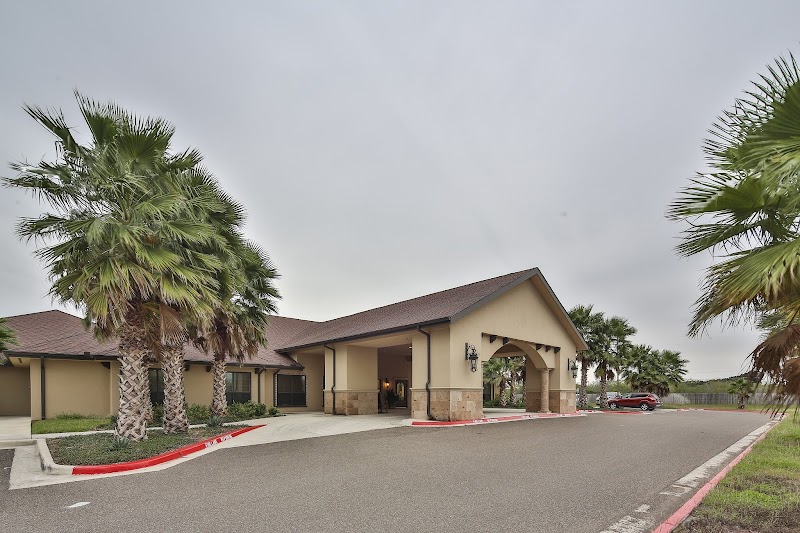
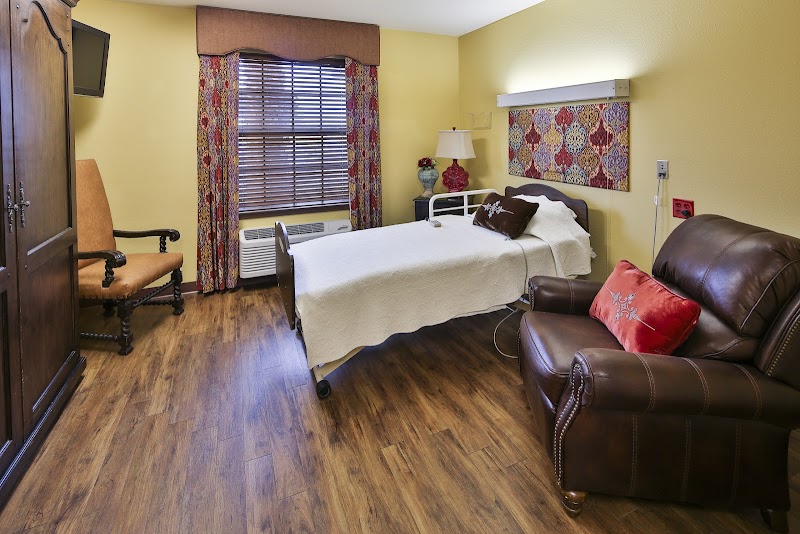

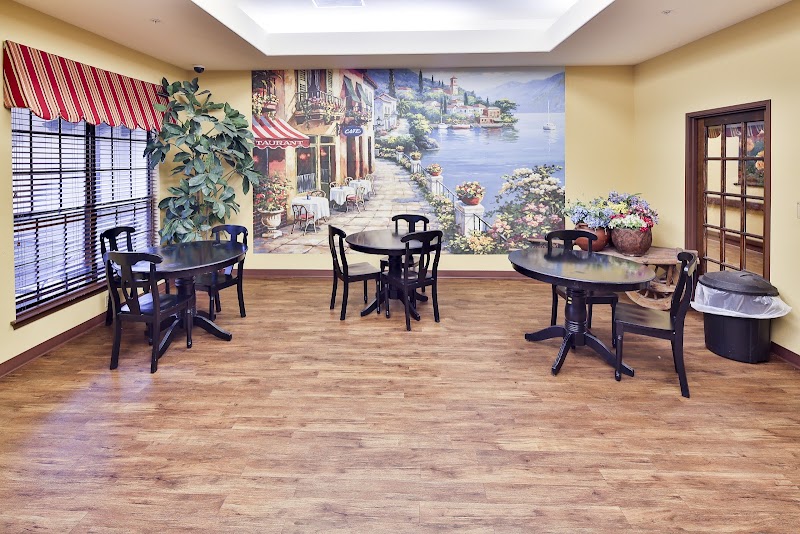
Windsor Atrium

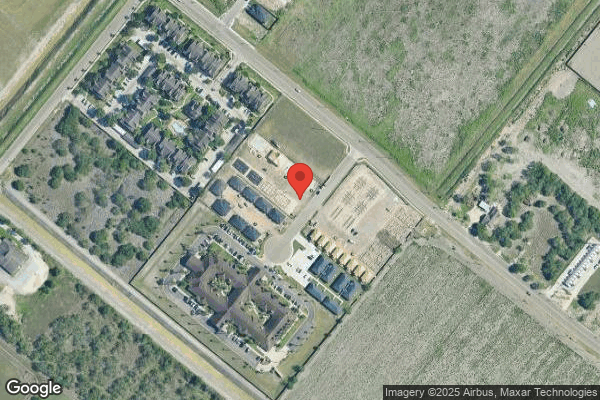
1814 Atrium Place, Harlingen, TX 78550 (956) 230-2300
Non profit - Corporation 120 Beds WELLSENTIAL HEALTH Data: November 2025 2 Immediate Jeopardy citations
Trust Grade
9/100
#907 of 1168 in TX
Last Inspection: June 2024

Within standard 12-15 month inspection cycle. Federal law requires annual inspections.

Overview

Windsor Atrium in Harlingen, Texas, has received a Trust Grade of F, indicating significant concerns and poor overall performance. Ranking #907 out of 1168 nursing homes in Texas places it in the bottom half, and it is #13 out of 14 in Cameron County, suggesting limited better options nearby. The facility is improving, having reduced its number of issues from 10 in 2024 to 2 in 2025, but it still has serious issues. Staffing is a concern with a low rating of 1 out of 5 stars and a turnover rate of 54%, which is around the Texas average. Notably, there have been troubling incidents, including a resident who fell and fractured her femur due to insufficient assistance during care, and food safety violations, such as unlabeled and expired food in the kitchen, which could risk residents' health.

Trust Score
F
9/100
In Texas
#907/1168
Bottom 23%
Safety Record
High Risk
Review needed
Inspections
Getting Better
10 → 2 violations
Staff Stability
⚠ Watch
54% turnover. Above average. Higher turnover means staff may not know residents' routines.
Penalties
○ Average
$24,447 in fines. Higher than 71% of Texas facilities. Some compliance issues.
Skilled Nurses
⚠ Watch
Each resident gets only 20 minutes of Registered Nurse (RN) attention daily — below average for Texas. Fewer RN minutes means fewer trained eyes watching for problems.
Violations
⚠ Watch
22 deficiencies on record. Higher than average. Multiple issues found across inspections.
★★☆☆☆
2.0
Overall Rating
★☆☆☆☆
1.0
Staff Levels
★★★★★
5.0
Care Quality
★★☆☆☆
2.0
Inspection Score
Stable
2024: 10 issues
2025: 2 issues

The Good

  • 5-Star Quality Measures · Strong clinical quality outcomes
  • Full Sprinkler Coverage · Fire safety systems throughout facility
  • No fines on record

Facility shows strength in quality measures, fire safety.

The Bad

2-Star Overall Rating

Below Texas average (2.8)

Below average - review inspection findings carefully

Staff Turnover: 54%

Near Texas avg (46%)

Higher turnover may affect care consistency

Federal Fines: $24,447

Below median ($33,413)

Minor penalties assessed

Chain: WELLSENTIAL HEALTH

Part of a multi-facility chain

Ask about local staffing decisions and management

The Ugly 22 deficiencies on record

2 life-threatening
Jun 2025 1 deficiency
CONCERN (D) 📢 Someone Reported This

A family member, employee, or ombudsman was alarmed enough to file a formal complaint

Potential for Harm - no one hurt, but risky conditions existed

Quality of Care (Tag F0684)

Could have caused harm · This affected 1 resident

**NOTE- TERMS IN BRACKETS HAVE BEEN EDITED TO PROTECT CONFIDENTIALITY** Based on observation, interview, and record review the facility failed to ensure that residents received treatment and care in a...

Read full inspector narrative →
**NOTE- TERMS IN BRACKETS HAVE BEEN EDITED TO PROTECT CONFIDENTIALITY** Based on observation, interview, and record review the facility failed to ensure that residents received treatment and care in accordance with professional standards of practice and the comprehensive person-centered care plan for 1 of 3 residents (Resident #1) reviewed for wound care. LVN A failed to communicate and provide treatment for the Resident #1's skin tear. This failure could place residents at risk for not receiving the appropriate care and services to maintain their health and safety. Finding included: Record review of Resident #1's face sheet dated 07/3/25 indicated Resident #1 was a [AGE] year-old female and admitted on [DATE] with diagnoses including diabetes mellitus type 2 (a chronic metabolic disorder where the body either doesn't produce enough insulin or can't effectively use the insulin it produces, leading to high blood sugar levels), essential hypertension (a condition where blood pressure is consistently elevated without a known underlying medical cause). Record review of Resident #1's MDS assessment dated [DATE] revealed a BIMS score of 5 (indicates a severe cognitive impairment). Record review of Resident #1's care plan initiated dated 05/21/24 indicated Resident #1 had limited mobility related to weakness, interventions revealed Monitor/Document/Report as needed any signs and symptoms of immobility: contractures forming or worsening, thrombus formation, skin-breakdown, fall related injury. During an interview and observation on 06/19/25 at 10:42 a.m., Resident #1 was lying in her bed with the call light in her hand. Resident #1 was not able to recall this incident. During an interview on 6/29/25 at 2:50 p.m. CNA B stated that she showered Resident #1 and resident didn't have a skin tear during the shower. CNA B said that the Resident's family member was putting lotion and told her that Resident #1 had a skin tear. CNA B stated that she told LVN A that Resident #1 had a skin tear. During a phone interview on 6/19/25 at 3:20 p.m. LVN A stated that CNA B told him that Resident #1 had a skin tear. LVN A stated that she went to Resident's #1 room and cleansed the skin tear and he forgot to call the doctor because he got busy with another resident. LVN A said that a negative outcome could be the skin tear could get infected. During an interview on 6/19/25 at 3:30 p.m. the ADON stated that nurse was supposed to assess Resident #1 and report the skin tear to the doctor, and carried out the doctor's orders. The ADON stated that LVN A had to fill out a form of the change of condition and notify the responsible party. During an interview on 6/19/25 at 4:15 p.m. the DON stated that what she knew about this incident was that LVN A went and saw Resident #1 and cleansed the skin tear. The DON said that LVN A had an emergency with another resident and forgot to contact the doctor to informed about the skin tear. The DON stated that Resident #1 was at risk for infection due to the skin tear was not treated for 2 days. DON said there was no negative outcome with Resident #1. DON said that she monitors during the morning meetings to prevent this from happening again and inservices staff on how to respond when a skin tear happens. Record Review of a facility's Notification of Changes Policy with a implemented date 10/24/22 revealed the purpose of this policy is to ensure the facility promptly informs the resident, consults the resident's physician; and notifies, consistent with his or her authority, the resident's representative when there is a change requiring notification
Jun 2025 1 deficiency
CONCERN (D) 📢 Someone Reported This

A family member, employee, or ombudsman was alarmed enough to file a formal complaint

Potential for Harm - no one hurt, but risky conditions existed

Medical Records (Tag F0842)

Could have caused harm · This affected 1 resident

**NOTE- TERMS IN BRACKETS HAVE BEEN EDITED TO PROTECT CONFIDENTIALITY** Based on interview and record review, the facility failed to maintain medical records in accordance with accepted professional s...

Read full inspector narrative →
**NOTE- TERMS IN BRACKETS HAVE BEEN EDITED TO PROTECT CONFIDENTIALITY** Based on interview and record review, the facility failed to maintain medical records in accordance with accepted professional standards and practices that are complete and accurately documented for 1 of 2 residents (Resident #1) reviewed for clinical documentation and medical records accuracy. The facility failed when Resident #1's June 2025 MAR order for Midodrine was inaccurately dated, as well as the ADON had never signed the MAR that Resident #1's Midodrine was administered on 06/13/2025. This deficient practice could place residents at risk for incomplete or inaccurate clinical records, which could lead to miscommunication, a delay in services, or a potential decline in the resident's health. The findings included: Record review of Resident #1's face sheet, dated 06/21/25, revealed a [AGE] year-old male with an original admission date of 08/01/24, and a recent admission date of 05/23/25. Diagnoses included Chronic Pulmonary Edema (a condition characterized by abnormal buildup of fluid in the lungs), Adult Failure to Thrive (a condition that affects appetite, weight, and activity), Peripheral Vascular Disease (a disorder of the blood vessels outside of the heart), End Stage Renal Disease (advanced state of kidney failure that occurs with the gradual loss of kidney function), and Type 2 Diabetes (a condition that affects how the body uses insulin and sugar). Record review of Resident #1's Quarterly MDS assessment, dated 05/21/25, revealed a BIMS score of 10, indicating moderately impaired cognition. Record review of Resident #1's care plan, initiated 08/02/24, revealed Resident #1 was a full code. Record review of Resident #1's care plan, initiated 02/06/25, revealed Resident #1 was resistive to care and resistive to following dietary and fluid restriction orders, as well as refused dialysis treatments at times. Record review of Resident #1's care plan, initiated 08/22/24, revealed Resident #1 had hyperlipidemia related to hypertension, and hypertension related to lifestyle choices. Record review of Resident #1's care plan, initiated 08/22/24, revealed Resident #1 had a potential for fluid volume overload related to kidney failure. Record review of Resident #1's physician orders, started and stopped 06/14/25, revealed an order for Midodrine 10 MG, give 1 tablet by mouth every 8 hours as needed for hypotension if blood pressure was below 100/60. Order was entered by LVN-E. Record review of Resident #1's June 2025 MAR revealed blood pressure on the morning of 06/13/24 was 121/72, so Resident #1's routine hypertension medications were administered, to include Amlodipine, Lisinopril, Clonidine, and Carvedilol. Resident #1's blood pressure on 06/13/25 at 4:00 PM was 82/48, so routine hypertension medications were withheld, to include Carvedilol and Clonidine. This same MAR revealed the order for Midodrine as: Midodrine 10 MG, give 1 tablet by mouth every 8 hours as needed for hypotension if blood pressure was below 100/60, start date 06/14/25, and stop date 06/14/25. The Midodrine signature box was left blank. In an interview with the ADON on 6/21/25 at 8:51 AM, she stated she was here on 6/13/25 when Resident #1 came back from dialysis and started having low blood pressure issues. She stated Resident #1 was doing okay other than he looked pale and tired. She stated she tried to get Resident #1 to lay down, but he refused. She stated Resident #1 was not complaining about anything, but when the nurse on the floor checked his blood pressure, it was really low. She stated she was trying to help the new nurse out, so she was the one who called the doctor and got the order for the Midodrine, and she administered the Midodrine to Resident #1. She stated she should have put the order in herself instead of letting the new nurse put the order in for her, since she was the one who obtained the order. The ADON also stated she was the one who should have signed the MAR since she was the one who administered the Midodrine to Resident #1. In an interview with the DON on 06/21/25 at 9:57 AM, she stated the order for Midodrine was obtained from the physician by the ADON on 06/13/25, and the ADON should have put the order in, but LVN-E, who was the nurse on the floor that evening, ended up putting the order for the Midodrine in the system for the ADON. She stated he was still new and learning, so when he put the order in the system he should have clicked the start now box, but because he did not, the order did not show to start until the next day, which was why it was transcribed wrong in the MAR. She stated the ADON was the one who should have signed the MAR since she was the one who gave the Midodrine. In an interview with LVN-E on 6/21/25 at 11:22 AM, LVN-E stated Resident #1 got the Midodrine on his shift, and he was stable throughout the night. He stated the ADON gave the Midodrine to Resident #1, but he entered the order. He stated he may have entered the order wrong because the order was obtained, and the medication was given on 06/13/25 not 06/14/25. He stated the ADON was busy trying to help him, and her shift was over, and she was trying to leave, so he put the order in for her. He also stated he was unsure why the MAR was never signed. Record review of the facility's Medication Policy, implemented 10/24/22, revealed 10. Review MAR to identify medication to be administered. 17. Sign MAR after administered. Record review of the facility's Documentation Policy, implemented 10/24/22, revealed Each resident's medical record shall contain an accurate representation of the actual experiences of the resident and include enough information to provide a picture of the resident's progress through complete, accurate, and timely documentation. 1. Licensed staff and interdisciplinary team members shall document all assessments, observations, and services provided in the resident's medical record in accordance with state law and facility policy.
Aug 2024 1 deficiency
CONCERN (D) 📢 Someone Reported This

A family member, employee, or ombudsman was alarmed enough to file a formal complaint

Potential for Harm - no one hurt, but risky conditions existed

Quality of Care (Tag F0684)

Could have caused harm · This affected 1 resident

**NOTE- TERMS IN BRACKETS HAVE BEEN EDITED TO PROTECT CONFIDENTIALITY** Based on observation, interview, and record review, the facility failed to ensure nursing staff demonstrated appropriate compete...

Read full inspector narrative →
**NOTE- TERMS IN BRACKETS HAVE BEEN EDITED TO PROTECT CONFIDENTIALITY** Based on observation, interview, and record review, the facility failed to ensure nursing staff demonstrated appropriate competencies and skills sets to provide nursing and related services to assure resident safety and attain or maintain the highest practicable physical, mental, and psychosocial well-being of each resident, for one (Resident #1) of six residents reviewed for quality of care The facility failed to ensure WCN A treated Resident #1's wound on her left buttock per doctor's order. This failure had the potential to affect residents receiving wound care could experience infection, worsening of the wounds, and pain. The findings included: Record review of Resident #1's Face Sheet, dated 08/19/2024, revealed a [AGE] year old female admitted on [DATE] with the diagnoses of: Diverticulosis of large intestine (a medical condition that causes small pouches, called diverticula, to form in the walls of the gastrointestinal tract, usually in the large intestine), Type 2 Diabetes Mellitus (a metabolic disease, involving inappropriately elevated blood glucose levels), dementia (a group of thinking and social symptoms that interferes with daily functioning such as forgetfulness, limited social skills, and thinking abilities so impaired that it interferes with daily functioning). Record review of Resident #1's Minimum Data Set assessment dated [DATE] revealed she: -had unclear speech -usually understood self and usually understood others -had a brief interview of mental status score of 00-severly impaired cognition -was always incontinent of bowel and bladder -had Diabetes Mellitus Record review of Resident #1's comprehensive care plan dated 05/24/2024 documented, FOCUS: o [Resident #1] has MASD of the left and right buttocks r/t increased moisture Date Initiated: 12/26/2023 Revision on: 12/28/2023 GOAL: o The resident will have no s/sx of infection of MASD through the review date. Date Initiated: 12/28/2023 Revision on: 12/28/2023 Target Date: 08/22/2024 INTERVENTIONS/TASKS: o Avoid scratching and keep hands and body parts from excessive moisture. Date Initiated: 12/26/2023 CNA LN RN o Increase out of bed activity as tolerated. Date Initiated: 12/26/2023 [CNA LN RN] o Specialty chair in place while out of bed Date Initiated: 08/16/2024 [LN RN CNA] Record review of Resident #1's physician's orders revealed, Start Date: 08/15/24 Order Summary: Santyl External Ointment 250 UNIT/GM (Collagenase) Apply to left buttock topically every day shift for trauma/injury Cleanse wound to left buttock with saline pat dry with gauze skin peri-wound apply Santyl/Calcium Alginate cover with dry protective dressing qd and PRN if soiled or dislodged. AND Apply to left buttock topically as needed for trauma /injury Cleanse wound to left buttock with saline pat dry with gauze skin peri-wound apply Santyl/Calcium Alginate cover with dry protective dressing qd and PRN if soiled or dislodged. Record review of Resident #1's Treatment Administration Record revealed no nurse check off of wound care to left buttock for 08/15/24, 08/16/24, 08/17/24, 08/18/24, 08/19/24, 08/20/24 or 08/21/24. Record review of Resident #1's wound care measurements of the left buttock revealed: -On 08/07/24: Non-Pressure wound of the left buttock full thickness (Site 11): 4.0 x 2.5 x 0.1 cm Surface area: 10.00 cm2 -On 08/14/24: Non-Pressure wound of the left buttock full thickness (Site 11): 7.5 x 4.0 x 0.1 cm Surface area: 30.00 cm2 -On 08/20/24: Non-Pressure wound of the left buttock full thickness (Site 11): 2.0 x 1.9 x 0.3 cm Surface area: 3.80 cm2 Record review of Progress Note on 08/14/24 at 05:22 PM revealed, NURSING - Skin/Wound Note written by WCN A: Late Entry: Note Text: Patient seen per WCD wound to right and left buttock has deteriorated due to infection, generalized decline of patient, also self-inflicts scratches to buttock area and all over body, new orders received and carried out, Covid positive visiting made aware of change of wound status and new orders, verbalized understanding. Record review of Progress Note on 08/14/24 05:40 PM Change of Condition Note written by [WCN]: Late Entry: Signs/Symptoms Details: wounds to right and lt (left) buttock exacerbated, started 08/14/2024, since started it has gotten: Stayed the same Things that make the condition worse: patient causes self-inflicted scratches to bilateral buttocks and generalized body . Record review of Progress Note on 08/19/24 at 11:30 AM Nurse Note written by [WCN]: Note Text: assessment performed on wounds which appear to be improving evidenced by decreased drainage, left buttock wound decreased in surface area, call placed to [WCD] and updated on findings stated will be making a follow-up visit this pm. Record review of Progress Note on 08/20/24 at 03:00 AM Nurse Note written by [LVN B]: Note Text: WCD rounded at facility for wound care assessment and treatment for pt. Gave new orders for STAT: -CBC, CMP, Prealbumin, and HGB -New orders for Only up in chair for meals only with gel cushion. [WCD[ also recommended to give pt Tylenol 650 mg PRN for pain to wounds. Orders were input and carried out, pending labs to be drawn in AM. Observation and interview on 08/19/24 at 03:45 PM of wound care on Resident #1 by Wound Care Nurse assisted by CNA C. Obwervation revealed the WCN applied cream to sacral wound and wound on right buttock. Observation revealed no cream was applied on left buttock and left buttock was not cleaned. WCN saw wound on left buttock and she said she thought the doctor said it was healed. WCN went out to cart and brought in Santyl to cover wound. WCN patted wound with normal saline, dried with dry gauze, and applied Santyl. In an interview on 08/19//24 at 04:26 PM, WCN stated she thought the order for the left ischium was the wound on the left side (buttock). WCN stated she had not treated the wound on the left buttock. In a telephone interview on 08/19/24 at 05:30 PM, WCD said it did not matter if that wound were treated or not since the 15th (08/15/24). WCD stated the ischium would be the important wound. He stated Resident #1 was non-compliant and was a scratcher. He said they had all Resident #1's wounds about closed and then she got COVID and deteriorated all over again. He said he was stopping by tonight (08/19/24) or tomorrow (08/20/24) to check on Resident #1. He said WCN was very good and he did not complain to the facility about the care the resident was getting. He was telling the facility of Resident #1's rapid deterioration after getting COVID. He said he came to the facility once or twice and sometimes more, and the facility and the WCN were fantastic. He said that the wound on Resident #1's left buttock started by the resident picked and scratched. In an interview on 08/20/24 at 09:15 AM CNA D stated she first started noticing Resident #1's wounds getting worse around August 9, 2024. CNA D stated she started noticing it get bad when Resident #1 was in isolation for COVID and she reported it to the nurse. CNA D stated she could not remember who the nurse was. CNA D stated Resident #1 scratched a lot. She said the nurses put cream on her that seemed to help. CNA D stated when she noticed a change on a resident, she notified the nurse right away and documented in their computer. CNA D stated she had been caring for Resident #1 since her arrival last year on Halloween (10/31/24). CNA D stated they kept Resident #1's nails short. CNA D stated they were trained on incontinent care at least once a month with hands-on demonstrations. In an interview on 08/20/24 at 09:25 AM, CNA E stated she had worked with Resident #1 for a few months. CNA E stated Resident #1 scratched a lot. CNA E stated nurses would put cream on Resident #1. CNA E stated the cream seemed to work. CNA E stated she noticed Resident #1's wound getting worse around 08/09/24. CNA E stated she was going to give Resident #1 a bed bath and noticed wounds getting worse. CNA E stated they reported wounds to got worse to the nurse . In an interview on 08/20/24 at 09:45 AM, DON stated both CNA D and CNA E were interviewed and they gave a statement. DON stated she thought the doctor (WCD) was upset because a resident he used to treat, their insurance would no longer pay to have him treat since their wounds had healed. In a telephone interview on 08/20/24 at 02:20 PM with RN F stated she was the weekend wound care nurse at facility. She said the weekend of August 10th - 11th , Resident #1's wounds were worse and she notified during report. RN F stated that past weekend (August 17th and 18th), there were new orders in the computer for Resident #1 and her wounds had improved. RN F stated she did not put any notes in the computer, she only passed information on at report. RN F stated she did wound care on all wounds. In an interview on 08/20/24 at 02:55 PM, WCN stated she had worked with WCD for a long time. She said he was upset about insurance not paying anymore for a resident that he had treated. She said the doctor thought maybe the facility could help out so he could treat the resident, but they could not. In a telephone interview on 08/20/24 at 05:20 PM, WCD stated Resident #1 had deteriorated from having COVID. WCD stated there was no question the facility and the wound care nurse took care of residents. He said the WCN was great and kept him updated on any changes to residents. He said he had been updated on Resident #1's wounds and deterioration while having COVID. WCD stated hewent to the facility at least once a week to assess Resident #1, more if needed. WCD stated with Resident #1 having COVID and her comorbidities, she deteriorated quickly. WCD stated WCN kept him updated on all his residents' conditions. He said since Resident #1 was out of isolation and no longer had COVID, she was starting to improve. WCD said he was the one to let the facility know of interventions. In an interview on 08/21/24 at 01:30 PM, DON stated every morning, they were notified of new orders and the WCN met with the team to go over new orders and measurements of wounds. DON stated if wounds were not treated, there was a possibility of the wound deteriorating and infection. DON stated she may start going on rounds with the WCD and the WCN. In an interview on 08/21/24 at 02:00 PM, ADON A stated before wound care, he would double check the doctor's order and if he needed clarification, he would call the doctor and ask for clarification. ADON A stated if a wound went untreated, it could cause infection or deterioration of the resident. ADON A stated he just started as ADON at the facility. Review of the facility's Physician Visits and Physician Delegation Policy dated 10/24/22 revealed, Policy: It is the policy of this facility to ensure the physician takes an active role in supervising the care of the residents. The policy did not address the nurse following physician orders.
Jul 2024 1 deficiency
CONCERN (D) 📢 Someone Reported This

A family member, employee, or ombudsman was alarmed enough to file a formal complaint

Potential for Harm - no one hurt, but risky conditions existed

Incontinence Care (Tag F0690)

Could have caused harm · This affected 1 resident

**NOTE- TERMS IN BRACKETS HAVE BEEN EDITED TO PROTECT CONFIDENTIALITY** Based on observation, record review and interview the facility failed to ensure a resident who was incontinent of bladder receiv...

Read full inspector narrative →
**NOTE- TERMS IN BRACKETS HAVE BEEN EDITED TO PROTECT CONFIDENTIALITY** Based on observation, record review and interview the facility failed to ensure a resident who was incontinent of bladder received appropriate treatment and services to prevent urinary tract infections and to restore continence to the extent possible for 1 of 4 residents observed for catheter use. Resident #1's catheter urine drainage port was draped over the side rail (above the body) restricting flow of urine to the collection bag. This failure could place residents who use cathethers at risk for potential complications or infections related to obstructed urine flow. The finding were: Review of admission record revealed Resident #1 was an [AGE] year-old female with the following diagnoses: Alzheimer's Disease, Muscle Wasting, Dehydration, need for assistance with personal care, lack of coordination and functional urinary incontinence. Resident #1's Minimum Data Set, dated [DATE] section H revealed resident #1 had an indwelling catheter and a BIMS of 0 indicating resident was unable to complete assesment. Review of Resident #1's care plan revised date 03/06/24, revealed resident had catheter due to obstructive uropothy [structural hinderance to urine flow]. Care plan indicated, Catheter: The resident has 16F indwelling catheter, Position catheter bag and tubing below the level of the bladder and away from the entrance of the door Observations on 07/23/24 at 9:55 a.m. revealed Resident #1 was laying in a supine position, well groomed and appropriately dressed. A tubing could be seen coming out from under a blanket and hanging over the left side handrail. Resident was alert but lacked mobility to move the tubing and was unable to provide information on how or who positioned the tubing in that location. Observation on 07/23/24 at 10:50 am revealed resident position on left lateral side. Resident #1 was sleeping. The tubing could be seen coming out from under the residents blanket and hanging over the left side rail. Observation and interview on 07/23/24 at 11:55 am was conducted with CNA A. CNA A confirmed the tubing hanging over Residents #1's side rail was part of Resident #1's catheter. Fluid could be seen in the tubing. CNA A said the tubing should not be above the body. In an interview on 07/23/24 at 11:57 a.m. with CNA B said the tubing for the catheter should not be above the resident's body because it could cause back flow of urine and create complications. Interview an interview on 07/23/24 with the DON at 12:10 p.m. she said staff were trained upon hire and throughout the year on how to provide care for residents with catheters and other specialized care. The DON said the catheter tubing should be placed below the bladder to prevent any possible back flow which could lead to infections. Resident #1 did not have any signs or symptoms of urinary tract infections. Facility Female Urinary Indwelling Catheter Care Competency revealed: 29. Hang the collection bag below the bladder. 30. secure the catheter to the resident thigh using leg band with velcro closure or tape
Jun 2024 6 deficiencies 2 IJ
CRITICAL (J) 📢 Someone Reported This

A family member, employee, or ombudsman was alarmed enough to file a formal complaint

Immediate Jeopardy (IJ) - the most serious Medicare violation

Free from Abuse/Neglect (Tag F0600)

Someone could have died · This affected 1 resident

**NOTE- TERMS IN BRACKETS HAVE BEEN EDITED TO PROTECT CONFIDENTIALITY** Based on interview and record review the facility failed to ensure the resident had the right to be free from neglect, for one o...

Read full inspector narrative →
**NOTE- TERMS IN BRACKETS HAVE BEEN EDITED TO PROTECT CONFIDENTIALITY** Based on interview and record review the facility failed to ensure the resident had the right to be free from neglect, for one of four residents (Resident #250) reviewed for neglect: CNA C stated she was aware Resident #250 required 2-person assistance with a bed bath but proceeded to give care to the resident alone resulting in the resident falling and fracturing her left femur. The non-compliance for Resident #250 was identified as Past Non-Compliance. The Immediate Jeopardy (IJ) began on 03/15/2024 and ended on 03/15/2024. The facility corrected the non-compliance before the investigation began. This failure could place residents at risk of neglect resulting in serious injuries, harm, impairment, or death. The findings were: Record review of Resident #250's face sheet dated 06/11/2024 reflected a [AGE] year-old female with an admission date of 10/27/2023 and an initial admission date of 08/28/2017. Resident #250 had a discharge date of 03/15/2024. Resident #250's relevant diagnoses included dementia (memory loss), muscle weakness, contracture (shortening and hardening of muscles, tendons, or other tissue, often leading to deformity and rigidity of joints) of left and right knee, lack of coordination, pain to left and right knee, and chronic obstructive pulmonary disease (restricted airflow and breathing problems). Record review of Resident #250's quarterly MDS assessment dated [DATE] reflected a BIMS score 09, which indicated Resident #250's cognition was moderately impaired. Resident #250's functional abilities for shower/bathe was substantial/maximal assist (helper does more than half the effort. Helper lifts or holds trunk or limbs and provides more than half the effort) Record review of Resident #250's quarterly Care Plan assessment dated [DATE] revealed an ADL problem Resident #250 has an ADL self-care performance deficit r/t confusion, dementia. Date initiated 12/08/2017 and revised on 08/03/23. ADL interventions, BATHING/SHOWERING: The resident is totally dependent on (2) staff to provide (shower)(M-W-F) and as necessary. Date Initiated: 12/08/2017, Revision on: 08/27/2021. Record review of Resident #250's x-ray report dated 03/15/2024 reflected she had a displaced comminuted slightly overlapped distal left femoral metaphyseal fracture. Fracture was documented on the change of condition. In an interview on 06/12/2024 at 1:35 p.m., CNA C said she had been employed by the facility for 3 years prior to being terminated on 03/15/2024. CNA C said she received training in ADL's when she first got hired and annually. She said she knew where to check to see if a resident was a 1 or 2 person assist when it came to ADL's. CNA C said she would either check the resident's POC or ask the charge nurse. CNA C said she knew Resident #250 was a 2 person-assist for bathing but still decided to bed bathe her by herself on 03/15/2024. She said 03/15/2024 was not the first time she bed bathed Resident #250 by herself. CNA C said the other times, Resident #250 had longer rails and said it was easier. CNA C said on 03/15/2024, Resident #250 had shorter rails. She said she was not sure when the rails were changed. CNA C said on 03/15/2024, while bed bathing Resident #250 she turned her to the side to wash her back and her legs slipped off the bed. CNA C said she tried to grab her, but Resident #250 was wet and slippery and not able to hold on to her. CNA C said resident fell to the floor. CNA C said immediately pressed the call light and started yelling for help. She said she rushed over to where Resident #250 landed and stayed with her until a nurse arrived. CNA C said her charge nurse responded quickly and Resident #250 was assessed. She said once her charge nurse assessed Resident #250, she stepped out of the room. CNA C said she was told Resident #250 was taken the local hospital to be evaluated because she sustained a bump to her face and a scrape to her back. CNA C said she was removed from the floor and later that day was terminated. CNA C the facility was fully staffed, and she was trained to follow the residents care plan. CNA C said she took sole responsibility and knew she did wrong by bathing Resident #250 by herself. CNA C said she thought it would be easy to give Resident #250 a bed bath by herself because she had done it before. CNA C said if she had followed Resident #250's care plan, it could have prevented the fall. An interview on 06/12/2024 at 2:37 p.m., LVN H said Resident #250 was a 2 person-assist for bathing. She said she was the charge nurse for Resident #250 on 03/15/2024. LVN H said she was tending to a resident across from Resident #250's room when she was told by a CNA (does not remember name) Resident #250 had fallen. She said she immediately went to Resident #250's room and found her on the floor. LVN H said Resident #250 was wet and unclothed. She said she noticed Resident #250 had discoloration to her forehead, but her vitals were within range. LVN H said she called Resident #250's doctor who ordered for her to be sent to local hospital for evaluation. LVN H said she asked CNA C to explain what had happened. She said CNA C told her Resident #250 slipped when she tried to turn her sideways to wash her back. She said she immediately removed CNA C from the floor and advised the DON and the Administrator. An interview on 06/12/2024 at 3:37 p.m., the DON said on 03/15/2024, she was informed by LVN H Resident #250 had fallen. She said she immediately started an investigation, and it was concluded CNA C did not follow Resident #250's care plan and bed bathed her alone. The DON said Resident #250 was sent to the hospital because she sustained a deformity on her head and complained of pain. The DON said she immediately pulled CNA C to the side and questioned her as to what happened. The DON said CNA C admitted to knowing Resident #250 was a 2 person assist for showers/baths and took full responsibility. The DON said she sent CNA C home after the incident on 03/15/2024 and upon completing her investigation, CNA C was terminated on same day. An interview on 06/12/2024 at 4:00 p.m., the Administrator said CNA C did not follow Resident #250's care plan which required a 2 person assist for bathing. He said after their investigation, CNA C was terminated on 03/15/2024. He said other CNA's were in-serviced on the following topics: ANE, CNA's to follow care tasks to assist resident according to always care plan and transfers and repositioning. Record review of facility's policy on Abuse, Neglect, and Exploitation dated 08/15/22 reflected: Policy: It is the policy of this facility to provide protections for the health, welfare and rights of each resident by developing and implementing written policies and procedures that prohibit and prevent abuse, neglect, exploitation and misappropriation of resident property. Policy Explanation and Compliance Guidelines: 3. The facility will provide ongoing oversight and supervision of staff in order to assure that it's policies are implemented as written. The Administrator was notified on 06/26/2024 at 4:45 p.m., that a past non-compliance IJ situation had been identified due to the above failures. It was determined these failures placed Residents #250 in an IJ situation on 03/15/2024. The facility implemented the following interventions: Record review of CNA C Employee Counseling Report, dated, 03/15/2024 reflected she received a level two offense for failure or unwillingness to perform work as required or directed .failing to meet job expectation .failure to comply with safety guideline(s) as outlined in the Employee Guide and Safety. The Incident description indicated failure to follow plan of care per acre task when providing care to resident. Resident had a fall with injury. Record review of CNA's Personnel Action Form dated 03/15/2024 reflected she was terminated. Under manager's comment a note reflected failure to follow proper care plan for care. Employee included in self-report for injury to a resident. CNA's were in-serviced on 03/15/2024 after the incident on CNA's to follow care task to assist resident according to care plan at all times and transfers and repositioning. An observation on 06/27/2024 at 9:10 a.m. Resident #13 was observed during his bed bath and no discrepancies were observed. An observation on 06/27/2024 at 9:45 a.m. Resident #62 was observed during his bed bath and no discrepancies were observed. An interview on 06/12/2024 at 2:15 p.m., CNA E said she received training on ADL's when she was first hired and annually after. She said she knew to check resident's POC and/or ask her charge nurse to see if a resident was a 1 or 2 person assist for their ADL's. An interview on 06/12/2024 at 2:30 p.m., CNA F said she received training on ADL's when she was first hired and annually after. She said she knew to check resident's POC and/or ask her charge nurse to see if a resident was a 1 or 2 person assist for their ADL's.
CRITICAL (J) 📢 Someone Reported This

A family member, employee, or ombudsman was alarmed enough to file a formal complaint

Immediate Jeopardy (IJ) - the most serious Medicare violation

Accident Prevention (Tag F0689)

Someone could have died · This affected 1 resident

**NOTE- TERMS IN BRACKETS HAVE BEEN EDITED TO PROTECT CONFIDENTIALITY** Based on interviews, and record reviews the facility failed to ensure that the residents environment remained as free of acciden...

Read full inspector narrative →
**NOTE- TERMS IN BRACKETS HAVE BEEN EDITED TO PROTECT CONFIDENTIALITY** Based on interviews, and record reviews the facility failed to ensure that the residents environment remained as free of accident hazards as was possible and that each resident received adequate supervision and assistance devices to prevent accidents for 1 of 4 residents (Residents #250) reviewed for accidents hazards and supervision. The facility failed to ensure Resident #250 was assisted by two care providers during a bed bath which resulted in her rolling out of bed onto the floor and sustaining a left femoral fracture. This failure could place residents at risk of accidents and injury. The non-compliance for Resident #250 was identified as Past Non-Compliance. The Immediate Jeopardy (IJ) began on 03/15/2024 and ended on 03/15/2024. The facility corrected the non-compliance before the investigation began. This failure could place residents at risk of neglect resulting in serious injuries, harm, impairment, or death. The findings include: Record review of Resident #250's face sheet dated 06/11/2024 reflected a [AGE] year-old female with an admission date of 10/27/2023 and an initial admission date of 08/28/2017. Resident #250's relevant diagnoses included dementia (memory loss), muscle weakness, contracture (shortening and hardening of muscles, tendons, or other tissue, often leading to deformity and rigidity of joints) of left and right knee, lack of coordination, pain to left and right knee, and chronic obstructive pulmonary disease (restricted airflow and breathing problems). Record review of Resident #250's quarterly MDS assessment dated [DATE] reflected a BIMS score 09, which indicated Resident #250's cognition was moderately impaired. Resident #250's functional abilities for shower/bathe was substantial/maximal assist (helper does more than half the effort. Helper lifts or holds trunk or limbs and provides more than half the effort) Record review of Resident #250's quarterly Care Plan assessment dated [DATE] reflected an ADL problem Resident #250 has an ADL self-care performance deficit r/t confusion, dementia. Date initiated 12/08/2017 and revised on 08/03/23. ADL goal was Resident #250 will maintain current level of function through the review date. Date initiated: 12/08/2017 and revision date on: 03/15/2024. ADL interventions, functional performance: shower/bathe self: the resident requires substantial/maximal assistance for shower/bathe. Date initiated: 12/14/2023 and revised on 03/15/2024.Bathing/Showering: the resident is totally dependent on (2) staff to provide (shower) (M-W-F) and as necessary. Date initiated: 12/08/20217 and revised on: 08/27/2021. Record review of Resident #250's x-ray report dated 03/15/2024 reflected she had a displaced comminuted slightly overlapped distal left femoral metaphyseal fracture. Fracture was documented on the change of condition. In an interview on 06/12/2024 at 1:35 p.m., CNA C said she had been employed by the facility for 3 years prior to being terminated on 03/15/2024. CNA C said she received training in ADL's when she first got hired and annually. She said she knew where to check to see if a resident was a 1 or 2 person assist when it came to ADL's. CNA C said she would either check the resident's POC or ask the charge nurse. CNA C said she knew Resident #250 was a 2 person-assist for bathing but still decided to bed bathe her by herself on 03/15/2024. She said 03/15/2024 was not the first time she bed bathed Resident #250 by herself. CNA C said the other times, Resident #250 had longer rails and said it was easier. CNA C said on 03/15/2024, Resident #250 had shorter rails. She said she was not sure when the rails were changed. CNA C said on 03/15/2024, while bed bathing Resident #250 she turned her to the side to wash her back and her legs slipped off the bed. CNA C said she tried to grab her, but Resident #250 was wet and slippery and not able to hold on to her. CNA C said resident fell to the floor. CNA C said immediately pressed the call light and started yelling for help. She said she rushed over to where Resident #250 landed and stayed with her until a nurse arrived. CNA C said her charge nurse responded quickly and Resident #250 was assessed. She said once her charge nurse assessed Resident #250, she stepped out of the room. CNA C said she was told Resident #250 was taken the local hospital to be evaluated because she sustained a bump to her face and a scrape to her back. CNA C said she was removed from the floor and later that day was terminated. CNA C the facility was fully staffed, and she was trained to follow the residents care plan. CNA C said she took sole responsibility and knew she did wrong by bathing Resident #250 by herself. CNA C said she thought it would be easy to give Resident #250 a bed bath by herself because she had done it before. CNA C said if she had followed Resident #250's care plan, it could have prevented the fall. An interview on 06/12/2024 at 2:37 p.m., LVN H said Resident #250 was a 2 person-assist for bathing. She said she was the charge nurse for Resident #250 on 03/15/2024. LVN H said she was tending to a resident across from Resident #250's room when she was told by a CNA (does not remember name) Resident #250 had fallen. She said she immediately went to Resident #250's room and found her on the floor. LVN H said Resident #250 was wet and unclothed. She said she noticed Resident #250 had discoloration to her forehead, but her vitals were within range. LVN H said she called Resident #250's doctor who ordered for her to be sent to local hospital for evaluation. LVN H said she asked CNA C to explain what had happened. She said CNA C told her Resident #250 slipped when she tried to turn her sideways to wash her back. She said she immediately removed CNA C from the floor and advised the DON and the Administrator. An interview on 06/12/2024 at 3:37 p.m., the DON said on 03/15/2024, she was informed by LVN H Resident #250 had fallen. She said she immediately started an investigation, and it was concluded CNA C did not follow Resident #250's care plan and bed bathed her alone. The DON said Resident #250 was sent to the hospital because she sustained a deformity on her head and complained of pain. The DON said she immediately pulled CNA C to the side and questioned her as to what happened. The DON said CNA C admitted to knowing Resident #250 was a 2 person assist for showers/baths and took full responsibility. The DON said she sent CNA C home after the incident on 03/15/2024 and upon completing her investigation, CNA C was terminated on same day. An interview on 06/12/2024 at 4:00 p.m., the Administrator said CNA C did not follow Resident #250's care plan which required a 2 person assist for bathing. He said after their investigation, CNA C was terminated on 03/15/2024. He said other CNA's were in-serviced on the following topics: ANE, CNA's to follow care tasks to assist resident according to always care plan and transfers and repositioning. Record review of Facility's policy on Quality of Care revised on 08/20212 reflected: Each resident will receive the necessary nursing, medical, and psychosocial services to attain and maintain the highest possible mental and physical functional status as defined by the comprehensive assessment and plan of care . These nursing, medical and psychosocial needs will be identified in the Resident Assessment, and addressed in the Comprehensive Care Plan and the Medical Record to reflect that the interventions in the following clinical situations were maintained. The Administrator was notified on 06/26/2024 at 4:45 p.m., that a past non-compliance IJ situation had been identified due to the above failures. It was determined these failures placed Residents #250 in an IJ situation on 03/15/2024. The facility implemented the following interventions: Record review of CNA C Employee Counseling Report, dated, 03/15/2024 reflected she received a level two offense for failure or unwillingness to perform work as required or directed .failing to meet job expectation .failure to comply with safety guideline(s) as outlined in the Employee Guide and Safety. The Incident description indicated failure to follow plan of care per acre task when providing care to resident. Resident had a fall with injury. Record review of CNA's Personnel Action Form dated 03/15/2024 reflected she was terminated. Under manager's comment a note reflected failure to follow proper care plan for care. Employee included in self-report for injury to a resident. An interview on 06/12/2024 at 2:15 p.m., CNA E said she received training on ADL's when she was first hired and annually after. She said she knew to check resident's POC and/or ask her charge nurse to see if a resident was a 1 or 2 person assist for their ADL's. An interview on 06/12/2024 at 2:30 p.m., CNA F said she received training on ADL's when she was first hired and annually after. She said she knew to check resident's POC and/or ask her charge nurse to see if a resident was a 1 or 2 person assist for their ADL's. CNA's were in-serviced on 03/15/2024 after the incident on CNA's to follow care task to assist resident according to care plan at all times and transfers and repositioning. An observation on 06/27/2024 at 9:10 a.m. Resident #13 was observed during his bed bath and no discrepancies were observed. An observation on 06/27/2024 at 9:45 a.m. Resident #62 was observed during his bed bath and no discrepancies were observed.
CONCERN (D)

Potential for Harm - no one hurt, but risky conditions existed

Deficiency F0577 (Tag F0577)

Could have caused harm · This affected 1 resident

Based on observation and interview, the facility failed to ensure that the residents' right to review survey results were readily accessible to residents, family members and legal representatives of r...

Read full inspector narrative →
Based on observation and interview, the facility failed to ensure that the residents' right to review survey results were readily accessible to residents, family members and legal representatives of residents. For 1 of 1 survey books. The facility failed to make the results of the survey readily accessible for examination to residents and failed to post a notice of availability of the survey results. This failure could prevent residents from exercising their rights to view the survey results and the plan of correction. The findings were: In a confidential interview on 06/11/24 at 2:00 PM, six Confidential Interviewees said that they were not aware of the location of the results of Federal or State surveys and were not aware of their right to review the results of the surveys. Observation on 06/12/24 at 10:00 AM of the reception area and on top of and inside the bureau revealed there was no surveyor binder. Further observation of the facility revealed there was no posted notice of the location for the survey binder. In an interview on 06/12/24 at 10:03 AM Receptionist said the Survey Binder was in the bureau. Receptionist B opened the second drawer of her desk and took out several binders but could not find the binder. Receptionist B said the Administrator would know the location of the binder. In an interview on 06/12/24 at 10:12 AM the Administrator said he had the survey binder in his office because they had just purchased new furniture and painted the walls in the reception area. The Administrator provided the survey binder for Surveyor's review. Observation on 06/13/24 at 8:48 AM revealed there still was not a sign for the location of the survey binder posted in the reception area. In an interview on 06/13/24 at 6:33 PM the Administrator said they were remodeling so everything was taken out. The maintenance director took off the shelf that was holding the Survey Binder. He took off the screws and that was the reason why the Survey binder was in his office. The Administrator said he would have the maintenance director put up the shelf today and he would put the Survey Binder on the shelf today.
CONCERN (D) 📢 Someone Reported This

A family member, employee, or ombudsman was alarmed enough to file a formal complaint

Potential for Harm - no one hurt, but risky conditions existed

PASARR Coordination (Tag F0644)

Could have caused harm · This affected 1 resident

**NOTE- TERMS IN BRACKETS HAVE BEEN EDITED TO PROTECT CONFIDENTIALITY** Based on interviews and record reviews, the facility failed to ensure all level II residents and all residents with newly eviden...

Read full inspector narrative →
**NOTE- TERMS IN BRACKETS HAVE BEEN EDITED TO PROTECT CONFIDENTIALITY** Based on interviews and record reviews, the facility failed to ensure all level II residents and all residents with newly evident or possible serious mental disorder, intellectual disability, or a related condition for level II resident review upon a significant change in status assessments for 1 of 3 residents reviewed for PASARR. The facility failed to ensure Resident #33 had an accurate PASARR Level 1 Screening which indicated a diagnosis of mental illness on 12/12/23. This failure could place residents at risk of not receiving specialized services that would enhance their highest level of functioning. The findings were: Record review of Resident #33's admission Record dated 06/12/24 reflected a [AGE] year-old male with a re-admission date of 12/15/23. Resident #33 had diagnoses which included Depression (persistent feeling of sadness and loss of interest), Schizoaffective Disorder Bipolar Type (type of schizophrenia, hallucinations and delusions), Post-Traumatic Stress Disorder, Unspecified (disorder developed after experiencing a scary or dangerous event). Record review of Resident #33's PASARR Level 1 Screening dated 12/08/23 reflected Section C C0100.Mental Illness . Is there evidence or an indicator this is an individual that has a Mental Illness? Answer: 0, (0 indicated the answer was No). In an interview on 6/13/24 at 5:00 pm, MDS T said he was assigned to Resident #33 to conduct his assessments. He reviewed Resident #33's diagnoses and stated Resident #33 had a Mental Illness diagnosis. He said he did not know why it was not reviewed when the PASARR Level 1 Screening was completed. In an interview on 6/13/24 at 5:05 pm MDS R said when a Resident was admitted to their facility, they reviewed medical history along with their diagnoses. She said if a Resident had a diagnoses of Mental Illness or Intellectual Disability, they were referred to the Local Mental Health Authority for assessment to determine if they qualified for services or other placement. She said Resident #33's PASARR Level 1 Screening should have indicated mental illness. And he should have been assessed by LMHA for determination of services or other placement. MDS R said they should have caught this error and they would submit a corrected form to indicate mental illness for Resident #33 so he could be properly evaluated by LMHA. MDS R said this error could possibly prevent Resident #33 from receiving services he might need through LMHA. In an interview on 6/13/24 at 7:14 pm the DON said MDS department was in charge of PASARR's. She said if a PASARR was triggered for mental illness or intellectual disability they should be referred to LMHA so they could see if they were eligible for services through them, if this didn't happen then the resident may be missing out on services that they may need. In an interview on 6/13/24 at 7:30 pm the Administrator said they did not have a policy for PASARR's, he said they used the state regulations as reference.
CONCERN (D)

Potential for Harm - no one hurt, but risky conditions existed

Comprehensive Care Plan (Tag F0656)

Could have caused harm · This affected 1 resident

**NOTE- TERMS IN BRACKETS HAVE BEEN EDITED TO PROTECT CONFIDENTIALITY** Based on observations, interviews, and record reviews the facility failed to develop and implement a comprehensive person-center...

Read full inspector narrative →
**NOTE- TERMS IN BRACKETS HAVE BEEN EDITED TO PROTECT CONFIDENTIALITY** Based on observations, interviews, and record reviews the facility failed to develop and implement a comprehensive person-centered care plan that includes measurable objectives and time frames to meet a resident's medical and nursing needs and describes the services to be furnished to attain or maintain the resident's highest practicable physical, mental, and psychosocial well-being for 1 of 4 residents (Resident #31), reviewed for care plans. The facility failed to develop a comprehensive person-centered care plan for Resident #31 addressing fall mat. These failures could affect residents by placing them at risk of not receiving the care and services for health promotion and continuity of care. The findings included: Record review of Resident #31's electronic facility face sheet, dated 9/19/24, reflected a [AGE] year-old female who was admitted to the facility on [DATE]. Resident #31 had diagnoses which included Alzheimer's Disease (a brain disorder that slowly destroys memory and thinking skills and, eventually, the ability to carry out the simplest tasks), muscle weakness, muscle wasting and atrophy, unsteadiness on feet, and chronic obstructive pulmonary disease (a chronic lung disease that causes air flow limitation). Record review of Resident #31's quarterly MDS assessment, dated 04/18/24, reflected he scored a 04 on his BIMS, which indicated he was severely cognitively impaired. Record review of Resident #31's care plan, dated 5/06/24, did not address a reflected a fall mat. During an observation on 6/12/24 at 2:58 PM revealed Resident #31 was lying down asleep in her bed. A fall mat was on the left side and the side rail was up on the right side. In an interview on 6/13/24 at 4:50 PM, the DON stated Resident #31 had a fall mat in her room as a fall intervention. She was the one that initiated the care planning. She stated she did not initiate the fall mat in the care plan because she had just started working at the facility. Resident #31 already had the floor mat in her room when she came on board. The resident already had the fall mats. The DON stated she did not know who initiated that for Resident #31. She was responsible for the fall system, meaning she controlled what interventions were put into place immediately. She stated it was important for the fall mat to be care planned because that was what they used to follow on how they cared for a resident. The DON stated the negative outcome of not being in the care plan was that the staff was not going to follow through with it . In an interview on 6/13/24 at 5:50 PM, MDS A stated Resident #31's fall mat was not care planned. She stated if a resident had an acute change, then it should be the nurse who did the care planning. Record review of facility's policy on Quality of Care revised on 08/12 reflected: Each resident will receive the necessary nursing, medical, and psychosocial services to attain and maintain the highest possible mental and physical functional status as defined by the comprehensive assessment and plan of care . These nursing, medical and psychosocial needs will be identified in the Resident Assessment, and addressed in the Comprehensive Care Plan and the Medical Record to reflect that the interventions in the following clinical situations were maintained. Record review of the facility's Comprehensive Care Plans Policy, dated 10/24/2022, reflected the following: It is the policy of this facility to develop and implement a comprehensive person-centered care plan for each resident, consistent with resident rights, that includes measurable objectives and timeframes to meet a resident medical, nursing, mental and psychosocial needs that are identified in the resident's comprehensive assessment. Policy Explanation and Compliance Guidelines .: #3 (a) The services that are to be furnished to attain or maintain the residents highest practicable physical, mental, and psychosocial well-being. #6 .Alternative interventions will be documented, as needed, #8 . Qualified staff responsible for carrying out interventions specified in the care plan will be notified of their roles and responsibilities for carrying out the interventions, initially and when changes are made.
CONCERN (D)

Potential for Harm - no one hurt, but risky conditions existed

ADL Care (Tag F0677)

Could have caused harm · This affected 1 resident

**NOTE- TERMS IN BRACKETS HAVE BEEN EDITED TO PROTECT CONFIDENTIALITY** Based on observation, interview and record review, the facility failed to ensure a resident who is unable to carry out activitie...

Read full inspector narrative →
**NOTE- TERMS IN BRACKETS HAVE BEEN EDITED TO PROTECT CONFIDENTIALITY** Based on observation, interview and record review, the facility failed to ensure a resident who is unable to carry out activities of daily living receives grooming and personal care for 1 of 4 residents (#57) reviewed for ADL care. The facility failed to ensure Residents #57 was provided assistance with nail care. These failures could place residents at risk of scratches, infection, and loss of self-esteem. Findings included: Record review of the Face Sheet for Resident #57 dated 6/13/2024 reflected she was a [AGE] year-old female admitted to the facility on [DATE] and has the following diagnosis information Type 2 diabetes mellitus, hepatic failure, dysphagia, abnormalities of gait and mobility, lack of coordination, muscle wasting and atrophy, contracture of left hand, and need for assistance with personal care. Record review of the Quarterly MDS for Resident #57 dated 05/28/2024 reflected she had a BIMS score of 8 indicating moderate cognitive impairment. Her functional abilities and goals reflected she required supervision or touching assistance for personal hygiene. Record review of the Care Plan for Resident #57 dated 04/18/2024 reflected she had an ADL self-care performance deficit related to limited mobility. Goal: The resident will improve current level of function in bed mobility/transfer task through the target date: 08/28/2024. Interventions for Personal Hygiene: The resident requires (assistance) by (X1) staff with personal hygiene and oral care. Record review of Nurses Follow Up document provided dated 6/9 (no year) revealed a note written above Resident #57's room number that said, NO nail care needed. No other documentation provided to indicate name of staff or time completed. Record review of Nurses Follow Up document provided dated 6/2/24 revealed a note written to right of Resident #57's room number that said, Nails cut. No other documentation provided to indicate name of staff or time completed. Observation and interview on 06/12/2024 at 3:24 PM of Resident #57 revealed she had long, pointy, and dirty fingernails. A couple of her fingernails had red nail polish grown out to the tips of her fingernails. Her fingernails were approximately ½ inch past her fingertips on both hands. She said that she was supposed to get her nails cut today, but that she was not sure why the staff have not done yet. She said that she was supposed to get her nails done at the beauty salon around 2 weeks ago, but she is not sure why it was not done. She said that she likes to have her nails short to prevent from scratching herself. Resident #57 observed using her right hand to lift her left arm above blanket to show her nails due to hemiplegia to her left side. In an interview on 06/12/2024 at 3:45 PM CNA N said that usually the CNA's will clean the nails, and the Podiatrist will clip due to the Resident is a diabetic. She said the CNAs clean and wash the nails for the Resident when it's their shower/bath time. She said that she is not sure who paints the Resident's fingernails. In an interview on 06/12/2024 at 3:52 pm CNA O said she has been working at the Facility on and off for 27 years. She said that the CNAs are responsible for cleaning and washing the Resident's nails. She said they do not clip the Resident's nails due to resident is a diabetic. She said she knows that sometimes the resident goes to beauty shop to get her nails done. She said beauty shop visits go by appointments. The CNA said today is the Resident's bed bath day and it is done in the PMs. She said they will clean and wash her nails during her bath. In an interview on 6/12/24 at 3:58 pm LVN P who was the charge nurse for the floor that day said that the Resident must get her toenails clipped by the podiatrist due to being diabetic. He said that the Podiatrist comes every month or so to clip resident's nails. He said he is the nurse who coordinated the podiatrist rounds and the last time he came was May 17, 2024. The LVN P said that any of the nurses can clip the fingernails for a resident at any time. LVN P could not provide negative effects of resident not getting her fingernails clipped because he said that he was very nervous. He said, I've got nothing. He said that he was very nervous. Observation on 06/12/2024 at 04:29 PM of Resident #57's fingernails which revealed they were cut to both hands. In an interview on 6/12/24 at 4:35 pm LVN Q said she that she had clipped the resident's fingernails. She said Resident #57's fingernails were, not very long, very minimum, less than an inch long and showed me the length of her fingernails and said, like this. LVN Qs fingernails observed clean and shorter in length than Resident # 57's fingernails were observed by this surveyor. LVN Q said that resident's get their fingernails clipped every Sunday at any time by any nurse available. LVN Q said that she did not work last Sunday and was unable to show me a progress note or other documentation that showed resident having her nails trimmed or refusal to trim nails this past Sunday. LVN P and DON could not find an entry for the last time resident had her nails trimmed. Asked DON for policy on ADLs/nail care/trim. Record review of the progress notes on the facility's point click care system, revealed the following notes: 6/12/2024 16:46 ACTIVITIES - Activity Note Note Text: AD and Beautician asked Resident #57 if she would like to receive beautician services today and Resident #57 refused the services. Beautician asked if she would like to be put on the schedule for next week and Resident #57 said yes. AD will put Resident # 57 on the beautician list for next Wednesday. 6/12/2024 16:23 NURSING - Nurse Note Note Text: trimmed, filed, and cleaned resident's fingernails, resident tolerated well. In an interview on 6/13/24 at 3:37 pm DON said that Resident #57's fingernails should be clipped every Sunday by the floor nurse because the resident is a diabetic. Non-diabetic Resident's nails are trimmed by the CNAs. She said that they do not have any specific written protocols for staff to follow regarding frequency of nail care. She said that staff are made aware of when residents require nail care by referencing a binder at the Nurse's station. She said the binder is for long term care residents. The DON said that the nurses know to look through the binder, so they know who requires care. She said that the binder has a section for non-diabetic residents and for diabetic residents in the long-term care hallways. She said that the logs for short-term care resident's is in the shower binder for CNAs. She said that one way she helps remind staff regarding nail care is through group texts. She will send a group text to staff to remind them today is nail care day. She said they also educate new staff come in. She said the negative effects of not cleaning and/or clipping Resident #57's nails is that it could cause the resident to scratch herself, causing an open wound and possible infection. The DON said that she thinks Resident #57 could cause that injury even if they clip her nails. Record review of the facility Activities of Daily Living (ADLs) Policy date implemented 5/26/23 reflected Policy: The facility will, based on the resident's comprehensive assessment and consistent with the resident's needs and choices, ensure a resident's abilities in ADLs do not deteriorate unless deterioration is unavoidable. Care and services will be provided for the following activities of daily living: 1. Bathing, dressing, grooming and oral care. and Policy Explanation and Compliance Guidelines: 2. A resident who is unable to carry out activities of daily living will receive the necessary services to maintain good nutrition, grooming, and personal and oral hygiene. 6. Documentation shall be completed at the time of service, but no later than the shift in which care service occurred.
May 2024 2 deficiencies
CONCERN (D) 📢 Someone Reported This

A family member, employee, or ombudsman was alarmed enough to file a formal complaint

Potential for Harm - no one hurt, but risky conditions existed

Deficiency F0655 (Tag F0655)

Could have caused harm · This affected 1 resident

**NOTE- TERMS IN BRACKETS HAVE BEEN EDITED TO PROTECT CONFIDENTIALITY** Based on interviews and record review, the facility failed to develop and implement a baseline care plan for each resident that ...

Read full inspector narrative →
**NOTE- TERMS IN BRACKETS HAVE BEEN EDITED TO PROTECT CONFIDENTIALITY** Based on interviews and record review, the facility failed to develop and implement a baseline care plan for each resident that included the instructions needed to provide effective and person-centered care of the resident, for 1 of 6 residents (Residents #2) reviewed for baseline care plan, The facility failed to ensure Resident #2's baseline care plan included information related to the resident's full code status and the use of a Hoyer lift. This failure could affect newly admitted residents and place them at risk of not receiving appropriate interventions to meet their current needs and communication among nursing home staff to ensure their immediate care needs were met. The findings included: Record review of Resident #2 ' s face sheet, dated [DATE] revealed a [AGE] year-old female admitted on [DATE] with diagnoses of Acquired Absence of Right Leg above Knee, Orthopedic aftercare following Surgical Amputation, End Stage Renal Disease (kidney failure), Dependence on Renal Dialysis, Malignant Neoplasm of Pancreas (Caner in the Pancreas), Type 2 Diabetes Mellitus without Complications, Hypertension (high blood pressure), Liver Cell Carcinoma (Liver Cancer), Other Acute Osteomyelitis (inflammation in the bone) Right Ankle and Foot, and Muscle wasting and Atrophy. Record review of Resident #2 ' s MDS Record dated [DATE] revealed Resident #2 had a BIM Score of 13 indicating cognition was intact. Record review of Resident #2 ' s physician order summary dated [DATE] revealed CPR (Full Code) order date [DATE]. Record review of Resident #2 ' s care plan reviewed on [DATE] revealed that there was no code status or hoyer lift on the baseline care plan available. In an interview on [DATE] at 01:36pm with LVN H stated when a resident comes from the hospital, the hospital would send the orders and it would have the code status. The social worker will then go in and confirm with the resident/family of status. The social worker would then input the order into the computer. LVN H stated that she would look in the computer at the top of the resident ' s chart, in the binder on the crash cart, and in the care plan. She stated MDS was responsible for entering the hoyer lift in the baseline care plan. Resident #2 used a hoyer lift, but therapy would help at times with the sliding board. In an interview on [DATE] at 01:49pm Social Services stated that the nurses get the physician orders. She then speaks to the resident and/ or family, whoever was the responsible party, to confirm code status, and get the required signatures. She was responsible for entering the code status in the care plan. She does her own audits. She does not know why the code status was not entered in the baseline care plan. In an interview on [DATE] at 02:02pm CNA I stated Resident #2 used a hoyer lift. She stated the nurse would tell them how residents transfer, if not they look in the computer in the [NAME]. In an interview on [DATE] at 02:06pm MDS J stated that he was not responsible for the baseline care plans. He was responsible for the comprehensive care plans. He over looks the initial baseline care plan. If something was missing, then he corrected it. In an interview on [DATE] at 02:11pm the DON stated that the person responsible for entering code status in the baseline care plan was social services. She stated this was entered immediately. The DON stated the negative outcome of not developing a baseline care plan for the code status was that staff would not be following the resident ' s rights whether a full code or DNR. She stated the hoyer lift needed to be in the baseline care plan because that was how staff communicate and care for the residents amongst themselves. Record review of the facility's policy titled, Baseline Care Plan date Reviewed/Revised [DATE], reflected, Policy: The facility will develop and implement a baseline care plan for each resident that includes the instructions needed to provide effective and person-centered care of the resident that meet professional standards of quality care. Policy Explanation and Compliance Guidelines: 1. The baseline care plan will: a. Be developed within 48 hours of a resident's admission. b. Include the minimum healthcare information necessary to properly care for a resident including, but not limited to: i. Initial goals based on admission orders. ii. Physician orders 2.The admitting nurse, or supervising nurse on duty, shall gather information from the admission physical assessment, hospital transfer information, physician orders, and discussion with the resident and resident representative, if applicable. b. Interventions shall be initiated that address the resident ' s current needs including: i. Any health and safety concerns to prevent decline or injury, such as elopement, fall, or pressure injury risk. ii. Any identified needs for supervision, behavioral interventions, and assistance with activities of daily living.
CONCERN (D) 📢 Someone Reported This

A family member, employee, or ombudsman was alarmed enough to file a formal complaint

Potential for Harm - no one hurt, but risky conditions existed

Comprehensive Care Plan (Tag F0656)

Could have caused harm · This affected 1 resident

**NOTE- TERMS IN BRACKETS HAVE BEEN EDITED TO PROTECT CONFIDENTIALITY** Based on observations, interviews, and record reviews the facility failed to develop and implement a comprehensive person-center...

Read full inspector narrative →
**NOTE- TERMS IN BRACKETS HAVE BEEN EDITED TO PROTECT CONFIDENTIALITY** Based on observations, interviews, and record reviews the facility failed to develop and implement a comprehensive person-centered care plan that includes measurable objectives and time frames to meet a resident's medical and nursing needs to be furnished to attain or maintain the resident's highest practicable physical, mental, and psychosocial well-being for 1 of 3 residents (Resident #1), reviewed for care plans. Resident #1's comprehensive care plan dated 01/24/2024 incorrectly indicated she was a dialysis patient. The facility failed to ensure Resident #1's comprehensive care plan dated 01/24/2024 indicated she required a mechanical lift to transfer to and from bed. These deficient practices could place residents in the facility at risk of not being provided with the necessary care or services and implementing personalized plans developed to address their specific needs. The Findings included: Record review of Resident #1's face sheet dated 05/06/2024 revealed the resident was a [AGE] year-old female with an admission date of 02/21/2024, an initial admission date of 01/24/2024 and an original admission date of 12/31/2019. Resident #1's relevant diagnoses included: infection and inflammatory reaction due to internal right knee prostheses, sepsis, pain in right knee, abnormalities of gait and mobility, need for assistance with personal care, acute embolism (a blocked in an artery caused by blood clots or other substance), thrombosis of deep veins of right lower extremity, and presence of right artificial knee joint. Record review of Resident #1's quarterly MDS dated [DATE] revealed Resident #1 had a BIMS score of 08 indicating moderately impaired cognition. The MDS also reflected Resident #1 required partial/moderate assistance with chair/bed-to-chair transfer. Record review of Resident #1's comprehensive care plan dated 01/24/2024 revealed: Problem: [Resident #1] needs hemodialysis r/t acute renal failure, dated 01/24/2024, revised on 02/09/2024. Interventions: Encourage resident to go for the scheduled dialysis appointments. Resident receives dialysis Monday, Wednesday, and Friday 10:30am. Date Initiated: 01/24/2024, revision on: 02/09/2024. Problem: [Resident #1] has an ADL self-care performance deficit r/t metabolic encephalopathy. Date initiated 01/24/2024 and revised on 02/09/2024. Interventions: Functional Performance: chair/bed-to-transfer: [Resident #1] requires substantial/maximal assistance to transfer to and from a bed to a chair (wheelchair). Date initiated/revised: 02/09/2024. An observation on 05/06/2024 at 8:40 a.m., Resident #1 was observed lying in bed. Her bed was set to the lowest position and her call light within reach. An interview on 05/06/2024 at 8:45 a.m., Resident #1 said she had not received dialysis since she was admitted on 01/2024. She said she had been a dialysis patient before prior to 01/2024. She said her doctor told her she no longer needed dialysis because her lab results were good. Resident #1 said she had right knee surgery sometime in 2020 and was admitted to the facility for therapy at that time. She said after she received physical therapy she was allowed to be discharged back home. Resident #1 said she ended up being re-admitted this year because she had no one to care for her and she had sustained several falls at home causing her to reinjure her right knee. She said since her most recent admission, she required a hoyer lift to be transferred to and from the bed because she was not able to bear weight on her knee. She said her knee swells and was in constant pain, requiring pain medication. An interview on 05/06/2024 at 1:07 p.m., CNA A said Resident #1 was not a dialysis patient. She said Resident #1 was a 2- person assist for transfer and required a mechanical lift for transfers to and from the bed because she was not able to bear weight on her right leg. CNA A said she knew Resident #1 required to be transferred with a mechanical lift to and from the bed because she had been told by her charge nurse regularly. An interview on 05/07/2024 at 1:20 p.m. CNA B stated Resident #1 was not a dialysis patient. She said Resident #1 was a 2 person assist for transfer and required a mechanical lift for transfers to and from the bed because she was not able to bear weight on her right leg. CNA B said she knew Resident #1 required to be transferred with a mechanical lift to and from the bed because she had been told by her charge nurse regularly. An interview on 05/07/2024 at 1:41 p.m., CNA C said Resident #1 was not a dialysis patient. She said Resident #1 was a 2 person assist for transfer and required a mechanical lift for transfers to and from the bed because she was not able to bear weight on her right leg. CNA C said she knew Resident #1 required to be transferred with a mechanical lift to and from the bed because she had been told by her charge nurse regularly. An interview on 05/07/2024 at 2:01 p.m., LVN D stated Resident #1 was not a dialysis patient. She said Resident #1 was on pain medication for her right knee pain. She said Resident #1 required a hoyer lift to be transferred to and from the bed because she was not able to assist with transfers and due to right knee pain. She said at the end of their shift, the Charge nurses would notify incoming charge nurse of the resident's needs and they would relay that information to the CNA's. An interview on 05/08/2024 at 10:57 a.m., RN E said Resident #1 was not a dialysis patient. She said Resident #1 was on pain medication due to having chronic pain to her right knee. She said she also required a hoyer lift for transfers to and from the bed. She said at the end of their shift, the Charge Nurse's would notify incoming charge nurse of each resident's needs and they would relay that information to the CNA's. An interview on 05/08/2024 at 1:55 p.m., LVN-MDS F said Resident #1 was not a dialysis patient. She said she corrected her care plan on 05/07/2024 and deleted that she was a dialysis patient. She said she did not know why Resident #1's care plan indicated she was a dialysis patient. LVN-MDS F stated she had also included on Resident #1's care plan that she required to be transferred with a mechanical lift. She said did not know when it had not been included in the past. She said there was no negative outcome for Resident #1's care plan not included she required to be transferred by a hoyer lift because she was already being transferred by one. LVN-MDS said there was no negative outcome for Resident #1 having in her care plan that she was a dialysis patient (not able to say why). An interview on 05/08/2024 at 2:15 p.m., the DON stated when Resident #1 was re-admitted (from home) for the second time on 01/24/2024, she was pending lab results from her doctor to determine if she would need to continue dialysis. The DON said after her doctor read the results which was after her admission, he had decided Resident #1 no longer needed dialysis. The DON said that was the only explanation she had for Resident #1's care plan that indicated she was a dialysis patient. She said it should have been removed when it was determined Resident #1 no longer needed dialysis. The DON said the care plan was updated on 05/07/2024 and removed that she was a dialysis patient. The DON said Resident #1 had a bad surgery in December 2019 to her right knee. She said Resident #1 was admitted to the facility for therapy to her right knee and eventually was discharged to her residence. She said even though Resident #1's care plan did not indicate she required a mechanical lift to be transferred to and from the bed, staff were using a mechanical lift to transfer her because they were familiar with her right knee complications. The DON said there were no negative outcome for Resident #1's care plan not indicating she required a mechanical lift for transfer because she was still being transferred to and from with a hoyer lift. Record review of facility's Comprehensive Care Plan policy dated 10/24/22 reflected: Policy: It is the policy of this facility to develop and implement a comprehensive person-centered care plan for each resident, consistent with resident rights, which includes measurable objectives and timeframes to meet a resident's medical, nursing, and mental and psychosocial needs that are identified in the resident's comprehensive assessment. Policy Explanation and Compliance Guidelines: 1. The care planning process will include an assessment of the residence strengths and needs and will incorporate the residents personal and cultural preferences in developing goals of care. Service is provided or arranged by the facility, as outlined by the comprehensive care plan, shall be culturally competent and trauma informed. 3. The comprehensive care plan will describe. At a minimum. The following: a) The services that are to be furnished to attain or maintain the residence highest practicable physical, mental, in psychosocial well-being. b) Any services that would otherwise be furnished but are not provided due to the residents exercise of his or her right to refuse treatment.
Apr 2023 8 deficiencies
CONCERN (D)

Potential for Harm - no one hurt, but risky conditions existed

Deficiency F0558 (Tag F0558)

Could have caused harm · This affected 1 resident

**NOTE- TERMS IN BRACKETS HAVE BEEN EDITED TO PROTECT CONFIDENTIALITY** Based on observation, interview ad record review the facility failed to ensure residents received services in the facility with ...

Read full inspector narrative →
**NOTE- TERMS IN BRACKETS HAVE BEEN EDITED TO PROTECT CONFIDENTIALITY** Based on observation, interview ad record review the facility failed to ensure residents received services in the facility with reasonable accommodations of each resident's needs for 2 of 7 residents ( Resident #35 and Resident #59) reviewed for call lights in that: Residents # 35, and # 59 were observed in their rooms with their call lights not within reach. This failure could affect all residents who needed assistance with activities of daily living and could result in needs not being met. Findings included: 1. Record review of Resident #35's admission record dated 04/04/23 documented a [AGE] year-old female admitted on [DATE]. Resident #35 documented diagnoses included: muscle wasting and atrophy (decrease in size and loss of skeletal muscle mass) , repeated falls, abnormalities of gait and mobility (deviation of normal walking), unsteadiness of feet, lack of coordination). Record review of Resident #35's quarterly MDS dated [DATE] revealed resident had a BIMS score of 14 indicating the resident was cognitively intact. The MDS also revealed the resident required extensive assistance in various areas of activities of daily living such as transfer, dressing, bed mobility, toilet use and personal hygiene. Record review or Resident #35's care plan dated 02/23/22 with a revision date of 05/19/22 revealed Resident #35 was at high risk for falls related to generalized weakness, left 5th toe fracture due to fall at home, history of falls, and repeated falls. Interventions included: be sure the resident's call light is within reach and encourage the resident to use it for assistance as needed; the resident needed prompt response to all requests for assistance. Observation and interview of Resident #35 on 04/03/23 at 04:20 p.m. revealed her call light was on floor next to bed and not in her reach. Resident #35 stated she uses call light to call for help when she can access it. However, she stated that not being able to access her call light happened frequently. Resident #35 stated she will call out loudly into hall when she cannot access her call light or call the nurse's station by using her cell phone so that a nurse come to her aide. 2. Record review of Resident #59's admission record dated 04/04/23 documented a [AGE] year-old female admitted on [DATE]. Resident #59's diagnoses included: lack of coordination, muscle wasting and atrophy (decrease in size and loss of skeletal muscle mass), schizophrenia (serious mental disorder in which people interpret reality abnormally), repeated falls, Alzheimer's disease (progressive disease that destroys memory and other important mental functions). Record review of Resident #59's quarterly MDS dated [DATE] revealed resident had a BIMS score of 03 indicating the resident had severe cognitive impairment. The MDS also revealed the resident required extensive assistance in various areas of activities of daily living such as transfer, dressing, bed mobility, toilet use and personal hygiene. Record review of Resident #59's care plan dated 08/09/22 with a revision date of 03/15/23 revealed Resident #59 was at risk for falls related to generalized weakness due to Alzheimer's. Interventions included: be sure the resident's call light is within reach and encourage the resident use it or assistance as needed; the residence needs prompt response to all requests for assistance; the resident needs a safe environment with even floors free from spills and/or clutter; adequate, glare free light; ;a working and reachable call light, the bed in low position at night, slide fails as ordered, handrails on walls personal items within reach. Observation and interview of Resident #59 on 04/03/23 at 04:25 p.m. revealed resident was quarantined alone in her room due to COVID-19 infection. Further observation revealed call light was hanging over oxygen tank next to resident bed and not within her reach. Resident #59 stated she does not like to use call light for help all the time because she does not want to bother the nurses. Resident #59 stated she would rather wait until staff members come and check on her to request for assistance but she does have to wait a while before they do come and check on her. Observation and interview during a walkthrough of hall 100 with the DON on 04/03/23 at 04:40 p.m. revealed the DON was unaware the call lights were not within resident's reach. At this time, the DON observed call lights for # 35 on the floor and not within the resident's reach. Resident # 35 did use her call light and knew the resident could not reach it from the floor herself. Further observation revealed call light of Resident # 59 resting on top of her oxygen tank. At that time neither call lights were within the resident's reach. The DON stated Resident #59 did use her call light. She stated staff did round on resident but may not round on her as often as other residents because she was on droplet isolation precautions and therefore, resident should have call light within reach. The DON stated that not having the call lights within the resident's reach could lead to resident's not having their needs met. The DON stated that all staff who were responsible for patient care were responsible for making sure call lights were within the resident reach. The DON stated she was responsible for the oversight of all staff and making sure they were following facility policies and practices, including call light placement. An interview with LVN G on 04/24/23 at 09:25 a.m. revealed staff should work as a team to make sure call lights were within resident reach. LVN G stated CNAs needed continuous reminding because they were not being consistent, and it was her responsibility to make sure call lights were within resident reach. An interview with RN ADON on 04/24/23 at 09:35 a.m. revealed every resident was different. She stated some residents do not like call lights and will throw it or place it out of their reach. RN ADON stated staff must ensure call light dislike was in the resident's care plan because some residents may not like the call light. RN ADON stated she rounded at 09:30 to make sure call lights were within residents reach. RN ADON stated it was the responsibility of the LVN or ADON to remind CNAs to make sure call lights were within resident reach and if the resident cannot reach the call light, the resident may not be able to call for assistance. RN ADON stated all staff were expected to round on residents every 2 hours or more often and ensure their call lights are within reach. She stated staff were in-serviced periodically on call lights and reminded of facility policy. Record review of facility policy with an implemented date of 10/13/22 titled Call Lights: Accessibility and Timely Response, quoted in part, the purpose of the policy is to assure the facility is adequately equipped with a call light at each resident's bedside .to allow residents to call for assistance .call lights will directly relay to a staff member or centralized location to ensure appropriate response .staff will ensure the call light is within reach of resident and secure, as needed . the call system will be accessible to residents while in their bed or other sleeping accommodations within the resident's rooms.
CONCERN (D)

Potential for Harm - no one hurt, but risky conditions existed

Comprehensive Care Plan (Tag F0656)

Could have caused harm · This affected 1 resident

**NOTE- TERMS IN BRACKETS HAVE BEEN EDITED TO PROTECT CONFIDENTIALITY** Based on observation, interview, and record review the facility failed to develop and implement a comprehensive, person-centered...

Read full inspector narrative →
**NOTE- TERMS IN BRACKETS HAVE BEEN EDITED TO PROTECT CONFIDENTIALITY** Based on observation, interview, and record review the facility failed to develop and implement a comprehensive, person-centered care plan for each resident that included measurable objectives and time frames to meet, attain, and/or maintain the resident's highest practicable physical, mental, and psychosocial well-being for two residents (Resident #60 and Resident #83) of twelve residents reviewed for care plans. 1. The facility failed to revise Resident #60's comprehensive person-centered care plan to reflect resident's weight loss and dietary plan. 2. The facility failed to develop and implement a comprehensive person-centered care plan for Resident #83 to address physical therapy. This failure could affect residents who receive care at the facility and could result in missed or inadequate care. The findings were: 1. Record review of Resident #60's face sheet dated 04/05/2023, revealed a [AGE] year old female with an initial admission date of 11/28/2022 with diagnoses which included: Gout (a type of inflammatory arthritis that causes pain and swelling in joints), Acute Kidney Failure with tubular necrosis (a kidney disorder involving damage to the tiny ducts in the kidneys that help filter the blood when it passes through the kidneys), Urinary Tract Infection, Chronic Congestive Heart Failure (the heart cannot pump enough blood), moderate protein-calorie malnutrition, Gastro-Esophageal Reflux Disease (GERD - occurs when stomach acid repeatedly flows back into the tube connecting the mouth to the stomach). Record review of Resident #60's Quarterly MDS, dated [DATE], revealed a BIMS score of 06, which indicated moderate cognitive impairment. Record review of Resident #60's Care Plan, dated 02/26/2023, revealed no mention of nutritional status or dietary plan for weight loss. Record review of Resident #60's electronic clinical record, Weights, and Vitals, revealed on 12/01/2022, Resident #60's documented weight at admission was 166 pounds. On 03/02/2023, Resident #60's weight was documented as 144 pounds. On 03/07/2023 and 03/08/2023, Resident's documented weight was 144 pounds. Record review of Resident #60's electronic clinical record progress notes revealed on 03/22/2023, Dietician H's Dietary/Nutrition Note: wt. loss progress note: CBW 144lbs, current diet: Regular diet, mech soft texture, reg. liquids. po intake 25-50%. some wt. changes secondary to diuretic treatment. skin intact, meds: lasix, labs reviewed. estimated nutritional needs: 1307-1437kcal(msj 1.25AF x 1-1.1IF), protein needs: 65-79g(1-1.2g/kg), fluid needs: 1964ml(30ml/kg). rec. house shake BID with medications x 30 days. goal: po intake 50% all meals. will continue to monitor and follow up as needed. Record review of a nurse's progress note written by LVN E, dated 03/27/2023, revealed, Healthshakes BID x 30 days as per dietician recommendation. In an interview on 04/05/23 at 10:06 a.m., DON stated residents were weighed monthly. In an interview on 04/05/23 at 11:00 a.m., CNA A stated new admissions were weighed at the time of admission and every four weeks after from the date the resident gets there. CNA A stated if there were an order for weekly weights, the resident gets weighed weekly. CNA A continued saying the nurse gives the CNAs a list of residents who need to be weighed, the CNAs weigh them, the nurse gets the weights off the computer, and the CNAs also let the nurse know of weight changes. In an interview on 04/05/23 at 11:05 a.m., LVN E stated residents were weighed monthly from the time of admission or weighed once a week if there were orders and some residents had daily weights. LVN E stated Restorative Aides, CNAs or nurses weigh the residents. LVN E stated if a resident has changes in weight, whoever has weighed the resident, will let the nurse know. LVN E stated nurses also receive computer notification of changes in weight and if changes have occurred, the nurse notifies the provider. The nurse will investigate as to why there have been changes in the resident's weight. LVN E stated the Provider is notified and if orders are received, they are carried out. LVN E said family and DON are also notified, documentation is completed, and if there is an order for a dietary consult, the nurse notifies the dietician. In an interview on 04/05/23 at 02:25 a.m., the DON stated the MDS nurses were responsible for the care plans. In an interview on 04/05/23 at 03:36 p.m., LVN MDS F stated the dietician gives ADON recommendation he has made and the ADON puts the weight loss in the care plan. LVN MDS stated she does not put weight loss or dietary recommendations in the care plan. In an interview on 04/05/23 at 03:50 p.m., RN ADON G stated she would have to check Resident 60's chart for weight loss. RN ADON G stated anyone can update the care plan. She stated the negative outcome would be different for every resident. RN ADON G stated if it was not in the care plan, it does not mean it (whatever is not in the care plan) was not being done. Whatever it is, would be in the orders or somewhere else so the CNA or nurse can complete it. RN ADON G stated there should be orders and documentation. In an interview on 04/06/23 at 10:27 a.m., Resident #60 stated she had originally lost a lot of weight, but she was getting her appetite back. In an interview on 04/06/23 at 10:37 a.m., CNA A stated they weigh residents on admission and the last day of the month. CNA A stated they get the list of residents to be weighed monthly from DON. The nurses tell them when there is a new resident who needs to be weighed. Observation on 04/06/23 at 10:27 a.m., CNA A and CNA B weighed Resident #60. Resident 60's weight was 153.6 pounds using the weight chair. Review of the facility policy and procedure, undated, entitled Quick Reference Guide Weight System - A guide to assist the facility in obtaining and maintaining accurate Resident weights (undated) revealed 6. A licensed nurse must observe a re-weigh on any Resident demonstrating a 5-pound or more weight loss. 8. Documentation and interventions for all weights must be completed. Review of the facility policy and procedure dated December 2017, titled Charting and Documentation revealed, All services provided to the resident, progress toward the care plan goals, or any changes in the resident's medical, physical, functional or psychosocial condition, shall be documented in the resident's medical record. The medical record should facilitate communication between the interdisciplinary team regarding the resident's condition and response to care. Documentation in the medical record may be electronic, manual or a combination. 2. Record review of Resident #83's admission record dated 04/03/23 documented an [AGE] year-old female with an admission date of 03/01/23. Resident #83's diagnoses include: chronic diastolic congestive heart failure (condition in which the heart's main pumping chamber, left ventricle, becomes stiff and unable to fill properly), essential hypertension (condition in which the blood pressure is persistently elevated with no secondary cause identified), hyperlipidemia (condition in which the blood has too much fat or cholesterol/triglycerides), unspecified dementia (condition in which a person loses the ability to think, remember, learn, make decisions, and solve problems), unspecified hearing loss (bilateral) (condition of loss of hearing in both ears), pain in left knee, anorexia (an eating disorder characterized by low weight, food restriction, body image disturbance, fear of gaining weight associated with self-induced behaviors towards thinness). Record review of Resident #83's active physician orders dated 04/03/23 documented an order for PT (physical therapy) C/O (care of): initiate PT services 5x(times)/wk.(week) to address ICD-10 codes M62.59.59, R26.81, and R26.89 through therapeutic activities and exercise; gt (gait) training; and modalities PRN (as necessary) to increase overall functional status. One time only for Therapy Services for 4 weeks. Order for physical therapy dated 03/27/23 with a start date of 03/27/23 and an end date of 04/24/23. Further record review of Resident #83's active physician orders dated 04/03/23 also documented an order for PT (physical therapy) to EVAL (evaluate) and TX (treat) with an order date of 03/27/23. Record review of Resident #83's admission MDS dated [DATE] documented a BIMS score of 04 which indicated the resident had severe cognitive impairment. Record review of Resident #83's care plan with an admission date 03/01/23 and an initiated date 03/14/23 revealed no care plan including problems, goals, and interventions for physical therapy. Observation and interview on 04/03/23 at 03:10 pm in Resident #83's room revealed resident sitting in chair. Resident was awake, alert, and able to make needs known. Resident stated she liked going to the gym to get her exercise referring to the therapy she was receiving. In an interview on 04/05/23 at 03:40 p.m., with LVN MDS F recognized Resident #83 was receiving physical therapy and was not part of the care plan. LVN MDS F identified 03/01/23 as the date Resident #83 was admitted . LVN MDS F stated the care plan should have been completed based on the resident's admission date. LVN MDS F stated it was her responsibility to review the resident's care plan and she had up to 14 days to complete the care plan. LVN MDS F stated that regarding Resident #83's, she may have missed initiating the care plan for physical therapy. In an interview with RN ADON on 04/05/23 at 03:50 p.m. revealed any staff member involved in the resident's care could initiate a care plan. RN ADON mentioned that having a care plan should reflect the care of a resident and not having one could negatively affect a resident. RN ADON mentioned that a resident's problem should be in the care plan because if it was not, then there would be information missing regarding the resident that practitioners could use for their care. In an interview with the Administrator on 04/06/23 at 09:10 a.m. revealed the facility has daily meetings with key staff members to review care plans. The Administrator mentioned all staff involved in the resident care were responsible for reviewing care plans. He mentioned care plans were important because they serve as a way of documentation of the resident's needs. In an interview with the DON on 04/26/23 at 10:40 a.m. revealed care plans in the facility should be completed within 14 days. The DON outlined the process of developing a care plan in their facility beginning with receiving an order from a physician and developing a baseline care plan. The DON mentioned the MDS coordinator initiated a care plan within 7 days of completion of a MDS assessment. The DON mentioned care plans were addressed at their daily clinical meetings with staff members including the ADONs and the MDS coordinator. The DON mentioned she was unsure how the care plan for Resident #83 was missed. She stated we the clinical team would have been responsible for initiating the care plan. The DON mentioned the care plan was also reviewed during the family meeting and the team, including the MDS coordinator, missed initiating or reviewing the care plan at this meeting. The DON mentioned the individualized care plan was person centered and the facility used it to know the resident's needs or how to care for them. Record review of the facility's policy on Care Planning with a revision date of 12/2017 quoted in part, a baseline plan of care to meet the resident's immediate needs shall be developed for each resident within forty-eight (48) hours of admission .a comprehensive care plan for each resident is developed within seven (7) days of completion of resident assessment (MDS) . The care plan is based n the resident's comprehensive assessment and is developed by a Care Planning/Interdisciplinary Team which includes, but is not necessarily limited to the following personnel .
CONCERN (D)

Potential for Harm - no one hurt, but risky conditions existed

Deficiency F0692 (Tag F0692)

Could have caused harm · This affected 1 resident

**NOTE- TERMS IN BRACKETS HAVE BEEN EDITED TO PROTECT CONFIDENTIALITY** Based on observation, interview, and record review the facility failed to maintain acceptable parameters of nutritional status, ...

Read full inspector narrative →
**NOTE- TERMS IN BRACKETS HAVE BEEN EDITED TO PROTECT CONFIDENTIALITY** Based on observation, interview, and record review the facility failed to maintain acceptable parameters of nutritional status, such as usual body weight or desirable body weight range for 1 (Resident #60) of 6 residents whose records were reviewed for weight loss in that: The facility did not monitor Resident #60's weight to identify a weight loss from 12/1/22 through 3/2/22. This failure could affect any resident and could result in residents' continued weight loss and decline in physical health. The findings were: Record review of Resident #60's face sheet dated 04/05/2023, revealed an initial admission date of 11/28/2022 with diagnoses which included: Gout (a type of inflammatory arthritis that causes pain and swelling in joints), Acute Kidney Failure with tubular necrosis (a kidney disorder involving damage to the tiny ducts in the kidneys that help filter the blood when it passes through the kidneys), Urinary Tract Infection, Chronic Congestive Heart Failure (the heart cannot pump enough blood), moderate protein-calorie malnutrition, Gastro-Esophageal Reflux Disease (GERD - occurs when stomach acid repeatedly flows back into the tube connecting the mouth to the stomach). Record review of Resident #60's Quarterly MDS, dated [DATE], revealed a BIMS score of 06, which indicated moderate cognitive impairment. No nutritional issues were coded in MDS. Record review of Resident #60's Care Plan, dated 02/26/2023, revealed no mention of nutritional status or dietary plan for weight loss. Record review of Resident's #60's Weights and Vitals revealed Resident #60's weight on 12/01/2022 as 166 pounds. The next weight for Resident#60's weight was on 03/02/2023 as 144 pounds. Weight was taken again on 03/07/2023 and 03/08/2023 documented at 144 pounds. No weights were documented from 12/01/2022 through 03/01/2023 or 03/09/2023 through 04/06/2023. Record review of Resident #60's electronic clinical record progress notes revealed on 03/22/2023, Dietician H's Dietary/Nutrition Note: wt. loss progress note: CBW 144lbs, current diet: Regular diet, mech soft texture, reg. liquids. po intake 25-50%. some wt. changes secondary to diuretic treatment. skin intact, meds: lasix, labs reviewed. estimated nutritional needs: 1307-1437kcal(msj 1.25AF x 1-1.1IF), protein needs: 65-79g(1-1.2g/kg), fluid needs: 1964ml(30ml/kg). rec. house shake BID with medications x 30 days. goal: po intake 50% all meals. will continue to monitor and follow up as needed. Record review of Resident #60's electronic clinical record progress note written by LVN E, dated 03/27/2023, revealed, Healthshakes BID x 30 days as per dietician recommendation. In an interview on 04/05/23 at 10:06 a.m., DON stated residents were weighed monthly. In an interview on 04/05/23 at 11:00 a.m., CNA A stated new admissions are weighed at the time of admission and every four weeks after from the date the resident gets there. CNA A stated if there is an order for weekly weights, the resident gets weighed weekly. CNA A said the nurse gives the CNAs a list of residents who need to be weighed, the CNAs weigh them, the nurse gets the weights off the computer, and CNAs also let the nurse know of weight changes. In an interview on 04/05/23 at 11:05 a.m., LVN E stated residents are weighed monthly from the time of admission or weighed once a week if there are orders and some residents have daily weights. LVN E stated Restorative Aides, CNAs or nurses weigh the residents. LVN E stated if a resident has changes in weight, whoever has weighed the resident, will let the nurse know. LVN E stated nurses also receive computer notification of changes in weight, if changes have occurred, the nurse notifies the provider. LVN E stated the nurse will investigate as to why there have been changes in the resident's weight, the Provider is notified, and if orders are received, they are carried out. LVN E stated family and DON are also notified, documentation is completed, and if there is an order for a dietary consult, the nurse notifies the dietician. In an interview on 04/05/23 at 03:50 p.m., RN ADON G stated she would have to check Resident 60's chart for weight loss. RN ADON G stated anyone can update the care plan. She stated the negative outcome would be different for every resident. RN ADON G stated there should be orders and documentation. In an interview on 04/06/23 at 10:27 a.m., Resident #60 stated she had originally lost a lot of weight, but she was getting her appetite back. In an interview on 04/06/23 at 10:37 a.m., CNA A stated they weigh residents on admission and the last day of the month. CNA A stated they get the list of residents to be weighed monthly from DON. The nurses tell them when there is a new resident who needs to be weighed. Observation on 04/06/23 at 10:27 a.m., CNA A and CNA B weighed Resident #60. Resident 60's weight was 153.6 pounds using the weight chair. Review of the facility policy and procedure, entitled Quick Reference Guide Weight System - A guide to assist the facility in obtaining and maintaining accurate Resident weights (not dated) revealed: 6. A licensed nurse must observe a re-weigh on any Resident demonstrating a 5-pound or more weight loss. 8. Documentation and interventions for all weights must be completed. Review of the facility policy and procedure dated December 2017, titled Charting and Documentation revealed, All services provided to the resident, progress toward the care plan goals, or any changes in the resident's medical, physical, functional or psychosocial condition, shall be documented in the resident's medical record. The medical record should facilitate communication between the interdisciplinary team regarding the resident's condition and response to care. Documentation in the medical record may be electronic, manual or a combination.
CONCERN (D)

Potential for Harm - no one hurt, but risky conditions existed

Pharmacy Services (Tag F0755)

Could have caused harm · This affected 1 resident

**NOTE- TERMS IN BRACKETS HAVE BEEN EDITED TO PROTECT CONFIDENTIALITY** Based on observation, interviews, and record reviews the facility failed to provide pharmaceutical services (including procedure...

Read full inspector narrative →
**NOTE- TERMS IN BRACKETS HAVE BEEN EDITED TO PROTECT CONFIDENTIALITY** Based on observation, interviews, and record reviews the facility failed to provide pharmaceutical services (including procedures that assure the accurate acquiring, receiving, dispensing, and administering of all drugs and biologicals) to meet the needs of each Resident for 1 (Resident #13) of 5 residents reviewed medications, in that: The facility failed to clarify parameters for administering a blood pressure medication. This failure could place residents at risk for not receiving the therapeutic effects of the medications prescribed and/or received adverse effects from the medication. The findings included: A record review of Resident #13's admission record dated 04/04/2022, revealed an admission date of 12/22/2022, with diagnoses which included dementia (a condition characterize by progressive or persistent loss of intellectual functioning, especially with impairment of memory and abstract thinking, and often with personality change, resulting from organic disease of the brain), Alzheimer's disease (progressive mental deterioration that can occur in middle or old age, due to generalized degeneration of the brain), hypertension (high blood pressure), peripheral vascular disease (a circulatory condition in which narrowed blood vessels reduce blood flow to the limbs), presence of a cardiac pacemaker, and type 2 diabetes mellitus. A record review of Resident #13's quarterly MDS dated [DATE] revealed Resident #13 was an [AGE] year-old female with severe cognitive impairment. A record review of Resident #13's medication order, dated 12/22/2022, revealed Resident #13 was to receive the medication Lisinopril Tablet 40mg Give 1 tablet by mouth two times a day for HTN (hypertension) MONITOR IF SBP (systolic blood pressure) <100 or SBP (systolic blood pressure) <60 and Hold med if continues to decrease notify MD. During medication pass observation on 04/04/2023 at 07:55 a.m., MA C was dispensing medication to Resident #13. MA C took Resident #13's blood pressure prior to administration. Resident #13's blood pressure reading was 120/53 and heart rate was 64. MA C held Lisinopril Tablet 40mg and notified her nurse (LVN D). In an interview on 04/04/23 at 08:17 a.m., LVN D stated the order for Lisinopril was confusing (MONITOR IF SBP (systolic blood pressure) <100 or SBP (systolic blood pressure) <60 and Hold med if continues to decrease notify MD). LVN D stated he would give the Lisinopril. MA C stated she was not going to give it. She did not feel comfortable doing that. In an interview and observation on 04/04/23 at 08:24 a.m., revealed RN ADON G read Lisinopril order. RN ADON G stated she was going to clarify the order with the doctor and MA C was to hold the medication until there was clarification. In an interview on 04/04/23 at 08:29 AM, the DON stated the order (for Resident #13 Lisinopril 40mg tablet - to MONITOR IF SBP <100 or SBP <60) was not right . The DON stated the negative outcome would depend on the resident and how they break down the medication. The DON stated to hold the Lisinopril. The DON stated she was going to call the doctor and pharmacy to check the order. In an interview on 04/04/23 at 08:37 a.m., RN ADON G stated she was on the phone holding for the doctor to clarify the order. RN ADON G stated she would correct the order and if the resident was to get the Lisinopril, she would get it and if it were to be held, it would be held. In an interview on 04/04/23 at 09:01 a.m., RN ADON G stated she had spoken with the doctor and he said to recheck the BP on Resident #13, and he gave a new order for SBP < 90 or DBP < 40. Record Review of Receiving/Recording Physician Orders Supervision by a Physician NPP - Medications (rev 07/15), revealed: 4. Physician Orders/Progress Notes should be signed and dated every thirty (30) days for SNF residents. (Note: This may be changed to every sixty (60) days after initial ninety (90) days of the resident's admission.)
CONCERN (D)

Potential for Harm - no one hurt, but risky conditions existed

Deficiency F0761 (Tag F0761)

Could have caused harm · This affected 1 resident

**NOTE- TERMS IN BRACKETS HAVE BEEN EDITED TO PROTECT CONFIDENTIALITY** Based on observation, interview, and record review the facility failed to assure that drugs and biologicals used in the facility...

Read full inspector narrative →
**NOTE- TERMS IN BRACKETS HAVE BEEN EDITED TO PROTECT CONFIDENTIALITY** Based on observation, interview, and record review the facility failed to assure that drugs and biologicals used in the facility were labeled in accordance with currently accepted professional principles, for 1 (Resident #13) of 5 residents reviewed for labeling and storage, in that: The pharmacy label for Resident #13's prescription showed incorrect parameters for blood pressure. This failure could affect residents prescribed medications in the facility and place them at risk for not receiving the correct medications at the correct times. The findings were: A record review of Resident #13's admission record dated 04/04/2022, revealed an admission date of 12/22/2022, diagnoses which included dementia (a condition characterize by progressive or persistent loss of intellectual functioning, especially with impairment of memory and abstract thinking, and often with personality change, resulting from organic disease of the brain), Alzheimer's disease (progressive mental deterioration that can occur in middle or old age, due to generalized degeneration of the brain), hypertension (high blood pressure), peripheral vascular disease (a circulatory condition in which narrowed blood vessels reduce blood flow to the limbs), presence of a cardiac pacemaker, and type 2 diabetes mellitus. A record review of Resident #13's quarterly MDS dated [DATE] revealed Resident #13 was a [AGE] year-old female with severe cognitive impairment. A record review of Resident #13's medication order, dated 12/22/2022, revealed Resident #13 was to receive the medication Lisinopril Tablet 40mg Give 1 tablet by mouth two times a day for HTN (hypertension) MONITOR IF SBP (systolic blood pressure) <100 or SBP (systolic blood pressure) <60 and Hold med if continues to decrease notify MD. During medication pass observation on 04/04/2023 at 07:55 a.m., MA C was dispensing medication to Resident #13. MA C took Resident #13's blood pressure prior to administration. Resident #13's blood pressure reading was 120/53 and heart rate was 64. MA C held Lisinopril Tablet 40mg and notified her nurse (LVN D). The label on the medication packet and the doctor's order had the same parameters of MONITOR IF SBP (systolic blood pressure) <100 or SBP (systolic blood pressure) <60 and Hold med if continues to decrease notify MD. The order on the label and the physician's order were the same. In an interview on 04/04/23 at 08:17 a.m., LVN D stated the order for Lisinopril was confusing. LVN D stated he would give the Lisinopril. MA C stated she was not going to give it. She did not feel comfortable doing that. (Order: Lisinopril Tablet 40mg Give 1 tablet by mouth two times a day for HTN MONITOR IF SBP <100 or SBP <60) In an interview on 04/04/23 at 08:24 a.m., RN ADON G read Lisinopril order. RN ADON G stated she was going to clarify the order with the doctor and MA C was to hold the medication until there was clarification. In an interview on 04/04/23 at 08:29 AM DON stated the order was not right (MONITOR IF SBP <100 or SBP <60). DON stated the negative outcome would depend on the resident and how they break down the medication. DON stated to hold the Lisinopril. DON stated she was going to call the doctor and pharmacy to check the order. In an interview on 04/04/23 at 08:37 a.m., RN ADON G stated she was on the phone holding for the doctor to clarify the order. RN ADON G stated she would correct the order and if the resident was to get the Lisinopril, she would get it and if it were to be held, it would be held. In an interview on 04/04/23 at 09:01 a.m., RN ADON G stated she had spoken with the doctor and he said to recheck the BP on Resident #13, and he gave a new order for SBP < 90 or DBP < 40. Record review of Regency Integrated Health Services policy NPP - Medications (rev 07/15) revealed, Recording Orders: When recording any physician orders, verify resident's allergies prior to ordering or administering medication. 1. Medication Orders: When recording orders for medication, specify: a. The type, route, dosage, frequency, and strength of the medication ordered (i.e., Dilantin 100mg 1cap p.o. t.i.d.).
CONCERN (D)

Potential for Harm - no one hurt, but risky conditions existed

Medical Records (Tag F0842)

Could have caused harm · This affected 1 resident

**NOTE- TERMS IN BRACKETS HAVE BEEN EDITED TO PROTECT CONFIDENTIALITY** Based on interviews and record reviews the facility failed to maintain medical records on each resident that are complete and ac...

Read full inspector narrative →
**NOTE- TERMS IN BRACKETS HAVE BEEN EDITED TO PROTECT CONFIDENTIALITY** Based on interviews and record reviews the facility failed to maintain medical records on each resident that are complete and accurately documented for 1 (Resident #13) of 5 Residents reviewed for complete and accurate medication administration records, in that: The facility did not document physician ordered blood pressure readings for medication administration for Resident #13. This failure could place residents at risk for not receiving care and services and their medications as prescribed. The findings included: A record review of Resident #13's admission record dated 04/04/2023, revealed an admission date of 12/22/2022 with diagnoses which included dementia (a condition characterize by progressive or persistent loss of intellectual functioning, especially with impairment of memory and abstract thinking, and often with personality change, resulting from organic disease of the brain), Alzheimer's disease (progressive mental deterioration that can occur in middle or old age, due to generalized degeneration of the brain), hypertension (high blood pressure), peripheral vascular disease (a circulatory condition in which narrowed blood vessels reduce blood flow to the limbs), presence of a cardiac pacemaker, and type 2 diabetes mellitus. A record review of Resident #13's quarterly MDS dated [DATE] revealed Resident #13 was an [AGE] year-old female with severe cognitive impairment. A record review of Resident #13's physician's order, dated 12/22/2022, revealed Resident #13 was to receive the medication Lisinopril Tablet 40mg Give 1 tablet by mouth two times a day for HTN (hypertension) MONITOR IF SBP (systolic blood pressure) <100 or SBP (systolic blood pressure) <60 and Hold med if continues to decrease notify MD. A record review of Resident #13's Medication Administration Record dated 03/01/2023 through 03/31/2023 had no blood pressure or pulse reading documented for the twice a day administration of Lisinopril Tablet 40mg two times a day for hypertension. In an interview on 04/05/23 at 10:06 a.m., concerning the blood pressure readings not being documented on Resident 13's MAR (Medication Administration Record), DON stated nurses and medication aides were supposed to check and put blood pressure readings in MAR when giving blood pressure medications. The DON stated the negative outcome would be different for each resident since each resident breaks down medication differently. The DON also stated that if a blood pressure medication were held and the blood pressure was not documented, no one would know what the reading was and why it was held. In an interview on 04/05/23 at 11:05 a.m., LVN E stated when blood pressure medications were given, blood pressure readings were put in the computer and blood pressure readings were put in the MAR. If blood pressure was not put in the computer, a resident could be receiving blood pressure medication when it is not called for. Resident could have low blood pressure and blood pressure medication could lower it more. Record review of the facility's Integrated Health Services Charting and Documentation (rev 07/15) revealed, All services provided to the resident, progress toward the care plan goals, or any changes in the resident's medical, physical, functional or psychosocial condition, shall be documented in the resident's medical record. The medical record should facilitate communication between the interdisciplinary team regarding the resident's condition and response to care.
CONCERN (D)

Potential for Harm - no one hurt, but risky conditions existed

Infection Control (Tag F0880)

Could have caused harm · This affected 1 resident

**NOTE- TERMS IN BRACKETS HAVE BEEN EDITED TO PROTECT CONFIDENTIALITY** Based on observation, interview, and record review, the facility failed to maintain an infection prevention and control program ...

Read full inspector narrative →
**NOTE- TERMS IN BRACKETS HAVE BEEN EDITED TO PROTECT CONFIDENTIALITY** Based on observation, interview, and record review, the facility failed to maintain an infection prevention and control program designed to provide a safe, sanitary, and comfortable environment to help prevent the development and transmission of infections, hand hand hygiene procedures, and for establishing a process to make every visiitor entering the facility aware of suspected or confiremd SARS-COV-@2 infection for 1 of 1 staff (ADON) and one of four residents, (Resident #71) reviewed for infection control, in that: 1. The ADON removed sterile packing from its container with bare fingers. The ADON used non-sterile scissors to cut the packing. The ADON applied wound cleanser to sterile gauze in a non-sterile plastic cup. The ADON utilized non-sterile wooden spoons to apply ointments to an open surgical wound. 2. The facility failed to ensure CNA I sanitized her hands between glove changes in a manner that promoted cleanliness and prevented infection while providing incontinent care to Resident #71. 3. The facility failed to ensure there was proper signage posted on all main entrances to ensure everyone including guests and visitors were aware of suspected or confirmed SARS-CoV2 infection and the recommended infection prevention and control (IPC) practices in the facility. These failures could place residents at risk for cross-contamination and/or the spread of infection. The findings were: 1. Resident #242 was a [AGE] year-old male with diagnoses of osteomyelitis (bone infection), aorto and coranary bypass grafts (heart surgery), diabetes, high cholesterol, high blood pressure, and heart disease. Record review of Resident #242's history and physical from the hospital dated 03/04/23 documented purulent discharge and pain from a coronary artery bypass graph (CABG) performed on 02/01/23. Record review of the physician orders for Resident #242 dated 03/22/23: Cleanse sternum with wound cleanser, pat dry with gauze, apply topical and antibiotic to wound, pack with packing gauze; cover with dry dressing one time a day for SX (surgical) wound and as needed for SX wound. May change dressing when wet, soiled, or dislodged. Observation of wound care for Resident #242 on 04/05/23 at 02:00 PM with the ADON, who performed the dressing change. Resident #242's bedside table was sanitized, and non-sterile wax paper was placed on it to receive supplies. Reusable scissors were sanitized. Wound cleanser was applied to sterile gauze that was in a non-sterile plastic cup. The ADON removed sterile packing was removed from its original container with bare fingers. The packing was cut with sanitized scissors. An antibiotic was placed on a non-sterile wooden spoon and placed in a non-sterile plastic medicine cup. Sterile gloves were not utilized throughout wound care. An interview with the ADON on 04/05/23 at 2:15 PM,: the ADON stated since her hands were clean, she felt it was ok to remove the sterile packing from the container it was in. The ADON stated she did not know of another method to remove the sterile packing. An interview with the DON on 04/05/23 at 02:50 PM revealed she did not know what procedure the facility had to remove sterile packing from the container it was in. The DON stated she was not a wound care nurse but when she did wound care in the past, she always used sterile tweezers to remove sterile packing from the container it was in. Record review of the facility's policy, Wound Care, revised 07/2015 revealed, #7. Use the no-touch technique . (see below) Record review of the Classification of Surgical Site Infections (SSI), Summarized from the CDC/NHSN Surveillance Definitions for Specific Types of Infections was as follows: .Deep incisional SSI: infection must occur within 30 or 90 days after the operative procedure and involve deep soft tissues of the incision and the patient must also have at least one of the following: Purulent drainage from the deep incision, a deep incision that spontaneously dehisces (comes apart), is re-opened by a surgeon, and the organism is identified by a biologic testing method, and fever and/or pain, and/or tenderness, an abscess or other evidence of infection .Indicating Resident #242's wound was a surgical wound infection to the sternum (osteomyelitis=bone infection) that occurred within 30 days. References: CDC-Centers for Disease Control, NHSN-National Healthcare Safety Network, J.AmAcadOrthopSurgGlobResRev. 2017 Jun; 1(3): e022 Published online 2017 Jun 13. doi: 10.5435/JAAOSGlobal-D-17-00022 ncbi.nlm.nih.gov Record review of Lippincott's Procedures for surgical wound care documents for best practices: Dressing a surgical wound calls for a sterile no-touch technique and sterile supplies to prevent contamination. Adherence to standard precautions set by the Centers for Disease Control and Prevention is always necessary when providing wound care. Equipment: gloves, sterile gloves, sterile gauze pads, prescribed antiseptic cleaning agent, a dressing, soap and water, sterile drape. Optional: pain medication, gown, mask, goggles, mask with face shield, adhesive remover, sterile normal saline, prescribed topical medication(s), sterile container, wound irrigation, and supplies, sterile cotton-tipped applicators, protective skin barrier, sterile forceps, or tweezers. Caring for the wound: Perform hand hygiene, establish a sterile field with all needed supplies, open and prepare the supplies, perform hand hygiene, put on sterile gloves, and clean the wound using a new pad for each swipe .If ordered, pack the wound with sterile strips folded to fit using sterile forceps . Reference: https://www.facs.org/~/media?files/education/patient%20ed/wound_surgical.ashx 2. Record review of Resident # 71's admission record dated 04/06/23 revealed an admission date 02/10/23 with primary diagnoses including: sepsis (condition that arises as a result of the body's response to an severe infection that can cause injury to its own organs and tissues), urinary tract infection (UTI) (infection to any part of the urinary tract system), pneumonia (an inflammatory condition of the lung affecting the small air sacs known as the alveoli), acute and chronic respiratory failure with hypoxia (condition in which the level of oxygen in the blood becomes dangerously low or the level of carbon dioxide in the blood becomes dangerously high), encephalopathy (condition that affects brain structure or function causing dysfunction) , nontraumatic intracranial hemorrhage (non-traumatic internal bleeding of the brain). Record review of Resident # 71's Quarterly MDS assessment, dated 02/10/22, revealed Resident # 71 was unable to obtain responses to questions regarding cognition and recall. The MDS also revealed Resident #71 required extensive assistance in various areas of activities of daily living such as transfer, dressing, bed mobility, and personal hygiene. Record review of Resident #71's care plan dated 08/24/22 with a revision date of 10/05/22 revealed Resident #71 had bowel incontinence and bladder incontinence related to limited mobility problems. Interventions included provide peri care after each incontinent episode and clean peri-area with each incontinence episode. Observation on 04/06/23 at 01:45 p.m. revealed Resident #71 was in bed and positioned in a low-semi-Fowler's position (on her back with her legs apart) and uncovered exposing her perineal area. Her adult brief was then unsecured, and CNA I wiped across the resident's pubic area using one wipe, one swipe. CNA I then wiped the resident's external genitalia each side in a downward motion using one wipe one swipe. CNA I then wiped the resident's urethral area in a downward motion using one wipe, one swipe three separate times. CNA I then removed her soiled gloves and donned new gloves without sanitizing her hands between glove changes. CNA I then wiped the foley catheter tube with 1 wipe in a downward motion two separate times. The resident was then turned to her left side. CNA I removed her soiled gloves, sanitized her hands, and donned new gloves. CNA I proceeded to wipe front to back using three different wipes, three times . CNA I then removed soiled adult brief and wiped the resident one-time front to back. CNA I removed her soiled gloves, sanitized her hands, and donned new gloves. She proceeded to push the draw sheet under the resident and place a new draw sheet and new adult brief under the resident. The resident was then turned onto her right side. MA J removed her soiled gloves and donned new gloves without sanitizing her hands between glove change. MA J pulled soiled draw sheet from under resident. MA J pulled new draw sheet and adult brief from under resident and resident was repositioned onto her back. MA J removed soiled gloves and donned new gloves failing to sanitize her hands between glove change. Resident was repositioned, trash and linen were removed from bedside, and gloves were doffed. In an interview on 04/06/23 at 02:00 p.m., with CNA I revealed she failed to sanitize her hands between changing her gloves. She stated she did not sanitize her hands between glove changes because she does not have the accessibility to always carry hand sanitizer in her pocket because of missing supplies. She stated she has brought this up to her ADON and DON. In an interview on 04/06/23 at 02:10 p.m., with MA J revealed she does not carry hand sanitizer because it was not supplied to her. She stated hand sanitizer on the walls was sometimes not accessible either because the liquid is out, and she has placed a work order for hall 200. MA J stated she had told maintenance about the hand sanitizer liquid being out and not being accessible, but it had not been addressed . MA J stated gloves were changed frequently but even those supplies were hard to find and must share the boxes of gloves amongst the staff in the hall. MA J stated staff do not always have enough supplies for residents including adult briefs. MA J stated it was important to have gloves and hand sanitizer for infection control for both residents and staff. MA J stated failing to perform adequate hand hygiene could cause residents to get infection especially those with weak immune system. In an interview on 04/06/23 at 02:25 p.m., with LVN H revealed performing proper hand hygiene was important to prevent transmission of infection. LVN H stated it was important to use hand sanitizer between glove changes up to three times for infection control. She stated that residents can get an infection or spread infection to other residents if proper hand hygiene was not used. LVN H stated every single employee was responsible for performing hand hygiene. She stated staff were in-serviced on proper hand hygiene every 1-2 months by the RN, ADON or the DON. In an interview on 04/06/23 at 03:00 p.m., with RN ADON revealed that proper hand hygiene was important to prevent transmission of infection. RN ADON stated that proper hand hygiene included sanitizing hands between changing gloves. RN ADON stated that not performing proper hand hygiene can cause a resident to be contaminated or transmitted with infection. She stated that every staff member who performed peri care was responsible for performing proper hand hygiene. RN ADON stated that CNAs were not expected to go into the hall while providing peri care to get hand sanitizer and were provided hand sanitizers to carry with them. In an interview on 04/06/23 at 03:30 p.m. with the DON revealed proper hand hygiene during peri care was important to not contaminate from dirty to clean. The DON stated staff need to hand wash prior to and after peri care and hand sanitizing during peri care. The DON stated that by not washing or performing proper hand hygiene, there was a potential to have transmitting germs. She stated that every staff member providing peri-care was responsible for performing proper hand hygiene. The DON further went on to stated that in-services on peri care or handwashing were performed by herself or one of the ADONs assigned to the units were done regularly. Record review of facility in-service training report dated 03/21/23 revealed CNA I received competency for hand hygiene. Record review of facility policy and practices titled Perineal Care with a implemented date 10/24/22, quoted in part, It is the practice of this facility to provide perineal care to all incontinent residents during routine bath and as needed in order to promote cleanliness and comfort, prevent infection to the extent possible, and to prevent and assess for skin breakdown .perform hand hygiene and put on gloves .remove gloves and discard .perform hand hygiene . Record review of facility policy and practices titled Catheter Care with a revised date of 07/15, quoted in part, The purpose of this procedure is to prevent infection of the resident's urinary tract .remove gloves and discard into the designated container .9. wash and dry your hands thoroughly . 10. put on clean gloves .19. Discard disposable items into designated containers. Remove gloves and discard into designated container. Wash and dry your hands thoroughly. Record review of CDC Morbid and Mortality Weekly Report, Guideline for Hand Hygiene in Health-Care Settings, 2002, RR5116-Front Cover.p65 (cdc.gov), quoted in part, Indications for handwashing and hand antisepsis . Decontaminate hands if moving from a contaminated-body site to a clean-body site during patient care . Change gloves during patient care if moving from a contaminated body site to a clean body site. 3. Observation of main entrances of the facility on 04/03/23 at 09:00 a.m. revealed entrances were missing signage that alerted guests and visitors of suspected or confirmed SARS-CoV2 infection and the recommended infection prevention and control (IPC) practices in the facility. Observation and interview with staff on 04/03/23 at 04:40 p.m. revealed resident in room [ROOM NUMBER]-A was on droplet precautions for COVID-19 . Staff were observed donning PPE outside resident room prior to entering room. Interview on 04/03/23 at 09:20 a.m. with DON revealed facility had two residents who were positive for COVID-19 and were on droplet precautions. Interview on 04/03/23 at 10:15 a.m. with RN ADON revealed resident in room [ROOM NUMBER]-A was on droplet precautions for COVID-19. Observation and interview on 04/04/23 at 03:45 p.m. with Housekeeper revealed resident in room [ROOM NUMBER] was on droplet precautions for COVID-19. Housekeeper was observed doffing PPE outside resident room. Observation and interview on 04/05/23 at 08:50 a.m. with DON of facility main entrances revealed missing signage to inform guests and visitors of suspected or confirmed SARS-CoV2 infection and the recommended infection prevention and control (IPC) practices in the facility was not there. The DON stated she was not sure why and since when the signage was missing. The DON stated facility should have signage posted due to confirmed cases of COVID in the facility and she would make sure the signage was posted on the main entrances. Interview on 04/05/23 at 11:15 a.m. with RN ADON/IP revealed she was unsure how other visitors were informed of COVID related exposure other than posting signage at the main entrances. She stated that signage was not posted until surveyors brought it up to the DON. Interview on 04/06/23 at 09:10 a.m. with the Administrator revealed signage notifying guests on main entrances of suspected or confirmed SARS-CoV2 infection and the recommended infection prevention and control (IPC) practices in the facility was missing. The Administrator stated he was not sure why and since when the signage was missing. The Administrator stated the signage was initially posted outside of the door and could have been blown away due to the weather. The Administrator stated residents and immediate family members were notified of COVID-19 related exposure through mass text message. The Administrator stated guests and visitors other than immediate family members had no means of knowing of COVID-19 related exposure other than signage at the main entrances. The Administrator stated the DON made sure the signage was now posted on the main entrances on the inside of the doors visible to guests and visitors. Record review of facility policy and practices titled Coronavirus Prevention and Response without a revised or implementation date, quoted in part, This facility will respond promptly upon suspicion of illness associated with a SARS-CoV-2 infection in efforts to identify, treat, and prevent the spread of the virus .the facility will establish a process to identify and manage individuals with suspected or confirmed SARS-CoV-2 infection to include: ensuring that everyone is aware of the recommended IPC practices in the facility by posting visual alerts (e.g., signs, posters) at the entrance and in strategic places to include instructions about current IPC recommendations. Record review of CDC Healthcare Workers, Infection Control Guidance, titled, COVID-19 Interim Infection Prevention and Control Recommendations for Healthcare Personnel During the Coronavirus Disease 2019 (COVID-19) Pandemic, 9/27/22, Infection Control: Severe acute respiratory syndrome coronavirus 2 (SARS-CoV-2), quoted in part, Establish a process to make everyone entering the facility aware of recommended actions to prevent transmission to others if they have any of the following three criteria .a positive viral test for SARS-CoV-2, symptoms of COVID-19 or close contact with someone with SARS-CoV-2 infection (for patients and visitors) . provide guidance (e.g., posted signs at entrances) . about recommended actions for patients and visitors who have any of the above three criteria.
CONCERN (E)

Potential for Harm - no one hurt, but risky conditions existed

Food Safety (Tag F0812)

Could have caused harm · This affected multiple residents

Based on observation, interview, and record review, the facility failed to store, prepare, distribute, and serve food by professional standards for food service safety for 2 of 2 nutrition/supply room...

Read full inspector narrative →
Based on observation, interview, and record review, the facility failed to store, prepare, distribute, and serve food by professional standards for food service safety for 2 of 2 nutrition/supply rooms reviewed in that: There was unlabeled and undated food and beverages in both nutrition room refrigerators. The refrigerator temperature logs for both nutrition rooms were missing data. The room temperature logs for both nutrition rooms were missing data. These failures could place residents at serious risk for complications from food contamination, and/or foodborne illness. Findings included: Observation of the Long Term Care supply/nutrition room on 04/04/23 at 10:37 AM revealed an unlabeled and undated 8 oz. container of an unidentified white substance, an open and half full, unlabeled pint of ice cream with an expiration date of 04/07/22, and an open, unlabeled 2.85 oz. bag of jerky in the freezer. There was a paper plate covered with foil that had dried food on it and was unlabeled and not dated, an undated and unlabeled sandwich wrapped in foil, a 6oz. container of yogurt that expired 01/09/23, and a half-full liter of bottled water in a plastic bag that was not labeled or dated-the contents of the bag were also not dated or labeled in any way. The supply/nutrition room temperature log for 2023 was missing documentation for 10 days in January, all days in February, and 23 days in March, and had no entries for April. The thermometer on the wall and a thermometer on a shelf both showed 80F. The wall thermometer was marked at 78F, to indicate the proper temperature the room should be at. An interview with the DON on 04/04/23 at 11:05 AM stated the unlabeled/updated food comes from residents' families. They are supposed to have a resident's name and date. The individual who received the items should have labeled and dated those items. The DON stated housekeeping was responsible for cleaning out the refrigerator and freezer and she will have to check if the housekeepers knew to look for expired and/or unlabeled items to dispose of. The DON stated the refrigerator log was not complete and the nurses were responsible for filling in the log. The DON stated the room temperature log was missing data and was not complete. The room temperature was supposed to be 78F. This information was not on the logs. For out-of-range temperatures, maintenance would be notified by calling the Maintenance Director, who was in the hospital at this time, so the administration should be notified. The DON stated the facility also utilized an electronic log system in which anyone can enter items for maintenance repair or service. Observation of the Transitional Care Unit supply/nutrition room and Interview with the DON on 04/04/23 at 11:22 AM revealed the 2023 refrigerator was missing data-16 days in March and no entries for April. The room temperature logs were missing data-20 days in March and no entries for April. A thermometer on the wall next to the room temperature log was marked at 78F, indicating the acceptable temperature. The refrigerator had 3, 12oz. cans of an energy drink, unlabeled and undated, a 15oz. container of a green substance that was unlabeled, undated, and expired 02/23/23, an open 8 oz. container of tube feeding unlabeled, undated, and expired 01/09/22, an unlabeled and undated container of an unknown substance, 4 slices of white bread, 4 slices of what appeared to be cheese, a bag of deli meat with an expiration date of 04/03/23, a second bag of deli meat, 5 other type slices of bread, a 16oz can of beans, a 20 oz. bottle of an electrolyte drink, a store-bought sandwich that expired 03/27/23, a 1.5 oz. bag of pepperoni expired 03/29/23, a half-full 64 oz. bottle of apple juice expired 09/11/22, a different 64 oz., full bottle of juice expired 12/17/22, a 64oz. bottle of chocolate milk expired 03/01/23, a personal drink with a pink fluid in it, and 4 near empty containers of various unidentified food. All of the items listed above were unlabeled and undated. There were 2, 8oz cans of tube feeding expired 09/21/21, 7, 8oz bottles of hand sanitizer expired 08/07/22, and 24 bottles of 8oz hand sanitizer expired 07/25/22 in the supply closet. The DON stated the unlabeled/updated food comes from residents' families. They were supposed to have a resident's name and date. The individual who received the items should have labeled and dated those items. The DON stated housekeeping was responsible for cleaning out the refrigerator and freezer and she will have to check if the housekeepers knew to look for expired and/or unlabeled items to dispose of. The DON stated the refrigerator log was not complete and the nurses were responsible for filling in the log. The DON stated the room temperature log was missing data and was not complete and the room temperature was supposed to be 78F. After removing several undated, unlabeled, and/or expired items from the refrigerator, the DON stated, You already have a solid Tag, do you HAVE to continue? Interview with ES on 04/06/23 at 08:31 AM, the ES stated housekeeping was supposed to go into the nutrition rooms and clean the refrigerators daily. The ES stated the housekeepers were supposed to remove any food or anything that did not have a visitor/resident name and expiration dates and they throw it (away). The ES stated the ADM mentioned the refrigerators to her and told her to be sure the housekeepers were checking the dates and following the protocol for cleaning the refrigerators. An Interview with the DON on 04/06/23 at 02:55 PM, she stated the facility did not have a refrigerator and room temperature logs policy. Record review of the facility policy, Potluck Meals and Foods from Home dated 12/18/17 documented under Guidelines: 1) When outside foods are brought into the facility by resident family or friends, it must be labeled to clearly distinguish it from the food purchased or prepared by the facility and stored separately from the facility's food by placing on a distinguished shelf, labeled bag, or in a bin labeled resident food with the resident name on the items. Foods must be dated with food safety guidelines followed.
Mar 2023 1 deficiency
CONCERN (D) 📢 Someone Reported This

A family member, employee, or ombudsman was alarmed enough to file a formal complaint

Potential for Harm - no one hurt, but risky conditions existed

Infection Control (Tag F0880)

Could have caused harm · This affected 1 resident

**NOTE- TERMS IN BRACKETS HAVE BEEN EDITED TO PROTECT CONFIDENTIALITY** Based on observation, interview, and record review, the facility failed to maintain an infection prevention and control program ...

Read full inspector narrative →
**NOTE- TERMS IN BRACKETS HAVE BEEN EDITED TO PROTECT CONFIDENTIALITY** Based on observation, interview, and record review, the facility failed to maintain an infection prevention and control program designed to provide a safe, sanitary, and comfortable environment and to prevent the development and transmission of communicable disease and infections for 1 of 1 Residents (R#24) observed for infection control procedures. The facility failed to ensure that a positive COVID-19 resident was isolated from negative COVID-19 residents. This failure could place residents at risk for contamination and infection. Findings included: Record review of R#24's Medical Diagnosis Form revealed a [AGE] year-old with diagnoses of Muscle Wasting and Atrophy (wasting away of body tissue or an organ); Not elsewhere classified, Multiple sites, Anxiety Disorder, Unspecified and Major Depressive Disorder, Recurrent. Record review of COVID Positive Resident List dated 3/9/23 revealed R#27 was positive for COVID-19. R#24 was not found on the list. Observation of R#24 on 3/11/23 at 1:19 pm revealed R#24 in room along with R#27. In an interview on 3/11/23 at 2:22 PM, the ADON said that R#24 tested negative for COVID-19 and R#27 tested positive for COVID-19 and both remained in the same room. He said the facility goes by the CDC Policy and it states that they were able to have both positive and negative residents in the same room. In an interview on 3/13/23 at 12:50 pm, R#24 said she was feeling ok, and her roommate was positive for covid, and she was afraid she herself would also get it, but they moved her to another room after a few days. She said she was tested for COVID a few days ago and was negative. In an interview on 3/13/23 at 3:34 pm, the Administrator said they kept positive COVID resident with negative COVID resident in the same room because they followed CDC recommendations where it stated that they were able to leave residents who were positive with COVID in their current rooms. He said they did not have any rooms available to move them. The Administrator also said that there was a possibility that the other resident in the room who was negative for COVID can become positive. They had a 50/50 chance. In an interview on 3/14/23 at 2:22 pm MA P said R#27 tested positive for COVID and remained in the same room with R#24 who had tested negative. In an interview on 3/15/23 at 3:34 pm, the DON when asked about the potential negative outcomes of cohorting a positive COVID resident in the same room with a negative COVID resident, she said she moved them to separate rooms when a room came available, and she did not want for the negative resident to be infected with the virus. Record review of facility's Infection Control Manual dated; Updated August 24, 2020 . Outbreak of Novel Coronavirus (2019-nCoV) states; Suspected outbreaks of Novel Coronavirus (2019-nCoV) within the facility will be promptly identified and appropriately handled per CDC recommendations. Record review of CDC Control and Prevention; Interim Infection Prevention and Control Recommendations for Healthcare Personnel During Coronavirus Disease 2019 (COVID-19) Pandemic, updated September 27, 2022 states; Nursing Homes; - Placement of residents with suspected or confirmed SARS-CoV-2 infection - Ideally, residents should be placed in a single-person room as described in Section 2. - If limited single rooms are available, or if numerous residents are simultaneously identified to have known SARS-CoV-2 exposures or symptoms concerning for COVID-19, residents should remain in their current location.
Jan 2022 1 deficiency
CONCERN (D)

Potential for Harm - no one hurt, but risky conditions existed

Infection Control (Tag F0880)

Could have caused harm · This affected 1 resident

**NOTE- TERMS IN BRACKETS HAVE BEEN EDITED TO PROTECT CONFIDENTIALITY** Based on observation, record review, and interview, the facility failed to establish and maintain an infection prevention and co...

Read full inspector narrative →
**NOTE- TERMS IN BRACKETS HAVE BEEN EDITED TO PROTECT CONFIDENTIALITY** Based on observation, record review, and interview, the facility failed to establish and maintain an infection prevention and control program, designed to provide a safe, sanitary and comfortable environment and to help prevent the development and transmission of communicable diseases and infections, for two of two residents reviewed for incontinent care, in that: CNA A and CNA B did not perform hand hygiene or change gloves when providing incontinent care for Resident #41 and before placing a clean brief on Resident #41. CNA C did not perform hand hygiene or change gloves before placing a clean brief on Resident #65. This failure could place residents at risk for infections and cross contamination. The findings were: Record review of Resident #41's admission Record, dated 01/27/22, revealed Resident #41 was 87-years-old female and was admitted to the facility on [DATE]. Resident #41 diagnoses included Alzheimer's Disease, Type 2 diabetes Mellitus, and Atrial Fibrillation. Record review of Resident #41's Minimum Data Set (MDS) assessment, dated 12/22/21, revealed Resident #41: -needed extensive assistance by two staff for bed mobility, transfers, dressing, toilet use, and personal hygiene, Record review of Resident #41's Care Plan, initiated on 02/03/19 and revised 10/20/15, revealed Resident #41 had an ADL self-care performance deficit r/t CVA with hemiplegia(a CVA is a loss of blood flow to a part of the brain, and hemiplegia is paralysis of the muscles on one side of the body, contralateral to the side of the brain in which the CVA occurred) and requires extensive total assist for toilet use by 2 staff for check and change. Observation on 01/26/22 at 8:55 a.m., revealed CNA A and C.N.A B provided incontinent care for Resident #41. C.N.A A cleansed Resident #41's pubic area in a downward motion, using gloved hands. CNA B cleansed Resident #41's buttocks using gloved hands. With the same gloved hands, C.N.A B put a clean brief on Resident #41. C.N.A B did not change gloves or perform hand hygiene. C.N.A A proceeded to remove her gloves and donned clean gloves. C.N.A A did not perform hand hygiene between glove changes. In an interview on 01/26/22 at 9:05 a.m. C.N.A B said she did not change her gloves, and you to change gloves when going from dirty to clean. In an interview on 01/26/22 at 9:09 a.m. C.N.A A said when there is a lot of poo-poo she changes her gloves and washes her hands but when there is only a little bit, then she just changes her gloves. In an interview on 01/26/22 at 9:40 a.m. the DON said when staff are going from dirty to clean, they are to use hand sanitizer or wash their hands, and change gloves. Record review of Resident #65's admission Record, dated 01/27/22, revealed Resident #65 was a 85-years-old male and was admitted to the facility on [DATE]. Resident #65 diagnoses included Chronic Kidney Disease (gradual loss of kidney function), Parkinson's Disease (disorder of the central nervous system that affects movement, often including tremors), and Cognitive Communication Deficit (impairment in organization/thought organization, attention, planning, problem-solving and safety awareness). Record review of Resident #65's Minimum Data Set (MDS) assessment, dated 12/23/21, revealed Resident #65: -needed extensive assistance by two staff for bed mobility, transfers, dressing, toilet use, and personal hygiene, Record review of Resident #65's Care Plan, initiated on 01/27/21 and revised 02/04/21, revealed Resident #65 had an ADL self-care performance deficit r/t generalized weakness, Parkinson's disease, unsteady gait and requires moderate to extensive assistance by one staff for toileting. Observation on 01/26/22 at 11:46 a.m., C.N.A C cleansed Resident #65's buttocks using gloved hands. Using the same gloved hands, C.N.A grabbed a clean brief, and fastened it to Resident #65. C.N.A C did not change her gloves or perform hand hygiene. In an interview on 01/26/22 at 12:05 p.m. C.N.A C said she did sanitize her hands and change her gloves. In an interview on 01/26/22 at 12:15 p.m., DON said staff are to use hand sanitizer or wash their hands between glove changes. Record review of the facility Incontinent Care Proficiency Checklist (with or without foley) showed C.N.A A, B, and C passed the skills check on 12/21/22. Record review of facility policy on Handwashing - Hand Hygiene revised on January 2018 revealed Use an alcohol-based hand rub containing at least 62% alcohol; or, alternatively, soap (antimicrobial or non-antimicrobial) and water for the following situations: f. before donning sterile gloves; h. before moving from a contaminated body site to a clean body site during resident care. m. after removing gloves; Record review of facility policy on Applying and Removing Gloves revised on January 2018 revealed: 1. Perform hand hygiene before applying non-sterile gloves . 4. Hold the removed glove in the gloved hand and remove the other glove by rolling it down the hand and folding it into the first glove. 5. Perform hand hygiene.
Understanding Severity Codes (click to expand)
Life-Threatening (Immediate Jeopardy)
J - Isolated K - Pattern L - Widespread
Actual Harm
G - Isolated H - Pattern I - Widespread
Potential for Harm
D - Isolated E - Pattern F - Widespread
No Harm (Minor)
A - Isolated B - Pattern C - Widespread

Questions to Ask on Your Visit

  • "What changes have you made since the serious inspection findings?"
  • "What safeguards are in place to prevent abuse and neglect?"
  • "Can I speak with families of current residents?"
  • "What's your RN coverage like on weekends and overnight?"

Our Honest Assessment

Strengths
  • • Licensed and certified facility. Meets minimum state requirements.
Concerns
  • • Multiple safety concerns identified: Federal abuse finding, 2 life-threatening violation(s). Review inspection reports carefully.
  • • 22 deficiencies on record, including 2 critical (life-threatening) violations. These warrant careful review before choosing this facility.
  • • $24,447 in fines. Higher than 94% of Texas facilities, suggesting repeated compliance issues.
  • • Grade F (9/100). Below average facility with significant concerns.
Bottom line: This facility has a substantiated abuse finding. Extreme caution advised. Explore alternatives.

About This Facility

What is Windsor Atrium's CMS Rating?

CMS assigns Windsor Atrium an overall rating of 2 out of 5 stars, which is considered below average nationally. Within Texas, this rating places the facility higher than 0% of the state's 100 nursing homes. A rating at this level reflects concerns identified through health inspections, staffing assessments, or quality measures that families should carefully consider.

How is Windsor Atrium Staffed?

CMS rates Windsor Atrium's staffing level at 1 out of 5 stars, which is much below average compared to other nursing homes. Staff turnover is 54%, compared to the Texas average of 46%.

What Have Inspectors Found at Windsor Atrium?

State health inspectors documented 22 deficiencies at Windsor Atrium during 2022 to 2025. These included: 2 Immediate Jeopardy (the most serious level, indicating potential for serious harm or death) and 20 with potential for harm. Immediate Jeopardy findings are rare and represent the most serious regulatory concerns. They require immediate corrective action.

Who Owns and Operates Windsor Atrium?

Windsor Atrium is owned by a non-profit organization. Non-profit facilities reinvest revenue into operations rather than distributing to shareholders. The facility is operated by WELLSENTIAL HEALTH, a chain that manages multiple nursing homes. With 120 certified beds and approximately 100 residents (about 83% occupancy), it is a mid-sized facility located in Harlingen, Texas.

How Does Windsor Atrium Compare to Other Texas Nursing Homes?

Compared to the 100 nursing homes in Texas, Windsor Atrium's overall rating (2 stars) is below the state average of 2.8, staff turnover (54%) is near the state average of 46%, and health inspection rating (2 stars) is below the national benchmark.

What Should Families Ask When Visiting Windsor Atrium?

Based on this facility's data, families visiting should ask: "What changes have been made since the serious inspection findings, and how are you preventing similar issues?" "What safeguards and monitoring systems are in place to protect residents from abuse or neglect?" "Can you walk me through typical staffing levels on day, evening, and night shifts?" "Can I visit during a mealtime to observe dining assistance and food quality?" These questions are particularly relevant given the facility's Immediate Jeopardy citations, the substantiated abuse finding on record, and the below-average staffing rating.

Is Windsor Atrium Safe?

Based on CMS inspection data, Windsor Atrium has documented safety concerns. The facility has 1 substantiated abuse finding (meaning confirmed case of resident harm by staff or other residents). Inspectors have issued 2 Immediate Jeopardy citations (the most serious violation level indicating risk of serious injury or death). The facility has a 2-star overall rating and ranks #100 of 100 nursing homes in Texas. Families considering this facility should ask detailed questions about what corrective actions have been taken since these incidents.

Do Nurses at Windsor Atrium Stick Around?

Windsor Atrium has a staff turnover rate of 54%, which is 8 percentage points above the Texas average of 46%. Moderate turnover is common in nursing homes, but families should still ask about staff tenure and how the facility maintains care continuity when employees leave.

Was Windsor Atrium Ever Fined?

Windsor Atrium has been fined $24,447 across 2 penalty actions. This is below the Texas average of $33,323. While any fine indicates a compliance issue, fines under $50,000 are relatively common and typically reflect isolated problems that were subsequently corrected. Families should ask what specific issues led to these fines and confirm they've been resolved.

Is Windsor Atrium on Any Federal Watch List?

Windsor Atrium is not on any federal watch list. The most significant is the Special Focus Facility (SFF) program, which identifies the bottom 1% of nursing homes nationally based on persistent, serious quality problems. Not being on this list means the facility has avoided the pattern of deficiencies that triggers enhanced federal oversight. This is a positive indicator, though families should still review the facility's inspection history directly.