Town Hall Estates Keene, Inc.


207 S Old Betsy Rd, Keene, TX 76059 (817) 645-8888
Non profit - Corporation 126 Beds Independent Data: November 2025
Trust Grade
35/100
#603 of 1168 in TX
Last Inspection: July 2025

Inspected within the last 6 months. Data reflects current conditions.

Overview

Town Hall Estates Keene, Inc. has received an F trust grade, indicating significant concerns about the quality of care provided, placing it in the bottom tier of nursing homes. In Texas, it ranks #603 out of 1168 facilities, which means it is in the bottom half of all nursing homes in the state, and it is #8 out of 9 in Johnson County, suggesting only one local option is better. The facility is worsening, with issues increasing from 4 in 2024 to 12 in 2025. Staffing is below average with a 2 out of 5 stars rating, and while turnover is at 52%, which is about average for Texas, the staff may not have enough experience to provide optimal care. The facility has concerning fines totaling $76,156, higher than 75% of Texas facilities, indicating potential compliance issues. Additionally, RN coverage is average, which is critical as it ensures monitoring of residents' health. Specific incidents have been reported, including a resident suffering a fracture due to improper transfer assistance and a serious medication error that could risk resident safety. While the average star ratings for overall care and health inspections are a slight positive, the serious issues raise significant red flags for families considering this facility.
Trust Score
F
35/100
In Texas
#603/1168
Bottom 49%
Safety Record
High Risk
Review needed
Inspections
Getting Worse
4 → 12 violations
Staff Stability
⚠ Watch
52% turnover. Above average. Higher turnover means staff may not know residents' routines.
Penalties
○ Average
$76,156 in fines. Higher than 66% of Texas facilities. Some compliance issues.
Skilled Nurses
⚠ Watch
Each resident gets only 23 minutes of Registered Nurse (RN) attention daily — below average for Texas. Fewer RN minutes means fewer trained eyes watching for problems.
Violations
⚠ Watch
26 deficiencies on record. Higher than average. Multiple issues found across inspections.
★★★☆☆
3.0
Overall Rating
★★☆☆☆
2.0
Staff Levels
★★☆☆☆
2.0
Care Quality
★★★☆☆
3.0
Inspection Score
Stable
2024: 4 issues
2025: 12 issues

The Good

  • Full Sprinkler Coverage · Fire safety systems throughout facility
  • No fines on record

Facility shows strength in fire safety.

The Bad

3-Star Overall Rating

Near Texas average (2.8)

Meets federal standards, typical of most facilities

Staff Turnover: 52%

Near Texas avg (46%)

Higher turnover may affect care consistency

Federal Fines: $76,156

Well above median ($33,413)

Moderate penalties - review what triggered them

The Ugly 26 deficiencies on record

3 actual harm
Jul 2025 6 deficiencies
CONCERN (D)

Potential for Harm - no one hurt, but risky conditions existed

Resident Rights (Tag F0550)

Could have caused harm · This affected 1 resident

**NOTE- TERMS IN BRACKETS HAVE BEEN EDITED TO PROTECT CONFIDENTIALITY** Number of residents sampled: Number of residents cited: Based on observation, interview, and record review, the facility failed ...

Read full inspector narrative →
**NOTE- TERMS IN BRACKETS HAVE BEEN EDITED TO PROTECT CONFIDENTIALITY** Number of residents sampled: Number of residents cited: Based on observation, interview, and record review, the facility failed to treat each resident with respect and dignity and care for each resident in a manner and in an environment that promotes maintenance or enhancement of his or her quality of life for 1 (Resident #100) of 8 residents reviewed for dignity. The facility failed to ensure that all residents at a table was provided meals at the same time. Resident #10 was provided a meal 26 minutes after all other residents at a table were provided meals. This failure could place residents at risk of diminished dignity and affect their quality of life. Findings included: Record review of Resident #100’s admission record dated 7/31/2025 reflected an [AGE] year-old female who was admitted to the facility on [DATE]. Her diagnoses included unspecified dementia (a condition used when a person exhibits symptoms of dementia (a condition for a decline in cognitive functioning), but the specific type or cause cannot be determined, unspecified severity, without behavioral disturbance, psychotic disturbance, mood disturbance (condition that affects a person’s emotional state), and anxiety (a condition of feeling of worry, nervousness, or unease). Record review of Resident #100’s quarterly MDS assessment dated [DATE] reflected a BIMS was not conducted due to her rarely/never being understood. Section C – Cognitive Patterns reflected Resident #100 had memory problem with short-term and long-term memory. Record review of Resident #100’s Care Plan undated with revised date 4/22/2025 reflected resident goal to have” nutritional status pureed thin liquids, gluten free diet. Intervention/Task: Monitor and document food intake at each meal and promptly offer resident food alternatives, including meal replacements when appropriate. Further review of Care Plan reflected she had ADL self-care deficits and was dependent on staff for eating. Resident #100 goal is to have their ADLs performed by staff. Interventions included: EATING: Resident is an assisted diner. Resident needs set-up and total assistance with meals (Assist feed). An observation on 07/20/2025 at 12:15 PM reflected Resident #100 was sitting up in a wheelchair in the dining room at a table with two other female residents requiring feeding assistance. Resident #100 remained seated and quiet at the dining table while the other two residents were served their meals and aided with eating their meals by CNA C. During an interview and observation on 07/29/2025 at 12:27 PM CNA C stated he was assisting the residents at the table with their meals. He stated Resident #100 has a special diet, no gluten and cannot have tortillas and will get a different lunch but she was waiting for it. He stated at times due to the change of diet her meal can be a bit delayed. An observation on 07/29/2025 at 12:41 PM revealed Resident #100’s lunch meal was delivered to her at the table 26 minutes after the two other residents at the table received their meal. Resident #100’s meal was pureed. She was observed feeding herself immediately after receiving her meal. During an interview on 07/31/2025 at 1:12 PM, CNA A stated residents should receive their meals together and at the same time with all other residents at the table. She stated if meals were not passed at the same time to residents sitting at the same table this can make a resident feel neglected, starved, and angry. CNA A stated the charge nurse assigned to the dining room will monitor tray passing to ensure all residents at one table receive their meals together. She stated residents waiting an unreasonable amount of time of 30 minutes would not be considered reasonable. During an interview on 07/31/2025 at 2:07 PM, CNA B stated it was better that all residents have their trays at the same table. She stated the residents should receive their meals at the same time when sitting at one table. CNA B stated if residents do not receive their meals together at a table that residents can become irritated watching others eat. She stated 5 minutes or less of a wait was reasonable, anything after this time the resident can get tired of waiting and sometimes leave the dining room without eating. She stated the charge nurse assigned to the dining room was responsible for reviewing meal tickets for each table and ensuring all residents sitting at the table have their meals. During an interview on 07/31/2025 at 2:19 PM, LVN A stated she would assign dining room monitoring periodically and there was no set schedule. She stated she would review meal tickets during the meal service, all residents at one table will be served all together, there should not have been one resident sitting and waiting. She stated she would arrange tickets based on residents sitting at a table. She stated aides helping feed residents at a table were expected to notify the charge nurse if a tray were needed at a table. Aides were expected to notify either the charge nurse or the kitchen for a missing tray and get a tray within 3 minutes or less. She stated a resident waiting more than 30 minutes for a meal when others have received theirs at the table was a ridiculous amount of time and would see this as neglect. During an interview on 07/31/2025 at 2:39 PM, LVN B stated she was responsible for monitoring all residents receive their meal trays at a table together. She stated all residents at one table should have been served together. LVN B stated 5 minutes or less was a reasonable amount of time a resident should wait to be served together. She stated if residents wait longer than 5 minutes after others at their table were served this can cause them to become irritated and upset. She stated 30 minutes or more of a wait for a meal was too long and unreasonable. During an interview on 07/31/2025 at 3:14 PM, the DON stated the meal passing policy was for one charge nurse to be in the dining room, rotate, set period, one leaves, another one rotates in. He stated the Aides were assigned to the dining room, 2 aids on E Hall, 2 aids on D Hall will send one each to the dining room and 2 aids from the other Halls as well. He stated aids would help with feeding residents and typically the residents at one table, when one gets their food, the others should have also gotten their food at the same time, they should not stay looking at the other residents eating. He stated if a resident was not served at the same time as other residents it could make them feel neglected. The DON stated the charge nurse were responsible for monitoring tray passing, they will check the meal tickets at the table and ensure all residents at the table are served. He stated 30 minutes for resident to wait for a meal while others eat at a table was unreasonable. He stated Resident #100 waiting 26 minutes or her meal was unreasonable, but stated he believed the delay would have been due to nervousness of surveyor on site this day. Review of the facility’s undated document titled, “Your Rights and Protections as a Nursing Home Resident” reflected the following: “Be Treated with Respect: You have the right to be treated with dignity and respect.” Record review of undated facility document titled, “Resident Rights” revealed “Dignity and respect You have the right to be treated with dignity, courtesy, consideration, and respect” and “complain about care or treatment and receive a prompt response to resolve the complaint.” Facility [NAME], [NAME] (51289) - Dining Observation No Notes
CONCERN (D)

Potential for Harm - no one hurt, but risky conditions existed

Deficiency F0645 (Tag F0645)

Could have caused harm · This affected 1 resident

**NOTE- TERMS IN BRACKETS HAVE BEEN EDITED TO PROTECT CONFIDENTIALITY** Number of residents sampled: Number of residents cited: Based on interview and record review, the facility failed to provide acc...

Read full inspector narrative →
**NOTE- TERMS IN BRACKETS HAVE BEEN EDITED TO PROTECT CONFIDENTIALITY** Number of residents sampled: Number of residents cited: Based on interview and record review, the facility failed to provide accurate PASRR screenings for individuals with a mental disorder for 6 (Resident #3, Resident # 11, Resident #14, Resident #76, Resident #78, Resident #94) of 6 residents reviewed for PASRR. The facility failed to complete an accurate PASRR level one screening after Resident’s #3, #78, and #94 was admitted with a negative PASRR Level 1 screening but had a mental illness. The facility failed to ensure Resident # 11, Resident #14, Resident #76’s PASARR Level One screenings accurately reflected his diagnoses of mental illness and submit a corrected PASARR level one screening This failure could place residents at risk of not receiving or benefiting from specialized therapy and equipment services they may require. This failure could place residents at risk of not being evaluated and receive needed PASARR services that would enhance his quality of life. Findings included: Record review of Resident #3’s admission record dated 07/31/2025 reflected an [AGE] year-old female who was admitted to the facility on [DATE] and readmitted on [DATE]. Her diagnoses included unspecified dementia (is characterized by a significant loss of cognitive function, including memory and reasoning skills), unspecified severity, without behavioral disturbance (no notable behavioral disturbances present), psychotic disturbance (conditions that affect the mind, causing a loss of contact with reality, where thoughts and perceptions are disturbed), mood disturbance (refers to changes in mood that are clinically significant, often associated with mental health conditions), and anxiety (refers to feelings of worry, nervousness, apprehension, or fear). Record review of Resident #3’s quarterly MDS assessment dated [DATE] reflected BIMS score of 03 indicating severely impaired. Further review of MDS Assessment reflected active diagnoses of Non-Alzheimer’s Dementia and Resident #3 is taking antipsychotic and antidepressant medications. Record review of Resident #3’s Care Plan dated with revised date of 06/27/2025 reflected resident focus: “Psychosocial well-being: Dementia. Goal: Resident will reach their highest practicable level of psychosocial well-being by quarterly review. Interventions included: Monitor for anxiety, agitation, aggression, social withdraw, reduced social contact, and sleeplessness.” Record review of Resident #11’s admission record dated 07/31/2025, reflected a [AGE] year-old female who was admitted to the facility on [DATE]. Her diagnoses included unspecified dementia (is characterized by a significant loss of cognitive function, including memory and reasoning skills), unspecified severity, without behavioral disturbance (no notable behavioral disturbances present), psychotic disturbance (conditions that affect the mind, causing a loss of contact with reality, where thoughts and perceptions are disturbed), mood disturbance (refers to changes in mood that are clinically significant, often associated with mental health conditions), anxiety (refers to feelings of worry, nervousness, apprehension, or fear), and depression (term used in healthcare settings to describe a state of sadness or loss of interest). Record review of Resident #11’s quarterly MDS assessment dated [DATE], reflected Resident #11 had a BIMS score of 11, indicating moderately impaired. Further review of MDS reflected active diagnoses of psychiatric/mood disorder, Depression and Resident #11 is taking antianxiety and opioids medication. Record review of Resident #11’s Care Plan dated last revised 02/07/2025 reflected resident focus “Psychosocial well-being: Depression. Goal: Resident will reach their highest practicable level of psychosocial well-being by quarterly review. Interventions/Task: Monitor for anxiety, agitation, aggression, social withdraw, reduced social contact, and sleeplessness.” Record review of Resident #14’s admission record, dated 07/31/2025, reflected a [AGE] year-old female who was admitted to the facility on [DATE]. Her diagnoses included Alzheimer’s disease, unspecified (a general term for memory loss and other cognitive abilities serious enough to interfere with daily living), schizoaffective disorder (mental health condition marked by a mix of symptoms, such as hallucinations and delusions), unspecified, unspecified psychosis not due to a substance or known psychological condition. Record review of Resident #14’s quarterly MDS assessment dated [DATE] reflected a BIMS was not conducted due to her rarely/never being understood. Section C – Cognitive Patterns reflected Resident #14 had memory problem with short-term and long-term memory. Further review reflected Resident #14 had active diagnoses of Alzheimer’s Disease, psychotic disorder, and schizophrenia. Record review of Resident #14’s Care Plan dated with revision date of 02/01/2024 reflected resident focus “Psychosocial well-being: Alzheimer's disease, known psychosocial condition. Goal Resident will reach their highest practicable level of psychosocial well-being by quarterly review. Interventions/Task: Monitor for anxiety, agitation, aggression, social withdraw, reduced social contact, and sleeplessness.” Record review of Resident #76's quarterly MDS Assessment, dated 06/25/25, reflected the Resident #76 was a [AGE] year-old male who was admitted to the facility on [DATE]. Resident #76 had an active diagnosis of schizoaffective disorder, unspecified (mental health condition that is marked by a mix of schizophrenia symptoms, such as hallucinations and delusions, and mood disorder symptoms, such as depression, mania and a milder form of mania called hypomania), alcoholic cirrhosis of liver without ascites (a severe form of liver damage caused by chronic alcohol consumption, characterized by scarring of liver tissue, and it can occur without the presence of ascites (fluid accumulation in the abdomen), [NAME] encephalopathy (an acute neurologic emergency resulting from thiamine (vitamin B1) deficiency with varied neurologic manifestations, typically involving mental status changes and gait and oculomotor dysfunction), polyneuropathy, unspecified (type of neuropathy, or nerve disease, that affects many nerves. In general, polyneuropathy is caused by a systemic disease process (affecting the whole body) that damages many nerves, like diabetes or chronic alcohol overuse). The resident had a moderately impaired BIMS score of 12. Record review of Resident #76’s Care plan dated 3/18/2025 reflected Record review of Resident #76's Care plan dated 3/18/2025 reflected Focus: “Resident on psychotropic drug evidenced by Seroquel 25 mg tablet (quetiapine fumarate) 1 tablet by mouth daily in the morning and Mirtazapine 30 mg tablet by mouth at bedtime. Goal: Resident will reach their highest practicable level of psychosocial well-being by quarterly review. Interventions/Task: Monitor signs and symptoms for anxiety, agitation, aggression, social withdraw, reduced social contact, and sleeplessness. Record review of Resident #76's PASRR Level 1 Screening, dated 07/10/24, reflected he did not have a mental illness. PASRR Level 1 screening did not indicate Resident #76 had primary diagnosis of schizoaffective disorder, unspecified. Record review of Resident #78's quarterly MDS assessment, dated 6/6/2025, reflected a [AGE] year-old female admitted to the facility on [DATE]. He had diagnoses of depression, unspecified (diagnostic term used when a person was experiencing significant distress or impairment, but there’s limited information to establish a more precise diagnosis within the depressive disorder category), unspecified psychosis not due to a substance or known physiological condition (a mental state characterized by a loss of touch with reality without identifiable causes), major depressive disorder, single episode, mild (a prevalent mental health issue that affects millions of people worldwide. It can manifest as either a single episode or a recurrent condition), major depressive disorder, single episode, severe without psychotic features (major depressive disorder that does not include psychotic symptoms. Symptoms typically include Persistent sadness or loss of interest in activities, Significant changes in appetite or sleep patterns, Difficulty concentrating or indecisiveness, Recurrent thoughts of death or suicidal ideation), generalized anxiety disorder (a mental health condition that causes fear, a constant feeling of being overwhelmed and excessive worry about everyday things), major depressive disorder, recurrent severe without psychotic features (recurrent severe without psychotic features, is characterized by multiple episodes of severe depression that significantly impair daily functioning, without the presence of hallucinations or delusions). His BIMS score was a 07 which indicated moderate cognitive impairment. Record review of Resident #78's care plan dated last revised 10/14/2024 reflected resident Focus: “Resident on psychotropic drug evidenced by Escitalopram Oxalate Oral Tablet 20 MG 1 tablet by mouth daily for depression and Zyprexa Oral Tablet 2.5 MG at bedtime. Goal: Resident will reach their highest practicable level of psychosocial well-being by quarterly review. Interventions/Task: Monitor signs and symptoms for anxiety, agitation, aggression, social withdraw, reduced social contact, and sleeplessness. Record review of Resident #78's electronic health record revealed a PASRR 1 evaluation for Resident #78 was not completed. Record review of Resident #94’s admission record dated 07/31/2025 reflected an [AGE] year-old female who was admitted to the facility on [DATE] and readmitted on [DATE]. Her diagnoses included: unspecified dementia (is characterized by a significant loss of cognitive function, including memory and reasoning skills), unspecified severity, without behavioral disturbance (no notable behavioral disturbances present), psychotic disturbance (conditions that affect the mind, causing a loss of contact with reality, where thoughts and perceptions are disturbed), mood disturbance (refers to changes in mood that are clinically significant, often associated with mental health conditions), anxiety (refers to feelings of worry, nervousness, apprehension, or fear), bipolar disorder (mental health condition characterized by extreme mood swings that include emotional highs and lows) and major depressive disorder (a mental disorder characterized by persistent low mood and decreased interest in activities), single episode, mild. Record review of Resident #94’s quarterly MDS assessment dated [DATE] reflected a BIMS score of 04 indicating severely impaired. Further review of MDS Assessment reflected active diagnoses of depression and bipolar disorder and Resident #94 is taking antipsychotics, antidepressants, and opioids. Record review of Resident #94’s Care plan dated with revised date of 07/21/2025 reflected resident Focus: “Psychosocial well-being: Insomnia, related to diagnosis of Depression and Dementia with impaired cognition. Goal: Resident will reach their highest practicable level of psychosocial well-being by quarterly review. Interventions included: Monitor for anxiety, agitation, aggression, social withdraw, reduced social contact, and sleeplessness.” Further review of Resident #94’s Care Plan reflected resident Focus: has a behavior problem yell at night/resistive/anxiety /defiant at times/physical and verbal aggression/purposely sets self on floor. Goal: The resident will have fewer episodes of acting out/anxiety/resistance with care by review date. Interventions included: On 1/31/2025 Add Zyprexa 2.5mg and on 12/9/2024 physical and verbal aggression to staff, redirected. PRN anxiety med renewed.” In an interview with MDS A Coordinator/LVN on 7/31/2025 at 3:51 pm revealed they received the PASARR before they were admitted . If the resident was positive, they contact the state to have them come out to interview the resident and gather their information. Then they will determine if they qualify for services. The MDS Coordinator works along with social services and the admission coordinator to make sure the PASARR gets entered the system. The MDS Coordinator stated if the resident does not have a PASARR I, they do not get the services they need, and the facility does not get paid. She did not provide reasoning for not have completed the PASARR’s. In an interview with Social Worker on 7/31/2025 at 3:34 pm revealed the process when a resident was admitted into the facility and they are PASARR positive, the MDS Coordinator will input the PASARR into the electronic system (SIMPLE) and that allows HHS, the case manager will contact them to schedule to have them come out and evaluate the resident for services. If the PASARR was documented wrong, they will reach back out to the hospital and have them amended. The MDS Coordinator will cross reference the PASARR from SIMPLE and it triggers to HHS to set up initial visit. The SW stated residents are not allow into the facility without a PASARR. If they came from somewhere else than the hospital, they would then have to reach out to the family to have it filled out. SW stated without a PASARR it would cause the resident to have a lapse in services they may qualify for. Review of the facility's PASRR policy undated policy revealed, The purpose of this policy is to ensure compliance with the Texas PASRR requirements as outlined by Texas Health and Human Services (HHS), the policy establishes procedures for the appropriate identification, screening, admission, and care planning for individuals with serious mental illness (SMI), intellectual disabilities (ID), or development disabilities (DD) being admitted to or residing in our long-term care facility.”
CONCERN (D)

Potential for Harm - no one hurt, but risky conditions existed

Comprehensive Care Plan (Tag F0656)

Could have caused harm · This affected 1 resident

**NOTE- TERMS IN BRACKETS HAVE BEEN EDITED TO PROTECT CONFIDENTIALITY** Based on interview and record review, the facility failed to provide care and services needed for residents to attain or maintai...

Read full inspector narrative →
**NOTE- TERMS IN BRACKETS HAVE BEEN EDITED TO PROTECT CONFIDENTIALITY** Based on interview and record review, the facility failed to provide care and services needed for residents to attain or maintain the highest practicable physical, mental, and psychosocial well-being for 2 (Resident #19 and Resident #23) of 3 residents and 1 of 1 Resident Council reviewed. The facility failed to ensure Resident #19 was offered/provided timely incontinent care for urine as identified on the resident's Care Plan. The facility failed to ensure Resident #23 remained clean and dry throughout the day and night as identified on the resident's Care Plan. This failure could have a potential to cause a negative outcome to a resident's physical, mental, or psychosocial health or well-being. Findings included: Record review of Resident #19's admission record dated 7/31/2025 reflected an [AGE] year-old female who was admitted to the facility on [DATE]. Her diagnoses included Parkinson's disease (a progressive disease of the nervous system that affects movement) with dyskinesia (strange, jerky movements you can't control), with fluctuations, mild cognitive impairment of uncertain or unknown etiology (is the in-between stage between typical thinking skills and dementia. The condition causes memory loss and trouble with language and judgment) major depressive disorder (condition characterized by persistent low mood and decreased interest in activities), recurrent, moderate, difficulty in walking, not elsewhere classified, other lack of coordination, carpal tunnel syndrome (is a condition caused by pressure on the median nerve in the write, leading to symptoms such as numbness, tingling, and weakness in the hand), left upper limb, muscle wasting and atrophy (refers to the decrease in size of a body part), muscle weakness, and mobility, unsteadiness on feet. Record review of Resident #19's quarterly MDS assessment dated [DATE] reflected BIMS score of 11, indicating moderately impaired. Further review of MDS Assessment reflected Resident #19's functional abilities with Toileting hygiene: The ability to maintain perineal hygiene, adjust clothes before and after voiding or having a bowel movement was Substantial/maximal assistance -Helper does MORE THAN HALF the effort. Helper lifts or holds trunk or limbs and provides more than half the effort. Record review of Resident #19's Care Plan dated with revised date of 2/25/2025 reflected she had ADL self-care deficits and was dependent on staff for toileting. Resident #19's goal is to be able to perform ADLs r/t mentally and physically alert by target date 9/18/2025. Interventions included: TOILETING: Resident requires supervision assistance of 1 staff. Further review of Care Plan reflected Resident #19 is frequently incontinent of bladder and is at risk for skin complications. Interventions included: Give peri-care when resident is incontinent and Offer/provide timely incontinent care for urine. Record review of Resident #23's admission record dated 07/31/2025 reflected a [AGE] year-old female who was admitted to the facility on [DATE]. Her diagnoses included unspecified dementia (is characterized by a significant loss of cognitive function, including memory and reasoning skills), unspecified severity, without behavioral disturbance (no notable behavioral disturbances present), psychotic disturbance (conditions that affect the mind, causing a loss of contact with reality, where thoughts and perceptions are disturbed), mood disturbance (refers to changes in mood that are clinically significant, often associated with mental health conditions), anxiety (refers to feelings of worry, nervousness, apprehension, or fear), and depression (term used in healthcare settings to describe a state of sadness or loss of interest). Record review of Resident #23's quarterly MDS assessment dated [DATE] reflected a BIMS score of 12 indicating moderately impaired. Further review of MDS Assessment reflected Resident #23's functional abilities: Toileting hygiene: The ability to maintain perineal hygiene, adjust clothes before and after voiding or having a bowel movement was Partial/moderate assistance - Helper does LESS THAN HALF the effort. Helper lifts, holds, or supports trunk or limbs, but provides less than half the effort. Record review of Resident #23's Care Plan dated with revised date of 07/21/2025 reflected she had ADL self-care deficits and was dependent on staff for toileting. Resident #23's goal is to be able to perform ADLs r/t mentally and physically alert by target date 9/18/2025. Interventions included: TOILETING: Resident requires limited-total assistance of 1 staff. Further review of Care Plan reflected Resident #23 is Mostly Bowel Incontinence. Goal: Resident will remain clean and dry throughout the day and night. Interventions included: Give peri-care when resident is incontinent. Give good peri-care each incontinent episode. Offer/provide timely incontinent care for bowel. During an interview on 07/30/2025 at 4:47 PM Resident #23 stated she urinates in the middle of the night in her brief, the staff come into the room and do not change her and the next morning she was soaking wet. She stated starting after 12:00 AM she cannot get out of the bed by herself and by the morning her entire bed was soaked. She stated before she would be changed every 3-4 hours, but this doesn't occur now. She stated it was closer to 8:00 AM before peri-care is provided to her. She stated staff will turn off the call light and leave without providing care. During an interview on 07/29/2025 at 3:29 PM with Resident #19, she stated she likes the ADM, but the overnight staff not so much as she's laid in urine until the next shift. She stated the overnight staff do not respond to her requests for peri-care. During a Resident Council meeting on 07/30/2025 at 1:00 PM, 7 anonymous residents stated sometimes call light response times can be up to an hour. They stated it depends on the shifts and staff working. They stated during lunch time staff take longer to respond and during the weekends it was worse staff will turn the call light off and not provide care. During an interview on 07/31/2025 at 1:12 PM, CNA A stated call lights was expected to be answered within 3-5 minutes and care provided. She stated at times if she is unable to perform the care at that moment, she communicates to the resident the time she will be returning to provide the direct care needed. During an interview on 07/31/2025 at 2:07 PM, CNA B stated call lights should have been responded to within a reasonable amount of time, usually less than 5 minutes and care provided. Aides were expected to provide peri care as quickly as possible to help avoid any skin breakdowns. During an interview on 07/31/2025 at 2:19 PM, LVN A stated call lights should be answered within 3-5 minutes and assistance provided to resident. If unable to provide care immediately to resident aids are expected to communicate this to the resident and return within a reasonable amount of time to provide resident care. During an interview on 07/31/2025 at 2:39 PM, LVN B stated call lights were expected to be answered by any staff member that was available; however, this was one of the aides' responsibilities. She stated call lights should be answered within a reasonable amount of time, typically within 5 minutes and communicating with resident when care can be provided is best practice. During an interview on 07/31/2025 at 4:45 PM, Resident #19's family member, stated Resident #19 was calling her to get her off the commode. This last month she has been called 5 times. They get mad at her for calling. She stated no one gets her off the commode. It happens more at night. She stated they do not answer the phone. She stated she has called so much the lady at the front desk advised her she knows her number. She said when they make her bed, they need to make sure her call light is placed within reach. During an interview on 07/31/2025 at 6:10 PM, the ADM stated some shifts were harder than others, different shifts, evening shifts all staff were expected to respond to the call light and if not able to provide the care immediately to inform the resident and return and provide the care as quickly as possible. She stated the expectation with overnight staff providing care was that it should be provided. She stated each staff was assigned a hall and there was no reason the care should not be completed for the resident. She stated that staff should be rounding every two hours during their shift. She stated when call lights addressing peri-care at not answered or care was not provided it was not good for the resident. She stated not receiving peri-care was not good for the resident's self-esteem and their dignity. The ADM stated skin maceration was bad and if the resident doesn't get the care that was needed, they can have skin breakdown issues. She stated she was made aware of the night shift concerns. She stated the night shift staff was not answering call lights in a reasonable time and staff were not providing peri-care. She stated she took the action of terminating a night shift CNA and one other received a write-up and counseling this week. Record review of facility in-service, dated 07/29/2025, in-service topic, Resident Rights, ADL Care, Routine Rounds revealed Residents have the right to good ADL care. Each night residents need to be checked q (every) 2 hours and changed if soiled. This will be accomplished each night. Nurses need to make rounds to ensure residents are getting checked and changed. Record review of facility Disciplinary Action Form dated 07/29/2025, revealed CNA D received a written warning for failure to follow policy for answering call lights. Action Required Immediate and significant sustained improvement is required. Failure to comply can and will result in disciplinary action up to and including separation from employment. Nothing in this correction action shall constitute a guarantee of continued employment.
CONCERN (E)

Potential for Harm - no one hurt, but risky conditions existed

Deficiency F0565 (Tag F0565)

Could have caused harm · This affected multiple residents

Number of residents sampled: Number of residents cited: Based on interview and record review, the facility failed to consider the views of the resident or family group and act promptly upon the grieva...

Read full inspector narrative →
Number of residents sampled: Number of residents cited: Based on interview and record review, the facility failed to consider the views of the resident or family group and act promptly upon the grievances and recommendations of such groups concerning issues of resident care and life in the facility or to demonstrate their response and rationale for such response for 1 of 1 Resident Council reviewed. The facility failed to follow up on concerns and requests expressed in Resident Council meetings for the months of April 2025 and June 2025. The facility failed to ensure Resident Council #1's concerns regarding the delay of call lights and resident care was being provided in a reasonable time during the evening and overnight shifts. This failure placed residents at risk of not having their preferences honored. Findings included: Review of the Resident Council minutes reflected the following with no documentation of the facility's responses to the grievances: Record review completed on 07/30/2025 of Concern and Comment Forms for February 2025 to June 2025 revealed Resident Council group concerns remained incomplete under Follow-Up sections Individual Designated to Investigate Concern, Investigation Findings, Date Findings/action Plan shared with concerned party, and Concerned party's response to Action Plan/Outcome for the following concerns: 4/16/2025, Residents do not like the time change in dining room. 4/16/2025, The evening & night shifts are slow to show up when call buttons are pushed, B Hall & C Hall. 4/16/2025, CNA's all shifts are not knocking or announcing themselves before walking into the resident's rooms, C Hall. 4/16/2025, Dining room is slower in the evening time. Getting trays to residents in dining room. 4/16/2025, No paper towels in resident restroom on D Hall. 6/26/2025 We need to get what it says on the menu, not something else. 6/26/2025, To have an older or more experienced nurse/CNA to train the new people. 6/26/2025, No mini mart, but we have shop till you drop. Record review completed on 07/30/2025 of facility Resident Council minutes for March 2025 to June 2025 revealed Resident Council group documented frequent concerns of night shift and overnight shifts regarding the delay of call lights and delay of resident care and SW and AD were made aware of the following: 6/28/2025, 3rd shift 10 - 6 no one is getting changed. 5/22/2025, leaving residents on toilet too long before coming in to help. 4/16/2025, evenings & nights are slow about showing up when button is pushed. 3/13/2025, night shift bad at coming when button is pressed. During a Resident Council meeting on 07/30/2025 at 1:00 PM, 7 anonymous residents stated the AD or SW helps to document the minutes for each monthly meeting. They all stated when there is a concern, they address it in the Resident Council meeting monthly and a grievance was documented, but these grievances were not being addressed. They all stated they were not aware of any method by which the facility management provided resolutions to the concerns that came up in the Resident Council minutes. They all stated they have filed a grievance each time as these were a priority of the residents. They all stated that they discuss their resident rights during meetings, but feel they were not being taken seriously. They stated they had never seen any kind of written paper or grievance form that reflected their concerns and requests during Resident Council or explained any resolution.During an interview on 07/31/2025 at 1:12 PM, CNA A stated grievances were submitted to SW. She stated she verbally provided grievance information to the SW who will complete a grievance form. CNA A stated she was unsure of the resolution and who specifically handles this. During an interview on 07/31/2025 at 2:07 PM, CNA B stated she reported grievances to the Grievance Counselor, the SW. She stated grievances were provided verbally to the SW, but he was not sure what was done after to ensure follow-up with resident. She stated this was the responsibility of the SW. During an interview on 07/31/2025 at 2:19 PM, LVN A stated she at times she will receive verbal grievances from aides and in turn she will notify the SW either verbally or fill out a grievance form. She stated it was the responsibility of the SW to work on the grievances provided, work on resident's concern, and provide follow-up to the resident. During an interview on 07/31/2025 at 2:39 PM, LVN B stated she will at times fill out the grievance form for a resident, this form was then given to the SW to follow-up with the resident. She stated at times the ADON will also follow-up on grievances as well. During an interview on 07/31/2025 at 2:49 PM, the SW stated she and the ADM were responsible for handling facility grievances from residents and from the Resident Council group. She stated she keeps the grievance forms directly outside of her office on a hanging file for quick access. She stated staff will take information verbally from a resident and fill out the grievance form for them. She stated she has been invited to the Resident Council meetings and she helps record the minutes and write the grievances mentioned in the meeting. The process was for the staff to submit the grievance form directly to her, as she was the Grievance Officer of the facility, she will then assign it to the department head the grievance has concern with. She stated there was a 24-48-hour turnaround for department head to act and return grievance to her and ADM. The SW stated she was responsible for handling grievances that do not specifically concern a staff member, and the ADM was responsible for handling all grievances that address a concern with a staff. She stated she does not keep a grievance log as she felt this was double work, but moving forward will keep a log. She stated during morning staff meetings grievances were followed up on and gives department heads an opportunity to discuss. She stated she and the ADM were responsible for following up on grievances and monitoring they have been addressed and for notifying the resident or Resident Council of the outcome. The SW stated closure of grievances was nice as residents don't have a lot of control, and they want to know what was going on with their situation. She stated most grievances were easy to handle and most of the time the family will notify the facility when they have a grievance. She stated it was unclear why the grievance forms were not fully completed with investigation findings and date findings/action plan shared with concerned party. She stated she was responsible for grievances and moving forward she will ensure she monitors them closely and ensures there was an investigation finding and the findings were shared with the concerned party. During an interview on 07/31/2025 at 6:10 PM, the ADM stated she doesn't necessarily know the facility's grievance policy, but she does assist in filling out the forms with the residents, she investigates the grievances and will conduct an in-service for staff to address the concerns. She stated she does her best to share with the resident or the Resident Council the outcome of the investigation, but at times she will forget and does not always provide this information. The ADM stated she does not investigate concerns all the time. She stated she and her staff will do their best to address each concern. She stated she was unsure why the forms were incomplete and did not include investigation findings, date findings shared with concerned party and concerned party's response to the action plan/outcome. The ADM stated she understands by not sharing with the residents or the Resident Council the findings of her investigation it can cause them discomfort. Review of facility's policy on 07/31/2025 of document titled Grievances/Complaints, Recording and Investigating, dated April 2017 reflected the following: All grievances and complaints filed with the facility will be investigated and corrective actions will be taken to resolve the grievance(s). 2. Upon receiving a grievance and complaint report, the grievance officer will begin the investigation into the allegations. 4. The investigation and report will include, as applicable: h. recommendations for corrective action. 5. The grievance officer will record and maintain all grievances and complaints on the Resident Grievance Complaint Log. The following information will be recorded and maintained in the log: a. The date the grievance/complaint was received. The name of the person(s) investigating the incident. The date the resident, or interested party, was informed of the findings. The disposition of the grievance. 7. The resident, or person acting on behalf of the resident will be informed of the findings of the investigation. 9. A copy of the Resident Grievance/Complaint Investigation Report Form must be attached to the Resident Grievance/Complaint Form and filed in the business office. 10. Copies of all reports must be signed and will be made available to the resident or person acting on behalf of the resident. Review of facility's undated document titled, Your Rights and Protections as a Nursing Home Resident reflected the following: Make Complaints: You have the right to make a complaint to the staff of the nursing home, or any other person, without fear of punishment. The nursing home must address the issue promptly. Form or Participate in Resident Groups: The home must give you meeting space and must listen to and act upon grievances and recommendations of the group. Review of the facility's undated document titled, Resident Rights revealed Dignity and respect You have the right to be treated with dignity, courtesy, consideration, and respect and complain about care or treatment and receive a prompt response to resolve the complaint. Record review of facility in-service, dated 07/29/2025, in-service topic, Resident Rights, ADL Care, Routine Rounds revealed Residents have the right to good ADL care. Each night residents need to be checked q (every) 2 hours and changed if soiled. This will be accomplished each night. Nurses need to make rounds to ensure residents are getting checked and changed. Record review of facility in-service, dated 07/30/2025, in-service topic, All call lights must be answered timely with attached policy reflected: Call System, Residents: Residents are provided with a means to call staff for assistance through a communication system that directly calls a staff member or a centralized workstation. 1. Each resident is provided with a means to call staff directly for assistance from his/her bed, from toileting/bathing facilities and from the floor. 6. Calls for assistance are answered as soon as possible, but no later than 5 minutes. Urgent requests for assistance are addressed immediately. Record review of facility Disciplinary Action Form dated 07/29/2025, revealed CNA D received a written warning for failure to follow policy for answering call lights. Action Required Immediate and significant sustained improvement is required. Failure to comply can and will result in disciplinary action up to and including separation from employment. Nothing in this correction action shall constitute a guarantee of continued employment.
CONCERN (E)

Potential for Harm - no one hurt, but risky conditions existed

Deficiency F0692 (Tag F0692)

Could have caused harm · This affected multiple residents

**NOTE- TERMS IN BRACKETS HAVE BEEN EDITED TO PROTECT CONFIDENTIALITY** Number of residents sampled: Number of residents cited: Based on interviews, and record review, the facility failed to maintain ...

Read full inspector narrative →
**NOTE- TERMS IN BRACKETS HAVE BEEN EDITED TO PROTECT CONFIDENTIALITY** Number of residents sampled: Number of residents cited: Based on interviews, and record review, the facility failed to maintain acceptable parameters of nutritional status, such as usual body weight or desirable body weight range unless the resident clinical condition demonstrated that this was not possible or resident preferences indicated otherwise for one (Resident #12) of one resident reviewed for nutrition status maintenance.The facility failed to ensure a weight variance was addressed and documented to ensure management of weight loss for Resident #12. The facility failed to keep accurate record of Resident #12's food intake per record review of the resident electronic health record.These failures could place residents at risk of further weight loss, malnutrition, and decreased quality of life.Findings included:Record review of Resident #12's dated 07/30/2025 reflected an [AGE] year-old male who was admitted to the facility on [DATE]. His diagnoses included Other Transient cerebral ischemic attacks and related syndromes (a short period of symptoms like those of a stroke), other specified disorder of bone density and structure unspecified site (a condition involving abnormalities in bone density and structure that are not specified to a particular location in the body), essential tremor (a nervous system condition, also known as a neurological condition. It causes rhythmic shaking that you can't control), age-related cognitive decline (the gradual loss of cognitive abilities such as memory, reasoning, and attention, which can vary significantly among individuals), polyneuropathy is (a disorder that involves damage to the peripheral nerves, which are the nerves outside the brain and spinal cord). Record review of Resident #12's quarterly MDS dated [DATE] reflected a BIMS score of 9, indicating moderately impaired. Resident requires staff assistance times one for ADL's. Record review of Resident #12's Care Plan dated 7/31/25 reflected he had ADL self-care deficits and was dependent on staff for eating. Resident #12 goal is to consume at least 50% of each meal served for the next 90 days. Lab's values indicative of nutritional status will be within normal range; not develop complications from weight gain; weight to return to baseline range of 149 lbs. by target date 10/16/2025. Interventions included: Resident #12 diet is a regular ground texture diet, Nectar thick liquids through a straw only; he is to be weighed weekly as of 5/20/2025. Review of Resident #12's physician orders reflected an order with a start date of 05/27/2025 for weekly weights every Tuesday.Review of Resident #12's weights reflected:5/1/2025 159.2lbs. Mechanical Lift System warning reflected, -7.5% change [Comparison Weight 4/1/2025, 168.4 lbs., - 7.8%, -13.2 lbs.]6/3/2025 158.4lbs. Mechanical Lift6/18/2025 155.7lbs. Mechanical Lift System warning reflected, -7.5% change [Comparison Weight 4/1/2025, 168.4 lbs., - 7.8%, -12.7 lbs.]6/23/2025 156.0lbs. Mechanical Lift6/23/2025 156.0lbs. Standing 7/1/2025 155.2lbs. Mechanical Lift7/3/2025 155.2lbs. Mechanical LiftIn an interview with MA A on 7/31/2025 at 3:45 pm revealed she was responsible for taking residents weights and she receives the weekly weight list. She stated June 2025, Resident #12 was on her weekly weight list. MA A stated he was on the weekly list all June and July and he just went back to the monthly weight list on the week of July 31, 2025. MA A stated she spoke with the dietician, and she tells her who was on the weekly weights list. MA A stated she was advised to place him back on the list because he started losing weight. She stated when a resident has a significant change in weight, she was to report it to the charge nurse or the ADON. MA A stated the nursing aides should be monitoring how much the residents eat. The nurses go through the dining area, and the aide charts it. If Resident #12 ate under 25-50% it should be charted, and he should be offered another meal or a shake to replace it. MA A stated when the doctor puts in orders, the nurse was supposed to tell her the residents that were on weekly weights. She denied knowing how to locate the doctors' orders for weights, but she can see the orders for transfers. In an interview with ADON A on 7/31/2025 at 4:15 pm revealed MA A was responsible for taking residents weights. She stated once month or twice a month the dietician will check residents' weights for a loss or gain. If anybody has 5% or more weight loss in a month, their family members and the doctors were notified. The bases were if a resident lose 5% in 1 month, 7.5% in 3 months, and 10%b in 6 months. The dietician will make recommendations if they gain or lost. ADON A stated if the doctor makes the recommendation, it was because they want to see if there was a trend and they want to control and narrow down the trend. She stated it can be determined faster if the residents are weighed weekly opposed to monthly. ADON A stated monitoring of how much resident eats depends on if the resident eats in the dining room. The 4-charge nurses will take 30 minutes increments. The charge nurses will pick up the ticket and see how much the resident have eaten and document it and the CNA's will record it. If they eat in their rooms, the CNA's when they pick up their trays they will record it. They record every resident. The tickets of the resident that eat less than 50% will be documented and the resident was offered a supplement or another meal (mighty shake or a magic cup).In an interview with DON A on 7/31/2025 at 3:59 pm revealed there was 2 people that were designated with taking weights. He stated if there was a significant weight loss it was to be reported to the ADON. The DON stated if the doctor makes changes, the charge nurse and the ADONs should have that information and instruct the staff accordingly. The CNAs were always expected to receive the information from the nurse. They were not expected to seek out that information on their own because the nurse must interpret MD orders. If there was an order for daily weights and they were not done, the nurse was held accountable; however, the CNAs would be in-serviced by the ADONs. He stated the CNAs have been taught regarding meal intake (i.e., how to determine percentage) the CNAs document what they ‘ve observed and they report to the nurses who also documents it. If the resident wasn't eating, it was the expectation that the staff report to the charge nurse.Review of the facility's Weight assessment and Intervention policy last revised in March 2022 reflected:Policy statement: Resident weights are monitored for undesirable or unintended weight loss or gain. 1. Undesirable weight change is evaluated by the treatment team whether the criteria for significant weight change have been met. The evaluation includes:a. the resident's target weight range (including rationale if different from ideal body weight).b. the resident's calorie, protein, and other nutrient needs compared with the resident's current intake.c. the relationship between current medical condition or clinical situation and recent fluctuations in weight; andd. whether and to what extent weight stabilization or improvement can be anticipated.Care Planning1. Care planning for weight loss or impaired nutrition is a multidisciplinary effort and includes the physician, nursing staff, the dietitian, the consultant pharmacist, and the resident or resident's legal surrogate. 2. Individualized care plans shall address to the extent possible: a. the identified causes of weight loss.b. goals and benchmarks for improvement; andc. time frames and parameters for monitoring and reassessment.Interventions1. Interventions for undesirable weight loss are based on careful consideration of the following: a. Resident choice and preferences.b. Nutrition and hydration need of the resident.c. Functional factors that may inhibit independent eating.d. Environmental factors that may inhibit appetite or desire to participate in meals.e. Chewing and swallowing abnormalities and the need for diet modifications.f. Medications that may interfere with appetite, chewing, swallowing, or digestion.g. The use of supplementation and/or feeding tubes; andh. End of life decisions and advance directives.2. Interventions for undesired weight gain consider resident preferences and rights. A weight loss regimen will not be initiated for a cognitively capable resident without his/her approval and involvement.3. If a resident declines to participate in a weight loss goal, the dietitian will document the resident's wishes, and those wishes will be respected.
CONCERN (E)

Potential for Harm - no one hurt, but risky conditions existed

Food Safety (Tag F0812)

Could have caused harm · This affected multiple residents

Number of residents sampled: Number of residents cited: Based on observation, interviews, and record reviews, the facility failed to store food by professional standards for food service safety in the...

Read full inspector narrative →
Number of residents sampled: Number of residents cited: Based on observation, interviews, and record reviews, the facility failed to store food by professional standards for food service safety in the reviewed 1 of 1 kitchen. - Food items were not labeled and/or dated. - Food items were out of date. - Tortillas that were 3 years old were being used.These failures can potentially cause foodborne illness. Findings include:Observation on 7/29/2025 at 9:15 AM of the walk-in cooler reflected the following:Jalapenos that were not in the original container and were in a sealed container labeled 7/12/2025 when it was put in the container with an expiration date of 7/18/2025. The ham was in a sealed package, and did not have any dates at all on the package. Ham in a Ziplock bag with a date of 7/28, did not have a use-by date on the bag. Lemons in an open plastic container, there was one lemon that was rotten on top of the lemons. Bag of tortillas did not have an open or use-by date on the package. Observation on 7/29/2025 at 9:25 AM of the walk-in cooler reflected the following:Various boxes of frozen items in the freezer were not organized. Was not able to see what was in the boxes and the dates on the boxes. boxes were just thrown in the freezer. Observation on 7/29/2025 at 9:30 AM of the one stand-up cooler reflected the following:White Cheese in a Ziplock bag had a date when it was put in the bag on 7-24 with an expiration date of 7-24.Yellow sliced cheese in a Ziplock bag that had no date at all on the bag. 1 milk carton containing 30 whole milks (chocolate) with an expiration date of 7-28-2025. Container of cottage cheese with a date of 7-28 with no end date on the container. Red onion that has been cut in a bag, which had no date on the bag. 4 premade sandwiches that were labeled with a date of 7/28, and no use-by date. 1 premade salad labeled with a date on 7/28. There was a red drink in a container that had no label on it. Orange drinks and tea in a single-serving glass that was dated 7/28 on the tray. Observation on 7/29/2025 at 9:40 AM of the kitchen reflected the following:Container of sugar had a prep date of 5/9/2025 with no use by date. Container of flour had a shelf-life date of 4/1/2025 with no use by date. Container of corn starch had a shelf-life date of 4/1/2025 with no use by date. One clear plastic container that kitchen serving utensils were in it had food and a bread tie in the container. The lower shelf of the counter that had serving bowls was dirty with food crumbs. Observation on 7/29/2025 at 11:50 AM of the kitchen during puree observation:While watching the puree of tortillas, the frozen tortillas on the counter thawing out, had a date of 2/6/2022. The DM has a mustache and was not wearing a beard guard during lunch service. An interview on 7/30/2025 at 2:22 PM DA 10 stated Dietary Aide stated that when they get new stock in she will put those items in the back and the old items in the front. DA 10 stated she will let the DM know about the out-of-date items and throw the items in the trash. All foods should be labeled with a use-by date and expiration date. Shen will then put the item in a proper container and date the item. The kitchen was cleaned and sanitized daily. There was a check-off list with tasks, and the schedule was sanitized after each use. She said training was done periodically. An interview on 7/30/2025 at 2:33 PM DA 11 stated that they have been there for 5 months. DA 11 stated that she checks for out-of-date items daily. DA 11 stated that prepared items have a shelf life of three days. DA 11 stated that she will tell the about the out-of-date item and she will throw the item away. DA 11 said that all food should be labeled and dated. DA 11 stated that items should be labeled with the day it is opened and then the day it expires. DM 11 stated that the kitchen is cleaned daily, and everyone had their task to clean. She said that she has not been trained in food storage since she started. An interview on 7/30/2025 at 2:40 PM CK 1. CK stated that new food items are put in the back and the old in the front. CK1 tells the DM, then throws outdated items away. CK 1 stated that all foods were labeled with the use and expiration date. CK 1 stated that she cleans the kitchen as she works during the day. CK 1 stated surfaces and equipment are cleaned after they are used. CK 1 stated when she is in the kitchen, she uses a hair net. CK 1 said that it is everyone's responsibility to stock the freezer. An interview on 7/30/2025 at 2:49 PM CK 2. CK 2 stated when the truck comes, they move old items to the front and the new items to the back. Expired food was thrown away immediately. All food was labeled and dated. CK2 stated that she puts the date the item is opened, then date it expires. CK2 said that the item is thrown away after 6 days. CK 2 said that the kitchen is cleaned multiple times daily. CK 2 stated there is a checklist, and you check off what you did. She said they had someone doing the freezer, but now everyone does it. An interview on 7/30/2025 at 2:57 PM DM. DM stated all food items are to be rotated by first in first out. DM stated that food items should be labeled and dated correct date it was opened and the day it expires. DM stated that all expired food is to be thrown in the trash. DM stated that all ready-to-eat food should be labeled and dated. DM stated that cooked food has a three-day shelf life from when it is prepared. DM said that food that come out of a package, has a 6-day shelf life. DM said that the kitchen was cleaned and sanitized daily. DM stated that everything is cleaned after each use. There is a policy for hair nets. DM stated staff get training online with training 360.An interview on 7/31/2025 at 3:48 PM The ADM stated that the items were supposed to be dated at that time. ADM stated that staff should be checking food items daily. ADM stated that out-of-date items should be discarded. ADM stated that anything past its expiration date should be thrown away. ADM stated that all ready-to-eat items should be labeled with the correct dates. ADM stated that staff should be getting trained regularly. ADM stated that the kitchen must be cleaned daily. ADM stated that there are policies for hygiene are in place. ADM stated that staff should be following a cleaning schedule and checklist.Record review of facility policy titled Infection Prevention and Control Program dated 06/2018. reflected the followingPolicy . FOOD DATE/LABEL POLICYPOLICY: It is the policy of this facility to provide food and beverages that are palatable and safe for all residents. PURPOSE: It is the purpose of this facility to ensure time/temperature sensitive food and beverage products are dated and labeled according to the manufacturer's requirements and state/federal regulations. Note: Manufacturers provide dating to help consumers and retailers decide when food is of best quality. Except for infant formula, dates are not an indicator of the product's safety. Milk, for example, should last up to 7 days past the sell-by date if properly refrigerated. A Best if Used By/Before indicates when a product will be of best flavor or quality. It is not a purchase or safety date. A Sell-By date tells the store how long to display the product for sale for inventory management. It is not a safety date. A Use-By date is the last date recommended for the use of the product while at peak quality. Time and temperature sensitive foods and beverages that are opened, removed from the original container or prepared from scratch will be labeled, dated and refrigerated at 41 degrees For less. These foods will be discarded after 4-5 days ff not consumed. The manufacturer's storage Instructions and dates for commercially prepared foods will be followed. lime and temperature-sensitive foods and beverages will be prepared according to proper food handling guidelines. lime and temperature-sensitive foods and beverages will be distributed in a timely manner to preserve palatability and food safety. Hot foods held on the steamtable will not exceed 4 hours from the time the food is placed on the steamtable and when the food is pulled off the steamtable. Food sitting out at room temperature and susceptible to spoilage due to time/temperature will be discarded after 4-6 hours. All adulterated food and beverages will be discarded.Record review of facility policy titled Infection Prevention and Control Program dated 11/2022. reflected the following:Policy . Policy Interpretation and ImplementationFood Preparation Area1. The food and nutrition services staff, under the supervision of the dietitian and/or the food and nutrition services manager, will safely and effectively carry out the functions of the food and nutrition services department.8. Food and nutrition services staff wear hair restraints (hair net, hat, beard restraint, etc.) so that hair does not contact food.d. cleaning and sanitizing work surfaces (including cutting boards) and food-contact equipment between uses, following food code guidelines.
Jul 2025 1 deficiency 1 Harm
SERIOUS (G) 📢 Someone Reported This

A family member, employee, or ombudsman was alarmed enough to file a formal complaint

Actual Harm - a resident was hurt due to facility failures

Deficiency F0760 (Tag F0760)

A resident was harmed · This affected 1 resident

**NOTE- TERMS IN BRACKETS HAVE BEEN EDITED TO PROTECT CONFIDENTIALITY** Based on the interviews and record review the facility failed ensure residents were free of any significant medication errors fo...

Read full inspector narrative →
**NOTE- TERMS IN BRACKETS HAVE BEEN EDITED TO PROTECT CONFIDENTIALITY** Based on the interviews and record review the facility failed ensure residents were free of any significant medication errors for 1 (Resident # 1) of 6 reviewed for significant medication errors. The facility failed to ensure Resident #1 received his prescribed medications. According to residents' #1 MAR the missed medications are: clopidogrel prescribed for atrial fibrillation, flomax prescribed for prostate, flonase prescribed for allergies, isosorbide mononitrate prescribed for angina, nifedipine for hypertension, levothyroxine for thyroid, pantoprazole for peptic ulcer, furosemide for edema, lubiprostone for constipation, metoprolol for hypertension, sucralfate for peptic ulcer, and ranolazine for myocardial infarction/chest pain. According to the physicians' orders on 06/10/25 - 06/11/25, MA D and MA F failed to ensure that Resident #1 was free of a medication error. This failure could place residents at risk of serious harm, up to and including death. Findings included: A record review of Resident #1's face sheet dated on 07/08/25 reflected that a [AGE] year-old male admitted to the facility on [DATE]. Resident #1 had diagnoses that included of congestive heart failure (a serious condition that occurs when the heart can't pump enough blood to meet the body's needs, Non-ST (a serious heart attack that occurs when blood supply to the heart is reduced, causing damage) Segment Elevation Myocardial Infarction (NSTEMI) (a serious heart attack that occurs when blood supply to the heart is reduced, causing damage), hypertension (a long-term medical condition in which the blood pressure in the arteries is persistently elevated), and chronic obstructive pulmonary disease (COPD) (a lung disease characterized by chronic respiratory symptoms and airflow limitation). On 6/12/25, Resident #1 was discharged to the emergency room due to him having chest pain and the facility had failed him by not providing prescribed medications. Review of Resident #1's baseline care plan dated 06/10/25 reflected, Resident #1 was not to self-administer medications.Review of Resident #1's MDS dated [DATE] reflected a BIMS score response was locked, and no BIMS score was not available. A record review for Resident's #1 comprehensive care plan, was not able to be reviewed. Resident #1 was at the facility for two days; a care plan was not yet in place. Review of Resident #1's MAR dated as schedule for June 2025 reflected on 07/11/25 resident had missed doses of clopidogrel, flomax, flonase, isosorbide mononitrate, nifedipine, levothyroxine, pantoprazole, furosemide, lubiprostone, metoprolol, sucralfate, and ranolazine which included medications prescribed to treat Resident #1 for atrial fibrillation, chest pain, hypertension, edema, congestive heart failure, and non - ST elevation myocardial infarction. Next to the medications, MA D and MA F noted 9 which indicated 9 = Other / See Progress Notes. Record review of Resident #1's progress notes dated 06/11/25 at 9:30 AM by MA D reflected the note had been struck out but read Declined Order - N/A. Record review of Resident #1's progress notes by dated 06/11/25 at 8:11 PM by MA F reflected Awaiting Arrival. A record review of Resident's #1 clinical physician's orders dated 06/10/25 reflected that Resident #1 was prescribed furosemide. A record review of Resident's #1 clinical physician's orders dated 06/11/25 reflected that Resident #1 was prescribed clopidogrel, flomax, flonase, isosorbide mononitrate, nifedipine, levothyroxine, pantoprazole, lubiprostone, metoprolol, sucralfate, and ranolazine. During an interview on 07/08/25 at 9:44 AM with the FM, she stated Resident #1 was in the facility on 06/12/25 and she got a call around 2 AM that resident had to go to the hospital for chest pain. She stated she found out from the facility that resident had missed some of his heart medications which included his newly ordered clopidogrel. She stated the doctor at the hospital had told her he thought that resident missing his clopidogrel is what could have caused him to have chest pain. She stated Resident #1 had discharged home with around the clock sitters after he left the hospital. In an attempt on 07/08/2025 at 10:45 AM to call the MD, he was unable to take a call at that time, detailed message was left for a return call. In an attempt on 07/08/2025 at 1:22 PM to call the MD, he was unable to take a call at that time, detailed message was left for a return call. In an interview on 07/08/25 at 1:49 PM, MA C stated she had worked in the facility for about 7 months. She stated she was in-serviced on medication administration. She stated she had not had any concerns with medication being unavailable to administer to the residents. She stated if a medication was not available, she would let the nurse know and they would get it. She stated if a resident missed does of medication intended for chest pain, atrial fibrillation, myocardial infarction, hypertension, or congestive heart failure it could cause death. During an interview on 07/08/25 at 1:57 PM, MA D stated she had worked in the facility for about 4 years. She stated she was in-serviced on medication administration. She stated she has not had any concerns with medication being unavailable to administer to the residents. She stated they keep the medications ordered and coming in pretty good and they also have the emergency kit that they can use when needed. She stated if the emergency kit had not had a medication they needed, they marked the MAR as unavailable and called the pharmacy or hospice and notified the nurse. She stated if a resident missed doses of medication intended for chest pain, atrial fibrillation, myocardial infarction, hypertension, or congestive heart failure it could have caused a stroke or heart attack. She stated if there was a 9 placed in a spot on the MAR, it meant the medication, or the resident was not available. She stated she was the MA that marked the 9 on Resident #1's MAR dated 06/11/25 on the morning shift. She stated she always put a progress note in to describe why the 9 was there. She stated the progress note she left on 06/11/25 at 10:54 AM was struck out and did not give any details to why the 9 was on the MAR. She stated she could not remember from a month ago what actually happened or if the medications had been available or not. She stated she was not sure why the furosemide medication was signed as given on the evening of 06/10/25 and when she worked on 06/11/25, a 9 was in the spot that showed if medication was administered. In an interview on 07/08/25 at 2:51 PM, the DON stated when they knew they were getting an admission to the facility from the hospital and the resident may be arriving later in the day or evening, the hospital sent over the residents information, and they looked through everything to check and make sure they could accept and care for the resident. He stated they looked over the medications and sent them to the doctor for approval and once the resident arrived in the facility they informed the pharmacy. He stated medications were usually delivered within 1 hour of ordering from the pharmacy. In an interview on 07/08/25 at 3:31 PM, the FM stated Resident #1 was admitted to the hospital when he discharged from the facility, for the diagnosis of chest pain unspecified type, and he stayed in the hospital from [DATE] to 06/16/25 with the diagnosis of atypical chest pain recent NSTEMI. She stated there were no new treatments and the hospital kept resident to observe him for having chest pain and he had just had a recent heart attack. She stated she did not have any names from anyone who had given her information at the facility. In an interview on 07/08/25 at 4:48 PM, MA E stated he had worked in the facility for about 3 years. He stated he was in-serviced regularly on medication administration. He stated he had not had any concerns with medication being unavailable to administer to the residents. He stated if a medication was not available, he would try to look for it in the overflow and if they had not had any he would have re-ordered the medication and notified the nurse. He stated if a resident missed does of medication intended for chest pain, atrial fibrillation, myocardial infarction, hypertension, or congestive heart failure it could have caused a stroke or even death. In an interview on 07/09/25 at 10:09 AM, LVN A stated she had worked in the facility for about a year. She stated she was in-serviced on medication administration. She stated she has not had any concerns with medication being unavailable to administer to the residents. She stated if a medication was not available, she would have called the pharmacy. She stated if a resident missed does of medication intended for chest pain, atrial fibrillation, myocardial infarction, hypertension, or congestive heart failure it could have caused death. She stated she was the nurse that sent Resident #1 out to the hospital for chest pain on 06/12/25. She stated she had worked a split shift that night and the nurse that was leaving had informed her that Resident #1 was having chest pain and had refused to go to the hospital. She stated she went and assessed resident, and resident still complained of chest pain and pain in his left arm. She stated residents heart rhythm was irregular and missed a beat every 7-8 beats or so. She stated resident was still refusing to go to the hospital and she pleaded with him to go, and he finally agreed and was sent out via ambulance. She stated she had not had time to look up anything when she came in, so she was not aware if resident had or had not received any of his medications that day. In an interview on 07/09/25 at 10:47 AM, MA F stated she had worked in the facility for about a year. She stated she was in-serviced on medication administration. She stated she had not had any concerns with medication being unavailable to administer to the residents. She stated anytime they did not have a medication, she would have notified the nurse and charted that the medication was not available. She stated if a resident missed does of medication intended for chest pain, atrial fibrillation, myocardial infarction, hypertension, or congestive heart failure it could have caused death or cardiac arrest. She stated Resident #1's medications had been delivered to the facility, besides the sucralfate and another medication that she could not remember, on the evening of 06/11/25 when she passed medications. She stated if there was not a medication she notified the nurse to try to get it out of the emergency kit and if they did not have it in there, they charted a 9 and made a progress note that they were awaiting arrival from the pharmacy, or the drug was not available. She stated she worked on 06/11/25 in the evening and documented that resident received all of his medications except the ones that were not available in the facility. She stated she put a 9 in the places of the medications that were not given and made a progress note at the time that stated she was awaiting arrival on 06/11/25 at 8:11 PM. In an interview on 07/09/25 at 11:44 AM, LVN B stated she had worked in the facility for about a year. She stated she was in-serviced on medication administration. She stated she had not had any concerns with medication not being available to administer to the residents. She stated if a medication was not available, she would have checked the emergency box to see if the medication was available there, and if not she would have reported it to the doctor, called the pharmacy, let the family and DON know, and she would have documented it. She stated if a resident missed does of medication intended for chest pain, atrial fibrillation, myocardial infarction, hypertension, or congestive heart failure it could have caused a lot of cardiac issues such as hypertension, chest pain, and it could affect their vital signs and their physical state. In an interview on 07/09/25 at 11:58 AM, the DON stated staff had been in-serviced staff on medication administration. He stated medication aides and nurse were responsible for administering medications to the residents. He stated it was his expectation that all residents received all of their medications as ordered. He stated he was not aware of any concerns with medication being unavailable to administer to the residents except for once and that had been addressed. He stated if a medication was not available, staff should have immediately notified the nurse and the nurse should have notified the ADON, then it comes to him, and the pharmacy would have been called to ensure the medication was gotten to the facility. He stated if a resident missed does of medication intended for chest pain, atrial fibrillation, myocardial infarction, hypertension, or congestive heart failure it could have caused adverse effects or serious consequences, such as death. He stated he was not aware that Resident #1 had not received his medications as ordered on 06/11/25 until resident had already went to the hospital. He stated after they found out about the medications they in-serviced staff on medication administration. In an interview on 07/09/25 at 12:19 PM, the ADM stated staff had been in-serviced staff on medication administration. She stated the MA's, and nurses were responsible for administering medications. She stated it was her expectation that all residents received all of their medications as ordered. She stated she was not aware of any concerns with medication being unavailable to administer to the residents. She stated if a medication was not available, staff should have checked the emergency kit and if it was not there they should have notified the ADON and DON and called the pharmacy to see what was going on. She stated if a resident missed does of medication intended for chest pain, atrial fibrillation, myocardial infarction, hypertension, or congestive heart failure it could have caused issues up to death. Review of the facility policy Administering Medications dated 2001, revised April 2019, reflected in part, Policy Statement: Medications are administered in a safe and timely manner, and as prescribed. Policy Interpretation and Implementation: 4. Medications are administered in accordance with prescriber orders, including any required time frame. 5. Medication administration times are determined by resident need and benefit, not staff convenience. Factors that are considered include: a. enhancing optimal therapeutic effect of the medication. 7. Medications are administered within one (1) hour of their prescribed time, unless otherwise specified (for example, before and after meal orders). Review of the facility policy Medication Therapy dated 2001 reflected in part, Policy Statement: 1. Each resident's medication regimen shall include only those medications necessary to treat existing conditions and address significant risks. 2. Medication use shall be consistent with an individual's condition, prognosis, values, wishes, and responses to such treatments. 3. All medication orders will be supported by appropriate care processes and practices.
Mar 2025 1 deficiency
CONCERN (D) 📢 Someone Reported This

A family member, employee, or ombudsman was alarmed enough to file a formal complaint

Potential for Harm - no one hurt, but risky conditions existed

Deficiency F0558 (Tag F0558)

Could have caused harm · This affected 1 resident

**NOTE- TERMS IN BRACKETS HAVE BEEN EDITED TO PROTECT CONFIDENTIALITY** Based on observation, interview and record review the facility failed to ensure the resident had the right to reside and receive...

Read full inspector narrative →
**NOTE- TERMS IN BRACKETS HAVE BEEN EDITED TO PROTECT CONFIDENTIALITY** Based on observation, interview and record review the facility failed to ensure the resident had the right to reside and receive services in the facility with reasonable accommodations of resident needs and preferences except when to do so would endanger the health or safety of the resident or other residents for 2 of 7 residents (Residents #1 & #2) reviewed for resident rights. The facility failed to ensure Resident #1 & Resident #2's call lights were within reach on 03/19/2025. This failure could place residents at risk of their needs not being met. Findings include: 1. Record review of Resident #1's admission record, dated 03/19/2025, reflected an [AGE] year-old female who was admitted to the facility on [DATE]. Resident #1 had diagnoses which included: unspecified dementia (neurological condition affecting the brain that worsen over time), chronic obstructive pulmonary disease with acute exacerbation (a chronic lung disease that cause air flow limitation and breathing-related symptoms), acute diastolic congestive heart failure (when the left heart ventricle stiffens and can't relax properly between beats, leading to less blood filling it), and acute respiratory failure with hypoxia (when your lungs are suddenly failing to get enough oxygen into your blood, leading to dangerously low oxygen levels.). Record review of Resident #1's Quarterly MDS assessment, dated 03/062025, reflected the resident had a BIMS score of 10, which indicated moderate cognitive impairment. Resident #1 required substantial/maximal assistance in the areas of toileting hygiene, shower/bathe self, and personal hygiene. Resident #1 was dependent in the areas of lower body dressing and putting on/taking off footwear. Record review of Resident #1's care plan, dated 03/19/2025, reflected Resident #1 was care planned for communication and had an intervention of call light in reach and answer in a timely manner. During an observation on 03/19/2025 at 9:24 AM., Resident #1's call light was observed hanging towards the floor on the right side of Resident #1's bed. During an observation on 03/19/2025 at 11:37 AM., Resident #1's call light was observed hanging towards the floor on the right side of Resident #1's bed. During an observation and interview on 03/19/2025 at 12:44 PM., Resident #1's call light was observed hanging towards the floor on the right side of Resident's #1's bed. Resident #1 stated she could not reach her call light. Resident #1 stated if she needed assistance, she would have to wait on staff to come in her room. 2. Record review of Resident #2's admission record, dated 03/19/2025, reflected an [AGE] year-old female who was admitted to the facility on [DATE]. Resident #2 had diagnoses which included: unspecified dementia (neurological condition affecting the brain that worsen over time), lower back pain, shortness of breath, and essential primary hypertension (high blood pressure without a known underlying cause.) Record review of Resident #2's Quarterly MDS assessment, dated 03/06/2025, reflected the resident had a BIMS score of 05, which indicated severe cognitive impairment. Resident #2 required substantial/maximal assistance in the area of shower/bathe self. Resident #2 was dependent in the area of putting on/taking off footwear. Record review of Resident #2's care plan, dated 03/19/2025, reflected Resident #2 was care planned for risk communication, high risk for falls, and had an intervention for Resident #2's call light to within reach and answered in a timely manner. During an observation on 03/19/2025 at 12:46 PM., Resident #2's call light was observed tied to the lower left part of her bed rail. Resident #2's call light was not within her reach. Resident #2 stated she could not reach her call light if she tried too. Resident #2 was not sure how long her call light had been out of reach. Resident #2 stated she would have to wait on staff to enter her room or call for assistance if she needed help. During an interview with the CNA A on 03/19/2025 at 2:05 PM, CNA A stated she and CNA B both were working the D hall where Residents #1 & #2 resided. CNA A stated CNAs made round's every two hours or as needed. CNA A stated it was everyone's responsibility for ensure resident's call lights were within reach. CNA A stated when making rounds CNAs checked to see if residents needed assistance and ensured the residents were safe. CNA A stated the purpose of a call light was a resident to call for assistance. CNA A stated she was not aware Resident #1 or Resident #2's call light was not within reach. CNA A stated if a resident could not reach the call light the resident would not be able to call for help if they need something. During an interview with CNA B on 03/19/2025 at 2:10 PM, CNA B stated she and CNA A both worked the D hall where Residents #1 & #2 resided. CNA B stated CNAs made rounds at least every two hours unless there was a resident who may require more frequent checks. CNA B stated that it's the CNAs and anyone who enter the resident's room to ensure the call lights was in reach. CNA B stated during rounds, CNAs were taught to ensure the resident call lights were in reach. CNA B stated she was not aware Resident #1 or Resident #2's call light was not within reach. CNA B stated if a residents call light was not in reach the resident would not be able to call for assistance. During an interview with the DON on 03/19/2025 at 3:05 PM, the DON stated all residents call lights should be always within reach. The DON stated it was everyone's responsibility to ensure residents call lights were always within reach. The DON stated if a resident's call light was not within reach the resident would not be able to receive assistance if they needed it. During an interview with the ADM on 03/19/2025 at 4:10 PM, the ADM stated call lights should always be within reach. The ADM stated it was everyone's responsibility to ensure the call light were within reach. The ADM stated if a resident call light was not within reach, then the resident may not be able to call for assistance. The ADM stated her expectation was for all resident's call lights to always be within reach. A record review of the facility's Answering the Call Light policy, revised September 2022, reflected The purpose of this procedure is to ensure timely response to the resident's requests and needs. General Guidelines 5. Ensure that the call light is accessible to the resident when in bed, from the toilet, from the shower or bathing facility and from the floor
Feb 2025 2 deficiencies
CONCERN (D) 📢 Someone Reported This

A family member, employee, or ombudsman was alarmed enough to file a formal complaint

Potential for Harm - no one hurt, but risky conditions existed

Resident Rights (Tag F0550)

Could have caused harm · This affected 1 resident

**NOTE- TERMS IN BRACKETS HAVE BEEN EDITED TO PROTECT CONFIDENTIALITY** Based on observation, interview, and record review the facility failed to ensure staff interacted with residents in a manner tha...

Read full inspector narrative →
**NOTE- TERMS IN BRACKETS HAVE BEEN EDITED TO PROTECT CONFIDENTIALITY** Based on observation, interview, and record review the facility failed to ensure staff interacted with residents in a manner that assures communication, maintains respect, and enhances his/her quality of life for one (Resident #1) of six residents reviewed for resident rights. The facility failed to ensure Resident #1 was treated with respect and dignity while being fed by staff. These failures could place residents at risk for poor nutrition and hydration and diminished quality of life. Findings included: Record Review of the undated Face Sheet for Resident #1 reflected a [AGE] year-old female who was admitted to the facility on [DATE] with the following diagnoses: Parkinson (conditions that affect movement), Unspecified Dementia (group of symptoms affecting memory), Unspecified Protein-Calorie Malnutrition (lack of sufficient energy or protein to meet the body's metabolic demands, and Senile Degeneration of the Brain (age related cognitive decline). Record Review of Resident #1's MDS, dated [DATE] reflected a BIMS score of 9, which indicated the resident had moderate cognitive impairment. Resident #1's MDS Section GG also reflected the resident's functional ability for eating was coded as: 02. Substantial/maximal assistance - Helper does MORE THAN HALF the effort. Helper lifts or holds trunk or limbs and provides more than half the effort. During an interview on 2/24/2025 at 10:35 AM with Resident #1's family member, they stated, They are not taking care of her. I have a video that showed the aide walked into her room with her lunch, took a spoon, jabbed it into her mouth and walked out of the room. Then another aide came in and said, 'I guess you are done now.' She had not eaten. During an observation on 2/24/2024 at 12:35 PM of electronic monitoring video dated 2/23/2025 at 12:48 PM provided (via email) by family member, revealed a CNA had brought a lunch tray into the room of Resident #1. The CNA appeared to have been [NAME] or Hispanic and had dark hair, pulled into a ponytail, approximately four inches past the shoulders. The CNA was wearing dark pants with a light-colored draw string and a white t-shirt that had a graphic on the front. The gender of the CNA was not identifiable from the video. The CNA slid the rolling bedside table over the resident who was lying in a slightly inclined, bed. The CNA was standing with their back to the resident, then turned sideways, placed food on a spoon and put it into Resident #1's mouth. Then put the spoon down and walked out of Resident #1's room. The CNA did not speak to the resident during this interaction, did not smile, nor did they bend over to look Resident #1 in the face. Resident #1 was heard to say, I guess you aren't going to help me either. During an observation on 2/24/2025 at 2:41pm of electronic monitoring video dated 2/23/2025 at 2:19 PM provided (via email) by family member, revealed a female CNA, who wore navy blue scrubs and had hair that was either short or pulled on top of her head. The CNA took the residents tray away and did not offer any fluids. It appeared Resident #1 had not eaten the meal. The fortified shake in a red bottle appeared to be unopened. During an interview on 2/24/2025 at 4:35 PM with the DON he stated when feeding residents, Interaction is very crucial. You would get feedback if the meals were good, were they full or if they wanted more. He said it was not acceptable for any staff to have walked into a resident's room, fed the resident one spoonful of food, exited the room, and never have spoken to the resident. During an interview on 2/24/2025 at 4:45 PM with the ADM she stated, it was not acceptable for any staff to have walked into a resident's room, fed the resident one spoonful of food, exited the room, and never have spoken to the resident. She stated, My expectation was that staff would have interacted with residents. A Record Review of the facility's policy Resident Rights, Revised February 2021, reflected: Policy Statement Employees shall treat all residents with kindness, respect, and dignity. 1. Federal and state laws guarantee certain basic rights to all residents of this facility. These rights include the resident's right to: a. A dignified existence; b. Be treated with respect, kindness, and dignity.
CONCERN (D) 📢 Someone Reported This

A family member, employee, or ombudsman was alarmed enough to file a formal complaint

Potential for Harm - no one hurt, but risky conditions existed

Deficiency F0657 (Tag F0657)

Could have caused harm · This affected 1 resident

**NOTE- TERMS IN BRACKETS HAVE BEEN EDITED TO PROTECT CONFIDENTIALITY** Based on interview and record review, the facility failed to ensure the comprehensive care plan was reviewed and revised by the ...

Read full inspector narrative →
**NOTE- TERMS IN BRACKETS HAVE BEEN EDITED TO PROTECT CONFIDENTIALITY** Based on interview and record review, the facility failed to ensure the comprehensive care plan was reviewed and revised by the interdisciplinary team after a change of condition for 1 of 6 residents (Resident #1) reviewed for care plans. The facility failed to ensure Resident #1's care plan was revised to reflect the resident's decline and inability to feed themselves. This failure could place residents at risk of not receiving appropriate care to meet their current needs, compromised nutritional intake, aspiration, and choking. Findings included: Record Review of the undated Face Sheet for Resident #1 reflected a [AGE] year-old female who was admitted to the facility on [DATE] with the following diagnoses: Parkinson (conditions that affect movement), Unspecified Dementia (group of symptoms affecting memory), Unspecified Protein-Calorie Malnutrition (lack of sufficient energy or protein to meet the body's metabolic demands, and Senile Degeneration of the Brain (age related cognitive decline). Record Review of Resident #1's MDS, dated [DATE] reflected a BIMS score of 9, which indicated the resident had moderate cognitive impairment. Resident #1's MDS Section GG also reflected the resident's functional ability for eating is coded as: 02. Substantial/maximal assistance - Helper does MORE THAN HALF the effort. Helper lifts or holds trunk or limbs and provides more than half the effort. Record Review of the Comprehensive Care Plan for Resident #1 reflected the following: Focus: ADLs [eating, dressing, mobility, transfer, toilet, hygiene, bed mobility, bath], Date Initiated and Created [DATE]. Interventions: *EATING: Resident is able to feeding self each meal daily. Resident may need set-up/supervision assistance. Date Initiated [DATE]. During an observation on [DATE] at 8:30 AM, revealed the resident was lying in bed with a breakfast tray on rolling, bedside table. The resident did not speak and turned head slightly when spoken to. A CNA came into the resident's room and said, I'll be back to feed her in a moment and then was gone quickly. During an interview on [DATE] at 4:15 PM with CNA A stated she was made aware of residents change of condition each day when she arrived at work. She stated she has never looked at care plans. During an interview on [DATE] at 4:27 PM with CNA B stated she was given a full report when she began her shift and she always gave a full report to the next shift, when her shift ended. She stated the residents' chart should have indicated changes with incontinent status and when eating status (i.e., thickened liquids, feeding assistance) changed. She identified risks for residents who care plans were not updated as, If someone switched to mechanical soft [diet] and I didn't know about it or thickened liquids, they could get hurt or die. During an interview on [DATE] at 4:35 PM with the DON, he revealed care plans should have been updated every day. He said social services was responsible to ensure care plans were updated. He said his expectation was for the care plan to have been updated for a resident who experienced a significant decline within the last month. He identified potential negative outcomes for residents without updated care plans as, Multiple negative outcomes, they could have gone downhill, died, or any other consequences that neglect may have caused. During an interview on [DATE] at 4:45 PM with the ADM, she stated, care plans should have been updated quarterly, at a minimum. She said the two ADONs and the two MDS staff were responsible to update the nursing components of the care plans. She said she would have hoped a care plan would have been updated for a resident who had declined within the last month. She said the negative outcome for residents was that the nursing staff would not have known what they needed to do for the resident. Record Review of the facility's policy titled, Care Plans, Comprehensive Person-Centered, Revised [DATE], reflected: Policy Statement A comprehensive, person-centered care plan that includes measurable objectives and timetables to meet the resident's physical, psychosocial and functional needs is developed and implemented for each resident. Policy Interpretation and Implementation 11. Assessments of residents are ongoing and care plans are revised as information about the resident and the resident's conditions change.
Feb 2025 1 deficiency
CONCERN (D) 📢 Someone Reported This

A family member, employee, or ombudsman was alarmed enough to file a formal complaint

Potential for Harm - no one hurt, but risky conditions existed

ADL Care (Tag F0677)

Could have caused harm · This affected 1 resident

**NOTE- TERMS IN BRACKETS HAVE BEEN EDITED TO PROTECT CONFIDENTIALITY** Based on observation, interview, and record review, the facility failed to ensure residents who were unable to carry out activit...

Read full inspector narrative →
**NOTE- TERMS IN BRACKETS HAVE BEEN EDITED TO PROTECT CONFIDENTIALITY** Based on observation, interview, and record review, the facility failed to ensure residents who were unable to carry out activities of daily living received necessary services to maintain personal hygiene for one (Resident #1) of seven residents reviewed for bathing. The facility failed to provide showers to Resident #1 in compliance with her shower schedule. This deficient practice could place resident at risk of decline in skin integrity and overall health. Findings included: Review of Resident #1's quarterly MDS, dated [DATE], reflected a [AGE] year-old female who was admitted to the facility on [DATE] with diagnoses including coronary artery disease (a condition where the major blood vessels supplying the heart are narrowed), End Stage Renal Disease (a condition in which kidneys do not function normally and requires external support to meet the daily requirements of life), Diabetes, non-Alzheimer's Dementia, Depression, Respiratory failure, morbid obesity, muscle weakness, and lack of coordination. Resident #1 had a BIMS score of 14, which indicated intact cognition. She required substantial/maximal assistance for showers and totally dependent for shower transfers. Review of Resident #1's care plan, created 12/02/2024, reflected she had an ADL self-care performance deficit with an intervention of requiring assistance with ADL care for bathing and that resident can participate in showers 3x weekly, staff must be present at all times. Resident also may use a mechanical lift with 2 staff to move between surfaces. Review of Resident #1's tasks last edited by the ADON on 12/10/2024 in her EMR reflected that she was to receive showers on Mondays, Wednesdays, and Fridays during the 2pm-10pm shift. Review of Resident #1's shower task for showers 2-10 Tuesday, Thursday, Saturday in her EMR, from 1/07/25 - 2/5/25, reflected that she did receive a shower on 2 dates (1/23 and 1/29) and did not receive a shower or no documentation was made on the following dates: 1/7/25-CNA A indicated activity did not occur at 11:43am. 1/9/25- CNA A indicated activity did not occur at 2:29pm. 1/10/25- CNA A indicated activity did not occur at 10:33am. 1/13/25- CNA A indicated activity did not occur at 11:19am. 1/14/25-CNA A indicated activity did not occur at 10:44am. 1/15/25- CNA A indicated activity did not occur at 10:29am. 1/16/25- CNA A indicated activity did not occur at 2:29pm. 1/17/25- CNA A indicated activity did not occur at 2:43pm. 1/19/25- CNA E indicated activity did not occur at 3:05am. 1/20/25- CNA E indicated activity did not occur at 6:29am. 1/21/25- CNA E indicated activity did not occur at 6:29am. 1/22/25- CNA E indicated activity did not occur at 6:29am and CNA F indicated Not Applicable at 2:29pm. 1/23/25-CNA D indicated resident was totally dependent on staff for bathing at 5:57pm. 1/25/25-CNA E indicated activity did not occur at 6:29am. 1/27/25- CNA E indicated activity did not occur at 6:29am, CNA A indicated activity did not occur at 2:29pm, and CNA C indicated Not Applicable at 8:30pm. 1/28/25- CNA E indicated activity did not occur at 6:29am and CNA A indicated activity did not occur at 2:29pm. 1/29/25-CNA D indicated resident was totally dependent on staff for bathing at 5:43pm. 1/31/25- CNA E indicated activity did not occur at 6:29am and CNA A indicated activity did not occur at 11:30am. 2/1/25-CNA A indicated activity did not occur at 11:09am. 2/2/25-CNA E indicated activity did not occur at 6:29am and CNA A indicated activity did not occur at 10:31am. 2/3/25-CNA A indicated activity did not occur at 11:34am. Review of the facility's shower binder reflected 1 shower sheet for Resident #1 dated 1/2/2025. No other shower sheets were found for Resident 1 for the duration of January 2025. Review of the facility's staffing schedule for the past 30 days revealed some call ins listed with a replacement's name written in to float multiple hallways. Observation on 2/5/25 at 11:00 AM revealed Resident #1 in her bed in her room. Her chin had a long grey hair approximately 1 inch long. Her hair was well kempt, and she did not exhibit any strong odors. During an interview on 2/5/25 at 10:50am with Resident #1 revealed that she wishes she could get showers more often because the last time she received a shower was a week ago. She stated that she only gets showers on Tuesdays and Thursdays but an additional shower on Saturday would be nice as well. She stated that there has to be 2 staff help her because they use the Lift to get her out of bed and a lot of the time there are not enough aides to help. She stated that not getting her showers makes her feel dirty. During an interview on 2/5/25 at 12:45pm with the ADON she stated that she has worked here for a couple of years and that CNA's conduct showers for residents by the list of names of people needing showers located in the shower room. The CNA's chart the shower in PCC as well as do a paper skin assessment and turn that into the charge nurse. She stated that it is very important for resident's skin integrity as well as the overall health of the resident to receive their showers according to schedule. Resident #1 has refused showers in the past but is not one that the ADON will generally receive report that resident refused. During an interview on 2/5/2025 at 12:51pm with CNA A she stated that she works the 6am-2pm shift, and that Resident #1 receives showers on the 2pm-10pm shift. The reason her name shows up for the shower tasks multiple times for Resident #1 is because CNA A is documenting that the shower did not occur during her shift because that is not the residents' schedule. During a telephone interview on 2/5/2024 at 2:07pm with CNA B who works the 2-10pm shift, stated that she has worked at the facility since 11/2024. She stated that baths and/or showers are documented on shower sheets and turned into the charge nurse. The shower schedule is posted inside the shower room. Sometimes they are short staffed and sometimes she feels that they (CNA's) just run out of time during their shift to complete all their tasks. She stated that she works with Resident #1 and Resident #1 does not refuse showers. She also stated that Resident #1 must utilize the Lift and that also required needing a second staff to assist with transfers, which makes it harder to bathe her if there are not enough people. During an interview on 2/5/2025 at 2:11pm with CNA C and CNA D with the assistance of a Spanish speaking interpreter revealed that CNA C does not regularly work on the hall where Resident #1 lives. However, she is aware that Resident #1 requires a 2 person assist to use the mechanical lift. CNA C stated that she sometimes must work 1 hallway on 1 side of the building as well as another hallway on the other side on the same night and she is constantly having to go back and forth and tend to a lot of resident needs. CNA C and CNA D both stated that they feel there is not enough staff during the 2-10pm shift to complete all the tasks for all the residents in the facility, they can try to do someone's shower but if a 2nd person is not available to help with a shower for someone who uses the mechanical lift the shower may not get done. During an interview on 2/5/2025 at 2:45pm with the ADM she stated that her expectation is that on the residents' shower day the resident is to receive their shower, if the resident is not available, they should be able to receive their shower at a different time to make up the missed shower. She stated a negative outcome of the resident not receiving showers as ordered could be skin issues, body odor, and loss of dignity. She stated that administrative nurses are ultimately responsible for ensuring showers and documentation get done. When asked if she felt the facility was short staffed, she stated that she does not feel they are shorthanded, but there has been a time or two that staff have felt they are shorthanded, and she had seen administrative nurses help with showers during those times. Review of facility's Bath, Shower/Tub policy dated revised February 2018 reflected, The purposes of this procedure are to promote cleanliness, provide comfort to the resident and to observe the condition of the resident's skin. Under the subheading labeled Documentation it stated: 1. The date and time the shower/tub bath was performed. 2. The name and title of the individual(s) who assisted the resident with the shower/tub bath. 3. All assessment data (e.g., any reddened areas, sores, etc., on the resident's skin) obtained during the shower/tub bath. 4. How the resident tolerated the shower/tub bath. 5. If the resident refused the shower/tub bath, the reason(s). Under the subheading labeled Reporting it stated: 1. Notify the supervisor if the resident refuses the shower/tub bath. 2. Notify the physician of any skin areas that may need to be treated. 3. Report other information in accordance with facility policy and professional standards of practice.
Jan 2025 1 deficiency
CONCERN (D) 📢 Someone Reported This

A family member, employee, or ombudsman was alarmed enough to file a formal complaint

Potential for Harm - no one hurt, but risky conditions existed

Infection Control (Tag F0880)

Could have caused harm · This affected 1 resident

**NOTE- TERMS IN BRACKETS HAVE BEEN EDITED TO PROTECT CONFIDENTIALITY** Based on observations, interviews, and record review, the facility failed to maintain infection prevention and control designed ...

Read full inspector narrative →
**NOTE- TERMS IN BRACKETS HAVE BEEN EDITED TO PROTECT CONFIDENTIALITY** Based on observations, interviews, and record review, the facility failed to maintain infection prevention and control designed to provide a safe and sanitary environment to help prevent the transmission of infections for 1 of 7 residents (Resident #1) reviewed for infection control. CNA A did not wear required protective equipment, for infection control, while providing services to Resident #1 in Resident #1's room. This failure placed residents in the facility at risk of exposure to infections. Findings included: RR of Resident #1's AR, 1/16/2025, reflected an [AGE] year-old female, who admitted to the facility on [DATE]. She was diagnosed with Influenza (a contagious respiratory illness caused by a virus.) RR of Resident #1's CCP reflected a Focus Area, initiated on 1/13/2025, for isolation and droplet precautions R/T influenza. The Goal, initiated on 1/13/2025, reflected the resident would have no influenza related complications. The Intervention, initiated 1/13/2025, delegated facility staff to intervene in manners related to Influenza for 2 days. RR of a Resident #1's PN, dated 1/15/2025 at 8:25 AM, reflected Resident #1 remained on droplet precautions for influenza. OBS and RR on 1/15/2025 at 10:15 AM revealed CNA A in Resident #'1's room. CNA A was standing at the foot of Resident #1's bed verbally engaged with Resident #1 while folding a blanket. RR of an 8.5 inch by 11- inch sign posted to Resident #1's door frame, reflected [Isolation Droplet.] Donning (put on) gown, mask, goggles/shield, and gloves. Doffing (take off) gloves goggles/shield, gown, and mask. Keep bio-hazard box (box for contaminated equipment) in room. CNA A was not wearing any protective equipment. INT on 1/15/2025 at 1:15 PM with CNA A revealed she was in Resident #1's room on 1/15/202 at 10:15 AM. The Isolation Droplet sign had been on Resident #1's door for a couple of days. She stated she was not providing any care that required touching the resident, so she only sanitized her hands prior to entering the room. She did not think she needed to have on a gown, gloves, mask, and face shield for infection control purposes just to enter the room. CNA A acknowledged she risked exposure to Resident #1's Influenza and passing that Influenza to other staff and residents. OBS on 1/16/2025 at 9:55 AM reflected Resident #1 in her room being assessed by NP A. Resident #1 no longer had an Isolation Droplet sign on the frame of her door. INT on 1/16/2025 at 10:10 AM with NP A revealed Resident #1 admitted to the facility on [DATE], from the community, with active Influenza on Droplet Isolation precautions. NP A stated Droplet Isolation precautions were used to protect other people in the facility, such as staff and residents, from contracting Influenza and transmitting it to others. As of 1/16/2025, Resident #1 was no longer on Droplet Isolation; Resident #1 was not showing signs or symptoms of active Influenza. INT on 12/16/2025 at 2:08 PM with the DON revealed staff at the facility were trained by policy to follow Infection Control interventions. Staff knew who had Infection Control interventions in place by seeing (1) the sign located on the door; and (2) seeing the protective equipment in a container next to the door. Safeguards in place, to ensure nursing staff were wearing the appropriate protective equipment, were in-service trainings (facility staff group trainings) and observations by nursing and administrative staff. Staff who were not compliant with protective equipment received both redirection and retraining. Poor infection control practices could have resulted in an Influenza outbreak (facility wide cases) at the facility. The failure for staff to follow Infection Control guidance for Droplet Isolation fell on the individual staff member. Resident #1 was no longer on Droplet Isolation. There were no Influenza cases as of 1/16/2025. INT on 1/16/2025 at 2:47 PM with the ADM revealed that the facility staff were trained on Infection Control per policy. Staff were trained to know which residents had infections, and what combination of protective equipment to wear while interacting. There were signs posted on the residents' doors, boxes of protective equipment next to the residents' doors, annotations in the resident's care plans, and annotations in the residents' progress notes. If influenza spread, the facility could have an outbreak. There were no Influenza cases as of 1/16/2025.The failure for the staff to enter the room with the proper protective equipment, fell on the staff's lack of awareness. Safeguards in place to ensure staff wore the proper protective equipment were the policy, in-service trainings, and on-the-spot corrections. The last time the facility performed an in-service for Infection Control was on 1/3/2025. RR on 1/24/2025 of: http://www.cdc.gov/flu/spread/index.html reflected people with flu can spread it to others. Most experts think that influenza viruses spread mainly by droplets made when people with flu cough, sneeze, or talk. These droplets can land in the mouths or noses of people who are nearby or possibly be inhaled into the lungs. Putting physical distance between yourself and others can help lower the risk of spreading a respiratory virus. Less often, a person might get flu by touching a surface or object that has influenza virus on it and then touching their own mouth, nose, or possibly their eyes. RR on 1/24/2025 of: http://www.cdc.gov/flu/highrisk/index.hml reflected people at increased risk for influenza were adults 65 years and older; and those who lived in nursing homes and other long term-care facilities. RR of the facility's Infection Control Policy, dated 3/2020, reflected infectious diseases were those capable of being transmitted from one person to another. The list included Influenza. Droplet Isolation was a measure to follow to help prevent the spread of infectious diseases. Precautions may have included personal protective equipment. RR of a facility- initiated Infection Control In-Service Training, dated 1/3/2025, reflected 32 participants. CNA A was a staff member in attendance, marked by name and signature.
Jun 2024 4 deficiencies
CONCERN (D)

Potential for Harm - no one hurt, but risky conditions existed

Assessment Accuracy (Tag F0641)

Could have caused harm · This affected 1 resident

**NOTE- TERMS IN BRACKETS HAVE BEEN EDITED TO PROTECT CONFIDENTIALITY** Based on observation, interview, and record review the facility failed to ensure the resident assessment accurately reflected th...

Read full inspector narrative →
**NOTE- TERMS IN BRACKETS HAVE BEEN EDITED TO PROTECT CONFIDENTIALITY** Based on observation, interview, and record review the facility failed to ensure the resident assessment accurately reflected the resident's status for 1 of 9 residents (Resident #68) who were reviewed for accuracy of assessments. The facility incorrectly coded Resident #68 with Pneumonia. This failure placed residents at risk of incorrect care and services necessary for their physical, mental, and psychosocial well-being. Findings included: Record review of Resident #68's AR, dated 6/6/2024, indicated Resident #68 was a [AGE] year-old female, who admitted to the facility on [DATE]. She was diagnosed with Cerebral Infarction (which was a pathologic process that resulted in necrotic tissue in the brain, caused by disrupted oxygen and blood supply,) and Post Traumatic Stress Disorder (which was a mental health disorder that developed due to shocking, scary, or dangerous events.) Record review of Resident #68's Quarterly MDS, dated [DATE], reflected Section I- Active Diagnosis: Resident #68 had Pneumonia. Record review of Resident #68's Active Diagnosis, in PCC (which was the facility's documentation platform,) indicated Resident #68 was diagnosed with Pneumonia on 2/23/2024. Record review of Resident #68's Order Summary, in PCC, indicated Resident #68 was prescribed Benzonatate 100 MG Capsules -three times daily for an upper respiratory infection from 2/23/2024 until 3/9/2024. The Order Summary, in PCC, indicated the Benzonatate 100 MG Capsule was completed on 3/9/2024. Interview and observation on 6/4/2024 at 12:18 PM with Resident #68 revealed she did have Pneumonia back in February but it had since been resolved. She stated she had been prescribed medication. She was not observed having displayed any respiratory infection distress, such as wheezing, altered breath, or coughing. Interview and record review on 06/06/2024 at 1:30 PM with MDS B revealed MDS Coordinators reviewed resident characteristics and entered that information into the resident MDS. Resident characteristics were obtained through record review and one-on-one visits with the residents and were updated quarterly, annually, upon significant changes, or changes in condition. MDS B reviewed all above record reviews with the surveyor. MDS B stated the information in Resident #68's Quarterly MDS, dated [DATE], was not correct because Resident #68 did not have Pneumonia at the time of the assessment; furthermore, Resident #68 did not have Pneumonia during the seven-day lookback prior to the MDS assessment. MDS B stated there were systems in place to identify MDS errors, such as team meetings, to ensure a resident's MDS, CP, and diagnosis were accurate. In addition, there was a third-party agency, who continually reviewed MDS information, and communicated errors to the facility. If a resident's MDS was miscoded, the resident was not necessarily placed in any harm. The fact that Resident #68's MDS still indicated she still have active pneumonia, was simple oversight and the failure fell on human error. Resident #68 was not placed in any harm and was not provided medical interventions that were not warranted. Interview on 6/6/2024 at 2:43 PM with the ADMIN revealed accurate MDSs were important because the MDS assessments contributed to the resident's plan of plan. If an MDS was inaccurate, a resident might not receive a required service or receive a service other than intended. A failsafe was in place to identify and correct MDS errors consisted of care plan meetings, where information was reviewed for accuracy by CNAs, LVNs, and other IDT members. An additional failsafe measure in place to identify MDS errors was that of a secondary quality assurance company, who audited MDS assessments for accuracy. With regards to the incorrect MDS of Pneumonia coding with Resident #68, the resident was not denied any medical care and was not provided with any unnecessary medical treatments. The ADMIN stated the inaccurate assessment for Resident #68 did not cause any harm and the failure for the inaccurate assessment fell on human error. Record review of the facility's MDS Assessment Coordinator Policy, dated November 2019, indicated a registered nurse was responsible for having conducted and having coordinated the development and the completion of the resident assessment. Each individual, who completed a portion of the assessment, must have certified the accuracy of the portion of the assessment by having dated and signed the assessment and having identified each section was completed. Record review of the facility's MDS Error Correction Policy, dated July 2017, indicated an error having related to coding, that did not result in an inappropriate plan of care, was considered a minor error. The remedy was to correct the error and resubmit.
CONCERN (E)

Potential for Harm - no one hurt, but risky conditions existed

Deficiency F0558 (Tag F0558)

Could have caused harm · This affected multiple residents

**NOTE- TERMS IN BRACKETS HAVE BEEN EDITED TO PROTECT CONFIDENTIALITY** Based on observation, interview, and record review the facility failed to ensure each resident had the right to reside and recei...

Read full inspector narrative →
**NOTE- TERMS IN BRACKETS HAVE BEEN EDITED TO PROTECT CONFIDENTIALITY** Based on observation, interview, and record review the facility failed to ensure each resident had the right to reside and receive services in the facility with reasonable accommodation of resident needs and preferences for 3 of 9 residents (Resident #43, Resident #64, and Resident #21) reviewed for accommodation of needs. The facility failed to ensure Resident # 64's call light was within reach. The facility failed to ensure Resident # 43's call light was within reach. The facility failed to ensure Resident # 21s call light was within reach. This failure could place residents at risk of falls, skin breakdown, frustration, and having their needs gone unmet. Findings included: Record review of Resident #64's AR, dated 6/5/2024, indicated Resident #64 was a [AGE] year-old female who admitted to the facility on [DATE]. She was diagnosed with Hemiplegia (which caused one-sided paralysis,) Hemiparesis (which caused one-sided muscle weakness,) and Chronic Kidney Disease, Stage 3 (which was a disease of the kidney that disrupted the body's ability to filter impurities.) Record review of Resident #64's Annual MDS, dated [DATE], reflected Section C., Cognitive Patterns: Resident #64 had severe cognitive impairment. Section GG., Functional Abilities and Goals: Resident #64 was dependent upon staff for eating, oral hygiene, toileting, showering, upper body dressing, lower body dressing, putting on/taking off footwear, and personal hygiene. Resident #64 was dependent upon staff for rolling left to right, sitting to lying, and lying to sitting on side of bed. (Dependent meant the helper did all the work). Section H., Bladder and Bowel (Bladder;) indicated Resident #64 was frequently incontinent; Bladder and Bowel (Bowl;) indicated Resident #64 was always incontinent. Record review of Resident #64's CP indicated a Focus area, revised 2/16/2024, for communication evidenced by cognitive limitations. The goal, revised on 4/25/2024, indicated resident would be understood in spite of cognitive limitations. The goal for nursing staff, initiated on 2/3/2021, indicated Resident #64's call light was supposed to be in reach and answered in a timely manner. The CP indicated a Focus area, created on 2/3/2021, for ADLs evidenced by the need for staff assistance. The goal, revised on 4/25/2024, indicated resident would perform/participate in ADLs. The goal for nursing staff, initiated on 11/12/2021 indicated Resident #64's call light was supposed to be always in reach and answered in a timely manner. The CP indicated a Focus area, revised 3/15/2024, for communication evidenced by falls. The goal, revised on 4/25/2024, indicated resident would be free of falls. The goal for nursing staff, initiated on 3/15/2021, indicated Resident #64's call light was supposed to be in reach and encouraged to use it. Record review of Resident #43's AR, dated 6/5/2024, indicated Resident #43 was an [AGE] year-old male who admitted to the facility on [DATE]. He was diagnosed with Cerebral infarction (which was a pathologic process that resulted in necrotic tissue in the brain, caused by disrupted oxygen and blood supply,) Major Depression (which was a mental condition mental characterized depressed mood and long-term loss of pleasure or interest in life,) Hemiplegia (which caused one-sided paralysis,) and Hemiparesis (which caused one-sided muscle weakness.) Record review of Resident #43's Quarterly MDS, dated [DATE], reflected Section C., Cognitive Patterns: Resident #43 had severe cognitive impairment. Resident had impairment on one side of his upper extremities (shoulder, elbow, wrist, and hand.) Resident had impairment on one side of his lower extremities (hip, knee, ankle, and foot.) Section GG., Functional Abilities and Goals: Resident #43 was dependent upon staff for eating, oral hygiene, toileting, showering, upper body dressing, lower body dressing, putting on/taking off footwear, and personal hygiene. Resident #43 was dependent upon staff for rolling left to right, sitting to lying, and lying to sitting on side of bed. Section H., Bladder and Bowel (Bladder;) indicated Resident #43 was always incontinent; Bladder and Bowel (Bowl;) indicated Resident #43 was always incontinent. Record review of Resident #43's CP indicated a Focus area, revised 8/31/2023 for communication evidenced by cognitive limitations. The goal, revised on 5/29/2024, indicated resident would be understood in spite of cognitive limitations. The goal for nursing staff, initiated on 2/22/2021, indicated Resident #43's call light was supposed to be in reach and answered in a timely manner. The CP indicated a Focus area, revised 2/18/2023 for alteration in musculoskeletal status evidenced by contractures. The goal, revised on 5/29/2024, indicated resident would exhibit adequate coping skills, remain free from pain, and remain free of injuries. The goal for nursing staff, initiated on 7/18/2023, indicated Resident #43's call light was supposed to be in reach and answered in a timely manner. Record review of Resident #21's AR, dated 6/5/2024, indicated Resident #21 was an [AGE] year-old female who admitted to the facility on [DATE]. She was diagnosed Dementia (which was a disease that affected memory, thought, and interfered with daily life) and Type 2 Diabetes (which was a condition that impedes the body's ability to use sugar as fuel). Record review of Resident #21's Quarterly MDS, dated [DATE], reflected Section C., Cognitive Patterns: Resident #21 had a BIMS of 13. A BIMS of 13 indicated Resident #21 was not cognitively impaired. Section GG., Functional Abilities and Goals: Resident #21 was dependent upon staff for toileting, showering, and personal hygiene. Dependent meant the helper did all the work. Resident #21 required partial assistance for rolling left to right, sitting to lying, and lying to sitting on side of bed. Partial assistance meant the helper did less than half the effort. Section H., Bladder and Bowel (Bladder;) indicated Resident #21 was always incontinent; Bladder and Bowel (Bowl;) indicated Resident #21 was always incontinent. Record review of Resident #21's CP indicated a Focus area, created on 3/9/2023, for communication evidenced by cognitive alibies within normal limits The goal, revised on 3/11/2024, indicated resident would be able to communicate and be understood. The goal for nursing staff, initiated on 3/9/2023, indicated Resident #21's call light was supposed to be in reach and answered in a timely manner. The CP indicated a Focus area, created on 5/24/2023, for falls evidenced by gait and balance problems. The goal, revised on 3/11/2024, indicated resident would be free from falls and injuries. The goal for nursing staff, initiated on 5/24/2023, indicated Resident #21's call light was supposed to be in reach and encouraged to use it for assistance. The CP indicated a Focus area, created on 8/7/2023, for mobility issues based on musculoskeletal status and bone density. The goal, revised on 3/11/2024, indicated resident would be free of pain and free from complications related to injury. The goal for nursing staff, initiated on 8/7/2023, indicated Resident #21's call light was supposed to be in reach and responded to promptly. Observation and interview on 6/4/2024 at 10:59 AM with Resident #64 reflected her in her wheelchair with her back to the door. She was facing the window. Her bed was 3 feet from her to the front. The call light button was wrapped around her right bed rail. The distance from her arm to the call light button was 6 feet. She was unable to reach the call light in the position she was. When asked, Resident #64 was unable to verbalize how she would call staff for help. Interview and observation on 6/4/2024 at 11:03 AM with CNA A revealed her entering Resident #64's room, during the observation and interview, to take Resident #64 to the dining facility. When asked about the correct placement of the resident's call light, she stated the call light was supposed to be within the resident's reach; however, she admitted Resident #64's call light was not placed correctly for the resident. Observation on 06/04/24 at 12:39 PM of Resident #43 revealed the resident sleeping in his Geri-Chair in his room. His chair was facing his television set and his bed was behind him to his right. The call light button was located at the head of his bed, which was 5 feet away. The call light button was tucked underneath his mattress. The call light button was not in reach. The call light button was not visible. Observation and interview on 06/04/24 at 2:01 PM with Resident #21 revealed the resident sitting in her wheelchair facing the window. Her bed was to her right. Her call light button was near the head of her bed 4 feet away. She stated staff rolled her to the position she was currently in. When asked how she called for help, she stated she could yell for help or use the call light button. When asked if she could reach and use the button, she attempted to roll herself the call light button location, but she was unable to get close enough and reach it. Observation and interview on 06/04/24 at 2:04 PM revealed CNA B entering Resident #21's room, during the observation and interview, to tell Resident #21 she was going to make her bed when her covers were ready. When she was leaving the room, CNA B reminded Resident #21 that her call light was there, observed pointing at the call light that was 4 feet away. Before she exited the door, she returned to Resident #21 and repositioned Resident #21 closer to her call light button. When asked about the correct placement of the call light button, CNA B stated they were trained to keep the call lights within the residents reach, but the call light button cords did not always have clips and were hard to affix to a resident's chair. Interview and observation on 06/06/24 at 12:18 PM with Resident #43 revealed the resident reclined in his Geri-Chair in his room. His chair was facing his television set and his bed was behind him to his right. The call light button was located at the head of his bed, which was 5 feet away. The call light button it was tucked underneath his mattress. The call light button was not in reach. The call light button was not visible. When asked about how he called for help, he was unable to verbalize; he was however, able to verbalize in the affirmative that he wanted the light next to him. Interview and observation on 06/06/24 12:24 PM with CNA B revealed Resident #43 did have the ability to use his call light to call for help. For him to use it, she stated Resident #43 needed to be handed the call light button and reminded it was there. She was observed removing the call light button from the mattress and placed the call light button in his hand. Observation on 06/06/24 at 12:04 PM of Resident #21's call light revealed the call light button cord in the resident's room had a clip on it. Interview on 06/06/24 at 12:07 PM with CNA A revealed the call light was used by the residents to call for help. Staff was trained to always keep the call light button within the resident's reach, whether in a chair or on bed. When not able to utilize the call light to call for help, the residents were placed at risk for falls, dehydration, frustration, skin breakdown, or having specific needs gone unmet. She stated staff can look in the resident's [NAME], or plan of care, to see the requirement for call light placement. Interview on 06/06/24 at 12:30 PM with ADON B revealed that the residents' call light always needed to reachable, whether they were in bed or in their chair. The call light buttons had clips and they were supposed to be clipped to an area close to their hands, like on a blanket, a pillow, or a shirt. There was no condition, mental or physical, that would negate the resident's right to have their call light within arm's reach. Inaccessible call lights placed the resident at risk of falls, choking, skin breakdown, sadness, and frustration. A safeguard in place, to ensure a resident's call light was in reach, consisted of daily room rounds and checks throughout the day. At each instance of care, the staff member was supposed to make sure the call light button was in reach before leaving the room. Interview on 6/6/2024 at 2:32 PM with the ADMIN revealed correct placement of the call light buttons was supposed to be within arm's reach of each resident whether they were in the bed or in a chair. If a resident was able to go in and out, it was hard to keep track of that, but stationary residents were supposed to have them in arms reach. There was no medical, physical, or mental limitation that would negate a resident's right to have their call light next to them. A resident, without access their call light, would have been placed at risk for falls, dehydration, skin breakdown, frustration, or unmet needs. A safeguard in place to check for call light placement was daily room rounds and rounds done periodically through the day. If a resident did not have their call light next to them, the failure would lie on training and having not observed the correct placement. Record review of the facility's Answering the Call Light Policy, dated 2001, indicated the call light was supposed to be accessible to the resident when in bed, from the toilet, from the shower, or bathing. The call light was supposed to be accessible if the resident were on the floor.
CONCERN (E)

Potential for Harm - no one hurt, but risky conditions existed

Food Safety (Tag F0812)

Could have caused harm · This affected multiple residents

Based on observation, interview, and record review, the facility failed to store, prepare, distribute, and serve food in accordance with professional standards for food safety for 1 of 1 kitchen revie...

Read full inspector narrative →
Based on observation, interview, and record review, the facility failed to store, prepare, distribute, and serve food in accordance with professional standards for food safety for 1 of 1 kitchen reviewed for food safety and sanitation. The facility failed to ensure food that was prepped labeled and dated in the walk-in refrigerator and in storage bins. The facility failed to discard of food products that were past the use by date or in accordance with facility policy in the dry storage area. These failures could place residents at risk of cross contamination, loss of nutritional value, weight loss and food borne illness. Findings included: Observation of the kitchen on 06/04/2024 at 9:10am revealed in the walk-in refrigerator there was prepared coleslaw in a bowl covered with clear plastic wrap. There was no label or date. Mushrooms, pineapple, cucumber, onions, chopped hard boiled eggs, and pickles were in individual round containers on a rolling cart in the walk-in refrigerator individually covered with clear plastic wrap but no labels or dates. In the walk-in freezer, there was an opened box of uncooked lasagna noodles with ice on the noodles with date of 9/10/23 on outside of the box. In the walk-in freezer there were three large metal pans of cooked lasagna with aluminum foil covered loosely over the lasagna exposing the lasagna to the freezing air. The label was smeared and unreadable. There were small pieces of ice on top of the lasagna. In the dry storage area, there was a bin labeled flour and dated 2/23/23. The white sugar bin was labeled but use by dates was smeared and unreadable. There was a bin next to the sugar, but the label was unreadable and smeared. Unable to read the name of the food or the use by dates on the container. An interview on 6/6/2024 at 9:15 am with [NAME] A revealed that if the food was not sealed or labeled you cannot tell how old it was or if it was bad. She revealed that if the food was not dated or labeled, it could by mistake be served to the residents and the residents could get sick. An interview on 6/6/2024 at 9:20 am with [NAME] B revealed that a resident could get sick if they eat food that has not been safely stored in the refrigerator or freezer. An interview on 6/5/2024 at 11:10 am with the Dietary Manager revealed that if food was not properly labeled and sealed the residents could get sick. He also stated that there was no way to tell how long the food has been there. The Dietary Manager stated they have recently hired new staff and he tells them frequently the importance of labeling all food items in the refrigerator and freezer and when opened. An interview on 6/6/2024 at 10:00 am with the Administrator revealed that she was aware if food was not properly sealed or labeled a resident could become sick because there was no way to know how old the food was or if it has gone bad. Record Review of the Food Safety policy, not dated revealed open food should be labeled, dated, and safely stored. Record Review of the Receiving of Deliveries policy not dated revealed all foods are to be dated. Record Review of in-service dated 6/5/2024 revealed an in-service to all the kitchen employees. Titled How to Label Food: Importance of Properly Labeled Food.
CONCERN (E)

Potential for Harm - no one hurt, but risky conditions existed

Infection Control (Tag F0880)

Could have caused harm · This affected multiple residents

**NOTE- TERMS IN BRACKETS HAVE BEEN EDITED TO PROTECT CONFIDENTIALITY** Based on observation, interview and record review, the facility failed to maintain an infection and prevention control program t...

Read full inspector narrative →
**NOTE- TERMS IN BRACKETS HAVE BEEN EDITED TO PROTECT CONFIDENTIALITY** Based on observation, interview and record review, the facility failed to maintain an infection and prevention control program that included, at a minimum, a system for preventing and controlling infections for 2 of 7 residents (Resident #292 and Resident #50) reviewed for infection control, in that: 1. LVN A did not perform hand hygiene and change her gloves while performing wound care on Resident #292 and performed wound care on two wounds at the same time while performing wound care on Resident #292. 2. CNA E did not conduct hand hygiene and change gloves when performing peri-care (from the front to the back) for Resident #50. These failures placed residents at risk for infections, sepsis, and a diminished quality of life and death. Findings included: Record review of Resident #292's undated face sheet reflected a [AGE] year-old female who was originally admitted to the facility on [DATE], re-admitted on [DATE] with diagnoses including history of stroke, sepsis, anemia, type 2 diabetes mellitus, hypertension, perforation of intestine, ileostomy status, and atrial fibrillation. Record review of Resident #292's comprehensive care plan, edited 12/28/2023, reflected Resident #292 will show signs of healing and remain free of infection. Record review of Resident #292's admission MDS, dated [DATE], reflected Resident #292 had a BIMS score of 14, which reflected none to mild cognitive decline. Resident #292's care plan reflected a stage 3 pressure ulcer on left gluteal fold related to previously healed ulcer site that was present on admission. On 6/05/24 WMD obtained measurements which were 0.7cm x 2cm and 0.2cm x 1cm. Resident #292's care plan reflected she had a stage 3 pressure ulcer on right gluteal fold related to previously healed ulcer site that was present on admission. On 6/05/24 WMD obtained measurements which were 0.7cm x 1cm and 4.0cm x 0.1cm. Record review of Resident #50's face sheet, Care Plan, and MDS was not obtained by surveyor. An observation on 06/05/24 at 10:05 AM for Resident #50 of peri-care with CNA E revealed she did not change her gloves or conduct hand hygiene when cleansing resident from front to back. An interview on 06/05/24 at 10:43 AM with CNA E revealed she knew she had not changed her gloves when going from front to back when providing peri-care to Resident #50. She stated she had received training on peri-care and offered no reason for having forgotten to change her gloves and sanitize her hands when going from front to back. An observation on 06/06/24 at 09:19 AM was conducted for Resident #292 by LVN A. Wound was documented in physicians' orders as a wound located at left gluteal fold and a wound located at right gluteal fold. LVN A did not change her gloves, and hand hygiene was not performed after first dressing change was complete. LVN A removed both dressings and disposed of them. . Interview on 06/06/24 at 2:45 PM with LVN B stated she wore gloves and changed them frequently when she cleansed the wound, when going from dirty to clean and when there was more than one wound, she would change gloves and conduct hand hygiene when treating one wound to the next one. After cleaning the wound LVN B stated she would conduct hand hygiene and change her gloves and would change her gloves as needed to avoid cross contamination. LVN B stated she had attended in-services on infection control. Interview on 06/06/24 at 2:45 PM with LVN C, stated she would wear gloves during wound care. LVN C stated depending on the type of the wound, she would change gloves throughout the task so that there was no cross contamination, remove gloves after cleaning the wound, and put on a new pair of gloves to apply any medications and when applying a new dressing. LVN C stated she had attended in-services on infection control. Interview on 06/06/24 at 2:45 PM with CNA F, stated she would clean the front and change gloves, then clean the back, change gloves, add any cream, change gloves, and apply new brief. CNA F stated she had attended in-services on infection control. Interview on 06/06/24 at 2:45 PM with CNA C revealed when doing peri-care she would clean the front, change gloves, and clean the back and change gloves. CNA C stated she has attended in-services on infection control. Interview on 06/06/24 at 2:45 PM with CNA D, who stated she changed gloves throughout performing peri care. CNA D stated she would wipe the front, remove gloves, and put new gloves on, wipe the back and change gloves, add cream to bottom if needed. She said she attended in-services on infection control. An interview on 06/06/24 at 02:55 PM with the DON revealed they provide education on conducting hand hygiene, changing gloves when going from one wound to another, and cleansing from front to back during peri-care. The DON further stated these were her expectations. The DON stated a negative outcome of cross-contamination was that infectious bacteria could travel to another area. Review of an Infection Control Policy dated 03/2020 reflected, The facility practices infection control measures, when providing service to its residents in order to minimize the risk of infections to employees, residents and families and the community-at-large in accordance with the antibiotic stewardship program and CMS guidelines/best practice. Review of Handwashing/Hand Hygiene Policy and Procedure dated October 2023 reflected, Hand hygiene is indicated before performing an aseptic task (for example, placing an indwelling device or handling an invasive medical device), after contact with blood, body fluids, or contaminated surfaces, after touching a resident, before moving from work on a soiled body site to a clean body site on the same resident, and immediately after glove removal.
Oct 2023 1 deficiency 1 Harm
SERIOUS (G) 📢 Someone Reported This

A family member, employee, or ombudsman was alarmed enough to file a formal complaint

Actual Harm - a resident was hurt due to facility failures

Accident Prevention (Tag F0689)

A resident was harmed · This affected 1 resident

**NOTE- TERMS IN BRACKETS HAVE BEEN EDITED TO PROTECT CONFIDENTIALITY** Based on observation, interview, and record review, the facility failed to ensure that the resident environment remained free of...

Read full inspector narrative →
**NOTE- TERMS IN BRACKETS HAVE BEEN EDITED TO PROTECT CONFIDENTIALITY** Based on observation, interview, and record review, the facility failed to ensure that the resident environment remained free of accident hazards for 1 of 5 residents (Resident #1) reviewed for quality of care in that: CNA A failed to operate the Hoyer lift with 2 staff per facility policy when transferring Resident #1 from the chair to the bed. Resident #1 sustained a fracture of the right lower tibia / fibia. This failure could place residents at risk of harm or injury and contribute to avoidable accidents. Findings included: Record review of Resident #1's face sheet dated 4/30/2022 indicated Resident #1, was a [AGE] year-old female admitted on [DATE]. She had diagnoses of Malignant neoplasm of the brain (cancer of the brain), seizure disorder, hypothyroidism (deficiency of the thyroid hormone), hemiplegia of the right side (loss of movement of the right side of the body), Anemia (low red blood cells), and Unspecified protein calorie malnutrition (lack of protein within the body). Record review of Resident#1s Annual MDS assessment dated [DATE] indicated Resident #1 had a BIMS score of 99, which indicated she was not able to complete the interview, staff interview within the same MDS indicated Resident #1 had Severely impaired cognition. Section G Functional status of the MDS reflected Resident # 1 required 2 person assist Ambulation/Transfers, bathing, hygiene, dressing and grooming. Record review of Resident #1's care plan dated 1/26/2021 reflected Resident #1 required ADL assistance that included a transfer status of Hoyer (mechanical lift) lift with assistance of 2 staff. Record review of Resident #1s care plan dated 10/09/23 reflected Resident #1 had a bone fracture of right tibia/fibula (lower leg). Interventions were included for pain relief related to fracture. Antibiotics were administered for infection prevention related to swelling and fracture of right lower leg. Support was given to right lower leg with the use of an immobilizer. Nursing was to continue to monitor right lower leg and report changes in condition to medical doctor. Record review of a incident report dated 10/08/2023 at 06:05am by RN A, indicated, Resident #1 was sent to the emergency room for right lower leg that had a large dark purple/blue bruise with a large fluid filled blister near the center of the bruise with several smaller fluid filled blisters scattered across the bruised area. Record review of a progress note dated 10/08/2023 at 11:45 am by RN A indicated, the facility was notified by the hospital that Resident #1 had a tibia/fibula (lower leg) fracture. Record review of a progress note dated 10/08/2023 at 3:08pm by RN A indicated, Resident #1 returned from the ER with a brace to her right lower leg. Resident #1 was given tramadol for pain and instructed to follow up with orthopedic specialist. In an observation on 10/20/23 at 1:00pm of Resident #1 revealed she was in bed laying with eyes open and did not respond to interview questions. A leg brace was observed in place to right lower leg. In an interview with CNA B on 10/20/23 at 2:35PM revealed, to use the Hoyer lift to transfer any resident there must always be two nursing staff present during the transfer. CNA B admitted he did transfer Resident #1 by himself on 10/7/23 at 6pm. He stated at the time of Resident #1's transfer there was no other staff on the unit. He stated he could have asked a nurse to assist him. CNA B stated he was not sure why he did not ask the nurse to assist him with the Hoyer lift. CNA B stated he has been a CNA for 36 years but had only worked at this facility 3 days. He stated He was trained on the use of the Hoyer lift during orientation on 10/5/23. CNA B stated that Resident #1 did not complain of pain and did not make any facial grimaces to indicate pain during the transfer. He denied that he bumped or injured Resident#1's leg during the transfer. CNA B stated he was trained during orientation on the Hoyer Lift Policy. In an interview with the ADM on 10/20/23 at 3:00pm, she stated Resident #1 used a Hoyer lift for transfers. She stated it was the policy of the facility that if any staff who were caught using a Hoyer lift improperly were to be terminated. The ADM stated CNA B admitted he transferred Resident #1 by himself using the Hoyer lift. The ADM reported although the facility investigation could not prove exactly when the injury occurred to Resident #1's leg, the incident investigation on 10/08/23 was able to identify the need for education for staff on an area required improvement. All staff were educated on Using a Hoyer lift on 10/9/23. All staff were educated specifically that 2 Nursing staff must be used when a resident was transferred with a Hoyer lift. In an interview with the DON on 10/20/23 at 3:15pm, revealed he was called to the facility on [DATE] upon discovery of the incident with Resident #1 and immediately began his investigation. He stated that once he learned of the improper transfer CNA B was placed on suspension. It was the facility's policy to terminate staff who improperly use the Hoyer lift. The DON stated CNA B denied resident hitting leg on lift. The DON stated he immediately in serviced all staff on ANE and Using the Hoyer and lift. Upon completion of investigation, it was the facility's decision to terminate CNA B due to failure of following the Hoyer lift policy. Record review of CNA B's employee file revealed, he was trained on Hoyer lift policy on 10/5/23 including At least two (2) nursing assistants are needed to safely move a resident with a mechanical. CNA B was suspended on 10/8/23 and terminated on 10/9/23. Records review of an in-service dated 10/8/23 and sign-in sheets regarding Lifting machine, using a mechanical policy and procedure dated 07/2017 conducted by DON, reflected the nursing staff members had been in-serviced on this process. Records review of in-service dated 10/9/23 and sign-in sheets regarding Lifting machine, using a mechanical policy and procedure dated 07/2017 conducted by DON, reflected that all staff members had been in-serviced on this process. Record review of the facility policy Titled Lifting machine, using a mechanical dated 07/2017 general guideline #1 revealed, at least two (2) nursing assistants are needed to safely move a resident with a mechanical lift.
Jun 2023 1 deficiency
CONCERN (D) 📢 Someone Reported This

A family member, employee, or ombudsman was alarmed enough to file a formal complaint

Potential for Harm - no one hurt, but risky conditions existed

Medical Records (Tag F0842)

Could have caused harm · This affected 1 resident

**NOTE- TERMS IN BRACKETS HAVE BEEN EDITED TO PROTECT CONFIDENTIALITY** Based on record review and interview, the facility failed to maintain clinical records on Resident #1 were complete, accurate, a...

Read full inspector narrative →
**NOTE- TERMS IN BRACKETS HAVE BEEN EDITED TO PROTECT CONFIDENTIALITY** Based on record review and interview, the facility failed to maintain clinical records on Resident #1 were complete, accurate, and in occordance with accepted professional standards and ptactice for 1(Resident #1) of 5 residents reviewed for accuracy and completness. The facility failed to document active treatment for Resident #1. This facility failure placed residents at risks for lack of appropriate interventions related to specific treatment. Findings included: Review of Resident #1's undated face sheet reflected an [AGE] year-old female admitted to the facility on [DATE] Diagnoses included myocardial infarction (a blockage of blood flow to the heart muscle) acute respiratory failure with hypoxia (acute or chronic impairment of gas exchange between the lungs and the blood) Rash and other nonspecific skin eruption, unspecified Dementia (memory loss), and Type 2 Diabetes (resist to insulin). Review of Resident #1's MDS dated [DATE] revealed Resident #1's BIMS summary score of 99. Resident # 1 is non-verbal. Review of Resident #1's care plan dated 9-8-2022 revealed Resident #1 focus documented pressure ulcer stage 3 to the posterior medial sacrum and posterior medial buttock.(full-thickness skin loss potentially extending into the tissue layer). Interventions continue current treatment as ordered, and change dressing PRN Q day Review of Resident #1's treatment administration record dated 5-28-2023 revealed Resident #1!'s treatment to clean on the posterior medial sacrum, apply anasept mixed with collagen, and cover with dry dressing Q day and PRN every day shift. Review of the treatment administration record revealed LVN A failed to sign off on treatment on May 11, 2023, May 19, 2023, and May 24, w2023. Interview was attempted on 05-27-2023 at 4:54 PM with Resident # 1. Resident #1 is nonverbal. Interview on 05-28-2023 at 12:45 PM with LVN A stated on the dates 5-11-2023, 5-19-2023, and 5-24.2023 she completed the treatment for Resident #1 but did sign off or document the treatment. LVN A stated the documentation should have been noted at the time of treatment. LVN A stated multitasking with other nursing duties she failed to document the treatment. LVN A stated it is important to sign off and document progress notes to show the resident's condition. LVN A stated Resident #1 would not adversely be affected because the treatment was given but without documentation, it would break down communication between other nursing staff. Interview on 5-28-2023 at 1:17 PM with the Administrator stated the LVN A admitted to her on 5-28-2023 in the afternoon that she failed to sign off and document Resident #1's treatment. LVN A stated she failed to document the treatment as being called to other job duties. The administrator stated documentation should be done at the time of treatment and there was no excuse or reason the LVN A should not been able to document treatment for Resident #1. Interview on 5-28-2023 at 1:30 PM with the DON stated there was no reason why the LVN A was not able to document the treatment was done at the time treatment was given. The DON stated the LVN A had admitted to not documenting the treatment due to being called to other job duties. The DON stated that documentation is done at the time of treatment. Record review of the facility's charting and documentation policy dated Revised July 2017 stated All services provided to the resident, progress toward the care plan goals, or any changes in the resident's medical, physical, functional, or psychosocial condition, shall be documented in the resident's medical record. The medical record should facilitate communication between the interdisciplinary team regarding the resident's condition and response to care. Record review of the facility's policy interpretation and Implementation dated Revised July 2017 stated documentation of procedures and treatments will include care-specific details including the date and time the procedure/treatment was provided, the name and title of the individual who provided the care, the assessment data and or any unusual findings obtained during the procedure treatment, how the resident tolerated the procedure treatment, whether the resident refused the procedure treatment, notification of family, physician, and the signature and title of the individual documenting.
Apr 2023 6 deficiencies
CONCERN (D)

Potential for Harm - no one hurt, but risky conditions existed

Resident Rights (Tag F0550)

Could have caused harm · This affected 1 resident

**NOTE- TERMS IN BRACKETS HAVE BEEN EDITED TO PROTECT CONFIDENTIALITY** Based on observation, interview and record review, the facility failed to ensure that residents were treated with dignity in a m...

Read full inspector narrative →
**NOTE- TERMS IN BRACKETS HAVE BEEN EDITED TO PROTECT CONFIDENTIALITY** Based on observation, interview and record review, the facility failed to ensure that residents were treated with dignity in a manner and environment that promotes maintenance or enhancement of her quality of life for one resident (Resident #13) of 8 reviewed for residents' rights. CNA G, CNA H, CNA I failed to promote independence and dignity in the Shower Area with Resident #13 in the shower room. These failures could place residents at risk of feeling uncomfortable, disrespected, decreased self-esteem and a diminished quality of life. Findings Included: 1. Review of Resident #13's MDS assessment dated [DATE] revealed Resident #13 was an [AGE] year-old female admitted to the facility on [DATE]. Resident #13 has a BIMS Score of 12, which make her cognitive skills for daily decision-making moderate. The MDS revealed that Resident #13 has total dependence in regard to self-performance and needs assistance while bathing which requires physical help limited to transfer only. Resident #13's diagnoses included kidney failure with dependence of renal dialysis, End Stage Renal Disease, Type 2 Diabetes. Interview on 04/25/2023 at 11:09 AM with Resident #13 revealed that she has been at the facility for 10 years. Resident #13 reported that there was an incident regarding her privacy in the shower area. She stated that CNA G was giving her a shower in the shower room, a staff member brought another resident into the shower room. She stated that she was naked in the shower and her back was turned away from the other resident, she observed the other resident, and she was unsure if the other resident was male/female. She reported the other resident was getting their hair blow dried and she mentioned to the staff that she did not like the fact that she was naked in front of another resident. She stated that an unknown staff member, (CNA G) told her that she could not help the situation. Resident #13 stated that she did not like the situation happening at all and she does not want anyone in the shower room area with her at any time because she likes to have her privacy while in the shower room. Resident #13 did not disclose her discomfort to any other staff in the facility other than CNA G. Interview on 04/27/2023 at 12:22 PM with Resident #13 revealed that during the morning on 04/27/2023, she experienced another situation in the Shower Area that related to her privacy and dignity. She revealed that CNA H was giving her a shower and while she was being bathed in the shower, a Hospice Aide entered the shower area to get some hot water from the sink and she did not like it. She stated that she has told staff several times that she does not want anyone to be in the shower room with her while she is being bathed by staff. She stated that the CNA H told her that there was nothing she could do about the situation. Interview on 04/27/2023 at 12:30 PM with CNA G, she stated that during Resident #13's shower last week, CNA I entered the shower room area to blow dry another resident's hair. She stated that Resident #13 is very private, and she does not want anyone in the shower room while she is taking her shower. She stated that the harm that could be done to Resident #13 was that she could feel ashamed and embarrassed because another resident had seen her body. She stated that Resident #13 could also become depressed by the situation. She stated that she was trained not to allow anyone in the shower room other than herself and resident while a resident is in the shower room. Interview on 04/27/2023 at 12:40 PM with CNA H, she stated that on 04/27/2023 while she was giving Resident #13 a shower in the shower room, a hospice aide came into the shower area to get some warm water in a container. She stated that Resident #13 is a private resident, and she does not want anyone in the shower area with her. She stated that Resident #13 does not like people going into the shower area while she was in the shower. She stated that she did not prevent CNA I from entering the shower room. She stated that Resident #13 told her that she did not want CNA I to be in the shower room while she was in there. She stated that the harm to Resident #13 was that she was not given any privacy and that could lead to her being sad and upset with staff and other residents. She stated that she was trained during her Orientation at the facility that there should be always a 1 resident in the shower room and no one else should be allowed in the shower room. Interview on 04/27/2023 at 12:10 PM, the Administrator was asked if she was aware that Resident #13 felt that her privacy and dignity were compromised in the Shower Area. She stated that she was unaware of the incidents involving Resident #13 in the shower room. She stated that staff should not be allowing anyone to enter the shower room if the shower room is occupied. She stated that the staff did not follow the facility's policies on privacy and dignity. She stated that the facility's policy is that residents should be showered or bathed alone to promote privacy and dignity for the residents. She stated that the harm of Resident #13 not having any privacy in the shower room could cause a mental breakdown, embarrassment and issues between Resident #13 and staff. Interview on 04/27/2023 at 1:59 PM, the DON was asked if he was aware that Resident #13 felt that her privacy and dignity were compromised in the Shower Area. He stated that he was unaware of the incidents involving Resident #13 in the shower room. He stated that he did not know the facility's policy on dignity, resident rights and privacy. He advised that there should only be one resident in the shower room at a time. He stated that himself and the Administrator are responsible for ensuring that the staff follow the agency's policies. He stated that the harm to Resident #13 could be very psychological and issue with dignity and privacy that can lead the resident to have depression. Observation of the Shower Area on D and E Halls on 04/27/2023 beginning at 2 PM revealed that the exterior door has a secured keypad. Upon entering the Shower Area, there was a Shower Curtain and a shower for 1 person occupancy. Record Review of the facility's policy statement for Dignity, revised February 2021 revealed, Each resident shall be cared for in a manner that promotes and enhances his or her sense of well-being, level of satisfaction with life, and feeling of self-worth and self-esteem .1. Residents are treated with dignity and respect at all times .2. The facility culture supports dignity and respect for residents by honoring resident goals, choices, values, and beliefs .6. Residents' private space and property are respected at all times .7. Staff inform and orient residents in their environment. Procedures are explained before they are performed, and residents will be told in advance if they are going to be taken out of their usual or familiar surroundings. Record Review of the facility's policy statement for Personal Property, revised February 2021 revealed, 11. Staff promote, maintain and protect resident privacy, including bodily privacy during assistance with personal care and during treatment procedures. Record Review of the facility's policy statement for Resident Rights, revised February 2021 revealed, Employees shall treat all residents with kindness, respect, and dignity. 1. Federal and state laws guarantee certain basic rights to all residents of this facility. These rights include the resident's rights to: a. a dignified existence .b. be treated with respect, kindness, and dignity.
CONCERN (D)

Potential for Harm - no one hurt, but risky conditions existed

Deficiency F0583 (Tag F0583)

Could have caused harm · This affected 1 resident

**NOTE- TERMS IN BRACKETS HAVE BEEN EDITED TO PROTECT CONFIDENTIALITY** Based on observation, interview and record review, the facility failed to ensure that residents were treated with dignity in a m...

Read full inspector narrative →
**NOTE- TERMS IN BRACKETS HAVE BEEN EDITED TO PROTECT CONFIDENTIALITY** Based on observation, interview and record review, the facility failed to ensure that residents were treated with dignity in a manner and environment that promotes maintenance or enhancement of her quality of life for one resident (Resident #13) of 8 reviewed for residents' rights. CNA G, CNA H, CNA I failed to promote independence and dignity in the Shower Area with Resident #13 in the shower room. These failures could place residents at risk of feeling uncomfortable, disrespected, decreased self-esteem and a diminished quality of life. Findings Included: 1. Review of Resident #13's MDS assessment dated [DATE] revealed Resident #13 was an [AGE] year-old female admitted to the facility on [DATE]. Resident #13 has a BIMS Score of 12, which make her cognitive skills for daily decision-making moderate. The MDS revealed that Resident #13 has total dependence in regard to self-performance and needs assistance while bathing which requires physical help limited to transfer only. Resident #13's diagnoses included kidney failure with dependence of renal dialysis, End Stage Renal Disease, Type 2 Diabetes. Interview on 04/25/2023 at 11:09 AM with Resident #13 revealed that she has been at the facility for 10 years. Resident #13 reported that there was an incident regarding her privacy in the shower area. She stated that CNA G was giving her a shower in the shower room, a staff member brought another resident into the shower room. She stated that she was naked in the shower and her back was turned away from the other resident, she observed the other resident, and she was unsure if the other resident was male/female. She reported the other resident was getting their hair blow dried and she mentioned to the staff that she did not like the fact that she was naked in front of another resident. She stated that an unknown staff member, (CNA G) told her that she could not help the situation. Resident #13 stated that she did not like the situation happening at all and she does not want anyone in the shower room area with her at any time because she likes to have her privacy while in the shower room. Resident #13 did not disclose her discomfort to any other staff in the facility other than CNA G. Interview on 04/27/2023 at 12:22 PM with Resident #13 revealed that during the morning on 04/27/2023, she experienced another situation in the Shower Area that related to her privacy and dignity. She revealed that CNA H was giving her a shower and while she was being bathed in the shower, a Hospice Aide entered the shower area to get some hot water from the sink and she did not like it. She stated that she has told staff several times that she does not want anyone to be in the shower room with her while she is being bathed by staff. She stated that the CNA H told her that there was nothing she could do about the situation. Interview on 04/27/2023 at 12:30 PM with CNA G, she stated that during Resident #13's shower last week, CNA I entered the shower room area to blow dry another resident's hair. She stated that Resident #13 is very private, and she does not want anyone in the shower room while she is taking her shower. She stated that the harm that could be done to Resident #13 was that she could feel ashamed and embarrassed because another resident had seen her body. She stated that Resident #13 could also become depressed by the situation. She stated that she was trained not to allow anyone in the shower room other than herself and resident while a resident is in the shower room. Interview on 04/27/2023 at 12:40 PM with CNA H, she stated that on 04/27/2023 while she was giving Resident #13 a shower in the shower room, a hospice aide came into the shower area to get some warm water in a container. She stated that Resident #13 is a private resident, and she does not want anyone in the shower area with her. She stated that Resident #13 does not like people going into the shower area while she was in the shower. She stated that she did not prevent CNA I from entering the shower room. She stated that Resident #13 told her that she did not want CNA I to be in the shower room while she was in there. She stated that the harm to Resident #13 was that she was not given any privacy and that could lead to her being sad and upset with staff and other residents. She stated that she was trained during her Orientation at the facility that there should be always a 1 resident in the shower room and no one else should be allowed in the shower room. Interview on 04/27/2023 at 12:10 PM, the Administrator was asked if she was aware that Resident #13 felt that her privacy and dignity were compromised in the Shower Area. She stated that she was unaware of the incidents involving Resident #13 in the shower room. She stated that staff should not be allowing anyone to enter the shower room if the shower room is occupied. She stated that the staff did not follow the facility's policies on privacy and dignity. She stated that the facility's policy is that residents should be showered or bathed alone to promote privacy and dignity for the residents. She stated that the harm of Resident #13 not having any privacy in the shower room could cause a mental breakdown, embarrassment and issues between Resident #13 and staff. Interview on 04/27/2023 at 1:59 PM, the DON was asked if he was aware that Resident #13 felt that her privacy and dignity were compromised in the Shower Area. He stated that he was unaware of the incidents involving Resident #13 in the shower room. He stated that he did not know the facility's policy on dignity, resident rights and privacy. He advised that there should only be one resident in the shower room at a time. He stated that himself and the Administrator are responsible for ensuring that the staff follow the agency's policies. He stated that the harm to Resident #13 could be very psychological and issue with dignity and privacy that can lead the resident to have depression. Observation of the Shower Area on D and E Halls on 04/27/2023 beginning at 2 PM revealed that the exterior door has a secured keypad. Upon entering the Shower Area, there was a Shower Curtain and a shower for 1 person occupancy. Record Review of the facility's policy statement for Dignity, revised February 2021 revealed, Each resident shall be cared for in a manner that promotes and enhances his or her sense of well-being, level of satisfaction with life, and feeling of self-worth and self-esteem .1. Residents are treated with dignity and respect at all times .2. The facility culture supports dignity and respect for residents by honoring resident goals, choices, values, and beliefs .6. Residents' private space and property are respected at all times .7. Staff inform and orient residents in their environment. Procedures are explained before they are performed, and residents will be told in advance if they are going to be taken out of their usual or familiar surroundings. Record Review of the facility's policy statement for Personal Property, revised February 2021 revealed, 11. Staff promote, maintain and protect resident privacy, including bodily privacy during assistance with personal care and during treatment procedures. Record Review of the facility's policy statement for Resident Rights, revised February 2021 revealed, Employees shall treat all residents with kindness, respect, and dignity. 1. Federal and state laws guarantee certain basic rights to all residents of this facility. These rights include the resident's rights to: a. a dignified existence .b. be treated with respect, kindness, and dignity.
CONCERN (E) 📢 Someone Reported This

A family member, employee, or ombudsman was alarmed enough to file a formal complaint

Potential for Harm - no one hurt, but risky conditions existed

Notification of Changes (Tag F0580)

Could have caused harm · This affected multiple residents

**NOTE- TERMS IN BRACKETS HAVE BEEN EDITED TO PROTECT CONFIDENTIALITY** Based on observation, interview, and record review the facility failed to immediately consult with the resident's physician when...

Read full inspector narrative →
**NOTE- TERMS IN BRACKETS HAVE BEEN EDITED TO PROTECT CONFIDENTIALITY** Based on observation, interview, and record review the facility failed to immediately consult with the resident's physician when there was a need to alter treatment significantly for two of five residents (Resident's #19 and #188) reviewed for notification of changes. 1. The facility failed to notify Resident #188's physician when they held his metoprolol at 8:00 AM on 4/14/23-4/19/23, 4/21/23, 4/24/23 and at 8:00 PM on 4/15/23-4/16/23. There were no ordered parameters for holding the medication. 2. The facility failed to notify Resident #19's Physician when they held her Losartan on 04/26/23 without ordered parameters. These failures could place residents at risk of not having their physician notified when there was a need to alter treatment which could lead to a worsening of condition. Findings included: 1. Record review of Resident #188's Face sheet, not dated, reflected the resident admitted to the facility on [DATE]. He was an [AGE] year-old male with diagnoses including atrial fibrillation (heart condition that affects the heart rate) and hypertensive (high blood pressure) heart disease. Record review of Resident #188's Physician Orders for April 2023 revealed: Metoprolol 25 mg by mouth two times daily. (No parameters to hold medication) Record review of Resident #188's April 2023 MARs/TARs revealed: Metoprolol 25 mg was held at 8:00 AM on 4/14/23-4/19/23, 4/21/23, 4/24/23 and at 8:00 PM on 4/15/23-4/16/23 due to low blood pressure. There were no documented blood pressures for these dates and times. The doses were held by MA D and MA F. 2. Record review of Resident #19's Face sheet, not dated, reflected the resident admitted to the facility on [DATE]. She was an [AGE] year-old female with diagnoses including hypertensive (high blood pressure) heart disease. Record review of Resident #19's Physician Orders for April 2023 revealed: Isosorbide 30mg by mouth two times daily. (No parameters to hold medication) Record review of Resident #19's April 2023 MARs/TARs revealed: Isosorbide was held on 04/26/23 due to low blood pressure by MA A. An observation on 04/26/23 at 9:15 AM with MA D revealed she held Resident #19's dose of Isosorbide due to the resident's blood pressure being 103/60. An interview on 04/26/23 at 1:45 PM with the DON revealed he said the parameters to hold blood pressure medication was to hold if the systolic (top number) blood pressure was below 110. He said if the staff held a dose of medication, they were to notify the charge nurse and notify the physician. An interview on 04/27/23 at 10:52 AM with MA D revealed she held Resident #188's metoprolol on 04/14/23, 04/17/23, and 04/19/23 because the resident's blood pressure was low. She said she held Resident #19's Isosorbide because the blood pressure was low (parameters 110/60). She said if a medication was held, she would chart not given (this was documented) and notify the nurse. She said she thought she notified the nurse when she held Resident's #19's blood pressure medication on 04/26/23 and the nurse could see everything she documented. She said she did not remember what the nurse said. She said she thought it was okay to hold a medication without parameters if the blood pressure was low but said she did not know all of the functions of the medication. She said the risk to a resident with holding the medication was that they did not receive the medications. An interview on 04/27/23 at 11:04 AM with LVN E revealed she did not think she was notified when MA D held Resident #19's Isosorbide but if the resident's blood pressure was below 110/60, then the MA did not need to notify her. She said sometimes she checked the medication administration records. She said she thought if a medication was held for more than three days the physician was supposed to be contacted. She said that she received medication administration in-services. An interview on 04/27/23 at 12:03 PM with MA F for Resident #188 revealed she held the resident's metoprolol at 8:00 AM on 04/15/23, 04/16/23, 04/18/23, and 04/21/23 because the resident's blood pressure was low. She said if she held a medication, she had to notify the nurse and she notified LVN G who took the resident's blood pressure and said to hold it. An interview on 04/27/23 at 12:10 PM with LVN G revealed when she was notified that MA F held Resident #188's metoprolol one time (unknown date) she retook the blood pressure and then held the dose . She said she was not notified every time and she did not have to notify the physician because the DON would notify the physician. She said the risk to the resident withheld medications was that the medication dosage might need to be adjusted. An interview on 04/27/23 at 12:45 PM with the Physician revealed he was not notified when Resident #188's metoprolol was held, and that the resident did not take the medication to control his blood pressure. He took the medication for his diagnosis of atrial fibrillation (heart condition that affects the heart rate.) He said he should have been notified when staff held Resident #19's isosorbide because there were no parameters to hold it . Review of the facility policy, Medication Administration, dated 2007, reflected: 2. If two consecutive doses of a vital medication are withheld or refused, the physician is notified. 1. Medications are administered in accordance with written orders of the prescriber .
CONCERN (E)

Potential for Harm - no one hurt, but risky conditions existed

Deficiency F0655 (Tag F0655)

Could have caused harm · This affected multiple residents

**NOTE- TERMS IN BRACKETS HAVE BEEN EDITED TO PROTECT CONFIDENTIALITY** Based on interview and record review, the facility failed to develop and implement a baseline care plan for each resident that i...

Read full inspector narrative →
**NOTE- TERMS IN BRACKETS HAVE BEEN EDITED TO PROTECT CONFIDENTIALITY** Based on interview and record review, the facility failed to develop and implement a baseline care plan for each resident that included instructions needed to provide effective and person-centered care of the resident that met professional standards of care within 48 hours of the resident's admission for three (Residents #139, #238, and #66) of nine residents reviewed for baseline care plans. The facility failed to complete baseline care plans for Residents #139, #238, and #66 within 48 hours of admission that included the minimum required healthcare information including physician orders, dietary orders, therapy services, and social services. This failure placed residents at risk of not receiving effective and person-centered care. Findings included: 1. Review of Resident #139's Face Sheet, dated 04/27/2023, reflected he was a [AGE] year-old male admitted to the facility on [DATE]. His diagnoses included dysphasia following cerebral infarction (swallowing disorder), cerebrovascular disease (condition that affects blood flow to the brain), Anemia (lack of red blood cells), Type 2 Diabetes (cells do not respond normally to insulin), Hyperlipidemia (elevated concentrations of fat in the blood), and Vascular Dementia (changes to memory, thinking, and behavior resulting from conditions that affect the blood vessels in the brain). Review of Resident 139's electronic clinical record revealed no Baseline Care Plan. 2. Review of Resident #238's Face Sheet, dated 04/27/2023, reflected he was a [AGE] year-old male admitted to the facility on [DATE] with diagnoses that included Unspecified dementia (a group of thinking and social symptoms that interferes with daily functioning), Hyperlipidemia (elevated concentrations of fat in the blood), Insomnia (common sleep disorder), Hypertension (when the pressure in your blood vessels is too high), Atherosclerotic heart disease of native coronary artery with other forms of angina pectoris (narrows the arteries to close your heart). Review of Resident #238's Baseline Care Plan, dated 04/13/2023, revealed it was incomplete only addressing activities. The Baseline Care Plan was not completed until 04/25/2023. 3. Review of Resident #66's Face Sheet, dated 04/27/2023, reflected she was an [AGE] year-old female admitted to the facility on [DATE] with diagnoses that included Unspecified dementia (a group of thinking and social symptoms that interferes with daily functioning), Chronic systolic heart failure (occurs in the heart's left ventricle), Acute pulmonary edema (abnormal accumulation of extravascular fluid in the lung parenchyma), Ataxia (term for a group of disorders that affect co-ordination, balance, and speech), and bipolar disorder (mental illness that causes unusual shifts in a person's mood, energy, activity levels, and concentration). Review of Resident #66's electronic clinical record revealed an incomplete Baseline Care Plan dated 03/20/2023 with only activities addressed. A completed baseline care plan was done on 03/31/2023. An interview on 04/27/2023 at 10:40AM with MDS/LVN revealed baseline care plans should be completed by the DON or ADON and in their absence the RN MDS Coordinator. He said the baseline care plans were important because they capture the immediate care needs of residents coming into the facility. He said they should be completed within 72 hours and started within 24 - 48 hours. He said the facility's expectation is they be completed with 24 hours. He stated not having a baseline care plan could limit the facility's ability to meet the resident's care needs. He said the DON would typically complete admission reviews to ensure all care plans are completed. An interview on 04/27/2023 at 10:57AM with RN MDS Coordinator revealed the MDS Coordinators were responsible for completing baseline care plans timely. He said the baseline care plan provides direction to staff on how to meet the care needs on new residents. He said if there was not a care plan, there was no direction for care. He stated resident care was compromised when there were no baseline care plans in place. He said this could be a risk to their health and safety. An interview on 04/27/2023 at 11:37AM with the DON revealed all nursing staff are responsible for ensuring care plans were completed. He said he did not know how this was monitored in the past since he had only been wiht the facility a week. He said he expected them to be completed within 24 hours and he or the ADON would be monitoring this in the furture. He stated baseline care plans were an immediate individualized roadmap for care starting on the resident's admission. He said when they were not completed, the facility cannot be sure residents are getting the care then needed. An interview on 04/27/2023 at 11:53AM with the ADON revealed nursing management was responsible for baseline care plans. She stated when she started as ADON on 03/01/2023 - no one was designated to follow up with care plans and nursing was not doing it. She stated she discussed this with the Administrator and DON and agreed she would oversee their completion and completeness until a plan was put in place. She said in the past, each department head was responsible for their piece of the care plans but was not sure how this was monitored. She said baseline care plans were important because they ensure we provide appropriate care for the residents. An interview on 04/27/2023 at 1:02PM with the Administrator revealed she was aware there had been an issue with care plans being completed. She said baseline care plans were important to provide and accurate and safe care for residents. She stated the facility placed residents at risk of not having appropriate care when a baseline care plan was not completed. She stated the MSD/LVN and RN MDS Coordinator were responsible for ensuring the baseline care plans were completed timely. Review of the facility's policy revised 07/2020 and titled Care Plan Policy stated, .a written baseline and/or electronic comprehensive care plan, to include a care guide, will be developed within 48 hours after a resident is admitted .
CONCERN (E)

Potential for Harm - no one hurt, but risky conditions existed

Deficiency F0730 (Tag F0730)

Could have caused harm · This affected multiple residents

**NOTE- TERMS IN BRACKETS HAVE BEEN EDITED TO PROTECT CONFIDENTIALITY** Based on interview and record review, the facility failed to conduct a performance review of nurse aides at least once every 12 ...

Read full inspector narrative →
**NOTE- TERMS IN BRACKETS HAVE BEEN EDITED TO PROTECT CONFIDENTIALITY** Based on interview and record review, the facility failed to conduct a performance review of nurse aides at least once every 12 months and provide regular in-service education based on the outcome of these reviews for 3 of 3 CNAs (CNA A, CNA B, and CNA C) reviewed for performance reviews. The facility failed to conduct performance reviews at least every 12 months for CNA A, CNA B, and CNA C. This deficient practice could result in residents not receiving the necessary care and services due to nurse aides not receiving training based on their identified needs. Findings included: Review of the facility's personnel files revealed CNA A (hired 08/23/1999) had no documented evidence a performance review was completed since their respective hire date. A review of the facility's personnel files for CNA B (hired 12/22/2015) and CNA C (hired 05/30/2017) revealed no documented evidence performance reviews were conducted for 2022. An interview on 04/26/2023 at 2:00PM with the HR Director (Human Resources Director) revealed she recently began working at the facility and as far as she could tell, there were no annual performance evaluations completed for any employees. She stated CNA A, CNA B, and CNA C did not have any performance evaluations in their personnel files. She said the DON or Administrator would be responsible for completing CAN performance evaluations. An interview on 04/26/2023 at 3:11PM with the DON revealed he started at the facility on 04/19/2023 and did not know if annual performance evaluations were completed for CNAs. He stated they should be because they were used to help identify staff training needs and potential pay increases. He said he did not know who was responsible for completing them. He said they should be used to evaluate staff's competencies to ensure residents receive appropriate care. An interview on 04/26/2023 at 3:22PM with the Administrator revealed she recently took over the facility and was not aware annual performance evaluations had not been completed for long term employees. She stated they were necessary to ensure CNAs have the necessary skills to do their jobs. She said it also lets employees know their good and bad points and where they could improve. She said she did not know why they had not been done in the past. She stated she believed nursing management would be responsible for ensuring they were completed. The Administrator said not doing them could place residents at [NAME] of not receiving appropriate care. Review of the facility's policy revised 4/27/2023 and titled, Performance Evaluations stated .the job performance of each employee shall be reviewed and evaluated at least annually. A performance evaluation will be completed on each employee at least annually. Performance evaluations may be used in determining employee promotions, shift/position transfers, demotions, termination, wage increases, etc., and to improve the quality of the employee's work performance. Performance evaluations will be completed by the employee's department directors and supervisors and reviewed by the HR Director and Administrator
CONCERN (E)

Potential for Harm - no one hurt, but risky conditions existed

Food Safety (Tag F0812)

Could have caused harm · This affected multiple residents

Based on observation, interview and record review, the facility failed to serve food in accordance with professional standards for food service safety/sanitation in the facility's only kitchen for one...

Read full inspector narrative →
Based on observation, interview and record review, the facility failed to serve food in accordance with professional standards for food service safety/sanitation in the facility's only kitchen for one (lunch 04/26/2023) of one meal reviewed for food service, in that: 1. [NAME] Z failed to ensure proper sanitation of the thermometer gauge while taking the temperatures for food served for lunch meal. 2. [NAME] Z failed to record the correct temperatures of the food served during lunch meal. Failure could place residents at risk for food contamination, food borne illnesses and improper records. Findings included: An observation on 04/26/2023 at 11:04 AM in the facility's kitchen, [NAME] Z was observed taking the temperature gauge from a pocket on the sleeve of DM. [NAME] Z used the temperature gauge to take temperature of the patty melt. [NAME] Z was observed removing the temperature gauge from the patty melt and placing the temperature gauge in the steamed container of carrots without sanitizing the temperature gauge between each use. In an interview 04/26/2023 at 11:12 AM with [NAME] Z, he stated that he thought that he had used the sanitizer wipes after removing the temperature gauge from the pocket of the DM. He stated that he was trained by the DM to sanitize the temperature gauge after each use. He stated that the harm of not properly sanitizing the temperature gauge after each use could cause the staff and residents to get sick. He confirmed that he did not record the temperatures of the lunch meal on 04/26/2023 in the Tempertature Log during the observation. He stated that he has a pretty good memory, and he would be able to remember the temperatures of each food item and later record them in the Temperature Log Book. He reported that he was trained by DM to sanitize the temperature gauge after each use and also to take the temperatures of each meal and log the temperatures of each food item in the Temperature Log while the temperatures are being taken. He stated that the harm with him not recording the correct temperatures in the Temperature Log could cause for the information to be recorded incorrectly. [NAME] Z stated that he was trained by the DM to daily record the temperatures of the food prepared for each meal in the facility's Temperature Log. An observation of [NAME] Z taking temperatures of the Lunch meal on 04/26/2023 at 11:13 AM. [NAME] Z tempted the carrots at 190 degrees. The temperature of the Beef Patty Melt was 163.8 degrees. The temperature of the BBQ beans was 176.4 degrees. The temperature of the Onion Rings was 166.6 degrees. The temperature of the sugar-free brownie dessert was recorded as 41.8 degrees. In an interview on 04/26/2023 at 11:15 AM with the DM, he stated that he was unaware that [NAME] Z did not use the proper protocol of sanitizing the temperature gauge after each use. He stated that he was responsible for training his staff with the proper protocols and procedures in the kitchen which includes sanitizing the equipment in the kitchen after each use. The DM stated that he would monitor his staff closely in the kitchen each day until they are properly trained. He stated that he would also provide In-Service Training to the staff in the kitchen regarding proper usage of the temperature gauges as well as sanitization in the kitchen including utensils. The DM stated that the harm could be that the residents are exposed to food borne illnesses and contamination. He stated that he was unaware that [NAME] Z did not log the temperatures for the lunch meal on 04/26/2023. He stated that [NAME] Z should have taken the temperatures of the lunch meal and logged them into the facility's Temperature Logbook, which is kept in the kitchen. He stated that the harm is that the temperatures would not be recorded, and the recorded records would be wrong and falsified. In an interview on 04/26/2023 at 11:36 AM with the Administrator, she stated that she was unaware of the rules, guidelines, and policies regarding the sanitation process of the temperature gauges and the records of temperature logs being inaccurate. She stated that the DM is responsible for the staff in the kitchen and that they are abiding by the policies, rules, and regulations for the kitchen. The Administrator stated that the DM will provide the kitchen staff trainings and education. She reported that she will perform weekly rounds, about twice a week in the kitchen to ensure that the staff are following the facility's policies regarding sanitation and recording food temperatures. Record Review of the Temperature Logs for the Lunch Meal dated 04/26/2023 revealed that there was a recorded temperature for the carrots. The Beef Patty Melt was recorded as 158.8 degrees. The BBQ beans were recorded as 164 degrees. The Onion Rings were recorded as 164 degrees. The sugar-free brownie was recorded as 43.1 degrees. Record Review of the Food and Drug Administration Food Code dated 2022 reflected: Section 4-201.12 Food Temperature Measuring Devices. Food temperature measuring devices that have glass sensors or stems present a likelihood that glass will end up in food as a foreign object and create an injury hazard to the consumer. In addition, the contents of the temperature measuring device, e.g., mercury, may contaminate food or utensils. Record Review of the facility's policy titled , Section 8, Page 6 state, The Food/Beverage Temperatures, revised 02/2017 states that Food temperatures are taken at every meal using sanitized temperature gauges . There were not any policies available for Record Review regarding sanitizing and training staff in the kitchen.
Mar 2023 2 deficiencies 1 Harm
SERIOUS (G) 📢 Someone Reported This

A family member, employee, or ombudsman was alarmed enough to file a formal complaint

Actual Harm - a resident was hurt due to facility failures

Accident Prevention (Tag F0689)

A resident was harmed · This affected 1 resident

**NOTE- TERMS IN BRACKETS HAVE BEEN EDITED TO PROTECT CONFIDENTIALITY** Based on interviews and record review the facility failed to ensure Resident # 1 received adequate supervision and assistance to...

Read full inspector narrative →
**NOTE- TERMS IN BRACKETS HAVE BEEN EDITED TO PROTECT CONFIDENTIALITY** Based on interviews and record review the facility failed to ensure Resident # 1 received adequate supervision and assistance to prevent a fall for 1 ( Resident #1) of 5 residents reviewed for falls. The facility failed to ensure Resident #1 remained free of falls to prevent an accident. These failures could place residents at risk for falls with possible injuries due to lack of supervision. Findings Include: Review of Resident #1's undated face sheet reflected a [AGE] year-old female was admitted to the facility on [DATE] with a diagnoses of Traumatic brain injury(caused by an outside force, usually a violent blow to the head), dementia(memory loss), Type 2 diabetes, fracture of the occiput(traumatic injuries that involve articulation between the base of the skill and the cervical spine, and) cognitive communication deficit (difficult thinking). Review of Resident #1's MDS dated [DATE] revealed Resident #1's BIMS Summary score of 7indicated severe cognitive impairment. Review of Resident #1's MDS dated [DATE] revealed toilet transfer- partial/moderate assistance. Toilet use-limited assistance. Walking-partial/moderate assistance. Review of Resident #1's care plan dated 11-19-2022 revealed Resident #1 will have their ADLs transfer toilet performed by staff. Resident # 1 required the assistance of 1 staff when toileting. Resident #1 had a communication problem due to a head injury. Resident # 1 will be able to make basic needs known on a daily basis with interventions to ensure and provide a safe environment. The facility staff would constantly remind Resident # 1 to use call light for assistance. Review of Resident #1's progress notes dated 03-22-2023 at 2:45 PM written by LVN A revealed Resident #1 had an unwitnessed fall. Progress notes revealed post unwitnessed fall, this nurse showered resident to clean feces and urine off lower extremities. Resident noted leaning heavily to left when asked to sit up straight, appearing unable or not wanting to use left arm. During transfer resident having difficulty standing up, legs appeared to weaken, and resident tried to sit down mid transfer in the middle of his room. Complaints of pain in left shoulder. Primary Care physician contacted after incident and advised to transfer out to hospital for evaluation. POA notified of transfer and incident. Review of Resident #1's progress notes dated 03-22-2023 at 2:45 PM written by LVN A revealed Resident #1 was found on the floor in the bathroom across from the toilet leaning against the door and laying on the ground. Resident # 1 stated he slipped on wet floor while standing up to get off toilet. Fecal matter and urine noted around toilet, Resident # 1 noted barefoot with fecal matter on feet and upper/lower legs. 1x1cm bump noted on the left side of head, 1 cm skin tear noted on left forearm just below the elbow. Review of Resident #1's progress notes dated 3-22-2023 at 1:40 PM written by LVN A revealed Resident # 1 noted leaning heavily to left when asked to sit up straight, appearing unable to not wanting to use the left arm. During transfer Resident # 1 noted having difficulty standing up. Legs appeared to weaken, and resident tried to sit down mid-transfer in the middle of his room. Resident # 1 complaints of pain in the left shoulder. Physician contacted after the incident and advised to transfer out to the hospital to evaluate. Review of Resident #1's incident report dated 3-22-2023 at 1:40 PM by LVN A revealed Resident # 1 was found on the floor in the bathroom across from the toilet leaning up against the door across from the toilet. Fecal matter and urine noted on the floor around the toilet, and on Resident # 1's legs and feet. Resident # 1 's toilet was stopped up with newspaper. Resident # 1's skin tear noted on left forearm 2X0.5 cm below the elbow, 1cmx1cm bump on left side back of the head. Resident self-transfers. Resident 1's description of the incident stated ' he was standing up to get off the toilet and slipped on the wet floor and hit his head on the door. Review of Resident #1's hospital notes dated 3-22-2023 revealed Resident # 1 was presented to the emergency room with complaints from a fall injury. Resident #1 was found to have a closed right fracture of the right side of the base of the skull. Intervention of procedure right craniotomy. Postoperative findings from craniotomy for right cerebral convexity subdural hematoma evacuation with the residual subdural collection and postoperative findings resulting in mass effect with associated leftward midline shift measuring 4 mm. Observation Of Resident #1 was not made during investigation. Resident #1 was in the hospital. Telephone interview attempted with POA on 3-25-2023 at 12:00 PM. Message left , no return call. Interview on 3-25-2023 at 1:31 PM, the ADON stated that she wrote up the incident report on Resident #1. Resident #1 was found on the floor in the bathroom. The fall was unwitnessed, but the resident was able to state he was standing up to get off the toilet and slipped on the wet floor. Resident #1's toilet was stopped up with newspaper and overflowed on the floor. The ADON stated the resident takes himself to the restroom without assistance. Resident # 1 transfer himself to the toilet without using the call light. The staff who came to assist Resident #1 in the bathroom was not in the facility for an interview 3-25-2023. Resident #1's roommate was not in the room when the incident occurred. The ADON stated the incident was an accident due to Resident #1 not using the call light for assistance. The ADON stated that Resident #1's sister had contacted the facility 3-24-2023 to advise of Resident #1's hematoma. Resident #1 had hit head in the same spot of previous head injury and was having surgery to repair. Interview on 3-25-2023 at 4:12 PM with CNA A stated Resident #1 rarely used the call light for assistance. CNA A would check on Resident #1 often than the two-hour rounds to remind Resident #1 to use the call light for assistance. Resident # 1 was a one-person assist and transfers himself without notifying staff for assistance. CNA A was aware Resident # 1 was to be assisted with toilet transfer. CNA A did not feel the facility were negligent regarding the incident with Resident # 1. CNA A stated it was an accident that occurred due to the resident not calling for assistance. Interview on 3-25-2023 at 4:23 PM with NA A stated Resident # 1 was a one-person assist and Resident # 1 never asked for assistance to be transferred to the toilet. Resident #1 transferred himself without notifying staff for assistance. NA A felt the incident that occurred with Resident # 1 happened due to Resident #1 not alerting staff that he needed assistance with toilet transfer which caused an accident. Interview on 3-25-2023 at 4:30 PM with the Administrator stated Resident #1's care plan reflected the assistance of one staff and the incident occurred when Resident # 1 toilet overflowed with newspaper and Resident # 1 slipped and fell. Resident # 1 did not use the call light when he went to the restroom. There was no witness to the incident and Resident # 1 was able to state what happened. Resident #1's incident was an accident that occurred due to staff not being alerted that assistance was needed by Resident# 1. Record review of the facility's fall prevention program not dated gave definitions, examples of extrinsic factors, multiple interventions, assessment performed, assessment protocols, environment rounds, medication Review, Rounding to assist with resident's needs, reduced use of restraints, proper use of technology to reduce falls, communicating with falls risks, educating residents, educating family members, if a resident falls, reporting falls, and conducting a post-fall assessment. Record review of the facility's safety measures to prevent accidents and injuries not dated gave incident/accident reporting protocols, environmental risk factors, resident risk factors, general fall risk reduction strategies, fall risk reduction, general environment safety, and fall risk reduction bathroom
CONCERN (D) 📢 Someone Reported This

A family member, employee, or ombudsman was alarmed enough to file a formal complaint

Potential for Harm - no one hurt, but risky conditions existed

Comprehensive Care Plan (Tag F0656)

Could have caused harm · This affected 1 resident

**NOTE- TERMS IN BRACKETS HAVE BEEN EDITED TO PROTECT CONFIDENTIALITY** Based on interview, and record review, the facility failed to develop a comprehensive care plan that describes the services that...

Read full inspector narrative →
**NOTE- TERMS IN BRACKETS HAVE BEEN EDITED TO PROTECT CONFIDENTIALITY** Based on interview, and record review, the facility failed to develop a comprehensive care plan that describes the services that are to be furnished to attain or maintain the highest practicable physical, mental, and psychosocial well-being for 1 (Resident #2) of 5 residents reviewed for care plans as follows: Resident # 2 had a care plan that was blank. This could place residents at risk of not receiving the care required to meet their physical, mental, and psychosocial needs to attain or maintain their highest practicable physical, mental, and psychosocial outcome. Findings include: Record review of Resident #2's undated face sheet revealed a 72- year-old male, admitted [DATE] with diagnoses including: type 2 diabetes, dementia(memory loss), hyperlipidemia((high levels of fat particles in the blood), hypertension((high blood pressure), and congestive heart failure((heart doesn't pump blood as well as it should). Record review of Resident #2's admission MDS date 01-21-2023 revealed: Section C for Brief Interview for Mental Status score revealed a score of 9, which indicated the resident's cognition was moderately impaired. Record review of Resident #2's care plan was identified as blank in Point Click Care. In an interview on 3-25-2023 at 4:30 PM with the Administrator and ADON stated the MDS coordinator was responsible for care plan creation and to make sure care plans are completed. The Administrator stated the MDS coordinator was not currently in the building. The Administrator and ADON stated they were unaware Resident # 2 had a missing care plan and was not able to provide a reason why Resident # 2's care plan was missing. The Administrator and ADON stated no hard copy of Resident # 2's care plan was found in the facility. The facility do not currently have a DON and the Administrator stated she was in the process of hiring one. Record review of the facility's care plan policy, not dated reflected each resident will have a resident-centered care plan developed specifically based on their individual needs and preferences, revised, and reviewed by an interdisciplinary team made up of qualified persons. Each resident/ resident representative will be afforded the opportunity to participate in the care planning process. Record review of the facility care plan purpose not dated reflected Town Hall Estates strives to ensure that care and services delivered to the residents are of high quality and meet the individual needs and preferences of each resident as well as a regulation requirement based on Minimum Data Set (MDS), assessments, physician orders, and other resources as indicated. Record review reflected of the facility care plan procedure not dated reflected A comprehensive care plan will be developed no later than 7 days after completion of the comprehensive assessment. A care plan will be revised when there is a significant change in condition, quarterly, as needed, and annually at the time of the MDS assessment.
Understanding Severity Codes (click to expand)
Life-Threatening (Immediate Jeopardy)
J - Isolated K - Pattern L - Widespread
Actual Harm
G - Isolated H - Pattern I - Widespread
Potential for Harm
D - Isolated E - Pattern F - Widespread
No Harm (Minor)
A - Isolated B - Pattern C - Widespread

Questions to Ask on Your Visit

  • "Can I speak with families of current residents?"
  • "What's your RN coverage like on weekends and overnight?"

Our Honest Assessment

Strengths
  • • Licensed and certified facility. Meets minimum state requirements.
Concerns
  • • Multiple safety concerns identified: 3 harm violation(s), $76,156 in fines. Review inspection reports carefully.
  • • 26 deficiencies on record, including 3 serious (caused harm) violations. Ask about corrective actions taken.
  • • $76,156 in fines. Extremely high, among the most fined facilities in Texas. Major compliance failures.
  • • Grade F (35/100). Below average facility with significant concerns.
Bottom line: Trust Score of 35/100 indicates significant concerns. Thoroughly evaluate alternatives.

About This Facility

What is Town Hall Estates Keene, Inc.'s CMS Rating?

CMS assigns Town Hall Estates Keene, Inc. an overall rating of 3 out of 5 stars, which is considered average nationally. Within Texas, this rating places the facility higher than 99% of the state's 100 nursing homes. This mid-range rating indicates the facility meets federal standards but may have areas for improvement.
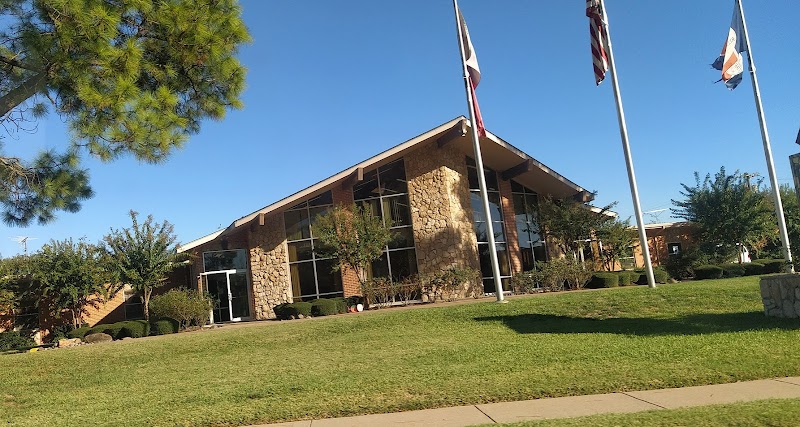
How is Town Hall Estates Keene, Inc. Staffed?
CMS rates Town Hall Estates Keene, Inc.'s staffing level at 2 out of 5 stars, which is below average compared to other nursing homes. Staff turnover is 52%, compared to the Texas average of 46%.

What Have Inspectors Found at Town Hall Estates Keene, Inc.?

State health inspectors documented 26 deficiencies at Town Hall Estates Keene, Inc. during 2023 to 2025. These included: 3 that caused actual resident harm and 23 with potential for harm. Deficiencies causing actual harm indicate documented cases where residents experienced negative health consequences.

Who Owns and Operates Town Hall Estates Keene, Inc.?

Town Hall Estates Keene, Inc. is owned by a non-profit organization. Non-profit facilities reinvest revenue into operations rather than distributing to shareholders. The facility operates independently rather than as part of a larger chain. With 126 certified beds and approximately 100 residents (about 79% occupancy), it is a mid-sized facility located in Keene, Texas.

How Does Town Hall Estates Keene, Inc. Compare to Other Texas Nursing Homes?

Compared to the 100 nursing homes in Texas, Town Hall Estates Keene, Inc.'s overall rating (3 stars) is above the state average of 2.8, staff turnover (52%) is near the state average of 46%, and health inspection rating (3 stars) is at the national benchmark.

What Should Families Ask When Visiting Town Hall Estates Keene, Inc.?

Based on this facility's data, families visiting should ask: "Can you walk me through typical staffing levels on day, evening, and night shifts?" "Can I visit during a mealtime to observe dining assistance and food quality?" "How do you handle medical emergencies, and what is your hospital transfer rate?" "Can I speak with family members of current residents about their experience?" These questions are particularly relevant given the below-average staffing rating.

Is Town Hall Estates Keene, Inc. Safe?

Based on CMS inspection data, Town Hall Estates Keene, Inc. has a clean safety record: no substantiated abuse findings (meaning no confirmed cases of resident harm), no Immediate Jeopardy citations (the most serious violation level indicating risk of serious injury or death), and is not on the Special Focus Facility watch list (a federal program monitoring the lowest-performing 1% of nursing homes). The facility has a 3-star overall rating and ranks #1 of 100 nursing homes in Texas. While no facility is perfect, families should still ask about staff-to-resident ratios and recent inspection results during their visit.

Do Nurses at Town Hall Estates Keene, Inc. Stick Around?

Town Hall Estates Keene, Inc. has a staff turnover rate of 52%, which is 6 percentage points above the Texas average of 46%. Moderate turnover is common in nursing homes, but families should still ask about staff tenure and how the facility maintains care continuity when employees leave.

Was Town Hall Estates Keene, Inc. Ever Fined?

Town Hall Estates Keene, Inc. has been fined $76,156 across 4 penalty actions. This is above the Texas average of $33,840. Fines in this range indicate compliance issues significant enough for CMS to impose meaningful financial consequences. Common causes include delayed correction of deficiencies, repeat violations, or care failures affecting resident safety. Families should ask facility leadership what changes have been made since these penalties.

Is Town Hall Estates Keene, Inc. on Any Federal Watch List?

Town Hall Estates Keene, Inc. is not on any federal watch list. The most significant is the Special Focus Facility (SFF) program, which identifies the bottom 1% of nursing homes nationally based on persistent, serious quality problems. Not being on this list means the facility has avoided the pattern of deficiencies that triggers enhanced federal oversight. This is a positive indicator, though families should still review the facility's inspection history directly.