HAYS NURSING AND REHABILITATION CENTER
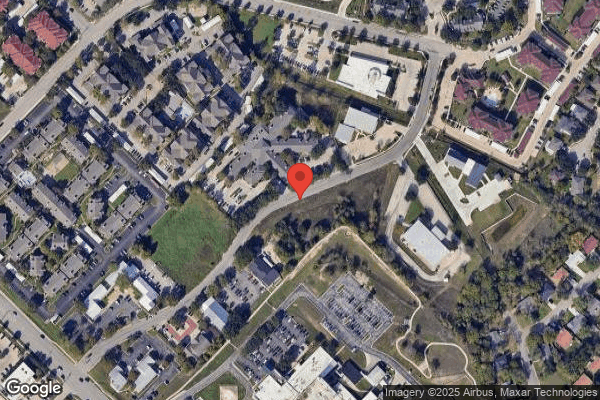
1900 MEDICAL PKWY, SAN MARCOS, TX 78666 (512) 396-1888
For profit - Corporation 116 Beds THE ENSIGN GROUP Data: November 2025 2 Immediate Jeopardy citations
Trust Grade
34/100
#483 of 1168 in TX
Last Inspection: January 2025

Within standard 12-15 month inspection cycle. Federal law requires annual inspections.

Overview

Hays Nursing and Rehabilitation Center has received a Trust Grade of F, indicating significant concerns about the quality of care provided. Ranking #483 out of 1168 facilities in Texas places them in the top half, and they are #2 out of 6 in Hays County, meaning there is only one better local option. However, the facility's trend is worsening, with issues increasing from 5 in 2024 to 6 in 2025. Staffing is rated 3 out of 5 stars, with a turnover rate of 49%, which is slightly below the Texas average of 50%, suggesting some stability among staff. While the facility incurred average fines of $8,226, there are alarming incidents reported, including failures to protect residents from potential abuse in the Memory Care Unit and unsafe kitchen equipment that could lead to foodborne illnesses. Overall, while there are some areas of stability, the critical incidents and declining trend raise serious concerns for families considering this nursing home.

Trust Score
F
34/100
In Texas
#483/1168
Top 41%
Safety Record
High Risk
Review needed
Inspections
Getting Worse
5 → 6 violations
Staff Stability
⚠ Watch
49% turnover. Above average. Higher turnover means staff may not know residents' routines.
Penalties
✓ Good
$8,226 in fines. Lower than most Texas facilities. Relatively clean record.
Skilled Nurses
⚠ Watch
Each resident gets only 26 minutes of Registered Nurse (RN) attention daily — below average for Texas. Fewer RN minutes means fewer trained eyes watching for problems.
Violations
⚠ Watch
25 deficiencies on record. Higher than average. Multiple issues found across inspections.
★★★☆☆
3.0
Overall Rating
★★★☆☆
3.0
Staff Levels
★★☆☆☆
2.0
Care Quality
★★★☆☆
3.0
Inspection Score
Stable
2024: 5 issues
2025: 6 issues

The Good

  • Full Sprinkler Coverage · Fire safety systems throughout facility
  • No fines on record

Facility shows strength in fire safety.

The Bad

3-Star Overall Rating

Near Texas average (2.8)

Meets federal standards, typical of most facilities

Staff Turnover: 49%

Near Texas avg (46%)

Higher turnover may affect care consistency

Federal Fines: $8,226

Below median ($33,413)

Minor penalties assessed

Chain: THE ENSIGN GROUP

Part of a multi-facility chain

Ask about local staffing decisions and management

The Ugly 25 deficiencies on record

2 life-threatening
Jan 2025 6 deficiencies
CONCERN (D)

Potential for Harm - no one hurt, but risky conditions existed

Safe Environment (Tag F0584)

Could have caused harm · This affected 1 resident

**NOTE- TERMS IN BRACKETS HAVE BEEN EDITED TO PROTECT CONFIDENTIALITY** Based on observations, interviews, and record review, the facility failed to provide a safe, comfortable, and homelike environme...

Read full inspector narrative →
**NOTE- TERMS IN BRACKETS HAVE BEEN EDITED TO PROTECT CONFIDENTIALITY** Based on observations, interviews, and record review, the facility failed to provide a safe, comfortable, and homelike environment for the 1 of 8 residents (Resident #29) reviewed for a safe and comfortable environment. The facility failed to report maintenance issues to the MAIN and make repairs to a broken door in Resident #29's bathroom. This failure could have placed the resident at risk of decreased resident's satisfaction with their environment and a lack of a homelike environment. Findings included: Record review of Resident #29's admission record, dated 01/16/2025, revealed a [AGE] year-old male, admitted on [DATE], with diagnoses including end stage renal disease (the kidneys are not filtering waste appropriately), major depressive disorder (persistent feelings of sadness and loss of interest), heart failure (the heart's inability to pump blood effectively to meet the needs of the body), monoplegia of lower limb following cerebral infarction (paralysis of one leg after having a stroke), irritable bowel syndrome with diarrhea (a syndrome that causes diarrhea, belly pain and frequent bowel movements), type 2 diabetes mellitus (the body's inability to regulate blood sugar levels), and chronic viral hepatitis C (a long lasting infection that causes inflammation of the liver). Record review of Resident #29's quarterly MDS assessment, dated 12/19/2024, revealed a BIMS score of 13 which indicated mild cognitive impairment. The resident was occasionally incontinent of bladder and continent of bowel. Record review of Resident #29's care plan revealed no care plans associated to physical environment surroundings. An observation on 01/14/2025 at 10:02 AM revealed the bathroom door for Resident #29 had more than 15 holes including one hole that was the width of half of the door and up to approximately 2 inches tall in some areas for the largest hole on the side of the door that faces the bathroom. The side of the door that faces the room had approximately 14 holes with one hole being about the side of a golf ball. No residents observed in the room. During an interview on 01/15/2025 at 1:30 PM with ADM, he revealed he had no knowledge of any holes in the bathroom door for Resident #29. During an interview and observation on 01/16/202 at 08:36 AM, Resident #29 stated the bathroom door had been like that a long time. Resident #29 stated he told someone about the holes a long time ago, before the renovation, but nothing had been done. He stated he was not sure when or who he talked to about the door. Observation of the bathroom door revealed holes remained in the door on both sides. During an interview on 01/16/2025 at 02:30 PM with HKS, she stated she was aware of the holes in Resident #29's bathroom door. She stated that she put in a work order in maintenance tracking system a long time ago although she could not recall when. She stated she was under the impression that they were going to replace all the interior doors with the recent renovation. HKS stated if something was broken or not working then her staff were supposed to report the issue to her so that she could enter it into the maintenance tracking system. She stated she did not follow up on the work order. During an interview on 01/16/2025 at 03:13 PM with the ADM, he revealed an online database that showed no work orders (opened or closed) for Resident #29's bathroom door. During an interview on 01/16/2025 at 05:22 PM with the MAIN, he revealed he checked the online maintenance database daily and hourly when in the facility. He stated he carried around a walkie talkie for issues that may arise throughout the day. He stated the staff have notified him immediately for maintenance issues related to TVs, call lights, and water, everything else was put in the maintenance online tracking system. The MAIN stated if a resident had a request, then they have told the front desk employee in the past, and she has put it in the system. He stated he conducted a walk through the facility on Friday afternoons and Monday mornings to assess for any needs. He stated there was a new system in place to contact him on the weekends for emergent needs. The MAIN stated he was unaware of any issues for Resident #29's room, and he was last in that bathroom around early November. He stated that holes in the bathroom door could affect the dignity of the resident. During an interview on 01/16/2025 at 05:58 PM, the DON stated management staff was responsible for conducting daily rounds to look for trash, dirty dishes, oxygen tubing, and any other issues. She stated the rounds should include the bathrooms, and a hole in the door should have been addressed. She stated that a hole in the bathroom door could be a potential safety issue from sharp edges or it could affect the resident's quality of life. During an interview on 01/16/2025 at 06:18 PM, the ADM stated every day the managers should be rounding on their designated rooms to check for physical environment. He stated the bathroom was not part of the sheet that they were responsible for checking off, and he should have added bathrooms to it. He stated his expectation for staff if they saw something that was broken to put a work order in the maintenance tracking system if they were able to, if not then tell someone that was able to put in a work order. The ADM stated holes in the door or wall could impact each resident differently, but for the facility to be more homelike they wanted to fix any holes in the walls or doors.
CONCERN (D)

Potential for Harm - no one hurt, but risky conditions existed

Food Safety (Tag F0812)

Could have caused harm · This affected 1 resident

Based on observation, interviews, and record reviews, the facility failed to store, prepare, distribute, and serve food in accordance with professional standards for food service safety for one of one...

Read full inspector narrative →
Based on observation, interviews, and record reviews, the facility failed to store, prepare, distribute, and serve food in accordance with professional standards for food service safety for one of one kitchen reviewed for sanitation. The facility failed to ensure [NAME] B were practicing proper hand hygiene while preparing foods. This failure could place residents who were served from the kitchen at risk for consuming contaminated food, and/or developing foodborne illnesses. Observation of [NAME] B preparing puree foods on 01/15/2025 at 11:13 am revealed that he threw trash away without washing or sanitizing his hands before going back to prepare puree food . [NAME] B also did not wash his hands after wiping down the counter. An interview with [NAME] B on 01/16/2025 at 1:01 pm revealed that he had been trained on infection control and proper hand washing. He said that the policy for hand washing was staff were to wash their hands with soap and water for 30 seconds. He said that staff were to wash their hands before performing a task and after touching food or any object. He said if staff did not practice proper hand hygiene it could put the resident at risk of getting sick. He said he was nervous and thought that was why he did not wash his hands. An interview with the DS on 01/16/2025 at 1:13 pm revealed that she had been trained on infection control and proper hand hygiene. She said that staff were supposed to wash their hands after each task. She said everyone was responsible for washing their hands when changing tasks. She said if staff did not perform proper hand hygiene it could cause the food to become contaminated and make the residents sick. She said that she thought [NAME] B was nervous. She said she was responsible for monitoring to ensure that all staff are washing their hands. She said that she monitors the hand washing by reminding the staff and observation. An interview with the ADM on 01/16/2025 at 6:24 pm revealed that he had been trained on infection control and hand hygiene. He said that all staff were to wash their hands between tasks regardless of what department they were in. He said that in the kitchen they should wash their hands before and after touching anything. He said that if staff do not perform proper hand hygiene, people could die. He also said that someone could get sick if staff were not washing their hands. He said the DS was responsible for monitoring the kitchen staff hand washing. He said that the did not know why [NAME] B did not wash his hands after touching the trash can or the rag. Record Review of Sanitation and Infection Control: Hand Hygiene Policy dated April 2023 revealed employees were to wash their hands when entering the kitchen, during food preparation, after engaging in other activities that contaminate the hands such as handling trash. Review of 2022 Food Code states: 2-301.14 States: FOOD EMPLOYEES shall clean their hands and exposed portions of their arms as specified under § 2-301.12 immediately before engaging in FOOD preparation including working with exposed FOOD.
CONCERN (E)

Potential for Harm - no one hurt, but risky conditions existed

Resident Rights (Tag F0550)

Could have caused harm · This affected multiple residents

**NOTE- TERMS IN BRACKETS HAVE BEEN EDITED TO PROTECT CONFIDENTIALITY** Based on observation, interview, and record review, the facility failed to ensure resident rights for personal privacy for 3 of ...

Read full inspector narrative →
**NOTE- TERMS IN BRACKETS HAVE BEEN EDITED TO PROTECT CONFIDENTIALITY** Based on observation, interview, and record review, the facility failed to ensure resident rights for personal privacy for 3 of 10 residents (Resident #34, Resident #40, and Resident #54) residents reviewed for resident rights. The facility failed to knock on Resident #34, Resident #40, and Resident #54's door when going into the residents' rooms. The deficient practice could place residents at risk of feeling like their privacy is being invaded or the facility is not their home. Findings included: Review of Resident #34 Face Sheet dated 01/14/2025 revealed she was a [AGE] year-old female who was admitted to the facility on [DATE]. Resident #34's diagnoses insomnia (difficulty sleeping), hypertension (high blood pressure), muscle wasting, muscle weakness, history of falling, lack of coordination, unsteadiness on feet, overactive bladder, vitamin deficiency, hyperlipidemia (high cholesterol), cognitive communication deficit (problems with communication),and need for assistance with personal care. Record review of Resident #34's Quarterly MDS assessment dated [DATE] revealed that Resident #34's BIMS score was 12 indicating Resident #34 was moderately impaired. Review of Resident #40's Face Sheet dated 01/16/2025 revealed he was a [AGE] year-old male who was admitted to the facility on [DATE]. Resident #40's diagnoses included heart failure, hyperlipidemia (high cholesterol), hypertension (high blood pressure), unsteadiness on feet, muscle weakness, chronic pain, vitamin deficiency, insomnia (difficulty sleeping), edema (swelling), depression, history of falling, need for assistance with personal care, chronic kidney disease, and morbid obesity. Record review of Resident #40's Quarterly MDS dated [DATE] revealed that Resident #40's BIMS score was 15 indicating Resident #40 had intact cognitive response. Review of Resident #54's Face Sheet dated 01/16/2025 revealed he was an [AGE] year-old male who was admitted to the facility on [DATE]. Resident #54's diagnoses included heart failure, adjustment disorder, depressive disorder, lack of coordination, insomnia (difficulty sleeping), hyperlipidemia (high cholesterol), muscle wasting, unsteadiness on feet, need for assistance with personal care, and reflux. Record review of Resident #54's Quarterly MDS dated [DATE] revealed that Resident #78's BIMS score was 12 indicating Resident #54 had moderate impairment. Observation on 100 hall on 01/14/2025 at 09:30 am revealed that CNA A did not knock on Resident #54's door before entering. Observation of lunch trays being passed on 100 hall on 01/14/2025 at 12:17 pm revealed that CNA A did not knock on Resident #34's door before entering. Observation on 100 hall on 01/15/2025 at 09:04 am revealed that the BOM walked into Resident #40's room without knocking. An interview with Resident #54 on 01/14/2025 at 10:23 am revealed that staff did not always knock on the door when going into his room. He stated that the staff should knock before they entered into the room. He said he did not get upset but he did want staff to knock. An interview with Resident #34 on 01/14/2025 at 12:40 pm revealed that staff do not always knock on her door. She said that when the door was closed the staff will just walk in and she had to tell them to knock before coming in. She said that staff just walked in, and did not say anything. She said she did not appreciate them walking in and not speaking. An interview with Resident #40 on 01/15/2025 at 9:06 am revealed that staff did not knock all the time. He said that he wanted staff to knock all the time. He also said that if his door was closed or half closed, and staff do not knock that is when it bothered him because he could be changing. An interview with CNA A on 01/16/2025 at 1:26 pm revealed that she had been trained on resident rights. She stated the policy for knocking was that all staff were to knock before entering the resident's room. She said that a resident may feel like his or her privacy was being invaded or may feel as if the facility was not their home. She said nurses were responsible for monitoring to ensure staff were knocking. She said it was monitored by observations and when the facility did skill checks. She said she did not realize she did not knock because she was probably in a rush to do something. An interview with the BOM on 01/16/2025 at 3:41 am revealed that she had been trained on resident rights. She said that staff were required to knock, try to wait for a response and if no response crack the door and greet the resident. She said staff should always knock except in an emergency. She said if staff do not knock residents may feel like their privacy is invaded. She said management was responsible for monitoring to ensure staff were Knocking on the residents door. She said that management monitors by watching staff on the halls. She said she did not remember knocking on the resident's door. Record Review of Resident Rights Dignity and Respect Policy dated 03/2024 revealed the staff shall display respect for Resident's when speaking with, caring for or talking about them, as constant affirmation of their individuality and dignity as human beings. Staff members shall knock before entering the Resident's room.
CONCERN (E)

Potential for Harm - no one hurt, but risky conditions existed

Deficiency F0679 (Tag F0679)

Could have caused harm · This affected multiple residents

**NOTE- TERMS IN BRACKETS HAVE BEEN EDITED TO PROTECT CONFIDENTIALITY** Based on observation, interview, and record review, the facility failed to provide an ongoing program to support residents in th...

Read full inspector narrative →
**NOTE- TERMS IN BRACKETS HAVE BEEN EDITED TO PROTECT CONFIDENTIALITY** Based on observation, interview, and record review, the facility failed to provide an ongoing program to support residents in their choice of activities, both facility-sponsored group and individual activities and independent activities, designed to meet the interests of and support the physical, mental, and psychosocial well-being for 3 of 5 (Residents #86, #87 and #13) residents reviewed for activities. This facility failed to implement an ongoing resident centered activities program for Residents #86, #87 and #13 that incorporated these residents interests, hobbies and cultural preferences. This failure could put residents at risk for a decrease quality of life. Findings included: Review of the 01/15/2025 face sheet for Resident #86 reflected an [AGE] year-old female had an original admission date of 09/24/2024 with diagnoses of Major depressive disorder, difficulty in walking, other seasonal allergic rhinitis, Acquired deformities of toes, unsteadiness of feet, unspecified abnormalities of gait and mobility, adjustment disorder with mixed anxiety and depressed mood, other insomnia not due to a substance or known physiological condition, COVID-19, Vitamin D deficiency, unspecified dementia. Review of the annual MDS for Resident #86 dated 11/19/2024 reflected a BIMS score of 13, indicating that the resident is cognitively intact. Review of the care plan for Resident #86 dated 09/24/2024 reflected the following: Resident #86 experienced altered mood related to diagnosis of depression, ineffective coping skills, dementia with evidence of tearfulness. Goal: Resident #86 will remain free of signs and symptoms of depression, anxiety or sad mood by through review date. Interventions: Assist in developing/providing with a program of activities that is meaningful and of interest. Encourage and provide opportunities for exercise, physical activity. Antidepressant medication use related to depression. Interventions: Does not enjoy usual activities. Non-pharmacological interventions: take to activities. Review of face sheet for Resident #87 reflected an [AGE] year-old-male with an original admission date of 09/24/2024 with the following diagnoses: Hemiplegia and hemiparesis following cerebral infarction (a type of stroke that occurs when brain tissue dies due to reduced blood flow) affecting right dominant side, type 2 diabetes mellitus without complications, essential primary hypertension, hyperlipidemia (a condition where there are high levels of fats in the blood), cerebral infarction, difficulty walking, insomnia, type 2 diabetes mellitus with proliferative diabetic retinopathy (a chronic eye condition that occurs when diabetes damages the blood vessels in the retina) with macular edema (a condition that occurs when fluid builds up in the macula, the central part of the retina at the back of the eye), bilateral, lack of coordination, muscle weakness, anemia, unsteadiness on feet, abnormalities of gait and mobility. Review of Resident #87's admission MDS dated [DATE] reflected resident had a BIMS score of 15 indicating that his cognition was intact. Review of Resident #87's Comprehensive Care Plan dated 09/25/2024 reflected resident has acute/chronic pain related to history of CVA with right sided weakness. Goal: will not have an interruption in normal activities due to pain through the review date. Interventions: Report to nurse any change in usual activity attendance patterns or refusal to attend activities related to signs and symptoms or complains of pain or discomfort. Review of the face sheet dated 01/15/2025 for Resident #13 reflected a [AGE] year-old female admitted to the facility on [DATE] with diagnoses of Type 2 diabetes mellitus, irritant contact dermatitis, primary osteoarthritis, right shoulder, shortness of breath, vitamin D deficiency, Irritant contact dermatitis due friction, disruption of wound, chronic atrial fibrillation (is a condition that causes the heart's upper chambers to beat irregularly and rapidly), localized edema, morbid (severe) obesity with alveolar hypoventilation, dry eye syndrome, muscle wasting and atrophy, unsteadiness on feet, major depressive disorder, cognitive communication deficit, Vitamin B 12 deficiency anemia, hyperkalemia (a condition in which there is too much potassium in the blood), lack of coordination, chronic pain, abnormalities of gait and mobility, major depressive disorder, Vitamin D deficiency, primary insomnia, muscle weakness. Review of the MDS for Resident #13 dated 01/03/2025 reflected a BIMS score of 15 indicating cognitive intact responses. Review of the care plan for Resident #13 with date initiated of 03/06/2021 and revised on 05/19/2021 reflected the following: I am independent in my leisure I can choose activities of interest I can structure my own time. I am at risk for reduction in activity level as evidence by personal loss and health issues Pain and fatigue limits OOR activities at times. Goal. Resident will participate in activities related to interest and health status to promote a daily feeling of well-being, improved mood and enhanced dignity; resident will participate in activities of important/intellectual daily. Interventions: Allow resident to assist with decorations and crafts like cutting material out for activities for residents, encourage participation in activities of choice, offer ongoing supplies for self-initiated activities such as books, writing materials, videos, tapes, music, etc. Review of another care plan for Resident #13 was initiated on 03/06/2021 and revised on 05/19/2021 reflected the following: Resident has an alteration in psychosocial wellbeing problem and patient reporting that she has little interest/pleasure in doing things. Interventions: Encourage participation in favorite activities. Review of progress notes for Resident #13 reflected on 01/10/2025 Patient seen using patient desktop computer in the dayroom, performing therapeutic activities for this visit. Review of the January 2025 Activity Calendar for the week of 01/12/2025 - 01/18/2025 reflected the following: Sunday 01/12/2025 No time indicated Devotional and Independent Leisure all day. Monday 01/13/2025 10:00 Seated Chair Exercises 10:15 Worship Music 11:00 Teatime 7:00 Pizza Night & MNF Vikings Vs Rams Tuesday 01/14/2025 10:00 Bingo 01:00 300 Activity 02:00 Resident Council Wednesday 01/15/2025 09:30Church Singing 10:30 Rosary 1:00 300 Activity 02:00 p.m. [NAME] Music Thursday 01/16/2025 10:00 Bingo No time indicated: QAPI. 2:00 Popcorn & Movie Friday 01/17/2025 09:00 - 11:30 Walmart Outing 09:00 Volunteer Music 01:30 300 Activity 02:30 Loteria Saturday 01/18/2025 No time indicated: Leisure time. Activity Director Off Review of January Calendar 2025 revealed a note at the bottom of the page that read All activities subject to change. Resident #86 was not observed in any activities on 01/14/2025. Observation of Resident #86 on 01/16/2025 at 11:25 AM walking with physical therapy in the hallway. On 01/16/2025 at 2:47 p.m. Observation of resident #86, sitting in dining room watching a movie during activity time set up by the facility for all residents. Observation on 01/16/2025 at 2:47 p.m. revealed Resident #13, sitting in dining room watching a movie. During an interview on 01/14/2025 at 09:37 a.m., Resident #86 voiced there were no activities on Saturdays and Sundays. A resident has started to run bingo on Sunday's. Interview on 01/15/2025 at 10:13 a.m., Resident #13 verbalized there are no tables in the day room on a regular basis because they do not want anyone eating in the day room. But there are residents who like to color and need the tables. It is loud in the dining room and there are activities going on in there. Resident voiced she would like to color and watch tv in the day room with everyone voiced Resident 13. She added there is not a lot going on, on the weekends. There is not an assistant to do activities on the weekend anymore, but they are looking to hire someone. They have community groups come to visit on the weekend but that is about it. They have over the past year worked to get me out of the facility more. Due to my weight, I cannot just go anywhere because the van will not support my weight, but they have started taking me to [NAME] schnitzel down the road. Interview on 01/16/2025 at 08:35 a.m., Resident #86 answered the following: How important is it to you to have books, magazines, or newspapers to read? I used to read all the time, I loved to read, I used to read several books. I like to do scrap booking, which is one of my favorite. How important is it to you to listen to music that you like? Very much important, I am a Christian and I like to listen to Christian music. Sometimes, I like soft rock to listen to occasionally. How important is it to you to be around animals such as pets? Very important How important is it to you to keep up with the news? Sometimes I do not keep up with the news. How important is it to you to do things with groups of people? I like to be with other people. How important is it to you to do your favorite activities? I like scrapbooking and color the books and everything. I like the chicken soup book for the soul book. How important is it to you to go outside to get fresh air when the weather is good? I like to go outside. How often do you go outside? I have not been out lately because it is cold outside. How important is it to you to participate in religious services or practices? Very important. During an interview on 01/16/2025 at 08:47 a.m., Resident #87 answered the following: How important is it to you to have books, magazines, or newspapers to read? It is important but not super important but because my eyes are so great now . How important is it to you to listen to music that you like? Very important How important is it to you to be around animals such as pets? Important How important is it to you to keep up with the news? Somewhat because I used to watch it all the time, but it is all bad news. How important is it to you to do things with groups of people? Very important How important is it to you to do your favorite activities? Important How important is it to you to go outside to get fresh air when the weather is good? Important How important is it to you to participate in religious services or practices? Very important. One person comes in on Wed that speaks English; There is someone that comes in on Sundays to provide bilingual services, but they focus more on Spanish. Would prefer English too. On Monday, the activity director sings church songs for us in English. In an Interview on 01/16/2025 at 08:47 a.m., Resident #13 answered the following: How important is it to you to have books, magazines, or newspapers to read? It is very important for it to be available yes. Is it available? It is scattered but it is available. How important is it to you to listen to music that you like? Very imp to have the ability to do so, I am not a music person, but they do have musicians coming to do stuff and I have my tablet. It is availability and they do have several times a month someone comes in and they also have gospel singing on Mondays and Wednesday a gentleman comes in and every other wed a girl comes in and plays guitar for us. How important is it to you to be around animals such as pets? I would love to How important is it to you to keep up with the news? It is not that important to me. How important is it to you to do things with groups of people? Certain things I would like to do with them so, yes, it is important to me. How important is it to you to do your favorite activities? Very important How important is it to you to go outside to get fresh air when the weather is good? Very important How important is it to you to participate in religious services or practices? very important Do you feel like there is enough activities to do here? Most of the times there is but sometimes it is not happening. Interview on 01/15/2025 at 1:25 p.m. the Activities Director (AD ) verbalized when asked I noticed that your activity calendar for January indicates on Saturday and Sundays that residents have independent leisure how do you ensure that residents have things to do? Well because I do not work 7 days a week. We have groups that come out and sing and volunteers fluctuate depending on what they have going on. Managers are here on the weekends sometimes, the activities director voiced. When I am the manager on duty then I will have things planned for residents to do. Some of the things they do is bingo. AD verbalized some of the residents have taken it upon themselves to take lead on the bingo games on the weekends. AD verbalized he leaves the bingo supplies out for them to get so they can take lead on the weekends. Interview on 01/16/2025 at 04:30 p.m., the DON stated if residents do not do activities on a regular basis, it could make them feel sad and emotionally depressed. That is if they choose to but sometimes a lot of people do not like to do activities. DON stated residents who are confined to their rooms are cannot come out to the common areas for activities have been offered hallway bingo by the activities director, music and games. In an interview on 01/16/2025 at 09:40 a.m., The Activities Director (AD) verbalized that he does offer tactile activities from time to time to blind and deaf resident. The Activity Director voiced since the building remodel one of the things that the facility wants to do is set up an area where residents can access books to read. He is unsure when that will be completed. AD voiced he does have box of books for residents, but they are locked in his office during the weekends. AD voiced he is trying to get an assistant to come in to assist him when he is not available and on the weekends. Observation on 01/16/2025 at 11:22 a.m., hall 300 (memory care unit) residents were doing activities in the common area. Deck of cards , one resident was observed looking through a coloring book. A blind resident was observed with a stuffed animal on the desk sitting in front of her within reach. In an interview on 01/16/2025 at 11:47 a.m., CNA I stated when asked what kind of activities are offered to residents? Bingo, sometimes they have hospice come out to do paintings and music. They have outings to Walmart or lunch like twice a month. It is done like every 2 weeks, one Thursday or Friday they will go to Lunch and the next time they will go to Walmart. CNA, I verbalized that some residents do activities in their rooms. They do blocks like for mind control to see if they can stack them, pegs are done with therapy and some color. CNA, I voiced residents do activities every day and most of them come out of their rooms to do activities. CNA I was not sure what kind of activities are offered are provided for residents who cannot come out of their rooms. CNA, I voiced that if residents do not do activities on a regular basis that could make them feel left out and or lonely. In an observation on 01/16/2025 at 11:53 a.m., residents were in the common area in front of nurses station watching TV and talking amongst each other. In an interview on 01/16/2025 at 12:00 p.m., CNA J stated residents do activities in their rooms sometimes. CNA J voiced they watch TV, read books, residents like talking to other people. CNA J voiced residents do activities a lot of the weekends. She added some choose to come out of their rooms on the weekends and some stay in their rooms. CNA J voiced for the residents who cannot get out of their beds staff always help them. Like if they want to get out of the bed. If they do not want to, we keep them in the bed. When CNA J was asked, if they want to stay in the bed what kind of activities do they do? She voiced they watch TV play ball with each other. Mostly like watching TV. Mostly lying in bed. Most people color in their rooms. CNA J voiced I feel like I see them happy when they do activities. But mostly they like talking. Observation on 01/16/2025 at 04:11 p.m., The Activities Director (AD) was walking down the hall passing out popcorn to residents who did not attend the 2:00 p.m. movie and popcorn activity event. In an interview on 01/16/2025 at 04:12 p.m., The Activities Director (AD) verbalized if residents don't get regular activities, they could isolate mentally, physically, or both, which could lead to anxiety or depression. AD stated that the residents can have decreased overall social wellness and might be more difficult to engage in activities they like. He adds the overall quality of life would decrease for sure unless that is what they want because sometimes not participating is their desire. Sometimes they want to stay in their room and that is okay because that is what they want. AD voiced, for instance, if someone is insisting they do not want to socialize or come out of their room, they can become more depressed, and activities can provide social wellness.
CONCERN (E)

Potential for Harm - no one hurt, but risky conditions existed

Drug Regimen Review (Tag F0756)

Could have caused harm · This affected multiple residents

**NOTE- TERMS IN BRACKETS HAVE BEEN EDITED TO PROTECT CONFIDENTIALITY** Based on interviews and record review, the facility failed to ensure the drug regimen review recommendations from the pharmacy c...

Read full inspector narrative →
**NOTE- TERMS IN BRACKETS HAVE BEEN EDITED TO PROTECT CONFIDENTIALITY** Based on interviews and record review, the facility failed to ensure the drug regimen review recommendations from the pharmacy consultant were filled out completely for 2 of 9 residents (Residents #56, and 66) reviewed for pharmacy services. 1. The facility did not follow up on the pharmacy consultant's recommendations for Resident # 56 dated 10/31/2024 and 12/30/2024. 2. The facility did not follow up on the pharmacy consultant's recommendations for Resident # 66 dated 05/30/2024 and 06/26/2024. These failures could put the residents at risk for medications errors, unnecessary medications, and incorrect administration. Findings include: Record review of Resident #56's admission record dated 01/16/2024 revealed a [AGE] year-old female, admitted on [DATE], admitted with diagnoses including Parkinson's disease (progressive disease of the nervous system that affects movement), hypertension (high blood pressure), anxiety disorder (the intense, excessive and persistent worry and fear about everyday situations), atrial fibrillation (an abnormal heart rhythm), delusional disorder (a mental health disorder that causes unshakable beliefs in something that's untrue), insomnia (a sleeping disorder that makes it hard to fall asleep or stay asleep), and dementia (a progressive group of symptoms that affect memory, thinking and social abilities). Record review of Resident #56's quarterly MDS assessment, dated 12/17/2024, revealed a BIMS score of 10 which indicated mild cognitive impairment. Section N-Medications revealed Resident #56 received antipsychotic, hypnotic, antiplatelet and anticonvulsant medications. Record review of Resident #56's order summary dated 01/16/2025 revealed orders for: 1. Pimavanserin tartrate (Nuplazid) 34mg Give 1 capsule by mouth one time a day related to delusional disorders. 2. Quetiapine fumarate (Seroquel) 100mg Give 1 tablet by mouth at bedtime related to psychotic disorder with delusions. 3. Quetiapine fumarate (Seroquel) 25mg Give 1 tablet by mouth one time a day for psychosis. 4. Quetiapine fumarate (Seroquel) 25mg Give 1 tablet by mouth one time a day related to psychotic disorder with delusions. 5. Quetiapine fumarate (Seroquel) 50mg Give 1 tablet by mouth at bedtime related to psychotic disorder with delusions. 6. Zolpidem Tartrate (Ambien) 5mg Give 1 tablet by mouth at bedtime for insomnia. Record review of Resident #56's Consultant Pharmacist-Physician Communication dated 12/30/2024 revealed Federal guidelines state sedative hypnotic drugs should have an attempt at a gradual dose reduction (GDR) approximately every 6 months, when used routinely and beyond the manufacturer's recommendations for duration of use. This resident has been taking Ambien CR 6.25mg 1 PO QHS since 7/8/24 without a GDR in last 6 months. Could we attempt a dose reduction at this time to verify this resident is on the lowest possible dose? The box next to The drug, dose, duration and indications are clinically appropriate; further reductions are contraindicated due to: was marked and the form was signed off by NP on 1/14/2025 without further clarification. Record review of Resident #56's Consultant Pharmacist-Physician Communication dated 10/31/2024 revealed Patient has been taking 1. Ativan 0.5mg 1 PO Q8HR PRN anxiety since 10/24/24 2. Ativan conc 2mg/ml give 0.5mg PO Q8HR PRN since 10/24/24 PRN orders for psychotropic drugs are limited to 14 days (even in hospice patients). If the physician or prescribing practitioner believes that it is appropriate for the PRN order to be extended beyond 14 days, he/she must document rationale and indicate the duration for the PRN order. The box next to add a longer stop date and document a reason for need to continue past 14 days. Stop date or duration:____________ Rationale:[handwritten] 6 weeks was marked and the form was signed off by NP on 11/5/2024 without further clarification. Record review of Resident #66's admission record dated 01/16/2025 revealed a [AGE] year-old female admitted on [DATE] with diagnoses including major depressive disorder (persistent feelings of sadness and loss of interest), bipolar disorder (a mental condition that causes extreme mood swings), primary insomnia (a sleeping disorder that makes it hard to fall asleep or stay asleep), and generalized anxiety disorder (a condition that causes excessive, ongoing worry and interferes with daily life). Record review of Resident #66's quarterly MDS dated [DATE] revealed a BIMS score of 15 which indicated no cognitive impairment. Section N-Medications revealed Resident #66 received antianxiety, antidepressant, hypnotic, anticoagulant, diuretic, opioid, and hypoglycemic medications. Record review of Resident #66's order summary dated 01/17/2025 revealed orders for 1. Buspirone Hcl (Buspar) 15mg Give 1 tablet by mouth three times a day for anxiety. 2. Divalproex sodium (Depakote) DR 250mg Give 500mg by mouth three times a day related to bipolar disorder. 3. Duloxetine Hcl (Cymbalta) DR Sprinkle 60mg Give 1 capsule by mouth one time a day for depression. 4. Zolpidem tartrate (Ambien) 5mg Give 1 tablet by mouth every 24 hours as needed for sleep related to primary insomnia. Record review of Resident #66's Consultant Pharmacist-Physician Communication dated 05/30/2024 revealed Federal guidelines state psychopharmacological drugs should have an attempt at a gradual dose reduction (GDR) twice per year for the first year in 2 different quarters with 1 month between attempts, then annually thereafter, when used to manage behavior, stabilize mood, or treat psych disorder. This resident has been taking Cymbalta 60 mg 1 PO daily since 11/13/23 without a GDR. Could we attempt a dose reduction at this time to verify this resident is on the lowest possible dose? If not, please indicate response below: The box next to Use is in accordance with relevant current standards of practice was marked and the form was signed off by NP, but no date or further clarification was noted. Record review of Resident #66's Consultant Pharmacist-Physician Communication dated 06/26/2024 revealed Federal guidelines state psychopharmacological drugs should have an attempt at a gradual dose reduction (GDR) twice per year for the first year in 2 different quarters with 1 month between attempts, then annually thereafter, when used to manage behavior, stabilize mood, or treat psych disorder. This resident has been taking Buspar 15 mg 1 PO TID since 7/28/23 without a GDR. Could we attempt a dose reduction at this time to verify this resident is on the lowest possible dose? If not, please indicate response below: The box next to Use is in accordance with relevant current standards of practice was marked, a notation of resident with increased anxiety, and the form was signed off by NP, but no date was noted. An interview on 01/16/2025 at 05:10 PM with the NP revealed she was responsible for completing the pharmacy consult recommendations. She stated the facility wanted the forms back quickly. The NP stated any residents who were prescribed medication for any psychiatric condition were referred to the psychiatric services to ensure all residents were dosed correctly. When asked about completing forms with a rationale she stated she had not filled out the rationale. She stated the rationale should have been in the notes from the psychologist. The NP stated there are no detrimental effects to taking antipsychotic and antidepressant medications long term for the residents. During an interview on 01/16/2025 at 05:58 PM with the DON, she stated she expected the providers to communicate with her about the GDR recommendations. She stated the rationale should have been documented in the psychologist notes and in the interdisciplinary meeting notes. The DON stated the providers worked together. She stated the NP was responsible for signing the pharmacy recommendations and the psychologist was responsible for documenting a rationale for the medication dosage. The DON stated the residents could become over sedated if GDR are not considered or they could be on medications that are no longer indicated. During an interview on 01/16/2025 at 06:18 PM with the ADM, he stated he expected the pharmacy consults to be completed with a rationale by the provider in a timely manner. He stated he was sure there could be a potential effect, though, he was not sure what for not completing the pharmacy GDR consultation forms.
CONCERN (E)

Potential for Harm - no one hurt, but risky conditions existed

Deficiency F0761 (Tag F0761)

Could have caused harm · This affected multiple residents

Based on observation, interview, and record review the facility failed to provide pharmaceutical services to assure the accurate acquiring, receiving, dispensing, and administrating of all drugs and b...

Read full inspector narrative →
Based on observation, interview, and record review the facility failed to provide pharmaceutical services to assure the accurate acquiring, receiving, dispensing, and administrating of all drugs and biologicals in accordance with currently accepted practices for 3 of 9 (hall 400 and 200 cart) medication carts and 1 of 2 medication rooms (overstock medication room) reviewed in that: The medication cart for the 400 hall and 200 halls had nine unidentified loose pills. The medication room had 39 expired Acetaminophen oral solution medications. These deficient practices could result in a drug diversion due to medications not being properly disposed of in the drug buster and secured. The findings were: Observation of medication cart for the 400-hall right side cart on 01/14/2025 at 03:38 PM revealed one round peach pill with O imprint: on one side and G on the other side, one white round pill with EPV 904 on one side and blank on the other side. One round white pill with L194 on one side and blank on the other side. LVN F was not able to identify the three loose pills. Observation of medication cart for the 400-hall left side cart on 01/14/2025 at 03:49 PM revealed one oblong purple and grey pill with Omeprazole 20mg: on one side and R644 on the other side, one peach round pill with L141 on one side and blank on the other side. One round white pill with no letters or numbers blank on both sides. One big white pill with AZ011 on one side and blank on the other side. One white oval pill with 379 imprinted on one side and 5G on the other side. LVN F was only able to identify the omeprazole pill but could not identify the other 4 pills. Observation of medication cart for the 300-hall cart on 01/14/2025 at 04:14 PM revealed one round white pill with ZD15 on one side and blank on the other side. LVN E could not identify the loose pill. Observation on 01/15/2025 at 08:23 AM revealed the facility Medication room with 39 Acetaminophen oral solution (325mg| 10.15 mL) with expiration dates of November 2024. Observation on 01/15/2025 at 08:46 AM, The Director of Nursing disposed of the expired medications in the drug buster (container used to dispose of medications) found in the medication room during the inspection. In an interview with LVN F on 01/14/2025 at 04:04 PM, she verbalized I don't know why there are loose pills if there are too many pill packets in the carts or if staff are dropping them when they are preparing them for administration. LVN F voiced that residents could not get to the loose pills in the carts. She added that if she ever would ever drop a pill, she would get another pill and go on. LVN F verbalized if staff slowed down that could prevent the loose pills issue from happening. LVN F voiced the Director of Nursing checks the carts for loose pills and expired medications weekly. She added that the individual nurse should be checking carts daily for loose pills and expired medications. If we see it, we fix it voiced LVN F. LVN F stated if she found a loose pill, she would put them in the drug buster for destruction. with LVN E on 01/14/2025 at 04:14 PM, she verbalized she noticed loose pills in the carts. LVN E voiced when she sees loose pills in the cart, she picks them up and put them in the drug buster for destruction. She verbalized that everyone is responsible for upkeeping and inspecting the carts daily. She added that the ADON goes through the carts monthly to check them too. LVN E verbalized residents cannot get the medications from the carts when asked if there could be a potential adverse effect of loose pills in the carts. In an interview with LVN G on 01/14/2025 at 04:28 PM, she verbalized all the nurses upkeep with the medication carts and inspect them regularly. LVN G verbalized she has never noticed loose pills in the bottom of the medication carts. LVN G voiced that if she would ever find a loose pill, she would dispose of it in the drug buster disposal immediately. LVN G verbalized yes, something bad can happen if there are loose pills in the bottom of the cart, because as staff member could accidentally give it to another resident. She added because you really don't know what it is. LVN G voiced staff have not been in-serviced on loose medication in carts, but they have been told verbally to put them in the drug buster destroyer if they did find any loose pills. During an interview on 01/15/2025 at 10:30 AM, LVN H voiced all the nurses should be responsible of checking carts and all staff kept up with it now. LVN H voiced she has never noticed loose pills on the bottom of the cart. If staff find loose pills, they cannot use them; they are to dispose of them in the drug buster disposal. LVN H voiced that a lot of pills that look alike could be dangerous if found at the bottom of the cart and given to a resident and staff would have to monitor for any reactions and contact the doctor if that happened. During an interview on 01/16/2025 at 11:27 AM, RN K verbalized whoever was on shift should be checking the medication carts for loose pills and checking medications for expired dates. RN K added that when she comes on a shift, she makes sure that everything is in order and when she is giving medications, she makes sure to check medication expired dates, and she is hopeful other shifts are doing that too. RN K voiced that she thinks the medications may become loose in the carts because when staff are dispensing them into a medication cup, they are probably holding the blister pack over the cup, but hovered over the medication cart while open. If staff drop pills, they probably look for them but if they cannot find the pills, they just get another one. RN K voiced there could be an adverse effect if the loose pill were ever given to another resident because they would not know what the pills are, and the resident could have an allergic reaction to the pill. RN K voiced staff have been in-serviced on loose pills and expired medications, but she could not recall when the last time was. During an interview on 01/16/2025 at 11:33 AM, LVN L voiced nurses were responsible for expired medications. She stated they are placed in the medication room in the disposal vin and the DON disposes of them with pharmacy. LVN L verbalized she has noticed loose pills in the medication carts sometimes. LVN L voiced if she found loose pills, she would put on a glove and dispose of the pills in the drug buster disposal that is located inside the medication . LVN L voiced there might be loose pills in the carts because staff are not punching it right in the cup or they pull too much over. LVN L verbalized staff should pick the pill up and dispose of it, it is contaminated. They should not give it to another resident. This could make a resident's vital signs be all over the place, have an allergic reaction and or affect their mental status. LVN L stated staff have been in-serviced on expired meds but not on loose meds and she could not recall when the in-service was held. During an interview on 01/16/2025 at 04:30 PM, the DON stated everyone is responsible for upkeeping with the medication carts. This includes inspecting for loose pills and checking expired dates on medications. DON verbalized she does spot checks monthly. DON voiced she has found loose pills in the carts while doing spot check inspections in the past, and she has put them in the destruction disposal and has informed all staff to do the same and to let her know. DON verbalized that she cannot say for sure why the pills are loose in the medication carts, but sometimes the pills packs can open if you bump them around in the carts and they can come out of the packaging. DON added the loose pills could be caused by someone being careless and popping the medications out too fast and they fall out into the carts. DON voiced the adverse effects of expired medications could be that they would not be as effective if given to a resident and it could potentially cause harm to the resident depending on what kind of medication it is. DON voiced that she has provided an in-service for staff, and she reminds staff every day during huddle to inspect carts and inspect for loose pills in the carts. During an interview on 01/16/2025 at 06:21 PM, the ADM verbalized his expectations on medication storage for staff was that staff or storing it properly. ADM voiced that staff check for expired medications regularly. ADM added that staff inspect carts for discharged residents' medications to be disposed of, loose pills, and to make sure there is nothing in there that should not be in there. Record review of the Policy/Procedure - Nursing Clinical stated: Policy: It is the policy of this facility to store all drugs and biological in locked compartments under proper temperature controls. The medication supply is accessible only to licensed nursing personnel, pharmacy personnel, or staff members lawfully authorized to administer medications: Procedures: #13. Stated: Outdated, contaminated, or deteriorated medications and those in containers that are cracked, soiled, or without secure closers are immediately removed from stock, disposed of according to procedures for medication destruction and reordered from pharmacy, if a current order exists.
Jul 2024 2 deficiencies
CONCERN (D) 📢 Someone Reported This

A family member, employee, or ombudsman was alarmed enough to file a formal complaint

Potential for Harm - no one hurt, but risky conditions existed

Comprehensive Care Plan (Tag F0656)

Could have caused harm · This affected 1 resident

**NOTE- TERMS IN BRACKETS HAVE BEEN EDITED TO PROTECT CONFIDENTIALITY** Based on observation, interview, and record review, the facility failed to develop and implement a comprehensive person-centered...

Read full inspector narrative →
**NOTE- TERMS IN BRACKETS HAVE BEEN EDITED TO PROTECT CONFIDENTIALITY** Based on observation, interview, and record review, the facility failed to develop and implement a comprehensive person-centered care plan for each resident, consistent with the resident rights set forth at §483.10(c)(2) and §483.10(c)(3), that including measurable objectives and timeframes to meet a resident's medical, nursing, and mental and psychosocial needs that are identified in the comprehensive assessment for 1 of 10 residents (Resident #1) reviewed for care plans. The facility failed to include in Resident #1's comprehensive care plan the behaviors of sleeping in other residents' beds. This failure placed residents at risk of not having their individual care needs met. Findings included: Review of the undated face sheet for Resident #1 reflected a [AGE] year-old female admitted to the facility on [DATE]. Her diagnoses included vascular, dementia, need assistance with personal care, generalized anxiety disorder, cognitive communication deficit, major depressive disorder, cortical age-related cataract, adjustment disorder with mixed anxiety and depressed mood, and insomnia. Review of the quarterly MDS for Resident #1 dated 04/12/24 reflected her cognition was severely impaired, and she rarely or never made decisions. It reflected she was always incontinent of bowel and bladder. Review of the care plan for Resident #1 dated 11/19/23 reflected the care plan did not address the residents behaviors. Review of the nursing progress notes from March through June 2024 for Resident #1 reflected the following: *03/17/24 documented by LVN B Note Text: Resident observed lying on another resident's bed, staff attempted to redirect resident, but she refused, putting herself on the floor and started crawling. Staff managed to assist resident to chair and placed resident in dining room. *06/11/24 documented by LVN C Note Text: Resident noted going into other resident's rooms and trying to get in their beds. Resident redirected and assisted back to her room and into bed several times throughout the evening. Observation on 07/09/24 at 09:23 AM revealed Resident #1 asleep in Resident #2's bed in the secure unit. Observation on 07/09/24 at 01:04 PM revealed Resident #1 lying on her side asleep in Resident #2's bed with her head on the pillow and her mouth over the exposed top of the fitted sheet. During an interview on 07/09/24 at 12:59 PM, the ABOM stated she thought the behavior of sleeping in other residents' beds was care planned for Resident #1. She stated the interventions staff should attempt when Resident #1 slept in another resident's bed were to redirect if the behavior affected the other resident. During an interview on 07/09/24 at 01:40 PM, the DON stated she had seen Resident #1 lie down in other residents' beds but did not know it was a frequent behavior. The DON stated Resident #1's behavior of sleeping in other residents' beds should have been care planned. She stated the MDS nurse did most of the care planning, but this issue was probably not the MDS nurse's responsibility, because it had not been discussed with her in morning meeting or shown up as a concern. The DON stated she did not know whose responsibility it was, yet, because she still had to investigate. Review of facility policy dated 12/23 and titled Comprehensive Resident Centered Care Plan reflected the following: It is the policy of this facility that the interdisciplinary team (IDT) shall develop a comprehensive person-centered care plan for each resident that includes measurable objectives and timeframes to meet a resident's medical, nursing, mental and psychosocial needs that are identified in the comprehensive assessment. 4. The facility IDT will develop and implement a comprehensive person-centered, culturally-competent, and trauma-informed care plan for each resident within seven (7) days of completion of the Resident Minimum Data Set (MDS) and will include resident's needs identified in the comprehensive assessment, any specialized services as a result of PASARR recommendation, and resident's goals and desired outcomes, preferences for future discharge and discharge plan.
CONCERN (E) 📢 Someone Reported This

A family member, employee, or ombudsman was alarmed enough to file a formal complaint

Potential for Harm - no one hurt, but risky conditions existed

Infection Control (Tag F0880)

Could have caused harm · This affected multiple residents

**NOTE- TERMS IN BRACKETS HAVE BEEN EDITED TO PROTECT CONFIDENTIALITY** Based on observation, interview, and record review, the facility failed to maintain an infection prevention and control program ...

Read full inspector narrative →
**NOTE- TERMS IN BRACKETS HAVE BEEN EDITED TO PROTECT CONFIDENTIALITY** Based on observation, interview, and record review, the facility failed to maintain an infection prevention and control program designed to provide a safe, sanitary and comfortable environment and to help prevent the development and transmission of communicable diseases and infections for 4 of 10 residents (Resident #1, Resident #2, Resident #3, and Resident #4) reviewed for infection control. The facility failed to ensure that Resident #1 did not sleep in the bed of Resident #2 twice on 07/09/24. The facility failed to ensure that Resident #1 did not eat off Resident #3's meal tray and that Resident #3 did not eat after Resident #1. The facility failed to ensure a shared baby doll was sanitized after it had been in bed with Resident #5 and before Resident #4 came into close contact with it. These failures placed residents at risk of infectious disease. Findings included: Resident #1 Review of the undated face sheet for Resident #1 reflected a [AGE] year-old female admitted to the facility on [DATE]. Her diagnoses included vascular, dementia, need assistance with personal care, generalized anxiety disorder, cognitive communication deficit, major depressive disorder, cortical age-related cataract, adjustment disorder with mixed anxiety and depressed mood, and insomnia. Review of the quarterly MDS for Resident #1 dated 04/12/24 reflected her cognition was severely impaired, and she rarely or never made decisions. It reflected she was always incontinent of bowel and bladder. Review of the care plan for Resident #1 dated 11/19/23 reflected the following: [Resident #1] has bowel/bladder incontinence r/t impaired cognition , unaware of need. o BRIEF USE: uses disposable briefs. Change prn. o INCONTINENT: Check as required for incontinence. Wash, rinse and dry perineum. Change clothing PRN after incontinence episodes. The care plan did not address the re goals or interventions related to her behaviors. Review of the nursing progress notes for Resident #1 reflected the following: *03/17/24 documented by LVN B Note Text: Resident observed lying on another resident's bed, staff attempted to redirect resident, but she refused, putting herself on the floor and started crawling. Staff managed to assist resident to chair and placed resident in dining room. *06/11/24 documented by LVN C Note Text: Resident noted going into other resident's rooms and trying to get in their beds. Resident redirected and assisted back to her room and into bed several times throughout the evening. Resident #2 Review of the undated face sheet for Resident #2 reflected a [AGE] year-old female admitted to the facility on [DATE]. Her diagnoses included vascular dementia, anxiety disorder, major depressive disorder, cognitive communication deficit, insomnia, urinary incontinence, need for assistance with personal care, overactive bladder, and unspecified mood disorder. Review of the quarterly MDS for Resident #2 dated 04/26/24 reflected her cognition was severely impaired, and she rarely or never made decisions. It reflected she was always incontinent of bowel and bladder. Review of the care plan for Resident #2 dated 05/05/23 reflected the following: Has bowel/bladder incontinence r/t Resident incont of b/b all the time and has dx urine retention/OAB. Has dementia and impaired cognition and unaware of when needs to toilet. o ACTIVITIES: notify nursing if incontinent during activities. o Adm med for OAB as ordered o BRIEF USE: uses disposable briefs. Change prn. o INCONTINENT: Check as required for incontinence. Wash, rinse and dry perineum. Change clothing PRN after incontinence episodes. Resident #3 Review of the undated face sheet for Resident #3 reflected a [AGE] year-old female admitted to the facility on [DATE]. Her diagnoses included vascular dementia, paranoid schizophrenia, cognitive communication deficit, generalized anxiety disorder, need for assistance with personal care, cortical age-related cataract, major depressive disorder, and vitamin deficiency. Review of the quarterly MDS for Resident #3 dated 04/14/24 reflected her cognition was severely impaired, and she rarely or never made decisions. It reflected she required setup or clean-up assistance [during eating], which meant helper sets up or cleans up; resident completes activity. Helper assists only prior to or following the activity. Review of the care plan for Resident #3 dated 11/22/21 reflected the following: Has potential nutritional problem r/t memory problems, mental dx, intake of multiple psychotropic meds. Will maintain adequate nutritional status as evidenced by maintaining weight with no s/sx of malnutrition through review date. o REGULAR diet, MECHANICAL SOFT texture, THIN LIQUIDS consistency No mixed consistencies, extra gravy, no breads/dry solids. Double protein portions TID with meals. Resident #4 Review of the undated face sheet for Resident #4 reflected an [AGE] year-old female admitted to the facility on [DATE]. Her diagnoses included dementia, cognitive communication deficit, and need for assistance with personal care. Review of the quarterly MDS for Resident #4 dated 04/25/24 reflected her cognition was severely impaired, and she rarely or never made decisions. Review of the care plan for Resident #4 dated 05/05/24 reflected the following: [Resident #4] is at risk for severe acute respiratory infection r/t exposure of transmissible respiratory disease (e.g. COVID, Influenza, RSV, etc.). Will be free of s/sx of infection through the review date. Observation on 07/09/24 at 01:04 PM revealed Resident #1 lying on her side asleep in Resident #2's bed with her head on the pillow and her mouth over the exposed top of the fitted sheet. The bed was made neatly, but the blankets were only pulled ¾ up the mattress, and the sheet and pillow were exposed to Resident #1's hands, face, and hair. During an interview on 07/09/24 at 09:23 AM, the ABOM stated the person lying in Resident #2's bed was Resident #1. During an interview on 07/09/24 at 12:59 PM, the ABOM stated she noticed earlier that morning that Resident #1 had been lying in another resident's bed. The ABOM stated she thought the behavior of sleeping in other residents' beds was care planned for Resident #1. She stated the interventions staff should attempt when Resident #1 slept in another resident's bed were to redirect if the behavior affected the other resident. The ABOM stated she thought the behavior was chronic and thus not affecting other residents, so the staff should have been keeping an eye on the situation (of Resident #1 being in other residents' beds) The ABOM stated if Resident #1 went into a room of a resident on isolation precautions, they would definitely redirect her. The ABOM stated they also made sure the beds were made and cleaned after she slept in them. She stated they did not change the bed linens every time, because they did not always see her in the beds, and if she was lying on top of the blankets, there would be no transmission of any bodily fluids. The ABOM stated if Resident #1's brief leaked, they would notice, and the bed linens would be changed. The ABOM stated she had not noticed when Resident #1 got out of Resident #2's bed and had not spoken to staff about it. She stated she was sure the staff in the unit had been keeping an eye out for any problems related to Resident #1 lying in other resident beds. During an interview on 07/09/24 at 01:09 PM, LVN A stated Resident #1 got into other residents' beds frequently, and if they got her up out of one bed, she would go to another bed. She stated Resident #1 was a heavy wetter and they had to check the beds after she got out of them to see if they needed to be changed. LVN A stated Resident #1 also got dirty when she ate and could have smeared some food on the other resident's pillows. LVN A stated it was also possible for Resident #1 to be exposed to Resident #2's bodily fluids or food particles when lying in her bed. She stated they should have cleaned up the linens after Resident #1 slept in them. She stated she did not know why that was not done. She stated it was probably not realistic for them to change the linens every time. Observation on 07/09/24 at 11:46 AM revealed Resident #1 seated in a chair at a dining table in the secure unit and eating lunch. After she finished eating her dessert (diced peaches), she got up from the table and walked to Resident #3's table, picked up a spoon from Resident #3's tray, and began eating Resident #3's peaches. She took several bites before CNA B stopped her, took the spoon, and redirected Resident #1 to her own plate. The peaches remained on Resident #3's plate and Resident #3 picked up her fork and began eating them. She ate the rest of the peaches. Observation on 07/09/24 at 11:56 AM revealed CNA B asked Resident #4, who was ambulating down the hall of the secure unit toward the rooms in her wheelchair, if she wanted to hold her baby. Resident #4 stopped going down the hall and came back to the common area of the secure unit. CNA B went into the room of Resident #5 who was sleeping under the covers with a baby doll in her arms and pressed up against her face. CNA B carefully removed the doll from Resident #5's arms without waking her up and brought it to Resident #4, who took it and immediately began kissing the doll and touching its face, head, and body. MA C assisted Resident #4 with a yogurt snack, and Resident #4 kissed the doll and got yogurt on the doll's face, which MA C helped clean up with a towel. During an interview on 07/09/24 at 12:05 PM, MA C stated they only had one big baby doll, so the residents shared it. MA C stated they had two small baby dolls, but the residents placed those in drawers sometimes, so they got lost. MA C stated the residents loved holding the doll, and she and CNA B had been discussing the need for more baby dolls but had not brought it to the attention of the activity director or ADM. MA C stated they were supposed to sanitize the doll when they gave it to a different resident. She stated they had purple-topped or bleach wipes they could have used and should have sanitized between uses. During an interview on 07/09/24 at 01:40 PM, the DON stated she had seen Resident #1 lie down in other residents' beds but did not know it was a frequent behavior. The DON stated it had been a long time since she had seen it. The DON stated the behavior could cause cross-contamination and infection. She stated the doll should have been disinfected before it was given to a different residents. She stated Resident #2 should not have been allowed to eat the contaminated peaches and should have been provided with a fresh dish of peaches. The DON stated it was hard to prevent contamination in the secure unit, because all the residents wandered, but they had to try. She stated she was the infection preventionist and was responsible for ensuring infection control was effective. She stated she monitored the system for compliance by in-servicing the staff daily during their 02:00 PM stand up meeting. She stated she was not sure why the staff in the secure unit had allowed so many instances of cross contamination. The DON stated she had not specifically in-serviced about the dolls, Resident #1 lying down in people's beds, or Resident #1 trying to take food off people's trays. She stated they did a lot of general infection control training. During an interview on 07/09/24 at 02:41 PM, the ADM stated he was ultimately responsible for the facility as a whole, but the DON was more directly responsible for the infection control program. He stated he did not know if they trained specifically on those issues occurring in the secure unit. He stated they had done tons of infection control training. He stated the concepts were similar, but the specifics were different, and the sometimes figured out that staff did not know a certain situation (such as the baby doll) qualified as the multiple-use items they trained on. Review of facility policy dated 10/22 and titled reflected the following: The infection prevention and control program is a facility wide effort involving all disciplines and individuals and is an integral part of the quality assurance and performance improvement program. The elements of the infection prevention and control program consist of coordination/oversight, surveillance, data analysis, antibiotic, stewardship, outbreak management, prevention of infection, and employee health and safety. Goals: decrease the risk of infection to residence and personnel; recognize infection control practices while providing care; identify and correct problems related to infection control; ensure compliance with state and federal regulations related to infection control; promote individual residents' rights, and well-being while trying to prevent and control the spread of infection; and monitor personnel health and safety.
May 2024 3 deficiencies 2 IJ
CRITICAL (J) 📢 Someone Reported This

A family member, employee, or ombudsman was alarmed enough to file a formal complaint

Immediate Jeopardy (IJ) - the most serious Medicare violation

Free from Abuse/Neglect (Tag F0600)

Someone could have died · This affected 1 resident

**NOTE- TERMS IN BRACKETS HAVE BEEN EDITED TO PROTECT CONFIDENTIALITY** Based on interview and record review, the facility failed to ensure the residents had the right to be free from abuse for two (R...

Read full inspector narrative →
**NOTE- TERMS IN BRACKETS HAVE BEEN EDITED TO PROTECT CONFIDENTIALITY** Based on interview and record review, the facility failed to ensure the residents had the right to be free from abuse for two (Resident #1 and Resident #2) of four residents reviewed for abuse, in that: The facility failed to protect Resident #1 and Resident #2 who resided in the MCU (Memory Care Unit) from engaging in sexual activities when neither had the capacity to consent. An IJ was identified on 05/01/24. The IJ template was provided to the facility on [DATE] at 10:50 AM. While the IJ was removed on 05/02/24, the facility remained at a level of actual no actual harm at a scope of isolated that is not immediate jeopardy due to the facility's need to evaluate the effectiveness of the corrective systems. This failure placed residents at risk for abuse. Findings included: Review of Resident #1's undated face sheet reflected an [AGE] year-old female who was admitted to the facility on [DATE] with diagnoses including unspecified dementia, cognitive communication deficit, Alzheimer's disease (a type of dementia that affects memory, thinking, and behavior), and hallucinations. She resided in the memory care unit. Review of Resident #1's quarterly MDS assessment, dated 01/24/24, reflected a BIMS of 99, indicating she was unable to complete the interview. Review of Resident #1's quarterly care plan, revised 01/25/24, reflected she was at risk for impaired cognitive function/dementia or impaired thought process r/t dementia with an intervention of needing supervision/assistance with all decision making. It further reflected she was an elopement risk/wanderer r/t disoriented to place with an impaired safety awareness with an intervention of documenting wandering behavior and attempted diversional interventions . Review of Resident #1's progress note, dated 04/14/24 at 9:23 PM and documented by LVN A , reflected the following: At (6:00 PM) [CNA B] came to report that [Resident #1] was found in bed with [Resident #2] performing fellatio (oral sex). Per [CNA B] they stopped when they noticed him walking in. When I walked in [Resident #1] was sitting next to [Resident #2] fully clothed upset that we interrupted. [Resident #2] was sitting in his brief upset a well. When I spoke with [Resident #1] she kept saying it was her husband, calling him (name). It appeared consensual . Review of Resident #2's undated face sheet reflected a [AGE] year-old male who was admitted to the facility on [DATE] with diagnoses including cerebral infarction (stroke), vascular dementia (a type of dementia caused by conditions that damage blood vessels and block blood flow to the brain), frontal lobe and executive function deficit following cerebral infarction, memory deficit following cerebral infarction, and other speech and language deficits following cerebral infarction. He resided on the memory care unit. Review of Resident #2's admission MDS assessment, dated 04/15/24, reflected a BIMS of 10, indicating a moderate cognitive impairment. Review of Resident #2's admission care plan, revised 04/16/24, reflected he had impaired cognitive function/dementia or impaired thought processes r/t diagnoses of vascular dementia and history of cerebral infarction (stroke) with an intervention of him requiring the secured unit. It further reflected he had some sexual inappropriateness with another resident on 04/14/24 with an intervention of being on 1:1 with staff member at all times for safety immediately. Review of Resident #2's progress note, dated 04/14/24 at 9:38 PM and documented by LVN A, reflected the following: At (6:00 PM) [CNA B] came to report that [Resident #2] was found in bed with [Resident #1] fellatio performed to him. Per [CNA B] they stopped when they noticed him walking in. When I walked in [Resident #2] was sitting next to [Resident #1] in his brief. [Resident #1] was fully clothed and upset. [Resident #2] kept saying it was consensual . During an interview on 04/16/24 at 8:42 AM, the DON stated the incident between Resident #1 and #2 was not reported to HHSC because after reviewing video footage and gathering interviews it was obvious it was consensual and they were both confused. She stated there was no harm from the incident. During an interview on 04/16/24 at 9:35 AM, the ADM stated they went back-and-forth with whether to report the incident to HHSC or not. He stated after reviewing the video footage from multiple angles of Resident #2 pushing Resident #1 down to his room, it was obvious it was consensual as she was not fighting back. He stated although they were both confused, they were upset they were interrupted and wanted to be with each other. He stated residents had the right to engage in sexual activities. During a telephone interview on 04/30/24 at 4:43 PM, Resident #1's FM A stated the incident that happened with Resident #1 and #2 was very upsetting. She stated that was not something Resident #1 would have wanted to have been doing if she was in her right mind. She stated the ADM told her it was consensual and she became tearful and stated, She was in a wheelchair, she did not wheel herself back there herself. How is that consensual? During a telephone interview on 05/01/24 at 8:53 AM, Resident #1 and #2's PPA stated both residents did not have the ability to consent and they were both in the locked dementia unit. She stated something like this happening to someone that may be able to remember could cause fear and isolation. She stated sexual assault had the most triggers for PTSD . During an interview on 05/01/24 at 10:07 AM, the ADON was asked how they assessed residents for the capacity to consent in sexual situations. She stated it depended how you looked at it. She stated some residents' cognitive function went in and out - one day you could have a conversation with them and the next day they were not able. She stated in that moment, Resident #1 wanted to be with Resident #2. She stated it depended on residents' cognitive function. She stated if one resident was able to consent and one was not and something like that happened, it could cause emotional trauma. Review of the facility's Freedom from Abuse, Neglect, and Exploitation Policy, revised 12/2023, reflected the following: It is the policy of this facility that each resident has the right to be free from abuse, neglect, misappropriation of resident property, exploitation, and mistreatment. . Sexual abuse is non-consensual sexual contact of any type with a resident. The ADM and ADON were notified on 05/01/24 at 10:50 AM that an Immediate Jeopardy had been identified due to the above failures and an IJ template was provided. The following POR was accepted on 05/02/24 at 12:25 PM: F600 1. The Medical Director was notified of the Immediate Jeopardy on 5/1/2024 at 11:31 am. 2. Resident #1 was assessed on 5/1/2024 by ADON with no adverse effects. Resident #2 was discharged from facility on 4/23/2024. All Full-time, Part-time, PRN and agency staff will be in-serviced prior to working the floor on how to handle residents engaging in a sexual encounters. In-service includes separating residents and informing ED or DON/ADON immediately and IDT meeting will be scheduled. New staff will also be in-serviced during the orientation process prior to resident interactions. All staff currently working the floor have already been in-serviced today 5/1/2024 by RN interim DON. 3. Staff will separate residents wanting to engage in sexual encounter until the IDT process is completed and staff have been informed of IDT decision by ED or DON and plan of care is updated. These individuals will be identified based on staff interviews and observations. 4. Facility process for residents to have sexual encounter is for staff to inform ED or DON of residents' desire based on interviews or observed behaviors. It will then be brought to the IDT (to include, but not limited to MD, ED, DON, ADON, SW) for them to make a determination of consent and need for further interventions and care plan updates, which will be done as soon as possible but up to three days. Staff made aware on case by case basis based on IDT determination. Facility will determine if needs or choices are changed as identified during quarterly care plan reviews. Staff will be made aware based on care plan. If staff encounter a situation involving residents, they will separate the residents and inform the ED or DON/ADON. 5. Train the trainer in-service was given by the Clinical Resource RN and was completed with interim DON and Executive Director on 5/1/24 related to resident's capacity to consent and the IDT process to determine consensual relationships of residents. 6. Summary of IJ and corrective action to be reviewed by QAPI Committee weekly x 4 weeks or until substantial compliance established and continue monthly for 90 days to ensure ongoing compliance. The Surveyor monitored the POR on 05/02/24 as followed: During an interview on 05/02/24 at 12:28 PM, the ADM stated they had in-serviced almost 100% of their staff. They were doing in-person in-services as well as their computer-based trainings on Abuse and Neglect. During an interview on 05/02/24 at 12:32 PM, the ADON stated Resident #2 no longer resided at their facility. She stated in-servicing started the day prior (05/01/24) with the day shift and it was continued at 10:00 PM with the night shift. She stated all staff were being in-serviced before working their shifts. During interviews on 05/02/24 from 12:37 PM - 1:40 PM, a HSK, three CNAs, a ST, the AD, one RN, and two LVNs (from different shifts) all stated they were in-serviced before they worked their shift on abuse, neglect, and sexual relationships between residents. All gave examples of abuse such as physical, sexual, emotional, and financial and knew their ADM was the Abuse and Neglect Coordinator. All stated residents needing to have the capacity to give consent was necessary for them to have any sort of sexual relationship or it would be considered abuse. Each staff member gave an example of when they would need to separate residents and to notify their ADM/ADON immediately such as handholding, touching, or residents expressing their desire to engage in a sexual relationship. They all knew it was a resident's right to engage in sexual acts but it would be up to the leadership team to determine if they had the capacity to consent. Review of the facility's QAPI agenda, dated 05/01/24, reflected the MD, ADM, DOR, MDSC, AD, SW, NP, and ADON were in attendance. Review of the facility's in-service entitled Abuse and Neglect, dated 05/01/24 and conducted by the ADM, reflected all staff from each shift were in-serviced on their Abuse and Neglect Policy. Review of the facility's in-serviced entitled How to Handle Resident Engaging in a Sexual Encounter, dated 05/01/24 and conducted by the ADM, reflected all staff from each shift were in-serviced on the following: If residents are observed to be having a relationship, gently separate the two from touching and notify the ADON/Administrator immediately and the management team will have a process to meet and determine consent. An IJ was identified on 05/01/24. The IJ template was provided to the facility on [DATE] at 10:50 AM. While the IJ was removed on 05/02/24, the facility remained at a level of actual no actual harm at a scope of isolated that is not immediate jeopardy due to the facility's need to evaluate the effectiveness of the corrective systems.
CRITICAL (J) 📢 Someone Reported This

A family member, employee, or ombudsman was alarmed enough to file a formal complaint

Immediate Jeopardy (IJ) - the most serious Medicare violation

Abuse Prevention Policies (Tag F0607)

Someone could have died · This affected 1 resident

**NOTE- TERMS IN BRACKETS HAVE BEEN EDITED TO PROTECT CONFIDENTIALITY** Based on interview and record review the facility failed to implement their written policies and procedures regarding prohibitin...

Read full inspector narrative →
**NOTE- TERMS IN BRACKETS HAVE BEEN EDITED TO PROTECT CONFIDENTIALITY** Based on interview and record review the facility failed to implement their written policies and procedures regarding prohibiting and preventing abuse for two (Resident #1 and Resident #2) of four residents reviewed for developing and implementing abuse and neglect policies, in that: The facility failed to implement facility abuse policy when they failed to protect Resident #1 and Resident #2 who resided in the MCU (Memory Care Unit) from engaging in sexual activities when neither had the capacity to consent. This failure resulted in an identification of an Immediate Jeopardy (IJ) on 05/01/24 at 10:50 AM. While the IJ was removed on 05/02/24 at 1:45 PM, the facility remained at a level of actual no actual harm at a scope of isolated that is not immediate jeopardy due to the facility's need to evaluate the effectiveness of the corrective systems. This failure placed residents at risk of not being protected from abuse, neglect, or exploitation. Findings included: Review of Resident #1's undated face sheet reflected an [AGE] year-old female who was admitted to the facility on [DATE] with diagnoses including unspecified dementia, cognitive communication deficit, Alzheimer's disease (a type of dementia that affects memory, thinking, and behavior), and hallucinations. She resided in the memory care unit. Review of Resident #1's quarterly MDS assessment, dated 01/24/24, reflected a BIMS of 99, indicating she was unable to complete the interview. Review of Resident #1's quarterly care plan, revised 01/25/24, reflected she was at risk for impaired cognitive function/dementia or impaired thought process r/t dementia with an intervention of needing supervision/assistance with all decision making. It further reflected she was an elopement risk/wanderer r/t disoriented to place with an impaired safety awareness with an intervention of documenting wandering behavior and attempted diversional interventions. Review of Resident #1's progress note, dated 04/14/24 at 9:23 PM and documented by LVN A, reflected the following: At (6:00 PM) [CNA B] came to report that [Resident #1] was found in bed with [Resident #2] performing fellatio (oral sex). Per [CNA B] they stopped when they noticed him walking in. When I walked in [Resident #1] was sitting next to [Resident #2] fully clothed upset that we interrupted. [Resident #2] was sitting in his brief upset a well. When I spoke with [Resident #1] she kept saying it was her husband, calling him (name). It appeared consensual . Review of Resident #2's undated face sheet reflected a [AGE] year-old male who was admitted to the facility on [DATE] with diagnoses including cerebral infarction (stroke), vascular dementia, frontal lobe and executive function deficit following cerebral infarction , memory deficit following cerebral infarction, and other speech and language deficits following cerebral infarction. He resided on the memory care unit. Review of Resident #2's admission MDS assessment, dated 04/15/24, reflected a BIMS of 10, indicating a moderate cognitive impairment. Review of Resident #2's admission care plan, revised 04/16/24, reflected he had impaired cognitive function/dementia or impaired thought processes r/t diagnoses of vascular dementia and history of cerebral infarction with an intervention of him requiring the secured unit. It further reflected he had some sexual inappropriateness with another resident on 04/14/24 with an intervention of being on 1:1 with staff member at all times for safety immediately. Review of Resident #2's progress note, dated 04/14/24 at 9:38 PM and documented by LVN A, reflected the following: At (6:00 PM) [CNA B] came to report that [Resident #2] was found in bed with [Resident #1] fellatio performed to him. Per [CNA B] they stopped when they noticed him walking in. When I walked in [Resident #2] was sitting next to [Resident #1] in his brief. [Resident #1] was fully clothed and upset. [Resident #2] kept saying it was consensual . During an interview on 04/16/24 at 8:42 AM, the DON stated the incident between Resident #1 and #2 was not reported to HHSC because after reviewing video footage and gathering interviews it was obvious it was consensual and they were both confused. She stated there was no harm from the incident. During an interview on 04/16/24 at 9:35 AM, the ADM stated they went back-and-forth with whether to report the incident to HHSC or not. He stated after reviewing the video footage from multiple angles of Resident #2 pushing Resident #1 down to his room, it was obvious it was consensual as she was not fighting back. He stated although they were both confused, they were upset they were interrupted and wanted to be with each other. He stated residents had the right to engage in sexual activities. During a telephone interview on 05/01/24 at 8:53 AM, Resident #1 and #2's PPA stated both residents did not have the ability to consent and they were both in the locked dementia unit. She stated something like this happening to someone that may be able to remember could cause fear and isolation. She stated sexual assault had the most triggers for PTSD . During an interview on 05/01/24 at 10:07 AM, the DON was asked how they assessed residents for the capacity to consent in sexual situations. She stated it depended how you looked at it. She stated some residents' cognitive function went in and out - one day you could have a conversation with them and the next day they were not able. She stated in that moment, Resident #1 wanted to be with Resident #2. She stated it depended on residents' cognitive function. She stated if one resident was able to consent and one was not and something like that happened, it could cause emotional trauma. Review of the facility's Freedom from Abuse, Neglect, and Exploitation Policy, revised 12/2023, reflected the following: It is the policy of this facility that each resident has the right to be free from abuse, neglect, misappropriation of resident property, exploitation, and mistreatment. . Sexual abuse is non-consensual sexual contact of any type with a resident. . Reporting/Response: . 2. Allegations of abuse, neglect, misappropriation of resident property, or exploitation will be reported outside the facility and to the appropriate State or Federal agencies in the applicable timeframes, as per this policy and applicable regulations. Review of HHSC's PL 19-17, dated 07/10/19, reflected the following: An incident that does not result in serious bodily injury and involves abuse or neglect should be reported immediately, but not later than 24 hours after the incident occurs or is suspected. The ADM and ADON were notified on 05/01/24 at 10:50 AM that an Immediate Jeopardy had been identified due to the above failures and an IJ template was provided. The following POR was accepted on 05/02/24 at 12:25 PM: F607 1. The Medical Director was notified of the Immediate Jeopardy on 5/1/2024 at 11:31 am. 2. Resident #1 was assessed on 5/1/2024 by ADON with no adverse effects. Resident #2 was discharged from facility on 4/23/2024. All Full-time, Part-time, PRN and agency staff will be in-serviced prior to working the floor on Abuse and Neglect policy. New staff will also be in-serviced during orientation process prior to resident interactions. All Staff currently working the floor have already been in-serviced today 5/1/2024, by RN interim DON 3. Facility process for residents to have sexual encounter is for staff to inform ED or DON of residents' desire based on interviews or observed behaviors. It will then be brought to the IDT (to include, but not limited to MD, ED, DON, ADON, SW) for them to make a determination of consent and need for further interventions and care plan updates, which will be done as soon as possible but up to three days. Staff made aware as needed on a case by case basis based on IDT determination. Facility will determine if needs or choices are changed as identified during quarterly care plan reviews. Staff will be made aware based on care plan. If staff encounter a situation involving residents, they will separate the residents and inform the ED or DON/ADON immediately and IDT meeting will be scheduled. 4. Train the trainer in-service was given by the Clinical Resource RN and was completed with interim DON and Executive Director on 5/1/24 related to resident's compacity to consent and the IDT process to determine consensual relationships of residents. 5. Summary of IJ and corrective action to be reviewed by QAPI Committee weekly x 4 weeks or until substantial compliance established and continue monthly for 90 days to ensure ongoing compliance. The Surveyor monitored the POR on 05/02/24 as followed: During an interview on 05/02/24 at 12:28 PM, the ADM stated they had in-serviced almost 100% of their staff. They were doing in-person in-services as well as their computer-based trainings on Abuse and Neglect. During an interview on 05/02/24 at 12:32 PM, the ADON stated Resident #2 no longer resided at their facility. She stated in-servicing started the day prior (05/01/24) with the day shift and it was continued at 10:00 PM with the night shift. She stated all staff were being in-serviced before working their shifts. During interviews on 05/02/24 from 12:37 PM - 1:40 PM, a HSK, three CNAs, a ST, the AD, one RN, and two LVNs (from different shifts) all stated they were in-serviced before they worked their shift on abuse, neglect, and sexual relationships between residents. All gave examples of abuse such as physical, sexual, emotional, and financial and knew their ADM was the Abuse and Neglect Coordinator. All stated residents needing to have the capacity to give consent was necessary for them to have any sort of sexual relationship or it would be considered abuse. Each staff member gave an example of when they would need to separate residents and to notify their ADM/ADON immediately such as handholding, touching, or residents expressing their desire to engage in a sexual relationship. They all knew it was a resident's right to engage in sexual acts but it would be up to the leadership team to determine if they had the capacity to consent. Review of the facility's QAPI agenda, dated 05/01/24, reflected the MD, ADM, DOR, MDSC, AD, SW, NP, and ADON were in attendance. Review of the facility's in-service entitled Abuse and Neglect, dated 05/01/24 and conducted by the ADM, reflected all staff from each shift were in-serviced on their Abuse and Neglect Policy. Review of the facility's in-serviced entitled How to Handle Resident Engaging in a Sexual Encounter, dated 05/01/24 and conducted by the ADM, reflected all staff from each shift were in-serviced on the following: If residents are observed to be having a relationship, gently separate the two from touching and notify the ADON/Administrator immediately and the management team will have a process to meet and determine consent. While the IJ was removed on 05/02/24 at 1:45 PM, the facility remained at a level of actual no actual harm at a scope of isolated that is not immediate jeopardy due to the facility's need to evaluate the effectiveness of the corrective systems.
CONCERN (D) 📢 Someone Reported This

A family member, employee, or ombudsman was alarmed enough to file a formal complaint

Potential for Harm - no one hurt, but risky conditions existed

Report Alleged Abuse (Tag F0609)

Could have caused harm · This affected 1 resident

**NOTE- TERMS IN BRACKETS HAVE BEEN EDITED TO PROTECT CONFIDENTIALITY** Based on interview and record review, the facility failed to ensure all alleged violations involving abuse or neglect were repor...

Read full inspector narrative →
**NOTE- TERMS IN BRACKETS HAVE BEEN EDITED TO PROTECT CONFIDENTIALITY** Based on interview and record review, the facility failed to ensure all alleged violations involving abuse or neglect were reported immediately or no later than 24 hours for two (Resident #1 and Resident #2) of four residents reviewed for abuse and neglect, in that: The facility failed to report to the State Agency an incident where two residents (Resident #1 and #2) who were not cognitively able to give consent were found engaging in sexual activities. This failure could place residents at risk of not required incidents reported as required and timely. Findings included: Review of Resident #1's undated face sheet reflected an [AGE] year-old female who was admitted to the facility on [DATE] with diagnoses including unspecified dementia, cognitive communication deficit, Alzheimer's disease (a type of dementia that affects memory, thinking, and behavior), and hallucinations. She resided in the memory care unit. Review of Resident #1's quarterly MDS assessment, dated 01/24/24, reflected a BIMS of 99, indicating she was unable to complete the interview. Review of Resident #1's quarterly care plan, revised 01/25/24, reflected she was at risk for impaired cognitive function/dementia or impaired thought process r/t dementia with an intervention of needing supervision/assistance with all decision making. It further reflected she was an elopement risk/wanderer r/t disoriented to place with an impaired safety awareness with an intervention of documenting wandering behavior and attempted diversional interventions. Review of Resident #1's progress note, dated 04/14/24 at 9:23 PM and documented by LVN A, reflected the following: At (6:00 PM) [CNA B] came to report that [Resident #1] was found in bed with [Resident #2] performing fellatio (oral sex). Per [CNA B] they stopped when they noticed him walking in. When I walked in [Resident #1] was sitting next to [Resident #2] fully clothed upset that we interrupted. [Resident #2] was sitting in his brief upset a well. When I spoke with [Resident #1] she kept saying it was her husband, calling him (name). It appeared consensual . Review of Resident #2's undated face sheet reflected a [AGE] year-old male who was admitted to the facility on [DATE] with diagnoses including cerebral infarction (stroke), vascular dementia, frontal lobe and executive function deficit following cerebral infarction , memory deficit following cerebral infarction, and other speech and language deficits following cerebral infarction. He resided on the memory care unit. Review of Resident #2's admission MDS assessment, dated 04/15/24, reflected a BIMS of 10, indicating a moderate cognitive impairment. Review of Resident #2's admission care plan, revised 04/16/24, reflected he had impaired cognitive function/dementia or impaired thought processes r/t diagnoses of vascular dementia and history of cerebral infarction with an intervention of him requiring the secured unit. It further reflected he had some sexual inappropriateness with another resident on 04/14/24 with an intervention of being on 1:1 with staff member at all times for safety immediately. Review of Resident #2's progress note, dated 04/14/24 at 9:38 PM and documented by LVN A, reflected the following: At (6:00 PM) [CNA B] came to report that [Resident #2] was found in bed with [Resident #1] fellatio performed to him. Per [CNA B] they stopped when they noticed him walking in. When I walked in [Resident #2] was sitting next to [Resident #1] in his brief. [Resident #1] was fully clothed and upset. [Resident #2] kept saying it was consensual . During an interview on 04/16/24 at 8:42 AM, the DON stated the incident between Resident #1 and #2 was not reported to HHSC because after reviewing video footage and gathering interviews it was obvious it was consensual and they were both confused. She stated there was no harm from the incident. During an interview on 04/16/24 at 9:35 AM, the ADM stated they went back-and-forth with whether to report the incident to HHSC or not. He stated after reviewing the video footage from multiple angles of Resident #2 pushing Resident #1 down to his room, it was obvious it was consensual as she was not fighting back. He stated although they were both confused, they were upset they were interrupted and wanted to be with each other. He stated residents had the right to engage in sexual activities. Review of the facility's Freedom from Abuse, Neglect, and Exploitation Policy, revised 12/2023, reflected the following: It is the policy of this facility that each resident has the right to be free from abuse, neglect, misappropriation of resident property, exploitation, and mistreatment. . Sexual abuse is non-consensual sexual contact of any type with a resident. . Reporting/Response: . 2. Allegations of abuse, neglect, misappropriation of resident property, or exploitation will be reported outside the facility and to the appropriate State or Federal agencies in the applicable timeframes, as per this policy and applicable regulations. Review of HHSC's PL 19-17, dated 07/10/19, reflected the following: An incident that does not result in serious bodily injury and involves abuse or neglect should be reported immediately, but not later than 24 hours after the incident occurs or is suspected.
Dec 2023 7 deficiencies
CONCERN (D)

Potential for Harm - no one hurt, but risky conditions existed

Deficiency F0679 (Tag F0679)

Could have caused harm · This affected 1 resident

**NOTE- TERMS IN BRACKETS HAVE BEEN EDITED TO PROTECT CONFIDENTIALITY** Based on observation, interview, and record review, the facility failed to provide, based on the comprehensive assessment and ca...

Read full inspector narrative →
**NOTE- TERMS IN BRACKETS HAVE BEEN EDITED TO PROTECT CONFIDENTIALITY** Based on observation, interview, and record review, the facility failed to provide, based on the comprehensive assessment and care plan and the preferences of each resident, an ongoing program to support residents in their choice of activities, both facility-sponsored group and individual activities and independent activities, designed to meet the interests of and support the physical, mental, and psychosocial well-being of each resident, encouraging both independence and interaction in the community for 1 of 8 residents (Resident #80) reviewed for activities. The facility failed to ensure that Resident #80 was provided activities that met his unique recreational and social needs. This failure placed residents at risk of depression, withdrawal, and diminished quality of life. Findings included: Review of the undated face sheet for Resident #80 reflected a [AGE] year-old male admitted to the facility on [DATE] with diagnoses of Wernicke's encephalopathy (a disorder that primarily affects the memory system in the brain, usually resulting from a deficiency of thiamine, which may be caused by alcohol abuse), alcohol abuse, and cognitive communication deficit (communication problems caused by cognitive impairment). Review of the admission MDS assessment for Resident #80 dated 09/28/23 reflected a BIMS score of 01, indicating severe cognitive impairment. Review of the section titled Preferences for Customary Routine and Activities reflected the following were very important to him: to have books, newspapers, and magazines to read; listen to music he liked; be around animals such as pets; keep up with the news; do things with groups of people; do his favorite activities; go outside to get fresh air when the weather was good; and participate in religious services or practices. Review of the care plan for Resident #80 dated 09/29/23 reflected the following: Has little or no activity involvement r/t Anxiety, Disinterest, Poor adjustment to the facility/unit. Will express satisfaction with type of activities and level of activity involvement when asked through the review date. Explain the importance of social interaction and leisure activity time. Encourage participation by next review. Explain that may leave activities at any time and is not required to stay for entire activity. Invite to scheduled activities. Prefers a variety of activity types and locations to maintain interests. Provide activities calendar monthly . Review of the care plan also reflected the following: Elopement risk/wanderer r/t Disoriented to place, Impaired safety awareness, Resident wanders aimlessly, exit seeking Observations on 12/12/23 at 09:59 AM, 11:54 AM, and 02:30 PM revealed Resident #80 walking up and down the hall of the secure unit, [NAME] around the tables in the dining area, and attempting to talk with nurses at the nurse's station. The nurses did not engage with him. Observations on 12/13/23 from 10:00 AM to 11:30 AM revealed Resident #80 walking up and down the halls with no activity to engage him. Observation of his room revealed his drawers contained letters from a friend but no books or magazines or any other reading or writing material. Sports were on his television. During an interview on 12/13/23 at 10:56 AM, Resident #80 stated he was miserable but had to stay at the facility. He stated he did not remember why he ended up at the facility, but he knew he would be there for the rest of his life. He stated he liked to go outside, but the staff did not let him go outside whenever he wanted to. Resident #80 stated he liked to watch television sometimes but did not like sports. He stated it smelled awful in the facility. He stated it smelled like strong, awful chemicals or piss all the time. He stated there was nothing that would make the situation better, but then he said he heard the question about what would make it better and was thinking about it. He stated no one at the facility had asked him anything like that. Resident #80 stated he enjoyed cards and chess and then asked the surveyor if he could have a deck of cards. He asked the surveyor if anyone would be able to play cards or chess with him. Resident #80 stated he loved to talk to interesting people, and he liked a healthy, organic lifestyle, but there was no one to talk to in there. He stated he had a cat at his house before and he hoped she was okay. He stated he missed his cat very much and started to cry. During an interview on 12/14/23 at 08:50 AM, CNA D stated Resident #80 had accepted the facility was where he lived now. She stated he liked to hang out in the courtyard and went out there quite often. stated they had tried offering him bingo, but he was not into it. She stated he liked to read but did not have anything to read. She stated he had come into the facility with books, but she was not sure where they were now. CNA D stated his friend dropped off a guitar, and he loved it, but the AD kept it in the office to keep it safe. CNA D stated the AD sometimes brought out his guitar. CNA D stated Resident #80 liked to exercise and would sometimes just drop down and do pushups in the hallway. CNA D stated Resident #80 did not like to do the type of mild exercises they did where they tossed a balloon, and he did not like bingo or watercolor painting. She stated he was probably not having a good quality of life. She stated he would have enjoyed more conversations with residents outside the secure unit. She stated he wanted more people to talk to. CNA D stated the AD took residents from the secure unit out into the main part of the building frequently for activities but had never taken Resident #80, and he would probably benefit from that. During an interview on 12/14/23 at 09:19 AM, CNA F stated they tried to offer activities to Resident #80 and told him each day what would be going on in the secure unit. She stated they let him out on the patio, and he liked to be outside. She stated the AD [NAME] him his guitar a couple days a week. CNA F stated he mainly liked going outside and exercising. She stated they never brought him out to the main area. She stated they sometimes had musicians come into the secure unit, and they gave Resident #80 his guitar then, because he loved to play with the musicians. During an interview on 12/14/23 at 09:33 AM, the AD stated he (the AD) spent time with Resident #80 when he (Resident #80) was willing to stand close to the AD during group activities. The AD stated Resident #80 was easily distractable, so the focus was not there for activities. The AD stated Resident #80 did not participate in any arts and crafts activity. The AD stated once in a while Resident #80 would sit down and engage with what the other residents were doing, but it was never for very long. The AD stated the only thing he got involved in was the guitar, so they maintained a healthy schedule so Resident #80 could use the guitar. The AD stated a healthy schedule was two to three times a week for around an hour. The AD stated they did not like to leave the guitar with Resident #80 or bring it to him more often, because they were afraid he would develop an unhealthy attachment to it. The AD then said it might be unsafe for Resident #80 to have the guitar. The AD then said the guitar was too loud, and the nurses did not want the guitar in the room because other residents got overstimulated. The AD then stated the resident liked music, but the guitar was not tuned and needed new strings. The AD stated even when they tuned the guitar, it would fall out of tune almost immediately. The AD stated he had not looked into new strings for the guitar, because usually when a resident had those types of needs and it was their property, then they or their family or friends were responsible for providing the resources. The AD stated he did not bring Resident #80 out into the main part of the facility for activities. He stated they had to be careful with Resident #80, because he was physically very functional and quick, and they had to prevent him from eloping. The AD stated he deferred to the nurses for Resident #80, and they said he was still too much of an elopement risk to go outside the secure unit. The AD stated he thought Resident #80 was happy in the facility's secure wing. During an interview on 12/14/23 at 02:13 PM, the DON stated Resident #80 had alcohol-induced encephalopathy (a disease that affects brain structure or function causing altered mental state and confusion), and his physician had said he would not improve. She stated he walked around a lot and liked to go to the courtyard. The DON stated he might be a part of the group that came out into the main part of the facility for activities. The DON stated musicians went back to the secure unit when there was a music program for a performance. The DON stated she had not heard Resident #80 was unhappy or had any problems. The DON stated she monitored for the activities program being sufficient by tracking behaviors. She stated a potential impact of a resident not receiving person-centered activities was depression. During an interview on 12/14/23 at 03:22 PM, the ADM stated the residents of the secure unit were able to participate in most activities if they wanted to. The ADM stated there were materials in the secure unit such as books, blocks, and the residents would sometimes come out of the unit for bingo, loteria (a Mexican game of chance), or music. The ADM stated he did not know if there was a specific activity designed for Resident #80. The ADM stated they could have provided Resident #80 with one-on-one activities for things he really liked to do that were not offered on the activity schedule. The ADM stated he monitored for compliance with activities regulations by reviewing resident council minutes, and the AD was present at most QAPI meetings. The ADM stated there were no procedures for him to monitor the activities programs of individuals, and that was left to the AD. The ADM stated a potential negative impact on the residents was a negative mental state. Review of facility policy dated 01/22 and titled Activities reflected the following: It is the policy of this facility to ensure the activities are available to meet resident needs and interests that support the physical, mental, and psychosocial well-being of the resident. Activities may be facility-sponsored, group, or independent. 2. Attempts will be made to accommodate resident preferences, when safe to do so, for planning, activities, programs, and calendars. Program considerations may include group offerings, independent offerings, or religious/spiritual offerings. If a resident preference or hobby is not safe to be allowed at the facility, the resident should be advised at the safety concern and attempts may be made to identify alternative. Some activities can be adapted to accommodate the resident's change in functioning due to physical or cognitive limitations. Some options may include: cognitive impairment: task segmentation, settings that re-create past experiences, smaller groups without interruption, one to one, etc.
CONCERN (D)

Potential for Harm - no one hurt, but risky conditions existed

Quality of Care (Tag F0684)

Could have caused harm · This affected 1 resident

**NOTE- TERMS IN BRACKETS HAVE BEEN EDITED TO PROTECT CONFIDENTIALITY** Based on observation, interview, and record review, the facility failed to ensure that residents received treatment and care in ...

Read full inspector narrative →
**NOTE- TERMS IN BRACKETS HAVE BEEN EDITED TO PROTECT CONFIDENTIALITY** Based on observation, interview, and record review, the facility failed to ensure that residents received treatment and care in accordance with professional standards of practice, the comprehensive person-centered care plan, and the residents' choices for 1 of 8 residents (Resident #5) reviewed for quality of care. The facility failed to ensure the resident's wound treatment was performed on 12/11/23 according to physician's orders. This failure placed residents at risk of infection and worsening wound condition. Findings included: Review of the undated face sheet for Resident #5 reflected an [AGE] year-old female admitted to the facility on [DATE] with diagnoses of anxiety disorder, adjustment disorder with mixed disturbance of emotions and conduct (A short term condition arising due to difficulty in managing the stressful life changes), dementia, pain, chronic kidney disease, polyneuropathy (is damage or disease affecting nerves in roughly the same areas on both sides of the body, featuring weakness, numbness, and burning pain). Review of the admission MDS assessment for Resident #5 dated 11/03/23 reflected a BIMS score of 00, indicating severe cognitive impairment. Review of the section titled Functional Abilities and Goals reflected she was always incontinent of bladder and bowel. Review of the care plan for Resident #5 dated 11/07/23 reflected the following: Has Skin Tear to LLE. Resident refuses treatment, refused me to see at this time x 2. Will be free from skin tears through the review date. Skin tear of the LLE will be healed by review date Keep skin clean and dry. Use lotion on dry scaly skin. Monitor location, size and treatment of skin tear. Report abnormalities, s/sx of infection, maceration (skin breakdown due to moisture and friction) etc. to MD. Monitor skin tear to LLE for any s/s of infection and report to MD two times a day. Use caution during transfers and bed mobility to prevent striking arms, legs and hands against any hard surfaces. Review of physician's orders for Resident #5 dated 11/22/23 reflected the following: SKIN TEAR (LLE): CLEANSE WITH NS, PAT DRY, APPLY BACITRACIN OINT, COVER WITH DRY DRESSING every evening shift d/c when healed. Review of the December 2023 TAR for Resident #5 reflected the order SKIN TEAR (LLE): CLEANSE WITH NS, PAT DRY, APPLY BACITRACIN OINT, COVER WITH DRY DRESSING every evening shift d/c when healed was documented as completed by RN I on 12/11/23. Observation on 12/12/23 at 11:50 AM revealed Resident #5 lying in bed and watching television. She had a bandage on her left shin with the date 12/10/23 written on it and the letter D . Observation on 12/12/23 at 12:40 PM revealed Resident #5 was eating lunch in her bed; still with the bandage dated 12/10/23 on her left shin. During an interview at this time, Resident #5 stated she was fine and could not remember when someone last changed the dressing on her leg. During an observation and an interview on 12/12/23 at 01:45 PM, CNA G looked at the bandage on Resident #5's shin and stated she could see the date was 12/10/23. She stated that was the day before yesterday. She stated she did not know how often the bandage should have been changed. During an interview on 12/12/23 at 04:10 PM, RN I stated she had already been told about the treatment for the skin tear that had not been changed. She stated she had not been aware that Resident #5 had a treatment, and she had been clicking through the TAR and had clicked as if she had done the treatment when she obviously had not. She stated she had to be honest about it; she had not completed the treatment but had signed the TAR as if she had. She stated it was an accident, and she had not realized she had done it until that afternoon (12/12/23) when CNA G began asking her questions about it. During an interview on 12/12/23 at 04:20 PM, the DON stated she had already heard about the missed skin treatment for Resident #5. She stated that was not her expectation and that she expected treatments to be performed as ordered and documentation to reflect what really happened . During an interview on 12/14/23 at 03:01 PM, the ADM stated he did not know how the nursing department monitored to ensure floor staff were performing their tasks. He stated he generally adopted a trust but verify approach for his staff, but he was not directly responsible for that system, so he did not know the oversight. The ADM stated he did not believe there was a potential negative impact of Resident #5 missing the one wound treatment. Review of facility policy dated 05/07 and titled Dressings, Clean reflected the following: It is the policy of this facility to: 1. Protect wound 2. Prevent irritation. 3. Prevent infection and spread of infection. Procedures: 10. Cleanse wound with prescribed solution if ordered. 11. Apply prescribed medication if ordered.
CONCERN (D)

Potential for Harm - no one hurt, but risky conditions existed

Incontinence Care (Tag F0690)

Could have caused harm · This affected 1 resident

**NOTE- TERMS IN BRACKETS HAVE BEEN EDITED TO PROTECT CONFIDENTIALITY** Based on observation, interview, and record review, the facility failed to ensure a resident who was incontinent of bladder rece...

Read full inspector narrative →
**NOTE- TERMS IN BRACKETS HAVE BEEN EDITED TO PROTECT CONFIDENTIALITY** Based on observation, interview, and record review, the facility failed to ensure a resident who was incontinent of bladder received appropriate treatment and services to prevent urinary tract infections and to restore continence to the extent possible for 1 of 8 residents (Resident #5) reviewed for UTI and incontinent care. The facility failed to ensure that CNA A made a report to the charge nurse, according to the resident's care plan, when Resident #5 exhibited foul smelling urine. This failure placed residents at risk of discomfort, infection, and sepsis. Findings included: Review of the undated face sheet for Resident #5 reflected an [AGE] year-old female admitted to the facility on [DATE] with diagnoses of anxiety disorder, adjustment disorder with mixed disturbance of emotions and conduct (A short term condition arising due to difficulty in managing the stressful life changes), dementia, pain, chronic kidney disease, polyneuropathy (is damage or disease affecting nerves in roughly the same areas on both sides of the body, featuring weakness, numbness, and burning pain). Review of the admission MDS assessment for Resident #5 dated 11/03/23 reflected a BIMS score of 00, indicating severe cognitive impairment. Review of the section titled Functional Abilities and Goals reflected she was always incontinent of bladder and bowel. Review of the care plan for Resident #5 dated 11/19/23 reflected the following: ( Resident #5) Has bowel/bladder incontinence r/t impaired mobility, Dementia. Risk for septicemia will be minimized/prevented via prompt recognition and treatment of symptoms of UTI through the review date. Will remain free from skin breakdown due to incontinence and brief use through the review date. ACTIVITIES: notify nursing if incontinent during activities. BRIEF USE: uses disposable briefs. Change prn. INCONTINENT: Check as required for incontinence. Wash, rinse and dry perineum (area between anus and genitalia). Change clothing PRN after incontinence episodes. Monitor/document for s/sx UTI: pain, burning, blood-tinged urine, cloudiness, no output, deepening of urine color, increased pulse, increased temp, Urinary frequency, foul smelling urine, fever, chills, altered mental status, change in behavior, change in eating patterns. Observation on 12/12/23 at 01:25 PM revealed Resident #5's door was closed. There was no audible response to knocking, so the door was opened, and CNA G called, patient care. Upon opening the door, an extremely pungent foul urine odor was apparent within. During observation and an interview on 12/12/23 at 01:45 PM, revealed Resident #5 was dressed and sitting up in her bed, but the strong foul urine odor was still present in her room. CNA G stated the odor was Resident #5's urine, and it smelled like that because she had a UTI. CNA G stated Resident #5 came over from a sister facility with several other residents during an evacuation, and they had been trying to get rid of a UTI with antibiotics, but it was not working. During an interview on 12/14/23 at 10:37 AM, CNA G stated she always changed her residents' briefs every two hours, and the strong foul urine odor of Resident #5's urine was just the way her urine smelled. CNA G stated she had been wrong about Resident #5 having a UTI, and it had been two other residents on the hall who came after their evacuation with UTIs. CNA G stated she had no idea why Resident #5's urine would smell that strongly. CNA G stated LVN C was aware of Resident #5's foul smelling urine on 12/10/23. When asked if LVN C knew about the urine because CNA G told LVN C, CNA G stated again LVN C knew about the foul-smelling urine on 12/10/23 and was going to get an order . During an interview on 12/14/23 at 10:50 AM, LVN C stated she had just notified Resident #5's physician that the resident had foul smelling urine and requested an order for a UA. LVN C stated CNA G had told her five minutes prior when CNA G came from being interviewed. LVN C stated the CNAs were supposed to report abnormal smells, new skin tears, and anything else out of the ordinary. LVN C stated the potential negative impact of not having a UTI diagnosed as quickly as possible was a resident could get more agitated, more dehydrated, confused. LVN C stated she monitored to ensure CNAs were reporting new information to her by telling them to make sure residents had fluids and the proper perineal care. During an interview on 12/14/23 at 12:43 PM, the ADON stated she conducted infection control in-services all the time, and they talked about UTI prevention. She stated she talked to the CNAs about reporting. The ADON stated they had a huddle with the entire floor staff every day at 02:00 PM and went over the prevention methods with all staff not just CNAs. The ADON stated the potential outcome of having an undiagnosed, untreated infection could be sepsis (infection of the blood stream), pain, and discomfort. The ADON stated she monitored the floor staff by checking on them to make sure there was not anything they needed to tell her. The ADON stated she spoke every day to every nurse and went through the 24-hour book. She stated she also talked to the CNAs and the med aides to ensure they were sharing all the information they needed to. During the interview on 12/14/23 at 02:13 PM, the DON stated she monitored that CNAs were reporting symptoms to charge nurses mainly by delegating to her ADONs and nurse managers. She stated she looked at assessments being done and the whole process, but it was the nurse managers who attended to specific issues. The DON stated she mainly heard about changes in condition from the charge nurses. The DON stated the CNAs came to her if they thought there is something major and they did not feel it was being addressed. The DON stated they had immediately ordered a UA when they found out earlier today that Resident #5 had foul smelling urine. The DON stated her expectation was the CNA would notify the nurse when she detected the smell of Resident #5's urine, and the nurse would assess the patient and notify the doctor if it was appropriate. The DON stated the potential negative impact to the resident depended on the situation. She stated just foul-smelling urine alone without other symptoms did not mean anything. She stated they would need to check and make sure the resident is getting adequate hydration. The DON stated the urine odor could have been a symptom of dehydration or possible infection. During an interview on 12/14/23 at 03:01 PM, the ADM he did not know how CNAs knew to report changes. The ADM stated if the CNA reported to the nurse, the nurse could report to the physician, and the issue would be addressed, but he was not involved in that process. The ADM stated the potential impact to the resident was a UTI. The ADM stated everyone was affected a little differently by infections, and often they knew a resident had a UTI by the symptoms, so it was important to track symptoms. Review of facility policy dated 03/17 and titled Incontinent Care reflected the following: It is the policy of this facility to provide incontinence care for those residents requiring assistance with bladder and/or bowel incontinence. Staff providing incontinence care will do so while maintaining the dignity of the resident and providing care in a respectful manner. The ADM stated on 12/14/23 at 11:00 AM that the facility had no specific policy on prevention of UTIs.
CONCERN (D)

Potential for Harm - no one hurt, but risky conditions existed

Deficiency F0692 (Tag F0692)

Could have caused harm · This affected 1 resident

**NOTE- TERMS IN BRACKETS HAVE BEEN EDITED TO PROTECT CONFIDENTIALITY** Based on observation, interview, and record review, the facility failed to ensure residents maintained acceptable parameters of ...

Read full inspector narrative →
**NOTE- TERMS IN BRACKETS HAVE BEEN EDITED TO PROTECT CONFIDENTIALITY** Based on observation, interview, and record review, the facility failed to ensure residents maintained acceptable parameters of nutritional status, such as usual body weight or desirable body weight range and electrolyte balance for 1 of 8 residents (Resident #43) reviewed for nutritional status. The facility failed to ensure dietary orders for supplements and weekly weights were implemented promptly after the dietitian ordered them for Resident #43. The failure placed residents at risk of additional weight loss. Findings included: Review of the undated face sheet for Resident #43 reflected a [AGE] year-old male admitted to the facility on [DATE] with diagnoses of dementia, dysphagia (trouble swallowing), cognitive communication deficit (communication problems caused by cognitive impairment), gastroesophageal reflux disease (chronic acid indigestion), anemia, Crohn's disease (chronic disease that causes inflammation and irritation in your digestive tract). Review of the admission MDS assessment for Resident #43 dated 11/03/23 reflected a BIMS assessment should not be conducted due to cognitive impairment . The MDS did not reflect weight loss. Review of the care plan for Resident #43 dated 11/15/23 reflected the following: Has nutritional problem or potential nutritional problem r/t Anemia; swallowing issues, mechanically altered diet, dementia and communication issues. Will maintain adequate nutritional status as evidenced by maintaining weight with no s/sx of malnutrition through review date. REGULAR diet, PUREE texture, THIN LIQUIDS consistency-no bread, no regular sugar packets on meal trays Adm(inister) probiotic as ordered If eats less than 50%, offer meal replacement Meals in dining room if resident is in agreement. Monitor and report to MD as needed for any s/s of: decreased appetite, N/V, unexpected weight loss, c/o stomach pain, etc. SNACKS BID BETWEEN MEALS two times a day. Review of weights for Resident #43 from 10/27/23 to 12/14/23 reflected the following weights, indicating an 11% weight loss since admission: 10/27/23 145.0 Lbs 11/03/23 138.4 Lbs 12/05/23 128.8 Lbs Review of the progress notes for Resident #43 reflected the following note documented on 12/8/2023 by the Registered Dietitian: Weight: 12/5/23: 128.8#, weight loss, trending X 2mos. Ht: 62, IBW: 118#, BMI 23.6. wnl. 109% IBW. 78y/o Male. At risk for dehydration and skin breakdown. Dx: Dementia. PMHx reviewed, no new dx. Regular, Puree, Thin Liquids, No bread. No regular sugar packets TID meals. Meds: lisinopril, lactobacillus, Flomax, metoprolol, omeprazole, other meds noted. No new labs to review at this time. No new skin Tx at this time. Snacks between meals, BID. Est needs: 128.8#, 58.5kg, 1750kcals (30kcals/kg/wt.) 69gms protein (1.2gms/kg/wt.) 1750mL (30mL/kg/wt.) PES: Swallowing difficulty related to dysphagia as evidenced by altered diet texture. Goals: no significant weight changes of >/=5% of 128.8# X 1mo. Recs: Add: house shakes TID meals. Add: Fortified Meal Plan. Weekly weights X 4wks. Encourage fluids as ordered. Review of the physician's orders for Resident #43 from admission on [DATE] to 12/14/23reflected no order for health shakes with meals, fortified meal plan, or weekly weights. Observation on 12/12/23 at 12:20 PM revealed Resident #43 did not eat more than one bite of his lunch meal before ambulating away from the dining area in his wheelchair. His meal contained purees of chicken with gravy, mashed potatoes with gravy, bread, and cooked carrots, and did not include additional supplements or fortifications. LVN A said to another staff member, He just picks at it and leaves! and threw her arms into the air . Observation on 12/14/23 at 12:12 PM revealed Resident #43 eating independently from a puréed meal of chicken Alfredo, bread, and zucchini. He ate everything except the zucchini. The tray contained no health shake or other supplement or fortification . Review of Resident #43's meal ticket for lunch 12/14/23 reflected the ticket did not include health shakes, supplements, or fortifications. During an interview on 12/14/23 at 12:14 PM, LVN A stated she did not know if Resident #43 had supplements in his orders. She looked at his order list and confirmed there was no order for health shakes during meals, a fortified meal plan, or weekly weights. LVN A stated the DON and ADON were responsible for entering dietary orders. During an interview on 12/14/23 01:06 PM, the ADON stated she was responsible for entering dietary orders, and her process was that she checked her email when she returned at the beginning of each work week and checked her email for correspondence from the dietitian. The ADON stated any new orders that included medication were sent to the physician, but if the orders were for basic supplements, she could start them herself. The ADON stated the dietitian probably did email her about the updated orders for Resident #43, but the ADON did not work Monday 12/11/23, and Tuesday 12/12/23 the State Agency entered the building on survey, so she had not implemented any of the recommendations from Friday 12/08/23, because she had been too busy with the recertification survey. The ADON stated a potential outcome of a delay starting new dietary orders could be more weight loss. During an interview on 12/14/23 at 02:13 PM, the DON stated the ADON entered dietary orders. She stated the State Agency beginning the recertification survey was not an adequate reason to delay starting new orders for dietary supplements. The DON stated she was not aware of Resident #43's severe weight loss but was aware he was not eating well. She stated she monitored for compliance with nutrition regulations by talking about any identified weight loss in their weekly risk management meeting and a monthly meeting with the dietitian. The DON stated a potential negative impact of the failure was the resident could continue to lose weight. During an interview on 12/14/23 at 03:01 PM, the ADM stated the delay in implementing dietary orders was not what he would expect to happen, but the ADON did not work on Mondays, and as soon as she returned, the State Agency entered the building on the recertification survey. The ADM stated they had a weekly meeting where they talked about weights. The ADM stated a potential impact of a delay in receiving supplements was further weight loss and skin conditions .
CONCERN (E)

Potential for Harm - no one hurt, but risky conditions existed

Safe Environment (Tag F0584)

Could have caused harm · This affected multiple residents

Based on observation, interview, and record review, the facility failed to ensure the resident's right to a safe, clean, comfortable and homelike environment for 3 of 4 halls (halls 100, 200, and 300)...

Read full inspector narrative →
Based on observation, interview, and record review, the facility failed to ensure the resident's right to a safe, clean, comfortable and homelike environment for 3 of 4 halls (halls 100, 200, and 300) and 1 of 2 common areas (central great room) reviewed for environment. The facility failed to ensure that halls 100, 200, 300 (secure unit), and the common great room did not have a pervasive foul urine odor. This failure placed residents at risk of diminished quality of life. Findings included: Observation on 12/12/23 at 09:59 AM in the 300 hall secure unit revealed a faint foul urine odor in the entrance area and dining room of the unit. The smell was stronger further down the hall. Observation on 12/12/23 at 10:00 AM revealed a foul smell was present in the 200 hall with no immediately apparent cause. Observation on 12/12/23 at 11:57 AM revealed the foul urine odor was still present just outside the doors to the secure unit and immediately upon entrance into the unit. The hallway of the secure unit also had a strong foul smell. Observation on 12/12/23 at 01:30 PM revealed the foul smell of urine was still present in the 200 hall. Observation on 12/12/23 at 02:40 PM revealed the foul urine odor was still present in the secure unit. During an interview on 12/12/23 at 03:50 PM, the ADM stated the facility policy on safe, clean, comfortable, and homelike environment was included in the overall facility policy titled Resident Rights. Review of the policy reflected no mention of the physical environment. During a confidential interview with 13 anonymous residents, every resident agreed they had noticed the foul urine odor in the building being very strong. Several residents stated they believed the smell was coming from the facility carpet. Several of the residents stated the bad odor smelled like urine and they had gotten used to it, but they still greatly disliked it. Observation on 12/13/23 at 08:18 AM revealed a foul urine odor in the 100 hall. During interviews on 12/13/23 between 09:54 AM and 03:32 PM, the RPs of four residents stated they had noticed the foul urine odor in the facility and more particularly in the secure unit. One of the RPs stated she had noticed the odor in other areas of the facility. Observations on 12/13/23 at 10:56 AM and 02:07 PM revealed the secure unit still had the foul urine odor, somewhat faint in the common area and stronger down the hallway. No resident in the unit was observably the source of the odor. Observations on 12/14/23 from 09:50 AM to 12:15 PM revealed a strong odor of air freshener, but the unpleasant odor was still detectable underneath it. During an interview on 12/13/23 at 20:39 PM CNA E stated she had noticed the odor in the secure unit, and she believed it was the carpet. CNA E stated the residents with dementia and Alzheimer's disease sometimes urinated in places that were not the toilet, and while the staff came back and cleaned up, they could not get it entirely clean. CNA E stated she had not heard the residents complain about the smell, but they all had dementia and were not able to speak about their feelings very easily. CNA E stated the management staff had recently done a much better job at trying to get rid of the smell. CNA E stated she thought they started trying to fix the problem a few months ago and had been using a carpet cleaner almost every day and putting in air fresheners. During an interview on 12/14/23 at 08:42 AM CNA D stated the foul urine odor on the secure unit used to be very noticeable when they walked in but recently, she had noticed it had lessened compared to what it was during the summer. CNA D stated they had been more on top of getting residents changed as soon as they smelled anything funky. She stated they had also been keeping the linen cart away in the restroom, so the odor did not linger. CNA D stated the carpets would be removed from the building because they were old carpets and there had been toileting accidents on them. CNA D stated housekeeping had brought the carpet cleaner back to the unit every other day. CNA D stated Resident #80 had commented that it smelled bad in the unit, but no other resident had complained about it. CNA D stated she did not think the other residents noticed the odor, but she would not want to live in it and did not think it was the best situation for them. CNA D stated there were a lot of heavy wetters in the secure unit, and it was difficult to catch them before they got urine on the carpet. During an interview on 12/14/23 at 09:19 AM, CNA F stated she had worked in the secure unit for three years. She stated they had been trying to catch ithe source of the odor more and changing residents more frequently, but she felt the urine had sunk into eh carpet and could not be removed. She stated it was known that there was a urine odor in the secure unit. CNA F stated she did not think the smell bothered them except for Resident #80. During an interview on 12/14/23 at 09:45 AM, the AD stated he was immune to any odor in the facility, so it took a significant smell to hit his nose. The AD stated it was well known in the building that the carpet in the facility, especially the secure unit, had a bad odor. The AD stated he thought the smell was due to some residents having urinary accidents. He stated he had not heard any residents complain about the smell. During an interview on 12/14/23 at 02:13 PM, the DON stated she had noticed the urine odor in the facility on and off. The DON stated she had noticed it more specifically and prevalently in the secure unit. She stated the potential impact of unpleasant odors in the facility was a negative emotional impact on the residents. During an interview on 12/14/23 at 03:01 PM, the ADM stated he was aware of odors in the secure unit, and he thought it was urine. He stated he thought it was because people were urinating on the floor multiple times, they had carpeted floors, and all the urine could not be removed. He stated the sent the carpet cleaner into the unit, but there were limitations on what the carpet cleaner could do. The ADM stated the whole facility was being renovated, and the floors would be replaced, but he did not know how long that would take. He stated he had been told the entire project would take six months. The ADM stated the renovation was happening with certainty, and they had already chosen all the flooring, fixtures, and paint. He stated the painting would be first, and the floors after that. The ADM stated he had somewhat of a say in the order in which the work was done but not a complete say. He stated the lobby in the front of the building was being done first, because the contracted vendors had been testing paint samples in that area, and the lobby did not require anyone to move out of the area. The ADM stated he felt the urine odor had less of an effect on the residents than it did the staff, and unfortunately the residents had probably become used to it and no longer noticed it. He stated it was not pleasant for the residents and might have an impact, but he did not know what the impact would be.
CONCERN (E)

Potential for Harm - no one hurt, but risky conditions existed

Accident Prevention (Tag F0689)

Could have caused harm · This affected multiple residents

**NOTE- TERMS IN BRACKETS HAVE BEEN EDITED TO PROTECT CONFIDENTIALITY** Based on observation, interview, and record review, the facility failed to ensure that the resident environment remained as free...

Read full inspector narrative →
**NOTE- TERMS IN BRACKETS HAVE BEEN EDITED TO PROTECT CONFIDENTIALITY** Based on observation, interview, and record review, the facility failed to ensure that the resident environment remained as free of accident hazards as is possible for 1 of 4 halls (300 hall/secure unit) and 1 of 8 residents (Resident #66) reviewed for accident hazards. The facility failed to ensure that all electrical outlets in the secure unit were fully covered with socket plates and live parts of the outlet inaccessible to residents in the unit with dementia and wandering behaviors. This failure placed residents at risk of electric shock. Findings included: Review of the undated face sheet for Resident #66 reflected a [AGE] year-old female admitted to the facility on [DATE] with diagnoses of dementia, Parkinson's disease, insomnia, anxiety disorder, cognitive communication deficit (communication problems caused by cognitive impairment), age-related cataract, and Alzheimer's disease. Review of the admission MDS assessment for Resident #66 dated 10/04/23 reflected a BIMS score of 01, indicating severe cognitive impairment. Review of the section titled Behaviors reflected behavior of wandering occurred 1 to 3 days. Review of the care plan for Resident #66 dated 10/02/23 reflected the following: Elopement risk/wanderer r/t Disoriented to place, Impaired safety awareness, Resident wanders aimlessly. Safety will be maintained through the review date. Distract resident from wandering by offering pleasant diversions, structured activities, food, conversation, television, book. Resident prefers: Document wandering behavior and attempted diversional interventions. Monitor for fatigue and weight loss. Observation on 12/13/23 at 02:48 PM revealed a plastic mounting recess on the wall of the common area in the secure unit. The recess contained a metal electrical box with two outlets and two thick cables: one blue and the other black. Two thin metal mounting plates were attached to the front of the recess, and the open space between them was three inches wide, allowing room for an adult human hand to get through. Observation on 12/13/23 at 02:50 PM revealed Resident #66 was walking around and attempting to manipulate various fixtures in the common area of the secure unit such as doorknobs and hinges. During an interview on 12/13/23 at 02:55 PM, LVN B stated she had not noticed the exposed electrical outlet on the wall in the secure unit dining area. She stated Resident #66 was constantly fiddling with things around the secure unit, mostly trying to get out. LVN B stated they had just replaced a socket plate on an electrical outlet behind the nurse's station that Resident #66 had torn off. During an interview on 12/13/23 at 03:12 PM, MAINT stated he was not aware of the electrical socket being exposed in the mounting recess in the secure unit. When he observed the outlet, he stated the outlet had power running to it currently and thus did pose a risk of electrical shock to anyone who reached in to touch it. He stated the situation was not safe, and he would rectify it immediately. Observation on 12/13/23 at 03:40 PM revealed a socket plate had been installed over the electrical outlet cover and a plastic sheet placed over the opening to the mounting recess. During an interview on 12/14/23 at 02:13 PM, the DON stated she had been told about the exposed outlet in the mounting recess, and it was her understanding that MAINT had covered it up. The DON stated she went into the secure unit every day but had not noticed it. The DON stated a potential impact of the exposed socket was residents could put their hands in there. During an interview on 12/14/23 at 03:01 PM, the ADM stated they monitored for accident hazards in the secure unit by doing walkthroughs, but they obviously had not done a good job of monitoring if there was an exposed electrical outlet right there in the unit. The ADM stated the managers did rounding, and they had an electronic maintenance request system for people to enter work requests. The ADMstated he could not personally see everything that went on, but someone should have seen that exposed socket during rounds. The ADM stated a potential negative impact of the exposed socket was residents could be electrocuted. Review of facility policy dated 05/07 and titled Accident Intervention reflected the following: It is the policy of this facility that the resident environment remains as free of accident hazards as possible and then each resident receives adequate supervision and assistance devices to prevent accidents. Purpose: the purpose is to ensure that the facility provides an environment that is free from hazards over which the facility has control and provides appropriate supervision to each resident to prevent avoidable accidents. This includes systems and processes designed to: identify hazards and risks; evaluate and analyze hazards and risks; implement interventions to reduce hazards and risks; and monitor for effectiveness and modify approaches as indicated.
CONCERN (F)

Potential for Harm - no one hurt, but risky conditions existed

Room Equipment (Tag F0908)

Could have caused harm · This affected most or all residents

Based on observation, interview, and record review, the facility failed to ensure mechanical, electrical, and patient care equipment was in safe operating condition for 1 of 1 dish room. The facility ...

Read full inspector narrative →
Based on observation, interview, and record review, the facility failed to ensure mechanical, electrical, and patient care equipment was in safe operating condition for 1 of 1 dish room. The facility failed to ensure the kitchen dishwasher did not leak and the garbage disposal attached to the dishwasher worked. This failure placed residents at risk of food borne illness and staff at risk of slipping. Findings included: Observation on 12/13/23 at 09:21 AM revealed standing water on the floor outside dishwasher. The water was confined to the dish room and was ¼ inch deep. DA H was working on washing dishes and cautiously maneuvering around the standing water. During an interview on 12/13/23 at 09:21 AM, DA H stated she was trying not to get her shoes wet . She stated she had gotten some rain boots when she started to work at the facility, but they had been too slippery. She stated the drain was clogged and so the water was leaking out of the bottom of the drain. She stated it had been like that since she started working which was 11/17/23. DA H stated MAINT had been back to the kitchen and looked at it, but nothing had been done yet. During an interview on 12/12/23 at 09:32 AM, the DM stated she had notified MAINT of the leaking pipe on Friday 12/01/23 and then reminded MAINT again on Friday 12/08/23 and Monday 12/11/23. The DM stated sometimes it took a long time to get a response from MAINT with issues. The DM stated the problem with the dishwasher was the attached garbage disposal did not work, and there was a backup in the pipe, so when the dishwasher was running, the base of the pipe leaked. The DM stated the water stayed in the dish room, because the floor was sloped toward a drain in the middle of the room. The DM stated they had a squeegee and staff knew to squeegee the water into the drain when it got in the way. During an interview on 12/13/23 at 01:33 PM, the DM stated the garbage disposal did not work on the sink attached to the dishwasher. She stated she had entered a work order several weeks prior, but she was not sure what date, and she had not heard back from MANT about it. She stated MAINT had been in the kitchen to look at the machine and had seen the standing water next to the dishwasher. The DM stated the upkeep and monitoring of equipment in the kitchen was the responsibility of MAINT. The DM stated a potential risk of the dishwasher leaking was that someone could slip. The DM stated they scrubbed the floor after each meal to ensure the water leaking onto the floor was cleaned up. During an interview on 12/13/23 at 02:12 PM, MAINT stated he had worked at the facility for four years. The MAINT stated Friday afternoon 12/08/23 the DM contacted him and told him they had been doing dishes and noticed water was leaking heavily from the dishwasher. MAINT stated kitchen staff were able to squeegee the water, so it never reached the dining room or clean side of the kitchen. MAINT stated he had a plumber coming the next day, on 12/14/23. MAINT stated they called the plumber on Friday afternoon 12/08/23. MAINT stated the garbage disposal had not been fixed, because it needed to be replaced. He stated his procedure was that a maintenance request was closed when it either got fixed or became a project. He stated the garbage disposal had become a project. MAINT stated there had not been any incidents because of the dishwasher leak. MAINT stated a potential impact of the dishwasher malfunction was sanitation in the kitchen could have been compromised. During an interview on 12/14/23 at 03:01 PM, the ADM stated he monitored that equipment was in safe operating condition by relying on the department heads for the equipment. The ADM stated he did not wash dishes, so he did not know much about the dishwasher, and there were lots of problems he never found out about. The ADM stated he was not familiar with the actual problem, so he could not remark on the possible impact, but he thought standing water could grow bacteria and be a sanitation issue. He stated the facility had no specific policy for safe operating equipment.
Nov 2023 1 deficiency
CONCERN (E) 📢 Someone Reported This

A family member, employee, or ombudsman was alarmed enough to file a formal complaint

Potential for Harm - no one hurt, but risky conditions existed

ADL Care (Tag F0677)

Could have caused harm · This affected multiple residents

**NOTE- TERMS IN BRACKETS HAVE BEEN EDITED TO PROTECT CONFIDENTIALITY** Based on observation, interview, and record review, the facility failed to ensure residents who were unable to carry out activit...

Read full inspector narrative →
**NOTE- TERMS IN BRACKETS HAVE BEEN EDITED TO PROTECT CONFIDENTIALITY** Based on observation, interview, and record review, the facility failed to ensure residents who were unable to carry out activities of daily living received the necessary services to maintain good nutrition, grooming, and personal hygiene for 3 of 9 residents (Residents #1, 2, and 3) reviewed for ADL care. 1. Residents #1, 2, and 3 were not provided showers as scheduled and efforts to identify a root cause of their refusals had not been exhausted. 2. Residents #2 and 3 were not provided nail care as needed. These failures placed residents at risk of embarrassment and infection. Findings included: Review of the undated face sheet for Resident #1 reflected an [AGE] year-old male admitted to the facility on [DATE] with diagnosis of dementia and cognitive communication deficit (trouble communicating due to cognitive impairment). Review of the annual MDS assessment for Resident #1 dated 08/18/23 reflected a BIMS score of 12, indicating an intact cognitive response. Review of the section for Functional Status reflected the activity of bathing itself did not occur during the 7-day lookback period. Review of the care plan for Resident #1 dated 09/08/23 reflected the following: ADL Self Care Performance Deficit r/t Cardiac Diagnosis & Presence of Cardiac Pacemaker. Will maintain current level of function in Bed Mobility, Transfers, Eating, Dressing, Grooming, Toilet Use and Personal Hygiene through the review date. BATHING: requires limited assistance x 1 staff, 3x week & PRN. There was no care plan item related to refusal of bathing. Review of showers sheets for Resident #1 from 11/03/23 to 11/16/23 reflected he had one shower on 11/07/23, refused a shower on 11/15/23, and all other dates were marked as Not Applicable. Review of shower sheets for Resident #1 from 11/01/23 to 11/16/23 reflected he refused a shower on 11/06/23 and 11/08/23 had a shower on 11/03/23 and 11/07/23. There were no other shower sheets for him during that time frame. During observation and interview on 11/16/23 at 10:42 AM, Resident #1 was seated in an armchair in his room, which had a strong foul odor within. Resident #1 presented as clean and groomed, and it was unclear where the odor originated. Resident #1 stated it had been about a week since his last shower. He stated he liked to take showers, but he was not upset he had not gotten one, because the staff were busy doing other things. Review of the undated face sheet for Resident #2 reflected a [AGE] year-old male admitted to the facility on [DATE] with diagnoses of hemiplegia/hemiparesis (weakness or complete paralysis of one side of the body), dementia, chronic pain, adjustment disorder with depressed mood, conduct disorder, and cognitive communication deficit (trouble communicating due to cognitive impairment). Review of the quarterly MDS assessment for Resident #2 dated 10/26/23 reflected a BIMS score of 12, indicating an intact cognitive response. Review of the section for Functional Abilities and Goals reflected he required supervision and touching assistance with bathing. Review of the care plan for Resident #2 dated 08/10/23 reflected the following: ADL Self Care Performance Deficit r/t hx of CVA with left hemiplegia, impaired cognition-Resident is here for LTC, Peripheral Vertigo 8/10/23 Resident does tasks on own although supervision /touching assist is recommended. Will maintain current level of function in Bed Mobility, Transfers, Eating, Dressing, Grooming, Toilet Use and Personal Hygiene; ADL Score) through the review date. Supervision x 1. There was no care plan item related to refusal of bathing. Review of showers sheets for Resident #2 from 11/03/23 to 11/16/23 reflected he had one shower on 11/09/23, refused a shower on 11/04/23, 11/07/23, 11/11/23, 11/14/23, and all other dates were marked as Not Applicable. Review of shower sheets for Resident #2 from 11/01/23 to 11/16/23 reflected he refused a shower on 11/04/23. There were no other shower sheets for him during that time frame. During observation and interview on 11/16/23 at 10:52 AM, Resident #2 entered the room he shared with Resident #1. His fingernails were long and had a black-brown substance underneath them. He said he really wanted them to cut his fingernails, but they never did. He stated he was not getting his showers and did not know if they were changing his sheets. His bed was unmade, and there was no obvious filth in or on it, but his room had a strong foul odor. He asked if he would start getting his showers after speaking with the surveyor. Review of the undated face sheet for Resident #3 reflected a [AGE] year-old male admitted to the facility on [DATE] with diagnoses of dementia, cognitive communication deficit (trouble communicating due to cognitive impairment), major depressive disorder, and need for assistance with personal care. Review of the quarterly MDS for Resident #3 dated 09/19/23 reflected a BIMS score of 14, indicating an intact cognitive response. Review of the section for Functional Status reflected the activity of bathing itself did not occur during the 7-day lookback period. Review of the care plan for Resident #3 dated 07/05/23 reflected the following: ADL Self Care Performance Deficit r/t Dementia. Will maintain current level of function in Bed Mobility, Transfers, Eating, Dressing, Grooming, Toilet Use and Personal Hygiene through the review date. Requires physical help in part of bathing activity from 1 staff member. There was no care plan item related to refusal of bathing. Review of shower sheets for Resident #3 from 11/03/23 to 11/16/23 reflected all dates were marked as Not Applicable. Review of shower sheets for Resident #3 from 11/01/23 to 11/16/23 reflected he refused a shower on 11/02/23, 11/04/23, and 11/11/23 and had a shower on 11/16/23. There were no other shower sheets for him during that time frame. During observation and an interview on 11/16/23 at 11:42 AM, Resident #3 was ambulating in his wheelchair in the hallway. His fingernails were very long and yellow, but not dirty. He had a slight foul odor about his person. He stated he had showers when he wanted them, but it had been a while since they had cut his fingernails. He stated he did not prefer them long, but he did not mind. During an interview on 11/16/23 at 12:59 PM, CNA B stated Resident #2 had incontinent episodes and was embarrassed so sometimes he did not report them, but he also refused showers. CNA B stated they had trouble on his shower days, because he was often very adamant about his refusals or would say I'll do it later. CNA B stated the last time she had helped him shower was last week, but she did not remember which dates. She stated she cleaned his nails at that time, as well. CNA B stated Resident #3 refused showers, as well, but it was usually CNA C who worked with Resident #3. CNA B stated Resident #1 had his showers scheduled in the afternoon, so she could not speak on what happened with those. CNA B stated the protocol when a resident refused showers was to come back later and try again to offer one, ask another aide to offer the shower, and then let the nurse and the next shift of CNAs know. CNA B stated she let the nurse know by putting the refusals on the shower sheets, but she sometimes said it directly to the nurse. During an interview on 11/16/23 at 01:08 PM, CNA C stated Resident #2 refused showers from time to time, and Resident #3 also refused. CNA C stated when residents refused showers, their next steps depended on why they refused he stated if they did not like the particular CNA trying to give them a shower, another one would try. CNA C stated ultimately it was the residents' right to refuse showers. CNA C stated when they refused, he told the nurse verbally or turned in the shower sheets. CNA C stated nail care was not done on a schedule but was done when it was needed or requested. CNA C stated he cleaned the nails but did not clip nails of residents with diabetes. During an interview on 11/16/23 at 01:30 PM, LVN A stated if residents refused showers, the aides told her, and they tried to ask again a little later. LVN A stated she had noticed the odor in the room for Resident #1 and 2 was very strong. She stated the main problem was Resident #2 had a bowel movement, he would not let the staff help him but wanted to clean up after himself. LVN A stated it was rare that he allowed them to help him, and he often refused showers. LVN A stated Resident #2 was able to toilet and change independently, and he did not enjoy having his independence taken away. LVN A stated the dark substance under Resident #2's nails would be feces from trying to clean himself. LVN B stated management was aware of the issue, and they had planned to engage psych services to see if there was something about his refusals related to his mental health. LVN A stated she monitored that nail care was getting done by checking on her residents. She stated if nails were really dirty and long, she would put them on the list for podiatry. LVN A stated only the podiatrists should have cut toenails for residents with diabetes. LVN A stated the aides should have cut nails for any resident that did not have diabetes. LVN A stated Resident #3 would complain if he wanted something like his nails cut, so she had not noticed he had long nails. She stated she thought she had cut Resident #3's nails once or twice but was not sure when. LVN A stated she was not aware of any refusals of showers or nail care from Resident #1. During an interview on 11/16/23 at 02:21 PM, the ADON stated they liked the charge nurses to monitor that nail care and showers were being done and did not monitor directly. She stated if a resident did not want to shower, their policy was to find out if there was a legitimate reason. The ADON stated she had not been in the room for Residents #1 and 2 and did not know it had a foul odor. She stated they knew Resident #2 had some behaviors when they admitted him. The ADON stated when residents were consistently refusing showers, the charge nurses brought the issue to the IDT. She stated the IDT had discussed Resident #2 and his refusal to shower or allow staff to help him clean up. She stated he was very strong willed and had finally agreed to psych services and a mood stabilizer. She stated they were trying to improve his mood to get him to participate in healthier behaviors. She stated she did not know a lot about Residents #1 and 3 refusing showers or what was being done about that. She stated potential negative impacts of missing showers and nail care were skin breakdown and infection. During an interview on 11/20/23 at 4:43 PM, the ADM stated he monitored for ADL care by talking about it in different meetings such as daily morning meeting and weekly skilled meetings. He stated he knew there was something where if a resident was diabetic, a CNA could not cut their toenails. The ADM stated they had not thought about nail care. He stated he has once or twice had a concern about a resident's nails that were long and gross and looked like a piece of macaroni or pasta. He stated he was aware that some residents were refusing showers routinely. He stated they did talk about those people and how part of the problem with them was they smelled bad. He stated he was not aware of Resident #1 being a problem, but the ADM had quite a bit of interaction with Residents #1, 2, and 3 for different reasons. The ADM stated, as far as he knew, the IDT had not talked about strategies to get to the bottom of the refusals. The ADM stated he understood that the efforts to provide showers to Residents #1, 2, and 3 and get around their refusals had not been exhausted. He stated it was not good for Resident #2 do have feces under his fingernails. He stated there was always potential for a negative outcome, but the feces thing under the fingernails was really gross. He stated with the amount of bacteria that could be on Resident #2's hands, and then Resident #2 was probably interacting with other residents and staff; it was an infection control problem. The ADM stated one of the reasons showers were so important was they could not do proper skin checks without them. The ADM stated they might miss a fungus or something. Review of in-services from 8/16/23 to 11/16/23 revealed there were no in-services about nail care or shower refusals. Review of undated facility policy titled ADL Care reflected the following: It is the policy of this facility that residents are given the appropriate treatment and services to maintain or improve his/her abilities. PROCEDURES: 1. Residents who are unable to carry out activities of daily living (ADL) will receive necessary services to maintain: - Good nutrition - Grooming - Personal hygiene - Oral hygiene. Review of undated facility policy titled Bath, Showers reflected the following: It is the policy of this facility to promote cleanliness, stimulate circulation and assist in relaxation.
Sept 2023 1 deficiency
CONCERN (D) 📢 Someone Reported This

A family member, employee, or ombudsman was alarmed enough to file a formal complaint

Potential for Harm - no one hurt, but risky conditions existed

Deficiency F0761 (Tag F0761)

Could have caused harm · This affected 1 resident

Based on observation, interview and record review the facility failed to ensure, in accordance with State and Federal laws, all drugs and biologicals were stored in locked compartments under proper te...

Read full inspector narrative →
Based on observation, interview and record review the facility failed to ensure, in accordance with State and Federal laws, all drugs and biologicals were stored in locked compartments under proper temperature controls and permitted only authorized personnel to have access to the keys for 1 of 5 medication/treatment carts (Medication Cart #1) reviewed for medication storage. The facility failed to ensure Medication Cart #1 was not left unattended and unlocked. This failure could place residents at risk to having access to unauthorized medication and/or lead to possible harm or drug diversion. Findings include: Observation on 9/23/2023 at 1:12 PM revealed medication cart # 1 at the entrance to hall 200 unsupervised and unlocked. At 1:13 PM two residents walked by the unlocked cart without attempting to open it. At 1:15 PM the RN supervisor walked by, when asked if she knew who's cart it was, she noticed it was unlocked. The RN Sup opened the drawers to the medication cart and revealed, vials of insulin, insulin and other syringes, insulin pens, several bottles of over-the-counter medications and a drawer of prescription medications and locked compartment. 1:20 pm the Medication cart was then locked by RN Sup . Interview on 9/23/23 at 1:20 PM with the RN sup revealed the medication cart should be locked when not in use. She stated she had not noticed how long the cart was unlocked. She stated that the nurses are responsible to lock the cart when not in use. She stated an unlocked medication cart could be a potential harm to a resident if they were able to take any of the medications that are on the cart . Interview on 9/23/23 at 1:25 PM with LVN A, she stated she was unaware the cart was unlocked and she shared the cart with the other nurse. She stated she was unsure if she locked the cart the last time she used it. She reported she was aware of the facility policy that medication carts were to remain locked when not in use. She stated there was a potential risk to the residents if they were to get access to the medications, they are not theirs. Interview on 09/23/23 at 1:35 PM with LVN B, she stated she was unaware the medication cart was unlocked and she was not sure which of the nurses used the cart last. She stated the facility policy stated the medication cart should be locked when not in use . She stated a resident getting any of the medications on the cart could be a potential harmful situation. Interview on 9/23/23 at 3:30 PM with the ADM, he stated his expectations was the medication carts be locked when not in use. He stated the staff were in serviced on this earlier in the week. He stated he felt there was a high probability for harm had a resident opened the drawers and decided to take some of the medications inside. Record review of the, undated, policy titled controlled medications- storage and reconciliation reflected Proper storage of controlled medications should be secured in the nurses cart when unattended . There was no policy on OTC or regular prescription drugs provided,
Mar 2023 1 deficiency
CONCERN (E) 📢 Someone Reported This

A family member, employee, or ombudsman was alarmed enough to file a formal complaint

Potential for Harm - no one hurt, but risky conditions existed

Pressure Ulcer Prevention (Tag F0686)

Could have caused harm · This affected multiple residents

**NOTE- TERMS IN BRACKETS HAVE BEEN EDITED TO PROTECT CONFIDENTIALITY** Based on interview and record review, the facility failed to ensure residents with pressure ulcers received necessary treatment ...

Read full inspector narrative →
**NOTE- TERMS IN BRACKETS HAVE BEEN EDITED TO PROTECT CONFIDENTIALITY** Based on interview and record review, the facility failed to ensure residents with pressure ulcers received necessary treatment and services, consistent with professional standards of practice, to promote wound healing, prevent infection and prevent new pressure ulcers from developing for three (Resident #1, Resident #2, and Resident #3) of four residents reviewed for pressure injuries, in that: The facility failed to: 1. Ensure weekly non-pressure wound assessments had been conducted for Resident #1's surgical incision sites. 2. Ensure pressure ulcer wound assessments had been conducted weekly for Resident #2 and Resident #3. These failures placed residents at risk of improper wound management, the development of new pressure injuries, deterioration in existing pressure injuries, infection, and pain. Findings included: Review of Resident #1's undated face sheet reflected a [AGE] year-old female who was admitted to the facility on [DATE] with diagnoses including type II diabetes, chronic kidney disease, dependance on renal dialysis (process of removing excess water, solutes, and toxins in the blood in individuals whose kidneys could no longer perform the functions naturally), and acquired absence of toe(s), foot, and ankle. Review of Resident #1's initial admission record (Section 12 - Skin Integrity), dated 02/14/23, reflected she had surgical incisions to her abdomen and front lower leg. Review of Resident #1's care plan, initiated 02/16/23, reflected she had actual impairment to skin integrity related to surgical wound - amputation of left 5th toe with an intervention of monitoring/documenting location, size, and treatment of skin injury. Review of Resident #1's admission MDS assessment, dated 02/21/23, reflected a BIMS of 15, indicating no cognitive impairment. Section J (Health Conditions) reflected she had a major surgical procedure during the prior inpatient stay that required active care during the SNF stay. Section M (Skin Conditions) reflected she had surgical wounds upon admission and would receive surgical wound care. Review of Resident #1's weekly skin evaluations, dated 02/21/23 and 02/28/23, reflected there were no new skin related concerns. There was no documentation of monitoring/documenting location, size, and treatment her surgical incisions. Review of Resident #1's assessments in her EMR, on 03/09/23, reflected no weekly non-pressure wound assessments. Review of Resident #2's undated face sheet reflected a [AGE] year-old male who was admitted to the facility on [DATE] and readmitted on [DATE] with diagnoses including end-stage renal disease, chronic kidney disease, type II diabetes, and acquired absence of left leg above the knee. Review of Resident #2's quarterly MDS assessment, dated 02/03/23, reflected a BIMS of 15, indicating no cognitive impairment. Section M (Skin Conditions) reflected he had a pressure/injury, a scar over bony prominence, or a non-removable dressing/device. Review of Resident #2's quarterly care plan, revised 02/12/23, reflected he had a stage II pressure ulcer to his left buttocks, an SDTI to his right buttocks, and an unstageable pressure ulcer to his left scapula (shoulder) with an intervention of monitoring/documenting skin status: appearance, color, wound healing, s/s of infection, wound size, and stage. Review of Resident #2's weekly pressure ulcer assessment, dated 02/16/23, reflected the following: Site 1: SDTI on right buttock, measuring 3.3 cm x 0.2 cm x 0 cm Site 2: Unstageable wound on left (rear) shoulder, measuring 1.0 cm x 1.0 cm x 0.2 cm Site 3: Stage 2 wound on left buttock, measuring 3.5 cm x 2.0 cm x 0 cm Review of Resident #2's weekly pressure ulcer assessment, dated 03/02/23, reflected the following: Site 1: Unstageable wound on left (rear) shoulder, measuring 1.0 cm x 0.7 cm x 0.1 cm Review of Resident #2's assessments in his EMR, on 03/09/23, reflected a weekly pressure ulcer assessment was not conducted from 02/16/23 until 03/02/23. Review of Resident #3's undated face sheet reflected a [AGE] year-old male who was admitted to the facility on [DATE] with diagnoses including paraplegia (an impairment in motor or sensory function of the lower extremities), muscle wasting and atrophy (the partial or complete wasting away of part of the body), and an unstageable pressure ulcer of his left heel. Review of Resident #3's quarterly MDS assessment, dated 02/16/23, reflected a BIMS of 11, indicating a mild cognitive impairment. Section M (Skin Conditions) reflected he had an unstageable pressure ulcer/injury. Review of Resident #3's admission care plan, dated 02/21/23, reflected he was admitted with a pressure ulcer to his left heel with an intervention of monitoring/documenting skin status: appearance, color, wound healing, s/s of infection, wound size, and stage. Review of Resident #3's weekly pressure ulcer assessment, dated 02/16/23, reflected the following: Site 1: Unstageable wound on let heel, measuring 1.2 cm x 1.9 cm x UTD Review of Resident #3's weekly pressure ulcer assessment, dated 03/02/23, reflected the following: Site 1: Unstageable wound on left heel, measuring 0.8 cm x 1.7 cm x 0 cm Review of Resident #3's assessments in his EMR, on 03/09/23, reflected a weekly pressure ulcer assessment was not conducted from 02/16/23 until 03/02/23. During an interview on 03/09/23 at 10:34 AM, the DON and ADON stated they did not have a nurse dedicated for wound care treatment. The DON stated their MDSC made rounds every week with their contracted WCD to complete wound assessments. The DON stated she was not notified of any missing weekly assessments (for Resident #2 and Resident #3), and her expectations were that they were conducted weekly. The DON stated she was not sure why non-pressure wound assessments were not conducted on Resident #1's surgical incisions but the MDSC would be able to answer that question. During an interview on 03/09/23 at 10:50 AM, the MDSC stated the WCD did wound rounds/assessments on pressure injuries but not surgical sites. She stated she had worked at the facility for 24 years and the process often changed; sometimes they had a treatment nurse, then they would not, sometimes surgical sites were assessed weekly, sometimes they were not. She stated in her professional opinion, it would be appropriate to assess surgical incision sites weekly to monitor any changes, such as redness or any drainage. She stated she was not aware of any missing weekly assessments for Resident #2 or Resident #3. During a telephone interview on 03/09/23 at 10:58 AM, Resident #1's NP stated she had not followed the healing of her surgical incisions because they were her surgeon's responsibility, unless she received an order. She stated the facility should have absolutely been doing weekly assessments on the incisions to ensure proper healing. During an interview on 03/09/23 at 11:56 AM, the DON stated it was her expectation that weekly wound/skin assessments were conducted weekly for residents with skin integrity issues, whether they had a pressure injury or surgical incisions. She stated it was the responsibility of the MDSC and charge nurses to ensure this was being done. She stated weekly assessments were important to ensure the wounds were being monitored and the treatments were effective. During a telephone interview on 03/09/23 at 3:32 PM, the WCD stated she did not conduct weekly assessments on surgical sites unless they come with an order from the hospital. She stated she would expect the nurses at the facility to conduct weekly skin/wound assessments for residents with surgical incisions to ensure proper healing. She stated she was not sure why there were missing weekly wound assessments (for Resident #2 and Resident #3), but it was the facility nurses' responsibility to ensure they were in the residents' EMR's. Review of the facility's Skin and Wound Monitoring and Management Policy, revised January of 2022, reflected the following: A licensed nurse will assess/evaluate each pressure injury/and or non-pressure injury that exists on the resident. This assessment/evaluation should align with the scope of practice and include but not limited to: 1) Measuring the skin injury 2) Staging the skin injury (when the cause is pressure) 3) Describe the nature of the injury (e.g., pressure, stasis, surgical incision) . Ongoing Skin and Wound Assessments: A licensed nurse will assess/evaluate a resident's skin at least weekly . This assessment/evaluation should include but not limited to: 1) Measuring the skin injury 2) Staging the skin injury (when the cause is pressure) 3) Describe the nature of the injury (e.g., pressure, stasis, surgical incision) 4) Describing the location of the skin alteration 5) Describing the characteristics of the skin evaluation 6) Describing the progress with healing 7) Identifying any possible complications or signs/symptoms consistent with the possibility of infection
Oct 2022 4 deficiencies
CONCERN (D)

Potential for Harm - no one hurt, but risky conditions existed

Deficiency F0578 (Tag F0578)

Could have caused harm · This affected 1 resident

**NOTE- TERMS IN BRACKETS HAVE BEEN EDITED TO PROTECT CONFIDENTIALITY** Based on interview and record review, the facility failed to ensure residents' right to formulate an advance directive for 1 of ...

Read full inspector narrative →
**NOTE- TERMS IN BRACKETS HAVE BEEN EDITED TO PROTECT CONFIDENTIALITY** Based on interview and record review, the facility failed to ensure residents' right to formulate an advance directive for 1 of 26 residents (Resident #23) reviewed for advanced directives, in that: 1. The facility failed to honor Resident #23's, signed [DATE], Out-of-Hospital Do Not Resuscitate (OOHDNR) This deficient practice could place residents at-risk for residents' rights not being honored. The findings were: 1. Record review of Resident #23's face sheet, dated [DATE], revealed an admission date of [DATE] with diagnoses that included: acute kidney failure (kidneys are unable to filter waste from the blood), anemia (deficiency of red blood cells), dementia (loss of memory, language, problem-solving and other thinking abilities that are severe enough to interfere with daily life), major depressive disorder and anxiety disorder. Further record review revealed resident noted as a Full Code instead of DNR under the Advance Directive section. Record review of Resident #23's care plan, revised [DATE], revealed a problem which read, Residents wishes are to be a DNR Code Status. Date initiated: [DATE], a goal which read, Wishes will be honored through the review period and reviewed quarterly and prn. Further review read for an intervention honor resident's wishes; treat with dignity and respect. [initiated: [DATE]]. Record review of Resident #23's admission MDS, dated [DATE], revealed a BIMS score of 3, which indicated severe cognitive impairment. Record review of Resident #23's clinical record revealed an OOHDNR correctly signed on [DATE] by all required parties. Record review of Resident #23's clinical record revealed a physician order, entered [DATE], which read CPR/Full Code. Further record review of physicians order did not reveal a DNR order. During an interview on [DATE] at 2:09 p.m., LVN A pulled Resident #23 EHR and stated she was a full code. LVN A stated she knows she is a full code because it stated this under the resident's picture. LVN A continued that if Resident #23 was to code at this moment she would announce code blue and begin CPR. LVN A also stated that staff announce code blue when they need immediate assistance for a resident. During an interview and observation on [DATE] at 2:22 p.m., the SW pulled up Resident #23's EHR and stated she was a full code. The SW further stated she knows this because was stated under this resident's picture in her EHR. The SW was asked to further verify that Resident #23 was Full Code and the SW further looked in the miscellaneous tab for a signed DNR. The SW confirmed there was a correctly signed DNR for Resident #23 and that the resident's code status was supposed to be a DNR instead of full code. The SW stated she was the one responsible for making sure the DNR's are signed correctly and then she would proceed to either the ADON, DON or as a last resort the charge nurse assigned to the resident's hallway, to have the resident's code status changed in their EHR. The SW also stated she did not have a process in place that ensured a resident's choice to execute a DNR was fully followed. The SW further stated the potential harm to this resident was not honoring her wishes to be a DNR. During an interview and observtion on [DATE] at 2:42 p.m., the ADON pulled up Resident #23's EHR and stated she was a full code. The ADON stated she knew this resident was a full code because it stated it under the resident's picture in her EHR. The ADON stated if this resident was to code at this time, staff would announce code blue and begin CPR. The ADON also stated the SW was responsible for getting a resident's DNR accurately completed and then the SW would bring it to her, the DON or the charge nurse on that resident's hallway would change her code status to a DNR. The ADON stated the potential harm was not honoring the resident's wishes to be a DNR. During an interview and observation on [DATE] at 2:57 p.m., the DON pulled up Resident #23's EHR and stated she was aware that the code status was inaccurate, but now says DNR. The DON stated the SW was responsible for getting a resident's DNR correctly signed. She further stated then she would either go to the ADON or herself or the charge nurse on the floor to get a resident's code status changed to DNR. The DON stated the potential harm to this resident was doing CPR when the resident wished to be a DNR. During an interview on [DATE] at 3:30 p.m., the ADMN stated once a DNR was fully and correctly executed, then the resident's EHR should reflect this information. The ADMN further stated the potential harm was going against the resident's wishes, by doing CPR instead of being a DNR. The ADMN further stated this could cause potential physical harm from performing CPR. Record review of the facility's policy titled, Advance Directives and Associated Documentation, revised 01/2022, which read It is the policy of this facility that a resident's choice about advance directives will be recognized and respected. [ .] It is the policy of this facility to implement the resident decisions and directives that are in compliant with State and/or Federal Law and the policies of this facility. The resident will not be discriminated against for a decision to implement or not implement Advance Directives.
CONCERN (D)

Potential for Harm - no one hurt, but risky conditions existed

Comprehensive Care Plan (Tag F0656)

Could have caused harm · This affected 1 resident

**NOTE- TERMS IN BRACKETS HAVE BEEN EDITED TO PROTECT CONFIDENTIALITY** Based on interview and record review, the facility failed to develop and implement a comprehensive person-centered care plan for...

Read full inspector narrative →
**NOTE- TERMS IN BRACKETS HAVE BEEN EDITED TO PROTECT CONFIDENTIALITY** Based on interview and record review, the facility failed to develop and implement a comprehensive person-centered care plan for the resident, consistent with the resident rights, that included measurable objectives and timeframes to meet a resident's medical, nursing, and mental, and psychosocial needs that were identified in the comprehensive assessment, for 1 (Resident #13) of 24 residents reviewed for comprehensive care plans, in that: The facility failed to develop a comprehensive care plan that addressed Resident #13's diagnoses of Constipation, Insomnia, Diabetes Mellitus, or Hepatitis C. This deficient practice could place residents at risk for not receiving the appropriate care and services needed to maintain optimal health. The findings were: Record review of Resident #13's face sheet, dated 10/14/2022, revealed the resident was admitted to the facility on [DATE] with diagnoses including: Atherosclerotic Heart Disease of Native Coronary Artery Without Angina Pectoris, Major Depressive Disorder, and Essential (Primary) Hypertension. Record review of Resident #13's Quarterly MDS, dated [DATE], revealed a BIMS score of 15 which indicated intact cognition. Record review of Resident #13's History and Physical assessment, dated 01/27/2022, revealed the resident's medical history included diagnoses of Constipation, Insomnia, Diabetes Mellitus, and Hepatitis C. Record review of Resident #13's comprehensive care plan, revised 09/23/2022, revealed the resident's diagnoses of Constipation, Insomnia, Diabetes Mellitus, and Hepatitis C were not addressed. During an interview with the DON on 10/14/2022 at 2:54 p.m., the DON confirmed Resident #13's comprehensive care plan did not address the resident's diagnoses of Constipation, Insomnia, Diabetes Mellitus, or Hepatitis C, and reported the failure was an oversight. Record review of the facility policy, Comprehensive Person-Centered Care Planning, revised January 2022, revealed, It is the policy of this facility that the interdisciplinary team (IDT) shall develop a comprehensive person-centered care plan for each resident that includes measurable objectives and timeframes to meet a resident's medical, nursing, mental, and psychosocial needs .
CONCERN (D)

Potential for Harm - no one hurt, but risky conditions existed

Dental Services (Tag F0791)

Could have caused harm · This affected 1 resident

**NOTE- TERMS IN BRACKETS HAVE BEEN EDITED TO PROTECT CONFIDENTIALITY** Based on observation, interview, and record review, the facility failed to assist the resident in obtaining routine dental care ...

Read full inspector narrative →
**NOTE- TERMS IN BRACKETS HAVE BEEN EDITED TO PROTECT CONFIDENTIALITY** Based on observation, interview, and record review, the facility failed to assist the resident in obtaining routine dental care for 1 of 24 residents (Resident #52) reviewed for dental care in that: Resident #52 was not assisted in obtaining routine dental care. This deficient practice could place residents with dental care at-risk for infections, weight loss, and poor quality of life. The findings were: Record review of Resident #52's face sheet revealed an admission date of 09/05/2018 and readmit date of 12/22/2020 with diagnoses that included: schizoaffective disorder- is a mental health disorder that is marked by a combination of schizophrenia symptoms, such as hallucinations or delusions, and mood disorder symptoms, such as depression or mania. Hemiplegia- is a symptom that involves one-sided paralysis. SENILE DEGENERATION OF BRAIN- is a term used to describe a group of symptoms affecting memory, thinking, and social abilities severely enough to interfere with daily life. Record review of Resident #52's care plan, dated 10/14/2022, revealed the care plan did not address the presence of the resident's broken and missing teeth. Record review of Resident #52's Quarterly MDS, dated [DATE], revealed a BIMS score of 9, which indicated the patient is cognitively intact. Observation on 10/14/2022 at 11:27 a.m. revealed Resident #52 had broken teeth on the bottom of their mouth and missing all upper teeth and molars. During an interview, Resident #52 stated they wanted to see a dentist, Resident #52 stated the broken and missing teeth caused no physical pain but stated he felt embarrassed because of them. During an interview on 10/15/2022 at 2:06 p.m., DON stated she was unaware Resident #52 had broken and missing teeth. Observation on 10/16/2022 at 2:25 p.m., during an examination of Resident #52's mouth performed by the DON, revealed Resident #52 had several broken teeth on the bottom of the mouth and was missing all upper teeth and back molars. During an observation and interview with the DON on 10/16/2022 beginning at 2:25 p.m., the DON confirmed Resident #52 had several broken teeth in the front on top of the mouth and was missing all bottom teeth and molars. The DON was unaware of any potential physical harm to the resident by not engaging with dental services however, she stated possible potential emotional distress may occur to a patient if they continued without dental services. During an interview with ADON and the Social Worker on 10/16/2022 beginning at 2:30 p.m., ADON and the SW confirmed Resident #52 had not been seen by a provider of dental services since admission [DATE] and readmit date of 12/22/2020) and confirmed they were working together to obtain physician orders and a referral for the resident to receive a dental examination. Record review of facility policy titled Dental Service , dated 1/12018, revealed in order to comply with facility's obligations as set forth in 42 CFR Section 483.55, the facility will provide or obtain from an outside resource, routine and emergency dental services for each resident. Assist the residents as necessary or requested to make an appointment for dental services or arrange transportation to and from dental service locations.
CONCERN (D)

Potential for Harm - no one hurt, but risky conditions existed

Medical Records (Tag F0842)

Could have caused harm · This affected 1 resident

**NOTE- TERMS IN BRACKETS HAVE BEEN EDITED TO PROTECT CONFIDENTIALITY** Based on interview and record review, the facility failed to maintain medical records on each resident that were complete, accur...

Read full inspector narrative →
**NOTE- TERMS IN BRACKETS HAVE BEEN EDITED TO PROTECT CONFIDENTIALITY** Based on interview and record review, the facility failed to maintain medical records on each resident that were complete, accurately documented, readily accessible, and systematically organized, for 1 (Resident #13) of 24 residents reviewed for medical records, in that: The facility failed to include Constipation, Insomnia, GERD, Anemia, Diabetes Mellitus, or Hepatitis C in the list of Resident #13's diagnoses. This deficient practice could affect residents whose records were maintained by the facility and place them at risk for errors in care and treatment. The findings were: Record review of Resident #13's face sheet, dated 10/14/2022, revealed the resident was admitted to the facility on [DATE] with diagnoses including: Atherosclerotic Heart Disease of Native Coronary Artery Without Angina Pectoris, Major Depressive Disorder, and Essential (Primary) Hypertension. Further review of Resident #13's face sheet revealed it did not include the resident's diagnoses of GERD and Anemia. Record review of Resident #13's Quarterly MDS, dated [DATE], revealed a BIMS score of 15 which indicated intact cognition. Record review of Resident #13's History and Physical assessment, dated 01/27/2022, revealed the resident's medical history included diagnoses of Constipation, Insomnia, Diabetes Mellitus, and Hepatitis C. Record review of Resident #13's comprehensive care plan, revised 09/23/2022, revealed the resident had diagnoses of GERD and anemia which were not included in the resident's list of diagnoses or on the resident's face sheet. During an interview with the DON on 10/14/2022 at 2:54 p.m., the DON confirmed Resident #13's care plan revealed the resident had diagnoses of GERD and anemia which were not included in the resident's list of diagnoses or on the resident's face sheet, and reported the failure was an oversight. The DON confirmed that, in the event the resident was sent to the hospital, the face sheet would be sent to inform hospital staff of the resident's medical conditions and that the resident could be improperly treated if hospital staff were unaware of all the resident's medical conditions. During an interview with the Administrator on 10/14/2022 at 3:32 p.m., the Administrator confirmed the facility did not have a specific policy regarding complete and accurate medical records.
Understanding Severity Codes (click to expand)
Life-Threatening (Immediate Jeopardy)
J - Isolated K - Pattern L - Widespread
Actual Harm
G - Isolated H - Pattern I - Widespread
Potential for Harm
D - Isolated E - Pattern F - Widespread
No Harm (Minor)
A - Isolated B - Pattern C - Widespread

Questions to Ask on Your Visit

  • "What changes have you made since the serious inspection findings?"
  • "Can I speak with families of current residents?"
  • "What's your RN coverage like on weekends and overnight?"

Our Honest Assessment

Strengths
  • • Licensed and certified facility. Meets minimum state requirements.
Concerns
  • • Multiple safety concerns identified: 2 life-threatening violation(s). Review inspection reports carefully.
  • • 25 deficiencies on record, including 2 critical (life-threatening) violations. These warrant careful review before choosing this facility.
  • • Grade F (34/100). Below average facility with significant concerns.
Bottom line: Trust Score of 34/100 indicates significant concerns. Thoroughly evaluate alternatives.

About This Facility

What is Hays's CMS Rating?

CMS assigns HAYS NURSING AND REHABILITATION CENTER an overall rating of 3 out of 5 stars, which is considered average nationally. Within Texas, this rating places the facility higher than 99% of the state's 100 nursing homes. This mid-range rating indicates the facility meets federal standards but may have areas for improvement.

How is Hays Staffed?

CMS rates HAYS NURSING AND REHABILITATION CENTER's staffing level at 3 out of 5 stars, which is average compared to other nursing homes. Staff turnover is 49%, compared to the Texas average of 46%. RN turnover specifically is 57%, which is notably high. RNs provide skilled clinical oversight, so turnover in this role can affect medical care quality.

What Have Inspectors Found at Hays?

State health inspectors documented 25 deficiencies at HAYS NURSING AND REHABILITATION CENTER during 2022 to 2025. These included: 2 Immediate Jeopardy (the most serious level, indicating potential for serious harm or death) and 23 with potential for harm. Immediate Jeopardy findings are rare and represent the most serious regulatory concerns. They require immediate corrective action.

Who Owns and Operates Hays?

HAYS NURSING AND REHABILITATION CENTER is owned by a for-profit company. For-profit facilities operate as businesses with obligations to shareholders or private owners. The facility is operated by THE ENSIGN GROUP, a chain that manages multiple nursing homes. With 116 certified beds and approximately 96 residents (about 83% occupancy), it is a mid-sized facility located in SAN MARCOS, Texas.

How Does Hays Compare to Other Texas Nursing Homes?

Compared to the 100 nursing homes in Texas, HAYS NURSING AND REHABILITATION CENTER's overall rating (3 stars) is above the state average of 2.8, staff turnover (49%) is near the state average of 46%, and health inspection rating (3 stars) is at the national benchmark.

What Should Families Ask When Visiting Hays?

Based on this facility's data, families visiting should ask: "What changes have been made since the serious inspection findings, and how are you preventing similar issues?" "Can I visit during a mealtime to observe dining assistance and food quality?" "How do you handle medical emergencies, and what is your hospital transfer rate?" "Can I speak with family members of current residents about their experience?" These questions are particularly relevant given the facility's Immediate Jeopardy citations.

Is Hays Safe?

Based on CMS inspection data, HAYS NURSING AND REHABILITATION CENTER has documented safety concerns. Inspectors have issued 2 Immediate Jeopardy citations (the most serious violation level indicating risk of serious injury or death). The facility has a 3-star overall rating and ranks #1 of 100 nursing homes in Texas. Families considering this facility should ask detailed questions about what corrective actions have been taken since these incidents.

Do Nurses at Hays Stick Around?

HAYS NURSING AND REHABILITATION CENTER has a staff turnover rate of 49%, which is about average for Texas nursing homes (state average: 46%). Moderate turnover is common in nursing homes, but families should still ask about staff tenure and how the facility maintains care continuity when employees leave.

Was Hays Ever Fined?

HAYS NURSING AND REHABILITATION CENTER has been fined $8,226 across 1 penalty action. This is below the Texas average of $33,161. While any fine indicates a compliance issue, fines under $50,000 are relatively common and typically reflect isolated problems that were subsequently corrected. Families should ask what specific issues led to these fines and confirm they've been resolved.

Is Hays on Any Federal Watch List?

HAYS NURSING AND REHABILITATION CENTER is not on any federal watch list. The most significant is the Special Focus Facility (SFF) program, which identifies the bottom 1% of nursing homes nationally based on persistent, serious quality problems. Not being on this list means the facility has avoided the pattern of deficiencies that triggers enhanced federal oversight. This is a positive indicator, though families should still review the facility's inspection history directly.