Cascades at Orchard Park
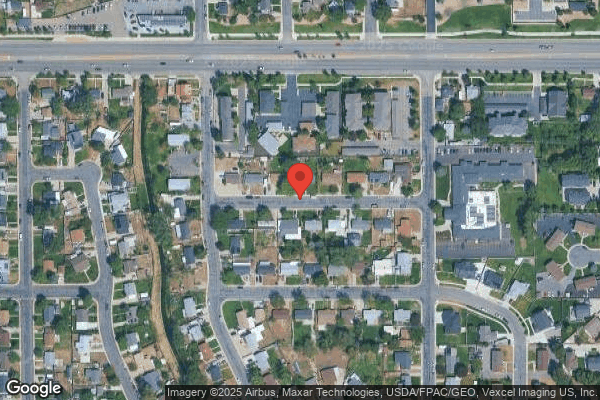
740 North 300 East, Orem, UT 84057 (801) 224-0921
For profit - Limited Liability company 52 Beds CASCADES HEALTHCARE Data: November 2025
Trust Grade
58/100
#29 of 97 in UT
Last Inspection: March 2025

Within standard 12-15 month inspection cycle. Federal law requires annual inspections.

Overview

Cascades at Orchard Park has a Trust Grade of C, indicating it is average and falls in the middle of the pack among nursing homes. It ranks #29 out of 97 facilities in Utah, placing it in the top half of the state's options, and #5 out of 13 in Utah County, meaning only four local facilities are better. The trend is improving, with the number of issues decreasing from 8 in 2023 to 4 in 2025. Staffing rates are average, with a turnover of 64%, which is concerning compared to the state average of 51%. The facility has received $11,992 in fines, which is average for the area, and has good RN coverage, being higher than 78% of Utah facilities. However, there have been some serious concerns. One incident involved a resident who suffered a fall and was not X-rayed for three days, resulting in discovered fractures. Additionally, the facility failed to ensure all staff were properly fit-tested for N95 masks, which could affect all residents. Another finding revealed that abuse allegations were not reported timely for some residents, indicating potential gaps in oversight and resident safety. Overall, while there are strengths in some areas, families should be aware of these weaknesses when considering this facility.

Trust Score
C
58/100
In Utah
#29/97
Top 29%
Safety Record
Moderate
Needs review
Inspections
Getting Better
8 → 4 violations
Staff Stability
⚠ Watch
64% turnover. Above average. Higher turnover means staff may not know residents' routines.
Penalties
✓ Good
$11,992 in fines. Lower than most Utah facilities. Relatively clean record.
Skilled Nurses
✓ Good
Each resident gets 81 minutes of Registered Nurse (RN) attention daily — more than 97% of Utah nursing homes. RNs are the most trained staff who catch health problems before they become serious.
Violations
⚠ Watch
25 deficiencies on record. Higher than average. Multiple issues found across inspections.
★★★★☆
4.0
Overall Rating
★★★☆☆
3.0
Staff Levels
★★★★★
5.0
Care Quality
★★★☆☆
3.0
Inspection Score
Stable
2023: 8 issues
2025: 4 issues

The Good

  • 5-Star Quality Measures · Strong clinical quality outcomes
  • Full Sprinkler Coverage · Fire safety systems throughout facility
  • No fines on record

Facility shows strength in quality measures, fire safety.

The Bad

Staff Turnover: 64%

18pts above Utah avg (46%)

Frequent staff changes - ask about care continuity

Federal Fines: $11,992

Below median ($33,413)

Minor penalties assessed

Chain: CASCADES HEALTHCARE

Part of a multi-facility chain

Ask about local staffing decisions and management

Staff turnover is elevated (64%)

16 points above Utah average of 48%

The Ugly 25 deficiencies on record

1 actual harm
Mar 2025 4 deficiencies
CONCERN (D) 📢 Someone Reported This

A family member, employee, or ombudsman was alarmed enough to file a formal complaint

Potential for Harm - no one hurt, but risky conditions existed

Abuse Prevention Policies (Tag F0607)

Could have caused harm · This affected 1 resident

Based on facility policy review, facility document review, and interview, the facility failed to develop written procedures for investigating allegations of abuse, misappropriation, and exploitation. ...

Read full inspector narrative →
Based on facility policy review, facility document review, and interview, the facility failed to develop written procedures for investigating allegations of abuse, misappropriation, and exploitation. The policy failed to include the procedures of a thorough investigations to include identification of staff responsible for the investigation; exercising caution in handling evidence that could be used in a criminal investigation; investigating different types of alleged violations; identifying and interviewing all involved persons, including the alleged victim, alleged perpetrator, witnesses, and others who might have knowledge of the allegations; focusing the investigation on determining if abuse, neglect, exploitation, and/or mistreatment had occurred; or providing complete and thorough documentation of the investigation. This affected 1 (Resident #190) of 1 abuse investigations reviewed. Findings include: A facility policy titled, Abuse, Neglect, Exploitation and Misappropriation Prevention Program, revised 10/2024, revealed, Residents have the right to be from abuse, neglect, misappropriation of resident property and exploitation. This includes but is not limited to freedom from corporal punishment, involuntary seclusion, verbal, mental, sexual or physical abuse, and physical or chemical restraint not required to treat the resident's symptoms. The policy indicated, 8. Identify and investigate all possible incidents of abuse, neglect, mistreatment, or misappropriation of resident property. 9. Investigate and report any allegations within timeframes required by federal requirements. The policy review revealed it did not include the procedures of a thorough investigation to include identification of staff responsible for the investigation; exercising caution in handling evidence that could be used in a criminal investigation; investigating different types of alleged violations; identifying and interviewing all involved persons, including the alleged victim, alleged perpetrator, witnesses, and others who might have knowledge of the allegations; focusing the investigation on determining if abuse, neglect, exploitation, and/or mistreatment had occurred; or providing complete and thorough documentation of the investigation. Facility document review on 03/05/2025 at 12:45 PM revealed a two-hour state reportable notification, Form 358, was electronically filed with the state survey agency on 10/31/2024 regarding a report of sexual abuse on 10/29/2024. The report indicated Resident #190 reported that a male staff member touched the resident with his hand in an appropriate manner. Further review revealed a five-day follow-up report, Form 359, was electronically submitted to the state survey agency on 11/06/2024 that indicated the facility completed its report with sufficient information for the results of the investigation. The facility concluded the allegation could not be verified. A review of the facility's abuse allegation documents indicated the facility did not have documented evidence of a thorough investigation, including the interviews that were conducted during the investigation. During an interview 03/05/2025 at 4:11 PM, the Administrator stated regarding the allegation made by Resident #190 that he interviewed the staff and wrote it down; and interviewed the one male staff member who worked that day. The Administrator stated he summarized the interviews by the resident, doctor, and the male staff member on duty on Form 359 (the five-day follow-up electronic submission investigation form to the state survey agency). When asked for a copy of the interviews, the Administrator then stated he did not write down any interviews for the resident, the doctor, or the staff member interviewed, and the Director of Nursing (DON) filled out some of the information on the form. During an interview regarding the allegation made by Resident #190 on 03/06/2025 at 11:26 AM, the Director of Nursing (DON) stated there were no other discussions with any other persons other than the nurse, the aide, and the resident. The DON stated he did not ask any residents if there were any issues with their care and the social worker during that time would have talked with the residents. The DON stated he just looked at the schedule and tried to figure who the male person was, but identified the persons who would have cared for the resident during that time. During a follow up interview on 03/06/2025 at 12:16 PM, the Administrator stated he discussed the allegation made by Resident #190 with the doctor who reported it, the DON, the aide, the resident, and another person; but could not remember who. The Administrator stated he did remember interviewing a resident but could not remember if there was anyone else. The Administrator stated the facility had a form containing general questions to the residents and they would document that, but this was not done at the time of the incident. The Administrator stated the only documentation he had was what was on Form 359 (five-day follow-up investigation). The Administrator stated he looked at the resident's past and the circumstances, then he interviewed the one male who was on staff during that time. On 03/06/2025 at 10:20 AM, the Administrator stated the facility did not have a policy for abuse investigations.
CONCERN (D) 📢 Someone Reported This

A family member, employee, or ombudsman was alarmed enough to file a formal complaint

Potential for Harm - no one hurt, but risky conditions existed

Investigate Abuse (Tag F0610)

Could have caused harm · This affected 1 resident

**NOTE- TERMS IN BRACKETS HAVE BEEN EDITED TO PROTECT CONFIDENTIALITY** Based on interview, record review, facility document review, and facility policy review, the facility failed to have evidence th...

Read full inspector narrative →
**NOTE- TERMS IN BRACKETS HAVE BEEN EDITED TO PROTECT CONFIDENTIALITY** Based on interview, record review, facility document review, and facility policy review, the facility failed to have evidence that all allegations of abuse were thoroughly investigated for 1 (Resident #190) of 1 resident reviewed for abuse allegations. Findings included: A facility policy titled, Abuse, Neglect, Exploitation and Misappropriation Prevention Program, revised 10/2024, indicated, 8. Identify and investigate all possible incidents of abuse, neglect, mistreatment, or misappropriation of resident property. 9. Investigate and report any allegations within timeframes required by federal requirements. On 03/06/2025 at 10:20 AM, the Administrator stated the facility did not have a policy for abuse investigations. An admission Record indicated the facility admitted Resident #190 on 09/13/2024. According to the admission Record, the resident had a medical history that included diagnoses of post-traumatic stress disorder (PTSD), personal history of adult physical and sexual abuse, and diffuse traumatic brain injury with loss of consciousness of unspecified duration. Further review of the admission Record indicated Resident #190 was discharged home on [DATE]. An admission Minimum Data Set (MDS), with an Assessment Reference Date (ARD) of 09/20/2024, revealed Resident #190 had a Brief Interview for Mental Status (BIMS) score of 12, which indicated the resident had moderate cognitive impairment. The MDS indicated the resident had no behavioral concerns and required substantial/maximal assistance with toileting hygiene. Resident #190's Care Plan included a problem statement initiated 10/25/2024, revised 10/25/2024, that indicated the resident was at risk for PTSD related to sexual assault. Interventions directed staff to monitor for trauma-related triggers which impacted the resident and adjust care so triggers were avoided to the extent possible in order to prevent re-traumatization (initiated 10/25/2024), provide care consistent with attempting to limit the impact of past trauma (initiated 10/25/2024), and the resident should be able to give permission prior to anyone touching the resident and should always be told the steps of any care that was happening so the resident was not triggered from a previous assault (initiated 10/25/2024). Facility document review on 03/05/2025 at 12:45 PM revealed a two-hour state reportable notification, Form 358, was electronically filed with the state survey agency on 10/31/2024 regarding a report of sexual abuse on 10/29/2024. The report indicated Resident #190 reported that a male staff member touched the resident with his hand in an appropriate manner. Further review revealed a five-day follow-up report, Form 359, was electronically submitted to the state survey agency on 11/06/2024 that indicated the facility completed its report with sufficient information for the results of the investigation. The facility concluded the allegation could not be verified. During an interview on 03/05/2025 at 3:35 PM, the Medical Director stated Resident #190 voiced to him that someone had grabbed them, and he notified the Administrator of the statement. Resident #190 stated that the resident needed to talk to the Administrator about a particular person who had touched them. During an interview 03/05/2025 at 4:11 PM, the Administrator stated he interviewed the staff and wrote it down; and interviewed the one male staff member who worked that day. The Administrator stated he summarized the interviews by the resident, doctor, and the male staff member on duty on Form 359 (the five-day follow-up electronic submission investigation form to the state survey agency). When asked for a copy of the interviews, the Administrator then stated he did not write down any interviews for the resident, the doctor, or the staff member interviewed, and the Director of Nursing (DON) filled out some of the information on the form. During an interview on 03/05/2025 at 4:39 PM, the DON stated the documentation submitted on Form 359 was by him because the Administrator was out of the country. The DON further stated the information submitted was based on information the Administrator and the DON both found out and their conclusion to their investigations. The DON stated they spoke with the resident and got their statement, and he spoke with other people who were on staff and looked through the staffing schedule to try to figure out who it could have potentially been. The DON stated he did not write down the interviews with the nurse or the male staff member who would have been working with the resident. The DON stated documentation could have been done better in the electronic medical record, at least what he had done. A review of Form 359, submitted to the state survey agency on 11/06/2024, indicated the facility conducted interviews with the resident and staff and included a short summary of the interviews on Form 359. The facility was unable to determine whom the resident indicated was the perpetrator. The form further indicated no reported signs of abuse was witnessed by staff. During a follow up interview regarding the allegation made by Resident #190 on 03/06/2025 at 11:26 AM, the DON stated there were no other discussions with any other persons other than the nurse, the aide, and the resident. The DON stated he did not ask any residents if there were any issues with their care and the social worker during that time would have talked with the residents. The DON stated he just looked at the schedule and tried to figure who the male person was, but identified the persons who would have cared for the resident during that time. During a follow up interview on 03/06/2025 at 12:16 PM, the Administrator stated he discussed the incident with the doctor who reported it, the DON, the aide, the resident, and another person; but could not remember who. The Administrator stated he did remember interviewing a resident, but could not remember if there was anyone else. The Administrator stated the facility had a form containing general questions to the residents and they would document that, but this was not done at the time of the incident. The Administrator stated the only documentation he had was what was on Form 359 (five-day follow-up investigation). The Administrator stated he looked at the resident's past and the circumstances, then he interviewed the one male who was on staff during that time.
CONCERN (D)

Potential for Harm - no one hurt, but risky conditions existed

Unnecessary Medications (Tag F0759)

Could have caused harm · This affected 1 resident

Based on observation, interview, record review, and review of facility policy, the facility failed to maintain a medication error rate of less than 5%. Observations of medication pass administration r...

Read full inspector narrative →
Based on observation, interview, record review, and review of facility policy, the facility failed to maintain a medication error rate of less than 5%. Observations of medication pass administration revealed 3 errors out of 30 opportunities which resulted in a 10% (percent) medication error rate. This affected 2 (Resident #21 and #90) of 2 residents observed during medication pass. Resident #21 was given one drop of artificial tears, instead of two drops. Resident #90 was given one drop of artificial tears, instead of two drops; and was administered magnesium 500 milligrams (mg), instead of magnesium 400 mg. Findings included: A facility policy titled, Administering Medications, revised in 02/2025, indicated, 4. Medications are administered in accordance with prescriber orders, including any required time frame. The policy also indicated, 10. The individual administering the medication checks the label THREE (3) times to verify the right resident, right medication, right dosage, right time and right method (route) of administration before giving the medication. 1. An admission Record indicated the facility admitted Resident #21 on 04/29/2024. According to the admission Record, Resident #21 had a medical history that included diagnoses of insomnia and CREST syndrome (an autoimmune disease that causes thickening and hardening of the skin). A quarterly Minimum Data Set (MDS), with an Assessment Reference Date (ARD) of 12/23/2024, revealed Resident #21 had a Brief Interview for Mental Status (BIMS) of 15, which indicated the resident had intact cognition. Resident #21's March 2025 Order Summary Report contained an order, dated 02/24/2025, for Artificial Tears Ophthalmic Solution 0.5-0.6% (percent), polyvinyl alcohol-povidone, instill 2 drops in both eyes three times a day for dry eyes. During medication pass observation on 03/04/2025 at 7:30 AM, Registered Nurse (RN) #1 administered one drop of Refresh tears (artificial liquid tear solution) into Resident #21's right and left eye. Resident #21's March 2025 Medication Administration Record indicated RN #1 electronically documented in the electronic medical record that Artificial tears ophthalmic solution 0.5-0.6%, instill 2 drop [sic] in both eyes three times a day for dry eyes was administered at 7:30 AM on 03/04/2025. During an interview on 03/04/2025 at 9:30 AM, RN #1 stated she administered one drop of the artificial tears into each of Resident #21's eyes and she should have administered two drops into each eye. 2. An admission Record indicated the facility admitted Resident #90 on 02/25/2025. According to the admission Record, Resident #90 had a medical history that included a diagnosis of type 2 diabetes mellitus without complications. Resident #90's March 2025 Order Summary Report contained an order dated 03/03/2025, for Artificial Tears Ophthalmic Solution (Artificial Tear Solution), Instill 2 drop [sic] in both eyes two times a day for dry eyes, and an order dated 02/25/2025, for Magnesium Oxide Oral Tablet 400 mg (Magnesium Oxide), give 400 mg by mouth every 8 hours for nausea, vomiting, diarrhea. During medication pass observation on 03/04/2025 at 7:50 AM, Registered Nurse (RN) #1 administered one drop of Refresh tears (artificial liquid tear solution) into Resident #90's right and left eye and also gave magnesium 500 mg one tablet to be taken orally. Resident #90's March 2025 Medication Administration Record indicated RN #1 electronically documented in the electronic medical record that Artificial tears ophthalmic solution instill 2 drop in both eyes two times a day for dry eyes and Magnesium Oxide supplement oral tablet 400 mg were administered at 8:00 AM on 03/04/2025. During an interview on 03/04/2025 at 9:30 AM, RN #1 stated she administered one drop of the artificial tears into each of Resident #90's eyes and she should have administered two drops into each eye. RN #1 then stated she realized she administered more magnesium to Resident #90 than the physician order. RN #1 stated she did not believe the facility had a 400 mg tablet. RN #1 stated she had been trained and was expected to administer medications based on the physician orders, and if she noticed that she did not have the medication needed based on the medication administration record, then she should check the medication room to see if the medication was available there. Observation of the medication room on 03/04/2025 at 10:15 AM revealed two magnesium 500 mg tablet bottles located on the medication shelf. During an interview on 03/04/2025 at 10:43 AM, the Director of Nursing (DON) stated the process for ensuring staff were administering the right medications was to ensure the nurses used the five rights of medication administration. The DON stated if a required medication was not in stock, then staff ordered the medication through the electronic medical record from the pharmacy. The DON stated the Supply Manager was responsible for reordering house supplements and vitamins and if a supplement or vitamin was not available, that was communicated to the physician. The DON stated staff had been trained and were expected to administer medication based on the physician's orders. During an interview on 03/04/2025 at 11:52 AM, the Administrator stated his expectation was that all clinical staff administered the correct medications within the acceptable window of time as prescribed by the doctors' group. The Administrator stated staff received orientation training when they first arrived at the facility.
CONCERN (F)

Potential for Harm - no one hurt, but risky conditions existed

Infection Control (Tag F0880)

Could have caused harm · This affected most or all residents

Based on interview, Centers for Disease Control (CDC) guidelines, and a review of Occupational Safety and Health Administration (OSHA) Respiratory Protection Guide, the facility failed to ensure all f...

Read full inspector narrative →
Based on interview, Centers for Disease Control (CDC) guidelines, and a review of Occupational Safety and Health Administration (OSHA) Respiratory Protection Guide, the facility failed to ensure all facility staff members had been fit tested for N95 respirators. This had the potential to affect 36 out of 36 residents residing in the facility. Findings included: The facility did not have a policy for fit testing N95 respirators. According to a United States Food and Drug Administration (FDA) publication, dated 10/21/2024, titled N95 Respirators, Surgical Masks, Face Masks, and Barrier Face Coverings, an N95 respirator is a respiratory protective device designed to achieve a very close facial fit and very efficient filtration of airborne particles. A CDC publication, titled Infection Control Guidance: SARS-CoV-2 [severe acute respiratory syndrome coronavirus 2, a strain of coronavirus that causes COVID-19] dated 06/24/2024, indicated under the section Personal Protective Equipment, HCP [healthcare personnel] who enter the room of a patient with suspected or confirmed SARS-CoV-2 infection should adhere to Standard Precautions and use a NIOSH [National Institute for Occupational Safety and Health] Approved particulate respirator with N95 filters or higher, gown, gloves, and eye protection (i.e., goggles or a face shield that covers the front and sides of the face). Respirators should be used in the context of a comprehensive respiratory protection program, which includes medical evaluations, fit testing and training in accordance with the Occupational Safety and Health Administration's (OSHA) Respiratory Protection standard. A review of OSHA's Respiratory Protection Guide, not dated, indicated, Ensure that any worker using a tight-fitting respirator (e.g., N95 FFR [filtering facepiece respirators]) is fit-tested prior to initial use of the respirator, whenever a different respirator size, style, model or make is used, and at least annually thereafter. Passing a fit-test is important because it ensures that the size, make, and model of the respirator can provide a proper facial seal to offer the expected level of protection to the wearer. During an interview on 03/05/2025 at 9:48 AM, the Infection Preventionist (IP) stated the facility had not fit tested anyone for N95 respirators since she started working there two and a half years ago. During a follow up interview on 03/05/2025 at 11:45 AM, the IP stated she was not sure why the facility quit fit testing staff members for N95 respirators. The IP stated she was not aware fit testing was still a requirement. The IP stated the importance of fit testing staff for N95 respirators was to ensure the N95 respirators would be effective and stated the facility was going to resume fit testing of all staff. During an interview on 03/05/2025 at 12:00 PM, the Director of Nursing (DON) stated he started working there about seven months prior and he had not been fit tested for an N95 respirator. The DON stated fit testing for N95s should be done annually and was required by the company. The DON stated fit testing was important, because without a proper fitting mask there could be an increase in transmission rates of COVID-19 and did not know why fit testing was not being done. The DON stated he would expect staff to be properly fit tested upon hire and annually but stated the facility did not have a policy for fit testing requirements. The DON stated the facility followed OSHA guidance. During an interview on 03/05/2025 at 12:12 PM, the Administrator stated he had been the Administrator at the facility for a year and a half. The Administrator stated nurse management helped with the process of fit testing staff for the N95 respirator, and he did not know how long the facility had not been fit testing staff. The Administrator stated as far as he knew the facility was fit testing staff but stated he had not been fit tested for an N95. The Administrator stated it was important to have a properly fitted N95 respirator to keep from transmitting viruses such as COVID-19 or the flu. The Administrator stated he was not aware of how often staff were supposed to be fit tested, but he would expect regulations to be followed when it came to fit testing staff.
Oct 2023 8 deficiencies 1 Harm
SERIOUS (G) 📢 Someone Reported This

A family member, employee, or ombudsman was alarmed enough to file a formal complaint

Actual Harm - a resident was hurt due to facility failures

Accident Prevention (Tag F0689)

A resident was harmed · This affected 1 resident

**NOTE- TERMS IN BRACKETS HAVE BEEN EDITED TO PROTECT CONFIDENTIALITY** Based on interview and record review, it was determined, the facility failed to ensure that the resident environment remained as...

Read full inspector narrative →
**NOTE- TERMS IN BRACKETS HAVE BEEN EDITED TO PROTECT CONFIDENTIALITY** Based on interview and record review, it was determined, the facility failed to ensure that the resident environment remained as free of accident hazards as was possible and each resident received adequate supervision and assistance devices to prevent accidents. Specifically, for 1 out of 33 sampled residents, a resident that reported bruising, swelling, pain, and a fall did not receive an X-ray for three days after the fall that revealed fractures. This resulted in a finding of harm. Resident identifier: 139. Findings included: HARM Resident 139 was admitted to the facility on [DATE] with diagnoses which included, but were not limited to, spinal stenosis lumbar region, functional quadriplegia, radiculopathy lumbar region, moderate intellectual disabilities, major depressive disorder, congenital hydrocephalus, pain in thoracic spine, low back pain, and history of falling. Resident 139's medical record was reviewed on 10/17/23. A care plan Focus initiated on 8/14/21, documented [Resident 139] is at risk for falls s/t [secondary to] impaired mobility, altered ADL [activities of daily living] ability, assistive devices for mobility, Advanced age, bowel and bladder incontinence, hx [history] of falls, quadriplegia. A care plan Goal documented [Resident 139] shall be free from injury daily. Interventions were initiated on 8/14/21, and included: a. Assist with ADLs as needed. b. Evaluate physical abilities at least quarterly. c. Fall risk assess upon admission, quarterly, and as needed. d. Report to Medical Doctor (MD)/family any significant changes in condition. e. Provide cueing/supervision as needed. f. Anticipate needs. g. Frequent visual checks. h. Provide safe environment. i. Call light within reach. j. Use safety devices as ordered as needed. On 6/7/23 at 4:41 AM, a Physician Progress Notes documented Late Entry: Note Text: REASON FOR VISIT:Regulatory . -Extensive assist X2 [times two] with bed mobility, toileting, transferring with W/C [wheelchair]. The Annual Minimum Data Set assessment dated [DATE], documented that resident 139 had a Brief Interview for Mental Status (BIMS) score of 2. A BIMS score of 0 to 7 suggested severe cognitive impairment. On 7/28/23 at 5:55 PM, a Weekly Skin Review/Assessment documented Small bruise noted to right foream [sic]. No other skin issues noted. On 8/3/23 at 2:00 PM, a Nurses Note Late Entry documented Note Text: Residents' niece was visiting and she came to talk to me regarding bruising and swelling in residents right leg. Resident is c/o [complaining of] a lot of right lower extremity pain. PRN [as needed] Tylenol and oxycodone given throughout the day. Resident is c/o pain at a level 10 and she is obviously in distress. She is crying and thinks that she is in trouble. I looked at residents leg and there was a lot of dark bruising on lower leg. She has 3+ pitting edema in lower right leg. Residents [sic] states that she fell, although no falls were reported. WCTM [Will continue to monitor]. On 8/3/23 at 6:19 PM, an Incident Report documented Upon assessment of [resident 139] Nurse observed bruising on her right side knee area just above and below. When Nurse asked [resident 139] what had happened she stated that she did not know and she denied any pain. MD was notified and VO [verbal order] given for x rays. [Name of X-ray company removed] order placed and they will be to the building before morning. Incident Description documented CNA [Certified Nursing Assistant] was transferring resident out of bed to a wheelchair. Wheelchair rolled backward and CNA assisted [resident 139] to the floor. She landed softly and did not hit her hear. [Resident 139] could only tell staff that she fell on the floor. Immediate Action Taken documented CNA called for assistance. RN [Registered Nurse] and two more CNAs responded. [Resident 139] was helped up in her chair and assisted to the dining room. No current injuries. The Incident Report documented the MD was notified on 8/9/23 at 2:12 PM, three days after resident 139 had a fall. A physician's order dated 8/14/21, documented Acetaminophen Tablet Give 500 mg [milligrams] by mouth every 4 hours as needed for fever, pain. The August 2023 Medication Administration Record (MAR) documented that resident 139 received the following doses of acetaminophen. a. On 8/3/23 at 2:44 PM, pain score 7. b. On 8/6/23 at 10:13 AM, pain score 9. A physician's order dated 2/21/23, documented oxyCODONE HCl [hydrochloride] Tablet 5 MG Give 5 mg by mouth every 4 hours as needed for Pain. The August 2023 MAR documented that resident 139 received the following doses of oxycodone. a. On 8/3/23 at 7:48 AM, pain score 5. b. On 8/3/23 at 2:45 PM, pain score 5. c. On 8/3/23 at 6:47 PM, pain score 5. d. On 8/4/23 at 9:21 AM, pain score 5 and the medication was documented as ineffective. e. On 8/5/23 at 4:56 PM, pain score 5. f. On 8/6/23 at 8:52 AM, pain score 9 and the medication was documented as ineffective. g. On 8/6/23 at 2:01 PM, pain score 9. h. On 8/7/23 at 6:16 AM, pain score 10 and the medication effectiveness was documented as undetermined. On 8/4/23 at 11:57 PM, a Weekly Skin Review/Assessment documented swelling in bilateral legs. On 8/6/23 at 9:41 PM, the Radiology Interpretation documented . RIGHT KNEE 2 VIEWS: Transverse fracture involves the proximal diaphysis right tibia and fibula with some light medial angulation of the apex. IMPRESSION: Minimally displaced fractures of the right knee. RIGHT TIBIA-FIBULA 2 VIEWS: Fractures of the proximal right tibia and fibula. On 8/7/23 at 6:36 AM, a Nurses Note documented Note Text: Resident had Xrays done on Right leg due to increased pain, swelling and bruising. The report came back with nuerous [sic] fx [fractures]. No incidents were reported. Per [name of MD removed] we are sending resident to [name of hospital removed] via [name of transportation company removed] for an ortho [orthopedic] consult for surgery, [name removed] POA [Power of Attorney] notified of this. As well as DON [Director of Nursing] and administration. [Note: The X-ray for resident 139 was obtained three days after resident 139 reported increased swelling, bruising, pain, and a fall. The X-ray was obtained on 8/6/23 at 9:41 PM. The X-ray results were faxed to the facility on 8/7/23 at 12:39 AM. Resident 139 was sent to the hospital on 8/7/23 at 6:36 AM, approximately six hours after the X-ray results were received by the facility.] On 8/7/23 at 6:26 PM, a Nurses Note documented Note Text: Resident was admitted to [name of hospital removed] for tibial fibula fx. She was admitted to the 8th floor for pain control. Goal is to be treated none surgically. The facility Exhibit 359 Follow-up Investigation Report was reviewed and the following was documented: RN 4 provided a statement on 8/10/23. When asked why no follow up was done regarding the leg pain: I was told by someone that was visiting [resident 139] that she had leg swelling and bruising. I gave her pain medications throughout the day. The next day I asked [name removed] to please address the leg pain and he increased her gabapentin. Then Sunday she was still in pain and still had the swelling and bruising so I reached out to [name of MD removed] requesting x rays be done. They didn't get the results until the middle of the night. When I came on shift the next morning and saw the results I spoke with [name of MD removed] and he gave orders to send [resident 139] to the ER [Emergency Room]. [Resident 139] was sent to [name removed] ER. 8-3-23 On Thursday after the visitor & staff informed me of the bruising and swelling and I looked at it, I also informed the DON [name removed] of this. CNA 1 signed a statement on 8/10/23. 8/3 [23] [CNA 1] and [CNA 2] (CNA in training) were the CNA's who provided care. [CNA 1] and [CNA 2] both stated that while they were transferring [resident 139] she reached down toward her right leg and said her leg hurt, she then began to fall, they assisted her to the floor onto her bum. Her one leg went behind her and she landed on it. They were able to assist [resident 139] back up and into her bed. They then performed a brief change and then assisted [resident 139] into her wheelchair. [CNA 1] and [CNA 2] then went and notified the nurse ([RN 4]) of the event. -([CNA 1 and CNA 2 stated that they did not understand that any change in elevation is a fall and that they had told [RN 4] what happened but did not state actual fall) [Resident 139] stated that she was hurting and [RN 4] gave her pain medication to aid with the pain. -[Resident 139] was given multiple doses due to right leg pain throughout the day. The Conclusion of the facility Exhibit 359 Follow-up Investigation Report documented Per the investigation, the findings show that staff did not transfer the resident properly during the incident. The care plan did not specify the proper assistance needed for transfers. On 10/19/23 at 9:33 AM, an interview was conducted with RN 1. RN 1 stated if a resident required an X-ray he would call the X-ray company and the company would come to the facility if they could do the X-ray requested. RN 1 stated that for more complicated procedures he would call the driver coordinator to take the resident out of the facility. RN 1 stated if he called the X-ray company for an X-ray they would let him know the timeframe. RN 1 stated if the X-ray company was unable to make the X-ray a priority they would give other options. RN 1 stated he had never had a problem with the X-ray company. RN 1 further stated if the X-ray was to be done immediately the X-ray company would have a time frame to respond and a routine X-ray would be fit in when the X-ray company could respond. On 10/19/23 at 10:02 AM, an interview was conducted with CNA 1. CNA 1 stated that she was working on resident 139's hall the day of the incident. CNA 1 stated that another CNA had helped her transfer resident 139. CNA 1 stated that she needed help with the sit and stand because she was small. CNA 1 stated the sit to stand was in resident 139's room but they were unable to use the sit to stand because resident 139's legs could not use the force of standing on that day. CNA 1 stated that the other CNA helping recommended to lift resident 139 under the armpits. CNA 1 stated resident 139's wheelchair was placed by the bed and the two CNAs were transferring resident 139 from the bed to the wheelchair. CNA 1 stated that during the transfer resident 139 started grabbing her own leg and got scared because resident 139 had fallen in the past. CNA 1 stated that resident 139 started slipping and herself and the other CNA just sat resident 139 on the ground. CNA 1 stated that resident 139 did not fall. CNA 1 stated that herself and the other CNA repositioned resident 139 on the ground and was able to transfer resident 139 by the armpits from the ground to the wheelchair. CNA 1 stated that herself and the other CNA assessed resident 139 and there was no bruising at that time. CNA 1 stated that she had reported to the nurse about the fall. CNA 1 stated the nurse told her that resident 139 had a bruise but it was not from the fall. CNA 1 stated that she reported to the nurse at approximately 8:00 AM, because she was getting resident 139 ready for breakfast and breakfast was served at 8:00 AM. CNA 1 stated that resident 139 would eat in the dining room. CNA 1 stated that when resident 139 was lowered to the ground resident 139's back was against the bed and the bed was in a low position. CNA 1 stated that resident 139's legs were not twisted behind the resident. CNA 1 stated they had in the past been using the sit to stand for resident 139 and it was a dedicated sit to stand only for resident 139 stored in resident 139's room. CNA 1 stated resident 139 was doing good with therapy and CNA 1 was told that she did not need to use the sit to stand anymore. CNA 1 stated the CNAs liked to use the sit to stand because it made them feel more secure. CNA 1 further stated that resident 139 did not fall but she knew stuff like that needed to be reported. On 10/19/23 at 1:28 PM, an interview was conducted with the Director of Rehabilitation. The Director of Rehabilitation stated that resident 139 was more confident and less fearful with the sit to stand. The Director of Rehabilitation stated that it would have been safer for the CNAs to use the sit to stand than to do a two person transfer. The Director of Rehabilitation stated that two CNAs were required to use the sit to stand. On 10/19/23 at 1:56 PM, an interview was conducted with Regional Nurse Consultant (RNC) 1 and RNC 2. RNC 1 stated if the MD was contacted by staff it should be documented in a progress note. RNC 2 stated that she was notified within 30 minutes of knowing that there was a significant injury for resident 139 on 8/7/23. RNC 1 stated that she would have expected an X-ray done on 8/3/23. RNC 2 stated that she was told resident 139 had bruising. RNC 2 stated that resident 139 had increased edema due to her comorbidities. RNC 2 stated that resident 139 reported that she had fallen. RNC 2 stated the nurse spoke with the Nurse Practitioner (NP) on that Friday and a telehealth visit was completed. RNC 2 stated the nurse was helping resident 139 describe the pain and it sounded like increased neuropathy, and the NP increased the gabapentin. RNC 2 stated as soon as the X-ray came back resident 139 was sent out. RNC 2 stated she did a lot of teaching and had the prior DON go through the falls. RNC 2 stated it was a transfer and resident 139 went to sit down during the transfer. RNC 2 stated she had to teach the staff what a change in elevation was. RNC 2 stated resident 139 decided that she did not want to use the sit to stand the last few days and the staff were going to have therapy reevaluate resident 139 for safer transfers.
CONCERN (D) 📢 Someone Reported This

A family member, employee, or ombudsman was alarmed enough to file a formal complaint

Potential for Harm - no one hurt, but risky conditions existed

Investigate Abuse (Tag F0610)

Could have caused harm · This affected 1 resident

**NOTE- TERMS IN BRACKETS HAVE BEEN EDITED TO PROTECT CONFIDENTIALITY** Based on interview and record review, it was determined that in response to allegations of abuse, neglect, exploitation, or mist...

Read full inspector narrative →
**NOTE- TERMS IN BRACKETS HAVE BEEN EDITED TO PROTECT CONFIDENTIALITY** Based on interview and record review, it was determined that in response to allegations of abuse, neglect, exploitation, or mistreatment, the facility failed to report the results of all investigations to the State Survey Agency (SSA), within 5 working days of the incident. Specifically, for 1 out of 33 sampled residents, the facility did not submit the results of an allegation of neglect within 5 working days when a resident with severely impaired cognitive status was found outside of the facility. Resident identifier: 3. Findings included: Resident 3 was admitted to the facility on [DATE] with diagnoses which included, but were not limited to, Alzheimer's disease, anxiety disorder, Pseudobulbar Affect, dysphagia, and hypertension. On 10/19/23, resident 3's medical record was reviewed. The admission Minimum Data Set assessment dated [DATE], revealed resident 3 had a Brief Interview for Mental Status (BIMS) score of 3. A BIMS score of 0 to 7 would suggest severe cognitive impairment. Exhibit 358 Initial Report dated 8/14/23 at 12:15 PM, indicated that the facility reported a facility reported incident to the SSA. The Initial Report indicated an allegation of an elopement when resident 3 was found on the sidewalk outside of the facility on 8/14/23 at 11:05 AM. An Orders-Administration Note dated 8/15/23 at 10:34 PM, indicated Note Text: Event/Alert Charting following Event. Document every shift until resolved: Elopement/Getting out the front doors every shift for Elopement for 3 Days pt [patient] has been safely in bed during this shift. An Orders-Administration Note dated 8/17/23 at 4:55 PM, indicated Note Text: Event/Alert Charting following Event, Document every shift until resolved: Elopement/ Getting out the front doors every shift for Elopement for 3 Days [name redacted] tried to get out the front door today. Her wanderguard is still functioning correctly. Son aware that she continues to try to elope. On 10/18/23 at 1:41 PM, a telephone interview was conducted with Registered Nurse (RN) 3. RN 3 stated resident 3 wore a wander guard because she was at risk for wandering. RN 3 further stated that resident 3 would sometimes become confused and would want to go home at night. RN 3 stated staff kept a close watch on resident 3. On 10/19/23 at 11:23 AM, an interview was conducted with the Assistant Director of Nursing (ADON). The ADON stated resident 3 was a wander risk and that she wore a wander guard. The ADON stated that resident 3's wander guard was not working when she was found outside. The ADON stated resident 3 was checked by staff every two hours and her room was right next to the nurse's station to increase visibility of resident 3. On 10/19/23 at 11:37 AM, an interview was conducted with RN 2. RN 2 stated resident 3 was an elopement risk and wore a wander guard. On 10/19/23 at 2:42 PM, an interview was conducted with the Resident Advocate (RA). The RA stated someone had found resident 3 in front of the facility. The RA stated there were three doors that led outside of the facility and were supposed to remain closed when a wander guard was near the door and if the door was opened it should alarm. The RA stated resident 3 was wearing a wander guard and that the wander guard system was tested because the door should have alarmed when resident 3 got out of the facility. The RA stated it was found that the door alarm system was not working and had to be rewired. The RA stated that the doors were turned off so they would not automatically open and all residents who had wander guards were placed on 15 minute checks until the door alarm system was repaired. On 10/19/23 at 3:31 PM, an interview was conducted with the Administrator. The Administrator stated he was unable to find the investigation report and that it needed to be submitted within 5 days after the incident. On 10/19/23 at 4:03 PM, an interview was conducted with Regional Nurse Consultant (RNC) 1. RNC 1 stated they could not find the investigation report for resident 3's elopement on 8/14/23, and that it was due 5 days after the incident. The Follow-Up Investigation Report for resident 3's alleged elopement was submitted to the State Survey Agency on 10/20/23 at 6:20 PM.
CONCERN (D) 📢 Someone Reported This

A family member, employee, or ombudsman was alarmed enough to file a formal complaint

Potential for Harm - no one hurt, but risky conditions existed

Pharmacy Services (Tag F0755)

Could have caused harm · This affected 1 resident

**NOTE- TERMS IN BRACKETS HAVE BEEN EDITED TO PROTECT CONFIDENTIALITY** Based on interview and record review, it was determined, that the facility did not provide routine and emergency drugs and biolo...

Read full inspector narrative →
**NOTE- TERMS IN BRACKETS HAVE BEEN EDITED TO PROTECT CONFIDENTIALITY** Based on interview and record review, it was determined, that the facility did not provide routine and emergency drugs and biologicals to its residents. Specifically, for 1 out of 33 sampled residents, a resident's medications were not administered as ordered by the physician due to the medications not being available by the pharmacy. Resident identifier: 140. Findings included: Resident 140 was admitted to the facility on [DATE] with diagnoses which included, but were not limited to, rib fracture, atrial fibrillation, coronary artery disease, and kidney cancer metastatic. Resident 140's medical record was reviewed on 10/16/23. On 10/27/22 at 8:41 PM, a Nurses Note documented Note Text: Pt [Patient] is a new admit [admission] that came in this early afternoon. Pt is self ambulatory with walker. Admit diagnosis of fractured ribs post fall at home. Pt is a 5 day respite stay. Takes scheduled and PRN [as needed pain medication continuously. Pt has several abrasions throughout body from fall. Pt is A&O x4 [alert and oriented to person, place, time and event], able to voice concerns and needs. On 10/27/22 at 10:33 PM, an Orders - Administration Note documented Note Text: Carvedilol Tablet 12.5 MG [milligrams] Give 1 tablet by mouth two times a day for Hypertension med [medications] not available. On 10/27/22 at 10:33 PM, an Orders - Administration Note documented Note Text: Bumetanide Tablet 2 MG Give 1 tablet by mouth two times a day for fluid retention med not available. On 10/27/22 at 10:33 PM, an Orders - Administration Note documented Note Text: Atorvastatin Calcium Tablet 40 MG Give 40 mg by mouth one time a day for Hyperlipidemia med not available. On 10/27/22 at 10:34 PM, an Orders - Administration Note documented Note Text: Protonix Tablet Delayed Release 40 MG Give 1 tablet by mouth one time a day for Gerd [gastroesophageal reflux disease] med not available. On 10/27/22 at 10:34 PM, an Orders - Administration Note documented Note Text: Sennosides-Docusate Sodium Tablet 8.6-50 MG Give 1 tablet by mouth two times a day for Constipation med not available. On 10/17/23 at 9:01 AM, an interview was conducted with Regional Nurse Consultant (RNC) 1. RNC 1 stated that either the resident's family or the hospice company would bring the medications to the facility if a resident was on a respite stay. RNC 1 stated that it would depend on the hospice company regarding the time frame of receiving medications, some hospice company's would take longer usually a couple hours to arrive at the facility. On 10/17/23 at 9:12 AM, an interview was conducted with RNC 2. RNC 2 stated that when a resident was a new admit to the facility the medications would be entered into the medical records system and faxed to the pharmacy. RNC 2 stated the hospice company would bring the medications in unless the family had arranged something else. RNC 2 stated if the pharmacy was faxed by 5:00 PM, they would usually get the medications to the facility by the evening. On 10/17/23 at 11:53 AM, an additional interview was conducted with RNC 2. RNC 2 stated she had contacted resident 140's hospice company and reviewed resident 140's medication list with the hospice company. RNC 2 stated the hospice company told her that they did not have the unavailable medications on their hospice orders. RNC 2 stated when resident 140 admitted to the facility the Director Of Nursing at the time did not clarify the orders with the hospice company and did not fax the orders to the pharmacy. RNC 2 stated the nurse the next morning noticed that resident 140's medications were not at the facility and was able to pull the medications from the facility emergency supply to administer to resident 140.
CONCERN (D)

Potential for Harm - no one hurt, but risky conditions existed

Unnecessary Medications (Tag F0759)

Could have caused harm · This affected 1 resident

**NOTE- TERMS IN BRACKETS HAVE BEEN EDITED TO PROTECT CONFIDENTIALITY** Based on observation, interview, and record review, the facility did not ensure that medication error rates were not 5 percent o...

Read full inspector narrative →
**NOTE- TERMS IN BRACKETS HAVE BEEN EDITED TO PROTECT CONFIDENTIALITY** Based on observation, interview, and record review, the facility did not ensure that medication error rates were not 5 percent or greater. Observations of 31 medication opportunities on 10/18/23, revealed two medication errors which resulted in a 6.45% medication error rate. Specifically, for 1 out of 33 sampled residents, an enteric coated (EC) medication was crushed and a resident was given an incorrect dose of a heart medication. Resident identifier: 14. Findings included: Resident 14 was initially admitted to the facility on [DATE] and readmitted in 9/15/23 with diagnoses which included metabolic encephalopathy, cardiogenic shock, chronic obstructive pulmonary disease, acute and chronic respiratory failure, type 2 diabetes mellitus, morbid obesity, anxiety, obstructive sleep apnea, anemia, dysphagia, and major depressive disorder. On 10/18/23 at 8:42 AM, an observation was made of Registered Nurse (RN) 5 during morning medication administration on the north and central hallways. RN 5 was observed to crush and then administer Aspirin EC 81 mg (milligram) and Carvedilol 12.5 mg to resident 14. Resident 14's Medication Administration Record was reviewed for October 2023 and revealed the following: a. Aspirin EC tablet delayed release 81 mg. Give 1 tablet by mouth one time a day for heart health. b. Carvedilol oral tablet 25 mg. Give 25 mg by mouth two times a day for hypertension. On 10/18/23 at 9:30 AM, an interview was conducted with RN 5. RN 5 stated medications should be given as ordered to maintain the resident's health. RN 5 stated enteric coated medications have a coating on the outside to protect the resident and should not be crushed. On 10/18/23 at 9:45 AM, an interview was conducted with RN 1. RN 1 stated medications that were coated should not be crushed as to protect the residents intestines. RN 1 stated all of the physician orders should be followed as they were written. RN 1 stated nurses should not change orders, they should talk with the provider. On 10/18/23 at 11:44 AM, an interview was conducted with Regional Nurse Consultant (RNC) 1. RNC 1 stated the nurses at the facility were expected to follow the five rights and ensure the residents were getting the correct medications, at the correct times, and by the correct route(s). RNC 1 stated the nurses should follow the physician's orders that were written for each resident to ensure each resident was receiving the best care.
CONCERN (D)

Potential for Harm - no one hurt, but risky conditions existed

Deficiency F0883 (Tag F0883)

Could have caused harm · This affected 1 resident

**NOTE- TERMS IN BRACKETS HAVE BEEN EDITED TO PROTECT CONFIDENTIALITY** Based on interview and record review, it was determined, the facility did not ensure that each resident's medical record include...

Read full inspector narrative →
**NOTE- TERMS IN BRACKETS HAVE BEEN EDITED TO PROTECT CONFIDENTIALITY** Based on interview and record review, it was determined, the facility did not ensure that each resident's medical record included documentation that indicated that the resident or resident's representative was provided education regarding the benefits and potential side effects of the influenza and pneumococcal immunizations; and that the resident either received the influenza and pneumococcal immunizations or did not receive the influenza and pneumococcal immunizations due to medical contraindications or refusal. Specifically, for 1 out of 5 sampled residents, a resident who requested to receive the pneumococcal vaccination did not receive it. Resident identifier: 3. Findings included: Resident was admitted to the facility on [DATE] with diagnoses which included hereditary and idiopathic neuropathy, Alzheimer's disease, scoliosis, pseudobulbar affect, anxiety, essential hypertension, hypercholesterolemia, and insomnia. Resident 3's medical record was reviewed on 10/16/23. A review of the immunization section of the medical record documented that resident 3 had not been given the pneumococcal immunization. A consent to receive the pneumococcal vaccination dated 2/24/23, was documented in the medical record. Resident 3's Medication Administration Record was reviewed and revealed no entry for the pneumococcal vaccination as being administered. On 10/19/23 at 3:05 PM, an interview was conducted with Regional Nurse Consultant (RNC) 2. RNC 2 stated the residents were supposed to be offered the influenza, pneumococcal, and Coronavirus disease 2019 (COVID-10) vaccinations on admission. RNC 3 if the residents were admitted during the influenza off season we could order one from the pharmacy for them. RNC 2 stated the residents were suppose to sign the refusal form if they do not wish to have the vaccinations. RNC 2 stated resident 3 should have received the pneumococcal vaccination when she admitted but she did not. RNC 2 stated the pneumococcal vaccination had been ordered from the pharmacy and was being sent over for resident 3. The Facility Immunization Policy dated 10/2023 documented, The facility will ensure recommended immunizations as applicable are offered or available for administration to all facility residents and employees and that accurate documentation of such immunizations are maintained . All facility residents over [AGE] years of age or those with high-risk conditions will be offered the Pneumococcal Polysaccharide Vaccine upon admission.
CONCERN (E) 📢 Someone Reported This

A family member, employee, or ombudsman was alarmed enough to file a formal complaint

Potential for Harm - no one hurt, but risky conditions existed

Report Alleged Abuse (Tag F0609)

Could have caused harm · This affected multiple residents

**NOTE- TERMS IN BRACKETS HAVE BEEN EDITED TO PROTECT CONFIDENTIALITY** Based on record review and interview, it was determined, the facility did not ensure that all alleged violations involving abuse...

Read full inspector narrative →
**NOTE- TERMS IN BRACKETS HAVE BEEN EDITED TO PROTECT CONFIDENTIALITY** Based on record review and interview, it was determined, the facility did not ensure that all alleged violations involving abuse, neglect, exploitation or mistreatment, including injuries of unknown source, were reported immediately, but not later than 2 hours after the allegation was made to the State Survey Agency (SSA). In addition, report the results of all investigations to the SSA within 5 working days of the incident. Specifically, for 3 out of 33 sampled residents, exhibit 358 entity reports of two abuse allegations were not submitted to the SSA in a timely manner. In addition, exhibit 359 follow-up investigation report of one resident was submitted to the SSA six working days after the abuse incident was reported. Resident identifiers: 18, 24, and 27. Findings included: 1. Resident 18 was admitted to the facility on [DATE] with diagnoses which included pulmonary hypertension, morbid obesity, essential hypertension, type 2 diabetes mellitus, muscle weakness, hypothyroidism, major depressive disorder, insomnia, gout, and dementia. Resident 18's medical record was reviewed on 10/16/23. There was no documentation in resident 18's progress notes regarding the incident. On 1/30/23 at 4:18 PM, the facility exhibit 358 entity report documented on 1/28/23 at 6:30 PM, it was reported that [another resident] had his zipper down and Resident [18] was grabbing his privates while in the dining room. Review of the exhibit 358 entity report documented the incident occurred on 1/28/23 at 6:30 PM, and was reported to the SSA on 1/30/23 at 4:15 PM. 2. Resident 24 was initially admitted to the facility on [DATE] then readmitted on [DATE] with diagnoses which included metabolic encephalopathy, morbid obesity, unsteadiness on feet, dysphagia, lack of coordination, Parkinson's disease, dementia, and schizoaffective disorder. Resident 24's medical record was reviewed on 10/16/23. There was no documentation in resident 24's progress notes regarding the incident. On 4/17/23 at 4:43 PM, the facility exhibit 358 initial entity report documented on 4/16/23, during the late evening hours the Resident [24] alleged that an unidentified Aide [Certified Nursing Assistant] threw a cup of water at her face. Review of the exhibit 358 entity report documented the incident occurred on 4/16/23 during the late evening hours and was reported to the SSA on 4/17/23 at 4:43 PM. On 10/19/23 at 2:53 PM, an interview was conducted with the Administrator (ADM). The ADM stated he was the abuse coordinator and was responsible for reporting all abuse allegations. The ADM stated he was aware that some of the reports had been submitted late and that they were trying to improve the process. 3. Resident 27 was admitted to the facility on [DATE] with diagnoses that included morbid obesity, dementia, anxiety disorder, tobacco use, opioid dependence, and muscle weakness. The exhibit 358 entity report was received by the SSA revealing that on 3/4/23 at 3:00 PM, a male resident was found in resident 27's room and the door could not be opened due to a door jam being placed under the door from the inside. A staff member was able to push the door open and both residents were found behind the curtain in resident 27's bed. The residents were engaging in sexual behavior. The male resident was asked to put his clothes on and leave the room. The administrator was notified. The Ombudsman and Adult Protective Services were also notified. The exhibit 358 was submitted at 4:15 PM on 3/4/23. Both residents were interviewed and resident 27's Power of Attorney was notified. Residents and staff members were interviewed and stated they had not heard of or seen any abuse in the facility. Exhibit 359 follow-up investigation form, which verified the incident and included resident and staff interviews, was submitted to the SSA on 3/13/23. The exhibit 359 submission was greater than the 5 working day requirement. On 10/18/23 at 2:47 PM, an interview was conducted with the Resident Advocate (RA). The RA stated if the incident was sexual in nature, whoever observes or hears it would report it immediately to the ADM, who was the abuse coordinator. The RA stated that Certified Nursing Assistants knew that the RA did a lot of the investigations so they would also report to her. The RA stated she would contact the ADM to ensure the incident had been reported so it could be reported to the SSA. The RA stated she did the groundwork for the investigations. The RA stated one of the nursing staff would complete a head to toe assessment on the resident, evaluate the resident's emotional state, and physical state. The RA stated the residents would be separated, and she would talk with both parties to see what happened. The RA stated she would also interview other residents and staff members to ensure the residents felt safe and got information from staff if they were aware of the situation. The RA stated most of resident 27's behaviors go back to cigarettes. The RA stated many incidents occurred in the dining room or the living area. The RA stated she interviewed the more cognitive residents that might have a recollection of an event and that hang out in those common areas. The RA stated an incident that was sexual in nature was required to be submitted within two hours of becoming aware. The RA stated the facility had 5 days to complete the investigation and submit it to the SSA. On 10/19/23 at 11:34 AM, an interview was conducted with the ADM. The ADM stated he did not know why the exhibit 359 was submitted late. The ADM stated it was prior to his time at the facility.
CONCERN (E)

Potential for Harm - no one hurt, but risky conditions existed

Deficiency F0761 (Tag F0761)

Could have caused harm · This affected multiple residents

**NOTE- TERMS IN BRACKETS HAVE BEEN EDITED TO PROTECT CONFIDENTIALITY** Based on observation and interview, it was determined, that the facility did not label all drugs and biological's used in the fa...

Read full inspector narrative →
**NOTE- TERMS IN BRACKETS HAVE BEEN EDITED TO PROTECT CONFIDENTIALITY** Based on observation and interview, it was determined, that the facility did not label all drugs and biological's used in the facility in accordance with currently accepted professional principles, and include appropriate accessory instructions and the expiration date when applicable. Specifically, insulin pens were expired, open and available for use, and not labeled with an expiration date. In addition, a medication was not labeled with resident identifier information. Findings included: 1. On [DATE] at 7:45 AM, an observation was made of the south hallway medication cart with Registered Nurse (RN) 1, the following medication was located inside: a. A pre-filled pen of Ozempic was open and available for use. The pen had no resident identifier information and no open date could be seen. On [DATE] at 7:50 AM, an interview was conducted with RN 1. RN 1 stated that there was no name on the pen of Ozempic and he did not know who it belonged to. RN 1 was observed to then place the medication back in the medication cart for future use. 2. On [DATE] at 8:42 AM, an observation was made of the north hallway medication cart with RN 5, the following medications were located inside: b. A pre-filled Novolog 100 unit/milliliter flex pen was opened and available for use, the pen had a fill date of [DATE], with no open date written on the pen. On [DATE] at 9:19 AM, an interview was conducted with RN 5. RN 5 stated the insulin pens were in the medication room and if we need a new one we go get them and put them in the cart. RN 5 was observed to obtain an insulin pen from the medication room for a resident and place the pen in the medication cart without writing anything on the insulin pen. RN 5 stated insulin was good for about a month or so. On [DATE] at 9:30 AM, an interview was conducted with RN 1. RN 1 stated insulin was good for 28 days and it was stored in the medication carts and the medication room. RN 1 stated when a new insulin was brought out from the medication room the resident name and date were supposed to be written on it. On [DATE] at 11:44 AM, an interview was conducted with Regional Nurse Consultant (RNC) 1. RNC 1 stated all of the insulin's that were in the medication carts should have an open date written on them and were good for 28 days. RNC 1 stated the nurses were expected to label the new insulin pens when they got them from the medication room with the resident identifier and the date so the other staff were aware of when it was opened.
CONCERN (E)

Potential for Harm - no one hurt, but risky conditions existed

Infection Control (Tag F0880)

Could have caused harm · This affected multiple residents

Based on observation and interview, it was determined, the facility did not establish and maintain an infection prevention and control program designed to provide a safe, sanitary and comfortable envi...

Read full inspector narrative →
Based on observation and interview, it was determined, the facility did not establish and maintain an infection prevention and control program designed to provide a safe, sanitary and comfortable environment and to help prevent the development and transmission of communicable diseases and infections. Specifically, for 3 out of 33 sampled residents, staff members were observed to touch the resident's medications with bare hands during medication administration. Medications were replaced in medication cards after being touched with bare hands. Hand hygiene was not used. Medications were dropped on the medication cart and then administered to a resident. And the glucometer was not cleaned in between resident usage and trash was stored in the glucometer holding container. Resident identifiers: 14, 17, and 27. Findings included: On 10/18/23 at 8:34 AM, an observation was made of Registered Nurse (RN) 1 during morning medication administration. RN 1 was observed to place the index finger inside of the medication cup when picking up the medication cup from the medication cart and when administering the medications to resident 27. No hand hygiene (HH) was observed prior to the medication administration. On 10/18/23 at 8:42 AM, an observation was made of RN 5. RN 5 was observed to enter the room of resident 14 holding a small container which held alcohol wipes, lancets, a glucometer, and glucometer strips. RN 5 was observed to clean the finger of resident 14, used a lancet to obtain a blood sample, and used the glucometer to check the blood glucose level of resident 14. The used alcohol wipe, alcohol wipe wrapper, and lancet were placed back in to the container which held the clean supplies. The glucometer was then placed in the container. RN 5 was then observed to leave resident 14's room and enter resident 17's room. No HH was observed. RN 5 was observed to take the glucometer, an alcohol wipe, and lancet out of the container and use them on resident 17. RN 5 was observed to put the used lancet and alcohol wipe in the container until leaving the room where they were discarded. The glucometer was not observed to be cleaned and was not cleaned between residents. RN 5 was observed to place the glucometer container in the medication cart for future use. On 10/18/23 at 9:00 AM, an observation was made of RN 5 during morning medication administration. RN 5 was observed to place oxycodone 10 milligram into a medication cup for resident 14. RN 5 was then observed to use bare fingers to retrieve the medication from the medication cup which already held previously dispensed medications. This was after RN 5 had touched the computer, medication cart, medication cart keys, and no HH was used. The oxycodone medication was then placed into the pill cutter and cut in half. One half of the pill was placed back into the medication cup and the other half was placed back into the narcotic card and the back was covered with a torn piece of sticky paper. RN 5 then took the medications and crushed them and administered them to resident 14. On 10/18/23 at 9:19 AM, an interview was conducted with RN 5. RN 5 stated the facility used the same glucometer for all of the residents. RN 5 stated the glucometer's were cleaned every night shift when they were calibrated. RN 5 stated if there was a narcotic that was not given or the resident did not want them we do exactly what I did put it back in the narcotic card and tape the back. On 10/18/23 at 9:30 AM, an interview was conducted with RN 1. RN 1 stated stated the glucometer should be cleaned before and after each use. RN 1 stated that each resident did not have their own glucometer, the facility shared the glucometer. RN 1 stated the nurses should use good hand washing, not touch the medications, and make sure they have the correct medication and the correct resident. RN 1 stated the narcotics should never be put back into the narcotic card, they should be wasted by two nurses. RN 1 stated he was not sure who was taping the back of the narcotic cards but that was not right. On 10/18/23 at 11:44 AM, an interview was conducted with Regional Nurse Consultant (RNC) 1. RNC 1 stated the nurses were expected to clean the glucometer's between each resident, and to clean them with bleach wipes. RNC 1 stated the narcotics were supposed to be wasted, there should not be any placed back into the narcotic card. RNC 1 stated if a dosage was changed then the pharmacy was called for them to send out a new medication card. RNC 1 stated taping the narcotics back into the card was not appropriate. RNC 1 stated the nurses were expected to use good HH and keep the medication carts clean. RNC 1 stated the nurses were not to touch the medications unless they wore gloves and only one pair of gloves per each resident so there was no cross contamination.
Jan 2022 13 deficiencies
CONCERN (D)

Potential for Harm - no one hurt, but risky conditions existed

Deficiency F0561 (Tag F0561)

Could have caused harm · This affected 1 resident

**NOTE- TERMS IN BRACKETS HAVE BEEN EDITED TO PROTECT CONFIDENTIALITY** Based on interview and record review, the facility did not ensure that residents had the right to make choices about aspects of ...

Read full inspector narrative →
**NOTE- TERMS IN BRACKETS HAVE BEEN EDITED TO PROTECT CONFIDENTIALITY** Based on interview and record review, the facility did not ensure that residents had the right to make choices about aspects of his or her life in the facility that were significant to the resident; nor did the facility ensure that residents had the right to choose activities consistent with his or her interests for 1 of 30 sample residents. Specifically, a resident was not able to shower on the days he requested. Resident identifier: 33. Resident 33 was admitted to the facility on [DATE] with diagnosis which included, type II diabetes mellitus with neuropathy, severe morbid obesity, end stage renal disease, generalized muscle weakness, congestive heart failure, and dependence on renal dialysis. Findings include: On 1/11/21 at 9:35 AM, an interview was conducted with resident 33. Resident 33 stated it was difficult to get anyone to answer the call light promptly. Resident 33 stated that when the staff did come they are usually helpful. Resident 33 stated showers are not a huge deal, he would just like them to be on the days that he did not have dialysis. Resident 33 stated, Dialysis days are just too hard on me and I am just too tired. On 1/11/21, resident 33's medical record was reviewed. In resident 33's medical record the electronic bathing history revealed resident 33 had an assisted shower on 12/22/21 and had refused a shower on 1/1/22. The shower sheet forms that were held in a binder at the nurses' desk revealed a shower was received by resident 33 on 12/14/21 and 12/22/21. The shower sheet refusal form filled out and signed by resident 33 dated 12/31/21 revealed a shower refusal with the reason of refusal as, resident was tired and did not want to shower - wants showers on Tuesdays, Thursdays and Saturdays, not on dialysis days. The shower sheet refusal form filled out and signed by resident 33 dated 1/3/22 revealed a shower refusal with the reason of refusal as, had dialysis, please switch to Tuesday, Thursday and Saturday, thanks. The shower sheet refusal form filled out and signed by resident 33 dated 1/7/22 revealed a shower refusal with the reason of refusal as, please switch to Tuesday, Thursday and Saturday since Monday, Wednesday and Friday are my dialysis days, thanks. On 1/13/22 at 2:30 PM, an interview was conducted with the Corporate Resource Nurse (CRN). The CRN stated that staff had just discovered the request for showers to be provided for resident 33 on non-dialysis days, and those would be changed.
CONCERN (D)

Potential for Harm - no one hurt, but risky conditions existed

Comprehensive Assessments (Tag F0636)

Could have caused harm · This affected 1 resident

**NOTE- TERMS IN BRACKETS HAVE BEEN EDITED TO PROTECT CONFIDENTIALITY** Based on interview and record review it was determined for 3 of 30 sample residents, that the facility did not conduct a compreh...

Read full inspector narrative →
**NOTE- TERMS IN BRACKETS HAVE BEEN EDITED TO PROTECT CONFIDENTIALITY** Based on interview and record review it was determined for 3 of 30 sample residents, that the facility did not conduct a comprehensive, accurate, standardized reproducible assessment of each resident's functional capacity, not less than once every 12 months. Specifically, resident's annual Minimum Data Set (MDS) assessments were not completed every 12 months. Resident identifiers: 4, 97, and 147. 1. Resident 4 was initially admitted to the facility on [DATE] and readmitted on [DATE] with diagnoses that included quadriplegia, acute respiratory failure with hypoxia, and vascular dementia. Resident 4's electronic medical record review was completed on 1/10/2022. Resident 4's MDS assessments were reviewed and revealed an Annual MDS dated [DATE]. There was an in progress annual MDS date 11/16/2021. The MDS was not completed or submitted. 2. Resident 147 was admitted to the facility on [DATE] with a diagnoses that included cerebral infarction, dysphagia, and unspecified dementia. Resident 147's electronic medical record review was completed on 1/12/2022. Resident 147's MDS assessments were reviewed and revealed an Annual MDS dated [DATE]. There was an in progress annual MDS date 1/10/2022. The MDS was not completed or submitted. 3. Resident 97 was admitted to the facility on [DATE] with no listed diagnoses. Resident 97 was prescribed an antibiotic, cholesterol medication, and was receiving dialysis. On 1/10/22 at 3:15 PM, resident 97 was interviewed. Resident 97 stated that staff did not provide much assistance to him. Resident 97's medical record was reviewed on 1/10/22. Resident 97's Minimum Data Set (MDS) assessments were reviewed. An entry MDS was started on 12/30/21 and was In Progress. A five-day MDS was started on 1/6/22 and was In progress. An admission MDS was started on 1/6/22 and was In progress. On 1/12/22, the entry MDS was re-reviewed, and did not include basic data, including whether or not resident 97 had participated in the assessment. On 1/13/22 at 10:15 AM, an interview with the Assistant Director of Nursing (ADON) was conducted. The ADON confirmed that he was in charge of completing the minimum data sets (MDSs) stated, I am well aware that we have late MDSs.
CONCERN (D)

Potential for Harm - no one hurt, but risky conditions existed

Deficiency F0655 (Tag F0655)

Could have caused harm · This affected 1 resident

**NOTE- TERMS IN BRACKETS HAVE BEEN EDITED TO PROTECT CONFIDENTIALITY** Based on interview and record review, it was determined the facility did not develop and implement a baseline care plan for each...

Read full inspector narrative →
**NOTE- TERMS IN BRACKETS HAVE BEEN EDITED TO PROTECT CONFIDENTIALITY** Based on interview and record review, it was determined the facility did not develop and implement a baseline care plan for each resident that included the instructions needed to provide effective and person-centered care of the resident that meets professional standards of quality of care for 1 of 30 sample residents. Specifically, a resident with many issues, including intravenous antibiotics and dialysis did not have a care plan that included their major issues. Resident identifier: 97. Findings include: Resident 97 was admitted to the facility on [DATE] with no listed diagnoses. Resident 97 was prescribed an antibiotic, cholesterol medication, and was receiving dialysis. On 1/10/22 at 3:15 PM, resident 97 was interviewed. Resident 97 stated that staff did not provide much assistance to him. Resident 97's medical record was reviewed on 1/10/22. The care plan contained one entry, for a nutritional problem due to septic arthritis and dialysis use. Resident 97 was on a therapeutic diet. Within 48 hours of admission, there was no additional care plan that addressed resident 97's orders, therapy services, or social services. No goals were identified for resident 97. On 1/12/22, additional care plan areas were identified for resident 97 that included resident 97 being COVID-19 positive, behavioral problem of making inappropriate remarks to staff, and having septic arthritis for which resident 97 was on antibiotics. On 1/13/22 an interview was conducted with the Assistant Director of Nursing (ADON). The ADON stated that the care plan for resident 97 did not contain adequate information.
CONCERN (D)

Potential for Harm - no one hurt, but risky conditions existed

Comprehensive Care Plan (Tag F0656)

Could have caused harm · This affected 1 resident

**NOTE- TERMS IN BRACKETS HAVE BEEN EDITED TO PROTECT CONFIDENTIALITY** Based on observation, interview, and record review it was determined, for 1 of 30 sample residents, that the facility did not de...

Read full inspector narrative →
**NOTE- TERMS IN BRACKETS HAVE BEEN EDITED TO PROTECT CONFIDENTIALITY** Based on observation, interview, and record review it was determined, for 1 of 30 sample residents, that the facility did not develop and implement a comprehensive person-centered care plan for each resident, consistent with the resident rights, that included measurable objectives and timeframe's to meet a resident's medical, nursing, mental and psychosocial needs that were identified in the comprehensive assessment. Specifically, a resident with multiple issues did not have a comprehensive care plan. Resident identifier: 97. Findings include: Resident 97 was admitted to the facility on [DATE] with no listed diagnoses. Resident 97 was prescribed an antibiotic, cholesterol medication, and was receiving dialysis. On 1/10/22 at 3:15 PM, resident 97 was interviewed. Resident 97 stated that staff did not provide much assistance to him. Resident 97's medical record was reviewed on 1/10/22. Resident 97's care plan contained one entry, for a nutritional problem due to septic arthritis and dialysis use. Resident 97 was on a therapeutic diet. On 1/12/21, additional care plan areas were identified for resident 97 that included resident 97 being COVID positive, behavioral problem of making inappropriate remarks to staff, and having septic arthritis for which he was taking antibiotics. Additional documentation revealed that resident 97 required assistance with the following: a. Resident 97 was scheduled for dialysis on Mondays, Wednesdays and Fridays. b. Resident 97 required a Hoyer lift for transfers, requiring two staff assistance. c. Resident 97 utilized supplemental oxygen, intermittently. d. Resident 97 had a peripherally inserted central catheter (PICC) for antibiotic treatment of a septic knee. e. Resident 97 reported frequent back and knee pain. f. Resident 97 had short term memory impairment according to his daily skilled charting. g. Resident 97 had an unsteady gait requiring supervision, impaired balance, and weakness. h. Resident 97 was incontinent and wore briefs. i. Resident 97 required assistance with transfers, showers and other activities of daily living (ADLs). j. Resident 97 had frequent constipation. k. Resident 97 had a history of a back fracture. l. Resident 97 was on an anticoagulant. m. Resident 97 had high blood pressure. n. Resident 97 had diabetes with insulin injections. On 1/13/22 at 2:30 PM, an interview was conducted with the Corporate Resource Nurse (CRN). The CRN stated that the care plan was not comprehensive for resident 97.
CONCERN (D)

Potential for Harm - no one hurt, but risky conditions existed

Food Safety (Tag F0812)

Could have caused harm · This affected 1 resident

Based on observation, interview and record review it was determined that the facility did not store, prepare, distribute and serve food in accordance with professional standards for food service safet...

Read full inspector narrative →
Based on observation, interview and record review it was determined that the facility did not store, prepare, distribute and serve food in accordance with professional standards for food service safety. Specifically, a refrigerator for resident's food was not maintained by staff members. Findings include: On 1/11/22 at 9:15 AM, resident 19 stated that he had food that went missing out of the resident's refrigerator. On 1/11/22 at 1:40 PM, an observation was made of the residents' refrigerator. A stainless steel refrigerator was located in the southeast corner of the dining room. A digital thermometer readout was visualized on the front of the refrigerator. The temperature stated 34 degrees. An interview was conducted with the dietary manager (DM) who stated that the refrigerator was maintained by the certified nursing assistants (CNAs) and the kitchen staff did not maintain the refrigerator, clean it, or monitor the temperatures. The DM stated that residents could access food in the refrigerator at any time and retrieve their food. A sign on the refrigerator stated: Residents, staff and family members: Before putting any item in the fridge make sure item has: Your first and last name (or the first and last name of the resident you are assisting) The date - food may stay in the fridge for up to 3 days. If the food found in the fridge is expired or unsafe staff will throw it away. Thank you everyone for your help on keeping it a safe place to store food! On 1/11/22 at 1:45 PM, the following items were observed in the refrigerator: a. pizza, dated 12/23/21 b. a chocolate protein drink, 12/29/21 c. a yogurt parfait with no date d. a mayonnaise salad with no date e. a sack of food dated 12/23/21 with a brown and white deli meat, part of a dessert, and cream cheese f. an uncovered bowl of what appeared to be salsa, without a date g. a sack of bread without a date h. meat that appeared to be fish, dated 12/31/21 i. a pasta dish with no date j. a food that appeared to be coleslaw, dated 12/17/21 k. a bag of fried chicken and orange peels, dated 12/19/21 l. a partially covered breadstick dessert with no date m. a food that appeared to be mashed potatoes with white gravy, dated 12/17/21 n. a fajita group of foods, including cheese, sour cream, meat, and cooked vegetables, dated 12/19/21 o. a food that appeared to be cheesy bread, dated 1/3/21 On 1/11/22 at 1:55 PM, an interview was conducted with CNA 1. CNA 1 stated that she was never told she needed to do anything with the resident's fridge. On 1/11/22 at 1:56 PM, housekeepers (HK) 2 and 3 were interviewed. HK 1 and 2 stated that the kitchen staff maintained the resident's refrigerator and housekeeping was not responsible to maintain the residents' refrigerator. On 1/11/22 at 1:58 PM, CNA 2 was interviewed. CNA 2 stated that he had assisted residents with labeling their food, but was not responsible to maintain the refrigerator. On 1/11/22 at 2:07 PM, CNA 5 was interviewed. CNA 5 stated that she was never given the responsibility to clean the residents' refrigerator. CNA 5 stated that she had thrown items away if they were expired, but I rarely look in there. CNA 5 stated that she thought the CNAs should check the refrigerator more often. On 1/11/22 at 2:10 PM, registered nurse (RN) 3 was interviewed. RN 3 stated that the resident's refrigerator was not a nursing responsibility. On 1/12/22 at 12:55 PM, an interview was conducted with the Director of Nursing (DON). The DON stated that the dietary staff cleaned out the refrigerator once monthly. The DON stated that the overnight (NOC) shift CNA monitored the temperature of the refrigerator. On 1/12/22 at 1:00 PM, a follow up observation was made of the residents' refrigerator. A temperature checklist was visualized on the refrigerator and had a date of 1/12/22 with a temperature reading of 34 degrees. The DON stated that there must be an older temperature log. The DON stated that the night CNA did temperatures and cleaned out the refrigerator. On 1/12/22 at 1:03 PM, an interviewed was conducted with the night CNA (CNA 6). CNA 6 stated that she was not asked to maintain the residents' refrigerator. CNA 6 stated the temperature logs were maintained on the refrigerator if one was being maintained.
CONCERN (D)

Potential for Harm - no one hurt, but risky conditions existed

Deficiency F0838 (Tag F0838)

Could have caused harm · This affected 1 resident

Based on interview and record review, the facility did not conduct and document a facility-wide assessment to determine what resources were necessary to care for its residents competently during both ...

Read full inspector narrative →
Based on interview and record review, the facility did not conduct and document a facility-wide assessment to determine what resources were necessary to care for its residents competently during both day-to-day operations and emergencies. The facility must review and update the assessment, as necessary, and at least annually. The facility must also review and update this assessment whenever there was, or the facility plans for, any change that would require a substantial modification to any part of this assessment. Specifically, the facility assessment was incomplete. Findings include: On 1/13/2022 the facility assessment provided by the Administrator was reviewed. The facility assessment was titled Facility Assessment Tool and did not include the following: a. Information describing the process to make admission or continuing care decisions regarding caring for residents with conditions that the facility is less familiar with and have not previously supported. b. Ethnic, cultural, or religious factors or personal resident preferences were not addressed. No statement that indicated that these factors were not critical to the operation of the facility was included. c. Information describing how to evaluate what policies and procedures may be required in the provision of care and how the facility ensures those meet current professional standards of practice. d. A plan to recruit and retain enough medical practitioners who are adequately trained and knowledgeable in the care of the residents/patients. e. Contracts, memoranda of understanding, or other agreements with third parties to provide services or equipment to the facility during normal operations and emergencies. f. A list of health information technology resources. g. Information describing how to evaluate in the infection prevention and control program includes effective systems for preventing, identifying, reporting, investigating, and controlling infections and communicable diseases for all residents, staff, volunteers, visitors, and other individuals providing services under a contractual arrangement. h. A facility-based and community-based risk assessment, utilizing an all-hazards approach. On 1/13/22 at 1:15 PM, an interview was conducted with the Administrator (ADM). The administrator stated that he did not realize that the current facility assessment was incomplete. Follow-up information was obtained that did not include the missing sections of the facility assessment.
CONCERN (E)

Potential for Harm - no one hurt, but risky conditions existed

Safe Environment (Tag F0584)

Could have caused harm · This affected multiple residents

**NOTE- TERMS IN BRACKETS HAVE BEEN EDITED TO PROTECT CONFIDENTIALITY** 3. An interview with resident 7 was conducted on 1/10/22 at 12:05 PM. Resident 7 stated that housekeeping only would clean resid...

Read full inspector narrative →
**NOTE- TERMS IN BRACKETS HAVE BEEN EDITED TO PROTECT CONFIDENTIALITY** 3. An interview with resident 7 was conducted on 1/10/22 at 12:05 PM. Resident 7 stated that housekeeping only would clean resident rooms once a week. Resident 7 stated that he felt like the resident rooms should be cleaned more often. A record review of a document titled Resident Council Minutes - Problem Resolution Form was conducted on 1/13/22. The document was dated 10/27/2021. The document revealed that one of the problems that the resident council discussed was cleaning rooms more regularly. A record review of a document titled Resident Council dated 12/27/2021 was conducted. The document revealed that the issue of having individual regular room cleans was unresolved. Based on interview and observation, the facility did not provide housekeeping and maintenance services necessary to maintain a sanitary, orderly, and comfortable interior environment for residents, staff and the public. Specifically, the resident's rooms were only cleaned once weekly and exterior areas were cluttered and dirty. Findings include: 1. On 1/10/21 at 2:17 PM, an observation was made of room [ROOM NUMBER]. Debris was observed on the floor throughout the room. A straw was observed under the south bed, and crumbs were observed under the bed. On the north side, crumbs were observed under the bed, and between the bed and the curtain. Drops of blood were observed on the sheets on the north bed. The residents in room [ROOM NUMBER] stated that housekeeping cleaned once weekly. On 1/12/21 at 12:35 PM, an observation was made of room [ROOM NUMBER]. Debris was observed on the floor of the room. Crumbs and a straw were observed under the south bed. The north bed had crumbs around the bed and drops of blood were observed on the sheets. The North resident stated that the sheets had been changed, and the drops of blood were new. The resident stated that the floor was not cleaned. On 1/13/21 at 9:00 AM, room [ROOM NUMBER] was observed. The debris was cleaned. One of the residents of room [ROOM NUMBER] stated that they had insisted that housekeeping clean their room, and it was cleaned the previous night. The housekeeping cleaning schedule was reviewed. The schedule revealed that rooms 1 through 11 were cleaned on Tuesdays, Rooms 12 through 22 were cleaned on Thursday/Friday and rooms 24 through 34 were cleaned on Wednesdays. On 1/12/21 at 3:40 PM, an interview was conducted with Housekeeper (HK) 3. HK 3 stated that residents' rooms were cleaned once weekly. HK 3 stated that there were not enough housekeepers to clean the rooms more often. Resident council meeting minutes were reviewed for the past three months. a. On 10/27/21, Last month's issues: sweeping/mopping residents rooms. was marked as better. A request to clean the rooms regularly was made, with a schedule being created and distributed to residents. b. On 11/26/21, a new business/event was new housekeeping schedules. Individual room cleaned regularly was listed as better. c. On 12/27/21, last month's issues: .Individual regular room cleans was unresolved. Problem/concern/suggestion: Housekeeping - individual rooms need to be cleaned and if visited/or not let resident know. Resolution was Follow room schedule and if unable, let resident know when. 2. On 1/13/22 at 10:05 AM, an observation was made of the East side of the facility. There were two smoking areas, one on the northeast and one on the southeast of the building. Between the two areas, there was a patio and grass area. At the north smoking area, there were cigarette butts observed in piles of dry leaves, a broken bed, broken chairs, and a pole that was a grounding wire sticking out of the ground. North of the smoking area was a dumpster that was observed open. Around the garbage can was observed disposable gloves, and finger-stick sharps. On 1/13/22 at 10:55 AM, an interview was conducted with the housekeeping manager (HKM). The Housekeeping manager observed the items on the east side of the facility. The HKM observed cigarette butts in the flower bed on the east side of the patio. The HKM stated that cats dug in the garbage bags at night and pulled garbage onto the blacktop around the garbage can. The HKM stated that staff members did not always close the dumpster lid.
CONCERN (E)

Potential for Harm - no one hurt, but risky conditions existed

Deficiency F0638 (Tag F0638)

Could have caused harm · This affected multiple residents

**NOTE- TERMS IN BRACKETS HAVE BEEN EDITED TO PROTECT CONFIDENTIALITY** 5. Resident 4 was initially admitted to the facility on [DATE] and readmitted on [DATE] with diagnoses that included quadriplegi...

Read full inspector narrative →
**NOTE- TERMS IN BRACKETS HAVE BEEN EDITED TO PROTECT CONFIDENTIALITY** 5. Resident 4 was initially admitted to the facility on [DATE] and readmitted on [DATE] with diagnoses that included quadriplegia, acute respiratory failure with hypoxia, and vascular dementia. Resident 4's electronic medical record review was completed on 1/10/2022. A MDS assessment with an ARD of 11/18/21 was not completed and was 39 days overdue. 6. Resident 11 was admitted to the facility on [DATE] with a diagnoses that included dementia, osteoporosis, hemiplegia, and anxiety disorder. Resident 11's electronic medical record review was completed on 1/10/2022. A quarterly MDS assessment with an ARD of 12/25/2021 was not completed and was two days overdue. 7. Resident 7 was admitted to the facility on [DATE] with a diagnoses that included quadriplegia, osteomyelitis, and spinal stenosis. Resident 7's electronic medical record review was completed on 1/13/2022. A quarterly MDS assessment with ARD of 12/8/2021 was not completed and 22 days overdue. An interview with the Assistant Director of Nursing (ADON) was conducted on 1/13/2022 at 10:15 AM. The ADON confirmed that he was in charge of completing the minimum data sets (MDSs) stated, I am well aware that we have late MDS's. Based on interview and record review it was determined, for 7 of 30 sample residents, that the facility did not assess each resident using the quarterly review instrument specified by the State and approved by Center for Medicare services not less frequently than once every 3 months. Specifically, residents quarterly Minimum Data Set (MDS) were not completed timely. Resident identifiers: 3, 4, 6, 7, 10, 11, and 25. 1. Resident 6 was initially admitted to the facility on [DATE] then readmitted on [DATE] with diagnoses which included, Friedreich ataxia, toxic encephalopathy, scoliosis, unspecified convulsions, poisoning by iron and its compounds, intentional self-harm, muscle weakness, major depressive disorder, generalized anxiety disorder and borderline personality disorder. On 1/11/22, the medical record of resident 6 was reviewed. A MDS assessment with an assessment reference date (ARD) of 12/5/21 was not completed and was 25 days overdue. 2. Resident 3 was admitted to the facility on [DATE] with diagnoses with included peripheral vascular disease, hypertension, malnutrition, depression and gastroesophageal reflux disease. On 1/11/22, the medical record of resident 3 was reviewed. A quarterly MDS assessment with an ARD of 11/21/21 was not completed and was 39 days overdue. 3. Resident 25 was admitted to the facility on [DATE] with diagnoses which included atrial fibrillation coronary artery disease, heart failure, hypertension, hyperlipidemia, malnutrition, depression and respiratory failure. On 1/11/22, the medical record of resident 25 was reviewed. A MDS assessment with an ARD of 12/4/21 was not completed and was 26 days overdue. 4. Resident 10 was admitted to the facility on [DATE] with diagnoses that included methicillin susceptible staphlococcus aureus, type II diagetes, and osteomyelitis. On 1/13/22, resident 10's medical record was reviewed. Resident 10 had a quarterly assessment due on 12/21/21. The status for the quarterly was in progress.
CONCERN (E)

Potential for Harm - no one hurt, but risky conditions existed

Quality of Care (Tag F0684)

Could have caused harm · This affected multiple residents

**NOTE- TERMS IN BRACKETS HAVE BEEN EDITED TO PROTECT CONFIDENTIALITY** 3. Resident 12 was admitted to the facility on [DATE] with diagnoses which included type 2 diabetes mellitus with diabetic chron...

Read full inspector narrative →
**NOTE- TERMS IN BRACKETS HAVE BEEN EDITED TO PROTECT CONFIDENTIALITY** 3. Resident 12 was admitted to the facility on [DATE] with diagnoses which included type 2 diabetes mellitus with diabetic chronic kidney disease, severe morbid obesity, chronic respiratory failure with hypoxia, severe protein calorie malnutrition, bacteremia, chronic congestive heart failure, and dependence on renal dialysis. On 1/10/21 resident 12 stated communication was awful with the facility. The dialysis center, family and friends were unable to get ahold of anyone at the facility or the resident when they called. Resident 12 stated, there is a phone tree when you call the facility that directs you to each department but no one ever answers the phone and all the voicemail boxes are full so you are unable to leave a message. It is beyond frustrating. On 1/12/21, resident 12's medical record was reviewed. Resident 10 had a care plan focus created on 9/28/21 that revealed the resident had a potential for the following: a. altered renal perfusion related to chronic renal failure b. end state renal disease manifested by elevated blood urea nitrogen (BUN)/creatinine levels c. Oliguria (abnormally small amounts of urine production) d. Anuria (failure of the kidneys to produce urine) e. at risk for complication at shunt/catheter site and decline in overall health status at shunt location f. at risk for decreased independence due to fatigue from treatments Resident 12 had a careplan goal created on 9/28/21 with a target date of 12/30/21, will have signs and symptoms of complications and shunt site managed daily, will maintain highest level of independence possible and will engage in activities of interest. The following care plan interventions were initiated on 9/28/21, and were still in place for resident 12 to attain those goals. a. follow dialysis center recomedations for dressing of catheter site, days of appointments and transfers. b. ensure clothing is not restricting over graft or shunt c. notify medical doctor (MD) if edema, chest pain, elevated blood pressure, shortness of breath, or significant weight gain/loss occur. d. invite, encourage and involve family/friends in phone calls and visits. An admission MDS assessment dated [DATE], revealed resident 12 required dialysis. Resident 12 was scheduled for dialysis every Tuesday, Thursday and Saturday. MD progress note dated 12/27/21 stated, resident had CKD (chronic kidney disease) requiring chronic dialysis: Chronic. No longer requiring dialysis. He had his port removed. -STOP hemodialysis On 1/12/21 at 9:59 AM, an interview was conducted with the transportation director (TD). The TD stated when a resident is taken to dialysis they are sent with a form and a lunch. The TD stated the paperwork is given to the dialysis center and then brought back to the facility when the resident returns. Communication is done this way, sometimes the dialysis centers will try to communicate through me but that doesn't work very well since I am not medical personnel. 4. Resident 33 was admitted to the facility on [DATE] with diagnosis which included, type II diabetes mellitus with neuropathy, severe morbid obesity, end stage renal disease, generalized muscle weakness, congestive heart failure, and dependence on renal dialysis. On 1/11/21 at 9:35 AM an interview with resident 33 was conducted. Resident 33 stated it was nearly impossible to get anyone on the phone if you called the facility. Resident 33 stated family, friends and the dialysis centers were unable to get in touch with anyone at the facility when they called. Resident 33 stated his port came out at dialysis last month and there was a delay in treatment because it took nearly 4 hours for the staff at the dialysis center to get ahold of anyone at the facility because no one would answer the phone. An immediate obsevation was made, resident 33 called the facility from the direct phone line in his room. The phone call rang through to the facilities phone tree, resident 33 dialed the extension for the social services offices, it rang to that extension. An announcement then came on to leave a message for the social services office but resident 33 was unable to due to the voicemail box of the social services department being full and unable to accept any new messages at that time. Resident 33 stated this is how it is every time you call, no one answers and all the voicemail boxes are full. It does not matter which department you try. Resident 33 stated he sat out at the nursing desk and had a friend call the nursing desk and no one would answer the phone, despite 2 nurses and 2 aides sitting at the desk. On 1/11/21, resident 33's medical record was reviewed. Resident 33 had a care plan focus created on 11/8/21 that revealed the resident had a potential for the following: a. altered renal perfusion related to chronic renal failure b. end state renal disease manifested by elevated blood urea nitrogen (BUN)/creatinine levels c. Oliguria (abnormally small amounts of urine production) d. Anuria (failure of the kidneys to produce urine) e. at risk for complication at shunt/catheter site and decline in overall health status at shunt location Resident 33 had a careplan goal created on 11/8/211 with a target date of 1/11/22, will have signs and symptoms of complications and shunt site managed daily, will maintain highest level of independence possible and will engage in activities of interest. The following care plan interventions were initiated on 11/8/21, and were still in place for resident 33 to attain those goals. a. follow dialysis center recomedations for dressing of catheter site, days of appointments and transfers. b. ensure clothing is not restricting over graft or shunt c. notify medical doctor (MD) if edema, chest pain, elevated blood pressure, shortness of breath, or significant weight gain/loss occur. d. invite, encourage and involve family/friends in phone calls and visits. Physicians orders revealed resident 33 attended dialysis on Mondays, Wednesdays and Fridays. On 1/12/22 at 9:37 AM, an interview was conducted with the human resources director (HRD). The HRD stated when an individual calls the facility from an outside line they choose a number from the phone tree for the specific department they want, then it is transferred to that department. Every department has a voicemail, even nursing. If no one answers the call goes to the voicemail. If they leave a voicemail it should be answered by the staff on shift and the voicemaill box should be emptied at least twice a week, that is what I have trying to get the staff to do. The facility does not have a receptionist. If there is time and someone calls and leaves a message we will go into the residents room and help the resident call them back. The residents families are not given the direct lines into the residents rooms on admit, they are expected to call and go through the phone tree or call the resident on their cell phone. HRD stated the admit paperwork given to the family and resident does not have the room phone number in it, but the aides and nurses are the ones who would know better since they are the ones who admit the residents. On 1/12/22 at 9:26 AM, an interview was conducted with a registered nurse (4). RN 4 stated the residents and family members are not usually given the direct phone number into the residents rooms on admit, we have a list at the nursing desk so we can transfer the call to their room. If the resident does not answer, RN 4 stated she will go help the resident with the phone call if there is time. RN 4 stated she does not believe the admit paperwork has an information in it regarding the phone number assigned to each residents room. On 1/12/22 at 9:37 AM, an interview was conducted with CNA 7. CNA 7 stated the phone at the nursing desk has extension on it for the residents rooms. CNA 7 stated we would need to ask maintenance for the direct phone number to the residents room if the resident or family members wants it because we do not have access to it. CNA 7 stated most residents use their cell phones to make calls anyway but stated it would be good information for the family to have. On 1/12/22 at 2:10 PM, an interview was conducted with a family member (FM). FM stated the ADON gave the FM his personal cell phone number due to it being so difficult to get through to anyone at the facility. FM stated resident 33's port came out and the dialysis center and the facility could not coordinate care very well because the dialysis center could not get a hold of anyone at the facility for hours. It was a mess. The facility was supposed to send him to A local hospital to have his port fixed and instead sent him to a doctors office, the local hospital called me asking where he was and I couldn't tell them because I couldn't get ahold of anyone at the facility when I tried to call. No one would answer the phone, it was very frustrating! FM stated that even when she is in the facility by the staffed nursing desk no one will answer the phone when it rings, and when asked why they do not answer it, the answer is we don't want to. The quality of care is just not there and my husband is suffering because of it. The facility has said the lack of communication is because they had a problem with their phone system but FM stated she had heard this many many times and nothing had changed. The FM stated her family member ended up having a 12 hour day of confusion and mess due to lack of communucation with the facility. On 1/1/3/22 at 10:00 AM, an interview was conducted with LPN 1. LPN 1 stated the phone system was just redone in that past few months and there is a phone tree now where you pick the department you want to talk to and the call is transferred to that department. LPN 1 stated if the nurses desk has a voicemail no on has told the nurses about it and those calls are not getting returned. On 1/13/22 at 9:50 AM, an interview was conducted with the ADON. The ADON stated the facility had just had the phone system updated these last couple of days. So now when a call comes in it will ring to every administration phone in the building for several rings then it will go to the call tree, the person can choose their extension and then the call will go to voicemail if no one answers. There has been construction going on in the building since July and it has affected the phone system. The ADON stated he gave out his personal cell phone number to people because they could not get ahold of anyone at the facility and he felt bad for this. The ADON stated he feels like the new system will be better, with the call going to every phone, some one has to answer the phone call. Based on observation, interview and record review it was determined that the facility did not ensure that residents received treatment and care in accordance with professional standards of practice, the comprehensive person-centered care plan, and the residents' choices for 4 of 30 sample residents. Specifically, bandages were not changed as charted, a COVID-19 positive resident was not monitored for additional needs, and care coordination was poor with outside facilities. In addition, residents were not clean when attending dialysis. Resident identifiers: 12, 32, 37 and 97. Findings include: 1. Resident 37 was admitted to the facility on [DATE] with diagnoses that included congestive heart failure, hsitory of transient ischemic attack (TIA), scoliosisi, protein/calorie malnutrition, chronic kidney disease, type II diabetes, and fracture with healing following surgery. On 1/10/22 at 2:02 PM, resident 37 was observed wearing bandages on her right leg. Resident 37 was interviewed and stated that she had not had her bandages changed over the weekend. Resident 37 stated that her sheets had not been changed since Friday, 1/7/22. The bandage on resident 37's right shin was labelled 1/6/22 and the right heel bandage was labelled 1/7/22. Drops and smeared blood were observed on resident 37's sheets. Resident 37's left lower leg was wrapped with an elastic bandage. Resident 37's medical record review was initiated on 1/10/22. Resident 37's treatment administration record revealed that a nurse reported changing resident 37's bandages on 1/8/22. On 1/11/22 at 1:30 PM, resident 37's sheets were observed to have blood on them. Resident 37's bandages were labelled 1/10/22. Resident 37 stated that they changed her bandages yesterday. Resident 37 stated that the blood was new. 2. Resident 97 was admitted to the facility on [DATE] with no listed diagnoses. Resident 97 was prescribed an antibiotic, cholesterol medication, and was receiving dialysis. On 1/10/22 at 3:15 PM, resident 97 was interviewed. Resident 97 stated that staff did not provide much assistance to him. An observation was made of a Hoyer lift in resident 97's room. Resident 97 stated that staff were required to use the lift because he was not able to be transferred by standing. Resident 97 stated that staff told him he would be retested for COVID-19 to verify the diagnosis. Resident 97's medical record was reviewed on 1/10/22. The care plan contained one entry, for a nutritional problem due to septic arthritis and dialysis use. Resident 97 was on a therapeutic diet. Within 48 hours of admission, there was no additional care plan that addressed resident 97's orders, therapy services, or social services. No goals were identified for resident 97. On 1/12/22, additional care plan areas were identified for resident 97 that included resident 97 being COVID positive, behavioral problem of making inappropriate remarks to staff, and having septic arthritis for which he was on antibiotics. Resident 97's minimum data set (MDS) revealed that the MDS assessments were not completed, including the amount of assistance required for cares. On 1/12/22 at 8:24 AM, a continuous watch was started. Staff were observed assisting other residents in the hall. At 10:36, resident 97 activated his call light. At 10:45 AM, a CNA approached resident 97's room. At 10:57 AM, the CNA, CNA 6 was immediately interviewed. CNA 6 stated that she assisted resident 97 with a hospital gown change because he was being transferred to a facility with a COVID-19 unit. CNA 6 stated that resident 97 required assistance with repositioning, transfers, brief changes, and food set-up. CNA 6 stated that besides dialysis, resident 97 did not need much assistance. CNA 6 stated that she had last checked on resident 97 at 8:00 AM. CNA 6 stated that she did no know if resident 97 needed more assistance since being diagnosed with COVID-19. Additional documentation revealed that resident 97 required assistance with the following: a. Resident 97 was scheduled for dialysis on Mondays, Wednesdays and Fridays. b. Resident 97 utilized a hoyer lift for transfers. c. Resident 97 utilized supplemental oxygen. d. Resident 97 had a peripherally inserted central catheter (PICC) for his antibiotics. e. Resident 97 reported frequent back and knee pain. f. Resident 97 had short term memory impiarment according to his daily skilled charting. g. Resident 97 had an unstady gait requiring suervision, impaired balance, and weakness. h. Resident 97 was incontinent and wore briefs. i. Resident 97 required assistance with transfers, showers and other activities of daily living (ADLs). j. Resident 97 had frequent constipation. k. Resident 97 had a history of back fracture. l. Resident 97 was on an anticoagulant. m. Resident 97 had high blood pressure. n. Resident 97 had diabetes with insulin injections. Dialysis communication forms were requested. Dialysis records for resident 97 were provided on 1/13/22 for dialysis provided on 1/3/22, 1/5/22, 1/7/22, and 1/11/22. On 1/12/22 at 1:50 PM, a call was made to resident 97's dialysis center. A dialysis worker (DW) 1 stated that resident 97 had been wearing the same dialysis bandages on Tuesday 1/11/22 as he had on Friday 1/7/22. DW 1 stated that resident 97 arrived at dialysis with body odor. DW 1 stated that communication was difficult with the facility and a medication list had been requested from the facility but had not been provided. DW 1 stated that hospital records for discharge medications was being referenced for dialysis, but if the facility changed any of resident 97's medications, dialysis did not have that record. On 1/12/22 at 1:52 PM, a dialysis worker (DW) 2 was interviewed. DW 2 stated that multiple attempts to reach the facility went to a telephone tree that did not connect with anyone. DW 2 stated that if a person answered the phone and transferred the call to the nurses' station, the phone rang without someone answering. On 1/13/22 at 9:50 AM, an interview was conducted with the Assistant Director of Nursing (ADON). The ADON stated he had given out his personal cell phone number to residents and family members because they could not get hold of anyone at the facility.
CONCERN (E)

Potential for Harm - no one hurt, but risky conditions existed

Deficiency F0698 (Tag F0698)

Could have caused harm · This affected multiple residents

**NOTE- TERMS IN BRACKETS HAVE BEEN EDITED TO PROTECT CONFIDENTIALITY** Based on interview and record review, it was determined for 2 of 30 sample residents that the facility did not ensure that a res...

Read full inspector narrative →
**NOTE- TERMS IN BRACKETS HAVE BEEN EDITED TO PROTECT CONFIDENTIALITY** Based on interview and record review, it was determined for 2 of 30 sample residents that the facility did not ensure that a resident who required dialysis received such services consistent with professional standards of practice. Specifically, there was no ongoing communication and collaboration with the dialysis facility regarding dialysis care and services. Resident identifiers: 33 and 97. Findings include: 1. Resident 33 was admitted to the facility on [DATE] with diagnosis which included, type II diabetes mellitus with neuropathy, severe morbid obesity, end stage renal disease, generalized muscle weakness, congestive heart failure, and dependence on renal dialysis. On 1/11/22, resident 33's medical record was reviewed. Physician's orders revealed the following: a. Dialysis to be conducted every Monday, Wednesday and Friday. b. Post dialysis weight. c. Check fistula in left forearm for color, warmth and edema. d. Check AV (arteriovenous) shunt for presence of bruit and thrill every shift. If negative notify medical doctor. e. Fluid restriction: 1500 milliliters (mL) a day; 1080 dietary mLs and 420 nursing mLs f. Sevelamer HCI tablet 800 milligrams (mg); 2 tables by mouth before dialysis related to end stage renal disease (ESRD). The MDS assessment dated [DATE] revealed that resident 33 was receiving dialysis. Resident 33 had a care plan focus created on 11/8/21 that revealed the resident had a potential for the following: a. Altered renal perfusion related to chronic renal failure b. End state renal disease manifested by elevated blood urea nitrogen (BUN)/creatinine levels c. Oliguria (abnormally small amounts of urine production) d. Anuria (failure of the kidneys to produce urine) e. At risk for complication at shunt/catheter site and decline in overall health status at shunt location Resident 33 had a careplan goal created on 11/8/211 with a target date of 1/11/22, will have signs and symptoms of complications and shunt site managed daily, will maintain highest level of independence possible and will engage in activities of interest. The following care plan interventions were initiated on 11/8/21, and were still in place for resident 33 to attain those goals. a. Follow dialysis center recommendations for dressing of catheter site, days of appointments and transfers. b. Ensure clothing is not restricting over graft or shunt. c. Notify medical doctor (MD) if edema, chest pain, elevated blood pressure, shortness of breath, or significant weight gain/loss occur. d. Invite, encourage and involve family/friends in phone calls and visits. On 1/11/22 at 9:23 AM, an interview was conducted with resident 33. Resident 33 stated the dialysis center had called the facility for 4 hours when his port had come out and were unable to get in touch with anyone at the facility or leave a message because all the voicemail boxes were full. Resident stated communication was horrible. Resident stated there was a delay in his treatment because the dialysis center could not get hold of the facility. On 1/13/22 at 9:50 AM, an interview was conducted with the Assistant Director of Nursing (ADON). The ADON stated he had given out his personal cell phone number to residents and family members because they could not get hold of anyone at the facility and he felt bad. On 1/12/22 at 1:50 PM, an interview was conducted with dialysis worker (DW) 2. DW 2 stated that the facility's phone tree did not connect to any employee, and messages were not always returned. DW 2 stated that the ADON had provided his cell number but that was only helpful if the ADON was working. DW 2 stated that resident 33 arrived at dialysis and stated that he had not had a bath in two weeks. DW 2 stated that the ADON reported that staff at the facility were working out the bathing schedule for resident 33. DW 2 stated that it had been over a month ago, and baths were still not worked out. DW 2 stated that resident 33 needed to go to the hospital to have a peripherally inserted central catheter (PICC) replaced, and the dialysis center could not reach anyone to coordinate that. On 1/12/22 at 1:52 PM, DW 1 was interviewed. DW 1 stated that the dialysis center wrote a letter to the facility regarding resident 33 in an attempt to communicate with the facility staff. DW 1 stated that resident 33 needed to have same day surgery place the PICC line, and the surgical center was also unable to reach any staff at the facility. DW 1 stated that residents had arrived to dialysis with dirty clothes. DW 1 stated that a family member of resident 33 had to coordinate care because the facility was not available by telephone. On 1/12/22 at 3:09 PM, the local hospital Same Day Surgery was contacted. A Same-Day Surgery worker (SDSW) was interviewed. The SDSW stated that many attempts to contact the facility were unanswered. The SDSW stated that resident 33 required a negative COVID-19 test before surgery, which was difficult to coordinate, due to difficulty reaching the facility staff. The SDSW stated that when the nursing option was pressed on the phone tree at the facility, the phone would ring and ring. The SDSW stated that when messages were conveyed to staff, the nurses did not receive the information. 2. Resident 97 was admitted to the facility on [DATE] with no listed diagnoses. Resident 97 was prescribed an antibiotic, cholesterol medication, and was receiving dialysis. On 1/10/22 at 2:30 PM, an interview was conducted with resident 97. Resident 97 stated that he had COVID-19 and did not know what was happening with dialysis. On 1/12/22 at 9:02 AM, resident 97 was interviewed. Resident 97 stated that he went to dialysis on Tuesday, but did not like to go to the COVID-19 positive dialysis center because of the low staffing there. On 1/13/22, resident 97's medical record review was completed. Dialysis communication forms were not included in resident 97's medical record since 12/31/21. Dialysis communication forms were requested. Dialysis records for resident 97 were provided on 1/13/22 for dialysis provided on 1/3/22, 1/5/22, 1/7/22, and 1/11/22. On 1/12/22 at 1:50 PM, a call was made to resident 97's dialysis center. A dialysis worker (DW) 1 stated that resident 97 had been wearing the same dialysis bandages on Tuesday 1/11/22 as he had on Friday 1/7/22. DW 1 stated that resident 97 arrived at dialysis with body odor. DW 1 stated that communication was difficult with the facility and a medication list had been requested from the facility but had not been provided. DW 1 stated that hospital records for discharge medications was being referenced for dialysis, but if the facility changed any of resident 97's medications, dialysis did not have that record. On 1/12/22 at 1:52 PM, a dialysis worker (DW) 2 was interviewed. DW 2 stated that multiple attempts to reach the facility went to a telephone tree that did not connect with anyone. DW 2 stated that if a person answered the phone and transferred the call to the nurses' station, the phone rang without someone answering.
CONCERN (E)

Potential for Harm - no one hurt, but risky conditions existed

Medical Records (Tag F0842)

Could have caused harm · This affected multiple residents

**NOTE- TERMS IN BRACKETS HAVE BEEN EDITED TO PROTECT CONFIDENTIALITY** Based on record review and interview, it was determined, for 4 of 30 sample residents, that the facility did not maintain medica...

Read full inspector narrative →
**NOTE- TERMS IN BRACKETS HAVE BEEN EDITED TO PROTECT CONFIDENTIALITY** Based on record review and interview, it was determined, for 4 of 30 sample residents, that the facility did not maintain medical records on each resident that were complete and accurately documented. Specifically, a resident's medical record contained a progress note about a different resident, a resident's medical record was missing blood glucose measurements, and two residents had incomplete immunization records. Resident identifiers 10, 14, 21, and 31. Findings include: 1. Resident 31 was admitted to the facility on [DATE] with a diagnoses that included chronic obstructive pulmonary disease, gout, chronic diastolic heart failure, chronic kidney disease, and type 2 diabetes mellitus. Resident 31's medical record was reviewed on 1/12/22. A progress note dated 11/11/21 included information about a different resident seen for a wound on his lower back. An interview with the Corporate Resource Nurse was conducted on 1/13/22. The Corporate Resource Nurse stated that the progress note dated 11/11/21 regarding a different resident in resident 31's medical record should not have been in resident 31's medical record. 2. Resident 14 was admitted to the facility on [DATE] with diagnoses that included multiple sclerosis, osteoporosis, major depressive disorder, and pain. On 1/13/22, resident 14's medical record was reviewed. There was no documentation of resident 14 being offered, having received or refusing the COVID-19 vaccine. On 1/13/22 at 2:06 PM, an interview was conducted with resident 14. Resident 14 stated that she had refused the COVID-19 vaccine. 3. Resident 21 was admitted to the facility on [DATE] with diagnoses that included hemiplegia and hemiparesis following cerebral infarction affecting right dominant side. seizures, hyperlipidemia, functional quadriplegia, polyneuropathy, gastro-esophageal reflux disease, mood disorder due to known physiological condition with depressive features, anxiety disorder due to known physiological condition, vascular dementia, and restless leg syndrome. On 1/13/22, resident 21's medical record was reviewed. There was no documentation of resident 21 being offered, having received or refusing the COVID-19 vaccine. On 1/13/22 at 1:49 PM, an interview was conducted with the facility's Assistant Director of Nursing (ADON). The ADON stated he could not find any documentation of residents 14 and 21 being offered, having received or refusing the COVID-19 vaccine. The ADON acknowledged that the refusals of the COVID-19 vaccine should have been documented for residents 14 and 21. 4. Resident 10 was admitted to the facility on [DATE] with diagnoses that included osteomyelitis, a staph infection, diabetes type II, and difficulty walking. On 1/10/22 at 11:30 AM, resident 10 was interviewed. Resident 10 stated that her diabetes was controlled by diet, but lately she had not been eating as much. Resident 10's medical record review was completed on 1/13/22. Glucose lab results were: a. On 10/4/21, glucose 83 b. On 11/3/21, glucose 71 On 11/15/21,. glucose 73 On 12/15/21, glucose 57 - low On 12/29/21, glucose 57 - low Resident 10's vitals were reviewed. The blood glucose readings were not in resident 10's glucose recordings. Nursing notes were reviewed. Low blood glucose readings were not included in the nursing notes. On 1/13/22 at 10:45 AM, resident 10 was re-interviewed. Resident 10 stated that she had interventions for low blood sugar the previous day. No records for resident 10 revealed blood glucose documentation. A nurse report sheet for 1/13/22 revealed that resident 10's blood glucose was 27 on 1/12/22. Resident 10's blood glucose on 1/13/22 was 50 at lunch. Those two blood glucose readings were not included in resident 10's medical record. On 1/13/22 at 12:22 PM, an interview was conducted with the Assistant Director of Nursing (ADON). The ADON stated that the nurses should have recorded resident 10's blood glucose readings in the medical record.
CONCERN (E)

Potential for Harm - no one hurt, but risky conditions existed

Deficiency F0886 (Tag F0886)

Could have caused harm · This affected multiple residents

**NOTE- TERMS IN BRACKETS HAVE BEEN EDITED TO PROTECT CONFIDENTIALITY** Based on interview and record review the facility did not conduct COVID-19 testing based on the criteria for conducting testing ...

Read full inspector narrative →
**NOTE- TERMS IN BRACKETS HAVE BEEN EDITED TO PROTECT CONFIDENTIALITY** Based on interview and record review the facility did not conduct COVID-19 testing based on the criteria for conducting testing of asymptomatic individuals, such as the community transmission rate of COVID-19. Specifically, unvaccinated staff members were not tested twice a week when the community transmission rate was high. This occurred for 5 out of 5 sampled staff members. Findings include: Centers for Medicare and Medicaid Services (CMS) Memo QSO-20-38-NH, revised on 9/10/21, reads, The facility should test all unvaccinated staff at the frequency prescribed in the Routine Testing table [High = Twice a week] based on the level of community transmission reported in the past week. The Utah County transmission rates for December 2021 and January 2022 were high. On 1/13/22 staff testing for COVID-19 was reviewed with the Corporate Resource Nurse/Infection Preventionist. Five staff members were selected from the facility's list of staff, who were unvaccinated for COVID-19. 1. Certified Nursing Assistant (CNA) 3 [Full-time employee] • December 2021 Week 1 (12/1/21 to 12/7/21) - CNA 3 worked on 12/1/21, 12/3/21, 12/6/21 and 12/7/21. CNA 1 was tested on ce on 12/2/21. • December 2021 Week 2 (12/8/21 to 12/14/21) - CNA 3 worked on 12/8/21, 12/11/21 and 12/13/21. CNA 1 was tested on ce on 12/9/21. • December 2021 Week 3 (12/15/21 to 12/21/21) - CNA 3 worked on 12/20/21 and 12/21/21. CNA 1 was tested twice on 12/16/21 and 12/20/21. • December 2021 Week 4 (12/22/21 to 12/28/21) - CNA 3 worked on 12/23/21 and 12/24/21. CNA 1 was tested on ce on 12/23/21. • January 2022 Week 1 (12/29/21 to 1/4/22) - CNA 3 worked on 1/3/22 and 1/4/22. CNA 3 was tested twice on 12/30/21 and 1/3/22. 2. Housekeeper (HK) 3 [Full-time employee] • December 2021 Week 1 - HK 3 worked on 12/1/21, 12/3/21, 12/4/21, 12/5/21 and 12/6/21. HK 3 was tested twice on 12/2/21 and 12/6/21. • December 2021 Week 2 - HK 3 worked on 12/8/21, 12/10/21, 12/11/21, 12/12/21 and 12/14/21. HK 3 was tested on ce on 12/13/21. • December 2021 Week 3 - HK 3 worked on 12/15/21, 12/17/21, 12/18/21, 12/19/21, 12/20/21 and 12/21/21. HK 3 was tested on ce on 12/20/21. • December 2021 Week 4 - HK 3 worked on 12/22/21, 12/23/21, 12/24/21, 12/25/21, 12/26/21, 12/27/21 and 12/28/21. HK 3 was tested twice on 12/23/21 and 12/27/21. • January 2022 Week 1 - HK 3 worked on 12/29/21, 12/30/21, 12/31/21, 1/1/22, 1/2/22 and 1/4/22. HK 3 was tested twice on 12/30/21 and 1/3/22. 3. Registered Nurse (RN) 1 [PRN (as-needed) employee] • December 2021 Week 1 - RN 1 worked on 12/1/21 and 12/2/21. RN 1 was tested on ce on 12/2/21. • December 2021 Week 2 - RN 1 worked on 12/8/21 and 12/9/21. RN 1 was tested twice on 12/8/21 and 12/13/21. • December 2021 Week 3 - RN 1 worked on 12/15/21, 12/16/21, 12/18/21 and 12/19/21. RN 1 was tested on twice on 12/16/21 and 12/20/21. • December 2021 Week 4 - RN 1 worked on 12/22/21, 12/23/21 and 12/24/21. RN 1 was tested on ce on 12/27/21. • January 2022 Week 1 - RN 1 worked on 12/29/21, 12/30/21, 12/31/21, 1/1/22 and 1/2/22. RN 1 was tested twice on 12/30/21 and 1/3/22. 4. RN 3 [PRN employee] • December 2021 Week 1 - RN 3 did not work week 1. RN 3 was tested on [DATE]. • December 2021 Week 2 - RN 3 worked on RN 3 worked on 12/13/21. RN 3 was tested on [DATE]. • December 2021 Week 3 - RN 3 worked on RN 3 worked on 12/19/21 and 12/20/21. RN 3 was not tested week 3. • December 2021 Week 4 - RN 3 worked on 12/24/21. RN 3 was tested on [DATE]. • January 2022 Week 1 - RN 3 did not work week 1. RN 3 was not tested week 1. 5. CNA 4 [Part-time employee] • December 2021 Week 1 - CNA 4 worked on 12/5/21. CNA 4 was not tested week 1. • December 2021 Week 2 - CNA 4 worked on 12/11/21 and 12/12/21. CNA 4 was not tested week 2. • December 2021 Week 3 - CNA 4 did not work week 3. CNA 4 was not tested week 3. • December 2021 Week 4 - CNA 4 worked on 12/25/21 and 12/26/21. CNA 4 was not tested week 4. • January 2022 Week 1 - CNA 4 did not work week 1. CNA 4 was not tested week 1. On 1/13/21 at 1:27, the Corporate Resource Nurse/Infection Preventionist acknowledged unvaccinated staff should have been tested twice a week.
CONCERN (E)

Potential for Harm - no one hurt, but risky conditions existed

Deficiency F0887 (Tag F0887)

Could have caused harm · This affected multiple residents

**NOTE- TERMS IN BRACKETS HAVE BEEN EDITED TO PROTECT CONFIDENTIALITY** Based on interview and record review, the facility did not maintain documentation of when residents did not receive the COVID-19...

Read full inspector narrative →
**NOTE- TERMS IN BRACKETS HAVE BEEN EDITED TO PROTECT CONFIDENTIALITY** Based on interview and record review, the facility did not maintain documentation of when residents did not receive the COVID-19 vaccine due to medical contraindication or refusal. Specifically there was no documentation of a resident refusing the COVID-19 vaccine due to contraindications communicated to the resident by her physician. Additionally, there was no documentation of a resident being offered, having received or refusing the COVID-19 vaccine. This occurred for 2 out of 30 sample residents. Resident identifiers: 14 and 21. Findings include: 1. Resident 14 was admitted to the facility on [DATE] with diagnoses that included multiple sclerosis, osteoporosis, major depressive disorder, and pain. On 1/13/22, resident 14's medical record was reviewed. There was no documentation of resident 14 being offered, having received or refusing the COVID-19 vaccine. On 1/13/22 at 1:49 PM, an interview was conducted with the facility's Assistant Director of Nursing (ADON). The ADON stated he could not find any documentation of resident 14 being offered, having received or refusing the COVID-19 vaccine. The ADON stated that resident 14 had always refused vaccinations. The ADON acknowledged that resident 14's refusal of the COVID-19 vaccine should have been documented. On 1/13/22 at 2:06 PM, an interview was conducted with resident 14. Resident 14 stated that she had refused the COVID-19 vaccine because her physician had instructed her to not receive any vaccines. She further stated that her physician told her that the ingredients in vaccines would kill her due to her MS (multiple sclerosis). 2. Resident 21 was admitted to the facility on [DATE] with diagnoses that included hemiplegia and hemiparesis following cerebral infarction affecting right dominant side. seizures, hyperlipidemia, functional quadriplegia, polyneuropathy, gastro-esophageal reflux disease, mood disorder due to known physiological condition with depressive features, anxiety disorder due to known physiological condition, vascular dementia, and restless leg syndrome. On 1/13/22, resident 21's medical record was reviewed. There was no documentation of resident 21 being offered, having received or refusing the COVID-19 vaccine. On 1/13/22 at 1:49 PM, an interview was conducted with the facility's Assistant Director of Nursing (ADON). The ADON stated he could not find any documentation of resident 21 being offered, having received or refusing the COVID-19 vaccine. The ADON stated that resident 21 had always refused vaccinations. The ADON acknowledged that resident 21's refusal of the COVID-19 vaccine should have been documented. On 1/13/22 at 1:58 PM, an interview was conducted with resident 21. Resident 21 stated she could not remember whether she was offered or received the COVID-19 vaccine. Resident 21 further stated, my memory is shot.
Understanding Severity Codes (click to expand)
Life-Threatening (Immediate Jeopardy)
J - Isolated K - Pattern L - Widespread
Actual Harm
G - Isolated H - Pattern I - Widespread
Potential for Harm
D - Isolated E - Pattern F - Widespread
No Harm (Minor)
A - Isolated B - Pattern C - Widespread

Questions to Ask on Your Visit

  • "Why is there high staff turnover? How do you retain staff?"
  • "Can I speak with families of current residents?"
  • "What's your RN coverage like on weekends and overnight?"

Our Honest Assessment

Strengths
  • • Licensed and certified facility. Meets minimum state requirements.
Concerns
  • • 25 deficiencies on record, including 1 serious (caused harm) violation. Ask about corrective actions taken.
  • • $11,992 in fines. Above average for Utah. Some compliance problems on record.
  • • Grade C (58/100). Below average facility with significant concerns.
  • • 64% turnover. Above average. Higher turnover means staff may not know residents' routines.
Bottom line: Mixed indicators with Trust Score of 58/100. Visit in person and ask pointed questions.

About This Facility

What is Cascades At Orchard Park's CMS Rating?

CMS assigns Cascades at Orchard Park an overall rating of 4 out of 5 stars, which is considered above average nationally. Within Utah, this rating places the facility higher than 99% of the state's 100 nursing homes. This rating reflects solid performance across the metrics CMS uses to evaluate nursing home quality.

How is Cascades At Orchard Park Staffed?

CMS rates Cascades at Orchard Park's staffing level at 3 out of 5 stars, which is average compared to other nursing homes. Staff turnover is 64%, which is 18 percentage points above the Utah average of 46%. High turnover can affect care consistency as new staff learn residents' individual needs.

What Have Inspectors Found at Cascades At Orchard Park?

State health inspectors documented 25 deficiencies at Cascades at Orchard Park during 2022 to 2025. These included: 1 that caused actual resident harm and 24 with potential for harm. Deficiencies causing actual harm indicate documented cases where residents experienced negative health consequences.

Who Owns and Operates Cascades At Orchard Park?

Cascades at Orchard Park is owned by a for-profit company. For-profit facilities operate as businesses with obligations to shareholders or private owners. The facility is operated by CASCADES HEALTHCARE, a chain that manages multiple nursing homes. With 52 certified beds and approximately 35 residents (about 67% occupancy), it is a smaller facility located in Orem, Utah.

How Does Cascades At Orchard Park Compare to Other Utah Nursing Homes?

Compared to the 100 nursing homes in Utah, Cascades at Orchard Park's overall rating (4 stars) is above the state average of 3.4, staff turnover (64%) is significantly higher than the state average of 46%, and health inspection rating (3 stars) is at the national benchmark.

What Should Families Ask When Visiting Cascades At Orchard Park?

Based on this facility's data, families visiting should ask: "How do you ensure continuity of care given staff turnover, and what is your staff retention strategy?" "Can I visit during a mealtime to observe dining assistance and food quality?" "How do you handle medical emergencies, and what is your hospital transfer rate?" "Can I speak with family members of current residents about their experience?" These questions are particularly relevant given the facility's high staff turnover rate.

Is Cascades At Orchard Park Safe?

Based on CMS inspection data, Cascades at Orchard Park has a clean safety record: no substantiated abuse findings (meaning no confirmed cases of resident harm), no Immediate Jeopardy citations (the most serious violation level indicating risk of serious injury or death), and is not on the Special Focus Facility watch list (a federal program monitoring the lowest-performing 1% of nursing homes). The facility has a 4-star overall rating and ranks #1 of 100 nursing homes in Utah. While no facility is perfect, families should still ask about staff-to-resident ratios and recent inspection results during their visit.

Do Nurses at Cascades At Orchard Park Stick Around?

Staff turnover at Cascades at Orchard Park is high. At 64%, the facility is 18 percentage points above the Utah average of 46%. High turnover means new staff may not know residents' individual needs, medications, or preferences. It can also be disorienting for residents, especially those with dementia who rely on familiar faces. Families should ask: What is causing the turnover? What retention programs are in place? How do you ensure care continuity during staff transitions?

Was Cascades At Orchard Park Ever Fined?

Cascades at Orchard Park has been fined $11,992 across 1 penalty action. This is below the Utah average of $33,199. While any fine indicates a compliance issue, fines under $50,000 are relatively common and typically reflect isolated problems that were subsequently corrected. Families should ask what specific issues led to these fines and confirm they've been resolved.

Is Cascades At Orchard Park on Any Federal Watch List?

Cascades at Orchard Park is not on any federal watch list. The most significant is the Special Focus Facility (SFF) program, which identifies the bottom 1% of nursing homes nationally based on persistent, serious quality problems. Not being on this list means the facility has avoided the pattern of deficiencies that triggers enhanced federal oversight. This is a positive indicator, though families should still review the facility's inspection history directly.