Spanish Fork Rehabilitation and Nursing
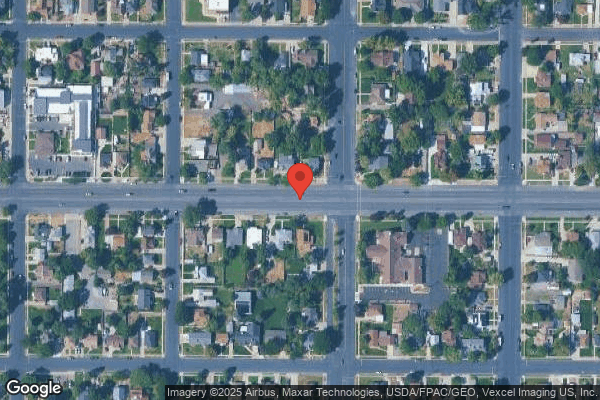
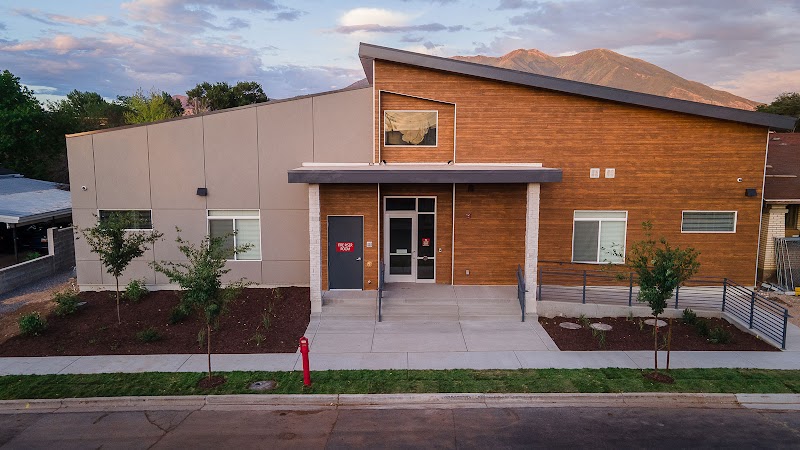
151 East Center Street, Spanish Fork, UT 84660 (801) 798-6220
For profit - Corporation 45 Beds BEAVER VALLEY HOSPITAL Data: November 2025
Trust Grade
38/100
#89 of 97 in UT
Last Inspection: October 2023

Over 2 years since last inspection. Current conditions may differ from available data.

Overview

Spanish Fork Rehabilitation and Nursing has received a Trust Grade of F, indicating significant concerns about the quality of care provided. They rank #89 out of 97 facilities in Utah, placing them in the bottom half of the state for nursing homes, and #11 out of 13 in Utah County, meaning only two local options are worse. While the facility is improving in terms of issues reported, going from 4 in 2021 to 3 in 2023, they still have serious deficiencies, including one incident where a resident suffered a head injury and broken ribs due to inadequate monitoring. Staffing is a major weakness, with a poor 1-star rating, and concerningly less RN coverage than 94% of other state facilities; however, it is notable that they have a 0% staff turnover rate, which is well below the state average. Additionally, the facility has faced $7,443 in fines, which is average, but families should be aware of the serious and concerning incidents reported, including failures to investigate allegations of abuse and neglect thoroughly.
Trust Score
F
38/100
In Utah
#89/97
Bottom 9%
Safety Record
High Risk
Review needed
Inspections
Getting Better
4 → 3 violations
Staff Stability
○ Average
Turnover data not reported for this facility.
Penalties
⚠ Watch
$7,443 in fines. Higher than 85% of Utah facilities, suggesting repeated compliance issues.
Skilled Nurses
⚠ Watch
Each resident gets only 25 minutes of Registered Nurse (RN) attention daily — below average for Utah. Fewer RN minutes means fewer trained eyes watching for problems.
Violations
⚠ Watch
12 deficiencies on record. Higher than average. Multiple issues found across inspections.
★★☆☆☆
2.0
Overall Rating
★☆☆☆☆
1.0
Staff Levels
★★★★★
5.0
Care Quality
★★☆☆☆
2.0
Inspection Score
Stable
2021: 4 issues
2023: 3 issues

The Good

  • 5-Star Quality Measures · Strong clinical quality outcomes
  • Full Sprinkler Coverage · Fire safety systems throughout facility
  • No fines on record

Facility shows strength in quality measures, fire safety.

The Bad

2-Star Overall Rating

Below Utah average (3.3)

Below average - review inspection findings carefully

Federal Fines: $7,443

Below median ($33,413)

Minor penalties assessed

Chain: BEAVER VALLEY HOSPITAL

Part of a multi-facility chain

Ask about local staffing decisions and management

The Ugly 12 deficiencies on record

1 actual harm
Oct 2023 3 deficiencies 1 Harm
SERIOUS (G) 📢 Someone Reported This

A family member, employee, or ombudsman was alarmed enough to file a formal complaint

Actual Harm - a resident was hurt due to facility failures

Free from Abuse/Neglect (Tag F0600)

A resident was harmed · This affected 1 resident

**NOTE- TERMS IN BRACKETS HAVE BEEN EDITED TO PROTECT CONFIDENTIALITY** Based on interview and record review, it was determined, for 1 of 21 sampled residents, that the facility did not ensure each re...

Read full inspector narrative →
**NOTE- TERMS IN BRACKETS HAVE BEEN EDITED TO PROTECT CONFIDENTIALITY** Based on interview and record review, it was determined, for 1 of 21 sampled residents, that the facility did not ensure each residenthas the right to be free from abuse, neglect, misappropriation of resident property, and exploitation. Specifically, a resident fell and experienced a head laceration and broken ribs after not being checked on for an extended period of time. This resulted in a finding of HARM. Resident identifier: 35. Findings included: HARM Resident 35 was admitted to the facility on [DATE] with diagnoses which included hemipareses and hemiplegia of left non-dominant side, lack of coordination, dysphagia, type II diabetes, muscle weakness, lack of coordination, unsteadiness on feet, gastroesophageal reflux disease, hypertension and Crohn's disease. Resident 35's medical record was reviewed on 10/2/23. On 10/2/23 at 10:02 AM, an interview was conducted with resident 35. Resident 35 was observed to have his family member in his room shaving him. Resident 35 was anxious and stated that he did not want to get anyone into trouble but he did fall out of bed and had gotten hurt. An admission Fall Risk assessment dated [DATE] documented, resident 35 was a high fall risk with a score of 55. A score 45 or higher indicated a high fall risk. An admission Functional Abilities assessment dated [DATE] documented, resident 35 was totally dependent for bed mobility, transfers, and toileting hygiene. An admission Minimum Data Set (MDS) assessment dated [DATE] documented, resident 35 required extensive assistance and was a two person physical assist with bed mobility, transfers, and toilet use. A care plan focus dated 7/21/23 documented, The resident is a fall risk r/t [related to]: Hemiplegia and hemiparesis d/t [due to]: hemorrhagic stroke just prior to admission with significant overall weakness and impaired cognition as well as the use of opiate pain medication. Interventions in place were, Anticipate and meet the resident's needs. Keep frequently used items within reach. Follow facility fall protocol if a fall occurs. Staff shall assist to provide the resident with a safe environment to reduce the risk for falls: even floors free from spills and/or clutter; adequate, glare-free light; handrails on walls in the hallway. Interventions documented after the fall on 7/28/23 included, Bed to remain in lowest position at all times. Mandatory staff education provided concerning routine checks on all resident's. Care for residents. A care plan focus dated 7/21/23 documented, The resident has been 100% [percent] incontinent of bowel and bladder during the LBP [left body paralysis] r/t: Hemiplegia and Hemiparesis L [left] side after hemorrhagic CVA [cardiovascular accident] prior to admission and overall muscle weakness and impaired mobility. Interventions in place were, INCONTINENT: Check q [every] 2-3 hrs [hours] and as required for incontinence. Wash, rinse and dry perineum. Change clothing PRN [as needed] after incontinence episodes. The Certified Nursing Assistant (CNA) bed mobility, toilet use and transfer task history for July 27, 2023 revealed resident 35 was provided total assistance with these cares at 9:59 PM and was not assisted again until 3:33 AM the following day. Resident 35's nursing progress notes were reviewed and revealed the following: a. A Skilled Nursing note dated 7/27/23 at 8:31 PM revealed, .Resident [35] is pleasant and compliant with all cares, he requires 2-person assistance with all cares and is incontinent and immobile. b. An Incident Note dated 7/28/23 at 3:09 AM revealed, Found resident on the floor at 0220 [2:20 AM] after hearing him yelling someone help me and his tube feed beeping. Resident was prone with a pool of blood under his head. Nurse had CNA call 911 and had help supporting residents head and neck to turn him face up again. Resident complained of his shoulder and back hurting and said he hit his head and that the IV [intravenous] stand then hit him in the back. Paramedics arrived at close to 0230 [2:30 AM] and did a thorough assessment of resident. It is believed he will need stitches to close the laceration above his right eye. c. A Health Status Note dated 7/28/23 at 5:37 AM revealed, Resident discharged from [local hospital] after falling off the bed at 0230. Resident has broken ribs 7-10 and stitches above his right eye. Physician notified. d. An Event Note dated 8/3/23 at 11:13 AM revealed, Event Description: On 7/28/23 at 0225 [2:25 AM] staff nurse found the resident on the floor after hearing him yelling 'someone help me' and his tube feed beeping. Resident was prone with a pool of blood under his head. Nurse had CNA call 911 and had help supporting residents head and neck to turn him face up again. Room was dark, resident dressed in night time attire. Paramedics arrived at close to 0230 [2:30 AM] and did a thorough assessment of resident. It is believed he will need stitches to close the laceration above his right eye. New interventions: .Resident returned from the hospital with a laceration above his eye and 4 broken ribs. Routine neuro checks and alert charting initiated. After further investigation by DON [Director of Nursing] and watching video footage the resident had not been checked on for 4 1/2 hours by the CNA staff. Education provided to all staff on 7/28/23 for proper care of residents. Administration looking into disciplinary action. Routine neuro checks and alert charting completed. No additional injuries or abnormalities noted. The exhibit 358 had alleged that on 7/28/23 at 2:20 AM, resident 35 fell out of bed. On 7/29/23, the resident's [family member] informed the DON that the resident fell out of bed and experienced a laceration to the head, the residents [family member] felt the fall was result of neglect. Resident was sent to the [local hospital] and rib fractures were detected. Adult Protective Services (APS) and the Ombudsman were notified. The resident experienced increased pain from the head laceration and rib fractures. An investigation was completed by the Administrator (ADM). The allegation was not verified, There is no evidence of abuse or neglect. The corrective actions taken were, NA [Not Applicable]. Summary information from the investigation included, Resident had a recent stroke causing dementia and left side paralysis, BIMS [Brief Interview for Mental Status] score of 13, patient had an unwitnessed fall out of bed on his right side resulting in a laceration to the face which required stitches and three broken ribs. On 10/4/23 at 9:08 AM, an interview was conducted with Registered Nurse (RN) 1. RN 1 stated she heard beeping from resident 35's room so she went to his room and found him on the ground with his pole on top of him. RN 1 stated she told the other staff to call 911 and went to assess the resident. RN 1 stated resident 35 had reached for something and fell out of bed. RN 1 stated there was a lot of blood from the gash on resident 35's head. RN 1 stated resident 35 was not fully coherent at that time during his stay and was unpredictable and was always trying to reach and move with his right arm that had not been affected by the stroke. RN 1 stated resident 35 was a 2 person assist and had his call light pinned to his shirt. RN 1 stated resident 35's bed was at normal height but after that day it was put on the lowest setting and a fall mat was placed on the floor. RN 1 stated resident 35 was not able to tell the staff when he was soiled so the aides were supposed to check on him every 2 hours, and after the fall they were supposed to check on him more often. On 10/4/23 at 9:24 AM, an interview was conducted with CNA 1. CNA 1 stated that resident 35 was assigned to his section on the night of the fall. CNA 1 stated he had gotten behind on his rounds and did not help resident 35 as soon as he should have. CNA 1 stated the nurse found resident 35 on the ground and called for help. CNA 1 stated on the night shift the facility was divided into two sections, one half of the building was for one CNA and the other was for the other CNA. CNA 1 stated they do rounds on the residents every 2 hours for those who need it. CNA 1 stated that resident 35 was a resident who needed checked on at least every 2 hours. CNA 1 stated resident 35 was a 2 person assist, and when they assisted him they would raise the bed up to waist level and then put it back down when finished with cares. CNA 1 stated resident 35's bed was not as low as they kept it now, it was a little below waist level. CNA 1 stated there was not fall mat on the floor. CNA 1 stated resident 35 had not fallen before this incident. CNA 1 stated there was some training the staff went over after the incident occurred. CNA 1 stated resident 35 had just gotten moved to his section and he had honestly forgotten resident 35 was there and that was completely on him. On 10/4/23 at 1:24 PM, an interview was conducted with the DON. The DON stated falls may happen but they were preventable and the staff were expected to make sure the residents were checked on routinely, briefs were changed as needed, and that the resident's needs were met. The DON stated resident 35 fell out of bed and the nurse on duty got emergency services to the facility right away and they took the resident to the hospital. The DON stated the CNA in charge of resident 35's care was new and did not receive support from the other CNA like he should have. The DON stated he had watched the camera recordings from that night and resident 35 had not been checked on for more than 4 hours. The DON stated that the fall resident 35 experienced could have been prevented and was unnecessary. On 10/4/23 at 2:35 PM, an interview was conducted with the ADM. The ADM stated he had investigated resident 35's fall and had talked with the nurse and CNA's but could not locate the notes on the incident. The ADM stated he did not verify it as neglect due to the fact the resident was quite confused at the time and received his injuries from falling out of bed. The ADM stated the services that the facility should have provided were to check on the resident and provide cares as needed. The ADM stated the staff are expected to check on the residents at least every 2 hours if not more. The ADM stated he had no documentation that the resident was not taken care of as he looked at the notes from that date. The ADM stated resident 35 was not a fall risk when the incident occurred and after the incident interventions were put into place. On 10/2/23 the facility Abuse Policy dated 6/14/23 was provided and documented abuse under the section titled, Policy statement as corporal punishment and involuntary seclusion. This facility does not condone resident abuse and shall take every precaution to prevent resident abuse. All occurrences of resident abuse, suspected abuse, neglect and injuries of unknown source shall be promptly reported to the facility abuse coordinator for investigation. Number 7 under the section titled, Definitions defined neglect as, the failure to provide goods and services to a resident necessary to avoid physical harm, pain, mental anguish or emotional distress.
CONCERN (D) 📢 Someone Reported This

A family member, employee, or ombudsman was alarmed enough to file a formal complaint

Potential for Harm - no one hurt, but risky conditions existed

Deficiency F0602 (Tag F0602)

Could have caused harm · This affected 1 resident

**NOTE- TERMS IN BRACKETS HAVE BEEN EDITED TO PROTECT CONFIDENTIALITY** Based on interview and record review, it was determined for 1 of 21 sampled residents, that the facility did not ensure that the...

Read full inspector narrative →
**NOTE- TERMS IN BRACKETS HAVE BEEN EDITED TO PROTECT CONFIDENTIALITY** Based on interview and record review, it was determined for 1 of 21 sampled residents, that the facility did not ensure that the resident was free of misappropriation of resident property. Specifically, a nursing assistant stole a resident's credit card and made several unauthorized purchases with the card. Resident identifier: 11. Findings include: Resident 11 was admitted to the facility on [DATE], and readmitted [DATE] with diagnoses of hemiplegia and hemiparesis following cerebral infarction affecting left non-dominant side, difficulty in walking not elsewhere classified, chronic obstructive pulmonary disease with (Acute) exacerbation, acute and chronic respiratory failure with hypoxia, epilepsy unspecified intractable with status epilepticus, contracture left wrist, major depressive disorder recurrent moderate, generalized anxiety disorder, age-related physical debility, acute candidiasis of vulva and vagina, other lack of coordination, obesity unspecified, lack of physical exercise, unsteadiness on feet, other abnormalities of gait and mobility, gastrointestinal stromal tumor of stomach, muscle wasting and atrophy not elsewhere classified unspecified lower leg, nausea, constipation unspecified, muscle weakness (Generalized), mixed hyperlipidemia, chronic pain syndrome, hypo-osmolality and hyponatremia, cerebral infarction unspecified, syndrome of inappropriate secretion of antidiuretic hormone, gastro-esophageal reflux disease without esophagitis, personal history of malignant neoplasm unspecified, encephalopathy unspecified, anxiety disorder unspecified, and essential (primary) hypertension. On 3/2/23, an entity report was submitted to the state agency. Form 358 summarized that a nursing assistant at the facility had been caught on tape spending over $1500 on Resident 11's missing credit card. Form 359 summarized that Resident 11 had a safe in her room to store valuables, but at the time of the incident she had been storing her credit card in her nightstand. Staff had assisted in a room search after the card went missing and when the card could not be located, Resident 11's family was notified. The facility verified which charges were unapproved and illegal and disputed the unauthorized charges that had been placed on the card. Resident 11's medical record was reviewed 10/2/23 through 10/4/23. On 10/3/23 at 8:37 AM, an interview was conducted with Resident 11. Resident 11 stated that her credit card went missing and that NA 1 was arrested after police found footage of her using Resident 11 ' s credit card at a retailer. Resident 11 stated that NA 1 had to pay back all of the money that she had spent. Resident 11 was unsure how NA 1 was able to get a hold of her credit card as she keeps it in her purse in her room. On 10/04/23 at 8:32 AM, an interview was conducted with the Director of Nursing (DON). The DON stated when this incident occurred Resident 11's daughter had reached out regarding some charges on Resident 11's credit card that she did not recognize. The DON asked Resident 11 what had happened. Resident 11 stated that she thought someone had gone out and purchased items for her. Resident 11's family provided a bank statement and there were charges from vendors that the facility did not purchase from. The DON stated that there are only two staff members that were in charge of purchasing items for residents, the Resident Advocate (RA) and the Activities Director. (AD) The DON stated that Resident 11's daughter had reached out to the AD to ask if she had purchased the unusual items listed on the credit card statement. The DON stated that the police were then contacted. The Police obtained footage of NA 1 using Resident 11's credit card. NA 1 admitted guilt, was immediately terminated, and escorted off the premises in police custody. The DON stated if the facility purchases items for a resident using their personal credit card, they provide the resident with a receipt from the purchase, but the facility does not keep a copy on file. On 10/4/23 at 12:02 PM, an interview was conducted with the RA and AD. The AD stated that when the theft occurred, she had gone to pick up Resident 11's credit card from her room to purchase some items that Resident 11 had requested. The card could not be found and it had been several weeks since Resident 11's last purchase with the card. Resident 11 was unsure of how long the card had been missing. The RA and AD stated that they informed facility administration of the missing credit card. Resident 11 called her daughter and the police were involved in the investigation. Police obtained footage of NA 1 using Resident 11's credit card at a local store. The RA and AD stated that the only staff members that are authorized to make purchases on behalf of a resident are the administrator, the resident advocate, and the activities director. The RA and AD stated that there are lockboxes in both the administrator's office and the resident advocate/activities director office where all residents are encouraged to store cash, credit cards, and other valuables as a precaution. On 10/423 at 1:41 PM, an additional interview was conducted with the DON. The DON stated that no other residents had complained about having money stolen and that the police interrogated NA 1 heavily to find out whether or not she had stolen any other money or property from any other residents in the facility. The DON stated that the AD went around the facility and ensured that no other residents were missing any property. On 10/4/23 at 8:35 AM, NA 1's personnel file was reviewed. NA 1 signed the facility Abuse Training and Policy Statement of Acknowledgement on 12/7/22. NA 1 passed the registry background check on 12/7/22. NA 1 was not a certified nursing assistant at the time of hire or during the time frame the misappropriation of funds occurred. NA 1 had been enrolled in a certified nursing assistant training program. On 10/4/23 at 9:48 AM, an attempted phone call was made to NA 1 using the phone number listed in the personnel file. The phone line was disconnected and not in service.
CONCERN (E) 📢 Someone Reported This

A family member, employee, or ombudsman was alarmed enough to file a formal complaint

Potential for Harm - no one hurt, but risky conditions existed

Investigate Abuse (Tag F0610)

Could have caused harm · This affected multiple residents

**NOTE- TERMS IN BRACKETS HAVE BEEN EDITED TO PROTECT CONFIDENTIALITY** Based on interview and record review it was determined, for 4 of 21 sampled residents, that in response to allegations of abuse,...

Read full inspector narrative →
**NOTE- TERMS IN BRACKETS HAVE BEEN EDITED TO PROTECT CONFIDENTIALITY** Based on interview and record review it was determined, for 4 of 21 sampled residents, that in response to allegations of abuse, neglect, exploitation, or mistreatment the facility did not have evidence that all alleged violations were thoroughly investigated. Specifically, allegations of physical, sexual, and verbal abuse were not thoroughly investigated to determine if abuse occurred. Resident identifiers: 24, 31, 35 and 94. Findings include: 1. Resident 24 was admitted to the facility on [DATE], readmitted [DATE] with diagnoses of hemiplegia and hemiparesis following cerebral infarction affecting right dominant side, unsteadiness on feet, difficulty in walking not elsewhere classified, dysphagia unspecified, multiple sclerosis, type 2 diabetes mellitus without complications, bladder-neck obstruction, chronic kidney disease stage 3 unspecified, chronic idiopathic constipation, pressure ulcer of sacral region stage 3, pressure ulcer of sacral region unstageable, repeated falls, pressure ulcer of sacral region stage 2, urinary tract infection, site not specified, other obstructive and reflux uropathy, acute kidney failure with tubular necrosis, metabolic encephalopathy, encounter for fitting and adjustment of urinary device, acute respiratory failure with hypoxia, pneumonia unspecified organism, other lack of coordination, unspecified abnormalities of gait and mobility, vascular dementia unspecified severity with anxiety, cognitive communication deficit, other symptoms and signs involving cognitive functions and awareness, unspecified symptoms and signs involving cognitive functions and awareness, severe sepsis without septic shock, dysphagia pharyngoesophageal phase, gastro-esophageal reflux disease without esophagitis, muscle weakness (generalized), other abnormalities of gait and mobility, chronic fatigue unspecified, vitamin D deficiency unspecified, long term (current) use of insulin, dysarthria following cerebral infarction, personal history of transient ischemic attack (TIA) and cerebral infarction without residual deficits, paralytic gait, major depressive disorder single episode unspecified, folate deficiency anemia unspecified, essential (primary) hypertension, hypothyroidism unspecified, and hyperlipidemia unspecified. Resident 24's medical record was reviewed 10/2/23 through 10/4/23. Resident 24 was noted to have a Brief Interview for Mental Status (BIMS) score of 3, suggesting a severe cognitive impairment. On 10/03/23 at 9:53 AM, an attempt was made to conduct an interview with Resident 24 in his room regarding this incident. Resident 24 was non-interviewable. On 10/4/23 at 9:20 AM an interview was conducted with Registered Nurse 1 (RN 1). RN 1 stated that Resident 24 will sometimes brush his hand against her rear end. RN 1 stated that she was told that Resident 24 had sexual behaviors. He will constantly try to grab employees and other residents. If he is redirected, he will stop immediately. RN 1 stated that his behaviors generally happened in the dining room. RN 1 stated Resident 24 was seated near another male resident and was not seated by women during mealtimes. On 10/4/23 at 1:31 PM, an interview was conducted with the Director of Nursing (DON). The DON stated that Resident 24 has sexual tendencies that the facility monitors. The DON stated that interventions for these tendencies included removing Resident 24 from the situation and redirecting him. The DON stated that Resident 24 was aware that his behaviors are inappropriate. The DON stated that Resident 24 had exposed himself to staff several times in his room. The DON stated that no female residents should be in male rooms. The DON also stated that Resident 24 only comes out of his room during mealtimes. The facility abuse binder was reviewed. The only documentation for this investigation were Forms 358 and 359. 2. Resident 31 was admitted to the facility on [DATE] with diagnoses which included dementia, peripheral vascular disease, hypertension, lack of coordination, other amnesia, osteoporosis, and muscle weakness. Resident 31's medical record was reviewed on 10/2/23. The exhibit 358 revealed that staff became aware of the incident on 4/6/23 at 11:15 AM. The exhibit revealed that resident 31 alleged, [Resident 24] tried to kiss resident [31] and flashed his genitals. The exhibit 359 revealed that Per interview [resident 31] stated that she went into resident 24's room to check on him after lunch and give him some water, he asked her to come close so he could hear her, when she came close he tried to pull her in for a kiss, she said they're not like (sic) and she's not interested in that and she pulled away. Then he began undoing his pants and exposed his genitalia. She said I don't want any part of that, that's not how we are and left the room. Stated she hasn't talked with him since. A summary of interviews of the staff revealed, RN was made aware of the allegation on 4/6 and immediately informed the administrator. Only information made aware to her was that of the incident, she was not a witness to the incident. Staff were not made aware of any incidents between [resident 31] and [resident 24] on the day of the alleged incident. [Resident 24] is a LTC (Long Term Care) resident that admitted [DATE]. He is currently being treated with a primary diagnosis of Hemiplegia and Hemiparesis following Cerebral Infarction affecting right dominant side. He has a most recent BIMS (Brief Interview of Mental Status) score of 3. [Resident 24] has difficulties with communication, although he can express himself he has muffled/slurred speech, he also has other symptoms and sight involving cognitive functions and awareness. [Resident 31] admitted [DATE]. She is currently being treated with a primary diagnosis of Dementia. She has a most recent BIMS score of 9. She fairly independent with mobility and has enjoyed being of service to some of her fellow residents that are not as mobile, and enjoys new friendships. Resident 31 has been assisting to make sure her friends have water and get to and from activities. She went to check in on [resident 24] the day of the allegation after lunch and bring him some water, it is then that she stated he tried to kiss her and exposed himself to her. She left his room and has not had interaction with him since. She has stated she does not feel threatened by him in any way, that sharing the dining room with him still in comfortable and as they are both in separate hallways and she will not be going into his room that she is comfortable and safe. There were no additional interviews provided. On 10/2/23 at 1:11 PM, an interview was conducted with resident 31. Resident 31 stated there was a man who lived at the facility who would pull her in and kiss her. Resident 31 stated the man was resident 24. One day she made the mistake of going to his room and he pulled her down to give her a kiss, he was lying in bed. Resident 31 stated that before she knew it he had unzipped his pants and was playing with his genitals and then wanted her to play with his genitals. Resident 31 stated she left his room right away but did not tell anyone at the facility about it. Resident 31 stated that a police officer came to talk with her and that nothing has happened since with the man. Resident 31 stated she liked to help all of the residents with their bibs at lunch time or if they needed water but they told her that she can not do that anymore. Resident 31 stated she feels safe in the facility and has not had any other interactions with resident 24. Resident 31 stated she has good friends at the facility and the staff are kind and take good care of her. On 10/4/23 at 1:33 PM, an interview was conducted with the Director of Nursing (DON). The DON stated that resident 24 had sexual tendencies. The DON stated they try to keep the residents safe by monitoring those tendencies, removing the person from those situations, and being aware. The DON stated he was unaware of this incident but would look into it. The DON stated the staff will usually inform him and he can go talk with resident 24. The DON stated he will talk with resident 31 to ensure she is ok and will make sure all safety guards are in place. The DON stated the residents are on two different hallways so it is odd that resident 31 would have been in resident 24's room. 3. Resident 35 was admitted to the facility on [DATE] with diagnoses which included hemipareses and hemiplegia of left non-dominant side, lack of coordination, dysphagia, type II diabetes, muscle weakness, lack of coordination, unsteadiness on feet, gastroesophageal reflux disease, hypertension and Crohn's disease. Resident 35's medical record was reviewed on 10/2/23. Exhibit 358 revealed the staff became aware of the incident on 7/28/23 at 2:20 AM. The exhibit revealed, Resident's [family member] reported that the Resident had fallen out of bed on 07/29/2023 and feels like it was due to neglect. Resident was assessed and a laceration to the head was found as well as a rib fracture. The Resident complained of increased pain due to injuries and was sent to the hospital for an evaluation. APS (Adult Protective Services) and Ombudsman were notified. Exhibit 359 revealed, Per interview, resident [35] is confused and does not remember. A summary on interviews of the staff revealed, Patients wife told DON that she felt the fall was a result of neglect. The nurse in charge that night was walking down the hall when she heard a cry for help. She responded immediately providing proper care until EMS (Emergency Medical Services) arrived. Resident [35] had a recent stroke causing dementia and left side paralysis, BIMS score of 13, patient had an unwitnessed fall out of bed on his right side resulting in a laceration to the face which required stitches and three broken ribs. There were no additional interviews provided. On 10/2/23 at 10:02 AM, an interview was conducted with resident 35. Resident 35 was observed to have his family member shaving him. Resident 35 was anxious and stated that he did not want to get anyone in trouble but he had fallen out of bed and gotten hurt. An admission Fall Risk assessment dated [DATE] documented, resident 35 was a high fall risk with a score of 55. A score 45 or higher indicated a high fall risk. An admission Functional Abilities assessment dated [DATE] documented, resident 35 was dependent for bed mobility, transfers and toileting hygiene. An admission Minimum Data Set (MDS) dated [DATE] documented, resident 35 required extensive assistance and was a two person physical assist with bed mobility, transfers and toilet use. Resident 35's nursing progress notes were reviewed and revealed the following: a. A Skilled Nursing note dated 7/27/23 at 20:31 (8:31 PM) revealed, .Resident [35] is pleasant and compliant with all cares, he requires 2-person assistance with all cares and is incontinent and immobile. b. An Incident Note dated 7/28/23 at 3:09 AM revealed, Found resident on the floor at 0220 (2:20 AM) after hearing him yelling someone help me and his tube feed beeping. Resident was prone with a pool of blood under his head. Nurse had CNA call 911 and had help supporting residents head and neck to turn him face up again. Resident complained of his shoulder and back hurting and said he hit his head and that the IV (intravenous) stand then hit him in the back. Paramedics arrived at close to 0230 (2:30 AM) and did a thorough assessment of resident. It is believed he will need stitches to close the laceration above his right eye. c. A Health Status Note dated 7/28/23 at 5:37 AM revealed, Resident discharged from [local hospital] after falling off the bed at 0230 (2:30 AM). Resident has broken ribs 7-10 and stitches above his right eye. Physician notified. d. An Event Note dated 8/3/23 at 11:13 AM revealed, Event Description: On 7/28/23 at 0225 (2:25 AM) staff nurse found the resident on the floor after hearing him yelling someone help me and his tube feed beeping. Resident was prone with a pool of blood under his head. Nurse had CNA (Certified Nursing Assistant) call 911 and had help supporting residents head and neck to turn him face up again. Room was dark, resident dressed in night time attire. Paramedics arrived at close to 0230 (2:30 AM) and did a thorough assessment of resident. It is believed he will need stitches to close the laceration above his right eye. New interventions: .Resident returned from the hospital with a laceration above his eye and 4 broken ribs. Routine neuro checks and alert charting initiated. After further investigation by DON and watching video footage the resident had not been checked on for 4 1/2 hours by the CNA staff. Education provided to all staff on 7/28/23 for proper care of residents. Administration looking into disciplinary action. Routine neuro checks and alert charting completed. No additional injuries or abnormalities noted. The exhibit 358 had alleged that on 7/28/23 at 2:20 AM, resident 35 fell out of bed. On 7/29/23 the resident's [family member] informed the DON that the resident fell out of bed and experienced a laceration to the head, the residents [family member] felt the fall was result of neglect. Resident was sent to the [local hospital] and rib fractures were detected. APS and the Ombudsman were notified. The resident experienced increased pain from the head laceration and rib fractures. An investigation was completed by the Administrator (ADM). The allegation was not verified, There is no evidence of abuse or neglect. The corrective actions taken were, NA (Not Applicable). Summary information from the investigation included, Resident had a recent stroke causing dementia and left side paralysis, BIMS score of 13, patient had an unwitnessed fall out of bed on his right side resulting in a laceration to the face which required stitches and three broken ribs. On 10/4/23 at 9:24 AM, an interview was conducted with CNA 1. CNA 1 stated that resident 35 was assigned to his section on the night of the fall. CNA 1 stated he had gotten behind on his rounds and did not help resident 35 as soon as he should have. CNA 1 stated the nurse found resident 35 on the ground and called for help. CNA 1 stated on the night shift the facility was divided into two sections, one half of the building was for one CNA and the other was for the other CNA. CNA 1 stated they do rounds on the residents every 2 hours for those who need it. CNA 1 stated that resident 35 was a resident who needed checked on at least every 2 hours. CNA 1 stated resident 35 was a 2 person assist, and when they assisted him they would raise the bed up to waist level and then put it back down when finished with cares. CNA 1 stated resident 35's bed was not as low as they kept it now, it was a little below waist level. CNA 1 stated there was not fall mat on the floor. CNA 1 stated resident 35 had not fallen before this incident. CNA 1 stated there was some training the staff went over after the incident occurred. CNA 1 stated resident 35 had just gotten moved to his section and he had honestly forgotten resident 35 was there and that was completely on him. On 10/4/23 at 1:24 PM, an interview was conducted with the DON. The DON stated falls may happen but they were preventable and the staff were expected to make sure the residents were checked on routinely, briefs were changed as needed, and that the resident's needs were met. The DON stated resident 35 fell out of bed and the nurse on duty got emergency services to the facility right away and they took the resident to the hospital. The DON stated the CNA in charge of resident 35's care was new and did not receive support from the other CNA like he should have. The DON stated he had watched the camera recordings from that night and resident 35 had not been checked on for more than 4 hours. The DON stated that the fall resident 35 experienced could have been prevented and was unnecessary. On 10/4/23 at 2:35 PM, an interview was conducted with the ADM. The ADM stated he had investigated resident 35's fall and had talked with the nurse and CNA's but could not locate the notes on the incident. The ADM stated he did not verify it as neglect due to the fact the resident was quite confused at the time and received his injuries from falling out of bed. The ADM stated the services that the facility should have provided were to check on the resident and provide cares as needed. The ADM stated the staff are expected to check on the residents at least every 2 hours if not more. The ADM stated he had no documentation that the resident was not taken care of as he looked at the notes from that date. The ADM stated resident 35 was not a fall risk when the incident occurred and after the incident interventions were put into place. 4. Resident 94 was admitted to the facility on [DATE] with diagnoses which included paranoid schizophrenia, unsteadiness on feet, diabetes type II, chronic kidney disease, delusional disorder, seizures, dementia and hypertension. Resident discharged from the facility on 3/22/23. Resident 94's medical record was reviewed on 10/2/23. Exhibit 358 revealed that staff became aware of the incident on 3/16/23 at 8:15 AM. The exhibit revealed, Resident 94 had eloped from the facility, resident [94] reported a fall but workup and imaging completed with no major injuries, minor laceration to elbow. Exhibit 359 revealed that, Per interview, resident [94] unable to express comprehensive story line, but continually stated he wanted to get out for a walk, thought he lived in [NAME], and he needed to get a job so he went to look for a job. A summary on interview of the staff revealed, Resident has has continued wandering and exit seeking behaviors. Has had hallucinations of someone else in his room or that he no longer lives in the facility and cannot go to his room to sleep. States he needs to leave to go to his job. Has required frequent checks and constant redirection. [Resident 94] is a Long Term Care resident who has been with us since November 2022. [Resident 94] has a primary diagnosis of Paranoid Schizophrenia, he also has Dementia and suffers from hallucinations and delusions. He has a history of Homelessness and on his most recent BIMS he scored a 4/15. [Resident 94] has had one other elopement in the past and has had a wander guard on his right wrist since. As previously mentioned he did experience a fall while out of the facility and was treated in the ER, (emergency room) imaging was completed with no complications or major injury, his skin tear was treated with standard bandages. [Resident 94] normally is very pleasant and cooperative with care, he does wander the facility and is typically easily redirected but as of late with his hallucinations he has had an increase in exit seeking behavior and has required frequent supervision. A care plan focus dated 1/13/23 documented, At risk for injury due to wandering resident has wandered away from this facility without signing out on LOA (Leave of Absence) as well as Dx (diagnosis) of paranoid schizophrenia with use of scheduled psychotropic medication. Interventions put in place were, Encourage resident to stay in common areas of building for observation if needed. Resident to wear wandergaurd. Skin to be checked beneath wander guard QD (every day) for s/sx (signs/symptoms) breakdown. Wander guard to be checked weekly for proper functioning. When wandering, redirect resident to another activity. Wander assessment to be completed quarterly and prn to monitor for ongoing need of wandergaurd. Anticipate and meet the resident's needs. Keep frequently used items within reach. An admission Wander/Elopement Risk evaluation dated 11/29/23 documented, Resident [94] has been assessed and deemed to not be a wander/elopement risk. An other Wander/Elopement Risk evaluation dated 1/13/23 documented, Resident [94] has been re-assessed and deemed to be a wander/elopement risk. On 10/04/23 at 1:18 PM, an interview was conducted with the DON. The DON stated that when resident 94 first came to the facility he was not a wander risk, he liked to walk around but he didn't try to leave. The DON stated that each door had a shut down on it if the resident who wore a wander guard got within 5 feet the door would lock automatically. The DON stated the maintenance man routinely checks the doors to make sure the alarms worked. The DON stated resident 94 liked to wander. The DON stated resident 94 liked to hang around in the dining room and when the nurses were doing their walking rounds he was able to slip out the door in the dining area. The DON stated while they looked for resident 94 the local hospital called and told them he was a patient in the emergency room. The DON stated a bystander had seen him and taken him to the local fire department and they had transported him to the hospital. The DON stated he reviewed the camera footage from the facility and the staff had seen resident 94 a few minutes prior to him leaving. The DON stated there was a malfunction with the dining room door and after that they had to manually lock the whole door. The DON stated the door company came and fixed it the next day. The DON stated based on those things and to keep the resident safe it was recommended he be transferred to a more secure location. On 10/04/23 at 2:30 PM, an interview was conducted with the ADM. The ADM stated the maintenance man kept logs of checking the doors. An observation was made of the log that was done for August of the routine door checks. The ADM stated he was unsure where the other logs were since the maintenance employee had since stopped working there. The ADM stated the transportation director would be doing the door audits now and he will do them twice weekly.
Nov 2021 4 deficiencies
CONCERN (D)

Potential for Harm - no one hurt, but risky conditions existed

Comprehensive Care Plan (Tag F0656)

Could have caused harm · This affected 1 resident

**NOTE- TERMS IN BRACKETS HAVE BEEN EDITED TO PROTECT CONFIDENTIALITY** Based on observation, interview, and record review it was determined that the facility did not develop and implement a comprehen...

Read full inspector narrative →
**NOTE- TERMS IN BRACKETS HAVE BEEN EDITED TO PROTECT CONFIDENTIALITY** Based on observation, interview, and record review it was determined that the facility did not develop and implement a comprehensive person-centered care plan for each resident, consistent with the resident rights, that included measurable objectives and timeframe's to meet a resident's medical, nursing, mental and psychosocial needs that were identified in the comprehensive assessment. Specifically, a resident with an active diagnosis, medical orders for medication and monitoring of anxiety did not have anxiety addressed in the resident's care plan. This occurred for 1 of 19 sampled residents. Resident identifier: 18. Findings include: Resident 18 was initially admitted to the facility on [DATE] and readmitted on [DATE] with diagnoses that included acute respiratory failure with hypoxia, pneumonia, atrial fibrillation, chronic pain syndrome, emphysema, major depressive disorder, and major anxiety disorder. On 11/8/21, resident 18's medical record was reviewed. On 10/1/21, resident 18's admission Minimum Data Set (MDS) Comprehensive Assessment revealed that resident 18 had an active diagnosis for an anxiety disorder. On 9/20/21, when resident 18 was admitted to the facility, resident 18's physician ordered the following two medications to treat resident 18's anxiety disorder: 1. Hydroxyzine hydrochloride (HCl) 25 milligrams (mg) by mouth every 4 hours as needed for Anxiety. Start Date: 9/20/21. End Date: 10/20/21. 2. Alprazolam 0.5 mg by mouth three times a day as needed. Start Date 9/20/21. On 9/26/21, resident 18's physician ordered the following monitoring: 1. ALPRAZOLAM ANTI-ANXIETY MEDICATION SIDE EFFECT (S/E) MONITORING: 0. NONE, 1. DROWSINESS, 2. DIZZINESS, 3. NAUSEA/VOMITING, 4. DRY MOUTH, 5. CONSTIPATION, 6. HEADACHE, 7. FATIGUE, 8. CONFUSION, 9. DEPRESSION, 10. HALLUCINATIONS, 11. ATAXIA OR DRUNK WALK, 12. PALPITATIONS, 13. AGGRESSIVE/IMPULSIVE BEHAVIOR. Monitor every shift for Use of Anti-Anxiety Medications IF NO S/E, MARK 0. IF EXPERIENCING S/E, ENTER number (#) OF ASSOCIATED S/E OR S/E'S patient (PT) IS EXPERIENCING. Start Date: 9/27/21. 2. ALPRAZOLAM BEHAVIOR MONITORING: # OF VERBALIZATIONS OF ANXIETY Q SHIFT. Monitor every shift. Start Date: 9/27/21. Resident 18's current care plan, initiated on 9/27/21, was reviewed. There were no problems, goals or interventions associated with resident 18's anxiety included in her care plan. On 11/10/21 at 9:50 AM, an interview was conducted with the facility's Director of Nursing (DON). Resident 18's active diagnoses, medical orders and care plan were reviewed with the DON. The DON acknowledged that resident 18's care plan should have included resident 18's problem of anxiety with goals and interventions.
CONCERN (D)

Potential for Harm - no one hurt, but risky conditions existed

Deficiency F0685 (Tag F0685)

Could have caused harm · This affected 1 resident

**NOTE- TERMS IN BRACKETS HAVE BEEN EDITED TO PROTECT CONFIDENTIALITY** Based on interview, observation and record review it was determined the facility did not ensure that the resident received prope...

Read full inspector narrative →
**NOTE- TERMS IN BRACKETS HAVE BEEN EDITED TO PROTECT CONFIDENTIALITY** Based on interview, observation and record review it was determined the facility did not ensure that the resident received proper treatment and assistive devices to maintain vision abilities. Specifically, for 1 out of 19 sampled residents, a resident received a new prescription for eye glasses and the new glasses were not ordered as the resident believed they had been. Resident identifier: 1. Findings include: Resident 1 was admitted to the facility on [DATE] with diagnoses which included paranoid schizophrenia, atrial fibrillation, pulmonary embolism, dysphagia, abnormal gain and mobility, mild cognitive impairment, anxiety disorders, muscle weakness, unspecified lack of coordination, and extrapyramidal and movement disorder. On 11/8/21 at 9:30 AM, resident 1 was observed in her room. Resident 1 was interviewed and stated her eyeglasses were missing. Resident 1 stated she had difficulty seeing and writing without her eyeglasses unless she put her face very close to the object. No eyeglasses were observed on her bedside table. Resident 1 stated she had gone to the doctor and was supposed to be getting new ones. On 11/9/21, a record review was completed of resident 1's electronic medical record. On 9/13/21, a Physician Visit Note revealed orders for prescription glasses to replace lost ones and Latanoprost .005% Opthalmic GTTS (drops). On 9/13/21, a Health Status Note revealed that resident had visited with the eye doctor and the new order for eye drops was sent to the pharmacy and that the house medical doctor (MD) was made aware. There was no mention of the new eye glasses prescription in the note. The September medication administration record (MAR) revealed the administration of the Latanoprost eye drops began September 22, 2021. On 5/27/21, a care plan focus for resident 1 was revised that stated the resident exhibits impaired activity patterns manifested by poor health limiting activity involvement. An intervention directed toward vision impairment was in place to encourage the resident to sit close to the speaker. No care plan focus, goal or interventions were in place for eye glasses. On 11/09/21 at 11:30 AM, an interview was conducted with the Resident Advocate (RA). The RA stated the process for new physician orders was they go through the Director of Nursing (DON) then they are given to the RA to get scheduled. The RA stated she was unaware of any prescription needed by the resident. The RA stated that the RA or the Administrator (ADM) are the ones who will take the residents to get new eye glass frames if they are needed. On 11/09/21 at 11:51 AM, an interview was conducted with CNA 1 & CNA 2. CNA 1 & CNA 2 stated the resident did have glasses a couple of months ago but sometimes she will hide things and they are hard to find. We could not find them so we reported them missing to nursing. If something is missing we will try to find it, then we tell the RA, then everyone tries to find it, if it is clothes we will replace it, if it is money they do an investigation. The resident has not gotten any new glasses. On 11/10/21 at 11:31 AM, an interview was conducted with RN 2. RN 2 stated if she needed to find out if a resident wore glasses she would look in the skilled nurse charting for information about whether a resident used eye glasses, contacts or hearing aids. The admission assessment would also help with this information. On 11/09/21 at 12:00 PM, an interview was conducted with the DON. The DON stated if the resident needed appointments then the medical doctor (MD) would approve the appointment to be scheduled and the DON would put the orders in the electronic medical record, then the RA would get the appointments scheduled. The DON stated on the return of the appointment the DON or the nurse on duty will put the orders in the electronic medical record and fill out a notification sheet to send to the MD making them aware of any requested changes. If a MD comes to the facility the process is that the MD will send us the notes and recommendations and the DON get them put in the medical record and ordered if needed. The DON stated he was not sure the resident even had glasses. After viewing the prescription order the DON stated that with this resident the glasses order was missed and the resident was not taken to get her new glasses.
CONCERN (D)

Potential for Harm - no one hurt, but risky conditions existed

Medication Errors (Tag F0758)

Could have caused harm · This affected 1 resident

**NOTE- TERMS IN BRACKETS HAVE BEEN EDITED TO PROTECT CONFIDENTIALITY** Based on observation, interview and medical record review it was determined that the facility did not ensure that PRN (as needed...

Read full inspector narrative →
**NOTE- TERMS IN BRACKETS HAVE BEEN EDITED TO PROTECT CONFIDENTIALITY** Based on observation, interview and medical record review it was determined that the facility did not ensure that PRN (as needed) orders for psychotropic drugs were limited to 14 days, except if the attending physician or prescribing practitioner believed that it was appropriate for the PRN order to be extended beyond 14 days and he or she documented their rationale in the resident's medical record and indicated the duration for the PRN order. Specifically, a resident, who had psychotropic drug PRN orders that remained active for more than 14 days without a duration specified by the prescribing practitioner. This occurred for 1 of 19 residents. Resident identifier: 18. Findings include: Resident 18 was initially admitted to the facility on [DATE] and readmitted on [DATE] with diagnoses that included acute respiratory failure with hypoxia, pneumonia, atrial fibrillation, chronic pain syndrome, emphysema, major depressive disorder, and major anxiety disorder. On 11/8/21, resident 18's medical record was reviewed. On 10/1/21, resident 18's admission Minimum Data Set (MDS) Comprehensive Assessment revealed that resident 18 had an active diagnosis for an anxiety disorder. On 9/20/21, when resident 18 was admitted to the facility, resident 18's physician ordered the following two psychotropic medications to treat resident 18's anxiety disorder: 1. Hydroxyzine hydrochloride (HCl) 25 milligrams (mg) by mouth every 4 hours as needed [PRN] for Anxiety. Start Date: 9/20/21. End Date: 10/20/21. (Note: This psychotropic drug PRN order remained active for 30 days.) 2. Alprazolam [Xanax] 0.5 mg by mouth three times a day as needed [PRN]. Start Date 9/20/21. (Note: This psychotropic drug PRN order was still active at the time of survey.) Review of resident 18's September 2021, October 2021 and November 2021 Medication Administration Records (MAR) revealed resident 18 had received both Hydroxyzine HCl and Xanax as ordered for anxiety. Monthly pharmacy reviews were completed. • September 2021's pharmacy review found no irregularities. • October 2021's pharmacy review had no recommendations related to the two active psychotropic drug PRN orders, which had both exceeded 14 days. On 10/20/21, a Psychotropic Meeting was held and resident 18's two psychotropic drug PRN orders were reviewed. The Psychotropic Meeting Review form included the following: Committee recommendations: The Psychotropic committee reviewed residents [resident 18's] medications and behavior tracking since admission. Committee recommends to discontinue residents [resident 18's] Hydroxyzine and review again next month in November. Additional notes: MD (Medical Doctor) to write a note on the resident's [resident 18's] use of Alprazolam. On 10/20/21 at 1:03 PM, an MD Progress Note read, [Resident 18] was reviewed in psychotropic meeting today. She takes prn hydroxyzine and prn xanax. Will dc (discontinue) prn hydroxyzine. Continuing prn xanax is warranted given the level of anxiety she has. She will be referred to PASRR (Preadmission Screening and Resident Review) for level 2. Will continue to track behaviors and review at psychotropic meetings. (Note: no duration was provided for the PRN Xanax medication order.) On 11/10/21 at 9:50 AM, an interview was conducted with the facility's Director of Nursing (DON). Resident 18's psychotropic drug PRN orders were discussed with the DON. The DON stated that resident 18's psychotropic drugs were reviewed in the October Psychotropic Meeting and that resident 18's physician was going to write a note in resident 18's medical record related to resident 18's continued use of Xanax PRN. Resident 18's physician note was reviewed and the DON acknowledged that there was no duration added to resident 18's Xanax PRN order. The DON stated that there was no other documentation from resident 18's physician that documented the duration of this psychotropic PRN medication. The DON stated that resident 18's physician would be in the facility that day and that he would ask resident 18's physician to add a specific duration to resident 18's Xanax PRN order.
CONCERN (E)

Potential for Harm - no one hurt, but risky conditions existed

Deficiency F0886 (Tag F0886)

Could have caused harm · This affected multiple residents

**NOTE- TERMS IN BRACKETS HAVE BEEN EDITED TO PROTECT CONFIDENTIALITY** Based on interview and record review the facility did not conduct COVID-19 testing based on the criteria for conducting testing ...

Read full inspector narrative →
**NOTE- TERMS IN BRACKETS HAVE BEEN EDITED TO PROTECT CONFIDENTIALITY** Based on interview and record review the facility did not conduct COVID-19 testing based on the criteria for conducting testing of asymptomatic individuals, such as the positivity rate of COVID-19 in a county. Specifically, unvaccinated staff were not tested twice a week when the county positivity rate was High >10%). This occurred for 2 out of 5 sampled staff members. Findings include: Center for Medicare and Medicaid Services (CMS) Memo QSO (Quality Safety & Oversight)-20-38-NH, revised on 4/27/21, reads, Routine testing of unvaccinated staff should be based on the extent of the virus in the community. Fully vaccinated staff do not have to be routinely tested. Facilities should use their county positivity rate in the prior week as the trigger for staff testing frequency. [Community COVID-19 activity is High when the county positivity rate in the past week was >10% and minimum testing frequency of unvaccinated staff is twice a week.] The Utah County positivity rates used to determine the frequency for routine unvaccinated staff testing were as follows: • [DATE] Week 1 (10/3/21 to 10/9/21) Prior week's county positivity rate: 11.9% • [DATE] Week 2 (10/10/21 to 10/16/21) Prior week's county positivity rate: 12.2% • [DATE] Week 3 (10/17/21 to 10/23/21) Prior week's county positivity rate: 12.1% • [DATE] Week 4 (10/24/21 to 10/30/21) Prior week's county positivity rate: 11.5% • [DATE] Week 1 (10/31/21 to 11/6/21) Prior week's county positivity rate: 12.5% • (Note: the Utah County positivity rate during these testing weeks was > 10% requiring twice a week testing of unvaccinated employees.) The Director of Nursing (DON) was designated as the facility's Infection Preventionist and COVID-19 Vaccine Supervisor. On 11/9/21, five employees from the list of staff, who had not been vaccinated for COVID-19 were selected as a sample to review. The COVID-19 staff testing logs for October 2021 and November 2021, provided by the DON, were reviewed and revealed the following: 1. Employee 1 met the routine COVID-19 testing requirements 2. Employee (EMP) 2 worked during weeks 1 and 2 of [DATE], however EMP 2 was not tested by the facility for COVID-19 during those two weeks. There were notes in the COVID-19 staff testing log that EMP 2 was reminded to be tested 2 times a week on 10/5/21, 10/7/21, 10/12/21 and 10/14/21. EMP 2 was tested twice a week for COVID-19 during weeks 3 and 4 of October 2021 and week 1 of November 2021. 3. Employee 3 was left off the work schedule and did not need COVID-19 testing. 4. Employee 4 met the routine COVID-19 testing requirements 5. Employee 5 met the routine COVID-19 testing requirements for [DATE] Week 1. EMP 5 did not work [DATE] Week 2. EMP 5 was tested on ly one during [DATE] Weeks 3 and 4 (Received testing on 10/21/21 and 10/26/21). EMP 5 was tested twice on November 2021 Week 1. On 11/9/21 at 1:42 PM, an interview was conducted with the DON. The DON acknowledged that EMP 2 was not tested as required. The DON stated that EMP 5 misunderstood the testing requirements because she was in the process of receiving the COVID-19 vaccine. EMP 5 received her first COVID-19 dose on 10/26/21 and was scheduled to receive her second COVID-19 dose next week.
Aug 2019 5 deficiencies
CONCERN (D)

Potential for Harm - no one hurt, but risky conditions existed

Deficiency F0692 (Tag F0692)

Could have caused harm · This affected 1 resident

**NOTE- TERMS IN BRACKETS HAVE BEEN EDITED TO PROTECT CONFIDENTIALITY** Based on observation, interview, and record review it was determined, for 1 of 21 sample residents, that the facility did not en...

Read full inspector narrative →
**NOTE- TERMS IN BRACKETS HAVE BEEN EDITED TO PROTECT CONFIDENTIALITY** Based on observation, interview, and record review it was determined, for 1 of 21 sample residents, that the facility did not ensure that residents maintained acceptable parameters of nutritional status unless the resident's clinical condition demonstrated that this was not possible. Specifically, one resident did not have consistent recommendations by the facility Registered Dietitian while the resident had a weight loss of 19.55%. Resident identifier: 16 Findings include: Resident 16 was admitted to the facility on [DATE] with diagnoses which included gastroesophageal reflux disease, arthritis, dementia, major depressive disorder, hypertension, diabetes mellitus and insomnia. On 7/29/19 at 12:14 PM, an observation was made of resident 16 as she was in her room for lunch. Resident 16 was observed to have her lunch in front of her. Resident 16 was observed not to eat. On 7/29/19 at 12:14 PM, an interview was conducted with resident 16. Resident 16 stated that she did not want the sweet and sour chicken as she was allergic to chicken. Resident 16 stated that the food was not very good. On 7/29/19 at 12:36 PM, an interview was conducted with resident 16. Resident 16 stated that she ate her cookie. An observation of resident 16's lunch revealed that she drank her Med Pass 60 milliliters (ml). Resident 16 stated that she was not offered an alternative for lunch. On 7/30/19 at 12:10 PM, an observation was made of resident 16 as she was in her room for lunch. Resident 16 was observed to have her lunch in front of her. Resident 16 was observed not to eat. On 7/31/19 resident 16's medical record was reviewed. The weight's for resident 16 revealed the following: a. 5/1/2019 12:54 169.8 Lbs (pounds). b. 5/6/2019 23:56 168.2 Lbs. c. 5/14/2019 15:14 162.4 Lbs. d. 5/21/2019 10:06 159.2 Lbs. e. 5/27/2019 12:38 153.2 Lbs. f. 6/5/2019 08:48 149.8 Lbs. g. 6/11/2019 10:52 147.5 Lbs. h. 6/18/2019 09:49 146.3 Lbs. i. 6/25/2019 10:46 142.6 Lbs. j. 7/1/2019 13:21 143.6 Lbs. k. 7/8/2019 15:33 143.2 Lbs. l. 7/16/2019 13:13 141.6 Lbs. m. 7/23/2019 10:36 139.6 Lbs. n. 7/30/2019 15:33 136.6 Lbs. Resident 16's weights revealed that she had significant weight loss of 9.78% in the first month after admission to the facility and significant weight loss of 19.55% in three months after admission to the facility. The Registered Dietitian Notes revealed the following entries: a. 5/21/2019 11:13 (AM) Nutrition/Dietary Note Note Text: Discussed in nutrition risk committee meeting due to significant overall weight loss since admission. Weight has declined 6.2% x ~ 3 weeks despite reports and observations of good oral intake. Resident is known to eat 75-100% of most regular portioned meals. She enjoys meals in the dining room. Her blood sugars vary widely despite consistent oral intake. IDT (Interdisciplinary Team) decided to continue weight monitoring and make no changes att (at this time). If further weight loss noted, will re-evaluate and change plan of care. b. 6/5/2019 20:03 (8:03 PM) Nutrition/Dietary Note Note Text: Discussed in nutrition risk committee meeting with RD, DON (Director of Nursing), DM (Dietary Manager) attending. CBW (Current Body Weight)=149.8# which indicates a loss of 2.2% x 1 week, and 10.9% x 1 month. Staff reports that resident has been weak with increased pain and decreased mobility. Blood sugars have alsobeen (sic) variable with highs and lows noted. Intake appears to have declined and staff indicates her appetite has declined as well. NSA (no sugar added) med pass will be added for supplementation. Will ctm (continue to monitor). A weight change note revealed, 6/18/2019 11:45 Weight Change Note Note Text: WEIGHT WARNING: Value: 146.3 Vital Date: 2019-06-18 09:49:00.0 -5.0% change [ 8.1% , 12.9 ] -7.5% change [ 13.8% , 23.5 ] -10.0% change [ 13.8% , 23.5 ] Discussed in nutrition risk committee meeting with RD, DON, and DM attending. CBW is down a small amount from last week. Weight down significantly overall as indicated above. Weight more stable x 2 weeks. Resident accepts 100% of med pass on most occasions. Staff has indicated that resident will not/can not cut up her own meat, and if not done forher (sic) she will not eat it. Chopped meat has been added to orders and care plan. Staff will assist her and provide her meals in a way that she can and will easily eat. Will ctm. A physician's note revealed, 6/26/2019 11:44 MD Progress Note Late Entry: Note Text: Recertification visit s: [Resident name redacted] has not had any new illnesses or injuries. She has chronic pain. FLACC scores show pain appears to be under control with current meds. She has had weight loss but weight has been stabilizing the past couple weeks. She istaking (sic) supplements. She wants to go home and does not understand why she still needs to be here. We had a meeting with [NAME] and her spouse today wt 142 o: alert,older female, confused HEENT: no scleral icterus oropharynx moist Lungs: clear Cv: RRR nl s1s2 Abd: soft, nontender, BS+ Ext: no edema A/P 1. Major depressive disorder, recurrent, severe - she is receiving zoloft and abilify. Will continue to track behaviors. We are attempting to wean off abilify. Will review at psychotropicmeetings (sic) 2. Dementia with behavioral disturbance -will continue to track behaviors. Patient's husband does not feel he can manage her behaviors at home 3. Type II DM - sugars are quite variable. Insulin was decreased and she is not currently having low sugars. She eats erratically which makes it difficult to manage sugars 4. HLD - on statin 5. Htn - continue losartan and propranolol 6. Weight loss - supplements are ordered. Will continue to monitor. Physician's orders revealed the following orders: a. Sugar Free Med Pass 2.0 three times a day for weight loss, 60 ml (milliliters) Supplement 6/6/2019 07:00 b. Reduced Concentrated Sweet diet, Regular texture, Regular consistency chopped meat 6/18/2019 12:00. c. Reduced Concentrated Sweet diet, CHOPPED texture, Regular consistency Diet 7/26/2019 18:25. [NOTE: No new interventions could be located in resident 16's medical record to show that facility staff attempted to increase resident 16's nutritional intake and to decrease further weight loss after 6/18/19.] A facility Dietary Profile dated 5/3/19 revealed that resident 16 likes Froot Loops and that [Resident 16's name redacted], comes to us with a poor appetite. She has chosen to eat her meal in the dining room. She has a poor appetite. She is able to have her wants and needs known. The task of What percentage of the meal was eaten in resident 16's medical record revealed that resident 16 had eaten 0-25% of her meal 21 times, 26-50% of her meal 38 times, 51-75% of her meal 18 times and 76-100% of her meal 10 times from 7/2/19 through 7/31/19. On 7/31/19 at 10:38 AM, an interview was conducted with the facility Registered Dietitian (RD). The facility RD stated that she was aware that resident 16 had a 29.55% weight loss in the last three months. The facility RD stated that she was unsure of the interventions that had been put into place for resident 16. The facility RD stated that resident 16 would get upset when people would cue her too much to eat. The facility RD stated that resident 16 did not have much of an appetite. On 7/31/19 at 10:43 AM, an interview was conducted with the Dietary Worker (DW) 2. The DW 2 stated that residents usually did not ask for alternatives but that they had grilled cheese, tuna fish or chef salads as alternates. When asked if the residents could request a different hot meal during a meal if they did not like what was served, the DW 2 stated we don't really do that. That's just how the company set it up. They have to request usually two hours before, but I'm ok with one hour. The DW 2 stated that she did not know why the request had to be made two hours in advance and stated I guess that's just how it is. The DW 2 stated that she was not aware that resident 16 had ever had Froot Loops that she liked. On 7/31/19 at 12:10 PM, an observation was made of Certified Nursing Assistant (CNA) 2 as she sat in resident 16's room to assist with feeding resident 16. On 7/31/19 at 12:39 PM, an interview was conducted with the facility Corporate Resource Nurse (CRN). The facility CRN stated that the latest intervention was just yesterday and the intervention was to sit with the resident and cue her and encourage her to eat. The facility CRN stated that the facility RD wanted to try that intervention first to see if they could get resident 16 to eat more before they increased her supplement or fortified her diet. The facility CRN stated that eating would increase her nutrition. The facility CRN stated that in the last week specifically, resident 16 had started to tell the facility that she was allergic to everything. The facility CRN stated that they had talked with resident 16's husband and he informed them that resident 16 was not allergic to any foods. The facility CRN stated that they could not feed resident 16 froot loops three times a day just because she liked them. On 7/31/19 at 12:58 PM, an interview was conducted with CNA 1. CNA 1 stated that resident 16 usually came to the dining room for her meals but had started to refuse to come to the dining room. CNA 1 stated that the intervention of sitting with resident 16 to cue and encourage her to eat was not new, that they had always placed resident 16 at the assisted table and tried to cue and encourage her to eat. On 7/31/19 at 1:02 PM, an interview was conducted with CNA 2. CNA 2 stated that usually resident 16 would come to the dining room for her meals but lately has refused. CNA 2 stated that the CNA staff often sat with resident 16 in the dining room to cue and encourage her to eat. CNA 2 stated that she had never see resident 16 request an alternate meal and did not know if staff was consistently offering an alternate when she did not want to eat. CNA 2 stated that resident 16 had never had Froot Loops cereal.
CONCERN (E)

Potential for Harm - no one hurt, but risky conditions existed

Deficiency F0565 (Tag F0565)

Could have caused harm · This affected multiple residents

**NOTE- TERMS IN BRACKETS HAVE BEEN EDITED TO PROTECT CONFIDENTIALITY** Based on observation, interview, and record review it was determined that the facility did not consider the views of a resident ...

Read full inspector narrative →
**NOTE- TERMS IN BRACKETS HAVE BEEN EDITED TO PROTECT CONFIDENTIALITY** Based on observation, interview, and record review it was determined that the facility did not consider the views of a resident or family group and act promptly upon the grievances and recommendations of such groups concerning issues of resident care and life in the facility. Specifically, 5 of 21 sample residents submitted grievances and recommendations regarding meal variety and substitutions, uncomfortable facility temperatures, and missing clothing that were not acted upon. Resident identifiers: 10, 14, 17, 19, and 29. Findings include: 1. Resident 14 was admitted to the facility on [DATE] with diagnoses which included hypertension, diabetes mellitus, bipolar disorder and chronic obstructive pulmonary disease. On 7/30/19 at 1:30 PM resident 14 was interviewed. Resident 14 stated, the food is sometimes good, sometimes bad. About once a week my breakfast is burned so badly I can't eat it. When asked if she was able to make substitutions or request an alternate meal resident 14 stated, you can't substitute meals during meal time. You have to let them know in advance that you'll want something else to eat. They don't let you return food. If you try they get mad. Resident 14 stated she had voiced her concerns with meal substitutions during resident council but had never had her complaints resolved. Resident 19 was admitted to the facility on [DATE] with diagnoses which included hypertension, hypothyroidism, Parkinson's Disease, depression and a stage 4 pressure ulcer. On 7/30/19 at 1:30 PM resident 19 was interviewed. Resident 19 stated that at breakfast last week, her french toast was burned so badly she was unable to eat it. When asked if she was able to make substitutions or request an alternate meal resident 19 stated, I went to the serving window and asked one of the kitchen staff for a bowl of cottage cheese but she told me there are no substitutions. Resident 29 was admitted to the facility on [DATE] with diagnosis which included bipolar disorder, personality disorder, insomnia, panic disorder, and chronic pain. On 7/30/19 at 8:43 AM resident 29 was interviewed. Resident 29 stated, they don't have very good different food options so I have to eat what they offer. They will offer a peanut butter and jelly sandwich but you have to wait until everyone's done eating. Resident 29 stated she had voiced her concerns with meal substitutions but had not had any type of satisfactory resolution. On 7/31/19 resident council notes were reviewed. Complaints regarding variety in meals were documented in January 2019, February 2019, March 2019, June 2019, and July 2019. Complaints regarding mealtime substitutions were documented in June 2019 and July 2019. 2. Resident 10 was admitted to the facility on [DATE] and readmitted on [DATE] with diagnosis which included multiple sclerosis, muscle weakness, dysphagia, and anxiety disorder. On 7/29/19 at 9:13 AM resident 10 was interviewed in her room. Resident 10's room was noticeably hotter than the hallway. It was observed resident 10 had three oscillating fans in her room, all blowing on her. When asked if she was hot, resident 10 stated, we've been down this road before. Anything I ask for or complain about wont get fixed. On 7/31/19 at 10:04 AM resident 10 was again interviewed in her room. Resident 10's room was noticeably hotter than the hallway. When asked if she was hot, resident 10 stated, you asked me the same thing on Monday. I'll tell you again, there's no point complaining when nothing will ever change Resident 17 was admitted to the facility on [DATE] with diagnosis which included intraspinal abscess and granuloma, psoas muscle abscess, anxiety disorder, and insomnia. On 7/29/19 at 10:10 AM resident 17 was interviewed. Resident 17 stated, The dining room is so hot I have to eat lunch in my room. Resident 17 stated he had voiced his concerns with high facility temperatures but had not had any type of satisfactory resolution. On 7/30/19 at 8:43 AM resident 29 was interviewed. Resident 29 stated, The dining room gets so hot it sets off my migraines and I have to eat in my room. Resident 29 stated she had voiced her concerns with high facility temperatures but had not had any type of satisfactory resolution. On 7/31/19 resident council notes were reviewed. Complaints regarding high, uncomfortable facility temperatures were documented June 2019 and July 2019. 3. On 7/30/19 at 9:00 AM resident 29 was interviewed. Resident 29 stated that clothing had gone missing from her room. Resident 29 stated, I filled out the grievance form and gave it to staff but nothing ever happened. On 7/30/19 at 1:14 PM the facility Resident Advocate (RA) was interviewed. The RA stated, There's a missing item binder at the nurse's station. Residents fill out the form, then we take care of it from there whether it's going through laundry or attempting to track down the missing item in the facility. Regarding resident 29's complaint of missing clothing, the RA stated, Her grievance was addressed at the July 11th 2019 resident council. A few residents complained about missing clothing. She signed the resolution form. The RA stated that the resident's signature meant that she was happy with the resolution. When asked what the resolution was , the RA stated That we brought up all the unclaimed items from laundry for her to look through. When asked if resident 29 had claimed any of the unclaimed items that were brought up from laundry, the RA stated she didn't know. On 7/31/19 at 10:50 AM resident 29 was interviewed again. When asked if she was satisfied with the resolution she stated, No, I never got my missing clothes back. When asked about her signature on the resolution form resident 29 stated, [RA] just makes us sign it.
CONCERN (E)

Potential for Harm - no one hurt, but risky conditions existed

Deficiency F0804 (Tag F0804)

Could have caused harm · This affected multiple residents

**NOTE- TERMS IN BRACKETS HAVE BEEN EDITED TO PROTECT CONFIDENTIALITY** Based on observation, interview and record review it was determined for 3 of 21 sample residents, that the facility did not prov...

Read full inspector narrative →
**NOTE- TERMS IN BRACKETS HAVE BEEN EDITED TO PROTECT CONFIDENTIALITY** Based on observation, interview and record review it was determined for 3 of 21 sample residents, that the facility did not provide food and drink that was palatable and attractive. Specifically, residents complained that the food was not palatable. Resident identifiers: 14, 16 and 19. Findings include: 1. Resident 14 was admitted to the facility on [DATE] with diagnoses which included hypertension, diabetes mellitus, bipolar disorder and chronic obstructive pulmonary disease. On 7/29/19 at 1:56 PM, an interview was conducted with resident 14. Resident 14 stated that there was a lot of chicken and a lot of ham as well. Resident 14 stated that she would like to have a hamburger. Resident 14 stated that rarely did the staff offer a substitute and if they did, they could not get a warm alternate meal. Resident 14 stated that the food is not great. 2. Resident 16 was admitted to the facility on [DATE] with diagnoses which included gastroesophageal reflux disease, arthritis, dementia, major depressive disorder, hypertension, diabetes mellitus and insomnia. On 7/29/19 at 12:14 PM, an interview was conducted with resident 16. Resident 16 stated that she did not want the sweet and sour chicken as she was allergic to chicken. Resident 16 stated that the food was not very good. Resident 16 stated that they have a lot of chicken and the food could be better. 3. Resident 19 was admitted to the facility on [DATE] with diagnoses which included hypertension, hypothyroidism, Parkinson's Disease, depression and a stage 4 pressure ulcer. On 7/29/19 at 1:45 PM, an interview was conducted with resident 19. Resident 19 stated that some days it's ok, some days it's not when asked about the food. Resident 19 stated that she was unaware if she could have an alternate meal. On 7/29/19 an observation was made of the lunch meal. The lunch meal consisted of sweet and sour chicken, ham fried rice and a roll. The lunch meal was observed to be monochromatic in color. On 7/31/19 a lunch tray was requested. On 7/31/19 at 12:17 PM, a lunch tray was received and tested. The lunch consisted of pork with a ginger glaze, oven roasted potatoes, yellow squash, a roll and peach cobbler for dessert. The lunch tray was observed to be monochromatic in color. The meal was tasted by two surveyors. The pork was bland. No ginger glaze could be tasted on the pork. The potatoes were tasty but a little over cooked. The yellow squash was over cooked and mushy. The roll was sitting next to the yellow squash and the bottom of the roll was soggy from the water from the squash. The peach cobbler was bland and without any seasoning.
CONCERN (E)

Potential for Harm - no one hurt, but risky conditions existed

Deficiency F0806 (Tag F0806)

Could have caused harm · This affected multiple residents

**NOTE- TERMS IN BRACKETS HAVE BEEN EDITED TO PROTECT CONFIDENTIALITY** Based on observation and interview it was determined for 4 of 21 residents that the facility did not provide appealing options o...

Read full inspector narrative →
**NOTE- TERMS IN BRACKETS HAVE BEEN EDITED TO PROTECT CONFIDENTIALITY** Based on observation and interview it was determined for 4 of 21 residents that the facility did not provide appealing options of similar nutritive value to residents who choose not to eat food that is initially served or who request a different meal choice. Resident identifiers: 14, 16, 19, and 29. Findings include: 1. Resident 14 was admitted to the facility on [DATE] with diagnoses which included hypertension, diabetes mellitus, bipolar disorder and chronic obstructive pulmonary disease. On 7/30/19 at 1:30 PM resident 14 was interviewed. Resident 14 stated, the food is sometimes good, sometimes bad. About once a week my breakfast is burned so badly I can't eat it. When asked if she was able to make substitutions or request an alternate meal resident 14 stated, you can't substitute meals during meal time. You have to let them know in advance that you'll want something else to eat. They don't let you return food. If you try they get mad. Resident 14 stated she had voiced her concerns with meal substitutions during resident council but had never had her complaints resolved. 2. Resident 19 was admitted to the facility on [DATE] with diagnoses which included hypertension, hypothyroidism, Parkinson's Disease, depression and a stage 4 pressure ulcer. On 7/30/19 at 1:30 PM resident 19 was interviewed. Resident 19 stated that at breakfast last week, her french toast was burned so badly she was unable to eat it. When asked if she was able to make substitutions or request an alternate meal resident 19 stated, I went to the serving window and asked one of the kitchen staff for a bowl of cottage cheese but she told me there are no substitutions. 3. Resident 29 was admitted to the facility on [DATE] with diagnosis which included bipolar disorder, personality disorder, insomnia, panic disorder, and chronic pain. On 7/30/19 at 8:43 AM resident 29 was interviewed. Resident 29 stated, they don't have very good different food options so I have to eat what they offer. They will offer a peanut butter and jelly sandwich but you have to wait until everyone's done eating. Resident 29 stated she had voiced her concerns with meal substitutions but had not had any type of satisfactory resolution. 4. Resident 16 was admitted to the facility on [DATE] with diagnoses which included gastroesophageal reflux disease, arthritis, dementia, major depressive disorder, hypertension, diabetes mellitus and insomnia. On 7/29/19 at 12:14 PM, an interview was conducted with resident 16. Resident 16 stated that she did not want the sweet and sour chicken as she was allergic to chicken. Resident 16 stated that the food was not very good. Resident 16 stated that they have a lot of chicken and the food could be better. Resident 16 was unaware if she could have an alternate meal. On 7/31/19 at 10:44 AM, an interview was conducted with The Dietary Worker (DW) 2. The DW 2 stated that the alternate menu consisted of a grilled cheese sandwich, peanut butter and jam sandwich, tuna sandwich and chef salad. When asked if a resident could request an alternate meal during the meal if they decided they did not like it or want it, the DW 2 stated we don't really do that. The DW 2 stated that's just how the company set it up, they have to request an alternate meal usually two hours before. The DW 2 stated I'm ok if they request the alternate an hour before. The DW 2 stated that they did not have frozen hamburger patties to make a hamburger for a resident if they requested. The DW 2 stated that she thought making a hamburger for a resident during the meal service would be doable and that maybe we should add that to the menu somewhere.
CONCERN (E)

Potential for Harm - no one hurt, but risky conditions existed

Food Safety (Tag F0812)

Could have caused harm · This affected multiple residents

Based on observation, interview, and record review, it was determined that the facility did not store, prepare, distribute, and serve food in accordance with professional standards for food service an...

Read full inspector narrative →
Based on observation, interview, and record review, it was determined that the facility did not store, prepare, distribute, and serve food in accordance with professional standards for food service and safety. Specifically, concerns were identified related to the cleanliness of food preparation equipment, the cleanliness of the food storage equipment, the frost build up in all freezers and the dish machine drain without a 2 inch air gap. Findings include: On 7/29/19 at 8:40 AM, an observation was made of the facility kitchen. Observations were made of the following: a. The oven had dried food splatters on the outside. The top of the oven door had dried food splatters and had a greasy film. b. The hood vent over the stove had a greasy film with dust debris. c. The shelf above the stove had a greasy film and dust debris. d. The kitchen cabinets had dried food splatters. e. The top cabinet to the left of the stove had food debris inside with a pan of thawing rolls directly underneath the cabinet. f. A waffle maker inside the top cabinet to the left side of the stove was covered in dried waffle batter. g. A crock pot in the bottom cabinet to the left of the oven had dried food splatters while the lid had white food substance fingerprints. h. The refrigerator had dried food splatters on the side near the serving area with white food substance fingerprints on the front of the refrigerator. i. The inside of the refrigerator had food debris and dried sticky spills. j. Inside the refrigerator was a container of a purple liquid and a container of a sugar free purple liquid without a label and a date. k. The dry storage area near the kitchen had a package of hamburger buns with one bun left and open to air. l. Four of the six plastic bins were covered with onion skins. The six plastic bins had dried food debris on the handles as well as a black substance. m. The dish machine pipe did not have a two inch air gap. n. The top of the dish machine had dust debris and a white dried film. o. The freezer in the break area had two loaves of honey whole wheat bread without a date. The freezer had a thick buildup of frost and needed to be defrosted. p. The freezer in the dry storage area had food debris in the bottom. On 7/29/19 at 9:02 AM, an interview was conducted with the facility Dietary Manager (DM). The facility DM stated that she did the heavy duty deep cleaning weekly, but that she had workers that had been off for the holiday and was unaware if the cleaning had taken place. The facility DM stated that she did not have a log documenting the cleanings. The facility DM stated that she usually defrosted the freezer monthly and was not aware of the buildup. The facility DM stated that she was unaware of the two inch air gap requirement for the pipe coming from the dish machine. The facility DM stated that the purple liquid was punch and had been made the night before. On 7/30/19 at 9:47 AM, an observation was made of the dish machine. The Dietary Worker (DW) 1 was asked load the dish machine. The DW 1 was observed to move a crate of silverware and a bowl that needed to be washed from near the sink and placed it near the dish machine. The DW 1 was observed to take out a crate of clean dishes from the dish machine and place it in the spot next to the sink where the dirty silverware and bowl had been. Under the crate of clean dishes the area had a large amount of water from the dirty silverware as well as multiple food particles. On 7/30/19 at 10:30 AM, an interview was conducted with the facility DM. The facility DM stated that the clean dishes were normally placed around the corner on the clean counter top and put away. The facility DM stated that the clean dishes should not have been placed in the dirty area.
Understanding Severity Codes (click to expand)
Life-Threatening (Immediate Jeopardy)
J - Isolated K - Pattern L - Widespread
Actual Harm
G - Isolated H - Pattern I - Widespread
Potential for Harm
D - Isolated E - Pattern F - Widespread
No Harm (Minor)
A - Isolated B - Pattern C - Widespread

Questions to Ask on Your Visit

  • "What safeguards are in place to prevent abuse and neglect?"
  • "Can I speak with families of current residents?"
  • "What's your RN coverage like on weekends and overnight?"

Our Honest Assessment

Strengths
  • • Licensed and certified facility. Meets minimum state requirements.
Concerns
  • • Multiple safety concerns identified: Federal abuse finding, 1 harm violation(s). Review inspection reports carefully.
  • • 12 deficiencies on record, including 1 serious (caused harm) violation. Ask about corrective actions taken.
  • • Grade F (38/100). Below average facility with significant concerns.
Bottom line: This facility has a substantiated abuse finding. Extreme caution advised. Explore alternatives.

About This Facility

What is Spanish Fork Rehabilitation And Nursing's CMS Rating?

CMS assigns Spanish Fork Rehabilitation and Nursing an overall rating of 2 out of 5 stars, which is considered below average nationally. Within Utah, this rating places the facility higher than 0% of the state's 100 nursing homes. A rating at this level reflects concerns identified through health inspections, staffing assessments, or quality measures that families should carefully consider.
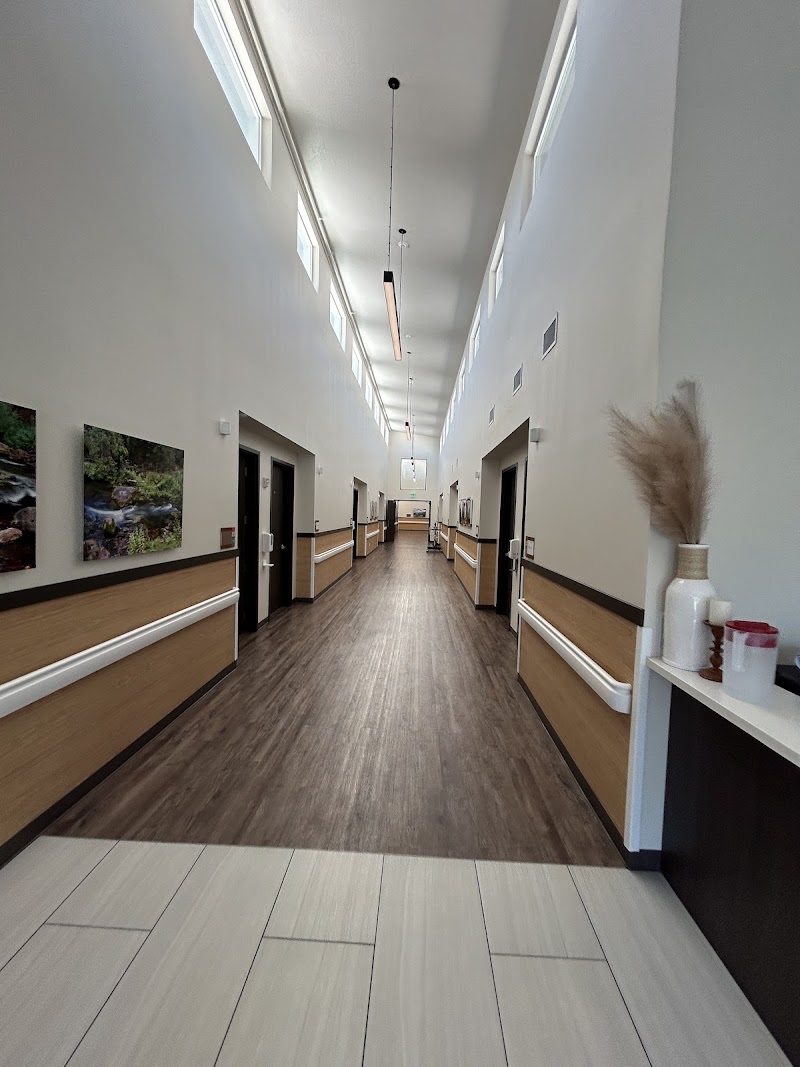
How is Spanish Fork Rehabilitation And Nursing Staffed?

CMS rates Spanish Fork Rehabilitation and Nursing's staffing level at 1 out of 5 stars, which is much below average compared to other nursing homes.

What Have Inspectors Found at Spanish Fork Rehabilitation And Nursing?

State health inspectors documented 12 deficiencies at Spanish Fork Rehabilitation and Nursing during 2019 to 2023. These included: 1 that caused actual resident harm and 11 with potential for harm. Deficiencies causing actual harm indicate documented cases where residents experienced negative health consequences.
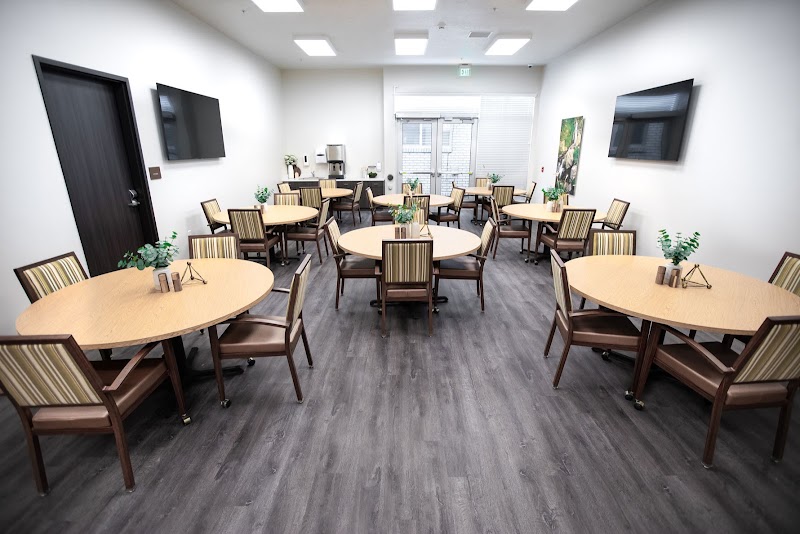
Who Owns and Operates Spanish Fork Rehabilitation And Nursing?

Spanish Fork Rehabilitation and Nursing is owned by a for-profit company. For-profit facilities operate as businesses with obligations to shareholders or private owners. The facility is operated by BEAVER VALLEY HOSPITAL, a chain that manages multiple nursing homes. With 45 certified beds and approximately 44 residents (about 98% occupancy), it is a smaller facility located in Spanish Fork, Utah.

How Does Spanish Fork Rehabilitation And Nursing Compare to Other Utah Nursing Homes?

Compared to the 100 nursing homes in Utah, Spanish Fork Rehabilitation and Nursing's overall rating (2 stars) is below the state average of 3.3 and health inspection rating (2 stars) is below the national benchmark.

What Should Families Ask When Visiting Spanish Fork Rehabilitation And Nursing?

Based on this facility's data, families visiting should ask: "What safeguards and monitoring systems are in place to protect residents from abuse or neglect?" "Can you walk me through typical staffing levels on day, evening, and night shifts?" "Can I visit during a mealtime to observe dining assistance and food quality?" "How do you handle medical emergencies, and what is your hospital transfer rate?" These questions are particularly relevant given the substantiated abuse finding on record and the below-average staffing rating.

Is Spanish Fork Rehabilitation And Nursing Safe?

Based on CMS inspection data, Spanish Fork Rehabilitation and Nursing has documented safety concerns. The facility has 1 substantiated abuse finding (meaning confirmed case of resident harm by staff or other residents). The facility has a 2-star overall rating and ranks #100 of 100 nursing homes in Utah. Families considering this facility should ask detailed questions about what corrective actions have been taken since these incidents.

Do Nurses at Spanish Fork Rehabilitation And Nursing Stick Around?

Spanish Fork Rehabilitation and Nursing has not reported staff turnover data to CMS. Staff turnover matters because consistent caregivers learn residents' individual needs, medications, and preferences. When staff frequently change, this institutional knowledge is lost. Families should ask the facility directly about their staff retention rates and average employee tenure.

Was Spanish Fork Rehabilitation And Nursing Ever Fined?

Spanish Fork Rehabilitation and Nursing has been fined $7,443 across 1 penalty action. This is below the Utah average of $33,153. While any fine indicates a compliance issue, fines under $50,000 are relatively common and typically reflect isolated problems that were subsequently corrected. Families should ask what specific issues led to these fines and confirm they've been resolved.

Is Spanish Fork Rehabilitation And Nursing on Any Federal Watch List?

Spanish Fork Rehabilitation and Nursing is not on any federal watch list. The most significant is the Special Focus Facility (SFF) program, which identifies the bottom 1% of nursing homes nationally based on persistent, serious quality problems. Not being on this list means the facility has avoided the pattern of deficiencies that triggers enhanced federal oversight. This is a positive indicator, though families should still review the facility's inspection history directly.