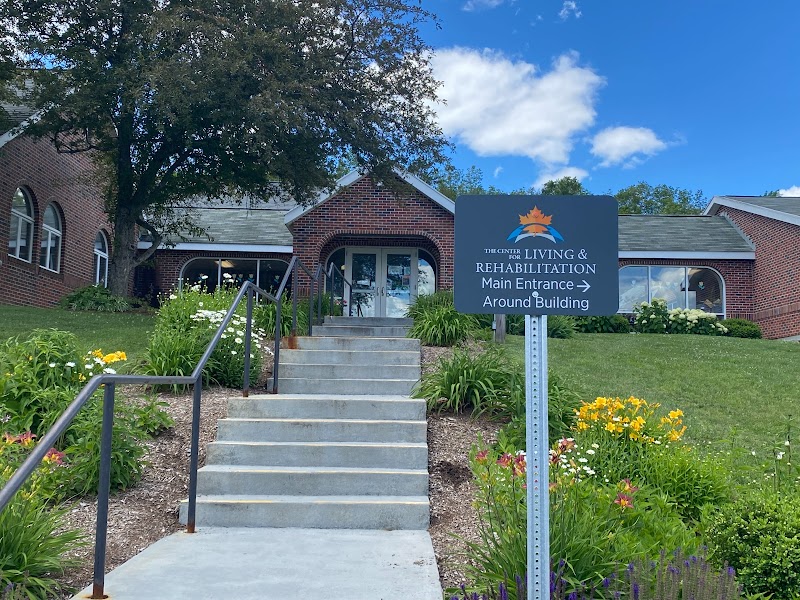
Center for Living & Rehabilitation
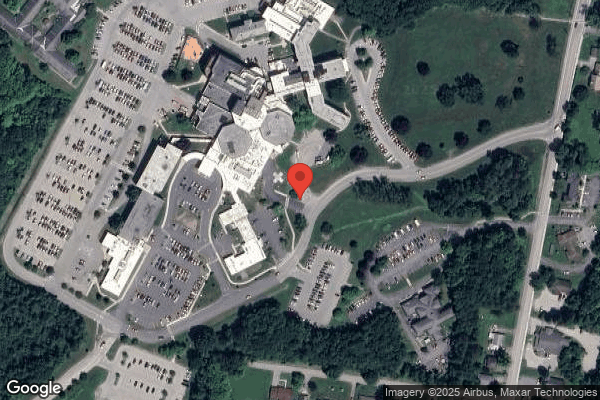

160 Hospital Drive, Bennington, VT 05201 (802) 447-1547
For profit - Limited Liability company 130 Beds ALLAIRE HEALTH SERVICES Data: November 2025
Trust Grade
55/100
#11 of 33 in VT
Last Inspection: April 2025

Within standard 12-15 month inspection cycle. Federal law requires annual inspections.

Overview

The Center for Living & Rehabilitation has a Trust Grade of C, which means it is average compared to other nursing homes, sitting in the middle of the pack. It ranks #11 out of 33 facilities in Vermont, placing it in the top half, and is the top option among 4 local facilities in Bennington County. The facility is improving, with reported issues decreasing from 16 in 2024 to 10 in 2025. Staffing is rated at 3 out of 5 stars, indicating a stable environment, although the turnover rate is 59%, which is on par with the Vermont average. While there have been no fines recorded, some concerning incidents were noted, such as a failure to properly store medications and a lack of clarity regarding resident rights in their admission agreements. Overall, while there are strengths in staffing and a lack of fines, the facility also has areas that need improvement, particularly around medication management and resident rights.
Trust Score
C
55/100
In Vermont
#11/33
Top 33%
Safety Record
Low Risk
No red flags
Inspections
Getting Better
16 → 10 violations
Staff Stability
⚠ Watch
59% turnover. Above average. Higher turnover means staff may not know residents' routines.
Penalties
✓ Good
No fines on record. Clean compliance history, better than most Vermont facilities.
Skilled Nurses
✓ Good
Each resident gets 42 minutes of Registered Nurse (RN) attention daily — more than average for Vermont. RNs are trained to catch health problems early.
Violations
⚠ Watch
39 deficiencies on record. Higher than average. Multiple issues found across inspections.
★★★☆☆
3.0
Overall Rating
★★★☆☆
3.0
Staff Levels
★★★★☆
4.0
Care Quality
★★★☆☆
3.0
Inspection Score
Stable
2024: 16 issues
2025: 10 issues

The Good

  • 4-Star Quality Measures · Strong clinical quality outcomes
  • Full Sprinkler Coverage · Fire safety systems throughout facility
  • No fines on record

Facility shows strength in quality measures, fire safety.

The Bad

3-Star Overall Rating

Near Vermont average (2.8)

Meets federal standards, typical of most facilities

Staff Turnover: 59%

13pts above Vermont avg (46%)

Frequent staff changes - ask about care continuity

Chain: ALLAIRE HEALTH SERVICES

Part of a multi-facility chain

Ask about local staffing decisions and management

Staff turnover is elevated (59%)

11 points above Vermont average of 48%

The Ugly 39 deficiencies on record

Aug 2025 1 deficiency
CONCERN (D) 📢 Someone Reported This

A family member, employee, or ombudsman was alarmed enough to file a formal complaint

Potential for Harm - no one hurt, but risky conditions existed

Accident Prevention (Tag F0689)

Could have caused harm · This affected 1 resident

Based on interview and record review the facility failed to ensure that one of three residents in the applicable sample, (Resident #1) were free from accidents and hazards, causing the Resident to sus...

Read full inspector narrative →
Based on interview and record review the facility failed to ensure that one of three residents in the applicable sample, (Resident #1) were free from accidents and hazards, causing the Resident to sustain a skin tear. Per record review on 7/4/2025 Resident #1 was found by staff in bed with a large skin tear on her/his right lower leg. Resident #1 had a care plan focus of ADL (activities of daily living) self-care deficit with a transfer status of 2 staff assist that was implemented on 10/20/2024. Per review of the facility's internal investigation, it states that Resident #1 was care planned for a 2 person stand pivot transfer to all surfaces and for Dermasaver skin tubes (used to protect skin from injury) to always be on when out of bed. The Dermasavers are to be removed only when s/he has been safely transferred back into bed. The investigation further states that Resident #1 had been out of bed in their wheelchair for dinner and was assisted with her/his meal by a nurse. The next time Resident #1 was observed was back in bed by their primary Licensed Nursing Assistant (LNA) when the skin tear was discovered. Per review of staff statements obtained by the facility during the internal investigation the LNA who was assigned to Resident #1's care stated that she had transferred the Resident out of bed to chair for dinner by herself but did not transfer the Resident back to bed. Per interview on 8/27/2025 at 4:10 PM the Director of Nursing confirmed that a staff member had transferred Resident #1 independently and that the Resident had been care planned for 2-assist with transfers. It had been determined through the facility's internal investigation that the skin tear occurred during this transfer.
Jun 2025 1 deficiency
CONCERN (D) 📢 Someone Reported This

A family member, employee, or ombudsman was alarmed enough to file a formal complaint

Potential for Harm - no one hurt, but risky conditions existed

Pressure Ulcer Prevention (Tag F0686)

Could have caused harm · This affected 1 resident

**NOTE- TERMS IN BRACKETS HAVE BEEN EDITED TO PROTECT CONFIDENTIALITY** Based on observation, interview, and record review, the facility failed to ensure that a resident did not develop an avoidable p...

Read full inspector narrative →
**NOTE- TERMS IN BRACKETS HAVE BEEN EDITED TO PROTECT CONFIDENTIALITY** Based on observation, interview, and record review, the facility failed to ensure that a resident did not develop an avoidable pressure ulcer for 1 of 3 residents in the sample (Resident #1). Findings include:Per record review Resident #1 was re-admitted to the facility on [DATE] after a short discharge to home. A Clinical admission Note reflects that s/he was admitted with a diabetic foot ulcer on her/his left heel. There is no mention of any wound being present on the right heel. Review of the Resident's care plan reveals a Focus dated 5/15/2025 of actual impairment to skin integrity. A Nurse Progress Note dated 6/2/2025 states This writer noted that resident had blood on right sock. Noted to have area to right heel. Supervisor made aware, and came to assess. Family made aware. Another Nurse Progress Note dated 6/2/2025 states resident has a open area on his right heel, supervisor [name omitted] assessed area, 5x5 cm broken blister noted red inner tissue surrounded by white soft tissue with dark pink edges, Slight odor. Resident #1 was transferred to the hospital later in the day on 6/2/2025 and returned to the facility on 6/5/2025. A Nurse Progress Note dated 6/5/2025 reflects that Resident #1 returned to the facility with a Right heel. Issue type: Pressure ulcer / injury. Pressure ulcer staging: Stage 2 Pressure ulcer /injury - partial thickness skin loss with exposed dermis. Wound was present on admission. Length (cm): 7 Width (cm): 5 Depth (cm): 0.1. The right heel wound was present on readmission however, it had been identified in the facility on 6/2/2025, the day that the Resident transferred to the hospital. A Care Plan Focus of actual impairment to skin integrity lists an intervention dated 5/15/2025 lists interventions of Air mattress to bed (applied on admission--uses chronically due to wounds and high risk for wounds). On 6/7/2025 Bilateral heel booties on at all times--remove for skin care and transfers then reapply, was added to Resident #1's care plan. On 6/20/205 the care plan was revised to reflect Use cushion with sides to promote elevation of feet. Another Care Plan Focus for at risk for pain has interventions of Elevate Bil [bilateral] heels when in bed as desired. These protective interventions were not implemented until 6/7/2025, after the right heel pressure ulcer was identified. Per interview with the Director of Nursing on 6/30/2025 at 5:30 PM, she confirmed that the right heel wound had developed in the facility and that there were no documented interventions related to protecting the right heel from developing pressure ulcers prior to 6/2/2025.
Apr 2025 6 deficiencies
CONCERN (D)

Potential for Harm - no one hurt, but risky conditions existed

Deficiency F0578 (Tag F0578)

Could have caused harm · This affected 1 resident

Based on interview and record review, the facility failed to ensure that the Residents' power of attorney (POA) was assisted with developing advanced directives consistent with their wishes for 1 of 4...

Read full inspector narrative →
Based on interview and record review, the facility failed to ensure that the Residents' power of attorney (POA) was assisted with developing advanced directives consistent with their wishes for 1 of 40 residents in the sample (Resident #40). Findings include: Per record review Resident #40 signed a notarized advanced directive on 11/22/16. The notarized advanced directive states If I suffer a condition from which there is no reasonable prospect of regaining my ability to think and act for myself, I want only care directed to my comfort and dignity, and I authorize my agent to decline and terminate all treatment (including artificial nutrition and hydration) the primary purpose of which is to prolong my life. If the situation should arise in which I am in a terminal state and there is no reasonable expectation of my recovery, I direct that I be allowed to die a natural death and that my life not be prolonged by extraordinary measures. I do, however, ask that medication be mercifully administered to me to alleviate suffering, even though this may shorten my remaining life According to the advanced directive a family member is named as the Resident's power of attorney (POA). Further record review reveals a Clinicians Order for Life Sustaining Treatment (COLST) form that was signed and dated by a facility clinician on 1/15/25 that states that Resident #40 is a Full Code. This COLST form is not signed by the Resident or their POA. An additional Clinicians Order for Life Sustaining Treatment COLST form dated 1/21/25 from a hospitalization is signed by a Clinician, but not the Resident or POA. Resident #40's advanced directive and a Clinicians Order for Life Sustaining Treatment COLST do not match and the current COLST does not not reflect the Resident's previous wishes. There is no documented evidence that the Resident or POA was consulted regarding the change to full code status. A physician note dated 3/3/25 states will need to review if [the Resident] has designated a HCP [health care proxy] and discuss goals of care and code status in the context of his/her recent decline. [S/he] remains a Full Code at this time but had previously expressed that living dependent on others was [her/his] worst fear. A physician note dated 4/14/25 states that Resident #40 is a Full code, but unable to continue to make medical decisions due to lack of insight into advanced dementia. During an interview with the Director of Nursing (DON) on 4/30/25 at 11:39 AM, she confirmed that the physician's notes from 3/3/25 and 4/14/25 identified that the Resident was a full code and that there was a need to reassess. The DON also confirmed that the COLST wasn't signed by Resident #40 or her/his POA. The DON reported that they hadn't communicated to the family about it as they don't always agree, and the facility was hoping that Resident #40 would become more alert and orientated and be able to decide for themselves.
CONCERN (D)

Potential for Harm - no one hurt, but risky conditions existed

Deficiency F0692 (Tag F0692)

Could have caused harm · This affected 1 resident

Based on interview and record review, the facility failed to ensure that a resident with a nutritional problem was given nutritional supplements and appetite stimulants as ordered by a physician for o...

Read full inspector narrative →
Based on interview and record review, the facility failed to ensure that a resident with a nutritional problem was given nutritional supplements and appetite stimulants as ordered by a physician for one resident [Resident #106] of 7 sampled residents. Findings include: 1. Per review of Resident #106's medical record, the resident's diagnoses include cancer of the prostate and bone, and difficulty swallowing. Review of the resident's Care Plan reveals the resident is identified as at risk for malnutrition as I have increased nutritional needs with cancer treatment and altered skin integrity, poor appetite and intake, need for protein/nutritional supplement. Care Plan interventions include Provide me with my supplement as ordered: 8oz House Shake, 8oz Boost VHC and provide further nutrition interventions. Review of Physician Orders for Resident #106 include House shake in the afternoon for at risk for malnutrition and Megestrol Acetate Oral Suspension-Give 10 milliliters by mouth in the morning for Appetite stimulant. Review of Resident #106's Medication Administration Record [MAR] for April 2025 reveals the resident did not receive the Megestrol Acetate Oral Suspension medication for appetite stimulation as ordered on 4/20, 4/22, 4/23, 4/24, & 4/28/25. Per review of Nursing Progress notes for those dates, the medication is documented as on order or unavailable. Further record review reveals a Pharmacy email correspondence dated 4/22/25 reporting that the Megestrol Acetate Oral Suspension medication was delivered on 4/17/25 and was available. Review of Resident #106's Medication Administration Record [MAR] for April 2025 also includes the physician ordered House Shake nutritional supplement not administered on 4/10, 4/18, 4/23, 4/24, 4/25, & 4/26/25. Review of Nursing Progress Notes reveal the House Supplement listed on those dates as not available. An interview was conducted with the Dietary Manager on 4/30/25 at 1:24 PM. The Dietary Manager stated that House Shakes are always available and are made daily in the kitchen and are distributed on the resident units at 10:00 AM daily. Review of Resident #106's medical record reveals the resident underwent a 6.9 pound weight loss from April 1st to April 28th, 2025 [a loss of 4.3% of their total body weight]. An interview was conducted with the Director of Nursing [DON] on 4/30/25 at 9:30 AM. The DON confirmed that both the Megestrol Acetate Oral Suspension medication and House Supplement were available on the listed dates but were not administered as ordered, with the resident suffering from a 4.3% weight loss during this time period.
CONCERN (D)

Potential for Harm - no one hurt, but risky conditions existed

Drug Regimen Review (Tag F0756)

Could have caused harm · This affected 1 resident

Based on interview and record review the facility failed to maintain drug regimen reviews for one out of five sampled residents (Resident #88). Findings include: Per record review, Resident #88 had MR...

Read full inspector narrative →
Based on interview and record review the facility failed to maintain drug regimen reviews for one out of five sampled residents (Resident #88). Findings include: Per record review, Resident #88 had MRR [Medication Regimen Review] (a monthly review by the pharmacist for any medication recommendations made based on safety and patient specific diagnoses). Resident #88 had medication recommendations made from the pharmacist in June 2024, August 2024, September 2024, October 2024, December 2024, February 2025, and March 2025. Per record review of Resident #88's chart the resident did not have copies of MRRs for the months of June 2024, August 2024, and September 2024. Per record review of Pharmacy Drug Regimen Review-CLR policy [no revised or reviewed date] states, Facility: 1. Shall maintain all Drug Regimen Review recommendations along with prescriber's responses in an easily retrievable location for presentation to surveyors, upon request. 2. Shall file or drug review recommendations with the permanent medical record for each resident after one year. 3. Shall file the findings under the Physicians Order Section. An interview was conducted with the Director of Nursing, RN#1, and the MDS [Minimum Date Set] Coordinator on 4/29/25 at 4:33 PM. The DON, MDS Coordinator, and RN#1 confirmed there were no MRRs for the months of June 2024, August 2024, and September 2024 in Resident #88's chart. The facility did not have the MRRs in the paper chart and were not maintained in the facility to be readily available for review.
CONCERN (E)

Potential for Harm - no one hurt, but risky conditions existed

Accident Prevention (Tag F0689)

Could have caused harm · This affected multiple residents

2. Per record review of Resident #80's medical record reveals that Resident #80 had medical diagnoses of hemiplegia and hemiparesis (weakness and/or paralysis) following a cerebral infarction (a strok...

Read full inspector narrative →
2. Per record review of Resident #80's medical record reveals that Resident #80 had medical diagnoses of hemiplegia and hemiparesis (weakness and/or paralysis) following a cerebral infarction (a stroke) affecting his/her right dominant side, dysphagia (difficulty swallowing), aphasia (a communication disorder that affects how individuals produce and understand language), and paroxysmal atrial fibrillation (an irregular heartbeat). Per record review of Resident #80's care plan states, [Resident #80] has had actual falls r/t [related to] gait/balance problems, psychoactive drug use, right side weakness, and increased behaviors after family leaves. Most falls out of bed are to [his/her] right.Per record review of the facility's Fall Prevention and Protocol policy [modified 4/26/24] states, Every resident admitted to [the facility] will have a fall risk evaluation .after each fall.Per record review of a nursing progress note written on 4/23/25 states, At approximately 330 am [sic], CNA [Certified Nursing Assistant] notified other CNA and myself that the resident was lying face forward on the floor. [Resident #80] had .a red mark above [his/her] left brow and on [his/her] upper left cheek were noted.Per record review, a fall risk assessment was not completed for Resident #80 after the fall on 4/23/25. Resident #80 sustained a subsequent fall on 4/29/25.Per record review of Resident #80's progress notes, Resident #80 sustained falls on 3/17/25, 4/15/25, 4/23/25, and 4/20/25. Per record review of the facility's Fall Prevention and Protocol-CLR policy [no revised/reviewed date] states, a. Document appropriate interventions on the resident/patients care plan related to fall prevention. Examine previous fall patterns if known and document this on care plan well. B. During regularly scheduled reviews of the care plan, ensured that all interventions related to prevention of falls remain appropriate. Per record review of Resident #80's care plan, there are no additional interventions for the falls occurring on 4/23/25.On 4/30/25 at 11:26 AM the DON [Director of Nursing] confirmed that the resident's care plan needs to be updated after every fall.3. Per record review of a fall note dated 3/16/25 states, Resident [Resident #99] lying on the floor on [his/her] right side facing the doorway with [his/her] back to the bed .Resident was lifted by hoyer back into bed.On 4/30/25 at 11:26 AM the DON [Director of Nursing] confirmed that the resident's care plan needs to be updated after every fall.Per record review of Resident #99's care plan, there are no additional interventions on Resident #99's care plan after the falls occurring on 3/16/25.On 4/30/25 at 11:26 AM the DON [Director of Nursing] confirmed that the residents' care plan needs to be updated after every fall. Based on interview and record review, the facility failed to ensure 3 residents [Residents #15, #80, and #99] of 5 sampled residents received adequate supervision and create and implement effective, timely interventions that would reduce the likelihood of future falls. Findings include: 1). Review of Resident #15's medical record reveals the resident is diagnosed with Parkinson's Disease [a progressive movement disorder of the nervous system leading to symptoms that include problems with movement, stiffness, and impaired balance], difficulty walking, cataracts, muscle weakness, and bipolar disorder. Review of Res.#15's Care Plan reveals the Resident is identified as at risk for falls related to Gait/balance problems; medications; anxiety; visual deficit; urine retention, and disease process secondary to Parkinsons, bipolar disorder.Review of the facility's Fall Prevention and Protocol policy [modified 4/26/24] includes every resident admitted to [the facility] will have a Fall Risk Evaluation .after each fall. Additionally, per interview with the Director of Nursing [DON] on 4/30/25 at 9:30 AM, the DON stated that after each fall, a resident's Care Plan is updated and revised to include new interventions to prevent future falls. Review of the facility's Fall Risk Evaluation tool lists if the total score is 10 or greater, the resident should be considered at HIGH RISK for potential falls. Per record review, after a fall on 2/1/25, Resident #15's Fall Risk score was 22. Per review of Resident #15's medical record, on 4/3/25, nursing was Called to room for fall. [Resident #15] was sitting on the floor parallel to the bed facing the foot of the bed. Right arm on the bed side, left arm holding on to the right side of [h/her] wheelchair which was parked close to the bed as [s/he] was attempting to transfer into bed. I was trying to get in the bed. [H/her] pants were slightly down below [h/her] buttocks as well as the brief which was completely saturated with urine and feces . Staff report [s/he] had been refusing care all evening. Per review of Resident #15's medical record and Care Plan on 4/30/25, there was no Fall Risk Evaluation completed after the fall on 4/3/25, and no revision or interventions added to Resident #15's Care Plan to prevent future falls. Per interview with the Director of Nursing [DON] on 4/30/25 at 9:30 AM, the DON confirmed Resident #15's Care Plan should have been updated and revised to include new interventions, and a Fall Risk completed after the fall on 4/3/25 but was not.
CONCERN (E)

Potential for Harm - no one hurt, but risky conditions existed

Deficiency F0761 (Tag F0761)

Could have caused harm · This affected multiple residents

**NOTE- TERMS IN BRACKETS HAVE BEEN EDITED TO PROTECT CONFIDENTIALITY** Based on observation, interview, and record review, it was determined that the facility failed to ensure drugs and biologicals w...

Read full inspector narrative →
**NOTE- TERMS IN BRACKETS HAVE BEEN EDITED TO PROTECT CONFIDENTIALITY** Based on observation, interview, and record review, it was determined that the facility failed to ensure drugs and biologicals were stored in accordance with currently accepted professional principles for 3 of the 4 medication carts observed, and 2 of 2 medication storage rooms observed. Findings include: 1. During observations on 4/30/25 at approximately 9:40 AM on the [NAME] Unit, the nurse poured all the residents medications and put them all in the top drawer of the medication cart and stated he was going to get water. He walked away from the medication cart with the water pitcher and left 4 blister packs of medications, 3 bottles of OTC (over the counter) medications, and a bottle of metamucil on the top of the medication cart. Per interview with the nurse on 4/30/25 at approximately 9:45 AM, he confirmed that he had left these medications on top of the medication cart unsupervised and improperly stored. 2. During observation on 4/30/25 at approximately 3:15 PM, the medication storage room on the [NAME] Unit revealed the following issues: (5) DB Bactec Lytic/10 Anaerobic/F Culture vials (used for performing blood cultures) with expiration dates of 2/12/25 and (4) BD Bactec Plus Aerobic/F Culture vials with an expiration date of 2/24/25. Per interview on 4/30/25 at approximately 3:20 PM, the nurse working on the [NAME] Unit confirmed the culture vials had expired and were in the medication storage room and available for use. 3. Per observation on 4/30/25 at 4:57 PM of the medication storage room on [NAME] Unit a jar/container of Vanicream 16 oz was noted to have expired on 2/2025. Per interview on 4/30/25 at approximately 5:00 PM, the nurse on the [NAME] Unit confirmed the Vanicream had expired and was available for use. 4. Observation at approximately 4/30/25 5:05 PM of a [NAME] Hall medication cart revealed an open 10 oz bag of peanut butter pretzels - the LPN went to the med cart and removed them and put them in a room behind the nurses station. Review of the medication cart revealed a blue pill cutter with a white powdery substance and white small particles/crumbs on the blade and within the cutting device, the LPN working this cart, confirmed that the pill cutter needed to be cleaned and the substances noted were pill/medication debris; (21) tablets of Pravastatin Sodium 40 mg tablets with an expiration date of 3/31/25; (30) tablets of Omeprazole DR 20 mg capsules with an expiration date of 12/15/25; (29) capsules of Benzonatate 100 mg capsule with expiration date of 4/14/25; (30) tablets of Meclizine 12.5 mg capsules with an expiration date of 4/14/25; (13) capsules of Biotin 10,000 mcg stock medication with an unknown expiration date due to it being rubbed off. Interview on 4/30/25 at approximately 5:15 PM with the Unit Manager confirmed the above findings of expired medications. 5. Observation of a [NAME] Unit medication cart on 4/30/25 at approximately 5:25 PM revealed the following expired medications: (10) tablets of Vitamin D3 50 mcg (2000 IU) with an expiration date of 4/4/25; (10) tablets of Levocetirizine 5 mg with an expiration date of 6/28/24; (10) tablets of Levocetirizine 5 mg with an expiration date of 7/10/24; (16) 1/2 tablets of Meclizine 25 mg for with an expiration date of 10/29/24; (10) 1/2 tabs of Meclizine 25 mg with an expiration date of 4/20/25; (10) tablets of Ondansetron HCL 4 mg with an expiration date of 3/31/25; (30) 1/2 tablets of Meclizine 25 mg with an expiration date of 4/20/25; Interview on 4/30/25 at approximately 5:40 PM with the Unit Manager confirmed the above findings of expired medications.
CONCERN (E)

Potential for Harm - no one hurt, but risky conditions existed

Infection Control (Tag F0880)

Could have caused harm · This affected multiple residents

**NOTE- TERMS IN BRACKETS HAVE BEEN EDITED TO PROTECT CONFIDENTIALITY** 2. During observation on 4/29/25 at approximately 9:30 AM of medication passes on the [NAME] Unit, a male nurse pouring/pushing ...

Read full inspector narrative →
**NOTE- TERMS IN BRACKETS HAVE BEEN EDITED TO PROTECT CONFIDENTIALITY** 2. During observation on 4/29/25 at approximately 9:30 AM of medication passes on the [NAME] Unit, a male nurse pouring/pushing tablets from a blister packet (a form of tamper resistant packaging where an individual pushes individually sealed tablets through the foil in order to take the medication) for Resident #108 into his ungloved hand and then placed these medications into a medication cup and administered them to the resident. The nurse did not perform hand hygiene prior to preparing Resident #482's medications in which he again poured/pushed tablets from a blister packet directly into his ungloved hand and then placed these medications into a medication cup and administered them to the resident. During interview on 4/30/25 at approximetly 9:45 AM, the nurse confirmed that he had poured medications from the blister pack for 2 residents into his ungloved hand. He stated that it was his understanding he was not allowed to wear gloves in the hallway. The nurse confirmed that he did not perform hand hygiene between medication administration for Resident #108 and Resident #482. Based on observation, interview, and record review, the facility failed to ensure infection control measures were implemented regarding residents on isolation precautions and during a medication pass. Findings include: 1.) Per observation on 4/28/25 at 12:30 PM, signage posted outside of room M105 included an infection control STOP sign, instructing anyone entering the room to check with staff before entering and follow appropriate precautions. Below the STOP sign were instructions for Staff to follow contact precautions. The contact precautions listed included hand hygiene, gowns, gloves, and clean equipment after use. Review of Physician Orders for the single resident in room M105 included Contact precautions every shift with a start date of 5/8/24. Per observation on 4/28/25 at 12:38 PM, a male nurse was observed in resident room M105. The nurse was observed picking up and handing the resident's assorted personal items, then adjusting the curtains around the resident's bed before leaving the room. The nurse was not wearing gloves or a gown during any of the resident interactions. The nurse did not sanitize his hands after leaving the contact isolation room and was observed pushing a lunch tray cart down the hall to room M113, picking up a lunch tray from the cart, and entering room M113 with the tray. Per observation on 4/28/25 at 4:59 PM, a male and female staff member entered resident room M105. The resident reported having an issue with h/her right leg, and both staff members were observed touching both the resident's right and left leg with their bare hands. Neither staff member was observed wearing a gown. The male staff member exited the room, and another female staff member entered. The second female staff member was observed removing bed linen from the resident's bed. Both female staff members were observed exiting resident room M105 with used bed linens with their bare hands. Neither staff member was observed wearing a gown. Neither staff were observed using hand hygiene after exiting the contact isolation room and carrying the used linens down the hall.An interview was conducted with the facility's Infection Preventionist [I.P.] on 4/30/25 at 12:00 PM. The I.P. stated that contact isolation requires Personal Protective Equipment [PPE] which includes gowning and gloves for all resident contact, along with hand hygiene after resident contact and removing PPE. The I.P. confirmed the observations made on 4/28/25 in resident room M105 demonstrated a break in infection control preventions and increased risk in spreading infection to other residents.
Feb 2025 1 deficiency
CONCERN (E) 📢 Someone Reported This

A family member, employee, or ombudsman was alarmed enough to file a formal complaint

Potential for Harm - no one hurt, but risky conditions existed

Safe Environment (Tag F0584)

Could have caused harm · This affected multiple residents

**NOTE- TERMS IN BRACKETS HAVE BEEN EDITED TO PROTECT CONFIDENTIALITY** Based on observation, interview, and record review, the facility failed to provide necessary maintenance services to ensure resi...

Read full inspector narrative →
**NOTE- TERMS IN BRACKETS HAVE BEEN EDITED TO PROTECT CONFIDENTIALITY** Based on observation, interview, and record review, the facility failed to provide necessary maintenance services to ensure residents have a safe, clean, comfortable and homelike environment for 4 of 6 resident units. Findings include: An interview was conducted with the facility's Director of Maintenance [DM] on 2/12/25 at 10:26 AM. The DM reported that the facility utilizes a 'TELS' electronic system [TELS is a software program that facilitates maintenance work orders by allowing users to scan, upload, and access related work orders and repair history]. The DM reported that the facility uses the TELS to identify, report, acknowledge, assign, track, and complete facility maintenance issues and repairs. The DM stated that all staff in the facility have access to system and can access it through a computer or phone, and that all staff, including the DM, received education on using the system in the last month [January 2025]. A tour of the facility and interview was conducted with a facility staff member on 2/12/25 at 10:14 AM. Per observation in the facility's Stark & [NAME] units communal shower room, the center shower stall contained an open hole in the shower wall exposing wooden studs and three missing 6-inch by 6-inch square tiles. The handheld showerhead was hanging upside a few inches from the tile shower floor with water running from the shower head at a slow rate. Per observation, an approximate 4-foot by 3-foot puddle of standing water was on the floor on the adjacent shower stall. The floor drain was located approximately 1 foot away and was dry, with no water was draining into it. Further observations were conducted with the staff member in the Frost & [NAME] units communal shower room at 10:20 AM. Per observation, a shower stall contained approximately 3-foot-long sections of missing grout along 2 of the shower floors where the floor abuts the wall. The shower room contained a toilet with a sign posted above it reading Out of Order. The toilet contained standing water and large amount of wadded toilet paper. The staff member stated that the toilet did not flush but was still being used. The staff member stated that the environmental issues in both the Stark [NAME] and Frost [NAME] communal shower rooms had existed for approximately 6 months and had been reported to Maintenance but nothing had been done. A tour of the facility was conducted with the facility's Director of Maintenance [DM] on 2/12/25 at 10:55 AM. While standing in the facility's Stark/[NAME] communal shower room, the DM confirmed the issues involving the open hole with missing tiles in the center shower stall, the leaking showerhead, and the standing water not draining in the adjacent shower stall. The DM confirmed both shower stalls were actively in use by residents. The DM confirmed that the issues had existed for months but had not been entered into the TELS maintenance tracking system, so there was no documentation regarding how long the issues existed, if maintenance was aware of them, if they had been assigned, and if any attempt had been made to address and/or repair them. Further observations were conducted with the Director of Maintenance [DM] in the Frost/[NAME] communal shower room. The DM confirmed a shower stall contained approximately 3-foot-long sections of missing grout along 2 of the shower floors where the floor abuts the wall. The DM also confirmed the shower room toilet had a sign posted above it reading Out of Order and that the toilet contained standing water and large amount of wadded toilet paper. The DM stated that the toilet in fact did flush and the maintenance department was waiting for a new valve. The DM then attempted to demonstrate that the toilet was functional but the toilet did not flush, no water drained, and the water and the material in the toilet remained. The DM confirmed that the issues in the Frost/[NAME] communal shower room had existed for a while but also had not been entered into the TELS maintenance tracking system, so there was no information regarding how long the issues existed, if they had been assigned, and if any attempt had been made to address and/or repair them. Per interview with the facility's Director of Maintenance [DM] on 2/12/25 at 10:55 AM, the DM reported the facility used the TELS system as a standardized checklist for routine inspections to ensure that repairs are completed on time and that deficiencies are prevented. The DM confirmed that issues in Stark & [NAME] units communal shower room had existed for months and issues in the Frost & [NAME] units communal shower room had existed for a while with no documented plan to address the issues. The DM confirmed that despite the placement of the TELS system and maintenance staff being educated on its use, the maintenance department did not implement the system to identify, report, acknowledge, assign, track, and complete necessary facility maintenance issues and repairs.
Feb 2025 1 deficiency
CONCERN (D) 📢 Someone Reported This

A family member, employee, or ombudsman was alarmed enough to file a formal complaint

Potential for Harm - no one hurt, but risky conditions existed

Quality of Care (Tag F0684)

Could have caused harm · This affected 1 resident

**NOTE- TERMS IN BRACKETS HAVE BEEN EDITED TO PROTECT CONFIDENTIALITY** Based on interview and record review, the facility failed to ensure that residents receive treatment and care in accordance with...

Read full inspector narrative →
**NOTE- TERMS IN BRACKETS HAVE BEEN EDITED TO PROTECT CONFIDENTIALITY** Based on interview and record review, the facility failed to ensure that residents receive treatment and care in accordance with professional standards of practice including prevention of complications from the resident's medical condition for 1 of 2 residents in the applicable sample [Resident # 1]. Findings include: Per record review, Res. #1 was admitted to the facility on [DATE] with diagnoses that included diabetic neuropathy [neuropathy is nerve damage that affects the hands and feet, often caused by diabetes or other conditions. Feet and other areas that lack sensation can become injured without the person knowing]. Review of the resident's Care Plan revealed the resident was identified upon admission on [DATE] as having an actual impairment to skin integrity including a right plantar [sole] foot wound. Review of Res.#1's medical record included a 'Clinical Evaluation' dated 12/18/24 which identified the right foot wound as present on admission but now resolved-wound healed and/or closed. Review of 'Skin Checks' for Res.#1 reveal no issues regarding the resident's right foot on 'Skin Checks' dated 12/29/24, 12/31/24, & 1/5/25. An interview was conducted with Res. #1 on 2/3/25 at 12:54 PM. The resident reported that s/he had been admitted to the facility at the beginning of December 2024 and no one removed h/her socks to check h/her feet until December 30th. No one ever touched my feet until [Staff LPN]. Per record review, the first skin documentation of Res. #1's right foot by [Staff LPN] was dated 1/9/25. [The 'Skin Check' dated 1/9/25 only records a 'skin issue' to right plantar foot wound with no further description or assessment]. The resident further stated that due to h/her height, h/her feet had been rubbing against the foot board of the bed since h/her admission on [DATE]. The resident stated s/he reported this to several people including Maintenance personnel but the footboard was not removed from the bed until after the development of the wound on the right foot. An interview was conducted with the facility's Wound Nurse Practitioner [NP] on 2/3/25. The Wound NP stated that s/he received a phone call from Res.#1's daughter on 1/18/25 regarding the footboard on the bed causing skin issues to the resident, and the footboard was removed on 1/18/25 [2 days after the Wound NP's Integrated Wound Care consult]. Review of the Wound NP's Integrated Wound Care notes dated 1/16/25 record Res.#1 is referred for assessment of the right plantar foot ulcer .the right plantar foot ulcer is large, measuring 5 cm [centimeters] x 5 cm and it is a large blister type wound with open edges around the wound. 'Skin Check' notes dated 1/23/25 record Right plantar foot wound-blister has popped. Review of Res.#1's 'Skin Check' dated 1/26/24 reveals an extensive note recording Bottom of right foot [plantar]. Blister. Wound acquired in-house. Wound is new. Signs and symptoms of infection: smell increased. Painful: Yes. Review of Res.#1's Skin Check dated 1/31/25 reveals the bottom of the right foot wound as deteriorating, Signs and symptoms of infection: smell increased. Painful: Yes with the length increasing to 6 cm and the width 5.5 cm. An interview was conducted with the Director of Nursing [DON] on 2/3/25 at 2:40 PM. The DON confirmed Res.#1 was identified as at risk for skin impairment and had existing skin issues upon admission to the facility on [DATE]. The resident's Care Plan on admission included monitor/document location, size and treatment of skin injury. Report abnormalities, failure to heal, signs and symptoms of infections, maceration etc. to [the Physician]. On 12/9/24 the Care Plan was updated to include inspect feet daily for open areas, sores, pressure areas, blisters, edema, or redness. The Care Plan noted that Diabetes is a chronic disease and that compliance is essential to prevent complications of the disease. Identify areas or difficulties in resident diabetic management, modify the problem areas so that it may be more manageable for the resident/family. The DON confirmed that bed footboard issues and skin concerns voiced by Res.#1 and their family were not evaluated or addressed by the facility until after development of a new, acquired in-house wound to Res.#1's right foot, which was assessed as painful and included signs and symptoms of infection. The DON further confirmed that although Nursing noted a 'skin issue' to the right plantar foot wound on 1/9/25, the wound was not assessed by the facility's Wound Nurse Practitioner until 1/16/25, and Res.#1's Care Plan was not revised to include any new interventions to address current skin issues or prevent future issues until 1/17/25, when the right foot 'skin issue' had deteriorated into a a large blister type wound with open edges around the wound.
Nov 2024 1 deficiency
CONCERN (E) 📢 Someone Reported This

A family member, employee, or ombudsman was alarmed enough to file a formal complaint

Potential for Harm - no one hurt, but risky conditions existed

Safe Environment (Tag F0584)

Could have caused harm · This affected multiple residents

**NOTE- TERMS IN BRACKETS HAVE BEEN EDITED TO PROTECT CONFIDENTIALITY** Based on observations and staff interview, the facility failed to provide necessary maintenance services to ensure residents hav...

Read full inspector narrative →
**NOTE- TERMS IN BRACKETS HAVE BEEN EDITED TO PROTECT CONFIDENTIALITY** Based on observations and staff interview, the facility failed to provide necessary maintenance services to ensure residents have a safe, clean, comfortable, and homelike environment for 6 of 6 resident units. Findings include: Per observation on 11/20/24 from 12:10 AM to 12:30 PM, all nursing units (Stark, [NAME], [NAME], Frost, [NAME], and [NAME]) needed multiple functional and cosmetic repairs in several resident rooms. * room [ROOM NUMBER]- There was a double electrical outlet receptacle and cover that was broken. One of the top plugs in the receptacle was also broken exposing the electrical wiring. There were two cords plugged into the bottom receptacles. A bulletin board had been removed from the wall and there was a large square of brown paint where the bulletin board had been. There were two pieces of plywood used as a wall covering, both boards were delaminating, exposing splintered wood. * Walls in rooms R6, R13, R11, C4, C5, C6, C7, C8, C10, 102, 103, 113, 115, 120, and 126 had unrepaired holes, scratches, peeling wallpaper, or unpainted spackle. * Missing baseboard trim in the bathroom of room [ROOM NUMBER] exposing peeling paint and broken sheet rock. Missing baseboard trim was also noted in room [ROOM NUMBER]. * A wardrobe in room [ROOM NUMBER] had a broken drawer. * The cover over the florescent light above the resident's bed in room [ROOM NUMBER] was broken and had been placed against the wall at the foot of the bed. The left side of the bed was against the wall and there were large scratches and missing paint on the wall at the head of the bed. * The bathroom in 146 had two broken tiles with missing pieces in front of the toilet creating an infection control concern due to the inability to properly clean the floor. * There were signs of leaking at the base of the toilet in room [ROOM NUMBER], presenting as black liquid on the floor that was partially dried. This room was not currently occupied. Per interview on 11/20/24 at 3:10 PM, with the facility Administrator some of the repairs needed had been identified through environmental rounds and preventative maintenance. These repairs have not been completed due to residents residing in the rooms and admissions. A walk through of the facility was conducted at this time and the Administrator confirmed the environmental observations listed above.
Mar 2024 15 deficiencies
CONCERN (D) 📢 Someone Reported This

A family member, employee, or ombudsman was alarmed enough to file a formal complaint

Potential for Harm - no one hurt, but risky conditions existed

Deficiency F0557 (Tag F0557)

Could have caused harm · This affected 1 resident

**NOTE- TERMS IN BRACKETS HAVE BEEN EDITED TO PROTECT CONFIDENTIALITY** Based on resident interview, staff interview, and record review, the facility failed to ensure that all residents were treated w...

Read full inspector narrative →
**NOTE- TERMS IN BRACKETS HAVE BEEN EDITED TO PROTECT CONFIDENTIALITY** Based on resident interview, staff interview, and record review, the facility failed to ensure that all residents were treated with respect and dignity by all staff for one of 29 sampled residents (resident #87). Findings include: Per interview on 3/19/24 at approximately 2:00 PM, Resident #87 stated that about a month ago a staff member swore at them during an interaction. They stated that the interaction upset them at the time, but that they worked it out and there is no ongoing concern with the Licensed Nursing Assistant (LNA). Per record review, Resident #87 has a care plan for [Resident #87] can be verbally aggressive, yelling at staff, swearing at staff, and gestures aggressive towards staff r/t Poor impulse control initiated on 5/6/23. Per an MDS assessment on 1/10/24, Resident #87 has a Brief Mental Status Score of 15 (high congnitive function). Per review of the incident documentation from the facility, the LNA confirmed that they swore at the resident during an interaction in which Resident #87 was swearing at the LNA for the way that the LNA was emptying Resident #87's urinal. The LNA swore at Resident #87 under their breath as they left the room. Per Administrator interview with Resident #87 on 3/20/24, they did not want to stop working with the LNA, as they normally have a very positive relationship, and that they just wanted to have a facilitated conversation with the LNA to bury the [NAME]. This was arranged by the facility to the satisfaction of Resident #87. Per interview on 3/19/24 at approximately 3:00 PM, the Administrator confirmed that the allegation of undignified treatment by the LNA towards Resident #87 was substantiated.
CONCERN (D)

Potential for Harm - no one hurt, but risky conditions existed

Notification of Changes (Tag F0580)

Could have caused harm · This affected 1 resident

Based on observation, interview, and record review, the facility failed to notify the resident's physician of significant weight loss for 1 of 29 sampled residents (Resident #100). Findings include: R...

Read full inspector narrative →
Based on observation, interview, and record review, the facility failed to notify the resident's physician of significant weight loss for 1 of 29 sampled residents (Resident #100). Findings include: Record reveals that Resident #100 has diagnoses that include Alzheimer's disease, hypothyroidism, and dementia. Resident #100's nutrition care plan states that s/he remain at risk for malnutrition in view of need for nutrition supplementation, created on 7/29/23 and has the following goal, My weight will be stable within 125-135 lbs, revised on 12/8/23. Interventions include, Monitor my weights and labs as available, created on 7/29/23, and Notify my MD of any significant weight changes PRN [as needed], created on 7/29/2023. Resident #100's care plan includes interventions for monitoring, documenting, and reporting weight changes in relation to hydration status and thyroid medications. Record review shows that Resident #100 weighed 126.4 pounds on 2/5/2024. The next weight documented for Resident #100 was 105.8 pounds on 3/8/2024. This weight loss of 20.6 pounds, over approximately one month, indicates that s/he lost 16.3% of their body weight, making it a significant weight loss. There is no evidence that Resident #100's physician was notified about this significant weight loss. Per Facility policy titled Weight Assessment Monitoring, last modified on 3/11/2022, licensed nursing staff should report weight loss to the physician. Per interview on 3/20/24 at 2:47 PM, Resident #100's Physician confirmed that s/he has not been made aware of Resident #100's significant weight loss. Per interview on 3/20/24 at 3:54, the Unit Manager confirmed that nursing should have contacted the Physician about Resident #100's weight loss.
CONCERN (D) 📢 Someone Reported This

A family member, employee, or ombudsman was alarmed enough to file a formal complaint

Potential for Harm - no one hurt, but risky conditions existed

Report Alleged Abuse (Tag F0609)

Could have caused harm · This affected 1 resident

Based upon interview and record review, the facility failed to ensure that all alleged violations involving abuse, neglect, exploitation or mistreatment, are reported not later than 24 hours if the ev...

Read full inspector narrative →
Based upon interview and record review, the facility failed to ensure that all alleged violations involving abuse, neglect, exploitation or mistreatment, are reported not later than 24 hours if the events that cause the allegation do not involve abuse and do not result in serious bodily injury, to the administrator of the facility and to other officials (including to the State Survey Agency) for 1 resident [Res.#101] of 2 sampled residents regarding abuse allegations. Findings include: Per review of the facility's Investigation Summary of an incident involving Res.#101 on 2/17/24, the Witness Statement by a Licensed Practical Nurse (LPN) present reveals on 2/17/24, a staff member was witnessed accusing Res.#101 of tampering with their ostomy appliance, causing the resident's eyes to tear up. The resident stated they didn't touch it but the staff member continued as if it were [Res.#101's] fault. The witness statement continues As [Res.#101] lay naked on the bed with poop all over [her/him], [Staff member] berated [her/him]: again, tears welled up in [Res.#101's] eyes. After the staff member left the room, Res.#101 told the LPN That [wo/man] has been accusing me all week and stated it makes me feel like crap. The LPN's witness statement is dated 2/17/24 at 11:25 PM. A review of the LPN's Supervisor's statement, dated 2/20/24 [3 days after the incident], records the LPN spoke with the supervisor shortly after the supervisor arrived for the 11:00 PM shift on 2/17/24. The Supervisor reported the LPN stated 'there could have been some verbal abuse that happened', and Supervisor asked the LPN to write down a statement of what happened. [LPN statement dated 2/17/24 at 11:25 PM]. The Supervisor then went to the Unit Manager [UM] to follow up, and the UM informed the Supervisor that [s/he] had investigated the situation and reported zero findings. Review of the Unit Manager's statement, also dated 2/20/24, 3 days after the incident, records that on 2/17/24 the UM was summoned to Res.#101's room where the LPN was saying something was inappropriate, with the UM writing I am unsure of what this was, as I was not in the room. The UM continues that after shift change the LPN reported Res.#101 requested to speak to the UM. The UM recorded that Res.#101 was emotional when I went to see [her/him], and prefaced I did not hear what was said regarding the abuse allegation. The UM's statement does not report any further investigation into the abuse accusation, including speaking with the accused staff member, speaking with the LPN or another staff member present in the room, or reading the LPN's witness statement. The UM's statement does include acknowledgment that the accused staff member was allowed to continue working with Res. #101 all night. Review of the facility's Investigation Summary reveals On Monday 02/19/2024 at 4 p.m. it was brought to the attention of the Administrator and the Director of Nursing that [the LPN] felt that [the staff member] was verbally inappropriate when providing care to [Res.#101's] Ileostomy on Saturday 02/17/2024. An interview was conducted with the Director of Nursing on 3/19/24 at 2:19 PM. The DON confirmed that the allegation of Verbal Abuse of Res.#101 which occurred on 2/17/24 was not reported to the mandated agencies within 24 hours, as required by state and federal regulations. The DON also confirmed that per regulation and per the facility's policy, after the LPN reported the abuse allegations to the Supervisor, the Supervisor and the Unit Manger failed to 'report to the Administrator and/or Director of Nursing Services or designee, who reports to the Division of Licensing and Protection.'
CONCERN (D) 📢 Someone Reported This

A family member, employee, or ombudsman was alarmed enough to file a formal complaint

Potential for Harm - no one hurt, but risky conditions existed

Investigate Abuse (Tag F0610)

Could have caused harm · This affected 1 resident

Based upon interview and record review, the facility failed to assure that further potential abuse, neglect, exploitation, or mistreatment did not occur after an allegation of abuse for 1 resident [Re...

Read full inspector narrative →
Based upon interview and record review, the facility failed to assure that further potential abuse, neglect, exploitation, or mistreatment did not occur after an allegation of abuse for 1 resident [Res.#101] of 2 sampled residents regarding abuse allegations. Findings include: Per review of the facility's Investigation Summary of an incident involving Res.#101 on 2/17/24, the Witness Statement by an LPN present reveals on 2/17/24, a staff member was witnessed accusing Res.#101 of tampering with their ostomy appliance, causing the resident's eyes to tear up. The resident stated they didn't touch it but the staff member continued as if it were [Res.#101's] fault. The witness statement continues As [Res.#101] lay naked on the bed with poop all over [her/him], [Staff member] berated [her/him]: again, tears welled up in [Res.#101's] eyes. After the staff member left the room, Res.#101 told the LPN That [wo/man] has been accusing me all week and stated it makes me feel like crap. The LPN's witness statement is dated 2/17/24 at 11:25 PM. A review of the LPN's Supervisor's statement, dated 2/20/24 [3 days after the incident], records the LPN spoke with the supervisor shortly after the supervisor arrived for the 11:00 PM shift on 2/17/24. The Supervisor reported the LPN stated, 'there could have been some verbal abuse that happened', and Supervisor asked the LPN to write down a statement of what happened. [LPN statement dated 2/17/24 at 11:25 PM]. The Supervisor then went to the Unit Manager [UM] to follow up, and the UM informed the Supervisor that [s/he] had investigated the situation and reported zero findings. Review of the Unit Manager's statement, also dated 2/20/24, 3 days after the incident, records that on 2/17/24 the UM was summoned to Res.#101's room where the LPN was saying something was inappropriate, with the UM writing I am unsure of what this was, as I was not in the room. The UM continues that after shift change the LPN reported Res.#101 requested to speak to the UM. The UM recorded that Res.#101 was emotional when I went to see [her/him], and prefaced I did not hear what was said regarding the abuse allegation. The UM's statement does not report any further investigation into the abuse accusation, including speaking with the accused staff member, speaking with the LPN or another staff member present in the room, or reading the LPN's witness statement. The UM's statement does include acknowledgment that the accused staff member was allowed to continue working with Res.#101 all night. An interview was conducted with the Director of Nursing on 3/19/24 at 2:19 PM. The DON confirmed that despite abuse allegation regulations and per the facility's Abuse, Neglect and Exploitation policy [modified on 3/4/24] , the facility failed to prevent further potential abuse, neglect, exploitation, or mistreatment when the Supervisor and UM failed to remove the alleged perpetrator, providing safety to the resident after the allegation of Verbal Abuse of Res.#101 which occurred on 2/17/24. The DON confirmed that Resident Task records document that the accused staff member continued to work with the resident after the incident on 2/17/24 into the morning of 2/18/24, which was also confirmed in the UM's statement on 2/20/24. Further review of the facility's Investigation Summary reveals On Monday 02/19/2024 at 4 p.m. it was brought to the attention of the Administrator and the Director of Nursing that [the LPN] felt that [the staff member] was verbally inappropriate when providing care to [Res.#101's] Ileostomy on Saturday 02/17/2024. The DON confirmed that a full investigation into the abuse allegation on 2/17/24 was not initiated until 2/19/24.
CONCERN (D)

Potential for Harm - no one hurt, but risky conditions existed

Comprehensive Care Plan (Tag F0656)

Could have caused harm · This affected 1 resident

**NOTE- TERMS IN BRACKETS HAVE BEEN EDITED TO PROTECT CONFIDENTIALITY** Based on observation, interview, and record review the facility failed to ensure that staff implemented a resident's individuali...

Read full inspector narrative →
**NOTE- TERMS IN BRACKETS HAVE BEEN EDITED TO PROTECT CONFIDENTIALITY** Based on observation, interview, and record review the facility failed to ensure that staff implemented a resident's individualized comprehensive care plan related to fall prevention for 1 of 29 residents in the sample (Resident #266). Findings include: Per observation on 3/18/24 at approximately 3:00 PM, Resident #266 had multiple bruises on their face in varying degrees of healing. Per record review, Resident #266 was admitted to the facility on [DATE] after sustaining a significant fall at their Senior Living facility. Resident #266 sustained a fall on 3/12/24 in their bedroom and a second fall on 3/17/24 in the nurse's station after breakfast. Per Resident #266's care plan, it included a focus for [Resident #266] has had an actual fall with minor injury, to [their] face with bruising prior to admission. An intervention was placed on the care plan on 3/19/24 after the second fall in the facility, which states lay resident down after meals. Per observation on 3/20/24 at 12:15 PM, Resident #266 was being fed lunch by staff. At 1:00 PM, Resident #266 was observed sitting outside of the nurse's station in their wheelchair, nodding off to sleep with eyes closed and head hanging downward. Resident #266's assigned Nurse and two LNAs (licensed nursing assistants) were observed walking by Resident #266 multiple times and verbally checking in with Resident #266 between 1:00 PM and 1:15 PM. At 1:15 PM, this surveyor asked Resident #266 if they were tired, and they replied yes. At 1:18 PM, Resident #266 attempted to stand up out of their wheelchair and walk away. An LNA and Resident #266's assigned nurse came over and encouraged Resident #266 to sit back down. At this time, the nurse and the LNA were asked if Resident #266 should be in bed, as they appear tired. The LNA stated that Resident #266 sometimes gets laid down after meals but not all the time. Both the LNA and the Nurse confirmed that they were not aware that Resident #266's care plan includes that they be laid down in bed after meals. Resident #266 continued to stay up out of bed after this interaction and was given coloring materials.
CONCERN (D)

Potential for Harm - no one hurt, but risky conditions existed

Deficiency F0657 (Tag F0657)

Could have caused harm · This affected 1 resident

**NOTE- TERMS IN BRACKETS HAVE BEEN EDITED TO PROTECT CONFIDENTIALITY** 2. Per record review Resident #79 was admitted to the facility on [DATE]. Review of progress notes and care plan sign in sheets ...

Read full inspector narrative →
**NOTE- TERMS IN BRACKETS HAVE BEEN EDITED TO PROTECT CONFIDENTIALITY** 2. Per record review Resident #79 was admitted to the facility on [DATE]. Review of progress notes and care plan sign in sheets indicate that the interdisciplinary team (IDT) met to review and revise Resident #79's care plan on the following dates: 3/12/2023, 7/13/2023, and 1/4/2024. There is no documented evidence that the IDT met to review and revise Resident #79's care plan in October of 2023 between the 7/13/23 and 1/4/2024 review. Per interview with the Long Term Care Manager on 3/20/2024 at 5:13 PM there were no progress notes or care plan meeting sign in sheets in Resident #79's medical record that indicate that the IDT held a quarterly care plan meeting, or reviewed and revised Resident #79's care plan in October of 2023 as required. The Long Term Care Manager confirmed that there should be evidence that Resident #79's care plan was reviewed and revised as indicated by the IDT in October of 2023. Based upon interview and record review, the facility failed to review and revise Care Plans regarding prevention of future falls for 1 of 29 residents sampled (Res.#62). The facility also failed to ensure that the Resident's comprehensive care plan was reviewed and revised by the interdisciplinary team for one of 79 sampled residents (Resident #79). Findings include: 1.) Per review of Res.#62's medical record, the resident was admitted to the facility with diagnoses that include Parkinsonism, dementia, muscle weakness and a history of falling. Review of the facility's 'Fall Prevention and Protocol' policy [last modified 3/11/22] reads Every resident admitted to [the facility] will have the Fall Risk Evaluation done for the first 24 hours of admission or readmission . and after each fall. Upon admission, Res. #62 scored a '21', with the facility policy listing If the score is 10 or greater, the resident/patient is considered to be at HIGH risk for falls and should be evaluated by the interdisciplinary care team for identification and implementation of individualized fall prevention interventions. Review of Res.#62's medical record reveals the resident fell on: 1/5/24, 1/11/24, 1/14/24, 1/24/24, 2/19/24, 3/4/24, and 3/9/24. Nursing description of Res.#62's falls include Resident found face down on floor diagonal to bed with face toward bed and feet toward the door, found to be on the floor in the doorway . feet were sticking partially out into the hallway, sitting next to the bed on the right side and hanging onto the 1/4 side rail. Results of the resident's falls included complained of pain to right side of face near eye, bright red drainage from left Nare and from abrasion to right posterior wrist, Skin tear to right hand and right knee, and knee was sore; exposed knee to find previous skin tear had abraded [a skin injury caused by rubbing or scraping against a rough surface] with this fall. Per the interview on 3/20/24, the DON stated that after each resident fall the resident's Care Plan is reviewed and revised to include new interventions to prevent future falls. Review of the facility's 'Fall Prevention and Protocol' includes 'Care Planning', which notes ensure that all interventions related to prevention of falls remains appropriate. Review of Nursing Progress Notes dated 1/5/24, 2 days after the resident's admission, record This unit manager was notified by staff that resident had an unwitnessed fall in [h/her] room. Review of Res.#62's Care Plan reveals no new interventions added to the Care Plan after the resident's first fall on 1/5/24, with the resident then falling again 6 days later, on 1/11/24. Review of Physician Notes for Res.#62 reveal on 1/11/24, the Physician reported I saw [Res.#62] at CLR [Center for Living and Rehab] today, one week after [his/her] initial admission for long-term placement due to gait instability with multiple falls in the setting of Parkinson's disease and dementia. In fact, I was called to see [h/her] urgently because they fell. It looks like [s/he] scraped [his/her] hand on the grip strips on the floor next to [his/her] bed Review of Res.#62's Care Plan reveals no new interventions added after the fall on 1/11/24 to prevent future falls. 3 days later, the resident suffered another fall on 1/14/24. Per review of Physician notes dated 1/11/24, grip strips were already in place on the floor next to [his/her] bed prior to the fall on 1/11/24. Nursing Notes from the fall on 1/14 record there was a couple of grip strips in front of [h/her] recliner chair. After falls on 1/11/24 and 1/14/24, the Care Plan lists as a 'new' intervention grip strips to the left side and right side of bed, dated 1/15/24. After grip strips failed to prevent falls on 1/11/24 and 1/14/24, 'new' interventions added after falls on 1/24/24 and 3/4/24 included more grip strips, in front of the closet and in front of bedside stand: both of which were followed by other falls. Further review of Res.#62's fall Care Plan reveals the intervention PT [Physical Therapy] to evaluate and treat as ordered or PRN [as needed]. The intervention first appears in the Care Plan on 1/3/24 upon admission, then is repeated and marked as 'initiated' and 'created' on 1/4/24. After falls on 1/5, 1/11, & 1/14/24, the identical wording of the intervention is repeated and marked as a 'revision' to the Care Plan and dated 1/18/24. Per interview with the Director of Nursing [DON] on 3/20/24 at 10:47 AM, the DON confirmed that the facility failed to evaluate the effectiveness of fall prevention interventions regarding the grip strips and failed to revise the Care Plan after each fall with new interventions in order to prevent future falls, some of which resulted in injury.
CONCERN (D)

Potential for Harm - no one hurt, but risky conditions existed

ADL Care (Tag F0677)

Could have caused harm · This affected 1 resident

Based on resident/representative interview, staff interview, and record review, the facility failed to ensure that a resident who is unable to carry out activities of daily living without assistance r...

Read full inspector narrative →
Based on resident/representative interview, staff interview, and record review, the facility failed to ensure that a resident who is unable to carry out activities of daily living without assistance receives the proper level of assistance for one of 29 sampled residents (Resident #100). Findings include: Per record review, Resident #100's care plan states that s/he has potential for impairment to skin integrity [related to] dementia, incontinence, with the intervention to Avoid scratching and keep hands and body parts from excessive moisture. Keep fingernails short, created on 10/20/23. Per observation on 3/18/24 at 3:44 PM, Resident #100 is in bed, wearing just a brief on his/her lower body. His/her nails are very long nails and appear to have a dark brown substance underneath most of the nails. S/He is tugging at his/her brief and groin area. Per observation and interview on 3/20/24 at 1:40 PM, a Licensed Nursing Assistant (LNA) confirmed that Resident #100's nails were very long and dirty and explained that they should be shorter because s/he scratches himself/herself. S/he stated s/he does not cut his/her nails because s/he thinks that the Nurse Practitioner cuts them. While the surveyor and the LNA were looking at Resident #100's fingernails, Resident #100 stated that s/he doesn't like scratching but s/he does. Per observation and interview on 3/20/24 at approximately 3:45 PM, the Unit Manager explained that the nursing staff are able to cut Resident #100's nails and confirmed that Resident #100's nails were very long and should have been cut.
CONCERN (D)

Potential for Harm - no one hurt, but risky conditions existed

Deficiency F0685 (Tag F0685)

Could have caused harm · This affected 1 resident

**NOTE- TERMS IN BRACKETS HAVE BEEN EDITED TO PROTECT CONFIDENTIALITY** Based on interview and record review, the facility failed to assist residents in making audiology appointments for 1 of 29 sampl...

Read full inspector narrative →
**NOTE- TERMS IN BRACKETS HAVE BEEN EDITED TO PROTECT CONFIDENTIALITY** Based on interview and record review, the facility failed to assist residents in making audiology appointments for 1 of 29 sampled residents (Resident #71). Findings include: Record reveals that Resident #71 was admitted to the facility on [DATE]. Per his/her care plan, initiated on 9/2/2021, Resident #71 has a communication problem related to a hearing deficit. Per interview on 3/18/2024 at 1:32 PM, Resident #71 requested that this surveyor speak loudly because they are hard of hearing and needs hearing aids. Resident #71 explained that s/he was frustrated because s/he has been trying to get new hearing aids for a while. S/He had an audiology appointment on Friday that was canceled by the provider and s/he hasn't heard any follow up on when it is rescheduled for. Record review reveals a care plan meeting note dated 1/31/2024 indicating that Resident #71 needs an appointment to get new hearing aids. A 3/15/24 progress note confirms that Resident #71 did have an appointment with audiology early that morning but did miss his/her appointment due to transportation reasons. The note indicates that the facility will reschedule. Per interview on 3/20/2024 at 4:18 PM, the Scheduler explained that s/he would be responsible for rescheduling the audiology appointment and confirmed that it has not been rescheduled. Per interview on 3/20/24 at approximately 4:30 PM, the Director of Nursing stated that it would be the expectation that if a resident missed an appointment, it should be rescheduled as soon as possible, and indicated that Resident #71's audiology appointment should have been rescheduled already.
CONCERN (D)

Potential for Harm - no one hurt, but risky conditions existed

Accident Prevention (Tag F0689)

Could have caused harm · This affected 1 resident

**NOTE- TERMS IN BRACKETS HAVE BEEN EDITED TO PROTECT CONFIDENTIALITY** 2. Per observation on 3/18/24 at approximately 3:00 PM, Resident #266 had multiple bruises on their face in varying degrees of h...

Read full inspector narrative →
**NOTE- TERMS IN BRACKETS HAVE BEEN EDITED TO PROTECT CONFIDENTIALITY** 2. Per observation on 3/18/24 at approximately 3:00 PM, Resident #266 had multiple bruises on their face in varying degrees of healing. Per record review, Resident #266 was admitted to the facility on [DATE] after sustaining a significant fall at their Senior Living facility. Resident #266 sustained a fall on 3/12/24. As a result, the plan of care was updated to toilet Resident #266 every 2-3 hours. Resident #266 sustained a second fall on 3/17/24 in the nurse's station after breakfast. As a result of this fall, the plan of care was updated to lay Resident #266 down for a nap after meals. This intervention was added to the care plan on 3/19/24. Per observation on 3/20/24 at 12:15 PM, Resident #266 was being fed lunch by staff. At 1:00 PM, Resident #266 was observed sitting outside of the nurses station in their wheelchair, nodding off to sleep with eyes closed and head hanging downward. Resident #266's assigned Nurse and two LNAs (licensed nursing assistants) were observed walking by Resident #266 multiple times and verbally checking in with Resident #266 between 1:00 PM and 1:15 PM. At 1:15 PM, this surveyor asked Resident #266 if they were tired, and they replied yes. At 1:18 PM, Resident #266 attempted to stand up out of their wheelchair and walk away. Resident #266 still had eyes half closed and their head down as if they were very sleepy. An LNA and Resident #266's assigned nurse came over and encouraged Resident #266 to sit back down. They did not attempt to determine Resident #266's reason for wanting to stand up unassisted. After this observation, the nurse and the LNA were asked if Resident #266 should be in bed, as they appear tired. The LNA stated that Resident #266 sometimes gets laid down after meals but not all the time. Both the LNA and the Nurse confirmed that they were not aware that Resident #266's care plan includes that they be laid down in bed after meals. Resident #266 continued to stay up out of bed after this interaction and was given coloring materials. The Nurse and LNA were not observed to move Resident #266. Based upon interview and record review, the facility failed to ensure an environment free of Accident hazards regarding implementing interventions to reduce hazards and risks and monitoring for effectiveness related to falls for Res.#62, and regarding falls with a possible brain bleed for Res.#266, 2 of of 29 sampled residents. Findings include: 1.) Per review of Res.#62's medical record, the resident was admitted to the facility with diagnoses that include Parkinsonism, dementia, muscle weakness and a history of falling. Review of the facility's 'Fall Prevention and Protocol' policy [last modified 3/11/22] reads Every resident admitted to [the facility] will have the Fall Risk Evaluation done for the first 24 hours of admission or readmission . and after each fall. Upon admission, Res. #62 scored a '21', with the facility policy listing If the score is 10 or greater, the resident/patient is considered to be at HIGH risk for falls and should be evaluated by the interdisciplinary care team for identification and implementation of individualized fall prevention interventions. Review of Res.#62's medical record reveals the resident fell on: 1/5/24, 1/11/24, 1/14/24, 1/24/24, 2/19/24, 3/4/24 and 3/9/24. Review of Fall Risk Evaluations for Res.#62 demonstrated that after scoring '21' on admission [>10 = HIGH risk], before their first fall in the facility on 1/5/24, Res.#62 was re-evaluated by the facility as only a moderate risk for falls, scoring a '9' after their 7th fall [on 3/9/24] in 3 months. Per interview with the Director of Nursing [DON] on 3/20/24 at 10:47 AM, the DON confirmed that the Fall Risk Evaluations for Res.#62, part of the facility's Fall Prevention and Protocol, were inaccurate and reported facility staff did not have consistent documentation when it came to assessing risks. The DON also confirmed that implementing Fall Risk Evaluations after each fall was part of the facility's program to prevent future falls, and the facility failed to conduct Fall Risk Evaluations after falls on 1/14/24 and 2/19/24. During the interview on 3/20/24, the DON reported that falls were identified as incidents, and an incident reporting and tracking system was used to develop fall prevention measures for individuals and the facility overall. Per record review and confirmed by the DON, 2 of Res.#62's 7 falls [1/5/24 & 3/4/24] were not listed as incidents, with no incident report filed. Nursing description of Res.#62's falls include Resident found face down on floor diagonal to bed with face toward bed and feet toward the door, found to be on the floor in the doorway . feet were sticking partially out into the hallway, sitting next to the bed on the right side and hanging onto the 1/4 side rail. Results of the resident's falls included complained of pain to right side of face near eye, bright red drainage from left Nare and from abrasion to right posterior wrist, Skin tear to right hand and right knee, and knee was sore; exposed knee to find previous skin tear had abraded [a skin injury caused by rubbing or scraping against a rough surface] with this fall. Per the interview on 3/20/24, the DON stated that after each resident fall the resident's Care Plan is reviewed and revised to include new interventions to prevent future falls. Review of the facility's 'Fall Prevention and Protocol' includes 'Care Planning', which notes ensure that all interventions related to prevention of falls remains appropriate. Review of Nursing Progress Notes dated 1/5/24, 2 days after the resident's admission, record This unit manager was notified by staff that resident had an unwitnessed fall in [h/her] room. Review of Res.#62's Care Plan reveals no new interventions added to the Care Plan after the resident's first fall on 1/5/24, with the resident then falling again 6 days later, on 1/11/24. Review of Physician Notes for Res.#62 reveal on 1/11/24, the Physician reported I saw [Res.#62] at CLR today, one week after [his/her] initial admission for long-term placement due to gait instability with multiple falls in the setting of Parkinson's disease and dementia. In fact, I was called to see [h/her] urgently because they fell. It looks like he scraped [his/her] hand on the grip strips on the floor next to [his/her] bed. Review of Res.#62's Care Plan reveals no new interventions added after the fall on 1/11/24 to prevent falls. 3 days later, the resident suffered another fall on 1/14/24. Per review of Physician notes dated 1/11/24, grip strips were already in place on the floor next to [his/her] bed prior to the fall on 1/11/24. Nursing Notes from the fall on 1/14 record there was a couple of grip strips in front of [h/her] recliner chair. After falls on 1/11/24 and 1/14/24, the Care Plan lists as a 'new' intervention grip strips to the left side and right side of bed, dated 1/15/24. After grip strips failed to prevent falls on 1/11/24 and 1/14/24, 'new' interventions added after falls on 1/24/24 and 3/4/24 included more grip strips, in front of the closet and in front of bedside stand: both of which were followed by other falls. Further review of Res.#62's fall Care Plan reveals the intervention PT [Physical Therapy] to evaluate and treat as ordered or PRN [as needed]. The intervention first appears in the Care Plan on 1/3/24 upon admission, then is repeated and marked as 'initiated' and 'created' on 1/4/24. After falls on 1/5, 1/11, & 1/14/24, the identical wording of the intervention is repeated and marked as a 'revision' to the Care Plan and dated 1/18/24. Per interview with the Director of Nursing [DON] on 3/20/24 at 10:47 AM, the DON confirmed that the facility failed to address accident hazards by failing to evaluate the effectiveness of the interventions regarding the grip strips and failed to attempt new interventions after each fall with in order to prevent future falls, some of which resulted in injury.
CONCERN (D)

Potential for Harm - no one hurt, but risky conditions existed

Deficiency F0692 (Tag F0692)

Could have caused harm · This affected 1 resident

**NOTE- TERMS IN BRACKETS HAVE BEEN EDITED TO PROTECT CONFIDENTIALITY** Based on interview and record review, the facility failed to ensure that residents maintain acceptable parameters of nutritional...

Read full inspector narrative →
**NOTE- TERMS IN BRACKETS HAVE BEEN EDITED TO PROTECT CONFIDENTIALITY** Based on interview and record review, the facility failed to ensure that residents maintain acceptable parameters of nutritional status as evidenced by the facility failing to obtain weights as care planned and identify weight loss for 1 of 29 sampled residents (Resident #100). Findings include: Facility policy titled Weight Assessment Monitoring, last modified on 3/11/2022 states, Nursing staff weighs resident/patient per nursing protocol weekly, or as ordered for the first 4 weeks after admission. If resident/patient is identified to be at risk for weight loss/gain, weights may be continued weekly and reviewed by Interdisciplinary Care Team for appropriate intervention. 1. Record reveals that Resident #100 was admitted to the facility on [DATE] and has diagnoses that include Alzheimer's disease, hypothyroidism, and dementia. Resident #100's nutrition care plan states that s/he remain at risk for malnutrition in view of need for nutrition supplementation, created on 7/29/23 and has the following goal, My weight will be stable within 125-135 lbs [pounds], revised on 12/8/23. Interventions include, Monitor my weights and labs as available, created on 7/29/23, and Notify my MD of any significant weight changes PRN [as needed], created on 7/29/2023. Resident #100's care plan includes interventions for monitoring, documenting, and reporting weight changes in relation to hydration status and thyroid medications. Record review reveals that Resident #100 was weighed on 1/1/2024, 2/3/2024, 2/5/2024, 3/8/2024, 3/11/2024, and 3/18/2024. There is no evidence in Resident #100's record that s/he had weekly weights taken between 1/1/24 through 2/3/204 and 2/5/2024 through 3/8/2023. Per Resident #100's documented weights, s/he weighed 126.4 pounds on 2/5/2024 and 105.8 pounds on 3/8/2024, five weeks after his/her last weight. This weight loss of 20.6 pounds indicates that s/he lost 16.3% of their body weight, making it a significant weight loss. Per interview on 3/20/24 at 3:54 PM, the Unit Manager confirmed that Resident #100 should have been weighed weekly and was not.
CONCERN (D)

Potential for Harm - no one hurt, but risky conditions existed

Deficiency F0699 (Tag F0699)

Could have caused harm · This affected 1 resident

Based on observation, interview, and record review, the facility failed to create an individualized person-centered plan to render trauma informed care to a resident with a personal history of trauma ...

Read full inspector narrative →
Based on observation, interview, and record review, the facility failed to create an individualized person-centered plan to render trauma informed care to a resident with a personal history of trauma for 1 of 29 residents (Resident #30). Findings include: Per observation on 3/18/2024 at 4:18 PM, Resident #30 was seen lying in his/her bed, awake, with the covers pulled to his/her chin. S/He was crying in his/her bed; when asked if s/he was okay, Resident #30 appeared afraid and was weeping while s/he tried to explain concerns s/he had about his/her mother and father and their skin. S/He repeated incoherent phrases about the skin of her father and the skin of her mother and how s/he needed to get it to them and they would not be happy. When asked if s/he would be eating dinner in the dining room, s/he explained that s/he would very much like to go into the dining room. His/her voice was shaky when speaking and continued to weep while she spoke. Per observation on 3/19/2024 at 2:25 PM, Resident #30 was in bed crying. On approach, s/he appeared distressed and was sobbing about his/her father and his skin. S/He was alone in his/her room. Per interview on 3/19/2024 at 3:34 PM, the Unit Manager (UM) and this surveyor observed Resident #30 in his/her bed crying about his/her father, his skin, and taking the skin to give to his/her mother. The Unit Manger explained that Resident #30 does have a history of trauma but is unsure about the specifics. The UM explained that the observed behavior for Resident #30 is typical. Record review reveals a behavioral health note dated 3/12/2024 states that Resident #30 screened positive for trauma. Resident #30 does have care plan interventions that address behavior but does not have a care plan focus, goals, or interventions that focus on his/her trauma or identifying, mitigating, or eliminating his/her triggers. Facility policy titled Trauma Informed Care, last modified on 3/4/2024, states Social Service personnel, in coordination with the interdisciplinary team, will work to develop a plan of care aimed at mitigating/ eliminating triggers. Resident specific interventions for a resident will be placed in the care plan upon admission and assessment. Care plans and interventions will be reviewed quarterly and more often as necessary. Per interview on 3/20/24 at 2:47 PM, Resident #30's Physician stated that the team, including the family, are not completely sure about the specifics of Resident #30's past trauma and the team has been talking about it for a while. The Physician explained that being alone was a trigger identified for Resident #30. S/He indicated that there used to be interventions in his/her care plan related to trauma informed care plan but they might have been accidentally removed due to other care areas becoming resolved. S/He confirmed that s/he should have interventions in her care plan about his/her trauma and identified triggers.
CONCERN (D)

Potential for Harm - no one hurt, but risky conditions existed

Deficiency F0760 (Tag F0760)

Could have caused harm · This affected 1 resident

Based on staff interview and record review, the facility failed to ensure that residents are free from significant medication errors for one of 29 sampled residents (Resident #266) as evidenced by adm...

Read full inspector narrative →
Based on staff interview and record review, the facility failed to ensure that residents are free from significant medication errors for one of 29 sampled residents (Resident #266) as evidenced by administration of an anticoagulant for a resident with a brain bleed. Findings include: Per resident #266's record, Resident #266 sustained a fall on 3/12/24 at approximately 5:40 PM. The fall was unwitnessed, and Resident #266 was sent to the emergency room for evaluation. Per a nursing progress note from 3/13/24 at 7:32 AM, the emergency room nurse called to report that the Resident has a brain bleed that was 3mm in diameter, and that they were unable to determine if it was a result of the fall or not. Per a documented secure conversation note on 3/13/24 at 11:52 AM, Resident #266's physician sent a message at 7:14 AM stating [Resident #266] has a small intracranial hemorrhage (brain bleed), stable on second CT (cat scan) 6 hours later. We'll be holding anticoagulation . In the same documented secure conversation note there is an additional message from the facility NP sent at 11:52 AM that states, unfortunately it looks like [Resident #266] did receive [their] apixaban (an anticoagulant medication that makes bleeding easier) dose this morning. I have placed it on hold moving forward. Per Resident #266's orders, the anticoagulant medication apixaban 5 mg - give 1 tablet by mouth every morning and at bedtime was ordered on 3/11/24 and was not placed on hold until 3/13/24 at 11:43 AM. The scheduled AM dose on 3/13/24 is marked as administered. Per interview on 3/13/24 at approximately 1:00 PM, the Director of nursing confirmed that Resident #266 was given a dose of anticoagulant medication against MD recommendations despite Resident #266 having a diagnosed brain bleed.
CONCERN (D) 📢 Someone Reported This

A family member, employee, or ombudsman was alarmed enough to file a formal complaint

Potential for Harm - no one hurt, but risky conditions existed

Deficiency F0887 (Tag F0887)

Could have caused harm · This affected 1 resident

Based on staff interview and record review, the facility failed to ensure that each resident's medical record contains documentation that indicates that the resident or resident's representative was p...

Read full inspector narrative →
Based on staff interview and record review, the facility failed to ensure that each resident's medical record contains documentation that indicates that the resident or resident's representative was provided education regarding the benefits and potential side effects of the COVID-19 immunization before receiving the vaccine for 1 of 5 sampled residents (Residents #100). The facility also failed to ensure that each eligible resident receives the COVID-19 vaccine for 1 of 5 sampled residents (Resident #6). Findings include: 1. Per record review, resident #100 received the Fall 2023 COVID-19 immunization on 3/20/2024. There is no evidence in the record that Resident #100 or their representative was provided education regarding the benefits or side effects of the immunization. Per interview on 3/20/24 at approximately 4:30 PM, the facility's Infection Preventionist confirmed that no documentation could be located in the record to validate that Resident #100 was provided education regarding the benefits or side effects of the immunization prior to vaccination. 2. Per record review, resident #6 was not provided the Fall 2023 COVID-19 immunization. There is no evidence in the record that Resident #6 or their representative was provided education regarding the benefits or side effects of the immunization or that the Resident or representative had signed consent to receive or not receive the immunization. Per interview on 3/20/24 at approximately 4:30 PM, the facility's Infection Preventionist confirmed that there was no signed consent to either give the COVID-19 immunization to Resident #6, or that Resident #6 or their representative had refused the immunization. They stated this was because Resident #6 was currently in the process of obtaining a Power of Attorney (POA) and that they needed that sorted out before obtaining consent because Resident #6 does not have the capacity to consent. Per further record review, Resident #6 signed consent for the Fall 2023 influenza vaccine on 10/31/23 themselves and received the vaccine the same day. Per review of communications between the facility and their immunization provider, the facility received COVID-19 vaccinations on 11/2/2023, two days after Resident #6 signed consent to receive the Fall 2023 influenza vaccine. Per interview on 3/20/24 at approximately 5:00 PM, the Infection Preventionist confirmed that Resident #6 could have signed consent for the Fall 2023 COVID-19 immunization at the same time as the influenza immunization and received the COVID-19 immunization when the facility received the vaccines.
CONCERN (E) 📢 Someone Reported This

A family member, employee, or ombudsman was alarmed enough to file a formal complaint

Potential for Harm - no one hurt, but risky conditions existed

Abuse Prevention Policies (Tag F0607)

Could have caused harm · This affected multiple residents

Based on interview, record review, and policy review, the facility failed to implement policies for screening employees by not completing the required criminal background checks for 4 out of 5 sampled...

Read full inspector narrative →
Based on interview, record review, and policy review, the facility failed to implement policies for screening employees by not completing the required criminal background checks for 4 out of 5 sampled staff. Findings include: Facility policy titled Background Checks, Arrests, and Conviction Notification, last revised on 3/4/2024, indicates that the facility will conduct criminal background checks for all current employees at least annually. Per review of employee human resource files, 4 of 5 sampled direct care staff who have worked at the facility for over a year do not have annual federal background checks completed. Per interview on 3/20/24 at 11:45 AM, the Human Resource Staff explained that there is no system in place for obtaining annual national background checks for staff that have been here over a year but has worked with the Administrator to implement completing annual background checks in starting in June.
CONCERN (E)

Potential for Harm - no one hurt, but risky conditions existed

Medication Errors (Tag F0758)

Could have caused harm · This affected multiple residents

**NOTE- TERMS IN BRACKETS HAVE BEEN EDITED TO PROTECT CONFIDENTIALITY** Based on interview and record review, the facility failed to ensure that residents who use psychotropic drugs receive gradual do...

Read full inspector narrative →
**NOTE- TERMS IN BRACKETS HAVE BEEN EDITED TO PROTECT CONFIDENTIALITY** Based on interview and record review, the facility failed to ensure that residents who use psychotropic drugs receive gradual dose reductions (GDR), unless clinically contraindicated, in an effort to discontinue the drugs for 1 of 5 sampled residents (Resident #13); failed to ensure that there was a specific diagnosis/condition documented in the medical record for psychotropic medications for 1 of 5 sampled residents (Resident #100); and failed to ensure that residents who use psychotropic drugs are accurately monitored for behaviors and medication side effects (Residents # 13, #100, and #30). Findings include: Facility policy titled, Psychotropic Medication Use, last modified on 10/2/2022, states, Psychotropic medications should only be given when necessary to treat a specific diagnoses and documented condition. GDR will be attempted using the following guidelines and limits (unless clinically contraindicated): 1. For all psychotropic medications: within the first year following admission or initiation of medication; attempt taper in 2 separate quarters with at least one month between attempts, Reevaluation should occur at least annually. 1. Record reveals that Resident #13 was admitted to the facility on [DATE] and has diagnoses that include major depressive disorder, schizophrenia, and drug induced subacute dyskinesia (movement disorder). Resident #13 has physician orders for Escitalopram Oxalate [psychotropic; antidepressant] Tablet 20 MG Give 30 mg by mouth in the morning for Depression, with a start date of 05/05/2022, fluphenazine Decanoate [antipsychotic] Solution Inject 50 mg intramuscularly at bedtime every 14 day(s) for schizophrenia, with a start date of 10/03/2022, fluPHENAZine HCl [antipsychotic] Tablet 10 MG Give 1 tablet by mouth at bedtime for schizophrenia, with a start date of 10/27/2021, fluPHENAZine HCl Tablet 10 MG Give 1 tablet by mouth in the afternoon for schizophrenia, with a start date of 10/27/2021, fluPHENAZine HCl Tablet 10 MG Give 1 tablet by mouth in the morning for schizophrenia, with a start date of 10/28/2021, and OLANZapine [antipsychotic] Tablet 2.5 MG Give 1 tablet by mouth at bedtime related to UNDIFFERENTIATED SCHIZOPHRENIA, with a start date of 7/11/2023. a.) Review of Resident #13's pharmacist medication regimen review for the past year show that no recommendations were made by the pharmacist, including recommendations for a GDR. There is no evidence that a GDR was attempted in the past year in the medical record for any of the above medications, as required per regulations and facility policy. Per interview on 3/20/24 at 2:47 PM, Resident #13's Physician confirmed that there should have been a GDR attempt made in the past year and was not. b.) Per observation on 3/18/24 at 4:47 PM, Resident #13 was sitting in was wheelchair in the dining room. S/He was fidgeting, had repetitive right foot movements, tongue rolling, and a tremor in his/her left hand. Resident #13 was observed again during breakfast and lunch on 3/19/2024 and 3/20/2024 with similar tremors and repetitive movements. After breakfast on 3/20/2024 at approximately 9:30 AM, the Unit Manager was bringing Resident #13 from the dining room to the bathroom and explained that Resident #13 was feeling anxious. Per interview on 3/19/2024 at 8:52 AM, Resident #13's Representative explained that s/he visits Resident #13 frequently and has observed Resident #13's tremors are happening regularly and have been getting worse. Record reveals that Resident #13 has the following care plan focuses and interventions related psychotropic medications: • [Resident #13] is at risk for a mood problem r/t [related to] Disease Process secondary to Schizophrenia and depression, revised on 2/27/2024 with an intervention to, Administer medications as ordered. Monitor/document for side effects and effectiveness, created 8/15/2018. • [Resident #13] has an alteration in neurological status (movement disorder/chronic tremors) r/t chronic use of psychoactive medications and PTSD [post-traumatic stress disorder]. Tremors worsen when [s/he] feels that others are watching [him/her], revised on 2/27/2024 with an intervention to Give medications as ordered. Monitor/document for side effects and effectiveness, created 3/3/2022. • [Resident #13] uses antidepressant and psychotropic medications r/t behavior management, depression, and schizophrenia, revised on 6/29/2020 with an intervention to, Monitor/record occurrence of behavior symptoms and document per facility protocol, revised on 6/15/2023. Per review of progress notes from January 1, 2024, through March 20, 2024, staff documented about potential side effects from medications 3 times (twice possible medication side effects, once that s/he had no medication side effects) and documented about behaviors 1 time (that s/he did not have behaviors). This does not reflect the observations or interviews made during the recertification survey about Resident #13's behaviors or medication side effects. 2. Record reveals that Resident #100 was admitted to the facility on [DATE] and has diagnoses that include Alzheimer's disease and dementia. Resident #100 has a physician order for Risperidone 0.25 MG Give 1 tablet by mouth in the morning for psychosis history, with a start date of 10/20/2023. a.) A pharmacist medication regimen review dated 10/16/2023 states that Resident #100 is Recently admitted on Risperidone with no clear diagnosis to support current use. Please consider obtaining a psychological workup along with performing a medical workup as soon as possible to assess for underlying causes of behaviors, Should the workups and nursing behavioral monitoring reveal no significant behaviors or identification of a chronic psychiatric condition, please consider implementing a tapering schedule and/or discontinue Risperidone. A box next to this recommendation is checked Disagree, and a handwritten response states psychosis history. A pharmacist medication regimen review dated 1/7/2024 states that Resident #100 is Currently receiving allow dose of Risperidone (Risperdal) for a diagnosis other than an approved chronic psychiatric condition. Please evaluate continued need and efficiency. Consider discontinue, if appropriate. A box next to this recommendation is checked Agree, will do, and a handwritten response states diagnosis psychosis. No changes were made to Resident #100's diagnoses or changes to the physician order for Risperidone after either of the medication evaluations above. As of 3/20/24, Resident #100 did not have a documented diagnosis that Risperidone would be necessary to treat. Per interview on 3/20/2024 at approximately 4:30 PM, the Director of Nursing confirmed that there was no evidence that the physician followed the recommendations in the medication regime reviews listed above. b.) Per observation and interview on 3/18/24 at 3:44 PM, Resident #100 is in bed. S/He is talking about people that are not in the room and is describing things hanging from the ceiling by the door that do not exist. Shortly after, at 4:24 PM, Resident #100 is seen in his/her wheelchair in the common area. S/He is swearing at the surveyors and appears to be significantly agitated. Record reveals that Resident #100 has the following care plan focuses and interventions related psychotropic medications: • [Resident #100] uses psychotropic medications r/t disease process secondary to delusional disorder, dementia and CVA [stroke]. Noted to sundown and have hallucinations at times, revised on 10/23/2023, with interventions that include, Monitor/document/report PRN [as needed] any adverse reactions of PSYCHOTROPIC medications, created on 7/28/2023, and Monitor/record occurrence of for target behavior symptoms, revised on 9/11/2023. • [Resident #100] is at risk for depression, revised on 10/20/2023, with interventions that include, Monitor/document/report PRN any s/sx [signs/symtoms] of depression, created on 8/16/2023. Per review of progress notes from January 1, 2024, through March 20, 2024, staff documented about potential side effects from medications 1 time (once that s/he had possible medication side effects) and documented about behaviors 15 times (that s/he did not have behaviors). This does not reflect the observations or interviews made during the recertification survey about Resident #100's behaviors. 3. Record reveals that Resident #30 was admitted to the facility on [DATE] and has diagnoses that include dementia, anxiety, and major depressive disorder. S/He has a physician order for Mirtazapine (psychotropic, antidepressant) 22.5 mg once daily at bedtime for depression. Per observation on 3/18/2024 at 4:18 PM, Resident #30 was seen lying in his/her bed, awake, with the covers pulled to his/her chin. S/He was crying in his/her bed; when asked if s/he was okay, Resident #30 appeared afraid and was weeping while s/he tried to explain concerns s/he had about his/her mother and father and their skin. S/He repeated incoherent phrases about the skin of her father and the skin of her mother and how s/he needed to get it to them and they would not be happy. Per observation on 3/19/2024 at 2:25 PM, Resident #30 was in bed crying. On approach, s/he appeared distressed and was sobbing about his/her father and his skin. Per interview on 3/19/2024 at 3:34 PM, the Unit Manager (UM) and this surveyor observed Resident #30 in his/her bed crying about his/her father, his skin, and taking the skin to give to his/her mother. The UM explained that the observed behavior for Resident #30 is typical. Per review of progress notes from January 1, 2024, through March 20, 2024, staff documented potential side effects from medications 0 times and documented behaviors 4 times (once that s/he did not have behaviors, and three times that she did). This does not reflect the observations or interviews made during the recertification survey about Resident #30's behaviors. Per interview on 3/20/24 at 2:14 PM, the Unit Manager demonstrated how nursing staff do not have a place to document what medication side effects or behaviors a resident might be having in the medication administration record or treatment administration record, and explained that nursing staff should be putting in a progress note every time a resident has a behavior or a possible medication side effect. She explained that documenting behaviors used to be easier because there was a form in the electronic medical record that would give structure to documenting behaviors. The Unit Manager reviewed Resident #13, #100, and #30's progress notes and confirmed that behaviors were not accurately documented for all three and medication side effects were not accurately documented for Resident #30. (We start talking about 2 more residents here with no information about those - this may need to be copied to the end?) Per phone interview on 3/26/2024 at 11:30 AM, the Administrator and the Director of Nursing confirmed that they were unable to provide any additional evidence to show that staff were documenting medication side effects or behaviors for Residents #30, #13, and #100.
Sept 2023 3 deficiencies
CONCERN (D) 📢 Someone Reported This

A family member, employee, or ombudsman was alarmed enough to file a formal complaint

Potential for Harm - no one hurt, but risky conditions existed

Deficiency F0557 (Tag F0557)

Could have caused harm · This affected 1 resident

Based on staff interview and record review the facility failed to ensure that 1 of 4 residents (Resident #3) in the applicable sample were treated with dignity and respect related to refusal of care. ...

Read full inspector narrative →
Based on staff interview and record review the facility failed to ensure that 1 of 4 residents (Resident #3) in the applicable sample were treated with dignity and respect related to refusal of care. Per record review Resident #3 is frequently resistive and combative, which includes fighting, yelling, screaming, punching, pinching, and kicking staff during episodes of care. Review of nursing progress notes reveals that staff continue to provide care to Resident #3 even when s/he is resisting and refusing care. A care plan focus initiated on 2/11/21 states that the resident is at risk for a behavior problem r/t severe agitation history secondary to Alzheimer's and bipolar disease. [S/He] does threaten to bite staff at times . Can be combative with care . There are no specific interventions for staff to implement related to combativeness with care. A fall risk care plan focus revised on 6/15/23 does reflect an intervention of If [name omitted] is being resistive and or combative with care please make sure [s/he] is safe and leave the room and re approach [him/her]. Review of Progress Notes reveals that staff continued to assist the resident while S/he was combative and resistive to care after these care plan interventions were implemented. A progress note written on 9/14/23 states resident combative with [Licensed Nurse Assistant (LNA)], punching, pinching, and trying to kick, resident doesn't want to be awake this early, 2 employees for care must be recommended at all times for safety reasons . A progress note written on 9/15/23 reflects that Resident #3 was able to make needs known, very difficult to provide care and give personal care, resident was very aggressive, fighting, yelling, screaming, and resistive to all cares. Safety maintained during all the turmoil, meds given and taken, resident resting in bed voiced no complaints. On 9/23/23 a Health Status Note reveals resident was being combative with care and [s/he] scratched [her/his] hand trying to combat the aids giving [her/him] care. There is a slight scratch and it only bled for a minutes. Just cleaned it and left it open to air. Per interview on 9/25/23 at approximately 4:15 PM with three Licensed Nurse Assistants (LNA) Resident #3 often does not want to receive care. They are unaware of any reason other than s/he just doesn't like it. The LNAs confirmed that the resident will hit, kick, and yell out during care and that staff continue to provide care even when the Resident is resistive and combative. During interview with the Director of Nursing (DON) on 9/25/23 at 4:45 PM the DON stated that s/he was not aware that Resident #3 was combative with care and that staff were providing care anyway. S/he also stated that staff have received education related to dementia care, difficult behaviors, and refusal of care. The above progress notes were reviewed with the DON and s/he confirmed that the resident has a right to refuse and that staff should not be forcing the resident to receive care.
CONCERN (D) 📢 Someone Reported This

A family member, employee, or ombudsman was alarmed enough to file a formal complaint

Potential for Harm - no one hurt, but risky conditions existed

Deficiency F0657 (Tag F0657)

Could have caused harm · This affected 1 resident

Based on observation, interview, and record review the facility failed to follow a care plan and to revise a care plan for 1 out of 4 Residents sampled (Resident #1). Findings include: Per record revi...

Read full inspector narrative →
Based on observation, interview, and record review the facility failed to follow a care plan and to revise a care plan for 1 out of 4 Residents sampled (Resident #1). Findings include: Per record review resident #1 has the following medical diagnoses, Alzheimer's Disease, bipolar disorder, and anxiety disorder. A progress note written on 8/5/23 reflects that after lunch Resident #1 was the aggressor in a resident-to-resident altercation. Resident #1 was sitting in the lobby waiting for his/her spouse to arrive. Staff who were assisting another resident witnessed Resident #1 strike another resident. Staff then intervened and redirected them from each other. A current care plan revised on 6/30/2023 reveals that Resident #1 has a behavior problem and requires 1:1 when out of room. The care plan includes the following interventions: 1) Direct monitoring (1:1) when out of room; 2) Deer Oaks (psychiatric services) consult; 3) Avoid lobby prior to meals . Resident #1's August 2023 Medication Administration Record (MAR) reflects an order with the start date of 7/5/23 that states 1:1 close monitoring an hour before meals and an hour after, document behaviors in health status note with meals. Nursing had initialed the MAR at 8:00 AM, 12:00 PM, and 5:00 PM as completed throughout the start and end date. Per interview on 9/25/23 at 11:00 AM the facility Administrator (LNHA) stated Resident #1 had been on one-to-one supervision at the time of the 8/5/23 altercation due to a previous resident-to-resident incident. The LNHA confirmed that the staff member who had been assigned to supervise the resident was not doing so at the time and was not present to prevent or interve in the incident. During an interview on 9/25/23 at 3:00 PM the Social Worker confirmed that resident has not been seen by Deer Oaks for psychiatric Services per the plan of care. During interview on 9/25/23 at 3:30 PM Resident # 1 was sitting in his/her room in a recliner chair. The resident revealed that staff do not accompany him/her to his/her destinations, and they do not sit with him/her when out of their room as per the care plan. Resident #1 further indicated that she/he goes where s/he wants by him/herself. Per interview on 9/25/23 4:00 PM a Licensed Practical Nurse (LPN) stated that Resident #1 ambulates independently to the dining room and usually sits in the corner alone until trays are delivered. The LPN revealed that Resident #1 is not currently on one-to-one, and indicated that staff keep an eye on him/her when he/she is walking in the halls. A second LPN interviewed at 4:20 PM stated that Resident #1 is no problem and is not on one-to-one that he/she is aware of. Per interview with the Director of Nurses (DON) at 5:40 PM Resident #1 is not currently on 1:1 monitoring. The DON confirmed that resident #1's care plan states that he/she should be on one-to-one and that the care plan should have been updated but was not. The DON also confirmed that Resident #1's care plan has an intervention for Deer Oaks services and these services have not been initiated for Resident #1.
CONCERN (D) 📢 Someone Reported This

A family member, employee, or ombudsman was alarmed enough to file a formal complaint

Potential for Harm - no one hurt, but risky conditions existed

Deficiency F0740 (Tag F0740)

Could have caused harm · This affected 1 resident

Based on Observation, Interview, and Record review the facility failed to assess and provide mental health services for 2 of 4 residents sampled (Residents #1 and #2). Findings include: 1. Per record ...

Read full inspector narrative →
Based on Observation, Interview, and Record review the facility failed to assess and provide mental health services for 2 of 4 residents sampled (Residents #1 and #2). Findings include: 1. Per record review on 08/05/23, Resident #1 was involved in a resident-to-resident altercation as the aggressor in the altercation. A review of the care plan revealed Resident #1 had an intervention in place for a consult with Social Services and psychiatric services as indicated for a behavior modification plan, and another intervention for Deer Oaks services (Mental Health Counseling service) for support. Upon further review, Resident #1 did not have a physician order for Deer Oaks services and there was no documentation found that Resident#1 had received these services. Per interview with the facility social worker on 9/25/23 at 1:00 PM, it would be expected that there would be a Physician order for Deer Oaks and then a referral would be made. Social Services confirms that Resident # 1 does not have an order for Deer Oaks and the services have not been initiated. Per interview on 9/25/23 5:40 PM with the Director of Nursing (DON), Resident #1 does have an intervention for Deer Oaks on his/her care plan, but Deer Oaks services have not been initiated for Resident #1. 2. Per record review, Resident #2 was a victim in a resident-to-resident altercation on 8/5/23. Resident #2's care plan reflects an intervention for Psychiatric/Psychogeriatric consult as indicated; however, there is no documentation supporting that resident #2 has had these services. Resident #2's care plan indicates that the resident has ineffective coping skills secondary to PTSD (Post Traumatic Stress Disorder, a mental health condition triggered by a terrifying event either experiencing it or witnessing it. Symptoms may include flashbacks, nightmares, severe anxiety, and uncontrollable thoughts about the event (www.mayoclinic.org/diseases-conditions/post-traumatic-stress-disorder/symptoms-causes )). The care plan also indicates in a separate problem Resident #2 has a psychosocial well-being problem r/t history of suspected trauma, suspected PTSD. Review of the Resident's Biopsychosocial/Trauma assessment reveals one assessment was completed on 8/18/22. Section K Brief Trauma questionnaire is incomplete. There is no documentation explaining why this section was not completed. There is no supporting documentation that any further trauma assessments have been done since Resident #2's admission. Review of facility policy Biopsychosocial Assessment Reassessment -CLR policy number 699 under section IV. Policy statement Guidelines: A. An individualized Biopsychosocial assessment will be completed on all new admissions to subacute and long-term care within 7 business days. B. Reassessment will be completed at a minimum of a quarterly basis. Per interview on 9/25/23 5:40 PM the DON confirmed that according to Resident #2's care plan, he/she should have a Psychiatric/Psychogeriatric consult, and that Resident #2 has not received these services. DON confirms that resident #2 Biopsychosocial Assessment was not completed on admission, that the resident has had no further Biopsychosocial Assessment completed, and that the facility policy has not been followed.
Mar 2023 8 deficiencies
CONCERN (D)

Potential for Harm - no one hurt, but risky conditions existed

Deficiency F0658 (Tag F0658)

Could have caused harm · This affected 1 resident

Based on observations, interviews, and record review the facility failed to provide 1 of 24 medications observed being passed according to accepted standards of clinical practice as evidenced by: Res...

Read full inspector narrative →
Based on observations, interviews, and record review the facility failed to provide 1 of 24 medications observed being passed according to accepted standards of clinical practice as evidenced by: Resident #211 was admitted with diagnoses including alcohol abuse in remission, repeated falls, opioid dependence, and hypertensive chronic kidney disease with stage 1 through stage 4 chronic kidney disease. On 2/28/23 at 7:45 AM during observation of medication pass to Resident # 211, the LPN (Licensed Practical Nurse) was observed taking out a packet containing Buprenorphine 2- 0.5 mg, cutting the top off the packet and allowing the Resident to remove the film from the packet. Thin-film drug delivery is an alternative to more traditional forms of medications such as tablets. Similar in thickness to a postage stamp, thin-film strips are designed to dissolve under the tongue (sublingual) or along the inside of the cheek (buccal) allowing the medication as it dissolves to enter the blood stream directly. Resident #211 was observed removing the film and placing it into his/her mouth without instruction from the LPN after a minute or so the LPN asked Resident # 211 if the strip was dissolved to which he/she responded that it (the strip) was stuck behind his/her front teeth to the LPN responded it always sticks when again asked if it had dissolved Resident # 211 responded it was almost gone but his/her mouth had become numb. 3/1/23 9:30 AM interviewed Resident # 211 (who is alert and oriented to person, place, and time) about how he/she receives Buprenorphine while in the facility. Resident # 211 described his/her daily routine of taking the film from the packet and putting it into his/her mouth. I try to put in under my tongue, but it usually goes behind my teeth. Resident #211 denied receiving any education regarding the administration of this medication, Resident 211 also denied being encouraged to take a drink to wet his/her mouth prior to the administration of the medication. Order reviewed: Buprenorphine HCL Tab SL (sublingually=under the tongue) in the morning for chronic pain with a start date of 2/12/23. Medications are given sublingually with the intent of being absorbed directly into circulation by avoiding the digestive system whereby the concentration of a drug, specifically when administered orally, is greatly reduced before it reaches the systemic circulation. Per a Medwatch Alert posted 1/12/22 published online at Medlineplus.gov/druginfo/meds/a605002.html entitled Buprenorphine Sublingual and Buccal: Buprenorphine was approved in 2002 as a tablet to be administered under the tongue to treat opioid use disorder. In 2015 it was approved as a film to be placed inside the cheek or under the tongue to treat pain. The following instructions were provided in the alert: Rinse your mouth with water before you place the film. Place the film with a dry finger under your tongue to the right or left of the center and hold it in place for 5 seconds, it can then be left in that position to dissolve. Do not tear, swallow, touch, or move the film while it dissolves. Resident #211 was not educated by the LPN as to how to self-administer a medication sublingually contributing to decreased efficacy of the prescribed medication as the teeth do not absorb medication, the drug was instead being swallowed as it dissolved.
CONCERN (D)

Potential for Harm - no one hurt, but risky conditions existed

Pressure Ulcer Prevention (Tag F0686)

Could have caused harm · This affected 1 resident

**NOTE- TERMS IN BRACKETS HAVE BEEN EDITED TO PROTECT CONFIDENTIALITY** Based on observation, interviews, and record reviews the facility failed to ensure that 1 of 26 Residents in the sample (Residen...

Read full inspector narrative →
**NOTE- TERMS IN BRACKETS HAVE BEEN EDITED TO PROTECT CONFIDENTIALITY** Based on observation, interviews, and record reviews the facility failed to ensure that 1 of 26 Residents in the sample (Resident #93) received care and services to prevent actual or worsening pressure ulcers. Findings include: Per record review Resident #93 was admitted to the facility on [DATE] with diagnoses that include traumatic subdural hemorrhage, hemiplegia (paralysis of one side of the body) affecting left nondominant side, and type 2 diabetes. Per review of the Follow-up Progress Notes, the Resident had developed 4 pressure areas since admission that include a stage 4 pressure ulcer (a pressure injury that can reach into the muscle, bone and tendons) of the coccyx, and a left heel stage 4 pressure ulcer that progressed to a surgical wound. A physicians wound care order states Medihoney Wound/Burn Dressing Gel (Wound Dressings) Apply to buttocks coccyx topically every day shift for wound care, pack with calcium alginate, cover with sacral dressing AND Apply to buttock coccyx topically as needed for wound care, pack with calcium alginate cover with sacral dressing. During observation of a Licensed Practical Nurse (LPN) performing wound care on 3/1/2023 at approximately 10:30AM the LPN removed the dressing over the Resident's coccyx exposing a stage 4 pressure area. The base of the wound was noted to have a small piece of gauze in the corner of the wound exposing a large open area. Packing a wound is used to soak up drainage from the wound, helping the tissue to heal from the inside out. Without packing, the wound could close at the top. This would trap fluid and possibly bacteria in the deeper areas of the wound, impede healing, and lead to infection. Per the LPN the wound should actually be packed with gauze. When asked if the Physicians order reflected how much packing should be used in the wound S/he stated No, but it should be more than this. The LPN filled the wound with gauze strips and confirmed that the previous dressing was not done per physicians order and that the packing should fill the wound. A care plan focus initiated on 5/17/2022 reflects that S/he is high risk for skin breakdown related to disease process, immobility, impaired nutrition, altered cardiac status. S/he requires a Hoyer lift out of bed, peg tube (tube inserted through the skin into the stomach to provide nutrients) for feeding, and a pacemaker. Another care plan focus written on 5/17/2022 reflects that the [Resident] has actual impairment to skin integrity of the left lateral leg r/t [related to] fragile skin. The Activities of Daily Living care plan revised on 6/13/2022 reveals that S/he requires total to moderate assist for repositioning and turning in bed every 2 hours and as necessary, and an actual impairment to skin integrity care plan, revised on 9/15/2022 includes the following interventions: Off load heels while in bed and turn and reposition [every] 2-3 hours and PRN [as needed]. During observation of the LPN performing wound care on 3/1/2023 at approximately 10:30AM it was noted that the Resident's calves were resting on a pillow and her/his heels were resting on the mattress. The LPN repositioned the pillow to float the heels and stated this doesn't really help with the leg wounds. When asked what S/he meant, s/he stated that the Resident has pressure areas on her/his calves too. On 3/2/2023 at 10:45 AM Resident #93 was observed in bed with her/his heels resting on her/his mattress. While repositioning the Resident, a Licensed Nursing Assistant (LNA) was asked if there was anything in place to keep the Resident's heels off the bed. The LNA picked up a round blue cushion that is meant to wrap around the Resident's lower leg to elevate the heel, and stated this is what we are supposed to use. The LNA then placed it under the Resident's calf and repositioned her/him. The LNA confirmed that it was the expectation that the heels be elevated off the mattress at all times. During interview on 3/2/2023 at 11:45 AM the Unit Manager confirmed that the Resident's heels should be off loaded per physicians order. S/he also confirmed that the Resident's coccyx wound should be packed with gauze per Physician's order. Refer also to example #1 of F0657 regarding failure to revise the care plan of resident #93 relating to wounds.
CONCERN (D)

Potential for Harm - no one hurt, but risky conditions existed

Tube Feeding (Tag F0693)

Could have caused harm · This affected 1 resident

**NOTE- TERMS IN BRACKETS HAVE BEEN EDITED TO PROTECT CONFIDENTIALITY** Based on observation, interview, and record review the facility failed to ensure that the administration of enteral nutrition (n...

Read full inspector narrative →
**NOTE- TERMS IN BRACKETS HAVE BEEN EDITED TO PROTECT CONFIDENTIALITY** Based on observation, interview, and record review the facility failed to ensure that the administration of enteral nutrition (nutrition administered directly into the stomach] was consistent with and followed the practitioner's orders, requiring the Resident to receive additional insulin coverage for an elevated blood sugar for one applicable resident in the sample. Findings include: Per record review Resident #93 was admitted to the facility on [DATE] with diagnoses that include Type 2 Diabetes Mellites and a gastrostomy tube (G-Tube, a tube that is inserted through the skin and stomach wall, used to provide nutrition directly to the stomach). Review of physicians orders revealed an order for Enteral Feeding in the evening Enteral Nutrition via Pump Glucerna at 140 ml per hour for 12 hours via pump per G-tube. Start at 6 pm and stop at about 6 am for a total of 1680 total formula volume. Clear pump and document amount at infusion end. AND one time a day Run until total prescribed amount infused. Clear pump and enter infused amount. A Communication to Physician Note written on 3/1/2023 at 7:05 PM states Made [Physician] aware that feed was run during the day also. [S/he] stated that we should still run the feed overnight also. Will continue to monitor. At 9:12 PM a Health Status Note was written that states Resident had a blood glucose of 379 at 1600 [4:00 PM] today. This nurse gave [her/him her/his] scheduled dose of Lantus which was 34 units. Rechecked [her/his] blood glucose at 2030 [8:30 PM] and it was 538 . This nurse also documented that when S/he notified the Physician S/he gave her/him an order for Humilin R (10 units ). [Humulin is a short acting insulin used to cover blood sugar increases from meals eaten within 30 minutes] now and to recheck in approximately 20 minutes. A Health Status Note written at 9:41 PM states It's now 2140 [9:40 PM] and this nurse just checked on [Resident] and [her/his] blood glucose level. [S/He's} now down to 456. Notified the supervisor and [S/he] stated that this is much better than it was. During interview on 03/02/23 at 8:53 AM with the Registered Dietician (RD) and the Unit Manager (UM), the UM confirmed that the Resident did receive an additional feeding on 3/1/2023, and that the physician provided an order for an administration of additional insulin. The RD stated that the Resident's prescribed feeding meets about 100% of her/his protein requirements and about 80% of her/his energy needs, and that the extra administration of Glucerna would elevate the Resident's blood sugar. The UM reported that the Resident's blood sugar was 269 the morning of 3/2/23.
CONCERN (E)

Potential for Harm - no one hurt, but risky conditions existed

Deficiency F0583 (Tag F0583)

Could have caused harm · This affected multiple residents

**NOTE- TERMS IN BRACKETS HAVE BEEN EDITED TO PROTECT CONFIDENTIALITY** Based on observation and interview, the facility failed to respect patient rights regarding confidentiality of medical records o...

Read full inspector narrative →
**NOTE- TERMS IN BRACKETS HAVE BEEN EDITED TO PROTECT CONFIDENTIALITY** Based on observation and interview, the facility failed to respect patient rights regarding confidentiality of medical records of residents. Findings include: On 02/28/23 at approximately 08:00 AM on the [NAME] Unit, a nurse was observed administering morning medications to resident #96. Upon stepping away from the medication cart to proceed to the resident's room, an electronic computer lap-top screen and a paper nurse report sheet containing multiple residents' information was left visible to the public. The open computer screen was observed for approximately 5 minutes, from the resident's doorway down the hall. Upon arrival back to the medication cart, the computer screen had not timed out or locked to prevent unauthorized user access and the potential for an unintended data breach. This observation of non-protection of confidential records was confirmed by the nurse who revealed that the s/he did not close the screen prior to leaving the cart and was not aware if the facility sets time out/locks.
CONCERN (E)

Potential for Harm - no one hurt, but risky conditions existed

Deficiency F0657 (Tag F0657)

Could have caused harm · This affected multiple residents

**NOTE- TERMS IN BRACKETS HAVE BEEN EDITED TO PROTECT CONFIDENTIALITY** 3. Resident #18 was admitted to the facility on [DATE] with diagnoses that include Abnormalities of Gait and Mobility. Review of...

Read full inspector narrative →
**NOTE- TERMS IN BRACKETS HAVE BEEN EDITED TO PROTECT CONFIDENTIALITY** 3. Resident #18 was admitted to the facility on [DATE] with diagnoses that include Abnormalities of Gait and Mobility. Review of Resident #18's Care Plan reflects this resident was assessed as having an, ADL (activities of daily living) Self-Care Performance Deficit related to: Activity Intolerance, Decreased Mobility and Weakness Secondary to Impaired Gait, Generalized Weakness, Obesity, Schizophrenia, and Drug Induced Dyskinesia (uncontrolled, involuntary muscle movements). Interventions for eating included: (Resident #18) requires SBA (stand by assistance) with self-feeding, meal set-up assistance by 1 staff, Please have (resident) transfer to an armchair during meals for improved positioning and body mechanics. The Care Plan for eating was initially dated on 03/28/2018, and the last revision is recorded as 12/21/2021. Observations on 02/27/23 and 02/28/23 during lunchtime meals showed this resident to be seated in a wheelchair which sits very low to the floor. The resident was not seated in an armchair as the Care Plan directed. The resident was leaning significantly to the left, the upper body weight was pressing against the resident's left arm which was leaning into the arm of the wheelchair. Resident #18 was being fed by a licensed nursing assistant during both meals in the [NAME] Dining Room. After the resident was finished eating his/her meal on 02/27/23 this surveyor asked her/him if s/he was comfortable in this position while eating. Resident #18 stated, No, I'm not comfortable. I would like to get out of my wheelchair but not be placed in my bed. Review of the Nurse's Notes dated 01/31/2023 read: Plan of Care Note: resident reviewed by IDT (interdisciplinary team) . Resident requiring total feeding assistance with meals due to tremors. Appetite unchanged. RD (Registered Dietician) consulted for nutritional needs. An interview with the Therapy Department Manager and the Director of Nursing (DNS) was conducted on 03/01/23 at 01:16 PM. The DNS and Therapy Manger confirmed that positioning of this resident in his/her wheelchair during meals did not reflect this resident's Care Plan directives. When asked why this resident was not in the armchair for meals in accordance with the Care Plan, the Therapy Manager stated .s/he is too difficult to transfer into an armchair at this point and they (therapy staff) have tried many different modalities for positioning. The Therapy Manager further stated the process for evaluating positioning would be a screen sent to therapy by nursing with identified concerns, but no screen was sent to address that Resident #18 has declined to the point that (s/he) is unable to transfer to the armchair and maintain positioning in it for meals. The DNS confirmed that the Care Plan for eating has not been updated and revised as required to reflect that this resident requires total feeding assistance for meals, and that this resident has physically declined to the point where positioning needs to be addressed and updated in the Care Plan. 2. Review of a medical record indicates that resident #95 was admitted to Centers for Living and Rehabilitation on 08/09/22. The record contains a written comprehensive care plan but does not reflect documented attempts by the interdisciplinary team (IDT) to notify the resident and or family of any scheduled care plan meetings to discuss decisions related to the residents goals and interventions. There was no documented evidence, i.e. attendee signatures, or progress notes indicating that IDT members and resident or family participated in a care plan meeting. Interview on 03/01/23 02:00PM with the [NAME]/Stark Unit Manager and Director of Nursing (DON) and two social workers confirmed there is no documentation in the residents record regarding care plan meetings.Based on observation, interview, and record review the facility failed to revise care plans for 2 residents in a sample of 26 Residents (Residents #93, and #18), and failed to conduct a care plan meeting for one resident (Resident #95), or give the resident and or representative notice for participation. Findings include: 1. Per record review Resident #93 was admitted to the facility on [DATE] with diagnoses that include traumatic subdural hemorrhage, hemiplegia (paralysis of one side of the body) affecting left nondominant side, and type 2 diabetes. A care plan focus initiated on 5/17/2022 reflects that S/he is high risk for skin breakdown related to disease process, immobility, impaired nutrition, altered cardiac status. S/he requires a hoyer lift out of bed, peg tube (tube inserted through the skin into the stomach to provide nutrients) for feeding, and a pacemaker. Another care plan focus written on 5/17/2022 reflects that the [Resident] has actual impairment to skin integrity of the left lateral leg r/t [related to] fragile skin. Interventions included avoid scratching, excessive moisture, and keep fingernails short, encourage good nutrition and hydration, follow protocols and orders for treatment of injury, keep skin clean and dry, monitor/document location, size, and treatment of skin injury. Report abnormalities, failure to heal, signs and symptoms of infection, maceration to Physician. Pad bed rails, wheelchair arms and other source of potential injury. A Wound Care Follow-Up Progress Note dated 5/30/22 reflects that the Resident had an unstageable pressure ulcer in her/his right thigh that was debrided (removal of damaged tissue) on 5/30/2022, a surgical wound of the left and right posterior shin, and a skin tear of the left thigh. On 6/14/2022 the care plan focus was updated to reflect [Resident] has actual impairment to skin integrity of to the left lateral leg [related to] fragile skin [Resident]has actual impairment to skin integrity of the left thumb, knuckle. However, the care plan was not updated to reflect the presence of the right thigh, or the left and right posterior shin surgical wounds. Nor did the care plan provide specific interventions needed to care for or prevent further decline of the actual wounds. A Wound Care Follow-Up Progress Note dated 7/6/2022 reflects a stage 3 pressure ulcer of the right thigh, left and right posterior shin surgical wounds, and a newly identified stage 2 pressure ulcer of the left and right buttock. On 7/8/22 the care plan focus was updated to reflect [Resident] has actual impairment to skin integrity of to the left lateral leg r/t fragile skin [Resident] has actual impairment to skin integrity of the left thumb, knuckle, posterior bilateral LE (lower extremities). The care plan does not address the Resident's right thigh stage 3 pressure area or the stage 2 pressure areas of the right and left buttock. A Wound Care Follow-Up Progress Note dated 7/11/2022 reflects that there was a newly identified stage 3 pressure ulcer of the Resident's left thumb. The care plan was not updated to reflect the stage 2 pressure areas of the left and right buttock or this newly identified area. On 9/13/2022 an intervention of Offload heels with boot and ring and make sure that the aid or nurse can run their hand under both heels without touching [name omitted] feet. The actual impairment care plan focus was updated on 9/15/2022 to reflect actual impairment to skin integrity of to the left lateral leg r/t fragile skin [Resident] has actual impairment to skin integrity of the left thumb, knuckle, posterior bilateral LE and left heel. However, the focus did not address the Resident's stage 2 pressure areas on her/his right and left buttock. On 9/15/2022 the Resident's care plan for actual impairment to skin integrity was revised to include the following interventions: Off load heels while in bed and turn and reposition [every] 2-3 hours and PRN [as needed]. On 10/27/2022 a Wound Care Follow-Up Progress Note was written indicating that the left buttock pressure ulcer had progressed to stage 3, and the right buttock wound was moisture associated skin damage (MASD). A Wound Care Follow-Up Progress Note dated 12/8/2022 reflects that the Resident developed an unstageable pressure area to her/his right 2nd toe. The care plan was not updated to reflect this wound or interventions to prevent further decline of the wound. On 12/22/2022 a Wound Care Follow-Up Progress Note was written indicating that the Resident's Buttock wound was a MASD that was deteriorating. On 12/29/2022 the Wound Care Follow-Up Progress Note indicated that the wound was now a stage 4 pressure ulcer with 60% slough (a yellowish /white material in a wound bed consisting of dead cells that accumulate in the wound exudate) and 30% eschar (dry dead tissue within a wound). The care plan was not updated to reflect the MASD or the stage 4 pressure ulcer. Review of the Care Plan History Report, the Unit Manager updated the Resident's care plan on 3/1/2023 to reflect [Resident has actual impairment to skin integrity of to the left lateral leg r/t fragile skin [name omitted] has actual impairment to skin integrity of the left thumb, knuckle, posterior bilateral LE and left heel. Coccyx During interview on 3/2/2023 at 9:55 AM the Unit Manager confirmed that the care plan had not been revised to accurately reflect the resident's changing skin conditions. The UM also confirmed that the care plan was updated to reflect the presence of the Resident's stage 4 coccyx wound on 3/1/2023.
CONCERN (F)

Potential for Harm - no one hurt, but risky conditions existed

Deficiency F0847 (Tag F0847)

Could have caused harm · This affected most or all residents

**NOTE- TERMS IN BRACKETS HAVE BEEN EDITED TO PROTECT CONFIDENTIALITY** Based on interviews and record review the facility failed to ensure that the binding arbitration agreement was explained in a fo...

Read full inspector narrative →
**NOTE- TERMS IN BRACKETS HAVE BEEN EDITED TO PROTECT CONFIDENTIALITY** Based on interviews and record review the facility failed to ensure that the binding arbitration agreement was explained in a form or manner the resident or resident's representative acknowledges that he/she understands. In addition, the agreement does not clearly state the resident or resident's representative has the right to rescind the agreement within 30 calendar days of signing it nor does it explicitly state that the agreement is not required as a condition of admission to or as a requirement to continue to receive care at the facility as evidenced by: On 3/1/23 at 3 PM the business office manager and director of ancillary services who are listed as the points of contact regarding the facility's binding arbitration process were interviewed. Per this interview, the facility began to roll out the binding arbitration agreement with admission paperwork for new admissions on 1/1/23. All previous admission agreements were audited and residents who were present in the facility and without the binding arbitration agreement were identified. When asked how binding arbitration was explained the following were examples given to residents or their representatives of situations where binding arbitration may be used: if the bill was not paid or there was an outstanding balance this could be mediated without going to court and an arrangement could be found. There was no clarity regarding the resident's understanding of potential care concerns or allegations of abuse being managed through binding arbitration. When asked how an evaluation was made to determine if the resident was appropriate to engage in this discussion the following were taken into consideration: if the person knew their first and last name and date of birth and if the person stated they handled their own finances. The team being interviewed added that they might speak with the nurse or social services, and check BIMS (Brief Interview for Mental Status) scores prior to entering into the discussion. A review of the binding arbitration document reveals it does not contain language stating the resident or representative has the right to rescind the agreement within 30 calendar days of signing it nor does it explicitly state that the agreement is not required as a condition of admission to, or as a requirement to continue to receive care at the facility. Three residents or their representatives identified as having signed a binding arbitration agreement and that were currently in the sample were chosen for an interview. On 3/1/23 at 3:40 PM the spouse who is the representative of Resident #105 was interviewed regarding the binding arbitration agreement that had been signed on 2/16/23. Resident #105 was admitted on [DATE] with diagnoses including acute respiratory failure, malignant neoplasm of prostate, secondary malignant neoplasm of bone, severe protein-calorie malnutrition, acute kidney failure, and dysphagia (difficulty swallowing). The representative's understanding of the agreement was that it would disallow court proceedings in favor of arbitration in cases of failure to pay the bill or if personal property went missing, he/she stated that a payment plan could be worked out in this process versus being taken to court. When asked about rescinding the form within 30 calendar days he/she expressed uncertainty; Everything is in a fog and has been for the past 30 days, and I'm trying to get through everything I should have known more or asked more. On 3/1/23 at 4:45 PM, the representative of Resident #316 was interviewed regarding their understanding of the binding arbitration agreement signed on 2/20/23. Resident #316 is an [AGE] year-old person admitted on [DATE] with diagnoses including dementia. When asked about their understanding of the arbitration process when a dispute arises he/she responded I have no clue. When asked if they understand that they are giving up their right to litigation in a court proceeding, they responded no, and he/she continued to respond that he/she had no clue when asked further questions regarding the agreement, and when asked if the agreement was explained in a way that he/she understood his/her response was everything was thrown at me so I'm not sure. On 3/1/23 at 6 pm Resident #46 who is a [AGE] year-old person admitted on [DATE] with diagnoses including a malignant neoplasm of the left lower lung, and a secondary malignant neoplasm of the brain was interviewed regarding their understanding of the binding arbitration agreement. Resident #46 was not sure what the arbitration process would entail if a dispute were to arise, he/she was not able to answer any specific questions about the agreement but stated I'm sure they must have said something to me.
MINOR (C)

Minor Issue - procedural, no safety impact

Deficiency F0848 (Tag F0848)

Minor procedural issue · This affected most or all residents

Based on interview and record review the facility failed to ensure binding arbitration agreements provide for the selection of a neutral arbitrator and for the selection of a venue convenient for both...

Read full inspector narrative →
Based on interview and record review the facility failed to ensure binding arbitration agreements provide for the selection of a neutral arbitrator and for the selection of a venue convenient for both parties, should arbitration be required. Findings include: On 3/1/23 at 3 PM the business office manager and director of ancillary services, who are listed as the points of contact regarding the facility's binding arbitration process, were interviewed. Per this interview, the facility began to roll out the binding arbitration agreement with admission paperwork for new admissions on 1/1/23. All previous admission agreements were audited and residents who were present in the facility and without the binding arbitration agreement were identified. The binding arbitration agreement used by the facility was reviewed by the surveyor who noted the absence of the required elements including selection of a neutral arbitrator and the selection of a venue convenient for both parties should arbitration be required.
MINOR (C)

Minor Issue - procedural, no safety impact

Deficiency F0885 (Tag F0885)

Minor procedural issue · This affected most or all residents

Based on interview and record review the facility failed to inform all residents, their representatives, and families following the occurrence of confirmed COVID-19 infections or of mitigating actions...

Read full inspector narrative →
Based on interview and record review the facility failed to inform all residents, their representatives, and families following the occurrence of confirmed COVID-19 infections or of mitigating actions taken by the facility to prevent or reduce the risk of transmission. Findings include: On 2/28/23, during the annual recertification survey, an interview with the Infection Preventionist was conducted. S/he revealed that the facility had 2 confirmed positive cases of COVID-19 on 1/29/23. S/he reported that it was her/his understanding that they were only required to notify all residents, their representatives, and families if there were more than 3 cases in the facility. S/he stated based on this incorrect information, notifications were only made to those who actually tested positive and the roommates of those residents. Per review of the facilities own Coronavirus (COVID-19) Infection Control Policy, last modified on 11/8/2022 it lists under Notifying resident and their representatives, informed of conditions inside the facility. It states: 1. Residents and representatives will be informed by 5:00 PM the next calendar day of the occurrence of a single confirmed infection of COVID-19, or three or more residents/staff with new onset of respiratory symptoms that occur within 72 hours. 2. Update residents and their representatives must be provided regularly and/or each subsequent time a confirmed infection of COVID-19 is identified within 72 hours. 3. Mitigating actions implemented to prevent or reduce the risk of transmission, included if normal operations in the nursing home will be altered. 4. Report in accordance with exiting privacy regulations and statue. 5. Management will follow Centers for Living and Rehabilitation (CLR)'s phase 1-2-3-4 outlines when the threat or any cases before admission, in the community and notification from the hospital that they have a case. On 2/28/23 at approximately 10:00 AM the Infection Preventionist, confirmed that these required notifications had not taken place.
Feb 2023 2 deficiencies
MINOR (B) 📢 Someone Reported This

A family member, employee, or ombudsman was alarmed enough to file a formal complaint

Minor Issue - procedural, no safety impact

Deficiency F0572 (Tag F0572)

Minor procedural issue · This affected multiple residents

Based on interview and record review the facility failed to ensure that a newly admitted residents were provided information orally regarding Resident rights and responsibilities. The facility also fa...

Read full inspector narrative →
Based on interview and record review the facility failed to ensure that a newly admitted residents were provided information orally regarding Resident rights and responsibilities. The facility also failed to ensure that acknowledgement of receipt of the information was in writing for 3 of 3 residents in the sample (Residents #1, #2, and #3). Findings include: Per record review Residents #1, #2, and #3's medical record had no documented evidence that the facility provided them with written or oral notification of their rights and the rules and regulations governing resident conduct and responsibilities during his or her stay in the facility. On 2/13/23 at 11:15 AM during interview with Resident #1's spouse, s/he stated that s/he did not recall receiving any information regarding finances or residents' rights and responsibilities at the time of her/his spouse's admission. A facility policy titled: admission Agreement Policy - CLR (Centers for Living and Rehabilitation) section IV. Policy Statement states A. The Admissions coordinator / designee will review and obtain signatures for admission packet and admission documents with resident/patient and family within a timely manner of admission to CLR. Per interview with the Director of Ancillary Services and the Director of Nursing (DON) on 2/13/2023 at 1:30 PM the Director of Ancillary Services stated that it is their responsibility to ensure that the resident or responsible party receives an admission Packet that addresses all of the information that is required to be provided. S/he stated that in the past s/he has given the packet with the required information to the resident and/or family member to review, sign, and return. Sometimes it is returned and sometimes it is not. S/he confirmed that s/he did not provide oral explanation of any of the contents of the packet to the residents or their responsible party as required.
MINOR (C) 📢 Someone Reported This

A family member, employee, or ombudsman was alarmed enough to file a formal complaint

Minor Issue - procedural, no safety impact

Deficiency F0563 (Tag F0563)

Minor procedural issue · This affected most or all residents

**NOTE- TERMS IN BRACKETS HAVE BEEN EDITED TO PROTECT CONFIDENTIALITY** Based on observations, family and staff interview, and record review the facility failed to ensure residents' rights were mainta...

Read full inspector narrative →
**NOTE- TERMS IN BRACKETS HAVE BEEN EDITED TO PROTECT CONFIDENTIALITY** Based on observations, family and staff interview, and record review the facility failed to ensure residents' rights were maintained by not allowing unrestricted visitation based on resident choices. During interview on 2/13/2023 at 11:35AM with Resident #1's spouse s/he stated that the facility had barred all families from entering the halls and resident rooms. There were new signs up saying that they could not visit in the resident rooms, and they had to visit in the dining room. There are no call bells available in the dining room and it was difficult to get a hold of staff. At the reception area at the entrance to the facility a sign was noted that stated No in room visits until further notice. Visits in common areas only. Per interview with the Administrator and Director of Nursing (DON) on 2/13/2023 at 4:15 PM there were no active or presumptive Cases of Flu or COVID-19 in the building currently. When asked about the policy of visitation, they both confirmed that the residents and family members are being asked to visit in the common areas. The DON stated that this is being done because some residents don't want visitors in their rooms, and they have rights too. When asked if they had considered cohorting residents who don't want visitors in their rooms together so all residents rights could be maintained the DON stated no, they had not. A facility policy titled: Coronavirus (COVID-19) Visitation CLR [Centers for Living and Rehabilitation].created on 10/19/2020 and last modified on 2/1/2023 was reviewed with the Administrator who confirmed that the policy did not reflect the current facility practice. A revised Memo from Centers for Medicare and Medicaid titled Nursing Home Visitation - COVID-19 (REVISED) Ref: QSO-20-39-NH, released on September 17, 2020 and revised on 03/10/2022 states If a resident's roommate is not up-to-date with all recommended COVID-19 vaccine doses, or immunocompromised (regardless of vaccination status),visits should not be conducted in the resident's room, if possible. For situations where there is a roommate and the health status of the resident prevents leaving the room, facilities should attempt to enable in-room visitation while adhering to the core principles of infection prevention. and During indoor visitation, facilities should limit visitor movement in the facility. For example, visitors should not walk around different halls of the facility. Rather, they should go directly to the resident's room or designated visitation area. Facilities may contact their local health authorities for guidance or direction on how to structure their visitation to reduce the risk of COVID-19 transmission. The facility did not base their decision regarding allowing Residents to receive in rooms visits on an individualized situation by not allowing any in room visits for all Residents. On 2/13/2023 at 4:35PM during interview with a family member of a resident who resides on [NAME] Hall, the family member stated that s/he is not allowed to go to the resident's room to visit and is only allowed to visit their parent in public areas such as the dining room. S/he did state that it was okay with her/him but could see that someone may wish to visit in private.
Understanding Severity Codes (click to expand)
Life-Threatening (Immediate Jeopardy)
J - Isolated K - Pattern L - Widespread
Actual Harm
G - Isolated H - Pattern I - Widespread
Potential for Harm
D - Isolated E - Pattern F - Widespread
No Harm (Minor)
A - Isolated B - Pattern C - Widespread

Questions to Ask on Your Visit

  • "Why is there high staff turnover? How do you retain staff?"
  • "Can I speak with families of current residents?"
  • "What's your RN coverage like on weekends and overnight?"

Our Honest Assessment

Strengths
  • • No major safety red flags. No abuse findings, life-threatening violations, or SFF status.
  • • No fines on record. Clean compliance history, better than most Vermont facilities.
Concerns
  • • 39 deficiencies on record. Higher than average. Multiple issues found across inspections.
  • • Grade C (55/100). Below average facility with significant concerns.
  • • 59% turnover. Above average. Higher turnover means staff may not know residents' routines.
Bottom line: Mixed indicators with Trust Score of 55/100. Visit in person and ask pointed questions.

About This Facility

What is Center For Living & Rehabilitation's CMS Rating?

CMS assigns Center for Living & Rehabilitation an overall rating of 3 out of 5 stars, which is considered average nationally. Within Vermont, this rating places the facility higher than 99% of the state's 100 nursing homes. This mid-range rating indicates the facility meets federal standards but may have areas for improvement.
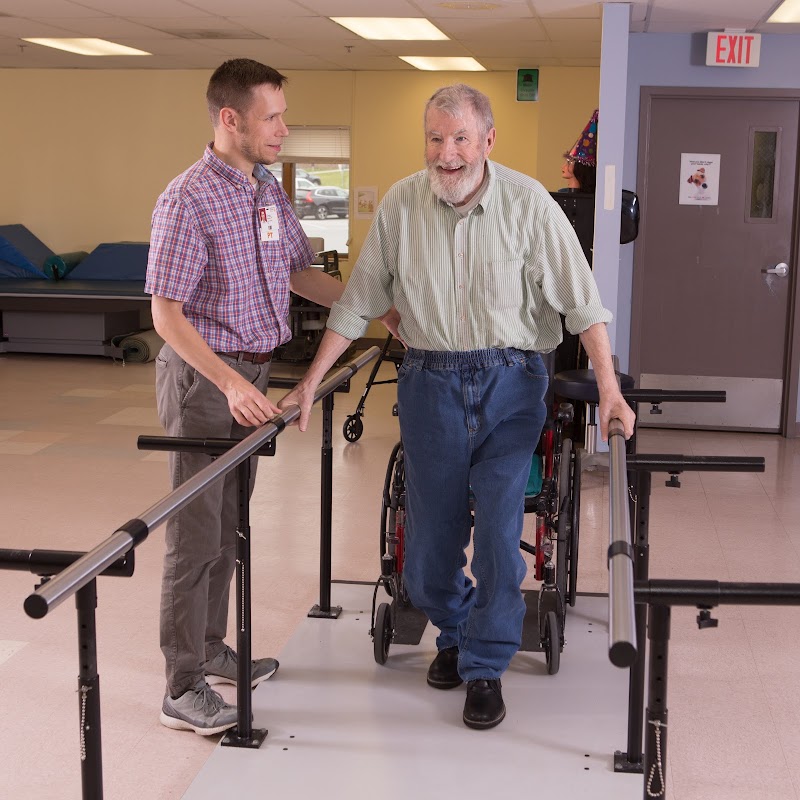
How is Center For Living & Rehabilitation Staffed?

CMS rates Center for Living & Rehabilitation's staffing level at 3 out of 5 stars, which is average compared to other nursing homes. Staff turnover is 59%, which is 13 percentage points above the Vermont average of 46%. High turnover can affect care consistency as new staff learn residents' individual needs.

What Have Inspectors Found at Center For Living & Rehabilitation?

State health inspectors documented 39 deficiencies at Center for Living & Rehabilitation during 2023 to 2025. These included: 35 with potential for harm and 4 minor or isolated issues.
Who Owns and Operates Center For Living & Rehabilitation?

Center for Living & Rehabilitation is owned by a for-profit company. For-profit facilities operate as businesses with obligations to shareholders or private owners. The facility is operated by ALLAIRE HEALTH SERVICES, a chain that manages multiple nursing homes. With 130 certified beds and approximately 122 residents (about 94% occupancy), it is a mid-sized facility located in Bennington, Vermont.

How Does Center For Living & Rehabilitation Compare to Other Vermont Nursing Homes?

Compared to the 100 nursing homes in Vermont, Center for Living & Rehabilitation's overall rating (3 stars) is above the state average of 2.8, staff turnover (59%) is significantly higher than the state average of 46%, and health inspection rating (3 stars) is at the national benchmark.

What Should Families Ask When Visiting Center For Living & Rehabilitation?

Based on this facility's data, families visiting should ask: "How do you ensure continuity of care given staff turnover, and what is your staff retention strategy?" "Can I visit during a mealtime to observe dining assistance and food quality?" "How do you handle medical emergencies, and what is your hospital transfer rate?" "Can I speak with family members of current residents about their experience?" These questions are particularly relevant given the facility's high staff turnover rate.

Is Center For Living & Rehabilitation Safe?

Based on CMS inspection data, Center for Living & Rehabilitation has a clean safety record: no substantiated abuse findings (meaning no confirmed cases of resident harm), no Immediate Jeopardy citations (the most serious violation level indicating risk of serious injury or death), and is not on the Special Focus Facility watch list (a federal program monitoring the lowest-performing 1% of nursing homes). The facility has a 3-star overall rating and ranks #1 of 100 nursing homes in Vermont. While no facility is perfect, families should still ask about staff-to-resident ratios and recent inspection results during their visit.

Do Nurses at Center For Living & Rehabilitation Stick Around?

Staff turnover at Center for Living & Rehabilitation is high. At 59%, the facility is 13 percentage points above the Vermont average of 46%. High turnover means new staff may not know residents' individual needs, medications, or preferences. It can also be disorienting for residents, especially those with dementia who rely on familiar faces. Families should ask: What is causing the turnover? What retention programs are in place? How do you ensure care continuity during staff transitions?

Was Center For Living & Rehabilitation Ever Fined?

Center for Living & Rehabilitation has no federal fines on record. CMS issues fines when nursing homes fail to meet care standards or don't correct problems found during inspections. The absence of fines suggests the facility has either maintained compliance or corrected any issues before penalties were assessed. This is a positive indicator, though families should still review recent inspection reports for the full picture.

Is Center For Living & Rehabilitation on Any Federal Watch List?

Center for Living & Rehabilitation is not on any federal watch list. The most significant is the Special Focus Facility (SFF) program, which identifies the bottom 1% of nursing homes nationally based on persistent, serious quality problems. Not being on this list means the facility has avoided the pattern of deficiencies that triggers enhanced federal oversight. This is a positive indicator, though families should still review the facility's inspection history directly.