BROOKFIELD HEALTH AND REHAB OF CASCADIA
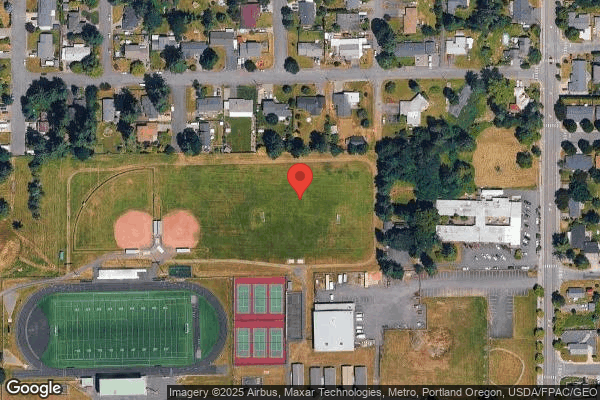
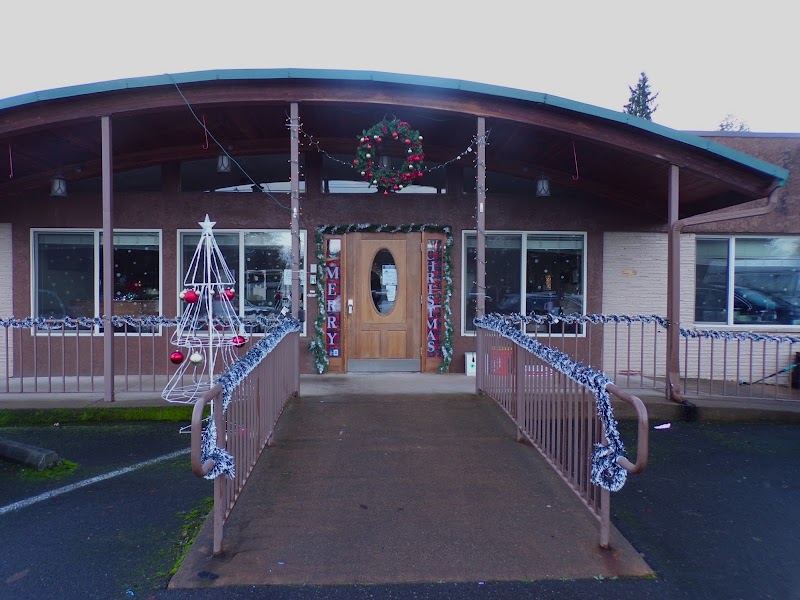
510 NORTH PARKWAY, BATTLE GROUND, WA 98604 (360) 687-5141
For profit - Limited Liability company 83 Beds CASCADIA HEALTHCARE Data: November 2025
Trust Grade
25/100
#96 of 190 in WA
Last Inspection: May 2025

Inspected within the last 6 months. Data reflects current conditions.

Overview

Brookfield Health and Rehab of Cascadia has received a Trust Grade of F, which indicates significant concerns about the facility's care and operations. Ranking at #96 out of 190 nursing homes in Washington, they fall in the bottom half of facilities in the state, and at #7 out of 8 in Clark County, only one local option is better. The facility's performance is worsening, with the number of issues increasing from 12 in 2024 to 14 in 2025. While staffing is rated average with a turnover rate of 64%, above the state average, RN coverage is a strength, exceeding that of 83% of other Washington facilities. However, serious incidents have occurred, including a resident suffering harm due to a medication error when another resident's medication was mistakenly ingested, and another experiencing a fractured femur from improper assistance during bed mobility. These incidents highlight both the facility's weaknesses and the need for improvement in resident care and safety practices.

Trust Score
F
25/100
In Washington
#96/190
Top 50%
Safety Record
High Risk
Review needed
Inspections
Getting Worse
12 → 14 violations
Staff Stability
⚠ Watch
64% turnover. Above average. Higher turnover means staff may not know residents' routines.
Penalties
✓ Good
No fines on record. Clean compliance history, better than most Washington facilities.
Skilled Nurses
✓ Good
Each resident gets 65 minutes of Registered Nurse (RN) attention daily — more than 97% of Washington nursing homes. RNs are the most trained staff who catch health problems before they become serious.
Violations
⚠ Watch
36 deficiencies on record. Higher than average. Multiple issues found across inspections.
★★★☆☆
3.0
Overall Rating
★★★☆☆
3.0
Staff Levels
★★★☆☆
3.0
Care Quality
★★★☆☆
3.0
Inspection Score
Stable
2024: 12 issues
2025: 14 issues

The Good

  • Full Sprinkler Coverage · Fire safety systems throughout facility
  • No fines on record

Facility shows strength in fire safety.

The Bad

3-Star Overall Rating

Near Washington average (3.2)

Meets federal standards, typical of most facilities

Staff Turnover: 64%

17pts above Washington avg (46%)

Frequent staff changes - ask about care continuity

Chain: CASCADIA HEALTHCARE

Part of a multi-facility chain

Ask about local staffing decisions and management

Staff turnover is elevated (64%)

16 points above Washington average of 48%

The Ugly 36 deficiencies on record

6 actual harm
Jun 2025 2 deficiencies 1 Harm
SERIOUS (G) 📢 Someone Reported This

A family member, employee, or ombudsman was alarmed enough to file a formal complaint

Actual Harm - a resident was hurt due to facility failures

Deficiency F0760 (Tag F0760)

A resident was harmed · This affected 1 resident

**NOTE- TERMS IN BRACKETS HAVE BEEN EDITED TO PROTECT CONFIDENTIALITY** . Based on interview and record review, the facility failed to ensure residents were free from significant medication errors for...

Read full inspector narrative →
**NOTE- TERMS IN BRACKETS HAVE BEEN EDITED TO PROTECT CONFIDENTIALITY** . Based on interview and record review, the facility failed to ensure residents were free from significant medication errors for 1 of 3 sampled residents (Resident 1) reviewed for medication errors when another resident's medication(s) were left unattended and then taken by/ingested by the wrong resident. Resident 1 experienced harm when they became unresponsive and required intensive care level hospitalization and mechanical ventilation. This failure placed all residents at risk for medical complications. Findings included . Resident 1 was admitted to the facility on [DATE] with diagnoses including liver cirrhosis (scarred liver with impaired functioning) and stage 3 kidney disease (impaired functioning of the kidney(s). Resident 1's Minimum Data Set (MDS/an assessment tool), dated [DATE], documented Resident 1 was unable to participate in the assessment. A nursing progress note, dated [DATE] at 3:08 AM, documented, Resident 1 ingested a Zyprexa 10 milligram (mg) pill (an antipsychotic medication) that was not his ordered medication while standing at the medication cart and taking their bedtime medications. The writing nurse documented they notified the Medical Doctor (MD) at approximately 2:00 AM when Resident 1 began to mumble incoherent speech. The MD ordered Resident 1 be transferred to the emergency room. The Facility Medication Error Report, dated [DATE], documented Resident 1 took medication off the medication cart when the licensed nurse (LN) had stepped away and that the medication was gone when she returned. Resident 1 was sent to and admitted to the hospital. The root cause identified as: cup with roommate's medication in it left on medication cart. The Facility Transfer Report, dated [DATE], documented the reason for transfer was due to Resident 1 being unresponsive. During an interview on [DATE] at 2:30 PM, Staff A, Interim Director of Nursing Services (DNS), stated that Resident 1 took a 10mg Zyprexa, became unresponsive, was sent to the hospital, and spent 3 days on a ventilator in the intensive care unit. The DNS stated that the LN gave two separate stories to her at different times being that Resident 1 took the medication off of the cart while she was right there and later stated that Resident 1 took the medication while she had stepped away from the cart. During an interview on [DATE] at 2:22 PM, Resident 1's daughter stated that the first night after admission, she received a message from a nurse at the facility informing her that Resident 1 was unresponsive and en route to the hospital. The nurse told her, [Resident 1] woke up, hobbled over to her medication cart, grabbed a pill, threw it in their mouth and swallowed it without water. Resident 1's daughter stated she immediately went to the hospital, where Resident 1 was found to be completely unresponsive. Approximately four hours later, Resident 1 was placed on life support, which the resident remained on for several days. Resident 1's daughter stated that Resident 1 was not prescribed Zyprexa, had never been on that type of medication, and she did not believe the resident would have took it on their own. Resident 1's daughter stated, This didn't happen to [Resident 1] because of [their] age, or an injury. This was done to [them]. [Resident 1] survived but could easily have died. During an interview on [DATE] at 1:04 PM, Staff D, Licensed Practical Nurse (LPN), stated that to ensure correct medication administration, she checked the medication against the Medication Administration Record (MAR), to verify identity she asks the resident their name. If the resident is nonverbal, she will look at the photo in the residents chart for reference or ask other staff. She stated medications remain secured in the medication cart until ready to administer and were never left unattended on top of the cart. During interview on [DATE] at 1:07 PM, Staff E, LPN, stated that she verified the resident's identity by asking the resident to confirm their name, resident chart photos, ID bracelets sometime if they just came from the hospital, or by consulting with familiar staff. She confirmed medications were kept locked in the cart and not left on top of it unattended. During interview on [DATE] at 1:12 PM, Staff F, a Registered Nurse (RN), stated that residents were identified by their chart picture or staff verification if non-verbal. She confirmed medications were supposed to be locked in the cart until ready to administer and ensure they were never left unattended. During an interview on [DATE] at 1:20 PM, Staff C, Chief Executive Officer, stated he was unable to comment on the incident and had not been notified it had occurred. Reference WAC 388-97-1060 (3)(k)(iii) .
CONCERN (D) 📢 Someone Reported This

A family member, employee, or ombudsman was alarmed enough to file a formal complaint

Potential for Harm - no one hurt, but risky conditions existed

Report Alleged Abuse (Tag F0609)

Could have caused harm · This affected 1 resident

**NOTE- TERMS IN BRACKETS HAVE BEEN EDITED TO PROTECT CONFIDENTIALITY** . Based on interview and record review, the facility failed to report a significant medication error to the State Survey Agency,...

Read full inspector narrative →
**NOTE- TERMS IN BRACKETS HAVE BEEN EDITED TO PROTECT CONFIDENTIALITY** . Based on interview and record review, the facility failed to report a significant medication error to the State Survey Agency, as required for 1 of 3 residents (Resident 1) reviewed for medication administration and resulted in hospitalization and ventilator support. The failure to report a serious incident delayed appropriate oversight and investigation, placing residents at risk for harm. Findings included . Resident 1 was admitted to the facility on [DATE] with diagnoses including liver cirrhosis (scarred liver with impaired functioning) and stage 3 kidney disease (impaired functioning of the kidney(s). The Minimum Data Set (MDS) dated [DATE] documented that the resident was unable to participate in the assessment. A nursing progress note dated 05/04/25 at 3:08 AM documented: [Resident 1] ingested a Zyprexa (antispychotic medication) 10 mg [milligrams] [tablet] that was not ordered for [Resident 1] while standing at my medication cart taking their meds. This nurse notified MD [medical doctor] at approx. 2:00 AM when [Resident 1] began to mumble incoherent speech. MD ordered [Resident 1] to be transferred to ER [emergency room]. The facility incident log, dated 05/08/2025, noted the incident occurred on 05/03/2025 at 9:30 PM and confirmed that the state hotline was not notified of the event. During an interview on 05/21/2025 at 2:30 PM, Staff A, Interim Director of Nursing Services (DNS), stated that Resident 1 ingested 10 mg of Zyprexa, became unresponsive, and was transferred to the hospital, where the resident was placed on a ventilator in the intensive care unit for three days. Staff A reported that regional staff advised the incident did not require reporting, so it was not reported to the state hotline. On 06/09/2025 at 1:00 PM, Staff B, newly appointed Interim DNS, stated that the medication error should have been reported to the State Survey Agency. On 06/09/2025 at 1:20 PM, Staff C, Chief Executive Officer, was unable to comment on events and stated that he had not been notified of this incident. WAC 388-97-0640 (5)(6)(c) .
May 2025 11 deficiencies
CONCERN (D)

Potential for Harm - no one hurt, but risky conditions existed

Resident Rights (Tag F0550)

Could have caused harm · This affected 1 resident

**NOTE- TERMS IN BRACKETS HAVE BEEN EDITED TO PROTECT CONFIDENTIALITY** . Based on observation, interview and record review, the facility failed to ensure a resident's personal privacy was protected a...

Read full inspector narrative →
**NOTE- TERMS IN BRACKETS HAVE BEEN EDITED TO PROTECT CONFIDENTIALITY** . Based on observation, interview and record review, the facility failed to ensure a resident's personal privacy was protected and maintained when a privacy curtain was not installed for 1 of 2 sampled residents (200) reviewed for resident rights. This failure placed residents at risk for diminished self-worth, self-esteem and overall well-being. Findings included . Resident 200 was admitted to the facility on [DATE]. The admission Minimum Data Set assessment, dated 04/25/2025, documented the resident was alert and oriented. On 05/04/2025 at 12:14 PM, Resident 200's room was observed without having a privacy curtain installed. At 12:27 PM, Resident 200 said there had not been a privacy curtain in her room since she was admitted to the facility. The resident said the only way to maintain privacy during care was to keep the room door shut. Resident 200 stated, I can use my bed pan on my own, but I can't close the door on my own. Resident 200 said she had requested to have the privacy curtains installed, but it had not been done yet. Resident 200 said she had been concerned about her privacy for over two weeks; and stated, I am exposed, and I don't like it. On 05/05/2025 at 9:04 AM, Resident 200's room was observed without having a privacy curtain installed. At 10:13 AM, Staff L, Maintenance Manager, said a privacy curtain should be in installed for every resident prior to admitting. Staff L said he was not aware Resident 200 was missing her privacy curtain, and said he would see that it is installed. On 05/06/2025 at 8:57 AM, Staff B, Chief Nursing Officer and Registered Nurse, said she was not aware of the privacy curtain missing for Resident 200. Staff B said she would expect a privacy curtain installed in every room, including Resident 200's. See F-583 Reference WAC 388-97-0180 (1-4) .
CONCERN (D)

Potential for Harm - no one hurt, but risky conditions existed

Deficiency F0583 (Tag F0583)

Could have caused harm · This affected 1 resident

**NOTE- TERMS IN BRACKETS HAVE BEEN EDITED TO PROTECT CONFIDENTIALITY** . Based on observation, interview and record review, the facility failed to ensure personal privacy was maintained by not having...

Read full inspector narrative →
**NOTE- TERMS IN BRACKETS HAVE BEEN EDITED TO PROTECT CONFIDENTIALITY** . Based on observation, interview and record review, the facility failed to ensure personal privacy was maintained by not having a privacy curtain installed for 1 of 2 sampled residents (200) reviewed for personal privacy. This failure placed residents at risk for loss of privacy during personal care, embarrassment and decreased quality of life. Findings included . Resident 200 was admitted to the facility on [DATE]. The admission Minimum Data Set assessment, dated 04/25/2025, documented Resident 200 was alert and oriented. On 05/04/2025 at 12:14 PM, Resident 200's room was observed without a privacy curtain being installed. At 12:27 PM, Resident 200 said there had not been a privacy curtain in her room since she was admitted to the facility. The resident said the only way to maintain privacy during care was to keep the room door shut. Resident 200 stated, I can use my bed pan on my own, but I can't close the door on my own. Resident 200 said she had requested to have the privacy curtains installed, but it had not been done yet. On 05/05/2025 at 9:04 AM, a privacy curtain in Resident 200's room was not observed. At 10:13 AM, Staff L, Maintenance Manager, said a privacy curtain should be in installed for every resident prior to admitting. Staff L said he was not aware Resident 200 was missing her privacy curtain, and he would see that it was installed. On 05/06/2025 at 8:57 AM, Staff B, Chief Nursing Officer and Registered Nurse, said she was not aware of Resident 200's privacy curtain missing, and she would expect a privacy curtain installed in every room. Reference WAC 388-97-0360 (1) .
CONCERN (D)

Potential for Harm - no one hurt, but risky conditions existed

Investigate Abuse (Tag F0610)

Could have caused harm · This affected 1 resident

**NOTE- TERMS IN BRACKETS HAVE BEEN EDITED TO PROTECT CONFIDENTIALITY** . Based on interview and record review, the facility failed to ensure a thorough investigation was conducted for 1 of 3 sampled ...

Read full inspector narrative →
**NOTE- TERMS IN BRACKETS HAVE BEEN EDITED TO PROTECT CONFIDENTIALITY** . Based on interview and record review, the facility failed to ensure a thorough investigation was conducted for 1 of 3 sampled residents (35) reviewed for accident and incident investigations. This failure placed residents at risk for identified abuse and neglect, inappropriate corrective actions, recurrent falls, and a diminished quality of life. Findings included . Resident 35 was admitted to the facility on [DATE]. The annual Minimum Data Set assessment, dated 04/01/2025, indicated Resident 35 was severely cognitively impaired. A progress note, dated 03/02/2025 at 3:51 PM, documented, Pt. [Resident 35] found fallen in room face down prone, head between bedside table and bed, bed low to floor and call light within reach at time, floor mat for fall risk precautions . The Incident Investigation Directives Post Fall/Skin Alteration, dated 03/02/2025, did not have a root cause analysis and/or indication if additional intervention were necessary. On 05/06/2025 at 1:24 PM, Staff B, Chief Nursing Officer and Registered Nurse, said the incident investigation should rule out abuse/neglect and prevent future issues. Staff B said the investigation should address the root cause of the fall. Reference WAC 388-97-0640 (6)(a)(b) .
CONCERN (D)

Potential for Harm - no one hurt, but risky conditions existed

Deficiency F0657 (Tag F0657)

Could have caused harm · This affected 1 resident

**NOTE- TERMS IN BRACKETS HAVE BEEN EDITED TO PROTECT CONFIDENTIALITY** . Based on observation, interview and record review, the facility failed to ensure resident care plans were revised to accuratel...

Read full inspector narrative →
**NOTE- TERMS IN BRACKETS HAVE BEEN EDITED TO PROTECT CONFIDENTIALITY** . Based on observation, interview and record review, the facility failed to ensure resident care plans were revised to accurately reflect care needs for 1 of 8 sampled residents (29) reviewed for care plan revisions. This failure placed residents at risk for unidentified and unmet care needs and a diminished quality of life. Findings included . Resident 29 was admitted to the facility on [DATE]. The Significant Change Minimum Data Set assessment, dated 04/07/2025, documented, in the staff assessment for mental status, Resident 29 was moderately cognitively impaired. Review of Resident 29's impaired mobility and self-care deficit care plan, revised 02/01/2024, documented Resident 29 had the bed against the wall for increased living space, initiated 01/20/2024. Review of Resident 29's at risk for falls care plan, revised 02/01/2024, documented Resident 29 had full side railing for ease of mobility and transfers, initiated 01/03/2025. On 05/04/2025 at 11:37 AM, Resident 29's bed was observed with a quarter rail on the middle right side of the bed. Resident 29's bed was not placed against the wall. On 05/05/2025 at 8:22 AM, Resident 29's bed was observed with a quarter rail on the middle right side of the bed. Resident 29's bed was not placed against the wall. At 12:13 PM, Resident 29's bed was observed with a quarter rail on the middle right side of the bed. Resident 29's bed was not placed against the wall. On 05/06/2025 at 9:26 AM, Resident 29 was observed lying on his back in bed with a quarter rail on the middle right side of the bed. Resident 29's bed was not placed against the wall. Record review of Resident 29's care plan did not document a quarter rail on the right side of the bed. On 05/07/2025 at 8:40 AM, Staff I, Resident Care Manager and Licensed Practical Nurse, said Resident 29 had a care plan in place for a full side rail and a bed against the wall. Staff I said Resident 29's bed was not against the wall and he did not have a full side rail. Staff I stated, The care plan was not updated, and it should have been. Staff I said there was not a care plan in place for the quarter rail on the right side of the bed and indicated there should have been. At 10:15 AM, Staff B, Chief Nursing Officer and Registered Nurse, said it was her expectation Resident 29's care plan was updated to reflect current care needs. Reference WAC 388-97-1020 (1)(2)(c)(d) .
CONCERN (D)

Potential for Harm - no one hurt, but risky conditions existed

Quality of Care (Tag F0684)

Could have caused harm · This affected 1 resident

**NOTE- TERMS IN BRACKETS HAVE BEEN EDITED TO PROTECT CONFIDENTIALITY** . Based on observation, interview and record review, the facility failed to ensure physician orders were followed to obtain weig...

Read full inspector narrative →
**NOTE- TERMS IN BRACKETS HAVE BEEN EDITED TO PROTECT CONFIDENTIALITY** . Based on observation, interview and record review, the facility failed to ensure physician orders were followed to obtain weights for 1 of 5 sampled residents (35), and failed to follow physician orders and resident's care plan to label intravenous (IV, a way to give a drug through a needle or tube inserted into a vein) bag and/or tubing for 1 of 1 sampled residents (250) reviewed for quality of care related to following physician orders and/or resident's care plan. This failure placed residents at risk for medical complications, inaccurate physician treatment plan and a diminished quality of life. Findings included . 1) Resident 35 was admitted to the facility on [DATE]. The annual Minimum Data Set (MDS) assessment, dated 04/01/2025, indicated Resident 35 was severely cognitively impaired. The care plan, dated 04/14/2023, indicated weights as order per facility protocol. The physician's order, dated 03/09/2025, was to weigh weekly every day shift every Wednesday for Routine Monitoring. The electronic health records (EHR), dated 03/12/2025, documented Resident 35 refused. The EHR, dated 03/19/2025, documented Resident 35 weighed 132.2 lbs. (pounds). The EHR, dated 04/02/2025, documented Resident 35 weight was incorrect documentation. No other documentation regarding his weight was found. The EHR showed no weights were taken on 04/09/2025. The EHR, dated 04/16/2025, documented Resident 35 weighed 141 lbs. The EHR, dated 04/23/2025, documented Resident 35 weight was incorrect documentation. No other documentation regarding his weight was found. On 05/07/2025 at 9:41 AM, Staff O, Nursing Assistant, said weights were done monthly unless the nurse told them to do one. At 10:10 AM, Staff I, Resident Care Manager and Licensed Practical Nurse, said incorrect documentation meant the weight was incorrect. Staff I said we should have done another to get an accurate weight. Staff I said a re-do should be done by the next day. At 10:19 AM, Staff B, Chief Nursing Officer and Registered Nurse (RN), said if there was an order for weights we should follow it. 2) Resident 250 was admitted to the facility on [DATE], discharged to the hospital with return anticipated on 05/04/2025, and re-admitted to the facility on [DATE]. The Annual MDS assessment, dated 02/13/2025, showed Resident 250 was moderately cognitively impaired. A physician's order, dated 04/29/2025 and 05/06/2025, documented Resident 250 was prescribed Piperacillin Sodium-Tazobactam Sodium (an antibiotic medication used to treat infections) IV every eight hours. The April 2025 and May 2025 Medication Administration Record showed Resident 8 was receiving Piperacillin Sodium-Tazobactam Sodium IV every eight hours. A physician's order, dated 04/29/2025 and 05/06/2025, documented Resident 250 was prescribed, Change Administration Set: Every 24 hours for Intermittent Infusions. - every day shift for IV Maintenance Label with date, time, and initials one time a day. Resident 250's PICC (a type of catheter inserted through a peripheral vein used when IV treatment is required over a long period) for administration of IV medications care plan, revised 04/30/2025, documented, Complete drug label identification on bag to include .date, time and signature of the nurse hanging the solution. On 05/04/2025 at 11:12 AM, Resident 250 was observed lying in bed. An empty IV antibiotic bag and/or bottle and tubing was observed hanging from an IV pole with no date, time, or initials on the IV antibiotic bag and/or bottle and tubing. On 05/07/2025 at 8:19 AM, Resident 250 was observed lying in bed. An empty IV antibiotic bag and/or bottle and tubing was observed hanging from an IV pole with no date, time, or initials on the IV antibiotic bag and/or bottle and tubing. At 8:59 AM, Staff I said IV administration sets were supposed to be labeled with the date and time. At 9:10 AM, Staff J, RN, said when she took down the empty IV bag and tubing at 8:30 AM before hanging a new one, the empty IV medication bag and tubing she took down did not have any initials, date, or time on it. At 10:21 AM, Staff B said it was her expectation the IV administration sets and bags were labeled with the date, time, and initials per physician orders. Reference WAC 388-97-1060 (1)(3)(ii) .
CONCERN (D)

Potential for Harm - no one hurt, but risky conditions existed

Accident Prevention (Tag F0689)

Could have caused harm · This affected 1 resident

**NOTE- TERMS IN BRACKETS HAVE BEEN EDITED TO PROTECT CONFIDENTIALITY** . Based on observation, interview, and record review, the facility failed to ensure a safe environment was maintained and free f...

Read full inspector narrative →
**NOTE- TERMS IN BRACKETS HAVE BEEN EDITED TO PROTECT CONFIDENTIALITY** . Based on observation, interview, and record review, the facility failed to ensure a safe environment was maintained and free from hazards related to a bed and/or linens against a baseboard heater on the wall for 1 of 8 beds reviewed for accident hazards. This failure placed residents at risk for avoidable accidents and injuries, negative health outcomes, and a diminished quality of life. Findings included . Resident 250 was admitted to the facility on [DATE]. The Annual Minimum Data Set assessment, dated 02/13/2025, showed Resident 250 was moderately cognitively impaired. On 05/04/2025 at 11:27 AM, Resident 250 was observed lying in his bed. The left side of Resident 250's bed was observed against the wall. A baseboard heater was on the wall along side the bed. Blankets on the bed were observed hanging down the left side of the bed touching the baseboard heater. A plastic tub was under the bed near the heater. Red tape was on the floor boxing an area of about 12 inches out from where the baseboard heater was. The wheels on the left side of the bed were observed near the wall inside of the red tape. A sign was posted on the wall, above and to the right of the baseboard heater, that showed, No items within 12-inches of base board heaters WARNING FIRE RISK. The heater was observed to be off. When asked why the resident's bed was against the wall, Resident 250 said he did not know. Resident 250 stated, They keep it up against the wall, but it's not supposed to be . It's a fire hazard. Resident 250 said the baseboard heater was off and had not been on with the bed against the wall. At 12:02 PM, Staff K, Housekeeper, said the temperature in a resident room was turned on and adjusted by a knob on the baseboard heater. When asked about the bed against the wall in front of the baseboard heater for Resident 250, Staff K said they cannot reach the controller to turn on the heater in his room. The bed was blocking it. The controller was observed on the baseboard heater near the head of the bed. When asked if the bed should be against the heater on the wall, Staff K said she did not know. At 12:08 PM, Staff E, Licensed Practical Nurse, said the temperature in a resident's room was adjusted by a thermostat on the heater where you could turn it on. Staff E said there were regulations they had to follow, and stated, The beds have to be so far away from the heaters. After going to Resident 250's room to look at the baseboard heater, Staff E immediately moved the bed away from the wall and said she had to move the bed. It should not be against the wall by the heater. Staff E said they could not reach the thermostat, it was behind the head of the bed. The thermostat was observed to be off when Staff E checked it. At 12:38 PM, Staff B, Chief Nursing Officer and Registered Nurse, said there should not be anything within a 12-inch radius in front of a baseboard heater. Staff B said Resident 250's bed should not have been against the heater. Reference WAC 388-97-3240 (1), -3220 .
CONCERN (D)

Potential for Harm - no one hurt, but risky conditions existed

Respiratory Care (Tag F0695)

Could have caused harm · This affected 1 resident

**NOTE- TERMS IN BRACKETS HAVE BEEN EDITED TO PROTECT CONFIDENTIALITY** . Based on observation, interview and record review, the facility failed to ensure supplemental oxygen use was accurately docume...

Read full inspector narrative →
**NOTE- TERMS IN BRACKETS HAVE BEEN EDITED TO PROTECT CONFIDENTIALITY** . Based on observation, interview and record review, the facility failed to ensure supplemental oxygen use was accurately documented in the Electronic Health Record (EHR) and oxygen tubing was changed for 1 of 2 sampled residents (47) reviewed for respiratory care. This failure placed residents at risk of not receiving accurate assessments, worsening health complications, and a decreased quality of life. Findings included . Resident 47 was admitted to the facility on [DATE] with diagnoses including chronic obstructive pulmonary disease (COPD, a progressive lung disease that makes it difficult to breathe) and acute respiratory failure with hypoxia (a low level of oxygen in the blood). The admission Minimum Data Set assessment, dated 04/08/2025, documented in the staff assessment for mental status, Resident 47 was moderately cognitively impaired. A physician's order, dated 04/27/2025, showed Resident 47 was prescribed a Supplemental oxygen of 1-4L [liter/s] for SPO2 [oxygen saturation, measurement of how much oxygen is in your blood] <90. (less than 90) as needed. On 05/04/2025 at 4:12 PM, Resident 47 was observed lying in bed with oxygen on per nasal cannula running at 1 lpm (liter per minute). The oxygen tubing was observed to be undated. On 05/05/2025 at 8:33 AM, Resident 47 was observed lying in bed. Resident 47's wheelchair was observed sitting in the hallway outside of her room. A portable oxygen tank was hanging on the back of the wheelchair with undated oxygen nasal cannula tubing wrapped around the tank. At 12:19 PM, the oxygen concentrator in Resident 47's room was observed to be running at 1.5 lpm. The oxygen tubing was undated. Resident 47 was not in her room. At 1:20 PM, Resident 47 was observed sitting in her wheelchair in the dining room with oxygen on per nasal cannula running at 3 lpm. The oxygen tubing was observed to be undated. Record review of Resident 47's EMAR (electronic medication administration record) and/or ETAR (electronic treatment administration record) did not document the use of supplemental oxygen on 05/04/2025 or 05/05/2025. Record review of Resident 47's Electronic Health Record (EHR) did not document the SPO2 measurement for Resident 47 without the use of oxygen 05/04/2025 or 05/05/2025. Record review of Resident 47's EHR did not document oxygen tubing had been changed. At 1:38 PM, Staff I, Resident Care Manager and Licensed Practical Nurse, said to determine the liters per minute of oxygen needed for supplemental oxygen, it should be in the physician's order to determine how much oxygen a resident needed based on their SPO2 with the oxygen off. After looking at Resident 47's EHR, Staff I said the resident's oxygen use for 05/04/2025 or 05/05/2025 was not documented in the EMAR and it should have been. Staff I was unable to find documentation Resident 47's SPO2 was checked without oxygen on 05/04/2025 or 05/05/2025. Staff I said for residents that used oxygen, they changed oxygen tubing weekly and documented it on the ETAR. Staff I was unable to find physician orders and/or documentation for changing Resident 47's oxygen tubing. At 2:08 PM, Staff B, Chief Nursing Officer and Registered Nurse, said she expected there would be documentation the SPO2 was assessed to be below 90 for the need of supplemental oxygen and reassessed after administering oxygen to see if it was effective. After looking at Resident 47's EHR, Staff B said it was not done. Staff B said the standard for changing oxygen tubing was weekly. Reference WAC 388-97-1060 (1)(3)(vi) .
CONCERN (D)

Potential for Harm - no one hurt, but risky conditions existed

Infection Control (Tag F0880)

Could have caused harm · This affected 1 resident

**NOTE- TERMS IN BRACKETS HAVE BEEN EDITED TO PROTECT CONFIDENTIALITY** . Based on observation, interview, and record review, the facility failed to ensure staff properly donned (putting on) personal ...

Read full inspector narrative →
**NOTE- TERMS IN BRACKETS HAVE BEEN EDITED TO PROTECT CONFIDENTIALITY** . Based on observation, interview, and record review, the facility failed to ensure staff properly donned (putting on) personal protective equipment for 1 of 2 sampled residents (37) reviewed for infection prevention and control. This failure placed residents at risk for the spread of infection transmission in the facility and a diminished quality of life. Findings included . Resident 37 was admitted to the facility on [DATE]. The Quarterly Minimum Data Set assessment, dated 03/25/2025, documented Resident 37 was severely cognitively impaired. Record review of Resident 37's physician orders, dated 04/30/2025, showed Resident 37 was prescribed Ofloxacin Opthalmic Solution (an antibiotic used to treat bacterial infection of the eye) to both eyes for seven days for conjunctivitis. A physician's order, dated 04/30/2025, documented, Contact Isolation precautions every shift for Conjunctivitis until 05/07/2025. On 05/04/2025 at 10:46 AM, a sign was observed posted on the wall by the door of Resident 37, room [ROOM NUMBER], that showed, Contact Precautions [infection control measures used to prevent the spread of infections that are transmitted through direct contact with an infected person or their environment] .Doctors and staff must gown and glove at door . Staff E, Licensed Practical Nurse, said Resident 37 was on contact precautions due to pink eye (conjunctivitis, inflammation of the white part of the eye that can be extremely contagious and spread by contact from someone who is infected). At 12:26 PM, Staff G, Certified Nursing Assistant (CNA), and Staff D, Staffing Coordinator and CNA, were observed entering room [ROOM NUMBER], Resident 37's room. Staff G and Staff D did not don gloves or gowns prior to entering room [ROOM NUMBER]. Staff G and Staff D went to each side of Resident 37's bed and boosted him up in the bed, without gloves or gowns donned. After exiting Resident 37's room, Staff G and Staff D were asked about the process for contact precautions. Staff G said she only needed to gown and glove up when she did personal care for the resident. Staff G said she was told Resident 37 was on contact precautions for urine and she only needed to gown and glove up if she was doing a urine change. Staff D said she was told she only needed to gown and glove up when she did personal care. At 12:33 PM, Staff E said for contact precautions, staff only had to gown and glove up when they treated the specific problem. At 12:42 PM, Staff B, Chief Nursing Officer and Registered Nurse, said she expected staff to don gloves and gowns at the door prior to entering a room for a resident on contact precautions. Reference WAC 388-97-1320 (1)(a)
CONCERN (D)

Potential for Harm - no one hurt, but risky conditions existed

Deficiency F0883 (Tag F0883)

Could have caused harm · This affected 1 resident

**NOTE- TERMS IN BRACKETS HAVE BEEN EDITED TO PROTECT CONFIDENTIALITY** . Based on interview and record review, the facility failed to ensure the pneumococcal vaccine was administered for 1 of 5 sampl...

Read full inspector narrative →
**NOTE- TERMS IN BRACKETS HAVE BEEN EDITED TO PROTECT CONFIDENTIALITY** . Based on interview and record review, the facility failed to ensure the pneumococcal vaccine was administered for 1 of 5 sampled residents (8) reviewed for immunizations. This failure placed residents at risk for developing pneumonia with potential negative outcomes and a diminished quality of life. Findings included . Record review of the facility's policy entitled, Pneumococcal Program, revised 11/22/2024, documented, .Residents are offered and given the pneumococcal vaccine in accordance with physicians' orders unless: a. Medically contraindicated, b. The resident has already received the immunization or c. The resident or resident advocate refuses. Resident 8 was admitted to the facility on [DATE]. The admission Minimum Data Set assessment, dated 04/22/2025, documented Resident 8 was alert and oriented and the pneumococcal vaccination was not up to date. Review of Resident 8's Vaccine Information Acknowledgement, signed by Resident 8 on 04/16/2025, showed Resident 8 received the Pneumococcal Vaccine Information Sheet and would like to receive any needed vaccines. Review of Resident 8's physician's order, dated 04/16/2025, documented, May have Pneumococcal shot if in season. Injected IM (intramuscular) as prophylaxis for pneumonia. Review of Resident 8's Electronic Health Record (EHR) Immunization Details showed the Pneumococcal PCV20 (a type of pneumococcal vaccine) status was pending immunization. It showed a consent was confirmed by Staff C, Infection Preventionist and Licensed Practical Nurse, on 04/16/2025. Resident 8's EHR did not show documentation of the administration of a pneumococcal vaccination. On 05/06/2025 at 8:32 AM, Staff C, Infection Preventionist, said upon admission, she reviewed hospital records to see if any vaccines were documented and would review vaccines with residents to see what vaccine they wanted. Staff C said Resident 8 had consented to any vaccine he had not received. Staff C said they did not have any record of Resident 8 receiving a pneumococcal vaccine. Staff C said she could not find the pneumococcal vaccine was put on the Medication Administration Record to be given and it should have been. Staff C stated, It was just missed. At 11:06 AM, Staff B, Chief Nursing Officer and Registered Nurse, said she expected vaccinations were administered to residents after orders and consents were obtained. Reference WAC 388-97-1340 (2) .
CONCERN (E)

Potential for Harm - no one hurt, but risky conditions existed

Deficiency F0604 (Tag F0604)

Could have caused harm · This affected multiple residents

**NOTE- TERMS IN BRACKETS HAVE BEEN EDITED TO PROTECT CONFIDENTIALITY** . Based on observation, interview, and record review, the facility failed to ensure bed placement and bed side rails were assess...

Read full inspector narrative →
**NOTE- TERMS IN BRACKETS HAVE BEEN EDITED TO PROTECT CONFIDENTIALITY** . Based on observation, interview, and record review, the facility failed to ensure bed placement and bed side rails were assessed, physician ordered and had an informed consent for 3 of 8 sampled residents (29, 47 & 250) reviewed for physical restraints. This failure placed residents at risk for injury, unmet care needs, and a diminished quality of life. Findings included . Review of the facility's policy entitled, Restraints, revised 03/01/2024, documented, .Procedure 3. Appropriate assessment, care planning by the interdisciplinary team, and documentation of the medical symptoms are documented in the resident medical record . 5. Obtain a time limited physician's order for the use of a restraints. 6. Facility explains to the resident and/or resident advocate the medical symptoms the restraint addresses, potential risks and benefits of any option under consideration, and potential negative outcomes of restraint use to assist the resident in attaining or maintaining his/her highest practicable level of physical or psychological well-being . Bedrails/Side Rails . 3. If the bedrail/side rail is used, the facility ensures correct installation, use, and maintenance of the rail(s), including to but not limited to: a. Obtaining a physician's order with medical rationale. b. Explain potential risks and benefits, noting consent as indicated. c. Assessing the resident for risk of entrapment from bedrail/side rail prior to installation . 1) Resident 29 was admitted to the facility on [DATE]. The Significant Change Minimum Data Set (MDS) assessment, dated 04/07/2025, documented, in the staff assessment for mental status, Resident 29 was moderately cognitively impaired. On 05/04/2025 at 11:37 AM, Resident 29's bed was observed with a quarter rail on the middle right side of the bed. On 05/05/2025 at 8:22 AM, Resident 29's bed was observed with a quarter rail on the middle right side of the bed. At 12:13 PM, Resident 29's bed was observed with a quarter rail on the middle right side of the bed. On 05/06/2025 at 9:26 AM, Resident 29 was observed lying on his back in bed with a quarter rail on the middle right side of the bed. Record review of Resident 29's Electronic Health Record (EHR) showed no evaluation assessment, consent, or physician's order related to bed rails. 2) Resident 47 was admitted to the facility on [DATE] with diagnoses including hemiplegia and hemiparesis (paralysis and muscle weakness on one side of the body) following cerebral infarction (a stroke) affecting right dominant side. The admission MDS assessment, dated 04/08/2025, documented, in the staff assessment for mental status, Resident 47 was moderately cognitively impaired. On 05/04/2025 at 4:12 PM, Resident 47 was observed lying in bed with the left side of the bed against the wall. On 05/05/2025 at 8:33 AM, Resident 47 was observed lying in bed with the left side of the bed against the wall. At 12:19 PM, Resident 47's bed was observed with the left side of the bed against the wall. Resident 47 was not in the room. On 05/06/2025 at 8:26 AM, Resident 47 was observed lying in bed with the left side of the bed against the wall. Record review of Resident 47's EHR showed no evaluation assessment, consent, or physician's order related to the bed against the wall. 3) Resident 250 was admitted to the facility on [DATE]. The Annual MDS assessment, dated 02/13/2025, showed Resident 250 was moderately cognitively impaired. On 05/04/2025 at 11:12 am, Resident 250 was observed lying in bed with the left side of the bed against the wall. At 11:27 AM, when asked about why the resident's bed was against the wall, Resident 250 said he did not know. Resident 250 stated, They keep it up against the wall, but it's not supposed to be . Record review of Resident 250's EHR showed no evaluation assessment, consent, or physician's order related to the bed against the wall. On 05/07/2025 at 8:32 AM, Staff I, Resident Care Manager and Licensed Practical Nurse, said if a resident had bed rails, mobility bars, or a bed against the wall, there should be an evaluation, consent, physician's order, and it should be care planned. Staff I was unable to locate an evaluation, consent, physician's order, and care plan for Resident 29's bed rail, and said there should have been. Staff I was unable to locate an evaluation, consent, physician's order, and care plan for Resident 47's and Resident 250's bed against the wall, and said there should have been. At 10:15 AM, Staff B, Chief Nursing Officer and Registered Nurse, said it was her expectation residents had evaluation assessments, consents, physician orders, and care plans in place for bed rails and/or a bed against the wall. Reference WAC 388-97-0620 (4)(a)(b) .
CONCERN (E)

Potential for Harm - no one hurt, but risky conditions existed

Deficiency F0761 (Tag F0761)

Could have caused harm · This affected multiple residents

. Based on observations and interviews, the facility failed to ensure medication carts were locked when without supervision for 3 of 4 medication carts (on 200 Hall and 300 Hall) reviewed for medicati...

Read full inspector narrative →
. Based on observations and interviews, the facility failed to ensure medication carts were locked when without supervision for 3 of 4 medication carts (on 200 Hall and 300 Hall) reviewed for medication storage. This failure placed residents at risk of having access to medications, and/or misappropriation of narcotic medications. Findings included . On 05/04/2025 at 10:04 AM, two medication carts in the 200 Hall were observed to be unlocked and no staff were in the hallway. On both carts, drawers were able to be pulled open. On 300 Hall, one medication cart was unlocked and drawers were able to be pulled open. At 10:07 AM, Staff M, Registered Nurse, came around the corner from the activity/dining room and locked the two carts on the 200 Hall. Staff M said he was supposed to lock the medication cart when he walked away. This surveyor told Staff M about the cart on the 300 Hall being unlocked as well. At 10:11 AM, This surveyor told Staff M the 300 Hall cart was still unlocked. Staff M was observed going over to the cart on 300 Hall and locking it. At 10:23 AM, Staff N, Licensed Practical Nurse (LPN), said she was supposed to lock the medication cart when she walked away. At 10:56 AM, Staff I, Resident Care Manager and LPN, said when staff walk away from the medication carts, they were supposed to lock them. Reference WAC 388-97-1300 (2) .
Apr 2025 1 deficiency
CONCERN (E) 📢 Someone Reported This

A family member, employee, or ombudsman was alarmed enough to file a formal complaint

Potential for Harm - no one hurt, but risky conditions existed

Deficiency F0760 (Tag F0760)

Could have caused harm · This affected multiple residents

**NOTE- TERMS IN BRACKETS HAVE BEEN EDITED TO PROTECT CONFIDENTIALITY** Based on interview and record review, the facility failed to ensure residents were free from significant medication errors when...

Read full inspector narrative →
**NOTE- TERMS IN BRACKETS HAVE BEEN EDITED TO PROTECT CONFIDENTIALITY** Based on interview and record review, the facility failed to ensure residents were free from significant medication errors when medications were not administered in accordance with provider orders for 5 of 5 sampled residents (Residents 1, 2, 3, 4, & 5) reviewed for significant medication errors. This failure placed residents at risk of adverse medical conditions, a change in health condition, and a diminished quality of life. Findings included . Review of the facility policy Medication Error Reporting, undated, noted, Medication error/variance shall be defined as any preventable event that may cause or lead to inappropriate medication use or resident harm while the medication is in the control of the health care professional . 1) Resident 1 was admitted to the facility on [DATE] with diagnoses including multiple sclerosis (a chronic autoimmune disease affecting the central nervous system particularly the brain and spinal cord), sepsis (a life-threatening condition when the body's response to infection damages its own tissues and organs), and osteomyelitis (a bone infection when microorganisms invade and infect the bone). The quarterly Minimum Data Set (MDS) assessment, dated 03/28/2025, showed Resident 1 was cognitively intact. Review of Resident 1's March 2025 and April 2025 Medication Administration Record (MAR) and Treatment Administration Record (TAR), a comprehensive record of physicians' orders and medications or treatments administered to a resident, showed the following medications were administered at the wrong time or omitted/not administered: <Medications Administered at the Wrong Time> Tramadol 50 milligrams (mg), give 50 mg by mouth two times per day at 8:00 AM and 8:00 PM, for pain related to multiple sclerosis (Accepted nursing practice dictates medication can be administered within a range of one hour prior to the ordered time to one hour after the ordered time.) was administered at the following times: -04/01/2025 Tramadol 50 mg administered at 6:14 PM and 11:32 PM. -04/02/2025 Tramadol 50 mg administered at 10:10 AM. -04/06/2025 Tramadol 50 mg administered at 11:16 PM. -04/07/2025 Tramadol 50 mg administered at 12:54 PM. Vancomycin 125 mg, give 125 mg by mouth four times per day at 1:00 AM, 7:00 AM, 1:00 PM, 7:00 PM, for c-difficile infection (Accepted nursing practice dictates medication can be administered within a range of one hour prior to the ordered time to one hour after the ordered time.) was administered at the following times: -04/02/2025 Vancomycin 125 mg administered at 10:14 AM. -04/03/2025 Vancomycin 125 mg administered at 8:18 PM. -04/04/2025 Vancomycin 125 mg administered at 8:18 PM. -04/05/2025 Vancomycin 125 mg administered at 8:16 AM. -04/06/2025 Vancomycin 125 mg administered at 10:08 PM. -04/07/2025 Vancomycin 125 mg administered at 2:04 AM and 12:46 PM. -04/09/2025 Vancomycin 125 mg administered at 8:10 AM and 2:33 PM. -04/10/2025 Vancomycin 125 mg administered at 2:35 AM. Ciprofloxacin 500 mg by mouth every 12 hours at 8:00 AM and 8:00 PM, for pyelonephritis (inflammation of the kidneys) (Accepted nursing practice dictates medication can be administered within a range of one hour prior to the ordered time to one hour after the ordered time.) was administered at the following times: -04/02/2025 Ciprofloxacin 500 mg administered at 10:09 AM and 7:39 PM. -04/03/2025 Ciprofloxacin 500 mg administered at 8:30 PM. -04/04/2025 Ciprofloxacin 500 mg administered at 10:24 PM. <Treatments Not Administered> The March 2025 and April 2025 TAR showed the following treatments were not administered on the following dates: -03/17/2025 - Clean peri wound area with NS (normal saline), pat dry, apply skin prep or Triad (bandage) every day shift for irritation. -03/29/2025 - Complete Skin Inspection eval weekly: evaluate skin impairments, skin health, nail and foot care. Document results on the evaluation scheduled, every night shift for skin integrity. -03/25/2025 - Ensure pressure relieving cushion on wheelchair every day shift every Tuesday. -03/25/2025 - Ensure resident is offered a shower or bed bath. If refused after multiple attempts, ensure a progress notes is written every day shift every Tues, Fri for hygiene. -03/28/2025 - Ensure resident is offered a shower or bed bath. If refused after multiple attempts, ensure a progress notes is written every day shift every Tues, Fri for hygiene. -03/17/2025 - Left ischium (pelvic bone): Clean with NS, apply collagen powder (powder that aides in wound healing) to wound bed, ½ packing strip moistened with Dakins solution (antiseptic) 0.125%, cover with ABD (abdominal) pad, secure with tape or patient undergarment, every day-shift. -03/19/2025 - Left ischium: Clean with NS, apply collagen powder to wound bed, ½ packing strip moistened with Dakins solution 0.125%, cover with ABD pad, secure with tape or patient undergarment, every day-shift. -03/17/2025 - Weight one time a day every Mon, Wed, Fri. -03/19/2025 - Weight one time a day every Mon, Wed, Fri. -03/17/2025 - Apply split gauze to suprapubic (area above pelvis) every shift. -03/19/2025 - Apply split gauze to suprapubic every shift. -03/17/2025 - Device: Specialty air mattress settings Check functioning and settings, adjust settings if needed, every shift for routine monitoring. -03/19/2025 - Device: Specialty air mattress settings Check functioning and settings, adjust settings if needed, every shift for routine monitoring. -03/17/2025 in the AM - Edema: Bilateral Lower Extremities (LLE, RLE): Monitor every shift. Edema Codes: 0, 1+, 2+, 3+, 4+ Evaluate changes/trending and notify the Provider and chart as needed. every shift for Heart Failure Monitoring. -03/19/2025 in the AM - Edema: Bilateral Lower Extremities: Monitor every shift. Edema Codes: 0, 1+, 2+, 3+, 4+ Evaluate changes/trending and notify the Provider and chart as needed. every shift for Heart Failure Monitoring -03/17/2025 in the AM - Keep as much pressure off of the wound as possible. Use pillows, wedges or other device to prop on to your side to keep the pressure off of the wound. every shift -03/17/2025 in the AM - Left arm to be elevated on pillow d/t (due to) shoulder pain every shift for pain -03/17/2025 in the AM - Left upper extremity (LUE) splint, on at HS (hour of sleep), off in AM. Ensure straps are aligned so fingers are flush with splint. LN (licensed nurse) to monitor skin every shift -03/19/2025 in the AM - LUE (left upper extremity) splint, on at HS, off in AM. Ensure straps are aligned so fingers are flush with splint. LN to monitor skin every shift -03/17/2025 in the AM - Monitor incision for suprapubic site for sx (signs) of infection. every shift -03/19/2025 in the AM - Monitor incision for suprapubic site for sx of infection. every shift -03/17/2025 in the AM - Monitor suprapubic site for s/s (signs and symptoms) of infection every shift -03/19/2025 in the AM - Monitor suprapubic site for s/s of infection every shift -03/17/2025 in the AM - Monitor Vital Signs Q (every) Shift every shift Administer Flu test if one has not been completed -03/19/2025 in the AM - Monitor Vital Signs Q Shift every shift Administer Flu test if one has not been completed -03/01/2025 at HS - Monitor Vital Signs Q Shift every shift Administer Flu test if one has not been completed -03/07/2025 at HS - Monitor Vital Signs Q Shift every shift Administer Flu test if one has not been completed -03/08/2025 at HS - Monitor Vital Signs Q Shift every shift Administer Flu test if one has not been completed -03/17/2025 in the AM - Off load wound to left ischium with rotation every 2 hours. every shift -03/19/2025 in the AM - Off load wound to left ischium with rotation every 2 hours. every shift -03/17/2025 in the AM - Pain Monitor: Document pain rating scale at the start of each shift. Using verbal/non-verbal 0-10 scale. every shift for Monitoring Level of Comfort If resident reports pain or has signs and symptoms of pain, encourage non pharm interventions if ineffective use current pain medications to resolve pain. If symptoms don't resolve or pain doesn't lower to residents desired scale rating, notify medical doctor (MD). -03/17/2025 in the AM - Suprapubic Catheter (tube inserted through a narrow opening into body cavity, particularly the bladder) Care: cleanse with soap and water BID (twice daily). Secure indwelling catheter tubing using anchoring device to prevent movement. every shift for Indwelling Catheter Management -03/17/2025 in the AM - Suprapubic Catheter: measure and record output every shift for Hydration Management -03/01/2025 at HS - Suprapubic Catheter: measure and record output every shift for Hydration Management -03/05/2025 at HS - Suprapubic Catheter: measure and record output every shift for Hydration Management -03/07/2025 at HS - Suprapubic Catheter: measure and record output every shift for Hydration Management -03/08/2025 at HS - Suprapubic Catheter: measure and record output every shift for Hydration Management -03/15/2025 at HS - Suprapubic Catheter: measure and record output every shift for Hydration Management -03/19/2025 at HS - Suprapubic Catheter: measure and record output every shift for Hydration Management -04/04/2025 in the AM - Suprapubic Catheter: measure and record output every shift for Hydration Management -04/07/2025 in the AM - Suprapubic Catheter: measure and record output every shift for Hydration Management -04/08/2025 in the AM - Suprapubic Catheter: measure and record output every shift for Hydration Management -04/01/2025 at HS - Suprapubic Catheter: measure and record output every shift for Hydration Management On 04/11/2025 at 2:40 PM, Resident 1 stated, I want to go home at some point and I can't do that if I don't get better. And I can't do that when I don't even get my medications . I never know when they are going to deliver my medications. It makes me feel invisible here. 2) Resident 2 was admitted to the facility on [DATE] with diagnoses including an intracranial (within the skull) injury and paraplegia (paralysis to the lower body caused by spinal injury). The annual MDS assessment, dated 02/13/2025, showed Resident 2 was moderately cognitively impaired. Review of Resident 2's March 2025 and April 2025 MAR and TAR showed the following treatments were omitted/not administered: -04/05/2025 in the AM - Indwelling suprapubic catheter to straight drain: Size 20F and bulb inflation 10 cc. Change catheter system (including bag) PRN infection, obstruction, and/or when closed system is compromised. every day shift every 21 day(s) -04/06/2025 in the AM - Right foot second digit: Cleanse with NS, apply hydrogel to wound bed, cover with dry dressing daily and PRN (as needed) every day shift every other day -03/14/2025 in the AM - Care Catheter: measure and record output every shift for Hydration Management -03/21/2025 in the AM - Educate resident and/or resident advocate to risks and benefits of ANTICOAGULANT/ANTIPLATELET (blood thinners) therapy, to include severe bleeding. Review quarterly and/or with change of condition every shift 3) Resident 3 was admitted to the facility on [DATE] with diagnosis including Parkinson's and a catatonic disorder. The quarterly MDS, dated [DATE], showed Resident 3 was moderately cognitively impaired. Review of Resident 3's March 2025 and April 2025 MAR and TAR showed the following medications and treatments were omitted/not administered: -04/01/2025 in the AM - Bilateral (both sides) hand splints: On for 2 hours. LN to monitor skin every shift -Start Date 05/09/2024. -04/01/2025 in the AM - Edema: Bilateral Lower Extremities (both sides): Monitor every shift. Edema Codes: 0, 1+, 2+, 3+, 4+ Evaluate changes/trending and notify the MD as needed. every shift for Heart Failure Monitoring -Start Date 08/10/2023. -04/01/2025 in the AM - Encourage fluid intake for constipation every shift for Constipation -Start Date 01/15/2025. -03/01/2025 in the AM - Does resident have difficulty swallowing food and/or medications, or request meds crushed for ease of swallow? every shift -Start Date 01/14/2025 -03/01/2025 in the AM - Encourage up in WC (wheelchair) for all meals every shift -Start Date 02/14/2024. -03/01/2025 in the AM - Keep HOB (head of bed) elevated >45 degrees at all times every shift -Start Date 02/28/2023. -03/01/2025 in the AM - Left lateral support armrest trough to wheelchair, LN (licensed nurse) to monitor skin every shift -Start Date 04/10/2024. -03/01/2025 in the AM- Monitor BP every shift and administer PRN hydralazine (relaxes blood vessels when taken) if SBP (systolic blood pressure) greater than 160 every shift -Start Date 12/15/2024. -03/01/2025 in the AM - Monitor Vital Signs Q (every) Shift every shift Give Flu test -Start Date 12/30/2024. -03/01/2025 in the AM - Pain Monitor: Document pain rating scale at the start of each shift. Using verbal/non-verbal 0-10 scale. every shift for Pain monitoring If resident reports pain or has signs and symptoms of pain, encourage non-pharm interventions if ineffective use current pain medications to resolve pain. If symptoms don't resolve or pain doesn't lower to residents desired scale rating, notify MD. -Start Date 02/21/2023. -03/01/2025 in the AM - PROFO (orthotic pressure relief boot) boots to bilateral heels, LN to monitor skin every shift Start Date 02/21/2023. -03/01/2025 in the AM - Specialty Air Mattress with Bolster. Check function and adjust settings if needed. every shift for routine monitoring, Wound care -Start Date 03/28/2024. -03/19/2025 at HS - Does resident have difficulty swallowing food and/or medications, or request meds crushed for ease of swallow? every shift -Start Date 01/14/2025. -03/19/2025 at HS - Edema: Bilateral Lower Extremities (LLE, RLE): Monitor every shift. Edema Codes: 0, 1+, 2+, 3+, 4+ Evaluate changes/trending and notify the MD as needed. every shift for Heart Failure Monitoring -Start Date 08/10/2023. -03/19/2025 in the AM - Monitor BP (blood pressure) every shift and administer PRN hydralazine if SBP greater than 160 every shift -Start Date 12/15/2024. -03/19/2025 at HS - Monitor BP every shift and administer PRN hydralazine if SBP greater than 160 every shift -Start Date 12/15/2024. -03/19/2025 at HS - Monitor redness to left 4th digit. every shift for Skin integrity -Start Date 03/12/2025 -D/C Date 03/29/2025. -03/07/2025 at HS - Monitor Vital Signs Q Shift every shift Give Flu test -Start Date 12/30/2024. -03/19/2025 in the AM - Monitor Vital Signs Q Shift every shift Give Flu test -Start Date 12/30/2024. -03/19/2025 at HS - Monitor Vital Signs Q Shift every shift Give Flu test -Start Date 12/30/2024. -03/19/2025 in the AM - Pain Monitor: Document pain rating scale at the start of each shift. Using verbal/non-verbal 0-10 scale. every shift for Pain monitoring If resident reports pain or has signs and symptoms of pain, encourage non-pharm interventions if ineffective use current pain medications to resolve pain. If symptoms don't resolve or pain doesn't lower to residents desired scale rating, notify MD. -Start Date 02/21/2023. -03/19/2025 at HS - Pain Monitor: Document pain rating scale at the start of each shift. Using verbal/non-verbal 0-10 scale. every shift for Pain monitoring If resident reports pain or has signs and symptoms of pain, encourage non-pharm interventions if ineffective use current pain medications to resolve pain. If symptoms don't resolve or pain doesn't lower to residents desired scale rating, notify medical doctor. -Start Date 02/21/2023. -03/19/2025 at HS - PROFO boots to bilateral heels, LN to monitor skin every shift -Start Date 02/21/2023. -03/19/2025 at HS - Specialty Air Mattress with Bolster. Check function and adjust settings if needed. every shift for routine monitoring, Wound care -Start Date 03/28/2024. 4) Resident 4 was admitted to the facility on [DATE] with diagnoses including multiple sclerosis, respiratory failure, and sepsis. The quarterly MDS, dated [DATE], showed Resident 4 was cognitively intact. Review of Resident 4's March 2025 and April 2025 MAR and TAR showed the following medications and treatments were omitted/not administered: -04/04/2025 in the AM - Clean surrounding area of suprapubic catheter with NS, pat dry and apply split gauze every shift -Start Date 03/12/2025. -03/04/2025 in the AM - Indwelling Urinary (Foley) Catheter: measure and record output every shift for Hydration Management -Start Date 02/23/2025. -03/04/2025 at HS - Indwelling Urinary (Foley) Catheter: measure and record output every shift for Hydration Management -Start Date 02/23/2025. -03/05/2025 in the AM - Pregabalin (used to treat nerve pain) Oral Capsule 300 MG (Pregabalin) Give 300 mg by mouth two times a day for neuropathic pain -Start Date 03/04/2025. -03/05/2025 at HS - Pregabalin Oral Capsule 300 MG (Pregabalin) Give 300 mg by mouth two times a day for neuropathic pain -Start Date 03/04/2025. -03/07/2025 at HS - Bilateral buttocks bullous pemphigoid (autoimmune disorder causing fluid filled blisters on the skin): Cleanse well with VASHE, pat dry, apply Lidocaine/Prilocaine cream for pain management, apply collagen powder followed with light layer of collagen hydrogel, cover with superabsorbent pads BID (two times per day)and PRN every shift -Start Date 02/26/2025 1800 -D/C Date 03/14/2025. -03/17/2025 in the AM - Bilateral buttocks bullous pemphigoid: Cleanse with VASHE (wound cleanser), do a 10 min VASHE soak, pat dry, apply skin prep to peri wound, apply collagen sheet and hydrogel to the wound bed, apply oil emulsion, and cover with ABD pad every shift -Start Date 03/15/2025. -03/07/2025 at HS - Blisters to thighs and groin: Cleanse with NS, pat dry, apply Lidocaine/prilocaine cream for pain management then apply Clobetasol (treats skin conditions) ointment to blisters followed by Vaseline and cover with superabsorbent pads Q shift and PRN every shift -Start Date 02/23/2025 1800 -D/C Date 03/14/2025. -03/17/2025 in the AM - Clean surrounding area of suprapubic catheter with NS, pat dry and apply split gauze every shift -Start Date 03/12/2025. -03/19/2025 in the AM - Clean surrounding area of suprapubic catheter with NS, pat dry and apply split gauze every shift -Start Date 03/12/2025. -03/11/2025 in the AM - Indwelling Urinary (Foley) Catheter: measure and record output every shift for Hydration management -Start Date 02/23/2025. -03/17/2025 in the AM - Indwelling Urinary (Foley) Catheter: measure and record output every shift for Hydration Management -Start Date 02/23/2025. -03/20/2025 in the AM - Indwelling Urinary (Foley) Catheter: measure and record output every shift for Hydration Management -Start Date 02/23/2025. -03/01/2025 at HS - Indwelling Urinary (Foley) Catheter: measure and record output every shift for Hydration Management -Start Date 02/23/2025. -03/05/2025 at HS - Indwelling Urinary (Foley) Catheter: measure and record output every shift for Hydration Management -Start Date 02/23/2025. -03/07/2025 at HS - Indwelling Urinary (Foley) Catheter: measure and record output every shift for Hydration Management -Start Date 02/23/2025. -03/08/2025 at HS - Indwelling Urinary (Foley) Catheter: measure and record output every shift for Hydration Management -Start Date 02/23/2025. -03/15/2025 at HS - Indwelling Urinary (Foley) Catheter: measure and record output every shift for Hydration Management -Start Date 02/23/2025. -03/19/2025 at HS - Indwelling Urinary (Foley) Catheter: measure and record output every shift for Hydration Management -Start Date 02/23/2025. -03/17/2025 in the AM - Monitor Vital Signs Q Shift every shift -Start Date 02/23/2025 -03/19/2025 in the AM - Monitor Vital Signs Q Shift every shift -Start Date 02/23/2025 -03/07/2025 at HS - Monitor Vital Signs Q Shift every shift -Start Date 02/23/2025 -03/08/2025 at HS - Monitor Vital Signs Q Shift every shift -Start Date 02/23/2025 -03/17/2025 in the AM - Oxygen at (SPECIFY: __2__LPM) continuously per (SPECIFY: nasal cannula, concentrator and/or tank. every shift for Chronic Respiratory Disease -Start Date 03/12/2025 1800 -D/C Date 03/26/2025. -03/19/2025 in the AM - Oxygen at (SPECIFY: __2__LPM) continuously per (SPECIFY: nasal cannula, concentrator and/or tank. every shift for Chronic Respiratory Disease -Start Date 03/12/2025 1800 -D/C Date 03/26/2025. -03/17/2025 in the AM - Oxygen at t 0-4 L/min by nasal cannula for a goal O2 Sat of 92%. every shift for O2 monitoring -Start Date 02/23/2025. -03/19/2025 in the AM - Oxygen at t 0-4 L/min by nasal cannula for a goal O2 Sat of 92%. every shift for O2 monitoring -Start Date 02/23/2025. -03/17/2025 in the AM - Pain Monitor: Document pain rating scale at the start of each shift. Using verbal/non-verbal 0-10 scale. every shift for Monitoring Level of Comfort If resident reports pain or has signs and symptoms of pain, encourage non pharm interventions if ineffective use current pain medications to resolve pain. If symptoms don't resolve or pain doesn't lower to residents desired scale rating, notify MD. -Start Date 02/23/2025. 5) Resident 5 was admitted to the facility on [DATE] with diagnoses including hemiplegia (paralysis one side of the body), sepsis, and cellulitis (bacterial infection of the skin) left upper limb. The quarterly MDS, dated [DATE], showed Resident 5 was moderately cognitively impaired. Review of Resident 5's March 2025 and April 2025 MAR and TAR showed the following medications and treatments were omitted/not administered: -03/02/2025 in the AM - Behavior monitor: 1.) Unredirectable Anxiety 2.) Verbal Aggression 3.) Depressed Statements 4.) Accusatory Statements 5.) Reorganizing personal items in off hours A.) Assess and treat pain B.) Reduce environmental stimuli C.) Offer active listening D.) Offer reassurance E.) Leave and reapproach F.) Engage wife to assist PRN every shift. -03/03/2025 in the AM - Behavior monitor: 1.) Unredirectable Anxiety 2.) Verbal Aggression 3.) Depressed Statements 4.) Accusatory Statements 5.) Reorganizing personal items in off hours A.) Assess and treat pain B.) Reduce environmental stimuli C.) Offer active listening D.) Offer reassurance E.) Leave and reapproach F.) Engage wife to assist PRN every shift. -03/04/2025 in the AM - Behavior monitor: 1.) Unredirectable Anxiety 2.) Verbal Aggression 3.) Depressed Statements 4.) Accusatory Statements 5.) Reorganizing personal items in off hours A.) Assess and treat pain B.) Reduce environmental stimuli C.) Offer active listening D.) Offer reassurance E.) Leave and reapproach F.) Engage wife to assist PRN every shift. -03/17/2025 in the AM - Behavior monitor: 1.) Unredirectable Anxiety 2.) Verbal Aggression 3.) Depressed Statements 4.) Accusatory Statements 5.) Reorganizing personal items in off hours A.) Assess and treat pain B.) Reduce environmental stimuli C.) Offer active listening D.) Offer reassurance E.) Leave and reapproach F.) Engage wife to assist PRN every shift. -03/02/2025 in the AM - Side Effect(s) Psych/Behavioral: Indicate code observed .1 - OverSedation/Lethargy, 2 - Restless Agitation, 3 - Increased Confusion/Poor Concentration, 4 - Mental Status Change, 5 - Visual Disturbance, 6 - Change in Gait/EPS, 7 - Behavioral Changes, 8 - N/V, 0 - None every shift for Monitoring Psychotropic/Behavioral Medication Use Notify MD if significant side effected noted. -03/03/2025 in the AM - Side Effect(s) Psych/Behavioral: Indicate code observed .1 - OverSedation/Lethargy, 2 - Restless Agitation, 3 - Increased Confusion/Poor Concentration, 4 - Mental Status Change, 5 - Visual Disturbance, 6 - Change in Gait/EPS, 7 - Behavioral Changes, 8 - N/V, 0 - None every shift for Monitoring Psychotropic/Behavioral Medication Use Notify MD if significant side effected noted. -03/04/2025 in the AM - Side Effect(s) Psych/Behavioral: Indicate code observed .1 - OverSedation/Lethargy, 2 - Restless Agitation, 3 - Increased Confusion/Poor Concentration, 4 - Mental Status Change, 5 - Visual Disturbance, 6 - Change in Gait/EPS, 7 - Behavioral Changes, 8 - N/V, 0 - None every shift for Monitoring Psychotropic/Behavioral Medication Use Notify MD if significant side effected noted. -03/17/2025 in the AM - Side Effect(s) Psych/Behavioral: Indicate code observed .1 - OverSedation/Lethargy, 2 - Restless Agitation, 3 - Increased Confusion/Poor Concentration, 4 - Mental Status Change, 5 - Visual Disturbance, 6 - Change in Gait/EPS, 7 - Behavioral Changes, 8 - N/V, 0 - None every shift for Monitoring Psychotropic/Behavioral Medication Use Notify MD if significant side effected noted. -03/12/2025 - Clean left arm with NS, pat dry and apply bacitracin ointment until resolved. every day shift for Skin impairment -Start Date 03/01/2025 at 6:00 AM -D/C Date 03/17/2025. -03/12/2025 - Ensure pressure relieving cushion on wheelchair every day shift every Wed -Start Date 06/19/2024. -03/12/2025 - Left stump chronic ulcer: Skin prep to previous ulcer and leave OTA (open to air) every day shift -Start Date 01/14/2024. -03/07/2025 - Right buttock Stage II Pressure Ulcer: Gently cleanse with NS and pat dry, apply anascept to wound bed and cover with foam dressing daily and PRN. every night shift for skin impairment -Start Date 03/06/2025 1800 -D/C Date 03/17/2025. -03/01/2025 - R (right) buttock Stage III PU (pressure ulcer): Gently cleanse with NS and pat dry, apply collagen hydrogel and cover with foam dressing daily and PRN. Encourage and educate patient on importance of completing treatment, document refusals. every night shift for skin impairment -Start Date 02/20/2025 -D/C Date 03/05/2025. -03/12/2025 - Resident to be out of bed and in wheelchair between 9:00 AM and 10:00 AM to work with therapies. every day shift every Wed, Fri for therapies -Start Date 06/19/2024. -03/12/2025 - Check AV (atrioventricular) fistula (opening that connects an organ to the skin) on LUE (left upper extremity) for signs/symptoms of infection (INF) and if bruit or thrill present (BR/TR - A rumbling you can hear and feel). Enter + if present and - if not present. Enter NA if not applicable. every shift for dialysis monitoring. -Start Date 01/28/2024 at 6:00 AM-D/C Date 03/31/2025. -03/01/2025 at HS - Desitin External Cream 13 % (Zinc Oxide (Topical)) Apply to coccyx topically every shift for redness -Start Date 12/10/2024 -03/07/2025 at HS - Desitin External Cream 13 % (Zinc Oxide (Topical)) Apply to coccyx topically every shift for redness -Start Date 12/10/2024. -03/08/2025 at HS - Desitin External Cream 13 % (Zinc Oxide (Topical)) Apply to coccyx topically every shift for redness -Start Date 12/10/2024. -03/12/2025 - Edema: Left Lower Extremity (LLE) Monitor every shift. Rate edema 0, 1+, 2+, 3+, 4+. Evaluate changes/trending and notify MD as needed. every shift for Heart Failure Monitoring -Start Date 02/25/2024. -03/12/2025 - Enhanced barrier precautions for Central line and wounds. Gown and gloves required for high contact patient care (dressing, bathing, transferring, incontinence or toileting care, dressing, changing linens, or device or wound care. Gown and gloves are not required when not performing high-contact care. Resident may leave room. every shift for Infection Prevention -Start Date 05/15/2024. -03/12/2025 in the AM - Monitor port site to right chest for s/s of infection. Notify provider if signs of infection noted. (Warmth, erythema, increased pain, swelling, drainage.) every shift for Infection Monitoring -Start Date 01/28/2024. -03/07/2025 in the AM - Monitor Vital Signs Q Shift every shift Administer Flu test if one has not been completed -Start Date 12/30/2024. -03/08/2025 in the AM - Monitor Vital Signs Q Shift every shift Administer Flu test if one has not been completed -Start Date 12/30/2024. -03/07/2025 in the AM - Levothyroxine Sodium Oral Tablet 50 MCG (Levothyroxine Sodium) Give 75 mcg by mouth one time a day related to HYPOTHYROIDISM, UNSPECIFIED (E03.9) -Start Date 03/23/2024. -03/03/2025 MID - Creon Oral Capsule Delayed Release Particles 36000-114000 UNIT (Pancre lipase (Lipase-Protease Amylase)) Give 3 capsule by mouth three times a day related to END STAGE RENAL DISEASE (N18.6) -Start Date 04/01/2024. On 04/16/2024 at 2:00 PM, Staff A, Resident Care Manager and Licensed Practical Nurse, said when there was a blank space on the MAR, where there should have been a check and a nurses' initials, that means that the task was incomplete and/or, the medication was not administered or the resident was out of the facility. If the MAR says a medication was supposed to be administered at 8:00 AM, the nurses can administer that medication between 7:00 AM and 9:00 AM, any [clock] time listed on the MAR means the nurse should administer that medication between one hour prior [to the time listed] until one hour after [the time listed]. Staff A stated, We also use flex times here, so when the MAR says DAY, the task should be completed or the medication should be administered sometime between 6:00 AM and 10:00 AM. If it says HS, the task should be completed or the medication should be administered between 6:00 PM and 10:00 PM. Reference WAC 388-97-1260 (3)(k)(iii) .
Aug 2024 2 deficiencies 1 Harm
SERIOUS (G) 📢 Someone Reported This

A family member, employee, or ombudsman was alarmed enough to file a formal complaint

Actual Harm - a resident was hurt due to facility failures

Accident Prevention (Tag F0689)

A resident was harmed · This affected 1 resident

**NOTE- TERMS IN BRACKETS HAVE BEEN EDITED TO PROTECT CONFIDENTIALITY** . Based on interview and record review, the facility failed to ensure residents were free from avoidable accidents during reside...

Read full inspector narrative →
**NOTE- TERMS IN BRACKETS HAVE BEEN EDITED TO PROTECT CONFIDENTIALITY** . Based on interview and record review, the facility failed to ensure residents were free from avoidable accidents during resident bed mobility assistance for 1 of 3 sampled residents (Resident 1) reviewed for accident hazards. Resident 1 experienced harm when the resident was found to have a fractured femur (thighbone) after a fall that required medical intervention when facility staff did not use two-person assistance with bed mobility as indicated as necessary by the comprehensive care plan. This failure placed residents at risk for injury and a diminished quality of life. Findings included . Resident 1 was admitted to the facility on [DATE] with diagnoses including asthma, diabetes mellitus type 2, hypertension, and chronic heart failure. Resident 1's Minimum Data Set assessment, dated 07/17/2024, indicated the resident required maximum assistance to roll right and left and was dependent on staff to move from sitting on the side of the bed to lying flat on the bed. Resident 1's care plan, initiated 04/01/2024, showed Resident 1 had an [Activities of Daily Living] Self Care Performance Deficit r/t [related to] impaired functional mobility . An intervention, initiated 04/01/2024, showed, BED MOBILITY: Dependent for repositioning with assist of 2 staff . A Facility Investigation showed on 06/29/2024 at approximately 2:00 AM, Resident 1 was being provided personal care, including bed mobility assistance, by one staff member when the resident fell from the bed onto the floor. Review of a hospital orthopedic surgery consult note, dated 06/29/2024, showed Resident 1 sustained a femur [thighbone] fracture as a result of the fall from bed onto the floor and noted, At best, surgery would restore her baseline functional status of being able to transfer with a Hoyer lift [assistive sling/device used to transfer residents between a bed and a chair], but with significant risk . and in the short would not provide pain relief. [Resident 1, a family member], and I [Orthopedic Surgeon] discussed what the non-operative treatment would look like, mainly focused on comfort care in terms of pain control. We discussed this is a major injury that carries a significant risk of 30-day and one year mortality, and that transition to palliative care/hospice may be appropriate. On 07/02/2024 at 4:30 PM, Staff B, Registered Nurse and Director of Nursing Services, said Resident 1 .requires two [person] assist for bed mobility. The staff member who was assisting [Resident 1] is no longer employed here due to not following the care plan, resulting in a resident injury. Reference WAC 388-87-1060 (3)(g) .
CONCERN (D) 📢 Someone Reported This

A family member, employee, or ombudsman was alarmed enough to file a formal complaint

Potential for Harm - no one hurt, but risky conditions existed

Notification of Changes (Tag F0580)

Could have caused harm · This affected 1 resident

**NOTE- TERMS IN BRACKETS HAVE BEEN EDITED TO PROTECT CONFIDENTIALITY** . Based on interview and record review, the facility failed to ensure a resident's representative was notified of a significant ...

Read full inspector narrative →
**NOTE- TERMS IN BRACKETS HAVE BEEN EDITED TO PROTECT CONFIDENTIALITY** . Based on interview and record review, the facility failed to ensure a resident's representative was notified of a significant change of condition for 1 of 3 sample residents (Resident 1) reviewed for notification of change. This failure placed residents and their representatives at risk of not being able to participate in resident care decisions and a diminished quality of life. Findings included . The facility policy entitled, Resident Change of Condition, dated 11/28/2017, showed the facility is to immediately notify . the resident representative(s) when there is . a significant change in the resident's physical, mental, or psychosocial status . and defined a significant change as a decline or improvement in a resident's status that will not normally resolve itself without intervention . Resident 1 was admitted to the facility on [DATE] with diagnoses including asthma, diabetes mellitus type 2, hypertension, and chronic heart failure. Resident 1's Minimum Data Set assessment, dated 07/17/2024, indicated the resident required maximum assistance to roll right and left and was dependent on staff to move from sitting on the side of the bed to lying flat on the bed. A Facility Investigation showed on 06/29/2024, at approximately 2:30 AM, Resident 1 was transported to the emergency room after falling from bed onto the floor. The Facility Investigation showed Staff C, Licensed Practical Nurse, providing care at the time of the incident, did not notify the family until after 7:00 AM. A Fall Report, completed by Staff C, showed the family member was notified on 06/29/2024 at 7:45 AM, approximately 5 hours and 15 minutes after Resident 1 was transported to the hospital. On 07/02/2024 at 4:30 PM, Staff B, Registered Nurse and Director of Nursing Services (DNS), said Staff C did not notify the Administrator, DNS, or family until later in the morning on 06/29/2024. Staff B said Staff C would no longer be working at the facility due to not properly informing the right parties in a timely fashion. Reference WAC 388-97- 0320 .
Jul 2024 4 deficiencies
CONCERN (D)

Potential for Harm - no one hurt, but risky conditions existed

Deficiency F0676 (Tag F0676)

Could have caused harm · This affected 1 resident

**NOTE- TERMS IN BRACKETS HAVE BEEN EDITED TO PROTECT CONFIDENTIALITY** . Based on observation, interview, and record review, the facility failed to ensure grooming assistance was provided for 1 of 6 ...

Read full inspector narrative →
**NOTE- TERMS IN BRACKETS HAVE BEEN EDITED TO PROTECT CONFIDENTIALITY** . Based on observation, interview, and record review, the facility failed to ensure grooming assistance was provided for 1 of 6 sampled residents (44) reviewed for activities of daily living (ADLs). This failure placed residents at risk for unmet care needs, poor hygiene, and a diminished quality of life. Findings included . Resident 44 was admitted to the facility on [DATE]. The annual Minimum Data Set assessment, dated 03/31/2024, documented Resident 44 was severely cognitively impaired. On 07/08/2024 at 11:23 AM, Resident 44 was observed with an unkempt beard around his chin and cheeks with brown colored substance on the left side of his face. At 12:23 PM, a certified nursing assistant (CNA) was observed assisting Resident 44 out of the shower. Resident 44 was observed to be unshaven. At 3:37 PM, Resident 44's son expressed his concern Resident 44 always had a dirty beard. On 07/09/2024, at 12:10 PM, Resident 44 was observed in the hallway in his wheelchair with unkempt facial hair. On 07/10/2024 at 10:35 AM, Staff F, Resident Care Manager and Licensed Practical Nurse, said Resident 44 was supposed to be shaved when he got a shower. Staff F said Resident 44 did not refuse care often. At 2:55 PM, Resident 44 was observed seated in his wheelchair in the dining room with unkempt facial hair. On 07/11/2024 at 11:08 AM, Resident 44 was observed lying in bed with unkempt facial hair. At 11:26 AM, Staff H, CNA, said Resident 44 would usually be shaved on his shower days. Staff H said Resident 44 did not refuse care. Reference WAC 388-97-1060 (2)(c) .
CONCERN (D)

Potential for Harm - no one hurt, but risky conditions existed

Deficiency F0678 (Tag F0678)

Could have caused harm · This affected 1 resident

**NOTE- TERMS IN BRACKETS HAVE BEEN EDITED TO PROTECT CONFIDENTIALITY** . Based on observation, interview and record review, the facility failed to ensure policies and procedures were in place to refl...

Read full inspector narrative →
**NOTE- TERMS IN BRACKETS HAVE BEEN EDITED TO PROTECT CONFIDENTIALITY** . Based on observation, interview and record review, the facility failed to ensure policies and procedures were in place to reflect resident's choices and facility procedures failed to ensure residents' preferences and physician orders were accurately addressed and communicated for 4 of 6 sampled residents (Residents 8,10, 11 & 36) reviewed for code status documentation and facility wide communication. This failure placed residents at risk for increased harm and decreased quality of life. Findings included . 1) Review of Residents 10's electronic health record (EHR) showed a Physician Order for Life Sustaining Treatment (POLST) form signed in 2018 and uploaded to Resident 10's EHR, dated 07/2023, indicated Resident 10's code status (instructions given to medical professionals about what to do in the event a person's heart or breathing stops) was Do Not Resuscitate (DNR, instructs healthcare providers not to perform cardiopulmonary resuscitation if the heart or breathing stops). A physician order in Residents 10's chart, dated [DATE], showed Resident 10 was a Full Code (medical personnel would do everything possible to save your life). On [DATE], [DATE]. [DATE] and [DATE], Resident 10's name outside the room was observed to have a sticker of a heart next to it. Resident 10's POLST indicated Resident 10 was a DNR. On [DATE] at 2:26 PM, Staff B, Chief Nursing Officer and Registered Nurse, said Resident 10 was a full code. When asked what Resident 10's code status was on the POLST form, Staff B said the POLST form showed Resident 10 was a DNR. When asked about the discrepancy between the physician orders and the POLST form, Staff B said he would check to make sure the POLST was the most recent one. When asked about stickers next to the resident names outside resident's rooms, Staff B said the stickers communicated the residents' code status to the staff. The stickers of a heart indicated the resident was a full code and the halo indicated the resident was a DNR. Staff B said Resident 10's name at her door had a sticker of a heart, showing Resident 10 was a full code. At 4:05 PM, Staff G, Social Services Director, said during a care conference, Resident 10's daughter signed off that Resident 10 was a Full Code and the physician order in the EHR reflected the same. When asked if the full code status was reflected on the POLST, Staff G said she did not check the POLST form. 2) On [DATE], [DATE]. [DATE] and [DATE], Resident 11's name outside the room was observed to have a sticker of a heart next to it. Resident 11's POLST, signed [DATE], showed Resident 11 was a DNR. 3) On [DATE], [DATE]. [DATE] and [DATE], Resident 36's name outside the room was observed to have a sticker of a heart next to it. Resident 36's POLST, signed [DATE], indicated Resident 36 was a DNR. 4) On [DATE], [DATE]. [DATE] and [DATE], Resident 8's name outside the room was observed to have a sticker of a heart next to it. Resident 36's POLST, signed [DATE], indicated Resident 8 was a DNR. On [DATE] at 9:10 AM, Staff J, Licensed Practical Nurse, said the sticker of the heart meant the resident is a full code and the halo meant DNR. At 9:18 AM, when asked about the stickers next to the resident names outside their room, Staff K, Certified Nurse's Assistant, said the halo meant DNR and the heart meant full code. Staff K said in the event the resident was found not breathing, she would start CPR if it was a heart, or would not start CPR if it was a halo. At 9:35 AM, when asked about the stickers next to the resident names outside their room, Staff L, Registered Nurse, said in the event the resident was found not breathing, the sticker next to the resident's name would indicate the resident's code status. At 10:40 AM, when asked about the stickers next to the resident names outside their room, Staff K said the sticker next to the resident's names was used as a guideline for the staff's response if a resident was found unresponsive and not breathing. Staff K said the heart meant full code and the halo meant DNR. Reference WAC 388-97-1060 (1) .
CONCERN (D) 📢 Someone Reported This

A family member, employee, or ombudsman was alarmed enough to file a formal complaint

Potential for Harm - no one hurt, but risky conditions existed

Quality of Care (Tag F0684)

Could have caused harm · This affected 1 resident

**NOTE- TERMS IN BRACKETS HAVE BEEN EDITED TO PROTECT CONFIDENTIALITY** <Bowel Protocol> 1) Record review of Resident 10's bowel function task in the electronic health record (EHR), showed Resid...

Read full inspector narrative →
**NOTE- TERMS IN BRACKETS HAVE BEEN EDITED TO PROTECT CONFIDENTIALITY** <Bowel Protocol> 1) Record review of Resident 10's bowel function task in the electronic health record (EHR), showed Resident 10 was incontinent of bowel. Review of Resident 10's bowel record documented Resident 10 did not have a bowel movement (BM) from 06/20/2024 to 06/24/2024, 5 days. Review of Resident 10's June 2024 EMAR did not show PRN (as needed) bowel medications were administered for constipation per physician orders. Review of Resident 10's physician orders, dated 01/14/2023, included: --Miralax (a laxative) as needed for Bowel Management. --MOM (milk of magnesia, a liquid laxative) to be given as needed for constipation if the resident did not have a bowel movement for 2 days. --Dulcolax Suppository (a laxative) to be given as needed if no results from MOM in 24 hours. If no results in 24 hours, see Fleets Enema order. --Fleet Enema rectally as needed for Constipation. Give if no results from MOM and subsequent Dulcolax suppository. --Complete bowel assessment and notify physician if no results. On 07/10/2024 at 8:59 AM, Staff F said the bowel protocol was after 3 days of no bowel movement to offer milk of magnesia, then a suppository, then an enema per physician orders. When asked if the bowel protocol was initiated for Resident 10, Staff F stated, I am not seeing one. 2) Record review of Resident 23's bowel function task in the EHR showed Resident 10 was incontinent of bowel. Review of Resident 23's bowel record documented Resident 23 did not have a BM from 06/14/2024 to 06/19/2024, 6 days. Review of Residents 23's bowel management orders documented if no BM for 2 days, give MOM as needed for constipation. If no results within 24 hours, give Dulcolax Suppository. Review of Resident 23's June 2024 EMAR showed MOM was administered on 06/16/2024 at 5:16 AM. Dulcolax suppository was administered on 06/20/2024 at 2:06 AM, 4 days later (not within 24 hours of administering MOM if no results per physician orders). Reference WAC 388-97-1060 (1)(3)(ii) Based on observation, interview, and record review, the facility failed to follow physician's orders and/or resident's care plan to label intravenous (IV, a way to give a drug through a needle or tube inserted into a vein) and tube feeding (TF) bags and/or tubing for 1 of 2 sampled residents (8) reviewed for TF and antibiotics, and failed to implement physician's orders when bowel protocol was not followed to address constipation for 2 of 5 sampled residents (10 & 23) reviewed for unnecessary medications. These failures placed residents at risk for inaccurate physician treatment plan, unrelieved constipation, and a diminished quality of life. Findings included . <Unlabeled IV and TF Bags and/or Tubing> The facility's policy entitled, Enteral Nutrition, revised 10/30/2018, documented 15. When the resident is fed by tube: . c. Proper bag/formula labeling and dating consistent with manufacturer directives and/or daily. Resident 8 was admitted to the facility on [DATE]. The admission Minimum Data Set (MDS) assessment, dated 06/30/2024, showed Resident 20 was moderately cognitively impaired, and had a TF and IV medications. A physician's order, dated 06/28/2024, documented Resident 8 was prescribed vancomycin (an antibiotic medication to treat infections) IV two times a day. The June 2024 Electronic Medication Administration Record (EMAR) showed Resident 8 was receiving vancomycin IV two times a day. A physician's order, dated 06/28/2024, documented Resident 8 was prescribed Change Administration Set: Every 24 hours for intermittent Infusions. Every day shift for IV Maintenance Label with Date/Time/Initials. A physician's order, dated 06/28/2024, documented Resident 8 was prescribed Jevity (a liquid nutritional formula) enteral nutrition (a method of supplying nutrients directly into the gastrointestinal tract) via pump per peg tube (a tube inserted through the skin into the stomach). The June 2024 EMAR showed Resident 8 was receiving Jevity via pump, start time 4:00 PM and end time 6:00 AM. A physician's order, dated 06/28/2024, documented Resident 8 was prescribed Enteral Feed Order . change enteral irrigation syringe, graduated cylinder, and administration tubing set daily. Initial and date. Resident 8's PICC (a type of catheter inserted through a peripheral vein used when IV treatment is required over a long period) care plan, dated 06/28/2024, revised 07/02/2024, documented Complete drug label identification on bag to include . date, time and signature of the nurse hanging the solution. On 07/08/2024 at 11:43 AM, Resident 8's TF bag and tubing was observed without a label, date, or initials on them. An empty IV antibiotic bag was observed hanging from an IV pole with no date, time, or initials on the IV antibiotic bag or tubing. On 07/09/2024 at 8:37 AM, Resident 8's TF bag and tubing was observed with no label, date, or initials on them. An IV bag with tubing was observed hanging from an IV pole with no date, time, or initials on the IV antibiotic bag or tubing. At 9:14 AM, Resident 8's IV vancomycin medication bag with tubing was observed with no date, time, or initials on tubing or bag. At 1:37 PM, Staff I, Registered Nurse (RN), after looking at Resident 8's physician orders, said there was an order to change the IV tubing every twenty four hours and to initial, time and date it. Staff I said the TF bag and tubing should be initialed and dated. After observing Resident 8's IV and TF bag and tubing without labeling of initials, date and time, Staff I nodded her head and stated, Yes, when asked if the IV and TF bag and tubing should have been labeled with initials, date and time. On 07/10/2024 at 3:27 PM, Staff F, Resident Care Manager (RCM) and Licensed Practical Nurse (LPN), said IV and TF tubing was changed every day. Staff F said IV and TF bags and tubing should have been initialed, dated, and timed when they were changed, and stated, That way we know they have been changed. At 3:45 PM, Staff B, Chief Nursing Officer and RN, said it was his expectation IV and TF bags and tubing were labeled with initials, date, and time following physician orders and care plans.
CONCERN (E)

Potential for Harm - no one hurt, but risky conditions existed

Deficiency F0582 (Tag F0582)

Could have caused harm · This affected multiple residents

. Based on interview and record review, the facility failed to ensure issue and/or complete a Skilled Nursing Facility Advanced Beneficiary Notice of Non-coverage (SNF ABN) and/or a Notice of Medicare...

Read full inspector narrative →
. Based on interview and record review, the facility failed to ensure issue and/or complete a Skilled Nursing Facility Advanced Beneficiary Notice of Non-coverage (SNF ABN) and/or a Notice of Medicare Non-Coverage (NOMNC) was completed and issued timely, at least two calendar days before Medicare services ended, for 3 of 3 sampled residents (33, 49, & 214) reviewed for SNF ABN and NOMNC notification. This failure placed residents and their representatives at risk for not having adequate information to make financial decisions related to a continued stay in the facility and a diminished quality of life. Findings included . 1) Resident 33 had a Medicare Part A skilled services episode start date of 02/29/2024 and a last covered day of Part A service on 04/05/2024. Resident 33 remained as a resident in the facility. Record review of Resident 33's SNF ABN documented Resident 33 was provided and signed the SNF ABN on 04/05/2024, the same day as the last covered day of Part A services. The SNF ABN was not completed to show what Medicare may not pay for, the reason Medicare may not pay, estimated cost, and what option Resident 33 chose. Record review of Resident 33's NOMNC documented Resident 33 was provided and signed the NOMNC on 04/05/2024, the same day as the last covered day of Part A services. On 07/11/2024 at 8:43 AM, when asked about Resident 33's SNF ABN and NOMNC, Staff G, Social Service Director, said they were incorrect. Resident 33 was not given proper notice for the NOMNC and SNF ABN. Staff G said the SNF ABN should have been filled out and boxes checked. 2) Resident 49 had a Medicare Part A skilled services episode start date of 01/22/2024 and a last covered day of Part A service on 03/20/2024. Resident 49 remained as a resident in the facility. Record review of Resident 49's SNF ABN did not document the date Resident 49 was provided the SNF ABN. The SNF ABN was not completed to show what care Medicare may not pay for, estimated cost, and what option Resident 49 chose. Record review of Resident 49's NOMNC did not document the date Resident 33 was provided the NOMNC. On 07/11/2024 at 8:43 AM, when asked about Resident 49's SNF ABN and NOMNC, Staff G said they were wrong. Staff G said they were not dated, and the SNF ABN was not filled out and completed properly. 3) Resident 214 had a Medicare Part A skilled services episode start date of 05/30/2024 and a last covered day of Part A service on 06/10/2024. Resident 214 discharged from the facility on 06/11/2024. No documentation was provided showing Resident 214 was provided a NOMNC. On 07/11/2024 at 8:43 AM, when asked about Resident 214's NOMNC, Staff G stated, We can't find it. Staff G said it could have been scanned into the wrong chart and they didn't keep a hard copy. On 07/11/2024 at 8:43 AM, Staff G, Social Services Director, said when a resident had a last covered Medicare day coming up, they would provide the SNF ABN and NOMNC as soon as possible, at least 72 hours' notice. Staff G said the forms were scanned into the Electronic Health Record and stated there was .some confusion as to whether we're keeping the originals after scanning in or not . It's not a fool proof system. At 10:11 AM, Staff A, Chief Executive Officer, said it was his expectation SNF ABNs and NOMNCs were filled out completely, signed, and dated with proper notice of at least 2 days prior to non-coverage. Reference WAC 388-97-0300 (1)(e) .
Mar 2024 2 deficiencies 2 Harm
SERIOUS (G) 📢 Someone Reported This

A family member, employee, or ombudsman was alarmed enough to file a formal complaint

Actual Harm - a resident was hurt due to facility failures

Pressure Ulcer Prevention (Tag F0686)

A resident was harmed · This affected 1 resident

**NOTE- TERMS IN BRACKETS HAVE BEEN EDITED TO PROTECT CONFIDENTIALITY** . Based on interview and record review, the facility failed to assess and provide preventative equipment interventions to preven...

Read full inspector narrative →
**NOTE- TERMS IN BRACKETS HAVE BEEN EDITED TO PROTECT CONFIDENTIALITY** . Based on interview and record review, the facility failed to assess and provide preventative equipment interventions to prevent further pressure injury development and deterioration for 1 of 6 sampled residents (Resident 1) reviewed for pressure injuries. This caused harm to Resident 1 when the resident admitted with one Stage 3 (full thickness tissue loss, subcutaneous fat may be visible) and two Stage 2 (a partial thickness loss of skin presenting as a shallow open ulcer with a red/pink wound bed) pressure injuries to the buttocks and the resident was not assessed for an air mattress (the professional standard of practice for redistribution of pressure for pressure ulcer/injury treatment and prevention) or bed mobility bars, developed three new unstageable (base of wound is covered by a layer of dead tissue and cannot be seen) pressure injuries, and one of the Stage 2 pressure injuries present on admission deteriorated to a Stage 3 pressure injury. This failure placed residents at risk for worsening of skin impairment, a change in health status, and a diminished quality of life. Findings included . Review of a facility policy entitled, Prevention and Treatment of Pressure Ulcers and Other Skin Alterations, dated 07/13/2018, documented a risk assessment is completed upon admission and at designated intervals throughout the residents stay to evaluate the resident's intrinsic risk and states residents at risk for developing pressure ulcers are identified by using the Braden Scale (an assessment for pressure injury risk). Pressure ulcer interventions are created and implemented in order to identify, prevent, or reduce the risk of acquiring pressure wounds. Based on the Braden assessment and the resident's clinical condition, interventions may include providing appropriate, pressure-redistributing, support surfaces. Resident 1 was admitted to the facility on [DATE] with diagnoses including sepsis, type 2 diabetes, chronic kidney disease stage 4, and pressure injuries. The admission Minimum Data Set (MDS), an assessment tool, dated 12/18/2023, documented the resident was cognitively intact, required maximal assistance for toileting and transfers, was at risk of developing pressure injuries, had two Stage 2 and one Stage 3 pressure injuries, and was incontinent of bowel and bladder. A Braden Scale, dated 12/12/2023, documented Resident 1 was at high risk for developing pressure injuries. Review of Resident 1's care plan, dated 12/29/2023, documented a focus of potential/actual impairment to skin integrity and being at risk for pressure ulcers, and did not include the intervention and use of a pressure relieving air mattress. A Wound Care Provider Note, dated 01/10/2024, documented, Follow up assessment of a chronic skin condition that is deteriorating. Noted increased erythema [redness] and inflammation. A Nursing Progress Note, dated 01/11/2024 at 12:25 PM, documented, Resident with x3 new unstageable pressure injuries, and x1 worsening stage 2 pressure injury. Stage 2 pressure injury now deteriorated to stage 3 pressure injury. A Nursing Progress Note, dated 01/14/2024 at 3:02 AM, documented, .resident also has several small opened areas on her buttock, has a redden area from lower back to both sides of buttock. tender and warm to the touch . A Nursing Progress Note, dated 01/14/2024 at 7:06 AM, documented, Resident has a warm to touch area on the lower back and top of buttock redden area, notified physician and received an order for Clindamycin 300 mg [an antibiotic] . A Nursing Progress Note, dated 01/14/2024 at 4:55 PM, documented, .resident has cellulitis on her lower back. The area is red and hot to the touch. Resident started ABX [antibiotics] this morning for cellulitis. Also gave PRN [as needed] Tylenol for her fever. A Nursing Progress Note, dated 01/16/2024 at 3:11 AM, documented, On call physician called with critical lab values for the patient. Creatine of 5.04, WBC of 31. Physician recommended for patient to be sent to the ED for further evaluation. Review of hospital records, dated 01/16/2024, documented emergent surgical interventions were performed to Resident 1's sacral and bilateral buttock pressure injuries. On 03/07/2024 at 2:10 PM, Staff A, Administrator, said Staff C, previous Director of Nursing Services involved in the care of Resident 1, was no longer employed at the facility. When asked about the use of pressure redistribution interventions (air mattress) for Resident 1, Staff A stated, .we [referencing to Staff C and himself] discussed using an air mattress for [Resident 1], and we have one so it would have been very easy to use it. But [Resident 1] has such a difficult time with repositioning in bed that the team felt the air mattress would not be good for her. At 2:15 PM, when asked about Resident 1 not using an air mattress, Staff B, Interim Director of Nursing Services, stated, Typically when there is someone with wounds, especially a stage three, we would put them on an air mattress to provide the best surface for their wounds and if they have difficulty with moving in their bed, we can assess them for use of bars to assist them in turning side to side. Staff A indicated wound care interventions were not his area of expertise and thus the recommendations of Staff C were followed. Reference WAC 388-97-1060 (3)(b) .
SERIOUS (G) 📢 Someone Reported This

A family member, employee, or ombudsman was alarmed enough to file a formal complaint

Actual Harm - a resident was hurt due to facility failures

Laboratory Services (Tag F0770)

A resident was harmed · This affected 1 resident

**NOTE- TERMS IN BRACKETS HAVE BEEN EDITED TO PROTECT CONFIDENTIALITY** . Based on interviews and record review, the facility failed to ensure timely laboratory services were provided for 1 of 6 sampl...

Read full inspector narrative →
**NOTE- TERMS IN BRACKETS HAVE BEEN EDITED TO PROTECT CONFIDENTIALITY** . Based on interviews and record review, the facility failed to ensure timely laboratory services were provided for 1 of 6 sampled residents (1) reviewed for laboratory services. This caused harm to Resident 1 when STAT (immediate) lab tests were not completed timely (three days after the STAT order) and the resident required a hospital evaluation for high lab values. This failure placed residents at risk for delay in treatment, decline in medical conditions and a diminished quality of life. Findings included . Review of facility policy, Laboratory, Radiology, Transfusion, and Other Diagnostic Services, dated 03/01/2019, defines a STAT test, to be critical to the residents subsequent treatment decisions and that laboratory services, are considered timely if laboratory tests are completed and results provided to the facility or resident physician within time frames normal for appropriate intervention. Resident 1 was admitted to the facility on [DATE] with diagnoses including urinary tract infection, sepsis (the body's extreme response to an infection, a life-threatening medical emergency), type 2 diabetes, chronic kidney disease stage 4, and pressure injuries. The admission Minimum Data Set, an assessment tool, dated 12/18/2023, documented the resident was cognitively intact, required maximal assistance for toileting, showering, dressing, and transfers and was incontinent of bowel and bladder. A physicians note, dated 01/12/2024, documented, Patient was recently sent to the hospital .during the course of her evaluation, she was found to have UTI [urinary tract infection] due to .patient's medical care was complicated by acute kidney injury . patient is having creatinine monitored .[patient] reported feeling weak and burning urination . patient agreed to plan for lab, UA [urinalysis], CS [urine culture sensitivity test], CBC [complete blood count], BMP [basic metabolic panel]. A physician's order, dated 01/12/2024, documented the facility was to obtain labs for BNP [blood test that measures protein] STAT with CBC and BMP. A Progress Note, dated 01/12/2024 at 3:11 PM, documented, .[Family Member] in today and expressed concerns with patient being out of it . Provider aware. STAT labs ordered. A Nursing Progress Note, dated 01/12/2024 at 5:59 PM, documented, Lab did not come in and draw request for blood draws, but did pick up urine sample, stated they 'did not see paperwork' for blood. Inquired for stat, they do not have anyone available for stat. Requested to have draw tomorrow, [as soon as possible], dispatch working on scheduling at the time of this writing. NP [nurse practitioner] in house, aware. A Nursing Progress Note, dated 01/13/2024 at 3:24 AM, documented, Resident has S/S [signs and symptoms] of possible UTI [urinary tract infection] and UA [urinalysis] obtained and sent to lab. Daughter called and concerned due to resident going septic in the past. Awaiting results of UA. Resident also has a redden buttock, warm to the touch. A Nursing Progress Note, dated 01/15/2024 at 1:18 PM, documented, This LN called [lab services] and requested phlebotomist to come for STAT CBC, BMP, BNP, and UA pick up. This LN obtained UA with LPN [Licensed Practical Nurse]. Specimen obtained and placed in [lab] pick up box at front of facility. Lab requestions in binder at front office. A Nursing Progress Note, dated 01/16/2024 at 3:11 AM, documented, On call physician called with critical lab values for the patient. Creatine of 5.04, WBC of 31. Physician recommended for patient to be sent to the ED for further evaluation. A Lab Results Report, dated 01/17/2024, documented the lab collection date as 01/15/2024 at 7:40 PM for the BNP STAT labs ordered on 01/12/2024 (a delay of three days). On 02/14/2024 at 3:55 PM, Staff A, Administrator, said there were issues with the lab services during the week of 01/10/2024 due to an ice storm. Staff A stated, In inclement weather, if the lab cannot make it to us, if the ordered lab is emergent, we would need to send them [the resident] out. This is all dependent on communication from the lab that they are unable to come to the facility due to weather. In the recent ice storm, there was some miscommunication from [the lab] on if they could still come to pick up samples if our nurse did the draw. We probably should have sent [Resident 1] out rather than waiting for them to come, but they said they would be here, so we waited. Reference WAC 388-97-1620 (2)(b)(i)(ii) (6)(b)(i)(ii) .
Jan 2024 4 deficiencies 2 Harm
SERIOUS (G) 📢 Someone Reported This

A family member, employee, or ombudsman was alarmed enough to file a formal complaint

Actual Harm - a resident was hurt due to facility failures

Free from Abuse/Neglect (Tag F0600)

A resident was harmed · This affected 1 resident

**NOTE- TERMS IN BRACKETS HAVE BEEN EDITED TO PROTECT CONFIDENTIALITY** . Based on interview and record review, the facility failed to ensure a resident was free from sexual abuse by a staff member fo...

Read full inspector narrative →
**NOTE- TERMS IN BRACKETS HAVE BEEN EDITED TO PROTECT CONFIDENTIALITY** . Based on interview and record review, the facility failed to ensure a resident was free from sexual abuse by a staff member for 1 of 5 sampled residents (Resident 1) reviewed for abuse. Resident 1 experienced harm when the facility failed to take timely action once allegations of potential staff to resident abuse were first identified and suspected by staff in order to protect the resident from the potential of further abuse. This failure placed residents at risk for abuse and a diminished quality of life. Findings included . The Washington State Reporting Guidelines for Nursing Homes (Purple Book), dated October 2015, defines sexual abuse to include any sexual contact between a staff person of a facility and a vulnerable adult living in that facility whether or not it is consensual. The Guidelines pertaining to Abuse showed, In general, you must presume that abuse has occurred whenever there has been some type of impermissible, unjustifiable, harmful, offensive or unwanted contact with a NH [Nursing Home] resident. The Purple Book shows sexual contact may include interactions that do not involve touching including, but not limited to, sending sexually explicit messages . The facility Abuse policy, revised 08/01/2023, documented, The facility respects the resident right to be free from abuse . Procedure 17 noted, Allegations of verbal, sexual, physical, and mental abuse . of the resident . are reported to the CEO [Chief Executive Officer] immediately and the state agency . within 2 hours . Resident 1 was admitted to the facility on [DATE] with diagnoses including congestive heart failure. The admission Minimum Data Set, an assessment tool, dated 10/07/2023, documented the resident was cognitively intact. Review of a State Agency report, dated 11/28/2023 at 6:46 PM, showed an incident occurred on 11/15/2023 where Resident 1 was an alleged victim of potential sexual abuse by a staff member. Review of a State Agency report, dated 11/29/2023 at 11:31 AM, showed accusations of inappropriate texts and phone calls of a sexual nature between a staff member and Resident 1. Review of the facility Investigation Report, dated 12/04/2023, showed an investigation was completed by Staff Q, Corporate Operations Resource, on 11/29/2023 through 12/04/2023, and showed the following: --On 11/21/2023, Staff J, Certified Nursing Assistant (CNA), told Staff B, Registered Nurse (RN) and Director of Nursing Services (DNS), that she witnessed Staff I, CNA, requesting Viagra (a medication used in the management and treatment of erectile dysfunction) from the nurse (Staff R, RN), for Resident 1, on 11/20/2023. --On 11/21/2023; Staff E, Social Services Director; Staff F, RN and Staff Development Coordinator; and Staff G, RN and Resident Care Manager (RCM); stated there was a discussion during morning standup meeting, on 11/21/2023, that Staff B brought up Staff I was being seen behind closed doors with Resident 1 and that Staff I had requested Viagra for Resident 1. --On 11/23/2023, Staff I, after clocking out from work, was in Resident 1's room for two to three hours, with the door closed for at least part of that time. --On 11/29/23 at 7:40 AM, Staff O, Corporate Chief Operating Officer, received a text message from Staff P, RN and former DNS, who reported via text that there has been accusations sexual in nature between a CNA and a resident. --On 11/30/2023, Staff I admitted to texting Resident 1 messages that were sexual in nature but refused to share text messages with Staff Q, Corporate Operations Resource. On 12/06/2023 at 2:35 PM, Staff A, Administrator, said Staff I was suspended pending the investigation on 11/29/2023 and her employment was terminated on 12/04/2023, and stated, [the termination was] due to having given her [Staff I's] personal [cell] number to the resident [Resident 1]. Boundaries. On 12/07/2023 at 11:00 AM, Staff K, CNA, stated, There was an incident last week. There had been rumors of inappropriate things happening between a CNA [Staff I] and a resident [Resident 1], and the CNA [Staff I] spending a lot of extra time with [Resident 1]. Then last Wednesday [11/29/2023], at 3:00 PM, I was passing snacks to residents. One resident [Resident 1] was going to therapy and as he was leaving his room, I asked him [Resident 1] if I could leave his snack on his bedside table; and [Resident 1] said yes. [Resident 1's] cell phone was on his table, face up. When I was setting down his snack, [Resident 1's] phone lit up with a text from [Staff I]. I can't recall exactly what it said but it said something about [Resident 1] touching [Staff I's] tits and a sex toy. I went straight to the charge nurse [Staff H, RN and RCM] and told her what I had seen. I worked the next day and when I came in at noon, [Staff H] came and spoke to me and told me she had reported what I had seen and said I should talk with the corporate representative who was in the building. That day I spoke with corporate with [Staff H] and [Staff B] present. Sometime after that, I spoke to a corporate investigator [Staff Q], also. On 12/08/2023 at 2:13 PM, Staff E stated, On the Tuesday prior to Thanksgiving [11/21/2023], in the morning meeting, we had a normal meeting. Then [Staff B] said she had heard from a caregiver that a CNA [Staff I] had an inappropriate relationship with [Resident 1] and had been spending a lot of off the clock time with him. [Staff B] said the caregiver, who reported it to her, had heard that the other caregiver [Staff I] who was spending time with [Resident 1] had also gone to the nurse and asked if [Resident 1] had a Viagra prescription . I knew it was Tuesday because I had Wednesday, Thursday, and Friday off. Staff G has Monday off and she was in the meeting. The Monday after the holiday [11/27/2023], everyone was back, and we were in morning meeting, and it came up again . I assumed at that point the DNS [Staff B] and Administrator [Staff A] were taking care of the situation and were doing all appropriate measures. The Wednesday after Thanksgiving [11/29/2023], corporate flies in. The DNS comes to me and asks me to do interviews about the alleged abuse. I told her I could right after a care conference. She did not want me to go to the care conference and said that the interviews had to be done asap- right now. Staff E said the staff present in the meeting on 11/21/2023 included Staff B, Staff G, Staff F, and herself (Staff E). On 12/13/2023 at 2:10 PM, Staff G said she heard about Resident 1 and Staff I for the first time on 11/21/2023 when Staff B notified the clinical team during morning meeting. Staff G stated, [Staff B] said a CNA [Staff I] was staying late after hours and off the clock, in the resident's [Resident 1] room, with the door closed, and there were rumors about that CNA asking if that patient had an order for Viagra. [Staff B] said she was looking into it. Then the Friday after Thanksgiving, on 11/24/2023, I was in the front office with [Staff B] and [Staff F]. [Staff F] does the scheduling, and [Staff F] asked the DNS [Staff B] about taking that CNA [Staff I] off the schedule. The DNS said she was going to bring the CNA [Staff I] in to talk to her about the situation, but I don't know if she did. [Staff F] asked if [Staff I] should be off the schedule and the DNS [Staff B] said, 'No, I want to talk to her first.' The following Monday, 11/27/2023, it was all brought up again at our morning meeting. Staff A was present. I think that's when he was first told about it. Pretty much the same things were said as in our meeting on the Tuesday before Thanksgiving. Staff G said the attendees of the 11/21/2023 morning meeting included Staff B, Staff F, Staff E, and herself (Staff G). At 3:00 PM, Staff A said he had not been told of anything pertaining to Resident 1 and Staff I while on vacation between 11/17/2023 and 11/26/2023. When he returned from vacation on 11/27/2023 and attended morning meeting, the discussion was that [Staff I] had been spending extra time off the clock with [Resident 1] in his room and the door had been closed. Then the Viagra was brought up. Staff said it was brought up the week prior that [Staff I] had asked if [Resident 1] had Viagra. Staff A said that if he had been on-site and had been made aware by staff that a CNA was spending extra time with a resident, time off the clock with a resident behind closed doors, and that same CNA had requested Viagra for that resident, That employee would be immediately pulled into my office to talk about the incident, questions would be asked of the staff member, why they are staying after the clock with the resident, why they are asking about Viagra, asking the right questions and suspending during that time so I had the ability to ask the right questions and investigate. I think in this case, new [Staff B] came in and didn't know the staff so she didn't know if she should trust or not trust this person. Is this normal behavior or no? On 12/15/2023 at 2:30 PM, Staff H stated, [Staff I] was staying and spending time with Resident 1 . sitting out in the main area visiting with him. Around that time, other aides would speculate because [Staff I] always wanted to work with [Resident 1]. Then once I was here late and I heard another resident calling for me and that resident was mad because [Staff I] was in [Resident 1's] room and ignored her; she didn't realize [Staff I] was there after her shift. It was probably 12:30 AM, after her shift on Thanksgiving. So, I went and opened the door to [Resident 1's] room and told [Staff I] it was time to rest . It was just strange [Staff I] was in there at 12:30 AM, when she was off, and the door was closed. I told [Staff I] she really needed to leave. At 3:15 PM, Staff M, CNA, stated, Thanksgiving night, [Staff I] was here after hours . I was told [Resident 1] needed a shower. I said its night so that's not usually done. The day CNA, [Staff I] said ok, I will do it. I said no that is fine, it's my job so I will. Then I go in there and [Staff I] is in the room with [Resident 1] . A different resident was frustrated because she saw a CNA and called for them and the CNA didn't help. It turns out it was [Staff I] and [Staff I] was here after hours with [Resident 1] so she wasn't working and so she didn't help the other resident . All this stuff with them [Staff I and Resident 1] started like a month or two ago. One day [Staff I] came in like 15-30 min early and she was sitting with him and eating, not too weird because it was the first time. But then it was nearly every night she would bring him food and come in like an hour early. When [Staff I] was working, if anyone else was working [with Resident 1], she would move them so she could provide [Resident 1's] care. At 3:30 PM, Staff B stated, I started Tuesday, 11/14/2023. The following Tuesday [Staff J] came in and said someone had asked [Staff C] for Viagra . I asked [Staff C] if anyone had asked for it and she said no . Afterwards I realized it was [Staff R], not [Staff C]. I didn't know who was who because I was too new here. [Staff J] had told me that on 11/21/2023 . On Friday, 11/24/2023, [Staff M] called me and was upset, saying [Staff I] had clocked out and was in [Resident 1's] room with him . Then the weekend goes by, [Staff A] comes in on Monday, 11/27/2023 . In the meeting, we talked about is it ok for a CNA to sit with residents after they punch out. At that point is when Staff E started arguing with Staff A about if it's appropriate or professional for a CNA to do this. On 01/08/2024 at 12:00 PM, Staff J stated, I heard and saw [Staff I] come out of [Resident 1's] room. [Staff I] said [Resident 1] was asking about Viagra, and the nurse [Staff R, RN] acknowledged it but said she didn't know and would have to ask about it. I can't give a time because I don't know what time. I just know I thought about it a lot afterwards and would have told the DNS [Staff B] about it the next day. The facility time clock data showed Staff I worked 23 of 26 days between 11/01/2023 and 11/26/2023. Staff I worked 11/22/2023 through 11/26/2023, without any investigation after four staff members (Staff B, Staff E, Staff F and Staff G) were made aware of Staff I spending extra time with Resident 1, while off the clock, alone with the resident behind closed doors; and that Staff I requested Viagra for Resident 1 from Staff R on 11/20/2023 and Staff J told Staff B about the request for Viagra on 11/21/2023. The facility Investigative Report conclusion, completed by Staff Q and signed on 12/04/2023, showed the following: --Staff I did admit to participating in texting messages of a sexual nature with Resident 1. --Staff I was suspended pending investigation and gave an employment termination notice which was accepted. --Staff K, CNA, observed a text on Resident 1's phone (from Staff I) with words tits, (sex) toys and being with you. --Regardless of both identifying a consensual relationship, this is not relevant as the employee is in a 'role as a caregiver and will be considered an abuse of power.' --Staff I stated she had a history of texting sexual language with Resident 1. --The investigation concluded an allegation of potential abuse was not made until 11/29/2023 when reported by Staff P, and staff had not reported abuse between Staff I and Resident 1. (Staff had reported Staff I's behavior of spending hours past her shift with Resident 1 in his room, Staff I requested Viagra for Resident 1, Staff I and Resident 1 were reported to be behind closed doors, Staff I rearranged her schedule so she was the one providing care for Resident 1, and Staff B received a call on 11/24/2023 from Staff M, CNA, who was upset about Staff I's interactions with Resident 1; all of which occurred prior to 11/29/2023 according to staff interviews.) Reference WAC 388-97-0640 (1) .
SERIOUS (G) 📢 Someone Reported This

A family member, employee, or ombudsman was alarmed enough to file a formal complaint

Actual Harm - a resident was hurt due to facility failures

Investigate Abuse (Tag F0610)

A resident was harmed · This affected 1 resident

**NOTE- TERMS IN BRACKETS HAVE BEEN EDITED TO PROTECT CONFIDENTIALITY** . Based on interview and record review, the facility failed to timely initiate and complete an investigation of potential staff-...

Read full inspector narrative →
**NOTE- TERMS IN BRACKETS HAVE BEEN EDITED TO PROTECT CONFIDENTIALITY** . Based on interview and record review, the facility failed to timely initiate and complete an investigation of potential staff-to-resident abuse and put interventions in place to prevent further potential resident abuse at the time the alleged abuse was suspected for 1 of 5 sampled residents (Resident 1) reviewed for investigation to prevent alleged abuse. This caused harm to Resident 1 when the facility's delay in investigation of potential sexual abuse allowed the alleged staff member, in a position of power (caregiver), to continue to have access to Resident 1 and did not protect the resident from further potential abuse after they were first aware of a pattern of questionable behavior. This failure placed residents at risk for abuse, having allegations of abuse not being responded to and thoroughly investigated, and a diminished quality of life. Findings included . Per the Washington State Reporting Guidelines for Nursing Homes (Purple Book), dated October 2015, showed facilities and mandated reporters were required to report to the State Agency immediately when there was reasonable suspicion that abuse had occurred. The Purple Book showed a reasonable suspicion meant it was possible that something happened. Sexual abuse was defined to include any sexual contact between a staff person of a facility and a vulnerable adult living in that facility whether or not it is consensual, and noted sexual contact may include interactions that do not involve touching including, but not limited to, sending sexually explicit messages . The Purple Book showed all alleged incidents of abuse . must be thoroughly investigated and, the facility must immediately begin the investigation . the first phase must be completed within 24 hours of knowledge of the incident . Resident 1 was admitted to the facility on [DATE] with diagnoses including Congestive Heart Failure. The admission Minimum Data Set, an assessment tool, dated 10/07/2023, documented the resident was cognitively intact. Review of a State Agency report, dated 11/28/2023 at 6:46 PM, showed an incident occurred on 11/15/2023 where Resident 1 was an alleged victim of potential sexual abuse by a staff member [Staff I, Certified Nursing Assistant (CNA)]. Review of a State Agency report, dated 11/29/2023 at 11:31 AM, showed accusations of inappropriate texts and phone calls of a sexual nature between a staff member [Staff I] and Resident 1. Review of the facility Investigation Report, dated 12/04/2023, showed an investigation was started by Staff Q, Corporate Operations Resource, on 11/29/2023 and was signed as completed on 12/04/2023; although there were allegations shared by staff as early as 11/20/2023 and the investigation was not started until 11/29/2023. The report included the following: --On 11/21/2023, Staff J, CNA, told Staff B, Director of Nursing Services (DNS) and Registered Nurse (RN), she witnessed Staff I requesting Viagra (a medication used in the management and treatment of erectile dysfunction) from the nurse (Staff R, RN) for Resident 1 on 11/20/2023. --On 11/21/2023, Staff E, Social Services Director, Staff F, Registered Nurse (RN) and Staff Development Coordinator and Staff G, RN and Resident Care Manager (RCM); stated there was a discussion during morning standup meeting on 11/21/2023 that Staff B brought up Staff I being seen behind closed doors with Resident 1 and Staff I had requested Viagra for Resident 1. --On 11/23/2023, after clocking out from work, Staff I was in Resident 1's room for two to three hours, with the door closed for at least part of that time. --On 11/29/23 at 7:40 AM, Staff O, Corporate Chief Operating Officer, received a text message from Staff P, previous facility DNS and RN, who reported via text that there has been accusations sexual in nature between a CNA and a resident. --On 11/30/2023, Staff I admitted to texting Resident 1 messages that were sexual in nature but refused to share text messages with Staff Q. On 12/06/2023 at 2:35 PM, Staff A, Administrator, said Staff I was suspended pending the investigation on 11/29/2023 and her employment was terminated on 12/04/2023, and stated, [the termination was] due to having given her [Staff I's] personal [cell] number to the resident [Resident 1]. Boundaries. On 12/07/2023 at 11:00 AM, Staff K, CNA, stated, There was an incident last week. There had been rumors of inappropriate things happening between a CNA [Staff I] and a resident [Resident 1] and the CNA [Staff I] spending a lot of extra time with the resident [Resident 1]. Then last Wednesday [12/29/2023], at 3:00 PM, I was passing snacks to residents. One resident [Resident 1] was going to therapy and as he was leaving his room, I asked him if I could leave his snack for him on his bedside table and he said yes. His cell phone was on his table, face up. When I was setting down his snack his phone lit up with a text from Staff I. I can't recall exactly what it said but it said something about him touching her tits and a sex toy . I went straight to the charge nurse [Staff H, RN/RCM] and told her what I had seen. I worked the next day and when I came in at noon, [Staff H] came and spoke to me and told me she had reported what I had seen and said I should talk with the corporate representative who was in the building. That day I spoke with corporate with [Staff H] and the DNS [Staff B] present. Sometime after that, I spoke to a corporate investigator [Staff Q] also. On 12/08/2023 at 2:13 PM, Staff E stated, On the Tuesday prior to Thanksgiving [12/21/2023], in the morning meeting, we had a normal meeting. Then the DNS [Staff B] said she had heard from a caregiver that a CNA [Staff I] had an inappropriate relationship with Resident 1 and had been spending a lot of off the clock time with him. [Staff B] said the caregiver, who reported it to her, had heard that the other caregiver [Staff I], who was spending time with [Resident 1], had also gone to the nurse and asked if he had a Viagra prescription . I knew it was Tuesday because I had Wednesday, Thursday, and Friday off. Staff G has Monday off and she was in the meeting. The Monday after the holiday [12/27/2023], everyone was back, and we were in morning meeting, and it came up again . I assumed at that point the DNS [Staff B] and Administrator [Staff A] were taking care of the situation and were doing all appropriate measures. The Wednesday after Thanksgiving [12/29/2023], corporate flies in. The DNS comes to me and asks me to do interviews about the alleged abuse. I told her I could right after a care conference. She did not want me to go to the care conference and said that the interviews had to be done asap- right now. Staff E said the staff present in the morning meeting on 11/21/2023 included Staff B, Staff G, Staff F, and herself (Staff E). On 12/13/2023 at 2:10 PM, Staff G said she heard about Resident 1 and Staff I for the first time on 11/21/2023 when the Staff B notified the clinical team during morning meeting. Staff G stated, [Staff B] said a CNA [Staff I] was staying late after hours and off the clock, in [Resident 1's] room, with the door closed, and there were rumors about that CNA [Staff I]asking if [Resident 1] had an order for Viagra. [Staff B] said she was looking into it. Then the Friday after Thanksgiving, on 11/24/2023, I was in the front office with [Staff B] and [Staff F]. [Staff F] does the scheduling, and [Staff F] asked [Staff B] about taking [Staff I] off the schedule. The DNS [Staff B] said she was going to bring the CNA [Staff I] in to talk to her about the situation, but I don't know if she did. [Staff F] asked if [Staff I] should be off schedule and the DNS [Staff B] said 'No, I want to talk to her first.' The following Monday, 11/27/2023, it was all brought up again at our morning meeting. [Staff A, Administrator] was present. I think that's when [Staff A] was first told about it. Pretty much the same things were said as in our meeting on the Tuesday before Thanksgiving. Staff G said attendees of the morning meeting on 11/21/2023 included Staff B, Staff F, Staff E, and herself (Staff G). At 3:00 PM, Staff A said he had not been told of anything pertaining to Resident 1 and Staff I while on vacation between 11/17/2023 and 11/26/2023. After returning from vacation on 11/27/2023 and attending morning meeting, the discussion was that [Staff I] had been spending extra time off the clock with [Resident 1] in his room and the door had been closed. Then the Viagra was brought up. Staff said it was brought up the week prior that [Staff I] had asked if [Resident 1] had Viagra. When asked what should be done when there was an allegation of resident abuse, Staff A stated, Staff should inform me immediately so I can report within 2 hours. I need them to know where to go, then if they do not trust that I will do it, they are also mandated reporters. We also have the better together hotline. It is an internal tool to report abuse if they don't feel it is being managed properly. If I receive a report, I investigate, suspend the employee in question, and interview residents, staff, etc. I try to determine what happened so I can substantiate or unsubstantiate their actions before returning them to work. First of course, making sure the resident is safe and removed from harm. Staff A said if he had been on-site and had been made aware by staff that a CNA was spending extra time with a resident, time off the clock with a resident behind closed doors, and that the same CNA had requested Viagra for that resident, That employee would be immediately pulled into my office to talk about the incident, questions would be asked of the staff member why they are staying after the clock with the resident, why they are asking about Viagra, asking the right questions and suspending during that time so I had the ability to ask the right questions and investigate. I think in this case, new [Staff B] came in and didn't know the staff so she didn't know if she should trust or not trust this person. Is this normal behavior or no? On 12/15/2023 at 2:30 PM, Staff H stated, [Staff I] was staying and spending time with [Resident 1] . sitting out in the main area visiting with him. Around that time, other aids would speculate because [Staff I] always wanted to work with [Resident 1]. Then once I was here late and I heard another resident calling for me. That resident was mad because [Staff I] was in [Resident 1's] room and ignored her. That resident didn't realize [Staff I] was there after her shift. It was probably 12:30 AM after her shift on Thanksgiving. So, I went and opened the door to his room and told her it was time to rest . It was just strange she was in there at 12:30 AM, when she was off, and the door was closed. I told her she really needed to leave. At 3:15 PM, Staff M, CNA, stated, Thanksgiving night, [Staff I] was here after hours . I was told [Resident 1] needed a shower. I said its night so that's not usually done. The day CNA, [Staff I] said ok, I will do it. I said no that is fine, it's my job so I will. Then I go in there and [Staff I] is in the room with [Resident 1] . A different resident was frustrated because she saw a CNA and called for them and the CNA didn't help. It turns out it was [Staff I] and [Staff I] was here after hours with [Resident 1] so she wasn't working and so she didn't help the other resident . All this stuff with them [Staff I and Resident 1] started like a month or two ago. One day [Staff I] came in like 15-30 minutes early and was sitting with [Resident 1] eating. Not too weird because it was the first time. But then it was nearly every night she would bring him food and come in like an hour early. When [Staff I] was working, if anyone else was working, she would move them so she [Staff I] could provide his [Resident 1's] care. At 3:30 PM, Staff B stated, I started Tuesday, 11/14/2023. The following Tuesday [Staff J] came in and said someone had asked [Staff C, RN] for Viagra. I asked [Staff C] if anyone had asked for it and she said no . Afterwards I realized it was [Staff R, RN] not [Staff C]. I didn't know who was who because I was too new here. [Staff J] had told me that on 11/21/23 . On Friday, 11/24/2023, [Staff M, CNA] called me and was upset, saying [Staff I] had clocked out and was in [Resident 1's] room with him. Staff B said the weekend went by, Staff A returned from vacation, and in the Monday (11/27/2023) morning meeting the interactions between Staff I and Resident 1 were discussed and, at that point is when [Staff E] started arguing with [Staff A] about if it's appropriate or professional for a CNA [Staff I] to do this. On 01/08/2024 at 12:00 PM, Staff J said, I heard and saw [Staff I] come out of [Resident 1's] room and [Staff I] said [Resident 1] was asking about Viagra and the nurse [Staff R] acknowledged it but said she didn't know and would have to ask about it. I can't give a time because I don't know what time. I just know I thought about it a lot afterwards and would have told the DNS [Staff B] about it the next day. The facility time clock data showed Staff I worked 23 of 26 days between 11/01/2023 and 11/26/2023. Staff I worked 11/22/2023 through 11/26/2023, without any investigation after four staff members (Staff B, Staff E, Staff F and Staff G) were made aware of Staff I spending extra time with Resident 1 while off the clock, alone with the resident behind closed doors; that Staff I requested Viagra for Resident 1 from Staff R on 11/20/2023; and Staff J made Staff B aware of the request for Viagra on 11/21/2023. The facility's Investigative Report conclusion, completed by Staff Q and signed on 12/04/2023, noted, Upon conclusion, the following is determined . [Staff I] states that she had exchanged cell phone numbers with [Resident 1] and that they visited. The two were observed in [Resident 1's] room and the front lobby together visiting. [Resident 1] states he asked for [Staff I's] cell phone number and they exchanged phone numbers related to his care requests. However, [Staff I] did admit to participating in texting messages of a sexual nature with [Resident 1]. [Staff I] refused to share any visualization of the texts during the interview process, and [Resident 1] denied the existence of any text messages between him and [Staff I]. [Staff I] was suspended pending investigation. [Staff I] gave an employment termination notice and it was accepted. The conclusion, dated 12/04/2023, continued, It is determined that there may have been written sexual contact as the Purple Book states contact may include 'sending sexually explicit messages.' It is unclear whether these messages were explicit, as [Resident 1] and [Staff I] were unwilling to share any text messages and both deny that any photos were exchanged. [Resident 1] denied any text messages existed. [Staff K, CNA] did observe [Resident 1's] phone screen and recalled seeing some words 'tits,' 'toys,' and 'being with you' but without context. The conclusion, dated 12/04/2023, continued, Regardless of both identifying a consensual relationship, this is not relevant as the employee is in a 'role as a caregiver and will be considered an abuse of power.' [Staff I] states she has a history of texting sexual language with [Resident 1] even though no proof the content was explicit. [Staff I] is no longer employed. The investigation conclusion, dated 12/04/2023, showed an allegation of potential abuse was not made until 11/29/2023 when reported by Staff P. The conclusion showed staff had not reported abuse between Staff I and Resident 1 (after Staff I was Resident 1's caregiver, staff had reported Staff I's behavior of spending hours past her shift with Resident 1 in his room, Staff I requesting Viagra for Resident 1, Staff I and Resident 1 being behind closed doors, Staff I rearranging her schedule so she was the one providing care for Resident 1, and Staff B receiving a call on 11/24/2023 from a staff [Staff M, CNA] being upset about Staff I's interactions with Resident 1 - all of which occurred prior to 11/29/2023). Reference WAC 388-97-0640 (6)(a)(b) .
CONCERN (D) 📢 Someone Reported This

A family member, employee, or ombudsman was alarmed enough to file a formal complaint

Potential for Harm - no one hurt, but risky conditions existed

ADL Care (Tag F0677)

Could have caused harm · This affected 1 resident

. Based on observation, interview and record review, the facility failed to ensure toileting was provided for 1 of 3 sampled residents (Resident 2) reviewed for activities of daily living (ADLs). This...

Read full inspector narrative →
. Based on observation, interview and record review, the facility failed to ensure toileting was provided for 1 of 3 sampled residents (Resident 2) reviewed for activities of daily living (ADLs). This placed residents at risk for skin impairments, loss of dignity and a diminished quality of life. Findings included . Resident 2 was admitted to the facility with diagnoses including unspecified dementia. The Minimum Data Set (MDS), an assessment tool, dated 11/23/2023, showed the resident was dependent on staff for toileting hygiene, toilet transfer, and personal hygiene; and required the use of a wheelchair or walker for mobility. Review of Resident 2's Care Plan, dated 12/05/2023, showed the resident had the following: --Impaired mobility and a self-care deficit requiring interventions to anticipate and meet needs and toilet use: one-person limited assist. --Frequent incontinence requiring intervention of routine toileting: Toilet with AM & PM cares, before meals and PRN. Peri-care after each incontinent episode. --At risk for pressure ulcers and other skin impairments [related to] decreased mobility, self-care deficit, incontinence, impaired cognition requiring intervention of minimize skin exposure to moisture. Review of a facility Grievance Follow-Up, dated 11/27/2024, showed a written grievance from Resident 2's Collateral Contact (CC) noting, I came in on Thanksgiving and went to visit my grandmother. When I saw my grandma, she told me she needed to use the restroom. I went to see if I could get some help and the lady [Staff I, Certified Nursing Assistant (CNA)] who was sitting there told me to have my grandma go in her diaper. The lady [Staff I] was just sitting on her desk playing on her phone, and when I confirmed and asked if that's how they deal with the old people when they have to go to the bathroom, [Staff I] said yes . When I asked the woman [Staff I] working, again for help, [Staff I] finally said yes. When we went to go help her, my grandma had s**t all over herself . When I came to visit the next time, I asked the nurse who was working, and [the nurse] said my grandma typically uses the toilet . Review of a facility grievance follow-up document, dated 12/04/2024 and written by Staff B, Director of Nursing Services, noted, We reviewed the incident and care was not given when the [CC] asked for her loved one to be toileted. [CC] was told by the identified CNA, [Staff I], that the resident can go in her brief and when asked if all residents were treated like this, [Staff I] answered, yes. I did go on to explain this is not our policy, that residents are cared for by the information placed on their care plans and when it is indicated they are toileted. On 12/08/2023 at 2:13 PM, Staff E, Social Services Director, stated, [Resident 2's CC] emailed me about how she was concerned about how a staff member [Staff I] was treating [Resident 2]. [CC] was here, and the resident told a caregiver [Staff I] that she needs to go to the bathroom. The staff [Staff I] said she needs to go to the restroom in her diaper. There are more details in the grievances. On 12/15/2023 at 3:30 PM, when asked about the response from Staff I to Resident 2's CC, Staff B stated, If a resident or a [CC] requests appropriate care from a staff member, that care should be provided. I think it was poor service and poor communication. I feel it was not handled by our staff the way I think it should have. Reference WAC 388-97-1060 (2)(c) .
CONCERN (E) 📢 Someone Reported This

A family member, employee, or ombudsman was alarmed enough to file a formal complaint

Potential for Harm - no one hurt, but risky conditions existed

Report Alleged Abuse (Tag F0609)

Could have caused harm · This affected multiple residents

**NOTE- TERMS IN BRACKETS HAVE BEEN EDITED TO PROTECT CONFIDENTIALITY** . Based on interview and record review, the facility failed to ensure all staff reported multiple allegations of abuse immediate...

Read full inspector narrative →
**NOTE- TERMS IN BRACKETS HAVE BEEN EDITED TO PROTECT CONFIDENTIALITY** . Based on interview and record review, the facility failed to ensure all staff reported multiple allegations of abuse immediately to the State Survey Agency causing a delay in investigating alleged staff to resident abuse for 1 of 5 sampled residents (Resident 1) reviewed for reporting of allegations of abuse. This failure placed residents at risk for lack of protection from being abused and a diminished quality of life. Findings included . Per the Washington State Reporting Guidelines for Nursing Homes (Purple Book), dated October 2015, showed facilities and mandated reporters are required to report to Residential Care Services immediately when there is reasonable suspicion that abuse has occurred. Per the Purple Book, reasonable suspicion means it is possible that something happened. Sexual abuse is defined as any sexual contact between a staff person of a facility and a vulnerable adult living in that facility whether or not it is consensual, and shows sexual contact, May include interactions that do not involve touching including, but not limited to, sending sexually explicit messages . Facility Abuse policy, revised 08/01/2023, documented, The facility respects the resident right to be free from abuse . Procedure 17 noted, Allegations of verbal, sexual, physical, and mental abuse . of the resident . are reported to the CEO immediately and the state agency . within 2 hours if there was alleged abuse . The facility's Annual Acknowledgement of Abuse Reporting Obligations to Covered Individuals document, undated, showed, All covered individuals are responsible to notify the State Survey Agency and law enforcement when there is suspicion of a crime regardless of whether the perpetrator is facility staff, other resident, or visitor. Under definitions, covered individual is defined as, anyone who is an owner, operator, employee, manager, agent, or contractor at the center. Under definitions, crime is defined, to include . sexual abuse . The policy documented, Timeframes for Reporting-Reporting any alleged violation of abuse . must occur: .Immediately, but not later than 2 hours based on real time clock after and allegation of a abuse or forming suspicion of abuse . Facility Responsibility: Thoroughly investigate the alleged violation, Prevent further abuse . This document contained an attestation at the bottom, followed by a designated, covered individual signature and date line. The attestation noted, I have been educated on Abuse Reporting Obligations to covered individuals and received a copy of those obligations. I know where to locate the State Survey Agency number, law enforcement, and who to contact if I suspect or am informed of an allegation of abuse . Resident 1 was admitted to the facility on [DATE] with diagnoses including Congestive Heart Failure. The admission Minimum Data Set, an assessment tool, dated 10/07/2023, documented the resident was cognitively intact. Review of a State Agency report, dated 11/28/2023 at 6:46 PM, showed an incident occurred on 11/15/2023 where Resident 1 was an alleged victim of potential sexual abuse by a staff member. Staff I, Certified Nursing Assistant (CNA) was identified as the staff member. Review of a State Agency report, dated 11/29/2023 at 11:31 AM, showed accusations of inappropriate texts and phone calls of a sexual nature between a staff member (Staff I) and Resident 1. The facility Investigation Report, dated 12/04/2023, showed an investigation was initiated by Staff Q, Corporate Operations Resource, on 11/29/2023 and was signed on 12/04/2023. The investigation report showed the following: --On 11/21/2023, Staff J, CNA, told Staff B, Director of Nursing Services (DNS), she witnessed Staff I, CNA, requesting Viagra (a medication used in the management and treatment of erectile dysfunction) from the nurse for Resident 1 on 11/20/2023. --On 11/21/2023, Staff E, Social Services Director, Staff F, Registered Nurse (RN) and Staff Development Coordinator, and Staff G, RN and Resident Care Manager (RCM); said there was a discussion during morning standup meeting on 11/21/2023 where Staff B brought up Staff I being seen behind closed doors with Resident 1, and Staff I had requested Viagra for Resident 1. --On 11/23/2023, Staff I, after clocking out from work, was in Resident 1's room for two to three hours, with the door closed for at least part of the time. --On 11/29/23 at 7:40 AM, Staff O, Corporate Chief Operating Officer, received a text message from Staff P, former facility DNS, reporting, there had been accusations, sexual in nature, between a CNA and a resident. --On 11/30/2023, Staff I admitted to texting Resident 1 messages that were sexual in nature but refused to share text messages with Staff Q. The facility time clock data showed Staff I worked 23 of 26 days between 11/01/2023 and 11/26/2023. Staff I worked 11/22/2023 through 11/26/2023, without the allegations being reported to the State Agency or investigated after four staff members (Staff B, Staff E, Staff F and Staff G) were made aware of Staff I spending extra time with Resident 1, while off the clock, alone behind closed doors; that Staff I requested Viagra for Resident 1 from Staff R, Registered Nurse on 11/20/2023; and Staff J made Staff B aware of the request for Viagra on 11/21/2023. On 12/06/2023 at 2:35 PM, Staff A, Administrator, said Staff I was suspended pending the investigation on 11/29/2023 and her employment was terminated on 12/04/2023, and stated, [the termination was] due to having given her [Staff I's] personal [cell] number to the resident [Resident 1]. Boundaries. On 12/07/2023 at 11:00 AM, Staff K, CNA, stated, There was an incident last week. There had been rumors of inappropriate things happening between a CNA [Staff I] and a resident [Resident 1]. The CNA [Staff I] was spending a lot of extra time with the resident. Then last Wednesday [12/29/2023], at 3:00 PM, I was passing snacks to residents. One resident [Resident 1] was going to therapy and as he was leaving his room, I asked him if I could leave his snack for him on his bedside table and he said yes. His cell phone was on his table, face up. When I was setting down his snack his phone lit up with a text from [Staff I]. I can't recall exactly what it said but it said something about him touching her tits and a sex toy. I was appalled by the text and embarrassed that I even saw it. I went straight to the charge nurse [Staff H, RN/RCM], and told her what I had seen. I worked the next day and when I came in at noon, [Staff H] came and spoke to me and told me she had reported what I had seen and said I should talk with the corporate representative who was in the building. That day I spoke with corporate with [Staff H] and [Staff B] present. Sometime after that, I spoke to a corporate investigator [Staff Q] also. When asked what Staff K was trained to do should she suspect a staff member was inappropriately interacting with a resident, Staff K stated, Well, let the charge nurse know right away and make a report to the Administrator. At 11:40 AM, when asked what she had been trained to do if she suspected a staff member was potentially interacting inappropriately with a resident, Staff F stated, Make sure the resident is safe, report to the Administrator [Staff A] who is the abuse prevention coordinator and if he isn't available, report to the DNS [Staff B]. When asked what she was trained to do if she suspected staff to resident abuse, Staff F stated, The same thing. At 12:00 PM, when asked what she was trained to do if a staff member was suspected of potentially interacting inappropriately with a resident, Staff L, CNA, stated, Let the nurse know. When asked what she was trained to do if she suspected potential resident abuse, Staff L stated, Let the nurse know. On 12/08/2023 at 2:13 PM, Staff E stated, On the Tuesday prior to Thanksgiving [12/21/2023], in the morning meeting, we had a normal meeting. Then [Staff B] said she had heard from a caregiver that a CNA [Staff I] had an inappropriate relationship with [Resident 1] and had been spending a lot of off the clock time with him. [Staff B] said the caregiver, who reported it to her, had heard that the other caregiver [Staff I] who was spending time with [Resident 1] had also gone to the nurse and asked if [Resident 1] had a Viagra prescription . I knew it was Tuesday because I had Wednesday, Thursday, and Friday off. [Staff G] has Monday off and she was in the meeting. The Monday after the holiday [12/27/2023], everyone was back, and we were in morning meeting, and it came up again . I assumed at that point the DNS [Staff B] and Administrator [Staff A] were taking care of the situation and were doing all appropriate measures. The Wednesday after Thanksgiving [11/29/2023], corporate flies in. I was wondering what the heck is going on. The DNS comes to me and asks me to do interviews about the alleged abuse. I told her I could right after a care conference. [Staff B] did not want me to go to the care conference and said that the interviews had to be done asap, right now. Staff E said the staff present in the meeting on 11/21/2023 included Staff B, Staff F, Staff G, and herself (Staff E). At 3:20 PM, when asked about the expectation of staff on reporting potential resident abuse, Staff B stated, We are all mandatory reports so if they suspect abuse, they need to report to [Staff A]. If [Staff A] isn't available then they report to me. Our company also has a hotline. On 12/13/2023 at 2:10 PM, Staff G said she heard about Resident 1 and Staff I for the first time on 11/21/2023 when Staff B notified the clinical team during morning meeting. Staff G stated, [Staff B] said a CNA [Staff I] was staying late after hours and off the clock, in [Resident 1's] room, with the door closed, and there were rumors about that CNA [Staff I] asking if that patient [Resident 1] had an order for Viagra. [Staff B] said she was looking into it. Then the Friday after Thanksgiving, on 11/24/2023, I was in the front office with [Staff B] and [Staff F]. [Staff F] does the scheduling, and [Staff F] asked the DNS [Staff B] about taking that CNA [Staff I] off the schedule. The DNS [Staff B] said she was going to bring the CNA [Staff I] into talk to her about the situation, but I don't know if she did. [Staff F] asked if [Staff I] should be off the schedule and the DNS [Staff B] said, 'No, I want to talk to her first.' The following Monday, 11/27/2023, it was all brought up again at our morning meeting. [Staff A] was present. I think that's when [Staff A] was first told about it. Pretty much the same things were said as in our meeting on the Tuesday before Thanksgiving. Staff G said the attendees of the morning meeting on 11/21/2023 included Staff B, Staff E, Staff F, and herself. When asked Staff G's responsibility in reporting potential abuse, Staff G stated, I notify my Administrator [Staff A] and the DNS [Staff B]. At 3:00 PM, Staff A said he had not been told of anything pertaining to Resident 1 and Staff I while on vacation, between 11/17/2023 and 11/26/2023. Staff A said when he returned from vacation, on 11/27/2023, and attended morning meeting, the discussion was that [Staff I] had been spending extra time off the clock with [Resident 1] in his room and the door had been closed. Then the Viagra was brought up, staff said it was brought up the week prior and that [Staff I] had asked if [Resident 1] had Viagra. When asked what should be done when there was potential resident abuse, Staff A stated, Staff should inform me immediately so I can report within 2 hours. I need them to know where to go, then if they do not trust that I will do it, they are also mandated reporters. We also have the better together hotline. It is an internal tool to report abuse if [staff] don't feel it is being managed properly. If I receive a report, I investigate, suspend the employee in question, and interview residents, staff, etc. I try to determine what happened so I can substantiate or unsubstantiate their actions before returning them to work. First, of course, making sure the resident is safe and removed from harm. Staff A said that if he had been on-site and had been made aware by staff that a CNA was spending extra time with a resident, time off the clock behind closed doors, and that the CNA had requested Viagra for that resident, That employee would be immediately pulled into my office to talk about the incident, questions would be asked of the staff member, why they are staying after the clock with the resident, why they are asking about Viagra, asking the right questions and suspending during that time so I had the ability to ask the right questions and investigate. I think in this case, the new [Staff B] came in and didn't know the staff so she didn't know if she should trust or not trust this person. Is this normal behavior or no? On 12/15/2023 at 2:30 PM, Staff H stated, [Staff I] was staying and spending time with [Resident 1] . sitting out in the main area visiting with him. Around that time, other aids would speculate because [Staff I] always wanted to work with [Resident 1]. Then once I was here late . It was probably 12:30 AM, after her shift on Thanksgiving. So, I went and opened the door to [Resident 1] room and told [Staff I] it was time to rest . It was just strange [Staff I] was in there at 12:30 AM, when she was off, and the door was closed. I told [Staff I] she really needed to leave. When asked about Staff H's responsibility in reporting potential abuse, Staff H stated, I'm a mandatory reporter so I have to report it right away to the Administrator [Staff A] or the DNS [Staff B]. At 3:15 PM, Staff M, CNA, stated, Thanksgiving night, [Staff I] was here after hours . I was told [Resident 1] needed a shower. I said its night so that's not usually done. The day CNA, [Staff I] said ok, I will do it. I said no that is fine, it's my job so I will. Then I go in there and [Staff I] is in the room with [Resident 1] . All this stuff with them [Staff I and Resident 1] started like a month or two ago. One day [Staff I] came in like 15-30 minutes early and was sitting with [Resident 1] eating. Not too weird because it was the first time. But then it was nearly every night she would bring him food and come in like an hour early. When [Staff I] was working, if anyone else was working, she would move them so she [Staff I] could provide his [Resident 1] care. At 3:30 PM, Staff B stated, I started Tuesday, 11/14/2023. The following Tuesday [Staff J] came in and said someone had asked [Staff C, RN] for Viagra. I asked [Staff C] if anyone had asked for it and she said no. I guess afterwards I realized it was [Staff R] not [Staff C]. I didn't know who was who because I was too new here. [Staff J] had told me that on 11/21/2023 . On Friday [11/24/2023], [Staff M, CNA] called me and was upset, saying [Staff I] had clocked out and was in his [Resident 1] room with him. Staff B said the weekend went by, Staff A returned from vacation, and in the Monday (11/27/2023) morning meeting the interactions between Staff I and Resident 1 were discussed . On 01/08/2024 at 12:00 PM, Staff J stated, I heard and saw [Staff I] come out of [Resident 1's] room, and [Staff I] said [Resident 1] was asking about Viagra. [Staff R] acknowledged it but said she didn't know and would have to ask about it . I just know I thought about it a lot afterwards and would have told the DNS [Staff B] about it the next day. Reference WAC 388-97-0640 (5)(a) .
Sept 2023 9 deficiencies
CONCERN (D)

Potential for Harm - no one hurt, but risky conditions existed

Deficiency F0635 (Tag F0635)

Could have caused harm · This affected 1 resident

**NOTE- TERMS IN BRACKETS HAVE BEEN EDITED TO PROTECT CONFIDENTIALITY** . Based on interview and record review, the facility failed to obtain provider orders prior to admission when a resident went wi...

Read full inspector narrative →
**NOTE- TERMS IN BRACKETS HAVE BEEN EDITED TO PROTECT CONFIDENTIALITY** . Based on interview and record review, the facility failed to obtain provider orders prior to admission when a resident went without a antibiotic for three days after returning to the facility for 1 of 2 residents (32) reviewed for immediate care orders. This failure placed residents at risk of medical complications from not receiving continuous care and a decreased quality of life. Findings included . Resident 32 was admitted to the facility on [DATE] with diagnoses including dementia and urinary tract infection (UTI). The quarterly Minimum Data Set, an assessment tool, dated 08/28/2023, showed Resident 32 was dependent on staff for activities of daily living. Review of Resident 32's electronic medical record showed Resident 32 discharged to the hospital on [DATE] and was readmitted on [DATE] with a diagnosis of UTI Sepsis (bladder infection that spread to the blood). A progress note, dated 09/05/2023, showed Staff J, Social Services, requested Resident 32's History and Physical from the hospital be scanned into the chart. A progress note, dated 09/05/2023, showed orders were received for hospital/readmission and a new order for an antibiotic. Review of orders, dated 09/05/2023, showed an order for an antibiotic, to treat a UTI, be given twice a day for 14 doses. The first dose was given on 09/06/2023 in the AM. On 09/11/2023 at 3:32 PM, Collateral Contact (CC) 1 said Resident 32 went to the hospital for dehydration and a UTI that spread to her blood. CC 1 said the hospital did not send a discharge summary so Resident 32 missed her antibiotics for three days until it got straightened out. On 09/15/2023 at 1:20 PM, Staff J said the admissions staff, who was responsible for obtaining orders prior to admission, was not there that day. Staff J said admitting residents without orders was a problem and Staff A, Administrator, would be able to speak to the situation. At 1:25 PM, Staff A said yes, the facility needed records prior to admission. Staff A said usually they got electronic orders and records from the hospital. Staff A said everyone had access to the electronic records. Staff A said someone at the hospital should have sent the records but did not and it was caught after the fact. Reference WAC 388-97-1000 (1)(c)(ii), -1260 (12)(a-c) .
CONCERN (D)

Potential for Harm - no one hurt, but risky conditions existed

ADL Care (Tag F0677)

Could have caused harm · This affected 1 resident

**NOTE- TERMS IN BRACKETS HAVE BEEN EDITED TO PROTECT CONFIDENTIALITY** . Based on interview, record review and observation, the facility failed to develop and implement interventions in response with...

Read full inspector narrative →
**NOTE- TERMS IN BRACKETS HAVE BEEN EDITED TO PROTECT CONFIDENTIALITY** . Based on interview, record review and observation, the facility failed to develop and implement interventions in response with the speech and language therapist (SLT) assessment and recommendations for 1 of 1 sampled resident (8) reviewed for activities of daily living care for dependent residents. This failure placed residents at risk for choking and a diminished quality of life. Findings included . Resident 8 was admitted on [DATE] with diagnoses including dysphagia (swallowing difficulties), moderate protein-calorie malnutrition (an energy deficit due to a deficiency of nutrients), and dementia (a loss of cognitive functioning). Resident 8's significant change Minimum Data Set, an assessment tool, dated 07/14/2023, showed Resident 8 had severe cognitive impairment and showed the resident would hold food in her cheeks (an aspiration risk). Record review of Resident 8's SLT assessment and recommendations, dated 07/18/2023, documented, Pt [patient] must be up in chair in dining room for all meals to reduce risk of aspiration. Record review of Resident 8's SLT assessment and recommendations, dated 08/21/2023, noted, Pt must be bolt upright when eating and for at least 30 [minutes] after. Record review of Resident 8's Care Plan, dated 07/29/2023, included interventions: --Monitor/document/report complaints of difficulty with chewing. --Resident 8 has altered nutrition status related to oropharyngeal dysphagia (swallowing problems occurring in the mouth and/or throat). --Provide feeding/dining assistance. On 09/13/2023 at 8:12 AM, Resident 8 was observed lying in bed, with the head of bed (HOB) at a 30 degree angle, while eating breakfast. No staff were present. Resident 8 said her medication had gotten stuck in her throat. At 12:47 PM, Resident 8 was observed lying in bed, with the HOB at a 40 degree angle, while eating lunch. No staff were present. On 09/14/2023 at 8:37 AM, Staff K, Certified Nurse Aid (CNA), said Resident 8 usually ate breakfast in her room. Staff K said she did not think Resident 8 had any interventions pertaining to where or how she ate in order to decrease aspiration risk. At 9:18 AM, Staff I, Licensed Practical Nurse, said Resident 8 usually ate breakfast in her room and when eating in her room the HOB needs to be up in order to decrease choking or aspiration risk. At 9:37 AM, Staff B, Chief Nursing Officer and Registered Nurse, said Resident 8 ate in her room and in the dining room. After reviewing therapy notes, Staff B said Resident 8 should be eating in the dining room. Staff B said she would expect staff to follow the SLT recommendations unless the resident refused; and if the resident refused, staff would be expected to write a chart note. On 09/15/2023 at 8:20 AM, Resident 8 was observed lying in bed, with the HOB at a 40 degree angle, having just completed her meal. No staff were present. At 9:18 AM, Staff G, CNA, stated, I don't think she [Resident 8] has any aspiration risks but I make sure [Resident 8] is sitting up when [eating] in bed . [Resident 8] does not always have breakfast in bed but most of the time [Resident 8] does. At 12:32 PM, Resident 8 was observed lying in bed, with the HOB at a 40 degree angle, while eating lunch. Reference WAC 388-97-1060 (2)(c) .
CONCERN (D)

Potential for Harm - no one hurt, but risky conditions existed

Accident Prevention (Tag F0689)

Could have caused harm · This affected 1 resident

. Based on observation and interview, the facility failed to ensure a safe environment was maintained and free from hazards related to unsecured and/or unsupervised chemicals and/or tools for 1 of 4 s...

Read full inspector narrative →
. Based on observation and interview, the facility failed to ensure a safe environment was maintained and free from hazards related to unsecured and/or unsupervised chemicals and/or tools for 1 of 4 sampled soiled linen rooms (Hall 100 Soiled Linen Room) reviewed for accident hazards. This failure placed residents at risk for avoidable accidents and injuries, negative health outcome, and a diminished quality of life. Findings included . On 09/11/2023 at 11:43 AM, the Soiled Linen Room on Hall 100 was observed to be unlocked. The room contained various tools including an electric screwdriver, a hammer, metal spatulas and scraper. The Soiled Linen Room also contained various chemicals including wasp killing spray, Drano, paint and several cleaning solutions. No staff members were present in or near the room. At 2:53 PM, the Soiled Linen Room on Hall 100 was observed to be unlocked with no staff members present in or near the room and the same tools and chemicals remained in the same location within the room. On 09/13/2023 at 8:21 AM, the Soiled Linen Room on Hall 100 was observed to be unlocked with no staff members present in or near the room and the same tools and chemicals remained in the same location within the room. At 2:45 PM, the Soiled Linen Room on Hall 100 was observed to be unlocked with no staff members present in or near the room and the same tools and chemicals remained in the same location within the room. On 09/14/2023 at 1:46 PM, the Soiled Linen Room on Hall 100 was observed to be unlocked with no staff members present in or near the room and the same tools and chemicals remained in the same location within the room. On 09/15/2023 at 11:17 AM, Staff I, Licensed Practical Nurse, said residents should not have access to enter rooms where chemicals or tools are stored especially because some of our patients are confused and they may try to drink it or use it in a way it is not intended. It could be unsafe. At 3:07 PM, Staff A, Administrator, stated, That door is usually locked because I have to use my keys to gain entry. After observing the Soiled Linen room on Hall 100 and the unlocked door, Staff A said the room should be locked to maintain resident safety. Reference WAC 388-97-3240 (1), -3260 .
CONCERN (D)

Potential for Harm - no one hurt, but risky conditions existed

Deficiency F0698 (Tag F0698)

Could have caused harm · This affected 1 resident

**NOTE- TERMS IN BRACKETS HAVE BEEN EDITED TO PROTECT CONFIDENTIALITY** . Based on observation, interview and record review, the facility failed to ensure nursing assessments after dialysis and commun...

Read full inspector narrative →
**NOTE- TERMS IN BRACKETS HAVE BEEN EDITED TO PROTECT CONFIDENTIALITY** . Based on observation, interview and record review, the facility failed to ensure nursing assessments after dialysis and communication with the dialysis clinic occurred for 1 of 1 sampled residents (23) reviewed for dialysis services. This failure placed residents at risk of complications and poor outcomes from adverse events related to dialysis and a diminished quality of life. Findings included . Review of facility policy entitled Dialysis, released 11/28/2017, documented nurses should immediately monitor and document the status of the residents' access site upon return from the dialysis treatment to observe for bleeding and other complications. Nurses should coordinate care with the dialysis center by following an established plan for communication. Resident 23 was admitted to the facility on [DATE] with diagnoses including end stage renal disease. The admission Minimum Data Set, an assessment tool, dated 06/27/2023, showed Resident 23 had moderate cognitive impairment, was able to make needs know and direct care, and received dialysis services. Review of Resident 23's dialysis care plan, dated 06/21/2023, showed staff were to Collaborate with dialysis center regarding medications, diet, nutritional counseling, weight, and lab results . Communicate and send Dialysis Communication record to every dialysis appointment. Validate report is returned with the resident. Process any changes in resident care . Monitor access site upon return from dialysis for bleeding, redness, swelling, pain and non-functioning graft-notify physician as needed . Monitor/record/report to physician PRN [as needed] for s/sx [signs and symptoms] of compromise: changes mental status, fluid and electrolyte imbalance, peripheral edema, ascites (a condition where fluid collects in spaces within the abdomen), respiratory distress/SOB, access site infection, bleeding, shunt (a small passage allowing fluid from one part of the body to another) malfunction, itching, changes in vital signs. On 09/13/2023 at 1:23 PM, Resident 23 said she did not take any communication information to/from dialysis because the nurses were too busy. She left at 6:00 AM, shift change. Resident 23 said the nurses did not assess her port when she returned or do any assessment. Resident 23 said she had an infection in her blood and was on an antibiotic, so the dialysis clinic told the facility to not touch her port. They did not want it to get infected. Resident 23 said the dialysis clinic managed her dressing, weights and labs. Resident 23 said she brought the lab work to the doctor directly because the nurses did not have time to deal with it. On 09/14/2023 at 8:12 AM, Staff I, Licensed Practical Nurse (LPN), said when Resident 23 returned from dialysis staff assisted her to bed and administered her medications. Staff I said she was supposed to get information back from the dialysis clinic but Resident 23 refused to let her get the documents and she could not look in Resident 23's bag. Staff I said she took vital signs and checked Resident 23's port upon return from dialysis. Staff I said Resident 23 told her a couple weeks ago the port was infected. Staff I said she occasionally requested Resident 23 pull her gown over/down to look at the port but Resident 23 often declined. Staff I said last week she looked at it due to the infection concern. At 8:25 AM, Resident 23 said staff did not ask for the documents in her bag. Resident 23 said sometimes up to 10 communication form were in the bag. Resident 23 said when she returned, they did not look at her port and they definitely don't do an assessment. They are too busy. At 8:30 AM, Staff F, Resident Care Manager and LPN, said when a resident went to dialysis, nurses printed the dialysis communication form to send with the resident and should get it back upon return. Staff F said the dialysis clinic was not communicative with sending anything back. Staff F said nurses should assess the dialysis dressing when the resident returned. On 09/15/2023 at 12:07 PM, Resident 23 was observed returning back from dialysis and a Certified Nursing Assistant (CNA) was assisting her to bed. At 12:10 PM, Staff G, CNA, said when Resident 23 returned, an aide took her to her room. They Hoyer (mechanical lift) her to bed because she is too tired. Staff G said the dialysis place did the vital signs and weights. Staff G said the nurse would go in later to give medications. At 12:13 PM, Resident 23 said she had not seen the nurse yet. At 12:18 PM, Staff I was observed in Resident 23's room asking for paperwork from the dialysis clinic. Resident 23 said it was in her purse with the last three visit forms. Staff I told Resident 23 she would get it later then left the room. At 12:20 PM, Resident 23 said Staff I did not assess her or her port. Resident 23 said Staff I gave her a pain pill and left. At 12:21 PM, Staff B, Chief Nursing Officer and Registered Nurse, said when residents returned from dialysis, they have paperwork the facility gets and the nurses assess the site. Staff B said the nurses took the vital signs and should assess the resident when returning from dialysis. Reference WAC 388-97-1900 (1)(6)(a-c) .
CONCERN (D)

Potential for Harm - no one hurt, but risky conditions existed

Deficiency F0761 (Tag F0761)

Could have caused harm · This affected 1 resident

. Based on observation and interview, the facility failed to secure medications and ensure drugs and biologicals were labeled in accordance with professional standards in 2 of 4 medication carts revie...

Read full inspector narrative →
. Based on observation and interview, the facility failed to secure medications and ensure drugs and biologicals were labeled in accordance with professional standards in 2 of 4 medication carts reviewed for medication storage. This failure placed residents at risk of misappropriation of medication, receiving wrong medications, and a diminished quality of life. Findings included . <Medication Storage> On 09/14/2023 at 10:35 AM, the 200-hall medication cart was observed unlocked without a nurse in the hall within view of the medication cart. Staff L, Licensed Practical Nurse (LPN), came out of a resident room and locked the cart. Staff L indicated the medication cart should not have been left unlocked while unattended. On 09/15/2023 at 1:00 PM, Staff B, Chief Nursing Officer and Registered Nurse, said she expected the medication carts were kept locked when unattended and out of view of the nurse. <Drug and Biological Labeling> On 09/14/2023 at 2:10 PM, the 100-hall medication cart was observed to have an opened insulin glargine (medication used to treat diabetes) pen with no pharmacy prescription label attached to the insulin pen, nor was the insulin pen labeled with a resident's name. The insulin glargine pen showed writing on it 9/12/23 and 104-2. At 2:11 PM, Staff I, LPN, said the insulin pen was probably taken from the emergency kit. Staff I said when medication was taken from the emergency kit, the medication was supposed to be labeled with the resident's name along with room number. At 2:15 PM, Staff B said if insulin pens were taken out of the emergency kit, the resident's information should be written on the insulin pen until they can get a pharmacy labeled medication. Staff B said the insulin glargine pen should have been labeled with the resident's name. Reference WAC 388-97-1300 (2) .
CONCERN (D)

Potential for Harm - no one hurt, but risky conditions existed

Infection Control (Tag F0880)

Could have caused harm · This affected 1 resident

**NOTE- TERMS IN BRACKETS HAVE BEEN EDITED TO PROTECT CONFIDENTIALITY** . Based on observation, interview and record review, the facility failed to implement Enhanced Barrier Precautions (EBP) for 1 o...

Read full inspector narrative →
**NOTE- TERMS IN BRACKETS HAVE BEEN EDITED TO PROTECT CONFIDENTIALITY** . Based on observation, interview and record review, the facility failed to implement Enhanced Barrier Precautions (EBP) for 1 of 3 sampled residents (32) and failed to implement staff hand hygiene for 1 of 5 sampled staff (Staff I) reviewed for infection prevention and control. These failures placed residents at risk of disease, infections, and a decreased quality of life. Findings included . <Enhanced Barrier Precautions> Resident 32 was admitted to the facility on [DATE] with diagnoses including dementia and urinary tract infection (UTI). The quarterly Minimum Data Set, an assessment tool, dated 08/28/2023, showed Resident 32 was dependent on staff for activities of daily living. On 09/11/2023 at 3:59 PM, when asked about the EBP sign on the door bin of personal protective equipment (PPE) outside Resident 32's room, Collateral Contact (CC) 1, family member, said it was from when Resident 32 had COVID but the staff no longer used it. CC 1 said they just kept things around and was not for Resident 32 currently. CC 1 said staff did not use gowns when providing personal care like incontinence care. Resident 32 was observed to have a wound on the top of her left wrist with a dressing. Review of provider orders, dated 09/12/2023, showed EBP was ordered because of a wound. Instructions to staff included wearing a gown and gloves for high contact patient care tasks including incontinence care. On 09/14/2923 at 4:09 PM, Staff I, Licensed Practical Nurse (LPN), said Resident 32 was on EBP because of a wound on her bottom which resolved before she went to the hospital. Staff I said Resident 32 was on EBP since she returned from hospital but was unsure why. On 09/15/2023 at 11:35 AM, Staff G, Certified Nursing Assistant (CNA), and Staff H, CNA, were observed in Resident 32's room providing incontinence care without wearing gowns. Staff G said Resident 32 did not have a wound or device that would require EBP. Staff G and Staff H said they did not know why the sign and isolation bin were there because it did not apply. At 1:50 PM, Staff E, Infection Preventionist and LPN, said Resident 32 had a wound on her hand requiring a dressing. Staff E stated, Yes, staff needed to wear gowns and gloves when doing incontinent care and wound care. <Hand Hygiene> On 09/14/2923 at 10:01 AM, Staff I was observed in the nurses' station wiping and blowing her nose next to the beverage cart. Resident 14 approached Staff I and asked for a cup of coffee. Staff I poured a cup from a multi-use carafe. Staff I handed the cup to Resident 14 while still holding the dirty tissue and without cleaning her hands prior to preparing the coffee. At 4:09 PM, Staff I stated, Yes, you should clean your hands after wiping your nose, before serving/handling food. On 09/15/2023 at 1:15 PM, Staff I was observed pushing Resident 44 in her wheelchair down the hallway with one hand. The other hand was holding a medicine cup and glass of water. Staff I came up to Resident 11 in the hallway and gave her the medications which Resident 11 took and handed back to Staff I the dirty med cup and glass of water. Staff I continued to push Resident 44 into her room and threw away the dirty med cup and glass of water. Staff I then continued assisting Resident 44 without cleaning her hands. At 1:50 PM, Staff E said staff should clean their hands before handling food/drink and after blowing their nose. Staff E was visibly upset when discussing Staff I not performing hand hygiene. Staff E said Staff I was trained to clean her hands. Reference WAC 388-97-1320 (1)(c)(2)(b) .
CONCERN (E)

Potential for Harm - no one hurt, but risky conditions existed

Deficiency F0583 (Tag F0583)

Could have caused harm · This affected multiple residents

. Based on observation, interview and record review, the facility failed to ensure residents' medical information was maintained in a manner to ensure privacy and confidentiality when staff failed to ...

Read full inspector narrative →
. Based on observation, interview and record review, the facility failed to ensure residents' medical information was maintained in a manner to ensure privacy and confidentiality when staff failed to secure the electronic health records for 17 of 54 sampled residents (3, 12, 15, 20, 28, 29, 30, 33, 37, 39, 41, 43, 45, 46, 47, 202 & 203) reviewed for privacy and confidentiality. This failure placed residents at risk of having their medical information not kept confidential and a diminished quality of life. Findings included . On 09/13/2023 at 2:43 PM, a desktop computer was left unsupervised, unlocked, the screen was viewable from the common areas, and the screen revealed private resident information including Resident 20's name, date of birth , room number, diagnoses, and medications. Nursing staff was not observed near the computer or in the hallway. At 3:00 PM, Resident 20's information was visible until the screen saver came on at 3:00 PM. On 09/14/2023 at 3:40 PM, a desktop computer was left unsupervised, unlocked, the screen was viewable from the common areas, and the screen revealed private resident information including 15 residents' (Residents 3, 12, 15, 28, 29, 30, 33, 37, 41, 43, 45, 46, 47, 202, and 203) name, photograph, room number, and diagnoses. Nursing staff was not observed near the computer or in the hallway. At 3:44 PM, the 15 residents', listed above, information was visible until the screen saver came on at 3:44 PM. On 09/15/2023 at 9:15 AM, a desktop computer was left unsupervised, unlocked, the screen was viewable from the common areas, and the screen revealed private resident information including Resident 39's name, date of birth , room number, and medications. Nursing staff was not observed near the computer or in the hallway. At 9:22 AM, Resident 39's information was visible until the screen saver came on at 9:22 AM. At 11:06 AM, Staff I, Licensed Practical Nurse, said before stepping away from a computer staff needed to hit the lock button so the screen cannot be viewed due to HIPPA concerns and wanting to keep the residents information private. At 3:06 PM, Staff B, Chief Nursing Officer and Registered Nurse, said her expectation of staff was that they locked the computer screen whenever they were not using them to protect resident privacy. Reference WAC 388-97-0360 (1) .
CONCERN (E)

Potential for Harm - no one hurt, but risky conditions existed

Safe Environment (Tag F0584)

Could have caused harm · This affected multiple residents

**NOTE- TERMS IN BRACKETS HAVE BEEN EDITED TO PROTECT CONFIDENTIALITY** <Meals on Trays> On 09/13/23 at 1:02 PM, all residents dining in their rooms were observed to receive their mid-day meal o...

Read full inspector narrative →
**NOTE- TERMS IN BRACKETS HAVE BEEN EDITED TO PROTECT CONFIDENTIALITY** <Meals on Trays> On 09/13/23 at 1:02 PM, all residents dining in their rooms were observed to receive their mid-day meal on a meal tray. On 09/14/23 at 1:09 PM, all residents residing on the 100 hall who were dining in their rooms were observed to receive their mid-day meal on a meal tray. On 09/15/23 at 1:01 PM, all residents residing on the 100 hall who were dining in their rooms were observed to receive their mid-day meal on a meal tray. At 11:17 AM, Staff A, Administrator, said they had made sure all residents in the dining room have their meals served on the table and not on a meal tray, but did not realize that applied to residents dining in their rooms. At 3:11 PM, Staff K, Certified Nurses Aid, said they had been taught or told that in the dining rooms they needed to be sure to remove the meal trays when they serve meals to the residents; but in the resident rooms, they were to leave the meal trays. Reference WAC 388-97-0880 Based on observation and interview, the facility failed to ensure hot water was available in 2 of 3 resident halls (100 hall and 300 hall) reviewed for hot water and the facility failed to eliminate the institutional practice of serving meals to residents on meal trays in their room for 3 of 3 halls (100 hall, 200 hall and 300 hall) reviewed for homelike environment. These failures placed residents at risk for not having a comfortable and homelike environment and a diminished quality of life. Findings included . <Hot water> On 09/11/2023 at 12:21 PM, Resident 14's room sink was observed to have a trickle of cool water when the hot tap was turned on. The water leaked from the fixture onto the counter. Resident 14 said the water had always leaked like that. After running the water for several minutes, the hot water temperature was 78.4 degrees Fahrenheit (F). Resident 14 said the water temperature was no good. At 12:31 PM, Resident 152 said she had concerns about the hot water trickling and not warming up. Resident 152 said she was told the water was like that on the whole side of the building. At 12:39 PM, room [ROOM NUMBER] was observed to have the hot water run at a trickle and not warm up. The temperature was 67.4 degrees F and became colder the more it ran. At 3:06 PM, Resident 20 said there was slim hot water. The resident said he had hot water in his room once it ran for a while. When the sink was first turned on, it was observed to have black water. At 4:02 PM, Collateral Contact (CC) 1, Family Member, said that morning there was no hot water. CC 1 said they needed hot water to wash Resident 32's hands and face. Resident 32 cannot stand cold water. CC1 said some of the Certified Nursing Aids (CNAs) came in and turned the hot water on to run while providing care. Eventually it warms up. CC1 said one time the CNAs went somewhere to get hot water. CC1 said Resident 32 refused bed baths sometimes because of the cold water. On 09/12/2023 at 12:32 PM, Resident 25 said when they showered, sometimes the water was cold. Resident 25 did not like cold showers so did not take one. The room sink was observed to be trickling. Resident 25 said it trickled all the time. After running the hot water for over two minutes, the temperature did not warm up and remained lukewarm. On 09/14/2023 at 11:06 AM, during Resident Council, Resident 9 said the water was not very hot when he shaved. Resident 9 said he needed hot water to shave correctly. Resident 9 and Resident 20 both said not having hot water happened every day. On 09/15/2023 at 10:04 AM, Staff D, Maintenance Director, said they were fixing the hot water. Staff D said the facility already added a tankless Insta-hot for the showers two months prior. The system had too many faucets for the hot water system that fed the resident rooms, so they moved the showers to their own system. Staff D said they were waiting for the plumber to return to finish fixing the sinks so there will be hot water to all the resident rooms. At 1:25 PM, Staff D observed the hot water trickle in Resident 14's room. Staff D said the pipes were full of corrosion and buildup due to being so old. Staff D said the old pipes needed to be replaced with PEX (cross-linked polyethylene) pipes. At 2:54 PM, Staff B, Chief Nursing Officer and Registered Nurse, said a tankless water heater was hooked to the showers and would be hooked up to resident sinks. Staff B stated, That's what the plumber is doing. At 3:14 PM, Staff A, Administrator, said he was unaware plumbing was supposed to go through construction review.
MINOR (C)

Minor Issue - procedural, no safety impact

Staffing Information (Tag F0732)

Minor procedural issue · This affected most or all residents

. Based on interview and record review, the facility failed to ensure nursing hours were accurately posted and updated for each shift for 5 of 30 days (08/12/2023 to 09/11/2023) reviewed for nurse sta...

Read full inspector narrative →
. Based on interview and record review, the facility failed to ensure nursing hours were accurately posted and updated for each shift for 5 of 30 days (08/12/2023 to 09/11/2023) reviewed for nurse staff postings. This failure placed residents, resident representatives, and visitors at risk of not being fully informed of the current staffing levels and census. Findings included . The nurse staff postings, from 08/12/2023 to 09/11/2023, documented five days of incorrect staffing levels for Certified Nursing Assistants (NA): The Daily Staff Posting form for 08/26/2023 showed four NAs for the night shift (10:00 PM-6:00 AM); however, the working schedule showed three NAs. The posting for 08/28/2023 showed six NAs for the evening shift (2:00 PM-10:00 PM); however, the working schedule showed five NAs. The posting for 09/05/2023 showed five NAs for the evening shift; however, the working schedule showed four NAs. The posting for 09/09/2023 showed five NAs for the day shift (6:00 AM-2:00 PM); however, the working schedule showed four NAs. The posting for 09/11/2023 showed six NAs for the evening shift; however, the working schedule showed five NAs. On 09/15/2023 at 10:11 AM, Staff M, Resident Care Manager and Licensed Practical Nurse, said the charge nurse was supposed to update the posting anytime there was a change to the schedule. Staff M said the posting for 08/26/2023 should have been three NAs. Staff M said the posting for 08/28/2023 should have been five NAs. Staff M said the posting for 09/05/2023 should have four NAs. Staff M said the posting for 09/09/2023 should have been three NAs. Staff M said the posting for 09/11/2023 should have been five NAs. At 10:27 AM, Staff B, Chief Nursing Officer and Registered Nurse, said the charge nurse was expected to update the postings. No WAC Reference .
Aug 2023 1 deficiency
CONCERN (D) 📢 Someone Reported This

A family member, employee, or ombudsman was alarmed enough to file a formal complaint

Potential for Harm - no one hurt, but risky conditions existed

Deficiency F0551 (Tag F0551)

Could have caused harm · This affected 1 resident

**NOTE- TERMS IN BRACKETS HAVE BEEN EDITED TO PROTECT CONFIDENTIALITY** . Based on interview and record review, the facility failed to ensure a resident's guardian was notified prior to the resident l...

Read full inspector narrative →
**NOTE- TERMS IN BRACKETS HAVE BEEN EDITED TO PROTECT CONFIDENTIALITY** . Based on interview and record review, the facility failed to ensure a resident's guardian was notified prior to the resident leaving the facility and going home for a visit for 1 of 1 sampled residents (1) reviewed for representative exercised rights. This failure placed residents as risk of not having their designated legal representative involved in decision making for resident care. Findings included . Resident 1 was admitted to the facility on [DATE] with diagnoses including dementia. The Minimum Data Set, an assessment tool, dated 06/23/2023, documented Resident 1 was moderately impaired and needed supervision with activities of daily living. Record review of Guardianship paperwork filed 06/23/2023, documented Resident 1's Guardian. Record review of Resident 1's medical record did not show documentation of an incident. On 07/13/2023 at 9:09 AM, Resident 1's Guardian said they were not informed by the facility that Resident 1 was going home for a visit. On 07/26/2023 at 2:30 PM, Staff C, Social Services, said the guardian was not notified before Resident 1 went home for a visit. Staff C said it was inappropriate the guardian was not notified. On 08/03/2023 at 1:12 PM, Staff B, Director of Nursing Services and Registered Nurse, said Resident 1 did go home without the staff notifying the guardian. Staff B said her expectation would be for the staff to notify the guardian and ask for permission before a resident left the facility. Reference WAC 388-97-0240 (1-9) .
Understanding Severity Codes (click to expand)
Life-Threatening (Immediate Jeopardy)
J - Isolated K - Pattern L - Widespread
Actual Harm
G - Isolated H - Pattern I - Widespread
Potential for Harm
D - Isolated E - Pattern F - Widespread
No Harm (Minor)
A - Isolated B - Pattern C - Widespread

Questions to Ask on Your Visit

  • "Why is there high staff turnover? How do you retain staff?"
  • "Can I speak with families of current residents?"
  • "What's your RN coverage like on weekends and overnight?"

Our Honest Assessment

Strengths
  • • No fines on record. Clean compliance history, better than most Washington facilities.
Concerns
  • • Multiple safety concerns identified: 6 harm violation(s). Review inspection reports carefully.
  • • 36 deficiencies on record, including 6 serious (caused harm) violations. Ask about corrective actions taken.
  • • Grade F (25/100). Below average facility with significant concerns.
  • • 64% turnover. Above average. Higher turnover means staff may not know residents' routines.
Bottom line: Trust Score of 25/100 indicates significant concerns. Thoroughly evaluate alternatives.

About This Facility

What is Brookfield Health And Rehab Of Cascadia's CMS Rating?

CMS assigns BROOKFIELD HEALTH AND REHAB OF CASCADIA an overall rating of 3 out of 5 stars, which is considered average nationally. Within Washington, this rating places the facility higher than 0% of the state's 100 nursing homes. This mid-range rating indicates the facility meets federal standards but may have areas for improvement.
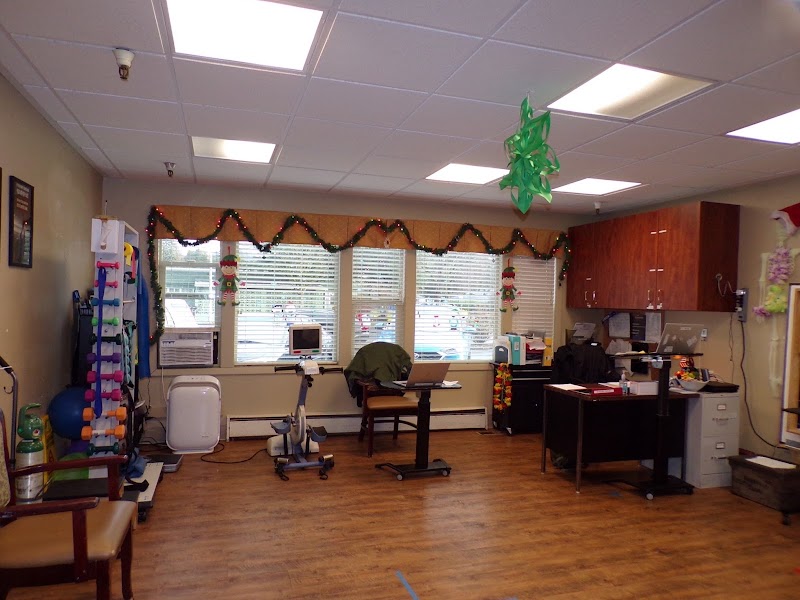
How is Brookfield Health And Rehab Of Cascadia Staffed?

CMS rates BROOKFIELD HEALTH AND REHAB OF CASCADIA's staffing level at 3 out of 5 stars, which is average compared to other nursing homes. Staff turnover is 64%, which is 17 percentage points above the Washington average of 46%. High turnover can affect care consistency as new staff learn residents' individual needs.

What Have Inspectors Found at Brookfield Health And Rehab Of Cascadia?

State health inspectors documented 36 deficiencies at BROOKFIELD HEALTH AND REHAB OF CASCADIA during 2023 to 2025. These included: 6 that caused actual resident harm, 29 with potential for harm, and 1 minor or isolated issues. Deficiencies causing actual harm indicate documented cases where residents experienced negative health consequences.
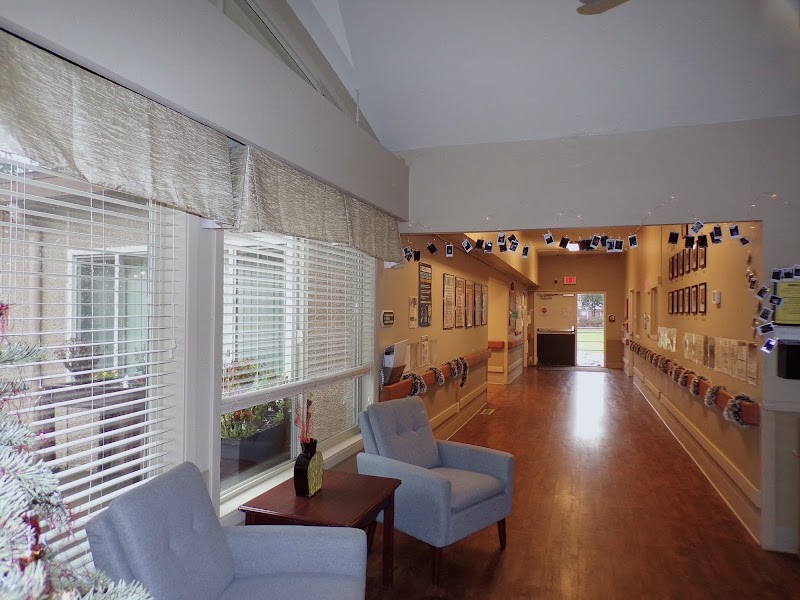
Who Owns and Operates Brookfield Health And Rehab Of Cascadia?

BROOKFIELD HEALTH AND REHAB OF CASCADIA is owned by a for-profit company. For-profit facilities operate as businesses with obligations to shareholders or private owners. The facility is operated by CASCADIA HEALTHCARE, a chain that manages multiple nursing homes. With 83 certified beds and approximately 51 residents (about 61% occupancy), it is a smaller facility located in BATTLE GROUND, Washington.
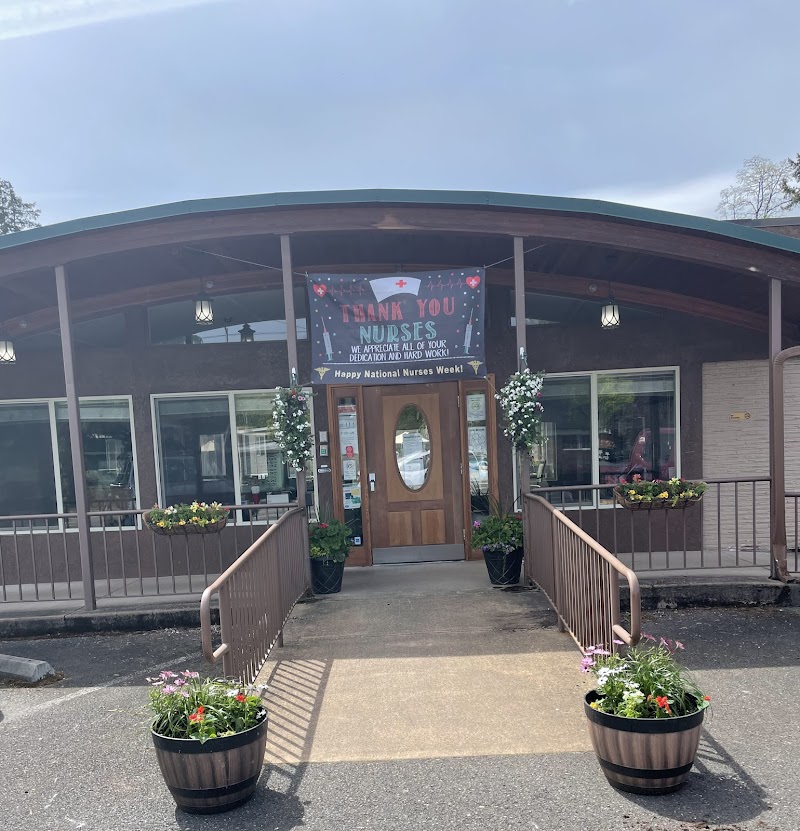
How Does Brookfield Health And Rehab Of Cascadia Compare to Other Washington Nursing Homes?

Compared to the 100 nursing homes in Washington, BROOKFIELD HEALTH AND REHAB OF CASCADIA's overall rating (3 stars) is below the state average of 3.2, staff turnover (64%) is significantly higher than the state average of 46%, and health inspection rating (3 stars) is at the national benchmark.

What Should Families Ask When Visiting Brookfield Health And Rehab Of Cascadia?

Based on this facility's data, families visiting should ask: "How do you ensure continuity of care given staff turnover, and what is your staff retention strategy?" "Can I visit during a mealtime to observe dining assistance and food quality?" "How do you handle medical emergencies, and what is your hospital transfer rate?" "Can I speak with family members of current residents about their experience?" These questions are particularly relevant given the facility's high staff turnover rate.

Is Brookfield Health And Rehab Of Cascadia Safe?

Based on CMS inspection data, BROOKFIELD HEALTH AND REHAB OF CASCADIA has a clean safety record: no substantiated abuse findings (meaning no confirmed cases of resident harm), no Immediate Jeopardy citations (the most serious violation level indicating risk of serious injury or death), and is not on the Special Focus Facility watch list (a federal program monitoring the lowest-performing 1% of nursing homes). The facility has a 3-star overall rating and ranks #100 of 100 nursing homes in Washington. While no facility is perfect, families should still ask about staff-to-resident ratios and recent inspection results during their visit.

Do Nurses at Brookfield Health And Rehab Of Cascadia Stick Around?

Staff turnover at BROOKFIELD HEALTH AND REHAB OF CASCADIA is high. At 64%, the facility is 17 percentage points above the Washington average of 46%. High turnover means new staff may not know residents' individual needs, medications, or preferences. It can also be disorienting for residents, especially those with dementia who rely on familiar faces. Families should ask: What is causing the turnover? What retention programs are in place? How do you ensure care continuity during staff transitions?

Was Brookfield Health And Rehab Of Cascadia Ever Fined?

BROOKFIELD HEALTH AND REHAB OF CASCADIA has no federal fines on record. CMS issues fines when nursing homes fail to meet care standards or don't correct problems found during inspections. The absence of fines suggests the facility has either maintained compliance or corrected any issues before penalties were assessed. This is a positive indicator, though families should still review recent inspection reports for the full picture.

Is Brookfield Health And Rehab Of Cascadia on Any Federal Watch List?

BROOKFIELD HEALTH AND REHAB OF CASCADIA is not on any federal watch list. The most significant is the Special Focus Facility (SFF) program, which identifies the bottom 1% of nursing homes nationally based on persistent, serious quality problems. Not being on this list means the facility has avoided the pattern of deficiencies that triggers enhanced federal oversight. This is a positive indicator, though families should still review the facility's inspection history directly.