THE OAKS AT TIMBERLINE

400 EAST 33RD STREET, VANCOUVER, WA 98663 (360) 696-2561
For profit - Corporation 85 Beds THE ENSIGN GROUP Data: November 2025
Trust Grade
80/100
#48 of 190 in WA
Last Inspection: January 2025

Within standard 12-15 month inspection cycle. Federal law requires annual inspections.

Overview

The Oaks at Timberline has a Trust Grade of B+, indicating it is above average and recommended for families seeking care. It ranks #48 out of 190 nursing homes in Washington, placing it in the top half of facilities in the state, and #3 out of 8 in Clark County, meaning there are only two local options rated higher. Unfortunately, the facility's trend is worsening, with issues increasing from 3 in 2024 to 8 in 2025. Staffing is a notable weakness, rated only 2 out of 5 stars, with a turnover rate of 42%, which, while below the state average, suggests that staff may not be as stable as desired. On a positive note, the facility has no fines recorded, indicating compliance with regulations, and the level of RN coverage is concerning as it falls below 85% of Washington facilities, potentially impacting the quality of care. Specific incidents include a failure to properly label food items in the kitchen, risking foodborne illness, and a lapse in wound care where a nurse did not change gloves properly, which could lead to infection. Overall, while there are strengths in cleanliness and compliance, families should consider the staffing issues and recent trends in care quality.

Trust Score
B+
80/100
In Washington
#48/190
Top 25%
Safety Record
Low Risk
No red flags
Inspections
Getting Worse
3 → 8 violations
Staff Stability
○ Average
42% turnover. Near Washington's 48% average. Typical for the industry.
Penalties
✓ Good
No fines on record. Clean compliance history, better than most Washington facilities.
Skilled Nurses
○ Average
Each resident gets 32 minutes of Registered Nurse (RN) attention daily — about average for Washington. RNs are the most trained staff who monitor for health changes.
Violations
⚠ Watch
23 deficiencies on record. Higher than average. Multiple issues found across inspections.
★★★★★
5.0
Overall Rating
★★☆☆☆
2.0
Staff Levels
★★★★★
5.0
Care Quality
★★★★★
5.0
Inspection Score
Stable
2024: 3 issues
2025: 8 issues

The Good

  • 5-Star Quality Measures · Strong clinical quality outcomes
  • Full Sprinkler Coverage · Fire safety systems throughout facility
  • No fines on record
  • Staff turnover below average (42%)

    6 points below Washington average of 48%

Facility shows strength in quality measures, fire safety.

The Bad

Staff Turnover: 42%

Near Washington avg (46%)

Typical for the industry

Chain: THE ENSIGN GROUP

Part of a multi-facility chain

Ask about local staffing decisions and management

The Ugly 23 deficiencies on record

Jan 2025 8 deficiencies
CONCERN (D)

Potential for Harm - no one hurt, but risky conditions existed

Resident Rights (Tag F0550)

Could have caused harm · This affected 1 resident

**NOTE- TERMS IN BRACKETS HAVE BEEN EDITED TO PROTECT CONFIDENTIALITY** . Based on interview and record review, the facility failed to ensure residents were treated with respect and dignity to enhance...

Read full inspector narrative →
**NOTE- TERMS IN BRACKETS HAVE BEEN EDITED TO PROTECT CONFIDENTIALITY** . Based on interview and record review, the facility failed to ensure residents were treated with respect and dignity to enhance their quality of life when a resident called out for help and a licensed nurse told the resident they could not help for 1 of 2 sampled residents (38) reviewed for resident rights. This failure placed residents at risk of not meeting their highest practical psychosocial well being, unmet care needs, and a diminished quality of life. Findings included . Resident 38 was admitted to the facility on [DATE] with diagnoses including depression and anxiety. The Quarterly Minimum Data Set assessment, dated 08/05/2024, indicated Resident 38 was moderately cognitively impaired. The care plan interventions/task, dated 09/06/2024, documented, [Resident 38] has increased anxiety when other people are angry or aggressive. Staff to speak calmly to her when communicating with her. Resident 38's care plan, dated 09/06/2024 and revised 01/08/2025, documented, Focus:[Resident 38] is at risk for depression/low mood r/t [related to] diagnosis of Depression. Review of Resident 38's progress notes, dated 01/18/2025 at 1:55 PM, documented Resident on alert r/t [related to] psychological distress. Resident displayed mild distress first thing this morning when I went in to see her to check blood sugar. She asked what I was doing here, and I told her I worked here. She seemed a little upset and requested to check her own blood sugar and I let her. I also explained to her that I wanted to get her pain meds on board before her shower. I went back in to talk with her about being upset and asking why I was here. She spoke with me a little bit. Then I went about the morning routine as usual and she was pleasant and cooperative with me the rest of my shift without any issue. A progress note, dated 01/19/2025 at 2:54 PM, documented LN [License Nurse] followed up with resident. She states that she is feeling much better today. Resident states that she received the care that she needed and denies any harm. However, she prefers to not have specific nurse [Staff G, Licensed Practical Nurse-LPN] tend to her. LN asked resident if she feels safe. Resident states that she feels safe and enjoys the nurse on shift today, and is not in any distress at this time. Care plan reviewed and updated. On 01/21/2025 at 11:40 AM, Resident 38 said she had an incident with a nurse (Staff G, LPN), approximately a week ago. Resident 38 said she almost fell out of her bed and yelled out for help. Resident 38 said Staff G responded to Resident 38's call for help saying she was giving out medication. Resident 38 said Staff H, Certified Nursing Assistant (CNA), came into her room to help her and then another CNA (Staff J, CNA) came into the room to assist. On 01/24/2025 at 11:07 AM, Resident 38 stated, I lost my balance trying to sit up on the side of the bed. I just know that I said help help, I am falling. I have fallen many times before, but I have never called out that frantic before. I didn't know what else to do. I know I was going to land on the floor. Resident 38 stated, It made me feel like crap. I am already planning on stopping dialysis and slowly die. Having that happen made me feel like its okay for me to leave. I didn't feel like that before. Resident 38 said Staff G was in another section in the building the next day. When asked how Resident 38 knew Staff G was in another section of the building, Resident 38 stated, I asked one of the CNAs and they told me she was on another cart. In my mind I was nervous that she was going to be here that day. Resident 38 stated, After that incident, [Staff G] worked with me. I didn't like that she was here. It was uncomfortable. [Staff G] came in the room and asked is there was a problem that she should know about. I asked why are you here. I asked if you had a patient in distress would you help, and [Staff G] said she would. I didn't like the way I was feeling and I just stopped. Resident 38 stated, I told [Staff I, Infection Preventionist and Staff Development Coordinator] about what I had said to [Staff G]. I told [Staff I] if I was not able to get out of bed, if the building was burning, I don't think she [Staff G] would help. I told [Staff I] I don't feel comfortable with her [Staff G's] care. [Staff G] could have put the medication in a basket and come in to help [when Resident 38 was falling and called out for help]. At 3:04 PM, Staff I said on 01/16/2025, Staff H reported a concern saying she was not sure how to address it. Staff H told Staff I she heard Resident 38 yelling for help and Staff G yelled at Resident 38 that she could not help. Staff I stated, [Staff H and I] said that was abuse and needed to report it to [Staff A, Administrator]. Staff I said it was the expectation that Staff G should have locked the medication she had in the cart and went to assist Resident 38. On 01/27/2025 at 10:20 AM, Staff A said she was immediately made aware of the incident that occurred on 01/16/2025 in relation to Resident 38's interaction with Staff G. Staff A stated, The investigation completed was unsubstantiated. Staff A said Staff G had narcotics on the cart and called Staff H to assist Resident 38. At 10:49 AM, Staff H stated, On the 16th [01/16/2025] around 1:00 PM we were doing lunch. I pushed the cart down the hallway. I grabbed one tray and heard the nurse screaming a little bit. She had yelled a little bit. [The nurse] said I am busy. I have meds right now. My [Staff H's] plan was to deliver the tray I had. Then I heard another yell, and they [the person yelling] had yelled help me please two or three times. I walked into the room [room [ROOM NUMBER]] and Resident 38 was tangled in her oxygen tubing and a little bit frantic. The resident said I don't feel safe here with this nurse [Staff G]. I [Staff H] immediately went to report to a manger. When asked if Staff G had asked Staff H to go into Resident 38's room and assist her, Staff H stated, The nurse [Staff G] did not ask me to come and help the resident [Resident 38]. At 12:11 PM, Staff J stated, I heard the nurse [Staff G] say to Resident 38, I can't come. I have narcotics out. [Staff G] asked me to assist Resident 38. I went into room [ROOM NUMBER] and saw [Staff H] trying to assist Resident 38 get untangled. Staff J said she did not recall seeing Staff H going into Resident 38's room and she found Staff H in the room already assisting Resident 38. Additional documentation provided by the facility on 01/29/2025 included SSD (Social Services Director) follow up note, dated 01/28/2025, documented Resident 38's recount of her interaction with Staff G. Per the follow-up note, Resident 38 stated, After yelling for help several times, [Staff G] screamed at me that she couldn't help me right now because she was holding medications . Per SSD follow-up note, Resident 38 indicated she did not trust Staff G with her care and seeing Staff G on the day SSD followed up, triggered Resident 38's PTSD (Post-traumatic Stress Disorder) and anxiety. Additional documentation provided by the facility on 01/29/2025 included a Primary physician progress note, undated, with a print date of 01/29/2025, documented a conversation between the provider and Resident 38. The progress notes highlighted Resident 38's past medical and psychosocial history and documented, Unfortunately, [Resident 38] feels that she was inappropriately treated by the nurse who noted she was busy at the time, and subsequently feels that she cannot trust this nurse to have her care as a top priority in her day to day operations . The progress note documented Resident 38's personal history of abuse and panic attacks and the event that occurred on 01/16/2025 triggered her response. On 01/30/2025 at 10:56 AM, Staff G said she was standing at her medication cart and had liquid medication and narcotics belonging to the resident in room [ROOM NUMBER] in her hand. Staff G stated, Resident 38 was calling my name as she usually does, and I had a CNA go check on her. When asked which CNA she asked to check on Resident 38, Staff G stated, I asked [Staff H] to go check on Resident 38. When asked if Resident 38 was calling out saying help, Staff G stated, Resident 38 did not call out for help. Reference WAC 388-97-0180 (1-4) .
CONCERN (D)

Potential for Harm - no one hurt, but risky conditions existed

Assessment Accuracy (Tag F0641)

Could have caused harm · This affected 1 resident

**NOTE- TERMS IN BRACKETS HAVE BEEN EDITED TO PROTECT CONFIDENTIALITY** . Based on interview and record review, the facility failed to ensure the Minimum Data Set (MDS) assessment was completed accura...

Read full inspector narrative →
**NOTE- TERMS IN BRACKETS HAVE BEEN EDITED TO PROTECT CONFIDENTIALITY** . Based on interview and record review, the facility failed to ensure the Minimum Data Set (MDS) assessment was completed accurately to reflect a resident's health status and/or care needs for 1 of 4 sampled residents (3) reviewed for assessment accuracy. This failure placed residents at risk for unidentified and/or unmet care needs and a diminished quality of life. Findings included . Resident 3 was admitted to the facility on [DATE] with diagnoses including diabetes mellitus. The admission MDS, dated [DATE], showed Resident 3 was alert and oriented, had diabetes mellitus, and did not receive insulin (a medication used to help regulate blood sugar levels and treat diabetes) injections in the last 7 days. Review of Resident 3's November 2024 Electronic Medication Administration Record (EMAR), documented Resident 3 received Insulin Lispro (a type of rapid-acting insulin) on 11/11/2024, 11/12/2024, 11/13/2024, 11/14/2024, 11/15/2024, 11/16/2024, and 11/17/2024. The November 2024 EMAR also showed Resident 3 received Insulin Glargine (a type of long-acting insulin) on 11/12/2024, 11/13/2024, 11/14/2024, 11/15/2024, 11/16/2024, and 11/17/2024. On 01/23/2025 at 10:43 AM, Staff B; Interim Director of Nursing Services, MDS Coordinator, and Registered Nurse; said they looked at the Electronic Health Record (EHR), including the EMAR, to gather information to complete the MDS. After looking at Resident 3's EHR, Staff B said Resident 3 received insulin that was not coded correctly on the MDS. Staff B stated, Yes, we will need to modify it [MDS]. Staff B said it was her expectation the MDS was completed accurately to reflect the resident and the care received. Reference WAC 388-97-1000 (1)(b), (2)(n) .
CONCERN (D)

Potential for Harm - no one hurt, but risky conditions existed

PASARR Coordination (Tag F0644)

Could have caused harm · This affected 1 resident

**NOTE- TERMS IN BRACKETS HAVE BEEN EDITED TO PROTECT CONFIDENTIALITY** . Based on interview and record review, the facility failed to ensure the recommendations of the Level II Preadmission Screen an...

Read full inspector narrative →
**NOTE- TERMS IN BRACKETS HAVE BEEN EDITED TO PROTECT CONFIDENTIALITY** . Based on interview and record review, the facility failed to ensure the recommendations of the Level II Preadmission Screen and Resident Review (PASARR) were implemented upon receiving recommendations for 2 of 8 sampled residents (55 & 38) reviewed for coordination of PASARR and assessments. This failure placed residents at risk of not receiving the necessary mental health services and a diminished quality of life. Findings included . 1) Resident 55 was admitted to the facility on [DATE] with diagnoses including Major Depressive Disorder, Post-Traumatic Stress Disorder, and Suicide Attempt. The Admission/Medicare 5-day Minimum Data Set (MDS) assessment, dated 11/30/2024, indicated Resident 55 was alert and oriented. Review of Resident 55's Level I PASARR, dated 11/24/2024, showed, Level II evaluation referral required for SMI [serious mental illness]. Review of Resident 55's Level II PASARR, dated 11/25/2024, documented: Recommendations for Plan of Care . B. Recommendations for Nursing Facility 1. Environment Encourage him to focus on his goals for the future, purposeful activities, and DC plans. 2. Staff approaches/training [Resident 55] reported being irritated when others assist him. Encourage him to complete tasks on his own when he is able and avoid doing things for him that he can do on his own. Provide support and reassurance when assistance is needed. 3. Behavioral supports Monitor for symptoms of depression and anxiety as evidenced by social withdrawal, agitation, anger, negative statements, irritability, and overall mood presentation. Document changes when observed and update care plans as needed. 4. Activities Encourage daily activities for mental stimulation and improved emotional well-being. 5. Other [Resident 55] has a history of suicidal ideation when frustrated or overwhelmed. Listen and validate his concerns without being dismissive before providing support or reassurance. Avoid multitasking or rushing to reduce risk of frustration when completing tasks. Contact emergency services if he appears at increased risk of self-harm, as evidenced by increased statements of hopelessness. Review of Resident 55's Level II PASARR care plan, initiated 12/26/2024, 31 days after admission, did not show Interventions/Tasks related to numbers 2, 4, and 5 referenced above as Recommended for Plan of Care on the Level II PASARR. Review of Resident 55's Impaired Cognitive Function/Thought Processes care plan, dated 11/25/2024, showed Interventions/Tasks including PASARR Level II Recommendations as initiated on 01/21/2025, 57 days after admission. On 01/24/2025 at 11:11 AM, Staff C, Regional Patient Advocacy Resource, said a resident should be seen at the hospital for the Level II PASARR evaluation, if identified as required, prior to admission. Staff C said the recommendations for the facility would then be incorporated into the care plan from the Level II PASARR evaluation. When asked how soon the recommendations are incorporated into the care plan, Staff C said it depended on when they received the summary for the Level II PASARR. When asked about when the Level II PASARR was received for Resident 55, Staff C said she did not know, and stated, Let me check on that. When asked if Resident 55's care plan recommendations for the Level II PASARR were not added until 01/21/2025, Staff C nodded her head, indicating yes. At 11:26 AM, Staff C said the facility received Resident 55's Level II PASARR evaluation and recommendations on 12/20/2024 and were not completed in the care plan until 01/21/2025. Staff C stated, It should have been incorporated sooner than that. I agree with that, yes . It should be as soon as possible. On 01/27/2025 at 10:45 AM, Staff A, Administrator, said they received Level II PASARR recommendations for Resident 55 on 12/20/2024. Staff A nodded her head, indicating yes; and indicated they should have been implemented into the care plan prior to 01/21/2025. 2) Resident 38 was admitted to the facility on [DATE] with diagnoses including Depression and Anxiety Disorder. The Quarterly MDS assessment, dated 08/05/2024, indicated Resident 38 was moderately cognitively impaired. Review of Resident 38's Level II PASARR evaluation, dated 06/11/2024, and reviewed by Psychiatrist on 07/25/2024 and 07/27/2024, documented: Recommendations for Plan of Care . B. Recommendations for Nursing Facility 1. Environment [Resident 38] reported a history of night terrors. Encourage her to avoid watching television prior to bedtime. Provide support and reassure her that she is safe if she wakes from a nightmare. Quickly ask her to think about her current environment, including sights, smells, and textures. 2. Staff approaches/training [Resident 38] reported increased anxiety or depression when other people are angry or aggressive. Attempt to assign her to a room that is not near the entrance or nursing station to reduce risk of loud noise. Speak calmly to her when communication with her. 3. Behavioral supports Monitor for symptoms of depression and anxiety as evidenced by social withdrawal, agitation, disinterest in activities, tearfulness, changes in sleep, and overall presentation. Document changes when observed and update care plans as needed. Provide female staff for personal care. Male caregiver should identify themselves prior to entering the room and should not attempt to provide personal care. 4. Activities Encourage daily activities for mental stimulation and improved emotional well-being. 5. Other Provide female staff for personal care. Male caregiver should identify themselves prior to entering the room and should not attempt to provide personal care. Review of Resident 38's care plan showed PASARR Level II Recommendations were initiated 01/20/2025, seven months after Level II PASARR evaluation was completed. On 01/23/2025 at 11:36 AM, when asked what the facility's process was for following up on Level II PASARR evaluations, Staff C said the facility did monthly follow ups. Staff C said the evaluation was completed in 07/2024 and was updated to the care plan on 01/20/2025. Staff C said Social Services was responsible for updating Level II PASARR recommendations into Resident 38's care plan. Reference WAC 388-97-1975 (10) .
CONCERN (D)

Potential for Harm - no one hurt, but risky conditions existed

Deficiency F0645 (Tag F0645)

Could have caused harm · This affected 1 resident

**NOTE- TERMS IN BRACKETS HAVE BEEN EDITED TO PROTECT CONFIDENTIALITY** . Based on interview and record review, the facility failed to ensure a Pre-admission Screening and Resident Review (PASARR) ass...

Read full inspector narrative →
**NOTE- TERMS IN BRACKETS HAVE BEEN EDITED TO PROTECT CONFIDENTIALITY** . Based on interview and record review, the facility failed to ensure a Pre-admission Screening and Resident Review (PASARR) assessment accurately reflected the resident's mental health diagnoses and Level II PASARR evaluations were referred and completed timely for 1 of 8 sampled residents (15) reviewed for PASARRs. This failure placed residents at risk for inappropriate placement, not receiving timely and necessary mental health services to meet their mental health needs, and a diminished quality of life. Findings included . Resident 15 was admitted to the facility on [DATE] with diagnoses including Adjustment Disorder (psychiatric diagnosis characterized by unhealthy reaction to a stressful event), and Bipolar Disorder (psychiatric diagnosis characterized by extreme mood and emotional states). The admission Minimum Data Set assessment, dated 11/13/2024, documented the resident was moderately cognitively impaired. A Level I PASARR, dated 11/07/2024, documented Resident 15 had a diagnosis of Adjustment Disorder, with no indicators of Serious Mental Illness (SMI) requiring a Level II PASARR. Per the Level I PASARR, a Level II must be completed if scheduled discharge does not occur. The Electronic Health Record (EHR) documented Resident 15 had a diagnosis of Bipolar Disorder and physician's order for Ripiprazole (an antipsychotic medication). The EHR did not include a Level II PASARR, or a referral for Level II PASARR for Resident 15. On 01/24/2025 at 9:36 AM, Staff C, Social Worker and Patient Advocacy, said residents' Level I PASARR should be sent for a Level II within 30 days if there is was not a discharge. Staff C said the facility received an inaccurate Level I PASARR prior to Resident 15's admission from the hospital and was unable to provide documentation of a Level II referral. Staff C stated, It should be marked and sent in for a Level II. At 11:10 AM, Staff A, Administrator, said she would expect accurate completion and referral of PASARR for residents. Reference: WAC 388-97-1915 (1)(2) (a-c) .
CONCERN (D)

Potential for Harm - no one hurt, but risky conditions existed

Deficiency F0658 (Tag F0658)

Could have caused harm · This affected 1 resident

**NOTE- TERMS IN BRACKETS HAVE BEEN EDITED TO PROTECT CONFIDENTIALITY** . Based on interview and record review, the facility failed to provide care and services according to professional standards of ...

Read full inspector narrative →
**NOTE- TERMS IN BRACKETS HAVE BEEN EDITED TO PROTECT CONFIDENTIALITY** . Based on interview and record review, the facility failed to provide care and services according to professional standards of practice when insulin was not held as per physician orders for 1 of 5 sampled residents (54) reviewed for care provided meeting professional standards. This placed the residents at risk for medical complications and a diminished quality of life. Findings included . Resident 54 was admitted to the facility on [DATE] with diagnoses including Type 2 Diabetes Mellitus (a chronic condition that affects how the body uses sugar (glucose) for energy). Review of Resident's 54's record showed a physician order, dated 12/05/2024, for Insulin Lispro Injection Solution (Insulin Lispro) Inject 2 unit subcutaneously with meals related to TYPE 2 DIABETES MELLITUS WITHOUT COMPLICATIONS (E11.9) HOLD for CBG (Capillary Blood Glucose-blood sugar) < (Less than) 100. Review of Resident 54's January 2025 blood glucose summary documented CBG level of 91.0 mg/dL (milligrams per deciliter) on 01/07/2025 at 8:10 AM and 90mg/dl on 01/14/2025 at 1:25 PM. Review of Resident 54's January 2025 Medication Administration Record (MAR) documented Insulin Lispro Injection Solution was administered to Resident 54 on 01/07/2025 morning and 01/14/2025 afternoon. On 01/23/2025 at 11:26 AM, Staff D, Resident Care Manager and Licensed Practical Nurse, said the expectation was if Resident 54's CBG was less than 100mg/dL, the medication would have been held per the physician's order. After reviewing Resident 54's January 2025 MAR, Staff D said the MAR showed Lispro Injection Solution had been administered on 01/07/2025 morning and 01/14/2025 afternoon. Reference WAC 388-97-1620 (2)(b)(i)(ii) .
CONCERN (D)

Potential for Harm - no one hurt, but risky conditions existed

ADL Care (Tag F0677)

Could have caused harm · This affected 1 resident

**NOTE- TERMS IN BRACKETS HAVE BEEN EDITED TO PROTECT CONFIDENTIALITY** . Based on observation, interview and record review, the facility failed to ensure activities of daily living (ADLs) were provid...

Read full inspector narrative →
**NOTE- TERMS IN BRACKETS HAVE BEEN EDITED TO PROTECT CONFIDENTIALITY** . Based on observation, interview and record review, the facility failed to ensure activities of daily living (ADLs) were provided for dependent residents including nail care for 1 of 2 sampled residents (25) reviewed for ADLs. This failure placed residents at risk of not receiving the care and services needed for which they cannot perform themselves and a diminished quality of life. Findings included . Resident 25 was admitted to the facility on [DATE]. The quarterly Minimum Data Set assessment, dated 12/04/2024, indicated Resident 25 was alert and oriented, and needed substantial/maximal assistance with shower/bathe and needed supervision or touching assistance with personal hygiene. The nail care, care plan for Resident 25, dated 06/23/2022, noted avoid scratching and keep hands and body from excessive moisture. Keep fingernails short. The Tub/Shower task documented Resident 25's had a shower on 01/14/2025 and on 01/18/2025. On 01/21/2025 at 11:05 AM, Resident 25 was observed with fingernails that appeared to be about 1/3 of an inch long. Resident 25 said he liked his fingernails short. On 01/23/2025 at 9:09 AM, Resident 25 said his last shower was on 01/18/2025. The resident's fingernails were observed to be about 1/3 of an inch long. At 2:33 PM, Staff K, Staffing Coordinator and Certified Nursing Assistant Supervisor, said resident showers included nail care. Staff K said Resident 25's [NAME] (nurse assistants' reference for patient information) indicated to keep fingernails short. At 2:43 PM, Staff L, Resident Care Manager and Licensed Practical Nurse, said nail care was a part of resident showers. Reference WAC 388-97-1060 (2)(c) .
CONCERN (D)

Potential for Harm - no one hurt, but risky conditions existed

Quality of Care (Tag F0684)

Could have caused harm · This affected 1 resident

**NOTE- TERMS IN BRACKETS HAVE BEEN EDITED TO PROTECT CONFIDENTIALITY** . Based on interviews and record review, the facility failed to ensure bowel management interventions were initiated for 2 of 6 ...

Read full inspector narrative →
**NOTE- TERMS IN BRACKETS HAVE BEEN EDITED TO PROTECT CONFIDENTIALITY** . Based on interviews and record review, the facility failed to ensure bowel management interventions were initiated for 2 of 6 sampled residents (15 & 45) and failed to ensure dental care was completed for 1 of 2 sampled residents (20) reviewed for quality of care. These failures placed residents at risk for discomfort, health complications and a diminished quality of life. Findings included . <Bowel Management> The facility's policy entitled, House Bowel Protocol/Constipation, updated 04/02/2024, documented to implement the following interventions: -- Miralax [laxative]- Give 17 grams PRN for no BM [bowel movement] x3 days --Dulcolax Suppository 10mg- Insert one suppository daily PRN (if Miralax ineffective) --Fleet Enema 7-19 GM/118 ML QD PRN (if Miralax and suppository ineffective) --May administer Miralax up to three times daily PRN until BM. May schedule Miralax up to three times daily. 1) Resident 15 was admitted to the facility on [DATE]. The admission Minimum Data Set (MDS) assessment, dated 11/13/2024, documented the resident was moderately cognitively impaired. The January 2025 Bowel Movement task sheet documented Resident 15 had a BM (bowel movement) on 01/12/2025 at 1:59 PM, and did not have another BM until 01/17/2025 at 11:09 AM, over 117 hours (over 4 1/2 days) since her last BM. Resident 15's January 2025 Medication Administration Record (MAR), and January 2025 Progress Notes, did not show the bowel protocol was initiated. 2) Resident 45 was admitted to the facility on [DATE]. The admission 5-Day MDS assessment, dated 11/30/2024, documented the resident was moderately cognitively impaired. The December 2024 Bowel Movement task sheet documented Resident 45 had a BM on 12/27/2024 at 11:59 PM, and did not have another BM until 12/31/2024 at 5:48 PM, over 89 hours (over 3 1/2 days) since her last BM. The December 2024 and January 2025 Bowel Movement task sheet documented Resident 45 had a BM on 12/31/2024 at 5:48 PM, and did not have another BM until 01/04/2025 at 6:21 PM, over 96 hours (over 4 days) since her last BM. The January 2025 Bowel Movement task sheet documented Resident 45 had a BM on 01/15/2025 at 11:53 AM, and did not have another BM until 01/19/2025 at 2:06 PM, over 98 hours (over 4 days) since her last BM. Resident 45's December 2024 and January 2025 Medication Administration Record (MAR), and December 2024 and January 2025 Progress Notes, did not show the bowel protocol was initiated. On 01/23/2025 at 10:57 AM, Staff E, Licensed Practical Nurse (LPN), said if a resident did not have a BM in over three days, they would be started on Miralax on the very next shift. If that was not effective, the resident would be given a suppository, and enema. Staff E stated, We are charting what was given in MAR, even refusals. On 01/24/2025 at 9:50 AM, Staff D, LPN and Resident Care Manager (RCM), said the BM protocol should have been initiated per facility bowel policy for both residents. Staff D was unable to provide additional documentation showing how the bowel protocol was initiated. Staff D said BM interventions should have been given on 1/15/2025 in the PM for Resident 45. At 11:10 AM, Staff A, Administrator, said the BM protocol should have been started at day 3 per policy. Staff A was unable to provide further documentation. <Dental> Resident 20 was admitted to the facility on [DATE] for long term care placement. The Quarterly MDS assessment, dated 12/31/2024, indicated Resident 20 was moderately cognitively impaired. Review of the Electronic Health Record (EHR) for Resident 20 showed a referral was sent for an emergency appointment for teeth extraction on 11/30/2023. Resident 20 was seen by a local dental office on 12/07/2023, with teeth extractions arranged with another dental office on 01/10/2024, and subsequent denture fitting and placement at the first local dental office on 02/07/2024. No further documentation was found in the EHR indicating that Resident 20 attended the appointments on 01/10/2024 or 02/07/2024. On 01/21/2025 at 10:20 AM, Resident 20 said he would like to get his teeth pulled and some dentures made as his teeth were all rotten. Resident 20 said he was unsure what was taking so long but would still like to pursue denture placement. On 01/23/2025 at 2:33 PM, Staff C, Social Services and Patient Advocacy Resource, said she was unsure about specific resident dental concerns, but would review the EHR for documentation. Staff C was unable to provide documentation related to dental care for Resident 20. At 4:09 PM, Staff D, Licensed Practical Nurse and Resident Care Manager, said she was not sure why the appointment for Resident 20 was not rescheduled after 01/10/2024. Staff D was unable to provide documentation as to why Resident 20 was not seen for the teeth extraction and denture fitting as planned. On 01/24/2025 at 10:20 AM, Staff B, Registered Nurse and Interim Director of Nursing Services, indicated she looked for communication from Resident 20's guardian to determine why the dental appointments had not been attended or rescheduled. Staff B was unable to provide documentation to support why the dental procedure had not been rescheduled. At 1:36 PM, Staff A, Administrator, said there was generally documentation in the EHR to support why the resident did not go to an appointment, or why it had not been rescheduled in the last year. Staff A said 12 months was longer than it should take to have a new appointment arranged. Reference WAC 388-97-1060 (1), (3)(c) .
CONCERN (F)

Potential for Harm - no one hurt, but risky conditions existed

Food Safety (Tag F0812)

Could have caused harm · This affected most or all residents

. Based on observation and interview, the facility failed to ensure food items were labeled and had when opened dates in 1 of 1 kitchen walk-in refrigerators reviewed for food storage in a sanitary ma...

Read full inspector narrative →
. Based on observation and interview, the facility failed to ensure food items were labeled and had when opened dates in 1 of 1 kitchen walk-in refrigerators reviewed for food storage in a sanitary manner. This failure placed residents at risk for cross-contamination, food borne illness, and a diminished quality of life. Findings included . On 01/21/2025 at 10:21 AM, the kitchen walk-in refrigerator was observed with the following expired, undated, and unlabeled opened items: 1. Jar of Maraschino Cherries- labeled with use by date of 01/02/2025 2. Jar of Peeled Garlic- labeled with use by date of 01/12/2025 3. Jar of Worcestershire Sauce- labeled with use by date of 01/17/2025 4. Jar of Raspberry Vinaigrette Dressing- not labeled or dated 5. Bag of shredded [NAME] Cheddar Cheese- not labeled or dated On 01/21/2025 at 10:29 AM, Staff F, Dietary Supervisor, said the facility had a three day policy for opened items, and use-by-date for unopened items. Staff F was observed throwing away the identified items, and stated, These should not be there. On 01/24/2025 at 11:10 AM, Staff A, Administrator, said she expected food items in the refrigerators and freezers to be dated and labeled per facility practice. Reference WAC 388-97-1100 (3) & -2980 .
Aug 2024 1 deficiency
CONCERN (D) 📢 Someone Reported This

A family member, employee, or ombudsman was alarmed enough to file a formal complaint

Potential for Harm - no one hurt, but risky conditions existed

Deficiency F0729 (Tag F0729)

Could have caused harm · This affected 1 resident

. Based on interview and record review, the facility failed to ensure nursing assistants were screened through the nurse aide registry [OBRA] prior to providing care to the residents for 1 of 2 staff ...

Read full inspector narrative →
. Based on interview and record review, the facility failed to ensure nursing assistants were screened through the nurse aide registry [OBRA] prior to providing care to the residents for 1 of 2 staff [Staff C] reviewed for staff qualifications. This failure placed residents at risk for abuse and unmet care needs. Findings included . Staff C was hired on 02/26/2024. Review of Staff C's employee record did not include documentation from the nurse aide registry. On 08/12/2024 at 3:15 PM, Staff B, Human Resource and Payroll Representative, said he had been in his role for six months. Staff B said originally he was under the impression the OBRA registry was only for NARs (nursing assistants registered), and not NACs (nursing assistants certified). Staff B said he was in the process of reviewing all NACs through the nursing assistant registry. Reference WAC 388-97-1660 (3)(c) .
Feb 2024 2 deficiencies
CONCERN (D)

Potential for Harm - no one hurt, but risky conditions existed

Food Safety (Tag F0812)

Could have caused harm · This affected 1 resident

**NOTE- TERMS IN BRACKETS HAVE BEEN EDITED TO PROTECT CONFIDENTIALITY** . Based on observation and interview, the facility failed to ensure staff performed hand hygiene during meal assistance for 1 of...

Read full inspector narrative →
**NOTE- TERMS IN BRACKETS HAVE BEEN EDITED TO PROTECT CONFIDENTIALITY** . Based on observation and interview, the facility failed to ensure staff performed hand hygiene during meal assistance for 1 of 4 sampled residents (15) reviewed for dining assistance and food service. This failure placed residents at risk for cross-contamination, food borne illness and a diminished quality of life. Findings included . On 02/04/2024 at 12:16 PM, Staff D, Occupational Therapist Assistant, was observed assisting Resident 15 with an adaptive utensil. Staff D had her left hand on the edge of the table. Staff D was wearing gloves. At 12:17 PM, Staff D was observed touching Resident 15's right arm with her left hand. At 12:20 PM, Resident 15 began to cough. Staff D was observed using both hands to grab Resident 15's clothing protector to cover Resident 15's mouth. Staff D then put her left hand on Resident 15's back. At 12:22 PM, Staff D was observed touching the clothing protector with her left and then assisted Resident 15 by grabbing his right hand with her left hand. At 12:23 PM, Staff D was observed stopping Resident 15's right hand with Staff D's left hand, from putting more food in the resident's mouth. Staff D asked Resident 15 to finish eating and to swallow first. At 12:25 PM, Staff D was observed putting her left hand on Resident 15's right wheelchair arm. Staff D lifted her left hand from the wheelchair and grabbed Resident 15's right arm and stopped Resident 15 from putting more food in his mouth. At 12:26 PM, Staff D was observed using Resident 15's spoon to move the food around the plate. Resident 15 began to cough. Staff D put her hands under the clothing protector to cover Resident 15's mouth. The plate was pulled down under the clothing protector with some of the food touching the underside of the clothing protector. At 12:28 PM, Staff D was observed removing the paper from around the straw and placed it in a cup. Staff D lifted the cup with her left hand and used two right fingers, touching just below the bend in the straw, to guide the straw to Resident 15's mouth. At 12:29 PM, Staff D was observed adjusting Resident 15's clothing protector with both her hands. At 12:30 PM, Staff D was observed stopping Resident 15 from putting more food in the resident's mouth with Staff D's left hand. Staff D did not wash or sanitized her hands and did not change her gloves during this dining session. At 12:31 PM, Staff E, Nursing Assistant, was observed walking over to Staff D and relieved Staff D. At 12:47 PM, Staff E said they were supposed to wash or sanitize their hands anytime they touched something dirty. On 02/06/2024 at 9:39 AM, Staff B, Director of Nursing Services and Registered Nurse, said staff should wash their hand anytime they touched anything dirty. On 02/07/2024 at 8:41 AM, Staff D said she was not aware she was touching anything dirty like Resident 15's wheelchair or clothing protector. Staff D said she was aware she was supposed to wash her hands and change gloves if she touched anything dirty. Reference WAC 388-97-1100 (3) & [PHONE NUMBER]0 (1) & (9) .
CONCERN (E)

Potential for Harm - no one hurt, but risky conditions existed

Safe Environment (Tag F0584)

Could have caused harm · This affected multiple residents

**NOTE- TERMS IN BRACKETS HAVE BEEN EDITED TO PROTECT CONFIDENTIALITY** . Based on interview, observation and record review, the facility failed to maintain a clean homelike environment by failing to ...

Read full inspector narrative →
**NOTE- TERMS IN BRACKETS HAVE BEEN EDITED TO PROTECT CONFIDENTIALITY** . Based on interview, observation and record review, the facility failed to maintain a clean homelike environment by failing to ensure resident room windows were clean for 9 of 43 resident rooms (4, 5, 6, 19, 25, 28, 38, 41 & 44) reviewed for environment. This failure placed residents at risk for a diminished quality of life. Findings included . The Resident Council Minutes, dated 01/25/2024, documented, the windows need washing. On 02/04/2024 at 11:42 AM, Resident 2 said the window in her room was dirty. The window was observed to have brown discoloration and debris on the lower left side of the window. The rest of the window was cloudy. On 02/06/2024 between 1:26 PM and 1:50 PM, the windows in Rooms 4, 5, 6, 19, 25, 28, 38, 41 and 44 were observed to be cloudy with water stains. At 1:50 PM, Staff C, Plant Director, said resident room windows were not clean and were not on a cleaning schedule. At 1:59 PM, Staff A, Administrator, said windows should be clean. While observing the window in room [ROOM NUMBER], Staff A said it looked like the dirt or debris was in-between the outer side of the window and the screen. At 2:40 PM, Staff A said the window in room [ROOM NUMBER] was under a runoff and unfortunately will get dirty quicker. Reference WAC 388-97-0880
Mar 2023 12 deficiencies
CONCERN (D)

Potential for Harm - no one hurt, but risky conditions existed

Deficiency F0578 (Tag F0578)

Could have caused harm · This affected 1 resident

**NOTE- TERMS IN BRACKETS HAVE BEEN EDITED TO PROTECT CONFIDENTIALITY** . Based on interview and record review, the facility failed to obtain, provide and/or have procedures in place to assist with co...

Read full inspector narrative →
**NOTE- TERMS IN BRACKETS HAVE BEEN EDITED TO PROTECT CONFIDENTIALITY** . Based on interview and record review, the facility failed to obtain, provide and/or have procedures in place to assist with completing Advance Directives (ADs) for 3 of 7 sampled residents (10, 15 & 58) reviewed for ADs. This failure place residents at risk for losing their right to have their healthcare preferences and/or decisions honored. Findings included . 1) Resident 10 was admitted to the facility on [DATE]. The quarterly Minimum Data Set (MDS), an assessment tool, dated 01/17/2023, documented the resident was cognitively intact. A review of Resident 10's electronic health record did not show documentation of an AD. On 03/22/2023 at 2:40 PM, after reviewing Resident 10's electronic health record, Staff F, Social Services Director, said the facility did not have an AD on file for the resident. 2) Resident 15 was admitted to the facility on [DATE]. The annual MDS, dated [DATE], documented the resident was cognitively intact. An advance directive receipt, dated 03/03/2022, documented, I am interested in formulating an advance directive, and will provide a copy upon completion. A review of Resident 15's electronic health record did not show documentation of an AD. On 03/22/2023 at 2:40 PM, after reviewing Resident 15's electronic health record, Staff F said the resident should have received an information packet to help the resident formulate an AD. Staff F said she did not give him the packet personally. Staff F said she would put Resident 15 on her AD follow-up list. 3) Resident 58 was admitted on [DATE]. The admission MDS, dated [DATE], showed Resident 58 was cognitively impaired. Review of Resident 58's electronic health record did not show documentation of an AD. Resident 58's Care Plan, dated 02/02/2023, showed the following conflicting statement, I have an advance directive Specify: (DPOA, Guardianship, living will) I choose not to formulate an advance directive at this time, but am aware I may do so at a later date. I am interested in formulating an advance directive, and will provide a copy upon completion. On 03/22/2023 at 3:19 PM, Staff F said Resident 58 did not have an AD. At 2:40 PM, Staff F said social services would obtain an AD upon admission if the resident had one. Staff F said if the resident did not have an AD, social services was supposed to ask if the resident wished to formulate an AD. Staff F said if residents were interested in formulating an AD, social services would provide them with an AD packet, and social services asked residents to provide a copy once they filled out the paperwork. Staff F said ADs were reviewed when scheduling care conferences, which was quarterly. Staff F said she had worked at the facility since 12/05/2022, and she did not think there was a process in place for AD's before her time at the facility. At 3:12 PM, Staff B, Director of Nursing Services and Registered Nurse, said social services was responsible for obtaining ADs upon admission. Staff B said ADs should be reviewed quarterly. Reference WAC 388-97-0300 (1)(b), (3)(a-c) .
CONCERN (D)

Potential for Harm - no one hurt, but risky conditions existed

Deficiency F0604 (Tag F0604)

Could have caused harm · This affected 1 resident

**NOTE- TERMS IN BRACKETS HAVE BEEN EDITED TO PROTECT CONFIDENTIALITY** . Based on observation, interview, and record review, the facility failed to obtain a physician order and consent for 1 of 2 sam...

Read full inspector narrative →
**NOTE- TERMS IN BRACKETS HAVE BEEN EDITED TO PROTECT CONFIDENTIALITY** . Based on observation, interview, and record review, the facility failed to obtain a physician order and consent for 1 of 2 sampled residents (324) reviewed for physical restraints. This failure placed residents at risk for injury, unmet needs, and a diminished quality of life. Findings included . The facility's policy entitled Restraints, Physical/Washington State, revised 03/2016, showed, A physician's order is necessary for the use of a physical restraint. When applying restraints, the Facility will comply with the operative terms and provisions of the [NAME] Administrative Code. Specifically: The use of the restraint is related to a specific medical need or problem identified through a multidisciplinary assessment: the informed consent process is followed as described under WAC 388-97-0260; and the resident's plan of care provides approaches to reduce or eliminate the use of the restraint, where possible. Resident 324 was admitted to the facility on [DATE]. The admission Minimum Data Set, an assessment tool, dated 03/07/2023, noted the resident was moderately cognitively impaired and required extensive assistance with activities of daily living. On 03/23/2023 at 10:30 AM, Resident 324 was observed lying in bed with bed mobility bars on both sides of the bed, left side of bed against the wall, and a mat on the floor to the right side of the bed. Record review of Resident 324's electronic medical record showed no documentation of a physician's order related to left side of bed against the wall and a mat to right side of bed. There was not a consent for the mat to the right side of the bed. On 03/23/2023 at 6:15 AM, Staff B, Director of Nursing Services and Registered Nurse, said there should be an order, consent, and care plan prior to the placement of any safety device. Staff B said this had been identified as a potential problem area and an audit had been started. Reference WAC 388-97-0620 .
CONCERN (D)

Potential for Harm - no one hurt, but risky conditions existed

Comprehensive Care Plan (Tag F0656)

Could have caused harm · This affected 1 resident

**NOTE- TERMS IN BRACKETS HAVE BEEN EDITED TO PROTECT CONFIDENTIALITY** . Based on observation, interview, and record review, the facility failed to develop a comprehensive care plan for skin impairme...

Read full inspector narrative →
**NOTE- TERMS IN BRACKETS HAVE BEEN EDITED TO PROTECT CONFIDENTIALITY** . Based on observation, interview, and record review, the facility failed to develop a comprehensive care plan for skin impairment for 1 of 3 sampled residents (9) reviewed for comprehensive care plans related to pressure ulcers. This failure placed residents at risk for infection, unmet care needs and a diminished quality of life. Findings included . Resident 9 was admitted to the facility on [DATE]. The significant change Minimum Data Set, an assessment tool, dated on 12/12/2022, showed the resident was cognitively intact and required extensive assistance with activities of daily living. Review of Resident 9's electronic health record did not show a treatment orders or care plan to address any skin issues. On 03/23/2023 at 7:05 AM, Staff M, Certified Nursing Assistant, was observed providing incontinent care for Resident 9. Staff M said Resident 9 had several skin issues including impairments to the tailbone, upper back of thighs (left and right), under the left breast and abdominal fold. Staff M was observed removing dressings from both thighs. On 03/27/2023 at 10:40 AM, Staff O, Resident Care Manager (RCM) and Licensed Practical Nurse (LPN), said identified skin issues were placed on a skin sheet available at the nurse's station by the staff member who observed the skin issue(s). The skin sheet was reviewed by the RCM and the Director of Nursing Services (DNS). Staff O said the RCM and wound nurse documented and measured the skin impairment. The doctor was notified for orders. The resident was placed on alert status and the care plan was updated. Staff O indicated she was unable to locate treatment orders or a care plan for the skin issues identified. At 10:56 AM, Staff K, LPN and Wound Nurse, said she was not aware of any skin issues for Resident 9. At 11:48 AM, Staff B, DNS and Registered Nurse, said the care plan should have been updated. Staff B indicated she was unable to locate a care plan for the skin issues identified. Reference WAC 388-97-1020 1), (2)(a)(b) .
CONCERN (D)

Potential for Harm - no one hurt, but risky conditions existed

ADL Care (Tag F0677)

Could have caused harm · This affected 1 resident

**NOTE- TERMS IN BRACKETS HAVE BEEN EDITED TO PROTECT CONFIDENTIALITY** . Based on observation, interview and record review, the facility failed to ensure activities of daily living (ADLs) were provid...

Read full inspector narrative →
**NOTE- TERMS IN BRACKETS HAVE BEEN EDITED TO PROTECT CONFIDENTIALITY** . Based on observation, interview and record review, the facility failed to ensure activities of daily living (ADLs) were provided for dependent residents including fingernail care for 1 of 2 sampled residents (15) reviewed for ADL care for dependent residents. This failure placed residents at risk of not receiving the care and services needed for which they were unable to perform themselves. Findings included . Resident 15 admitted to the facility on [DATE]. The annual Minimum Data Set, an assessment tool, dated 02/02/2023, documented the resident was cognitively intact, required extensive assistance with ADLs, and was not diabetic. Resident 15's skin integrity care plan, dated 06/07/2022 and revised 01/05/2023, documented the intervention, Keep fingernails short. Resident 15's nail care task, dated 02/21/2023 to 03/21/2023, documented the resident's last nail care was on 03/14/2023 at 4:10 PM. On 03/20/2023 at 10:53 AM, Resident 15 was observed with long, yellow fingernails on both hands, the longest nails approximately ¼ inch past the finger. On 03/22/2023 at 9:54 AM, Resident 15's fingernails were observed to still be long. When asked if his fingernails should be trimmed, Resident 15 stated, Yes. At 10:00 AM, Staff I, Certified Nursing Assistant (CNA), said CNAs were responsible for fingernail care for non-diabetic residents. Staff I said residents were assessed for fingernail trimming whenever I see them [resident's fingernails]. Staff I said fingernail care was documented in the resident's POC (Point of Care) task list. At 10:35 AM, Staff J, Licensed Practical Nurse, said nurses were responsible for trimming fingernails of diabetic residents. Staff J said she would also do non-diabetic fingernail care as well if she had the time. Staff J said she would perform nail care once a week and as-needed. At 10:42 AM, after observing Resident 15's fingernails, Staff J stated, They are pretty long. Staff J said she would trim Resident 15's fingernails now. At 1:28 PM, Staff B, Director of Nursing Services and Registered Nurse, said CNAs could trim non-diabetic fingernails and nurses performed diabetic nail care. Staff B said fingernails should be assessed as needed and during shower days, twice a week. Staff B said nail care was documented on the resident's shower sheet, a form used to track bathing in the facility. At 2:01 PM, Resident 15 was observed with clean, neat, trimmed fingernails. Resident 15 stated, You got on them. Thank you. At 2:20 PM, Staff B said documentation could be better and that was something the facility was working on, getting everyone to document the correct way. Reference WAC 388-97-1060 (2)(c) .
CONCERN (D)

Potential for Harm - no one hurt, but risky conditions existed

Deficiency F0679 (Tag F0679)

Could have caused harm · This affected 1 resident

**NOTE- TERMS IN BRACKETS HAVE BEEN EDITED TO PROTECT CONFIDENTIALITY** . Based on observation, interview and record review, the facility failed to ensure residents with vision impairments were inform...

Read full inspector narrative →
**NOTE- TERMS IN BRACKETS HAVE BEEN EDITED TO PROTECT CONFIDENTIALITY** . Based on observation, interview and record review, the facility failed to ensure residents with vision impairments were informed of facility activities for 1 of 1 sampled residents (3) reviewed for activities. This failure placed residents at risk of not being able to participate in activities, feeling isolated and a diminished quality of life. Findings included . Resident 3 was admitted on [DATE] with diagnoses including vision loss, anxiety and depression. The quarterly Minimum Data Set, an assessment tool, dated 12/22/2022, showed Resident 3 was cognitively intact and rated the following activities as very important to her quality of life: listening to music, keeping up with the news, doing group activities, and doing her favorite activities. Activities Care Plan, dated 11/07/2022, showed Resident 3 was dependent on staff for activities, cognitive stimulation, and social interaction related to physical limitations. Resident 3 would attend/participate in activities of choice. Staff were to invite Resident 3 to scheduled activities. Review of March 2023 Activity Participation Record showed Resident 3 attended Bingo twice and one trivia/mind game. There were 17 entries for resting/sleeping. On 03/20/2023 at 3:17 PM, Resident 3 said she did not get told about the daily activities. Resident 3 said she would go to them if they told her. Resident 3 said she would not know what was going on if the staff did not tell her [due to her vision impairment]. On 03/22/2023 at 3:42 PM, a monthly activities calendar was observed posted outside Resident 3's door. At 3:43 PM, Resident 3 said she got up and walked that day but nobody told her anything was going on. Resident 3 said the lady that ran the activities was intimidated by her being visually impaired, and the last activity she attended was Bingo on the weekend. Resident 3 said the staff were going to order braille Bingo cards so she could participate without assistance, but they had not gotten them. Resident 3 said the staff did not come to tell her about certain activities because her visual impairment would not work with the activity. Resident 3 said she would enjoy just sitting there and listening but they would not come get her. Resident 3 said she wished the staff would let her decide what she could or could not do. At 4:01 PM, Staff E, Activities Director, said the coffee cart was at 10:00 AM everyday. The activity staff talked to all residents, told them what was going on by stopping at their rooms and delivering the Daily Chronicle with the coffee. Staff E said therapy staff had an activity calendar to help direct residents to activities. Staff E said the blind/vision impaired residents received a personal invite for activities. Staff E said Resident 3 wanted to do more. Staff E said she and her staff, and the care aids, were responsible to ensure residents knew what activities were happening and assist them to attend. On 03/23/2023 at 7:10 AM, Staff L, Certified Nursing Assistant and Activity Staff, said the activities staff were responsible for notifying the care staff if there were activities for residents who could not read the activity calendar. On 03/24/2023 at 11:13 AM, Resident 3 was being assisted by therapy to ambulate in her room. At 11:14 AM, Staff G was bringing around the coffee cart and daily chronicle. Staff G was observed on the east hall then shortly later on a central hall which was past Resident 3's room, on the south hall. Staff G said she asked Resident 3 to attend activities three times a week. Staff G said she did not ask Resident 3 today because she was sleeping. At 11:16 AM, Resident 3 and therapy staff were observed. Therapy staff said Resident 3 had been ambulating for several minutes. On 03/27/2023 at 11:06 AM, Staff G was observed bringing around the coffee cart on the south hall. Staff G went by Resident 3's room and did not go in to check on or interact with Resident 3. At 11:12 AM, a care staff as observed entering Resident 3's room. The staff was talking with Resident 3, who was not asleep. At 11:14 AM, Staff A, Administrator, said for visually impaired residents, the coffee cart in the morning was how residents were informed of what activities were happening that day. Staff A said she expected the visually impaired residents to be informed of the daily activities. At 12:24 PM, Staff G said she did pass by Resident 3's room with the coffee cart that morning because Resident 3 did not drink coffee. Staff G said when she was done with the cart, she would go back to Resident 3 and tell her the activities for the day, prior to trivia. Reference WAC 388-97-0940 (1) .
CONCERN (D)

Potential for Harm - no one hurt, but risky conditions existed

Quality of Care (Tag F0684)

Could have caused harm · This affected 1 resident

**NOTE- TERMS IN BRACKETS HAVE BEEN EDITED TO PROTECT CONFIDENTIALITY** <Anticoagulant Side Effects> Resident 324 was admitted to the facility on [DATE]. The admission MDS, dated [DATE], noted t...

Read full inspector narrative →
**NOTE- TERMS IN BRACKETS HAVE BEEN EDITED TO PROTECT CONFIDENTIALITY** <Anticoagulant Side Effects> Resident 324 was admitted to the facility on [DATE]. The admission MDS, dated [DATE], noted the resident was moderately cognitively impaired and required extensive assistance with activities of daily living. Record review of physician order, dated 03/01/2023, showed an order for Apixaban (blood thinner) 5 milligrams (MG) by mouth twice a day related to Paroxysmal atrial fibrillation (a heart condition causing the heart to beat too quickly). The admission skin evaluation, dated 03/01/2023, noted multiple bruises on both arms, skin tear to left elbow and incision to the right shoulder with 4 stitches in place. A skin assessment, dated 03/08/2023, noted no skin issues. A skin assessment, dated 03/15/2023, noted sutures removed from shoulder. Review of Resident 324's electronic health record showed the physician was not notified of the bruising, orders were not obtained, and the care plan was not updated. On 03/20/2023 at 11:54 AM, Resident 324 was observed with multiple bruising to bilateral upper extremities from the elbow to the wrist. Resident 324 said he bumped his arms and was on a blood thinner therefore bruised easily. On 03/22/23 at 3:33 PM, Staff O, RCM and LPN, said there should be doctor notification, treatment orders to ensure bruising was improving, and a care plan. Reference WAC 388-97-1060 (1) Based on observation, interview, and record review, the facility failed to obtain treatment orders for multiple non-pressure skin impairments for 1 of 5 sampled residents (29) and failed to monitor for anticoagulant (blood thinner) side effects for 1 of 1 sampled residents (324) reviewed for quality of care related to wound care and anticoagulant monitoring. This failure placed residents at risk for infection, worsening skin conditions, unmet needs, and a diminished quality of life. Findings included . <Wound Care> Resident 29 was admitted to the facility on [DATE]. The quarterly Minimum Data Set (MDS), an assessment tool, dated 02/16/2023, showed the resident was cognitively intact. Progress note, dated 03/02/2023, showed Resident 29 attended a Podiatry appointment and was diagnosed with a venous stasis ulcer (full thickness defect of skin) on the left lower leg. Record review of a skin assessment, dated 03/21/2023, did not show documentation of a venous stasis ulcer. On 03/22/2023 at 10:09 AM, Staff K, Licensed Practical Nurse (LPN) and Wound Care Nurse, was observed treating the left lower extremity and right lower extremity venous stasis ulcers. At 3:49 PM, Staff K said there was not a order for treatment for the venous stasis ulcers on the lower extremities. On 03/24/2023 at 10:04 AM, Staff N, Resident Care Manager (RCM) and LPN, said she did not know why there was not an order for treatment of the venous stasis ulcers. At 10:38 AM, Staff B, Director of Nursing Services and Registered Nurse, said there should have been an order.
CONCERN (D)

Potential for Harm - no one hurt, but risky conditions existed

Pressure Ulcer Prevention (Tag F0686)

Could have caused harm · This affected 1 resident

**NOTE- TERMS IN BRACKETS HAVE BEEN EDITED TO PROTECT CONFIDENTIALITY** . Based on interview and record review, the facility failed to monitor for development of a pressure injury (skin wound/ulcer ca...

Read full inspector narrative →
**NOTE- TERMS IN BRACKETS HAVE BEEN EDITED TO PROTECT CONFIDENTIALITY** . Based on interview and record review, the facility failed to monitor for development of a pressure injury (skin wound/ulcer caused by sustained pressure, friction or shear on the skin which limits the blood flow) resulting in pressure injuries for 1 of 5 sampled residents (9) reviewed for pressure injuries. This failure placed residents at risk for development and/or worsening of wounds, infection and medical complications. Findings included . Resident 9 was admitted to the facility on [DATE]. The significant change Minimum Data Set (MDS), an assessment tool, dated on 12/12/2022, showed the resident was cognitively intact and required extensive assistance with activities of daily living. Review of Resident 9's electronic health record showed there was no treatment orders addressing for potential or current pressure ulcers. On 03/23/2023 at 7:05 AM, Resident 9's skin was observed to have a red, non-blanchable (discoloration to the skin that does not turn white when pressed) area to the coccyx (tailbone) measuring 0.5 cm (centimeters) by 0.2 cm and a red non-blanchable area to the right upper posterior (back) thigh measuring 0.5 cm by 0.4 cm. On 03/27/2023 at 10:56 AM, Staff K, Licensed Practical Nurse and Wound Nurse, said she was not aware of any skin issues for Resident 9. Staff K said she was unable to locate treatment/monitoring orders for the skin issues. At 11:48 AM, Staff B, Director of Nursing Services and Registered Nurse, was unable to locate treatment orders for Resident 9's skin issues. Staff B said there should have been treatment orders. Reference WAC 388-97-1060 (3)(b) .
CONCERN (D)

Potential for Harm - no one hurt, but risky conditions existed

Deficiency F0757 (Tag F0757)

Could have caused harm · This affected 1 resident

**NOTE- TERMS IN BRACKETS HAVE BEEN EDITED TO PROTECT CONFIDENTIALITY** 2) Resident 32 was admitted to the facility on [DATE]. The quarterly MDS, dated [DATE], showed the resident was cognitively inta...

Read full inspector narrative →
**NOTE- TERMS IN BRACKETS HAVE BEEN EDITED TO PROTECT CONFIDENTIALITY** 2) Resident 32 was admitted to the facility on [DATE]. The quarterly MDS, dated [DATE], showed the resident was cognitively intact and required extensive assistance with ADLs. A physician's order, dated 01/06/2023, documented Resident 32 was prescribed Divalproex Sodium Extended Release (an anti-seizure medication) 750 milligrams (MG) give 1 tablet by mouth two times a day related to bipolar (mood) disorder, current episode depressed, severe, with psychotic (mental health disorder causing people to perceive things differently) features. Resident 32's EHR did not document monitoring for Divalproex side effects or behaviors. On 03/27/2023 at 10:46 AM, Staff O, RCM/LPN said there was a psychotropic (mind altering) meeting performed monthly to review psychotropic medications to ensure side effect monitoring, behavior monitoring, consent and the care plan were accurate. At 11:37 AM, Staff B said medications used for mood/behavior should have consents, side effect monitoring, behavior monitoring, and a care plan. Reference WAC 388-97-1060 (3)(k)(i) Based on interview and record review, the facility failed to monitor medication side effects and behaviors for 2 of 5 sampled residents (2 & 32) reviewed for unnecessary medications. This failure placed residents at risk for side-effects related to the medication, medical complications, and a diminished quality of life. Findings included . 1) Resident 2 was admitted to the facility on [DATE]. The quarterly Minimum Data Set (MDS), an assessment tool, dated 12/29/2022, showed the resident was moderately cognitively impaired and required supervision with most activities of daily living (ADLs). Physician's order, dated 05/28/2022, noted, Depakote (an anticonvulsant) Tablet Delayed Release 250 MG (milligram) (Divalproex Sodium) Give 1 tablet by mouth two times a day related to Mood Disorder due to known physiological condition, Unspecified. Review of Electronic Health Records (EHR) showed no orders for monitoring of medication side effects or behaviors. On 03/24/2023 at 9:04 AM, Staff U, Licensed Practical Nurse (LPN), said there was no order for medication monitoring for side effects and behaviors for Resident 2. At 9:42 AM, Staff N, Resident Care Manager (RCM) and LPN, said she did not know why there was not an order for medication monitoring for side effects and behaviors. At 10:23 AM, Staff B, Director of Nursing Services and Registered Nurse, said there should have been an order.
CONCERN (D)

Potential for Harm - no one hurt, but risky conditions existed

Medication Errors (Tag F0758)

Could have caused harm · This affected 1 resident

**NOTE- TERMS IN BRACKETS HAVE BEEN EDITED TO PROTECT CONFIDENTIALITY** . Based on interview and record review, the facility failed to ensure residents were free from unnecessary psychotropic (affecti...

Read full inspector narrative →
**NOTE- TERMS IN BRACKETS HAVE BEEN EDITED TO PROTECT CONFIDENTIALITY** . Based on interview and record review, the facility failed to ensure residents were free from unnecessary psychotropic (affecting the mind) medication side effects by failing to provide side effect and behavior monitoring for 1 of 5 sampled residents (32) reviewed for unnecessary psychotropic medications. This failure placed residents at risk for medication side effects, unmet care needs, and a diminished quality of life. Findings included . Resident 32 was admitted to the facility on [DATE]. The quarterly Minimum Data Set, an assessment tool, dated 03/03/2023, showed the resident was cognitively intact and required extensive assistance with activities of daily living. A physician's order, dated 01/06/2023, documented Resident 32 was prescribed Risperidone (an antipsychotic medication) for the diagnosis of Schizoaffective disorder unspecified (a mental disorder), Bipolar disorder (a mental disorder) current episode depressed, severe, with psychotic (perceive things differently) features. Resident 32's Electronic Health Record (EHR) for March 2023 did not show medication side effect monitoring or behavior monitoring was in place for the antipsychotic medication. Resident 32's psychotropic care plan, initiated 09/20/2021, did not list interventions related to anti-psychotic medications. On 03/27/23 at 10:23 AM, Staff B, Director of Nursing Services and Registered Nurse, said there should have been an order to monitor for side effects and behaviors in Resident 32's EHR. At 10:46 AM, Staff O, Resident Care Manager and Licensed Practical Nurse, said there should be side effect monitoring and behavior monitoring for anti-psychotic medications. Staff O said there was no order for side effect monitoring and behavior monitoring for Resident 32 in the EHR. Reference WAC 388-97-1060 (3)(k)(i)
CONCERN (E)

Potential for Harm - no one hurt, but risky conditions existed

Safe Environment (Tag F0584)

Could have caused harm · This affected multiple residents

**NOTE- TERMS IN BRACKETS HAVE BEEN EDITED TO PROTECT CONFIDENTIALITY** Based on observation, interview, and record review, the facility failed to maintain a comfortable homelike environment that was ...

Read full inspector narrative →
**NOTE- TERMS IN BRACKETS HAVE BEEN EDITED TO PROTECT CONFIDENTIALITY** Based on observation, interview, and record review, the facility failed to maintain a comfortable homelike environment that was free of unpleasant odors from 1 of 1 smoking areas and failed to have a system in place to identified resident clothing to prevent loss for 2 of 3 sampled residents (3 & 24) reviewed for safe, comfortable homelike environment. This failure placed residents at risk for a diminished quality of life. Findings included . <Smoking Area> On 03/22/2023 at 1:16 PM, the resident's outside smoking area (courtyard) was observed. Inside the facility, by the door, there was a smell of cigarette smoke. On 03/23/2023 at 11:03 AM, during the resident council group meeting, the group indicated they had concerns of smelling smoke in the facility while residents were smoking next to the door and window in the courtyard. On 03/27/2023 at 11:22 AM, residents were observed opening the door and entering the facility from the courtyard after their smoke break. There was a smell of cigarette smoke in the facility hallway, by the doorway to the designated smoking area. At 11:25 AM, Staff E, Activities Director, said she could smell cigarette smoke in the hallway. At 11:36 AM, Staff A, Administrator, stated she did not believe the smell of smoke in the hallway was an adequate homelike environment for the residents. <Loss of clothing> 1) Resident 3 was admitted on [DATE] with diagnosis including vision loss. The quarterly Minimum Data Set (MDS), an assessment tool, dated 12/22/2022, showed Resident 3 was cognitively intact. On 03/20/2023 at 3:22 PM, Resident 3 said her clothes were sent down to the laundry and sometimes did not come back. Resident 3 said the staff sometimes marked her clothes, but not always. Resident 3 said last week she had pants and some tee-shirts go missing. 2) Resident 24 was admitted on [DATE]. The admission MDS, dated [DATE], showed Resident 24 was cognitively intact and could make her needs known. On 03/21/2023 at 8:49 AM, Resident 24 said she filed a missing items report two months ago for multiple items including several pants. Resident 24 said the staff had not found her pants which were easily identifiable due to the bottom legs being cut off. Review of January 2023 grievance log showed four of nine grievances were for missing items. Review of February 2023 grievance log showed two of eight grievances were for missing items. Review of March 2023 grievance log showed four of nine grievances were for missing items. On 03/23/2023 at 1:35 PM, Staff F, Social Services Director, said the facility had a lot of missing clothing grievances. Staff F said it was in part because staff did not write the resident's name or initials on the clothing. On 03/24/2023 at 11:46 AM, Staff Q, Laundry Services, said to sort the clean clothes, she matched the resident identifier to room number. Staff Q said when she had laundry items without an identifier, she would ask the care staff, but they rarely knew whose item it was. A four sided clothing rack was observed with approximately 50 items of missing clothes. Staff Q said if they did not find the owner after a month, the item was placed in the donation box. Staff Q said the care staff took items out of the donation box for a new resident, then forgot to place a new identifier on the clothing. Then the item would come back through the laundry and get placed into the missing clothes system again. Staff Q said using the room number as an identifier caused problems when the facility changed rooms frequently. On 03/27/2023 at 10:27 AM, Staff R, Licensed Practical Nurse and Admissions, said the Certified Nursing Assistants (CNA) created an inventory list when the resident was admitted . Staff R said any staff could place an identifier on clothing, whoever encountered the clothing item. Staff R said about 100 percent of the time the CNAs were responsible for marking the clothing. At 10:35 AM, Staff Q said the CNAs were responsible to put names on clothing. At 10:38 AM, Staff S, CNA, said if she was completing the admission, she would mark the clothing. Staff S said she saw other staff mark the clothing like environmental services or the CNA that had the room. Staff S said she did not know if it was the CNA's responsibility to mark clothing, and she would mark clothing if a nurse asked her to. At 11:17 AM, Staff A, Administrator, said laundry services was an ongoing issue with multiple performance improvement plans. Staff A said the facility had tried multiple interventions. Staff A said the facility identified an issue of staff using the room numbers to identify clothing when the residents were moved frequently. Staff A said there was a breakdown in the system was with CNAs not labeling clothes. Reference WAC 388-97-0880 .
CONCERN (F)

Potential for Harm - no one hurt, but risky conditions existed

Infection Control (Tag F0880)

Could have caused harm · This affected most or all residents

**NOTE- TERMS IN BRACKETS HAVE BEEN EDITED TO PROTECT CONFIDENTIALITY** <Wound Care> 1) Resident 24 was admitted on [DATE] with diagnoses including diabetes, kidney failure and multiple types of...

Read full inspector narrative →
**NOTE- TERMS IN BRACKETS HAVE BEEN EDITED TO PROTECT CONFIDENTIALITY** <Wound Care> 1) Resident 24 was admitted on [DATE] with diagnoses including diabetes, kidney failure and multiple types of skin wounds to the legs. The admission Minimum Data Set (MDS), an assessment tool, dated 01/20/2023, showed Resident 24 was cognitively intact, able to make needs known and required extensive assistance from staff with activities of daily living including bed mobility and transfers to a chair. On 03/24/2023 at 9:45 AM, Staff K, Licensed Practical Nurse and Wound Care Nurse, was observed providing wound care for Resident 24. While completing the dressing change on the right heel, Staff K did not change her gloves or clean her hands after cleaning the wound site and prior to completing the clean part of the dressing change. Staff K's break point in the process from dirty to clean did not include cleaning the wound area in the 'dirty' portion of a dressing change. Staff K used contaminated gloves to handle a multi-use packaging of medicated dressing, including the scissors, and took from a pile of clean gauze. While completing the dressing change on the left heel, Staff K did not change her gloves when moving from dirty to clean tasks. Staff K used the contaminated gauze pile, scissors, and multi-use package of medicated dressing to complete the dressing change. While completing the dressing change to a wound on the right lower leg, Staff K did not change her gloves or clean her hands when moving from dirty to clean tasks. Staff K used contaminated gauze to clean the wound and contaminated scissors to cut medicated dressings prior to application. At 11:09 AM, Resident 24 had been provided stool incontinence care by a floor staff and was turned on her side to allow for the dressing change. Staff K touched around Resident 24's buttock to view the wound. Staff K cleaned the wound on Resident 24's buttock with gauze and saline, applied a medicated treatment and foam dressing. Staff K did not change her gloves or clean her hands after cleaning the wound, prior to applying the treatment and dressing. 2) Resident 29 was admitted on [DATE] with diagnoses including diabetes and kidney disease. The quarterly MDS, dated [DATE], showed Resident 29 was cognitively intact and was at risk for skin impairments. On 03/22/2023 at 10:09 AM, Staff K was observed providing wound care on Resident 29's feet and legs. Staff K did not change her gloves and sanitize her hands after touching Resident 29's feet, and before getting a dressing from a multi use package to complete the dressing change. On 03/24/2023 at 11:30 AM, Staff B, Director of Nursing Services and Registered Nurse, said staff should change gloves and sanitize hands when going from dirty to clean, and after cleaning the wound. Staff B said she had audited Staff K several times related to this process. At 11:38 AM, Staff K said during a dressing change, she would change gloves and cleaned her hands after taking the dressing off and prior to cleaning the wound. Staff K indicated she was not aware to change gloves and clean hands after cleaning a wound. Reference WAC 388-97-1320 (1)(a) Based on observation, interview, and record review, the facility failed to implement an infection control program documenting the monitoring of controls for 1 of 1 water management program and failed to provide wound dressing changes without the risk of contaminating the site for 2 of 5 sampled residents (24 & 29) reviewed for infection prevention and control related to the water management program and wound care. This failure placed residents at risk for potential bacterial water and wound contamination. Findings included . <Water Management Program> On 03/23/2023 at 10:26 AM, Staff D, Director of Environmental Services, said he could not provide documentation of the results of the controls he monitored and tested for possible contamination of Legionella (waterborne bacteria) growth. On 03/24/2023 at 10:40 AM, Staff D said he did not have documentation and he was going to use a program for documenting in the future. At 10:40 AM, Staff A, Administrator, said she was not able to provide documentation of the results related to the facility's monitoring and testing of the controls for the water management program.
MINOR (C)

Minor Issue - procedural, no safety impact

Staffing Information (Tag F0732)

Minor procedural issue · This affected most or all residents

. Based on interview and record review, the facility failed to post accurate staffing hours and update the postings for each shift for 11 of 46 days (02/02/2023 to 03/19/2023) reviewed for nurse staff...

Read full inspector narrative →
. Based on interview and record review, the facility failed to post accurate staffing hours and update the postings for each shift for 11 of 46 days (02/02/2023 to 03/19/2023) reviewed for nurse staff posting. This failure placed residents, resident representatives and visitors at risk of not being fully informed of the current staffing levels and census information. Findings included . The staff daily posting, dated 02/02/2023 to 03/19/2023, did not show the correct Registered Nurse (RN) coverage on 02/03/2023, 02/04/2023, 02/09/2023, 02/10/2023, 02/15/2023, 02/21/2023, 02/22/2023, 03/05/2023, 03/11/2023, 03/12/2023, and 03/17/2023. On 03/27/2023 at 11:06 AM, Staff B, Director of Nursing Services and RN, said the facility's staff postings were maintained by the facility staffing coordinator, and on weekends the staff postings were maintained by the weekend manager. Staff B said the staff postings were reviewed for accuracy at the next morning's IDT (Interdisciplinary team) meeting. At 1:34 PM, Staff A, Administrator, said she reviewed the dates in question and noted the facility's MDS (Minimum Data Set, an assessment tool) nurse and the facility's admission nurse performed direct patient care on those dates, but were not added to the facility's daily nurse staffing information because the nurses were not assigned to a medication cart. Staff A said the staff postings would be incorrect for not reflecting the correct amount of RN coverage in the facility on the dates in question. No Associated WAC Reference .
Understanding Severity Codes (click to expand)
Life-Threatening (Immediate Jeopardy)
J - Isolated K - Pattern L - Widespread
Actual Harm
G - Isolated H - Pattern I - Widespread
Potential for Harm
D - Isolated E - Pattern F - Widespread
No Harm (Minor)
A - Isolated B - Pattern C - Widespread

Questions to Ask on Your Visit

  • "Can I speak with families of current residents?"
  • "What's your RN coverage like on weekends and overnight?"

Our Honest Assessment

Strengths
  • • Grade B+ (80/100). Above average facility, better than most options in Washington.
  • • No major safety red flags. No abuse findings, life-threatening violations, or SFF status.
  • • No fines on record. Clean compliance history, better than most Washington facilities.
  • • 42% turnover. Below Washington's 48% average. Good staff retention means consistent care.
Concerns
  • • 23 deficiencies on record. Higher than average. Multiple issues found across inspections.
Bottom line: Generally positive indicators. Standard due diligence and a personal visit recommended.

About This Facility

What is The Oaks At Timberline's CMS Rating?

CMS assigns THE OAKS AT TIMBERLINE an overall rating of 5 out of 5 stars, which is considered much above average nationally. Within Washington, this rating places the facility higher than 99% of the state's 100 nursing homes. This rating reflects solid performance across the metrics CMS uses to evaluate nursing home quality.
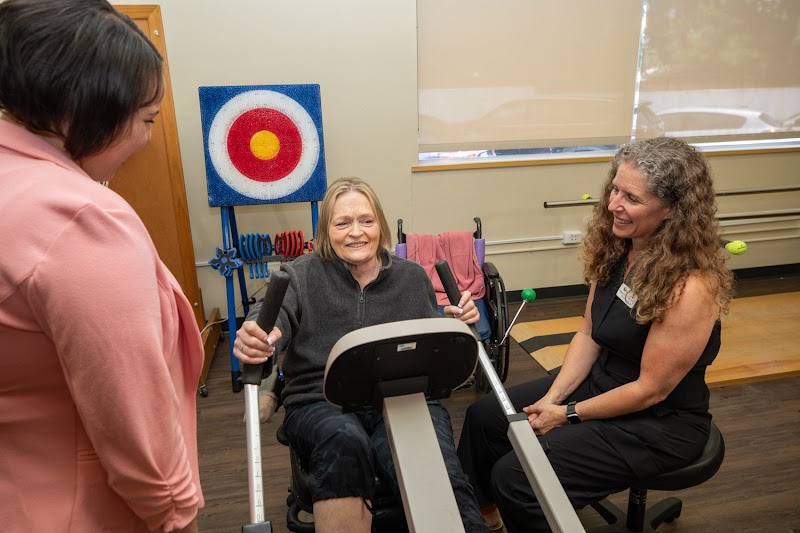
How is The Oaks At Timberline Staffed?

CMS rates THE OAKS AT TIMBERLINE's staffing level at 2 out of 5 stars, which is below average compared to other nursing homes. Staff turnover is 42%, compared to the Washington average of 46%. This relatively stable workforce can support continuity of care. RN turnover specifically is 62%, which is notably high. RNs provide skilled clinical oversight, so turnover in this role can affect medical care quality.

What Have Inspectors Found at The Oaks At Timberline?

State health inspectors documented 23 deficiencies at THE OAKS AT TIMBERLINE during 2023 to 2025. These included: 22 with potential for harm and 1 minor or isolated issues.

Who Owns and Operates The Oaks At Timberline?

THE OAKS AT TIMBERLINE is owned by a for-profit company. For-profit facilities operate as businesses with obligations to shareholders or private owners. The facility is operated by THE ENSIGN GROUP, a chain that manages multiple nursing homes. With 85 certified beds and approximately 69 residents (about 81% occupancy), it is a smaller facility located in VANCOUVER, Washington.
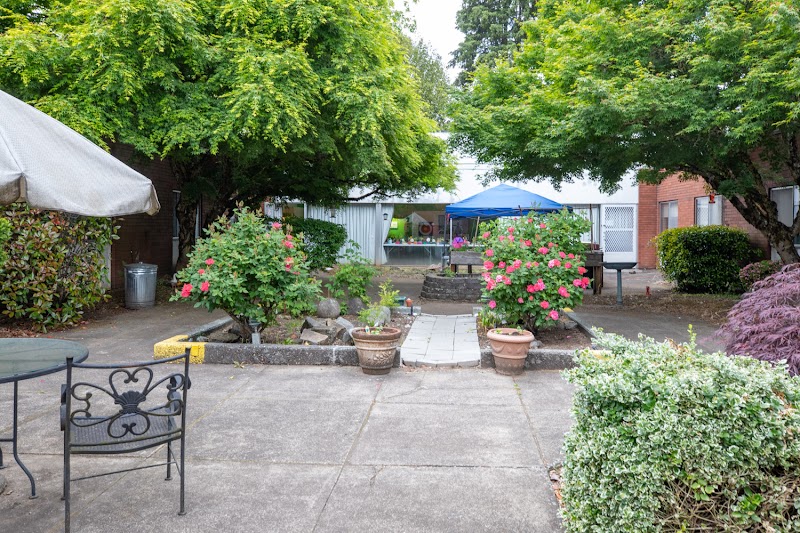
How Does The Oaks At Timberline Compare to Other Washington Nursing Homes?

Compared to the 100 nursing homes in Washington, THE OAKS AT TIMBERLINE's overall rating (5 stars) is above the state average of 3.2, staff turnover (42%) is near the state average of 46%, and health inspection rating (5 stars) is much above the national benchmark.

What Should Families Ask When Visiting The Oaks At Timberline?

Based on this facility's data, families visiting should ask: "Can you walk me through typical staffing levels on day, evening, and night shifts?" "Can I visit during a mealtime to observe dining assistance and food quality?" "How do you handle medical emergencies, and what is your hospital transfer rate?" "Can I speak with family members of current residents about their experience?" These questions are particularly relevant given the below-average staffing rating.

Is The Oaks At Timberline Safe?

Based on CMS inspection data, THE OAKS AT TIMBERLINE has a clean safety record: no substantiated abuse findings (meaning no confirmed cases of resident harm), no Immediate Jeopardy citations (the most serious violation level indicating risk of serious injury or death), and is not on the Special Focus Facility watch list (a federal program monitoring the lowest-performing 1% of nursing homes). The facility has a 5-star overall rating and ranks #1 of 100 nursing homes in Washington. While no facility is perfect, families should still ask about staff-to-resident ratios and recent inspection results during their visit.

Do Nurses at The Oaks At Timberline Stick Around?

THE OAKS AT TIMBERLINE has a staff turnover rate of 42%, which is about average for Washington nursing homes (state average: 46%). Moderate turnover is common in nursing homes, but families should still ask about staff tenure and how the facility maintains care continuity when employees leave.

Was The Oaks At Timberline Ever Fined?

THE OAKS AT TIMBERLINE has no federal fines on record. CMS issues fines when nursing homes fail to meet care standards or don't correct problems found during inspections. The absence of fines suggests the facility has either maintained compliance or corrected any issues before penalties were assessed. This is a positive indicator, though families should still review recent inspection reports for the full picture.

Is The Oaks At Timberline on Any Federal Watch List?

THE OAKS AT TIMBERLINE is not on any federal watch list. The most significant is the Special Focus Facility (SFF) program, which identifies the bottom 1% of nursing homes nationally based on persistent, serious quality problems. Not being on this list means the facility has avoided the pattern of deficiencies that triggers enhanced federal oversight. This is a positive indicator, though families should still review the facility's inspection history directly.