HUDSON BAY HEALTH AND REHABILITATION
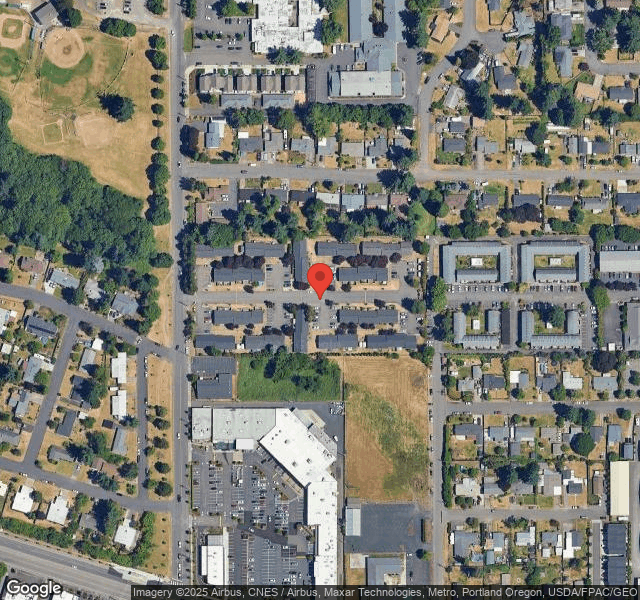
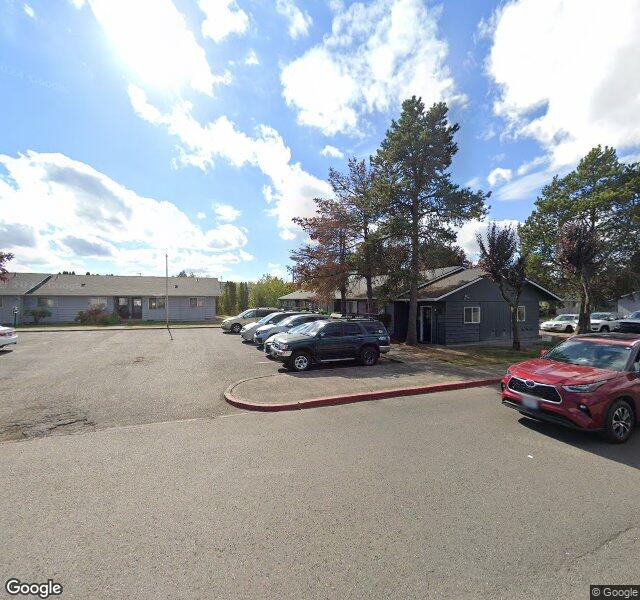
8507 NORTHEAST 8TH WAY, VANCOUVER, WA 98664 (360) 254-5335
For profit - Limited Liability company 92 Beds CASCADIA HEALTHCARE Data: November 2025 1 Immediate Jeopardy citation
Trust Grade
48/100
#16 of 190 in WA
Last Inspection: April 2025

Within standard 12-15 month inspection cycle. Federal law requires annual inspections.

Overview

Hudson Bay Health and Rehabilitation has a Trust Grade of D, indicating below-average performance with some significant concerns. In Washington, it ranks #16 out of 190 facilities, placing it in the top half, and it is the highest-ranked option in Clark County. The facility's trend is stable, maintaining five issues over the past two years. However, staffing is a notable weakness, with a low rating of 2 out of 5 stars and a high turnover rate of 71%, significantly above the state average. The facility has incurred $65,861 in fines, which is concerning as it suggests ongoing compliance challenges. On a positive note, it has more registered nurse coverage than 75% of other facilities in the state, which helps ensure residents receive proper care. Specific incidents noted include a failure to maintain essential emergency electrical systems for ventilator-dependent residents, which posed a critical risk to their lives, and sanitation issues in the kitchen that could affect food preparation safety. Additionally, new residents were not adequately informed of their rights and care options upon admission, which could negatively impact their quality of life. Overall, while there are strengths, particularly in RN coverage, potential families should carefully consider the facility's shortcomings.

Trust Score
D
48/100
In Washington
#16/190
Top 8%
Safety Record
High Risk
Review needed
Inspections
Holding Steady
5 → 5 violations
Staff Stability
⚠ Watch
71% turnover. Very high, 23 points above average. Constant new faces learning your loved one's needs.
Penalties
✓ Good
$65,861 in fines. Lower than most Washington facilities. Relatively clean record.
Skilled Nurses
✓ Good
Each resident gets 58 minutes of Registered Nurse (RN) attention daily — more than average for Washington. RNs are trained to catch health problems early.
Violations
⚠ Watch
24 deficiencies on record. Higher than average. Multiple issues found across inspections.
★★★★★
5.0
Overall Rating
★★☆☆☆
2.0
Staff Levels
★★★★★
5.0
Care Quality
★★★★☆
4.0
Inspection Score
Stable
2024: 5 issues
2025: 5 issues

The Good

  • 5-Star Quality Measures · Strong clinical quality outcomes
  • Full Sprinkler Coverage · Fire safety systems throughout facility
  • No fines on record

Facility shows strength in quality measures, fire safety.

The Bad

Staff Turnover: 71%

25pts above Washington avg (46%)

Frequent staff changes - ask about care continuity

Federal Fines: $65,861

Above median ($33,413)

Moderate penalties - review what triggered them

Chain: CASCADIA HEALTHCARE

Part of a multi-facility chain

Ask about local staffing decisions and management

Staff turnover is very high (71%)

23 points above Washington average of 48%

The Ugly 24 deficiencies on record

1 life-threatening
Apr 2025 5 deficiencies
CONCERN (D)

Potential for Harm - no one hurt, but risky conditions existed

Comprehensive Care Plan (Tag F0656)

Could have caused harm · This affected 1 resident

**NOTE- TERMS IN BRACKETS HAVE BEEN EDITED TO PROTECT CONFIDENTIALITY** . Based on observation, interview and record review, the facility failed to develop a comprehensive care plan for 1 of 4 sampled...

Read full inspector narrative →
**NOTE- TERMS IN BRACKETS HAVE BEEN EDITED TO PROTECT CONFIDENTIALITY** . Based on observation, interview and record review, the facility failed to develop a comprehensive care plan for 1 of 4 sampled residents (Resident 38) reviewed for mood and behavior. This failure placed residents at risk for unmet care needs and a diminished quality of life. Findings Included . Resident 38 was admitted to the facility on [DATE] with diagnosis to include Post Traumatic Stress Disorder (PTSD, a mental health condition that can develop after someone experiences or witnesses a traumatic event). The Quarterly Minimum Data Set assessment, an assessment tool, dated 03/22/2025, documented Resident 38 was alert and oriented, had a diagnosis of PTSD, and was taking antipsychotic medication. Review of Resident 38's Comprehensive Care Plan, on 04/24/2025, did not show a Focus, Goal, or Interventions/Tasks related to PTSD. On 04/24/2025 at 10:38 AM, Staff F, Social Services Director, said if a resident had a diagnosis of PTSD, they should have a care plan in place. Staff F said she did not find a PTSD care plan and trauma informed care evaluation done for Resident 38 and there should have been. At 10:52 AM, Staff B, Chief Nursing Officer and Registered Nurse, said she expected PTSD care plans were in place for residents with a diagnosis of PTSD. After looking at Resident 38's electronic health record, Staff B said she did not see a PTSD care plan and there should have been one. Reference WAC 388-97-1020(1), (2)(a)(c) .
CONCERN (D)

Potential for Harm - no one hurt, but risky conditions existed

Deficiency F0740 (Tag F0740)

Could have caused harm · This affected 1 resident

**NOTE- TERMS IN BRACKETS HAVE BEEN EDITED TO PROTECT CONFIDENTIALITY** . Based on observation, interview and record review, the facility failed to document/monitor targeted behaviors for 1 of 5 resid...

Read full inspector narrative →
**NOTE- TERMS IN BRACKETS HAVE BEEN EDITED TO PROTECT CONFIDENTIALITY** . Based on observation, interview and record review, the facility failed to document/monitor targeted behaviors for 1 of 5 residents (Resident 48) reviewed for behavior-emotions. This failure to monitor targeted behaviors placed residents at risk for unmet psychosocial needs and a decreased quality of life. Findings included . Resident 48 was admitted to the facility on [DATE]. The Quarterly Minimum Data Set assessment, an assessment tool, dated 02/13/2025, indicated Resident 48 was moderately cognitively impaired. Review of Resident 48's care plan, dated 05/20/2024, showed a focus area, Psychosocial/Mood/Behavior related to [Resident 48] has mood problem r/t schizophrenia, Depression, Visual Hallucinations, Auditory Hallucinations, Uncontrollable crying/tearfulness, Delusional thoughts, Agitation . 3. Behavioral supports Monitor for symptoms of anxiety, depression, or psychosis as evidenced by irritability, agitation, fidgeting, tearfulness, diminished sleep, worry and overall mood presentation. Document changes when observed and update care plans as needed. On 04/21/2025 at 3:18 PM, Resident 48, while interviewing cried several times during the interview in the initial pool process, when talking about her living situation, a fall, and activities. At 3:34 PM, Staff I, Licensed Practical Nurse, was alerted to Resident 48's crying episodes, upon completion of the interview. On 04/23/2025 at 9:14 PM, review of Resident 48's progress notes showed no mention of the above crying episodes on 04/21/2025. On 04/24/2025 at 9:28 AM, Staff I, when asked what she did with the information she was given regarding Resident 48's crying episodes, Staff I said she told Staff D, Resident Care Manager. At 1:59 PM, Staff D, said Resident 48's crying episodes should have been documented even if the episode was witnessed by another person. Staff D said monitoring helped with deterring and providing interventions for Resident 48. At 2:04 PM, Staff B, Chief Nursing Officer and Registered Nurse, said staff should document target behaviors by the end of their shifts. Staff B said documentation helped to track the behavior. Reference WAC 388-97-1060 (1) .
CONCERN (D)

Potential for Harm - no one hurt, but risky conditions existed

Pharmacy Services (Tag F0755)

Could have caused harm · This affected 1 resident

**NOTE- TERMS IN BRACKETS HAVE BEEN EDITED TO PROTECT CONFIDENTIALITY** . Based on observation, interview, and record review, the facility failed to ensure medications were administered by professiona...

Read full inspector narrative →
**NOTE- TERMS IN BRACKETS HAVE BEEN EDITED TO PROTECT CONFIDENTIALITY** . Based on observation, interview, and record review, the facility failed to ensure medications were administered by professional standards of practice for 1 of 4 sample residents (Resident 38) reviewed for medication administration. This failure placed residents at risk for medication errors, negative outcomes, and a diminished quality of life. Findings Included . Review of the facility's policy entitled, Oral Medication Administration, dated 01/01/2018, documented, .Administration .6.e. Observe the resident ingest the medication. Resident 38 was admitted to the facility on [DATE]. The Quarterly Minimum Data Set assessment, an assessment tool, dated 03/22/2025, documented Resident 38 was alert and oriented. On 04/23/2025 at 11:03 AM, Resident 38 was observed lying in bed with no staff present in the room. A white oval pill was observed on Resident 38's overbed table lying on a napkin. Resident 38 picked up the pill off the table and swallowed the pill with no nurse present in the room. When asked about the pill she just swallowed, Resident 38 said she took about 13 pills. Resident 38 said the nurse didn't stay with her while she took the pills because she had only 1 or 2 left. Staff G, Licensed Practical Nurse, entered the room and asked Resident 38 if she could take her blood sugar. When asked Staff G about the pill Resident 38 just took while unattended, Staff G stated, I'm sorry, I thought she was taking them when I walked away. Review of Resident 38's electronic health record did not show a self-medication administration evaluation had been completed. At 12:00 PM, Staff D, Resident Care Manager and Registered Nurse (RN), said medications are not supposed to be left at the bedside. Staff D said medications are supposed to be watched the entire time until they are swallowed. Staff D said Resident 38 did not have approval for self-administration of medications. At 12:13 PM, Staff B, Chief Nursing Officer and RN, said it was her expectation nurses observed residents take all their medication and not leave any at the bedside. Reference WAC 388-97-1300 (1)(b)(i), (3)(a) .
CONCERN (D)

Potential for Harm - no one hurt, but risky conditions existed

Deficiency F0909 (Tag F0909)

Could have caused harm · This affected 1 resident

**NOTE- TERMS IN BRACKETS HAVE BEEN EDITED TO PROTECT CONFIDENTIALITY** . Based on observation, interview and record review, the facility failed to ensure bed rails were securely fastened to the bed f...

Read full inspector narrative →
**NOTE- TERMS IN BRACKETS HAVE BEEN EDITED TO PROTECT CONFIDENTIALITY** . Based on observation, interview and record review, the facility failed to ensure bed rails were securely fastened to the bed for 1 of 2 sampled residents (Resident 49) reviewed for accident hazards. This failure placed residents at risk for injury and/or entrapment. Findings included . Review of the facility's policy entitled, Restraints, revised 03/01/2024, documented, .Bedrails/Side Rails . 3. If the bedrail/side rail is used, the facility ensures correct installation, use, and maintenance of the rail(s) . Resident 49 was admitted to the facility on [DATE]. The Admission/Medicare - 5 day Minimum Data Set assessment, an assessment tool, dated 04/05/2025, documented Resident 49 was alert and oriented. On 04/21/2025 at 2:46 PM, Resident 49's bed was observed with a quarter length bed rail on the left side of the upper bed. The bed rail was observed to be loose with about four to five inches of movement up and down and five to six inches of movement back and forth. Resident 49 said her bed rail was loose. Resident 49 said she told the staff three or four times, but they have not fixed it. Resident 49 said a CNA (Certified Nursing Assistant) told her they put in a request on the computer for maintenance to fix it, but they still had not. On 04/23/2025 at 12:05 PM, Resident 49's bed was observed with a quarter length bed rail on the left side of the upper bed. The bed rail was observed to be leaning out from the bed and loose, with about four to five inches of movement up and down and five to six inches of movement back and forth. The bracket attaching the bed rail to the frame of the bed was observed to be loose, wiggling about one inch around the bolt attached to the bed frame. At 3:10 PM, Resident 49 was observed lying in bed with the left side bed rail loose. Resident 49 said her bed rail was still loose and she has told staff three to four times, but it had not been fixed. At 3:16 PM, Staff H, CNA, said if there was equipment like bed rails, hoyer lifts, or anything that was broken or needed to be fixed, they would report it through TELS (an electronic work order system) and verbally tell maintenance. At 3:20 PM, Staff B, Chief Nursing Officer and Registered Nurse, said bed rails were installed by maintenance. Staff B said if a bed rail needed to be fixed or repaired, the staff would use TELS to report it to maintenance. Staff B went to Resident 49's room to look at the bed rail. Staff B said the bed rail was looser than it should have been and needed to be tightened. On 04/24/2025 at 11:05 AM, Staff B said a TELS work order was put in by a CNA on 04/15/2025 for the loose bed rail, but it had not been fixed yet. Staff B said she expected anything safety related, such as bed rails, were addressed right away and indicated it should have been fixed sooner. Reference WAC 388-97-2100 (1) .
CONCERN (E)

Potential for Harm - no one hurt, but risky conditions existed

Deficiency F0804 (Tag F0804)

Could have caused harm · This affected multiple residents

. Based on observation and interview, the facility failed to ensure food was served hot at a safe temperature. This failure to serve foods at proper temperatures placed resident at risk for decreased ...

Read full inspector narrative →
. Based on observation and interview, the facility failed to ensure food was served hot at a safe temperature. This failure to serve foods at proper temperatures placed resident at risk for decreased nutritional intake, food borne illness and a decreased quality of life. Findings included . The Center of Disease Control (CDC) indicated, Listeria infection (Listeriosis) are bacteria (germs) that can contaminate many foods including hot dogs. People who eat those foods can get infected with the bacteria . Listeria infection can be especially harmful for some people, including adults aged 65 or older, and people with weakened immune systems. The United States Department of Agrigulture (USDA), Food Safety and Inspection Service indicated, hot food should be held at 140 degrees or warmer. On 04/21/2025 at 11:43 AM, Resident 27 said her food was usually warm but not hot. On 04/24/2025 at 11:40 AM, hot dogs were removed from the cooking process and placed on the service line. The temperature of the hot dogs measured 160+ degrees Fahrenheit. The hot dogs were covered with a cookie sheet pan. At 12:37 PM, the remaining hot dogs', after the service line was completed, temperatures measured about 100 degrees Fahrenheit. Staff J, Culinary Manager, said the hot dogs were not warm enough. Reference WAC 388-97-1100 (1), (2) .
Sept 2024 1 deficiency
CONCERN (D) 📢 Someone Reported This

A family member, employee, or ombudsman was alarmed enough to file a formal complaint

Potential for Harm - no one hurt, but risky conditions existed

Deficiency F0760 (Tag F0760)

Could have caused harm · This affected 1 resident

**NOTE- TERMS IN BRACKETS HAVE BEEN EDITED TO PROTECT CONFIDENTIALITY** . Based on observation, interview, and record review, the facility failed to provide accurate medication administration for 1 of...

Read full inspector narrative →
**NOTE- TERMS IN BRACKETS HAVE BEEN EDITED TO PROTECT CONFIDENTIALITY** . Based on observation, interview, and record review, the facility failed to provide accurate medication administration for 1 of 5 sampled residents (Resident 1) reviewed for medication administration errors. This failure placed residents at risk for medical complications and diminished quality of life. Findings included . Resident 1 was admitted on [DATE] with diagnoses including chronic respiratory failure and chronic obstructive pulmonary disease (COPD), both of which make breathing difficult. The Minimum Date Set assessment, dated 05/02/2024, showed Resident 1 had moderate difficulty in making needs know and required maximum assistance for activities of daily living. <Medication Error 1> A physicians order, dated 04/26/2024, ordered predniSONE [a steroid that decreases inflammation] Oral Tablet 10 milligrams [mg] [Prednisone] Give 40 mg by mouth one time a day for COPD exacerbation [an acute increase in the severity] for 2 Days AND Give 20 mg by mouth one time a day for COPD exacerbation for 2 Days AND Give 10 mg by mouth one time a day for COPD exacerbation for 2 Days. The April 2024 and May 2024 Medication Administration Record (MAR) showed the administration dates for Prednisone 40 mg's were documented for administration to occur on 04/27/2024 and 04/28/20204. The administration dates for Prednisone 20 mg were documented for administration to occur on 04/29/2024 and 04/30/2024. The administration dates for Prednisone 10 mg would have been for administration to occur on 05/01/2024 and 05/02/2024. A nurses note, dated 04/30/2024 at 10:29 AM, showed Staff C, Registered Nurse (RN), documented in the Electronic Medical Record (EMT), the provider was notified of a medication error in relation to the Prednisone taper. The taper was started with the 10 mg instead of with the 40 mg. This error was found by Staff C when reviewing the medication card for the Prednisone. A physician order, dated 04/30/2024, was received by Staff C with a new Prednisone taper as follows: predniSONE Oral Tablet 10 MG [Prednisone] Give 40 mg by mouth one time a day for COPD exacerbation for 3 Days AND Give 20 mg by mouth one time a day for COPD exacerbation for 3 Days AND Give 10 mg by mouth one time a day for COPD exacerbation for 3 Days. The April 2024 and May 2024 MAR showed the administration dates for Prednisone 40 mg's were documented to occur on 04/30/2024, 05/01/2024, and 05/02/2024. The administration dates for Prednisone 20 mg were documented for administration to occur on 05/03/2024, 05/04/2024, and 05/05/2024. The administration dates for Prednisone 10 mg were documented to occur on 05/06/2024, 05/07/2024, and 05/08/2024. An Incident Report, dated 05/01/2024, identified the Prednisone taper had been initiated backwards. Instead of initiating with the 40 mg leading dose of the taper and ending with the 10 mg dose, the taper was initiated starting with the 10 mg dose and would have ended with the 40 mg dose. The report showed Staff D, Licensed Practical Nurse (LPN), responsible for the error, was provided with education on the correct sequencing of Prednisone tapers. A nurses note, dated 05/03/2024 at 5:26 PM, showed Staff C documented in the EMR, Patient started new Prednisone taper on Wednesday, but it was not administered properly. Patient did not receive proper dosages at the beginning of the taper. Would you like to restart it? On 09/04/2024 at 12:19 PM, Staff B, Director of Nursing Services, said she had been notified by Staff C of the medication errors. Both errors were made by Staff D. Upon the first error, Staff D was educated on the correct way to administer a Prednisone taper. Upon the second error, Staff D was again re-educated and asked to schedule a time for medication pass observation. Staff D declined and their employment was discontinued. <Medication Error 2> A physicians order, dated 04/26/2024, ordered Fluticasone-Salmetrol Inhalation Aerosol 230-21 MCG/ACT, ADVAIR [an inhaler used to open airways] 2 puff inhale orally two times a day for Chronic Obstructive Pulmonary Disease. On 07/23/2024 at 4:41 PM, Collateral Contact 1 (CC 1) provided a time stamped photograph, dated 05/10/2024 at 10:31 AM, of the ADVAIR inhaler used by Resident 1. The photograph showed the back of the inhaler with a dial that read 84. CC 1 indicated the number represented the number of doses left in the inhaler. Record review of Resident 1's April 2024 and May 2024 MAR showed documentation for the administration of the Fluticasone-Salmetrol Inhaler twice daily for 14 days. This was equal to 68 puffs of inhaled doses. On 08/19/2024 at 2:54 PM, Staff G, LPN, said some of the inhalers used have a countdown feature at the back of the inhaler and others do not. The ones that have the dosage count down at the back are reliable. On 09/05/2024 at 1:45 PM, Staff F, Pharmacist, said the number on the back of the ADVAIR inhaler indicates the number of doses that should be left for a month long supply of 120 doses. When asked if the inhaler was given as ordered for 14 days at two puffs twice a day with the inhaler reading 64 doses left, Staff F said yes. Staff F said if the resident did not receive the doses as ordered, this could mean they could experience exacerbated symptoms of COPD. On 09/09/2024 at 2:00 PM, after reviewing the discrepancy of the ADVAIR Inhaler, Staff B said education would be provided to nursing staff to prevent further errors. Reference WAC 388-97-1060 (3)(k)(iii) .
Jun 2024 4 deficiencies
CONCERN (D)

Potential for Harm - no one hurt, but risky conditions existed

Comprehensive Care Plan (Tag F0656)

Could have caused harm · This affected 1 resident

. Based on observation, interview and record review, the facility failed to develop and implement a person-centered care plan addressing limited mobility for 1 of 6 sampled residents (40) reviewed for...

Read full inspector narrative →
. Based on observation, interview and record review, the facility failed to develop and implement a person-centered care plan addressing limited mobility for 1 of 6 sampled residents (40) reviewed for comprehensive care plan related to mobility. This failure placed residents at risk for unmet care needs and a diminished quality of life. Findings included . Resident 40's comprehensive care plan, dated 05/20/2024, did not address a plan of care for contractures to the left arm. On 06/03/2024 at 11:47 AM, Resident 40 was observed with a contracted left arm that had decreased range of motion. When asked about the resident's ability to use his arm, Resident 40 said his contracture had gotten worse. On 06/05/2024 at 9:12 AM, Staff C, Licensed Practical Nurse, said there were no interventions in place to care for Resident 40's contracted left arm. On 06/06/24 at 10:36 AM, Staff B, Chief Nursing Officer and Registered Nurse, said there was nothing in the resident's care plan that reflected a plan to care for Resident 40's contractures. Reference WAC 388-97-1020 (1), (2)(a) .
CONCERN (D)

Potential for Harm - no one hurt, but risky conditions existed

Deficiency F0806 (Tag F0806)

Could have caused harm · This affected 1 resident

**NOTE- TERMS IN BRACKETS HAVE BEEN EDITED TO PROTECT CONFIDENTIALITY** . Based on observation, interview and record review, the facility failed to ensure food preferences were honored for 1 of 3 samp...

Read full inspector narrative →
**NOTE- TERMS IN BRACKETS HAVE BEEN EDITED TO PROTECT CONFIDENTIALITY** . Based on observation, interview and record review, the facility failed to ensure food preferences were honored for 1 of 3 sample residents (114) reviewed for food preferences. This failure placed residents at risk for not having their food preferences honored and a diminished quality of life. Findings included . Resident 114 was admitted to the facility on [DATE]. The admissions Minimum Data Set assessment, dated 05/24/2024, indicated Resident 114 was cognitively intact. The Diet History & Preferences, dated 06/03/2024, indicated Resident 114 had cereal dislikes: Cream of Wheat, Grits, Malt-O-Meal and Oatmeal. On 06/03/2024 at 12:12 PM, Resident 114 was observed receiving her lunch and stated, Gross. At 3:27 PM, Resident 114 said her lunch had vegetables on it that she did not like. Resident 114 said she had spoken with the dietician, the dietary manager, and had told the aids; but they kept giving her food she disliked. On 06/07/2024 at 9:18 AM, Staff F, Dietary Manager, said they tried to serve residents their preferences but if they did not get a menu from the nursing staff for that resident, they would serve the resident the main meal. Resident 114 was observed showing Staff F the hot cereal. Staff F said it was oatmeal. After reviewing the resident's preferences, Staff F said she would be sure this did not happen again. Reference WAC 388-97-1120 (3)(a) .
CONCERN (D)

Potential for Harm - no one hurt, but risky conditions existed

Safe Environment (Tag F0921)

Could have caused harm · This affected 1 resident

. Based on observation and interview, the facility failed to ensure the floor was inspected where medication was found in 1 of 3 resident hallways (East) reviewed for safe environment. This failure pl...

Read full inspector narrative →
. Based on observation and interview, the facility failed to ensure the floor was inspected where medication was found in 1 of 3 resident hallways (East) reviewed for safe environment. This failure placed residents at risk for an unsafe living environment and a diminished quality of life. Findings included . On 06/05/2024 at 1:51 PM, an unidentified resident was observed saying loudly, to an unidentified staff, there was a pill on the floor. The pill was picked up by the unidentified staff. Staff D, Registered Nurse, told the unidentified staff to hand her the pill and she would take care of it. Staff D looked at the pill and stated, It's Zoloft [an antidepressant]. At 2:52 PM, a partial blue colored pill was observed on the floor by the nurse's station along the edge of the carpet and floor of the dayroom. At 2:54 PM, when asked what was on the floor, Staff E, Resident Care Manager and Licensed Practical Nurse, said it looked like a pill. Staff E said he could not tell what it was because it did not have a marker. Staff E said he would have expected staff to search the area and made sure no other pills were on the floor. At 3:01 PM, Staff B, Chief Nursing Officer and Registered Nurse, said if a pill was found on the floor, she would expect staff to look around the area to ensure nothing else was around there. Reference WAC 388-97-3220 (1) .
CONCERN (F)

Potential for Harm - no one hurt, but risky conditions existed

Food Safety (Tag F0812)

Could have caused harm · This affected most or all residents

. Based on observation and interview, the facility failed to maintain the cleanliness of the vent covers in 1 of 1 facility kitchen. This failure placed residents at risk to consume food not prepared ...

Read full inspector narrative →
. Based on observation and interview, the facility failed to maintain the cleanliness of the vent covers in 1 of 1 facility kitchen. This failure placed residents at risk to consume food not prepared in a sanitary manner and a diminished quality of life. kitchen vent covers reviewed for kitchen. These failures had the potential to affect all residents who consumed food and may cause a diminished quality of life. Findings included . On 06/06/2024 at 10:05 AM, the overhead vent covers (located over the food prep areas) were observed with lint trapped between the grilles. The stove hood filters appeared to be greasy and had some lint between the grilles. At 2:07 PM, when asked what was in the overhead vents above the food prep area, Staff F, Dietary Manager, said it looked like lint. After looking at the slats of the hood filters over the stove, Staff F said it looked like lint and the slats were not put in correctly. Staff F said maintenance was responsible for cleaning the overhead vent covers. Staff F said they contracted the cleaning for the hood filters, and they come out about every six months. Reference WAC 388-97-1100 (3) .
Sept 2023 1 deficiency
CONCERN (E) 📢 Someone Reported This

A family member, employee, or ombudsman was alarmed enough to file a formal complaint

Potential for Harm - no one hurt, but risky conditions existed

Deficiency F0729 (Tag F0729)

Could have caused harm · This affected multiple residents

. Based on interview and record review, the facility failed to obtain registry verification to ensure staff met competency evaluation requirements before allowing to serve as a nursing assistant for 3...

Read full inspector narrative →
. Based on interview and record review, the facility failed to obtain registry verification to ensure staff met competency evaluation requirements before allowing to serve as a nursing assistant for 3 of 3 agency nursing assistants (Staff C, D & E) reviewed for nursing aide registry. This failure placed residents at risk of unmet care needs and care being provided by unqualified nursing assistants. Findings included . 1) Staff C was scheduled to work at the facility through a Staffing Agency as a Certified Nursing Assistant on 04/22/2023. 2) Staff D was scheduled to work at the facility through a Staffing Agency as a Certified Nursing Assistant on 05/05/2023. 3) Staff E was scheduled to work at the facility through a Staffing Agency as a Certified Nursing Assistant on 06/26/2023. On 09/08/2023 at 12:15 PM, when asked to review Staff C's, Staff D's, and Staff E's registry verification, Staff B, Registered Nurse, and Chief Nursing Officer, said she would need to contact the staffing agency to have copies of agency staff's registry verification sent. Staff A said it was part of the staffing agencies contract to provide this information prior to scheduling agency staff to work. Staff B said they had not kept up on this since losing their Human Resource Manager. Staff A said going forward, there was a plan in place to obtain agency staff registry verification prior to them arriving to work. On 09/08/2023 at 3:29 PM, the staffing agency sent registry verification for Staff D (126 days after scheduled to work at the facility). On 09/08/2023 at 4:56 PM, the staffing agency sent registry verification for Staff C (139 days after scheduled to work at the facility), and Staff E (74 days after scheduled to work at the facility). Reference WAC 388-97-1660 (3)(c) .
May 2023 13 deficiencies 1 IJ (1 affecting multiple)
CRITICAL (K) 📢 Someone Reported This

A family member, employee, or ombudsman was alarmed enough to file a formal complaint

Immediate Jeopardy (IJ) - the most serious Medicare violation

Deficiency F0906 (Tag F0906)

Someone could have died · This affected multiple residents

**NOTE- TERMS IN BRACKETS HAVE BEEN EDITED TO PROTECT CONFIDENTIALITY** . Based on observation and interview, the facility failed to ensure the required Type 1 essential electrical system (EES) and ge...

Read full inspector narrative →
**NOTE- TERMS IN BRACKETS HAVE BEEN EDITED TO PROTECT CONFIDENTIALITY** . Based on observation and interview, the facility failed to ensure the required Type 1 essential electrical system (EES) and generator was in place and operational prior to accepting residents to a ventilator unit where an emergency electrical power system would be needed to maintain life support equipment in the event of a power outage for 3 of 3 sampled ventilator residents (116, 119 & 300) reviewed for emergency electrical power system. This failure placed Resident 116, Resident 119 and Resident 300, all dependent on life support equipment, at risk for loss of life. An Immediate Jeopardy was called on 05/02/2023 at 2:40 PM when the facility failed to have adequate emergency electrical system including emergency life support to residents on ventilators in case of a power outage. The immediacy was removed on 05/04/2023 at 5:30 PM after residents, dependent on the emergency electrical system, were removed from the facility. Findings included . 1) Resident 116 was admitted to the facility on [DATE]. Resident 116's medical record showed the resident required life supporting equipment, a ventilator, to sustain life. 2) Resident 119 was admitted to the facility on [DATE]. Resident 119's medical record showed the resident required life supporting equipment, a ventilator, to sustain life. 3) Resident 300 was admitted to the facility on [DATE]. Resident 300's medical record showed the resident required life supporting equipment, a ventilator, to sustain life on an as needed basis. The daily census sheet, dated 05/02/2023, showed a census of 62 residents. The census included three current residents and one pending admission requiring ventilator equipment (life support breathing machine). On 05/02/2023 at 11:00 AM, the three residents (Resident 116, Resident 119 and Resident 300) were observed on the ventilator unit. On 05/02/2023 at 11:13 AM, Staff A, Administrator, said the facility started taking admissions into the new ventilator unit on 04/03/2023. At 11:51 AM, Staff A said he had never contacted the State's Construction Review Services (CRS) regarding opening a new ventilator unit. Staff A said he had outlets changed/added to the generator without involving CRS review or approval. The State Fire Marshall (SFM) said the facility failed to have a Type 1 electrical system. The SFM said there was a lack of fuel to operate the generator for the required 96 hours. At 12:46 PM, Staff E, Administrator in Training, said the amount of diesel fuel for the generator was approximately 5 gallons onsite. Staff E said the rate of fuel consumption, gallons per hour, was unknown. On 05/03/2023 at 9:00 AM, Staff A said the calculated burn rate was approximately one gallon per hour for the generator. At 11:00 AM, Staff A indicated a virtual inspection was conducted by CRS related to their electrical system and generator. On 05/04/2023 at 9:40 AM, CRS said the facility did not have a Type 1 EES system required to operate life sustaining equipment. Staff C, Facility Consultant, said the facility did not investigate the life safety codes and other components that needed to be done prior to opening a ventilation unit. Staff C said they were not aware of CRS. (An email was sent to Staff A from the State Agency, dated 11/15/2022 at 2:28 PM, noting an application would need to be completed with CRS for any modifications made to the nursing home; and this was the first step to take in the process of having a ventilator unit.) At 5:30 PM, the last resident requiring life sustaining equipment was observed being moved to a facility that could support their emergency life support needs. Refer to LSC Survey, dated 05/08/2023, E007-Emergency Preparedness Program Patient Population and K918-Electrical System - Essential Electric System Reference WAC 388-97-2200 (2)(a)(d)(3)(4)(b)(5)(a)(b), -2160 (2) .
CONCERN (D)

Potential for Harm - no one hurt, but risky conditions existed

Deficiency F0578 (Tag F0578)

Could have caused harm · This affected 1 resident

**NOTE- TERMS IN BRACKETS HAVE BEEN EDITED TO PROTECT CONFIDENTIALITY** . Based on interview and record review, the facility failed to obtain, provide, and/or assist residents with completing Advance ...

Read full inspector narrative →
**NOTE- TERMS IN BRACKETS HAVE BEEN EDITED TO PROTECT CONFIDENTIALITY** . Based on interview and record review, the facility failed to obtain, provide, and/or assist residents with completing Advance Directives (ADs) for 2 of 2 sampled residents (16 & 8) reviewed for ADs. This failure place residents at risk of not having their healthcare preferences and/or decisions honored. Findings included . 1) Resident 16 was admitted to the facility on [DATE]. The quarterly Minimum Data Set (MDS), an assessment tool, dated 03/05/2023, documented the resident was cognitively intact. Resident 16's Electronic Health Record (EHR) documented, undated, the resident had a completed AD and would provide a copy to the facility. No copy of an AD was found in the EHR. On 05/03/2023 at 10:28 AM, Staff F, Resident Care Manager and Licensed Practical Nurse, said ADs were asked for a upon admission, at the 72-hour care conference and quarterly. Staff F said there should be a copy of the AD in Resident 16's EHR. On 05/04/2023 at 2:46 PM, Staff H, Social Services Director, said he had been asking for ADs quarterly, and Resident 16's AD should have been in the EHR. On 05/05/2023 at 8:38 AM, Staff B, Director of Nursing Services and Registered Nurse, stated, ADs should be obtained upon admission and are reviewed quarterly or as needed. Staff B stated, Yes, we should have obtained a copy. 2) Resident 8 was admitted to the facility on [DATE]. The quarterly MDS, dated [DATE], documented the resident was cognitively intact. Resident 8's EHR documented, undated, the resident would like help formulating an AD. No AD was located in the EHR. On 05/03/2023 at 10:28 AM, Staff F said there should be a copy of the AD in the EHR. On 05/04/2023 at 2:46 PM, Staff H said Resident 8's AD should have been in the EHR. On 05/05/2203 at 8:38 AM, Staff B said we should have assisted Resident 8 in formulating an AD. Reference WAC 388-97-0300 (1)(b), (3)(a-c) .
CONCERN (D)

Potential for Harm - no one hurt, but risky conditions existed

Deficiency F0657 (Tag F0657)

Could have caused harm · This affected 1 resident

**NOTE- TERMS IN BRACKETS HAVE BEEN EDITED TO PROTECT CONFIDENTIALITY** . Based on interview and record review, the facility failed to ensure residents and resident representatives were invited to par...

Read full inspector narrative →
**NOTE- TERMS IN BRACKETS HAVE BEEN EDITED TO PROTECT CONFIDENTIALITY** . Based on interview and record review, the facility failed to ensure residents and resident representatives were invited to participate in care conferences for 1 of 1 sampled resident (2) reviewed for care planning. This failure placed residents at risk for not having input regarding achieving care goals, unmet care needs, and a diminished quality of life. Findings included . Resident 2 was admitted on [DATE] and readmitted on [DATE]. The quarterly Minimum Data Set, an assessment tool, dated 02/28/2023, documented Resident 2 was moderately cognitively impaired. A Social Services Quarterly Assessment, dated 02/28/2023, showed Resident 2 was offered a care conference, but gave no indication whether the resident accepted or declined to attend the care conference. Resident 2's Electronic Health Record (EHR) did not show any documentation regarding care conference meetings for Resident 2. On 05/01/2023 at 11:15 AM, Resident 2 said she had not attended any care conferences regarding her care goals. On 05/04/2023 at 8:58 AM, Staff J, Unit Clerk and Certified Nursing Assistant, said he was responsible for setting up care conferences with either the resident or resident representative. Staff J was unable to locate documentation in the EHR indicating a care conference was set up for Resident 2. At 9:05 AM, Staff F, Resident Care Manger and Licensed Practical Nurse, said he was informed when a care conference was going to take place. Staff F said he would attend care conferences for the residents on his hall. Staff F said he did not recall a care conference for Resident 2. At 2:33 PM, Staff H, Social Services Director, said in the past he would reach out to resident representatives to address any concerns and expectations. Staff H said recently he was informed that care conferences need to return to an IDT (Interdisciplinary Team) approach involving residents, resident representative and disciplines working with the resident. Staff H was unable to locate documentation that a care conference had been completed for Resident 2. On 05/05/2023 at 9:37 AM, Staff B, Director of Nursing Services and Registered Nurse, said in the past care conferences had not been taking place. Staff B said with the recent hiring of Staff H care conferences would be completed using an IDT approach. Reference WAC 388-97-1020 (2)(f), (4)(b) .
CONCERN (D)

Potential for Harm - no one hurt, but risky conditions existed

Deficiency F0761 (Tag F0761)

Could have caused harm · This affected 1 resident

. Based on observation, interview and record review, the facility failed to maintain documentation for the medication refrigerator temperature logs and failed to ensure medications and biologicals wer...

Read full inspector narrative →
. Based on observation, interview and record review, the facility failed to maintain documentation for the medication refrigerator temperature logs and failed to ensure medications and biologicals were stored in accordance with accepted professional standards of practice for 1 of 2 sampled medication storage rooms (West) reviewed for medication storage. These failures placed residents at risk of receiving compromised and/or expired medications, experience adverse side effects and a decrease in quality of care. Findings included . On 05/02/2023 at 8:35 AM, the [NAME] Medication Storage Room was observed with Staff I, Licensed Practical Nurse (LPN). The following medication refrigerator/freezer temperature logs were observed: --January 2023 had no temperatures for 01/19/2023, 01/22/2023, 01/27/2023 and 01/28/2023, 4 of 31 days. --February 2023 had no temperatures for 02/23/2023, 02/24/2023 and 02/25/2023, 3 of 28 days. --March 2023 had no temperatures for 03/15/2023, 03/17/2023, 03/18/2023, 03/22/2023, 03/24/2023, 03/25/2023, 03/29/2023, 03/30/2023 and 03/31/2023, 9 of 31 days. --April 2023 had no temperatures for 04/07/2023, 04/08/2023, 04/09/2023, 04/14/2023, 04/15/2023, 04/27/2023, 04/28/2023 and 04/29/2023, 8 of 30 days. At 8:35 AM, two separate bottles of Gabapentin (a nerve pain medication) were observed on opposite sides of the refrigerator. Both bottles were leaking onto the refrigerator shelf leaving two pools of exposed medication on the shelf and coming into contact with other medication containers. On 05/04/2023 at 11:43 AM, Staff G, Resident Care Manger, said maintenance was responsible for cleaning the refrigerator, but the facility did not have a maintenance director right now. Staff G said duties were being divided among the Administrator, the Administrator-In-Training, and Housekeeping. Staff G stated, The nurses should be cleaning the fridges. I hope if one of the nurses saw that mess they would clean it up. Staff G said night shift duties included filling out the refrigerator temperature logs. Staff G said the logs should have been filled out. On 05/05/2023 at 8:41 AM, Staff B, Director of Nursing Services, stated, Normally maintenance does that [cleaning of the medication refrigerators], but maintenance left. Right now the [Administrator] and housekeeping are trying, but that fell off. Staff B said night shift was responsible for completing the refrigerator temperature logs. When shown the missing temperature log dates, Staff B stated, Those should have been completed. Reference WAC 388-97-1300 (2) .
CONCERN (E)

Potential for Harm - no one hurt, but risky conditions existed

Deficiency F0625 (Tag F0625)

Could have caused harm · This affected multiple residents

**NOTE- TERMS IN BRACKETS HAVE BEEN EDITED TO PROTECT CONFIDENTIALITY** . Based on interview and record review, the facility failed to ensure bed-hold notices were provided for 3 of 3 sampled resident...

Read full inspector narrative →
**NOTE- TERMS IN BRACKETS HAVE BEEN EDITED TO PROTECT CONFIDENTIALITY** . Based on interview and record review, the facility failed to ensure bed-hold notices were provided for 3 of 3 sampled residents (5, 53 & 119) reviewed for hospitalization. This failure placed residents at risk of not being informed of their options regarding bed-holds, and a diminished quality of life. Findings included . 1) Resident 5 was admitted to the facility on [DATE]. Review of the electronic health record (EHR) showed Resident 5 was sent to the hospital on [DATE]. No bed-hold notice was located in the EHR. On 05/04/2023 at 12:20 PM, Staff F, Resident Care Manager and Licensed Practical Nurse, said residents were given a paper copy for bed-hold notices. After reviewing Resident 5's EHR, Staff F was not able to locate a bed-hold. On 05/05/2023 at 10:52 AM, after reviewing reviewing Resident 5's medical record, Staff B, Director of Nursing Services and Registered Nurse, asked Staff F if he found it. Staff B said the nurse on the floor was responsible to give bed-hold notices to residents. 2) Resident 53 was admitted to the facility on [DATE]. Review of the EHR showed Resident 53 was sent to the hospital in an emergency, code blue. No bed-hold notice was located in the EHR. On 05/05/2023 at 10:51 AM, Staff B said there was not a bed-hold as the resident was in an emergency. 3) Resident 119 was admitted to the facility on [DATE]. Review of the EHR showed Resident 119 was sent to the emergency room on [DATE]. No bed-hold notice was located in the EHR. On 05/05/2023 at 10:54 AM, Staff B said she did not see a bed-hold in Resident 119's EHR. Reference WAC 388-97-0120 (4) .
CONCERN (E)

Potential for Harm - no one hurt, but risky conditions existed

Medication Errors (Tag F0758)

Could have caused harm · This affected multiple residents

**NOTE- TERMS IN BRACKETS HAVE BEEN EDITED TO PROTECT CONFIDENTIALITY** . Based on interviews and record reviews, the facility failed to ensure residents were free from unnecessary psychotropic (affec...

Read full inspector narrative →
**NOTE- TERMS IN BRACKETS HAVE BEEN EDITED TO PROTECT CONFIDENTIALITY** . Based on interviews and record reviews, the facility failed to ensure residents were free from unnecessary psychotropic (affecting the mind) medications by not obtaining informed consents, not providing side effect and target behavior (the basis for medication use to either modify, remove or add a resident specific behavior) monitoring, and not placing a stop date of 14 days for as needed (PRN) psychotropic medications for 5 of 5 sampled residents (2, 4, 5, 47 & 119) reviewed for unnecessary psychotropic medications. This failure placed residents at risk for medication side effects, unmet care needs, and a diminished quality of life. Findings included . 1) Resident 2 was admitted on [DATE] and readmitted on [DATE] with diagnoses including recurrent major depressive disorder (mood disorder that can cause a perisitent feeling of sadness and loss of interest that affects daily life). The quarterly Minimum Data Set (MDS), an assessment tool, dated 02/28/2023, documented Resident 2 was moderately cognitively impaired. Resident 2's antidepressant care plan, initiated 05/18/2018 and revised 02/03/2021, documented interventions to monitor, document and report to MD (physician) PRN (as needed) ongoing signs and symptoms of depression unaltered by the antidepressant (sad, irritable, anger, never satisfied, crying, shame, worthlessness, guilt, suicidal ideation, negative mood and comments, slowed movement, agitation, disrupted sleep, fatigue, lethargy, does not enjoy usual activities, changes in cognition, changes in weight and appetite, fear of being alone or with others, unrealistic fears, attention seeking, concern with body functions, anxiety, and needs constant reassurance. For behaviors, the care plan noted to document the number of episodes of irritability. Interventions included to 1. when providing care, keep questions short and simple; 2. offer resident a sweet or salty snack and a beverage; and 3. offer resident materials to keep busy such as pen and paper, coloring material, games, word searches or puzzles and put on music for resident to listen to. A physician order, dated 02/20/2023, documented Resident 2 was prescribed Duloxetine (an antidepressant) 30 MG (milligram) by mouth one time a day related to recurrent major depressive disorder. The order did not include monitoring of psychotropic medication target behaviors for the use of the antidepressant. Resident 2's April 2023 and May 2023 Medication Administration Record (MAR) and April 2023 and May 2023 Treatment Administration Record (TAR) did not show documentation of target behavior monitoring for antidepressant medications. 2) Resident 47 was admitted on [DATE] with diagnoses including depression (feelings of severe despondency and dejection) and anxiety (feelings of worry, nervousness, or unease). The admission MDS, dated [DATE], documented Resident 47 was cognitively intact. A physician order, dated 03/23/2023, documented Resident 47 was prescribed Celexa (an antidepressant) 20 MG by mouth one time a day related to depression. The order did not include monitoring the psychotropic medication for target behaviors for the use of the antidepressant. Resident 47's electronic health record (EHR) did not contain a consent related to the use of the antidepressant. A physician order, dated 03/24/2023, documented Resident 47 was prescribed hydrozyxyzine (an antihistamine used for anxiety) 25 MG by mouth every 8 hours PRN related to anxiety without a stop date of 14 days. The order did not include monitoring the psychotropic medication for target behaviors and side effects for the use of the antianxiety. Resident 47's antidepressant care plan, initiated 03/24/2023, documented interventions to give antidepressant medications ordered by physician, monitor and document side effects and effectiveness (sedation, drowsiness, dry month, blurred vision, urinary retention, tachycardia (rapid heart beat), muscle tremors, agitation, headaches, skin rash, photosensitivity, and weight gain) and to notify MD. The care plan noted to monitor, document and report to MD PRN ongoing signs and symptoms of depression unaltered by antidepressant (sad, irritable, anger, never satisfied, crying, shame, worthlessness, guilt, suicidal ideation, negative mood and comments, slowed movement, agitation, disrupted sleep, fatigue, lethargy, not enjoying usual activities, changes in cognition, changes in weight and appetite, fear of being alone or with others, unrealistic fears, attention seeking, concern with body functions, anxiety and constant reassurance). For behaviors, the care plan noted to document number of episodes of tearfulness, decreased appetite, social withdrawals with interventions 1. offer to add more light to room, 2. provide positive reinforcement around concerns, and 3. offer to help call his daughter for extra support. Resident 47's antianxiety care plan, initiated 03/24/2023, documented interventions to give antianxiety medications ordered by MD, monitor and document side effects and effectiveness (sedation, drowsiness, ataxia (drunk walk) dizziness, nausea, vomiting, confusion, headache, blurred vision and skin rash), and notify MD if indicated. The care plan noted to monitor, document and report to MD PRN ongoing and unresolved signs and symptoms that impact care provision, quality of life or paradoxical (contradictory) side effects for resident per facility protocol. For behaviors document the number of episodes of rapid speech, decreased appetite with interventions 1. assure patient feels heard and is safe, 2. offer to meet basic needs like offering food, fluids and activities; 3. offer to assist with calling his daughter. On 05/03/2023 at 1:36 PM, Staff F, Resident Care Manager (RCM) and Licensed Practical Nurse, said all psychotropic medications needed an order, consent and the care plan updated. All psychotropic medications should also have side effect monitoring and target behavior monitoring for nurse documentation. All psychotropics should have a consent filled out prior to administration of that medication. As needed psychotropics should also have a stop date of 14 days. On 05/05/2023 at 10:09 AM, Staff B, Director of Nursing Services and Registered Nurse (RN), said the psychotropic medication process was to ensure an order, consent, and care plan are in place. Staff B said there should be side effect monitoring and target behavior monitoring for nurse documentation. 3) Resident 4 was admitted to the facility on [DATE] with diagnoses including anxiety disorder, bipolar disorder (disorder that can cause extreme mood swings) and major depressive disorder. The quarterly MDS, dated [DATE], documented the resident was cognitively intact. A Physician order dated 01/05/2023, documented an order for monitoring side effects of antidepressant. A physician order, dated 01/05/2023, documented Resident 4 was prescribed buspirone (an antidepressant) 10 MG once a day and risperdal (an antipsychotic). The order did not include side effect and behavior monitoring for the antipsychotic. A physician order, dated 01/30/2023, documented Resident 4 was prescribed hydroxyzine (an antidepressant). A physician order, dated 02/15/2023, documented Resident 4 was prescribed escitalopram (an antidepressant). A physician order, dated 03/28/2023, documented Resident 4 was prescribed buspirone 15 MG twice a day and lorazepam (an antianxiety medication). The order did not include side effect and behavior monitoring for the antianxiety medication. Resident 4's April 2023 MAR and April 2023 TAR did not show documentation of side effects or behavior monitoring for the antianxiety or antipsychotic psychotropic medications. On 05/04/2023 at 2:18 PM, Staff F, RCM, said there should be an order for monitoring of target behaviors and monitoring of side effects. On 05/05/2023 at 8:33 AM, Staff B said targeting behaviors were documented under the Tasks tab by the Certified Nursing Aides (CNAs). CNAs will attempt to use non-pharmacological interventions. If the non-pharmacological intervention was not effective then nursing staff would be alerted for further interventions. Staff B said there should be target behavior monitoring and side effect monitoring for all psychotropic medications. 4) Resident 5 was admitted to the facility on [DATE] with diagnoses including major depressive disorder. The MDS, dated [DATE], showed Resident 5 was moderately cognitively impaired. Review of the Resident 5's EHR showed an order for an antidepressant to be given daily for depression. The EHR did not include target behavior monitoring. 5) Resident 119 was admitted to the facility on [DATE] with diagnoses including major depressive disorder, anxiety disorder, delirium, and psychotic disorder with delusions. The MDS, dated [DATE], showed Resident 119 was cognitively intact and had signs of delirium. Review of the Resident 119's EHR showed an order for hydroxyzine every eight hours PRN for anxiety. There was not a 14 day stop date for the order. The EHR did not have a signed informed consent form that would need to be completed prior to administration. Review of the EHR did not show monitoring for target behaviors related to the use of the three psychotropic medications Resident 119 was on: sertraline (antidepressant), quetiapine (antipsychotic) and hydroxyzine for anxiety. On 05/04/2023 at 12:02 PM, Staff K, RN, said target behaviors were monitored based on the diagnosis, not specific behaviors. Staff K said nurses did not chart in the Task section, the information was populated from CNA charting. At 1:57 PM, Staff L, RCM, said behavior monitoring was on the care plan and the CNA task sheets. Staff L said behavior monitoring was completed by CNAs every shift and they alerted the nurse if behaviors were observed. Staff L said there should have been a consent for hydroxyzine, and stated, We got verbal consent. Staff L was unable to locate a copy of the informed consent in the record. Staff L said the facility usually did a stop date for PRN psychotropic medications at 14 days. Staff L said the PRN medication would then be reassessed and an additional time frame, or 14 days, would be ordered. After reviewing Resident 119's EHR, Staff L said there should have been an end date for the resident's PRN psychotropic medication. On 05/05/2023 at 9:12 AM, Staff B said when hydroxyzine was used for anxiety, it should have an informed consent and a 14 day stop order. Staff B said it was unrealistic to have the nurses chart daily on target behaviors. It was too much work. Reference WAC 388-97-1060 (3)(k)(i) .
CONCERN (E)

Potential for Harm - no one hurt, but risky conditions existed

Administration (Tag F0835)

Could have caused harm · This affected multiple residents

. Based on interview and record review, the facility failed to ensure a ventilator unit was opened in a safe manner (opened 04/03/2023) and obtained required approvals with an up to code Type 1 essent...

Read full inspector narrative →
. Based on interview and record review, the facility failed to ensure a ventilator unit was opened in a safe manner (opened 04/03/2023) and obtained required approvals with an up to code Type 1 essential electrical system (EES), generator and required fuel supply to maintain emergency life support in case of a power outage. This failure placed residents at risk for an unsafe environment including risk of loss of life for residents admitted to the ventilator unit, and a diminished quality of life. Findings included . On 05/02/2023 at 11:00 AM, the State Fire Marshal (SFM) said the facility did not have an approved ventilator unit. The SFM said the current facility generator, used in case of a power outage, was insufficient for life support systems in an emergency. The SFM said the facility did not have the required minimum of 96 hours of fuel required to power the generator in case of a loss of electricity. At 11:00 AM, the back up batteries for the ventilator systems were observed. The batteries were not charged or functional for immediate use, and there was an inadequate number of back up batteries for the current residents requiring life support. At 11:13 AM, Staff A, Administrator, said the facility started taking admissions into the new ventilator unit on 04/03/2023. At 11:51 AM, Staff A said he had never contacted the State's Construction Review Services (CRS). Staff A said he had outlets changed/added to the generator without CRS review or approval. At 12:46 PM, Staff E, Administrator in Training, said the amount of diesel fuel for the generator was approximately five gallons onsite. Staff E said the rate of fuel consumption, gallons per hour, was unknown. At 2:40 PM, the State Agency called an Immediate Jeopardy for the failure to have an adequate Type 1 emergency electrical system and generator to provide emergency life support to residents on ventilators in case of a power outage. On 05/03/2023 at 9:00 AM, Staff A said the calculated burn rate for the generator was approximately one gallon per hour. At 11:00 AM, Staff A indicated a virtual inspection was conducted by CRS related to their electrical system and generator. On 05/04/2023 at 9:40 AM, CRS said the facility did not have a Type 1 EES required to operate life sustaining equipment. Staff C, Facility Consultant, said the facility did not investigate the life safety codes, and other components that were needed to be done, prior to opening the ventilator unit. Staff C said they were not aware of CRS. (An email was sent to Staff A from the State Agency, dated 11/15/2022 at 2:28 PM, noting an application would need to be completed with CRS for any modifications made to the nursing home; and this was the first step to take in the process of having a ventilator unit.) At 5:30 PM, the last resident dependent on the emergency electrical system was observed being removed from the facility. An unsigned written Emergency Transportation Services Agreement, undated, was provided on 05/05/2023 showing a nursing home in another town would receive the ventilated residents from the facility in case of an emergency. A signed copy of the Emergency Transportation Services Agreement, dated 05/04/2023, was provided on 05/08/2023. Reference WAC 388-97-1620 (1) .
CONCERN (F)

Potential for Harm - no one hurt, but risky conditions existed

Resident Rights (Tag F0550)

Could have caused harm · This affected most or all residents

. Based on interview and record review, the facility failed to ensure new residents were given and explained admission documents for 15 of 15 sampled residents (2, 4, 5, 6, 8, 16, 18, 21, 24, 28, 32, ...

Read full inspector narrative →
. Based on interview and record review, the facility failed to ensure new residents were given and explained admission documents for 15 of 15 sampled residents (2, 4, 5, 6, 8, 16, 18, 21, 24, 28, 32, 36, 47, 110 & 119) reviewed for resident rights. This failure placed residents and representatives at risk of not being fully informed of their rights as residents, unmet care needs, and a decreased quality of life. Findings included Record review of a blank admission packet, undated, showed the following forms should have been included: Bed-hold Policy, Resident Rights, How to File Concerns/Grievances, Firearm Policy, Key Personnel List, Smoking Policy, Resident Trust Fund Authorization, SNF (Skilled Nursing Facility) Determination on Admission, and Notice of Privacy Information Practices. Record review of Electronic Health Record (EHR) showed the following residents did not receive written information, on admit or thereafter, pertaining to resident rights and services during their stay at the facility: Resident 2 Resident 4 Resident 5 Resident 6 Resident 8 Resident 16 Resident 18 Resident 21 Resident 24 Resident 28 Resident 32 Resident 36 Resident 47 Resident 110 On 05/04/23 at 2:53 PM, admission documents, including documents pertaining to resident rights, were requested for Resident 2, Resident 4 and Resident 119. On 05/05/23 at 9:00 AM, referencing the admission documents requested on 05/04/2023 at 2:53 PM, Staff A, Administrator, stated, I apologize. We have looked, and we just don't have them. At 11:57 AM, when asked about the admission documents they said they did not have for Resident 2, Resident 4 and Resident 119; Staff A stated, It is a broken system. We are aware. We are trying to make it all electronic. Staff C, Corporate Consultant, stated, That's part of our standard operating procedures. We should have them. Reference WAC 388-97-0300 .
CONCERN (F)

Potential for Harm - no one hurt, but risky conditions existed

Deficiency F0574 (Tag F0574)

Could have caused harm · This affected most or all residents

. Based on interview and record review, the facility failed to ensure residents were provided information regarding filing a complaint concerning suspected violations of State and Federal nursing faci...

Read full inspector narrative →
. Based on interview and record review, the facility failed to ensure residents were provided information regarding filing a complaint concerning suspected violations of State and Federal nursing facility regulations and failed to ensure residents were provided a list of names, mailing and email address and phone numbers of State Agency, informational agencies and advocacy groups in a manner they understand for 10 of 10 sampled residents (6, 7, 14, 19, 34, 45, 47, 255, 260 & 261) reviewed for notices and contact information. These failure placed residents and representatives at risk of not being fully informed of their rights, ways to file a complaint, ways to access advocacy groups, and a diminished quality of life. Findings included . Record review of a blank facility admission Agreement- Resident Rights, page 10, undated, notes, 33. The Resident has a right to receive information from agencies acting as client advocates and be afforded the opportunity to contact the agencies. On 05/04/2023 at 11:00 AM, during a Resident Council group interview, the following residents were asked the following questions with their answer (see below): Resident 6 Resident 7 Resident 14 Resident 19 Resident 34 Resident 45 Resident 47 Resident 255 Resident 260 Resident 261 --When asked if they knew how to contact and/or file a complaint with the State Agency, the residents stated, No. --When asked if they knew how to contact the State Long-Term Care Ombudsman, the residents stated, No. --Resident 47 stated, We met the Ombudsman, but we don't know how to contact her. Record review of Electronic Health Record (EHR) the same residents listed above did not receive the following written information: --Notice indicating a resident can file a complaint with the State Agency regarding a suspected violation of State or Federal nursing facility regulations. --Information containing contact information for filing complaints concerning any suspected violation of State or Federal nursing facility regulations. --Information providing a list of names, mailing and email addresses, and telephone numbers of pertinent state regulatory, informational agencies and advocacy groups. On 05/05/2023 at 9:00 AM, referencing requested admission documents which included the documents pertaining to resident rights, Staff A, Administrator, stated, I apologize. We have looked, and we just don't have them. At 11:57 AM, when asked if they were certain they did not have resident right documents for residents, Staff A, Administrator, stated, It is a broken system. We are aware. We are trying to make it all electronic. Staff C, Corporate Consultant, stated, That's part of our standard operating procedures. We should have them. Reference WAC 388-97-0300 (7) (c)(d) .
CONCERN (F)

Potential for Harm - no one hurt, but risky conditions existed

Deficiency F0576 (Tag F0576)

Could have caused harm · This affected most or all residents

. Based on interview and record review, the facility failed to ensure mail delivery was provided on Saturdays for all facility residents receiving letters, packages, or other materials delivered to th...

Read full inspector narrative →
. Based on interview and record review, the facility failed to ensure mail delivery was provided on Saturdays for all facility residents receiving letters, packages, or other materials delivered to the facility for 10 of 10 sampled residents (6, 7, 14, 19, 34, 45, 47, 255, 260 & 261) reviewed for communication and privacy. This failure placed resident at risk of not have their right honored to receive and send communication through the mail and a diminished quality of life. Findings included . Record review of the blank facility admission Agreement-Resident Rights, undated, page 10, notes, 36. The Resident has the right to privacy in written communications, including the right to send and receive mail promptly On 05/04/2023 at 11:22 AM, during a Resident Council group interview, Resident 19 stated, There is no one here on Saturday to get mail from or to deliver mail. Residents 6, Resident 7, Resident 14, Resident 34, Resident 45, Resident 47, Resident 255, Resident 260 and Resident 261 all indicated they agreed with Resident 19's statement. At 2:15 PM, Staff D, Receptionist, said she was responsible for the distribution of mail Monday through Friday. Staff D said on the weekend the mail is left here [indicating her desk]; and on Monday, I get it, sort it and give it to the residents. Reference WAC 388-97-0500 (1) .
CONCERN (F)

Potential for Harm - no one hurt, but risky conditions existed

Grievances (Tag F0585)

Could have caused harm · This affected most or all residents

. Based on observation, interview, and record review, the facility failed to ensure residents were provided information on their right to file grievances and complaints for 10 of 10 sampled residents ...

Read full inspector narrative →
. Based on observation, interview, and record review, the facility failed to ensure residents were provided information on their right to file grievances and complaints for 10 of 10 sampled residents (6, 7, 14, 19, 34, 45, 47, 255, 260 & 261) reviewed for grievances. This failure placed residents at risk of not being able to voice concerns regarding how they are treated, treatment, dignity, abuse and neglect, other concerns, unmet care needs, and a diminished quality of life. Findings included . Record review of the blank facility admission Agreement- Resident Rights, undated, page 9, noted, The Resident has the right to prompt efforts by the Facility to resolve grievances . On 05/01/2023, 05/02/2023, 05/03/2023 and 05/04/2023, multiple observations were made of facility common areas and halls. No prominent postings were located with information for residents pertaining to how to file a grievance or complaint, the right to file a grievance in writing or orally, the right to file a grievance anonymously, the reasonable timeframe the resident can expect completed grievance review, the right to obtain a review in writing, contact information for the grievance official, or the contact information for the independent entities with whom grievances and complaints can be filed. On 05/04/2023 at 11:00 AM, Residents 6, Resident 7, Resident 14, Resident 19, Resident 34, Resident 45, Resident 47, Resident 255, Resident 260 and Resident 261 said they were unaware of how to file a grievance or complaint and were unsure if it would be acted upon promptly. Resident 47 stated, I didn't even know we could file a grievance. Reference WAC 388-97-0460 .
CONCERN (F)

Potential for Harm - no one hurt, but risky conditions existed

Deficiency F0843 (Tag F0843)

Could have caused harm · This affected most or all residents

. Based on interview and record review, the facility failed to have a written transfer agreement with at least one area hospital, or other facility, approved for participation in Medicare/Medicaid pro...

Read full inspector narrative →
. Based on interview and record review, the facility failed to have a written transfer agreement with at least one area hospital, or other facility, approved for participation in Medicare/Medicaid programs that can accommodate ventilator life support. This failure placed residents at risk for delayed transfer and timely admission to the hospital or other facility when medically needed and a diminished quality of life. Findings included . On 05/05/2023 at 3:00 PM, the facility was unable to provide a transfer agreement with a local hospital or another facility related to providing life support. On 05/08/2023 at 3:13 PM, Staff A, Administrator, was able to provide a transfer agreement for a facility capable of providing ventilator life support, dated 05/04/2023. Staff A was not able to provide a transfer agreement for a local hospital. When asked if the facility had a transfer agreement for a local hospital, Staff A said the transfer agreement for the facility was all he had. Reference WAC 388-97-1620 (6)(a) .
CONCERN (F)

Potential for Harm - no one hurt, but risky conditions existed

Deficiency F0848 (Tag F0848)

Could have caused harm · This affected most or all residents

. Based on interview and record review, the facility failed to ensure their arbitration agreement included provisions for selection of a neutral arbitrator agreed upon by both parties and a venue that...

Read full inspector narrative →
. Based on interview and record review, the facility failed to ensure their arbitration agreement included provisions for selection of a neutral arbitrator agreed upon by both parties and a venue that was convenient to both parties. This failure placed residents at risk of not being able to exercise their rights under the agreement, emotional distress, and a diminished quality of life. Findings included . Record review of facility Arbitration Agreement, provided by Staff A, Administrator, on 05/03/2023, showed the following language indicating the lack of provisions for selection of a neutral arbitrator and convenient venue: .An arbitration hearing arising under this Arbitration Agreement shall be held in the county where the Facility is located before a board of three arbitrators, selected from American Arbitration Association . On 05/04/2023 at 10:00 AM, when asked about the facility's Arbitration Agreement provisions, Staff A stated, That's what we have. No Associated WAC .
Understanding Severity Codes (click to expand)
Life-Threatening (Immediate Jeopardy)
J - Isolated K - Pattern L - Widespread
Actual Harm
G - Isolated H - Pattern I - Widespread
Potential for Harm
D - Isolated E - Pattern F - Widespread
No Harm (Minor)
A - Isolated B - Pattern C - Widespread

Questions to Ask on Your Visit

  • "What changes have you made since the serious inspection findings?"
  • "Why is there high staff turnover? How do you retain staff?"
  • "Can I speak with families of current residents?"
  • "What's your RN coverage like on weekends and overnight?"

Our Honest Assessment

Strengths
  • • Licensed and certified facility. Meets minimum state requirements.
Concerns
  • • Multiple safety concerns identified: 1 life-threatening violation(s), $65,861 in fines. Review inspection reports carefully.
  • • 24 deficiencies on record, including 1 critical (life-threatening) violation. These warrant careful review before choosing this facility.
  • • $65,861 in fines. Extremely high, among the most fined facilities in Washington. Major compliance failures.
  • • Grade D (48/100). Below average facility with significant concerns.
Bottom line: Trust Score of 48/100 indicates significant concerns. Thoroughly evaluate alternatives.

About This Facility

What is Hudson Bay's CMS Rating?

CMS assigns HUDSON BAY HEALTH AND REHABILITATION an overall rating of 5 out of 5 stars, which is considered much above average nationally. Within Washington, this rating places the facility higher than 99% of the state's 100 nursing homes. This rating reflects solid performance across the metrics CMS uses to evaluate nursing home quality.

How is Hudson Bay Staffed?

CMS rates HUDSON BAY HEALTH AND REHABILITATION's staffing level at 2 out of 5 stars, which is below average compared to other nursing homes. Staff turnover is 71%, which is 25 percentage points above the Washington average of 46%. High turnover can affect care consistency as new staff learn residents' individual needs. RN turnover specifically is 62%, which is notably high. RNs provide skilled clinical oversight, so turnover in this role can affect medical care quality.

What Have Inspectors Found at Hudson Bay?

State health inspectors documented 24 deficiencies at HUDSON BAY HEALTH AND REHABILITATION during 2023 to 2025. These included: 1 Immediate Jeopardy (the most serious level, indicating potential for serious harm or death) and 23 with potential for harm. Immediate Jeopardy findings are rare and represent the most serious regulatory concerns. They require immediate corrective action.

Who Owns and Operates Hudson Bay?

HUDSON BAY HEALTH AND REHABILITATION is owned by a for-profit company. For-profit facilities operate as businesses with obligations to shareholders or private owners. The facility is operated by CASCADIA HEALTHCARE, a chain that manages multiple nursing homes. With 92 certified beds and approximately 74 residents (about 80% occupancy), it is a smaller facility located in VANCOUVER, Washington.

How Does Hudson Bay Compare to Other Washington Nursing Homes?

Compared to the 100 nursing homes in Washington, HUDSON BAY HEALTH AND REHABILITATION's overall rating (5 stars) is above the state average of 3.2, staff turnover (71%) is significantly higher than the state average of 46%, and health inspection rating (4 stars) is above the national benchmark.

What Should Families Ask When Visiting Hudson Bay?

Based on this facility's data, families visiting should ask: "What changes have been made since the serious inspection findings, and how are you preventing similar issues?" "How do you ensure continuity of care given staff turnover, and what is your staff retention strategy?" "Can you walk me through typical staffing levels on day, evening, and night shifts?" "Can I visit during a mealtime to observe dining assistance and food quality?" These questions are particularly relevant given the facility's Immediate Jeopardy citations, the facility's high staff turnover rate, and the below-average staffing rating.

Is Hudson Bay Safe?

Based on CMS inspection data, HUDSON BAY HEALTH AND REHABILITATION has documented safety concerns. Inspectors have issued 1 Immediate Jeopardy citation (the most serious violation level indicating risk of serious injury or death). The facility has a 5-star overall rating and ranks #1 of 100 nursing homes in Washington. Families considering this facility should ask detailed questions about what corrective actions have been taken since these incidents.

Do Nurses at Hudson Bay Stick Around?

Staff turnover at HUDSON BAY HEALTH AND REHABILITATION is high. At 71%, the facility is 25 percentage points above the Washington average of 46%. Registered Nurse turnover is particularly concerning at 62%. RNs handle complex medical decisions and coordinate care — frequent RN changes can directly impact care quality. High turnover means new staff may not know residents' individual needs, medications, or preferences. It can also be disorienting for residents, especially those with dementia who rely on familiar faces. Families should ask: What is causing the turnover? What retention programs are in place? How do you ensure care continuity during staff transitions?

Was Hudson Bay Ever Fined?

HUDSON BAY HEALTH AND REHABILITATION has been fined $65,861 across 1 penalty action. This is above the Washington average of $33,737. Fines in this range indicate compliance issues significant enough for CMS to impose meaningful financial consequences. Common causes include delayed correction of deficiencies, repeat violations, or care failures affecting resident safety. Families should ask facility leadership what changes have been made since these penalties.

Is Hudson Bay on Any Federal Watch List?

HUDSON BAY HEALTH AND REHABILITATION is not on any federal watch list. The most significant is the Special Focus Facility (SFF) program, which identifies the bottom 1% of nursing homes nationally based on persistent, serious quality problems. Not being on this list means the facility has avoided the pattern of deficiencies that triggers enhanced federal oversight. This is a positive indicator, though families should still review the facility's inspection history directly.