LACAMAS CREEK POST ACUTE
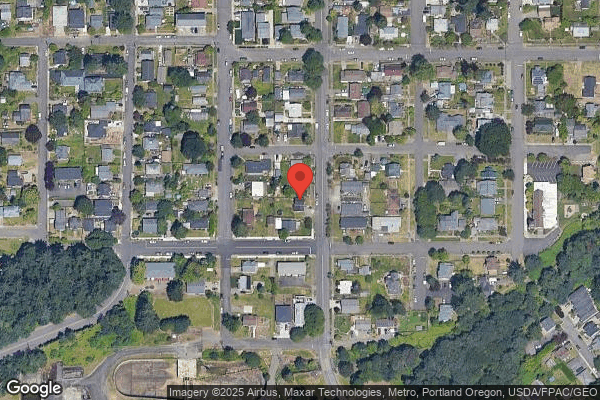

740 NE DALLAS STREET, CAMAS, WA 98607 (360) 834-5055
For profit - Limited Liability company 83 Beds PACS GROUP Data: November 2025
Trust Grade
75/100
#18 of 190 in WA
Last Inspection: July 2025

Inspected within the last 6 months. Data reflects current conditions.

Overview

Lacamas Creek Post Acute has a Trust Grade of B, which indicates that it is a good choice for families seeking care. It ranks #18 out of 190 facilities in Washington, placing it in the top half of the state, and #2 out of 8 in Clark County, meaning there is only one local facility rated higher. The facility is improving, with the number of issues reported decreasing from 7 in 2024 to 3 in 2025. Staffing is rated at 4 out of 5 stars, but it has a concerning turnover rate of 61%, significantly above the state average. While there have been no fines reported, the facility has less RN coverage than 95% of others in Washington, which could affect the level of care. However, there are some notable concerns. Recent inspections revealed that food preparation dishes were not properly cleaned and dried, posing a risk of foodborne illness. Additionally, the facility failed to provide written transfer notices to residents or their representatives, which could leave families unaware of important care needs. Another issue was the lack of bed hold notifications for residents transferred to hospitals, which can lead to confusion about their care and rights. Overall, while the facility shows promise in certain areas, families should weigh these strengths against the existing concerns.

Trust Score
B
75/100
In Washington
#18/190
Top 9%
Safety Record
Low Risk
No red flags
Inspections
Getting Better
7 → 3 violations
Staff Stability
⚠ Watch
61% turnover. Above average. Higher turnover means staff may not know residents' routines.
Penalties
✓ Good
No fines on record. Clean compliance history, better than most Washington facilities.
Skilled Nurses
○ Average
Each resident gets 32 minutes of Registered Nurse (RN) attention daily — about average for Washington. RNs are the most trained staff who monitor for health changes.
Violations
⚠ Watch
32 deficiencies on record. Higher than average. Multiple issues found across inspections.
★★★★★
5.0
Overall Rating
★★★★☆
4.0
Staff Levels
★★☆☆☆
2.0
Care Quality
★★★★★
5.0
Inspection Score
Stable
2024: 7 issues
2025: 3 issues

The Good

  • 4-Star Staffing Rating · Above-average nurse staffing levels
  • Full Sprinkler Coverage · Fire safety systems throughout facility
  • No fines on record

Facility shows strength in staffing levels, fire safety.

The Bad

Staff Turnover: 61%

15pts above Washington avg (46%)

Frequent staff changes - ask about care continuity

Chain: PACS GROUP

Part of a multi-facility chain

Ask about local staffing decisions and management

Staff turnover is elevated (61%)

13 points above Washington average of 48%

The Ugly 32 deficiencies on record

Jul 2025 3 deficiencies
CONCERN (D)

Potential for Harm - no one hurt, but risky conditions existed

Deficiency F0578 (Tag F0578)

Could have caused harm · This affected 1 resident

**NOTE- TERMS IN BRACKETS HAVE BEEN EDITED TO PROTECT CONFIDENTIALITY** Based on interview and record review, the facility failed to provide assistance with completing the advance directives (AD); and...

Read full inspector narrative →
**NOTE- TERMS IN BRACKETS HAVE BEEN EDITED TO PROTECT CONFIDENTIALITY** Based on interview and record review, the facility failed to provide assistance with completing the advance directives (AD); and obtaining and maintaining Durable Power of Attorney (DPOA) documentation for 1 of 5 sampled residents (Resident 27) reviewed for ADs. This failure placed residents at a potential risk for losing their right to have their healthcare preferences and/or decisions honored.Findings included.Resident 27 was admitted to the facility on [DATE]. The quarterly Minimum Data Set (an assessment tool), dated 05/29/2025, showed Resident 27 was alert and oriented. Record review of Resident 27's Social History Assessment, dated 11/26/2024, documented Resident 27 was their own responsible/legal guardian, had a Living Will and Do Not Resuscitate (DNR).Record review of Resident 27's electronic record did not have documentation the advanced directive had been reviewed on a quarterly basis.In an interview on 07/24/2025 at 9:51 AM, Staff E, Social Services Director, stated advanced directives were reviewed quarterly and annually for long term residents. Staff E stated advanced directives were reviewed during the care conference which were reviewed quarterly and annually. Staff E stated she could not find any additional information regarding an advanced directive for Resident 27.Reference WAC 388-97-0280(3)(c)(i)
CONCERN (D)

Potential for Harm - no one hurt, but risky conditions existed

Quality of Care (Tag F0684)

Could have caused harm · This affected 1 resident

**NOTE- TERMS IN BRACKETS HAVE BEEN EDITED TO PROTECT CONFIDENTIALITY** Based on interview and record review, the facility failed to initiate bowel interventions for 1 of 5 residents (Resident 27) rev...

Read full inspector narrative →
**NOTE- TERMS IN BRACKETS HAVE BEEN EDITED TO PROTECT CONFIDENTIALITY** Based on interview and record review, the facility failed to initiate bowel interventions for 1 of 5 residents (Resident 27) reviewed for constipation. This failure to initiate interventions placed residents at risk of discomfort, experiencing health complications and a diminished quality of life. Findings included.Record review of the facility policy, titled, Bowel Protocol, dated February 2019, showed it was the facility policy to monitor and provide interventions to ensure routine bowel elimination by residents of the facility. At the beginning of each shift the Licensed Nurse would pull the resident bowel management report and identify residents that had not had a bowel movement for three days. The Licensed Nurse would review the residents Medication Administration Record to determine if the as needed bowel protocol had been initiated by the previous shift. Residents that did not have a bowel movement for three days would be given Milk of Magnesia (medication to help with constipation). If there was no bowel movement by the next shift, a Dulcolax suppository (medication to help with constipation) would be given. If a resident exceeded four days without a bowel movement, the licensed nurse would complete an abdominal assessment, and the physician would be notified.Resident 27 was admitted to the facility on [DATE]. The quarterly Minimum Data Set assessment, dated 05/29/2025, showed Resident 27 was alert and oriented. Review of the Bowel Movement (BM) task sheet, dated 06/25/2025 through 07/24/2025, documented Resident 27 had a BM on 07/01/2025 at 4:29 AM. Resident 27's next BM was on 07/05/2025 at 1:59 PM, approximately 105.5 hours since the last BM.Review of Resident 27's Medication Administration Record, dated July 2025, did not show documentation of medication intervention for no BM after 72 hours. In an interview on 07/24/2025 at 1:31 PM, Staff F, Registered Nurse, said the bowel protocol should be initiated 72 hours after the last BM. In an interview on 07/24/2025 at 1:35 PM, Staff B, Director of Nursing Services/Registered Nurse, said the bowel protocol should be initiated 72 hours after the last BM. Staff B said after reviewing the medical records the bowel protocol for Resident 27 should have been initiated on 07/04/2025. Reference WAC 388-97-1060(1)(3)(c)
CONCERN (D)

Potential for Harm - no one hurt, but risky conditions existed

Infection Control (Tag F0880)

Could have caused harm · This affected 1 resident

**NOTE- TERMS IN BRACKETS HAVE BEEN EDITED TO PROTECT CONFIDENTIALITY** Based on observations, interviews and record review, the facility failed to implement infection control practices when providing...

Read full inspector narrative →
**NOTE- TERMS IN BRACKETS HAVE BEEN EDITED TO PROTECT CONFIDENTIALITY** Based on observations, interviews and record review, the facility failed to implement infection control practices when providing wound care for 1 of 1 residents (Resident 28) reviewed for pressure ulcers. This failure placed residents at risk for potential infection and a diminished quality of life. Findings included.Resident 28 was admitted to the facility on [DATE]. The Medicare quarterly Minimum Data Set assessment, dated 07/09/2025, documented Resident 28 was severely cognitively impaired and dependent for activities of daily living. Record review of Resident 28's electronic health record, titled, UNITED WOUND HEALING Wound, Ostomy, Lymphedema, Burn, and Dermatological Medicine, dated 06/18/2025, documented Resident 28 had an unstageable bilateral sacrococcyx [tail bone] pressure ulcer.Record review of Resident 28's physician's order, dated 07/02/2025, documented, Wound care: Bilateral sacrococcyx c/f [concerning/for] terminal skin failure - Cleanse wound with NS [Normal Saline]/Wound cleanser and gauze - Treat periwound [around the wound] with skin prep and allow to dry - Apply anasept gel to the wound bed, followed by collagen - Cover with bordered dressing Change: Daily and as needed for accidental removal, saturation and/or soiling as needed for soilage, dislodgement.In an observation on 07/24/2025 at 12:55 PM, Staff D, Resident Care Manager/Licensed Practical Nurse (LPN), provided wound care to Resident 28. Staff D had a clean field [clean area with wound supplies] set up on Resident 28's bedside table. Staff D was observed moving wound dressing packages from the clean field and placed them on Resident 28's bed. Staff D proceeded to open the dressing packages and provide wound care. Resident 28 was observed to have a bowel movement (BM). Staff D provided incontinence care and proceeded to apply anasept gel to the wound bed. Staff D was asked if Resident 28's wounds needed to be cleansed after having a BM and prior to applying Anasept gel to the wound. Staff D stated, I probably should clean it, and proceeded to clean the wound with NS.In an interview on 07/25/2025 at 10:29 AM, Staff C, Infection Control Nurse/LPN, said it was the expectation when licensed nurses provided wound care, they maintained a clean field and reclean sacral wounds with NS or wound cleanser if a resident had a BM.Reference WAC 388-97-1320 (2)(a)
Sept 2024 6 deficiencies
CONCERN (D)

Potential for Harm - no one hurt, but risky conditions existed

Assessment Accuracy (Tag F0641)

Could have caused harm · This affected 1 resident

**NOTE- TERMS IN BRACKETS HAVE BEEN EDITED TO PROTECT CONFIDENTIALITY** . Based on observation, interview, and record review, the facility failed to ensure the Minimum Data Set (MDS) assessment accura...

Read full inspector narrative →
**NOTE- TERMS IN BRACKETS HAVE BEEN EDITED TO PROTECT CONFIDENTIALITY** . Based on observation, interview, and record review, the facility failed to ensure the Minimum Data Set (MDS) assessment accurately reflected residents' health status and/or care needs for 3 of 21 sampled residents (39, 41, & 59) reviewed for assessment accuracy. This failure placed residents at risk for unidentified and/or unmet care needs and a diminished quality of life. Findings included . 1) Resident 39 was admitted to the facility on [DATE]. The Significant Change MDS assessment, dated 07/14/2024, showed Resident 39 was moderately cognitively impaired and was not receiving hospice care. Review of Resident 39's physician orders, dated 07/09/2024, documented, Admit for Hospice End of Life Care. Review of Resident 39's care plan documented, The resident has a terminal prognosis r/t [related to] acute kidney failure with no further treatment wanted. Hospice/comfort care only . Date Initiated: 07/09/2024 . On 09/23/2024 at 3:55 PM, Resident 39 said she was on hospice. On 09/27/2024 at 10:08 AM, Staff C, Resident Care Manager (RCM) and Licensed Practical Nurse (LPN), said Resident 39 was on hospice. Staff C said hospice was not marked on the Significant Change MDS. At 10:36 AM, Staff C said hospice visited Resident 39 on 07/08/2024. Staff C stated, Hospice should have been marked on the MDS. That was incorrect. 2) Resident 41 was admitted to the facility on [DATE]. The Quarterly MDS assessment, dated 08/07/2024, showed Resident 41 was alert and oriented, and received 7 days of insulin (a medication used to help regulate blood sugar levels and used to treat diabetes) injections during the last 7 days. Record review of Resident 41's Electronic Health Record (EHR) did not show a diagnosis of diabetes, a physician orders for insulin, or a care plan for diabetes or insulin. On 09/23/2024 at 3:14 PM, Resident 41 said she was not on insulin. On 09/27/2024 at 10:19 AM, Staff D, RCM and LPN, said she did not think Resident 41 was ever on insulin and would need to look at Resident 41's EHR. At 10:27 AM, after checking Resident 41's EHR, Staff D said Resident 41 was not on insulin and stated, The MDS was incorrect. 3) Resident 59 was admitted to the facility on [DATE]. The Admission/Medicare - 5 day MDS assessment, dated 09/13/2024, documented Resident 59 was severely cognitively impaired and used bed rail physical restraints daily. The MDS assessment documented in the Care Area Assessment Summary, [Resident 59] currently has 1/4 rails for bed mobility independence . Record review of Resident 59's admission Summary progress note, dated 09/07/2024, documented, .Bed side rails assist with bed mobility and aids in assisting during personal care . Record review of Resident 59's Informed Consent, dated 09/11/2024, documented, .1/4 mobility rail . increased independence with bed mobility . improved independence with ADLs [activities of daily living] . Record review of Resident 59's impaired functional mobility care plan, dated 09/11/2024, documented, .Bed Rails/Device: 1/4 rails to aid with bed mobility . On 09/24/2024 at 10:09 AM, Resident 59's bed was observed with quarter length padded rails on both upper sides of the bed. On 09/25/2024 at 2:23 PM, Resident 59 was observed lying in bed on his back with quarter length padded rails on both upper sides of the bed. On 09/26/2024 at 8:30 AM, when asked about the quarter length rails on his bed, Resident 59 said he used them to help move around in bed. Resident 59 said the rails do not get in his way or keep him from moving around or getting in or out of bed. At 1:47 PM, Staff D said Resident 59's quarter bed rails were used to aide with bed mobility and stated, [Resident 59's bed rails] are not considered a restraint. At 1:51 PM, Staff B, Director of Nursing Services and Registered Nurse, said if it was determined bed rails were used as enablers to assist with bed mobility, it should not be coded as a restraint on the MDS assessment stating the MDS .will need to be modified. On 09/27/2024 at 12:09 PM, Staff A, Administrator, said it was her expectation the MDS assessment was coded to accurately reflect the resident. Reference WAC 388-97-1000 (1)(b) .
CONCERN (D)

Potential for Harm - no one hurt, but risky conditions existed

Quality of Care (Tag F0684)

Could have caused harm · This affected 1 resident

**NOTE- TERMS IN BRACKETS HAVE BEEN EDITED TO PROTECT CONFIDENTIALITY** . Based on interviews and record reviews, the facility failed to ensure bowel interventions were initiated for 2 of 6 sampled re...

Read full inspector narrative →
**NOTE- TERMS IN BRACKETS HAVE BEEN EDITED TO PROTECT CONFIDENTIALITY** . Based on interviews and record reviews, the facility failed to ensure bowel interventions were initiated for 2 of 6 sampled residents (5 & 32) reviewed for quality of care. This failure placed residents at risk for discomfort, health complications and a diminished quality of life. Findings included . Per Facility Bowel Management Policy, entitled Bowel Protocol, updated 02/2019: 1. At the beginning of each shift (based on an eight-hour shift), the Licensed Nurse will pull the Resident Bowel Management Report and identify residents that have not had a BM for 3 days. (please run the report for last 7 days and check the box Include residents regardless of Bowel Alert Status). The Licensed Nurse will review the residents MAR to determine if the PRN Bowel Protocol had been initiated by the previous shift. Bowel movements are charted every shift by CNA (Certified Nursing Assistant). 2. Residents who have not had a bowel movement in three days will be given Milk of Magnesia. 4. If no bowel movement by the following shift, a Dulcolax suppository is given. 5. If resident continues without bowel movement by the next shift a Fleets enema will be given. 1) Resident 5 was admitted to the facility on [DATE]. The Quarterly Minimum Data Set (MDS) assessment, dated 08/12/2024, documented the resident was alert and oriented. The Bowel and Bladder Elimination task sheet showed Resident 5 had a Bowel Movement (BM) on 08/29/2024 at 9:59 PM, and did not show another BM until 09/14/2024 at 1:59 PM, over 15 days since his last documented BM. The Bowel and Bladder Elimination task sheet showed Resident 5 had a BM on 09/19/2024 at 8:04 PM, but did not document another BM (as of 09/24/2024 during the survey process). Review of Resident 5's August 2024 and September 2024 Medication Administration Record (MAR) showed the bowel protocol was not initiated. 2) Resident 32 was admitted to the facility on [DATE]. The Annual MDS assessment, dated 07/23/2024, documented the resident was alert and oriented. The Bowel and Bladder Elimination task sheet documented Resident 32 had a BM on 09/08/2024 at 9:59 PM, and did not have another BM until the evening of 09/12/2024, over 90 hours since his last BM. Review of Resident 32's September 2024 MAR showed the bowel protocol was not initiated. On 09/27/2024 at 2:29 PM, Staff K, Registered Nurse (RN), said after three days of no BM, the resident is to be started on either Miralax (a laxative) or Senna (a laxative), and if not effective, a suppository. Staff K was unable to provide documentation of BM protocol being initiated for both Residents 5 and Resident 32. Staff K stated, I am not seeing alert charts for them. We would document this on the MAR. At 12:14 PM, Staff B, Director of Nursing Services and RN, said the BM protocol should have been triggered per policy. Staff B was unable to provide documentation of bowel interventions being initiated for Residents 5 and Resident 32. Reference WAC 388-97-1060 (1), (3)(c) .
CONCERN (D)

Potential for Harm - no one hurt, but risky conditions existed

Deficiency F0730 (Tag F0730)

Could have caused harm · This affected 1 resident

. Based on interview and record review, the facility failed to complete performance reviews for 1 of 2 sampled Nursing Assistants (NA) (Staff G) whose personnel and training record were reviewed. Thes...

Read full inspector narrative →
. Based on interview and record review, the facility failed to complete performance reviews for 1 of 2 sampled Nursing Assistants (NA) (Staff G) whose personnel and training record were reviewed. These failures placed residents at risk for receiving care from unskilled staff. Finding included . Staff G, NA, was hired on 03/29/2014. Staff G's personnel records did not have a Performance Evaluation for the previous year. On 09/26/2024 at 3:40 PM, Staff A, Administrator, said she was not able to locate a performance evaluation for Staff G. Staff A said performance evaluations should be completed annually. Reference WAC 388-97-1680 (2)(b)(i) .
CONCERN (D)

Potential for Harm - no one hurt, but risky conditions existed

Deficiency F0847 (Tag F0847)

Could have caused harm · This affected 1 resident

. Based on interview and record review, the facility failed to explain the arbitration agreement in a manner that residents understood for 2 of 3 sampled residents (28 & 46) reviewed for arbitration a...

Read full inspector narrative →
. Based on interview and record review, the facility failed to explain the arbitration agreement in a manner that residents understood for 2 of 3 sampled residents (28 & 46) reviewed for arbitration agreement. This failure placed residents at risk of forfeiting their right to a trial without consent, lack of adequate resolution of violation of rights and a diminished quality of life. Findings included . 1) Resident 28 signed the Alternative Dispute Resolution Agreement on 02/16/2024. On 09/27/2024 at 1:51 PM, Resident 28 said she did not recall signing the arbitration agreement document. Resident 28 said her daughter handled that kind of stuff. 2) Resident 46 signed the Alternative Dispute Resolution Agreement on 09/10/2024. On 09/27/2024 at 1:38 PM, Resident 46 said she did not recall signing such a document and said her sister was her Power of Attorney (POA). At 1:58 PM, Collateral Contact 1 (CC1), POA, said Resident 46 should not be signing legal documents because she did not know what she was signing. CC1 said Resident 46 had gotten herself into trouble because people had taken advantage of her. At 2:22 PM, Staff F, Marketing Director, said the arbitration agreement was the last thing she covered during the admission's paperwork. Staff F said she went over the arbitration agreement with the resident or their POA before having them sign the paperwork. When asked about the revocation clause, Staff F said she was not aware of what it was. No Reference WAC .
CONCERN (D)

Potential for Harm - no one hurt, but risky conditions existed

Deficiency F0909 (Tag F0909)

Could have caused harm · This affected 1 resident

**NOTE- TERMS IN BRACKETS HAVE BEEN EDITED TO PROTECT CONFIDENTIALITY** . Based on observation, interview and record review, the facility failed to ensure bed rails were securely fastened to the bed a...

Read full inspector narrative →
**NOTE- TERMS IN BRACKETS HAVE BEEN EDITED TO PROTECT CONFIDENTIALITY** . Based on observation, interview and record review, the facility failed to ensure bed rails were securely fastened to the bed and without gaps between the mattress and bed rails for 1 of 3 sampled residents (22) reviewed resident beds. This failure placed residents at risk for injury. Findings included . Resident 22 was admitted to the facility on [DATE]. The admission Minimum Data Set assessment, dated 07/28/2024, indicated Resident 22 was moderately cognitively impaired. The bed rail care plan, revised 08/29/2024, indicated, bilateral ¼ side rails to aid in bed mobility and to increase independence. On 09/23/2024 at 2:46 PM, Resident 22's left side bed rail was observed to be loose. The bed rail had approximately 9 to 10 inches of movement. On 09/27/2024 at 8:50 AM, Resident 22's left side bed rail was observed to be loose. The bed rail had approximately 9 to 10 inches of movement. At 8:57 AM, Staff I, Resident Care Manager and Registered Nurse, said the nursing assistants and floor nurses were supposed to monitor bed rails and report to maintenance if there were issues. At 9:16 AM, Staff J, Maintenance Director, said he tried to audit bed rail every other week. Staff J said the clip had popped out causing the bed rail to be loose. Reference WAC 388-97-2100 .
CONCERN (D)

Potential for Harm - no one hurt, but risky conditions existed

Deficiency F0947 (Tag F0947)

Could have caused harm · This affected 1 resident

. Based on interview and record review, the facility failed to ensure facility staff received Dementia training for 1 of 5 sampled staff (F) reviewed for staff in-service trainings. This failure place...

Read full inspector narrative →
. Based on interview and record review, the facility failed to ensure facility staff received Dementia training for 1 of 5 sampled staff (F) reviewed for staff in-service trainings. This failure placed residents at risk for receiving necessary care from unskilled staff. Findings included . Staff G, Nursing Assistant, was hired on 03/29/2014. Provided training or in-service training records did not show Dementia training was completed over the past year. On 09/26/2024 at 2:51 PM, Staff H, Staff Training Coordinator, said dementia training was covered in the new employee orientation and then annually. An email from Staff A, Administrator, dated 09/30/2024 at 9:49 AM, noted, Staff G should've had it [dementia training] as she's been a long standing employee so that is an error on us. Reference WAC 388-97-1680(2)(b) .
Apr 2024 1 deficiency
CONCERN (D) 📢 Someone Reported This

A family member, employee, or ombudsman was alarmed enough to file a formal complaint

Potential for Harm - no one hurt, but risky conditions existed

Deficiency F0760 (Tag F0760)

Could have caused harm · This affected 1 resident

**NOTE- TERMS IN BRACKETS HAVE BEEN EDITED TO PROTECT CONFIDENTIALITY** . Based on interview and record review, the facility failed to ensure residents were free from significant medication errors whe...

Read full inspector narrative →
**NOTE- TERMS IN BRACKETS HAVE BEEN EDITED TO PROTECT CONFIDENTIALITY** . Based on interview and record review, the facility failed to ensure residents were free from significant medication errors when medications were not administered in accordance with provider orders for 2 of 6 sampled residents (Residents 1 & 2) reviewed for significant medication errors. This failure placed residents at risk of adverse medical conditions, a change in health condition and a diminished quality of life. Findings included . Review of the facility policy Medication Administration-Errors, dated 11/2004 and revised 02/2019, noted, Policy: It is the policy of this facility that practices will be in place to ensure . 2. Residents are free of any significant medication errors . Medications will be prepared and administered in accordance with: 1. Physicians orders . 3. Accepted professional standards and principles which apply to professionals providing services . 1) Resident 1 was admitted to the facility on [DATE] with diagnoses including atrial fibrillation (an irregular and often very rapid heart rhythm leading to blood clots in the heart and increases risk of stroke and heart failure) and hypertension (elevated blood pressure which increases the risk of heart attack and stroke). Review of Resident 1's April 2024 Medication Administration Record (MAR), a comprehensive record of medication orders and the medications administered to a resident, showed on 04/09/2024 at 10:00 PM, the following medications were omitted/not administered: -Apixaban, 5 milligram (mg), ordered to address atrial fibrillation. -Metoprolol 12.5 mg, ordered to address atrial fibrillation and hypertension. 2) Resident 2 was admitted to the facility on [DATE] with diagnoses including malignant neoplasm of the prostate and bone (prostate cancer and bone cancer), neoplasm related pain (pain from cancer), benign prostatic hyperplasia (enlarged prostate gland resulting in urinary frequency), hypertension (elevated blood pressure increasing the risk of heart attack and stroke), and gastro-esophageal reflux (occurs when stomach acid repeatedly flows into the esophagus irritating the lining of the esophagus). Review of Resident 2's March 2024 MAR showed on 03/06/2024 at 6:00 AM, the following medications were omitted/not administered: -Amlodipine 10 mg, ordered to address hypertension. -Methadone HCI 5 mg, 2 tablets, ordered to address pain. -Omeprazole 20 mg, ordered to address gastro-esophageal reflux disease. -Tamsulosin HCI 0.4 mg, ordered to address benign prostatic hyperplasia. -Tizanidine HCI 2 mg, 2 tablets, ordered to address muscle spasms and pain. -MiraLAX 17 grams, ordered to address bowel health. On 04/29/2024 at 3:15 PM, Staff B, Director of Nursing Services, said if there was a valid reason a resident had not been administered their medication, there would be a progress note written. When asked about Resident 1's medication omissions per the MAR on 04/09/2024 for Apixaban and Metoprolol, Staff B said she could not locate any progress notes explaining why the medications were not administered. When asked about Resident 2's medication omissions per the MAR on 03/06/2024 for Amlodipine, Methadone, Omeprazole, Tamsulosin, Tizanidine, and MiraLAX, Staff B said she could not locate any progress notes explaining why the medications were not administered. At 3:15 PM, Staff A, Administrator, said these medication errors are a practice we need to correct. We need to do right by the residents. Reference WAC 388-97-1260 (3)(k)(iii) .
Oct 2023 21 deficiencies
CONCERN (D)

Potential for Harm - no one hurt, but risky conditions existed

Safe Environment (Tag F0584)

Could have caused harm · This affected 1 resident

**NOTE- TERMS IN BRACKETS HAVE BEEN EDITED TO PROTECT CONFIDENTIALITY** . Based on observation and interview, the facility failed to ensure residents were provided a pest free environment for 1 of 5 h...

Read full inspector narrative →
**NOTE- TERMS IN BRACKETS HAVE BEEN EDITED TO PROTECT CONFIDENTIALITY** . Based on observation and interview, the facility failed to ensure residents were provided a pest free environment for 1 of 5 halls (400 Hall) reviewed for a clean, comfortable and homelike environment. This failure placed residents at risk of infectious disease and a decreased quality of life. Findings included . On 10/23/2023 at 10:00 AM, during the screening of residents and general tour, black house flies were observed in two resident rooms on 400 Hall, on top of the residents' blankets that were covering un-named residents. On 10/26/2023 at 1:06 PM, five gnats were observed in/on/around a cup of grape juice in room [ROOM NUMBER]. Resident 51 said he sometimes tried to trap them on his meal tray to send them out of his room. Resident 51 said he would prefer to not have them in his room. Resident 51 said the gnats were on the window. At 1:07 PM, Staff K, Certified Nursing Assistant, said she saw gnats in room [ROOM NUMBER]. Staff K said she tried to get all the food out of resident rooms and wipe the surfaces down to control/prevent them. Staff K said she sometimes had to take food out while the residents were sleeping to clean the area to prevent the gnats. At 1:12 PM, Staff A, Administrator, said she had not heard about concerns with flies/gnats. At 1:21 PM, Staff A said Staff B, Director of Nursing Services and Registered Nurse, went into room [ROOM NUMBER] and did see a gnat. Staff A said she would get housekeeping to clean up. Reference WAC 388-97-0880 .
CONCERN (D)

Potential for Harm - no one hurt, but risky conditions existed

MDS Data Transmission (Tag F0640)

Could have caused harm · This affected 1 resident

**NOTE- TERMS IN BRACKETS HAVE BEEN EDITED TO PROTECT CONFIDENTIALITY** . Based on interview and record review, the facility failed to ensure electronic discharged Minimum Data Set (MDS), a required a...

Read full inspector narrative →
**NOTE- TERMS IN BRACKETS HAVE BEEN EDITED TO PROTECT CONFIDENTIALITY** . Based on interview and record review, the facility failed to ensure electronic discharged Minimum Data Set (MDS), a required assessment tool, were submitted to the Center for Medicare & Medicaid Services (CMS) within the required time frame for 1 of 1 sampled resident (53) reviewed for resident assessment. This failure placed residents at risk of not have an accurate assessment in place. Findings included . The Electronic Medical Record (EMR), Census, showed Resident 53 discharged from the facility on 06/15/2023. The admission None PPS (prospective payment systems), MDS, dated [DATE], showed it was accepted. The discharged Return Not Anticipated/End of PPS Part A Stay, MDS, was completed on 06/15/2023; and did not show it was accepted by CMS. On 10/26/2023 at 3:31 PM, Staff E, Resident Care Manager and Licensed Practical Nurse, said the discharge MDS did not have to be transmitted to CMS because Resident 53 had an HMO (private insurance). Staff E said the MDS was done for the facility's records and thought the billing's office sent something to CMS for notification of the discharge. Reference WAC 388-97-1000 (5)(a)(e)(iii) .
CONCERN (D)

Potential for Harm - no one hurt, but risky conditions existed

Deficiency F0645 (Tag F0645)

Could have caused harm · This affected 1 resident

**NOTE- TERMS IN BRACKETS HAVE BEEN EDITED TO PROTECT CONFIDENTIALITY** . Based on interview and record review, the facility failed to ensure a Pre-admission Screening and Resident Review (PASARR, an ...

Read full inspector narrative →
**NOTE- TERMS IN BRACKETS HAVE BEEN EDITED TO PROTECT CONFIDENTIALITY** . Based on interview and record review, the facility failed to ensure a Pre-admission Screening and Resident Review (PASARR, an assessment used to ensure individuals with serious mental illness, intellectual or developmental disabilities and/or related conditions receive appropriate placement and services) assessment was completed to reflect accurate mental health diagnoses and failed to obtain a Level 1 PASARR 30 days after an exempted hospital discharge for 2 of 5 sampled residents (41 & 26) reviewed for PASARR. These failures placed residents at risk for not receiving necessary mental health services and a diminished quality of life. Findings included . 1) Resident 26 was admitted to the facility on [DATE]. The quarterly Minimum Data Set (MDS), an assessment tool, dated [DATE], documented the resident was severely cognitively impaired. Resident 26's PASARR, dated [DATE], documented, No Level II evaluation indicated at this time due to exempted hospital discharge; Level II must be completed if scheduled discharge does not occur. Resident 26's Level II PASARR Initial Psychiatric Evaluation Summary, dated [DATE], documented Resident 26 was referred for a Level II PASARR evaluation on [DATE], 146 days after the Level II PASARR evaluation should have been completed. On [DATE] at 11:22 AM, Staff D, Social Services Coordinator, said Resident 26's Level I PASARR documented an exempted hospital discharge. Staff D said residents with an exempted hospital discharge should have a PASARR completed again after 30 days in the facility. Staff D said he could not locate another PASARR evaluation for Resident 26 between February 2023 and [DATE] when the resident was referred for a Level II PASARR evaluation. At 11:29 AM, Staff C, Social Services Director, said Resident 26 had a new diagnosis added that triggered a Level II PASARR evaluation in [DATE]. Staff C said the facility should have re-evaluated the resident after 30 days when the exempted hospital discharge expired. 2) Resident 41 was admitted to the facility on [DATE] with diagnoses including depression, psychotic disorder (mental disorders characterized by disconnection from reality which results in strange behavior often accompanied by disturbances of thought and perception), and PTSD (post-traumatic stress disorder, a mental health condition that develops following a traumatic event characterized by intrusive thoughts about the incident, recurrent distress/anxiety, flashback and avoidance of similar situations). The 5-day MDS, dated [DATE], documented the resident was cognitively intact and was administered an antipsychotic and antidepressant for seven of seven days during the lookback period. Resident 41's Level I PASARR, dated [DATE], did not document the resident's mental health diagnoses, a determination of the Level II evaluation and the name of the person who completed the Level I PASARR evaluation. On [DATE] at 3:04 PM, Staff D said the facility would identify residents with possible mental disorders via the Level I PASARR and the hospital notes prior to the resident admitting to the facility. Staff D said social workers were responsible for ensuring the accuracy of the Level I PASARR evaluation they received from the hospital. Staff D said social services would be responsible for referring the resident for a Level II PASARR evaluation if needed. After reviewing Resident 41's admission Level I PASARR, Staff D said the evaluation did not contain the resident's specific mental disorders. Staff D said the Level I evaluation did not document a determination for a Level II PASARR evaluation. Staff D said if he had reviewed Resident 41's admission PASARR, he would have referred the resident for a Level II evaluation. Staff D said he could not explain why the PASARR was not completed correctly. On [DATE] at 3:49 PM, Staff B, Director of Nursing Services and Registered Nurse, said social services was responsible for ensuring the accuracy of Level I PASARR evaluations when residents were admitted to the facility. After reviewing Resident 41's admission Level I PASARR, Staff B said he would not consider the Level I PASARR evaluation complete. Staff B said the Level I PASARR evaluation was missing the information of the person completing the form and Resident 41's demographic information was also not completed correctly. At 3:55 PM, Staff A, Administrator, said Level I PASARR evaluations should be verified within three days of admission to ensure accuracy of the Level I PASARR evaluation. Staff A said it was the facility's responsibility to ensure the PASARR evaluations were completed and accurate. Reference WAC 388-97-1915 (1)(2)(a-c) .
CONCERN (D)

Potential for Harm - no one hurt, but risky conditions existed

Deficiency F0657 (Tag F0657)

Could have caused harm · This affected 1 resident

**NOTE- TERMS IN BRACKETS HAVE BEEN EDITED TO PROTECT CONFIDENTIALITY** . Based on interview and record review, the facility failed to include residents and/or their representative in care conferences...

Read full inspector narrative →
**NOTE- TERMS IN BRACKETS HAVE BEEN EDITED TO PROTECT CONFIDENTIALITY** . Based on interview and record review, the facility failed to include residents and/or their representative in care conferences and having input into care decisions for 1 of 7 sampled residents (Resident 51) reviewed for care plan revisions. This failure placed residents at risk of not being fully informed about care decisions, not being able to provide input about care and treatment, and a diminished quality of life. Findings included . Resident 51 was admitted to the facility on [DATE]. The quarterly Minimum Data Set, an assessment tool, dated 09/11/2023, showed Resident 51 was moderately cognitively impaired, participated in the MDS assessment, and his representative did not participate. Review of electronic medical record showed the last documented care conference was 03/16/2023. Documentation was not available to show the resident or his representative were offered or declined the care conference for care plans created in June and September 2023. On 10/24/2023 at 9:45 AM, Resident 51 did not recall participating or being invited to participate in a care conferences. On 10/25/2023 at 9:08 AM, Staff D, Social Service Coordinator, said Resident 51's Power of Attorney (POA) was out of the country and had been since 08/01/2023. Staff D said the social services department involved every resident in care conferences. Staff D said Resident 51 could make his needs known and direct care and the POA was available by phone. After reviewing Resident 51's record, Staff D indicated a note for the last care conference cycle was not in the progress notes or in the social service assessments. Staff D said the facility should have documented they contacted the POA for the care conferences. At 9:17 AM, Staff C, Social Service Director, said a care conference was held in Resident 51's room. After reviewing Resident 51's progress notes, Staff C said she only saw an entry for March 2023. Staff C said they documented care conferences in the progress notes under care conference note. Staff C said if the care conference was declined, staff should still write a progress note or social services assessment. Staff C said she did not see June's or September's care conference documentation and said it should have been documented. At 9:45 AM, Staff A, Administrator; and Staff B, Director of Nursing Services and Registered Nurse; said care conferences should be documented in the record and if a family refused it should also be in the record. Staff A said the communication with the family should be documented. Staff A said even if no family or resident were involved, the interdisciplinary team still completed a review and held a meeting. Reference WAC 388-97-1020 (2)(f)(4)(b) .
CONCERN (D)

Potential for Harm - no one hurt, but risky conditions existed

ADL Care (Tag F0677)

Could have caused harm · This affected 1 resident

**NOTE- TERMS IN BRACKETS HAVE BEEN EDITED TO PROTECT CONFIDENTIALITY** . Based on interview and record review, the facility failed to provide care with activities of daily living (ADLs) for dependent...

Read full inspector narrative →
**NOTE- TERMS IN BRACKETS HAVE BEEN EDITED TO PROTECT CONFIDENTIALITY** . Based on interview and record review, the facility failed to provide care with activities of daily living (ADLs) for dependent residents including fingernail care for 1 of 4 sampled residents (26) reviewed for ADLs. This failure placed residents at risk of not receiving the care and services needed for which they were unable to perform themselves. Findings included . Resident 26 was admitted to the facility on [DATE]. The quarterly Minimum Data Set, an assessment tool, dated 08/25/2023, documented the resident was severely cognitively impaired and required extensive assistance with personal hygiene ADLs. Resident 26's fingernail care record, dated April 2023 to October 2023, did not show documentation of a fingernail trimming for over six months. On 10/23/2023 at 3:17 PM, Resident 26 was observed with fingernails approximately ½ inch long, with dark debris noted under the fingernails of the right hand. On 10/25/2023 at 1:01 PM, Staff F, Certified Nursing Assistant, said Resident 26 required a lot of assistance with ADLs. At 8:16 PM, Resident 26 was observed with fingernails with brown and black matter under the middle and ring finger of the right hand. The nails were approximately ½ inch long. On 10/27/2023 at 10:25 AM, Staff E, Residential Care Manager and Licensed Practical Nurse, said residents had an order to assess for the need for fingernail care once a week. Staff E said staff would look at residents' fingernails at least twice a week during the resident's scheduled shower/bathing opportunity. Staff E was unable to say when Resident 26's last fingernail trimming occurred. Staff E said she would expect resident fingernails to be clean and the tips to be smooth. At 10:30 AM, after observing Resident 26's fingernails, Staff E said the resident's fingernails could be a little cleaner. I do see a lot of black buildup on her ring finger and middle finger. Staff E said she would clean the resident's fingernails when the resident was more awake. At 12:16 PM, Staff B, Director of Nursing Services and Registered Nurse, said residents were assessed weekly for fingernail care. After becoming aware of no documented fingernail trimming/care for Resident 26 from April 2023 to October 2023, Staff B said he would expect there to be some documentation of nail care in that time. Reference WAC 388-97-1060 (2)(c) .
CONCERN (D)

Potential for Harm - no one hurt, but risky conditions existed

Quality of Care (Tag F0684)

Could have caused harm · This affected 1 resident

**NOTE- TERMS IN BRACKETS HAVE BEEN EDITED TO PROTECT CONFIDENTIALITY** 2) Resident 4 was admitted to the facility on [DATE]. The quarterly MDS, dated [DATE], documented the resident was cognitively i...

Read full inspector narrative →
**NOTE- TERMS IN BRACKETS HAVE BEEN EDITED TO PROTECT CONFIDENTIALITY** 2) Resident 4 was admitted to the facility on [DATE]. The quarterly MDS, dated [DATE], documented the resident was cognitively intact. The Electronic Medical Record (EMR) Medical Diagnosis list showed Resident 4 had diagnoses including congestive heart failure (a weakened heart condition that causes fluid buildup in the feet, arms, lungs, and other organs). A physicians order, dated 07/20/2023, documented, daily weight, one time a day. Notify PCP [primary care provider] if gains 2 pounds in one day or 3-5 pounds in one week. Resident 4's EMR Weight Summary for the 60 days prior showed seven instances of a weight gain totaling 2 pounds (lbs) or more in one day: --08/27/2023 - 2 lbs gained --08/29/2023 - 7.8 lbs gained --09/03/2023 - 5.3 lbs gained --09/07/2023 - 7 lbs gained --09/12/2023 - 4 lbs gained --09/17/2023 - 3.9 lbs gained --09/30/2023 - 2 lbs gained --10/21/2023 - 6.4 lbs gained Resident 4's Progress Notes showed no documentation the provider was notified of Resident 4's weight gain. On 10/26/2023 at 11:25 AM, Staff B said if a resident had an order to alert the provider of a weight change, the nurse should alert the provider the same day and a progress note should be written. After reviewing the daily weight physicians order for Resident 4, Staff B said the provider should have been alerted. Reference WAC 388-97-1060 (1)(3)(c) Based on interview and record review, the facility failed to ensure bowel interventions were initiated and failed to ensure resident weight gain was reported to the physician as ordered for 2 of 6 sampled residents (60 & 4) reviewed for quality of care related to bowel management and weight gain. This failure placed residents at risk for discomfort, health complications and a diminished quality of life. Finding included . 1) The facility's policy entitled Bowel Protocol, revised 02/19, documented, 1. At the beginning of each shift [eight-hour shift], the Licensed Nurse will pull the Resident Bowel Management Report and identify resident that have not had a BM [Bowel Movement] for 3 days . The Licensed Nurse will review the residents MAR [medication administration record] to determine if the PRN [as needed] Bowel Protocol had been initiated by the previous shift. Resident 60 was admitted to the facility on [DATE]. The admission Minimum Data Set (MDS), an assessment tool, dated 10/10/2023, showed the resident was moderately cognitively impaired. The BM task sheet documented Resident 60 did not have a BM after her admission on [DATE], 10/05/2023, 10/06/2023 and 10/07/2023. There was no documentation about Resident 60's BM on 10/08/2023. The BM task sheet showed Resident 60 had a BM on 10/09 at 4:30 AM, over 100 hours (4 days and 4 hours) since her previous BM. The BM task sheet showed Resident 60 had a BM on 10/16/2023 at 11:06 AM. The BM task sheet showed Resident 60's next BM was on 10/20/2023 at 1:59 PM over 90 hours (3 days and 18 hours) since the previous BM. On 10/26/2023 at 8:31 AM, Staff I, Resident Care Manager and Licensed Practical Nurse, said the bowel protocol should be initiated on day three if a resident did not have a BM. After reviewing Resident 60's BM task sheet, Staff I said it looked like Resident 60 did not have a BM on the 10/04/2023, 10/05/2023, 10/06/2023 or 10/07/2023. Staff I said he was not sure why nothing appeared on the 10/08/2023. Staff I said the BM protocol should have been initiated on 10/07/2023. At 8:48 AM, Staff B, Director of Nursing Services and Registered Nurse, said the bowel protocol should be initiated if a resident did not have a BM in three days. After reviewing Resident 60's BM task sheet, Staff B said Resident 60 should have been offered Milk of Magnesia on 10/07/2023.
CONCERN (D)

Potential for Harm - no one hurt, but risky conditions existed

Pressure Ulcer Prevention (Tag F0686)

Could have caused harm · This affected 1 resident

**NOTE- TERMS IN BRACKETS HAVE BEEN EDITED TO PROTECT CONFIDENTIALITY** . Based on observation, interview, and record review, the facility failed to implement strategies for pressure ulcer prevention ...

Read full inspector narrative →
**NOTE- TERMS IN BRACKETS HAVE BEEN EDITED TO PROTECT CONFIDENTIALITY** . Based on observation, interview, and record review, the facility failed to implement strategies for pressure ulcer prevention including turning and repositioning, air mattress, and zinc cream for 1 of 3 sampled residents (Resident 51) reviewed for pressure ulcer care. This failure placed residents at a high risk for recurrence of a recently closed pressure ulcer. Findings included . Resident 51 was admitted to the facility on [DATE]. The quarterly Minimum Data Set (MDS), an assessment tool, dated 09/11/2023, showed Resident 51 was moderately cognitively impaired, required extensive assistance by two staff for bed mobility, had not transferred out of bed during the look back period, and was assessed to be at risk for developing a pressure ulcer. Review of electronic medical records showed Resident 51 had a Stage 4 (a pressure injury that extends to muscle, tendon or bone) in April 2023. Treatment orders included an air mattress overlay and a topical zinc cream to be applied to the sacrum (low back). On 10/26/2023 at 12:44 PM, Staff J, Resident Care Manager (RCM) and Licensed Practical Nurse (LPN), said Resident 51's pressure ulcer had closed in August 2023 or September 2023. Staff J said the current treatment was applying zinc cream daily and an air mattress. Staff J said Resident 51 was turned as often as staff could, about every two hours and with incontinent care. Staff M, RCM and LPN, stated, No, staff did not turn or reposition residents every two hours. They moved residents frequently throughout each shift. Staff M said the care aides encouraged residents to move. When asked why the facility utilized frequently instead of every two hours, Staff M stated, It wouldn't get done. Staff M said Resident 51 could move himself with the bed side rails (Not what was indicated the resident's MDS assessment.). <Turning and Repositioning> On 10/24/2023 at 10:05 AM, Resident 51 said staff move him one to two times a day. Resident 51 was observed on his back, leaning to the left with his legs off to the right side. On 10/25/2023 at 12:48 PM, Resident 51 was observed sleeping on his back, slouched down, leaning to his left with his legs off the right side of the bed. At 3:53 PM, Resident 51 was observed in bed on his back, leaning to his left with his feet to the right in a similar position as previously observed. Resident 51 said the pressure wound was healed and the staff did not do anything for it anymore. On 10/26/2023 at 9:21 AM, Resident 51 was observed in bed on his back. His upper body was leaning to the left and legs off to the right side, similarly positioned as observed previously. Resident 51 said the last time staff moved him was early that morning. At 11:33 AM, Resident 51 was observed slightly more slouched to the left with his upper body and his legs were more off to his right. Resident 51 remained on his back in a very similar position as previously observed. At 1:33 PM, Resident 51 was observed during incontinent care. After care was completed, staff placed Resident 51 on his back. <Air Mattress> On 10/24/2023 at 10:05 AM, the air mattress was observed to be on a firm setting, turned all the way up to the second from the highest setting. Review of the October 2023 Treatment Administration Record (TAR) showed Ensure that alternating air mattress is set to medium comfort. Every shift for mattress functioning. Staff documented three times daily they observed the air mattress was on the correct setting. The TAR showed Staff R, Registered Nurse (RN) had documented, on 10/26/2023 at 7:00 AM, she verified the pressure setting. On 10/26/2023 at 1:33 PM, the air mattress was observed and continued to be at a firm setting. Staff R, Registered Nurse (RN), said everyone was responsible to check the air mattress setting. Staff R demonstrated how staff checked the setting by feeling if it was inflated. After reviewing the control box settings, Staff R said it looked good. Staff R said when checking the control box, she just made sure it was lit up and on. <Zinc Cream> Review of provider order, dated 08/02/2023, showed staff were to apply zinc cram every shift and as needed for treatment of a sacral region pressure ulcer. Review of October 2023 TAR showed the last administration of zinc cream was 10/26/2023 at 7:00 AM by Staff R. On 10/26/2023 at 1:33 PM, Resident 51 was observed during incontinent care. Staff K, Certified Nursing Assistant (CNA), said she only changes Resident 51 once per shift, usually right before she leaves at 2:00 PM. Resident 51 did not have any white cream on his back, buttock or sacrum when he was rolled over. Staff R said she had not put any zinc cream on Resident 51 that morning. At 1:54 PM, Staff R said she signed off the zinc order that morning so she would not forget to do it, but she got busy. Staff R said the dose just observed was the first time Resident 51 had zinc cream applied that day. Staff R said Resident 51 did not need the medication anyway because it was for the Stage 4 which was healed. At 2:33 PM, Staff B, Director of Nursing Services and RN, said for pressure ulcer prevention, he expected staff to use an alternating air mattress, zinc cream and offer to turn/reposition with pillows. Staff B said the CNAs knew they should reposition residents every two hours. Staff B said he expected staff to check the air mattress settings on the box controller. Staff B said there was no competencies for using an air mattress. When asked if a nurse can chart an item as completed prior to administration, Staff B said no, and if the nurse was unable to get to some task, they should speak to their RCM to ask for assistance. Reference WAC 388-97-1060 (3)(b) .
CONCERN (D)

Potential for Harm - no one hurt, but risky conditions existed

Respiratory Care (Tag F0695)

Could have caused harm · This affected 1 resident

**NOTE- TERMS IN BRACKETS HAVE BEEN EDITED TO PROTECT CONFIDENTIALITY** . Based on observation and interview, the facility failed to ensure oxygen equipment was monitored and sanitary for 1 of 1 sampl...

Read full inspector narrative →
**NOTE- TERMS IN BRACKETS HAVE BEEN EDITED TO PROTECT CONFIDENTIALITY** . Based on observation and interview, the facility failed to ensure oxygen equipment was monitored and sanitary for 1 of 1 sampled resident (Resident 17) reviewed for respiratory services. This failure placed residents at risk for unsanitary oxygen equipment, respiratory infections and a poor quality of life. Findings included . Resident 17 was admitted to the facility on [DATE] with diagnoses including chronic obstructive pulmonary disease (airflow blockage and breathing related problems). The annual Minimum Data Set, an assessment tool, dated 07/03/2023, showed Resident 17 was able to make needs know and utilized oxygen therapy. Review of respirator care plan, dated 08/24/2022, showed staff were to Change O2 tubing, humidifier water, and clean concentrator filter per facility procedure and Check with rounds on night shift and re-place oxygen PRN (as needed). On 10/23/2023 at 3:54 PM, Resident 17 said she had recently been sick with pneumonia. The resident was observed to be wearing oxygen via nasal cannula at 3 liters per minute from an oxygen concentrator. The tubing appeared brown around the chin area. Resident 17 said staff told her the other day they needed to change the nasal cannula tubing because it was getting brown. There was no date on the humidification bottle or tubing. On 10/26/2023 at 9:40 AM, Resident 17 was observed to be wearing the same brown nasal cannula. Resident 17 said a staff was supposed to change it yesterday but did not. There was no date on the humidification bottle or tubing. At 3:18 PM, Staff P, Registered Nurse (RN), said staff changed the tubing once a week on night shift per the order. After reviewing Resident 17's orders, Staff P stated, I don't see night shift orders. Staff P said they should date and label the tubing/humidification and change out the humidification bottle when there was about this much left (Staff P held up fingers to indicate approximately 1 inch). Staff P said she had not heard of tubing turning brown on Resident 17. After observing Resident 17's tubing, Staff P stated, Yes, that's brown. Staff P said the humidification bottle needed to be changed as well due to there being about ¼ of an inch left. Staff P said the tubing/humidification bottle should have been labeled. At 3:25 PM, Staff J, Resident Care Manager (RCM) and Licensed Practical Nurse, said the order was to change tubing every week on night shift, once weekly or as needed. Staff J said it popped up on the medication administration record or treatment administration record from the orders. Staff J said the cart nurse or RCM was responsible to put the order in. Staff J said the tubing/humidification bottle should have the date and staff initials. Staff J said a resident can also request a tubing change. After reviewing Resident 17's orders, Staff J said she did not see an order for tubing changes. Staff J stated, Yes. There should be an order. At 3:30 PM, Staff B, Director of Nursing Services and RN, said the nurses on the cart put in the order and the RCMs make sure it is correct and followed up. Staff B said the humidification should have been dated. At 4:24 PM, Staff A, Administrator, said the facility did not have a policy related to oxygen use; only oxygen storage. Staff A said there was not a policy related to tubing changes, monitoring residents on oxygen or things like putting up oxygen use signs. Staff A said she checked the clinical policies and did not find anything. Staff A said the resident's orders would guide care. Staff B said there was no oxygen use policy. Reference WAC 388-97-1060 (3)(j)(ix) .
CONCERN (D)

Potential for Harm - no one hurt, but risky conditions existed

Deficiency F0740 (Tag F0740)

Could have caused harm · This affected 1 resident

**NOTE- TERMS IN BRACKETS HAVE BEEN EDITED TO PROTECT CONFIDENTIALITY** . Based on interview and record review, the facility failed to provide behavioral health care and services for 1 of 1 sampled re...

Read full inspector narrative →
**NOTE- TERMS IN BRACKETS HAVE BEEN EDITED TO PROTECT CONFIDENTIALITY** . Based on interview and record review, the facility failed to provide behavioral health care and services for 1 of 1 sampled residents (41) reviewed for behavioral health services. This failure placed residents at risk for not receiving necessary services to meet their mental health needs and a diminished quality of life. Findings included . Resident 41 was admitted to the facility on [DATE] with diagnoses including depression, psychotic disorder (mental disorders characterized by disconnection from reality which results in strange behavior often accompanied by disturbances of thought and perception), and PTSD (post-traumatic stress disorder, mental health condition that develops following a traumatic event characterized by intrusive thoughts about the incident, recurrent distress/anxiety, flashback and avoidance of similar situations). The 5-day Minimum Data Set, an assessment tool, dated 07/24/2023, documented the resident was cognitively intact. A physician's order, dated 07/26/2023, documented, Psych evaluation related to PTSD and major depressive disorder. Resident 41's referral form for mental health assessment and treatment, dated 09/27/2023, was reviewed. The form was sent to Senior Connections on 09/27/2023, 63 days after the order for psychiatric evaluation. On 10/25/2023 at 2:49 PM, Staff D, Social Services Coordinator, said social services would assess residents for mental health needs by talking to the resident and interacting with them socially, and refer residents to mental health services if needed. Staff D said the social services department tried to initiate services for residents as soon as possible. After reviewing Resident 41's electronic medical record, Staff D was unable to see a referral for mental health services prior to the 09/27/2023 referral. Staff D said a referral to mental health services would be an order they would want to implement immediately. Staff D said he was unsure why the referral was not made earlier. On 10/26/2023 at 3:41 PM, Staff B, Director of Nursing Services and Registered Nurse, said the facility could not locate any referral to mental health services between July 2023 and 09/27/2023 for Resident 41. Staff B said with their current mental health provider, residents should be seen within a week, and with the previous mental health provider residents should be seen within the month. No associated WAC.
CONCERN (D)

Potential for Harm - no one hurt, but risky conditions existed

Medication Errors (Tag F0758)

Could have caused harm · This affected 1 resident

**NOTE- TERMS IN BRACKETS HAVE BEEN EDITED TO PROTECT CONFIDENTIALITY** . Based on interview and record review, the facility failed to ensure residents were free from unnecessary psychotropic (affecti...

Read full inspector narrative →
**NOTE- TERMS IN BRACKETS HAVE BEEN EDITED TO PROTECT CONFIDENTIALITY** . Based on interview and record review, the facility failed to ensure residents were free from unnecessary psychotropic (affecting the mind) medications by failing to monitor for target behaviors for 1 of 5 sampled residents (Resident 4) reviewed for unnecessary psychotropic medications. This failure placed residents at risk for medical complications, receiving unnecessary psychotropic medications and a diminished quality of life. Findings included . Resident 4 was admitted to the facility on [DATE]. The quarterly Minimum Data Set, an assessment tool, dated 10/20/2023, documented the resident was cognitively intact. A physicians' order, dated 07/13/2023, documented Resident 4 was prescribed Citalopram (an antidepressant). Resident 4's Electronic Medical Record (EMR) did not show documentation of antidepressant medication target behavior monitoring. A physicians' order, dated 08/31/2023, documented Resident 4 was prescribed Quetiapine (an antipsychotic). Resident 4's EHR did not show documentation of antipsychotic medication target behavior monitoring. On 10/26/2023 at 11:25 AM, Staff B, Director of Nursing Services and Registered Nurse, said behavior monitoring should be put in place when a resident starts receiving an antidepressant or an antipsychotic. Staff B said behavior monitoring should be individually based on the residents' prior behaviors as well as behaviors specific to the medication class. Reference WAC 388-97-1060 (3)(k)(i) .
CONCERN (D)

Potential for Harm - no one hurt, but risky conditions existed

Deficiency F0883 (Tag F0883)

Could have caused harm · This affected 1 resident

**NOTE- TERMS IN BRACKETS HAVE BEEN EDITED TO PROTECT CONFIDENTIALITY** . Based on interview and record review, the facility failed to ensure the pneumococcal vaccine was offered in a timely manner to...

Read full inspector narrative →
**NOTE- TERMS IN BRACKETS HAVE BEEN EDITED TO PROTECT CONFIDENTIALITY** . Based on interview and record review, the facility failed to ensure the pneumococcal vaccine was offered in a timely manner to 1 of 5 sampled residents (26) reviewed for immunizations. This failure placed residents at risk for developing pneumonia with potential negative outcomes. Findings included . Resident 26 was admitted to the facility on [DATE]. The quarterly Minimum Data Set, an assessment tool, dated 08/25/2023, documented the resident was severely cognitively impaired. Resident 26's pneumococcal vaccine consent, dated 02/17/2023, documented the resident consented to the administration of the PPSV23 vaccine, a type of pneumococcal pneumonia vaccine. Resident 26's medical record did not document administration of any pneumococcal vaccine. On 10/26/2023 at 10:46 AM, Staff E, Residential Care Manager and Licensed Practical Nurse, said Resident 26 had a pneumonia vaccine that was set to be given on 10/27/2023, 252 days after consent for the vaccine was obtained. Staff E said usually vaccines were given within a couple of weeks of the facility obtaining consent. At 10:55 AM, Staff B, Director of Nursing Services and Registered Nurse, said obtaining consents for vaccinations typically occurred on the date of admission. Staff B said once consent was obtained, the pharmacy delivered the medication and the floor nurses would administer the medication. Staff B said Resident 26 was due to receive her pneumococcal vaccine the next day on 10/27/2023. Staff B said he would not consider that a timely administration of a pneumococcal pneumonia vaccine. Reference WAC 388-97-1340 (1)(2)(3) .
CONCERN (E)

Potential for Harm - no one hurt, but risky conditions existed

Transfer Notice (Tag F0623)

Could have caused harm · This affected multiple residents

**NOTE- TERMS IN BRACKETS HAVE BEEN EDITED TO PROTECT CONFIDENTIALITY** . Based on interview and record review, the facility failed to ensure a written notice of transfer was provided to the resident ...

Read full inspector narrative →
**NOTE- TERMS IN BRACKETS HAVE BEEN EDITED TO PROTECT CONFIDENTIALITY** . Based on interview and record review, the facility failed to ensure a written notice of transfer was provided to the resident and/or resident's representative describing the reason for transfers for 9 of 13 sampled residents (2, 4, 10, 26, 48, 316, 318, 319 & 320) reviewed for transfer notifications regarding hospitalization. This failure placed residents and/or their representatives at risk of not being informed of the resident's condition, unmet care needs and a diminished quality of life. Findings included . 1) Resident 2 was admitted to the facility on [DATE]. The annual Minimum Data Set (MDS), an assessment tool, dated 09/14/2023 documented Resident 2 was moderately cognitively impaired. Resident 2's Electronic Medical Record (EMR) documented a transfer to an acute-care hospital on [DATE] and 08/11/2023. Resident 2's EMR did not show documentation a written notice of transfer was provided to Resident 2 or their representative for the 05/16/2023 and 08/11/2023 transfers. Resident 2's eINTERACT forms, a form used to document a transfer from the facility to an acute care hospital, dated 05/16/2023 and 08/11/2023, did not document the resident's right to appeal the transfer, and did not document resident advocacy information, such as ombudsman contact information. 2) Resident 4 was admitted to the facility on [DATE]. The quarterly MDS, dated [DATE] documented Resident 4 was cognitively intact. Resident 4's EMR documented transfers to an acute-care hospital on [DATE], 05/18/2023, 06/04/2023, 06/14/2023, 07/05/2023, 07/13/2023, 08/04/2023, and 09/25/2023. Resident 4's EMR did not show documentation a written notice of transfer was provided to Resident 4 or their representative for any of the acute-care hospital transfers as listed above. Resident 4's eINTERACT forms, dated 05/15/2023, 05/18/2023, 06/04/2023, 06/14/2023, 07/05/2023, 07/13/2023, 08/04/2023, and 09/25/2023, did not show documentation of the resident's right to appeal the transfer, and did not document resident advocacy information, such as ombudsman contact information. 3) Resident 10 was admitted to the facility on [DATE]. The admission MDS, dated [DATE], documented Resident 10 was severely cognitively impaired. Resident 10's EMR documented a transfer to an acute-care hospital on [DATE]. Resident 10's EMR did not show documentation of a written notice of transfer was provided to Resident 10 or their representative for the 10/19/2023 transfer. Resident 10's eINTERACT form, dated 10/20/2023, did not document the resident's right to appeal the transfer, and did not document resident advocacy information, such as ombudsman contact information. 4) Resident 316 was admitted to the facility on [DATE]. The admission MDS, dated [DATE] documented Resident 316 was moderately cognitively impaired. Resident 316's EMR documented a transfer to an acute-care hospital on [DATE], 07/11/2023, 07/28/2023, and 09/08/2023. Resident 316's EMR did not show documentation a written notice of transfer was provided to Resident 316 or their representative for any of the acute-care hospital transfers listed above. Resident 316's eINTERACT forms, dated 07/04/2023 and 07/22/2023, did not document the resident's right to appeal the transfer, and did not document resident advocacy information, such as ombudsman contact information. 5) Resident 318 was admitted to the facility on [DATE]. The admission MDS, dated [DATE], did not document Resident 318's cognitive status. Resident 318's EMR documented a transfer to an acute-care hospital on [DATE], 08/28/2023, 09/13/2023, and 09/21/2023. Resident 318's EMR did not show documentation a written notice of transfer was provided to Resident 318 or their representative for any of the acute-care hospital transfers list above. Resident 318's EMR did not have any transfer forms for the 08/28/2023, 09/13/2023, or 09/21/2023 transfers; including the resident's right to appeal the transfer, and resident advocacy information, such as ombudsman contact information. 6) Resident 319 was admitted to the facility on [DATE]. The admission MDS, dated [DATE], documented Resident 319 was cognitively impaired. Resident 319's EMR documented a transfer to an acute-care hospital on [DATE]. Resident 319's EMR did not show documentation a written notice of transfer was provided to Resident 319 or their representative for the 07/26/2023 transfer. 7) Resident 320 was admitted to the facility on [DATE]. The admission MDS, dated [DATE], documented Resident 320's was severely cognitively impaired. Resident 320's EMR documented a transfer to an acute-care hospital on [DATE]. Resident 320's EMR did not show documentation a written notice of transfer, dated 08/16/2023, was provided to Resident 320 or their representative. Resident 320's EMR did not show documentation any transfer forms for the 08/25/2023 and 09/04/2023 transfers, including the resident's right to appeal the transfer and resident advocacy information, such as ombudsman contact information. 8) Resident 26 was admitted to the facility on [DATE]. The quarterly MDS, dated [DATE], documented the resident was severely cognitively impaired. Resident 26's EMR documented a transfer to an acute care hospital on [DATE]. Resident 26's eINTERACT form, dated 10/18/2023, did not document the resident's right to appeal the transfer, and did not document resident advocacy information, such as ombudsman contact information. 9) Resident 48 was admitted to the facility on [DATE]. The quarterly MDS, dated [DATE], documented the resident was cognitively intact. Resident 48's EMR documented a transfer to an acute care hospital on [DATE]. Resident 48's eINTERACT form, dated 08/16/2023, did not document the resident's right to appeal the transfer, and did not document resident advocacy information, such as ombudsman contact information. On 10/26/2023 at 11:25 AM, Staff B, Director of Nursing Services and Registered Nurse, said nurses were expected to complete transfer forms electronically and social services followed up the following day. At 3:57 PM, Staff D, Social Services, said written transfer notices were not provided to the resident or resident representative. On 10/27/2023 at 11:10 AM, Staff A, Administrator; Staff B; and Staff C, Social Services Director; said written transfer notices were not being provided to residents or resident representatives. At 12:08 PM, Staff B said the facility transfer notices were supposed to be completed by nursing, then medical records would follow up with the resident regarding ombudsman information. After reviewing the transfer notices for Resident 26 and Resident 48, Staff B said the transfer notices did not contain resident appeal rights or ombudsman information. Staff B said there were different transfer forms used for different facilities, and the eINTERACT form was used was a broad transfer form. Staff B said the facility would need to revise their process to meet regulation. Reference WAC 388-97-0120 (2)(a-d) .
CONCERN (E)

Potential for Harm - no one hurt, but risky conditions existed

Deficiency F0625 (Tag F0625)

Could have caused harm · This affected multiple residents

**NOTE- TERMS IN BRACKETS HAVE BEEN EDITED TO PROTECT CONFIDENTIALITY** . Based on interview and record review, the facility failed to provide a written bed hold notice to the resident and/or the resi...

Read full inspector narrative →
**NOTE- TERMS IN BRACKETS HAVE BEEN EDITED TO PROTECT CONFIDENTIALITY** . Based on interview and record review, the facility failed to provide a written bed hold notice to the resident and/or the resident's representative at the time of transfer to the hospital for 9 of 13 sampled residents (2, 4, 10, 316, 318, 319, 320, 26 & 48) reviewed for bed hold notifications. This failure placed residents and/or their representatives at risk of not being informed regarding their right to hold their bed while in the hospital. Findings included . 1) Resident 2 was admitted to the facility on [DATE]. The annual Minimum Data Set (MDS), an assessment tool, dated 09/14/2023, documented Resident 2 was moderately cognitively impaired. Resident 2's Electronic Medical Record (EMR) documented a transfer to an acute-care hospital on [DATE] and 08/11/2023. Resident 2's EMR did not show documentation a written bed hold was provided to Resident 2 or their representative for the transfers listed above. 2) Resident 4 was admitted to the facility on [DATE]. The quarterly MDS, dated [DATE], documented Resident 4 was cognitively intact. Resident 4's EMR documented a transfer to an acute-care hospital on [DATE], 05/18/2023, 06/04/2023, 06/14/2023, 07/05/2023, 07/13/2023, 08/04/2023 and 09/25/2023. Resident 4's EMR did not show documentation a written bed hold was provided to Resident 4 or their representative for the transfers listed above. 3) Resident 10 was admitted to the facility on [DATE]. The MDS, dated [DATE], documented Resident 10 was severely cognitively impaired. Resident 10's EMR documented a transfer to an acute-care hospital on [DATE]. Resident 10's EMR did not show documentation a written bed hold was provided to Resident 10 or their representative. 4) Resident 316 was admitted to the facility on [DATE]. The admission MDS, dated [DATE], documented Resident 316 was moderately cognitively impaired. Resident 316's EMR documented a transfer to an acute-care hospital on [DATE], 07/11/2023, 07/28/2023, and 09/08/2023. Resident 316's EMR did not show documentation a written bed hold was provided to Resident 316 or their representative for the transfers listed above. 5) Resident 318 was admitted to the facility on [DATE]. The admission MDS, dated [DATE], did not document Resident 318's cognitive status. Resident 318's EMR documented a transfer to an acute-care hospital on [DATE], 08/28/2023, 09/13/2023, and 09/21/2023. Resident 318's EMR did not show documentation a written bed hold was provided to Resident 318 or their representative for the transfers listed above. 6) Resident 319 was admitted to the facility on [DATE]. The admission MDS, dated [DATE], documented Resident 319 was cognitively impaired. Resident 319's EMR documented a transfer to an acute-care hospital on [DATE]. Resident 319's EMR did not show documentation a written bed hold was provided to Resident 319 or their representative for the 07/26/2023 transfer. 7) Resident 320 was admitted to the facility on [DATE]. The admission MDS, dated [DATE], documented Resident 320's was severely cognitively impaired. Resident 320's EMR documented a transfer to an acute-care hospital on [DATE]. Resident 320's EMR did not show documentation a written bed hold was provided to Resident 2 or their representative for the 08/16/2023 transfer. 8) Resident 26 was admitted to the facility on [DATE]. The quarterly MDS, dated [DATE], documented the resident was severely cognitively impaired. Resident 26's EMR documented a transfer to an acute care hospital on [DATE]. Resident 26's bed hold notice, dated 10/18/2023, did not document the amount the facility would charge to hold the resident's bed. The bed hold notice documented, Whether or not the resident or responsible party chooses to secure a bed hold, the information below will be filled out and signed. The bed hold documented Resident 26's family member was contacted and did not document whether or not the family member accepted or declined the bed hold. 9) Resident 48 was admitted to the facility on [DATE]. The quarterly MDS, dated [DATE], documented the resident was cognitively intact. Resident 48's EMR documented a transfer to an acute care hospital on [DATE]. Resident 48's bed hold notice, dated 10/18/2023, did not document the amount the facility would charge to hold the resident's bed. The bed hold notice documented, Whether or not the resident or responsible party chooses to secure a bed hold, the information below will be filled out and signed. On 10/26/2023 at 11:25 AM, Staff B, Director of Nursing Services and Registered Nurse, said nurses were expected to complete the bed hold forms electronically and social services followed up the following day. At 3:57 PM, Staff D, Social Services, said written bed hold notices were not provided to the resident or resident representative. On 10/27/2023 at 11:10 AM, Staff A, Administrator; Staff B; and Staff C, Social Services Director; said written bed hold notices were not being provided to residents or resident representatives. Reference WAC 388-97-0120 (4) .
CONCERN (E)

Potential for Harm - no one hurt, but risky conditions existed

Comprehensive Care Plan (Tag F0656)

Could have caused harm · This affected multiple residents

**NOTE- TERMS IN BRACKETS HAVE BEEN EDITED TO PROTECT CONFIDENTIALITY** . Based on interview and record review, the facility failed to ensure comprehensive care plans were individualized to promote th...

Read full inspector narrative →
**NOTE- TERMS IN BRACKETS HAVE BEEN EDITED TO PROTECT CONFIDENTIALITY** . Based on interview and record review, the facility failed to ensure comprehensive care plans were individualized to promote the highest physical, emotional and psychosocial well-being and failed to ensure an anticoagulant care plan was in place for 4 of 7 sampled residents (2, 4, 8 & 45) reviewed for comprehensive care plans. This failure placed residents at risk for unmet care needs and a negative impact on their quality of life. Findings included . 1) Resident 2 was admitted to the facility on [DATE]. The quarterly Minimum Data Set (MDS), an assessment tool, dated 09/14/2023, documented Resident 2 was incontinent of bowel and bladder. Review of Resident 2's Care Plan, dated 09/26/2023, showed interventions requiring editing, as indicated by the word SPECIFY within the Care Plan, had not been edited with individualized resident information. The care plan did not show individualized interventions. 2) Resident 4 was admitted to the facility on [DATE]. The quarterly MDS, dated [DATE], documented Resident 4 had psychiatric mood disorders, and neurological diagnoses. Review of Resident 4's Care Plan, dated 09/19/2023, showed the intervention of monitoring target behavior symptoms required editing, as indicated by the word SPECIFY within the Care Plan, had not been edited to include individualized resident behavior symptoms. This care plan did not show individualized interventions. 3) Resident 45 was admitted to the facility on [DATE]. The quarterly MDS, dated [DATE], documented Resident 45 was cognitively intact. Review of Resident 45's Care Plan, dated 10/24/2023, showed interventions requiring editing, as indicated by the word SPECIFY within the Care Plan, had not been edited with individualized resident information. This care plan did not show individualized interventions. On 10/26/2023 at 11:25 AM, Staff B, Director of Nursing Services and Registered Nurse, said the Resident Care Managers (RCMs) wrote the care plans and the expectation was care plans were individualized. At 2:06 PM, Staff M, RCM and Licensed Practical Nurse, said care plan interventions should be individualized. After reviewing the care plans with interventions requiring editing, as indicated by the word SPECIFY within the care plan, Staff M said these areas of the care plan should have been edited to include individualized information. 4) Resident 8 was re-admitted to the facility on [DATE] with diagnoses including stroke, difficulty expressing himself with verbal communication, and dementia. The quarterly MDS, dated [DATE], showed Resident 8 was unsteady while walking, was assessed to have two or more falls in the last quarter, and received an anticoagulant daily. Review of Resident 8's orders showed a prescription, dated 01/23/2023, for a twice daily anticoagulant. Review of Resident 8's electronic medical record did not show a care plan addressing anticoagulant therapy. On 10/27/2023 at 8:44 AM, Staff M said if a resident admitted with an anticoagulant, the care plan was triggered by the MDS, then the RCM reviewed and made changes as needed. Staff M was observed pulling up Resident 8's care plan, which pulled up a different view from the previously reviewed care plan. Staff M said her version showed the issue 'anticoagulant therapy' but failed to include a goal or interventions. Staff M said Resident 8 should have had an anticoagulant care plan. At 9:48 AM, Staff B said an anticoagulant care plan should have been in place for Resident 8. Reference WAC 388-97-1020 (1)(2)(a)(b) .
CONCERN (E)

Potential for Harm - no one hurt, but risky conditions existed

Deficiency F0679 (Tag F0679)

Could have caused harm · This affected multiple residents

**NOTE- TERMS IN BRACKETS HAVE BEEN EDITED TO PROTECT CONFIDENTIALITY** 2) Resident 17 was admitted to the facility on [DATE]. The annual MDS, dated [DATE], showed Resident 17 was moderately cognitive...

Read full inspector narrative →
**NOTE- TERMS IN BRACKETS HAVE BEEN EDITED TO PROTECT CONFIDENTIALITY** 2) Resident 17 was admitted to the facility on [DATE]. The annual MDS, dated [DATE], showed Resident 17 was moderately cognitively impaired and felt it was very important to have access to books and do favorite activities. Review of Resident 17's Activities Care Plan, dated 08/24/2022, showed staff were to invite her to group activities and provide her with an activities calendar. Resident 17's Activities Task sheet showed Resident 17 participated in two activities from 09/26/2023 to 10/26/2023. On 10/23/2023 at 3:36 PM, Resident 17 said she did not have activities in her room or have them as a group. Resident 17 said no one brought her an activities calendar. Resident 17 was observed to have several piles of books in her room. Resident 17 said it would be nice if they exchanged them because she liked to read. Resident 17 said she had read all the books in her room. On 10/26/2023 at 8:40 AM, Staff G, Activities Director, said there was no coverage for her when she was gone. Staff G said Resident 17 had a lot of books and had not said anything about needing new ones. Staff G said they frequently went to the library, and residents went to library or she took a list of books for residents. At 9:36 AM, Resident 17 said she did not know what the last facility activity was; she had not been invited. Resident 17 said she would like to go to bingo. When asked how she knew when activities were occurring, Resident 17 stated, I just know. Resident 17 said she did not have an activities calendar. Resident 17 said no library services were offered and she would like a book exchange. No activities calendar was observed in the room for Resident 17 or her roommate. Review of October 2023 activity calendar showed Bingo was scheduled for Thursday 10/26/2023. 3) Resident 51 was admitted to the facility on [DATE]. The quarterly MDS, dated [DATE], showed Resident 51 was moderately cognitively impaired and felt it was very important to participate in his favorite activities. Resident 51's Activities Task sheet showed Resident 51 participated in two activities from 09/26/2023 to 10/26/2023. On 10/24/2023 at 9:35 AM, Resident 51 said for activities he watched cars in the parking lot and watched TV. Resident 51 said he did not know the activities staff. On 10/25/2023, there was not any activity staff observed at the facility. On 10/26/2023 at 8:40 AM, Staff G, Activities Director, said there was no coverage for her when she was gone. Staff G said she provided Resident 51 with snacks because he did not want to participate or be bothered. Staff G said she documented as much as she could. At 9:21 AM, Resident 51 said he wanted a calendar in his room. Resident 51 said he was not invited to activities and had not participated. Resident 51 said he should start participating. At 9:24 AM, Staff G said she normally handed residents a folded activities calendar because they cannot see the calendar far across the room. When asked about Resident 17's and Resident 51's two activity entries for the last 30 days, Staff G said that was her fault for not charting better. Staff G said things moved fast around there. Reference WAC 388-97-0940 (1) Based on observation, interview and record review, the facility failed to ensure there was an activity program to meet individual resident needs for 3 of 3 sampled residents (26, 17 & 51) reviewed for activities. This failure placed residents at risk for becoming bored and depressed when not provided meaningful engagement throughout the day, and a diminished quality of life. Findings included . A facility policy, entitled Activity Assessment and Documentation, dated January 2012 and revised March 2019, documented, The AD [Activity Director]/designee assures that participation records are completed for each resident as well as level of engagement . All participation records will be kept according to state regulation. PCC [an electronic medical record program]: Participation records are recorded and stored in EHR [electronic health record]. 1) Resident 26 was admitted to the facility on [DATE]. The quarterly Minimum Data Set (MDS), an assessment tool, dated 08/25/2023, documented the resident was severely cognitively impaired. Resident 26's Activities Care Plan, dated 02/20/2023, documented, The resident is dependent on staff for meeting emotional, intellectual, physical, and social needs. The interventions included, [Resident 26] enjoys TV, music, one to one, visits from friends and family, some reading, some group activities, and snacks. Resident 26's Activity Logs, dated 09/25/2023 to 10/25/2023, documented one activity on 10/19/2023 which was documented as an off-site outing. On 10/23/2023 at 3:04 PM, Resident 26 said she was not happy with the amount of activities in the facility. Resident 26 said she found herself being bored in her bed all the time. On 10/25/2023 at 8:49 AM, Resident 26 was observed in bed with the television (TV) on. Resident 26 asked the surveyor to turn off the TV and stated she was not a big TV watcher. Resident 26 said she did not know what activities were taking place today, and she hoped someone would tell her about the activities taking place that day. At 1:47 PM, Resident 26 was observed in her room, eyes closed with the TV on. A activity calendar or list of activities was not observed in the resident's room. At 8:16 PM, Resident 26 said she was bored and was not ready to sleep, though the room light was observed turned off. Resident asked the surveyor to turn on her room lights. On 10/26/2023 at 8:55 AM, Staff G, Activities Director, said Resident 26 liked group activities when she first admitted to the facility, but would appear to get anxious and want to leave the room. Staff G said she would then perform 1:1 (one to one) activities such as listening to music or going outside with the resident. Staff G said 1:1 activities were hard to do daily. Staff G said the resident would participate in religious services on Tuesdays. Staff G said Resident 26's family also had concerns about the resident's activities. When asked about where resident activities were documented, Staff G said she would document in PCC under progress notes. Staff G was unable to provide a progress note related to activities for Resident 26. When asked how many activity encounters residents should receive, Staff G was unable to verbalize a goal for resident activity encounters. At 9:32 AM, Staff B, Director of Nursing Services and Registered Nurse, said resident activity encounters should be documented in POC (plan of care) charting. At 9:47 AM, Staff A, Administrator, said residents should be receiving three documented activity encounters per day. Staff A said she reviewed Resident 26's activity log, and documentation for Resident 26's activities had not been happening.
CONCERN (E)

Potential for Harm - no one hurt, but risky conditions existed

Deficiency F0680 (Tag F0680)

Could have caused harm · This affected multiple residents

. Based on record review and interview, the facility failed to ensure the facility's activity program was directed by a trained and qualified activities professional for the ongoing assessment, develo...

Read full inspector narrative →
. Based on record review and interview, the facility failed to ensure the facility's activity program was directed by a trained and qualified activities professional for the ongoing assessment, development, and/or revision of individualized activity programs for the current activities scheduled in the facility for 1 of 1 Activity Directors (Staff G) reviewed for activities professional qualifications. This failure placed residents at risk for unmet recreation needs, boredom, and decreased quality of life. Findings included . The Activities Director Position Description, dated July 2022, documented, Qualifications and Experience: Must meet certification requirements by the local and state regulations. Minimum of two years' experience in social or recreation programming for seniors. The position description documented under educational requirements, Associates Degree or equivalent knowledge and skills obtained through a combination of education, training, and experience. Review of Staff G's (Activity Director) application for Activity Director, dated 02/01/2023, did not show documentation of previous activity department experience and did not show documentation of requisite education for the position of Activity Director. On 10/26/2023 at 8:55 AM, Staff G said she was unsure how to see if a resident's activity care plan had been revised. Staff G said she was unsure of how to view when a resident's last activity assessment took place. When asked how many encounters with activities she expected residents to receive, Staff G was unable to verbalize a goal for frequency of activity encounters. On 10/27/2023 at 9:21 AM, Staff A, Administrator, said Staff G was a Certified Nursing Assistant in the building and moved into the Activity Director role before Staff A was employed by the facility. Staff A said she was unsure of Staff G's qualifications. Staff A said she had presented Staff G with an Activity Director's educational course, but Staff G had not completed the course. At 9:29 AM, Staff B, Director of Nursing Services and Registered Nurse, said Staff G had certifications as a medical assistant and as a Certified Nursing Assistant but did not have the educational requirements needed for the Activity Director position. Reference WAC 388-97-0940 (3)(a-c) .
CONCERN (E)

Potential for Harm - no one hurt, but risky conditions existed

Deficiency F0725 (Tag F0725)

Could have caused harm · This affected multiple residents

**NOTE- TERMS IN BRACKETS HAVE BEEN EDITED TO PROTECT CONFIDENTIALITY** . Based on observation, interview and record review, the facility failed to ensure staff responded to call lights in a timely ma...

Read full inspector narrative →
**NOTE- TERMS IN BRACKETS HAVE BEEN EDITED TO PROTECT CONFIDENTIALITY** . Based on observation, interview and record review, the facility failed to ensure staff responded to call lights in a timely manner to provide necessary care and services for 1 of 5 halls (300). This failure placed residents at risk for unmet care needs and a diminished quality of life. Findings included . On 10/24/2023 at 8:05 AM, Resident 31 said it had taken staff almost two hours to respond to his call light. At 8:26 AM, Resident 41 said it could take up to one hour on the day and night shift for staff to respond to call lights. On 10/25/2023 at 8:20 AM, the call light in room [ROOM NUMBER] Bed 1 was initiated. At 8:22 AM, the call light in room [ROOM NUMBER] Bed 2 was initiated. At 9:06 AM, an unidentified Laundry Aide was observed going into room [ROOM NUMBER], about 44 minutes after the call light was initiated. At 9:10 AM, an unidentified Nursing Assistant (NA) was observed going into room [ROOM NUMBER], about 50 minutes after the call light was initiated. When the NA came out of the room, she went to the supply closet. The NA retrieved a towel and took it back to room [ROOM NUMBER]. At 6:46 PM, the call light for room [ROOM NUMBER] Bed 2 was initiated. At 6:54 PM, the call light for room [ROOM NUMBER] Bed 1 was initiated. At 7:14 PM, the call light in room [ROOM NUMBER] Bed 1 was initiated. At 7:15 PM, an unidentified NA was observed responding to room [ROOM NUMBER], about 29 minutes after the call light was initiated. At 7:22 PM, Resident 38, who resides in room [ROOM NUMBER] bed 1, was observed looking up at the clock and said she pushed the call light about 10 minutes ago, and said no one had responded yet. At 7:35 PM, Resident 38 said an NA came in and she was able to tell the NA she needed an Excedrin for her headache. At 7:56 PM, the floor nurse was observed giving Resident 48 medication for headache. On 10/27/2023 at 8:19 AM, Staff V, Nursing Assistant, said we try and respond to call lights within 15 minutes. At 8:27 AM Staff S, Nursing Assistant, said call light should be responded to within 15 minutes. At 8:31 AM Staff I, Resident Care Manager and Licensed Practical Nurse, said staff should respond to call light within 15 minutes. Reference WAC 388-97-1080 (1), 1090 (1)
CONCERN (E)

Potential for Harm - no one hurt, but risky conditions existed

Deficiency F0757 (Tag F0757)

Could have caused harm · This affected multiple residents

**NOTE- TERMS IN BRACKETS HAVE BEEN EDITED TO PROTECT CONFIDENTIALITY** . Based on interview and record review, the facility failed to provide daily nurse monitoring for side effects of anticoagulant ...

Read full inspector narrative →
**NOTE- TERMS IN BRACKETS HAVE BEEN EDITED TO PROTECT CONFIDENTIALITY** . Based on interview and record review, the facility failed to provide daily nurse monitoring for side effects of anticoagulant use in 3 of 3 sampled residents (2, 8 & 46) reviewed for unnecessary medications related to anticoagulant use. This failure placed residents at risk of unidentified adverse side effects, poor outcomes and a diminished quality of life. Findings included . 1) Resident 2 was admitted to the facility on [DATE]. The annual Minimum Data Set (MDS), an assessment tool, dated 09/14/2023, showed Resident 2 was taking an anticoagulant daily. Review of anticoagulant care plan, dated 09/26/2023, showed Resident 2 started Eliquis (an anticoagulant) on 09/10/2022. Staff were to monitor for signs and symptoms of increased bleeding. Review of Resident 2's electronic medical record did not show daily nurse monitoring for side effects. 2) Resident 8 was re-admitted to the facility on [DATE] with diagnoses including stroke, difficulty expressing himself with verbal communication, and dementia. The quarterly MDS, dated [DATE], showed Resident 8 was unsteady while walking, was assessed to have two or more falls in the last quarter, and received an anticoagulant daily. Review of Resident 8's orders showed a prescription, dated 01/23/2023, for a twice daily anticoagulant, Apixaban. There was no order to monitor for side effects. Review of Resident 8's electronic medical record did not show daily nurse monitoring for side effects. 3) Resident 46 was admitted to the facility on [DATE]. The annual MDS, dated [DATE], showed Resident 46 had had a stroke. Review of provider active and discontinued orders showed prescriptions, dated 09/02/2022, for an anticoagulant, warfarin, to be taken daily. There was no order to monitor for side effects. Review of anticoagulant care plan, dated 09/03/2022, showed Resident 46 was to be monitored for signs and symptoms of bleeding and examples were provided. At the end was a bracket indicating the type of staff responsible, Certified Nursing Assistants, CNA and where the information was located, shows on [NAME], a document utilized by the CNAs for basic resident care information. Review of Resident 46's electronic medical record did not show daily nurse monitoring for side effects. On 10/27/2023 at 8:25 AM, Staff L, Licensed Practical Nurse (LPN), said they monitor for bleeding, bruising and blood pressure for anticoagulants. Staff L said they did not give the anticoagulant if out of parameters for blood pressure. Staff L was not aware blood pressure was not included in the common standard monitoring elements. Staff L said there was no daily charting of monitoring like how they monitor opioids and antipsychotic medications. When asked if there was anyone on coumadin (brand name for warfarin, an anticoagulant), Staff L asked what kind of medication that was. When notified it was warfarin, Staff L said another resident was on warfarin. At 8:44 AM, Staff J, Resident Care Manager (RCM) and LPN, said the facility monitored residents on anticoagulants for bruising and bleeding. Staff J said the aids would tell the nurse if they saw any concerns and then the nurse completed an assessment. When asked how residents were monitored by a nurse, Staff J said nurses completed a weekly skin check. When asked why this drug class did not have side effect monitoring like other high risk drug classes like opioid or antipsychotics, Staff M, RCM and LPN, said they did not have side effect monitoring as a template in the computer system. Staff M said there was no daily monitoring by a licensed nurse. At 9:48 AM, Staff B, Director of Nursing Services and Registered Nurse, said residents on anticoagulants should have an order in place for daily monitoring by a nurse. Staff B said he was not sure if there was a daily monitoring policy. Reference WAC 388-97-1060 (3)(k)(i) .
CONCERN (E)

Potential for Harm - no one hurt, but risky conditions existed

Deficiency F0761 (Tag F0761)

Could have caused harm · This affected multiple residents

. Based on observation, interview, and record review, the facility failed to ensure medication refrigerator temperature logs were consistently maintained in 2 of 2 sampled medication rooms and failed ...

Read full inspector narrative →
. Based on observation, interview, and record review, the facility failed to ensure medication refrigerator temperature logs were consistently maintained in 2 of 2 sampled medication rooms and failed to ensure a multi-dose vial of PPD (purified protein derivative, a medication used in a skin test to diagnose tuberculosis, a contagious disease) was labeled appropriately with an open date for 1 of 2 sampled medications refrigerators (100 Hall Med Room) reviewed for medication storage. These failures placed residents at risk for receiving compromised or ineffective medications with unknown potency. Findings included . The facility policy, entitled Storage of Medication, dated January 2023, documented, A temperature log or tracking mechanism is maintained to verify that temperature remained within accepted limits. The temperature of any refrigerator that stores vaccines should be monitored and recorded twice daily. The facility policy, entitled Medication Administration General Guidelines, dated January 2023, documented, the nurse shall place a 'date opened' sticker on the medication if one is not provided by the dispensing pharmacy and enter the date opened. <Medication Fridge Temperatures> 1) On 10/27/2023 at 11:14 AM, the medication room at the main nurses station was observed with Staff I, Residential Care Manager and Licensed Practical Nurse. Staff I said the medication fridge temperature log should be completed twice a day, in the morning and in the evening. Review of fridge medication temperatures for August 2023 temperature log documented 17 missed fridge temperatures out of 62 opportunities, a 72% completion rate for the month of August 2023. The September 2023 medication fridge temperature log documented 28 missed fridge temperatures out of 60 opportunities, a 53% completion rate for the month of September 2023. The October 2023 medication fridge temperature log documented 17 missed fridge temperatures out of 52 opportunities, a 67% completion rate from 10/01/2023 to 10/27/2023. 2) At 11:22 AM, The 100 Hall Medication Room was observed with Staff I. Review of the 100 hall medication fridge temperature log for August 2023 documented 26 missed fridge temperatures out of 62 opportunities, a 58% completion rate. At 12:31 PM, Staff B, Director of Nursing Services and Registered Nurse, said medication fridge temperatures should be documented in the morning and the evening. Staff B said nursing was responsible for obtaining medication fridge temperatures, and Staff H, Infection Preventionist, was responsible for ensuring the completion of the medication fridge temperature log. <Multi-Dose Vial> On 10/27/2023 at 11:22 AM, the 100 hall medication room was observed with Staff I. The medication fridge showed a multi-dose vial of PPD in the medication fridge door. The PPD vial was lot #3CA04C1. The box containing the PPD vial documented, discard after 30 days. Next to this message was a place to enter an open date. This area was blank. The medication vial cap was off, and some of the medication appeared to have been used. The medication vial and the box did not show an open date or any indication of when the multi-dose vial was opened. Staff I said he was not sure when the medication was opened as he did not see an open date on the vial. Staff I said he would dispose of the medication. At 12:31, Staff B said his expectation was that multi-dose vials, such as PPD medication, should be labeled with an opened dated by the nurse who opened them. Reference WAC 388-97-1300 (2) .
CONCERN (E) 📢 Someone Reported This

A family member, employee, or ombudsman was alarmed enough to file a formal complaint

Potential for Harm - no one hurt, but risky conditions existed

Infection Control (Tag F0880)

Could have caused harm · This affected multiple residents

**NOTE- TERMS IN BRACKETS HAVE BEEN EDITED TO PROTECT CONFIDENTIALITY** <Transmission Based Precautions-Isolation> On 10/25/2023 at 10:09 AM, Staff Q, Certified Nursing Assistant (CNA), was obse...

Read full inspector narrative →
**NOTE- TERMS IN BRACKETS HAVE BEEN EDITED TO PROTECT CONFIDENTIALITY** <Transmission Based Precautions-Isolation> On 10/25/2023 at 10:09 AM, Staff Q, Certified Nursing Assistant (CNA), was observed entering a resident room on isolation for COVID-19 without a gown, gloves, or a face shield. Staff Q stepped back out into the hallway to apply a gown, gloves and face shield after talking to a staff who was already in the room. At 10:17 AM, Staff Q was observed leaving the isolation room. Staff Q was cleaning her reusable face shield with gel hand sanitizer. A bottle of wipes was in the bottom drawer of the isolation bin (storage for PPE supplies kept outside an isolation room). <Hand Hygiene and Glove Use> On 10/23/2023 at 1:17 PM, Staff L, LPN, was observed leaving a resident's room while holding dirty gloves in her hand. Staff L threw the dirty gloves away in a garbage on the medication cart. Staff L donned a new pair without cleaning her hands. Staff L then completed tasks on the medication cart which included drawing up insulin into a syringe. Wearing the same gloves, Staff L administered insulin to a resident. Staff L left the room carrying the dirty syringe. After throwing the syringe away, Staff L removed the gloves, handled a box of clean gloves, then walked down the hall into a storage room. Staff L had not cleaned her hands after removing the gloves. Staff L returned to the medication cart and handled the shared facility glucometer with her bare hands. At 3:33 PM, Staff L was observed returning to the medication cart while holding dirty gloves. Staff L put the dirty gloves in the medication cart garbage and started getting more medication from cart. Staff L had not cleaned hands after removal of the gloves and leaving a resident room. On 10/25/2023 at 7:51 PM, Staff S, CNA, and Staff T, CNA, were observed providing incontinence care to a resident while wearing gloves. Staff wiped the front perineal area and buttocks with several wipes due to smears of brown material. Without changing gloves, both staff applied a clean brief, repositioned the resident and touched several items in the resident's room. Staff S and Staff T removed their gloves when completing the care to take to the garbage. When asked when they change gloves, Staff S and Staff T said after they were done with care and empty the trash. When asked about handling resident items with dirty gloves, Staff S and Staff T said they understood the concern and they did not keep the brief clean from the dirty tasks. On 10/26/2023 at 1:34 PM, Staff S, Staff K, CNA, and Staff R, RN, were observed providing incontinence and wound care to a resident while wearing gloves. Staff S and Staff K cleaned the resident and replaced the brief with a clean one. Staff S and Staff K did not change their gloves. Staff R applied a cream to the resident's buttock and did not remove her gloves afterwards. The staff completed care and positioned the resident so he could finish lunch. The three staff had touched the bedside table, bedding, the resident's clothing protector, and several other items in the room with dirty gloves. Staff K emptied the resident's foley catheter bag with the dirty gloves. When asked when they should change gloves, Staff S and Staff K said after dropping off the trash. Staff S said when she went from dirty to clean tasks. Both the staff said they should have changed gloves after providing incontinence care. Staff S said she should sanitize between glove changes. Staff R was observed placing the dirty gloves under her arm while getting hand gel from a hallway dispenser as she left the room. Staff R threw away the dirty gloves in the medication cart garbage and did not reclean her hands. When asked when to clean hands, Staff R said she should clean her hands after taking gloves off. At 2:33 PM, Staff B said he expected staff to clean their hands before and after leaving a resident's room and with glove changes. Staff B said he expected staff to change gloves after doing care that was dirty like changing a brief, before touching a new clean item. Staff B said staff should apply clean gloves to empty a urinary catheter. Reference WAC 388-97-1320(1)(a) c)(2)(b) Based on observation and interview, the facility failed to ensure staff properly wore N-95 masks for 1 of 4 nurses (Staff O) on the evening shift; preformed hand hygiene and implement hygienic use of gloves, and adhered to transmission-based precautions on 5 of 5 halls (Halls 100, 200, 300, 400 & 500) reviewed for infection control. These failures placed residents, staff and visitor at risk of contracting an infectious disease, developing infections and a decreased quality of life. Findings included . During the survey, 10/23/2023 to 10/27/2023, the facility was on outbreak status for COVID-19 (a highly contagious virus that can cause severe illness including death). A sign posted at the entrance of the facility documented staff were to wear a N-95 mask (respirator that protects against COVID-19). <Mask Usage> On 10/23/2023 at 10:17 AM, Staff B, Director of Nursing Services and Registered Nurse (RN), said they had eight residents in the facility who were positive for COVID. On 10/25/2023 at 6:57 PM, Staff O, RN, was observed at the 100 hall nurses' station talking with two people. Staff O had on a blue KN-95 mask pulled down to her chin exposing her nose and mouth. At 8:10 PM, Staff O, was observed on the 500 Hall in front of room [ROOM NUMBER] and room [ROOM NUMBER]. Staff O's mask was down on the tip of her nose. At 8:16 PM, Staff O was observed going into room [ROOM NUMBER] with medication. Staff O's mask was still down to the tip of her nose. At 8:22 PM, Staff O was observed on the 100 Hall. The mask was on the tip of her nose. When asked about requirements for wearing a mask, Staff O said the mask was supposed to fully cover the nose. When asked if she had been fit tested for a respirator, Staff O said she had not been fit tested for the one she was wearing but had been for the 3M mask everyone in the facility was wearing. Staff O said she did have a resident with COVID she provided care for. At 8:39 PM Staff B, said the N-95s should be covering the staffs' faces so they would have a seal.
CONCERN (F)

Potential for Harm - no one hurt, but risky conditions existed

Food Safety (Tag F0812)

Could have caused harm · This affected most or all residents

. Based on observation and interview, the facility failed to ensure food preparation dishes were properly cleaned and air dried to provide safe, sanitary food preparation when the kitchen was reviewed...

Read full inspector narrative →
. Based on observation and interview, the facility failed to ensure food preparation dishes were properly cleaned and air dried to provide safe, sanitary food preparation when the kitchen was reviewed for sanitization and storage. This failure placed residents at risk of foodborne illness and a diminished quality of life. Findings included . On 10/23/2023 at 10:30 AM, observations showed a rack of food preparation dishes including wet quarter pans and wet 6-inch pans stacked on top of each other; stacking of the wet pans would not allow for required air drying. Additionally, two quarter pans were noted to have food debris in the bottom and on the sides of the dish. At 10:45 AM, Staff U, Food and Nutrition Services Manager, observed the stacked wet food preparation dishes and the food debris in the dishes and said that the dishes in the rack were supposed to be clean and dry. Staff U said that the dishes were quarter pans and 6-inch pans, and they were used for food preparation for resident meals. Reference WAC 388-97-1100 (3), -2980 .
Sept 2023 1 deficiency
CONCERN (E) 📢 Someone Reported This

A family member, employee, or ombudsman was alarmed enough to file a formal complaint

Potential for Harm - no one hurt, but risky conditions existed

ADL Care (Tag F0677)

Could have caused harm · This affected multiple residents

**NOTE- TERMS IN BRACKETS HAVE BEEN EDITED TO PROTECT CONFIDENTIALITY** . Based on interview and record review, the facility failed to ensure activities of daily living (ADLs) for residents dependent ...

Read full inspector narrative →
**NOTE- TERMS IN BRACKETS HAVE BEEN EDITED TO PROTECT CONFIDENTIALITY** . Based on interview and record review, the facility failed to ensure activities of daily living (ADLs) for residents dependent on staff assistance were provided related to bathing for 8 of 11 sampled residents (1, 2, 3, 4, 5, 6, 7 & 8) reviewed for ADLs for dependent residents. This failure placed residents at risk for poor hygiene and a diminished quality of life. Findings included . 1) Resident 1 was admitted to the facility on [DATE]. The Minimum Data Set (MDS), a comprehensive assessment tool, dated 07/27/2023, documented the resident required 1 to 2-person extensive assistance with ADLs including 1-person total dependence with bathing. The facility shower schedule, undated, documented Resident 1 was scheduled for 2 showers a week. On 09/07/2023 at 12:18 PM, Resident 1 said she gets an average of one bed bath a week. Resident 1 said she does not feel clean and feels undignified. Resident 1 said she would like to have at least 2 bed baths a week. The bath report documented Resident 1 received 6 of 8 bath or shower opportunities from 08/19/2023 to 09/11/2023. 2) Resident 2 was admitted to the facility on [DATE]. The MDS, dated [DATE], documented the resident required 1 to 2-person extensive assistance with ADLs including 1-person total dependence with bathing. The facility shower schedule, undated, documented Resident 2 was scheduled for 2 showers a week. The bath report documented Resident 2 received 3 of 8 bath or shower opportunities scheduled from 08/20/2023 to 09/12/2023. On 09/12/2023 at 2:48 PM, Resident 2 said she gets about one bed bath a week. Resident 2 said she would like two bed baths a week. 3) Resident 3 was admitted to the facility on [DATE]. The MDS, dated [DATE], documented the resident required extensive 2-person assistance with ADLs including 1-person physical help in part of bathing. The facility shower schedule, undated, documented Resident 3 was scheduled for 2 showers a week. The bath report documented Resident 3 received 5 of 8 shower opportunities from 08/20/2023 to 09/12/2023. On 09/12/2023 at 2:53 PM, Resident 3 said she thinks she has been bathed two times a week for the last two weeks, but had been receiving only one a week the weeks before. 4) Resident 4 was admitted to the facility on [DATE]. The MDS, dated [DATE], documented the resident required extensive assistance with ADLs. The facility shower schedule, undated, documented Resident 4 was scheduled for 2 showers a week. The bath report documented Resident 4 received 4 of 8 shower opportunities from 08/20/2023 to 09/12/2023. On 09/12/2023 at 3:18 PM, Resident 4 said she was lucky if she got even one bed bath a week. Resident 4 said she felt dirty and sweaty all the time because she did not get to bath often enough. 5) Resident 5 was admitted to the facility on [DATE]. The MDS, dated [DATE], documented the resident required 2-person extensive assistance with ADLs. The MDS documented activity itself did not occur under Bathing: Self Performance and Bathing: Support Provided. The facility shower schedule, undated, documented Resident 5 was scheduled for 2 showers a week. The bath report documented Resident 5 received 4 of 8 bath or shower opportunities from 08/20/2023 to 09/11/2023. 6) Resident 6 was admitted to the facility on [DATE]. The MDS, dated [DATE], documented the resident required 1 to 2-person extensive assistance with ADLs including 2-person total dependence with bathing. The facility shower schedule, undated, documented Resident 6 was scheduled for 2 showers a week. The bath report documented Resident 6 received 3 of 8 bath or shower opportunities scheduled from 08/20/2022 to 09/12/2023. On 09/12/23 at 2:48 PM, Resident 6 said the facility was so short staffed and he received a bed bath about once every two weeks. Resident 6 said he would like two bed baths a week. 7) Resident 7 was admitted to the facility on [DATE]. The MDS, dated [DATE], documented the resident required extensive 1 to 2-person assistance with ADLs including 1-person physical help in part of bathing. The facility shower schedule, undated, documented Resident 7 was scheduled for 2 showers a week. The bath report documented Resident 7 received 4 of 8 shower opportunities from 08/20/2022 to 09/12/2023. 8) Resident 8 was admitted to the facility on [DATE]. The MDS, dated [DATE], documented the resident required extensive 1 to 2-person assistance with ADLs. The MDS documented activity itself did not occur under Bathing: Self Performance and Bathing: Support Provided. The facility shower schedule, undated, documented Resident 8 was scheduled for 2 showers a week. The bath report documented Resident 8 received 3 of 8 shower opportunities from 08/20/2022 to 09/12/2023. On 09/12/23 at 3:25 PM, Staff A, Administrator, said the facility became aware they had an issue with resident bathing around 08/09/2023 after receiving the minutes from the facility resident council meeting. Staff A said the facility did have a problem with resident bathing and had plans to hire two to three shower aids to assist with showers. On 09/14/23 at 9:25 AM, Staff C, Nursing Assistant (NA), said caregivers did not have time to do resident bathing. Staff C said bathing was designated to a shower aid. On the days that the facility did not have a shower aid, residents did not get bathed. Staff C said there was not a shower aid today. On 09/14/2023 at 9:34 AM, Staff D, NA, said the facility did not have a shower aid today. Staff D said she would not be doing any resident bathing today and residents would wait until the facility had a shower aid. On 09/14/2023 at 9:34 AM, Staff E, NA, said there was not a shower aid today. Staff E said she normally tried to give resident bed baths if she could, but the facility was short staffed today so she may not be able to. On 09/14/2023 at 9:41 AM, Staff B, Director of Nursing Services, said the facility did not do a facility wide audit of resident bathing after resident council complaint and identified shortages in bathing. Staff B said when a shower aid was not available, caregivers should do resident bathing. Reference WAC 388-97-1060 (1) .
Understanding Severity Codes (click to expand)
Life-Threatening (Immediate Jeopardy)
J - Isolated K - Pattern L - Widespread
Actual Harm
G - Isolated H - Pattern I - Widespread
Potential for Harm
D - Isolated E - Pattern F - Widespread
No Harm (Minor)
A - Isolated B - Pattern C - Widespread

Questions to Ask on Your Visit

  • "Why is there high staff turnover? How do you retain staff?"
  • "Can I speak with families of current residents?"
  • "What's your RN coverage like on weekends and overnight?"

Our Honest Assessment

Strengths
  • • No major safety red flags. No abuse findings, life-threatening violations, or SFF status.
  • • No fines on record. Clean compliance history, better than most Washington facilities.
Concerns
  • • 32 deficiencies on record. Higher than average. Multiple issues found across inspections.
  • • 61% turnover. Above average. Higher turnover means staff may not know residents' routines.
Bottom line: Generally positive indicators. Standard due diligence and a personal visit recommended.

About This Facility

What is Lacamas Creek Post Acute's CMS Rating?

CMS assigns LACAMAS CREEK POST ACUTE an overall rating of 5 out of 5 stars, which is considered much above average nationally. Within Washington, this rating places the facility higher than 99% of the state's 100 nursing homes. This rating reflects solid performance across the metrics CMS uses to evaluate nursing home quality.

How is Lacamas Creek Post Acute Staffed?

CMS rates LACAMAS CREEK POST ACUTE's staffing level at 4 out of 5 stars, which is above average compared to other nursing homes. Staff turnover is 61%, which is 15 percentage points above the Washington average of 46%. High turnover can affect care consistency as new staff learn residents' individual needs.

What Have Inspectors Found at Lacamas Creek Post Acute?

State health inspectors documented 32 deficiencies at LACAMAS CREEK POST ACUTE during 2023 to 2025. These included: 32 with potential for harm.
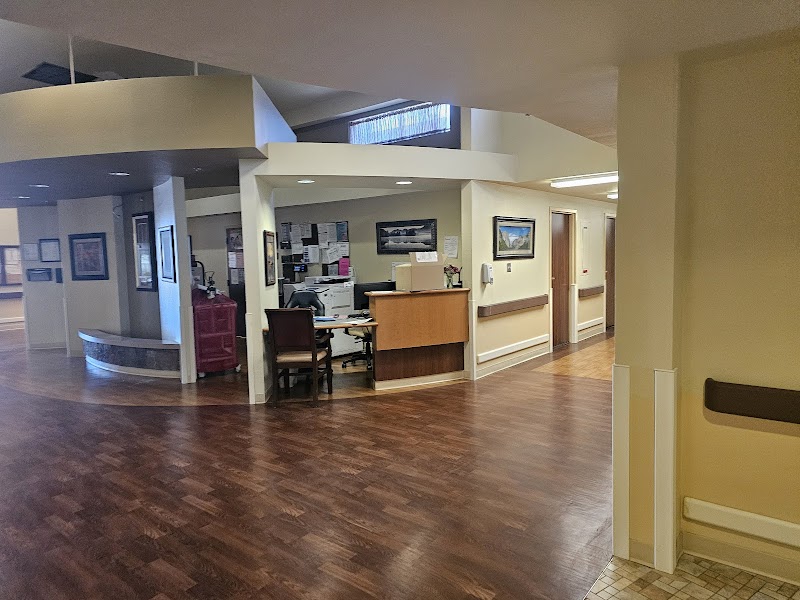
Who Owns and Operates Lacamas Creek Post Acute?

LACAMAS CREEK POST ACUTE is owned by a for-profit company. For-profit facilities operate as businesses with obligations to shareholders or private owners. The facility is operated by PACS GROUP, a chain that manages multiple nursing homes. With 83 certified beds and approximately 73 residents (about 88% occupancy), it is a smaller facility located in CAMAS, Washington.
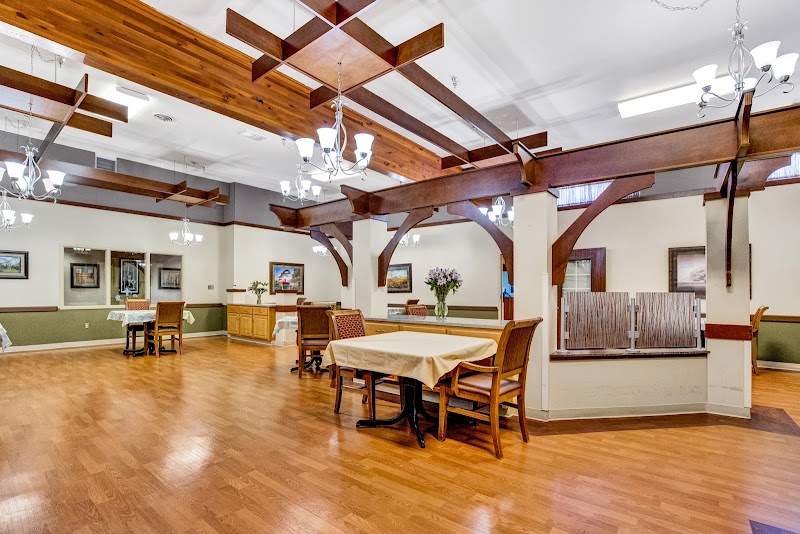
How Does Lacamas Creek Post Acute Compare to Other Washington Nursing Homes?

Compared to the 100 nursing homes in Washington, LACAMAS CREEK POST ACUTE's overall rating (5 stars) is above the state average of 3.2, staff turnover (61%) is significantly higher than the state average of 46%, and health inspection rating (5 stars) is much above the national benchmark.

What Should Families Ask When Visiting Lacamas Creek Post Acute?

Based on this facility's data, families visiting should ask: "How do you ensure continuity of care given staff turnover, and what is your staff retention strategy?" "Can I visit during a mealtime to observe dining assistance and food quality?" "How do you handle medical emergencies, and what is your hospital transfer rate?" "Can I speak with family members of current residents about their experience?" These questions are particularly relevant given the facility's high staff turnover rate.

Is Lacamas Creek Post Acute Safe?

Based on CMS inspection data, LACAMAS CREEK POST ACUTE has a clean safety record: no substantiated abuse findings (meaning no confirmed cases of resident harm), no Immediate Jeopardy citations (the most serious violation level indicating risk of serious injury or death), and is not on the Special Focus Facility watch list (a federal program monitoring the lowest-performing 1% of nursing homes). The facility has a 5-star overall rating and ranks #1 of 100 nursing homes in Washington. While no facility is perfect, families should still ask about staff-to-resident ratios and recent inspection results during their visit.

Do Nurses at Lacamas Creek Post Acute Stick Around?

Staff turnover at LACAMAS CREEK POST ACUTE is high. At 61%, the facility is 15 percentage points above the Washington average of 46%. High turnover means new staff may not know residents' individual needs, medications, or preferences. It can also be disorienting for residents, especially those with dementia who rely on familiar faces. Families should ask: What is causing the turnover? What retention programs are in place? How do you ensure care continuity during staff transitions?

Was Lacamas Creek Post Acute Ever Fined?

LACAMAS CREEK POST ACUTE has no federal fines on record. CMS issues fines when nursing homes fail to meet care standards or don't correct problems found during inspections. The absence of fines suggests the facility has either maintained compliance or corrected any issues before penalties were assessed. This is a positive indicator, though families should still review recent inspection reports for the full picture.

Is Lacamas Creek Post Acute on Any Federal Watch List?

LACAMAS CREEK POST ACUTE is not on any federal watch list. The most significant is the Special Focus Facility (SFF) program, which identifies the bottom 1% of nursing homes nationally based on persistent, serious quality problems. Not being on this list means the facility has avoided the pattern of deficiencies that triggers enhanced federal oversight. This is a positive indicator, though families should still review the facility's inspection history directly.