VANCOUVER SPECIALTY AND REHAB CARE
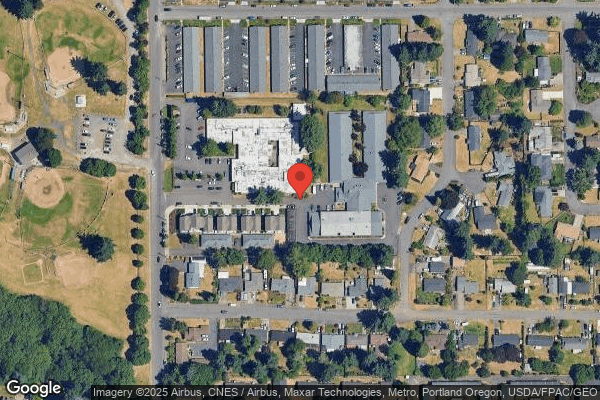
1015 NORTH GARRISON ROAD, VANCOUVER, WA 98664 (360) 694-7501
For profit - Individual 104 Beds Independent Data: November 2025
Trust Grade
40/100
#85 of 190 in WA
Last Inspection: January 2025

Within standard 12-15 month inspection cycle. Federal law requires annual inspections.

Overview

Vancouver Specialty and Rehab Care has received a Trust Grade of D, indicating below-average quality with some concerning issues. They rank #85 out of 190 facilities in Washington, placing them in the top half, but they are #6 out of 8 in Clark County, meaning there are only two local options that are better. Unfortunately, the facility is worsening, with issues increasing from 3 in 2024 to 10 in 2025. Staffing is a weakness here, with a 2/5 star rating and a staggering 99% turnover rate, which is significantly higher than the state average. In terms of care quality, there have been serious incidents, including a resident who was admitted with a Stage 1 pressure ulcer but did not receive necessary treatment for nine days, leading to the ulcer worsening significantly. Another serious finding involved a resident who developed seven Stage 4 pressure ulcers due to a failure to implement proper prevention and treatment strategies. While the facility has average RN coverage, the number of fines at $58,607 is concerning, indicating compliance issues that families should carefully consider.

Trust Score
D
40/100
In Washington
#85/190
Top 44%
Safety Record
High Risk
Review needed
Inspections
Getting Worse
3 → 10 violations
Staff Stability
⚠ Watch
99% turnover. Very high, 51 points above average. Constant new faces learning your loved one's needs.
Penalties
✓ Good
$58,607 in fines. Lower than most Washington facilities. Relatively clean record.
Skilled Nurses
✓ Good
Each resident gets 44 minutes of Registered Nurse (RN) attention daily — more than average for Washington. RNs are trained to catch health problems early.
Violations
⚠ Watch
30 deficiencies on record. Higher than average. Multiple issues found across inspections.
★★★★☆
4.0
Overall Rating
★★☆☆☆
2.0
Staff Levels
★★★☆☆
3.0
Care Quality
★★★★☆
4.0
Inspection Score
Stable
2024: 3 issues
2025: 10 issues

The Good

  • Full Sprinkler Coverage · Fire safety systems throughout facility
  • No fines on record

Facility shows strength in fire safety.

The Bad

Staff Turnover: 99%

53pts above Washington avg (47%)

Frequent staff changes - ask about care continuity

Federal Fines: $58,607

Above median ($33,413)

Moderate penalties - review what triggered them

Staff turnover is very high (99%)

51 points above Washington average of 48%

The Ugly 30 deficiencies on record

2 actual harm
Apr 2025 1 deficiency
CONCERN (D) 📢 Someone Reported This

A family member, employee, or ombudsman was alarmed enough to file a formal complaint

Potential for Harm - no one hurt, but risky conditions existed

ADL Care (Tag F0677)

Could have caused harm · This affected 1 resident

**NOTE- TERMS IN BRACKETS HAVE BEEN EDITED TO PROTECT CONFIDENTIALITY** . Based on interview and record review, the facility failed to provide activities of daily living (ADLs) for resident's dependen...

Read full inspector narrative →
**NOTE- TERMS IN BRACKETS HAVE BEEN EDITED TO PROTECT CONFIDENTIALITY** . Based on interview and record review, the facility failed to provide activities of daily living (ADLs) for resident's dependent on staff assistance related to bathing for one of three sampled residents (1) reviewed for ADLs. This failure placed residents at risk for poor hygiene and a diminished quality of life. Findings included . Resident 1 was admitted to the facility on [DATE] with diagnosis including cerebral infarction (blood flow to the brain is blocked causing brain tissue to die), hemiplegia (paralysis on one side of the body) and hemiparesis (severe weakness to one side of the body). The Minimum Data Set (MDS), a comprehensive assessment tool, dated 01/27/2025 documented the resident required substantial/maximal assistance with bathing. Resident 1's Care Plan, dated 02/24/2025, documented Resident 1 required 1 person assist with bathing/showering twice per week and as necessary. The facility bathing report documented Resident 1 had received four of eight scheduled baths or showers from 03/19/2025 to 04/18/2025. On 04/10/2025 at 1:10 PM Resident 1 said, I don't get showers twice a week. I go an entire week without a shower for some weeks. On 04/24/2025 at 12:44 PM, Staff B, Nursing Assistant, day shift, said caregivers go into the computer system and find what showers they were assigned to do that day. NA B stated that about once a week she was unable to get to all the assigned showers she was assigned to during her shift, but if she was not able to, it fell on to the next shift to complete and adds on to their assigned showers they have for the shift. On 04/24/2024 at 1:02 PM, Staff C, Nursing Assistant, day shift stated that caregivers struggle to get their assigned showers done during their shift. About three of the five days I work, I am unable to get all my showers done and have to pass them onto the following shift to catch up on. If it's on the weekend it's even less likely because there is less staff. On 04/24/2025 at 3:03 PM, Staff D, Nursing Assistant, evening shift, stated that about once a week they were unable to get all of their assigned showers done. They then let the licensed nurse and the oncoming caregiving staff know which residents they were unable to get to. On 04/24/2025 at 3:03 PM, Staff E, Nursing Assistant, Day and evening shift, stated that about once a month they were unable to get to all their assigned showers. They let the licensed staff and oncoming caregivers know which residents they were unable to get to. Staff E said that they had heard that there was a shower aid during the week but had never seen them. On 04/29/2025 at 11:47 AM, Staff A, the Director of Nursing, stated the facility had recently hired three nursing assistants and were in the process of hiring for more shower aids. Staff A stated that around mid-March to mid-April the facility had difficulty with staffing for nursing assistants due to nursing assistants quitting or not showing up for their shifts. Reference WAC 388-97-1060(1) .
Jan 2025 9 deficiencies
CONCERN (D) 📢 Someone Reported This

A family member, employee, or ombudsman was alarmed enough to file a formal complaint

Potential for Harm - no one hurt, but risky conditions existed

Deficiency F0552 (Tag F0552)

Could have caused harm · This affected 1 resident

**NOTE- TERMS IN BRACKETS HAVE BEEN EDITED TO PROTECT CONFIDENTIALITY** . Based on interviews and record review, the facility failed to ensure the resident was informed about the risk and benefits and...

Read full inspector narrative →
**NOTE- TERMS IN BRACKETS HAVE BEEN EDITED TO PROTECT CONFIDENTIALITY** . Based on interviews and record review, the facility failed to ensure the resident was informed about the risk and benefits and could provide an informed consent prior to administration of psychotropic medications for 1 of 5 sampled residents (332) reviewed for informed consent of psychotropic medications. This failure placed residents as risk for not being informed prior to receiving psychotropic medication and a decreased quality of life. Findings included . Resident 332 was admitted to the facility on [DATE]. The 5-day Minimum Data Set assessment, dated 12/31/2024, documented Resident 332 was alert and oriented and had no signs and symptoms of depression. Resident 332's electronic health record (EHR) showed the resident started on Trazadone for depression on 01/03/2025. The EHR did not show an informed consent including the risks and benefits was completed for the Trazadone. On 01/08/2025 at 9:09 AM, Staff D, Licensed Practical Nurse, said usually the Resident Care Managers obtain the medication consents for psychotropic medications. Staff D said psychotropic consents should be done prior to starting psychotropic medications. At 9:44 AM, Staff E, Assistant Director of Nursing Services and Registered Nurse, said Resident 332 was on Trazadone for insomnia. When asked about obtaining a consent for psychotropic medications, Staff E said usually the nurse managers obtained consents from residents or the decision makers. When asked about the resident's informed consent for Trazadone, Staff E was unable to find documentation of an informed consent for the Trazadone for Resident 332. Reference WAC 388-97-0300 (3)(a), -0260, -1020 (4)(a)(b) .
CONCERN (D) 📢 Someone Reported This

A family member, employee, or ombudsman was alarmed enough to file a formal complaint

Potential for Harm - no one hurt, but risky conditions existed

Deficiency F0553 (Tag F0553)

Could have caused harm · This affected 1 resident

**NOTE- TERMS IN BRACKETS HAVE BEEN EDITED TO PROTECT CONFIDENTIALITY** . Based on interview and record review, the facility failed to ensure residents and/or their representatives were offered the op...

Read full inspector narrative →
**NOTE- TERMS IN BRACKETS HAVE BEEN EDITED TO PROTECT CONFIDENTIALITY** . Based on interview and record review, the facility failed to ensure residents and/or their representatives were offered the opportunity to participate in care conferences for 1 of 3 sampled residents (13) reviewed for right to participate in planning care. This failure placed residents at risk of not being involved in decisions about their long-term care needs and a diminished quality of life. Findings included . Resident 13 was admitted to the facility on [DATE]. The Quarterly Minimum Data Set assessment, dated 11/28/2024, showed the resident was moderately cognitively impaired. The electronic health records (EHR) showed a care conference was conducted on 04/16/2024. The EHR showed the next care conference was conducted on 12/04/2024, almost eight months after the 04/16/2024 care conference. On 01/08/2025 at 1:39 PM, Staff I, Social Services, said care conferences for long-term residents were done quarterly or as needed. Staff I said Resident 13 had a care conference on 12/04/2024. When asked if there was a care conference prior to the 12/04/2024 care conference, Staff I said Resident 13 had a care conference on 04/16/2024. At 3:32 PM, Staff A, Administrator, said care conferences should be completed quarterly. Reference WAC 388-97-1020 (2)(e)(f) .
CONCERN (D)

Potential for Harm - no one hurt, but risky conditions existed

Deficiency F0578 (Tag F0578)

Could have caused harm · This affected 1 resident

**NOTE- TERMS IN BRACKETS HAVE BEEN EDITED TO PROTECT CONFIDENTIALITY** . Based on interview and record review, the facility failed to provide and/or have procedures in place to assist with completing...

Read full inspector narrative →
**NOTE- TERMS IN BRACKETS HAVE BEEN EDITED TO PROTECT CONFIDENTIALITY** . Based on interview and record review, the facility failed to provide and/or have procedures in place to assist with completing advance directives (AD), and obtaining and maintaining Power of Attorney documentation for 1 of 12 sampled residents (13) reviewed for ADs. This failure place residents at risk for losing their right to have their healthcare preferences and/or decisions honored. Findings included . Resident 13 was admitted to the facility on [DATE]. The Quarterly Minimum Data Set assessment, dated 11/28/2024, showed the resident was moderately cognitively impaired. Resident 13's electronic medical record did not have an ADs or documentation that ADs were reviewed since March 2024. On 01/08/2025 at 1:39 PM, Staff I, Social Services, said ADs were reviewed every quarter during the care conference with long term care residents. Staff I said if the resident did not have an AD, they reviewed the AD with the resident and helped the resident complete one if needed. Staff I said Resident 13 was her own decision maker. Staff I said Resident 13 had a POLST (Physician Orders for Life-Sustaining Treatment), but no AD, Power of Attorney or guardian. At 3:32 PM, Staff A, Administrator, said ADs should be reviewed with residents upon admissions and quarterly if the resident did not have one in place. Refer to F-553 Reference WAC 388-97-0280(3)(c)(i) .
CONCERN (D) 📢 Someone Reported This

A family member, employee, or ombudsman was alarmed enough to file a formal complaint

Potential for Harm - no one hurt, but risky conditions existed

Deficiency F0624 (Tag F0624)

Could have caused harm · This affected 1 resident

**NOTE- TERMS IN BRACKETS HAVE BEEN EDITED TO PROTECT CONFIDENTIALITY** . Based on interviews and record review, the facility failed to ensure preparations were made for a safe orderly discharge for 1...

Read full inspector narrative →
**NOTE- TERMS IN BRACKETS HAVE BEEN EDITED TO PROTECT CONFIDENTIALITY** . Based on interviews and record review, the facility failed to ensure preparations were made for a safe orderly discharge for 1 of 2 sampled residents (186) reviewed for discharge planning. This failure placed residents at risk for an unsafe discharge into the community and a diminished quality of life. Findings included . Resident 186 was admitted to the facility on [DATE] with diagnoses including diabetes [chronic disease that occurs when the body cannot produce or use insulin properly resulting in high blood sugar levels]. The Quarterly Minimum Data Set assessment, dated 09/26/2024, indicated Resident 186 had moderate cognitive impairment. Discharge care conference, dated 10/25/2024, indicated Resident 186 would be discharging home with spouse (also a resident at the facility). The care conference documentation did not show diabetic monitoring or management was discussed during the meeting. The electronic health record showed Resident 186 discharged home on [DATE]. On 01/08/2025 at 9:09 AM, Staff I, Social Services Director, said Resident 186 would have been given a glucometer from the facility to use after discharge. Staff I was unable to provide documentation showing Resident 186 had received a glucometer or had been trained on its use. Staff I said nursing staff would be the ones to document resident training on use of equipment for diabetes monitoring. Staff I said she would look for any documentation to see if teaching and training was completed. Staff I was unable to provide additional documentation of glucometer training. At 9:44 AM, Staff E, Assistant Director of Nursing Services and Registered Nurse (RN), said Resident 186 should have been given a glucometer and should have been shown how to use the glucometer prior to discharge. Staff E was unable to provide documentation of the issuance of a glucometer or training on its use. At 9:50 AM, Staff B, Director of Nursing Services and RN, said she would expect the resident would have been trained on glucometer use, and there should be documentation in the electronic health record. Staff B was unable to provide documentation of the issuance of a glucometer or training on its use. Reference WAC 388-97-0120 (3)(a) .
CONCERN (D)

Potential for Harm - no one hurt, but risky conditions existed

Deficiency F0645 (Tag F0645)

Could have caused harm · This affected 1 resident

**NOTE- TERMS IN BRACKETS HAVE BEEN EDITED TO PROTECT CONFIDENTIALITY** . Based on interviews and and record review, the facility failed to ensure the Preadmission Screening and Resident Review (PASAR...

Read full inspector narrative →
**NOTE- TERMS IN BRACKETS HAVE BEEN EDITED TO PROTECT CONFIDENTIALITY** . Based on interviews and and record review, the facility failed to ensure the Preadmission Screening and Resident Review (PASARR) was completed for 1 of 6 sampled residents (76) reviewed for Preadmission Screening for individuals with a mental disorder and individuals with intellectual disability. This failure placed residents at risk for unidentified mental health needs, unmet mental health needs and a diminished quality of life. Findings included . Per facility policy, entitled Resident Assessment Coordination with PASARR Program, revised 09/30/2024, documented, This facility coordinates assessments with the preadmission screening and resident review (PASARR) program under Medicaid to ensure that individuals with a mental disorder, intellectual disability, or a related condition receives care and services in the most integrated setting appropriate to their needs . The facility will only admit individuals with a mental disorder or intellectual disability who the State mental health or intellectual disability authority has determined as appropriate for admission. Resident 76 was admitted to the facility on [DATE] with diagnoses including anxiety and depression. The 5-day Minimum Data Set assessment, dated 12/22/2024, indicated Resident 76 was alert and oriented. The Level I PASARR (initial screening) was completed by the discharging hospital on [DATE], and showed the resident did not require a Level II evaluation (in-depth evaluation by the state designated authority to determine the need for specialized services for the resident). The medical records showed Resident 76 had a history of anxiety and depression prior to admitting to the facility on [DATE]. On 01/06/2025 at 11:30 AM, Resident 76 was observed to be tearful and extremely anxious when the resident attempted to physically grab the surveyor's arm and requested anxiety medication from the facility staff. Resident 76 said staff had found a bag of knives that he was giving to female staff for personal protection, and now he was fearful of retaliation by staff. On 01/08/2025 at 9:20 AM, Staff H, Social Services Director, said the PASARR was generally reviewed for accuracy, after the resident was admitted . Staff H said if the PASARR was found to be inaccurate, the assessment would be completed immediately that day and sent in for PASARR Level II evaluation. Staff H said the PASARR was not found to be inaccurate until 01/07/2025. Staff H said she was unable to determine why Resident 76's PASARR was not corrected upon admission. At 2:17 PM, Staff A, Administrator, said the facility followed their policy for PASARR reviews. Staff A was unable to provide documentation to support the admission PASARR Level I had been reviewed by facility for accuracy. Reference WAC 388-97-1975 .
CONCERN (D)

Potential for Harm - no one hurt, but risky conditions existed

Deficiency F0730 (Tag F0730)

Could have caused harm · This affected 1 resident

. Based on interview and record review, the facility failed to complete performance evaluation reviews for 1 of 2 sampled nursing assistants (Staff J) reviewed for nurse aide performance reviews. This...

Read full inspector narrative →
. Based on interview and record review, the facility failed to complete performance evaluation reviews for 1 of 2 sampled nursing assistants (Staff J) reviewed for nurse aide performance reviews. This failure placed residents at risk for receiving care from unskilled staff and a diminished quality of life. Finding included . Staff J, NA, was hired on 05/11/2021. Staff J's personnel records did not have a Performance Evaluation for the previous year. On 01/09/2025 at 1:19 PM, Staff B, Director of Nursing Services and Registered Nurse, said performance evaluations were done annually or when they saw a need for additional trainings. Reference WAC 388-97-1680 (2)(b)(I) .
CONCERN (D)

Potential for Harm - no one hurt, but risky conditions existed

Medication Errors (Tag F0758)

Could have caused harm · This affected 1 resident

**NOTE- TERMS IN BRACKETS HAVE BEEN EDITED TO PROTECT CONFIDENTIALITY** . Based on interview and record review, the facility failed to monitor residents on psychotropic medications for target behavior...

Read full inspector narrative →
**NOTE- TERMS IN BRACKETS HAVE BEEN EDITED TO PROTECT CONFIDENTIALITY** . Based on interview and record review, the facility failed to monitor residents on psychotropic medications for target behaviors and interventions for 2 of 5 sampled residents (36 & 332) reviewed for unnecessary psychotropic medications. This failure placed residents as risk for decreased mental health well-being and a decreased quality of life. Findings included . 1) Resident 36 was admitted to the facility on [DATE]. The Quarterly Minimum Data Set (MDS) assessment, dated 12/02/2024, indicated the resident was alert and oriented and with no symptoms of depression. Review of Resident 36's Electronic Health Records (EHR), did not show behavior monitoring for symptoms and/or signs of depression. On 01/08/2025 at 9:09 AM, Staff D, Licensed Practical Nurse, said each shift was to record behaviors in the EHR. Staff D said if a behavior was new, then they would document that behavior and monitor the resident on alert status. The nurse documented when behaviors were present, and interventions were used. At 9:44 AM, Staff E, Assistant Director of Nursing Services and Registered Nurse (RN), said the target behaviors for the medications were recorded in the electronic Medication Administration Record (EMAR). When asked to locate where they were recording target behaviors and interventions for Resident 36, Staff E was unable to locate them. Staff E said they usually do have them on the EMAR for purposes of monitoring. 2) Resident 332 was admitted to the facility on [DATE]. The 5-day MDS assessment, dated 12/31/2024, documented Resident 332 was alert and oriented and had no signs and symptoms of depression. Resident 332's EHR showed the resident started on Trazadone for depression on 01/03/2025. The EHR did not show monitoring of target behaviors and/or interventions were completed for use of the psychotropic medication. On 01/08/2025 at 9:09 AM, Staff D, Licensed Practical Nurse, said Resident 332 was on Trazadone for insomnia. At 9:44 AM, Staff E, Assistant Director of Nursing Services and Registered Nurse, said Resident 332 was on Trazadone for insomnia. When asked about behavior monitoring for Trazadone, the January 2025 Medication Administration Record was reviewed and showed no monitoring for the psychotropic use of Trazadone for insomnia. Reference WAC 388-97-0620 (1)(a) .
CONCERN (E)

Potential for Harm - no one hurt, but risky conditions existed

Quality of Care (Tag F0684)

Could have caused harm · This affected multiple residents

**NOTE- TERMS IN BRACKETS HAVE BEEN EDITED TO PROTECT CONFIDENTIALITY** 3) Resident 72 was admitted to the facility on [DATE]. The admission MDS assessment, dated 12/04/2024, documented Resident 72 wa...

Read full inspector narrative →
**NOTE- TERMS IN BRACKETS HAVE BEEN EDITED TO PROTECT CONFIDENTIALITY** 3) Resident 72 was admitted to the facility on [DATE]. The admission MDS assessment, dated 12/04/2024, documented Resident 72 was alert and oriented. On 01/07/2025 at 8:25 AM, Resident 72 said he was frequently constipated and in discomfort as a result of insufficient bowel management. Resident 72 stated, The morphine makes me constipated. What they give me every day doesn't help. The December 2024 Bowel and Bladder Elimination task sheet documented Resident 72 had a BM on 12/12/2024 at 4:24 AM and did not have another BM until 12/16/2024 at 1:59 PM, over 105 hours between BMs (over four days and 9 hours). Review of Resident 72's EHR indicated no documented BMs for over 105 hours (as indicated above) with no initiation of bowel protocol from 12/12/2024 to 12/16/2024. Review of Resident 72's EHR indicated no documented BMs for over 77 hours (over three days and five hours) no initiation of bowel protocol from 12/16/2024 to 12/19/2024. Review of Resident 72's EHR indicated no documented BMs for over 86 hours (over three days and 14 hours) with no initiation of bowel protocol from 12/28/2024 to 01/01/2025. On 01/08/2025 at 9:09 AM, Staff D, Licensed Practical Nurse, said if a resident did not have a BM by Day 3, senna (bowel stimulant) would be given. If no results, a Bisacodyl suppository; if still no results, an enema would be given to promote a BM. A bowel assessment would also be completed, and if no results the Provider would be notified. All refusal would be documented on the MAR or in a progress note. At 9:44 AM, after reviewing Resident 72's records to determine if the bowel protocol was initiated and followed, Staff E, Assistant Director of Nursing Services and Registered Nurse (RN), said the resident was given Senna on 01/03/2025, 01/06/2025, and 01/07/2025, with no progression to Step 2 of the bowel protocol. Staff E was unable to provide documentation of BMs or medication refusals. At 10:00 AM, Staff B, Director of Nursing Services and RN, said the bowel program should be initiated on Shift 9 at the start of the shift, and if no bowel movement by end of day shift, a suppository should be given. An Enema would be following the end of the night shift following the day when the bowel protocol was initiated. Staff B said she would expect a MD notification if no bowel movements were recorded. On 01/09/2025 at 9:16 AM, Staff D was unable to provide documentation of the BM protocol being initiated for Resident 72. At 1:33 PM, Staff A, Administrator, said she would expect the BM protocol to be started and documented as outlined in the policy. Staff A was unable to provide additional documentation showing Resident 72 received bowel protocol interventions. Reference WAC 388-97-1060 (1) Based on interview and record review, the facility failed to consistently assess and implement interventions for bowel management for 3 of 4 sampled residents (76, 332 & 72) reviewed for quality of care related to constipation. This failure placed residents at risk of increased discomfort and negative health outcomes. Findings included . Review of facility policy, entitled, House Bowel P&P [Policy and Procedures], revised 10/23/2023, documented: 1. Day shift nurse run bowel report upon start of shift. 2. Day shift nurse to start bowel protocol in AM with morning med pass, document in EMAR [electronic Medication Administration Record (MAR)], place on alert charting to monitor BT/BM [bowel movement]. 3. Day shift nurse to follow up after 6 hours for effectiveness, if no results complete a bowel assessment and document in progress notes, then proceed to step 2 of house protocol prior to end of shift. 4. Day shift nurses to give report to NOC [night] shift nurses on who needs an Enema. 5. Noc shift nurses to run bowel report upon start of shift, initiate step 3 of bowel protocol at the end of the shift, document on bowel monitor, EMAR, and progress note, then pass off to Day shift via verbal report and Day shift to follow up if no BM with MD [Medical Director]. 6. All Nurses must chart on PRN [as needed] MAR that meds were given and chart the results, must make nursing progress note R/T [related to] ABD [abdomen] assessments . 7. If resident refuses bowel protocol, notify MD, place on alert charting, complete bowel assessment and document. 1) Resident 76 was admitted to the facility on [DATE]. The admission Minimum Data Set (MDS) assessment, dated 12/04/2024, documented Resident 76 was alert and oriented. Review of Resident 76's electronic medical records (EHR) indicated Resident 76 had no documented BMs for 7 days, from 12/30/2024 day shift until 01/06/2025 on the night shift. On 01/06/2025 at 11:30 AM, Resident 76 said he had been constipated for several days making his appetite poor. Resident 76 said he had reported these concerns to staff. 2) Resident 332 was admitted to the facility on [DATE]. The 5-Day MDS assessment, dated 12/31/2024, documented Resident 322 was alert and oriented. Review of Resident 332's EHR indicated no documented BMs for 12 shifts with no initiation of bowel protocol from 12/28/2024 until 01/01/2025 on the evening shift. On 01/06/2025 at 11:30 AM, Resident 332 said he was not eating well due to constipation. Resident 332 said he did not want to keep putting things in from the top when he was not moving on the bottom.
CONCERN (E)

Potential for Harm - no one hurt, but risky conditions existed

Deficiency F0727 (Tag F0727)

Could have caused harm · This affected multiple residents

. Based on interview and record review, the facility failed to provide at least eight hours of Registered Nurse (RN) coverage and supervision for 3 of 30 days reviewed. This failure placed residents a...

Read full inspector narrative →
. Based on interview and record review, the facility failed to provide at least eight hours of Registered Nurse (RN) coverage and supervision for 3 of 30 days reviewed. This failure placed residents at risk for not receiving needed care and supervision. Findings included . The facility's daily nurse staff postings and the Staffing Coordinator's working schedule for the 30 days prior to entry into the facility (12/06/2024 to 01/05/2025) showed the facility did not have 24 hours of RN coverage on all reviewed days. On 01/09/2024 at 1:19 PM, Staff A, Administrator, said they did not have a waiver for RN coverage. Staff A said they were recruiting for RNs and offering bonuses. Staff A said they offered incentives for staff retention. Reference WAC 388-97-1080 (3) .
Mar 2024 2 deficiencies
CONCERN (D)

Potential for Harm - no one hurt, but risky conditions existed

Investigate Abuse (Tag F0610)

Could have caused harm · This affected 1 resident

**NOTE- TERMS IN BRACKETS HAVE BEEN EDITED TO PROTECT CONFIDENTIALITY** . Based on interview and record review, the facility failed to ensure falls in the facility were comprehensively investigated in...

Read full inspector narrative →
**NOTE- TERMS IN BRACKETS HAVE BEEN EDITED TO PROTECT CONFIDENTIALITY** . Based on interview and record review, the facility failed to ensure falls in the facility were comprehensively investigated including obtaining neurological checks (a physical examination to identify signs of disorders affecting the nervous system) for 2 of 5 sampled residents (53 & 56) reviewed for investigation of accidents and falls. This failure placed residents at risk of inadequate interventions, abuse, and a diminished quality of life. Findings included . 1) Resident 53 was admitted to the facility on [DATE]. The quarterly Minimum Data Set (MDS) assessment, dated 02/19/2024, documented the resident was moderately cognitively impaired. A progress note, dated 01/31/2024, documented, Patient has had five plus mechanical falls within the last 180 days. A review of Resident 53's fall investigations, dated 12/13/2023, 12/29/2023, 01/02/2024, and 01/06/2024, did not show documentation of neurological checks being completed for these four unwitnessed falls. On 03/20/2024 at 10:38 AM, Staff E, Certified Nursing Assistant, said if a resident had an unwitnessed fall in the facility, she would call the nurse, begin vital signs, and help obtain neurological checks. Staff E said residents who had an unwitnessed fall should have neurological checks done. At 10:42 AM, Staff F, Licensed Practical Nurse, said if a resident had an unwitnessed fall in the facility, she would call a code glow worm, start neurological checks if the fall was unwitnessed, perform a range of motion (ROM) check, perform a skin evaluation and pain assessment, and initiate an incident report. At 10:47 AM, Staff G, Risk Management Nurse and Registered Nurse (RN), said if an unwitnessed fall occurred in the facility, she expected staff to assess the resident for injuries, call code glow worm over the intercom, perform ROM assessment, perform skin and pain assessments, obtain vital signs, and depending on resident transfer status, assist the resident back up and a fall risk evaluation completed. Staff G said residents should be put on alert charting and if unwitnessed, staff should perform neurological checks. Staff G said she was responsible for completing facility fall investigation, and said she needed neurological checks completed to ensure a comprehensive investigation of falls in the facility. At 1:36 PM, Staff D, Director of Quality Assurance and RN, said all residents who had an unwitnessed fall should have neuro checks completed on them. 2) Resident 56 was admitted to the facility on [DATE]. The quarterly MDS, dated [DATE], documented the resident was moderately cognitively impaired. Resident 56's fall investigation, dated 11/27/2023, did not show documentation of a completed Neurological Assessment Flowsheet for the unwitnessed fall. Resident 56's fall investigation, dated 12/08/2023, did not show the facility initiated neurological checks for the unwitnessed fall. On 03/21/2024 at 9:17 AM, Staff H, Resident Care Manager and RN, said neuros included doing vital signs and range of motion. Staff H said the neuro assessment should be completed as specified by the Neurological Assessment Flowsheet (NAF). After reviewing Resident 56's 11/27/2023 NAF, Staff H said it was not completely done. At 9:17 AM, Staff D said the NAF was not completed for the 11/27/2023 unwitnessed fall. Reference WAC 388-97-0640 (6)(a)(b) .
CONCERN (D)

Potential for Harm - no one hurt, but risky conditions existed

Quality of Care (Tag F0684)

Could have caused harm · This affected 1 resident

**NOTE- TERMS IN BRACKETS HAVE BEEN EDITED TO PROTECT CONFIDENTIALITY** . Based on interview and record review, the facility failed to initiate bowel interventions for 1 of 3 sampled residents (37) re...

Read full inspector narrative →
**NOTE- TERMS IN BRACKETS HAVE BEEN EDITED TO PROTECT CONFIDENTIALITY** . Based on interview and record review, the facility failed to initiate bowel interventions for 1 of 3 sampled residents (37) reviewed for constipation. This failure placed residents at risk for discomfort, experiencing health complications and diminished qualify of life. Finding included . Resident 37 was admitted to the facility on [DATE]. The quarterly Minimum Data Set assessment, dated 01/26/2024, showed the resident was moderately cognitively impaired. The Bowel Movement (BM) Task sheet documented Resident 37 had a BM on 02/21/2024 at 3:27 PM. The BM Task sheet documented Resident 37 had his next BM on 02/28/2024 at 12:36 AM, over six days since his last documented BM. The February 2024 Medication Administration Record (MAR) did not show documentation Resident 37 received any interventions from 02/21/2024 until 5:52 PM on 02/27/2024. On 03/20/2024 at 1:59 PM, Staff D, Director of Quality Assurance and Registered Nurse, said the bowel protocol should be initiated if a resident did not have a BM after 72 hours. After reviewing Resident 37's February 2024 MAR, Staff D said the bowel protocol should have been started on 02/25/2024. Reference WAC 388-97-1060 (1)(3)(c) .
Feb 2024 1 deficiency
CONCERN (D) 📢 Someone Reported This

A family member, employee, or ombudsman was alarmed enough to file a formal complaint

Potential for Harm - no one hurt, but risky conditions existed

Report Alleged Abuse (Tag F0609)

Could have caused harm · This affected 1 resident

**NOTE- TERMS IN BRACKETS HAVE BEEN EDITED TO PROTECT CONFIDENTIALITY** . Based on observation, interview, and record review, the facility failed to ensure allegations of potential abuse and neglect w...

Read full inspector narrative →
**NOTE- TERMS IN BRACKETS HAVE BEEN EDITED TO PROTECT CONFIDENTIALITY** . Based on observation, interview, and record review, the facility failed to ensure allegations of potential abuse and neglect were reported immediately, but no later than two hours, to the State Agency for 2 of 3 sampled residents (1 & 2) reviewed for reporting of alleged violations. This failure placed residents at risk for abuse, neglect, and diminished quality of life. Findings included . Review of the facility policy entitled, Abuse, Neglect, Exploitation or Misappropriation - Reporting and Investigating, dated September 2022, documented All reports of resident abuse, neglect, exploitation, or theft/misappropriation of resident property are reported to local, state, and federal agencies and thoroughly investigated by facility management. Findings of all investigations are documented and reported. Review of a State Agency report, dated 01/12/1024, showed an anonymous report of allegations of residents being neglected and mentally abused by a licensed nurse. 1) Resident 1 was admitted to the facility on [DATE] with diagnoses including altered cognitive status. The Minimum Data Set (MDS), an assessment tool, dated 01/04/2024, indicated the resident had moderate cognitive impairment and required moderate to maximum assistance with activities of daily living (ADLs). On 01/29/2024 at 3:28 PM, Staff D, Social Service Director, said Staff E, Nursing Assistant (NA), had informed her she had heard Staff G, Registered Nurse (RN), tell a resident, who was calling out for help, to shut the f**k up. At 4:45 PM, Staff E said on 12/25/2023 she had witnessed Staff G yell down the hall, Shut the F**k up, to Resident 1 who was calling out for help and having a change in condition. Staff E said she reported this incident to Staff B, [NAME] President of Operations (VPO). When asked about calling the State Hotline, Staff E said she did not call the State Hotline. On 01/30/2024 at 9:54 AM, Staff B said Staff E had told her of the interview yesterday with the State Agency Complaint Investigator. Staff B said she did not remember Staff E telling her that Staff G verbally abused Resident 1. Staff B said she was at the facility visiting with a family member when it was reported Resident 1 was not feeling well. Resident 1's nurse was on lunch break, and she (VPO) went to assess Resident 1 and notify the physician and family. Staff B said if she had been told Staff G had yelled or cursed at Resident 1, she would have gathered information and followed the directive of the Purple Book. Staff B said now that she was aware of an allegation of abuse, she would initiate an investigation and call it into the State Hotline. On 02/07/2024 at 11:06 AM, Resident 1 denied ever being yelled or sworn at by Staff G. When asked how Staff G treated the resident, Resident 1 said Staff G was not overly warm, all business, but never yelled or swore at him. 2) Resident 2 was admitted to the facility on [DATE] with diagnoses including pervasive developmental disorder. The MDS, dated [DATE], indicated the resident required set up to moderate assistance with ADLs. On 01/30/2024 at 11:19 AM, Staff F, Licensed Practical Nurse, said she had heard of the incident with Staff G and Resident 1. Staff F said she had also witnessed Staff G tell Resident 2 to Keep the damn light off. Staff F said there were other nurses at the nurse's station who heard this, but she could not remember who as this was a few months ago. Staff F said she could not remember the date, but she mentioned it to management. Staff F said she thought the management was Staff B and Staff C, Quality Control. When asked about calling the State Hotline, Staff F said she did not call the incident into the State Hotline. On 02/06/2024 at 1:17 PM, Resident 2 said he did not remember Staff G. Resident 2 denied ever being yelled or cursed at by any staff member. On 02/08/2024 at 3:00 PM, Staff C said she had never been informed of Staff G yelling or cursing at Resident 2. Staff C said her expectation if this occurred would be for staff to report it so an investigation could be initiated and to call it into the State Hotline. Reference WAC 388-97-0640 (6)(c) .
Oct 2023 1 deficiency 1 Harm
SERIOUS (G) 📢 Someone Reported This

A family member, employee, or ombudsman was alarmed enough to file a formal complaint

Actual Harm - a resident was hurt due to facility failures

Pressure Ulcer Prevention (Tag F0686)

A resident was harmed · This affected 1 resident

**NOTE- TERMS IN BRACKETS HAVE BEEN EDITED TO PROTECT CONFIDENTIALITY** . Based on interview and record review, the facility failed to ensure treatments were implemented for a Stage 1 pressure ulcer (...

Read full inspector narrative →
**NOTE- TERMS IN BRACKETS HAVE BEEN EDITED TO PROTECT CONFIDENTIALITY** . Based on interview and record review, the facility failed to ensure treatments were implemented for a Stage 1 pressure ulcer (red area on the skin that does not turn white when pressed) upon admission and prevent further pressure ulcer development for 1 of 4 sampled residents (Resident 1) reviewed for pressure ulcers. This caused harm to Resident 1 when admitted with a Stage 1 pressure ulcer to the coccyx (boney structure at the bottom of the spine) and did not receive treatment or preventable measures for nine days after admission and the pressure ulcer progressed to an unstageable (base of wound is covered by a layer of dead tissue and cannot be seen) wound; and the resident developed an additional unstageable pressure ulcer to the right heel. This failure placed residents at risk for worsening of skin impairment, a change in health status and a diminished quality of life. Findings included . Resident 1 was admitted to the facility on [DATE] with diagnoses including fracture of the left hip and dementia. The Minimum Data Set, a comprehensive assessment tool, dated 08/16/2023, documented Resident 1 required 2-person extensive assistance with bed mobility, transfer status, dressing and toileting. Resident 1's Braden scale, an assessment tool used for assessing pressure ulcer risk, dated 08/09/2023, showed a score of 13 indicating resident was at moderate risk for pressure ulcer development. Resident 1's initial Skin Evaluation, dated 08/09/2023 at 4:37 PM, showed Staff D, Licensed Practical Nurse (LPN), identified a Stage I pressure ulcer to the sacrum (coccyx) measuring 2 centimeters (cm) in length and 2 cm in width. Resident 1's electronic medical record, dated 08/09/2023 to 08/16/2023, showed there were no orders for wound treatment and air mattress, or a care plan implemented for Resident 1's Stage 1 pressure ulcer. Resident 1's weekly Skin Evaluation, dated 08/16/2023 at 7:13 PM, showed Staff E, Registered Nurse (RN), checked a box entitled No new Skin Impairment. Resident 1's Nutrition Evaluation, dated 08/16/2023 at 7:25 AM, showed Staff G, Registered Dietician (RD), documented the resident had no skin breakdown, but several surgical incisions that increased energy needs for healing. Resident 1's weekly Skin Evaluation, dated 08/17/2023 at 2:30 PM, showed Staff G, LPN and Resident Care Manager (RCM), documented a New Skin Impairment. A Stage 1 pressure ulcer to the coccyx measuring 3 cm in length and 2 cm in width was identified during management wound rounds. Record review showed a treatment order and care plan were initiated on 08/18/2023 for Resident 1's Stage 1 pressure ulcer to the coccyx (9 days after admission with the Stage 1 pressure ulcer to the coccyx). The records showed a maintenance request form was placed for an air mattress but there was no order to direct the weight settings for the air mattress that were required to provide pressure relief. Resident 1's weekly Skin Evaluation, dated 08/23/2023 at 5:01 PM, showed Staff F, LPN, documented a New Skin Impairment, an unstageable pressure ulcer to the right heel. A progress note, dated 08/23/2023, documented physical therapy notified Staff F of a skin condition to Resident 1's right heel. The area appeared to be black and surrounding area red, non-blanchable (a condition where reddened skin does not turn white when pressed with a finger) and painful. Record review showed on 08/23/2023 a treatment order and care plan were initiated for Resident 1's unstageable pressure ulcer to the right heel. An order for the air mattress was not found. The August 2023 and September 2023 Treatment Administration Record did not show documentation of an order for an air mattress or monitoring of air mattress weight settings. Review of progress note, dated 08/31/2023 at 1:36 PM, showed Staff G documented Resident 1 was seen by the wound consultant for weekly tracking and wounds continued to deteriorate. A wound culture of the coccyx was collected. The Nurse Practitioner performed debridement (the removal of damaged tissue from the wound) with no complaints of pain. Santyl (a gel type medication used to cleanse wounds of damaged tissue) and NS (normal saline) soaked gauze covered with a foam dressing were applied to the wound. A broad spectrum antibiotic was initiated while waiting for results of the wound culture. Wound Progress Note, dated 08/31/2023, showed Resident 1 had an unstageable pressure wound to the coccyx. The resident's wound is deteriorating from last visit and covered with thick slough [dead tissue separating from living tissue]. [Resident 1] is presenting with a new deep tissue injury on her right heel . Sharp debridement provided to remove slough [on the coccyx] and restore blood flow to the wound . Wound consultant round notes, dated 09/14/2023 at 2:30 PM, showed Resident 1's coccyx wound to be unstageable with measurements of 5 cm in length, 4 cm in width, and 3.5 cm in depth. The unstageable right heel ulcer had measurements of 3 cm in length, 4.5 cm in width, and 0.0 in depth. Record review showed Resident 1 was sent to the hospital on [DATE] at 1:00 AM for a change in condition. Hospital records, dated 09/20/2023, showed Resident 1 was found with unstageable pressure ulcers to the coccyx and right heel. On 10/10/2023 at 1:40 PM, Staff D said when a resident was admitted with a pressure ulcer, they would notify the provider and request treatment orders, notify care managers, and initiate a care plan. When asked about requesting a therapeutic mattress, Staff D said the RCMs would address that. At 2:45 PM, Staff C, RN and Risk Management, said if a resident came in with a pressure ulcer the expectation was to request a physician's order and air mattress right away. Staff C said a care plan was initiated and an air mattress was obtained on 08/18/2023 for Resident 1's pressure ulcer to the coccyx. Staff C said the care plan was updated on 08/25/2023 for Resident 1's pressure ulcer to the right heel, and a safety assessment was completed on 08/28/2023 for the air mattress. Staff C said there was not an order for the air mattress. At 2:50 PM, Staff B, RN and Director of Nursing Services, said her expectation, if a resident was admitted and assessed as having a pressure ulcer, would be to contact the provider, obtain treatment orders, and to request an air mattress if a pressure ulcer had been identified. On 10/13/2023 at 12:32 PM, Staff E said when No New Skin Impairment was checked on the weekly Skin Evaluation document, this did not mean there were not previous skin impairments noted. Staff E indicated she was not able to remember if Resident 1 had a pressure ulcer. Staff E said if a pressure ulcer was found on evaluation the provider would be notified and a treatment order obtained. When asked who was responsible for initiating an order for a therapeutic mattress, Staff E said she was unsure, and would notify the provider or management staff for direction. On 10/13/2023, at 1:07 PM, Staff G said the expectation for staff if a resident was admitted with a pressure ulcer was to notify the provider and RCM, initiate treatment orders, initiate a care plan, request an air mattress if the resident had a pressure ulcer on their coccyx, and initiate therapeutic boots if the resident had a pressure ulcer to the heels. When asked about an order for Resident 1's air mattress, Staff G said she remembered obtaining and care planning for an air mattress but might have overlooked getting an order. Reference WAC 388-97-1060 (1) .
May 2023 1 deficiency
CONCERN (D) 📢 Someone Reported This

A family member, employee, or ombudsman was alarmed enough to file a formal complaint

Potential for Harm - no one hurt, but risky conditions existed

Deficiency F0692 (Tag F0692)

Could have caused harm · This affected 1 resident

**NOTE- TERMS IN BRACKETS HAVE BEEN EDITED TO PROTECT CONFIDENTIALITY** . Based on observation, interview and record review, the facility failed to assess and document admission and readmission weight...

Read full inspector narrative →
**NOTE- TERMS IN BRACKETS HAVE BEEN EDITED TO PROTECT CONFIDENTIALITY** . Based on observation, interview and record review, the facility failed to assess and document admission and readmission weights, obtain weights as ordered and document that physician's orders for enteral feeding were administered for 1 of 9 sampled residents (Resident 1) reviewed for nutrition. This failure placed residents at risk for unnecessary weight loss, potential for inadequate nutritional support, adverse consequences and a diminished quality of life. Findings included . Resident 1 was admitted to the facility on [DATE], was sent to the hospital on [DATE] and was re-admitted on [DATE] with diagnoses including, acute and chronic respiratory failure with hypoxia (low level of oxygen to tissues), aspergillosis (an infectious fungal disease of the lung), anemia (body does not have enough red blood cells), severe protein-calorie malnutrition and intestinal obstruction. The Minimum Data Set, an assessment tool, dated 03/05/2023, documented the resident required nutrition via a feeding tube and a mechanically altered diet. Resident 1's Nutrition at Risk Care Plan, initiated 03/01/2023 and updated 04/17/2023, listed an intervention to monitor weights weekly. On 04/18/2023 at 3:26 PM, Resident 1 was observed lying in bed. Osmolite, a formula used to provide nutrition via Tube Feeding (TF), was infusing at 65 milliliters (ml) per hour. Resident 1 said staff had turned tube feeding off because he was nauseas but could not get them to turn it back on timely. On 04/21/2023 at 12:46 PM, Resident 1 was observed lying in bed. The resident said he was tired and was not feeling well. The resident said he tried to eat breakfast, but was not going to have lunch. < Weight Monitoring> The facility's weight monitoring procedure, dated 10/22/2022, documented a weight monitoring schedule would be developed upon admission for all residents. Approaches to the weight monitoring procedure included: a. Weights should be recorded at the time obtained. b. Newly admitted resident - monitor weekly for four weeks. c. Residents with weights loss - monitor weight weekly. d. If clinically indicated - monitor weight daily. e. All others - monitor weight monthly. Record review for Resident 1's March 2023 Medication Administration Record (MAR) showed for weekly weights to document weights in the weight tab one time a day every Monday for weight tracking and additional to obtain a current weight for 03/08/2023. The March 2023 MAR showed the following: --For Monday, 03/06/2023, no signatures were found for obtaining a weekly weight. --For Wednesday, 03/08/2023, a signature for Staff C, License Practical Nurse (LPN), was found but no weight or refusal of weight was documented. --For Monday, 03/13/2023, a signature for Staff C was found but no weight or refusal of weight was documented. --For Sunday, 03/19/2023, Resident 1 was sent to the hospital. --For Wednesday, 04/05/2023, Resident 1 was readmitted with diagnosis of unspecified intestinal obstruction. No weight was documented upon readmission. --For Monday, 04/10/2023, Resident 1 had a weight of 117.2 pounds (lbs) documented. On 04/21/2023 at 12:33 PM, Staff C said upon admission, residents were weighed daily for three days and then weekly unless the provider orders more frequent weights. Staff C said the Registered Dietitian (RD) came in every Wednesday and reviewed resident weights and concerns. When asked about Resident 1's weights, Staff C was unable to locate weights for Resident 1 prior to 03/15/2023. At 1:07 PM, Staff D, LPN and Resident Care Manager, said Nursing Assistants (NA) did not record weights in the Electronic Medical Record (EMR). The nurses were responsible so they can assess for weight loss or gain. Staff D said when residents were admitted , the NA was given an admission checklist to complete. admission weights were on the checklist. Nurses would oversee monitoring so the weights were completed. When asked where weight refusals were documented, Staff D said they were either in NA tasks, on the MAR or in the progress notes. Staff C indicated she was unable to locate weights for Resident 1 prior to 03/15/2023. On 04/24/2023 at 10:45 AM, Staff H, Registered Dietician (RD), said when she completed her initial assessment on 03/08/2023, Resident 1 did not have a facility weight recorded. Staff H said the last weight obtained was at the hospital, which was 122 lbs, and was used for her initial assessment. Staff H said the first facility weight obtained and documented was on 03/15/2023 and was 123.6 lbs. On 05/05/2023 at 4:00 PM, Staff F, LPN and Risk Management; and Staff G, LPN and Quality Control; said Resident 1's initial weights had been missed and a performance improvement plan was in place. On 05/10/2023 at 3:05 PM, Staff E, LPN, said obtaining weights for residents was part of the admission and routine weighing process. Staff E said if the resident declined, this would be documented in the EMR. <Tube Feeding> Resident 1's discharge orders from the hospital, dated 02/28/2023, documented the resident's diet was both oral and through tube feedings. Resident 1's subsequent hospital discharge orders, dated 02/28/2023, showed the following discharge diet: Diet Type: Tube Feed Via: PEG (surgically inserted tube into stomach to recieve food) Formula: high protein Rate: 55 ml/hr Residual checks: Checks n/a Flushing: 30 ml Total of 1320 ml - Promote (a formula used to provide nutrition via a tube placed in stomach) Resident 1's admitting orders, dated 02/28/2022, documented a regular diet, L2 mechanically altered texture (moist and soft textured foods that are easy to chew) and liquids of a thin consistency. A Nutrition Risk Review, dated 03/08/2023, documented Resident 1 was receiving Pivot, (a nutritional formula delivered through feeding tube). The RD recommended the following: 1) Rec[recommend] change TF to Pivot 1.5 @ 70 mL/hour (hr) x 20 hrs/night to yield 1400 mL, 2100 kcals, 131 grams protein, 1062 mL H2O (water). 2) Change water flushes to 140 mL every four hours to yield 840 mL water. Resident 1's February 2023 and March 2023 MAR showed for 02/28/2023 through 03/07/2023 there was no documentation for the administration of tube feeding. On 04/18/2023 at 4:13 PM, Staff I, Cart Nurse, RN, said she found Resident 1's TF off because the night nurse had turned it off when resident was nauseated and it hadn't been turned back on On 05/15/2023 at 3:49 PM, Staff G said the facility was looking for information regarding Resident 1's discharge orders from the hospital and the facility admission orders for TF. On 05/16/2023 at 2:30 PM, Staff B, Director of Nursing Services, said the facility was still looking for documentation regarding discharge and admission orders. On 05/17/2023 at 11:28 AM, Staff B said after researching and staff interviews, she was unable to find a MAR that documented the TF was administered prior to 03/08/2023. Reference WAC 388-97-1060 (3)(h) .
Apr 2023 14 deficiencies 1 Harm
SERIOUS (G)

Actual Harm - a resident was hurt due to facility failures

Pressure Ulcer Prevention (Tag F0686)

A resident was harmed · This affected 1 resident

**NOTE- TERMS IN BRACKETS HAVE BEEN EDITED TO PROTECT CONFIDENTIALITY** . Based on observation, interview and record review, the facility failed to implement prevention and treatment strategies and fa...

Read full inspector narrative →
**NOTE- TERMS IN BRACKETS HAVE BEEN EDITED TO PROTECT CONFIDENTIALITY** . Based on observation, interview and record review, the facility failed to implement prevention and treatment strategies and failed to implement wound treatment orders for 1 of 3 sampled residents (64) reviewed for pressure ulcers (a skin wound caused by pressure preventing blood flow to the skin). This caused harm to Resident 64 when seven facility acquired Stage 4 (full thickness skin and tissue loss extending into muscle, tendon, ligament, cartilage or bone) pressure ulcers developed. This failure placed residents at risk for infection, wound development and worsening and a diminished quality of life. Findings included . Review of National Pressure Ulcer Advisory Panel position paper entitled Unavoidable Pressure Injury during COVID-19 Pandemic, dated 06/16/2020, showed, Avoidable pressure injury has been defined by CMS [Center for Medicaid/Medicare Services] as those pressure injuries that develop in [residents] for whom the [healthcare provider(s)] did not do one or more of the following: [properly] evaluate the [resident's] clinical condition and pressure injury risk factors; define and implement interventions that were consistent with [resident's] needs, goals for care, and recognized standards of practice; monitor and evaluate the outcome of the interventions; and/or revise the interventions as appropriate. Facility policy entitled Prevention of Pressure Injuries, revised April 2022, showed residents with pressure injuries must be repositioned on an individualized basis, determined by the interdisciplinary care team. The frequency for repositioning was based on the resident's risk factors and current clinical practice guidelines. Pressure redistribution and support surfaces were selected based on the resident's risk factors, in accordance with current standards. Resident 64 was admitted to the facility on [DATE] with diagnoses including quadriplegia (paralyzed arms and legs) and respiratory failure requiring dependence on life support. The admission Minimum Data Set (MDS), an assessment tool, dated 12/12/2022, documented Resident 64 was cognitively intact, was dependent on staff for activities of daily living including bed mobility, had one Stage 4 pressure ulcer and a surgical incision, and was not on a turning/repositioning program. Review of Resident 64's quarterly MDS, dated [DATE], documented Resident 64 had four Stage 4 pressure ulcers and three deep tissue injuries (an injury to underlying tissue, below the skin's surface, that results from prolonged pressure, restricting blood flow in the tissue causing the tissue to die), that three of the Stage 4 pressure ulcers were facility acquired, and Resident 64 was not on a turning/repositioning program. Review of wound provider note, dated 03/31/2023 showed Resident 64 had the following pressure ulcers: --Coccyx (low back/upper buttock)- Stage 4, 7.4 centimeters (cm) x 7.6 cm x 0.5 cm with palpable bone and exposed muscle/fascia (connective tissue). Resident admitted with this ulcer. --Left Ischium (pelvis/hip bone)- Stage 4, 4.7 cm x 3.4 cm x 2 cm with palpable bone and exposed muscle/fascia. --Right Ischium- Stage 4, 3.6 cm x 4.1 cm x 1.2 cm with palpable bone and exposed muscle/fascia. --Right Posterior Lower Leg- Stage 4, 11.7 cm x 2 cm x 0.2 cm with exposed tendon/ligament (connective muscle and tissue). --Left Heel- Deep tissue pressure injury. --Right Heel- Deep tissue pressure injury, 2.3 cm x 0.9 cm. --Right proximal heel- Stage 3. --Proximal Spine- unstageable (Full thickness tissue loss in which the actual depth of the ulcer is completely obscured), 9.4 cm x 4.2 cm, increased odor, exudate, and necrotic tissue (dead skin) with wound breakdown. --Distal Spine- unstageable, 1.8 cm x 1.5 cm. <Failure to Turn/Reposition and Failure to Manage Refusals> Review of Resident 64's impaired skin integrity care plan, dated 12/07/2022, documented Resident 64's goal of care was to have the skin heal without any signs or symptoms of infection and his skin would remain intact. Staff were to float heels (position legs so heels do not touch the bed surface) and turn frequently/reposition. Review of Resident 64's quadriplegia care plan, dated 12/15/2022, documented Resident 64 was to be Reposition/Ambulate as tolerated and at least every 2 hours. Review of Resident 64's pain management care plan, dated 12/15/2022, documented Resident 64 was to be pre-medicated for pain prior to activity to optimize participation. Review of Resident 64's behavioral care plan, dated 12/19/2022, documented Resident 64 had a behavior problem related to refusal of repositioning. Staff were to administer medications as ordered and monitor/document for side effects and effectiveness. Review of Resident 64's March 2023 Medication Administration Record (MAR) documented an order for oxycodone (pain relieving medication) 10 mg (milligram). Give 10 mg as needed for pain related to pressure ulcer of sacral region (low back), one hour prior to wound care. The MAR showed the medication was given five times that month, and three times correlated with successful completion of wound care. Review of Resident 64's behavior symptom task sheet, dated 03/06/2023 to 04/05/2023, documented rejection of care occurred twice out of 53 entries. The other 51 entries were documented as 'none of the above observed.' On 04/03/2023 at 2:37 PM, Resident 64 said he had wounds on his heels and bottom. Resident 64 was observed laying on his back in bed, arms propped on pillows. There were booties (cushioned barriers) on both feet. Resident 64's heels were not floated. On 04/04/2023 at 9:00 AM, Resident 64 was observed laying on his back with a pillow under each arm. His heels were not floated. At 11:06 AM, Resident 64 was observed laying in the same position. Resident 64 said he did not know why or how he got a new wound on his leg. At 1:08 PM and 3:00 PM, Resident 64 was observed in the same position. On 04/05/2023 at 8:04 AM, Resident 64 was observed laying on his back, a pillow under each arm and the heels not floated. At 8:12 AM, Staff F, Registered Nurse (RN), said Resident 64 did not like to turn to the right side and he preferred to turn to the left. Staff F said Resident 64's head was tilted to the left so his neck was getting contracted (stiff with limited motion) due to lack of movement and was tight now when they moved him. Staff F said Resident 64 complained of pain in his neck and other places. Staff F said they premedicated Resident 64 with oxycodone if he wanted. Staff F said Resident 64's refusals were why his wounds were getting so bad. Staff F said the Certified Nursing Assistants (CNAs) did the turning, and they asked the resident every two hours to turn. Staff F said Resident 64 had refused wound care yesterday and last night. The April 2023 MAR did not show Oxycodone was administered to pre-medicate for wound care. At 8:31 AM, Staff K, CNA, said she tried to turn Resident 64 every two hours but he had the right to refuse. Staff K said if he refused, she would reapproach three times, 15 minutes apart. Staff K said Resident 64 had not let her reposition him that day. Staff K said she asked a few times. Staff K said Resident 64 was sensitive to pain. Staff K said the bed was supposed to alternate [side to side]. At 8:48 AM, Resident 64 said he had not been asked to reposition that day, and he would if they asked. At 8:54 AM, Resident 64 was approached again and stated he had not been asked to turn that day. When asked if he refused, Resident 64 said Staff K had not asked or turned him because he had been sleeping and had not been woken up. Resident 64 said the last time he was repositioned had been on the night shift. Resident 64 said he would turn if he was asked. Resident 64 said he did not refuse turning. At 9:05 AM, Staff K and Staff D, Resident Care Manager (RCM) and Licensed Practical Nurse (LPN), was observed in Resident 64's room repositioning him. Resident 64 did not refuse. At 9:07 AM, Staff L, CNA, said in the beginning Resident 64 would refuse but now was more understanding. Staff L said Resident 64 usually allowed turning and if he did refuse it was because of no pain medication. Resident 64 would have you come back after pain medication, so did not refuse totally. At 9:12 AM, when asked how she was made aware of turning refusals, Staff F said it depended on the CNA. Staff F said the CNAs would leave then come back and Resident 64 would be approachable. Staff F said Resident 64 was better now with refusals from when he got here. Staff F said there were some CNAs he was more comfortable with and did not refuse turning for, then gave an example of a staff on the weekend shift. Staff F said Resident 64 allowed turning but not every two hours now and would allow changing with incontinence care. At 10:26 AM, Staff D said interventions to prevent and treat pressure ulcers included offloading pressure. Staff D said the CNAs rounded every two hours and repositioned when in the room. Staff D said all care staff with a license were responsible to reposition residents. Staff D said if a resident refused, the staff reapproached three times and then documented it. Staff D said they would update the care plan to make it work for the resident. Staff D said Resident 64 had, in the past for a period, refused care but was doing better. Staff D said Resident 64 did refuse because of pain with movement. Staff D said they would tell the nurse to medicate him with 10 mg Oxycodone which did help. Resident 64's biggest barrier was pain which had improved a lot. Staff D said Resident 64 was a reliable historian. When asked about staff failing to turn Resident 64 that morning, Staff D said she and Staff K went in and turned him no problem. Staff D said she would look into CNA training. When asked if the CNAs used the care plan, Staff D said she expected the CNAs to use the [NAME] (task list). Staff D stated, Hard to know if they use the care plan, should be though. At 11:17 AM, Staff J, LPN, said she was the former RCM for Resident 64. Staff J said Resident 64's refusals had gotten better but not gone away. Staff J said Resident 64 refused wound care, obtaining weight, and repositioning on admit. Staff J said if he refused, the nurses explained the reasoning and 90 percent of the time a direct approach worked well for him. Staff J said Resident 64 was a lot more compliant than when he first got to the facility. Staff J said she was his nurse all weekend and he did great. Staff J said if Resident 64 was premedicated with Oxycodone, he was compliant. Staff J said Resident 64 was turned frequently, every one to two hours was standard, and he did not require more frequent turning than the standard. Staff J said the nurse or CNA was responsible to float Resident 64's heels. At 12:54 PM, during a wound care observation, two pillows were under Resident 64's neck, two pillows were removed from under his arms, a foam wedge and one other flat pillow were in the room. There were not enough pillows in the resident's room to float both heels and turn the resident on his side while supporting his painful and stiff neck. At the end of wound care, staff positioned Resident 64 on his side. His legs were not floated. At 2:01 PM, Staff B, Director of Nursing Services and RN, and Staff C, Director of Quality Assurance and LPN, said they expected residents to be turned every two hours. When asked what 'frequently' meant on the care plans, Staff B said staff should reposition as frequent as possible. Staff B said it was not possible every 2 hours, so a range of 1.5-2.5 hours was acceptable. Staff B said she expected staff to approach residents (to turn) even when sleeping. <New Skin Injuries> Review of Resident 64's skin assessment, dated 04/02/2023, documented Resident 64 sustained a new pressure ulcer to his left lower leg. The wound was described as dark red/purple and and measured 6 cm x 1 cm. The shape of the wound was described as line. On 04/05/2023 at 12:54 PM, during a wound care observation, the left lower leg dressing was removed which was stuck to the skin. Staff F used wound cleaner to moisten the skin and dressing to separate them. As the bandage was peeled back, the skin from the lower half of the wound peeled back with the dressing. Staff F said the wound was now open. Resident 64's urinary catheter bag was observed hanging off the bed on the left side allowing the tubing to run next to the left lower leg. The skin injury was of similar shape and size as the catheter tubing. When adjusting Resident 64, a new red baseball size area was observed on the left hip. Staff K said the area was new. Staff F applied skin prep to the area. <Failure or Delay in Implementation of Wound Orders> 1) Review of Resident 64's electronic health records (EHR) documented a wound care order, dated 03/16/2023, which included leaving both heels open to air. Review of Resident 64's wound provider note, dated 03/24/2023, documented a foam dressing was to be applied to both heels daily and as needed during wound care. Review of Resident 64's EHR showed the order was updated on 04/04/2023, 11 days after the order was written. 2) Review of Resident 64's wound provider note, dated 03/10/2023, documented a change in wound care orders for the Stage 4 pressure ulcers to the coccyx, left ischium and right ischium. The order was to apply Hydrofera blue, a medicated foam, to the base of the wound. The previous order for Dakin's (a liquid wound treatment) soaked gauze packing, was not continued. Review of Resident 64's wound provider note, dated 03/17/2023, documented a change in wound care orders for the stage 4 pressure ulcers to the coccyx, left ischium and right ischium. The order was to apply Vashe (a liquid wound care treatment) to soak gauze and pack into base of the wound. The order for Hydrofera blue was not continued. Review of Resident 64's wound provider note, dated 03/24/2023, documented Recommend Vashe treatment. However, the facility team provided Hydrofera blue . Review of Resident 64's March 2023 MAR documented the facility failed to discontinue the Dakin's solution and start the Hydrofera blue until 03/16/2023, six days after the order changed. The MAR documented the facility failed to implement the Vashe soaked gauze packing completely and instead continued the Hydrofera blue. On 04/05/2023 at 10:26 AM, Staff D said the RCMs accessed a program to get the new wound orders because all the notes were uploaded. Staff D said if the wound provider gave a verbal order, they could put it in right away but usually they waited for the notes to be uploaded to put orders in the EHR. Staff D said wound rounds were on Friday, so by Tuesday they typically aimed to have orders updated. At 11:17 AM, after looking at Resident 64's wound orders in reference to the missing Vashe treatment, Staff J said she did not know why it was not given. At 2:01 PM, Staff B and Staff C said it was the RCMs' responsibility to update the orders as soon as they were uploaded into [an online program]. Staff C said she expected the RCMs to look for new orders on Monday. Staff B said she expected the staff to follow orders unless the house provider had an alternative. <Improper Air Mattress> Resident 64's Skin Integrity Care plan, dated 12/15/2022, documented Resident 64 required an air mattress related to a pressure ulcer. The goal was for Resident 64 to remain free of complications including skin breakdown. Staff were to monitor and document for side effects and effectiveness including skin breakdown. Review of Resident 64's skin grid, dated 12/21/2022, documented weekly skin assessments for a second facility-acquired pressure ulcer to the spine which started as a deep tissue injury and progressed to an open wound. Review of Resident 64's EHR showed an order, dated 03/09/2023, for House Air Mattress. Type: Medicure Settings: 720 (internal air pressure of the mattress). Check to ensure functioning of air mattress every shift. If any issues notify administration. There were multiple discontinued orders for mattresses including orders without pressure settings. Review of Resident 64's wound provider note, dated 03/24/2023, documented after the facility changed the air mattress, Resident 64's wounds started to show improvement. On 04/05/2023 at 11:17 AM, Staff J said staff switched out the air mattress because the old one was not pressure relieving correctly and was caving in the middle. Staff J said it was the same type of mattress, just a different one and was now less painful for the resident. Reference WAC 388-97-1060 (3)(b) .
CONCERN (D)

Potential for Harm - no one hurt, but risky conditions existed

Deficiency F0561 (Tag F0561)

Could have caused harm · This affected 1 resident

**NOTE- TERMS IN BRACKETS HAVE BEEN EDITED TO PROTECT CONFIDENTIALITY** . Based on interview and record review, the facility failed to ensure bathing frequency preferences were honored for 1 of 2 samp...

Read full inspector narrative →
**NOTE- TERMS IN BRACKETS HAVE BEEN EDITED TO PROTECT CONFIDENTIALITY** . Based on interview and record review, the facility failed to ensure bathing frequency preferences were honored for 1 of 2 sampled residents (229) reviewed for self-determination. This failure placed residents at risk of poor hygiene and a diminished quality of life. Findings included . Resident 229 was admitted to the facility on [DATE]. The quarterly Minimum Data Set, an assessment tool, dated 04/01/2023, documented the resident was moderately cognitively impaired and required extensive assistance with activities of daily living (ADLs). Resident 229's ADL care plan, dated 03/27/2023, documented requires staff assist for showering/bathing. Will be showered/bathed 2x [times] per week. Resident 229's progress notes and task lists, dated 03/25/2023 to 04/02/2023, documented the resident had not had a shower/bath, a total of eight days without a shower/bath. On 04/03/2023 at 1:13 PM, Resident 229 said she had received one shower since being admitted on [DATE]. Resident 229 stated, I finally had a shower yesterday. Resident 229 said her sister asked staff for a shower on her behalf, but was told I wasn't on the schedule. On 04/05/2023 at 12:37 PM, Staff J, Licensed Practical Nurse (LPN), said residents were bathed twice per week, but did not recall whether Resident 229 was bathed since her admission. At 2:36 PM, Staff B, Director of Nursing Services and Registered Nurse, said residents were bathed twice per week, and sometimes more frequently. At 2:36 PM Staff C, Quality Control and LPN, stated, We would not expect anyone to go eight days without a shower. Reference WAC 388-97-0900(1)-(4) .
CONCERN (D)

Potential for Harm - no one hurt, but risky conditions existed

Deficiency F0625 (Tag F0625)

Could have caused harm · This affected 1 resident

**NOTE- TERMS IN BRACKETS HAVE BEEN EDITED TO PROTECT CONFIDENTIALITY** . Based on interview and record review, the facility failed to ensure a written bed-hold notice was provided to the resident or ...

Read full inspector narrative →
**NOTE- TERMS IN BRACKETS HAVE BEEN EDITED TO PROTECT CONFIDENTIALITY** . Based on interview and record review, the facility failed to ensure a written bed-hold notice was provided to the resident or resident's representative at the time of transfer to the hospital for 1 of 8 sampled residents (7) reviewed for bed-hold notification. This failure placed residents or resident representatives at risk of not being informed regarding their right to hold their bed while in the hospital. Findings included . Resident 7 was readmitted to the facility on [DATE]. The quarterly Minimum Data Set, an assessment tool, dated 02/01/2023, noted the resident was severely cognitively impaired and required 2-person extensive/total assistance with activities of daily living. Resident 7's electronic medical record (EMR) documented a transfer to the hospital on [DATE] with a readmission on [DATE]. Resident 7's EMR did not document a bed-hold notice for the transfer. On 04/05/2023 at 3:46 PM, Staff B, Director of Nursing Services and Registered Nurse, said during a transfer to the hospital the nursing staff would offer the bed-hold to the resident being sent out. If the resident was not able to accept or decline the bed-hold, the business office would follow up with the resident or resident representative concerning the bed-hold at a later date. Staff B said she was unable to locate a bed-hold for Resident 7's discharge to the hospital on [DATE]. Staff B said there should have been a bed-hold in the chart. Reference WAC 388-97-0120 (4)
CONCERN (D)

Potential for Harm - no one hurt, but risky conditions existed

Deficiency F0657 (Tag F0657)

Could have caused harm · This affected 1 resident

**NOTE- TERMS IN BRACKETS HAVE BEEN EDITED TO PROTECT CONFIDENTIALITY** . Based on observation, interview and record review, the facility failed to routinely invite residents or resident representativ...

Read full inspector narrative →
**NOTE- TERMS IN BRACKETS HAVE BEEN EDITED TO PROTECT CONFIDENTIALITY** . Based on observation, interview and record review, the facility failed to routinely invite residents or resident representatives to participate in care conferences for 2 of 3 sampled residents (35 & 56) reviewed for care planning. This failure placed residents at risk of not achieving their care goals, unmet care needs and a diminished quality of life. Findings included . 1) Resident 35 was admitted to the facility on [DATE]. The annual Minimum Data Set (MDS), an assessment tool, dated 03/09/2023, documented the resident was moderately cognitively intact. A Social Services Quarterly Assessment, dated 03/10/2023, did not indicate whether the resident accepted or declined to attend the care conference. On 04/03/2023 at 11:15 AM, when asked if he had attended a care conference regarding his care goals, Resident 35 stated, Not in this place. 2) Resident 56 was admitted to the facility on [DATE]. The quarterly MDS, dated [DATE], documented the resident was moderately cognitively intact. A Social Services Quarterly Assessment, dated 03/02/2023, did not indicate whether the resident accepted or declined to attend the care conference. On 04/03/2023 at 4:23 PM, Resident 56 said she had not been invited to any care conferences. On 04/05/2023 at 2:07 PM, Staff H, Resident Care Manager and Registered Nurse, said the facility always invited the resident or resident representative to care conferences. On 04/06/2023 at 10:28 AM, Staff E, Social Services Director, said the resident should be invited to the care conference and would look in the Electronic Health Record to find the documentation to show the residents were invited to the care conference. Staff E indicated she was unable to locate the documentation showing if the residents had accepted or declined to attend the care conference. Reference WAC 388-97-1020(2)(f),(4)(b) .
CONCERN (D)

Potential for Harm - no one hurt, but risky conditions existed

ADL Care (Tag F0677)

Could have caused harm · This affected 1 resident

**NOTE- TERMS IN BRACKETS HAVE BEEN EDITED TO PROTECT CONFIDENTIALITY** . Based on observation, interview and record review, the facility failed to ensure dependent residents were provided adequate gr...

Read full inspector narrative →
**NOTE- TERMS IN BRACKETS HAVE BEEN EDITED TO PROTECT CONFIDENTIALITY** . Based on observation, interview and record review, the facility failed to ensure dependent residents were provided adequate grooming and personal hygiene for 2 of 4 sampled residents (27 & 64) reviewed for activities of daily living (ADLs) for dependent residents. This failure placed residents at risk for wearing clothing for several days, knotted hair, unwanted facial hair, missed bathing opportunities and a diminished quality of life. Findings included . 1) Resident 27 was admitted on [DATE] with diagnoses including persistent vegetative state and respiratory failure requiring dependence on life support. The quarterly Minimum Data Set (MDS), an assessment tool, dated 01/27/2023, documented Resident 27 was severely cognitively impaired and depended on staff for ADLs. Review Resident 27's [NAME], an instruction sheet for Certified Nursing Assistants (CNA), undated, documented, Use resident's personal hair care products in bedside dresser. Massage gel into scalp and comb out any dry skin flakes. On 04/03/2023 at 2:50 PM, Resident 27 was observed with dry, flaky plaques on her scalp and knotted hair. Resident 27's clothing was stained with debris. On 04/04/2023 at 10:35 AM, Resident 27 was observed lying in bed with the same shirt as the day before which continued to have debris on the shirt. Resident 27's hair continued to be unkept and knotted on top with plaques on her scalp. On 04/05/2023 at 8:25 AM, Staff K, CNA, said she tried to get Resident 27 into the shower twice a week. Staff K said she talked to the Resident Care Managers (RCM) about trying to get family to bring in special soap to condition her hair. Staff K said the family brought in hair care last week. Staff K said another CNA told her to only wash her hair once a month. Staff K said she did not know when Resident 27's last hair wash was or when her hair was last combed. Staff K said Resident 27's hair was really knotted and combing caused more pain, so she waited for showers to comb it out. Resident 27 was observed in the same shirt as the previous two days and her hair was in the same condition. At 10:20 AM, Staff D, RCM and Licensed Practical Nurse (LPN), said Resident 27's condition was not acceptable. Staff D said she expected her residents to be clean, groomed and well dressed. Staff D said residents should be in a new shirt every day. At 11:14 AM, Staff J, former RCM/LPN, said hair care products show on the resident's Medication/Treatment Administration Record (MAR/TAR). Staff J said the nurses should have been completing the task in the MAR/TAR. Staff J said in-room products, should be used daily. Staff J said on shower days staff do wash hair. At 11:30 AM, Staff D said it took her 45 minutes to comb out Resident 27's hair knots and clean her scalp. 2) Resident 64 was admitted to the facility on [DATE] with diagnoses including quadriplegia (paralyzed arms and legs) and respiratory failure requiring dependence on life support. The admission MDS, dated [DATE], documented Resident 64 was cognitively intact and dependent on staff for ADLs including hygiene. Review of Resident 64's CNA task sheets, dated 03/05/2023 to 04/04/2023, documented Resident 64 did not have a bath until 03/17/2023, 12 days. On 04/03/2023 at 2:33 PM, Resident 64 said he did not like facial hair and would like to be shaved. Resident 64 was observed to have facial hair on his chin and dry, white, flaky skin on his face and in his facial hair. There was a pillowcase with a yellow stain under his arm. On 04/04/2023 at 11:15 AM, Resident 64 was observed in the same condition as the day before. Resident 64 said again he wanted to be shaved and did not know when his last shower was. On 04/05/2023 at 8:34 AM, Staff K said she would wipe down the front of Resident 64 and give a bed bath. Staff K said she washed his face this morning. Staff K said residents were shaved on shower days. At 10:33 AM, Staff D said residents got showers/bed baths twice a week and were shaved on shower days. At 2:05 PM, Staff B, Director of Nursing Services and Registered Nurse, and Staff C, Director of Quality Assurance and LPN, said showers occurred twice weekly based on preferences. Staff C said she expected the residents to be clean, smell good and look presentable. Reference WAC 388-97-1060 (2)(c) .
CONCERN (D)

Potential for Harm - no one hurt, but risky conditions existed

Deficiency F0679 (Tag F0679)

Could have caused harm · This affected 1 resident

**NOTE- TERMS IN BRACKETS HAVE BEEN EDITED TO PROTECT CONFIDENTIALITY** . Based on observation, interview and record review, the facility failed to ensure residents were provided activities for 1 of 3...

Read full inspector narrative →
**NOTE- TERMS IN BRACKETS HAVE BEEN EDITED TO PROTECT CONFIDENTIALITY** . Based on observation, interview and record review, the facility failed to ensure residents were provided activities for 1 of 3 sampled residents (27) reviewed for activities. This failure placed residents at risk of feeling isolated and a decreased quality of life. Findings included . Resident 27 was admitted to the facility on [DATE] with diagnoses including persistent vegetative state and respiratory failure requiring dependence on life support. The quarterly Minimum Data Set, an assessment tool, dated 01/27/2023, documented Resident 27 was severely cognitively impaired and was dependent on staff for activities of daily living. Review of Resident 27's [NAME], an instruction sheet for Certified Nursing Assistants (CNA), undated, documented, Ensure that needed adaptive equipment is provided and is present and functional. Resident has talking book is assisted to use by staff. Resident has a radio, needs assist with on and off. Resident prefers religious/Christian music. Likes to watch 'Family Feud' on TV. Preferred activities are: Religious services and music as tolerated, and groups with stories. Her favorite program is 'Family Feud'. Resident is not a sports fan. Chaplin Visits are okay. Provide assistance with transportation to activities as tolerated. On 04/03/2023 at 3:12 PM, Resident 27 was observed laying in a dark room without an activity or TV. On 04/04/2023 at 10:35 AM, Resident 27 was observed laying in a dark room without the lights, TV, radio or talking book on. Resident 27 was awake and looking around. At 1:09 PM, Resident 27 was observed awake, laying in a dark room without TV or other activities. On 04/05/2023 at 8:21 AM, Resident 27 was observed laying in a dark room without an activity or TV. Resident 27 was awake and tearful. Resident 27 smiled when approached and talked to. At 8:22 AM, Staff K, Certified Nursing Assistant (CNA), said the activities for Resident 27 included range of motion with therapy and listening to music. Staff K said it was hard for Resident 27 to have activities because her roommate controlled everything. Staff K said the roommate did not let Resident 27 have activities, would get mad and have facility staff turn things off. At 12:34 PM, Staff S, Activities, said residents that did not leave their rooms received one on one time and activities brought to their rooms. Staff S said Resident 27 got the daily chronicle, manicures, talking book, radio, and activities staff turn on the TV for her. At 3:45 PM, Resident 27 was observed in a dark room without TV or activities. On 04/06/2023 at 12:02 PM, Staff B, Director of Nursing Services and Registered Nurse, said activities staff were responsible to ensure activities were implemented. Reference WAC 388-97-0940 (1) .
CONCERN (D)

Potential for Harm - no one hurt, but risky conditions existed

Quality of Care (Tag F0684)

Could have caused harm · This affected 1 resident

**NOTE- TERMS IN BRACKETS HAVE BEEN EDITED TO PROTECT CONFIDENTIALITY** . Based on observation, interview and record review, the facility failed to ensure monitoring for a change in condition was prov...

Read full inspector narrative →
**NOTE- TERMS IN BRACKETS HAVE BEEN EDITED TO PROTECT CONFIDENTIALITY** . Based on observation, interview and record review, the facility failed to ensure monitoring for a change in condition was provided for 1 of 3 sampled residents (77) and failed to complete wound care per physician orders for 1 of 1 sampled residents (60) reviewed for quality of care related to change of condition monitoring and wound care. These failures placed residents at risk for medical complications, change in health status, increased pain, delayed wound healing, and a decreased quality of life. Findings Included . 1) Resident 77 was admitted to the facility on [DATE] with diagnoses including chronic respiratory failure and congestive heart failure. The quarterly Minimum Data Set (MDS), an assessment tool, dated 01/12/2023, documented the resident was moderately cognitively impaired and required extensive assistance with activities of daily living. A Respiratory Therapy Progress note, dated 02/17/2023 at 9:00 AM, documented, Resident had an increased need for O2 [oxygen]. Nursing alerted. RT [respiratory therapy] and nursing to continue to monitor. Breath sounds are clear to clear dim [diminished]. No distress noted. Resident 77's Electronic Health Record (EHR) showed the resident had a change in condition and passed away on 02/17/2023 at 11:31 PM. A review of Resident 77's EHR did not show documentation by an Registered Nurse (RN) until 02/18/2023 at 1:33 AM. A Nursing Progress note, dated 02/18/2023 at 1:33 AM, documented, Resident was last seen . between 8:15 PM -8:45 PM. RT came in around 10:45 PM and was doing rounds and noticed he didn't look like his normal self. Multiple sternum rubs [a technique used to elicit a pain response] done with no response. On 04/05/2023 at 10:30 AM, Staff F, RN, stated, I told night shift to keep an eye on him. Staff F said the resident needed to be checked every two hours. Staff F said she was not sure whether the two-hour checks took place. Staff F said she did not recall whether any RN notes were entered between 4:00 PM and 10:45 PM. At 11:01 AM, Staff J, Licensed Practical Nurse (LPN), stated, We would normally put him on alert charting, every 2-3 hours for a change in condition. Staff J was unable to provide Resident 77's alert charting documentation before he passed away. At 12:37 PM, Staff J, stated, It still should have been alert charted, but was not. It's educational. On 04/06/2023 at 8:35 AM, Staff C, Quality Assurance and LPN, stated, There is no set time on monitoring. If there were no changes in condition, there would be nothing documented. 2) Resident 60 was admitted to the facility on [DATE] with diagnoses including third degree burns to his left upper arm. The admission MDS, dated [DATE], showed Resident 60 was cognitively intact and had skin wound treatments and dressings for burns. Review of Resident 60's EHR showed an order, dated 12/26/2022, for wound care with a dressing to the left upper arm. Staff were to change it daily and as needed for accidental removal, saturation and/or soiling. On 04/03/2023 at 2:05 PM, Resident 60 was observed without a dressing on his left upper arm. Resident 60 said he had removed the dressing to shower. Staff G, LPN, entered the room to administer medications. Resident 60 asked Staff G about reapplying the dressing. Staff G looked at the wound on the left upper arm and said they could leave it open to air. On 04/04/2023 at 10:41 AM, Resident 60 said the staff let it air dry then he applied lotion for dry skin. Resident 60 said he previously had a dressing on because it was bleeding but after the shower yesterday, it stopped bleeding. Resident 60 did not have a dressing on his left upper arm. At 1:04 PM, Staff F, RN, said the wound care and dressing was an old order for the left arm. Staff F said Resident 60 had dry skin that would crack. Staff F said most of the time Resident 60 did not want the dressing and wanted the wound open to air. Staff F said the dressing depended on his mood, sometimes he allowed the dressing, sometimes not. Staff F said if she did not complete the wound care and dressing, she would chart a refusal. On 04/05/2023 at 10:00 AM, Resident 60 was observed with a dressing on his left upper arm. At 3:52 PM, Resident 60 said he let it get too dry so when he applied the cream, it took off the dry skin and exposed new skin. Resident 60 said his wound started bleeding a little bit, so they put on a dressing. Resident 60 said the top layer of skin peeled off. Resident 60 said he showed the nurse and asked them to put a dressing on. Resident 60 said the staff changed his sheets almost every day because of the drainage from his skin. The sheets and pillow around Resident 60 were observed to have bloody and yellow basketball size areas of damp drainage. Review of Resident 60's April 2023 Treatment Administration Record showed the wound dressing change was signed off as completed on Monday 04/03/2023 and Tuesday 04/04/2023. Observations showed Resident 60 did not have a dressing on from Monday 04/03/2023 afternoon until Wednesday 04/05/2023. Review of Resident 60's EHR showed no corresponding progress note related to leaving the wound open to air on Monday 04/03/2023 after the shower or any refusals to having a dressing applied. On 04/06/2023 at 9:29 AM, Staff D, Resident Care Manager and LPN, said she expected the nurses to 100 percent do the wound care as ordered. Staff D said if residents refused care, staff should have signed as refused and made a note as to why. Staff D said staff should not sign off on a wound care dressing if they did not do it. At 11:53 AM, Staff B, Director of Nursing Services and RN, said nurses should sign off if the dressing was completed or use an exception code and make a progress note. Staff B said wound care and dressings were completed in the morning and should have been completed on Monday 04/03/2023 and Tuesday 04/04/2023. At 3:00 PM, Staff B provided an administration print out of the wound care dressing order and said two staff signed off wound care as completed when it was not. Reference WAC 388-97-1060 (1) .
CONCERN (D)

Potential for Harm - no one hurt, but risky conditions existed

Infection Control (Tag F0880)

Could have caused harm · This affected 1 resident

**NOTE- TERMS IN BRACKETS HAVE BEEN EDITED TO PROTECT CONFIDENTIALITY** . Based on observation, interview and record review, the facility failed to ensure standard hand hygiene practices to reduce the...

Read full inspector narrative →
**NOTE- TERMS IN BRACKETS HAVE BEEN EDITED TO PROTECT CONFIDENTIALITY** . Based on observation, interview and record review, the facility failed to ensure standard hand hygiene practices to reduce the risk of cross-contamination took place during wound care for 2 of 2 sampled residents (60 & 64) observed for infection control and prevention during wound treatment. This failure placed residents at risk for skin infection, worsening of wounds and a diminished quality of life. Findings included . Review of facility policy entitled Handwashing/Hand Hygiene, revised August 2019, documented staff were to wash their hands or use an alcohol base hand sanitizer before and after direct contact with residents, before handling clean or soiled dressings, gauze pads, etc., before moving from a contaminated body site to a clean body site during resident care, after handling used dressings and contaminated equipment, after removing gloves, and after contact with objects in the immediate vicinity of the resident. The policy showed the integration of glove use with routine hand hygiene was recognized as the best practice for preventing healthcare-associated infections. Review of facility policy entitled Wound Care, revised October 2010, documented staff were to remove gloves and wash/clean hands after removal of a dressing. 1) Resident 64 was admitted to the facility on [DATE] with diagnoses including quadriplegia (paralyzed arms and legs) and respiratory failure requiring dependence on life support. The Minimum Data Set (MDS), an assessment tool, dated 03/15/2023, documented Resident 64 was cognitively intact, and had four Stage 4 (full-thickness) pressure ulcers and three deep tissue injuries (an injury to underlying tissue, below the skin's surface, that results from prolonged pressure, restricting blood flow in the tissue causing the tissue to die). Review of Resident 64's wound provider notes; dated 03/03/2023, 03/10/2023, 03/17/2023, 03/24/2023; documented there was no indication of infection. The wound note, dated 03/31/2023, documented a growth of bacteria in the wounds to the spine. A progress note, dated 04/04/2023, documented during wound care, wound to spine noted to have purulent drainage and foul smell. Wound care performed per orders. MD notified, received order for wound culture to be collected. On 04/05/2023 at 12:54 PM, Resident 64's wound care was observed. Staff F, Registered Nurse (RN), was wearing gloves while opening drawers and touching surfaces in the room. Staff F performed incontinence care then changed gloves but did not sanitize her hands. Staff F pulled several clean gloves from a box then pushed the unneeded/contaminated gloves back in the box. Staff F cleaned the left ischium (hip) wound with a bottle of multi-use wound cleaner, removed her gloves, and did not sanitize her hands. Staff F handled a Hydrofera blue (a medicated foam) dressing with bare hands to cut to size from a multi-use package with scissors. Staff F donned gloves and applied the dressing without changing her gloves or sanitizing her hands. Staff F then removed a dressing covering a coccyx (low back/buttock) wound and provided wound cleaning. Staff F then removed her gloves and did not sanitize her hands. Staff F cut the Hydrofera blue multi-use dressing with contaminated scissors and gloves. The contaminated Hydrofera blue dressing was applied under a foam dressing. Staff F then removed the dressing off the right ischium and did not change her gloves or sanitize her hands. Staff F cleaned the wound and applied the dressings without changing her gloves and sanitizing her hands from dirty to clean. Staff F changed her gloves and cut Hydrofera blue dressing from a multi-use package using the scissors that were contaminated. Staff F held the Hydrofera blue with contaminated gloves while moistening it with the multi-use bottle of wound cleanser. This contaminated dressing was applied to the spine wounds. Staff F donned new gloves and removed the dressing from the right calf without sanitizing her hands. Staff F applied a Hydrofera blue dressing and a foam dressing without changing her gloves from dirty to clean tasks. Staff F removed the dressing from the right heel while wearing contaminated gloves. Staff F did not sanitize her hands when changing gloves, before cleaning the heel wound. Staff F applied the dressing without changing her and sanitizing her hands from dirty to clean tasks. Staff F then removed a dressing from the left heel, opened the next dressing package, and applied skin prep with contaminated gloves. Resident 64 had a bowel movement at this point where Staff F provided incontinence care. Staff F changed her gloves and did not sanitize her hands before applying skin prep to Resident 64's left hip. Staff F changed gloves and did not sanitize her hands. Staff assisted with repositioning Resident 64 before removing and applying a new dressing on the left lower leg with the same gloves. The left lower leg dressing was removed which was stuck to the skin below. Staff F used wound cleaner to moisten the skin and dressing to separate them. As the bandage was peeled back, the skin from the lower half of the wound peeled back with the dressing. Staff F said the wound was now open. At 1:36 PM, Staff F said she should have changed gloves after each wound and used alcohol to sanitize her hands, and stated, I didn't do that. Staff F said she should not have touched dressings with her bare hands. 2) Resident 60 was admitted on [DATE] with diagnoses including third degree burns to his left upper arm. The admission MDS, dated [DATE], showed Resident 60 was cognitively intact and had skin wound treatments and dressings for the burn. On 04/03/2023 at 2:05 PM, Resident 60 was observed without a dressing on his left upper arm. Resident 60 said he had removed the dressing to shower. Staff G, Licensed Practical Nurse (LPN), entered the room to administer medications that were carried on a metal tray. Staff G had a single use lancet (a finger prick device to obtain blood for glucose monitoring) on the metal tray and a piece of a used lancet was also on the tray. When asked if she was going to check Resident 60's blood sugar, Staff G said no. Staff G was wearing gloves while passing medications which included several cups and a pudding. Resident 60 asked Staff G about reapplying the dressing. Staff G looked at the wound on the left upper arm and touched the open skin wound while wearing the contaminated gloves from med pass. Staff G did not change her gloves or sanitize her hands before touching the open skin. On 04/05/2023 at 1:40 PM, Staff D, Resident Care Manager and LPN, said staff should change gloves after they take off a dressing, between clean and dirty tasks, between different wounds, if visibly soiled or touching a brief that was soiled. Staff D said staff should at least use hand sanitizer. At 2:01 PM, Staff B, Director of Nursing Services and RN, and Staff C, Director of Quality Assurance and LPN, said they expected staff to change gloves and sanitize their hands before wound care, from dirty to clean tasks, and after cleaning a wound. Staff C said they wanted to avoid cross contamination. Staff C said she expected staff to change gloves and sanitize their hands between each wound. At 4:18 PM, Staff C said she was concerned about the hygienic technique from Staff F. Reference WAC 388-97-1320 (1)(c), (2)(a) .
CONCERN (E)

Potential for Harm - no one hurt, but risky conditions existed

Deficiency F0645 (Tag F0645)

Could have caused harm · This affected multiple residents

**NOTE- TERMS IN BRACKETS HAVE BEEN EDITED TO PROTECT CONFIDENTIALITY** . Based on interview and record review, the facility failed to ensure a Pre-admission Screening and Resident Review (PASARR) ass...

Read full inspector narrative →
**NOTE- TERMS IN BRACKETS HAVE BEEN EDITED TO PROTECT CONFIDENTIALITY** . Based on interview and record review, the facility failed to ensure a Pre-admission Screening and Resident Review (PASARR) assessment was completed to reflect accurate mental health diagnoses for 4 of 5 sampled residents (16, 37, 48 & 60) reviewed for PASARR. This failure placed residents at risk of not receiving the necessary mental health services and a diminished quality of life. Findings included . 1) Resident 16 was readmitted to the facility on [DATE] with diagnoses including Catatonic Schizophrenia (a rare severe mental disorder), Major Depressive Disorder recurrent, severe, with psychotic symptoms (a distinct type of depressive illness in which mood disturbance is accompanied by either delusions, hallucinations, or both), Post Traumatic Stress Disorder (intense, disturbing thoughts and feelings related to experiences that last long after the traumatic event ended) and Chronic Dissociative and Conversion Disorder unspecified (causing a person to become disconnected from aspects of their life and causes physical symptoms that mimic neurological conditions). The quarterly Minimum Data Set (MDS), an assessment tool, dated 03/24/2023, documented Resident 16 was moderately cognitively intact. The Level 1 PASARR, dated 07/18/2022, showed the diagnoses of Schizophrenic Disorders, Personality Disorder, Depression, and other Psychotic Disorder were not identified. A Level II PASARR evaluation was not indicated. A corrected PASARR was not available from the facility. 2) Resident 37 was readmitted to the facility on [DATE] with diagnoses including Anxiety Disorder (recurring intrusive thoughts or concerns), Depression (mood disorder that causes a persistent feeling of sadness and loss of interest), and Psychotic Disorder (severe mental disorders that cause abnormal thinking and perceptions). The annual MDS, dated [DATE], documented Resident 37 was severely cognitively impaired. The Level 1 PASARR was completed on 06/28/2021 and did not document the diagnoses of Anxiety Disorder, Depression and other Psychotic Disorders. A Level II PASARR was not indicated. A corrected PASARR was not available from the facility. 4) Resident 60 was admitted to the facility on [DATE] with diagnoses including anxiety disorder. The admission MDS, dated [DATE], documented Resident 60 was cognitively intact. Review of Resident 60's PASARR, dated 11/11/2022, did not document the resident's diagnosis of Anxiety disorder under Section I. Review of Resident 60's electronic health record (EHR) did not show the facility completed an accurate PASARR form. On 04/05/2023 at 12:43 PM, Staff E, Social Services Coordinator, said the Admissions Coordinator was responsible for reviewing a residents' PASARR information prior to admission, and Social Services was responsible for making a referral to the appropriate state agency when a resident was identified as having an evident or possible mental disorder, intellectual disorder, or a related condition. Staff E said with the diagnosis of bipolar disorder not being filled out on the PASARR form, the PASARR form was not accurate. At 1:51 PM, when asked about Resident 48's inaccurate Level 1 PASARR, Staff B, Director of Nursing Services and Registered Nurse, indicated she understood. On 04/06/2023 at 1:06 PM, Staff E said she was responsible to ensure the Level 1 PASSAR was accurate. Staff E said she should have an updated one that was accurate and would check her book to see, as some had not been uploaded into the EHR. On 04/07/2023 at 8:45 AM, when asked about the PASARR process, Staff E said they reviewed the PASARR prior to admission to ensure a resident's diagnoses were correct. If the resident was coming from the hospital, normally the hospital filled out the PASARR. When asked what happened if the PASARR was inaccurate, Staff D said the PASSAR would be re-done to ensure accuracy. Staff E said the PASARR should be updated/reviewed with all changes in condition, psychotropic (affecting the mind) medication changes, and quarterly. Staff E said the PASARRs for Residents 16 and Resident 37 were not accurate. Reference WAC 388-97-1915 (1)(2)(a-c) 3) Resident 48 was admitted to the facility on [DATE] with diagnoses including bipolar disorder, a mental health condition that causes extreme mood swings that include emotional highs and lows. The quarterly MDS, dated [DATE], documented the resident had short-term and long-term memory problems and was moderately cognitively impaired. Resident 48's Level I PASARR, dated 05/06/2022, did not document the resident's diagnosis of bipolar disorder under Section I. The document did not identify if the resident required a Level II evaluation or if a Level II evaluation was not indicated.
CONCERN (E)

Potential for Harm - no one hurt, but risky conditions existed

Deficiency F0757 (Tag F0757)

Could have caused harm · This affected multiple residents

**NOTE- TERMS IN BRACKETS HAVE BEEN EDITED TO PROTECT CONFIDENTIALITY** 2) Resident 16 was readmitted on [DATE]. The quarterly MDS, dated [DATE], documented Resident 16 was moderately cognitively impa...

Read full inspector narrative →
**NOTE- TERMS IN BRACKETS HAVE BEEN EDITED TO PROTECT CONFIDENTIALITY** 2) Resident 16 was readmitted on [DATE]. The quarterly MDS, dated [DATE], documented Resident 16 was moderately cognitively impaired and required 1-person extensive assistance with activities of daily life. Resident 16's comprehensive care plan did not address anticoagulation use. A physician's order, dated 01/28/2023, documented Resident 16 was prescribed Eliquis (an anticoagulant) 5 mg (milligram) by mouth twice a day related to Atrial Fibrillation (an irregular rapid heart rate causing poor blood flow) Resident 16's Electronic Health Record (EHR) did not show documentation of monitoring for anticoagulation medication side effects. On 04/05/2023 at 3:31 PM, Staff B, Director of Nursing Services and Registered Nurse, said every resident on anticoagulation medications should have side effect monitoring and a care plan in place. Staff B was unable to locate side effect monitoring and a care plan for Resident 16 related to anticoagulation use. Reference WAC 388-97-1060 (3)(k)(i) Based on interview and record review, the facility failed to ensure anticoagulant (AC) medication (medication that stops blood from clotting) side effects were monitored for 2 of 5 sampled residents (Residents 68 & 16) reviewed for unnecessary medications. This failure placed residents at risk of experiencing medication side-effects and a diminished quality of life. Findings included . 1) Resident 68 was admitted to the facility on [DATE]. The 5-day admission Minimum Data Set (MDS), an assessment tool, dated 01/19/2023, documented the resident had moderate cognitive impairment and received anticoagulant medication 7 of 7 days of the assessment period. A physician's note, dated 01/22/2023, documented, Persistent long standing atrial fibrillation [an irregular, rapid heart rhythm that can lead to blood clots in the heart]. Continue Apixaban [an anticoagulant medication]. A physician's note, dated 02/28/2023, documented the resident was taking Apixaban two times a day. Resident 68's March 2023 Medication Administration Record (MAR) documented the resident received Apixaban two times a day. Resident 68's March 2023 Treatment Administration Record (TAR) did not show documentation of anticoagulant monitoring. A physician's order, dated 04/04/2023, documented, Monitor/document signs and symptoms of anticoagulant complications: blood tinged or frank blood in urine, black tarry stools, dark or bright red blood in stools, hematemesis [vomiting blood], sudden severe headaches, nausea, vomiting, diarrhea, muscle joint pain, lethargy [extreme fatigue], bruising, blurred vision, shortness of breath, loss of appetite, sudden changes in mental status, significant or sudden changes in vital signs. Notify MD [Medical Doctor] for above symptoms. Resident 68's Anticoagulant Care Plan, initiated 04/04/2023, documented, Is on anticoagulant therapy as evidenced by use of anticoagulant other than Coumadin/Warfarin [AC medications]. Interventions included the physicians order to monitor AC side effects, dated 04/04/2023. On 04/05/2023 at 8:28 AM, Staff G, Licensed Practical Nurse (LPN), said Resident 68 was taking Eliquis (Apixaban). Staff G said AC side effect monitoring was completed once per shift and included documenting any increased bleeding, bruising, or blood in urine. Staff G said AC side effect monitoring was in place for Resident 68, but the order was placed yesterday, 04/04/2023. At 9:33 AM, Staff D, Residential Care Manager and LPN, said Resident 68 was taking an anticoagulant medication that was ordered on 01/12/2023. Staff D said residents on AC medications should be monitored for side effects such as blood in urine or stool, blurred vision, and sudden changes in vital signs. Staff D said AC side effect monitoring was documented in the resident's TAR and had to be completed by nurses each shift. After reviewing Resident 68's medical record, Staff D said AC monitoring orders were added on 04/04/2023. Staff D said she assumed it was a human error why the medication monitoring was missing.
CONCERN (E)

Potential for Harm - no one hurt, but risky conditions existed

Medication Errors (Tag F0758)

Could have caused harm · This affected multiple residents

**NOTE- TERMS IN BRACKETS HAVE BEEN EDITED TO PROTECT CONFIDENTIALITY** 6) Resident 13 was admitted to the facility on [DATE] with diagnoses including bipolar disorder (a mental disorder) and major de...

Read full inspector narrative →
**NOTE- TERMS IN BRACKETS HAVE BEEN EDITED TO PROTECT CONFIDENTIALITY** 6) Resident 13 was admitted to the facility on [DATE] with diagnoses including bipolar disorder (a mental disorder) and major depressive disorder. The quarterly MDS, dated [DATE], documented the resident was cognitively intact. Resident 13's antidepressant medication care plan, initiated 10/14/2018 and revised 08/24/2021, documented monitoring for side effects of antidepressant medications Resident 13's antipsychotic medication care plan, initiated 10/14/2018 and revised 08/24/2021, documented monitoring for side effects of antipsychotic medications. A physician's order, dated 06/04/2019, documented the resident was ordered Aripiprazole for the diagnosis of bipolar disorder and Duloxetine HCl (an antidepressant) for the diagnosis of major depressive disorder. A Physician's order, dated 06/04/2019, noted, Monitor for potential risk of psychopharmacologic medication. If noted notify MD and document in nurses notes every night shift. A physician's order, dated 11/23/2022, documented the resident was ordered Lamotrigine (an anticonvulsant) for the diagnosis of bipolar disorder. No accompanying monitoring for side effects was ordered. A physician's order, dated 03/22/2023, documented the resident was ordered Sertraline (an antidepressant) was ordered for the diagnosis of major depressive disorder. Resident 13's EMR did not show documentation for monitoring of medication side effects and/or behaviors. On 04/06/2023 at 10:39 AM, Staff I, LPN, said there was a tab they click to document resident behaviors. When asked how often behaviors were documented, Staff I stated, I believe its once per shift. I'm not seeing it in the EMR. It's supposed to be there. When asked if a resident was getting medications during the daytime, why they are only being monitored at night, Staff I stated, It shouldn't be. Someone could have an adverse reaction any time of day. It should be once per shift. At 10:50 AM, Staff B said monitoring should be done on each shift. Reference WAC 388-97-1060 (3)(k)(i) Based on interviews and record reviews, the facility failed to ensure residents were free from unnecessary psychotropic (affecting the mind) medication side effects by not providing side effect and behavior monitoring for 6 of 6 sampled residents (13, 16, 30, 37, 60 & 68) reviewed for unnecessary psychotropic medications. This failure placed residents at risk for medication side effects, unmet care needs, and a diminished quality of life. Findings included . 1) Resident 16 was readmitted on [DATE] with diagnoses including catatonic schizophrenia (a rare severe mental disorder), major depressive disorder recurrent, severe, with psychotic symptoms (a distinct type of depressive illness in which mood disturbance is accompanied by either delusions, hallucinations, or both), post traumatic stress disorder (intense, disturbing thoughts and feelings related to experiences that last long after the traumatic event ended) and chronic dissociative and conversion disorder unspecified (causing a person to become disconnected from aspects of their life and causes physical symptoms that mimic neurological conditions). The quarterly Minimum Data Set (MDS), an assessment tool, dated 03/24/2023, documented Resident 16 was moderately cognitively intact. Resident 16's antidepressant care plan, initiated 05/18/2018 and revised 02/03/2021, documented the following intervention, Monitor/document side effects and effectiveness. Common antidepressant side effects: anticholinergic effects (constipation, muscle weakness, slurred speech, mental status changes, visual impairment, urinary retention). Resident 16's antipsychotic care plan, initiated 05/05/2019 and revised 05/25/2022, documented the following intervention, Monitor/document side effects and effectiveness. Common antipsychotic side effects: anticholinergic effects (constipation, muscle weakness, slurred speech, mental status changes, visual impairment, urinary retention), excessive sedation, orthostatic hypotension, blood sugar elevation, tardive dyskinesia [abnormal involuntary repetitive body movements associated with antipsychotic use]. A physician order, dated 01/28/2023, documented Resident 16 was prescribed Amitriptyline (an antidepressant), Duloxetine (an antidepressant), and Aripiprazole (an antipsychotic). Resident 16's April 2023 Medication Administration Record (MAR) and April 2023 Treatment Administration Record (TAR) did not show documentation of side effect or behavior monitoring for any psychotropic medications. Resident 16's Physician Orders did not show orders to monitor psychotropic medication side effects or behaviors. 2) Resident 37 was readmitted to the facility on [DATE] with diagnoses including anxiety disorder (recurring intrusive thoughts or concerns), depression (mood disorder that causes a persistent feeling of sadness and loss of interest), and psychotic disorder (severe mental disorders that cause abnormal thinking and perceptions). The annual MDS, dated [DATE], showed Resident 37 was severely cognitively impaired. Resident 37's antidepressant care plan, initiated 10/12/2022, documented the following intervention, Monitor/document side effects and effectiveness. Common antidepressant side effects: dry mouth, dry eyes, constipation, urinary retention, suicidal ideations. Resident 37's antipsychotic care plan, initiated 11/03/2022 and revised 01/27/2023, documented the following intervention, Monitor/document side effects and effectiveness. Common antipsychotic side effects: anticholinergic effects (constipation, muscle weakness, slurred speech, mental status changes, visual impairment, urinary retention), excessive sedation, orthostatic hypotension, blood sugar elevation, tardive dyskinesia. A physician order, dated 10/12/2022, documented Resident 37 was prescribed Fluoxetine (an antidepressant) and Risperdone (an antipsychotic). Resident 37's April 2023 MAR and April 2023 TAR did not show documentation of side effect or behavior monitoring for any psychotropic medication. Resident 37's Physician Orders did not show orders to monitor psychotropic medication side effects or behaviors. On 04/05/2023 at 2:22 PM, Staff H, Resident Care Manager (RCM) and Registered Nurse (RN), said there should be orders to monitor for side effects and behaviors for anyone on a psychotropic medication. Staff D said Residents 16 and Resident 37 did not have medication side effect monitoring or behavior monitoring in their physician orders. At 3:21 PM, Staff B, Director of Nursing Services and RN, said psychotropic medication side effect monitoring was on the care plan. Staff B said psychotropic medication side effect and behavior monitoring should be monitored via the electronic health record. Staff B was unable to locate the side effect monitoring or behavior monitoring for the nurses to chart. 5) Resident 30 was admitted to the facility on [DATE] with diagnoses including major depressive disorder. The quarterly MDS, dated [DATE], documented the resident was moderately cognitively impaired. A Physician's order, dated 11/10/2022, documented, Monitor for potential risk of psychopharmacologic medication. If noted notify MD and document in nurses notes. every night shift. Review of Resident's 30 March 2023 MAR and March 2023 TAR showed no documentation for monitoring of medication side effects and/or behaviors. On 04/06/2023 at 11:30 AM, Staff B said the order should include monitoring the medication for side effects and behaviors. 4) Resident 60 was admitted to the facility on [DATE], with diagnoses including anxiety disorder and insomnia. The admission MDS, dated [DATE], showed Resident 60 was cognitively intact. Review of Resident 60's anti-anxiety medication care plan, dated 11/25/2022, documented staff were to monitor/document side effects and effectiveness. Common side effects were provided. A Physician's order, dated 01/11/2023, documented an order for hydroxyzine (an antihistamine), give every 6 hours for anxiety disorder. A Physician's order, dated 03/06/2023, documented an order for klonopin (an antianxiety medication), give every 8 hours for anxiety disorder. A Physician's order, dated 01/18/2023, documented, monitor for potential risk of psychopharmacologic medication every night. The specific parameters to monitor were not included in the order. A Physician's order, dated 12/15/2022, documented an order for Melatonin (for sleep), give at bedtime every day for insomnia disorder. A Physician's order, dated 04/05/2023, documented monitor for hours of sleep every shift for insomnia. This order was given almost four months after the order for the sleep medication. Review of Resident 60's April 2023 MAR and April 2023 TAR did not show documentation of monitoring for side effects and effectiveness of medications for anxiety. There was no target behavior monitoring. Monitoring for sleep started on 04/05/2023 although resident was taking the medication since December 2022. On 04/06/2023 at 10:48 AM, Staff J, LPN, said there was an order to monitor for adverse side effects (ASE). Staff J indicated she did not know the ASE for klonapin or antidepressants. Staff J said specifics were written in the order. Staff J said if staff noticed a symptom of anxiety they would do alert charting but there was nothing specific documented daily. Staff J said for sleep medication, monitoring hours of sleep was done every shift, day and night. Staff J said there was no other monitoring for sleep medication. At 11:02 AM, Staff B and Staff C, Director of Quality Assurance and LPN, said for behavior monitoring, there was a task in the EMR the Certified Nursing Assistant (CNA) completed. Staff C said the CNA reported changes to a nurse then the nurse assessed the resident. Staff C said the CNAs were not assessing residents. Staff C said there was no behavior monitoring on the MAR for the nurses to complete. Staff C said the hours of sleep were documented on the MAR but there was no sleep medication side effect monitoring. Staff C said there was no daily nurse monitoring for behaviors. 3) Resident 68 was admitted to the facility on [DATE]. The 5-day admission MDS, dated [DATE], documented the resident had moderate cognitive impairment and received antidepressant medication 7 of 7 days of the review period. Resident 68's antidepressant care plan, initiated 01/13/2023, documented, Uses antidepressant medication r/t [related to] Depression as evidenced by insomnia. Interventions included, Monitor/document side effects and effectiveness. Common antidepressant side effects: dry mouth, dry eyes, constipation, urinary retention, suicidal ideations [thoughts of suicide]. A Physician's order, dated 01/12/2023, documented, Trazodone [an antidepressant medication] give at bedtime related to Insomnia, unspecified. A Physician's order, dated 01/12/2023, documented, Monitor for potential risk of psychopharmacologic (psychotropic) medication. If noted notify MD and document in nurses notes. The specific parameters of what to monitor for were not included in the order. Review of Resident 68's March 2023 MAR and March 2023 TAR did not show documentation of monitoring of the antidepressant side effects listed in the antidepressant care plan and the resident's nightly hours of sleep related to taking a medication for insomnia. On 04/05/2023 at 8:28 AM, Staff G, Licensed Practical Nurse (LPN), said Resident 68 was given Trazodone, an antidepressant medication, for insomnia. Staff G said when residents were first given an antidepressant, the resident would be placed on an alert for potential side effects. The alert charting for side effects would last about a week. After reviewing Resident 68's electronic medical record, Staff G said she did not see behavior monitoring in place. Staff G said because the Trazodone was given for sleep, there should be sleep monitoring to document hours of sleep. Staff G said she could not locate Resident 68's sleep monitoring in the electronic medical record (EMR). At 9:33 AM, Staff D, RCM and LPN, said Resident 68 was taking Trazodone, an antidepressant medication, for insomnia. Staff D said when residents were given medications such as antidepressants, the resident was placed on alert for 3 to 7 days to monitor for side effects. After reviewing the physician order to monitor for potential risk of psychopharmacologic medication, Staff D said the order did not specifically state what symptoms staff were monitoring. Staff D said the monitoring was completed every night shift. Staff D said she would want to see side effect monitoring completed every shift. Staff D said staff monitor the effectiveness of Trazodone by monitoring the resident's hours of sleep. After reviewing Resident 68's EMR, Staff D said she could not locate orders for sleep monitoring. At 1:34 PM, Staff B said Resident 68 was ordered Trazodone on 01/12/2023. Staff B said alert charting should be completed when a resident started a medication such as Trazodone. After reviewing Resident 68's EMR, Staff B said she was not seeing alert charting completed for Trazodone use. Staff B said nurses were expected to research drug side effects and enter any applicable side effects to the psychopharmacological effects monitoring. Staff B said the facility should be monitoring the effectiveness of Trazodone by documenting Resident 68's hours of sleep per night. Staff B said the sleep monitor was entered into orders on 04/05/2023 despite the Trazodone being administered to the resident since 01/12/2023.
CONCERN (E)

Potential for Harm - no one hurt, but risky conditions existed

Deficiency F0761 (Tag F0761)

Could have caused harm · This affected multiple residents

**NOTE- TERMS IN BRACKETS HAVE BEEN EDITED TO PROTECT CONFIDENTIALITY** . Based on observation and interview, the facility failed to ensure medications were kept secure and labeled and failed to have ...

Read full inspector narrative →
**NOTE- TERMS IN BRACKETS HAVE BEEN EDITED TO PROTECT CONFIDENTIALITY** . Based on observation and interview, the facility failed to ensure medications were kept secure and labeled and failed to have insulin pens labeled in 3 of 6 sampled medication carts reviewed for medication storage. This failure placed residents at risk of infection control breaches with insulin administration, misappropriation of medications and a diminished quality of care. Findings included . On 04/05/2023 at 8:27 PM, a treatment cart outside of room [ROOM NUMBER] was observed to be unlocked. The general medications included medicated wound treatment solution and creams, multiple types of enema laxatives, pain relieving creams and patches, and medicated bandages. One drawer included approximately 35-45 tubes of resident prescription creams, lotions, and liquids. Some prescription tubes were unlabeled. Several items had labels that were torn off and others were unbagged and mixed in boxes. At 8:34 PM, Staff T, Licensed Practical Nurse (LPN), said treatment carts should be locked. Staff T was observed at the medication cart outside of room [ROOM NUMBER]. When Staff T opened the top drawer of the medication cart, there were two unlabeled insulin pens. One pen was cold. Staff T said she just pulled it from the refrigerator. The second pen had a date but no resident name. Staff T said she thought it was for whoever used that kind. Staff T said the facility used an insulin syringe to draw up insulin from pens. When asked to open the medication room for an observation, Staff T walked away from the medication cart, leaving it unlocked. At 8:59 PM, after seeing the unlocked treatment cart, Staff B, Director of Nursing Services and Registered Nurse, said it should be locked. At 9:08 PM, Staff B was observed at the medication cart outside of room [ROOM NUMBER]. The top drawer had two insulin pens that were not labeled with a resident name, only with a date. Staff B said there should not be unlabeled insulin pens in carts. Staff B discarded the pens. Staff B was made aware of the other two unlabeled insulin pens in the cart outside of room [ROOM NUMBER]. At 10:18 PM, Staff B and Staff C, Director of Quality Assurance and LPN, were observed at the medication cart outside of room [ROOM NUMBER]. Staff C was shown the unlabeled insulin pens in cart outside of room [ROOM NUMBER]. Staff C handled an unlabeled pen, placed it back in the cart and said she would throw it away. Reference WAC 388-97-1300 (2) .
CONCERN (F)

Potential for Harm - no one hurt, but risky conditions existed

Deficiency F0578 (Tag F0578)

Could have caused harm · This affected most or all residents

**NOTE- TERMS IN BRACKETS HAVE BEEN EDITED TO PROTECT CONFIDENTIALITY** 9) Resident 8 was admitted to the facility on [DATE]. The quarterly MDS, dated [DATE], documented the resident was cognitively i...

Read full inspector narrative →
**NOTE- TERMS IN BRACKETS HAVE BEEN EDITED TO PROTECT CONFIDENTIALITY** 9) Resident 8 was admitted to the facility on [DATE]. The quarterly MDS, dated [DATE], documented the resident was cognitively intact. The EHR showed Resident 8 had guardianship paperwork. The guardianship paperwork had expired on [DATE]. No updated guardianship paperwork or AD was on file. 10) Resident 13 was admitted to the facility on [DATE]. The quarterly MDS, dated [DATE], documented the resident was cognitively intact. The EHR showed Resident 13 had guardianship paperwork. The guardianship paperwork had expired on [DATE]. No updated guardianship paperwork or AD was on file. On [DATE] at 9:57 AM, Staff D, Residential Care Manager (RCM) and Licensed Practical Nurse, said typically the business office would obtain ADs from residents who admitted to the facility. Staff D said the Power of Attorney (POA) paperwork was an example of an AD, and a POLST (physicians orders for life saving treatment, a document used to guide some decisions in end-of-life care) was not an AD. Staff D was unable to locate ADs for Resident 55, Resident 68, and Resident 48 in their EHRs. At 1:30 PM, Staff B, Director of Nursing Services and Registered Nurse (RN), said Social Services was responsible for obtaining ADs, or admission staff when the resident admitted to the facility. Staff B said resident's ADs were reviewed on admission and quarterly. Staff B said a POLST was not considered an AD. At 3:45 PM, Staff H, RCM and RN, said the facility did POLSTS. Staff H said if a resident can make their own decisions, they can fill out the paperwork. When asked if the POLST was the same as an AD, Staff H stated, I can't specifically answer that question because I know the advance directive is more intense than a POLST and I'm not a lawyer. On [DATE] at 11:30 AM, Staff B said Residents 30, Resident 35 and Resident 56 should have had AD documentation in their files. Reference WAC 388-97-0300 (1)(b), (3)(a-c) 6) Resident 30 was admitted to the facility on [DATE]. The quarterly MDS, dated [DATE], documented the resident was moderately cognitively intact. Resident 30's EHR or hard chart did not show documentation of an AD. 7) Resident 35 was admitted to the facility on [DATE]. The annual MDS, dated [DATE], showed the resident was moderately cognitively intact. Resident 30's EHR or hard chart did not show documentation of an AD. 8) Resident 56 was admitted to the facility on [DATE]. The quarterly MDS, dated [DATE], showed the resident was moderately cognitively intact. Resident 56's EHR or hard chart did not show documentation of an AD. 5) Resident 229 was admitted to the facility on [DATE]. The quarterly MDS, dated [DATE], documented the resident was moderately cognitively impaired. Review of Resident 229's EHR did not show documentation of an AD. 4) Resident 27 was admitted to the facility on [DATE]. The quarterly MDS, dated [DATE], documented Resident 27 was severely cognitively impaired. Review of Resident 27's EHR did not show documentation of an AD. Based on interview and record review, the facility failed to obtain, provide, and/or assist with completing Advance Directives (ADs) for 10 of 18 sampled residents (Residents 48, 55, 68, 27, 229, 30, 35, 56, 8 & 13) reviewed for ADs. This failure place residents at risk for losing their right to have their healthcare preferences and/or decisions honored. Findings included . 1) Resident 55 was admitted to the facility on [DATE]. The admission Minimum Data Set, (MDS), an assessment tool, dated [DATE], documented the resident was cognitively intact. Review of Resident 55's Electronic Health Record (EHR) did not show documentation of an AD. 2) Resident 68 was admitted to the facility on [DATE]. The 5-day admission MDS, dated [DATE], documented the resident was moderately cognitively impaired. Review of Resident 68's EHR did not show documentation of an AD. 3) Resident 48 was admitted to the facility on [DATE]. The quarterly MDS, dated [DATE], documented the resident had short-term and long-term memory problems and was moderately cognitively impaired. Review of Resident 48's EHR did not show documentation of an AD.
MINOR (C)

Minor Issue - procedural, no safety impact

Staffing Information (Tag F0732)

Minor procedural issue · This affected most or all residents

. Based on interview and record review, the facility failed to ensure nursing hours were accurately posted and updated for each shift for 12 of 22 days reviewed for nurse staff postings. This failure ...

Read full inspector narrative →
. Based on interview and record review, the facility failed to ensure nursing hours were accurately posted and updated for each shift for 12 of 22 days reviewed for nurse staff postings. This failure placed residents, resident representatives, and visitors at risk of not being fully informed of the current staffing levels and census information. Findings included . The nurse staff postings, dated 03/03/2023 to 03/24/2023, documented incorrect numbers of staff and staff hours for the following: --The posting for 03/03/2023 showed two licensed practical nurses (LPN) for the NOC (6 PM - 6 AM) shift; however, the actual NOC shift schedule showed three LPNs on shift. --The posting for 03/04/2023 showed eight nursing assistants (NA) for the day (6 AM - 6 PM) shift; however, the actual day shift schedule showed seven NAs. --The posting showed two LPNs for the NOC shift; however, the actual NOC shift schedule showed three LPNs. --The posting for 03/05/2023 showed zero registered nurses (RN) and three LPNs for the NOC shift; however, the actual NOC shift assignment showed one RN and two LPNs. --The posting for 03/07/2023 showed one RN and three LPNs for the day shift; however, the actual day shift schedule showed two RNs and two LPNs. --The posting for 03/10/2023 showed one RN for the day shift; however, the actual day shift schedule showed zero RNs. --The posting for 03/11/2023 showed one RN and three LPNs for the day shift; however, the actual day shift schedule showed two RNs and two LPNs. The posting showed seven NAs for the day shift; however, the actual day shift schedule showed nine NAs. The posting showed 2 LPNs for the NOC shift; however, the actual NOC shift schedule showed three LPNs. --The posting for 03/12/2023 showed 13 NAs for the day shift; however, the actual day shift schedule showed 11 NAs. The posting showed three LPNs and one RN for the NOC shift; however, the actual NOC shift schedule showed four LPNs. --The posting for 03/17/2023 showed six NAs for the NOC shift; however, the actual NOC shift schedule showed five NAs. --The posting for 03/18/2023 showed four LPNs for the day shift; however, the actual day shift schedule showed three LPNs. The posting showed ten NAs for the day shift; however, the actual day shift schedule showed nine NAs. --The posting for 03/22/2023 showed eight NAs for the NOC shift; however, the actual NOC shift schedule showed six NAs. --The posting for 03/23/2023 showed three LPNs for the NOC shift; however, the actual NOC shift schedule showed four LPNs. --The posting for 03/24/2023 showed ten NAs for the day shift; however, the actual day shift schedule showed nine NAs. On 04/06/2023 at 9:40 AM, Staff R, Staffing Coordinator, said she filled out the daily staff postings based on the schedule every day and the charge nurse updated the postings as needed based on staff call outs. When asked about the LPN NOC shift posting for 03/03/2023, Staff R stated, That was our mistake, it should have said three. When asked about the NA day shift posting for 03/04/2023, Staff P, Human Resources, looked up actual working hours for NAs and said there were only seven NAs that worked, different from the eight posted. When asked about the LPN NOC shift posting for 03/04/2023, Staff Q, [NAME] President of Operations, stated It should have said three, so that was our mistake. The charge nurse forgot to update it. When asked about the LPN and RN NOC shift posting for 03/05/2023, Staff P looked up actual working hours. Staff P said the daily posting was wrong. They did have a RN on NOC shift. Staff Q stated, Our postings aren't matching one hundred percent with the schedule. When asked if they should match, Staff Q said yes they should match. No Associated WAC Reference .
Dec 2022 1 deficiency
CONCERN (D) 📢 Someone Reported This

A family member, employee, or ombudsman was alarmed enough to file a formal complaint

Potential for Harm - no one hurt, but risky conditions existed

Pressure Ulcer Prevention (Tag F0686)

Could have caused harm · This affected 1 resident

**NOTE- TERMS IN BRACKETS HAVE BEEN EDITED TO PROTECT CONFIDENTIALITY** . Based on interview and record review, the facility failed to ensure timely reporting and implementation of monitoring, treatme...

Read full inspector narrative →
**NOTE- TERMS IN BRACKETS HAVE BEEN EDITED TO PROTECT CONFIDENTIALITY** . Based on interview and record review, the facility failed to ensure timely reporting and implementation of monitoring, treatment, and pressure relieving devices to prevent the development of a facility acquired pressure ulcer for 1 of 3 sampled residents (1) reviewed for pressure ulcers. This failure placed residents at risk of developing pressure injuries and a diminished quality of life. Findings included . Resident 1 was admitted to the facility on [DATE] with diagnoses including quadriplegia (a from of paralysis that effects all four limbs and torso). The Minimum Data Set, an assessment tool, dated 10/26/2022, indicated the resident had severe cognitive impairment, was unable to make their needs known, and was dependent on staff for all activities of daily living. Resident was discharge to the hospital from the facility on 12/03/2022. Resident 1's November 2022 Treatment Administration Record identified instructions for weekly skin assessments on Monday mornings. Instructions were to document (-) for no area of impairment and (+) for area of impairment. If there was a new area of impairment, notify MD (Medical Doctor). A skin assessment for Resident 1, dated 11/07/2022, was documented as completed and no new skin issues were noted. A Skin Evaluation Assessment for Resident 1, date 11/09/2022, documented two new skin issues were identified as deep tissue injuries and suspected to be caused by pressure. The descriptions of the skin issues are as follows: --Left lower leg (rear), length 4.2 cm, width 1.1 cm, color - yellow/black/brown, eschar 50%, slough 50% --Right lower leg (rear), length 3.4 cm, width 1.2 cm, color - yellow/black/brown, eschar 50%, slough 50% A progress note, dated 11/10/2022 at 10:45 AM by Staff D, Licensed Practical Nurse and Risk Management Coordinator, documented two new pressure ulcers were identified on 11/09/2022 during wounds rounds. The note described the wounds as linear pressure sores, one to the back of each calf with an unknown depth due to slough and necrotic (dead) tissue. On 12/07/2022 at 1:45 PM, Staff F, Nursing Assistant, said if they find a resident with an open area to the skin, they report to the nurse and turn and reposition the resident every two hours. At 1:51 PM, Staff G, Licensed Practical Nurse, said if the nursing assistants reported a skin issue, they would go and assess the resident, utilize standing orders as applicable, complete an accident/incident report, and notify the Resident Care Manager (RCM), DON (Director of Nursing Services), MD/ARNP (Physician or Registered Nurse Practitioner), and the family. At 2:30 PM, Staff E, Licensed Practical Nurse and RCM, said when a skin issue was reported, they start a Pink Sheet (wound assessment sheet), complete an accident/incident report, and notify RCM/DON/MD/ARNP/Wound specialist and family. Staff E said they do wound rounds each Wednesday with the interdisciplinary team and the Wound Specialist. On 12/12/2022 at 12:15 PM, Staff B, DON, said she expected staff to alert RCM's, Providers, and families when new skin integrity issues were identified. Staff B said when reported the management team then helps complete the necessary documentation, obtain orders and equipment as needed and placed referral to the Wound Care Specialist. Staff B said they are in the process of educating new nursing staff to the facilities policies and procedures regarding wound care. On 12/14/2022 at 12:00 PM, Staff D, Licensed Practical Nurse and Risk Management Coordinator, said when skin issues were identified, the staff were expected to report to the RCM, DON, MD/ARNP, (Physician or Registered Nurse Practitioner), and family. Staff D said no one had reported the new skin integrity issues for Resident 1. The skin issues were found during routine wound rounds at which time she and the DON initiated a Wound Assessment Sheet, Accident/Incident Report, notified appropriate parties, obtained orders for wound care, and obtained a therapeutic mattress and positioning devices. Reference WAC 388-97-1060 {3} {b} .
Understanding Severity Codes (click to expand)
Life-Threatening (Immediate Jeopardy)
J - Isolated K - Pattern L - Widespread
Actual Harm
G - Isolated H - Pattern I - Widespread
Potential for Harm
D - Isolated E - Pattern F - Widespread
No Harm (Minor)
A - Isolated B - Pattern C - Widespread

Questions to Ask on Your Visit

  • "Why is there high staff turnover? How do you retain staff?"
  • "Can I speak with families of current residents?"
  • "What's your RN coverage like on weekends and overnight?"

Our Honest Assessment

Strengths
  • • Licensed and certified facility. Meets minimum state requirements.
Concerns
  • • Multiple safety concerns identified: 2 harm violation(s), $58,607 in fines, Payment denial on record. Review inspection reports carefully.
  • • 30 deficiencies on record, including 2 serious (caused harm) violations. Ask about corrective actions taken.
  • • $58,607 in fines. Extremely high, among the most fined facilities in Washington. Major compliance failures.
  • • Grade D (40/100). Below average facility with significant concerns.
Bottom line: Trust Score of 40/100 indicates significant concerns. Thoroughly evaluate alternatives.

About This Facility

What is Vancouver Specialty And Rehab Care's CMS Rating?

CMS assigns VANCOUVER SPECIALTY AND REHAB CARE an overall rating of 4 out of 5 stars, which is considered above average nationally. Within Washington, this rating places the facility higher than 99% of the state's 100 nursing homes. This rating reflects solid performance across the metrics CMS uses to evaluate nursing home quality.
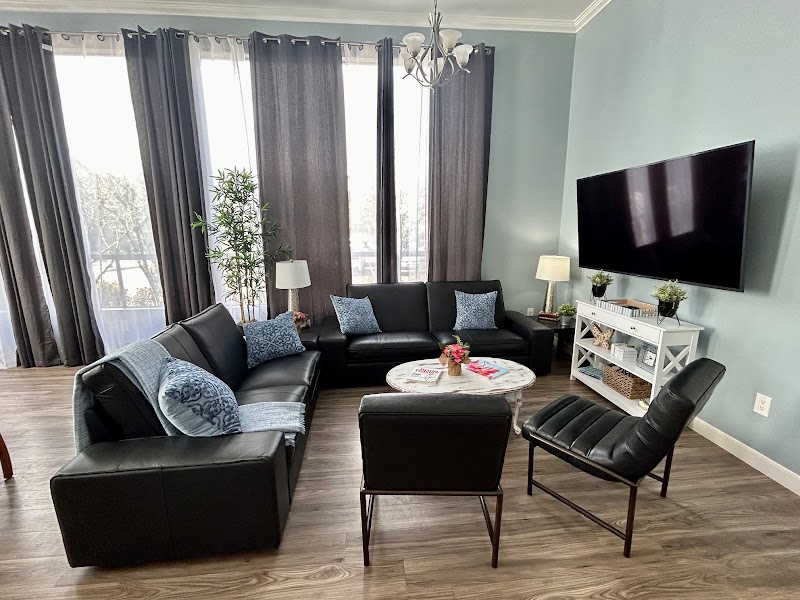
How is Vancouver Specialty And Rehab Care Staffed?

CMS rates VANCOUVER SPECIALTY AND REHAB CARE's staffing level at 2 out of 5 stars, which is below average compared to other nursing homes. Staff turnover is 99%, which is 53 percentage points above the Washington average of 47%. High turnover can affect care consistency as new staff learn residents' individual needs. RN turnover specifically is 93%, which is notably high. RNs provide skilled clinical oversight, so turnover in this role can affect medical care quality.

What Have Inspectors Found at Vancouver Specialty And Rehab Care?

State health inspectors documented 30 deficiencies at VANCOUVER SPECIALTY AND REHAB CARE during 2022 to 2025. These included: 2 that caused actual resident harm, 27 with potential for harm, and 1 minor or isolated issues. Deficiencies causing actual harm indicate documented cases where residents experienced negative health consequences.
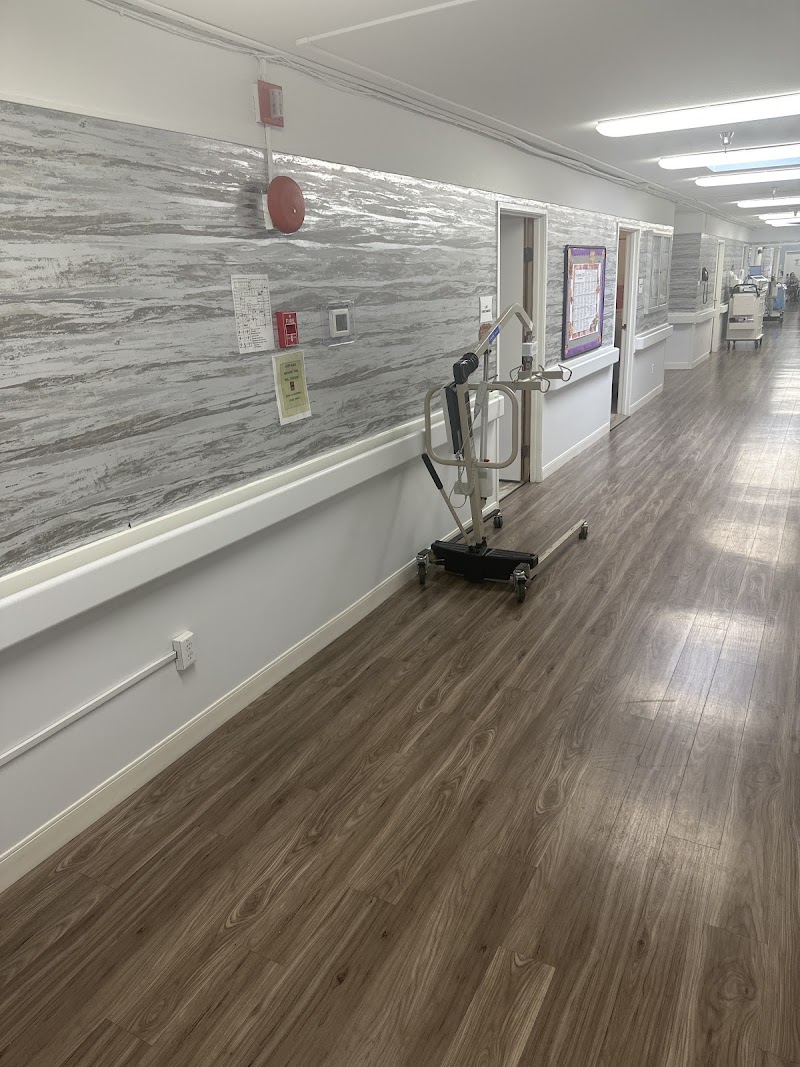
Who Owns and Operates Vancouver Specialty And Rehab Care?

VANCOUVER SPECIALTY AND REHAB CARE is owned by a for-profit company. For-profit facilities operate as businesses with obligations to shareholders or private owners. The facility operates independently rather than as part of a larger chain. With 104 certified beds and approximately 88 residents (about 85% occupancy), it is a mid-sized facility located in VANCOUVER, Washington.
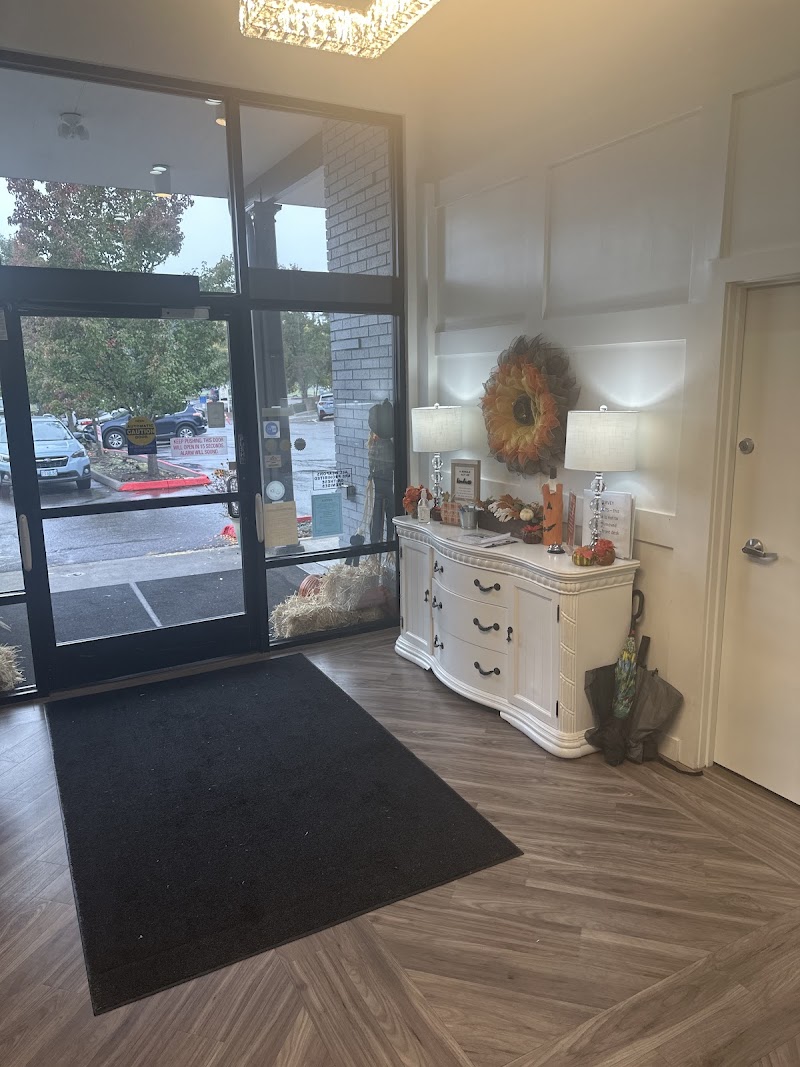
How Does Vancouver Specialty And Rehab Care Compare to Other Washington Nursing Homes?

Compared to the 100 nursing homes in Washington, VANCOUVER SPECIALTY AND REHAB CARE's overall rating (4 stars) is above the state average of 3.2, staff turnover (99%) is significantly higher than the state average of 47%, and health inspection rating (4 stars) is above the national benchmark.

What Should Families Ask When Visiting Vancouver Specialty And Rehab Care?

Based on this facility's data, families visiting should ask: "How do you ensure continuity of care given staff turnover, and what is your staff retention strategy?" "Can you walk me through typical staffing levels on day, evening, and night shifts?" "Can I visit during a mealtime to observe dining assistance and food quality?" "How do you handle medical emergencies, and what is your hospital transfer rate?" These questions are particularly relevant given the facility's high staff turnover rate and the below-average staffing rating.

Is Vancouver Specialty And Rehab Care Safe?

Based on CMS inspection data, VANCOUVER SPECIALTY AND REHAB CARE has a clean safety record: no substantiated abuse findings (meaning no confirmed cases of resident harm), no Immediate Jeopardy citations (the most serious violation level indicating risk of serious injury or death), and is not on the Special Focus Facility watch list (a federal program monitoring the lowest-performing 1% of nursing homes). The facility has a 4-star overall rating and ranks #1 of 100 nursing homes in Washington. While no facility is perfect, families should still ask about staff-to-resident ratios and recent inspection results during their visit.

Do Nurses at Vancouver Specialty And Rehab Care Stick Around?

Staff turnover at VANCOUVER SPECIALTY AND REHAB CARE is high. At 99%, the facility is 53 percentage points above the Washington average of 47%. Registered Nurse turnover is particularly concerning at 93%. RNs handle complex medical decisions and coordinate care — frequent RN changes can directly impact care quality. High turnover means new staff may not know residents' individual needs, medications, or preferences. It can also be disorienting for residents, especially those with dementia who rely on familiar faces. Families should ask: What is causing the turnover? What retention programs are in place? How do you ensure care continuity during staff transitions?

Was Vancouver Specialty And Rehab Care Ever Fined?

VANCOUVER SPECIALTY AND REHAB CARE has been fined $58,607 across 2 penalty actions. This is above the Washington average of $33,665. Fines in this range indicate compliance issues significant enough for CMS to impose meaningful financial consequences. Common causes include delayed correction of deficiencies, repeat violations, or care failures affecting resident safety. Families should ask facility leadership what changes have been made since these penalties.

Is Vancouver Specialty And Rehab Care on Any Federal Watch List?

VANCOUVER SPECIALTY AND REHAB CARE is not on any federal watch list. The most significant is the Special Focus Facility (SFF) program, which identifies the bottom 1% of nursing homes nationally based on persistent, serious quality problems. Not being on this list means the facility has avoided the pattern of deficiencies that triggers enhanced federal oversight. This is a positive indicator, though families should still review the facility's inspection history directly.