COLVILLE TRIBAL CONVALESCENT C
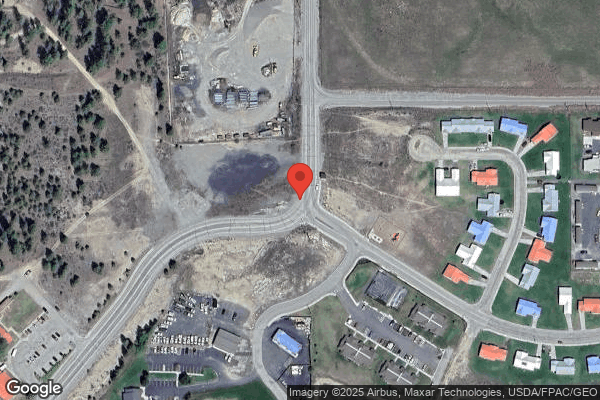
1 CONVALESCENT CENTER BLVD, NESPELEM, WA 99155 (509) 634-2878
Government - Federal 44 Beds Independent Data: November 2025
Trust Grade
83/100
#9 of 190 in WA
Last Inspection: April 2025

Within standard 12-15 month inspection cycle. Federal law requires annual inspections.

Overview

Colville Tribal Convalescent Center has a Trust Grade of B+, indicating it is above average and recommended for families considering care options. It ranks #9 out of 190 facilities in Washington, placing it in the top half, and is the best choice out of four facilities in Okanogan County. However, the facility is experiencing a worsening trend, with issues increasing from 5 in 2024 to 7 in 2025. Staffing is a strong point, rated 5 out of 5 stars with only a 32% turnover, significantly better than the state average, which means staff are likely experienced and familiar with residents. On the downside, the facility faced $8,173 in fines, which is average, and has reported incidents including serving meals at unsafe temperatures, failing to discard expired food, and not following proper infection control practices during meal services and medication administration. Overall, while there are notable strengths, there are also significant areas that need improvement.

Trust Score
B+
83/100
In Washington
#9/190
Top 4%
Safety Record
Low Risk
No red flags
Inspections
Getting Worse
5 → 7 violations
Staff Stability
○ Average
32% turnover. Near Washington's 48% average. Typical for the industry.
Penalties
○ Average
$8,173 in fines. Higher than 66% of Washington facilities. Some compliance issues.
Skilled Nurses
✓ Good
Each resident gets 52 minutes of Registered Nurse (RN) attention daily — more than average for Washington. RNs are trained to catch health problems early.
Violations
⚠ Watch
18 deficiencies on record. Higher than average. Multiple issues found across inspections.
★★★★★
5.0
Overall Rating
★★★★★
5.0
Staff Levels
★★★☆☆
3.0
Care Quality
★★★★★
5.0
Inspection Score
Stable
2024: 5 issues
2025: 7 issues

The Good

  • 5-Star Staffing Rating · Excellent nurse staffing levels
  • Full Sprinkler Coverage · Fire safety systems throughout facility
  • No fines on record
  • Staff turnover below average (32%)

    16 points below Washington average of 48%

Facility shows strength in staffing levels, fire safety.

The Bad

Staff Turnover: 32%

13pts below Washington avg (46%)

Typical for the industry

Federal Fines: $8,173

Below median ($33,413)

Minor penalties assessed

The Ugly 18 deficiencies on record

Apr 2025 7 deficiencies
CONCERN (D)

Potential for Harm - no one hurt, but risky conditions existed

Deficiency F0558 (Tag F0558)

Could have caused harm · This affected 1 resident

Based on observation, interview, and record review the facility failed to ensure the call light (a device used to request help as needed) was accessible for 1 of 3 sampled residents (Resident 18), rev...

Read full inspector narrative →
Based on observation, interview, and record review the facility failed to ensure the call light (a device used to request help as needed) was accessible for 1 of 3 sampled residents (Resident 18), reviewed for environment. This failure placed the resident at risk for unmet needs, potentailly avoidable accidents, and diminished quality of life. Findings included . The 03/12/2025 quarterly assessment documented Resident 18 had diagnoses including Parkinson's disease (a disorder of the central nervous system that affects movement), arthritis and depression. In an observation and interview on 03/31/2025 at 10:12 AM, Resident 18 was lying in bed. Resident 18 stated they spilled their water and were wet. When asked if they had put their call light on for help, Resident 18 stated no. The resident tried to find their call light and could not find it. The surveyor attempted to hand Resident 18 the call light but it was stuck behind the bed. In an observation on 04/02/2025 at 9:16 AM, Resident 18 was sitting in their wheelchair. Resident 18 stated they wanted to lay down and reached for their call light on their bed. Resident 18 was unable to reach the call light. The resident was asked what they would do if they needed help, and Resident 18 stated they would try to yell out but they had a very low voice. In an observation on 04/03/2025 at 11:21 AM, Resident 18 was sitting in their wheelchair in their room. The wheelchair was not close to the bed where the call light was placed. Resident 18 attempted to reach the call light and stretched their arm out as far as they could but was unable to reach the call light. During an interview on 04/03/2025 at 9:49 AM, Staff D, Nursing Assistant, stated it was important to have the call light within reach to prevent falls, accidents, and for the resident to call for help. In an interview on 04/03/2025 at 9:51 AM, Staff E, Licensed Practical Nurse, stated it was important to have the call light within reach so the resident could communicate the need for help. Staff E stated some resident's had low voices and were unable to be heard. In an interview on 04/03/2025 at 10:34 AM, Staff B, Director of Nursing, stated it was important to keep the call light within reach so the resident could easily find it and call for help. Reference: WAC 388-97-0860(2)
CONCERN (D)

Potential for Harm - no one hurt, but risky conditions existed

Deficiency F0760 (Tag F0760)

Could have caused harm · This affected 1 resident

Based on observation, interview and record review the facility failed to ensure medications were given as ordered for 1 of 6 sampled residents (Resident 13), reviewed for medication administration. Th...

Read full inspector narrative →
Based on observation, interview and record review the facility failed to ensure medications were given as ordered for 1 of 6 sampled residents (Resident 13), reviewed for medication administration. This failure placed residents at risk for adverse health consequences and diminished quality of life when doses of medications were omitted. Findings included . <Resident 13> The 01/29/2025 quarterly assessment documented Resident 13 had diagnoses including diabetes, high blood pressure and end stage kidney disease, and had severe cognitive impairments. A review of active orders documented Resident 13 was to receive the following medications: -10/03/2024 Velphoro 500 milligrams (mg) with meals to help maintain calcium levels in the blood. -10/03/2024 Lispro insulin 5 units with meals, hold if blood sugar was less than 100 for diabetes. -01/29/2025 Semglee insulin 100 units daily when Lantus was used up for diabetes. -04/02/2024 Norvasc 5 mg daily for high blood pressure. A review of the March 2025 medication administration record (MAR) revealed omitted entries (blank spaces) for Resident 13's Velphoro on 03/18/2025, Lispro insulin on the evening of 03/16/2024 and morning of 03/18/2025, Semglee insulin on evening of 03/16/2025, and Norvasc on 03/16/2025. Further review of March 2025 nursing progress notes and the MAR revealed no documented progress notes or administration codes explaining the omitted medication entries in the MAR. In an interview on 04/02/2025 at 2:18 PM, Staff I, Registered Nurse, and Staff O, Social Service Director, reviewed Resident 18's MAR and acknowledged the above medications were not given as ordered. Staff I stated according to the MAR the medications should have been administered and if they were not given the reason should have been documented. In an interview on 04/02/2025 at 2:37 PM, Staff B, Director of Nursing, acknowledged Resident 13's medications were not given as ordered. Staff B stated it was important to administer medications as ordered for management of Resident 13's diabetes, blood pressure and absorption of nutrients. Reference: WAC 388-07-1069(3)(k)(iii)
CONCERN (D)

Potential for Harm - no one hurt, but risky conditions existed

Deficiency F0761 (Tag F0761)

Could have caused harm · This affected 1 resident

Based on observation and interview, the facility failed to ensure expired medications were removed from inventory in 1 of 2 medication carts in use, and failed to ensure the temperature of the medicat...

Read full inspector narrative →
Based on observation and interview, the facility failed to ensure expired medications were removed from inventory in 1 of 2 medication carts in use, and failed to ensure the temperature of the medication room was monitored in the facility medication room. These failures placed residents at risk of receiving medications that were expired or not properly stored. Findings included . <Expired Medications> During an observation of the medication cart on the 300 Unit on 04/03/2025 at 7:43 AM with Staff E, Licensed Practical Nurse, the following medications were found to be expired: -1 blisterpack sleeve of rosuvastatin calcium, expiration date 03/31/2025 for Resident 25, and -2 boxes of Debrox 6.5% ear wax removal solution, expiration 03/20/2025 for Residents 4 and 12. Staff E replaced the rosuvastatin with a new sleeve available in the overflow drawer and the Debrox drops were discarded. Staff E stated nurses were to check medication expiration dates prior to giving the medications. They stated the Debrox drops and rosuvastatin were given on the night shift at bedtime so Staff E had not administered them. Staff E stated residents rarely needed Debrox drops so that was likely why they were still in the medication cart, and the rosuvastatin just got missed. <Medication Room> During an observation and interview on 04/03/2025 at 7:29 AM, the medication room was observed with Staff F, Registered Nurse. There was no thermometer observed in the medication room where various medications were stored at room temperature. Staff F acknowledged the medication room did not have a thermometer to monitor the temperature of the room. In an interview on 04/03/2025 at 7:57 AM, Staff B, Director of Nursing, stated it was important to monitor the temperature of the medication room because it could impact the medications that were stored in there and could impact the temperature of the refrigerator which also contained medication. Reference WAC 388-97-1300 (2), -2340
CONCERN (D)

Potential for Harm - no one hurt, but risky conditions existed

Safe Environment (Tag F0921)

Could have caused harm · This affected 1 resident

Based on observation, interview and record review, the facility failed to ensure resident personal refrigerators were maintained in a clean manner, without expired foods and at the appropriate tempera...

Read full inspector narrative →
Based on observation, interview and record review, the facility failed to ensure resident personal refrigerators were maintained in a clean manner, without expired foods and at the appropriate temperatures for 1 of 3 sampled residents (Resident 18), reviewed for a homelike environment. In addition, the facility failed to maintain a freezer in the dining room in a clean manner. This failure placed the residents at risk of eating spoiled foods and having an unclean environment. Findings included . During an observation and interview on 03/31/2025 at 10:42 AM, Resident 18 was lying in bed. They had a personal refrigerator that had a container in the freezer. The container had a frozen hamburger with ice crystals inside. The resident stated it had been in there a month or more. The freezer was filled with ice crystals. Subsequent observations of the freezer with ice crystals and the frozen hamburger were made on 04/01/2025 at 11:33 AM, 04/02/2025 at 8:58 AM and 04/03/2025 at 9:13 AM. In an interview on 04/03/2025 at 8:48 AM, Staff E, Licensed Practical Nurse, stated the nurses and housekeepers were responsible for discarding expired food and the temperatures of the freezers were not monitored. Staff E added the housekeepers defrosted the freezers when needed. Staff E stated it was important to discard expired food because it could cause foodborne illnesses, and it was important to monitor the temperature of the freezer because the food could go bad. In an interview on 04/03/2025 at 9:05 AM, Staff B, Director of Nursing, stated it was important to monitor the temperature of the freezer and to defrost them for routine maintenance and to prevent frostbite on food. Staff B added it was important to discard expired food to prevent foodborne illnesses. Staff B acknowledged the freezer temperatures were not being monitored. In an interview and observation on 04/03/2025 at 1:04 PM, the freezer in the dining room had nutritional drinks that were frozen with ice crystals covering the walls of the freezer. Staff B stated the freezer in the dining room needed to be defrosted. Reference: WAC 388-97-3220 (1)
CONCERN (E)

Potential for Harm - no one hurt, but risky conditions existed

Deficiency F0804 (Tag F0804)

Could have caused harm · This affected multiple residents

**NOTE- TERMS IN BRACKETS HAVE BEEN EDITED TO PROTECT CONFIDENTIALITY** Based on observation and interview, the facility failed to ensure meals were served at palatable temperatures during 1 meal serv...

Read full inspector narrative →
**NOTE- TERMS IN BRACKETS HAVE BEEN EDITED TO PROTECT CONFIDENTIALITY** Based on observation and interview, the facility failed to ensure meals were served at palatable temperatures during 1 meal service observed. This failure put residents at risk of decreased enjoyment of their meals, and possible reduced dietary intake. Findings included . According to [NAME] Administrative Code [PHONE NUMBER]0, time/temperature control for safety of food, hot and cold holding (FDA Food Code 3-501.16), food must be maintained: At 135°F (57°C) or above, or at 41°F (5°C) or less. In an observation on 04/03/2025 at 11:46 AM of the lunch meal service, the temperatures (in degrees Fahrenheit) were as follows: Pureed (when food is turned into a paste) carrots = 129.5 °F Pureed goulash = 129.3 °F Mixed berries = 48.3 °F Milk = 50.1°F These temperatures did not meet the requirements that hot food must be 140 °F or greater and cold foods must be less than 41 °F or less, when served. On 04/03/2025 at 12:04 PM, the food was placed on a cart and was ready to be served to the residents. Staff G, Dietary Manager, was asked what the temperatures needed to be for the hot and cold food items. Staff G stated the hot foods needed to be served at 135 °F and the cold food at 40 °F. Staff G reheated the hot food and said the cold items were fine to be served. In an interview on 04/03/2025 at 1:31 PM, Staff B, Director of Nursing, stated it was important to serve food at the appropriate temperatures to prevent foodborne illnesses. Reference: WAC 388-97-1100 (1)(2)
CONCERN (E)

Potential for Harm - no one hurt, but risky conditions existed

Food Safety (Tag F0812)

Could have caused harm · This affected multiple residents

Based on observation, interview, and record review, the facility failed to store food in accordance with professional standards for food service safety. Specifically, expired foods were not discarded ...

Read full inspector narrative →
Based on observation, interview, and record review, the facility failed to store food in accordance with professional standards for food service safety. Specifically, expired foods were not discarded for 1 of 2 refrigerators, 1 of 1 dry storage areas, and food items in the refrigerator and freezer were not dated when opened. These failures placed residents at risk for foodborne illnesses. Findings included . During an initial tour of the kitchen on 03/31/2025 at 8:41 AM, the dry storage area revealed a can of bean sprouts that expired on 06/09/2024, eight packages of nonfat dry milk that expired on 05/01/2022, six boxes of corn starch that expired on 02/17/2024 and a box of couscous that expired on 09/05/2020. The refrigerator in the main kitchen contained a bag of salmon with a use by date of 03/27/2025, a bag of brown wilted lettuce that had no date, four containers of grape juice that expired 02/22/2025, four half sandwiches and an opened bag of whipped topping that had no dates. The freezer contained opened bags of French fries, corn dogs, broccoli, and dinner rolls that had no open or expiration dates. In an interview on 03/31/2025 at 9:29 AM, Staff H, Cook, stated dietary staff were supposed to put dates on items when they were opened, and this was important to know how long the product could be used for and to prevent foodborne illnesses. In an interview on 04/03/2025 at 12:42 PM, Staff G, Dietary Manager, stated all food items needed to be dated when opened and it was important to discard food to prevent food poisoning. Reference: WAC 388-97-1100 (3), 2980
CONCERN (E)

Potential for Harm - no one hurt, but risky conditions existed

Infection Control (Tag F0880)

Could have caused harm · This affected multiple residents

**NOTE- TERMS IN BRACKETS HAVE BEEN EDITED TO PROTECT CONFIDENTIALITY** Based on observation, interview, and record review the facility failed to ensure infection control practices were followed durin...

Read full inspector narrative →
**NOTE- TERMS IN BRACKETS HAVE BEEN EDITED TO PROTECT CONFIDENTIALITY** Based on observation, interview, and record review the facility failed to ensure infection control practices were followed during 1 of 1 meal services and 1 of 2 medication administration observations to include removal of gloves and performing hand hygiene (HH) when indicated and failed to sanitize a mechanical lift between resident transfers. Additionally, staff did not follow Enhanced Barrier Precautions when indicated for 2 of 3 sampled residents (Residents 13 and 21), reviewed for isolation precautions. These failures placed the residents at risk for the spread of infections, illnesses and unintended health consequences. Findings included . Review of the facility's undated policy titled, Hand Hygiene Guideline in Health Care Setting showed hand hygiene could be performed by washing hands with soap and water or using alcohol-based hand rub (ABHR) to reduce the number of microorganisms on the hands in order to prevent transmission of healthcare associated pathogens from one patient to another. The policy instructed staff to perform hand hygiene before direct contact with a patient's intact skin, before application of gloves, after contact with inanimate objects in the immediate vicinity of a patient and when moving from a contaminated body site to a clean body site during resident care. Review of the facility's undated policy titled, Handwashing Policy showed handwashing was the most effective method to prevent the spread of infection. The policy instructed staff to perform hand hygiene when arriving for duty, before applying gloves and after glove removal, before preparing and administering medication, after sneezing, coughing, blowing or wiping the nose or mouth. The Centers for Disease Control (CDC) Implementation of Personal Protective Equipment (PPE- gloves, disposable gowns, eye protection or masks) Use in Nursing Homes to prevent Spread of Multidrug-Resistant Organisms updated July 12, 2002, retrieved from https://www.cdc.gov/long-term-care-facilities/hcp/prevent-mdro/ppe.html recommended use of Enhanced Barrier Precautions (EBP) as an infection control intervention that employed targeted gown and glove use during high contact resident care activities when Contact Precautions do not apply for residents with wounds or indwelling medical devices such as feeding tubes (inserted tube that provides liquid nutrition) or catheters (flexible tube inserted into bladder to drain urine). EBP directs staff to put on gowns and gloves when dressing, bathing/showering, transferring, changing linens, providing hygiene, wound care and assisting with toileting. ENHANCED BARRIER PRECAUTIONS <Resident 21> The 03/12/2025 quarterly assessment documented Resident 21 had diagnoses including traumatic brain injury, dementia and malnutrition. Resident 21 had severe cognitive impairments and required a feeding tube. The 03/14/2025 care plan documented Resident 21 required enhanced barrier precautions related to their feeding tube and instructed nursing to use Enhanced Barrier Precautions. In an observation on 04/01/2025 at 8:53 AM, Staff I, Registered Nurse (RN), flushed Resident 21's feeding tube and no gown was worn. In an interview on 04/03/2025 at 10:51 AM, Staff L, Infection Preventionist (IP), stated gloves and a gown needed to be worn when a resident's feeding tube was flushed. Staff L further stated EBP were important for cleanliness and to prevent the spread of germs. <Resident 13> The 01/29/2025 quarterly assessment documented Resident 13 had diagnoses including end stage kidney disease and was dependent on dialysis (a treatment that filters waste and excess fluid from the blood). The 01/30/2025 care plan documented Resident 13 required Enhanced Barrier Precautions related to dialysis and their fistula (a connection made between an artery and [NAME]). In an observation on 04/01/2025 at 11:49 AM, Staff D, Nursing Assistant (NA), transferred Resident 13 into their wheelchair and no gown was worn. In an interview on 04/01/2025 at 11:50 AM, Staff D stated they transferred Resident 13 into their wheelchair and did not need a gown because they were not providing cares. Staff D read the EBP signage posted and acknowledged they should have worn a gown to protect the resident and themselves from germs. SANITATION In an observation on 04/02/2025 at 9:04 AM, Staff M, NA, brought the hoyer lift (a lift used to transfer residents unable to do so) out of Resident 21's room and parked it in the hallway. The lift was not sanitized and had been used to transfer Resident 21. In an observation on 04/02/2025 at 9:13 AM, Staff M grabbed the same hoyer lift and took it into Resident 9's room to assist them to transfer into a shower chair. In an interview on 04/03/2025 at 10:51 AM, Staff L, IP, stated mechanical lifts needed to be sanitized after each use to prevent the spread of germs. HALL TRAYS In an observation on 03/31/2025 at 11:57 AM, Staff N, NA, delivered a meal tray, picked up a piece of paper from the floor and put it in the meal cart on an empty tray and no hand hygiene was performed. The meal cart contained meals needing delivered to other residents. In an observation on 03/31/2025 at 12:17 PM, Staff M, NA, brought a meal tray from a resident's room and placed it in the cart. Staff M delivered another meal tray and hand hygiene was not performed. At 12:19 PM Staff M picked up a piece of garbage from the floor, no hand hygiene was performed, grabbed some mustard packets and took it to a resident's room. At 12:20 PM, Staff M brought a cup from the resident's room and placed it on top of the cart, no hand hygiene was performed, then they delivered Jello to another resident. At 12:25 PM, Staff M grabbed a meal tray and removed the resident's stop sign and entered the room and no hand hygiene was performed prior to the next tray being passed. In an interview on 03/31/2025 at 12:29 PM, Staff M stated hand hygiene was completed prior to serving meal trays and they tried to do it between rooms. When Staff M was asked if hand hygiene should be performed after picking things up from the floor they stated yes, and this was important to prevent the spread of bacteria. In an interview on 04/03/2025 at 10:51 AM, Staff L, IP, stated hand hygiene was completed after touching things, in between resident rooms and this was important to prevent the spread of germs. Staff L stated the nursing assistants should not have placed dirty meal trays in the cart until all trays were passed. SMALL ASSISTED DINING ROOM During observation on 03/31/2025 at 11:54 AM, Staff D, NA, did not perform hand hygiene, delivered a lunch tray to a resident in the small assisted dining room and placed a clothing protector on them. Staff D did not perform hand hygiene and put on a pair of gloves. Staff D grabbed another meal tray off the meal cart, delivered it to another resident in the dining room, placed a clothing protector on the resident, and adjusted their wheelchair closer to the table. Staff D removed their gloves, did not perform hand hygiene, and put on a new pair of gloves. During observation on 03/31/2025 at 11:56 AM, Staff J, Activities Assistant, did not perform hand hygiene, delivered a lunch tray to two different residents in the small assisted dining room, and put a pair of gloves on without performing hand hygiene. At 11:58 AM, Staff J removed their gloves and exited the dining room without performing hand hygiene. At 11:59 AM, Staff J returned to the dining room, did not perform hand hygiene and put on a new pair of gloves. In an interview on 04/02/2025 at 9:51 AM, Staff K, NA, stated hand hygiene should be performed before and after resident care was provided to prevent the spread of germs. Staff K further stated staff should perform hand hygiene when indicated. In an interview on 04/02/2025 at 9:55 AM, Staff E, Licensed Practical Nurse, explained hand hygiene was washing hands with soap and water or using ABHR until dry. Staff E stated hand hygiene should be performed any time before and after resident care. Staff E further stated staff should perform hand hygiene when indicated to prevent the spread of infections. In an interview on 04/02/2025 at 11:11 AM, Staff L, IP, stated hand hygiene was a tool used to limit the transfer of organisms from one thing to another. Staff L explained hand hygiene should be performed by washing hands with soap and water or using ABHR before entering a resident's room, before application of gloves, after glove removal, after touching any items in a resident room, before leaving a resident's room, and when passing meal trays. Staff L stated they expected staff to perform hand hygiene when indicated. In an interview on 04/02/2025 at 11:21 AM, Staff B, Director of Nursing (DNS), explained hand hygiene was the use of ABHR or washing hands with soap and water when visibly soiled. Staff B stated they expected staff to perform hand hygiene when indicated to prevent the spread of germs. MEDICATION ADMINISTRATION During observation on 04/03/2025 at 7:31 AM, Staff C, RN, did not perform hand hygiene and began to dispense medications for Resident 8. Staff C walked into Resident 8's room, touched the blue non-skid sock on Resident 8's left foot to get their attention, and administered Resident 8 their medications. Staff C exited Resident 8's room without performing hand hygiene. During observation on 04/03/2025 at 7:47 AM, Staff C, did not perform hand hygiene, grabbed a pair of gloves, dropped one glove on the floor, picked up the glove, put the pair of gloves on (including the glove that was picked up off the floor) and walked down the hall to room [ROOM NUMBER]. Staff C administered eye drops to Resident 15. During observation on 04/03/2025 at 7:51 AM, Staff C began to dispense medications for Resident 28. Staff C stopped briefly and blew their nose with a Kleenex and stated their nose ran. Staff C did not perform hand hygiene and continued to dispense medications for Resident 28. Staff C moved the medication cart down the hall and parked it outside the big dining room. Staff C administered medications to Resident 28. During observation on 04/03/2025 at 8:06 AM, Staff C did not perform hand hygiene and began to dispense medications for Resident 1. Staff C dropped a blood pressure pill, moved the medication cart looking for the pill, Staff C ran their fingers across the dusty bottom edge of the medication cart searching for the small pill but was unable to locate the pill and dispensed a new pill without performing hand hygiene. Staff C administered medications to Resident 1. In a follow-up interview on 04/03/2025 at 9:21 AM, Staff B, DNS, stated they expected staff to perform hand hygiene after they blew their nose. In an interview on 04/03/2025 at 1:51 PM, Staff A, Administrator, stated they expected staff to perform hand hygiene when indicated and follow EBP when implemented. Reference WAC 388-97-1320 (1)(c )
Sept 2024 1 deficiency
CONCERN (D) 📢 Someone Reported This

A family member, employee, or ombudsman was alarmed enough to file a formal complaint

Potential for Harm - no one hurt, but risky conditions existed

Staffing Data (Tag F0851)

Could have caused harm · This affected 1 resident

**NOTE- TERMS IN BRACKETS HAVE BEEN EDITED TO PROTECT CONFIDENTIALITY** Based on observation, interview, and record review failed to ensure submission of the Payroll Based Journal (PBJ) per the Center...

Read full inspector narrative →
**NOTE- TERMS IN BRACKETS HAVE BEEN EDITED TO PROTECT CONFIDENTIALITY** Based on observation, interview, and record review failed to ensure submission of the Payroll Based Journal (PBJ) per the Centers of Medicare and Medicaid (CMS) requirement for 1 of 1 Fiscal Year (FY) Quarter (Q4 2023 [July 1 through September 30, 2023]), reviewed for PBJ submission. This failure constituted Past Non-Compliance (the facility was not in compliance at the time the situation occurred; however, there was sufficient evidence that the facility corrected the non-compliance after it was identified). The facility implemented and completed a plan of correction which was verified by surveyors. The plan of correction included installation of a computer program that provided secure authenticated access for remote and mobile users, request and granted access to the CMS reporting system, staff education regarding CMS PBJ data submissions, and review of PBJ submission quarterly reports to ensure solutions were sustained. Findings included . Review of the CMS Electronic Staffing Data Submission Payroll-Based Journal Long-Term Care Facility Policy Manual, Version 2.6, June 2022, showed on page 6, 1.4 Methods of Submission, as entering data manually electronically in the CMS system, or by uploading the data directly from an automated payroll or time attendance system. Review of the CMS PBJ Staffing Data Report for FY Q4 2023 showed no data was submitted for the referenced quarter. Review of a document provided to the State Survey Agency on 08/14/2024 showed the facility name, state vendor number, and the quarter and year reporting (Q4 2023). In small print below the described facility-specific information, showed, Quarters are defined as: 1st Quarter (Jan[uary] - Mar[ch]), 2nd Quarter (Apr[il] - Jun[e]), 3rd Quarter (Jul[y] - Sep[tember]), 4th Quarter (Oct[[NAME]] - Dec[ember]), which was the defining of state quarters instead of federal or FY quarters required for use with PBJ data collection and submission. The document showed a grid which included job category (staff providing direct care hours), month, total reported hours per each month, total hours in quarter, total patient census for each month, total census in quarter, and hours of direct care per resident day (HPRD) calculations per month with a quarter total. There was no documented auditable and verifiable data included with the summarized hours. In an interview on 08/14/2024 at 11:05 AM, Staff A, Administrator, stated the facility had been unable to successfully submit PBJ data via the CMS software due to the facility network/systems blocking the usage of the software due to increased firewall (part of a computer system that is designed to block unauthorized access while permitting outward communication) protection. Staff A acknowledged the facility was submitting hours to the Department Office of Rates and not directly to CMS, as required. Staff A further stated a computer program was installed May 2024 to address the increased firewall protection issue. On 08/21/2024 a spreadsheet with columns for staff names, employee PBJ system identification number, position worked, role worked, date worked, and hours not previously submitted to CMS, was received via e-mail for July 2023. The spread sheet included 431 rows of facility data entries, and the e-mail included 69 pages of July 2023 payroll data and staffing invoices. A similar spreadsheet was received for August 2023 that included 423 rows of facility data entries, and 64 pages of August 2023 payroll data and staffing invoices. On 08/22/2024 another similar spreadsheet was received via e-mail for September 2023 that included 415 rows of facility data entries, and 62 pages of September 2023 payroll data and staffing invoices. During observation and interview on 09/16/2024 at 9:40 AM, Staff C, Business Office Manager (BOM), acknowledged the facility had been submitting data to the Department Office of Rates and not directly to CMS, as required. Staff C further stated the facility had been unable to successfully submit PBJ data via the CMS software due to the facility firewall protection, but the issue was fixed at the end of May 2024. Staff C verified access to the CMS reporting system was requested and accepted on 05/14/2024, demonstrated the secure authenticated access computer program was installed onto the BOM's computer with access to CMS, reviewed education received regarding CMS PBJ data submissions, and provided a CMS report showing the facility had begun submitting data. In an interview on 09/16/2024 at 10:03 AM, Staff B, Director of Nursing, acknowledged the facility had not been submitting PBJ data directly to CMS, as required, because of the firewall protection. Staff B stated a secure authenticated access computer program was added to the BOM's computer to allow access to CMS databases (collection of structured information, or data, that is organized and stored electronically in a computer system) in May 2024 and the facility had begun submitting data to CMS, as required. This was Past Non-Compliance and is no longer outstanding. Reference WAC: 388-97-1090(1)(2)(3)
Apr 2024 4 deficiencies
CONCERN (D)

Potential for Harm - no one hurt, but risky conditions existed

Deficiency F0661 (Tag F0661)

Could have caused harm · This affected 1 resident

Based on interview and record review, the facility failed to complete a discharge summary that included a physician recapitulation/summary of the resident's stay, as required, for 2 of 3 sampled resid...

Read full inspector narrative →
Based on interview and record review, the facility failed to complete a discharge summary that included a physician recapitulation/summary of the resident's stay, as required, for 2 of 3 sampled residents (31, 82) reviewed for discharge. This failure placed the resident at risk for having an incomplete medical record. Findings included . <Resident 31> According to an admission assessment, dated 03/11/2024, Resident 31 was cognitively intact and had diagnoses which included anxiety and a psychotic disorder (mental disorder that caused abnormal thinking and perceptions) with hallucinations (hearing and seeing things that were not there). Per the medical record, Resident 31 was discharged from the facility on 03/20/2024. A Transition of Care/Discharge summary form, signed by the resident on the date of discharge, included instructions for them to follow up with the behavioral health clinic. The area for the Recapitulation of Stay (summary of the care and treatment the resident received at the facility) was blank. A physician summary of care was not found elsewhere in the medical record. <Resident 82> According to an admission assessment, dated 07/31/2023, Resident 82 had moderately impaired cognition and diagnoses of diabetes, heart failure and Schizophrenia (a mental disorder characterized by a misperception of reality). Per the medical record, Resident 82 was discharged from the facility on 10/16/2023. A Transition of Care/Discharge summary form included information on follow up appointments with their primary provider and two specialists, and an in-home care agency. The area for the Recapitulation of Stay was blank. A physician summary of care was not found elsewhere in the medical record. During an interview on 04/29/2024 at 3:18 PM, Staff F, Social Services, stated that they did not think the provider did summaries of resident care at discharge. During an interview on 04/30/2024 at 9:35 AM, Staff G, Registered Nurse, acting Director of Nursing, acknowledged that a physician recapitulation of stay had not been completed for Residents 31 and 82. Reference: WAC 388-97-0080(7)(a)
CONCERN (D)

Potential for Harm - no one hurt, but risky conditions existed

Deficiency F0801 (Tag F0801)

Could have caused harm · This affected 1 resident

Based on interview and record review, the facility failed to ensure the Food Service Manager had the required credentials. This failure placed all residents at risk for receiving dietary services from...

Read full inspector narrative →
Based on interview and record review, the facility failed to ensure the Food Service Manager had the required credentials. This failure placed all residents at risk for receiving dietary services from staff without the required competencies. Findings included . During an interview on 04/30/2024 at 10:17 AM, Staff C, Food Services Manager, stated that they did not have a kitchen manager certification. During an interview on 04/30/2024 at 12:41 PM, Staff A, Administrator, stated that the facility had a Registered Dietician employed that worked closely with Staff C, and came into the facility at least every three months. They further stated that Staff C had not done the education to become certified as a food manager. During an interview on 04/30/2024 at 1:39 PM, Staff A acknowledged that Staff C did not have the required certification to meet the regulation. Reference (WAC) 388-97-1160 (1)
CONCERN (D)

Potential for Harm - no one hurt, but risky conditions existed

Food Safety (Tag F0812)

Could have caused harm · This affected 1 resident

Based on observation, interview, and record review, the facility failed to prepare food in accordance with professional standards for food service safety. Specifically, glove changes and hand hygiene ...

Read full inspector narrative →
Based on observation, interview, and record review, the facility failed to prepare food in accordance with professional standards for food service safety. Specifically, glove changes and hand hygiene was not done appropriately, contaminated gloves were set on a clean food prep counter during meal preparation and the sanitizing bucket solution was not monitored, as required. Additionally, meat sandwiches in the dining room refrigerator were not labeled with a made or discard by date. These failures placed residents at risk for consuming contaminated foods and food-borne illness. Findings included . <Hand Hygiene/glove changes during meal preparation on 04/24/2024> At 8:10 AM and 8:14 AM, Staff E, Cook, was observed touching/adjusting their shirt with their gloved hands. Staff E then continued to plate the food without changing their gloves. At 8:18 AM, Staff E opened the refrigerator, removed an item, then continued to plate the food without changing their gloves. At 8:19 AM, Staff E pushed up their eyeglasses with their gloved hand and did not change their gloves before they returned to plating the food. At 8:23 AM, Staff E opened the refrigerator to remove an item, then picked the raisin toast out of the toaster and buttered it, without changing their gloves or doing hand hygiene. <Discarded gloves on clean work surfaces> During the observation of the breakfast meal preparation on 04/24/2024 from 7:55 AM to 8:30 AM, Staff E set all their discarded/contaminated gloves in a pile on the clean counter, touching the tray with the buttered toast. During an interview following the observations, Staff E acknowledged that they should have performed hand hygiene and glove changes after touching clothing and the refrigerator door. When asked about discarded gloves on the clean counter, Staff E stated there was not enough room for a garbage can in the food prep area. Staff E stated that the clean counter was not a good place to put the dirty gloves. <Sanitizing bucket> During an interview and observation on 04/24/2024 at 8:25 AM, Staff E used a paper strip to check the concentration of bleach in the bucket of sanitizing solution. The reading was the highest level at over 200 parts per million (ppm). They stated they did not know what the level was supposed to be, and they did not log the results. During an interview on 04/30/2024 at 9:40 AM, Staff C, Food Service Manager, stated that the sanitizing bucket contained some bleach, cold water and a rag. They further stated that they try to test the sanitizer routinely, but were not sure if the results were recorded or what they should be. <Dining Room Refrigerator> On 04/25/2024 at 11:00 AM, observed four meat sandwiches, individually wrapped in plastic in the refrigerator. None were dated or labeled. On 04/30/2024 at 9:40 AM, Staff C acknowledged that if food was not labeled with a date, there was no way to determine if it was too old and should be discarded. Additionally, Staff C stated they expected staff to change gloves after touching contaminated surfaces, and to discard used gloves in the trash. References: WAC 388-97-1100(3)
CONCERN (D)

Potential for Harm - no one hurt, but risky conditions existed

Staffing Data (Tag F0851)

Could have caused harm · This affected 1 resident

**NOTE- TERMS IN BRACKETS HAVE BEEN EDITED TO PROTECT CONFIDENTIALITY** Based on interview and record review, the facilty failed to ensure submission of the Payroll Based Journal (PBJ) per the Centers...

Read full inspector narrative →
**NOTE- TERMS IN BRACKETS HAVE BEEN EDITED TO PROTECT CONFIDENTIALITY** Based on interview and record review, the facilty failed to ensure submission of the Payroll Based Journal (PBJ) per the Centers of Medicare and Medicaid (CMS) requirement for 1 of 1 Fiscal Year (FY) Quarter (Q1 2024 [October 1 through December 31 2023]), reviewed for PBJ submission. This failed practice resulted in CMS to have inaccurate data related to nursing home staffing levels which had the potential to impact the care and services provided to all the residents in the facility. Findings included . Review of the CMS Electronic Staffing Data Submission Payroll-Based Journal Long-Term Care Facility Policy Manual, Version 2.6, June 2022, showed on page 6, 1.4 Methods of Submission, as entering data manually electronically in the CMS system, or by uploading the data directly from an automated payroll or time attendance system. Review of the CMS PBJ Staffing Data Report for FY Q1 2024 showed no data was submitted for the referenced quarter. Review of documents provided to the state agency survey team on 04/22/2024 inlcuded a document that showed the facility name, state vendor number, and the quarter and year reporting (Q1 2024). In small print below the described facility-specific information, showed, Quarters are defined as: 1st Quarter (Jan[uary] - Mar[ch]), 2nd Quarter (Apr[il] - Jun[e]), 3rd Quarter (Jul[y] - Sep[tember]), 4th Quarter (Oct[[NAME]] - Dec[ember]), which was the defining of state quarters instead of federal or FY quarters required for use with PBJ data collection and submission. The document showed a grid which included job category (staff providing direct care hours), month, total reported hours per each month, total hours in quarter, total patient census for each month, total census in quarter, and hours of direct care per resident day (HPRD) calcuations per month with a quarter total. There was no documented auditable and verifiable data included with the summarized hours. During an interview via a virtual audio and video platform on 05/06/2024 at 1:05 PM, Staff A, Administrator, and Staff H, Business Office Manager, were shown documents as evidence of PBJ submission, provided by the facility to the survey team during the recertification survey. Staff A and Staff H explained the documents presented were the PBJ, which included a document with a summation of Q1 2024 hours. Staff H explained the routine method of submission was by email to the department Office of Rates, in which they understood it to be a successful submission of the PBJ. Staff A and Staff H explained they attempted to submit the PBJ via the CMS software one time (could not recall date) and was unsuccessful due to the facility network/systems blocking the usage of the software, mostly likely due to increased firewall (part of a computer system that is designed to block unauthorized access while permitting outward communication) protection. After the unsuccessful submission, Staff H stated they went back to submitting the hours to the department Office of Rates, thus not meeting the requirement for electronic PBJ submission directly to CMS. On 05/06/2024 at 1:33PM, the Residential Care and Services (RCS) Field Manager submitted an email to the CMS Nursing Home (NH) Staff email at NHStaffing@cms.hhs.gov to inquire on the facility's behalf, of the verification of the last successful PBJ submission per their data base. An email response was received from CMS NH Staffing on 05/13/2024 at 4:35AM that showed the facility had not submitted PBJ data in 2023 or 2024, thus far. WAC Reference: 388-97-1090(1)(2)(3)
Mar 2023 6 deficiencies
CONCERN (D)

Potential for Harm - no one hurt, but risky conditions existed

Deficiency F0552 (Tag F0552)

Could have caused harm · This affected 1 resident

Resident 3 According to the 01/04/2023 annual assessment Resident 3 was cognitively intact, routinely took antipsychotics (medication used to treat psychiatric disorders) and antidepressants (medicati...

Read full inspector narrative →
Resident 3 According to the 01/04/2023 annual assessment Resident 3 was cognitively intact, routinely took antipsychotics (medication used to treat psychiatric disorders) and antidepressants (medication used to treat depression). Review of Resident 3's physician orders showed orders for Fluoxetine (an antidepressant medication), Olanzapine (an antipsychotic medication) for Wernicke's encephalopathy (a degenerative brain disorder), Depakote Extended Release (medication used to treat mood disorders), Trazodone (an antidepressant medication that is sometimes used for insomnia), and Temazepam (a medication used to treat insomnia). Further review of Resident 3's records showed the Psychoactive Medication Consents for Olanzapine, Fluoxetine, Depakote, Temazepam and Trazodone listed the most common side effects, but failed to list the more severe side effects/Black Box warnings. The rest of the resident's record was reviewed, and there was no information showing that information had been given to the resident. In an interview on 02/27/2023 at 2:53 PM Resident 3 confirmed receiving psychoactive medications for a long time, but was unable to state medication side effects. At 03/02/2023 at 2:22 PM, Staff D, Licensed Practical Nurse (LPN), stated informed consents for medications should be obtained prior to the first dose being administered, and should include side effects and the potentially more serious side effects that the medication could cause. In an interview on 03/02/2023 at 3:20 PM, Staff F, Social Service Director, acknowledged that the Psychoactive Medication Consent form failed to mention the Black Box warnings, and that residents would not be able to make an informed decision if unaware of all potential serious side effects. On 03/02/2023 at 3:55 PM, Staff A, Administrator, acknowledged that the forms did not include the more serious side effects or the Black Box warnings. Reference WAC 388-97-0300 (3)(a) Resident 13 According to the 02/09/2023 quarterly assessment, Resident 13 had hallucinations (hearing, feeling, or seeing something that does not exist) and delusions (a fixed or false belief in something that is not real), and received psychotropic medications daily. The February 2023 MAR showed Celexa was prescribed to treat depression and Seroquel was prescribed to treat delusions and hallucinations. Further review of the resident's record showed a Psychoactive Medication Consent was obtained for the Celexa on 08/16/2021, and Seroquel on 12/13/2016. Both consents listed the common medication side effects, but did not include the Black Box warnings for either medication. The rest of the resident's record was reviewed, and there was no information showing that information had been given to the resident. Resident 20 The 12/14/2022 admission assessment showed Resident 20 had depression and took antidepressant medication daily. A review of the February 2023 MAR showed that the resident was prescribed Effexor to treat depression. Further record review showed the Psychoactive Medication Consent was obtained on 03/02/2022 and listed common side effects of the medication, but did not include the Black Box warnings for the more serious side effects. The rest of the resident's record was reviewed, and there was no information showing that information had been given to the resident. Based on interview and record review, the facility failed to ensure four of five sample residents (24, 13, 20, 3), reviewed for unnecessary medications, were informed of the potential risks associated with the use of psychotropic/psychoactive medications (medications that can affect the mind, emotions, and behaviors). Failure to include the Black Box warnings issued by the FDA (Food and Drug Administration), related to drugs that carried specific health risks and/or more serious or life-threatening adverse effects, resulted in the residents and/or their representative not being fully informed of the potential risks and benefits of taking the medications. Findings included Resident 24 Per the 02/13/2023 quarterly assessment, Resident 24 had diagnosis which included anxiety and depression, and had received psychotropic medications daily. The February 2023 Medication Administration Record (MAR) showed on 10/21/2021, the resident was prescribed Risperidone (a medication used to treat anxiety), and on 05/24/2022, Effexor was prescribed to treat the depression. Review of Resident 24's record showed the Psychoactive Medication Consent, a form used to provide education related to the potential risks and benefits of psychotropic medications, included the more common side effects for the medications, but did not include the more serious side effects and Black Box warnings. The rest of the resident's record was reviewed, and there was no information showing that information had been given to the resident. In an interview on 02/27/2023 at 10:24 AM, when Resident 24 was asked if the facility kept them informed about their medications, changes and any potential side effects or serious side effects, Resident 24 stated they knew all medication had the potential for side effects, but they were unaware of any serious side effects that their medication may cause.
CONCERN (D)

Potential for Harm - no one hurt, but risky conditions existed

Grievances (Tag F0585)

Could have caused harm · This affected 1 resident

Based on interview and record review, the facility failed to investigate concerns (grievances) expressed by residents, and to provide follow-up with residents timely for 5 out of 7 resident council me...

Read full inspector narrative →
Based on interview and record review, the facility failed to investigate concerns (grievances) expressed by residents, and to provide follow-up with residents timely for 5 out of 7 resident council members (8, 7, 20, 3, 18), reviewed for grievances. In addition, the facility failed to establish a grievance policy with all the required components. These failures placed the residents at risk of having unresolved grievances and a diminished quality of life. Findings included . Review of the December 2022 through February 2023 Resident Council Meeting minutes showed resident council members had repeated concerns of rooms not being cleaned, beds not being made, and laundry not being picked up. Review of the Resident Grievance Log dated 08/26/2019 through 12/14/2022 showed no entries were made after 12/14/2022, and the log did not include any concerns expressed during resident council meetings. Review of the facility's undated grievance policies stated that residents were encouraged to discuss their grievances at resident council meetings and social services would fill out the Resident Grievance Form to start the investigation process. Per the policies, the administrator and/or director of nursing completed the investigation, documented the investigation resolution on the grievance form, and then followed up with the resident. Further review of the facility policies failed to show all the required components including the right to file an anonymous grievance while confidentiality was maintained, an expected time frame for completion, the right to obtain a written decision, grievance official contact information, immediate reporting of allegations of neglect, abuse, injuries of unknown source and/or misappropriation of resident property, and maintaining grievance decisions for no less than 3 years. During an interview with the resident council members and Staff E, Activites Director (who attended the meeting per the council members request), on 03/01/2023 at 9:41 AM, residents again repeated their concerns related to beds not being made, laundry not being picked up, and rooms not being cleaned. Residents 8, 7, 20, 3, and 18 stated that they were unsure of the grievances process. In addition, Resident 3 stated that the facility did not respond to grievances timely, and the other council members agreed. Staff E informed the residents where the grievance forms were located, but was unable to explain the grievance process, and further stated they were unsure of how to follow up with concerns received during resident council. In an interview on 03/02/2023 at 8:22 AM, Staff F, Social Service Director, stated that grievances were discussed in Resident Council then reviewed by the interdisciplinary team, to develop a plan of correction if indicated. Per Staff F, the plan was then discussed with the resident, to check if it was satisfactory. Staff F further stated that the residents don't have many grievances. In an interview on 03/03/2023 at 4:07 PM, Staff A, Administrator, acknowledged that the grievance policies were incomplete, and that resident concerns received during resident council had not been investigated and followed up timely. Reference WAC 388-97-0460
CONCERN (D)

Potential for Harm - no one hurt, but risky conditions existed

Report Alleged Abuse (Tag F0609)

Could have caused harm · This affected 1 resident

Based on interview and record review, the facility failed to identify a resident's report of missing items as an allegation of misappropriation of resident property for 1 of 2 sample residents (20), r...

Read full inspector narrative →
Based on interview and record review, the facility failed to identify a resident's report of missing items as an allegation of misappropriation of resident property for 1 of 2 sample residents (20), reviewed for missing property. This failure resulted in the allegation not being investigated or reported to the State Agency as required, and placed the resident at risk for further misappropriation and potential abuse. Findings included . According to a 12/14/2022 comprehensive assessment, Resident 20 was cognitively intact and made decisions regarding their care. During an interview on 02/27/2023 at 12:46 PM, Resident 20 stated they were missing two blankets and a green sweater in the last couple of months. They further stated that staff had looked all over, but could not find the items, and the resident was concerned that they had been stolen. The resident further stated they treasured the blankets so much, and they were probably worth 100 to 120 dollars. A review of the facility's Accident and Incident log, Grievance Log and Missing Property logs from December, 2022 to March 1, 2023, showed no entries related to Resident 20's missing items. During an interview on 03/02/2023 at 10:35 AM, Staff I, Nursing Assistant (NA), stated that if a resident reported they were missing something, staff filled out a missing items form, checked the care plan and inventory sheet to see if the items were listed, and reported to their manager and social services. During an interview on 03/02/2023 at 10:47 AM, Staff C, Registered Nurse (RN), stated that staff should have filled out a missing item form and completed a thorough search, which would have included the laundry, when a resident reported missing belongings. When asked specifically about Resident 20's missing blankets, they stated the resident had a lot of visitors and their family was doing their laundry at the time. Staff C further stated they heard about the missing blankets last week, and acknowledged that they did not fill out a missing items form. During an interview on 03/03/2023 at 10:11 AM, Staff F, Social Service Director, stated that they found out about Resident 20's missing blankets and sweater the day before, so they filled out the missing items form and began an investigation. During an interview on 03/03/2023 at 9:17 AM , Staff B, Interim Director of Nursing, stated that they were not sure of the process for missing items. They further stated that they would report missing items to the state if it was jewelry, money or valuables. Please see F585 for additional information. Reference: WAC 388-97-0640 (5)(a)(6)(a)(c)
CONCERN (D)

Potential for Harm - no one hurt, but risky conditions existed

Deficiency F0620 (Tag F0620)

Could have caused harm · This affected 1 resident

Based on interviews and record review, the facility requested that residents and/or their representatives waived their right to hold the facility responsible for losses of personal property, which was...

Read full inspector narrative →
Based on interviews and record review, the facility requested that residents and/or their representatives waived their right to hold the facility responsible for losses of personal property, which was a resident right, for one of two sample residents (20), investigated for missing property. This failure disallowed residents from obtaining reimbursement from the facility. Findings included . Review of the admission Packet showed a Miscellaneous Authorization Form. The second item on the form showed a Release from Responsibility for Valuables, which stated that the facility will not be responsible for the loss or damage to any money, jewelry, glasses, documents, hearing aides, furs or other articles of unusual value. A review of Resident 20's record showed the Miscellaneous Authorization Form, with the release from responsibility for valuables, was signed on 03/02/2022. During an interview on 02/27/2023 at 12:46 PM, Resident 20 stated they were missing two blankets and a green sweater in the last couple of months. During an interview on 03/02/2023 at 8:17 AM, Staff F, Social Services, stated that all missing items were reviewed by the interdisciplinary team in an attempt to find out what happened, and the facility did not always replace them. During an interview on 03/03/2023 at 9:56 AM, Staff A, Administrator, stated that upon admission residents, their families, and representatives were discouraged from having anything of value at the facility, only things that they wouldn't mind losing. Reference: WAC 388-97-0180 (4)(i)(ii)
CONCERN (E)

Potential for Harm - no one hurt, but risky conditions existed

Pharmacy Services (Tag F0755)

Could have caused harm · This affected multiple residents

Based on observation, interview, and record review, the facility failed to acquire and administer the correct medication formulation for 1 of 3 sample residents (3), observed during medication adminis...

Read full inspector narrative →
Based on observation, interview, and record review, the facility failed to acquire and administer the correct medication formulation for 1 of 3 sample residents (3), observed during medication administration. This failure placed the resident at risk for adverse side effects and diminished quality of life. Findings included . According to the 01/04/2023 annual assessment, Resident 3 had diagnoses including major depressive disorder and borderline personality disorder (a mental illness that severely impacts a person's ability to regulate their emotions). Review of Resident 3's physician orders showed an order dated 08/31/2022 for Depakote Extended Release (ER) [a formulation where medication is slowly delivered over a 24-hour period, typically administered once daily], for borderline personality disorder. On 03/01/2023 at 7:40 AM during medication administration observation, Staff D, Licensed Practical Nurse (LPN), administered Depakote Delayed Release (DR) [a formulation where medication has a special coating that prevents the drug from dissolving too early, typically administered twice daily]. Review of an undated Medication Administration Policy & Procedure showed: - Medications will be administered to residents as prescribed. - Preparation: Prior to administration, the medication and dosage schedule on the Electronic Medication Administration Record (EMAR) is compared with the medication label. If the label and the EMAR are different or if there is any reason to question the dosage or directions, the physician's orders are checked for correct dosage schedule. - Administration: Medications are administered in accordance with written orders of the attending physician or physician extender. Per interview on 03/02/2023 at 7:21 AM, Staff D, Licensed Practical Nurse, confirmed that the Depakote ER order had not been transcribed properly, and the formulation change from DR to ER was not sent to the pharmacy. In an interview on 03/02/2023 at 10:06 AM, Staff B, Interim Director of Nursing (DNS), confirmed that the original Depakote ER order was received on 07/03/2020. Staff B verified that pharmacy had the Depakote DR formulation on file, which they had been dispensing and last refilled on 02/15/2023. Staff B further stated that when orders were received, they needed to be faxed to the pharmacy, and the Depakote formulation change from DR to ER had not been. In an interview on 03/02/2023 at 10:06 AM Staff G, Pharmacist, confirmed that pharmacy had the Depakote DR formulation order on file for a long time, which they had been filling. Staff G further stated that the pharmacy did not receive the Depakote ER order until 03/01/2023. Review of pharmacy records showed that they had a Depakote DR order dated 04/12/2017 on file, and that was the medication Resident 3 was being given since that time. In an interview on 03/02/2023 at 10:30 AM, Staff A, Administrator, stated that the facility switched to electronic medical records in 2020, and the Depakote formulation transcription error could have occurred during the transition. Reference: WAC 388-97-1300 (1)(a)
CONCERN (E)

Potential for Harm - no one hurt, but risky conditions existed

Food Safety (Tag F0812)

Could have caused harm · This affected multiple residents

**NOTE- TERMS IN BRACKETS HAVE BEEN EDITED TO PROTECT CONFIDENTIALITY** Based on observation, interview, and record review, the facility failed to store food in accordance with professional standards ...

Read full inspector narrative →
**NOTE- TERMS IN BRACKETS HAVE BEEN EDITED TO PROTECT CONFIDENTIALITY** Based on observation, interview, and record review, the facility failed to store food in accordance with professional standards for food service safety. Failure to label perishable foods with the opened on dates or discard dates, having expired foods, or monitoring refrigerator tempuratures placed all residents at risk for food-borne illness. Findings included . On 02/27/2023 at 9:15 AM, during a tour of the kitchen with Staff J, Cook, the following observations of the walk-in refrigerator were made: 1. A closed gallon ziplock baggie contained a large piece of raw meat, with 02/23 handwritten in black marker on the bag. The baggie was not labeled with the type of meat, nor did the date specify if it the date was when the food was opened or the discard date. it was unclear if the date meant February 23, 2023 or February 2023. 2. An unlabeled, undated, lidded plastic container of sliced, cooked meat. 3. Undated and partially-used containers of soy sauce, [NAME] BBQ sauce, Hawaiian Punch, and milk. 4. Undated opened bags of salad greens and raw vegetables. The bags were rolled down and closed with a clip. 5. A temperature chart, with columns for the reach-in, dining room and walk-in refrigerators and the freezer, was posted on the wall next to the walk-in refrigerator. The chart was labeled [DATE] and had entries for 9 of the 27 days of February for the walk-in refrigerator and freezer. There were no entries for the reach-in and dining room refrigerator for the month. During an interview on 02/27/2023 at 9:20 AM, Staff J, Cook, stated that when a food package was first opened, they placed the remainder in the refrigerator and did not date or label them. Staff J further stated that the food was usable for about a month after opening. When asked how they knew when it was opened, they did not provide an answer. On 03/02/2023 at 7:29 AM, additional observations were made of the walk-in refrigerator: 1. An unlabeled, undated, lidded plastic container of sliced, cooked meat. 2. Undated, partially-used containers of soy sauce, [NAME] BBQ sauce, 3 gallons of milk (whole, 2% and non-fat), cottage cheese, whipped cream cheese, sweet and sour sauce, teriyaki and worcestershire sauce. The teriyaki sauce and worcestershire sauce were both past the manufacturer expiration date of 07/04/2022. 3. Undated, opened bags of salad greens and raw vegetables. The bags were rolled down and closed with a clip. 4. The posted temperature chart for March 2023 had up-to-date entries for the walk-in refrigerator and freezer, but none for the reach-in or dining room refrigerators. On 03/02/2023 at 8:45 AM, during the second inspection of the walk-in refrigerator, Staff K, Food Service Manager, noted the unlabeled and expired food. In reference to the expired sauces (teriyaki and worchestershire), Staff K stated that they had not used them recently. They stated that they usually checked the date on the sticker, which showed when the item was sent from the supplier. Staff K acknowledged that they should be labeling the food with the opened on and discard by dates, and they would go through the refrigerators and throw out unlabeled and expired foods. They also acknowledged that the staff has not been good about logging refrigerator temperatures, and that they would be reminding them about it. On 03/02/2023 at 9:00 AM, unlabeled, undated, opened containers of Wishbone salad dressing, avocado salsa, and Coca-Cola were in the dining room refrigerator. In addition, a jar of regular salsa was labeled with a resident name and was dated 12/01/2022. A sign was on the refrigerator door, which instructed staff to label food with the resident name and date. On 03/02/2023 2:16 PM, Staff K was informed of the inspection of the dining room refrigerator with unlabeled and undated food. Staff K stated they would go through that refrigerator also and discard items not labeled appropriately or expired. Reference: WAC 388-97-1100(3)
Understanding Severity Codes (click to expand)
Life-Threatening (Immediate Jeopardy)
J - Isolated K - Pattern L - Widespread
Actual Harm
G - Isolated H - Pattern I - Widespread
Potential for Harm
D - Isolated E - Pattern F - Widespread
No Harm (Minor)
A - Isolated B - Pattern C - Widespread

Questions to Ask on Your Visit

  • "Can I speak with families of current residents?"
  • "What's your RN coverage like on weekends and overnight?"

Our Honest Assessment

Strengths
  • • Grade B+ (83/100). Above average facility, better than most options in Washington.
  • • No major safety red flags. No abuse findings, life-threatening violations, or SFF status.
  • • 32% turnover. Below Washington's 48% average. Good staff retention means consistent care.
Concerns
  • • 18 deficiencies on record. Higher than average. Multiple issues found across inspections.
Bottom line: Generally positive indicators. Standard due diligence and a personal visit recommended.

About This Facility

What is Colville Tribal Convalescent C's CMS Rating?

CMS assigns COLVILLE TRIBAL CONVALESCENT C an overall rating of 5 out of 5 stars, which is considered much above average nationally. Within Washington, this rating places the facility higher than 99% of the state's 100 nursing homes. This rating reflects solid performance across the metrics CMS uses to evaluate nursing home quality.

How is Colville Tribal Convalescent C Staffed?

CMS rates COLVILLE TRIBAL CONVALESCENT C's staffing level at 5 out of 5 stars, which is much above average compared to other nursing homes. Staff turnover is 32%, compared to the Washington average of 46%. This relatively stable workforce can support continuity of care.

What Have Inspectors Found at Colville Tribal Convalescent C?

State health inspectors documented 18 deficiencies at COLVILLE TRIBAL CONVALESCENT C during 2023 to 2025. These included: 18 with potential for harm.

Who Owns and Operates Colville Tribal Convalescent C?

COLVILLE TRIBAL CONVALESCENT C is owned by a government entity. Government-operated facilities are typically run by state, county, or municipal agencies. The facility operates independently rather than as part of a larger chain. With 44 certified beds and approximately 34 residents (about 77% occupancy), it is a smaller facility located in NESPELEM, Washington.

How Does Colville Tribal Convalescent C Compare to Other Washington Nursing Homes?

Compared to the 100 nursing homes in Washington, COLVILLE TRIBAL CONVALESCENT C's overall rating (5 stars) is above the state average of 3.2, staff turnover (32%) is significantly lower than the state average of 46%, and health inspection rating (5 stars) is much above the national benchmark.

What Should Families Ask When Visiting Colville Tribal Convalescent C?

Based on this facility's data, families visiting should ask: "Can I visit during a mealtime to observe dining assistance and food quality?" "How do you handle medical emergencies, and what is your hospital transfer rate?" "Can I speak with family members of current residents about their experience?"

Is Colville Tribal Convalescent C Safe?

Based on CMS inspection data, COLVILLE TRIBAL CONVALESCENT C has a clean safety record: no substantiated abuse findings (meaning no confirmed cases of resident harm), no Immediate Jeopardy citations (the most serious violation level indicating risk of serious injury or death), and is not on the Special Focus Facility watch list (a federal program monitoring the lowest-performing 1% of nursing homes). The facility has a 5-star overall rating and ranks #1 of 100 nursing homes in Washington. While no facility is perfect, families should still ask about staff-to-resident ratios and recent inspection results during their visit.

Do Nurses at Colville Tribal Convalescent C Stick Around?

COLVILLE TRIBAL CONVALESCENT C has a staff turnover rate of 32%, which is about average for Washington nursing homes (state average: 46%). Moderate turnover is common in nursing homes, but families should still ask about staff tenure and how the facility maintains care continuity when employees leave.

Was Colville Tribal Convalescent C Ever Fined?

COLVILLE TRIBAL CONVALESCENT C has been fined $8,173 across 1 penalty action. This is below the Washington average of $33,161. While any fine indicates a compliance issue, fines under $50,000 are relatively common and typically reflect isolated problems that were subsequently corrected. Families should ask what specific issues led to these fines and confirm they've been resolved.

Is Colville Tribal Convalescent C on Any Federal Watch List?

COLVILLE TRIBAL CONVALESCENT C is not on any federal watch list. The most significant is the Special Focus Facility (SFF) program, which identifies the bottom 1% of nursing homes nationally based on persistent, serious quality problems. Not being on this list means the facility has avoided the pattern of deficiencies that triggers enhanced federal oversight. This is a positive indicator, though families should still review the facility's inspection history directly.