AVAMERE REHABILITATION OF CASCADE PARK
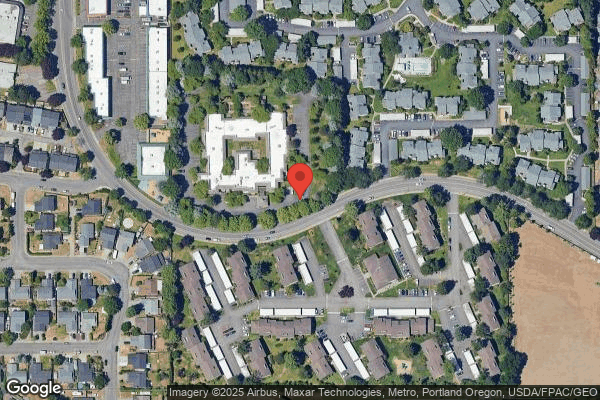
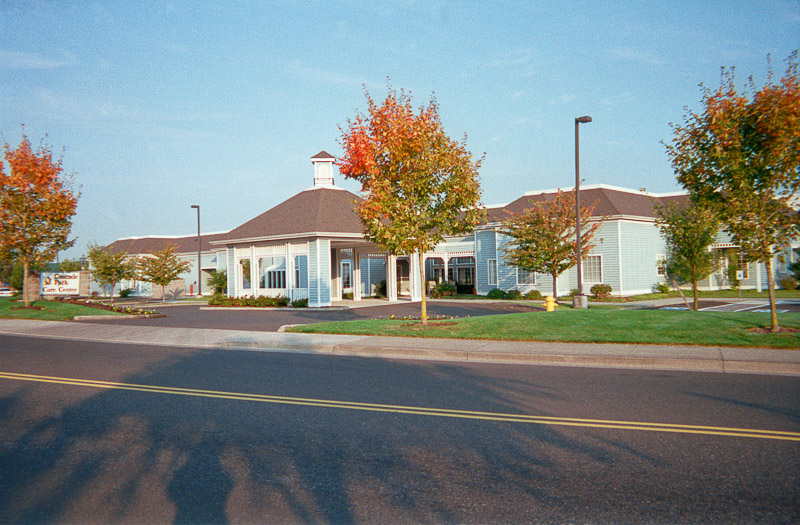
801 SOUTHEAST PARK CREST AVENUE, VANCOUVER, WA 98683 (360) 260-2200
For profit - Corporation 88 Beds AVAMERE Data: November 2025
Trust Grade
65/100
#55 of 190 in WA
Last Inspection: August 2024

Within standard 12-15 month inspection cycle. Federal law requires annual inspections.

Overview

Avamere Rehabilitation of Cascade Park in Vancouver, Washington has a Trust Grade of C+, indicating that it is slightly above average, but still has room for improvement. It ranks #55 out of 190 facilities in the state, placing it in the top half, and #4 out of 8 in Clark County, meaning only three local options are better. The facility is showing improvement, with issues decreasing from 13 in 2023 to 11 in 2024. Staffing is a strong point, with a 4 out of 5 star rating and a turnover rate of 32%, which is well below the Washington average. However, there are concerns, such as a serious incident where a resident developed new pressure ulcers due to inadequate skin care, and other issues related to food safety and infection control practices. Overall, while there are strengths in staffing and no fines, the facility needs to address its care procedures to enhance resident safety and quality of life.

Trust Score
C+
65/100
In Washington
#55/190
Top 28%
Safety Record
Moderate
Needs review
Inspections
Getting Better
13 → 11 violations
Staff Stability
○ Average
32% turnover. Near Washington's 48% average. Typical for the industry.
Penalties
✓ Good
No fines on record. Clean compliance history, better than most Washington facilities.
Skilled Nurses
✓ Good
Each resident gets 61 minutes of Registered Nurse (RN) attention daily — more than 97% of Washington nursing homes. RNs are the most trained staff who catch health problems before they become serious.
Violations
⚠ Watch
35 deficiencies on record. Higher than average. Multiple issues found across inspections.
★★★★☆
4.0
Overall Rating
★★★★☆
4.0
Staff Levels
★★★☆☆
3.0
Care Quality
★★★★☆
4.0
Inspection Score
Stable
2023: 13 issues
2024: 11 issues

The Good

  • 4-Star Staffing Rating · Above-average nurse staffing levels
  • Full Sprinkler Coverage · Fire safety systems throughout facility
  • No fines on record
  • Staff turnover below average (32%)

    16 points below Washington average of 48%

Facility shows strength in staffing levels, fire safety.

The Bad

Staff Turnover: 32%

14pts below Washington avg (46%)

Typical for the industry

Chain: AVAMERE

Part of a multi-facility chain

Ask about local staffing decisions and management

The Ugly 35 deficiencies on record

1 actual harm
Oct 2024 1 deficiency
CONCERN (D) 📢 Someone Reported This

A family member, employee, or ombudsman was alarmed enough to file a formal complaint

Potential for Harm - no one hurt, but risky conditions existed

Deficiency F0757 (Tag F0757)

Could have caused harm · This affected 1 resident

**NOTE- TERMS IN BRACKETS HAVE BEEN EDITED TO PROTECT CONFIDENTIALITY** . Based on interview and record review, the facility failed to ensure adequate blood sugar monitoring was provided for the admin...

Read full inspector narrative →
**NOTE- TERMS IN BRACKETS HAVE BEEN EDITED TO PROTECT CONFIDENTIALITY** . Based on interview and record review, the facility failed to ensure adequate blood sugar monitoring was provided for the administration of oral diabetic medications for 1 of 4 sampled residents [1] reviewed for unnecessary medications. This failure placed residents at risk for not receiving needed medication adjustments and a decline in health status. Findings included . A facility policy and procedure for blood glucose monitoring, revised November 2020, documented Follow the provider orders for glucose monitoring. Examples for various situations may include: 1. For the resident on oral medication(s) who is well controlled, monitor blood glucose levels at least twice weekly. 2. For the resident receiving oral medication(s) who is poorly controlled, monitor blood glucose levels twice to four times daily as needed. Resident 1 was admitted to the facility on [DATE] with diagnoses including Hypoglycemia, Unspecified and Type 2 Diabetes Mellitus Without Complications. The Minimum Data Set assessment, dated 09/20/2024, documented the resident was cognitively intact. Review of physician orders, dated 09/16/2024, showed Resident 1 was prescribed two medications used to maintain blood glucose levels for Diabetes Mellitus Type 2 [DM2] non-insulin dependent residents. --Metformin Oral Tablet Extended Release 500 mg [milligrams], give 3 tablets by mouth one time a day for DM2 with breakfast. --Glipizide Oral Tablet Extended Release 10 MG, give 1 tablet by mouth one time a day for DM2 before breakfast. Resident 1's admission orders, dated 09/16/2024, did not include blood glucose (sugar) monitoring. A progress note, dated 09/22/2024 at 9:40 AM, documented a certified nursing assistant (CNA) reported to nursing staff that Resident 1 had left sided weakness. The physician was notified, and an order was given to send Resident 1 to the hospital. Resident declined. A progress note, dated 09/22/2024 at 9:54 AM, documented Resident 1 was still declining to go to the hospital. A progress note, dated 09/22/2024 at 10:47 AM, documented Resident 1 agreed to go to the hospital and 911 was called. A hospital progress note, dated 09/23/2024 at 7:58 AM, showed a Hospitalist Physician's Assistant (PA) documented Resident 1 was brought to the Emergency Department (ED) on 09/22/2024 by Emergency Medical Services with severe hypoglycemia with a blood glucose of 30 and associated left arm and left leg paralysis. Low suspicion of [left upper and left lower extremities] paralysis in ED was due to stroke - more likely the symptoms were related to hypoglycemia. Symptoms resolved completely with normalization of blood sugars. On 10/02/2024, at 2:46 PM, Staff D, Registered Nurse [RN}, said blood sugars were completed 30 minutes before meals for insulin dependent diabetics. When asked if non-insulin dependent diabetic residents receive blood glucose checks, Staff D said only if the physician orders it. Staff D said usually with oral medications the physicians rely on a Hemoglobin A1C, [a blood test that shows what average blood sugar is over past two to three months] instead of daily glucose checks. The physician may order blood glucose checks if the resident was new to Metformin or Glipizide or just taken off insulin. Staff D said so basically, if the resident had a diagnosis for uncomplicated DM2 non-insulin dependent, the physician probably would not have an order for blood glucose checks. At 2:56 PM, Staff E, RN, said residents who received oral medications for DM2 did not necessarily receive blood glucose checks. Staff E said it depended on the resident and the provider, and what the resident was doing prior to admission. At 3:47 PM, Staff F, RN, said the morning Resident 1 was sent out to the hospital she was having left sided weakness, and the staff responded as though it were a stroke as she had a history of strokes. Staff F said routine blood glucose checks were not completed for DM2 no- insulin dependent residents. More often the Hemoglobin A1C was referred to. Staff F said when Resident 1 returned from the hospital the order for Glipizide was discontinued and an order was received for blood glucose checks twice daily. On 10/07/2024 at 3:49 PM, when asked about the facility policy and procedure for blood glucose monitoring, Staff B, RN and Director of Nursing Services, said she and the Administrator would consult with the provider about admission orders for DM2 non- insulin dependent residents. On 10/08/2024 at 12:25 PM, Staff C, Physician, said she had checked Resident 1's blood glucose and Hemoglobin A1C from the hospital prior to the first admission and they were stable. Staff C said she usually relied on Hemoglobin A1C's every three to six months for stable residents. When asked if she would expect staff to check blood glucose for a resident who had a change of conditions, Staff C said yes, she would. Reference WAC 388-97-1060 (3)(k)(i) .
Aug 2024 10 deficiencies 1 Harm
SERIOUS (G)

Actual Harm - a resident was hurt due to facility failures

Pressure Ulcer Prevention (Tag F0686)

A resident was harmed · This affected 1 resident

**NOTE- TERMS IN BRACKETS HAVE BEEN EDITED TO PROTECT CONFIDENTIALITY** . Based on observation, interview and record review, the facility failed to ensure pressure ulcers were thoroughly assessed, con...

Read full inspector narrative →
**NOTE- TERMS IN BRACKETS HAVE BEEN EDITED TO PROTECT CONFIDENTIALITY** . Based on observation, interview and record review, the facility failed to ensure pressure ulcers were thoroughly assessed, consistently monitored, and skin care and treatment were provided timely to promote healing of an existing pressure ulcer and prevent development of a new pressure ulcer for 1 of 6 sample residents (51) reviewed for pressure ulcers. Resident 51 experienced harm when an existing pressure ulcer on the coccyx worsened and a new pressure ulcer developed to the right buttock and upper thigh area that became infected and required hospital treatment. This failure placed residents at risk for deterioration in skin conditions, discomfort and a diminished quality of life. Finding included . The (corporation) Wound Management Guidelines, dated 08/25/2020, noted the following: --Skin checks are completed by Licensed nurse weekly. CAN/NAC/Shower aides (nursing assistants) will report any alterations in skin identified during routine care. --If a Resident is identified to have a new skin alteration the Licensed Nurse will: Initiate Risk Management and investigate the potential cause, development, and implement interventions. --If a Resident is identified to have a new skin alteration the Licensed Nurse will: Initiate a referral to the Registered Dietitian [RD] if indicated. Follow up on any RD recommendations. --Residents/and or representatives are informed/educated regarding risk factors for skin breakdown and the importance of following the interventions on the care plan. --Braden Risk Assessment is completed on admission, weekly x 3 weeks and then quarterly, annually, and with a significant change of condition. Resident 51 was admitted to the facility on [DATE] with diagnoses including healing Stage 2 pressure ulcer to the coccyx. The 5-day admission Minimum Data Set (MDS) assessment, dated 11/29/2023, showed Resident 51 was alert and oriented, and required one person assist with bed mobility. The MDS showed the resident was assessed to be at risk of developing pressure ulcers and had a healing Stage 2 pressure ulcer on the coccyx. The admission Nursing skin assessment, dated 11/23/2023, noted healing pressure wound to coccyx. Nearly healed upon admission, protective Mepilex (foam absorbent dressing for treatment of chronic and acute wounds) in place. No weekly skin audits were documented from the initial assessment date of 11/23/2023 until 12/14/2023 (three weeks without documented weekly skin audits). Record review of Resident 51's medical record showed the admission Braden assessment, dated 11/23/2023; the weekly (x 3 weeks) Braden assessments on 11/30/2023, 12/07/2024 and 12/14/2024; and then no Braden assessments from 12/14/2023 until 06/20/2024. The skin audit, dated 12/21/2023, noted open area to pt [resident's] coccyx [same wound the resident was admitted with] treatment applied. New open area to pt skin fold between R (right) buttock and upper thigh pictures taken. The audit showed the wound measurements were 2.67 cm (centimeter) x 0.76 cm. Depth was not documented. The photo image of the wound showed red/pink open wound to the area described. Review of the care plan showed the skin at risk care plan and/or a skin impairment care plan were not initiated on admission. The alteration in skin integrity care plan and the nutrition care plan were initiated on 12/21/2023 when the pressure ulcers were documented on the skin audit. A wound assessment, dated 01/22/2024, showed the right buttock/upper thigh wound measured 3.43 cm x 2.03 cm. No depth measurement was documented. The photo image showed the wound with a yellow base and a faint pink color in the outer wound areas. Resident 51's December 2023 and January 2024 Treatment Administration Record showed treatment was not initiated, for the new right buttock/upper thigh wound, until 01/24/2024 (34 days after the wounds were documented on the skin audit, dated 12/21/2023). Interventions included cleaning right ischial with normal saline/wound cleanser, apply skin prep to peri-wound and allow to dry, apply santyl (wound debrider) and cover it with a sheet of inter-dry twice daily and PRN (as needed). The quarterly MDS assessment, dated 02/29/2024, did not show a Braden Risk Assessment was completed. Record review of Resident 51's medical record showed the resident was admitted to the hospital for suspected osteomyelitis (bone infection) on 03/12/2024 and surgical debridement of the right ischial wound (right buttock/upper thigh). The medical record showed when Resident 51 was readmitted to the facility on [DATE], a Braden Risk Assessment was not completed until 06/20/2024. On 08/06/2024 at 9:29 AM, Resident 51 said they developed multiple pressure ulcers in the facility since being admitted . Resident 51 said they even had to have one surgically treated. Resident 51 stated they did not have a special wheelchair cushion or pressure relieving mattress for quite some time after being admitted . On 08/08/24 at 9:46 AM, Staff H, RD stated, We will find out about admission pressure ulcers by chart audit, review of nursing admission assessment, or find physician orders. When asked how she would be notified if a resident developed a pressure ulcer in house, Staff H stated, The Resident Care Manager [RCM] will email me or tell me. If a pressure ulcer is identified in house, then the resident will be placed on a weekly monitoring under nutrition at risk and documented interventions. After reviewing Resident 51's medical record, Staff H stated, Resident 51 was placed on nutrition at risk on [03/22/2024]. Staff H stated, Resident 51 was not placed on nutrition at risk on admission despite having an identified pressure ulcer, as the wound was nearly healed. At 10:36 AM, Staff D, RCM and Licensed Practical Nurse, was observed performing a dressing change for Resident 51's right ischial (buttock/upper thigh) pressure ulcer. The wound had moderate drainage and had an unpleasant odor. The wound base was pink. At 11:58 AM, Staff D said Resident 51 was originally on a regular mattress until the facility got a foam mattress. Staff D stated, We got the specialty air mattress sometime toward the end of December [2023]. Staff D stated, We got a waffle seat cushion about the same time. Staff D said no interventions were added to the care plan. At 11:58 AM, Staff B, Director of Nursing Services and Registered Nurse, said any in-house Stage 2 pressure ulcer or higher would be investigated as an incident. After reviewing the incident report log, Staff B said she was unable to provide an investigation for the right buttock/thigh pressure ulcer documented on 12/21/2023. Staff B stated, [Resident 51] was admitted with that wound, but Staff B was unable to find supporting documentation in the medical record. Staff B said she would expect a baseline care plan to be completed by day five after admission. Reference WAC 388-97-1060 (3)(b) .
CONCERN (D)

Potential for Harm - no one hurt, but risky conditions existed

Resident Rights (Tag F0550)

Could have caused harm · This affected 1 resident

**NOTE- TERMS IN BRACKETS HAVE BEEN EDITED TO PROTECT CONFIDENTIALITY** . Based on observation, interview and record review, the facility failed to ensure care and services were provided in a manner t...

Read full inspector narrative →
**NOTE- TERMS IN BRACKETS HAVE BEEN EDITED TO PROTECT CONFIDENTIALITY** . Based on observation, interview and record review, the facility failed to ensure care and services were provided in a manner that promoted residents' dignity related to urinary catheter (a tube inserted into the bladder that drains urine into a bag outside of the body) care for 2 of 2 sampled residents (Residents 11 & 39) reviewed for urinary catheter. This failure placed residents at risk for embarrassment, diminished self-worth, and a decreased quality of life. Findings included . 1) Resident 11 was admitted to the facility on [DATE]. The modification of admission Minimum Data Set (MDS) assessment, dated 06/27/2024, documented Resident 11 was moderately cognitively impaired and had an indwelling catheter. Resident 11's Alteration in Elimination Care Plan, dated 06/26/2024, documented .Keep drainage bag covered for dignity. Resident 11's Indwelling Catheter Care Plan, dated 07/26/2024, revised 08/07/2024, documented .drainage bag to remain covered . On 08/05/2024 at 3:59 PM, Resident 11 was observed sleeping in bed with the foley catheter drainage bag hanging off the right side of the bed uncovered. On 08/06/2024 at 10:06 AM, Resident 11's foley catheter drainage bag was observed hanging off the right side of the bed uncovered. At 2:01 PM, Resident 11 was observed lying in bed awake on his back with the foley catheter drainage bag hanging on the right side of the bed uncovered, with urine visible in the drainage bag. On 08/07/2024, at 8:42 AM, Resident 11's foley catheter drainage bag was observed folded in thirds, lying on the floor to the right side of the bed without a hook present on the bag to hang off the bed and without a privacy bag present. At 8:44 AM, Staff G, Certified Nursing Assistant, said foley catheter drainage bags were supposed to hang off the side of the bed and were not supposed to be on floor. Staff G said foley catheter drainage bags were supposed to have a privacy bag over the drainage bag so you cannot see the urine. At 8:47 AM, Staff C, Resident Care Manager and Registered Nurse (RN), said foley catheter drainage bags should be covered and placed in a black bag secured to the bed frame and not on the floor. Staff C said the cover was over the bag, so you didn't see the urine, and stated, It's a dignity issue. After observing the placement of the foley catheter drainage bag folded into thirds on the floor, Staff C said the foley catheter drainage bag should not be on the floor and stated, That should definitely not be like that. It should be covered. It should have a bag. It doesn't even have a hook to hang it. 2) Resident 39 was admitted to the facility on [DATE]. The admission MDS assessment, dated 07/23/2024, documented Resident 39 was moderately cognitively impaired and had an indwelling catheter. Resident 39's Foley Catheter Care Plan, dated 08/06/2024, documented, .Drainage bag to remain covered . On 08/05/2024 at 3:58 PM, Resident 39 was observed sleeping in bed with the foley catheter drainage bag hanging off the right side of the bed uncovered with urine visible in the bag. On 08/06/2024 at 10:40 AM, Resident 39 was observed in the rehabilitation gym working with staff. Resident 39's foley catheter drainage bag was uncovered with urine visible in the bag. At 2:00 PM, Resident 39 was observed lying in bed with the foley catheter drainage bag hanging off the left side of bed uncovered with urine visible in the bag. On 08/07/2024 at 10:02 AM, Resident 39 was observed lying in bed with the foley catheter drainage bag hanging off the right side of the bed uncovered and visible from the hallway. On 08/08/2024 at 11:45 AM, Staff B, Director of Nursing Services and RN, said it was her expectation foley catheter drainage bags were covered and not placed on the floor. Refer F-880 Reference WAC 388-97-0180 (1)(2) .
CONCERN (D)

Potential for Harm - no one hurt, but risky conditions existed

Deficiency F0553 (Tag F0553)

Could have caused harm · This affected 1 resident

**NOTE- TERMS IN BRACKETS HAVE BEEN EDITED TO PROTECT CONFIDENTIALITY** . Based on interview and record review, the facility failed to ensure residents and/or their representatives were offered the op...

Read full inspector narrative →
**NOTE- TERMS IN BRACKETS HAVE BEEN EDITED TO PROTECT CONFIDENTIALITY** . Based on interview and record review, the facility failed to ensure residents and/or their representatives were offered the opportunity to participate in care conferences for 1 of 6 sampled residents (53) reviewed for right to participate in planning care. This failure placed residents at risk of a diminished quality of life when not allowed to be involved in their long-term care needs. Findings included . Resident 53 was admitted to the facility on [DATE]. The quarterly Minimum Data Set (MDS) assessment, dated 06/18/2024, showed the resident was alert and oriented. The electronic health records (EHR) showed a care conference was conducted on 03/25/2024, and no other care conferences were documented. The EHR showed Resident 53 had a quarterly MDS assessment, dated 06/18/2024. On 08/08/2024 at 10:27 AM, Staff K, Social Services Coordinator, said care conferences were done at the residents' request, significant change or quarterly. At 10:49 AM, Staff M, Social Services Director, said she expected care conferences to occur quarterly, as needed or for a significant change. Staff M said the MDS and care conference should be in coordination with one another. Staff M said she expected care conferences to be documented in the EHR under assessment or in a progress note. On 08/09/2024 at 8:37 AM, Staff B, Director of Nursing Services and Registered Nurse, said care conferences should be done quarterly. Reference WAC 388-97-1020 (2)(e)(f) .
CONCERN (D)

Potential for Harm - no one hurt, but risky conditions existed

Deficiency F0578 (Tag F0578)

Could have caused harm · This affected 1 resident

**NOTE- TERMS IN BRACKETS HAVE BEEN EDITED TO PROTECT CONFIDENTIALITY** . Based on interview and record review, the facility failed to provide and/or have procedures in place to assist with completing...

Read full inspector narrative →
**NOTE- TERMS IN BRACKETS HAVE BEEN EDITED TO PROTECT CONFIDENTIALITY** . Based on interview and record review, the facility failed to provide and/or have procedures in place to assist with completing advance directives (AD), and obtaining and maintaining Durable Power of Attorney (DPOA) documentation for 1 of 6 sampled residents (53) reviewed for ADs. This failure place residents at risk for losing their right to have their healthcare preferences and/or decisions honored. Findings included . Resident 53 was admitted to the facility on [DATE]. The quarterly Minimum Data Set assessment, dated 06/18/2024, showed the resident was alert and oriented. Resident 53's electronic health record did not show an ADs or documentation that ADs were reviewed since March 2024, almost five months since the last review. Resident 53's care plan interventions, dated 03/19/2024, documented: Patient does not want to execute an Advance Directive at this time. On 08/08/2024 at 10:27 AM, Staff K, Social Services Coordinator, said Resident 53 did not want to generate an AD, but an AD should have been reviewed in June 2024. On 08/09/2024 at 8:37 AM, Staff B, Director of Nursing Services and Registered Nurse, said advanced directives should have been reviewed during the care conference in June for Resident 53. Reference WAC 388-97-0280 (3)(c)(i) .
CONCERN (D)

Potential for Harm - no one hurt, but risky conditions existed

Grievances (Tag F0585)

Could have caused harm · This affected 1 resident

**NOTE- TERMS IN BRACKETS HAVE BEEN EDITED TO PROTECT CONFIDENTIALITY** . Based on observation, interview and record review, the facility failed to ensure a timely response and/or resolution to reside...

Read full inspector narrative →
**NOTE- TERMS IN BRACKETS HAVE BEEN EDITED TO PROTECT CONFIDENTIALITY** . Based on observation, interview and record review, the facility failed to ensure a timely response and/or resolution to resident concerns about lost items was completed for 2 of 7 sampled residents (50 & 286) reviewed for grievances. This failure placed residents at risk for not having their concerns addressed, increased frustration and a decreased quality of life. Findings included . Record review of the facility's Lost Item Policy documented, if an item was missing, the resident or responsible party was expected to inform a staff member and/or fill out a Lost, Misplaced, Damaged Item form, which was then forwarded to Social Services. Social Services would initiate a search for the item and if the item was not recovered in the initial search (within three business days), Social Services staff would note the action taken on the Lost Item form and forward this form to the Administrator to determine further action needed. The administrator would notify the resident within five business days once a determination was made. 1) Resident 50 was admitted to the facility on [DATE]. The quarterly Minimum Data Set (MDS) assessment, dated 06/05/2024, documented Resident 50 was alert and oriented, and required minimal assistance with activities of daily living. An admission Note, dated 11/30/2023 at 9:42 PM, noted, [Resident's first name in all caps]arrived to facility in wheelchair from an acute hospital for post-acute care to 103-1 . On 08/08/2024 at 9:51 AM, Resident 50 said he was admitted to the facility with a manual wheelchair. The resident said he was later transferred to the hospital; but when he returned, he did not find his wheelchair. Resident 50 said he reported his missing wheelchair to Staff J, Certified Nursing Assistant. Resident 50 stated Staff J gave him a paper to fill out. Resident 50 stated, I spoke to some lady who takes care of that kind of stuff. She brought me the paper I had filled out because she could not read my writing, and I told her about the wheelchair. On 08/07/2024 at 9:16 AM, Staff K, Social Services Coordinator, said Resident 50 had a wheelchair when he came to the facility. Staff K said she had maintenance look for the wheelchair, but it was never found. Staff K said the matter was then forwarded to the Administrator. On 08/08/2024 at 8:29 AM, when asked about Resident 50's missing wheelchair, Staff A, Administrator, stated, I heard of it this morning for the first time. Staff A said if a resident reported a missing item, the facility staff would try to find it and replace it if they were unable to find the item. At 2:43 PM, Staff J said he had conversations with Resident 50 about his wheelchair late last year. Staff J said Resident 50 said the wheelchair had been missing and people had been looking for it. At 3:29 PM, Staff A said Resident 50 did have a wheelchair on admission that was given to him at the hospital prior to coming to the facility. Staff A stated, We are going to replace it. 2) Resident 258 was admitted to the facility on [DATE]. The MDS, dated [DATE], documented Resident 258 was alert and oriented and required minimal assistance with activities of daily living. On 08/05/2024 at 12:23 PM, Resident 286 said she lost personal laundry items which were yet to be returned. On 08/07/2024 at 9:14 AM, Resident 286 said her laundry was picked up a week and a half after her admission and she had missing items that were yet to be returned despite her asking staff members. Resident 286 said on the weekend of 08/03/2024, she wheeled herself to the laundry room and insisted to go through the pile of clothes on the table. Resident 286 was able to retrieve nine items from a pile of clean laundry. Resident 286 said as of 08/07/2024, she was still missing eight or nine of her personal items. On 08/08/2024 at 2:12 PM, Staff L, Resident Care Manager and Registered Nurse, said she was not aware of Resident 286's missing laundry. Staff L said she found out about it when she found a green slip in her mailbox that morning. Reference WAC 388-97-0460 (2) .
CONCERN (D)

Potential for Harm - no one hurt, but risky conditions existed

Deficiency F0625 (Tag F0625)

Could have caused harm · This affected 1 resident

**NOTE- TERMS IN BRACKETS HAVE BEEN EDITED TO PROTECT CONFIDENTIALITY** 2) Resident 31 was admitted to the facility on [DATE]. The Medicare/5-day MDS assessment, dated 07/23/2024, documented Resident ...

Read full inspector narrative →
**NOTE- TERMS IN BRACKETS HAVE BEEN EDITED TO PROTECT CONFIDENTIALITY** 2) Resident 31 was admitted to the facility on [DATE]. The Medicare/5-day MDS assessment, dated 07/23/2024, documented Resident 31 was moderately cognitively impaired. Resident 31 was hospitalized on [DATE] and returned on 07/17/2024. The Electronic Health Record did not show documentation of a written bed hold notice. On 08/08/2024 at 11:20 AM, Staff F, Admissions Coordinator, said the admissions department completes the bed hold form for residents that transfer to the hospital. Staff F said if they could not reach the resident or resident representative, they would make a progress note and try again. Staff F said she did not have a copy of the bed hold notice for Resident 31. At 11:45 AM, Staff B, Director of Nursing Services and Registered Nurse, said they should have followed up again with Resident 31's representative and offered a bed hold notice. Staff B stated, We are not in compliance. Reference WAC 388-97-0120 (4) Based on interview and record review, the facility failed to provide a written Bed-Hold notice to the resident or resident's representative at the time of transfer to the hospital for 2 of 6 sampled residents (36 & 31) reviewed for notices of bed holds. This failure placed residents at risk for lack of knowledge regarding their right to hold their bed while in the hospital. Findings included . 1) Resident 36 was admitted to the facility on [DATE]. The Annual Minimum Data Set (MDS) assessment, dated 06/13/2024, showed the resident was severely cognitively impaired. The electronic health records (EHR) documented Resident 36 transferred to an acute hospital on [DATE]. No documentation was noted showing contact was made to the resident or resident's family regarding a Bed-Hold. On 08/07/2024 at 2:18 PM, Staff F, Admissions Coordinator, said when a resident was admitted to the hospital, admissions contacted the resident or the resident representative and covered the bed-hold agreement with them. Staff F said the documentation would be put into the EHR. At 2:42 PM, Staff F said she was not able to find a bed-hold for Resident 36.
CONCERN (D)

Potential for Harm - no one hurt, but risky conditions existed

Comprehensive Care Plan (Tag F0656)

Could have caused harm · This affected 1 resident

**NOTE- TERMS IN BRACKETS HAVE BEEN EDITED TO PROTECT CONFIDENTIALITY** . Based on observation, interview and record review, the facility failed to ensure a comprehensive person-centered care plan was...

Read full inspector narrative →
**NOTE- TERMS IN BRACKETS HAVE BEEN EDITED TO PROTECT CONFIDENTIALITY** . Based on observation, interview and record review, the facility failed to ensure a comprehensive person-centered care plan was developed and implemented for focused areas of care for 1 of 2 sampled residents (61) reviewed for care plans related to skin conditions. This failure placed residents at risk for unmet care needs and a diminished quality of life. Findings included . Resident 61 was admitted to the facility on [DATE]. The Modification of admission Minimum Data Set assessment, dated 06/30/2024, documented Resident 61 was alert and oriented and had an open lesion(s) on the foot. Record review of Resident 61's physician orders, dated 07/12/2024, documented: 1) Left lateral ankle abrasion: Cleanse with wound cleanser, skin prep periwound [tissue surrounding a wound], apply foam dressing. Change 3 times per week and as needed. every evening shift every other day for Wound care. 2) Right great toe abrasion: Cleanse with wound cleanser, skin prep periwound, apply hydrofera blue [an antibacterial wound dressing] and cover with border foam dressing, change 3 times per week and as needed. every evening shift every other day for Wound care. 3) Right medial ankle abrasion: Cleanse with wound cleanser, skin prep periwound, apply hydrofera blue and cover with border foam dressing, change 3 times per week and as needed. every evening shift every other day for Wound care. 4) Right plantar foot abrasion: Cleanse with wound cleanser, skin prep periwound, apply foam dressing. Change 3 times per week and as needed. every evening shift every other day for Wound care. Record review of Resident 61's physician orders, dated 07/18/2024, documented: 1) blister to top of R [right] foot: clean with NS [normal saline]. cover with foam every evening shift. Record review of Resident 61's comprehensive care plan did not document a focus area, goal, and/or interventions related to abrasions and/or blisters to the right or left foot. On 08/08/2024 at 12:24 PM, Resident 61 was observed with a foam dressings on her right foot covering the great toe and bottom middle inner area of foot. At 12:31 PM, Staff C, Resident Care Manager and Registered Nurse (RN), said the admission Nurses would develop resident care plans upon admission and the Resident Care Managers would review the care plan and update them throughout the resident's stay. Staff C said if a resident had a skin condition, there would be a care plan to reflect it. Staff C was unable to locate a skin condition care plan for Resident 61. Staff C stated, She doesn't have one. Why would she not have one. We will have to create one for her . At 3:12 PM, Staff B, Director of Nursing Services and RN, said it was her expectation skin care plans were in place for residents with skin conditions. Reference WAC 388-97-1020 (1)(2)(a)(b)(c) .
CONCERN (D)

Potential for Harm - no one hurt, but risky conditions existed

Quality of Care (Tag F0684)

Could have caused harm · This affected 1 resident

**NOTE- TERMS IN BRACKETS HAVE BEEN EDITED TO PROTECT CONFIDENTIALITY** . Based on observations, interviews and record review, the facility failed to ensure necessary care and services were provided f...

Read full inspector narrative →
**NOTE- TERMS IN BRACKETS HAVE BEEN EDITED TO PROTECT CONFIDENTIALITY** . Based on observations, interviews and record review, the facility failed to ensure necessary care and services were provided for positioning in a wheelchair for 1 of 1 sampled resident (#21) reviewed for quality of care related to positioning. This failure placed residents at risk for unmet care needs, discomfort, a diminished quality of life and being unable to attain or maintain their highest practicable level of well-being. Findings included . Resident 21 was admitted to the facility on [DATE] with diagnoses including Inclusion Body Myositis (IBM). The quarterly Minimum Data Set assessment, dated 07/18/2024, showed Resident 21 was alert and oriented, had functional impairment on both sides, and required a motorized wheelchair for mobility once he is out of bed. The care plan, dated 12/16/2022, showed the resident has impaired physical mobility due to weakness requiring two person assist with a hoyer lift. The use of adaptive equipment to include power wheelchair for mobility. On 08/05/2024 at 11:28 AM, Resident 21 was observed sitting in a tall back motorized wheelchair, leaning to his left side, with the head rest to right of his neck and a self-releasing seatbelt across his upper abdomen. The left arm rest was tilted down toward the ground appearing not in alignment with his right arm rest. On 08/06/2024 at 11:03 AM, Resident 21 was observed leaning to his left in his motorized wheelchair with the left armrest hanging below his abdomen and the wheelchair appeared tilted to the left side. Resident 21 said his specialty wheelchair was new as of the first of this year (2024). Resident 21 said he was fitted for the wheelchair but the wheelchair did not fit him correctly. Resident 21 said no one ever checked to see if the new wheelchair was appropriately fitted. Resident 21 stated the chair caused him extreme discomfort and I am unable to get help to fix the wheelchair. Resident 21 said he was so upset about the wheelchair, and stated, I went to therapy and threatened a lawsuit. Resident 21 said the vendor for the wheelchair came out about a month or so ago and told him the [NAME] was broken and he would have to find out if there was a warranty. Resident 21 said the wheelchair vendor had not been back nor had he heard anything about the status. On 08/07/2024 at 10:29 AM, Staff C, Resident Care Manager (RCM) and Registered Nurse (RN), said someone was supposed to come look at the wheelchair for a wobbly wheel. When asked about the incidents of Resident 21 running into the bed and the wall, Staff C stated at first we just took it out of auto mode, so it became a manual wheelchair and staff had to maneuver it. We then turned it back on so [Resident 21] could operate it, but [the resident] was supposed to keep the chair in off status when not moving. At 10:55 AM, Staff E, Speech Language Pathologist and Therapy Director, said an assessment was done for the wheelchair on 11/02/2023 to have a new custom motorized wheelchair ordered. Staff E said she would look for the documentation related to; vendor notes about the wheelchair as no in house assessment appears to have been done. At 1:05 PM, Resident 21 stated, Sitting in this wheelchair is like being a cork inside a bottle, referencing the wheelchair fit for his body habitus (shape and size of a person's body or body parts). Resident 21 stated, I have run into my bed and the wall several times. Resident 21 said because the controller was positioned under his stomach. The resident said his stomach leaned into the controller propelling the wheelchair into the wall and bed. Resident 21 said he had to yell for help to get staffs' attention for assistance to stop the wheelchair. On 08/08/24 at 11:58 AM, when asked about injuries to Resident 21 caused by accidental controller activation due to the wheelchair's fit, Staff D, RCM and Licensed Practical Nurse, stated, We padded the bed frame. Staff D said she removed back support pieces from the specialty wheelchair because they were not placed right and causing pressure to [the resident's] skin. Staff D stated, the seatbelt helps to hold his stomach up from touching the lever. At 11:58 AM, Staff B, Director of Nursing Services and RN, said the motorized wheelchair was newer. Staff B was not aware of the plan for the wheelchair repair. When asked if Resident 21's positioning in the wheelchair had ever been assessed for proper fit, Staff B stated PT [physical therapy] should have. They know about the incidents because they attend the morning meetings. On 08/09/2024 at 9:45 AM, Staff E said she was not aware of the chair pieces being removed from the back rest of the wheelchair. Staff E said the records reflected the wheelchair [NAME] was documented in June 2024, when the wheelchair vendor assessed the wheelchair. Staff E said the broken armrest was new to her as of this week. Staff E stated she thinks PT was present for the wheelchair delivery. Staff E said she was unable to find an assessment for the wheelchair fit upon receipt of new motorized wheelchair. Staff E stated, Usually, we would do an assessment, but he was outside of his skilled window, (meaning he was not on services). Reference WAC 388-97-1060 (1) .
CONCERN (D)

Potential for Harm - no one hurt, but risky conditions existed

Infection Control (Tag F0880)

Could have caused harm · This affected 1 resident

**NOTE- TERMS IN BRACKETS HAVE BEEN EDITED TO PROTECT CONFIDENTIALITY** . Based on observation, interview and record review, the facility failed to ensure infection control and prevention practices we...

Read full inspector narrative →
**NOTE- TERMS IN BRACKETS HAVE BEEN EDITED TO PROTECT CONFIDENTIALITY** . Based on observation, interview and record review, the facility failed to ensure infection control and prevention practices were implemented for hand hygiene during a clean technique dressing change and during care of catheter bags for 2 of 8 sampled residents (Residents 51 & 11) reviewed for infection prevention and control. This failure placed residents at risk for wound infection, health complications and a diminished quality of life. Findings included . 1) Resident 51 was admitted on [DATE]. The 5-day admission Minimum Data Set (MDS) assessment, dated 11/29/2023, showed Resident 51 was alert and oriented, required one person assist with bed mobility, was assessed to be at risk of developing pressure ulcers, and had a healing Stage 2 pressure ulcer to the coccyx. The quarterly MDS, dated [DATE], indicated Resident 51 had one Stage 4 pressure ulcer to the right ischium (buttock and upper thigh). Resident 51's medical record showed the wound was first documented on 12/21/2023 measuring 2.67 cm (centimeter) x 0.76 cm. Most recent measurements on 07/29/2024 documented the Stage 4 wound measured 2.12 cm x 1.66 cm with deepest depth 7.2 cm. On 08/08/2024 at 10:36 AM, Staff D, Licensed Practical Nurse (LPN), was observed during Resident 51's wound care for the right ischial pressure ulcer. After Staff D removed and discarded the old dressing and dirty gloves, Staff D did not wash her hands before putting on clean gloves and continuing with wound care. On 08/08/2024 at 11:19 AM, Staff I, Infection Control Nurse and LPN, stated, I would expect a nurse to gather supplies for wound care, enter the room, undress wound with clean gloves, sanitize hands, allow to dry, then place on a new pair of clean gloves to apply new dressing to wound. On 08/09/2024 9:45 AM, Staff B, Director of Nursing Services and Registered Nurse (RN), stated, I would expect a nurse to change gloves and wash hands, between removal of a dirty dressing, and placement of a clean wound dressing. 2) Record review of the facility's policy entitled, Catheter Care, Urinary, revised August 2022, documented Infection Control . 2. Be sure the catheter tubing and drainage bag are kept off the floor. Resident 11 was admitted to the facility on [DATE] with diagnoses including a urinary tract infection. The Modification of admission MDS assessment, dated 06/27/2024, documented Resident 11 was moderately cognitively impaired and had an indwelling catheter (a tube inserted into the bladder that drains urine into a bag outside of the body). Resident 11's Indwelling Catheter Care Plan, dated 07/26/2024, revised 08/07/2024, documented .drainage bag to remain covered, off the ground . On 08/07/2024 at 8:42 AM, Resident 11's foley catheter drainage bag was observed folded in thirds, lying on the floor to the right side of the bed with no hook present on bag to hang off the bed, and no privacy bag present. At 8:44 AM, Staff G, Certified Nursing Assistant, said foley catheter drainage bags were supposed to hang off the side of the bed and were not supposed to be on floor. At 8:47 AM, Staff C, Resident Care Manager (RCM) and RN, said foley catheter drainage bags should be in a black bag secured to the bed frame and not placed on the floor. After observing Resident 11's foley catheter drainage bag folded into thirds on the floor, Staff C said the foley catheter drainage bag should not be on the floor and stated, That should definitely not be like that. It should be covered. It should have a bag. It doesn't even have a hook to hang it. On 08/08/2024, at 11:45 AM, Staff B, Director of Nursing Services and RN, said it was her expectation foley catheter drainage bags were covered and not placed on the floor. Refer to F-550 Reference WAC 388-97-1060 (3)(c) .
CONCERN (E)

Potential for Harm - no one hurt, but risky conditions existed

Deficiency F0604 (Tag F0604)

Could have caused harm · This affected multiple residents

**NOTE- TERMS IN BRACKETS HAVE BEEN EDITED TO PROTECT CONFIDENTIALITY** . Based on observation, interview and record review, the facility failed to ensure an assessment, consent and/or physician order...

Read full inspector narrative →
**NOTE- TERMS IN BRACKETS HAVE BEEN EDITED TO PROTECT CONFIDENTIALITY** . Based on observation, interview and record review, the facility failed to ensure an assessment, consent and/or physician order was obtained for beds being against the wall and bed rails for 4 of 5 sampled residents (5, 31, 61, & 189) reviewed for physical restraints. This failure placed residents at risk for injury, unmet needs, and a diminished quality of life. Findings included . Record review of the facility's policy entitled, Use of Restraints, revised April 2017, documented, 1. Physical Restraints' are defined as any manual method or physical or mechanical device, material, or equipment attached or adjacent to the resident's body that the individual cannot remove easily, which restricts freedom of movement or restricts normal access to one's body . 9. Restraints shall only be used upon the written order of a physician and after obtaining consent from the resident and/or representative . 1) Resident 5 was admitted to the facility on [DATE] with diagnoses including right leg below knee amputation. The Medicare-5 Day Minimum Data Set (MDS) assessment, dated 06/09/2024, documented Resident 5 was alert and oriented. Record review of Resident 5's Electronic Health Record (EHR) did not show physician orders for the bed being against the wall or half-length bed rails on the bed. Record review of Resident 5's EHR did not show an assessment and consent for Resident 5's bed being against the wall. On 08/05/2024 at 4:02 PM, Resident 5 was observed lying in bed sleeping. Resident 5's bed was observed with the left side of bed against the wall and half-length bed rails raised on both sides of the bed. On 08/06/2024 at 9:31 AM, Resident 5 was observed lying in bed awake with the left side of bed against the wall and half-length bed rails raised on both sides of the bed. At 1:57 PM, Resident 5's bed was observed with the left side of bed against the wall and half-length bed rails raised on both sides of the bed. On 08/07/2024 at 10:01 AM, Resident 5 was observed sleeping in bed on her right side, with the left side of bed against the wall and half-length bed rails raised on both sides of the bed. On 08/08/2024 at 3:40 PM, Resident 5's bed was observed with the left side of bed against the wall and half-length bed rails raised on both sides of the bed. 2) Resident 31 was admitted to the facility on [DATE]. The Medicare/5-day MDS assessment, dated 07/23/2024, documented Resident 31 was moderately cognitively impaired. Record review of Resident 31's EHR did not show an assessment, consent, and physician orders for the bed being against the wall. On 08/05/2024 at 2:56 PM, Resident 31's bed was observed with the left side of bed against the wall. On 08/07/2024 at 9:58 AM, Resident 31's bed was observed with the left side of bed against the wall. On 08/08/2024 at 2:56 PM, Resident 31 was observed lying in bed on his right side with his wheelchair beside the bed. Resident 31's bed was observed with the left side of bed against the wall. 3) Resident 61 was admitted to the facility on [DATE]. The Modification of admission MDS assessment, dated 06/30/2024, documented Resident 61 was alert and oriented. Record review of Resident 61's EHR did not show an assessment, consent, and physician orders for the bed being against the wall. On 08/05/2024 at 4:23 PM, Resident 61's bed was observed with the left side of bed against the wall. On 08/06/2024 at 9:12 AM, Resident 61's bed was observed with the left side of bed against the wall. When asked about her bed being against the wall, Resident 61 said she did not know why it was against the wall. At 1:52 PM, Resident 61 was observed lying in bed watching TV with the left side of bed against the wall. On 08/07/2024 at 9:56 AM, Resident 61 was observed sleeping in bed with the left side of bed against the wall. On 08/08/2024 at 2:51 PM, Resident 61 was observed lying in bed looking at her phone with the left side of bed against the wall. 4) Resident 189 was admitted to the facility on [DATE]. The Admission/Medicare-5 day MDS assessment, dated 07/27/2024, documented Resident 189 was alert and oriented. Record review of Resident 189's EHR did not show an assessment, consent, and physician orders for the bed being against the wall. On 08/05/2024 at 4:20 PM, Resident 189 was observed lying in bed asleep with the left side of the bed against the wall. On 08/06/2024 at 10:00 AM, Resident 189's bed was observed with the left side of bed against the wall. When asked about the bed being against the wall, Resident 189 stated, It's always been like that. On 08/07/2024 at 8:38 AM, Resident 189 was observed lying in bed on her right side with the left side of bed against the wall. On 08/08/2024 at 2:59 PM, Resident 189 was observed lying in bed on her right side with the left side of bed against the wall. On 08/09/2024, at 8:40 AM, Staff C, Resident Care Manager and Registered Nurse (RN), said a safety device assessment and consent, and physician orders were needed for residents that had their bed against the wall and/or had side rails on the bed. When asked about Resident 5's bed being against the wall and with half side rails, Staff C said he could not find an assessment, consent, and orders for Resident 5's bed being against the wall. Staff C said he could not find physician orders for half side rails on Resident 5's bed, and stated, That needs to be done for sure . Why is her bed against the wall. When asked about the beds being against the wall for Resident 31, Resident 61, and Resident 189, Staff C said he could not find an assessment, consent, and physician orders for Resident 31's, Resident 61's, or Resident 189's bed being against the wall. At 8:48 AM, Staff B, Director of Nursing Service and RN, said it was her expectation assessments, consents, and physician orders were completed for residents with bed rails and/or beds against the wall. Reference WAC 388-97-0620 (1)(a)(b), (4)(a)(b) .
Oct 2023 1 deficiency
CONCERN (E) 📢 Someone Reported This

A family member, employee, or ombudsman was alarmed enough to file a formal complaint

Potential for Harm - no one hurt, but risky conditions existed

Deficiency F0688 (Tag F0688)

Could have caused harm · This affected multiple residents

**NOTE- TERMS IN BRACKETS HAVE BEEN EDITED TO PROTECT CONFIDENTIALITY** . Based on observation, interview and record review, the facility failed to provide restorative nursing services to prevent pote...

Read full inspector narrative →
**NOTE- TERMS IN BRACKETS HAVE BEEN EDITED TO PROTECT CONFIDENTIALITY** . Based on observation, interview and record review, the facility failed to provide restorative nursing services to prevent potential avoidable reduction of range of motion (ROM) and mobility for 7 of 10 sampled residents (1, 2, 3, 4, 5, 6 & 7) reviewed for ROM/mobility services. This failure placed residents at risk for increased contractures and decreased quality of life. Findings included . 1) Resident 1 was admitted on [DATE] with diagnoses including hemiplegia and hemiparesis (muscle weakness or partial paralysis on one side of the body) affecting the left side. A contracture (a condition of shortening and hardening of muscles and tendons often leading to deformity and rigidity of joints), unspecified hand, was added to Resident 1's diagnosis on 01/30/2023. The Minimum Data Set, a comprehensive assessment tool, dated 02/21/2023, documented Resident 1 required extensive 1-2-person assistance with bed mobility, transfers, dressing, toilet use and hygiene. The resident restorative nursing program task list documented Resident 1 received 3 of 20 range of motion exercises and used the Omincycle (a motorized therapeutic exercise system to assist resident improvement in strength, coordination, neurological, orthopedic and cardiopulmonary challenges) 4 of 20 opportunities from 08/30/2023 to 09/29/2023. On 09/25/2023 at 12:11 PM, Collarteral Contact (CC) 1 said Resident 1 had not been receiving his range of motions exercises or being taken to use the Omnicycle that he was supposed to be getting. CC 1 said they were concerned Resident 1 would start to decline further if he continued to not receive these services. On 09/27/2023 at 1:35 PM, Staff C, Registered Nurse and Restorative Program Manager, said Staff D, Restorative Aide and Certified Nursing Assistant, did all the restorative exercises with residents. Staff C said Staff D was currently on vacation, and no other staff fill in for Staff D when he was not in the building; so currently residents were not receiving restorative services. At 1:45 PM, Resident 1 said he had not received any range of motion exercises or opportunities to use the Omnicycle in a few weeks and was worried about losing his current abilities. On 10/10/2023 at 1:15 PM, Staff D said he was out of the facility for vacation for two weeks. Staff D said several residents were placed on the restorative program while he was on vacation, so they did not get to start restorative services until he returned. Staff D said no other staff did restorative in the building but him, so no residents received restorative services while he was on vacation. 2) Resident 2 was admitted on [DATE] with diagnoses including hemiplegia and hemiparesis affecting the left side. The MDS, dated [DATE], documented Resident 2 required limited 1-person assistance with bed mobility, transfers, dressing, toilet use and hygiene. The resident restorative nursing program task list documented Resident 2 received 4 of 12 range of motion exercises; 2 of 12 ambulation with caregiver assist for 200 ft; and the use of the NuStep (a motorized therapeutic exercise system to assist resident improvement in bone strength, range of motion, and improve flexibility) 0 of 12 opportunities from 09/10/2023 to 10/10/2023. On 10/10/2023 at 1:40 PM, Resident 2 said it had been about a month since he had received restorative services and would like to receive his prescribed restorative services. 3) Resident 3 was admitted on [DATE] with hypertension, heart failure, and chronic kidney failure. The MDS, dated [DATE], documented Resident 3 required extensive 1-2-person assistance with bed mobility, transfers, dressing, toilet use and hygiene. The resident restorative nursing program task list documented Resident 3 used the Omincycle 0 of 12 times from 08/30/2023 to 09/29/2023. On 10/10/2023 at 1:48 PM, Resident 3 said she had not received any restorative services since she discharged from physical therapy and would like to receive her prescribed restorative services. 4) Resident 4 was admitted on [DATE] with diagnoses including hemiplegia and hemiparesis affecting the left side. The MDS, dated [DATE], documented Resident 4 required limited to extensive 1-2-person assistance with bed mobility, transfers, dressing, toilet use and hygiene. The resident restorative nursing program task list documented Resident 4 used the Omincycle 0 of 12 times from 08/30/2023 to 09/29/2023. 5) Resident 5 was admitted on [DATE] with diagnoses including acute embolism, thrombosis (clot that moves through the bloodstream) and cellulitis (skin infection) to left lower extremity, muscle weakness and difficulty walking. The MDS, dated [DATE], documented Resident 5 required 1-person extensive to total dependence with bed mobility, transfers, dressing, toilet use and hygiene. The resident restorative nursing program task list documented Resident 5 used the Omincycle 0 of 12 times, supine (lying face upward) exercise in bed 1 of 12 times, passive range of motion exercises for bilateral knees and hips, and upper extremity range of motion exercises 1 of 12 times from 09/10/2023 to 10/10/2023. 6) Resident 6 was admitted on [DATE] with diagnoses including polyneuropathy (malfunction of nerves throughout the body). The MDS, dated [DATE], documented Resident 6 required 1-person limited assist with dressing and ambulation. The resident restorative nursing program task list documented Resident 6 received supervision and cueing ambulating 500 ft 7 of 20 scheduled times and bilateral lower extremity hip exercises 1 of 12 times from 09/10/2023 to 10/10/2023. On 10/10/2023 at 1:55 PM, Resident 6 said he just started working with staff again for his walking and hip exercises. Resident 6 said he had not been working with staff for a while on his exercises, but he was not sure why it stopped. 7) Resident 7 was admitted on [DATE] with cerebral infarction (area of the brain tissue that dies), muscle weakness, and difficulty walking. The MDS, dated [DATE], documented Resident 7 required extensive 1-person assistance with bed mobility, transfers, dressing, toilet use and hygiene. The resident restorative nursing program task list documented Resident 7 received assistance ambulating 150 ft 5 of 20 times, upper extremity exercises 4 of 12 times and used the NuStep 0 of 12-20 times from 09/10/2023 to 10/10/2023. On 10/10/2023 at 2:10 PM, Staff B said the facility would be training another staff member to assist with restorative care. Reference WAC 388-97-1060 (3)(d)(j)(ix) .
Sept 2023 11 deficiencies
CONCERN (D)

Potential for Harm - no one hurt, but risky conditions existed

Deficiency F0578 (Tag F0578)

Could have caused harm · This affected 1 resident

**NOTE- TERMS IN BRACKETS HAVE BEEN EDITED TO PROTECT CONFIDENTIALITY** 3) Resident 46 was admitted to the facility on [DATE]. The admission MDS, dated [DATE], documented Resident 46 was cognitively i...

Read full inspector narrative →
**NOTE- TERMS IN BRACKETS HAVE BEEN EDITED TO PROTECT CONFIDENTIALITY** 3) Resident 46 was admitted to the facility on [DATE]. The admission MDS, dated [DATE], documented Resident 46 was cognitively intact. Resident 46's EMR did not show documentation of an AD or a declination to formulate an AD. On 09/20/2023 at 2:29 PM, Staff B said an AD should have been offered and obtained. At 3:27 PM, Staff O, Social Services Director, said she had been working with the family to obtain an AD. Staff O was unable to provide documentation showing communication with Resident 46's representative. 4) Resident 55 was admitted to the facility on [DATE]. The quarterly MDS, dated [DATE], showed the resident was severely cognitively impaired. Resident 55's EMR documented Resident 55 had an AD, but the facility was unable to provide a copy of the AD. On 09/20/2023 at 1:43 PM, Staff I, Social Services Coordinator, said ADs were inquired upon admission and then reviewed every quarter. Staff I said a copy of the AD should have been obtained. At 2:29 PM, Staff B stated, We don't have it [Resident 55's AD]. It should have been obtained. Reference WAC 388-97-0300 (1)(b), (3)(a-c) Based on interview and record review, the facility failed to obtain, provide, and/or assist with completing Advance Directives (ADs) for 4 of 8 sampled residents (Residents 17, 48, 46 & 55) reviewed for ADs. This failure placed residents at risk for losing their right to have their healthcare preferences and/or decisions honored. Findings included . 1) Resident 17 admitted to the facility on [DATE]. The admission Minimum Data Set assessment, dated 08/27/2023, documented the resident was cognitively intact. Resident 17's Electronic Medical Record (EMR) did not show documentation of an AD or a declination to formulate an AD. On 09/19/2023 at 2:55 PM, Staff E, Social Services Coordinator, said the facility would obtain Advanced Directives from residents upon admission. Staff E said she would review hospital paperwork or ask the resident or family if the resident would like to formulate an AD. Staff E said if there was a refusal to formulate an AD, she would document the refusal in a progress note. When asked about Resident 17's lack of AD in the EMR, Staff E said she talked to Resident 17 today and Staff E would be assisting Resident 17 in formulating an AD (two months after Resident 17 admitted to the facility). On 09/20/2023 at 1:09 PM, Staff B, Director of Nursing Services and Registered Nurse, said facility staff would ask the resident if they had an AD. If the resident did have an AD, the staff would obtain the AD and upload it to the resident's medical record. If the resident did not have an AD, staff would help formulate an AD or mark a refusal in the resident's medical record. Staff B said Resident 17 did not have an AD or documented refusal in their EMR. 2) Review of R48's admission Record, located in the Profile tab of the electronic medical record (EMR), revealed R48 was admitted to the facility on [DATE] with diagnoses including fractures of the bones in his lower legs, end-stage renal disease, and was dependent on dialysis. Review of R48's admission Minimum Data Set (MDS) assessment, located in the MDS tab of the EMR with an Assessment Reference Date (ARD) of 07/27/2023, showed R48 had a Brief Interview of Mental Status (BIMS) score of 15 out of 15, which indicated R48 was cognitively intact. Review of a Hospital DNR (Do Not Resuscitate) form, located in the Miscellaneous tab of the EMR, showed while in the hospital, R48 had a DNR order in place. There was no document located in the facility EMR, after R48 had been admitted , which indicated he had signed a POLST [Physician Order for Life-Sustaining Treatment] having the same wishes to have a DNR in place. During an interview on 09/20/2023 at 8:48 AM, Staff E stated, I believe the POLST did not come with the patient in July and has not been done since. Staff E stated, He was asked during the initial care conference; however, it was not marked what his wishes were.
CONCERN (D)

Potential for Harm - no one hurt, but risky conditions existed

Transfer Notice (Tag F0623)

Could have caused harm · This affected 1 resident

**NOTE- TERMS IN BRACKETS HAVE BEEN EDITED TO PROTECT CONFIDENTIALITY** 3) Resident 25 was admitted to the facility on [DATE]. The annual MDS, dated [DATE], documented the resident was moderately cogn...

Read full inspector narrative →
**NOTE- TERMS IN BRACKETS HAVE BEEN EDITED TO PROTECT CONFIDENTIALITY** 3) Resident 25 was admitted to the facility on [DATE]. The annual MDS, dated [DATE], documented the resident was moderately cognitively impaired. Resident 25's EMR documented an emergent transfer to an acute-care hospital on [DATE]. Resident 25 returned to the facility on [DATE]. The EMR did not show documentation of a written notice of transfer for Resident 25. On 09/20/2023 at 2:29 PM, Staff B said the transfer notice should have been completed. At 3:27 PM, Staff O, Social Services Director, said the facility did not complete a transfer notice for Resident 25, but should have. Reference WAC 388-97-0120 (2) (a-c) Based on interview and record review, the facility failed to provide a written notice of transfer to the resident and/or the resident's representative describing the reason for transfer for 3 of 5 sampled residents (17, 26 & 25) reviewed for transfer notifications regarding hospitalization. This failure placed residents and/or their representatives at risk of not being informed of the resident's condition, unmet care needs and a diminished quality of life. Findings included . 1) Resident 17 was admitted to the facility on [DATE]. The admission Minimum Data Set (MDS) assessment, dated 08/27/2023, documented the resident was cognitively intact. Resident 17's Electronic Medical Record (EMR) documented an emergent transfer to an acute-care hospital on [DATE]. Resident 17 returned to the facility on [DATE]. The EMR did not show documentation of a written notice of transfer for Resident 17. 2) Resident 26 was admitted to the facility on [DATE]. The Medicare 5-day MDS, dated [DATE], documented the resident was moderately cognitively impaired. Resident 26's EMR documented an emergent transfer to an acute-care hospital on [DATE]. Resident 26 returned to the facility on [DATE]. The EMR did not show documentation of a written notice of transfer for Resident 26. On 09/20/2023 at 10:04 AM, Staff M, Residential Care Manager and Registered Nurse (RN), said transfer forms were a social services task, not a task done by nurses. After reviewing Resident 17's and Resident 26's EMRs, Staff M could not locate transfer forms for either resident. At 1:01 PM, Staff B, Director of Nursing Services and RN, said residents transferring to the hospital should have a transfer notice in their EMRs. Staff B said giving the transfer notice to the resident was a social services task. Staff B said the transfer forms should be in the resident's misc tab of the EMR. Staff B said there were no transfer notices in place for Resident 17 or Resident 26.
CONCERN (D)

Potential for Harm - no one hurt, but risky conditions existed

Deficiency F0625 (Tag F0625)

Could have caused harm · This affected 1 resident

**NOTE- TERMS IN BRACKETS HAVE BEEN EDITED TO PROTECT CONFIDENTIALITY** . Based on interview and record review, the facility failed to ensure a written bed-hold notice was provided to the resident or ...

Read full inspector narrative →
**NOTE- TERMS IN BRACKETS HAVE BEEN EDITED TO PROTECT CONFIDENTIALITY** . Based on interview and record review, the facility failed to ensure a written bed-hold notice was provided to the resident or resident's representative at the time of transfer to the hospital for 1 of 5 sampled residents (26) reviewed for bed-hold notification. This failure placed residents and resident representatives at risk of not being informed regarding their right to hold their bed while in the hospital. Findings included . Resident 26 was admitted to the facility on [DATE]. The Medicare 5-day Minimum Data Set assessment, dated 07/17/2023, documented the resident was moderately cognitively impaired. Resident 26's EMR (Electronic Medical Record) documented an emergent transfer to an acute-care hospital on [DATE]. Resident 26 returned to the facility on [DATE]. The EMR did not show documentation of a bed hold for Resident 26. On 09/20/2023 at 10:04 AM, Staff M, Residential Care Manager and Registered Nurse (RN), said bed holds were completed by staff in the admissions department, not a task done by nurses. After reviewing Resident 26's EMR, Staff M could not locate a bed hold for the 06/29/2023 transfer. At 10:35 AM, Staff N, Admissions Coordinator, said the process for obtaining bed holds was she would call the resident or resident representative and review the bed hold form with them. After the form was completed, Staff N would give the form to medical records and the bed hold form would be uploaded to the resident's EMR. Staff N would then email the facility managers to inform them of the bed hold. Staff N said she was unable to located Resident 26's bed hold for the 06/29/2023 transfer. At 1:01 PM, Staff B, Director of Nursing Services and RN, said residents transferring to the hospital should have a bed hold notice in their EMRs. Staff B said the bed holds should be in the resident's misc tab of the EMR. Staff B said there was not a bed hold notice in place for Resident 26's 06/29/2023 transfer. Reference WAC 388-97-0120 (4) .
CONCERN (E)

Potential for Harm - no one hurt, but risky conditions existed

Deficiency F0553 (Tag F0553)

Could have caused harm · This affected multiple residents

**NOTE- TERMS IN BRACKETS HAVE BEEN EDITED TO PROTECT CONFIDENTIALITY** 3) Resident 55 was admitted to the facility on [DATE]. The quarterly MDS, dated [DATE], documented Resident 55 was severely cogn...

Read full inspector narrative →
**NOTE- TERMS IN BRACKETS HAVE BEEN EDITED TO PROTECT CONFIDENTIALITY** 3) Resident 55 was admitted to the facility on [DATE]. The quarterly MDS, dated [DATE], documented Resident 55 was severely cognitively impaired. The EMR showed Resident 55 did not have a Care Conference for the quarterly update. On 09/20/2023 at 1:43 PM, Staff I, Social Services Coordinator, said it was the responsibility of Social Services to schedule care conferences. Staff I said Resident 55 should have had a care conference on 08/21/2023, but the facility did not do it. At 2:29 PM, Staff B, said care conferences should be completed quarterly. Staff B said Resident 55 should have had a care conference. 4. Resident 71 was admitted to the facility on [DATE]. The admission MDS, dated [DATE], documented Resident 71 was cognitively intact. The EMR showed Resident 71 did not have a Care Conference upon admission. On 09/20/2023 at 1:43 PM, Staff I, Social Services Director, said it was the responsibility of Social Services to schedule all care conferences. Staff I said Resident 71 did not have an admission care conference, but Resident 71 should have had one. At 2:44 PM, Staff B, said care conferences should be completed quarterly. Staff B said Resident 71 should have had a care conference. Reference WAC 388-97-1020 (5)(f) Based on interview, record review, and review of facility policy, the facility failed to ensure a care conference was held within 72 hours of admission and on a regular basis for 4 of 4 sampled residents (Residents (R) 40, R333, R55, and R71) reviewed for care conferences. This failure placed residents at risk of being uninformed regarding their care and services. Findings include . Review of the facility policy titled, Resident Participation-Assessment/Care Plans, dated February 2021, revealed, . The resident and his or her representative are encouraged to participate in the resident's assessment and in the development and implementation of the resident's care plan . Facility staff supports and encourages resident/representative participation in the care planning process by . ensuring that residents, representatives and families understand the care planning process holding care planning meetings at times of day when the resident, representative and family members can attend and are functioning at their best . providing sufficient notice in advance of the meetings . planning for enough time for exchange of information and decision making . 1) Review of R40's admission Record, located in the Profile tab of the electronic medical record (EMR), revealed R40 was admitted to the facility on [DATE] with diagnoses which included diabetes, kidney failure, and dementia. Review of R40's admission Minimum Data Set (MDS) assessment, located in the MDS tab of the EMR with an Assessment Reference Date (ARD) of 08/29/2023, revealed, R40 had a Brief Interview of Mental Status (BIMS) score of 13 out of 15, which indicated he was cognitively intact. Review of the 72-hour huddle [an admission care conference] form, located in the Assessments tab of the EMR, revealed the form was in progress (20 days later). There was no documentation on the form to indicate the resident/representative attended the care conference. During an interview on 09/20/2023 at 12:17 PM, Staff H, Registered Nurse, stated, It doesn't look like Social Services finished it. When asked if she was aware of the time frames for the 72-hour huddle, Staff H stated, They are to be done in 72 hours and this was a little late. During an interview on 09/20/2023 at 1:01 PM, when asked about attending an admission care conference, R40 stated, Frankly, I don't know. During an interview on 09/21/2023 at 9:00 AM, Staff B, Director of Nursing, stated, It's a system problem. The interviews are being done but not being documented. 2) Review of R333's admission Record, located in the Profile tab of the EMR, revealed R333 was admitted to the facility on [DATE] with diagnoses which included diabetes, heart failure and pneumonia. Review of R333's admission MDS, located in the MDS tab of the EMR, revealed R333's MDS was still in progress and had not been transmitted at the time of the survey. During an initial interview on 09/18/2023 at 11:30 AM, when asked about attending his initial care conference and was aware of his medications and care plan, R333 stated, They have not had a care conference with me, I don't know what's going on with me so I can go home. During an interview on 09/21/2023 at 9:07 AM, Staff B stated, With [R333], there was no documentation of a '72-hour huddle' having been done. They just didn't do one.
CONCERN (E)

Potential for Harm - no one hurt, but risky conditions existed

Deficiency F0572 (Tag F0572)

Could have caused harm · This affected multiple residents

. Based on interview, record review, and facility policy review, the facility failed to ensure residents were provided notices of their resident rights, both orally and written, annually for five of f...

Read full inspector narrative →
. Based on interview, record review, and facility policy review, the facility failed to ensure residents were provided notices of their resident rights, both orally and written, annually for five of five sampled residents (Resident (R) 49, R16, R28, R286, and R1) interviewed in the resident council. This had the potential to affect all 81 residents in the facility. Findings included . Review of the facility's policy entitled, Resident Rights, revised 02/2021, revealed, . Employee shall treat all residents with kindness, respect. and dignity. Federal and state laws guarantee certain basic rights to all residents of this facility. These rights include the resident's right to . Be informed about his or her rights and responsibilities . Orientation and in-service training programs are conducted quarterly to assist our employees in understanding our residents' rights. During a Resident Council meeting on 09/20/23 at 1:29 PM, R49, R16, R28, R286, and R1, who the facility determined to be cognitively intact and regularly participated in the facility's monthly Resident Council meetings, stated they were not aware of their resident rights. When asked if they received a copy of the resident's rights written and orally, each resident indicated they had not received a copy or been informed of their rights. During an interview on 09/20/23 at 2:11 PM, Staff F, the Activities Director, said she was not aware the resident rights were supposed to be reviewed yearly with the residents. During an interview on 09/20/23 at 2:59 PM, Staff A, the Administrator, said the facility had not been reviewing the resident rights with the residents. Reference WAC 388-97-0300 (1) (a) .
CONCERN (E)

Potential for Harm - no one hurt, but risky conditions existed

Deficiency F0574 (Tag F0574)

Could have caused harm · This affected multiple residents

. Based on interview and observation, the facility failed to ensure 5 of 5 sampled residents (Resident (R) 49, R16, R28, R286, and R1) interviewed in the resident council were provided information and...

Read full inspector narrative →
. Based on interview and observation, the facility failed to ensure 5 of 5 sampled residents (Resident (R) 49, R16, R28, R286, and R1) interviewed in the resident council were provided information and contact information for the State Long-Term Care Ombudsman program. This had the potential to affect all 81 residents in the facility. Findings included . During a resident council meeting on 09/20/23 at 1:29 PM, R49, R16, R28, R286, and R1, who the facility determined to be cognitively intact and to regularly participated in the facility's monthly Resident Council Meetings, stated they were not aware of the Ombudsman's contact information and/or any location of such information in the building. The residents said they were not aware or could not recall knowing about or having contact with an Ombudsman. During an interview on 09/20/23 at 2:11 PM, Staff F, Activities Director, indicated she did not know about the Ombudsman program or such a person coming to visit the building. Staff F indicated there was information posted in her office about an Ombudsman. During an interview on 09/20/23 at 2:59 PM, Staff A, Administrator, stated she believed there was information posted on the bulletin boards in the main entrance providing information about the Ombudsman and their contact information. The Administrator said the Ombudsman did not visit the building on a regular basis. During an observation on 09/20/23 at 3:39 PM, no postings, notices, or information about the Ombudsman were located in the facility. Reference WAC 388-97-0300 (1) .
CONCERN (E)

Potential for Harm - no one hurt, but risky conditions existed

Deficiency F0577 (Tag F0577)

Could have caused harm · This affected multiple residents

. Based on observation and interview, the facility failed to ensure 5 of 5 sampled residents (Resident (R) 49, R16, R28, R286, and R1) interviewed in the Resident Council meeting were familiar with th...

Read full inspector narrative →
. Based on observation and interview, the facility failed to ensure 5 of 5 sampled residents (Resident (R) 49, R16, R28, R286, and R1) interviewed in the Resident Council meeting were familiar with their right to read the facility's survey results and knew where the results of the surveys were located. This had the potential to affect all 81 residents in the facility. Findings included . During a Resident Council meeting on 09/20/23 at 1:29 PM, R49, R16, R28, R286, and R1, who the facility determined to be cognitively intact and to regularly participate in the facility's monthly Resident Council meetings, stated they were not aware of their right to read the facility's survey results or where the survey book was located. During an interview on 09/20/23 at 2:11 PM, Staff F, Activities Director, said she did not know the state inspection survey results were supposed to be readily available to be read by residents or visitors. During an observation and interview on 09/20/23 at 2:59 PM with Staff A, Administrator, the survey results book was observed on a table at the entrance of the building. The book was labeled as survey results, but there was no signage indicating the book contained survey results. Staff A stated Staff F was now aware of the book. Staff A stated they needed to do some education in certain areas and get the information passed onto residents in the council meeting and to those that do not attend. Reference WAC 388-97-0480 (1) (2) .
CONCERN (E)

Potential for Harm - no one hurt, but risky conditions existed

Menu Adequacy (Tag F0803)

Could have caused harm · This affected multiple residents

. Based on interview and record review, the facility failed to ensure 5 of 5 sampled residents (Resident (R) 49, R16, R28, R286, and R1) interviewed in the Resident Council meeting were provided the o...

Read full inspector narrative →
. Based on interview and record review, the facility failed to ensure 5 of 5 sampled residents (Resident (R) 49, R16, R28, R286, and R1) interviewed in the Resident Council meeting were provided the opportunity to choose their preferred meal. This had the potential to affect all 81 residents in the facility. Findings included . Review of Week 3 Menu Week at a Glane Report for: Regular, dated 03/16/2023 and provided by the facility as the menu for the week, showed tomato or chicken noodle soup, chef salad, grilled cheese sandwich, or turkey sandwich were options to the regular menu. Foods always available were listed as egg salad sandwich, peanut butter and jelly sandwich, fruit and cottage cheese plate, cottage cheese cup, apple sauce cup, yogurt, graham crackers, chips, fruit cup, peanut butter and crackers, cheese and crackers, Jell-o cup, banana, and pudding. Review of Resident Council meeting minutes, dated 04/26/2023, 05/25/2023, 06/06/2023, 07/18/2023, and 08/23/2023 and provided by the facility, showed . resident asking for more food options for meals . fruit with cereals and more egg options . During a Resident Council meeting on 09/20/23 at 1:29 PM, R49, R16, R28, R286, and R1, who the facility determined to be cognitively intact and to regularly participate in the facility's monthly Resident Council Meetings, stated they were not provided the opportunity to select their preferred meals. The residents stated the daily meal was posted on the bulletin board, but they had no way of notifying the kitchen if they did not want to eat that meal. The residents stated they typically had to take the meal that was being served. During an interview on 09/20/23 at 2:59 PM, Staff A, Administrator, stated there had been some concerns voiced by residents regarding their ability to pick their meals. Staff A stated the meal of the day was placed on a bulletin board for the residents to view and know what was being served. Staff A stated the residents were allowed to request alternative meals if they did not want the meal being served. Staff A stated multiple sandwiches were available as alternative meals. During an interview on 09/21/23 at 8:02 AM, Staff D, Dietary Manager, stated the daily menu was placed on the bulletin boards, and if residents received their tray and wanted something different, they could notify their caregiver and the caregiver would notify the dietary department, and they could provide something different. Staff D stated there were multiple sandwiches available. Staff D stated it was usually left at the discretion of the caregiver to assist a resident if a different meal was requested. During an interview on 09/23/23 at 2:11 PM, Staff F, Activity Director, stated the residents had raised concerns about the menus and the kitchen manager had been notified. Staff F stated the residents voiced this concern at each Resident Council meeting and there never seemed to be a resolution to the concern. Reference WAC 388-97-1100 (1) .
CONCERN (E)

Potential for Harm - no one hurt, but risky conditions existed

Deficiency F0809 (Tag F0809)

Could have caused harm · This affected multiple residents

. Based on interview, record review, and facility policy review, the facility failed ensure 5 of 5 sampled residents (Resident (R) 49, R16, R28, R286, and R1) interviewed in the Resident Council meeti...

Read full inspector narrative →
. Based on interview, record review, and facility policy review, the facility failed ensure 5 of 5 sampled residents (Resident (R) 49, R16, R28, R286, and R1) interviewed in the Resident Council meeting were aware of their right to ask for and receive snacks between meals and at bedtime. This had the potential to affect all 81 residents in the facility. Findings included . Review of the facility's policy entitled, Snacks (Between Meal and Bedtime), Servings dated 09/2010, revealed, . the purpose of this procedure is to provide the resident with adequate nutrition. Review the resident care plan and provide for any special needs for the resident. Check the tray before serving the snack to be sure that it is the correct diet ordered and that food consistency is appropriate to the residents' ability to chew and swallow . Review of Resident Council meeting minutes, dated 08/23/23 and provided by the facility, showed, . resident [sic] were asked about being offered snacks at bedtime and whenever you requested, and resident's answers were 'no' . During a Resident Council meeting on 09/20/23 at 1:29 PM, R49, R16, R28, R286, and R1, who the facility determined to be cognitively intact and to regularly participate in the facility's monthly Resident Council Meetings, stated they were not aware they could ask for snacks at bedtime or any other times. The residents stated they had heard about snacks at the last Resident Council meeting, but no one explained to them the process on how to request the snacks. During an interview on 09/20/23 at 2:11 PM, Staff F, Activities Director, said during the last Resident Council meeting, the residents did express not knowing about available snacks. Staff F stated the process of letting their caregiver know they wanted snacks was explained to the residents. During an interview on 09/20/23 at 2:59 PM, Staff A, Administrator, said she was not aware the residents did not know they could receive snacks. Staff A stated some training needed to be provided. During an interview on 09/21/23 at 8:02 AM, Staff D, Dietary Manager, stated snacks were taken to the floor to be passed out at 10:00 AM, 2:00 PM, and 8:00 PM. Staff D said items such as peanut butter and crackers, pudding, health shakes, and cheese and cracks were taken to the floor, and the caregivers were supposed to pass them out. Reference 388-97-1120 (3)(a)
CONCERN (E)

Potential for Harm - no one hurt, but risky conditions existed

Deficiency F0847 (Tag F0847)

Could have caused harm · This affected multiple residents

**NOTE- TERMS IN BRACKETS HAVE BEEN EDITED TO PROTECT CONFIDENTIALITY** . Based on interview, record review, and review of the facility's arbitration agreement, the facility failed to inform residents...

Read full inspector narrative →
**NOTE- TERMS IN BRACKETS HAVE BEEN EDITED TO PROTECT CONFIDENTIALITY** . Based on interview, record review, and review of the facility's arbitration agreement, the facility failed to inform residents and/or their resident representative that signed arbitration agreements remained in effect for all care and services rendered at the facility even if such care and services were rendered following a discharge and readmission to the facility for 3 of 4 sampled residents and/or their resident representative (Resident (R) 24, R287, and R50) reviewed for arbitration agreements. Findings included . Review of a blank copy of the facility's Patient and Facility Arbitration Agreement. revised 04/2014 and provided by the facility, indicated, . The execution of this Arbitration Agreement is not a precondition to admission of the Patient to the Facility, and this Arbitration Agreement may be withdrawn by written notice to the Facility from the Patient within 30 days of signature. If not withdrawn within 30 days, this Arbitration Agreement shall remain in effect for all care and services rendered at the Facility, even if such care and services are rendered following the Patient's discharge and readmission to the Facility . 1. Review of R24's Resident Face Sheet, located under the Resident tab of the electronic medical record (EMR), showed R24 was admitted on [DATE] with diagnoses including memory deficit following cerebral infarction, dementia in other diseases classified elsewhere, unspecified and severity, without behavioral disturbance, psychotic disturbance, mood disturbance, and anxiety. Review of R24's admission Minimum Data Set (MDS), located in the EMR under the RAI [Resident Assessment Instrument] tab and with an Assessment Reference Date (ARD) of 07/11/2023, showed the resident had a Brief Interview for Mental Status (BIMS) score of 15 out of 15, indicating R24 was cognitively intact. Review of R24's Facility - Resident/Representative Arbitration Agreement, provided by the facility, showed R24 signed the arbitration agreement on 11/29/2021. 2. Review of R287's Resident Face Sheet, located under the Resident tab of the EMR, revealed R287 was admitted on [DATE]. Review of R287's quarterly MDS, located in the EMR under the RAI tab and with an ARD of 09/15/2023, showed the resident had a BIMS score of 12 out of 15, indicating R287 was cognitively intact. Review of R287's Facility - Resident/Representative Arbitration Agreement, provided by the facility, showed R287 signed the arbitration agreement on 11/15/2022. 3. Review of R50's Resident Face Sheet, located under the Resident tab of the EMR, revealed R50 was admitted on [DATE]. Review of R50's quarterly MDS, located in the EMR under the RAI tab and with an ARD of 06/13/2023, showed the resident had a Brief Interview for Mental Status (BIMS) score of 8 out of 15, indicating R50 was moderately cognitively impaired. Review of R50's Facility - Resident/Representative Arbitration Agreement, provided by the facility, showed R50 signed the arbitration agreement on 06/12/2022. During an interview on 09/21/2023 at 8:35 AM, Staff L, Admissions Coordinator, stated that during the admission process, the resident and/or their representative were asked if they were familiar with arbitration, and if the response was yes, he would see if they had any questions and then move on. Staff L stated he explained that the arbitration agreement was used if something happened in the facility, and it meant the resident and/or their representative could not sue the facility. Staff L further stated he explained that the arbitration agreement meant that concerns would be settled out of court. Staff L stated that regardless of whether the resident and/or representative agreed with settling disputes outside of the courts, the arbitration agreement had to be signed and explained that they could not proceed with the admission process until the arbitration agreement was signed. Staff L stated that if a resident discharged or was put on a bed hold for any reason, a new admission packet, including the arbitration agreement, was to be completed. Staff L stated he was unaware that the arbitration agreement remained in effect for all admissions the resident might have to the facility. During an interview on 09/21/23 at 8:50 AM, Staff A, Administrator, indicated that R24, R287, and R50 and/or their representatives had signed the arbitration agreement, indicating they had signed and agreed to arbitration. Staff A stated upon each admission, residents were required to sign a new agreement. Staff A was asked if the arbitration agreement had to be signed before the admission process could be completed. Staff A stated she would return with that information. No further information was provided by the end of the survey. During an interview on 09/21/23 at 11:50 AM, R287's resident representatives said they could not remember the last time the arbitration agreement was signed but remembered signing the agreement. During an interview on 09/21/23 at 3:04 PM, R50's resident representatives said they were not sure about signing an arbitration agreement. No WAC Reference .
CONCERN (F)

Potential for Harm - no one hurt, but risky conditions existed

Food Safety (Tag F0812)

Could have caused harm · This affected most or all residents

. Based on observation, interviews, and record review, the facility failed to ensure cold food items, served to resident, were held at the proper cold holding temperature; and failed to maintain and d...

Read full inspector narrative →
. Based on observation, interviews, and record review, the facility failed to ensure cold food items, served to resident, were held at the proper cold holding temperature; and failed to maintain and document refrigerator temperatures for 3 of 3 unit refrigerators reviewed for food service. These failures placed residents at risk of food-borne illness and a diminished quality of life. Findings included . <Cold Holding Temperatures> On 09/20/2023 at 11:40 AM, Staff D, Dietary Manager, was observed temping cold food item (cole slaw) using a facility thermometer. The cole slaw temped at 47.6 degrees Fahrenheit (F). When asked what the process for food that was not at cold holding temperatures, Staff D said the cole slaw should be at 41 degrees F or below. Staff D said they would return it to the refrigerator to get it to the correct temperature and put food on ice to help cool it down. Staff D obtained a shallow metal pan, placed ice in the metal pan and then placed approximately 12 cups of cole slaw on the ice and returned the rest of the food containers to the refrigerator. At 12:08 PM, Staff D was observed temping cold food item placed in the metal pan filled with ice. The cold food item's temperature was 47.4 degrees F. Staff D said staff made the cole slaw to close to tray line service, and there was not enough time for the cold food to return to the required 41 degrees F. At 12:24 PM, Staff D was observed temping the test tray. The cold food item was temped at 52.7 degrees F. On 09/21/2023 at 9:57 AM, Staff A, Administrator, and Staff B, Director on Nursing Service and Registered Nurse, both said the cold holding temperatures was 41 degrees Fahrenheit or below. Staff A and Staff B said they expected the cold foods to be delivered at the proper cold holding temperatures. <Unit Refrigerator Temp Logs> Review of June 2023, July 2023, August 2023 and September 2023 refrigerator temperature logs showed the following missing entries: --Reach in Refrigerator (Refrig): June 2023 - missing entries (per shift) on 6/12 AM, 6/28 AM and PM, 6/29 PM, and 6/30 PM August 2023 - missing entries (per shift) on 8/28 PM, 8/29 PM, 8/30 PM, and 8/31 PM --100 Hall Refrig: June 2023 - missing entries on 6/3, 6/5, 6/6, 6/11, 6/17, 6/18, 6/23, 6/24, 6/29, and 6/30 --100 Hall Freezer: June 2023 - missing entries on 6/3, 6/5, 6/6, 6/11, 6/17, 6/18, 6/23, 6/24, 6/29, and 6/30 --200 Hall Refrig: June 2023 - missing entries on 6/3, 6/5, 6/6, 6/11, 6/17, 6/18, 6/23, 6/24, 6/29, and 6/30 August 2023 - missing entry on 8/3 --200 Hall Freezer: June 2023 - missing entries on 6/3, 6/5, 6/6, 6/11, 6/17, 6/18, 6/23, 6/24, 6/29, and 6/30 August 2023 - missing entry on 8/4 --300 Hall Refrig: June 2023 - missing entries on 6/3, 6/5, 6/6, 6/11, 6/17, 6/18, 6/23, 6.24, 6/29, and 6/30 August 2023 - missing entry on 8/4 --300 Hall Freezer: June 2023 - missing entries on 6/3, 6/5, 6/6, 6/11, 6/17, 6/18, 6/23, 6/24, 6/29, and 6/30 August 2023 - missing entry on 8/4 --Walk-In Refrig: August 2023 - missing entry on 8/31 AM --Walk-In Freezer: August 2023 - missing entry on 8/31 On 09/21/2023 at 8:32 AM, Staff H, Resident Care Manager and Registered Nurse (RN), said the night shift nurse was responsible for documenting the unit refrigerator temperatures. Staff H said missing dates were not acceptable and should have been filled out. At 9:07 AM, Staff B, Director of Nursing Services and RN, said the night shift nurse was responsible for documenting temperatures for all unit refrigerators. Staff B said missing dates were not acceptable and should have been filled out. Reference WAC 388-97-1100 (3) & -2980 .
May 2023 1 deficiency
CONCERN (D) 📢 Someone Reported This

A family member, employee, or ombudsman was alarmed enough to file a formal complaint

Potential for Harm - no one hurt, but risky conditions existed

Deficiency F0688 (Tag F0688)

Could have caused harm · This affected 1 resident

**NOTE- TERMS IN BRACKETS HAVE BEEN EDITED TO PROTECT CONFIDENTIALITY** . Based on observation, interview and record review, the facility failed to provide equipment to prevent further avoidable reduc...

Read full inspector narrative →
**NOTE- TERMS IN BRACKETS HAVE BEEN EDITED TO PROTECT CONFIDENTIALITY** . Based on observation, interview and record review, the facility failed to provide equipment to prevent further avoidable reduction of range of motion (ROM) and mobility for 1 of 3 sampled residents (1) reviewed for prevent decrease in ROM/mobility. This failure placed residents at risk for increased contractures and decrease quality of life. Findings included . Resident #1 was admitted on [DATE] with diagnoses including hemiplegia and hemiparesis (muscle weakness or partial paralysis on one side of the body) affecting the left side. Contracture (a condition of shortening and hardening of muscles and tendons often leading to deformity and rigidity of joints), unspecified hand, was added to Resident 1's diagnoses on 01/30/2023. The Minimum Data Set, a comprehensive assessment tool, dated 02/21/2023, documented Resident 1 required extensive 1-2-person assistance with bed mobility, transfers, dressing, toilet use and hygiene. A therapy note, dated 03/16/2023, documented, [Resident 1] tolerated splint wearing 3 hours today. Care plan established for wearing splint during the day off at evening and night. Resident 1's care plan, dated 04/12/2023, documented, Left resting hand splint on in the morning, off in the afternoon, evening shift and night shift. On 05/09/2023 at 11:53 AM, Family A said the family observed Resident 1 without the left resting hand splint on in the mornings. Family A said Resident 1's left resting hand splint had been found in the laundry, found on the floor and got lost frequently. Family A said Resident 1 was not capable of removing the left resting hand splint on his own and required assistance to take it on and off. On 05/11/2023 at 9:30 AM, Resident 1 was observed without his left resting hand splint on the left hand. Resident 1 said he was unable to put the left resting hand splint on or off himself and relied on staff to put it on and take it off. Resident 1 said many times the stated did not put it on his left hand. At 9:45 AM, Staff B, Certified Nursing Assistant (CNA), said staff put Resident 1's left resting hand splint on him after breakfast. Staff B said that breakfast had already been served and collected from Resident 1, and that the left resting hand splint had not been placed on the resident. At 9:55 AM, Staff A, Director of Nursing Services, said Resident 1's left resting hand splint should be in place to mitigate left hand contracture. On 05/24/2023 at 10:22 AM, Resident 1 was observed without the hand splint on his left hand. Resident 1 said staff had only put the left resting hand splint on him two to three times in the last 10 days. Resident 1 said he wanted to have the left resting hand splint on so his hand did not get more contracted. At 10:32 AM, Staff C, CNA, said she was not aware Resident 1 had a left hand splint. Reference WAC 388-97-1060 (3)(d)(j)(ix) .
Nov 2022 11 deficiencies
CONCERN (D)

Potential for Harm - no one hurt, but risky conditions existed

Investigate Abuse (Tag F0610)

Could have caused harm · This affected 1 resident

**NOTE- TERMS IN BRACKETS HAVE BEEN EDITED TO PROTECT CONFIDENTIALITY** . Based on interview and record review, the facility failed to conduct timely and thorough investigations of allegations to iden...

Read full inspector narrative →
**NOTE- TERMS IN BRACKETS HAVE BEEN EDITED TO PROTECT CONFIDENTIALITY** . Based on interview and record review, the facility failed to conduct timely and thorough investigations of allegations to identify root causes and contributing factors and rule out abuse and neglect for one of seven sampled residents (46) reviewed for investigations. This failure placed residents at risk for unidentified abuse and/or neglect and a diminished quality of life. Findings included . A facility policy, entitled Assessing Falls and Their Cause, dated March 2018, showed the facility has procedures in place to provide protection for the health, welfare and rights of each resident residing in the facility. These procedures included but are not limited to the following components: Purpose, Preparation, General Guidelines, Equipment and supplies, Steps in the Procedure, Defining Details of Falls, Identifying Causes of a Fall or Fall risk, Performing a Post-Fall Evaluation Documentation and Reporting. Resident 46 was admitted to the facility on [DATE]. The 5-day Minimum Data Set, an assessment tool, dated 10/17/2022, documented the resident was moderately cognitively impaired, had a history of falls, and was at moderate risk for falls. A facility investigation report, dated 07/01/2022, documented a fall occurred where the resident sustained injuries including a new skin tear to the left elbow after falling out of a wheelchair. The investigation did not documented if the resident had additional injuries and there were no witness statements to the incident. The facility Accident & Incident log did not document Resident 46's fall on 07/01/2022. Resident 46's electronic health records (EHR) did not show documentation Neuro Checks (an assessment that checks neurological functions, motor and sensory response, and level of consciousness) were completed after the fall. Resident 46's EHR did not show a fall risk assessment was completed after the fall on 07/01/2022. On 11/09/2022 at 3:08 PM, Staff J, Resident Care Manager (RCM) and Registered Nurse (RN), said Neuro checks were completed when a resident had an unwitnessed fall or hit their head. Staff J said residents were placed on alert charting and monitoring for three days and a risk management assessment was completed within five days of the incident. Staff J said Neuro check documentation was then uploaded into the medical record. When asked about neuro checks for Resident 46, Staff J said she would get back to the surveyor. Staff J did not provide the neuro checks for Resident 46. On 11/10/2022 at 11:35 AM, Staff B, Director of Nursing Services (DNS) and RN, said it was the responsibility of the RN, RCM and DNS to complete the fall investigation, including fall assessments, pain assessments and Neuro Checks within 5 days. Staff B said she completed the root cause analysis to rule out abuse and neglect. Reference WAC 388-97-0640 (6) .
CONCERN (D)

Potential for Harm - no one hurt, but risky conditions existed

Transfer Notice (Tag F0623)

Could have caused harm · This affected 1 resident

**NOTE- TERMS IN BRACKETS HAVE BEEN EDITED TO PROTECT CONFIDENTIALITY** . Based on interview and record review, the facility failed to provide a written notice of transfer to the resident and/or the r...

Read full inspector narrative →
**NOTE- TERMS IN BRACKETS HAVE BEEN EDITED TO PROTECT CONFIDENTIALITY** . Based on interview and record review, the facility failed to provide a written notice of transfer to the resident and/or the resident's representative describing the reason for transfer for two of three sampled residents (45 & 46) reviewed for hospitalization. This failure placed residents at risk of not being informed of their condition, unmet care needs and a diminished quality of life. Findings included . 1) Resident 45 was admitted to the facility on [DATE]. The admission Minimum Data Set (MDS), an assessment tool, dated 08/16/2022, showed the resident was alert and oriented and was able to make needs known. The electronic health records (EHR) documented Resident 45 was transferred to an acute care hospital on [DATE]. Resident 45's EHR did not show he was provided a written notice of the transfer. On 11/09/2022 at 10:17 AM, Staff H, Registered Nurse (RN), said if a resident transferred to the hospital, she would prepare a packet of information for the hospital. Staff H said the information would be given to the Emergency Medical Technician (EMT) staff. 2) Resident 46 was admitted to the facility on [DATE]. The 5-day admission MDS, dated [DATE], documented the resident was moderately cognitively impaired. The EHR documented Resident 46 was transferred to an acute care hospital on [DATE]. Resident 46's EHR did not show he was provided a written notice of the transfer. At 10:25 AM, Staff I, Resident Care Manager and RN, said there was no written paperwork provided to the resident upon being transferred to an acute care hospital. At 11:25 AM, Staff B, Director of Nursing Services and RN, said they did not provide a written copy of the transfer notice to residents being transferred to an acute care hospital. Reference WAC 388-97-0120 (2) (a-c)
CONCERN (D)

Potential for Harm - no one hurt, but risky conditions existed

Deficiency F0625 (Tag F0625)

Could have caused harm · This affected 1 resident

**NOTE- TERMS IN BRACKETS HAVE BEEN EDITED TO PROTECT CONFIDENTIALITY** . Based on interview and record review, the facility failed to provide a written bed-hold notice to the resident or resident's r...

Read full inspector narrative →
**NOTE- TERMS IN BRACKETS HAVE BEEN EDITED TO PROTECT CONFIDENTIALITY** . Based on interview and record review, the facility failed to provide a written bed-hold notice to the resident or resident's representative at the time of transfer to the hospital for one of two sampled residents (46) reviewed for hospitalization. This failure placed residents at risk for lack of knowledge regarding their right to hold their bed while in the hospital. Findings included . Resident 46 was admitted to the facility on [DATE]. The 5-day Minimum Data Set, an assessment tool, dated 10/17/2022, documented the resident was moderately cognitively impaired. The electronic health records documented Resident 46 discharged from the facility on 10/09/2022, to an acute care hospital, and returned on 10/13/2022. There was no documentation the resident received a bed-hold notice for this time in the hospital. On 11/09/2022 at 8:46 AM, Staff A, Administrator, said no bed-hold notice was given to the resident or resident representative for the 10/09/2022 hospitalization. On 11/10/2022 at 11:35 AM, Staff B, Director of Nursing Services and Registered Nurse, said the facility did not complete the bed hold notice. Reference WAC 388-97-0120 (4) .
CONCERN (D)

Potential for Harm - no one hurt, but risky conditions existed

Assessment Accuracy (Tag F0641)

Could have caused harm · This affected 1 resident

**NOTE- TERMS IN BRACKETS HAVE BEEN EDITED TO PROTECT CONFIDENTIALITY** . Based on observation, interview, and record review, the facility failed to ensure the Minimum Data Set (MDS, an assessment too...

Read full inspector narrative →
**NOTE- TERMS IN BRACKETS HAVE BEEN EDITED TO PROTECT CONFIDENTIALITY** . Based on observation, interview, and record review, the facility failed to ensure the Minimum Data Set (MDS, an assessment tool) accurately recorded a skin condition resulting in an inaccurate care plan for one of three sampled residents (43) reviewed for assessment accuracy. This failure placed residents at risk for inaccurate assessment and care plan, unmet care needs and a diminished quality of life. Findings included . Resident 43 was admitted to the facility on [DATE] with diagnoses including absence of left leg below the knee and diabetes mellitus. The five day MDS, dated [DATE], showed Resident 43 was cognitively intact and was at risk for developing pressure ulcers. The admission MDS, dated [DATE], documented Resident 43 was admitted with a DTI (deep tissue injury, a persistent non-blanchable deep red, purple or maroon area of intact skin, non-intact skin or blood-filled blisters caused by damage to the underlying soft tissues). The discharge-return anticipated MDS, dated [DATE], documented Resident 43 had a stage three (full-thickness skin loss) pressure ulcer. The five day MDS, dated [DATE] (completed after re-admission on [DATE]), documented Resident 43 had no pressure ulcers. Resident 43's skin care plan, revised 10/04/2022, documented blanchable (skin redness that takes on a whitish appearance when pressed) redness to right heel. Resident 43's Skin and Wound Evaluation V5.0, dated 10/07/2022, 3 days after the above mentioned MDS and care plan, documented a stage three pressure injury to right heel present on admission. On 11/07/2022 at 3:06 PM, Resident 43 was observed to have a dressing on his right foot including his heel. On 11/09/2022 at 1:42 PM, Staff C, Registered Nurse (RN), said Resident 43 had a intact dark scab to his right heel that was super slow to heal. At 2:38 PM, Staff J, Resident Care Manager and RN, said Resident 43's right heel wound was present when he was admitted and had almost healed to a dry scab. Staff J said the right heel wound opened back up while in the hospital (re-admitted on [DATE]). When asked if the wound had ever healed completely, Staff J stated, No, it's never been completely healed. At 3:02 PM, Staff K, MDS Coordinator and RN, said to complete MDS assessments she gathered information through the electronic health record, and it was not a standard to view or interview the resident. After reviewing Resident 43's electronic health record and MDSs, Staff K said there was no pressure injury captured on the five day MDS, dated [DATE]. Staff K said that was an error and she would be making a modification to the 10/04/2022 MDS. At 3:44 PM, Staff B, Director of Nursing Services and RN, said she expects the MDS assessments to be accurate and include participation with the resident. Reference WAC 388-97-1000 (4)(a) .
CONCERN (D)

Potential for Harm - no one hurt, but risky conditions existed

Quality of Care (Tag F0684)

Could have caused harm · This affected 1 resident

**NOTE- TERMS IN BRACKETS HAVE BEEN EDITED TO PROTECT CONFIDENTIALITY** . Based on interview and record review, the facility failed to ensure residents received care and treatment in accordance with p...

Read full inspector narrative →
**NOTE- TERMS IN BRACKETS HAVE BEEN EDITED TO PROTECT CONFIDENTIALITY** . Based on interview and record review, the facility failed to ensure residents received care and treatment in accordance with professional standards of practice when the facility did not weigh residents per the physician order for one of five sampled residents (388) reviewed for quality of care. This failure placed residents at risk of worsening physical condition, weight loss and a decreased quality of life. Findings included . Resident 388 was admitted to the facility on [DATE] with diagnoses including congestive heart failure, a progressive heart disease that affects the pumping action of the heart muscles. The admission Minimum Data Set, an assessment tool, dated 10/28/2022, documented the resident was cognitively intact. A physician order, dated 10/24/2022, documented for resident daily weights: notify MD (Medical Doctor) of weight gain two pounds per day for two consecutive days or five pounds in a week. Resident 388's weight record, dated 10/24/2022 through 11/10/2022, did not show the resident was weighed on 10/26/2022, on 10/31/2022, on 11/01/2022, and on 11/03/2022. On 11/09/2022 at 1:02 PM, Staff J, Registered Nurse and /Resident Care Manager, said the caregivers had a list of residents who needed a weight on their daily assignments. Staff J said the nurse then ensured the weights were documented in the electronic medical record system. Staff J said daily weights should be completed as ordered, unless on quarantine or some other reason that prevented the resident from being weighed. Staff J said unless there was documentation of a refusal, the the next shift should attempt to get the weight. If staff were still not able to obtain the weight, the MD needed to be notified. Staff J said there was no documentation to support why the weights for Resident 388 were not obtained. Staff J said there was no documentation indicating the MD was notified of missed weights. At 1:03 PM, Staff Q, Licensed Practical Nurse, said the Certified Nursing Assistants (NA) were responsible for obtaining weights on residents. At 1:11 PM, Staff S, CNA, said CNAs were responsible for obtaining resident weights. Staff S said a weight list was generated by the NOC (night shift) nurse and given to the day shift CNAs first thing in the morning. Staff S said CNAs were able to look up who needed a weight using the electronic medical record system. Staff S said weights should be obtained daily as ordered unless the resident refused; and if the resident refused, the nurse was notified. At 2:17 PM, Staff B, Director of Nursing Services, said the CNAs were responsible for obtaining weights on residents daily unless there was a documented reason as to why the weight was missed. Reference WAC 388-97-1060(1) .
CONCERN (D)

Potential for Harm - no one hurt, but risky conditions existed

Deficiency F0685 (Tag F0685)

Could have caused harm · This affected 1 resident

**NOTE- TERMS IN BRACKETS HAVE BEEN EDITED TO PROTECT CONFIDENTIALITY** . Based on interview and record review, the facility failed to arrange for requested vision and hearing services for one of one ...

Read full inspector narrative →
**NOTE- TERMS IN BRACKETS HAVE BEEN EDITED TO PROTECT CONFIDENTIALITY** . Based on interview and record review, the facility failed to arrange for requested vision and hearing services for one of one sampled residents (42) reviewed for vision and hearing. This failure placed residents at risk for a decline in visual and auditory function and a diminished quality of life. Findings included . Resident 42 was admitted on [DATE]. The significant change Minimum Data Set, an assessment tool, dated 04/16/2022, indicated Resident 42 was moderately cognitively impaired and was able to make needs known. Record review showed there was a request sent on 02/18/2022, on behalf of Resident 42, for audiology and optometry appointments. No further follow up was documented. On 11/07/2022 at 2:54 PM, Resident 42 said he had requested an eye doctor appointment and ear doctor appointment. Resident 42 said it had been months, and he had not seen anyone or heard anything more. On 11/09/2022 at 12:51 PM, Staff C, Registered Nurse (RN), said there was no request they knew of for either an optometry or audiology consult. When asked about any vision or auditory issues, Staff C stated, I have not assessed any issues which is amazing given his history of brain injuries. He has never brought up wanting to go to an eye doctor or audiologist, but I will assess him and see if he wants to do that. At 1:01 PM, when asked about any requests for optometry or audiology referrals for Resident 42, Staff J, Resident Care Manager and RN, stated Yes, I have gotten notification he wanted to set something up. I messaged the doctor, but have not heard anything back. At 1:20 PM, when asked about follow ups for vision and audiology consults for Resident 42, Staff O, Social Services Coordinator, was unable to provide any follow up information. At 1:37 PM, when asked about setting up referrals, Staff B, Director of Nursing Services, (DNS), stated, We have a book that we write consults in at each nurse's station. Staff B said a local health care provider was not good about making referrals. Staff B said there was no one to come in and assess residents due to COVID. Staff B stated, If they can't go out or get someone in, we need to refer to [the local health care provider] again. When asked about any follow up if the local health care provider could not set things up or there was no follow up, Staff B was unable to provide any addition information. Referenced WAC 388-97-1060 (3)(a) .
CONCERN (D)

Potential for Harm - no one hurt, but risky conditions existed

Respiratory Care (Tag F0695)

Could have caused harm · This affected 1 resident

**NOTE- TERMS IN BRACKETS HAVE BEEN EDITED TO PROTECT CONFIDENTIALITY** . Based on observation, interview and record review, the facility failed to ensure an order was in place prior to the administra...

Read full inspector narrative →
**NOTE- TERMS IN BRACKETS HAVE BEEN EDITED TO PROTECT CONFIDENTIALITY** . Based on observation, interview and record review, the facility failed to ensure an order was in place prior to the administration of oxygen for two of two sampled residents (242 & 388) reviewed for respiratory services. This failure placed residents at risk for complications in respiratory health and a diminished quality of life. Findings included . 1) Resident 242 was admitted on [DATE] with diagnoses including lung cancer, chronic obstructive pulmonary disease (COPD, characterized by persistent respiratory symptoms like progressive breathlessness and cough) and emphysema (a lung disease which results in shortness of breath due to destruction and dilatation of the alveoli). The electronic health record (EHR), reviewed 11/07/2022, did not show an order for oxygen. The respiratory care plan, dated 10/31/2022, showed Resident 242 should receive supplemental oxygen as ordered to maintain saturations above 90%. On 11/08/2022 at 9:16 AM, Resident 242 said he wore 1.5-2 liters per minute (lpm) as needed at night at home. Resident 242 was observed wearing oxygen via nasal canula at 2.5 lpm. Resident 242 stated, That's the level they put me on here. At 3:00 PM, Staff N, Licensed Practical Nurse (LPN), said the process for a new resident with an oxygen order, was to check every hour for first few days. If the resident showed signs or symptoms of respiratory distress, the resident was assessed, and the oxygen level adjusted per standing order. Staff N said oxygen use was documented in the Medication Administration Record (MAR). After reviewing the EHR, Staff N was unable to locate an order for oxygen. Staff N said Resident 242 was on oxygen without an order. At 3:08 PM, Staff J, Resident Care Manager (RCM) and Registered Nurse (RN), said upon admission, the floor nurse assessed the resident needs for oxygen and was responsible for getting an order. Staff J said if they came to the facility from the hospital on oxygen, the admission nurse was responsible for initiating oxygen orders. Staff J said Resident 242 should have had an oxygen order. On 11/09/2022 at 8:21 AM, Staff B, Director of Nursing Services, said if a resident returned from the hospital on oxygen, we should have gotten an order. 2) Resident 388 was admitted to the facility on [DATE]. The admission MDS, dated [DATE], documented the resident was cognitively intact. Resident 388's physician orders did not document an order for oxygen or cleaning of oxygen equipment. Resident 388's October 2022 and November 2022 Medication Administration Record (MAR) and Treatment Administration Record (TAR), did not show documentation Resident 388 was administered oxygen. On 11/07/2022 at 2:22 PM, Resident 388 was observed with an oxygen concentrator running at 2 liters per minute. Resident 388 said he only required oxygen while sleeping. Resident 388's oxygen tubing was not dated or bagged. On 11/08/2022 at 8:58 AM, Resident 388's oxygen concentrator was observed running at 2 liters per minute. Resident 388's oxygen tubing was lying on top of the oxygen concentrator. Resident 388's oxygen tubing was not dated or bagged. On 11/09/22 at 1:02 PM, Staff J, RN and RCM, said she was unable to locate Resident 388's oxygen orders. Staff J said the resident's physician needed to be notified when supplemental oxygen was started. At 1:03 PM, Staff Q, LPN and Charge Nurse, said residents were assessed for oxygen needs every morning during vital signs. Staff Q said oxygen orders were in the MAR. Staff Q was unable to locate oxygen orders for Resident 388. At 2:17 PM, Staff B said the nurses assessed each resident each shift to determine if they needed oxygen. Staff B said Resident 388 should have had oxygen orders upon admission to the facility related to his use of supplemental oxygen at night. Reference WAC 388-97-1060 (3)(j)(vi) .
CONCERN (D)

Potential for Harm - no one hurt, but risky conditions existed

Medication Errors (Tag F0758)

Could have caused harm · This affected 1 resident

**NOTE- TERMS IN BRACKETS HAVE BEEN EDITED TO PROTECT CONFIDENTIALITY** . Based on interviews and record reviews, the facility failed to ensure residents were free from unnecessary psychotropic (affec...

Read full inspector narrative →
**NOTE- TERMS IN BRACKETS HAVE BEEN EDITED TO PROTECT CONFIDENTIALITY** . Based on interviews and record reviews, the facility failed to ensure residents were free from unnecessary psychotropic (affecting the mind) medication side effects by failing to provide side effect monitoring for two of six sampled residents (3 & 388) reviewed for unnecessary psychotropic medications. This failure placed residents at risk for medication side effects, unmet care needs, and a diminished quality of life. Findings included . 1) Resident 3 admitted to the facility on [DATE]. The annual Minimum Data Set (MDS), an assessment tool, dated 09/02/2022, documented the resident received daily psychotropic medications and was severely cognitively impaired. Resident 3's psychotropic medication care plan, initiated 07/05/2021 and revised 10/14/2022, documented the following intervention, Anti-anxieties- monitor for sedation, drowsiness, ataxia (drunk walk), dizziness, nausea, vomiting, confusion, headache, blurred vision, skin rash. Resident 3's November 2022 Medication Administration Record (MAR) and November 2022 Treatment Administration Record (TAR) did not show documentation of side effect monitoring. Resident 3's Physician Orders, reviewed 11/10/2022, did not show orders to monitor psychotropic medication side effects. 2) Resident 388 was admitted to the facility on [DATE] with diagnoses including bipolar depression, a mental health condition that causes extreme mood swings. The admission MDS, dated [DATE], documented the resident was cognitively intact. A physician order, dated 10/24/2022, documented the resident was prescribed Olanzapine (an antipsychotic medication) for bipolar disorder. Resident 388's October 2022 and November 2022 MAR and TAR did not show medication side effect monitoring was in place. Resident 388's Physician Orders, reviewed 11/10/2022, did not show orders to monitor psychotropic medication side effects. On 11/09/2022 at 1:02 PM, Staff K, Residential Care Manager (RCM) and Registered Nurse (RN), said psychotropic medication side effect monitoring was in the care plan and assigned to the charge nurse to complete. Staff J said the care plan populated to a flow sheet for documentation. At 2:17 PM, Staff B, Director of Nursing Services and RN, said behaviors and side effect monitoring should be performed each shift for all psychotropic medications. On 11/10/2022 at 9:45 AM, Staff C, RN, said residents on psychotropic medications were monitored for adverse behaviors via the resident's TAR. Staff C said there was not a specific place to document psychotropic medication side effects. At 9:49 AM, Staff D, RCM and RN, said psychotropic medication side effect monitoring was on the care plan, along with behavior monitoring. Staff D said side effects were monitored on a routine basis every shift. Staff D said monitoring for medication side effects was Nursing 101, and nurses should document medication side effects in the resident's progress notes. Staff D said Resident 3 did not have medication side effect monitoring documented in the TAR like behavior monitoring. At 10:08 AM, Staff B said psychotropic medication side effect monitoring was on the care plan, and some care plan interventions were not translating to the TAR. Staff B stated, We know that now, and will do an audit for residents on psychotropic medications. Staff B said psychotropic medication side effects should be monitored every shift like the facility did for behavior monitoring. Reference WAC 388-97-1060 (3)(k)(i) .
CONCERN (E)

Potential for Harm - no one hurt, but risky conditions existed

Deficiency F0761 (Tag F0761)

Could have caused harm · This affected multiple residents

. Based on observation, interview and record review, the facility failed to consistently document the medication refrigerator temperature logs, and correctly label multi dose vials of Tuberculin (a st...

Read full inspector narrative →
. Based on observation, interview and record review, the facility failed to consistently document the medication refrigerator temperature logs, and correctly label multi dose vials of Tuberculin (a sterile liquid used to test for Tuberculosis - a infections bacterial disease) with their open dates for two of two medication rooms (100 and 300 Hall Nurses' Stations) reviewed for medication storage. This failure placed the residents at risk for receiving compromised or ineffective medications. Findings included . A facility policy, entitled Storage of Medications, revised November 2020, showed drugs and biologicals used in the facility are stored in locked compartments under proper temperature, light and humidity controls. <Tuberculin> On 11/08/2022 at 9:13 AM, the 100-hall medication room was observed with one opened tuberculin multidose vial observed without an open date identified. Staff R, Registered Nurse (RN), said the admission nurse administers the tuberculin, and the vial should have been dated upon opening with the open date. At 9:40 AM, the 300-hall medication room was observed with two opened tuberculin multidose vials without an open date identified. Staff H, RN, said the admission nurse administers the tuberculin from the multidose vial, and the vial should have been dated upon opening with the open date. <Refrigerator Temperatures> At 9:13 AM, the 100-hall med room refrigerator temperature logs were observed, dated 09/01/2022 to 11/08/2022. The September 2022 refrigerator temperature log was missing nine of 30 daily refrigerator temperature checks. The October 2022 refrigerator temperature log was missing 12 of 31 days, and the November 2022 log was missing five of eight days. Staff R said the NOC (night) shift nurse was responsible for checking temperatures and recording them on the nightly log. At 9:40 AM, the 300-hall medication room refrigerator temperature log was observed, dated 09/01/2022 to 11/08/2022. The October 2022 medication refrigerator temperature log was missing eight of 31 days. Staff J, RN and Resident Care Manager, said the NOC shift nurse was responsible for checking temperatures and recording them on the log every night. At 10:40 AM, Staff B, Director of Nursing Services and RN, said tuberculin multidose vials should be dated upon opening. Staff B said the NOC nurse should complete the temperature logs nightly. Reference WAC 388-97-1300(2) .
CONCERN (F)

Potential for Harm - no one hurt, but risky conditions existed

Infection Control (Tag F0880)

Could have caused harm · This affected most or all residents

**NOTE- TERMS IN BRACKETS HAVE BEEN EDITED TO PROTECT CONFIDENTIALITY** <Aerosol Generating Procedures> Resident 242 was admitted to the facility on [DATE] with diagnoses including lung cancer, ...

Read full inspector narrative →
**NOTE- TERMS IN BRACKETS HAVE BEEN EDITED TO PROTECT CONFIDENTIALITY** <Aerosol Generating Procedures> Resident 242 was admitted to the facility on [DATE] with diagnoses including lung cancer, Chronic Obstructive Pulmonary Disease (COPD- persistent respiratory symptoms like progressive breathlessness and cough) and emphysema (a lung disease). The Respiratory care plan, dated 10/31/2022, showed Resident 242 used a BiPAP (non-invasive ventilation therapy used to facilitate breathing) at night and as needed. On 11/07/2022 at 2:06 PM, Resident 242 was observed wearing a BiPAP while the door was open. There was a State Department of Health (DOH) purple quarantine sign by the door with a Personal Protective Equipment (PPE) bin. On 11/08/2022 at 9:16 AM, the door of Resident 242's room was observed without a quarantine or AGP sign by the door. The PPE bin, that was there the day before, had been removed. At 2:50 PM, Staff M, Infection Preventionist and Licensed Practical Nurse, said when a resident was on quarantine they had a purple sign, and for aerosolizing procedures they had a pink sign. Staff M said Resident 242 must have tested off quarantine today. Staff M said the facility would put up the aerosolizing sign after the family brings in a home BiPAP. Staff M said they should have that sign up when AGP procedures were happening in the room. Staff M said she expected staff to follow the sign instructions when a BiPAP was in use. On 11/09/2022 at 10:50 PM, when asked if the staff wore equipment when entering the room while the BiPAP was used or shortly after, Resident 242 stated, They only wear a gown. At 11:45 PM, Staff T, Registered Nurse (RN), was observed going into Resident 242's room wearing a surgical mask. Resident 242 was wearing his BiPAP. Resident 242 removed his BiPAP mask to take medication from Staff T. The BiPAP continued to be on allowing the air to continue to blow next to Staff T. When Staff T exited the room, he did not replace his mask. Resident 242 continued to have his BiPAP on. At 11:47 PM, Staff B, Director of Nursing Services and RN, said Staff T should have worn a respirator/N95 while in the room and directed him to do so. On 11/10/2022 at 1:39 PM, Staff M said the facility implemented white AGP signage today. Staff M said AGP procedures had been implemented for a while with the caveat that vaccinated staff did not use N95 respirators, only surgical masks. Staff M said staff should wear full PPE, based on the sign, when going into a room during an AGP. On 11/14/2022 at 4:30 PM, Collateral Contact 1 (CC 1), Local Health Jurisdiction, said the county followed COVID-19 guidance from the DOH, 'Interim Recommendations for SARS-CoV-2 (COVID-19 - an infectious respiratory disease) Infection Prevention and Control in Healthcare Settings 2022, dated 10/31/2022. CC 1 said the staff should wear the PPE listed on the standard DOH AGP sign, which included a N95 respirator. Reference WAC 388-97-1320 (2)(b) Based on observations, interview and record review, the facility failed to ensure washing machine water met the required temperature to kill infectious organisms in soiled laundry by implementing regular hot water temperature checks for three of three washing machines and failed to ensure infection control procedures for Aerosol Generating Procedures (AGP) were implemented per current standards of practice for one of one sampled residents (242) reviewed for infection prevention and control. These failures placed residents at risk of unhygienic linens, infections, and a decreased quality of life. Findings included . <Washing Machine Temperatures> A healthcare services group in-service entitled Washington State Washing Machine Temperature and Laundry Chemicals Inservice, undated, documented, Account managers will monitor the temperatures of each washing machine once per week and record these temperatures on the Washington State washing machine temperature log. The manager must monitor the temperatures for 15 continuous minutes if the machine runs at 140 degrees or for 5 continuous minutes if the machine runs at 160 degrees. The September 2022, October 2022 and November 2022 Washington State Washing Machine Temperature Log showed the following: --The September 2022 temperature log did not show documentation of any water temperatures. --The temperature log, dated 10/18/2022, showed water temperatures between 100 degrees and 130 degrees, below the minimum 140 degrees. --The temperature log, dated 10/28/2022, was blank. --The temperature log, dated 11/04/2022, was blank. On 11/09/2022 at 11:10 AM, Staff E, Laundry Room Staff, said laundry washing machine water temperatures were obtained every day and documented on the Washington State Washing Machine Temperature Log. Staff E provided a log that was undated. Staff E said the log was from 11/08/2022. The log temperatures were between 97 degrees and 135 degrees. Staff E said if the water temperatures were below 140 degrees, she would call her supervisor (Staff G, Laundry Supervisor). At 11:12 AM, Staff E said her supervisor was aware of the low water temperatures and had informed maintenance. At 12:56 PM, Staff F, Maintenance Director, said he was not aware of any issues with washing machine temperatures in the facility. At 1:32 PM, Staff E said she had not obtained washing machine water temperatures today, and she did not plan on obtaining water temperatures today. At 1:38 PM, The laundry washing machine temperature gauge was observed on the hot water pipe in the laundry room, reading 122 degrees. There was laundry running in three of three machines. Staff E said she informed her supervisor of the water temperature via text. Staff E said Staff G directed her to log it on the maintenance log. Staff E said, Personally, I do not think it is okay to continue washing laundry if it is not getting up to temperature. At 2:26 PM, Staff A, Administrator, said she was not aware of any current issues with washing machine temperatures. Staff A said if temperatures were not reaching 140 degrees, maintenance and herself should be informed. Staff A said laundry machine temperatures should be completed weekly at a minimum. At 2:30 PM, Staff G said laundry machine temperatures should be obtained weekly. Staff G said he was notified of low washing machine temperatures about two weeks ago and thought the issue had been resolved. At 3:57 PM, Staff A said the facility had suspended linens going out of the laundry room, and had made arrangements to have the washing machines assessed by an outside vendor.
MINOR (B)

Minor Issue - procedural, no safety impact

Deficiency F0582 (Tag F0582)

Minor procedural issue · This affected multiple residents

. Based on interview and record review, the facility failed to issue a Skilled Nursing Facility Advance Beneficiary Notice (SNF ABN) to inform residents of their potential liability for payment relate...

Read full inspector narrative →
. Based on interview and record review, the facility failed to issue a Skilled Nursing Facility Advance Beneficiary Notice (SNF ABN) to inform residents of their potential liability for payment related to Medicare services ending for two of three sampled residents (12 & 443) reviewed coverage liability notice. This failure placed residents and their representatives at risk for not having adequate information to make financial decisions, related to a continued stay in the facility. Findings included . 1) Resident 12 was issued a Notice of Medicare Non-Coverage (NOMNC) form, dated 06/16/2022, informing the resident current skilled nursing services will end: 06/18/2022. The SNF ABN, the uniform denial letters (to inform of potential financial liability), was not provided to Resident 12. 2) Resident 443 was issued a NOMNC form, dated 07/18/2022, informing the resident current skilled nursing services will end: 07/21/2022. The SNF ABN was not provided to Resident 443. On 11/09/2022 at 8:57 AM, Staff A, Administrator, said SNF ABNs were not completed correctly. Staff A stated, We identified they were not being done correctly and had a training on SNF ABNs on 08/01/2022. Staff A said Social Services was responsible for completing the SNF ABNs. Referenced WAC 388-97 0300 (1)(e), (5), (6) .
Understanding Severity Codes (click to expand)
Life-Threatening (Immediate Jeopardy)
J - Isolated K - Pattern L - Widespread
Actual Harm
G - Isolated H - Pattern I - Widespread
Potential for Harm
D - Isolated E - Pattern F - Widespread
No Harm (Minor)
A - Isolated B - Pattern C - Widespread

Questions to Ask on Your Visit

  • "Can I speak with families of current residents?"
  • "What's your RN coverage like on weekends and overnight?"

Our Honest Assessment

Strengths
  • • No fines on record. Clean compliance history, better than most Washington facilities.
  • • 32% turnover. Below Washington's 48% average. Good staff retention means consistent care.
Concerns
  • • 35 deficiencies on record, including 1 serious (caused harm) violation. Ask about corrective actions taken.
Bottom line: Mixed indicators with Trust Score of 65/100. Visit in person and ask pointed questions.

About This Facility

What is Avamere Rehabilitation Of Cascade Park's CMS Rating?

CMS assigns AVAMERE REHABILITATION OF CASCADE PARK an overall rating of 4 out of 5 stars, which is considered above average nationally. Within Washington, this rating places the facility higher than 99% of the state's 100 nursing homes. This rating reflects solid performance across the metrics CMS uses to evaluate nursing home quality.
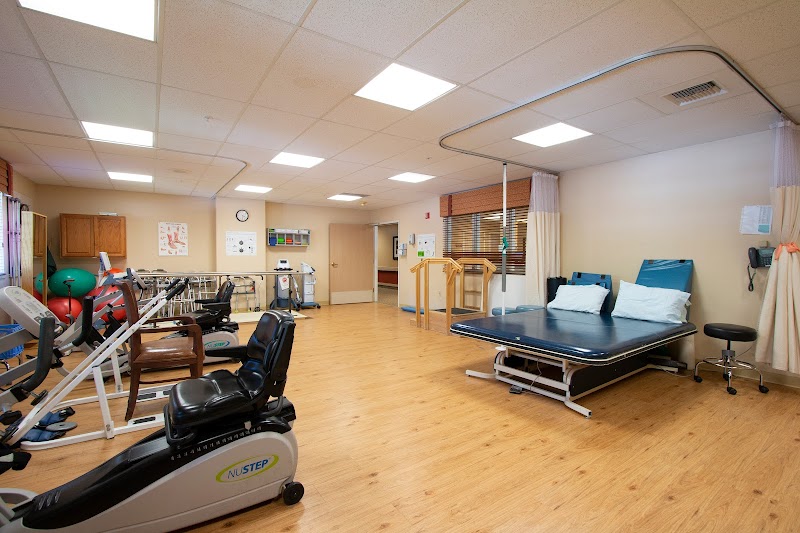
How is Avamere Rehabilitation Of Cascade Park Staffed?

CMS rates AVAMERE REHABILITATION OF CASCADE PARK's staffing level at 4 out of 5 stars, which is above average compared to other nursing homes. Staff turnover is 32%, compared to the Washington average of 46%. This relatively stable workforce can support continuity of care.

What Have Inspectors Found at Avamere Rehabilitation Of Cascade Park?

State health inspectors documented 35 deficiencies at AVAMERE REHABILITATION OF CASCADE PARK during 2022 to 2024. These included: 1 that caused actual resident harm, 33 with potential for harm, and 1 minor or isolated issues. Deficiencies causing actual harm indicate documented cases where residents experienced negative health consequences.

Who Owns and Operates Avamere Rehabilitation Of Cascade Park?

AVAMERE REHABILITATION OF CASCADE PARK is owned by a for-profit company. For-profit facilities operate as businesses with obligations to shareholders or private owners. The facility is operated by AVAMERE, a chain that manages multiple nursing homes. With 88 certified beds and approximately 80 residents (about 91% occupancy), it is a smaller facility located in VANCOUVER, Washington.
How Does Avamere Rehabilitation Of Cascade Park Compare to Other Washington Nursing Homes?

Compared to the 100 nursing homes in Washington, AVAMERE REHABILITATION OF CASCADE PARK's overall rating (4 stars) is above the state average of 3.2, staff turnover (32%) is significantly lower than the state average of 46%, and health inspection rating (4 stars) is above the national benchmark.

What Should Families Ask When Visiting Avamere Rehabilitation Of Cascade Park?

Based on this facility's data, families visiting should ask: "Can I visit during a mealtime to observe dining assistance and food quality?" "How do you handle medical emergencies, and what is your hospital transfer rate?" "Can I speak with family members of current residents about their experience?"

Is Avamere Rehabilitation Of Cascade Park Safe?

Based on CMS inspection data, AVAMERE REHABILITATION OF CASCADE PARK has a clean safety record: no substantiated abuse findings (meaning no confirmed cases of resident harm), no Immediate Jeopardy citations (the most serious violation level indicating risk of serious injury or death), and is not on the Special Focus Facility watch list (a federal program monitoring the lowest-performing 1% of nursing homes). The facility has a 4-star overall rating and ranks #1 of 100 nursing homes in Washington. While no facility is perfect, families should still ask about staff-to-resident ratios and recent inspection results during their visit.

Do Nurses at Avamere Rehabilitation Of Cascade Park Stick Around?

AVAMERE REHABILITATION OF CASCADE PARK has a staff turnover rate of 32%, which is about average for Washington nursing homes (state average: 46%). Moderate turnover is common in nursing homes, but families should still ask about staff tenure and how the facility maintains care continuity when employees leave.

Was Avamere Rehabilitation Of Cascade Park Ever Fined?

AVAMERE REHABILITATION OF CASCADE PARK has no federal fines on record. CMS issues fines when nursing homes fail to meet care standards or don't correct problems found during inspections. The absence of fines suggests the facility has either maintained compliance or corrected any issues before penalties were assessed. This is a positive indicator, though families should still review recent inspection reports for the full picture.

Is Avamere Rehabilitation Of Cascade Park on Any Federal Watch List?

AVAMERE REHABILITATION OF CASCADE PARK is not on any federal watch list. The most significant is the Special Focus Facility (SFF) program, which identifies the bottom 1% of nursing homes nationally based on persistent, serious quality problems. Not being on this list means the facility has avoided the pattern of deficiencies that triggers enhanced federal oversight. This is a positive indicator, though families should still review the facility's inspection history directly.