BRIDGE CREST POST ACUTE

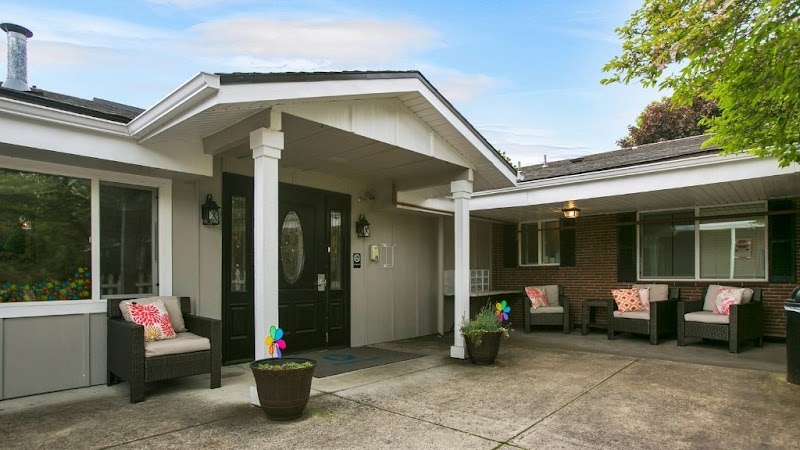
5220 NORTHEAST HAZEL DELL AVENUE, VANCOUVER, WA 98663 (360) 693-1474
For profit - Limited Liability company 89 Beds PACS GROUP Data: November 2025 2 Immediate Jeopardy citations
Trust Grade
0/100
#133 of 190 in WA
Last Inspection: October 2024

Within standard 12-15 month inspection cycle. Federal law requires annual inspections.

Overview

Bridge Crest Post Acute in Vancouver, Washington has a Trust Grade of F, indicating significant concerns about its care quality. It ranks #133 out of 190 facilities in the state, placing it in the bottom half, and #8 out of 8 in Clark County, meaning there are no better local options available. The facility is improving, having reduced its issues from 19 in 2024 to 4 in 2025, but it still faces challenges, including a concerning staffing turnover rate of 59%, which is above the state average. Additionally, it has accumulated fines totaling $197,832, which is higher than 93% of Washington facilities, suggesting ongoing compliance issues. Specific incidents reported include a failure to provide necessary emergency respiratory equipment for a resident dependent on it during a power outage, which posed a serious risk to their life, as well as a failure to promptly address a new pressure injury in another resident, leading to further harm. While staffing is a relative strength with a rating of 4 out of 5 stars, the overall quality of care remains below average, indicating both strengths and weaknesses that families should carefully consider.

Trust Score
F
0/100
In Washington
#133/190
Bottom 30%
Safety Record
High Risk
Review needed
Inspections
Getting Better
19 → 4 violations
Staff Stability
⚠ Watch
59% turnover. Above average. Higher turnover means staff may not know residents' routines.
Penalties
✓ Good
$197,832 in fines. Lower than most Washington facilities. Relatively clean record.
Skilled Nurses
○ Average
Each resident gets 40 minutes of Registered Nurse (RN) attention daily — about average for Washington. RNs are the most trained staff who monitor for health changes.
Violations
⚠ Watch
43 deficiencies on record. Higher than average. Multiple issues found across inspections.
★★☆☆☆
2.0
Overall Rating
★★★★☆
4.0
Staff Levels
★★☆☆☆
2.0
Care Quality
★★☆☆☆
2.0
Inspection Score
Stable
2024: 19 issues
2025: 4 issues

The Good

  • 4-Star Staffing Rating · Above-average nurse staffing levels
  • Full Sprinkler Coverage · Fire safety systems throughout facility
  • No fines on record

Facility shows strength in staffing levels, fire safety.

The Bad

2-Star Overall Rating

Below Washington average (3.2)

Below average - review inspection findings carefully

Staff Turnover: 59%

13pts above Washington avg (46%)

Frequent staff changes - ask about care continuity

Federal Fines: $197,832

Well above median ($33,413)

Significant penalties indicating serious issues

Chain: PACS GROUP

Part of a multi-facility chain

Ask about local staffing decisions and management

Staff turnover is elevated (59%)

11 points above Washington average of 48%

The Ugly 43 deficiencies on record

2 life-threatening 3 actual harm
Aug 2025 1 deficiency
CONCERN (D) 📢 Someone Reported This

A family member, employee, or ombudsman was alarmed enough to file a formal complaint

Potential for Harm - no one hurt, but risky conditions existed

Deficiency F0627 (Tag F0627)

Could have caused harm · This affected 1 resident

**NOTE- TERMS IN BRACKETS HAVE BEEN EDITED TO PROTECT CONFIDENTIALITY** Based on interview and record review, the facility failed to provide a written notice of discharge for 1 of 4 residents (Residen...

Read full inspector narrative →
**NOTE- TERMS IN BRACKETS HAVE BEEN EDITED TO PROTECT CONFIDENTIALITY** Based on interview and record review, the facility failed to provide a written notice of discharge for 1 of 4 residents (Resident 1) reviewed for transfer and discharge requirements. This failure placed residents at risk of uninformed discharge plans, psychological distress, and decreased quality of life. Finding included. Record review of a facility policy and procedure titled, Notice of Transfer or Discharge, dated 04/2020 showed, POLICY:It is the policy of this center to provide written notice of transfer/discharge in accordance with state and federal regulations. Notice of transfer/discharge shall be made 30-days prior to transfer/discharge unless the health and/or safety of the resident or resident's residing in this center are endangered. Additionally, a procedure showed,PROCEDURE:1. The facilities interdisciplinary team validate transfers and discharges occur in a manner that maintains or improves the resident's physical, mental and psychosocial well-being.2. Transfers and discharges may occur for any of these reasons:a. The residents' welfare and the residents' needs cannot be met at the centerc. The safety of individuals in the center is endangered due to the clinical or behavioral status of the resident.d. The health of others within the center would otherwise be endangered. Resident 1 was admitted to the facility on [DATE]. A quarterly Minimum Data Set [MDS], an assessment tool, dated 06/29/2025, showed Resident 1 was cognitively intact, able to make her own decisions, and needed moderate assistance with activities of daily living. Record review of an interdisciplinary progress note for Resident 1, dated 07/16/2025 at 6:35 PM, written by Staff C, Social Service Director, showed, Residents care needs have surpassed the scope of services the facility is able to provide at Bridge Crest Post Acute. Due to ongoing and active substance use, including nicotine, methamphetamines, and methadone, her medical condition has become increasingly complex and unstable, making it unsafe for us to manage within our current level of care. Resident has exhibited a pattern of leaving the facility and returning in a medically compromised state, often experiencing withdrawal symptoms and episodes of lethargy and intermittent unconsciousness. She has also been declining care and eating inconsistently. Given her history of diabetes, these behaviors have led to both hyperglycemic and hypoglycemic events requiring medical intervention. Additionally, residents' current behaviors and choices present significant safety risks to herself, the staff, and other residents. For these reasons, we believe a higher level of care is necessary to appropriately meet her medical and behavioral health needs. In collaboration with the methadone clinic, steps have been taken to increase residents' success with current treatment in place and to prevent the potential for resident selling her methadone or over medicating herself before returning from the methadone clinic each day. However, the resident continues to display an overall medical decline with no expressed interest in remedying the situation with available options such as inpatient drug rehab or complying with simple requests to ensure her safety as well as others in the facility. At this time, resident is not appropriate to return to facility for the overt concerns stated above. In an interview on 08/21/2025 at 2:43 PM, when asked if a written discharge notice was given to Resident 1 at the time of discharge, Staff C, Social Service Director, said No, I don't think so. In an interview on 08/21/2025 at 2:50 PM, Collateral Contact 1(CC1), a Methadone clinic employee, said Resident 1 was sent to the hospital the morning of 07/15/2025 at 8:57 AM. CC1 said she had received a call from an employee at the facility stating Resident 1 had wanted to go to the hospital to have her legs assessed for an infection. It was arranged for Resident 1 to be taken by a medical transportation service to the hospital instead of back to the facility. CC1 said Resident 1 was alert, oriented, and receiving two antibiotics for infection to her lower legs. Resident 1 was agreeable to the transfer to the hospital on [DATE]. In an interview on 08/22/2025 at 12:50 PM, Collateral Contact 2 (CC2), a case manager supervisor at the hospital, said Resident 1 was admitted on [DATE]. The hospital received notice that the facility would not be readmitting Resident 1 on 07/16/2025. In an interview on 08/25/2025 at 4:14 PM, Staff A, Administrator, said the interdisciplinary team had met and discussed Resident 1 on the evening of 07/16/2025. Staff A said that in the future they would deliver a written discharge notice immediately upon discharge. Reference WAC 388-97-0080.
Aug 2025 1 deficiency
CONCERN (D) 📢 Someone Reported This

A family member, employee, or ombudsman was alarmed enough to file a formal complaint

Potential for Harm - no one hurt, but risky conditions existed

Pharmacy Services (Tag F0755)

Could have caused harm · This affected 1 resident

**NOTE- TERMS IN BRACKETS HAVE BEEN EDITED TO PROTECT CONFIDENTIALITY** Based on interview and record review, the facility failed to acquire, administer, and accurately document a medication for 1 of ...

Read full inspector narrative →
**NOTE- TERMS IN BRACKETS HAVE BEEN EDITED TO PROTECT CONFIDENTIALITY** Based on interview and record review, the facility failed to acquire, administer, and accurately document a medication for 1 of 4 residents (Resident 1) reviewed for pharmacy services and drug regime. Failure to ensure the medication was received and administered placed Resident 1 at risk for delayed treatment, medical complications, and decreased quality of life Findings included.Record review of the facility's policy, titled, Section 3.2 Medication Ordering and Receiving from Pharmacy Provider-Ordering and Receiving Non-Controlled Medications, revised on 01/2023, showed section 2. Receiving medications from the pharmacy:a.A licensed nurse or appropriate personnel as required by law:Receives medication delivered to the nursing care center from the pharmacy and documents delivery on the medication delivery receipt/manifest.Verifies medication received with the prescriber orders.Promptly reports discrepancies and omissions to the issuing pharmacy and the charge nurse/supervisor.Resident 1 was admitted to the facility on [DATE] with diagnoses including Malignant Neoplasm of Unspecified Kidney (a cancer in the kidney and spread to the breast, bone and lymph nodes.) An admission Minimum Data Set (MDS- an assessment tool), date 07/01/2025, showed Resident 1 was cognitively aware and required moderate assistance with activities of daily living.A record review of Resident 1's physician's admission orders, dated 06/25/2025, included an order for Belzutifan (a medication used to treat cancer) Oral Tablet 40 milligrams (MG) to be given by mouth in the morning.A record review of Resident 1's Medication Administration Records (MAR), dated 06/25/2025 to 07/24/2025, showed licensed nurse signatures for the administration of Belzutifan 40 MG each at 07:00 AM. Above 25 of these signatures a chart code of (9) was documented instructing the reader to See Nurses Notes. Above 4 of these signatures achart code of a check mark was documented indicating the medication had been administered as ordered.Record review of the progress notes for Resident 1, dated 06/24/205 to 07/24/2025, showed a progress note on 07/18/2025 at 07:58 AM from Staff C, Registered Nurse (RN), documenting the medication Belzutifan was unavailable, and the family would provide.In an Interview on 07/23/2025 at 10:57 am, Collateral Contact 1 (CC1), a pharmacy representative, said the pharmacy was unable to supply this medication as its suppliers did not provide it. The medication would need to be obtained from a specialty pharmacy. CC1 said the pharmacy had never filled this prescription for Resident 1.In an interview on 07/24/2025 at 1:00 PM, Staff C, RN, said the chart code (9) above the nurse signature on the MAR indicated a nurse's progress note should be written. Staff C said the Belzutifan had not been given as the medication had not been received. The facility pharmacy was unable to provide the medication and Resident 1's family was going to bring it in. Staff C said they were still waiting for the medication. When asked if the Resident Care Manager (RCM) or the physician had been notified of the medication not being available, Staff C said she had just notified the RCM and was unsure if the physician had been notified.In an Interview on 07/24/205 at 01:47 PM, Staff D, RCM/Licensed Practical Nurse (LPN), said the chart code (9) above the nurse signature in the MAR means, See nursing progress note. When asked about Resident 1's medication Belzutifan she said there were no notes and there should be. She had just learned this morning the medication was unavailable. When asked about nurse expectations regarding unavailable medications Staff D said the nurses should report unavailability of medications to her as well as the physician and family.During an interview on 07/24/2025 at 03:17 PM, Resident 1 informed me she had not received her Belzutifan since she was admitted on [DATE].During an interview on 07/31/2025 at 3:00 PM, Staff E, RN, when ask about the protocol to follow if a medication was not available for administration at the time of medication pass and a chart code of (9) was documented said, I would call the pharmacy. I asked if she would make a progress note regarding this. If I can resolve it, I don't usually make a note. If not, I pass it along in report and usually let the RCM know. When asked about Resident 1 and her Belzutifan , she said she couldn't remember if she called the pharmacy, made a note, or reported to RCM.During an interview on 07/31/2025 at 3:02 PM, Staff F,LPN, when asked about the protocol to follow if a medication was not available at the time of medication pass and a chart code of (9) was documented said, I would make a note in the progress notes and call the pharmacy. When asked about Resident 1's Belzutifan , Staff F said she remembered calling the pharmacy and the family. She did not remember reporting this to the RCM or the physician.During an interview on 07/31/2025 at 3:48 PM, Staff G, LPN, when asked about the protocol to follow if a medication was not available at the time of medication pass and a chart code of (9) was documented said, This means there should be a progress note. Staff G was asked if it was protocol to notify the RCM, and physician if medications continued to be unavailable and he said yes. He stated he did not remember notifying the RCM about Resident 1's Belzutifan.During an interview on 07/31/2025 at 3:56 PM, Staff H, LPN, when asked about the protocol to follow if a medication was not available at the time of medication pass and a chart code of (9) was documented said, There should be a progress note, and the RCM should be notified.In an Interview on 08/04/2025 at 3:50 PM, Staff B, Director of Nursing Services/ RN, said that systems had been tightened and education provided for Nursing staff regarding acquiring of medications.Reference WAC 388-97-1300 [1][a].
Apr 2025 1 deficiency 1 Harm
SERIOUS (G) 📢 Someone Reported This

A family member, employee, or ombudsman was alarmed enough to file a formal complaint

Actual Harm - a resident was hurt due to facility failures

Pressure Ulcer Prevention (Tag F0686)

A resident was harmed · This affected 1 resident

**NOTE- TERMS IN BRACKETS HAVE BEEN EDITED TO PROTECT CONFIDENTIALITY** . Based on interview and record review, the facility failed to address a new skin pressure injury, timely notify the provider, a...

Read full inspector narrative →
**NOTE- TERMS IN BRACKETS HAVE BEEN EDITED TO PROTECT CONFIDENTIALITY** . Based on interview and record review, the facility failed to address a new skin pressure injury, timely notify the provider, and timely implement wound treatment orders for 1 of 1 sampled residents (Resident 1) reviewed for pressure ulcers (injuries to skin and underlying tissue resulting from prolonged pressure on the skin). Resident 1 experienced harm when they developed a facility acquired pressure ulcer which deteriorated prior to staff obtaining timely orders for wound treatment and pressure reduction modalities. This failure placed residents at risk for development and/or worsening of wounds, medical complications, and a diminished quality of life. Findings included . Review of the facilities policy entitled, Skin at Risk/Skin Breakdown, revised 09/2020, showed procedure #5: Upon discovery of newly identified skin impairment (abrasion, bruise, burn, excoriation, pressure sore, rash, skin tear, surgical wound, etc.), the licensed nurse will: Notify the physician and obtain a treatment order if needed, document on the Treatment Administration Record (TAR) after implementation. The policy section entitled, Treatment/Management, showed #1: The physician will order pertinent wound treatments, including pressure reduction surfaces, wound cleansing and debridement approaches, dressings (occlusive, absorptive, etc.), and applications of topical ointments. Resident 1 was admitted to the facility on [DATE] with diagnoses including Type 2 diabetes with diabetic polyneuropathy (too much sugar in the blood causing loss of feeling), and hemiplegia and hemiparesis following a cerebral infarction affecting the right dominant side (stroke that caused loss of movement). The annual Minimum Data Set assessment, dated 01/12/2025, showed Resident 1 required assistance with activities of daily living and required substantial to maximum assistance with turning and repositioning in bed. Review of a nurse progress note, dated 03/13/2025, documented Resident 1 had an open wound on their right buttock measuring 2 centimeters (cm) X 4 cm and another purple area that looked like it was going to open up laterally to it measuring 10 cm x 1 cm. Resident 1's right heel was black on the outside approximately 6 cm X 6 cm, the skin on the outside of her shin going up from the heel was warm and red. The writer noted they cleaned the wound on Resident 1's bottom and put a border dressing on it, but they [wounds] need to be assessed, and wound orders put in. Review of a nurse progress note, dated 03/14/2025, documented, Photo taken and placed in chart. Wound care also done at this time. Review of a nurse progress note, dated 04/01/2025 and referred to as a late entry from 03/17/2025, documented, Showed wound care physician resident's right foot and sacral area. We were placing a foam 6x6 on sacral area and zinc. Heels to be floated. The sacral area continue to treat with a cover and zinc. No written order was completed until 04/01/2025. Review of Electronic Medical Record (EHR) physician orders showed no orders were written for wound treatment or pressure reduction mattress until 04/01/2024, 20 days after wounds were identified. Review of EHR progress notes showed no notes were written for wounds identified on 03/13/2025 until 04/01/2025, 20 days after wounds were identified. Review of March 2025 and April 2025 Treatment Administration Record (TAR), from 03/13/2025 to 04/02/2025, showed no treatment was signed for until 04/01/2025, 20 days after wounds were identified. On 04/08/2025 at 3:00 PM, Staff C, Registered Nurse (RN), said if nurses identified a wound, it was their responsibility to make sure providers were notified, an order was received and noted, and residents were placed on alert status. On 04/23/2025 at 11:01 AM, Staff D, Licensed Practical Nurse (LPN), said the nursing assistants reported Resident 1's skin condition to her and she took measurements and made a progress note. Staff D said they did not notify the provider, obtain an order, or make a note on the TAR. Staff D said this was the responsibility of the wound nurse or Resident Care Manager (RCM). At 11:57 AM, Staff F, LPN, RCM, said they learned of Resident 1's wound by accident when the facility wound nurse and wound care provider were doing rounds. They had been asked to assist and note orders. The therapeutic mattress was ordered at that time. Staff F said the wounds were unstageable (dark black tissue indicative of loss of blood flow) at that time. At 1:20 PM, Staff F, LPN and Wound Nurse, said they had not written or noted orders. Staff F said they used house standing orders and completed treatments when on duty. At 2:15 PM, Staff B, DNS, said it was her expectation when licensed staff identified a wound, they reported it up the ladder, so the entire health care team was aware of the issue. The expectation was to make a progress note, place residents on alert status, and obtain an order for treatment and pressure reduction as applicable. On 04/25/2025 at 12:33 PM, Staff G, LPN, said she had completed measurements and a progress note for Resident 1. Staff G said the progress note, called a tiger text, sent a message to the healthcare team consisting of the RCM, Director of Nursing (DNS), and the provider. Staff G said she did not receive an order but placed a dressing on the wounds per nursing judgment. Staff G said she did not place Resident 1 on alert status. Reference WAC 388-97-1060 (3)(b) .
Feb 2025 1 deficiency 1 Harm
SERIOUS (G) 📢 Someone Reported This

A family member, employee, or ombudsman was alarmed enough to file a formal complaint

Actual Harm - a resident was hurt due to facility failures

Laboratory Services (Tag F0770)

A resident was harmed · This affected 1 resident

**NOTE- TERMS IN BRACKETS HAVE BEEN EDITED TO PROTECT CONFIDENTIALITY** . Based on interview and record review, the facility failed to ensure timely laboratory services were provided for 1 of 1 sample...

Read full inspector narrative →
**NOTE- TERMS IN BRACKETS HAVE BEEN EDITED TO PROTECT CONFIDENTIALITY** . Based on interview and record review, the facility failed to ensure timely laboratory services were provided for 1 of 1 sampled residents (1) reviewed for laboratory services. Resident 1 experienced a critically elevated white blood cell (WBC) count and was sent to the emergency department with increased swelling and discomfort in both lower legs and left arm. This failure placed residents at risk for delay in treatment and a diminished quality of life. Findings included . Resident 1 was readmitted to the facility on [DATE] with diagnoses including Chronic Myelomonocytic Leukemia, a rare blood cancer originating in the bone marrow and is characterized by an overproduction of white blood cells. The Minimum Data Set assessment, dated 12/26/2024, showed resident was cognitively aware and required moderate assistance with activities of daily living. The hospital discharge orders, dated 12/20/2024, documented, Future lab orders at Skilled Nursing Facility [SNF]. Complete by 12/27/2024, Completed Blood Count, [CBC], and Basic Metabolic Panel [BMP]. A review of Resident 1's electronic medical record showed the hospital discharge orders had not been noted and the lab draw had not been completed by 12/27/2024. A physician order, dated 12/31/2024 at 7:15 AM, showed Resident 1 was to have a lab draw for a CBC and BMP to be completed for three consecutive days, on 12/31/2024, on 01/01/2025, and on 01/02 2025. Resident 1's December 2024 and January 2025 Medication Administration Record (MAR) showed the lab draw, ordered on 12/31/2024, was signed as completed on 12/31/2024 only. The results of the 12/31/2024 lab draw were not located in Resident 1's medical record. Resident 1's medical record showed a lab draw for CBC and BMP was completed on 01/03/2025 at 10:48 AM. A laboratory report showing the lab draw results, dated 01/03/2025 at 12:55 PM, identified abnormal values including a critically elevated WBC count of 47.4. (a normal WBC count range is 3.8-10.1.) The report for Resident 1 documented to repeat analysis with a new blood sample. The January 2025 MAR showed Resident 1 did not have any orders for the lab draws to repeat analysis of CBC and BMP on 01/04/2025 and 01/05/2025. A physician order, dated 01/06/2025 at 11:15 AM, was written for a lab draw for a CBC to be completed for three consecutive days on 01/06/2025, on 01/07/2025 and on 01/08/2025. The January 2025 MAR showed the lab draw was signed as completed on 01/06/2025. A lab report, dated 01/07/2025 at 8:15 PM, identified Resident 1 had abnormal values including a critically elevated WBC count of 55.0. A nursing progress note, dated 01/07/2025 at 2:50 PM, Resident 1 was sent to the emergency department the morning of 01/07/2025 with increased swelling and discomfort to both lower legs and left arm. Resident 1's medical record showed the resident did not return to the facility. On 01/23/2025 at 2:42 PM, when asked about the facility's process for implementing lab orders upon admission, Staff C, Licensed Practical Nurse (LPN), said it was sometimes the nurse who helped with admissions, or sometimes medical records, but usually it was the floor nurses who initiated lab orders when a resident was admitted from hospital. Staff C said the nurses review the hospital orders for labs, verify orders with the provider, and activate the orders in the electronic medical record (EMR). On 01/28/205 at 3:38 PM, when asked who oversees noting lab orders for new admissions, Staff D, LPN, said the nurse on duty would enter the lab order into EMR for the specified time. Then the Resident Care Manager (RCM) would review the orders and make sure they were noted and faxed to the lab and the order was placed in the lab book. Staff D said the expectation was for the floor nurses to know if there was a lab due on their shift. If so, they signed for this on the MAR when the lab was completed. Staff D said if the lab did not show up to complete the lab, they either called them or reported this to the RCM for further action. At 4:07 PM, Staff D, Registered Nurse (RN) and Previous Admissions Nurse, said the lab orders went in with the medication orders in EMR, and the nurses also had a copy of the admissions orders. Staff D said it was up to the floor nurses to get the lab orders into the lab app (place to document lab orders that can be seen by the facility nurses and the lab). If they were not able to get the orders into the app, they could also call the orders into the lab. Staff D said the nurses were responsible to communicate to others if the lab could not be drawn, resident refused, or the resident went to the hospital. On 02/05/2025 at 3:00 PM, Staff B, Interim Director of Nursing Services and RN, said she had not been at the facility at the time of Resident 1's admission and discharge. However, she had inquired with staff if they knew anything about missed lab work for Resident 1. Staff B said a staff member informed her that during a morning clinical meeting Resident 1's labs were discussed, and it was realized they had been missed. The labs were reordered and then missed again. Staff B this was brought to the attention of the previous Director of Nursing Services and the Resident Care Manager for Resident 1. Staff B said she had implemented a system where labs were discussed each morning; and verification of orders, completion of lab draws, and lab results were brought forward for review by herself and the interdisciplinary team. Reference WAC 388-97-1620 (2)(b)(i)(ii)(6)(b)(i)(ii) .
Oct 2024 18 deficiencies
CONCERN (D)

Potential for Harm - no one hurt, but risky conditions existed

Deficiency F0552 (Tag F0552)

Could have caused harm · This affected 1 resident

**NOTE- TERMS IN BRACKETS HAVE BEEN EDITED TO PROTECT CONFIDENTIALITY** 2) Resident 3 was admitted to the facility on [DATE]. The admission MDS assessment, dated 09/15/2024, documented Resident 3 was ...

Read full inspector narrative →
**NOTE- TERMS IN BRACKETS HAVE BEEN EDITED TO PROTECT CONFIDENTIALITY** 2) Resident 3 was admitted to the facility on [DATE]. The admission MDS assessment, dated 09/15/2024, documented Resident 3 was alert and oriented, had diagnoses including dementia and depression. A physician's order, dated 09/08/2024, documented Resident 3 was prescribed Seroquel (an antipsychotic medication). A physician's order, dated 09/08/2024, documented Resident 3 was prescribed Sertraline (an antidepressant medication). Review of Resident 3's EHR showed an Informed Consent - Psychoactive Medication form signed on 09/30/2024, documenting Resident 3's consent to the administration of Seroquel and Sertraline. The informed consent was signed 22 days after the day Resident 3 started receiving the medications. On 10/11/2024 at 9:32 AM, Staff B said it was her expectation Resident 3 should have had a signed consent for Sertraline and Seroquel on the day the order was initiated. Reference WAC 388-97-0260 (1)-(3) Based on interview and record review, the facility failed to ensure residents and/or resident representatives were informed and provided consent before administering a psychotropic medication (medications capable of affecting the mind, emotions, and behaviors) for 2 of 5 sampled residents (41 & 3) reviewed for unnecessary medications. This failure placed residents and/or resident representatives at risk of not being fully informed of the risks and benefits before making decisions about medications, and a diminished quality of life. Findings included . 1) Resident 41 was admitted to the facility on [DATE]. The admission Minimum Data Set (MDS) assessment, dated 08/21/2024, documented Resident 41 was alert and oriented, had diagnoses including schizophrenia (a chronic mental illness that affects a person's thoughts, feelings, and behaviors), and was taking antipsychotic (a class of medications used to treat symptoms of various mental disorders) and antianxiety (medications that help reduce the symptoms of anxiety) medications. A physician's order, dated 08/15/2024, documented Resident 41 was prescribed Olanzapine (a medication used to treat mental disorders). The August 2024, September 2024 and October 2024 Electronic Medication Administration Record (EMAR) showed Resident 41 received Olanzapine daily. Review of Resident 41's Electronic Health Record (EHR) Informed Consent - Psychoactive Medication form, showed Resident 41 gave initial consent for Olanzapine on 09/30/2024, 47 days after the medication was started. A physician's order, dated 08/15/2024 and updated 09/06/2024, documented Resident 41 was prescribed Clonazepam (a medication that produces a calming effect on the brain and nerves). The September 2024 and October 2024 EMAR showed Resident 41 received Clonazepam twice daily. The EHR did not show documentation of a consent from the resident or a resident representative for the administration of Clonazepam. On 10/10/2024 at 2:40 PM, Staff E, Resident Care Manager and Registered Nurse (RN), said a consent should be completed upon admission or prior to starting a psychotropic medication. Staff E said Resident 41's first consent for the Olanzapine was signed on 09/30/2024 after the medication was started. Staff E said she did not see a consent for Resident 41's Clonazepam. Staff E said consents should have been completed prior to starting the Olanzapine and Clonazepam for Resident 41. At 3:34 PM Staff B, Director of Nursing Services and RN, said she expected consents were completed prior to starting psychotropic medications.
CONCERN (D)

Potential for Harm - no one hurt, but risky conditions existed

Deficiency F0578 (Tag F0578)

Could have caused harm · This affected 1 resident

**NOTE- TERMS IN BRACKETS HAVE BEEN EDITED TO PROTECT CONFIDENTIALITY** . Based on interview and record review, the facility failed to provide and/or have procedures in place to assist with completing...

Read full inspector narrative →
**NOTE- TERMS IN BRACKETS HAVE BEEN EDITED TO PROTECT CONFIDENTIALITY** . Based on interview and record review, the facility failed to provide and/or have procedures in place to assist with completing advance directives (ADs), and obtaining and maintaining Durable Power of Attorney (DPOA) documentation for 2 of 11 sampled residents (3 & 9) reviewed for ADs. This failure place residents at risk for losing their right to have healthcare preferences and decisions honored and a diminished quality of life. Findings included . The facility's policy entitled, Advanced Directives, dated 08/01/2018, indicated, During the admission process, if it is determined that the resident does not have an advance directive and wishes to formulate one, assistance will be provided, using state specific advance directive forms. This will be documented in the medical chart along with a copy of the advance directive. 1) Resident 3 was admitted to the facility on [DATE]. The admission 5 Day Minimum Data Set (MDS) assessment, dated 09/15/2024, showed Resident 3 was moderately cognitively impaired. Resident 3's electronic health record (EHR) did not show an AD or documentation an AD was addressed since admission. 2) Resident 9 was admitted to the facility on [DATE]. The Quarterly MDS, dated [DATE], showed Resident 24 was alert and oriented. Resident 9's EHR did not show an AD or documentation an AD was addressed since admission. An email, dated 10/09/2024 at 11:16 AM, from Staff A, Administrator, documented Resident 3 and Resident 9 did not have ADs in place. On 10/10/2024 at 2:58 PM, Staff X, Social Services Director, said ADs were addressed in the initial admission care conference, and if residents decline, I typically [write a] progress note to document their preference. Staff X stated, I usually ask just those two times, the initial meeting and [the] care conference [a] few days later. On 10/11/2024 at 10:13 AM, Staff A, Administrator, said it was her expectation to address AD's per facility policy. Staff A was unable to provide further documentation of ADs being addressed for Resident 3 and Resident 9. Reference WAC 388-97-0280 (3)(c)(i) .
CONCERN (D)

Potential for Harm - no one hurt, but risky conditions existed

Deficiency F0583 (Tag F0583)

Could have caused harm · This affected 1 resident

**NOTE- TERMS IN BRACKETS HAVE BEEN EDITED TO PROTECT CONFIDENTIALITY** . Based on observation, interview and record review, the facility failed to ensure residents' medical information was maintained...

Read full inspector narrative →
**NOTE- TERMS IN BRACKETS HAVE BEEN EDITED TO PROTECT CONFIDENTIALITY** . Based on observation, interview and record review, the facility failed to ensure residents' medical information was maintained in a manner to ensure privacy and confidentiality when staff failed to properly secure medical records for 1 of 1 sampled resident (258) reviewed for privacy and confidentiality. These failures placed residents at risk for loss of confidential medical information and a diminished quality of life. Finding included . On 10/08/2024 at 9:22 AM, Staff S, Podiatrist, went into room [ROOM NUMBER], the room of Resident 258. At 9:34 AM, Staff S was observed providing care to Resident 258's toes nails. On Staff S's cart, in the hallway, were multiple papers. The top paper was facing up, and on it was a Podiatric Progress Note showing medical information for Resident 258. At 9:36 AM, Staff R, Registered Nurse, was observed coming out of a room from across the hallway. Staff R said resident information should not be visible to people in the hallway. When asked what she would do with visible resident information on the cart, Staff R turned the progress note over and stated, Just like this. At 1:02 PM, Staff A, Administrator, said resident medical information should not be visible to others and should be turned over. Reference WAC 388-97-0360 (1)(b) .
CONCERN (D)

Potential for Harm - no one hurt, but risky conditions existed

Deficiency F0604 (Tag F0604)

Could have caused harm · This affected 1 resident

**NOTE- TERMS IN BRACKETS HAVE BEEN EDITED TO PROTECT CONFIDENTIALITY** . Based on observation, interview and record review, the facility failed to ensure residents were free from restraints for 1 of ...

Read full inspector narrative →
**NOTE- TERMS IN BRACKETS HAVE BEEN EDITED TO PROTECT CONFIDENTIALITY** . Based on observation, interview and record review, the facility failed to ensure residents were free from restraints for 1 of 3 sample residents (38) reviewed for physical restraints. This failure placed residents at risk for injury and a decrease quality of life. Findings included . Resident 38 was admitted to the facility on [DATE]. The admission Minimum Data Set assessment, dated 07/30/2024, indicated Resident 38 was severely cognitively impaired. The fall risk interventions, dated 07/26/2024, indicated bed against wall, and fall mat [mattress] on side of the bed that is not against the wall to prevent/decrease chance of injury. No consent for the bed against the wall was found in the electronic health records. On 10/07/2024 at 10:36 AM, Resident 38 was observed lying on the bed on his back. The bed was against the wall, low to the floor and had a floor mat. At 2:51 PM, Collateral Contact 1 said the bed was against the wall and the mat was on the floor because Resident 38 tried to get out of bed and had fallen. On 10/10/2024 at 9:42 AM, Staff B, Director of Nursing Services and Registered Nurse, said if the bed was against the wall the facility would get a consent. Reference WAC 388-97-0620 (1)(b) .
CONCERN (D)

Potential for Harm - no one hurt, but risky conditions existed

Deficiency F0625 (Tag F0625)

Could have caused harm · This affected 1 resident

**NOTE- TERMS IN BRACKETS HAVE BEEN EDITED TO PROTECT CONFIDENTIALITY** . Based on interview and record review, the facility failed to ensure a written Bed Hold Notice was provided at the time of tran...

Read full inspector narrative →
**NOTE- TERMS IN BRACKETS HAVE BEEN EDITED TO PROTECT CONFIDENTIALITY** . Based on interview and record review, the facility failed to ensure a written Bed Hold Notice was provided at the time of transfer to the hospital to the resident or resident representative for 1 of 2 sampled residents (7) reviewed for notice of bed hold. This failure placed residents at risk for lack of knowledge regarding their right to hold their bed while at the hospital. Findings included . Review of the facility's Bed Hold Policy and Procedure documented, The resident and/or resident representative will be informed of this policy in writing upon admission, transfer or leave of absence. If unable to provide at the time of transfer or leave of absence, the policy will be provided within 24 hours. Resident 7 was admitted to the facility on [DATE]. The admission Minimum Data Set assessment, dated 07/23/2024, documented the resident was moderately cognitive impaired. Resident 7's electronic health records (EHR) documented an emergent transfer to an acute care hospital on [DATE]. The EHR showed Resident 7 returned to the facility on [DATE]. The EHR did not show documentation of Resident 7 or his representative receiving a Bed Hold Notice when Resident 7 was transferred to the hospital. On 10/09/2024 at 2:02 PM, Staff B, Director of Nursing Services and Registered Nurse, said there was no documentation of a Bed Hold Notice provided to Resident 7 or his representative when Resident 7 transferred to the hospital on [DATE]. Reference WAC 388-97-0120 (4) .
CONCERN (D)

Potential for Harm - no one hurt, but risky conditions existed

Comprehensive Care Plan (Tag F0656)

Could have caused harm · This affected 1 resident

**NOTE- TERMS IN BRACKETS HAVE BEEN EDITED TO PROTECT CONFIDENTIALITY** . Based on observation, interview and record review, the facility failed to develop a care plan addressing an urinary catheter (...

Read full inspector narrative →
**NOTE- TERMS IN BRACKETS HAVE BEEN EDITED TO PROTECT CONFIDENTIALITY** . Based on observation, interview and record review, the facility failed to develop a care plan addressing an urinary catheter (a tube inserted into the bladder that drains urine into a bag outside the body) for 1 of 2 sampled residents (28) reviewed for comprehensive care plan. This failure placed residents at risk for unmet care needs and a diminished quality of life. Findings included . The facility's undated policy entitled, In-dwelling Urinary Catheter, documented .The Preliminary and In Room Care Plans (for [a healthcare software platform] Comprehensive Care Plan and [NAME] [a paper or electronic system that contains a summary of a patient's care]) will be developed for indwelling urinary catheter. Resident 28 was admitted to the facility on [DATE] and re-admitted on [DATE]. The Medicare - 5 day Minimum Data Set assessment, dated 08/23/2024, documented Resident 28 was alert and oriented and had an indwelling catheter. Review of Resident 28's Electronic Health Record comprehensive care plan did not show documentation of an indwelling foley catheter. On 10/07/2024 at 3:01 PM, Resident 28 was observed with a foley catheter bag hanging on the left side of the bed frame. Resident 28 said it was put in when she returned from the hospital. On 10/08/2024 at 12:29 PM, Resident 28 was observed sitting up in bed with a foley catheter bag hanging on the left side of the bed frame. On 10/09/2024 at 9:18 AM, when asked how they know the care needs of a resident, Staff D, Certified Nursing Assistant, said they got their information in the [NAME] and the care plan. At 9:24 AM, Resident 28 was observed lying in bed with a foley catheter hanging on the left side of the bed frame. At 10:05 AM, Staff E, Resident Care Manager and Registered Nurse (RN), said residents with a foley catheter should have it care planned. Staff E said she could not find a care plan for Resident 28's foley catheter, stating, It should have been in her care plan, too. At 10:15 AM, Staff B, Director of Nursing Services and RN, said it was her expectation care plans were in place addressing residents with foley catheters. Refer to F690 Reference WAC 388-97-1020(1), (2)(a) .
CONCERN (D)

Potential for Harm - no one hurt, but risky conditions existed

Deficiency F0678 (Tag F0678)

Could have caused harm · This affected 1 resident

**NOTE- TERMS IN BRACKETS HAVE BEEN EDITED TO PROTECT CONFIDENTIALITY** . Based on interview and record review, the facility failed to ensure the physician's orders in the Electronic Health Record (EH...

Read full inspector narrative →
**NOTE- TERMS IN BRACKETS HAVE BEEN EDITED TO PROTECT CONFIDENTIALITY** . Based on interview and record review, the facility failed to ensure the physician's orders in the Electronic Health Record (EHR) were updated to accurately reflect the resident's wishes for Cardiopulmonary Resuscitation (CPR) status as directed by the Physician Orders for Life Sustaining Treatment (POLST) form for 1 of 1 sampled resident (13) reviewed for CPR. This failure placed residents at risk for not receiving care in accordance with the resident's and/or resident's representative decision-making if their heart stopped beating or breathing stopped. Findings included . Resident 13 was admitted to the facility on [DATE]. The Quarterly Minimum Data Set assessment, dated [DATE], documented Resident 13 was alert and oriented. Review of Resident 13's Advance Directive POLST care plan, revised [DATE], documented, Advanced Directive POLST in place . [Resident 13] states that the orders on the POLST reflect their advance directive wishes . Review of Resident 13's POLST, dated [DATE], signed by Resident 13 and a physician, documented, Use of Cardiopulmonary Resuscitation (CPR) .NO - Do Not Attempt Resuscitation (DNAR)/Allow Natural Death. Review of Resident 13's Medications Post Hospital Discharge orders from a local hospital, dated [DATE], documented, .DNAR [do not attempt resuscitation]/Full Treatment: If cardiopulmonary arrest occurs, do NOT perform CPR . Review of Resident 13's EHR physician orders, revised [DATE], documented, CPR - Attempt Cardiopulmonary Resuscitation. Review of physician's progress note, dated [DATE], documented, Do Not Attempt Resuscitation (DNR [do not resuscitate]/no CPR) Limited Additional Interventions Comfort primary . Pt [patient] and family agreed to discuss advance directive. Details: Confirmed DNR/DNI [do not intubate]/limited interventions, comfort care focus. On [DATE] at 1:53 PM, when asked how they determined a resident's CPR status, Staff G, Registered Nurse (RN) said they looked at the orders in the EHR. Staff G pointed to the computer screen with Resident 13's EHR displayed and stated, See right here, CPR. At 3:00 PM, Staff H, RN, said she determined a resident's CPR status by the orders in the EHR. At 3:04 PM, Staff E, Resident Care Manager and RN, said when a resident was admitted , they would fill out a POLST form and their wishes for CPR were put into the EHR like an order. When asked if Staff E would look at Resident 13's EHR for CPR orders, Staff E said Resident 13 had an advance directive order to attempt CPR. When asked if Staff E would look at Resident 13's POLST form and after looking at the POLST, Staff E stated, This is wrong. The POLST says do not resuscitate. Staff E stated the physician order .should have been do not resuscitate . It says in the last provider progress note DNR no CPR. At 3:16 PM, Staff B, Director of Nursing Service and RN, said the physician orders for CPR should reflect the resident's wishes on the POLST. Reference WAC 388-97-1060 (1) .
CONCERN (D)

Potential for Harm - no one hurt, but risky conditions existed

Quality of Care (Tag F0684)

Could have caused harm · This affected 1 resident

**NOTE- TERMS IN BRACKETS HAVE BEEN EDITED TO PROTECT CONFIDENTIALITY** 3) Resident 28 was admitted to the facility on [DATE]. The Medicare - 5 day MDS assessment, dated 08/23/2024, documented Residen...

Read full inspector narrative →
**NOTE- TERMS IN BRACKETS HAVE BEEN EDITED TO PROTECT CONFIDENTIALITY** 3) Resident 28 was admitted to the facility on [DATE]. The Medicare - 5 day MDS assessment, dated 08/23/2024, documented Resident 28 was alert and oriented. Review of Resident 28's Task: Bowel Continence record, dated 09/12/2024 to 10/11/2024, documented No Bowel Movement on 09/23/2024, 09/24/2024, 09/25/2024, 09/26/2024, 09/27/2024, 09/28/2024, 09/29/2024, and 09/30/2024, for 8 days. The EHR showed Resident 28 had physician orders, dated 08/16/2024, for: 1. Bisacodyl Laxative Rectal Suppository 10 MG (Bisacodyl) Insert 1 application rectally every 24 hours as needed for constipation 2. Senna Tablet [a laxative] 8.6 MG (Sennosides) Give 17.2 mg [milligrams] by mouth every 12 hours as needed for bowel care-narcotic use 3. Senna Tablet 8.6 MG (Sennosides) Give 8.6 mg by mouth every 12 hours as needed for bowel care. Resident 28's September 2024 MAR did not show any PRN (as needed) constipation medications were given from 09/23/2024 to 09/30/2024. Resident 28's Progress Notes, dated 09/23/2024 to 09/30/2024, did not show documentation of BMs, constipation, or use of PRN constipation medications. On 10/11/2024 at 9:55 AM, when asked about Resident 28's BM record, Staff E, Resident Care Manager (RCM) and RN, said no BMs were documented from 09/23/2024 to 09/30/2024. Staff E said she did not see that PRN bowel medications were given to Resident 28. Staff E said she did not see any refusals of medication for Resident 28 and stated, She should have been offered a PRN bowel med. 4) Resident 41 was admitted to the facility on [DATE]. The admission MDS assessment, dated 08/21/2024, documented Resident 41 was alert and oriented. Review of Resident 41's Task: Bowel Continence record, dated 09/12/2024 to 10/11/2024, documented No Bowel Movement on 09/27/2024, 09/28/2024, 09/29/2024, 09/30/2024, and 10/01/2024, for 5 days. The EHR showed Resident 41 had physician orders, dated 08/15/2024, for: 1) Geri-kot Tablet [a laxative] 8.6 MG [milligrams] (Sennosides) Give 17.2 mg by mouth every 12 hours as needed for No BM x 3 days 2) Geri-kot Tablet 8.6 MG (Sennosides) Give 8.6 mg by mouth every 12 hours as needed for No BM x 2 days. Resident 41's September 2024 and October 2024 MAR did not show any PRN constipation medications were given from 09/27/2024 to 10/01/2024. Resident 41's Progress Notes, dated 09/23/2024 to 09/30/2024, did not show documentation of BMs, constipation, or use of PRN constipation medications. On 10/11/2024 at 9:55 AM, Staff E said a report was pulled every morning for residents that did not have a BM for 48-72 hours. Staff E said she would ask the resident if they had a BM, and if the resident did not, the resident would go on alert and the nurse would start them on bowel medications and the bowel protocol. When asked about Resident 41's BM record, Staff E said no BMs were documented from 09/27/2024 to 10/01/2024. Staff E said Resident 41 did not have any PRN bowel medications given and there should have been. On 10/11/2024 at 9:44 AM, Staff G, RN, said if there are more than three days since residents' BM, a bowel assessment is done, and Milk of Magnesia is administered. Staff G could not provide documentation of BM protocol being initiated for either Resident 28 or Resident 41. Staff G stated, We would chart it on the MAR [if initiated]. At 10:12 PM, Staff B said she would expect the BM protocol to be initiated after three days of no BM. Staff B was unable to provide further documentation of bowel interventions being initiated for Resident 10, Resident 1, Resident 28 and Resident 41. Reference WAC 388-97-1060 (1), (3)(c) <Bowel Management> The Facility Bowel Management Policy, entitled Bowel Protocol, updated 02/2019, showed, 1. At the beginning of each shift (based on an eight-hour shift), the Licensed Nurse will pull the Resident Bowel Management Report and identify residents that have not had a BM [bowel movement] for 3 days. (please run the report for last 7 days and check the box Include residents regardless of Bowel Alert Status). The Licensed Nurse will review the resident's MAR to determine if the PRN Bowel Protocol had been initiated by the previous shift. Bowel movements are charted every shift by CNA (Certified Nursing Assistant). 2. Residents who have not had a bowel movement in three days will be given Milk of Magnesia [a laxative]. 4. If no bowel movement by the following shift, a Dulcolax [a laxative] suppository is given. 5. If resident continues without a bowel movement by the next shift a Fleets enema [a laxative] will be given. 1) Resident 10 was admitted to the facility on [DATE]. The Annual MDS assessment, dated 07/23/2024, documented the resident was alert and oriented. The Bowel and Bladder Elimination task sheet documented Resident 10 had a BM on 10/05/2024 at 7:34 PM, and did not have another BM documented until 10/09/2024 at 7:59 PM, over 96 hours between BMs (4 days). Physician order, dated 06/04/2024, documented to administer Milk of Magnesia Suspension 400 MG [milligrams]/5 ML[milliliters] (Magnesium Hydroxide). Give 30 ml by mouth as needed for no BM in 3 days. Review of Resident 10's October 2024 Medication Administration Record (MAR) showed the bowel protocol and interventions were not initiated. 2) Resident 11 was admitted to the facility on [DATE]. The Annual MDS assessment, dated 07/18/2024, documented the resident was alert and oriented. The Bowel and Bladder Elimination task sheet documented Resident 11 had a BM on 09/16/2024 at 9:37 PM, and did not have another BM until 09/21/2024 at 12:46 PM, over 92 hours between BMs (over 3 days and 20 hours). The Bowel and Bladder Elimination task sheet documented Resident 11 had a BM on 09/30/2024 at 4:39 PM, and did not have another BM until 10/04/2024 at 1:31 PM, over 111 hours between BMs (over 4 days and 15 hours). Physician orders, dated 05/21/2024, documented to administer Milk of Magnesia Suspension 400 MG /5 ML (Magnesium Hydroxide). Give 30 ml by mouth as needed for no BM in 3 days. Review of Resident 11's September 2024 and October 2024 MAR showed the bowel protocol was not initiated. Based on interview and record review, the facility failed to perform ongoing neurological assessments (assesses the nervous system and identifies any abnormalities that affect function and activities of daily living) for residents after an unwitnessed fall for 1 of 3 sampled residents (38), and failed to ensure bowel interventions were initiated for 4 of 6 sampled residents (10, 11, 28 & 41) reviewed for quality of care. These failures placed residents at risk of having unidentified injuries, a delay in treatment, at risk for worsening conditions, health complications and a diminished quality of life. Findings included . <Neurological Assessments> Resident 38 was admitted to the facility on [DATE]. The admission Minimum Data Set assessment, dated 07/30/2024, indicated Resident 38 was severely cognitively impaired. The electronic health record (EHR) showed Resident 38 had unwitnessed falls on 08/24/2024, 09/05/2024, 09/14/2024, 09/25/2024 and 09/28/2024. No neurological assessments were located with the fall investigations or in the EHR. On 10/10/2024 at 9:42 AM, Staff B, Director of Nursing Services and Registered Nurse (RN), said if a resident had an unwitnessed fall or the resident hit their head, a neurological assessment should be initiated and completed. Staff B said if the resident refused the neurological assessment, it should be documented every time.
CONCERN (D)

Potential for Harm - no one hurt, but risky conditions existed

Incontinence Care (Tag F0690)

Could have caused harm · This affected 1 resident

**NOTE- TERMS IN BRACKETS HAVE BEEN EDITED TO PROTECT CONFIDENTIALITY** . Based on observation, interview and record review, the facility failed to obtain urinary catheter (a tube inserted into the bl...

Read full inspector narrative →
**NOTE- TERMS IN BRACKETS HAVE BEEN EDITED TO PROTECT CONFIDENTIALITY** . Based on observation, interview and record review, the facility failed to obtain urinary catheter (a tube inserted into the bladder that drains urine into a bag outside of the body) physician orders for 1 of 2 sampled residents (28) reviewed for urinary catheter. This failure placed residents at risk for infection, unmet care needs, and a diminished quality of life. Findings included . The facility's undated policy entitled, In-dwelling Urinary Catheter, documented .orders will be reviewed to include medical justification for the catheter use, catheter size, and frequency of catheter, bag and tubing changes and catheter irrigations if appropriate . Resident 28 was admitted to the facility on [DATE] and re-admitted [DATE]. The Medicare - 5 day Minimum Data Set assessment, dated 08/23/2024, documented Resident 28 was alert and oriented and had an indwelling catheter. Review of Resident 28's Electronic Health Record did not have a physician's order for an indwelling foley catheter. On 10/07/2024 at 3:01 PM, Resident 28 was observed with a foley catheter bag hanging on the left side of the bed frame. Resident 28 said it was put in when she returned from the hospital. On 10/08/2024 at 12:29 PM, Resident 28 was observed sitting up in bed with a foley catheter bag hanging on left side of bed frame. On 10/09/2024 at 9:24 AM, Resident 28 was observed lying in bed with a foley catheter hanging on left side of the bed frame. At 10:03 AM, Staff F, Licensed Practical Nurse, said residents with a foley catheter would have a physician's order with details such as catheter size, catheter bag changes, and care. At 10:05 AM, Staff E, Resident Care Manager and Registered Nurse (RN), said residents with a foley catheter would have a physician's order with details like the size of the catheter, if you should flush it or not, and if it could be replaced if it got blocked. Staff E said she could not find physician orders for Resident 28's foley catheter and there should have been. At 10:15 AM, Staff B, Director of Nursing Services and RN, said it was her expectation residents with foley catheters had physician orders for them. Reference WAC 388-97-1260 (12)(b) .
CONCERN (D)

Potential for Harm - no one hurt, but risky conditions existed

Deficiency F0692 (Tag F0692)

Could have caused harm · This affected 1 resident

**NOTE- TERMS IN BRACKETS HAVE BEEN EDITED TO PROTECT CONFIDENTIALITY** . Based on interview and record review, the facility failed to identify and address weight loss for 1 of 7 sampled residents (3)...

Read full inspector narrative →
**NOTE- TERMS IN BRACKETS HAVE BEEN EDITED TO PROTECT CONFIDENTIALITY** . Based on interview and record review, the facility failed to identify and address weight loss for 1 of 7 sampled residents (3) reviewed for nutrition. This failure placed residents at risk for inadequate nutrition and diminished quality of life. Findings included . Resident 3 was admitted to the facility on [DATE]. The admission Minimum Data Set assessment, dated 09/15/2024, showed Resident 3 was alert and oriented. Resident 3's nutrition care plan, initiated 09/18/2024, showed Resident 3 Will maintain adequate nutritional status as evidenced by stable weight. Care plan interventions included Obtain weights as ordered, report significant changes to physician and RP [Responsible Party]. Residents 3's electronic health record (EHR) showed the following weights: On 09/27/2024 at 12:05 PM 163.5 Lbs Wheelchair On 09/28/2024 at 1:51 PM 145.0 Lbs Chair Scale On 09/29/2024 at 7:13 AM 144.2 Lbs Standing On 09/30/2024 at 9:21 AM 159.2 Lbs Wheelchair On 10/03/2024 at 12:27 PM 149.0 Lbs Wheelchair On 10/10/2024 at 9:48 AM, Staff I, Resident Care Manager and Licensed Practical Nurse, said if a resident was losing weight, Staff I would notify the dietician and the provider. At 1:26 PM, Staff J, Certified Nurse Assistant, said she would weigh Resident 3 while in her wheelchair, assist resident back to bed and then weigh the wheelchair to get the difference in weight which she would then record in the EHR. On 10/11/2024 at 8:41 AM, Staff B, Director of Nursing Services and Registered Nurse, said it was her expectation if a resident was losing weight, the provider would be notified. Staff B was unable to find provider notification of Resident 3's weight loss in the EHR. Reference WAC 388-97-1060 (3)(h) .
CONCERN (D)

Potential for Harm - no one hurt, but risky conditions existed

Staffing Information (Tag F0732)

Could have caused harm · This affected 1 resident

. Based on observation, interview and record review, the facility failed to ensure nursing hours were accurately posted daily for 4 of 30 days reviewed for nurse staff postings. This failure placed re...

Read full inspector narrative →
. Based on observation, interview and record review, the facility failed to ensure nursing hours were accurately posted daily for 4 of 30 days reviewed for nurse staff postings. This failure placed residents, resident representatives, and visitors at risk of not being fully informed of the current staffing levels and census. Findings included . The nurse staff postings, dated 09/07/2024 through 10/07/2024, were reviewed. On 10/07/24 at 10:27 AM, the nurse staff posting displayed Friday, 10/04/2024, with a census 67. On 10/08/2024 at 8:07 AM, the nurse staff posting displayed Friday, 10/04/2024, with a census of 67. On 10/11/2024 at 9:37 AM, Staff T, Staffing Coordinator, said the overnight charge nurse were supposed to change the postings over the weekend. At 10:18 AM, Staff B, Director of Nursing Services and Registered Nurse, said the night shift nurse was supposed to change the posting. No Associated WAC .
CONCERN (D)

Potential for Harm - no one hurt, but risky conditions existed

Medication Errors (Tag F0758)

Could have caused harm · This affected 1 resident

**NOTE- TERMS IN BRACKETS HAVE BEEN EDITED TO PROTECT CONFIDENTIALITY** . Based on interview and record review, the facility failed to ensure targeted behaviors (desired responses to prescribed drugs)...

Read full inspector narrative →
**NOTE- TERMS IN BRACKETS HAVE BEEN EDITED TO PROTECT CONFIDENTIALITY** . Based on interview and record review, the facility failed to ensure targeted behaviors (desired responses to prescribed drugs) were monitored for 1 of 3 sampled residents (3) and failed to complete an AIMS (Abnormal Involuntary Movement Scale) Test (a rating scale used to assess the severity of involuntary movements that sometimes develop as a side effect of treatment with antipsychotic medications) for 2 of 5 sampled residents (3 & 41) reviewed for unnecessary psychotropic medications. These failures placed residents at risk of receiving unnecessary medications, experience adverse side effects and a diminished quality of life. Findings included . <Targeted Behaviors> Resident 3 was admitted to the facility on [DATE]. The admission Minimum Data Set (MDS) assessment, dated 09/15/2024, documented Resident 3 was alert and oriented, and had diagnoses including dementia and depression. A review of Resident 3's Electric Health Record (EHR) did not show a record of targeted behaviors being monitored. On 10/11/24 at 9:32 AM, Staff B, Director of Nursing Services and Registered Nurse (RN), said it was the expectation residents were monitored every shift for targeted behaviors related to the use of psychotropic medications. <AIMS Test> 1) A physician's order, dated 09/08/2024, documented Resident 3 was prescribed Seroquel (an antipsychotic medication). A physician's order, dated 09/08/2024, documented Resident 3 was prescribed Sertraline (an antidepressant medication). A review of Resident 3's EHR did not show a record of an AIMS test being completed prior to the administration of psychotropic medications. On 10/11/2024 at 9:32 AM, Staff B said it was her expectation that an AIMS assessment was completed by the floor nurse and/or by the Resident Care Manager (RCM) on admission. 2) Resident 41 was admitted to the facility on [DATE]. The admission MDS assessment, dated 08/21/2024, documented Resident 41 was alert and oriented, had diagnoses including schizophrenia (a chronic mental illness that affects a person's thoughts, feelings, and behaviors), and was taking an antipsychotic medication (a medication used to treat symptoms of various mental disorders). A physician's order, dated 08/15/2024, documented Resident 41 was prescribed Olanzapine (an antipsychotic medication used to treat mental disorders). The August 2024, September 2024 and October 2024 Electronic Medication Administration Record showed Resident 41 was receiving Olanzapine daily. Resident 41's EHR did not show documentation of an AIMS test completed for the administration of Olanzapine. On 10/10/2024 at 2:40 PM, Staff E, RCM and RN, said an AIMS test should be completed for residents receiving antipsychotic medications upon admission and when a new antipsychotic medication was started. Staff E said she could not find an AIMS test completed on Resident 41 and it should have been. At 3:34 PM, Staff B said she expected an AIMS test to be completed on residents taking an antipsychotic medication. Reference WAC 388-97-1060 (3)(k)(i) .
CONCERN (D)

Potential for Harm - no one hurt, but risky conditions existed

Deficiency F0761 (Tag F0761)

Could have caused harm · This affected 1 resident

. Based on observation, interview and record review, the facility failed to ensure medication refrigerators were monitored for appropriate temperatures on 2 of 2 sampled units (West Hall & TCU (Trans...

Read full inspector narrative →
. Based on observation, interview and record review, the facility failed to ensure medication refrigerators were monitored for appropriate temperatures on 2 of 2 sampled units (West Hall & TCU (Transitional Care Unit)) reviewed for medication storage. This failure placed the residents at risk of receiving unsafe or ineffective medication. Findings included . On 10/09/2024 at 3:26 PM, the medication refrigerator in [NAME] Hall medication room was observed with Staff H, Registered Nurse (RN). Medications were stored in the [NAME] Hall medication refrigerator. A review of the temperature log on the refrigerator door showed temperature readings were not documented on 10/03/2024, 10/04/2024 and 10/05/2024. On 10/10/2024 at 1:42 PM, the medication refrigerator in the TCU medication room was observed with Staff K, Licensed Practical Nurse. Medications were stored in the refrigerator. A temperature monitoring log was not located in the medication room or on the medication refrigerator in the TCU medication room. Staff K said night shift was supposed to check the refrigerator temperatures. Staff K was unable to locate a temperature log for the TCU medication refrigerator. On 10/11/2024 at 8:51 AM, Staff B, Director of Nursing Services and RN, said it was her expectation the refrigerator temperature in the medication rooms were checked twice a day. Staff B said the temperature log for [NAME] Hall medication room refrigerator was not up to date. Reference WAC 388-97-1300 (2) .
CONCERN (D)

Potential for Harm - no one hurt, but risky conditions existed

Infection Control (Tag F0880)

Could have caused harm · This affected 1 resident

**NOTE- TERMS IN BRACKETS HAVE BEEN EDITED TO PROTECT CONFIDENTIALITY** . Based on observation, interview, and record review, the facility failed to implement Enhanced Barrier Precautions (EBP) when p...

Read full inspector narrative →
**NOTE- TERMS IN BRACKETS HAVE BEEN EDITED TO PROTECT CONFIDENTIALITY** . Based on observation, interview, and record review, the facility failed to implement Enhanced Barrier Precautions (EBP) when providing medical device care and wound care for 3 of 3 sampled residents (13, 28 & 107) and the facility failed to ensure staff properly donned (putting on) and doffed (removing) personal protective equipment (PPE) for 1 of 1 staff (S) reviewed for infection prevention and control. These failures placed residents, staff, and visitors at risk for contracting infectious diseases, developing infections and a decreased quality of life. Findings included . <Enhanced Barrier Precautions (EBP)> Record review of the Centers for Medicare and Medicaid Services (CMS) Memorandum (Ref: QSO-24-08-NH), dated 03/20/2024, with the subject of: Enhanced Barrier Precautions in Nursing Homes explains that: --EBP recommendations now include use of EBP for residents with chronic wounds or indwelling medical devices during high-contact resident care activities regardless of their multidrug-resistant organism status. --Indwelling medical device examples include central lines, urinary catheters, feeding tubes, and tracheostomies. A peripheral intravenous line (not a peripherally inserted central catheter) is not considered an indwelling medical device for the purpose of EBP. --For residents for whom EBP are indicated, EBP is employed when performing the following high-contact resident care activities: dressing, bathing/showering, transferring, providing hygiene, changing linens, changing briefs or assisting with toileting, and wound care of any skin opening requiring a dressing. It is also indicated for device care or use of a central line, urinary catheter, feeding tube, or a tracheostomy/ventilator. Record review of the facility's policy entitled Transmission Based Precautions, dated 08/01/2024, documented .Residents requiring enhanced barrier precautions regardless of confirmed MDRO [multidrug-resistant organism] status include: Residents with wounds . Residents with enteral tubes [a tube inserted into the stomach through a surgically created opening in the abdomen that allows liquid nutrients and fluid to enter the stomach] . Residents with a urinary catheter [a tube inserted into the bladder that drains urine into a bag outside of the body] . 1) Resident 28 was admitted to the facility on [DATE]. The Medicare - 5 day Minimum Data Set (MDS) assessment, dated 08/23/2024, documented Resident 28 was alert and oriented and had an indwelling urinary catheter. On 10/07/2024 at 3:01 PM, Resident 28 was observed with a urinary catheter bag hanging on the left side of the bed frame. No EBP signage was observed on Resident 28's door or entrance to the room. No PPE (personal protective equipment) was observed at entrance of room. On 10/08/2024 at 12:29 PM, Resident 28 was observed sitting up in bed with a urinary catheter bag hanging on left side of bed frame. No EBP signage was observed on Resident 28's door or entrance to the room. No PPE (personal protective equipment) was observed at entrance of room. On 10/09/2024 at 9:24 AM, Resident 28 was observed lying in bed with a urinary catheter hanging on left side of the bed frame. No EBP signage was observed on Resident 28's door or entrance to the room. No PPE (personal protective equipment) was observed at entrance of room. 2) Resident 13 was admitted to the facility on [DATE]. The Quarterly MDS, dated [DATE], documented Resident 13 was alert and oriented and had a feeding tube. Review of Resident 13's physician's order, dated 06/03/2024, documented Enteral Feed, every shift for entry site check EVERY shift Enteral Tube Site Check: Enteral tube entry site without signs of skin irritation, discomfort, leakage, s/s [signs and symptoms] infection or skin ulceration. Monitoring of signs of complications shall occur prior to EVERY feeding, tube flush or medication administration. Review of Resident 13's comprehensive care plans documented, [Resident 13] requires tube feeding via g [gastrostomy] tube r/t [related to] Dysphagia. Date Initiated: 04/04/2024. On 10/08/2024 at 8:42 AM, no EBP signage was observed on Resident 13's door or entrance to the room. No PPE (personal protective equipment) was observed at entrance of room. At 12:38 PM, Resident 13 was observed sitting up in her wheelchair watching TV in her room. No EBP signage was observed on Resident 13's door or entrance to the room. No PPE was observed at entrance of room. On 10/09/2024 at 11:39 AM, Resident 13 was observed lying in bed. No EBP signage was observed on Resident 13's door or entrance to the room. No PPE was observed at entrance of room. At 2:05 PM, when asked if about awareness of which residents required the use of EBP, Staff C, Infection Preventionist and Licensed Practical Nurse (LPN), said residents with needs such as urinary catheters, wounds, tube feedings, and PICC (peripherally inserted central catheter, a tube that is inserted into a vein in the arm and threaded into a large vein above the heart) lines required EBP. Staff C stated, They have failed to roll out EBP . Its not happening in this building. There are no residents on EBP. Staff C said Resident 28 and Resident 13 should have been on EBP and they were not. At 3:14 PM, Staff B, Director of Nursing Services and Registered Nurse, said she expected residents requiring the use of EBP were placed on precautions, such as Residents 28 and Resident 13. 3) Resident 107 was admitted to the facility on [DATE]. The Annual MDS assessment, dated 09/16/2024, documented Resident 107 was alert and oriented, and was being treated for a Stage 3 (full thickness injury involving the outer two layers of skin as well as fatty tissue) pressure ulcer (pressure injuries of the skin also called bed sores). Resident 107's physicians/treatment order, dated 10/09/2024, noted for the wound to the buttocks/sacrum [an area at the base of the spine] to cleanse, cover Sacrum with foam dressings, D/C if consistently saturated, and apply liberal layer of HS zinc cream every morning and at bedtime for Skin Care. On 10/09/2024 at 3:10 PM, no EBP signage or PPE was observed at the door or entrance to the room of Resident 107. At 3:30 PM, Staff U, LPN, was observed providing wound care to Resident 107's buttocks/sacrum. Staff U entered the room with a mask on and donned (put on) clean gloves. After the wound care was completed, Staff U removed their dirty gloves and preformed hand hygiene. No gown was used during wound care. On 10/10/2024 at 12:41 PM, Staff U said they knew they forgot to wear a gown yesterday during wound care on Resident 107. Staff U said if a resident was on EBP's normally, I would wear one [gown] for wound care/dressing changes, and if helping with giving care. <Transmission Based Precautions (TBP)> The facility's Aerosol Contact Precautions sign, revised 02/18/2022, showed Everyone must: including visitors, doctors & staff. Clean hands when entering and leaving room. Respirator Use a NIOSH [National Institute for Occupational Safety and Health] -approved N95 or equivalent or higher-level respirator especially during aerosolizing procedures. Wear eye protection (face shield or goggles) gown and gloves at door. On 10/08/2024 at 9:11 AM, Staff S, Podiatrist, was observed walking in the hallway wearing a gown and a respirator. Staff S stopped at room [ROOM NUMBER] and then entered the room. Outside the room door was a sign indicating Aerosol Contact Precaution. At 9:17 AM, Staff S, Podiatrist was observed providing foot care to Resident 47. At 9:20 AM, Staff S was observed coming out of the room [ROOM NUMBER] wearing the same gown and respirator. At 9:22 AM, Staff S was observed entering room [ROOM NUMBER]. The room had a sign outside the door indicating Aerosol Caution Precaution. Staff S introduced himself to the resident by the door. Staff S had not doffed his PPE from the previous room or donned a new set of PPE. At 9:25 AM, Staff C said staff should follow the signage outside the room door. Staff C said staff should don full PPE before entering the room. Staff C said when leaving the room staff should doff the PPE and sanitize their hands. At 9:34 AM, Staff S was observed providing care to Resident 258 while wearing the PPE from room [ROOM NUMBER]. At 9:44 AM, Staff S was observed leaving room [ROOM NUMBER]. Staff S said when entering and exiting rooms with precautions he was supposed to follow the sign's order. When asked about not removing his PPE when leaving room [ROOM NUMBER], Staff S stated, I may have done it. At 1:02 PM, Staff A, Administrator, said staff need to don and doff PPE as indicated by the signage. Staff A said the steps should be repeated when entering another room. Reference WAC 388-97-1320 (1)(a)(2)(b) .
CONCERN (D)

Potential for Harm - no one hurt, but risky conditions existed

Deficiency F0883 (Tag F0883)

Could have caused harm · This affected 1 resident

**NOTE- TERMS IN BRACKETS HAVE BEEN EDITED TO PROTECT CONFIDENTIALITY** . Based on interview and record review, the facility failed to ensure residents were offered, educated and provided the risks an...

Read full inspector narrative →
**NOTE- TERMS IN BRACKETS HAVE BEEN EDITED TO PROTECT CONFIDENTIALITY** . Based on interview and record review, the facility failed to ensure residents were offered, educated and provided the risks and benefits of Pneumococcal, Influenza and COVID-19 vaccines for 1 of 5 sampled residents (15) reviewed for immunizations. This failure placed residents at risk for developing Pneumonia, Influenza and/or COVID-19, with potential negative outcomes. Findings included . Facility's Influenza and Pneumococcal Immunizations policy, revised 02/02/2022 documented: 1. a. Residents: The center reviews risks and benefits of the vaccine with residents/Resident Representatives via the Vaccine Informed Consent. 2. The resident, resident's representative, or employee can refuse the Immunizations. Vaccine declinations and reason for declination are recorded in the resident medical record. Resident 15 was admitted to the facility on [DATE]. The admission Minimum Data Set assessment, dated 07/31/2024, documented the resident was alert and oriented. Review of Resident 15's electronic health record (EHR) did not show documentation of the resident's immunization status. The EHR did not document whether the resident was offered, and educated on the risk and benefits of Pneumococcal, Influenza and COVID-19 vaccines. On 10/11/2024 at 10:02 AM, Staff C, Infection Preventionist and Licensed Practical Nurse, said if residents agreed to receive immunization, she completed a consent form with residents, and administered the vaccine as soon as I can. Staff C was unable to provide any consents for Resident 15. Staff C stated, It doesn't look that there is any more documents, or consents. There should be. On 10/21/2024 at 10:57 PM, Staff A, Administrator, said she expected residents to be vaccinated per facility's policies. Reference WAC 388-97-1340 (1), (2), (3) .
CONCERN (D)

Potential for Harm - no one hurt, but risky conditions existed

Deficiency F0909 (Tag F0909)

Could have caused harm · This affected 1 resident

**NOTE- TERMS IN BRACKETS HAVE BEEN EDITED TO PROTECT CONFIDENTIALITY** . Based on observation and interview, the facility failed to conduct routine inspections of beds and/or bed rails throughout the...

Read full inspector narrative →
**NOTE- TERMS IN BRACKETS HAVE BEEN EDITED TO PROTECT CONFIDENTIALITY** . Based on observation and interview, the facility failed to conduct routine inspections of beds and/or bed rails throughout the facility to identify loose bed rails or areas of possible entrapment due to gaps between the mattress and side rail for 1 of 3 sampled residents (106) reviewed resident beds. This failure placed residents at risk of entrapment and injury. Findings included . Resident 106 was admitted to the facility on [DATE]. The resident's Electronic Health Record showed Resident 106 was alert and oriented. On 10/07/2024 at 2:36 PM, Resident 106 said the bed rail made her feel safe but was concerned about of it being loose. On 10/11/2024 at 9:06 AM, Resident 106's bed rail was observed to be loose. The rail had about six to eight inches of movement. At 9:10 AM, after observing Resident 106's bed and bed rail, Staff L, Resident Care Manager and Licensed Practical Nurse, said it was loose. At 10:18 AM, Staff B, Director of Nursing Services and Registered Nurse, said if there was an issue with a bed rail, the nurses knew to send a request to maintenance through the TELLS (electronic work order) system. Staff B said some of the nurses knew how to tighten bed rails. At 10:27 AM, while inspecting Resident 106's bed and bed rail, Staff Q, Maintenance Director, said it was loose and the gap was wider than the entrapment zone. Reference WAC 388-97-2100 .
CONCERN (E)

Potential for Harm - no one hurt, but risky conditions existed

Drug Regimen Review (Tag F0756)

Could have caused harm · This affected multiple residents

**NOTE- TERMS IN BRACKETS HAVE BEEN EDITED TO PROTECT CONFIDENTIALITY** . Based on interview and record review, the facility failed to ensure a licensed pharmacist completed a monthly Medication Regim...

Read full inspector narrative →
**NOTE- TERMS IN BRACKETS HAVE BEEN EDITED TO PROTECT CONFIDENTIALITY** . Based on interview and record review, the facility failed to ensure a licensed pharmacist completed a monthly Medication Regimen Review (MRR) for 4 of 5 sampled residents (28, 41, 12, & 26) reviewed for unnecessary medications. This failure placed residents at risk for delays in necessary medication changes, adverse side effects, and receiving medications without required pharmacist oversight. Findings included . 1) Resident 28 was admitted to the facility on [DATE]. The Medicare - 5 day Minimum Data Set (MDS) assessment, dated 08/23/2024, documented Resident 28 was alert and oriented, and was receiving medications including an antipsychotic (medication used to treat symptoms of various mental disorders), an antidepressant (medication used to treat depression), a hypnotic (medication used to reduce anxiety or to induce sleep), an anticoagulant (medication that prevents or treats blood clots), a diuretic (medication to helps get rid of excess fluid), and an opioid (medication to help with pain relief). 2) Resident 41 was admitted to the facility on [DATE]. The admission MDS assessment, dated 08/21/2024, documented Resident 41 was alert and oriented, and was taking medications including an antipsychotic, an antianxiety (medication to help reduce the symptoms of anxiety), and a hypoglycemic (medication to help control blood sugars). 4) Resident 26 was admitted to the facility on [DATE]. The Significant Change MDS, assessment, dated 07/05/2024, documented Resident 12 was alert and oriented, and was taking medications including an antianxiety, an antidepressant, and an anticoagulant. Record review of the Electronic Health Record and MRR binder showed no monthly pharmacist medication reviews for the months of June 2024, July 2024, August 2024, September 2024, and October 2024. On 10/09/2024 at 12:13 PM, Staff B, Director of Nursing Services and Registered Nurse, said they did not have any monthly pharmacy MRRs since April for any resident and stated, We just missed it. We were not getting them. Reference WAC 388-97-1300 (1)(c)(iii)(iv) 3) Resident 12 was admitted to the facility on [DATE]. The quarterly MDS assessment, dated 07/08/2024, documented Resident 12 was alert and oriented, and was taking medications including an antianxiety, an antidepressant, and an anticoagulant.
CONCERN (F)

Potential for Harm - no one hurt, but risky conditions existed

Deficiency F0727 (Tag F0727)

Could have caused harm · This affected most or all residents

. Based on interview and record review, the facility failed to provide at least eight hours of Registered Nurse (RN) supervision for 3 of 30 days. This failure placed residents at risk for not receivi...

Read full inspector narrative →
. Based on interview and record review, the facility failed to provide at least eight hours of Registered Nurse (RN) supervision for 3 of 30 days. This failure placed residents at risk for not receiving needed care and supervision. Findings included . The Aging and Long-Term Support Administration (ALTSA) Staffing Pattern, and the facility's Daily Nurse Staffing Forms, dated 09/07/2024 through 10/07/2024, showed the facility did not have an RN on duty for all the three shifts (day, evening & night) on 09/29/2024, 10/05/2024 and 10/06/2024. On 10/11/2024 at 9:37 AM, Staff T, Staffing Coordinator, said they don't always have 24 hours of RN coverage but they are currently recruiting. At 10:18 PM, Staff B, Director of Nursing Services and Registered Nurse, said they have been attempting to recruit RNs, were using online hiring services and would be working on submitting an exception for staffing. Reference WAC 388-97-1080 (3) .
Mar 2024 1 deficiency
CONCERN (D) 📢 Someone Reported This

A family member, employee, or ombudsman was alarmed enough to file a formal complaint

Potential for Harm - no one hurt, but risky conditions existed

ADL Care (Tag F0677)

Could have caused harm · This affected 1 resident

**NOTE- TERMS IN BRACKETS HAVE BEEN EDITED TO PROTECT CONFIDENTIALITY** . Based on interview and record review, the facility failed to ensure activities of daily living (ADLs) for residents dependent ...

Read full inspector narrative →
**NOTE- TERMS IN BRACKETS HAVE BEEN EDITED TO PROTECT CONFIDENTIALITY** . Based on interview and record review, the facility failed to ensure activities of daily living (ADLs) for residents dependent on staff assistance were provided related to bathing for 4 of 8 sampled residents (1, 2, 3 & 4) reviewed for ADLs for dependent residents. This failure placed residents at risk for poor hygiene and a diminished quality of life. Findings included . 1) Resident 1 was admitted to the facility on [DATE]. The Minimum Data Set (MDS), a comprehensive assessment tool, dated 01/27/2024, documented the resident required partial/moderate assistance with bathing; and supervision and touch assistance with ADLs including personal hygiene and tub/shower transfer. Resident 1's care plan, dated 01/20/2023, documented Resident 1 was scheduled for two showers a week with one person extensive assistance. On 03/11/2024 at 1:27 PM, Resident 1 said she had not received a bath or shower in the last couple weeks and had not received more than a couple since she had been admitted to the facility. Resident 1 said she did not feel clean and would like a shower. Resident 1 said she would like to bath at least two times a week. The bath report documented Resident 1 received 2 of 8 bath or shower opportunities from 02/12/2024 to 03/13/2024. 2) Resident 2 was admitted to the facility on [DATE]. The MDS, dated [DATE], documented the resident required dependent assistance with toileting, bathing, personal hygiene and tub/shower transfer. Resident 2's care plan, dated 01/26/2024, documented Resident 2 was scheduled for two showers a week with one person limited assistance. On 03/11/2024 at 1:35 PM, Resident 2 said she had not received a bath or shower in the last couple weeks. Resident 2 said she would like to bath at least two times a week. The bath report documented Resident 2 received 3 of 8 bath or shower opportunities from 02/12/2024 to 03/13/2024. 3) Resident 3 was admitted to the facility on [DATE]. The MDS, dated [DATE], documented the resident required substantial/maximal assistance to dependent assistance with toileting, bathing, personal hygiene. Resident 3's care plan, dated 11/06/2023, documented Resident 3 was scheduled for two showers a week with one person assistance. The bath report documented Resident 3 received 5 of 8 bath or shower opportunities from 02/12/2024 to 03/13/2024. 4) Resident 4 was admitted to the facility on [DATE]. The MDS, dated [DATE], documented the resident required dependent assistance with toileting, bathing, personal hygiene. Resident 4's care plan, dated 01/04/2024, documented Resident 4 was scheduled for two showers a week. The bath report documented Resident 4 received 2 of 8 bath or shower opportunities from 02/12/2024 to 03/13/2024. On 03/20/2024 at 9:25 AM, Staff B, Nursing Assistant (NA), said the facility did not use a shower aid. Caregivers were expected to do their assigned baths during their shift. Staff B said she had 10 residents to care for this shift and had three baths assigned for her to complete. Staff B stated usually her wing had two caregivers, but today it was only her so she would attempt to borrow another caregiver from another unit periodically throughout her shift in order to meet resident care needs. At 9:34 AM, Staff D, NA, said she was usually able to get all of her assigned baths completed during her shift. Staff D said if staff were unable to get to all of their assigned baths, they pass it on in report for the next shift to do. At 3:04 PM, Staff C, NA, said three of four baths assigned for evening shift, were carried over from day shift. Staff C said normally her section had three to five baths to give each shift. Staff C said if the last shift was unable to get to all their assigned baths, it was passed on in report for the next shift to add to their assignments. At 3:29 PM, Staff A, Director of Nursing Services, said her expectation was that staff bathe residents according to their care plan schedule and preferences. Reference WAC 388-97-1060 (1) .
Nov 2023 10 deficiencies 2 IJ
CRITICAL (J)

Immediate Jeopardy (IJ) - the most serious Medicare violation

Respiratory Care (Tag F0695)

Someone could have died · This affected 1 resident

**NOTE- TERMS IN BRACKETS HAVE BEEN EDITED TO PROTECT CONFIDENTIALITY** . Based on observation, interview, and record review, the facility failed to ensure there was a comprehensive and safe system in...

Read full inspector narrative →
**NOTE- TERMS IN BRACKETS HAVE BEEN EDITED TO PROTECT CONFIDENTIALITY** . Based on observation, interview, and record review, the facility failed to ensure there was a comprehensive and safe system in place for residents dependent on emergency respiratory equipment in a power failure including the proper emergency equipment at the bedside, a written emergency plan for residents dependent on life sustaining equipment and staff who specialized in respiratory care equipment and were knowledgeable in respiratory care for 1 of 1 sampled resident (Resident 10) reviewed for respiratory services. This facility failure, to have a necessary respiratory care system placed residents at risk of death in an emergency situation and was determined to be a Immediate Jeopardy. This failure placed residents at risk for serious adverse outcomes in the event of an emergency and a diminished quality of life. An Immediate Jeopardy (IJ) was called on 11/07/2023 at 3:00 PM when the facility failed to have emergency equipment at the bedside, a respiratory care related emergency plan and adequately trained respiratory service staff when the facility was providing care to a resident who was a ventilator assisted individual. This IJ was determined to have started on 03/21/2023 when the Resident 10 required the use for life support/non-invasive mechanical ventilation equipment when the facility did not have the respiratory program in place. The immediacy was removed on 11/09/2023 at 12:06 PM after the Resident 10, dependent on mechanical ventilation life support respiratory services, was discharged from the facility and staff training had been initiated. Findings included . Facility policy entitled Respiratory Treatment, revised 06/22/2022, did not include information for management of Trilogy Ventilators (brand name of a respiratory ventilator that provides breathing) or other life sustaining respiratory equipment. Facility Assessment, dated 11/23/2021 to 11/22/2022, showed the facility population had a rating of high for Asthma, COPD (Chronic Obstructive Pulmonary Disease, affects your ability to breathe), or Chronic Lung Disease (respiratory diseases which cause difficulty breathing) and very high for Respiratory Failure (when the lungs cannot get enough oxygen into the blood or remove enough carbon dioxide). The facility assessment documented, We cannot also provide Invasive Mechanical Ventilator services at our facility. We do have a goal to potentially take Tracheostomies in the future. Before we are to ever accept a resident with this treatment need, we would ensure Overall Staffing was sufficient in this area with proper education, hands-on training with appropriate oversight, monitoring and follow-up, but for now this category does not apply. The assessment noted they could provide services for Non-Invasive Mechanical Ventilator Equipment; the BiPap and CPap, respiratory equipment that provides ventilation. The assessment did not include the Trilogy ventilator(brand name of respiratory equipment) including the MPV (mouthpiece ventilator) as Non-Invasive Mechanical Ventilator Equipment Services they could provide. Resident 10 was admitted to the facility on [DATE] with diagnoses including muscular dystrophy (a group of muscle diseases which cause progressive muscle weakness which can affect the muscles required for breathing and movement) and quadriplegia (unable to move the body from neck area down). The quarterly Minimum Data Set (MDS), an assessment tool, dated 08/19/2023, showed Resident 10 was cognitively intact and totally dependent on staff for daily care needs where the staff provided all the effort to complete an activity. The MDS showed Resident 10 was receiving non-invasive ventilation and oxygen therapy. The MDS did not show documentation of respiratory therapy minutes. Resident 10's respiratory care plan, revised 03/14/2023, showed, Uses nocturnal [nighttime] ventilation with BiPAP and daytime ventilation with Trilogy and MPV. [Resident 10] uses the mouthpiece ventilator full time and requires it for life support. A provider order, dated 03/21/2023, documented Trilogy ventilator settings for pressure support (volume of air with pressure to inflate the lungs) with a backup rate (minimum rate for breaths per minute). On 11/07/2023 at 9:07 AM, a BiPAP mask (soft mask used by machines that blow oxygen/air for assistance in breathing) was observed laying across the top of respiratory equipment on Resident 10's bedside table. Resident 10 said she wore it last night. Resident 10 was utilizing a moveable mouthpiece with a straw like hard tube that delivered a breath on demand. Observation of the respiratory equipment showed the mask and a humidification device were dated 10/11 (year was not included). A filter on the Trilogy ventilator was dated, 11/06/2023. When asked about the maintenance and cleaning of the respiratory equipment, Resident 10 said her family member changed the Trilogy filter yesterday. There was no emergency respiratory equipment observed at the bedside or in the room. There was no red outlet (used during a power outage for emergency power) in the room. The Trilogy ventilator was plugged into an outlet (with an unknown emergency power connection to the back up generator) with a plug divider holding nine total cords. At 9:13 AM, Staff D, Registered Nurse (RN), said she had one resident (Resident 10) requiring staff assistance to use a BiPAP. Staff D said the care aides were trained to take it off. Staff D described the process of removing the BiPAP which included changing the settings. Staff D said she had never seen Resident 10's apparatus before. Staff D said Resident 10 was new to her as she had recently moved rooms. Staff D said Resident 10's family member took care of her, and stated, Basically what we do is medicate her. [Resident 10's family member] provides most of her care, washes her and stuff. At 9:55 AM, Resident 10 said she took a breath a few times every few minutes. Resident 10 said she could not be without it (Trilogy) for too long as her carbon dioxide was too high. Resident 10 stated, It was necessary [equipment]. Resident 10 said she had to direct some staff on how to change her from the mask to the straw like mouthpiece. Resident 10 said a company came to change the settings. Nurses did not change the settings. Resident 10 said she could not go without the ventilator for more than 10 minutes. When asked what would happen if the power went out, Resident 10 stated, I would be in trouble. At 12:06 PM, Staff E, Nursing Assistant Registered, said she did not know the duration of the battery power for the Trilogy ventilator. Staff E said when Resident 10 had gone out of the facility, the medics hooked her to their ventilator. Staff E said respiratory emergency equipment including the ambu-bag (respiratory emergency equipment that gives breaths manually) was kept on the crash cart, not in resident rooms. Staff E said she changed Resident 10 from her mouthpiece to the mask when working night shift. Staff E said she was taught to complete the task by another night shift care staff. Staff E said Resident 10 and her family member showed staff how to complete the task as well. Staff E said if Resident 10 did not take a breath or fell asleep, the Trilogy beeped. Staff E said when staff heard the beep, they would go in and tell Resident 10 to take a breath or offer her to wear the mask. At 12:07 PM, Staff K, Certified Nursing Assistant (CNA), said she refilled the water for Resident 10's equipment. Staff K said the Trilogy helped Resident 10 breathe. Staff K said she was not sure where the ambu-bag was located. At 12:07 PM, Staff F, CNA, said she did not recall having training on the Trilogy ventilator. Staff F said she did not care for Resident 10 but did assist moving her mouthpiece closer one time. When asked where the emergency respiratory equipment was located, Staff F said probably on the crash cart. At 12:13 PM, Staff G, Licensed Practical Nurse (LPN), said she had not received any training on the Trilogy ventilator or BiPAPs. Staff G said she did not know what would happen if the power went out. Staff G said if the Trilogy broke, she would call the number on the machine. At 12:15 PM, Staff H, LPN, said the crash carts contained the ambu bag, located in the dining rooms. Staff H described her training for the Trilogy ventilator as being told not to touch the settings; and if there was an issue, contact the Director of Nursing Services or a Resident Care Manager. Staff H said if the power went out, residents on machines like Resident 10's, should be plugged into red outlets and staff should apply oxygen from a tank. At 12:18 PM, Staff I, Resident Care Manager, RN and acting Director of Nursing Services, said the Trilogy was usually plugged into a backup electricity red plug and she was unsure of the battery life. Staff I said she was unsure if the Trilogy battery was currently charged. Staff I said the emergency respiratory supplies were kept in Central Supply or on the rescue carts, at the nurses' station. Staff I said each nurse, who had Resident 10 as a patient, was educated on the use of the Trilogy. Staff I said Resident 10 was the best teacher on the machine. Resident 10 walked staff through using her machine. Staff I said training was not normally documented on a training sheet. They just made sure staff were trained on use of the Trilogy. At 12:25 PM, Staff J, LPN, said she had not received any training on a BiPAP or similar machines. Staff J said she was not very comfortable with them. Staff J said she did not really have to mess with them, because the CNAs changed Resident 10's connections. Staff J said she was Resident 10's current nurse and there was no Respiratory Therapy staff available. When asked if anyone trained her on Resident 10's respiratory care, Staff J said Resident 10's family member had written out directions. Staff J said the machine beeped to remind Resident 10 to breath. Staff J said she did not know how long Resident 10 could go without the machine assisting with breaths. Staff J said if the power went out they would move Resident 10 to a room with a red outlet. Staff J said the power had gone out before, and Resident 10 was moved temporarily to a room with electricity. Staff J said if the Trilogy stopped working, she would get help, call the machine's 800 number and facetime Resident 10's family member. At 3:00 PM, the Washington State Fire Marshal said the facility was unable to determine if the outlet in Resident 10's room, which the Trilogy was plugged into, was connected to a backup generator. The Fire Marshal said the facility was not able to determine which facility outlets were attached to which generator and there was no evidence of a Type 1 electrical system (required for use of life supporting/life sustaining equipment). See F-906 Reference WAC 388-97-1060 (3)(j)(vi) .
CRITICAL (J)

Immediate Jeopardy (IJ) - the most serious Medicare violation

Deficiency F0906 (Tag F0906)

Someone could have died · This affected 1 resident

**NOTE- TERMS IN BRACKETS HAVE BEEN EDITED TO PROTECT CONFIDENTIALITY** . Based on observation and interview, the facility failed to ensure the required Type 1 essential electrical system (EES) and ge...

Read full inspector narrative →
**NOTE- TERMS IN BRACKETS HAVE BEEN EDITED TO PROTECT CONFIDENTIALITY** . Based on observation and interview, the facility failed to ensure the required Type 1 essential electrical system (EES) and generator was in place and operational prior to accepting a ventilator assisted resident where an emergency electrical power system would be needed to maintain life support equipment in the event of a power outage for 1 of 1 sampled residents (10) reviewed for respiratory services. This was determined to be an Immediate Jeopardy to not have the necessary Type 1 EES system and placed residents at risk of death if an emergency occurred. This failure placed residents at risk in case of a power outage and needing respiratory support. An Immediate Jeopardy (IJ) was called on 11/07/2023 at 3:00 PM when the facility failed to have a Type 1 electrical system when the facility was providing care to a resident who was a ventilator assisted individual. The IJ was determined to have started in 03/21/2023 when Resident 10 was ordered a non-invasive mechanical device for life sustaining equipment. The immediacy was removed on 11/09/2023 at 12:06 PM after Resident 10, dependent on mechanical ventilation life support respiratory services, was discharged from the facility. Findings included . Resident 10 was admitted to the facility on [DATE] with diagnoses including muscular dystrophy (a group of muscle diseases which cause progressive muscle weakness which can affect the muscles required for breathing and movement) and quadriplegia (unable to move the body from neck area down). The quarterly Minimum Data Set (MDS), an assessment tool, dated 08/19/2023, showed Resident 10 was cognitively intact and totally dependent on staff for daily care needs where the staff provided all the effort to complete an activity. The MDS showed Resident 10 was receiving non-invasive ventilation and oxygen therapy. The MDS did not show any documentation of respiratory therapy minutes. The Respiratory care plan, revised 03/14/2023, showed, Uses nocturnal [nighttime] ventilation with BiPAP (a respiratory equipment that provides ventilation) and also daytime ventilation with Trilogy (brand name of a respirator equipment) and MPV (mouthpiece ventilator). The care plan showed Resident 10 used the mouthpiece ventilator full time and required it for life support. A Provider order, dated 03/21/2023, documented the Trilogy ventilator settings for pressure support (volume of air with pressure to inflate the lungs) with a backup rate (minimum rate for breaths per minute), required elements for use of a ventilator. On 11/07/2023 at 9:07 AM, Resident 10 was observed utilizing a mouthpiece ventilator. There were no red outlets observed in her room showing where to have the ventilator plugged in for back up generator during a power outage. Resident 10's Trilogy ventilator was plugged into a cream colored outlet (with no emergency power) with a multiple plug divider. One of the plugs was attached to a multiple outlet surge protector. In total the outlet had nine cords attached/plugged in. At 9:55 AM, Resident 10 said she took a breath a few times every few minutes. Resident 10 said she could not be without it (Trilogy) for too long as her carbon dioxide was too high. It was necessary. Resident 10 said she could not go without the ventilator for more than 10 minutes. When asked what would happen if the power went out, Resident 10 stated, I would be in trouble. At 12:06 PM, Staff E, Nursing Assistant Registered, said she did not know the duration of the battery power for the Trilogy ventilator. At 12:13 PM, Staff G, Licensed Practical Nurse (LPN), said she did not know what would happen if the power went out. At 12:15 PM, Staff H, LPN, said if the power went out, residents on machines like Resident 10, should be plugged into red outlets. At 12:18 PM, Staff I, Resident Care Manager and Registered Nurse (acting Director of Nursing Services), said the Trilogy was usually plugged into a backup electricity red plug and was unsure of the battery life on the Trilogy. Staff I said she was unsure if the Trilogy battery was currently charged. At 12:25 PM, Staff J, LPN, said she did not know how long Resident 10 could go without the machine assisting with breaths. Staff J said if the power went out they would move Resident 10 to a room with a red outlet. Staff J said the power had gone out before, and they temporarily moved Resident 10 to a room with electricity. At 3:00 PM, the Washington State Fire Marshal said the facility had two backup generators, but neither was a Type 1 system. The Fire Marshal said the facility was unable to determine if the outlet in Resident 10's room, which the Trilogy was plugged into, was on a backup generator. The Fire Marshal said the facility was not able to determine which facility outlets were attached to which generator. The Fire Marshal said the facility could not provide evidence of a Type 1 electrical system in the building. Reference WAC 388-97-2200 .
SERIOUS (G)

Actual Harm - a resident was hurt due to facility failures

Deficiency F0692 (Tag F0692)

A resident was harmed · This affected 1 resident

**NOTE- TERMS IN BRACKETS HAVE BEEN EDITED TO PROTECT CONFIDENTIALITY** . Based on observation, interview and record review, the facility failed to prevent significant weight loss when a resident was ...

Read full inspector narrative →
**NOTE- TERMS IN BRACKETS HAVE BEEN EDITED TO PROTECT CONFIDENTIALITY** . Based on observation, interview and record review, the facility failed to prevent significant weight loss when a resident was removed from weight monitoring, was not consistently assisted with meals, and was not provide the requested supplement for 1 of 1 sampled residents (36) reviewed for nutrition. This caused harm to Resident 36 when he experienced a significant weight loss of 30.18 percent (%) in five months and four days. This failure placed residents at risk for weight loss, a lack of nutrition and a diminished quality of care. Findings included . Resident 36 was admitted to the facility on [DATE] with diagnoses including stroke. The quarterly Minimum Data Set (MDS), an assessment tool, dated 08/17/2023, showed Resident 36 was moderately cognitively impaired, could make needs known, required set up assistance for eating and was identified as a resident with unplanned weight loss. The MDS documented Resident 36's weight as 150 pounds. The care plan for unplanned/unexpected weight loss related to eating less than body requirements, dated 08/07/2023, showed the goal was to have Resident 36's weight return to baseline. Staff were to give Resident 36 supplements as ordered, alert nurse/ dietitian if not consuming on a routine basis and if weight decline persists contact physician and dietician immediately. The Nutrition At Risk (NAR) assessment, dated 08/10/2023, documented, Resident has sporadic eating, taking about 50% of supplements offered. The assessment documented the weights were off and Resident 36's weight was stable. The assessment showed the facility did not have concerns for continued weight loss and stopped reviewing Resident 36, and was moved to As Needed basis for further reviews. This was the last available facility interdisciplinary team NAR Assessment for Resident 36. The Nutrition/Dietician Assessment, date 08/16/2023, documented, [Resident 36] weight is down a severe amount since his admit and recently his weight has started to decrease more. The assessment documented Resident 36 had varied meal intake and was not accepting the ordered supplement well. The assessment showed concerns for continued weight loss and need for different interventions to prevent further loss including requesting strawberry flavored supplement. The assessment documented Resident 36 said he was not offered the supplements. The weight list for admission, dated 05/12/2023, showed Resident 36 weighed 194.2 lbs. A Provider order, dated 05/16/2023, documented Ensure Plus (dietary supplement) two times a day. (This order was discontinued on 11/06/2023 and changed to a strawberry supplement to be given three times a day.) The weight list, dated 09/06/2023, showed Resident 36 weighed 146.1 pounds, a 24.77 % weight loss since admission. The weight list, dated 10/14/2023, showed Resident 36 weighed 135.6 pounds, a 7.19 % weight loss since 09/06/2023 and a total weight loss of 30.18% since admission. A Provider order, dated 11/06/2023, documented Ensure Plus three times a day, Strawberry if available, three months after this intervention was noted in the 08/16/2023 Nutrition/Dietician Assessment. On 11/06/2023 at 1:00 PM, Resident 36 was observed during the lunch meal. The resident was not provided a lunch tray or assistance. There were several drinks on the resident's bedside table which had been there since the morning of 11/06/2023. Resident 36 appeared thin and frail with eyes and cheeks sunken in. On 11/07/2023 at 8:00 AM to 3:45 PM, during intermittent observations, Resident 36 was in bed and did not go to the dining room for breakfast or lunch. Resident 36 was observed in the same position in bed with little to no interactions with his environment. Resident 36 appeared thin and frail. On 11/08/2023 at 8:40 AM, Staff D, Registered Nurse, said she sent Resident 36 to the hospital that morning at 6:30 AM because he was refusing to eat or drink for the last two days. At 9:39 AM, Staff I, Resident Care Manager and Registered Nurse (covering for the Director of Nursing Services while she was out of the building), said Resident 36 had diminished eating and was sent to hospital that morning. Staff I said Resident 36 was just not taking food in. The resident was refusing the last couple days and his eating had decreased over time. Staff I said the interventions to encourage Resident 36 to eat included completing a risk benefits form and educating him about the need to eat, telling Resident 36 to eat the protein if not eating the whole meal. Staff I said Resident 36 generally ate 0-50% of meals. Staff I said they had implemented Ensure supplements but he was not willing to take it. Staff I said Resident 36 was followed in NAR meetings. Staff I said the NAR meetings were every Thursday. When asked when the last NAR for Resident 36 was, Staff I said 08/10/2023. After reviewing Resident 36's weight record, Staff I said Resident 36 gained for a while so they probably took him off the NAR meetings. Staff I said the weight on 10/14/2023 was an error. Staff I said Resident 36 was on monthly weights because he was over here (on the 100 hall, long term side of the building). At 11:11 AM, Staff L, Physician Assistant, said his treatment plan would have changed if he knew Resident 36 was not getting out of bed and refusing meals. Staff were to offer the resident encouragement to eat. Staff L said the plan was to get Resident 36 out of bed and moving. Staff L said he was not notified of the weight loss (as directed in the care plan). Hospital Progress Note, dated 11/15/2023 at 3:56 PM, showed Resident 36 returned from the hospital, and the resident's weight was 123 pounds, an additional 7 pounds from 10/14/2023. Reference WAC 388-97-1060 (3)(h) .
CONCERN (D)

Potential for Harm - no one hurt, but risky conditions existed

Transfer Notice (Tag F0623)

Could have caused harm · This affected 1 resident

**NOTE- TERMS IN BRACKETS HAVE BEEN EDITED TO PROTECT CONFIDENTIALITY** . Based on interview and record review, the facility failed to ensure a written notice of transfer was provided to the resident ...

Read full inspector narrative →
**NOTE- TERMS IN BRACKETS HAVE BEEN EDITED TO PROTECT CONFIDENTIALITY** . Based on interview and record review, the facility failed to ensure a written notice of transfer was provided to the resident and/or resident's representative describing the reason for transfers for 1 of 1 sampled residents (32) reviewed for transfer notifications regarding hospitalization. This failure placed residents and/or their representatives at risk of not being informed of the resident's condition, unmet care needs and a diminished quality of life. Findings included . Resident 32 was admitted to the facility on [DATE]. The admission Minimum Data Set (MDS), an assessment tool, dated 09/28/2023, documented the resident was cognitively intact. Resident 32's electronic medical record documented two transfers to an acute care hospital on [DATE] and 10/07/2023. Resident 32's electronic medical record did not show documentation of a written notice of transfer for the 10/03/2023 and 10/07/2023 transfers out of the facility. At 11/08/2023 at 11:18 AM, Staff I, Residential Care Manager and Registered Nurse, said the facility used a form called an eINTERACT form to document resident transfers out of the facility. After reviewing Resident 32's electronic medical record, Staff I was unable to provide a transfer notice for Resident 32's transfers out of the facility on 10/03/2023 and 10/07/2023. At 2:59 PM, when asked about Resident 32's missing transfer forms for the 10/03/2023 and 10/07/2023 transfers, Staff A, Administrator, indicated hospital transfer forms should be completed when a resident transferred out of the facility. Reference WAC 388-97-0120 (2)(a-d) .
CONCERN (D)

Potential for Harm - no one hurt, but risky conditions existed

Comprehensive Care Plan (Tag F0656)

Could have caused harm · This affected 1 resident

. Based on observation, interview and record review, the facility failed to ensure a care plan addressing placing a bed against the wall was developed for 1 of 2 sampled residents (1) reviewed for com...

Read full inspector narrative →
. Based on observation, interview and record review, the facility failed to ensure a care plan addressing placing a bed against the wall was developed for 1 of 2 sampled residents (1) reviewed for comprehensive care plans including restraints. This failure placed residents at risk for abuse, entrapment, and a diminished quality of life. Findings included . Resident 1 was admitted to the facility 01/08/1999 with diagnoses including non-traumatic brain dysfunction, Alzheimer's Disease and dementia. The quarterly Minimum Data Set, an assessment tool, dated 09/30/2023, showed Resident 1 was severely cognitively impaired and was dependent on staff for activities of daily living. A Provider order, dated 06/27/2019, showed one side of bed to wall per resident preference. Review of Resident 1's care plan did not include having the bed against the walls. On 11/06/2023 at 3:10 PM, Resident 1 was observed in bed, with the bed against the wall in the corner of the room. The left and footboard sides of the bed were against walls. Resident 1 was not interviewable. On 11/07/2023 at 9:04 AM, Resident 1's bed was observed to be against the walls, in the corner. On 11/08/2023 at 2:34 PM, Staff I, Resident Care Manager and Registered Nurse (filling in for the Director of Nursing Services), said when a resident's bed was placed against the wall, there should be an indication, provider order and a care plan. After reviewing Resident 1's care plan, Staff I said the bed against the wall was not included and should have been. Reference WAC 388-97-1020 (1)(2)(a)(b) .
CONCERN (D)

Potential for Harm - no one hurt, but risky conditions existed

Quality of Care (Tag F0684)

Could have caused harm · This affected 1 resident

**NOTE- TERMS IN BRACKETS HAVE BEEN EDITED TO PROTECT CONFIDENTIALITY** . Based on interview and record review, the facility failed to ensure hospice services were being managed when not discontinuing...

Read full inspector narrative →
**NOTE- TERMS IN BRACKETS HAVE BEEN EDITED TO PROTECT CONFIDENTIALITY** . Based on interview and record review, the facility failed to ensure hospice services were being managed when not discontinuing the order and care plan when removed from hospice services and when not acting on a new recommendation to re-start hospice services for 1 of 1 sampled residents (1) reviewed for quality of care related to hospice services. This failure placed residents at risk of not getting the services needed and unmet care needs and a decreased quality of life. Findings included . Resident 1 was admitted to the facility on [DATE] with diagnoses including non-traumatic brain dysfunction (injury to the brain), Alzheimer's disease (cognitive disease impacting memory) and dementia. The quarterly Minimum Data Set, an assessment tool, dated 09/30/2023, showed Resident 1 was severely cognitively impaired and was dependent on staff for activities of daily living. An active provider order, dated 10/27/2022, showed Resident 1 was on hospice services with a local hospice service for a diagnosis of Alzheimer's disease with late onset. The hospice service care plan, revised 11/14/2022, showed Resident 1 had an active care plan related to end of life care. A Care Conference Note, dated 06/28/2023, showed hospice service was discontinued for Resident 1 due to her being stable. A provider note, dated September 2023, documented the provider recommended placing Resident 1 back on hospice service. Further progress notes, dated September 2023 to November 2023, did not show any action to restart hospice service. On 11/08/2023 at 12:57 PM, when asked if Resident 1 was on hospice, Staff I, Resident Care Manager (RCM) and Registered Nurse (acting Director of Nursing Services), stated, No, not at this point. Staff I said Resident 1 went on and off hospice service. Staff I said the other RCM was responsible for updating the care plan and discontinuing the old order after changes. Staff I said the old order and care plan should have been discontinued when Resident 1 came off of hospice. Staff I said Resident 1 should have had a new order put in after the provider's referral to be back on hospice. Reference WAC 388-97-1060 (1) .
CONCERN (D)

Potential for Harm - no one hurt, but risky conditions existed

Deficiency F0838 (Tag F0838)

Could have caused harm · This affected 1 resident

**NOTE- TERMS IN BRACKETS HAVE BEEN EDITED TO PROTECT CONFIDENTIALITY** . Based on interview and record review, the facility failed to thoroughly evaluate the resident population in order to develop a...

Read full inspector narrative →
**NOTE- TERMS IN BRACKETS HAVE BEEN EDITED TO PROTECT CONFIDENTIALITY** . Based on interview and record review, the facility failed to thoroughly evaluate the resident population in order to develop a facility assessment to meet each resident's care and service needs and accurately reflect the resources the facility determined were necessary for day-to-day and emergency operations including a ventilator assisted resident dependent on life sustaining equipment and trained respiratory service staff for 1 of 1 sampled residents (10) reviewed for facility assessment regarding respiratory services. This failure placed residents at risk for unmet care needs, possible death and a diminished quality of life. Findings included . Resident 10 was admitted to the facility on [DATE] with diagnoses including muscular dystrophy (a group of muscle diseases which cause progressive muscle weakness. This can affect the muscles required for breathing and movement) and quadriplegia (unable to move the body from neck area down). The quarterly Minimum Data Set, an assessment tool, dated 08/19/2023, showed Resident 10 was cognitively intact and totally dependent on staff for daily care needs where the staff provided all the effort to complete an activity. No respiratory therapy minutes were documented. Resident 10's respiratory care plan, revised 03/14/2023, showed uses nocturnal ventilation with BiPAP (respiratory devices that assist in respiration) and also daytime ventilation with Trilogy (brand name of a type of mechanical ventilator) and MPV (mouth piece ventilation). [Resident 10] uses the mouthpiece ventilator full time and requires it for life support. The facility assessment, dated 11/23/2021 to 11/22/2022, showed the facility had very high rates of residents requiring Non-Invasive Mechanical Ventilator support (BiPAP/CPAP) and respiratory failure. The assessment documented there were not any residents requiring a ventilator or respirator. Review of the acuity care requirements did not identify the need for respiratory therapy and respiratory related staff competencies. The physical plant review did not identify the need for a Type 1 electrical system and backup generators sufficient to meet the needs of residents on life sustaining equipment. Trilogy ventilators were not included in the equipment review. The facility assessment did not document a loss of services or electricity in the All Hazards Risk Assessment section. On 11/14/2023 at 11:14 AM, Staff A, Administrator, said the facility assessed the resident population by conducting a round table with the whole team, reviewed what referrals were received, and what needs were required for the referrals. Staff A said the facility assessment reflected the resident population. Staff A said the facility determined the acuity, staff skills/competencies, equipment, supplies, and physical environment based on the residents they received and what their care needs were. Staff A said Resident 10 was in the facility during the last facility assessment. Staff A said Resident 10's equipment was reviewed and thought they could meet her needs. Staff A said the facility assessment was updated annually and as needed. No Associated WAC Reference .
CONCERN (E)

Potential for Harm - no one hurt, but risky conditions existed

Safe Environment (Tag F0584)

Could have caused harm · This affected multiple residents

**NOTE- TERMS IN BRACKETS HAVE BEEN EDITED TO PROTECT CONFIDENTIALITY** . Based on observation and interview, the facility failed to ensure resident rooms were maintained in good condition for 6 of 11...

Read full inspector narrative →
**NOTE- TERMS IN BRACKETS HAVE BEEN EDITED TO PROTECT CONFIDENTIALITY** . Based on observation and interview, the facility failed to ensure resident rooms were maintained in good condition for 6 of 11 sampled rooms (108, 112, 113, 115, 117 & 119) reviewed for homelike environment. This failure placed residents at risk of not having rooms maintained with a comfortable interior and a decreased quality of life. Findings included . On 11/06/2023 at 3:10 PM, room [ROOM NUMBER] was observed with a basketball size deep scrape, through several layers, in the drywall. The area was located at a resident's face level on the wall that the bed was against. The scrape was visible from the hallway. On 11/13/2023 at 11:35 AM, Staff E, Nursing Assistant Registered, said the scraped area in room [ROOM NUMBER] had been there since March 2023 and was from the resident scratching. Staff E said they let maintenance know through the Point of Care system. Staff E said she did not know if anyone had asked to get it fixed. At 11:37 AM, after looking at the scraped area in room [ROOM NUMBER], Staff T, Housekeeping, said it was from the bed frame moving up/down. Staff T said they notified maintenance verbally or someone could read their daily housekeeping notes. Staff T said there were spots in resident rooms, here and there, from beds rubbing. Staff T said a few areas needed drywall work. At 11:42 AM, Staff U, Maintenance Director, said to fix drywall it took about a whole day and the resident would need to be moved. Staff U said the wall in room [ROOM NUMBER] had not been mentioned to him or put into the building maintenance software (TELS) system. Staff U said he did not go room to room or have a room inspection process. At 11:54 AM, 100 Hall was observed to have the following: --room [ROOM NUMBER]- drywall issues by the sink on both sides and on the wall next to bathroom door. --room [ROOM NUMBER]- scratched drywall behind Bed A headboard. --room [ROOM NUMBER]A- basketball size drywall missing at face level along wall. Several layers and different types of paper/textures were viable. --room [ROOM NUMBER]- sink drywall patch below mirror was not completed. The area looked like a drywall patch was screwed in but not mud/tape/texture/painted. --room [ROOM NUMBER]A- basketball size area rubbed on drywall from bed frame, like 113A, but not as many layers were missing. The area was at face level when the bed was in the low position. --room [ROOM NUMBER]- drywall peeled up by the sink on left side. --room [ROOM NUMBER]- damage to base of wall by bathroom door, baseboard missing, several layers under were exposed. Drywall damage above the area and around corner. The baseboard was peeling away from the wall. At 12:05 PM, Staff A, Administrator, said she ensured a homelike environment, in good repair, by completing walking rounds. Staff A said if she noticed or was notified, they put concern in the TELS system. Staff A said she expected drywall and baseboards to be in good condition and look nice. Reference WAC 388-97-0880 .
CONCERN (E) 📢 Someone Reported This

A family member, employee, or ombudsman was alarmed enough to file a formal complaint

Potential for Harm - no one hurt, but risky conditions existed

Investigate Abuse (Tag F0610)

Could have caused harm · This affected multiple residents

**NOTE- TERMS IN BRACKETS HAVE BEEN EDITED TO PROTECT CONFIDENTIALITY** 4) Resident 44 was admitted to the facility on [DATE]. The admission MDS, dated [DATE], documented the resident was cognitively ...

Read full inspector narrative →
**NOTE- TERMS IN BRACKETS HAVE BEEN EDITED TO PROTECT CONFIDENTIALITY** 4) Resident 44 was admitted to the facility on [DATE]. The admission MDS, dated [DATE], documented the resident was cognitively intact. A facility report, dated 10/30/3023, showed Resident 44 was not getting her catheter changed, had an unchecked developing pressure sore, and there was a delay in staff response after pressing the call button. A facility investigation, dated 10/30/2023, did not show documentation of witness statements from Resident 44 and from staff working with the resident. The investigation did not show documentation of the root cause of the reported incidents. On 11/13/2023 at 12:13 PM, Staff A said she considered the investigation as complete. Staff A did not provide additional documentation of a comprehensive investigation. Reference WAC 388-97-0640 (6)(a)(b) 3) Resident 12 was admitted to the facility on [DATE]. The quarterly MDS, dated [DATE], showed Resident 12 was cognitively intact. On 11/06/2023 at 3:43 PM, Resident 12 said he was missing a notebook and clothing a couple of weeks ago. Resident 12 said he told staff and they said they would look for it but had not heard anything back. The incident report and/or grievance for Resident 12's missing items was requested on 11/07/2023 and on 11/08/2023. A grievance form, dated 09/13/2023, for a missing back scratcher was provided. On 11/08/2023 at 4:31 PM, Staff A said she did not have anything further than the provided grievance for a missing back scratcher in September 2023 for Resident 12. An email from Staff A, received 11/08/2023 at 5:53 PM, documented, I've visited with [Resident 12] and asked if he was missing anything. [Resident 12] said he was missing a notebook. I am replacing the notebook tonight. [Resident 12] said that was fine, but he was concerned about information in the other notebook not being available to him. I informed [Resident 12] that I would notify my team to do a search for his blue notebook. I called [the resident's] mother for any additional information, wondering if she would possibly have it. On 11/09/2023 at 9:05 AM, Staff V, Certified Nursing Assistant, said Resident 12 complained about a few shirts missing, and not a notebook. Staff V said it was when Resident 12's sister was visiting. Staff V said it was not shirts (correcting herself), it was pants. Staff V said Resident 12 complained he came in with a bunch of pants but there was only one left. Staff V said she thought the sister was going to tell social services to complete the grievance form. Staff V said she did not follow up on the concern. Based on interview and record review, the facility failed to ensure allegations in the facility were comprehensively investigated for 4 of 4 sampled residents (42, 153, 12 & 44) reviewed for investigation of alleged abuse/neglect. This failure placed residents at risk of inadequate interventions, abuse, and a diminished quality of life. Findings included . 1) Resident 42 was admitted to the facility on [DATE]. Resident 42's admission Minimum Data Set (MDS), an assessment tool, dated 10/10/2023, documented the resident was cognitively intact. The State Agency received an incident, dated 10/30/2023, showing the facility reported Resident 42 alleged medications were not administered correctly. A facility investigation, dated 10/30/2023, did not show documentation of witness statements from Resident 42 or witness statements from the staff working with Resident 42 on the day the allegation was made. The investigation indicated a sample of residents were asked questions related to the investigation, but no witness statements from this resident sample were included in the investigation. The investigation did not show documentation a root cause analysis of the allegations. At 11/08/2023 at 3:04 PM, Staff A, Administrator, said she and the Director of Nursing Services (DNS) was responsible for completing facility investigations. Staff A said she aimed to complete her investigations within five days. Staff A said she received annual trainings on how to complete facility investigations. Staff A said the elements needed to ensure a thorough investigation included ensuring the resident was safe, finding the root cause of what happened, and talking to the resident and obtaining witness statements. After reviewing Resident 42's facility investigation, Staff A said the investigation should have included witness statements and a statement from Resident 42. At 4:05 PM, Staff A provided additional information regarding Resident 42's facility investigation. The additional information was undated and documented six resident names. The addendum documented, Residents were noted to be comfortable and safe in their environments. No concerns noted. The addendum did not show documentation of the questions the residents were asked, and the date and time in which the interviews took place. Staff A did not provide witness statements from Resident 42 or the staff working on the date the allegations were made. 2) Resident 153 was admitted to the facility on [DATE]. The admission MDS, dated [DATE], did not show the resident's cognitive status. The State Agency received an incident, dated 10/30/2023, showing the facility reported a delay in Resident 153's wound care treatment. A facility investigation, dated 10/30/2023, did not show documentation of a witness statements from Resident 153 or witness statements from the staff working with Resident 153 on the day the allegation was made. The investigation did not show documentation of the root cause of the allegation of delay in wound care treatment. On 11/08/2023 at 11:51 AM, Staff I, Residential Care Manager and Registered Nurse, said as an RCM she just started helping with facility investigations. The Administrator and DNS were responsible for facility investigations. Staff I said the elements needed to complete a facility investigation included speaking to all parties including the resident and the staff involved in the resident's care. Staff I said she would assess what could have lead to the failure to determine the root cause of the incident. Staff I said there were no witness statements in the facility investigation, and she could not locate a root cause analysis in the facility investigation. At 3:04 PM, Staff A said she would not consider Resident 153's facility investigation complete as it should have included witness statements as well as an interview with Resident 153. At 4:05 PM, Staff A provided additional information regarding Resident 153's facility investigation. The additional information was undated and documented, Administrator visited with resident on [11/01/2023]. Administrator asked how he was doing. Resident gave administrator a thumbs up. The addendum did not show documentation of the questions asked to Resident 153 as well as the time of the interview.
CONCERN (E)

Potential for Harm - no one hurt, but risky conditions existed

Infection Control (Tag F0880)

Could have caused harm · This affected multiple residents

. Based on observation and interview, the facility failed to adhere to proper transmission-based precautions for 4 of 4 sampled residents (6, 24, 41 & 45) reviewed for infection control and prevention...

Read full inspector narrative →
. Based on observation and interview, the facility failed to adhere to proper transmission-based precautions for 4 of 4 sampled residents (6, 24, 41 & 45) reviewed for infection control and prevention. This failure placed residents at risk of contracting a multi-drug resistant organism and a diminished quality of life. Findings included . The Centers for Disease Control and Prevention defines contact precautions as use of personal protective equipment (PPE) appropriately, including gloves and gown. Wear a gown and gloves for all interactions that may involve contact with the patient or the patient's environment. Donning (applying) PPE upon room entry and properly discarding before exiting the patient room is done to contain pathogens. Contact precautions are intended to prevent transmission of infectious agents which are spread by direct or indirect contact with the patient or the patient's environment. On 11/13/2023 at 10:48 AM, Staff M, Infection Preventionist/Licensed Practical Nurse, said there were 4 residents on contact precautions, two for Methicillin-resistant Staphylococcus aureus (MRSA) (infection is caused by a type of staph bacteria that's become resistant to many antibiotics) and two methicillin-susceptible Staphylococcus aureus (MSSA). Staff M said she typically rounded on residents with precautions. This included educating staff, observing for adherence to precautions, and making sure supplies were out. Staff M said she notified staff of precautions by adding information to shift reports, and notified the managers, admission and housekeeping staff. Staff M said if she noticed a concerning trend she would do on the spot education and in-services for the whole staff. 1) On 11/13/2023 at 12:43 PM, Resident 6 was observed to have a black and white copy of a contact precautions sign at her room door. Staff N, Registered Nurse (RN), said the sign meant they needed to complete hand hygiene and wear gloves. Staff N said they only wore a gown if doing direct contact with bodily fluids. Staff N said Resident 6 was on contact precautions for MRSA. Staff N said for direct care, staff wore gloves and a gown. Staff N said for activities like dropping off meal tray or picking up garbage, staff do not need to wear a gown. Staff N said he only wore a gown when he managed Resident 6's intravenous (IV tubing). At 12:56 PM, Staff P, CNA, said if she was going to go assist Resident 6 in her room with contact precautions, she would wear a gown, gloves and a mask. At 1:13 PM, Staff R, RN, was observed in Resident 6's room without wearing gloves or gown. Staff R said she did not need to wear a gown or gloves in the isolation room because she was not completing cares, just dropping off paperwork for Collateral Contact 1 (CC1), X-ray Technician. CC1 was observed in Resident 6's room without wearing a gown or gloves. CC1 was observed moving Resident 6 in bed and handling items in the room. Several staff walked past the room with the door open. Staff I, Resident Care Manager, Staff L, Physician Assistant, did not direct CC1 to apply a gown or gloves. After observing the black and white sign outside of Resident 6's room, CC1 said she should have worn a gown and gloves. CC1 said she did not see the sign because it was usually orange. CC1 said she was not directed to wear a gown or gloves by staff. 2) On 11/13/2023 at 12:48 PM, Resident 41's room was observed to have an isolation bin outside the door. No isolation sign was posted in the area to give direction on what level of transmission based precautions were needed. At 1:09 PM, no sign was observed outside of Resident 41's room. Staff K, CNA, said there should have been a sign. Staff Q, Physical Therapy Assistant, said the residents took it down. Staff Q said she only wore gloves when in the room because staff only needed a gown when doing dressing changes. Staff Q said she did not wear gloves when working with Resident 41 because his wound was wrapped. Staff Q said she would delay therapy until the wound was wrapped. At 1:20 PM, Staff S, Laundry Services, was observed leaving Resident 41's room without a gown or gloves. Staff S said she should have worn a gown and gloves because of the sign, but she did not. Staff S said they just put up the contact precaution sign. 3) On 11/13/2023 at 12:53 PM, after reviewing a posted contact isolation sign outside of Resident 24's room, Staff M, Certified Nursing Assistant (CNA), Staff M said she would wear a gown, gloves, and mask. Staff M said the sign stated what you needed to do. Staff M pointed to the sign and said that sign means to wear a mask for droplet precautions. Staff M said Resident 24 was on droplet/airborne precautions for MRSA. Resident 24's room was observed with a posted contact precaution isolation sign requiring only gown and gloves. A mask was not included in the required PPE. 4) On 11/13/2023 at 12:53 PM, after reviewing a posted contact isolation sign outside of Resident 24's room (the same sign outside Resident 45's room), Staff M, Certified Nursing Assistant (CNA), Staff M said she would wear a gown, gloves, and mask. Staff M said the sign stated what you needed to do. Staff M pointed to the sign and said that sign means to wear a mask for droplet precautions. Staff M said Resident 45 was on droplet/airborne precautions for MRSA. Resident 45's room was observed with a sign posted for contact precaution isolation requiring only a gown and gloves. A mask was not included in the required PPE. On 11/13/2023 at 12:58 PM, Staff B, Director of Nursing Services and RN, said there were no residents on airborne/droplet precautions in the facility (level of transmission based precautions that required a N-95 respirator). Staff B said when staff entered a contact isolation room they needed to wear gloves, gown, and a mask. Staff B said the mask did not have to be a N-95 respirator. Staff B was unsure if contact precautions required a mask saying she would have to look it up. Staff B said she would wear a mask. Reference WAC 388-97-1320 (2)(b) .
Apr 2023 1 deficiency
CONCERN (D) 📢 Someone Reported This

A family member, employee, or ombudsman was alarmed enough to file a formal complaint

Potential for Harm - no one hurt, but risky conditions existed

Deficiency F0694 (Tag F0694)

Could have caused harm · This affected 1 resident

**NOTE- TERMS IN BRACKETS HAVE BEEN EDITED TO PROTECT CONFIDENTIALITY** . Based on observation, interview and record review, the facility failed to ensure residents received parenteral fluids in accor...

Read full inspector narrative →
**NOTE- TERMS IN BRACKETS HAVE BEEN EDITED TO PROTECT CONFIDENTIALITY** . Based on observation, interview and record review, the facility failed to ensure residents received parenteral fluids in accordance with physicians orders for 1 of 3 sampled residents (1) reviewed for parenteral fluids. This failure placed residents at risk for dehydration, discomfort and diminished quality of life. Findings included . Resident 1 was admitted to the facility 11/10/2022 with diagnoses including quadriplegia. Physician orders, dated 02/07/2023, documented Resident 1 was to receive [NAME] Farms peptide 1.5 at 30ml (milliliter) an hour and continuous 41.5ml hourly flush. A Progress Note, dated 04/03/2023, documented, All water flushes were given manually as dual bag kangaroo pump bags are not available. On 04/06/2023 at 3:58 PM, Resident 1 was observed in bed with a tube feeding running at 30/ml an hour. No fluid bag was in place for the 41.5ml hourly flush. Resident 1 said she had not had her fluid bag for flushes for awhile now and was unsure for how long. Resident 1 said staff had been giving her water through extra flushes, but it did not feel good when they did because she was not used to so much fluid at once. At 4:08 PM, Staff B, Licensed Practical Nurse (LPN), said the facility was out of the pump bags for Resident 1's 41.5ml hourly flushes, but was told they were on order. Staff B said she tried to give extra water flushes during her med pass to make up for some of what was not provided in the continuous hourly flush. Staff B said Resident 1's fluid bag had not been available for approximately two weeks. On 04/14/2023 at 10:40 AM, Resident 1 was observed in bed with the tube feeding running at 30/ml an hour. No fluid bag was in place for the 41.5ml hourly flush. Resident 1 said the nurses continued to give her extra flushes when they gave medications. Resident 1 said the flushes continued to cause stomach distress, and she felt more tired because she did not feel like she was getting enough hydration. At 10:48 AM, Staff C, LPN, said she was told the hydration bags had come in, but staff were unable to locate them. Staff C said due to there being no hydration bag, she had been giving 20ml to 60ml flushes to Resident 1, depending on Resident 1's tolerance. Staff C said she gave two flushes before noon and two flushes after noon. At 10:53 AM, Staff A, Director of Nursing Services, said she was unaware of Resident 1 not receiving continuous 41.5ml hourly flush as ordered. Staff A said usually that type of thing came up during stand up so that it could be taken care of. Reference WAC 388-97-1060 (3)(j)(ii) .
Jan 2023 9 deficiencies
CONCERN (D)

Potential for Harm - no one hurt, but risky conditions existed

Deficiency F0553 (Tag F0553)

Could have caused harm · This affected 1 resident

**NOTE- TERMS IN BRACKETS HAVE BEEN EDITED TO PROTECT CONFIDENTIALITY** . Based on interview and record review, the facility failed to ensure residents and/or their representatives were offered the op...

Read full inspector narrative →
**NOTE- TERMS IN BRACKETS HAVE BEEN EDITED TO PROTECT CONFIDENTIALITY** . Based on interview and record review, the facility failed to ensure residents and/or their representatives were offered the opportunity to participate in care conferences for 1 of 6 sampled residents (30) reviewed for right to participate in planning care. This failure placed residents at risk of not being involved in making decisions about their long-term care needs and a diminished quality of life. Findings included . Resident 30 was admitted to the facility on [DATE]. The quarterly Minimum Data Set, dated [DATE], showed the resident was moderately cognitively impaired. Resident 30's electronic health record showed the facility last had a Care Conference regarding Resident 30 on 03/22/2022. No other Care Conferences had taken place since 03/22/2022, for about ten months. On 01/05/2023 at 8:04 PM, Staff K, Social Services Director, said care conferences were done at admission, quarterly, with a significant change, or at the request of the family. Staff K said she was behind on care conferences. On 01/06/2023 at 8:08 AM, Staff K said she had scheduled two previous care conferences, the first on 12/16/2022 and the second on 12/30/2022, but due to circumstances the family was not able to make them. Staff K did not have any other scheduled care conference since March 2022. Reference WAC 388-97-1020 (5)(f) .
CONCERN (D)

Potential for Harm - no one hurt, but risky conditions existed

Deficiency F0583 (Tag F0583)

Could have caused harm · This affected 1 resident

**NOTE- TERMS IN BRACKETS HAVE BEEN EDITED TO PROTECT CONFIDENTIALITY** . Based on observation and interview, the facility failed to ensure resident privacy was provided during personal shower care fo...

Read full inspector narrative →
**NOTE- TERMS IN BRACKETS HAVE BEEN EDITED TO PROTECT CONFIDENTIALITY** . Based on observation and interview, the facility failed to ensure resident privacy was provided during personal shower care for 2 of 2 sample residents (1 & 33) reviewed for personal privacy. This failure placed residents at risk of feeling uncomfortable while showering and a diminished quality of life. Findings included . 1) Resident 1 was admitted on [DATE] with diagnoses including Alzheimers disease and dementia (both are diseases that result in a decline in mental functioning). The annual Minimum Data Set (MDS), an assessment tool, dated 10/31/2022, showed Resident 1 was severely impaired with daily decision making skills, required total assistance from staff for Activities of Daily Living (ADLs) and was dependent on staff to meet her needs. 2) Resident 33 was admitted [DATE] with diagnoses including stroke and blindness. The annual MDS, dated [DATE], showed Resident 33 was able to make her needs known and required the assistance of staff for ADLs. On 01/04/2023 at 1:30 PM, Resident 1 was in the shower being assisted by a Hospice Bath Aide. Staff F, Certified Nursing Assistant (CNA), was observed taking two plastic bags into the shower room containing soiled linen and garbage from a resident room. When the door to the shower room was opened, a curtain was observed, from the hallway, just to the right inside the door. This was the area where Resident 1 was showering. Staff F exited the shower room with a yellow bin, went down the hallway then returned to the shower room while Resident 1 was still in the shower. Staff F said the shower area was concealed by a curtain, and staff took the soiled linen around the corner behind the shower area. At 1:43 PM, Staff F was observed removing large trash and soiled linen bins from the shower room walking past Resident 1 while her shower continued. The door was opened four times while Resident 1 was showering. At 2:09 PM, Staff I, Licensed Practical Nurse, stated, Yes, the bins were usually kept in the shower room. At 2:10 PM, Resident 33 said she had a shower yesterday. She did not recall staff coming in while she showered. But if they did, it would make her very uncomfortable because she would not know who they were and she would be naked. At 2:14 PM, Staff G, CNA, said he would not like it if someone came in while he was showering. Staff G said a lot of residents complained so he puts out a wet floor sign to prevent staff from coming in while he was showering residents. Staff G said this was the same problem on the 200 hall. Staff G said the soiled utilities room were too small for the garbage and linen bins. At 2:28 PM, Staff A, Administrator, said she would not like it if people walked in the shower room while she was showering. Staff A said the bins should have been stored in a utility room, pointing to the end of the hallway (opposite end of the hall from the shower room). Reference WAC 388-97-0360 .
CONCERN (D)

Potential for Harm - no one hurt, but risky conditions existed

Deficiency F0625 (Tag F0625)

Could have caused harm · This affected 1 resident

**NOTE- TERMS IN BRACKETS HAVE BEEN EDITED TO PROTECT CONFIDENTIALITY** . Based on interview and record review, the facility failed to ensure a written bed-hold notice was provided to the resident or ...

Read full inspector narrative →
**NOTE- TERMS IN BRACKETS HAVE BEEN EDITED TO PROTECT CONFIDENTIALITY** . Based on interview and record review, the facility failed to ensure a written bed-hold notice was provided to the resident or resident's representative at the time of transfer to the hospital for 2 of 2 sampled residents (43 & 8) reviewed for bed-hold notification. This failure placed residents at risk for lack of knowledge regarding their right to hold their bed while in the hospital. Findings included . A facility policy entitled Bed Hold, dated 05/2004 and revised 05/2018, documented, The resident and/or representative will be informed of this policy in writing upon admission, transfer, or leave of absence. If unable to provide at the time of transfer or leave of absence, the policy will be provided within 24 hours. 1) Resident 43 was admitted to the facility on [DATE]. The admission Minimum Data Set (MDS), an assessment tool, dated 10/25/2022, documented the resident was severely cognitively impaired. Resident 43's electronic health record (EHR) documented a transfer to the hospital in the evening of 10/19/2022. Resident 43 re-admitted to the facility on [DATE]. Resident 43's EHR did not document a bed hold notice for the 10/19/2022 transfer. On 01/05/2023 at 11:10 AM, Staff Q, Corporate Registered Nurse, said Social Services was responsible for obtaining the bed-hold when a resident was admitted to the hospital. At 11:20 AM, Staff K, Social Services Director, said nursing would initiate the bed-hold notice and send it with the resident or notify the resident representative via the telephone when a resident was being transferred to the hospital. Staff K said she could not locate the bed-hold notice for Resident 43. At 11:27 AM, Staff B, Director of Nursing Services, said nursing staff would print the bed-hold notice and send it with the resident to the hospital. Staff B said Social Services would follow up with the resident or resident representative concerning the bed-hold. At 3:28 PM, Staff P, Licensed Practical Nurse, said the nurse sending the patient out to the hospital was responsible for printing and filling out the bed-hold notice at the time of the resident's transfer. 2) Resident 8 was admitted to the facility on [DATE]. The discharge MDS, dated [DATE], documented Resident 8 was cognitively intact. Resident 8's EHR documented a transfer to an acute care hospital on [DATE]. Resident 8's EHR documentation did not show a bed-hold notice for the 01/02/2023 transfer. On 01/05/2023 at 12:07 PM, Staff J, Medical Records, said she could not locate Resident 8's bed-hold notice for the 01/02/2023 transfer. At 2:09 PM, Staff A, Administrator, said nursing staff should obtain a bed-hold prior to a resident transfer out of the facility. Staff A said if nursing was unable to obtain a bed-hold, Social Services would follow up with the resident. Staff A said she called and obtained a bed-hold for Resident 8. When asked what the expectation was for obtaining a timely bed-hold, Staff A said she would have to refer to the bed-hold policy. At 2:54 PM, Staff B, said she did not see a bed hold in Resident 8's medical record. Reference WAC 388-97-0120 (4) .
CONCERN (D)

Potential for Harm - no one hurt, but risky conditions existed

Quality of Care (Tag F0684)

Could have caused harm · This affected 1 resident

**NOTE- TERMS IN BRACKETS HAVE BEEN EDITED TO PROTECT CONFIDENTIALITY** . Based on interview and record reviews, the facility failed to ensure proper post-surgical wound care of left lower extremity (...

Read full inspector narrative →
**NOTE- TERMS IN BRACKETS HAVE BEEN EDITED TO PROTECT CONFIDENTIALITY** . Based on interview and record reviews, the facility failed to ensure proper post-surgical wound care of left lower extremity (LLE) was provided for 1 of 1 sampled residents (13) reviewed for quality of care. This failure placed residents at risk for discomfort, infection, complications resulting in additional amputation, and a diminished quality of life. Findings included . Resident 13 was admitted to the facility on [DATE] with diagnoses including end stage renal failure, congestive heart failure, and left leg below the knee amputation. The Minimum Data Set (MDS), an assessment tool, dated 11/21/2022, documented the resident was cognitively intact, requiring extensive assistance with all activities of daily living. Resident 13's electronic health record showed wound care was to be performed daily, per physician orders. The November 2021 Treatment Administration Record (TAR) documented to cleanse and perform wound care for the medical incision at the stump, daily, beginning on 11/11/2022. The TAR did not show wound care was performed as ordered on 11/17/2022 and on 11/19/2022. On 01/03/2023 at 3:15 PM, Resident 13 stated, They didn't change my dressing, but once. Resident 13 said she had to undergo additional amputation of the same lower left extremity, as a result of improper wound care. On 01/06/2023 at 10:19 AM, Staff B, Director of Nursing Services and Registered Nurse (RN), and Staff Q, RN and Corporate Nurse, said Resident 13 had dialysis on the morning of 11/17/2022 and 11/19/2022, and they were not able to provide documentation showing wound care was performed on those days. Reference WAC 388-97-1060 (2)(b)(3)(b) .
CONCERN (D)

Potential for Harm - no one hurt, but risky conditions existed

Respiratory Care (Tag F0695)

Could have caused harm · This affected 1 resident

**NOTE- TERMS IN BRACKETS HAVE BEEN EDITED TO PROTECT CONFIDENTIALITY** . Based on observation, interview and record review, the facility failed to provide respiratory services consistent with profess...

Read full inspector narrative →
**NOTE- TERMS IN BRACKETS HAVE BEEN EDITED TO PROTECT CONFIDENTIALITY** . Based on observation, interview and record review, the facility failed to provide respiratory services consistent with professional standards when oxygen was administered without a physician order and the bi-level positive airway pressure (BiPAP)/continuous positive airway pressure (CPAP) mask was not maintained in a sanitary manner for 2 of 2 sampled residents (12 & 16) reviewed for respiratory services. This failure placed residents at risk for unclean equipment and receiving care and services which was not physician ordered. Findings included . The facility policy entitled Respiratory Treatment, revised 06/22/2022, showed the amount, method and duration of oxygen use are identified on the resident's treatment record per the physician orders. When oxygen is not in use, the cannula (mask) and tubing is to be stored in a bag. For BiPAP/CPAP, the mask and tubing should be placed in a bag after it dries. If not stored in a bag, the mask should be cleaned prior to each use. 1) Resident 12 was admitted on [DATE] with diagnoses including obstructive sleep apnea and obesity. The quarterly Minimum Data Set (MDS), an assessment tool, dated 11/01/2022, showed Resident 12 was moderately cognitively impaired and used a BiPAP/CPAP. Resident 12's electronic health record (EHR) for current medications did not show an order for oxygen. The January 2023 Medication Administration Record (MAR) and January 2023 Treatment Administration Record (TAR) did not show directions for administration, monitoring, or maintenance of oxygen. On 01/05/2023 at 2:10 PM, Resident 12 was observed wearing oxygen from a concentrator at four liters per minute via nasal cannula. A BiPAP/CPAP was on a table. The mask was laying across the top of the machine and appeared to have a coating of white debris. The mask was not in a bag. 2) Resident 16 was admitted on [DATE] with diagnoses including respiratory failure and obesity. The annual MDS, dated [DATE], showed Resident 16 was cognitively intact and used oxygen and BiPAP/CPAP. Resident 16's EHR for current medications did not show an order for oxygen. The January 2023 MAR and January 2023 TAR did not show directions for administration, monitoring, or maintenance of oxygen. On 01/03/2023 at 11:27 AM, Resident 16 was observed wearing oxygen at three liters per minute via nasal cannula. A BiPAP/CPAP was on a table with the mask draped across the top. The mask appeared to be coated with debris. No bag was observed for the oxygen tubing or the mask. On 01/05/2023 at 2:54 PM, Staff E, Licensed Practical Nurse (LPN), said Resident 12 wore oxygen as needed for the last three years and a CPAP. Staff E said she had always known Resident 12 to use oxygen. Staff E said Resident 16 had been on oxygen since the resident came back from the hospital. Resident 16 had it prior to the hospital as needed, but now the oxygen was continuous. Staff E said the cart nurse monitored oxygen use, and the amount should be written on the orders. At 3:04 PM, Staff D, Resident Care Manager and LPN, said Resident 12 and Resident 16 were on oxygen. Staff D said the nurse was responsible for ensuring the correct liter flow of oxygen as ordered. After reviewing Resident 12's and Resident 16's EHRs, Staff D was unable to find current orders for oxygen. Staff D said the residents should have an order for oxygen. Staff D said BiPAP/CPAP masks were kept on top of the machine. When asked if oxygen tubing or BiPAP/CPAP masks were stored in a plastic bag, Staff D stated, No. At 3:20 PM, Staff B, Registered Nurse and Director of Nursing Services, said the residents' EHRs should have complete orders for oxygen. Staff B said the nurse should be looking at the orders daily. Staff B said the charge nurse and Resident Care Manager managed the orders. Staff B said the facility staff should follow the respiratory policy for proper storage of masks and tubings. Reference WAC 388-97-1060 (3)(j)(vi) .
CONCERN (D)

Potential for Harm - no one hurt, but risky conditions existed

Deficiency F0757 (Tag F0757)

Could have caused harm · This affected 1 resident

**NOTE- TERMS IN BRACKETS HAVE BEEN EDITED TO PROTECT CONFIDENTIALITY** . Based on interview and record review, the facility failed to ensure the indication for why a medication was prescribed was pro...

Read full inspector narrative →
**NOTE- TERMS IN BRACKETS HAVE BEEN EDITED TO PROTECT CONFIDENTIALITY** . Based on interview and record review, the facility failed to ensure the indication for why a medication was prescribed was provided for 2 of 2 sampled residents (18 & 16) reviewed for unnecessary medications. This failure placed residents at risk for receiving unnecessary medications and a diminished quality of life. Findings included . 1) Resident 18 was re-admitted to the facility on [DATE] with diagnoses including dementia. The Minimum Data Set (MDS), an assessment tool, dated 10/06/2022, documented the resident was severely cognitively impaired. The active Physician Orders for Resident 18, dated 01/05/2023, documented the following orders: Apixaban (an anti-coagulant, a blood thinner) Oral Tablet 5 MG (Apixaban) Give 5 mg (milligram) by mouth two times a day for . Gabapentin (an anticonvulsant, primarily used to treat partial seizures and neuropathic pain) Oral Capsule 100 MG (Gabapentin) Give 100 mg by mouth two times a day for . Levothyroxine Sodium (hypothyroidism, thyroid gland disorder) Oral Tablet 88 MCG (microgram) (Levothyroxine Sodium) Give 88 mcg by mouth in the morning for . Potassium Chloride (as an electrolyte replenisher) ER Oral Tablet Extended Release 10 MEQ (milliequivalent) (Potassium Chloride) Give 10 mEq by mouth one time a day for . Probiotic (a supplement) Oral Capsule (Saccharomyces boulardii) Give 1 capsule by mouth one time a day for . With Breakfast Sennosides (a laxative) Oral Tablet 8.6 MG (Sennosides) Give 8.6 mg by mouth one time a day for . The indication for use was not included in the physician's order. Each medication order had a period (.) after the word for. Resident 18's January 2023 Medication Administration Record (MAR) documented the resident received the following: Apixaban 5 MG for 5 out of 5 days in January 2023 for a total of 9 doses Gabapentin 100mg for 5 out of 5 days in January 2023 for a total of 9 doses Levothyroxine 88 mcg for 4 out of 5 days in January 2023 for a total of 4 doses Potassium Chloride ER 10 mEq for 5 out of 5 days in January 2023 for a total of 5 doses Probiotic capsule for 5 out of 5 days in January 2023 for a total of 5 doses Sennosides 8.6mg for 5 out of 5 days in January 2023 for a total of 5 doses 2) Resident 16 was admitted on [DATE] with diagnoses including long term use of anticoagulants, long term use of antibiotics, and long term use of systemic steroids. The annual MDS, dated [DATE], showed that Resident 16 was cognitively intact. Resident 16's EHR for current medication orders on 01/06/2023 showed 20 of 32 medications did not have an indication for use. The orders had a period in the place where the indication would be. On 01/05/2023 at 11:03 AM, Staff D, Residential Care Manager and Licensed Practical Nurse, said she would not be able state which diagnoses belonged to each medication missing an indication for use without studying each resident's History and Physical, and speaking with the provider. Staff D said she would expect a diagnosis to be attached to medication orders prior to being activated. At 12:13 PM, Staff J, Medical Records Director, said she was usually responsible for inputting admission and re-admission orders. Staff J said she was instructed to place a (.) in the indication for use area of the order since she had not completed the coding class. The orders were left as pending. Staff J said once the orders were pending, a nurse would clarify the orders then confirm/activate them. Staff J said part of the process of activating orders was to ensure each order was completed including an indication of use. At 1:24 PM, Staff B, Director of Nursing Services, said each medication order should have a diagnosis. Staff B said all orders should be reviewed for completeness prior to confirming. Reference WAC 388-97-1060 (3)(k)(i) .
CONCERN (E)

Potential for Harm - no one hurt, but risky conditions existed

Deficiency F0578 (Tag F0578)

Could have caused harm · This affected multiple residents

**NOTE- TERMS IN BRACKETS HAVE BEEN EDITED TO PROTECT CONFIDENTIALITY** 4) Resident 356 was admitted to the facility on [DATE]. The MDS was not completed due to being newly admitted . Resident 356's E...

Read full inspector narrative →
**NOTE- TERMS IN BRACKETS HAVE BEEN EDITED TO PROTECT CONFIDENTIALITY** 4) Resident 356 was admitted to the facility on [DATE]. The MDS was not completed due to being newly admitted . Resident 356's EHR showed no AD or documentation an AD was reviewed since admission. 5) Resident 358 was admitted to the facility on [DATE]. The MDS was not completed due to being newly admitted . Resident 358's EHR showed no AD or documentation an AD was reviewed since admission. On 01/04/2023 at 3:30 PM, Staff K, Social Services Director, said ADs were asked for upon admission to the facility, at the Initial Care Management meeting and again at the care conference meeting. It was the responsibility of the admitting nurse and social services to obtain the ADs. If an AD was not obtained at the time of admission, then the facility would continue to attempt to obtain the AD. Staff K stated, If the resident was a short term stay resident, the facility would usually ask within the first 72 hours, but not much after that. If it was a long term resident, the facility would ask for the AD three times within the first two weeks and then again every quarter. Reference WAC 388-97-0280 (3)(c)(i) 2) Resident 306 was admitted to the facility on [DATE]. The 5-day MDS, dated [DATE], showed the resident was cognitively intact. Resident 306's EHR showed no AD or documentation an AD was reviewed since admissions. A progress note, dated 01/04/2023, documented, She [Resident's wife] also reported she does have POA and a Health care directive for [the resident] and she will bring these into SS [Social Services] as soon as she is able or will bring to the care conference. 3) Resident 307 was admitted to the facility on [DATE]. The MDS was not completed due to being newly admitted . Resident 307's EHR showed no AD or documentation an AD was reviewed since admission. On 01/05/2023 at 2:30 PM, when asked if an AD had been completed at the time of admission for Resident 306, Staff A, Administrator, and Staff R, Clinic Liaison, stated, No. When asked if an AD had been completed at the time of admission for Resident 307, Staff R stated, No. At 3:12 PM, Staff J, Medical Records, said no AD had been completed for Resident 306 or 307. Based on interview and record review, the facility failed to provide and/or have procedures in place to assist with completing Advance Directives (AD) and obtaining and maintaining Durable Power of Attorney (DPOA) documentation for 5 of 6 sampled residents (30, 356, 306, 307 & 358) reviewed for ADs. This failure place residents at risk for losing their right to have their healthcare preferences and/or decisions honored. Findings included . The facility's policy entitled, Advance Directives, dated 12/2014, indicated during the admission process, the facility will identify if the resident has an advance directive or medical orders related to life sustaining treatment. During the admission process, if it is determined that the resident does not have an advance directive and wishes to formulate one, assistance will be provided (in a language and terminology that the resident understands), using state specific advance directive forms. 1) Resident 30 was admitted to the facility on [DATE]. The quarterly Minimum Data Set (MDS), an assessment tool, dated 11/20/2022, showed the resident was moderately cognitively impaired. Resident 30's electronic health records (EHR) showed no AD or documentation an AD was reviewed since March 2022, ten months since the last review.
CONCERN (E)

Potential for Harm - no one hurt, but risky conditions existed

Deficiency F0761 (Tag F0761)

Could have caused harm · This affected multiple residents

. Based on observations, interviews, and record reviews, the facility failed to ensure proper storage and labeling of medications in 2 of 3 refrigerators, and in 1 of 2 medication storage rooms. This ...

Read full inspector narrative →
. Based on observations, interviews, and record reviews, the facility failed to ensure proper storage and labeling of medications in 2 of 3 refrigerators, and in 1 of 2 medication storage rooms. This failure placed residents at risk to receive expired medications, and placed the facility at risk for potential diversion, or misappropriation of narcotic medications. Findings included . The facility's Policies, dated January, 2018, documented, All controlled substances, CII-V, are stored and maintained in a locked cabinet or compartment. If refrigeration is required, the refrigerator or a container kept in the refrigerator is locked. When the original seal of a manufacturer's container or vial is initially broke, the container or vial will be dated. The nurse shall place a 'date opened' sticker on the medication and enter the date opened as the new date of expiration. On 01/05/23 at 10:48 AM, a black refrigerator containing an emergency kit, which stored scheduled IV-controlled medications, Alprazolam and Ativan (antianxiety medications) was observed with a pad lock on it but was not secured. When asked about the black refrigerator was not secured, Staff B, Director of Nursing Services, stated, It should be locked. At 10:55 AM, Staff B was observed opening the white refrigerator in the same medication storage room. This refrigerator did not have a locking mechanism on it. The white contained another emergency medication kit with scheduled IV-controlled medications, Alprazolam and Ativan. The white refrigerator also contained a multi-dose vial of Gabapentin (an anticonvulsant medication used to treat and neuropathic pain). The vial had been opened and placed back in the refrigerator without an open date. When asked if the vial should have an open date, Staff B stated, Yes. They [the nursing staff] should have dated it. Reference WAC 388-97-1300 (2) .
CONCERN (E)

Potential for Harm - no one hurt, but risky conditions existed

Infection Control (Tag F0880)

Could have caused harm · This affected multiple residents

. Based on observation and interview, the facility failed to follow professional standards of practice for the prevention of cross contamination by discarding used personal protective equipment (PPE) ...

Read full inspector narrative →
. Based on observation and interview, the facility failed to follow professional standards of practice for the prevention of cross contamination by discarding used personal protective equipment (PPE) in trash bags attached to clean isolation bins for 6 of 10 isolation bins. This failure placed residents at risk for facility acquired infection and related complications. Findings included . On 01/04/2023 at 1:04 PM, three of four isolation bins on the Transitional Care Unit (TCU) hallway were observed to contain trash bags with discarded PPE (masks and gloves) tied and resting on the isolation bin containing clean gowns, gloves and masks. Three of six isolation bins on the [NAME] hallway contained trash bags with discarded PPE (masks and gloves) tied and resting on the isolation bins containing clean gowns, gloves and masks. On 01/04/2023 at 1:04 PM, Staff U, Certified Nursing Assistant, said the isolation bins in the hallway with trash bags tied to them were used to throw away the dirty masks and gloves upon leaving a resident's room. At 1:13 PM, Staff V, Licensed Practical Nurse, stated, Normally, I would remove my gown, gloves, and mask prior to leaving the resident's room. Staff V said she was educated today to remove the gown in the room then throw away the mask and gloves in the trash bag attached to the isolation bins in the hallway. Staff V stated, The trash bag isn't closed and is attached to the isolation bins with clean supplies and defeats the purpose of preventing the spread of infection. At 1:37 PM, Staff C, Infection Control Preventionist, said PPE should be removed prior to leaving the resident's room. The only items going into the trash bags tied to the isolation bins should be the gloves used to sanitize eyewear. At 2:57 PM, Collateral Contact 1, Local County Public Health Department, said the practice of having trash bags tied to isolation bins was not something they would recommend as this was an infection control issue related to no separation of clean and dirty. At 4:26 PM, Staff B, Director of Nursing Services, said she understood the concern with discarding used PPE in bags attached to isolation bins. Reference WAC 388-97-1320 (1)(a) .
Understanding Severity Codes (click to expand)
Life-Threatening (Immediate Jeopardy)
J - Isolated K - Pattern L - Widespread
Actual Harm
G - Isolated H - Pattern I - Widespread
Potential for Harm
D - Isolated E - Pattern F - Widespread
No Harm (Minor)
A - Isolated B - Pattern C - Widespread

Questions to Ask on Your Visit

  • "What changes have you made since the serious inspection findings?"
  • "Why is there high staff turnover? How do you retain staff?"
  • "Can I speak with families of current residents?"
  • "What's your RN coverage like on weekends and overnight?"

Our Honest Assessment

Strengths
  • • Licensed and certified facility. Meets minimum state requirements.
Concerns
  • • Multiple safety concerns identified: 2 life-threatening violation(s), 3 harm violation(s), $197,832 in fines. Review inspection reports carefully.
  • • 43 deficiencies on record, including 2 critical (life-threatening) violations. These warrant careful review before choosing this facility.
  • • $197,832 in fines. Extremely high, among the most fined facilities in Washington. Major compliance failures.
  • • Grade F (0/100). Below average facility with significant concerns.
Bottom line: Trust Score of 0/100 indicates significant concerns. Thoroughly evaluate alternatives.

About This Facility

What is Bridge Crest Post Acute's CMS Rating?

CMS assigns BRIDGE CREST POST ACUTE an overall rating of 2 out of 5 stars, which is considered below average nationally. Within Washington, this rating places the facility higher than 0% of the state's 100 nursing homes. A rating at this level reflects concerns identified through health inspections, staffing assessments, or quality measures that families should carefully consider.
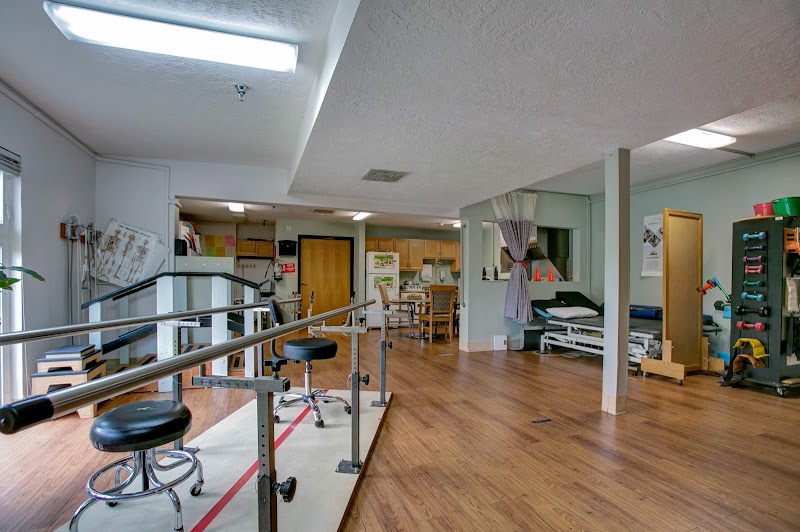
How is Bridge Crest Post Acute Staffed?

CMS rates BRIDGE CREST POST ACUTE's staffing level at 4 out of 5 stars, which is above average compared to other nursing homes. Staff turnover is 59%, which is 13 percentage points above the Washington average of 46%. High turnover can affect care consistency as new staff learn residents' individual needs.

What Have Inspectors Found at Bridge Crest Post Acute?

State health inspectors documented 43 deficiencies at BRIDGE CREST POST ACUTE during 2023 to 2025. These included: 2 Immediate Jeopardy (the most serious level, indicating potential for serious harm or death), 3 that caused actual resident harm, and 38 with potential for harm. Immediate Jeopardy findings are rare and represent the most serious regulatory concerns. They require immediate corrective action.
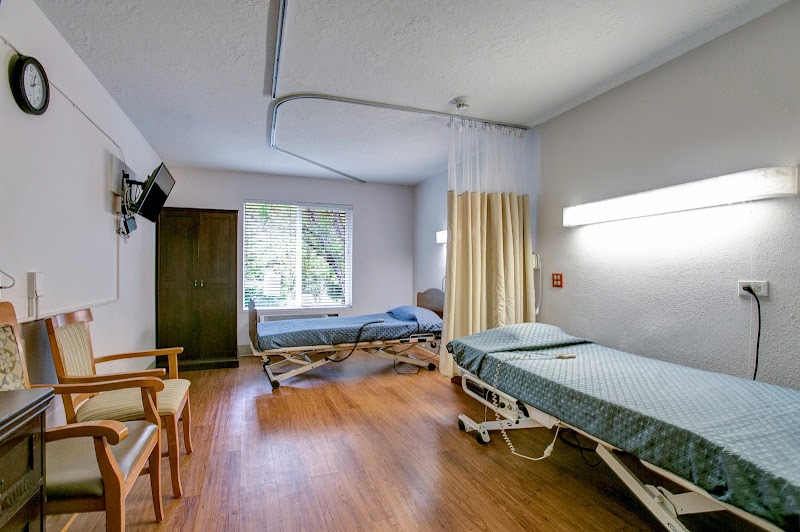
Who Owns and Operates Bridge Crest Post Acute?

BRIDGE CREST POST ACUTE is owned by a for-profit company. For-profit facilities operate as businesses with obligations to shareholders or private owners. The facility is operated by PACS GROUP, a chain that manages multiple nursing homes. With 89 certified beds and approximately 76 residents (about 85% occupancy), it is a smaller facility located in VANCOUVER, Washington.
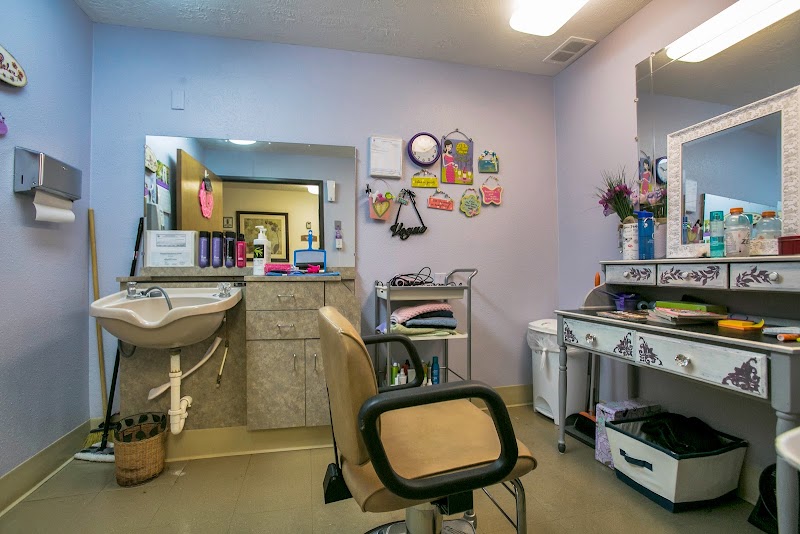
How Does Bridge Crest Post Acute Compare to Other Washington Nursing Homes?

Compared to the 100 nursing homes in Washington, BRIDGE CREST POST ACUTE's overall rating (2 stars) is below the state average of 3.2, staff turnover (59%) is significantly higher than the state average of 46%, and health inspection rating (2 stars) is below the national benchmark.

What Should Families Ask When Visiting Bridge Crest Post Acute?

Based on this facility's data, families visiting should ask: "What changes have been made since the serious inspection findings, and how are you preventing similar issues?" "How do you ensure continuity of care given staff turnover, and what is your staff retention strategy?" "Can I visit during a mealtime to observe dining assistance and food quality?" "How do you handle medical emergencies, and what is your hospital transfer rate?" These questions are particularly relevant given the facility's Immediate Jeopardy citations and the facility's high staff turnover rate.

Is Bridge Crest Post Acute Safe?

Based on CMS inspection data, BRIDGE CREST POST ACUTE has documented safety concerns. Inspectors have issued 2 Immediate Jeopardy citations (the most serious violation level indicating risk of serious injury or death). The facility has a 2-star overall rating and ranks #100 of 100 nursing homes in Washington. Families considering this facility should ask detailed questions about what corrective actions have been taken since these incidents.

Do Nurses at Bridge Crest Post Acute Stick Around?

Staff turnover at BRIDGE CREST POST ACUTE is high. At 59%, the facility is 13 percentage points above the Washington average of 46%. High turnover means new staff may not know residents' individual needs, medications, or preferences. It can also be disorienting for residents, especially those with dementia who rely on familiar faces. Families should ask: What is causing the turnover? What retention programs are in place? How do you ensure care continuity during staff transitions?

Was Bridge Crest Post Acute Ever Fined?

BRIDGE CREST POST ACUTE has been fined $197,832 across 4 penalty actions. This is 5.6x the Washington average of $35,057. Fines at this level are uncommon and typically indicate a pattern of serious deficiencies, repeated violations, or failure to correct problems promptly. CMS reserves penalties of this magnitude for facilities that pose significant, documented risk to resident health or safety. Families should request specific documentation of what issues led to these fines and what systemic changes have been implemented.

Is Bridge Crest Post Acute on Any Federal Watch List?

BRIDGE CREST POST ACUTE is not on any federal watch list. The most significant is the Special Focus Facility (SFF) program, which identifies the bottom 1% of nursing homes nationally based on persistent, serious quality problems. Not being on this list means the facility has avoided the pattern of deficiencies that triggers enhanced federal oversight. This is a positive indicator, though families should still review the facility's inspection history directly.