SALMON CREEK POST ACUTE & REHABILITATION
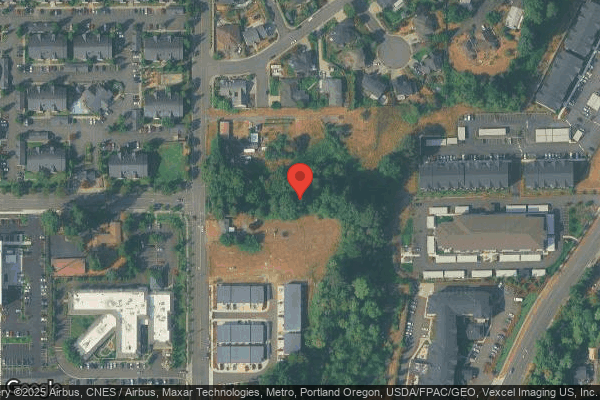
2811 NE 139TH STREET, VANCOUVER, WA 98686 (360) 574-5247
For profit - Corporation 120 Beds HILL VALLEY HEALTHCARE Data: November 2025
Trust Grade
65/100
#81 of 190 in WA
Last Inspection: October 2024

Within standard 12-15 month inspection cycle. Federal law requires annual inspections.

Overview

Salmon Creek Post Acute & Rehabilitation has a Trust Grade of C+, indicating it's slightly above average but not necessarily a top choice. It ranks #81 out of 190 facilities in Washington, placing it in the top half, and #5 out of 8 in Clark County, meaning there are only a few local options better than this one. The facility is improving, having reduced issues from 9 in 2024 to 4 in 2025. However, staffing is a concern, with a rating of 2 out of 5 stars and a high turnover rate of 68%, which is above the state average of 46%. While there have been no fines, the facility has less RN coverage than 85% of other Washington facilities, which could impact the quality of care. Specific incidents noted in the inspection included failures to maintain medication refrigerator temperature logs, risking medication effectiveness, and not properly documenting changes in residents' conditions, which might affect timely medical responses. Overall, while there are strengths in the facility's improving trend and absence of fines, the staffing issues and specific compliance failures raise valid concerns for families considering care options.

Trust Score
C+
65/100
In Washington
#81/190
Top 42%
Safety Record
Low Risk
No red flags
Inspections
Getting Better
9 → 4 violations
Staff Stability
⚠ Watch
68% turnover. Above average. Higher turnover means staff may not know residents' routines.
Penalties
✓ Good
No fines on record. Clean compliance history, better than most Washington facilities.
Skilled Nurses
○ Average
Each resident gets 30 minutes of Registered Nurse (RN) attention daily — about average for Washington. RNs are the most trained staff who monitor for health changes.
Violations
⚠ Watch
38 deficiencies on record. Higher than average. Multiple issues found across inspections.
★★★★☆
4.0
Overall Rating
★★☆☆☆
2.0
Staff Levels
★★★★☆
4.0
Care Quality
★★★★☆
4.0
Inspection Score
Stable
2024: 9 issues
2025: 4 issues

The Good

  • 4-Star Quality Measures · Strong clinical quality outcomes
  • Full Sprinkler Coverage · Fire safety systems throughout facility
  • No fines on record

Facility shows strength in quality measures, fire safety.

The Bad

Staff Turnover: 68%

21pts above Washington avg (46%)

Frequent staff changes - ask about care continuity

Chain: HILL VALLEY HEALTHCARE

Part of a multi-facility chain

Ask about local staffing decisions and management

Staff turnover is elevated (68%)

20 points above Washington average of 48%

The Ugly 38 deficiencies on record

Jul 2025 4 deficiencies
CONCERN (D) 📢 Someone Reported This

A family member, employee, or ombudsman was alarmed enough to file a formal complaint

Potential for Harm - no one hurt, but risky conditions existed

Notification of Changes (Tag F0580)

Could have caused harm · This affected 1 resident

**NOTE- TERMS IN BRACKETS HAVE BEEN EDITED TO PROTECT CONFIDENTIALITY** Based on interview and records review, the facility failed to inform the physician about a significant change in the residents' ...

Read full inspector narrative →
**NOTE- TERMS IN BRACKETS HAVE BEEN EDITED TO PROTECT CONFIDENTIALITY** Based on interview and records review, the facility failed to inform the physician about a significant change in the residents' physical condition for 1 of 3 residents (Resident 1) reviewed for notice of changes. This failure placed residents at risk of adverse medical conditions and a diminished quality of life.Findings included.Review of the facility policy, Change in a Resident's Condition, undated, noted, The nurse will notify the resident's Attending Physician / practitioner or physician on call when there has been. significant change in the resident's physical, mental, or psychosocial status (that is, a deterioration in health, mental, or psychosocial status in either life-threatening conditions or clinical complications).Resident 1 was admitted to the facility on [DATE] with diagnoses including acute kidney failure, and acute pancreatitis (inflammation of the pancreas). The Minimum Data Set (MDS) assessment, dated 04/27/2025, showed Resident 1 was cognitively intact.Record review of Resident 1's vital signs, dated 04/21/2025-05/14/2025, showed on 05/09/2025, Resident 1 had a blood pressure of 73/48 which was clinically significant for hypotension (low blood pressure).Record review of the Care Plan for Resident 1, dated 05/20/2025, showed a focus area dated 04/21/2025 that documented, Focus: Cardiac. Intervention: observe for signs and symptoms for cardiac complications.Record review of Resident 1's Progress Notes, dated 04/07/2025-07/06/2025, showed no documented communication to or with the provider pertaining to the hypotensive episode occurring on 05/09/2025.Record review of Telsure, an electronic provider communication tool, dated 04/26/2025-05/12/2025, showed for Resident 1 no documented communication to or with the provider pertaining to the hypotensive episode occurring on 05/09/2025.In an interview on 07/31/2025 at 10:15AM Staff C, Registered Nurse and Director of Nursing said if a resident experiences any new or concerning symptoms, I would expect the nurses to assess the resident and then notify the doctor.WAC 388-97-0320.
CONCERN (D) 📢 Someone Reported This

A family member, employee, or ombudsman was alarmed enough to file a formal complaint

Potential for Harm - no one hurt, but risky conditions existed

Deficiency F0676 (Tag F0676)

Could have caused harm · This affected 1 resident

**NOTE- TERMS IN BRACKETS HAVE BEEN EDITED TO PROTECT CONFIDENTIALITY** Based on interview and record review, the facility failed to provide bathing assistance for 1 of 3 (Resident 1) residents review...

Read full inspector narrative →
**NOTE- TERMS IN BRACKETS HAVE BEEN EDITED TO PROTECT CONFIDENTIALITY** Based on interview and record review, the facility failed to provide bathing assistance for 1 of 3 (Resident 1) residents reviewed for Activities of Daily Living care. This failure placed residents at risk of adverse medical conditions and a diminished quality of life. Findings included .Review of the facility policy, Shower/Tub Bath, undated, noted, At a minimum, residents will be offered at least 2 full baths or showers per week.Documentation- if the resident refused the shower/tub bath, the reason(s) why and the intervention taken.Reporting-notify the licensed nurse if the resident refuses the shower/tub bath.Resident 1 was admitted to the facility on [DATE] with diagnoses including acute kidney failure, muscle weakness, and acute pancreatitis (inflammation of the pancreas). The Minimum Data Set (MDS) assessment, dated 04/27/2025, showed Resident 1 was cognitively intact.Record review of Resident 1's Progress Note, dated 05/06/2025, showed Staff D, Registered Nurse/previous Director of Nursing Services, documented, .Asked if she [Resident 1] is getting showers and she said she had not been . Record review of the electronic document Task: ADL - Bathing/ Showering, dated 04/21/2025 through 05/15/2025, the length of stay for Resident 1, stated, Not Applicable or No for all bathing opportunities except for April 22, 2025, April 24, 2025, May 7, 2025, May 10, 2025, and May 11, 2025.In an interview on 07/31/2025 at 10:10AM, Staff B, Administrator in Training, said showers were expected to be performed according to the residents' shower schedule, which was typically twice per week.WAC 388-97-1060(2)(a)(i)
CONCERN (D) 📢 Someone Reported This

A family member, employee, or ombudsman was alarmed enough to file a formal complaint

Potential for Harm - no one hurt, but risky conditions existed

Pressure Ulcer Prevention (Tag F0686)

Could have caused harm · This affected 1 resident

**NOTE- TERMS IN BRACKETS HAVE BEEN EDITED TO PROTECT CONFIDENTIALITY** Based on interview and record review, the facility failed to assess and accurately document a residents wound for 1 of 3 residen...

Read full inspector narrative →
**NOTE- TERMS IN BRACKETS HAVE BEEN EDITED TO PROTECT CONFIDENTIALITY** Based on interview and record review, the facility failed to assess and accurately document a residents wound for 1 of 3 residents (Resident 1) sampled for wound care. This failure placed residents at risk of adverse medical conditions and a diminished quality of life.Findings included.Review of the facility policy, Pressure Injury Prevention and Management, dated 10/19/2022, noted, Identification.Weekly skin observations will be conducted by a licensed nurse and findings will be documented in the resident's medical record. The facility will maintain effective and accurate data collection on the development of pressure ulcer/injuries to ensure that systems and processes are maintained to prevent development of unavoidable pressure ulcer /injuries, and that care and treatment is provided to promote healing of pressure ulcer/injury.Resident 1 was admitted to the facility on [DATE] with diagnoses including acute kidney failure, muscle weakness, and acute pancreatitis (inflammation of the pancreas). The Minimum Data Set (MDS) assessment, dated 04/27/2025, showed Resident 1 was cognitively intact.Record review of Resident 1's Orders, dated 04/23/2025, showed an order for, Weekly skin assessment due on Sunday EVEs [evenings]. Start 4/23/2025. End 5/20/2025. <Skin Observations>Record review of Skin Observations for Resident 1, dated 04/27/2025-05/15/2025, showed that, on both admit and discharge, Resident 1 had a documented wound on their coccyx (tailbone). However, documented Skin Observations conducted throughout the residents' stay did not address the coccyx wound and there is no documentation indicating the wound had healed. See the following:-04/27/2025 Skin Observation: Open area Location-coccyx. Additional information-redness on buttocks, 0.5cm [centimeter] x0.3cm open area on coccyx. -05/03/2025 Skin Observation: Are there any bruises, open wounds, surgical incisions, skin tears, reddened areas or other skin conditions noted, No was documented. -05/05/2025 Skin Observation: Are there any bruises, open wounds, surgical incisions, skin tears, reddened areas or other skin conditions noted, No was documented. -05/08/2025 Skin Observation: Are there any bruises, open wounds, surgical incisions, skin tears, reddened areas or other skin conditions noted, No was documented. -05/09/2025 Skin Observation: Are there any bruises, open wounds, surgical incisions, skin tears, reddened areas or other skin conditions noted, No was documented. -05/15/2025 Skin Observation: Res with 0.5x0.5cm red blanchable (when skin remains white or pale after being pressed) area just to the right of the coccyx and then area of scar tissue on coccyx . <Progress Notes>Record review of Progress Notes for Resident 1, dated 04/07/2025-07/06/2025, showed the following:-04/27/2025 Progress Note: Weekly skin observation completed. Open area to coccyx. Redness to buttocks. 0.5cm by 0.3cm open area on coccyx.-05/05/2025 Progress Note: Weekly skin observation completed. No skin concerns noted. -05/08/2025 Progress Note: Weekly skin observation completed. No skin concerns noted. -05/09/2025 Progress Note: Weekly skin observation completed. No skin concerns noted. In an interview on 07/31/2025 at 10:15PM Staff C, Registered Nurse and Director of Nursing, said the nurses should have been documenting on Resident 1's coccyx wound each week or there should have been documentation indicating the wound had healed.WAC 388-97-1060(3)(b)
CONCERN (D) 📢 Someone Reported This

A family member, employee, or ombudsman was alarmed enough to file a formal complaint

Potential for Harm - no one hurt, but risky conditions existed

Deficiency F0760 (Tag F0760)

Could have caused harm · This affected 1 resident

**NOTE- TERMS IN BRACKETS HAVE BEEN EDITED TO PROTECT CONFIDENTIALITY** Based on interview and record review, the facility failed to ensure Resident 1 was free from significant medication errors when ...

Read full inspector narrative →
**NOTE- TERMS IN BRACKETS HAVE BEEN EDITED TO PROTECT CONFIDENTIALITY** Based on interview and record review, the facility failed to ensure Resident 1 was free from significant medication errors when medications were not administered in accordance with provider orders for 1 of 3 sampled residents (Resident 1) reviewed for significant medication errors. This failure placed residents at risk of adverse medical conditions, a change in health conditions, and a diminished quality of life.Findings included .Review of the facility policy, Medication Administration Section 7.1, General Guidelines, dated 01/2023, noted, Medications are administered in accordance with written orders of the prescriber . The individual who administers the medication dose records the administration on the resident's MAR [Medication Administration Record] immediately following the medication being given.Resident 1 was admitted to the facility on [DATE] with diagnoses including acute kidney failure, chronic obstructive pulmonary disease [lung disease that make it difficult to breath], acute pancreatitis [inflammation of the pancreas]. The Minimum Data Set (MDS) assessment, dated 04/27/2025, showed Resident 1 was cognitively intact.Review of Resident 1's April and May 2025 MAR and Treatment Administration Record (TAR), comprehensive records of physicians' orders and the medications and treatments administered to a resident, showed the following medications or treatments were omitted/not administered:04/21/2025 at 10:00PM Quetiapine Fumarate (medication to treat mental health conditions] Oral Tablet 25MG (milligram). Give 1 tablet by mouth one time a day for agitation. Start date 04/21/2025. 04/21/2025 at 10:00PM Rosuvastatin Calcium (medication for cholesterol management) Oral Tablet 20 MG. Give 1 tablet by mouth at bedtime. Start date 04/21/2025. 04/21/2025 at 10:00PM Vitamin C Oral Tablet. Give 1000mg by mouth two times a day for supplement. Start date 04/21/2025. 04/21/2025 at 10:00PM Fluticasone Propionate Diskus Inhalation Aerosol Powder Breath Activated [medication to assist with breathing difficulty] 50 MCG (micrograms). 1 puff inhale orally two times a day. Start date 04/21/2025 2000. 04/22/2025 at 8:00AM Spiriva Respimat Inhalation Aerosol Solution Fluticasone Propionate Diskus Inhalation Aerosol Powder 2.5MCG. 2 puffs inhale orally one time a day. Start 04/22/2025 0800. 04/22/2025 at 8:00AM Fluticasone Propionate Diskus Inhalation Aerosol Powder Breath Activated 50 MCG. 1 puff inhale orally two times a day. Start date 04/21/2025 2000. 04/22/2025 at 8:00AM Metoprolol Succinate (medication to treat blood pressure) Oral Capsule ER (extended release) 24 Hour Sprinkle 25mg. Give 12.5mg by mouth one time a day for HTN [hypertension-elevated blood pressure]. Start Date 04/22/2025 0800. 04/22/2025 at 8:00AM Potassium Chloride ER Oral Tablet Extended Release. Give 40mEq (milliequivalent) by mouth one time a day for supplement for 5 days. Start date 04/22/2025 0800. 04/24/2025 0800 Daily weight for CHF (congestive heart failure) one time a day. Start 04/22/2025. 05/01/2025 NOC 2 [night shift]. Catheter care every shift. Start date 04/28/2025. DC [discharge] date 05/20/2025. 05/07/2025 NOC 2 [night shift]. Catheter care every shift. Start date 04/28/2025. DC [discharge] date 05/20/2025. 05/10/2025 0400 Hydromorphone (pain medication) Oral Tablet 2 MG. Give 1 tablet by mouth every 4 hours for pain. Start 05/06/2025. 05/13/2025 0600 Bladder scan four times a day for post void residual (PVR, a measurement of the amount of urine remaining in the bladder after urination). Start date 05/12/2025 2000. 05/14/2025 0600 Bladder scan four times a day for PVR. Start date 05/12/2025 2000. 05/15/2025 0600 Bladder scan four times a day for PVR. Start date 05/12/2025 2000.In an interview on 07/31/2025 at 10:15AM, Staff C, Registered Nurse and Director of Nursing, said the expectation for nurses is to administer medications, care, or treatments according to the providers orders.WAC 388-97-1060 (3)(k)(iii)
Oct 2024 7 deficiencies
CONCERN (D)

Potential for Harm - no one hurt, but risky conditions existed

Deficiency F0552 (Tag F0552)

Could have caused harm · This affected 1 resident

**NOTE- TERMS IN BRACKETS HAVE BEEN EDITED TO PROTECT CONFIDENTIALITY** . Based on interview and record review, the facility failed to ensure residents received information about the risk and benefits...

Read full inspector narrative →
**NOTE- TERMS IN BRACKETS HAVE BEEN EDITED TO PROTECT CONFIDENTIALITY** . Based on interview and record review, the facility failed to ensure residents received information about the risk and benefits and failed to obtain the resident's informed consent prior to the administration of psychotropic medications for 2 of 6 sampled residents (32 & 78) reviewed for right to be informed and make treatment decisions. These failures placed residents and/or their representatives at risk of not being fully informed about the care and treatment related to the risks and benefits associated with psychotropic medications and a diminished quality of life. Findings included . 1) Resident 32 was admitted to the facility on [DATE] with diagnoses including depression. The admission Minimum Data Set (MDS) assessment, dated 09/17/2024, indicated Resident 32 was alert and oriented. Resident 32 received a physician order for Wellbutrin, an antidepressant, dated 10/24/2024. The October Medication Administration Record (MAR) showed Wellbutrin was administered on 10/25/2024, before an informed consent was presented to Resident 32. On 10/25/2024 at 8:34 AM, Staff J, Unit Manager and Licensed Practical Nurse, said consents for new psychotropic mediations were completed by the floor nurse with the resident and/or their representative. While reviewing the MAR for Resident 32, Staff J said it looked as if Resident 32 was administered the Wellbutrin earlier, but the risk and benefits were not covered and a consent was not signed with the resident and/or their representative. 2) Resident 78 was admitted to the facility on [DATE]. The admission MDS, dated [DATE], indicated Resident 78 was alert and oriented. Resident 78 received a physician order for Prochlorperazine Maleate, an antipsychotic, dated 09/29/2024. The October 2024 MAR showed Resident 78 was to receive, Prochlorperazine Maleate Oral Tablet 5 MG [milligram] . Give 1 tablet by mouth every 24 hours as needed for Nausea related to END STAGE RENAL DISEASE . The October 2024 MAR showed Resident 78 was to receive, Prochlorperazine Maleate Oral Tablet 5 MG . Give 1 tablet by mouth one time only for Antipsychotic for 2 Days. Resident 78's electronic health record did not show an informed consent for the Prochlorperazine Maleate. On 10/25/2024 at 10:32 AM, Staff B, Director of Nursing Services and Registered Nurse, said any use of a psychotropic medication should have a consent form signed by the resident or their representative. Reference WAC 388-97-0260 (2)(d) .
CONCERN (D)

Potential for Harm - no one hurt, but risky conditions existed

Assessment Accuracy (Tag F0641)

Could have caused harm · This affected 1 resident

. Based on observations, interviews, and record review the facility failed to accurately assess significant weight loss for 1 of 1 sampled resident (71) reviewed for assessment accuracy. This failure ...

Read full inspector narrative →
. Based on observations, interviews, and record review the facility failed to accurately assess significant weight loss for 1 of 1 sampled resident (71) reviewed for assessment accuracy. This failure placed residents at risk for nutritional and functional decline in overall health status and a diminished quality of life. Findings included . The facility provided policy entitled, Weight Management Guideline, created 05/25/2023, indicated weight change of 10% is significant, greater than 10% is severe. All scheduled weights will be obtained prior to meetings . Identification of weight loss to determine accurate weight with supporting documentation to prevent, monitor, or intervene with undesirable weight. Resident 71 was admitted to facility on 05/16/2024 with diagnoses including severe malnutrition and Diabetes Mellitus. The Significant Change Minimum Data Set (MDS) assessment, dated 09/24/2024, indicated Resident 71 was moderately cognitively impaired. Resident 71's alteration in nutritional status care plan, dated 05/26/2024, documented the goal was to maintain stable weights within 3-5 pounds. Interventions in the care plan were documented, Diet as ordered, weights per protocol, supplements as ordered. Supplements consumption is to be recorded. A Nutrition/Dietary progress note, dated 09/30/2024, documented significant weight loss of 11.73% of total body weight for Resident 71. A Nutritional assessment, dated 09/30/2024, documented Resident 71's diet would be liberalized to promote oral intake. Resident will have weekly weights x four for close weight monitoring. On 10/24/2024 at 3:25 PM, after reviewing Resident 71's medical record, Staff F, Registered Nurse, said weights had not been recorded in the chart as requested by the Registered Dietician (RD). Staff F said the order was not put in correctly, so staff were not prompted to obtain or record weights. Staff F said requested weights were unable to be located for RD review. At 3:15 PM, Staff C, Unit Manager and Licensed Practical Nurse, said the weights for each resident were recorded in the medical record. Staff C said she was not sure why the weights for Resident 71 were not recorded as requested by the RD. On 10/25/2024 at 8:35 AM, after reviewing the facility weight policy and process, Staff H, RD, said the RD ran a weekly weight report to evaluate nutritional status. A weekly dietary risk meeting was held with the facility team, which included the RD, nursing and management. The facility interdisciplinary team discussed weight gain or loss and initiated a team approach to interventions. Staff H said the RD would follow up with nursing about missing weights. Nursing was to ensure the weights were obtained and recorded. Staff H said the RD would send out a weekly weight report which included missing weights. Staff H was unable to provide missing weights for Resident 71. At 3:36 PM, after reviewing Resident 71's medical record to locate weights for Resident 71, Staff B, Director of Nursing Services and Registered Nurse, indicated she was unable to find any weights recorded after 10/04/2024. Reference WAC 388-97-1000 (1)(b) .
CONCERN (D)

Potential for Harm - no one hurt, but risky conditions existed

PASARR Coordination (Tag F0644)

Could have caused harm · This affected 1 resident

. Based on interview and record review, the facility failed to ensure the recommendations of the Preadmission Screen and Resident Review (PASARR) Level II were followed for 1 of 1 sampled resident (23...

Read full inspector narrative →
. Based on interview and record review, the facility failed to ensure the recommendations of the Preadmission Screen and Resident Review (PASARR) Level II were followed for 1 of 1 sampled resident (23) reviewed for PASARR. This failure placed residents at risk of not receiving the necessary mental health services and a diminished quality of care. Findings included . Resident 23 was admitted to facility on 11/09/2022 with a diagnoses including Alzheimer dementia and Major depression. The Quarterly Minimum Data Set assessment, dated 10/04/2024, indicated Resident 23's cognition was not assessed. Resident 23's PASARR 1, dated 06/03/2024, indicated the need for a level II assessment by a licensed mental health professional or mental health agency for individual services. PASARR level II recommendations were not found in Resident 23's medical record. On 10/24/2024 at 9:05 AM, when asked about the PASARR Level 1, dated 06/03/2024 for Resident 23, and if a Level 2 evaluation had occurred, Staff A, Administrator, said it likely was not done. At 3:15 PM, Staff A said the facility had a fax confirmation for a PASARR level II request having been sent to the evaluator, but the facility did not follow up with the evaluator to ensure services were started. Reference WAC 388-97-1060 (1) .
CONCERN (D)

Potential for Harm - no one hurt, but risky conditions existed

Deficiency F0655 (Tag F0655)

Could have caused harm · This affected 1 resident

**NOTE- TERMS IN BRACKETS HAVE BEEN EDITED TO PROTECT CONFIDENTIALITY** . Based on observation, interview and record review, the facility failed to a baseline care plan was not developed to address fa...

Read full inspector narrative →
**NOTE- TERMS IN BRACKETS HAVE BEEN EDITED TO PROTECT CONFIDENTIALITY** . Based on observation, interview and record review, the facility failed to a baseline care plan was not developed to address falls and communication for 2 of 8 sampled residents (66 & 82) reviewed for baseline care plans. This failure placed residents at risk for unmet care needs and a diminished quality of life. Findings included . <Fall Risk > Resident 66 was admitted to the facility on [DATE]. The Quarterly Minimum Data Set (MDS) assessment, dated 10/05/2024, documented Resident 66 was severely cognitively impaired, and had diagnoses including Cognitive Communication Deficit and Cerebrovascular Accident (a condition when blood flow to a section in the brain is suddenly cut off). Resident 66's progress note, dated 09/29/2024, noted, Resident had a fall (unwitnessed) and was found on floor next to the bed . Resident 66's electronic health record (EHR) showed a care plan initiated on 10/02/2024, and noted, The resident is at risk for fall r/t [related to] stroke. The resident has had an actual fall with no injury r/t Poor Balance, Poor communication/comprehension, Unsteady gait . On 10/24/2024 at 2:16 PM, Staff B, Director of Nursing Services and Registered Nurse, said Resident 66 had three falls since admission; on 09/11/2024, on 09/28/2024 and on 10/17/2024. After reviewing Resident 66's EHR, Staff B said Resident 66's fall risk care plan was initiated on 10/02/2024, after two of the three falls. Staff B said residents were assessed for falls on admission and staff would develop baseline care plans within 48 hours of admission. Staff B said her expectation was Resident 66's fall risk care plan was initiated on admission. <Communication Needs> Resident 82 was admitted to the facility on [DATE]. The admission MDS, dated [DATE], documented Resident 82 was alert and oriented. Resident 82's care plan, initiated 10/21/2024, documented, The resident has an interpretation need, but speaks English enough to navigate basic staff encounters . On 10/22/2024 at 9:21 AM, Resident 82 was observed laying in bed. Resident 82 interacted with state surveyor speaking limited English but stated, Phone, phone, bring phone. No English. On 10/23/2024 at 11:39 AM, Staff K, Unit Manager and Licensed Practical Nurse, said staff used a facility translator service to communicate in detail with Resident 82. Staff K said Resident 82 spoke enough English to have her needs met. Staff K said Resident 66's communication care plan was initiated on 10/21/2024. On 10/24/2024 at 2:00 PM, Staff B, Director of Nursing Services and Registered Nurse, said the expectation was Resident 82 should have had a communication needs care plan initiated on admission. Reference WAC 388-97-1020 (3) .
CONCERN (D)

Potential for Harm - no one hurt, but risky conditions existed

Quality of Care (Tag F0684)

Could have caused harm · This affected 1 resident

**NOTE- TERMS IN BRACKETS HAVE BEEN EDITED TO PROTECT CONFIDENTIALITY** <Dental Services> Resident 53 was admitted to facility on 06/27/2023 with diagnoses including fracture to the tibia/fibula...

Read full inspector narrative →
**NOTE- TERMS IN BRACKETS HAVE BEEN EDITED TO PROTECT CONFIDENTIALITY** <Dental Services> Resident 53 was admitted to facility on 06/27/2023 with diagnoses including fracture to the tibia/fibula. The Significant Change MDS, dated 08/18 /2024, noted Resident 53 was alert and oriented. The Care Plan and [NAME] (an individualized care plan directive), dated 09/02/2024, indicated staff were to assist Resident 53 to brush teeth, rinse dentures, clean gums with toothette, and rinse mouth. On 10/21/2024 at 10:07 AM, Resident 53 said she was hoping to get some upper dentures. Resident 53 said no one had talked with her about her missing teeth or possibility for dentures. On 10/23/2024 at 11:20 AM, Staff G, CNA, said the care directive indicated for staff to rinse dentures, and brush teeth. Staff G was unsure if Resident 53 had dentures. At 11:23 AM, Staff G said she was not sure about Resident 53's denture status. Staff F, RN, and Staff G said they would go look and ask Resident 53 about her dentures. Resident 53 said she does not have dentures but would like them, pointing to her upper gums. On 10/24/2024 at 8:15 AM, Staff A, Administrator, said she had asked for dental records to be faxed over from the outside dentist Resident 53 visited. Staff A was unsure if the facility had made coordination attempts for dental services, or what type of insurance Resident 53 had. At 10:35 AM, Resident 53's Power of Attorney (POA) said she went to an outside dental appointment with Resident 53 in April 2024 to have an infected tooth pulled. The POA said Resident 53 did not qualify for Medicaid and the family was unable to pay for dentures. The POA said no one from the facility had talked to her about dental care options. At 10:45 AM, Staff A said the facility was unable to locate documentation concerning Resident 53's dental care needs or correspondence regarding care provided by outside dentist. Reference WAC 388-97-1060 (1) (2)(b) (3)(c) (3)(j)(vii) . Based on interview and record review, the facility failed to ensure ongoing neurological assessments (assess the nervous system and identify any abnormalities that affect function and activities of daily living) were performed after an unwitnessed fall for 1 of 2 sampled residents (66); failed to ensure daily weights were obtained for 2 of 9 sampled residents (75 & 288) reviewed for weight management; failed to ensure the bowel protocol was initiated for 2 of 7 sampled residents (24 & 73) and failed to ensure dental services were obtained for 1 of 1 sampled resident (53) reviewed for quality of care related to neurological assessments, weight management, bowel management, and dental services. These failures placed residents at risk for worsening conditions, health complications and diminished quality of life. Findings included . <Neurological Assessments> Resident 66 was admitted to the facility on [DATE]. The Quarterly Minimum Data Set (MDS) assessment, dated 10/05/2024, documented Resident 66 was severely cognitively impaired, had diagnoses including Cognitive Communication Deficit and Cerebrovascular Accident (a condition when blood flow to the brain is suddenly cut off). The electronic health record (EHR) showed Resident 66 had an unwitnessed fall on 09/28/2024. The 72-hour neurological assessment, entitled Neuro Checks V.2 - V 2, initiated 09/28/2024, was incomplete. On 10/24/2024 at 2:36 PM, after reviewing Resident 66's neurological assessments for an unwitnessed fall on 09/28/2024, Staff B, Director of Nursing Services and Registered Nurse, said the neuro checks for Resident 66's 09/28/2024 fall were incomplete. Staff B said it was the expectation of the nurses to complete neurological assessments after every unwitnessed fall. <Weight Management> 1) Resident 75 was admitted to the facility on [DATE] with diagnoses including Congestive Heart Failure (CHF). The admission 5-Day MDS, dated [DATE], showed Resident 1 was alert and oriented. Physician order, dated 09/04/2024, documented, Weigh on admission, weekly X 3, then monthly. One time only for 1 Day AND one time a day every [Tuesday]. Resident 75's electronic health record (EHR) for October 2024 showed one weight on 09/03/2024 at 8:03 PM, 290 Lbs (pounds) by Mechanical Lift (Manual). Resident 75's EHR was missing weights on 09/10/2024, 09/17/2024, 09/24/2024, 10/01/2024, 10/08/2024, and 10/15/2024. 2) Resident 288 was admitted to the facility on [DATE]. The admission MDS assessment, dated 10/10/2024, showed Resident 288 was alert and oriented and had diagnoses including CHF. Physician order, dated 10/05/2024, documented, Daily weights one time a day for heart failure Notify physician if patient gains 2 pounds in 2 days or 5 or more pounds in a week. Resident 288's EHR for October 2024 showed the following weights: --10/24/2024 at 12:13 PM - 217.4 Lbs Mechanical Lift (Manual) --10/20/2024 at 5:44 PM - 222.4 Lbs Wheelchair (Manual) --10/10/2024 at 8:02 PM - 220.2 Lbs Wheelchair (Manual) --10/09/2024 at 7:59 PM - 223.6 Lbs Wheelchair (Manual) Resident 288's EHR was missing weights on the following dates: 10/04/2024, 10/05/2024, 10/06/2024, 10/07/2024, 10/08/2024, 10/11/2024, 10/12/2024, 10/13/2024, 10/14/2024, 10/15/2024, 10/16/2024, 10/17/2024, 10/18/2024, 10/19/2024, 10/21/2024, 10/22/2024, and 10/23/2024. On 10/24/2024 at 10:47 AM, Staff K, Unit Manager and Licensed Practical Nurse, said Resident 288 had a diagnosis of CHF and had an order to obtain daily weights. After reviewing Resident 288's weights in the EHR, Staff K stated, CNAs [Certified Nurse Assistant] are not getting them [weights]. At 2:09 PM, after reviewing Resident 288's weights in the EHR, Staff B, Director of Nursing Services and Registered Nurse (RN), said there were only a few weights documented. Staff B said it was her expectation the licensed nurses let the CNAs weigh residents as ordered and record the weights in the EHR. On 10/25/2024 at 9:52 AM, Staff E, RN, stated, I see no weights were taken [for Resident 288]. <Bowel Management> 1) Resident 24 was admitted to the facility on [DATE]. The Quarterly MDS, dated [DATE], documented the resident was alert and oriented. Physician orders, dated 11/15/2022, documented to administer, Senna Laxative Oral Tablet 8.6 MG [Sennosides]. Give 1 tablet by mouth as needed for no BM [bowel movement] x 48 hr BID [twice daily], and Bisac-Evac Suppository 10 MG [Bisacodyl] Insert 1 suppository [laxative] rectally as needed for no BM x 72 hr QD [once a day]. The Bowel and Bladder Elimination task sheet showed Resident 24 had a Bowel Movement (BM) on 10/02/2024 at 9:48 PM, and did not show another BM until 10/09/2024 at 9:36 AM, almost six and a half days (over 155 hours between BMs). Review of Resident 24's October 2024 Medication Administration Record (MAR) showed no bowel protocol or bowel interventions were initiated. 2) Resident 73 was admitted to the facility on [DATE]. The admission 5-Day MDS, dated [DATE], documented the resident was alert and oriented. Physician orders, dated 09/02/2024, documented to administer, Senna Laxative Oral Tablet 8.6 MG [Sennosides]. Give 1 tablet by mouth as needed for no BM x 48 hr BID, and Bisac-Evac Suppository 10 MG [Bisacodyl] Insert 1 suppository [laxative] rectally as needed for no BM x 72 hr QD. The Bowel and Bladder Elimination task sheet documented Resident 73 had a BM on 10/07/2024 at 2:19 PM, and did not have another BM until 10/14/2024 at 9:33 AM, over six and a half days (over 162 hours between BMs). Review of Resident 73's October 2024 MAR showed no bowel protocol or interventions were initiated. On 10/25/2024 at 9:52 AM, Staff E, RN, said residents with no BM in three days were administered MiraLAX (laxative), or lactulose (laxative) first. Staff E was unable to provide documentation the BM protocol was initiated for Resident 24 and for Resident 73. Staff E stated, Lactulose should have been given on the 5th [third full day], I think. It was not, for Resident 24. Staff E stated, It doesn't look like anything was given to both. At 10:13 AM, Staff B said it was the expectation of staff to initiate the Bowel Protocol as ordered. Staff B said agency staff had been inconsistent with documentation. Staff B was unable to provide further documentation.
CONCERN (D)

Potential for Harm - no one hurt, but risky conditions existed

Infection Control (Tag F0880)

Could have caused harm · This affected 1 resident

**NOTE- TERMS IN BRACKETS HAVE BEEN EDITED TO PROTECT CONFIDENTIALITY** 4) Resident 339 was admitted to the facility on [DATE] with diagnoses including spinal injury resulting in paraplegia (a conditi...

Read full inspector narrative →
**NOTE- TERMS IN BRACKETS HAVE BEEN EDITED TO PROTECT CONFIDENTIALITY** 4) Resident 339 was admitted to the facility on [DATE] with diagnoses including spinal injury resulting in paraplegia (a condition which causes loss of motor function and sensation below the area of spinal cord injury) and used a suprapubic catheter (a tube that drains urine from the bladder) due to paraplegia. On 10/21/2024 at 9:45 AM, no EBP signage or PPE was observed outside of Resident 339 room. On 10/22/2024 at 9:25 AM, no EBP signage or PPE was observed outside of Resident 339 room. Staff were observed entering and exiting room without applying PPE. On 10/23/2024 at 11:20 AM, when asked about the use of EBP, Staff G, Certified Nursing Assistant (CNA), said it was the same as standard precautions. When asked what PPE would be worn for a resident with an open wound or indwelling device, Staff G stated, We would wear gloves. We don't wear gowns for catheter care, just gloves. At 1:50 PM, Staff D, Infection Control Nurse and Registered Nurse (RN), stated, Staff should wear a gown and gloves when providing direct care to a resident with an open wound or indwelling device. Staff D said EBP were initiated by the admission nurse. Staff D said the nurse manager should follow up the next day to verify the precautions that were needed were in place. Staff D said ultimately the Infection Prevention Nurse was responsible to make sure the appropriate EBP signage and PPE were being utilized. Staff D said all staff were educated regarding EBP upon hire and annually. At 2:08 PM, Resident 339 was observed being pushed by facility staff in a shower chair into the community shower room. The staff was not wearing PPE when providing care to Resident 339, when they entered the shower room, or when assisting Resident 339 back into bed. At 2:30 PM, Staff F, RN, was observed entering Resident 339's room to provide wound care. Staff F did not wear a protective gown during wound care. When asked about precautions for residents with open wounds or indwelling devices, Staff F said we just use gloves since there is no infection in the wound or bladder. Staff F said EBP are for use when infections are present. On 10/24/2024 at 10:05 AM, Staff B, Director of Nursing Services and RN, said she would expect staff to wear gloves and gown when providing care to a resident with a wound, catheter or indwelling device. Reference WAC 388-97-1320 (1)(a)(2)(b) Based on observation, interview, and record review, the facility failed to implement Enhanced Barrier Precautions (EBP) when providing medical device care and wound care for 4 of 5 sampled residents (62, 240, 241 & 339) reviewed for infection prevention and control. These failures placed residents, staff, and visitors at risk for contracting infectious diseases and a decreased quality of life. Findings included . Record review of the facility's policy entitled, Enhanced Barrier Precautions Policy, dated 03/28/2024, showed the requirement for facility staff were to use gown and gloves during high contact resident care activities for residents with certain Centers for Disease Control (CDC) targeted infections and for residents with wounds or indwelling medical devices. 1) Resident 62 was admitted to the facility on [DATE]. The admission Minimum Data Set (MDS) assessment, dated 10/03/2024, documented Resident 62 was alert and oriented and had an indwelling urinary catheter. On 10/21/2024 at 12:26 PM, Resident 62 was observed with a urinary catheter bag hanging on the frame of the wheelchair they were sitting in while in their room. No EBP signage was observed at Resident 62's door or entrance to the room. No PPE (personal protective equipment) was observed at the entrance of their room. When asked if staff wore gowns when they assisted with direct care or emptying their foley, Resident 62 said they only wore gloves. On 10/22/2024 at 9:00 AM, Resident 62 was observed sitting up in bed with a urinary catheter bag hanging on the right side bed frame. No EBP signage was observed at Resident 62's door or entrance to the room. No PPE was observed at the entrance of their room. On 10/23/2024 at 9:20 AM, Resident 62 was observed with a urinary catheter bag hanging on the frame of the wheelchair they were sitting in while in their room. No EBP signage was observed at Resident 62's door or entrance to the room. No PPE was observed at the entrance of their room. 2) Resident 240 was admitted to the facility on [DATE]. The admission MDS, dated [DATE], documented Resident 240 was alert and oriented and had an abdominal drain (removes fluid from the abdominal cavity). Review of Resident 240's Order Summary Report, showed an order, dated 10/11/2024, Abdominal Drain: Please flush with 20 cubic centimeters [cc] saline through the 3-way [stopcock valve] once per shift. Do not disconnect drain. On 10/22/2024 at 9:37 AM, when asked if staff wore gowns when they assisted with direct care or caring for the abdominal drain, Resident 240 said the staff only used gloves. No EBP signage was observed at Resident 240's door or entrance to the room. No PPE was observed at the entrance of their room. On 10/23/2024 at 9:20 AM, no EBP signage was observed at Resident 240's door or entrance to the room. No PPE was observed at the entrance of their room. 3) Resident 241 was admitted to the facility on [DATE]. The admission MDS, dated [DATE], documented Resident 241 was alert and oriented and had a peripherally inserted central catheter (PICC line--a long intravenous tube that's inserted through a vein in your arm and passed through to the larger veins near your heart). Review of Resident 241's Order Summary Report, showed an order, dated 10/13/2024, PICC LINE to [left upper extremity] LUE. Change dressing weekly and PRN [as needed] if wet, dirty, not intact, or compromised in any way. On 10/21/2024 at 2:58 PM, when asked if staff wore gowns when they assisted with direct care or caring for their PICC line, Resident 241 said staff only used gloves. No EBP signage was observed at Resident 241's door or entrance to the room. No PPE was observed at the entrance of their room. On 10/22/2024 at 9:00 AM, no EBP signage was observed at Resident 241's door or entrance to the room. No PPE was observed at the entrance of their room. On 10/23/2024 at 9:20 AM, no EBP signage was observed at Resident 241's door or entrance to the room. No PPE was observed at the entrance of their room. On 10/21/2024 at 10:40 AM, when asked if any residents on the B Hall were on Enhanced Barrier or Contact Precautions, Staff J, Unit Manager and Licensed Practical Nurse (LPN), said no and that everyone in the hall that was on COVID Precautions was no longer on precautions. On 10/23/2024 at 9:05 AM, when asked if any residents on B Hall were on Enhanced Barrier or Contact Precautions, Staff L, LPN, said no. Staff L said if someone were on a precaution, a sign would be outside their door and PPEs would be at the door.
CONCERN (D)

Potential for Harm - no one hurt, but risky conditions existed

Deficiency F0885 (Tag F0885)

Could have caused harm · This affected 1 resident

**NOTE- TERMS IN BRACKETS HAVE BEEN EDITED TO PROTECT CONFIDENTIALITY** . Based on interview and record review, the facility failed to notify a resident's family and/or representative of a positive CO...

Read full inspector narrative →
**NOTE- TERMS IN BRACKETS HAVE BEEN EDITED TO PROTECT CONFIDENTIALITY** . Based on interview and record review, the facility failed to notify a resident's family and/or representative of a positive COVID-19 (Coronavirus - a contagious disease) results for 1 of 5 sampled residents (75) reviewed for infection prevention and control. This failure placed residents and/or resident's representative at risk of not being knowledgeable to make decisions about their care in relation to the facility's COVID-19 management plan and a diminished quality of care. Findings included . The facility's policy, entitled Reporting to: Residents, Representatives, and Families During COVID-19 Pandemic, dated 05/15/2020, documented, The facility will inform residents, resident representatives, and families by 5:00 p.m. the next calendar day following the occurrence of either a single confirmed infection of COVID-19, or three or more residents or staff with new-onset of respiratory symptoms occurring within 72 hours of each other. Resident 75 was admitted to the facility on [DATE]. The admission 5-Day Minimum Data Set (MDS) assessment, dated 07/09/2024, documented the resident was alert and oriented. Review of Resident 75's September 2024 Treatment Administration Record (TAR), documented a positive COVID-19 test on 09/27/2024. Resident 75's Electronic Health Record (EHR) did not document the resident or their representative were informed of the above mentioned positive result. On 10/21/2024 at 11:15 AM, Resident 75 said she was not notified of her positive COVID-19 test, until about three days later. Resident 75 said the doctor told her, by the way, you had COVID. On 10/24/2024 at 2:48 PM, Staff D, Infection Preventionist and Registered Nurse (RN), said the facility notified residents and their representatives of a positive COVID-19 test as soon as possible after the test. Staff D stated, We would put them on alerts as soon as identified and notify family within 24 hours of the test. Staff D said the facility was aware of not notifying Resident 75, and the staff responsible had been educated on the facility's reporting process. On 10/25/2024 at 10:18 AM, Staff B, Director of Nursing Services and RN, said residents and/or their representatives were notified of a positive COVID-19 test per facility policy, but Resident 75 was not. Staff B stated, We missed one there. No associated WAC. .
Jul 2024 1 deficiency
CONCERN (D) 📢 Someone Reported This

A family member, employee, or ombudsman was alarmed enough to file a formal complaint

Potential for Harm - no one hurt, but risky conditions existed

Accident Prevention (Tag F0689)

Could have caused harm · This affected 1 resident

**NOTE- TERMS IN BRACKETS HAVE BEEN EDITED TO PROTECT CONFIDENTIALITY** . Based on interview and record review, the facility failed to ensure fall mats (a cushioned surface used for the purpose of red...

Read full inspector narrative →
**NOTE- TERMS IN BRACKETS HAVE BEEN EDITED TO PROTECT CONFIDENTIALITY** . Based on interview and record review, the facility failed to ensure fall mats (a cushioned surface used for the purpose of reducing injuries from falls) were in place on either side of the resident's bed, as directed in the comprehensive care plan, for 1 of 3 sampled residents (Resident 1) reviewed for accident hazards. This failure placed residents at risk of a fall with injury and a diminished quality of life. Findings included . Resident 1 was admitted to the facility on [DATE] with diagnoses including weakness and reduced mobility. Resident 1's quarterly Minimum Data Set assessment, dated 04/05/2024, indicated the resident was dependent for bathing needs and required maximum assistance to roll right and left. Resident 1's care plan, initiated 11/18/2020, showed Resident 1 was, At risk for falls due to history of falls, impaired balance/poor coordination, potential medication side effects, unsteady gait and cognitive deficits. An intervention, initiated 12/04/2020, showed, Staff to place fall mats on either side of [Resident 1's] bed at all times and remove them from the floor when she is out of bed. A Facility Investigation showed on 05/14/2024 at approximately 9:35 AM, Resident 1 fell from bed onto the floor. On 05/22/2024 at 11:15 AM, Staff C, Nurse Unit Manager, indicated they were present within minutes of when Resident 1 fell, and said there were no fall mats next to or near the bed of Resident 1, at the time of the fall. On 06/05/2024 at 3:40 PM, Staff B, Registered Nurse and Director of Nursing Services, said if the care plan for Resident 1 indicated there should be fall mats then fall mats should have been there. Reference WAC 388-87-1060 (3)(g) .
Mar 2024 1 deficiency
CONCERN (D) 📢 Someone Reported This

A family member, employee, or ombudsman was alarmed enough to file a formal complaint

Potential for Harm - no one hurt, but risky conditions existed

Deficiency F0760 (Tag F0760)

Could have caused harm · This affected 1 resident

**NOTE- TERMS IN BRACKETS HAVE BEEN EDITED TO PROTECT CONFIDENTIALITY** . Based on interview and record review, the facility failed to ensure residents were free from medication errors when medication...

Read full inspector narrative →
**NOTE- TERMS IN BRACKETS HAVE BEEN EDITED TO PROTECT CONFIDENTIALITY** . Based on interview and record review, the facility failed to ensure residents were free from medication errors when medication orders for bedside administration were not followed for 1 of 7 sampled residents (1) reviewed for medication errors. This failure placed residents at risk for a decline in medical condition and a diminished quality of life. Findings included . Resident 1 was admitted to the facility on [DATE] with diagnoses including encephalopathy (changes on how the brain functions), acute respiratory failure, and chronic kidney disease. The admission Minimum Data Set, an assessment tool, dated 02/16/2024, documented the resident had moderate cognitive impairment. A provider order for Resident 1, dated 02/12/2024 at 2:26 PM, documented, [Okay] for bedside administration of budesonide-formoterol inhaler [used to control and prevent wheezing and shortness of breath]. [Okay] for bedside administration of albuterol sulfate nebulizer solution [used to treat lung problems]. A Provider Communication Note, dated 02/15/2024 at 4:57 PM, showed, [On 02/14/2024 at approximately 8:00 PM] LN [Licensed Nurse] found pt [Resident 1] self-administering albuterol inhaler and nebulizer solution in room. LN checked to see if there was order placed to allow pt to have these in room, which he could not find. LN assessed VS [vital signs] and heart rate, both stable. LN educated pt that unless the MD [medical doctor] orders pt to have medications in room, he can't self-administer in the facility. Pt disagreed and was upset with LN that he couldn't self-administer. Pt is now wanting to d/c [discharge] home tomorrow as pt driven discharge. A provider response to the provider communication, dated 02/16/2024 at 12:57 AM, noted, I wrote order [okay] for bedside administration of these on [02/12/2024]. Please make sure this in PCC [an electronic health record (EHR) application]. On 03/18/2024 at 1:10 PM, Staff A said if there was a provider order for a bedside nebulizer and/or inhaler, the resident should be allowed to keep the inhaler and/or nebulizer with them and self-administer it. After reviewing the EHR for Resident 1, Staff A said they saw the provider order, dated 02/12/2024, for use of an inhaler and nebulizer at bedside, Staff A said they saw the provider communication notes, dated 02/15/2024 and 02/16/2024, between a licensed nurse and the provider, where the licensed nurse alerted the provider that the resident had an inhaler and nebulizer in their room and both were confiscated, and the provider responded to the licensed nurse saying an order for both medications to remain at the resident's bedside was written on 02/12/2024. Staff A stated, The resident should have been allowed to keep and use their inhaler and nebulizer in their room. The orders are there. Reference WAC 388-97-1060 (3)(k)(iii) .
Dec 2023 10 deficiencies
CONCERN (D)

Potential for Harm - no one hurt, but risky conditions existed

Deficiency F0552 (Tag F0552)

Could have caused harm · This affected 1 resident

**NOTE- TERMS IN BRACKETS HAVE BEEN EDITED TO PROTECT CONFIDENTIALITY** . Based on interview and record review, the facility failed to ensure residents and/or resident representatives were informed an...

Read full inspector narrative →
**NOTE- TERMS IN BRACKETS HAVE BEEN EDITED TO PROTECT CONFIDENTIALITY** . Based on interview and record review, the facility failed to ensure residents and/or resident representatives were informed and provided consent before administering a psychotropic (mind altering) medication for 2 of 5 sampled residents (29 & 21) reviewed for right to be informed and make treatment decisions related to unnecessary medications. This failure placed residents and/or resident representatives at risk of not being fully informed of the risks and benefits before making decisions about psychotropic medications and a diminished quality of life. Findings included . 1) Resident 29 was admitted to the facility on [DATE] and re-admitted on [DATE]. The quarterly Minimum Data Set (MDS), an assessment tool, dated 10/10/2023, documented Resident 29 was cognitively intact and had diagnoses including depression (a mood disorder that causes a persistent feeling of sadness and loss of interest). A physician's order, dated 02/13/2023, documented Resident 29 was prescribed sertraline (a psychotropic medication to treat depression). The November 2023 and December 2023 Medication Administration Record (MAR) showed Resident 29 was receiving sertraline daily. Review of the health record did not show documentation of a consent from the resident or the resident's representative for the administration of sertraline. On 12/07/2023 at 10:55 AM, Staff H, Registered Nurse, said a consent should be completed when a resident was prescribed a psychotropic medication and if the dose was changed for the medication. Staff H said she did not see a consent for Resident 29's sertraline. At 1:50 PM, Staff A, Administrator, said there was not a consent completed for Resident 29's sertraline. Staff A said she expected consents were completed upon starting or changing the dose of psychotropic medications. 2) Resident 21 was admitted to the facility on [DATE] with diagnoses including cognitive communication deficit and anxiety disorder (a mental health disorder characterized by feelings of worry or fear that interfere with daily life). The significant change MDS, dated [DATE], documented Resident 21 was severely cognitively impaired. A physician's order, dated 11/21/2023, documented Resident 21 was prescribed Lorezapam (medication used to treat severe anxiety) .25 ML (milliliter) by mouth every 1 hours as needed for shortness of breath and anxiety, for 5 months. The health record did not show documentation of a consent from Resident 21 or the resident's representative about the administration of Lorezapam. On 12/06/2023 at 1:51 PM, Staff C, Licensed Practical Nurse, said a consent from the resident or representative was needed for a psychotropic medication to be administered. Staff C pointed to a psychotropic medication post on the wall and said Lorezapam was one of the medications with a consent requirement. Staff C was unable to locate a consent for Resident 21's Lorezapam in the health record. Staff C stated, That's where they should be. Staff C said there was not a consent for Resident 21's Lorezapam. On 12/07/2023 at 1:09 PM, Staff A said she was made aware of the issue on 12/06/2023, and a new consent for Resident 21's Lorezapam was obtained through the resident's representative on that day. Staff A said it was the expectation to obtain consents for psychotropic medications before administration. Reference WAC 388-97-0260 (1)-(3) .
CONCERN (D)

Potential for Harm - no one hurt, but risky conditions existed

Deficiency F0578 (Tag F0578)

Could have caused harm · This affected 1 resident

**NOTE- TERMS IN BRACKETS HAVE BEEN EDITED TO PROTECT CONFIDENTIALITY** . Based on interview and record review, the facility failed to obtain, provide, and/or assist with completing advanced directive...

Read full inspector narrative →
**NOTE- TERMS IN BRACKETS HAVE BEEN EDITED TO PROTECT CONFIDENTIALITY** . Based on interview and record review, the facility failed to obtain, provide, and/or assist with completing advanced directives (ADs) for 3 of 16 sampled residents (38, 54, and 278) reviewed for ADs. This failure placed residents at risk for losing their right to have their health care preferences and/or have their decisions honored. Findings included . The facility's Advanced Directives Policy, revised 03/31/2023, defined an Advanced Directive as a written instruction, such as a living will or a durable power of attorney for healthcare, recognized under State law, relating to the provision of health care when the individual is incapacitated. Under Specific Procedures/Guidance: 7) Information about whether or not the resident has executed an advanced directive shall be displayed prominently in the medical record. 8) If the resident indicates that he or she has not established advanced directives, the facility staff will offer assistance in establishing advanced directives. 8b) Nursing staff will document in the medical record the offer to assist and the resident's decision to accept or decline assistance. 1) Resident 38 was admitted to the facility on [DATE]. The admission Minimum Data Set (MDS), an assessment tool, dated 06/23/2023, documented the resident had moderate cognitive impairment. Resident 38's Electronic Medical Record (EMR) did not show documentation of an AD or a declination to formulate an AD. Resident 38's Social Services (SS) assessment, dated 06/20/2023, indicated a Durable Power of Attorney for Health Care (DPOA-HC) existed, but the facility failed to obtain or request for a copy of the AD. 2) Resident 54 was admitted to the facility on [DATE]. The admission MDS, dated [DATE], documented the resident had intact cognition. Resident 54's EMR did not show documentation of an AD or a declination to formulate an AD. Resident 54's SS assessment, dated 11/19/2023, indicated a DPOA-HC existed, but the facility failed to obtain or request for a copy of the AD. 3) Resident 278 was admitted to the facility on [DATE]. The admission MDS, dated [DATE], documented the resident had moderate cognitive impairment. Resident 278's EMR did not show documentation of a declination to formulate an AD. Resident 278's SS assessment, dated 11/27/2023, indicated no DPOA-HC existed. On 12/08/2023 at 12:25 PM, Staff G, SS Coordinator, said herself or a coworker asked the residents when they were admitted if they had an AD, and it was documented in their initial assessment tool for SS. If the resident had an AD, she asked them and/or their family to bring in a copy, and documented she requested a copy in the EMR. Staff G said she did not have a system in place to follow up on acquiring a copy of the residents' AD when they were told one exists. If a resident did not have an AD, they offered to help formulate an AD, and if they accepted or denied assistance, it would be documented in their SS assessment or a progress note. Reference WAC 388-97-0280 (3)(a-d) .
CONCERN (D)

Potential for Harm - no one hurt, but risky conditions existed

Transfer Notice (Tag F0623)

Could have caused harm · This affected 1 resident

**NOTE- TERMS IN BRACKETS HAVE BEEN EDITED TO PROTECT CONFIDENTIALITY** . Based on interview and record review, the facility failed to provide a written notice of transfer to the resident and/or the r...

Read full inspector narrative →
**NOTE- TERMS IN BRACKETS HAVE BEEN EDITED TO PROTECT CONFIDENTIALITY** . Based on interview and record review, the facility failed to provide a written notice of transfer to the resident and/or the resident's representative describing the reason for transfer for 2 of 5 sampled residents (10 & 33) reviewed for transfer notification requirement. This failure placed residents at risk of not being informed of their condition, unmet care needs and a diminished quality of life. Findings included . 1) Resident 10 was admitted to the facility on [DATE]. The admissions Minimum Data Set (MDS), an assessment tool, dated 09/05/2023, showed the resident was moderately cognitively impaired. A progress note, dated 11/12/2023 at 9:30 AM, documented pt. [patient] sent to hospital for deterioration of symptoms . called 911 for patient to transfer to hospital, N-95 mask placed on pt for transport. Report given to ambulance staff and paper work [sic] for hospital. Resident 10's Electronic Health Record (EHR) did not show she was provided a written notice of the transfer. 2) Resident 33 was admitted to the facility on [DATE]. The quarterly MDS, dated [DATE], showed the resident was moderately cognitively impaired. A progress note, dated 08/11/2023 at 1:02 PM, documented .Sent to [local emergency department] for [evaluation] and treat [treatment]. Resident 33's EHR did not show she was provided a written notice of the transfer. On 12/08/2023 at 9:54 AM, Staff E, Registered Nurse, said they made two copies of the face sheet, POLST (physician orders for life-sustaining treatment - an approach for end-of-life care), medication list and put a copy of the bed-hold in the packets. Staff E said a copy was given to the transport driver and the other copy went to the hospital. At 12:05 PM, Staff C, Resident Care Manager and Licensed Practical Nurse, said a copy of the paperwork went to the transport driver and a copy went to the hospital. Reference WAC 388-97-0120 (2)(a-c)
CONCERN (D)

Potential for Harm - no one hurt, but risky conditions existed

Deficiency F0625 (Tag F0625)

Could have caused harm · This affected 1 resident

**NOTE- TERMS IN BRACKETS HAVE BEEN EDITED TO PROTECT CONFIDENTIALITY** 3) Resident 13 was admitted to the facility on [DATE]. The admission MDS, dated [DATE], documented the resident was moderately c...

Read full inspector narrative →
**NOTE- TERMS IN BRACKETS HAVE BEEN EDITED TO PROTECT CONFIDENTIALITY** 3) Resident 13 was admitted to the facility on [DATE]. The admission MDS, dated [DATE], documented the resident was moderately cognitively impaired. Resident 13's EHR documented transfers to an acute care hospital on [DATE], 09/14/2023 and 10/10/2023. No bed holds were found for the transfers. 4) Resident 40 was admitted to the facility on [DATE]. The 5-day admission MDS, dated [DATE], documented the resident was cognitively intact. Resident 40's EHR documented transfers to an acute care hospital on [DATE] and 10/07/2023. No bed holds were found for the transfers. On 12/07/2023 at 8:54 AM, Staff F, LPN, said the paperwork generated for a resident transfer to the hospital included the bed hold form. Staff F said she would send an empty bed hold form with the resident, and was not sure what the resident was supposed to do with it. At 1:48 PM, Staff C, LPN and Unit Manager, said he was not sure whose responsibility it was to obtain the bed hold notice, and was not sure where the bed hold notice was documented in the residents medical records. At 3:06 PM, Staff B, Director of Nursing Services and RN, said nurses would attempt to obtain the bed hold notice from the resident, and if unsuccessful the facility admissions staff would contact the resident or the family to obtain the bed hold notice. Staff B said there should be bed hold notices in place for Resident 13's and Resident 40's transfers out of the facility. Reference WAC 388-97-0120 (4) Based on interview and record review, the facility failed to provide a written Bed-Hold notice to the resident or resident's representative at the time of transfer to the hospital for 4 of 5 sampled residents (10, 40, 13 & 33) reviewed for bed hold notifications. This failure placed residents at risk for lack of knowledge regarding their right to hold their bed while in the hospital. Findings included . 1) Resident 10 was admitted to the facility on [DATE]. The admissions Minimum Data Set (MDS), an assessment tool, dated 09/05/2023, showed the resident was moderately cognitively impaired. The electronic health records (EHR) documented Resident 10 transferred to an acute hospital on [DATE]. No documentation was noted that contact was made to the resident or resident's family regarding a Bed-Hold. 2) Resident 33 was admitted to the facility on [DATE]. The quarterly MDS, dated [DATE], showed the resident was moderately cognitively impaired. Resident 10's EHR documented he was transferred to an acute hospital on [DATE]. No documentation was noted that contact was made to the resident or resident's family regarding a Bed-Hold. On 12/08/2023 at 9:54 AM, Staff E, Registered Nurse (RN), said they made two copies of the bed-hold and placed them in the packets for the transport driver and the other copy went to the hospital. At 12:05 PM, Staff C, Resident Care Manager and Licensed Practical Nurse (LPN), said the nurses should try to cover the Bed-Holds with the resident before they go to the hospital. Staff C said he did not believe they kept copies of the Bed-Hold.
CONCERN (D)

Potential for Harm - no one hurt, but risky conditions existed

Comprehensive Care Plan (Tag F0656)

Could have caused harm · This affected 1 resident

**NOTE- TERMS IN BRACKETS HAVE BEEN EDITED TO PROTECT CONFIDENTIALITY** . Based on interview and record review, the facility failed to implement a care plan related to nephrostomy tube (a tube that dr...

Read full inspector narrative →
**NOTE- TERMS IN BRACKETS HAVE BEEN EDITED TO PROTECT CONFIDENTIALITY** . Based on interview and record review, the facility failed to implement a care plan related to nephrostomy tube (a tube that drains urine from the kidney to an external bag) for 1 of 3 sampled residents (13) reviewed for comprehensive care plans. catheter care. This failure placed residents at risk of unmet care needs, delayed care, and a decreased quality of life. Findings included . Resident 13 was admitted to the facility on [DATE]. The admission Minimum Data Set, an assessment tool, dated 10/24/2023, documented the resident was moderately cognitively impaired. A physician's order, dated 10/12/2023, documented, New nephrostomy to gravity. Flush tube with 10cc [cubic centimeters] NS [Normal Saline] daily. A physician's order, dated 10/24/2023, documented, Keep abdominal binder in place to reduce risk of dislodging the nephrostomy tube. Resident 13's comprehensive care plan did not show documentation the care plan addressed the nephrostomy tube. On 12/08/2023 at 10:23 AM, an observation of the nephrostomy tube was conducted with Staff E, Registered Nurse (RN). No abdominal binder was noted to be on the resident during the time of observation. When asked how a nurse was supposed to know how to care for Resident 13's nephrostomy tube, Staff E stated, I don't know. I just try to keep it intact and use an abdominal binder to keep it in place. That is one of our tasks to check. At 12:04 PM, Staff B, Director of Nursing Services and RN, said Resident 13 received the nephrostomy tube on or around 10/05/2023 when she came back to the facility after a hospitalization. Staff B said nurses on the floor knew what care needs residents required by reviewing the resident's care plan and the physician orders in place. Staff B said nurses could also ask their unit managers, but reviewing the resident's care plan and the physician orders were the main ways nurses knew a resident's care needs. Staff B said formulating resident care plans was the responsibility of the interdisciplinary team (IDT) which included unit managers, social services, admissions, and floor nurses. After reviewing Resident 13's comprehensive care plan, Staff B said she did not believe there was a care plan that addressed Resident 13's nephrostomy tube care, and she would expect there to be a care plan in place to address nephrostomy care. Reference WAC 388-97-1020 (1)(2)(a)(b) .
CONCERN (D) 📢 Someone Reported This

A family member, employee, or ombudsman was alarmed enough to file a formal complaint

Potential for Harm - no one hurt, but risky conditions existed

Quality of Care (Tag F0684)

Could have caused harm · This affected 1 resident

**NOTE- TERMS IN BRACKETS HAVE BEEN EDITED TO PROTECT CONFIDENTIALITY** . Based on interview and record review, the facility failed to initiate bowel interventions for 2 of 2 sampled residents (10 & 2...

Read full inspector narrative →
**NOTE- TERMS IN BRACKETS HAVE BEEN EDITED TO PROTECT CONFIDENTIALITY** . Based on interview and record review, the facility failed to initiate bowel interventions for 2 of 2 sampled residents (10 & 268) and failed to perform ongoing neurological assessments (assesses the nervous system and identifies abnormalities affecting function and activities of daily living) for a resident after an unwitnessed falls for 2 of 5 sampled residents (21 & 26) reviewed for quality care related to bowel management and neurological assessments. These failures placed residents at risk for interventions not be intimated, discomfort, health complications and a diminished qualify of life. Finding included . <Bowel Management> 1) Resident 10 was admitted to the facility on [DATE]. The admissions Minimum Data Set (MDS), an assessment tool, dated 09/05/2023, showed the resident was moderately cognitively impaired. The facility census showed Resident 10 was admitted to an acute hospital on [DATE] and returned to the facility on [DATE]. The Bowel Movement (BM) task sheet documented Resident 10 did not have a BM on 11/28/2023, 11/29/2023, 11/30/2023, 12/01/2023 and 12/02/2023. The BM task sheet documented Resident 10 had a BM on 12/03/2023 at 9:30 PM, over 140 hour since the resident's last BM. On 12/07/2023 at 12:58 PM, Staff H, Registered Nurse (RN), said if a resident did not have a BM after two days we would start Senna (a laxative). Staff H said if the resident did not have a BM the next shift we would give Miralax. Staff H said if the resident did not have a BM the next shift we would do a suppository. On 12/08/2023 at 1:30 PM, Staff B, Director of Nursing Services and RN, said the bowel protocol triggered after three days of no BM. After reviewing Resident 10's bowel task sheet, Staff B stated, I see what you are saying. Staff B said there was a 11/28/2023 progress note, saying she had positive bowel sounds. 2) Resident 268 was admitted to the facility on [DATE]. The 5 Day MDS, dated [DATE], documented the resident was cognitively intact, and able to make needs known. Resident 268's 30-day Bowel Activity Sheet documented the resident had a BM on 12/02/2023 at 1:59 PM and did not have another BM until 12/09/2023 at 3:08 AM, over 157 hour since the resident's last BM. Resident 268's Electronic Health Record (EHR) documented Resident 268 was administered Bisacodyl Suppository on 12/06/2023 at 5:50 PM, 28 hours after the 72 hour window. On 12/08/2023 at 1:47 PM, Staff M, RN, said Miralax was to be administered if the resident did not have a BM in three days. Staff M stated, If still no bowel movement, then suppository, and then enema. Staff M said Resident 268 was administered a suppository on 12/06/2023, and indicated the administration was past the 72 hour window. At 2:29 PM, Staff B said Resident 268 was administered the suppository late. Staff B was unable to provide documentation of the delayed bowel protocol medication administration. <Neurological Evaluation> The Neurological Evaluation Flow Sheet, dated June 2003, directed, Complete neurological evaluation with vital signs initially, then every 30 minutes x 4, then every hour x 4, then every 8 hours x 9 (72 hours) . Complete episodic charting for at least 72 hours including any pertinent evaluation finding related to the neurological evaluation. 1) Resident 21 was admitted to the facility on [DATE]. The significant change MDS, dated [DATE], showed the resident was severely cognitively impaired. The EHR documented Resident 21 had a fall on 10/02/2023. The neurological evaluation was initiated on 10/02/2023 at 10:45 PM. The EHR showed on 10/03/2023 the evening shift neurological evaluation was not completed. The EHR showed on 10/04/2023 the day and the evening shift neurological evaluations were not completed. The EHR showed on 10/05/2023 the day and the evening shift neurological evaluation were not completed. 2) Resident 26 was admitted to the facility on [DATE]. The admissions MDS, dated [DATE], showed the resident was moderately cognitively impaired. The EHR documented Resident 26 had a fall on 11/07/2023. The neurological evaluation was initiated on 11/07/2023 at 4:00 AM. The 6:00 AM evaluation was not completed. The EHR showed on 11/08/2023 the evening shift neurological evaluation was not completed. The EHR showed on 11/09/2023 the NOC shift (10 PM - 6 AM) neurological evaluation was not completed. The EHR showed on 11/10/2023 the NOC, day and evening shift neurological evaluations were not completed. On 12/08/2023 at 12:05 PM, Staff C, Resident Care Manager and Licensed Practical Nurse, said nursing should get all the Neurological evaluations. At 2:22 PM, Staff B said the Hill Valley Health Care neurological evaluation form was the same as the ManorCare forms. Staff B said nursing should complete the neurological evaluation. Reference WAC 388-97-1060 (1)(3)(c) .
CONCERN (D)

Potential for Harm - no one hurt, but risky conditions existed

Deficiency F0692 (Tag F0692)

Could have caused harm · This affected 1 resident

**NOTE- TERMS IN BRACKETS HAVE BEEN EDITED TO PROTECT CONFIDENTIALITY** . Based on interview and record review, the facility failed to ensure resident weights were monitored per physician orders for 1...

Read full inspector narrative →
**NOTE- TERMS IN BRACKETS HAVE BEEN EDITED TO PROTECT CONFIDENTIALITY** . Based on interview and record review, the facility failed to ensure resident weights were monitored per physician orders for 1 of 5 sampled residents (13) reviewed for nutrition. This failure placed residents at risk of malnutrition, delayed wound-healing, and a decreased quality of life. Findings included . Resident 13 was admitted to the facility on [DATE]. The admission Minimum Data Set (MDS), an assessment tool, dated 10/24/2023, documented the resident was moderately cognitively impaired and did not reject evaluation and/or care (marked behavior not exhibited) during the assessment period. The MDS documented the resident was transferred out of the facility from 08/22/2023 to 08/29/2023, from 09/14/2023 to 10/05/2023, and from 10/12/2023 to 10/20/2023. A nutritional risk care plan, initiated 08/23/2016 and revised 03/31/2023, documented the interventions, Review weights and notify physician and responsible party of significant weight change. Resident 13's weight record documented a weight of 143.6 pounds (lbs.) on 06/27/2023. Resident 13's prior weight order, dated 10/06/2023 and discontinued 10/26/2023, documented, Daily Weight x [times] 3 days, Weekly Weight x 4 weeks, then monthly every day shift for Assessment for 3 Days AND every day shift every Sun [Sunday] for Assessment for 4 Weeks AND every day shift every 4 weeks on Sun. A physician's order, dated 10/27/2023, documented, Weekly weights- Friday evening shift. Resident 13's weight record documented a weight of 117.2 lbs. on 11/03/2023 and showed a 26.4 lb. weight loss from the previous weight on 06/27/2023. This was a 18.38% weight loss in 129 days. A dietary note, dated 11/09/2023, documented, [Resident 13 with] frequent hospitalizations in past few months. [Patient with significant weight] loss of 29 lbs (19.8%BW [body weight]) in past 6 [months]. Readmit [weight] since last hospitalization [at] 117.2 lbs . Nutritional status at high risk related to significant weight loss, need for altered [texture], potential cueing for intake and need for good intake for gaining strength. Requested addition of facility house shake [twice a day] to help supplement intake. POC [plan of care] to cue/encourage intake as needed. A physician's order, dated 11/10/2023, documented, House Shake (a nutritional supplement) two times a day. A physician's note, dated 11/10/2023, documented, [Resident 13's] weight is down to 117 lbs. Prior weight 143.6 lbs in June 2023. RD [Registered Dietician] requested additional nutritional supplements. Nursing reports patient is eating meals but seems to be snacking less than she used [to]. Review of Progress Notes, dated 06/05/2023 to 12/06/2023, did not show documentation of Resident 13 refusing to be weighed. On 12/04/2023 at 11:17 AM, Collateral Contact (CC, family member) said Resident 13 lost a lot of weight, going from 160 lbs. to 115 lbs. On 12/06/2023 at 2:23 PM, Staff D, Registered Dietician, said Resident 13 had lost weight recently. Staff D said the weight loss could be from going in and out of the hospital. Staff D said when a resident was out to the hospital often it was difficult to obtain the resident's weight. Staff D said another possible reason was the resident's cognitive status. On 12/07/2023 at 2:25 PM, Staff C, Licensed Practical Nurse and Unit Manager, said he was aware of Resident 13's weight loss as there was a conference that morning (12/07/2023) with the physician and dietician where the physician ordered nutritional shakes to be increased from two per day to three per day. Staff C said Resident 13 had an order to obtain weights weekly every Friday. Staff C said since the order was placed on 10/27/2023, weights were obtained on 11/03/2023 then on 12/06/2023. Staff C said he had heard from CNAs (Certified Nursing Assistants) they felt overwhelmed and it was hard to get tasks, including weights, completed on time. At 3:45 PM, Staff B, Director of Nursing Services and Registered Nurse, said she was aware of Resident 13's weight loss. Staff B said Resident 13 had not had her weight obtained in the facility in a long time due to her being in and out of the hospital. Staff B said the physician was notified of Resident 13's weight loss on 11/10/2023. Staff B said Resident 13's latest order to obtain weights weekly was ordered on 10/27/2023. Staff B said since 10/27/2023, two weights were obtained. Staff B said the facility failed to obtain Resident 13's weight on 11/10/2023, 11/17/2023, 11/24/2023, and 12/01/2023 while the resident was in the facility. On 12/08/2023 at 10:35 AM, Staff D said no weights were obtained in the facility for Resident 13 in the month of October. Staff D said she used weights obtained while the resident was at the hospital for MDS assessment purposes. Staff D said the weights obtained at the hospital were 135 lbs. for the 10/09/2023 MDS and 118 lbs. for the 10/20/2023 MDS. Staff D said Resident 13's physician was alerted to the weight loss in November, pointing to the 11/10/2023 physician note that documented knowledge of the weight loss. Staff D said a nutritional assessment was completed for Resident 13 on 11/09/2023. Staff D said the last nutritional assessment completed for Resident 13 had been on 03/31/2023, 223 days between assessments. When asked why weights were not obtained from June 2023 to October 2023, Staff D stated, Partly because the resident declines, though I understand that was not documented. I send out reminders to staff to obtain weights for residents. I think there's enough staff by the company's standards; but if there were more staff available to help, we may be able to obtain weights timely. At 12:20 PM, Staff B said while residents did have the right to refuse, it was expected the facility would monitor residents' weights and nutritional status. Staff B said while Resident 13 could and did refuse care at times, the facility should have obtained weights per provider orders. Reference WAC 388-97-1060 (3)(h) .
CONCERN (D)

Potential for Harm - no one hurt, but risky conditions existed

Deficiency F0698 (Tag F0698)

Could have caused harm · This affected 1 resident

**NOTE- TERMS IN BRACKETS HAVE BEEN EDITED TO PROTECT CONFIDENTIALITY** . Based on interview and record review, the facility failed to ensure consistent and ongoing communication and collaboration wit...

Read full inspector narrative →
**NOTE- TERMS IN BRACKETS HAVE BEEN EDITED TO PROTECT CONFIDENTIALITY** . Based on interview and record review, the facility failed to ensure consistent and ongoing communication and collaboration with the dialysis facility regarding dialysis treatment and care for 1 of 2 sampled residents (26) reviewed for dialysis. This failure placed residents at risk of unidentified medical complications and a diminished quality of life. Finding included . The Hill Valley Healthcare Hemodialysis Access Care policy (the policy used by the facility), undated, showed, The facility is committed to following current CMS (Centers for Medicare/Medicaid Services), state guidelines, and clinical standards of practice in providing care for residents with End Stage Renal Dialysis receiving hemodialysis at an outpatient dialysis facility. Resident 26 was admitted to the facility on [DATE] with diagnoses including End Stage Renal Disease (ESRD) and was receiving Hemodialysis. The admissions Minimum Data Set, an assessment tool, dated 11/12/2023, showed the resident was moderately cognitively impaired. The December 2023 physician's order documented Resident 26 had Hemodialysis on Tuesday, Thursday and Saturdays. The Hemodialysis Communication binder had four Hemodialysis Communication Forms; dated 11/09/2023, 11/14/2023, 11/18/2023 and 12/02/2023. Section 1 of the forms were filled out by facility staff; however, Section 2: Completed by Dialysis Center (return with patient post dialysis), were not completed. On 12/06/2023 at 9:20 AM, when asked where Resident 26's Hemodialysis Communication binder was; Staff F, Licensed Practical Nurse (LPN) looked around the nurses' station and then went to the resident's room. Staff F came back from the resident's room with the binder. At 10:12, Resident 26 said the binder was kept in a bag on the back of her wheelchair. Resident 26 said no one from the facility asked her for the binder when she returned from dialysis. On 12/08/2023 at 12:05 PM, Staff C, Resident Care Manager and LPN, said nursing staff were supposed to fill out the Hemodialysis Communication Form before the resident went to dialysis treatment. Staff C said when Resident 26 returned, staff were supposed to review the communication from the dialysis facility. At 1:30 PM, Staff B, Director of Nursing Services and Registered Nurse, said nursing staff should get the binders back and review the communication from the dialysis clinic. Reference WAC 388-97-1900 (5)(c) .
CONCERN (E)

Potential for Harm - no one hurt, but risky conditions existed

Deficiency F0761 (Tag F0761)

Could have caused harm · This affected multiple residents

. Based on observation, interview, and record review, the facility failed to ensure medication refrigerator temperature logs were consistently maintained in 2 of 2 sampled medication rooms (1st Floor ...

Read full inspector narrative →
. Based on observation, interview, and record review, the facility failed to ensure medication refrigerator temperature logs were consistently maintained in 2 of 2 sampled medication rooms (1st Floor and 2nd Floor) reviewed for medication storage. This failure placed residents at risk for receiving compromised or ineffective medications with unknown potency. Findings included . 1) On 12/08/2023 at 8:51 AM, the first-floor medication room was observed with Staff B, Director of Nursing Services and Registered Nurse. The medication refrigerator temperature log, dated October 2023, documented, Twice daily refrigerator temperatures recommended. The October 2023 temperature log was completed 17 times out of the 62 opportunities, a 27% completion rate. The temperature log, dated November 2023, documented the temperature log was completed 22 times out of the 60 opportunities, a 35% completion rate. The temperature log, dated December 2023, documented the temperature log was completed 6 times out of the 14 opportunities, a 42% completion rate. At 8:51 AM, Staff B said the temperature logs for medication refrigerators should be completed twice a day, and the medication refrigerator temperatures were not being completed to her expectations. 2) At 8:58 AM, the second-floor medication room was observed with Staff B. The medication refrigerator temperature log, dated October 2023, documented the log was completed 51 times out of the 62 opportunities, an 82% completion rate. The temperature log, dated November 2023, documented the temperature log was completed 30 times out of the 60 opportunities, a 50% completion rate. The temperature log, dated December 2023, documented the temperature log was completed 5 times out of the 14 opportunities, a 35% completion rate. Reference WAC 388-97-1300 (2) .
MINOR (C)

Minor Issue - procedural, no safety impact

Staffing Information (Tag F0732)

Minor procedural issue · This affected most or all residents

. Based on interview and record review, the facility failed to ensure nursing hours were posted daily for 22 of 30 days reviewed for nurse staff posting. This failure placed residents, resident repres...

Read full inspector narrative →
. Based on interview and record review, the facility failed to ensure nursing hours were posted daily for 22 of 30 days reviewed for nurse staff posting. This failure placed residents, resident representatives, and visitors at risk of not being fully informed of the current staffing levels and census. Findings included . The nursing daily staff postings, dated 11/04/2023 through 12/04/2023, were not completed for 22 of 30 days. The facility did not provide the daily staff postings for 11/08/2023 through 11/28/2023, 12/02/2023 and 12/03/2023. On 12/07/2023 at 2:53 PM, Staff A, Administrator, said the staff postings were not consistently done. No WAC Reference .
Jul 2023 1 deficiency
CONCERN (D) 📢 Someone Reported This

A family member, employee, or ombudsman was alarmed enough to file a formal complaint

Potential for Harm - no one hurt, but risky conditions existed

ADL Care (Tag F0677)

Could have caused harm · This affected 1 resident

**NOTE- TERMS IN BRACKETS HAVE BEEN EDITED TO PROTECT CONFIDENTIALITY** . Based on interview and record review, the facility failed to ensure dependent residents were provided scheduled bathing for 2 ...

Read full inspector narrative →
**NOTE- TERMS IN BRACKETS HAVE BEEN EDITED TO PROTECT CONFIDENTIALITY** . Based on interview and record review, the facility failed to ensure dependent residents were provided scheduled bathing for 2 of 6 sampled residents (Resident 1 & 2) reviewed for activities of daily living (ADLs) related to bathing for dependent residents. This failure placed residens at risk for poor hygiene and a diminished quality of life. Findings included . 1) Resident 1 was admitted to the facility on [DATE]. The Minimum Data Set (MDS), a comprehensive assessment tool, dated 07/05/2023, documented the resident required 1-person limited to extensive assistance with ADLs including transfers, dressing, toileting and personal hygiene. The facility bathing report documented Resident 1 received 0 of 4 baths or showers from 06/28/2023 to 07/14/2023. On 07/12/2023 at 1:40 PM, Resident 1 said she had not received a shower or bed bath since she had been in facility. Resident 1 pointed to a white board on her wall with her shower days written on it and stated, It's supposed to happen Wednesday and Saturday, but it never does. At 1:50 PM, Staff D, Nursing Assistant (NA) assigned to residents on the 1st floor, said she was normally able to get all of her baths or showers completed during her shift, but other caregivers had a difficult time staying on top of them all. Staff D said sometimes residents miss their shower or bed baths. 2) Resident 2 was admitted to the facility on [DATE]. The MDS, dated [DATE], documented Resident 1 required 1-person limited to extensive assistance with ADLs including 1-person physical assistance with bathing. The facility bathing report documented Resident 2 received 2 of 8 baths or showers from 06/19/2023 to 07/19/2023. On 07/18/2023 at 11:40 AM, Resident 2 said he had not received a shower in a week or two and was not sure what days he was supposed to get them. Resident 2 stated, [I am] lucky if I get them even once a week. Resident 2 said he was going to ask them [facility staff] about getting one today, and stated, but they don't answer the call light and don't come in even when I call them as they walk by. At 11:56 AM, Staff B, NA assigned to residents on the 2nd floor, said she felt good about the staffing on her current unit. Staff B said she did not like working on the 1st floor because she did not feel like there were enough staff there to adequately complete all the duties and cares they needed to do. On 07/19/2023 at 12:20 PM, Staff C, NA assigned to residents on the 2nd floor, said she felt like staffing was not adequate to complete all the duties and cares they needed to for residents. At 12:50 PM, Staff A, Director of Nursing Services, said Resident 1 and Resident 2 had not received adequate bathing assistance. Reference WAC 388-97-1060 (1) .
Apr 2023 1 deficiency
CONCERN (D) 📢 Someone Reported This

A family member, employee, or ombudsman was alarmed enough to file a formal complaint

Potential for Harm - no one hurt, but risky conditions existed

Notification of Changes (Tag F0580)

Could have caused harm · This affected 1 resident

**NOTE- TERMS IN BRACKETS HAVE BEEN EDITED TO PROTECT CONFIDENTIALITY** . Based on interview and record review, the facility failed to notify the resident's emergency contact of a change in condition ...

Read full inspector narrative →
**NOTE- TERMS IN BRACKETS HAVE BEEN EDITED TO PROTECT CONFIDENTIALITY** . Based on interview and record review, the facility failed to notify the resident's emergency contact of a change in condition for 1 of 4 sampled residents (1) reviewed for notification of changes. This failure placed residents at risk for not having the opportunity to have family notified of changes in condition, and diminished quality of life. Findings included . Resident 1 was admitted to the facility on [DATE] with diagnoses including chronic kidney disease stage 3 (disease of the kidneys with mild to moderate damage making them less able to filter waste and fluids from the blood), acute cystitis (infection of the bladder), and sepsis (the bodies extreme response to an infection that can lead to tissue damage, organ failure and death). The admission Minimum Data Set, an assessment tool, dated 03/14/2023, documented the resident required extensive assistance from one to two staff with bed mobility, transfers, dressing, toileting, and hygiene. A Nursing Progress Note, dated 03/15/2023 at 2:59 PM, documented Resident 1 was on alert due to nausea and vomiting and complaining of being cold after having 6 blankets on and shivering. The note indicated the staff were notifying MD (provider). A Nursing Progress Note, dated 03/15/2023 at 4:25 PM, documented Resident 1 had been transferred to hospital via ambulance. Note documented friends and family notified. Resident 1's electronic medical record, undated, showed the contact list documented Resident 1's first emergency contact was Family A, Resident 1's son. A Nursing Progress Note, dated 03/16/2023 at 2:14 AM, documented Resident 1 had been admitted to hospital. On 03/21/23 at 11:42 AM, Family A said he had received a call from the hospital the evening of 03/16/2023 telling him he better get up there because they didn't know if [Resident #1] was going to make it. Family A said Resident 1 was admitted to the intensive care unit of the hospital. Family A said he was never notified by the facility about Resident 1's change of condition or being sent to the hospital, and was only aware Resident 1 had been sent because of the call from the intensive care unit. On 03/31/23 at 11:30 AM, Staff B, Registered Nurse (RN), said emergency contacts were found in electronic medical record. Staff B said he did not look up Resident 1 emergency contacts or contact Family A. On 04/21/2023 at 12:48 PM, Staff A, RN and Director of Nursing Services, said when sending a resident out to the hospital for evaluation or treatment, it was the responsibility of that nurse sending the resident out to notify the resident's emergency contact. Reference WAC 388-97-0320 .
Jan 2023 13 deficiencies
CONCERN (D)

Potential for Harm - no one hurt, but risky conditions existed

Resident Rights (Tag F0550)

Could have caused harm · This affected 1 resident

**NOTE- TERMS IN BRACKETS HAVE BEEN EDITED TO PROTECT CONFIDENTIALITY** 2) Resident 35 was admitted to the facility on [DATE]. The quarterly MDS, dated [DATE], indicated the resident was cognitively i...

Read full inspector narrative →
**NOTE- TERMS IN BRACKETS HAVE BEEN EDITED TO PROTECT CONFIDENTIALITY** 2) Resident 35 was admitted to the facility on [DATE]. The quarterly MDS, dated [DATE], indicated the resident was cognitively intact and required extensive assistance with ADLs. On 01/17/2023 at 10:53 AM, Resident 35 was observed sitting in an electric wheelchair on the A wing hallway. Resident 35's catheter bag did not have a privacy flap nor was it in a privacy bag. The contents of the catheter bag were visible to residents and staff. On 01/18/2023 at 8:24 AM, Resident 35 was observed sitting in an electric wheelchair in the front lobby. Resident 35's catheter bag did not have a privacy flap nor was it in a privacy bag. The contents of the catheter bag were visible to residents and staff. On 01/19/2023 at 1:08 PM, Resident 35 was observed sitting in an electric wheelchair in the front lobby. Resident 35's catheter bag did not have a privacy flap nor was it in a privacy bag. The contents of the catheter bag were visible to residents and staff. At 1:13 PM, Resident 35 said when he goes out into the community, he will turn his catheter bag around so others cannot see the contents of the catheter bag. At 1:19 PM, Staff G, Licensed Practical Nurse, said catheter bags with a built-in flap for privacy are usually used in the facility. Staff G said the catheter bags with the privacy flap were on order. At 1:29 PM, Staff H, CNA, said privacy bags were not used because the facility's catheter bags have a privacy flap. At 1:59 PM, Staff F, Resident Care Manager and RN, said there were no privacy bags available. 01/20/2023 11:31 AM, Staff B said the catheter bags should have a built-in privacy flap. Reference WAC 388-97-0180 (1-4) Based on observations, interviews, and record review, the facility failed to ensure care was provided in a manner that promoted the resident's dignity and quality of life for 2 of 2 sampled residents (19 & 35) reviewed resident rights including dignity. This failure placed residents at risk for embarrassment, diminished self-worth, and decreased quality of life. Findings included . 1) Resident 19 was admitted to the facility on [DATE] with diagnoses including acquired absences of right and left legs above knee. The annual Minimum Data Set (MDS), an assessment tool, dated 12/02/2022, showed the resident was cognitively intact and required two-person extensive assistance with activities of daily living (ADLs). A progress note, dated 01/12/2023 at 2:40 PM, documented Resident 19 needed a gown change this shift after spilling drinks on himself. The resident yelled out for help. The caregivers were busy attending to other residents. The note showed the Licensed Nurse (LN) was attending another resident, but excused to assess what was going on with Resident 19. Resident 19 was cursing and yelling and stated, How long do I have to wait for some help. The LN explained that all caregivers were busy and would help when finished with other residents. Resident stated, I need help. I pooped again. The LN told the resident they would go find some assistance because the resident was a two person extensive assist with brief changes. The LN and another caregiver changed Resident 19's brief and is resting in bed at this time. On 01/17/2023 at 2:16 PM, Resident 19 said he had told a male Certified Nursing Assistant (CNA) that he needed to use the bathroom before he ate his meal. Resident 19 said the meal arrived, he had eaten his meal and told the CNA he still needed to use the bathroom. Resident 19 said the CNA told him he would be back and never returned. Resident 19 said he finally crapped my pants while in bed. On 01/23/2023 at 10:30 AM, Staff B, Director of Nursing Services and Registered Nurse (RN), said when residents have repeatedly told staff they have to use the bathroom and no one responds, Staff B would follow up with the staff to find out what the barrier was in regards to addressing the residents' needs in a timely manner. Staff B said she was not aware of Resident 19's incident.
CONCERN (D)

Potential for Harm - no one hurt, but risky conditions existed

Safe Environment (Tag F0584)

Could have caused harm · This affected 1 resident

**NOTE- TERMS IN BRACKETS HAVE BEEN EDITED TO PROTECT CONFIDENTIALITY** . Based on observations and interviews, the facility failed to provide a clean, comfortable, homelike environment when doorway a...

Read full inspector narrative →
**NOTE- TERMS IN BRACKETS HAVE BEEN EDITED TO PROTECT CONFIDENTIALITY** . Based on observations and interviews, the facility failed to provide a clean, comfortable, homelike environment when doorway and door hinges were lined with black fuzzy dust and toilets were not clean for 1 of 1 sampled residents (43) reviewed for environment. This failure placed residents at risk for illness from unsanitary toilet conditions, an environment that was not homelike and a decreased quality of life. Findings included . Resident 43 was admitted to the facility on [DATE]. The quarterly Minimum Data Set, an assessment tool, dated 11/09/2022, showed the resident was cognitively intact. On 01/17/2023 at 11:31 AM, Resident 43 said staff cleaned her room, but never dusted in the bathroom doorway. The doorway was observed with a thick layer of black dust around it and on the door hinges. Resident 43 said the staff clean everyday, but they never cleaned the doorway. Resident 43 said staff dump the contents of the roommate's bedpan in the toilet, but did not clean the toilet after dumping it. Resident 43 said if housekeeping had already cleaned the toilet that day, then the toilet would not be cleaned until the next day. Resident 43 stated, The toilet is constantly dirty and I would clean it if I had supplies but do not feel it is my responsibility. The toilet was observed with large brown clumps of what appeared to be bowel movement (BM) attached to the inside of the toilet bowel in multiple locations. On 01/19/2023 at 9:04 AM, the doorway was observed with a thick layer of black dust around it and on the door hinges. On 01/20/2023 at 8:40 AM, the doorway was observed with a thick layer of black dust around it and on the door hinges. At 9:07 AM, Staff M, Housekeeping Aide, said she cleaned the bathroom last, wiped down everything, cleaned the toilet inside and out and then mopped. When asked about dusting, Staff M stated, I dust everything. On 01/23/2023 at 9:58 AM, the doorway was observed with a thick layer of black dust around it and on the door hinges. The toilet had large brown speckles of what appeared to be BM attached to the inside of toilet bowl in multiple locations. At 10:50 AM, when asked how often toilets were cleaned, Staff N, Environmental Services Director, stated, Everyday. Staff N said everything was wiped down, including the toilet down to the basin. When asked about dust in the doorways, Staff N said nothing had ever been brought to her attention, and there were cleaning supplies available to Certified Nursing Assistants to clean a resident's room if needed. Reference: WAC 388-97-0880(1) .
CONCERN (D)

Potential for Harm - no one hurt, but risky conditions existed

Investigate Abuse (Tag F0610)

Could have caused harm · This affected 1 resident

**NOTE- TERMS IN BRACKETS HAVE BEEN EDITED TO PROTECT CONFIDENTIALITY** . Based on interview and record review, the facility failed to conduct a timely and thorough investigation to identify the root ...

Read full inspector narrative →
**NOTE- TERMS IN BRACKETS HAVE BEEN EDITED TO PROTECT CONFIDENTIALITY** . Based on interview and record review, the facility failed to conduct a timely and thorough investigation to identify the root cause and rule out abuse and neglect for 1 of 1 sampled residents (35) reviewed for investigations. This failure placed residents at risk for unidentified abuse and/or neglect and a diminished quality of life. Findings included . Resident 35 was admitted to the facility on [DATE]. The quarterly Minimum Data Set, an assessment tool, dated 01/06/2023, indicated the resident was cognitively intact and required extensive assistance with activities of daily living. The facility's Accident & Incident log did not document Resident 35's injury on 01/09/2023. A progress note, dated 01/09/2023 at 6:54 PM, showed Resident 35 made the Licensed Nurse of an injury to his second toe on the right foot. The toe was red and inflamed. The resident said he bumped into things while in his wheelchair. First aid was provided the the injury was covered with a bandage. A Medical Practitioner Note, dated 01/10/2023 at 10:35 AM, documented, Received notification from nursing, patient alerted the nurse on 01/09/2023 in the afternoon that his toe was 'red and swollen.' [The resident] told the nurse he bumped his toe while up in his power chair. On 01/20/2023 at 11:00 AM, Staff F, Resident Care Manager and Registered Nurse (RN), said there should have been an investigation to rule out that trauma was or was not a factor. At 11:31 AM, Staff B, Director of Nursing Services and RN, said Resident 35 was inconsistent with his recollection on if there was trauma or not, therefore an investigation was not initiated. Reference WAC 388-97-0640 (6)(a)(b) .
CONCERN (D)

Potential for Harm - no one hurt, but risky conditions existed

Transfer Notice (Tag F0623)

Could have caused harm · This affected 1 resident

**NOTE- TERMS IN BRACKETS HAVE BEEN EDITED TO PROTECT CONFIDENTIALITY** 2) Resident 59 was admitted to the facility on [DATE]. The admission MDS, dated on 12/16/2022, showed the resident was moderatel...

Read full inspector narrative →
**NOTE- TERMS IN BRACKETS HAVE BEEN EDITED TO PROTECT CONFIDENTIALITY** 2) Resident 59 was admitted to the facility on [DATE]. The admission MDS, dated on 12/16/2022, showed the resident was moderately cognitively impaired and required extensive assistance with activities of daily living. The EHR documented Resident 59 transferred to an acute care hospital on [DATE]. The EHR did not have documentation the resident or resident's representative was provided a written notice of transfer. Reference WAC 388-97-0120 (2) (a-c) Based on interview and record review, the facility failed to provide a written notice of transfer to the resident and/or the resident's representative describing the reason for transfer for 2 of 3 sampled residents (67 & 59) reviewed for hospitalization. This failure placed residents and/or their representatives at risk of not being informed of their condition, unmet care needs and a diminished quality of life. Findings included . 1) Resident 67 was admitted to the facility on [DATE]. The admission Minimum Data Set (MDS), an assessment tool, dated 12/06/2022, showed the resident was cognitively intact. The electronic health records (EHR) documented Resident 67 transferred to an acute hospital on [DATE]. Resident 67's EHR did not show he was provided a written notice of the transfer. On 01/20/2023 at 10:15 AM, Staff C, Unit Manager and Registered Nurse (RN), said they made two copies of a packet of information to include the transition (transfer) form. Staff C said the two packets were given to local medical response (LMR), one for LMR's records and the other for the hospital. Staff C said the resident or the resident's family could request a copy of the transfer form if they wanted a copy. At 11:06 AM, Staff B, Director of Nursing Services and RN, said they made three copies of the transfer packet. A copy went to the fire department, one to LMR and the last to the hospital.
CONCERN (D)

Potential for Harm - no one hurt, but risky conditions existed

Deficiency F0625 (Tag F0625)

Could have caused harm · This affected 1 resident

**NOTE- TERMS IN BRACKETS HAVE BEEN EDITED TO PROTECT CONFIDENTIALITY** 3) Resident 59 was admitted to the facility on [DATE]. The admission MDS, dated [DATE], showed the resident was moderately cogni...

Read full inspector narrative →
**NOTE- TERMS IN BRACKETS HAVE BEEN EDITED TO PROTECT CONFIDENTIALITY** 3) Resident 59 was admitted to the facility on [DATE]. The admission MDS, dated [DATE], showed the resident was moderately cognitively impaired and required extensive assistance with activities of daily living. The EHR documented Resident 59 transferred to an acute care hospital on [DATE]. The EHR did not have documentation contact was made to the resident or resident's representative regarding a Bed-Hold. Reference WAC 388-97-0120 (4) . 2) Resident 1 was admitted to the facility on [DATE]. The significant change MDS, dated [DATE], showed the resident was alert and oriented. The EHR documented Resident 1 discharged from the facility, on 12/23/2022, to an acute care hospital, and returned on 01/02/2022. The EHR did not show bed-hold documentation was provided to the resident. On 01/23/2023 at 10:45 AM, Staff B said no Bed-Hold notice was given to the resident or resident's representative for the 12/23/2022 hospitalization due to being a long term stay resident. Based on interview and record review, the facility failed to provide a written Bed-Hold notice to the resident or resident's representative at the time of transfer to the hospital for 3 of 3 sampled residents (67, 59 & 1) reviewed for hospitalization. This failure placed residents at risk for lack of knowledge regarding their right to hold their bed while in the hospital. Findings included . 1) Resident 67 was admitted to the facility on [DATE]. The admission Minimum Data Set (MDS), an assessment tool, dated 12/06/2022, showed the resident was cognitively intact. The electronic health records (EHR) documented Resident 67 transferred to an acute hospital on [DATE]. Resident 67's medical record did not show contact was made to the resident or resident's family regarding a Bed-Hold. On 01/20/2023 at 10:15 AM, Staff C, Resident Care Manager and Registered Nurse (RN), said two packets of information were given to local medical response (LMR) and included a copy of the Bed-Hold. At 10:29 AM, Staff D, Admissions Director, said they did not do a Bed-Hold if they knew the resident was coming back to the facility to the same bed. When given Resident 67's information and asked if he received a Bed-Hold, Staff D said she would check. At 10:42 AM, Staff D said there was not a progress note regarding a Bed-Hold. Staff D said if it had been completed, there would have been a progress note. At 11:06 AM, Staff B, Director of Nursing Services and RN, said they made three copies of the transfer packet to include the Bed-Hold. A copy went to the Fire department, one to the LMR and the last to the hospital. Staff B said Staff D would call the resident/resident's family the following day to cover the Bed-Hold.
CONCERN (D)

Potential for Harm - no one hurt, but risky conditions existed

Deficiency F0645 (Tag F0645)

Could have caused harm · This affected 1 resident

**NOTE- TERMS IN BRACKETS HAVE BEEN EDITED TO PROTECT CONFIDENTIALITY** . Based on interview and record review, the facility failed to ensure a Pre-admission Screening and Resident Review (PASARR) ass...

Read full inspector narrative →
**NOTE- TERMS IN BRACKETS HAVE BEEN EDITED TO PROTECT CONFIDENTIALITY** . Based on interview and record review, the facility failed to ensure a Pre-admission Screening and Resident Review (PASARR) assessment was completed correctly for 1 of 5 sampled residents (25) reviewed for PASARR. This failure placed residents at risk of not receiving the necessary mental health services and a diminished quality of life. Findings included . Resident 25 was admitted to the facility on [DATE]. The admission Minimum Data Set, an assessment tool, dated 12/20/2022, showed the resident was cognitively intact. The Level 1 PASARR form, dated 12/13/2022, documented, No Level II evaluation indicated at this time due to exempted hospital discharge: Level II must be completed if scheduled discharge does not occur. On 01/19/2023 at 1:26 PM, Staff E, Social Service Coordinator, said if the resident was here beyond 30 days, then we should contact the PASARR Coordinator for an invalidation or recommendations for services. After reviewing the Administration Record Report, Staff E said the due date was 01/12/2023. Staff E said there should be a note showing, Contacted [PASARR Coordinator] awaiting invalidation. Reference WAC 388-97-1915 (1) .
CONCERN (D)

Potential for Harm - no one hurt, but risky conditions existed

Comprehensive Care Plan (Tag F0656)

Could have caused harm · This affected 1 resident

**NOTE- TERMS IN BRACKETS HAVE BEEN EDITED TO PROTECT CONFIDENTIALITY** . Based on observation, interview, and record review, the facility failed to develop and/or implement a comprehensive care plan ...

Read full inspector narrative →
**NOTE- TERMS IN BRACKETS HAVE BEEN EDITED TO PROTECT CONFIDENTIALITY** . Based on observation, interview, and record review, the facility failed to develop and/or implement a comprehensive care plan for 1 of 1 sampled residents (59) reviewed for comprehensive care plans. This failure placed residents at risk for unmet care needs and a diminished quality of life. Findings included . Resident 59 was admitted to the facility on [DATE]. The admission Minimum Data Set, an assessment tool, dated on 12/16/2022, showed the resident was moderately cognitively impaired and required extensive assistance with activities of daily living. The Electronic Health Record (EHR) notes showed Resident 59 experienced an unwitnessed fall on 01/08/2023 resulting in a skin tear to the left elbow. The Accident & Incident log (A&I) was updated on 01/08/2023 for this incident. No treatment orders or care plan implementation were initiated in the EHR addressing the skin tear or fall. 01/19/2023 at 10:30 AM, Staff F, Resident Care Manger and Registered Nurse (RN), said she was unable to locate a treatment or care plan for skin tear to left upper extremity and the fall. Staff F said at the time an injury was identified, orders should be obtained and placed in the EHR and the injury and fall should have been care planned. 01/20/23 at 11:34 AM, Staff B, Director of Nursing Services and RN, said there should be an order to monitor all skin impairments and a care plan should be implemented when skin issues and/or falls were identified. Reference WAC 388-97-1020 (1)(2)(a)(b) .
CONCERN (D)

Potential for Harm - no one hurt, but risky conditions existed

Quality of Care (Tag F0684)

Could have caused harm · This affected 1 resident

**NOTE- TERMS IN BRACKETS HAVE BEEN EDITED TO PROTECT CONFIDENTIALITY** 2) Resident 59 was admitted to the facility on [DATE]. The admission MDS, dated [DATE], showed the resident was moderately cogni...

Read full inspector narrative →
**NOTE- TERMS IN BRACKETS HAVE BEEN EDITED TO PROTECT CONFIDENTIALITY** 2) Resident 59 was admitted to the facility on [DATE]. The admission MDS, dated [DATE], showed the resident was moderately cognitively impaired and required extensive assistance with activities of daily living. Resident 59's electronic health record (EHR) did not contain any treatment orders for the skin tear to the left upper extremity. At 01/17/2023 at 2:44 PM, Resident 59 was observed with a skin tear to the left elbow with three steri-strips in place. On 01/20/2023 at 10:30 AM, Staff F, Resident Care Manager and RN, said at the time an injury was identified, orders should be obtained and placed in the EHR and the injury should have been care planned. Staff F indicated she was unable to locate a treatment/monitoring order or care plan for Resident 59's left upper extremity skin tear. At 11:34 AM, Staff B said all skin injuries/impairments should have an order for treatment and be care planned. The care plan should have a focus about that specific skin impairment. Based on interview and record review, the facility failed to consistently monitor daily weights, failed to provide proper wound care to a left upper extremity, and failed to initiate bowel interventions for 3 of 7 sampled residents (24, 59 & 25) reviewed for quality of care. These failure placed residents at risk for worsening conditions, weight loss, infection, discomfort, health complications, and a diminished quality of life. Findings included 1) Resident 24 was admitted to the facility on [DATE] with diagnoses including chronic kidney disease and congestive heart failure. The Minimum Data Set (MDS), an assessment tool, dated 01/09/2023, documented the resident was cognitively intact. Resident 24's comprehensive care plan, dated 01/02/2023, documented to obtain daily weight. Notify provider for weight gain of 2 lb (pounds) in 1 day, or 5 lb or more in 1 week. Every day shift. Resident 24's weight decreased from 176 lbs on 12/26/2022 to 159 lbs on 1/17/2023 (9.6% weight loss in 22 days). Resident #24's January 2023 Treatment Administration Record (TAR) documented 10 missed daily weights out of 14 total days of the daily weight order being in effect (1/2/2023- 1/17/2023). The Dietitian Progress Note, dated 01/09/2023, did not show documentation of weight loss concerns for Resident 24. On 01/23/2023 at 11:19 AM, Staff P, Certified Nursing Assistant (CNA), said if there was a significant weight change, over 3 lbs detected, he would notify the nurse right away. At 12:41 PM, Staff Q, CNA, said she would expect a resident with a diagnosis of congestive heart failure to have daily weights obtained, especially if there was a weight order in place. Staff Q said Resident 24's weights were not done, because she refused. I can't make a resident do something they don't want to do. She has a right to refuse. Staff Q said if a resident refused treatment, we are supposed to mark it that they refused. Staff Q said Resident 24's refusals were not marked properly. At 12:48 PM, Staff B, Director of Nursing Services and Registered Nurse (RN), stated, If there is a concern with weight, our dietitian will bring it to our meeting. Staff B said if a resident refused care, including getting their daily weights, staff were to mark it as refused. 3) Resident 25 was admitted to the facility on [DATE]. The admission MDS, dated [DATE], showed the resident was cognitively intact. The Toileting tracking form, dated 12/21/2022 to 01/19/2023, documented Resident 25 had a bowel movement (BM) on 12/29/2022 at 4:32 PM. Resident 25 did not have a BM on 12/30/2022, 12/31/2022 or 01/01/2023. Resident 25 had a BM on 01/02/2023 at 9:53 AM, approximately 89 hours (3 days and 16 hours) later. The Toileting tracking form, dated 01/02/2023 to 01/06/2023, documented Resident 25 had a bowel movement (BM) on 01/02/2023 at 8:11 PM. Resident 25 did not have a BM on 01/03/2023, 01/04/2023 or 01/05/2023. Resident 25 had a BM on 01/06/2023 at 10:37 AM, approximately 86 hours (3 days and 13 hours) later. The January 2023 Medication Administration Record did not have documentation the bowel protocol was administered for Resident 25. On 01/19/2023 at 8:14 PM, Staff R, Licensed Practical Nurse, said the bowel protocol should be started if a resident does not have a BM after three days. On 01/20/2023 at 8:40 AM, Staff B said if a resident did not have a BM after three days, the night shift nurse should give the resident Senna (a medication used to treat constipation). When asked about Resident 25's Toileting tracking forms, Staff B said Resident 25 should have received something on 01/01/2023. Reference WAC 388-97-1060 (1) .
CONCERN (D)

Potential for Harm - no one hurt, but risky conditions existed

Respiratory Care (Tag F0695)

Could have caused harm · This affected 1 resident

**NOTE- TERMS IN BRACKETS HAVE BEEN EDITED TO PROTECT CONFIDENTIALITY** . Based on observations, interviews, and record review, the facility failed to ensure respiratory care and services were provide...

Read full inspector narrative →
**NOTE- TERMS IN BRACKETS HAVE BEEN EDITED TO PROTECT CONFIDENTIALITY** . Based on observations, interviews, and record review, the facility failed to ensure respiratory care and services were provided in accordance with professional standards of practice when oxygen (O2) equipment was not labeled with change date and staff initials on nasal cannulas (NC - flexible tubing that sits inside the nostrils and delivers O2) for 1 of 1 sampled residents (19) reviewed for respiratory care. This failure placed residents at risk for infection, unmet care needs and diminished quality of care. Finding included . Resident 19 was admitted to the facility on [DATE] with diagnoses including Chronic Obstructive Pulmonary Disease (a disease that constricts the airways and makes it difficult to breathe). A Physician's order, dated 11/30/2022, showed an order for 2 Liters of oxygen via Nasal Cannula to keep O2 saturation levels above 91% as needed. On 01/17/2023 at 2:16 PM, Resident 19 was observed wearing a NC. The O2 concentrator was located next to the resident's bed. The O2 tubing showed no date indicating the last date it was changed. On 01/18/2023 at 9:33 AM, Resident 19 was observed wearing a NC. The O2 concentrator was located next to the resident's bed. The O2 tubing showed no date indicating the last date it was changed. On 01/19/2023 at 1:31 PM, Resident 19 was observed wearing a NC. The O2 concentrator was located next to the resident's bed. The O2 tubing showed no date indicating the last date it was changed. On 01/20/2023 at 8:44 AM, Resident 19 was observed wearing a NC. The O2 concentrator was located next to the resident's bed. The O2 tubing showed no date indicating the last date it was changed. At 10:38 AM, Staff K, Registered Nurse (RN), said she checked saturation levels with a pulse oximeter. When asked if they labeled the tubing, Staff K stated, I don't think so. On 01/23/2023 at 10:10 AM, when asked about NC tubing labeling, Staff F, Resident Care Manager and RN, stated, I'm not sure if we do that. At 10:29 AM, Staff B, Director of Nursing Services and RN, said Staff L, Central Supply, came in once a week, changed all the O2 tubing and cleaned the equipment. Staff B said Staff L does not label anything. Reference WAC 388-97-1060 (3)(j)(iv) .
CONCERN (D)

Potential for Harm - no one hurt, but risky conditions existed

Deficiency F0757 (Tag F0757)

Could have caused harm · This affected 1 resident

**NOTE- TERMS IN BRACKETS HAVE BEEN EDITED TO PROTECT CONFIDENTIALITY** . Based on interview and record review, the facility failed to ensure anticoagulant medication (medication that stops blood from...

Read full inspector narrative →
**NOTE- TERMS IN BRACKETS HAVE BEEN EDITED TO PROTECT CONFIDENTIALITY** . Based on interview and record review, the facility failed to ensure anticoagulant medication (medication that stops blood from clotting) side effects were monitored for 2 of 5 sampled residents (59 and 25) reviewed for unnecessary medications. This failure placed residents at risk of experiencing medication side-effects and a diminished quality of life. Findings included . 1) Resident 59 was admitted to the facility on [DATE]. The admission Minimum Data Set (MDS), an assessment tool, dated 12/16/2022, showed the resident was moderately cognitively impaired and required extensive assistance with activities of daily living (ADLs). A physician's order, dated 12/09/2022, documented Resident 59 was prescribed Rivaroxaban, an anticoagulant. Resident 59's comprehensive care plan, dated 12/09/2022, did not document anticoagulant medication side effect monitoring. Resident 59's Electronic Health Record (EHR), did not document monitoring for anticoagulation medication side effects. 01/19/2023 at 10:00 AM, Staff H, Certified Nursing Assistant, said if she observed a resident with any changes, she would inform the nurse. At 10:30 AM, Staff F, Resident Care Manager and Registered Nurse (RN), said the floor staff should be documenting in the EHR if there were signs or symptoms indicating an adverse side effect to the anticoagulation medication. Staff F said she was unable to locate anticoagulation monitoring in the EHR for Resident 59. At 1:19 PM, Staff G, Licensed Practical Nurse, said from experience she knew to monitor for excessive bruising or bleeding related to anticoagulation therapy. Staff G said if someone did not know what to look for, they could go to the dashboard and look up the anticoagulation side effects. Staff G was unable to locate anticoagulation side effects on the dashboard. At 1:55 PM, Staff B, Director of Nursing Services and RN, said the nursing staff charts by exception. If no side effects, there would not be any charting in the EHR. 2) Resident 25 was admitted to the facility on [DATE]. The admission MDS, dated [DATE], showed the resident was cognitively intact. The January 2023 Medication Administration Record (MAR) showed Resident 25 was prescribed Apixaban (an anticoagulant medication). The MAR did not have documentation for monitoring of the anticoagulant medication. The Care Plan, dated 12/13/2022, noted observe skin condition with ADL care daily; report abnormalities. Reference WAC 388-97-1060 (3)(k)(i) .
CONCERN (D)

Potential for Harm - no one hurt, but risky conditions existed

Medication Errors (Tag F0758)

Could have caused harm · This affected 1 resident

**NOTE- TERMS IN BRACKETS HAVE BEEN EDITED TO PROTECT CONFIDENTIALITY** . Based on interviews and record reviews, the facility failed to ensure residents were free from unnecessary psychotropic (affec...

Read full inspector narrative →
**NOTE- TERMS IN BRACKETS HAVE BEEN EDITED TO PROTECT CONFIDENTIALITY** . Based on interviews and record reviews, the facility failed to ensure residents were free from unnecessary psychotropic (affecting the mind) medication side effects by failing to provide a valid indication for use of an antipsychotic (a mood altering) medication, behavior monitoring and side effect monitoring for 1 of 5 sampled residents (59) reviewed for unnecessary psychotropic medications. This failure placed residents at risk for medication side effects, unmet care needs, receiving unnecessary mind altering medication and a diminished quality of life. Findings included . Resident 59 was admitted to the facility on [DATE]. The admission Minimum Data Set, an assessment tool, dated on 12/16/2022, showed the resident was moderately cognitively impaired and required extensive assistance with activities of daily living. A physician's order, dated 12/09/2022, documented Resident 59 was prescribed Venalfaxine (an antidepressant medication) for the diagnosis of Depression and Risperidone (an antipsychotic medication) for the diagnosis of UNSPECIFIED DEMENTIA, UNSPECIFIED SEVERITY, WITHOUT BEHAVIORAL DISTURBANCE, PSYCHOTIC DISTURBANCE, MOOD DISTURBANCE, AND ANXIETY (F03.90); ANXIETY DISORDER, UNSPECIFIED (F41.9). Resident 59's electronic Health Record (EHR) for December 2022 and January 2023 did not show medication side effect monitoring was in place for either the antidepressant or the antipsychotic. Resident 59's EHR for December 2022 and January 2023 did not show behavior/mood monitoring was in place for either the antidepressant or the antipsychotic. Resident 59's psychotropic care plan, initiated 01/06/2023, documented report to physician signs of adverse reaction such as decline in mental status, decline in positioning/ambulation ability, lethargy, complaints of dizziness, tremors, etc. 01/19/2023 at 10:00 AM, Staff H, Certified Nursing Assistant, said if she observed a resident with any changes, she would inform the nurse. At 10:30 AM, Staff F, Resident Care Manager and Registered Nurse (RN), said there was an order to monitor for side effects related to use of psychotropic medications. My initials indicate absence of signs and symptom of side effects. Staff F said she did not know if floor staff would be able to state what the side effects for each category of psychotropics were. Staff F said there should be separate categories for antipsychotic, antidepressant, antianxiety, and hypnotics depicting specific side effects and changes in mood/behavior for the nurse to sign off denoting the absence or presence of symptoms including the amount of each symptom exhibited. Staff F said it was on the care plan to Observe for mental status/mood changes when a new medication is started or with each dose change. Staff F said behaviors would be charted in the progress notes by the nurse if behaviors were noted. Staff F said dementia and anxiety were not used as a diagnosis for an antipsychotic. Staff F stated, We just recently had a psychotropic meeting and that should have been caught. At 1:19 PM, Staff G, Licensed Practical Nurse, said she can go to the dashboard and look up the side effects and behavior or mood changes. Staff G was unable to locate side effects and mood or behavior signs and symptoms on the dashboard. Staff G said the residents go on alert charting for 72 hours if there was a new order or if there was a medication dose change. Staff G said any observed changes will be noted in the progress notes. At 1:55 PM, Staff B, Director of Nursing Services and RN, said the nursing staff chart by exception. If no side effects, mood, or behavior changes then there would not be any charting. Staff B was unable to state how the floor staff would monitor residents for side effects or changes in mood/behavior. Staff B said they do not use dementia or anxiety as a diagnosis for any antipsychotic medications. This should have been noted during the psychotropic meetings and brought to the provider. Reference WAC 388-97-1060(3)(k)(i)
CONCERN (E)

Potential for Harm - no one hurt, but risky conditions existed

Deficiency F0578 (Tag F0578)

Could have caused harm · This affected multiple residents

**NOTE- TERMS IN BRACKETS HAVE BEEN EDITED TO PROTECT CONFIDENTIALITY** 8) Resident 41 was admitted to the facility on [DATE]. An admission MDS, dated [DATE], showed the resident was cognitively intac...

Read full inspector narrative →
**NOTE- TERMS IN BRACKETS HAVE BEEN EDITED TO PROTECT CONFIDENTIALITY** 8) Resident 41 was admitted to the facility on [DATE]. An admission MDS, dated [DATE], showed the resident was cognitively intact. Resident 41's EHR and hard chart did not show an AD or documentation an AD was reviewed since admission. 9) Resident 45 was admitted to the facility on [DATE]. The admission MDS, dated [DATE], showed the resident was cognitively intact. Resident 45's EHR and hard chart did not show an AD or documentation an AD was reviewed since admission. On 01/18/2023 at 3:26 PM, Staff E, Social Service Coordinator, said a resident's first day, ADs are discussed with each resident. The resident's response is documented in the Social Service (SS) assessment. Staff E said if a resident declines, a packet is provided to the resident with instructions on how to put a POA in place. Staff E said this was done verbally and documented in the SS assessment. On 01/19/2023 at 10:40 AM, Staff E indicated she was not aware there needed to be documentation of why the resident or resident representative refused or did not refuse an AD. Reference WAC 388-97-0280 (3)(c)(i) 5) Resident 19 was admitted to the facility on [DATE]. The annual MDS, dated [DATE], showed the resident was cognitively intact. Resident 19's EHR and hard chart did not show an AD or documentation an AD was reviewed since admission. 6) Resident 1 was admitted to the facility on [DATE]. The significant change MDS, dated [DATE], showed the resident was alert and oriented. Resident 1's EHR and hard chart did not show an AD or documentation an AD was reviewed since admission. 7) Resident 43 was admitted to the facility on [DATE]. The quarterly MDS, dated [DATE], showed the resident was cognitively intact. Resident 43's EHR and hard chart did not show an AD or documentation an AD was reviewed since admission. 3) Resident 223 was admitted to the facility on [DATE]. The admission MDS, dated [DATE], showed the resident was alert and oriented. Resident 223's EHR and hard chart did not show an AD or documentation an AD was reviewed since admission. 4) Resident 224 was admitted to the facility on [DATE]. The admission MDS, dated [DATE], showed Resident 224 was alert and oriented and able to make needs known. Resident 224's EHR and hard chart did not show an AD or documentation an AD was reviewed since admission. Based on interview and record review, the facility failed to provide and/or have procedures in place to assist with completing Advance Directives (AD), and obtaining and maintaining Durable Power of Attorney (DPOA) documentation for 9 of 14 sampled residents (25, 122, 223, 224, 19, 1, 43, 41 & 45) reviewed for ADs. This failure place residents at risk for losing their right to have their healthcare preferences and/or decisions honored. Findings included . 1) Resident 25 was admitted to the facility on [DATE]. The admissions Minimum Data Set (MDS), an assessment tool, dated 12/20/2022, showed the resident was cognitively intact. Resident 25's electronic health record (EHR) did not show an AD or documentation an AD was reviewed since admission. 2) Resident 122 was admitted to the facility on [DATE]. An MDS had not been completed. EHR documentation showed Resident 122 was alert and orientated, and able to make needs known. Resident 122's EHR showed did not show an AD or documentation an AD was reviewed since admission.
MINOR (C)

Minor Issue - procedural, no safety impact

Staffing Information (Tag F0732)

Minor procedural issue · This affected most or all residents

. Based on interview and record review, the facility failed to post accurate staffing hours and update the postings for each shift for 12 of 30 days reviewed for nurse staff posting. This failure plac...

Read full inspector narrative →
. Based on interview and record review, the facility failed to post accurate staffing hours and update the postings for each shift for 12 of 30 days reviewed for nurse staff posting. This failure placed residents, resident representatives and visitors at risk of not being fully informed of the current staffing levels and census information. Findings included . The staff day posting for Registered Nurses for 12/21/2022 to 12/23/2022, 12/26/2022, 12/30/2022, 01/02/2023 to 01/05/2023, and 01/09/2023 to 01/11/2023, did not have any adjustments/updates made to them during the 24-hour period. The staff day postings for Certified Nursing Assistants for 12/23/2022, 12/26/2022, 01/05/2023 to 01/06/2023, and 01/15/2023, did not have any adjustments/updates made to them during the 24-hour period. On 01/23/2023 at 1:29 PM, Staff S, Payroll/Staffing Coordinator, said she printed the posting in the morning and made sure they were posted for the day. When asked about adjustments/updates not being made, Staff S stated, I don't know. At 1:36 PM, Staff A, Administrator, said the expectations was to make changes the next morning. No WAC Reference .
Understanding Severity Codes (click to expand)
Life-Threatening (Immediate Jeopardy)
J - Isolated K - Pattern L - Widespread
Actual Harm
G - Isolated H - Pattern I - Widespread
Potential for Harm
D - Isolated E - Pattern F - Widespread
No Harm (Minor)
A - Isolated B - Pattern C - Widespread

Questions to Ask on Your Visit

  • "Why is there high staff turnover? How do you retain staff?"
  • "Can I speak with families of current residents?"
  • "What's your RN coverage like on weekends and overnight?"

Our Honest Assessment

Strengths
  • • No major safety red flags. No abuse findings, life-threatening violations, or SFF status.
  • • No fines on record. Clean compliance history, better than most Washington facilities.
Concerns
  • • 38 deficiencies on record. Higher than average. Multiple issues found across inspections.
  • • 68% turnover. Above average. Higher turnover means staff may not know residents' routines.
Bottom line: Mixed indicators with Trust Score of 65/100. Visit in person and ask pointed questions.

About This Facility

What is Salmon Creek Post Acute & Rehabilitation's CMS Rating?

CMS assigns SALMON CREEK POST ACUTE & REHABILITATION an overall rating of 4 out of 5 stars, which is considered above average nationally. Within Washington, this rating places the facility higher than 99% of the state's 100 nursing homes. This rating reflects solid performance across the metrics CMS uses to evaluate nursing home quality.
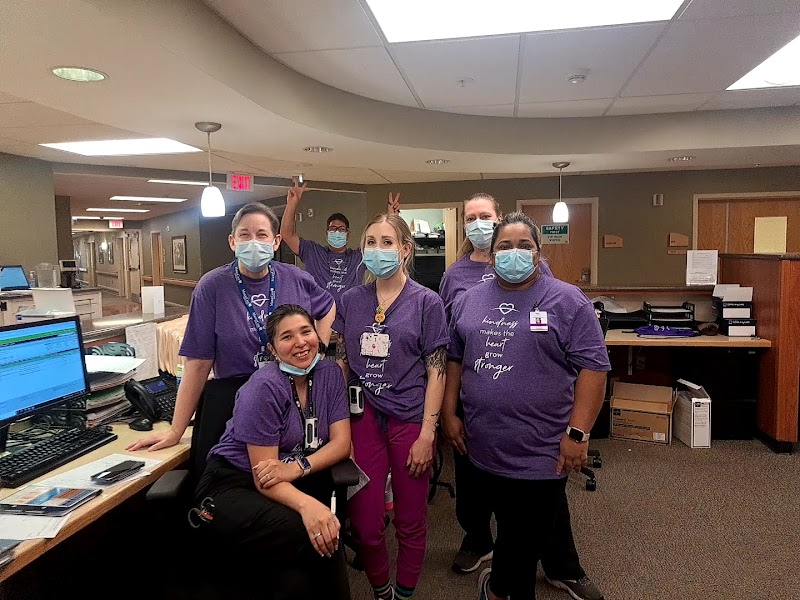
How is Salmon Creek Post Acute & Rehabilitation Staffed?

CMS rates SALMON CREEK POST ACUTE & REHABILITATION's staffing level at 2 out of 5 stars, which is below average compared to other nursing homes. Staff turnover is 68%, which is 21 percentage points above the Washington average of 46%. High turnover can affect care consistency as new staff learn residents' individual needs. RN turnover specifically is 62%, which is notably high. RNs provide skilled clinical oversight, so turnover in this role can affect medical care quality.

What Have Inspectors Found at Salmon Creek Post Acute & Rehabilitation?

State health inspectors documented 38 deficiencies at SALMON CREEK POST ACUTE & REHABILITATION during 2023 to 2025. These included: 36 with potential for harm and 2 minor or isolated issues.
Who Owns and Operates Salmon Creek Post Acute & Rehabilitation?

SALMON CREEK POST ACUTE & REHABILITATION is owned by a for-profit company. For-profit facilities operate as businesses with obligations to shareholders or private owners. The facility is operated by HILL VALLEY HEALTHCARE, a chain that manages multiple nursing homes. With 120 certified beds and approximately 104 residents (about 87% occupancy), it is a mid-sized facility located in VANCOUVER, Washington.
How Does Salmon Creek Post Acute & Rehabilitation Compare to Other Washington Nursing Homes?

Compared to the 100 nursing homes in Washington, SALMON CREEK POST ACUTE & REHABILITATION's overall rating (4 stars) is above the state average of 3.2, staff turnover (68%) is significantly higher than the state average of 46%, and health inspection rating (4 stars) is above the national benchmark.

What Should Families Ask When Visiting Salmon Creek Post Acute & Rehabilitation?

Based on this facility's data, families visiting should ask: "How do you ensure continuity of care given staff turnover, and what is your staff retention strategy?" "Can you walk me through typical staffing levels on day, evening, and night shifts?" "Can I visit during a mealtime to observe dining assistance and food quality?" "How do you handle medical emergencies, and what is your hospital transfer rate?" These questions are particularly relevant given the facility's high staff turnover rate and the below-average staffing rating.

Is Salmon Creek Post Acute & Rehabilitation Safe?

Based on CMS inspection data, SALMON CREEK POST ACUTE & REHABILITATION has a clean safety record: no substantiated abuse findings (meaning no confirmed cases of resident harm), no Immediate Jeopardy citations (the most serious violation level indicating risk of serious injury or death), and is not on the Special Focus Facility watch list (a federal program monitoring the lowest-performing 1% of nursing homes). The facility has a 4-star overall rating and ranks #1 of 100 nursing homes in Washington. While no facility is perfect, families should still ask about staff-to-resident ratios and recent inspection results during their visit.

Do Nurses at Salmon Creek Post Acute & Rehabilitation Stick Around?

Staff turnover at SALMON CREEK POST ACUTE & REHABILITATION is high. At 68%, the facility is 21 percentage points above the Washington average of 46%. Registered Nurse turnover is particularly concerning at 62%. RNs handle complex medical decisions and coordinate care — frequent RN changes can directly impact care quality. High turnover means new staff may not know residents' individual needs, medications, or preferences. It can also be disorienting for residents, especially those with dementia who rely on familiar faces. Families should ask: What is causing the turnover? What retention programs are in place? How do you ensure care continuity during staff transitions?

Was Salmon Creek Post Acute & Rehabilitation Ever Fined?

SALMON CREEK POST ACUTE & REHABILITATION has no federal fines on record. CMS issues fines when nursing homes fail to meet care standards or don't correct problems found during inspections. The absence of fines suggests the facility has either maintained compliance or corrected any issues before penalties were assessed. This is a positive indicator, though families should still review recent inspection reports for the full picture.

Is Salmon Creek Post Acute & Rehabilitation on Any Federal Watch List?

SALMON CREEK POST ACUTE & REHABILITATION is not on any federal watch list. The most significant is the Special Focus Facility (SFF) program, which identifies the bottom 1% of nursing homes nationally based on persistent, serious quality problems. Not being on this list means the facility has avoided the pattern of deficiencies that triggers enhanced federal oversight. This is a positive indicator, though families should still review the facility's inspection history directly.