EDENBROOK OF APPLETON NORTH
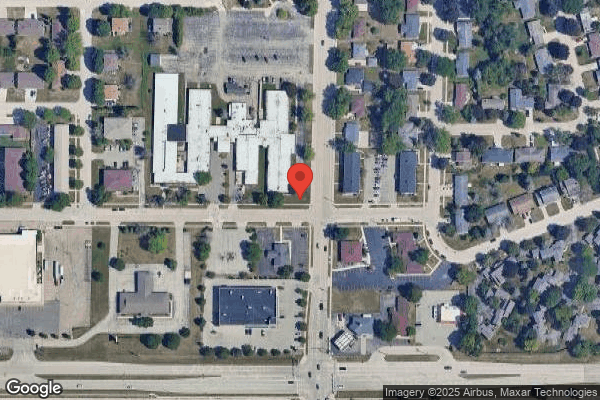
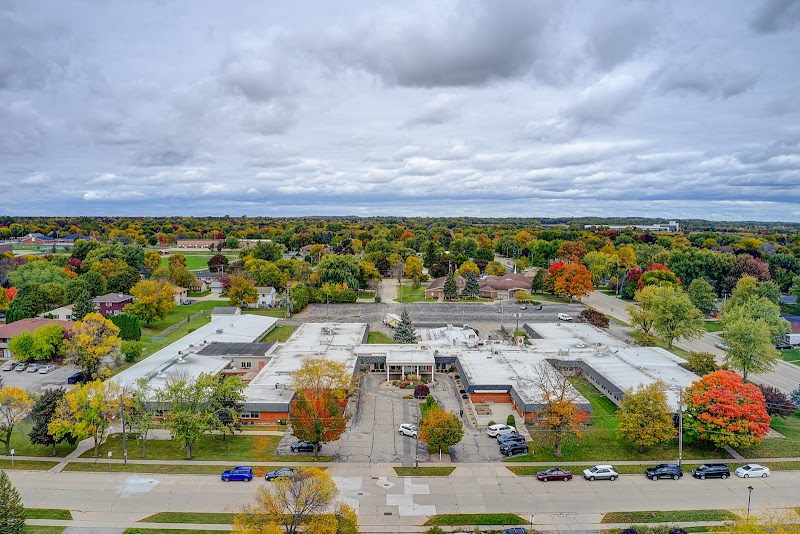
2915 N MEADE ST, APPLETON, WI 54911 (920) 993-6800
For profit - Corporation 95 Beds EDEN SENIOR CARE Data: November 2025
Trust Grade
60/100
#148 of 321 in WI
Last Inspection: June 2024

Within standard 12-15 month inspection cycle. Federal law requires annual inspections.

Overview

Edenbrook of Appleton North has a Trust Grade of C+, which means it is slightly above average and decent among nursing homes. It ranks #148 out of 321 in Wisconsin, placing it in the top half of facilities in the state, but it is #6 out of 7 in Outagamie County, indicating only one local option is better. The facility is improving, having reduced issues reported from 7 in 2024 to 4 in 2025. Staffing is rated average with a turnover rate of 51%, similar to the state average, but it has good RN coverage, exceeding 84% of Wisconsin facilities, which helps catch potential problems. However, the facility has faced serious concerns, including a medication error that required IV therapy for a resident and lapses in infection control practices, such as expired sanitizing supplies, which could affect multiple residents.

Trust Score
C+
60/100
In Wisconsin
#148/321
Top 46%
Safety Record
Moderate
Needs review
Inspections
Getting Better
7 → 4 violations
Staff Stability
⚠ Watch
51% turnover. Above average. Higher turnover means staff may not know residents' routines.
Penalties
✓ Good
No fines on record. Clean compliance history, better than most Wisconsin facilities.
Skilled Nurses
✓ Good
Each resident gets 71 minutes of Registered Nurse (RN) attention daily — more than 97% of Wisconsin nursing homes. RNs are the most trained staff who catch health problems before they become serious.
Violations
⚠ Watch
19 deficiencies on record. Higher than average. Multiple issues found across inspections.
★★★☆☆
3.0
Overall Rating
★★★☆☆
3.0
Staff Levels
★★★★☆
4.0
Care Quality
★★★☆☆
3.0
Inspection Score
Stable
2024: 7 issues
2025: 4 issues

The Good

  • 4-Star Quality Measures · Strong clinical quality outcomes
  • Full Sprinkler Coverage · Fire safety systems throughout facility
  • No fines on record

Facility shows strength in quality measures, fire safety.

The Bad

3-Star Overall Rating

Near Wisconsin average (3.0)

Meets federal standards, typical of most facilities

Staff Turnover: 51%

Near Wisconsin avg (46%)

Higher turnover may affect care consistency

Chain: EDEN SENIOR CARE

Part of a multi-facility chain

Ask about local staffing decisions and management

The Ugly 19 deficiencies on record

1 actual harm
Sept 2025 2 deficiencies
CONCERN (D) 📢 Someone Reported This

A family member, employee, or ombudsman was alarmed enough to file a formal complaint

Potential for Harm - no one hurt, but risky conditions existed

Pressure Ulcer Prevention (Tag F0686)

Could have caused harm · This affected 1 resident

**NOTE- TERMS IN BRACKETS HAVE BEEN EDITED TO PROTECT CONFIDENTIALITY** Based on observation, staff interview, and record review, the facility did not ensure pressure injury wound care was provided fo...

Read full inspector narrative →
**NOTE- TERMS IN BRACKETS HAVE BEEN EDITED TO PROTECT CONFIDENTIALITY** Based on observation, staff interview, and record review, the facility did not ensure pressure injury wound care was provided for 1 resident (R) (R1) of 2 sampled residents.R1 had a deep tissue injury on the right heel and a wound care order for daily dressing changes. R1's wound care order was not consistently followed.Findings include:The facility's Procedure Clean Dressing Change policy, dated 2/24/23, indicates: .1. Verify physician's order for the procedure/treatment. 2. Review the resident's care plan, current orders, and diagnoses as applicable to determine if there are special resident needs .16. Date and initial wound dressing when applied .Medical record documentation and follow-up as applicable: 1. The date and time the dressing was changed. On 9/2/25, Surveyor reviewed R1's medical record. R1 was admitted to the facility on [DATE] and had diagnoses including sepsis, cellulitis of right lower limb, non-pressure chronic ulcer of other part of right lower leg with fat layer exposed, and abrasion of left elbow. R1's Minimum Data Set (MDS) assessment, dated 11/20/24, had a Brief Interview for Mental Status (BIMS) score of 9 out of 15 which indicated R1 had moderately impaired cognition. R1 had an activated Power of Attorney for Healthcare (POAHC). R1's medical record contained the following orders:~ Treatment - Right Heel - Betadine daily and as needed (PRN) every day shift for wound care (start date 11/26/24).~ Treatment - Right Heel - Clean with wound cleanser, pat dry, apply Santyl to wound bed, apply Telfa, wrap in Kerlix daily and PRN every day shift for wound care (start date 12/3/24).R1's December 2024 Treatment Administration Record (TAR) indicated R1's dressing change was not completed on 12/4/24.A Nurse Practitioner (NP) note, dated 12/10/24, indicated R1 had what appeared to be a deep tissue injury (DTI) on the right heel that measured 1.5 centimeters (cm) x 3.5 cm x 0.1 cm. The surface area measured 5.25 square centimeters (cm2) with 80% eschar and 20% slough. There was light serous exudate, no induration, and the edges appeared cliff-like. The peri-wound was normal in temperature and color. The note indicated the wound deteriorated overall due to nutritional compromise. R1 was started on Prostat, vitamin C, and a multivitamin. On 9/2/25 at 3:01 PM, Surveyor interviewed Director of Nursing (DON)-B who verified R1's dressing change was not completed on 12/4/24 and confirmed R1's DTI dressing should be changed daily. DON-B stated DON-B expects staff to follow orders for daily wound care and indicated R1's wound care should be completed daily and documented.
CONCERN (D) 📢 Someone Reported This

A family member, employee, or ombudsman was alarmed enough to file a formal complaint

Potential for Harm - no one hurt, but risky conditions existed

Accident Prevention (Tag F0689)

Could have caused harm · This affected 1 resident

**NOTE- TERMS IN BRACKETS HAVE BEEN EDITED TO PROTECT CONFIDENTIALITY** Based on observation, staff interview, and record review, the facility did not ensure appropriate fall interventions were in pla...

Read full inspector narrative →
**NOTE- TERMS IN BRACKETS HAVE BEEN EDITED TO PROTECT CONFIDENTIALITY** Based on observation, staff interview, and record review, the facility did not ensure appropriate fall interventions were in place for 2 residents (R) (R1 and R4) of 2 sampled residents. R1's falls care plan was not updated with an intervention after a fall on 12/12/24.R4's falls care plan contained an intervention for a urinal at bedside following a fall on 8/12/25. The intervention was not consistently followed.Findings include:The facility's Post Fall Policy, revised 10/13/23, indicates: .Notification and Communication: Communicate with staff on unit that a fall has occurred and intervention put in place to reduce risk of another fall. Documentation: Immediate intervention put in place.On 9/2/25, Surveyor reviewed R1's medical record. R1 was admitted to the facility on [DATE] and had diagnoses including cellulitis of right lower limb, non-pressure chronic ulcer of right lower leg, dysphagia, adjustment disorder with anxiety, macular degeneration, hypertension, insomnia, and overactive bladder. R1's Minimum Data Set (MDS) assessment, dated 11/20/24, had a Brief Interview for Mental Status (BIMS) score of 9 out of 15 which indicated R1 had moderate cognitive impairment. R1 had an activated Power of Attorney for Healthcare (POAHC). R1 discharged to the hospital on [DATE] due to a change in condition and did not return to the facility. R1's falls care plan, revised 11/19/24, indicated R1 was at moderate risk for falls related to impaired physical mobility, self-care deficit, activity intolerance, fatigue, generalized weakness, decreased muscle strength, incontinence, and a history of mood disorder. The care plan also indicated R1 received antidepressant medication. Following a fall on 11/25/24, an intervention was added for a Dycem (an anti-slip pad) under R1's recliner cushion.A progress note, dated 12/12/24 at 10:02 AM, indicated R1 fell at approximately 7:30 AM and was on aspirin and Eliquis (a blood thinning medication). R1 was not sure if R1 hit R1's head. A nurse completed an assessment, including vital signs and neuro checks. R1 reported buttocks pain at a level 4 out of 10 and had a skin tear on the left elbow. The Nurse Practitioner (NP) responded. A progress note, dated 12/12/24 at 12:15 PM, indicated staff should complete post fall monitoring and fall precautions per the facility's protocol and monitor for any bruising or bleeding due to anticoagulation/antiplatelet use. Staff should also monitor and update with any new or worsening symptoms or further concerns and update physician services with follow-up vital signs. The NP agreed with bordered foam for skin tear treatment and indicated to implement orders as stated. A risk management report for R1's fall on 12/12/24 indicated: Certified Nursing Assistant (CNA) informed writer that R1 was found on the floor at 7:30 AM with R1's head toward the dresser. and wearing Prevalon boots (used to reduce pressure on the heels and help prevent pressure injuries). R1 was incontinent of bowel and bladder. It was unknown if R1 hit R1's head. Neuro checks were within normal limits. R1's pulse was 118. R1 reported buttocks pain and had a skin tear on the left elbow. Notifications were completed and R1 was transferred via Hoyer lift into bed. The report indicated the Interdisciplinary Team (IDT) reviewed the incident on 12/22/24 and concluded that R1 attempted to self-transfer while wearing Prevalon boots which caused the fall. An intervention was added to float heels when in bed and wear boots when in wheelchair or recliner. R1's care plan was reviewed and updated. On 9/2/25 at 1:28 PM, Surveyor interviewed Nursing Home Administrator (NHA)-A who indicated the facility's process was to add an immediate intervention following a fall. NHA-A checked R1's medical record and indicated NHA-A could not find an immediate intervention that was added to R1's care plan. 2. On 9/2/25, Surveyor reviewed R4's medical record. R4 was admitted to the facility on [DATE] and had diagnoses including hypoxic ischemic encephalopathy, peripheral vascular disease (PVD), insomnia, and anoxic brain damage. R4's MDS assessment, dated 8/27/25, had a BIMS score of 0 out of 15 which indicated R4 had severe cognitive impairment.R4's falls care plan, revised 8/20/25, indicated R4 was at high risk for falls related to anoxic encephalopathy, impaired physical mobility, self-care deficit, fatigue, generalized weakness, cognitive impairment, decreased cardiac function, and hearing deficit. The care plan also indicated R4 received antipsychotic and diuretic medication. R4 was noted to remove gripper socks and attempted to self-transfer due to impaired cognition and was observed self-transferring alone without notifying staff of R4's needs. The care plan contained an intervention to have a urinal at R4's bedside which was initiated after a fall on 8/12/25. On 9/2/25 at 2:15 PM, Surveyor observed R4 in bed without a urinal at R4's bedside. On 9/2/25 at 2:30 PM, Surveyor interviewed Licensed Practical Nurse (LPN)-C who confirmed R4 did not have a urinal at the bedside. LPN-C checked R4's bathroom and did not see a urinal there either.On 9/2/25 at 4:30 PM, Surveyor interviewed Director of Nursing (DON)-B who confirmed fall interventions should be in place for residents, however, DON-B needed to review R4's care plan and was unsure if R4 was capable of using a urinal.
Jun 2025 2 deficiencies
CONCERN (D) 📢 Someone Reported This

A family member, employee, or ombudsman was alarmed enough to file a formal complaint

Potential for Harm - no one hurt, but risky conditions existed

Safe Environment (Tag F0584)

Could have caused harm · This affected 1 resident

**NOTE- TERMS IN BRACKETS HAVE BEEN EDITED TO PROTECT CONFIDENTIALITY** Based on observation, staff and resident interview, and record review, the facility did not ensure residents were provided a hom...

Read full inspector narrative →
**NOTE- TERMS IN BRACKETS HAVE BEEN EDITED TO PROTECT CONFIDENTIALITY** Based on observation, staff and resident interview, and record review, the facility did not ensure residents were provided a home-like dining experience. This practice had the potential to affect more than 4 of the 72 residents (R) residing in the facility. Residents were served meals on disposable Styrofaom dishware. In addition, residents were not always given the option to eat in the dining room. Findings include: The facility's Dining and Food Service policy, revised 2/12/25, indicates: Individuals will be provided with nourishing, palatable, attractive meals that meet daily nutritional and special dietary needs, making reasonable accommodations to consider the preferences of each resident. Individuals will be provided with services to maintain or improve eating skills. The dining experience will enhance the individual's quality of life and be supportive of the individual's needs during dining. Staff will utilize sanitary precautions when serving residents, including, but not limited to proper handling of glasses, flatware, and plates to prevent infection and foodborne illnesses .The Dining Services Director will perform meal rounds routinely to determine if the meals are attractive and nutritious and meet the needs of the individual. The Dining Services Director will observe meals to ensure food preferences, portion sizes, temperature, flavor, variety, and accuracy are appropriate. The Dining Services Director will refer all appropriate concerns to the Administrator, Nursing Director, Registered Dietitian (RD) or other necessary staff. On 6/30/25, Surveyor reviewed R9's medical record. R9 was admitted to the facility on [DATE] and had diagnoses including metabolic encephalopathy, asthma, and diabetes. R9's Minimum Data Set (MDS) assessment, dated 6/19/25, had a Brief Interview for Mental Status (BIMS) score of 13 out of 15 which indicated R9 had intact cognition. R9 made R9's own medical decisions. On 6/30/25 at 4:45 PM, Surveyor interviewed R9 who indicated R9 wished food was served on real plates instead of disposable plates. R9 indicated R9 would like staff to ask if R9 would like to eat in the dining room. R9 stated R9 does not want to eat in the dining room but has never been asked and would like to be offered. On 6/30/25, Surveyor reviewed R10's medical record. R10 was admitted to the facility on [DATE] and had diagnoses including congestive heart failure and diabetes. R10's MDS assessment, dated 5/25/25, had a BIMS score of 15 out of 15 which indicated R10 had intact cognition. R10 made R10's own medical decisions. On 6/30/25 at 4:58 PM, Surveyor interviewed R10 who indicated R10 would like to be offered to eat in the dining room. R10 indicated R10 has a hard time walking, but would like staff to offer to push R10 in a wheelchair to the dining room sometimes. On 6/30/25 at 11:58 AM, Surveyor observed staff serve nine residents lunch in the 100 wing dining room. Surveyor noted all meals were served on non-disposable plates. On 6/30/25 at 4:43 PM, Surveyor observed staff deliver dinner trays to resident rooms on the 400 wing. Surveyor noted the food was served on disposable dishware. Surveyor noted canned fruit, three-bean salad, and chicken pieces were served in disposable bowls. Five of the bowls were not covered. Surveyor also noted each tray contained covered drinks and a breadstick wrapped in plastic wrap. On 6/30/25 at 4:46 PM, Surveyor interviewed Certified Nursing Assistant (CNA)-C who was delivering meal trays on the 400 wing. CNA-C indicated dinner is typically served on disposable or take-out dishes. On 6/30/25 at 4:48 PM, Surveyor observed staff deliver dinner trays to resident rooms on the 300 wing. Surveyor noted the food was served on disposable dishware. Surveyor observed canned fruit, three-bean salad, and chicken pieces served in disposable bowls. Surveyor also noted each tray contained uncovered cups of coffee and a breadstick wrapped in plastic wrap. On 6/30/25 at 4:48 PM, Surveyor interviewed CNA-D who was delivering trays to residents on the 300 wing. CNA-D indicated CNA-D had seen dinner served on disposable dishes. On 6/30/25 at 4:50 PM, Surveyor interviewed Director of Nursing (DON)-B who did not know why dinner was served on disposable dishware and indicated meals were served on disposable dishes a while ago when the dishwasher was broken. On 6/30/25 at 4:51 PM, Surveyor interviewed [NAME] (CK)-E who indicated evening meals have been served on disposable dishware for at least a couple of months because the kitchen is short staffed. CK-E indicated food is served on disposable dishware per Dietary Supervisor (DS)-F's direction and DS-F orders the disposable dishware. CK-E indicated NHA-A is also aware dinner is served on disposable dishware. On 6/30/25 at 5:06 PM, Surveyor observed staff serve supper to five residents in the 100 wing dining room. Surveyor noted the meals were served on disposable dishware. On 6/30/25 at 5:09 PM, Surveyor noted one resident in the dining room had disposable bowls of fruit and green beans and used a spoon to eat a turkey sandwich from a foil wrapper. On 6/30/25 at 5:15 PM, Surveyor interviewed Nursing Home Administrator (NHA)-A who was not aware residents were served meals on disposable dishware. On 6/30/25 at 5:28 PM, Surveyor interviewed Dietary Aide (DA)-G who had worked at the facility for approximately one year. DA-G indicated meals were served on disposable dishware for approximately six months due to lack of staff. DA-G indicated DS-F orders the dishware. On 6/30/25 at 5:31 PM, Surveyor interviewed NHA-A who was aware sandwiches were served in foil for dinner and other meals. NHA-A indicated foil was used to keep food hot and keep some items more crisp. NHA-A indicated residents can eat in the dining room if it is their preference and stated sometimes residents eat in the dining room and sometimes they don't.
CONCERN (E) 📢 Someone Reported This

A family member, employee, or ombudsman was alarmed enough to file a formal complaint

Potential for Harm - no one hurt, but risky conditions existed

Infection Control (Tag F0880)

Could have caused harm · This affected multiple residents

**NOTE- TERMS IN BRACKETS HAVE BEEN EDITED TO PROTECT CONFIDENTIALITY** Based on observation, staff interview, and record review, the facility did not establish and maintain an infection prevention an...

Read full inspector narrative →
**NOTE- TERMS IN BRACKETS HAVE BEEN EDITED TO PROTECT CONFIDENTIALITY** Based on observation, staff interview, and record review, the facility did not establish and maintain an infection prevention and control program designed to prevent the development and transmission of communicable disease and infection. This practice had the potential to affect more than 4 of the 72 residents (R) residing in the facility. Numerous supply carts for residents on enhanced barrier precautions (EBP) contained expired sanitizing wipes and/or expired hand sanitizer. Findings include: The facility's Infection Control Program policy, dated [DATE], indicates: The infection control program exists to assure a safe, sanitary, and comfortable environment for residents and personnel. It is designed to help prevent the development and transmission of disease and infection .The intent of this policy is to assure through the infection control program a system is in place to: .Prevent and control outbreaks and cross-contamination using transmission-based precautions in addition to standard precautions .Elements of the program include: .Education, including training in infection prevention and control practices to ensure compliance with facility requirements as well as state and federal regulations .A system for detection, investigation, and control of outbreaks of infectious diseases .Infection control policies, procedures, and practices which promote consistent adherence to evidence-based infection control practices. Process to evaluate and enforce proper environmental controls. Process to evaluate and enforce proper infection control practices by personnel . On [DATE] at 11:02 AM, Surveyor observed personal protective equipment (PPE) carts outside the rooms of residents on EBP and noted expired bleach (sanitizing) wipes in carts for 6 resident rooms. The bleach wipes contained expiration dates of February 2025, February 2024, and [DATE]. Surveyor also noted multiple bottles of hand sanitizer that contained expiration dates of [DATE]. On [DATE] at 11:18 AM, Surveyor observed staff who walked ahead of Surveyor in the 100 hall remove bleach wipes from PPE carts Surveyor had not yet observed and replace them with different containers of bleach wipes. On [DATE] at 11:18 AM, Surveyor interviewed Nurse Schedule Coordinator (NSC)-H who did not know if expired bleach wipes and hand sanitizer were still effective. On [DATE] at 11:34 AM, Surveyor observed NSC-H throw away thirteen containers of bleach wipes that had been removed from PPE carts. Surveyor noted the discarded wipes were expired and requested to see where the wipes were stored. At 11:43 AM, Surveyor observed the storage area where PPE carts and supplies were kept and noted a full case of bleach wipes with expiration dates of [DATE] and another full case of bleach wipes with expiration dates of [DATE]. Surveyor and NSC-H also observed two full containers of bleach wipes with expiration dates of [DATE] and a PPE cart with a container of bleach wipes that expired on [DATE]. Surveyor also noted a bottle of hand sanitizer in the cart had an expiration date of [DATE] and observed hand sanitizer on a shelf with an expiration date of [DATE]. On [DATE] at 11:42 AM, Surveyor interviewed Registered Nurse (RN)-I who did not know who was supposed to check or if there was a schedule to check expiration dates of bleach wipes and hand sanitizer in PPE carts. On [DATE] at 11:58 AM, Surveyor observed Housekeeper (HK)-J walk down the 100 wing and enter the soiled linen room with an armful of hand sanitizer bottles. On [DATE] at 11:59 AM, Surveyor interviewed HK-J who indicated HK-J threw away the hand sanitizers because they were expired. HK-J indicated expired bleach wipes and hand sanitizer are not effective and should not be used. On [DATE] at 1:01 PM, Surveyor interviewed Director of Nursing (DON)-B who did not know if expired bleach wipes and hand sanitizer were still effective and indicated staff should have contacted the manufacturer to find out. DON-B indicated PPE carts should be checked and stocked on Mondays and items that expired more than three years ago should have been discarded. DON-B indicated DON-B was aware there could be a significant infection control issue if bleach wipes and hand sanitizer are not effective. On [DATE] at 5:31 PM, Surveyor interviewed Nursing Home Administrator (NHA)-A who indicated NHA-A orders infection control items monthly. NHA-A indicated expiration dates for bleach wipes and hand sanitizer should be checked on arrival, prior to use, and prior to putting them in PPE carts.
Dec 2024 1 deficiency
MINOR (C) 📢 Someone Reported This

A family member, employee, or ombudsman was alarmed enough to file a formal complaint

Minor Issue - procedural, no safety impact

Staffing Information (Tag F0732)

Minor procedural issue · This affected most or all residents

Based on staff interview and record review, the nurse staffing posting did not accurately reflect the number of nursing staff working in the facility and was not posted at the beginning of each shift ...

Read full inspector narrative →
Based on staff interview and record review, the nurse staffing posting did not accurately reflect the number of nursing staff working in the facility and was not posted at the beginning of each shift or on weekends. This had the potential to affect all 67 residents residing in the facility. The nurse staffing posting did not accurately reflect the actual number of nursing staff who worked the 12/12/24 night (NOC) shift and was not posted at the start of the 12/13/24 AM shift. In addition, the facility did not post nurse staffing hours on the weekends. Findings include: The facility's Staff Posting Information policy, revised 10/19/23, indicates: To provide public information regarding the number of licensed and unlicensed direct caregivers and hours worked per shift .2. At the beginning of each shift, the facility will verify that the hours are posted in a clear and readable format: .g. Actual time worked for the specific categories of nursing staff, including split shifts. On 12/13/24 at 5:01 AM, Surveyor observed a nursing staff posting, dated 12/12/24, near the front entrance of the facility. Surveyor noted the NOC shift section of the form indicated there were 4 Certified Nursing Assistants (CNAs) plus 1 CNA in training working from 10:00 PM - 6:00 AM. On 12/13/24 between 5:00 AM and 5:10 AM, Surveyor observed 2 nurses and 3 CNAs present on the NOC shift. On 12/13/24 at 5:15 AM, Surveyor interviewed Registered Nurse (RN)-D who indicated there was a call-in and there were only 3 CNAs working the NOC shift. On 12/13/24 at 6:10 AM, Surveyor noted the 12/12/24 nursing staff posting was still displayed even though the 12/13/24 AM shift had already started. On 12/13/24 at 6:45 AM, Surveyor interviewed Nursing Home Administrator (NHA)-A who indicated Nurse Scheduler (NS)-C updated the daily posting when NS-C came in on the AM shift and updated the previous NOC shift posting if there were call-ins or deviations from the original schedule. On 12/13/24 at 9:55 AM, Surveyor noted the 12/12/24 nursing staff posting was still displayed and the 12/13/24 posting was not posted yet. On 12/14/24 at 10:00 AM, Surveyor interviewed NS-C who indicated NS-C posted the current day's nursing staff posting on week days following morning meeting. On Friday, NS-C developed and printed the postings for Saturday and Sunday and updated the weekend postings with changes on Monday when NS-C returned to work. NS-C confirmed nurse staffing hours were not posted on the weekends. NS-C confirmed when there were changes to the original schedule, the posting were not updated during those particular shifts. On 12/13/24 at 10:21 AM, Surveyor noted the 12/12/24 nursing staff posting was still displayed and the 12/13/24 posting was not posted yet. On 12/13/24 at 10:50 AM, Surveyor interviewed NHA-A who indicated morning meeting was at 9:00 AM each week day. NHA-A indicated the facility would develop a process for posting the nurse staffing hours on the weekends.
Jun 2024 6 deficiencies
CONCERN (D)

Potential for Harm - no one hurt, but risky conditions existed

Deficiency F0551 (Tag F0551)

Could have caused harm · This affected 1 resident

**NOTE- TERMS IN BRACKETS HAVE BEEN EDITED TO PROTECT CONFIDENTIALITY** Based on staff interview and record review, the facility did not ensure protective placement was obtained for 1 resident (R) (R4...

Read full inspector narrative →
**NOTE- TERMS IN BRACKETS HAVE BEEN EDITED TO PROTECT CONFIDENTIALITY** Based on staff interview and record review, the facility did not ensure protective placement was obtained for 1 resident (R) (R49) of 20 residents reviewed for advanced directives. R49 had a legal guardian. The facility did not petition or obtain court-ordered documents for protective placement when R49's stay in the facility exceeded 60 days from admission on [DATE]. Findings include: Wisconsin State Statue Chapter 55.055(1)(b) contains the following information: The guardian of an individual who has been adjudicated incompetent may consent to the individual's admission to a nursing home or other facility not specified in par. (a) for which protective placement is otherwise required for a period not to exceed 60 days. In order to be admitted under this paragraph, the individual must be in need of recuperative care or be unable to provide for his or her own care or safety so as to create a serious risk of substantial harm to himself or herself or others. Prior to providing that consent, the guardian shall review the ward's right to the least restrictive residential environment and consent only to admission to a nursing home or other facility that implements that right. Following the 60 day period, the admission may be extended for an additional 60 days if a petition for protective placement under s. 55.075 has been brought, or, if no petition for protective placement under s. 55.075 has been brought, for an additional 30 days for the purpose of allowing the initiation of discharge planning for the individual. Between 6/10/24 and 6/12/24, Surveyor reviewed R49's medical record. R49 was admitted to the facility on [DATE] with diagnoses including vascular dementia unspecified severity without behavioral disturbance, psychotic disturbance, mood disturbance, anxiety, hemiplegia (weakness on one side of the body), hemiparesis (paralysis on one side of the body), and aphasia (a language disorder that affects a person's ability to communicate) following cerebral infarction affecting the right dominant side. R49's Minimum Data Set (MDS) assessment, dated 4/25/24, indicated R49 was rarely to never understood and had severely impaired cognition. A staff assessment for mental status indicated R49 had short and long-term memory problems, poor recall ability, and was severely impaired with daily decision making. Guardianship due to R49's incompetency was filed on 4/26/23. R49's medical record did not contain a court order for protective placement. On 6/12/24 at 12:51 PM, Surveyor interviewed Director of Nursing (DON)-B who verified protective placement was not obtained for R49. On 6/12/24 at 1:22 PM, Surveyor interviewed Social Service Director (SSD)-E who confirmed R49 had a court- ordered guardianship. SSD-E stated a few months ago SSD-E contacted R49's guardian ad item who informed SSD-E that R49 was not protectively placed. SSD-E verified no further action was taken to obtain or file a petition for protective placement with the county.
CONCERN (D)

Potential for Harm - no one hurt, but risky conditions existed

Abuse Prevention Policies (Tag F0607)

Could have caused harm · This affected 1 resident

Based on staff interview and record review, the facility did not ensure their abuse policy was implemented for 1 employee (Certified Nursing Assistant (CNA)-C) of 8 employees reviewed for background c...

Read full inspector narrative →
Based on staff interview and record review, the facility did not ensure their abuse policy was implemented for 1 employee (Certified Nursing Assistant (CNA)-C) of 8 employees reviewed for background checks. CNA-C was hired on 11/10/15. CNA-C's most recent background check was dated 11/8/19 which was not within the last 4 years. Findings include: The facility's Vulnerable Adult Abuse and Neglect Prevention policy, with a review date of 1/14/22, indicates: Screen potential employees for a history of abuse, neglect, exploitation, or mistreatment as defined by the applicable requirements at 48.13(C)(1)(ii) (A) and (B). This includes attempting to obtain information from previous employers and/or current employers, and checking with the appropriate licensing boards and registries. On 6/11/24 at 10:37 AM, Surveyor reviewed the Background Information Disclosure (BID) form and Department of Justice and Information Background Integration System (IBIS) letters for CNA-C. When Director of Nursing (DON)-B provided the information, DON-B stated to Surveyor that CNA-C's background check was run on 6/11/24 because the Human Resources department did not have one on file that was completed within the last 4 years. DON-B stated background checks are completed at the corporate level and DON-B contacted corporate staff who could not locate a recent background check for CNA-C. DON-B confirmed CNA-C's background check should have been completed sooner. On 6/12/24 at 11:13 AM, Surveyor interviewed DON-B and asked when CNA-C's background check was last completed prior to 6/11/24. DON-B stated CNA-C's background check was last completed on 11/8/19.
CONCERN (D)

Potential for Harm - no one hurt, but risky conditions existed

PASARR Coordination (Tag F0644)

Could have caused harm · This affected 1 resident

**NOTE- TERMS IN BRACKETS HAVE BEEN EDITED TO PROTECT CONFIDENTIALITY** Based on staff interview and record review, the facility did not ensure a Preadmission Screen and Resident Review (PASRR) for 1 ...

Read full inspector narrative →
**NOTE- TERMS IN BRACKETS HAVE BEEN EDITED TO PROTECT CONFIDENTIALITY** Based on staff interview and record review, the facility did not ensure a Preadmission Screen and Resident Review (PASRR) for 1 resident (R) (R26) of 5 sampled residents was submitted for additional screening after the resident was diagnosed with a new mental illness and prescribed additional antipsychotic medication. R26's PASRR Level I Screen was completed upon R26's admission to the facility on 6/22/22. A PASRR Level II Screen was completed on 8/23/22. On 11/29/22, R26 received a new mental illness diagnosis of chronic paranoid schizophrenia and on 1/24/23, R26 was prescribed Vraylar (an antipsychotic medication) for paranoid schizophrenia. The facility did not update R26's PASRR Level I Screen and did not submit for a new PASRR Level II Screen. Findings include: From 6/10/24 through 6/12/24, Surveyor reviewed R26's medical record. R26 was admitted to the facility on [DATE] with diagnoses including bipolar disorder, anxiety disorder, borderline personality disorder, and depression. R26 had physician orders for alprazolam (an antianxiety medication), sertraline (an antidepressant medication), mirtazapine (an antidepressant medication), Seroquel (an antipsychotic medication), Depakote (an anticonvulsant medication also used to treat psychiatric disorders), and buspirone (an antianxiety medication). R26's PASRR Level I Screen, dated 6/22/22, contained the aforementioned diagnoses and medications. A referral for a PASRR Level II Screen was submitted on 7/21/22 and completed on 8/23/22. On 11/29/22, R26 was seen by a psychiatrist who diagnosed R26 with a new mental illness of chronic paranoid schizophrenia. On 1/24/23, R26 was prescribed Vraylar (an antipsychotic medication). R26's medical record did not indicate the facility updated R26's PASRR Level I or submitted a new referral for additional Level II screening to determine the need for specialized services. On 6/12/24 at 1:22 PM, Surveyor interviewed Social Services Director (SSD)-E who stated SSD-E was not employed at the facility at the time a new PASRR Level II Screen should have been obtained. SSD-E confirmed an additional Level II referral was not submitted since R26 received the new mental illness diagnosis or was prescribed an additional antipsychotic medication. On 6/12/24 at 1:33 PM, Surveyor spoke with Behavioral Consulting Services Consultant (BCSC)-N who confirmed facilities should submit a new referral if there is a change or addition to a resident's mental illness diagnosis.
CONCERN (D) 📢 Someone Reported This

A family member, employee, or ombudsman was alarmed enough to file a formal complaint

Potential for Harm - no one hurt, but risky conditions existed

Pharmacy Services (Tag F0755)

Could have caused harm · This affected 1 resident

**NOTE- TERMS IN BRACKETS HAVE BEEN EDITED TO PROTECT CONFIDENTIALITY** Based on staff and resident interview, and record review, the facility did not provide pharmaceutical services to ensure the acc...

Read full inspector narrative →
**NOTE- TERMS IN BRACKETS HAVE BEEN EDITED TO PROTECT CONFIDENTIALITY** Based on staff and resident interview, and record review, the facility did not provide pharmaceutical services to ensure the accuracy of admission orders and medication administration for 1 resident (R) (R276) of 6 sampled residents. R276 missed 3 doses of antirejection medication over a 3 day period until the medication order was clarified for proper dosage. In addition, R276 was administered 3 doses of medication from R276's home supply because staff could not locate R276's antirejection medication after it was delivered by the pharmacy. Findings include: From 6/10/24 through 6/12/24, Surveyor reviewed R276's medical record. R276 was admitted to the facility on [DATE] with diagnoses including post kidney transplant x 2, post pancreatic transplant x 2, renal dialysis, and end stage renal disease. R276's most recent Minimum Data Set (MDS) assessment, dated 6/3/24, documented R276 had a Brief Interview for Mental Status (BIMS) score of 15 out of 15 which indicated R276 had intact cognition. Surveyor reviewed R276's admission medication orders and noted the following order for antirejection medication: ~ Cyclosporine oral capsule 25 mg (milligrams). Give 3 capsules by mouth one time a day for renal transplant. Surveyor noted R276's hospital discharge orders indicated to administer cyclosporine one time per day; however, R276's discharge summary stated to administer cyclosporine two times per day. R276's medical record indicated cyclosporine was increased to twice daily on 5/31/24. A nursing progress note, dated 5/29/24, indicated: Cyclosporine oral capsule 25 mg. Give 3 capsules by mouth one time a day for renal transplant. R276 took medication R276 brought from home because the medication was not yet received from pharmacy. A nursing progress note, dated 6/3/24, indicated: Cyclosporine oral capsule 25 mg. Give 3 capsules by mouth two times a day for renal transplant. Used home supply. A nursing progress note, dated 6/8/24, indicated: Cyclosporine oral capsule 25 mg. Give 3 capsules by mouth two times a day for renal transplant. R276 took from R276's home supply and was frustrated there was not a supply on hand at the facility. Writer will touch base with pharmacy to check on the concern. On 6/10/24 at 9:10 AM, Surveyor interviewed R276 who stated R276 questioned nursing staff on 5/28/24, 5/29/24, and 5/30/24 about missing R276's evening cyclosporine dose and explained to staff that R276 was prescribed the medication two times per day. R276 stated nursing staff stated cyclosporine was ordered once per day and did not call the physician for clarification of the order. On 6/10/24 at 9:32 AM, Surveyor interviewed Family Member (FM)-F who stated R276 called daily with frustration that the facility did not provide R276 with the proper dose of cyclosporine. FM-F agreed to bring R276's home supply of cyclosporine to the facility on 5/29/24. R276 stated R276 and FM-F met with Assistant Director of Nursing (ADON)-I to discuss the discrepancy on 5/31/24. On 6/11/24 at 1:56 PM, Surveyor interviewed Director of Nursing (DON)-B who stated R276's cyclosporine supply was at the facility, but there was staff confusion about where the medication was stored. DON-B stated a banner was placed in R276's medical record so staff knew where to find the medication. DON-B verified staff administered R276's home supply of cyclosporine on 5/29/24, 6/3/24, and 6/8/24. DON-B stated the facility will replenish R276's home supply when R276 is discharged . On 6/12/24 at 1:09 PM, Surveyor interviewed Licensed Practical Nurse (LPN)-M who stated if LPN-M questioned a medication order, LPN-M would double check the resident's orders, review the hospital discharge summary, and clarify the order with the physician. On 6/12/24 at 1:12 PM, Surveyor interviewed ADON-I who stated nursing staff should have clarified what medication R276 was referring to and called the physician for clarification. ADON-I stated R276's cyclosporine was in the facility on 6/3/24 and 6/8/24; however, staff could not locate the medication because it was stored in a different place in the medication cart. ADON-I stated staff were educated that a banner was placed in R276's medical record and the medication's location was documented on the 24 hour report (a document that staff use to share daily updated resident information). ADON-I verified antirejection medication is a life-sustaining medication. On 6/12/24 at 1:18 PM, Surveyor interviewed DON-B who stated if there is a question about an order, staff should call the ordering provider to find out how the medication should be ordered. DON-B verified antirejection medication is a life-sustaining medication.
CONCERN (D)

Potential for Harm - no one hurt, but risky conditions existed

Infection Control (Tag F0880)

Could have caused harm · This affected 1 resident

**NOTE- TERMS IN BRACKETS HAVE BEEN EDITED TO PROTECT CONFIDENTIALITY** 2. Between 6/10/24 and 6/11/24, Surveyor reviewed R5's medical record. R5 was admitted to the facility on [DATE] and had diagnos...

Read full inspector narrative →
**NOTE- TERMS IN BRACKETS HAVE BEEN EDITED TO PROTECT CONFIDENTIALITY** 2. Between 6/10/24 and 6/11/24, Surveyor reviewed R5's medical record. R5 was admitted to the facility on [DATE] and had diagnoses including congestive heart failure, chronic kidney disease, and type 2 diabetes. While at the facility, R5 acquired a stage 3 pressure injury on the sacrum. On 6/10/24 at 3:28 PM, Surveyor interviewed R5 who confirmed R5 had an open sore on R5's sacrum. A wound care summary, dated 6/4/24, included follow-up notes from the physician regarding care and treatment of R5's pressure injury. R5's plan of care contained a revision, dated 5/22/24, that indicated R5 was at risk due to a stage 3 pressure injury on the right buttock. R5's plan of care also indicated: Infection: R5 has an open wound on the sacrum requiring enhanced barrier precautions. Enhanced barrier precautions (Date initiated: 6/11/24). R5's medical record contained the following wound treatment orders: ~ Right buttock: Clean with wound cleaner, apply Hydrofera Blue to wound bed, cover with bordered foam to be changed daily and as needed (PRN). Every evening shift for open area. (Dated: 5/28/24; Discontinued: 6/3/24). ~Sacrum buttock: Clean with wound cleaner, apply Hydrofera Blue to wound bed, cover with bordered foam to be changed daily and PRN. Every evening shift for open area. (Dated: 6/3/24; Discontinued: 6/4/24). ~ Sacrum buttock: Clean with wound cleaner, apply Medihoney to wound bed followed by bordered gauze to be changed daily and PRN. Every evening shift for open area. (Dated: 6/4/24; Discontinued: 6/11/24). ~ Sacrum: Cleanse wound with wound cleanser, pat dry, apply Medihoney. Apply a 4 x 4 bordered foam/gauze island to be changed daily and PRN every evening shift. (Dated: 6/11/24). ~ Check integrity to sacral wound every shift. (Dated: 6/3/24). Surveyor observed R5 on several occasions throughout the survey and did not observe an EBP sign on R5's door or a PPE cart near R5's door. Surveyor also noted there was not a garbage can near the exit of R5's room to dispose of used PPE upon exit of R5's room. Surveyor observed the following: ~ 6/10/24 at 10:26 AM and 3:26 PM: No EBP sign, cart, and no garbage can. ~ 6/11/24 11:50 AM and 3:43 PM: No EBP sign, no cart, and no garbage can. ~ 6/12/24 1:40 PM and 2:15 PM: No EBP sign, no cart, and no garbage can. On 6/10/24 at 12:16 PM, Surveyor observed Assistant Director of Nursing (ADON)-I, who was also the facility's Infection Preventionist (IP), post EBP signs on multiple residents' doors. On 6/10/24 at 12:22 PM, Surveyor interviewed ADON-I who stated ADON-I did not initiate new EBP for residents, but put up new/additional information to supplement existing EBP signs already posted on doors of residents previously designated to be on EBP. On 6/11/24 at 3:58 PM, Surveyor interviewed CNA-J who stated CNA-J can tell if a resident is on EBP because there is an EBP sign on the resident's door. CNA-J stated a resident on EBP should also have a garbage can in their room for PPE disposal and a cart with PPE in the hallway. On 6/11/24 at 4:06 PM, Surveyor interviewed CNA-K who stated CNA-K can tell if a resident is on EBP because there is an EBP sign on the resident's door. CNA-J stated a resident on EBP should also have a garbage can in their room for PPE disposal and a cart with PPE in the hallway. On 6/11/24 at 4:14 PM, Surveyor interviewed Registered Nurse (RN)-L who stated a resident on EBP should have an EBP sign on their door. RN-L also stated a resident on EBP should also have a garbage can in their room for PPE disposal and a cart with PPE nearby in the hallway. On 6/11/24 at 4:24 PM, Surveyor interviewed ADON-I who stated staff know if a resident is on EBP because there is a sign on the resident's door. When asked how else staff know if a resident is on EBP, ADON-I stated EBP would also be specified in the resident's plan of care. ADON-I stated a resident on EBP should have a garbage can for PPE located inside the room near the exit and a PPE cart should be in the hallway nearby. On 6/11/24 at 4:36 PM, Surveyor interviewed DON-B who stated a resident on EBP should have a sign on the door and EBP should be listed in the resident's care plan. DON-B also stated a resident on EBP should have a garbage can inside the room before the exit and a PPE cart nearby. DON-B stated ADON-I was responsible for making sure residents on EBP have a sign on the door, a garbage can, and a PPE cart. DON-B stated Unit Registered Nurse (RN) mangers also have a list of residents who are on EBP and can put EBP precautions in place. On 6/12/24 at 1:53 PM, Surveyor interviewed ADON-I who confirmed a resident with a stage 3 pressure injury should be on EBP. On 6/12/24 at 2:05 PM, Surveyor interviewed DON-B who confirmed a resident with a stage 3 pressure injury should be on EBP. DON-B stated DON-B thought R5 was actively on EBP and had a sign on R5's door. Based on observation, staff interview, and record review, the facility did not maintain an infection prevention program designed to provide a safe and sanitary environment to prevent the transmission of communicable disease and infection for 3 residents (R) (R19, R28, and R5) of 3 residents. R19 and R28 were on droplet precautions. During observations on 6/10/24, staff did not wear appropriate personal protective equipment (PPE) when they entered R19 and R28's rooms. R5 had a stage 3 pressure injury and was not on enhanced barrier precautions (EBP) as indicated. Findings include: The facility's policy Isolation Precautions policy, with a revision date of 3/26/24, indicates: ~ Droplet Precautions: Implement droplet precautions for a resident with suspected or confirmed to be infected with a communicable disease/infection transmitted via droplets generated by sneezing, talking, or during procedures such as suctioning. 3. Prior to entering the isolation room, the following steps are required: a. Perform hand hygiene and apply gloves, gown, and mask prior to entering the room; .c. Remove gown and gloves and perform hand hygiene before leaving the room . ~Enhanced Barrier Precautions: 1. Expands the use of PPE beyond situations in which exposure to blood and body fluids is anticipated, refers to the use of gown and gloves during high-contact resident care activities that provide opportunities for transfer of multi-drug resistant organisms (MDROs) to staffs' hands and clothing. Examples of high-contact resident care activities requiring gown and glove use for enhanced barrier precautions include: - Dressing - Bathing/showering - Transferring - Providing hygiene - Changing linens - Changing briefs or assisting with toileting - Device care or use of a device; central line, urinary catheter, feeding tube, tracheostomy - Wound care: any skin opening requiring a dressing 1. On 6/10/24 at 11:22 AM, Surveyor noted R28's call light was activated and observed a droplet precautions sign on R28's door. The sign contained 2 stop signs on the top, and indicated: Droplet Precautions Everyone Must: Clean their hands, including before entering and when leaving the room. Make sure their eyes, nose, and mouth are fully covered before room entry. Remove face protection before room exit. On 6/10/24 at 11:24 AM, Surveyor observed Hospitality Aide (HA)-D enter R28's room. Prior to entering the room, HA-D did not perform hand hygiene and did not don a gown, gloves, or a face mask. Surveyor interviewed HA-D who stated HA-D was taking the Certified Nursing Assistant (CNA) class and did not need to gown or glove if HA-D did not touch R28. HA-D stated HA-D entered the room to see what R28 needed because R28's call light was on. Surveyor then observed HA-D speak to another staff and observed both staff don gloves, enter R28's room, and shut the door. HA-D and the other staff did not perform hand hygiene or don a gown and a face mask prior to entering the room. Surveyor then observed both staff exit R28's room while R28's call light was still on. On 6/10/24 at 11:29 PM, Surveyor observed CNA-G enter R28's room. CNA-G did not perform hand hygiene or don a gown, gloves, or a face mask prior to entering the room. Surveyor also observed another staff follow CNA-G into the room without performing hand hygiene or donning a gown, gloves, or a face mask. On 6/10/24 at 11:31 AM, Surveyor interviewed CNA-G who stated R28 told CNA-G that R28 needed to be changed. When asked about the droplet precautions sign on R28's door, CNA-G stated CNA-G thought CNA-G only needed to wear PPE if CNA-G touched R28 and was unsure why the droplet precautions sign was on R28's door. On 6/10/24 at 12:03 PM, Surveyor observed CNA-H enter R19's room with a lunch tray. Surveyor noted R19's room had droplet precaution and EBP signs. CNA-H did not perform hand hygiene or don a gown, gloves, or a face mask prior to entering the room. Surveyor interviewed CNA-H after CNA-H exited the room. CNA-H stated CNA-H delivered a lunch tray and only needed to don PPE if CNA-H performed cares. On 6/11/24 at 10:37 AM, Surveyor interviewed Director of Nursing (DON)-B who verified R28 and R19 were on droplet precautions due to respiratory symptoms. DON-B was aware that staff did not don the appropriate PPE prior to entering R28 and R19's rooms. Surveyor noted additional signage was placed on R28 and R19's doors with education regarding PPE. DON-B confirmed staff should have donned and doffed PPE prior to entering and exiting R28 and R19's rooms.
CONCERN (D)

Potential for Harm - no one hurt, but risky conditions existed

Deficiency F0883 (Tag F0883)

Could have caused harm · This affected 1 resident

**NOTE- TERMS IN BRACKETS HAVE BEEN EDITED TO PROTECT CONFIDENTIALITY** Based on staff interview and record review, the facility did not ensure vaccinations were reviewed, offered, or administered for...

Read full inspector narrative →
**NOTE- TERMS IN BRACKETS HAVE BEEN EDITED TO PROTECT CONFIDENTIALITY** Based on staff interview and record review, the facility did not ensure vaccinations were reviewed, offered, or administered for two residents (R) (R14 and R40) of 5 sampled residents. R14's Power of Attorney (POA) signed consent forms on 9/15/23 and 2/22/24 for R14 to receive the PCV20 (Prevnar 20®) vaccine. The facility did not administer the vaccine. The facility did not offer R40 the PCV20 vaccine. Findings include: Abbreviations (www.cdc.gov): PCV13: 13-valent pneumococcal conjugate vaccine (Prevnar13®) PCV15: 15-valent pneumococcal conjugate vaccine (Vaxneuvance®) PCV20: 20-valent pneumococcal conjugate vaccine (Prevnar 20®) PPSV23: 23-valent pneumococcal polysaccharide vaccine (Pneumovax23®) The most recent Centers for Disease Control and Prevention (CDC) recommendations for pneumococcal vaccinations indicate: For adults 65 years or older who have only received PPSV23, the CDC recommends: Give 1 dose of PCV15 or PCV20. The PCV15 or PCV20 dose should be administered at least 1 year after the most recent PPSV23 vaccination. Regardless of if PCV15 or PCV20 is given, an additional dose of PPSV23 is not recommended since they already received it. For those who have received PCV13 and 1 dose of PPSV23, the CDC recommends you give 1 dose of PCV20 at least 5 years after the last pneumococcal vaccine. For adults 65 years or older who have received PCV13, give 1 dose of PCV20 or PPSV23 at least 1 year after PCV13. Regardless of vaccine used, their vaccines are then complete. The facility's Pneumococcal Vaccination Policy and Procedure, with a revision date of 6/28/23, indicates: All residents will be assessed for appropriateness of receiving the pneumococcal vaccine. Residents who have been deemed appropriate for receiving the pneumococcal vaccine and who consent to receiving the vaccine will be given the vaccine following the CDC guidelines for the administration of PPSV23, PCV13, PCV15, and PCV20 per the recommendations on the CDC website . 1. R14 was admitted to the facility on [DATE] and had diagnoses including congestive heart failure, chronic kidney disease, dementia, and type 2 diabetes. R14 had an activated POA for medical decisions. R14 received a PPSV23 vaccine on 10/29/15 and a PCV13 vaccine on 3/15/16. R14 was due to be offered the PCV20 vaccine on 10/29/20 (five years after the last vaccine). The facility received a signed consent from R14's POA to administer the PCV20 vaccine on 9/15/23 and again on 2/22/24. R14's medical record did not indicate R14 was administered the PCV20 vaccine. 2. R40 was admitted to the facility on [DATE] and had diagnoses including chronic kidney disease and type 2 diabetes. R40 had a legal guardian. R40 received a PPSV23 vaccine on 7/18/17 and a PCV13 vaccine on 3/23/15. R40 was due to be offered the PCV20 vaccine on 7/18/22 (five years after the last vaccine). R40's medical record contained appropriate signed consents/refusals for pneumococcal vaccines prior to 7/18/22. R40's medical record also contained a signed consent, dated 6/5/24, for the PCV20 vaccine when R40 was readmitted to the facility on [DATE] following a hospital stay. The consent indicated R40 already had the PCV20 vaccine. The consent form did not indicate when R40 received the vaccine. R40's medical record did not indicate R40 was offered or administered the PCV20 vaccine after R40 became eligible on 7/18/22 and did not contain a date that indicated R40 received the vaccine elsewhere. On 6/11/24 at 10:33 AM, Surveyor interviewed Assistant Director of Nursing (ADON)-I who was also the facility's Infection Preventionist (IP). ADON-I stated the facility follows their vaccination policy and checks the Wisconsin Immunization Record (WIR) for residents' vaccination records. ADON-I stated WIR information is usually uploaded into residents' electronic health records. ADON-I stated if a resident says they received a vaccine but there is no record of the vaccination, staff talk to the resident or guardian and see if they can verify when and where the resident received the vaccine, including looking up information to verify if the vaccine was administered in another state and not documented on the WIR. On 6/11/24 at 12:41 PM, Surveyor interviewed Director of Nursing (DON)-B who stated if the facility has consent for a vaccine the facility offers, staff should administer the vaccine barring any contraindications. On 6/11/24 at 2:07 PM, Surveyor interviewed DON-B who stated the facility follows their vaccination policies. DON-B indicated residents should be offered vaccines per CDC recommendations and residents' preferences. DON-B indicated staff should check the WIR and enter vaccination information in residents' electronic health records. DON-B stated if a resident's vaccinations cannot be verified, the facility does research, including calling previous long-term care residences if applicable. DON-B stated if staff cannot verify if a vaccine was given, staff should offer the resident the vaccine, allow the resident to receive or refuse the vaccine, and include the updated vaccination information in the resident's medical record. DON-B indicated DON-B expects staff to check a resident's vaccination status and offer the appropriate vaccines within a week's timeframe.
Nov 2023 1 deficiency
CONCERN (D) 📢 Someone Reported This

A family member, employee, or ombudsman was alarmed enough to file a formal complaint

Potential for Harm - no one hurt, but risky conditions existed

Comprehensive Care Plan (Tag F0656)

Could have caused harm · This affected 1 resident

**NOTE- TERMS IN BRACKETS HAVE BEEN EDITED TO PROTECT CONFIDENTIALITY** Based on observation, staff and resident interview, and record review, the facility did not implement the comprehensive care pla...

Read full inspector narrative →
**NOTE- TERMS IN BRACKETS HAVE BEEN EDITED TO PROTECT CONFIDENTIALITY** Based on observation, staff and resident interview, and record review, the facility did not implement the comprehensive care plan for 1 Resident (R) (R1) of 16 residents reviewed for care plan implementation. The facility did not provide toileting for R1 as indicated in R1's person-centered comprehensive plan of care. Findings include: R1 was admitted to the facility on [DATE] with diagnoses including unspecified dementia, cognitive communication deficit, altered mental status, need for assistance with personal care, and weakness. R1's most recent Minimum Data Set (MDS) assessment contained a Brief Interview for Mental Status (BIMS) score of 6 out of 15 which indicated R1 had severe cognitive impairment. R1 had an activated Power of Attorney (POA) for health care. On 7/13/22, Surveyor reviewed R1's medical record, including R1's [NAME] (an abbreviated care plan used by nursing staff), which indicated: Check and change R1 as needed due to incontinence; if refusing to toilet encourage R1 to go and remind R1 you will bring R1 right back; Incontinence care after each incontinent episode; Offer and assist R1 to bathroom every 2-3 hours and as needed. If refused, check and change as R1 allows; toilet use assist of one. On 9/23/23, R1 was assessed as incontinent of bladder and wore incontinence briefs. During a continuous observation on 11/13/23 from 9:10 AM to 10:00 AM, Surveyor observed R1 in R1's wheelchair in the dining room. Surveyor ended the observation at 10:00 AM when an activity started. During a continuous observation on 11/13/23 from 10:56 AM to 1:26 PM, Surveyor observed R1 in the dining room seated at a table with a completed puzzle and then observed R1 eat lunch. On 11/13/23 at 1:24 PM, Surveyor interviewed Certified Nursing Assistant (CNA)-G who worked on the unit where R1 resided. CNA-G stated R1 usually asks staff to go to the bathroom, however, R1 did not ask to go to the bathroom that day during the AM shift. On 11/13/23 at 1:26 PM, Surveyor interviewed R1 who indicated R1 does not ask to use the bathroom and stated staff ask R1 and if R1 has to use the bathroom. R1 stated R1 will say yes if R1 has to use the bathroom. On 11/13/23 at 1:31 PM, Surveyor interviewed Licensed Practical Nurse (LPN)-D who worked on the unit where R1 resided. LPN-D stated R1 lets staff know when R1 needs to use the bathroom and verified R1 did not ask LPN-D to use the bathroom on the AM shift that day. At the same time, Surveyor interviewed CNA-E who stated R1 notifies staff when R1 needs to use the bathroom by self-propelling to R1's room. On 11/13/23 at 1:48 PM, Surveyor interviewed Assistant Director of Nursing (ADON)-C who stated R1 does not typically ask to go to the bathroom any more. ADON-C stated staff ask R1 if R1 needs to use the bathroom. ADON-C stated ADON-C educated staff on how to approach and communicate with R1. ADON-C indicated ADON-C assisted with resident care on the AM shift that day and verified ADON-C did not ask R1 if R1 needed to use the bathroom. During the interview, Surveyor observed Activity Director (AD)-H assist R1 to an activity. When ADON-C stated R1 should be offered use of the bathroom, AD-H stated to R1, We're going to go to the bathroom first, okay? R1 responded, Okay. On 11/13/23 at 1:54 PM, Surveyor observed CNA-F assist R1 to the bathroom and interviewed CNA-F immediately afterward. CNA-F indicated R1 tells me when R1 has to use the bathroom.
May 2023 4 deficiencies
CONCERN (D)

Potential for Harm - no one hurt, but risky conditions existed

Deficiency F0583 (Tag F0583)

Could have caused harm · This affected 1 resident

**NOTE- TERMS IN BRACKETS HAVE BEEN EDITED TO PROTECT CONFIDENTIALITY** Based on observation and staff and resident interview, the facility did not provide adequate privacy curtains in double occupanc...

Read full inspector narrative →
**NOTE- TERMS IN BRACKETS HAVE BEEN EDITED TO PROTECT CONFIDENTIALITY** Based on observation and staff and resident interview, the facility did not provide adequate privacy curtains in double occupancy rooms for 2 Residents (R) (R32 and R39) of 17 sampled residents. R32 and R39 resided in double occupancy rooms with roommates. R32 and R39's rooms did not contain a full privacy curtain between the beds or around the shared sink to allow for privacy during the provision of care and personal hygiene. In addition, a shared sink was across from both beds in each room and in direct view of bed A as well as anyone who entered the room. Findings include: The facility's Privacy and Dignity policy, revised on 1/10/22, contained the following information: Policy: It is the policy of [NAME] Senior Care to always provide dignity and privacy for our residents. Procedure: .4. Privacy is provided during cares. On 5/23/23, Surveyor reviewed R32's medical record. R32's most recent Minimum Data Set (MDS) assessment contained a Brief Interview for Mental Status (BIMS) score of 15 out of 15 which indicated R32 was not cognitively impaired. R32 was independent with most activities of daily living (ADLs). R32 received assistance of one staff with ADLs at times due to lack of motivation and was encouraged to assist and perform ADLs independently as much as possible. On 5/23/23 at 10:21 AM, Surveyor interviewed R32 who stated R23 did not have enough privacy in R32's double occupancy room. R32 stated the privacy curtain in the room did not fully enclosed R32's sleeping area or allow R32 privacy during cares. R32 also stated the room's shared sink did not contain a full privacy curtain that allowed R32 to wash up or use the sink in private. R32 expressed a desire to use the shared sink out of view of R32's roommate and other individuals who may enter the room. Surveyor noted the room contained a half curtain located between both beds. On 5/23/23 at 11:42 AM, Surveyor interviewed Nursing Home Administrator (NHA)-A who stated staff provide privacy during cares as well as resident preferred times by pulling the privacy curtain in double occupancy rooms. NHA-A stated all double occupancy rooms have a U-shaped curtain that is used to provide full privacy for residents. On 5/23/23, Surveyor reviewed R39's medical record. R39's most recent MDS assessment contained a BIMS score of 15 out of 15 which indicated R39 was not cognitively impaired. R39 received assistance of one staff for ADLs due to lack of motivation or follow through to complete most ADLs independently. On 5/23/23 at 1:40 PM, Surveyor interviewed Certified Nursing Assistant (CNA)-E who stated full privacy was provided for residents during cares or at preferred times by the full privacy curtain in double occupancy rooms. Surveyor requested CNA-E demonstrate how the curtain was used to provide privacy in R39's room. When CNA-E entered R39's room to demonstrate, CNA-E asked, Oh, where is the other curtain? R39 stated R39 did not have another curtain, pointed to the small curtain that separated the two beds and said only that one. R39 pointed to the curtainless U-shaped curtain track on the ceiling above R39's bed and stated R39 did not have privacy because there never was a curtain there. CNA-E then stated staff couldn't provide full privacy during cares and if residents in double occupancy rooms wanted to privately wash up in the shared sink, they could not do so as there was no privacy curtain provided.
CONCERN (D)

Potential for Harm - no one hurt, but risky conditions existed

Assessment Accuracy (Tag F0641)

Could have caused harm · This affected 1 resident

**NOTE- TERMS IN BRACKETS HAVE BEEN EDITED TO PROTECT CONFIDENTIALITY** Based on staff interview and record review, the facility did not ensure assessments were accurate for 2 Residents (R) (R8 and R1...

Read full inspector narrative →
**NOTE- TERMS IN BRACKETS HAVE BEEN EDITED TO PROTECT CONFIDENTIALITY** Based on staff interview and record review, the facility did not ensure assessments were accurate for 2 Residents (R) (R8 and R12) of 4 sampled residents. R8 had diagnoses of schizophrenia, major depressive disorder, and anxiety. R8's Minimum Data Set (MDS) assessment, dated 2/1/23, indicated R8 did not have a serious mental health diagnosis. R12 had diagnoses of major depressive disorder and anxiety. R12's MDS assessment, dated 4/16/23, indicated R12 did not have a serious mental health diagnosis. Findings include: The facility's MDS 3.0 Process, revised 2/18/22, states the purpose is to provide guidance to conduct, initially and periodically, a comprehensive, accurate and standardized reproducible assessment of each resident's functional capacity through utilization of the MDS 3.0 RAI (Resident Assessment Instrument) User's Manual. 1. R8 was admitted to the facility on [DATE] with diagnoses that included schizophrenia, major depressive disorder, and anxiety. R8's MDS assessment, dated 2/1/23, contained a Brief Interview for Mental Status (BIMS) score of 15 out of 15 which indicated R8 was not cognitively impaired. On 5/22/23 and 5/24/23, Surveyor reviewed R8's medical record. R8's Preadmission Screening and Resident Review (PASRR), dated 6/22/22, indicated R8 had a serious mental illness. Surveyor noted R8's MDS assessment, dated 2/1/23, indicated at question A1500 that R8 did not have a serious mental health diagnosis. 2. R12 was admitted to the facility on [DATE] with diagnoses that included major depressive disorder and anxiety. R12's MDS assessment, dated 4/16/23, contained a BIMS score of 13 out of 15 which indicated R12 was not cognitively impaired. On 5/22/23 and 5/24/23, Surveyor reviewed R12's medical record. R12's MDS assessment, dated 4/16/23, indicated at question A1500 that R8 did not have a serious mental health diagnosis; however, R12 was being treated for major depressive disorder and anxiety. On 5/24/23 at 9:12 AM, Surveyor interviewed MDS Coordinator (MDS)-C who stated a resident's MDS should reflect their mental health diagnoses. On 5/24/23 at 9:15 AM, Surveyor interviewed Social Worker (SW)-D who verified SW-D incorrectly coded R8 and R12's MDS assessments.
CONCERN (D)

Potential for Harm - no one hurt, but risky conditions existed

Incontinence Care (Tag F0690)

Could have caused harm · This affected 1 resident

**NOTE- TERMS IN BRACKETS HAVE BEEN EDITED TO PROTECT CONFIDENTIALITY** Based on observation, staff and resident interview, and record review, the facility did not ensure 1 Resident (R) (276) of 1 res...

Read full inspector narrative →
**NOTE- TERMS IN BRACKETS HAVE BEEN EDITED TO PROTECT CONFIDENTIALITY** Based on observation, staff and resident interview, and record review, the facility did not ensure 1 Resident (R) (276) of 1 resident reviewed for indwelling catheters received the appropriate care and services to prevent a urinary tract infection (UTI). R276's catheter drainage bag was observed uncovered and/or resting on the floor on multiple occasions. In addition, R276's catheter tubing was observed underneath R276's left leg which obstructed the flow of urine. Findings include: The Centers for Disease Control and Prevention (CD) and the Healthcare Infection Control Practices Advisory Committee-Guidelines for Prevention of Catheter-Associated Urinary Tract Infections, dated 2009, contains the following information: III. Proper Techniques for Urinary Catheter Maintenance B. Maintain unobstructed urine flow. 1. Keep the catheter and collecting tube free from kinking. 2. Keep the collecting bag below the level of the bladder at all times. Do not rest the bag on the floor. The facility's Foley Catheter Management Policy and Procedure, dated 9/17/19, contains the following information: Policy: Proper care will be provided for the management of a Foley catheter to drain urine from the bladder and to prevent reflux of urine back into the bladder. Procedure: 4. Catheter bags will be covered at all times .6. Correct positioning of catheter will be maintained. R276 was admitted to the facility on [DATE] with diagnoses that included history of UTI, Guillain-Barre syndrome, acute cystitis, urine retention, neuromuscular dysfunction of bladder, and neurogenic bladder. R276's plan of care stated R276 had functional incontinence related to Guillain-Barre syndrome and quadriplegia with neurogenic bladder and bowel. The plan of care contained interventions to change the Foley catheter as ordered and record output every shift. On 5/22/23 at 11:02 AM, Surveyor observed R276 in bed. Surveyor noted R276's catheter tubing ran down R276's left leg and the uncovered drainage bag was resting on the floor. On 5/23/23 at 12:00 PM, Surveyor again observed R276 in bed. Surveyor noted R276's catheter tubing was under R276's left leg and the uncovered drainage bag was empty and resting on the bed. On 5/23/23 at 12:01 PM, Surveyor interviewed R276 who stated the catheter tubing and drainage bag were changed earlier in the morning due to sediment. On 5/23/23 at 12:04 PM, Surveyor entered R276's room with Certified Nursing Assistant (CNA)-F and Licensed Practical Nurse (LPN)-G. CNA-F and LPN-G both verified R276's drainage bag should not be resting on the bed and should be attached to the bed frame and below R276's bladder. Surveyor observed CNA-F remove the tubing from under R276's left leg, place the tubing over R276's left leg and attach the drainage bag to the bed frame. Surveyor noted clear yellow urine immediately started flowing into the drainage bag. Surveyor verified the observation with LPN-G who was unsure why the tubing was under R276's leg and why the drainage bag was on the bed. LPN-G stated the tubing was not kinked, but the flow of urine was slowed or obstructed when the tubing was underneath R276's leg. LPN-G also verified the drainage bag did not contain a cover. On 5/24/23 at 9:41 AM, Surveyor observed CNA-H empty R276's drainage bag while R276 was in bed. Surveyor noted the catheter tubing was again underneath R276's left leg. CNA-H verified the tubing should be over R276's leg and free of kinks. On 5/24/23 at 12:19 PM, Surveyor interviewed Director of Nursing (DON)-B who verified R276's catheter drainage bag should be below the level of R276's bladder, but not on the floor. DON-B also verified R276's catheter tubing should have been over R276's leg to prevent skin breakdown and not obstruct the flow of urine.
MINOR (C)

Minor Issue - procedural, no safety impact

Deficiency F0882 (Tag F0882)

Minor procedural issue · This affected most or all residents

Based on staff interview and record review, the facility did not ensure the Infection Preventionist (IP) completed specialized training in infection prevention and control. This had the potential to a...

Read full inspector narrative →
Based on staff interview and record review, the facility did not ensure the Infection Preventionist (IP) completed specialized training in infection prevention and control. This had the potential to affect all 68 residents residing in the facility. Director of Nursing (DON)-B, who was also the facility's wound care consultant, started as the facility's designated IP in January of 2023; however, DON-B did not complete specialized training in infection prevention and control. Findings include: CMS (Centers for Medicare and Medicaid Services) Memo Ref: QSO-22-19-NH last revised June 29, 2022 contained the following information: In 2016, CMS overhauled the Requirements for Participation for Long-Term Care (LTC) facilities (i.e., nursing homes), which was implemented in three phases: Phase 3 - November 28, 2019 .Phase 3 .regulations which require nursing homes to have an Infection Preventionist who has specialized training on-site at least part-time to effectively oversee the facility's infection prevention and control program. On 5/23/23 at 12:55 PM, Surveyor interviewed Nursing Home Administered (NHA)-A regarding a certificate provided to Surveyor for the facility IP's specialized training. NHA-A stated the employee listed on the IP certificate no longer worked at the facility and DON-B assumed IP duties in January 2023. NHA-A verified DON-B did not complete specialized training in infection prevention and control. NHA-A stated the facility was in the process of hiring a new DON and DON-B would continue to oversee the IP program. On 5/23/23 at 1:59 PM, Surveyor interviewed DON-B who stated DON-B started the Centers for Disease Control and Prevention (CDC) infection control training, but did not have time to finish the training.
Feb 2023 1 deficiency 1 Harm
SERIOUS (G) 📢 Someone Reported This

A family member, employee, or ombudsman was alarmed enough to file a formal complaint

Actual Harm - a resident was hurt due to facility failures

Deficiency F0760 (Tag F0760)

A resident was harmed · This affected 1 resident

**NOTE- TERMS IN BRACKETS HAVE BEEN EDITED TO PROTECT CONFIDENTIALITY** Based on interview and record review, the facility did not ensure 1 Resident (R) (R3) of 5 residents was free of a significant m...

Read full inspector narrative →
**NOTE- TERMS IN BRACKETS HAVE BEEN EDITED TO PROTECT CONFIDENTIALITY** Based on interview and record review, the facility did not ensure 1 Resident (R) (R3) of 5 residents was free of a significant medication error. R3 received in error clonidine (an antihypertensive medication,) losartan potassium (an antihypertensive medication,) and furosemide (a diuretic medication) which resulted in the need for intravenous (IV) (a needle or tube inserted into the vein) therapy to improve hypotension (low blood pressure). Findings include: R3 was admitted to the facility on [DATE] with diagnoses to include Alzheimer's dementia, congestive heart failure, chronic kidney disease, and diabetes. R3's Minimum Data Set (MDS) dated [DATE], contained a Brief Interview for Mental status (BIMs) score of 13 out of 15 which indicated R3 had intact cognition. R3's medical record documented conversations to pursue gardianship. The facility's Medication Error and Drug Interactions policy, dated 8/15/22, contained the following information: 2. A detailed account of the error will be recorded in the resident's medical record. Such documentation must include, but not be limited to: A. timing and date of the incident. B. name, strength and dosage of the medication administered. C. resident's reaction to the medication. E. Any treatment administered. F. date and time the physician was notified and what instructions were given. 4. The nurse will be responsible for completing a Point Click Care (PCC) risk management report. 5. All medication error/incident reports relating to medication errors and drug reactions will be reviewed by the Quality Assurance committee at their next regularly scheduled meeting. On 2/21/23 at 10:42 AM, Surveyor attempted to interview R3 in R3's room. Each time Surveyor asked a question, R3 stated yeah. R3 also stated take me out and did not want to spend time talking with Surveyor. During the interview, Activity Director (AD)-C entered R3's room to take R3 to an activity. AD-C stated R3 was hard of hearing and yeah was a common answer given. On 2/21/23, Surveyor reviewed R3's medical record. Documentation included a medication variance, dated 12/19/22; however, a description of the variance was not contained in R3's medical record. An assessment indicated R3's blood pressure was 96/64 millimeters of mercury (mmHg). Following the sudden decline in R3's blood pressure, a verbal order to administer IV therapy of normal saline (NS) 500 milliliters (ML) per hour was obtained. An IV was placed in R3's left antecubital (inside area of the elbow) and ran as ordered. At approximately 12:00 PM, R3 pulled out the IV. Nursing applied pressure to bleeding at the IV site and updated the physician. At that time, R3 had only received 200 ML of NS. R3's physician ordered R3's medications not be given as ordered on 12/19/22 due to the medication variance. Documentation indicated R3's blood pressure continued to fluctuate. On 12/20/22, R3's blood pressure was 80/40 mmHg. On 12/21/22, R3's blood pressure was 78/56 mmHg. R3's furosemide was held on 12/19/22, 12/20/22, and 12/21/22 due to the medication variance. Close laboratory monitoring was initiated which included a basic metabolic panel (BMP) on 12/20/22 and 12/22/22 to monitor electrolytes, calcium, glucose, and kidney function. Lab results were reviewed by R3's physician on 12/22/22 and indicated R3 had a mildly elevated potassium level of 5.1 (normal range 3.6 to 5.2) which was a suspected result of the need to hold R3's furosemide on 12/21/22 due to hypotension. In response to the lab results from 12/22/23, R3's physician stated since R3 was not on potassium supplements or potassium sparing diuretics, R3 should resume R3's current dose of furosemide (which was being held due to the medication variance) and continue further laboratory monitoring. On 2/21/23, Surveyor requested the incident report for R3's medication variance. A medication error report, dated 12/19/22, did not contain documentation of the name, strength or dose of the medication administered, a description of the error, the root cause of the error, or an indication of how to prevent future errors and provide safe medication administration to all residents. On 2/21/23 at 2:42 PM, Surveyor interviewed Director of Nursing (DON)-B who assisted with the medication variance on 12/19/22. DON-B stated R3 was given another resident's medication due to lack of proper identification by the nurse who administered the medication. As a result of the error, R3 did not receive all of R3's ordered medications due to potential side effects. In addition, R3 received extra fluids administered via IV therapy for a significant drop in blood pressure. DON-B stated there was not an incident report that described the events of the medication error. DON-B printed R2's medication administration record (MAR) and highlighted the medications R3 received on the morning of 12/19/22 due to the incident. At that time, it was noted R3 received 13 medications in error that were prescribed to R2 (another resident in the facility). DON-B stated the nurse who administered the medications in error was educated; however, all nursing staff were not educated on the five rights of medication administration, including the right person. In this instance, instead of asking R3 to state R3's name or verifying R3's identity via an identity bracelet, the nurse who administered the medication asked R3, who was noted to be hard of hearing, if R3 was R2 to which R3 replied yeah. Surveyor reviewed R2's medication orders and noted R3 received the following medications: Keflex (an antibiotic), potassium chloride (an electrolyte supplement), simbrinza suspension (eye drops) to left eye, acetaminophen (pain), clonidine, metformin (antidiabetic), vitamin D3, lactobacillus (a supplement), losartan potassium, ferrous sulfate (an iron supplement), fexofenadine (an antihistamine), furosemide and esomeprazole (an antacid). It was identified that clonidine, losartan potassium, and furosemide could have all caused a significant drop in blood pressure. On 2/21/23 at 3:18 PM, Surveyor interviewed Nursing Home Administrator (NHA)-A and DON-B who did not provide any further evidence of an investigation of the incident.
Dec 2022 2 deficiencies
CONCERN (D) 📢 Someone Reported This

A family member, employee, or ombudsman was alarmed enough to file a formal complaint

Potential for Harm - no one hurt, but risky conditions existed

Deficiency F0569 (Tag F0569)

Could have caused harm · This affected 1 resident

Based on staff interview, family interview and record review, the facility did not ensure 1 Resident (R) (R1) of 3 sampled residents reviewed for funds, had funds returned to the resident's estate wit...

Read full inspector narrative →
Based on staff interview, family interview and record review, the facility did not ensure 1 Resident (R) (R1) of 3 sampled residents reviewed for funds, had funds returned to the resident's estate within 30 days of resident death. R1 passed away at the facility on 10/14/22. A check was issued on 12/6/22, which was 53 days after R1 passed away at the facility. Findings include: 1. On 12/6/22, the Surveyor reviewed R1's financial records. R1's records indicated R1 had a trust account at the facility. On 12/6/22 at 9:58 AM, the Surveyor interviewed R1's FM (Family Member)-D regarding R1's trust account. R1's FM-D stated R1 had approximately $20 in an account that the facility had not returned to R1's estate as of 12/6/22. On 12/6/22 at 2:40 PM, the Surveyor interviewed NHA (Nursing Home Administrator)-A regarding R1's account. NHA-A stated a check was mailed to R1's estate today (12/6/22) because BOM (Business Office Manager)-C was filling in for an employee on leave. On 12/6/22 at 2:51 PM, the Surveyor interviewed BOM-C regarding R1's account. BOM-C stated BOM-C thought the check for $21.64 was already issued to R1's estate. Usually at the end of each month, BOM-C closes out the month and sends out checks. BOM-C verified the check was issued on 12/6/22 to R1's estate and stated it is all on me the check was missed being issued to R1's estate within 30 days of death.
CONCERN (D) 📢 Someone Reported This

A family member, employee, or ombudsman was alarmed enough to file a formal complaint

Potential for Harm - no one hurt, but risky conditions existed

Notification of Changes (Tag F0580)

Could have caused harm · This affected 1 resident

**NOTE- TERMS IN BRACKETS HAVE BEEN EDITED TO PROTECT CONFIDENTIALITY** Based on interview and record review, the facility did not ensure proper notifications to physician, Activated Power of Attorney...

Read full inspector narrative →
**NOTE- TERMS IN BRACKETS HAVE BEEN EDITED TO PROTECT CONFIDENTIALITY** Based on interview and record review, the facility did not ensure proper notifications to physician, Activated Power of Attorney for Healthcare (APOAHC) upon change of condition or medication change for 1 resident (R5) of 7 residents reviewed. -R5's physician was not notified when resident was noted to have edema (a condition that causes water retention that can relate to heart issues). -R5's APOAHC was not notified timely of medication changes prescribed by physician. Findings Include: 1. R5 was admitted to the facility on [DATE] with diagnoses that include: essential hypertension; Parkinson's disease; schizoaffective disorder; cognitive communication ceficit; cerebrovascular disease. R5 had an APOAHC which was activated on 10/18/22. On 12/6/22 at 10:40 AM, Surveyor spoke Anonymous (Anon-H) who was concerned that R5 looked swollen at an appointment on or around November 9th (particularly R5's hands) and was not sure if anyone was doing anything about R5 looking swollen. On 12/6/22, Surveyor reviewed R5's medical record and noted the following: ~ On 10/4/22, Weight warning note indicated: 157.8 (pounds) taken 10/4/22 which was a -5% change (5.5%). Current weight now closer to stated usual weight of 160 (pounds). Remains on NAS (no added salt) diet, reg consistency, thin liquids with intakes of 75-100% of meals. BMI=29.8. No new recommendations. Goal to maintain weight near usual of 155-165#. ~On 11/10/22, Weight warning note indicated: 167.5 (pounds) taken 11/9/22 which was a +5% change (6.2%). Remains on No Added Salt diet, regular consistency, thin liquids with intakes of 75-100% of meals. Weight now closer to admit weight of 167 lbs, up from stated usual of 160 pounds. No tolerance issues noted. No shortness of breath. Continue with current care plan. ~On 11/28/22 at 11:12 AM, Progress note indicated: writer completed assessment to BLE (Bilateral Lower Extremity). resident noted to have 3+ pitting edema to BLE, no redness or warmth noted. lungs clear, no c/o (complaints of) feeling SOB (short of breath). has been noted to have a weight gain. all other vitals remain stable. writer measured and applied TG (tubigrips) to BLE (bilateral lower extremity), will monitor and encourage resident to elevate legs throughout the day. any further orders? On 12/6/22 at 3:42 PM, Surveyor interviewed ADON (Assistant Director of Nursing)-F who confirmed R5's last weight was 11/9/22, that weights should be completed monthly, and R5's monthly weight was due this week. On 12/6/22 at 3:58 PM, Surveyor interviewed DON (Director of NursinG)-B via phone who confirmed DON-B was the staff who wrote the note regarding R1's Edema to the physician. DON-B could not quite recall what DON-B did to notify the doctor, but DON-B indicated the doctors are there every day so either DON-B would have had the MD (Medical Doctor)-G sign it when MD-G was in the facility or put in the mailbox because MD-G would have been there the next day. On 12/6/22 at 4:26 PM, Surveyor interviewed MD-G via phone who looked in R5's electronic medical record and indicated MD-G was not notified of the edema. MD-G only noted the communication on 11/28/22 relating to a referral for dermatology. MD-G indicated that MD-G did see R5 the day prior (12/5/22) and though MD-G did not specifically assess R5 for edema, MD-G indicated that nothing abnormal jumped out at MD-G and R5 does have hypertension. MD-G indicated that MD-G had seen R5 a few times since admission, so R5 was a relatively new patient. On 12/6/22 at 3:42 PM, Surveyor interviewed ADON-F who indicated ADON-F looked in the Electronic Health Record and in the physician mailbox and there was no record of a physician notification regarding R5's edema. ADON-F indicated there are a couple ways staff can notify physicians which included: faxing the progress note to the physician or placing the request in the physician mailbox. ADON-F confirmed the expectation that the notification should have been communicated to the physician and was not sure what happened. ADON-F did provide an order that was revised on 11/28/22 for R5 to have tubigrips to BLE on am/off HS (Size F), however after Surveyor review, R5 had this order since admission, the order was only revise to specify the size of the stocking and time to put on and take off. 2. On 12/6/22, Surveyor reviewed R5's medical record and noted the following: ~On 12/5/22 at 2:03 PM, Progress note indicated: New orders received: discontinue: loperamide, lactobacillus, MOM (Milk of Magnesia, DSS (Docusate Sodium), robitussin, vit([NAME]) C, T gel (Therapeutic shampoo). Res(ident) updated. Surveyor noted from the progress note above, only the resident was updated and not the APOAHC. On 12/5/22 at 3:42 PM, Surveyor interviewed ADON-F who indicated ADON-F did not see a notification to R5's APOAHC. ADON-F indicated the expectation of notifications is to be done the same day but sometimes it happens the next day. ADON-F indicated that ADON-F had just put a note in to have this notification completed.
Understanding Severity Codes (click to expand)
Life-Threatening (Immediate Jeopardy)
J - Isolated K - Pattern L - Widespread
Actual Harm
G - Isolated H - Pattern I - Widespread
Potential for Harm
D - Isolated E - Pattern F - Widespread
No Harm (Minor)
A - Isolated B - Pattern C - Widespread

Questions to Ask on Your Visit

  • "Can I speak with families of current residents?"
  • "What's your RN coverage like on weekends and overnight?"

Our Honest Assessment

Strengths
  • • No fines on record. Clean compliance history, better than most Wisconsin facilities.
Concerns
  • • 19 deficiencies on record, including 1 serious (caused harm) violation. Ask about corrective actions taken.
Bottom line: Mixed indicators with Trust Score of 60/100. Visit in person and ask pointed questions.

About This Facility

What is Edenbrook Of Appleton North's CMS Rating?

CMS assigns EDENBROOK OF APPLETON NORTH an overall rating of 3 out of 5 stars, which is considered average nationally. Within Wisconsin, this rating places the facility higher than 0% of the state's 100 nursing homes. This mid-range rating indicates the facility meets federal standards but may have areas for improvement.
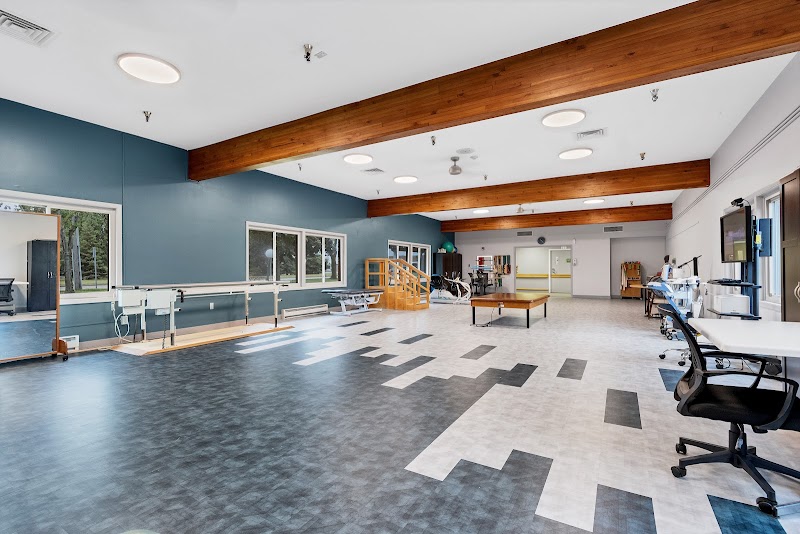
How is Edenbrook Of Appleton North Staffed?

CMS rates EDENBROOK OF APPLETON NORTH's staffing level at 3 out of 5 stars, which is average compared to other nursing homes. Staff turnover is 51%, compared to the Wisconsin average of 46%.

What Have Inspectors Found at Edenbrook Of Appleton North?

State health inspectors documented 19 deficiencies at EDENBROOK OF APPLETON NORTH during 2022 to 2025. These included: 1 that caused actual resident harm, 16 with potential for harm, and 2 minor or isolated issues. Deficiencies causing actual harm indicate documented cases where residents experienced negative health consequences.
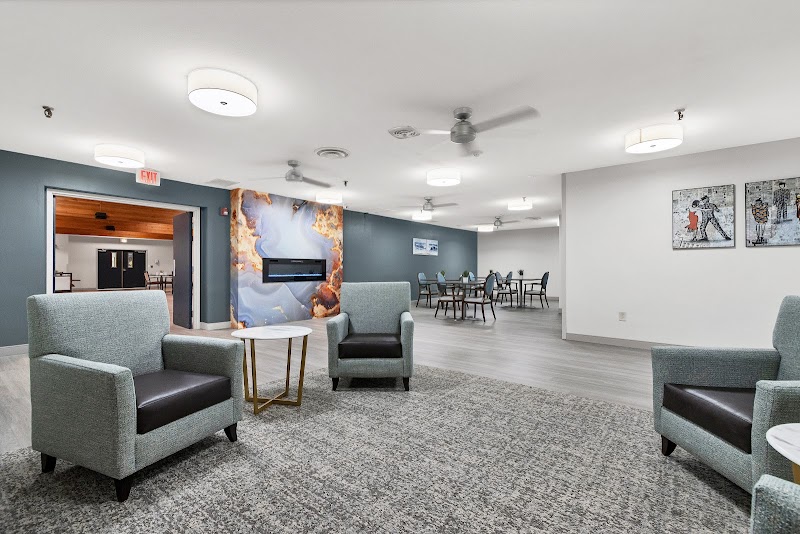
Who Owns and Operates Edenbrook Of Appleton North?

EDENBROOK OF APPLETON NORTH is owned by a for-profit company. For-profit facilities operate as businesses with obligations to shareholders or private owners. The facility is operated by EDEN SENIOR CARE, a chain that manages multiple nursing homes. With 95 certified beds and approximately 66 residents (about 69% occupancy), it is a smaller facility located in APPLETON, Wisconsin.

How Does Edenbrook Of Appleton North Compare to Other Wisconsin Nursing Homes?

Compared to the 100 nursing homes in Wisconsin, EDENBROOK OF APPLETON NORTH's overall rating (3 stars) matches the state average, staff turnover (51%) is near the state average of 46%, and health inspection rating (3 stars) is at the national benchmark.

What Should Families Ask When Visiting Edenbrook Of Appleton North?

Based on this facility's data, families visiting should ask: "Can I visit during a mealtime to observe dining assistance and food quality?" "How do you handle medical emergencies, and what is your hospital transfer rate?" "Can I speak with family members of current residents about their experience?"

Is Edenbrook Of Appleton North Safe?

Based on CMS inspection data, EDENBROOK OF APPLETON NORTH has a clean safety record: no substantiated abuse findings (meaning no confirmed cases of resident harm), no Immediate Jeopardy citations (the most serious violation level indicating risk of serious injury or death), and is not on the Special Focus Facility watch list (a federal program monitoring the lowest-performing 1% of nursing homes). The facility has a 3-star overall rating and ranks #1 of 100 nursing homes in Wisconsin. While no facility is perfect, families should still ask about staff-to-resident ratios and recent inspection results during their visit.

Do Nurses at Edenbrook Of Appleton North Stick Around?

EDENBROOK OF APPLETON NORTH has a staff turnover rate of 51%, which is 5 percentage points above the Wisconsin average of 46%. Moderate turnover is common in nursing homes, but families should still ask about staff tenure and how the facility maintains care continuity when employees leave.

Was Edenbrook Of Appleton North Ever Fined?

EDENBROOK OF APPLETON NORTH has no federal fines on record. CMS issues fines when nursing homes fail to meet care standards or don't correct problems found during inspections. The absence of fines suggests the facility has either maintained compliance or corrected any issues before penalties were assessed. This is a positive indicator, though families should still review recent inspection reports for the full picture.

Is Edenbrook Of Appleton North on Any Federal Watch List?

EDENBROOK OF APPLETON NORTH is not on any federal watch list. The most significant is the Special Focus Facility (SFF) program, which identifies the bottom 1% of nursing homes nationally based on persistent, serious quality problems. Not being on this list means the facility has avoided the pattern of deficiencies that triggers enhanced federal oversight. This is a positive indicator, though families should still review the facility's inspection history directly.