GOOD SHEPHERD SERVICES LTD
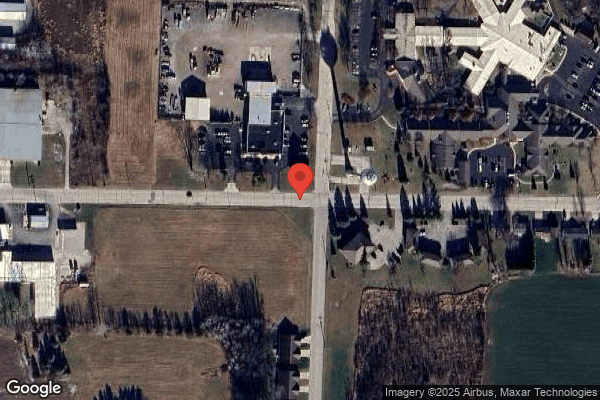
607 BRONSON RD, SEYMOUR, WI 54165 (920) 833-6856
Non profit - Corporation 50 Beds Independent Data: November 2025
Trust Grade
90/100
#37 of 321 in WI
Last Inspection: May 2025

Inspected within the last 6 months. Data reflects current conditions.

Overview

Good Shepherd Services Ltd in Seymour, Wisconsin, has received an impressive Trust Grade of A, which indicates excellent quality and a high recommendation for families considering this facility. It ranks #37 out of 321 nursing homes in the state, placing it in the top half, and #2 of 7 in Outagamie County, meaning there is only one local option that's better. However, the facility is experiencing a concerning trend, with issues increasing from 1 in 2024 to 7 in 2025. Staffing is a relative strength, with a turnover rate of 42%, which is below the state average, and while RN coverage is average, the facility has not received any fines, suggesting compliance with regulations. On the downside, recent inspections revealed problems, such as a lack of proper infection control measures, which could affect multiple residents, and insufficient documentation regarding psychotropic medications, indicating that residents may not have been fully informed about their treatments. Additionally, the facility failed to provide written transfer notices to residents being sent to the hospital, which raises concerns about communication and care continuity. Overall, while Good Shepherd Services has several strengths, potential families should weigh these findings carefully.

Trust Score
A
90/100
In Wisconsin
#37/321
Top 11%
Safety Record
Low Risk
No red flags
Inspections
Getting Worse
1 → 7 violations
Staff Stability
○ Average
42% turnover. Near Wisconsin's 48% average. Typical for the industry.
Penalties
✓ Good
No fines on record. Clean compliance history, better than most Wisconsin facilities.
Skilled Nurses
✓ Good
Each resident gets 58 minutes of Registered Nurse (RN) attention daily — more than average for Wisconsin. RNs are trained to catch health problems early.
Violations
○ Average
10 deficiencies on record. Average for a facility this size. Mostly minor or procedural issues.
★★★★★
5.0
Overall Rating
★★★★☆
4.0
Staff Levels
★★★★★
5.0
Care Quality
★★★★☆
4.0
Inspection Score
Stable
2024: 1 issues
2025: 7 issues

The Good

  • 4-Star Staffing Rating · Above-average nurse staffing levels
  • 5-Star Quality Measures · Strong clinical quality outcomes
  • Full Sprinkler Coverage · Fire safety systems throughout facility
  • No fines on record
  • Staff turnover below average (42%)

    6 points below Wisconsin average of 48%

Facility shows strength in staffing levels, quality measures, fire safety.

The Bad

Staff Turnover: 42%

Near Wisconsin avg (46%)

Typical for the industry

The Ugly 10 deficiencies on record

May 2025 7 deficiencies
CONCERN (D)

Potential for Harm - no one hurt, but risky conditions existed

Deficiency F0552 (Tag F0552)

Could have caused harm · This affected 1 resident

**NOTE- TERMS IN BRACKETS HAVE BEEN EDITED TO PROTECT CONFIDENTIALITY** Based on staff interview and record review, the facility did not ensure 3 residents (R) (R6, R27, and R7) of 5 sampled residents...

Read full inspector narrative →
**NOTE- TERMS IN BRACKETS HAVE BEEN EDITED TO PROTECT CONFIDENTIALITY** Based on staff interview and record review, the facility did not ensure 3 residents (R) (R6, R27, and R7) of 5 sampled residents had documentation that indicated the residents or their legal representatives were thoroughly informed in advance of the risks and benefits of prescribed psychotropic medication. R6 was prescribed diazepam (a benzodiazepine medication) for a diagnosis of anxiety. The facility did not obtain written consent from R6 for the medication. R27 was prescribed olanzapine (an antipsychotic medication) for nausea and vomiting. The facility did not ensure a written consent form was thoroughly reviewed and completed with R27's Power of Attorney for Healthcare (POAHC). R7 was prescribed lorazepam (an antianxiety medication), buspirone (an anxiolytic medication), and duloxetine (an antidepressant medication). The facility did not ensure a written consent form was thoroughly reviewed and completed with R7's POAHC. Findings include: The facility's undated Nursing Psychotropic Medication policy and procedure indicates: .Psychotropic medications are those medications that affect the mind and/or central nervous system. They are used to treat medical needs and can produce changes in behavior and mood .Consent forms will be signed for all psychotropic medications used in the facility .3. A resident/responsible party will be informed of the physician order for psychotropic medication by the nursing department or Social Services. Reasons for the order, possible side effects, and alternative methods attempted will be explained to the resident/responsible party. 4. A resident/responsible party will sign a consent form for psychotropic drug use. Phone/verbal consent will be used until signed consent can be placed in the chart. Verbal consent should be documented in the medical record as to who gave it and the date. 1. On 5/28/25, Surveyor reviewed R6's medical record. R6 was admitted to the facility on [DATE] and had diagnoses including anxiety and muscle spasms. R6's Minimum Date Set (MDS) assessment, dated 5/13/24, had a Brief Interview for Mental Status (BIMS) score of 15 out of 15 which indicated R6 had intact cognition. R6 was R6's own decision maker. R6 had a physician order for diazepam 5 milligrams (mg) three times daily for anxiety and muscle spasms with a start date of 12/12/24. The medication contained a black box warning (the strictest warning on the label of prescription drugs or drug products by the Food and Drug Administration (FDA) when there is reasonable evidence of an association of a serious hazard with the drug). R6's medical record did not contain a consent form for diazepam. On 5/28/25 at 2:35 PM, Surveyor interviewed Nursing Home Administrator (NHA)-A who confirmed a consent form for diazepam was not completed. 3. From 5/27/25 to 5/29/25, Surveyor reviewed R7's medical record. R7 was admitted to the facility on [DATE] and had diagnoses including dementia and anxiety. R7's MDS assessment, dated 2/26/25, had a BIMS score of 11 out of 15 which indicated R7 had moderate cognitive impairment. R7 was deemed incapacitated on 5/20/24 and had an activated POAHC to assist with healthcare decisions. R7's current physician orders included the following medication with a black box warning: ~ Lorazepam 0.5 mg, give 0.5 mg by mouth two times daily related to anxiety. ~ Bupropion 75 mg, give 1 tablet by mouth two times daily for depression. ~ Duloxetine 20 mg, give 1 tablet by mouth once daily for agitation. R7's medication consent forms for lorazepam, bupropion, and duloxetine that were not initialed or dated on pages 1-3 to indicate R7's POAHC reviewed and understood the risks and benefits of the medication, including side effects and adverse reactions, and alternatives to treatment. The consent forms indicated verbal consent was obtained on 6/4/24 and expired on 8/4/24. The consent forms did not contain signatures after the expiration date of 8/4/24. On 5/28/25 at 12:40 PM, Surveyor interviewed Director of Nursing (DON)-B who confirmed R7's medication consent forms were not initialed or dated. DON-B indicated all of the pages should be initialed and dated and R7's POAHC's signature should have been obtained. 2. From 5/27/25 to 5/29/25, Surveyor reviewed R27's medical record. R27 was admitted to the facility on [DATE] and had diagnoses including dementia and malignant neoplasm of the lung. R27's MDS assessment, dated 5/7/25, had a BIMS score of 5 out of 15 which indicated R27 had severe cognitive impairment. R27 had an activated POAHC. R27 was prescribed the following medication with a black box warning: ~ Olanzapine 5 mg, give 1 tablet by mouth once daily for nausea and vomiting (dated 5/1/25). R27's medical record did not contain an Informed Consent for Mediation form for olanzapine. On 5/27/25 at 1:33 PM, Surveyor interviewed NHA-A who verified an Informed Consent for Medication form for olanzapine was not completed.
CONCERN (D)

Potential for Harm - no one hurt, but risky conditions existed

Deficiency F0628 (Tag F0628)

Could have caused harm · This affected 1 resident

Based on staff and resident interview and record review, the facility did not ensure 2 residents (R) (R6 and R17) of 3 residents reviewed for hospitalization received the proper notice of transfer, re...

Read full inspector narrative →
Based on staff and resident interview and record review, the facility did not ensure 2 residents (R) (R6 and R17) of 3 residents reviewed for hospitalization received the proper notice of transfer, reason for transfer, location of transfer, appeal rights, name and address with telephone number of the Office of the State Long-Term Care Ombudsman plus notification of discharges/transfers to the Ombudsman. In addition, the facility did not ensure R6 and R17 received written information on the duration of the bed hold policy, the reserve bed payment policy, and the right to return to the facility. R6 was transferred to the Emergency Department (ED) on 5/16/25. R6 was not provided with a written transfer or bed hold notice. In addition, the facility did not notify the Ombudsman of R6's transfer. R17 was transferred to the hospital on 2/14/25. R17's representative was not provided with a written transfer or bed hold notice. In addition, the facility also did not notify the Ombudsman of R17's transfer. Findings include: The facility's Transfer Notices and Bed-Hold Rights Policy, dated 2025, indicates: .The resident and the resident's representative shall be given written notice of the bed-hold option at the time of the hospitalization or therapeutic leave .Medicare/Private Pay: .A copy of the bed-hold policy will be sent with the resident at the time of hospitalization. A copy will also be sent to the responsible party within 24 business hours . 1. From 5/27/25 to 5/29/25, Surveyor reviewed R6's medical record. R6's Minimum Data Set (MDS) assessment, dated 5/14/25, had a Brief Interview for Mental Status (BIMS) score of 15 out of 15 which indicated R6 had intact cognition. R6 was responsible for R6's healthcare decisions. R6's medical record indicated R6 was transferred to the ED on 5/16/25 due to a toe injury. R6's medical record did not contain a written transfer or bed hold notice. On 5/27/25 at 10:47 AM, Surveyor interviewed R6 who indicated R6 was transferred to the ED due to bumping R6's toe. R6 did not recall if R6 signed a transfer or bed hold notice. On 5/28/25 at 8:57 AM, Surveyor requested the written transfer and bed hold notice for R6's hospital transfer on 5/16/25 from Director of Nursing (DON)-B. On 5/28/25 at 9:41 AM, DON-B indicated DON-B was trying to find R6's transfer and bed hold notice and was contacting the nurse who transferred R6. On 5/29/25 at 10:30 AM, Surveyor interviewed DON-B who showed Surveyor a voicemail text on DON-B's phone, dated 5/28/25, from Registered Nurse (RN)-F. The text message indicated RN-F filled out R6's transfer and bed hold forms, however, RN-F shredded the forms. RN-F indicated RN-F thought transfer and bed hold forms should only to be filled out if a resident was admitted to the hospital. On 5/29/25 at 11:21 AM, Surveyor a left message for RN-F but did not receive a return call. 2. From 5/27/25 to 5/29/25, Surveyor reviewed R17's medical record. R17's MDS assessment, dated 5/21/25, had a BIMS score of 9 out of 15 which indicated R17 had moderate cognitive impairment. R17 had an activated Power of Attorney for Healthcare (POAHC). R17's medical record included a transfer and bed hold notice and indicated R17 was transferred to the hospital on 2/14/25 due to cellulitis. The notice indicated verbal notification via phone was completed. R17's medical record did not indicate a written transfer and bed hold notice was given or mailed to R17 or R17's representative. On 5/28/25 at 9:37 AM, Surveyor received R17's written transfer and bed hold notice. DON-B indicated Social Worker (SW)-E ran a discharge report and sent the report to the Ombudsman. On 5/28/25 at 9:58 AM, Surveyor reviewed the facility's February 2025 discharge notifications sent to the Ombudsman and noted R17's name was not on the list. DON-B indicated the facility only notifies the Ombudsman of planned discharges and stated residents who are transferred with a bed hold and will be returning to the facility are not on the notification list. DON-B indicated the facility's transfer and bed hold policy is the same as the forms residents are given during transfers. On 5/29/25 at 9:32 AM, Surveyor interviewed RN-D who indicated when a resident is transferred to the hospital, the nurse is responsible for reviewing the transfer notice and bed hold policy with the resident or their representative and should either obtain verbal consent or have the form signed. RN-D indicated RN-D typically has the resident or their representative sign the form but does not give a copy of the form to the resident or their representative unless a copy is requested. RN-D was not sure if the resident and/or their representative should be given a copy or if a copy should be mailed. On 5/29/25 at 9:35 AM, Surveyor interviewed SW-E who indicated SW-E only notifies residents who have planned discharges. SW-E indicated SW-E sends an end of the month report of planned discharges, deaths, and hospital transfers to the Ombudsman only if the residents are not on a bed hold. SW-E indicated nurses should review and obtain signatures or verbal consent from the resident or their representative. SW-E indicated the resident and/or their representative should be provided with a copy. SW-E did not know if R17 or R17's representative received a copy of R17's transfer and bed hold notice. SW-E also indicated SW-E did not have documentation to indicate transfer or bed hold notices were provided to family and indicated that was the nurses' responsibility. SW-E confirmed based on the regulations, SW-E should have notified the Ombudsman of all transfers and discharges.
CONCERN (D)

Potential for Harm - no one hurt, but risky conditions existed

Deficiency F0657 (Tag F0657)

Could have caused harm · This affected 1 resident

**NOTE- TERMS IN BRACKETS HAVE BEEN EDITED TO PROTECT CONFIDENTIALITY** Based on staff interview and record review, the facility did not ensure a care plan was revised for 1 resident (R) (R4) of 12 sa...

Read full inspector narrative →
**NOTE- TERMS IN BRACKETS HAVE BEEN EDITED TO PROTECT CONFIDENTIALITY** Based on staff interview and record review, the facility did not ensure a care plan was revised for 1 resident (R) (R4) of 12 sampled residents. The facility did not revise R4's care plan to include a chronic wound that reopened on 5/25/25. R4's care plan also did not indicate R4 was on enhanced barrier precautions (EBP). Findings include: On 5/29/25 at 1:39 PM, Surveyor interviewed Nursing Home Administrator (NHA)-A who indicated facility did not have a care plan policy. On 5/27/25, Surveyor reviewed R4's medical record. R4 was admitted to the facility on [DATE] and had diagnoses including chronic diastolic heart failure, metabolic encephalopathy, and chronic kidney disease. R4's Minimum Data Set (MDS) assessment, dated 4/23/25, had a Brief Interview for Mental Status (BIMS) score of 12 out of 15 which indicated R4 had moderately impaired cognition. R4 had an activated Power of Attorney for Healthcare (POAHC). R4's care plan, dated 5/19/24, did not indicate R4 had a wound or was on EBP. A progress note, dated 5/25/25 at 2:01 PM, indicated the wound had reopened. An order was requested from the physician to continue with Vashe soak and Nystatin to periwound and cover with gauze. Change every other day. A progress note, dated 5/27/25 at 9:34 PM, indicated the physician approved a request to clean left sacrum with Vashe, apply Nystatin, and cover with gauze and tape. On 5/29/25 at 10:48 AM, Surveyor interviewed Registered Nurse (RN)-I who indicated R4 had a chronic wound that closed on 5/24/25 and reopened on 5/25/25. RN-I indicated the physician was updated on 5/25/25 and orders were received. RN-I confirmed R4's care plan was not updated regarding the wound. RN-I also indicated R4 was placed on EBP on the 5/28/25 PM shift which was not added to R4's care plan. On 5/29/25 at 1:42 PM, Surveyor interviewed Director of Nursing (DON)-B who indicated wound interventions and precautions should have been added to R4's care plan when the wound reopened on 5/25/25.
CONCERN (D)

Potential for Harm - no one hurt, but risky conditions existed

Accident Prevention (Tag F0689)

Could have caused harm · This affected 1 resident

**NOTE- TERMS IN BRACKETS HAVE BEEN EDITED TO PROTECT CONFIDENTIALITY** 2. From 5/27/25 to 5/29/25, Surveyor reviewed R27's medical record. R27 was admitted to the facility on [DATE] and had diagnoses...

Read full inspector narrative →
**NOTE- TERMS IN BRACKETS HAVE BEEN EDITED TO PROTECT CONFIDENTIALITY** 2. From 5/27/25 to 5/29/25, Surveyor reviewed R27's medical record. R27 was admitted to the facility on [DATE] and had diagnoses including dementia with malignant neoplasm of the lung. R27's MDS assessment, dated 5/7/25, had a BIMS score of 5 out of 15 which indicated R27 had severe cognitive impairment. R27 had an activated Power of Attorney (POA). A care plan (initiated 1/31/25) indicated R27 was at high risk for falls. R27's medical record indicated R27 fell on 5/11/25, 5/15/25, and 5/18/25 with no noted injuries. R27's care plan did not contain new interventions following the falls. A fall risk assessment, dated 5/19/25, indicated R27 was a high fall risk. On 5/29/25 at 1:33 PM, Surveyor interviewed NHA-A who indicated R27 should have had a new fall intervention added to R27's care plan following each fall. NHA-A verified fall interventions were not added to R27's care plan following the falls noted above. Based on observation, staff interview, and record review, the facility did not ensure the environment was free of accident hazards for 2 residents (R) (R26 and R27) of 4 sampled residents. R26 fell on 5/3/25, 5/10/25, and 5/16/25. The facility did not revise R26's care plan to help prevent future falls. In addition, R26's care plan contained an intervention for a fall mat when R26 was in bed. The intervention was not consistently implemented. R27 fell on 5/11/25, 5/15/25, and 5/18/25. R27's care plan was not updated after the falls and did not include interventions to prevent future falls. Findings include: The facility's undated Nursing Fall Policy and Procedure indicates: The fall report will be thoroughly completed by the nurse and a new fall intervention will be added to the resident's care plan and care card .Once completed, the fall report will be forwarded to the Director of Nursing. 1. From 5/27/25 to 5/29/25, Surveyor reviewed R26's medical record. R26 was admitted to the facility on [DATE] and had diagnoses including Alzheimer's disease, cognitive communication deficit, and difficulty in walking. R26's Minimum Data Set (MDS) assessment, dated 2/26/25, had a Brief Interview for Mental Status (BIMS) score of 6 out of 15 which indicated R26 had severe cognitive impairment. R26 had an activated Power of Attorney for Healthcare (POAHC). R26's care plan, dated 2/25/24, indicated R26 was at high risk for falls. R26's medical record indicated R26 fell on 5/3/25, 5/10/25, and 5/16/25 with no noted injuries. A fall risk assessment, dated 5/23/25, indicated R26 was a high fall risk. On 5/27/25 at 10:22 AM, Surveyor observed R26 asleep in bed with a fall mat on the floor next to R26's bed. On 5/28/25 at 2:03 PM, Surveyor observed R26 asleep in bed and noted R26's fall mat was under the bed. On 5/28/25 at 2:05 PM, Surveyor interviewed Certified Nursing Assistant (CNA)-J who indicated R26's fall mat should be on the floor next to the bed when R26 is in bed. On 5/28/25 at 2:44 PM, Surveyor interviewed Director of Nursing (DON)-B who indicated interventions should be added or revisions should be made to a resident's care plan following a fall. DON-B verified R26 had an intervention for a roll out mat placed at the bedside when R26 was in bed. DON-B verified R26's fall mat should be on the floor next to the bed when R26 is in bed. On 5/29/25 at 10:16 AM, Surveyor interviewed Nursing Home Administrator (NHA)-A who stated staff update DON-B of falls. NHA-A indicated DON-B reviews fall interventions and decides which interventions should be added to the care plan. NHA-A indicated the charge nurse adds interventions in the fall report and DON-B adds the interventions to the care plan the next day. NHA-A confirmed the process was not followed and stated staff are working on correcting the process. On 5/29/25 at 10:59 AM, Surveyor interviewed Registered Nurse (RN)-I who indicated R26 was at high risk for falls. RN-I stated staff complete frequent checks on R26 due to R26's fall history. RN-I indicated R26 did not use a call light for assistance. RN-I also indicated a fall mat was used when R26 was in bed during the day and at night. On 5/29/25 at 1:33 PM, Surveyor interviewed NHA-A who indicated R26 should have had a new fall intervention added to R26's care plan following each fall. NHA-A verified fall interventions were not added to R26's care plan following the falls noted above.
CONCERN (D)

Potential for Harm - no one hurt, but risky conditions existed

Respiratory Care (Tag F0695)

Could have caused harm · This affected 1 resident

**NOTE- TERMS IN BRACKETS HAVE BEEN EDITED TO PROTECT CONFIDENTIALITY** Based on observation, staff interview, and record review, the facility did not provide the necessary respiratory care and servic...

Read full inspector narrative →
**NOTE- TERMS IN BRACKETS HAVE BEEN EDITED TO PROTECT CONFIDENTIALITY** Based on observation, staff interview, and record review, the facility did not provide the necessary respiratory care and services for 1 resident (R) (R21) of 2 sampled residents. R21's oxygen was not turned on per R21's continuous oxygen order. Findings include: On 5/28/25 at 12:49 PM, Surveyor interviewed Director of Nursing (DON)-B who indicated the facility did not have an oxygen use policy. From 5/27/25 to 5/29/25, Surveyor reviewed R21's medical record. R21 was admitted to the facility on [DATE] and had diagnoses including chronic obstructive pulmonary disease (COPD) and chronic respiratory failure with hypoxia (low level of oxygen). R21's Minimum Data Set (MDS) assessment, dated 3/5/25, had a Brief Interview for Mental Status (BIMS) score of 4 out of 15 which indicated R21 had severe cognitive impairment. R21 had an activated Power of Attorney (POA). R21's medical record contained the following orders: ~ Continuous oxygen no more than 3 liters per minute (LPM) on all shifts to have oxygen saturation at 90% or above (dated 9/6/23). ~ Check skin behind ears for redness or skin breakdown with oxygen tubing change every Tuesday AM shift related to chronic obstructive pulmonary disease (COPD) (dated 5/1/25). ~ Change nasal cannula tubing, concentrator tubing, and nebulizer tube, mouthpiece, and chamber every Tuesday AM shift related to COPD. Make sure to date each (dated 5/1/25). On 5/27/25 at 11:28 AM, Surveyor observed R21 in a wheelchair in the hallway and noted R21 had a nasal cannula connected to a portable oxygen tank. The portable oxygen tank was not turned on and was set at 0. On 5/27/25 at 11:33 AM, Surveyor interviewed Licensed Practical Nurse (LPN)-C who verified R21's portable oxygen tank was set at 0. LPN-C indicated R21's oxygen should be set at 2 liters per minute (LPM) continuously and Certified Nursing Assistants (CNA) were responsible for turning on the oxygen tank unless an adjustment was needed and they should notify the nurse. Surveyor observed LPN-C obtain R21's oxygen saturation level which was at 69% after LPN-C changed R21's oxygen setting to 2 LPM. LPN-C was unsure of R21's oxygen saturation parameter and stated LPN-C would follow-up with Surveyor. On 5/27/25 at 11:40 AM, LPN-C approached Surveyor and indicated R21's oxygen saturation level should be at 90% or above. Surveyor observed LPN-C recheck R21's oxygen saturation level which was at 97% on 2 LPM of oxygen. On 5/28/25 at 12:49 PM, Surveyor interviewed Director of Nursing (DON)-B who indicated R21 should use continuous oxygen via nasal cannula.
CONCERN (E)

Potential for Harm - no one hurt, but risky conditions existed

Infection Control (Tag F0880)

Could have caused harm · This affected multiple residents

**NOTE- TERMS IN BRACKETS HAVE BEEN EDITED TO PROTECT CONFIDENTIALITY** Based on observation, staff interview, and record review, the facility did not establish and maintain an infection prevention an...

Read full inspector narrative →
**NOTE- TERMS IN BRACKETS HAVE BEEN EDITED TO PROTECT CONFIDENTIALITY** Based on observation, staff interview, and record review, the facility did not establish and maintain an infection prevention and control program designed to prevent the development and transmission of communicable disease and infection. This practice had the potential to affect more than 4 of the 31 residents residing in the facility. The facility did not have a detailed flow diagram of the facility's water system that identified areas where Legionella could grow. The facility's infection control policies were incomplete and/or did not contain current information. R17 was on EBP due to the presence of non-intact skin after R17's percutaneous endoscopic gastrostomy (PEG) tube (feeding tube via stomach) was removed. Certified Nursing Assistant (CNA)-G and CNA-H did not wear personal protective equipment (PPE) during high-contact resident cares, including changing linens and shaving R17. R4's chronic wound reopened on 5/25/25, however, R4 was not placed on EBP until the 5/28/25 PM shift. Findings include: The facility's undated Legionella Policy and Procedure for Water Management indicates: Purpose: To provide a structured plan of action for the prevention of Legionella growth and spread. To assure the safety of all residents and staff. Policy: To establish a procedure as a guide to check and clean equipment; maintenance staff will initiate general precautions to prevent the growth of Legionella bacteria in water lines and systems .3. A detailed drawing of the building water supply will be maintained by the Building and Grounds Department. The facility's Isolation-Categories of Transmission Based Precautions policy, revised April 2024, indicates: .2. Enhanced barrier precautions (EBP), in addition to standard precautions (SP) .will be implemented for residents with targeted multi-drug resistant organisms (MDRO) infections, indwelling medical devices, and wounds, including as part of a public health containment response. A. Examples of infection requiring EBP include, but are not limited to: 1. Wounds. 2. Any skin opening requiring a dressing. 3. Device care or use; central line, urinary catheter, feeding tube, tracheostomy .c. Gown and Gloves: 1. In addition to SP, staff need to wear a gown and gloves during specific high-contact resident care activities for those identified as being at risk for MDRO transmission. 2. Remove gown and gloves before leaving the room and perform hand hygiene immediately .e. Orange Contact Precaution Sign: 1. When a resident is placed on enhanced barrier precautions an orange sign will be used to alert staff to the implementation of transmission-based precautions. The sign will be placed at the entrance/doorway of the resident's room. 1. On 5/29/25, Surveyor reviewed the facility's Legionella Policy and Procedure for Water Management and noted the policy did not include a detailed flow diagram of the the facility's water system. On 5/29/25 at 10:22 AM, Surveyor interviewed Maintenance Director (MD-K) who did not have a detailed flow diagram of the facility's water system that identified areas where Legionella could grow. MD-K indicated if Legionella control measures were not met, the facility would follow the emergency management contaminated water policy. MD-K did not have corrective actions specific to situations when Legionella control measures were not met. 2. On 5/29/25, Surveyor reviewed the facility's infection control policies and procedures. Surveyor noted the facility's policies were not reviewed and updated annually and also noted the following: ~ The facility's Pneumococcal Vaccines policy, dated March 2023, did not include information about the 15-valent pneumococcal conjugate vaccine (PCV-15) or the 21-valent pneumococcal conjugate vaccine (PCV-21). ~ The facility's Influenza Vaccine policy, dated March 2023, did not address how to protect residents from communicable disease from staff with symptoms of respiratory illness. ~ The facility's Influenza Vaccine and COVID-19 Vaccine Employees policies, dated March 2023, did not address the procedure for staff who refuse vaccinations. ~ The facility's Outbreak of Communicable Diseases policy, dated May 2025, addressed gastroenteritis and acute respiratory infection but did not include information about other communicable diseases. In addition, the policy referenced an outdated State of Wisconsin Department of Health Services Memo re: Reporting and control of Acute Respiratory Illness Outbreaks in Long Term Care Facilities document, dated December 13, 2021. The facility's Isolation-Categories of Transmission Based Precautions, policy, dated April 2024, did not specify which multidrug-resistant organisms (MDROs) were being targeted for enhanced barrier precautions. On 5/29/25 at 2:15 PM, Surveyor interviewed Director of Nursing (DON)-B who confirmed the facility's infection prevention policies and procedures were incomplete and needed to be updated. DON-B indicated DON-B planned to update the policies as part of DON-B's Infection Preventionist responsibilities. DON-B indicated DON-B did not have a comprehensive list of communicable diseases that must be reported to the health department and stated DON-B had been reporting communicable diseases based on DON-B's personal knowledge of the reporting requirements. 3. From 5/27/25 to 5/29/25, Surveyor reviewed R17's medical record. R17 was admitted to the facility on [DATE] and had diagnoses including dementia, cellulitis (bacterial skin infection) and dysphagia (difficulty swallowing). R17's Minimum Data Set (MDS) assessment, dated 5/21/25, had a Brief Interview for Mental (BIMS) score of 9 out of 15 which indicated R17 had moderate cognitive impairment. R17 had an activated Power of Attorney for Healthcare (POAHC). On 5/27/25 at 10:17 AM, Surveyor interviewed Licensed Practical Nurse (LPN)-C who indicated R17 was on EBP due to open skin after R17's PEG tube was removed. Surveyor observed an EBP sign and PPE cart outside R17's room. On 5/27/25 at 10:25 AM, Surveyor observed CNA-G and CNA-H change R17's linens and shave R17's face with an electric razor without wearing PPE. On 5/27/25 at 11:50 AM, Surveyor interviewed CNA-H who confirmed CNA-H shaved R17's face, brushed R17's hair, and washed R17's glasses without wearing PPE. CNA-H indicated PPE only needed to be worn when CNA-H was in contact with R17 which was what CNA-H was told. CNA-H indicated R17 was on EBP due to a wound. CNA-H indicated CNA-H should have donned PPE, however, CNA-H did not have contact with R17's wound dressing. CNA-H indicated CNA-H did not think an infection could spread from shaving but would don PPE next time. CNA-H also indicated PPE should be worn during linen changes. On 5/28/25 at 12:53 PM, Surveyor interviewed DON-B who indicated CNA-G and CNA-H should have worn PPE if they completed high risk tasks such as dressing and undressing R17. DON-B indicated shaving was questionable, however, if a resident was on EBP staff should don the appropriate PPE. 4. On 5/27/25, Surveyor reviewed R4's medical record. R4 was admitted to the facility on [DATE] and had diagnoses including chronic diastolic heart failure, metabolic encephalopathy, and chronic kidney disease. R4's MDS assessment dated [DATE] had a BIMS score of 12 out of 15 which indicated R4 had moderate cognitive impairment. R4 had an activated POAHC. On 5/27/25 at 10:36 AM, Surveyor observed a CNA transfer R4 into bed and reposition R4 without wearing PPE. Surveyor did not observe an EBP sign or PPE cart outside R4's room at that time. On 5/28/25, Surveyor did not observe an EBP sign or PPE cart outside R4's room. On 5/29/25 at 10:44 AM, Surveyor observed an EBP sign and a PPE cart outside R4's room. On 5/29/25 at 10:48 AM, Surveyor interviewed Registered Nurse (RN)-I who indicated R4 was placed on EBP on the 5/28/25 PM shift. RN-I stated EBP should be in place when a wound is identified. RN-I confirmed R4's wound was identified on 5/25/25. On 5/29/25 at 1:42 PM, Surveyor interviewed DON-B who indicated EBP should have been implemented the day R4's wound reopened. DON-B verified R4's wound reopened on 5/25/25 which was when EBP should have been implemented.
MINOR (C)

Minor Issue - procedural, no safety impact

Deficiency F0868 (Tag F0868)

Minor procedural issue · This affected most or all residents

Based on staff interview and record review, the facility did not ensure the minimum required members of the facility's Quality Assessment and Assurance (QAA) committee met at least quarterly. This pra...

Read full inspector narrative →
Based on staff interview and record review, the facility did not ensure the minimum required members of the facility's Quality Assessment and Assurance (QAA) committee met at least quarterly. This practice had the potential to affect all 31 residents residing in the facility. The facility did not have documentation that the minimum required members of the QAA committee met for quality assessment and assurance purposes on a quarterly basis. Findings include: On 5/29/25 at 8:56 AM, Surveyor reviewed the facility's QAA committee meeting sign-in sheets for the last four quarters and noted the QAA committee met on 7/19/24, 10/18/24, 1/17/25, and 4/18/25. Surveyor noted the minimum required committee members were not in attendance for two of the QAA meetings (7/19/24 and 4/18/25). The Director of Nursing (DON) who was also the Infection Preventionist (IP) did not attend the 7/19/24 or 4/18/25 QAA meetings. On 5/29/25 at 9:22 AM, Surveyor interviewed Nursing Home Administrator (NHA)-A who verified the DON/IP was not present at the 7/19/24 and 4/18/25 QAA meetings.
Apr 2024 1 deficiency
CONCERN (D)

Potential for Harm - no one hurt, but risky conditions existed

Incontinence Care (Tag F0690)

Could have caused harm · This affected 1 resident

**NOTE- TERMS IN BRACKETS HAVE BEEN EDITED TO PROTECT CONFIDENTIALITY** Based on observation, staff interview, and record review, the facility did not provide appropriate care and services for 1 resid...

Read full inspector narrative →
**NOTE- TERMS IN BRACKETS HAVE BEEN EDITED TO PROTECT CONFIDENTIALITY** Based on observation, staff interview, and record review, the facility did not provide appropriate care and services for 1 resident (R) (R28) of 1 sampled resident with an indwelling catheter. On 4/10/24, Surveyor observed R28's catheter drainage bag in direct contact with a floor mat without a barrier to prevent infection. Findings include: The facility's Nursing Care of an Indwelling Urinary Catheter policy does not include a process to prevent catheter drainage bag exposure to potently infectious settings. On 4/10/24, Surveyor reviewed R28's medical record. R28 was admitted to the facility on [DATE] with diagnoses including history of left hip fracture, diabetes, and urinary retention with a history of infections. R28's Minimum Data Set (MDS) assessment, dated 3/21/24, contained a Brief Interview for Mental Status (BIMS) score of 5 out of 15 which indicated R28 had severe cognitive impairment. R28 had an activated Power of Attorney for Healthcare (POAHC). R28's physician orders included an order for Hiprex give 1 gram twice daily for 30 days for prevention of urinary tract infections (UTIs). On 4/10/24 at 9:23 AM, Surveyor observed R28 asleep in bed with the bed in the lowest position and a floor mat alongside the bed. Surveyor noted R28's catheter bag was resting on the floor mat next to the foot of the bed. There was not a barrier of protection between the bag and the floor mat. On 4/11/24 at 8:52 AM, Surveyor interviewed Certified Nursing Assistant (CNA)-C who stated staff should use a cover for catheter drainage bags and uncovered bags should not be in contact with the floor. On 4/11/24 at 9:23 AM, Surveyor interviewed Registered Nurse (RN)-D who stated catheter bags shouldn't be on the floor. RN-D stated catheter drainage bags should contain a cloth cover to help prevent exposure of the bag for infection control as well as dignity. On 4/11/24 at 12:16 AM, Surveyor interviewed Nursing Home Administrator (NHA)-A who stated NHA-A expects staff to keep catheter bags covered and off the floor.
Apr 2023 2 deficiencies
CONCERN (D) 📢 Someone Reported This

A family member, employee, or ombudsman was alarmed enough to file a formal complaint

Potential for Harm - no one hurt, but risky conditions existed

Investigate Abuse (Tag F0610)

Could have caused harm · This affected 1 resident

**NOTE- TERMS IN BRACKETS HAVE BEEN EDITED TO PROTECT CONFIDENTIALITY** Based on observation, staff interview, and record review, the facility did not ensure an injury of unknown origin was thoroughly...

Read full inspector narrative →
**NOTE- TERMS IN BRACKETS HAVE BEEN EDITED TO PROTECT CONFIDENTIALITY** Based on observation, staff interview, and record review, the facility did not ensure an injury of unknown origin was thoroughly investigated for 1 Resident (R) (R25) of 2 residents reviewed. The facility reported to the State Agency a concern involving a suspicious bruise on R25's face. The facility did not conduct a thorough investigation of the incident to rule out caregiver misconduct, did not re-educate staff on safety needs for R25 and did not update R25's care plan to help prevent the chance of further injury. Findings include: The facility's Abuse Prevention policy contained the following information: Good [NAME] shall immediately take steps to protect the resident involved and/or other susceptible care recipients .Good [NAME] will begin a thorough investigation, collecting information that corroborates or disproves the incident and document finding for each incident . On 4/17/23, Surveyor reviewed R25's medical record. R25 was admitted to the facility on [DATE] with diagnoses to include metabolic encephalopathy (an abnormality of water, electrolytes, vitamins, and other chemicals that adversely affect brain function) secondary to medication toxicity, Down's syndrome and Alzheimer's disease. R25's Minimum Data Set (MDS) assessment, dated 3/7/23, indicated R25 was rarely or never understood. R25's medical record contained guardianship documents, dated 7/1/19, that indicated R25's court-appointed guardian was responsible for R25's healthcare decisions. On 4/17/23 at 12:17 PM, Surveyor interviewed Legal Guardian (LG)-C who was visiting R25. LG-C indicated R25 had a bruise on R25's upper lip and R25's upper lip was swollen about a month ago and stated, They never told me what happened. Surveyor noted R25 had no visible bruising and had clean teeth with a slight underbite. On 4/18/23, Surveyor reviewed a facility-reported incident (FRI), dated 4/5/23, that stated, .Writer (Social Services Designee) believes the injury is consistent with the fact that (R25) may have bit the inside of (R25's) lip, or may have hit it (R25's) self and that there was no caregiver misconduct. On 4/18/23 at 8:39 AM, Surveyor observed ring-shaped assist bars positioned on the upper third of R25's bed and attached to both sides of the bed. On 4/18/23 at 8:41 AM, Surveyor observed R25 in a wheelchair in the common area. Surveyor noted R25 did not have any unusual movements of the arms, hands, lips or face. On 4/18/23 at 8:43 AM, Surveyor interviewed Nursing Home Administrator (NHA)-A who provided Surveyor with supporting documents related to the investigation of R25's bruised and swollen lip. NHA-A stated the documents provided were in addition to what was submitted to the Office of Caregiver Quality (OCQ). On 4/18/23, Surveyor reviewed the supporting documents which included an Investigation Report signed and dated by Director of Nursing (DON)-B and NHA-A on 4/4/23 that stated, .Injury likely occurred as an accidental bump during routine care .No new interventions at this time . On 4/18/23, Surveyor reviewed R25's plan of care did not mention the ring-shaped assist bars on R25's bed. R25's MDS assessment, dated 3/7/23, indicated R25 required extensive assistance of two staff for bed mobility. On 4/18/23 at 1:05 PM, Surveyor observed Certified Nursing Assistant (CNA)-D and CNA-E transfer R25 from wheelchair to bed with a full mechanical lift to provide incontinence care. During the observation, Surveyor noted when CNA-D and CNA-E repositioned R25 from side-to-side to adjust clothing and provide incontinence care, R25's head and face came close to the ring-shaped assist bars on each side of the bed. On 4/18/23 at 1:20 PM, Surveyor interviewed CNA-E who stated R25 was cooperative with cares. CNA-E stated R25 didn't use the ring-shaped assist bars to reposition and did not assist staff with repositioning. CNA-E verified R25 was dependent on staff for bed mobility and repositioning. CNA-E verified R25's face did not touch the ring-shaped assist bars during the care observation, but came close. On 4/18/23, Surveyor reviewed R25's medical record which did not contain a safety assessment or physician order for the ring-shaped assist bars. On 4/18/23 at 3:42 PM, Surveyor interviewed DON-B who stated the facility did not have a bed rail assist policy. DON-B indicated the facility did not do safety assessments for ring-shaped assist bars and stated, We do not consider them restraints. On 4/19/23 at 8:15 AM, Surveyor observed ring-shaped assist bars attached to both side of R25's bed as described above. On 4/19/23 at 10:38 AM, Surveyor interviewed DON-B. When questioned regarding the discrepancy between Social Services Designee's conclusion submitted to OCQ and DON-B's conclusion in the Investigation Report, DON-B stated, I didn't know we self-reported that (R25's swollen, bruised lip) until you asked for copies yesterday. When questioned what DON-B thought R25's face may have accidentally hit during the provision of care to cause bruising and swelling, DON-B stated possibly the bars on the mechanical lift used to transfer R25. DON-B verified R25 had a slight underbite which made it difficult for R25 to bite R25's upper lip accidentally. When questioned if R25 could have hit R25's face on the ring-shaped assist bars during cares, DON-B stated, I didn't think of that and verified it was possible. DON-B stated DON-B understood the investigation was not complete and interventions should have been put in place to help prevent re-injury, such as re-education of staff for safety during transfers/repositioning and/or removal of the ring-shaped assist bars. DON-B stated the ring-shaped assist bars would be removed from R25's bed immediately.
CONCERN (D)

Potential for Harm - no one hurt, but risky conditions existed

Infection Control (Tag F0880)

Could have caused harm · This affected 1 resident

**NOTE- TERMS IN BRACKETS HAVE BEEN EDITED TO PROTECT CONFIDENTIALITY** Based on observation, staff interview, and record review, the facility did not ensure staff performed proper hand hygiene for 2 ...

Read full inspector narrative →
**NOTE- TERMS IN BRACKETS HAVE BEEN EDITED TO PROTECT CONFIDENTIALITY** Based on observation, staff interview, and record review, the facility did not ensure staff performed proper hand hygiene for 2 Residents (R) (R16 and R25) of 4 residents observed during the provision of cares. Certified Nursing Assistant (CNA)-F and CNA-G did not consistently perform appropriate hand hygiene during the provision of perineal care for R16. CNA-E did not consistently perform appropriate hand hygiene during the provision of perineal care for R25. Findings include: The facility's Hand Hygiene policy, revised March 2023, contained the following information: This facility considers hand hygiene the primary means to prevent the spread of infections .All personnel shall follow the hand hygiene procedures to help prevent the spread of infections to other personnel, residents, and visitors .If hands are not visibly soiled, use an alcohol-based hand rub containing 60-95% ethanol or isopropanol for all the following situations: a. Before and after direct contact with residents; .f. Before moving from a contaminated body site to a clean body site during resident care; .j. After removing gloves .The use of gloves does not replace handwashing/hand hygiene. 1. On 4/17/23, Surveyor reviewed R16's medical record. R16 was admitted to the facility on [DATE] with diagnoses to include diabetes mellitus and chronic kidney disease. On 4/17/23 at 11:53 AM, Surveyor observed CNA-F and CNA-G transfer R16 from wheelchair to bed and perform perineal care related to urinary incontinence. Following the provision of care, Surveyor observed CNA-F and CNA-G remove gloves. Without performing hand hygiene, CNA-F and CNA-G placed a clean brief on R16, repositioned R16 and adjusted R16's clothing. CNA-F and CNA-G then performed hand hygiene. Surveyor then observed CNA-F and CNA-G again reposition R16 for comfort and adjust R16's clothing and bedding. CNA-F then performed hand hygiene. Without performing hand hygiene, CNA-G moved a wheeled table, put the mechanical lift in the hallway and exited R16's room with a used disposable water cup. CNA-G then answered another resident's call light, turned off the call light, exited the room and entered the nourishment room. CNA-G put R16's used water cup in the trash, retrieved a new cup from the cupboard, and put ice in the cup with a scoop. CNA-G then filled the cup with water at the sink, obtained a straw, removed the wrapper and placed the straw in the cup. CNA-G then re-entered R16's room, put the cup on a table next to R16's bed, gave R16 the TV remote, and exited R16's room. CNA-G stopped in the hall to speak with a visitor who was visiting another resident. CNA-G stated to the visitor, I'll get (that resident's) meal tray. Surveyor stopped CNA-G further down the hall to interview CNA-G. On 4/17/23 at 12:09 PM, Surveyor interviewed CNA-G who verified staff should perform hand hygiene immediately following glove removal. CNA-G verified CNA-F and CNA-G did not perform hand hygiene immediately following glove removal after providing incontinence care. CNA-G also verified CNA-G should have performed hand hygiene prior to exiting R16's room. 2. On 4/18/23, Surveyor reviewed R25's medical record. R25 was admitted to the facility on [DATE] with diagnoses to include Down's syndrome and Alzheimer's disease. On 4/18/23 at 1:05 PM, Surveyor observed CNA-D and CNA-E perform perineal care for R25 related to urinary incontinence. Following the provision of care, Surveyor observed CNA-E remove gloves and, without performing hand hygiene, don new gloves to continue with care. On 4/18/23 at 1:20 PM, Surveyor interviewed CNA-E who verified CNA-E should have performed hand hygiene between glove changes, but did not. On 4/19/23 at 10:47 AM, Surveyor interviewed Director of Nursing (DON)-B who stated DON-B expected staff to perform hand hygiene immediately following the removal of gloves, after providing care and upon exiting residents' rooms. Following a discussion of the observations listed above, DON-B verified staff did not follow the facility's expectations for hand hygiene.
Understanding Severity Codes (click to expand)
Life-Threatening (Immediate Jeopardy)
J - Isolated K - Pattern L - Widespread
Actual Harm
G - Isolated H - Pattern I - Widespread
Potential for Harm
D - Isolated E - Pattern F - Widespread
No Harm (Minor)
A - Isolated B - Pattern C - Widespread

Questions to Ask on Your Visit

  • "Can I speak with families of current residents?"
  • "What's your RN coverage like on weekends and overnight?"

Our Honest Assessment

Strengths
  • • Grade A (90/100). Above average facility, better than most options in Wisconsin.
  • • No major safety red flags. No abuse findings, life-threatening violations, or SFF status.
  • • No fines on record. Clean compliance history, better than most Wisconsin facilities.
  • • 42% turnover. Below Wisconsin's 48% average. Good staff retention means consistent care.
Concerns
  • • No significant concerns identified. This facility shows no red flags across CMS ratings, staff turnover, or federal penalties.
Bottom line: Generally positive indicators. Standard due diligence and a personal visit recommended.

About This Facility

What is Good Shepherd Services Ltd's CMS Rating?

CMS assigns GOOD SHEPHERD SERVICES LTD an overall rating of 5 out of 5 stars, which is considered much above average nationally. Within Wisconsin, this rating places the facility higher than 99% of the state's 100 nursing homes. This rating reflects solid performance across the metrics CMS uses to evaluate nursing home quality.

How is Good Shepherd Services Ltd Staffed?

CMS rates GOOD SHEPHERD SERVICES LTD's staffing level at 4 out of 5 stars, which is above average compared to other nursing homes. Staff turnover is 42%, compared to the Wisconsin average of 46%. This relatively stable workforce can support continuity of care.

What Have Inspectors Found at Good Shepherd Services Ltd?

State health inspectors documented 10 deficiencies at GOOD SHEPHERD SERVICES LTD during 2023 to 2025. These included: 9 with potential for harm and 1 minor or isolated issues.

Who Owns and Operates Good Shepherd Services Ltd?

GOOD SHEPHERD SERVICES LTD is owned by a non-profit organization. Non-profit facilities reinvest revenue into operations rather than distributing to shareholders. The facility operates independently rather than as part of a larger chain. With 50 certified beds and approximately 32 residents (about 64% occupancy), it is a smaller facility located in SEYMOUR, Wisconsin.

How Does Good Shepherd Services Ltd Compare to Other Wisconsin Nursing Homes?

Compared to the 100 nursing homes in Wisconsin, GOOD SHEPHERD SERVICES LTD's overall rating (5 stars) is above the state average of 3.0, staff turnover (42%) is near the state average of 46%, and health inspection rating (4 stars) is above the national benchmark.

What Should Families Ask When Visiting Good Shepherd Services Ltd?

Based on this facility's data, families visiting should ask: "Can I visit during a mealtime to observe dining assistance and food quality?" "How do you handle medical emergencies, and what is your hospital transfer rate?" "Can I speak with family members of current residents about their experience?"

Is Good Shepherd Services Ltd Safe?

Based on CMS inspection data, GOOD SHEPHERD SERVICES LTD has a clean safety record: no substantiated abuse findings (meaning no confirmed cases of resident harm), no Immediate Jeopardy citations (the most serious violation level indicating risk of serious injury or death), and is not on the Special Focus Facility watch list (a federal program monitoring the lowest-performing 1% of nursing homes). The facility has a 5-star overall rating and ranks #1 of 100 nursing homes in Wisconsin. While no facility is perfect, families should still ask about staff-to-resident ratios and recent inspection results during their visit.

Do Nurses at Good Shepherd Services Ltd Stick Around?

GOOD SHEPHERD SERVICES LTD has a staff turnover rate of 42%, which is about average for Wisconsin nursing homes (state average: 46%). Moderate turnover is common in nursing homes, but families should still ask about staff tenure and how the facility maintains care continuity when employees leave.

Was Good Shepherd Services Ltd Ever Fined?

GOOD SHEPHERD SERVICES LTD has no federal fines on record. CMS issues fines when nursing homes fail to meet care standards or don't correct problems found during inspections. The absence of fines suggests the facility has either maintained compliance or corrected any issues before penalties were assessed. This is a positive indicator, though families should still review recent inspection reports for the full picture.

Is Good Shepherd Services Ltd on Any Federal Watch List?

GOOD SHEPHERD SERVICES LTD is not on any federal watch list. The most significant is the Special Focus Facility (SFF) program, which identifies the bottom 1% of nursing homes nationally based on persistent, serious quality problems. Not being on this list means the facility has avoided the pattern of deficiencies that triggers enhanced federal oversight. This is a positive indicator, though families should still review the facility's inspection history directly.