ST PAUL ELDER SERVICES, INC
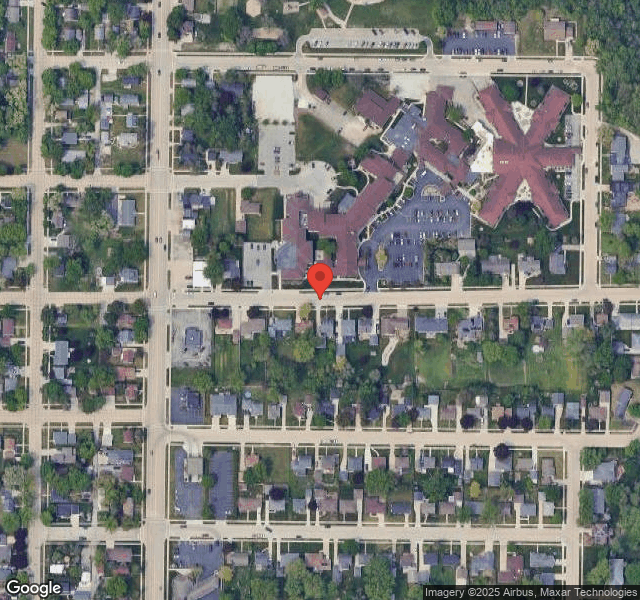
316 EAST 14TH STREET, KAUKAUNA, WI 54130 (920) 766-6020
Non profit - Corporation 105 Beds Independent Data: November 2025
Trust Grade
90/100
#72 of 321 in WI
Last Inspection: April 2025

Within standard 12-15 month inspection cycle. Federal law requires annual inspections.

Overview

St. Paul Elder Services, Inc. has received an excellent Trust Grade of A, indicating a high level of quality and care. Ranking #72 out of 321 nursing homes in Wisconsin places them in the top half of facilities, while being #4 out of 7 in Outagamie County means there are only three local options that are better. However, the facility is experiencing a worsening trend, with issues increasing from 1 in 2024 to 6 in 2025. Staffing is a strong point, rated 5 out of 5 stars with a turnover rate of 32%, which is significantly lower than the state average. Notably, the facility has not incurred any fines, which is a positive sign. On the downside, there have been specific incidents of concern, including failure to maintain a safe environment for residents, leading to multiple resident-to-resident altercations, and issues with food safety and sanitation practices in the kitchen. Additionally, some assessments of residents' health status were inaccurately recorded, which could impact their care. Overall, while there are commendable aspects of St. Paul Elder Services, families should weigh these strengths against the identified weaknesses.

Trust Score
A
90/100
In Wisconsin
#72/321
Top 22%
Safety Record
Low Risk
No red flags
Inspections
Getting Worse
1 → 6 violations
Staff Stability
○ Average
32% turnover. Near Wisconsin's 48% average. Typical for the industry.
Penalties
✓ Good
No fines on record. Clean compliance history, better than most Wisconsin facilities.
Skilled Nurses
✓ Good
Each resident gets 68 minutes of Registered Nurse (RN) attention daily — more than 97% of Wisconsin nursing homes. RNs are the most trained staff who catch health problems before they become serious.
Violations
○ Average
7 deficiencies on record. Average for a facility this size. Mostly minor or procedural issues.
★★★★★
5.0
Overall Rating
★★★★★
5.0
Staff Levels
★★★☆☆
3.0
Care Quality
★★★★☆
4.0
Inspection Score
Stable
2024: 1 issues
2025: 6 issues

The Good

  • 5-Star Staffing Rating · Excellent nurse staffing levels
  • Full Sprinkler Coverage · Fire safety systems throughout facility
  • No fines on record
  • Staff turnover below average (32%)

    16 points below Wisconsin average of 48%

Facility shows strength in staffing levels, fire safety.

The Bad

Staff Turnover: 32%

13pts below Wisconsin avg (46%)

Typical for the industry

The Ugly 7 deficiencies on record

Jun 2025 1 deficiency
CONCERN (E) 📢 Someone Reported This

A family member, employee, or ombudsman was alarmed enough to file a formal complaint

Potential for Harm - no one hurt, but risky conditions existed

Free from Abuse/Neglect (Tag F0600)

Could have caused harm · This affected multiple residents

**NOTE- TERMS IN BRACKETS HAVE BEEN EDITED TO PROTECT CONFIDENTIALITY** Based on staff and resident interview and record review, the facility did not ensure the environment was free from abuse for 7 r...

Read full inspector narrative →
**NOTE- TERMS IN BRACKETS HAVE BEEN EDITED TO PROTECT CONFIDENTIALITY** Based on staff and resident interview and record review, the facility did not ensure the environment was free from abuse for 7 residents (R) (R2, R4, R10, R11, R3, R1, and R9) of 11 sampled residents. R2 was involved in 8 resident-to-resident altercations between 1/25/25 and 5/29/25. The facility added interventions to R2's care plan and moved residents who might trigger R2 off the unit in an attempt to prevent future incidents, however, the interventions implemented failed to prevent further resident-to-resident altercations and instances of abuse. Findings include: The facility's Resident Protection and Prevention and Investigation of Abuse, Neglect, Misappropriation, Exploitation, Caregiver Misconduct, and Injuries of Unknown Source policy, revised 10/2022, indicates: .4. Corrective Action: .b. When the individual implicated in the alleged conduct is a resident, family member, or visitor, the facility documents that it has taken appropriate steps to respond to the incident and to address the conduct or behavior to prevent harm or injury to other residents. Attachment A titled Code of Federal Regulations Under Abuse indicates: For a definition for willful refer to the interpretive guidelines at F689 where under Resident-to-Resident Altercations it notes: A resident-to-resident altercation should be reviewed as a potential situation of abuse .Willful means the individual intended the action itself, regardless of whether or not the individual intended to inflict injury or harm. Even though a resident may have a cognitive impairment, he/she could still commit a willful act. On 6/16/25, Surveyor reviewed R2's medical record. R2 was admitted to the facility on [DATE] and had diagnoses including Alzheimer's disease with early onset, dementia with psychotic disturbance, major depressive disorder, anxiety disorder, and primary insomnia. R2's Minimum Data Set (MDS) assessment, dated 4/22/25, indicated R2 was rarely/never understood. The MDS also indicated R2 had physical and verbal behavioral symptoms directed toward others on 4-6 days of the week but less than daily during the lookback period. R2's admission MDS, dated [DATE], indicated R2 had physical and verbal behavioral symptoms directed toward others on 1-3 days of the week during the lookback period. The MDS also indicated R2's behaviors impacted others by putting others at significant risk for physical injury, intruding on the privacy or activity of others, and significantly disrupted the care or living environment. A care plan, initiated 1/25/25, indicated R2 was involved in a resident-to-resident altercation and was triggered by loud social environments, loud voices and direct tones, when peers corrected or attempted to tell R2 what to do, and by witnessing physical contact between others. When triggered, R2 might attempt to physically correct others' actions. The care plan contained an intervention to reassure R2 when providing care to peers in R2's vicinity. The care plan also indicated R2 attempted to help others at times which was not always liked by peers. Surveyor noted the care plan had been updated over time and was last updated on 6/3/25. On 6/16/25, Surveyor reviewed incidents that occurred between R2 and other residents since R2's admission. Incident #1: On 6/16/25, Surveyor reviewed R4's medical record. R4 was admitted to the facility on [DATE] and had diagnoses including Alzheimer's disease and dementia. R4's MDS assessment, dated 5/1/25, indicated R4 had a Brief Interview for Mental Status (BIMS) score of 4 out of 15 which indicated R4 had severe cognitive impairment. R4 had an activated Power of Attorney for Healthcare (POAHC). R4 passed away at the facility on 6/5/25. A facility-reported incident (FRI) submitted to the State Agency (SA) indicated on 1/25/25 at approximately 12:00 PM, R2 was walking down the hallway past R4's room. R4 was in the doorway of the room and R4 yelled at R2 with an escalated voice to go away. R2 reacted and tapped R4 on the top of the head. R4 yelled for staff who were in a room assisting another resident. When staff responded, R4 was in a wheelchair in the doorway and R2 was standing next to R4. R4 informed staff that R2 hit R4 on the top of the head after R4 told R2 to go away. The Interdisciplinary Team (IDT) and Expressive Action Team reviewed the incident. The facility implemented interventions to redirect R2 away from R4's room and use 1:1 support if R2 was in a negative mood. Staff education was completed. On 6/16/25, Surveyor reviewed R2's care plan and noted the following intervention was added on 1/28/25: If I am entering my peers' rooms, please redirect me in order to keep myself and others safe. On 1/25/25, an intervention was added that indicated: It is important for my peers to greet me with respect and kindness. I may become upset with a direct tone. Please help respond to my needs or guide my peers if I become upset. Incident #2: On 6/16/25, Surveyor reviewed R10's medical record. R10 was admitted to the facility on [DATE] and had diagnoses including Alzheimer's disease and anxiety disorder. R10's MDS assessment, dated 5/7/25, indicated R10 was rarely/never understood. R10 passed away in the facility on 5/15/25. A FRI submitted to the SA indicated on 2/12/25 at approximately 2:30 PM, R10 stood up from a wheelchair in the dayroom and stated R10 needed to use the bathroom. Staff approached R10 so R10 would not self-ambulate. R2 was assisting the nurse on duty and followed the nurse when the nurse approached R10. When R10 threw R10's arms out to the side as if R10 was losing balance, R10's arms made contact with staff and possibly R2. The report indicated R2 reacted to situations quickly and when R2 thought R10 hit staff, R2 wrapped R2's arms and hands around R10. R2 let go when asked by staff. R10 and R2 were provided 1:1 support. An intervention was added to provide reassurance to R2 regarding the safety of peers and staff when providing care to others in R2's vicinity. R2's care plan was updated with additional resident-to-resident triggers and interventions. Staff were educated to ensure interventions were in place. A progress note, dated 2/12/25 at 1:07 PM, indicated the writer interviewed R2 after the altercation and R2's spouse walked around the neighborhood with R2. R2 approached R10 with the writer and shook R10's hand. R10 had no recollection of the incident and did not show any signs of distress. On 6/16/25, Surveyor reviewed R2's care plan and noted the following intervention was added on 2/12/25: When my peers are receiving cares within my vicinity, please reassure me that everything is okay and that everyone is safe. Incident #3: A FRI submitted to the SA indicated a second altercation with R4 occurred on 2/15/25 at approximately 4:30 PM in the day room during dinner. R4 swore at staff because R4 wanted salt with dinner. Staff turned around to retrieve the salt from a cabinet. When staff turned back around, they noted R2 had quickly stood up and hit R4 who hit R2 back. R4 attempted to kick R2 but no contact was made. R2 was redirectable, however, R4 continued to attempt to hit R2 while staff separated the residents. The FRI further indicated R2 was usually friendly and pleasant, enjoyed socializing with others, and had positive interactions with staff and peers. Since R2 moved to the unit, R2 was interested in walking around the neighborhood, offering handshakes, engaging with peers, and initiating interactions with residents and staff. R2's expressive actions came on quickly, especially when R2 was overwhelmed with excessive stimuli. The FRI indicated R2 had altercations in the past, may respond to situations that R2 perceives as disrespectful, and could often be redirected with a calm, gentle voice and active engagement. R2 responded positively to calming activities in a structured and peaceful environment when agitated. The exercise bike, walks, and conversations about football were effective. A progress noted, dated 2/16/25 at 3:05 PM indicated R4 was upset about the resident-to-resident altercation and was hard to redirect that day. A progress note. dated 2/17/25 at 7:07 AM, indicated R4 mentioned the altercation several times that morning. R4 indicated R4 yelled at R2 and told R2 to never do that again. Staff reminded R4 that R4 was safe. R4 slept for the first half of the shift but had difficulty sleeping later on. A Social Service progress note, dated 2/17/25 at 3:03 PM, indicated the writer met with R4 after the altercation. R4 was tired and did not sleep well. R4 indicated R4 had an altercation with R2. R4 indicated R4 felt safe and denied that anyone harmed R4. A progress note, dated 2/19/25 at 12:29 PM, indicated R4 did not recall the incident at that time but had moments of recollection throughout the week. On 6/16/25, Surveyor reviewed R2's care plan and noted the following intervention was added on 2/15/25: Offer me music headphones with spa music during my meals if the environment is loud or I am triggered by noise around me. Staff education included to attempt to keep R2 and R4 away from each other, anticipate their needs, and provide salt on R4's meal tray. Incident #4: On 6/16/25, Surveyor reviewed R11's medical record. R11 was admitted to the facility on [DATE] and had diagnoses including Alzheimer's disease and anxiety disorder. R11's MDS assessment, dated 5/30/25, had a BIMS score of 4 out of 15 which indicated R11 had severe cognitive impairment. R11 had an activated POAHC. A FRI submitted to the SA indicated on 2/23/25 at approximately 12:50 PM, R11 walked to the doorway of R11's room and R2 walked past. R2 swung R2's arm out and hit R11 in the face/chin. R11 fell backwards onto R11's bottom and had a cut on the chin. R11 was provided 1:1 support. Staff took R2 for a walk and provided incontinence care for R2. The FRI indicated Nursing [NAME] Administrator (NHA)-A followed up with R11 and R2 throughout the week. R2 did not recall the incident and showed no signs of distress. R11 recalled the incident but felt safe and was not afraid of R2. All other residents on the neighborhood were interviewed with no concerns. Staff determined incontinence could have been the root cause of R2's expressive actions. The investigation indicated R2 was incontinent around lunch time. Staff assisted R2 with cares and provided lunch, however, R2 was agitated and stood during lunch. When staff offered R2's scheduled Tylenol, R2 threw it across the room. Staff were in the common area with R2 when another resident called for assistance. Staff approached the resident but still had R2 in view. R2 walked toward the hallway past the first and second resident rooms near the day room. When R2 approached the second room, R11 entered the doorway and R2 hit R11. R2 was incontinent at the time of the altercation and was assisted with cares. An intervention was added to see if R2 was incontinent if R2's mood began to change and indicated cares could be a trigger for R2. If R2 was not in a good mood, staff should take R2 for a walk and reapproach. A resident-to-resident incident report submitted to the SA as part of the facility's investigation indicated while R11 ambulated into the hallway by R11's room, R2 was walking toward but was behind R11. When R11 turned around, R11 and R2 were face-to-face. R2 made a fist and punched R11 in the chin which caused R11 to fall back onto R11's bottom. The report indicated R2 was agitated during lunch, didn't want to sit down, and paced the halls. An intervention was added to check R2 for incontinence when R2 seemed agitated and offer a walk. A witness statement from a nurse indicated R11 was walking out of R11's room by the side rail when another resident (R2) was walking toward R11 but was behind R11. The statement indicated when the nurse turned around, the nurse saw (R2) make a fist and hit R11 with a closed fist in the chin. R11 fell back onto R11's bottom. The following interventions were added: Ensure R2 is not incontinent, even if R2 was just assisted to the bathroom. If R2 is not accepting cares and is beginning to become upset, the nurse will designate someone to walk with R2 off the neighborhood and approach R2 again when R2 returns to the neighborhood. Walks usually help R2's mood which may allow cares to be accepted. If an associate is not available on the neighborhood, the nurse will call other neighborhoods to see if someone is available to assist. On 6/16/25, Surveyor reviewed R2's care plan and noted the following intervention was added on 2/23/25: If I appear uncomfortable or upset, please assess for incontinence. If my mood is impairing my ability to accept cares, please walk with me off of the neighborhood. Walking helps my mood. Once I return home, please reapproach me and provide cares. Incident #5: On 6/16/25, Surveyor reviewed R3's medical record. R3 was admitted to the facility on [DATE] and had diagnoses including Alzheimer's disease, dementia, anxiety disorder, and major depressive disorder. R3's MDS assessment, dated 4/17/25, had a BIMS score of 2 out of 15 which indicated R3 had severe cognitive impairment. A FRI submitted to the SA indicated on 3/28/25 at approximately 9:30 AM, R2 and R3 were in the day room eating breakfast. R2 was standing next to R3 when R3 started yelling. R2 reacted by hitting R3 on the cheek. No injuries were noted. An immediate intervention was to offer R2 active engagement, including walking around the neighborhood. A Resident-to-Resident Behavior Incident Report indicated R3 was in a wheelchair in the day room near the table. R2 stood near R3 who yelled out. R2 hit R3 in the face and knocked R3's glasses off. On 6/16/25, Surveyor reviewed R2's care plan and noted the following intervention was added on 3/31/25: Please offer me an activity or engagement opportunity if we are on the neighborhood with downtime or if my peers are experiencing expressive actions of their own. Incident #6: A FRI submitted to the SA indicated on 3/30/25 at approximately 5:45 PM, R4 was in R4's room when R2 walked by. (The FRI indicated R2 and R4 had altercations in the past and R4 did not like when R2 was in R4's room.) When R4 saw R2 in R4's room, R4 yelled at R2 to get out of the room and wheeled toward R2. R2 pushed and struck R4's head. R4 punched and kicked at R2. Staff interviews indicated R4 recalled the event and stated R4 disliked R2. An intervention was added to ensure R2 did not enter R4's room. R4 was moved to a different unit on 4/2/25. On 6/16/25, Surveyor reviewed R2's care plan and noted the following intervention was added on 3/31/25: Please offer me an activity or engagement opportunity if we are on the neighborhood with downtime or if my peers are experiencing expressive actions of their own. Incident #7: On 6/16/25, Surveyor reviewed R9's medical record. R9 was admitted to the facility on [DATE] and had diagnoses including Alzheimer's disease and diabetes. R9's MDS assessment, dated 1/14/25, had a BIMS score of 4 out of 15 which indicated R9 had severe cognitive impairment. An MDS assessment, dated 4/16/25, indicated R11 had short-term memory impairment. A FRI submitted to the SA indicated on 4/29/25 at approximately 12:45 PM, Certified Nursing Assistant (CNA) staff were assisting another resident and the nurse needed to step off the unit. R2 walked up to R9 in the day room and attempted to pull R9's wheelchair away from the table. R9 yelled at R2 and R2 hit R9 on the arm. In response, R9 scratched R2's arm. Staff provided 1:1 support. An intervention was added to have R2 with staff if the day room could not be monitored. R9 was moved to a room closer to the nurses' station. R2 was provided 1:1 support throughout the night and into the morning of 4/30/25. The FRI indicated staff were educated not to leave the day room unattended. R2's care plan was updated with the resident-to-resident altercation. The FRI also indicated the Social Worker (SW) met with R9 in R9's room and the day room following the altercation to assess for signs and symptoms of psychosocial distress. The SW and R9 were in the day room when R2 walked in. R9 tensed and watched R2 as R2 entered. Some distress and worry were noted during the SW's interview with R9. An incident note, dated 4/29/25 at 2:16 PM, indicated R9's provider was updated on the altercation and that R9 had pain and swelling to the right hand/wrist area. An order was obtained for a portable X-ray of the right hand/wrist. A progress note, dated 4/30/25 at 10:28 AM, indicated the base of R9's right thumb was swollen and tender. The X-ray was negative. The note also indicated R9 was fearful of R2 and yelled at R2 to get away from me. R9 swore at R2 when R2 approached R9 in the day room. Staff separated the residents. A Social Services note, dated 4/30/25 at 1:13 PM, indicated the writer met with R9 following the altercation to assess for psychosocial distress. R9 indicated a peer (R2) caused physical harm and entered R9's room uninvited. When the peer was visible to R9, R9 appeared tense. Reassurance was provided and effective. On 4/30/25, NHA-A met with R9 following the SW's interview. R9 indicated R9 was okay and agreeable to a room change on 5/1/25. R9 was moved closer to the nurses' station and main entry of the neighborhood and was happy with the move. A progress note, dated 5/1/25 at 5:02 PM, indicated R9 was interested in moving rooms, however, later on R9 was upset and fixated on where the keys were to lock the door. R9 asked what good the move was if R9 could not lock the door. R9 was provided 1:1 support and expressed worry about another resident (R2) from the incident. R9's anxiety improved following reassurance and redirection. On 6/16/25, Surveyor reviewed R2's care plan and noted the following intervention was added on 4/29/25: I like to push other residents' wheelchairs around the neighborhood. Please help redirect me by having me help you with something else and please make sure I am within your sight when I am walking around the neighborhood or in the dayroom. I enjoy taking a walk off the neighborhood and spending time with other departments. On 6/16/25 at 12:45 PM, Surveyor interviewed R9 who had moved to another unit on 6/12/25. R9 indicated R9 moved to get away from a (resident) (R2) who grabbed R9's wrist and dumped garbage in R9's room. R9 indicated R9 moved closer to the nurses' station after the incident but didn't like that (resident) and moved to another room which was better. R9 indicated R9 felt safe now that R9 was in the new room. On 6/16/25 at 10:56 AM, Surveyor interviewed Med Tech (MT)-C who indicated R9 moved off the unit last week because of R2. MT-C indicated R9 was not entirely innocent, though, because R9 had started to provoke R2 intentionally. Incident #8: On 6/16/25, Surveyor reviewed R1's medical record. R1 was admitted to the facility on [DATE] and had diagnoses including Alzheimer's disease and dementia. R1's MDS assessment, dated 4/18/25, indicated R1 had short-term and long-term memory impairment. A FRI submitted to the SA indicated on 5/29/25 at approximately 5:30 PM, R2 had a resident-to-resident altercation with R1 when R2 trialed a potential move to a new neighborhood. R2 finished supper, walked around the neighborhood, and looked out the window next to the table where R1 was sitting. R1 began to talk loudly which was normal for R1. R2 slapped R1 on the cheek. Staff escorted R2 out of the dining room and back to R2's unit. R2 was calm before and after the incident. Staff provided 1:1 support for R1 who calmed down. The intervention was not to move R2 to the new unit. A statement by CNA-H (which was part of a Resident-to-Resident Behavior/Incident Report) indicated CNA-H was sitting next to R1 and another resident and assisting them with supper. R2 was standing next to the other resident. R1 was yelling/talking and R2 moved around the table to look out the window. R2 then quickly moved toward and slapped R1. R2 showed no sign of frustration or anger. R2 moved too quickly for CNA-H to know R2 was going to slap R1. The incident report indicated R1 initially had a red cheek. A progress note, dated 6/3/25 at 8:16 AM, indicated R2 experienced agitation with physical aggression at times. Triggers included assistance with personal hygiene/cares, bathroom needs, loud noises, fast movements, loud or yelling voices, and a negative environment. At times R2's agitation/aggression appeared to be untriggered. During periods of agitation, staff continued to offer redirection and engagement opportunities. R2 was involved in several resident-to-resident altercations and the IDT recommended R2 move off the neighborhood. During a trial visit on another neighborhood, R2 was involved in a resident-to-resident altercation. The provider was notified and asked to provide treatment recommendations and complete a medication review. On 6/16/25, Surveyor reviewed R2's medical record and did not note any care plan interventions or documentation that indicated R2 was provided 1:1 support for extended periods of time other than walks, activities, and other engagement, redirection, etc. Surveyor requested 24-hour reports for the incidents on 3/28/25, 3/30/25, and 5/29/25. On 6/16/25, the facility provided schedules, dated 4/29/25, that indicated staff were assigned to 1:1 supervision with R2 from 4:00 PM to 7:00 AM on 4/30/25. In addition, the facility provided the following 24-hour report documentation: ~ On 3/29/25, R2 and R3 were on the 24-hour report related to the 3/28/25 incident. The report indicated resident-to-resident prevention was a top priority on R2's unit and CNAs must ensure engagement was active prior to leaving the day room for cares. The nurse should intervene if R2 became expressive near another resident. The report contained an instruction to call coordinators for assistance after lunch if needed and call another unit at 8:00 PM for CNA assistance with restlessness. ~ On 4/1/25, R2 was on the 24-hour report for incidents on 3/28/25 with R3 and on 3/30/25 with R4. The report indicated to monitor each resident for signs/symptoms of psychological distress. The report also indicated resident-to-resident prevention was a top priority on R2's unit and CNAs must ensure engagement was active prior to leaving the day room for cares. The nurse should intervene if R2 became expressive near another resident. The report contained an instruction to call coordinators for assistance after lunch if needed and call another unit at 8:00 PM for CNA assistance with restlessness. ~ On 5/30/25, the 24-hour report indicated R2 had a resident-to-resident altercation while on another unit on 5/29/25. In an email to the SA on 6/17/25 at 4:31 PM, the facility provided information that indicated R2's family visited 5-7 days per week for approximately 3 hours at a time, however, 1:1 support was not consistently documented. The email indicated the facility used support staff for R2, including staff who were already scheduled and from other departments. The facility indicated they used a collaborative approach which allowed them to meet R2's needs more effectively while being mindful of staffing demands. The facility provided dates and times when family visited, activities engagement support, examples of 1:1 support, restorative care, and other IDT support. On 6/16/25 at 10:03 AM, Surveyor interviewed CNA-F who indicated CNA-F was educated on interventions for R2. CNA-F indicated CNA-F had been 1:1 with R2 for a shift which involved mostly redirecting R2. CNA-F stated if R2 had a conflict with another resident, R2 would be 1:1 for usually a day or two. On 6/16/25 at 10:56 AM, Surveyor interviewed MT-C who indicated staff kept an eye on R2 and confirmed R2 had altercations with other residents. MT-C indicated R2 was not on 1:1 supervision but if R2 was agitated, staff provided 1:1 support. MT-C thought R2 was on 1:1 supervision for a period of time after altercations, but was not sure if staff documented when R2 was 1:1. MT-C indicated if R2 needed a 1:1 staff, the facility needed to bring a staff person in so unit staff could care for other residents. On 6/16/25 at 11:20 AM, Surveyor interviewed CNA-E who worked regularly on R2's unit. CNA-E stated R2 was not consistently provided 1:1 supervision, however, if R2 was anxious and had an altercation, a 1:1 staff was provided for a few days. CNA-E indicated staff are to keep an eye on R2. CNA-E indicated R2 had recently declined a bit and could not get up ad lib the last two days. CNA-E indicated if R2 needed a 1:1 staff on the AM shift, the facility would pull someone. If a 1:1 staff was needed on the night shift, it was tougher because there was no one extra to pull. CNA-E indicated the nurse would sit with R2 if R2 was restless. CNA-E confirmed education related to R2 and incidents and updates were on the CNAs' pocket notes. On 6/16/25 at 1:03 PM and 2:50 PM, Surveyor interviewed Clinical Coordinator (CC)-G who indicated the facility worked to find a root cause for the altercations with R2 and updated R2's care plan appropriately after each incident. CC-G indicated overstimulation could trigger R2 and meals were a busy time so staff provided additional support during those times. CC-G indicated the facility implemented appropriate interventions and worked hard to understand R2 who was impulsive. CC-G indicated the facility contacted the Aging and Disability Resource Center (ADRC) and used family and volunteers for support. CC-G indicated there should always be staff in the day room and indicated the facility talked to staff about ensuring the day room was monitored. When asked about 1:1 support for R2, CC-G indicated the facility offers 1:1 support in general and indicated there are more eyes and ears available for R2 when needed. CC-G indicated staff from various departments take R2 for walks and there are extra staff from 2:30 PM-6:00 PM and a float staff on the night shift. CC-G indicated staff are usually scheduled for 2 hours on one neighborhood and 2 hours on another, but can be pulled if needed. When asked why 1:1 support was not added to R2's care plan, CC-G indicated the facility probably could have added 1:1 support officially when it was implemented on 4/29/25 and 4/30/25 and stated 1:1 support is offered intermittently and as needed. CC-G indicated R9 was moved off the unit last week because R9 started becoming aggressive toward R2 by being loud and slamming doors. CC-G indicated if R2 was in R9's vicinity, R9 hollered and got loud which was a trigger for R2. CC-G indicated when an altercation occurred, R2 was on the 24-hour report for a period of time and the Expressive Action Team met to ensure appropriate interventions and follow-up were completed. On 6/16/25 at 2:28 PM, Surveyor interviewed CNA-D and CNA-E who were charting at a table in the day room while R2 was seated in a recliner. CNA-D and CNA-E indicated R2's interventions were helpful but did not prevent altercations between R2 and other residents. When asked about staffing the day room at all times and keeping an eye on R2, CNA-E indicated there were usually 2.5 CNAs on each shift, however, if another unit was short, staff were often pulled from their unit to assist elsewhere. When asked about calling staff for assistance when R2 was agitated, CNA-D and CNA-E indicated they can and do call for assistance which is sometimes provided and sometimes not. CNA-D and CNA-E indicated the unit can be very busy and if there is a lot going on, it is difficult to keep an eye on R2. On 6/16/25 at 2:44 PM, Surveyor interviewed NHA-A who indicated the facility discusses R2 at weekly meetings where staff submit concerns and ideas and the team reviews incidents, looks at root causes, and evaluates if interventions are effective. NH-A indicated residents are added to the 24-hour report board and staff are updated via CNA pocket notes. NHA-A indicated each altercation was different for R2 who did not like what R2 perceived as disrespectful behavior, including yelling, loud noises, and not acknowledging R2 when someone walked by. NHA-A indicated the facility did a week long trial with R2 with staff or family on a new unit, however, an altercation with R1 occurred at the end of the trial and R2 did not move. NHA-A confirmed R9 started expressive actions toward R2 and was moved off the unit. NHA-A indicated all staff were aware of R2 and the facility had staff with R2 when altercations occurred who were not expecting R2 to respond that way. NHA-A indicated while 1:1 supervision was not officially assigned, R2 was often a nurse's assistant and staff often brought R2 to NHA-A, the SW, or Director of Nursing (DON)-B. For official 1:1s, NHA-A indicated the facility provided a 1:1 staff initially until R2 adjusted to the unit and then provided a 1:1 staff through the evening and into the next day following the incident with R9 because R9 was upset. NHA-A indicated the 1:1 staff was in place until staff were able to fully assess R9. When Surveyor indicated Surveyor observed R2 in a recliner and staff indicated R2 could not get up on R2's own and needed more assistance for dressing, NHA-A indicated R2 had a similar change a couple of weeks ago and then bounced back. When asked about a consistent 1:1 staff, NHA-A did not feel a 1:1 staff would help or would have helped and indicated staff were next to R2 during the 5/29/25 incident. NHA-A also indicated R2 had a significant altercation with a staff member during a 1:1 time period and indicated a 1:1 staff could trigger R2. NHA-A indicated the facility provided reasonable interventions after each of R2's resident-to-resident altercations despite the fact R2 continued to be involved in resident-to-resident altercations that included physical aggression toward others.
Apr 2025 5 deficiencies
CONCERN (D)

Potential for Harm - no one hurt, but risky conditions existed

Assessment Accuracy (Tag F0641)

Could have caused harm · This affected 1 resident

**NOTE- TERMS IN BRACKETS HAVE BEEN EDITED TO PROTECT CONFIDENTIALITY** Based on staff interview and record review, the facility did not accurately code Minimum Data Set (MDS) 3.0 assessments for 2 re...

Read full inspector narrative →
**NOTE- TERMS IN BRACKETS HAVE BEEN EDITED TO PROTECT CONFIDENTIALITY** Based on staff interview and record review, the facility did not accurately code Minimum Data Set (MDS) 3.0 assessments for 2 residents (R) (R59 and R214) of 27 sampled residents. R59's MDS assessment, dated 3/14/25, inaccurately indicated R59 had an unhealed stage 3 pressure injury. R214 had a physician order for tramadol (an opioid medication used to treat moderate to severe pain). R214's MDS assessments, dated 3/9/25 and 3/25/25, did not indicate R214 received opioid medication. Findings include: 1. From 3/31/25 to 4/2/25, Surveyor reviewed R59's medical record. R59 was admitted to the facility on [DATE] and had a diagnosis of pulmonary embolism. R59's admission MDS assessment, dated 3/14/25, indicated R59 had an unhealed stage 3 pressure injury. On 4/2/25 at 11:55 AM, Surveyor interviewed Clinical Nurse Coordinator (CNC)-O who confirmed CNC-O completed R59's admission MDS assessment. CNC-O stated R59's hospital discharge paperwork indicated R59 had a pressure injury. CNC-O stated upon assessment of the pressure injury, staff determined the pressure injury was resolved. CNC-O acknowledged R59's admission MDS assessment was coded inaccurately. 2. From 3/31/25 to 4/2/25, Surveyor reviewed R214's medical record. R214 was admitted to the facility on [DATE] and had a diagnosis of fracture of the left humerus. R214 had the following physician orders for opioid medication: ~ Hydrocodone-acetaminophen (Vicodin) 5-325 milligrams (mg). Give 1 tablet by mouth every 6 hours as needed. (Start date: 2/28/25; End date: 3/4/25) ~ Tramadol 50 mg. Give 1 tablet by mouth every 6 hours as needed. (Start date: 3/4/25; End date: 3/5/25) ~ Tramadol 50 mg. Give 1 tablet by mouth every 4 hours as needed. (Start date: 3/5/25; No end date) R214's Discharge-Return Anticipated MDS assessment, dated 3/9/25 and R214's admission MDS assessment, dated 3/25/25, did not indicate R214 received opioid medication. On 4/2/25 at 12:00 PM, Surveyor interviewed Director of Nursing (DON)-B who confirmed R214 was prescribed opioid medication and had taken the medication during the MDS assessment period. DON-B confirmed R214's MDS assessments should have been coded to indicate R214 received opioid medication.
CONCERN (D)

Potential for Harm - no one hurt, but risky conditions existed

Quality of Care (Tag F0684)

Could have caused harm · This affected 1 resident

**NOTE- TERMS IN BRACKETS HAVE BEEN EDITED TO PROTECT CONFIDENTIALITY** Based on observation, staff and resident interview, and record review, the facility did not ensure the appropriate care and trea...

Read full inspector narrative →
**NOTE- TERMS IN BRACKETS HAVE BEEN EDITED TO PROTECT CONFIDENTIALITY** Based on observation, staff and resident interview, and record review, the facility did not ensure the appropriate care and treatment was provided for 1 resident (R) (R11) of 27 sampled residents. R11 had a wound on the left great toe. Staff did not complete a wound assessment or provide appropriate care for the wound. In addition, R11 was not provided compression stockings as ordered and was not placed on enhanced barrier precautions (EBP) when the wound was discovered. Findings include: The facility's Pressure Injury Prevention and Management policy, revised 10/2024, indicates: .The goal is that all residents receive prompt assessment and treatment for all skin conditions .C. Ongoing Assessment for Risk of Wound Development: 1. Certified Nursing Assistants (CNAs) observe skin with all cares and report any concerns to the charge nurse. 2. Any patient/resident living with diabetes will have foot checks every evening by the CNAs or designee. 3. Charge nurses are to conduct thorough skin observations on a weekly basis . The facility's Use of Personal Protective Equipment (PPE) and Standard and Transmission-Based Precautions and Enhanced Barrier Precautions policy, revised 8/30/22, indicates: .7. Enhanced Barrier Precautions (EBP) are designed to prevent the spread of novel and targeted multidrug-resistant organisms (MDROs) to those who are at risk or susceptible .A susceptible and at-risk resident is anyone who: 1. Has a wound or skin opening that requires a dressing regardless of any known MDRO colonization status of that resident .B. High-contact activities that require EBP to be used to protect susceptible or at risk residents: 1. dressing. 2. bathing/showering .8. wound care .Gloves and gown are worn during high-contact activities with those residents who are susceptible or at risk of infection . From 3/31/25 to 4/2/25, Surveyor reviewed R11's medical record. R11 was admitted to the facility on [DATE] and had diagnoses including type 2 diabetes mellitus with diabetic chronic kidney disease and polyneuropathy, age-related bilateral nuclear cataracts, hemiplegia and hemiparesis following cerebrovascular disease, and abnormalities of gait and mobility. R11's Minimum Data Set (MDS) assessment, dated 3/19/25, had a Brief Interview for Mental Status (BIMS) score of 7 out of 15 which indicated R11 had severely impaired cognition. On 3/31/25 at 1:25 PM, Surveyor interviewed R11 who indicated R11 had an open sore on the left great toe. R11 stated R11 reported the wound to an unidentified female staff earlier that day and a staff applied ointment and a bandage. R11 indicated R11 was worried about the wound because R11 had toe ulcers in the past and almost lost two toes. Surveyor noted there was not an EBP sign on or near R11's door. R11's care plan contained an intervention to check R11's body for breaks in skin and treat promptly as ordered by the physician (initiated 9/20/24). R11's care plan did not include interventions for the toe wound or EBP. R11's medical record did not contain progress notes regarding the wound, wound assessments, or orders for wound care or EBP. In addition, there was no documentation that staff applied ointment and a bandage to R11's left great toe on 3/31/25. R11's Medication Administration Record (MAR) and Treatment Administration Record (TAR) contained orders for compression stockings 15-20 millimeters of mercury (mmHg) on in AM and off in PM. On 4/1/25 at 8:00 AM and 11:19 AM, Surveyor noted there was not an EBP sign on or near R11's room. On 4/1/25 at 11:31 AM, Surveyor interviewed Clinical Services Coordinator (CSC)-R and Infection Preventionist (IP)-K who indicated EBP should be initiated for any resident with an indwelling medical device or wound. IP-K indicated EBP should be implemented as soon as the reason for EBP is discovered. IP-K indicated EBP should be added to the resident's care plan and CNA pocket notes and an EBP sign should be posted at the resident's room entrance. IP-K indicated IP-K had walked the hall at approximately 10:00 or 10:30 AM and posted any missing signs for residents who should be on EBP. On 4/1/25 at 1:20 PM, Surveyor interviewed Wound Care Nurse (WCN)-Q who indicated WCN-Q had not seen R11 because R11 was not on WCN-Q's list of residents with wounds. WCN-Q indicated if staff discover a wound on a resident, they should complete a new wound note by completing a skin incident report. WCN-Q indicated the incident report is sent to the supervisor and the Director of Nursing (DON) who email the wound team. WCN-Q indicated WCN-Q assesses residents noted to have wounds or skin concern. WCN-Q reiterated WCN-Q did not have any new wounds to see other than a resident who was not R11. WNC-Q confirmed residents with wounds should be placed on EBP. On 4/1/25 at 2:05 PM, Surveyor interviewed R11 who indicated no one looked at R11's toe that day which still contained a bandage from the day before. On 4/2/25 at 7:38 AM, Surveyor noted there was not an EBP sign on or near R11's door. On 4/2/25 at 7:43 AM, Surveyor interviewed R11 who indicated R11 received a shower that morning. R11 indicated no one checked on R11's toe wound since the bandage and ointment were applied on 3/31/25. R11 indicated the staff who gave R11 a shower did not remove the bandage. R11 indicated R11 still had a wet bandage on the toe and no one had assessed the wound. R11 indicated R11 did not have much feeling in R11's toes so the wound did not hurt. R11 was concerned due to previous injuries from R11's shoes. R11 indicated R11's wounds did not heal well. R11 indicated R11 had not seen the wound since the bandage was applied. On 4/2/25 at 7:49 AM, Surveyor interviewed Licensed Practical Nurse (LPN)-P who was not aware of R11's toe wound. LPN-P reviewed R11's medical record and indicated R11 did not have any wounds. Surveyor informed LPN-P that R11 had a toe wound with ointment and a bandage applied on 3/31/25 that was not assessed during R11's shower that morning. R11 walked down the hall at that time and confirmed what Surveyor had stated. When LPN-P asked R11 if a family member applied the bandage, R11 stated twice that a staff applied the bandage. LPN-P asked to see the wound and removed R11's shoe, sock, and bandage. Surveyor noted R11 was not wearing compression stockings. LPN-P and Surveyor observed an open wound on the front underside of R11's great toe. The skin surrounding the wound was moist and white. LPN-P cleaned the wound and applied a new dressing. LPN-P indicated LPN-P would notify the wound care team to assess the wound and determine treatment. On 4/2/25, Surveyor reviewed R11's TAR and noted LPN-P initialed at 7:29 AM that LPN-P put compression stockings on R11. Surveyor reviewed CNA task charting and noted CNA staff initialed nightly that they completed daily diabetic foot checks, including 3/31/25 and 4/1/25. No new skin issues were noted on the CNA task foot checks. On 4/2/25 at 10:02 AM, Surveyor noted an EBP sign at the entrance to R11's room. On 4/2/25 Surveyor noted R11's care plan had been updated with new orders initiated on 4/2/25 that indicated R11 had an open wound on the toe and staff should use EBP during cares. On 4/2/25 at 10:04 AM, Surveyor interviewed LPN-P who reviewed R11's MAR and TAR and confirmed LPN-P initialed that R11's compression stockings were applied. LPN-P indicated LPN-P should not have initialed the task without applying compression stockings. LPN-P indicated a supervisor posted the EBP sign due to R11's toe wound. On 4/2/25 at 12:52 PM, Surveyor interviewed Infection Preventionist (IP)-K who indicated R11's wound should have been assessed and documented on 3/31/25 when R11 reported the wound to staff. IP-K indicated R11 should have been on EBP since the day the wound was discovered. IP-K indicated it was not acceptable for staff to leave the bandage on in the shower and not inform the nurse that wound care needed to be completed. IP-K indicated there was a concern that R11's daily diabetic foot checks were not being done or accurately documented. IP-K indicated it is not acceptable for staff to document that R11's compression stocking were applied if they were not. IP-K agreed if staff followed the facility's protocol, addressed R11's wound, accurately completed diabetic foot checks, showers, and wound care, and ensured compression stockings were applied, R11 would have received appropriate care days before Surveyor alerted staff of R11's toe wound. On 4/2/25 at 1:15 PM, Surveyor interviewed DON-B who indicated a resident with a wound should be on EBP that is enacted immediately. DON-B indicated R11's wound should have been addressed on 3/31/25 when R11 reported the wound to staff. DON-B indicated R11 should have been placed on EBP and staff should have notified the wound care nurse to initiate a wound care plan. DON-B indicated R11's wound could be precarious because R11 was diabetic. DON-B indicated it is not acceptable for staff to document that tasks are completed when they have not been completed.
CONCERN (D)

Potential for Harm - no one hurt, but risky conditions existed

Respiratory Care (Tag F0695)

Could have caused harm · This affected 1 resident

**NOTE- TERMS IN BRACKETS HAVE BEEN EDITED TO PROTECT CONFIDENTIALITY** 3. From 3/31/25 to 4/2/25, Surveyor reviewed R13's medical record. R13 was admitted to the facility on [DATE] and had diagnoses ...

Read full inspector narrative →
**NOTE- TERMS IN BRACKETS HAVE BEEN EDITED TO PROTECT CONFIDENTIALITY** 3. From 3/31/25 to 4/2/25, Surveyor reviewed R13's medical record. R13 was admitted to the facility on [DATE] and had diagnoses including cerebral infarction, palliative care, congestive heart failure and supplemental oxygen. R13's MDS assessment, dated 3/18/25, had a BIMS score of 7 out of 15 which indicated R13 had severely impaired cognition. R13's care plan did not indicate R13 received oxygen therapy. On 4/2/25 at 11:23 AM, Surveyor interviewed DON-B and NHA-A who indicated oxygen therapy should be identified on R13's care plan. 2. From 3/31/25 to 4/2/25, Surveyor reviewed R29's medical record. R29 was admitted to the facility on [DATE] and had diagnoses including Lewy body dementia, acute respiratory failure, and dependence on supplemental oxygen. R29's MDS assessment, dated 3/3/25, had a BIMS assessment completed by staff and indicated R29 was unable to answer questions. R29's medical record did not contain a care plan for oxygen therapy. In addition, R29's medical record did not contain an order to change R29's oxygen tubing. On 4/1/25 at 1:00 PM, Surveyor interviewed DON-B who indicated an order to change oxygen tubing should be in place for all residents who use oxygen. DON-B verified R29 did not have an order to change R29's oxygen tubing. DON-B also indicated residents who receive supplemental oxygen should have a care plan for oxygen therapy. DON-B verified R29 did not have a care plan for oxygen use. On 4/2/25, Surveyor noted R29's medical record contained an order to change oxygen tubing every Friday with a start date of 4/1/25. R29's medical record also contained a care plan for oxygen therapy with an initiation date of 4/1/25. On 4/2/25 at 8:43 AM, Surveyor interviewed Registered Nurse (RN)-N who indicated residents on oxygen should have their oxygen tubing changed when soiled or every 30 days which should be documented on the resident's MAR. RN-N verified the order to change R29's oxygen tubing was not initiated until 4/1/25. Based on staff interview and record review, the facility did not provide the necessary respiratory care and services for 3 residents (R) (R25, R29, and R13) of 3 sampled residents. R25 and R29's plans of care did not indicate R25 and R29 received oxygen therapy and did not contain orders to change R25 and R29's oxygen tubing. R13's plan of care did not indicate R13 received oxygen therapy. Findings include: The facility's Oxygen Storage, Transportation, and Administration policy, dated 2/21/24, indicates: Verify that there is a physician's order for this procedure. Review the physician's orders or facility protocol for oxygen administration . The National Library of Medicine, Nursing Fundamentals (2021) indicates: .Goals, expected outcomes, and nursing interventions are documented in the patient's nursing care plan so that nurses, as well as other health professionals, have access to it for continuity of care . Found at https://www.ncbi.nlm.nih.gov/books/NBK591807/ 1. From 4/1/25 to 4/2/25, Surveyor reviewed R25's medical record. R25 was admitted to the facility on [DATE] and had diagnoses including COVID-19, pulmonary fibrosis, sleep apnea with use of continuous positive airway pressure (CPAP) machine at night, and insomnia. R25's Minimum Data Set (MDS) assessment, dated 3/13/25, had a Brief Interview for Mental Status (BIMS) score of 15 out of 15 which indicated R25 was not cognitively impaired. R25's plan of care did not indicate R25 received oxygen therapy. R25 did not have an order to change R25's oxygen tubing. Neither R25's Medication Administration Record (MAR) or Treatment Administration Record (TAR) indicated R25's oxygen tubing was changed or scheduled to be changed. On 4/2/25 at 11:23 AM, Surveyor interviewed Director of Nursing (DON)-B and Nursing Home Administrator (NHA)-A who indicated oxygen therapy should be identified on R25's care plan. DON-B indicated R25 should have an order to change R25's oxygen tubing.
CONCERN (D)

Potential for Harm - no one hurt, but risky conditions existed

Infection Control (Tag F0880)

Could have caused harm · This affected 1 resident

**NOTE- TERMS IN BRACKETS HAVE BEEN EDITED TO PROTECT CONFIDENTIALITY** 2. From 3/31/25 to 4/2/25, Surveyor reviewed R16's medical record. R16 was admitted to the facility on [DATE] and had diagnoses ...

Read full inspector narrative →
**NOTE- TERMS IN BRACKETS HAVE BEEN EDITED TO PROTECT CONFIDENTIALITY** 2. From 3/31/25 to 4/2/25, Surveyor reviewed R16's medical record. R16 was admitted to the facility on [DATE] and had diagnoses including supranuclear palsy, Parkinson's disease, and obstructive uropathy. R16's MDS assessment, dated 4/25/23, had a BIMS score of 15 out of 15 which indicated R16 was not cognitively impaired. On 4/1/25 at 9:10 AM, Surveyor observed an EBP sign posted outside R16's room and observed CNA-I and CNA-J transfer R16 to bed via sit-to-stand lift. Surveyor noted CNA-I and CNA-J did not wear gowns during the transfer as required for high-contact resident care. CNA-I then emptied urine from R16's catheter drainage bag into a urinal. CNA-I and CNA-J then completed peri-care for R16 who was incontinent of stool, changed R16's brief, and repositioned R16 without wearing gowns. On 4/1/25 at 9:27 AM, Surveyor interviewed CNA-I and CNA-J who acknowledged CNA-I and CNA-J should have worn gowns when completing peri-care, emptying R16's catheter bag, and transferring R16 to bed. CNA-I and CNA-J verified R16 was on EBP and had an EBP sign outside R16's room. On 4/1/25 at 2:57 PM, Surveyor interviewed DON-B who confirmed staff should wear gowns and gloves during high-contact cares for a resident on EBP. DON-B confirmed peri-care, emptying a catheter bag, and transferring a resident were considered high-contact resident cares. Based on observation, staff interview, and record review, the facility did not maintain an infection prevention and control program designed to prevent the transmission of communicable disease and infection for 2 residents (R) (R25 and R16) of 27 sampled residents. R25 was on airborne precautions (used to prevent the spread of germs through the air). Following the provision of care on 4/1/25, Certified Nursing Assistant (CNA)-L and CNA-M removed their N95 masks (used to filter out viruses in the air) prior to leaving R25's room. R16 had a catheter and was on enhanced barrier precautions (EBP). On 4/1/25, CNA-I and CNA-J did not wear gowns during high-contact resident cares. Findings include: The facility's Use of Personal Protective Equipment and Standard and Transmission Based Precautions and Enhanced Barrier Precautions policy, revised 8/30/22, indicates: .Airborne precautions are used for patients known or suspected to be infected with microorganisms that spread over long distances while suspended in the air .Personal protective equipment (PPE) use - a surgical mask and face shield or N95 .7. Enhanced Barrier Precautions (EBP) are designed to prevent the spread of novel and targeted multidrug-resistant organisms (MDROs) to those who are at risk or susceptible .A susceptible and at-risk resident is anyone who: 1. Has a wound or skin opening that requires a dressing regardless of any known MDRO colonization status of that resident .B. High-contact activities that require EBP to be used to protect susceptible or at risk residents: 1. dressing. 2. bathing/showering .8. wound care .Gloves and gown are worn during high-contact activities with those residents who are susceptible or at risk of infection . 1. On 4/1/25, Surveyor reviewed R25's medical record. R25 was admitted to the facility on [DATE] and had diagnoses including COVID-19, bilateral hip osteoarthritis, pulmonary fibrosis, insomnia, and muscle weakness. R25's Minimum Data Set (MDS) assessment, dated 3/13/25, had a Brief Interview for Mental Status (BIMS) score of 15 out of 15 which indicated R25 was not cognitively impaired. On 4/1/25 at 12:17 PM, Surveyor observed an airborne precautions sign on R25's door and a PPE cart that contained N95 masks, gowns, goggles and gloves outside R25's room. The airborne precautions sign indicated an N95 mask should be applied prior to entering R25's room and should be removed after exiting the room. Surveyor observed recommendations on top of the PPE cart that indicated staff should wear a gown, gloves, goggles, and an N95 mask when entering R25's room. Surveyor observed CNA-L and CNA-M complete hand hygiene and don gowns, goggles, and gloves prior to entering R25's room. On 4/1/25 at 12:33 PM, Surveyor observed CNA-L and CNA-M exit R25's room without any PPE, including N95 masks. On 4/1/25 at 12:33 PM, Surveyor interviewed CNA-L who indicated the N95 mask was the last thing CNA-L removed before leaving R25's room. CNA-L verified the airborne precautions sign on R25's door indicated CNA-L should not remove the mask prior to exiting R25's room. On 4/1/25 at 12:35 PM, Surveyor interviewed CNA-M who indicated the N95 mask was the last thing CNA-M removed prior to exiting R25's room. CNA-M verified the airborne precautions sign on R25's door indicated CNA-M should not remove the mask prior to exiting R25's room. On 4/1/25 at 12:53 PM, Surveyor interviewed Infection Preventionist (IP)-K who indicated CNA-L and CNA-M should have removed their N95 masks after exiting R25's room. On 4/2/25 at 10:04 AM, Surveyor interviewed Director of Nursing (DON)-B and Nursing Home Administrator (NHA)-A who both indicated staff should remove N95 masks after exiting the room of a resident who is on airborne precautions.
CONCERN (E)

Potential for Harm - no one hurt, but risky conditions existed

Food Safety (Tag F0812)

Could have caused harm · This affected multiple residents

Based on observation, staff interview, and record review, the facility did not ensure food was stored and prepared in a sanitary manner. This practice had the potential to affect more than 4 of the 98...

Read full inspector narrative →
Based on observation, staff interview, and record review, the facility did not ensure food was stored and prepared in a sanitary manner. This practice had the potential to affect more than 4 of the 98 residents residing in the facility. Food items were not labeled with received, opened, or use-by dates. Staff did not the ensure the temperature of the activity freezer was monitored to ensure resident food was stored safely. Cook (CK)-F and CK-E did not wait two minutes to temp microwave reheated food to ensure the food was heated evenly. Findings include: During a continuous kitchen observation that began at 11:30 AM on 4/1/25, Director of Dining (DD)-D indicated the facility follows the Wisconsin Food Code. Undated Items in Refrigerators/Freezers: The Wisconsin Food Code indicates at 3-501.17 Ready-to-Eat, Potentially Hazardous Food (Time/Temperature Control for Safety Food), Date Marking: .prepared and held in a food establishment for more than 24 hours shall be clearly marked to indicate the date or day by which the food shall be consumed on the premises, sold, or discarded when held at a temperature and time combination of 5° Celsius (C) (41° Fahrenheit (F)) or less for a maximum of 7 days. The day of preparation shall be counted as day 1 .ready to eat time and temperature controlled food shall be clearly marked at the time the original container is opened in a food establishment and, if the food is held for more than 24 hours, to indicate the date or day by which the food shall be consumed on the premises, sold, or discarded based on the temperature and time combinations . During an initial kitchen tour with Executive [NAME] (EC)-C that began at 8:18 AM on 3/31/25, Surveyor observed the dry storage area and noted multiple bottles of Simply Thick brand Thick & Easy clear drinks. The bottles contained a labeling sticker that indicated the date the drink was obtained by the facility, a line for staff to write the opened date, a line below the opened date for the expiration date, and line below the expiration date/use-by date that indicated the product should be thrown away seven days after opening. EC-C indicated stickers are affixed to the bottles when they arrive and are used to ensure staff label the bottles with the opened and use-by dates to ensure all clear drinks are discarded after seven days. On 3/31/25 beginning at 9:15 AM, Surveyor toured the facility's neighborhoods and noted the following: ~ The Poppy Place dining room refrigerator contained an undated Celsius drink and an undated container of queso cheese dip for resident consumption. The Poppy Place dining room freezer contained undated containers of chicken soup and beef vegetable soup. ~ The Birch Place dining room refrigerator contained an open container of Simply Thick brand Thick & Easy lemon-flavored juice with no open or use-by dates, an open bottle of Mountain Dew with no open or use-by dates, and a can of Bubbler with no use-by date. On 4/1/25 at 8:20 AM, Surveyor observed the Primrose Place dining room refrigerator and noted an open and undated container of Simply Thick brand Thick & Easy with an affixed label. Surveyor observed Certified Nursing Assistant (CNA)-G serve the open and undated Thick & Easy drink to a resident during meal service. During a continuous kitchen observation that began at 11:31 AM on 4/1/25, Surveyor interviewed EC-C who indicated the dining room refrigerators and freezers contain food items for resident use. EC-C verified the food and drink items observed by Surveyor were not labeled or dated in accordance with the facility's policy. Freezer Temperatures: The Wisconsin Food Code indicates: .1. Temperature control: Perishable food items must be stored at appropriate temperatures to prevent spoilage and reduce the risk of foodborne illnesses. Refrigerators should be set below 41° F (5° C) and freezers at or below 0° F (-18° C). During a continuous kitchen observation that began at 11:31 AM on 4/1/25, Surveyor interviewed EC-C who indicated Activity Director (AD)-H was responsible for the refrigerator and freezer in the activity room and the temperature monitoring logs. On 4/1/25 at 1:18 PM, Surveyor toured the activity room and observed the refrigerator and freezer with AD-H. Surveyor observed containers of soup and ice cream in the freezer that AD-H confirmed were for resident consumption. Surveyor noted the refrigerator/freezer temperature log indicated the freezer temperature was above 0 degrees F on multiple dates. Surveyor interviewed AD-H who indicated AD-H did not know who was responsible for monitoring refrigerator/freezer temperatures. AD-H indicated AD-H collects and files the temperature logs and was unsure what the freezer temperature should be. Surveyor requested the facility's January, February, and March 2025 temperature logs. On 4/1/25 at 1:30 PM, Surveyor reviewed the activity room refrigerator/freezer temperature logs and noted the following: ~ In January of 2025, the freezer had a temperature above 0 degrees (with a highest recorded temperature of 20 degrees F) on 30 of 31 documented days. ~ In February of 2025, the freezer had a temperature above 0 degrees (with a highest recorded temperature of 28 degrees F) on 24 of 28 documented days. ~ In March of 2025, the freezer had a temperature above 0 degrees (with a highest recorded temperature of 24 degrees F) on 30 of 31 documented days. Microwave: The Wisconsin Food Code indicates at 3-403.11 Reheating for Hot Holding: .(B) Except as specified under (C) of this section, potentially hazardous food (time/temperature control for safety food) reheated in a microwave oven for hot holding shall be reheated so that all parts of the food reach a temperature of at least 74° C (165° F) and the food is rotated or stirred, covered, and allowed to stand covered for 2 minutes after reheating . During a continuous kitchen observation that began at 11:31 AM on 4/1/25, Surveyor observed CK-F heat an uncovered container of spaghetti in the microwave for one minute. CK-F stirred and temped the spaghetti (which did not reach 165 degrees F) and heated the spaghetti for another minute. CK-F temped the spaghetti again (which did not reach 165 degrees F) and heated the spaghetti for another minute. CK-E then stirred and temped the spaghetti which was 165 degrees F. CK-E indicated the food was up to temperature and put the spaghetti on a tray for service. CK-E did not wait two minutes to ensure the covered spaghetti maintained a temperature of 165 degrees F. Surveyor then observed CK-E heat a bowl of green beans in the microwave for one minute and temp the beans which did not reach 165 degrees F. CK-E heated the beans in the microwave for another minute and temped the beans without stirring them. Surveyor noted the temperature was 167 degrees F. CK-E then put the beans on a tray for service. Surveyor also observed CK-E heat a container of covered soup in the microwave for one minute and temp the soup which reached 170 degrees F. CK-E then handed the soup to staff to serve to a resident. CK-E did not wait two minutes to ensure the covered soup maintained a temperature of 165 degrees F. On 4/1/25 at 2:10 PM, Surveyor interviewed EC-C and DD-D who confirmed staff did not microwave food during lunch service in accordance the Wisconsin Food Code. EC-C and DD-D indicated it was an unusual process for the cooks because the food is usually cooked in the microwave and held for service and a temperature is obtained when the food is served. EC-C and DD-D indicated due to new admissions that day and one resident ordering soup for a meal, staff did not follow the usual process for having all food cooked prior to service.
Sept 2024 1 deficiency
CONCERN (D) 📢 Someone Reported This

A family member, employee, or ombudsman was alarmed enough to file a formal complaint

Potential for Harm - no one hurt, but risky conditions existed

Report Alleged Abuse (Tag F0609)

Could have caused harm · This affected 1 resident

**NOTE- TERMS IN BRACKETS HAVE BEEN EDITED TO PROTECT CONFIDENTIALITY** Based on staff interview and record review, the facility did not ensure an allegation of misappropriation was reported to the St...

Read full inspector narrative →
**NOTE- TERMS IN BRACKETS HAVE BEEN EDITED TO PROTECT CONFIDENTIALITY** Based on staff interview and record review, the facility did not ensure an allegation of misappropriation was reported to the State Agency (SA) for 1 resident (R) (R3) of 2 sampled residents. On 8/8/24, R3 alleged Certified Nursing Assistant (CNA)-C took R3's Fentanyl patch. The allegation of misappropriation was not reported to the SA. Findings include: The facility's Resident Protection and Prevention and Investigation of Abuse, Neglect, Misappropriation, Exploitation, Caregiver Misconduct, and Injuries of Unknown Source policy, revised 10/2022, states all associates are to immediately report any incident of misconduct, which includes abuse, neglect .misappropriation of a client's property. Misappropriation is defined as the deliberate misplacement, exploitation, or wrongful, temporary, or permanent use of resident's belongings or money without the resident's consent. The Nursing Home Administrator (NHA) should submit the initial report to the Division of Quality Assurance (DQA) Office of Caregiver Quality (OCQ) within 24 hours, as well as the local police in the event that a potential crime occurred. On 9/26/24, Surveyor reviewed R3's medical record. R3 was admitted to the facility on [DATE] with diagnoses including prostate cancer, anxiety, depression, and hypertension. R3's most recent Minimum Data Set (MDS) assessment, dated 8/2/24, had a Brief Interview for Mental Status (BIMS) score of 11 out of 15 which indicated R3 had moderate cognitive impairment. R3 passed away at the facility with Hospice services on 9/9/24. On 9/26/24 at 10:01 AM, Surveyor interviewed Licensed Practical Nurse (LPN)-E regarding an allegation that R3 had a missing Fentanyl patch. LPN-E verified there was a time in August when R3's Fentanyl patch was missing. LPN-E stated LPN-E reported the missing patch to LPN-E's supervisor immediately. On 9/26/24, Surveyor reviewed the facility's investigation for the allegation of misappropriation. The investigation indicated NHA-A was notified by Nurse Manager (NM)-F around midnight on 8/9/24 that R3's Fentanyl patch was missing. The patch was verified to be in place by two staff between the PM and night (NOC) shifts. Around midnight, Registered Nurse (RN)-G went to verify R3's patch placement and noticed the patch was missing. RN-G immediately reported the missing patch to NM-F. NM-F and RN-G went to R3's room to verify the patch was missing. When asked about the patch, R3 stated, She took it off. The one I've never seen before. NM-F then notified NHA-A. NM-F gathered all staff on the unit and brought them into R3's room to see if R3 recognized any of them as the staff who took R3's Fentanyl patch. RN-G recalled that CNA-C had been on the unit for a period of time despite being assigned to a different wing. NM-F brought CNA-C into R3's room to see if R3 recognized CNA-C. R3 stated, I am sorry, I don't recall. NM-F left the room to find RN-G and CNA-C returned to CNA-C's unit. NM-F and RN-G returned to R3's room and noticed the Fentanyl patch was back on R3's chest and was sticking out of R3's gown. R3 stated CNA-C was the one who took the patch off and then put it back on. NM-F verified with R3 that CNA-C was the staff who took R3's Fentanyl patch off and then put it back on and R3 agreed. NM-F updated NHA-A about the suspicion that CNA-C took R3's Fentanyl patch and then returned it. NHA-A and NM-F asked CNA-C about the allegation and CNA-C denied it. CNA-C confirmed CNA-C had gone to R3's unit to help with linens. CNA-C was suspended pending further investigation and told CNA-C needed to submit to a drug test. CNA-C left the facility and resigned on 8/9/24. The local police department was notified of the allegation and a case number was assigned. NHA-A facilitated interviews with staff and residents, reviewed all residents for narcotic medications/patches, and provided education to staff on misappropriation and verifying patch placement. On 9/26/24 at 10:45 AM, Surveyor interviewed NHA-A and Director of Nursing (DON)-B regarding R3's missing Fentanyl patch. NHA-A verified the allegation was not reported to the SA (DQA) because the patch was returned the same evening.
Understanding Severity Codes (click to expand)
Life-Threatening (Immediate Jeopardy)
J - Isolated K - Pattern L - Widespread
Actual Harm
G - Isolated H - Pattern I - Widespread
Potential for Harm
D - Isolated E - Pattern F - Widespread
No Harm (Minor)
A - Isolated B - Pattern C - Widespread

Questions to Ask on Your Visit

  • "Can I speak with families of current residents?"
  • "What's your RN coverage like on weekends and overnight?"

Our Honest Assessment

Strengths
  • • Grade A (90/100). Above average facility, better than most options in Wisconsin.
  • • No major safety red flags. No abuse findings, life-threatening violations, or SFF status.
  • • No fines on record. Clean compliance history, better than most Wisconsin facilities.
  • • 32% turnover. Below Wisconsin's 48% average. Good staff retention means consistent care.
Concerns
  • • No significant concerns identified. This facility shows no red flags across CMS ratings, staff turnover, or federal penalties.
Bottom line: Generally positive indicators. Standard due diligence and a personal visit recommended.

About This Facility

What is St Paul Elder Services, Inc's CMS Rating?

CMS assigns ST PAUL ELDER SERVICES, INC an overall rating of 5 out of 5 stars, which is considered much above average nationally. Within Wisconsin, this rating places the facility higher than 99% of the state's 100 nursing homes. This rating reflects solid performance across the metrics CMS uses to evaluate nursing home quality.
How is St Paul Elder Services, Inc Staffed?

CMS rates ST PAUL ELDER SERVICES, INC's staffing level at 5 out of 5 stars, which is much above average compared to other nursing homes. Staff turnover is 32%, compared to the Wisconsin average of 46%. This relatively stable workforce can support continuity of care.

What Have Inspectors Found at St Paul Elder Services, Inc?

State health inspectors documented 7 deficiencies at ST PAUL ELDER SERVICES, INC during 2024 to 2025. These included: 7 with potential for harm.
Who Owns and Operates St Paul Elder Services, Inc?

ST PAUL ELDER SERVICES, INC is owned by a non-profit organization. Non-profit facilities reinvest revenue into operations rather than distributing to shareholders. The facility operates independently rather than as part of a larger chain. With 105 certified beds and approximately 100 residents (about 95% occupancy), it is a mid-sized facility located in KAUKAUNA, Wisconsin.
How Does St Paul Elder Services, Inc Compare to Other Wisconsin Nursing Homes?

Compared to the 100 nursing homes in Wisconsin, ST PAUL ELDER SERVICES, INC's overall rating (5 stars) is above the state average of 3.0, staff turnover (32%) is significantly lower than the state average of 46%, and health inspection rating (4 stars) is above the national benchmark.

What Should Families Ask When Visiting St Paul Elder Services, Inc?

Based on this facility's data, families visiting should ask: "Can I visit during a mealtime to observe dining assistance and food quality?" "How do you handle medical emergencies, and what is your hospital transfer rate?" "Can I speak with family members of current residents about their experience?"

Is St Paul Elder Services, Inc Safe?

Based on CMS inspection data, ST PAUL ELDER SERVICES, INC has a clean safety record: no substantiated abuse findings (meaning no confirmed cases of resident harm), no Immediate Jeopardy citations (the most serious violation level indicating risk of serious injury or death), and is not on the Special Focus Facility watch list (a federal program monitoring the lowest-performing 1% of nursing homes). The facility has a 5-star overall rating and ranks #1 of 100 nursing homes in Wisconsin. While no facility is perfect, families should still ask about staff-to-resident ratios and recent inspection results during their visit.

Do Nurses at St Paul Elder Services, Inc Stick Around?

ST PAUL ELDER SERVICES, INC has a staff turnover rate of 32%, which is about average for Wisconsin nursing homes (state average: 46%). Moderate turnover is common in nursing homes, but families should still ask about staff tenure and how the facility maintains care continuity when employees leave.

Was St Paul Elder Services, Inc Ever Fined?

ST PAUL ELDER SERVICES, INC has no federal fines on record. CMS issues fines when nursing homes fail to meet care standards or don't correct problems found during inspections. The absence of fines suggests the facility has either maintained compliance or corrected any issues before penalties were assessed. This is a positive indicator, though families should still review recent inspection reports for the full picture.

Is St Paul Elder Services, Inc on Any Federal Watch List?

ST PAUL ELDER SERVICES, INC is not on any federal watch list. The most significant is the Special Focus Facility (SFF) program, which identifies the bottom 1% of nursing homes nationally based on persistent, serious quality problems. Not being on this list means the facility has avoided the pattern of deficiencies that triggers enhanced federal oversight. This is a positive indicator, though families should still review the facility's inspection history directly.