BROOKSIDE CARE CENTER
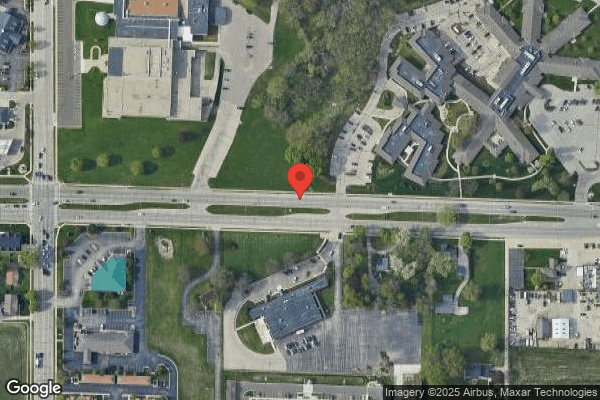
3506 WASHINGTON RD, KENOSHA, WI 53144 (262) 653-3800
For profit - Individual 154 Beds Independent Data: November 2025
Trust Grade
68/100
#82 of 321 in WI
Last Inspection: November 2024

Within standard 12-15 month inspection cycle. Federal law requires annual inspections.

Overview

Brookside Care Center has a Trust Grade of C+, indicating it is decent and slightly above average compared to other facilities. It ranks #82 out of 321 in Wisconsin, placing it in the top half, and is the top-ranked facility in Kenosha County. Unfortunately, the facility is experiencing a worsening trend, with the number of reported issues increasing from 3 in 2024 to 5 in 2025. Staffing is a strong point, with a 5/5 rating and a turnover rate of 29%, much lower than the state average, suggesting that staff are experienced and familiar with the residents. However, the facility has faced concerning fines totaling $33,800, which is average but may indicate compliance issues. Additionally, the RN coverage is rated average, which means that while there is adequate nursing support, there is room for improvement. Specific incidents noted by inspectors included a serious medication error that led to a resident becoming lethargic and requiring hospitalization, as well as the development of a pressure ulcer in a resident who entered the facility without skin issues. These findings highlight both strengths in staffing and weaknesses in medication management and care protocols.

Trust Score
C+
68/100
In Wisconsin
#82/321
Top 25%
Safety Record
Moderate
Needs review
Inspections
Getting Worse
3 → 5 violations
Staff Stability
✓ Good
29% annual turnover. Excellent stability, 19 points below Wisconsin's 48% average. Staff who stay learn residents' needs.
Penalties
○ Average
$33,800 in fines. Higher than 64% of Wisconsin facilities. Some compliance issues.
Skilled Nurses
✓ Good
Each resident gets 70 minutes of Registered Nurse (RN) attention daily — more than 97% of Wisconsin nursing homes. RNs are the most trained staff who catch health problems before they become serious.
Violations
○ Average
9 deficiencies on record. Average for a facility this size. Mostly minor or procedural issues.
★★★★☆
4.0
Overall Rating
★★★★★
5.0
Staff Levels
★★☆☆☆
2.0
Care Quality
★★★☆☆
3.0
Inspection Score
Stable
2024: 3 issues
2025: 5 issues

The Good

  • 5-Star Staffing Rating · Excellent nurse staffing levels
  • Low Staff Turnover (29%) · Staff stability means consistent care
  • Full Sprinkler Coverage · Fire safety systems throughout facility
  • No fines on record
  • Staff turnover is low (29%)

    19 points below Wisconsin average of 48%

Facility shows strength in staffing levels, staff retention, fire safety.

The Bad

Federal Fines: $33,800

Above median ($33,413)

Moderate penalties - review what triggered them

The Ugly 9 deficiencies on record

2 actual harm
Jul 2025 1 deficiency 1 Harm
SERIOUS (G) 📢 Someone Reported This

A family member, employee, or ombudsman was alarmed enough to file a formal complaint

Actual Harm - a resident was hurt due to facility failures

Deficiency F0760 (Tag F0760)

A resident was harmed · This affected 1 resident

**NOTE- TERMS IN BRACKETS HAVE BEEN EDITED TO PROTECT CONFIDENTIALITY** Based on observation, record review, interview, document review and facility policy review, the facility failed to ensure one of...

Read full inspector narrative →
**NOTE- TERMS IN BRACKETS HAVE BEEN EDITED TO PROTECT CONFIDENTIALITY** Based on observation, record review, interview, document review and facility policy review, the facility failed to ensure one of four residents reviewed for medication administration (Resident (R)1) out of eight sampled residents was free from significant medication errors when R1 was administered R8’s medications which included amiodarone (cardiac antiarrhythmic), bumetanide (diuretic), carvedilol (blood pressure), clozapine (antipsychotic), divalproex (anticonvulsant), Jardiance (diabetic), and lamotrigine (anticonvulsant). This failure resulted in the R1’s becoming lethargic, requiring hospitalization. Findings include: Review of the facility's policy titled, Medication Administration dated 11/21/17 provided by the facility revealed, Administer to the patient after verifying the resident’s identity. Follow the six rights . right patient, right medication, right dose, right time, right route, and right documentation. Identify residents by their photo in the computer. Ask his/her name. If unsure of either step listed above, verify with another staff member. Review of R1's Face Sheet located in the Face Sheet tab of the electronic medical record (EMR), revealed R1 was admitted to the facility on [DATE] with diagnoses of diabetes mellitus with diabetic chronic kidney disease, acute respiratory failure with hypoxia, sepsis, iron deficiency anemia, metabolic encephalopathy, chronic kidney disease, dysphagia, peripheral vascular disease, personal history of transient ischemic attack (TIA), and cerebral infarction. Review of R1’s quarterly “Minimum Data Set (MDS)” located under the “MDS” tab of the EMR with an Assessment Reference Date (ARD) of 04/17/25 revealed R1 had a Brief Interview for Mental Status (BIMS) score of 12 out of 15 which indicated R1 had moderate cognitive impairment. Review of R1’s “Progress notes” located under the “Prog Notes” tab of the EMR dated 05/11/25 at 9:00 AM, documented, wrong medications were given to [R1]. The resident was able to follow directions by squeezing fingers but was very lethargic and could not follow any other commands, unable to respond verbally to any questions, could not open eyes and drool running out of his mouth with deep, slow shallow respirations. Resident’s vital signs were 141/79, pulse 100, O2 Sat 95% RA, Resp 12 and BS 299. Immediately called 911 after assessment and reviewing medications given. Ambulance arrived at 0916 [9:16AM] and resident was transported to hospital. POA [Power of Attorney] called and updated on wrong medications given….On call doctor notified and gave orders to send to the hospital Review of R8’s Medication Administration Record (MAR) dated 05/11/25 located under the Reports tab of the EMR revealed R8 was to be administered amiodarone (cardiac antiarrhythmic) 200 milligram (mg), bumetanide (diuretic) 0.5 mg, carvedilol (blood pressure) 3.125 mg, clozapine (antipsychotic) 25 mg, divalproex (anticonvulsant) 125 mg, Jardiance (diabetic) 10 mg, and lamotrigine (anticonvulsant) 150 mg in the morning. Review of a written statement by Licensed Practical Nurse (LPN) 2 dated 05/13/25 stated, “On 05/11/25, I was working on the 700 unit for AM [morning] shift. I was preparing to give [R8]’s medications, the aid was getting him dressed. I went into [another resident’s] room and came out. A patient wheeled up to the cart asked if I had something for him. I said yes I do. Let me take your BP [R8] and he gave me his arm to get is vitals. I asked him about how unique his name and how he looked like the actor. He said he got that before. He said he was really ready to get to breakfast. I said ok. I have your meds ready. I gave who I thought to be [R8] his meds. I said have a good day, see you later, enjoy breakfast [R8]. He proceeded to breakfast. I continued my med pass and about an hour later the aid wheeled who I knew to be [R8] back to the unit and asked if I could check him. He wasn’t himself, very sleepy. I rubbed his chest, called him [R8] 2x and the aid asked what did you call him. I said [R8]. [The aid] said that’s not [R8], that’s [R1]. I immediately opened my med drawer to see and make sure I didn’t give him [R8]’s med and I discovered I had. I took his vital signs and blood sugar, took him to the nurses’ station, kept talking to him, not calling him [R8], but [R1]. Called for [another nurse] to help me and she told me what unit the supervisor was on to call her too and she would be right over. I called the supervisor, explained what happened. She told me to contact the doctor, and she would send another registered nurse to help me and call the family too. [We] felt because of [R1] condition changes and vital signed calling 911 to send him to the hospital was best not to wait for the doctor to call back. I normally would not give patients meds that wheel up to me.” Review of hospital records revealed R1 was hospitalized from [DATE] to 05/13/25. Review of LPN2’s employee record revealed she had been suspended pending the investigation and resigned from her position. During an observation on 07/11/25 at 11:50 AM, R1’s room was located across the hall from R8’s room. During an interview on 07/11/25 at 11:50 AM, R1 introduced himself. When asked if he received the wrong medications a month or two ago, he at first replied, “No, I got some wrong medications at the hospital.” Then he said, “I got 14 wrong medications and had to go to the hospital because I was unconscious for a while. I was there for a week. I’m okay now.” During an interview on 07/11/25 at 2:10 PM, the Director of Nursing (DON) stated, “Medication errors are taken very seriously, and the resident was hospitalized . Nurses are expected to follow the six rights of medication administration and verify the resident’s identity.”
Mar 2025 3 deficiencies
CONCERN (D) 📢 Someone Reported This

A family member, employee, or ombudsman was alarmed enough to file a formal complaint

Potential for Harm - no one hurt, but risky conditions existed

Report Alleged Abuse (Tag F0609)

Could have caused harm · This affected 1 resident

**NOTE- TERMS IN BRACKETS HAVE BEEN EDITED TO PROTECT CONFIDENTIALITY** Based on interview and record review the facility did not report 1 (R12) of 3 reportable incidents to the State survey agency an...

Read full inspector narrative →
**NOTE- TERMS IN BRACKETS HAVE BEEN EDITED TO PROTECT CONFIDENTIALITY** Based on interview and record review the facility did not report 1 (R12) of 3 reportable incidents to the State survey agency and/or Law Enforcement within the required timeframe. *On 02/12/2025, The facility was made aware of R12's missing narcotic medication. The facility did not notify the State Agency at any point, and did not notify Law Enforcement until 02/28/2025. Findings: The facility Policy, titled ABUSE, NEGLECT, MISAPPROPRIATION, EXPLOITATION, MISTREATMENT, dated 10/26/2016, documents the following, Policy: . It is the policy of this facility that all allegations of abuse, neglect, exploitation, mistreatment, including injuries of unknown source and misappropriation of resident property are reported per Federal and State Law. or not later than 24 hours if the events that cause the allegations do not involve abuse and no not result in serious bodily injury, to the Administrator of the facility and to other state officials in accordance with Federal and Wisconsin Law, through established procedures. 7. Reporting: Employees must always report an abuse or suspicion of abuse IMMEDIATELY to the Supervisor on duty . B. The Supervisor on duty will notify the Administrator of the allegation. The Administrator will involve key leadership personnel as necessary to assist with the reporting, investigating and follow up. C. If an incident is considered reportable. The Administrator or designee will make an initial (immediate within 24 hours) report to the Division of Quality Assurance Office of Care Giver Quality. E. Law Enforcement will be notified immediately but no later than two hours if there is suspicion of a crime / or alleged sexual abuse as required by the Elder Justice Act. Surveyor reviewed a complaint sent into the State Agency regarding allegations of narcotic/medication diversions had occurred at the facility in February 2025. Surveyor, along with a team of Surveyors, entered the facility on 03/10/2025 to complete a complaint and verification survey. Surveyor requested facility Investigations from 12/2024 to current. The facility provided two facility reported investigations, Surveyor noted neither were related to medication diversion. On 03/10/2025, at 10:53 AM, Surveyor interviewed Licensed Practical Nurse (LPN)-E, on the 400 unit, regarding the procedures for Narcotic medications. LPN-E indicated all narcotic medications are kept in a [NAME] box on the medication cart. LPN-E indicated that 2 nurses will now perform the narcotic medication count in the medication room in front of the camera. Surveyor asked LPN-E if narcotic medication count in the medication room was a newly implemented procedure. LPN-E indicated being unsure if the procedure is new, but indicated an email was sent out last month (February) indicating to ensure medication counts are done in the medication room in front of the camera. Surveyor preformed a narcotic medication count with LPN-E. Surveyor noted, no discrepancies identified with the narcotic medication count. On 03/10/2025, at 11:04 AM, Surveyor interviewed LPN-K, on the 500 unit, regarding the procedures for Narcotic medications. LPN-K indicated that Narcotic medications are kept in the [NAME] box of the medication cart. LPN-K indicated counts are down with 2 nurses and the beginning and end of each shift. LPN-K indicated that the Narcotic medication counts were not always preformed in the medication room and indicated that in February of 2025, on this unit (500 unit), there was an incident where a Narcotic medications were missing. LPN-K indicated the facility was aware and after the incident, staff are now to count Narcotic medications in the medication room in front of the camera. LPN-K indicated there was training and re-education provided by the facility following the incident. LPN-K indicated destruction of unused Narcotic medications are destroyed in the medication room, with 2 nurses. LPN-K indicated 2 nurses sign off on the medication and the medication is put into a container labeled Drug Buster.LPN-K indicated that the paper work is then put into the out box in the nurses station. Surveyor preformed a narcotic medication count with LPN-E. Surveyor noted, no discrepancies identified with the narcotic medication count. On 03/10/2025, at 03:30 PM, Surveyor interviewed Nursing Home Administrator (NHA)-A and Director of Nursing (DON)-B. Surveyor asked NHA-A and DON-B if the facility has had any concerns or issues with drug diversion. DON-B indicated that yes, in February around the 9th through the 11th, an incident occurred resulting in the facility initiating an Investigation. NHA-A indicated they are still in the midst of investigation the allegation. Surveyor inquired as to why the facility did not report the allegation to the State Agency. DON-B indicated the State Agency was not notified because DON-B did not know if the Narcotic medication (oxycodone) was actually missing and indicated the facility is still investigating the allegation. DON-B indicated the nurse who normally works that unit was out for about a week and upon return indicated there was a missing Narcotic medication card. On 03/11/2025, at 08:34 AM, Surveyor received the facility investigation for the missing Narcotic medication. Within the Investigation report, Surveyor noted a document which indicated the narcotic medication was last given on 02/06/2025, a card of 20 oxycodone was delivered on 01/31/2025 and was signed in to the facility. The document indicates the last oxycodone from the prior card that was deliver on 01/21/2025 contained 20 pills and was given on 02/02/2025. From 02/02/2025 there was a total of 8 oxycodone given to R12 and indicated R12 should still have 12 remaining. The card and sign out sheet were discovered missing on 02/12/2025. HR notified. Drug urine will be requested to be done on all staff that worked between time frame. All were negative. Surveyor noted written in pen 2/28/25-Sheriff notified. On 03/11/2025, at 10:55 AM, DON-B indicated to Surveyor that the facility notified Law Enforcement of the allegation after the facility Corporate [NAME] suggested to notify police on 02/28/2025. On 03/11/2025, at 12:41 PM, Surveyor shared concerns with NHA-A, DON-B, Assistant Director of Nursing (ADON)-I, and Nursing Supervisor (NS)-C regarding the facility not reporting R12's missing narcotic medication to the State Agency and the delay reporting the misappropriation to law enforcement. No additional information was provided at time of write up.
CONCERN (D) 📢 Someone Reported This

A family member, employee, or ombudsman was alarmed enough to file a formal complaint

Potential for Harm - no one hurt, but risky conditions existed

Investigate Abuse (Tag F0610)

Could have caused harm · This affected 1 resident

**NOTE- TERMS IN BRACKETS HAVE BEEN EDITED TO PROTECT CONFIDENTIALITY** 2.) Surveyor reviewed a complaint sent into the State Agency regarding allegations of narcotic/medication diversions had occurre...

Read full inspector narrative →
**NOTE- TERMS IN BRACKETS HAVE BEEN EDITED TO PROTECT CONFIDENTIALITY** 2.) Surveyor reviewed a complaint sent into the State Agency regarding allegations of narcotic/medication diversions had occurred at the facility in February 2025. Surveyor, along with a team of Surveyors, entered the facility on 03/10/2025 to execute a complaint and verification survey. Surveyor requested facility Investigations from 12/2024 to current. The facility provided 2 facility Reported Investigations, Surveyor noted neither were related to medication diversion. On 03/10/2025, at 10:53 AM, Surveyor interviewed Licensed Practical Nurse (LPN)-E, on the 400 unit, regarding the procedures for Narcotic medications. LPN-E indicated all narcotic medications are kept in a [NAME] box on the medication cart. LPN-E indicated that 2 nurses will now perform the narcotic medication count in the medication room in front of the camera. Surveyor asked LPN-E if narcotic medication counts in the medication room is a newly implemented procedure. LPN-E indicated being unsure if the procedure is new, but indicated an email was sent out last month (February) indicating to ensure medication counts are done in the medication room in front of the camera. Surveyor preformed a narcotic medication count with LPN-E. Surveyor noted, no discrepancies identified with the narcotic medication count. On 03/10/2025, at 11:04 AM, Surveyor interviewed LPN-K, on the 500 unit, regarding the procedures for Narcotic medications. LPN-K indicated that Narcotic medications are kept in the [NAME] box of the medication cart. LPN-K indicated counts are down with 2 nurses and the beginning and end of each shift. LPN-K indicated that the Narcotic medication counts were not always preformed in the medication room and indicated that in February of 2025, on this unit (500 unit), there was an incident where Narcotic medications were missing. LPN-K indicated the facility was aware and after the incident, staff are now to count Narcotic medications in the medication room in front of the camera. LPN-K indicated there was training and re-education provided by the facility following the incident. LPN-K indicated destruction of unused Narcotic medications are destroyed in the medication room, with 2 nurses. LPN-K indicated 2 nurses sign off on the medication and the medication is put into a container labeled Drug Buster. Surveyor preformed a narcotic medication count with LPN-E. Surveyor noted, no discrepancies identified with the narcotic medication count. On 03/10/2025, at 03:30 PM, Surveyor interviewed Nursing Home Administrator (NHA)-A and Director of Nursing (DON)-B. Surveyor asked NHA-A and DON-B if the facility has had any concerns or issues with drug diversion. DON-B indicated that yes, in February around the 9th through the 11th, an incident occurred resulting in the facility initiating an Investigation. NHA-A indicated they are still in the midst of investigating the allegation. Surveyor inquired as to why the facility did not report the allegation to the State Agency. DON-B indicated the State Agency was not notified because DON-B did not know if the Narcotic medication (oxycodone) was actually missing and indicated the facility is still investigating the allegation. DON-B indicated the nurse who normally works that unit was out for about a week and upon return indicated there was a missing Narcotic medication card. On 03/11/2025, at 08:34 AM, Surveyor received the facility investigation for the missing Narcotic medication. Within the Investigation report, Surveyor noted a document which indicated the narcotic medication was last given on 02/06/2025, a card of 20 oxycodone was delivered on 01/31/2025 and was signed in to the facility. The document indicates the last oxycodone from the prior card that was deliver on 01/21/2025 contained 20 pills and was given on 02/02/2025. From 02/02/2025 there was a total of 8 oxycodone given to R12 and indicated R12 should still have 12 remaining. The card and sign out sheet were discovered missing on 02/12/2025. Human Resources (HR) notified. Drug urine will be requested to be done on all staff that worked between time frame. All were negative. Surveyor noted written in pen 2/28/25-Sheriff notified. On 03/11/2025, at 10:55 AM, DON-B indicated to Surveyor that the facility notified Law Enforcement of the allegation after the facility Corporate [NAME] suggested to notify police on 02/28/2025. On 03/11/2025, at 12:41 PM, Surveyor shared concerns with NHA-A, DON-B, Assistant Director of Nursing (ADON)-I, and Nursing Supervisor ( NS)-C regarding the facility not submitting R12's missing Narcotic medication Investigation to the State Agency within 5 working days. No additional information was provided at time of write up. Based on interview and record review the facility did not ensure that 2 (R9, R12) of 3 allegations of mistreatment involving residents were investigated or thoroughly investigated timely. * R9 reported her engagement and wedding ring as missing, and the facility completed a self-report. There was no documentation of other residents on R9's unit being interviewed for missing items. R9's family reported to the facility that they suspected a newer staff member to be involved, and the facility did not submit this to the state agency nor complete an addendum to the original facility self-report. * The facility was made aware by staff that R12 had missing medications, and did not submit the allegations of potential misappropriation to the state agency. Findings include: The facility's policy titled, Abuse, Neglect, Misappropriation, Exploitation, Mistreatment dated: 10/26/2016 states under the policy: . 6. Investigation: A. The investigation is the process used to try and determine what happened. The designated facility personnel will begin the investigation immediately. If abuse injury of unknown origin suspicious injury misappropriation involuntary seclusion any violation of resident rights or exploitation, is suspected or alleged the administrator (designee) must be notified immediately. 1.) R9 was admitted to the facility on [DATE] with a diagnosis of dementia, psychotic disturbance, mood disturbance, and anxiety and obesity. R9's Quarterly Minimum Data Set (MDS) dated [DATE], documents a brief interview for mental status (BIMS) score of 13, indicating that R9 is cognitively intact. The MDS documents under section B, that R9 is understood and understands. Under section E (behavioral symptoms it documents that R9 does not exhibit any behaviors. R9's medical records nursing note, dated 12/4/2024 at: 3:03 AM, documents that a CNA informed the floor nurse of a missing wedding ring, and floor nurse in turn, updated the night shift RN supervisor of the missing ring. On 3/10/2025, at 11:06 AM, Surveyor asked Nursing Home Administrator (NHA)-A for a police report from the reported misappropriation. NHA-A indicated NHA-A made repeat attempts to receive the report through sheriff's office via phone calls and emails with no response back. NHA-A stated that NHA-A will attempt again. On 3/10/2025, at 11:27 AM, Surveyor interviewed via phone, CNA-J who stated that R9 reported missing rings at around 2:00 AM. CNA-J stated the nurse then reported to supervisor at around 2:40 AM. On 3/10/2025, at 11:40 AM, Surveyor received the sheriff's report from NHA-A, The sheriff report dated,12/5/2024 at 9:37 AM, documents: I contacted [Family member name] (Family)-L and conducted an interview via telephone. [Family member name] Family-L stated that she was told that her mother said she gave the rings to 1 of her daughters, to be cleaned. [Family member name] Family-L believes that an employee has convinced [Residents name] R9 somehow, to give them the rings. [Family member name] Family-L stated that she was told by a nurse's aide, that a different nurse's aide, had heard that the patient next door had lost a wedding ring as well. [Family member name] Family-L was unable to provide any names of any nurse's aides. [Family member name] Family-L spoke highly of the facilities staff but believed a newly hired staff member was likely involved in the disappearance of the rings. On 3/10/2025, at 1:55 PM, DON-B stated that R9 and one other resident were asked about missing items. DON-B indicated that the other resident that was questioned, claimed things are missing a lot and random items like a car but no mention of a missing ring when questioned. DON-B indicated this resident was picked because of statements from R9's family that this resident was also missing rings. DON-B stated 2 other residents were asked if everything was alright, but not about missing items. DON-B indicated not wanting to put thoughts in the resident's heads that it was unsafe at the facility. DON-B indicated having no documentation of other residents being interviewed but that second shift supervisor might have additional documentation. On 3/10/2025, at 3:33 PM, Surveyor informed NHA-A, DON-B and Assistant Director of Nursing (ADON)-I of concerns with R9's family reporting that the new hire CNA was involved in the misappropriation. DON-B indicated knowing which CNA R9's family was referring to as there was only one new hire at that time. DON-B indicated there was not a new report started or an addendum to the self-report as this CNA was already interviewed. NHA-A indicated that the new hire CNA was not interviewed again. NHA-A stated: you don't finger point someone out like that, that's jacked up. NHA-A indicated believing this was being brought up because this was a new employee. On 3/10/2025, during the end of the day meeting, Surveyor explained concern that R9's family reported concern that this new hire CNA was involved in misappropriation. Surveyor explained there was no documentation of other residents on the unit being interviewed for missing items. Surveyor explained that the facility became aware of which CNA R9's family was reporting, as there was only one new CNA hired during that time, but didn't include these findings in the reported misappropriation. On 3/10/2025, at 4:10 PM, Surveyor interviewed Registered Nurse (RN)-M who stated that RN-M is the second shift supervisor, and that RN-M did assist DON-B with R9's investigation of misappropriation. RN-M indicated that with investigations or interviews like R9's misappropriation allegation that RN-M would take notes and have documents. RN-M stated he was not the main person doing this interview, and that DON-B would have the notes or documents that pertain to this investigation. No additional information was provided.
CONCERN (D) 📢 Someone Reported This

A family member, employee, or ombudsman was alarmed enough to file a formal complaint

Potential for Harm - no one hurt, but risky conditions existed

Quality of Care (Tag F0684)

Could have caused harm · This affected 1 resident

**NOTE- TERMS IN BRACKETS HAVE BEEN EDITED TO PROTECT CONFIDENTIALITY** Based in interview and record review, the facility did not ensure residents received treatment and care in accordance with profe...

Read full inspector narrative →
**NOTE- TERMS IN BRACKETS HAVE BEEN EDITED TO PROTECT CONFIDENTIALITY** Based in interview and record review, the facility did not ensure residents received treatment and care in accordance with professional standards of practice for 1 (R8) of 4 residents reviewed. * On 12/4/2025 at 9:00 AM R8 did not have a comprehensive assessment completed when R8 yelled and cried out stated stated R8's foot hurt. Licensed practical nurse (LPN) assessed R8's leg instead of R8's foot and noted no pain. There was no documentation of an assessment or pain assessment completed at that time for R8. On 12/4/2025 in the evening R8 was noted to have pain in the left foot, LPN noted R8 left toes were swollen and painful to touch. An order for x-ray was obtained and R8 was noted to have a 3rd, 4th, and 5th, metatarsal (toe) fractures on the left foot. R8 was sent to the hospital for further evaluation and readmitted to the facility with a half open cast and Ace wrap to R8's left lower extremity. Findings include: The facility policy titled Change of Condition Assessment and Reporting Requirements revised February 1, 2019, documents: Purpose: 1. To identify individuals at risk for an acute change of condition (ACOC). 2. To systemically collect and document data when the resident experiences an ACOC. 3. To systemically collect and document data to monitor the resident's condition in response to treatment. 7. To ensure that any chance in condition or incident is reported in accordance with State and Federal guidelines. Procedure: Step 1- Identify individuals at risk for ACOC's. - All interdisciplinary team (IDT) members are expected to report findings that may represent and [sic] ACOC. (this includes CNA's .) Step 2- Describe and document symptoms and/or condition changes accurately and completely . When assessing a resident with signs and symptoms that may indicate an ACOC the minimum to be done includes: - Regardless of cognitive level, ask the resident how he/she is feeling or how the symptoms developed. Absence of a response should be documented. - Take vital signs. - Assess overall condition, . and function. Step 3- Document the nature, extent and severity of symptoms, abnormalities and condition changes clearly and in detail to help distinguish potential causes and consequences and to determine whether the symptoms are problematic or simply normal expected variants. - Observation, documentation and description of symptoms must be distinguished from interpretation. Complete head to toe assessment of resident (neurological, . skin, behavior, musculoskeletal, pain, .). - Imprecise descriptions of the problem or incorrect interpretation of the symptoms may lead to erroneous diagnosis and inappropriate treatment. - Document assessment on situation, background, assessment, recommendation (SBAR) form and file in the chart. Be sure to enter that an SBAR was completed in the medical record. Documentation/ Follow-up Guidelines: -Monitor progress: all staff are responsible for reporting any findings that may represent ACOC's. - Frequency of assessment must be determined by the registered nurse (RN) according to stability of condition but must be completed at least one time per shift for all residents on report for ACOC. - To facilitate communication, resident should be placed on the To Do list . for follow-up charting for 72 hours after the change. - Review all progress notes at least daily including summary of overall condition and a comparison of actual progress with expected progress as noted in the care plan. 1.) R8 was admitted to the facility on [DATE] and has diagnoses that include Multiple Sclerosis, Dementia with behavioral disturbance, major depressive disorder, Pseudobulbar affect, right foot drop, polyneuropathy, memory deficit and severe osteopenia. R8's Quarterly Minimum Data Set (MDS) dated [DATE] documents a Brief Interview for Mental Status (BIMS) score of 12, indicating that R8 has moderately impaired cognition. The MDS documents that R8 needs total assist with 1 staff member for toileting and personal hygiene, lower body dressing, putting on and off footwear, and repositioning. R8 was incontinent of bowel and bladder and wore protective briefs and required a Hoyer lift with 2 staff members for transfers. R8's pain MDS assessment documented R8 denied pain, does not receive scheduled pain medication, did not receive as needed (PRN) pain medication or other interventions for pain in the last 5 days of the assessment on 9/24/2024. R8's annual MDS dated [DATE] did not trigger a pain care area assessment (CAA). R8's pain care plan was initiated on 8/5/2021 and last reviewed/revised on 1/17/2025 with the following interventions: Problem: I (R8) may experience pain. I like to keep my pain at a minimum. I have neuropathic pain and right foot drop and utilize Gabapentin daily at bedtime to promote comfort. - I need my aides to --- be extra gentle with me; ask me if I hurt; tell the nurse if I hurt; help me get dressed; be patient with me; keep my chair comfortable; make my bed comfortable; help me to change position. - I need my nurse to --- ask me if I hurt; be patient with me; help me mover around if I need it; Help me to change position. On 12/4/2024, at 2018 (8:18 PM), in the progress notes, nursing documented R8 complained of left foot pain when up for supper. Later when CNA was going to give R8 a shower, R8 complained of left foot pain. The CNA notified nursing a that time. Nursing noted some swelling, no bruising or redness, and painful to touch. Nurse supervisor notified and new orders x-ray. R8's progress note dated 12/4/2024, at 2206 (10:06 PM) documented R8 going to hospital for further evaluation. (R8's x-ray) positive for mild fracture to left 3rd, 4th, and 5th metatarsals (toe). R8's progress note dated 12/5/2024, at 0409 (4:09 AM), documented R8 returned to facility with half open cast with ACE wrap to left lower extremity. The Facility submitted a Facility Self Report on 12/5/2024 at 3:06 PM for an injury of unknown origin for R8. The summary of incident documents: . - On December 4th, 2024, R8 was found to have a displaced fracture of the left 3rd, 4th, and 5th metatarsals. R8 first reported pain to the day shift CNA-D at approximately 0900 (9:00 AM) during cares. R8 did not report pain again until PM shift on December 4th at approximately 1600 (4:00 PM) to CNA-G and another CNA who was assisting CNA-G. R8 again reported pain at shower time that evening. LPN-H assessed and noted slight swelling to the left foot, no redness but R8 was having pain. X-rays were obtained and confirmed the fractures. R8 has sever cognitive impairment 2nd to Dementia. R8 is unable to state how this injury happened but stated R8 feels safe in the environment. - Describe the Effect: (R8) expressed pain with cares, putting on and taking off pants and socks. There are no identified witnesses. Time of injury unknown. (R8) has immobilizer in place and has not been reporting pain. Surveyor reviewed the staff statements that were documented: - CNA-D's statement documented: CNA-D was assigned R8 morning of incident. CNA-D was washing up and getting R8 dressed for the morning. R8 complained of bad pain in R8's foot. CNA-D covered R8 up and went to report situation to the nurse. The nurse went to check R8. - LPN-E's statement documented: LPN-E was the nurse working with R8 on 12/4/2024. LPN-E was called into R8's room for R8 complaining of leg pain. LPN-E documented after assessment (word assessment is crossed out in error with LPN-E initials) clinical data obtained, R8 no complaints of pain at this time. Range of motion (ROM) within normal limits at that time. Surveyor noted that CNA-D documented R8 had bad foot pain, but LPN-E documented looking at R8's leg. Neither statement document if it was R8's left or right foot or leg. - CNA-G's statement documented CNA-G was the assigned CNA for R8 on 12/4/2024 PM shift. CNA-G and another CNA went to get R8 up, R8 complained of foot pain so CNA-G went to get nurse. Surveyor noted that CNA-G's statement documents one time of R8 complaining of pain and getting the nurse. CNA-G statement does not indicate a time the nurse was notified. LPN-H's statement documented R8 complained of left foot pain when up for supper, then later when CNA was going to give R8 a shower R8 complained of left foot pain and toes. That is when CNA notified LPN-H. R8 had pain to the touch of foot and toes, some swelling noted, no redness or bruising noted. R8 unable to say what happened. Supervisor and medical provider notified. On 3/11/2025 at 8:40 AM, Surveyor called and left voice message with return phone number for CNA-G to call back Surveyor. Surveyor never received a return phone call from CNA-G. On 3/11/2025, at 9:07 AM, Surveyor called and left a message with return phone number for LPN-H to call back Surveyor. Surveyor never received a return phone call from LPN-H. On 3/10/2025, at 10:05 AM, Surveyor observed R8 sitting in a Broda wheelchair watching TV. R8 was wearing black Velcro tennis shoes. R8 did not recall a time when she had problems with her feet and denied pain at that time when talking with Surveyor. R8 stated she felt safe at the facility and did not have any concerns. Surveyor reviewed R8's medical record and noted there were no progress notes documenting R8's complaint of pain to the foot, no comprehensive assessment was documented, and no pain assessment completed for R8's complaint of foot pain in the morning on 12/4/2024. Surveyor noted a pain assessment completed on 12/4/2024, at 1939 (7:38 PM) and R8 was given two Tylenol 325 mg (totaling 650 mg) for verbal pain rating of 6/10 per order. On 3/10/2024, at 1:12 PM, Surveyor interviewed CNA-D who stated CNA-D usually gets R8 up and ready between 8:00 AM and 9:00 AM. CNA-D stated that R8 was lying in bed and CNA-D went to put R8's sock on and R8 yelled out about her foot and started crying. CNA-D stated she did not see anything wrong with R8's foot, but R8 was crying and never complains of pain. CNA-D covered R8 up and went to get LPN-E to look at R8. Surveyor asked if R8 had pain in the leg at all or was it just R8's foot, and what foot/leg did R8 complain about. CNA-D stated that it was definitely R8's foot that was the concern, but R8 complained of the opposite foot than what had fractures at that time. Surveyor confirmed with CNA-D that R8 has complaints of pain in the right foot. CNA-D stated yes and that is what was relayed to LPN-E. Surveyor asked if CNA-D was in the room when LPN-E checked on R8. CNA-D stated no CNA-D did not go with LPN-E. CNA-D went to help another resident and when was finished with that resident CNA-D asked LPN-E if R8 could get up and LPN-E stated that LPN-E did not see anything and R8 was good to continue getting ready for the day. Surveyor asked CNA-D if R8 had any more complaints of pain throughout the day. CNA-D stated R8 had no further complaints. Surveyor asked CNA-D if it was reported to the upcoming shift that R8 had complaints of pain in R8's foot. CNA-D could not recall if CNA-D passed it on in shift report if R8 had pain in the foot in the morning. On 3/11/2025, at 8:47 AM, Surveyor interviewed LPN-E who stated CNA-D came up and stated R8's leg hurt. LPN-E stated went into room pretty quickly because R8 never complains about pain. LPN-E stated LPN-E looked at R8's left leg. LPN-E stated R8 denied having pain and was not crying. LPN-E stated that LPN-E did not look at R8's foot or toes because CNA-D stated it was R8's leg. LPN-E stated R8's socks were on and did not remove them to look at R8's foot or toes. LPN-E stated that LPN-E held R8's heel and middle of foot to bed R8's leg to assess ROM and R8 did not indicate any pain at that time. Surveyor asked LPN-E what the Facility process or procedure is when a resident complains of pain or an acute change. LPN-E stated the nurse supervisor would be notified to come do an assessment on the resident and medical provider notified for further directions. Surveyor asked if the nurse supervisor was notified. LPN-E stated that LPN-E did not notify the nurse supervisor because R8 did not have complaints of pain and LPN-E did not see anything on R8's left leg. Surveyor asked LPN-E how LPN-E knew what leg to look at. LPN-E stated it must have been what CNA-D told LPN-E. Surveyor asked how often residents are assessed for pain and where is documentation located. LPN-E stated that LPN-E asks each resident at least once when LPN-E is working. LPN-E stated that LPN-E usually does not document pain unless resident indicated they have pain and then an assessment with any medication is given for pain and the reassessed if interventions worked. Surveyor asked if R8 wrote a progress note or passed on in shift report that R8 experienced pain. LPN-E stated did not write a progress note because R8 did not express having pain when LPN-E went to look at R8. LPN-E could not recall if R8's pain was passed on in shift report or if it was documented on the 24 hour board. LPN-E state in hindsight, maybe should have written something or told the nurse supervisor, but at the time R8 did not have pain. LPN-E stated that if R8 did express pain, LPN-E would have notified the nurse supervisor, and documented R8's pain and made a progress note. On 3/11/2025, at 9:19 AM, Surveyor interviewed Nursing Supervisor (NS)-C who stated nursing gather information if a resident is expressing pain such as: what happened, do ROM, ask if anybody hurt them. NS-C stated that if someone is experiencing pain it should be assessed and documented. Surveyor asked NS-C if NS-C was notified that R8 was having pain. NS-C was not notified and stated since it was an acute pain for R8, NS-C would have expected to be notified even if R8 rated no pain at the time so a full assessment could be completed. NS-C stated that it should have been documented in the progress notes and a pain rating obtained even though R8 did not stated R8 was having pain at that time. NS-C stated that the nursing staff had education about a year ago going over how to correctly chart a pain assessment. Surveyor asked how often pain assessments are completed and documented on residents. NS-C stated that residents should be asked each shift and if it is a new pain, a pain event should be documented that describes where the pain is located if an injury had occurred, and then fills out a pain assessment. NS-C could not find that that was done for R8 the morning of 12/4/2024. On 3/11/2025, at 9:47 AM, Surveyor interviewed Nursing Home Administrator (NHA)-A and Director of Nursing (DON)-B. Assistant DON (ADON)-I and NS-C were also present during the interview. Surveyor asked what the expectation is when assessing a resident that indicated they had pain. DON-B stated that the nurse would do a pain assessment and then look at the resident's orders and see what is available or call the medical provider if necessary. Surveyor brought concern up regarding R8 not being comprehensively assessed when R8 complained of pain on 12/4/2024. NHA-A and DON-B stated that when LPN-E assessed R8, R8 indicated there was no pain. Surveyor stated that LPN-E looked at R8's left leg and did not look at R8's left foot or toes. Surveyor also stated that CNA-D originally stated that R8 was complaining of the right foot hurting and that CNA-D did tell LPN-E that R8's foot was hurting. NHA-A stated that at the time R8 did not complain of any pain, so no further assessment was needed. Surveyor stated that it was told to Surveyor that even though R8 did not complain at the time LPN-E looked at R8, it was still a change for R8 who never complained of pain and that R8's pain should have been comprehensively assessed and documented even though R8 was stating there was no pain at the time. DON-B and NHA-A stated that a new pain is not considered a change in condition and did not see concern due to R8 not indicating R8 had pain at the time. Surveyor requested a policy a procedure for assessing a resident when residents have a complaint. Surveyor shared concerns that R8 was not comprehensively assessed after CNA-D notified LPN-E that R8 was having foot pain. R8's leg was assessed instead of R8's foot. R8 complained of foot pain in the evening and an x-ray indicated R8 had fractures of the 3rd, 4th, and 5th metatarsals on R8's left foot. On 3/11/2025, at 12:08 PM, DON-B brought the policy and procedure for Change of Condition Assessment and Reporting Requirements. Surveyor reviewed and is documented above in the cite write up. On 3/11/2025, at 12:30 PM, Surveyor shared with NHA-A, DON-B, ADON-I, and NS-C that Surveyors concern that R8 was not comprehensively assessed when first indicated foot pain, that the leg was assessed rather than the foot, R8 had no documentation in progress notes or a pain assessment completed, and later in the evening on 12/4/2024 R8 complained of pain and a X-ray showed R8 had toe fractures on the left foot. No additional information was provided as to why R8 did not receive treatment and care in accordance with professional standards of practice for R8's foot pain.
Jan 2025 1 deficiency 1 Harm
SERIOUS (G) 📢 Someone Reported This

A family member, employee, or ombudsman was alarmed enough to file a formal complaint

Actual Harm - a resident was hurt due to facility failures

Pressure Ulcer Prevention (Tag F0686)

A resident was harmed · This affected 1 resident

**NOTE- TERMS IN BRACKETS HAVE BEEN EDITED TO PROTECT CONFIDENTIALITY** Based on interviews, record review, and review of facility policy, the facility failed to ensure that one of three residents (Re...

Read full inspector narrative →
**NOTE- TERMS IN BRACKETS HAVE BEEN EDITED TO PROTECT CONFIDENTIALITY** Based on interviews, record review, and review of facility policy, the facility failed to ensure that one of three residents (Resident (R)1) reviewed for pressure ulcers out of a total sample of five did not develop a pressure ulcer, unless their clinical condition showed that it was unavoidable. R1, who entered the facility without any skin issues to his right heel, developed a facility-acquired deep tissue injury (DTI) pressure ulcer that deteriorated to an unstageable ulcer. There was no documentation the facility monitored R1's skin and implemented interventions as ordered by the physician and identified in the resident's plan of care. Findings include: Review of the facility's policy titled Prevention of Pressure Ulcers dated 01/06/23, revealed, . The care plan should address the potential for skin breakdown for residents who are at risk. At risk residents will have appropriate pressure-reducing devices on their wheelchair. The resident who is unable to change position on their own will be repositioned frequently according to their individual needs. Resident will be repositioned using appropriate lifting techniques or equipment (ex. Lift sheet) to prevent friction and shearing. Pillows or other devices will be used as needed to prevent pressure between the knees, ankles, etc. When in bed, the immobile resident will have their heels elevated off the bed so that they are 'floating.' Any sign of pressure ulcer formation will be identified, and treatment will be initiated in a timely manner to prevent further tissue damage . Review of R1's undated Face Sheet, located in the electronic medical record (EMR) under the Face Sheet tab, indicated the resident was admitted to the facility on [DATE] and discharged on 10/30/23. Diagnoses included fracture of the left acetabulum (pelvic region); multiple fractures of ribs, wedge compression fractures of the first, second, and third vertebra; and benign prostatic hyperplasia (enlarged prostate). Review of R1's admission Minimum Data Set (MDS), located in the EMR under the MDS tab, revealed R1 had a Brief Interview of Mental Status (BIMS) score of nine out of 15, which indicated the resident was moderately cognitively impaired. It was recorded that R1 required extensive assistance of two staff members for bed mobility, transfers, locomotion off/on unit, dressing, toilet use, and personal hygiene. It was recorded that R1 had a urinary catheter and was occasionally incontinent of bowels. It was recorded R1 was admitted with one unhealed stage II pressure ulcer to the sacrum and was assessed as being at risk for further pressure ulcer development. It was recorded that skin treatments/interventions included pressure reducing devices for the bed, pressure ulcer/injury care, surgical wound care, and applications of ointments/medications. Review of R1's Care Plan, initially dated 08/17/23 and located in the EMR under the Care Plan tab, revealed the resident had the potential for pressure ulcer development related to decreased mobility/generalized weakness following hospitalization due to pelvic fracture. The short term goal was, . will have intact skin free of redness, blisters, or discoloration . Approaches included, . check my skin during cares; complete a full body checks weekly and document, reduce pressure/friction between myself and my bed/chair, evaluate my skin under tubing or other devices that are in direct contact with my skin, reposition and assist me with bed/chair mobility frequently to prevent pressure to my skin, reposition and assist me with bed/chair mobility frequently to prevent pressure to my skin, provide incontinence care as needed to keep my skin clean and dry, and elevate my heels when I'm in bed. Monitor my nutrition and hydration status, follow facility protocols for prevention of skin breakdown. Review of R1's admission Assessment, dated 08/17/23 at 2:00 PM and located in the EMR under the Progress Notes tab, indicated the resident had excoriation to the coccyx and a dark purple bruise to the right buttock, measuring 1.5 centimeters(cm) by 0.8 cm. Skin and Ulcer/Injury Treatments indicated applications of a non-surgical dressing and application of an ointment/medication. There was no documentation of any pressure ulcers to the resident's heels. Review of R1's Observation Detail List Report: Braden Scale, dated 08/17/23 at 6:41 PM and located in the EMR under Observation tab, revealed R1's Braden scale score was a 16, which indicated the resident was a mild risk for the development of pressure ulcers. Review of R1's EMR, dated 08/17/23 through 10/03/23, revealed no documented evidence that R1's heels were floated as per the care plan interventions, that skin checks were performed during care, or that the resident was repositioned frequently. Review of R1's Progress Note, dated 10/04/23 at 10:18 PM and located under the Progress Notes tab of the EMR, revealed . called to room re: blister 5 x 5.5 cm to right heel, skin prepped area and heel lift placed under legs to elevate heels. Updated Hospice re: new area and re: skin tear to left buttock as there were no orders for treatment. Treatment orders in place for border gauze to left buttock and skin prep to right heel. Hospice nurse will evaluate right heel in am . Review of R1's Care Plan, located under the Care Plan tab of the EMR and dated 10/04/23, revealed the resident's Care Plan was updated to include, . Pressure Ulcer/Injury I have a blister/DTI [deep tissue injury] to my right heel and need a heel riser to help protect it when in bed HEEL BOOT ON AT ALL TIMES . Interventions included, . apply treatment as ordered by MD. Chartable Task in POC [Point of Care]: unchecked [,] Care Needs Sign-off in POC: unchecked [,] Include on Profile: unchecked . Review of a hospice Nursing Visit Note, dated 10/05/23 at 1:45 PM, revealed, . new DTI to right heel. Writer took off shoe and assessed right heel. New orders obtained for treatment to include skin prep bid and off-loading boot on right foot at all times . new order for tubi grips [a tubular bandage that provides support for the treatment of soft tissue injuries] . Review of R1's Progress Note, dated 10/05/23 at 2:27 PM and located under the Progress Notes tab of the EMR, revealed, . Hospice in this afternoon to see resident. Verbal orders were given to keep heel boot on right foot at all times to help offload pressure to DTI [deep tissue injury], tubi-grips on in AM [morning], and off HS [bedtime] . Review of R1's Progress Note dated 10/09/23 at 10:34 AM and located under the Progress Notes tab of the EMR, revealed . Received order from MD [medical doctor] 1. Apply tubi grips on in a.m., off HS, 2. Keep off loading boot on at all times right foot DTI. 3. Skin prep right BID for DTI . Review of a hospice Nursing Visit Note, dated 10/09/23 at 9:00 AM, revealed, . Teaching provided during visit . instructed to make sure to be [sic] grips are cut to length of his legs and heel boot is too [sic] right heel at all times, and to not wear shoes . reported his right heel was hurting. Writer propped foot up on pillows to view heel. Skin to deep tissue injury head [sic] come off and blood was noted to heal [sic] . RNCM [RN Case Manager] called and made aware area was now open. New wound care orders obtained. Xeroform and calcium alginate applied and dry clean dressing . Writer then assisted [R1] with tubi grips to legs . Facility staff instructed to keep shoe off of right foot and to make sure to be [sic] grips are cut to length . RN was going to give PRN medication due to pain in right heel . Review of R1's Progress Note, dated 10/09/23 at 12:00 PM and located under the Progress Notes tab of the EMR, revealed, . right heel [dressing] will be changing . Right heal [sic] scab is off hospice nurse applied foam dressing to have boot on as much as possible . Will have order for xerofoam CA [calcium] alginate and bordered dressing to heal [sic] . Review of R1's Care Plan, located under the Care Plan tab of the EMR, revealed no documented evidence the resident's Care Plan was updated to include the deterioration of the resident's pressure ulcer from a DTI to an unstageable pressure ulcer or any new interventions were identified or implemented. Review of the Skilled Nursing Facility (SNF) Progress Note: Wound Care Assessment, dated 10/28/23 and located in the EMR under the Resident Documents tab, revealed interventions in place as, . pressure reduction devices, bed, cushion per facility protocol, nursing and wound care, nutritional support, and heel offloading boot in place at all times. Physical Examination: Unstageable pressure injury of right heel, full thickness wound measuring 5.5 cm x 6.0 cm x UTD. Scant serosanguineous drainage around the edges of the eschar . Status: improved . Assessment . Heel boot in place at all times except transfers . Review of R1's Point of Care (POC) documentation (documentation of CNA activities for the resident) for 08/17/23 through 10/30/23, located in the EMR under the POC tab, revealed no documentation R1 was repositioned frequently, that his heels were elevated, that skin checks were performed with care, or that the right heel boot was used as ordered. During an interview on 01/31/25 at 1:08 PM, Certified Nurse Aide (CNA)1 was asked if he remembered R1. CNA1 stated he did not recall the resident. CNA1 was asked what the process was for resident's pressure ulcers. CNA1 stated that the CNAs perform body checks on admission, and skin checks during care. During an interview on 01/31/25 at 1:47 PM, Registered Nurse (RN)1, RN1 was asked if he recalled identifying R1's heel ulcer. RN1 stated he did not recall the resident, but that he was part of the wound care team at that time. RN1 added, We (the facility staff) try to do everything we can to help residents to not develop pressure ulcers. During a telephone interview conducted with CNA2 on 01/31/25 at 1:58 PM, CNA2 was asked if he remembered providing care to R1. CNA2 stated he did not recall the resident, family, or any of the care he may have provided to the resident. An attempt to contact RN2 was made on 01/31/25 at 2:02 PM, and a message was left to return phone call. RN2 was the nurse who initially documented the resident had a deep tissue injury (DTI). During an interview with the Director of Nursing (DON) on 01/31/25 at 3:45 PM, and again at 4:45 PM, the DON was asked if there was any documented evidence that R1 was repositioned frequently, that skin checks were being completed with care, that the resident's heels were elevated, and that the tubi grips and heel boot were applied as ordered. No documentation was provided by the end of the survey.
Nov 2024 3 deficiencies
CONCERN (D) 📢 Someone Reported This

A family member, employee, or ombudsman was alarmed enough to file a formal complaint

Potential for Harm - no one hurt, but risky conditions existed

Deficiency F0661 (Tag F0661)

Could have caused harm · This affected 1 resident

**NOTE- TERMS IN BRACKETS HAVE BEEN EDITED TO PROTECT CONFIDENTIALITY** Based on record review, and interview, the facility failed to ensure two of two sampled discharged residents (R)393 and R140) ha...

Read full inspector narrative →
**NOTE- TERMS IN BRACKETS HAVE BEEN EDITED TO PROTECT CONFIDENTIALITY** Based on record review, and interview, the facility failed to ensure two of two sampled discharged residents (R)393 and R140) had discharge summaries completed prior to discharge to ensure continuity of care. Findings include: 1. Review of R393's Progress Notes under the progress notes tab of the electronic medical record (EMR) revealed on 10/30/23 at 12:08 PM Discharge orders and med [medications]list sent to PA [Physician Assistant]. On 10/30/23 at 12:58 PM Received signed discharge order and signed paperwork from [name] PA. On 10/30/2023 at 12:59 PM a note by the Rehab Care Coordinator Discharge instructions explained to resident and POA [Power of Attorney]. All residents' meds and belongings were sent with the resident. All questions have been answered. Residents discharged via family setup. Review of R393's EMR under the forms and miscellaneous tabs revealed no evidence of a discharge summary that had been provided to R393 or his representative. 2. Review of R140's Face Sheet, located under Resident tab in the EMR indicated that R140 was admitted to the facility on [DATE] with a diagnosis of fracture of second lumbar vertebra. Further review indicates that R140 was discharged on 08/15/24. Review of R140's Social Service Progress Notes, dated 08/12/24, indicated, .R140 will be discharged either 08/14/24 or 08/15/24. R140 will discharge with daughter .go back to [name of the Assisted Living Facility]. Review of R140's Nurses Notes, dated August 2024, indicated no evidence that there was a discharge note written by nursing on the date of discharge. Interview on 11/13/24 at 3:45 PM, the Director of Nursing (DON) confirmed no discharge nursing note and stated that she would expect to have a discharge note written when a resident is discharged . Interview on 11/14/24 at 2:22 PM, Registered Nurse (RN) 2 confirmed that she did not write a discharge note for R140 on the date of discharge. RN2 indicates that the nurses are responsible for having the resident and/or resident representative (RP) sign discharge paperwork before a resident is discharged from the facility and that the nurse is responsible for writing a discharge note. Review of R140's facility provided Resident Discharge Instructions, dated 08/15/24, indicated no evidence of a recapitulation of R140's stay at the facility. During an interview on 11/14/24 at 11:20 AM, the Social Services Director (SSD) revealed a formal Discharge Summary was not completed when a resident was discharged . The instructions given to the resident and/or their representative would have only included a list of their current medications, Home Health information, and any appointments scheduled. Interview on 11/14/24 at 2:30 PM, the Director of Nursing (DON) stated that on the date of discharge the nurse will have the resident and/or RP (resident representative) sign the discharge instructions along with a list of medications. The DON indicated that the nurse who discharges the resident, is responsible for writing a discharge note in the medical record. Interview on 11/14/24 at 3:02 PM, the Rehab Care Coordinator (RCC) indicated that R140 did not have a discharge summary, which includes a recapitulation of the resident's stay and said that the facility does not complete discharge summaries.
CONCERN (D)

Potential for Harm - no one hurt, but risky conditions existed

Deficiency F0698 (Tag F0698)

Could have caused harm · This affected 1 resident

**NOTE- TERMS IN BRACKETS HAVE BEEN EDITED TO PROTECT CONFIDENTIALITY** Based on interview, record review, and facility policy review, the facility failed to ensure ongoing communication and collabora...

Read full inspector narrative →
**NOTE- TERMS IN BRACKETS HAVE BEEN EDITED TO PROTECT CONFIDENTIALITY** Based on interview, record review, and facility policy review, the facility failed to ensure ongoing communication and collaboration with the dialysis facility and failed to ensure a medication was administered on dialysis days for one of one residents (Resident (R) 5) reviewed for dialysis out of a sample of 32. Findings include: Review of R5's Face Sheet, found in the Resident Report tab of the electronic medical record (EMR), revealed she was admitted to the facility on [DATE] with diagnosis including end stage renal disease, type two diabetes mellitus, and dependence on renal dialysis. Review of R5's quarterly Minimum Data Set (MDS) located in the MDS tab in the EMR and with an Assessment Reference Date (ARD) of 10/21/24, revealed R5 had a Brief Interview for Mental Status (BIMS) score of 15 out of 15, which indicated no cognitive impairment. R5 was documented to receive dialysis while a resident. Review of R5's EMR under the Resident Orders tab under the Resident Reports revealed an order dated 08/11/21, for the resident to attend dialysis Tuesday, Thursday, and Saturday. Review of R5's EMR under the Resident Orders tab under the Resident Reports revealed an order, dated 02/15/24, for calcium acetate tablet 667 milligram (mg) .one capsule, oral once a day. Give 30 minutes before, up to 30 minutes after lunch .diagnosis chronic kidney disease. Review of R5's EMR under the Resident Orders tab under the Resident Reports revealed an order, dated 02/15/24, for calcium acetate tablet 667 mg (milligram) .one capsule, oral once a day. Give 30 minutes before, up to 30 minutes after lunch .diagnosis chronic kidney disease. The medication was scheduled to be administered 11:00 AM through 12:00 PM once a day. Review of R5's Medication Administration Record (MAR) of the EMR under the Resident Orders tab for September 2024, revealed calcium acetate tablet 667 mg was not administered on 12 of 12 opportunities, (09/03/24, 09/05/24, 09/07/24, 09/10/24, 09/12/14, 09/14/24, 09/17/24, 09/19/24, 09/21/24, 09/24/24, 09/26/24, and 09/28/24) and was coded by nursing staff as out of the facility on scheduled dialysis dates. Review of R5's MAR of the EMR under the Resident Orders tab for October 2024, revealed calcium acetate tablet 667 mg was not administered on 14 of 14 opportunities, (10/01/24, 10/03/24, 10/05/24, 10/08/24, 10/10/24, 10/12/24, 10/15/24, 10/17/24, 10/19/24, 10/22/24, 10/24/24, 10/26/24, 10/29/24, and 10/31/24) and was coded by nursing staff as out of the facility on scheduled dialysis dates. Review of R5's MAR of the EMR under the Resident Orders tab for November 2024, revealed calcium acetate tablet 667 mg was not administered on six of six opportunities, (11/02/24, 11/05/24, 11/07/24, 11/09/24, 11/12/24, and 11/14/24.) and was coded by nursing staff as out of the facility on scheduled dialysis dates. Review of R5's Blood Pressure Trends documentation, provided by the facility, revealed a date range of 09/13/24 through 11/13/24 and included pre and post weights, blood pressures, pulse, and ultrafiltration rate. The facility received the documentation from the dialysis center on 11/13/24 at 11:51 AM. This information was not in R5's EMR prior to the facility's request from the dialysis center. During an interview on 11/14/24 at 12:33 PM, Licensed Practical Nurse (LPN)1 said that she would take the vitals of R5 before she went out to dialysis and would send the resident with a Continuity of Care Document (CCD) folder. LPN1 said that the facility staff only documented the vitals before the resident left the facility. She said that the dialysis center could write a progress note in the folder, but the dialysis center often did not write one in the folder. She stated that R5 received calcium acetate at breakfast and at dinner. She said the resident also received it at lunch, but on dialysis days the facility nurse would hold the medication. LPN1 confirmed there was no physician order to hold the medication for the times the resident was at dialysis. During an interview on 11/14/24 at 2:18 PM, Registered Nurse Supervisor (RNS) stated that she was made aware that R5 was not receiving the calcium acetate at lunchtime on dialysis days. RNS confirmed R5 was not receiving the medication as ordered on dialysis days. During a concurrent interview on 11/14/24 at 3:18 PM, the Director of Nursing and the Assistant Director of Nursing (ADON) stated that R5's vitals were supposed to be documented by the nurse prior to her going to dialysis. They stated the information should be documented in the EMR and the information would go with the resident to dialysis. They agreed that dialysis should send documentation back to the facility after each visit, which they both confirmed did not always happen. They confirmed they had to request information from R5's dialysis center during the survey. The Director of Nursing stated that she believed the nurse should check vitals when the resident returns. She said the EMR should be correctly documented to show why the resident was not receiving the calcium acetate on days of dialysis. During an interview on 11/14/24 at 4:04 PM, the Assistant Director of Nursing (ADON) stated that the facility always printed out the CCD when R5 went to the dialysis center. She confirmed that the CCD should show all of the vital information needed to go with them. The ADON said that the facility monitored the fistula on the EMR in the medication administration record. Review of the facility's policy titled, Dialysis Policy, dated 02/23/22, documented .will work collaboratively with residents' dialysis center to ensure a unified coordination of services .Information relevant to the resident's care will be shared with the dialysis center as needed. This information may include but is not limited to assessments of the resident's access site .fluid status .vascular status .vital signs .weights .laboratory data .dietary assessments and overall nutritional health. Monitor and provide diet and medications as prescribed by the dialysis staff/nephrologist's. Monitor fistula and catheter site for signs/symptoms of infection, dislodging, or clotting .Communicate any abnormal findings or changes in condition to the resident's physician, dialysis center and the resident's representative.
CONCERN (D) 📢 Someone Reported This

A family member, employee, or ombudsman was alarmed enough to file a formal complaint

Potential for Harm - no one hurt, but risky conditions existed

Deficiency F0730 (Tag F0730)

Could have caused harm · This affected 1 resident

Based on interviews, personnel files review, and policy review the facility failed to ensure a performance review was completed for three of five Certified Nurse Aides (CNA) 4, CNA1, and CNA 5) once e...

Read full inspector narrative →
Based on interviews, personnel files review, and policy review the facility failed to ensure a performance review was completed for three of five Certified Nurse Aides (CNA) 4, CNA1, and CNA 5) once every 12 months. Findings include: Review of the Nursing Staff Competency Policy, dated 03/02/22 revealed The facility will complete a performance review of every certified nursing assistant at least once every 12 months. 1. Review of CNA 4's personnel file revealed CNA 4 had a start date of 09/24/21. The KCDHS (Kenosha County Department of Human Services) Performance Feedback Form Represented Employees revealed her last review date was 09/23. During an interview on 11/14/24 at 9:51 PM, the Director of Nursing (DON) said CNA4's annual performance review had not been completed timely. She said CNA 4's hire date was 09/24/21 and the evaluation should have been completed no later than 09/24/24. 2. Review of CNA 1's personnel file revealed CNA 1 had a start date of 02/03/19. The KCDHS (Kenosha County Department of Human Services) Performance Feedback Form Represented Employees revealed her last review date was 02/28/23. The document was signed by the employee, the supervisor, and the DON on 05/07/24. 3. Review of CNA 5's personnel file revealed CNA 5 had a start date of 02/11/16. The KCDHS Performance Feedback Form Represented Employees revealed her last review date was 02/26/23. The document was signed by the employee, the supervisor and the ADON on 05/07/24. During an interview on 11/13/24 at 4:27 PM, the DON, Assistant DON (ADON) and the Administrator agreed that completing annual performance reviews timely for CNAs was very important.
Apr 2022 1 deficiency
CONCERN (D)

Potential for Harm - no one hurt, but risky conditions existed

Pressure Ulcer Prevention (Tag F0686)

Could have caused harm · This affected 1 resident

**NOTE- TERMS IN BRACKETS HAVE BEEN EDITED TO PROTECT CONFIDENTIALITY** Based on interview and record review, the facility did not provide necessary treatment and services to promote healing for 1 (R1...

Read full inspector narrative →
**NOTE- TERMS IN BRACKETS HAVE BEEN EDITED TO PROTECT CONFIDENTIALITY** Based on interview and record review, the facility did not provide necessary treatment and services to promote healing for 1 (R10) of 4 residents reviewed for pressure injuries. R10 developed a facility acquired Stage 2 pressure injury to the sacrum. The Facility was not consistently assessing R10's pressure injury and the care plan was not revised. Findings include: The Facility's Prevention Of Pressure Ulcers policy, undated, states the following (in part): .Any sign of pressure ulcer formation will be identified and treatment will be initiated in a timely manner to prevent further tissue damage. R10 was admitted to the facility on [DATE]. R10's diagnoses include: Parkinson's disease, hemiplegia and hemiparesis following cerebral infarction affecting right dominant side, chronic kidney disease stage 3, type 2 diabetes, dysphagia and hypertensive heart disease. R10's quarterly MDS (Minimum Data Set) with an assessment reference date of 11/2/21, documents: R10 has a BIMS (Brief Interview Mental Status) score of 14, indicating R10 is cognitively intact for daily decision making. R10 requires extensive assistance from staff for bed mobility, transfers, dressing and toileting. R10 has a urinary catheter. R10's MDS indicates R10 is at risk for development of pressure injuries and is assessed as having no pressure injury. On 1/11/22, R10's CAA (Care Area Assessment) worksheet was completed for pressure ulcer/injury. The analysis of findings section indicates [Resident name] triggered Pressure due to assisted mobility and skin care as part of his individualized and specialized senior lifestyle. The Care Plan addresses ongoing assistance, assessment and prevention strategies to promote safety and well-being. R10's pressure ulcer care plan, initiated on 7/15/21 and last reviewed/revised date of 1/11/22, documents the following: I need to reposition frequently and (need) extra protection to prevent skin injury because I can't move around as well on my own. My right side is weak and I have damp skin in vulnerable areas, including the tip of my penis (catheter entry point). I receive special daily skin care to avoid complications. The care plan interventions, dated 7/15/21, include: -Check my skin with cares and assess perineal area - apply antifungal treatment as necessary and treat any excoriation noted - reduce pressure and friction between myself and my bed or chair - limit the head of my bed being elevated to 30 degrees and encourage me to use a 30 degree side lying position when in bed - monitor my nutrition or hydration intake - suggest repositioning with every encounter; -Discuss my nutrition needs with me; -Help me with hygiene and general skin care, avoid using hot water for washing and use moisturizer on my skin, help me stay clean and dry, elevate my head 30 degrees and elevate my heels in bed, reduce pressure and friction between myself and my bed or chair, suggest repositioning often, please ensure my catheter is not strapped tight; -Make sure I change positions frequently and report any changes to my nurse; -Promote safe activity. Surveyor noted no revisions to the pressure ulcer care plan after 1/11/22. On 1/11/22, the facility completed a Braden Scale for Predicting Pressure Sore Risk observation form which documents a score of 14, indicating a moderate risk for developing a pressure injury. On 4/3/22, at 9:40 AM, a clinical observation report was completed and documents skin status as dry and warm. No other skin observations noted. On 4/4/22, at 10:17 AM, a progress note documents Call placed to Doctor [Name of Doctor]. Request for PRN (as needed) foley flush orders for blockage and report open area to right buttock/sacrum. Message left, awaiting return call. Already have order for happy butt, OK to apply bordered foam. Change daily. Surveyor noted no further progress notes regarding the open area to right buttock/sacrum. On 4/4/22, at 12:42 PM, a wound management detail report was created by LPN (Licensed Practical Nurse)-D for R10. LPN-D indicated: Length 2 cm (centimeters), width 2 cm, no depth can be measured, exudate amount none, no odor, no tunneling, no undermining, tissue type granulation tissue. Comments: resident receiving comfort care and has not been eating. On 4/4/22, at 2:15 PM, a wound management detail report was created by DON (Director of Nursing)-B. DON-B indicated: Length 2 cm, width 2 cm, yes depth can be measured, light exudate, serosanguineous exudate color and consistency, no odor, no undermining, no tunneling, tissue type epithelial tissue, 100% epithelialization tissue, 0% granulation tissue, 0% slough, 0% eschar, well defined wound edges, pink/normal surrounding skin, no wound vac, wound healing status stable. Comments: New open wound is superficial. Very light drainage. Wound bed is pink. Residents with no reports of pain. Cooperative with repositioning. Created date and time: 4/12/22 3:16 PM. Surveyor noted the tissue type was different with the two wound observations on 4/4/22. Surveyor noted there was no staging documented on these initial wound reports. On 4/5/22, a physician's order documents for R10 to: Apply generic Happy butt to wound to right buttock/sacrum, followed by bordered gauze until healed once a day. On 4/11/22, at 11:18 AM, a wound management detail report was created by LPN-E. LPN-E indicated: Length 2 cm, width 2 cm, yes depth can be measured, no exudate, no wound, Stage II, no undermining, no tunneling, tissue type granulation tissue, no wound vac, stable wound healing status. Created date and time: 4/13/22 2:23 PM. Surveyor noted the tissue type is different from the DON-B's wound observation on 4/4/22. On 04/11/22, at 2:37 PM, Surveyor interviewed R10. R10 stated there is a sore on his bottom that gets taken care of daily. R10 was not sure of the stage the pressure injury was, but there was no pain. R10 stated he did not think the facility was doing anything new to help his pressure injury except the treatment. On 4/13/22, at 8:45 AM, Surveyor observed R10's sacrum pressure injury treatment with LPN-D and DON-B. Surveyor observed this treatment was performed according to physician's order. On 4/13/22, at 3:39 PM, Surveyor interviewed DON-B. DON-B stated she meets with the other wound nurse in the facility everyday they are both at work to review all of the wounds and complete an audit sheet. DON-B indicated R10 is on the audit worksheet as a Stage 2 pressure injury. DON-B said either DON-B or the other wound nurse will do the initial assessment and then try to assess all the wounds at the facility every 7 days based on their last assessment. On 04/14/22, at 8:44 AM, Surveyor interviewed LPN-D. LPN-D indicated a CNA (Certified Nursing Assistant) told her the morning of 4/4/22 that R10 had a new wound on his buttock. LPN-D went to assess the wound and notified the doctor, family and emailed the wound team right away. LPN-D stated DON-B came shortly after notification to assess the wound. LPN-D stated she did not stage the wound and really was not sure of the tissue type, but knew the wound team would put in the right data in their assessment. LPN-D said there is some training, but LPN-D was not wound certified and not comfortable determining the tissue types of wounds therefore relies on the wound team. LPN-D said DON-B recommended a treatment and the doctor confirmed the treatment. On 4/14/22, at 9:01 AM, Surveyor interviewed DON-B. DON-B said she is wound certified. DON-B stated R10's wound is a stage 2 with epithelial tissue not granulation tissue. DON-B indicated LPN-D and LPN-E were unsure of the tissue type and are not wound certified. DON-B stated training has been limited to computer training during COVID and would be getting more wound training soon. DON-B stated 3 of the other wound certified nurses just recently left so there are just two of them trying to review all the wounds. DON-B said R10's wound has not changed since the first assessment which was a Stage 2 wound and saw it during wound treatment yesterday. DON-B indicated the documentation will be updated to correct the tissue type. DON-B confirmed the care plan has not been updated or revised with the current pressure ulcer. On 04/14/22, at 10:56 AM, Surveyor met with NHA (Nursing Home Administrator)- A to share the concern of the inconsistent documentation and lack of care plan revision for R10's sacrum pressure injury. NHA-A had no further information for Surveyor.
Understanding Severity Codes (click to expand)
Life-Threatening (Immediate Jeopardy)
J - Isolated K - Pattern L - Widespread
Actual Harm
G - Isolated H - Pattern I - Widespread
Potential for Harm
D - Isolated E - Pattern F - Widespread
No Harm (Minor)
A - Isolated B - Pattern C - Widespread

Questions to Ask on Your Visit

  • "Can I speak with families of current residents?"
  • "What's your RN coverage like on weekends and overnight?"

Our Honest Assessment

Strengths
  • • 29% annual turnover. Excellent stability, 19 points below Wisconsin's 48% average. Staff who stay learn residents' needs.
Concerns
  • • Multiple safety concerns identified: 2 harm violation(s), $33,800 in fines, Payment denial on record. Review inspection reports carefully.
  • • 9 deficiencies on record, including 2 serious (caused harm) violations. Ask about corrective actions taken.
  • • $33,800 in fines. Higher than 94% of Wisconsin facilities, suggesting repeated compliance issues.
Bottom line: Mixed indicators with Trust Score of 68/100. Visit in person and ask pointed questions.

About This Facility

What is Brookside's CMS Rating?

CMS assigns BROOKSIDE CARE CENTER an overall rating of 4 out of 5 stars, which is considered above average nationally. Within Wisconsin, this rating places the facility higher than 99% of the state's 100 nursing homes. This rating reflects solid performance across the metrics CMS uses to evaluate nursing home quality.
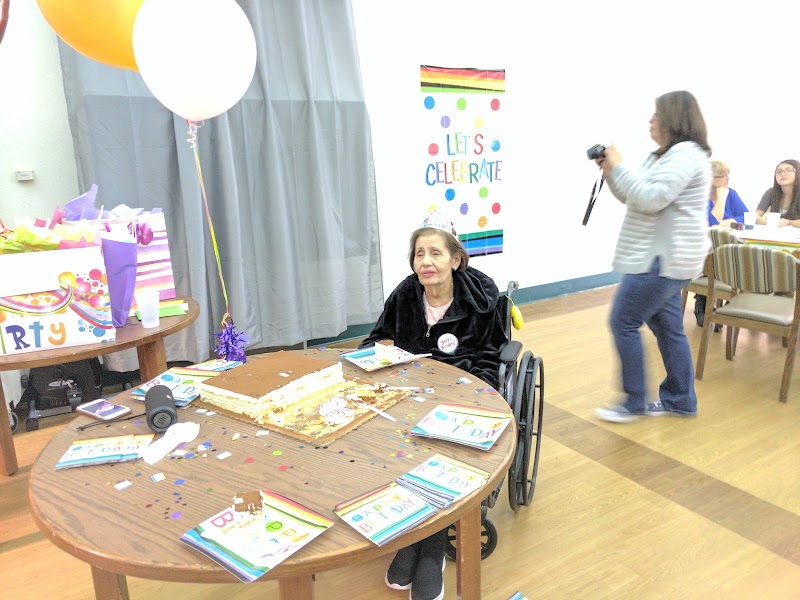
How is Brookside Staffed?

CMS rates BROOKSIDE CARE CENTER's staffing level at 5 out of 5 stars, which is much above average compared to other nursing homes. Staff turnover is 29%, compared to the Wisconsin average of 46%. This relatively stable workforce can support continuity of care.

What Have Inspectors Found at Brookside?

State health inspectors documented 9 deficiencies at BROOKSIDE CARE CENTER during 2022 to 2025. These included: 2 that caused actual resident harm and 7 with potential for harm. Deficiencies causing actual harm indicate documented cases where residents experienced negative health consequences.
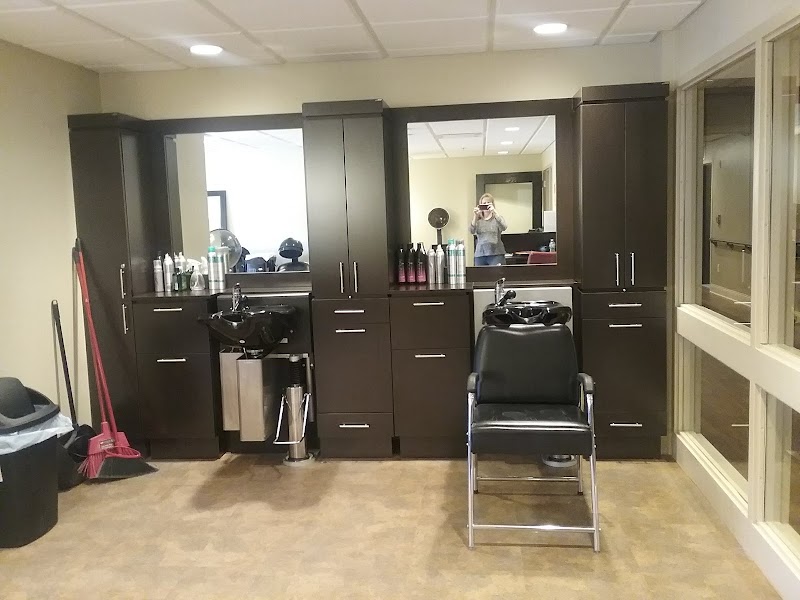
Who Owns and Operates Brookside?

BROOKSIDE CARE CENTER is owned by a for-profit company. For-profit facilities operate as businesses with obligations to shareholders or private owners. The facility operates independently rather than as part of a larger chain. With 154 certified beds and approximately 142 residents (about 92% occupancy), it is a mid-sized facility located in KENOSHA, Wisconsin.
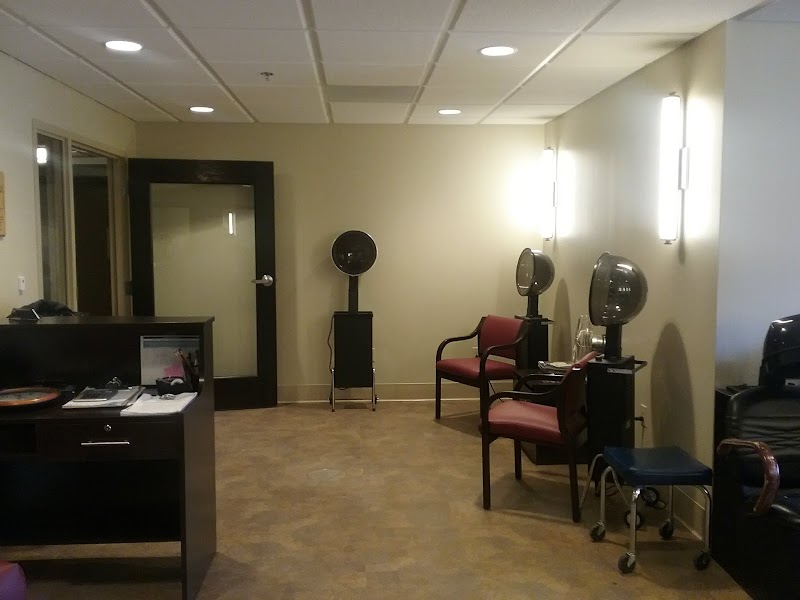
How Does Brookside Compare to Other Wisconsin Nursing Homes?

Compared to the 100 nursing homes in Wisconsin, BROOKSIDE CARE CENTER's overall rating (4 stars) is above the state average of 3.0, staff turnover (29%) is significantly lower than the state average of 46%, and health inspection rating (3 stars) is at the national benchmark.

What Should Families Ask When Visiting Brookside?

Based on this facility's data, families visiting should ask: "Can I visit during a mealtime to observe dining assistance and food quality?" "How do you handle medical emergencies, and what is your hospital transfer rate?" "Can I speak with family members of current residents about their experience?"

Is Brookside Safe?

Based on CMS inspection data, BROOKSIDE CARE CENTER has a clean safety record: no substantiated abuse findings (meaning no confirmed cases of resident harm), no Immediate Jeopardy citations (the most serious violation level indicating risk of serious injury or death), and is not on the Special Focus Facility watch list (a federal program monitoring the lowest-performing 1% of nursing homes). The facility has a 4-star overall rating and ranks #1 of 100 nursing homes in Wisconsin. While no facility is perfect, families should still ask about staff-to-resident ratios and recent inspection results during their visit.

Do Nurses at Brookside Stick Around?

Staff at BROOKSIDE CARE CENTER tend to stick around. With a turnover rate of 29%, the facility is 17 percentage points below the Wisconsin average of 46%. Low turnover is a positive sign. It means caregivers have time to learn each resident's needs, medications, and personal preferences. Consistent staff also notice subtle changes in a resident's condition more quickly. Registered Nurse turnover is also low at 18%, meaning experienced RNs are available to handle complex medical needs.

Was Brookside Ever Fined?

BROOKSIDE CARE CENTER has been fined $33,800 across 1 penalty action. The Wisconsin average is $33,417. While any fine indicates a compliance issue, fines under $50,000 are relatively common and typically reflect isolated problems that were subsequently corrected. Families should ask what specific issues led to these fines and confirm they've been resolved.

Is Brookside on Any Federal Watch List?

BROOKSIDE CARE CENTER is not on any federal watch list. The most significant is the Special Focus Facility (SFF) program, which identifies the bottom 1% of nursing homes nationally based on persistent, serious quality problems. Not being on this list means the facility has avoided the pattern of deficiencies that triggers enhanced federal oversight. This is a positive indicator, though families should still review the facility's inspection history directly.