WATERS EDGE HEALTH AND REHABILITATION CENTER

3415 N SHERIDAN RD, KENOSHA, WI 53140 (262) 657-6175
For profit - Corporation 128 Beds CHAMPION CARE Data: November 2025 8 Immediate Jeopardy citations
Trust Grade
0/100
#316 of 321 in WI
Last Inspection: August 2024

Within standard 12-15 month inspection cycle. Federal law requires annual inspections.

Overview

Waters Edge Health and Rehabilitation Center has received a Trust Grade of F, indicating poor performance with significant concerns that could affect residents' well-being. It ranks #316 out of 321 facilities in Wisconsin, placing it in the bottom half of nursing homes, and #7 out of 7 in Kenosha County, meaning there are no better local options. Although the facility is improving, having reduced its issues from 26 to 19 over the past year, it still faces critical challenges, including a concerning 65% staff turnover, which is significantly higher than the state average. The nursing home has been fined a total of $152,180, which is alarming and suggests ongoing compliance issues. Additionally, a serious lack of RN coverage, being less than 91% of other state facilities, raises red flags regarding resident care. Specific incidents have been troubling, including multiple allegations of resident-to-resident abuse, where the facility failed to prevent or adequately address incidents involving a resident known for aggressive behavior, putting others at risk. Overall, while there are some signs of improving conditions, the numerous issues and fines indicate that families should carefully consider these factors when researching this facility.

Trust Score
F
0/100
In Wisconsin
#316/321
Bottom 2%
Safety Record
High Risk
Review needed
Inspections
Getting Better
26 → 19 violations
Staff Stability
⚠ Watch
65% turnover. Above average. Higher turnover means staff may not know residents' routines.
Penalties
✓ Good
$152,180 in fines. Lower than most Wisconsin facilities. Relatively clean record.
Skilled Nurses
○ Average
Each resident gets 32 minutes of Registered Nurse (RN) attention daily — about average for Wisconsin. RNs are the most trained staff who monitor for health changes.
Violations
⚠ Watch
106 deficiencies on record. Higher than average. Multiple issues found across inspections.
★☆☆☆☆
1.0
Overall Rating
★★☆☆☆
2.0
Staff Levels
★★☆☆☆
2.0
Care Quality
★☆☆☆☆
1.0
Inspection Score
Stable
2024: 26 issues
2025: 19 issues

The Good

  • Full Sprinkler Coverage · Fire safety systems throughout facility
  • No fines on record

Facility shows strength in fire safety.

The Bad

1-Star Overall Rating

Below Wisconsin average (3.0)

Significant quality concerns identified by CMS

Staff Turnover: 65%

19pts above Wisconsin avg (46%)

Frequent staff changes - ask about care continuity

Federal Fines: $152,180

Well above median ($33,413)

Significant penalties indicating serious issues

Chain: CHAMPION CARE

Part of a multi-facility chain

Ask about local staffing decisions and management

Staff turnover is elevated (65%)

17 points above Wisconsin average of 48%

The Ugly 106 deficiencies on record

8 life-threatening 5 actual harm
Sept 2025 15 deficiencies 3 IJ (3 affecting multiple)
CRITICAL (K) 📢 Someone Reported This

A family member, employee, or ombudsman was alarmed enough to file a formal complaint

Immediate Jeopardy (IJ) - the most serious Medicare violation

Free from Abuse/Neglect (Tag F0600)

Someone could have died · This affected multiple residents

**NOTE- TERMS IN BRACKETS HAVE BEEN EDITED TO PROTECT CONFIDENTIALITY** Based on observation, interview, and record review the facility failed to ensure residents were free from verbal, physical, and ...

Read full inspector narrative →
**NOTE- TERMS IN BRACKETS HAVE BEEN EDITED TO PROTECT CONFIDENTIALITY** Based on observation, interview, and record review the facility failed to ensure residents were free from verbal, physical, and sexual abuse between residents residing on the facility's dementia unit. This deficient practice had the potential to affect all 30 residents residing on the facility's dementia unit.12 different allegations/incident of resident to resident abuse were identified during the survey. Facility records indicate R89 has a history of inappropriate sexual behavior. Additionally, a care plan indicated R89 has behavior problems of yelling, grabbing, displaying loving affection towards females, refusing cares, and combative. The facility had an awareness of R89's likelihood to engage in sexually inappropriate behavior and did not take steps to prevent it from occurring. Despite this known history, supervision for R89 was only increased at time of incidents but then was not continued to prevent further incidents: *On 4/19/25, an allegation of resident-to-resident altercation involving R89 and R122 was reported immediately to Nursing Home Administrator (NHA)-A. *On 6/4/25, R89 was observed in R110's room (a female resident with a history of sexual assault) touching her inappropriately. R89 was on R89's knees at R110's bedside. R110's brief was off and was not covered with a sheet or blanket. R89 was observed with R89's hand on R110's vaginal area *On 8/10/25, R89 was observed to have R89's hand under R110's shirt. *On 4/19/25, R89 was observed punching R122 in the face in which R122 sustained a skin tear to the left cheek. *On 6/28/25, R89 was observed verbally abusing and physically threatening R39. *On 9/8/25 R89 was found sitting on R110's bed at 3:43 PM. R89 was on 1:1 supervision on day and PM shifts and should not have had access to R110's room. This is the third encounter between R89 and R110. Surveyor's investigation demonstrates the facility was aware of R89's history of touching R110 in the past that was not addressed based on staff interviews. Staff reported R106 is known to have physical aggression towards R121 and staff reported escalating behaviors of R106 towards R121. The facility did not ensure R121 was free from verbal and physical abuse by R106 residing in the facility. *On 3/17/25, R106 was observed repeatedly hitting R121 with a pillow. *On 4/30/25, R106 was heard to physically threaten R121 by stating R106 wanted to cause bodily harm and cause bleeding. *On 9/22/25 R105 grabbed R46's arm and slapped R46's arm in the dining room. *On 9/23/25 R11 grabbed R77's arm, R77 moved and R11 grabbed R77's arm harder. *On 9/24/25 R89 threw an object that hit R11 in the forehead. *On 9/25/25 R11 grabbed R46's arm and attempted to bite R46. *On 8/30/25, R64 and R46 were involved in an unwitnessed physical altercation which resulted in R64 receiving a red mark and 2 small cuts to the right side of her face. The facility's immediate intervention was to separate both R64 and R46 and place R64 on one-to one-monitoring. The facility failed to keep R64 safe by providing dedicated staff to perform the one-to-one monitoring. The facility did not update R64's plan of care or instruct the staff how to maintain one- to one supervision. On 9/5/25, R64 and R46 were in the dining room without staff providing one-to-one monitoring and again got into a physical altercation. R64 was struck by R46 leaving her with a small scratch to the right side of her face, her left cheek was red, and left eye was slightly swollen. The facility's failure prevent abuse created a finding of immediate jeopardy that began on 3/17/25. On 9/2/25, at 4:28 PM, Nursing Home Administrator (NHA)-A, and Director of Nursing (DON)-B were informed of the Immediate Jeopardy. The Immediate Jeopardy was removed on 9/30/25. The deficient practice continues at a scope and severity (S/S) of a E (potential for harm/pattern) as the facility continues to implement their action plan. Findings Include: The facility's Abuse, Neglect and Exploitation policy and procedure last reviewed/revised 7/12/25 documents: …”Guideline: It is the guideline of this facility to provide protections for the health, welfare and rights of each Resident by developing and implementing written policies and procedures that prohibit and prevent abuse, neglect, exploitation and misappropriation of resident property. The facility has zero tolerance stance around founded abuse, neglect, exploitation and misappropriation of resident property.”… …”Definitions: “Abuse” means the willful infliction of injury, unreasonable confinement, intimidation, or punishment with resulting physical harm, pain or mental anguish, which can include staff to resident abuse and certain resident to resident altercations. Abuse also includes the deprivation by an individual, including a caretaker, of goods or services that are necessary to attain or maintain physical, mental, and psychosocial well-being. Instances of abuse of all residents, irrespective of any mental or physical condition, cause physical harm, pain or mental anguish. It includes verbal abuse, sexual abuse, physical abuse, and mental abuse including abuse facilitated or enabled through the use of technology. “Alleged Violation” is a situation or occurrence that is observed or reported by staff, resident, relative, visitor or others but has not yet been investigated and, if verified, could be indication of noncompliance with the Federal requirements related to mistreatment, exploitation, neglect, or abuse, including injuries of unknown source, and misappropriation of resident property. “Physical Abuse” includes, but is not limited to hitting, slapping, punching, biting, and kicking. It also includes controlling behavior through corporal punishment. “Sexual Abuse” is non-consensual sexual contact of any type with a resident. “Verbal Abuse” means the use of oral, written or gestured communication or sounds that willfully includes disparaging and derogatory terms to residents or their families, or within their hearing distance regardless of their age, ability to comprehend, or disability.”… ** R89 was admitted to the facility on [DATE] with diagnoses of Unspecified Dementia, Unspecified Severity with Agitation (loss of memory, language, problem-solving and other thinking abilities severe enough to interfere with daily life), Depression (mood disorder that causes persistent feelings of sadness and loss of interest), Anxiety Disorder (mental health disorder characterized by feelings of worry, fear that interfere with daily activities), and Visual Hallucinations(sensory experiences where a person sees objects, people, or scenes that are not actually present. R89 currently has a legal guardian. R89's Quarterly Minimum Data Set (MDS) completed 5/19/25 documents R89's Brief Interview for Mental Status (BIMS) score to be 0 indicating R89 demonstrates severely impaired skills for daily decision making. R89's MDS documents R89's Patient Health Questionnaire (PHQ-9) score to be 0. R89's R89's MDS also documents R89 has no range of motion (ROM) impairment. R89 has experienced trauma due to (this is blank) Triggers that have potential to re-traumatize me (Provide Examples) Sound, smell, touch, taste, sight, other. (this is blank) Once I experience a trigger, I may display these signs/symptoms: anxiety/edginess, overwhelming, anger/irritability, changes in mood state, nightmares, change in sleep pattern, confusion/disorientation, pain/achiness, muscle tension, extreme alertness/hypervigilance, withdrawal/avoidance of activities, other Initiated 2/24/25 Revised 5/14/25 R89 is at risk for mood impairment due to depression and anxiety Initiated 2/13/25 --Monitor/document/report as needed any risk for harm to self: suicidal plan, past attempt at suicide, risky actions, intentionally harmed or tried to harm self, refusing to eat or drink, refusing med or therapies, sense of hopelessness or helplessness, impaired judgment or safety awareness. Initiated 2/13/25 --Monitor/record/report to MD as needed mood patterns signs of symptoms depression, anxiety, sad mood as per facility behavior monitoring protocols. Initiated 2/13/25 R89 has behavior problems refusing cares, combative, yelling, grabbing, and displaying loving affection towards females. R89 hallucinates. Initiated 2/13/25 Revised 7/11/25 --Intervene as necessary to protect the rights and safety of others. Approach/speak in a calm manner. Divert attention. Remove from situation and take to alternate location as needed. Initiated 2/13/25 --If reasonable, discuss R89's behavior. Explain/reinforce why behavior is inappropriate and/or unacceptable to R89. Initiated 2/13/25 --Monitor behavior episodes and attempt to determine underlying cause. Consider location, time of day, persons involved, and situations. Document behavior and potential causes. Initiated 2/24/25 --Praise any indication of R89's progress/improvement in behavior. Initiated 2/24/25 --Remind R89 that R89's niece wants R89 to work with staff. Initiated 2/24/25 --Explain all procedures to R89 before starting and allow R89 extra time to adjust to changes. Initiated 4/15/25 --Offer a quiet setting. Initiated 4/15/25 --Caregivers to provided opportunity for positive interaction, attention. Stop and talk with R89 as passing by. Initiated 4/15/25 --Provide support to room. Initiated 4/15/25 --Re-approach R89 when initially unapproachable. Initiated 4/15/25 --Allow R89 time to be more independent with cares. Initiated 5/7/25 --Offer coffee per R89's preference to help assist with cares. Initiated 5/14/25 --Offer R89 a shower once a day. R89 is calmer after receiving shower. Initiated 7/11/25 --Monitor for hallucinations. Initiated 7/11/25 --R89 enjoys watching funny animal videos. Initiated 7/17/25 --When becoming agitated offer to take R89 outside. Initiated 7/21/25 --R89 to be 1:1 when out of room. Initiated 8/3/25 R89's Trauma Informed Care completed 6/4/25 documents R89 has experienced physical assault. 1.) On 6/24/25 there was an allegation of abuse between R89 and R110. R110 has diagnoses that include Metabolic Encephalopathy (brain dysfunction resulting from underlying condition that disrupts the metabolic processes), Bipolar(episodes of mood swings ranging from depressive lows to manic highs), Anxiety Disorder(mental health disorder characterized by feelings of worry, fear that interfere with daily activities),. R110's Quarterly Minimum Data Set (MDS) completed 7/25/25 documents R110 demonstrates severely impaired skills for daily decision making with recent and remote memory loss *On 6/4/25, Anon-Q reported that R89 was observed in R110's room. R110 was in a low bed to the ground, without a brief on, and no sheet or blanket covering R110. R89 was observed kneeling on R89's knees next to R110's bed with R89's hand on R110's vaginal area. Anon-Q wrote out a written statement. Human Resources (HR)-L also provided a written statement as HR-L had been walking with Anon-Q at the time. On 8/25/25, at 2:30 PM, Surveyor interviewed Anon-Q. Anon-Q informed Surveyor that Anon-Q observed R89 touching R110 on R110's vagina area. Anon-Q described that R89 was out of R89's wheelchair on R89's knees next to R110's bed which was in the lowest position. R89's hand was on R110's vaginal area. R110's brief was off and R110 was uncovered with no sheet or blanket. Anon-Q stated Anon-Q had to physically lift R89 up and position R89 back in R89's wheelchair and removed R89 from R110's room. Anon-Q immediately informed Unit Manager (UM)-F. Anon-Q stated that R89 and R110 would often be together and R89 would go into R110's room. Anon-Q stated that R89 has always been “touchy feely” with R110. Anon-Q stated staff were always trying to separate R89 and R110. Anon-Q wrote a statement of what Anon-Q observed and was told by administration to “keep an eye on him”. Anon-Q was informed NHA-A had to look at “tapes”. Staff was informed that R89 was only in R110's room for 30 seconds so nothing could have happened. On 8/26/25, at 8:07 AM, Human Resources (HR)-L informed that HR-L submitted a written statement. HR-L did observe R89 in R110's room, but HR-L stated that HR-L did not see R89 touching R110. HR-L did observe that R110 was not wearing a brief and heard Anon-Q ask R110 if R110 was ok. On 8/26/25, at 9:00 AM, NHA-A informed Surveyor that both the “CNA and HR” had said R89 never touched R110. NHA-A stated that NHA-A watched cameras and that it “was less than 10 seconds” that R89 was in R110's room. NHA-A stated that both R110 and R89 were interviewed about the incident and both R110 and R89 denied. Surveyor questioned how R110 and R89 with severely impaired skills could understand the questions being asked. NHA-A stated it was okay because they were interviewed right after and would have given valid answers despite their severely impaired cognitive skills, memory impairment documented in both R110 and R89's electronic medical record (EMR). On 8/26/25, at 10:06 AM, Anon-Q again provided the exact same details of the sexual assault between R89 and R110 as in previous interview. Anon-Q confirmed that R89 was touching R110's vaginal area. Anon-Q confirmed putting a statement in writing. On 8/26/25, at 10:19 AM, Surveyor was provided a copy of Anon-Q's written statement by Anon-P via email. On 8/25/25, at 3:44 PM, NHA-A informed Surveyor that the camera tapes from 6/10/25 have been taped over. NHA-A stated that the camera footage only goes back to 7/18/25. NHA-A informed Surveyor that R89 was not in R110's room long enough for anything to happen. On 8/25/25, at 10:54 AM, Surveyor asked Anonymous (Anon)-N about the allegation of R89 between R89 and R110 on 6/4/25. Anon-N stated, “that's an interesting question because it was not on the 24-hour board”. The 24-hour board is the nurse's communication between nurses. Anon-N is aware that a ‘sexual assessment' was completed on every female resident on the unit. Anon-N also informed Surveyor that R89 had an incident of being sexually inappropriate the day before 6/4/25. Anon-N stated that R89 was known to wander in other resident rooms. Anon-N describes R89 as confused, agitated, and not easy to redirect. Anon-N states that R89 gets triggered very easily. On 8/25/25, at 1:01 PM Anonymous 4 (Anon)-P informed Surveyor that Anon-P was aware of the allegation of sexual abuse between R89 and R110. Anon-P stated that NHA-A stated it never happened. Anon-P informed Surveyor that R110 frequently takes off R110's brief and prefers to have R110's brief off and pull legs up into chest almost like in the ‘fetal position'. Anon-P also stated it was common for R89 to wander in and out of rooms and was attracted to R110.Anon-P stated that R110 would frequently take off R110's brief and be in bed naked from the waist down. Anon-P stated administration knew that R89 was obsessed and attracted to R110. Anon-P informed Surveyor that it was a common thing for R110 to take R110's briefs off and go up into the fetal position, with R110's legs open so it could have easily happened with R89 touching R110 in the amount of time administration is stating R89 was in the room. On 8/26/25, at 8:10 AM, Anonymous 6 (Anon)-R informed Surveyor that R89 can be very much sexually inappropriate and is sexually aggressive with words. Anon-R was informed to keep an eye on R89. Anon-R stated that R89 has had multiple resident-to-resident altercations. Anon-R stated that Anon-R stays clear of R89 because R89 punched Anon-R in the mouth causing injury. On 8/26/25, at 12:37 PM, Surveyor interviewed Anonymous (Anon)-G. Anon-G stated that R89 is “touchy feely” with R110. R89 will grab R110's shoulders and rub R110's shoulders. Anon-G has seen R89 kiss R110. R89 would initiate the kissing and R110 would kiss back. Anon-G observed R89 hugging and kissing R110. A couple of months ago Anon-G observed R89 kissing R110 in R110's room. After the 6/10/25 incident between R89 and R110, staff were informed to keep R89 and R110 separated. Anon-G stated that R89 can be disruptive and is supposed to have supervision but does not always have the supervision. On 8/26/25, at 2:01 PM, Surveyor interviewed Unit Manager (UM)-F. UM-F is aware of an incident at the end of June where R89 and R110 were kissing each other. UM-F is aware of R89 going into R110's room. UM-F is aware of R89 going into R110's room. UM-F stated that when R110 is unclothed, R110's door should be shut and the stop sign put across the doorway. On 8/26/25, at 2:38 PM, Director of Nursing (DON)-B informed Surveyor that there was “not enough time for anything to happen”. DON-B then stated that NHA-A “was a big part of the investigation”. DON-B informed Surveyor that R89 was only in the room for 9 seconds so there was not enough time to do anything. On 8/27/25, at 7:10 AM, Anonymous (Anon)-V described R89 has unpredictable and will switch very quickly. Anon-V stated that R89 can be aggressive a lot. 2.) On 8/10/25, Anonymous 11 (Anon)-W documented in R89's electronic medical record (EMR): …”Writer was notified by CNA that R89 tried to put his hand under R110's shirt. When R89 was redirected, R89 became very agitated. Writer notified DON and supervisor. Per DON to start 1:1 with R89 and monitor behaviors.”… On 8/27/25, at 3:51 PM, NHA-A informed Surveyor that there was camera footage, and it never happened, but there is a soft file that NHA-A will provide On 8/28/25, at 8:25 AM, Surveyor observed the camera footage. At 1.04.24, Surveyor observed R110 in R110's wheelchair with R110's legs up in the air, in the hallway next to the handrail. At 1.04.31, R89 comes up from behind, and at 1.04.43, pulls R110's wheelchair closer to R89. At 1.04.54, R89 grabs R110's hands with left hand and right hand goes to bottom of R110's shirt. An unknown resident approaches both R110 and R89 and stands in front of both R110 and R89 and a clear view is obstructed. At 1.05.28, R110 pulls arms and hands away from R89. At 1.05.36, R89 grabs R110's hands again and places R89's hands with R110's hands close to or on R110's chest. At 1.05.53, Anonymous (Anon)-HH is observed coming behind R110 and pulled R110 backward towards the dining room. R89 is observed following R110. On 8/28/25, at 9:18 AM, Surveyor left message for Anon-HH and did not receive a call back during the survey process. On 8/28/25, at 9:27 AM, Surveyor spoke with Anon-W. Anon-W stated it was Anon-W's first time working the unit. Anon-W stated a CNA reported to Anon-W that R89 was attempting to put R89's hand under R110's shirt. Anon-W reported to administration right away and was instructed to place R89 on 1:1 supervision right away and keep R89 and R110 separated. Surveyor reviewed the facility's provided soft file statements. Anon-W's statement states that Anon-HH reported R89 touching R110 inappropriately. The statement obtained by the facility does not specify what the inappropriate touching was. Anon-HH's facility statement also does not refer to what the inappropriate touching was. The typed facility staff statements are not signed by the employee or administration. On 9/2/25, at 12:16 PM, Surveyor interviewed NHA-A in regard to R89 and R110's allegation of sexual abuse. NHA-A stated that R89 was in R110's room for “seconds.” NHA-A stated, because R89 was only in the room for seconds, nothing could have happened. NHA-A states “CNA saw R89 still in R89's chair”, and then stated “R89 was observed trying to climb out of the chair”. Surveyor spoke with NHA-A about the 8/10/25 incident between R89 and R110 and the allegation of inappropriate touching. NHA-A stated that the call went to DON-B and that R89 and R110 were only holding hands which the families are okay with. NHA-A stated that staff “thought something could happen but never saw anything.” 3.) R122 was admitted to the facility on [DATE] with diagnoses that include Alzheimer's (progressive disease that destroys memory and other important mental functions), and Unspecified Dementia, Severe, with Agitation (loss of memory, language, problem-solving and other thinking abilities severe enough to interfere with daily life),. R122 had an activated Health Care Power of Attorney (HCPOA) while at the facility. R122's admission MDS documents R122 has recent/remote memory loss and demonstrates severely impaired skills for daily decision making. R122's MDS documents R122 has continuous inattention. *On 4/19/25, an allegation of resident-to-resident altercation between R89 and R122 was reported immediately to NHA-A. It was reported that R89 had punched R122 in the face causing a skin tear to the left cheek. On 8/25/25, at 1:01 PM, Surveyor interviewed Anonymous (Anon)-P in regard to the incident between R89 and R122. Anon-P stated that R89 thought R122 had called R89 a clown. R89 swung out and Anon-P heard R122 say “ouch”. Anon-P observed a small cut on the outside of R122's left cheek. It was reported that NHA-A stated that NHA-A watched cameras, and it never happened and that R122 bit the inside of R122's lip. Anon-P stated R122 had a fresh injury on the outside of R122's left cheek. Surveyor reviewed R122's EMR and notes that R122 has a completed initial wound assessment dated [DATE] that documents R122 has a new skin tear to the face, however, no other details are documented. On 8/26/25, at 10:42 AM, Surveyor interviewed Anonymous (Anon)-S in regard to the incident between R89 and R122. Anon-S stated that Anon-S was present the night R89 punched R122. Anon-S heard the punch. Anon-S was at the nurse's station and R89 and R122 were in front of the nurse's station. Anon-S back was turned at the time, but Anon-S heard the punch. Anon-S observed R89 have a stance like R89 had just hit R122 and R122 was holding R122's lip. Anon-S reported it immediately to NHA-A. Anon-S was then informed by NHA-A that NHA-A had watched the cameras and R122 had hit R122's self. Anon-S stated that R122's cheek had to be cleaned and treated. Anon-S stated that R89 is physically aggressive with other residents. On 8/27/25, at 4:17 PM, Surveyor interviewed Anonymous (Anon)-T. Anon-T stated that Anon-T was at the nurse's station at the time of the incident between R89 and R122. Anon-T observed R89 punch R122 around the lip area. Anon-T stated that there was definite contact between R89 and R122. Anon-T saw R89 hit R122, and Anon-T stated that Anon-T had to get between R89 and R122 and separate R89 and R122. Anon-T stated R89 is combative and wanders up and down the hallway. Anon-T stated that R89 has punched multiple staff in the face. Anon-T described R89 as having violent tendencies, very unpredictable, would get very angry and quickly switch moods. On 8/27/25, at 3:51 PM, Surveyor interviewed NHA-A about the incident between R89 and R122. NHA-A stated that R122 bit the inside of R122's cheek and nothing happened because the CNA stated R89 and R122 never connected. NHA-A confirmed there is no facility soft file with staff statements of the incident between R89 and R122. NHA-A shared that R89 is quick to temper and impulsive. NHA-A stated R89's Seroquel has been increased and R89 is more stable now. 4.) R39 was admitted to the facility on [DATE] with diagnoses that include Unspecified Dementia, Unspecified Severity, with Anxiety (loss of memory, language, problem-solving and other thinking abilities severe enough to interfere with daily life). R39's admission MDS documents R39 has a Brief Interview for Mental Status (BIMS) score of 4 indicating R39 demonstrates severely impaired skills for daily decision making. R39 has no mood issues. R39's MDS also documents physical behaviors and other behaviors 1-3 days. *On 6/28/25, an allegation of verbal abuse and physical threatening involving R89 and R39 was reported. On 6/28/25, Anonymous (Anon)-T documented in R89's EMR: …”so R89 began verbally harassing R39 as well, calling R39 expletives and threatening to physically assault R39. “… On 8/26/25, at 2:51 PM, Surveyor interviewed Anon-T regarding R89 threatening R39. Anon-T stated, “it was textbook definition. Harm without injury”. Anon-T stated that R89 became enraged. Anon-T stated R89 was yelling and swearing at R39 and threatened to physically assault R39. Anon-T stated the AM Certified Nursing Assistants (CNAs) had to calm R89 down. Anon-T confirmed to Surveyor that R89 was verbally abusive towards R39 and confirmed R89 threatened to physically assault R39. On 7/1/25, Director of Nursing (DON)-B documented: …”Summary of investigation provides enough information to show nurse charted what she perceived not what actually happened and no threatening remarks were actually made.”… On 9/2/25, at 1:26 PM, Surveyor interviewed DON-B in regard to the incident between R89 and R39. DON-B stated that Anon-T just assumed what was said or done. DON-B stated that DON-B quickly read the documentation and spoke with Anon-T. On 8/28/25, at 2:51 PM, Anonymous 12 (Anon-X) stated that R89 almost came to blows with another resident back in March. Anon-X notified DON-B who informed Anon-X, “if something happens, call the police.” Anon-X described R89 as “straight up violent.” Anon-X stated R89 hit a CNA so hard, the CNA had to go to the hospital. Anon-X also stated that R89 would be sexually inappropriate with staff. Surveyor reviewed the facility's soft file of typed staff statements provided about the incident between R89 and R39. The typed facility staff statements are not signed by the employees. Anon-T's statement does not match what Anon-T confirmed in an interview with Surveyor. 5.) R106 was admitted to the facility on [DATE] with diagnoses that include Hemiplegia and Hemiparesis Following Cerebral Infarction(complete paralysis on one side of body and partial/incomplete weakness on one side following stroke), Metabolic Encephalopathy (brain dysfunction resulting from underlying condition that disrupts the metabolic processes), Depression(mood disorder that causes persistent feelings of sadness and loss of interest), Delusional Disorder (delusions are a specific symptom of psychosis related to thought disorder or mood disorder), and Visual Hallucinations(sensory experiences where a person sees objects, people, or scenes that are not actually present). R106 has a legal guardian. R106's Quarterly MDS completed 7/23/25 documents R106's BIMS score is 12, indicating R106 demonstrates moderately impaired skills for daily decision making. R106's PHQ-9 score is 10, indicating R106 has moderate depressive symptoms. R106's MDS documents hallucinations and delusions. R106's MDS document verbal and physical behaviors, and rejection of care 1-3 days. *On 3/17/25 an allegation of resident-to-resident altercation of R106 hitting R121 with a pillow was immediately reported to NHA-A. R121's EMR documents that nursing staff were monitoring R121 for a resident-to-resident altercation. R121 has diagnoses that include Hemiplegia and Hemiparesis Following Cerebral Infarction (complete paralysis on one side of body and partial/incomplete weakness on one side following stroke) and Vascular Dementia (brain damage caused by multiple strokes). R121 has a legal guardian. R121‘s Quarterly MDS documents R121 has short and long term memory impairment and demonstrates moderately impaired skills for daily decision making. R106's EMR documents that R106 had a room change and being monitored post resident to resident altercation. …”R106 did not make contact with R121 that the altercation took place with.”… On 8/25/25, at 1:01 PM, Surveyor interviewed Anon-P in regard to the resident-to-resident altercation between R106 and R121. Anon-P stated R106 attacked R121 with a pillow and staff had to physically get between R106 and R121. Anon-P stated staff couldn't leave the room so Anon-P texted NHA-A. NHA-A sent 3 staff up to help. Staff knew something was going to happen. R106 had been unhappy and wanted to move out of the room for a long time. R121 would cough a lot and not cover R121's mouth. R106 had been threatening R121. R106 had thrown juice at R121 prior to the altercation and Anon-P stated NHA-A had been told to get R106 out of R121's room. On 8/26/25, at 9:52 AM, Surveyor interviewed Anon-P again. Anon-P stated that Anon-P and another staff member heard yelling so both went running. Anonymous (Anon)-U made it to the room first and witnessed R106 hitting R121 with the pillow. R121 had indicated R106 had hit R121 over and over with pillow by moving hand back and forth and stating “Bam Bam.” R121's hair was everywhere, and face was red. DON-B came up then and asked questions. On 8/26/25, at 10:22 AM, Surveyor interviewed R106 in regard to the incident. R106 stated that R121 wouldn't cover R121's mouth and was coughing all the time and spreading germs. R106 was afraid of getting sick. R106 stated R106 asked the social worker several times to move out of the room but it never happened. R106 stated R106 was so frustrated. “It got to the point where I couldn't handle it anymore. It had been building up. It was all me, not him. I was hitting him with the pillow. It just reached a point where I couldn't take it anymore. I was so frustrated.” On 8/26/25, at 3:21 PM, Surveyor interviewed Anonymous (Anon)-U. Anon-U stated that Anon-U responded to R106 and R121's room after hearing yelling. Anon-U got into the room and observed R106 repeatedly hitting R121 with a pillow. Anon-U stated that R121's glasses were crooked on R121's face and R121's was red. Anon-U stated R121 was facing the window and R106 was hitting R121 over the head with the pillow. R121 has one arm that is contracted so R121 could not stop R106. Anon-U and Anon-P could not get R121 out of the room to safety because R106 wouldn't let them out of the room. Anon-P texted for help. The rehabilitation director who is no longer employed with the facility was able to get R121 out of the room to safety. Anon-U stated that R106 was accusing R121 of taking things and informed Anon-U and Anon-P that R106 kept telling the facility R106 wanted out and was fed up. On 8/28/25, at 10:25 AM, Surveyor was walking down the hallway, and R106 asked to speak to Surveyor. R106 stated R106 wanted to explain what happened with R121. R106 stated that “they wouldn't listen to me and move me out of the room. I feel like they tricked me into moving onto the unit. Got to the point with too much frustration. I thought about the pillow and started hitting him with it. I lost it. I didn't want to beat up an old man, but I had enough.” Surveyor asked R106 why R106 barricades R106's door. R106 stated it is to stop R89 from wandering in R106's room and taking R106's belongings. R106 stated if R106 catches R89 in R106's room R106 “feels like killing R89” so barricading the door R106 can hear the chair move when sleeping and then knows when someone is coming into R106's room. On 9/2/25, at 9:11 AM, Unit Manager (UM)-F is unaware of any roommate problems between R106 and R121. On 8/26/25, at 9:00 AM, NHA-A informed Surveyor that R
CRITICAL (K) 📢 Someone Reported This

A family member, employee, or ombudsman was alarmed enough to file a formal complaint

Immediate Jeopardy (IJ) - the most serious Medicare violation

Investigate Abuse (Tag F0610)

Someone could have died · This affected multiple residents

**NOTE- TERMS IN BRACKETS HAVE BEEN EDITED TO PROTECT CONFIDENTIALITY** Based on interview and record review, the facility did not timely report and thoroughly investigate allegations of abuse (sexual...

Read full inspector narrative →
**NOTE- TERMS IN BRACKETS HAVE BEEN EDITED TO PROTECT CONFIDENTIALITY** Based on interview and record review, the facility did not timely report and thoroughly investigate allegations of abuse (sexual, physical, and verbal) and did not take proactive steps to prevent further potential abuse. This has the potential to affect all 30 residents on the dementia unit. The facility did not ensure that residents on the unit were protected while the investigation should have been in progress. R89 has a history at the facility of resident-to-resident incidents including punching residents and yelling and swearing at other residents. In addition, R89 has grabbed arms, kicking and punched and hit staff in the face during cares. Supervision for R89 was only increased at time of incidents but then was not continued to prevent further incidents. *On 4/19/25, an allegation of resident-to-resident altercation involving R89 and R122 was reported immediately to Nursing Home Administrator (NHA)-A. The allegation of resident-to-resident altercation was not reported to the State Survey Agency within 24 hours and was not thoroughly investigated. *On 6/4/25, R89 was observed in R110's room, a female resident with a history of sexual assault was inappropriately sexually touched by R89. R89 was on R89's knees at R110's bedside. R110's brief was off, was not covered with a sheet or blanket, and R89 was observed with R89's hand on R110's vaginal area. The allegation of sexual assault was not reported to the State Survey Agency within 2 hours, was not reported to law enforcement, and was not thoroughly investigated. *On 8/10/25, R89 was observed to have R89's hand under R110's shirt. The allegation of abuse was not reported to the State Survey Agency within 2 hours and was not thoroughly investigated. *On 4/19/25, R89 was observed punching R122 in the face in which R122 sustained a skin tear to the left cheek. The allegation of resident-to-resident altercation was not reported to the State Survey Agency within 24 hours and was not thoroughly investigated. *On 6/28/25, R89 was observed verbally abusing and physically threatening R39. The allegation of resident-to-resident altercation was not reported to the State Survey Agency within 24 hours and was not thoroughly investigated. Staff reported R106 is known to have physical aggression towards R121 and staff reported observed escalating behaviors of R106 towards R121. The facility did not ensure R121 was free from verbal and physical abuse by R106 residing in the facility. *On 3/17/25, R106 was observed repeatedly hitting R121 with a pillow. The allegation of resident-to-resident altercation was not reported to the State Survey Agency within 24 hours and was not thoroughly investigated. *On 4/30/25, R106 was heard to physically threaten R121 by stating R106 wanted to cause bodily harm and cause bleeding. The allegation of resident-to-resident altercation was not reported to the State Survey Agency within 24 hours and was not thoroughly investigated. On 8/30/25, R64 and R46 were involved in an unwitnessed physical altercation which resulted in R64 receiving a red mark and 2 small cuts to the right side of her face. On 9/5/25, R64 and R46 were in the dining room without staff providing one-to-one monitoring and again got into a physical altercation. R64 was struck by R46 leaving her with a small scratch to the right side of her face, her left cheek was red, and left eye was slightly swollen. Both resident-to-resident altercations were not thoroughly investigated. R64 alleged that R37 said R37 would hurt R64. The investigation was not thoroughly investigated as no staff were interviewed to see if they had any knowledge of this or any previous concerns regarding R37. The failure of the facility to immediately report allegations of abuse to the State Survey Agency, its failure to complete a thorough investigation of the allegations of abuse, and its failure to put measures in place to prevent further potential abuse led to the finding of Immediate Jeopardy (IJ), which started on 3/17/25. On 9/2/25, at 4:28 PM, Nursing Home Administrator (NHA)-A, and Director of Nursing (DON)-B were informed of the Immediate Jeopardy. The Immediate Jeopardy was removed on 9/30/25. The deficient practice continues at a scope and severity (S/S) of an E (potential for harm/pattern) as the facility continues to implement its action plan. Findings Include: The facility's Abuse, Neglect and Exploitation policy and procedure last reviewed/revised 7/12/25 documents: “Guideline: It is the guideline of this facility to provide protections for the health, welfare and rights of each Resident by developing and implementing written policies and procedures that prohibit and prevent abuse, neglect, exploitation and misappropriation of resident property. The facility has zero tolerance stance around founded abuse, neglect, exploitation and misappropriation of resident property.”… …2. The facility will designate an Abuse Prevention Coordinator in the facility who is responsible for reporting allegations or suspected abuse, neglect, or exploitation to the state survey agency and other officials in accordance with state law. 3.The facility will provide ongoing oversight and supervision of staff in order to assure that its policies are implemented as written… …”V. Investigation of Alleged Abuse, Neglect, and Exploitation A. An immediate investigation is warranted when suspicion of abuse. neglect, or exploitation, or reports of abuse, neglect or exploitation occur. B. Written procedures for investigation include: 1.Identifying staff responsible for investigation 2.Exercising caution in handling evidence that could be used in a criminal investigation 3. Investigating different types of alleged violations 4.Identifying and interviewing all involved persons, including alleged victim, alleged perpetrator, witnesses, and others who might have knowledge of the allegations 5.Focusing the investigation on determining if abuse, neglect, exploitation, and/or mistreatment has occurred, the extent, and cause 6.Providing complete and thorough documentation of the investigation”… …”VI Protection of Resident The facility will make efforts to ensure all residents are protected from physical and psychosocial harm, as well as additional abuse, during and after the investigation. Examples include but are not limited to: A. Responding immediately to protect the alleged victim and integrity of the investigation B. Examining the alleged victim for any sign of injury, including a physical examination or psychosocial assessment if needed. C. Increased supervision of the alleged victim and residents D. Room or staffing changes if necessary, to protect resident(s) from the alleged perpetrator E. Protection from retaliation F. Providing emotional support and counseling to the Resident during and after the investigation, as needed G. Revision of the resident's care plan if the resident's medical, physical, mental, or psychosocial needs or preferences change as a result of an incident of abuse”… …”VII Reporting/Response A. The facility will have written procedures that include: 1.Reporting of all alleged violations to the Administrator, state agency, adult protective services and to all other required agencies (e.g. law enforcement when applicable) within specified timeframes: a. Immediately, but not later than 2 hours after the allegation is made, if the events that cause the allegation involve abuse or result in serious bodily injury. b. Not later than 24 hours if the vents that cause the allegation do not involve abuse and do not result in serious bodily injury. 2. It is important staff feel comfortable to report all concerns by assuring that reporters are free from retaliation or reprisal. 3. Promoting a culture of safety and open communication in the work environment prohibiting retaliation against any employee who reports a suspicion of a crime. This facility will post a conspicuous notice of employee rights, including the right to file a complaint with the State Survey Agency if the employee believes the facility has retaliated against him/her for reporting a suspected crime and how to file such a complaint.”… …”VIII Coordination with QAPI A. The facility has written policies and procedures that define how staff will communicate and coordinate situations of abuse, neglect, misappropriation of resident property, and exploitation with the QAPI program. 1. Cases of physical or sexual abuse, for example by facility staff or other residents, will be reviewed for and receive corrective action and tracking by the QAA Committee. This coordinated effort results in the QAA Committee determining: a. If a thorough investigation is conducted b. Whether the resident is protected c. Whether an analysis was conducted as to why the situation occurred d. Risk factors that contributed to the abuse e. Whether there is further need for systemic action such as: i. Insight on needed revisions to the policies and procedures that prohibit and prevent abuse/neglect/misappropriation/exploitation ii. Increased training on specific components of identifying and reporting that staff may not be aware of or are confused about iii. Efforts to educate residents and their families about how to report any alleged violations without fear of repercussions. iv. Measures to verify the implementation of corrective actions and timeframes. v. Tracking patterns of similar occurrences. 1.) R89 was admitted to the facility on [DATE] with diagnoses that include Unspecified Dementia, Unspecified Severity with Agitation (loss of memory, language, problem-solving and other thinking abilities severe enough to interfere with daily life), Depression(mood disorder that causes persistent feelings of sadness and loss of interest), Anxiety Disorder(mental health disorder characterized by feelings of worry, fear that interfere with daily activities), and Visual Hallucinations (sensory experiences where a person sees objects, people, or scenes that are not actually present. R89 currently has a legal guardian. R89's Quarterly Minimum Data Set (MDS) completed 5/19/25 documents R89's Brief Interview for Mental Status (BIMS) score to be 0 indicating R89 demonstrates severely impaired skills for daily decision making. R89's MDS documents R89's Patient Health Questionnaire (PHQ-9) score to be 0 R89's MDS also documents R89 has no range of motion (ROM) impairment. R89's care card instructing nursing staff in the care of R89 as of 8/25/25 documents: --Correct R89 when using incorrect words to promote word finding Initiated 7/22/25 R89 has sleep deprivation due to dementia. Initiated 4/9/25 --Assess for underlying physiological illnesses causing sleep loss, assess for level of agitation. Initiated 4/9/25 --Keep environment quiet for sleeping. Initiated 4/9/25 --Obtain a sleep wake history Initiated 4/9/25 R89 has experienced trauma due to (this is blank) Triggers that have potential to re-traumatize me (Provide Examples) Sound, smell, touch, taste, sight, other. (this is blank) Once I experience a trigger, I may display these signs/symptoms: anxiety/edginess, overwhelming, anger/irritability, changes in mood state, nightmares, change in sleep pattern, confusion/disorientation, pain/achiness, muscle tension, extreme alertness/hypervigilance, withdrawal/avoidance of activities, other Initiated 2/24/25 Revised 5/14/25 R89 is at risk for mood impairment due to depression and anxiety Initiated 2/13/25 --Monitor/document/report as needed any risk for harm to self: suicidal plan, past attempt at suicide, risky actions, intentionally harmed or tried to harm self, refusing to eat or drink, refusing med or therapies, sense of hopelessness or helplessness, impaired judgment or safety awareness. Initiated 2/13/25 --Monitor/record/report to MD as needed mood patterns signs of symptoms depression, anxiety, sad mood as per facility behavior monitoring protocols. Initiated 2/13/25 R89 has behavior problems refusing cares, combative, yelling, grabbing, and displaying loving affection towards females. R89 has hallucinations. Surveyor noted this is not specified. Initiated 2/13/25 Revised 7/11/25 --Intervene as necessary to protect the rights and safety of others. Approach/speak in a calm manner. Divert attention. Remove from situation and take to alternate location as needed. Initiated 2/13/25 --If reasonable, discuss R89's behavior. Explain/reinforce why behavior is inappropriate and/or unacceptable to R89. Initiated 2/13/25 --Monitor behavior episodes and attempt to determine underlying cause. Consider location, time of day, persons involved, and situations. Document behavior and potential causes. Initiated 2/24/25 --Praise any indication of R89's progress/improvement in behavior. Initiated 2/24/25 --Remind R89 that R89's niece wants R89 to work with staff. Initiated 2/24/25 --Explain all procedures to R89 before starting and allow R89 extra time to adjust to changes. Initiated 4/15/25 --Offer a quiet setting. Initiated 4/15/25 --Caregivers to provided opportunity for positive interaction, attention. Stop and talk with R89 as passing by. Initiated 4/15/25 --Provide support to room. Initiated 4/15/25 --Re-approach R89 when initially unapproachable. Initiated 4/15/25 --Allow R89 time to be more independent with cares. Initiated 5/7/25 --Offer coffee per R89's preference to help assist with cares. Initiated 5/14/25 --Offer R89 a shower once a day. R89 is calmer after receiving shower. Initiated 7/11/25 --Monitor for hallucinations. Initiated 7/11/25 --R89 enjoys watching funny animal videos. Initiated 7/17/25 --When becoming agitated offer to take R89 outside. Initiated 7/21/25 --R89 to be 1:1 when out of room. Initiated 8/3/25 R89's Trauma Informed Care completed 6/4/25 documents R89 has experienced physical assault. On 6/24/25 an allegation of abuse was reported between R89 and R110. R110 was admitted to the facility on [DATE] with diagnoses that include Bipolar (episodes of mood swings ranging from depressive lows to manic highs) and Anxiety Disorder (mental health disorder characterized by feelings of worry, fear that interfere with daily activities),. R110 currently has a legal guardian. R110's Quarterly Minimum Data Set (MDS) completed 7/25/25 documents R110 demonstrates severely impaired skills for daily decision making with recent and remote memory loss. R110's MDS documents R110's Patient Health Questionnaire (PHQ-9) score to be 0. R110's MDS also documents R110 has no range of motion (ROM) impairment. R110's care card instructing nursing staff in the care of R110 as of 8/25/25 documents: -9/10/24 Keep door open at night as R89 allows to anticipate needs R110 is high risk based upon sex offender and behavior evaluation. R110 shows sexual urges through masturbation. R110 has not made any sexual behaviors towards staff or peers. R110 has poor understanding of safety for self. Initiated 2/27/24 --Report sexual behaviors to charge nurse or social worker. Initiated 2/27/24 R110 has a behavior problem R110 will sit on the floor, sleeping without R110's clothes on and crawl around, sexual behaviors, and exit seeking. Created 2/6/24 Initiated 5/22/25 --If reasonable, discuss R110's behavior. Explain/reinforce why behavior is inappropriate and/or unacceptable to R110. Initiated 2/6/24 --Intervene as necessary to protect the rights and safety of others. Approach/speak in a calm manner. Divert attention. Remove from situation and take to alternate location as needed. Initiated 2/6/24 *On 6/4/25, an allegation of sexual abuse involving R89 and R110 was immediately reported by Anonymous (Anon)-Q to Unit Manager (UM)-F. Anon-Q reported that R89 was observed in R110's room. R110 was in a low bed to the ground, without a brief on, and no sheet or blanket covering R110. R89 was observed kneeling on R89's knees next to R110's bed with R89's hand on R110's vaginal area. Anon-Q wrote out a written statement. Human Resources (HR)-L also provided a written statement as HR-L had been walking with Anon-Q at the time. On 8/25/25, at 2:30 PM, Surveyor interviewed Anon-Q. Anon-Q informed Surveyor that Anon-Q observed R89 touching R110 on R110's vaginal area. Anon-Q described that R89 was out of R89's wheelchair on R89's knees next to R110's bed which was in the lowest position. R89's hand was on R110's vaginal area. R110's brief was off and R110 was uncovered with no sheet or blanket. Anon-Q stated Anon-Q had to physically lift R89 up and position R89 back in R89's wheelchair and removed R89 from R110's room. Anon-Q immediately informed Unit Manager (UM)-F. Anon-Q stated that R89 and R110 would often be together and R89 would go into R110's room. Anon-Q stated that R89 has always been “touchy feely” with R110. Anon-Q stated staff were always trying to separate R89 and R110. Anon-Q wrote a statement of what Anon-Q observed and was told by administration to “keep an eye on him”. Anon-Q was informed NHA-A had to look at “tapes.” Staff was informed that R89 was only in R110's room for 30 seconds so nothing could have happened. On 8/25/25, at 3:44 PM, NHA-A informed Surveyor that the camera tapes from 6/10/25 have been taped over. NHA-A stated that the camera footage only goes back to 7/18/25. NHA-A informed Surveyor that R89 was not in R110's room long enough for anything to happen. On 8/26/25, at 8:07 AM, Human Resources (HR)-L informed that HR-L submitted a written statement. HR-L did observe R89 in R110's room, but HR-L stated that HR-L did not see R89 touching R110. HR-L did observe that R110 was not wearing a brief and heard Anon-Q ask R110 if R110 was ok. On 8/26/25, at 2:01 PM, Surveyor interviewed Unit Manager (UM)-F. UM-F is aware of R89 going into R110's room. UM-F stated that UM-F helped interview R89 and R110 as instructed. UM-F denies instructing anyone to complete vaginal checks of all females on the unit after the incident between R89 and R110. UM-F is aware of R89 going into R110's room. UM-F stated that when R110 is unclothed, R110's door should be shut and the stop sign put across the doorway. On 8/26/25, at 9:00 AM, NHA-A informed Surveyor that both the “CNA and HR” had said R89 never touched R110. NHA-A stated that NHA-A watched cameras and that it “was less than 10 seconds” that R89 was in R110's room. NHA-A stated that both R110 and R89 were interviewed about the incident and both R110 and R89 denied. Surveyor questioned how R110 and R89 with severely impaired skills could understand the questions being asked. NHA-A stated it was okay because they were interviewed right after and would have given valid answers despite their severely impaired cognitive skills, memory impairment documented in both R110 and R89's electronic medical record (EMR). On 8/26/25, Surveyor was provided a “soft file” by NHA-A. Statements obtained by NHA-A via phone indicates staff did not observe anything and camera footage indicated R89 was not in the room for more than 28 seconds. The typed staff statements are not signed by the employee and only signed by NHA-A. UM-F and DC-M provided statements that R89 and R110 denied any interaction dated 6/4/25. All other typed staff statements are dated 6/5/25. On 8/26/25, at 10:06 AM, Anon-Q again provided the exact same details of the sexual assault between R89 and R1as in previous interview. Anon-Q confirmed that R89 was touching R110's vaginal area. Anon-Q confirmed putting a statement in writing. The allegation of sexual assault was not reported to the State Survey Agency within 2 hours, was not reported to law enforcement, and was not thoroughly investigated. The care plan was not updated to protect other residents from further potential abuse. On 8/25/25, at 10:54 AM, Surveyor asked Anonymous (Anon)-N about the allegation of R89 between R89 and R110 on 6/4/25. Anon-N stated, “that's an interesting question because it was not on the 24-hour board”. The 24-hour board is the nurse's communication between nurses. Anon-N is aware that a ‘sexual assessment' was completed on every female resident on the unit. Anon-N also informed Surveyor that R89 had an incident of being sexually inappropriate the day before 6/4/25. Anon-N stated that R89 was known to get into other resident rooms. Anon-N describes R89 as confused, agitated, and not easy to redirect. Anon-N states that R89 gets triggered very easily. On 8/25/25, at 1:01 PM Anonymous (Anon)-P informed Surveyor that Anon-P was aware of the allegation of sexual abuse between R89 and R110. Anon-P stated that NHA-A stated it never happened. Anon-P informed Surveyor that R110 frequently takes off R110's brief and prefers to have R110's brief off and pull legs up into chest almost like in the ‘fetal position'. Anon-P also stated it was common for R89 to wander in and out or rooms and was attracted to R110. Anon-P stated that R110 would frequently take off R110's brief and be in bed naked from the waist down. Anon-P stated administration knew that R89 was obsessed and attracted to R110. Anon-P informed Surveyor that it was a common thing for R110 to take R110's briefs off and go up into the fetal position, with R110's legs open so it could have easily happened with R89 touching R110 in the amount of time administration is stating R89 was in the room. On 8/26/25, at 7:35 AM, Social Worker (SW)-D cannot remember anything that happened in June between R89 and R110 but was informed of the incident between R89 and R110. SW-D stated that R110 likes to sleep naked and R89 went into R110's room. SW-D was informed that R89 was not in R110's long enough for anything to happen. SW-D described R89 to be agitated and will yell. SW-D stated that R89 will wander into other rooms. SW-D stated that R89 likes R110 and has been in R110's room, and staff are supposed to keep a close on R89. On 8/26/25, at 8:10 AM, Anonymous (Anon)-R informed Surveyor that R89 can be very much sexually inappropriate and is sexually aggressive with words. Anon-R was informed to keep an eye on R89. Anon-R stated that R89 has had multiple resident-to-resident altercations. Anon-R stated that Anon-R stays clear of R89 because R89 punched Anon-R in the mouth causing injury. On 8/26/25, at 2:38 PM, Director of Nursing (DON)-B informed Surveyor that there was “not enough time for anything to happen”. DON-B then stated that NHA-A “was a big part of the investigation.” DON-B informed Surveyor that R89 was only in the room for 9 seconds so there was not enough time to do anything. Surveyor asked DON-B about who instructed nursing staff to complete vaginal checks on the female residents on the unit. DON-B does not know and was not aware this was done. On 8/26/25, Surveyor on the team conducted an EMR review of all female residents on the unit. Currently there are 19 females. On 6/4/25, a nurse documented a ‘vaginal assessment' was completed on two female residents and a third female resident refused the vaginal assessment. On 8/26/25, at 3:31 PM, Dementia Coordinator (DC)-M informed Surveyor that DM-M was instructed to perform an inspection of all the females on the unit by NHA-A. DC-M described an inspection as providing incontinence cares and DM-M was checking for drainage and redness. Surveyor asked DC-M why DC-M was completing this task. DC-M stated, “that was the day R89 was in R110's room”. DC-M stated it was completed in an “abundance of care”. DC-M stated that DC-M completed on 3 residents including R110 but then was told to stop by NHA-A. DC-M did not document this task. DC-M stated that DC-M was looking for redness in the vagina area, discharge in the brief of the female residents. DC-M then stated that vaginal check was really “an inspection.” DC-M stated that not all residents were inspected because R89 was not in the room long enough because it was a ‘brief short moment in time” and there was no contact. *On 8/10/25 a second allegation of abuse involving R89 and R110 was reported. Anonymous (Anon)-W documented in R89's electronic medical record (EMR): …”Writer was notified by CNA that R89 tried to put his hand under R110's shirt. When R89 was redirected, R89 became very agitated. Writer notified DON and supervisor. Per DON to start 1:1 with R89 and monitor behaviors.”… On 8/27/25, at 3:51 PM, NHA-A informed Surveyor that there was camera footage, and it never happened, but there is a soft file that NHA-A will provide. Surveyor shared the concern that an allegation of R89 putting R89's hand under R110's shirt was not reported to the State Agency and a thorough investigation was not completed. On 8/28/25, at 8:25 AM, Surveyor observed the camera footage. At 1.04.24, Surveyor observed R110 in R110's wheelchair with R110's legs up in the air, in the hallway next to the handrail. At 1.04.31, R89 comes up from behind, and 1.04.43, pulls R110's wheelchair closer to R89. At 1.04.54, R89 grabs R110's hands with left hand and right hand goes to bottom of R110's shirt. An unknown resident approaches both R110 and R89 and stands in front of both R110 and R89 and a clear view is obstructed. At 1.05.28, R110 pulls arms and hands away from R89. At 1.05.36, R89 grabs R110's hands again and places R89's hands with R110's hands close or on R110's chest. At 1.05.53, Anonymous (Anon)-HH is observed coming behind R110 and pulled R110 backward towards the dining room. R89 is observed following R110. On 8/28/25, at 9:18 AM, Surveyor left message for Anon-HH and did not receive a call back during the survey process. On 8/28/25, at 9:27 AM, Surveyor spoke with Anon-W. Anon-W stated it was Anon-W's first time working the unit. Anon-W stated a CNA reported to Anon-W that R89 was attempting to put R89's hand under R110's shirt. Anon-W reported to administration right away and was instructed to place R89 on 1:1 supervision right away and keep R89 and R110 separated. Surveyor reviewed the facility's provided soft file statements. Anon-W's statement states that Anon-HH reported R89 touching R110 inappropriately. The statement obtained by the facility does not specify what the inappropriate touching was. Anon-HH's facility statement also does not refer to what the inappropriate touching was. The typed facility staff statements are not signed by the employee or administration. On 9/2/25, at 12:16 PM, Surveyor interviewed NHA-A in regard to R89 and R110's allegation of sexual abuse. NHA-A stated that R89 was in R110's room for “seconds”. NHA-A stated, because R89 was only in the room for seconds, nothing could have happened. NHA-A states “CNA saw R89 still in R89's chair”, and then stated “R89 was observed trying to climb out of the chair”. NHA-A stated that NHA-A would have reported if there were witnesses who reported that R89 “actually” touched R110. Surveyor provided information from interviews to NHA-A. “If I had statements, I would have reported it.” NHA-A stated, “If people would just tell us the truth. I don't get why they would not be honest. I can't help staff lie. What can I do when they lie?” NHA-A confirmed a facility reported incident was not submitted to the State Survey Agency. Surveyor spoke with NHA-A about the 8/10/25 incident between R89 and R110 and the allegation of inappropriate touching. NHA-A stated that the call went to DON-B and that R89 and R110 were only holding hands which the families are okay with. NHA-A stated that staff “thought something could happen but never saw anything.” Surveyor shared the allegation was documented and R89's care plan with interventions was not updated and put in place to prevent further abuse from occurring. Surveyor share the allegation should have been reported to the State Agency. NHA-A confirmed that the incidents had not been reported to the State Agency. Surveyor notes that a thorough investigation was not completed in regard to the allegation of R89 inappropriately sexually touching R110 two times. NHA-A confirmed that NHA-A did not believe the incidents happened between R89 and R110, despite staff expressing it did based on observations. Surveyor notes there is no Misconduct Incident Report submitted by the facility to the State Survey Agency. 2.) R122 was admitted to the facility on [DATE] with diagnoses of Alzheimer's(progressive disease that destroys memory and other important mental functions), Unspecified Dementia, Severe, with Agitation(loss of memory, language, problem-solving and other thinking abilities severe enough to interfere with daily life), Chronic Kidney Disease(progressive damage and loss of function in the kidneys), Essential Hypertension(most common type of high blood pressure), and Anemia(lack of blood). R122 had an activated Health Care Power of Attorney (HCPOA) while at the facility. R122's admission MDS documents R122 has recent/remote memory loss and demonstrates severely impaired skills for daily decision making. R122's MDS documents R122 has continuous inattention. R122's Patient Health Questionnaire (PHQ-9) scored a 2 indicating minimal depression. R122's MDS also documents physical and verbal behaviors and rejection of care 1-3 days and wandering 4-6 days. R122 has no range of motion (ROM) impairment. R122 requires partial/moderate assistance for eating and upper dressing. R122 requires substantial/maximum assistance for showers and lower dressing. R122 is independent for mobility and transfers. *On 4/19/25, an allegation of resident-to-resident altercation between R89 and R122 was reported immediately to NHA-A. It was reported that R89 had punched R122 in the face causing a skin tear to the left cheek. On 8/25/25, at 1:01 PM, Surveyor interviewed Anonymous (Anon)-P in regard to the incident between R89 and R122. Anon-P stated that R89 thought R122 had called R89 a clown. R89 swung out and Anon-P heard R122 say “ouch.” Anon-P observed a small cut on the outside of R122's left cheek. It was reported that NHA-A stated that NHA-A watched cameras, and it never happened and that R122 bit the inside of R122's lip. Anon-P stated R122 had a fresh injury on the outside of R122's left cheek. Surveyor reviewed R122's EMR and notes that R122 has a completed initial wound assessment dated [DATE] that documents R122 has a new skin tear to the face, however, no other details are documented. On 8/26/25, at 10:42 AM, Surveyor interviewed Anonymous (Anon)-S in regard to the incident between R89 and R122. Anon-S stated that Anon-S was present the night R89 punched R122. Anon-S heard the punch. Anon-S was at the nurse's station and R89 and R122 were in front of the nurse's station. Anon-S back was turned at the time, but Anon-S heard the punch. Anon-S observed R89 have a stance like R89 had just hit R122 and R122 was holding R122's lip. Anon-S reported it immediately to NHA-A. Anon-S was then informed by NHA-A that NHA-A had watched the cameras and R122 had hit R122's self. Anon-S stated that R122's cheek had to be cleaned and treated. Anon-S stated that R89 is physically aggressive with other residents. On 8/27/25, at 3:51 PM, Surveyor interviewed NHA-A about the incident between R89 and R122. NHA-A stated that R122 bit the inside of R122's cheek and nothing happened because the CNA stated R89 and R122 never connected. NHA-A confirmed there is no facility soft file with s
CRITICAL (K) 📢 Someone Reported This

A family member, employee, or ombudsman was alarmed enough to file a formal complaint

Immediate Jeopardy (IJ) - the most serious Medicare violation

Administration (Tag F0835)

Someone could have died · This affected multiple residents

Based on interview and record review, the facility was not administered in a manner that enables it to use its resources effectively and efficiently to attain or maintain the highest practicable physi...

Read full inspector narrative →
Based on interview and record review, the facility was not administered in a manner that enables it to use its resources effectively and efficiently to attain or maintain the highest practicable physical, mental, and psychosocial well-being of each resident. The administration was not promoting the highest practicable mental and psychosocial well-being of residents by failing to implement procedures based on the facility Abuse, Neglect, and Exploitation policy and procedure last revised 7/12/25. Multiple staff were aware R89 and R106 were unpredictable. R89 had multiple resident-to-resident altercations, as well as punching staff in the face and was sexually inappropriate to staff and residents. Staff informed administration of R89's physical aggression and sexual behaviors to administration. Staff warned administration that R106 was escalating in behaviors towards R121. Furthermore, as Surveyor attempted to investigate the abuse allegations, the facility attempted to intimidate staff to limit the information shared with State Agency staff as well as not maintain accurate documentation of staff statements in regard to allegations of abuse. Staff who have reported abuse on the dementia unit have been terminated by the facility and suspended during the survey process. This deficient practice has the potential to affect all 30 residents residing on the dementia unit within the facility at the time of the survey.During a complaint survey conducted on 8/25/2025-9/2/2025, it was determined 11 deficiencies existed including the deficient practice at F835 (Administration). Each of the deficiencies identified systemic issues within the facility that were not addressed by facility administration through established processes. Three of the deficiencies have been identified to be deficient at a severity level of immediate jeopardy at a scope of pattern. Additionally, systemic concerns were identified with the environment, including pest control, reporting of abuse allegations, treatment/services for dementia, specialized services, quality of care, and treatment/services for pressure injuries.*On 4/19/25, an allegation of resident-to-resident altercation involving R89 and R122 was reported immediately to Nursing Home Administrator (NHA)-A. The allegation of resident-to-resident altercation was not reported to the State Survey Agency within 24 hours and was not thoroughly investigated. (Cross reference F600, F607 F609, F610)*On 6/4/25, R89 was observed in R110's room, a female resident with a history of sexual assault was inappropriately sexually touched by R89. R89 was on R89's knees at R110's bedside. R110's brief was off, was not covered with a sheet or blanket, and R89 was observed with R89's hand on R110's vaginal area. The allegation of inappropriate sexual contact was not reported to the State Survey Agency within 2 hours and was not thoroughly investigated. (Cross reference F600, F607 F609, F610)*On 8/10/25, R89 was observed to have R89's hand under R110's shirt. The allegation of inappropriate sexual contact was not reported to the State Survey Agency within 2 hours and was not thoroughly investigated. (Cross reference F600, F607 F609, F610)*On 4/19/25, R89 was observed punching R122 in the face in which R122 sustained a skin tear to the left cheek. The allegation of resident-to-resident altercation was not reported to the State Survey Agency within 24 hours and was not thoroughly investigated. (Cross reference F600, F607 F609, F610)*On 6/28/25, R89 was observed verbally abusing and physically threatening R39. The allegation of resident-to-resident altercation was not reported to the State Survey Agency within 24 hours and was not thoroughly investigated. (Cross reference F600, F607 F609, F610)*On 3/17/25, R106 was observed repeatedly hitting R121 with a pillow. The allegation of resident-to-resident altercation was not reported to the State Survey Agency within 24 hours and was not thoroughly investigated. (Cross reference F600, F607 F609, F610)*On 4/30/25, R106 was heard to physically threaten R121 by stating R106 wanted to cause bodily harm and cause bleeding. The allegation of resident-to-resident altercation was not reported to the State Survey Agency within 24 hours and was not thoroughly investigated. (Cross reference F600, F607 F609, F610)*Staff are in fear of retaliation and do not know what to report to administration.The administration's failure to review what happened with R110,R26, R121, R57, R122, and R39, its failure to implement procedures to ensure that vulnerable residents were protected from abuse or further potential abuse, its failure to follow the policy and procedure to ensure staff was free from retaliation, its failure to develop a plan for monitoring R89 and R106 and ensuring the safety of all residents on the dementia unit, and its failure to ensure all staff were not intimidated by administration, not feeling able to freely speak to Surveyor staff or there would be negative consequences up to losing their jobs, created a finding of Immediate Jeopardy (IJ) beginning on 3/17/25.On 9/2/25, at 4:28 PM, Nursing Home Administrator (NHA)-A, and Director of Nursing (DON)-B were informed of the Immediate Jeopardy. The Immediate Jeopardy was removed on 10/30/25. The deficient practice continues at a scope and severity (S/S) of an F (potential for harm/widespread) as the facility continues to implement their action plan.Findings Include:The Facility Assessment Tool dated 8/1/24 was provided to Surveyor. The Facility Assessment Tool was reviewed with QAPI on 8/6/24. Surveyor notes the Facility Assessment Tool has not been reviewed on an annual basis. Surveyor notes the facility documented an average of 45 residents have behavioral health needs. The facility also documents the facility can manage the medical conditions and medication-related issues causing psychiatric symptoms and behavior, identify and implement interventions to help support individuals with issues such as dealing with anxiety, care of someone with cognitive impairment, care of individuals with depression, trauma,/PTSD, other psychiatric diagnoses, intellectual or developmental disabilities, substance use disorder. As part of providing person-centered/directed care the facility documents specific care related to preventing abuse and neglect.Surveyor's investigation includes information to demonstrate the facility was aware of R89's history of touching R110 in the past that was not addressed based on staff interviews.Facility records indicate R89 has a history of inappropriate sexual behavior. Additionally, a care plan indicated R89 has behavior problems of yelling, grabbing, displaying loving affection towards females, refusing cares, and combative. R89 has active orders for psychotropic medication(s) and use behavior management related to visual hallucinations. The facility had an awareness of R89's likelihood to engage in sexually inappropriate behavior and did not take steps to prevent it from occurring.The facility did not ensure R110, a vulnerable adult who is unable to verbalize due to severely impaired cognitive skills and who is unable to protect herself due to R110's limited physical mobility was free from sexual abuse and did not protect other residents from possible abuse. R110 triggered on R110's trauma assessment as having experienced sexual and physical assault.The facility was aware R89's behaviors of hitting, punching, grabbing, yelling, and swearing at other residents and staff. R89 triggered on R89's trauma assessment as having experienced physical assault. The facility did not increase and maintain supervision resulting in R89 verbally and physically abusing R26, R57, R122, and R39. R89 continues to wander in/out of resident rooms.*On 6/4/25, an allegation of sexual abuse involving R89 and R110 was immediately reported by Anonymous 5 (Anon)-Q to Unit Manager (UM)-F. Anon-Q reported that R89 was observed in R110's room. R110 was in a low bed to the ground, without a brief on, and no sheet or blanket covering R110. R89 was observed kneeling on R89's knees next to R110's bed with R89's hand on R110's vagina area. Anon-Q wrote out a written statement. Human Resources (HR)-L also provided a written statement as HR-L had been walking with Anon-Q at the time.The allegation was reported immediately by staff to administration; however, the allegation was not reported to the State Survey Agency, law enforcement, and was not thoroughly investigation. Administration informed Surveyor that the allegation never happened due to R89 not being in R110's room for a long enough time.The facility provided a ‘soft file' containing typed employee statements with only administration signature and the statements do not match the statements provided to Surveyor of the employees.*On 8/10/25, Anonymous 11 (Anon)-W documented in R89's electronic medical record(EMR):.Writer was notified by CNA that R89 tried to put his hand under R110's shirt. When R89 was redirected, R89 became very agitated. Writer notified DON and supervisor. Per DON to start 1:1 with R89 and monitor behaviors.On 8/27/25, at 3:51 PM, NHA-A informed Surveyor that there was camera footage, and it never happened, but there is a soft file that NHA-A will provide. Surveyor shared the concern that an allegation of R89 putting R89's hand under R110's shirt was not reported to the State Agency and a thorough investigation was not completed. The allegation was reported immediately by staff to administration, however, the allegation was not reported to the State Survey Agency and was not thoroughly investigation. Administration informed Surveyor that the allegation never happened due to camera footage.The facility provided a ‘soft file' containing typed employee statements with only administration signature and the statements do not match the statements provided to Surveyor of the employees and documentation located in R89's EMR.*On 4/19/25, an allegation of resident-to-resident altercation between R89 and R122 was reported immediately to NHA-A. It was reported that R89 had punched R122 in the face causing a skin tear to the left cheek.The allegation was reported immediately by staff to administration; however, the allegation was not reported to the State Survey Agency and was not thoroughly investigated. Administration informed Surveyor that the allegation never happened due to camera footage of what looks like R122 hitting R122's self.The facility did not provide a soft file of statements.*On 6/28/25, an allegation of verbal abuse and physical threatening involving R89 and R39 was not reported immediately to NHA-A and was not reported to the State Survey Agency within 24 hours.The allegation was not reported immediately by staff to administration. The facility did not report the allegation to the State Survey Agency and was not thoroughly investigated. Administration informed Surveyor that the allegation never happened because it was the perception of the staff member at the time.The facility provided a ‘soft file' containing typed employee statements with only administration signature and the statements do not match the statements provided to Surveyor of the employees.*The facility did report to the State Survey Agency a resident-to-resident altercation involving R89 who punched R57, a female resident in the face on 7/6/25.*The facility did report to the State Survey Agency a resident-to-resident altercation involving R89 who punched R26 in the face on 8/3/25.R89 had 2 separate incidents of inappropriate sexual contact with R110. R89 had 4 separate incidents of physical and/or verbal abuse towards 4 residents.The facility did not complete a thorough investigation of the incidents resulting in R89's continued abuse of residents on the unit. Administration was notified by staff of continued concerns and allegations and is aware of R89's physical aggression towards residents and staff. Despite administration's knowledge regarding the abuse allegations, R89 has continued to abuse residents.Staff reported R106 is known to have physical aggression towards R121 and staff reported observed escalating behaviors of R106 towards R121. The facility did not ensure R121 was free from verbal and physical abuse by R106 residing in the facility.*On 3/17/25 an allegation of resident-to-resident altercation of R106 hitting R121 with a pillow was immediately reported to NHA-A.R121's EMR documents that nursing staff were monitoring R121 for a resident-to-resident altercation.The allegation was reported immediately by staff to administration. The facility did not report the allegation to the State Survey Agency and was not thoroughly investigated. Administration informed Surveyor that the allegation did not happen.The facility provided a ‘soft file' containing typed employee statements with only administration signature and the statements do not match the statements provided to Surveyor of the employees.*On 4/30/25, an allegation of verbal abuse and physical threatening involving R106 and R121 was reported immediately to NHA-A and was not reported to the State Survey Agency within 24 hours. The allegation was not thoroughly investigated. Administration informed Surveyor that the staff member should not have written:Anonymous - (Anon)-X documented on 4/30/25 that a . CNA reported to Anon-X that she witnessed R106 threatening R121. Writer informed Unit Manager and who returned with instructions to monitor R106 and R121 this evening closely. NOC nurse updated. R106 placed on 24 hour board.The facility provided a ‘soft file' containing typed employee statements with only administration signature and the statements do not match the statements provided to Surveyor of the employees.Facility staff informed Surveyor that administration was aware R106, who was roommates with R121, was having a difficult time with R121 in the room and had repeatedly asked to be moved out of the room. R106 had behaviors like throwing juice at R121 leading up to the resident-to-resident altercation on 3/17/25.Surveyor also notes that R106 is barricading R106's self in R106's room at night. When asked by Surveyor as to why, R106 reports R106 has feelings of wanting to kill R89 because R89 continues to wander in R106's room. R106 reports R106 will hear the chair move, and this is R106's solution. Staff confirmed R106 is barricading R106's self at night.On 8/25/25, at 10:54 AM, Surveyor interviewed Anonymous (Anon)-N who describes the dementia unit where the residents reside as very chaotic and make for very long days. Anon-N does not feel supported by administration. Anon-N reports staff do not have a say in the care of residents or consulted for person-centered interventions.On 8/25/25, at 1:01 PM, Anonymous (Anon)-P informed Surveyor that there are 4-5 residents who require a lot of supervision on the dementia unit, so it is impossible to keep 1:1 supervision at times on R89. Anon-P stated the staff are overloaded with cares on the unit. Administration has never given just one person to maintain 1:1 supervision on R89 and have been told it is the responsibility of the staff working on the dementia unit. Anon-P stated that when an incident happens there is never an investigation. Administration blames the staff. Anon-P stated, When you tell administration, they don't do anything or reply.On 8/25/25, at 2:30 PM, Surveyor interviewed Anonymous (Anon)-Q. Anon-Q states it is not safe on the dementia unit. R89 is punching residents. We are told to keep an eye on R89 but there is not enough staff to supervise R89 and care for all the other residents. Typically, there is 3 certified nursing assistants and 1 nurse on days and PMs.On 8/26/25, at 8:10 AM, Surveyor interviewed Anonymous (Anon)-R. Anon-R stated that Anon-R was punched in the mouth by R89. Anon-R stated that administration hides everything, and staff are told that 1:1 supervision for R89 is not in the budget and that it is on the staff who are working the unit which at time of survey process had a census of 30 residents. Anon-R has a fear of retaliation if Anon-R reports or speaks up about anything. Anon-R especially fears retaliation from Unit Manager (UM)-F and feels the position of UM is a conflict of interest. Anon-R states Anon-R cries everyday but can't leave because Anon-R is afraid who will care for the residents on the dementia unit.On 8/26/25, at 10:06 AM, Anon-Q informed Surveyor that Anon-Q had written out a statement in regard to R89 going into R110's room and touching R110 on the vagina area so a picture was taken of the statement because staff felt something might happen to the written statement and the incident would get covered.On 8/26/25, at 1:42 PM, Psychologist (Psych)-C has not been involved with any staff training on the dementia unit.On 8/26/25, at 2:01 PM, UM-F informed Surveyor that staff have not come to UM-F and stated they are afraid working on the unit.On 8/27/25, at 7:05 AM, Anonymous (Anon)-N stated to Surveyor that Anon-2 has not received any trainings specific to the dementia unit, Anon-N stated there is only a couple of staff left from over a year ago so not everyone has had the training. There has been a high turnover of staff lately on the dementia unit.On 8/27/25, at 10:04 AM, Surveyor was informed by Anon-X that Anonymous (Anon)-U was drilled by administration after speaking with Surveyor on 8/26/25. Administration wanted to know what Anon-U had said to Surveyor. Anon-X stated that Anon-U was very uncomfortable, nervous, and having severe anxiety and Anon-X tried to help Anon-U through the shift. Anon-X stated the fear of retaliation is evident. People speaking up are now fired for no reason. Anon-X has a fear of retaliation.On 8/27/25, at 10:12 AM, Anon-U confirmed to Surveyor that Anon-U was approached by administration before speaking with Surveyor on 8/26/25. Administration told Anon-U to tell Surveyor that R89 is not violent. Anon-U was approached by UM-F after speaking with Surveyor and wanted to know what Anon-U had said to Surveyor. Anon-U stated Anon-U chose not to disclose to UM-F and then was also approached by Director of Nursing (DON)-B and wanted to know what Anon-U said and what did the Surveyor ask. Anon-U chose not to disclose to DON-B. Anon-U stated it was very distressing to have UM-F and DON-B do that. Anon-U has a fear of retaliation, especially now that administration knows Anon-U has spoken with Surveyor.On 8/28/25, at 8:48 AM, Anon-Q confirmed that Anon-Q did not receive any training or training materials to assist with interventions for residents on the dementia unit. Anon-Q stated there have been so many altercations on the dementia unit. Anon-Q stated staff stopped reporting and charting because nothing gets done and staff are afraid of getting fired if they do report. Anon-Q stated, We don't know what to report anymore.On 8/28/25, at 10:37 AM, Anonymous (Anon)-II stated Anon-II never received trainings for the dementia unit. They put so many trainings in front of our faces.On 8/28/25, at 2:51 PM, Surveyor interviewed Anonymous (Anon)-X. Anon-X stated that Anon-X was terminated for not reporting abuse of R106 verbally abusing and physically threatening R121. Anon-X documented that management had been informed of the incident. Surveyor reviewed Anon-X's disciplinary action form dated 5/9/25. It is documented that Anon-X did not report an allegation of abuse and was terminated over the phone. However, Surveyor notes the facility did not report the allegation of abuse to the State Survey Agency. Anon-X expressed that the dementia unit has been stable for years until recently and other staff have been terminated that worked the unit.On 9/2/25, at 12:16 PM, Surveyor interviewed Nursing Home Administrator (NHA)-A in regards the allegations of abuse that were not reported to the State Survey Agency and thoroughly investigated as well as R89's continued abuse towards residents and staff as evident by an additional 2 facility reported incidents of R89 punching 2 residents in the face. NHA-A stated the criteria for the dementia unit is for a resident to have a dementia diagnosis and to be able to benefit from activities. The goal is for residents who experience ‘mid' dementia would appropriate for the unit. Staff should have the ability, thought processes, and interventions to take care of the residents on the dementia unit. Surveyor discussed the concern that staff have provided statements in regard to the 6 allegations of abuse not reported to the State Survey Agency or thoroughly investigated indicating there was validity of the incident that staff reported to administration. NHA-A stated that NHA-A is in charge of working an allegation of abuse from beginning to end including reporting and conducting a thorough investigation. Criteria is based on what NHA-A is informed of. If there is a true witness, will take their statement and then go to the cameras. NHA-A stated NHA-A would error on the side of caution and report. NHA-A stated NHA-A does not know why staff would document something not accurate in the EMR or tell NHA-A something different in an interview. Surveyor asked NHA-A what the process is of collecting statements from staff when an allegation of abuse is reported. NHA-A stated the interviews are conducted over the phone and NHA-A will type what the staff member is stating. NHA-A will check with the staff member verbally what was stated. NHA-A does not have the staff member review and acknowledge the statement is accurate or gather written statements. If there are no eyewitnesses, then the allegation of abuse did not happen. If a nurse puts a note in an EMR that is inaccurate and the investigation is already completed, nor further action is taken. No one is telling the staff to document and staff should not be charting something they did not see. NHA-A stated that staff have gotten terminated because they did not line up with the plan. NHA-A stated that had NHA-A had the statements from staff, NHA-A would have reported. Surveyor shared the serious concern that once an allegation of abuse is reported, there is an obligation for the facility to report the allegation of abuse and complete a thorough investigation. NHA-A stated, if people would just tell me the truth. I don't get why people would not be honest. I can't help that staff lie, what can I do when they lie?On 9/2/25, at 3:06 PM, Anon-Q informed Surveyor that Anon-Q had been suspended upon arriving for shift today. Anon-Q asked Social Worker (SW)-E, why, for telling the truth? Anon-Q stated, I did nothing wrong. They always fire people. I feel defeated. You can't report anything. I know I am going to get fired. Surveyor notes that Anon-Q was crying during the interview.Surveyor notes that six allegations of abuse reported by staff on the dementia unit were not reported and thoroughly investigated. Staff no longer are confident in reporting allegations of abuse and fear retaliation by administration. Staff do not feel trained to adequately provide care and services to the residents on the dementia unit and do not feel supported by administration to provide person-centered interventions.The failure of administration to ensure the building was administered in a manner that enabled it to use its resources effectively and efficiently to attain or maintain the highest practicable level of physical, mental, and psychosocial well-being of each resident created a situation of Immediate Jeopardy. The facility removed the jeopardy on 10/30/25 when had completed the following:* Residents reviewed for proper placement on Dementia Unit. 2 Residents identified as needing placement with active efforts for discharge to proper community placement.* admission team aware of additional review to be conducted, when possible placement on Dementia Unit, to ensure resident aligns with unit's goals and bed availability is appropriate.* Employee Feedback form initiated to solicit feedback and solutions when staff see an opportunity and desire to remain anonymous or not.* Facility initiated new tool from the Center of Excellence Post-Behavior Root Cause Analysis (RCA) form, providing additional insight to residents when behaviors occur - this tool utilizes a team approach (huddle) to gain knowledge of behaviors/events. Facility Staff completed this tool for those residents with known behaviors on the dementia unit to further care plan any additional interventions that may reduce resident to resident interactions and behaviors.* Regional Human Resources Director onsite and initiated interviews with current staff* Administrator of Sister Facility, Social Services background, provided remote review of focused Dementia Unit residents to provide additional suggestions and feedback for interventions, and providing on-site support to assist efforts on 9/30/25.* Current Nursing Home Administrator was placed on administrative leave by Director of Operations* Re-Education by Director of Operations, to Interdisciplinary Team (Dementia Unit focused) immediately to include the following. Use of Post-Behavior Root Cause Analysis (RCA) Form. Re-Education by IDT, to Facility Staff immediately include the following. Use of Employee Feedback Form. Facility Staff that have not yet received the re-education, and required to complete, will have these items completed prior to their next scheduled shift.* Monitor: Review of Post-Behavior Root Cause (RCA) completion for behaviors completed 5 days a week for 1 week, then 3 days a week for 2 weeks and 1 x week for 3 weeks.* Use of Employee Feedback Form reviewed upon receipt 5 days per week for 1 week, then 3 days a week for 2 weeks then 1 day a week for 3 weeks.* Ad Hoc QAPI Held on 9/29/25 to discuss the above actions taken.
SERIOUS (G) 📢 Someone Reported This

A family member, employee, or ombudsman was alarmed enough to file a formal complaint

Actual Harm - a resident was hurt due to facility failures

Deficiency F0744 (Tag F0744)

A resident was harmed · This affected 1 resident

**NOTE- TERMS IN BRACKETS HAVE BEEN EDITED TO PROTECT CONFIDENTIALITY** Based on interview and record review the Facility did not provide appropriate treatment and services for 1 (R89) of 1 resident w...

Read full inspector narrative →
**NOTE- TERMS IN BRACKETS HAVE BEEN EDITED TO PROTECT CONFIDENTIALITY** Based on interview and record review the Facility did not provide appropriate treatment and services for 1 (R89) of 1 resident with a diagnosis of dementia with behavioral symptoms to allow them to attain or maintain his or her highest practicable physical, mental, and psychosocial well-being.R89 has a diagnosis of Unspecified Dementia, Unspecified Severity with Agitation, Depression, Anxiety Disorder and Visual Hallucinations. On 6/4/25, R89 triggered on the trauma assessment as having experienced physical assault, however, there is no care plan with person centered interventions for staff to work with R89. There was no comprehensive assessment with individualized interventions of R89's behaviors, the facility did not assess the behavior change to identify the root/cause of R89's behavior. The facility did not complete a dementia assessment. The Treatment Administration Records (TARS) do not document any behavior accurately for R89. There is no comprehensive assessment with individualized interventions of R89's behaviors, the facility did not assess the behaviors to identify the cause of R1s's behavior, and the care plan was not revised as person centered. On 8/3/25, the facility updated R89's care plan to reflect that R89 was to receive 1:1 supervision, however, the 1:1 supervision was to be expected from staff on shift and not an actual single staff supervising only R89. R89 did not have a comprehensive assessment identifying specific behaviors along with non-pharmalogical interventions, an individualized plan of care to address behaviors effecting others including physical, sexual, and verbal abuse including verbally threatening to other residents on the dementia unit.Findings include:R89 was admitted to the facility on [DATE] with diagnoses of unspecified dementia, unspecified severity with agitation, depression, anxiety disorder, visual hallucinations and essential hypertension. R89 currently has a legal guardian.R89's Quarterly Minimum Data Set(MDS) completed 5/19/25 documents R89's Brief Interview for Mental Status(BIMS) score to be 0 indicating R89 demonstrates severely impaired skills for daily decision making. R89's MDS documents R89's Patient Health Questionnaire(PHQ-9) score to be 0. R89's MDS documents R89 demonstrated rejection of care 1-3 days. R89's MDS also documents R89 has no range of motion(ROM) impairment. R89 requires substantial/maximum assistance for eating, upper and lower dressing, mobility, and transfers. R89 is dependent assistance for showers.R89's care card instructing nursing staff in the care of R89 as of 8/25/25 documents:-R89 requires stand by 1 staff to move between surfaces as necessary-R89 is independent by 1 staff to turn and reminders to reposition in bed-R89 requires minimum assistance by 1 staff to dress-R89 requires minimum assistance by 1 staff with bathing/showering each shift and as necessaryR89's applicable comprehensive care plan includes the following:Problem: R89 has impaired cognitive function/dementia or impaired though processed due to dementia Initiated 2/24/25 Revised 5/14/25Intervention: Correct R89 when using incorrect words to promote word finding Initiated 7/22/25Problem: R89 has sleep deprivation due to dementia. Initiated 4/9/25Interventions:--Assess for underlying physiological illnesses causing sleep loss, assess for level of agitation. Initiated 4/9/25--Keep environment quiet for sleeping. Initiated 4/9/25--Obtain a sleep wake history Initiated 4/9/25Problem: R89 is an elopement risk/wanderer due to disoriented to place, impaired safety awareness, R89 wanders aimlessly, significantly intrudes on the privacy or activities Initiated 6/5/25Problem: R89 has experience trauma due to (not complete/left blank) Triggers that have potential to re-traumatize me (not complete/left blank). Once I experience a trigger, I may display these signs/symptoms: anxiety/edginess, overwhelming, anger/irritability, changes in mood state, nightmares, change in sleep pattern, confusion/disorientation, pain/achiness, muscle tension, extreme alertness/hypervigilance, withdrawal/avoidance of activites, other Initiated 2/24/25 Revised 5/14/25Problem: R89 is at risk for substance abuse related to historical use of alcohol and recreational drugs Initiated 7/28/25Problem: R89 is at risk for mood impairment due to depression and anxiety Initiated 2/13/25Interventions:--Monitor/document/report as needed any risk for harm to self:suicidal plan, past attempt at suicide, risky actions, intentionally harmed or tried to harm self, refusing to eat or drink, refusing med or therapies, sense of hopelessness or helplessness, impaired judgment or safety awareness. Initiated 2/13/25--Monitor/record/report to MD as needed mood patterns signs of symptoms depression, anxiety, sad mood as per facility behavior monitoring protocols. Initiated 2/13/25Problem: R89 has behavior problems refusing cares, combative, yelling, grabbing, and displaying loving affection towards females. R89 has hallucinations. Initiated 2/13/25 Revised 7/11/25Interventions:--Intervene as necessary to protect the rights and safety of others. Approach/speak in a calm manner. Divert attention. Remove from situation and take to alternate location as needed. Initiated 2/13/25--If reasonable, discuss R89's behavior. Explain/reinforce why behavior is inappropriate and/or unacceptable to R89. Initiated 2/13/25--Monitor behavior episodes and attempt to determine underlying cause. Consider location, time of day, persons involved, and situations. Document behavior and potential causes. Initiated 2/24/25--Praise any indication of R89's progress/improvement in behavior. Initiated 2/24/25--Remind R89 that R89's niece wants R89 to work with staff. Initiated 2/24/25--Explain all procedures to R89 before starting and allow R89 extra time to adjust to changes. Initiated 4/15/25--Offer a quiet setting. Initiated 4/15/25--Caregivers to provided opportunity for positive interaction, attention. Stop and talk with R89 as passing by. Initiated 4/15/25--Provide support to room. Initiated 4/15/25--Re-approach R89 when initially unapproachable. Initiated 4/15/25--Allow R89 time to be more independent with cares. Initiated 5/7/25--Offer coffee per R89's preference to help assist with cares. Initiated 5/14/25--Offer R89 a shower once a day. R89 is calmer after receiving shower. Initiated 7/11/25--Monitor for hallucinations. Initiated 7/11/25--R89 enjoys watching funny animal videos. Initiated 7/17/25--When becoming agitated offer to take R89 outside. Initiated 7/21/25--R89 to be 1:1 when out of room. Initiated 8/3/25R89's Trauma Informed Care completed 6/4/25 documents R89 has experienced physical assault.R89's current physician orders document R89 is currently prescribed:-Benadryl-I tablet every 24 hours as needed for hives Start 8/25/25-no end-Buspirone HCI Oral Tablet 10 mg was changed from two times a day for anxiety to three times 25 mg two times a day for ana day as of 8/25/25-Cymbalta was discontinued on 8/30/25-Depakote ER Oral Tablet Extended Release 24 hour 500 mg for seizures, start date of 2/11/25-Donepezil HCI Oral Tablet 10 mg at bedtime-start date of 2/11/25-Gabepentin Oral Tablet 100 mg 1 tablet two times a day for anxiety disorder- start date of 7/11/25-Hydroxyzine HCI Oral Tablet 25 mg 1 tablet two times a day for anxiety-start date of 4/26/25-Seroquel Oral Tablet 12.5 mg two times a day related to unspecified 100 mg start date of 8/18/25-Trazadone HCI Oral Tablet for depression-start date of 2/11/25Surveyor reviewed R89's Treatment Administration Records (TAR) for March, April, June, July and August. Staff were to monitor and document behaviors every shift related to aggressive and impulsive behavior. Documentation reflects no and multiple blanks where behaviors were not being assessed. The documentation in the TAR does not reflect documentation in R89's progress notes.Staff were to monitor for hallucinations, however, Surveyor learned during interviews with staff that they did not know what R89's hallucinations were. Surveyor noted the documentation in the TAR had some check marks with multiple blanks throughout the months. The instructions were for staff to check yes or no.Staff were to be documenting and monitoring R89 being resistive to cares. R89's TAR reflect mostly no with blanks.Surveyor notes that staff were not monitoring R89s behaviors. The facility did not complete a root/cause analysis of R89's behaviors in order to implement a person-centered care plan with interventions.Surveyor reviewed R89's psychiatric consults:-3/7/25 the following is documented by Psychiatric Nurse Practitioner (Psych NP)-JJ, .Would recommend to taper Aricept due to advanced dementia and medication could be contributing to R89's behaviors .-4/11/25 Psych NP-JJ documented, .Staff report that dementia is advanced with aggressive and inappropriate behaviors that have improved since the Aricept tapered off. Would recommend starting to taper the Seroquel .-5/2/25 Psych NP recommended no medication changes.-7/11/25, Psych NP recommended to increase Buspar to address anxiety and added Seroquel due to aggressive behaviors.-8/8/25 Psych NP increased Seroquel due to increased aggressive behaviors.Surveyor reviewed R89's progress notes located in R89's EMR and noted the following:-2/18/25 6:18 AM .R89 uncooperative and aggressive behaviors during cares throughout night shift. R89 yelling explicit language, punching, kicking, and elbowing staff. Redirection did not work .-2/18/25 6:11 PM, .Resistive with cares, taking multiple staff members to perform cares .-2/21/25 6:01 AM, .R89 observed to be resistive to care and refused to let anyone touch R89. Education and redirection ineffective .-2/21/25 11:11 AM, .R89 is resistive with cares .-2/22/25 06:20 AM, .Combative and aggressive towards staff .-2/22/25 6:58 AM, .Multiple attempts made by all staff, R89 would become combative and swat and kick at staff .-2/23/25 7:10 PM, .Staff reported to writer that during HS cares on 2/22 it took 4 staff members to provide cares for R89. During this time, R89 kicked a CNA in the chest, knocking her into the TV and punched a second CNA in the chest, DON and Admin made aware .-2/28/25 8:24 AM .R89 combative with cares, striking out and yelling at staff .-3/2/25 6:05 AM .While the aides were getting the residents up for the day, R89 made inappropriate comments . -3/7/25 11:27 AM .Continues to be verbally aggressive with staff during cares .-3/17/25 6:38 PM .CNA reported to writer that during cares last evening, R89 punched her in the right eye. Writer noted a dark area surrounding her right eye. DON made aware of incident. R89 placed on 24 hour board for monitoring .-3/20/25 7:45 PM .Noted kicking and punching staff .-4/17/25 3:33 PM .R89 wandered into another room .-4/19/25 6:44 AM he will slap the shit out of a staff member .-4/19/25 9:45 PM .R89 in hallway when R89 heard another resident say 'he is a clown.' R89 became aggressive, stood up and swung on the resident .-5/6/25 4:05 AM .Writer was approached by both CNAs on the unit, stating that R89 had punched one of them in the face. R89 turned and swung at her with closed fist, hitting her in the face, and shortly afterwards causing swelling to her lip. DON and Admin and unit manager notified .-5/6/25 4:14 AM .R89 approaching residents doors and pushing/pulling/jiggling door handles to different rooms .-5/7/25 11:28 AM .R89 resistant to care and yelling/scream during cares .-6/28/25 6:37 AM .R89 began verbally harassing the resident, calling him expletives and threatening to physically assault him .-6/30/25 3:51 PM .R89 being monitored for acute behavior change .-7/7/25 7:56 AM .R89 was involved in an altercation with another resident that was physical. R89 was put on 1:1 supervision .-7/20/25 10:48 PM .R89 agitated opening other resident doors. R89 exit seeking majority of shift, requesting to go outside, approaching exit doors .-8/3/25 8:10 PM .Called to unit for resident-to-resident altercation. Administrator, DON notified .-8/8/25 7:00 PM .R89 found on 2 south, resting in another resident bed .-8/10/25 3:45 PM .Writer was notified that R89 tried to put R89's hand under another resident shirt. When R89 redirected, R89 became very agitated. Writer notified DON and supervisor. Per DON to start 1:1 with R89 and monitor behaviors .-8/12/25 10:52 PM .R89 wandering in and out of rooms .On 8/25/25, at 10:54 AM, Surveyor asked Anon-N about R89. Anon-N stated that R89 was known to get into other resident rooms. Anon-N described R89 as confused, agitated, and not easy to redirect. Anon-N stated R89 gets triggered very easily.On 8/25/25, at 11:38 AM, Nurse Practitioner (NP)-K informed Surveyor that NP-K was not aware of any allegations of sexual abuse between R89 and R110. NP-K stated that R89 gets agitated and gets triggered easily. NP-K stated that R89 is on a lot of psychiatric medications. NP-K stated, It's not about adding a million meds, but the approach is the best thing.On 8/25/25, at 2:30 PM, Surveyor interviewed Anon-Q. Anon-Q was told by administration to keep an eye on him.On 8/26/25, at 7:35 AM, Social Worker (SW)-D described R89 to be agitated and will yell. SW-D stated that R89 will wander into other rooms. SW-D stated that R89 likes R110 and has been in R110's room, and staff are supposed to keep a close eye on R89.On 8/26/25, at 8:10 AM, Anon-R informed Surveyor that R89 can be sexually inappropriate and is sexually aggressive with words. Anon-R was informed to keep an eye on R89. Anon-R stated that R89 has had multiple resident-to-resident altercations. On 8/26/25, at 12:37 PM, Surveyor interviewed Anon-G. Anon-G stated that R89 can be disruptive and is supposed to have supervision but does not always have the supervision.On 8/27/25, at 7:10 AM, Anon-V described R89 has unpredictable and will switch very quickly. Anon-V stated that R89 can be aggressive a lot and can be very disruptive and refuses cares. Anon-V is unaware of any delusions or hallucinations. Anon-V states R89 has been in bed more frequently in the past of couple of weeks, sleeping a lot. Anon-V stated Anon-V has not received any specific training on how to care for the residents on the dementia unit.Documentation in R89's EMR on 8/10/25, states, .Writer was notified by CNA that R89 tried to put his hand under R110's shirt. When R89 was redirected, R89 became very agitated. Writer notified DON and supervisor. Per DON to start 1:1 with R89 and monitor behaviors .On 8/27/25, at 3:51 PM, Surveyor interviewed NHA-A. NHA-A shared that R89 is quick to temper and impulsive. NHA-A stated R89's Seroquel has been increased and R89 is more stable now.On 8/27/25, at 4:17 PM, Surveyor interviewed Anon-T. Anon-T stated that R89 has punched multiple staff in the face. Anon-T described R89 as having violent tendencies, very unpredictable, would get very angry and quickly switch moods.On 8/28/25, at 2:51 PM, Anon-X stated that R89 would be sexually inappropriate with staff. Anon-X stated R89 does not meet the profile of someone with dementia.On 8/25/25, at 10:54 AM, Surveyor interviewed Anon-N who describes the dementia unit where R89 resides as very chaotic and make for very long days. Anon-N does not feel supported. Anon-N reports staff do not have a say in the care of residents or consulted for person-centered interventions.On 8/25/25, at 1:01 PM, Anon-P informed Surveyor that there are 4-5 residents who require a lot of supervision on the dementia unit, so it is impossible to keep 1:1 supervision at times on R89. Anon-P stated the staff are overloaded with cares on the unit. Administration has never given just one person to maintain 1:1 supervision on R89 and have been told it is the responsibility of the staff working on the dementia unit. Anon-P stated that when an incident happens there is never an investigation. On 8/25/25, at 2:30 PM, Surveyor interviewed Anon-Q. Anon-Q states it is not safe on the dementia unit. We are told to keep an eye on R89 but there is not enough staff to supervise R89 and care for all the other residents. Typically, there is 3 certified nursing assistants and 1 nurse on days and PMs.On 8/26/25, at 8:10 AM, Surveyor interviewed Anon-R. Anon-R stated that staff are told that 1:1 supervision for R89 is not in the budget and that it is on the staff who are working the unit which at time of survey process had a census of 30 residents.On 8/26/25, at 1:42 PM, Psychologist (Psych)-C has not been involved with any staff training on the dementia unit. Psych-C has not personally evaluated R89, but R89 is more dementia than depression. Most effective has been the increase in Seroquel. Ideally, it would be appropriate for the facility to implement non-pharmalogical interventions like de-escalation, slow the situation down. Finding out triggers for R89 and redirection. Recommending not doing anything to cause more conflict and decrease stimulation. Surveyor noted on the care plan that triggers were not identified even though the care plan prompted the writer to document those. On 8/27/25, at 7:05 AM, Anon-N stated to Surveyor that Anon-2 has not received any trainings specific to the dementia unit, Anon-N stated there is only a couple of staff left from over a year ago so not everyone has had the training. There has been a high turnover of staff lately on the dementia unit. Anon-N stated that Anon-N has not seen any visual hallucinations with R89 and wouldn't know what to look for.On 8/27/25, at 12:37 PM, Surveyor interviewed Medical Director (MD)-J. MD-J has been made aware of R89's behaviors and it is hard to determine with dementia. MD-J stated the facility needs to rule out brain injury, complete blood work, MRI, and/or mental health treatment. MD-J stated R89 should have 1:1 supervision 24 hours 7 days a week. On 8/27/25, at 1:34 PM, Surveyor interviewed Dementia Coordinator (DC)-M. DC-M stated that DC-M is a certified nursing assistant. DC-M has not seen any delusions/hallucinations in a long time with R89, about 4 months ago. DC-M stated R89 has ‘word salad'. DC-M confirmed that psychological services have not done any trainings specific to the dementia unit. DC-M stated that R89 does a lot of wandering on the unit.On 8/27/25, at 3:51 PM, NHA-A stated that a training had been done at the end of April on abuse and neglect and how it applies to dementia. NHA-A stated staff have to look at the root/cause of a behavior. NHA-A stated the goal is for staff to be trained on 2 different dementia trainings every 2 years alternately.On 8/28/25, at 8:48 AM, Anon-Q confirmed that Anon-Q did not receive any training or training materials to assist with interventions for residents on the dementia unit. Anon-Q stated there have been so many altercations on the dementia unit.On 8/28/25, at 10:37 AM, Anon-II stated Anon-II never received trainings for the dementia unit. On 9/2/25, at 12:16 PM, Surveyor interviewed NHA-A in regards to R89 and all the allegations of abuse. NHA-A stated the criteria for the dementia unit is for a resident to have a dementia diagnosis and would benefit from activities. NHA-A stated that residents with ‘mid' dementia would be appropriate for the unit. NHA-A stated staff should have the ability, thought processes, and interventions to take care of the residents on the dementia unit. Surveyor shared the serious concern with NHA-A that R89 has a diagnosis of dementia and staff have not been trained or have demonstrated the skills to support R89 that are directed towards understanding, preventing, relieving, and/or accommodating R89's distress or loss of abilities. Surveyor shared that R89's comprehensive care plan has not been assessed, developed, and implemented to meet R89's needs. Surveyor shared that R89's behavioral expressions may have been exacerbated by environmental triggers in an attempt to communicate an unmet need, discomfort, or thoughts that R89 can no longer verbally communicate. Surveyor shared the serious concern that the facility based on all of R89's verbal, physical, and sexual incidents did not process a root/cause analysis of R89's expressions in order to provide R89 with the needed specialized services and supports to work with R89's diagnosis of dementia. Further, the facility has not provided the specialized dementia training to all staff working the dementia unit. Staff have been unable to assess and provide appropriate dementia care to R89.
CONCERN (D) 📢 Someone Reported This

A family member, employee, or ombudsman was alarmed enough to file a formal complaint

Potential for Harm - no one hurt, but risky conditions existed

PASARR Coordination (Tag F0644)

Could have caused harm · This affected 1 resident

**NOTE- TERMS IN BRACKETS HAVE BEEN EDITED TO PROTECT CONFIDENTIALITY** Based on record review and interview, the facility did not incorporate the recommendations from the Preadmission Screen and Resi...

Read full inspector narrative →
**NOTE- TERMS IN BRACKETS HAVE BEEN EDITED TO PROTECT CONFIDENTIALITY** Based on record review and interview, the facility did not incorporate the recommendations from the Preadmission Screen and Resident Review (PASARR) Level 2 determination and evaluation report into a Resident's assessment, care planning, and transitions of care for 1 (R11) of 1 Resident reviewed with PASARR level 2 recommendations. *R11's PASARR dated 7/28/25 determination states R11 requires intensive, continuous treatment program called specialized services to address R11's intellectual/developmental disability or mental illness.Findings Include:The facility's Specialized Rehabilitative Services revised 11/11/24 documents:.The facility shall provide or obtain services from an outside resource for specialized rehabilitative services if required by the resident's comprehensive assessment and care plan. These services will assist them in attaining, maintaining, or restoring their highest practicable level of physical mental functional and psycho-social well-being. It will also ensure that residents with Mental Disorder(MD), Intellectual Disability(ID) or related conditions receive services as determined by their Preadmission Screening and Resident Review (PASARR) .1.Specialized rehabilitative services include but are not limited to the following:a. Physical therapyb. Speech-language pathologyc. Occupational therapyd. Respiratory therapye. Specialized services for mental illness or intellectual disability (those services to be provided by the State in accordance with the PASARR report)f. Mental health rehabilitative services for mental illness and intellectual disability or services of a lesser intensity(those services to be implemented by facility staff regardless of whether or not they are required to be subject to the PASARR process)2.Specialized rehabilitative services will be provided under the written order of a physician by qualified personnel.3.The services will be provided or coordinated by qualified personnel. In-house providers and outside resource providers shall not be excluded from participating in any federal or state health care program.4.The care plan for individuals receiving specialized rehabilitative services will be monitored and revised as indicated by a licensed professional.R11 was admitted to the facility on [DATE] with diagnoses of autistic disorder, repeated falls, unspecified intellectual disabilities, epilepsy, Mood [Affective] Disorder, anxiety disorder and gastrostomy (surgical procedure that creates an opening in the stomach through the abdominal wall to allow for feeding and medication administration directly into stomach). R11 currently has a legal guardian.R11's Level I screen summary indicates R11 has a major mental disorder, has displayed symptoms that suggest the presence of a major mental illness and receives psychotropic medications to treat the symptoms or behaviors of a major mental disorder. The Level I also documents that R11 has a diagnosis of cerebral palsy, epilepsy, autism, brain injury or intellectual/developmental condition other than mental illness, that results in impairment of general intellectual function or adaptive behavior similar to that of the intellectual disabled persons, and requires treatment or services similar to those required for these persons and was manifested before the person was age [AGE].R2's Level II completed 7/28/25 documents R11 requires intensive, continuous treatment program called specialized services to address R11's intellectual/developmental disability or mental illness. It further documents, .R11 is in need of specialized services at this time. R11 has a diagnosis of autism, intellectual disability and behavior disturbance. The focus of specialized services is to maintain or improve R11's current level of functioning. Specialized services should include a thorough assessment of R11's unique capabilities and functional limitations by a QIDP (qualified intellectual disabilities professional) .R11 would benefit from physical/occupational therapy to improve self-cares, mobility, and strength. Staff should monitor for signs of nonverbal communication. R11 should be approached in a positive manner. Opportunities for socialization, sensory stimulation and leisure should be provided. R11 should be involved in daily decision making as able. Needs appropriate interventions and redirection for maladaptive behavior. Caregivers and staff whom are familiar with R11 should be involved in R11's plan of care as they are familiar with R11 .The assessment completed on 7/28/24 for persons with intellectual/developmental disabilities documents the following for R11:-R11 currently requires increased assistance for activities of daily living. Therapies should focus on strengthening and increasing independence with self-help skills.-R11 currently requires increased assist with sensory motor development-R11 does not make R11's needs known to staff. Staff should observe for nonverbal communication and allow opportunities for R11 to express R11's preferences and desires.-R11 should be given simple one step directions and given extra time and repetition for processing as needed.-R11 should be encouraged to participate in independent living skills as able. R11's caregiver notes that R11 was more independent and participatory with independent living skills in the past.-R11 will become agitated and disruptive when upset or frustrated. Efforts to discover the cause of the agitation should be made. R11 should be approached with a positive demeanor and body language.R11's facility generated comprehensive care plan documents the following:1.R11 requires specialized services per PASARR level II to address his/her developmental disability needs. Initiated 8/25/25 Interventions Include:-Interdisciplinary(IDT) will work collaborate with family and staff to identify R11's likes/dislikes and daily preferences 8/25/25-R11's dignity and autonomy will remain through review date 8/25/25-R11's sister has provided list of common words/phrases R11 uses and what need/want R11 is trying to communicate with their use 8/25/252. R11 has a behavior problem r/t (related to) intellectual disabilities (BITES, HITS, KICKS, THROWS ITEMS, PUTTING SELF ON FLOOR, AND PACES). Initiated 7/5/25, revision on 9/11/25. Interventions Include:-I like to be approached forward, does not like people behind R11. Initiated 9/12/25.-I like to touch hair. Is very soothing to me. Please offer me the manikin head so that I can play with their hair instead of accidently pulling at staffs' hair. Initiated 8/25/25.-If reasonable, discuss the resident's behavior. Explain/reinforce why behavior is inappropriate and/or unacceptable to the resident. Initiated 7/5/25. Revision on 9/11/25.-Intervene as necessary to protect the rights and safety of others. Approach/Speak in a calm manner. Divert attention. Remove from situation and take to alternate location as needed. Initiated 7/5/25.-Monitor behavior episodes and attempt to determine underlying cause. Consider location, time of day, persons involved, and situations. Document behavior and potential causes. Initiated 7/9/25-Offer to hold R11's hand for comfort. Initiated 7/22/25.-Praise any indication of the residents progress/improvement in behavior. Initiated 7/9/25.-R11 does not like fitted sheet on bed, only flat sheet and pillows. Initiated 8/7/25-R11 enjoys to sit in dining room by window with blinds up to look out towards the water and have radio with R1. Initiated 7/22/25.-R11 likes to fidget with the cord to the radio and extension cord. Initiated 9/12/25-R11 starts to tap fingers or feet when overstimulated. Allow resident time and offer a hand to hold. Initiated 7/9/25.-R11 enjoys calling and talking to sister (POA) [power of attorney]. Initiated 7/21/25-R11 likes to touch their forehead to staff forehead for stimulation and calming (the resident initiates this only when reaching for your hand to touch their neck or when they reach their hand to staff's neck). Initiated 7/9/253. R11 is resistive to care grabbing/scratching related to adjustment to nursing home, anxiety, dementia Initiated 9/12/25 Interventions Include:-Educate R11/family/caregivers of the possible outcome(s) of not complying with treatment or care 9/12/25-Encourage as much participation/interaction by R11 as possible during care activities 9/12/25-Give clear explanation of all care activities prior to an as they occur during each contact 9/12/25-If R11 resists with activities of daily living, reassure R11, leave and return 5-10 minutes later and try again 9/12/25-Praise R11 when behavior is appropriate 9/12/254. R11 is at risk for mood impairment related to Autism Initiated 7/5/25 Interventions Include:-Educate R11/family/caregivers regarding expectations of treatment, concerns with side effects and potential adverse effects, evaluation, maintenance, provide cna/nurses with guidelines of interventions to assist in expression management 9/13/25-Monitor/document/report PRN any risk for harm to self: suicidal plan, past attempt at suicide, risky actions, intentionally harmed or tried to harm self, refusing to eat or drink, refusing medication or therapies, sense of hopelessness or helplessness, impaired judgment or safety awareness 7/5/25-Monitor/record mood to determine if problems seem to be related to external causes 9/13/25-Monitor/record/report to MD PRN mood patterns signs/symptoms of depression, anxiety, sad mood as per facility behavior monitoring protocols 7/5/255. R11 has experienced trauma related to triggers that have potential to re-traumatize R11(provide examples) sound, smell, touch, taste, sight, other. Once R11 experience a trigger, R11 may display these signs/symptoms: anxiety/edginess, overwhelming, anger/irritability, changes in mood state, nightmares, change in sleep pattern, confusion/disorientation, pain/achiness, muscle tension, extreme alertness/hypervigilance, withdrawal/avoidance of activities Initiated 7/9/25 Interventions Include:-Build trust with R11 by using a calm voice and following up on what is being said 7/9/25-Empower by using positive statements 7/9/25-Encourage R11 that this is a safe place 7/9/25Surveyor originally reviewed R11's care plans from 8/25/25-9/2/25. Surveyor reviewed R11's care plan from 9/22/25-9/29/25 and notes that the above care plans have not been updated to include person-centered interventions related to R11's PASARR documented recommendations.Surveyor reviewed R11's medications used to treat R11's behaviors and Unspecified Mood (Affective) Disorder and Anxiety Disorder. Surveyor reviewed R11's admission medications on 8/27/25. Surveyor notes the following:-Amitriptyline HCI -Buspirone HCI-Lorazepam -Olanzapine-Quetiapine Fumarate-TemazepamSurveyor reviewed R11's Treatment admission Record (TARS) for July and August and notes that the facility was not monitoring any of R11's behaviors related to the usage of the above medications. On 9/23/25, Surveyor reviewed R11's re-admission physician orders. Surveyor notes R11 is on the same medications as admission.-Amitriptyline HCI -Buspirone HCI-Lorazepam -Olanzapine-Quetiapine Fumarate-TemazepamOn 9/12/25, Oxcarbazepine was prescribed to R11 for moods. Surveyor reviewed R11's current TARS and notes that the facility did not start monitoring for R11's behaviors and signs/symptoms of mood until 9/13/25, despite being on the medications since re-admission on [DATE] The TARS do not record R11's behaviors(expressions) as documented in R11's progress notes of R11's electronic medical record(EMR).On 7/28/25, Psychologist (Psych)-C evaluated R11. Psych-C documented: .R11 can be intrusive and difficult to redirect. R11 was seen in the day room attempting to grab items off the wall and become physically intrusive with staff. It appears that R11 can easily become agitated and ramped up. It is difficult to redirect R11 or ask R11 to follow instructions. It appeared that Psych-C was present and watching that R11 became more ramped up and determined to act out with staff. Discussed history as it relates problem. Discussed triggers. Discussed issues with staff .R11 is most likely going to be best served with behavioral approaches, environmental considerations and proper psychiatric medication management .Consider the following:-Continue to attempt to reduce impact of R11's behavior by removing staff, other residents and R11 is agitated or intrusive.-Continue to attempt to avoid physical interaction when R11 is agitated or intrusive. R11 appears to ramp up further when physically engaged.-Continue to use dementia de-escalating approaches by calming, re-assuring and reducing stimulation.-Consider placement in a smaller environment that reduces the potential of activating and stimulating events and environment.Surveyor notes that Psych-C's recommendations have not been incorporated into R11's person-centered care plan as targeted interventions.Surveyor has reviewed R11's progress notes from day of admission to present. R11's progress notes contains consistent regular documentation of R11's disruptive behaviors. Examples of behaviors: yelling, turning tables over, disrobing, refusing cares, biting, hitting staff, pulling hair, pinching, impulsive, wandering into other rooms. It is documented that R11 is very hard to redirect. R11 is currently on 1:1 supervision at all times.Surveyor notes that R106 has been the victim of resident-to-resident altercation three different times, and has been the aggressor in three resident-to-resident altercations.On 8/25/25, at 10:54 AM, Surveyor interviewed Anonymous (Anon)-N. Anon-N stated R11 throws things, pulls hair, flips tables, and is very erratic. Anon-N states have to keep other residents safe, have to move residents quickly to safety when R11 melts down. Anon-N describes the unit as very chaotic and R11 can be very loud and disruptive. Anon-N stated the staff have no say in the care or interventions of R11.On 8/25/25, at 11:32 AM, Nurse Practitioner (NP)-K informed Surveyor that R11 is hard to figure out and believes it is all in the approach. NP-K has not been involved with R11's need for specialized services.On 8/25/25, at 12:17 PM, Anon-O does not know anything about specialized services and has not received any training related to specialized services.On 8/25/25, at 1:01 PM, Anon-P stated that R11 is not appropriate for the unit and is very difficult and has not been given any specific interventions to implement for R11.On 8/26/25, at 7:35 AM, Surveyor interviewed Social Worker Assistant (SWA)-D in regard to R11. SWA-D stated that SWA-D is not a QIDP. SWA-D stated R11 needs a smaller environment. On 8/26/25, at 8:10 AM, Anon-R stated that it is currently calmer on the unit with R11 in the hospital. Anon-R stated staff have not received training on how to best work with R11.On 8/26/25, at 12:37 PM, Anon-G informed Surveyor that the facility is not fully equipped to handle R11. Anon-G stated that the residents on the unit are more agitated with R11 on the unit. R11 constantly grabs at other residents.On 8/26/25, at 1:42 PM, Surveyor interviewed Psych-C. Psych-C stated that Psych-C was unaware that R11 required specialized services until this morning. Psych-C confirmed that Psych-C has not helped with any development of a specialized care plan for R11 and has not been involved in any staff training. Psych-C stated that R11 almost should have 1:1 supervision. On 8/27/25, at 11:36 AM, Surveyor interviewed Occupational Therapist (COTA)-H in regard to R11. COTA-H stated that COTA-H was not asked to be a part of developing a specialized care plan for R11. On 8/27/25, at 12:27 PM, Medical Director (MD)-J informed Surveyor that MD-J knew R11 at another facility where R11 ripped a television off the wall. On 9/2/25, at 8:10 AM, Social Worker (SW)-E stated that SWA-D would be responsible for developing a specialized service care plan for R11. On 9/2/25, at 8:32 AM, SWA-D confirmed that SWA-D was unaware that R11 requires specialized services. On 9/2/25, at 9:24 AM, Dementia Coordinator (DC)-M is not aware that R11 requires specialized services and does not know what specialized services is.On 9/2/25, at 12:16 PM, Surveyor interviewed Nursing Home Administrator (NHA)-A in regard to specialized services for R11. NHA-A realized that R11 requires specialized services after Surveyor brought it to the attention of Psych-C. SWA-D, per NHA-A should have told Psych-C that R11 requires specialized services. NHA-A stated that SW-E is reviewing specialized services with SWA-D. NHA-A stated that R11 needs a smaller environment. Surveyor shared the concern that there is no documentation of the facility tracking and trending R11's behaviors.Surveyor notes that R11's EMR contains no documentation that R11 has been evaluated and reviewed by psychiatric services since 7/28/25.On 9/29/2025, at 12:00 PM, SWA-D informed Surveyor that SWA-D has not had anything to do with specialized services for R11 since 9/2/25. SWA-D informed Surveyor that psychiatric services have not evaluated or treated R11 since re-admission to the facility. SWA-D confirmed R11 has only been seen on 7/28/25.
CONCERN (D) 📢 Someone Reported This

A family member, employee, or ombudsman was alarmed enough to file a formal complaint

Potential for Harm - no one hurt, but risky conditions existed

ADL Care (Tag F0677)

Could have caused harm · This affected 1 resident

**NOTE- TERMS IN BRACKETS HAVE BEEN EDITED TO PROTECT CONFIDENTIALITY** Based on observation, interview and record review the facility did not ensure that a resident who is unable to carry out activit...

Read full inspector narrative →
**NOTE- TERMS IN BRACKETS HAVE BEEN EDITED TO PROTECT CONFIDENTIALITY** Based on observation, interview and record review the facility did not ensure that a resident who is unable to carry out activities of daily living receives the necessary services to maintain good nutrition, grooming, and personal and oral hygiene; and assistance with repositioning for 1 of 2 (R60) residents reviewed for ADL's (Activity of Daily Living).R60 was not provided assistance to reposition as she requested until Surveyor intervened and asked staff to assist the resident.Findings include:R60 was admitted to the facility on [DATE] and has diagnoses that include chronic kidney disease stage 3, chronic obstructive pulmonary disease, morbid obesity, asthma, dysphagia, anxiety disorder, major depressive disorder, hypertension, gout, gastroesophageal reflux disease and hereditary and idiopathic neuropathy.R60's BIMS (Brief Interview for Mental Status Score) dated 7/28/25 documents a score of 15, indicating no cognitive impairment.R60's admission MDS (Minimum Data Set) dated 8/3/25 documents: Functional Limitation in Range of Motion lower extremity (hip, knee, ankle, foot) - impairment on both sides.Roll left and right: The ability to roll from lying on back to left and right side and return to lying on back on the bed - partial/moderate assistance. R60's Admission/readmission/routine Head to Toe Evaluation dated 7/28/25 documents: Fall Risk evaluation - High risk.R60's Physical Therapy Discharge summary dated [DATE] documents: Bed mobility roll left and right = Substantial/maximal assistance.On 9/22/25 at 11:55 AM, Surveyor observed R60 lying in bed on her back, wearing a gown. R60 told Surveyor she wanted to get boosted up in bed, But the aid said she can't help me because she don't want to hurt her back. Surveyor offered to find someone to assist R60. R60 stated, Yes, but she won't because she don't want to hurt her back. Surveyor put R60's call light on and within a minute Certified Nursing Assistant (CNA)-FF entered the room and turned off the call light. Surveyor told CNA-FF that R60 would like to be repositioned and boosted up in bed. R60 stated to CNA-FF Tell her what you tell me, you can't because you don't want to hurt your back. CNA-FF stated, I can't by myself, I have to get someone to help me and left the room. On 9/22/25 at 12:15 PM, Surveyor noted R60 remained in the same position on her back and noted R60 had slid down more near the middle of the bed. Surveyor asked if anyone had been in to reposition her yet. R60 stated, No. I told you, she won't because she don't want to hurt her back. Surveyor observed a different CNA in the dining area where 3 residents were seated eating lunch. Surveyor observed CNA-FF enter another resident's room.On 9/22/25 at 12:25 PM, Surveyor observed no staff had been in R60's room to reposition/boost her up in bed as requested. Surveyor observed CNA-FF passing lunch trays to resident rooms. Surveyor reminded CNA-FF that R60 had asked to be boosted in bed and asked if she has been in her room to reposition her. CNA-FF stated, No, the other aid had to stay in the dining room, so I was alone out here. Surveyor asked CNA-FF if she asked anyone else for assistance, such as the nurse, to help her reposition R60. CNA-FF stated, No, now I'm passing trays. It had been 30 minutes since Surveyor and R60 requested assistance.On 9/22/25 at 12:33 PM, Surveyor entered R60's room, noting she had not been repositioned or boosted in bed. R60 had received her meal tray. Surveyor asked R60 if she was having lunch. R60 was tearful and replied (with voice cracking), My back hurts, I need to be boosted. I can't eat now, I'm not hungry, my back hurts. On 9/22/25 at 12:35 PM, Surveyor approached Licensed Practical Nurse (LPN)-Y who was standing at the medication cart at the nurse's station. Surveyor advised LPN-Y that R60 is uncomfortable, tearful and asked to be repositioned 40 minutes ago. Surveyor asked LPN-Y if he would help the CNA reposition the resident. LPN-Y stated, Absolutely, I'll go down there right now. Surveyor observed LPN-Y and another staff member enter R60's room. On 9/22/25 at 1:10 PM, Surveyor observed R60 positioned more upright in bed, with pillows on each side. When asked how she was feeling, R60 stated, Better, thank you. Surveyor asked her if now that she was boosted in bed, is she going to have lunch. R60 stated, No, I'm not hungry now, just forget it. Surveyor noted the CNA Point of Care documentation enter on 9/22/25 at 1:00 p.m. indicated R60 consumed 75% of her meal, when in fact the resident did not eat lunch.
CONCERN (D) 📢 Someone Reported This

A family member, employee, or ombudsman was alarmed enough to file a formal complaint

Potential for Harm - no one hurt, but risky conditions existed

Deficiency F0678 (Tag F0678)

Could have caused harm · This affected 1 resident

**NOTE- TERMS IN BRACKETS HAVE BEEN EDITED TO PROTECT CONFIDENTIALITY** Based on interview and record review the facility did not ensure its procedures for indicating a residents' code status was foll...

Read full inspector narrative →
**NOTE- TERMS IN BRACKETS HAVE BEEN EDITED TO PROTECT CONFIDENTIALITY** Based on interview and record review the facility did not ensure its procedures for indicating a residents' code status was followed for 1 (R11) of 20 residents sampled.R11 did not have a current physician order for R11's code status.Findings Include:The facility's policy and procedure Communication of Code Status revised 4/1/25 documents: .Explanation and Compliance Guidelines:2. When an order is written pertaining to a resident's presence or absence of an Advanced Directive, the directions will be clearly documented in designated sections of the medical record. 3. The nurse who notates the physician order is responsible for documenting the directions in all relevant sections of the medical record.4. The designated sections of the medical record are: physician orders obtained per election form and uploaded signed election form.R11 was admitted to the facility on [DATE] and has a legal guardian. On 9/22/2025, at 12:55 PM Surveyor completed a record review and notes that on 7/7/25, R11's guardian signed for R11 to be full code status. Surveyor noted on R11's current physician orders, there is no order for full code status.On 9/23/2025, at 1:53 PM, Surveyor received a copy of R11's current physician orders and confirmed R11's full code status is not documented in R11's current physician orders On 9/23/2025, at 1:55 PM, Surveyor interviewed Licensed Practical Nurse (LPN)-MM. LPN-MM stated that the nurses have basic information for each resident on the unit which includes the code status of each resident. R11's code status documents full code. LPN-MM stated that LPN-MM would also double check in the resident's electronic medical record (EMR). Both Surveyor and LPN-MM pulled up R11's EMR and LPN-MM confirmed that R11 does not have a current code status listed.On 9/23/2025, at 10:14 AM, Surveyor interviewed Social Worker Assistant (SWA)-D in regard to code status. SWA-D stated that SWA-D had nothing to do with obtaining code status or maintaining the code status in a resident's EMR. SWA-D will verify in the care conference of what the code status is. Surveyor notes that R11 has not had a care conference.On 9/24/2025, at 2:57 PM, Surveyor shared with Nursing Home Administrator (NHA)-A, Director of Nursing (DON)-B, Regional Director of Operations (RDO)-XX, and Director of Operations (DO)-YY the concern that R11's current physician orders to not have an order for R11's full code status. NHA-A stated the expectation is that there should be a physician order for code status for each Resident.On 9/25/2025, at 8:12 AM, NHA-A informed Surveyor that the facility conducted an audit of every Resident to verify there was a physician order for code status.
CONCERN (D) 📢 Someone Reported This

A family member, employee, or ombudsman was alarmed enough to file a formal complaint

Potential for Harm - no one hurt, but risky conditions existed

Quality of Care (Tag F0684)

Could have caused harm · This affected 1 resident

**NOTE- TERMS IN BRACKETS HAVE BEEN EDITED TO PROTECT CONFIDENTIALITY** Based on interview and record review the facility did not ensure 3 (R101, R131 and R50) of 3 resident received necessary care an...

Read full inspector narrative →
**NOTE- TERMS IN BRACKETS HAVE BEEN EDITED TO PROTECT CONFIDENTIALITY** Based on interview and record review the facility did not ensure 3 (R101, R131 and R50) of 3 resident received necessary care and treatment. On 8/25/25, R101 had signs and symptoms of a urinary tract infection (UTI) and an order for a urinalysis with culture and sensitivity was obtained. The urine sample was not processed. On 9/4/25, R101 had an order for a wound culture and the specimen was obtained and not stored properly. Another specimen was not obtained until 9/9/25 delaying treatment to an infected wound R131 was admitted to the facility on [DATE] with surgical wounds to the left leg. A comprehensive wound assessment was not completed until 8/13/2025. R131 did not have monitoring or treatments to the left leg surgical wounds until 8/12/2025. On 9/24/25 R50 was observed to have pericare performed and 2 incontinent briefs were placed on R50. Findings include: 1) R101 was admitted to the facility on [DATE] with diagnoses of paraplegia and chronic obstructive pulmonary disease (COPD). The quarterly minimum data set (MDS)dated 6/26/25 documents R101 is cognitively intact. The care plan dated 5/10/22 documents R101 has a foley catheter due to neurogenic bladder. The nurses note dated 8/25/25 documents R101 was not feeling well with cold sweats, shivers, increased lethargy and decreased appetite. Vital signs documented was temperature 98.6, pulse 99, blood pressure 71/55. Nurse Practitioner (NP)-K was made aware of R101's symptoms and ordered a UA (urinalysis) with culture to be collected. On 9/24/25 at 3:00 p.m. during the daily exit meeting with Director of Nursing (DON)-B and Nursing Home Administrator (NHA)-A, Surveyor asked for a copy of the UA collected on 8/25/25. On 9/25/2025 at 9:38 a.m., DON-B gave Surveyor a Mcgeers Infection Symptom Tracking form dated 8/26/25. DON-B stated R101 did not fit the criteria for infection and the UA was cancelled. Surveyor asked about R101's symptoms such as chills, cold sweat, increased lethargy and blood pressure below normal. DON-B stated these symptoms were normal for R101. Surveyor reviewed R101 blood pressure history. There is no evidence R101 has a normal chronically low blood pressure. The Mcgeers criteria for a catheter associated urinary tract infection documents the following:Must have at least one of the following:a. Fever, rigors or new onset hypotension (low blood pressure) with no alternate site of infection.b. Either acute change in mental status or acute functional decline with no other DX (diagnosis) and leukocytosisc. New onset suprapubic pain or costovertebral angle pain or tendernessd. Purulent discharge from around catheter or acute pain, swelling, tender testes, epididymis or prostrateAndUrine has >10 (5) CFU.ML of any organism(s) obtained after catheter replaced if catheter in for more than 14 days. Based on the guidelines and R101's blood pressure readings, R101 would have met the Mcgeers criteria and a UA may have been appropriate. On 9/25/25 at 8:24 a.m. Surveyor interviewed RN-NN. RN-NN was the nurse that documented R101 symptoms on 8/25/25. Surveyor asked RN-NN why she contacted NP-K on 8/25/25 regarding R101. RN-NN stated R101 was exhibiting symptoms similar to sepsis and that is why she contacted NP-K to get an order for a UA. RN-NN stated R101's symptoms didn't seem as bad as they had been in the past when he was sent to the hospital for sepsis. RN-NN stated R101 will go through cycles where he will get sick then need to go to the hospital and then he will be fine for several months. Surveyor explained to RN-NN that R101's UA was cancelled due to not meeting Mcgeers criteria for infection. RN-NN stated she was not made aware of that information. On 9/30/25 at 9:11 a.m. Surveyor interviewed Director of Ops-YY. Surveyor explained the concern R101 symptoms met the Mcgeers criteria for infection based on the symptoms documented by RN-NN. Director of Ops-YY stated she agreed R101 symptoms did meet criteria and thinks DON-B was thinking R101 did not have a catheter. Director of Ops-YY stated the UA should not have been cancelled. 2) R101's nurses note dated 9/3/25 documents Wound MD called-Right groin wound noted to have increase in drainage this AM-Purulent drainage. Wound MD changed treatment to BID (twice a day) and to Culture wound with next treatment change. Resident, Unit Manager, and Primary MD aware. The nurses note on 9/4/25 documents swab specimen obtained of right groin wound. There was no result of this sab in the medical record. A wound culture result was dated 9/12/25 documenting rare streptococcus Group G. On 9/25/25 at 9:53 a.m. Surveyor interviewed ACL Rep-SSS. Surveyor asked ACL-Rep-SSS if a wound swab was ordered on 9/4/25 for R101. ACL-Rep-SSS stated an order was not placed on 9/4/25 but on 9/9/25 and it had resulted on 9/12/25. On 9/25/25 at 9:23 a.m. Surveyor interviewed RN-UU. RN-UU is the nurse that documented obtaining the swab specimen to the right groin. Surveyor asked RN-UU if she swabbed R101 right groin wound on 9/4/25. RN-UU stated she did swab the wound and placed the sample in the lab refrigerator. RN-UU stated she didn't realize the sample had to be at room temperature and not refrigerated temperature and so it was not picked up by the lab. On 9/30/25 at 1:04 p.m. Surveyor interviewed Wound Nurse-EE. Surveyor asked if she was aware R101's wound swab that was collected was not picked up by the lab due to RN-UU erroneously putting the sample in the refrigerator. Wound Nurse-EE stated she was not made aware of it until the following week. Wound Nurse-EE stated she works once a week on Tuesday at the facility. Wound Nurse-EE stated when she was made aware of the error on 9/9/25 they collected another wound sample. Wound Nurse-EE stated R101 was then treated with IV (intravenous) antibiotics for the wound infection. 3) R131 was admitted to the facility on 8/6 2025 and has diagnoses that include displaced fracture of base of neck of left femur, displaced subtrochanteric fracture of left femur, displaced bicondylar fracture of right tibia, unspecified injury of femoral artery on the left leg, and type 2 diabetes mellitus. R8 was assessed on 8/6/2025 to have intact cognition with Brief Interview of Mental Status Score (BIMS) score of 15 and the facility assessed R131 on admission requiring assistance of one staff member with activities of daily living (ADLs). R131 was admitted 4 surgical incision areas on R131's left leg, R131 was assessed on 8/6/2025 to be at moderate risk for skin impairment with a Braden score of 17. R131 was discharged to another facility on 8/20/2025. On 8/6/2025, at 17:17 (5:17 PM), in the progress notes director of nursing (DON)-B documented (R131) admitted from [Hospital name] … (R131) was in motorcycle accident that resulted in left lower extremity (LLE) damage including femur fracture, tibia/fibula fracture, severed femoral artery. (R131) had external fixation device in place prior to open reduction and internal fixation (ORIF- surgical procedure used to treat bone fractures and dislocations by realigning broken bones stabilizing them with internal hardware) surgery to femur, fibula and tibia. … wounds to left lower extremity including sutures … Surveyor reviewed R131's admission skin assessment documented on 8/6/2025:-Left lower extremity: upper/ outer hip area- 5 sutures, then 4 inches down, 21 sutures in place. (R131) has ace wraps in place on the lower left leg from the knee down. (R131) states there is also surgical wounds and preferred not to remove the dressings as it was too sore. Surveyor noted that there was not a comprehensive assessment done on R131's surgical incisions to document how long the surgical incision was, how the surrounding skin appeared, if there was drainage noted, etc. On 8/6/2025 R131 care plan was initiated for potential/ actual impairment to skin integrity of the (specify location) r/t with the following interventions:- Assist to turn and/or reposition every 2-3 hours.- Educate resident/family/caregivers of causative factors and measures to prevent skin injury.- Encourage good nutrition and hydration in order to promote healthier skin.- Float heels if resident cannot turn and reposition themselves- Keep skin clean and dry. Lotion skin with cares. Do not apply lotion on (specify site of injury).- Monitor skin during cares. Report to nurse any changes.- Pressure reduction mattress.- The resident needs pressure reducing cushion to protect the skin while up in wheelchair.- Weekly licensed nurse skin evaluation. Surveyor noted the care plan did not specify the locations of impairment to R131's skin integrity. Surveyor reviewed R131's hospital discharge summary from 8/6/2025 and noted the following treatment documented for R131's surgical incisions:-Cover incisions with gauze and tape, change every day until dry for 24 hours and no drainage on the dressing. When dry leave open to air. Surveyor reviewed R131's medication administration record and treatment administration record (MAR/TAR) and physician orders and noted there was not an order to change/monitor R131's dressings and surgical sites every day. On 8/13/2025 Wound Nurse-EE documented the following assessment for R131's left leg surgical incisions:1. Left hip surgical incision: 24.2cm X 0.3cm X 0 (length X width X depth), no odor or drainage present, staples intact.2. Left medial knee, upper surgical incision: 10.5cm X 0.3cm X 0, no drainage or odor present, sutures intact.3. Left medial knee, lower surgical incision: 5.0cm X 0.3cm X 0, no drainage or odor present, sutures intact. 4. Left lateral knee surgical incision: 22.4cm X 0.3cm X 0, no drainage or odor present, sutures intact. Surveyor reviewed R131's TAR and noted an order that was started on 8/15/2025:-Cleanse surgical wounds to LLE with Saline and pat dry. Cover wounds with border gauze dressing every day shift every other day for wound care. On 8/25/2025, at 12:35 PM, Surveyor interviewed Anonymous-O who stated that R131 had areas to the left leg because R131 was in a bad accident. Anonymous-O stated that Anonymous-O did not do anything to the areas on R131's left leg and was not aware that monitoring or checking the areas had to be done and does not recall if dressing changes had to be done on the AM shift. Surveyor asked how staff is notified if there has to be dressing changes or monitoring for a resident. Anonymous-O stated that it will be on the resident MAR/TAR to be done. On 8/26/2025, at 8:02 AM, Surveyor interviewed Wound Nurse-EE who stated 8/13/2025 was the first time Wound Nurse-EE had seen R131's surgical incisions. Wound Nurse-EE stated licensed nurses should do an assessment on admission or when an area of concern is noted and document the wound location, measurements, if there is drainage or odor present, how the wound bed looks and surrounding skin. Wound Nurse-EE stated that if Wound Nurse-EE is in the facility, Wound Nurse-EE will document the assessment and put in treatment orders, and revise the care plan, otherwise nursing should do it. Surveyor asked Wound Nurse-EE who puts in the orders for residents' treatments. Wound Nurse-EE stated that hospital paperwork will be reviewed and if there are orders or recommendations from the discharge paperwork for staff will need to call the physician to get an order in place. Wound Nurse-EE assessed R131's surgical incisions for the first time on 8/13/2025 and reviewed hospital discharge paperwork. Wound Nurse-EE put in the order to cleanse surgical wounds to LLE with Saline and pat dry. Cover wounds with border gauze dressing every day shift every other day for wound care and to start on 8/15/2025. Wound Nurse-EE was not sure why monitoring or treatments were not implemented to R131's left lower extremity on R131's admission to the facility on 8/6/2025. Surveyor noted on R131's care plan was revised on 8/12/2025 with the following documentation:- The resident has potential/ actual impairment to the skin integrity of the LLE … with the following revised interventions:- Keep skin clean and dry. Lotion skin with cares. Do not apply lotion on LLE … (revised 8/12/2025) Surveyor noted the following revisions to R131's care plan on 8/14/2025:-The resident has potential/actual impairment to skin integrity. 4 surgical wounds, left hip, left lateral knee, left medial upper and left medial leg lower. … On 8/26/2025, at 8:32 AM, Surveyor interviewed DON-B who stated R131's dressing was to be left in place. Surveyor informed DON-B that per R131's discharge paperwork from the hospital on 8/6/2025, R131's surgical dressings to the left leg were supposed to be changed daily and monitored for drainage. Surveyor stated that there were no orders for R131's left leg dressing to be changed daily or left in place and monitored for drainage or status of R131's surgical incisions. Surveyor shared concern that a comprehensive assessment was not completed on R131's surgical incisions until 8/13/2024. DON-B stated that the surgical incisions were documented on 8/6/2025. Surveyor shared that the assessments were not comprehensive and R131 had 4 surgical incisions to R131's left leg. Surveyor shared that the admission assessment for R131's surgical incisions on 8/6/2025 were not comprehensive and was unclear how many areas were noted. DON-B understood and stated would have to look and see what the orders were for R131 when admitted to the facility on [DATE] for R131's left leg incision sites. 4) R50 was admitted to the facility on [DATE] with diagnoses that include chronic respiratory failure with tracheostomy, quadriplegia, epilepsy, gastrostomy feeding tube, and metabolic encephalopathy. R50's admission Minimum Data Set (MDS) assessment dated [DATE] documents R50 is severely cognitively impaired. R50 is dependent for all cares, toileting and mobility. R50 is always incontinent of bowel and bladder. R50's bladder incontinence care plan initiated on 6/16/25 documents the following pertinent intervention: Brief use: The resident uses extra large size disposable briefs. Change every 2-3 hours [frequency] and [as needed]. On 9/24/25 at 9:40 AM, Surveyor observed Certified Nursing Assistant (CNA)-TT and CNA-SS providing morning cares to R50 and transferring R50 from R50's bed into R50's Broda chair. After completing hand hygiene, putting on a gown and gloves, CNA-TT and CNA-SS went to R50's bed. Surveyor noted 2 clean briefs sitting at the end of the bed. Surveyor noted the briefs were piled one on top of the other, opened and ready to be used. R50 was turned onto left side. One used brief was removed. CNA-TT completed peri-care and placed the 2 clean briefs under R50. CNA-TT and CNA-SS rolled R50 onto R50's back and completed putting on the 2 clean briefs on R50. On 9/24/25 at 9:48 AM, Surveyor interviewed CNA-TT. Surveyor asked how often R50 has R50's brief changed. CNA-TT stated every 2 to 3 hours. Surveyor asked if it is common to use 2 briefs on R50. CNA-TT stated that sometimes when R50 is moved, R50 will urinate and that is why 2 briefs were placed on R50. Surveyor asked if R50's briefs are still clean. CNA-TT looked and stated yes. On 9/24/25 at 10:04 AM, Surveyor interviewed CNA-CCC. Surveyor asked if residents can be double briefed. CNA-CCC stated they can only be double briefed if it is part of the CNA Kardex. CNA-CCC stated some residents prefer to be double briefed and, in that case, it would be care planned and the resident's wishes would be followed. On 9/24/25 at 10:08 AM, Surveyor interviewed Registered Nurse (RN)-LLL. Surveyor asked if resident can be double briefed. RN-LLL stated a resident can be double briefed if it is discussed and care planned ahead of time. On 9/24/25 at 1:12 AM, Surveyor interviewed Director of Nursing (DON)-B. Surveyor asked if residents can be double briefed. DON-B stated yes, if that is their choice. Surveyor asked where that information would be documented. DON-B stated it would be documented in the resident's care plan. Surveyor informed DON-B of the concern that Surveyor observed CNA-TT and CNA-SS place R50 into double briefs and R50 does not have a care plan intervention to have double briefs. Surveyor asked if R50 should have been double briefed. DON-B stated only if [R50's power of attorney] wants that. Surveyor asked where that direction would be documented. DON-B stated in R50's care plan. Surveyor reviewed R50's care plan and Kardex and did not locate an intervention directing staff to double brief R50.
CONCERN (D) 📢 Someone Reported This

A family member, employee, or ombudsman was alarmed enough to file a formal complaint

Potential for Harm - no one hurt, but risky conditions existed

Pressure Ulcer Prevention (Tag F0686)

Could have caused harm · This affected 1 resident

**NOTE- TERMS IN BRACKETS HAVE BEEN EDITED TO PROTECT CONFIDENTIALITY** Based on interview and record review, the facility did not ensure that resident with pressure injury received necessary treatmen...

Read full inspector narrative →
**NOTE- TERMS IN BRACKETS HAVE BEEN EDITED TO PROTECT CONFIDENTIALITY** Based on interview and record review, the facility did not ensure that resident with pressure injury received necessary treatment and services consistent with professional standards of practice for 3 (R7, R50, and R131) of 8 residents reviewed for pressure injuries. R7 developed a blister to the thumb that declined to a stage 3 pressure injury from R7's palm guard. There were no interventions in place prior to R7 developing the stage 3 pressure injury and the interventions put in place after development were not clear as to what needed to be in place for R7. R50's pressure injury was not staged correctly on admission; a treatment was not put in place for 3 days after admission. On 7/2/25, R50's pressure injury doubled in size. R50's treatment and care plan were not revised after R7's pressure injury worsened. R131 was admitted to the facility on [DATE] with a stage 2 pressure injury to the sacrum. R131 did not have a comprehensive assessment to R131's stage 2 pressure injury until 8/12/2025 and treatment was not initiated until 8/12/2025 to R131's stage 2 pressure injury. Findings include: The facility policy titled “Pressure Injury Prevention and Management” last reviewed/revised on 4/17/2025 documents: “This facility is committed to the prevention of avoidable pressure injuries, unless clinically unavoidable, and to provide treatment and services to heal pressure ulcer/injury, prevent infection and the development of additional pressure ulcers/injuries. … Explanation and Compliance Guidelines: …2. The facility shall establish and utilize a systemic approach for pressure injury prevention and management, including prompt assessment and treatment; intervening to stabilize, reduce or remove underlying risk factors; monitoring the impact of the interventions; and modifying the interventions as appropriate. 3. Assessment and Pressure injury risk: …C. Licensed nurses will conduct a full body skin assessment on all resident upon admission/re-admission, weekly, and after newly identified pressure injury. Findings will be documented in the medical record.D. Assessments of pressure injuries will be performed by a licensed nurse and documented on the medical record. …E. Nursing assistants will inspect skin during bath and will report any concerns to the resident's nurse immediately after the task. …4. Interventions for Prevention to Promote Healing: …d. Evidenced based treatments in accordance with current standards of practice will be provided for all residents who have a pressure injury present. …ii. Treatment decisions will be based on the characteristics of the wound, including the stage, size, exudate (if present), presence of pain, signs of infection, wound bed, wound edge and surrounding tissue characteristics. …f. interventions will be documented … and communicated to all relevant staff. …6. Modifications of Interventions.b. Interventions on a resident's plan of care will be modified as needed. Considerations for needed modifications include:i. Changes in resident's degree of risk for developing a pressure injury.ii. New onset or recurrent pressure injury development.iii. Lack of progression towards healing.iv. Resident non-compliance.” 1) R131 was admitted to the facility on 8/6 2025 and has diagnoses that include displaced fracture of base of neck of left femur, displaced subtrochanteric fracture of left femur, displaced bicondylar fracture of right tibia, unspecified injury of femoral artery on the left leg, and type 2 diabetes mellitus. R131 was assessed on 8/6/2025 to have intact cognition with Brief Interview of Mental Status Score (BIMS) score of 15 and the facility assessed R131 on admission requiring assistance of one staff member with activities of daily living (ADLs). R131 was admitted with a hospital acquired stage 2 pressure injury to the sacrum, R131 was assessed on 8/6/2025 to be at moderate risk for skin impairment with a Braden score of 17. R131 was discharged to another facility on 8/20/2025. On 8/6/2025, at 5:17 PM, in the progress notes, Director of Nursing (DON)-B documented R131 was admitted from the hospital following a motorcycle accident that resulted in left lower extremity (LLE) damage including femur fracture, tibia/fibula fracture, severed femoral artery. (R131) had external fixation device in place prior to open reduction and internal fixation (ORIF- surgical procedure used to treat bone fractures and dislocations by realigning broken bones stabilizing them with internal hardware) surgery to femur, fibula and tibia and a Stage 2 pressure injury to sacrum from decreased mobility. Surveyor reviewed R131's admission skin assessment documented on 8/6/2025:-Resident did not want to turn, admitted with a stage 2 pressure injury. On 8/6/2025 R131 care plan was initiated for potential/ actual impairment to skin integrity of the (specify location) r/t with the following interventions:- Assist to turn and/or reposition every 2-3 hours.- Educate resident/family/caregivers of causative factors and measures to prevent skin injury.- Encourage good nutrition and hydration in order to promote healthier skin.- Float heels if resident cannot turn and reposition themselves- Keep skin clean and dry. Lotion skin with cares. Do not apply lotion on (specify site of injury).- Monitor skin during cares. Report to nurse any changes.- Pressure reduction mattress.- The resident needs pressure reducing cushion to protect the skin while up in wheelchair.- Weekly licensed nurse skin evaluation. Surveyor noted the care plan did not specify the locations of impairment to R131's skin integrity. Surveyor reviewed R131's hospital discharge summary from 8/6/2025 and noted the following documented:-coccyx- pressure injury, wound care per Wound, Ostomy, and Continence Nurse (WOCN) recommendations. Surveyor reviewed R131's medication administration record and treatment administration record (MAR/ TAR) and physician orders and noted there was not an order to monitor or provide treatment to R131's coccyx/sacrum pressure injury. On 8/13/2025 Wound Nurse-EE documented the following assessment for R131's coccyx pressure injury.-Coccyx: pressure injury stage 3- 0.8cm X 0.4cm X 0.1cm (length X width X depth), 75% granulation, 25% slough- Surrounding skin excoriated On 8/19/2025 wound nurse-EE documented Coccyx pressure injury healed, 100% epithelialization. Surveyor noted that on 8/13/2025 Wound Nurse-EE stage R131's coccyx pressure injury as a stage 3 which would indicate the coccyx wound had a decline from a stage 2 to a stage 3. Surveyor noted on R131's care plan was revised on 8/12/2025 with the following documentation:- The resident has potential/ actual impairment to the skin integrity of the left lower extremity (LLE), sacrum with the following revised interventions:- Keep skin clean and dry. Lotion skin with cares. Do not apply lotion on LLE, sacrum (revised 8/12/2025) Surveyor noted the following revisions to R131's care plan on 8/14/2025:-The resident has potential/actual impairment to skin integrity .Pressure wound to sacrum. Surveyor reviewed R131's treatment administration record (TAR) and noted an order that was started on 8/12/2025:- Cleanse sacral wound with wound cleanser and pat dry. Skin prep peri (around) wound. Cover wound with foam dressing every evening shift for wound care. Start 8/12/2024/ discontinued 8/14/2025.- 8/14/2025 New order to cleanse sacral wound with wound cleanser and pat dry. Skin prep Peri wound. Cover wound with foam dressing every evening shift every Tuesday, Thursday, and Saturday for wound care. Start: 8/14/2025. On 8/25/2025, at 12:35 PM, Surveyor interviewed Anonymous (Anon)-O who stated that R131 had wounds to the left leg. Anon-O was not aware if R131 had any pressure injury to the coccyx. Anon-O did not recall doing any treatments or monitoring of a pressure injury to R131's coccyx. On 8/26/2025, at 8:02 AM, Surveyor interviewed Wound Nurse-EE who stated 8/13/2025 was the first time Wound Nurse-EE hac seen R131's pressure injury to the coccyx. Wound Nurse-EE stated licensed nurses should do an assessment on admission or when an area of concern is noted and document the wound location, measurements, if there is drainage or odor present, how the wound bed looks and surrounding skin. Wound Nurse-EE stated that if they are in the facility, they will document the assessment and put in treatment orders, and revise the care plan, otherwise nursing should do it. Surveyor asked Wound Nurse-EE who puts in the orders for residents' treatments. Wound Nurse-EE stated that hospital paperwork will be reviewed and if there are orders or recommendations from the discharge paperwork, staff will need to call the physician to get an order in place. Surveyor asked Wound Nurse-EE how the measurements and staging was obtained on 8/13/2025. Wound Nurse-EE took the measurements and wound description/staging from Wound Nurse Practitioner (NP)-GG. Wound Nurse-EE stated they did not get a good look at R131's coccyx because Wound Nurse-EE was helping to hold R131 on the side so NP-GG could get measurements and assessments. Wound Nurse-EE was not aware of what the measurements or assessments of R131's coccyx pressure injury was while in the hospital or how R131's pressure injury was assessed/staged when admitted into the facility on 8/6/2025. On 8/26/2025, at 8:32 AM, Surveyor interviewed DON-B who stated R131 refused several times for R131's coccyx pressure injury to be assessed. Surveyor informed DON-B that there was no documentation noted that R131 was refusing to have R131's coccyx injury assessed, and nursing was not aware R131 had a pressure injury to the coccyx area. Surveyor asked DON-B how they knew R131's coccyx pressure injury was a stage 2 as documented in R131's admission progress note on 8/6/2025. DON-B could not recall how DON-B was made aware that R131 had a stage 2 pressure injury to R131's coccyx. Surveyor reviewed R131's progress notes and care plan and noted there were no indications that R131 had refused to have the coccyx wound assessed or that nursing had attempted to go back and assess R131's coccyx pressure injury after admission to the facility on 8/6/2025. On 8/26/2024, at 8:44 AM, Surveyor requested R131's hospital medical record for R131's wounds. On 8/26/2025, at 9:05 AM, Surveyor interviewed certified nursing assistant (CNA)-FF who could not recall if R131 had any pressure injuries. Surveyor asked CNA-FF how staff is made aware that a resident has a pressure area. CNA-FF stated that nursing makes staff aware, and it is usually on the resident's care card if they have any pressure areas or require interventions. Surveyor asked if R131 needed to be repositioned. CNA-FF stated R131 could move about in the bed, so CNA-FF helped R131 if R131 requested. CNA-FF stated R131 made R131's needs known. Surveyor asked CNA-FF if R131 was incontinent of urine and bowel. CNA-FF stated R131 used a urinal and bed pan. Surveyor asked CNA-FF if CNA-FF was ever made aware that nursing had to assess or wanted to assess R131's bottom for a pressure injury. CNA-FF replied CNA-FF was not made aware nursing wanted to look at or assess F131's bottom. CNA-FF stated that usually nursing will ask staff to notify them if they need to look at a resident during cares or shower so the resident does not have to turn a lot and can get done all at once. Surveyor reviewed R131's CNA care card that was last updated 8/20/2025 with the following interventions:Skin Integrity:- Assist to turn and/or reposition every 2-3 hours- Monitor skin changes during care. Report to nurse any changes. Surveyor noted that there is no indication on R131's CNA care card that R131 had a pressure injury to the coccyx. On 8/26/2025 Surveyor reviewed R131's skin assessments and noted the following skin assessment assessments that had been signed off by DON-B on 8/25/2025, at 13:15 (1:15 PM) documenting:- 8/7/2025- Attempted to roll for (DON-B) but could not at this time due to increased pain. Nurse informed to get a pain pill for (R131).- 8/8/2025- (R131) refused writer to assess wound at this time. (R131) was so tired. Surveyor notes that the above skin assessments on 8/7/2025 and 8/8/2025 were not initially in R131's medical record when Surveyor looked on 8/25/2025. On 8/26/2025, at 10:00 AM, Surveyor received R131's hospital records and noted the following documentation from Wound Ostomy Nurse Consult performed on 8/1/2025 while R131 was still admitted to [Hospital name]:page 193: …1. Wound care to coccyx for discharge: - Cleanse wound with soap and water- Apply Desitin topically- Assess and perform treatment daily and as needed. Page 195:Wound image and assessment dated [DATE]:-Stage 2 pressure injury, 2.0cm X 1.0cm X 0.1cm, small amount serous drainage, pink moist wound. Page 197:Impression dated 8/1/2025:-Coccyx, Hospital acquired- Stage 2 pressure injury, partial thickness skin loss- Etiology: Moisture, pressure, friction, shear.Measures to support wound healing:- Patient to remain on low air loss mattress- Reposition every 2 hours when in chair and bed- Offloading heel boots- Incontinence management- Barrier cream- Avoid use of briefs while in bed On 8/26/2025, at 3:55 PM, Surveyor shared concern with DON-B of concern that R131's pressure injury to R131's coccyx was not comprehensively assessed until 8/13/2025 and there was no monitoring or treatment in place until 8/12/2025 and was documented as a stage 3 pressure injury on 8/13/2025 which indicated a decline to R131's pressure injury to R131's coccyx. Surveyor requested to review NP-GG's documentation. On 8/27/2025, at 8:42AM, DON-B provided wound NP-GG's wound notes for R131 for 8/13/2025. Surveyor reviewed the wound notes and noted the following assessment documented: Pressure Ulcer- Coccyx- Pressure ulcer of sacral region, stage 2- There is minimum amount of yellow or brown exudate draining from ulcer. The ulcer is partial thickness with exposed dermis. The skin around the ulcer is blanchable, denuded, and excoriated. The ulcer is not malodourous. There are margins and islands of epithelialization. The ulcer border is well defined.- 0.8cm X 0.4cm X 0.1cmPlan of care:- Clean with wound cleanser- Apply foam border dressing 3 times per week for 1 month. Surveyor noted the assessment was electronically signed by wound NP-GG on 8/26/2025 at 6:02 PM. On 8/27/2025, at 10:19AM, Surveyor interviewed DON-B and asked when the facility receives NP-GG's assessments. DON-B stated that they will get the assessments from wound NP-GG the same day or the following day. Surveyor asked DON-B to see the initial wound assessment for R131's coccyx wound. DON-B replied that NP-GG was called last night to clarify if R131's coccyx wound was stage 2 or stage 3. DON-B stated that NP-GG spoke with the wound physician and clarified that R131's coccyx wound was stage 2 and not stage 3. Surveyor requested the original initial assessment that NP-GG filled out and wound NP-GG's phone number. Surveyor reviewed the original initial wound notes for R131's coccyx wound provided from wound NP-GG and noted the following documented:Pressure Ulcer- Coccyx- Pressure ulcer of sacral region, stage 3- There is minimum amount of yellow or brown exudate draining from ulcer. The ulcer bed has exposed subcutaneous tissue. This is full thickness ulcer. The skin around the ulcer is blanchable, denuded, and excoriated. The ulcer is malodorous. There are margins and islands of epithelialization. The ulcer border is well defined. There is over 50% granulation with a scattered pattern of pale quality. There is between 0 and 25% nonviable material of slough/fibrin quality.- 0.8cm X 0.4cm X 0.1cmPlan of care:- Clean with wound cleanser- Apply foam border dressing 3 times per week for 1 month. Surveyor noted the assessment was electronically signed by wound NP-GG on 8/13/2025 at 10:23 PM. On 8/27/2025, at 4:04PM, Surveyor interviewed NP-GG who stated the facility contacted wound NP-GG last night (8/26/2025) to clarify if R131's coccyx pressure wound was a stage 2 or a stage 3. NP-GG reviewed the documentation and picture and could not determine why R8's coccyx pressure injury was staged 3. NP-GG stated that the consulting physician was looped in to look at the assessment and picture for R131's coccyx pressure injury. NP-GG stated that they came to the conclusion that what NP-GG was interpreting as fatty tissue was actually dermis and that was indeed partial thickness, and not full thickness. Wound NP-GG confirmed that the consulting wound physician would not have staged R131's coccyx pressure injury at a stage 3 and that it in fact was a stage 2 on 8/13/2025. NP-GG stated that the following assessment on 8/19/2025 R131's coccyx pressure injury had healed. NP-GG confirmed with Surveyor that R131's coccyx pressure injury should have originally been documented as a stage 2 pressure injury on 8/13/2025. On 8/28/2025, at 8:00AM, Surveyor shared concern with nursing home administrator (NHA)-A that R131 did not have a comprehensive assessment on R131's coccyx pressure injury until 8/13/2025 and no monitoring or treatment was in place for R131's coccyx pressure injury until 8/12/2025. Surveyor shared with NHA-A that Surveyor spoke with wound NP-GG and clarified that R131 coccyx pressure injury did not decline to a stage 3 indicating there was not a decline to R131's coccyx pressure injury. 2) R50 was admitted to the facility on [DATE] with diagnoses that include chronic respiratory failure with tracheostomy, quadriplegia epilepsy, Gastrostomy feeding, stroke with hemiplegia and Metabolic encephalopathy. R50's admission Minimum Data Set (MDS) assessment dated [DATE] documents R50 is severely cognitively impaired. R50 is dependent for all cares, toileting and mobility. R50 is always incontinent of bowel and bladder. R50 is at risk for pressure injury. R50 has a stage 2 pressure injury present on admission. R50's Braden scale evaluation dated 6/16/25 documents a score of 13, indicating R50 is at moderate risk for pressure injury development. R50's skin integrity care plan initiated on 6/16/25 documents the following pertinent interventions: Assist to turn and/or reposition every 2-3 hours. Float heels if resident cannot turn and reposition themselves. Follow facility protocols for treatment of injury. Keep skin clean and dry. Pressure reduction air mattress. Weekly licensed nurse skin evaluation. Barrier cream to coccyx. Surveyor noted facility staff documented an intervention for barrier cream to coccyx, but the intervention did not include instructions of how often to use and when to use the cream. R50's admission initial wound assessment dated [DATE] documents, in part: Where was the wound acquired? Present upon admission… Coccyx pressure injury. Stage 2. Measurements: 3 cm x 2 cm x 0.1 cm. 100% granulation. Surveyor noted facility staff documented a Stage 2 pressure injury with 100% granulation. According to the National Pressure Injury Advisory Panel (NPIAP) a stage 2 pressure injury is a partial-thickness skin loss with exposed dermis… Granulation tissue, slough and eschar are not present… A stage 3 pressure injury is a full thickness loss of skin in which adipose (fat) is visible in the ulcer and granulation tissue… [is] often present… https://cdn.ymaws.com/npiap.com/resource/resmgr/online_store/npiap_pressure_injury_stages.pdf Surveyor noted R50's pressure injury was staged incorrectly on R50's admission. R50 was admitted to the facility with a stage 3 pressure injury. R50's MD order with a start date of 6/19/25 documents: Cleanse coccyx wound with saline andpat dry. Apply Zinc oxide cream to area and leave open to air. Every shift for wound care. Surveyor noted a treatment for R50's coccyx wound was not started until three days after admission. Surveyor noted the treatment needs to be completed 3 times a day. Surveyor noted facility staff did not provide documentation that R50's pressure injury was treated each shift from 6/16/25 through 6/19/25. R50's Wound Nurse Practitioner (NP) note dated 6/25/25 documents, in part: Pressure Ulcer-Coccyx… Stage 3… This is a full thickness ulcer… There is 100% granulation with a confluent pattern of beefy red quality. Measurements were taken of a well-defined single wound on the coccyx. The ulcer measured 1.4 cm x 0.5 cm x 0.1 cm… Treatment: … cleanse the area with Wound cleanser… periwound skin treatment-Zinc Oxide 20%. Primary dressing- Zinc oxide 20%. This treatment will be done [every] shift and [as needed]… Even though the pressure injury was now identified as a Stage 3, instead of a Stage 2, Surveyor noted the treatment remained Zinc oxide every shift. Surveyor reviewed R50's Treatment Administration Record (TAR) and noted treatments were completed as ordered from 6/25/25 through 7/2/25. R50's Wound Nurse Practitioner (NP) note dated 7/2/25 documents, in part: Pressure Ulcer-Coccyx… Wound status-worsening. Measurements 2.2 cm x 2.5 cm x 0.1 cm. 100% granulation. Treatment: … cleanse the area with Wound cleanser… periwound skin treatment-Zinc Oxide 20%. Primary dressing- Zinc oxide 20%. This treatment will be done [every] shift and [as needed]… Surveyor noted R50's wound went from 1.4 x 0.5 x 0.1 measurements the week before to measurements of 2.2 x 2.5 x 0.1 one week later. The wound got significantly larger. Surveyor noted the treatment was not changed after the wound worsened. Surveyor noted the treatment remained Zinc oxide every shift. Surveyor reviewed R50's skin integrity care plan and noted facility staff did not add a new intervention to prevent the worsening of R50's pressure injury. R50's Wound Physician Assistant (PA) note dated 7/9/25, documents, in part: Pressure Ulcer-Coccyx… Measurements 1.8 x 1.6 x 0.1. Stage 3. 100% granulation. Treatment: … cleanse the area with wound cleanser. Primary dressing: collagen. Secondary dressing: bordered gauze… This treatment will be done daily by facility staff. Surveyor noted R50's treatment was changed and implemented by facility staff. R50's wound provider continued to visit R50 weekly for wound rounds. R50's pressure injury healed on 9/23/25. Surveyor reviewed R50's TAR and noted facility staff did not document that a treatment was completed on the following days: 7/4/25 night shift, 7/8/25 AM shift, 7/19/25 AM shift, 8/14/25 AM shift, 8/31/25 AM shift, 9/1/25 AM shift and 9/5/25 AM shift. On 9/29/25 at 11:22 AM, Surveyor observed R50's coccyx. R50 was rolled onto R50's right side. Surveyor observed Zinc oxide on R50's coccyx. Surveyor noted R50 does not have an active pressure injury. Surveyor noted 100% epithelial coverage on coccyx. On 9/29/25 at 9:10 AM, Surveyor interviewed Registered Nurse (RN)-QQ. Surveyor asked who completes admission skin assessments. RN-QQ stated the admission nurse. Surveyor asked what is included in the assessment. RN-QQ stated measurements and description of the wound. Surveyor asked if the nurse should stage the wound. RN-QQ stated staff are expected to stage the wound because they received training for that. Surveyor asked when treatment orders should be placed. RN-QQ indicated that after assessment, if the resident has a wound, the provider should be notified, and a treatment order should be entered. The treatment should be placed the same day of admission. On 9/23/25 at 2:25 PM, Surveyor interviewed the facility Wound Nurse (WN)-EE. Surveyor asked about the staging of R50's wound on admission. WN-EE stated that WN-EE was not sure if the person who assessed the wound on admission identified the correct stage. When WN-EE assessed the wound with the wound provider, the wound was a stage 3 pressure injury. Surveyor asked why R50's wound treatment was not changed when the wound worsened and R50 remained with just a treatment of Zinc oxide. WN-EE stated that WN-EE thinks the wound might have been a little moist and that is why it was not changed. Surveyor asked if Zinc is typically used on a stage 3 pressure injury. WN-EE stated that Zinc is typical for a stage 2 pressure injury. On 9/25/25 at 2:15 PM, Surveyor interviewed Nurse Practitioner (NP)-GG. NP-GG is a colleague of the Nurse Practitioner who documented and treated R50's wound at the beginning of R50's admission to the facility. Surveyor described facility documentation of R50's wound on admission. Surveyor asked if the wound was staged correctly. NP-GG stated that the wound was not staged correctly. NP-GG stated that a stage 2 wound is a partial thickness wound affecting the first 2 layers of skin. A stage 3 pressure injury gets into the subcutaneous tissue and is full thickness. Granulation tissue is not seen in a stage 2 pressure injury. R50 had a stage 3 pressure injury on admission. Surveyor asked if a treatment should be in place on admission. NP-GG stated yes. Surveyor reviewed R50's wound with NP-GG. Surveyor asked if Zinc oxide is an appropriate treatment for a stage 3 pressure injury. NP-GG stated all providers practice different. NP-GG stated, personally, I would not do Zinc on a stage 3 with granulation. Surveyor asked what NP-GG would do if a pressure injury doubled in size and is worsening. NP-GG indicated that coccyx wounds can be tricky. NP-GG stated R50 is dependent on staff for off loading the wound and is incontinent of bowel and bladder. Because of those reasons, NP-GG would have expected a change in treatment after a wound worsens. On 9/29/25 at 1:02 PM, Surveyor interviewed Director of Nursing (DON)-B. Surveyor asked who completes the admission wound/skin assessment. DON-B stated that if the wound team is not in the building, the nurses are expected to complete the assessment. Surveyor asked if facility staff are expected to stage the wound. DON-B stated yes. Surveyor informed DON-B of the concern that R50's pressure injury was not staged correctly on admission. DON-B nodded DON-B's head up and down. Surveyor asked if a treatment should be placed right away after admission assessment. DON-B stated yes. Surveyor informed DON-B of the concern that R50's wound treatment order was not started until 3 days after admission. Surveyor asked what should be completed if a wound is documented as worsening and increases in size. DON-B stated that DON-B would expect the provider to look at a different treatment. Surveyor informed DON-B of the concern that R50's wound worsened and increased in size on 7/2/25 and the treatment order was not changed and R50's skin integrity care plan was not updated with a new intervention. Surveyor asked if facility staff should follow treatment orders and document the treatments as completed. DON-B stated yes. Surveyor asked where that documentation would be located. DON-B indicated the documentation is in the TAR. Surveyor informed DON-B of the concern that R50's treatments were not always documented as completed in R50's TAR. 3) R7 was admitted to the facility on [DATE] with diagnosis that include quadriplegia, dysphagia, traumatic subarachnoid hemorrhage with loss of consciousness, acute respiratory failure with hypoxia, chronic respiratory failure, Trach, anxiety disorder, schizophrenia, contracture, anemia. The most recent annual MDS (Minimum Data Set), dated 6/28/25 documents that R7 has severely impaired cognitive skills. R7 is rarely understood. R7 has impaired range of motion to both sides of his upper and lower extremities. R7 is noted to have significant contractures to both the right and left hand. R7 is at risk for pressure ulcer development and currently has an unhealed stage #3 pressure ulcer that was present on admission. A review of R7's individual plan of care, initiated on 5/25/22, documents that R7 has the potential for impaired skin integrity and/or development of pressure-related ulcer(s) and/or breakdown due to incontinence, thin, fragile skin, requires assist with skin care, chair fast and quadriplegic.Interventions included: *R7 will not develop any areas of pressure-related skin breakdown that is determined as avoidable. Initiated 5/25/22*Provide R7 with routine skin care at am/hs (morning/hour of sleep) care. Keep skin clean and dry. Apply lotion as needed. Assess skin with routine care for evidence of skin breakdown. Initiated 11/9/24. The Surveyor conducted a review of R7's Physician orders and noted that R7 has an order for a left resting hand splint that is to be on for 4 hours and off for 4 hours , every 4 hours. R7 also has a physician order for a right palm guard with carrot to be on every shift. Both orders were obtained on 8/5/24. In addition, on 8/28/24, a physician order was obtained to check R7's skin integrity with donning (placing on) and doffing (taking off) of contracture management device. If skin breakdown is identified, discontinue contracture management device order and initiate therapy referral. Document skin breakdown in Initial Wound Evaluation and Risk Management. Every 4 hours for left resting hand splint and right palm guard. The Nurse Practitioner Progress note, dated 3/20/25, indicates R7 was seen for the chief complaint of “ open area to thumb.” Pt (R7) was visited today as he rested in his wheelchair. His father was at bedside and alerted writer that pt had an open area to his thumb. Writer cleansed the area with normal saline, pat dry, apply TAO (triple antibiotic ointment), dry dressing, and placed a rolled towel in his hand for comfort. No s/s (signs/symptoms) of infection. Slight wheeze continues. No acute distress. Nursing denies s/s pain, cough, congestion, fever, chills, malaise, nausea, vomiting, diarrhea, or constipation. Nursing has no concerns at this time. Medical concerns addressed today: Open area to Left thumb: Cleanse with normal saline, pat dry, apply TAO, dry dressing, and rolled towel for comfort. Wound care to follow. The Surveyor conducted further medical record review and noted that the facility did not comprehensively assess the open area to R7's left thumb after it was addressed by the Nurse Practitioner on 3/20/25. There were no updates to the plan of care and no indication how the open area may have developed. It was also noted that there was no referral to therapy to further assess the use of the contracture management device (resting hand splint). There is no documentation if/when this area healed. On 6/13/25, the facility conducted a Braden Skin Assessment and noted that R7 is at high risk for pressure ulcer development. Nursing note dated 6/23/2025 at 2:16 PM stated, SBAR (situation, background, assessment and recommendation) Communication Evaluation Note Text: Situation: Open blister noted to Lt. inner thumb. Small amount blood bleeding noted no s/s of infection. Integumentary/Skin: New skin impairment Open blister Lt. inner thumb sm. amt. bleeding noted. Nurses observation of the resident: Sm. open blister to inner Lt. thumb sm. amt. bleeding noted. Cleansed with NS ( normal saline) apply foam dressing. On 6/23/25, skin assessment indicates that R7 has an open blister to the left inner thumb, non-pressure. Measurements are 1 cm x 2 cm x 0.1 cm. The Nurse Practitioner Progress Note dated 6/23/2025 at11:00 PM documents; Chief Complaint-Open area to left inner thumb. General: The patient is a [AGE] year-old male with a PMH (past medical history) of respiratory failure who is trachea dependent. The patient (R7) is a total assist of 1 for ADLs and cares. The patient has severe contractures to both hands an
CONCERN (D) 📢 Someone Reported This

A family member, employee, or ombudsman was alarmed enough to file a formal complaint

Potential for Harm - no one hurt, but risky conditions existed

Drug Regimen Review (Tag F0756)

Could have caused harm · This affected 1 resident

**NOTE- TERMS IN BRACKETS HAVE BEEN EDITED TO PROTECT CONFIDENTIALITY** Based on interview and record review the facility did not ensure that irregularities noted by the pharmacist during the Medicati...

Read full inspector narrative →
**NOTE- TERMS IN BRACKETS HAVE BEEN EDITED TO PROTECT CONFIDENTIALITY** Based on interview and record review the facility did not ensure that irregularities noted by the pharmacist during the Medication Regimen Review (MRR) were sent to the attending physician to include at a minimum, the resident's name, the relevant drug, and the irregularity the pharmacist identified for 2 of 5 (R11 and R60) residents reviewed for unnecessary medications. R11's pharmacy MRR recommendations for July and September 2025 were not acted upon by the facility or physician. R60's pharmacy MRR recommendations for August 2025 were not acted upon by the facility or physician. Findings include: 1.) R60 admitted to the facility on [DATE] and has diagnoses that include chronic kidney disease stage 3, chronic obstructive pulmonary disease, morbid obesity, asthma, dysphagia, anxiety disorder, major depressive disorder, hypertension, gout, gastroesophageal reflux disease and hereditary and idiopathic neuropathy. The facility policy titled “Addressing Medication Regimen Review Irregularities (Pharmacist Recommendations) dated 11/11/24 documents (in part) … …It is the policy of this facility to provide a Medication Regimen Review for each resident in order to identify irregularities and respond to those irregularities in a timely manner to prevent the occurrence of an adverse drug event. 4. The pharmacist must report any irregularities to the attending physician, the facility's medical director and director of nursing, and the reports must be acted upon. b. Any irregularities noted by the pharmacist during this review must be documented on a separate, written report which may be in paper or electronic form. d. The attending physician must document in the resident's medical record that the identified irregularity has been reviewed and what, if any, action has been taken to address it. If there is to be no change in the medication, the attending physician should document his or her rationale in the resident's medical record. Surveyor review of R60's MAR (Medication Administration Record) documented an order for Alprazolam Oral Tablet 0.25 MG (milligrams) give 1 tablet by mouth every 8 hours as needed for anxiety - start date 8/12/25. Facility progress note dated 8/22/25 at 12:58 PM, documented: Pharmacist reviewed/recommendation made/see separate report. The Pharmacy “Note to Attending Physician/Prescriber” printed 8/24/25 documents: Current order: Alprazolam PRN OD (ordered) 8/12/25 without stop date. Resident with 10x (times) use since started. CMS F758 phase 2 implementation requires PRN psychotropic orders to be written for no more than 14 days. If PRN psychotropic orders are deemed necessary beyond this time, clinical rationale and a specific duration need to be provided by the prescriber. Recommendation: Please discontinue or provide rationale for continued PRN Alprazolam use for facility documentation. Surveyor noted options to check the following: Discontinue PRN Alprazolam Continue PRN Alprazolam as the benefits outweigh the risks. Reassess in (line blank) months. Surveyor noted neither recommendation/option was checked. Physician/Prescriber Response: Resident continues to take Alprazolam PRN daily. Schedule Alprazolam daily. Signed by NP (Nurse Practitioner) 9/23/25. Surveyor noted the physician response to the pharmacy recommendations on 8/22/25 was dated 9/23/25, after Surveyor asked for information. On 9/25/25 at 2:50 PM, Surveyor asked Director of Nursing (DON)-B what the process is and who is responsible for following up on pharmacy recommendations. DON-B reported the pharmacy sends her an email and then she notifies the NP or doctor. Surveyor advised DON-B of concern there was no follow up on R60's pharmacy recommendations from 8/22/25. 2.) R11 was admitted to the facility on [DATE] with diagnoses of Autistic Disorder (affects how people interact with others, communicate, learn, and behave.), Repeated Falls, Unspecified Intellectual Disabilities (individual exhibits significant limitations in both intellectual functioning and adaptive behavior), Epilepsy (chronic neurological condition characterized by recurrent seizures, which are episodes of shaking and convulsions), Mood [Affective] Disorder (persistent and significant changes in mood, emotions, and behavior), Anxiety Disorder (excessive worry, fear, and nervousness that can interfere with daily life) and Gastrostomy (surgical procedure that creates an opening in the stomach through the abdominal wall to allow for feeding and medication administration directly into stomach). R11 currently has a legal guardian. R11's admission Minimum Data Set (MDS) completed 7/9/25 documents R11 demonstrates severely impaired cognitive skills for daily decision making and has short and long term memory deficits. R11's Patient Health Questionnaire (PHQ)-9 score is documented as 14 indicating R11 demonstrates moderate depressive symptoms. R11 demonstrates physical behaviors that significantly interferes with resident care, participation in activities, intrudes on privacy or activity of others, disrupts care of living environment. R11's MDS also documents that R11 demonstrates rejection of care and wandering daily. R11's has no range of motion impairment. R11 requires supervision for eating (at time of MDS, R11 was nothing by mouth (NPO), dependent for showers. R11's MDS requires partial/moderate assistance for upper dressing and substantial/maximum for lower body dressing. R11 is independent for mobility and transfers. Surveyor reviewed R11's current physician orders and R11's pharmacy reviews. R11's facility progress note written by Consultant Pharmacist (CP)-NNN on 7/17/25, at 2:02 PM, documented: …”Pharmacist reviewed/recommendation made/see separate report.”… 1.The Pharmacy “Note to Attending Physician/Prescriber” printed 7/18/25 and documented by CP-NNN: Lorazepam as needed(PRN) + Temazepam PRN since admit 7/3/25 Current order: CMS F758 phase 2 implementation requires PRN psychotropic orders to be written for no more than 14 days. If PRN psychotropic orders are deemed necessary beyond this time, clinical rationale and a specific duration need to be provided by the prescriber. Recommendation: Please discontinue or provide rationale for continued PRN Lorazepam + Temazepam use for facility documentation. Surveyor noted options to check the following: -Discontinue PRN Lorazepam -Continue PRN Lorazepam as the benefits outweigh the risks. Reassess in (line blank) months. AND -Discontinue PRN Temazepam -Continue PRN Temazepam as the benefits outweigh the risks. Reassess in (line blank) months. Surveyor noted neither recommendation/option was checked for both. A handwritten note with no signature on the form documents:…”8/5 Lorazepam changed to scheduled No change to Temazepam”… 2.The Pharmacy “Note to Attending Physician/Prescriber” printed 7/18/25 and documented by CP-NNN: Current Order: Duplicate Olanzapine 15 mg QHS agitation + high dose Quetiapine 400 mg 3 times a day Autism with behavior and agitation(manufacturer max dose=800 mg/day). CMS requires review of antipsychotics for Gradual Dose Reduction(GDR) within 2 weeks of admission. Antipsychotics are high risk list medications due to increased mortality from stroke, metabolic disorders and falls from sedation, movement disorders and orthostatic hypotension. Resident also on Buspar 30 mg twice daily anxiety + Lorazepam 1 mg q4h PRN agitation + Amitriptyline 50 mg qhs sleep + Temazepam 30 mg qhs PRN sleep 7/3/25. Also, on Depakote 625 mg three times daily + Oxcarbazepine 600mg twice daily for seizures which may also be helpful for mood and behaviors. Recommendation: Please consider a trial dose reduction to assess continued need for treatment and check one of the following: -Medication to be continued as ordered. Discontinuation of therapy likely will be harmful to resident and/or others, or it will interfere significantly with the provision of care for others. -Reduce the current order to Quetiapine 400 mg three times daily due to max per manufacturer and continued 15 mg qhs. Surveyor noted neither recommendation/option was checked for both. A handwritten note with no signature on the form documents:…”Olanzapine addressed on 7/18 Rept Quetiapine continued as is”… R11's facility progress note dated 9/25/25, at 1:37 PM, documented: …”Pharmacist reviewed/recommendation made/see separate report.”… 3.The Pharmacy “Note to Attending Physician/Prescriber” printed 9/25/25 and documented by CP-NNN: Current Order: Please clarify the following order from admission 9/12/25 for potential transcription error and potential risk for falls 1.Valproate 250 mg/5ml-give 5ml peg tube three times daily for seizure 625 mg three times daily. Please note 7.5v ml=375 mg not 625 mg. Resident was on 625 mg three times daily prior to readmit and discharge summary 9/12 notes 625am/625noon/625evening -Please notify prescriber resident was taking 5 mg(250 mg) 9/12 and then 7.5(375 mg) 9/20. Does of 625 mg=12.5 ml. 2.Lorazepam 1 mg q4h scheduled 00,4,8,12,16,20. Resident was on PRN prior 8/5/25. Scheduled 6 times a day may be viewed as chemical restraint since lowest possible dose not used. Please consider change back to PRN. 3.Olanzapine 30 mg qhs. Resident on 15 mg twice daily(increased from 15 mg qhs 7/18/25 prior readmit. -Should order be divided and given 15 mg twice daily or cx 30 mg qhs. 4.Temazepam 30 mg qhs insomnia 9/12/25. Resident on PRN prior admit. Discharge summary 9/12/25 notes PRN. Temazepam with 0 use prior admit to hospital and now scheduled. -Please clarify Temazepam order and if it should be PRN or scheduled. Surveyor noted neither recommendation/option was checked for the three. A handwritten note with no signature on the form documents:…”reviewed with MD 9/28/25 via phone.”… On 9/28/25, at 10:45 AM, Nursing Home Administrator (NHA)-A documented:…”Writer reviewed resident's medication since admission with MD. Amlodipine should remain discontinued due to blood pressures obtained at facility with some hypotensive results noted. Temazepam should remain scheduled instead of PRN to assist him with sleeping at night. Valproic acid was increased to the 625 mg level with follow-up for possible drug level check in a few weeks. Seroquel returned to 400 mg three times daily due to noted increases in expressions. On 9/25/25, at 2:50 PM, Surveyors interviewed Director of Nursing (DON)-B in regard to what the process is and who is responsible for following up on pharmacy recommendations. DON-B reported the pharmacy sends DON-B an email and then DON-B notifies the Nurse Practitioner or Physician. On 9/29/2025, at 2:44 PM, Surveyor shared with DON-B, Regional Director of Operations (RDO)-XX, and Director of Operations (DO)-YY the concern that R11's pharmacy reports were not being acknowledged by the physician with the recommendations as well as to discontinue or keep the medication orders the same. No further information has been provided by the facility at this time.
CONCERN (D) 📢 Someone Reported This

A family member, employee, or ombudsman was alarmed enough to file a formal complaint

Potential for Harm - no one hurt, but risky conditions existed

Deficiency F0825 (Tag F0825)

Could have caused harm · This affected 1 resident

**NOTE- TERMS IN BRACKETS HAVE BEEN EDITED TO PROTECT CONFIDENTIALITY** Based on interview and record review, the facility did not ensure therapy services were provided in a timely manner for 2 (R11 a...

Read full inspector narrative →
**NOTE- TERMS IN BRACKETS HAVE BEEN EDITED TO PROTECT CONFIDENTIALITY** Based on interview and record review, the facility did not ensure therapy services were provided in a timely manner for 2 (R11 and R50) of 2 residents reviewed for therapy services. *R11 has a MD order to start therapy services initiated on 9/11/25. R11 did not have a therapy evaluation until 9/22/25. *R50 was admitted to the facility on [DATE]. On 6/20/25, R50's MD documented that R50 should have a Physical (PT) and Occupational therapy (OT) evaluation and treatment. R50 was not evaluated and treated by PT and OT until 7/11/25. Findings include: The facility policy with a reviewed/revised date of 11/12/24 and titled, “Therapy Evaluation”, documents, in part: The licensed Therapist will perform an initial resident evaluation upon physician referral and re-evaluation where indicated . The rehabilitation department will be notified when a physician order is written for therapy evaluation and treatment. The licensed therapist will perform a chart review and initiate the evaluation. The initial evaluation will include, but is not limited to, the following: Resident name, date of birth , and health insurance or ID number. Diagnosis (treatment diagnosis and medical diagnosis). Past medical history. Prior level of function. Current functional level, including illness severity or complexity, as well as cognitive status. Rehabilitation potential/severity. Short- and long-term goals and time frames for completion. Treatment plan of care to accomplish goals. Resident's social support network and discharge plan. Initial evaluation will be completed as per facility policy. Evaluations will be documented, signed by licensed therapist, printed/uploaded, and placed in the resident's chart. Completed evaluation will be signed by the physician. *R50 was admitted to the facility on [DATE] with diagnoses that include Chronic respiratory failure with tracheostomy (a tube inserted into an airway to facilitate breathing), Quadriplegia (loss of motor function in all four limbs), Epilepsy (seizure disorder), Gastrostomy (feeding tube inserted into stomach to provide nutrition and medications), Stroke with hemiplegia (one sided weakness) and Metabolic encephalopathy (impaired brain function due to a systemic problem). R50's admission Minimum Data Set (MDS) assessment dated [DATE] documents R50 is severely cognitively impaired. R50 is dependent for all cares, toileting and mobility. R50's MD order initiated on 6/16/25 documents: PT/OT/ [speech therapy]/ [respiratory therapy] to evaluation and treat as indicated. R50's admission History and Physical (H&P) completed by Medical Director (MD)-J and dated 6/20/25 documents, in part… The medical problems that were addressed today: Brain tumor glioblastoma [status post] chemotherapy, radiation and craniectomy. G-tube dependent, trach dependent, nonverbal, quadriplegic, bedridden: PT OT to eval and treat… Surveyor reviewed R50's PT and OT evaluation and visit notes and noted that R50 started PT and OT on 7/11/25. Surveyor noted R50 did not start PT/OT for over 3 weeks after admission. On 9/29/25 at 2:57 PM, Surveyor interviewed MD-J. Surveyor asked if MD-J wanted R50 to participate in PT and OT after admission as documented in MD-J‘s H&P. MD-J stated absolutely. Surveyor informed MD-J that R50 did not start PT/OT until over 3 weeks of admission. Surveyor asked if R50 should have been evaluated sooner. MD-J stated R50 absolutely should have started closer to admission. MD-J stated that R50 is a critical and complicated medical case and would benefit from therapies at least weekly after admission. R50's Physician progress note dated 6/26/25 at 11:03 AM, documents, in part: … Continue to monitor for any increase in tone. Continue PT to improve strength, balance and coordination related to hemiplegia and deficits in proprioception… Surveyor noted R50's provider thought R50 was in PT when R50's progress note was written on 6/26/25. Surveyor noted R50 was not participating in PT/OT services on 6/26/25. On 9/29/25, Surveyor was given a one-page paper document form, “Screening tool” dated 6/17/25. R50's name is on the paper form. The following is documented on the form, in part: Purpose-Admit. Wheelchair, Mobility, [Activities of daily living], Bathing, Feeding, Toileting: Dependent. Diet: Tube fed… Recommendations: No eval. Comments: Baseline… On 9/29/25 at 10:20 AM, Surveyor interviewed Therapy Director (TD)-VV. TD-VV stated that TD-VV started this position on September 8th. Surveyor asked about the R50's paper document screening tool. TD-VV stated that this form was from the last therapy director. TD-VV stated that TD-VV had not seen this form and was searching for any documentation about R50's therapy evaluation on admission. TD-VV asked Surveyor for a copy of the form. Surveyor asked if this form is typically used. TD-VV stated that evaluations and screening should be entered into the computer and is not a paper document. Surveyor asked how long it takes for a newly admitted resident to be seen by therapy. TD-VV stated that typically a resident who was just admitted and has a MD order or consult for therapy will be evaluated within 3 days of admission. Surveyor showed TD-VV R50's admission H&P and MD order. Surveyor asked why R50 did not start treatment therapies until 7/11/25. TD-VV stated that R50 should have had a full evaluation closer to admission. Surveyor asked if the paper documentation is a full evaluation. TD-VV stated no and indicated that R50 should have had a more thorough evaluation than what is listed on the paper form. Surveyor asked if there was a change that R50 experienced that led to R50 being evaluated on 7/11/25 instead of closer to admission. TD-VV stated that TD-VV was not aware and did not know if anything changed but TD-VV knows that R50 should have been more thoroughly evaluated sooner. On 10/1/25 at 1:45, Surveyor informed Nursing Home Administrator (NHA)-A of the concern that R50 was admitted on [DATE]. R50 had a MD order, and documentation in R50's admission H&P that R50 should be evaluated and treated by PT and OT. R50 did not start receiving therapy services until 7/11/25. 2.) R11 was admitted to the facility on [DATE] with diagnoses of Autistic Disorder (affects how people interact with others, communicate, learn, and behave.), Repeated Falls, Unspecified Intellectual Disabilities (individual exhibits significant limitations in both intellectual functioning and adaptive behavior), Epilepsy (chronic neurological condition characterized by recurrent seizures, which are episodes of shaking and convulsions), Mood [Affective] Disorder (persistent and significant changes in mood, emotions, and behavior), Anxiety Disorder (excessive worry, fear, and nervousness that can interfere with daily life) and Gastrostomy (surgical procedure that creates an opening in the stomach through the abdominal wall to allow for feeding and medication administration directly into stomach). R11 currently has a legal guardian. R11's admission Minimum Data Set (MDS) completed 7/9/25 documents R11 demonstrates severely impaired cognitive skills for daily decision making and has short and long term memory deficits. R11's Patient Health Questionnaire (PHQ)-9 score is documented as 14 indicating R11 demonstrates moderate depressive symptoms. R11 demonstrates physical behaviors that significantly interferes with resident care, participation in activities, intrudes on privacy or activity of others, disrupts care of living environment. R11's MDS also documents that R11 demonstrates rejection of care and wandering daily. R11's has no range of motion impairment. R11 requires supervision for eating (at time of MDS, R11 was nothing by mouth (NPO), dependent for showers. R11's MDS requires partial/moderate assistance for upper dressing and substantial/maximum for lower body dressing. R11 is independent for mobility and transfers. R11's current physician orders document: PT(physical therapy)/OT (occupational therapy)/ST (speech therapy)/RT (respiratory therapy) to evaluate and treat as indicated with an order date of 9/11/25. Speech Therapist (ST)-PPP documented a screen was completed on 9/11/25. ST-PPP documents due to severity of disability and recommended nothing by mouth (NPO), no treatment indicated at this time. An unsigned therapy screen completed 9/22/25 documents R11 would not benefit from skilled therapy services as R11 is currently at baseline with functional mobility. R11 has demonstrated aggressive behaviors, limiting R11's participation and proving unsafe for therapy. Surveyor notes that therapy disciplines did not attempt to screen R11 again for rehabilitation services and relied only on previous documentation of therapy disciplines. On 9/24/2025, at 12:48 PM, Surveyor interviewed Rehabilitation Director (Therapy Director)-VV. Therapy Director-VV stated a screen and/or evaluation should be completed within three days of a physician order. Therapy Director-VV stated the screen should be completed first and then the continued evaluations. Therapy Director-VV stated that R11 has been at baseline and nursing reports no changes. On 9/24/2025, at 2:57 PM, Surveyor shared with Nursing Home Administrator (NHA)-A, Director of Nursing (DON)-B, Regional Director of Operations (RDO)-XX, and Director of Operations (DO)-YY the concern that R11 was readmitted to the facility on [DATE] and current physician orders document a PT, ST, and OT evaluation was ordered on 9/11/25. A screen was not completed until 9/22/25, 11 days later for OT and PT, and a ST screen was completed on 9/11/25. Surveyor shared that OT, PT, and ST screens were completed based on documentation only and not actually physically re-assessing after re-admission to the facility after a lengthy hospitalization. Surveyor shared given the number of falls R11 continues to have, it is concerning that OT and PT have not been involved with new interventions to prevent R11 from falling. No further information has been provided by the facility at this time as to why there was a delay in completing therapy screens. On 9/29/2025, at 10:25 AM, Therapy Director-VV stated that typically there should not be a delay. Therapy Director-VV does not know who ordered therapy services on 9/11/25.
CONCERN (E) 📢 Someone Reported This

A family member, employee, or ombudsman was alarmed enough to file a formal complaint

Potential for Harm - no one hurt, but risky conditions existed

Safe Environment (Tag F0584)

Could have caused harm · This affected multiple residents

**NOTE- TERMS IN BRACKETS HAVE BEEN EDITED TO PROTECT CONFIDENTIALITY** Based on observation and interview, the facility did not provide a safe, clean, comfortable, and homelike environment. This had ...

Read full inspector narrative →
**NOTE- TERMS IN BRACKETS HAVE BEEN EDITED TO PROTECT CONFIDENTIALITY** Based on observation and interview, the facility did not provide a safe, clean, comfortable, and homelike environment. This had the potential to affect all 103 Residents residing in the facility at the time of the survey.*) R13 informed Surveyor that R13's room does not get cleaned daily and that the garbage is not always emptied causing odors in the bedroom.*) R107 informed Surveyor that R107's room does not get cleaned every day per policy and that the garbage do not get emptied. R107 had a dry yellow spot on the top sheet of R107's bed and a urine odor was noted and R107's garbage was full.*) Surveyor reviewed grievances from May 2025 - August 2025 and noted 11 total grievances regarding bedrooms not being cleaned.Findings include:The facility housekeeping and laundry services are outsourced and provided by [laundry/housekeeping service company]. The facility provided Surveyor a Housekeeping and Laundry Program sheet that documents: . Areas of responsibility- Cleaning of all resident areas, common areas, administrative and ancillary offices, nursing areas, employee occupied areas, entrances.*) R13 was admitted to the facility on [DATE]. R13's admission Minimum Data Set (MDS) assessment dated [DATE] documents R13 has a Brief Interview for Mental Status (BIMS) score of 15 indicating R13 has intact cognition.On 9/2/2025, at 9:30AM, Surveyor interviewed R13 who stated R13's bedroom does not get cleaned daily. Surveyor asked when the last time R13's bedroom was cleaned. R13 stated that could not remember, maybe Saturday. R13 stated there was only 1 cleaning person that actually used sprays to clean R13's bedroom but R13 has not seen them for a while. Surveyor asked how housekeeping cleans R13's room now. R13 stated that they just empty the garbage's when they are full and will wipe up room and mop about 1 time a week. Surveyor noted a slight urine odor in R13's room. R13 stated the aide was going to come and change R13's sheets and get R13 ready for the day. Surveyor asked of R13 has reported that R13's room is not being cleaned. R13 stated R13 usually notifies someone, and they send someone in to clean R13's room.*) R107 was admitted to the facility on [DATE]. R107's quarterly Minimum Data Set (MDS) assessment dated [DATE] documented R107 has a Brief Interview for Mental Status (BIMS) score of 15 indicating R107 has intact cognition.On 9/2/2025, at 11:18AM, Surveyor interviewed R107 who stated R107's room does not get cleaned daily. Surveyor asked when the last time R107's room got cleaned. R107 replied it was cleaned on Friday or Saturday. R107 has filled out grievances and the facility will send someone in to clean R107's room. R107 stated housekeeping used to have to fill out a sheet when the room clean was completed, but R107 has not seen that happen for a while.Surveyor noted a dried yellow area on the top sheet of R107's bed and R107's garbage was full.On 9/2/2025, at 11:23AM, Surveyor interviewed licensed practical nurse (LPN, agency)-Y and certified nursing assistant (CNA)-Z who stated housekeeping does not always clean resident rooms daily and nursing staff has to clean up messes at times. LPN-Y stated that housekeeping has not been on the unit yet today that LPN-Y could tell. CNA-Z stated that the cleanliness of the facility could be better and that some days residents' rooms do not get cleaned. CNA-Z stated that it has been reported but not sure what has happened.*) On 9/2/2025, Surveyor reviewed the grievances from May 2025 - August 2025 and noted 11 grievances filed regarding cleanliness during that time. The grievances referenced resident room not being cleaned. The investigation concluded that the resident's rooms were not cleaned and the resolution notes on the grievances documented sending housekeeping in to clean the resident's rooms. Surveyor noted that an investigation documented no resident rooms were cleaned on the 2-south unit on 5/24/2025 - 5/26/2025. On 9/26/2025, at 11:30AM, Surveyor interviewed housekeeper-AA who stated that there should be 1 housekeeper on each unit and residents' room should get cleaned daily, but that does not always happen. Housekeeper-AA was not sure why some resident's rooms do not get cleaned, just that at times housekeeper-AA is asked to clean a resident's room on a different unit than the one assigned. Surveyor asked what gets cleaned daily. Housekeeper-AA replied that the resident's garbage is emptied, sweep the room, wipe down surfaces, and get bedrooms ready for new admissions. Housekeeper-AA stated that resident rooms get a deep clean monthly. Housekeeper stated that if there is anything on the ground such as a body fluid that is more than a quarter cup in size, housekeeping will not clean it up and that it is the facility staff responsibility to clean which facility staff can not always get to it right away if they are busy.On 9/2/2025 at 11:49AM, Surveyor interviewed district manager-BB who stated housekeeping should clean rooms daily that includes disinfecting surfaces, sweeping, mopping, and cleaning bathrooms. District manager-BB stated that resident get basic cleaning daily and will get a deep clean monthly that includes wiping the bed frame, inside the windows in addition to the basic cleaning. Surveyor asked if there have been concerns with rooms not being cleaned. District manager-BB was aware of some concerns so there have been walk throughs and following up to make sure rooms are being cleaned appropriately daily. Surveyor asked to review the room walk throughs or audits. District manager-BB stated that the walkthroughs were more observation and there were no sheets filled out or documentation regarding what rooms were looked at. Surveyor shared concerns residents had regarding bedrooms not being cleaned daily and that garbage were observed being full. On 9/2/2025, at 4:28PM, Surveyor shared concerns with nursing home administrator (NHA)-A and director of nursing (DON)-B of resident concerns that there bedrooms were not being cleaned daily and Surveyor's observation of full garbage's, odors in bedrooms, and stains on resident sheets.
CONCERN (E) 📢 Someone Reported This

A family member, employee, or ombudsman was alarmed enough to file a formal complaint

Potential for Harm - no one hurt, but risky conditions existed

Report Alleged Abuse (Tag F0609)

Could have caused harm · This affected multiple residents

**NOTE- TERMS IN BRACKETS HAVE BEEN EDITED TO PROTECT CONFIDENTIALITY** Based on record review and staff interviews, the facility did not report allegations of abuse to the State Survey Agency. Resid...

Read full inspector narrative →
**NOTE- TERMS IN BRACKETS HAVE BEEN EDITED TO PROTECT CONFIDENTIALITY** Based on record review and staff interviews, the facility did not report allegations of abuse to the State Survey Agency. Residents (R110, R89, R26, R106, R121, R122, R39, R69, and R116) were identified in 8 allegations of abuse and/or resident-to-resident altercations. Although reported to NHA-A (Nursing Home Administrator), the incidents were not reported immediately to the State Survey Agency. Findings Include: The facility's Abuse, Neglect and Exploitation policy and procedure last reviewed/revised 7/12/25 documents: .Definitions: 'Abuse means the willful infliction of injury, unreasonable confinement, intimidation, or punishment with resulting physical harm, pain or mental anguish, which can include staff to resident abuse and certain resident to resident altercations. Abuse also includes the deprivation by an individual, including a caretaker, of goods or services that are necessary to attain or maintain physical, mental, and psychosocial well-being. Instances of abuse of all residents, irrespective of any mental or physical condition, cause physical harm, pain or mental anguish. It includes verbal abuse, sexual abuse, physical abuse, and mental abuse including abuse facilitated or enabled through the use of technology. 'Alleged Violation' is a situation or occurrence that is observed or reported by staff, resident, relative, visitor or others but has not yet been investigated and, if verified, could be indication of noncompliance with the Federal requirements related to mistreatment, exploitation, neglect, or abuse, including injuries of unknown source, and misappropriation of resident property. 'Physical Abuse' includes, but is not limited to hitting, slapping, punching, biting, and kicking. It also includes controlling behavior through corporal punishment. 'Sexual Abuse' is non-consensual sexual contact of any type with a resident. 'Verbal Abuse' means the use of oral, written or gestured communication or sounds that willfully includes disparaging and derogatory terms to residents or their families, or within their hearing distance regardless of their age, ability to comprehend, or disability.”… .Reporting/Response 1.Reporting of all alleged violations to the Administrator, state agency, adult protective services and to all other required agencies(e.g. law enforcement when applicable) within specified timeframes: a. Immediately, but not later than 2 hours after the allegation is made, if the events that cause the allegation involve abuse or result in serious bodily injury. b. Not later than 24 hours if the vents that cause the allegation do not involve abuse and do not result in serious bodily injury. 1) On 3/17/25, an allegation of resident-to-resident altercation involving R106 and R121 was reported immediately to NHA-A. The allegation of resident-to-resident altercation was not reported to the State Survey Agency within 24 hours. Staff reported they went running to R106 and R121's room because they heard yelling. Staff reported to NHA-A immediately that they had witnessed R106 repeatedly hitting R121 on the head with a pillow. Staff observed R121's glasses on crooked, hair messed up, and redness to the face. Staff separated R106 and R121, but needed assistance to remove R121 from the room as R106 would not allow them to leave. Staff texted NHA-A the circumstances and staff responded to assist. NHA-A informed Surveyor there was no resident-to-resident altercation so no report was made. The facility had a soft file (informal notes). Surveyor's review of the file found typed up staff statements. There were no signatures on the statements. 2) On 4/30/25, an allegation of verbal abuse and physical threatening involving R106 and R121 was reported immediately to NHA-A and was not reported to the State Survey Agency within 24 hours. R106 was overheard by staff saying R106 would “wet someone,” which is slang for causing enough injury to make someone bleed. R121 was in the vicinity when R106 stated this. The nurse on the unit was informed by staff who charted the incident and was informed by the supervisor to keep R106 and R121 separated and continue to monitor R106 and R121 and place R106 and R121 on the 24-hour board. NHA-A informed Surveyor there was no resident-to-resident altercation involving verbal abuse or physically threatening so no report was made. The facility had a soft file of typed unsigned statements from staff. 3) On 4/19/25, an allegation of resident-to-resident altercation involving R89 and R122 was reported immediately to NHA-A. The allegation of resident-to-resident altercation was not reported to the State Survey Agency within 24 hours. R89 was admitted to the facility on [DATE] with diagnoses of Unspecified Dementia, Unspecified Severity with Agitation(loss of memory, language, problem-solving and other thinking abilities severe enough to interfere with daily life), Depression(mood disorder that causes persistent feelings of sadness and loss of interest), Anxiety Disorder(mental health disorder characterized by feelings of worry, fear that interfere with daily activities), Visual Hallucinations(sensory experiences where a person sees objects, people, or scenes that are not actually present), and Essential Hypertension(chronic condition of persistently high blood pressure). R89 currently has a legal guardian. R89 was observed by staff to punch R122 in the face causing a skin tear to the left cheek. The staff member had to get between R89 and R122 to separate R89 and R122. Another staff member heard the physical contact R89 made to R122 with R122 stating “ouch.” NHA-A was immediately notified. NHA-A informed staff that NHA-A watched the cameras and determined there was no resident-to-resident altercation and stated R122 had hit R122's self and bit the inside of R122's cheek. NHA-A stated the resident-to-resident altercation did not happen as staff reported to surveyor. NHA-A told surveyor there was no soft file on this incident. 4) On 6/4/25, an allegation of sexual abuse involving R89 and R110 was reported immediately to NHA-A. The allegation of sexual abuse was not reported to the State Survey Agency within 2 hours and law enforcement was not notified. Staff reported immediately to NHA-A that R89 had been found in R110's room on R89's knees at R110's bedside. R110's bed was in the lowest position. R110's brief was off and was not covered with a sheet or blanket. R89's hand was on R110's vagina area. NHA-A stated the inappropriate sexual behavior could not have happened as NHA-A watched cameras and R89 was not in the room long enough for anything to happen. The facility had a soft file of typed unsigned statements from staff. 5) On 6/28/25, an allegation of verbal abuse and physical threatening involving R89 and R39 was not reported immediately to NHA-A and was not reported to the State Survey Agency within 24 hours. Staff documented in R89's electronic medical record(EMR) that R89 was verbally assaultive towards R39 and was physically threatening R39. Staff did not report it to NHA-A. Director of Nursing (DON)-B documented in R89's record that staff had documented what was perceived rather than what actually happened. The facility had a soft file of typed unsigned statements from staff. 6) On 8/10/25, an allegation of sexual abuse involving R89 and R110 was reported immediately to NHA-A. The allegation of sexual abuse was not reported to the State Survey Agency within 2 hours. Staff reported that R89 was inappropriately touching R110 under R110's shirt. NHA-A was immediately informed. Staff were instructed to place R89 on 1:1 supervision. NHA-A stated that the inappropriate touching did not happen. The facility had a soft file of typed unsigned statements from staff. On 9/2/25, at 12:16 PM, Surveyor interviewed NHA-A as to why NHA-A did not report the allegations of abuse and resident to resident altercations. NHA-A confirmed that NHA-A is responsible for coordinating and submitting facility reported incidents (FRI) to the State Survey Agency. NHA-A stated that with all 6 allegations that witnesses indicated that the allegations did not happen as initially reported so there was no need to submit to the State Survey Agency. NHA-A indicated NHA-A has “erred on the side of caution” and reported other incidents. Surveyor shared the concern with NHA-A that once the allegation of abuse is reported, the facility has an obligation to report immediately to the State Survey Agency, including notifying law enforcement if required. The facility has provided no further information at this time. 7) On 8/15/25, R116 and R69 had a resident to resident altercation. The facility conducted an investigation into the incident, but the completed investigation was submitted late to the State Agency on 8/25/25. On 9/29/25 at 1:23 p.m. Surveyor interviewed NHA-A. Surveyor asked NHA-A why the completed self report investigation was submitted late to the State Agency. NHA-A stated she forgot because she had a family emergency, and it was submitted late.
CONCERN (E) 📢 Someone Reported This

A family member, employee, or ombudsman was alarmed enough to file a formal complaint

Potential for Harm - no one hurt, but risky conditions existed

Accident Prevention (Tag F0689)

Could have caused harm · This affected multiple residents

**NOTE- TERMS IN BRACKETS HAVE BEEN EDITED TO PROTECT CONFIDENTIALITY** Based on observation, interview and record review the facility did not ensure that residents environment remains as free of acci...

Read full inspector narrative →
**NOTE- TERMS IN BRACKETS HAVE BEEN EDITED TO PROTECT CONFIDENTIALITY** Based on observation, interview and record review the facility did not ensure that residents environment remains as free of accident hazards as is possible; and each resident receives adequate supervision and assistance devices to prevent accidents for 4 of 12 (R60, R11, R41 and R90) residents reviewed for falls. R60 had a fall from bed while staff was providing cares which resulted in a laceration requiring sutures. The care plan was not revised with recommended interventions and staff were not educated following the fall. R11 had multiple falls. Observations found fall precaution interventions were not implemented and the facility did not complete thorough investigations of his falls. Following the falls, there was no evidence of an RN assessment. R41 had 6 falls while residing in the facility. The facility did not thoroughly investigate each fall to determine a root cause analysis to implement appropriate interventions to prevent further falls. R90 had a fall from bed. The facility did not thoroughly investigate the fall to determine a root cause analysis to implement appropriate interventions to prevent further falls. Findings include: The facility policy titled “Fall Prevention Program” dated 10/8/24 documents (in part) … .Each resident will be assessed for fall risk minimally upon admission, quarterly, annually and with change of condition and will receive care and services in accordance with their individualized level of risk to minimize the likelihood of falls. 3. The nurse will acknowledge the resident's fall risk and initiate interventions on the resident's baseline care plan, with consideration of the resident's level of risk and individual needs. 4. The nurse will refer to the facility's Fall Care Plan template as a guide in determining potential initial interventions . 8. Each resident's risk factors, and environmental hazards will be evaluated when developing the resident's comprehensive plan of care. a. Interventions will be monitored and reevaluated post fall as needed for effectiveness. b. The plan of care an Kardex will be revised as needed. 9. When any resident experiences a fall, the facility will: f. Review the resident's care plan and update as indicated. g. Document all evaluations/assessments and actions taken. h. Obtain witness statements to aide in root cause determination and injury review. i. Monitor residents' condition and response to interventions as per standard of practice. 1) R60 admitted to the facility on [DATE] and has diagnoses that include chronic kidney disease stage 3, chronic obstructive pulmonary disease, morbid obesity, asthma, dysphagia, anxiety disorder, major depressive disorder, hypertension, gout, gastroesophageal reflux disease and hereditary and idiopathic neuropathy. R60's admission MDS (Minimum Data Set) dated 8/3/25 documents: functional limitation in range of motion lower extremity (hip, knee, ankle, foot) - impairment on both sides. Roll left and right: The ability to roll from lying on back to left and right side and return to lying on back on the bed-partial/moderate assistance. R60's Admission/readmission/routine Head to Toe Evaluation dated 7/28/25 documents: Fall Risk evaluation-High risk. R60's BIMS (Brief Interview for Mental Status Score) dated 7/28/25 documents a score of 15, indicating no cognitive impairment. On 9/22/25 at 12:04 PM, Surveyor observed R60 lying in bed on her back, with the bed positioned against the wall on the left side. During initial interview, R60 reported she had a fall a few weeks ago. “The aid was rolling me over on my left side. I guess she forgot to lock the wheels on the bed because when she rolled me over and I put my hand on the wall to support myself, the bed moved and I rolled right out of bed onto the floor, landing on my face.” R60 pointed to her left eye, stating “I had 9 stitches.” Surveyor observed a scar above her left eyebrow. Surveyor reviewed R60's care plan on 9/22/25 which documented: The resident has an ADL (Activity of Daily Living) self-care performance deficit r/t (related to) (blank) - date initiated 7/28/25. Intervention: Bed Mobility - the resident requires moderate assistance by 1 staff to turn and reposition in bed every 2-3 hours and as necessary - date initiated 7/28/25, revision on 8/19/25. The resident is at risk for falls, accidents and incidents r/t (blank) - date initiated 7/28/25. Intervention: Be sure the resident's call light is within reach and encourage the resident to use it for assistance as needed. The resident needs prompt response to all requests for assistance –date initiated 7/28/25. Facility progress notes documented: On 9/1/25 at 6:28 PM, resident fell with CNA (Certified Nursing Assistant) in room while check and changing resident and she (CNA) unlocked bed to move bed with resident on side and she fell between bed and wall and gashed her head open above left eyebrow and sent out via hospital, family and NP (Nurse Practitioner) notified of occurrence. On 9/1/25 at 6:28 PM, called to room. Resident noted to be on the floor face down.stated CNA was in the room doing her (R60's) cares and when she was on her side (left side), she (R60) started moving away from the wall and the patient fell between the bed and the wall. Patient noted to have blood coming from the face. Face wiped clean and it was noted to be a laceration to the upper left brow 2 cm (centimeters) x 4 cm. Notably in pain and anxious. 911 called and writer stayed on the floor with patient until EMS (Emergency Medical Services) arrived. While waiting for EMS, ROM (Range of Motion) applied to all extremities with no new issues noted. Neuros initiated. DON (Director of Nursing), POA (Power of Attorney) and on call NP were notified of incident. Further intervention is to change patient from 1 assist with cares to a 2 assist with cares for safety and decrease risk for falls. EMS took her to ER (Emergency Room). On 9/1/25 at 10:26 PM hospital called and reported the CT (Computerized Tomography) negative. Stitches in place to left upper brow will be returning when transport becomes available. The hospital ED (Emergency Department) notes dated 9/1/25 document (in part) XXX[AGE] year-old female who presents to the ED with a fall. The patient was being cleaned up in her bed at her living facility, the bed started to roll, and she tried to turn and rolled out of bed. Hit her left forehead and left arm. Complains of pain in these areas. There is a large 4.5 cm laceration on the left forehead. X-rays negative for fractures. CT head negative for acute intracranial abnormality. Surveyor was provided R60's fall investigation which documented: Witnessed Fall with head injury 9/1/25 1850 (6:50 PM). Incident description: Nurse was called due to resident falling out of bed during a check and change. Resident stated she was getting changed by the CNA when the bed fell away from the wall, and she landed on the ground and hit her head. Resident was taken to hospital via ambulance due to hitting her head and getting a face laceration to forehead above the left eyebrow. Injuries observed at time of incident: No injuries observed at time of incident. Level of pain numerical: 10 LOC (Level of Consciousness): Alert, oriented to person, place. Notes: Resident fell out of bed during check and change and hit her head. Injuries report post incident: No injuries observed post incident. Predisposing environmental factors: Check mark other Predisposing situation factors: Check mark other Other info: During check and change fell out of bed. 9/2/25 IDT (Interdisciplinary Team) met to discuss recent fall. Resident was receiving incontinence cares when she rolled out of bed. CNA was in providing cares per CP (Care Plan) of 1 assist. Resident was rolled in bed and kept rolling and rolled off the bed. CP reviewed and updated for assist of 2 when cares are provided. Fall investigation form signed by CNA-WW 9/1/25: Factors observed at the time of the fall: Circle all that apply: (circled) Environmental factors/other - (handwritten) “unlocked bed.” What could have been done differently to prevent this fall? Leave the bed locked. CNA-WW statement: I grabbed what I needed for cares. I was almost done with the resident. I helped her turn towards me, wheels locked on bed. (R60) then I needed to turn towards wall. The blankets were stuck between bed and wall when I turned the bed into the unlock position at that time (R60) slightly pushed against the wall the whole bed moved and (R60) fell slowly to the floor, smacking her head causing lac (laceration). Immediately went for help. On 9/10/25 at 7:00 AM, NP note/assessment: Currently in bed lying supine. Nine sutures present just above the left eyebrow that are clean, dry and intact. Some scabbing present. Skin pink. No swelling present. Sutures present for one week and are ok to remove per ER MD (Medical Doctor). Nine sutures successfully removed, and the patient tolerated well. No bleeding present. Area cleansed followed by TAO (triple antibiotic ointment). Surveyor noted on 9/22/25, there were no new interventions added to R60's care plan following the 9/1/25 fall. On 9/24/25 while reviewing R60's care plan, Surveyor noted the following revisions that were not present upon Surveyor's initial review of the care plan on 9/22/25: Bed Mobility: The resident requires moderate assistance by 2 staff to turn and reposition in bed every 2-3 hours and as necessary - date initiated 9/1/25, created on 7/28/25, revision on 9/22/25. Ensure Bed locks are engaged – date initiated 9/23/25. Surveyor noted these care plan revisions were added to R60's care plan after the start of survey on 9/22/25. On 9/23/25 at 10:25 AM, Surveyor asked CNA-FF where she would look to see how to care for a patient, for example how they transfer, continence, etcetera. CNA-FF reported they use the Kardex. Surveyor asked if staff has a paper copy to carry with them or is it in the residents' room. CNA-FF reported the Kardex is in the binder at the nurses' station and proceeded to show Surveyor a white binder containing residents' Kardex. Surveyor noted the resident Kardex in the binder were last updated on 5/13/25 and R60 did not have a Kardex in the binder. Surveyor asked CNA-FF if a resident does not have a Kardex what would you do and how would you know what is necessary to care for the resident? CNA-FF stated, “If they are a new admit, I'm old school - I would ask the nurse in report.” On 9/23/25 at 12:59 PM, Surveyor spoke with DON-B with Nursing Home Administrator (NHA)-A present. Surveyor reviewed R60's fall investigation and asked what was done following R60's fall. DON-B stated, “We updated her care plan to be a 2 person with bed mobility and we did informal education with the CNAs on the unit to let them know she is now a 2 person.” Surveyor asked if any fall education was provided to any other staff after R60's fall. NHA-A stated, “Only the CNAs on the unit, and we updated her care plan.” Surveyor advised DON-B and NHA-A that R60's care plan was not revised to indicate 2-person bed mobility or the intervention to keep bed brakes locked until after the start of survey (interventions were added to care plan on 9/22/25 and 9/23/25). Surveyor asked and confirmed the fall investigation provided is the complete investigation. Surveyor advised the Kardex binder on the unit does not include a Kardex for R60 and in fact all other residents' Kardex had not been updated/were dated effective 5/13/25. 2) R11 was admitted to the facility on [DATE] with diagnoses of autistic disorder, repeated falls, unspecified intellectual disabilities, epilepsy, mood disorder, dementia, and anxiety. R11's admission Minimum Data Set (MDS) completed 7/9/25 documents R11 demonstrates severely impaired skills for daily decision making and both short and long term memory impairment. The MDS documents R11 does not have range of motion impairment. R11 requires substantial/maximum assistance for dressing and hygiene, supervision for transferring, eating and mobility. R11's Fall Care Area Assessment (CAA) completed 7/3/25 documents a fall CAA was triggered due to behaviors of wandering occurring daily, taking antianxiety, and antidepressant medications. The CAA documents R11 has ongoing use of psychotropic medications, weakness present that relies on staff for assist, rarely to never understood or understands. R11's Fall Risk Evaluation Document: - 7/3/25 score of 18 – in progress (not complete) - 7/31/25 score of 29 - 9/17/25 score of 27 A score of 10 or higher indicates the Resident is at high risk of falling. R11's Kardex dated 9/24/25 documents: - Allow resident to remain standing if R11 chooses - Antiroll back on wheelchair - Dycem in wheelchair to prevent slipping out - Encourage resident to keep hands free when up ambulating - Gripper socks or slippers with non skid bottoms at night. - Lock wheelchair after standing to prepare for sitting back down - Offer soothing music to assist resident with sleep hygiene - Resident to have a wedge cushion so R11 will not slip out while self propelling - Staff to ambulate resident to allow R11 to stretch R11 legs when R11 attempts to stand. - Staff to engage resident while propelling R11 in wheelchair either by holding hand or walking along side R11 R11's comprehensive care plan for Falls documents, The resident is at risk for falls, accidents, and incidents r/t (related to) SHUFFLING ON FEET OCCASIONALLY initiated on 7/5/25, revised 7/7/25. Interventions - Allow resident to remain standing if R11 chooses. Initiated 8/11/25. - Anticipate and meet the resident's needs. Initiated 7/22/25. - Antiroll back on wheelchair. Initiated 7/25/25 - Be sure the resident's call light is within reach and encourage the resident to use it for assistance as needed. The resident needs prompt response to all requests for assistance. Initiated 7/5//25 - Dycem in wheelchair to prevent slipping out. Initiated 7/11/25. - Educated nurses on locking med (medication) cart wheels when med cart not in use. Initiated 8/11/25. - Encourage resident to keep hands free when up ambulating. Initiated 9/22/25. - Gripper socks or slippers with non-skid bottoms at night. Initiated 7/22/25. - Guardian updated to bring in sodas for resident to curb expressing self by putting self on the floor. Initiated 7/28/25. - Lock wheels after standing to prepare for sitting back down. Initiated 7/21/25. - Offer soothing music to assist resident with sleep hygiene. Initiated 7/31/25. - Resident to have a wedge cushion so R11 will not slip out while self-propelling. Initiated 7/12/25. - Staff to attempt to ambulate resident to allow R11 to stretch legs when R11 attempts to stand. Initiated 7/10/25. - Staff to engage resident while propelling R11 in wheelchair either by holding hand or walking along side R11. Initiated on 7/30/25. The resident has a behavior problem r/t (related to) intellectual disabilities (BITES, HITS, KICKS, THROWS ITEMS, PUTTING SELF ON FLOOR, AND PACES). Initiated 7/5/25, revision on 9/11/25. - I like to be approached forward, does not like people behind R11. Initiated 9/12/25. - I like to touch hair. Is very soothing to me. Please offer me the manikin head so that I can play with their hair instead of accidently pulling at staffs hair. Initiated 8/25/25. - If reasonable, discuss the resident's behavior. Explain/reinforce why behavior is inappropriate and/or unacceptable to the resident. Initiated 7/5/25. Revision on 9/11/25. Intervene as necessary to protect the rights and safety of others. Approach/Speak in a calm manner. Divert attention. Remove from situation and take to alternate location as needed. Initiated 7/5/25. Monitor behavior episodes and attempt to determine underlying cause. Consider location, time of day, persons involved, and situations. Document behavior and potential causes. Initiated 7/9/25 - Offer to hold residents hand for comfort. Initiated 7/22/25. - Praise any indication of the residents progress/improvement in behavior. Initiated 7/9/25. - Resident does not like fitted sheet on bed, only flat sheet and pillows. Initiated 8/7/25 - Resident enjoys to sit in dining room by window with blinds up to look out towards the water and have radio with R11. Initiated 7/22/25. - Resident likes to fidget with the cord to the radio and extension cord. Initiated 9/12/25 - Resident starts to tap fingers or feet when overstimulated. Allow resident time and offer a hand to hold. Initiated 7/9/25. - The resident enjoys calling and talking to sister (POA) [power of attorney]. Initiated 7/21/25 - The resident likes to touch their forehead to staff forehead for stimulation and calming (the resident initiates this only when reaching for your hand to touch their neck or when they reach their hand to staff's neck). Initiated 7/9/25 On 9/23/25, at 1:00 PM, Surveyor reviewed R11's 17 falls along with the facility's fall packets (investigations) of each fall from July 2025 to present (2025). 1 On 7/10/25, at 10:00 AM, R11 had a witnessed fall in the dining room while attempting to self ambulate. No injuries reported. All notifications completed. No Registered Nurse (RN) assessment completed. All staff statements collected and included in the packet. The root cause determined to be R11's poor safety awareness and attempts to self-ambulate. The care plan was updated and the intervention was initiated to have staff offer R11 to ambulate when R11 is attempting to stand up. 2 On 7/11/25, at 2:00 PM, R11 had a witnessed fall by the nurses' station while self-propelling in the wheelchair R11 scooted out of the wheelchair and onto the floor. No injuries reported. All notifications completed. No RN assessment completed. All staff statements included in the packet. The root cause determined to be R11 slid out of the wheelchair. The care plan was updated and the intervention of adding a dycem to the wheelchair. 3 On 7/12/25, at 1:34 PM LPN (Licensed Practical Nurse)-FFF documents a progress note that R11 had 2 witnessed falls. The first in R11's room at 11:00 AM and the second in the dining room at approximately 12:00 PM and it was witnessed by activity staff. No injuries noted and POA (power of attorney) made aware. There is not an investigation for this fall. The care plan was not reviewed and no updates to R11's care plan were made. 4 On 7/12/25, at 12:00 PM, R11 had a witnessed fall in the doorway of R11 room. R11 attempting to propel forward in R11 wheelchair and fell forward from R11 momentum. No injuries reported. All notifications completed. No RN assessment completed. 1 missing staff interview about the fall from CNA-DDD. The root cause determined to be R11 momentum carried R11 out of the wheelchair and on to the floor while self-propelling. The care plan was reviewed, and the intervention was added of placing a wedge cushion on the wheelchair Surveyor notes that of the two falls above for 7/12/25, the fall in the dining room was not investigated. 5 On 7/18/25, at 8:20 PM, R11 had a witnessed fall in the dining room. R11 was in the wheelchair reaching for R11's stereo and the wheelchair rolled back and R11 fell. No injuries reported. All notifications completed. No RN assessment completed. All staff statements included in the packet. The root cause determined to be the wheelchair rolled back as the resident attempted to stand and reach for the stereo. The care plan was reviewed and the intervention of anti-roll backs added to the wheelchair. 6 On 7/19/25, at 12:15 PM, R11 had a witnessed fall in the dining room. R11 was stood from the wheelchair, R11 fell before staff could reach R11. No Interdisciplinary note was made and there was no review of the care plan and no interventions implemented. 7 On 7/21/25, at 08:23 AM, R11 had a witnessed fall in R11's room. The fall was witnessed by R11's peer, but no interview of name of the peer was included in the fall investigation. All notifications completed. No RN assessment completed. The root cause was determined to be R11 fell when he attempted to sit in the chair in R11's room. The care plan was updated and the intervention of locking R11's wheelchair at bedside was placed. 8 On 7/22/25, at 10:15 AM, R11 had a witnessed fall in the dining room. All notifications completed. No RN assessment completed. The root cause was determined to be R11 was not an active participant in the activity and attempted to ambulate away. The care plan was reviewed and the intervention of keeping R11's radio near R11 at all times if he does not want to be an active participant in an activity was placed. 9 On 7/22/25, at 4:00 PM, R11 had an unwitnessed fall in R11's room. All notifications completed. A neurological assessment was completed. No RN assessment completed. The root cause was determined to be R11 may express R11's needs and wants by placing R11 on the floor. The care plan was reviewed and the intervention of providing sodas to R11 to make R11 happy was placed. 1 On 7/30/25, at 11:30 AM, R11 has a witnessed fall in the hallway. All notifications completed. No RN assessment completed. The root cause was determined to be R11 placed R11's feet down while being pushed in the wheelchair. The care plan was reviewed and updated with the intervention of having a second staff member walk along side of R11 or hold R11's hand while being pushed in the wheelchair. 1 On 7/31/25, at 3:05 AM, R11 had a witnessed fall in the hallway. All notifications completed. No RN assessment completed. The root cause was determined to be R11 was attempting to self-ambulate and fell. The care plan was reviewed and updated the intervention of offering soothing music at night to help with sleep was placed. On 8/10/25, at 2:25 AM, R11 had a witnessed fall by the nurses station on the unit. All notifications completed. No RN assessment completed. The root cause was determined to be R11 fell when trying to move past the med cart and the cart moved causing the fall. The care plan reviewed and updated, the intervention implemented was the staff was educated to keep nurses cart wheels locked. On 8/10/25, at 01:05 AM, R11 had a witnessed fall in the dining room. All notifications completed. RN assessment completed. The root cause was determined to be R11 fell when trying to stand when being asked to sit. The care plan was reviewed and updated and the intervention implemented was to allow R11 to stand if he chooses to do so 1 On 8/23/25, an emergency department note documents R11 had an unwitnessed fall and low oxygen status. It documents the facility staff are not sure what happened. There is no documentation that the facility completed a thorough investigation of this fall. On 9/12/25, at 10:50 PM, a progress note by LPN-GGG documents R11 had a fall at the doctor's office and received 2 sutures. A fall investigation was not completed. 1 On 9/17/25, at 6:45 AM, R11 had a witnessed fall in R11's room. All notifications completed. No RN assessment completed. The root cause was determined to be R11 fell when ambulating with both hands full. The care plan was reviewed and updated and the intervention implemented was to encourage R11 to have less items in hands so that R11 can stabilize or reach for assistance. 1 On 09/25/2025, at 12:54 PM, Surveyor observed R11 sitting in the hallway in a wheelchair. R11 has a table with R11's stereo in front. R11 was holding on to an extension cord and grabbing out at CNA-CCC. R11 then stood up, and CNA-CCC told R11 to sit down. R11 did not sit down and stepped toward CNA-CCC, Then R11 fell. R11 did not hit head. R11's wheelchair was not locked. LPN-ZZ told Unit manager (UM)-F to go and get an RN. LPN ZZ trying to get vitals signs. The RN-QQ responded and assessed. On 9/25/24, at approximately 1:00 PM, LPN-ZZ documented in a progress note R11 had a witnessed fall in the hallway. R11 attempted to stand and walk without assistance, when reaching for R11's designated CNA-CCC, R11 fell. All notifications completed. RN QQ documented “Staff came to report R11 on [Unit R11 resides] had a fall and they needed writer to come assess R11. R11 had put self back in w/c (wheelchair) MAEW (Moves All Extremities Well) no apparent injury” as the assessment for R11's fall. All notifications completed. R11 was on direct (1:1) supervision by CNA-CCC and will continue to be directly supervised. Surveyor noted CNA-CCC did not attempt to ambulate R11 and did not lock R11's wheelchair per care plan. Surveyor made the following observations of R11's care plan not being implemented: 1.Dycem and wedge cushion not in wheelchair 9/22/25 at 1:02 PM 9/23/25, at 7:24 AM 9/23/25 at 10:38 AM 9/24/25 at 7:06 AM On 9/24/25, at 9:50 AM, Surveyor observed the Kardex for R11 at the nurses station. The last update to the Kardex is documented as 7/30/25. The dycem and wedge cushion is included in the current Kardex. On 9/24/25, at 9:52 AM, Surveyor interviewed CNA-DDD about R11's dycem and wedge cushion in the wheelchair. CNA-DDD stated R11 must have removed it and it is usually left in the chair. LPN-ZZ states LPN-ZZ will call laundry to see if it was sent there to be cleaned. On 9/24/25, at 9:53 AM, Surveyor conducted observed R11's room and did not see a wedge cushion or dycem. 2. Medication cart wheels unlocked 9/22/25 at 1:04 PM 9/23/25 7:21 AM and 10:38 AM 9/25/25, at 7:45 AM and at 10:22 AM On 9/24/25, at 1:21 PM, Surveyor Interviewed DON-B . DON-B states DON-B and NHA-A are responsible for making sure the fall packets are completed. DON-B stated its expected that facility and agency staff follow the Kardex for the residents. DON-B states DON-B is unsure why the dycem was sent to laundry when it can be wiped down. DON-B stated there should be a second cushion in case one gets soiled and is sent to be cleaned. DON-B states DON-B will look into the cushion and dycem that was to be observed missing from R11's chair. DON-B stated the fall from the doctor's office should have been investigated and was not. Surveyor asked DON-B about the unwitnessed fall on 8/23/25. DON-B states DON-B is not sure and will have to look into it. No further information was provided from DON-B or the facility regarding incomplete investigations and/or no investigations of R11's falls, and as to why R11 did not have R11's wedge cushion and dycem in R11's wheelchair per R11's care plan. On 9/25/25, at 7:36 AM, Surveyor observed CNA-EEE trying to pull R11 backwards multiple times to get R11 to go into R11's room to eat breakfast. R11 ‘s care plan documents an intervention to not approach R11 from behind. On 9/25/25, at 7:40 AM, Surveyor interviewed CNA-EEE. CNA-EEE states CNA-EEE is unsure if the dycem is in the wheelchair as R11 was already in the wheelchair when CNA-EEE arrived to work today. Surveyor noted there is a normal cushion in the chair and not a wedge cushion. On , Surveyor observed the medication cart wheels to be in the unlocked position and the cart moves when pushed. On 9/25/25, at 1:34 PM, Surveyor interviewed DON-B. DON-B states the RN assessment should be included in the fall packets but a progress note is also acceptable. DON-B stated if an LPN writes a post fall evaluation, an RN must sign off on it or write another progress note after stating they agree with the assessment. 3) On 9/23/25, at 1:30 PM, Surveyor noted there were 10 occurrences where R11 had put self on the floor. These occurrences do not have any fall investigations. 1 On 7/12/25, at 2:45 PM, A note written by LPN-FFF documents “…Difficult to redirect, pushing through staff in an attempt to get past. When R11 unable to get through, R11 sat down on the floor between staff and attempt to scoot past…” On 8/2/25, at 11:19 AM, A note written by RN-NN documents “…the patient [R11] would sit on the floor and proceed to drink the soda that R11 had taken… When R11 did stand up with staff help R11 would only take a few short steps before pulling self down again. This time patient [R11] sat in the other patients doorway . When R11 is unsuccessful, patient will place self on the floor in hopes to sneak past staff and get into the room…” 3 On 8/3/25, at 7:54 PM, A note written by Agency Nurse-MMM documents “…R11 placed self on the floor during this shift.” On 8/4/25, at 8:10 PM, A note written by LPN-HHH documents “R11 entering other resident's rooms, when attempting to redirect, R11 puts self on floor…” 5 On 8/12/25, at 5:39 AM, A note written by RN-III documents “…R11 is currently sitting on the floor near the exit after setting self purposefully on the floor.” 6 On 8/12/25, at 6:35 PM, A note written by LPN-HHH documents “…R11 did not want the items, R11 put self on floor, assisted R11 off of the floor and was able to bring back to R11's room…” 7 On 8/15/25, at 6:16 AM, A note [NAME]
CONCERN (F) 📢 Someone Reported This

A family member, employee, or ombudsman was alarmed enough to file a formal complaint

Potential for Harm - no one hurt, but risky conditions existed

Deficiency F0925 (Tag F0925)

Could have caused harm · This affected most or all residents

**NOTE- TERMS IN BRACKETS HAVE BEEN EDITED TO PROTECT CONFIDENTIALITY** Based on observation, interview, and record review, the facility did not maintain an effective pest control program to address t...

Read full inspector narrative →
**NOTE- TERMS IN BRACKETS HAVE BEEN EDITED TO PROTECT CONFIDENTIALITY** Based on observation, interview, and record review, the facility did not maintain an effective pest control program to address the flies in the facility.*) R13 informed Surveyor that the facility has a problem with flies and has a fly swatter by the bed to keep flies away. Surveyor observed flies by R13's bedroom window.*) R26 had flies in R26's room during an interview with Surveyor and were landing on R26's hat.*) R75 informed that the flies in the facility are bad, especially when food is out.*) R107 informed Surveyor that flies are around in the room and hallways especially when food is not picked up right away or garbage's are not emptied.*) Surveyors observed flies in resident rooms, resident unit hallways, and hallway by the facility kitchen.This deficient practice has the potential to affect all 103 of 103 resident residing in the facility at the time of the survey.Findings include:The facility policy titled Pest Control Program implemented on 4/2/2025 documents: It is the guideline of this facility to maintain an effective pest control program that eradicates and contains common household pests and rodents.4. Facility will utilize a variety of methods in controlling certain seasonal pests, i.e. flies. These will involve indoor and outdoor methods that are deemed appropriate by the outside pest service and state and federal regulations.5. Facility will ensure that the outside pest service also treats the exterior perimeter of the facility and any outlying buildings or structures, i.e. dumpster area, etc.*) R13 was admitted to the facility on [DATE]. R13's admission Minimum Data Set (MDS) assessment dated [DATE] documents R13 has a Brief Interview for Mental Status (BIMS) score of 15 indicating R13 has intact cognition.On 9/2/2025, at 9:30AM, Surveyor interviewed R13 who stated that flies are bad in the facility, has been good couple days and not swarming but usually one or two flies daily. Surveyor observed a fly swatter on R13 bedside table. R13 stated that R13 will swat flies away with it. R13 stated that when food trays come is usually when flies are around or when R13 is having a wound change or getting cleaned up. Surveyor observed 2 flies on R13's bedroom window.*) R26 admitted to the facility on [DATE]. R26's quarterly Minimum Data Set (MDS) assessment dated [DATE] documented R26 has a Brief Interview for Mental Status (BIMS) score of 14 indicating R26 has intact cognition.On 8/28/25 at 9:47 AM, A Surveyor was interviewing R26. Surveyor observed a fly flying around R11 and landing on R26's hat. Surveyor observed R26 attempt to swat the fly away and stated, These darn flies.*) R75 was admitted to the facility on [DATE]. R75's quarterly Minimum Data Set (MDS) assessment dated [DATE] documented R75 has a Brief Interview for Mental Status (BIMS) score of 15 indicating R75 has intact cognition.On 9/2/2025, at 9:40AM, Surveyor interviewed R75 who stated the flies have been really bad in the facility. Last couple weeks when it was really warm outside was the worst. R75 stated it is better but still get flies in the room daily. R75 stated R75 has reported the flies to staff.Surveyor observed 2 flies on R75's bedroom window. *) On 9/2/2025, at 10:12 AM, Surveyor observed flies on the ceiling right outside of the kitchen door in the basement level hallway. Surveyor observed that the kitchen door was open.*) R14 was admitted to the facility on [DATE]. R107's quarterly Minimum Data Set (MDS) assessment dated [DATE] documented R07 has a Brief Interview for Mental Status (BIMS) score of 15 indicating R107 has intact cognition.On 9/2/2025, at 11:18AM, Surveyor interviewed R107 who stated that the flies can get pretty bad especially when food is out, or garbage's are not emptied. R107 stated R107 has reported the fly issue multiple times to staff and management but they say nothing can be done about the flies. On 9/2/2025 at 11:23 AM, Surveyor interviewed licensed practical nurse (LPN, agency)-Y and certified nursing assistant (CNA)-Z who stated the flies can get really bad at times and can get very annoying. CNA-Z stated that staff report the flies to management but not sure if anything gets done about it because it seems like there are always flies around. LPN-Y stated that LPN-Y is agency staff so not in the facility often, but whenever LPN-Y does come to the facility there are always flies around. Surveyor observed flies flying around the 1-north nursing station.On 9/2/2025, at 12:23PM, Surveyor interviewed regional maintenance director (RMD)-CC and maintenance director-DD who stated that they were notified about flies couple weeks ago. Maintenance director-DD stated maintenance director-DD walked around the hallway with a fly swatter and killed flies. Maintenance director-DD stated that the 1-North hallway seems to get it the worst with flies because there is a back door at the end of the unit and when you exit out that door the dumpsters are located right outside that doorway. Maintenance director-DD stated that there are 2 bug zappers by the main exits, 1 located at the main entrance, and 1 located at that back door by the dumpsters. Maintenance director-DD stated that the pest control company was not contacted because the flies were no more than what there usually are in the facility. RMD-CC stated that there really is not anything that can be done about the flies.On 9/2/2025, at 4:28PM, Surveyor shared concerns with nursing home administrator (NHA)-A and director of nursing (DON)-B of surveyor's observations of flies in the building and resident concerns regarding flies in the facility.
Aug 2025 2 deficiencies
CONCERN (D) 📢 Someone Reported This

A family member, employee, or ombudsman was alarmed enough to file a formal complaint

Potential for Harm - no one hurt, but risky conditions existed

Deficiency F0726 (Tag F0726)

Could have caused harm · This affected 1 resident

**NOTE- TERMS IN BRACKETS HAVE BEEN EDITED TO PROTECT CONFIDENTIALITY** Based on interview, record review, and facility policy review, the facility failed to have sufficient nursing staff with the com...

Read full inspector narrative →
**NOTE- TERMS IN BRACKETS HAVE BEEN EDITED TO PROTECT CONFIDENTIALITY** Based on interview, record review, and facility policy review, the facility failed to have sufficient nursing staff with the competencies and skills sets to ensure one (Resident (R)7) out of a total sample of 15 residents, had the correct ordered amount of insulin administered. This had the potential for the resident to have a decreased blood glucose level and potential complications. Findings include:Review of R7's undated admission Record located in the electronic medical record (EMR) under the Resident tab revealed she was admitted to the facility on [DATE] with a diagnosis of type II diabetes mellitus. Review of the facility's Incident Report provided by the facility dated 07/26/25 revealed that R7 was inadvertently given 15 units of lispro insulin, instead of four units as prescribed. Licensed Practical Nurse (LPN)1 took R7's blood sugar at 9:35 PM. Her blood sugar was 185. Lantus was held. Responsible party and medical provider were contacted because of significant medication error. Monitoring orders were given. R7 did not display any adverse effects or negative outcomes related to the medication error during the monitoring period. During an interview on 08/20/25 at 10:53 PM, the Administrator revealed, LPN1 was a recent new graduate nurse and in training. It was her second weekend working, and her third shift at the facility. She was being orientated by LPN2. There was a nurse call-off on the unit and LPN2 took the first half assignment and cart covering the call-off and LPN1 took the second half assignment and cart. LPN1 stated she would take the original assignment and a cart on her own with the understanding that another nurse would also be on the floor working to help her. There was no documented evidence of orientation or a skills checkoff prior to LPN1 taking an assignment on her own. The Administrator revealed the facility did not have documented checkoffs. We do verbal trainings, talk about their comfort level on tasks providing nursing care, and let them tell us when they feel ready to take the cart.During an interview on 08/20/25 at 11:50 AM, LPN2 revealed, it was supposed to be LPN1 and I on the floor. I was going to orientate her. There was a nurse call-off and we were short staffed. So, I helped with residents on the hall and told LPN1 to let me know if she has any questions or needs help anytime. I stayed with her as much as I could, but with a nurse call-off, I had to take the front half of the hall and LPN1 took the back half of the hall. We don't have orientation check-off sheets that they have to complete and sign off before taking a cart on their own.During an interview on 08/20/25 at 12:07 PM, LPN1 revealed, she had recently graduated nursing school on 06/14/25. She revealed she was asked upon hire how much orientation she would like and requested six weeks (equal to (12) eight-hour shifts) since this was my first nursing job. I clocked in for my shift on 07/25/25 expecting to be in orientation with LPN2. Orientation was supposed to include a nurse working alongside me the entire shift overseeing all job duties and tasks. I was given an assignment and med cart of my own instead due to the facility being short-staffed that shift. I even requested additional training shifts after my six weeks of training was completed.During a follow up interview on 08/20/25 at 1:20 PM, the Administrator revealed that the facility did not provide official training for nursing. LPN1 went to nursing school and learned all the rights of medication administration and should have followed that. We are going to ensure LPN1 gets her six weeks of orientation/training or more if she feels she needs it. We immediately implemented education and skills check-off to nurses caring for diabetic residents on each shift to demonstrated skills (competency) in Rights of Drug Administration and Insulin. Review of the Primary Nurse Job Description (undated), provided by the facility revealed the primary nurse was to Provide quality nursing care to the residents. and coordinate all aspects of a resident's care with other disciplines in the center.Review of the Facility Assessment with a review dated 08/06/24 and provided by the facility revealed the facility will have nurses' complete competency check-offs upon hire, annually, and as needed (PRN). Review of the facility's policy titled, Nursing Services and Sufficient Staff revised 02/25/25, revealed, Guideline: It is the guideline of this facility to provide sufficient staff with appropriate competencies and skill sets to assure resident safety and attain or maintain the highest practicable physical, mental and psychosocial well-being of each resident, as determined by resident assessments and individual plans of care. Also indicated under section, Explanation and Compliance Guideless: 4. The facility must ensure that licensed nurses have the specific competencies and skill sets necessary to care for resident's needs as identified through resident assessments and described in the plan of care.
CONCERN (D) 📢 Someone Reported This

A family member, employee, or ombudsman was alarmed enough to file a formal complaint

Potential for Harm - no one hurt, but risky conditions existed

Deficiency F0760 (Tag F0760)

Could have caused harm · This affected 1 resident

**NOTE- TERMS IN BRACKETS HAVE BEEN EDITED TO PROTECT CONFIDENTIALITY** Based on record review and staff interview, the facility failed to ensure a significant medication error did not occur when the ...

Read full inspector narrative →
**NOTE- TERMS IN BRACKETS HAVE BEEN EDITED TO PROTECT CONFIDENTIALITY** Based on record review and staff interview, the facility failed to ensure a significant medication error did not occur when the physician's orders were not followed during administration of insulin for one (Resident (R)7) of three sampled residents related to insulin administration out of a total sample of 15 residents. This had the potential for the resident to have an adverse reaction to the incorrect amount of insulin administered. Findings include:Review of R7's undated admission Record located in the electronic medical record (EMR) under the Resident tab revealed she was admitted to the facility on [DATE] with a diagnosis of type II diabetes mellitus. Review of R7's admission Minimum Data Set (MDS), with an Assessment Reference Date (ARD) date of 06/09/25 and located under the MDS tab of the EMR revealed the facility assessed the resident to have a Brief Interview for Mental Status (BIMS) score of zero out of 15, which indicated the resident was severely cognitively impaired.Review of R7's physician's Orders dated 07/23/25 located in the EMR under the Resident tab revealed orders for: 1. Insulin Glargine Subcutaneous Solution 100 UNIT/ML (Insulin Glargine) Inject 15 unit subcutaneously at bedtime for diabetes.2. Insulin Lispro Injection Solution 100 UNIT/ML (Insulin Lispro) Inject as per sliding scale subcutaneously before meals and at bedtime for diabetes if:131 - 150 = 2 units;151 - 200 = 4 units;201 - 250 = 6 units;251 - 300 = 8 units;301 - 350 = 10 units;351 - 400 = 12 units;401 - 450 = 14 units;451 - 500 = 16 units Notify the MD if >451,Review of the facility's Incident Report dated 07/26/25 and provided by the facility revealed that R7 was inadvertently given 15 units of lispro, instead of four units as prescribed. Licensed Practical Nurse (LPN)1 took R7's blood sugar at 9:35 PM. Her blood sugar was 185. Lantus was held. Responsible party and medical provider were contacted because of the significant medication error. Monitoring orders were given. R7 did not display any adverse effects or negative outcomes related to the medication error during the monitoring period.During an interview on 08/20/25 at 10:26 AM, the Medical Director revealed, (R7) blood sugars trended on the higher side. Since the error was made with a short-acting insulin and it peaked within 30 minutes, there really wasn't any real concern. The facility acted appropriately and we were notified immediately.During an interview on 08/20/25 at 12:07 PM, LPN1 revealed, I should have noticed that I gave the wrong amount of insulin. As soon as I went back to my cart, I knew immediately what I had done. I told LPN2 right away and we told the night supervisor. She made the calls to the family, physician, Director of Nursing (DON), and Administrator. Then we monitored R7 for adverse effects for the next 48 hours.During an interview on 08/20/25 at 1:20 PM, the Administrator revealed he was notified immediately when the insulin error occurred. We kept the provider updated throughout the monitoring period. R7 did not have any adverse effects, and the blood sugar never went below the 185 reading and even went as high as the low 300's. Review of the facility Medication Error Counseling document provided by the facility completed by LPN1 and the DON revealed, Action Items: 1. Ensure Risk Management Report completed in its entirety. 2. Provide education based on investigation and root cause analysis (RCA) results (attach evidence of education). 3. Complete Medication Pass Competency prior to next scheduled shift (if pertinent). 4. Schedule subsequent Medication Pass Audits (determine through QA frequency and duration) 5. Complete Quality Assurance Performance Improvement Program (QAPI) Documentation of Plan and hold Ad Hoc QAPI (when high-risk medication involved and / or negative or potential negative outcome occurs) to be completed with LPN1 and the facility. Documentation of education and medication pass competencies completed by all nurses was reviewed.
Jul 2025 1 deficiency
CONCERN (D) 📢 Someone Reported This

A family member, employee, or ombudsman was alarmed enough to file a formal complaint

Potential for Harm - no one hurt, but risky conditions existed

Infection Control (Tag F0880)

Could have caused harm · This affected 1 resident

**NOTE- TERMS IN BRACKETS HAVE BEEN EDITED TO PROTECT CONFIDENTIALITY** Based on observations, interviews, record review, and facility policy review, the facility failed to adhere to infection control...

Read full inspector narrative →
**NOTE- TERMS IN BRACKETS HAVE BEEN EDITED TO PROTECT CONFIDENTIALITY** Based on observations, interviews, record review, and facility policy review, the facility failed to adhere to infection control practices and policies during wound care related to staff failing to wear a gown for a resident on Enhanced Barrier Precautions (EBP) for one of two residents (Resident (R) 3) observed for wound care in the sample of six residents. The deficient practice increased the risk for cross contamination and infections.Findings include:Review of the facility's policy titled, Enhanced Barrier Precautions, dated 02/05/25, provided by the facility indicated, Enhanced barrier precautions (EBP) refer to an infection control intervention designed to reduce transmission of multidrug-resistant organisms (MDRO) that employs targeted gowns and gloves use during high contact resident care activities. Initiation of Enhanced Barrier Precautions. for residents with any of the following: wounds.even if the resident is not known to be infected or colonized with MDRO. PPE [Personal Protective Equipment] for enhanced barrier precautions is only necessary when performing high-contact care activities . High contact care activities include.and Wound care.During an observation on 07/07/25 at 3:22 PM, Licensed Practical Nurse (LPN) 3 and LPN2 entered R3's room to perform wound care. LPN3 and LPN2 performed hand hygiene, donned gloves, and completed wound care. LPN3 and LPN2 did not wear gowns while performing wound care. R3 also had an indwelling feeding tube, urinary catheter, and tracheostomy tube. An EBP sign was posted on R3's bedroom door that indicated, Providers and staff must also: wear gloves and a gown for the following high-contact resident care activities.wound care.Review of R3's admission Record located under the Profile tab of the electronic medical record (EMR) revealed R3 was admitted to the facility on [DATE] with diagnoses of chronic respiratory failure, and peripheral vascular disease.Review of the quarterly Minimum Data Set (MDS) located under the MDS tab of the EMR with an Assessment Reference Date (ARD) of 06/12/25 showed documentation that staff assessed R3 had severe cognitive impairment and a Brief Interview for Mental Status (BIMS) score of 99. The MDS also documented that R3 had an indwelling urinary catheter, a feeding tube, and tracheostomy.Review of R3's Care Plan located under the Care Plan tab in the EMR revealed R3 had impaired immunity related to wound, urinary catheter, and tracheostomy and was on enhanced barrier precautions.During an interview on 07/07/25 at 3:35 PM, LPN3, LPN2 stated, We should have worn gowns. EBP includes wearing a gown when providing care if a resident has a wound or tubes. We didn't even think about it since the gowns were located in the plastic bins on the other side of the hall.During an interview on 07/08/25 at 2:00 PM, the Director of Nursing (DON) stated, EBP are expected to be used if there is an opening to the body, wounds, foley catheter, feeding tubes, PICC lines, tracheostomy, or an ostomy. If performing hands on care, then staff need to have EBP gown and gloves.
May 2025 1 deficiency
CONCERN (E) 📢 Someone Reported This

A family member, employee, or ombudsman was alarmed enough to file a formal complaint

Potential for Harm - no one hurt, but risky conditions existed

Safe Environment (Tag F0584)

Could have caused harm · This affected multiple residents

**NOTE- TERMS IN BRACKETS HAVE BEEN EDITED TO PROTECT CONFIDENTIALITY** Based on observation and interview, the facility failed to ensure a sufficient supply of clean linen was readily available for r...

Read full inspector narrative →
**NOTE- TERMS IN BRACKETS HAVE BEEN EDITED TO PROTECT CONFIDENTIALITY** Based on observation and interview, the facility failed to ensure a sufficient supply of clean linen was readily available for resident care for three of four linen closets on two of two floors observed. This had the potential for the residents to have unmet personal care needs. Findings include: During a group interview on 05/14/25 at 10:00 AM, with 12 alert and oriented residents, including the President of Resident Council revealed R14, R15, R16, R20, R21, and R23 all agreed that the facility was low on linens like towels and washcloths, and they sometimes had to wait for clean linens to take a shower or receive care. R16 added some residents would stockpile towels and washcloths in their rooms in order not to run out. 1. Review of R14's annual Minimum Data Set (MDS), with an Assessment Reference Date of 02/20/25 and located under the MDS tab of the EMR, revealed she was admitted to the facility on [DATE] and scored 15 out of 15 on the Brief Interview for Mental Status (BIMS), indicating intact cognition. 2. Review of R15's quarterly MDS, with an ARD of 02/21/25 and located under the MDS tab of the EMR, revealed he was admitted to the facility on [DATE] and scored 15 out of 15 on the BIMS, indicating intact cognition. 3. Review of R16's quarterly MDS, with an ARD of 04/22/25 and located under the MDS tab of the EMR, revealed she was admitted to the facility on [DATE] and scored 15 out of 15 on the BIMS, indicating intact cognition. 4. Review of R20's annual MDS, with an ARD of 04/11/25 and located under the MDS tab of the EMR, revealed she was admitted to the facility on [DATE] and scored 15 out of 15 on the BIMS, indicating intact cognition. 5. Review of R21's quarterly MDS, with an ARD of 05/02/25 and located under the MDS tab of the EMR, revealed he was admitted to the facility on [DATE] and scored 15 out of 15 on the BIMS, indicating intact cognition. 7. Review of R23's annual MDS, with an ARD of 03/21/25 and located under the MDS tab of the EMR, revealed she was admitted to the facility on [DATE] and scored 14 out of 15 on the BIMS, indicating intact cognition. During an observation on 05/15/25 at 10:30 AM of the South Unit linen closet on the second floor revealed one (1) linen cart with only six (6) towels and one (1) wash cloth and a small cart with only one (1) washcloth and approximately five (5) towels available for staff to use for resident baths and incontinent care. During an observation on 05/15/25 at 10:45 AM of the North Unit linen closet on the second floor revealed one (1) linen cart with only seven (7) towels and no wash clothes available for staff to use for resident care. During an observation on 05/15/25 at 12:15 PM on the North Unit linen closet on the first floor on 05/15/25 revealed eight (8) wash cloths and approximately ten (10) towels. During an interview on 05/15/25 at 10:00 AM with Certified Nursing Assistant (CNA)5 and CNA6 revealed that there are times when they do not have wash cloths or towels to provide baths and incontinence care for the residents. Both CNAs stated they can call the laundry and they can bring some up to the floor but when that happens, it delays cleaning the resident while they wait. During an interview on 05/15/25 at 10:55 AM with CNA7 on 05/15/25 at 10:55 AM, revealed there are times when she did not have enough linen to use to bathe or provide incontinence care to residents. When there is not enough, the laundry has to be called and they will bring some up to the floor, but the residents and staff have to wait to provide care. During an interview on 05/15/25 at 11:10 AM with Licensed Practical Nurse (LPN)2 stated, There are problems with not having enough laundry on some mornings when they come in. The staff can call down to the laundry and they will bring some up but that causes delays in getting the residents ready in the morning. The staff will have to go out to other floors and try to find some to get started. It happens more often on Friday, Saturday, and Sunday mornings. During an interview on 05/15/25 at 11:30 AM with the Laundry Manager (HSKG) she stated that she was not aware of any concerns with the staff not having enough linen available on the linen carts. She stated that they would bring extra linen up to the floors when they need it, however it has not happened in a couple of months. She said they use a calculation of census to determine how much linen was needed. She stated they send clean linen to the floors twice a day at 7:30 AM and at 1:30 PM. During an interview on 05/15/25 at 4:00 PM with the Director of Nursing (DON) she stated that they did not have a policy for maintaining sufficient laundry for resident use. During an interview on 05/15/25 at 4:15 PM with the Administrator, she stated that they count the number available daily. She can order more if needed, they get thrown away and lost.
Oct 2024 1 deficiency 1 Harm
SERIOUS (G) 📢 Someone Reported This

A family member, employee, or ombudsman was alarmed enough to file a formal complaint

Actual Harm - a resident was hurt due to facility failures

Accident Prevention (Tag F0689)

A resident was harmed · This affected 1 resident

**NOTE- TERMS IN BRACKETS HAVE BEEN EDITED TO PROTECT CONFIDENTIALITY** Based on facility policy, record review and interviews, the facility failed to ensure a safe environment for one of nine residen...

Read full inspector narrative →
**NOTE- TERMS IN BRACKETS HAVE BEEN EDITED TO PROTECT CONFIDENTIALITY** Based on facility policy, record review and interviews, the facility failed to ensure a safe environment for one of nine residents (Resident (R) 1) reviewed for accidents. R1 fell from his bed and onto the floor while a staff member (Certified Nursing Assistant (CNA1) was providing his routine care. This failure caused R1 to experience significant injuries related to the fall, including a broken hip and a large laceration to his forehead requiring nine staples. The findings include: The facility's Accidents and Supervision Policy dated 12/29/22 read, in pertinent part, The resident environment will remain as free of accident hazards as possible; and Supervision is an intervention and a means of mitigating accident risk. The facility will provide adequate supervision to prevent accidents. Adequacy of supervision: a. Defined by type and frequency, b. Based on the individual resident's assessed needs and identified hazards in the resident environment. Review of the facility's incident logs revealed an entry, dated 09/09/24, which indicated R1 had experienced a fall, on that date, that resulted in a head injury to the resident. Review of R1's admission Record, dated 10/30/24 and found in the Electronic Medical Record (EMR) under the Profile Tab, revealed the resident was admitted to the facility on [DATE]. The resident's diagnoses included history of motor vehicle accident (MVA) with traumatic brain injury (TBI). Review of R1's quarterly Minimum Data Set (MDS) with an Assessment Reference Date (ARD) of 08/05/22, revealed a Brief Interview for Mental Status (BIMS) assessment could not be completed related to the resident's poor cognition and inability to communicate. The resident was significantly cognitively impaired and minimally responsive. The assessment revealed R1 was totally dependent upon staff to complete all his Activities of Daily Living (ADLs) and required assistance from at least two staff members for bed mobility/to move about in his bed. Review of R1's Impaired Mobility Care Plan, dated 07/18/24 and found in the EMR under the Care Plan Tab, revealed the resident had impaired mobility related to his history of TBI. The care plan indicated the resident was completely dependent upon staff for all transfers and bed mobility with assist of two staff members. Review of R1's Fall Risk Evaluation, dated 07/04/24 and found in the EMR under the Evaluations Tab, revealed a fall risk score of 12, which indicated the resident was at moderate risk for falls. The evaluation indicated R1 was always totally incontinent, was disoriented, was confined to a chair, and was unable to independently able to come to a standing position. Review of R1's Functional Ability Evaluation, dated 08/07/24 and found in the EMR under the Evaluations Tab, revealed the resident had range of motion (ROM) impairments to his upper and lower extremities on both side of his body, was dependent upon a wheelchair for mobility, was completely dependent upon staff to complete all of his ADLs, including rolling in bed, bathing, personal hygiene, and transfers in and out of bed. Review of R1's Progress Notes, dated 09/09/24 at 3:41 PM and found in the EMR under the Notes Tab, read, in pertinent part, Called to Room by CNA. Resident laying on floor on back on left side of bed blood on left side of head noted. Had laceration (cut) to left scalp and left ear. Pressure applied to area .no s/sx (signs or symptoms) of pain noted. Family called and wants (R1) sent to ER (Emergency Room) right away via 911 (emergency). Sent to (local Emergency Department). Transported via rescue. Review of R1's Progress Notes, dated 09/09/24 at 4:00 PM and found in the EMR under the Notes Tab, read, in pertinent part, Situation: Resident had fall from bed while getting cares has laceration to Left head and Left ear. Review of R1's Progress Notes, dated 09/09/24 at 8:25 PM and found in the EMR under the Notes Tab, read, in pertinent part, Returned from ER, all scans normal, 9 staples to left scalp, family aware no questions at this time. Review of R1's IDT (interdisciplinary team) Progress Notes, dated 09/09/24 at 8:25 PM and found in the EMR under the Notes Tab, read, in pertinent part, Late Entry: Note Text: Team met to discuss recent fall. CNA was in room changing resident when resident rolled out of bed on the left side of the bed. Laceration to head and resident was sent out to the hospital for evaluation. Further investigation showed that resident's plan of care was not followed. Care plan reviewed all other appropriate interventions were in place. Updated for resident to have a bari (large) bed. Education also provided to Staff regarding following plan of care. Review of R1's Progress Notes, dated 09/09/24 at 11:15 PM and found in the EMR under the Notes Tab, read, in pertinent part, resident was sent back to ER because family was concerned about high heart rate and O2 (oxygen) at 1730 (5:30 PM). This writer called ER for update and resident was admitted for UTI (urinary tract infection). Review of R1's Progress Notes, dated 09/16/24 at 10:49 PM and found in the EMR under the Notes Tab, read, in pertinent part, Clinical Summary: Resident awake eyes open, non-verbal, does not follow commands, skin warm and dry no s/sx (signs or symptoms) of pain, has 2 surgical incisions to Right hip with bruising noted, Dressing CDI (clean, dry and intact), blister to left foot both feet on pillows, left scalp has 9 staples to laceration, no drainage noted, .Total care, Hoyer (transfer) lift assist of 2 with bed mobility, Right leg swollen from hip to lower extremity, . Review of R1's History and Physical, dated 09/17/24, completed by the resident's physician, and found in the EMR under the Notes Tab, revealed, in pertinent part, Chief Complaint: [AGE] year-old male resident at (Facility) was seen for complete history and physical. The Medical problems that were addressed today: *Recent hospital admission: The resident was admitted on [DATE], decreased level of responsiveness/altered mental status post falling (sic) of his bed while getting care, has laceration to Left head and Left ear. in the ED he was found to have cystitis/UTI and was a treated with IV (intravenous) Rocephin (an antibiotic medication) and IV fluids And also was found to have displaced intertrochanteric fracture of the right femur, orthopedic surgery was consulted, he underwent surgery (to repair his broken femur) on September 12, 2024 . *Right femur fracture: S/P (status post) surgery on September 12, 2024. The facility's investigation related to R1's fall from bed, dated 09/16/24 and provided directly to the surveyor, revealed CNA1 did not follow the resident's established plan of care while changing the resident on 09/09/24. The investigation revealed R1 was to be moved about in bed by two staff members and CNA1 provided care to R1, and moved him about in his bed, without assistance of any additional staff. The investigation revealed R1 experienced a laceration to his head and a fractured right hip related to the fall. During an interview with the Administrator and Director of Nursing (DON) on 10/29/24 at 3:00 PM, both confirmed their expectation was staff were to follow each resident's plan of care related to the provision of care. The Administrator confirmed CNA1 did not follow R1's plan of care when providing care on 09/09/24 and this contributed to the resident's fall.
Sept 2024 1 deficiency
CONCERN (D) 📢 Someone Reported This

A family member, employee, or ombudsman was alarmed enough to file a formal complaint

Potential for Harm - no one hurt, but risky conditions existed

Investigate Abuse (Tag F0610)

Could have caused harm · This affected 1 resident

**NOTE- TERMS IN BRACKETS HAVE BEEN EDITED TO PROTECT CONFIDENTIALITY** Based on observation, interview, and record review, the facility did not ensure 1 (R2) of 2 Facility Self Report investigations ...

Read full inspector narrative →
**NOTE- TERMS IN BRACKETS HAVE BEEN EDITED TO PROTECT CONFIDENTIALITY** Based on observation, interview, and record review, the facility did not ensure 1 (R2) of 2 Facility Self Report investigations was reported to the State Agency as required. On 7/21/24 R2's family member expressed concerns related to incontinence care on 7/19/24. On 8/5/24 R2's family member expressed additional concerns related to all cares for the same date of 7/19/24. The facility did not submit the facility investigation within 5 days of the initial report to the state agency. The 5 day investigation was submitted on 8/21/24 instead of within 5 working days after the allegation. Findings include: R2 is a [AGE] year-old resident who was admitted to the facility on [DATE]. R2's diagnoses include dysphagia, dementia, stroke, and muscle contracture. R2's Significant Change MDS (Minimum Data Set) completed on 9/4/24 documents that R2 is dependent with toileting, bathing, transfers, and eating. R2 is always incontinent of bowel and bladder. R2's BIMS (Brief Interview for Mental Status) was not completed due to rarely being understood. The facility's policy Abuse, Neglect, and Exploitation dated 9/18/23 documents: ~ The facility will have written procedures that include reporting of all alleged violations to the administrator, state agency, adult Protective Services, and all other required agencies within specified time frames. The administrator will follow up with government agencies, during business hours, to confirm the initial report was received, and to report the results of the investigation when final, within 5 working days of the incident, as required by state agencies. R2's care plan, dated 3/30/22, documents: ~ (R2) is incontinent of bowel and bladder. (R2) is unable to communicate or unaware of toileting needs and/or to follow directions to participate in toileting program, and immobility (date initiated 1/13/23). Interventions include: 1. Check (R2) before and after meals and as needed (PRN) for incontinent episodes (date initiated 4/17/24, revised 7/18/24). 2. Incontinent briefs (date initiated 1/13/23, revised 7/18/24). 3. Provide incontinence/perineal care after each incontinent episode and use barrier cream (date initiated 1/13/23, revised 7/18/24). 4. (R2) has a touch call light in place. (R2) to be rounded on frequently due to inability to use call light (date initiated 1/13/23, revised 7/18/24). ~ R2 has a Activities of Daily Living (ADL) self-care performance deficit related to confusion, dementia, and impaired balance (date initiated 4/10/22). Interventions include: 1. (R2) requires total assist of one staff with Broda chair mobility (date initiated 4/10/22, revised 7/18/22). 2. (R2's) bedtime routine is to go to bed at 7:00 - 7:30 PM. New incontinence product to be placed and bed bath with family provided soaps (body only) to be completed (date initiated 5/21/24). 3. (R2) requires total assist of one staff member for toileting cares. Check and change every 2-3 hours and PRN, except from 4:00 PM to bedtime for eating dinner with staff and daughter (date initiated 5/21/24, revised 7/18/24). ~ R2 has bowel incontinence (date initiated 8/6/24). Interventions include: 1. Provide loose fitting, easy to remove clothing (date initiated 8/6/24). 2. Provide pericare after each incontinent episode (date initiated 8/6/24). On 9/11/24, at 9:41 AM, Surveyor reviewed the facility self-report. The Facility Self Report documents, on 7/21/24, in the morning, R2's daughter contacted facility management expressing incontinence concerns with R2 and R2 being wetter than normal on the evening of 7/19/24. Facility staff spoke with R2's daughter and discussed R2's Care Plan along with options for timing of providing incontinence care with mealtimes and at bedtime. R2's daughter declined Care Plan changes at that time. The Facility Self Report documents, on 8/5/24, R2's daughter alleged staff did not provide cares to R2 all day on 7/19/24. The Facility Self Report indicates an investigation was started after a new allegation of cares not being completed the entire day on 7/19/24 and the allegation was reported to the State Agency on 8/5/24, at 1:23 PM. The Facility Self Report indicates cares were provided on 7/19/24 in the morning, just before lunch, at 3:30 PM prior to getting R2 up for dinner, and at 7:30 PM. Resident statements on R2's unit were obtained with no identified concerns. Staff statements were obtained with no identified concerns. A skin check was completed on 7/20/24 at 6:43 PM with no identified concerns. Surveyor notes the 5-day report was submitted to the State Agency on 8/21/24 at 12:56 PM. On 9/11/24, at 10:18 AM, Surveyor observed R2 up in her Broda chair, dressed in personal clothes and her hair up in bun. R2 appeared to be well groomed with no signs of distress. R2 was in common area with other residents and facility staff for an activity. On 9/11/24, at 1:16 PM, Surveyor interviewed Nursing Home Administrator (NHA)- A who states she is responsible for submitting the Facility Self Reports to the State Agency. Surveyor noted the initial Self Report being submitted to the State Agency on 8/5/24, the day of the allegation of R2 not receiving any cares on 7/19/24, and the 5-day investigation being submitted to the State Agency on 8/21/24. NHA- A acknowledged the 5-day report/investigation was submitted late to the State Agency. NHA- A states it doesn't always work when I hit submit on the computer. NHA- A indicates she now hits submit, closes out and goes back in to verify the submission to the State Agency was successful. NHA- A indicates she had submitted the 5-day report during her off hours at home which may be the reason why the submission did not work. Surveyor notified NHA- A of concerns with the facility not submitting the investigation to the State Agency 5 days after allegations as required. Additional information was requested if available. No additional information was provided.
Aug 2024 11 deficiencies
CONCERN (D) 📢 Someone Reported This

A family member, employee, or ombudsman was alarmed enough to file a formal complaint

Potential for Harm - no one hurt, but risky conditions existed

Safe Environment (Tag F0584)

Could have caused harm · This affected 1 resident

Based on observation and interview, the facility did not ensure residents had bed linens in good condition that properly fit the bed for 1 (R23) of 19 residents reviewed in the sample. *R23 did not ha...

Read full inspector narrative →
Based on observation and interview, the facility did not ensure residents had bed linens in good condition that properly fit the bed for 1 (R23) of 19 residents reviewed in the sample. *R23 did not have a bottom sheet on the bed that covered the whole bed with 2 observations. Findings include: On 7/29/2024, at 10:16 AM, Surveyor observed R23 lying on the bed with R23's head lying directly on the mattress. The fitted sheet that covers the mattress was not fitted to the top of the mattress. The mattress was a bolstered air mattress. R23's head was resting directly on the mattress with no sheet under the head and the pillow was off to the side. The bottom portion of the fitted sheet was tucked around the bottom of the mattress allowing R23's lower body to be on the fitted sheet. On 8/01/2024, at 11:25 AM, Surveyor observed Certified Nursing Assistant (CNA)-L and CNA-M enter R23's room to reposition R23 and provide care assistance. Surveyor observed R23's fitted sheet to be fitted to the top of the mattress and not fitted to the bottom of the mattress so R23's lower body was directly on the mattress. Surveyor asked CNA-M how often R23 had incontinence cares and repositioning completed. CNA-M stated R23 gets a complete bed bath in the morning and then incontinence care and repositioning is done two to three more times per shift. Surveyor shared with CNA-M the observation of the fitted sheet not covering the entire mattress. CNA-M pulled the fitted sheet towards the bottom of the bed to tuck in the sheet around the mattress and the fitted sheet snapped back up towards the middle of the mattress under R23 and CNA-M left the sheet under R23 in that position. On 8/01/2024, at 3:01 PM, Surveyor interviewed Laundry Manager (LM)-N regarding the availability of bariatric fitted sheets. LM-N stated the facility has plenty of bariatric sheets that are put on the units on shelving where the regular fitted sheets and the bariatric fitted sheets have designated spaces. LM-N stated staff do not always keep the fitted sheets in the proper space so the sheets get mixed up. LM-N showed Surveyor the stitching on the bariatric fitted sheet and the regular fitted sheet; the bariatric fitted sheets had red stitching while the regular fitted sheets had other colors. Surveyor asked LM-N if the bariatric fitted sheet would fit on a bariatric bed with bolsters. LM-N stated yes, the bariatric fitted sheet should fit on those mattresses. On 8/01/2024, at 3:29 PM, Surveyor shared with Nursing Home Administrator (NHA)-A and Director of Nursing (DON)-B the observation on 7/29/2024 of R23 lying with the her head on the mattress and on 8/1/2024 of R23 lying with the bottom half of their body on the mattress. Surveyor shared the concern the fitted sheet was not large enough to cover the bolstered bariatric air mattress. Surveyor shared the observation of CNA-M pulling on the fitted sheet to try and cover the bottom of the mattress and not being able to do so and leaving the sheet bunched up under R23's back. No further information was provided at that time.
CONCERN (D)

Potential for Harm - no one hurt, but risky conditions existed

Deficiency F0637 (Tag F0637)

Could have caused harm · This affected 1 resident

**NOTE- TERMS IN BRACKETS HAVE BEEN EDITED TO PROTECT CONFIDENTIALITY** Based on interview and record review the facility did not complete a significant change in status assessment MDS (Minimum Data S...

Read full inspector narrative →
**NOTE- TERMS IN BRACKETS HAVE BEEN EDITED TO PROTECT CONFIDENTIALITY** Based on interview and record review the facility did not complete a significant change in status assessment MDS (Minimum Data Set) for 1 (R59) of 2 residents reviewed for significant change. R59 elected to receive hospice services on 06/28/2024. The facility did not complete a Significant Change MDS when R59 was enrolled into hospice care. Findings include: R59 was admitted to the facility on [DATE] with diagnoses that include Alzheimer's Disease, Dementia, cognitive communication deficit and unspecified psychosis. R59's annual MDS, dated [DATE] documents R59 is rarely/never understood. On 06/28/2024, R59's medical record indicates R59 elected to receive Hospice services that began on 06/28/2024. On 07/30/2024, at 10:42 AM, Surveyor noted R59 had a significant change MDS in progress and was not completed/submitted. On 07/30/2024, at 10:45 AM, Surveyor interviewed MDS Coordinator-U. MDS Coordinator-U informed Surveyor that most significant changes are from hospice and significant changes are talked about in morning report. MDS Coordinator-U states she will complete and submit significant change MDS 14 days from significant change. Surveyor inquired specifically about R59's significant change MDS, MDS Coordinator-U states the MDS may just need to be signed, she will have to look and will get back to Surveyor. On 7/30/24, Director of Nursing (DON)-B provided Surveyor with a printout of significant change MDS completion, dated 07/30/2024, Surveyor noted R59's MDS sections G and H were completed on 07/16/2024. Sections I, J and K were completed on 07/23/2024 and sections A,B,C,D,E and F were all completed on 07/30/2024. Surveyor informed DON-B of the concern R59's Change of Condition MDS was not completed timely.
CONCERN (D)

Potential for Harm - no one hurt, but risky conditions existed

Deficiency F0685 (Tag F0685)

Could have caused harm · This affected 1 resident

**NOTE- TERMS IN BRACKETS HAVE BEEN EDITED TO PROTECT CONFIDENTIALITY** Based on observations, interviews, and record review, the facility did not ensure 1 (R84) of 1 Resident reviewed for having rece...

Read full inspector narrative →
**NOTE- TERMS IN BRACKETS HAVE BEEN EDITED TO PROTECT CONFIDENTIALITY** Based on observations, interviews, and record review, the facility did not ensure 1 (R84) of 1 Resident reviewed for having received proper treatment and assistive device to maintain R84's hearing abilities. Findings Include: R84 was admitted to the facility on [DATE] with a primary diagnosis of Dementia. R84's admission Minimum Data Set (MDS), dated [DATE], documents R84 has adequate hearing and does not use hearing aids. R84 has an active guardian in place. On 07/29/24, at 11:03 AM, Surveyor interviewed R84. Surveyor had a very difficult time speaking with R84 due to R84's hearing difficulties. Surveyor noted R84 did not have hearing aids. Surveyor reviewed R84's Electronic Health Record and noted an order for R84 to have an Audiology consult regarding hearing aids dated 01/17/2024. Surveyor noted the order was not documented as completed. Surveyor noted R84's MDS did not assess/document R84 as being hard of hearing. Surveyor noted an order, dated 03/11/2024, which documents R84 to be set up with audiology through [Name of Audiology company], for hearing difficulty. Surveyor noted a progress note was created on 07/23/2024 which documents, R84 is hard of hearing, Audiology appointment is pending for hearing aids. On 07/30/2024 and 08/01/2024 Surveyor requested audiology appointment and/or consult documentation for R84. On 08/01/2024, Surveyor received copies of documents from Nursing Home Administrator (NHA)-A. Document provided to Surveyor, by NHA-A, was a fax sent for an Audiology consult for R84 dated 07/31/2024. Surveyor informed NHA-A of the concern R84's order for an audiology consult from 1/17/24 and 3/11/24 had not been arranged.
CONCERN (D) 📢 Someone Reported This

A family member, employee, or ombudsman was alarmed enough to file a formal complaint

Potential for Harm - no one hurt, but risky conditions existed

Pressure Ulcer Prevention (Tag F0686)

Could have caused harm · This affected 1 resident

**NOTE- TERMS IN BRACKETS HAVE BEEN EDITED TO PROTECT CONFIDENTIALITY** Based on observation, interview, and record review the facility did not ensure residents received the necessary treatment and se...

Read full inspector narrative →
**NOTE- TERMS IN BRACKETS HAVE BEEN EDITED TO PROTECT CONFIDENTIALITY** Based on observation, interview, and record review the facility did not ensure residents received the necessary treatment and services consistent with professional standards of practice for 1 (R61) of 9 residents reviewed with pressure injuries. R61 was noted to have developed two blisters on R61's left hand after staff removed R61's hand splint. R61's comprehensive care plan did not include interventions for the use of hand splints and R61's treatment administration record (TAR) was not revised after R61 developed blisters to left hand to include documentation of when the hand splint and/or palm guard should be applied. Findings include: The facility policy entitled Pressure Injury Prevention and Management implemented 2/14/2023 documents: This facility is committed to the prevention of avoidable pressure injuries, unless clinically unavoidable, and to provide treatment and services to heal the pressure ulcer/injury, prevent infection and the development of additional pressure ulcers/injuries. Policy Explanation and Compliance Guidelines: . 2. The facility shall establish and utilize a systemic approach for pressure injury prevention and management, including prompt assessment and treatment; intervening to stabilize, reduce or remove underlying risk factors; monitoring the impact of the interventions; and modifying the interventions as appropriate. 4. Interventions for Prevention and to Promote Healing: a. After completing a thorough assessment/evaluation, the interdisciplinary team (IDT) shall develop a relevant plan of care that includes measurable goals for prevention and management of pressure injuries with appropriate interventions. f. Interventions will be documented in the care plan and communicated to all relevant staff. 6. Modifications of Interventions: . b. Interventions on a resident's plan of care will be modifies as needed. R61 was originally admitted to the facility on [DATE] and readmitted to the facility on [DATE] and has diagnoses that include: diffuse traumatic brain injury, traumatic subarachnoid hemorrhage, dysphagia following cerebrovascular disease, chronic respiratory failure, muscle wasting and atrophy, tracheostomy, quadriplegia, cognitive communication deficit, and edema. R61's quarterly minimum data set (MDS) dated [DATE] the facility assessed R61 to be dependent with all activities of daily living (ADLs). R61 was unresponsive to tactile stimuli and voice. R61 had a tracheostomy, foley catheter, and gastrostomy tube in place. The facility assessed R61 on 7/9/2024 to be a high risk for developing pressure injuries with a Braden score of 11. R61's ADL self-care performance deficit care plan initiated on 6/4/2024 has the following intervention in place related to R61's right and left hand contractures: -CONTRACTURES: The resident has contractures of the (SPECIFY location of contracture). Provide skin care (SPECIFY FREQ (frequency)) to keep clean and prevent skin break down. Total assist. R61's July 2024 medication administration record (MAR) had the following orders: -Check skin integrity after removal of splints. Update MD (medical doctor) and complete initial skin assessment if skin issues noted every shift. (Start date: 6/28/2023) R61's July 2024 TAR had the following orders: -Bilateral resting hand splint on for 4 (four) hours and off for 4 hours. Every 4 hours (Start date: 6/28/2023). R61's certified nursing assistant (CNA) [NAME] had the following interventions in place in section Resident Care: - CONTRACTURES: The resident has contractures of the (SPECIFY location of contracture). Provide skin care (SPECIFY FREQ (frequency)) to keep clean and prevent skin break down. Total assist. On 7/9/2024, at 07:37 AM, in the progress notes nursing documented, nurse was called to [R61]'s room by CNA. Resident [R61] had palm guards on, when CNA took the palm guards off, [R61)]had two large intact blisters on the left hand. Skin prep ordered BID (twice a day). On 7/30/2024, at 1:51 PM, Surveyor interviewed Wound MD- V and wound Nurse- S. Wound MD- V stated that R61's blisters were more than likely caused by the bilateral hand splints R61 was wearing for R61's contractures. Surveyor asked how quickly blisters can form from a brace. Wound MD-V stated it depends on the situation. Wound MD-V stated R61 hand could have been swollen or the brace could have been put on or shifted to a spot that created a situation where the blisters developed and would not take a long time for that to happen. Wound Nurse-S stated R61 left hand splint should be on hold until the areas are healed and then be reassessed to determine if R61 needs a different splint. On 8/1/2024, at 9:56 AM, Surveyor interviewed Rehab Manager- I who stated R61 should not have anything on R61's left hand until it is healed and then will be reevaluated for splinting after R61's left hand is healed. Rehab Manager- I stated R61's right hand should continue to have the splint on every four hours put on and taken off as previously ordered. Surveyor asked what the hand splints look like that R61 has ordered. Rehab Manager- I stated the hand splints go around each finger and has a strap that goes around the palm to prevent R61's fingers from contracting into a fist and it is supposed to help keep R61's fingers straight. Rehab Manager- I stated anyone that has hand splinting gets a palm guard in its place when having a rest from the splint. Rehab Manager- I stated the palm guard is a round foam piece that gets put in a cloth covering and rested in R61's hand to hold and it does not wrap around the hand. Surveyor noted that revisions were not made to R61's care plan, MAR and TAR regarding R61's bilateral hand splinting after R61 developed blisters on their hand to indicate that hand splinting should be put on hold for R61's left hand. Surveyor also noted there is no order for the palm guard to be placed in R61's hand when the splints are not in place. Surveyor also noted staff was still signing the TAR indicating the hand splints were being put on every four hours and off every four hours. On 8/1/2024, at 3:28 PM, Surveyor shared concerns with Nursing Home Administrator (NHA)-A, Director of Nursing (DON)-B that R61's orders for bilateral hand splinting was not revised to what R61 should have in place currently and that R61's care plan has not been revised to indicated R61 should have splinting or palm guards in place. NHA-A stated they would look into it. On 8/5/2024, Surveyor noted revisions to the following orders on R61's August 2024 TAR: -Bilateral resting hand splint of for 4 hours and off for 4 hours. Every 4 hours was discontinued on 8/3/2024. -Hold left hand splint until wound is healed. Surveyor notes there is no start date documented. -Right resting hand splint on for 4 hours and off four 4 hours. Surveyor notes three is no start date or times documented to indicate when to put the right hand splint on or take off. On 8/5/2024, at 8:06 AM Surveyor interviewed Licensed Practical Nurse (LPN)- Q who stated R61 will clench R61's fists when coughing and staff have to check frequently to make sure R61 fists are not clenched. Surveyor asked LPN-Q if R61 is still getting a hand splint applied on R61's left hand because it was still being initialed as being completed. LPN-Q stated R61's hand splint and palm guard were on hold until R61's hand healed and LPN-Q was still initialing because R61 was getting the splint and palm guard interchangeably to R61's right hand still. Surveyor asked LPN-Q how LPN-Q is made aware R61's left hand splint and palm guard is on hold. LPN-Q stated it is said through shift report at change of shifts and it is passed onto the CNA's. Surveyor asked LPN-Q how LPN-Q would know if it was not passed on in shift report. LPN-Q stated not sure unless it was documented in the orders. On 8/5/2024, at 10:29 AM, Surveyor shared concerns with DON-B that R61's TAR did not indicate the times when R61 should have the right hand splint on and when to have it off. DON-B stated understanding and informed Surveyor that R61's care plan was revised to indicate the splinting for R61. Surveyor noted the following intervention was added to R61's ADL self-care performance care plan on 8/5/2024: -SPLINTING: Resting hand splints on for 4 hours and off for 4 hours. Palm guards when splints are not on. To right hand only until left hand heals. Surveyor received no further information at this time.
CONCERN (D)

Potential for Harm - no one hurt, but risky conditions existed

Deficiency F0688 (Tag F0688)

Could have caused harm · This affected 1 resident

**NOTE- TERMS IN BRACKETS HAVE BEEN EDITED TO PROTECT CONFIDENTIALITY** Based on observation, record review, and interview, the facility did not ensure 1(R36) out of 1 residents reviewed with limited ...

Read full inspector narrative →
**NOTE- TERMS IN BRACKETS HAVE BEEN EDITED TO PROTECT CONFIDENTIALITY** Based on observation, record review, and interview, the facility did not ensure 1(R36) out of 1 residents reviewed with limited range of motion received appropriate treatment and equipment to increase range of motion and/or to prevent further decrease in range of motion. *R36 was observed not wearing a splint used to improve range of motion per R36's plan of care. Findings include: The facility policy titled Prevention of decline in Range of Motion and dated 01/22/24, documents: Policy Explanation and Compliance Guidelines: 1. The facility in collaboration with the medical director, director of nurses and as appropriate, physical/occupational consultant shall establish and utilize a systematic approach for prevention of decline in range of motion, including the assessment, appropriate care planning, and preventative care. R36 was admitted to the facility on [DATE] with a diagnosis that includes Huntington's disease, Muscle Wasting and Atrophy, and Muscle Weakness. R36's Care Plan, dated 06/11/2024 and with a target date of 08/23/2024 documents: Self-care deficit r/t (related to) disease process/progression; Interventions splinting: I wear hand splints 4 hours at a time. R36's physician order dated 06/10/2023, documents: Wear Left Resting Hand splint 12 hours, two times a day on at 0800 and off 2000. On 07/29/2024 at 10:21 AM, Surveyor observed Certified Nursing Assistant (CNA)-L came into R36's room to get R36 ready for the day. Surveyor observed R36 not to have hand splint on with heels resting directly on the mattress. Surveyor observed R36's left arm to be contracted and up against her body with R36's hand clinched into a fist. On 07/29/2024 at 11:38 AM, Surveyor observed R36 in bed with no hand splint in place and R36's hand up against her body and closed into a fist. On 07/30/2024 at 08:08 AM, Surveyor observed R36 in bed with no hand splint in place and R36's hand closed into a fist. On 07/30/2024 at 09:50 AM, Surveyor observed R36 not wearing a hand splint per R36's plan of care. On 07/30/2024 at 11:08 AM, Surveyor asked CNA-L, who was caring for R36, if R36 wore a hand splint on her left arm. CNA-L informed Surveyor that R36 had a hand splint in her drawer. On 8/1/24 at 2:53 PM, Surveyor observed R36 not wearing a hand splint on R36's left hand/arm. Surveyor then asked LPN (Licensed Practical Nurse)-H why R36 was not wearing a hand splint as documented in R36's plan of care. LPN-H informed Surveyor that R36's splint was sent down to laundry a few days ago because something got spilled on it. LPN-H informed Surveyor that she was unsure what was spilled on the splint, but that LPN-H knew it (the splint) had been sent down (to laundry). On 08/01/2024 at 03:01 PM, Surveyor interviewed Laundry Manager-N regarding R36's hand splint use. Surveyor asked where R36's splint was and Laundry Manager-N informed Surveyor that she didn't see any splints come downstairs to laundry recently and checked in the personal laundry. Laundry Manager- N could not locate R36's splint. On 08/01/2024 at 03:36 PM, Surveyor informed Nursing Home Administrator (NHA)-A and Director of Nursing (DON)-B that R36 was observed not to be wearing splints as documented in R36's plan of care. On 08/01/2024 at 03:51 PM, Surveyor asked Rehabilitation Manager-I about the type of hand splint R36 used. Rehabilitation Manager-I informed Surveyor that R36 had a resting hand splint and that the splint was located in R36's room in the second drawer of R36's drawer. On 8/2/24, the facility provided a copy of a disciplinary action form given to a staff member that documented that a splint was to be applied to R36. No additional information was provided as to why R36 did not receive appropriate treatment and equipment to increase range of motion and/or to prevent further decrease in range of motion.
CONCERN (D) 📢 Someone Reported This

A family member, employee, or ombudsman was alarmed enough to file a formal complaint

Potential for Harm - no one hurt, but risky conditions existed

Accident Prevention (Tag F0689)

Could have caused harm · This affected 1 resident

Based on observation, record review and interview, the facility did not ensure a resident was supervised with meals to prevent choking. This was observed with 1 (R37) of 1 residents requiring supervis...

Read full inspector narrative →
Based on observation, record review and interview, the facility did not ensure a resident was supervised with meals to prevent choking. This was observed with 1 (R37) of 1 residents requiring supervision with eating meals. R37 requires supervision with eating to prevent choking. R37 was observed eating on their own without supervision. Findings include: 1.) R37 has a diagnosis of schizophrenia, and has a Guardian appointed for decision making. The physician orders signed 7/6/24, prescribe a regular diet with puree consistency. R37 had Speech Therapy services for dysphagia. The Speech Therapist recommendation on 6/14/24 document, puree consistency; close supervision; upright position for intake; constant supervision for intake; small bites/sips; slow rate. The Progress Note on 6/14/2024 document, New orders to change texture of diet to pureed diet r/t (related to) poor swallowing and choking. Also to remain sitting upright when eating, not to be left alone when eating, small bites with liquid wash every 4-5 bites. R37's plan of care for eating documents: · I have an ADL (activity of daily living) Self Care Performance Deficit/physical mobility deficit, r/t Limited Mobility. Date Initiated: 04/04/2016. The Goal is: · I will maintain current level of function in (Bed Mobility, Transfers, Eating, Dressing,Toilet Use and Personal Hygiene; ADL Score) through the review date. Date Initiated: 04/14/2017; Revision on: 05/18/2024; Target Date: 08/16/2024. Interventions: · Resident re-educated to make sure W/C (wheelchair) is properly behind her and reaches back for arm-rests prior to sitting down. Date Initiated: 05/25/2021. · EATING: I need to sit in an upright position for meals. I require supervision. Encourage me to take small bites and eat slow. Cue me to take a drink after 4-5 bites. Lactose Intolerant Date Initiated: 04/01/2022; Revision on: 07/16/2024. · LOCOMOTION: I am independent with wheelchair. I do not want a cushion. Date Initiated: 04/01/2022. · Praise all efforts at self care. Date Initiated: 04/04/2016. · PT (physical therapy)/OT (occupational therapy) evaluation and treatment as per MD orders. Date Initiated: 04/04/2016. · Resident prefers to go to bed around PM. Date Initiated: 02/15/2023. On 8/01/24, at 7:57 AM, Surveyor observed R37 sitting in their wheelchair their room. R37 has their breakfast meal on the bed side table. R37 was eating their puree diet in their room without staff supervision. On 8/01/24, at 8:15 AM, Surveyor spoke with (Certified Nursing Assistant) CNA-P. CNA-P stated R37 typically eats breakfast in their room. They will check on R37 periodically and R 37 eats independently. On 8/01/24, at 9:26 AM, Surveyor spoke with the (Director of Nurses) DON-B. DON-B has been at the facility longer then the unit manager on R37's assigned unit. DON-B stated R37 is usually supervised for eating, even in their room. On 8/01/24, at 9:44 AM, Surveyor spoke with R37's Unit Manager UM-G. UM-G has been in this role for just a few weeks. UM-G stated they are still getting to know the residents on the unit. UM-G stated they will look into R37's meal supervision needs. Surveyor shared the meal observation and the order for supervision with meal intakes. On 8/01/24, at 3:29 PM, at the facility exit meeting with Nursing Home Administrator (NHA)-A and DON-B, Surveyor shared the observation of R37 unsupervised during the breakfast meal. No further information was provided.
CONCERN (D)

Potential for Harm - no one hurt, but risky conditions existed

Incontinence Care (Tag F0690)

Could have caused harm · This affected 1 resident

**NOTE- TERMS IN BRACKETS HAVE BEEN EDITED TO PROTECT CONFIDENTIALITY** Based on observation and record review the facility did not ensure that residents with an indwelling catheter, receives the appr...

Read full inspector narrative →
**NOTE- TERMS IN BRACKETS HAVE BEEN EDITED TO PROTECT CONFIDENTIALITY** Based on observation and record review the facility did not ensure that residents with an indwelling catheter, receives the appropriate care and services to prevent urinary tract infections to the extent possible for 1 (R63) of 5 residents reviewed for catheter care. Surveyor observed staff perform catheter cares for R63 that were not consistent with standards of practice for indwelling catheter care. Findings include: The Facility's policy, titled: Catheter Care, with a last revision date of 10/16/2023, documents in part: Policy: It is the policy of this facility to ensure that residents with indwelling catheters receive appropriate catheter care and maintain their dignity and privacy when indwelling catheters are in use. Male: 14. Gently grasp penis, drawn foreskin back if applicable. 15. Using circular motion, cleanse the meatus with a clean cloth moistened with water and perineal cleaner (soap). 16. With a new moistened cloth, stating at the urinary meatus moving down, cleanse the shaft of the penis. 17. With a new moistened cloth, starting at the urinary meatus moving outward, wipe the catheter making sure to hold the catheter in place so as not to pull on the catheter. R63 admitted to the facility on [DATE] and has diagnoses that include Neuromuscular Dysfunction of Bladder, acute cystitis, and dementia. R63's most recent annual Minimum Data Set (MDS), dated [DATE], documents R63 has a Brief Interview for Mental Status (BIMS) of 08, indicating R63 has moderate cognitive impairment. R63's annual MDS also documents, R63 has an indwelling catheter. R63 was hospitalized from [DATE] through 06/18/2024 for urosepsis. On 07/13/2024, R63 had a positive urine culture and was put on intravenous (IV) antibiotics for 7 days. On 08/01/24, at 01:48 PM, Surveyor observed catheter cares for R63. Surveyor observed CNA-T cleaning R63's genitals, starting at the urethral meatus and worked her way down to the base of the penis. After getting a new washcloth from the water basin, CNA-T began wiping R63 at the base of R63's penis, cleaning in between thighs, at pelvic region, then used the same washcloth to clean the ureteral meatus and indwelling catheter tubing at the opening of R63's urethra. Surveyor intervened at this time. On 08/01/24, at 03:29 PM, Surveyor informed Nursing Home Administrator (NHA)-A and Director of Nursing (DON)-B of above observations and concerns with catheter care provided to R63
CONCERN (D)

Potential for Harm - no one hurt, but risky conditions existed

Tube Feeding (Tag F0693)

Could have caused harm · This affected 1 resident

**NOTE- TERMS IN BRACKETS HAVE BEEN EDITED TO PROTECT CONFIDENTIALITY** 2.) The facility policy titled Care and Treatment of Feeding Tubes, dated 5/1/2024, documents: Policy Explanation and Compliance...

Read full inspector narrative →
**NOTE- TERMS IN BRACKETS HAVE BEEN EDITED TO PROTECT CONFIDENTIALITY** 2.) The facility policy titled Care and Treatment of Feeding Tubes, dated 5/1/2024, documents: Policy Explanation and Compliance Guidelines: 1. Feeding tubes will be utilized according to physician orders, which typically include: the kind of feeding and its caloric value, volume, duration, mechanism of administration, and frequency of flush. 4. The facility will utilize the Registered Dietitian in estimating and calculating a resident's daily nutritional and hydration needs. 7. e. Frequency of and volume used for flushing, including flushing for medication administration, and what to do when a prescriber's order does not specify. R36 was admitted to the facility on [DATE] with a diagnosis that includes Huntington's disease, Dysphagia requiring a Gastrostomy tube to meet nutritional needs. R36's tube feeding care plan, with a target date of 08/23/24 documents that R36, has nutritional problem related to (r/t) inadequate oral intake r/t dysphasia, tube feeding and mechanically altered diet. Interventions for R36 care plan include provide enteral feeding and flushes as ordered. Report intolerance to RD (registered dietician). RD to evaluate and make diet change recommendations as needed. R36's nutritional care plan, dated 02/21/2024 and target date of 08/23/24 documents, R36 will remain adequate nutritional and hydration status as evidenced by (AEB) weight stable, no signs or symptoms of dehydration thru review date. R36's physician order dated 02/21/2024, Water flush of 60 cc before and after bolus feeding. Total of 120 cc with each bolus feeding. TID (three times a day) order EF (enteral feeding): Jevity 1.5 240 ml via gravity with bag per G Tube TID On 07/29/24 at 10:19 AM, Surveyor observed R36's empty tube feeding bag not running with the EF pole in room with bag dated for 7/29/24. R36 was observed to have dry lips and resident smacking lips with dry build up around mouth. On 07/30/2024 at 08:08 AM, Surveyor observed R36 to have dry lips and resident smacking lips with dry build up around mouth. On 07/30/2024 at 11:08 AM, Surveyor observed R36 in bed in supine position and repositioned back up toward the top of the bed. Surveyor observed R36 to have dry lips with dry build up around mouth. 07/30/24 01:27 PM, Surveyor observed R36 to have dry lips and resident smacking lips with dry build up around mouth. Surveyor observed R36 to have dry lips and buildup still present around mouth. On 07/30/2024 at 03:13 PM, Surveyor requested information from DON (Director of Nursing)-B and requested the dietitian's phone number or a way to get a hold of the dietician. On 08/01/2024 at 08:19 AM, Surveyor interviewed RD (Registered Dietician)-J regarding R36's orders for tube feeding. Surveyor updated RD-J that the correction note tube feeding amount from 7/31/24 and March dietician progress notes are not accurate to the ordered amount of feeding that resident is receiving. Surveyor informed RD-J that flush orders for R36's are for TID and not QID and they should match the QID feeding schedule for R36. Surveyor informed RD-J that there were multiple observations of R36 having dry/cracked lips. RD-J observed R36 and agreed that R36's lips were cracked and a build-up on lips/mouth was observed but stated this could be related to the mouth cares needing to be increased or a side effect from the thickened liquids. RD-J stated that they would update the orders in R36's medical record after the physician signed off on them. RD-J informed Surveyor that R36's flush orders are wrong, and that RD-J would place correct order into R36's medical record and update the facility staff. On 08/01/2024 at 10:34 AM, Surveyor observed R36 to have dry lips with a white build up in the corners of the mouth and on R36's lips. Surveyor asked LPN (Licensed Practical Nurse)-H if LPN-H monitored R36 for signs of dehydration and how she would address dehydration in R36. LPN-H informed Surveyor that she would look to see if R36 had dry/cracked lips and would call the physician and ask for more fluids. LPN-H stated she monitored R36 for signs of dehydration once a shift. On 8/5/2024, the facility provided a statement to Surveyor regarding the review for R36's hydration. The statement documents R36 is being monitored for sign/symptoms of dehydration by the nursing department and changes to the tube feeding regimen have taken place. The statement documents that blood was drawn on 8/2/2024 and that R36 did not show signs of dehydration, a copy of laboratory results was also included with the statement. The statement documented that R36's mouth dryness and chapped lips are from R36's tendency to mouth breathe instead of breathing through the nose. The statement documented that R36's mouth dryness and chapped lips are a side effect of breathing though R36's mouth. Oral cares have been increased to every 4 hours and will be monitored as an intervention for the side effects of mouth dryness. No further additional information was provided as to why R36 did not receive the correct amount of fluids for flushes with bolus enteral feedings. Based on observation, interview, and record review, the facility did not ensure residents who were fed by enteral means received the appropriate services to prevent complications of enteral feeding for 2 (R23 and R36) of 4 residents reviewed for enteral feeding. *R23 had enteral feeding orders for seven times a day that were transcribed as five times a day in the medical record resulting in weight loss. R23 had multiple formulas on one order with each formula having a different number of administration times affecting the amount of free water that would be administered with no documentation as to which formula was provided and no communication with the Registered Dietician (RD) as to what formula and free water was provided to R23. *R36 had orders for enteral feeding and free water flushes. The orders did not correlate with the RD's documentation of what R36 was being provided. Findings include: The facility policy and procedure entitled Care and Treatment of Feeding Tubes dated 5/1/2024 documents: Policy Explanation and Compliance Guidelines: 1. Feeding tubes will be utilized according to physician orders, which typically include: the kind of feeding and its caloric value, volume, duration, mechanism of administration, and frequency of flush. 4. The facility will utilize the Registered Dietitian in estimating and calculating a resident's daily nutritional and hydration needs. 7. e. Frequency of and volume used for flushing, including flushing for medication administration, and what to do when a prescriber's order does not specify. 9. Direction for staff regarding nutritional products and meeting the resident's nutritional needs will be provided: a. Types of enteral nutrition formulas available for use. b. How to determine whether the tube feedings meet the resident's needs and when to adjust them accordingly. c. How to balance essential nutritional support with efforts to minimize complications related to the feeding use. d. Ensuring that the selection and use of enteral nutrition is consistent with manufacturer's recommendations. e. Ensuring that the administration of enteral nutrition is consistent with and follows the practitioner's orders. 10. c. Periodic evaluation of the amount of feeding being administered for consistency with practitioner's orders. The facility policy and procedure entitled Hydration dated 10/2022 documents: Compliance Guidelines: 1. The facility will utilize a systematic approach to optimize the resident's hydration status: a. Identifying and assessing each resident's hydration status and risk factors b. Evaluating/analyzing the assessment information c. Developing and consistently implementing pertinent approaches d. Monitoring the effectiveness of interventions and revising them as necessary. 2. Identifications/assessment: a. Nursing staff shall assess hydration status upon admission and throughout the resident's stay in accordance with assessment protocols. c. The dietitian will assess hydration as part of the comprehensive nutritional assessment within 72 hours of admission, annually, and upon significant change in condition. Follow-up assessment will be completed as needed. 4. Care plan implementation: . d. Tube feeding or parenteral fluids will be provided in the context of the resident's overall clinical condition and resident goals/preferences. 5. Monitoring/revision: a. Monitoring of the resident's condition and care plan interventions will occur on an ongoing basis. b. The resident will be monitored for signs and symptoms of dehydration including, but not limited to: i. Dry skin and mucous membranes ii. Cracked lips iii. Poor skin turgor iv. Thirst v. Fever vi. Constipation . x. Abnormal laboratory values. 1.) R23 was admitted to the facility on [DATE] and has diagnoses of Huntington's disease, dysphagia requiring a gastrostomy tube to meet nutritional needs, diabetes, anxiety, dementia, and cachexia. R23's Quarterly Minimum Data Set (MDS) assessment dated [DATE] documented R23 was rarely/never understood and was severely cognitively impaired. The MDS documented R23 had impairment to both arms and legs and had weight loss that was not prescribed while receiving greater than 50% of the nutrition and greater than 500 cc (cubic centimeter) daily through a feeding tube. R23's Tube Feeding Care Plan initiated on 12/15/2023 had the following interventions: -Check for tube placement and gastric contents/residual volume per facility protocol and record; hold feed if greater than 500 cc aspirate. -Monitor/document/report as needed any signs/symptoms of aspiration: fever, shortness of breath, tube dislodged, infection at tube site, self-extubation, tube dysfunction or malfunction, anormal breath/lung sounds, abnormal lab values, abdominal pain, distension, tenderness, constipation or fecal impaction, diarrhea, nausea/vomiting, dehydration. -Obtain and monitor lab/diagnostic work as ordered; report results to physician and follow up as indicated. -Provide local care to G-Tube (gastrostomy tube) site as ordered and monitor for signs/symptoms of infection. -Registered Dietitian to evaluate quarterly and as needed; monitor caloric intake, estimate needs; make recommendations for changes to tube feeding as needed. -R23 needs the head of the bed elevated 45 degrees during and thirty minutes after tube feed. On 12/22/2021, R23 had an order for water flushes 80 ml (milliter) before and after each tube feeding. On 5/2/2023, R23 had a new order for Diabeta Source AC 250 ml 7 times daily via gravity bag; may substitute Glucerna 1.2, Glucerna 1.5, [NAME] Farms Glucose Support 1.2, or Jevity 1.5 (for a total of 6 cans a day). Surveyor noted the water flushes were dependent on the tube feeding schedule and when R23 received Diabeta Source AC, that formula was given seven times a day and the other formulas were six times a day decreasing the water intake by 160 ml daily. On 2/6/2024 at 5:23 PM in the progress notes, nursing documented Lantus was increased to 18 units twice daily and feedings have been decreased to five times a day. On 2/6/2024, R23 had an order for Diabeta Source AC 250 ml 7 times daily via gravity bag; may substitute Glucerna 1.2, Glucerna 1.5, [NAME] Farms Glucose Support 1.2, or Jevity 1.5 (for a total of 6 cans a day). Surveyor noted the order was identical to the previous tube feeding order but was scheduled to be administered five times daily. On 2/9/2024, R23 weighed 132 pounds. On 2/13/2024, at 10:48 PM, the Nurse Practitioner documented a progress note effective 2/9/2024. The progress note documented R23 was seen for follow up on labs and abnormal fluctuations in blood glucose and discussed with the dietitian. A message was sent to the dietitian on blood glucose readings high and lows daily. The dietitian had been following R23 for some time and said this was not R23's usual. The dietitian was not sure if the blood sugar readings were due to the timing with the tube feedings or if there was another problem. No changes were made to the feedings and an order was placed for Diabeta Source AC seven times a day bolus. On 2/27/2024, at 9:00 PM, in the progress notes, Registered Dietitian (RD)-K documented R23 was receiving Diabetisource AC 250 ml seven times daily with 80 ml water flushes before and after feedings equaling 1120 ml of free water. RD-K documented R23 continued to do well on the tube feeding and the current tube feeding prescription was adequate to meet R23's nutritional needs and the plan was to continue the nutrition prescription as ordered. Surveyor noted RD-K's documentation of R23's tube feeding regimen did not accurately reflect what R23 was receiving for nutrition: R23 was receiving 5 feedings daily with a total of 10 water flushes compared to RD-K's calculations of 7 feedings daily with a total of 14 water flushes, 320 cc less of water than was calculated. On 3/15/2024, R23 weighed 132.4 pounds. On 3/29/2024, at 6:57 PM, in the progress notes, RD-K documented R23 was receiving Diabetisource AC 250 ml seven times daily with 80 ml water flushes before and after feedings equaling 1120 ml of free water. RD-K documented R23 continued to do well on the tube feeding and the current tube feeding prescription was adequate to meet R23's nutritional needs and the plan was to continue the nutrition prescription as ordered. Surveyor noted RD-K's documentation of R23's tube feeding regimen did not accurately reflect what R23 was receiving for nutrition: R23 was receiving 5 feedings daily with a total of 10 water flushes compared to RD-K's calculations of 7 feedings daily with a total of 14 water flushes, 320 cc less of water than was calculated. On 4/29/2024, at 1:19 PM, in the progress notes, RD-K documented R23 was receiving Diabetisource AC 250 ml seven times daily with 80 ml water flushes before and after feedings equaling 1120 ml of free water. RD-K documented the current tube feeding prescription was adequate to meet R23's nutritional needs and the plan was to continue the nutrition prescription as ordered. RD-K documented no weight was recorded for that month. Surveyor noted RD-K's documentation of R23's tube feeding regimen did not accurately reflect what R23 was receiving for nutrition: R23 was receiving 5 feedings daily with a total of 10 water flushes compared to RD-K's calculations of 7 feedings daily with a total of 14 water flushes, 320 cc less of water than was calculated. On 5/8/2024, R23 weighed 116 pounds, a 16.4 pound weight loss in two months or 12.4 percent. No documentation was found that the physician or dietitian were notified or consulted with related to the weight loss. On 5/30/2024, at 12:02 PM, in the progress notes, RD-K documented R23 was receiving Diabetisource AC 250 ml seven times daily with 80 ml water flushes before and after feedings equaling 1120 ml of free water. RD-K documented the current tube feeding prescription was adequate to meet R23's nutritional needs. RD documented R23 had a significant weight change. RD-K documented weights had been infrequent and was difficult to trend. RD-K recommended to modify the nutrition prescription to support weight stability and to keep the same order for water flushes. Surveyor noted RD-K was not aware R23's feeding schedule had been altered from seven times daily to five times daily on 2/6/2024 and R23's weight loss was not addressed by RD-K until 22 days after the weight was obtained. On 5/30/2024, R23 had an order to change the tube feeding to Glucerna 1.5 260 ml six times daily via gravity bag. May substitute Glucerna 1.2 (260 ml seven times a day) or Jevity 1.5 (260 ml six times a day). The formula was scheduled to be administered every four hours. Surveyor noted the formulas in the order did not have the same administration schedule which would affect the amount of free water flushes R23 would receive. No documentation was found indicating which formula was provided to R23. On 6/7/2024, R23 weighed 118 pounds. On 7/6/2024, R23 weighed 116 pounds. On 7/19/2024, at 3:50 PM, in the progress notes, RD-K documented R23 was receiving Diabetisource AC 260 ml six times daily with 80 ml water flushes before and after feedings equaling 1120 ml of free water. RD-K documented the current tube feeding prescription was adequate to meet R23's nutritional needs for weight stability/gain. Surveyor noted R23 was not receiving Diabetisource AC and was getting 960 ml of free water with flushes. On 7/29/2024, at 10:17 AM, Surveyor observed R23 in bed. R23's lips were dry with a white gummy substance on the lips and the corners of the mouth. When R23 opened the mouth, the saliva was very thick and stringy in consistency. R23 was non-verbal and did not respond or react to questions. R23's Dehydration or Potential Fluid Deficit Care Plan was initiated on 12/15/2023 that was resolved on 2/5/2024 and reinitiated on 7/29/2024 with the following interventions: -Administer medications as ordered; monitor/document for side effects and effectiveness. -Ensure R23 is provided fluids per RD/MD orders. -Monitor/document/report as needed any sign/symptoms of dehydration: decreased or no urine output, concentrated urine, strong odor, tenting skin, cracked lips, furrowed tongue, new onset confusion, dizziness on sitting/standing, increased pulse, headache, fatigue/weakness, dizziness, fever, thirst, recent/sudden weight loss, dry/sunken eyes. (Surveyor noted R23 was unable to show or communicate concerns for increased confusion, dizziness, complain of headache, or thirst.) In an interview on 8/1/2024, at 8:19 AM, Surveyor asked RD-J about R23's tube feeding regimen and free water. RD-J was unfamiliar with R23 and reviewed R23's medical record. RD-J stated RD-J was confused at to the amount of free water R23 was receiving due to the order for tube feeding in conjunction with the water flushes and RD-K's documentation for the calculation of the free water. RD-J stated the calculation of 1120 cc does not match the 960 cc R23 would be receiving with six daily feedings. Surveyor shared with RD-J the observation of R23's dry lips and gummy mouth. Surveyor asked RD-J if the dietitian visualized the resident. RD-J was not sure if RD-K saw R23 or only conferred with nursing for signs and symptoms of dehydration. Surveyor asked RD-J how the dietitian knows which formula R23 was receiving since there were three formulas in one order with different administration amounts. RD-J was not sure and agreed the free water would be different if R23 was getting six or seven feedings daily. RD-J stated there was no documentation to state which formula or how often the feeding was given. RD-J stated RD-J needed to find out how nursing is communicating to RD-K what formula they are providing and how that is affecting the free water flushes. RD-J stated RD-K documented R23 was on Diabetisource when R23 was on Glucerna. Surveyor shared with RD-J R23 had an order for Diabetisource for seven times daily and was scheduled for five times daily so was not getting two feedings and 320 cc less of free water than what RD-K was documenting. Surveyor shared with RD-J that from the documentation, RD-K was not aware of the difference in the feeding schedule and what was ordered. Surveyor shared with RD-J R23 had a significant weight loss from 3/15/2024 to 5/8/2024 of 16 pounds. Surveyor shared the concern with RD-J that RD-K was not made aware of the weight loss on 5/8/2024 when the weight was obtained, and RD-K did not make a note until 5/30/2024 and changed the feeding order. RD-J reviewed the record and a re-weight was requested on 5/30/2024, the same day RD-K wrote a progress note. RD-J stated RD-K must not have been notified of the weight loss. RD-J stated RD-J was not sure what the facility policy was on notifying the RD of weight loss. On 8/1/2024, at 10:38 AM, Surveyor observed R23 in bed with the tube feeding attached and running by gravity into R23's gastrostomy tube. R23 had the head of the bed elevated and showed no signs of distress. Licensed Practical Nurse (LPN)-H entered the room to disconnect the finished tube feeding. Surveyor asked LPN-H how often R23 had bolus feedings. LPN-H stated R23 gets tube feedings five times a day with a flush of 200 cc before and after each feeding. LPN-H left the room and returned stating LPN-H wanted to verify the order for flushes and R23 receives 80 cc before and after each feeding. LPN-H stated R23 received Glucerna 1.5. Surveyor asked LPN-H what the signs and symptoms of dehydration were. LPN-H stated dry lips, emaciation, and dry eyes. Surveyor asked LPN-H if a physician or dietitian would be notified. LPN-H stated if they notice a weight loss, LPN-H would notify the physician but not the dietitian. LPN-H stated R23 looked dehydrated with the chapped lips. LPN-H stated they can send a message to the Nurse Practitioner (NP) and the NP would address their concerns. Surveyor asked LPN-H how often oral care was completed with R23. LPN-H stated oral care was done by the CNA every shift and nurses can use dental wash with toothettes they can swish around. No oral care was done by LPN-H at that time. Surveyor observed RD-J in R23's room assessing R23. On 8/1/2024, at 11:54 AM, RD-J returned to the interview and stated there was a progress note on 2/6/2024 that the nurse changed the tube feeding order to five times a day and after that note, the physician wrote it was seven times a day. RD-J stated there was confusion between the departments on who was doing what. RD-J stated the physician reached out to RD-K about glucose levels at that time but nothing else; RD-K was not notified of the change to five times a day for the feeding. RD-K stated with the weight loss, RD-K put an intervention in place as soon as they were aware of the weight loss. RD-K stated moving forward, they will include discussing residents receiving tube feeding during the weekly at risk meeting to discuss weight changes, tube feeding orders, water flush orders, and sign and symptoms of dehydration. On 8/1/2024, at 12:20 PM, RD-J stated based on RD-J's observations and calculations, RD-J will be increasing the amount of free water for R23. RD-J stated RD-J puts the order in the queue which gets reviewed and signed by the physician or NP. RD-J stated RD-J likes to discuss with nursing before making changes because it is an interdisciplinary team decision. RD-J stated RD-J puts in a progress note as to the reason for the recommendations for increasing or discontinuing orders. On 8/1/2024, at 12:27 PM, in the progress notes, RD-J documented R23 was observed to have cracked lips with crust and film around the mouth; current fluid intake was potentially not meeting nutritional needs. The updated water flush order was 100 ml pre and post bolus feedings for a total of 1200 ml. The increased fluid needs possibly related to observed potential for sign/symptoms of dehydration. On 8/1/2024, at 3:29 PM, Surveyor shared with Nursing Home Administrator (NHA)-A and Director of Nursing (DON)-B the observations on 7/29/2024 and 8/1/2024 of R23 having dry chapped lips with white gummy substance on lips and stringy saliva. Surveyor shared the concern with R23 having an order for tube feeding administration with three different formulas and different daily administration depending on the formula. Surveyor shared the concern the free water flushes were dependent on the administration of the bolus tube feeding and if different types were given, that would alter the amount of free water provided. NHA-A agreed the orders were confusing with different types of feeding having different number of cans given affecting the amount of free water. Surveyor shared the concern R23 lost weight from 3/15/2024 to 5/8/2024 when the order did not match what was scheduled and the dietitian was not notified timely. DON-B stated they were aware of dietary problems at that time and is being addressed. NHA-A stated the dietitian now enters the orders and sends an email to show the changes that have occurred. On 8/5/2024, the facility provided a statement regarding the review for R23's hydration. The statement documents R23 is being monitored for sign/symptoms of dehydration by the nursing department and changes to the tube feeding regimen have taken place. Labs were drawn on 8/2/2024 and did not show signs of dehydration. Mouth dryness and chapped lips are from R23's tendency to mouth breathe instead of breathing through the nose. Mouth dryness and chapped lips are a side effect of breathing though your mouth. Oral cares have been increased to every 4 hours and will be monitored as an intervention for the side effects of mouth dryness. No further information was provided at that time.
CONCERN (E)

Potential for Harm - no one hurt, but risky conditions existed

Deficiency F0725 (Tag F0725)

Could have caused harm · This affected multiple residents

The facility did not ensure a charge nurse was assigned for each shift. This had the potential to affect all 95 residents that reside in the building. Findings include: On 7/29/24, at 11:30 AM, the fa...

Read full inspector narrative →
The facility did not ensure a charge nurse was assigned for each shift. This had the potential to affect all 95 residents that reside in the building. Findings include: On 7/29/24, at 11:30 AM, the facilities staffing schedules for January though March 2024 and July 2024 were reviewed and did not indicated which nurse was to be assigned as the charge nurse for each shift. The Schedule also did not indicate if each nurse was a Registered Nurse or Licensed Practical Nurse. On 07/29/24, at 1:47 PM, Scheduler-E was interviewed and indicated she did not know she had to indicate on the schedule who was the charge nurse and she just knows who it is on each shift. On 7/29/24, at 2:15 PM, Director of Nurses (DON)-B was interviewed and indicated each of the 4 wings has their own charge nurse. DON-B indicated they just know who it is if 2 nurses are on the same floor. On 7/30/24, at 9:00 AM, the schedule for 7/30/24 was reviewed and had each of the nurses titles as well as designating one nurse per shift to be assigned as charge nurse. The above findings were shared with Nursing Home Administrator-A and Director of Nurses-B on 7/30/24, at 3:00 PM, at the daily exit conference. Additional information was requested if available as to why a charge nurse for each shift was not identified on the schedule. None was provided.
CONCERN (E) 📢 Someone Reported This

A family member, employee, or ombudsman was alarmed enough to file a formal complaint

Potential for Harm - no one hurt, but risky conditions existed

Deficiency F0804 (Tag F0804)

Could have caused harm · This affected multiple residents

Based on observation, interview, and record review the facility did not ensure that food was prepared to conserve nutritive value and flavor. This has the potential to effect 13 (R37, R67, R29, R86, R...

Read full inspector narrative →
Based on observation, interview, and record review the facility did not ensure that food was prepared to conserve nutritive value and flavor. This has the potential to effect 13 (R37, R67, R29, R86, R18, R59, R73, R88, R71, R36, R24, R547, and R548) of 13 residents on a pureed diet. The [NAME] did not follow a recipe for preparing texture and modified consistency diet for pureed food. Findings include: On 07/29/24, at 11:10 AM, Cook-C was observed preparing pureed Salisbury steak. [NAME] -C put 12 patties and approximately 3 cups broth in metal container. [NAME] -C then used the food processor to puree the food. After Cook-C pureed the Salisbury steak he put the pureed food under the running water and added an unmeasured amount of water to the container. Cook-C then added instant potatoes to the Salisbury steak saying it was too thin. Cook-C then added a can of carrots with an unmeasured amount of liquid from the can into a metal container and pureed it with the food processor and indicated it was completed. Cook-C was interviewed immediately after the observation and indicated he follows a recipe but their was no recipe for the carrots he pureed because it was a substitute. On 07/29/24, at 11:20 AM, the facilities recipe for pureed Salisbury steak was reviewed and documented: for 50 servings of Salisbury steak 3 1/8's cup liquid should be added (Cook-C was observed adding about this amount for 12 servings). On 7/29/24, at 11:23 AM, Food Service Director (FSD)-D was interviewed and indicated the [NAME] should be following the recipes for pureed food. FSD-D indicated a recipe for pureed carrots was not in the recipe book for the cook and she would have to pull it off the computer. On 7/29/24, at 1:00 PM, the recipe for pureed carrots provided by FSD-D was reviewed and documented: 1 and 1/4 cups carrots to 2/3rd's cup liquid for 10 servings (Cook-C did not measure the amount of carrots or liquid before pureeing and did not have the recipe available at the time). On 7/30/24, the facilities policy titled, Pureed Diet Preparation and Portion Control (no date) was reviewed and documented: Pureed preparation: Follow standardized recipes. The above findings were shared with Nursing Home Administrator-A and Director of Nurses-B on 7/30/24, at 3:00 PM, at the daily exit meeting. Additional information was requested if available. None was provided as to why Cook-C did not follow recipes to prepare pureed food for residents.
MINOR (B)

Minor Issue - procedural, no safety impact

Assessment Accuracy (Tag F0641)

Minor procedural issue · This affected multiple residents

**NOTE- TERMS IN BRACKETS HAVE BEEN EDITED TO PROTECT CONFIDENTIALITY** Based on record review and interview, the facility did not ensure assessments accurately reflected residents' status for 5 (R37,...

Read full inspector narrative →
**NOTE- TERMS IN BRACKETS HAVE BEEN EDITED TO PROTECT CONFIDENTIALITY** Based on record review and interview, the facility did not ensure assessments accurately reflected residents' status for 5 (R37, R7, R60, R48, and R41) of 5 reviewed for Preadmission Screening and Resident Review (PASRR). *R37, R7, R60, R48, and R41 had PASRR Level I and Level II completed, and that information was not entered correctly into the Minimum Data Set (MDS) comprehensive assessment. Findings include: The Resident Assessment Instrument has the following question to be documented: Section A1500. PASRR: Has the resident been evaluated by Level II PASRR and determined to have a serious mental illness and/or mental retardation or a related condition? with no, yes, or not a Medicaid certified unit as a response. 1.)R37 had a diagnosis of schizophrenia. A PASRR Level I and Level II were completed. The Annual MDS assessment dated [DATE] documented no to A1500. 2.) R7 had a diagnosis of depression. A PASRR Level I and Level II were completed. The Annual MDS assessment dated [DATE] documented no to A1500. 3.) R60 had a diagnosis of depression, bipolar, and anxiety. A PASRR Level I and Level II were completed. The Annual MDS assessment dated [DATE] documented no to A1500. 4.) R48 had a diagnosis of bipolar and schizophrenia. A PASRR Level I and Level II were completed. The Annual MDS assessment dated [DATE] documented no to A1500. 5.) R41 had a diagnosis of unspecified psychosis, anxiety, and depression. A PASRR Level I and Level II were completed. The Annual MDS assessment dated [DATE] documented no to A1500. On 7/30/2024, at 10:42 AM, Surveyor interviewed MDS-O regarding question A1500 on R37, R7, R60, R48, and R41's Annual MDS assessments. Surveyor shared with MDS-O R37, R7, R60, R48, and R41 had diagnoses for mental disorders and the MDS assessments documented the residents did not have a PASRR Level I and Level II's completed. MDS-O stated Social Services would have to start doing Section A of the MDS because MDS-O does not have anything to do with PASRRs. MDS-O stated the residents' Level I and Level II PASSRs must not have been scanned into their records because MDS-O did not see them. Surveyor shared that Surveyor was able to see all the Level I and Level II PASRRs. MDS-O stated MDS-O will talk to Social Services and have them correct those residents that did not have PASRR coded correctly. On 7/30/2024, at 3:02 PM, Surveyor shared with Nursing Home Administrator (NHA)-A and Director of Nursing (DON)-B the concern R37, R7, R60, R48, and R41 did not have their Annual MDS assessments coded accurately to reflect a PASRR Level II had been completed with their diagnoses. Surveyor shared with NHA-A and DON-B the conversation with MDS-O when questioned about the coding of A1500 and MDS-O's response of having Social Services complete Section A due to their knowledge of PASRR. No further information was provided at that time.
May 2024 13 deficiencies 1 IJ
CRITICAL (J) 📢 Someone Reported This

A family member, employee, or ombudsman was alarmed enough to file a formal complaint

Immediate Jeopardy (IJ) - the most serious Medicare violation

Pressure Ulcer Prevention (Tag F0686)

Someone could have died · This affected 1 resident

**NOTE- TERMS IN BRACKETS HAVE BEEN EDITED TO PROTECT CONFIDENTIALITY** 2.) R9 was admitted to the facility on [DATE] and has diagnoses that include open wound of lower back and pelvis, Type 2 diabete...

Read full inspector narrative →
**NOTE- TERMS IN BRACKETS HAVE BEEN EDITED TO PROTECT CONFIDENTIALITY** 2.) R9 was admitted to the facility on [DATE] and has diagnoses that include open wound of lower back and pelvis, Type 2 diabetes mellitus, chronic obstructive pulmonary disease, neuropathy, anemia, chronic kidney disease stage 3, major depressive disorder, muscle weakness, and squamous cell carcinoma of the skin with removal of masses in sacral area. R9's admission minimum data set (MDS) dated [DATE] indicated R9 had intact cognition with a Brief Interview for Mental Status (BIMS) score of 15 and the facility assessed R9 needing moderate assist with 1 staff member for toileting and personal hygiene. R9 was assessed to have a surgical wound and stage 2 pressure injury on admission and was at mild risk for pressure injuries with a Braden score of 17 on 12/14/2023. On 12/14/2023 at 13:59 (1:59 PM) in the progress notes Director of Nursing (DON)-B charted alert and orientated X3, resident came with wound vac to sacrum/buttocks, and has 3 cm X 3 cm (Length X Width X Depth) stage 2 to L (left) buttocks. Surveyor reviewed R9's admission wound assessment on 12/14/2023: 1. Left buttock wound 3X3 stage 2 2. Sacrum wound vac Surveyor noted there is no comprehensive assessment of R9's left buttock wound with description of how the wound looks. R9's actual impairment to skin integrity of sacrum and left buttocks care plan was initiated on 12/14/2023 with the following interventions: - Educate resident/family/care givers causative factors and measures to prevent skin injury. - Encourage good nutrition and hydration in order to promote healthier skin. ProSource recommended for resident as well. Surveyor reviewed R9's hospital discharge paperwork. On 12/1/2023 the hospital documented an area on R9's left buttock. The last assessment to R9's left buttock wound was on 12/11/2023 described as suspected deep tissue injury, maroon color, monitoring with foam border dressing. The discharge order for treatment to R9's left buttock wound was to cleanse with normal saline and pat dry, cover with tegaderm dressing, change dressing every Monday, Wednesday, and Friday. Surveyor reviewed R9's December 2024 Medication Administration Record/Treatment Administration Record (MAR/TAR) and noted on 12/15/2023 an order was initiated for: Santyl external ointment 250 unit/GM (collagenase). Apply to affected area topically two times a day for infected wound for 11 days. Apply 2 times daily for 10 days. Surveyor noted that the order did not specify if the treatment was for R9's left buttock wound or R9's surgical wound on R9's sacrum. Surveyor reviewed R9's medical chart and noted the facility did not have a comprehensive assessment for R9's left buttock wound until wound medical doctor (MD)-F saw R9 on 12/19/2023. The comprehensive assessment for R9's left buttock wound on 12/19/2023 performed by the wound MD-F was 2.7 cm X 3.3 cm X 0.2 cm, unstageable, 25% granulation tissue, 75% slough, small amount serous drainage. Surveyor reviewed R9's December 2023 MAR/TAR and noted a new treatment initiated on 12/21/2023 for: Santyl external ointment 250 unit/GM (collagenase). Apply to left buttock wound topically every day shift every Tuesday, Thursday, Saturday for wound care for 11 days. Wash wound to left buttocks with 1/3 strength Dakin's solution and pat dry. Skin prep peri (around) wound. Apply Santyl to wound bed followed by bordered gauze. Surveyor noted that R9's left buttock wound declined from a stage 2 on admission however, there was no wound bed description, to unstageable when the wound MD-F assessed R9 5 days later on 12/19/2023. Surveyor also noted that the treatment for R9's left buttock wound initiated on 12/15/2023 did not indicate if it was for R9's left buttock wound, or sacral surgical wound and treatment was not initialed by facility staff that it was provided until 12/16/2023. On 12/27/2024 R9's actual impairment to skin integrity of sacrum and left buttocks care plan was revised with the following interventions: - Air Mattress - Braden upon admission, weekly X 4 weeks, quarterly, and as needed. - Cushion to wheelchair. - Facility protocol for treatment of injury. - Monitor skin during cares. Report to nurse any changes. - Monitor/document location, size, and treatment of skin injury. Report abnormalities, failure to heal, s/sx (signs/symptoms) of infection, maceration, etc. to MD (medical doctor). - Refer to registered dietician as needed. - Refer to therapy as needed R9's left buttock wound continued to be assessed weekly by Wound MD-F throughout R9's stay at the facility. On 5/14/2023 at 10:00 AM, surveyors interviewed Wound Registered Nurse (Wound RN)-X who stated Wound RN-X is only in the facility on Tuesdays to do wound rounds with Wound MD-F. Surveyors asked Wound RN-X what expectations are if resident admitted with or areas of concern are noted when Wound RN-X is not in facility. Wound RN-X stated nursing staff is to get an assessment of the area of concern with measurements, descriptions of the wounds, and initiate a care plan and any orders obtained from the physician and then the next wound rounds Wound RN-X and Wound MD-F will assess the area of concern. Surveyor asked Wound RN-X expectations if the area is covered and not visible. Wound RN-X stated the bandage should be removed, area assessed, and bandage reapplied per physician orders. On 5/15/2024 at 9:25 AM, Surveyor interviewed DON-B who stated DON-B did not recall putting in the admission progress note for R9. Surveyor shared concerns with DON-B that R9's left buttock wound was not comprehensively assessed on admission [DATE]) until 12/19/2023 when wound care did rounds which was 5 days later and that the wound had declined from a stage 2 to unstageable. DON-B expressed understanding of the concern. No further information was provided at this time. 3.) R4 was admitted to the facility on [DATE] with diagnoses that included Anoxic Brain Damage and Coma. R4's Quarterly Minimum Data Set (MDS) dated [DATE] was reviewed and indicated that during this time frame R4 had no pressure injuries but was at risk for pressure injuries. Review of R4's pressure injuries that started 5/10/24 indicated: Pressure injury: stage 2, 1 cm wide by 1 cm long by 0.1cm deep to the left buttock and Pressure injury: stage 2, 3.2 cm by 3 cm by 0.1 cm deep to right buttock. Surveyor noted there were no additional characteristics documented regarding the appearance of R4's pressure injures. On 5/13/24 at 9:00 AM, R4 was observed in bed with her air mattress set at 265 pounds. On 5/13/24 at 12:30 PM, R4 was observed in bed with her air mattress set at 265 pounds. On 5/13/24 at 2:00 PM, R4 was observed in bed with her air mattress set at 265 pounds. On 5/14/24 at 8:00 AM, R4 was observed in bed with her air mattress set at 265 pounds. On 5/14/24 at 11:00 AM, R4 was observed in bed with her air mattress set at 265 pounds. Director of Nurses (DON)-B was brought into R4's room and indicated her bed should be set at her weight and was not. On 5/13/24, R4's weight was reviewed and indicated on 5/8/24 her weight was 124.6 pounds. R4's previous weights were reviewed and were stable for the past year. On 5/14/24 at 12:15 PM, R4's pressure injury care was observed with Wound MD-F. Wound MD-F indicated left buttock pressure injury had healed but her right buttock pressure injury had progressed to a Stage 3 pressure injury measuring 1.1 centimeters (cm) wide by 1 cm long by 0.1 cm deep. Wound MD-F indicated that for optimal pressure relief R4's air mattress should be set to her weight. On 5/14/24, R4's air mattress instruction manual was reviewed for the Protekt Aire 2000 mattress and read: Determine the patient's weight and set the control knob to that weight setting on the control unit. On 5/13/24, R4's Current care plan for Actual Impairment Skin Integrity dated 6/23/23 was reviewed and documented: intervention, air mattress monitor for inflation every shift with a start date of 6/23/23. The above findings were shared with the Nursing Home Administrator A and Director of Nurses B on 5/14/24 at 3:00 p.m. Additional information was requested if available. None was provided. Based on observation, interview, and record review, the facility did not ensure that residents with a pressure injury or at risk for pressure injuries received necessary treatment and services, consistent with professional standards of practice, to prevent the development of pressure injuries and to promote healing for 3 (R3, R9, & R4) of 5 residents reviewed for pressure injuries. R3 was admitted to the facility on [DATE] with non-pressure areas. A Braden assessment was completed on date of admission which indicated R3 was at moderate risk for pressure injury development. The facility did not develop a skin integrity care plan until R3 developed an unstageable pressure injury on the sacrum. The skin integrity care plan interventions were not person centered. Licensed nursing staff were initialing two different treatments for the sacrum pressure injury at the same time. Weekly skin sheets were not being completed for R3. The facility was not monitoring R3's food, fluid, or repositioning. R3 was hospitalized on [DATE] and returned to the facility on 2/13/24. When R3 returned to the facility, R3's sacrum pressure injury wasn't comprehensively assessed as there were no measurements, stage, or wound bed assessment. Data collection upon readmission was completed by an LPN. A comprehensive assessment was not completed until 2/20/24, one week later, when R3 was seen during wound rounds with Wound RN-X & Wound MD-F. On 2/20/24, Wound MD-F debrided R3's sacrum pressure injury, ordered a second antibiotic for wound infection, an appetite stimulant, and bed rest. On 2/26/24, R3 was admitted to the hospital with a necrotizing tissue infection. The facility's failure to provide care to prevent the development of pressure injuries and promote the healing of R3's pressure injuries, the failure to comprehensively assess, to develop and/or update resident's pressure injury care plans and monitor R3's fluid, food, and repositioning created a finding of Immediate Jeopardy (IJ) which began on 2/20/24. NHA (Nursing Home Administrator)-A & DON (Director of Nursing)-B were notified of the immediate jeopardy on 5/15/24 at 4:14 p.m. The immediate jeopardy was removed on 5/20/24. The deficient practice continues at a scope and severity of G (harm/isolated) related to the example involving R9 and as the facility continues to implement its action plan. *R9's left buttock pressure injury was not comprehensively assessed until five days after admission when the wound MD assessed this pressure injury as unstageable with slough. Upon admission the facility identified R9 as having a stage 2 pressure injury to the left buttock. The care plan initiated after admission did not include comprehensive, individualized interventions to prevent decline of R9's pressure injury. *R4's air mattress was not set according to R4's weight. R4's pressure injury declined from a Stage 2 to Stage 3. This was identified as actual harm. Findings include: The facility's Pressure Injury Prevention and Management policy implemented 2/14/23 documents under Policy: This facility is committed to the prevention of avoidable pressure injuries, unless clinically unavoidable, and to provide treatment and services to heal the pressure ulcer/injury, prevention infection and the development of additional pressure ulcers/injuries. Policy Explanation and Compliance Guidelines documents: 2. The facility shall establish and utilize a systematic approach for pressure injury prevention and management, including prompt assessment and treatment; intervening to stabilize, reduce or remove underlying risk factors; monitoring the impact of the interventions; and modifying the interventions as appropriate. 4. Interventions for Prevention and to Promote healing a. After completing a thorough assessment/evaluation, the interdisciplinary team shall develop a relevant care plan that includes measurable goals for prevention and management of pressure injuries with appropriate interventions. b. Interventions will be based on specific factors identified in the risk assessment, skin assessment, and any pressure injury assessment (e.g., moisture management, impaired mobility, nutritional deficit, staging, wound characteristics). c. Evidence-based interventions for prevention will be implemented for all residents who are assessed at risk or who have a pressure injury present. Basic or routine care interventions could include, but are not limited to: i. Redistribute pressure (such as repositioning, protecting and/or offloading heels, etc.); ii. Minimize exposure to moisture and keep skin clean, especially of fecal contamination; iii. Provide appropriate, pressure-redistributing, support surfaces; iv. Provide non-irritating surfaces; and v. Maintain or improve nutrition and hydration status, where feasible. 5. Monitoring a. The RN (Registered Nurse) Unit Manager, or designee, will review all relevant documentation regarding skin assessments, pressure injury risks, progression towards healing, and compliance at least weekly, and document a summary of findings in the medical record. 1.) R3 was originally admitted to the facility on [DATE]. R3's POA (Power of Attorney) for healthcare was activated on 2/9/24. R3's diagnoses include hypertension, atrial flutter, cirrhosis of liver, left below knee amputation, diabetes mellitus, peripheral vascular disease, congestive heart failure, and depression. The nurses note dated 1/16/24 at 23:36 (11:36 p.m.) documents: Patient arrived via stretcher from [Name] hospital [City] by [Ambulance Company] EMS (emergency medical services). Patient was very nice and pleasant, alert and oriented x (times) 3. Patient arrived with a condom catheter and boot to right foot. Patient is a left amputee and he had a boot on it. Patient's vitals were stable. Blood sugar was 489 @ (at) 2240 (10:40 p.m.) Patient skin check was clear with no wounds. Patient signed to be a full code. Patient has a consistent carb (carbohydrate) diet of 45-75 gm (grams)/meal with cardiac diet modifier. This nurses note was written by DON (Director of Nursing)-B. The admission/readmission/routine head-to-toe evaluation dated 1/16/24 under the skin integrity section is checked for risk for skin alterations. For the question does the resident have any skin alterations? No is checked. This admission/readmission/routine head-to-toe evaluation was completed by DON-B. The Braden assessment dated [DATE] has a score of 15 which indicates moderate risk for pressure injury development. The facility did not develop a baseline skin integrity care plan. The late entry nurses note dated 1/17/24 at 08:53 (8:53 a.m.) and created on 3/5/24 at 0956 (9:56 a.m.) documents: Amendment to admission note. Resident is a recent amputee to the left leg with stitches still intact. Has a diabetic ulcer noted on the right foot and has MASD (moisture associated skin damage). This nurses note was written by DON-B. The nurses note dated 1/20/24 at 23:09 (11:09 p.m.) documents: Resident alert orientated times three complained of pain at hs (hour sleep) gave prn (as needed) dose of pain pill. Resident requires assist with ADLs (activity daily living) tolerates meds (medication) whole. Ate 100% of dinner with no issues noted. Adjusting well watching tv in room. Will monitor. This nurses note was written by Nursing-CC. The admission MDS (minimum data set) with an assessment reference date of 1/22/24 has a BIMS (brief interview mental status) score of 9 which indicates moderate cognitive impairment. R3 is assessed as requiring set up for eating, partial/moderate assistance to roll left and right, substantial/maximal assistance for chair/bed to chair and toilet transfer. R3 is assessed as always incontinent of urine and bowel. R3 is assessed as being at risk for pressure injuries and is assessed as having a pressure injury, one unstageable slough and/or eschar present upon admission. The pressure injury CAA (care area assessment) dated 2/5/24 under analysis of findings documents: Res (Resident) has unstageable to sacral area. Res is at risk for further skin alterations d/t (due to) impaired mobility and diabetes. On 5/14/24 at 9:46 a.m., Surveyor informed MDS/LPN-L Surveyor was unable to locate in R3's medical record the development of the unstageable sacral pressure injury until 2/1/24 which was after the assessment reference date and asked MDS/LPN-L how she determined R3 came into the facility with the pressure injury. MDS/LPN-L informed Surveyor someone would have given her the information and that someone would have had to tell her and it would have been on the wound log. Surveyor asked if Surveyor could see the wound log MDS/LPN-L was referring to. MDS/LPN-L informed Surveyor she doesn't have the wound log and would have gotten the wound log from Wound RN-X. Surveyor asked MDS/LPN-L to look into this and get back to Surveyor. On 5/14/24 at 10:08 a.m., MDS/LPN-L informed Surveyor it was her mistake with coding R3 as being admitted with an unstageable pressure injury. MDS/LPN-L informed Surveyor she will go back and modify the MDS. MD (Medical Doctor)-N's progress note dated 1/25/24, under review of systems for skin/breast documents: Positive: Open lesions. Negative: Changes in hair or nails, Changes in skin color, Swelling, Itching, Bruises, Rash, Mass. Notes: The resident has left below-knee amputation surgical wound is clear 16 cm (centimeters) x (times) 0.1 cm and also has a non pressure ulcer on the right plantar 2.5 x 2.5 x 0 unstageable 100% eschar with no abnormalities and no exude. The nutritional note dated 1/31/24 at 15:22 (3:22 p.m.) by Dietitian-DD documents: Nutritional Assessment: EMR (electronic medical record) reviewed. Code status CPR (cardiopulmonary resuscitation). PMH (present medical history) above. Resident able to make needs known. Renal diet appropriate d/t (due to) AKI (acute kidney injury) with hyperkalemia and elevated renal labs. He has had good appetite since admission and intakes. Noted L (left) BKA. No issues reported with NVDC (nausea, vomiting, diarrhea, constipation) nor indigestion documented. No additional swallowing problems noted on current diet. He is on pureed, renal, cho (carbohydrate), diet consuming 50-100% at meals, eats with setup/independence. FLD (fluid) intakes of 120-420 ml (milliliter)/meal. Diet is adequate to meet EEN (exclusive enteral nutrition diet). Will recommend addition to 30 mL ProSource BID (twice daily) to aid in healing No pressure injuries noted. LBM (last bowel movement) 1/31 (+) UOP (urinary output). On diuretic therapy, anticipate weight fluctuations from fluid shifts and h/o (history of) edema. Hospital weight used d/t lack of weight in PCC (pointclickcare). DON/Administrator aware of weight discrepancies. The weekly wound assessment dated [DATE] for date of wound measurement date documents 02/01/2024. Under type of wound pressure is checked. Under the wound description section for site documents 53) sacrum, Type is Pressure, length in centimeters is 8.0, Width 7.0, Depth 0.1 and Stage Unstageable. Percentage of granulation is 50 and Percentage of slough is 50. Under the Other section for other comments/recommendations documents Wound noted to Sacrum Treatment ordered. Resident currently on air mattress. Will continue with repositioning every 2-3 hours. On 2/1/24, the facility completed an unavoidable pressure injury form dated 2/1/24. This was completed by Wound RN-X and signed on 2/20/24. Wound MD-F's signature is also on the form but not dated. Surveyor noted there is a handwritten notation of Wound MD in agreement, wound possible Kennedy ulcer. This is the only documentation of a Kennedy ulcer in R3's medical record. The nurses note dated 2/1/24 at 16:15 (4:15 p.m.) documents: MD called and updated on Sacral wound-Santyl ordered. Resident and wife aware. This nurses note was written by Wound RN-X. The resident has an ADL (activities daily living) self-care performance deficit r/t (related to) care plan initiated 2/1/24 includes interventions of: *Bed Mobility: The resident requires (SPECIFY what assistance) by (X) staff to turn and reposition in bed (SPECIFY FREQ (frequency)) and as necessary. Initiated 2/1/24. *Eating: The resident requires (SPECIFY what assistance) by (X) staff to eat. Initiated 2/1/24. *Toilet Use: The resident requires (SPECIFY assistance) by (X) staff for toileting. Initiated 2/1/24. *Transfer: The resident requires (SPECIFY what assistance) by (X) staff to move between surfaces (SPECIFY FREQ) and as necessary. Initiated 2/1/24. Surveyor noted in the spaces on the care plan where information should be specified for R3, it was blank and did not include the specific assistance or frequency of an intervention for R3. The resident has potential/actual impairment to skin integrity of the (SPECIFY location) r/t (related to) Initiated 2/1/24 which documents the following interventions: *Educate resident/family/caregivers of causative factors and measures to prevent skin injury. Initiated 2/1/24. *Encourage good nutrition and hydration in order to promote healthier skin. Initiated 2/1/24. These care plans are not individualized and were not revised after implementation on 2/1/24. Additionally, Surveyor noted areas of the care plan to specify locations of wounds were not completed for R3. The treatment order with a start date of 2/1/24 documents: Sacral area, clean with NSS (normal saline solution) and apply a foam dressing to area daily. One time a day for treatment. This treatment was discontinued on 2/20/24. Review of R3's February 2024 treatment administration record reveals this treatment was completed daily from 2/1 to 2/6, 2/14, 2/15, 2/16, blank on 2/17, 2/18, and blank on 2/19 & 2/20. The treatment order with a start date of 2/2/24 documents: Santyl External Ointment 250 unit/gm (gram) (Collagenase) Apply to Sacral topically every day shift for wound care. Wash ½ strength Dakin's solution and pat dry. Skin prep peri wound. Apply Santyl to wound bed followed by Bordered gauze. This treatment was discontinued on 2/20/24. Review of R3's February 2024 treatment administration record reveals this treatment was completed daily from 2/2 to 2/6, 2/14, 2/15, 2/16, blank on 2/17, 2/18 and blank on 2/19 & 2/20. Surveyor noted licensed nurses were initialing two different treatments as being completed for R3's sacral pressure injury. The weekly wound assessment dated [DATE] for date of wound measurement documents 02/06/2024. Under type of wound pressure is checked. Under the wound description section for site documents 53) sacrum, Type is Pressure, length in centimeters is 7.1, Width 6.5, Depth 0.1 and Stage Unstageable. Percentage of granulation is 25 and Percentage of slough is 75. The Other section for other comments/recommendations is blank. R3 was hospitalized on [DATE] and readmitted back to the facility on 2/13/24. The nurses note dated 2/7/24 at 00:30 (12:30 a.m.) documents: Patient was lethargic and unresponsive to questions and commands. Patient had a time where he appeared to have apnea and I had to shake him. Vital signs were b/p (blood pressure) 87/48, temp 97.7, O2 (oxygen) 95%, RR (respiration rate) 17, pulse 78. I called the doctor and asked to have him sent to the ER (emergency room), approval was granted. I called for follow up @ (at) 0015 (12:15 a.m.) and he was admitted with a UTI (urinary tract infection) and AKI (acute kidney injury). This nurses note was written by Nursing-EE. The admission/readmission/routine head-to-toe evaluation dated 2/13/24 under the skin integrity section is checked for risk for skin alterations. For the question does the resident have any skin alterations? Yes is checked. For the generic body diagram for site documents 53) sacrum and under description documents open area. Under diagnoses for d. Skin risk care plan: is checked for Focus: The resident has potential/actual impairment to skin integrity of the (SPECIFY location) r/t Focus: The resident has potential/actual skin impairment to skin integrity of the (SPECIFY location r/t Goal: The resident will maintain or develop clean and intact skin by the review date. Intervention: Educate resident/family/caregivers of causative factors and measures to prevent skin injury. Intervention: Encourage good nutrition and hydration in order to promote healthier skin. Surveyor noted areas of the care plan to specify locations of wounds were not completed for R3. R3's sacrum open area was not comprehensively assessed as there are no measurements, stage, or description of the wound bed & peri wound. This assessment was completed by LPN (Licensed Practical Nurse)-BB. The Braden assessment dated [DATE] has score of 14 which indicates moderate risk for pressure injury development. The nurses note dated 2/13/24 at 23:17 (11:17 p.m.) documents: Patient appears lethargic, took couple bites of supper took little fluids. Took medication and was able to answer some questions. VSS (vital signs stable) area to sacral area remains. This nurses note was written by LPN-BB. On 2/14/24, R3 started receiving Bactrim DS oral Tablet 800-160 mg with directions to give 1 tablet by mouth two times a day for UTI (urinary tract infection) for 7 days with a discontinue date of 2/20/24. The nurses note dated 2/16/24 at 22:22 (10:22 p.m.) documents: Alert and oriented. No c/o (complaint of) pain or discomfort. ABT/UTI (antibiotic/urinary tract infection). Fluids encouraged. No adverse reaction noted. This nurses note was written by RN-FF. The weekly wound assessment dated [DATE] for date of wound measurement documents 02/20/2024. Under type of wound, pressure is checked. Under the wound description section for site documents 53) sacrum, Type is Pressure, length in centimeters is 7.2, Width 7.0, Depth 3.0 and Stage Unstageable. Percentage of granulation is 25 and Percentage of slough is 75. For risk factors undermining is checked. Undermining (describe in reference to clock location in cm) documents 12-1 at 6.3 cm. The Other section for other comments/recommendations is blank. Surveyor noted this comprehensive pressure injury assessment is 7 days after R3 was readmitted back to the facility. Wound MD-F's assessment of R3's sacral pressure injury on 2/20/24, prior to debridement, was length 9.55 cm, width 7.95 cm, and depth 0.10 cm. Etiology is Pressure Ulcer Unstageable. Wound bed assessment is slough 76-100%. Odor is normal odor. Wound MD-F's assessment of R3's sacral pressure injury on 2/20/24 post debridement documents: length 8.77 cm, width 7.22 cm, and depth 3.00 cm. Etiology is pressure ulcer Unstageable. Wound bed assessment is Slough 76-100%, drainage amount is documented as small, drain description is serous, odor is normal odor, and periwound is indurated. Under notes documents Undermining 12-12 o'clock: 6.3 cm, CBC (complete blood count), CMP (comprehensive metabolic panel) 2/26/24, Prealbumin level now and in three weeks (may draw on 2/26/24), bed rest please, and Keflex 500 mg (milligram) PO (by mouth) TID (three times a day) x 2 weeks. The nurses note dated 2/20/24 at 15:06 (3:06 p.m.) documents: Seen by in house wound MD Sacral wound debrided. Labs ordered, ATB to be started, bed rest, and supplement ordered. Wife at bedside and aware of orders. Primary MD aware. This nurses note was written by Wound RN-X. On 2/20/24, R3's sacral pressure injury treatment changed to: Cleanse sacral wound with ½ strength Dakin's solution and pat dry. Skin prep peri wound. Pack wound with ½ strength Dakin's moistened kerlix. Pack kerlix to undermining 12-12 at 6.3 cm Followed by Bordered gauze. Every day and evening shift for wound care. Surveyor reviewed R3's February treatment administration record and noted the treatment for R3's sacral pressure injury is initialed as being completed except on 2/23 when the day treatment is blank and on 2/24 when the day & evening treatments are blank. On 2/20/24, R3's order for Bactrim DS oral tablet 800-160 mg with directions to give 1 tablet by mouth two times a day for UTI was extended until 3/5/24. Surveyor noted a second antibiotic was ordered on 2/20/24 for Keflex oral capsule 500 mg with directions to give 500 mg by mouth three times a day for wound infection until 3/5/24. NP (nurse practitioner)-O's progress note dated 2/21/24 under assessment and plans includes documentation of Diabetes mellitus due to underlying condition with hyperglycemia. BG (blood glucose) is elevated may be due to wound debridement by wound care. He had a sacral abscess. He is currently on oral antibiotics and tolerating them well. [Wound MD-F] with W/C (wound care) is following. Labs are pending per W/C RN. Will continue to mx (monitor) for now. He was placed on supplements to help with healing. Bactrim DS is ordered BID (twice daily). The nurses note dated 2/21/24 at 15:02 (3:02 p.m.) documents: Spoke with wife regarding wound MD orders again from yesterday. Explained awaiting culture results and lab results to see if another ATB will be needed. Spoke about resident's poor appetite-wound MD updated and will start on Remeron for appetite stimulate. Wife would not give consent for Foley Catheter to be inserted. Wife aware of Remeron order. This nurses note was written by Wound RN-X. The nurses note dated 2/21/24 at 15:34 (3:34 p.m.) documents: Resident remains on Keflex for infection, no adverse effects noted. Will continue to monitor. This nurses note was written by Nursing-GG. The nurses note dated 2/23/24 at 16:35 (4:35 p.m.) documents: Resident currently receiving Bactrim and Keflex, no a/r (adverse reactions) to ABT, VSS, afebrile, no c/o pain or discomfort, no a/r to N.O (new order) for Remeron, tolerating well, currently resting in his bed, will continue to monitor. This nurses note was written by Nursing-HH. The nurses note dated 2/25/24 at 14:51 (2:51 p.m.) documents: Resident continues on antibiotics for sacral wound infection, no adverse reaction noted. V/S WNL (vital signs within normal limits,) no c/o pain noted Dressing clean, dry, and intact. Continue to monitor. This nurses note was written by LPN-II. The nurses note dated 2/25/24 at 19:45 (7:45 p.m.) documents: Resident was lethargic with altered mental status. VS: BP 95/41 HR (heart rate) 101 T (temperature) 97.9, RR 16 O2 Sats 88%. Writer administered 2L (liters) of O2 via nasal cannula O2 sats increased to 94%, Writer called Dr. no response. Writer called DON and discussed residents condition. Writer asked to send resident to hospital to be evaluated, writer got the ok, resident was transported to [hospital name] medical center by ambulance at approximately 1930 (7:30 p.m.). This nurses note was written by Nursing-GG. The nurses note dated 2/26/24 at 00:54 (12:54 a.m.) documents: Patient admitted to [hospital name] r/t necrotizing tissue infection. This nurses note was written by RN-U. The e-mar (electronic medication administration record) dated 2/26/24 at 07:29 (7:29 a.m.) documents wound infection. This was written by LPN-II. On 5/15/24, Surveyor requested and received CNA documentation for fluid intake, meal consumption, and turning & repositioning for the time period when R3 resided at the facility as Surveyor is unable to review this information in R3's medical record. The fluid intake is documented as follows: 1/16/24 at 8:23 p.m. 120 ml. 1/18/24 at 9:10 p.m. 120 ml. 1/20/24 at 8:39 p.m. 240 ml. 1/21/24 at 8:53 p.m. 280 ml. 1/26/24 at 6:29 a.m. 420 ml. 1/31/24 at 8:19 p.m. 300 ml. 2/3/24 at 10:29 p.m. 240 ml R3 was hospitalized on [DATE] & returned on 2/13/24. 2/13/24 at 9:57 p.m. 60 ml. 2/14/24 at 9:42 p.m. 60 ml 2/22/24 at 4:35 p.m. 60 ml. Percentage of meal consumed is documented as follows: 1/18/24 at 9
SERIOUS (G) 📢 Someone Reported This

A family member, employee, or ombudsman was alarmed enough to file a formal complaint

Actual Harm - a resident was hurt due to facility failures

Incontinence Care (Tag F0690)

A resident was harmed · This affected 1 resident

**NOTE- TERMS IN BRACKETS HAVE BEEN EDITED TO PROTECT CONFIDENTIALITY** Based on record review and interview, the facility did not ensure 1 (R9) of 3 residents reviewed received appropriate services r...

Read full inspector narrative →
**NOTE- TERMS IN BRACKETS HAVE BEEN EDITED TO PROTECT CONFIDENTIALITY** Based on record review and interview, the facility did not ensure 1 (R9) of 3 residents reviewed received appropriate services related to catheter care and/or fecal incontinence with constipation to prevent urinary tract infections and to restore normal bowel function as possible. R9 had a Foley catheter placed and did not have a comprehensive care plan or orders for care or monitoring of the Foley catheter. R9 developed 2 urinary tract infections. R9 was assessed as being incontinent of bowel on admission and had concerns with constipation and loose stools. R9 did not have a comprehensive care plan for bowels and did not have monitoring or a toileting program to maintain continence and R9 became incontinent of bowel. Findings include: The facility policy entitled, Indwelling Catheter Use and Removal implemented on 10/20/2023 states: It is policy of this facility to ensure that indwelling catheters that are inserted or remain in place are justified or removed according to regulations and current standards of practice. Compliance Guidelines: . 3. The facility will conduct ongoing assessments for residents at risk for urinary catheterization or on residents with indwelling catheters to determine if the catheter needs to be continued or removed if the catheter is no longer necessary. 4. If an indwelling catheter is in use, the facility will provide appropriate care for the catheter in accordance with current professional standards of practice and resident care policies and procedures that include but are not limited to: . b. Timely and appropriate assessments related to the indication for use of an indwelling catheter. c. Identification and documentation of clinical indications for the use if the catheter as well as criteria for discontinuation of the catheter when the indication for use is no longer present. d. Insertion, ongoing care and catheter removal protocols that adhere to professional standards of practice and infection prevention and control procedures. e. Response of the resident during the use of the catheter. f. Ongoing monitoring for changes in condition related to potential catheter associated urinary tract infections, recognizing, reporting, and addressing such changes. 8. Catheters and drainage bags should be changed based on clinical indications such as infection, obstruction, or when the closed system is compromised . The facility policy entitled Incontinence, implemented on 10/20/2023 states: Based on the resident's comprehensive assessment, all residents that are incontinent will receive appropriate treatment and services. Policy Explanation and Compliance Guidelines: 1. The facility must ensure that residents who are continent of bladder and bowel upon admission receive appropriate treatment, service, and assistance to maintain continence unless his or her clinical condition is or becomes that continence is not possible to maintain. 4. Residents that are incontinent of bladder or bowel will receive appropriate treatment to prevent infections and to restore continence to the extent possible. R9 was admitted to the facility on [DATE] with a diagnoses that include open wound of lower back and pelvis, Type 2 diabetes mellitus, chronic obstructive pulmonary disease, neuropathy, anemia, chronic kidney disease stage 3, major depressive disorder, muscle weakness, and squamous cell carcinoma of the skin. R9's admission Minimum Data Set (MDS) dated [DATE] documents that R9 has intact cognition with a brief interview for mental status (BIMS) score of 15 and the facility assessed R9 as needing moderate assist with 1 staff member for toileting and personal hygiene. The facility did not assess bowel continence for R9 and indicated R9 had an indwelling catheter. Surveyor reviewed R9's discharge paperwork from the hospital. Per a therapy assessment of R9 dated 11/24/2023, R9 was assessed as using a toilet with assistance at baseline, R9 was able to pull clothes down and up, and R9 stated R9's wife assisted with pericare. R9's head to toe assessment completed on 12/14/2023 documented that R9 was continent of bladder and bowel. On 12/15/2023 at 8:16 AM, nursing documented: .uses urinal during NOC (night/3rd) shift with staff assistance. On 12/15/2023 at 16:14 (4:14 PM) nursing documented: new order for Foley for wound protection. On 12/15/2023 at 16:35 (4:35 PM)nursing documented: foley inserted with no issues. Foley intact and patent, flowing clear yellow urine. Continue to monitor. On 12/16/2023 at 13:13 (1:13 PM) Director of Nursing (DON)-B documented: bladder evaluation summary: Resident currently has a catheter. Bowel Evaluation Summary: Continent of bowel . R9's medical record did not have physician orders for catheter care and no orders/treatment details to indicate what size of catheter or when to change R9's catheter/catheter bags and there were no orders for monitoring/caring for the catheter insertion site. Surveyor reviewed R9's care plan and noted there was no comprehensive care plan for R9's catheter use. On 12/18/2023 at 10:32 AM, nursing documented: noted scant amount hematuria (blood in the urine) in Foley. NP (nurse practitioner) gave new order for UA (urinalysis). On 12/21/2023 the NP (nurse practitioner) documents: UA results positive for candida . urinary tract infection . patient will complete Augmentin 875/125 twice a day (antibiotic for wound infection) on 12/22/2023. Resident currently has UTI with Candida. Plan to treat on 12/26/2023 after discussing with wound doctor course of antibiotic. Surveyor noted that there were still no orders for catheter care/monitoring, or a care plan initiated for R9's Foley catheter. On 12/26/2023, another UA was ordered to rule out contamination. On 12/29/2023 in the progress notes, NP documents: .seen today for follow up with UA. Discussed to start Fluconazole 200 mg qd (every day) for confirmed UTI with Candida until 1/17/2024. Resident denies problems with Foley. Urine is amber and some white sediment in line . Surveyor noted that R9's Fluconazole medication was not started until 1/3/2024 with the following order: Fluconazole Oral Tablet 200 MG (Fluconazole) - Give one tablet by mouth in the morning for UTI with Candida for 14 days (start: 1/3/2024, discontinue (D/C): 1/14/2024). Surveyor noted that there were still no orders for catheter care/monitoring, or a care plan initiated for R9's Foley catheter. On 1/12/2024 at 10:55 AM in the progress notes, nursing charted: Resident noted to be confused this am. Medical doctor (MD) here with NP and assessed resident. STAT (right away) lab orders in place but lab will not be leaving due to weather. Order to send to ER (emergency room). Ambulnz (sic) called . and picked up at 11:22 AM to [Hospital name]. On 1/12/2024 at 21:53 (9:53 PM) in the progress notes, nursing charted: returned to the facility approx. 1700 (5:00 PM). To start BACTRIM twice daily for 14 days for UTI. First dose given today. On 1/22/2024 in the progress notes, NP documents: .For UTI resident is taking Bactrim DS with end date 1/26/2024. Foley has amber colored urine with white sloff (sic) coated on tubing, was placed for wounds and incontinence. Surveyor noted R9 was noted to be continent upon admission to the facility and there were still no orders for catheter care/monitoring, or a care plan initiated for R9's Foley catheter. On 2/10/2024 at 13:40 (1:40 PM) in the progress notes, nursing charted resident was complaining of bladder pain and no urine output, Writer changed catheter, output was 950 cc. Resident stated felt relief. MD was notified and aware of foley change and output. Surveyor noted that MD was notified after nurse changed out R9's foley and there still are no orders regarding monitoring or care for R9's foley catheter or indication what size of catheter to use. On 5/14/2023 at 1:21 PM, Surveyor interviewed Wound MD-F who was seeing R9 due to a sacral and left buttock wound. Wound MD-F recalled R9 having frequent stools that were at times liquid and not good for the healing of R9's wounds. Wound-MD stated sometimes facility staff had a hard time keeping up with R9's stools. Wound MD-F stated R9 was incontinent but was unsure if R9 used the toilet at times. Surveyor reviewed Certified Nursing Assistant (CNA) documentation for R9's bowels. CNA documentation was not consistent in documenting R9's bowel habits/patterns and did not indicate if R9 was continent or incontinent. R9's activities of daily living (ADL) care plan initiated on 12/14/2023 had the following interventions: TOILET USE: The resident requires extensive assistance by 2 staff for toileting. PERSONAL HYGIENE: I require extensive assistance of 1 for personal hygiene. Surveyor noted that there was not a care plan to specifically address R9's bowel continence/incontinence or issues related to R9's bowels. R9 was noted to be continent of bowels upon admission. Surveyor reviewed R9's progress notes and noted there was no charting documenting if R9 was having liquid stools or how staff were managing R9's bowels in addition to keeping R9's sacral wounds clean and free of stool. Surveyor noted that physician notes indicated R9 had bouts of constipation and was scheduled: Docusate Sodium oral tablet 100 MG-Give 1 tablet by mouth in the morning for constipation (start 1/28/2024.) Surveyor noted Prior to R9's Docusate medication being scheduled every day it was scheduled as PRN (as needed) and Surveyor noted that staff did not sign out as being given when R9 had constipation. Surveyor reviewed R9's medication administration records (MARs) during admission and noted that nursing staff was signing out R9's Docusate sodium as being given every day. On 2/12/2024 in the progress notes, NP documents . (R9) complained pain a little worse. Registered Nurse (RN) said RN just cleaned it, patient said they cleaned out the wound again and BM (bowel movement) gets in there sometimes and it is uncomfortable . On 5/15/2024 at 8:35 AM, Surveyor interviewed Physical Therapy Assistant (PTA)-Z who stated R9 was working on a goal to be able to be independent with self-cares. PTA-Z stated that when R9 was admitted R9 could use the toilet but then started to become incontinent and was not always able to tell when R9 had to have a bowel movement. On 5/15/2024 at 8:43 AM, Surveyor interviewed CNA-K who stated CNA-K took care of R9 a lot during R9's admission to the facility. CNA-K recalled R9 being incontinent of bowel majority of the time and had a lot of stools. Surveyor asked if R9 having a lot of stools was communicated to nursing. CNA-K does not recall if CNA-K ever told nursing about R9 having a lot of stools. Surveyor asked how CNAs document bowel movements/toileting habits of residents. CNA-K stated they give report and will sign out in the CNA tasks. Surveyor asked if CNA-K ever took R9 to the bathroom to use the toilet. CNA-K stated that sometimes when R9 put the call light on CNA-K would take R9 to the toilet if CNA-K got to R9 on time, otherwise CNA-K had to change R9's brief and wash R9 up. Surveyor asked CNA-K what kind of foley catheter cares were done for R9. CNA-K stated that CNA-K emptied the catheter bag for R9. Surveyor asked where CNA-K would find information regarding care for a catheter. CNA-K stated that it would be on the CNA [NAME] for the resident and in the CNA task check off. Surveyor reviewed R9's CNA [NAME]. Surveyor noted there is no mention of R9 having a catheter or any catheter care for R9. Surveyor also noted there is no toileting program for R9. The CNA [NAME] has the following interventions: TOILET USE: the resident requires extensive assistance by 2 staff for toileting. PERSONAL HYGIENE: I do require extensive assistance of 1 for personal hygiene. On 5/15/2024 at 9:29 AM, Surveyor interviewed DON-B who stated DON-B could not recall doing a bladder evaluation summary for R9. DON-B stated DON-B recalled R9 having a catheter. Surveyor asked DON-B if R9 should have had a care plan and orders for catheter care/monitoring if R9 had a catheter. DON-B stated yes R9 should have had those in place if R9 had a catheter. Surveyor asked DON-B what kind of bowel monitoring or toileting program is done for residents to asses bowel habits for R9. DON-B stated DON-B was not aware of what R9's bowel habits were. Surveyor requested policies for bowel monitoring/assessment. On 5/15/2024 at 12:46 PM, DON-B stated the facility did not have a bowel monitoring policy. DON-B also stated that R9 was admitted to the facility with the Foley catheter in place already. Surveyor showed DON-B documentation that does not match up with R9 having been admitted with a Foley catheter in place. Surveyor shared concerns regarding R9's catheter and not having a care plan, or orders for catheter care/monitoring and R9 ended up with UTIs. Surveyor also shared concern that R9 was assessed as being continent of bowel and bladder on admission but then got a foley catheter placed and became incontinent of bowel and did not have a toileting program or monitoring in place. DON-B stated that DON-B and Nursing Home Administrator (NHA)-A are aware of the lack of monitoring. DON-B stated there was some documentation in the CNA charting, but not enough. No further information was provided as to why R9 did not receive appropriate services related to catheter care and/or fecal incontinence with constipation to prevent urinary tract infections and to restore normal bowel function as possible.
CONCERN (D) 📢 Someone Reported This

A family member, employee, or ombudsman was alarmed enough to file a formal complaint

Potential for Harm - no one hurt, but risky conditions existed

Deficiency F0559 (Tag F0559)

Could have caused harm · This affected 1 resident

**NOTE- TERMS IN BRACKETS HAVE BEEN EDITED TO PROTECT CONFIDENTIALITY** Based on interview and record review the facility did not ensure that R7 & R16, a married couple, have the right to share a room...

Read full inspector narrative →
**NOTE- TERMS IN BRACKETS HAVE BEEN EDITED TO PROTECT CONFIDENTIALITY** Based on interview and record review the facility did not ensure that R7 & R16, a married couple, have the right to share a room together after both consented. R7 & R16 informed Surveyor they wanted to live in the same room but this was not being allowed by the facility. Findings include: The facility's policy titled Resident Right to Share a Room implemented on 10/1/23 documents under the Policy section: It is the policy of this facility to support and facilitate a resident's right to share a room with their roommate of choice when practicable and to the extent possible. Under Policy Explanation and Compliance Guidelines section it documents: 1. The facility will permit a resident to share a room with his or her spouse, when married residents live in the same facility and both spouses consent to the arrangement. R7 was admitted to the facility on [DATE] with diagnoses which includes anxiety disorder, chronic pain syndrome, depressive disorder, diabetes mellitus, hypertension and dementia. R7's Quarterly MDS (Minimum Data Set) dated 3/11/24 documents a BIMS (Brief Interview for Mental Status) score of 8, which indicates that R7 has moderate cognitive impairment. R16 was admitted to the facility on [DATE] with diagnoses which include congestive heart failure, hypertension, cardiomegaly, benign prostatic hyperplasia, and arthritis. R16's Quarterly MDS dated [DATE] documents BIMS score of 15, indicating that R16 is cognitively intact. On 5/13/24 at 9:30 a.m., Surveyor observed R7 sitting in a regular chair in her room. Surveyor noted R7 did not have a roommate. During the conversation with R7, R7 informed Surveyor her husband lives downstairs. R7 informed Surveyor her husband asked a facility representative if they could share a room together. The representative said they don't do that. R7 stated they say I have dementia. If I have dementia then you two ladies, referring to the 2 Surveyors, do too. R7 informed Surveyor she would like to live with her husband. Surveyor asked R7 the name of her husband and R7 replied [first name of R16]. Surveyor asked R7 if she still would like to live with her husband in the same room. R7 replied yes but they won't allow it. R7 informed Surveyor that her husband, R16, comes up in the early afternoon to see her. On 5/14/24 at 10:11 a.m., Surveyor spoke with DSS (Director of Social Service)-H regarding R7 & R16. DSS-H informed Surveyor R7 lives upstairs and her husband lives downstairs. Surveyor asked DSS-H if there has been any conversation regarding R7 & R16 living together. DSS-H replied, no, we understood she has a diagnosis of dementia and he did not. Surveyor asked DSS-H if R16 voiced he wants to be in the same room with his wife. DSS-H replied not to me, I don't think [first name of R16] has said anything. Surveyor asked if R7 has said anything to her about sharing a room with her husband. DSS-H replied she had not. On 5/14/24 at 10:18 a.m. Surveyor asked SW (Social Worker)-I if R7 has said she would like to share a room with her husband. SW-I replied she has. SW-I explained R7 has dementia that's why she's on the dementia unit and he (referring to R16) does not. Surveyor asked SW-I if anyone has asked R16 if he would like to live with his wife. SW-I replied she didn't, I don't know if [first name of DDS-H] did. SW-I informed Surveyor when they were admitted she guessed that at their sister facility they were told they could live together. SW-I informed Surveyor R7 has dementia. Surveyor asked SW-I after R7 informed her she would like to live with her husband did SW-I address this. SW-I informed Surveyor she spoke to NHA (Nursing Home Administrator)-A. Surveyor asked SW-I what NHA-A said to her. SW-I informed Surveyor that R7 has dementia that's why she's upstairs and R16 did not. SW-I informed Surveyor at the time R7 had a roommate and now R7 is in a single room. Surveyor asked when R7's roommate left. SW-I informed Surveyor 3/21/24. SW-I informed Surveyor she has not said anything to her recently and that it was said in the beginning when SW-I first got here. Surveyor informed SW-I, R7 had spoken to Surveyor about wanting to share a room with her husband and that the facility wasn't allowing this. SW-I informed Surveyor she would address it again. On 5/14/24 at 2:25 p.m. Surveyor asked R16 if he wanted to share a room with his wife, R7. R16 replies yes. R16 informed Surveyor he has spoken to the facility quite a few times. R16 informed Surveyor the nurses and CNA's (Certified Nursing Assistant) told him she doesn't belong up there, referring to his wife R7 who lives on the dementia unit. Surveyor asked R16 if he spoke to anyone in management. R16 informed Surveyor he has spoken to [first name of NHA-A], then pointed up and indicated it's like speaking with the ceiling. Surveyor asked R16 if they told him why they can't live together. R16 informed Surveyor he wasn't bad enough to go up there. Surveyor again asked R16 if he would like to share a room with his wife and R16 replied yes. Surveyor asked about R7 coming downstairs. R16 replied I mentioned that to [first name of NHA-A]. She [NHA-A] said she (R7) would get out and never come back. R16 stated she's never been to Kenosha in her life. Surveyor asked R16 if he remembers speaking to DSS-H about sharing a room with his wife. R16 replied yes. On 5/14/24 at 3:26 p.m., during the end of the day meeting with NHA-A and DON (Director of Nursing)-B, Surveyor asked if there were any reasons why R7 & R16 couldn't live in the same room. NHA-A informed Surveyor they had offered R16 to go upstairs to the dementia unit but R16 doesn't want to stay up there. NHA-A informed Surveyor R7 would attempt to elope if she lived on the first floor and has safety issues. Surveyor informed NHA-A that Surveyor could not locate any documenation in R7 or R16's medical records regarding any conversation of R7 & R16 sharing a room. On 5/15/24 at 9:22 a.m. Surveyor spoke with R16. Surveyor asked R16 if he spoke to anyone about sharing a room with his wife. R16 informed Surveyor he talked with first name of NHA-A three months ago about why he can't go upstairs or his wife coming downstairs. R16 informed Surveyor they don't want his wife to come downstairs as they are scared she will run away. R16 informed Surveyor that DSS-H had spoken to him after he spoke with Surveyor. R16 informed Surveyor he's moving upstairs stating she's (R7) has been wanting it and I've been mentioning it several times but that was as far as it got. No additional informtion was provided as to why the facility did not ensure that R7 & R16, a married couple, shared a room together after both consented.
CONCERN (D) 📢 Someone Reported This

A family member, employee, or ombudsman was alarmed enough to file a formal complaint

Potential for Harm - no one hurt, but risky conditions existed

Deficiency F0646 (Tag F0646)

Could have caused harm · This affected 1 resident

**NOTE- TERMS IN BRACKETS HAVE BEEN EDITED TO PROTECT CONFIDENTIALITY** Based on interview and record review the Facility did not notify the state mental health authority promptly after a significant ...

Read full inspector narrative →
**NOTE- TERMS IN BRACKETS HAVE BEEN EDITED TO PROTECT CONFIDENTIALITY** Based on interview and record review the Facility did not notify the state mental health authority promptly after a significant change in 1 (R6) of 1 Residents mental illness. R6 was diagnosed with bipolar disorder on 2/22/24 and started receiving Depakote Delayed Release Sprinkles 250 mg (milligrams) twice a day on 2/23/24. The Facility did not submit a level 1 PASARR (Preadmission Screening and Resident Review) until 5/13/24 and the level 1 did not include the bipolar disease diagnosis or Depakote. Findings include: The Resident Assessment- Coordination with PASARR Program policy implemented on 1/18/23 documents under the Policy section: This facility coordinates assessments with the preadmission screening and resident review (PASARR) program under Medicaid to ensure that individuals with mental disorder, intellectual disability, or a related condition receives care and services in the most integrated setting appropriate to their needs. Under the Policy Explanation and Compliance Guidelines it documents: 9. Any resident who exhibits a newly evident or possible serious mental disorder, intellectual disability, or a related condition will be referred promptly to the state mental health or intellectual disability authority for a level II resident review. Examples include: a. A resident who exhibits behavioral, psychiatric, or mood related symptoms suggesting the presence of a mental disorder (where dementia is not the primary diagnosis). b. A resident whose intellectual disability or related condition was not previously identified and evaluated through PASARR. c. A resident transferred, admitted or readmitted to the facility following an inpatient psychiatric stay or equally intensive treatment. R6 was admitted to the facility on [DATE] with diagnoses includes dementia, congestive heart failure, atrial fibrillation, anxiety, and hypertension. R6 has an activated power of attorney for healthcare. The physician orders with an order date of 2/19/24 documents Depakote Oral Tablet Delayed release 125 mg (milligrams) (Divalproex Sodium) Give 1 tablet by mouth in the afternoon for dementia, psychosis, agitation, sundowning. This ordered was discontinued on 2/23/24. On 2/22/24 Psychologist-V diagnosed R6 with Bipolar Disorder. The physician order with an order date of 2/23/24 documents Depakote Sprinkles Oral Capsule Delayed Release Sprinkle 125 mg (Divalproex Sodium) Give 2 capsule by mouth every morning and at bedtime for bipolar disorder. Surveyor reviewed R6's Level 1 PASARR located under the miscellaneous tab. Surveyor noted this Level one does not indicate the date when submitted and does not include the diagnosis of Bipolar disorder or Depakote Delayed Release Sprinkles 250mg. On 5/20/24 at 8:20 a.m. Surveyor met with DSS (Director of Social Service)-H to discuss R6. Surveyor informed DSS-H Surveyor had noted on 2/22/24 R6 had been diagnosed with bipolar disorder and started to receive Depakote. Surveyor inquired if a PASARR had been submitted after these changes. DSS-H replied I believe it was. Surveyor asked DSS-H if she knew when the Level 1 was submitted as the Level 1 as Surveyor was able to review the intial PASARR form but the form did not have a date. DSS-H informed Surveyor she put it in but did not give the date. Surveyor asked DSS-H if she could look into when she submitted this Level 1 and let Surveyor know. Surveyor asked DSS-H if she knew why Depakote wasn't listed on R6's Level 1. DSS-H informed Surveyor she put Hydroxyzine in there. DSS-H informed Surveyor Bipolar should have been mentioned and R6 has a diagnosis of anxiety on his orders but Bipolar should have been mentioned. Surveyor asked what about the Depakote. DSS-H replied that too with the Bipolar. On 5/20/24 at 9:30 a.m. Surveyor asked DSS-H if she received a Level 2 or partial Level 2 back. DSS-H informed Surveyor she will have to get back to Surveyor. On 5/20/24 at 10:37 a.m. DSS-H informed Surveyor she redid R6's Level 1 PASARR. DSS-H informed Surveyor the original Level 1 was done on 5/13/24. DSS-H explained R6 was moved to the first floor on 2/28/24 and R6's Level 1 PASARR should have been done by SW (Social Worker)-I upstairs on 2/23/24 when R6 received a diagnosis of Bipolar. DSS-H informed Surveyor SW-I reminded her this month that the Level 1 needs to be done. Surveyor informed DSS-H of Surveyor's concerns regarding R6's Level 1 PASARR was not submitted timely and did not include R6's bipolar disorder diagnosis and Depakote medication. No additional information was provided.
CONCERN (D) 📢 Someone Reported This

A family member, employee, or ombudsman was alarmed enough to file a formal complaint

Potential for Harm - no one hurt, but risky conditions existed

ADL Care (Tag F0677)

Could have caused harm · This affected 1 resident

**NOTE- TERMS IN BRACKETS HAVE BEEN EDITED TO PROTECT CONFIDENTIALITY** Based on observation, interview, and record review the facility did not provide the necessary ADL (Activities of Daily Living) s...

Read full inspector narrative →
**NOTE- TERMS IN BRACKETS HAVE BEEN EDITED TO PROTECT CONFIDENTIALITY** Based on observation, interview, and record review the facility did not provide the necessary ADL (Activities of Daily Living) services for 1 (R4) of 4 residents who were dependent on staff to provide ADL care. R4 was observed with long nails pressing into the palms of her hands due to bilateral hand contractures. R4's care plan indicated her nails should be kept short to prevent injury. Findings include: 1.) R4 was admitted to the facility on [DATE] with diagnoses that included Anoxic Brain Damage and Coma. R4 is unable to make her needs known. On 5/13/24 at 9:00 AM, R4 was observed in bed with long fingernails pressing into both of her palms and no protection to her skin. On 5/13/24 at 12:30 PM, R4 was observed in bed with long fingernails pressing into both of her palms and no protection to her skin. On 5/13/24 at 2:00 PM, R4 was observed in bed with long fingernails pressing into both of her palms and no protection to her skin. On 5/14/24 at 8:00 AM, R4 was observed in bed with long fingernails and a rolled up washcloth in both hands. On 5/14/24 at 11:00 AM, R4 was observed in bed with long fingernails and a rolled up washcloth in both hands. Director of Nurses (DON)-B was brought into R4's room and indicated she agreed R4's fingernails were too long and should be cut. On 5/13/24, R4's Current care plan for Impaired Skin Integrity dated 6/23/23 was reviewed and documented: Intervention- keep nails short to reduce risk of scratching or injury from picking skin with a start date of 3/2/24. On 5/14/24 R4's current CNA care sheet was reviewed and documented: Keep nails short to reduce risk of scratching or injury from picking skin. On 5/14/24 at 3:00 PM, Surveyor informed Nursing Home Administrator-A and Director of Nurses (DON)-B. No additional information was provided as to why the facility did not provide the necessary ADL services for R4 whom is dependent on staff to provide ADL care.
CONCERN (D) 📢 Someone Reported This

A family member, employee, or ombudsman was alarmed enough to file a formal complaint

Potential for Harm - no one hurt, but risky conditions existed

Quality of Care (Tag F0684)

Could have caused harm · This affected 1 resident

**NOTE- TERMS IN BRACKETS HAVE BEEN EDITED TO PROTECT CONFIDENTIALITY** 2.) R9 was admitted to the facility on [DATE] and has diagnoses that include open wound of lower back and pelvis, Type 2 diabete...

Read full inspector narrative →
**NOTE- TERMS IN BRACKETS HAVE BEEN EDITED TO PROTECT CONFIDENTIALITY** 2.) R9 was admitted to the facility on [DATE] and has diagnoses that include open wound of lower back and pelvis, Type 2 diabetes mellitus, chronic obstructive pulmonary disease, neuropathy, anemia, chronic kidney disease stage 3, major depressive disorder, muscle weakness, and squamous cell carcinoma of the skin with removal of masses in sacral area. R9's admission minimum data set (MDS) dated [DATE] indicated R9 had intact cognition with a brief interview for mental status (BIMS) score of 15 and the facility assessed R9 needing moderate assist with 1 staff member for toileting and personal hygiene. R9 was assessed to have a surgical wound and pressure injury on admission and at mild risk for pressure injuries with a Braden score of 17 on 12/14/2023. On 12/14/2023 at 13:59 (1:59 PM) in the progress notes director of nursing (DON)-B charted alert and orientated X3, resident came with wound vac to sacrum/buttocks, and has 3 cm X 3 cm (Length X Width X Depth) stage 2 to L (left) buttocks. Surveyor reviewed R9's admission wound assessment on 12/14/2023: 1. Left buttock wound 3 X 3 stage 2 2. Sacrum- wound vac Surveyor noted there was no comprehensive assessment of the surgical wound that the wound vac is covering. Surveyor reviewed R9's hospital discharge paperwork. R9 has a history of squamous cell carcinoma and had a mass removed and radiation treatments performed to R9's sacral area. On 11/24/2023 R9 had irrigation and debridement to the sacrum due to the area not healing and got an infection. The measurements documented on 11/24/2023 in the hospital were 6 cm X 4 cm X 2.5 cm and a wound vac was applied to encourage healing. Surveyor reviewed R9's medical chart and noted the facility did not have wound measurements or comprehensive assessment for R9's sacral surgical wound until wound medical doctor (MD)-F saw R9 on 12/19/2023. The comprehensive assessment for R9's sacral wound on 12/19/2023 performed by the wound MD-F was 4.3 X 2.6 X 1.8, 75% granulations tissue, 25%s slough, moderate amount of serous drainage. Treatment orders were to continue with wound vac. R9's surgical wound on the sacrum continued to be assessed weekly by Wound MD-F throughout R9's stay at the facility. On 5/14/2023 at 10:00 AM, Surveyor interviewed Wound Registered Nurse (Wound RN)-X who stated Wound RN-X is only in the facility on Tuesdays to does wound rounds with wound MD-F. Surveyor's asked wound RN-X what expectations are if a resident admitted with or areas of concern are noted when wound RN-X is not in facility. Wound RN-X stated nursing staff is to get an assessment of the area of concern with measurements, descriptions of the wounds, and initiate a care plan and any orders obtained from the physician and then the next wound rounds wound RN-X and wound MD-F will assess the area of concern. Surveyor asked wound RN-X's expectations if the area is covered and not visible. Wound RN-X stated the bandage should be removed, area assessed, and bandage reapplied per physician orders. On 5/15/2024 at 9:25 AM, Surveyor interviewed DON-B ho stated DON-B did not recall putting in the admission progress note for R9. Surveyor shared concerns with DON-B that R9's sacral surgical wound was not comprehensively assessed on admission [DATE]) until 12/19/2023 when wound care did rounds which was 5 days later. DON-B expressed understanding of the concern. No additional information was provided as to why the facility did not ensure that residents receive treatment and care in accordance with professional standards of practice, the comprehensive person-centered care plan, and the residents' choices was provided for R3 & R9. Based on interview and record review the facility did not ensure that residents receive treatment and care in accordance with professional standards of practice, the comprehensive person-centered care plan, and the residents' choices was provided for 2 (R3 & R9) of 9 Residents. R3 was admitted to the facility on [DATE] with a right diabetic foot ulcer and a left below knee amputation surgical incision. Treatments for these areas were not started until 1/19/24, 3 days later. R3's blood pressure, heart rate, and fluids were not monitored according to physician orders. R9's sacrum surgical wound with a wound vac was not comprehensively assessed until 5 days after admission on [DATE] when the wound doctor assessed R9's sacrum surgical wound. Findings include: 1.) R3 was originally admitted to the facility on [DATE] with diagnoses which include hypertension, atrial flutter, cirrhosis of liver, left below knee amputation, diabetes mellitus, peripheral vascular disease, congestive heart failure, and depression. The initial wound assessment dated [DATE] documents for type of wound, non pressure. Under site other (specify) documents Rt (right) planter. Under type other (specify) documents Diabetic. Length is 2.5 cm (centimeters), width 2.5, depth 0 and stage n/a (non applicable). For percentage of eschar: A crust of thick, hard black non-viable tissue documents 100. Under the Treatment section for the question are treatments/equipment in place yes is answered. Wound treatment/application of dressing & wound clinic/wound physician consultation are checked for check all treatments that apply. This initial wound assessment was completed by Wound RN (Registered Nurse)-X. The physician orders dated 1/18/24 documents: Betadine swab to right planter foot ulcer every day shift for wound care. R3's January TAR (Treatment Administration Record) documents that the treatment to R3's right planter foot ulcer did not start until 1/19/24, which is three days after admission. The initial wound assessment dated [DATE] documents: Wound Type: non pressure; Site: other (specify): Lt (left) BKA (below knee amputation). Under type: other (specify) documents Surgical Incision. Length is 16.0 cm (centimeters), width 0.1, depth 0, and stage: n/a (non applicable). Under the Treatment section for the question: are treatments/equipment in place? yes is answered. Wound treatment/application of dressing & wound clinic/wound physician consultation are checked for check all treatments that apply. This initial wound assessment was completed by Wound RN (Registered Nurse)-X. R3's physician orders dated 1/18/24 documents: Wash left BKA (below knee amputation) surgical site with saline and pat dry. Cover wound with ABD/Kerlix/Ace wrap every day shift for wound care. R3's January TAR reveals the treatment to R3's left BKA surgical site did not start until 1/19/24, three days after admission. On 5/14/24 at 9:30 a.m., Surveyor informed Wound RN (Registered Nurse)-X R3 was admitted to the facility on [DATE] and inquired why the treatment wasn't ordered until 1/18/24 & not started until 1/19/24. Wound RN-X informed Surveyor that may have been the first time she saw him on the Thursday (1/18/24). Surveyor informed Wound RN-X she completed the initial wound assessments for R3's right diabetic foot ulcer & left BKA surgical site on 1/16/24. Wound RN-X explained to Surveyor she is usually only at the Facility on Tuesdays but since they haven't had any unit managers she has been helping out. Wound RN-X informed Surveyor she may have realized there was no treatment started but doesn't have an answer as to why a treatment wasn't started on admission. Wound RN-X informed Surveyor normally they would follow the discharge summary or call the doctor for treatment orders. On 1/26/24 R3 is documented as having a change in condition. NP (Nurse Practitioner)-O's note dated 1/26/24 for chief complaint documents RN called to the room for pt (patient) having BP (blood pressure) was low. Under history of present illness documents [R3's initials] is a 76 y/o (year old) AA M (male) seen today for low BP. I asked the RN to get the patient back into the wheel chair and lie him down for 5 minutes and get a set of VS (vital signs). After just skimming his meds (medication), I arrived to the room. Two PT (physical therapist) were in the room and reported a low blood pressure. I asked them if they could get him into the bed, and they said they do not move patients. I asked the RN to get the hoyer and she said she needed to get the CNAs (Certified Nursing Assistant) to move him. I started to get the hoyer set up because no one was doing anything. Pt looked sleepy he mumbled and appeared like he was sleeping. After I got the sling on him, the Therapist left and they transferred him into the bed and trendelenburged him for 5 min (minutes) and then returned the bed to lying and took a set of VS again. T (temperature) 97.7, HR (heart rate) 112, BP (blood pressure) 136/51, SpO2 96% RA (room air). He was stable lying flat. I asked [initials] if they got a blood glucose, and then got a reading of 598 the second was 49? I called [Physician name] that I have not seen this patient and he did the last visit event. MD said to give 12 units of insulin. I discussed need for fluids due to poor intake over the last few days by his family. I attempted to place an IV (intravenous) after RN obtained supplies. His veins were small, and were hard to palpate not bouncy, during insertion attempt could not get blood to return on one and other vein got blood return and then blew during flushing. Midline team was requested to start IV. Discussed with the RN to push 4 oz (ounce) of water and hr (hour) as tolerated for hydration up to eight 8oz cups of water if he can tolerate it. Give a 500 mL(milliliter) Bolus of NS (normal saline) 0.9% to help with hydration. To do BG (blood glucose) rechecks every two hrs and call with results per MD request. He was more responsive after the insulin dose. R3's January 2024 MAR (medication administration record) documents: Blood pressure check every morning one time a day for HTN (hypertension) with a start date of 1/26/24. Surveyor noted this is checked as being completed on the MAR but Surveyor was unable to locate daily blood pressure recordings in the MAR, under the vital/weight tab, or in R3's progress notes. Surveyor noted under the vital/weight tab for blood pressure there is a blood pressure on 1/20/24 6 days before this order and no other blood pressure was documented until 2/13/24 when R3 returned from the hospital. MD (Medical Doctor)-N's progress note dated 1/30/24 documents under the Assessments and Plans documents: Essential (primary) hypertension-Blood pressure was not being checked on a daily basis, was checked with verbal order yesterday by the nurse practitioner there was some waxes and wanes mainly with the diastolic blood pressure being low, amiloride. R3's January 2024 MAR documents Report BG (blood glucose) q2hrs (every two hours) till normalized every shift for hyperglycemia for 2 days with a start date of 1/26/24. Surveyor documents under the vital/weight tab in R3's medical record it documents blood glucose levels on 1/26/24 at 0827 (8:27 a.m.) of 294 and at 1904 (7:04 p.m.) of 355. On 1/27/24 there are blood glucose documented at 1214 (12:14 p.m.) of 173 and at 2153 (9:53 p.m.) of 169. Surveyor was unable to locate blood glucose every two hour in R3's medical record. R3's January 2024 MAR documents: Push fluids, give 4 oz or more per hour, give up to 8, 8oz cuse sic (cups) of fluids for next 24 hrs. One time only for dehydration for 1 day with a start date of 1/26/24. There is no documentation of R3's fluid intake starting on 1/26/24 on the MAR or in R3's progress notes. There is one CNA (Certified Nursing Assistant) entry for fluid intake on 1/26/24 at 06:29 (6:29 a.m.) of 420 ml. There is no documented CNA fluid intake on 1/27/24. R3's January 2024 MAR documents Sodium Chloride Intravenous Solution (Sodium Chloride) Use 500 ml intravenously one time only for hypotension and hydration for 1 day unsupervised self administration. Give 500 mL bolus once, then push fluids Give 4 oz per hr up to 8, 8oz cups in 24 hrs. Mx (monitor) BP (blood pressure) and HR (heart rate) q (every) 4 hrs till tomorrow with a start date of 1/26/24. Surveyor noted under the vital/weight tab for blood pressure there is a blood pressure on 1/20/24 6 days before this order of 131/60 at 14:46 (2:46 p.m.) and not another blood pressure until 2/13/24 when R3 returned from the hospital of 126/75 at 23:12 (11:12 p.m.). There is no evidence R3's blood pressure was monitored every 4 hours in R3's January MAR or progress notes. Surveyor noted under the vital/weight tab for pulse there is a pulse of 80 bpm (beats per minute) on 1/20/24 at 1446 (2:46 p.m.) and after R3 returned from the hospital on 2/13/24 at 2312 (11:12 p.m.) Surveyor was unable to locate monitoring of R3's heart rate every 4 hours in R3's medical record. There is no documentation of R3's fluid intake starting on 1/26/24 on the MAR or in the progress notes. There is one CNA (Certified Nursing Assistant) entry for fluid intake on 1/26/24 at 06:29 (6:29 a.m.) of 420 ml. On 5/20/24 at 9:32 a.m. Surveyor met with DON (Director of Nursing)-B to discuss R3. Surveyor informed DON-B Surveyor had noted a change of condition on 1/26/24 with subsequent orders dated 1/26/24 to monitor R3's blood pressure every morning, to check blood glucose every two hours for two days, push fluids, and to check R3's blood pressure & heart rate every four hours until the next day. Surveyor informed DON-B the nurses initial this as being done but no blood pressure, heart rate or fluids are recorded in R3's medical record according to physician orders. Surveyor asked DON-B to look into this and get back to Surveyor. On 5/20/24 at 11:44 a.m. Surveyor met with DON-B. Surveyor asked DON-B if she had any information on how staff were monitoring R3's blood pressure according to the orders dated 1/26/24. DON-B informed Surveyor they did not chart them explaining the NP (nurse practitioner) didn't know how to put the order into the system correctly for the nurses to put in the vital signs. DON-B informed Surveyor there are only initials with no results. Surveyor inquired about monitoring blood glucose every two hours for two days. DON-B informed Surveyor the order wasn't put in the system for the nurses to record the blood sugars. The nurses were signing it out but were not recording them. Surveyor ask about the order to push fluids. DON-B informed Surveyor there was one nurse who signed it out but they didn't chart the fluids and the ml (milliliters) taken wasn't put into the system. Surveyor inquired about monitoring R3's heart rate. DON-B informed Surveyor the order wasn't set up correctly. Surveyor asked DON-B who reviews Residents orders with MAR to ensure physician orders are being followed. DON-B informed Surveyor it is being monitored more closely now.
CONCERN (D) 📢 Someone Reported This

A family member, employee, or ombudsman was alarmed enough to file a formal complaint

Potential for Harm - no one hurt, but risky conditions existed

Accident Prevention (Tag F0689)

Could have caused harm · This affected 1 resident

**NOTE- TERMS IN BRACKETS HAVE BEEN EDITED TO PROTECT CONFIDENTIALITY** Based on observation, interview, and record review the facility did not have identified safety devices/supervision in place for ...

Read full inspector narrative →
**NOTE- TERMS IN BRACKETS HAVE BEEN EDITED TO PROTECT CONFIDENTIALITY** Based on observation, interview, and record review the facility did not have identified safety devices/supervision in place for preventing falls/accidents or incidents requiring increased supervision for 2 (R4 and R6) of 2 residents reviewed for safety/supervision. * R4 was observed to be left unattended in bed, with the floor mats not in place to both sides of her bed per her plan of care. * R6 exhibited agitated and sexually inappropriate behavior and was not supervised closely enough to prevent future inappropriate behaviors. Findings include: 1.) R4 was admitted to the facility on [DATE] with diagnoses that included Anoxic Brain Damage and Coma. R4 is unable to make her needs known. On 5/13/24, R4's Current care plan for Risk for Falls dated 6/23/23 was reviewed and documented: Intervention- Fall mats to bilateral sides of floor with a start date of 3/2/24. On 5/14/24 R4's current CNA care sheet was reviewed and documented: Fall mats (sic) to bilateral sides of the floor, R4'fall risk assessment dated [DATE] documented that R4 was at moderate risk for falls. Surveyor noted that this assessment was the most recent evaluation of falls for R4. R4's progress notes dated 2/26/24 at 6:41 PM and written by Licensed Practical Nurse (LPN)-NN documented: was walking down the hall and noticed (R4) wasn't in bed. She had slid off of the right side of the bed. This writer got help from the CNA and other nurse to assist back into bed. Resident had a dark brown emesis x (times ) 2. No visible bruising or abrasions. Nurse manager assessed and decided to send resident out for evaluation. The hospital records indicated that R4 probably had a seizure that caused the fall and the floor mats to each side of the bed were added as an intervention. On 5/13/24 at 9:00 AM R4 was observed in bed and no floor mats on either side of her bed. On 5/13/24 at 12:30 PM R4 was observed in bed and no floor mats on either side of her bed. On 5/13/24 at 2:00 PM R4 was observed in bed and no floor mats on either side of her bed. On 5/14/24 at 8:00 AM R4 was observed in bed and no floor mats on either side of her bed. On 5/14/24 at 11:00 AM, R4 was observed in bed and no floor mats on either side of her bed. Director of Nurses (DON)-B was brought into R4's room and indicated floor mats should be on each side of R4's bed according to her care plan. Certified Nursing Assistant (CNA)-D, who was assigned to R4, was also in the room and indicated he was unaware R4 was suppose to have floor mats to each side of her bed. On 5/14/24 at 3:00 p.m., Surveyor informed Administrator-A and Director of Nurses-B of the above findings. Surveyor asked if there was any additional information available. None was provided. 2.) R6 was admitted to the facility on [DATE] with diagnoses including dementia, congestive heart failure, atrial fibrillation, anxiety, and hypertension. On 2/22/24 R6 was diagnosed with Bipolar Disorder. R6 has an activated power of attorney for healthcare. The resident is at risk for falls, accidents and incidents care plan initiated 10/31/23 & revised on 11/17/23 documents the following interventions: * Be sure the resident's call light is within reach and encourage the resident to use it for assistance as needed. The resident needs prompt response to all requests for assistance. Initiated 10/31/23. * Follow facility fall protocol. Initiated 10/31/23. * Anticipate and meet the resident's needs. Initiated 2/26/24. * Review information on past falls and attempt to determine cause of falls. Record possible root causes. Alter remove any potential causes if possible. Educate resident/family/caregivers/IDT (interdisciplinary team) as to causes. Initiated 2/26/24. The quarterly MDS (minimum data set) with an assessment reference date of 2/3/24 has a BIMS (brief interview mental status) score of 5 which indicates severe cognitive impairment. R6 is assessed as having verbal behavior one to three days during the assessment. Behavior has not been exhibited for physical, wandering and refusal of care. R6 is assessed as being independent for eating, toilet hygiene, rolling left & right, chair/bed to chair & toilet transfer and ambulation. The IDT (interdisciplinary team) note dated 12/22/23 at 22:59 (10:59 p.m.) documents Team met to discuss resident to resident altercation. Resident had gotten loud and yelled at another resident up on the dementia unit to get out of his room. Other resident did not move and then it was witnessed seeing him place the other resident in the large cushioned chair in his room. Other resident still seemed upset by this female resident being in his room and so CNA (Certified Nursing Assistant) helped female resident leave room and took her to her own room. Resident calmed down and went to sleep. Care plan reviewed and updated for psych consult related to resident seeming more agitated than usual the past few days. As well as if seeing resident upset to provide quite place for him to deescalate. Stop sign placed for resident to be able to put up when he does not want company in his room. This note was written by DON (Director of Nursing)-B. The nurses note dated 12/23/23 at 03:48 (3:48 a.m.) documents Res (Resident) was seen yelling and grabbed another res by her shoulders that res then fell into a chair causing her to hit her head when she fell into the chair. Staff seen (sic) and heard the incident and intervene (sic) immediately, moving the other res to her own room. Writer assessed both res who were confused at what had just occurred. MD (Medical Doctor), POA (Power of Attorney) and DON (Director of Nursing) aware. Will continue to monitored and keep res away from the other res. This nurses note was written by LPN (Licensed Practical Nurse)-KK. There were no revisions in R6's at risk for the falls, accidents, and incidents care plan or any other care plans & no care plans were developed to increase R6's supervision after the resident to resident altercation on 12/22/23 until 2/19/24 when the Facility developed a behavior care plan. The nurses note dated 2/17/24 at 07:03 (7:03 a.m.) documents: Res noted asking staff for sexual favors and telling staff he's willing to give money. Writer told res it was inappropriate to talk like that and can he stop, he agreed. But an hour later he was talking to another staff member asking for favors again. Stated he's looking for a companion and he's lonely. This was written by LPN-KK. The nurses note dated 2/17/24 at 15:11 (3:11 p.m.) documents: Rsdt (resident) soliciting staff for sex in exchange for money $100. Writer informed Rsdt that offers were inappropriate and to stop solicitations of staff. Rsdt [initials] also repeatedly entered another Rsdts [(room number)] to fraternize with her, AEB (as evidenced by) sitting on the bed touching each other in an affectionate manner while Rsdt [initials] was lying next to him. Rsdt [initials] would become hostile and agitated when writer asked Rsdt to leave, saying What am I doin' wrong?! and I'm just starting a relationship with the woman!. [initials] showed no signs of distress, no screaming, yelling, or calling out of any kind, no struggling or resisting were observed by writer or reported by staff. DON aware, Rsdt placed on 24 hr (hour) board for closer monitoring. This nurses note was written by LPN-W. The nurses note dated 2/18/24 at 20:25 (8:25 p.m.) documents: Writer informed by CNA that Rsdt [initials] hugged and tried to kiss another female Rsdt [(initials & room number)]. Writer spoke to both [R6's initials] and [R7's initials] separately alone regarding incident. [R7's initials] said she felt uncomfortable but expressed that he quickly lost interest when she told him she was married. Writer strongly advised Rsdt [R6's initials] to stop inappropriately accosting female Rsdt's and staff. Staff informed to continue to closely monitor [R6's initials]. DON aware. NP (Nurse Practitioner)-O's progress note dated 2/19/24 under history of present illnesses includes documentation of [R6's initials] is a 73 y/o (year old) male seen today for HTN (hypertension) and report of sexually aggressive behavior by DON. DON explained that on NOC (night) shift the patient was seen in two other patients rooms. One patient was kissed and the other patient shoulder was being rubbed. I did no sic (not) observe this personally. She said he was making sexual comments to staff before this event. Pt has moderate to severe dementia, and aggressive outbursts, wandering, elopement attempts, and pushing other residents that have been reported before today . The nurses note dated 2/19/24 at 18:38 (6:38 p.m.) documents: Resident being monitored 1:1 today. No inappropriate behaviors. Labs and UA (urinalysis) ordered. This nurses note was written by LPN-T. The resident has a behavior problem (sexually inappropriateness) r/t cognitive impairment care plan initiated 2/19/24 & revised 5/15/24 with an intervention also dated 2/19/24 & revised 5/15/24 of 1:1 supervision. Staff member completing 1:1 supervision should update nurse to anything inappropriate and intervene with peer safety. The nurses note dated 2/21/24 at 06:46 (6:46 a.m.) documents: Res remains on 1:1 for sexual behavior, noted exposing self to staff and asking staff Can I be your boyfriend. Res was redirected several times throughout shift. This nurses note was written by LPN-KK. The nurses note dated 2/22/24 at 05:38 (5:38 a.m.) documents: Resident being monitored 1:1 for sexual behaviors. Resident attempting to push female resident who was sitting in w/c (wheelchair) down the hall x (times) 2. Staff asked resident to allow staff to push resident back by staff, and shortly after, assisted her into bed. Resident becoming aware that he is being monitored and is being increasingly agitated. DON and administrator aware. This nurses note was written by LPN-T. On 5/13/24 at 1:37 p.m. Surveyor spoke to CNA (Certified Nursing Assistant)-LL about R6. CNA-LL informed Surveyor R6 could be agitated at times and wandered picking up a lot of things that didn't belong to him. Surveyor asked CNA-LL to tell Surveyor about R6's wandering. CNA-LL informed Surveyor R6 would go into Resident's rooms looked around and if the Resident was in the room R6 would talk to them. CNA-LL informed Surveyor a Resident in room [number] stated R6 tried to kiss her and then R6 was moved downstairs. CNA-LL informed Surveyor R6 wandered on the 2nd & 3rd shift and not so much on the 1st shift. On 5/13/24 at 1:41 p.m., Surveyor asked CNA-MM if R6 wandered into other Resident's rooms. CNA-MM informed Surveyor not in the morning but heard he was doing it most of the time when Residents were sleeping. On 5/14/24 at 10:24 a.m., Surveyor asked SW (Social Worker)-I what could she tell Surveyor about R6. SW-I informed Surveyor when R6 first got to the facility he wanted to leave and then calmed down. SW-I explained R6 didn't have any behaviors and then kind of changed over night. SW-I explained R6 started to be curt and make more sexual comments. Surveyor inquired if R6 wandered into other Resident's rooms. SW-I replied yes he did, the unit was very aware and controlled R6. Surveyor asked SW-I how the staff controlled R6. SW-I replied redirected him, he was redirectable. Surveyor asked about R6's resident to resident altercation in December and inquired how they were supervising R6. SW-I informed Surveyor she would have to read her notes. Surveyor then read R6's December nurses notes to SW-I. SW-I replied that would be a resident that wandered, she has since passed and stated the name to Surveyor. SW-I informed Surveyor they discussed the incident in a meeting. Surveyor inquired what was done to supervise R6 and prevent an incident from occurring in the future. SW-I informed Surveyor the staff on the unit are very aware of R6 and watch R6 to redirect R6. Surveyor asked SW-I if she would be involved with revising R6's care plan. SW-I replied yes or maybe the DON (Director of Nursing) put in an update. On 5/14/24 at 11:40 a.m., Surveyor spoke with LPN (Licensed Practical Nurse)-W on the telephone. Surveyor asked if R6 wandered into other Residents rooms. LPN-W replied yes but that's not unique. LPN-W explained this is a dementia unit and they have multiple Residents who wander into other Resident's rooms. LPN-W informed Surveyor on the dementia unit behaviors are the norm. Surveyor asked LPN-W about his 2/17/24 & 2/18/24 nurses notes and asked if DON-B gave him any instructions on how R6 should be supervised after these incidents. LPN-W informed Surveyor he doesn't recall. On 5/14/24 at 1:37 p.m., Surveyor met with DON-B to discuss R6. DON-B informed Surveyor R6 is now very pleasant, walks around talking to people and goes to activities. DON-B explained when R6 first came he insisted on going back to his girl and then kind of acclimated to the Facility. DON-B informed Surveyor R6 had bouts of agitation, didn't want anyone to go in his room at that time. Surveyor asked if there were any issues with R6 wandering. DON-B informed Surveyor R6 would wander in and out of rooms when he was upstairs. Surveyor asked DON-B after R6's incident with another Resident on 2/17/24 what did staff do to prevent another incident. DON-B replied I know they were monitoring closely. Surveyor inquired what monitoring closely meant. DON-B explained keeping R6 in their eye sight. Surveyor asked if staff was keeping R6 in their eye sight how did he have the incident on 2/18/24 with R7. DON-B informed Surveyor she would have to speak with staff cause she knew they were doing eye distance so not to aggravate R6. DON-B informed Surveyor then R6 was placed on 1 to 1. No additional information was provided as to why the facility did not have identified safety devices/supervision in place for preventing falls/accidents or incidents requiring increased supervision for R4 and R6.
CONCERN (D) 📢 Someone Reported This

A family member, employee, or ombudsman was alarmed enough to file a formal complaint

Potential for Harm - no one hurt, but risky conditions existed

Deficiency F0692 (Tag F0692)

Could have caused harm · This affected 1 resident

**NOTE- TERMS IN BRACKETS HAVE BEEN EDITED TO PROTECT CONFIDENTIALITY** Based on interview and record review the facility did not ensure 2 (R10 & R3) of 2 residents reviewed for nutrition maintained a...

Read full inspector narrative →
**NOTE- TERMS IN BRACKETS HAVE BEEN EDITED TO PROTECT CONFIDENTIALITY** Based on interview and record review the facility did not ensure 2 (R10 & R3) of 2 residents reviewed for nutrition maintained acceptable parameters of nutritional status. *R10's weights were not obtained per facility guidelines. No weights were obtained in November 2023 or April 2024. *R3 should have been weighed on 1/16/24, 1/17/24, 1/18/24 and one time during the week of 1/21/24 to 1/27/24. Upon return to the facility on 2/13/24, R3 should have been weighed on 2/13/24, 2/14/24, 2/15/24 and during the week of 2/18/24 to 2/24/24. No weights were obtained on those dates. Findings Include: Surveyor reviewed the Weight Monitoring policy and procedure dated 4/10/24 documents: Policy: Based on the Resident's comprehensive assessment, the facility will ensure that all Residents maintain acceptable parameters of nutritional status, such as usual body weight or desirable body weight range and electrolyte balance, unless the Resident's clinical condition demonstrates that this is not possible or Resident preferences indicate otherwise. Compliance Guidelines: Weight can be a useful indicator of nutritional status. Significant unintended changes in weight(loss or gain) or insidious weight loss(gradual unintended loss over a period of time) may indicate a nutritional problem. 1. The facility will utilize a systemic approach to optimize a Resident's nutritional status. This process includes: a. Identifying and assessing each Resident's nutritional status and risk factors b. Evaluating/analyzing the assessment information c. Developing and consistently implementing pertinent approaches d. Monitoring the effectiveness of interventions and revising them as necessary. 5. A weight monitoring schedule will be developed upon admission for all Residents: a. Weights should be recorded at the time obtained b. Newly admitted Residents-monitor weight weekly for 4 weeks c. Residents with changes-monitor RD direction d. All others-monitor weight monthly or per orders 7. Documentation: a. The physician should be informed of a significant change in weight and may order nutritional interventions f. Observations pertinent to the Resident's weight status should be recorded in the medical record as appropriate. 1.) R10 was admitted to the facility on [DATE] with diagnoses of Chronic Kidney Disease, Stage 3, Type 2 Diabetes Mellitus, Morbid Obesity, Lymphedema, and Major Depressive Disorder. R10 is her own person. R10's 5 day Minimum Data Set (MDS) dated [DATE] documents R10's Brief Interview for Mental Status (BIMS) score to be a 15, indicating R10 is cognitively intact for daily decision making. R10 has no behaviors or mood concerns documented. R10 has no range of motion impairments. R10 requires set-up only for upper and lower body dressing. R10 is independent for mobility and transfers. R10's comprehensive care plan contains the following problem documented in regards to R10's weight: (R10) has risk of unplanned/unexpected weight gain/loss r/t lymphedema and diuretic use 8/26/23 Resident will consume > 75% two of three meals/day. Resident will not develop complications from weight gain such as skin breakdown, ineffective breathing pattern, altered cardiac output, diabetes, impaired mobility through review date. Do not tell resident weight. 8/26/23 Monitor and record food intake at each meal. 8/26/23 Notify MD if: Increasing shortness of breath; escalating edema; increased anxiety; inability to lie flat; change in baseline level of orientation/alertness. 8/26/23 Notify nurse if: Increasing shortness of breath; escalating edema; increased anxiety; inability to lie flat; change in baseline level of orientation/alertness. 8/26/23 provide and serve diet as ordered. 8/26/23 Weigh at same time of day and record: (monthly or per MD order) 8/26/23 R10's current physician orders do not contain a physician's order for weights. R10's monthly weights and notes that R10 does not have a monthly weight documented for April 2024 and November 2023. R10's weight at admission 8/21/23 was 277 and the last weight obtained 5/17/24 was 228, a difference of 49 pounds. On 5/20/24 at 1:37 PM, Director of Nursing (DON-B) informed Surveyor that DON-B does not have a good answer why R10's weights were not obtained and documented. DON-B stated that the expectation is that the weight should be obtained on a monthly basis. DON-B stated there is no physician order for weight to be obtained because it is a standard order. Surveyor shared the concern that R10 is missing two monthly weights. No further information was provided by the facility at this time. 2.) R3 was originally admitted to the facility on [DATE] with diagnoses which include hypertension, atrial flutter, cirrhosis of liver, left below knee amputation, diabetes mellitus, peripheral vascular disease, congestive heart failure, and depression. The physician orders with an order date of 1/17/24 documents Weight x (times) 3 days, then 1 x a week for 4 weeks, then monthly every day shift for 3 days and every day shift every Fri (Friday) for 4 weeks. R3's January 2024 TAR (treatment administration record) documents Weight x 3 day, then 1 x a week for 4 weeks, then monthly every day shift for 3 days with a start date of 1/18/24 and Weight x 3 day, then 1 x a week for 4 weeks, then monthly every day shift every Fri for 4 weeks with a start date of 1/26/24. Surveyor noted there are no documented weights on R3's January TAR. R3 was hospitalized from [DATE] to 2/13/24. R3's February 2024 TAR documents Weight x 3 day, then 1 x week for 4 weeks, then monthly every day shift every Fri (Friday) for 4 weeks with a start date of 1/26/24. Surveyor noted there are no documented weights on R3's February 2024 TAR. Under the vital/weight tab there is only one documented weight on 1/29/24 at 12:23 p.m. of 270 pounds. On 5/20/24 at 9:32 a.m., Surveyor asked DON (Director of Nursing)-B where Surveyor would be able to locate R3's weights. DON-B informed Surveyor they are under the vital tab. Surveyor informed DON-B R3's physician orders documents weights are to be taken daily for 3 days, weekly for 4 weeks and then monthly but Surveyor was only able to locate one weight. Surveyor asked DON-B to look into R3's weights and get back to Surveyor. On 5/20/24 at 11:52 a.m., DON-B informed Surveyor R3 refused to be weighed on 1/26/24. Surveyor asked DON-B about R3's physician orders for weights which should be taken daily for 3 days, weekly for 4 weeks and then monthly. DON-B informed Surveyor there isn't any charting for weights and there is only one weight documented in the system. Surveyor asked DON-B should the licensed nurses be following physician orders. DON-B replied yes. Surveyor asked DON-B if there is a protocol when weights are obtained. DON-B informed Surveyor when a Resident comes in, they are weighed the first three days, then weekly for a month four weeks, and then monthly. DON-B informed Surveyor when R3 was admitted the orders should have been inputted for the nurses to monitor. R3 should have been weighed on 1/16/24, 1/17/24, 1/18/24 and one time during the week of 1/21/24 to 1/27/24. Upon return to the facility on 2/13/24, R3 should have been weighed on 2/13/24, 2/14/24, 2/15/24 and during the week of 2/18/24 to 2/24/24. No additional information was provided as to why the facility did not ensure that R10 & R3 maintained acceptable parameters of nutritional status.
CONCERN (D) 📢 Someone Reported This

A family member, employee, or ombudsman was alarmed enough to file a formal complaint

Potential for Harm - no one hurt, but risky conditions existed

Respiratory Care (Tag F0695)

Could have caused harm · This affected 1 resident

**NOTE- TERMS IN BRACKETS HAVE BEEN EDITED TO PROTECT CONFIDENTIALITY** Based on observation, record review, interview, the facility did not ensure 1 (R4) of 2 residents reviewed had their oxygen admi...

Read full inspector narrative →
**NOTE- TERMS IN BRACKETS HAVE BEEN EDITED TO PROTECT CONFIDENTIALITY** Based on observation, record review, interview, the facility did not ensure 1 (R4) of 2 residents reviewed had their oxygen administered according to physician's orders. * R4 was observed to have her oxygen administered at 6 liters per minute and her orders were to have her oxygen at 1-5 liters per minute according to her oxygen saturation levels. Findings include: 1. R4 was admitted to the facility on [DATE] with diagnoses that included Anoxic Brain Damage and Coma. R4 is unable to make her needs known. On 5/13/24 at 9:00 AM R4 was observed in bed with oxygen running to her tracheostomy at 6 liters per minute. On 5/13/24 at 12:30 PM R4 was observed in bed with oxygen running to her tracheostomy at 6 liters per minute. On 5/13/24 at 2:00 PM R4 was observed in bed with oxygen running to her tracheostomy at 6 liters per minute. On 5/14/24 at 8:00 AM R4 was observed in bed with oxygen running to her tracheostomy at 6 liters per minute. On 5/14/24 at 11:00 AM R4 was observed in bed with oxygen running to her tracheostomy at 6 liters per minute. Director of Nurses (DON)-B was brought into R4's room and indicated R4 should have her oxygen running per her physicians orders. R4's physician order dated 6/23/23 documented: oxygen at 1-5 liters per trach mask to maintain oxygen saturation above 90%. R4's Treatment Administration Record's (TAR) were reviewed from March 2024 to 5/13/24. R4's TAR documents that R4's oxygen saturation was measured every shift and was never recorded to be under 93% for all entries. The above findings were shared with the Administrator A and Director of Nurses B on 5/14/24 at 3:00 p.m. Additional information was requested if available. None was provided.
CONCERN (E) 📢 Someone Reported This

A family member, employee, or ombudsman was alarmed enough to file a formal complaint

Potential for Harm - no one hurt, but risky conditions existed

Deficiency F0565 (Tag F0565)

Could have caused harm · This affected multiple residents

**NOTE- TERMS IN BRACKETS HAVE BEEN EDITED TO PROTECT CONFIDENTIALITY** Based on interview and record review, the facility did not ensure grievances and recommendations discussed during resident group...

Read full inspector narrative →
**NOTE- TERMS IN BRACKETS HAVE BEEN EDITED TO PROTECT CONFIDENTIALITY** Based on interview and record review, the facility did not ensure grievances and recommendations discussed during resident group meetings (Resident Council) were acted upon promptly and did not to demonstrate their response and rationale for such requests. The grievance log generated from Resident Council Meetings does not identify the name of the resident filing the grievance, grievance details, how the grievances were investigated, or the outcome of each grievance investigation. This has the potential to affect all 98 residents residing at the facility. Findings include: The facility's Resident Council Meetings policy and procedure implemented 12/23/22 documents: This facility supports the rights of residents to organize and participate in resident groups, including a Resident Council. This policy provides guidance to promoting structure, order, and productivity in these group meetings. Definitions: Resident or family group is defined as a group of residents or residents' family members that meets regularly to discuss and offer suggestions about facility policies and procedures affecting residents' care, treatment, and quality of life; support each other; plan resident and family activities; participate in education activities; or for any other purpose. Policy Explanation and Compliance Guidelines: 1. The Resident Council is a formal resident group with a President who is appointed by other residents. 2. All residents are eligible to participate in the Resident Council and are encouraged by facility staff to participate. 3. The President serves as a liaison between the group and facility staff. In the absence of a President, facility staff shall communicate with active members of the Resident Council, as noted by participation logs. 4. The Resident Council meets at least quarterly, but no less than as determined by the group. The date, time, and location of the meetings are noted on the Activities calendar. 5. The Activity Director or Resident Care Coordinator shall be designated, if approved by the group, to serve as a liaison between the group and the facility's administration and any other staff members. a. If the Activity Director or Resident Care Coordinator is not approved by the group, the group's designee shall serve as the liaison, and documentation shall be maintained to reflect the group's designation. b. The designated liaison shall be responsible for providing assistance with facilitating successful group meetings and responding to written requests from the group meetings. 6. The group may appoint a resident to take notes/maintain meeting minutes or may elect that the Activity Director/designated liaison to take notes/maintain minutes. Meeting minutes may include, but are not limited to: a. Names of the residents in attendance. b. Follow up from previous meetings. c. Issues discussed. d. Recommendations from the group to facility staff. e. Names of staff members, speakers, and other guests present in the meeting (as invited by the group to attend). 7. The facility shall act upon concerns and recommendations of the Council, make attempts to accommodate recommendations to the extent practicable, and communicate its decisions to the Council. Surveyor reviewed the facility documented minutes from the Resident Council meeting dated 12/20/23. The minutes documented: Administrative Issues: ~ Council Members Residents stated that she was told she could not get her food tray because the staff needed to go pick up their own personal food before they gave out the resident's food. The resident then had to wait an extra 40 minutes before they got the food tray, and it was then cold. The resident also stated this happens in the morning with certain Certified Nursing Assistants (CNA)s who will wait an extra 30+ minutes before passing trays. Nursing and CNA Issues: ~ Council Members and Residents stating they have been noticing CNA's and Nurses have been having their ear buds in a lot more in the hallways and even when coming into their rooms. Residents state the staff are taking personal phone calls and speaking very loudly in the hallway and rooms when cares are being performed and during medication pass. ~ Council Members and Residents are stating they are seeing the staff sitting in the dining areas eating and watching TV during their shifts. Residents do not know if the staff are on break because they are also eating at the nurses station while call lights are going off. ~ Council Members and Residents are asking to get their showers on the scheduled shower days. Maintenance Issues: ~ Resident mentioned her wheelchairs needs to be oiled. ~ Resident mentioned some channels on his TV are not working and resident stated another resident was also missing channels. The previous Activities Director asked if residents can get a list of TV channels. Dietary Issues: Kitchen: - Christmas dinner will be on Christmas day in the South Dining Room. Residents asked about what food would be served. Kitchen staff answered with Roast Beef, vegetables, potatoes, and 3 bean salad. Kitchen staff will be doing a vote for which dessert the residents will want (pie). Kitchen staff stated she will get a specific resident 2 brats for Christmas Day like asked. Kitchen staff explained why she cannot do ham for a meal. ~ When will we be going back to eating in the dining rooms? Kitchen staff stated she will check with Management about when they can go back. ~ Kitchen staff mentioned how a specific resident supplies the cupcakes and everyone thanked this resident. ~ Residents asked if they could have hot water added to the carts for tea. Kitchen staff stated yes. Housekeeping / Laundry Issue: ~ Council Member and Residents state personal laundry is taking a very long time to get back after it has been sent down. ~ Council Member Residents have stated housekeeping staff are not knocking before entering resident rooms. Sometimes cares are happening, and they are asking for them to be reminded to knock. Residents also mentioned how housekeeping staff does not leave their doors the way they were when they entered the room. ~ Council Member Resident stated housekeeping continues to put a wet floor sign right in the middle of his doorway causing him to not be able to get through with his chair. Resident has asked housekeeping to come and pick it up after they finish mopping however this is not happening. No other concerns were raised. Activity Department Issues: ~ Council Member Residents are complaining about how in bingo residents are fighting over the body wash. Residents are stating that it is becoming more of a problem. ~ Second week of January 2024 Activities Director Implemented new BINGO prizes get picked up, this will be at the end of BINGO in order of [NAME] even if someone won more than one time. After two months of trying the new way, we will go over to see if this is helping. Date set for March 20, 2024. ~ Council Member and Residents are requesting a move outing. ~ Activity Director informed council and residents we can try and set something up in the New Year. No concerns were raised. Social Work Issues: No concerns were raised. Future Projects / Activity Suggestions Stay Informed: Holiday lunch will be on the 21st in 1 South Dining Room, there will be live music after. R13 will be Resident Council President until January/ February when we will hold resident council elections. Miscellaneous Issues: Resident mentioned his doctor has been wanting him to get physical therapy and they are telling him that he cannot. Will get this handled privately too by Director of Therapy-Y. Surveyor reviewed the facility documented Resident Council Notes dated 12/20/23. The Resident Council Notes include documentation from the 12/20/23 Resident Council Minutes however, the following is noted in 12/20/23 Resident Council Notes and not in the 12/20/23 Resident Council Minutes documents: ~ When will we be going back to eating in the dining rooms? Facility staff stated they will check with NHA-A about when they can go back. Maintenance: Resident asked about the curtains in the shower room. They are only hung up by 1 curtain hook. Nursing: ~ Resident mentioned the CNA attitudes are not okay. ~ Residents are stating that she was told that they had to go pick up their personal lunch and the dining trays sat for an extra 40 minutes and it was cold. Resident Coordinator mentioned that she could be notified so notes can be given and filled out for these issues. ~ Residents stated that they are not getting showers like they are scheduled for since staff is saying they do not have help/shower aide and they do not have time to give showers. They are then not getting showers for multiple days at a time. ~ Resident stated that yesterday he wasn't even asked if he wanted a shower, he was just gotten up without a shower even though it was his day. ~ Residents are complaining about how in bingo residents are fighting over the body wash. They are stating that it is becoming more of a problem because of how gross the regular soap is and how it doesn't make them feel clean and now residents are causing a scene if someone takes the body wash before them. Activities: ~ Resident asked about adding darts and that nobody plays. Resident Coordinator stated she will be adding darts one more time to have residents to come play. Resident Council President mentioned over the weekend [sic] was able to bring both games and it was a nice change that they were able to play both things. Resident mentioned it would be nice to know if something different was being offered that they could have went and told everyone that something new was being offered. Resident Coordinator clarified this issue and stated how it works. ~ Resident stated how [sic] always comes in late and takes very long to give out coffee etc and then has to clean up quickly for the next activity. Resident Coordinator stated how she will speak to her about coming in late and how coffee should not be cleaned up until the very end. Coffee should be something that can stay out during all activities because residents stated how they enjoy having coffee. ~ Resident Coordinator has stated she has always told her staff to have multiple things on the carts so that if something happens there can be a variety of things offered for an activity to happen. ~ Employee of the month is incorrect and it should be voting for the same month not future months. ~ Resident asked for coffee more often since it helps bring people together more and gets people talking and engaged better. Resident Coordinator mentioned we need to watch how much coffee and caffeine at activities since it is offered during all meals also. ~ Resident mentioned there is never enough coffee given and another pot needs to be made so they have enough. Resident Coordinator mentioned that she cannot give out coffee to one person. What is done for 1, has to be done for all. Resident Coordinator helped and explained about HIPPA violations and how she cannot give out personal details on why she cannot give something to someone. ~ Cotton candy will be something offered opposite week of cookie sales. Resident also asked about it to be on Monday's and movie days as well for 25 cents. Resident Coordinator will be asking with nursing about the risk and benefits of offering cotton candy that much. Resident Coordinator said she thinks having it on the opposite weeks of cookie sales will be okay. Resident is trying to help get money together for better prizes on bingo cart and maybe even some outings. Laundry: ~ Resident stated the usual that personals have not been coming back quickly. Facility staff stated she has a new schedule in place and she has someone in personals 4 hours a day so they can be done daily. On the weekend, no personals have been getting done. She stated that her workers said she did not know it was supposed to be done. ~ Resident asked why they can only have 1 person in laundry to do personals because it is taking longer. Facility staff stated they are working on getting more hours for the staff to help with this. She did mention they are really far behind. ~ Resident asked why he doesn't understand that personals keep getting pushed to the side. Facility staff stated that she told her staff and said how laundry and personals should be done at the same time. ~ Resident stated they are coming into the rooms while they are sleeping. Facility staff stated housekeeping is supposed to knock and they shouldn't be in the resident rooms before breakfast. If the resident tells them not to come in because of sleeping, the staff are supposed to come back later. Residents also expressed staff are leaving doors open after leaving even when the door was closed when they entered. ~ Resident stated they are not knocking when coming into her room and she is getting dressed sometimes. ~ Resident stated they always leave the wet floor sign in the middle of the doorway and it never gets moved or picked up. Facility staff stated once a room is mopped it needs to be put in the middle of the doorway and then picked up later. Resident stated that [sic] does not even pick it up so how is her staff supposed to do it if she doesn't. Facility staff did say she can set it to the side so that resident can get through his doorway. Notes from previous: Resident stated nobody came and spoke to him about his concern from previous resident. Surveyor reviewed the Facility documented minutes from the Resident Council meeting on 1/17/24 which included: Administrative Issues: ~ Council Members and Residents stated they enjoy eating in the dining rooms but would like some courtesy regarding their eating and staff putting the wheelchairs, lifts, etc. in the dining room. Council Members and Residents asked if there is a place that could be the designated spot to keep the wheelchairs, lifts, etc. instead of the halls or dining rooms. ~ Council Members and Residents asked if the facility has a dress code for residents in public areas, and if so would like current and new resident informed on it. Facility staff addressed this stating that it should be decent and being appropriate when coming out of your rooms they need to be dressed accordingly. ~ Council Members and Residents would like to have a Resident's Rights poster up so all residents can be aware of their rights. ~ Council Members and Residents would like to know why Resident Council Grievances are not coming back to the next Resident Council completed. Activity Director informed Residents she does her best to send out grievances the same day or next day of Resident Council so the departments with the grievances have it immediately. Activity Director also informed Residents she reminds management that it needs to be completed and closed in five business days unless administrator deems it an ongoing investigation. Activity Director also keeps reminding management up till the next Resident Council. Activity Director informed Residents that she has reached out to administrator for help on getting management team to get their grievances done per regulation. No concerns were raised Nursing and CNA Issues: ~ Director of Nursing stated she has a big nursing meeting next week Wednesday to sit down and talk to the nursing Department about what is currently going on and what needs to change. ~ Council Members and Residents stated when CNAs are asked to call down for the alternative meal they don't do it. (1 South) ~ Council Members and Residents stated CNAs and nurses still have earbuds in and on their cell phones when doing cares. Resident stated the earbuds and cell phones are not the main problem in this complaint, nursing staff were/are not being attentive to resident's needs and are not being compassionate. ~ Council Members and Residents stated CNAs continue to have a disregarding attitude toward residents and their needs. No other concerns were raised. Maintenance Issues: ~ Council Members and Residents stated it is colder in the dining rooms than in any other areas of the building. ~ Council Members and Residents stated whoever is shoveling is not doing it fast enough. Facility staff stated there is someone that comes out to shovel and the salt doesn't actually work when it gets to a certain temperature. ~ Council Members and Residents questioning who empties the cigarette container and garbage can in the courtyard. No concerns were raised Dietary Issues: ~ Council Members and Residents stated some residents come to the dining room at meal time and ask for the alternate meal. Dietary manager informed resident they cannot wait until the very last minute to be served the alternate meal. If a resident wants the alternate meal it must be called to kitchen ahead of time. Lunch alternate to be called down before 10:30 am, dinner alternate to be called down before 4:30 pm Kitchen Phone Extension 1030 No concerns were raised Housekeeping / Laundry Issue: Housekeeping Manager informed Council Members and Residents that all laundry being cleaned by the facility needs to be sent down for it to be cleaned. Housekeeping Manager also informed Council she has heard in the past some laundry staff would personally pick up and do residents laundry, which is not the correct way this should have been done. ~ Council Members and Residents have some questions on how resident's personal clothing is brought down to laundry. ~ Housekeeping Manager informed Council Members and Resident that residents should have CNAs send personals down the laundry chute daily if needed. If the residents' names are not on the clothing they should have their name put on a bag and laundry will make sure the clothes are labeled. Council Members and Residents want to know why the soap that is used to clean the floors make wheelchairs sticky. ~ Housekeeping Manager informed Council Members and Residents she found out that using both hot and cold water makes more floor cleaner come out. So, by only using hot water the right amount of floor clean comes out. ~ Resident understands that the wet mop signs need to be out but is asking for it to not be in the middle of his room floor, and not have it blocking his door to enter his room. ~ Housekeeping Manager informed Council Members and Residents of the importance of the wet floor signs. Housekeeping Manager talked to department staff about leaving the floor sign outside the door closer to the corner. also, make sure the wet floor signs are picked up before leaving for the day. No other concerns were raised Activity Department Issues: Activity Director Informed residents the importance of being respectful to all other residents and if there is ever a confrontation or problem in an activity that they need to be asked to leave or the resident should excuse themselves from the activity. ~ Council Members and Residents proposed to have shelving unit with games and cards etc. so resident can sign out. Also would like it to be located in the Activity Directors office for easy access. ~ Activity Director informed ~ Resident stated she has a hard time getting ahold of the Activity Director. Activity Director informed ~ Council Members and Residents would like for other residents to be more courteous when in an activity. Asking for residents to excuse themselves from the activity if they get a phone call so it doesn't disrupt others. Residents stated activities are doing a good job! No concerns were raised Social Work issues: Second floor resident stated they are doing a good job, keep it up. No concerns were raised. Therapy Issues: Therapy stated if anyone needs to be assessed with therapy they can come and see them. No concerns were raised Business Office Manager Issues: No concerns were raised Miscellaneous comments: Per Administrator, Activity Director was to inform resident council and residents that Resident Care Coordinator would be taking over Resident council. Activity Director advised Administrator that it should be put it in the council's hands and Council Members and Residents should be the ones to vote on it. Activity Director informed Council Members and Residents and there was a vote, the vote was a tie, Council Members and Residents stated if it is not broken do not fix it. Resident stated that he overall likes that people are approachable, stated Teacher referring to Activity Director handles residents' concerns along with the Resident Care Coordinator. Resident stated Resident Care Coordinator is doing a good job and listens to all the concerns and problems without judgment. Looking in to getting the facility windows updated Surveyor reviewed the Facility documented Resident Council Notes dated 1/17/24. The Resident Council Notes include documentation from the 1/17/24 Resident Council Minutes however, the following is noted in 1/17/24 Resident Council Notes and not in the 1/17/24 Resident Council Minutes. It documents: ~ Residents asked about having a dress code in the hallways. Director of Social Services-H addressed this stating it should be decent and being appropriate when coming out of your rooms they need to be dressed accordingly. ~ When there is an activity happening and a resident phone is going off, then they need to be considerate and answer it not in the middle of an activity. Director of Social Services-H addressed this stating it should be decent and being appropriate when coming out of your rooms they need to be dressed accordingly. Residents stated CNAs have attitudes. Resident stated that he is thinking he has heard about things getting stolen but he does not know for. Surveyor notes this sentence is not complete and follow up by facility staff is not provided. Surveyor reviewed the Facility documented minutes from the Resident Council meetings on 2/13/24 which included: Administrative Issues: ~ Follow up with department heads after any grievance is put in, residents really liked that NHA-A came down and spoke with them about past grievances. ~ Residents feel like Resident coordinator and administration are truly listening to concerns and working on changes. Dietary Issues: Residents stated they are now seeing changes happening in the building. They like eating in the dining room for dinner. Resident stated they liked the wings the other night and was excited kitchen staff provided them. Food has been a lot warmer with eating in the dining room at lunch and dinner. Maintenance Issues: Resident stated the water pressure in the shower room was too low; Maintenance staff stated it was already fixed and taken care of Resident stated that maintenance staff needs an extra break he does a lot of work and is keeping up with everything. Residents asked about the elevator being fixed and maintenance staff let them know that they came out and already did their inspections and fixed what needed to be done. ~ Resident asked her personally about her money. Facility staff informed her she will let her know personally when it comes in and to see her outside of resident council if she has personal questions. ~ Residents stated that [sic] does a really good job and like her a lot. Social Work Issues: Last night the residents were woken up by people that were possibly drinking. A resident stated that she is upset because she was up all night and is now tired today. Social services stated she thinks the best solution would be that if it would just stop all together and she is working on things and a solution that will take care of the issue that have been happening. Social services asked how many people are affected by this and 5 residents raised their hands. Residents stated that the staff on the floors were aware of what was happening and did not stop it. Residents' right poster to get posted up and in the main areas. Resident coordinator stated she has no problem getting the posters up so that others can see and know their rights. Housekeeping/Laundry Issues: It still takes too long to get personals back was stated by 1 resident. 4 other residents stated they have been getting her clothes back a lot better now that they have someone in there every day. When residents are eating, they are asked not to come in and be cleaning. Housekeeping staff told them she is having a meeting tomorrow to make sure this is told to them. ~ Housekeeping staff also stated that she has let her staff know that when it's lunchtime for the residents this is when housekeeping should be taking their breaks, so they aren't trying to clean while meals are being served. Residents stated this is not always what happens. Resident stated she has heard her tell her staff about the issues that are coming up by residents (meaning she is openly addressing her staff about what the residents are requesting) Therapy staff stated if you are ever in need of therapy to please make sure you reach out and get in touch with them. Nursing CNA Issues: Earbuds and talking on their phones is still happening. Texting down the hallways and ignoring call lights. Singing with their earbuds and when they are talking to residents, they cannot hear them. Resident with concerns for his dressings for his bottom / Facility staff indicated dressing were not done for a week Nursing staff said to please let her know right away if this does not happen so she can get someone to complete this immediately and follow up with the staff on that day for any actions needed. It's hard to fix something weeks / days later. Residents asked about how the aides have certain rooms and when they all go on break at the same time, and no lights get answered if the other CNA is gone. Nursing staff did address this with the resident and stated she has a meeting with them every month now and they will get spoken to about that if one aide is on break then the others should be answering the lights and nurses as well. Resident stated he mentioned to a nurse about a CNA sitting down in the library upstairs and the nurse told him she is allowed to do that, and he shouldn't be worried about it. Resident was upset because he stated he pays a lot of money to be here so she should be up working and not sitting down on her phone getting paid for it. DON stated she will have conversations with this nurse and CNA about the issue and investigate it in more detail. Activity Department Issues: Resident Care Coordinator-E has been a breath of fresh air coming into activities. More residents are coming to activities, coffee, and news in the morning so possibly getting another pot of coffee. Surveyor reviewed resident council minutes dated 3/6/2 and they document: Kitchen Staff - No complaints, love the new menu. Maintenance - Great job! No complaints Nursing Staff - No complaints, doing a wonderful job. Housekeeping - Personals are a lot better Social Services - Great job, no complaints Activity Department Issues: No complaints Surveyor reviewed resident council minutes dated 4/3/24 and they document: Dietary Issues: no complaints, Great job! Maintenance Issues: Always fixes everything when asked. Nursing and CNA Issues: Nursing Staff - Takes a long time to answer call lights, still putting medication in hand without any gloves. Housekeeping/Laundry Issues: No complaints, a lot better! Social Work Issues: Doing a great job! Physical Therapy: No complaints, great job! Miscellaneous Issues: Some staff wearing earbuds. Surveyor reviewed resident council minutes dated 5/1/24 and they document: Dietary Issues: Kitchen staff - more biscuits and gravy, other than that doing a great job Maintenance Issues: no complaints, great job Nursing Staff - Resident wants all his grievances Housekeeping/Laundry Issues: no complaints, a lot better Social Work Issues: no complaints, doing a great job Physical Therapy: No complaints, wonderful job Activity Department: No complaints, wants coffee earlier Surveyor reviewed the Facility Grievances from 12/1/23 - 5/4/24. Surveyor noted the following number of grievances that were filed without a resident name: 12/11/23 - 1 grievance 12/20/23 - 7 grievances 1/17/24 - 15 grievances 2/10/24 - 1 grievance 2/13/24 - 6 grievances Surveyor noted that these grievances without resident names, had identified concern categories as listed below: Nurse/CNA Behavior Care Concern Customer Service/Interaction Laundry Dining Experience Missing Items Other Activities Other Housekeeping Maintenance Issue Cleanliness Privacy Concern On 5/14/24 at 8:18 am, Surveyor interviewed R17 who indicated she use to attend Resident Council once a month but recently stopped going due to medical changes. R17 confirmed she attended Resident Council on 12/20/23 and 1/17/24. R17 reported that facility staff are always in attendance at Resident Council meetings. R17 recalls a discussion between residents about CNAs having earbuds in their ears while performing cares on residents at the 12/20/23 and 1/17/24 Resident Council meetings. R17 does not recall any further topics discussed at the 12/20/23 and 1/17/24 Resident Council meetings. On 5/14/24 at 8:28 am, Surveyor interviewed R10 who stated she attends Resident Council regularly. R10 indicated residents had been meeting monthly however, the facility changed the meetings to occur every two weeks starting in April 2024. R10 stated the previous Activities Director was in attendance for all meetings prior to leaving the facility sometime after the holidays. R10 indicated the previous Activities Director would pass along grievances to the specific departments after grievances were discussed in Resident Council. R10 stated the biggest concerns brought up in Resident Council at the 12/20/23 and 1/17/24 meetings, were CNAs wearing their earbuds while caring for residents. R10 indicated Activity Director-G and Resident Care Coordinator-E are assisting with Resident Council meetings and the next Resident Council meeting is scheduled 5/15/24. R10 indicated the head of each facility department is asked to attend Resident Council for residents to discuss concerns. On 5/14/24 at 8:44 am, Surveyor interviewed R13 who is the Resident Council President and attends meetings regularly. R13 confirmed she was at the 12/20/23 and 1/17/24 Resident Council meetings. R13 indicated Resident Council meetings occur monthly and have recently been moved to every two weeks. R13 reports the head of each facility department are invited and attend Resident Council to discuss concerns individually with each department. R13 recalls discussion at the 12/20/23 and 1/17/24 Resident Council meetings with CNAs wearing earbuds while performing cares. On 5/14/24 at 9:21 am, Surveyor interviewed Activity Director-G who stated she has worked at the facility for about one and half months. Activity Director-G indicated she has attended 3 Resident Council meetings (two in April 2024 and one in May 2024) along with Resident Care Coordinator-E. Activity Director-G stated she technically shouldn't attend Resident Council but was asked by the facility to attend and help coordinate the attendance of managers from each department to attend Resident Council. Activity Director-G stated Resident Council meetings increased to every two weeks prior to her starting at the facility. Activity Director-G stated that grievances had increased, and the facility was recommending increasing Resident Council meetings to every two weeks to help take care of the increased number of grievances. On 5/14/24 at 11:12 am, Surveyor interviewed Director of Social Services (DSS)-H who indicated she is the facility's grievance officer; however, all management staff have access grievances. DSS-H indicates she is notified of grievances verbally from staff, residents, or from the facility daily stand-up meetings that occur every morning. DSS-H stated once she is notified of a grievanc
CONCERN (E) 📢 Someone Reported This

A family member, employee, or ombudsman was alarmed enough to file a formal complaint

Potential for Harm - no one hurt, but risky conditions existed

Deficiency F0572 (Tag F0572)

Could have caused harm · This affected multiple residents

**NOTE- TERMS IN BRACKETS HAVE BEEN EDITED TO PROTECT CONFIDENTIALITY** Based on interview and record review, the facility did not provide notice of resident rights and services prior to or upon admis...

Read full inspector narrative →
**NOTE- TERMS IN BRACKETS HAVE BEEN EDITED TO PROTECT CONFIDENTIALITY** Based on interview and record review, the facility did not provide notice of resident rights and services prior to or upon admission for 40 (R2, R18, R19, R20, R21, R12, R22, R23, R24, R25, R11, R26, R27, R28, R29, R30, R16, R31, R32, R33, R34, R35, R10, R36, R37, R38, R39, R40, R41, R5, R42, R43, R44, R45, R46, R47, R48, R49, R50, R1) of 40 residents reviewed. *R2 was admitted to the facility on [DATE] and was handed a facility admission agreement packet to sign on [DATE]. R2 does not currently have a signed admission agreement on file for the facility. *R18, R19, R20, R21, R12, R22, R23, R24, R25, R11, R26, R27, R28, R29, R30, R16, R31, R32,R33, R34, R35, R10, R36, R37, R38, R39, R40, R41, R5, R42, R43, R44, R45, R46, R47, R48, R49, and R50 did not have signed admission agreements when they were admitted to the facility. *R1 was admitted to the facility [DATE]. His activated Power of Attorney for Healthcare (POA-HC) was not provided with the facility's admission agreement until [DATE], the day before his discharge, and refused to sign it. Findings include: The facility policy titled admission Agreement and dated as revised on 3/2017 states: All residents have a signed and dated admission Agreement on file. Policy Interpretation and Implementation 1. At the time of admission, the resident (or his/her representative) must sign and admission Agreement (contract). 2. The admission Agreement (contract) will reflect all changes for covered and non-covered items, as well as identify the parties that are responsible for payment of such services. 4. A Copy of the admission Agreement is provided to the resident or his/her representative (sponsor), and a copy placed in the resident's permanent file. 5. Residents will be informed of any change(s) taking effect. Changes in services, charges, payments, etc. will require that new agreements be signed. 6. Inquiries concerning the facility's admission Agreement should be referred to the administrator and/or business office. R2 was admitted to the facility on [DATE] and has diagnoses that include hemiplegia Left dominant side, type 2 diabetes mellitus, and major depressive disorder. R2's admission minimum data set (MDS) dated [DATE] and most recent quarterly MDS dated [DATE] document a BIMS (Brief Interview for Mental Status) score of 15, indicating that R2 is cognively intact. On [DATE] at 8:30 AM, Surveyor observed R2 lying in R2's bed. R2 stated that RCC (Resident Care Coordinator)-E brought in an admission agreement packet to sign last night ([DATE]). Surveyor asked R2 if R2 remembers signing an admission agreement when R2 was admitted to the facility. R2 was not able to recall if R2 ever signed one. Surveyor asked R2 if anyone went through or explained the admission agreement packet to R2 or just asked R2 to sign it. R2 stated that RCC-E was going to go back to R2 and review the document. Surveyor reviewed R2's medical record and did not locate a signed admission agreement for R2. On [DATE] at 10:40 AM, Surveyor interviewed RCC-E who stated she started to take over doing admission agreements for about one and half months now. RCC-E stated that the facility had noted some residents did not have signed admission agreements on file. RCC-E handed Surveyor a 4 page packet of residents RCC-E was trying to get signed admission agreements for. Surveyor asked RCC-E why the residents did not have an admission agreement on file. RCC-E stated the facility used to do admission agreements on paper and then it went to a CareFeed program and does not know if admission agreements were transferred over. Surveyor asked RCC-E when is a resident expected to sign the admission agreement. RCC-E stated that RCC-E tries to get it upon arrival to the when the facility but sometimes the residents do not want to sign it at that time. When this occurs, RCC-E, tries to go back to have them sign it. Surveyor asked RCC-E what happens when a resident gets admitted after hours or on the weekend. RCC-E was not sure who would be in charge of getting the resident to sign the admission agreement at that time if the resident was admitted to the facility after hours or on a weekend. Surveyor asked RCC-E if RCC-E has received training regarding admission agreements. RCC-E stated RCC-E has received training and knows RCC-E needs to get the admission agreement signed right after the resident is admitted to the facility. Surveyor asked how RCC-E is getting signatures for the residents that are deceased or discharged . RCC-E stated RCC-E has calls out to the residents and family members, but no one is getting back to RCC-E. RCC-E stated RCC-E does not know what else to do. Surveyor reviewed the residents listed as needing an admission agreement signed from the sheet RCC-E handed Surveyor. The following residents did not have a signed admission agreements on file when admitted to the facility: R18 was admitted to the facility on [DATE]. R18 did not have a signed admission agreement on file until [DATE]. R19 was admitted to the facility on [DATE] and has an activated power of attorney (POA). R19 does not currently have a signed admission agreement on file. R20 was admitted to the facility on [DATE]. R20 did not have a signed admission agreement on file until [DATE]. R21 was admitted to the facility on [DATE]. R21 did not have a signed admission agreement on file until [DATE]. R12 was admitted to the facility on [DATE]. R12 did not have a signed admission agreement on file until [DATE]. R22 was admitted to the facility on [DATE] and has a legal guardian. R22 does not currently have a signed admission agreement on file. R23 was admitted to the facility on [DATE] and has an activated POA. R23 discharged from the facility on [DATE] and does not have a signed admission agreement on file. R24 was admitted to the facility on [DATE] and has an activated POA. R24 discharged from the facility on [DATE] and does not have a signed admission agreement on file. R25 was admitted to the facility on [DATE]. R25 did not have a signed admission agreement on file until [DATE]. R11 was admitted to the facility on [DATE]. R11 did not have a signed admission agreement on file until [DATE]. R26 was admitted to the facility on [DATE]. R26 did not have a signed admission agreement on file until [DATE]. R27 was admitted to the facility on [DATE]. R27 did not have a signed admission agreement on file until [DATE]. R28 was admitted to the facility on [DATE] and has an activated POA. R28 does not currently have a signed admission agreement on file. R29 was admitted to the facility on [DATE]. R29 did not have a signed admission agreement on file until [DATE]. R30 was admitted to the facility on [DATE]. R30 does not currently have a signed admission agreement on file. R16 was admitted to the facility on [DATE]. R16 did not have a signed admission agreement on file until [DATE]. R31 was admitted to the facility on [DATE] and has a legal guardian. R31 does not currently have a signed admission agreement on file. R32 was admitted to the facility on [DATE] and has a legal guardian. R32 does not currently have a signed admission agreement on file. R33 was admitted to the facility on [DATE] and has a legal guardian. R33 does not currently have a signed admission agreement on file. R34 was admitted to the facility on [DATE] and has a legal guardian. R34 does not currently have a signed admission agreement on file. R35 was admitted to the facility on [DATE] and had an activated POA. R35 passed away on [DATE] and did not have a signed admission agreement on file. R10 was admitted to the facility on [DATE]. R10 did not have a signed admission agreement on filed until [DATE]. R36 was admitted to the facility on [DATE] and has an activated POA. R36 does not currently have a signed admission agreement on file. R37 was admitted to the facility on [DATE] and has a legal guardian. R37 does not currently have a signed admission agreement on file. R38 was admitted to the facility on [DATE] and has a legal guardian. R38 does not currently have a signed admission agreement on file. R39 was admitted to the facility on [DATE] and has a legal guardian. R39 does not currently have a signed admission agreement on file. R40 was admitted to the facility on [DATE] and has a legal guardian. R40 does not currently have a signed admission agreement on file. R41 was admitted to the facility on [DATE] and has a legal guardian. R41 does not currently have a signed admission agreement on file. R5 was admitted to the facility on [DATE] and has a legal guardian. R5 does not currently have a signed admission agreement on file. R42 was admitted to the facility on [DATE]. R42 discharged from the facility on [DATE] and does not have an admission agreement on file. R43 was admitted to the facility on [DATE] and has a legal guardian. R43 does not currently have a signed admission agreement on file. R44 was admitted to the facility on [DATE] and has a legal guardian. R44 does not currently have a signed admission agreement on file. R45 was admitted to the facility on [DATE] and has an activated POA. R45 does not currently have a signed admission agreement on file. R46 was admitted to the facility on [DATE] and has a legal guardian. R46 does not currently have a signed admission agreement on file. R47 was admitted to the facility on [DATE] and has a legal guardian. R47 does not currently have a signed admission agreement on file. R48 was admitted to the facility on [DATE] and has an activated POA. R48 does not currently have a signed admission agreement on file. R49 was admitted to the facility on [DATE]. R49 did not have a signed admission agreement on file until [DATE]. R50 was admitted to the facility on [DATE]. R50 did not have a signed admission agreement in file until [DATE]. On [DATE], Surveyor informed Nursing Home Administrator (NHA)-A regarding the multiple residents that do not have admission agreements signed. NHA-A stated they noted they knew about the issue and were correcting it by getting the signatures as soon as they can for the residents. No additional information was provided. R1 was admitted to the facility [DATE]. His activated Power of Attorney for Healthcare (POA-HC) was not provided with the facility's admission agreement, that included a notice of rights and services, until [DATE]. R1 was admitted to the facility on [DATE], and discharged on [DATE] to another facility. On [DATE] R1's medical record was reviewed and no admission contract, consent for treatment or notification of resident rights and responsibilities was found. On [DATE] at 1:05 PM Administrator-A was interviewed and indicated on [DATE] R1's POA was contacted and asked to sign an admission agreement (9 days after admission) and refused to do so. Administrator-A indicated she knows it's a problem and the facility is working on it. The above findings were shared with the Administrator and Director of Nurses on [DATE] at 3:00 PM. Additional information was requested if available. No additional information was provided as to why the facility did not provide notice of resident rights and services prior to or upon admission for 40 of 40 residents reviewed.
CONCERN (E) 📢 Someone Reported This

A family member, employee, or ombudsman was alarmed enough to file a formal complaint

Potential for Harm - no one hurt, but risky conditions existed

Report Alleged Abuse (Tag F0609)

Could have caused harm · This affected multiple residents

**NOTE- TERMS IN BRACKETS HAVE BEEN EDITED TO PROTECT CONFIDENTIALITY** 2. ) R13's diagnoses include chronic obstructive pulmonary disease (COPD), epilepsy, major depressive disorder, schizophrenia, a...

Read full inspector narrative →
**NOTE- TERMS IN BRACKETS HAVE BEEN EDITED TO PROTECT CONFIDENTIALITY** 2. ) R13's diagnoses include chronic obstructive pulmonary disease (COPD), epilepsy, major depressive disorder, schizophrenia, anxiety, pain, and muscle weakness. 3.) R14's diagnoses include multiple sclerosis, COPD, Parkinson's disease, major depressive disorder, and muscle weakness. 4.) R12' diagnoses include paraplegia, type 2 diabetes mellitus, pain, neuromuscular dysfunction of bladder, muscle weakness, and depression. 5.) R15's diagnoses include necrotizing fasciitis, type 2 diabetes mellitus, muscle weakness, congestive heart failure, major depressive disorder, and chronic kidney disease stage 3. 6.) R10's diagnoses include chronic kidney disease stage 3, type 2 diabetes mellitus, congestive heart failure, lymphedema, major depressive disorder, and anemia. Surveyor reviewed the facility's reported incident. The allegation type is misappropriation of property. The date and time when occurred is unknown and the date discovered is 12/18/2023. Under brief summary of the incident it documents a licensed practical nurse (LPN) called nursing home administrator (NHA)-A and stated LPN had a substance use disorder and needed to resign from LPN's job effective immediately. NHA-A asked if LPN took medications from any residents and LPN stated LPN had not and that LPN had own supply of medications. During staff interviews LPN-AA mentioned possible discrepancies with controlled substance medications for R13, R14, R12, R15, and R10 and noted that to be on 12/16/2023. Investigation was initiated, police contacted, resident interviews and pain assessments completed, and staff education completed. On 5/20/2024 at 11:45 AM Surveyor interviewed NHA-A. Surveyor asked why LPN-AA did not report possible medication discrepancy on 12/16/2023. NHA-A stated LPN-AAm had stated LPN-AA wanted more information before LPN-AA brought it to NHA-A's attention. NHA-A stated education was provided to LPN-AA regarding reporting anything regardless of how much information was available. Surveyor shared concerns with NHA-A regarding LPN-AA not reporting the concern on 12/16/2023. NHA-A agreed the concern should have been reported right away on 12/16/2023 when LPN-AA had the initial concern. 7.) R11 was admitted to the facility on [DATE] with diagnosis that included Depression and Anxiety. R11's Quarterly Minimum Data Set (MDS) dated [DATE] indicated R11 had a Brief Score for Mental Status of a 15 (fully intact cognitive status). On 5/14/24 R11's progress note dated 1/7/24 at 12:18 AM written by Registered Nurse (RN)-C documents: At 7:30 PM to 11:00 PM on 1/6/24 called into R11's room and patient sitting on edge of bed with blood dripping from right foot. When further assessed it was noted that the patient had pulled his whole toenail out of the third toe on right foot with a cuticle cutting instrument that family had brought him. RN and Certified Nursing Assistant (CNA) then proceeded to apply pressure to the wound so a pressure dressing could be applied to the wound. Writer was able to apply the dressing and told the patient to elevate the leg and to stay off it so it could slow the bleeding. Writer told the CNA to grab the cuticle instrument as it was sharp, and patient could hurt himself again. R11 began to yell at writer and CNA for stealing his belongings and writer tried to explain that the clippers are what caused, the injury and we would need to take them to prevent further injury. Patient stood up and grabbed his cane and proceeded to swing it at the writer and CNA. Writer grabbed the cane to protect self and CNA. Then writer then tossed the cane towards the wall away from staff and patient. Patient began to say racial slurs and patient began to lunge at writer and staff. Writer and staff walked away to protect selves from patient. Patient then called the police stating the staff including writer assaulted him and stole his property. Writer called management immediately to notify of the incident. Police took statement from R11, writer and CNA. No further action was taken from the police. Patient then proceeded to walk around in his room and put pressure on his foot. Wound began to bleed and Emergency Medical Services (EMS) was called. EMS arrived and advised going to the hospital. Patient refused and told EMS Just wrap it better than that nurse did. EMS explained a pressure dressing was applied already and that they would reinforce with more gauze. Writer and CNA explained to EMS that medical attention should be sought but R11 still refused to go, and the patient was advised by EMS to stay off the injured foot. EMS left. Writer then shortly after heard more yelling coming from patients room. R11 again was at his door yelling in the hall racial slurs and making rude/harsh statements to staff. He accused staff of denying him medical attention and that he called EMS again. The same EMS that came prior came again and were in the front lobby when the patient told EMS that they refused him treatment. EMS explained that they tried to take him earlier, but he had refused. R11 again denied he stated that he refused to go. EMS was finally able to get him on a stretcher and patient again was yelling at staff. I'm calling state on your ass. Wait and see if you have a job tomorrow. Writer explained to EMS that there were probably some underlying mental issues that he should be assessed for. R11 turned to writer and called out racial slurs and further called names out loudly. Patient left around 11:00 PM with EMS and to be transported to the hospital. Advised to be a buddy system until further notice. On 5/14/24 the facility reported incident report regarding the above incident with R11 was reviewed and indicated the date of occurrence was 1/6/24 at 7:00 PM. It also indicated the Administrator was made aware of the allegation on 1/8/24 and the initial report was submitted to the state agency on 1/8/24 at 5:16 PM (46 hours after the allegation). On 5/14/24 at 1:05 PM, Administrator-A was interviewed and indicated that she was not made aware of R11's allegations until 1/8/24 and should have been called immediately. Administrator-A indicated that's why the initial report was late to the state agency. On 5/14/24 The facility's policy Titled Abuse, Neglect and Exploitation dated 2/23 was reviewed and documented: Reporting of all alleged violations to the Administrator and state agency within specified timeframe's. Not later than 24 hours if the events that cause the allegation do not involve abuse and do not result in serious bodily injury. On 5/14/24 at 3:00 PM Administrator-A and Director of Nurses-B were informed of the above concerns. No additional information was provided. Based on interview and record review the facility did not report 3 of 4 incidents to the State survey agency and/or Nursing Home Administrator during the required timeframe. This has the potential to affect R6, R12, R13, R14, R15, R10, & R11. R6's sexual abuse allegation was not reported to Nursing Home Administrator-A & State agency immediately but not later than 2 hours after the allegation is made. The allegation of possible drug diversion was not reported to the Nursing Home Administrator and State agency within 24 hours for R12, R13, R14, R15, & R11. R11's allegation of misappropriation was not reported to the State agency within 24 hours. Findings include: The Abuse, Neglect, and Exploitation policy implemented 9/18/2023 documents under the Policy section: It is the policy of this facility to provide protections for the health, welfare and rights of each resident by developing and implementing written policies and procedures that prohibit and prevent abuse, neglect, exploitation and misappropriation of resident property. Under Policy Explanation and Compliance Guidelines under VII Reporting/Response documents: A. The facility will have written procedures that include: 1. Reporting of all alleged violations to the Administrator, state agency, adult protective services and to all other required agencies (e.g., law enforcement when applicable) within specified timeframe's: a. Immediately, but not later than 2 hours after the allegation is made, if the events that cause the allegation involve abuse or result in serious bodily injury, or b. Not later than 24 hours if the events that cause the allegation do not involve abuse and do not result in serious bodily harm. 1.) R6's diagnoses includes dementia, congestive heart failure, atrial fibrillation, anxiety, hypertension, and bipolar disorder. R6's nurses note dated 2/18/24 at 20:25 (8:25 p.m.) documents: Writer informed by CNA (Certified Nursing Assistant) that Rsdt (Resident) [R6's initials] hugged and tried to kiss another female Rsdt ([R7's initials, room number]). Writer spoke to both [R6's initials] and [R7's initials] separately alone regarding incident. [R7's initials] said she felt uncomfortable but expressed that he quickly lost interest when she told him she was married. Writer strongly advised Rsdt [R6's initials] to stop inappropriately accosting female Rsdt's and staff. Staff informed to continue to closely monitor [R6's initials]. DON (Director of Nursing) aware. This nurses note was written by LPN (Licensed Practical Nurse)-W. Surveyor reviewed the facility's reported incident for affected person [R7's name] and accused person [R6's name]. The allegation type is documented as abuse. For the date occurred it documents 2/18/24, time occurred 12:10 PM and date discovered 2/19/24. Report submitted date documents 2/19/2024 4:44:31 PM. Under brief summary of incident documents Resident stated that another resident kissed her on the mouth. Resident unable to give further description of the kiss. All parties involved have diagnosis of dementia with low BIMS (brief interview mental status) scores. Roommate denies seeing anything occur and was present when male resident was in the room. In an abundance of caution the facility has placed the male resident on 1:1 while medical and psych workups are being completed. Trauma informed care assessment has been completed with no adverse findings identified. Care plan and behavior monitoring have been updated. Interviews of staff so far indicate no witnesses to the occurrence or past behaviors. Awaiting [Name] Police Department arrival. MD (medical doctor) and POA (power of attorney) have been updated. On 5/15/24 at 8:00 a.m. Surveyor spoke with NHA (Nursing Home Administrator)-A regarding the facility's reported incident involving R6 & R7. Surveyor asked NHA-A why the allegation of abuse wasn't reported until 2/19/24. NHA-A replied that's when I was made aware. Surveyor asked NHA-A if she should have been called on 2/18/24. NHA-A replied they probably should have called me. Surveyor informed NHA-A this allegation should have been reported to her & the State agency immediately but not later than 2 hours after the allegation was made.
CONCERN (E) 📢 Someone Reported This

A family member, employee, or ombudsman was alarmed enough to file a formal complaint

Potential for Harm - no one hurt, but risky conditions existed

Medical Records (Tag F0842)

Could have caused harm · This affected multiple residents

Based on observation and staff interview, this facility did not ensure that confidential medical records were safeguarded against loss, destruction, or unauthorized use. This has the potential to affe...

Read full inspector narrative →
Based on observation and staff interview, this facility did not ensure that confidential medical records were safeguarded against loss, destruction, or unauthorized use. This has the potential to affect up to 30 current residents at this facility. The confidential medical records are not stored in a secure manner to prevent unauthorized access. Findings include: On 5/20/24 at 2:06 PM, Surveyor toured the medical records archive room with Medical Records-OO. The room is in the basement of the facility. Surveyor observed ten cardboard boxes containing approximately 30 current and previous resident medical records sitting on the floor. Surveyor observed the ten cardboard boxes containing medical records to be sitting below a water fire sprinkler. Surveyor noted that the cardboard boxes containing records were open and did not contain lids. Surveyor asked Medical Records-OO how the facility would protect these medical records from water damage if the fire sprinkler were to turn on. Surveyor asked Medical Records-OO how many medical records in the cardboard boxes were from current residents. Medical Records-OO informed Surveyor that she estimated approximately 30 medical records in the boxes were from current residents residing at the facility. Medical Records-OO informed Surveyor that if the fire sprinkler went off, the records would be ruined and informed Surveyor that the medical records should be off the floor and should be covered or secured in a covered metal cabinet. On 5/20/24 at 3:54 PM, during the exit meeting, Surveyor informed Nursing Home Administrator (NHA)-A and Director of Nursing (DON)-B of the above findings. No additional information was provided as to why the facility did not ensure that confidential medical records were safeguarded against loss, destruction, or unauthorized use.
Dec 2023 5 deficiencies
CONCERN (D) 📢 Someone Reported This

A family member, employee, or ombudsman was alarmed enough to file a formal complaint

Potential for Harm - no one hurt, but risky conditions existed

Notification of Changes (Tag F0580)

Could have caused harm · This affected 1 resident

**NOTE- TERMS IN BRACKETS HAVE BEEN EDITED TO PROTECT CONFIDENTIALITY** Based on observation, record review, interview, and facility policy review, the facility failed to ensure the physician was noti...

Read full inspector narrative →
**NOTE- TERMS IN BRACKETS HAVE BEEN EDITED TO PROTECT CONFIDENTIALITY** Based on observation, record review, interview, and facility policy review, the facility failed to ensure the physician was notified with a need to alter treatment of a pressure ulcer for one of two residents (Resident (R9) reviewed for pressure injuries. The facility's failure to notify the physician with a need to alter treatment had the potential to impede healing of a pressure ulcer. Findings include: Review of the policy provided by the facility titled, Notification of Change, dated 10/22/22, revealed The purpose of this policy is to ensure the facility promptly informs the resident, consults the resident's physician; and notifies, consistent with his or her authority, the resident's representative when there is a change requiring notification .Circumstances that require a need to alter treatment .may include new treatment, discontinuation of current treatment due to: Adverse consequences Review of the Face Sheet located in the electronic medical record (EMR) under the Profile tab, revealed R9 was admitted to the facility on [DATE] with diagnoses that included type two diabetes mellitus, moderate protein malnutrition, anxiety disorder, and two stage 3 and one stage 4 pressure injuries. Review of the Care Plan, dated 09/27/23, located in the EMR under the Care Plan tab, revealed a pressure wound to the sacrum with interventions that included to administer treatments as ordered, monitor for effectiveness and report to the physician as needed changes in skin status, appearance, color, wound healing, and signs and symptoms of infection and wound size. Review of the admission Minimum Data Set (MDS) with an Assessment Reference Date (ARD) of 10/03/23 revealed a Brief Interview for Mental Status (BIMS) score of 15 out of 15 that indicated R9 had intact cognition, was independent for bed mobility, and had two stage 3 and one stage 4 pressure injuries. During an interview on 12/05/23 at 1:00 PM, R9 stated she no longer had the wound vacuum on her sacral pressure ulcer because she ripped it off sometime before 3:00 PM on 12/04/23. R9 stated It was burning, no one listens to me, and I was tired of talking so I pulled it off. R9 indicated the nurse aide was aware and told the nurse who came in and threw the parts of the wound vacuum away. Observation of R9's sacral wound on 12/05/23 at 1:15 PM with the Director of Nursing (DON) revealed a pressure injury on the sacrum that was not covered with a wound vacuum or dressing. R9 had a brief under her buttocks and there was serous drainage on the brief in the area of the open sacral wound. The wound vacuum machine was on a bedside chair without any tubing or dressing attached. In an interview at the time of the observation, DON stated she was going to call the wound physician to report the wound vacuum was removed by R9 to determine what treatment should be implemented. Review of the Physician's Orders, dated 11/03/23, located in the EMR under the Orders tab, revealed an order for Wound Vac [vacuum]- cleanse wound to sacrum with half strength Dakin's solution and pat dry. Skin prep peri wound. Apply black sponge to wound and run wound vac at 100-mmHg [millimeters of mercury] continuous. If wound vac [vacuum] fails apply Alginate AG [Silver Alginate] to wound bed and cover with bordered gauze every day until new wound vacuum arrives. Change [7:00 AM-3:00 PM] shift Monday, Wednesday and Friday and as needed. Review of the Treatment Administration Record (TAR), dated 12/04/23 for the 7:00 AM-3:00 PM shift, located in the EMR under the Orders tab, revealed no nurse initials were documented that the wound vacuum treatment was conducted. The block on the TAR dated 12/04/23 for the 7:00 AM-3:00 PM shift was blank. Review of the Nursing Progress Notes located in the EMR under the Progress Note tab, revealed no nursing notes related to the condition or monitoring of the wound vacuum to the sacrum from 12/02/23 through 12/05/23. The Nursing Progress Notes, dated 12/04/23 through 12/05/23, did not reveal documentation the wound vacuum treatment to the sacral pressure ulcer was not on or that attempts were made to replace the wound vacuum or apply alginate AG dressing to the sacral pressure ulcer. During an interview on 12/05/23 at 4:55 PM, Registered Nurse (RN) 1 stated she went into R9's room after being told by the certified Nursing Assistant (CNA) that the wound vacuum was not on the resident's sacral wound. RN1 stated she verified that the wound vacuum was off and talked to the resident. RN1 stated she asked R9 what she wanted done, replace the wound vacuum, put another treatment on, or leave it open to the air. RN1 stated R9 wanted it left alone. RN1 stated she knew there was another treatment option if the wound vacuum was not on the wound, but the resident did not want anything done. RN1 stated, I got overwhelmed with it being my first time there and forgot to document the information of her [R9] removing the wound vacuum and refusing to allow me to place another one. RN1 did not notify the physician R9 did not have the wound vacuum in place or a dressing on the sacral pressure ulcer. During an interview on 12/06/23 at 10:10 AM, Wound MD (Physician) stated he was not notified that R9 took off the wound vacuum dressing to the sacral pressure ulcer until 12/05/23 sometime in the afternoon. The Wound MD stated if notified on 12/04/23, he would have taken into consideration the resident's wishes not to have a wound vacuum and a different treatment would be ordered such as silver alginate covered by a dressing. The Wound MD stated although the wound was improving, treatment and a dressing needed to be completed.
CONCERN (D) 📢 Someone Reported This

A family member, employee, or ombudsman was alarmed enough to file a formal complaint

Potential for Harm - no one hurt, but risky conditions existed

Free from Abuse/Neglect (Tag F0600)

Could have caused harm · This affected 1 resident

**NOTE- TERMS IN BRACKETS HAVE BEEN EDITED TO PROTECT CONFIDENTIALITY** Based on observation, interviews, record review, and facility policy review, the facility failed to ensure one of three resident...

Read full inspector narrative →
**NOTE- TERMS IN BRACKETS HAVE BEEN EDITED TO PROTECT CONFIDENTIALITY** Based on observation, interviews, record review, and facility policy review, the facility failed to ensure one of three residents (Resident (R) 8) reviewed for abuse were free from physical abuse. The failure to ensure a resident was free from resident-to-resident abuse could have resulted in the potential for harm when R7 struck R8 in the back of the head and left chest. Findings include: Review of the facility's policy titled, Abuse, Neglect and Exploitation, reviewed 09/18/23, revealed Policy: It is the policy of this facility to provide protections for the health, welfare and rights of each resident by developing and implementing written policies and procedures that prohibit and prevent abuse, neglect, exploitation and misappropriation of resident property . Definitions: . Abuse, means the willful infliction of injury, unreasonable confinement, intimidation, or punishment with resulting physical harm, pain or mental anguish, which can include staff to resident abuse and certain resident to resident altercations. Abuse also includes the deprivation by an individual, including a caretaker, of goods or services that are necessary to attain or maintain physical, mental, and psychosocial well-being. Instances of abuse of all residents, irrespective of any mental or physical condition, cause physical harm, pain or mental anguish. It includes verbal abuse, sexual abuse, physical abuse, and mental abuse including abuse facilitated or enabled through the use of technology. Physical Abuse includes, but is not limited to hitting, slapping, punching, biting, and kicking. It also includes controlling behavior through corporal punishment . Review of the facility's 5-day Follow-up Report, dated 11/09/23, revealed On 11/02/23 the Administrator and Director of Nursing (DON) were notified that there was a witnessed incident between [R7] and [R8] while in the dining room [R7] rolled in his wheelchair up to the left side of [R8] from behind and struck [R8] with an open hand in the back of the head. [R8] turned his head to look at [R7] with a confused look on his face. [Certified Nurse Aide (CNA) 7] verbally attempted to distract [R7] while walking towards them to intervene. [R7] then struck [R8] in the back of the head and left chest three times rapidly with an open hand. [CNA7] grabbed [R8's] walker moving it out of the way and turned [R8's] wheelchair to face [R7]. [CNA7] was able to intervene at this point, with [R7] yelling and shaking his fist at her. [R7] was taken back to his room immediately in order to allow him to calm down. [CNA8] provided close supervision for the remainder of the day, then the DON sat with him until he went to bed, he couldn't get out of bed on his own, then the next morning the DON checked on him. Interview with staff members on the unit indicated that [R7] had witnessed [R8] speaking loudly and cutting off a female resident's conversation as well as [R8] strike out at a staff member in the previous week. Interview with [R7] indicated through Yes and No answers that the [R7] was upset about these identified incidents and acted out due to that reason. [R8] had no injury or remembrance of the incident between him and [R7] when interviewed by the DON after the incident. The DON had a discussion with [R7] that he needs to allow staff to intervene in these manners and not try to handle them on his own. [R7] did nod that he understood the need to allow staff members to handle negative interactions on the unit. The care plan for [R7] would remain revised to have staff remove him from the area during negative interactions and follow-up with him afterwards to ensure his psychosocial affect. Education was provided to the floor staff regarding this change in his care plan. No further incidents after the incident. The Medical Director and Responsible Parties (RP) were notified of the incident on 11/02/23. 1. Review of the R7's undated admission Record, located in the electronic medical record (EMR) under the Profile tab, revealed R7 was admitted to the facility on [DATE] with multiple diagnoses which included cerebral infarction (CVA), and vascular dementia with behavior disturbance. Review of R7's quarterly Minimum Data Set (MDS) with an Assessment Reference Date (ARD) of 09/25/23 located in the EMR under the MDS tab revealed R7's Brief Interview for Mental Status (BIMS) score of 99 which indicated R7 could not be interviewed. The facility assessed R7 as moderately impaired in decision making. The MDS revealed R7 had rejected care and wandered one to three days during the assessment period. Review of R7's Comprehensive Care Plan, dated 05/10/23, located in the EMR under the Care Plan tab, revealed R7 had impaired cognitive function/dementia or impaired thought processes related to vascular dementia and was only able to respond in simple yes or no answers to questions. The care planned interventions were revised on 11/02/23 to include If resident sees a male peer raising voice with a female or being combative with a female, staff to discuss what was seen with resident and allow him an outlet of emotions, reinforce with resident that staff will handle interactions felt to be negative in nature and that resident does not need to do this, and remove resident from area if another male resident is raising his voice at a female or is combative with a female. Review of R7's Progress Notes, dated 11/03/23, located in the EMR under the Prog [Progress] Note tab revealed Resident being monitored after resident to resident altercation. No concerns today. No interaction between residents. Will continue to monitor. Observations on 12/05/23 at 10:15 AM revealed R7 was lying in bed in his room watching television then at 1:00 PM, R7 was lying in his bed with a bedspread covering his face and body. 2. Review of R8's undated admission Record, located in the EMR under the Profile tab, revealed R8 was admitted to the facility on [DATE] with diagnoses which included dementia with mood disturbance, major depressive disorder, and adult failure to thrive. Review of R8's quarterly MDS with an ARD of 11/14/23 located in the EMR under the MDS tab revealed a BIMS score of three out of 15 which indicated he was severely cognitively impaired with no behaviors exhibited during the assessment period. Review of R8's Weekly Skin Check, dated 11/02/23, located in the EMR under the Evaluations tab revealed R8 had no physical injuries and no complaints of pain. Review of R8's Progress Notes, dated 11/03/23, located in the EMR under the Prog Note tab revealed Resident being monitored after resident to resident altercation. No concerns today. No interaction between residents. Will continue to monitor. Observations on 12/05/23 at 10:15 AM and 1:05 PM revealed R8 was lying in bed in his room with an over-bed table in front of him while watching television. During an interview on 12/04/23 at 3:30 PM, the Administrator (also former Director of Nursing) confirmed R7 struck R8 in the back of the head once and multiple times in the left chest with an open hand in the dining room around 1:30 PM on 11/02/23. The Administrator stated Licensed Practical Nurse (LPN) 1 reported the physical abuse to her after she and CNA7 separated the residents and took them to their rooms. The Administrator acknowledged she performed a skin assessment on R8 in his room and no injuries were identified and he had no complaints of pain. The Administrator stated that the DON interviewed staff regarding the incident and R7 told them that he witnessed R8 raising his voice at a female staff member in the hallway a few days ago which made him mad, so he hit R8. The Administrator stated that she in-serviced staff on the dementia unit to ensure staff were in the dining room when residents were in there and provide scheduled activities at 1:00 PM in the dining room daily. During an interview on 12/04/23 at 3:45 PM, the Social Services Director (SSD) confirmed interventions were added to R7's care plan to If the resident sees a male peer raising voice with a female or being combative with a female, staff to discuss what was seen with resident and allow him an outlet of emotions, reinforce with resident that staff will handle interactions felt to be negative in nature and that resident does not need to do this, and remove resident from area if another male resident is raising his voice at a female or is combative with a female. The SSD indicated the staff provided close supervision for R7 and R8 the remainder of the day and at night, which was documented in the medical record. The SSD also verified R7 had not been in any other incidents of resident-to-resident altercations before or after this incident with R8. During an interview on 12/05/23 at 12:50 PM, CNA7 confirmed she witnessed R8 sitting in a chair at the dining room table when R7 went into the dining room in his wheelchair and hit R8 in the back of the head and multiple times in the left chest on 11/02/23. CNA7 verified she separated the residents and while CNA8 stayed with them, she went down the hallway and reported the altercation to LPN1. CNA7 stated LPN1 reported the altercation to the Administrator and the DON. CNA7 also stated the Administrator came to the dementia unit then performed a skin assessment on R8, and the DON came to the unit and interviewed R7 in his room. CNA7 indicated they (CNA7, CNA8 and LPN1) were educated on R8's revised care plan and they closely watched the residents for the remainder of the day. During an interview on 12/05/23 at 1:39 PM, CNA8 confirmed she kept R7 and R8 separated in the dining room while CNA7 reported R7 hit R8 in the dining room to LPN1 on 11/02/23. CNA8 stated R7 and R8 were returned to their rooms, and they were closely watched the remainder of the day. CNA8 stated R7 and R8 had not had any incidents prior to this date and there were no further incidents. During an interview on 12/06/23 at 1:12 PM, LPN1 confirmed CNA7 reported that R7 struck R8 in the dining room on 11/02/23 around 1:00 PM. LPN1 verified she reported the incident to the Administrator and DON after it was reported to her. LPN1 stated she returned to the unit with the Administrator and DON in which the residents were taken to their rooms. LPN1 verified that she monitored the residents after the altercation and documented it in the medical record.
CONCERN (D) 📢 Someone Reported This

A family member, employee, or ombudsman was alarmed enough to file a formal complaint

Potential for Harm - no one hurt, but risky conditions existed

Deficiency F0660 (Tag F0660)

Could have caused harm · This affected 1 resident

**NOTE- TERMS IN BRACKETS HAVE BEEN EDITED TO PROTECT CONFIDENTIALITY** Based on interview, record review, and facility policy review, the facility failed to ensure the discharge planning process was ...

Read full inspector narrative →
**NOTE- TERMS IN BRACKETS HAVE BEEN EDITED TO PROTECT CONFIDENTIALITY** Based on interview, record review, and facility policy review, the facility failed to ensure the discharge planning process was following which included notifying the resident's Physician or Nurse Practitioner (NP) and APS (Adult Protective Services) when residents left Against Medical Advice (AMA) per the facility's policy for three of three residents (Residents (R) 6, R1, and R10) reviewed for discharge out of 16 sampled residents. Findings include: Review of the facility's policy titled, Transfer and Discharge (including AMA), dated 10/26/22, revealed . Discharge Against Medical Advice (AMA). a. The resident and family/legal representative should be informed of the risks involved, the benefits of staying at the facility, and the alternatives to both. Under no circumstances will the facility force, pressure, or intimidate a resident into leaving AMA. b. The physician should be notified of the intended AMA discharge and be encouraged to speak with the resident to encourage them to stay at the facility. c. Documentation of this notification should be entered in the nurses' notes by the nursing department. The social service designee should document any discussions held with the resident/family in the social service progress notes if present. d. Notify Adult Protection Services, or other entity, as appropriate if self-neglect is suspected. Document accordingly 1. Review of R6's undated Face Sheet located in the electronic medical record (EMR) under the Profile tab, revealed R6 was admitted to the facility on [DATE] with diagnoses that included cerebral palsy. Review of the five day Minimum Data Set (MDS) with an Assessment Reference Date (ARD) of 10/23/23 revealed R6 had a Brief Interview for Mental Status (BIMS) score of 15 out of 15 which indicated intact cognition. R6 required total dependence for eating, bathing, dressing, toileting, and transfer. Review of the Progress Notes, located in the EMR under the Progress Note tab, revealed R6 was discharged Against Medical Advice (AMA) on 10/24/23. Review of the document provided by the Administrator on 12/05/23 titled, Against Medical Advice, dated 10/24/23, revealed .This is to certify that [resident name] .am leaving the nursing center against the advice of my attending physician .By signing below I acknowledge that I have been informed of the risks involved by leaving AMA . The AMA document was signed by R6, the Administrator and Licensed Practical Nurse (LPN) 2. Review of the EMR failed to reveal the physician was notified of R6's intent to leave the facility AMA. Review of the EMR failed to reveal any progress notes pertaining to discussions nursing or social service had with the resident or resident representative about risks involved in leaving AMA, benefits of staying in the facility, and alternatives. Review of the EMR failed to reveal documentation that Adult Protective Services (APS) were notified when R6 left the facility AMA. During an interview on 12/04/23 at 3:00 PM, Social Service Director (SSD) stated that R6's resident representative communicated she wanted the resident discharged home since admission. SSD stated prior to admission, R6 received services from a home health agency eight hours a day. SSD stated when R6's representative informed her of the intent to leave the facility AMA she did not notify the physician or APS per the facility policy. During an interview on 12/05/23 at 11:44 AM, the Director of Nursing (DON) stated she was aware the resident went home AMA but did not know if the physician or nurse practitioner were notified. The DON confirmed the EMR did not include documentation of physician notification or APS. The DON stated, I did not notify the physician or nurse practitioner. During an interview on 12/05/23 at 12:00 PM, Nurse Practitioner (NP) 1 when asked about her knowledge of R6 leaving the facility AMA, stated, If I was told [about the resident leaving AMA], I would have written a note about notification in the medical record. I would have discussed the AMA with the resident and the wife to try to explain the risks of leaving. 2. Review of R1's undated admission Record located in the EMR under the Profile tab, revealed R1 was admitted to the facility on [DATE] with diagnoses which included laceration of muscle/tendon of the rotator cuff of right shoulder, and venous insufficiency. R1 left the facility AMA on 09/29/23. Review of R1's admission MDS with an ARD of 09/28/23 revealed R1 had a BIMS score of 15 out of 15 which indicated he was cognitively intact. The MDS coded R1's overall discharge goal was to be discharged to the community. Review of R1's Nursing Progress Note, dated 9/29/23, located in the EMR under the Prog [Progress] Notes tab, revealed Resident has decided to leave AMA stating he can not afford to stay. Resident is alert and orientated X3 [times three] and is able to make decisions. Risks vs [verses] benefits explained. AMA paperwork signed. During an interview on 12/04/23 at 3:30 PM, the Administrator stated the nurse that was assigned to the resident should have contacted their Physician, asked them to talk to the resident, should have documented it in the medical record, called APS to let them know the resident's address so they could have conducted a wellness check, and documented that APS was called in the medical record when a resident left the facility AMA. During an interview on 12/06/23 at 10:06 AM, LPN3 stated LPN2 told her that R1 wanted to leave the facility AMA during nursing report during shift change on 09/29/23. LPN3 confirmed that she did not contact the resident's Physician or the NP to inform them that R1 intended to leave the facility AMA because it happened during shift change. LPN3 stated she explained the risks of leaving the facility to R1, but he didn't want to stay so he left with his daughter after signing the AMA paperwork. During an interview on 12/06/23 at 1:15 PM, NP1 confirmed staff did not notify her that R1 intended to leave the facility AMA on 09/29/23 and would not have known he left the facility AMA until she pulled the list of residents to round on for the Physician the next time she was going to the facility. 3. Review of R10's undated admission Record located in the EMR under the Profile tab, revealed R10 was admitted to the facility on [DATE] with a diagnosis of sepsis. R10 left the facility AMA on 10/27/23. Review of R10's admission MDS with an ARD of 10/20/23 revealed R10 had a BIMS score of 15 out of 15 which indicated he was cognitively intact. The MDS coded R10's overall discharge goal was to be discharged to the community. Review of R10's Social Services Progress Note, dated 10/27/23, located in the EMR under the Prog Notes tab revealed Writer spoke with resident and he insisted that he was going home today regardless of being properly discharged . Writer tried encouraging resident to stay allowing the facility to properly discharge him back home to his apartment, resident insist he was going home no matter what. Writer spoke with Niece she stated whatever resident wanted to do, she can't make him stay in the facility . Resident and Niece acknowledged they understood the risk and benefits of being properly discharged vs leaving against medical advice. Resident signed AMA form During an interview on 12/06/23 at 1:20 PM, NP2 stated that R10 informed her that he was leaving the facility AMA on 10/27/23 and she documented her concerns regarding him leaving the facility in the progress notes. NP2 also stated that she sent a text message to the DON on 10/27/23 at 10:29 AM asking if R10 was leaving AMA that day but she did not receive a return message. NP2 confirmed that she was not informed when R10 left AMA on 10/27/23 by the Director of Social Services or any other staff member at the facility. During an interview on 12/06/23 at 1:25 PM, the SSD revealed R10 was supposed to discharge on [DATE] but he did not want to wait because his niece was there to pick him up on 10/27/23. The SSD confirmed that she did not call NP2 or R10's Physician to inform them that R10 was leaving because she informed her that he intended to leave AMA when she rounded earlier that day. The Director of Social Services stated the purpose of notifying the Physician the residents were leaving AMA was because the residents were under their care and to try and talk them into staying at the facility until their needs were met. During an interview on 12/06/23 at 1:39 PM, the DON stated that she did not recall receiving a message about R10 leaving the facility AMA on 10/27/23 from NP2. The DON also stated she expected staff to notify the Physician when a resident was leaving the facility AMA and document it in the medical record. The DON indicated the purpose of calling the Physician was so that the Physician could discuss the risk and benefits of leaving the facility with the resident.
CONCERN (D) 📢 Someone Reported This

A family member, employee, or ombudsman was alarmed enough to file a formal complaint

Potential for Harm - no one hurt, but risky conditions existed

Quality of Care (Tag F0684)

Could have caused harm · This affected 1 resident

**NOTE- TERMS IN BRACKETS HAVE BEEN EDITED TO PROTECT CONFIDENTIALITY** Based on record review, interview, and policy review, the facility failed to ensure the ordered non-pressure wound treatment was...

Read full inspector narrative →
**NOTE- TERMS IN BRACKETS HAVE BEEN EDITED TO PROTECT CONFIDENTIALITY** Based on record review, interview, and policy review, the facility failed to ensure the ordered non-pressure wound treatment was provided to one of three residents (Resident (R) 2) reviewed for non-pressure wounds of 16 sample residents. Findings include: Review of the facility's policy titled, Wound Injury Prevention and Management, dated 02/14/23, revealed .Evidence based treatments in accordance with current standards of practice will be provided for all residents who have a skin injury present .Treatment decisions will be based on the characteristics of the wound, including the stage, size, exudate (if present), presence of pain, signs of infection, wound bed, wound edge and surrounding tissue characteristics . interventions will be documented in the care plan and communicated to all relevant staff Review of R2's undated Face Sheet located in the electronic medical record (EMR) under the Profile tab, revealed R2 was admitted to the facility on [DATE] with diagnoses which included insulin dependent diabetes mellitus, morbid obesity, lymphedema (tissue swelling caused by an accumulation of fluid that is usually drained through the body's lymphatic system) both extremities, chronic bilateral leg cellulitis, fat necrosis of skin, and congestive heart failure. Review of the Braden Assessment, dated 08/19/23, located in the EMR under the Evaluation tab, revealed a score of 18 which indicated R2 was at low risk for skin breakdown. Review of the admission Weekly Wound Assessment, dated 08/24/23, located in the EMR under the Evaluation tab, revealed a 4.8-centimeter (cm) x 8.0 cm x 1.0 cm non-pressure wound on the left lateral shin. Review of the Care Plan, dated 08/21/23, located in the EMR under the Care Plan tab, revealed impaired skin integrity due to wounds to left lower extremity from cellulitis with interventions that included to provide the treatment as ordered and update the physician with changes in the wound. Review of the quarterly Minimum Data Set (MDS) with an Assessment Reference Date (ARD) of 11/25/23 revealed a Brief Interview for Mental Status (BIMS) score of 15 out of 15 that indicated R2 had intact cognition, was independent for bed mobility, and had open lesions other than ulcers with application of non-surgical dressings. Review of the Physician's Orders, dated 11/17/23, located in the EMR under the Orders tab, revealed an order for Wound Vac [vacuum]- cleanse wound to left lateral shin with half strength Dakin's solution and pat dry. Skin prep peri wound. Apply black sponge to wound and run wound vac at 125-mmHg [millimeters of mercury] continuous. If wound vac [vacuum] fails apply Alginate AG [Silver Alginate] to wound bed and cover with bordered gauze until new wound vacuum arrives. Change every day [7:00 AM-3:00 PM] shift Monday, Wednesday and Friday and as needed. Review of the Treatment Administration Record (TAR), dated 12/04/23 for the 7:00 AM-3:00 PM shift, located in the EMR under the Orders tab, revealed no nurse initials were documented that the wound vacuum treatment was conducted. The block on the TAR dated 12/04/23 for the 7:00 AM-3:00 PM shift was blank. Review of the Nursing Progress Note dated 12/04/23, located in the EMR under the Progress Note tab, did not reveal documentation that the wound vacuum treatment to the left calf ulcer was changed. During an interview on 12/05/23 at 8:10 AM, R2 stated the nurse did not change the wound vacuum dressing on 12/04/23 as ordered by the physician. During an interview on 12/05/23 at 8:30 AM the Administrator stated the agency nurse assigned to provide care to R2 on 12/04/23 for the 7:00 AM to 3:00 PM shift left the facility around 1:30 PM and the MDS Coordinator (MDSC) took over the assignment when the agency nurse left. During an interview on 12/05/23 at 8:40 AM the MDSC stated she was asked on 12/04/23 to cover the unit R2 resided around 1:30 PM. MDSC stated she briefly spoke to the agency nurse prior to the nurse leaving, but she did not specifically ask if R2's wound vacuum treatment had been completed. MDSC stated she did not complete the wound vacuum treatment to the left lateral shin on 12/04/23 and did not tell the 3:00 PM to 11:00 PM oncoming nurse that the treatment was not done. During an interview on 12/05/23 at 8:45 AM the Director of Nursing (DON) confirmed R2's wound vacuum treatment to the left lateral shin was not done on 12/04/23 per the physician orders. The DON stated if the day nurse could not do the treatment, it could have been done on the evening shift.
CONCERN (D) 📢 Someone Reported This

A family member, employee, or ombudsman was alarmed enough to file a formal complaint

Potential for Harm - no one hurt, but risky conditions existed

Pressure Ulcer Prevention (Tag F0686)

Could have caused harm · This affected 1 resident

**NOTE- TERMS IN BRACKETS HAVE BEEN EDITED TO PROTECT CONFIDENTIALITY** Based on observation, record review, interview, and facility policy review, the facility failed to ensure the ordered pressure u...

Read full inspector narrative →
**NOTE- TERMS IN BRACKETS HAVE BEEN EDITED TO PROTECT CONFIDENTIALITY** Based on observation, record review, interview, and facility policy review, the facility failed to ensure the ordered pressure ulcer treatment was provided to one of two residents (Resident (R9) reviewed for pressure injuries of 16 sampled residents. Findings include: Review of the facility's policy titled, Pressure Ulcer Injury Prevention and Management, dated 02/14/23, revealed This facility is committed to the prevention of avoidable pressure injuries, unless clinically unavoidable, and to provide treatment and services to heal the pressure ulcer/injury, prevent infection and the development of additional pressure ulcers/injuries .Policy explanation and compliance guidelines: .The facility shall establish and utilize a systemic approach for pressure injury prevention and management, including prompt assessment and treatment; intervening to stabilize; reduce or remove underlying risk factors; monitoring the impact of the interventions; and modifying the interventions as appropriate .Evidence based treatments in accordance with current standards of practice will be provided for all residents who have a pressure injury present .Treatment decisions will be based on the characteristics of the wound, including the stage, size, exudate (if present), presence of pain, signs of infection, wound bed, wound edge and surrounding tissue characteristics . interventions will be documented in the care plan and communicated to all relevant staff Review of R9's undated Face Sheet located in the electronic medical record (EMR) under the Profile tab, revealed R9 was admitted to the facility on [DATE] with diagnoses that included type two diabetes mellitus, moderate protein malnutrition, anxiety disorder, and two stage 3 and one stage 4 pressure injuries. Review of the Braden Assessment, dated 09/26/23, located in the EMR under the Evaluation tab, revealed a score of 15 which indicated R9 was at moderate risk for skin breakdown. Review of the admission Wound Assessment, dated 09/27/23, located in the EMR under the Evaluation tab, revealed a 7.3-centimeter (cm) x 7.4 cm x 1.7 cm stage 4 sacral pressure ulcer. Review of the Care Plan, dated 09/27/23, located in the EMR under the Care Plan tab, revealed a pressure wound to the sacrum with interventions that included to administer treatments as ordered, monitor for effectiveness and report to the physician as needed changes in skin status, appearance, color, wound healing, and signs and symptoms of infection and wound size. Review of the admission Minimum Data Set (MDS) with an Assessment Reference Date (ARD) of 10/03/23 revealed a Brief Interview for Mental Status (BIMS) score of 15 out of 15 which indicated R9 had intact cognition, was independent for bed mobility, and had two stage 3 and one stage 4 pressure injuries. Review of the Physician's Orders, dated 11/03/23, located in the EMR under the Orders tab, revealed an order for Wound Vac [vacuum]- cleanse wound to sacrum with half strength Dakin's solution and pat dry. Skin prep peri wound. Apply black sponge to wound and run wound vac at 100-mmHg [millimeters of mercury] continuous. If wound vac [vacuum] fails apply Alginate AG [Silver Alginate] to wound bed and cover with bordered gauze every day until new wound vacuum arrives. Change [7:00 AM-3:00 PM] shift Monday, Wednesday and Friday and as needed. Review of the Weekly Wound Assessment, dated 11/29/23, located in the EMR under the Evaluation tab, revealed a 3.7 cm x 2.3 cm x 0.7 cm stage IV pressure injuries with undermining at 11 to 12 o'clock of 2.2 cm. Review of the Treatment Administration Record (TAR), dated 12/04/23 for the 7:00 AM-3:00 PM shift, located in the EMR under the Orders tab, revealed no nurse initials were documented that the wound vacuum treatment was conducted. The block on the TAR dated 12/04/23 for the 7:00 AM-3:00 PM shift was blank. Review of the Nursing Progress Notes located in the EMR under the Progress Note tab, revealed no nursing notes related to the condition or monitoring of the wound vacuum to the sacrum from 12/02/23 through 12/05/23. The Nursing Progress Notes dated 12/04/23 through 12/05/23 did not reveal documentation the wound vacuum treatment to the sacral pressure ulcer was not on or that attempts were made to replace the wound vacuum or apply alginate AG dressing to the sacral pressure ulcer. During an interview on 12/05/23 at 1:00 PM, R9 stated she no longer had the wound vacuum on her sacral pressure ulcer because she ripped it off sometime before 3:00 PM yesterday [12/04/23]. R9 stated It was burning, no one listens to me, and I was tired of talking so I pulled it off. R9 indicated the aide was aware and told the nurse who came in and threw the parts of the wound vacuum away. Observation of R9's sacral wound on 12/05/23 at 1:15 PM with the Director of Nursing (DON) revealed a pressure injury on the sacrum that was not covered with a wound vacuum or dressing. R9 had a brief under her buttocks and there was serous drainage on the brief in the area of the open sacral wound. The wound vacuum machine was on a bedside chair without any tubing or dressing attached. In an interview at the time of the observation, DON stated she was going to call the wound physician to report the wound vacuum was removed by R9 to determine what treatment should be implemented. During an interview on 12/05/23 at 1:05 PM, Registered Nurse (RN) 2 stated she was assigned to R9 on the 7:00 AM to 3:00 PM shift on 12/05/23. RN2 stated she knew R9 had a wound vacuum ordered but had not checked it since coming on duty at 7:00 AM. RN2 verified that she did not receive in nursing shift report that R9 had removed the wound vacuum. During an interview on 12/05/23 at 1:10 PM, Certified Nurse Aide (CNA) 9 stated she was assigned to care for R9 from 7:00 AM to 3:00 PM on 12/05/23 but had not provided any perineal care and was not aware R9 removed the wound vacuum and did not receive information in shift report the wound vacuum was not on the sacral wound. During an interview on 12/05/23 at 3:05 PM, Licensed Practical Nurse (LPN) 4 stated she was assigned to provide care to R9 on 12/04/23 for the 3:00 PM to 11:00 PM shift. LPN4 stated, I never knew anything about R9 taking the wound vacuum off and did not check the placement and function of the wound vacuum during the 3:00 PM to 11:00 PM shift on 12/04/23. During an interview on 12/05/23 at 3:15 PM, the Administrator stated she spoke to CNA10 who worked the 7:00 AM to 3:00 PM shift on 12/04/23 and CNA10 stated she reported to RN1 that R9 had removed the wound vacuum dressing. During an interview on 12/05/23 at 4:55 PM, RN1 stated she went into R9's room after being told by the CNA that the wound vacuum was not on the resident's sacral wound. RN1 stated she verified that the wound vacuum was off and talked to the resident. RN1 stated she asked R9 what she wanted done, replace the wound vacuum, put another treatment on, or leave it open to the air. RN1 stated R9 wanted it left alone. RN1 stated she knew there was another treatment option if the wound vacuum was not on the wound, but the resident did not want anything done. RN1 stated, I got overwhelmed with it being my first time there and forgot to document the information of her [R9] removing the wound vacuum and refusing to allow me to place another one. RN1 did not include in the shift report on 12/04/23 at 3:00 PM to the oncoming nurse that R9 did not have the wound vacuum in place or a dressing on the sacral pressure ulcer.
Oct 2023 3 deficiencies
CONCERN (D) 📢 Someone Reported This

A family member, employee, or ombudsman was alarmed enough to file a formal complaint

Potential for Harm - no one hurt, but risky conditions existed

Deficiency F0558 (Tag F0558)

Could have caused harm · This affected 1 resident

**NOTE- TERMS IN BRACKETS HAVE BEEN EDITED TO PROTECT CONFIDENTIALITY** Based on observation, staff and resident interview, and record review, the facility did not ensure call lights were within reach...

Read full inspector narrative →
**NOTE- TERMS IN BRACKETS HAVE BEEN EDITED TO PROTECT CONFIDENTIALITY** Based on observation, staff and resident interview, and record review, the facility did not ensure call lights were within reach for 2 Residents (R) (R1 and R4) of 17 residents reviewed. R1 and R4 were observed on multiple occasions without a call light within reach. Findings include: The facility's undated Call Light: Accessibility and Timely Response policy included the following: The purpose of this policy is to assure the facility is adequately equipped with a call light at each resident's bedside, toilet, and bathing facility to allow residents to call for assistance. Call light will directly relay to a staff member or centralized location to ensure appropriate response .3. Each resident will be evaluated for unique needs and preferences to determine any special accommodations that may be needed in order for the resident to utilize the call system. 4. Special accommodations will be identified on the resident's person-centered plan of care, and provided accordingly (examples include touch pads, larger buttons, bright colors, ect.). 5. Staff will ensure the call light is within reach of the resident and secured, as needed. 6. The call system will be accessible to the residents while in their bed or other sleeping accommodations within the resident's room. 7. The call system must be accessible to the resident at each toilet and bath or shower facility. The call system should be accessible to a resident laying on the floor. 1. R1 was admitted to the facility on [DATE] with diagnoses including cerebral palsy, dysphagia, scoliosis, tracheostomy and gastrostomy. R1's Minimum Data Set (MDS) assessment, dated 7/16/23, did not contain a Brief Interview for Mental Status (BIMS) score. R1 was not able to complete an interview. From 10/2/23 through 10/4/23, Surveyor observed a push button call light connected to a call light cord attached to a wall in R1's room. The call light was in the same location during Surveyor's observations over the course of three days. R1's medical record indicated R1's plans of care for bladder and falls contained interventions to place the call light and other communication devices within reach at all times. On 10/4/23 at 9:00 AM, Surveyor interviewed Registered Nurse (RN)-D who verified R1 should have a pressure sensitive call light and the call light should not be hanging on the wall. On 10/4/23 at 9:04 AM, Surveyor interviewed Certified Nursing Assistant (CNA)-C who stated CNA-C did not know why R1's call light was connected to the wall. CNA-C also indicated R1 should have a pressure sensitive call light versus a push button call light because R1 can not use R1's hands. On 10/4/23 at 9:09 AM, Surveyor interviewed Unit Manager (UM)-E who stated on admission, each resident should be assessed on their ability to use a call light. UM-E stated UM-E planned to start an audit since UM-E could see R1's call light was not within reach or equipped for R1 to use due to R1's physical disabilities. On 10/4/23 at 9:45 AM, Surveyor interviewed Nursing Home Administrator (NHA)-A who verified R1 did not have an admission assessment for call light use or a proper care plan regarding R1's ability to use a call device. 2. R4 was admitted to facility on 10/26/22 with diagnoses including schizophrenia, anxiety disorder, major depressive disorder, adult failure to thrive, anorexia, schizoaffective disorder bipolar type, selective mutism, and need for assistance with personal cares Surveyor observed R4 on multiple occasions from 10/2/23 through 10/4/23. On 10/2/23 at 11:42 AM, R4's call light was observed in between the head board and the mattress and not within R4's reach. Surveyor interviewed R4 who was unsure where the call light was and could not physically reach the call light. Surveyor asked R4 if R4 knew how to use the call light. R4 indicated R4 could use the call light, and also indicated R4 would like the call light within reach. During observations on 10/3/23 at 8:32 AM and 10/4/23 at 9:01 AM, Surveyor noted R4's call light was not within reach. During both observations, R4 indicated R4 could not reach the call light and would like the call light to be within reach. Surveyor reviewed R4's medical record and noted R4's falls care plan contained an intervention to keep the call light within reach. On 10/3/23 at 9:39 AM, Surveyor interviewed Licensed Practical Nurse (LPN)-I who verified R4's call light should be within reach. On 10/4/23 at 11:01 AM, Surveyor interviewed Nursing Home Administrator (NHA)-A and shared the observations that R4's call light was not within reach on multiple occasions over a 3 day period. NHA-A indicated R4 should have R4's call light within reach per R4's care plan.
CONCERN (D) 📢 Someone Reported This

A family member, employee, or ombudsman was alarmed enough to file a formal complaint

Potential for Harm - no one hurt, but risky conditions existed

PASARR Coordination (Tag F0644)

Could have caused harm · This affected 1 resident

Based on observation, staff interview, and record review, the facility did not ensure specialized services were incorporated into the plan of care for 1 Resident (R) (R1) of 1 sampled resident. The f...

Read full inspector narrative →
Based on observation, staff interview, and record review, the facility did not ensure specialized services were incorporated into the plan of care for 1 Resident (R) (R1) of 1 sampled resident. The facility identified R1's intellectual disability through a diagnosis of cerebral palsy and submitted a Pre-admission Screening and Resident Review (PASRR) Level II. After specialized services were obtained, R1's plan of care was not assessed and specialized services were not incorporated into R1's transition of care. Finding include: The facility's undated Resident Assessment-Coordination with PASARR Program includes the following: This facility coordinates assessment with the preadmission screening and resident review (PASARR) program under Medicaid to ensure that individuals with mental disorder (MD), intellectual disability (ID), or a related condition receive care and services in the most integrated setting appropriate to their needs .b. PASARR Level II - a comprehensive evaluation by the appropriate state-designated authority (cannot be completed by the facility) that determines whether the individual has MD, ID, or related condition, determines the appropriate setting for the individual, and recommends any specialized services and/or rehabilitative services the individual needs .7. Recommendations, such as any specialized services, from a PASARR Level II determination and/or PASARR evaluation report will be incorporated into the resident's assessment, care planning, and transition of care. Surveyor reviewed R1's medical record, including R1's PASRR Level II, which contained the following: Staff should ensure R1 is provided with soft music, cartoons, and allowed to be involved in recreation therapy activities, such as church services and pet therapy. A day service programing should be pursued. R1 enjoys watching TV, listening to music, tactile stimulation, attending church, and going outside. R1's medical record contained an activities care plan that did not include person-centered activities, R1's preferences, or the recommended specialized services. From 10/2/23 through 10/4/23, Surveyor observed R1 in bed watching cartoons on R1's television. R1 had a specialty wheelchair in the room that was not used during Surveyor's observations and no other activities were observed. On 10/3/23 at 2:04 PM, Surveyor interviewed Certified Nursing Assistant (CNA)-H who indicated staff do not get R1 up in the wheelchair often and when they do, it's only for two hours. CNA-H stated staff reposition R1 every two hours in bed. CNA-H stated R1 has cartoons and movies that staff play for R1 and R1 has never attended activities. On 10/4/23 at 9:04 AM, Surveyor interviewed CNA-C who stated CNA-C did not get R1 up in R1's wheelchair and R1 did not leave the room for activities during any time that CNA-C cared for R1. CNA-C stated R1 can get up, but staff will not leave R1 up longer then two hours. On 10/4/23 at 9:22 AM, Surveyor interviewed Activity Aide (AA)-F who stated AA-F often reads a book, gives hand massages and turns on movies in R1's room, but R1 has not attended activities outside R1's room. When Surveyor asked if R1 attended church, therapy groups, and/or went outside since admission, AA-F stated, No. AA-F indicated coordination can be set up with nursing to plan activities at the same time R1 is up in R1's wheelchair. On 10/4/23 at 9:30 AM, Surveyor interviewed Social Services Director (SSD)-G who agreed with AA-F's plan to coordinate with nursing to get R1 to activities. On 10/4/23 at 9:45 AM, Surveyor interviewed Nursing Home Administrator (NHA)-A who verified the recommended specialized services should be incorporated into R1's plan of care.
CONCERN (D) 📢 Someone Reported This

A family member, employee, or ombudsman was alarmed enough to file a formal complaint

Potential for Harm - no one hurt, but risky conditions existed

Quality of Care (Tag F0684)

Could have caused harm · This affected 1 resident

**NOTE- TERMS IN BRACKETS HAVE BEEN EDITED TO PROTECT CONFIDENTIALITY** Based on staff interview, and record review, the facility did not ensure care and treatment was provided in accordance with prof...

Read full inspector narrative →
**NOTE- TERMS IN BRACKETS HAVE BEEN EDITED TO PROTECT CONFIDENTIALITY** Based on staff interview, and record review, the facility did not ensure care and treatment was provided in accordance with professional standards of practice for 1 Resident (R) (R1) of 6 sampled residents. R1 was admitted to the facility with skin damage and was not provided treatment according to physician orders. Findings include: From 10/2/23 through 10/4/23, Surveyor reviewed R1's medical record. R1 was admitted to the facility on [DATE] and had diagnoses including history of cerebral palsy, chronic respiratory failure with use of a tracheostomy and osteomyelitis of vertebra (infection in hardware of the spine). R1's medical record contained documentation on admission that R1 had trauma to the back of the neck from the tracheostomy (trach) ties. An assessment by Wound Physician (WP)-K, dated 1/4/23, contained the following information: Posterior neck trauma wound bed early partial granulation with moderate serous (not infected) drainage with a depth of 0.1 centimeters (cm) and periwound clean, dry and intact. Treatment orders included cleanse with half strength Dakin's solution. Protect periwound with skin prep and cover wound with foam every Monday, Wednesday and Friday. The plan of care was discussed with facility staff. A second assessment by WP-K, dated 1/11/23, contained the following information: Posterior neck trauma wound bed early partial granulation with moderate serous (not infected) drainage with a depth of 0.1 cm and periwound clean, dry and intact. Treatment orders included cleanse with half strength Dakin's solution. Protect periwound with skin prep and apply Hydrofera Blue or DermaBlue (a foam dressing) Monday, Wednesday and Friday. The plan of care was discussed with facility staff. R1's Treatment Administration Record (TAR), dated 1/4/23 through 1/13/23 did not contain WP-K's orders for R1's neck treatment. R1's TAR contained a physician order, dated 1/13/23, to wash wound to back of neck with half strength Dakin's solution and pat dry. Apply DermaBlue to wound bed underneath trach straps to keep in place every Monday, Wednesday and Friday. R1's TAR did not indicate staff completed the treatment until 1/16/23. R1's wound did not worsen or become infected due to the delay in treatment. On 10/3/23 at 1:03 PM, Surveyor interviewed Wound Nurse (WN)-J who stated WN-J rounds with WP-K every Wednesday. When rounds are complete, WN-J documents the findings and enters all treatment orders the same day. On 10/4/23 at 10:15 AM, Surveyor interviewed WN-J who verified R1's TAR did not contain WP-K's 1/4/23 treatment order. On 10/4/23 at 10:30 AM, Surveyor interviewed WP-K who stated WP-K expected staff to complete wound treatments from 1/4/23 through 1/16/23 for R1 as ordered. On 10/4/23 at 12:05 PM, Surveyor interviewed Nursing Home Administered (NHA)-A who verified R1 experienced a delay in treatment.
May 2023 9 deficiencies
CONCERN (D) 📢 Someone Reported This

A family member, employee, or ombudsman was alarmed enough to file a formal complaint

Potential for Harm - no one hurt, but risky conditions existed

Grievances (Tag F0585)

Could have caused harm · This affected 1 resident

**NOTE- TERMS IN BRACKETS HAVE BEEN EDITED TO PROTECT CONFIDENTIALITY** Based on observation, interview, and record review the facility did not ensure 1 (R12) of 3 residents reviewed for grievances ha...

Read full inspector narrative →
**NOTE- TERMS IN BRACKETS HAVE BEEN EDITED TO PROTECT CONFIDENTIALITY** Based on observation, interview, and record review the facility did not ensure 1 (R12) of 3 residents reviewed for grievances had their grievances fully investigated or followed up on by the facility to ensure resolution of the concern. R12 submitted grievances to the facility that were not followed up on to ensure R12 was satisfied with the outcome. Findings include: R12 was admitted to the facility on [DATE] and had diagnoses that included quadriplegia, mononeuropathy, contracture of the left elbow, muscle weakness, cognitive communication deficit, and need for assistance with personal care. R12's quarterly Minimum Data Set (MDS) dated [DATE] indicated R12 had intact cognition with a brief interview for mental status (BIMS) score of 15; is totally dependent on staff for all care including bed mobility, transferring, dressing, eating, toilet use, hygiene, and bathing; impairment to the upper and lower extremities and was immobile. R12 required a Hoyer lift for transfers and used a motorized wheelchair to get around the facility. R12 had a suprapubic catheter and was incontinent of bowel. On 5/21/2023, at 11:38 AM, R12 stated to Surveyor that R12 is not getting R12's teeth brushed and R12 is supposed to have a prescription toothpaste used. R12 stated they have told administration multiple times and R12 still does not get R12's teeth brushed with the prescription toothpaste. On 5/22/2023, at 1:05 PM, Surveyor observed R12 in their bedroom sitting in electric wheelchair. R12 was upset because R12 did not get teeth brushed again with prescription toothpaste. On 5/22/2023, at 3:29 PM, Surveyor interviewed social worker (SW)-M. Surveyor asked SW-M what the process was for grievances. SW-M stated anyone can fill out a grievance. It can be word of mouth or they can fill out a form and put in box by SW-M office door. SW-M then follows up with individual who filed the grievance, will address the grievance, and follow-up if needed. Surveyor asked SW-M if R12 had any grievances file. SW-M provided Surveyor a copy of R12's grievance filed on 4/21/2023. R12 requested that certain staff assist R12 with cares such as brushing teeth and shaving. SW-M documented that staff was spoken to and will try to accommodate R12 but explained that the same nursing staff is not always on the schedule. SW-M concluded that R12 was satisfied with the outcome. On 5/23/2023, at 3:02 PM Surveyor informed Nursing Home Administrator (NHA)-A of Surveyors concern that R12's grievance for not getting cares done was not followed up on to make sure R12 was satisfied and getting the care R12 requested and that R12 was still upset and R12 was not getting teeth brushed with prescription toothpaste. No further information provided at this time.
CONCERN (D) 📢 Someone Reported This

A family member, employee, or ombudsman was alarmed enough to file a formal complaint

Potential for Harm - no one hurt, but risky conditions existed

ADL Care (Tag F0677)

Could have caused harm · This affected 1 resident

**NOTE- TERMS IN BRACKETS HAVE BEEN EDITED TO PROTECT CONFIDENTIALITY** 2) R12 was admitted to the facility on [DATE] and had diagnoses that included quadriplegia, mononeuropathy, contracture of the l...

Read full inspector narrative →
**NOTE- TERMS IN BRACKETS HAVE BEEN EDITED TO PROTECT CONFIDENTIALITY** 2) R12 was admitted to the facility on [DATE] and had diagnoses that included quadriplegia, mononeuropathy, contracture of the left elbow, muscle weakness, cognitive communication deficit, and need for assistance with personal care. R12's quarterly Minimum Data Set (MDS) dated [DATE] indicated R12 had intact cognition with a brief interview for mental status (BIMS) score of 15; is totally dependent on staff for all care including bed mobility, transferring, dressing, eating, toilet use, hygiene, and bathing; has impairment to the upper and lower extremities and was immobile. R12 required a Hoyer lift for transfers and used a motorized wheelchair to get around the facility. R12 had a suprapubic catheter and was incontinent of bowel. R12's limited physical mobility related to weakness, quadriplegic and fracture left humerus care plan was initiated on 8/15/2019 with the following interventions: - Bathing: total assist of 2 with shower or bed bath- initiated 4/2/2022 - Left elbow splint/ extension sleeve every AM as tolerated from 8:00 AM -12:00 PM initiated 10/13/2020 - Lower bed, air mattress- initiated 4/7 2022 - Mobility: 1 staff assistance with activities of daily living (ADL)v and transfers per Hoyer lift of 2 staff participation for mobility- resolved 4/15/2022 - Monitor/document/report to medical doctor (MD) as needed signs and symptoms of immobility: contractures forming or worsening, thrombus formation, skin breakdown, fall related injury - Provide gentle rang of motion as tolerated with daily care. - Physical Therapy/ Occupational Therapy (PT/OT) referrals as ordered and as needed - Transfers: total with 2 assist and Hoyer life [sic]- initiated 4/2/2022 R12's self-care deficit related to decreased mobility, generalized weakness care plan was initiated on 11/5/2021 with the following interventions: - Apply size E tubigrips from toes to knees, on in Am (morning) and off at bedtime- initiated 4/3/2033 - Bathing: assist of 2, Monday AM, Friday PM (evening)- Resolved 4/15/2022 - Dressing: assist of 2- resolved 4/15/2022 - Eating: assist with meals- resolved 4/15/2022 - Encourage R12 to complete as many ADLs for self as is able - Glasses on in AM, of at bedtime - left upper extremity/elbow splint/extension sleeve. On per resident tolerance - Night shift to get up every day - Oral care: assist of 1, brushes teeth daily- resolved 4/15/2022 - Personal hygiene: total assist of 1 - Report any changes in ADL function to nurse - Resident is agitated easily, will yell, cuss, and hit wall at times. - Toileting: assist of 2, incontinent of bowel. Bowel program on night shift, suprapubic Foley catheter - Total cares for ADL's, heel boots to be on at all times - Transfers: Assist of 2, Hoyer lift into motorized wheelchair. Watch feet and legs when in Hoyer when transferring- Resolved 4/15/2022 - Update MD (Medical Doctor) as needed - Watch for fatigue, encourage rest periods, and segment tasks as needed On 5/21/2023, at 11:38 AM, R12 stated to Surveyor that they are not getting their teeth brushed and they are supposed to get a prescription toothpaste. R12 stated they have told administration multiple times and R12 still does not get their teeth brushed with the prescription toothpaste. R12 directed Surveyor to location R12's prescription toothpaste. Surveyor observed the Prevident 5000 toothpaste was not open, and the prescription label was very faded and ripped. The label read that it had 12 refills. R12 stated the bottle was never opened and it was R12's first bottle that R12 received a while ago when R12 was supposed to start the prescribed toothpaste. R12 had the following orders in place: 1. Prevident 5000 Booster Plus Paste (Sodium Fluoride)- 1 ribbon dental at bedtime for enamel treatment. Brush for 2 minutes at bedtime. Do Not Rinse- start date 9/14/2021 2. Nurse to ensure teeth are brushed twice daily per recommendations of dentist with Prevident 5000 fluoride toothpaste. Complete with morning and bedtime cares per residents request two times a day- Start date 10/21/2022 On 5/22/2023, at 1:05 PM, Surveyor observed R12 in R12's bedroom sitting in electric wheelchair. R12 expressed they were upset because they did not get their teeth brushed again with the prescription toothpaste. On 5/23/2023, at 7:55 AM, Surveyor interviewed certified nursing assistant (CNA)-N who stated CNA-N was aware that R12 had a special toothpaste because CNA-N was told by one of the nurses, but CNA-N always uses a general toothpaste on R12. CNA-N stated R12 is usually compliant with cares and CNA-N always brushes R12's teeth when CNA-N is working. On 5/23/2023, at 10:25 AM, Surveyor interviewed licensed practical nurse (LPN)-O who stated LPN-O is with an agency and does not usually work on R12's unit. Surveyor asked LPN-O how LPN-O confirms R12 received the prescription toothpaste. LPN-O replied CNA-O did not see an order for a special toothpaste. Surveyor and LPN-O looked at R12's medication administration record/treatment administration record (MAR/TAR) together and noted the order for R12 to get a prescription toothpaste was on the MAR/TAR and was scheduled to be completed in the AM and at bedtime. LPN-O stated they would ask CNA-N later if the prescribed toothpaste was used. On 5/23/2023, at 2:03 PM, Surveyor told registered nurse unit manager (RNUM)-H Surveyors concern that R12 was not receiving prescribed toothpaste as ordered. RNUM-H stated RNUM-H would investigate the issue. Surveyor told RNUM-H where R12 kept the prescription toothpaste. On 5/23/2023 during record review, Surveyor noted that nursing was documenting on R12's MAR/TAR that R12 was receiving the Prevident prescription toothpaste, but nursing staff did not know where R12's prescription toothpaste was located and Surveyor observed the prescription toothpaste was not open On 5/23/2023, at 3:02 PM, Surveyor informed Nursing Home Administrator (NHA)-A of Surveyors concern R12 was not getting teeth brushed with prescribed toothpaste per physician order. No further information provided at this time. Based on observation, interview and, record review the facility did not ensure residents who were unable to carry out personal hygiene received incontinence care and oral hygiene for 2 (R88 and R12) of 5 residents who are dependent on staff for activities of daily living. *R88 was repositioned in bed and an odor of stool was noted. The staff assisting with repositioning did not perform incontinence care at the time of repositioning R88. *R12 was not provided oral hygiene twice daily with physician ordered toothpaste. Findings include: 1) R88 was admitted to the facility on [DATE] with diagnoses of nontraumatic intracerebral hemorrhage, chronic respiratory failure with tracheostomy, and dysphagia resulting in a gastrostomy tube for all nutrition. R88's admission Minimum Data Set (MDS) assessment dated [DATE] indicated R88 was in a vegetative state and the facility assessed R88 as being totally dependent on staff for all activities of daily living (ADLs). R88 had a court appointed Guardian. R88's ADL Care Plan, initiated on 7/7/2022, documented an intervention that R88 was totally dependent on staff for repositioning and turning in bed. R88's Skin Integrity Care Plan, initiated on 7/7/2022, had an intervention to reposition every two to three hours and as needed. R88's Bowel Incontinence Care Plan, initiated on 7/7/2022, had an intervention to check R88 every two to three hours, assist with toileting as needed, and provide peri care after each incontinent episode. R88's Visual/Bedside [NAME] Report that was used by Certified Nursing Assistants (CNAs) dated 5/22/2023 had the following information listed for providing care to R88: -Toileting: R88 was to be checked every two to three hours and assisted with toileting as needed and to provide peri care after each incontinent episode. -Bladder/Bowel: check and change every two to three hours and as needed. -Incontinent: check every two to three hours and as required for incontinence. -Resident Care: assist to reposition approximately every two to three hours and as needed. On 5/22/2023, at 1:07 PM, Surveyor observed CNA-F and CNA-G putting on isolation gowns outside of R88's room. Surveyor asked CNA-G if they were going in to provide cares to R88. CNA-G stated they were going in to reposition R88. Surveyor entered the room with CNA-F and CNA-G. R88 was observed to be lying on the right side, propped up with a pillow behind the left back. CNA-F and CNA-G worked together to lift R88 higher up in the bed and closer to the right side of the bed. R88 was then turned onto the left side. When R88 was rolled onto the left side, Surveyor noted a strong odor of feces. CNA-F and CNA-G continued to position R88 onto the left side and straighten out the gown and blankets. Surveyor asked CNA-F and CNA-F if they were going to provide incontinence care to R88. CNA-F stated incontinence care had been provided on the last rounds and they would do incontinence care on the next rounds. Surveyor asked CNA-F what time the last time incontinence care had been completed with R88. CNA-F stated a little after 11:00 AM, about 2 hours prior. Surveyor clarified with CNA-F that incontinence care would be done on the next round with R88 and asked when the next round would be. CNA-F stated incontinence care would be done on the next round in about two hours. CNA-F stated when their shift starts, they feed the residents breakfast and then start on rounds where they complete all the cares and wash up the residents for the start of the day. CNA-F stated they get interrupted in providing cares when lunch is served when they have to feed the residents. CNA-F stated after lunch, they continue with the first round of providing cares and then they go back to the beginning and do incontinence cares on residents. CNA-F stated at this time they are just repositioning residents and then incontinence cares will be done after all residents are repositioned. CNA-F stated there were three CNAs working on the floor that day and they still had not had a break. On 5/22/2023, at 2:53 PM, Surveyor observed R88 in bed lying on the left side and noted a strong odor of feces. On 5/22/2023, at 3:21 PM, Surveyor observed R88 in bed lying on the right side and no odors were noted. In an interview on 5/22/2023, at 3:25 PM, Surveyor asked Medication Technician (MT)-I if R88 had incontinence care provided. MT-I stated the previous shift just did incontinence care with R88 before they left. In an interview on 5/22/2023, at 3:26 PM, Surveyor asked MDS Coordinator-E if R88 had been incontinent of stool when incontinence cares had been completed at the end of the first shift. MDS Coordinator-E looked in the charting system and verified that R88 had been incontinent of stool at that time. Surveyor asked MDS Coordinator-E if R88 should be checked for incontinence with repositioning. MDS Coordinator-E stated if the CNAs have a concern that R88 was incontinent, they should check and change, but if nothing concerned them, they would just reposition R88. Surveyor shared with MDS Coordinator-E the observation of R88 being repositioned at 1:07 PM and the strong smell of feces at that time. MDS Coordinator-E stated R88 should have had incontinence cares provided at that time. In an interview on 5/23/2023, at 2:07 PM, Surveyor asked Registered Nurse Unit Manager (RN UM)-H what the term rounds consisted of for a CNA. RN UM-H stated every two hours residents should be checked and changed for incontinence and repositioned. RN UM-H stated there is an hour window leeway. Surveyor asked RN UM-H if feces is smelled when the resident is repositioned, should incontinence care be provided at that time or wait until the next time rounds are completed. RN UM-H stated the CNAs should not be waiting at all; incontinence care should be completed when the resident has been incontinent. On 5/23/2023, at 3:09 PM, Surveyor shared with Nursing Home Administrator (NHA)-A and Director of Nursing (DON)-B the observation of R88 being repositioned on 5/22/2023 at 1:07 PM with a strong odor of feces and CNA-F and CNA-G not providing incontinence care at that time. NHA-A agreed incontinence care should have been provided and stated the nurse whom Surveyor had talked to told NHA-A the previous day of the occurrence and the facility was addressing the concern with the staff. No further information was provided at that time.
CONCERN (D)

Potential for Harm - no one hurt, but risky conditions existed

Quality of Care (Tag F0684)

Could have caused harm · This affected 1 resident

**NOTE- TERMS IN BRACKETS HAVE BEEN EDITED TO PROTECT CONFIDENTIALITY** Based on observation, interview, and record review, the facility did not ensure 1 (R34) of 20 residents reviewed for quality of ...

Read full inspector narrative →
**NOTE- TERMS IN BRACKETS HAVE BEEN EDITED TO PROTECT CONFIDENTIALITY** Based on observation, interview, and record review, the facility did not ensure 1 (R34) of 20 residents reviewed for quality of care received treatments and care based on the comprehensive assessment of a resident and in accordance to professional standards of practice. R34 was observed having a peripherally inserted central catheter (PICC) for medication administration. The PICC was observed to be dirty with dried blood underneath and rolled up on the edges but reinforced with tape. The facility did not have adequate monitoring of the site including: no as needed changes to the dressing, no flush orders and no care plan to address changing the dressing or monitoring the site. MD (Medical Doctor) wrote an order to discontinue the PICC and then canceled the order but it was not updated in R34's Electronic Medical Record (EMR). This had the potential to cause an infection. Findings include: Surveyor reviewed Intravenous Therapy (IV) policy with an implementation date of 2/1/23. Documented was: Policy: The facility will adhere to accepted standards of practice regarding infusion practices . Compliance Guidelines . 8. IV sites are changed every seventy-two (72) hours for peripheral and weekly for midline/ otherwise ordered by the physician, if the site becomes infiltrated, or if the resident exhibit symptoms of phlebitis . 12. IV sites are checked every eight (8) hours or as per facility protocol and PRN (as needed) for signs of infection or inflammation. Factors that may affect frequency of assessment include: a. Ability of resident to report symptoms of pain, redness, etc. b. Type of infusion - is it an irritant or vesicant? c. Location of IV catheter - is it inserted in an area of flexion; d. Facility policy based on long-term care IV policies and procedures . 14. IV documentation is recorded in the nurses' notes and/or Medication Administration Record. 15. The nurse will notify the practitioner to assess the need for continuation of the catheter if not being used for IV fluids or medications and will discontinue as per the practitioner's order. R34 was admitted to the facility 3/21/22 with diagnoses that included Normal Pressure Hydrocephalus, Type 2 Diabetes Mellitus with Diabetic Neuropathy and Chronic Kidney Disease. Surveyor reviewed Wound MD-Q's assessment dated [DATE]. Under Notes was documented Please swab wound for culture and sensitivity. PICC line in please. Meropenem 500 mg (milligram) IV BID (three times daily) x (for) 2 weeks. ID (Infectious Disease) Consult . A PICC line was placed and the following order was added to R34's EMR: Meropenem Intravenous Solution Reconstituted 500 MG (Meropenem) Use 1 dose intravenously three times a day for Wound Infection for 2 Weeks (start date 4/26/23, end date 5/10/23). There were no orders added for monitoring the site for infection or phlebitis, no orders to change the IV dressing as needed and no orders to flush the PICC line when not in use. Surveyor reviewed R34's Comprehensive Care Plan. There was no care plan for the PICC line including monitoring and site care. On 5/10/23, the following orders were added to R34's EMR: DC (Discontinue) Midline IV in 1 week if no infection noted on next wound visit in 1 week per Wound MD-Q. DC (Discontinue) order for Infectious Disease Consult per Wound MD-Q. Central line site care and dressing change weekly, one time a day every Wednesday. All orders were active at time of survey. Per DC order the PICC line would have been removed 5/17/23. On 5/21/23, 9:39 AM, Surveyor observed PICC line in left upper arm of R34. The clear dressing was rolled up on all 4 sides with an attempt to keep in place with paper tape all around the edges. The insertion site was covered in dried dark red blood and the skin could not be observed due the large amount of dried blood surrounding the insertion site. There was no date on the dressing. Surveyor observed the dressing unchanged on 5/21/23, at 12:44 PM and 5/22/23, at 8:54 AM. On 5/22/23, at 11:19 AM, Surveyor brought Director of Nursing (DON)-B to R34's room to show status of IV site. DON-B observed PICC line site and stated the dressing was rolling up and will be changed right away. On 5/22/23, at 1:51 PM, Surveyor interviewed DON-B. Surveyor asked about orders and care plan for R34's PICC line. DON-B stated she added orders for changing the dressing as needed. DON-B stated she also audited all residents in the building who had IV access to make sure they had orders and care plans as well. Surveyor asked why the PICC line was still in as orders read it should have been discontinued on 5/17/23. DON-B stated Wound MD-Q wanted to keep the IV access until he sees the Infectious Disease doctor. DON-B stated he wanted him to see Infectious Disease and then changed his mind then changed it back. DON-B stated he has been getting the IV flushed every shift and it is patent. DON-B stated she forgot to change the orders in R34's record. DON-B stated the dressing was changed by Wound MD-Q on 5/17/23. On 5/22/23 the following orders were added for R34: Resident to keep PICC line in place until seen by Infectious Disease MD. Saline Flush Intravenous Solution 0.9 % (Sodium Chloride Flush) Use 1 application intravenously two times a day for IV. Monitor IV dressing for integrity and IV insertion site for abnormalities such as redness, swelling, warmth, signs of infiltration, ext. every shift. If abnormality noted do not use and update provider. On 5/22/23 the following Care Plan was added for R34: Focus: I have a PICC line. Goal: Will be free from signs and symptoms of infection at IV insertion site. Interventions: - Administer mediations and flush as ordered. - IV dressing will be changed per orders. - Monitor site for signs and symptoms of infection - Update MD as needed.
CONCERN (D) 📢 Someone Reported This

A family member, employee, or ombudsman was alarmed enough to file a formal complaint

Potential for Harm - no one hurt, but risky conditions existed

Deficiency F0692 (Tag F0692)

Could have caused harm · This affected 1 resident

**NOTE- TERMS IN BRACKETS HAVE BEEN EDITED TO PROTECT CONFIDENTIALITY** Based on interview and record review the facility failed to ensure 1 (R75) of 3 residents reviewed for weight loss and nutrition...

Read full inspector narrative →
**NOTE- TERMS IN BRACKETS HAVE BEEN EDITED TO PROTECT CONFIDENTIALITY** Based on interview and record review the facility failed to ensure 1 (R75) of 3 residents reviewed for weight loss and nutrition had their nutritional care needs recognized, evaluated, and addressed to provide adequate parameters of nutritional status. R75 was admitted to the facility with a G-Tube (Gastrostomy Tube) and Protein Calorie Malnutrition. R75 was not weighed or assessed by the RD (Registered Dietitian) in December 2022. R75 was not weighed in January 2023. In January 2023, R75 was assessed by the RD who based the assessment off a November 2022 weight. In February 2023 R75 is documented to have had a significant weight loss that was identified by the Registered Dietician who ordered a reweigh to confirm weight loss and then would increase to tube feedings if it was confirmed a true weight loss. The reweigh was not done and subsequently the tube feeding increase was not done. In March the significant weight loss was confirmed and RD-P recommended the increase in tube feeding again that was not completed. In April RD-P noted the recommended increase in tube feeding was not ordered and recommended the increase again which was completed on 5/1/23. Findings include: The facility policy and procedure entitled Weight Assessment and Intervention with a revision date of 9/2008. Documented was: Weight Assessment: 1. The nursing staff will measure resident weights on admission, the next day, and weekly for two weeks thereafter. If no weight concerns are noted at this point, weights will be measured monthly thereafter. 2. Weights will be recorded in each unit's Weight Record chart or notebook and in the individual's medical record. 3. Any weight change of 5% or more since the last weight assessment will be retaken the next day for confirmation. If the weight is verified, nursing will immediately notify the Dietitian in writing. Verbal notification must be confirmed in writing. 4. The Dietitian will respond within 24 hours of receipt of written notification. 5. The dietitian will review the unit Weight Record by the 15th of the month to follow individual weight trends over time. Negative trends will be evaluated by the treatment team whether or not the criteria for 'significant' weight change has been met. 6. The threshold for significant unplanned and undesired weight loss will be based on the following criteria [where percentage of body weight loss = (usual weight - actual weight) / (usual weight) x 100]: a. 1 month - 5% weight loss is significant; greater than 5% is severe. b. 3 months - 7.5% weight loss is significant; greater than 7.5% is severe. c. 6 months - 10% weight loss is significant; greater than 10% is severe. 7. If the weight change is desirable, this will be documented and no change in the care plan will be necessary. Analysis: 1. Assessment information shall be analyzed by the multidisciplinary team and conclusions shall be made regarding the: a. Resident's target weight range (including rationale if different from ideal body weight); b. Approximate calorie, protein, and other nutrient needs compared with the resident's current intake; c. The relationship between current medical condition or clinical situation and recent fluctuations in weight; and d. Whether and to what extent weight stabilization or improvement can be anticipated. Interventions: . 2. The Dietitian will discuss undesired weight gain with the resident and/or family. 3. Interventions for undesired weight gain should consider resident preferences and rights. A weight loss regimen should not be initiated for a cognitively capable resident without his/her approval and involvement. R75 was admitted to the facility on [DATE] with diagnoses that included Unspecified Sequalae of Cerebral Infarction, Dysphagia Following Cerebral Infarction, Gastronomy Status and Unspecified Protein Calorie Malnutrition. Surveyor reviewed R75's Care Area Assessments (CAA) with an assessment date of 3/16/23. The document was blank. Surveyor reviewed R75's Comprehensive Care Plan with an initiation date of 3/15/22. Focus: Resident has nutritional problem or potential nutritional problem r/t (related to) reliance on a mechanically-altered diet due to (d/t) chewing/swallowing problems secondary to cerebral infarction, therapeutic use of protein supp (supplement), and use of enteral regimen to meet needs. Goal: Resident will maintain adequate nutritional status as evidenced by no adverse significant weight changes, no s/sx (signs/symptoms) of malnutrition/dehydration, and safely tolerating enteral and oral diet daily through review date. Interventions: - Provide protein supp and enteral feeding as ordered. - Provide, serve diet as ordered. Monitor intake and record q (every) meal. - RD to evaluate and make diet change recommendations as needed (PRN). Care Plan was revised to include: GTube pulled out by resident 5/3/23- not replaced Revision on: 05/11/2023 - Encourage po (per oral/by mouth) intake and follow food preferences Date Initiated: 10/06/2022 - Encourage to eat 50% of meals Date Initiated: 05/05/2023 - Monitor for s/s (signs and symptoms) difficulty with oral intake or enteral TF (tube feeding). Date Initiated: 09/15/2022 - Monitor weight and intake per facility protocol, notify MD (Medical Doctor)/RD of significant changes to weight, intake or appetite. Date Initiated: 09/15/2022 - Offer fluids between meals Date Initiated: 05/05/2022 Surveyor reviewed RD's Monthly Tube Feed Assessment with a date of 11/28/22. Documented was: Ht: 65 (inches), CBW (current body weight): 125.5# (pounds), BMI (Basic Metabolic Index): 20.9 - wnl (within normal limits), no sig (significant) wt (weight) changes noted . No significant weight changes noted. TF & flush order remains appropriate d/t (due to) poor PO intakes . Surveyor reviewed assessments and weights for R75. Surveyor noted there was no RD or Nutritional assessment completed in December 2022. There was no weight taken for R75 in December 2022 or January 2023. It is documented R75 refused to have weight taken on 12/6/22, 1/6/23 and 1/17/23 but was not reapproached for weight other than these three attempts. Surveyor reviewed RD's Monthly Tube Feed Assessment with a date of 1/27/23. Documented was: .Ht: 65, CBW: 125.5# (11/30/22), BMI: 20.9 - wnl, no sig wt changes. .Meal intakes are 0-25% on average. He is tolerating tube feedings well. No n/v/c/d (nausea, vomiting, constipation, diarrhea). No edema noted. Per 1/27/23 Nurses Note: resident refused tube feeding on [night] shift & in the morning stated that he pulled out his feeding tube. Will recommend to increase water flushes to 160 mL (militers) of H2O (water) QID (4 times daily) d/t (due to) elevated Na (Sodium) lab of 147 on 1/23/23. Skin remains intact. Resident refused January weight . Goals: no significant weight changes, no s/s of dehydration, maintain skin integrity, TF tolerance. Surveyor noted R75's weight and nutritional assessment were based on the 11/30/22 weight and was not based on current weight. R75 was weighed on 2/7/23 and documented: 2/7/2023 12:18 PM 108.5 Lbs (pounds) -7.5% change [Comparison Weight 11/9/2022, 127.0 Lbs, -14.6% , -18.5 Lbs] -10.0% change [Comparison Weight 10/4/2022, 126.2 Lbs, -14.0% , -17.7 Lbs]. There is a noted significant weight loss on 2/7/23. Surveyor noted R75 was not reweighed in February 2023 and R75's medical record documents R75 refused a reweight on 2/14/23 only. Surveyor reviewed RD's Nutritional Assessment with a date of 2/23/23. Documented was: Note Text: TUBE FEEDING/WEIGHT NOTE: Nutrition Prescription: Regular diet; TF via PEG (Percutaneous Endoscopic Gastrostomy tube) -Jevity 1.5 @ (at) 105mL/hr (per hour) x (for) 10hrs = 1050mL volume, 1575 kcals (kilocalorie), 67gm (grams)protein, 798mL free water -Free Water Flushes: 160mL QID = 640mL water EMR (Electronic Medical Record) reviewed. Resident triggered d/t (due to) tube feeding monitoring and significant weight change. Resident has low appetite during the day and receiving nocturnal feedings from [10:00 PM to 6:00 AM]. He does not drink any water during the day, so sole water intake is via TF. Unclear if he is getting 150mL QID and 160ml QID, or just one or the other. Will clarify with DON (Director of Nursing). Oral diet intake of 0-25% at meals consistently; tube feeing providing majority of EEN (Exclusive Enteral Nutrition). Tube feeding sufficient to meet 25-30kcal/kg, 1.0-1.2 gm/kg of protein, but depending on water provision it is variable. Ideal to meet 30mL/kcal of free water, so total of 900mL addition fluid outside of TF (225mL QID). Nutrition prescription is adequate to meet EEN. Weight trend has been poor over last few months. There was no weight documentation in December nor January, and now has significant change from 125# 11/16/22 and now 108.5# 2/7/23. Plan: clarify weight with DON and LPN (Licensed Practical Nurse). If weight loss confirmed, plan to increase TF rate and free water to support weight stability. Goal: wt stable, TF tolerance, skin intact. There was no reweigh done per recommendations to clarify weight. Since there was no weight taken the tube feeding was not increased. R75 was weighed on 3/9/23 and documented: 3/9/2023 09:00 AM 108.5 Lbs -7.5% change [Comparison Weight 11/30/2022, 125.5 Lbs, -13.5% , -17.0 Lbs] -10.0% change [Comparison Weight 10/4/2022, 126.2 Lbs, -14.0% , -17.7 Lbs] There continued to be a noted significant weight loss on 3/9/23. Surveyor reviewed R75's Progress Notes. Documented on 3/18/23 at 10:32 AM was Note Text: TUBE FEEDING/WEIGHT: EMR reviewed. Resident triggered for significant weight loss of 12% in 6 months and on tube feeding. Annual ARD completed, review assessment for interventions and recommendations. Will continue to follow. Surveyor reviewed 3/14/23 Nutritional Assessment documented by RD-P. Documented under Nutritional Assessment/Recommendations was: EMR reviewed . He eats minimally at meals, so TF if providing majority of calories. No reported issues of mastication/swallowing problems on current oral diet. Resident on dual modality feedings. Regular diet ordered with meal intakes of 0-26% and 0-120mL/meal of fluids. Tube feeding prescription of Jevity 1.5 @ 105mL/hr x 10hrs = 1050mL volume, 1575 kcals, 67gm PRO, 798mL free water with Free Water Flushes: 160mL QID = 640mL water. Current nutrition prescription is adequate to meet EEN. RD to recommend increasing tube feeding rate to better meet EEN and goals for weight gain . Significant weight change of 12% loss in 6 months, 15#. Wt trend of 123.6# 8/4/22 and 108.5# 108.5#. RD to recommend TF modification to Jevity 1.5 @ 120mL/hr x 10hrs = 1200mL volume, 1800 Kcals, 77gm PRO, 912mL free water. Continue free water flushes and oral diet as ordered. Surveyor reviewed R75's MD orders. These orders were not added to R75's EMR and the tube feeding was not increased. R75 was not reweighed in April 2023 and documentation stated he refused on 4/4/23 and 4/11/23 only. Surveyor reviewed Nutritional Assessment documented by RD-P dated 4/28/23. Documented was: TUBE FEEDING: Nutrition Prescription: Regular diet; TF via PEG -Jevity 1.5 @ 105mL/hr x 10hrs = 1050mL volume, 1575 kcals, 67gm PRO, 798mL free water -Free Water Flushes: 150mL QID = 600mL water -Free Water Flushes: 320mL BID = 640mL water EMR reviewed. Resident triggered d/t tube feeding monitoring. Resident received majority of nutrition via TF, oral intakes is supplemental . Oral diet intake of 0-25% at meals consistently; Fluid intake of 0-480mL/meal. Tube feeding sufficient to meet 25-30kcal/kg, 1.0-1.2 gm/kg of protein. Nutrition prescription is adequate to meet EEN . [history of] significant weight loss . Plan: TF modification to Jevity 1.5 @ 120mL/hr x 10hrs = 1200mL volume, 1800 Kcals, 77gm PRO, 912mL free water. Goal: weight gain, skin intact, regular BM (bowel movement). Surveyor notes RD-P again ordered the increase to tube feedings. It was noted there was no significant weight loss since identified in February. Surveyor reviewed R75's MD orders. The tube feeding was increased on 5/1/23 and documented Tube feeding: Jevity 1.5 at 120ml/hr for 10 hours a day. On at 2000 (8:00 PM) and off at 0600 (6:00 AM), two times a day. On 5/23/23, at 12:38 PM, Surveyor interviewed RD-P. Surveyor asked about R75's weight loss and assessments going back to November 2022. RD-P stated she started at the facility in February. RD-P stated she asked the facility why the weights weren't done in December or January. RD-P stated the facility told her they would reweigh him but that was not done until 3/9/23. RD-P stated she wanted to increase the tube feeding if the reweigh showed a significant weight loss. RD-P stated during March a comprehensive assessment was completed and she recommended to increase the tube feeding to 120 ml per hour for 10 hours. Surveyor asked who she told the orders to. RD-P stated DON-B but they were not completed and not put in and she found out in April when she came back to reassess R75. RD-P stated in April she recommended again that the tube feeding be increased and then it got changed. Surveyor asked if she has access to the EMR to put her own orders in. RD-P stated no, she cannot put in orders and always asks DON-B to do it for her. Surveyor asked what the expectations are for weighing a patient. RD-P stated it would be expected to take weight monthly at the least or more often if ordered. On 5/23/23, at 3:26 PM, and 5/24/23, at 9:23 AM, Surveyor interviewed DON-B. Surveyor asked why R75 was not weighed or reweighed when ordered. DON-B stated R75 would refuse most of his weights. Surveyor asked about the February requested reweigh after the significant weight loss. DON-B stated R75 could have possibly refused the reweigh. Surveyor noted there was no reweight taken for another month and no documentation that he refused. Surveyor asked why the increase to the tube feeding was not done in March. DON-B was unsure. Surveyor noted RD-P recommended the increase again 4/28/23. DON-B stated it was increased 5/1/23. Surveyor asked why RD-P does not have access to put in orders. DON-B stated they will have to get her access. Surveyor asked what the current process is. DON-B stated RD-P emails orders to her or the Assistant Director of Nursing (ADON)-D and they enter them.
CONCERN (D)

Potential for Harm - no one hurt, but risky conditions existed

Pharmacy Services (Tag F0755)

Could have caused harm · This affected 1 resident

Based on observation, interview and record review the facility did not ensure 1 (R27) of 1 resident with a G (gastrostomy) tube received the necessary services to ensure appropriate administration of ...

Read full inspector narrative →
Based on observation, interview and record review the facility did not ensure 1 (R27) of 1 resident with a G (gastrostomy) tube received the necessary services to ensure appropriate administration of medication. On 5/23/23 during morning medication pass, R27 received medication through a G tube and Licensed Practical Nurse (LPN) C did not flush the G tube prior to administration of the medication and after administration of the medication. LPN C also did not verify the G tube placement prior to administering of the medication. Findings include: The facility policy regarding medication administration for enteral tubes, dated 1/23, indicate: Guidelines . 11. Enteral tubes are flushed with at least 15 ml (milliliters) of water before administering any medications and after all medications have been administered. Procedures . 8. Verify tube placement per facility protocol. 9. Check gastric content for residual feeding. Return residual volumes to the stomach. Report any residual above 100 ml. 13. Flush the tube with at least 15 ml of water prior to medication administration. 15. Flush the tube with at least 15 ml of water and clamp tube to prevent medication from clogging the tube lumen. On 5/23/27, at 7:47 a.m., Surveyor observed LPN C administer medications to R27. Surveyor observed R27 receive Levetiracetam (anti seizure) 2.5 ml via the G tube. R27 had tube feeding infusing at the time of medication administration. Surveyor observed LPN C stop the tube feeding. Without checking residual volume or flushing with water, LPN C instilled the liquid Levetiracetam. Surveyor also observed LPN C not flush the tube with water after medication administration and reattached the tube feeding. On 5/24/23, at 11:45 a.m., Surveyor interviewed DON (Director of Nursing) B. Surveyor explained the observation LPN C did not check residual and did not flush with water prior to and after administration of medication. DON B stated LPN C should have flushed and checked residual. DON B had no other additional information.
CONCERN (D)

Potential for Harm - no one hurt, but risky conditions existed

Unnecessary Medications (Tag F0759)

Could have caused harm · This affected 1 resident

Based on observation, interview and record review the facility did not ensure they were free of medication errors for 1 (R27) of 6 residents reviewed during medication pass. Two medication errors were...

Read full inspector narrative →
Based on observation, interview and record review the facility did not ensure they were free of medication errors for 1 (R27) of 6 residents reviewed during medication pass. Two medication errors were observed out of twenty five opportunities with a medication error rate of 8%. On 5/23/23 Surveyor observed Licensed Practical Nurse (LPN) C administer R27's morning medication. R27 did not receive two medications, scheduled humalog 6 units and lacosamide 10 ml (milliliters). Findings include: On 3/23/23, at 7:47 a.m., Surveyor observed LPN C prepare and administer R27's morning medications. LPN C stated to Surveyor R27's blood glucose was 104 and R27 didn't need any insulin. LPN C also stated R27's Lacosamide medication was not in the medication cart. LPN C left the cart to check the medication storage area. LPN C returned to the cart and stated R27's lacosamide medication was not available so she will not be administering it. After completion of the medication pass, Surveyor reviewed R27's physician orders and May 2023 MAR (medication administration record). The May 2023 MAR indicates R27 had not received 5 doses of Lacosamide. The MAR also indicate humalog 6 units is to be given at 8:00 am, 12:00 pm and 5:00 pm. The MAR indicates R27 has humalog sliding scale, which is to be administered, along with the scheduled humalog, when the blood glucose level is over 181. On 5/24/23, at 11:45 a.m., Surveyor interviewed Director of Nursing (DON) B. Surveyor explained the medication errors observed during the medication pass. DON B stated she understood the concern and would look into why the lacosamide is not available.
CONCERN (D)

Potential for Harm - no one hurt, but risky conditions existed

Infection Control (Tag F0880)

Could have caused harm · This affected 1 resident

**NOTE- TERMS IN BRACKETS HAVE BEEN EDITED TO PROTECT CONFIDENTIALITY** Based on observation, interview and record review, the Facility did not ensure an effective infection control program was being ...

Read full inspector narrative →
**NOTE- TERMS IN BRACKETS HAVE BEEN EDITED TO PROTECT CONFIDENTIALITY** Based on observation, interview and record review, the Facility did not ensure an effective infection control program was being implemented for 2 (R87, R27) residents reviewed. *The facility did not ensure staff properly utilized PPE (Personal Protective Equipment) and conducted hand hygiene in accordance with standards of practice when providing care to R87. *The facility did not ensure staff properly provided medications to residents (R27) in a sanitary manner. Findings include: Surveyor reviewed facility's Hand Hygiene policy with an implementation date of 10/24/22. Documented was: Policy: All staff will perform proper hand hygiene procedures to prevent the spread of infection to other personnel, residents, and visitors. This applies to all staff working in all locations within the facility. Definitions: Hand hygiene is a general term for cleaning your hands by handwashing with soap and water or the use of an antiseptic hand rub, also known as alcohol-based hand rub (ABHR). Policy Explanation and Compliance Guidelines: 1. Staff will perform hand hygiene when indicated, using proper technique consistent with accepted standards of practice. 2. Hand hygiene is indicated and will be performed under the conditions listed in, but not limited to, the attached hand hygiene table. 3. Alcohol-based hand rub with 60 to 95% alcohol is the preferred method for cleaning hands in most clinical situations. Wash hands with soap and water whenever they are visibly dirty, before eating, and after using the restroom. 4. Hand hygiene technique when using an alcohol-based hand rub: a. Apply to palm of one hand the amount of product recommended by the manufacturer. b. Rub hands together, covering all surfaces of hands and fingers until hands feel dry. c. This should take about 20 seconds. 5. Hand hygiene technique when using soap and water: a. Wet hands with water. Avoid using hot water to prevent drying of skin. b. Apply to hands the amount of soap recommended by the manufacturer. c. Rub hands together vigorously for at least 20 seconds, covering all surfaces of the hands and fingers. d. Rinse hands with water. e. Dry thoroughly with a single-use towel. f. Use clean towel to turn off the faucet. 6. Additional considerations: a. The use of gloves does not replace hand hygiene. If your task requires gloves, perform hygiene prior to donning gloves, and immediately after removing gloves. b. Bar soap is approved for a resident's personal use only. Keep bar soap clean and dry protective containers (i.e. plastic case or bag). c. Liquid soap reservoirs must be discarded when empty. If refillable, dispensers must be emptied and cleaned, rinsed and dried according to manufacturer instructions. d. Use lotions and creams to prevent and decrease skin dryness. Use only hand lotions by the facility because they won't interfere with ABHRs. Surveyor reviewed facility's Personal Protective Equipment (PPE) Preventative Approach Guideline policy with an effective date of 4/27/2023. Documented was: Purpose: To provide guidance for PPE use and room restriction for the prevention of multi drug resistant organisms (MDROs) transmission intended to be in place for the duration of a stay or until resolution of the condition that determined high risk. Enhanced Barrier Precautions expand the use of PPE and refer to the use of gown and gloves during high-contact resident care activities that provide opportunities for transfer of MDROs to staff hands and clothing. MDROs may be indirectly transferred from resident-to-resident during these high-contact care activities. Nursing home residents with wounds and indwelling medical devices are at especially high risk of both acquisition of and colonization with MDROs. The use of gown and gloves for high-contact resident care activities is indicated, when Contact Precautions do not otherwise apply, for nursing home residents with wounds and/or indwelling medical devices regardless of MDRO colonization as well as for residents with MDRO infection or colonization . Examples of high-contact resident care activities requiring gown and glove use for Enhanced Barrier Precautions include: - Dressing - Bathing/showering - Transferring - Providing hygiene - Changing linens - Changing briefs or assisting with toileting - Device care or use: central line, urinary catheter, feeding tube, tracheostomy/ventilator - Wound care: pressure ulcers, diabetic foot ulcers, unhealed surgical wounds, and chronic venous stasis ulcers requiring dressing Gown and gloves would not be required for resident care activities other than those listed above, unless otherwise necessary for adherence to Standard Precautions. Residents are not restricted to their rooms or limited from participation in group activities. Enhanced Barrier Precautions do not impose the same activity and room placement restrictions as Contact Precautions. Enhanced Barrier Precautions are intended to be in place for the duration of a stay in the facility or until resolution of the wound or discontinuation of the indwelling medical device that placed them at higher risk. R87 was admitted to the facility on [DATE] with diagnoses that included Emphysema, Muscle Weakness and Need for Assistance with Personal Care. Surveyor reviewed R87's Certified Nursing Assistant (CNA) [NAME] for direct resident care instructions. Documented under Resident Care was Staff will follow enhanced barrier precautions when providing cares. Surveyor reviewed R87's Comprehensive Plan of Care initiated on 5/10/23. Documented was: Focus: I am in Enhanced Barrier precautions due to potential for infection related to G-tube. Goal: I will remain free of infection related to portals of entry through next review date. Interventions: - Housekeeping to clean resident's room and environment with approved disinfectant solution and/or bleach solution (if not contraindicated) daily and PRN (as needed). - Staff will follow enhanced barrier precautions when providing cares. - Update physician as indicated regarding change in condition/treatment. On 5/21/23, at 10:00 AM, Surveyor observed the following posted on R87's door with a PPE cart below it: STOP ENHANCED BARRIER PRECAUTIONS EVERYONE MUST: Clean their hands, including before entering and when leaving room. PROVIDERS AND STAFF MUST ALSO: Wear gloves and a gown for the following High-Contact Resident Care Activities. Dressing Bathing/Showering Transferring Changing Linens Providing Hygiene Changing briefs or assisting with toileting Device care or use: central line, urinary catheter, feeding tube, tracheostomy Wound Care: any skin opening requiring a dressing Do not wear the same gown and gloves for the care of more than one person. U.S. Department of Health and Human Services - Center for Disease Control and Prevention. On 5/21/23, at 10:02 AM, Surveyor entered R87's room and observed Certified Nursing Assistant (CNA)-R setting up supplies to perform cares. CNA-R was observed to be wearing a face mask, eye protection and gloves but was not wearing a gown. CNA-R took a washcloth and wet it with soapy water in basin and washed R87's face. CNA-R took same wash cloth and washed under arms and chest. CNA-R did not change gloves or wash hands and dried R87 with towel and applied a clean gown. CNA-R removed brief partly and washed peri area and front groin area with washcloth. CNA-R did not change gloves or wash hands and dried R87 with a towel and removed brief completely and discards. CNA-R instructed R87 to roll to side and washed buttocks with washcloth. CNA-R did not change gloves or wash hands and dried R87 with a towel and applied a clean brief. CNA-R instructed R87 to roll onto back and attached brief on both sides and pulled down gown. CNA-R did not change gloves or wash hands during cares. When completed, CNA-R doffed gloves and washed hands with soap and water. On 5/23/23, at 3:22 PM, Surveyor interviewed Director of Nursing (DON)-B. Surveyor asked what staff should be wearing in an Enhanced Barrier Precaution room when providing incontinence cares. DON-B stated there are signs posted on the door that state a gown, gloves, face mask and face covering. Surveyor noted concerns with CNA-R not wearing a gown during cares. DON-B stated she should have been. Surveyor asked when staff should be washing hands and changing gloves when providing cares. DON-B stated after touching anything dirty they should wash hands and don new gloves and before touching anything clean they should wash hands and don new gloves. Surveyor noted concerns with hand hygiene during cares and no hand washing or glove changes. DON-B stated there were many opportunities CNA-R should have washed hands. DON-B stated she will have to do reeducation with staff. 2) On 5/23/23, at 7:47 a.m., Surveyor observed Licensed Practical Nurse (LPN) C prepare R27's medication. Surveyor observed LPN C punch pills out of the pharmacy prepared medication card, into her bare hands then placed them in a medicine cup. LPN C's bare hand touched 3 separate pills and did not perform hand hygiene prior to touching the medication or after touching the medication. On 5/24/23, at 11:45 a.m., Surveyor met with Director of Nursing (DON) B. Surveyor explained the observation of LPN C's bare hand touching R27's pills. DON B stated this was not appropriate way to dispense medication. DON B had no additional information
CONCERN (E)

Potential for Harm - no one hurt, but risky conditions existed

Deficiency F0761 (Tag F0761)

Could have caused harm · This affected multiple residents

Based on observation and interview the facility did not ensure 4 (R15, R66, R50 and R46) of 4 residents that receive insulin had open vials dated and 1 (R32) of 1 residents that receive eye drop medic...

Read full inspector narrative →
Based on observation and interview the facility did not ensure 4 (R15, R66, R50 and R46) of 4 residents that receive insulin had open vials dated and 1 (R32) of 1 residents that receive eye drop medication had the open container dated. During the medication storage task, Surveyor observed R15, R66, R50 and R46 insulin vials, from the medication cart on the 1 north unit, were opened and not dated as to when they were opened. During the medication pass, Surveyor observed R32's eye drop medication was opened and not dated as to when it was opened. Findings include: On 5/23/23, at 8:37 a.m., Surveyor observed Registered Nurse (RN) E administer medications to R32. RN E administered dorzolamide 2% eye drop to R32. The eye drop medication was opened but not dated as to when it was opened. On 5/24/23, at 10:40 a.m., Surveyor observed medication carts, medication storage and medication refrigerators. ADON (assistant director of nursing) D accompanied Surveyor during this observation. Surveyor observed R15's lispro insulin opened and not dated, R66's novolog insulin opened not dated, R46's novolog insulin opened not dated and R50's humulin R insulin opened not dated. Surveyor asked ADON D what is the facility's policy regarding vials of insulin and eye drops when they are opened. ADON D stated it is required for the nurses to date the medications when they open them. On 5/24/23, at 11:45 a.m., Surveyor discussed the above observations with Director of Nursing (DON) B. DON B had no additional information.
CONCERN (E)

Potential for Harm - no one hurt, but risky conditions existed

Food Safety (Tag F0812)

Could have caused harm · This affected multiple residents

Based on observation, interview, and policy review, the facility did not store or prepare food in accordance with professional standards for food safety. This deficient practice had the potential to e...

Read full inspector narrative →
Based on observation, interview, and policy review, the facility did not store or prepare food in accordance with professional standards for food safety. This deficient practice had the potential to effect 78 of 98 residents who receive food from the facility kitchen. Facility kitchen observations include: - Food in unsealed bags in which the food item was exposed to the air - Food in containers that were unlabeled and without an open on or use by label on the container. - Equipment not appropriately cleaned between food items when pureed. - Food in unit refrigerators without an open on or use by date label, and not labeled with individual's name. Findings include: The facility policy, entitled Food Receiving and Storage', revised October 2017, states: Foods shall be received and stored in a manner that complies with safe food handling practices. Policy Interpretation and Implementation: 1. Food Services, or other designates staff, will maintain clean food storage areas. 8. All foods stored in the refrigerator or freezer will be covered, labeled, and dated (use by date). 11. The freezer must keep frozen foods frozen solid. Wrappers of frozen foods must stay intact until thawing. 14. Food items and snacks kept on the nursing units must be maintained as indicated below: . b. All foods belonging to residents must be labeled with the resident's name, the item and the use by date. d. Beverages must be dated when opened and discarded after twenty-four hours. e. Other opened containers must be dated and sealed or covered during storage. The facility policy, entitled Food Preparation and Service, revised October 2017, states: Food and nutrition service employees shall prepare and serve food in a manner that complies with safe food handling practices. Policy Interpretation and Implementation: Food Preparation Area . 3. Areas for cleaning dishes and utensils are located in a separate area from the food service line to assure that a sanitary environment is maintained. 4. Food preparation staff will adhere to proper hygiene and sanitary practices to prevent the spread of foodborne illness. On 5/21/2023, at 8:16 AM, on the initial kitchen visit, the following was observed: FREEZER: - uncovered box of bacon - uncovered box of cinnamon rolls REFRIGERATOR: - Metal dish of beef in a brown sauce not labeled or dated - Metal dish with noodles in a red sauce not labeled or dated - Metal dish of broccoli not labeled or dated - Metal dish of ground white meat not labeled or dated On 5/21/2023, at 8:16 AM, Surveyor toured the kitchen with the dietary manager (DM)-J who stated boxes/bags are usually always closed in the freezer and food is always labeled with the date. DM-J states DM-J would take care of the food that was observed not labeled or dated. On 5/22/2023, at 10:30 AM, Surveyor observed Cook-K puree tater tot casserole and green beans in preparation for the noon meal. When Cook-K was finished Cook-K took the blade off the blender and set the blade directly into a dirty sink. Cook-K put the pureed tater tot casserole into a metal dish. Cook-K then took the blender bowl and rinsed it out in the same sink the blender blade was sitting in. When the blender bowl was rinsed Cook-K put it back onto the blender. Cook-K then took the blender blade and rinsed it under hot water and hooked it back to the blender. Cook-K then purred green beans. Surveyor asked Cook-K if Cook-K washes the blender bowl and blade between pureeing foods. Cook-K replied he usually rinses the dishes off because the dishwasher is on the other side of the kitchen. Cook-K stated Cook-K would wash the dishes if food stuck to the equipment, otherwise just rinses off. On 5/23/2023 Surveyor observed the following in the 2nd floor, north unit refrigerator: - 2 gallons of milk that were not labeled or dated when opened. - 1 gallon of milk had a thick white ring around the inside of the gallon jug. The expiration date on the jug was 5/27/2023. - Several Yoplait yogurts that were not labeled. - A gallon of lemonade with cut up lemons in it that was not labeled or dated when opened. On 5/23/2023, at 2:15 PM, Surveyor interviewed Registered Nurse (RN)-L who stated staff did not keep personal food in the refrigerator and that the food in their must be residents' food. On 5/23/2023, at 2:45 PM, Surveyor told DM-J of Surveyors observation of Cook-K not washing the blender blade or bowl in between pureeing food items. DM-J stated DM-J will reeducate Cook-K on washing equipment in-between pureeing food items in the 3 compartment sink. DM-J stated all pots and pans get washed in the 3 compartments sinks. Surveyor also informed DM-J about the refrigerator on 2nd floor, north wing. DM-J stated staff are aware if residents bring in food it must be labeled and dated. DM-J also stated the facility never has lemons, so DM-J was not sure where the lemonade with lemons came from. DM-J stated DM-J will go look and clean out the refrigerator on 2nd floor, north unit. On 5/23/2023, at 3:02 PM, Surveyor informed Nursing Home Administrator (NHA)-A of Surveyors concerns regarding Surveyors observations of packages of food open in the in the freezer and undated, food in the kitchen refrigerator not labeled or dated, observations of Cook-K putting equipment in the dirty sink and reusing the equipment without washing it, and the observations made in the 2nd floor, north unit refrigerator. NHA-A stated the facility was already doing an audit on all the unit refrigerators. No further information was provided at this time.
Feb 2023 7 deficiencies 2 IJ
CRITICAL (J) 📢 Someone Reported This

A family member, employee, or ombudsman was alarmed enough to file a formal complaint

Immediate Jeopardy (IJ) - the most serious Medicare violation

QAPI Program (Tag F0867)

Someone could have died · This affected 1 resident

Based on interview and record review, the facility's Quality Assessment and Assurance Committee did not develop and implement appropriate plans of action to correct identify quality deficiencies. This...

Read full inspector narrative →
Based on interview and record review, the facility's Quality Assessment and Assurance Committee did not develop and implement appropriate plans of action to correct identify quality deficiencies. This has the potential to affect all 106 residents residing at the facility. The Quality Assessment and Assurance (QAA) Committee did not develop and implement appropriate plans of action for identified deficiencies related to the need to create a comprehensive Facility Assessment to determine what resources are necessary to care for its residents competently during both day-to-day operations and emergencies. (Cross Reference F838) The facility did not complete a risk-based assessment, utilizing an all-hazards approach, to identify risks related to the building and physical structure of the building including a Water Management Plan that meets current standards of practice or identify the need for a facility Infection Preventionist. (Cross Reference F880 and F882) The Quality Assessment and Assurance (QAA) Committee created and approved of a Water Management Plan that did not meet current standards of practice and was not based on a facility risk-based assessment that would identify the facility's potential for Legionella bacteria in the water or mitigation strategies. The Quality Assessment and Assurance Committee (QAA) did not develop and implement appropriate plans of action for identified deficiencies regarding the need to establish and maintain an Infection Prevention and Control Program (IPCP) (Cross Reference F880,) including a designated Infection Preventionist, that works at least part-time in the facility that is not the Director of Nursing. (Cross Reference F882) Failure to develop an effective QAA (Quality Assessment and Assurance) committee to identify and review issues in the facility and to ensure proper policies and procedures are in place that meet the standards of practice created a finding of Immediate Jeopardy that began on 12/23/22. On 1/31/23, at 4:48 PM, the Director of Nursing-B, Regional Nurse Consultant-G, Corporate Educator-R, and Corporate Maintenance Supervisor-D were informed of the Immediate Jeopardy. The immediate jeopardy was not removed at the time of the facility exit on 2/1/23. Findings include: The facility's policy and procedure entitled, Quality Assurance and Performance Improvement (QAPI), date implemented 1/2023, documents: Policy: It is the policy of the facility to develop, implement, and maintain an effective, comprehensive, data driven QAPI program that focuses on indicators of the outcome of care and quality of life and addresses all the care and unique services the facility provides. Quality Assurance (QA) is the specification of standards for quality of services and outcomes, and systems throughout the organization for assuring that care is maintained at acceptable levels in relation to those standards. QA is on-going, both anticipatory and retrospective in its efforts to identify how the organization is performing, including where and why facility performance is at risk or has failed to meet standards. Quality Assurance and Performance Improvement (QAPI) is the coordinated application of two mutually reinforcing aspects of quality management system: (QA) and Performance Improvement (PI). QAPI takes a systematic, interdisciplinary, comprehensive, and data-driven approach to maintaining and improving safety and quality in nursing homes, while involving residents and families in practical and creative problem solving . 2. The QAA (Quality Assessment and Assurance) Committee shall be interdisciplinary and shall: . a. Consist at a minimum of: i. The Director of Nursing; ii. The Medical Director or his/her designee; iii. At least three other members of the facility's staff, at least one of which must be the Administrator, Owner, a Board Member or other Individual in a leadership role; and iv. The Infection Preventionist. 3. The QAPI plan will address the following elements: . b. Policies and procedures for feedback, data collection systems, and monitoring. c. Process addressing how the committee will conduct activities necessary to identify and correct quality deficiencies. Key components of this process include, but are not limited to, the following: i. Tracking and measuring performance. ii. Establishing goals and thresholds for performance improvements. iii. Identifying and prioritizing quality deficiencies. iv. Systematically analyzing underlying causes of systemic quality deficiencies. v. Developing and implementing corrective action or performance improvement activities. vi. Monitoring and evaluating the effectiveness of corrective action/performance improvement activities and revisiting as needed. 4. The facility will maintain documentation and demonstrate evidence of its ongoing QAPI program. Documentation may include but is not limited to: a. The written QAPI plan. b. Systems and reports demonstrating systematic identification, reporting, investigating, analysis, and prevention of adverse events. c. Data collection and analysis at regular intervals. d. Documentation demonstrating the development, implementation, and evaluation of corrective actions or performance improvement activities. 5. The plan and supporting documentation will be presented to the State Survey Agency or Federal surveyor at each annual recertification survey and upon request. Program Development Guidelines: . 3. Program Feedback, Data Systems, and Monitoring: . b. The facility draws data from multiple sources, including input from staff, residents, families, and other as appropriate. Data sources may include, but are not limited to: i. The facility assessment. 5. Program Systematic Analysis and Systematic Action- a. The facility takes action aimed at performance improvement as documented in QAA Committee meeting minutes and action plans. Performance/success of the actions will be monitored and documented in subsequent QAA committee or sub-committee meetings. On 2/1/23, at 1:10 PM, Surveyor interviewed Nursing Home Administrator (NHA)-A, who stated he was responsible for the oversight of the QAPI/QAA committee and the facility's water management plan. Water Management Plan: On 1/23/23, the facility was notified by the Wisconsin Department of Health Services, Division of Public Health of a positive Legionella urine antigen test having been collected from R1 while R1 was in the hospital. It is documented in the Initial Notification of Investigation, Wisconsin Department of Health Services, Division of Public Health investigation form that Director of Nursing (DON)-B completed a hypothesis-generating questionnaire with Public Health staff on 1/23/23. It is documented R1 had resided in the facility and had not left the facility since August 2022. Given that R1 had not left the facility since August 2022, this case met the criteria for a presumptive healthcare-associated case of Legionella. On 1/26/23 at 9:10 AM, Surveyor asked Director of Nursing (DON)-B for a copy of the facility's Facility Assessment and Water Management Plan. Nursing Home Administrator (NHA)-A was out of the country and unavailable for the survey. On 1/26/23 at 12:15 PM, Surveyor informed DON-B the facility Water Management Plan (WMP) that was provided, Untitled and dated December of 2022, had an illegible Roadmap for Responding to Legionella Environment test water flow diagram. DON-B stated she would try to make a more legible copy from their computer copy of the WMP. On 1/26/23 at 12:25 PM, Dietary Supervisor (DS)-E, who stated they were the acting NHA, informed Surveyor their copy of the facility WMP was no different and they would be contacting the person that created the WMP to obtain an easier to read copy. Surveyor notes the WMP untitled and dated December 2022, is generic and was not developed using a facility risk assessment identifying the facility's potential risk for Legionella and corrective actions that need to be taken nor does it describe the facility's water system in text and include a water flow diagram specific to the facility. The WMP does not identify measures (control measures) to prevent the growth of Legionella therefore the facility could not monitor these control measures as the WMP did not identify them. On 1/27/23 at 8:25 AM, Surveyor interviewed DON-B, Maintenance Supervisor (MS)-C, Corporate Maintenance Supervisor (CMS)-D, and facility contracted Plumber-H, who informed Surveyor the facility contracted with a 3rd party vendor to create a WMP for the facility. DON-B stated the facility received the WMP from the 3rd party vendor on 12/1/22 and that it was presented, reviewed, and approved at the facility QAPI (Quality Assurance and Performance Improvement) committee meeting on 12/23/22. DON-B stated last evening they contacted the 3rd party vendor, and the facility was provided with an updated WMP dated 1/26/23. DON-B stated the WMP dated 1/26/23 would still need to be reviewed and approved by the QAPI committee. DON-B stated prior to R1 testing positive for Legionella, the facility had a generic WMP and yesterday (1/26/23) a more in depth WMP was developed by a 3rd party vendor and it was specific to the building and developed related to the facility risk assessment. On 1/27/23, at 9:47 AM, Surveyor asked DON-B for QAPI sign in sheets and agendas for the last few meetings for review. DON-B stated the QAPI team uses a generic agenda form and minutes are not documented related to topics discussed at the QAPI meeting. DON-B stated the agenda does not change from meeting to meeting and the WMP was reviewed during the Safety Committee report at the December 23, 2022, meeting. Surveyor asked DON-B how the facility could identify what each QAPI meeting agenda consisted of if the facility did not tailor the agenda to the meeting and no minutes were taken. DON-B stated a folder is kept of each meeting and forms or papers that were reviewed are placed in the folder. Surveyor identified a concern related to the QAPI committee presenting, reviewing, and approving a WMP on 12/23/22 that did not meet the current standards of practice, and this was not identified by any member of the QAPI committee. Infection Preventionist: On 1/30/23, at 9:57 AM, Surveyor interviewed DON-B who stated the facility staffing plan (the facility's approach to staffing to ensure they have sufficient staff to meet residents' needs) can be found in the Facility Assessment provided to the Surveyor. Surveyor reviewed the Facility Assessment Tool, dated 12/30/22 and reviewed by QAA/QAPI committee on 12/30/22. Surveyor confirmed with DON-B the staffing plan 3.2 section of the Facility Assessment does not identify a facility need for the position of Infection Preventionist (IP). DON-B confirmed the position of an IP is not identified in the list of positions in Example 2 of the Staffing Plan section. Surveyor asked DON-B if the documented staffing plan under Example 2 is a representation of the facility's current staffing plan or an example of how to complete a staffing plan. DON-B stated the staffing plan 3.2, Example 2 is a representation of the positions and staff the facility identified were needed to care for the residents at the facility. DON-B stated the position of the IP is not listed because she currently holds that position along with her DON responsibilities and the positions are rolled together. DON-B stated it is the facility's plan to have the IP position to be created from the Assistant Director of Nursing Position (ADON) and the ADON position will be taken from a Unit Manager position. On 1/30/21, at 2:45 PM, DON-B, Corporate Nurse Consultant-G, Corporate Educator-R were informed of the concern the facility assessment does not identify the need for an IP (Cross Reference F882) and the survey team has identified deficient practice related to infection control during the onsite survey. (Cross Reference F880). The facility assessment did not include the completion of a facility risk assessment to create an effective Water Management Plan specific to the facility's identified risks and needs and for the concern the QAPI Committee reviewed and approved a WMP that does not meet current standards of practice. (Cross Reference F838) The deficient practice was identified at F835 (Administration,) F838 (Facility Assessment,) F880 (Infection Prevention and Control,) F882 (Infection Preventionist Qualification/Role.) Failure to develop and effective QAA (Quality Assessment and Assurance) committee to identify and review issues in the facility and to ensure proper policies and procedures are in place that meet the standards of practice created a finding of Immediate Jeopardy that began on 12/23/22 and has not yet been removed.
CRITICAL (J) 📢 Someone Reported This

A family member, employee, or ombudsman was alarmed enough to file a formal complaint

Immediate Jeopardy (IJ) - the most serious Medicare violation

Infection Control (Tag F0880)

Someone could have died · This affected 1 resident

**NOTE- TERMS IN BRACKETS HAVE BEEN EDITED TO PROTECT CONFIDENTIALITY** Based on observations, interviews, and record reviews, the facility did not establish and maintain an infection prevention and c...

Read full inspector narrative →
**NOTE- TERMS IN BRACKETS HAVE BEEN EDITED TO PROTECT CONFIDENTIALITY** Based on observations, interviews, and record reviews, the facility did not establish and maintain an infection prevention and control program based on current standards of practice, designed to provide a safe environment and to help prevent the development and transmission of communicable diseases and infections. This deficient practice has the potential to affect all 106 residents residing in the facility. The facility's Water Management Plan (WMP) was not based on current standards of practice and did not: - Include water management team members who were knowledgeable about Legionella and the facility's water system - Describe the building's water system using text and an accurate flow diagram of the system - Include an assessment of the facility's water system to identify all locations where Legionella could grow and spread - Identify where control measures should be applied based on where Legionella could grow and spread - Identify acceptable ranges of control limits (temperature ranges) and corrective actions when control limits are not met - Include a process to confirm the WMP is being implemented and is effective - Implement hand hygiene and prevention of cross contamination mitigation actions that were consistent with current standards of practice when the facility water supply was turned off in response to learning a facility resident was diagnosed with healthcare associated Legionnaires disease. The facility infection prevention and control program does not include process surveillance (how the facility tracks the extent to which staff follow the facility's infection prevention and control policies and procedures) based on national standards of practice. Facility Staff did not follow facility infection prevention and control policies and guidance related to: - Use of eye protection and source control to prevent the transmission of COVID-19 - Use of PPE (personal protective equipment) during aerosol generating procedures - Use of PPE for residents on Enhanced Barrier Precautions As of 1/31/23, the facility did not have a system for preventing the growth and spread of Legionella in the facility's water system. R1 was hospitalized from [DATE] through 1/25/23. While in the hospital, R1 was diagnosed with Legionella and was treated with azrithromycin (antibiotic.) The Wisconsin Division of Public Health identified this case to meet the definition of a presumptive health-care associated case of Legionella. The failure of the facility to develop and implement a water management plan to prevent the growth of Legionella in the facility water system created a finding of immediate jeopardy which began on 10/30/2022. Surveyor notified Administrator A of the immediate jeopardy on 1/31/23 at 4:48 PM The immediate jeopardy was not removed at the time of the facility exit on 2/1/23. Findings include: The 7/6/18 revised CMS (Centers for Medicaid and Medicare Services) Quality, Safety and Oversight Letter 17-30 titled, Requirement to Reduce Legionella Risk in Healthcare Facility Water Systems to Prevent Cases and Outbreaks of Legionnaires' Disease (LD) states: Facilities must have water management plans and documentation that, at a minimum, ensure each facility: - Conducts a facility risk assessment to identify where Legionella and other opportunistic waterborne pathogens (e.g. Pseudomonas, Acinetobacter, Burkholderia, Stenotrophomonas, nontuberculous mycobacteria, and fungi) could grow and spread in the facility water system. - Develops and implements a water management program that considers the ASHRAE (American Society of Heating, Refrigerating and Air-Conditioning Engineers) industry standard and the CDC (Centers for Disease Control) toolkit - Specifies testing protocols and acceptable ranges for control measures, and document the results of testing and corrective actions taken when control limits are not maintained. - Maintains compliance with other applicable Federal, State and local requirements The 6/24/21 CDC Toolkit titled Developing a Water Management Program to Reduce Legionella Growth & Spread in Buildings identifies the key elements of a water management program for healthcare facilities to include: 1. Establish a water management program team 2. Describe the building water systems using text and flow diagrams 3. Identify areas where Legionella could grow and spread 4. Describe where control measures should be applied and how to monitor them 5. Establish ways to intervene when control limits are not met 6. Make sure the program is running as designed and is effective 7. Document and communicate all the activities Water Management Plan (WMP) not consistent with current standards of practice: On 1/27/23 at 8:25 am., DON B provided Surveyor with a copy of the facility Infection Prevention and Control Program (IPCP) policy dated 10/30/22. Surveyor reviewed the IPCP policy that noted the following under item 16. Water Management: a. A water management program has been established as part of the overall infection prevention and control program b. Control measures and testing protocols are in place to address potential hazards associated with the facility's water systems c. The Administrator serves as the leader of the water management program On 1/26/23, Surveyor received an untitled eight-page document identified by the DON-B as the facility's Water Management Plan (WMP) dated December 2022 that identified illegible diagrams on page 4 and 6. At 1:13pm, Surveyor spoke with DON-B who reported she has to retype the diagrams as they are very difficult to read. At 1:39 pm, DON-B provided Surveyor with a copy of the page 6 diagram which was annotated with numbers to identify the individual steps for each box of the diagram. A typed two-page document was attached to the page 6 diagram with the text for each box of the diagram. This document identified the following water management strategies: 1. Identify and describe the building water systems: Conduct a water systems survey, list salient information about each system, and show the systems in flow diagrams. (See the water system tables and flow diagrams.) There are no water system tables and flow diagrams in the WMP document that describe the facility's water system. 2. Conduct a hazard analysis of the water systems: Among the water systems identified in Step 1, determine which ones present a significant risk of Legionella growth and transmission. (See the Hazard Analysis of Water Systems.) There is no hazard analysis of the facility water system to identify where Legionella could grow and spread as well as identify the fact that the facility was built before 2003 therefore the facility is not required to meet Wisconsin Administrative Code, Chapter SPS 382.50(3)(b)6. requirement for nursing homes to have a hot water distribution systems installed and maintained to provide bacterial control by one of the following methods: a) Water stored and circulation initiated at a minimum of 140 degrees F (Fahrenheit) and with a return of a minimum of 124 degrees F b) Water chlorinated at 2mg/L residual c) Another disinfection system approved by the department 3. Establish control locations: For the water systems that present a significant Legionella risk (Identified in Step 2), determine points or steps at which Legionella control measures can be applied. (See Hazard Analysis of Water Systems.) The WMP does not describe where control measures should be applied as there was no assessment of where Legionella could grow and spread. 4. Establish and implement control measures with performance limits, monitoring, and corrective action: . The WMP did not establish and implement control measures with performance limits as the facility did not assess where Legionella could grow and spread so appropriate control locations could be applied. 5. Establish and implement verification procedures . 6. Establish and implement validation procedures 7. Establish and implement documentation. On 1/26/23 at approximately 9:56 am, Surveyor observed the hot water return in the mechanical room did not have a temperature gauge to determine if the return temperature was 124 degrees F. It should be noted the facility was not required to have a gauge because the facility was built before 2003, however the facility Legionella Surveillance policy implemented on 1/23/23 which is the same day the facility learned that R1 tested positive for Legionella, includes but is not limited to the following: - Temperature controls: - Hot water shall be stored above 140 degrees F (Fahrenheit) and circulated at a minimum return temperature of 124 degrees F. On 1/26/23 at 1:47 pm., Surveyor interviewed Maintenance Supervisor C and Corporate Maintenance Supervisor D. Maintenance Supervisor C reported he oversees the facility's maintenance program to include its water system. Corporate Maintenance Supervisor D reported he oversees many buildings owned by the corporation. Maintenance Supervisor C reported he received no training about Legionella and never heard the word Legionella until 1/23/23. Corporate Maintenance Supervisor D reported he received training about Legionella when he was with another company but not related to health care. On 1/26/23 at 2:14 pm, Surveyor interviewed DON (Director of Nursing) B and Regional Nurse Consultant G. Surveyor requested to review any other documents the facility has related to their WMP as well as the facility's previous WMP. Surveyor asked who developed the policy, when it was developed, and when it was discussed at the facility QAPI (Quality Assurance and Performance Improvement) meeting. On 1/27/23 at 8:25 am, Surveyor met with DON B, Maintenance Supervisor C, Corporate Maintenance Supervisor D, and Contracted Plumber H. DON B reported the facility corporation contracted with U.S. Water who provided the facility with a WMP on 12/1/22 that was approved by the QAPI Committee on 12/23/22. It should be noted the QAPI Committee approved a WMP that is not consistent with current standards of practice as the WMP did not include a facility assessment to identify where Legionella could grow and spread in the facility, did not describe the building water systems using text and flow diagrams, and did not identify measures (control measures) to prevent the growth of Legionella, therefore the facility could not monitor these control measures as the WMP did not identify them. DON B provided Surveyor with a new WMP that DON B reported she received last night (1/26/23) from U.S. Water. Surveyor asked Maintenance Supervisor C and Corporate Maintenance Supervisor D if they did any other monitoring or testing of water. Corporate Maintenance Supervisor C reported they check water temperatures in resident rooms on a weekly basis. He reported they check 2 rooms from the back wing and 2 rooms from the front per wing for each floor. Corporate Maintenance Supervisor C reported there are no logs or documentation of the temperatures. On 1/31/23, Surveyor reviewed the facility's new WMP dated 1/26/23. The new plan identifies the facility as having 3 floors but doesn't identify the year the facility was built which is essential information as any facility built before 2003 is not required to meet the Wisconsin Administrative Code 382.50(3)(b)6 requirement for nursing homes to have a hot water distribution system installed and maintained to provide bacterial control. On 1/31/23 at 10:38 am, Surveyor notified DON B that the facility WMP is not specific to the facility and includes control measures that are not applicable to the facility (whirlpool bathtubs, fish tanks, misters, piped eye wash stations, and disinfection levels.) As of 1/31/23, the facility did not have a system for preventing the growth and spread of Legionella in the facility's water system. On 1/27/23 at 9:34 am, Surveyor met with DON B who reported she received a telephone call from Kenosha Public Health on 1/23/23 at 11 am notifying her R1 who had been transferred to the hospital on [DATE] had a positive urine antigen test for Legionella. Surveyor notes the facility medical record documents R1 presented with shortness of breath on 12/15/22, shortly after one of R1's diuretic medications was discontinued. R1 was treated with Levaquin (antibiotic) from 12/15/22 through 12/21/22 for presumptive pneumonia. A chest X-ray taken at the facility on 1/4/23 demonstrated R1 continued to experience congestion. On 1/18/23, R1 was transferred to the hospital due to increased edema to the face, abdomen, arms, and legs as well as labored breathing. R1's hospital Discharge summary dated [DATE] noted R1 was found to have Right Lower Lobe (RLL) pneumonia as well as a UTI (Urinary Tract Infection.) The hospital Discharge summary dated [DATE] states (R1) was positive for Legionella and was treated with azithromicin (antibiotic.) R1 completed the course of antibiotic treatment while in the hospital. On 1/27/23 at 9:34 am, DON B provided Surveyor with the facility's PIP (process improvement plan) which documented the actions taken by the facility once they were notified R1 tested positive for Legionella. R1 returned to the facility on 1/25/23. Actions with a completion date of 1/23/23 included but were not limited to: - Emergency QAPI (Quality Assessment Performance Improvement) meeting held to review Legionella outbreak and the steps taken so far to remediate the immediacy of the concern. A RCA (root cause analysis) is being completed to determine systemic gaps in monitoring the Water Management System to prevent legionella outbreaks. The QAPI Team will meet to discuss the RCA and implement corrective actions. During facility audits any discrepancies to the Water Management Plan will be immediately taken to the QAPI team so immediate corrective actions can be implemented. - All sinks within the facility have been covered or had the water shut off until such time that they are safe for resident use - Facility Water Management is being reviewed and mapped by US Water - A review of the previous water management plan was conducted and the following is being evaluated by US Water. - Created a flow diagram to reflect the current water system in the facility - Deadlegs (Dead legs), incoming water, disinfection system, water temperatures were added as potential hazards - Surveyor noted these hazards were not included in the 12/1/22 WMP. - A control monitor plan was developed to include the flushing of deadlegs (dead legs) per the CDC guidelines - A review of the CMS QSO -17-30 and the CDC Legionella Toolkit was conducted to highlight areas of improvement for our updated water management plan was conducted to highlight areas of improvement for our updated water management plan - Ice machines shut off - Shower rooms closed - 10 five-gallon [NAME] water tanks brought in to supply hot and cold water - hospitalized residents with respiratory symptoms had the hospital contacted and updated on current facility dx (diagnosis) of resident with legionella pneumonia - All residents were evaluated for s/sx (signs / symptoms) of Legionnaires by the Director of Nursing - All staff have been educated prior to next scheduled shift on facility Legionnaires Guidelines and specifically on the following: - No use of facility faucets, bedpan washers, ice machines, kitchen faucets/sprayers and any other water sources - Nebulizers, CPAP, Bi-PAP, and respiratory equipment to be rinsed with sterile water - DON B, LPN F and LPN I told Surveyor previously used distilled water As of 1/31/23, the facility's water management program was not specific to the facility in preventing the the growth and spread of Legionella in the facility's water system. Improper Hand Hygiene and Cross Contamination: On 1/26/23 at 8:26 am, Surveyor observed Certified Nursing Assistant (CNA) L leave the 2 North shower room and walk to the 2 North nurses' station to wash her hands. CNA L reported staff fill the communal water pitcher from the communal [NAME] water station located to the left of the sink behind the nurses' station to rinse their hands. CNA L dispensed soap onto her hands from the soap dispenser and then picked up the water pitcher with her left hand to rinse her right hand and then used her right hand to pick up the water pitcher and rinse her left hand and then used paper towel to dry her hands. After soaping up CNA L's hands, CNA L recontaminated her hands when reusing the contaminated water picture to rinse her clean hands. On 1/26/23 at 9:16 am, Surveyor observed the 2 South Staff Restroom near room [ROOM NUMBER]. The water faucet was wrapped in plastic and taped. A plastic container of PDI brand Sani-Hands wipes was sitting on the sink. CDC and facility guidance for Hand Hygiene recommend handwashing with soap and water after using the toilet. On 1/27/23, DON B provided Surveyor with a packet of information used for staff training that included but was not limited to the facility Legionella Surveillance policy dated 1/23/23, an attendance sheet signed by nine staff members to include Maintenance Supervisor C, copies of CDC information about Legionella, copies of CDC information that included a 2 page document titled Hand Sanitizer Use Out and About with sections titled When Should I Use and How Should I Use and a typed document titled Education on completion of cares for resident. The Hand Sanitizer Use Out and About copy includes 10 indications for when soap and water should be used for handwashing to include but is not limited to after using the toilet. The document Education on completion of cares for residents document includes but is not limited to: 3. Use ABHR (alcohol-based hand rub) for hand hygiene for staff and residents, utilize bottled water for hand hygiene if hands are visibly soiled. 1 bottle per person per use. 4. Bottled water for drinking, hand washing, brushing teeth, and rinsing items (bed pans, basins, and denture cups). The directions provided, to only use bottled water for hand hygiene if hands are visibly soiled is not consistent with CDC guidance and has the potential for residents and staff to transmit infections. On 1/26/23 at 9:27 am, Housekeeper O stated to Surveyor, the water situation is difficult. Housekeeper O showed Surveyor a large size plastic container she takes back and forth to the 2 South nurses' station communal [NAME] water station to fill with water for cleaning. This practice has the potential for cross contamination. Stagnant Water: On 1/26/23 at 8:26 am, Surveyor spoke with CNA L about the 2 North Shower Room which is not being used as the facility water is turned off and the water faucets are covered with plastic and taped up to prevent use. CNA L reported prior to the water being shut off, staff used the shower to the back of the shower room and didn't use the shower to the left of the entry door. It should be noted that sections of water pipe that contain water that has no flow or does not circulate is considered a dead leg and recognized risk factor for the growth of Legionella. Control measure options include routine flushing or removal of the piping. On 1/26/23 at 11:16 am, Surveyor toured room [ROOM NUMBER] - Patient Lift Room with Contracted Plumber H that housed a large ice machine. Contracted Plumber H stated when the ice machine stops running water is trapped in the hose and could siphon back. The ice machine was turned off. On 1/26/23 at 11:34 am, Surveyor toured the 1 South and 1 North Shower Rooms with Contracted Plumber H who reported because the bathtubs have not been used, he was contracted this week to remove the water pipes connecting the tubs to the main water line. It should be noted that sections of water pipe that contain water that has no flow or does not circulate is considered a dead leg and recognized risk factor for the growth of Legionella. On 1/26/23 at 11:47 am, Surveyor, Regional Nurse Consultant G, and Contracted Plumber H toured the locked facility Beauty Shop located in the facility basement. Regional Nurse Consultant G reported it hasn't been in use since COVID-19 started as it's difficult to get beauticians. Surveyor observed a hose attached to the faucet and was able to turn on both the hot and cold water. It should be noted that water pipes and hoses that contain water that has no flow or does not circulate is considered a dead leg and recognized risk factor for the growth of Legionella. Facility infection prevention and control program does not include surveillance consistent with national standards of practice: The CDC's Core Infection Prevention and Control Practices for Safe Healthcare Delivery in All Settings located at https://www.cdc.gov/infectioncontrol/guidelines/core-practices/index.html#anchor_72633 notes This document concisely describes a core set of infection prevention and control practices that are required in all healthcare settings, regardless of the type of healthcare provided. The practices were selected from among existing CDC recommendations and are the subset that represent fundamental standards of care that are not expected to change based on emerging evidence or to be regularly altered by changes in technology or practices and are applicable across the continuum of healthcare settings . Core Practice Category 4. Performance Monitoring and Feedback notes: 1. Identify and monitor adherence to infection prevention practices and infection control requirements 2. Provide prompt, regular feedback on adherence and related outcomes to healthcare personnel and facility leadership. 3. Train performance monitoring personnel and use standardized tools and definitions 4. Monitor the incidence of infections that may be related to care provided at the facility and act on the data and use information collected through surveillance to detect transmission of infectious agents in the facility. On 1/27/23 at 8:25 am, DON B provided Surveyor a copy of the facility's Infection Prevention and Control Program (IPCP) policy implemented on 10/20/22 that includes a section titled Surveillance that doesn't include surveillance for tracking the extent to which staff follow the facility's infection prevention and control policies and procedures. The IPCP policy includes a section titled Staff Education that notes, All staff shall receive training relevant to their specific roles and responsibilities, regarding the facility's IPCP, including policies and procedures related to their job function. All staff shall demonstrate competence in relevant infection control practices. Direct care staff shall demonstrate competence in resident care procedures established by our facility. On 1/30/23, at 11:30 AM, Surveyor interviewed Director of Nursing (DON)-B related to the facility's procedure for surveillance of staff adherence to infection prevention and control practices. DON-B stated currently the facility only completes hand washing audits of the staff but there is no tracking or trending of these audits or information (percentage or rate of staff adherence to these policies.) On 1/30/23, at 12:04 PM, DON-B informed Surveyor she has contracted staff in the building today to complete competency checks on staff related to changing or replacing a dislodged trach. DON-B stated prior to this the facility did not have staff competencies documented for reinserting or replacing trachs (tracheostomy tubes) in an emergency situation, but that will begin today. Facility staff did not follow facility infection prevention and control policies: Prevention of COVID-19 and improper use of PPE; On 1/26/23, the CDC COVID-19 Data Tracker noted Kenosha County had high community transmission. The CDC guidance titled Interim Infection Prevention and Control Recommendations for Healthcare Personnel During the Coronavirus Disease 2019 (COVID-19) Pandemic also known as CDC COVID-19 Healthcare Guidance notes, When SARS-CoV-2 Community Transmission levels are high, source control is recommended for everyone in a healthcare setting when they are in areas of the healthcare facility where they could encounter patients. On 1/26/23, 1/27/23 and 1/30/23, Surveyor observed signage on the left wall in the front lobby stating, Masks and eye protection must be worn. On 1/26/23 at 9:27 am, Surveyor observed Housekeeper O in the hallway near room [ROOM NUMBER] wearing a face mask that was below her nose. On 1/26/23 at 9:55 am, Surveyor observed LPN F in R2's room standing at the foot of the bed speaking with R2. LPN F pulled the mask down below her nose On 1/26/22 at 9:38 am, Surveyor observed Housekeeper P in the 2 South hallway wearing a face mask that was below her nose. On 1/27/23 at 2:38 pm, Surveyor observed LPN F while suctioning R1. LPN F's mask kept sliding down below her nose and LPN F had to keep pushing it up with her gloved hand. On 1/30/23, at 2:45 PM, Surveyor asked DON B about signage in the front lobby of the building stating masks and eye protection must be worn. DON-B stated the sign is for the staff. DON-B stated staff should be wearing masks and eye protection at all times. DON-B confirmed the sign was not meant for visitors. Aerosol-generating Procedures (AGP) and Enhanced Barrier Precautions: On 1/26/23 at 9:06 am, Surveyor observed LPN I who was wearing eye protection and a facemask suction R4's tracheostomy. LPN I was not wearing a gown or gloves. On 1/26/23 at 2:14 pm, Surveyor met with DON B and Regional Nurse Consultant G and requested facility policy for AGP. On 1/27/23 at 8:25 am, Surveyor reviewed the facility policy titled Aerosol Generating Procedures effective 9/26/22. The policy notes, Procedures that are believed to generate aerosols and droplets as a source of respiratory pathogens include .airway suction .HCWs (healthcare workers) caring for patients undergoing the aerosol generating procedures are at higher risk of contracting the diseases compared to HCWs caring for patients not undergoing these procedures . In a single room, when possible, with a minimum of personnel present; using the most qualified personnel to perform the aerosol generating procedures Requiring the use of personal protective equipment, specifically facial mask, full waterproof gown, face shield or goggles, and gloves. On 1/27/23 at 2:38 pm, Surveyor observed LPN F suction R1 who has a tracheostomy (trach) with copious secretions and is also on Enhanced Barrier Precautions. LPN F did not wear a gown and was wearing safety glasses with side protection instead of goggles or a face shield. While preparing to suction R1, LPN F donned clean gloves and proceeded to open a package of dressings, suction kit, and sterile gloves. LPN H donned a sterile glove over the dirty glove on her right hand. During this time, LPN F's facemask kept falling down below her nose and LPN F kept pushing it up with her left hand. LPN F removed her gloves after suctioning and wanted to sanitize her hands but was unable to do so as the container of hand wipes was empty. LPN F made no attempt to secure additional hand sanitizer wipes. LPN F donned clean gloves without performing hand hygiene and changed the trach dressing and towel around R1's trach as LPN F reported both were wet from secretions. Resident 2 - Enhanced Barrier Precautions (EBP) - On 1/27/23 and 1/30/23, Surveyor reviewed R2's record. R2's care plan noted R2 has a tracheostomy and feeding tube. Nurses Notes dated 1/22/23 noted R2 was admitted to the hospital with aspiration pneumonia. R2 returned to the facility on 1/25/23 and Nurses Notes noted .positive MRSA (Methicillin-resistant Staphylococcus aureus which is a multi-drug resistant organism (MDRO) in sputum. There is no indication in the record that R2 is on Enhanced Barrier Precautions despite the fact R2 has 2 indwelling medical devices, has MRSA in her sputum and lives on a unit with other residents who are infected with multi-drug resistant organisms. On 1/30/23 at 9:30 am, Surveyor spoke with LPN S about the number of residents with indwelling devices on the unit. LPN S pointed to a 4-column two-sided document that included Front Hall on one side and Back Hall on the other side as well as the room numbers, resident names, code status, and additional information for each resident. LPN S gave Surveyor a copy. The document identified eight other residents to be on Enhanced iso(isolation) on R2's hall but didn't include R2. On 1/30/23 at 2:41 pm, Surveyor spoke with DON and requested the rationale for why R2 was not on Enhanced Barrier Precautions. On 1/31/23 at 10:28 am, DON B provided Surveyor with the following information: Nurse lineup (document provided by LPN S) question regarding why R2 was not on there - the staff keep long term infections on that list that will never clear, chronic MDROs, not infections being actively treated. 24-hour report board with MRSA referenced. The 1/30/23 Report noted that R2 was being treated with the antibiotic Linezolid for MRSA in R2's sputum. Surveyor asked DON B for the rationale to require a physician order to place residents on Enhanced Barrier Precautions (EBP) as the facility's Enhanced Barrier Precautions (EBP) Policy implemented 12/23/22 states nursing staff may place residents with certain conditions or devices on EBP empirically while awaiting physician orders and an order will be obtained for EBP for residents with any of the following; - wounds, indwelling medical devices even if the resident is not known to be infected or colonized with a MDRO - Infection or colonization with any resistant organisms . On 1/31/23 at 12:04 pm, DON B provided Surveyor with the following information. Corporate is back today and the policy she has does not state that we need an order. Our corporate is in the middle of building our policy and procedures and has a more updated one .
CONCERN (D) 📢 Someone Reported This

A family member, employee, or ombudsman was alarmed enough to file a formal complaint

Potential for Harm - no one hurt, but risky conditions existed

Medical Records (Tag F0842)

Could have caused harm · This affected 1 resident

Based on interviews and record reviews, the facility did not maintain medical records that are complete and accurately documented in accordance with accepted professional standards for 1 (R3) of 3 res...

Read full inspector narrative →
Based on interviews and record reviews, the facility did not maintain medical records that are complete and accurately documented in accordance with accepted professional standards for 1 (R3) of 3 resident records reviewed. Findings include: Surveyor reviewed R3's medical record on 1/27/23 and 1/30/23 that includes the following Progress Notes: 1/23/2023 23:04 (11:04pm), TYPE: Nurses Note, Note Text: CNA (certified nurse aide) came and got me due to his feeding tub(e) leaking dark red liquid. when I observed tub(e) was out around 8 inches from the plastic piece of tubing. I pushed back in and it wouldn't stay. Had the RN (registered nurse) observe and I called his doctor. was told to send in the morning due to after hours. The doctor is aware. The note is electronically signed by LPN L but does not include LPN L's nursing credential, the identity of the RN who observed R3 and and whether the leaking dark red liquid was blood. 1/23/2023 at 23:10 (11:10 pm), TYPE: Nurses Note, Note Text: I taped it up so it wouldn't come out. The note is electronically signed by LPN L but does not include LPN L's nursing credential. The next Progress Note that follows the 1/23/2023 at 23:10 (11:10pm) Nurses Note is dated 1/25/2023 at 00:00, TYPE: eMar - Medication Administration Note written by LPN J that does include LPN J's nursing credential. Subsequent Progress Notes after 1/25/2023 at 00:00 do not contain any note by the RN who observed R3 on 1/23/2023 at 23:10, do not contain an assessment of R3's feeding tube leaking dark red liquid and there is no Progress Note on the morning of 1/24/23 indicating the facility followed the doctor's order to send R3 to the hospital. On 1/30/23 at 2:41 pm, Surveyor spoke with DON B and requested additional information about evaluation of the feeding tube leaking dark red blood and doctor being called and directing the nurse to send R3 to the hospital in the morning. On 1/31/23 at 8:21 am, DON B provided Surveyor with the following information via email. The tube was thought to be out due to bumper being moved on 1/22 starting at 2300 at night. Note entered by nurse LPN L on 1/23 at 2300 was a late entry for the previous night (1/22). RN, RN M, did come over and look at the tube and advised to not use at current time. In am, RN, (RN N), assessed and checked position of the tube upon arrival. Tube was in proper placement and was used without issue. Bumper just needed to be moved. Late entry notes attached. On 1/31/23 at 12:04 pm, DON B provided additional information to follow up questions about the dark red liquid leaking from the tube that included Discussion with staff and review of medications indicates that it appeared to be Alginate powder which is cherry flavored and red in color. It was not thick like blood would have been. On 1/31/23 at 1:44 pm, Surveyor spoke with DON B about information in the email and the attached late entry notes. The late entry notes were a print out of R3's Progress Notes for dates 1/22/23 at 23:00 through 1/23/23 at 23:10 (11:10pm) to include hand annotations of Late Entry for 1/22 made by DON B next to the 1/23/23 Progresss Notes for 23:04 (11:04 pm) and 23:10 (11:10pm) noted above. DON B reported RN M was the RN who observed R3 on 1/22/23 at 23:04 (11:04pm) and RN M entered an electronic Late Entry Nurses Note for 1/22/23 at 23:00 (11:00pm) that noted Writer called to unit to assess R3 regarding gj (gastrostomy-jejunostomy) tube. Writer noted the tube was leaking around the port of entry and advised nurse on shift to contact MD and to not use gj tube as it was possibly not intact. VSS (vital signs stable). Will continue to monitor. Another electronic Late Entry Nurses Note was made by RN N on 1/23/23 at 08:00 that noted Night shift med tech reported R3's G-J tube out. Writer went to R3's room to assess G-J tube. G-J tube intact and in place. G-J in place per auscultation. Meds given and TF (tube feeding) started. Both of these Late Entry Nurses Notes did not include a time stamp as to when the Late Entrywas actually entered. DON B indicated the entry for the doctor's order was not accurate as documented. The order for R3 was If still an issue, send to hospital. DON B reported Interventional Radiology is not open at nightand the hospital has sent residents back to us so we wait till the morning. Surveyor asked DON B how she figured all of this out as this information is not included in R3's Progress Notes. DON B reported she had to call people to figure it out.
CONCERN (D) 📢 Someone Reported This

A family member, employee, or ombudsman was alarmed enough to file a formal complaint

Potential for Harm - no one hurt, but risky conditions existed

Deficiency F0887 (Tag F0887)

Could have caused harm · This affected 1 resident

**NOTE- TERMS IN BRACKETS HAVE BEEN EDITED TO PROTECT CONFIDENTIALITY** Based on interview and record review, the facility did not follow their Infection Prevention and Control Program policy and did ...

Read full inspector narrative →
**NOTE- TERMS IN BRACKETS HAVE BEEN EDITED TO PROTECT CONFIDENTIALITY** Based on interview and record review, the facility did not follow their Infection Prevention and Control Program policy and did not offer the COVID-19 bivalent booster vaccine to 1 (R2) of 3 residents. * There was no evidence R2 was offered a COVID-19 bivalent booster. Findings include: According to the CDC website People with Certain Medical Conditions located at https://www.cdc.gov/coronavirus/2019-ncov/need-extra-precautions/people-with-medical-conditions.html notes, Older adults are at highest risk of getting very sick from COVID-19. More than 81% of COVID-19 deaths occur in people over age [AGE]. The number of deaths among people over age [AGE] is 97 times higher than the number of deaths among people ages 18-29 years. On 1/27/23 at 8:25 am, DON B provided Surveyor with the facility policy titled Infection Prevention and Control Program that includes a section titled COVID-19 Immunization. This section notes the following: • Resident and staff will be offered the COVID-19 vaccine when vaccine supplies are available to the facility • Residents and staff will be screened prior to offering the vaccination for prior immunization, medical precautions and contraindications to determine candidacy for the vaccination • Education about the risks, benefits and potential side effects will be given to residents or resident representatives and staff prior to offering the vaccine • Residents or resident representatives will have the opportunity to accept or refuse a COVID-19 vaccination, and change their decision based on current guidance • Documentation will reflect the education provided and details regarding whether or not the resident or staff received the vaccine The Wisconsin Department of Health Services website COVID-19: General Guidance for Vaccinators, Section Reporting vaccine wastage and increasing opportunities to vaccinate located at https://dhs.wisconsin.gov/covid-19/vaccinator-guidance.htm notes Take every opportunity to vaccinate. The ultimate goal at this point in the vaccination effort must be no wasted opportunity, rather than no wasted doses. When faced with situations in which the choice is between opening a vial for a few individuals and assuming waste or asking that individuals return another day, DHS encourages all vaccinators to prioritize vaccination. Every individual counts, and we need to leverage every opportunity to vaccinate to the fullest. Surveyor reviewed R2's record on 1/27/23 and 1/30/23. R2's record notes R2's admission date is a reentry on 1/25/23 and R2 is [AGE] years old and has diagnoses to include but not limited to; Malignant Neoplasm of Larynx, Essential Hypertension, Atherosclerotic Heart Disease, Chronic Obstructive Pulmonary Disease, and Acute and Chronic Respiratory Failure with Hypoxia. R2's age and medical conditions places R2 at the highest risk of getting very sick from COVID-19. R2's care plan notes R2 has a tracheostomy related to larynx cancer with a care plan goal of I will have no s/s (signs and symptoms) of infection however receipt of appropriate immunizations is not included in the list of care plan interventions for any of the care plan focus areas. Nurses Notes dated 1/21/2023 at 21:30 (9:30pm) note R2 was transferred to the hospital. Nurses Notes dated 1/25/2023 at 1600 (3:00pm) note R2 was readmitted from the hospital. On 1/30/23, DON B provided Surveyor with a copy of R2's Personal Immunization History from the State of Wisconsin Immunization Registry that notes R2 completed a series of 3 Pfizer COVID-19 vaccines with the last dose received on 11/17/2021 so R2 would be eligible to receive the COVID-19 bivalent vaccine since September 2, 2022 according to the CDC Stay Up to Date with COVID-19 Vaccines including Boosters website located at https://www.cdc.gov/coronavirus/2019-ncov/vaccines/stay-up-to-date.html?s_cid=11747:new%20vaccine%20for%20covid:sem.ga:p:RG:GM:gen:PTN:FY22 On 1/30/23 at 2:41 p.m., Surveyor asked DON B if R2 was offered the COVID-19 bivalent booster. On 1/31/23 at 8:21 am, DON B provided the following information COVID Bivalent boosters are offered to our residents upon admission and on an ongoing basis for anyone who is due or has refused in the past. Per our pharmacy we must order in quantities of 1 vial which contains 6 shots. We are to not waste any of the vaccine and have a window of 12 to 24 hours to give the shots once the vaccine has arrived. We ask and have a list of residents/staff who would like this vaccine. Once we get to 6 residents a vial is ordered from the pharmacy. Cut off is Monday 5pm, for delivery the following Thursday night and dosing on Friday. On 1/31/23 at 10:28 am, Surveyor asked DON B when staff approached R2 about getting a COVID-19 bivalent booster. Surveyor also informed DON B the guidance for not wasting doses changed some time ago and current guidance is to not waste opportunities to vaccinate even if doses are wasted. Also, Pfizer offers the COVID-19 bivalent vaccine in single dose vials. DON B responded to Surveyor via email on 1/31/23 at 12:04 pm and noted Managers follow up the day after admission regarding vaccines. No information or documentation was provided to demonstrate R2 was offered a COVID-19 bivalent booster.
CONCERN (E) 📢 Someone Reported This

A family member, employee, or ombudsman was alarmed enough to file a formal complaint

Potential for Harm - no one hurt, but risky conditions existed

Food Safety (Tag F0812)

Could have caused harm · This affected multiple residents

**NOTE- TERMS IN BRACKETS HAVE BEEN EDITED TO PROTECT CONFIDENTIALITY** Based on observation, interview, and record review, the facility failed to prepare, distribute, and serve food in accordance wit...

Read full inspector narrative →
**NOTE- TERMS IN BRACKETS HAVE BEEN EDITED TO PROTECT CONFIDENTIALITY** Based on observation, interview, and record review, the facility failed to prepare, distribute, and serve food in accordance with professional standards of food service safety. This had the potential to affect 81 of 106 residents who receive food prepared by the facility kitchen. -Kitchen staff were not consistently checking dishwashing machine temperatures or parts per million of the sanitizing solution in the low temperature chemical sanitizing dishwashing machine. Therefore, staff were not ensuring the kitchenware was properly sanitized. On 1/26/23, the sanitizing test strips did not change colors to indicate the level of sanitizing solution present in the dishwashing machine because the sanitizer injector line was clogged. Findings include: The Wisconsin State Food Code defines a highly susceptible population as: persons who are more likely than other people in the general population to experience food borne disease because they are: (1) Immunocompromised; preschool age children, or older adults; and (2) Obtaining food at a facility that provides services such as custodial care as .hospital or nursing home. (Agriculture, Trade and Consumer Protection, (ATCP) 75 Appendix, Register July 2020 No. 775. Published under s 35.93) According to the 2013 Food and Drug Administration (FDA) Food Code, Most foodborne illnesses occur in persons who are not part of recognized outbreaks. For many victims, foodborne illness results only in discomfort or lost time from the job. For some, especially preschool age children, older adults in health care facilities, and those with impaired immune systems, foodborne illness is more serious and may be life threatening. Complications typically occur because of the effects of dehydration. According to Why a Dish Needs to Hit 160 Degrees to Really be Clean, Because most bacteria are killed at temperatures between 140°-150°, 160° is considered a safe industry standard to assure a dish or utensil has been properly sanitized. Common bacteria that may be spread include: Norovirus is a common bacteria which is easy to contract and quite contagious . Salmonella is perhaps the best known of bacterial infections and is present on many raw foods. Although cooking removes the bacteria assuming the inner portion of the food reaches a temperature of 150°, any utensils or surfaces used to prep the food remains infected. Listeria can be a particularly dangerous bacteria as it is able to grow even in refrigeration. Poisoning via Listeria typically resembles a mild flu condition but can be lethal for small children or the elderly. Staphylococcus aureus (S. aureus) is the typical bacterial variant in foods which are prepared after cooking, such as salads, especially the mayonnaise varieties such as potato or chicken salad. Preventing an outbreak requires diligent hand washing before and after handling each component of the recipe along with proper refrigeration of the food and of course, cleaning the dishes used during storage and serving. Clostridium botulinim, commonly known as botulism, is one of the rarer bacteria but is more likely to be a fatal infection rather than causing simple stomach problems for a few days. It's important to properly sanitize everything used for [NAME] foods and boil the food well before serving after the seal is broken. https://paperthermometer.com/blogs/posts/why-a-dish-needs-to-hit-160-degrees-to-really-be-clean. Surveyor reviewed the facility's policy entitled, Dishwasher Temperature, dated 1/16/2023, which documents: Policy: It is the policy of this facility to ensure dishes are cleaned under sanitary conditions through adequate dishwasher temperatures. Policy Explanation and Compliance Guidelines: 1 All items cleaned in the dishwasher will be washed in water that is sufficient to sanitize any and all items. 2. Manufacturer's instructions shall be followed for machine washing and sanitization. 4. For low temperature dishwashers (chemical sanitization): a. The wash temperature shall be 120°F (Fahrenheit). b. The sanitizing solution shall be 50ppm (parts per million) hypochlorite (chlorine) on dish surface at final rinse. 5. Chemical solutions shall be maintained at the correct concentration, based on periodic testing, at least once per shift, and for the effective contact time according to manufacturer's guidelines. Results of concentration checks shall be recorded. 6. Water temperatures shall be measured and recorded prior to each meal and/or after the dishwasher has been emptied or refilled for cleaning purposes. On 1/19/23, the County Health Department in which the facility is located was notified of a Legionella positive urine antigen test (collected on 1/18/23) from R1, who resides at the facility. A lower respiratory specimen was collected from R1 and the hospital laboratory agreed to send the specimen to the Wisconsin State Laboratory of Hygiene for Legionella culture. R1 was noted to have not left the facility since August of 2022. Given that R1 has not left the facility since August 2022, the case meets the criteria for a presumptive healthcare-associated case of Legionella. On 1/23/23, the facility implemented water restrictions. Although Legionella is not known to be transmitted via objects such as dishware, the facility failure to monitor wash and rinse temperatures and chemical sanitization and not properly sanitizing the dishes and utensils creates a likelihood an infection could spread. On 1/26/23, at 3:02 PM, Surveyor toured the kitchen area with Dietary Supervisor (DS)-E. DS-E informed Surveyor they were given approval to use the dishwashing machine because it uses a separate water tank than the rest of the facility. DS-E stated they were not sure who provided the permission. DS-E stated the only water being used in the kitchen was being run through the dishwashing machine. Surveyor asked DS-E to show Surveyor how the dishwashing machine works. DS-E told Surveyor the dishwashing machine was a low temperature machine. DS-E confirmed with Surveyor the sanitization was proved by chemical. Surveyor asked DS-E to test the chemical sanitization that would typically be tested. DS-E took a test strip and put it into the water circulating at the side of the dishwashing machine. DS-E showed Surveyor the test strip and there was no color indicating the chemical sanitization level at PPM. DS-E confirmed the test strip should read at 50 ppm when properly sanitized and it is possible DS-E kinked the hose leading from the sanitizing solution bucket to the dishwashing machine when they showed Surveyor how the system works. DS-E stated they would shut the machine down and restart it to see if it resets the system. DS-E and Surveyor toured the rest of the kitchen area to observe the other water sources were off. DS-E then took Surveyor back to the dishwashing machine, ran the machine through another wash and rinse cycle testing the chemical sanitization level with a test strip. The test strip again did not change color indicating no chemical sanitization had taken place. DS-E informed the dietary staff to stop using the dishwashing machine and they would call to have it repaired. On 1/26/23, at 3:17 PM, Surveyor reviewed the facility's Low Temperature Dish Machine Temperature Log. The instructions on the log are documented as: Record the wash temp (temperature) (*F) (Fahrenheit), rinse temp. (*F) and the sanitization level (ppm) (Parts Per Million) of the dish machine before washing dishes for each meal. If the levels are out of acceptable range, do not wash dishes and notify supervisor. Manufacturer Guidelines: Wash Temperature (*F) 120-140 Rinse Temperature (*F) 120-140 Sanitizer Level (ppm): 50ppm Chlorine. Surveyor noted no temperatures were documented for the wash and rinse and no sanitization levels were documented for: 1/16/23: breakfast and lunch 1/17/23: breakfast, lunch, and dinner 1/18/23: breakfast, lunch, and dinner 1/19/23: breakfast, lunch, and dinner 1/20/23: breakfast, lunch, and dinner 1/23/23: lunch 1/24/23: lunch 1/25/23: breakfast, lunch, and dinner 1/26/23: breakfast and lunch On 1/27/23, at 9:24 AM, Surveyor observed Cook-R running the dishwashing machine. Cook-R informed Surveyor the dishwashing machine was a low temperature rinse with chemical sanitization machine. Cook-R demonstrated for Surveyor how the dishwashing machine worked. Surveyor asked if Cook-R had taken the temperature of the wash and rinse cycle and tested the level of the chemical sanitization yet today. Cook-R stated they had and showed Surveyor the temperature log sheet which documented a wash temperature of 120°F, rinse temperature of 140°F, and 50 ppm of sanitizing solution. Cook-R agreed to take the temperature of the dishwashing machine and chemical saturation level to allow Surveyor to observe. Surveyor observed Cook-R push a rack of dirty dishes into the dish machine, run the wash and rinse cycle, and test the sanitizing solution concentration. The wash temperature was 120°F, the rinse temperature was 140°F, and the sanitizing solution was at 50 ppm. Cook-R stated if the dishwashing machine was not testing to the requirements, she would seek out the Dietary Manager. On 1/27/23, at 4:00 PM, Surveyor met with Director of Nursing (DON)-B and Corporate Educator-R to inform them of the concern of staff not recording temperatures for the wash and rinse cycle and the chemical sanitization level of the dishwashing machine as well as Surveyor's observation of the chemical sanitization level not being evident when tested on [DATE] with Dietary Supervisor-E. DON-B informed Surveyor the chemical sanitization line had a clog in it and it was replaced last night and the dishwashing machine is working correctly today. On 1/30/23, at 3:16 PM, Surveyor interviewed Dietary Supervisor (DS)-E, who stated she expects staff to test the dishwashing machine temperatures and sanitization level at the beginning of each shift. DS-E states they believe the staff are following this requirement but forgetting to write down the observed temperatures and sanitization levels. DS-E stated they will be completing training with all staff to remind them to write down temperatures when they take them. DS-E stated there was a clog in the line taking the chemicals for sanitization to the dishwashing machine. DS-E stated this was identified the evening of 1/26/23 and has since been corrected. On 1/30/21, at 2:45 PM, DON-B, Corporate Nurse Consultant-G, and Corporate Educator-R were informed of the above concern.
CONCERN (F) 📢 Someone Reported This

A family member, employee, or ombudsman was alarmed enough to file a formal complaint

Potential for Harm - no one hurt, but risky conditions existed

Deficiency F0838 (Tag F0838)

Could have caused harm · This affected most or all residents

Based on interview and record review, the facility did not ensure a facility-wide assessment was conducted to determine what resources are necessary to competently care for its residents during both d...

Read full inspector narrative →
Based on interview and record review, the facility did not ensure a facility-wide assessment was conducted to determine what resources are necessary to competently care for its residents during both day-to-day operations and emergencies. This had the potential to affect all 106 residents residing at the facility. *The Facility Assessment Tool, dated 12/30/22, did not identify the facility's need for the Infection Preventionist role or the designated hours per week necessary to perform their duties. An Infection Preventionist is responsible for managing the facility's Infection Prevention and Control Program (IPCP.) *The Facility Assessment Tool, dated 12/30/22, did not include a completed facility-based and community-based risk assessment, utilizing an all-hazards approach to create an emergency preparedness plan, including a water management plan, that met current standards of practice. Findings include: Infection Preventionist On 1/26/23, Surveyor reviewed the Facility Assessment Tool dated 12/30/22. The Facility Assessment Tool did not identify the need for the role of Infection Preventionist (IP) or identify the designated hours per week necessary for the IP to perform their duties. On 1/30/23, at 9:57 AM, Surveyor interviewed Director of Nursing (DON)-B who stated the facility staffing plan (the facility's approach to staffing to ensure they have sufficient staff to meet residents' needs) can be found in the Facility Assessment Tool provided to Surveyor. Surveyor confirmed with DON-B the staffing plan 3.2 section of the Facility Assessment Tool is an actual representation of the facility's assessed need for staff. DON-B confirmed that the staffing plan documented in the Facility Assessment Tool is the actual facility staffing plan and not a generic template used to create a facility assessment staffing plan. DON-B did confirm the Facility Assessment Tool does not identify a facility need for the position of an Infection Preventionist (IP.) DON-B stated the position of the IP is not listed because she currently holds that position along with her DON responsibilities and the positions are rolled together. DON-B stated it is the facility's plan to have the IP position be created from the Assistant Director of Nursing Position (ADON) and the ADON position will be taken from a Unit Manager position and that hasn't happened yet. Surveyor notes the IP is responsible for managing the facility's Infection Prevention and Control Program (IPCP.) Surveyor notes the survey team had observations of facility staff not following infection prevention and control policies and guidance related to: -The use of eye protection and source control to prevent the transmission of COVID-19 -The use of PPE (Personal Protective Equipment) during aerosol generating procedures -The use of PPE for residents in Enhanced Barrier Precautions. (Cross Reference F880) On 1/30/21, at 2:45 PM, DON-B, Corporate Nurse Consultant-G, and Corporate Educator-R were informed of the concern the facility assessment does not identify the need for an IP (Cross Reference F882) and the survey team has identified deficient practice related to infection control (Cross Reference F880) during the onsite visit. Surveyor relayed concerns about DON-B functioning as the facility IP while also performing full time DON responsibilities. Surveyor relayed concern the facility IP policy states the facility assessment will determine the amount of time needed for the IP to fulfill the role however there in nothing in the Facility Assessment that addresses this Emergency Preparedness/Water Management Plan The Facility Assessment documents the facility will complete a facility-based and community-based risk assessment, using an all-hazards approach (an integrated approach focusing on capacities and capabilities critical to preparedness for the full spectrum of emergencies and natural disasters.) The [name of facility] has developed a complete emergency preparedness plan that is maintained in its own policy and procedure manual that is used to train staff and is updated with the facility assessment. On 1/26/23 at 2:14 PM, Surveyor interviewed DON-B and Regional Nurse Consultant-G. Surveyor requested to review any documents the facility has related to their Water Management Plan (WMP.) Surveyor asked who developed the policy, when it was developed and when it was discussed at the facility QAPI (Quality Assurance and Performance Improvement) meeting. On 1/27/23, DON-B provided Surveyor with a copy of the facility Infection Prevention and Control Program (IPCP) policy dated 10/30/22. Surveyor reviewed the IPCP policy that noted the following under item 16. Water Management: a. A water management program has been established as part of the overall infection prevention and control program b. Control measures and testing protocols are in place to address potential hazards associated with the facility's water systems c. The Administrator serves as the leader of the water management program On 1/27/23 at 8:25 am, Surveyor met with DON-B, Maintenance Supervisor-C, Corporate Maintenance Supervisor-D, and Contracted Plumber-H. DON-B reported the facility corporation contracted with a 3rd party vendor who provided the facility with a WMP on 12/1/22 that was approved by the Quality Assurance Performance Improvement (QAPI) Committee on 12/23/22. It should be noted the QAPI Committee approved a WMP that is not consistent with current standards of practice as the WMP did not include a facility assessment to identify where Legionella could grow and spread in the facility, did not describe the building water systems using text and flow diagrams, and did not identify measures (control measures) to prevent the growth of Legionella, therefore the facility could not monitor these control measures as the WMP did not identify them. DON-B provided Surveyor with a new WMP that DON-B reported she received last night (1/26/23) from a 3rd party vendor. Surveyor reviewed the facility's new WMP dated 1/26/23. The new WMP is not specific to the facility and includes control measures that are not applicable to the facility (whirlpool bathtubs, fish tanks, misters, piped eye wash stations, and disinfection levels.) The new WMP identifies the facility as having 3 floors but doesn't identify the year the facility was built which is essential information as any facility built before 2003 is not required to meet the requirement for nursing homes to have a hot water distribution system installed and maintained to provide bacterial control. On 1/30/21, at 2:45 PM, DON-B, Corporate Nurse Consultant-G, and Corporate Educator-R were informed of the concern the Facility Assessment directs others to look at the emergency preparedness plan for the facility's policies and procedures related to emergencies and natural disasters. A review of the emergency plans, including the two Water Management Plans provided by the facility, do not meet current standards of practice.
CONCERN (F) 📢 Someone Reported This

A family member, employee, or ombudsman was alarmed enough to file a formal complaint

Potential for Harm - no one hurt, but risky conditions existed

Deficiency F0882 (Tag F0882)

Could have caused harm · This affected most or all residents

**NOTE- TERMS IN BRACKETS HAVE BEEN EDITED TO PROTECT CONFIDENTIALITY** Based on observations, interviews, and review of facility records, the facility did not ensure the Infection Preventionist had a...

Read full inspector narrative →
**NOTE- TERMS IN BRACKETS HAVE BEEN EDITED TO PROTECT CONFIDENTIALITY** Based on observations, interviews, and review of facility records, the facility did not ensure the Infection Preventionist had adequate time to fulfill the responsibilities of the position. This had the potential to affect all 106 residents who reside in the facility. Director of Nursing (DON B) is designated as the facility's Infection Preventionist (IP) in addition to performing full-time DON duties which resulted in DON B's inability to adequately manage the facility's Infection Prevention and Control Program (IPCP.) Facility policies, procedures, and practices were not consistent with current standards of practice. Facility staff did not follow facility infection prevention and control policies and procedures related to use of eye protection and source control to prevent the transmission of COVID-19 and use of personal protective equipment (PPE) during aerosol generating procedures and Enhanced Barrier Precautions (EBP.) The facility surveillance program does not include process surveillance (how the facility tracks the extent to which staff follow the facility's infection control policies and procedures.) Findings include: On 1/30/23, Surveyor reviewed the facility Infection Preventionist Policy dated 10/2022 provided by DON B that includes but is not limited to the following: -The facility will employ one or more qualified individuals with responsibility for implementing the facility's infection prevention and control program. -The IP must be employed at least part-time and the amount of time should be determined by the facility assessment to determine the resources it needs for its IPCP. Designated hours per week may vary based on the facility and its resident population. -The facility, based upon the facility assessment will determine if the individual functioning as the IP should be dedicated solely to the IPCP. The IP must have the time necessary to properly assess, develop, implement, monitor and manage the IPCP for the facility, addressing training requirements, and participate in required committees such as QAA (Quality Assessment and Assurance). -The Infection Preventionist reports to the Director of Nursing Responsibilities of the Infection Preventionist include but are not limited to: • Establish facility-wide systems for the prevention, identification, reporting, investigation and control of infections and communicable diseases of residents, staff and visitors; • Develop and implement written policies and procedures in accordance with current standards of practice and recognized guidelines for infection prevention and control; • Oversight and ensuring the requirements are met for the facility's antibiotic stewardship program; • Review and/or revise the facility's infection prevention and control program, its standards, policies and procedures annually and as needed for changes to the facility assessment to ensure they are effective and in accordance with current standards of practice for preventing and controlling infections; • Review/revise and approve infection prevention and control training topics and content, and ensure staff are trained in IPCP. The Infection Preventionist is not necessarily required to perform the IPCP training if the facility has designated staff development personnel. On 01/26/23, Surveyor reviewed the Facility Assessment Tool dated 12/30/22 provided by DON B. The Facility Assessment Tool does not identify the position of an Infection Preventionist as part of their required staffing plan and does not determine the number of IP hours needed per week to appropriately assess, develop, implement, monitor, and manage the facility's IPCP. On 1/30/23 at 2:41 PM, Surveyor met with DON-B and Corporate Educator-R and relayed concerns about DON-B functioning as the facility Infection Preventionist while also performing full time DON duties. Surveyor pointed out the Infection Preventionist policy states the facility assessment will determine the amount of time needed for the IP to fulfill the role however there is nothing in the Facility Assessment that addresses this. DON-B reported the facility plans to create an IP position from the Assistant Director of Nursing position and the Assistant Director of Nursing position will be taken from a nurse manager position. The facility IPCP does not include process surveillance (how the facility tracks the extent to which staff follow the facility's infection control policies and procedures) consistent with national standards. (Cross reference F880) Based on Surveyor review of the Infection Prevention and Control Program policy dated 10/30/22 and the Surveillance for Infections Policy Statement revised September 2017, the facility IPCP does not include process surveillance (how the facility tracks the extent to which staff follow the facilities infection control policies and procedures.) On 1/30/23, at 11:30 AM, Surveyor interviewed Director of Nursing (DON)-B related to the facility's procedure for outcome surveillance. DON-B stated currently the facility only completes hand washing audits of the staff but there is no tracking or trending of these audits or information. On 1/30/23, at 12:04 PM, DON-B informed Surveyor she has contracted staff in the building today to complete competency checks on staff related to changing or replacing a dislodged trach. DON-B stated prior to this the facility did not have staff competencies documented for reinserting or replacing trachs (tracheostomy tubes) in an emergency situation, but that will begin today. The facility did not follow their IPCP policy and did not offer the COVID-19 bivalent booster vaccine to R2. (Cross reference F887) Surveyor reviewed R2's record on 1/27/23 and 1/30/23. R2's record notes R2's admission date is a reentry on 1/25/23, R2 is [AGE] years old, and has diagnoses including but not limited to: Malignant Neoplasm of Larynx, Essential Hypertension, Atherosclerotic Heart Disease, Chronic Obstructive Pulmonary Disease, and Acute and Chronic Respiratory Failure with Hypoxia. R2's age and medical conditions place R2 at the highest risk of getting very sick from COVID. (https://www.cdc.gov/coronavirus/2019-ncov/need-extra-precautions/people-with-medical-conditions.html. Accessed Feb. 28, 2022.) R2's care plan notes R2 has a tracheostomy related to larynx cancer with a care plan goal of I will have no s/s (signs and symptoms) of infection, however receipt of appropriate immunizations is not included in the list of care plan interventions for any of the care plan focus areas. Nurses Notes dated 1/21/2023 at 21:30 (9:30 PM) note R2 was transferred to the hospital. Nurses Notes dated 1/25/2023 at 1600 (4:00 PM) note R2 was readmitted from the hospital. On 1/31/23 at 8:21 am, DON-B reported COVID Bivalent boosters are offered to our residents upon admission and on an ongoing basis for anyone who is due or has refused in the past. Per our pharmacy we must order in quantities of 1 vial which contains 6 shots. We are to not waste any of the vaccine and have a window of 12 to 24 hours to give the shots once the vaccine has arrived. We ask and have a list of residents/staff who would like this vaccine. Once we get to 6 residents a vial is ordered from the pharmacy . On 1/31/23 at 10:28 am, Surveyor asked DON-B when staff approached R2 about getting a COVID-19 bivalent booster. Surveyor also informed DON-B the guidance for not wasting doses changed some time ago and current guidance is to not waste opportunities to vaccinate even if doses are wasted. Also, Pfizer offers the COVID-19 bivalent vaccine in single dose vials. DON-B responded to Surveyor via email on 1/31/23, at 12:04 PM and noted, Managers follow up the day after admission regarding vaccines. No information or documentation was provided to demonstrate R2 was offered a COVID-19 bivalent booster. Facility staff did not follow facility infection prevention and control policies related to prevention of COVID-19 and improper use of personal protective equipment (PPE) and not using appropriate PPE during aerosol generating procedures and Enhanced Barrier Precautions (Cross reference F880) On 1/26/23, the CDC (Center for Disease Control and Prevention) COVID-19 Data Tracker noted Kenosha County had high community transmission. The CDC guidance titled Interim Infection Prevention and Control Recommendations for Healthcare Personnel During the Coronavirus Disease 2019 (COVID-19) Pandemic also known as CDC COVID-19 Healthcare Guidance notes, When SARS-CoV-2 Community Transmission levels are high, source control is recommended for everyone in a healthcare setting when they are in areas of the healthcare facility where they could encounter patients. On 1/26/23, 1/27/23, and 1/30/23, Surveyor observed signage on the left wall in the front lobby stating, Masks and eye protection must be worn. On 1/26/23, at 9:27 am, Surveyor observed Housekeeper-O in the hallway near room [ROOM NUMBER] wearing a face mask that was below her nose. On 1/26/23, at 9:55 am, Surveyor observed LPN-F in R2's room standing at the foot of the bed speaking with R2. LPN F pulled the mask down below her nose. On 1/26/22, at 9:38 am, Surveyor observed Housekeeper-P in the 2 South hallway wearing a face mask that was below her nose. On 1/27/23, at 2:38 PM, Surveyor observed LPN-F while suctioning R1. LPN-F's mask kept sliding down below her nose and LPN-F had to keep pushing it up with her gloved hand. On 1/30/23, at 2:45 PM, Surveyor asked DON-B about signage in the front lobby of the building stating masks and eye protection must be worn. DON-B stated the sign is for the staff. DON-B stated staff should be wearing masks and eye protection at all times. DON-B confirmed the sign was not meant for visitors. On 1/26/23, at 9:06 am, Surveyor observed LPN-I who was wearing eye protection and a facemask, suction R4's tracheostomy. LPN-I was not wearing a gown or gloves. On 1/26/23, at 2:14 PM, Surveyor met with DON-B and Regional Nurse Consultant-G and requested facility policy for Aerosol Generating Procedures (AGP.) On 1/27/23 at 8:25 am, Surveyor reviewed the facility policy titled Aerosol Generating Procedures effective 9/26/22. The policy notes, Procedures that are believed to generate aerosols and droplets as a source of respiratory pathogens include .airway suction .HCWs (healthcare workers) caring for patients undergoing the aerosol generating procedures are at higher risk of contracting the diseases compared to HCWs caring for patients not undergoing these procedures . In a single room, when possible, with a minimum of personnel present; using the most qualified personnel to perform the aerosol generating procedures Requiring the use of personal protective equipment, specifically facial mask, full waterproof gown, face shield or goggles, and gloves. On 1/27/23, at 2:38 PM, Surveyor observed LPN-F suction R1 who has a tracheostomy (trach) with copious secretions and is also on Enhanced Barrier Precautions. LPN-F did not wear a gown and was wearing safety glasses with side protection instead of goggles or a face shield.
Jan 2023 5 deficiencies 2 IJ (1 affecting multiple)
CRITICAL (J) 📢 Someone Reported This

A family member, employee, or ombudsman was alarmed enough to file a formal complaint

Immediate Jeopardy (IJ) - the most serious Medicare violation

Accident Prevention (Tag F0689)

Someone could have died · This affected 1 resident

**NOTE- TERMS IN BRACKETS HAVE BEEN EDITED TO PROTECT CONFIDENTIALITY** Based on observation, interview, and record review, the facility did not ensure 1 (R1) of 1 resident's reviewed received adequat...

Read full inspector narrative →
**NOTE- TERMS IN BRACKETS HAVE BEEN EDITED TO PROTECT CONFIDENTIALITY** Based on observation, interview, and record review, the facility did not ensure 1 (R1) of 1 resident's reviewed received adequate supervision and assistive devices to prevent accidents. R1 had a known history of ingesting foreign objects such as napkins, dietary slips, and feces. R1 was known to like doing things with his hands and in the past has been known to break his brief or would try to take his brief off. Although R1 was known to ingest foreign objects and to try to remove his brief, the facility did not assess this behavior to identify a root cause analysis for this behavior. The facility did not care plan for this behavior to ensure all staff were aware of R1's tendency to put items in his mouth and did not identify or provide the supervision necessary to ensure R1 did not have access to such items as to not ingest them. On 12/12/22 at 9:15 am, during breakfast, R1 started gurgling with respirations and had mottling of the arms and legs. 911 was called and R1 continued to decline. Suctioning and oxygen was provided however R1 stopped breathing before Emergency Medical Service (EMS) arrived. EMS was having difficulty intubating R1 and removed what appeared to be a wipe from R1's airway. EMS started Cardiac Pulmonary Resuscitation (CPR) however, CPR was discontinued and R1 was pronounced deceased on [DATE] at 9:15 am. The facility's failure to assess R1's behavior of putting foreign objects in his mouth, not conducting a root cause analysis of this behavior, and the failure to care plan to ensure all staff were aware of R1's tendency to put items in his mouth including not identifying the supervision and services necessary to ensure R1 did not have access to such items as to not ingest them, created a finding of immediate jeopardy that began on 8/13/22. Surveyor notified Nursing Home Administrator (NHA) A of the finding of immediate jeopardy on 12/29/22 at 10:34 am. The immediate jeopardy was removed on 12/29/22. The deficient practice continues at a scope/severity of D (potential for more than minimal harm/isolated) as the facility continues to implement and monitor the effectiveness of their action plan. Findings include: The facility policy entitled Foreign Body Airway Obstruction and Management (Choking) Guideline, without an effective and revised date states (in part .): Purpose: To provide guidance on both the identification of airway obstruction and intervention to remove obstruction. The application of emergency first aide in response to airway obstruction is applied and followed regardless of code status. This emergency response applies to both full code and do not resuscitate election status. Definitions: Airway obstruction: Can occur anywhere from the pharynx to the bronchi .Also, the degree of obstruction is important as a partial obstruction will still allow passage of air and may provide additional time before the patient becomes hypoxic. Spasm and edema result from airway obstruction and becomes more severe as time passes. Simultaneously the patient's efforts to expel the object decrease over time . .Guideline . If the obstruction is mild and the resident is coughing forcefully, there is no reason to intervene: spontaneous coughing and breathing typically relieve the obstruction. If severe obstruction develops, an immediate intervention is required to relieve the obstruction .Intervention required include administration of abdominal thrusts; also referred to as the Heimlich Maneuver. .A complete airway obstruction will result in respiratory failure if not recognized and treated early. Sudden onset of respiratory distress accompanied by coughing, stridor, wheezing, or gagging warrants emergent action and such illicia high suspicion for foreign body airway obstruction . Surveyors investigated a facility self-report investigation dated 12/19/22 involving R1. The facility's self-report investigation indicated on 12/12/22 at 9:15 am, a Certified Nursing Assistant (CNA) was assisting R1 with breakfast while R1 was in bed. The CNA questioned another CNA about what was going on with R1. The CNA stopped feeding R1 while the other CNA went to get a nurse. The nurse came back and assessed R1, a suction machine and oxygen were obtained. R1 was noted to have gurgling and respirations and mottling of legs and arms. 911 was called and R1 continued to decline and stopped breathing before Emergency Medical Service (EMS) arrived. EMS began to intubate R1 while waiting for DNR (Do Not Resuscitate) paperwork. EMS was having difficulty intubating and pulled what appeared to be a cloth wipe from R1's throat. The facility's investigation included staff interviews and a verification of investigation. This included a summary documenting in part, review of the circumstances and clinical presentation was discussed with the resident's physician who felt that a large cardiac event was more likely to be the cause of death based on the presentation. Resident physician felt that the discovery of a wipe (found by EMS in R1's airway) was more of an incidental finding instead of the cause of death as it would be impossible for audible breathing and full exchange of air to be heard if the wipe were in his throat or mouth. In addition to the facility's self-report, Surveyor had a copy of the Kenosha EMS report for 12/12/22. The Kenosha EMS report documented: Call Type (referring to what was called in): Choking Primary impression (upon EMS impression upon arrival to R1): Choking. Cardiac Arrest: No. Cardiac Arrest Etiology: Not applicable. The EMS report documented, in part, that the call was for a man who was choking and unknown if breathing Upon entry to the second-floor staff met us in hallway and explained that the pt. (patient) was believed to be choking and was not breathing. We were advised the pt. was a DNR (Do Not Resuscitate) by staff. Staff was asked to produce the paperwork as we assessed the pt. situation. Pt found supine in bed and not breathing. Food could be seen in the mouth; we positioned the airway for assessment and pads were placed on the pt. CMAC was used to visualize airway for possible obstruction and to clear the airway. Obstruction was found and quickly removed. No pulse was present and a valid DNR was not presented .CPR was initiated, airway was patent .DNR paperwork provided had no DR signature, CPR was continued .Crews were told by staff that the manager (sic) office might have a valid copy .staff then produced a DNR form with a Dr signature, new form had pt. name but the pt. signature line was blank .Medical control was advised and MD P advised that the DNR should be upheld and resuscitation efforts discontinued . The EMS report also indicates: PSAP (public safety answering point): 12/12/22 9:09:54 Disp (dispatch) Notified: 12/12/22 9:12:00 Unit Disp: 12/12/22 9:12:00 Enroute: 12/12/22 9:12:13 At Scene: 12/12/22 9:15:52 At Patient: 12/12/22 9:19:16 In Service: 12/12/22: 9:42:06 Surveyor reviewed a Notice of Removal of a Human Corpse from a Hospital/Nursing Home/Hospice form signed by LPN D and the Funeral Home dated 12/12/22 located in R1's medical record. The date and time of death was 12/12/22 09:15 am On 12/28/22 at 8:55 am, Surveyor interviewed CNA T who worked second shift on 12/11/22 and who took care of R1. CNA T stated R1 liked to stay in bed. CNA T reported when he did get up, he liked to play with puzzles. CNA T stated R1 liked to do things with his hands. CNA T stated R1 did not put things in his mouth. CNA T stated last time she saw R1 was around 8pm (12/11/22). CNA T stated the next day she heard the news he passed away saying, when I took care of him, he said thank you. CNA T stated, I changed his brief, he was wet using washcloths to clean him up, changed linens at that time. CNA T stated his brief was not torn when she changed him however sometimes he would break his brief but not that evening. CNA T stated he always wanted something in his hands. I remember sometimes he would try to take it off (referring to his brief.) CNA T stated she did not assist him with eating the evening prior, never saw anything in his mouth. When I fed him, I would always take the napkin and the dietary slip off and put in the garbage. There was no specific reason for CNA T stated they just do this for everyone she assists with feeding. On 12/27/22 at 2:19 pm, Surveyor interviewed CNA O who reported while serving R1 breakfast, she noticed R1's legs appeared to be mottling. CNA O stated R1 had eaten about 1-2 cups of food and that's it. CNA O stated she stopped feeding R1 when she noticed the mottling, called for her coworker (CNA H) and in turn the LPN and then RN came to assess R1. Paramedics came and there was not enough space, so she moved out of the room. CNA O stated the paramedics started CPR as the facility looked for the CPR paperwork. On 12/27/22 at 2:49 PM, Surveyor interviewed CNA H who stated she was familiar with R1. CNA H reported she remembered that R1 ate feces in the past and that when staff were to serve R1 their tray, all items like napkins had to be taken off the tray. CNA H reported that CNA O asked CNA H to come look at R1. CNA H reported they looked at R1's legs and saw mottling. CNA H stated she left to go get LPN I. CNA H reported that while LPN I and RN G were assessing R1, R1 starting coughing. LPN I and RN G used a suction machine to try to get whatever they thought R1 had in R1's mouth. CNA H reported that when EMS arrived, CNA H went to the hallway because there were too many people in R1's room. On 12/28/22 at 8:00 AM, Surveyor interviewed Licensed Practical Nurse (LPN) I who reported they were taking care of R1 on 12/12/22. LPN I reported R1 was recovering from COVID. LPN I reported that CNA H came to get LPN I to assess R1. LPN I reported upon assessment R1 had mottling on R1's legs. LPN I reported that RN G assessed R1 also and agreed with LPN I's assessment. LPN I reported that as RN G and LPN I were developing a plan on what to do next, R1 started coughing. LPN I reported that suction and oxygen were obtained, and RN G and LPN I suctioned R1. LPN I reported that a quick discussion into whether 911 should be called took place and 911 was called. LPN I reported that they did not believe R1 was choking because R1 was still breathing during this time. LPN I reported that R1 did have gaps between breaths and then took one last breath. LPN I reported they verified R1 was a DNR by checking in the facility charting system and looking in R1's hard chart. LPN I reported that they checked the Resident Code Status form in R1's hard chart that documented R1 was a No code or DNR but did not look at signatures. LPN I reported that once EMS arrived, they started CPR because EMS reported to the facility staff that R1's Code Status form was missing needed signatures. (Cross-reference F578). Surveyor asked LPN I if they were aware of any instance of R1 putting nonfood items in R1's mouth. LPN I reported to Surveyor that R1 would put napkins in their mouth once or twice that they were aware of. LPN I reported that napkins were supposed to be taken off R1's tray to try to prevent R1 from putting nonfood items in R1's mouth. On 12/27/22 at 1:35 PM, Surveyor interviewed Registered Nurse (RN) G who reported she is not that familiar with R1. RN G reported that Licensed Practical Nurse (LPN) I came to her and requested RN G assess R1. RN G reported they assessed R1 to have mottling on R1's legs and hands. RN G reported while discussing with LPN I on next steps, R1 started to have some congestion. RN G reported the suction machine and oxygen were obtained for R1. RN G reported she (RN G) and LPN I were suctioning R1 and there was no food in R1's mouth. RN G reported R1 was starting to get pale. RN G reported that a code blue was called over head to get more help in the room. RN G reported they believed RN Manager J and Director of Nursing (DON) B were in the room when Emergency Medical Services (EMS) arrived. RN G reported that they did not observe the material that was removed from R1's mouth/throat. On 12/28/22 at 8:00 AM, Surveyor interviewed RN Manager J who reported being familiar with R1. RN Manager J stated that during the morning on 12/12/22, they heard an overhead page for a code blue. RN Manager J reported when they arrived in R1's room, RN G and LPN I had finished suctioning R1. RN Manager J reported she noticed mottling on R1's legs from R1's toes to R1's knees. RN Manager J described the mottling as purple blotchy discoloration in the skin. RN Manager J reported upon assessment R1 was absent of vital signs when RN Manager J got to R1's room. RN Manager J reported from there, it was confirmed R1 was a Do Not Resuscitate (DNR). RN Manager J reported R1's code status was checked in the computer charting system and the physician's orders. RN Manager J reported they are not aware when Emergency Medical Services (EMS) was called or who called EMS. RN Manager J reported she observed the obstruction that was found in R1's throat but did not recognize the item. On 12/28/22 at 12:21 PM, Surveyor interviewed Physician K. Physician K reported that they reviewed the situation with R1 through feedback provided to him by the facility. Physician K reported to Surveyor that he believed a large cardiac event was the cause of death and EMS finding the obstruction in R1's throat was more of an incidental finding. Physician K reported to Surveyor that the odds it (the obstruction) being related (to R1's cause of death) are slim. Surveyor asked Physician K if they were aware of R1's behavior of eating nonfood items such as napkins and feces. Physician K reported they were aware of the incidents of R1 eating nonfood items. On 12/28/22 at 8:44 am, Surveyor interviewed LPN U who works the 2 North (dementia) unit working 3 days a week. This is the unit R1 resided on. LPN U stated she has been here since March and heard the facility is a no wipe facility meaning the facility uses wash clothes versus wipes. LPN U stated she was familiar with R1 stating, he did put things in his mouth. LPN U stated any time I worked I would move napkins, dietary's paper slip because he would put them in his mouth and chew it. A few times he's ripped his brief apart. LPN U stated she did not see the material that had been removed from R1's throat, when she returned back to work, she heard what happened. LPN U stated, I believe it was care planned to get the napkins off his tray. On 12/28/22 at 12:00 pm, CNA V informed Surveyors that Social Worker F spoke to her while she was on 2 South, asking if any residents put things in their mouth. CNA V stated, I don't know what it was however she heard it could have been him ripping his brief and ate it or a wipe. On 12/27/22 at 10:43am, Surveyor interviewed Certified Nursing Assistant (CNA) M who reported most of the residents on the unit (2 North dementia care) require set-up to consume meals. CNA M reported there are some residents who require staff assistance for eating. CNA M reported the unit does not use (incontinence) wipes now and that when wipes were used, they were gone after a couple days. CNA M reported wipes were small in shape, flushable, and stored in supply room on the unit. CNA M reported using washcloths for resident cares. CNA M reports never providing cares for R1. On 12/27/22 at 10:30am, surveyor interviewed Housekeeper L. Housekeeper L reported housekeeping does not usually use sanitizing wipes in the facility. Housekeeper L reported housekeeping sprays multi-surface cleaning agent on rags for cleanup and sanitizing purposes. Housekeeper L reports housekeeping does not use wipes of any kind for cleansing/sanitizing. On 12/27/22 at 10:50am, Surveyor found a concave shaped fibrous piece of cloth on the floor in R3's room. On 12/27/22 at 10:51am, surveyor interviewed Housekeeper N. Housekeeper N reported the cloth came off a brief. On 12/27/22 at 3:15 PM, Surveyor interviewed Administrator A and Corporate Educator C. Corporate Educator C reported there was an instance that R1 ate feces in the past, but they were not aware of R1 eating other nonfood items. Corporate Educator C reported that the object found in R1's mouth/throat looked like a wipe which was disposed of by the facility due to it becoming moldy. Corporate Educator C stated the facility took a picture of the wipe and compared it to the other wipes used in the facility and determined the wipe was not a wipe the facility uses. Corporate Educator C stated they also reviewed the food to see if it was the appropriate diet and consistency. On 12/28/22 at 2:40 pm, Administrator A stated he did not have a dietary ticket for 12/12/22 however provided Surveyors with a dietary ticket for R1 dated 12/08/22 which documented Floor staff remove any type of paper (Napkin, meal ticket) from tray before serving. On 1/6/23 at 12:00 pm, Surveyor reviewed the EMS video showing on 12/12/22 CPR was being administered to R1. The video also showed an almost fluffy, white material in R1's airway that was removed by EMS. Surveyor reviewed R1's medical record which indicated in part: R1 was admitted to the facility on [DATE] with diagnoses that include dysphagia, anxiety disorder, and dementia with behavioral disturbance. R1's hospital discharge summary prior to being admitted to the facility documented R1 required wrist restraints and required staff to be with R1 at all times due to aggression towards staff. R1's Quarterly MDS (Minimum Data Set) assessment, dated 11/29/22, documents a BIMS (Brief Interview for Mental Status) score of 0, indicating R1 is severely cognitively impaired for daily decision making. Section B (Hearing, Speech, and Vision) documents R1 is sometimes able to make themselves understood and is sometimes able to understand others. Section G (Functional Status) documents R1 requires extensive assistance of two plus person physical assist with bed mobility and limited assistance of one personal physical assist for eating. Section H (Bowel and Bladder) documents R1 is always incontinent of bowel and bladder. R1's care plan, initiated 4/6/22, documents that R1 has an activities of daily living (ADL) self-care deficit. The intervention section, dated 4/6/22, documents R1 requires total assistance with meals. R1s progress notes reflect in part: R1's Nurse's Note, dated 8/13/22, documented (R1) was noted eating own feces, writer and CNA assisted with cleaning up resident as he was soiled with urine and feces. Resident began to swing on staff and was redirected. R1's Nurse's Note, dated 8/15/22, documented, MD updated on recent events. Call out to psych, awaiting response. 12/12/22 11:21 AM Nurses note: Writer approached by CNA with request to assess resident's lower extremities. Upon assessment, resident presented with mottling to both lower extremities .Writer requested RN from 2S assess resident. RN agreed with writer's findings. While in the room, resident began coughing. Writer sat him up in bed and staff encouraged him to continue coughing. While staff continued to encourage him to cough, writer retrieved a suction machine and RN retrieved tubes to device. Then returned to room where resident continued to cough. Staff hooked up suction device and began to suction resident. 911 contacted as situation progressed. At this point, it appeared that there was no food left in his mouth. Writer now able to hear gurgling from resident and continued to suction resident for possible secretions. No squeaking or [NAME] noted with respirations. Resident did not appear to be choking. Resident's respirations and heart rate began to decrease, and resident began having apnic episodes every several seconds, so RN retrieved oxygen machine to bring to room, but respirations and heart rate ceased before she returned. MD pronounced time of death and POA notified. LPN I. 12/12/22 11:58 Social Services Note Text: Writer spoke with family regarding funeral home preference. They did not have any prearrangements but preferred (name) funeral home in Union Grove, WI. Writer along with family spoke with (name) funeral home, they were provided information requested. Wife and family were satisfied. Funeral home will be picking Resident up today. Wife/family had no other questions or concerns. Thanked facility for taking care of Resident. SW F Surveyor was provided with R1's speech therapy notes and psychiatric services notes. Surveyor noted there was no documentation regarding R1 putting nonfood items such as feces or napkins in R1's mouth. Surveyor reviewed R1's care plan and noted the care plan did not address R1's behaviors of placing feces and napkins in his mouth nor did it address any behavior of picking at/tearing or playing with their brief. Surveyor noted there is no monitoring of R1 for such behaviors. Surveyor noted there is no monitoring to include how often R1 was displaying behaviors of putting items into his mouth or identifying what the items were. Surveyor noted there were no interventions in R1's care plan to prevent R1 from putting nonfood items in his mouth to ensure R1's safety and wellbeing. There are no interventions identified in R1's care plan as to the supervision needed to ensure R1 would not place nonfood items in his mouth. Surveyor reviewed R1's Certified Nursing Assistant (CNA) [NAME] dated 12/12/2022. The CNA [NAME] tells CNAs working in the facility how to take care of R1. The CNA [NAME] did not address that R1 displays behaviors of placing feces, napkins, and paper in his mouth or picking at/tearing or playing with his brief. The CNA [NAME] does not document any supervision and monitoring for such behaviors to ensure the safety of R1. The CNA [NAME] does not document the frequency of how often R1 is displaying placing nonfood items in R1's mouth and what they may be. Surveyor reviewed R1's physician's orders which did not address R1 placing nonfood items in R1's mouth. R1's physician's orders did not address that R1 displays behaviors of placing feces, napkins, and paper in mouth and does not document any supervision and/or monitoring for R1 regarding such behaviors. On 12/28/22 at 2:40 PM, Nursing Home Administrator (NHA) A provided Surveyor with a copy of R1's meal ticket, with a date of 12/8/22, that documented Floor staff remove any type of paper (Napkin, meal ticket) from tray before serving. On 12/28/22 at 12:00, Surveyors observed the process of the noon meal tray delivery on the 2 North unit. Surveyors observed the CNAs take the trays from the cart and deliver the trays to the resident rooms. The trays are set on the over bed table in front of residents. The CNAs then return to the tray cart and continue delivering trays. When the trays have been delivered, Surveyors observed the CNAs return to the resident rooms to assist with the meal. Surveyors noted the placing of the tray in front of the resident prior to assisting the resident with their meals allows time for a resident to touch items on their tray. Surveyor noted this practice of leaving a tray in front of a resident could pose to be a safety risk for a resident who may be prone to placing items in their mouth if left unsupervised. Administrator A provided Surveyor with the following facility actions after R1's incident on 12/12/22. On 12/12/2022 an AD Hoc QAPI meeting was held. The agenda for this meeting included: 1. Review of incident 2. Review of food consistency order and food provided 3. Review of code status policy and procedure 4. Chart review 5. Review of choking policy, s/sx of choking, Heimlich maneuver 6. Possible causes of incident 7. Review of educations conducted. Additional information included: Steps taken after incident: 1. Reviewed all diets for matching between PCC and kitchen (not an identified issue in incident). 2. Reviewed recipes for meals served that am (not identified as an issue.) 3. Looked at food that resident was eating prior to incident by DON and Therapy director (not an issue.) 4. Education on food and fluid textures (not identified as an issue.) 5. Examined wipe for descriptive features and compared to ones in facility. 6. Foreign body policy and procedure reviewed with ad hoc 7. Education on choking s/sx and Heimlich maneuver initiated 8. Mock choking code completed 12/13/22 9. Review of CPR policy with ad hoc 10. Validated all code status orders were in system (initiated state form.) 11. Audit of breakfast on 12/13/22 for correct altered consistency (no issue noted.) 12. Audit of facility for removal of environmental items completed 12/12 and 12/13 13. Education on storage of non-food items safely. 14. Maintenance to get locked cabinets for shower rooms and personal resident non-food items. 15. Review of chart and incident with medical director/primary MD. Along with this information were lists of employee signatures on the above education received pertaining to Storing of personal resident items and items not meant for consumption, food and fluid texture, choking, staff choking quiz, and staff competency of Heimlich Maneuver, all dated 12/12/22. The information provided included a picture of the wipe type material removed from R1's airway, a code blue drill dated 12/13/22, the CPR policy not dated however was signed by the Medical Director/MD K on 12/12/22, the Foreign Body Airway Obstruction and Management (Choking) guideline not dated but was signed by the Medical Director/MD K on 12/12/22. Although this information was provided, on 12/28/22 at 1:06 PM, Surveyor shared concerns regarding R1 with Nursing Home Administrator (NHA) A and Corporate Educator C. Surveyor shared interviews with facility staff revealed R1 was known to place nonfood items like napkins and feces in their mouth and play with their brief. R1 did not have a care plan or interventions for these behaviors. R1's medical record does not include a root cause analysis as to why R1 was placing nonfood items in his mouth. R1's medical record/care plan does not include any monitoring for this behavior. There is no indication as to the frequency for this behavior, no ongoing identification as to what types of items R1 was placing in his mouth, and no indication of the supervision necessary to prevent R1 from placing nonfood items in his mouth There are no interventions as to what staff should do to prevent R1 from placing nonfood items in his mouth to provide for a safe environment, other than the meal ticket provided to surveyors with a date of 12/8/22 for floor staff to remove any type of paper (Napkin, meal ticket) from tray before serving. R1 had a known history of ingesting foreign objects such as napkins, dietary slip, and feces however the facility did not assess this behavior to identify a root cause analysis for this behavior. The facility did not care plan for this behavior to ensure all staff were aware of R1's tendency to put items in his mouth and did not identify or provide the supervision necessary to ensure R1 did not have access to such items as to not ingest them, which lead to a finding of immediate jeopardy. The immediate jeopardy was removed on 12/29/22 when the facility implemented the following: * Records of all residents on every unit were reviewed to determine if there is a known history of ingesting foreign objects. * Residents with a known history of ingesting foreign objects will have an assessment of this behavior with documentation of the assessment including an individualized plan of care for the behavior that will include determined supervision. * On 12/29/22, the Facility policy on Accidents and Supervision was reviewed and was modified to include identifying residents with known history or observation of consuming foreign objects * Licensed Nursing Staff were educated on the facility policy regarding, Accidents and Supervision and identifying residents with known history or observation of consuming foreign objects. * Licensed Nursing Staff were educated on conducting and documenting an assessment of the behavior, including a root cause analysis, to determine individualized causal factors to make changes to prevent future accidents. Developing an individualized plan of care including a plan for supervision. * Unlicensed Nursing Staff to be educated on facility policy, Accidents and Supervision and identifying residents with known history or observation of consuming foreign objects: Education included reporting to the nurse immediately any known or unknown history, attempts or consumptions of foreign objects. * The Director of Nursing / designee will conduct daily audits to ensure all required components are in place. Results of these audits will be reviewed at the Quality Assurance Performance Improvement (QAPI) meeting for further recommendations. * The Facility assessment will be reviewed and updated to reflect behaviors of ingesting foreign objects and revised process.
CRITICAL (K) 📢 Someone Reported This

A family member, employee, or ombudsman was alarmed enough to file a formal complaint

Immediate Jeopardy (IJ) - the most serious Medicare violation

Deficiency F0578 (Tag F0578)

Someone could have died · This affected multiple residents

**NOTE- TERMS IN BRACKETS HAVE BEEN EDITED TO PROTECT CONFIDENTIALITY** Based on interview and record review, the facility did not ensure all residents residing at the facility had appropriate advance...

Read full inspector narrative →
**NOTE- TERMS IN BRACKETS HAVE BEEN EDITED TO PROTECT CONFIDENTIALITY** Based on interview and record review, the facility did not ensure all residents residing at the facility had appropriate advanced directive forms included in the residents' medical record according to the residents' and/or representatives' wishes for 4 of 6 (R1, R2, R3, R5) residents reviewed for advanced directives. *On 12/12/22 at approximately 9:00 AM, R1 was experiencing a change in condition. Facility staff contacted 911 as R1 continued to decline. A code blue was paged overhead and facility staff responded. R1 was assessed by facility staff to have slow, apneic breaths and eventually R1 stopped breathing and was absent of vital signs. Licensed Practical Nurse (LPN) I confirmed R1 was a Do Not Resuscitate (DNR) by checking the facility charting system and R1's hard chart. When EMS (Emergency Medical Services) arrived, staff informed EMS R1 was a DNR. EMS requested appropriate DNR paperwork to verify code status. Facility staff provided EMS with R1's Resident Code Status form, signed by R1's Power of Attorney (POA) on 5/11/22; this documented that R1 is a DNR. EMS noted this form was not signed by R1's Physician. EMS then started Cardiopulmonary Resuscitation (CPR) due to R1's Resident Code Status form not being signed by R1's Physician. While attempting to intubate R1, EMS located an obstruction in R1's mouth/throat and quickly removed it. CPR continued on R1. Facility staff provided EMS with a second form, Emergency Care Do Not Resuscitate Order (DNR) signed by R1's Physician, dated 5/11/22, however this form was not signed by R1's activated Health Care Power of Attorney (POA.) EMS continued CPR due to the incomplete forms. EMS contacted their Medical Control and described the incomplete forms and was informed that CPR could be discontinued. Surveyors' record review and interview revealed that R1's DNR forms provided to EMS upon request were incomplete and did not include the appropriate signatures required. As a result of the incomplete DNR forms, EMS performed CPR on R1 against R1 and R1's POA's wishes. Additionally, the facility does not have a complete and comprehensive system in place to ensure advance directives are accurately executed with all appropriate signatures, that they are correctly maintained in the residents' medical record, and readily retrievable. *R2's advanced directive form included in the medical record did not include R2's physician signature. *R3's advanced directive form included in the medical record did not include R3's physician signature and did not include R3's legal representative signature. *R5's advanced directive form included in the paper medical record did not match R5's code status documented in R5's computer based medical record. The facility's failure to ensure R1's advanced directive was accurately completed, to include all of the necessary signatures, the facility's failure to honor R1's advanced directive to refuse CPR, and the failure of the facility to have a system in place to execute advanced directives and to honor residents' wishes for residents including R2, R3, and R5 in addition to R1 created a finding on immediate jeopardy that began on 12/12/22. Surveyor notified Nursing Home Administrator (NHA) A of the finding of immediate jeopardy on 12/29/22 at 10:34 am. The immediate jeopardy was removed on 12/30/22. The deficient practice continues at a scope/severity of E (potential for more than minimal harm/pattern) as the facility continues to implement and monitor the effectiveness of their action plan. Findings include: The facility policy, entitled CPR-Cardiopulmonary Resuscitation Guideline, without an effective and revised date states (in part .): .It is the practice this facility will provide basic life support, including CPR-Cardiopulmonary Resuscitation, when a resident requires such emergency care during a witness or unwitnessed event, prior to the arrival of emergency medical services, subject to physician order and resident choice. To provide emergency basic life support immediately when needed, including cardiopulmonary resuscitation (CPR), prior to the arrival of emergency medical personnel in accordance with related physician's orders, and the advance directives. .Facility staff must provide basic life support, including CPR, prior to the arrival of emergency medical services: in accordance with the resident's advanced directives and any related physician's order, such as code status, or in the absence of advanced directives or DNR order. 1. Surveyors investigated a facility self-reported incident dated 12/19/22 involving R1. The facility's self-report investigation indicated on 12/12/22 at 9:15 am, a Certified Nursing Assistant (CNA) (O) was assisting R1 with breakfast while R1 was in bed. R1 was noted to be having a change in condition and the CNA stopped feeding R1 while the other CNA went to get a nurse. The nurse came back and assessed R1, a suction machine and oxygen were obtained. R1 was noted to have gurgling and respirations and mottling of legs and arms. 911 was called and R1 continued to decline and stopped breathing before Emergency Medical Services (EMS) arrived. EMS began to intubate R1 while waiting for DNR (Do Not Resuscitate) paperwork. The EMS report referencing 12/12/22 documented, in part, that the call was for a man who was choking and unknown if breathing Upon entry to the second-floor staff met us in hallway and explained that the pt. (patient) was believed to be choking and was not breathing. We were advised the pt. was a DNR (Do Not Resuscitate) by staff. Staff was asked to produce the paperwork as we assessed the pt. situation. Pt found supine in bed and not breathing. Food could be seen in the mouth; we positioned the airway for assessment and pads were placed on the pt. CMAC was used to visualize airway for possible obstruction and to clear the airway. Obstruction was found and quickly removed. No pulse was present and a valid DNR was not presented .CPR was initiated, airway was patent .DNR paperwork provided had no DR signature, CPR was continued .Crews were told by staff that the manager (sic) office might have a valid copy .staff then produced a DNR form with a Dr signature, new form had pt. name but the pt. signature line was blank .Medical control was advised and MD P advised that the DNR should be upheld and resuscitation efforts discontinued .M1 and E3 crews advised the staff of the importance of keeping records available, up to date, and complete to respect pt's last wishes. The EMS report documents EMS responders were dispatched on 12/12/22 at 9:12 AM, arrived at the facility at 9:15 AM, and were at R1 at 9:19 AM. The EMS report documents CPR was started at 9:23 AM and continued to at least 9:24 AM. Surveyor reviewed a Notice of Removal of a Human Corpse from a Hospital/Nursing Home/Hospice form signed by LPN D and the Funeral Home dated 12/12/22 located in R1's medical record. The date and time of death was 12/12/22 09:15 am. On 12/27/22 at 2:19 pm, Surveyor interviewed Certified Nursing Assistant (CNA) O via telephone who stated she was feeding R1 breakfast on 12/12/22 and noticed R1 had mottling. CNA O indicated R1 was assessed by the RN. When the paramedics arrived, CNA O moved out of the room due to not enough space. CNA O stated the paramedics were looking for paperwork, so they started CPR. They (the facility) had paperwork but that was after CPR was started. They did not have when the paramedics arrived to the room. On 12/28/22 at 8:00 AM, Surveyor interviewed LPN I. LPN I reported they were taking care of R1 on 12/12/22. LPN I reported that R1 was recovering from COVID. LPN I reported that CNA H came to get LPN I to assess R1. LPN I reported that upon assessment R1 had mottling on R1's legs. LPN I reported that RN G assessed R1 and agreed with LPN I's assessment. LPN I reported that as RN G and LPN I were developing a plan on what to do next, R1 started coughing. LPN I reported that suction and oxygen were obtained, and RN G and LPN I suctioned R1. LPN I reported that a quick discussion into whether 911 should be called took place and 911 was called. LPN I reported that they did not believe R1 was choking because R1 was still breathing during this time. LPN I reported that R1 did have gaps between breaths and then took one last breath. LPN I reported they verified that R1 was a DNR by checking in the facility charting system and looking in R1's hard chart. LPN I reported they checked the Resident Code Status form in R1's hard chart that documented R1 was a No code or DNR. LPN I reported they did not look at whether the form was signed at the bottom or was completed, just that No Code was circled at the top of the form. LPN I reported once EMS arrived, they started CPR because EMS reported to the facility staff that R1's Code Status form was missing needed signatures. LPN I reported they believed Director of Nursing (DON) B provided EMS with R1's DNR forms. DON B was not in the facility during survey resulting in Surveyor being unable to interview DON B. On 12/27/22 at 1:35 PM, Surveyor interviewed Registered Nurse (RN) G. RN G reported that they are not that familiar with R1. RN G reported that on 12/12/22, Licensed Practical Nurse (LPN) I came to her and requested RN G assess R1. RN G reported they assessed R1 to have mottling on R1's legs and hands. RN G reported that while discussing with LPN I on next steps, R1 started to have some congestion. RN G reported that the suction machine and oxygen were obtained for R1. RN G reported RN G and LPN I were suctioning R1 and there was no food in R1's mouth. RN G reported that R1 was starting to get pale. RN G reported that a code blue was called over head to get more help in the room. RN G reported that they believed RN Manager J and Director of Nursing (DON) B were in the room when Emergency Medical Services (EMS) arrived. RN G reported that they did not observe the material that was removed from R1's mouth/throat. RN G reported that LPN I was responsible for getting the DNR forms for R1. On 12/28/22 at 8:00 AM, Surveyor interviewed RN Manager J who reported they are familiar with R1. RN Manager J reported during the morning on 12/12/22, they heard an overhead page for a code blue. RN Manager J reported when they arrived in R1's room, RN G and LPN I had finished suctioning R1. RN Manager J reported they noticed mottling on R1's legs from R1's toes to R1's knees. RN Manager J described mottling as purple blotchy discoloration in the skin. RN Manager J reported upon assessment R1 was absent of vital signs when RN Manager J got to R1's room. RN Manager J reported that from there, it was confirmed R1 was a DNR. RN Manager J reported that R1's code status was checked in the computer charting system ribbon at the top of R1's chart and the physician's orders. RN Manager J reported that CPR was not started by the facility due to R1 being a DNR. RN Manager J reported they are not aware when EMS was called and who called EMS. RN Manager J reported that that they did observe the obstruction that was found in R1's throat but did not recognize the item. RN Manager J reported that the current facility policy regarding what forms to complete for residents' code status is that both Resident Code Status and Emergency Care Do Not Resuscitate Order (DNR) forms need to be completed when a resident is a DNR. RN Manager J reported that there was staff training on code status and that code status forms need to be completed and that it needs to be completed by nursing staff. On 12/28/22 at 12:21 PM, Surveyor interviewed Physician K. Physician K reported that they reviewed the situation with R1 through feedback provided to him by the facility and informed Surveyor that he believed a large cardiac event was the cause of death. Physician K stated EMS finding the obstruction in R1's throat was more of an incidental finding. Physician K reported to Surveyor that the odds it (the obstruction) being related (to R1's cause of death) are slim. Physician K reported that they believe EMS enforces the DNR forms based on location and it is not the same across different locations. Surveyor asked if the facility discussed R1's DNR forms missing the appropriate signatures with Physician K who reported that the facility did go over the DNR forms with Physician K but is unable to remember the specifics of the forms. Physician K reported they believed the facility started CPR training but is not aware of specific details of the training. Physician K asked Surveyor if there is a requirement that the facility use 2 separate code status forms. Surveyor reviewed R1's medical record and noted the following: R1 was admitted to the facility on [DATE] with diagnoses that include dysphagia, anxiety disorder, and dementia with behavioral disturbance. R1's Quarterly MDS (Minimum Data Set) assessment, dated 11/29/22, documents a BIMS (Brief Interview for Mental Status) score of 0, indicating R1 is severely cognitively impaired for daily decision making. Section B (Hearing, Speech, and Vision) documents R1 is sometimes able to make themselves understood and is sometimes able to understand others. Section G (Functional Status) documents R1 requires extensive assistance of two plus person physical assist with bed mobility and limited assistance of one personal physical assist for eating. R1 had an activated Power of Attorney for Health Care (POA) as of 3/18/22. R1's care plan, initiated 5/5/22, documented R1 and their responsible party have elected Do Not Resuscitate (DNR) Status. The care planned interventions section documents to review code status at quarterly care conferences and as needed, maintain R1's chart to include order and notation of code status, hospitalize R1 for acute status changes and send for tests and treatment, ensure R1's comfort, and update physician if responsible party elects a code status change as indicated by change in condition/treatment of R1's preference. R1's Physician's Order, with an order date of 5/5/22, documented R1 was a DNR. On 12/27/22 at 1:35 PM, Surveyor was provided with copies of R1's DNR forms Resident Code Status and Emergency Care Do Not Resuscitate Order (DNR) forms from Corporate Educator C. Corporate Educator C reported that the Emergency Care Do Not Resuscitate Order form was not signed by the POA and reported that it is possible that the POA didn't know that both forms needed to be signed. R1's Resident Code Status form that was provided to Surveyor by the facility documented R1 was a No Code or DNR. Surveyor noted R1's POA signed R1's code status form on 5/11/22, Surveyor noted this is 6 days after the date of the physician order in the record indicating DNR status. Surveyor also noted that the provided form was not complete as it did not include a Physician signature. R1's Emergency Care Do Not Resuscitate Order form that was provided to Surveyor by the facility documented R1 was a DNR. Surveyor noted R1's physician signed R1's DNR form on 5/11/22 and that R1's DNR form was not complete as it did not include R1's POA signature. Surveyor noted on the bottom of R1's DNR form, The above signatures and dates are required on this order to be valid and its intent carried out. On 12/28/22 at 1:06 PM, Surveyor shared concerns regarding R1 with Nursing Home Administrator (NHA) A and Corporate Educator C. Surveyor shared that the facility was unable to provide EMS with completed DNR forms for R1 including appropriate signatures on 12/12/22, resulting in R1 receiving CPR against R1 and R1's POA's wishes. On 12/27/22, the facility provided surveyors with an Orders Listing Report which documented the code status of each of the residents in the facility. The facility also provided Surveyor with a copy of the facility's CPR-Cardiopulmonary Resuscitation Guideline. On this guideline, there is no listed effective date, nor revised date. On December 12, 2022, Physician K reviewed the policy. The CPR guideline's purpose includes: to provide emergency basic life support immediately when needed, including cardiopulmonary resuscitation (CPR), prior to the arrival of emergency medical personnel in accordance with related physicians' orders, and the advance directives. The guideline also defines a Code Status as the level of medical interventions a person wishes to have started if their heart or breathing stops. A Do Not Resuscitate (DNR) Order refers to a medical order issued by a physician or other authorized non-physician practitioner that directs healthcare providers not to administer CPR in the event of cardiac or respiratory arrest. Existence of an advance directive does not imply that a resident has a DNR order. The medical record should show evidence of documented discussions leading to a DNR order. Surveyor noted the CPR-Cardiopulmonary Resuscitation Guideline does not reference the two Advance Directives forms utilized by the facility to identify resident code status. The CPR guideline does not provide a procedure as to how the two types of Advanced Directive forms the facility uses are to be processed. On 12/27/22 at 11:00 am, Surveyor interviewed LPN Unit Manager D who works on the dementia unit. LPN D reported in regard to advanced directives, she would look in the electronic medical record in the header area. LPN D stated once there is a physician's order in the system, the header area will automatically reflect the physician's order for code status. If a Resident is DNR she would then look in the hard chart to confirm that the state form (Emergency Care Do Not Resuscitate Order form) was there. LPN D also stated we also have a more basic form used on admission (Resident Code Status) and then the State form (Emergency Care Do Not Resuscitate Order form) which is on blue paper. Those who are full code do not get the State form (Emergency Care Do Not Resuscitate Order form), they just get the standard (Resident Code Status) form which the nurse on the unit is responsible for signature. Surveyor reviewed both forms. The first form the facility utilizes is a Resident Code Status form, which verifies code status protocol (CPR/Full code or No Code/DNR) for each resident. This form has a Resident/Legal Representative and a witness dated signature line for both the full code and the no code sections. This form also has an area for Physician Certification with a physician signature line. This form is placed under the Advance Directives tab in resident hard charts. The second form the facility has begun to implement since October 2022 is the Emergency Care Do Not Resuscitate Order (DNR). This form is the Department of Health Services (DHS), Division of Public Health (DPH) form: F-44763. The Emergency Care Do Not Resuscitate Order (DNR) form states it cannot be used to communicate wishes to Responders. The form further states it is a legal document and is used to request a DNR bracelet by the attending health care professional on behalf of the patient/resident. According to LPN D, once signed by a resident/their legal representative and the physician, this form is copied blue and placed in the front of each hard chart. Only residents with No Code status are to receive this form in their hard chart. In addition, on each resident electronic record, the code status is designated in the ribbon/heading of each resident chart. This status is derived from physician's orders, also recorded in the Orders section of the electronic record. According to the Wisconsin (Wis.) Statutes (Stat.) Chapter 154 Advance Directives denotes the following: 154.19 Do-not-resuscitate order. (1) No person except an attending health care professional may issue a do-not-resuscitate order. An attending health care professional may issue a do-not-resuscitate order to a patient only if all of the following apply: (a) The patient is a qualified patient. (b) Except as provided in s. 154.225 (2), the patient requests the order. (bm) Except as provided in s. 154.225 (2), the patient consents to the order after being provided the information specified in sub. (2) (a). (c) The order is in writing. (d) Except as provided in s. 154.225 (2), the patient signs the order. (e) The health care professional does not know the patient to be pregnant. (2) (a) The attending health care professional, or a person directed by the attending health care professional, shall provide the patient with written information about the resuscitation procedures that the patient has chosen to forego and the methods by which the patient may revoke the do-not-resuscitate order. (b) After providing the information under par. (a), the attending health care professional, or the person directed by the attending health care professional, shall document in the patient's medical record the medical condition that qualifies the patient for the do-not-resuscitate order, shall make the order in writing and shall do one of the following, as requested by the qualified patient: 1. Affix to the wrist of the patient a do-not-resuscitate bracelet that meets the specifications established under s. 154.27 (1). 2. Provide an order form from a commercial vendor approved by the department under s. 154.27 (2) to permit the patient to order a do-not-resuscitate bracelet from the commercial vendor. (3) (a) Except as provided in par. (b), emergency medical services practitioners, as defined in s. 256.01 (5), emergency medical responders, as defined in s. 256.01 (4p), and emergency health care facilities personnel shall follow do-not-resuscitate orders. The procedures used in following a do-not-resuscitate order shall be in accordance with any procedures established by the department by rule. (b) Paragraph (a) does not apply under any of the following conditions: 1. The order is revoked under s. 154.21 or 154.225 (2). 2. The do-not-resuscitate bracelet appears to have been tampered with or removed Surveyor reviewed the following residents who were identified on the facility's Orders Listing Report provided to Surveyors on 12/27/22 as having a No Code advanced directive status. 2. R2 was initially admitted to facility on 01/10/2021. On 12/27/22, Surveyor reviewed R2's hard paper medical chart and found the most recent Resident Code Status form, dated 12/31/21; this form did not have the physician's signature. There was also no Emergency Care Do Not Resuscitate Order (DNR) form in the hard chart. On 12/28/22, Surveyor was provided a Resident Code Status form dated 10/27/22, which denoted R2's code status as a DNR, with accompanying guardian and physician signatures. Physician's signature was not dated. On 12/28/22 at 2:20pm, Surveyor reviewed R2's hard chart and was not able to locate the Resident Code Status form dated 10/27/22. In the hard chart remained Resident Code Status form dated 12/31/22 with no physician signature. 3. R3 was admitted to facility on 06/17/2022. On 12/27/22 at 10:51am, Surveyor interviewed Licensed Practical Nurse (LPN) D, who reported the process of checking a resident's code status. LPN D pulled up R3's electronic record, and the ribbon/header stated R3 was a CPR (Full) code. Surveyor previously reviewed the Order Listing Report provided to Surveyor earlier on 12/27/22 and noted R3 was listed as having No Code (DNR) status. LPN D reported the facility is waiting for R3's legal representative to come to the facility to sign the Resident Code Status form. Surveyor checked R3's hard paper medical chart and no Resident Code Status form was found. On 12/27/22, the facility provided surveyor with R3's Resident Code Status form, written by LPN D, reporting the confirmation of R3's code status was now back to DNR. There were no signatures of R3, R3's legal representative, nor physician on this form. On 12/27/2022, at 2:15pm, Surveyor observed R3's electronic record and found the header/ribbon stated R3 had a DNR code status. 4. R5 was admitted to facility on March 25, 2022. On 12/27/2022 at 10:53am, Surveyor found no Resident Code Status form in R5's hard paper medical chart. Surveyor spoke with LPN D, who verbalized R5 is now a CPR (Full) code due to R5's previous guardian passing away, and the facility does not have an updated Resident Code Status form signed by R5's new guardian. LPN D entered R5's electronic record; the ribbon/header denoted R5 is now a CPR (Full) code. LPN D reported a chart audit for Resident Code Status forms was performed by Medical Records E around the end of November or beginning of December 2022, and they are trying to work on getting forms for all residents with legal representative and physician signatures. On 12/27/22 at 1:01pm, Surveyor interviewed Medical Records E. Medical Records E reported they began performing chart audits for DNR status the beginning of December or late November, 2022. Medical Records E stated they were told to just do it and was not sure what prompted the audits. Medical Records E was stated she was working on the State Emergency Care Do Not Resuscitate Order forms and would need to double check when the facility started using this form. Medical Records E stated she had a few more audits to do as she was working on the DNR audits first and then the full code audits. Medical Records E could not provide Surveyor with specific information as to how many more DNR forms she still needed to have completed. Medical Records E reported attempting to get signatures where only verbal authorization is noted on Resident Code Status forms. Medical Records E stated she did not know when she sent forms out for signature. Medical Records E reports understanding the Emergency Care Do Not Resuscitate Order (DNR) trumps the Resident Code Status form. On 12/28/22 at 8:00am, Surveyor interviewed Registered Nurse (RN) J. RN J reported believing the current procedure for documenting resident code status is using both the blue (Emergency Care Do Not Resuscitate Order DNR) and white (Resident Code Status) forms. RN J reported it is the responsibility of licensed nursing department to determine the Resident Code Status forms are completed. On 12/28/22 at 12:05pm, Surveyor interviewed Social Worker (SW) F. SW F reported not being responsible for completing Advance Directives Emergency Care Do Not Resuscitate Order DNR, and Resident Code Status forms. SW F reported Medical Records-E has been assisting with completing the necessary Advance Directive forms. On 12/28/22 at 2:40 pm, Surveyor met with Administrator A and Corporate Educator C regarding the facility use of the Emergency Care Do Not Resuscitate Order DNR state form. Corporate Educator C stated the facility started using this form for all residents who wanted a DNR. Code status audits were completed on 12/5/22 confirming everyone's preferences. Then the facility got the phone number and addresses to send out the forms for signature after 12/5/22. Surveyor indicated the Emergency Care Do Not Resuscitate Order DNR state form is to be used to request a DNR bracelet. Surveyor asked what the procedure is for the use of the bracelet that is to go along with this form. Administrator A and Corporate Educator C indicated the facility was not quite there yet with the bracelets. On 12/27/22, Administrator A provided Surveyor with the following facility actions after R1's incident on 12/12/22. On 12/12/2022 an AD Hoc QAPI meeting was held. The agenda for this meeting included: 1. Review of incident 2. Review of food consistency order and food provided 3. Review of code status policy and procedure 4. Chart review 5. Review of choking policy, s/sx of choking, Heimlich maneuver 6. Possible causes of incident 7. Review of educations conducted. Additional information included: Steps taken after incident: 1. Reviewed all diets for matching between PCC and kitchen (not an identified issue in incident). 2. Reviewed recipes for meals served that am (not identified as an issue. 3. Looked at food that resident was eating prior to incident by DON and Therapy director (not an issue.) 4. Education on food and fluid textures (not identified as an issue.) 5. Examined wipe for descriptive features and compared to ones in facility. 6. Foreign body policy and procedure reviewed with ad hoc 7. Education on choking s/sx and Heimlich maneuver initiated 8. Mock choking code completed 12/13/22 9. Review of CPR policy with ad hoc 10. Validated all code status orders were in system (initiated state form). 11. Audit of breakfast on 12/13/22 for correct altered consistency (no issue noted.) 12. Audit of facility for removal of environmental items completed 12/12 and 12/13 13. Education on storage of non-food items safely. 14. Maintenance to get locked cabinets for shower rooms and personal resident non-food items. 15. Review of chart and incident with medical director/primary MD. Along with this information were lists of employee signatures on the above education received pertaining to Storing of personal resident items and items not meant for consumption, food and fluid texture, choking, staff choking quiz, staff competency of Heimlich Maneuver, all dated 12/12/22. The information provided included a picture of the wipe type material removed from R1's airway, a code blue drill dated 12/13/22, the CPR policy not dated however was signed by the Medical Director/MD K on 12/12/22, the Foreign Body Airway Obstruction and Management (Choking) guideline not dated but was signed by the Medical Director/MD K on 12/12/22. Although this information was provided, the facility's failure to ensure R1's advanced directive was accurately completed, to include all of the necessary signatures, the failure of the facility to honor R1's advanced directive to refuse CPR, and the failure of the facility to have a system in place to execute advanced directives and to honor residents' wishes created a finding on immediate jeopardy that began on 12/12/22. The IJ was removed on 12/30/22 when the facility implemented the following: * Resident records were reviewed to determine code status was elected by the resident and/or resident representative and an order received by the physician. * The review confirmed documentation is secure inside the medical record. * On 12/29/22 the facility reviewed the policy and procedure for Communication of Code Status Policy. Together with the QAPI team, modifications were made and approved. * Staff education was conducted prior to next schedule shift regarding the F578 regulation, Facility policies on Communication of Code Status and Proper completion of CPR election form. * The Director of Nursing/Designee will conduct audits weekly X 30 days. Results of the audits will be reviewed at the QAPI meeting for further recommendations. Audits will include: Presence of Code Status election forms Signatures by residents and/or resident representatives Signatures of physician on the form Code Status election forms with signatures are filed under the Advanced Directive tab in the Medical Record. * The Facility Assessment will be updated to the policy on Communication of Code Status.
CONCERN (D) 📢 Someone Reported This

A family member, employee, or ombudsman was alarmed enough to file a formal complaint

Potential for Harm - no one hurt, but risky conditions existed

Notification of Changes (Tag F0580)

Could have caused harm · This affected 1 resident

**NOTE- TERMS IN BRACKETS HAVE BEEN EDITED TO PROTECT CONFIDENTIALITY** Based on interview and record review the Facility did not notify a Resident's representative and attending physician when there ...

Read full inspector narrative →
**NOTE- TERMS IN BRACKETS HAVE BEEN EDITED TO PROTECT CONFIDENTIALITY** Based on interview and record review the Facility did not notify a Resident's representative and attending physician when there was an accident or incident involving 2 (R6 and R9) of 2 Residents reviewed. *R6 is on a pureed honey thickened liquid diet and on 3/9/23, R6 had eaten hard candy, and on 3/25/23 R6 ate portions of a hamburger and R6's attending physician was not notified. *R9 is on a pureed diet and on 3/17/23, R9 was found to be chewing on pieces of a torn dirty brief and R9's representative and attending physician were not notified. Findings include: Surveyor reviewed the facility's revised 2017 Change in a Resident's Condition or Status policy and procedure and notes the following applicable: .Policy Statement Our facility shall promptly notify the Resident, his or her Attending Physician, and representative(sponsor) of changes in the Resident's medical/mental condition and/or status. Policy Interpretation and Implementation 1. The nurse will notify the Resident's Attending Physician or physician on call when there has been a(an) a. accident or incident involving the Resident 3. Prior to notifying the Physician or healthcare provider, the nurse will make detailed observations and gather relevant and pertinent information for the provider, including(for example) information prompted by the Interact SBAR Communication Form. 4. Unless otherwise instructed by the Resident, a nurse will notify the Resident's representative when: a. The Resident is involved in any accident or incident that results in an injury including injuries of an unknown source 8. The nurse will record in the Resident's medical record information relative to changes in the Resident's medical/mental condition or status. 1.) R6 was admitted to the facility on [DATE] with diagnoses of Cerebral Infarction, Hemiplegia and Hemiparesis Following Cerebral Infarction Affecting Left Non-Dominant Side, Dysphagia, Aphasia, Chronic Kidney Disease, Encephalopathy, Generalized Anxiety Disorder, and Major Depressive Disorder. R6 has a legal guardian. R6's admission Minimum Data Set (MDS) dated [DATE] documents R6's short and long term memory is impaired and demonstrates moderately impaired skills for daily decision making. Surveyor notes R6's current physician orders documents R6 is on a pureed texture, nectar consistency. Surveyor Reviewed R6's progress and notes the following incidents: On 3/9/2023 at 5:47 AM Nurses Note: CNA noted resident to be eating Now and Later's and was able to request and remove them from resident. When asked where he got them from, he stated, 'I bought them'. Writer educated resident on risks of eating foods outside of his diet. Resident unhappy with this, but says he does understand and accepted offer of pudding as snack. On 3/9/2023 at 1:00 PM Nurses Note: Writer was made aware of hard candies that were taken out of resident's position (sic) yesterday. Writer called Brother (POA) and educated him on the diet of resident. Brother stated he was not aware of the diet and that he will not bring them in again. Continue to observe and document as needed. On 3/12/2023 at 11:44 AM Nurses Note: Noted by staff that resident is taking food from various places and attempting to consume. Writer educated resident on the need to adhere to his ordered diet, and taking all ordered medications, as this will assist in him going home. On 3/25/2023 at 6:24 PM Nurses Note: Resident wheeled himself up to nurses station from dining room. Staff noted residents mouth full. When staff questioned resident what was in his mouth, he lifted up a burger, showed it to staff and proceeded to take a large bite. Staff approached resident, asking him to remove food from his mouth, as he is on a pureed diet. Resident refused and began to retreat from staff. Staff pursued resident who than began to cough, unable to swallow the mouthful of food. After approx 30 seconds, resident was able to clear food from his mouth. By this point, resident had dropped the sandwich and staff discarded it. It appears that he removed a burger off of another residents tray as she was eating. Call placed to brother to update and request he speak with R6 on importance of adhering to diet for his protection. Will monitor. Surveyor notes that R6's guardian was updated but R6's attending physician was not updated with the 3/9/23 and the 3/25/23 incident of eating food not on R6's prescribed diet. 2) R9 was admitted to the facility on [DATE] with diagnoses of Dysphagia Following Other Cerebrovascular Disease, Unspecified Dementia, Alzheimer's Disease, Major Depressive Disorder, and Depression. R9 has an activated Health Care Power of Attorney (HCPOA). R9's Quarterly MDS documents dated 2/11/23 documents R9's short and long term memory is impaired and R9 demonstrates moderately impaired skills for daily decision making. Surveyor notes R9's current physician orders documents R9 is on a mechanical soft diet. Surveyor Reviewed R9's progress and notes the following incident: On 3/17/2023 at 7:47 AM Nurses Note: Resident noted with a dirty, torn brief and chewing on pieces of it. The piece was taken out of his mouth without issues. Resident was cleaned up and without further incident. Continue to observe and document as needed. Surveyor notes that R9's guardian and R9's attending physician were not updated with the 3/17/23 incident of being found chewing on pieces of a dirty torn brief. On 4/13/23 at 1:27 PM, Surveyor interviewed Director of Nursing (DON-B) in regards to R6 and R9's incidents. DON-B informed Surveyor there is no documentation that R6's and R9's attending physician was notified of the incidents and that R9's activated HCPOA was notified. DON-B stated the physician should have been notified with R6 and R9's incidents. DON-B stated the expectation would be that a registered nurse (RN) assessment should have been completed along with an incident report. Surveyor notes Licensed Practical Nurse (LPN-I) who documented R6's incidents was not available for interview during the survey process. LPN-D informed Surveyor that LPN-D does not recall calling the physician for R9's incident. On 4/13/23 at 4:35 PM, Surveyor shared the concern of R6's attending physician not being notified of the 3/9/23 and 3/25/23 incidents of eating regular food and R9's incident of chewing on pieces of soiled dirty brief on 3/17/23 not being reported to R9's attending physician or activated HCPOA with Administrator (NHA-A), DON-B, and Corporate Consultant (CC-C). No further information was provided at this time by the facility.
CONCERN (D) 📢 Someone Reported This

A family member, employee, or ombudsman was alarmed enough to file a formal complaint

Potential for Harm - no one hurt, but risky conditions existed

Investigate Abuse (Tag F0610)

Could have caused harm · This affected 1 resident

**NOTE- TERMS IN BRACKETS HAVE BEEN EDITED TO PROTECT CONFIDENTIALITY** Based upon record review and interview, the facility did not have evidence that an incident of possible neglect was thoroughly i...

Read full inspector narrative →
**NOTE- TERMS IN BRACKETS HAVE BEEN EDITED TO PROTECT CONFIDENTIALITY** Based upon record review and interview, the facility did not have evidence that an incident of possible neglect was thoroughly investigated; reported/accurately and reported to other officials in accordance with state law for 1 of 1 facility self-report/complaint investigation involving former R1. On 12/12/22, R1 passed away at the facility. Emergency Medical Services had been contacted and resuscitation efforts were initiated. The Emergency Medical Services (EMS) had difficulty intubating R1 and removed a white foreign material from R1's airway. The facility speculated this item was a wipe. The facility's self-report investigation does not indicate what information was conveyed to R1's POA regarding the circumstances surrounding R1's passing. The facility did not contact the police in regards to the unexplained and unusual circumstance surrounding R1's death. The EMS reported removing a wipe like material from R1's airway. The facility's self-report investigation was not thorough as not all staff involved in the incident were interviewed. The facility compared the wipe type material against facility wipes, but did not identify the comparing wipes. There was no evidence the facility compared the foreign material with other possible objects in the facility (such as resident's briefs including the lining, napkins etc.) The facility discarded the wipe found in R1's airway without discussing the unexplained, unusual, or suspicious circumstances with the police. The facility did not provide accurate information to the Kenosha Country Medical Examiner's (KCMEO) office as they were not informed of the involvement of the Emergency Medical Services and the removal of a wipe type material from R1's air way. Findings include: Surveyors investigated a facility self-report investigation dated 12/19/22 involving R1. The facility's self-report investigation indicated on 12/12/22 at 9:15 am, a Certified Nursing Assistant (CNA) was assisting R1 with breakfast while R1 was in bed. The CNA questioned another CNA about what was going on with R1. The CNA stopped feeding R1 while the other CNA went to get a nurse. The nurse came back and assessed R1, a suction machine and oxygen were obtained. R1 was noted to have gurgling and respirations and mottling of legs and arms. 911 was called and R1 continued to decline and stopped breathing before the Emergency Medical Service (EMS) arrived. EMS began to intubate R1 while waiting for DNR (Do Not Resuscitate) paperwork. EMS was having difficulty intubating and pulled what appeared to be a cloth wipe from R1's throat. The facility's investigation included staff interviews, and a verification of investigation. This included a summary documenting in part review of the circumstances and clinical presentation was discussed with the resident's physician who felt that a large cardiac event was more likely to be the cause of death based on the presentation. Resident physician felt that the discovery of the wipe was more of an incidental finding instead of the cause of death as it would be impossible for audible breathing and full exchange of air to be heard if the wipe were in his throat or mouth. In addition to the facility's self-report, Surveyor had a copy of the Kenosha EMS report for 12/12/22. The Kenosha EMS report documented: Call Type (referring to what was called in): Choking Primary impression (upon EMS impression upon arrival to R1): Choking. Cardiac Arrest: No. Cardiac Arrest Etiology: Not applicable. The EMS report documented, in part, that the call was for a man who was choking and unknown if breathing Upon entry to the second floor staff met us in hallway and explained that the pt (patient) was believed to be choking and was not breathing. We were advised the pt was a DNR (Do Not Resuscitate) by staff. Staff was asked to produce the paperwork as we assessed the pt situation. Pt found supine in bed and not breathing. Food could be seen in the mouth, we positioned the airway for assessment and pads were placed on the pt. CMAC was used to visualize airway for possible obstruction and to clear the airway. Obstruction was found and quickly removed. No pulse was present and a valid DNR was not presented .CPR was initiated, airway was patent .DNR paperwork provided had no DR signature, CPR was continued .Crews were told by staff that the manager (sic) office might have a valid copy .staff then produced a DNR form with a Dr signature, new form had pt name but the pt signature line was blank .Medical control was advised and MD P advised that the DNR should be upheld and resuscitation efforts discontinued . The EMS report also indicates: PSAP (public safety answering point): 12/12/22 9:09:54 Disp Notified: 12/12/22 9:12:00 Unit Disp: 12/12/22 9:12:00 Enroute: 12/12/22 9:12:13 At Scene: 12/12/22 9:15:52 At Patient: 12/12/22 9:19:16 In Service: 12/12/22: 9:42:06 Surveyor noted according to the Wis Statute 979.01 states in part: Reporting deaths required; penalty; taking specimens by coroner or medical examiner. (1) All physicians, authorities of hospitals, sanatoriums, public and private institutions, convalescent homes, authorities of any institution of a like nature, and other persons having knowledge of the death of any person who has died under any of the following circumstances, shall immediately report the death to the sheriff, police chief, or medical examiner or coroner of the county where the death took place: (a) All deaths in which there are unexplained, unusual or suspicious circumstances. (f) All deaths following accidents, whether the injury is or is not the primary cause of death. Surveyor reviewed a Notice of Removal of A Human Corpse from a Hospital/Nursing Home/Hospice form signed by LPN D and the Funeral Home dated 12/12/22 located in R1's medical record. The date and time of death was 12/12/22 09:15 am Section 12 of the form indicates to check applicable boxes (if the case is reportable to the Coroner/Medical Examiner under Wis. Stats.979). None of the boxes in this section are checked including #10 Death with unexplained, unusual or suspicious circumstances . Surveyor noted EMS removing an unexplained wipe like object from R1's airway during resuscitation attempts was an unusual, unexplained circumstance surrounding R1's death. On 12/28/22 at 12:21 PM, Surveyor interviewed Dr. K, who stated based on information provided by the nursing staff, that R1 was breathing and had fluid build up and without an autopsy his best guess was a cardiac/pulmonary event. Dr. K stated he was informed by the facility that the wipe found in R1's airway didn't look like any wipe pattern in the facility and that the paramedics may have introduced this wipe in the process of resuscitation. Dr. K stated it's still a mystery . where does a random wipe come from . On 12/27/22 at 1:36 pm, RN G was interviewed who reported the 2 North Nurse requested she assess R1's mottling. RN G stated the MD was updated and they started noticing a bit of congestion and cough. RN G reported R1 looked fine and was not in any distress. RN G reported R1's head of bed was up, there was mention of suctioning, R1's mouth was cleared out, and RN G then went to get the suction machine and tubing. RN G stated there was no food in R1's mouth. RN G stated R1 sounded congested with gurgling, pale in color and she then went to get oxygen. RN G stated R1 was still breathing, no irregular noises however skin was getting worse. RN G asked the nurse at the desk to call a code blue. RN G stated when she (RN G) returned with the oxygen, RN Manager J was assessing R1 and LPN I were in the room. RN G stated she was not in R1's room when EMS arrived and there we no other nurses in there. RN G had no further interaction with R1 after bringing in the oxygen. Surveyor noted RN G referenced RN Manager J had assessed R1. On 12/28/22 at 8:00 am, Surveyor interviewed RN Manager J who stated a code blue was called, when we got there (RN Manager J and Director of Nursing-DON) a nurse (LPN I) was suctioning R1, and RN G was arriving with the oxygen. RN Manager J stated she noticed mottling to R1's toes up to his knees. RN Manager J stated R1 had an absence of vital signs when she and the DON got there. RN Manager J stated, I checked and assessed him and there was an absence of vital signs. RN J stated they confirmed R1 was DNR, was not sure who called the EMT however at some point they arrived. RN J stated she was not in the room when EMS was in the room. RN J stated she is not sure who called the family. RN J stated she could not remember being interviewed by the facility. RN J reported she saw the piece of material, a cloth of some type (that had been in R1's throat). Surveyor noted the facility's investigation was not thorough, as the facility's investigation did not reference RN Manager J's involvement with R1's situation. The facility's investigation did not include an interview with RN Manager J who had assessed R1 to be absent of vital signs. The facility's self-report indicates R1 has a Power of Attorney. The facility's investigation does not indicate when R1's Activated Health Care Power of Attorney (POAHC) was notified and whether the POA was notified of the specific circumstances surrounding R1's passing in regards to EMS removing a wipe type material from in R1's airway. Surveyor noted the following progress notes in R1's medical record: 12/12/22 11:21 AM Nurses note: Writer approached by CNA with request to assess residents lower extremities. Upon assessment, resident presented with mottling to both lower extremities .Writer requested RN from 2S assess resident. RN agreed with writers findings. While in the room, resident began coughing. Writer sat him up in bed and staff encouraged him to continue coughing. While staff continued to encourage him to cough, writer retrieved a suction machine and RN retrieved tubes to device. Then returned to room where resident continued to cough. Staff hooked up suction device and began to suction resident. 911 contacted as situation progressed. At this point, it appeared that there was no food left in his mouth. Writer now able to hear gurgling from resident and continued to suction resident for possible secretions. No squeaking or [NAME] noted with respirations. Resident did not appear to be choking. Residents respirations and heart rate began to decrease and resident began having apnic episodes every several seconds, so RN retrieved oxygen machine to bring to room, but respirations and heart rate ceased before she returned. MD pronounced time of death and POA notified. LPN I. 12/12/22 11:58 Social Services Note Text: Writer spoke with family regarding funeral home preference. They did not have any pre-arrangements but preferred (name) funeral home in Union Grove, WI. Writer along with family spoke with (name) funeral home, they were provided information requested. Wife and family were satisfied. Funeral home will be picking Resident up today. Wife/family had no other questions or concerns. Thanked facility for taking care of Resident. SW F. 12/12/22 14:31 (2:31 pm) Wife was updated that funeral home came out and picked resident up. Had no questions or concerns. SW F. Although R1's POAHC (activated on 3/18/22) was notified of R1's death, there is no indication in R1's record or in the facility's investigation as to whether the POAHC was informed of the EMS finding a piece of material type substance in R1's airway. On 12/28/22 at 12:05 pm, Surveyor interviewed SW F who stated the nurse informed (POAHC) of R1's passing. I could have made a phone call for follow up but R1's (POAHC) was already informed. SW F stated R1's (POA) never discussed anything in R1's throat. SW F stated she did not know of R1 eating anything outside of his normal meals and did not know of any resident who puts items in their mouth. Surveyor questioned Administrator A and Corporate Educator C, on 12/28/22 at 1:00 pm, as to what information was shared with R1's POAHC in regards to R1's passing. Administrator A and Corporate Educator C were not sure what was conveyed to R1's POAHC and Corporate Educator C stated she would ask the Director of Nursing (DON) B. Surveyor noted DON B had prepared the facility's self-report and that DON B was unavailable to be onsite during this complaint investigation. Administrator A and Corporate Educator C indicated that although DON B could not be onsite at the facility, they had been in contact with DON B. Surveyor asked Administrator A and Corporate Educator C to ask DON B if there was additional information pertaining to this facility self-report investigation which had not been shared with surveyors and no additional information was provided. On 12/28/22 at 3:39 pm Administrator A stated [SW F] updated R1's (POAHC) to ensure they were aware of the item found in R1's throat. Surveyor asked Administrator A if R1's (POAHC) had been informed of the item found in R1's throat prior to this and Administrator A indicated he did not know. On 12/27/22 at 3:15 pm, Surveyor questioned Administrator A and Corporate Educator C as to whether the facility held on to the material that was found by the EMS crew within R1's airway. Corporate Educator C stated that the facility inspected the material and compared it to various other wipe products in house however, the material found did not match any of the facility wipes. Corporate Educator C stated the material found by EMS had little circles on the entire pattern and did not have the same pattern as the Sani-clothes, bleach wipes used in the facility. Corporate Educator C stated they compared it to 5-6 different things. There was no evidence the facility compared the wipe material to R1's briefs even though according to an interview Surveyor conducted with CNA T on 12/28/22 at 8:55 am, R1 would break his brief and sometimes would try to take it off. Corporate Educator C stated the material found was somewhat fibery and not something the facility had. The facility's investigation did not list the products this material was compared to and while on site Administrator A stated the products were still in his office and he could get a list of them. Corporate Educator C stated the material found in R1's airway could get moldy so they took a picture of it and threw away the original piece of material that was found in R1's airway, thus discarding the evidence. Administrator A and Corporate Educator C stated they were not aware of R1 putting things in R1's mouth such as foreign objects other than a situation occurring on 8/1/22 when he had been incontinent. Surveyor noted the facility's self-report documents no to the question if law enforcement was contacted. On 12/27/22 at 3:15 pm, Surveyor asked Administrator A and Corporate Educator C if the police had been called. Administrator A was not sure if the police had automatically come when the facility called 911. On 12/27/22 at 3:00 pm, Surveyor interviewed the EMS Deputy Chief Q who stated the 911 call indicated Resident choking which was also the primary impression of the EMS crew. Deputy Chief Q stated disinfectant wipes are kept on the truck and sometimes on a cart but would not be introduced as part of the resuscitation. Deputy Chief Q stated the police and medical examiner would only go out if EMS called them and this is only for a private residence. Deputy Chief Q indicated for incidents occurring in nursing homes, the nursing home would contact the police and/or medical examiner. Deputy Chief Q stated he could not tell Surveyor what the facility's policy was on this. On 12/28/22 Surveyor reviewed the facility policy on Post Mortem Care date implemented 11/01/2022. The policy references, Death under suspicious or violent circumstances will be communicated to proper state/and or local authorities as per state/local laws .if an autopsy is indicated, speak to the medical examiner to determine whether tubes or catheters must remain in place .If the resident expired under suspicious circumstances, post-mortem care may be delayed as instructed. Under Document in Medical Record the policy states, Notifications to the physician or designee, family, funeral home or other designated disposition location, coroner, and/or authorities if indicated. The policy does not indicate who will follow through contacting the police or coroner/medical examiner's office. On 12/27/22, Surveyor reviewed online information posted by the Kenosha County Medical Examiner's (KCMEO) office (https://www.kenoshacounty.org/377/Medical-Examiners-Office) which states in part; Deaths that must be reported to the Medical Examiner's Office. Deaths meeting the requisite criteria must be immediately reported to the KCMEO office .All physicians and other persons having knowledge of the death of any person who had died under any of the following circumstances shall report such death to KCMEO: All deaths in which there are unexplained, unusual or suspicious circumstances All deaths following accidents, whether the injury is or is not the primary cause of death Deaths due to neglect Any death in which there is doubt as to whether it is a Medical Examiner's case should be reported and discussed with KCMEO Deputy Medical Examiner . When a death falls into any of the above categories, an individual connected with the case should promptly notify the KCMEO by calling . and requesting the on duty Deputy Medical Examiner . Although the above cases must be reported, the Medical Examiner has the authority to accept or decline jurisdiction on a case-by-case basis . On 12/28/22 at 10:55 am, Surveyor spoke to the KCMEO R who stated the facility did report R1's death receiving a call from LPN I. LPN I informed the Medical Examiner's office that R1 was pronounced dead at 9:15 am and it was a witnessed arrest. KCMEO R stated if this was a choking incident it should have been reported. KCMEO R indicated the Medical Examiner's office was informed by LPN I that R1 was a DNR, and that the nurse thought the patient was choking due to discoloration but choking was not a concern as it was the nurse panicking. KCMEO R stated R1 was known to have COVID, had no recent hospital stay, social history non remarkable, and based on the information that it was no choking the case was released and signed as history of COVID. KCMEO R indicated that facility did not provide any information that material was removed from the patient's airway or that EMS was involved, just that the patient was not choking and the nurse was panicking. KCMEO R indicated had they know about the material removed from the airway and EMS involvement they would have treated this case differently. On 12/28/22 at 1:00 pm, Surveyor shared the above information with Administrator A and Corporate Educator C regarding no evidence of police notification and not disclosing accurate information to the Medical Examiner's office. Administrator A and Corporate Educator C indicated they would be calling both the police and Medical Examiner's office today on 12/28/22. On 12/28/22 at 3:39 pm Administrator A informed Surveyor the police were on their way and would provide verification of this. On 12/28/22 at 3:45 pm, Administrator A provided Surveyor with a copy of police information saying the officer would be discussing this with his supervisor. On 12/29/22 at 7:54 am, Surveyor received information from KCMEO S who stated LPN I reported R1's death to KCMEO and that she (KCMEO S) had read R1's progress notes written by both RN G and LPN I indicating the decedent did not choke. On 12/29/22 at 1:31 pm. Surveyor spoke to KCMEO S who stated her name was on the line of this legal document (referring to R1's death certificate). KCMEO S stated the facility indicated no food in R1's mouth and no choking. They did not provide any incident report. KCMEO S stated a detective came over with the facility investigation earlier this morning. KCMEO S questioned why the facility had not given her this information at the time KCMEO S requested any incidents or accident information. KCMEO S indicated she will have to do a new death investigation and revise the death certificate. Surveyor noted the facility's investigation did not include any information about the facility contacting the Medical Examiner's office. Additionally the facility's did not provide full disclosure to the Medical Examiner regarding the circumstances surrounding R1's death so that the Medical Examiner could proceed with conducting an accurate death investigation. On 1/3/23 at 2:15 pm, Surveyor spoke to the EMS Chief of Kenosha W, who reported the EMS crew does not carry any wipes, stating it would not be possible to have the EMS crew bring in wipes, we wound not introduce wipes into the mouth as part of resuscitation. EMS Chief stated his crew thought the item cleared from the airway was chicken or chicken skin however, the crew isn't as concerned as to what the item is versus trying to get the airway cleared out. EMS W stated the resident had a history of eating wipes and napkins. On 1/6/23 at 12:00 pm, Surveyor reviewed the EMS video showing on 12/12/22 CPR was being administered to R1. The video also showed an almost fluffy, white material in R1's airway that was removed. On 12/27/22, Administrator A provided Surveyor with the following facility actions after R1's incident on 12/12/22; On 12/12/2022 an AD Hoc QAPI meeting was held. The agenda for this meeting included: 1. Review of incident 2. Review of food consistency order and food provided 3. Review of code status policy and procedure 4. Chart review 5. Review of choking policy, s/sx of choking, Heimlich maneuver 6. Possible causes of incident 7. Review of educations conducted. Additional information included: Steps taken after incident: 1. Reviewed all diets for matching between PCC and kitchen (not an identified issue in incident). 2. Reviewed recipes for meals served that am (not identified as an issue. 3. Looked at food that resident was eating prior to incident by DON and Therapy director (not an issue.) 4. Education on food and fluid textures (not identified as an issue.) 5. Examined wipe for descriptive features and compared to ones in facility. 6. Foreign body policy and procedure reviewed with ad hoc 7. Education on choking s/sx and Heimlich maneuver initiated 8. Mock choking code completed 12/13/22 9. Review of CPR policy with ad hoc 10. Validated all code status orders were in system (initiated state form). 11. Audit of breakfast on 12/13/22 for correct altered consistency (no issue noted.) 12. Audit of facility for removal of environmental items completed 12/12 and 12/13 13. Education on storage of non-food items safely. 14. Maintenance to get locked cabinets for shower rooms and personal resident non-food items. 15. Review of chart and incident with medical director/primary MD. Along with this information were lists of employee signatures on the above education received pertaining to Storing of personal resident items and items not meant for consumption, food and fluid texture, choking, staff choking quiz, staff competency of Heimlich Maneuver, all dated 12/12/22. The information provided included a picture of the wipe type material removed from R1's airway, a code blue drill dated 12/13/22, the CPR policy not dated however was signed by the Medical Director/MD K on 12/12/22, the Foreign Body Airway Obstruction and Management (Choking) guideline not dated but was signed by the Medical Director/MD K on 12/12/22. Although this information was provided, the facility did not conduct a thorough investigation into an incident of possible neglect.
CONCERN (E) 📢 Someone Reported This

A family member, employee, or ombudsman was alarmed enough to file a formal complaint

Potential for Harm - no one hurt, but risky conditions existed

Abuse Prevention Policies (Tag F0607)

Could have caused harm · This affected multiple residents

Based on interview and record review the facility did not implement their abuse policy for 4 of 8 employees reviewed for Background Information Disclosure (BID), Department of Justice Response(DOJ), a...

Read full inspector narrative →
Based on interview and record review the facility did not implement their abuse policy for 4 of 8 employees reviewed for Background Information Disclosure (BID), Department of Justice Response(DOJ), and Integrated Background Information System Letter(IBIS). * Certified Nursing Assistant (CNA-X) last completed Background Information Disclosure (BID) form is dated 11/18/19. CNA-X's date of hire was 1/17/17. CNA-X did not have a DOJ or IBIS completed and on file by the facility. * CNA-Y's last completed BID form is dated 3/18/17. CNA-Y date of hire was 5/2/18. CNA-Y did not have a BID completed every 4 years. CNA-Y did not have a DOJ or IBIS completed and on file by the facility in the last 4 years. * Licensed Practical Nurse(LPN-Z) BID form is dated 3/19/18. LPN-Z date of hire is 3/24/80. LPN-Z did not have a BID completed every 4 years. LPN-Z did not have a DOJ or IBIS completed and on file by the facility in the last 4 years. *Activities (ACT-AA) BID form is dated 3/16/18. ACT-AA date of hire is 9/23/1986. ACT-AA did not have a BID completed every 4 years. ACT-AA did not have a DOJ or IBIS completed and on file by the facility in the last 4 years Surveyor reviewed the facility's Abuse policy and procedure effective 10/24/22 and noted the following in regards to screening of employees: This facility will not knowingly employ employees or individuals who have found guilty of abuse, neglect, exploitation, or misappropriation of Resident. Potential employees will be screened for a history of abuse, neglect, exploitation of Resident. Prior to to hire, all potential employees will be interviewed by a facility representative. Prior to employment, all required background checks, state required database checks, and licensure and/or certification checks will be completed. Surveyor was also provided the facility's Background Screening Investigations policy and procedure revised 11/2015 and notes the following: Policy Statement Our facility conducts employment background screening checks, reference checks and criminal conviction investigation checks on direct access employees. Policy Interpretation and Implementation 1. The Personnel/Human Resources Director, or other designee, will conduct background checks, reference checks and criminal conviction checks on all potential employees and contract personnel who meet the criteria for direct access employee, as stated above. Such investigation will be initiated within two days of an offer of employment or contract agreement. 4. Should the background investigation disclose any misrepresentation on the application form or information indicating that the individual has been convicted of abuse, neglect, mistreatment of individuals, and/or theft of property, the applicant will not be employed and/will be terminated from employment. On 1/10/23, Surveyor reviewed a sample of eight employees to complete the Caregiver Program Compliance Check task as part of the partial extended survey. On 1/10/23, the facility was unable to provide the DOJ and IBIS Letter in response to CNA-X's BID. On 1/10/23, the facility was unable to provide the DOJ and IBIS Letter in response to CNA-Y's BID. Surveyor notes that CNA-Y's BID had not been completed every four years from hire date of 5/2/18. On 1/10/23, the facility was unable to provide the DOJ and IBIS Letter in response to LPN-Z's BID. Surveyor notes that LPN-Z's BID had not been completed every four years from hire date of 5/2/18. On 1/10/23, the facility was unable to provide the DOJ and IBIS Letter in response to Activities(ACT-AA)'s BID. Surveyor notes that ACT-AA's BID had not been completed every four years from hire date of 9/23/86. On 1/10/23 at 2:50 PM, Director of Nursing(DON-B). DON-B stated they are tearing up the office looking for the employee documents. On 1/10/23 at 3:05 PM, DON-B stated DON-B is aware that the BIDS for CNA-Y, LPN-Z, and ACT-AA were not completed every four years. I saw that. We will need to do an audit. DON-B and Administrator (NHA-A) is aware that the DOJ and IBIS Letters were not available during the survey process for CNA-Y, LPN-Z, ACT-AA and that is a concern. DON-B and NHA-A understand the concern and provided no further information.
Mar 2022 32 deficiencies 2 Harm
SERIOUS (G)

Actual Harm - a resident was hurt due to facility failures

Pressure Ulcer Prevention (Tag F0686)

A resident was harmed · This affected 1 resident

**NOTE- TERMS IN BRACKETS HAVE BEEN EDITED TO PROTECT CONFIDENTIALITY** Based on observation, record review, and interview, the facility did not ensure interventions were implemented to prevent the de...

Read full inspector narrative →
**NOTE- TERMS IN BRACKETS HAVE BEEN EDITED TO PROTECT CONFIDENTIALITY** Based on observation, record review, and interview, the facility did not ensure interventions were implemented to prevent the development of pressure injuries and the physician and resident representative were not notified in a timely manner of a new pressure injury for 5 (R39, R67, R130, R46, and R61) of 6 residents reviewed for pressure injuries. * R39 had a history of a Stage 4 pressure injury to the coccyx that healed. R39 developed two Stage 2 pressure injuries to the right and left inner buttocks on 2/27/2022. Wound Physician-N determined on 3/2/2022 that the two Stage 2 pressure injuries identified on 2/27/2022 had merged to become one Stage 3 pressure injury to the perineum and advised the nursing staff to obtain a pressure reducing cushion for the Broda chair. Surveyor noted 3/2/2022 was the first comprehensive assessment of R39's wound, three days after the development of the pressure injury on 2/27/22. R39 did not have a Care Plan that addressed the type of chair R39 was to use when gotten out of bed. R39 did not have a Care Plan that indicated how often or how long R39 should be up in the Broda chair. R39 did not have documentation of an assessment that a Broda chair would provide appropriate offloading with R39's history of pressure injuries. The Registered Dietician was not notified of the impaired skin integrity. * On 12/30/21 R67 was found to have an abrasion on her left hip. The area was cleaned and border dressings were applied to protect the skin. No assessment and documentation about the wounds were made until 1/4/22 at which time, the wound was assessed as Pressure, unstageable 7 cm by 19 cm. 80 percent slough 20 percent granulation (Stage 3) and R67's physician was contacted. R67's physician guardian were not contacted timely. No treatment was on the Treatment Administration Record (TAR) until 1/5/22 when an order for Santyl was obtained. * R130, R46, and R61 were observed to not have their heels floated. Findings: The facility policy and procedure entitled, Prevention of Pressure Ulcers/Injuries dated 7/2017 states: The purpose of this procedure is to provide information regarding identification of pressure ulcer/injury risk factors and interventions for specific risk factors. Review the resident's care plan and identify the risk factors as well as the interventions designed to reduce or eliminate those considered modifiable. Risk Assessment: 1. Assess the resident on admission (within eight hours) for existing pressure ulcer/injury risk factors. Repeat the risk assessment weekly and upon any changes in condition. 2. Conduct a comprehensive skin assessment upon admission, including: a. Skin integrity . b. Tissue tolerance . c. Areas of impaired circulation due to pressure from positioning or medical devices. 3. Use a screening tool to determine if resident is at risk for under-nutrition or malnutrition. 4. Inspect the skin on a daily basis when performing or assisting with personal care of ADLs (Activities of Daily Living). a. Identify any signs of developing pressure injuries (i.e., nonblanchable erythema),. For darkly pigmented skin, inspect for changes in skin tone, temperature, and consistency; b. Inspect pressure points (sacrum, heels, buttocks, coccyx, elbows, ischium, trochanter, etc.); c. Wash the skin after any episodes of incontinence, using pH balanced skin cleanser; d. Moisturize dry skin daily; and e. Reposition resident as indicated on the care plan. Prevention: . Mobility/Repositioning: 1. Choose a frequency for repositioning based on the resident's mobility, the support surface in use, skin condition and tolerance, and the resident's stated preferences. 2. At least every hour, reposition residents who are chair-bound or bed-bound with the head of the bed elevated 30 degrees or more. 3. At least every two hours, reposition residents who are reclining and dependent on staff for repositioning. 4. Reposition more frequently as needed, based on the condition of the skin and the resident's comfort. 5. Teach residents who can change positions independently the importance of repositioning. Provide support devices and assistance as needed. Remind and encourage residents to change positions. Support Surfaces and Pressure Redistribution: Select appropriate support surfaces based the resident's mobility, continence, skin moisture and prefusion, body size, weight, and overall risk factors. Monitoring: 1. Evaluate, report and document potential changes in the skin. 2. Review the interventions and strategies for effectiveness on an ongoing basis. 1. R39 was admitted to the facility on [DATE] with diagnoses of traumatic brain injury, encephalopathy, dysphagia, tracheostomy, gastrostomy, and quadriplegia. R39's Comprehensive admission Minimum Data Set (MDS) assessment dated [DATE] coded R39 as being completely dependent for all activities of daily living, including bed mobility, and received all nutrition through a gastrostomy tube and supplemental oxygen through a tracheostomy. R39 has a Guardian. R39 had a Stage 4 pressure injury to the coccyx/sacrum that healed on 10/27/2021. R39's Impaired Skin Integrity Care Plan was initiated on 10/22/2021 and had the following interventions in place on 2/27/2022: -Treatments as ordered -Wound Physician-N to assess and treat -Assist to reposition approximately every 2-3 hours and as needed -Barrier cream after each incontinent episode and as needed -Free float heels in bed using pillows -Lotion skin with cares -Weekly skin assessment -Specialty Air Mattress: pressure alternating; monitor for inflation every shift -Monitor skin with all cares; report any changes to nurse -Update physician as needed -OK for Hoyer pad to be left under R39 when up in wheelchair -Keep nails short to reduce risk of scratching or injury from picking at skin -Refer to therapy as needed On 2/27/2022 at 10:01 PM in the progress notes, nursing charted R39 had an open area to the right and left buttock. Zinc and Mepilex was applied to the area. On 2/27/2022 on the Initial Wound Assessment form, nursing documented R39 had a Stage 2 pressure injury to the left inner buttock that measured 2.0 cm x 3.0 cm x 0.2 cm. No description of the wound bed was charted. The wound had moderate serosanguineous drainage. The form indicated the bed had a pressure reduction/redistribution mattress, turning and repositioning was being done, and the wound had a treatment or application of a dressing. The form did not indicate the chair had a pressure reduction/redistribution cushion. The Nurse Practitioner was notified. The form did not document the responsible party had been notified. On 2/27/2022 on the Initial Wound Assessment form, nursing documented R39 had a Stage 2 pressure injury to the right inner buttock that measured 2.0 cm x 3.0 cm x 0.2 cm. No description of the wound bed was charted. The wound did not have any drainage. The form indicated the bed had a pressure reduction/redistribution mattress, the chair had a pressure reduction/redistribution cushion, turning and repositioning was being done, positioning/splinting devices were used, and the wound had a treatment or application of a dressing. The Nurse Practitioner was notified. The form did not document the responsible party had been notified. On 2/27/2022 a treatment order was obtained to cleanse the open areas to the left and right inner buttocks with normal saline, pat dry, apply zinc followed by and adhesive foam dressing to both areas daily and as needed. The treatment order was not signed out as completed on the Treatment Administration Record on 2/28/2022. The Impaired Skin Integrity Care Plan was not revised to address the two new pressure injuries. R39 received all nutrition through a gastrostomy tube and no documentation was found that Registered Dietician-P was notified of the new pressure injuries. On 3/2/2022 at 9:54 AM, Surveyor observed R39's wound assessment and treatment completed by Wound Physician-N with the assistance of Registered Nurse (RN)-C and Certified Nursing Assistant (CNA)-O. R39 was observed to be in bed with the head of the bed elevated at approximately 30 degrees. An alternating pressure air mattress was in place and heel boots were on both feet. Wound Physician-N stated R39 had been followed by Wound Physician-N for other pressure injuries that have healed, and this was the first time seeing R39 in a long time. Wound Physician-N stated this was the first time observing the new pressure injuries. Surveyor observed CNA-O roll R39 onto the left side. R39 was very stiff and clenched the buttocks making it difficult for RN-C to access the pressure injuries. Surveyor observed an open area to the inner right buttock that measured approximately 2 cm x 2 cm with bright red tissue in the wound bed and an open area to the inner left buttock that measured approximately 2 cm x 2 cm with bright red tissue in the wound bed. Wound Physician-N assessed the wound and changed the treatment to silver alginate twice daily to the wounds with no adhesive dressing. Wound Physician-N stated the dressing would stay in place on its own due to R39's stiffness and clenching of the buttocks. Wound Physician-N looked at the Broda chair in R39's room and touched the seat of the chair. Wound Physician-N asked if R39 sat in the Broda chair at all or if R39 stayed in bed. RN-C stated R39 did not get up out of bed. CNA-O corrected RN-C by stating R39 just recently started on a schedule that R39 sits in the chair for a couple hours a day. No cushion was observed in the Broda chair. Wound Physician-N stated a cushion needed to be put in the chair to reduce pressure. Surveyor asked CNA-O how often R39 was up in the chair. CNA-O stated R39 gets up on a schedule posted at the nurses' station. CNA-O stated R39 gets up two to three times a week for two hours at a time. Surveyor asked CNA-O if R39 had a cushion in the chair previously. CNA-O stated R39 did not have a cushion, but stated Wound Physician-N said to get a cushion as Wound Physician-N was leaving so it will be in the chair next time R39 gets up. On 3/2/2022 on the Weekly Wound Assessment form, RN-C documented R39 had a Stage 3 pressure injury to the perineum that measured 1.4 cm x 2.8 cm x 0.1 cm with 80% granulation, 5% eschar, and 10% epithelial tissue. The comment section stated R39 was seen by the wound physician and per the wound physician the wound is a Stage 3 wound and the site is at the perineum. The wound measured as one wound and not two separate wounds as noted on the initial wound assessments. Surveyor noted 3/2/2022 was the first comprehensive assessment of R39's wound, three days after the development of the pressure injury on 2/27/22. On 3/2/2022 on Wound Physician-N's wound documentation in the notes section, it states a cushion is to be anchored to the Broda chair. R39's Impaired Skin Integrity Care Plan was revised on 3/2/2022 with the following interventions: -Gel cushion in Broda chair. (may use foam cushion until Gel cushion arrives.) -OK to see in house wound physician Surveyor reviewed R39's comprehensive care plan. R39 did not have a Care Plan that addressed the type of chair R39 was to use when gotten out of bed. R39 did not have a Care Plan that indicated how often or how long R39 should be up in the Broda chair. R39 did not have documentation of an assessment that a Broda chair would provide appropriate offloading with R39's history of pressure injuries. In an interview on 3/3/2022 at 9:46 AM, Surveyor asked Registered Dietician (RD)-P how the nutritional needs for R39 were calculated. RD-P stated weights, labs, and the medical status are reviewed to know if the protein is sufficient to meet the needs to maintain good nutritional health. RD-P stated R39 gets all the nutrition through a gastrostomy tube. RD-P stated R39 had an ulcer in January, 2022 so protein was increased at that time. Surveyor asked RD-P if RD-P was notified of new pressure injuries on 2/27/2022. RD-P stated this was the first RD-P was hearing about the new pressure injuries. RD-P stated normally the facility staff would call to let RD-P know of any changes in condition. On 3/3/2022 at 10:07 AM, Surveyor observed R39 in bed. A cushion had been placed in R39's chair. In an interview on 3/3/2022 at 10:12 AM, RN-Q stated R39 is on a schedule to get up that is found at the nurses' station. Surveyor reviewed the schedule; R39 was scheduled to get up for two hours on Monday afternoon, Wednesday afternoon, and Saturday afternoon. In an interview on 3/3/2022 at 3:04 PM, Surveyor shared with Nursing Home Administrator-A, Director of Nursing-B, Corporate RN-G, and Corporate RN-H the concern R39 developed two Stage 2 pressure injuries to the right and left inner buttocks on 2/27/2022 with no documentation of the wound base and was then determined to be a Stage 3 pressure injury to the perineum by Wound Physician-N on 3/2/2020. R39 had a history of Stage 4 pressure injuries that healed and R39 had a schedule to be up in a Broda chair three times a week for two hours at a time with no pressure reducing cushion in the chair. The Impaired Skin Integrity Care Plan was not revised until 3/2/2022 to put a cushion in the chair. The Registered Dietician was not notified of the new pressure injuries until Surveyor told RD-P about the pressure injuries. On 3/7/2022 at 10:50 AM, RN-C brought three statements from nursing staff indicating R39 had not been observed up in a Broda chair in the last month. Surveyor reviewed the statements. The three staff members that wrote the statements worked first shift only. R39 was scheduled to be up in the Broda chair on second shift and the first shift staff would not have observed activities on second shift. No further information was provided at that time. On 3/11/2022 at 4:32 PM, Corporate RN-H sent an email with the following statement from Wound Physician-N: I was made aware that there was an issue identified regarding offloading for (R39) while in his Broda chair. Manufacturer recommendations do not advise a cushion over a Broda as the design is touted not to 'bottom out'. In my experience this works on a case by case basis and in rare instances requires an additional cushion appropriately anchored to the chair to prevent falls. I believe that since this is one of those rare instances, that the facility adhered to standards of care with regards to no cushion on the Broda. Surveyor reviewed the statement and Wound Physician-N's statement indicated R39 using a Broda chair with a cushion was one of those rare instances. Wound Physician-N had recommended the use of a cushion in the Broda chair when R39 was assessed on 3/2/2022. Wound Physician-N comprehensively assessed R39. This was the first comprehensive assessment of R39's wound, three days after the development of the pressure injury. No assessment had been completed prior to the development of the pressure injury to determine if the Broda chair was appropriate for an individual with a history of Stage 4 pressure injuries. On 3/16/2022 at 9:27 AM, Corporate RN-H sent an email with the manufacturer's information regarding Comfort Tension Seating - Broda. The manufacturer states: Broda's proprietary Comfort Tension Seating conforms to the body, providing enhanced pressure redistribution and long-term seating comfort. Each strap conforms individually to the patients' body, thus suspending the weight of the patient across multiple points. Comfort Tension Seating works in conjunction with the tilt-in-space . seating system to provide therapeutic pressure relief, enhance postural support and maintain skin integrity. The seating base used in this system is a heavy gauge polyvinyl chloride strapping installed under tension and riveted to the seating frame of the chair. With memory retention, the straps return to their original shape within seconds providing consistent seating comfort and pressure redistribution. Broda's special seat strapping allows air circulation to help reduce heat and moisture build-up. The straps adjust to the size and weight of the individual, providing an individualized fit and superior comfort. The system evenly distributes patent weight across multiple points, improving oxygenation and blood flow, aiding in the maintenance of skin integrity. Surveyor reviewed the information provided. The manufacturer's information did not address an individual with skin integrity concerns or wound management; it talked about pressure redistribution but not pressure offloading. From the Broda website (https://brodaseating.com/education/seating-positioning/comfort-tension-seating/), it states: For those who may require additional cushions for the purposes of wound care management, we recommend an assessment from a licensed clinician to choose the appropriate cushion and ensure that the user is properly positioned in their current wheelchair with the addition of the cushion. The Broda company reiterates an additional cushion may be required for wound care management and an assessment should be completed to determine the appropriate cushion is used. 4. R46 was admitted to the facility on [DATE] with a diagnosis that included Parkinson's Disease, Schizophrenia, Contractures and Moderate Protein-Calorie Malnutrition. R46's Quarterly MDS (Minimum Data Set) dated 1/16/22 documents that R46 suffers from short and long term memory problems. Section C1000 (Cognitive Skills for Daily Decision Making) documents that R46 has severely impaired cognitive skills for daily decision making. Section G (Functional Status) documents that R46 requires extensive assistance and a two person physical assist for his bed mobility needs. Section G also documents that R46 has total dependence on staff and requires a two person physical assist for his transfer needs. Section G0400 (Functional Limitation of Range of Motion) documents that R46 has no impairment to either side of her upper or lower extremities. Section M (Skin Conditions) documents that R46 has no unhealed pressure ulcers/injuries and that she is not at risk for the development of pressure injuries/ulcers. R46's Pressure Injury/Ulcer CAA (Care Area Assessment) dated 10/16/21, documents that R46 triggered for further assessment for the development of pressure injuries/ulcers, however the Analysis of Findings and Care Plan Considerations sections were left blank and provided no additional information. R46's Braden Scale for Predicting Pressure Ulcers assessment dated [DATE] documents a score of 14, indicating that R46 is at moderate risk for the development of pressure ulcers/injuries. R46's Skin Integrity care plan dated as initiated on 2/25/21 documents under the Interventions section, Float heels off bed with pillow when in bed as patient allows. On 2/28/22 at 9:48 a.m., Surveyor observed R46 laying supine in bed with both heels resting directly on the mattress. Surveyor noted that R46's heels were not floated to relieve pressure per R46's plan of care. On 2/28/22 at 3:03 p.m., Surveyor observed R46 laying supine in bed with both heels resting directly on the mattress. Surveyor noted that R46's heels were not floated to relieve pressure per R46's plan of care. On 3/1/22 at 8:14 a.m., Surveyor observed R46 laying supine in bed with both heels resting directly on the mattress. Surveyor noted that R46's heels were not floated to relieve pressure per R46's plan of care. On 3/1/22 at 10:49 a.m., Surveyor observed R46 laying supine in bed with both heels resting directly on the mattress. Surveyor noted that R46's heels were not floated to relieve pressure per R46's plan of care. On 3/1/22 at 2:01 p.m., Surveyor observed R46 laying supine in bed with both heels resting directly on the mattress. Surveyor noted that R46's heels were not floated to relieve pressure per R46's plan of care. On 3/2/22 at 8:11 a.m., Surveyor observed R46 laying supine in bed with both heels resting directly on the mattress. Surveyor noted that R46's heels were not floated to relieve pressure per R46's plan of care. On 3/2/22 at 11:58 a.m., Surveyor observed R46 laying supine in bed with both heels resting directly on the mattress. Surveyor noted that R46's heels were not floated to relieve pressure per R46's plan of care. On 3/2/22 at 1:27 p.m., Surveyor observed R46 laying supine in bed with both heels resting directly on the mattress. Surveyor noted that R46's heels were not floated to relieve pressure per R46's plan of care. On 3/2/22 at 3:46 p.m., during the daily exit conference, Surveyor informed NHA (Nursing Home Administrator)-A and DON (Director of Nursing)-B of the above findings. On 3/3/22 at 12:54 p.m., Surveyor informed MDS RN (Registered Nurse)-L of the above findings. Surveyor asked MDS RN-L if R46 was at risk for the development of pressure injuries, as Section M of R46's Quarterly MDS dated [DATE] documented R46 was not at risk for the development of pressure injuries. MDS RN-L informed Surveyor that Section M was incorrect and that R46 was indeed at risk for the development of pressure injuries. No additional information was provided as to why the facility did not ensure that R46 had interventions in place to prevent the development of pressure injuries. 5. R61 was admitted to the facility on [DATE] with a diagnosis that includes Hemiplegia & Hemiparesis, Encephalopathy, Cerebrovascular Disease and Dependence on Wheelchair. R61's Annual MDS (Minimum Data Set) dated 2/6/22 documents that R61 suffers from short and long term memory problems. Section C1000 (Cognitive Skills for Daily Decision Making) documents that R61 has severely impaired cognitive skills for daily decision making. Section G (Functional Status) documents that R61 requires extensive assistance and two person physical assist for his bed mobility needs. Section G also documents that R61 has total dependence on staff and requires a two person physical assist for his transfer needs. Section G0400 (Functional Limitation of Range of Motion) documents that R61 has impairment to one side of both his upper and lower extremities. Section M (Skin Conditions) documents that R61 is at risk for the development of pressure injuries and at the time of the assessment had no unhealed pressure injuries/ulcers. R61's Pressure Injury/Ulcer CAA (Care Area Assessment) dated 2/6/21, documents that R61 triggered for further assessment for the development of pressure injuries/ulcers, however the Analysis of Findings and Care Plan Considerations sections were left blank and provided no additional information. R61's Braden Scale for Predicting Pressure Ulcers assessment dated [DATE] documents a score of 14, indicating that R61 is at moderate risk for the development of pressure ulcers/injuries. R61's Skin Integrity care plan dated as initiated on 2/10/21 documents under the Interventions section, Heel boots on when in bed. On 2/28/22 at 9:40 a.m., Surveyor observed R61 laying supine in bed with both heels resting directly on the mattress. Surveyor noted that R61 was not wearing heel boots to offload pressure as documented in R61's plan of care. On 2/28/22 at 12:34 p.m., Surveyor observed R61 laying supine in bed with both heels resting directly on the mattress. Surveyor noted that R61 was not wearing heel boots to offload pressure as documented in R61's plan of care. On 2/28/22 at 3:09 p.m., Surveyor observed R61 laying supine in bed with both heels resting directly on the mattress. Surveyor noted that R61 was not wearing heel boots to offload pressure as documented in R61's plan of care. On 3/1/22 at 8:13 a.m., Surveyor observed R61 laying supine in bed with both heels resting directly on the mattress. Surveyor noted that R61 was not wearing heel boots to offload pressure as documented in R61's plan of care. On 3/1/22 at 9:24 a.m., Surveyor observed R61 laying supine in bed with both heels resting directly on the mattress. Surveyor noted that R61 was not wearing heel boots to offload pressure as documented in R61's plan of care. On 3/1/22 at 10:49 a.m., Surveyor observed R61 laying supine in bed with both heels resting directly on the mattress. Surveyor noted that R61 was not wearing heel boots to offload pressure as documented in R61's plan of care. On 3/1/22 at 2:01 p.m., Surveyor observed R61 laying supine in bed with both heels resting directly on the mattress. Surveyor noted that R61 was not wearing heel boots to offload pressure as documented in R61's plan of care. On 3/1/22 at 2:01 p.m., Surveyor observed R61 laying supine in bed with both heels resting directly on the mattress. Surveyor noted that R61 was not wearing heel boots to offload pressure as documented in R61's plan of care. Surveyor asked R61 if he had any issues wearing heel boots. R61 shook his head up and down and stated it was okay for him to have heel boots. On 3/2/22 at 8:12 a.m., Surveyor observed R61 laying supine in bed with both heels resting directly on the mattress. Surveyor noted that R61 was not wearing heel boots to offload pressure as documented in R61's plan of care. On 3/2/22 at 11:58 a.m., Surveyor observed R61 laying supine in bed with both heels resting directly on the mattress. Surveyor noted that R61 was not wearing heel boots to offload pressure as documented in R61's plan of care. On 3/2/22 at 3:46 p.m., during the daily exit conference, Surveyor informed NHA (Nursing Home Administrator)-A and DON (Director of Nursing)-B of the above findings. No additional information was provided as to why the facility did not ensure that R61 had interventions in place to prevent the development of pressure injuries. 2. R67 was admitted to the facility on [DATE] with diagnosis that included Diabetes. On 3/2/22 R67's progress notes dated 12/30/21 at 1:34 AM was reviewed and read: R67 was found to have an abrasion on her left hip. The two areas where top layer of skin was gone measured 9 centimeters (cm) by 2 cm and 3 cm by 1.5 cm. The area was cleaned and border dressings were applied to protect the skin. No documentation about the wounds were made until 1/4/22. On 3/2/22 R67's Weekly wound assessment written by Registered Nurse (RN)- C, who is the facility's wound nurse, was reviewed and read: Pressure, unstageable 7 cm by 19 cm. 80 percent slough 20 percent granulation. 2 areas noted on 12/30/21 as abrasions have merged into 1 wound. Area reclassified as a pressure wound. Will see house wound doctor. On 3/2/22 at 1:30 PM RN-C was interviewed and indicated she was first notified of R67's pressure injury on 1/4/22 and that is the first time she was aware the physician was contacted. On 3/1/22 R67's court appointed guardian was interviewed and indicated she was not notified of R67's pressure injury until the end of February 2022. On 3/1/22 R67's treatment administration record (TAR) was reviewed and no treatment was on the TAR until 1/5/22 when an order for Santyl was obtained. On 3/02/22 at 11:00 AM R 67's pressure injury to her left hip was observed with Wound Physician- N and measured 3.8 cm by 6.3 cm. Pressure injury stage 3. Wound Physician-N was interviewed and indicated the pressure injury looked like it was a result of shearing. On 3/02/22 at 3:01 PM Corporate RN -H was interviewed and indicated R67's physician was not notified of her pressure injury until 1/4/22 and should have been notified the same day it was discovered. The above findings were shared with the Administrator and Director of Nursing on 3/3/22 at 3:00 PM. Additional information was requested if available. None was provided. 3. R130 was admitted to the facility on [DATE] with diagnoses which includes cerebral infarction, hemiplegia & hemiparesis, hypertension, and hyperglycemia. The Braden assessment dated [DATE] has a score of 16 which indicates moderate risk. The Facility did not develop a baseline care plan for R130. On 2/28/22 at 10:48 a.m. Surveyor observed R130 in bed on his back wearing only an incontinence product. Surveyor observed R130's heels are not being offloaded. On 2/28/22 at 1:19 p.m. Surveyor observed R130 dressed for the day laying on his back in bed. Surveyor noted R130's heels are not being offloaded. On 2/28/22 at 2:27 p.m. Surveyor observed R130 continues to be in bed on his back. Surveyor observed R130's heels are resting directly on the mattress. On 3/1/22 at 8:13 a.m. Surveyor observed R130 in bed on his back with the head of the bed elevated. Surveyor observed R130's heels are not being offloaded. On 3/1/22 at 9:28 a.m. Surveyor observed R130 in bed on his back with CNA (Certified Nursing Assistant)-E in R130's room. Surveyor asked CNA-E if R130 has anything on his feet. CNA-E removed the sheet from R130's feet. Surveyor observed R130's feet are bare with his heels resting directly on the mattress. On 3/1/22 at 10:16 a.m. Surveyor observed CNA-E check R130's incontinence product and change the abdominal binder. After changing the abdominal binder, CNA-E asked R130 if he was comfortable and if he wanted to go on his side which R130 declined. CNA-E covered R130 with a sheet, raised the head of the bed and lowered the bed down. Surveyor observed CNA-E did not offload R130's heels and R130's heels are resting directly on the mattress. On 3/1/22 at 11:10 a.m. Surveyor observed R130 continues to be in bed on his back with R130's heels resting directly on the mattress. On 3/1/22 at 1:22 p.m. Surveyor observed R130 continues to be in bed on his back with R130's heels resting directly on the mattress. On 3/2/22 at 8:27 a.m. Surveyor observed R130 in bed on his back. R130's heels are resting directly on the mattress and the soles of his feet are pressing against the footboard. On 3/2/22 at 10:20 a.m. Surveyor observed R130 continues to be in bed on his back. R130's heels continue to be resting directly on the mattress and the soles of R130's feet are pressing against the footboard. On 3/2/22 at 1:02 p.m. Surveyor asked LPN (Licensed Practical Nurse)-D what staff are doing to prevent R130 from developing pressure injuries. LPN-D informed Surveyor staff reposition R130 when up in the wheelchair and when R130 is in bed he is repositioned every two hours. LPN-D informed Surveyor R130 has no restriction so he can go from back to either side. Surveyor inquired what is being done to prevent pressure injuries from developing on R130's heels. LPN-D informed Surveyor R130's heels could be floated and a pillow placed underneath to float the heels. Surveyor informed LPN-D of Surveyor's observations of R130's heels not being offloaded and the soles of R130's feet pressed against the footboard. LPN-D informed Surveyor she is going to get R130 boots. On 3/2/22 at 3:35 p.m. Administrator-A, DON (Director of Nursing)-B, Corporate RN (Registered Nurse)-G and Corporate RN-H were informed of the above. On 3/3/22 at 8:43 a.m. Surveyor observed R130 in bed on his back with the head of the bed slightly elevated. Surveyor asked R130 if he has anything on his feet. R130 informed Surveyor he believes so. Surveyor observed R130 is wearing bilateral pressure relieving boots. The nurses note dated 3/3/22 documents Heal boots in place. The Visual/Bedside [NAME] report printed on 3/4/22 under the resident care section documents encourage to T & R (turn and reposition) every 2-3 hours and to float his heels when in bed. and encourage to wear heel boots to bilateral feet when in bed.
SERIOUS (G)

Actual Harm - a resident was hurt due to facility failures

Accident Prevention (Tag F0689)

A resident was harmed · This affected 1 resident

**NOTE- TERMS IN BRACKETS HAVE BEEN EDITED TO PROTECT CONFIDENTIALITY** Based on observation, interview and record review, the facility did not ensure that 3 (R63, R66, R130) of 7 residents reviewed r...

Read full inspector narrative →
**NOTE- TERMS IN BRACKETS HAVE BEEN EDITED TO PROTECT CONFIDENTIALITY** Based on observation, interview and record review, the facility did not ensure that 3 (R63, R66, R130) of 7 residents reviewed received adequate supervision and assistance devices to prevent accidents. *R63 had 6 falls from 11/5/21 through 2/27/22. The facility's fall investigations for R63 were not thorough, fall prevention interventions were not implemented and care plan updated with fall prevention interventions timely to prevent R63's next fall. On 11/24/21, R63's fall resulted in a laceration requiring sutures. *R66 was observed to not have his call light within reach and reminders to ask for assistance signage in his room per plan of care fall interventions. *R130 is assessed to be at high risk for falls. R130's fall care plan includes an intervention to encourage resident to ask for assistance. R130 was observed to not have a call light in reach to ask for assistance if needed. R130 was also observed to not have a mat on the floor. Staff interviewed indicated R130 should have a mat on the floor on the right side of the bed and that R130's call light should be in reach. Findings include: The Facility's Falls and Fall Risk, Managing Policy, with a review date of March 2018, documents . Based on previous evaluations and current data, the staff will identify interventions related to the resident's specific risks and causes to try to prevent the resident from falling and to try to minimize complications from falling. Resident-Centered Approaches to Managing Falls and Fall Risk. 1. The staff, with the input of the attending physician, will implement a resident-centered fall prevention plan to reduce the specific risk factor(s) of falls for each resident at risk or with a history of falls. 2. If a systemic evaluation of a resident's fall risk identifies several possible interventions, the staff may choose to prioritize interventions. 5. If falling recurs despite initial interventions, staff will implement additional or different interventions or indicate why the current approach remains relevant. 6. If underlying causes cannot be readily identified or corrected, staff will try various interventions, based on assessment of the nature or category of falling, until falling is reduced or stopped, or until the reason for the continuation of the falling is identified as unavoidable. 7. In conjunction with the attending physician, staff will identify and implement relevant interventions to try to minimize serious consequences of falling. Monitoring Subsequent Falls and Fall Risk 1. The staff will monitor and document each resident's response to interventions intended to reduce falling or the risks of falling. 2. If interventions have been successful in preventing falling, staff will continue the interventions or reconsider whether these measures are still needed if a problem that required the intervention has resolved. 3. If the resident continues to fall, staff will re-evaluate the situation and whether it is appropriate to continue or change current interventions. As needed, the attending physician will help the staff reconsider possible causes that may not previously been identified. 4. The staff and/or physician will document the basis for conclusions that specific irreversible risk factors exist that continue to present a risk for falling or injury due to falls. 1.) R63 was admitted to the facility on [DATE] with diagnoses that include acute embolism and thrombosis of deep veins of lower bilateral extremities, mild protein-calorie malnutrition, anxiety disorder, attention and concentration deficit, depression, generalized muscle weakness, and alcohol abuse. R63's admission MDS (Minimum Data Set), with an assessment reference date of 10/29/21, documents: a BIMS (Brief Interview Mental Status) score of 15, which indicates R63 is cognitively intact for daily decision making. R63 is independent with bed mobility, transfers and toilet use. R63 ambulates in a wheelchair. No is coded as related to R63 having falls in the month prior to admission and within 2 to 6 months prior to admission. R63's fall CAA (Care Area Assessment), dated 10/29/21, is triggered for falls, but there is no analysis of findings documented in the admission MDS CAA section. On 10/22/21, R63's Facility Elopement Risk Review was completed with a score of 14, indicating R63 is at risk for elopement. R63's Fall care plan, created on 10/27/21, documents the following interventions: - Anticipate and meet the Resident's needs; -Encourage resident to ask for assistance; -Encourage the resident to wear appropriate footwear - gripper socks or non-slip shoes; -Fall assessment to be completed upon admission, after falls, quarterly, and PRN (As Needed); -Follow therapy recommendations for transfers and mobility; -Place call light within reach; -Review information on past falls and attempt to determine cause of falls; -Update MD (Medical Doctor) PRN. R63's Fall comprehensive care plan had the following interventions added: -11/5/21 Fall- Resident educated to report falls asap and to use call light to ask for assistance with transfers. Date created 11/18/21. -11/14/21 Fall - Resident was educated on the risk vs benefits of consuming alcohol and the potential for injury. Social services to follow up and offer AA. Date created 11/18/21. -11/24/21 Fall - Assist to bed when intoxicated and make sure bed in low position and remove all clutter in resident's room. Date created 12/9/21. -12/10/21 Fall - AA offer accepted, offered self lock brakes for wheelchair, resident decline. Aware of risks and benefits. Date created 12/23/21. -12/11/21 Fall - Staff educated to encourage indoor activities in the common room, maintenance checked sidewalks for hazards. Date created 1/3/22. -12/31/21 Fall - Redirect and encourage R63 to lay down in room while under consumption. Education provided to not self transfer without staff assist. Date created 1/21/22. -1/5/22 Incident - Resident was educated to not stick her hand into closing doors instead to push the elevator button again or ask for assistance. Date created 1/27/22. -2/27/22 Fall - Resident offered assistance with alcohol cessation which was declined. Educated on risks vs benefits she verbalizes understanding. Therapy to screen/eval for wheelchair mobility outdoors. Date created 3/2/22. R63's comprehensive care plan was updated on 11/26/21, to include a new focus on history of alcohol dependency related to depression and poor impulses with a goal of resident will refrain from using non-prescribed substances and/or alcohol through the next review date. The interventions are as follows: -Hold meds if appears to be drinking alcohol; -If you suspect resident has been using non-prescribed substances, notify supervisor immediately; -Offer AODA supportive services; -Offer psychiatric services; -Offer substance abuse resources; -Resident agreed to leave alcohol with nurse when she purchases it so that nursing can control. Date initiated 2/3/22; created on 2/8/22. Fall 1 On 11/5/21, R63's Medical Record documents: nurses note dated 11/5/21 at 1:11 PM: Resident reported to staff that she had fallen earlier today around 0600 (6:00 AM) and got herself back up without alerting staff. R63 decided to report this fall that occurred in her room now due to an increased pain to left hip/buttock. Writer assessed her and she is able to move leg, off-loading from left side in her wheelchair. Area to trochanter is swollen and some bruising is starting to area. Declined ice stated she is going outside and to activities. Back of head assessed since resident stated that she also bumped her head on the garbage can. No bump felt. Resident stated it is okay. Blood pressure 98/82, Pulse 104, R (respirations)18, SPO2 96% on room air. R63 stated the reason she fell is she lost her balance when getting out of bed. Neurochecks are negative. Doctor was updated on the fall. DON (Director of Nursing) aware of fall. X-ray ordered to left hip. The incident report dated 11/5/21, at 6:00 AM, under incident description for Nursing description documents Resident stated that she fell in room about 0600 on 11/5/21 and got herself back up without telling anyone. Resident decline writer to update any family. Under resident description documents She stated that she had got up from bed and was attempting to transfer to her wheelchair and lost her balance and fell on the floor, landing on her left hip/buttock and hit the back of her head on the garbage can. She stated she got herself back up by using the side of the bed and didn't want to tell anyone. Later she decided to report this to staff when hip started to hurt more. Notes were added on 11/8/21 indicating IDT (Interdisciplinary Team) met and discussed resident self reported fall from 11/5/21. The root cause of this fall was determined to be from resident not asking for assistance to transfer. Intervention: resident was educated that she needs to use her call light and ask for assistance to transfer. She voiced understanding. Resident was also educated that falls need to be reported right away and that she shouldn't get up before being assessed. The facility did not conduct a thorough investigation as there are no staff statements as to who or when R63 was seen, if prior fall prevention interventions were in place at the time of the fall and a new fall risk evaluation was not completed. R63's care plan was updated on 11/18/21 to include a new fall prevention intervention of: Resident educated to report falls asap (as soon as possible) and to use call light to ask for assistance with transfers. Fall 2 On 11/14/21, R63's Medical Record documents: nurses note dated 11/14/21, at 7:30 PM, Resident was found on Left side of body on elbow in another residents room. Resident denies hitting head. Resident is intoxicated, bottle of amersterdam 1/4 still left. Resident assisted back into wheelchair. Called and updated DON and also Dr. (doctor). Received orders to hold medications. RN (Registered Nurse) on that assigned floor aware that the resident had unwitnessed fall and neurocheck s and body check to be initiated. The incident report dated 11/14/21, at 7:00 PM, under incident description for nursing description documents Resident was found intoxicated, laying on her left side, on her left elbow. Resident was alone in room [xxx] which is not her room. Under resident description documents Resident reported she did not hit her head when she fell. Notes were added to the form stating IDT met and discussed resident unwitnessed fall while intoxicated. No injuries were noted. The root cause of this fall was determined to be from resident being intoxicated. Resident was educated on the risks and benefits of consuming alcohol and the potential for injury. Social services to follow up and offer AA (Alcoholics Anonymous). MD (Medical Doctor)was contacted and medications were held secondary to her intoxication. The facility did not conduct a thorough investigation as there are no staff statements as when R63 was last seen, where R63 obtained the alcohol from, what additional safety precautions were in place once staff identified R63 was intoxicated, whether prior interventions were in place at the time of the fall. There is no social services documentation regarding follow up to this fall and offering of AA services. R63's care plan was updated with a new fall prevention intervention of: Resident was educated on the risk vs benefits of consuming alcohol and the potential for injury; Social Services to follow up and offer AA on 11/18/21. R63's care plan was updated related to alcohol dependency and poor impulses on 11/26/21. No fall risk evaluation was provided post fall. This was 12 days after R63's fall related to alcohol use. Fall 3 On 11/24/21, R63's Medical Record documents: 11/24/21, at 2:30 AM, The night CNA (Certified Nursing Assistant) called this nurse to the resident's room. The resident was on the floor of her room and her feet were 1 foot from the side of her bed. Her head was on the foot of her tray table, in the middle of the floor. The resident was reported to be intoxicated at 5:30 (p.m.) earlier in the shift. The resident reported to this nurse that she hit her head when she fell. The resident first said she hit her head and it was painful. But changed her story and said she did not want to go to the hospital and nothing was painful. EMS (Emergency Medical Services) was called. When she stood up some blood was at her right upper ocular orbit. At that point she agreed to go to the ER (Emergency Room) with the EMS. The nurses note dated 11/24/21, at 2:04 PM, documents, Resident returned from ER sutures in laceration right elbow area, resident immediately got up into wheelchair and went out to smoke, neuro (neurological) check within limits throughout day, sutures to be removed in 5 days, resident to follow up with primary within 4 days, call placed to Dr office informed. No signs of ETOH (ethanol alcohol) to this hour today. The incident report dated 11/24/21, at 12:20 PM, under incident description for nursing description documents The night CNA's called me to resident's room. The resident was on the floor of her room and her feet were 1 foot from the side of her bed. Her head was on the foot of her tray table in the middle of the floor. The resident was reported to be intoxicated at 5:30 PM. The resident reported to this nurse that she hit her head. For resident description documents The resident first said she hit her head and it was painful. She did not want to go to the hospital and nothing was painful. Notes were added on 11/30/21 stating IDT: resident has a history of alcohol abuse intake. Resident was offered AA (Alcoholics Anonymous), Resident continues to decline treatment. Intervention: ETOH (alcohol) intake will be to assist to bed when intoxicated and make sure bed in low position and remove all clutter in resident's room. The facility did not conduct a thorough investigation as there are no staff statements as to who or when R63 was last seen, where R63 obtained the alcohol, what additional safety precautions were in place once staff were aware of R63's intoxication, whether prior fall prevention interventions were in place at the time of the fall. There is no social services documentation regarding follow up to this fall or if/when AA was offered. The alcohol dependency and poor impulse care plan was put into place on 11/26/21 after this fall with injury, but not after the fall on 11/14/21 when R63 was observed to be intoxicated. No fall risk evaluation was completed post fall. R63's care plan was updated on 12/9/21 to included the fall prevention intervention of staff to assist R63 to bed when intoxicated and make sure bed in low position and remove all clutter in resident's room. This was 15 days after R63's fall. Fall 4 On 12/10/21, R63's Medical Record documents: progress note dated 12/10/21, at 7:00 AM, states Resident was spotted sitting on the floor in her room yelling. Resident noted to be sitting in front of the bed. Gripper socks noted to bilateral feet. Wheelchair wasn't locked sitting next to the bed. Resident stated that she was trying to get into bed. Nursing assessment performed. Vitals stable. Resident denies pain and discomfort at this time. No change in LOC (Loss of Consciousness) noted. Nurse assisted CNA staff to transfer resident via Hoyer lift back into bed. Resident was self transferring and did not ask for assistance and was noted intoxicated. DON notified. MD notified. Meds (medications) held per MD order. The Social Services note, dated 12/10/21, at 11:18 AM, indicates Contacted clinical psychologist in regards to seeing resident as soon as possible. Surveyor noted this was the first progress note by social services related to R63's need for services. The incident report dated 12/10/21, at 7:00 AM, under incident description for nursing description documents Resident was spotted in sitting in floor in her room yelling. Resident noted to be sitting in front of the bed. Gripper socks noted to bilateral feel. Wheelchair wasn't locked sitting next to the bed. The resident description documents Resident stated she was trying to get into bed. Notes added on 12/10/21, documents IDT: met and discussed resident's unwitnessed fall in her room. ETOH consumption noted. The root cause of this fall was determined to be from resident's brakes not being locked during transfer under consumption of alcohol. Intervention: resident was offered to have self locking brakes applied to her wheelchair which she declined. Risks vs benefits discussed she continued to decline. Resident is noted to be under the influence consecutively while at the facility. Falls have occurred due to ETOH intake. AA services have been offered and accepted. Social Services will schedule an appointment. The facility did not conduct a thorough investigation as there are no staff statements as to who or when R63 was last seen, where R63 obtained the alcohol, what additional safety precautions were in place once staff identified R63 was intoxicated, whether prior fall prevention interventions were in place at the time of the fall. There is no social services documentation regarding follow up to this fall or if/when AA was offered, but a clinical psychologist was now contacted for services. R63's care plan was updated on 12/23/21 with new fall prevention interventions that include: AA offer accepted, offered self lock brakes for wheelchair, resident decline. Aware of risks and benefits. This is 13 days after R63's fall and R63 had a 5th fall on 12/11/21. Facility's fall risk evaluation form was completed on 12/10/22 with a score of 6 or moderate risk of falls. Fall 5 On 12/11/21, R63's Medical Record documents: progress note: 12/11/2, at 10:30 PM, Writer heard a loud noise and commotion coming from the patient patio area, upon further investigation patient was found on the ground lying on her right side. Patient refused vitals and neuro checks. Refused to stay on the ground until help came and was assisted back to chair. Writer noted bleeding laceration above right eye and bruising to right cheek. Patient denied pain. Due to bleeding and the fact that the patient is on anticoagulant and was noted to be intoxicated writer called 911. Patient originally refused to go to the emergency room, however after discussing the risk of possible hemorrhaging, patient complied and was sent to the emergency room for further observation. MD notified, DON updated. Patient is her own person and does not wish to notify anyone else at this moment. The incident report dated 12/11/21, at 11:00 PM, under incident description for nursing description documents: Writer was standing by the nurses station and heard a sound as if someone had fallen outside, upon further investigation Nurse witnessed R63 on the ground on the patio ramp. For resident description documents Resident stated she stood up and tripped into the crack on the sidewalk of the outside ramp causing her to fall. Notes added on 12/11/21, document IDT: met and discussed residents unwitnessed fall on the patio. Resident noted to have ETOH consumption. The root cause of this fall was determined to be from isolated incident, crack noted on ground. Intervention: Educate staff to redirect residents to common area for social activities. Maintenance checked sidewalk for any hazards. None noted that needed repair. The facility did not conduct a thorough investigation as there are no staff statements as to who or when R63 was last seen, where R63 obtained the alcohol, what additional safety precautions were in place once staff identified R63 was intoxicated, was the fall due to the intoxication, whether prior interventions were in place at the time of the fall and the care plan was not updated until 1/3/22 with the new interventions. Fall risk assessment was completed on 12/11/22 with a score of 13 indicated moderate risk for falls. Fall 6 On 2/27/22, at 10:25 PM, R63's medical record states Resident went out to store without signing out was found on street laying on ground, resident smells like alcohol and medications. The unwitnessed fall incident report dated 2/27/22, at 10:45 PM, under incident description for nursing description documents Resident left the building in her wheelchair on 2/27/22 at 1800 (7:00 PM) with another resident stating they were going to get cigarettes. At 2045 (8:45 PM) the other resident came back and stated R63 had fallen out of her wheelchair in the street and he did not know where R63 was because he was lost. Writer and another RN went out to look for the resident and located her with EMT about 4 blocks south of the facility. Resident had her head wrapped by EMT and visible blood on her face below the right eye. Resident was belligerent stating she refused to go in the ambulance and was not going to the ER. EMT had her sign AMA (Against Medical Advice) and left RN's to walk her back to the building. For resident description documents She hit a bump and it flew her out of the wheelchair. There were notes added to the incident report on 2/28/22 documenting: IDT met and discussed residents fall that occurred while outside the facility. Residents sustained a head injury and was notable intoxicated and belligerent.The root cause of this fall was determined to be related to the resident's alcohol intoxication.Intervention: the resident was again offered assistance with alcohol cessation which was declined. Therapy will screen/eval for wheelchair mobility outdoors. No post fall risk assessment was part of the fall information. The facility did not conduct a thorough investigation as there are no staff statements as to who or when R63 was last seen, where R63 obtained the alcohol, what additional safety precautions were in place once staff identified R63 was intoxicated, whether prior interventions were in place at the time of the fall. There is no social services documentation regarding follow up to this fall or if/when any alcohol cessation program was offered. There was no assessment completed for R63's regarding safety or need for increased supervision related to leaving the building unsupervised. R63's care plan was updated on 3/2/22 with new fall prevention interventions that include: Resident offered assistance with alcohol cessation which was declined. Educated on risks vs benefits she verbalizes understanding. Therapy to screen/eval (evaluate) for wheelchair mobility outdoors. On 3/3/22, at 10:00 AM, Surveyor requested any other fall documentation for R63 from Director of Nursing (DON)-B including staff statements, social services documentation and IDT notes. On 03/07/22, at 8:28 AM, Surveyor interviewed Social Services (SS)-I. SS-I stated she meets with R63 weekly as R63 was having a hard time with the death of R63's husband. R63 also meets with a Clinical Psychologist and the Psychologist sends email updates to SS-I. SS-I stated she has not had time to review the emails or suggestions from the Psychologist and does not know what has happened in their meetings. SS-I said the past DON tried to get R63 to turn in the alcohol to the nurses to monitor, but the staff were not trained properly so it never really happened. SS-I stated that more needs to be done with R63's issues, but just hasn't had time to focus on them and is behind in any documentation. SS-I said there was a contact made in November to try to get some AA (Alcoholics Anonymous) into the facility, but never heard back from them. SS-I had new alcohol cessation resources to provide to R6 and will review that soon. On 03/07/22, at 8:55 AM, Surveyor interviewed Registered Nurse (RN)-F. RN-F stated R63 hides the alcohol, has been intoxicated often and does not turn any alcohol to be locked up. RN-F stated they have not been monitoring R63's alcohol and was not sure how that was to be done. On 03/07/22, at 10:09 AM, Surveyor interviewed Corporate Registered Nurse (CRN)-H. CRN-H stated there were no further investigation materials, staff interviews, for any of the falls for R63. CRN-H did not believe R63 was an elopement risk and that R63 was safe to leave the facility. On 03/07/22, at 11:38 AM, Surveyor interviewed Nursing Home Administrator (NHA)-A and Director of Nursing (DON)-B. Surveyor informed NHA-A and DON-B of the concerns of lack of assessments/documentation to ensure safety and concerns related to R63's alcohol dependency, incomplete fall investigations, and care plan interventions not being implemented timely after each of R63's fall resulting in injury to R63. NHA-A said she met with R63 in early February as that was the first NHA-A knew about the alcohol concern. NHA-A stated they talked to the Ombudsman for recommendations on what to do with R63 and just got the recommendations today so will look at those. NHA-A indicated the past DON was working on some of these issues with R63, but cannot find any other documentation to provide Surveyor. No further information was provided. 2.) R66 was admitted to the facility on [DATE] with diagnoses that include subarachnoid hemorrhage, repeated falls, dysphagia, altered mental status, and fracture of medial orbital wall. R66's admission MDS (Minimum Data Set) assessment, dated 11/2/21, indicated in Section J (Health Conditions) that R66 did not have any falls prior to admission. The Falls CAA (Care Area Assessment) was triggered for falls for R66, but was not completed with any analysis of findings. R66's Quarterly MDS (Minimum Data Set) assessment, dated 2/22/22 documents: a BIMS (Brief Interview for Mental Status) score of 15, indicating R66 is cognitively intact to make daily decisions. Section G (Functional Status) documents: R66 is independent with bed mobility and transfer needs. Section G0400 (Functional Limitation in Range of Motion) documents no impairment to either side of both of R66's upper and lower extremities. R66's care plan, dated as initiated on 10/27/21, has a focus area of The Resident is at risk/has potential for falls, accidents and incidents related to generalized weakness, history of falls. and Alteration in musculoskeletal status related to fracture of right medial orbital wall. Interventions include: -Anticipate and meet needs. Be sure call light is within reach and respond promptly to all requests for assistance; -Give analgesics as ordered by the physician. Monitor and document for side effects and effectiveness; -I need to change position frequently. Alternate periods of rest with activity out of bed in order to prevent respiratory complications, dependent edema, flexion deformity and skin pressure areas; -Monitor for fatigue; -Monitor/document for risk of falls. Educate resident, family/caregivers on safety measures that need to be taken in order to reduce risks of falls (If resident has a care plan for falls, refer to this). R66's fall care plan was revised to include an intervention, initiated on 12/16/21, that states Reminder signs to be placed in residents room to call for assistance. Surveyor noted on the Facility's Visual/Bedside Kardex Report for R66 documents the following (in part): Safety: 11/19/21 - Reminder signs to be placed in the residents room to call for assistance. Resident Care: Place call light or other communication devices within reach at all times. R66's Falls Risk Assessment, dated 11/24/21, documents a score of 17, indicating R66 is at high risk for falls. On 2/28/22, at 1:21 PM, Surveyor observed R66 laying in bed resting with call light clipped to the wall by the wall outlet. The call light was out of reach from the resident. It was behind the privacy curtain and above the bed of the roommate clipped to the outlet. This Surveyor did not observed reminder signs in the room to encourage R66 to ask for assistance as identified in R66's care plan. On 3/1/22, at 9:26 AM and 10:14 AM, Surveyor observed R66 laying in bed watching television with call light clipped to the wall by the wall outlet. The call light was out of reach from the resident behind the privacy curtain and above the bed of the roommate clipped to the outlet. This Surveyor did not observed reminder signs in the room to encourage R66 to ask for assistance as identified in R66's care plan. On 3/2/22, at 1:11 PM, Surveyor observed R66 finishing his lunch sitting on bed with call light clipped to the wall by the wall outlet. The call light was out of reach from the resident behind the privacy curtain and above the bed of the roommate clipped to the outlet. This Surveyor did not observed reminder signs in the room to encourage R66 to ask for assistance as identified in R66's care plan. On 3/2/22, at 1:38 PM, Surveyor interviewed CNA (Certified Nursing Assistant)-R. CNA-R said that R66 does ask for assistance and is not sure why the call light has been clipped to the wall and not in reach. CNA-R stated she did not notice the call light on the wall, but it should be next to the resident always. CNA-R does not recall any signage in R66's room to remind R66 to call for assistance. On 3/2/22, at 1:49 PM, Surveyor interviewed RN (Registered Nurse)-C. RN-C said the call light should not be clipped to the wall. RN-C went into R66's room and took the call light down and put it next to R66. RN-C said R66 was upset with the education of the call light, but R66 did allow the call light to be placed on the dresser next to the bed. RN-C was not aware of any reminder signs posted in R66's room to encourage R66 to ask for assistance to prevent falls. On 3/3/22, at 10:50 AM, Surveyor informed NHA (Administrator)-A and DON (Director of Nursing)-B of the observations of the call light not being accessible to R66 and no signage posted in R66's room to remind R66 to ask for assistance to prevent falls per R66's care plan. No additional information was provided as to why R66 did not have his fall interventions in place per R66's plan of care. 3. R130 was admitted to the facility on [DATE] with diagnoses which includes cerebral infarction, hemiplegia & hemiparesis following cerebral infarction, chronic obstructive pulmonary disease, hypertension, hyperglycemia and gastrostomy status. The fall assessment dated [DATE] has a score of 13 which is moderate risk. Surveyor noted in R130's paper record there is an interim plan of care which is blank. R130's name is not on this form, there is no date, and none of sections have been completed. The nurses note dated 2/27/22 documents Resident friend coming to visit found resident on floor in room, came to desk reported, staff came to room accessed sic (assessed) resident, stated he was trying to get into bed, CNA (Certified Nursing Assistant) had been in room [ROOM NUMBER] minutes prior and resident stated he was going to stay up. Writer accessed on floor no apparent injury, hoyer lifted to bed and neuro checks initiated. The fall investigation not dated under other pertinent information documents matt to floor and bed in low position. On 2/27/22 an at risk/has potential for fall, accidents and incidents care plan was developed. Interventions all dated 2/27/22 are as follows: * Root cause: PT/OT (physical therapy/occupational therapy) to screen, and offer resident to be assist to bed, after lunch. * Anticipate and meet the Residents needs. * Encourage resident to ask for assistance. * Follow therapy recommendations for transfers and mobility. The fall risk assessment dated [DATE] has score of 20 & 18 both which indicates high risk for falls. On 3/1/22 at 8:13 a.m. Surveyor observed R130 in bed on his back with the head of the bed elevated high. The call light is hanging down off the bed and is not within R130's reach. The floor mat is folded up next[TRUNCATED]
CONCERN (D)

Potential for Harm - no one hurt, but risky conditions existed

Deficiency F0558 (Tag F0558)

Could have caused harm · This affected 1 resident

Based on observation, interview, and record review the Facility did not ensure 1 (R22) of 1 Resident was provided with the necessary equipment. R22 was not able to get out of bed as R22 was not provid...

Read full inspector narrative →
Based on observation, interview, and record review the Facility did not ensure 1 (R22) of 1 Resident was provided with the necessary equipment. R22 was not able to get out of bed as R22 was not provided with a wheelchair. Findings include: R22's diagnoses includes quadriplegia, anxiety disorder, and depression. The annual MDS (Minimum Data Set) with an assessment reference date of 12/16/21 documents a BIMS (brief interview mental status) score of 15 which indicates cognitively intact. R22 is coded as not having any behavior including refusal of care. R22 is coded as requiring limited assistance with one person physical assist for bed mobility, transfer, and ambulating in room R22 requires extensive assistance with one person physical assist for ambulating in corridor. Under mobility devices walker and wheelchair are checked. On 2/28/22 at 10:20 a.m. Surveyor observed R22 in bed on her back. R22 informed Surveyor she isn't able to walk since she returned from the hospital and needs a wheelchair. Surveyor asked R22 how long has it been since she was provided with a wheelchair. R22 informed Surveyor about a week and a half. Surveyor asked R22 about the wheelchair that is against the wall. R22 informed Surveyor that's her roommates wheelchair. On 2/28/22 at 11:54 a.m. Surveyor observed R22 continues to be in bed with the head of the bed elevated. On 2/28/22 at 1:09 p.m. Surveyor observed R22 continues to be in bed with the head of the bed elevated. On 2/28/22 at 2:25 p.m. Surveyor observed R22 continues to be in bed with the head of the bed elevated. On 3/1/22 at 9:25 a.m. Surveyor asked CNA (Certified Nursing Assistant)-E if R22 ever gets out of bed. CNA-E informed Surveyor R22 is waiting for her wheelchair to get fixed. Surveyor asked how long R22 has been waiting for her wheelchair. CNA-E replied I'm not sure. Surveyor asked who is responsible for fixing Resident's wheelchairs. CNA-E replied maintenance. On 3/1/22 at 1:39 p.m. Surveyor spoke with R22 who was in bed. Surveyor noted R22 has been in bed all day. Surveyor asked R22 if there is any news about her wheelchair. R22 replied no and indicated it's been two weeks. R22 stated I'm getting stiff in the bed. On 3/1/22 at 1:45 p.m. Surveyor asked MS (Maintenance Supervisor)-K if he is involved with Resident's wheelchairs. MS-K replied yes. Surveyor asked MS-K about R22's wheelchair. MS-K informed Surveyor he tested R22's wheelchair and there was nothing wrong. MS-K informed Surveyor they do have new wheelchairs on the way and usually therapy will tell him the size of a wheelchair a Resident requires. Surveyor asked MS-K if R22's wheelchair is in her room. MS-K replied yes. Surveyor asked MS-K if he was given R22's wheelchair to fix. MS-K informed Surveyor he checked R22's wheelchair and did not see what R22 said was happening to her wheelchair. MS-K explained R22 said the wheelchair was pulling to the right or left, wasn't 100% sure which side and was having a hard time wheeling the chair. Surveyor asked MS-K to accompany Surveyor to R22's room. At 1:49 p.m. MS-K informed Surveyor the wheelchair in R22's room is not R22's wheelchair. R22 stated somebody took it out. MS-K informed Surveyor he worked on the wheelchair in R22's room. Surveyor asked MS-K to look to see if R22's wheelchair is in the maintenance shop. On 3/1/22 at 1:53 p.m. Surveyor asked RN (Registered Nurse)-F if she knew where R22's wheelchair is. RN-F replied think its in her room. Surveyor informed RN-F the wheelchair in R22's room is her roommates. RN-F stated then no I don't know where it is. On 3/1/22 at 2:26 p.m. MS-K informed Surveyor he does not have R22's wheelchair downstairs. On 3/1/22 at 3:22 a.m. during a meeting with Administrator-A and DON (Director of Nursing)-B Surveyor asked what happened to R22's wheelchair as R22 has not been able to get out of bed because she doesn't have a wheelchair. On 3/2/22 at 8:14 a.m. Surveyor observed R22 sitting in a wheelchair in her room wearing a gown. R22 stated I like this chair it's comfortable. Surveyor asked R22 how long she was in bed before she received this wheelchair. R22 replied about a week and a half. R22 stated to Surveyor it feels good to be up. Surveyor noted this is the first observation of R22 sitting in a wheelchair. On 3/7/22 at 8:12 a.m. Surveyor asked RD (Rehab Director)-M if therapy sees R22. RD-M informed Surveyor when a Resident is readmitted from the hospital they complete a screen for any changes but there were no changes with R22. Surveyor asked RD-M if therapy was involved with R22's wheelchair. RD-M informed Surveyor she believes at the time of the screening R22 had a wheelchair and wouldn't look at the wheelchair unless told to. RD-M informed Surveyor R22 just received a new wheelchair. Surveyor asked RD-M why R22 was given a new wheelchair. RD-M informed Surveyor she was told R22 did not have a chair so she got her a brand new one out of the box and then rented her a wheelchair. Surveyor asked RD-M who ensures Residents have a wheelchair. RD-M informed Surveyor typically the wheelchair doesn't leave the room.
CONCERN (D)

Potential for Harm - no one hurt, but risky conditions existed

Notification of Changes (Tag F0580)

Could have caused harm · This affected 1 resident

**NOTE- TERMS IN BRACKETS HAVE BEEN EDITED TO PROTECT CONFIDENTIALITY** Based on interview and record review the facility did not immediately inform the residents physician of a significant change in ...

Read full inspector narrative →
**NOTE- TERMS IN BRACKETS HAVE BEEN EDITED TO PROTECT CONFIDENTIALITY** Based on interview and record review the facility did not immediately inform the residents physician of a significant change in the residents status for 1 (R67) of 22 residents reviewed for a change in condition notification. *R67 developed a pressure injury on 12/30/21. R67's physician was not notified until 1/4/22 and R67's guardian was not notified until the end of 2/22. Findings include: On 3/3/22 the facility's policy dated 5/17 and titled, Change in a Residents Condition on Status was reviewed and read: Our facility shall promptly notify the resident, his or her attending physician and representative of changes in the resident's medical/mental condition. The nurse will notify the physician or physician on call when there there has been a significant change in the residents condition. A significant change is a major decline or improvement in a residents status that will not normally resolve itself without intervention. A nurse will notify the residents representative when there has been a significant change in the residents status. Except in medical emergencies, notifications will be made within 24 hours of a change occurring in the resident's medical/mental condition or status. R67 was admitted to the facility on [DATE] with diagnosis that included Diabetes. On 3/2/22 R67's progress notes dated 12/30/21 at 1:34 AM was reviewed and read: R67 was found to have an abrasion on her left hip. The two areas where top layer of skin was gone measured 9 centimeters (cm) by 2 cm and the smaller area was 3 cm by 1.5 cm. The area was cleaned and boarder dressings were applied to protect the skin. No documentation about the wounds were made until 1/4/22. On 3/2/22 R67's Weekly wound assessment written by Registered Nurse (RN)- C, who is the facility's wound nurse, was reviewed and read: Pressure, unstageable 7 cm by 19 cm. 80 percent slough 20 percent granulation. 2 areas noted on 12/30/21 as abrasions have merged into 1 wound. Area reclassified as a pressure wound. Will see house wound doctor. On 3/2/22 at 1:30 PM RN-C was interviewed and indicated she was first notified of R67's pressure injury on 1/4/22 and that is the first time she was aware the physician was contacted. On 3/1/22 R67's court appointed guardian was interviewed and indicated she was not notified of R67's pressure injury until the end of February 2022. On 3/1/22 R67's treatment administration record (TAR) was reviewed and no treatment was on the TAR until 1/5/22 when an order for Santyl was obtained. On 3/02/22 at 11:00 AM R 67's pressure injury to her left hip was observed with Wound Physician- N and measured 3.8 cm by 6.3 cm. Pressure injury stage 3. Wound Physician-N was interviewed and indicated the pressure injury looked like it was a result of shearing. On 3/02/22 at 3:01 PM Corporate RN -H was interviewed and indicated R67's physician was not notified of her pressure injury until 1/4/22 and should have been notified the same day it was discovered. The above findings were shared with the Administrator and Director of Nursing on 3/3/22 at 3:00 PM. Additional information was requested if available. None was provided.
CONCERN (D)

Potential for Harm - no one hurt, but risky conditions existed

Safe Environment (Tag F0584)

Could have caused harm · This affected 1 resident

**NOTE- TERMS IN BRACKETS HAVE BEEN EDITED TO PROTECT CONFIDENTIALITY** Based on observation, the facility did not ensure that 1 (R46) of 5 residents reviewed had a clean, comfortable, sanitary, order...

Read full inspector narrative →
**NOTE- TERMS IN BRACKETS HAVE BEEN EDITED TO PROTECT CONFIDENTIALITY** Based on observation, the facility did not ensure that 1 (R46) of 5 residents reviewed had a clean, comfortable, sanitary, orderly and homelike environment. * R46's room was observed to have brown stains at the base of his feeding pole, on his fall mat and on the bedside drawer in his room. Findings include: On 2/28/22 at 9:48 a.m., Surveyor observed R46's room to have brown stains at the base of his feeding pole, on his fall mat and on the bedside drawer in his room. Surveyor observed approximately 5 stains approximately 0.5 inches to 1 inch in size on each of R46's fall mat, bedside drawer and at the [NAME] of his feeding pole. On 2/28/22 at 3:04 p.m., Surveyor observed R46's room to have brown stains at the base of his feeding pole, on his fall mat and on the bedside drawer in his room. Surveyor observed approximately 5 stains approximately 0.5 inches to 1 inch in size on each of R46's fall mat, bedside drawer and at the [NAME] of his feeding pole. On 3/1/22 at 8:14 a.m., Surveyor observed R46's room to have brown stains at the base of his feeding pole, on his fall mat and on the bedside drawer in his room. Surveyor observed approximately 5 stains approximately 0.5 inches to 1 inch in size on each of R46's fall mat, bedside drawer and at the [NAME] of his feeding pole. On 3/1/22 at 9:29 a.m., Surveyor observed R46's room to have brown stains at the base of his feeding pole, on his fall mat and on the bedside drawer in his room. Surveyor observed approximately 5 stains approximately 0.5 inches to 1 inch in size on each of R46's fall mat, bedside drawer and at the [NAME] of his feeding pole. On 3/1/22 at 2:01 p.m., Surveyor observed R46's room to have brown stains at the base of his feeding pole, on his fall mat and on the bedside drawer in his room. Surveyor observed approximately 5 stains approximately 0.5 inches to 1 inch in size on each of R46's fall mat, bedside drawer and at the [NAME] of his feeding pole. On 3/2/22 at 8:11 a.m., Surveyor observed R46's room to have brown stains at the base of his feeding pole, on his fall mat and on the bedside drawer in his room. Surveyor observed approximately 5 stains approximately 0.5 inches to 1 inch in size on each of R46's fall mat, bedside drawer and at the [NAME] of his feeding pole. On 3/2/22 at 3:46 a.m., Surveyor observed R46's room to have brown stains at the base of his feeding pole, on his fall mat and on the bedside drawer in his room. Surveyor observed approximately 5 stains approximately 0.5 inches to 1 inch in size on each of R46's fall mat, bedside drawer and at the [NAME] of his feeding pole. On 3/2/22 at 3:36 p.m., during the daily exit conference, Surveyor informed NHA (Nursing Home Administrator)-A and DON (Director of Nursing)-B of the above findings. No additional information was provided as to why the facility did not ensure that R46 had a clean, comfortable, sanitary, orderly and homelike environment.
CONCERN (D)

Potential for Harm - no one hurt, but risky conditions existed

Deficiency F0604 (Tag F0604)

Could have caused harm · This affected 1 resident

**NOTE- TERMS IN BRACKETS HAVE BEEN EDITED TO PROTECT CONFIDENTIALITY** Based on observation, interview and record review, the Facility did not ensure that 1 (R130) of 1 Residents reviewed for restrai...

Read full inspector narrative →
**NOTE- TERMS IN BRACKETS HAVE BEEN EDITED TO PROTECT CONFIDENTIALITY** Based on observation, interview and record review, the Facility did not ensure that 1 (R130) of 1 Residents reviewed for restraints was free from physical restraints. R130 was observed to have an abdominal binder on. R130's physician orders does not include the abdominal binder, the Facility did not assess or care plan the abdominal binder and there is no documentation as to when the abdominal binder should be released. Findings include: The Use of Restraints policy and procedure 2001 Med-Pass Inc. (Revised April 2017) under Policy Interpretation and Implementation documents: 6. Prior to placing a resident in restraints, there shall be a pre-restraining assessment and review to determine the need for restraints. The assessment shall be used to determine possible underlying causes of the problematic medical symptoms and to determine if there are less restrictive interventions (programs, devices, referrals, etc.) that may improve the symptoms. 9. Restraints shall only be used upon the written order of a physician and after obtaining consent from the resident and/or representative (sponsor). The order shall include the following: a. The specific reason for the restraint (as it relates to the resident's medical symptom); b. How the restraint will be used to benefit the resident's medical symptom; and c. The type of restraint and period of time for the use of the restraint. 14. Residents and/or surrogate/sponsor shall be informed about the potential risk and benefits of all options under consideration, including the use of restraints, not using restraints, and the alternatives to restraint use. 17. Care plans for residents in restraints will reflect interventions that address not only the immediate medical symptom(s), but the underlying problems that may be causing the symptom(s). 18. Care plans shall also include the measures taken to systematically reduce or eliminate the need for restraint use. 19. Documentation regarding the use of restraints shall include: a. Full documentation of the episode leading to the use of the physical restraint. This includes not only the resident symptoms but also the conditions, circumstances, and environment associated with the episode. b. A description of the resident's medical symptoms (i.e., an indication or a characteristic of a physical or psychological condition) that warranted the use of restraints; c. How the restraint use benefits the resident by addressing the medical symptom; d. The type of the physical restraint used; e. The length of effectiveness of the restraint time; and f. Observation, range of motion and repositioning flow sheets. R130 was admitted to the facility on [DATE] with diagnoses which includes cerebral infarction, hemiplegia & hemiparesis, hypertension, hyperglycemia, and Gastrostomy status. R130 has a POA (power of attorney) for healthcare. The [name of hospital] discharge continuity of care for discharge date [DATE] is checked no for the question has been restrained in the past 7 days. On 2/28/22 at 10:48 a.m. Surveyor observed R130 in bed on his back wearing an incontinence product. R130's gown is on the bed and R130's abdominal binder is not covering the gastrostomy tube. Surveyor noted the abdominal binder is stained with a brownish material. Surveyor reviewed R130's paper and electronic medical record and was unable to locate a physician's order or an assessment for the abdominal binder. On 3/1/22 at 7:58 a.m. Surveyor noted in R130's paper record there is an interim plan of care which is blank. R130's name is not on this form, there is no date, and section 13. Physical Restraints has not been completed. Surveyor noted in the electronic medical record there are two care plans developed. An at risk/has potential for falls, accidents and incidents created on 2/27/22 care plan and a nutritional problem or potential nutritional problem created on 2/28/22 care plan. On 3/1/22 at 9:28 a.m. Surveyor asked CNA (Certified Nursing Assistant)-E if R130 has an abdominal binder on. CNA-E replied he has a white thing on. Surveyor asked CNA-E if Surveyor could see the abdominal binder. CNA-E showed Surveyor R130's abdominal binder which was around R130's abdomen but was not covering the gastrostomy tube. On 3/1/22 at 9:46 a.m. Surveyor observed RN (Registered Nurse)-F in R130's room. Surveyor asked RN-F if R130 has on an abdominal binder. RN-F checked and informed Surveyor he does. Surveyor asked RN-F why R130 has an abdominal binder on. RN-F replied I think they want to keep the tube in place. On 3/1/22 at 10:16 a.m. Surveyor observed CNA-E wash her hands, placed gloves on and ask R130 if he wanted to get in a chair. R130 replied I'm okay here. CNA-E then asked R130 if she could check to see if he needed to be changed. CNA-E lowered the head and foot section of the bed, moved the over bed table and unfastened R130's incontinence product stating looks like you are dry. CNA-E then unfastened R130's abdominal binder stating needs to be cleaned. CNA-E asked R130 to roll on his right side, CNA-E removed the abdominal binder stating looks like this needs to be cleaned, think I saw one over here and removed an abdominal binder from the drawer of the dresser. CNA-E informed R130 she needs to put it back on him and asked R130 if he could roll back over again. CNA-E placed the abdominal binder under R130, had R130 roll the other way, and straightened out the abdominal binder. R130 rolled onto his back and CNA-E fastened the abdominal binder & incontinent product. On 3/1/22 at 11:32 a.m. Surveyor asked RN-F where Surveyor would be able to locate an assessment or physician orders for R130's abdominal binder. RN-F informed Surveyor she thinks R130 came in with it and doesn't know if anyone put in orders. Surveyor asked RN-F if an assessment should be completed for an abdominal binder. RN-F replied we don't have paper work for it or anything. RN-F informed Surveyor she thinks R130 came from the hospital with the abdominal binder on and then they usually keep it on. RN-F then reviewed R130's physician's orders. Surveyor asked RN-F if she was able to find an order for the abdominal binder. RN-F replied I'm looking. No doesn't look like anyone put an order for it. We can always add it in. RN-F reviewed R130's medical record and stated to Surveyor they didn't specify he had one on but that's usually where it comes from. On 3/1/22 at 3:22 p.m. Surveyor informed Administrator-A and DON (Director of Nursing)-B of the observations of R130 having an abdominal binder without a physician's order, assessment or care plan for the physical restraint.
CONCERN (D)

Potential for Harm - no one hurt, but risky conditions existed

Transfer Requirements (Tag F0622)

Could have caused harm · This affected 1 resident

**NOTE- TERMS IN BRACKETS HAVE BEEN EDITED TO PROTECT CONFIDENTIALITY** Based on interview and record review the facility did not ensure a resident's discharge was completely assessed, evaluated, and ...

Read full inspector narrative →
**NOTE- TERMS IN BRACKETS HAVE BEEN EDITED TO PROTECT CONFIDENTIALITY** Based on interview and record review the facility did not ensure a resident's discharge was completely assessed, evaluated, and documented for 1 (R81) of 1 residents who were involuntarily discharged from the facility. On 1/28/22, R81 was transferred to the hospital. The facility notified R81's representative on 1/31/22 that R81 would not be permitted to return to the facility. R81's medical record did not include the required regulatory documentation from R81's physician that included the following information: the specific needs that the facility could not meet for R81, the facility's attempt to meet R81's needs, and the services available at the receiving facility to meet the needs of R81. R81's medical record did not include documentation from R81's attending physician that R81's welfare and/or needs could not be met in the facility or that the safety and health of other residents were endangered. Findings include: The facility's policy dated as revised December 2016 and titled, Transfer or Discharge Notice documents, Policy Statement: Our facility shall provide a resident and/or resident's representative (sponsor) with a thirty (30) day-written notice of an impending transfer or discharge. 5. The reasons for the transfer or discharge will be documented in the resident's medical record. R81 was admitted to the facility on [DATE]. Surveyor became aware R81 was not allowed to return to the facility after being transferred to the hospital on 1/28/22. R81's diagnosis included Cerebral Infarction, Diabetes Mellitus Type II, Congestive Heart Failure and Chronic Obstructive Pulmonary Disease. While residing at the facility, R81 had a court services program manager whom assisted R81 in finding residential placement. R81's Quarterly MDS (Minimum Data Set) dated 1/27/22 documents a BIMS (Brief Interview for Mental Status) score of 15, indicating R81 is cognitively intact. Section G (Functional Status) documents that R81 required supervision and set up help only for her bed mobility needs. Section G also documents that R81 required limited assistance and one person physical assist for her transfer needs. R81's nursing note dated 1/28/22 documents, Nurses Note Text: Resident was in her room. I ask her if she was going to take all of her medication. She said she wanted you to call the police. The room had the smell of cigarette smoke. She continued to repeat call the police my medication cart was right outside her door. The CNA (certified nursing assistant) came to my cart and commented the room smelled like smoke. She said, I see fire behind her curtain. The curtain was pulled back to see the lid from her dinner tray with paper in it and on fire. I took the lid to the sink and extinguished the fire. Then she started a fire on the dinner tray and tried to use fingernail polish to accelerate this fire. The CNA took the dinner tray to the sink to extinguish that fire. Next, she tried to use fingernail polish poured on her tray table to start the third fire. This nurse called 911 and called the DON (Director of Nursing) to report the situation. R81's nursing note dated 1/29/22 documents, Nurses Note Late Entry: Writer contacted KMH (Kenosha Memorial Hospital) regarding R81's current status. Per Nurse on duty, R81 will be transferring to a Mental Health hospital for further evaluation. Will endorse to IDT (interdisciplinary team). Case manager updated. No further questions or concerns. R81's nursing note dated 1/29/22 documents, Nurses Note Late Entry: Writer contact . Mental Health Hospital regarding R81's admission. Per Nurse at .R81 is admitted and will be evaluated. No further questions or concerns noted. R81's nursing note dated 1/31/22 documents, Social Services Late Entry: Note Text: Contacted resident's case manager and notified him of incident. R81's nursing note dated 2/10/22 documents, Social Services Note Text: Express moving services came to pick up resident's wheelchair, walker and belongings. Will be brought to Assisted Living in . On 3/1/22 at 10:05 a.m., Surveyor reviewed R81's medical record, including the electronic and paper records, and was unable to locate any documentation that a bed hold or transfer notice had been provided to R81 and/or R81's representative when R81 was transferred to the hospital on 1/28/22 (Cross Reference F623 and F625). Surveyor was also unable to locate any documentation that facility staff had discussed with R81 or R81's representative any plans for discharging R81 prior to 1/28/22. Surveyor also was unable to locate any social services notes that documented the management of R81's behaviors or outlined any discharge goals for R81. Surveyor was unable to locate any physician documentation in R81's medical record that documented the specific needs that the facility could not meet for R81 or the facility's attempts to meet R81's needs and the service available at the receiving facility to meet the needs. Surveyor was unable to locate any documentation from R81's attending physician that R81's welfare and/or needs could not be met in the facility or that the safety and health of other residents were endangered. On 3/1/22 at 11:01 a.m., Surveyor informed SS (Social Services)- I of the above findings. Surveyor asked SS-I if R81 was allowed to come back to the facility after R81 was transferred to the hospital on 1/28/22. SS-I informed Surveyor that R81 was not allowed to return to the facility due to R81's behaviors and based on the decision from management at the facility. (Cross reference F626) Surveyor asked SS-I if the facility had implemented a care plan to manage R81's behaviors, as Surveyor was unable to locate any behavior management care plan in R81's medical record. SS-I informed Surveyor that R81's case manager had provided the facility with a behavior management care plan that she attached to R81's medical record but that she did not implement or include any interventions in R81's plan of care. Surveyor asked SS-I if R81's physician had documented the specific needs that the facility could not meet for R81 or the facility's attempts to meet R81's needs and the service available at the receiving facility to meet the needs. Surveyor was unable to locate any physician documentation regarding R81's behaviors endangering herself or others in R81's medical record. Surveyor asked SS-I if R81's physician documented R81's welfare and/or needs could not be met in the facility or that the safety and health of other residents were endangered. SS-I informed Surveyor that she was not aware of any physician documentation that R81's welfare and/or needs could not be met in the facility or that the safety and health of other residents were endangered. Surveyor asked SS-I when R81's representative was notified that R81 could not return to the facility. SS-I informed Surveyor that R81's representative was notified on 1/31/22 that R81 could not return to the facility due to R81's behaviors. SS-I informed Surveyor that R81's case manager then began to seek alternate residential placement for R81. On 3/2/22 at 3:46 p.m., during the daily exit conference, Surveyor informed NHA (Nursing Home Administrator)-A and DON (Director of Nursing)-B of the above findings. At the time, no additional information was provided. On 3/3/22 at 8:35 a.m., NHA-A informed Surveyor that she was not directly responsible for not allowing R81 to return to the facility. NHA-A informed Surveyor that she was directed by Regional Director of Operations-JJ to not allow R81 to return to the facility. No additional information was provided as to why R81's physician did not document in R81's medical record the specific needs that could not be met at the facility, the facility's attempt to meet R81's needs and the services available at the receiving facility to meet R81's needs.
CONCERN (D)

Potential for Harm - no one hurt, but risky conditions existed

Deficiency F0625 (Tag F0625)

Could have caused harm · This affected 1 resident

**NOTE- TERMS IN BRACKETS HAVE BEEN EDITED TO PROTECT CONFIDENTIALITY** Based on interview and record review the facility did not ensure that 1 (R81) of 5 residents reviewed were provided written noti...

Read full inspector narrative →
**NOTE- TERMS IN BRACKETS HAVE BEEN EDITED TO PROTECT CONFIDENTIALITY** Based on interview and record review the facility did not ensure that 1 (R81) of 5 residents reviewed were provided written notice of the facility bed hold policy at the time of transfer. R81 was transferred to the hospital on 1/28/22. R81's representative was not informed of the facility bed hold policy at the time of R81's transfer and was not provided with a written bed hold notice. Findings include: The facility's policy dated as revised March 2017 and titled, Bed-Holds and Returns documents, Policy Statement: Prior to transfers and therapeutic leaves, residents or resident representatives will be informed in writing of the bed-hold and return policy; 3. Prior to transfer, written information will be given to the residents and the resident representatives that explains in detail: (a.) The rights and limitations of the resident regarding bedholds; (b.) The reserve bed payment policy as indicated by the state plan (Medicaid residents); (c.) The facility per diem rate required to hold a bed (non-Medicaid residents), or to hold a bed beyond the state bed-hold period (Medicaid residents); and (d.) The details of the transfer (per the Notice of Transfer); 7. The resident will be permitted to return to an available bed in the location of the facility that he or she previously resided. If there is not an available bed in that part, the resident will be given the option to take an available bed in another distinct part of the facility and return to the previous distinct part when a bed becomes available. 1. R81 was admitted to the facility on [DATE] with a diagnosis that included Cerebral Infarction, Diabetes Mellitus Type II, Congestive Heart Failure and Chronic Obstructive Pulmonary Disease. While residing at the facility, R81 had a court services program manager whom assisted R81 in finding residential placement. R81's Quarterly MDS (Minimum Data Set) dated 1/27/22 documents a BIMS (Brief Interview for Mental Status) score of 15, indicating that R81 is cognitively intact. Section G (Functional Status) documents that R81 required supervision and set up help only for her bed mobility needs. Section G also documents that R81 required limited assistance and one person physical assist for her transfer needs. R81's nursing note dated 1/28/22 documents, Nurses Note Text: Resident was in her room. I ask her if she was going to take all of her medication. She said she wanted you to call the police. The room had the smell of cigarette smoke. She continued to repeat call the police my medication cart was right outside her door. The CNA (certified nursing assistant) came to my cart and commented the room smelled like smoke. She said, I see fire behind her curtain. The curtain was pulled back to see the lid from her dinner tray with paper in it and on fire. I took the lid to the sink and extinguished the fire. Then she started a fire on the dinner tray and tried to use fingernail polish to accelerate this fire. The CNA took the dinner tray to the sink to extinguish that fire. Next, she tried to use fingernail polish poured on her tray table to start the third fire. This nurse called 911 and called the DON (director of nursing) to report the situation. R81's nursing note dated 1/29/22 documents, Nurses Note Late Entry: Writer contacted KMH (Kenosha Memorial Hospital) regarding R81's current status. Per Nurse on duty, R81 will be transferring to a Mental Health hospital for further evaluation. Will endorse to IDT (interdisciplinary team). Case manager updated. No further questions or concerns. R81's nursing note dated 1/29/22 documents, Nurses Note Late Entry: Writer contact . Mental Health Hospital regarding R81's admission. Per Nurse at ., R81 is admitted and will be evaluated. No further questions or concerns noted. R81's nursing note dated 1/31/22 documents, Social Services Late Entry: Note Text: Contacted residen'ts case manager and notified him of incident. R81's nursing note dated 2/10/22 documents, Social Services Note Text: Express moving services came to pick up residents wheelchair, walker and belongings. Will be brought to Assisted Living in . On 3/1/22 at 10:05 a.m., Surveyor reviewed R81's medical record, including the electronic and paper records, and was unable to locate any documentation that a bed hold notice had been provided to R81 and R81's representative when R81 was transferred to the hospital on 1/28/22. On 3/1/22 at 11:01 a.m., Surveyor informed SS (Social Services)- I of the above findings. Surveyor asked SS-I if R81 and R81's representative was provided with a bed hold notice when R81 was transferred to the hospital on 1/28/22, as Surveyor was unable to locate any documentation in R81's medical record. SS-I informed Surveyor that R81 was not provided with a bedhold notice when R81 was transferred to the hospital on 1/28/22. SS-I informed Surveyor that she did not provide R81 with a bedhold notice because she was told by the NHA (Nursing Home Administrator) to not allow R81 to return to the facility. Surveyor asked SS-I if R81 or R81's representative were given prior notification of the facility's intent to discharge R81. SS-I informed Surveyor that due to R81's behaviors and a decision by NHA-A, R81 or R81's representative were not provided with prior notification of the facility's intent to discharge R81. Surveyor asked SS-I when R81's representative was notified that R81 could not return to the facility. SS-I informed Surveyor that R81's representative was notified on 1/31/22 that R81 could not return to the facility due to R78's behaviors. SS-I informed Surveyor that R81's case manager then began to seek alternate residential placement for R81. On 3/2/22 at 9:33 a.m., Surveyor spoke with Case Manager-LL, whom was supervising R81's case manager when R81 was transferred from the facility on 1/28/22. Surveyor asked Case Manager-LL if R81's representative or case manager was provided with a bed hold notice when R81 was transferred to hospital on 1/28/22. Case Manager-LL informed Surveyor that on 1/31/22, R81's case manager was notified by SS-I that R81 was not being allowed to return to the facility due to R81's behaviors. Case Manager-LL informed Surveyor that R81's case manager or representative were not provided with a bedhold notice. Case Manager-LL informed Surveyor that after the facility declined to let R81 return to the facility, they began seeking residential placement for R81 at an alternate facility. On 3/2/22 at 3:46 p.m., during the daily exit conference, Surveyor informed NHA (Nursing Home Administrator)-A and DON (Director of Nursing)-B of the above findings. At the time, no additional information was provided. No additional information was provided as to why R81 and R81's representative was not provided with a bed hold notice when R81 was transferred to the hospital on 1/28/22.
CONCERN (D)

Potential for Harm - no one hurt, but risky conditions existed

Safe Transfer (Tag F0626)

Could have caused harm · This affected 1 resident

**NOTE- TERMS IN BRACKETS HAVE BEEN EDITED TO PROTECT CONFIDENTIALITY** Based on interview and record review the facility did not ensure that 1 (R81) of 5 residents reviewed was permitted to return to...

Read full inspector narrative →
**NOTE- TERMS IN BRACKETS HAVE BEEN EDITED TO PROTECT CONFIDENTIALITY** Based on interview and record review the facility did not ensure that 1 (R81) of 5 residents reviewed was permitted to return to the facility following a hospitalization. On 1/28/22, R81 was transferred to the hospital. R81 and R81's representative did not receive notification of the transfer including appeal rights, bedhold notice which would have included information permitting a resident to return, or a 30 day discharge notice. On 1/31/22, the facility notified R81's representative that the facility would not permit R81 to return to the facility. Findings include: The facility's policy dated as revised March 2017 and titled, Bed-Holds and Returns documents, Policy Statement: Prior to transfers and therapeutic leaves, residents or resident representatives will be informed in writing of the bed-hold and return policy; 3. Prior to transfer, written information will be given to the residents and the resident representatives that explains in detail: (a.) The rights and limitations of the resident regarding bedholds; (b.) The reserve bed payment policy as indicated by the sate plan (Medicaid residents); (c.) The facility per diem rate required to hold a bed (non-Medicaid residents), or to hold a bed beyond the state bed-hold period (Medicaid residents); and (d.) The details of the transfer (per the Notice of Transfer); 7. The resident will be permitted to return to an available bed in the location of the facility that he or she previously resided. If there is not an available bed in that part, the resident will be given the option to take an available bed in another distinct part of the facility and return to the previous distinct part when a bed becomes available. R81 was admitted to the facility on [DATE]. Surveyor became aware R81 was not allowed to return to the facility after being transferred to the hospital on 1/28/22. R81 was admitted with a diagnosis that included Cerebral Infarction, Diabetes Mellitus Type II, Congestive Heart Failure and Chronic Obstructive Pulmonary Disease. While residing at the facility, R81 had a court services program manager whom assisted R81 in finding residential placement. R81's Quarterly MDS (Minimum Data Set) dated 1/27/22 documents a BIMS (Brief Interview for Mental Status) score of 15, indicating that R81 is cognitively intact. Section G (Functional Status) documents that R81 required supervision and set up help only for her bed mobility needs. Section G also documents that R81 required limited assistance and one person physical assist for her transfer needs. R81's nursing note dated 1/28/22 documents, Nurses Note Text: Resident was in her room. I ask her if she was going to take all of her medication. She said she wanted you to call the police. The room had the smell of cigarette smoke. She continued to repeat call the police my medication cart was right outside her door. The CNA (certified nursing assistant) came to my cart and commented the room smelled like smoke. She said, I see fire behind her curtain. The curtain was pulled back to see the lid from her dinner tray with paper in it and on fire. I took the lid to the sink and extinguished the fire. Then she started a fire on the dinner tray and tried to use fingernail polish to accelerate this fire. The CNA took the dinner tray to the sink to extinguish that fire. Next, she tried to use fingernail polish poured on her tray table to start the third fire. This nurse called 911 and called the DON (Director of Nursing) to report the situation. R81's nursing note dated 1/29/22 documents, Nurses Note Late Entry: Writer contacted KMH (Kenosha Memorial Hospital) regarding R81's current status. Per Nurse on duty, R81 will be transferring to a Mental Health hospital for further evaluation. Will endorse to IDT (interdisciplinary team). Case manager updated. No further questions or concerns. R81's nursing note dated 1/29/22 documents, Nurses Note Late Entry: Writer contact Winnebago Mental Health Hospital (WMH) regarding R81's admission. Per Nurse at WMH, R81 is admitted and will be evaluated. No further questions or concerns noted. R81's nursing note dated 1/31/22 documents, Social Services Late Entry: Note Text: Contacted residents case manager and notified him of incident. R81's nursing note dated 2/10/22 documents, Social Services Note Text: Express moving services came to pick up residents wheelchair, walker and belongings. Will be brought to Assisted Living in Portage. On 3/1/22 at 10:05 a.m., Surveyor reviewed R81's medical record, including the electronic and paper records, and was unable to locate any documentation that a bed hold or transfer notice had been provided to R81 and R81's representative when R81 was transferred to the hospital on 1/28/22 (Cross Reference F623 and F625). Surveyor was unable to locate a 30 day notice of involuntary discharge that was sent or provided to R81 or R81's legal representative when on 1/31/22 the facility informed R81's responsible party they would not readmit R81 into the facility. Surveyor was unable to locate any documentation that R81 or R81's representative were provided with a written 30 day notice of involuntary discharge that informed R81 and R81's representative of the facility's intent to discharge R81 and which outlined the rights for R81 or R81's representative to appeal the decision. Surveyor was also unable to locate any documentation that facility staff had discussed with R81 or R81's representative any plans for discharging R81 prior to 1/28/22. Surveyor also was unable to locate any social services notes that documented the management of R81's behaviors or outlined any discharge goals for R81. On 3/1/22 at 11:01 a.m., Surveyor informed SS (Social Services)- I of the above findings. Surveyor asked SS-I if R81 was allowed to come back to the facility after R81 was transferred to the hospital on 1/28/22. SS-I informed Surveyor that R81 was not allowed to return to the facility due to her behaviors and based on the decision from management at the facility. Surveyor asked SS-I if R81 or R81's representative was provided with a notification of the transfer including appeal rights, bedhold notice, or a 30 day discharge notice, as Surveyor was unable to locate any documentation in R81's medical record. SS-I informed Surveyor that she did not provide R81 with a notification of the transfer including appeal rights, bedhold notice, or a 30 day discharge notice because she was told by the NHA (Nursing Home Administrator) to not allow R81 to return to the facility. Surveyor asked SS-I if R81 or R81's representative were given prior notification of the facility's intent to discharge R81. SS-I informed Surveyor that due to R81's behaviors and a decision by NHA-A, R81 or R81's representative were not provided with prior notification of the facility's intent to discharge R81. Surveyor asked SS-I if the facility had implemented a care plan to manage R81's behaviors, as Surveyor was unable to locate any behavior management care plan in R81's medical record. SS-I informed Surveyor that R81's case manager had provided the facility with a behavior management care plan that she attached to R81's medical record but that she did not implement or include any interventions in R81's plan of care. Surveyor asked SS-I when R81's representative was notified that R81 could not return to the facility. SS-I informed Surveyor that R81's representative was notified on 1/31/22 that R81 could not return to the facility due to R81's behaviors. SS-I informed Surveyor that R81's case manager then began to seek alternate residential placement for R81. On 3/2/22 at 9:33 a.m., Surveyor spoke with Case Manager-LL, whom was supervising R81's case manager when R81 was transferred from the facility on 1/28/22. Surveyor asked Case Manager-LL if R81's representative or case manager was provided with a notification of the transfer including appeal rights, bedhold notice, or a 30 day discharge notice. Case Manager-LL informed Surveyor that on 1/31/22, R81's case manager was notified by the SS-I that R81 was not being allowed to return to the facility due to R81's behaviors. Case Manager-LL informed Surveyor that R81's case manager or representative were not provided with a notification of the transfer including appeal rights, bedhold notice, or a 30 day discharge notice. Case Manager-LL informed Surveyor that after the facility declined to let R81 return to the facility, they began seeking residential placement for R81 at an alternate facility. On 3/2/22 at 3:46 p.m., during the daily exit conference, Surveyor informed NHA (Nursing Home Administrator)-A and DON (Director of Nursing)-B of the above findings. At the time, no additional information was provided. On 3/3/22 at 8:35 a.m., NHA-A informed Surveyor that she was not directly responsible for not allowing R81 return to the facility. NHA-A informed Surveyor that she was directed by Regional Director of Operations-JJ to not allow R81 return to the facility. No additional information was provided as to why R81 was not allowed to return to the facility.
CONCERN (D)

Potential for Harm - no one hurt, but risky conditions existed

Deficiency F0655 (Tag F0655)

Could have caused harm · This affected 1 resident

**NOTE- TERMS IN BRACKETS HAVE BEEN EDITED TO PROTECT CONFIDENTIALITY** Based on staff interview and record review, the Facility did not ensure a baseline care plan was developed and implemented withi...

Read full inspector narrative →
**NOTE- TERMS IN BRACKETS HAVE BEEN EDITED TO PROTECT CONFIDENTIALITY** Based on staff interview and record review, the Facility did not ensure a baseline care plan was developed and implemented within 48 hours of a Resident's admission for 2 (R80 & R130) of 3 Residents. * R80 was admitted to the facility on [DATE]. The Facility did not develop any baseline care plans for R80. * R130 was admitted to the facility on [DATE]. The Facility did not develop any baseline care plans for R130. Findings include: The Baseline Care Plan policy last revised 8/2021 under Policy Interpretation and Implementation documents: 1. To assure that the resident's immediate care needs are met and maintained, a baseline care plan will be developed within forty-eight (48) hours of the resident's admission. 2. The Interdisciplinary Team will review the healthcare practitioner's orders (e.g. dietary needs, medications, routine treatment etc.) and implement a baseline care plan to meet the resident's immediate care needs including but not limited to: * Initial goals based on admission orders; * Physician orders; * Dietary orders; * Therapy services; * Social services; and * PASARR (Preadmission Screen and Resident Review) recommendation, if applicable. 3. The baseline care plan will be used until the staff can conduct the comprehensive assessment and develop an interdisciplinary person-centered care plan. 4. The Resident and their representative will be provided a summary of the baseline care plan that includes but is not limited to: * The initial goals of the resident; * A summary of the resident's medication and dietary instructions; * Any services and treatments to be administered by the facility and personnel acting on behalf of the facility; and * Any updated information based on the details of the comprehensive care plan, as necessary. 1. R80 was admitted to the facility on [DATE] and discharged on 5/14/21. The nurses note dated 5/6/21 documents Resident arrived from [name of hospital] via [name of ambulance company] stretcher at 16:35 (4:35 p.m.). Resident is A/Ox1 (alert/orientated times one) and was admitted to hospital with a dx (diagnosis) of altered mental status. Resident has a history of stroke, hypertension, vertigo, CAD (coronary artery disease) & AMS (altered mental status). Resident has current symptoms of L. (left) facial drooping, slurred speech, No sensation to RUE (right upper extremity) with minimal movement to the L. extremities. R. (right) peripheral vision is blurred with complete blindness to L. eye. Bowel sounds are hypo-active in all 4 quads. (quadrants) poor skin turgor w/ (with) dry mucous membranes. (Fluids have been encouraged). Capillary refill 3 secs, +1 pedal pulses. Resident has a scratch to the R. upper chest, red mole RLQ (right lower quadrant)-abdomen, R. hand index finger is amputated. Resident has a history of pulling out oxygen resulting in resp. (respiratory) distress. Resident becomes diaphoretic, anxious w/ SOB (shortness of breath) after removing oxygen. During cares resident often twitches unexpected. Resident is incont. (incontinent) to urine and stool. Resident is to remain on a pureed diet and thin liquids. NKA (no known allergies) noted. Vital signs BP (blood pressure): 145/83, P (pulse): 96, T (temperature): 98.6, R (respirations): 20 pain: 0/10 Weight: 182 lbs 02 (oxygen): 94% on 2 liters via nasal cannula. Surveyor reviewed R80's paper and electronic medical record and was unable to locate a baseline care plan for R80. On 3/1/22 at 11:36 a.m. Surveyor asked RN (Registered Nurse)-F who does baseline care plans. RN-F informed Surveyor the unit manager does. Surveyor asked who the unit manager is. RN-F replied it was [first name of DON] but DON (Director of Nursing) is not available so he had to assume her role. On 3/1/22 at 3:22 p.m. during a meeting with Administrator-A and DON-B Surveyor asked who is responsible for doing baseline care plans. Administrator-A informed Surveyor the admission nurse should be the one completing the baseline care plan. On 3/3/22 at 2:31 p.m. during the meeting with Administrator-A, DON-B, Corporate RN-G and Corporate RN-H Surveyor asked for a copy of R80's baseline care plan. On 3/7/22 at 10:17 a.m. Surveyor informed Administrator-A and DON-B Surveyor has not received a copy of R80's baseline care plan. On 3/7/22 at 10:22 a.m. Surveyor informed Corporate RN-H Surveyor has not received a copy of R80's baseline care plan. Corporate RN-H informed Surveyor she did not find a baseline care plan for R80. 2. R130 was admitted to the facility on [DATE] with diagnoses which includes cerebral infarction, hemiplegia & hemiparesis following cerebral infarction, chronic obstructive pulmonary disease, hypertension, hyperglycemia and gastrostomy status. The nurses note dated 2/22/22 documents Resident arrived on a stretcher by medical transport, at 17:30 (5:30 p.m.). VS (vital signs): BP (blood pressure): 120/78, T (temperature): 97.3, P (pulse): 81, RR (respiration rate): 18, O2 (oxygen) sat (saturation): 95% at RA (room air). Resident is his own RP (responsible person), He signed consent for Full Code. Resident was in alcohol withdrawal and fell. HX (history of) COPD (chronic obstructive pulmonary disease), GERD (gastroesophageal reflux disease), Advanced Kidney Disease. He has a pacemaker which provide a sinus rhythm. Diet: low-carbs mechanical-soft with thin liquids. He has a peg (percutaneous endoscopic gastrostomy)-tube but is only used to admin. (administer) medications crushed. He is incontinent of Bowel and Bladder. Bowel Sounds X 4. No wounds to report. He has mid-line access on his left-side. NKA (no known allergies). The fall assessment dated [DATE] has a score of 13 which is moderate risk. The Braden assessment dated [DATE] has a score of 16 which indicates moderate risk. On 3/1/22 at 7:58 a.m. Surveyor noted in R130's paper record there is an interim plan of care which is blank. R130's name is not on this form, there is no date, and none of sections which include personal hygiene, eating, mobility, special equipment, skin integrity, bladder/bowel status, vision, hearing, speech, therapy, nursing rehab/restorative services, behavioral/mental status, physical restraint, and other information sections have not been completed. On 3/1/22 at 11:36 a.m. Surveyor asked RN (Registered Nurse)-F who does baseline care plans. RN-F informed Surveyor the unit manager does. Surveyor asked who the unit manager is. RN-F replied it was [first name of DON] but DON (Director of Nursing) is not available so he had to assume her role. On 3/1/22 at 3:22 p.m. during a meeting with Administrator-A and DON-B Surveyor asked who is responsible for doing baseline care plans. Administrator-A informed Surveyor the admission nurse should be the one completing the baseline care plan. On 3/2/22 at 3:35 p.m. Administrator-A, DON (Director of Nursing)-B, Corporate RN (Registered Nurse)-G and Corporate RN-H were informed of the above.
CONCERN (D)

Potential for Harm - no one hurt, but risky conditions existed

Deficiency F0660 (Tag F0660)

Could have caused harm · This affected 1 resident

**NOTE- TERMS IN BRACKETS HAVE BEEN EDITED TO PROTECT CONFIDENTIALITY** Based on interview and record review, the facility did not ensure that 2 (R61 & R81) of 2 residents reviewed had a discharge pla...

Read full inspector narrative →
**NOTE- TERMS IN BRACKETS HAVE BEEN EDITED TO PROTECT CONFIDENTIALITY** Based on interview and record review, the facility did not ensure that 2 (R61 & R81) of 2 residents reviewed had a discharge plan developed and implemented according to the resident's discharge goals. * R61 did not have a discharge care plan developed and implemented despite R61's representative voicing his desire to the facility for R61 to be discharged . * R81 did not have a discharge care plan developed and implemented. Findings include: The facility's policy dated as revised December 2016 and titled Discharge Summary and Plan documents, When a resident's discharge is anticipated, a discharge summary and post-discharge plan will be developed to assist the resident to adjust to his/her new living environment; 4. Every resident will be evaluated for his or her discharge needs and will have an individualized post-discharge plan; 5. The post-discharge plan will be developed by the Care Planning/Interdisciplinary Team with assistance of the resident and his or her family and will include: (a) where the individual plans to reside; (b) arrangements that have been made for follow-up care and services; (c) a description of the resident's goals; (d) The degree of caregiver/support person availability; (e) how the IDT (interdisciplinary team) will support the resident or representative in the transition to post-discharge care; 6. The discharge plan will be re-evaluated based on changes in the resident's condition or needs prior to discharge; 7. The resident/representative will be involved in the post-discharge planning process and informed of the final post-discharge plan. 1. R61 was admitted to the facility on [DATE] with a diagnosis that includes Hemiplegia & Hemiparesis, Encephalopathy, Cerebrovascular Disease and Dependence on Wheelchair. R61's Annual MDS (Minimum Data Set) dated 2/6/22 documents that R61 suffers from short and long term memory problems. Section C1000 (Cognitive Skills for Daily Decision Making) documents that R61 has severely impaired cognitive skills for daily decision making. Section G0400 (Functional Limitation of Range of Motion) documents that R61 has impairment to one side of both his upper and lower extremities. R61's Referral to Community CAA (Care Area Assessment) dated 2/6/21, documents that R61 triggered for further assessment for the discharge planning/referral to community, however the Analysis of Findings and Care Plan Considerations sections were left blank and provided no additional information. On 2/28/22 at 12:34 p.m., Surveyor interviewed R61's court appointed legal guardian. R61's legal guardian informed Surveyor that he had serious concerns about the lack of assistance provided to him by SS (Social Services)-I in developing a discharge plan for R61. R61's legal guardian informed Surveyor that he has attempted to speak with SS-I multiple times regarding R61's discharge planning but has not heard back from SS-I or anyone else at the facility. On 2/28/22 at 12:34 p.m., Surveyor reviewed R61's medical record. Surveyor was unable to locate any care plan for discharge planning or any interventions that included discharge goals or discharge arrangements for R61. R61's Care Conference-IDT (Interdisciplinary Team) assessment dated [DATE], documents that R61 last had a care conference on 9/3/21. Under the Social Services section it documents, IDT team met with resident's guardian to discuss plan of care. The resident is stable and there are no changes or concerns at this time. Surveyor was unable to locate any documentation in R61's medical record, including nursing notes, that discharge planning was discussed at R61's last care conference on 9/3/21 or at any other time. Surveyor was unable to locate any documentation R61 had a care conference conducted by the facility after 9/3/21. On 3/1/22 at 10:24 a.m., Surveyor reviewed R61's paper medical record and was unable to locate any care plan for discharge planning or any interventions that included discharge goals or discharge arrangements for R61. On 3/1/22 at 10:53 a.m., Surveyor informed SS-I of the above findings. Surveyor asked SS-I who was in charge of developing a discharge plan for R61. SS-I informed Surveyor that she was in charge of developing a discharge care plan for R61 but that she did not receive any training on how to do it when she was hired. Surveyor asked SS-I if R61 had a care plan for discharge planning or any interventions that included discharge goals or discharge arrangements for R61, as Surveyor was unable to locate any in R61's medical record. SS-I informed Surveyor that R61 did not have a discharge care plan in place because she had not developed one. Surveyor asked SS-I if discharge planning was discussed at R61's last care conference on 9/3/21 or at any other time, as Surveyor could not locate any discharge planning documentation in R61's medical record. SS-I informed Surveyor that she had not had a care plan conference with R61 or R61's legal representative since 9/3/21 and that there was no discussion of discharge planning at R61's last care conference. SS-I informed Surveyor that she had fallen behind on her work and that going forward she would reach out to R61's legal guardian to set up a discharge care plan with intentions and goals for R61. On 3/2/22 at 3:46 p.m., during the daily exit conference, Surveyor informed NHA (Nursing Home Administrator)-A and DON (Director of Nursing)-B of the above findings. No additional information was provided as to why R61 did not have a discharge care plan developed and implemented despite R61's representative voicing his desire to the facility for R61 to be discharged . 2. R81 was admitted to the facility on [DATE] with a diagnosis that included Cerebral Infarction, Diabetes Mellitus Type II, Congestive Heart Failure and Chronic Obstructive Pulmonary Disease. While residing at the facility, R81 had a court services program manager whom assisted R81 is finding residential placement. R81's Quarterly MDS (Minimum Data Set) dated 1/27/22 documents a BIMS (Brief Interview for Mental Status) score of 15, indicating that R81 is cognitively intact. Section G (Functional Status) documents that R 81 required supervision and set up help only for her bed mobility needs. Section G also documents that R81 required limited assistance and one person physical assist for her transfer needs. R81's nursing note dated 1/28/22 documents, Nurses Note Text: Resident was in her room. I ask her if she was going to take all of her medication. She said she wanted you to call the police. The room had the smell of cigarette smoke. She continued to repeat call the police my medication cart was right outside her door. The CNA (certified nursing assistant) came to my cart and commented the room smelled like smoke. She said, I see fire behind her curtain. The curtain was pulled back to see the lid from her dinner tray with paper in it and on fire. I took the lid to the sink and extinguished the fire. Then she started a fire on the dinner tray and tried to use fingernail polish to accelerate this fire. The CNA took the dinner tray to the sink to extinguish that fire. Next, she tried to use fingernail polish poured on her tray table to start the third fire. This nurse called 911 and called the DON (director of nursing) to report the situation. R81's nursing note dated 1/29/22 documents, Nurses Note Late Entry: Writer contacted KMH (Kenosha Memorial Hospital) regarding R78's current status. Per Nurse on duty, R81will be transferring to a Mental Health hospital for further evaluation. Will endorse to IDT (interdisciplinary team). Case manager updated. No further questions or concerns. R81's nursing note dated 1/29/22 documents, Nurses Note Late Entry: Writer contact . Mental Health Hospital regarding R81's admission. Per Nurse at .MH, R81is admitted and will be evaluated. No further questions or concerns noted. R81's nursing note dated 1/31/22 documents, Social Services Late Entry: Note Text: Contacted residents case manager and notified him of incident. R81's nursing note dated 2/10/22 documents, Social Services Note Text: Express moving services came to pick up residents wheelchair, walker and belongings. Will be brought to Assisted Living in Portage. On 3/1/22 at 10:05 a.m., Surveyor reviewed R81's medical record, Surveyor was unable to locate any care plan for discharge planning or any interventions that included discharge goals or discharge arrangements for R81. R81's Care Conference-IDT (Interdisciplinary Team) assessment dated [DATE], documents that R81's last had a care conference on 7/9/21. Under the Social Services section it documents, IDT team met with resident's guardian to discuss plan of care. The resident is stable and there are no changes or concerns at this time. Surveyor was unable to locate any documentation in R81's medical record, including nursing notes, that discharge planning was discussed at R81's last care conference 7/9/21 or at any other time. Surveyor was unable to locate any documentation in R81 had a care conference conducted by the facility after 7/9/21. On 3/1/22 at 10:24 a.m., Surveyor reviewed R81's paper medical record and was unable to locate any care plan for discharge planning or any interventions that included discharge goals or discharge arrangements for R81. On 3/1/22 at 11:01 a.m., Surveyor informed SS-I of the above findings. Surveyor asked SS-I who was in charge of developing a discharge plan for R81. SS-I informed Surveyor that she was in charge of developing a discharge care plan for R81 but that she did not receive any training on how to do it when she was hired. Surveyor asked SS-I if R81 had a care plan for discharge planning or any interventions that included discharge goals or discharge arrangements for R81, as Surveyor was unable to locate any in R81's medical record. SS-I informed Surveyor that R81 did not have a discharge care plan in place because she had not developed one. Surveyor asked SS-I if discharge planning was discussed at R81's last care conference on 7/9/21 or at any other time, as Surveyor could not locate any discharge planning documentation in R81's medical record. SS-I informed Surveyor that she had not had a care plan conference with R81 or R81's legal representative since 7/9/21 and that there was no discussion of discharge planning at R81's last care conference. SS-I informed Surveyor that she had fallen behind on her work and that she had not developed a discharge care plan for R81. On 3/2/22 at 3:46 p.m., during the daily exit conference, Surveyor informed NHA (Nursing Home Administrator)-A and DON (Director of Nursing)-B of the above findings. No additional information was provided as to why R81 did not have a discharge care plan developed and implemented.
CONCERN (D)

Potential for Harm - no one hurt, but risky conditions existed

Deficiency F0676 (Tag F0676)

Could have caused harm · This affected 1 resident

**NOTE- TERMS IN BRACKETS HAVE BEEN EDITED TO PROTECT CONFIDENTIALITY** Based on interview and record review, the facility did not ensure that 2 (R66 and R59 ) of 3 residents reviewed for ADL (Activit...

Read full inspector narrative →
**NOTE- TERMS IN BRACKETS HAVE BEEN EDITED TO PROTECT CONFIDENTIALITY** Based on interview and record review, the facility did not ensure that 2 (R66 and R59 ) of 3 residents reviewed for ADL (Activities of Daily Living) assistance received the necessary services to maintain the ability to practice good grooming and personal hygiene. *R66 did not have consistent showers as scheduled. R66 informed Surveyor that they could not remember the last time he had a shower or bath and does not remember if they are twice a week or not. R66 stated he does not usually refuse showers. Documentation of showers or baths were incomplete per Facility policy. *R59 had no showers and had on the same clothing as the day before. R59 informed Surveyor staff has been skipping his shower days. There were no documentation of showers completed. Findings include: Surveyor reviewed the Facility's Bath, Shower/Tub policy and procedure, dated February 2018, and noted the following: Purpose. The purpose of this procedure are to promote cleanliness, provide comfort to the resident and to observe the condition of the resident's skin. Documentation. 1. The date and time the shower/tub was performed. 2. The name and title of the individual(s) who assisted the resident with the shower/tub. 3. All assessment data (e.g. any reddened areas, sores, etc., on the residents skin) obtained during the shower/tub. 4. How the resident tolerated the shower/tub bath. 5. If the resident refused the shower/tub bath, the reason(s) why and the intervention taken. 6. The signature and title of the person recording the data. Reporting. Notify the supervisor if the resident refuses the shower/tub bath. 1. R66 was admitted to the facility on [DATE] with a diagnosis that included: subarachnoid hemorrhage, dysphagia, altered mental status, repeated falls and need for assistance with personal care. Surveyor reviewed R66's comprehensive care plan and noted the following: Self care deficient related to decreased mobility, generalized weakness. Created on 10/27/21. Intervention: Bathing Assist of 1. R66's admission MDS (Minimum Data Set) assessment, dated 11/2/21, documents in section F0400 (Interview for Daily Preferences): C. How important is it to you to choose between a tub bath, shower, bed bath, or sponge bath? Very Important. R66's Quarterly MDS (Minimum Data Set) assessment, dated 2/2/22, documents a BIMS (Brief Interview for Mental Status) score of 15, indicating that R66 is cognitively intact. Section G (Functional Status) documents that R66 is independent with their bed mobility needs. The bathing section of Section G in R66's Quarterly MDS dated [DATE] documents that R66 requires a one person physical assist for bathing needs. Section G0400 (Functional Limitation in Range of Motion) documents that R66 has no impairment to either side of his upper or lower extremities. Surveyor noted on R66's CNA (Certified Nursing Assistant) bathing task sheet documented, BATHING: Wednesday and Saturday PM Shower. On 2/28/22 at 1:21 PM, Surveyor interviewed R66 regarding the quality of life at the facility. R66 informed Surveyor that they could not remember the last time he had a shower or bath and does not remember if they are twice a week or not. R66 stated he does not usually refuse showers, but does refuse to change clothes. On 3/1/22 at 10:30 AM, Surveyor reviewed R66's medical chart on the unit and noted that R66 had some documented showers sheets called Skin Monitoring: Comprehensive CNA Shower review for 12/9/21, 12/10/21, 12/12/21, 12/17/21, 1/4/22, 1/8/22, 1/15/22, 1/18/22, 1/22/22 and 1/19/22. The Skin Monitoring shower review forms have a place to document resident name, date, skin visual assessment, does the resident need toenails cut, CNA signature, Charge Nurse signature with charge nurse assessment/intervention and forwarded to Director of Nursing (DON) check off with signature. On the side of the form states Have resident circle, sign and date received shower, or declined shower. Resident signature and date. Surveyor noted of the 10 shower sheets signed by the CNA and Charge nurse, the following information was missing from the facility form: 12/9/21 (Thursday): No resident response, no resident signature and date. No Charge Nurse assessment/intervention. No DON signature. 12/10/21 (Friday): No toenail checkmark. No resident response, no resident signature and date. No Charge Nurse assessment/intervention. No DON signature. 12/12/21 (Sunday): No resident response, no resident signature and date. No Charge Nurse assessment/intervention. No DON signature. 12/17/21 (Friday): No DON signature. No Charge Nurse assessment/intervention. Signed by resident - received shower was circled. 1/4/22 (Tuesday): No toenail checkmark. No resident response, no resident signature and date. No Charge Nurse assessment/intervention. No DON signature. 1/8/22 (Saturday): No resident response, no resident signature and date. No Charge Nurse assessment/intervention. No DON signature. 1/15/22 (Saturday): No resident response, no resident signature and date. No Charge Nurse assessment/intervention. No DON signature. 1/18/22 (Tuesday): No resident response, no resident signature and date. No Charge Nurse assessment/intervention. No DON signature. 1/22/22 (Saturday): No resident response, no resident signature and date. No Charge Nurse assessment/intervention. No DON signature. 1/29/22 (Saturday): No resident response, no resident signature and date. No Charge Nurse assessment/intervention. No DON signature. Surveyor noted incomplete forms for every date. Surveyor noted there were 10 shower sheets completed out of 36 shower/bathing opportunities since admission on [DATE]. On 3/1/22 at 9:58 AM, Surveyor observed R66 come back from a shower. R66 stated he felt like the President now. R66 had the same clothes on, but R66 told Surveyor that was his choice and did not want them changed. On 3/1/22 at 12:33 PM, Surveyor requested from DON -B if any other documentation or information on showers or bathing could be provided. DON-B was going to look and get back to Surveyor. On 03/02/22 at 01:27 PM, Surveyor interviewed CNA-R. CNA-R indicated R66 does take showers at least once a week. CNA-R stated the procedure is to complete a shower sheet if a shower is given and leave it for the nurse to review. If there is a problem or concern, then it would be reported to the nurse. CNA-R was not sure when R66 had his last shower. On 03/07/22 at 08:24 AM, DON-B stated that no other shower sheets were found. DON-B was not sure why there were not more and was not sure of how many showers/baths were provided to R66 by looking at the documentation. On 03/07/22 at 11:25 AM, Surveyor informed DON- B and NHA (Nursing Home Administrator)-A of concerns with shower sheets and bathing logs for R66 . The documentation for shower/bathing was missing and/or inconsistent, therefore, Surveyor could not determine when showers/bed baths were completed or if they were refused by R66. DON-B stated the past Nursing Home Administrator was trying to start a new program with shower sheets and the resident was to sign the form, but it never got fully implemented. DON-B remarked that bathing issues and documentation continue to be an issue as there wasn't any education or formal plan completed with the staff to deal with these concerns. No further information was provided. 2. R59 was admitted to the facility on [DATE] with diagnoses which includes epilepsy, ataxia, rhabdomyolysis (breakdown of muscle tissue that releases protein into the blood) and muscle weakness. The physician orders with an order date of 1/18/22 documents Showers 2 x (times) weekly Wed (Wednesday) AM (morning) Sat (Saturday) PM (evening) every day shift every Wed. and Showers 2 x weekly Wed AM Sat PM every evening shift every Sat. The self care deficit care plan initiated 1/22/22 & revised 1/22/22 includes an intervention initiated & revised on 1/22/22 of Bathing: assist of 1. Surveyor noted there is not a care plan for refusals of cares. The admission MDS (Minimum Data Set) with an assessment reference date of 1/25/22 documents a BIMS (Brief Mental Status score) of 15which indicates cognitively intact. R59 is coded as not having any behaviors including refusal of care. For the question how important is it to you to choose between a tub bath, shower, bed bath or sponge bath 1 is coded which indicates very important. R59 requires extensive assistance with two plus person for transfer, does not ambulate and is coded as being dependent with two plus person physical assist for bathing. On 2/28/22 at 10:35 a.m. Surveyor asked R59 if staff helps him with his ADL's (activities daily living). R59 informed Surveyor staff helps him as he can't walk and can only use one arm. On 3/1/22 at 9:11 a.m. R59 informed Surveyor staff has been skipping his shower days. Surveyor asked R59 when is he suppose to have a shower. R59 informed Surveyor Tuesday and Friday. Surveyor asked R59 when he last had a shower. R59 informed Surveyor last month. R59 informed Surveyor he had a doctors appointment last month and another appointment on 2/22/22 and didn't get a shower. R59 informed Surveyor he's suppose to get a shower today and stated will see if they give it. R59 informed Surveyor when he was in the other bed his showers were in the morning and now he is in the B bed his showers are suppose to be during the evening shift. On 3/1/22 at 10:27 a.m. Surveyor asked CNA (Certified Nursing Assistant)-E if showers are documented any where. CNA-E replied in the computer and there is also a paper but they take it. On 3/2/22 at 8:05 a.m. Surveyor observed R59 sitting in a wheelchair in his room along the bed wearing the same clothing as R59 was wearing yesterday. Surveyor asked R59 if he received a shower last night. R59 replied No, I told the Director this morning. R59 indicated he told the Director last Tuesday, last Thursday and this Tuesday he didn't get a shower. R59 informed Surveyor the Director asked him if he wanted a shower today and R59 stated he said yes. Surveyor asked who the Director is he is referring to. R59 stated [first name of Administrator-A]. R59 informed Surveyor he then saw [Administrator-A] telling [DON (Director of Nursing)-B]. R59 stated to Surveyor you see I have the same clothing on. R59 informed Surveyor he's going to get a shower tonight and then he's going to see if he gets one on Friday. R59 stated I'm not going to say anything. I'm going to let them do their job. Surveyor asked R59 before he was admitted to the Facility how often would he shower. R59 informed Surveyor he used to take a shower every morning and at night would take a bath or shower depending on how his body felt. Surveyor asked R59 if he slept with his clothes on last night. R59 replied yes. Surveyor asked if staff offered to change him out of his clothing he wore during the day. R59 replied no they didn't offer, they didn't volunteer and I didn't say nothing. On 3/2/22 at 11:56 a.m. Surveyor asked Corporate RN (Registered Nurse)-H for a print out when R59 received a shower since admission. On 3/2/22 at 12:34 p.m. Surveyor received R59's bathing documentation. Surveyor noted R59 received a shower on 1/18/22 & 1/19/22. R59 received the following; a bed bath on 1/20/22 day shift, bathing for Saturday 1/22/22 evening shift is blank, bed bath on 1/26/22 day shift, Saturday 1/29/22 evening shift is blank, bed bath on 2/2/22 day shift, Saturday 2/5/22 evening shift is blank, bed bath on 2/9/22 day shift, Saturday 2/12/22 evening shift is blank, bed bath on 2/16/22 day shift, bed bath on 2/19/22 evening shift, bed bath on 2/23/22 day shift and Saturday 2/26/22 evening shift is blank. There is no documentation in R59 medical record as to why he received a bed bath instead of a shower. On 3/2/22 at 12:56 p.m. Surveyor observed R59 sitting in his wheelchair in his room wearing a gown. Surveyor asked R59 if he received a shower. R59 informed Surveyor therapy gave him one. The Visual/Bedside [NAME] Report printed on 3/3/22 under the section bathing documents Bathing: assist of 1. On 3/2/22 at 3:35 p.m. during the meeting with Administrator-A, DON-B, RN Corporate RN-G and Corporate RN-H Surveyor asked who ensures Resident's showers are being given. Corporate RN-G informed Surveyor [first name] the DON. Surveyor informed Facility staff of R59 not receiving his showers.
CONCERN (D)

Potential for Harm - no one hurt, but risky conditions existed

ADL Care (Tag F0677)

Could have caused harm · This affected 1 resident

**NOTE- TERMS IN BRACKETS HAVE BEEN EDITED TO PROTECT CONFIDENTIALITY** Based on interview and record review the facility did not ensure that 1 (R8) of 1 Residents dependent on staff to carry out acti...

Read full inspector narrative →
**NOTE- TERMS IN BRACKETS HAVE BEEN EDITED TO PROTECT CONFIDENTIALITY** Based on interview and record review the facility did not ensure that 1 (R8) of 1 Residents dependent on staff to carry out activities of daily living received necessary services. There was no indication R8 was receiving weekly showers or baths. * R8 was scheduled to receive showers or baths 2 times a week. R8 stated he was concerned about his lack of bed baths since being here. R8 indicated he gets a bed bath maybe once a week, but not two as requested or scheduled. R8 stated he would like more pericare during bathing and to make sure his hair gets washed and combed with his baths R8 had no consistent showers/baths or documentation of showers/baths. Findings Include: Surveyor reviewed the Bath, Shower/Tub policy and procedure, dated February 2018, and noted the following: Purpose. The purpose of this procedure are to promote cleanliness, provide comfort to the resident and to observe the condition of the resident's skin. Documentation. 1. The date and time the shower/tub was performed. 2. The name and title of the individual(s) who assisted the resident with the shower/tub. 3. All assessment data (e.g. any reddened areas, sores, etc., on the residents skin) obtained during the shower/tub. 4. How the resident tolerated the shower/tub bath. 5. If the resident refused the shower/tub bath, the reason(s) why and the intervention taken. 6. The signature and title of the person recording the data. Reporting. 1. Notify the supervisor if the resident refuses the shower/tub bath. R8 was admitted to the facility on [DATE] with diagnoses of: Quadriplegia, Cord Compression, Rheumatoid Arthritis, Schizophrenia, Type 2 Diabetes Mellitus, Morbid Severe Obesity and Need for Assistance with Personal Care. Surveyor reviewed R8's comprehensive care plan. The self care deficit related to decreased mobility, disease process/progression, immobility, quadriplegia was initiated on 9/7/21. Intervention was that R8 required physical assist of 2 with bathing. R8's admission Minimum Data Set (MDS) assessment, dated 9/10/21, documents in section F0400 (Interview for Daily Preferences): C. How important is it to you to choose between a tub bath, shower, bed bath, or sponge bath? Very Important. R8's Quarterly Minimum Data Set (MDS) assessment, dated 2/26/22, documents R8's Brief Interview for Mental Status (BIMS) score to be a 15, indicating R8 is cognitively intact for daily decision making. R8 required total dependence of 2 or more staff for bed mobility, toileting and transfers. R8 required total dependence of 1 person for bathing. Surveyor noted on R8's Certified Nursing Assistant (CNA) care card that R8 was to receive showers on Wednesday and Sunday evening shift. On 2/23/22, a focus was added to R8's comprehensive care plan indicating Refused shower/hair shampoo. Intervention added: Staff to encourage resident to get up for shower and to allow staff to shower/provide hair care. On 02/28/22 at 11:30 AM, R8 was interviewed by Surveyor. R8 stated he was concerned about his lack of bed baths since being here. R8 indicated he gets a bed bath maybe once a week, but not two as requested or scheduled. R8 stated he would like more pericare during bathing and to make sure his hair gets washed and combed with his baths. R8 prefers bed baths at this time. Surveyor reviewed R8's shower/bath records provided by the Facility and noted that R8 had documented showers sheets called Skin Monitoring: Comprehensive CNA Shower review for 11/24/21, 3/2/22 and 3/3/22 . The Skin Monitoring shower review forms have a place to document resident name, date, skin visual assessment, does the resident need toenails cut, CNA signature, Charge Nurse signature with assessment/intervention notes and forwarded to Director of Nursing (DON) check off with signature. Surveyor noted of the 3 shower sheets, the following information was missing from the facility form: 11/24/21 (Wednesday): No toenail checkmark. No Charge Nurse assessment or intervention. CNA wrote on the form bed bath, sheets changed. 3/2/22 (Wednesday): Noted on form Refused offered a bed bath. No other information completed. 3/3/22 (Thursday): DON signed and wrote on form writer offered resident shower, he refused. No other information completed. Surveyor noted there were 3 shower sheets completed out of 53 shower/bathing opportunities since admission on [DATE]. On 3/1/22 at 12:01 PM, Surveyor interviewed R8. R8 stated he received a bed bath last night, but the staff didn't do a full hair wash and hair comb. Surveyor did not see a completed shower sheet or documentation of the bed bath for 2/28/22. On 3/1/22 at 12:33 PM, Surveyor requested from DON-B any other documentation or information on showers or bathing could be provided for R8. DON-B was going to look and get back to Surveyor. On 03/02/22 at 01:27 PM, Surveyor interviewed CNA-R. CNA-R indicated R8 does get a bed bath at least once a week and it usually takes several staff to assist. CNA-R states R8 declines cares. CNA-R stated staff do not always chart the refusals, but may chart it on the CNA task log or write it on the shower sheet. CNA-R stated the procedure is to complete a shower sheet if a shower or bath is given and leave it for the nurse to review. If there is a problem or concern, then it would be reported to the nurse. CNA-R was not sure when R8 had his last bed bath. On 3/7/22, Surveyor was provided R8's shower or bath records since admission by DON-B. Surveyor noted a late entry progress note was added on 3/7/22 by DON-B stating: 3/3/22 - Writer asked resident would he like a shower today, he declined and informed writer he would like a bed bath. On 03/07/22 at 08:24 AM, DON-B stated that no other shower sheets were found. DON-B was not sure why there were not more and was not sure of how many showers/baths were provided to R8. DON-B stated the facility will care plan R8's refusals now. As of last week, DON-B offered a shower to R8, it was refused and the refusal was documented in the progress notes. On 03/07/22 at 11:25 AM, Surveyor informed DON- B and Nursing Home Administrator (NHA)-A of concerns with showers or baths being provided to R8. The documentation for shower/bathing was missing and/or inconsistent, therefore, Surveyor could not determine when showers/bed baths were completed. R8 indicated he was not getting bed baths as scheduled and requested. DON-B stated the past NHA was trying to start a new program with shower sheets to take care of these issues, but it never got fully implemented. DON-B remarked that bathing issues and documentation continue to be an issue as there wasn't any education or a formal plan completed with the staff to deal with these concerns. No further information was provided.
CONCERN (D)

Potential for Harm - no one hurt, but risky conditions existed

Quality of Care (Tag F0684)

Could have caused harm · This affected 1 resident

**NOTE- TERMS IN BRACKETS HAVE BEEN EDITED TO PROTECT CONFIDENTIALITY** Based on observation, record review and interview, the facility did not ensure 3 (R48, R63, and R46) of 22 residents reviewed re...

Read full inspector narrative →
**NOTE- TERMS IN BRACKETS HAVE BEEN EDITED TO PROTECT CONFIDENTIALITY** Based on observation, record review and interview, the facility did not ensure 3 (R48, R63, and R46) of 22 residents reviewed received treatment and care in accordance with professional standards of practice, the comprehensive person-centered care plan and the resident's choices. *R48 was observed without tubigrips on as ordered. *R63 sustained multiple unwitnessed falls and the facility did not perform neurological checks in accordance with standards of practice. *R46 had a skin wound on right lower extremity that was not treated timely. Findings include: 1. R48 was admitted to the facility on [DATE] and has diagnoses that include End Stage Renal Disease, Type 2 Diabetes, Schizophrenia, Anemia, Acute Respiratory Failure and Dependence on Renal Dialysis. Surveyor reviewed R48's comprehensive care plan, dated 1/12/22, and notes the following applicable focus areas and interventions: I have altered cardiovascular status related to hypertension, hyperlipidemia. Monitor/document/report to the MD changes in lung sounds on auscultation, edema and changes in weight. I am on diuretic therapy related to edema, hypertension. R48's admission Minimum Data Set (MDS) assessment dated [DATE] indicates R48's Brief Interview for Mental Status (BIMS) score is 15 or cognitively intact for daily decision making. The MDS also documents that R48 requires extensive assistance for bed mobility, dressing and toileting. In the Facility's Treatment Administration Record, starting on 2/11/22, the following treatment was added: Check vital signs and edema weekly with shower day every Monday, Wednesday and Friday for monitoring. Surveyor noted a Physician's Order, dated 2/22/22, for: Tubi grips on AM off HS two times a day for skin treatment. Surveyor noted the order for the Tubi grips daily are not on the Facility Certified Nursing Assistant (CNA) Care Card for resident care. Surveyor noted R48's care plan was not updated when R48's MD added an order for tubi grips on 2/22/22. Surveyor noted no mention of tubi grips or edema in the Facility's progress notes. R48's Medication Administration Record documents staff administering Tubi grips to R48 every shift starting 2/22/22. On 03/01/22 at 7:56 AM, Surveyor observed R48 with no Tubi grips on. R48 stated the staff told her they were ordering the tubi grips, but then R48 never heard anything back. R48 is concerned with her leg/ankle edema and would really like to have Tubi grips. R48 stated she has never had Tubi grips on since admitted to the facility. On 03/01/22 at 10:41 AM, Surveyor observed R48 with no Tubi grips on. On 03/02/22 at 9:44 AM, Surveyor interviewed R48 who was on the way to dialysis. R48 stated she did not have Tubi grips on. On 03/02/22 at 01:27 PM, Surveyor interviewed CNA (Certified Nursing Assistant)-R. CNA-R said they have not seen any Tubi grips for R48 in R48's room and was not aware of the order for them. CNA-R said R48 has never asked for them and has never seen Tubi grips on R48. On 03/03/22 at 09:51 AM, Surveyor observed R48 doing physical therapy in hallway with no tubigrips on. On 03/03/22 at 11:50 AM, Surveyor interviewed Director of Nursing (DON)-B. Surveyor shared the observation of R48 not wearing Tubi grips as ordered. DON-B stated will check into where they are and why they are not on R48 as they should be according to the order. On 3/3/22 at 2:00 PM, DON-B stated R48 will get her Tubi grips today. DON-B was not sure why R48 has not had Tubi grips since 2/22/22, but will fix the problem today. No further information was provided. Surveyor noted the changed Physician's Order, dated 3/6/22, for: Tubi grips on AM and off HS two times a day for Edema. On 03/07/22 at 8:06 AM, Surveyor interviewed R48 who stated the Tubi grips are not on right now, but they have been on since late last week (3/3/22) and will put them back on when she gets dressed. R48 stated her legs and ankles feel so much better now wearing them. 2. R63 was admitted to the facility on [DATE] with diagnoses of Acute Embolism and Thrombosis of Lower Extremities, Anxiety Disorder, Attention and Concentration Deficit, Depression, Generalized Muscle Weakness, and Alcohol Abuse. Surveyor reviewed R63's comprehensive care plan and noted the following regarding falls: Focus initiated on 10/27/21. The Resident is at risk/has potential for falls, accidents and incidents related to deconditioning, generalized weakness, hypotension, incontinence. R63's Quarterly Minimum Data Set (MDS) assessment dated [DATE] documents a Brief Interview Mental Status (BIMS) score of 15 indicated R63 is cognitively intact for daily decision making. R63 is independent with bed mobility, transfer, ambulation and toileting. On 3/1/22, Surveyor noted in R63's paper chart in the nurses station at the Facility some Post Fall 72-Hour Monitoring Reports. The report indicates that This assessment should be completed at the following intervals for follow up for all falls. A fall that is unwitnessed, or in which the head is struck, requires neurological (neuro) checks. Any change in resident condition requires a phone call to the primary care physician. Initial Assessment .; followed by q (every) 15 minutes x 4; q 30 minutes x 2; every hour x 2; once per shift for 72 hours. There is a place for resident name, room number, date and time of fall as well as a box to complete for every check. Every check includes date, time, vital signs, orientation, skin and range of motion. Surveyor found completed Post Fall 72-Hour Monitoring Reports in the hard chart for R63 for 11/5/21, 11/24/21, 12/10/21 and 12/11/21, but not for falls dated 11/14/21 and 2/27/22. Surveyor reviewed unwitnessed fall documentation for R63 dated 11/14/21. Fall description states, Resident was found intoxicated, laying on her left side, on her left elbow. Resident was alone in Room ., which is not resident's room. Staff found her in the room and did an initial body checks and got R63 back into her wheelchair per policy. HCP (health care personnel) and DON (Director of Nursing) were notified and all of the resident evening medications were held per HCP. Neuro-checks were started. Resident was educated on the risk vs benefits of consuming alcohol and the potential for injury. Social Services to follow up and offer AA (Alcoholics Anonymous). The nurses note dated 11/14/21 documents Resident was found on left side of body on elbow in another resident room . Resident denies hitting head. Resident is intoxicated, bottle of amersterdam 1/4 still left. Resident assisted back into wheelchair. Called and updated DON and also Doctor received orders to hold medications. RN on that assigned floor aware that resident had unwitnessed fall and neurochecks and body check to be initiated. The nurses notes dated 11/15/21 documents . Neuro checks were started. Neuro check within normal limits post fall, resident noted intoxicated this shift, denies pain or discomfort, vital signs stable. The nurses notes dated 11/16/21 documents Neuro checks within normal limits post fall, offers no complaints of pain or discomfort, vital signs stable. Surveyor noted there was not a completed Post Fall 72-Hour Monitoring Reports for the fall on 11/14/21. Neuro checks were documented 3 times in the nursing progress notes out of the 18 opportunities. Surveyor reviewed unwitnessed fall documentation for R63 dated 2/27/22. Fall description states, Resident left the building in her wheelchair on 2/27/22 at 1800 (6:00 PM) with another resident stating they were going to get cigarettes. At 2045 (8:45 PM) the other resident came back and stated R63 had fallen out of her wheelchair in the street and did not know where R63 was because resident was lost. Staff went out to look for the resident and located R63 with emergency medical technician (EMT) about 4 blocks south of the facility. R63 had head wrapped by EMT and visible blood on her face below right eye. R63 was belligerent stating R63 refused to go in the ambulance and was not going to the emergency room. EMT had R63 sign AMA (discharge against medical advice) and walked R63 back to the building. R63 stated she hit a bump and it flew her out of the wheelchair. DON notified, resident vitals stable, neuro checks within normal limits. Bandage in place from EMT and resident passed over to her nurse for the night to monitor behavior. Resident smelled of alcohol. R63 was assisted to bed, educated to ask for assistance if transferring. Nursing will monitor. The nurses note dated 2/28/22 documents Patient is being monitored following a fall. Vital signs stable. Neuro checks with in defined limits. Will continue to monitor. The nurses note dated 3/1/22 documents Neuro checks within normal limits. Vital signs stable. Will continue to monitor. Surveyor noted there was not a completed Post Fall 72-Hour Monitoring Reports for the fall on 2/27/22. Neuro checks were documented 2 times in the nursing progress notes out of the 18 opportunities. On 3/3/22 at 11:00 AM, Surveyor requested from DON-B any post fall monitoring after the unwitnessed falls for R63. DON-B confirmed it is procedure to do the 72 hour post fall monitoring using the Post Fall 72-Hour Monitoring Report and it should be completed for all unwitnessed or fall with head injury concerns. The Facility's Fall policy did not address neurological check protocol. On 03/07/22 at 12:12 PM, DON-B, NHA (Administrator)-A and Corporate Registered Nurse-H stated no further neuro checks or Post Fall 72-Hour Monitoring Report could be found for the unwitnessed falls on 11/14/21 and 2/27/22. DON-B was unsure why they were not completed. No further information provided. 3. R46 was admitted to the facility on [DATE] with a diagnosis that included Parkinson's Disease, Schizophrenia, Contractures and Moderate Protein-Calorie Malnutrition. R46's Quarterly MDS (Minimum Data Set) dated 1/16/22 documents that R46 suffers from short and long term memory problems. Section C1000 (Cognitive Skills for Daily Decision Making) documents that R46 has severely impaired cognitive skills for daily decision making. Section G (Functional Status) documents that R46 requires extensive assistance and a two person physical assist for his bed mobility needs. Section G also documents that R46 has total dependence on staff and requires a two person physical assist for his transfer needs. Section G0400 (Functional Limitation of Range of Motion) documents that R46 has no impairment to either side of her upper or lower extremities. Section M (Skin Conditions) documents that at the time of the assessment R46 has no unhealed pressure ulcers/injuries or any other open areas. R46's Skin Integrity care plan dated as initiated on 2/25/21 documents under the Focus section, History of O/A (open area) 2 vascular wound to RLE (right lower extremity)- healed 10/7/21. Surveyor noted that R46's medical record documented an assessment dated [DATE] that documented R46's RLE vascular wound was healed on 10/6/21. On 2/28/22 at 3:03 p.m., Surveyor observed R46 laying supine in bed with her right shin exposed to air. Surveyor observed R46 to have an open wound approximately 3 cm (centimeters) inches in length and 2 inches wide that was not covered and was open to air. On 3/1/22 at 8:14 a.m., Surveyor observed R46 laying supine in bed with her right shin exposed to air. Surveyor observed R46 to have an open wound approximately 3 cm (centimeters) inches in length and 2 inches wide that was not covered and was open to air. On 3/1/22 at 10:49 a.m., Surveyor observed R46 laying supine in bed with her right shin exposed to air. Surveyor observed R46 to have an open wound approximately 3 cm (centimeters) in length and 2 cm wide that was not covered and was open to air. On 3/1/22 at approximately 2:00 p.m., Surveyor observed R46 laying supine in bed with her right shin exposed to air. Surveyor observed R46 to have an open wound approximately 3 cm in length and 2 cm wide that was not covered and was open to air. On 3/1/22 at 2:01 p.m., Surveyor asked LPN (Licensed Practical Nurse)-S, whom was working on R46's unit, if she was aware that R46 had an open area to her right shin. LPN-S informed Surveyor that she was aware that R46 had a diabetic ulcer type wound to her right shin and that the area received treatment on it daily. On 3/1/22 at 2:27 p.m., Surveyor reviewed R46's medical record and was unable to locate any treatment orders for R46's right shin. Surveyor also was unable to locate any assessment of R46's right shin since 10/6/21. On 3/2/22 at 11:58 a.m., Surveyor observed R46 laying supine in bed with her right shin exposed to air. Surveyor observed R46 to have an open wound approximately 3 cm in length and 2 cm wide that was not covered and was open to air. On 3/2/22 at 1:27 p.m., Surveyor observed R46 laying supine in bed with her right shin exposed to air. Surveyor observed R46 to have an open wound approximately 3 cm in length and 2 cm wide that was not covered and was open to air. On 3/2/22 at 1:29 p.m., Surveyor informed RN (Registered Nurse)-C, whom was in charge of wound care at the facility, of the above findings. Surveyor walked over with RN-C to R46's room and showed RN-C the open area to R46's right shin. Surveyor asked RN-C if she had been notified by LPN-S that R46 had an open area to her right shin. RN-C informed Surveyor that she had not been told anything by anyone that R46 had an open area to her right shin. RN-C confirmed to Surveyor that R46's right shin had a wound that was open and informed Surveyor that the area should have been assessed upon discovery by LPN-S. RN-C informed Surveyor that she would assess the area and have Wound MD (Medical Doctor) come in and assess and treat R46's right shin wound. On 3/2/22 at 3:46 p.m., during the daily exit conference, Surveyor informed NHA (Nursing Home Administrator)-A and DON (Director of Nursing)-B of the above findings. At the time, no additional information was provided. On 3/3/22 at approximately 8:10 a.m., Surveyor was provided with a copy of R46's right shin wound assessment. R46's Tissue Analytics wound assessment dated [DATE] documents, Wound location: Right shin; Total Area: 5.85 cm squared; Length: 3.37 cm (centimeters); Width: 2.34 cm; Total Tunneling: 0 cm; Maximum Depth: 0.1 cm; Etiology: Venous Ulcer; Margin Detail: Attached edges; Woundbed Assessment: Early/Partial granulation; Drain Amount: Small; Drain Description: Serous; Odor: Normal Odor; Formularies: Cleanse wound with saline; protect periwound with skin prep, apply xeroform gauze (cut to size) to wound bed, cover wound with bordered gauze, change daily, change PRN (as needed) for soiling and/or saturation. R46's physician order dated 3/2/21 documents, Wash wounds to right shin with Saline and pat dry. Apply Xeroform cut to size to wound bed followed by Bordered Gauze. Every day shift for wound care. No additional information was provided as to why R46 did not receive treatment and care in accordance with professional stands of practice.
CONCERN (D)

Potential for Harm - no one hurt, but risky conditions existed

Deficiency F0687 (Tag F0687)

Could have caused harm · This affected 1 resident

**NOTE- TERMS IN BRACKETS HAVE BEEN EDITED TO PROTECT CONFIDENTIALITY** Based on observation, interview, and record review the Facility did not ensure proper foot care for 1 (R50) of 1 Residents. R50'...

Read full inspector narrative →
**NOTE- TERMS IN BRACKETS HAVE BEEN EDITED TO PROTECT CONFIDENTIALITY** Based on observation, interview, and record review the Facility did not ensure proper foot care for 1 (R50) of 1 Residents. R50's toenails were very long and in need of trimming. Findings include: R50 was admitted to the facility on [DATE]. Diagnoses includes hypertension, Diabetes Mellitus, and morbid obesity. On 2/28/22 at 1:16 p.m. to 1:42 p.m. Surveyor observed CNA (Certified Nursing Assistant)-W provide cares for R50. During this observation at 1:37 p.m. R50 informed Surveyor he told the Social Worker he needs his toenails trimmed but the podiatrist never came. At 1:41 p.m. Surveyor checked R50's toenails. Surveyor observed R50's toenails were extremely long extending past the end of the toes. On 3/1/22 at 8:10 a.m. Surveyor observed R50 sitting on the edge of the bed eating breakfast. Surveyor observed R50's toenails are still extremely long. On 3/1/22 at 1:28 p.m. Surveyor observed R50 sitting on the edge of his bed. Surveyor asked R50 if anyone cut his toenails. R50 replied no, they are very long. R50 informed Surveyor he had spoken with some nurses and they say if you are diabetic you have to be careful of cutting your toenails. On 3/1/22 at 2:11 p.m. Surveyor reviewed R50's medical record and was unable to locate when the last time a podiatrist last examined R50's feet and cut his toenails. On 3/1/22 at 2:16 p.m. Surveyor asked RN (Registered Nurse)-F who cuts Resident's toenails. RN-F explained some of them are cut by the podiatrist when the podiatrist comes in, the nurses can cut toenails for Residents who are diabetic if their nails aren't too thick. RN-F informed Surveyor CNA's can cut Resident's toenails if they aren't thick and if the Resident isn't a diabetic. Surveyor informed RN-F R50 has extremely long toenails. On 3/1/22 at 2:19 p.m. Surveyor asked SS (Social Service)-I if R50 has signed up with [name of company] for podiatry services. SS-I looked in a binder, informed Surveyor her binder is a little messy and will get back to Surveyor. On 3/2/22 at 8:21 a.m. Surveyor observed R50 sitting on the edge of the bed wearing a gown. Surveyor asked R50 if anyone cut his toenails. R50 replied no, I need that done. R50 informed Surveyor they are real long and getting to a point where he can't put socks on. On 3/3/22 at 8:40 a.m. R50 informed Surveyor DON (Director of Nursing)-B was in and said they are going to get a podiatrist to come in real soon to cut my toe nails. R50 stated he looked at my toenails and said he's going to have a doctor cut my nails as I have diabetes. On 3/3/22 Surveyor was provided with a copy of the request of service for podiatry services from [name of company] for R50 dated 3/3/22.
CONCERN (D)

Potential for Harm - no one hurt, but risky conditions existed

Deficiency F0688 (Tag F0688)

Could have caused harm · This affected 1 resident

**NOTE- TERMS IN BRACKETS HAVE BEEN EDITED TO PROTECT CONFIDENTIALITY** Based on observation, record review, and interview, the facility did not ensure residents with limited range of motion received ...

Read full inspector narrative →
**NOTE- TERMS IN BRACKETS HAVE BEEN EDITED TO PROTECT CONFIDENTIALITY** Based on observation, record review, and interview, the facility did not ensure residents with limited range of motion received appropriate treatment and equipment to maintain range of motion for 3 (R32, R46, and R61) of 4 residents reviewed with limited range of motion. R32 was observed to not have hand or elbow splints in place, a physician order for elbow splints was not followed, therapy recommendations for hand and elbow splints were not followed, and the Care Plan was not reflective of the physician order or therapy recommendations. R46 was observed to not have palm guards on as ordered. R61 was observed to not have splints on as ordered. Findings: The facility policy and procedure entitled Assistive Devices and Equipment dated 7/2017 states: 1. Devices and equipment that assist with resident mobility, safety and independence are provided for residents. These include, but are not limited to: a. Wheelchairs (manual and powered); b. Walkers; and c. Canes d. splints 2. Recommendations for the use of devices and equipment are based on the comprehensive assessment and documented in the resident's plan of care. 3. Staff and volunteer will be trained and will demonstrate competency on the use of devices and equipment prior to assisting or supervising residents. 4. Residents, family and visitors will be trained, as indicated, on the safe use of equipment and devices. 5. The following factors will be addressed to the extent possible to decrease the risk of avoidable accidents associated with devices and equipment. b. Personal fit - the equipment or device will be used only according to its intended purpose and will be measured to fit the resident's size and weight. d. Staff practices - staff will be required to demonstrate competency on the use of devices and equipment and be available to assist and supervise residents as needed. 1. R32 was admitted to the facility on [DATE] with diagnoses of cerebral palsy, encephalopathy, diabetes, epilepsy, microcephaly, contracture of the right and left hands, contracture of the right elbow, and contractures of the knees and other unspecified joints. R32's admission Minimum Data Set (MDS) assessment dated [DATE] coded R32 as being severely impaired cognitively per staff interview due to R32 being non-verbal and being totally dependent for all activities of daily living. R32's Contracture Management Care Plan was initiated on 6/13/2017 and had the following interventions in place on 2/28/2022: -Bilateral upper extremity elbow splints and towel rolls per therapy schedule -Occupational Therapy evaluation and treatment for splinting -Assess on admission, quarterly, and as needed for limitations in range of motion; assess for complaints of stiffness or limitations with range of motion -Perform passive range of motion with cares -Provide for therapy consult if indication of range of motion becomes restricted or demonstrates further evidence of decline as needed -Include R32 and/or responsible party in treatment plan; update as indicated by change in condition or treatment plan R32's Cerebral Palsy Care Plan was initiated on 5/4/2021 and had the following interventions in place on 2/28/2022: -Evaluate the need for safety measures such as a suction machine, seizure precautions at bedside; modify the environment as needed to promote safety -Maintain good body alignment to prevent contractures; use braces and splints as ordered R32's Nursing Restorative Program Splint or Brace Assistance Care Plan was initiated on 8/5/2021 and had the following interventions in place on 2/28/2022: -Hand splints on at night and off in the morning -Monitor skin under splints prior to placement and when removing to check for changes in skin condition On 2/24/2020 on the Therapy Follow Up Recommendations form, Occupational Therapy documented for Restorative care to have passive range of motion exercises for the upper extremities and bilateral elbow splints to be on for 4 hours and off for 4 hours and the use of a towel roll with the bilateral elbow splint schedule. On 2/25/2020 on the Occupational Therapy Discharge Summary, Occupational Therapy documented the following recommendations: Orthotic Management: Splint/Orthotic Recommendations: It is recommended the patient wear an elbow extension splint on right elbow and left elbow for 4 hrs on / 4 hrs off in order to improve PROM (passive range of motion) for adequate hygiene, Develop/establish wearing schedule and Manage tone. D/C Recs: Discharge Recommendations: Splint / brace on BUE (bilateral upper extremities) elbows 4 hours on/off varied with continued wear of BUE resting hand splints 4 hours on/off. On 3/30/2020, the physician ordered: Monitor BUE elbow splints and towel rolls are on every 4 hours and off every 4 hours per therapy schedule, every shift for contracture maintenance. No order was found for bilateral hand splints on every four hours and off every four hours as recommended by Occupational Therapy. Occupational Therapy screens were completed on 1/11/2021, 3/9/2021, and 4/19/2021 with no change in recommendations for use of splints. On 7/19/2021, the physician ordered: BUE elbow splints and towel rolls two times a day for contracture maintenance. No documentation was found of an assessment stating why the splint schedule changed. This order was in place on 2/28/2022. On 2/28/2022 at 10:31 AM, Surveyor observed R32 lying in bed with the right and left hands contracted into fists. No splints or palm guards were noted to be in use. Surveyor observed a sign on R32's wall that stated: Please apply BUE resting hand splints to upper extremities 4 hours on and 4 hours off per schedule below. Apply BUE elbow extension splints and towel rolls 4 hours on and 4 ours off per schedule below. BUE resting hand splints on: 8AM-12 PM, 4PM-8PM, 12AM-4AM. BUE elbow splints and towel rolls on: 4AM-8AM, 12PM-4PM, 8PM-12AM. No splints were observed in R32's room. On 3/1 2022 at 7:41 AM, Surveyor observed R32 lying in bed with no splints on hands or elbows. On 3/2/2022 at 10:45 AM, Surveyor interviewed Rehab Director-M regarding R32 and the use of hand and elbow splints. Rehab Director-M stated R32 was not on therapy's case load at that time and would look into the recommendations that had been made for the use of splints. In an interview on 3/2/2022 at 11:43 AM, Surveyor asked CNA-O if R32 had splints for the hands or elbows. CNA-O stated R32 does not have any splints. Surveyor shared with CNA-O the observation of the sign posted on the wall with the splint schedule. CNA-O stated the sign on the wall is very old. CNA-O stated R32 has heel boots on at all times because the legs are contracted, but R32 does not have any splints for the arms or hands. In an interview on 3/2/2022 at 2:32 PM, Rehab Director-M stated R32 has had screenings, but has not had any treatment in therapy since 2020. Rehab Director-M stated the screenings would say to continue with the interventions of the splints and they would have been determined they still fit at the screenings. Surveyor shared with Rehab Director-M the conversation with CNA-O stating the sign in R32's room was old and R32 did not wear splints. Surveyor shared with Rehab Director-M the observation of R32 not wearing any splints and no splints being observed in the room. Rehab Director-M stated no documentation was found in the therapy department that any of the splints had been discontinued or changed from the original recommendation. On 3/3/2022 at 10:04 AM, Surveyor observed R32 lying in bed with a roll of Kerlix resting on top of the right hand and nothing in the fist of either hand. A towel was observed to be in the right inner elbow. Resting hand splints were observed on the overbed table on the far side of the room. In an interview on 3/3/2022 at 10:04 AM, Surveyor asked Registered Nurse (RN)-Q if RN-Q had any knowledge of splints for R32 such as what kind of splints and when should they be applied. RN-Q stated the CNAs have splints on their task list if they need to apply or remove any splints. RN-Q thought the schedule was on for four hours and off for four hours, but then added the schedule is whatever is on the CNA card and in R32's Care Plan. In an interview on 3/3/2022 at 10:18 AM, Surveyor asked Student Nurse Aide (SNA)-Y if R32 had a schedule for splints. SNA-Y stated R32 had foot booties, but nothing on the hands or elbows. SNA-Y provided the CNA care card that listed bilateral resting hand splints on at night and off in the morning. The CNA care card intervention of bilateral resting hand splints on at night and off in the morning matched the Nursing Restorative Program Splint or Brace Assistance Care Plan, but did not match the intervention of bilateral upper extremity elbow splints and towel rolls per therapy schedule on the Contracture Management Care Plan or the physician order for the same. None of the interventions on the Care Plan or the physician orders correlated with the recommendations and schedule set forth by Occupational Therapy. Surveyor did not find any documented assessments that indicated a change to the Occupational Therapy recommendations of elbow splints on for four hours and off for four hours or an assessment that bilateral resting hand splints should be on at night and off in the morning instead of the recommended on for four hours and off for four hours. On 3/3/2022 at 3:04 PM, Surveyor shared with Nursing Home Administrator-A, Director of Nursing-B, Corporate RN-G, and Corporate RN-H the observation of R32 with no hand or elbow splints in place with hands balled up in fists, and the conflicting documentation of the use of splints: the therapy recommendation and schedule posted in R32's room for hand and elbow splints alternating on every four hours and off every four hours, the physician order for just the elbow splints twice daily, and the Care Plan and CNA care card with hand splints only on at night and off in the morning. Surveyor shared the concern no assessments of R32 were found other than on 2/25/2020 when therapy recommended the hand and elbow splints with the schedule that was posted on R32's wall. Surveyor was unable to determine why the splint schedule had changed and which schedule of splint use the staff were supposed to follow since each one contradicted the other. No further information was provided at that time. 2. R46 was admitted to the facility on [DATE] with a diagnosis that included Parkinson's Disease, Schizophrenia, Contractures and Moderate Protein-Calorie Malnutrition. R46's Quarterly MDS (Minimum Data Set) dated 1/16/22 documents that R46 suffers from short and long term memory problems. Section C1000 (Cognitive Skills for Daily Decision Making) documents that R46 has severely impaired cognitive skills for daily decision making. Section G0400 (Functional Limitation of Range of Motion) documents that R46 has no impairment to either side of her upper or lower extremities. R46's Therapy Follow Up Recommendations dated 4/15/21 documents, Splint: Right, Left; Type: Palm Guards; Special Instructions: Patient to wear palm guards at all times except for hygiene tasks. R46's physician order dated 4/19/21 documents, Per Therapy: Patient to wear palm guards on Bilat. (bilateral) hands at all times except during hygiene tasks. R46's Impaired Functional Mobility care plan dated as initiated on 4/29/21 documents under the Interventions section, Palm guards as ordered and as patient allows. On 2/28/22 at 9:48 a.m., Surveyor observed R46 laying supine in bed with both hands free of splints or palm guards. Surveyor noted that R46 was not wearing any palm guards on either hand as documented in R46's plan of care. On 2/28/22 at 3:04 p.m., Surveyor observed R46 laying supine in bed with both hands free of splints or palm guards. Surveyor noted that R46 was not wearing any palm guards on either hand as documented in R46's plan of care. On 3/1/22 at 8:14 a.m., Surveyor observed R46 laying supine in bed with both hands free of splints or palm guards. Surveyor noted that R46 was not wearing any palm guards on either hand as documented in R46's plan of care. On 3/1/22 at 10:49 a.m., Surveyor observed R46 laying supine in bed with both hands free of splints or palm guards. Surveyor noted that R46 was not wearing any palm guards on either hand as documented in R46's plan of care. On 3/1/22 at 2:01 p.m., Surveyor observed R46 laying supine in bed with both hands free of splints or palm guards. Surveyor noted that R46 was not wearing any palm guards on either hand as documented in R46's plan of care. On 3/2/22 at 8:11 a.m., Surveyor observed R46 laying supine in bed with both hands free of splints or palm guards. Surveyor noted that R46 was not wearing any palm guards on either hand as documented in R46's plan of care. On 3/2/22 at 10:50 a.m., Surveyor spoke with Rehabilitation Director-M regarding R46's therapy recommendations. Surveyor asked Rehabilitation Director-M if R46 had any therapy recommendations to wear palm guards. Rehabilitation Director-M informed Surveyor that she would review R46's medical record and let Surveyor know. On 3/2/22 at 11:58 a.m., Surveyor observed R46 laying supine in bed with both hands free of splints or palm guards. Surveyor noted that R46 was not wearing any palm guards on either hand as documented in R46's plan of care. On 3/2/22 at 12:48 p.m., Rehabilitation Director-M provided Surveyor with R46's therapy recommendations. Rehabilitation Director-M informed Surveyor that R46 was recommended to wear palm guards on both his hands and that nursing had been made aware and provided with the recommendation on 4/15/21. On 3/2/22 at 1:27 p.m., Surveyor observed R46 laying supine in bed with both hands free of splints or palm guards. Surveyor noted that R46 was not wearing any palm guards on either hand as documented in R46's plan of care. On 3/2/22 at 3:46 p.m., during the daily exit conference, Surveyor informed NHA (Nursing Home Administrator)A and DON (Director of Nursing)-B of the above findings. No additional information was provided as to why R46 was not provided with appropriate treatment and services to prevent a further decrease in range of motion. 3. R61 was admitted to the facility on [DATE] with a diagnosis that includes Hemiplegia & Hemiparesis, Encephalopathy, Cerebrovascular Disease and Dependence on Wheelchair. R61's Annual MDS (Minimum Data Set) dated 2/6/22 documents that R61 suffers from short and long term memory problems. Section C1000 (Cognitive Skills for Daily Decision Making) documents that R61 has severely impaired cognitive skills for daily decision making. Section G0400 (Functional Limitation of Range of Motion) documents that R61 has impairment to one side of both his upper and lower extremities. R61's physician order dated 2/22/22 documents, Per therapy: Patient to wear RUE (right upper extremity) resting hand splint at all times except for hygiene and ROM (range of motion) tasks. R61's Therapy Follow Up Recommendations dated 2/22/21 documents, Splint: Right; Type: Resting hand splint; Special Instructions: Patient to wear RUE resting hand splint at all times except for hygiene and ROM tasks. Please monitor skin when removing splint for hygiene. R61's Limited Mobility care plan dated as initiated on 2/10/21 documents under the Focus section, Limited mobility, stroke with right sided weakness. Refuses to wear hand splint at times-will remove. Surveyor was unable to locate any care plan interventions that documented the use of a splint for R61's per R61's therapy recommendations dated 2/22/21. On 2/28/22 at 9:40 a.m., Surveyor observed R61 laying supine in bed while not wearing a splint on his right hand as documented in R61's plan of care. On 3/1/22 at 8:13 a.m., Surveyor observed R61 laying supine in bed while not wearing a splint on his right hand as documented in R61's plan of care. On 3/1/22 at 9:24 a.m., Surveyor observed R61 laying supine in bed while not wearing a splint on his right hand as documented in R61's plan of care. On 3/1/22 at 10:49 a.m., Surveyor observed R61 laying supine in bed while not wearing a splint on his right hand as documented in R61's plan of care. On 3/1/22 at 2:01 p.m., Surveyor observed R61 laying supine in bed while not wearing a splint on his right hand as documented in R61's plan of care. On 3/2/22 at 8:12 a.m., Surveyor observed R61 laying supine in bed while not wearing a splint on his right hand as documented in R61's plan of care. On 3/1/22 at 2:01 p.m., Surveyor observed R61 laying supine in bed while not wearing a splint on his right hand as documented in R61's plan of care. Surveyor asked R61 if he had any issues wearing a splint on his right hand or if it was okay for him to wear. R61 shook his head up and down and stated it was okay for him to wear a splint on his right hand. On 3/2/22 at 10:50 a.m., Surveyor spoke with Rehabilitation Director-M regarding R61's therapy recommendations. Surveyor asked Rehabilitation Director-M if R61 had any therapy recommendations to wear a splint on his right hand. Rehabilitation Director-M informed Surveyor that she would review R61's medical record and let Surveyor know. On 3/2/22 at 11:59 a.m., Surveyor observed R61 laying supine in bed while not wearing a splint on his right hand as documented in R61's plan of care. On 3/2/22 at 12:48 p.m., Rehabilitation Director-M provided Surveyor with R61's therapy recommendations. Rehabilitation Director-M informed Surveyor that R61 was recommended to wear a splint on his right hand and that nursing had been made aware and provided with the recommendation on 2/22/21. On 3/2/22 at 1:38 p.m., Surveyor observed R61 sitting in his wheelchair while not wearing a splint on his right hand as documented in R61's plan of care. On 3/2/22 at 3:46 p.m., during the daily exit conference, Surveyor informed NHA (Nursing Home Administrator)A and DON (Director of Nursing)-B of the above findings. No additional information was provided as to why R61 was not provided with appropriate treatment and services to prevent a further decrease in range of motion.
CONCERN (D)

Potential for Harm - no one hurt, but risky conditions existed

Respiratory Care (Tag F0695)

Could have caused harm · This affected 1 resident

**NOTE- TERMS IN BRACKETS HAVE BEEN EDITED TO PROTECT CONFIDENTIALITY** 2. R48 was admitted to the facility on [DATE] and has diagnoses that include Acute Respiratory Failure with Hypoxia, End Stage R...

Read full inspector narrative →
**NOTE- TERMS IN BRACKETS HAVE BEEN EDITED TO PROTECT CONFIDENTIALITY** 2. R48 was admitted to the facility on [DATE] and has diagnoses that include Acute Respiratory Failure with Hypoxia, End Stage Renal Disease, Type 2 Diabetes, Schizophrenia, Anemia, and Dependence on Renal Dialysis. R48's admission Minimum Data Set (MDS) assessment dated [DATE] indicates R48's Brief Interview for Mental Status (BIMS) score is 15 or cognitively intact for daily decision making. R48 is not checked as having oxygen therapy while a resident at the facility in the MDS. R48's comprehensive care plan has a focus of The resident has altered respiratory status/difficulty breathing related to respiratory failure. Care plan was Initiated on 1/12/22 with the following interventions: -Administer medication/puffers as ordered. Monitor for effectiveness and side effects; -Elevate Head of Bed; -Maintain a clear airway by encouraging resident to clear own secretions with effective coughing. If secretions cannot be cleared, suction as ordered/required to clear secretions; -Monitor/document changes in orientation, increased restlessness, anxiety and air hunger; -Monitor for signs and symptoms of respiratory distress and report to MD PRN: increased respirations, decreased pulse oximetry, increased heart rate (tachycardia), restlessness, diaphoresis, headaches, lethargy, confusion, hemoptysis, cough, pleuritic pain, accessory muscle usage, skin color changes to blue/grey; -Monitor/document/report abnormal breathing patterns to MD, increased rte, decreased rate, periods of apnea, prolonged inhalation, prolonged exhalation, prolonged swallow breathing, prolonged deep breathing, use of accessory muscles, pursed-lip breathing and nasal flaring; -Position resident with proper body alignment for optimal breathing pattern. -Provide oxygen as ordered; -Use pain management as appropriate. Monitor/document side effects and effectiveness. The nurses note, dated 1/12/22, includes documentation of . Patient O2 sat (oxygen saturation) was noted to be 88 on RA (room air) during NOC (night shift). PRN (as needed) oxygen was given at 3L (liters) and patients O2 then went to 97. The nurses note, dated 1/13/22, includes documentation of .O2 96% on oxygen . The physician orders, with an order date of 2/9/22, documents Oxygen at 4 Liters via nasal cannula continuous every shift for oxygen, Change oxygen tubing every week and Monitor pulse oximetry every shift for SpO2 (oxygen saturation). Surveyor noted there were no orders for oxygen or monitoring in January 2022. On 2/15/22, the Nurse Practitioner (NP)-AA notes in the assessment/plan (in part): 1. Hypoxia - stable on 3L On 2/28/22, at 2:24 PM, Surveyor observed R48's room. Surveyor noted an oxygen concentrator in the room with the tubing and nasal cannula on top of the concentrator. Surveyor observed there was no label or dating on the tubing. On 03/01/22, at 8:01 AM, Surveyor observed R48 with no oxygen on. The oxygen concentrator was next to the bed. The tubing was not dated or labeled. R48 stated the physical therapist told her to wean off the oxygen so she doesn't use oxygen except at night. R48 indicated oxygen was used more during the day at some point, but was told not to use it as much if it wasn't needed. R48 was not sure of when the weaning off the oxygen began, but feels fine without it except at night. R48 does not know when the tubing was last changed, but needs a new humidifier. On 03/02/22, at 12:00 PM, Surveyor interviewed Rehab Director (RD)-M. RD-M stated there was a team meeting regarding weaning R48 off oxygen since R48 was recovering. Nursing should of received the order and talked to the doctor to see if it could be changed. RD-M did tell R48 to wean off the oxygen, but it was a team decision. RD-M does not have any therapy notes on R48's oxygen or when this was discussed. RD-M could not find any notes for the team meeting. RD-M indicated that R48 has not been wearing her oxygen during the day for awhile now and has not had any issues during therapy. On 3/2/22, at 1:00 PM, Surveyor did not observe R48 due to being at dialysis. Surveyor observed the oxygen concentrator by the bed in room and the tubing was not labeled or dated. On 03/02/22, at 01:27 PM, Surveyor interviewed CNA (Certified Nursing Assistant)-R. CNA-R indicated R48 has not had oxygen on during the day for awhile, but did not know when R48 started only wearing the oxygen at night. On 3/2/22, at 1:30 PM, Surveyor interviewed RN (Registered Nurse)-F. RN-F stated she did not work on this unit regularly enough to know about R48's oxygen status. RN-F stated 3rd shift will change the tubing and is supposed to date/label it. On 3/2/22, at 3:30 PM, Surveyor interviewed DON (Director of Nursing)-B. DON-B did not know the oxygen status of R48 and was not aware of why R48 was not wearing oxygen as ordered or if the order was changed. Surveyor requested any documentation in regards to R48's oxygen use. Surveyor notified DON-B there was no date or label on R48's oxygen tubing. DON-B confirmed the oxygen tubing should be labeled and dated as it should be changed every week. On 3/3/22, at 1:30 PM, Surveyor observed R48 with no oxygen on during therapy in hallway. Surveyor observed the oxygen concentrator by the bed in R48's room and the tubing was not labeled or dated. On 3/3/22, Surveyor noted the physician orders were changed from continuous oxygen to May apply oxygen via nasal cannula 1-4L PRN (as needed) via nasal cannula. On 3/7/22, at 11:00 AM, Surveyor met with NHA (Administrator)-A and DON-B to review the concern that Surveyor had observations of R48 without oxygen when the physician's order was for continuous. R48 did not have a change to the physician's order to reduce the use of oxygen until 3/3/22 and the oxygen tubing was not labeled/dated. DON-B was unable to find any further information including documentation of tubing changes, but they did update the order last week on 3/3/22 for the oxygen to be PRN (as needed). No further information was provided. Based on observation, interview, and record review, the Facility did not ensure the necessary care and services to provide respiratory care for 2 (R50 and R48) of 5 Residents receiving oxygen care. * R50's oxygen tubing was not labeled with date when the tubing was changed and a care plan was not developed. * R48's oxygen was not in place according to the physician's order and the oxygen tubing was not labeled with the date when the tubing was changed. Findings include: The Oxygen Administration policy 2001 Med-Pass Inc. (Revised October 2010) under Preparation documents 1. Verify that there is a physician's order for this procedure. Review the physician's orders or facility protocol for oxygen administration. 2. Review the resident's care plan to assess for any special needs of the resident. 3. Assemble the equipment and supplies as needed. 1. R50 was admitted to the facility on [DATE] with diagnoses which includes Acute and Chronic Respiratory Failure with Hypoxia and Obstructive Sleep Apnea. Surveyor reviewed R50's care plans and noted the following care plans: * Covid-19 Virus initiated 7/23/21. * At risk for abnormal bleeding, spontaneous bleeding, potential hemorrhage and/or increased/easy bruising initiated 7/23/21. * Diabetes initiated 7/23/21. * Nutritional problem or potential nutritional problem initiated 7/19/21. * Activities initiated 8/16/21. Surveyor noted the Facility did not develop an oxygen/Bipap care plan. R50's physician orders dated 9/20/21, documents O2 (oxygen) at: 1-8L (liters) LPM (liters per minute) via nasal cannula to keep pulse ox above 90 on concentrator continuously while in room for acute respiratory failure with hypoxia every shift related to Acute and Chronic Respiratory Failure with Hypoxia (J96.21) and O2 at: 1-8L via nasal cannula to keep pulse ox above 90% portable tank for ADL's (activities daily living) and out of the room respiratory failure with hypoxia as needed related to Acute and Chronic Respiratory Failure with Hypoxia (J96.21). R50's physician orders, dated 10/7/21, documents Put BiPap on at HS (hour sleep) at 18/8 with O2 at bedtime related to Obstructive Sleep Apnea (adult) (pediatric) (G47.33). The quarterly MDS (Minimum Data Set) with an assessment reference date of 1/22/22 has a BIMS (brief interview mental status) score of 15which indicates cognitively intact. Oxygen is checked yes while a resident. On 2/28/22, at 10:58 a.m., Surveyor spoke to R50 about his oxygen and Bipap. R50 informed Surveyor he uses oxygen every day four times a day and at night. Surveyor did not observe R50's oxygen tubing was labeled with a date when the tubing was changed. On 2/28/22, at 1:03 p.m., Surveyor observed R50 sitting on the edge of the bed using the BiPap machine. Surveyor noted the oxygen is at 5 liters. Surveyor did not observe R50's oxygen tubing was labeled with a date when the tubing was changed. On 3/1/22, at 11:12 a.m., Surveyor observed R50's oxygen tubing from the oxygen concentrator to the Bipap machine on R50's bed side dresser. Surveyor did not observe R50's oxygen tubing was labeled with a date when the tubing was changed. On 3/2/22, at 1:00 p.m., Surveyor asked LPN (Licensed Practical Nurse)-D how often the oxygen tubing is changed. LPN-D informed Surveyor it is her understanding it's weekly on Sunday nights and it's third shift's responsibility. LPN-D informed Surveyor they change the oxygen tubing and small volume nebulizer. Surveyor asked if the oxygen tubing should be labeled with the date it was changed. LPN-D replied it is to be I understand. On 3/3/22, at 8:39 a.m., Surveyor asked R50 if Surveyor could check the oxygen tubing to see if there is a date on the tubing. R50 replied I don't think there is a date but you can look. Surveyor did not observe the oxygen tubing to be labeled with a date when the oxygen tubing was changed. On 3/3/22, at 2:31 p.m., Administrator-A, DON (Director of Nursing)-B Corporate RN (Registered Nurse)-G & Corporate RN-H were informed of R50's oxygen tubing not labeled with the date when it was changed and the Facility did not develop an oxygen/Bipap care plan for R50.
CONCERN (D)

Potential for Harm - no one hurt, but risky conditions existed

Deficiency F0698 (Tag F0698)

Could have caused harm · This affected 1 resident

**NOTE- TERMS IN BRACKETS HAVE BEEN EDITED TO PROTECT CONFIDENTIALITY** Based on observation, interview and record review, the facility did not ensure that 1 (R48) of 1 resident requiring dialysis ser...

Read full inspector narrative →
**NOTE- TERMS IN BRACKETS HAVE BEEN EDITED TO PROTECT CONFIDENTIALITY** Based on observation, interview and record review, the facility did not ensure that 1 (R48) of 1 resident requiring dialysis services received ongoing communication and collaboration with the dialysis facility regarding dialysis care and services. *R48 did not have ongoing communication forms sent to the dialysis center since R48's admission date of 1/11/22 per Facility policy. Findings include: The Facility's Dialysis policy (not dated) states the following (in part): . The intent of this requirement is that the facility assures each resident receives care and services for the provision of hemodialysis and/or peritoneal dialysis consistent with professional standards of practice including the: Ongoing assessment of the resident's condition and monitoring for complications before and after dialysis treatments received at a certified dialysis facility; . Ongoing assessment and oversight of the resident before, during and after dialysis treatments, including monitoring the resident's condition during treatments, monitoring for complications, implementing appropriate interventions and using appropriate infection control practices; and Ongoing communication and collaboration with the dialysis facility regarding dialysis care and services. Communication with the Dialysis Facility: Provide the following information to dialysis treatment facility by sending a completed dialysis communication form with the resident: access location site, bruit, thrill, bleeding at graft/fistula site after last dialysis treatment (describe), post-dialysis complications, signs of infection, blood pressure, pulse and respiration, time of last meal, diet, medications given prior to dialysis treatment, new medications since last dialysis treatment. Following dialysis, the Dialysis facility should provide communication to the facility on: lab work/results if available, pre-dialysis blood pressure, pulse, respiration and weight, post-dialysis blood pressure, pulse, respiration and weight, access site difficulties, signs of infection, change in resident condition after dialysis treatment, medication given at dialysis facility, and new medications started at the dialysis facility. R48 was admitted to the facility on [DATE], and has diagnoses that include: End Stage Renal Disease, Type 2 Diabetes, Schizophrenia, Anemia, Acute Respiratory Failure and Dependence on Renal Dialysis. R48's comprehensive care plan, initiated on 1/12/22, has a focus area of: I need dialysis hemo related to renal failure. Interventions initiated on 1/12/22 include: -Check and change dressing daily at access site. Document; -Do not draw blood or take blood pressure in arm with graft; -Monitor for dry skin and apply lotion as needed; -Monitor intake and output; -Monitor labs and report to doctor as needed; -Monitor/document for peripheral edema; -Monitor/document report to MD signs or symptoms of depression. Obtain order for mental health consult if needed; -Monitor/document/report to MD PRN any signs or symptoms of infection to access site: Redness, swelling, warmth, or drainage; -Monitor/document/ report to MD PRN for signs or symptoms of renal insufficiency; changes in level of consciousness, changes to skin turgor, oral mucosa, changes in heart and lung sounds; -Monitor/document/report to MD PRN for signs or symptoms of the following: bleeding, hemorrhage, bacteremia, septic shock' -Obtain vital signs and weight per protocol. Report significant changes in pulse, respirations and BP immediately; -Work with resident to relieve discomfort for side effects of the disease and treatment. (Cramping, fatigue, headaches, itching, anemia, bone demineralization, body image change and role disruption). Additional Care plan Interventions initiated on: 2/9/22 include: -Check bruit/thrill to fistula site every day; -Emergency care of fistula: Apply slight pressure for 5 minutes to site if bleeding noted, update MD. If bleeding doesn't stop call 911 to transport to hospital; -Name of Kidney Care Facility with phone number. Monday/Wednesday/Friday. Facility transport to dialysis. R48's admission Minimum Data Set (MDS) assessment, dated 1/18/22, indicates R48's Brief Interview for Mental Status (BIMS) score is 15 or cognitively intact for daily decision making. Surveyor noted R48 receives dialysis from an outside agency on Monday, Wednesdays and Fridays. On 3/2/22, at 9:42 AM, Surveyor observed R48 leaving the facility for dialysis without any dialysis communication. Surveyor asked if there was any type of form R48 brought to dialysis to communicate care needs or current status. R48 stated that sometimes they send a Covid form, but nothing else. On 03/03/22, at 10:37 AM, Surveyor interviewed Registered Nurse (RN)-C. Surveyor asked RN-C if there were any dialysis communication sheets for R48. RN-C stated the dialysis sheets are not at the nurses station as usual and RN-C does not see any communication besides the Covid forms. The Covid forms go to the dialysis facility to verify R48 isn't having any signs or symptoms of Covid. RN-C said normal procedure is to complete a communication form before dialysis and review it after the resident returns from dialysis. RN-C was not sure why the form was not being used, but there are none in the R48's chart. RN-C gave Surveyor a blank Dialysis Communication Record and stated this was the form usually used. Surveyor reviewed the Dialysis Communication Record form. The form includes a section for the nursing home staff to complete on medications given 6 hours prior to treatment, assessment of access site, time of last meal, last weight, any changes in condition, and nurse signature. The form also includes a section for the Dialysis center to complete on medications at dialysis, weights, vitals, any food or drink provided, special instructions/comments including labs, provide a copy of dietitian recommendations and dialysis nurse signature. On 3/3/22, at 10:50 am, Surveyor asked Director of Nursing (DON)-B if R48 had any dialysis communication forms. DON-B indicated he was not sure and would get back to Surveyor. On 03/03/22, at 1:43 PM, DON-B stated there were no dialysis communication forms for R48. DON-B was not sure what happened, but they should of been done. DON-B said R48 is the only one on dialysis at this time, but if there was a problem the facility would have called the dialysis center. DON-B showed Surveyor a binder that has been started for R48 with the resident's name and forms inside of it that will be put in the nurses' station now. On 3/3/22, at 3:30 PM, DON-B and NHA (Administrator) - A were informed of the concern that there was not ongoing communication and collaboration with the dialysis facility regarding dialysis care and services. No further information was provided.
CONCERN (D)

Potential for Harm - no one hurt, but risky conditions existed

Pharmacy Services (Tag F0755)

Could have caused harm · This affected 1 resident

**NOTE- TERMS IN BRACKETS HAVE BEEN EDITED TO PROTECT CONFIDENTIALITY** Based on interview and record review the facility did not provide pharmaceutical services, including services that assure the ac...

Read full inspector narrative →
**NOTE- TERMS IN BRACKETS HAVE BEEN EDITED TO PROTECT CONFIDENTIALITY** Based on interview and record review the facility did not provide pharmaceutical services, including services that assure the accurate storage, dispensing and administering of all drugs and biological's to meet the needs of residents for 3 of 5 resident (R79, R26, and R50) investigated for proper medication administration. *R79 had an order entered for insulin via an insulin pump which he did not have at the facility, Orders were not obtained for alternate route of his insulin and he did not receive any insulin during his stay. * R26 had conflicting orders for Cymbalta that was not clarified for several months. *R50 was administered insulin by a non licensed staff as well as having a lotion ordered and not obtained for approximately a month from the order date. Findings include: 1.) R79 was admitted to the facility on [DATE], with diagnosis that included type 2 diabetes. R79 discharged on 1/29/22. On 3/2/22, Surveyor reviewed R79's discharge orders from the hospital to the facility and document: Novolog (insulin) through insulin pump. The hospital paperwork indicated while at the hospital R79 received insulin via injection. On 3/2/22, at 8:56 AM, Surveyor interviewed R79's power of attorney for healthcare who indicated R79 did not have his insulin pump at the facility and did not receive any insulin while at the facility. On 3/7/22, at 8:41 AM, Licensed Practical Nurse (LPN)-HH was interviewed and indicated that she did R79's admission assessment and she wasn't sure if R79 had an insulin pump. LPN-HH indicted that she didn't see one when she did R79's skin check. LPN-HH indicated she did not call R79's physician to see if additional insulin orders were needed. LPN-HH also indicated she put in R79's order for insulin through an insulin pump because that is what was on R79's discharge order. On 3/2/22, R79's blood glucose records were reviewed and documented as: 1/28/2022 at 6:00 PM: 210; 1/29/2022, at 11:42 AM: 242; 1/29/2022, at 8:02 AM: 278. On 3/2/22, R79's physicians orders that were entered into the medication administration record (MAR) by LPN-HH were reviewed and are documented as: resident has insulin pump receiving Novolog 100. No administration of any insulin to R79 was documented on the MAR. R79 was admitted to the facility on [DATE] at 5:45 PM and discharged [DATE] at 4:00 PM and received no insulin during his stay. The above findings were shared with the Administrator and Director of Nursing on 3/3/22, at 3:00 PM. Additional information was requested if available. None was provided. 2.) R26 was admitted to the facility on [DATE] with diagnosis that included Depression On 3/2/22 R26's Pharmacist's Medication Regimen Reviews were reviewed and document: * 12/21: R26 has an order for Cymbalta 30 milligrams (mg) capsules with direction to give 40 mg by mouth every evening. Please clarify the dose of this order. On 3/2/22, R26's medication administration record was reviewed and the current orders/directions for R25's Cymbalta read: Cymbalta 30 mg. Give 40 mg by mouth every evening. Start date 10/14/21. On 3/3/22, at 2:30 PM, Nurse Consultant-H was interviewed and indicated She did not know why R26's Cymbalta order wasn't clarified but they are in the process now. The above findings were shared with the Administrator and Director of Nursing on 3/3/22 at 3:00 PM. Additional information was requested if available. None was provided. The Administering Medications policy 2001 Med-Pass Inc., (Revised April 2019) under Policy Interpretation and Implementation documents 1. Only persons licensed or permitted by this state to prepare, administer and document the administration of medications may do so. and 4. Medications are administered in accordance with prescriber orders, including any required time frame. * R50 diagnoses includes: congestive heart failure, morbid obesity, and diabetes mellitus. R50's quarterly MDS (minimum data set) with an assessment reference date of 1/22/22, documents a BIMS (brief interview mental status) score of 15 which indicates R50 is cognitively intact for daily decision making. On 3/1/22, at 9:01 a.m,. Surveyor reviewed the Facility's self report log and noted R50 is listed on the log with a report date of 11/18/21 with complaint type documented as Neglect. On 3/1/22, at 3:22 p.m., during a meeting with Administrator-A and DON (Director of Nursing)-B Surveyor asked for a copy of R50's self report dated 11/18/21 for neglect. On 3/2/22, Surveyor reviewed the Facility's self report for R50 with a date of occurrence of 11/15/21 and discovered on 11/17/21. The alleged nursing home resident mistreatment, neglect and abuse report submitted on 11/18/21 under brief summary of incident documents Resident informed management that a CNA (Certified Nursing Assistant) administered his insulin on Monday 11/15/21 during second shift. Resident assessed for any complications around injection site and for pain. Resident denied any issues. The CNA and Nurse that had [R50] was interviewed and suspended pending investigations. The Interview with SNA (Student Nurse Aide)-X dated 11/18/21 regarding R50 neglect investigation documents for the question [SNA-X first name] did you work on Monday 11/15/21 yes was the response. For the question on that day during your shift did you administer his insulin, the response was I'm not going to lie. Yes, I did. For tell me how that came about, the response is [name of RN (Registered Nurse)-Z] was passing her meds (medications) and I asked her if I could give [R50's first name] his insulin that she drew up. I was eager to do it so I asked. She said yes and handed it to me. She was in the room with me and watched me administer it to him. The Interview with RN (Registered Nurse)-Z dated 11/18/21 regarding R50 neglect investigation documents for the question [RN-Z first name] did you work on Monday 11/15/21 yes was the response. For the question did you have [R50] as one of your residents, the response is Yes, is about me allowing [SNA-X] to administer insulin. He told me we were in trouble. For the question can you tell me what transpired for you to allow [SNA-X] to administer medication, the response is [SNA-X] came to me while I was passing meds and asked if he could help me. He wanted to administer [R50's] Lantus. I was in the room with him the whole time and talked him through it. I also asked [R50] if he was ok with it and he said yes. The Verification of Infection for R50 which is not dated documents Investigation could substantiate neglect. Per interviews, [SNA-X] admitted to asking nurse to administer insulin to [R50], which is out of his CNA scope of practice. Per interview with RN [RN-X], she also verified what [SNA-X] said. She stated that she asked [R50] if he was ok with [SNA-X] administering his insulin. She stated that [R50] was okay with it. She also stated that she drew up the medication and walked [SNA-X] through administering it properly. Both stated this was the first and only time this has happened. [SNA-X] denies ever passing or administering any other medications to residents. [RN-Z] denied allowing [SNA-X] or any other CNA to administer medication. Once the facility had notification of what transpired, [R50] had a pain and skin assessment performed. Both assessments came back normal and [R50] denied having any complications. [RN-Z] and [SNA-X] wee sic (were) pulled from the floor, interviewed and suspended pending investigation. Both were re-educated on working in their scope of practice and [RN-Z] to not delegate nursing skills to CNAs. Similar residents in the facility asked if any facility CNA ever administered their medications and all said no. All clinical staff reeducated on working in their scope of practice . On 3/3/22, at 8:33 a.m., Surveyor asked R50 if an unlicensed staff member administered insulin to him. R50 replied yes. Surveyor asked R50 if he could explain to Surveyor what happened. R50 explained one night in the evening around 7:00 p.m. he looked and a CNA had a syringe in his hand. The CNA kind of joked and told him he was going to give him his insulin. R50 stated I thought oh boy is that guy safe or what. R50 informed Surveyor he gave the shot of insulin he thinks in his stomach. R50 informed Surveyor he told LPN (Licensed Practical Nurse)-D about it that a CNA gave him his medication. R50 informed Surveyor LPN-D told him oh no they aren't suppose to do that. R50 informed Surveyor he got in trouble, had the day off for doing that. Surveyor asked R50 if he remembered when this happened. R50 replied no I didn't write down the day, the Administrator knows. Surveyor asked R50 if he had any issues after receiving his insulin from a non licensed staff member. R50 replied no and informed Surveyor it's dangerous enough when nurses give it but when a stranger CNA gives it it makes it more scary. R50 stated doesn't remember the date but that was bad you don't do that that's not very professional. On 3/3/22, at 8:47 a.m., Surveyor asked LPN-D if she was aware that R50 received insulin by an unlicensed staff member. LPN-D informed Surveyor she was. LPN-D informed Surveyor R50 told her a CNA gave him his insulin so she went immediately to DON (Director of Nursing)-B who was the unit manager at this time and told him what she was told. LPN-D informed Surveyor once a story has come out R50 will tell the story again and again so if R50 tells you something you need to act. Review of R50's physician orders reveals R50 receives 70 units of Lantus at HS (hour sleep). * On 3/1/22, at 1:28 p.m., R50 informed Surveyor when the new doctor was in he said he was going to order cream for his legs but he never got it. R50 informed Surveyor he has a lot of dryness on his legs. On 3/1/22, at 2:00 p.m., Surveyor reviewed R50's paper medical record and noted a physician's orders/progress note dated 1/8/22. Under plan documents Please apply lotion both legs BID (twice daily). Surveyor reviewed R50's January 2022 TAR (treatment administration record) and did not note a treatment for lotion to R50's legs twice daily. Surveyor reviewed R50's February 2022 TAR and noted a start date of 2/8/22 which documents Urea Cream 10% Apply to legs topically every day and evening shift for dryness. Surveyor noted this treatment did not start until a month after the physician's orders of 1/8/22. On 3/2/22, at 3:35 p.m., during the meeting with Administrator-A, DON-B, Corporate RN-G & Corporate RN-H Surveyor asked who reviews the physician orders/progress notes for any new orders. Corporate RN-H informed Surveyor the DON would review it. Surveyor informed Facility staff of R50's treatment ordered on 1/8/22 not picked up and started for a month on 2/8/22.
CONCERN (D)

Potential for Harm - no one hurt, but risky conditions existed

Drug Regimen Review (Tag F0756)

Could have caused harm · This affected 1 resident

**NOTE- TERMS IN BRACKETS HAVE BEEN EDITED TO PROTECT CONFIDENTIALITY** Based on record review and interview, the facility did not timely act upon recommendations based on a pharmacist medication reg...

Read full inspector narrative →
**NOTE- TERMS IN BRACKETS HAVE BEEN EDITED TO PROTECT CONFIDENTIALITY** Based on record review and interview, the facility did not timely act upon recommendations based on a pharmacist medication regimen review report for 2 (R26 and R29) of 5 residents reviewed. * R26 had conflicting doses of Cymbalta on the electronic medication administration record (MAR) that was identified during a pharmacy review that was not acted upon. R26 also had pharmacist recommendation for a tardive dyskinesia assessment to be completed as R26 was on antipsychotic medication and the assessment was not completed. * R29 had pharmacist recommendation for a tardive dyskinesia assessment to be completed as R29 was on antipsychotic medication and the assessment was not completed from 1/22/21 until 3/1/22. Findings include: 1) R 26 was admitted to the facility on .6/26/20 with diagnosis that included Depression, Schizoaffective disorder and Bipolar disorder. On 3/2/22 R26;s Pharmacist's Medication Regimen Reviews were reviewed and documented: * 12/21: R26 has an order for Cymbalta 30 milligrams (mg) capsules with direction to give 40 mg by mouth every evening. Please clarify the dose of this order. Antipsychotic's have the capacity to cause tardive dyskinesia and other movement disorders. Recommend movement test, such as Abnormal Involuntary Movement Scale (AIMS) or Dyskinesia Identification System Condensed User Scale (DISCUS), be performed initially (within 30 days), and then at least every 6 months while the resident continues on antipsychotic therapy. * 1/22: Antipsychotic's have the capacity to cause tardive dyskinesia and other movement disorders. Recommend movement test, such as AIMS or DISCUS, be performed initially (within 30 days), and then at least every 6 months while the resident continues on antipsychotic therapy. * 2/22: Antipsychotic's have the capacity to cause tardive dyskinesia and other movement disorders. Recommend movement test, such as AIMS or DISCUS, be performed initially (within 30 days), and then at least every 6 months while the resident continues on antipsychotic therapy. On 3/2/22, R26's medication administration record was reviewed and the current orders/directions for R25's Cymbalta document: Cymbalta 30 mg. Give 40 mg by mouth every evening. Start date 10/14/21. On 3/2/22, R26's physician orders were reviewed and indicated R26 had been receiving Zyprexia (an antipsychotic) since admission to now. On 3/2/22, R26's medical record was reviewed and R26's last tardive dyskinesia screen was 12/29/20. On 3/3/22, at 2:30 PM, Nurse Consultant-H was interviewed and indicated no other tardive dyskinesia screen could be found for R26 and it should be done every 6 months. Nurse Consultant-H indicated she did not know why R28's pharmacist recommendations were not followed but are being corrected now. The above findings were shared with the Administrator and Director of Nursing on 3/3/22 at 3:00 PM. Additional information was requested if available. None was provided. 2.) R29 was admitted to the facility on [DATE] with psychotic disorder. On 3/2/22 R29;s Pharmacist's Medication Regimen Reviews were reviewed and read: * 12/21: Antipsychotic's have the capacity to cause tardive dyskinesia and other movement disorders. Recommend movement test, such as AIMS or DISCUS, be performed initially (within 30 days), and then at least every 6 months while the resident continues on antipsychotic therapy. * 1/22: Antipsychotic's have the capacity to cause tardive dyskinesia and other movement disorders. Recommend movement test, such as AIMS or DISCUS, be performed initially (within 30 days), and then at least every 6 months while the resident continues on antipsychotic therapy. * 2/22: Antipsychotic's have the capacity to cause tardive dyskinesia and other movement disorders. Recommend movement test, such as AIMS or DISCUS, be performed initially (within 30 days), and then at least every 6 months while the resident continues on antipsychotic therapy. On 3/2/22, R29's physician orders were reviewed and indicated R26 had been receiving Seroquel (an antipsychotic) since admission to present. On 3/2/22, R29's medical record was reviewed and R26's last tardive dyskinesia screen was 3/1/22 but the previous one was completed 1/22/21. On 3/3/22, at 2:30 PM Nurse Consultant-H was interviewed and indicated no other tardive dyskinesia screen could be found for R29 from 1/22/21 to 3/1/22 and it should be done every 6 months. Nurse Consultant-H indicated she did not know why R28's pharmacist recommendations were not followed timely. The above findings were shared with the Administrator and Director of Nursing on 3/3/22 at 3:00 PM. Additional information was requested if available. None was provided.
CONCERN (D)

Potential for Harm - no one hurt, but risky conditions existed

Deficiency F0757 (Tag F0757)

Could have caused harm · This affected 1 resident

**NOTE- TERMS IN BRACKETS HAVE BEEN EDITED TO PROTECT CONFIDENTIALITY** Based on interview and record review, the facility did not keep 1 (R17) of 5 residents reviewed drug regimen free from unnecessa...

Read full inspector narrative →
**NOTE- TERMS IN BRACKETS HAVE BEEN EDITED TO PROTECT CONFIDENTIALITY** Based on interview and record review, the facility did not keep 1 (R17) of 5 residents reviewed drug regimen free from unnecessary drugs. * R17 received an antibiotic when he did not have appropriate signs and symptoms for use of the antibiotic. Findings include: R17 was readmitted to the facility on [DATE] with a diagnosis that included Toxic Encephalopathy, Schizophrenia, Resistance to Beta Lactam Antibiotics and Diabetes Mellitus Type II. R17's Quarterly MDS (Minimum Data Set) assessment, dated 12/6/21 documents a BIMS (Brief Interview for Mental Status) score of 4, indicating that R17 is severely cognitively impaired. Section H (Bladder and Bowel) documents that R17 has no urinary appliances placed and is not on a urinary training program. R17's Urinary Incontinence and Indwelling Catheter CAA (Care Area Assessment), dated 3/5/21, documents R17 triggered for further assessment for urinary incontinence, however the Analysis of Findings and Care Plan Considerations sections were left blank and provided no additional information. R17's nursing note, dated 11/1/21, documents, Nurses Note Text: Temp (Temperature) 97.4 (degrees Fahrenheit) no adverse reaction to flu vaccine. R17's nursing note, dated 11/2/21, documents, Nurses Note Text: No injury noted from fall resident cont (continued) to yell at staff at times and be sexually inappropriate. R17's nursing note, dated 11/3/21, documents, Nurses Note Text: Resident had slight diarrhea noted during shift. Continue to monitor. R17's Urinary Culture Final Result laboratory findings, dated 11/4/21, documents, Greater than 100,000 cfu (colony forming units/ml (milliliters) Escheria coli; Susceptibility: Nitrofurantoin (susceptible). R17's nursing note, dated 11/3/21, documents, Nurse Note Text: Dr (doctor) called regarding UA (urinalysis) results see new order for ATB (antibiotic) for UTI (urinary tract infection). R17's physician order, dated 11/3/21, documents, Macrobid 100 mg (milligrams) twice a day for UTI (urinary tract infection). R17's November 2021, MAR (Medication Administration Record), documents R17 received the above antibiotic from 11/3/21 to 11/10/21. Surveyor was unable to locate in R17's medical record any documentation that R17 was experiencing any of the following signs and symptoms: Acute Dysuria or acute pain/swelling testes epididymis or prostate, fever, flank or suprapubic tenderness, new or marked increase: frequency, urgency or incontinence. Surveyor was unable to locate any documentation in R17's medical record where R17's fit the facility's criteria for antibiotic use for a suspected urinary tract infection on 11/3/21. On 3/2/22, at 1:27 p.m., Surveyor asked RN (Registered Nurse) Consultant-H if R17 fit the facility's criteria for antibiotic use for a suspected urinary tract infection, as Surveyor was unable to locate any signs and symptoms that indicated R17 had proper indications for the treatment of a Urinary Tract Infection with an antibiotic on 11/3/21. RN Consultant-H informed Surveyor that she would speak with RN-C and let Surveyor know. On 3/2/22, at 1:54 p.m., RN-C provided Surveyor with a document dated 11/3/21 and titled, Resident Infection Report for R17 that documented, Evaluation: Meet Criteria- NO; MD (medical doctor) aware resident does not meet criteria per MD competed ATB (antibiotic) R/T (related to) history as ordered. Surveyor was unable to locate any physician documentation in R17's medical record that documented the reason why R17 received antibiotics for a suspected UTI on 11/3/21 without meeting the facility's antibiotics criteria. On 3/3/22, at 12:02 p.m., Surveyor informed RN-C of the above findings. Surveyor asked RN-C if R17 fit the facility's criteria for antibiotic use for a suspected urinary tract infection, as Surveyor could not locate any physician documentation that documented why R17 required antibiotics without meeting the facility's antibiotic criteria on 11/3/21. RN-C informed Surveyor that R17's physician is now retired and that R17's physician never documented a reason as to why R17 required antibiotics without meeting the facility's antibiotics criteria for a suspected urinary tract infection. RN-C informed Surveyor that R17 did not fit the facility's antibiotic criteria on 11/3/21 and that she could not provide any additional information. On 3/2/22 at 3:46 p.m., during the daily exit conference, Surveyor informed NHA (Nursing Home Administrator)-A and DON (Director of Nursing)-B of the above findings. No additional information was provided.
CONCERN (D)

Potential for Harm - no one hurt, but risky conditions existed

Medication Errors (Tag F0758)

Could have caused harm · This affected 1 resident

**NOTE- TERMS IN BRACKETS HAVE BEEN EDITED TO PROTECT CONFIDENTIALITY** Based on observation, interview, and record review the facility did not ensure psychotropic drugs were given to treat specific c...

Read full inspector narrative →
**NOTE- TERMS IN BRACKETS HAVE BEEN EDITED TO PROTECT CONFIDENTIALITY** Based on observation, interview, and record review the facility did not ensure psychotropic drugs were given to treat specific conditions or assess the potential side effects of the psychotropic drugs for 3 (R5, R26 and R29) of 5 residents reviewed for unnecessary medications. R5 has been administered antianxiety and antidepressant medications since 3/2021 with no indications for use and with no gradual dose reduction attempts. R26 did not have an Abnormal Involuntary Movement Scale (AIMS) assessment completed even with pharmacy recommendations the AIMS assessment needed to be completed. R29 did not have an AIMS assessment completed even with pharmacy recommendations the AIMS assessment needed to be completed. Findings include: The facility policy and procedure entitled Psychotropic Management Guidelines dated 8/2021 states: . 2. Upon admission the Licensed Nurse will implement the following: a. Physician order for the medication including an approved diagnosis or Target Behavior; b. Psychoactive Medication Consent from Resident/Responsible Party . 3. Licensed Nurse will communicate via the 24 Hour Report to the IDT (Interdisciplinary Team) regarding the medication order or medication change. 4. IDT will complete the Psychoactive Medication Evaluation in (electronic charting system) upon Admission, Quarterly, Annually and Significant Change. 5. The Licensed Nurse will complete the Abnormal Involuntary Movement Scale (AIMS) test in (electronic charting system) upon initiation and/or change of medication and every 6 months thereafter for residents receiving Antipsychotic medications. 6. The Licensed Nurse will institute the appropriate Behavior Monitoring form associated with the drug category a. To identify specific/target behaviors; b. To document number of episodes of behaviors; and c. To document interventions and outcomes. 7. The IDT will individualize the resident Care Plan and address: a. The diagnosis and specific behavior for the drug; b. Appropriate interventions to include nonpharmacological interventions; c. Goal for reducing/eliminating the drug if not contraindicated; and d. Outcomes. 9. IDT documentation on the Psychoactive Medication Evaluation Form in (electronic charting system) will include that staff has ruled out: a. Medical causes (e.g., pain, constipation, fever); b. Environmental causes (e.g., noise, heat, crowding) c. Address the documented behaviors; and d. Monitoring and evaluating for potential reduction of antipsychotic medications on an ongoing basis. 11. The Social Worker/designee will update the psychoactive medication list monthly with input from the consulting pharmacist. The Social Services Director will complete a behavior Evaluation in (electronic charting system) for residents on antipsychotic medications prior to monthly IDT meeting. 12. The facility must have the physician documentation justification in the medical record for dosages that exceed the recommended ranges for psychotropic drugs or when the physician deems a GDR (Gradual Dose Reduction) would be inappropriate. 13. The physician and consulting pharmacist will review the progress of the resident and advise the nursing staff in the development of goals and a plan to maintain the resident at the lowest dosage possible to control symptoms. 15. Monitoring and evaluation of the resident for the potential reduction of psychoactive medication will be reviewed at the resident's quarterly Care Plan Meeting. *R5 was admitted to the facility on [DATE] with diagnoses of metabolic encephalopathy, acute and chronic respiratory failure with tracheostomy, dementia, diabetes, gastrostomy for all nutrition, depression, and anxiety. R5's admission Minimum Data Set (MDS) assessment dated [DATE] coded R5 as being totally dependent with all activities of daily living with range of motion impairment to both upper and lower extremities. R5 is not documented as exhibiting behavior symptoms. R5's MDS did not assess R5's cognitive or mood state status. R5 had a Legal Guardian. R5 had the following medication order upon admission on [DATE]: -Alprazolam (Xanax) 0.25 mg (milligrams) via Gastrostomy tube (G-tube) every 12 hours as needed for anxiety. On 4/1/2021, R5 had the following medication order: -Sertraline (Zoloft) 25 mg via G-Tube in the morning for heart. On 4/2/2021, the order for Sertraline (Zoloft) was changed to: Sertraline (Zoloft) 25 mg via G-Tube in the morning for antidepressant. On 4/28/2021, the order for alprazolam (Xanax) was changed from 0.25 mg via G-Tube every 12 hours as needed to scheduled every 12 hours. R5's Anti-Anxiety Medication Care Plan was initiated on 4/6/2021 with the following interventions: -Educate the guardian about risks, benefits and the side effects and/or toxic symptoms; -Give anti-anxiety medications ordered by physician; monitor/document side effects and effectiveness. Antianxiety side effects: drowsiness, lack of energy, clumsiness, slow reflexes, slurred speech, confusion and disorientation, depression, dizziness, lightheadedness, impaired thinking and judgement, memory loss, forgetfulness, nausea, stomach upset, blurred or double vision. Paradoxical side effects: mania, hostility and rage, aggressive or impulsive behavior, hallucinations. R5's Depression Care Plan was initiated on 4/6/2021 with the following interventions: -Administer medications as ordered; monitor/document for side effects and effectiveness; -Monitor/document/report to Nurse/physician signs or symptoms of depression, including: hopelessness, anxiety, sadness, insomnia, or tearfulness R5 was non-verbal and had limited ability to express physically any signs of anxiety or depression. The Medication Administration Record (MAR), dated 11/23/2021, had nursing staff monitoring behaviors for alprazolam (Xanax) every shift. The behaviors being monitored were: calling out, shaking, inability to relax, itching, picking at skin, restlessness (agitation), refusing care. The Certified Nursing Assistants (CNAs) were monitoring the following behaviors: frequent crying, repeats movement, yelling/screaming, kicking/hitting, pushing, grabbing, pinching/scratching/spitting, biting, wandering, abusive language, threatening behavior, sexually inappropriate, and rejection of care. R5 was non-verbal and had limited movement of any extremity. Many of the behaviors being monitored by CNAs were not applicable to R5's capabilities. On 4/5/2021, at 8:31 AM, in the progress notes, nursing charted R5 was awake opens eyes nonverbal most of the time will say no once in a while becomes very restless and anxious with cares and any interaction with her looks very scared and anxious at times try to reassure her helps some prn (as needed) Xanax given and very calm and relaxed will look into getting xanax scheduled LS (lung sounds) bilat (bilateral) rhonchi has mod (moderate) amount of yellow sputum with suctioning Spo2-98% with 02 (oxygen) per trach no resp (respiratory) distress noted tolerating TF (tube feeding). On 4/6/2021, at 7:47 AM, in the progress notes, nursing charted Tylenol and Xanax were given for agitation/restlessness and pain; the medications were effective. On 4/20/2021, at 7:49 AM, in the progress notes, nursing charted R5's temperature was 98.3 and continued on intravenous antibiotics for pneumonia with no adverse reaction noted. R5's lung sounds were improving with slight rhonchi. R5 was suctioned twice with small amount of yellow secretions from tracheostomy. R5 was restless and yelled out at times with complaints of pain when touched; Tylenol was given and R5 was able to get some rest. On 4/28/2021, at 7:15 AM, in the progress notes, nursing charted R5 was restless and had increased anxiety with cares. Xanax was given and resident was able to rest. On 4/28/2021, at 2:26 PM, in the progress notes, nursing charted the physician was faxed regarding scheduling Alprazolam (Xanax); see new order. On 5/4/2021, at 7:49 AM, in the progress notes, nursing charted R5 was very jumpy and anxious whenever cares were provided. On 5/5/2021, at 1:51 AM, in the progress notes, nursing charted on R5's behaviors. R5 was very anxious and shaking and calling out during cares. R5 gets restless every time someone comes in room and has to touch R5 for either cares or medications. On 5/10/2021, at 2:42 AM , in the progress notes, nursing charted on R5's behaviors. R5 was restless. On 5/25/2021, at 11:24 PM, in the progress notes, nursing charted on R5's behaviors. R5 was jumpy with cares and seemed anxious. On 6/26/2021, at 2:41 AM, in the progress notes, nursing charted on R5's behaviors. R5 was restless. On 9/8/2021, at 4:46 PM, in the progress notes, nursing charted on R5's behaviors. R5 was jumpy, shaking and restless. On 11/14/2021, at 3:51 PM, in the progress notes, nursing charted on R5's behaviors. R5 was restless and jumpy with cares. No further documentation was found regarding R5's behaviors. No Gradual Dose Reduction (GDR) was completed for alprazolam (Xanax) or sertraline (Zoloft). No documentation was found by the physician stating a GDR was not recommended or inappropriate. On 3/1/2022, at 12:02 PM, Surveyor observed R5 lying quietly in bed. A tracheostomy was in place and tube feeding was running. R5 did not make eye contact or track movement when spoken to. R5 was non-verbal. On 3/2/2022, at 9:34 AM, Surveyor observed wound care provided to R5. R5 needed the assistance of two people to reposition. R5 did not have any independent movement. R5 did not respond verbally or physically when spoken to or physically moved. In an interview on 3/3/2022, at 1:14 PM, Surveyor asked Social Service (SS)-I what physician was following R5 for psychotropic medication management. SS-I thought R5 had an outside provider, but when looking up information could not find any information on psychological services for R5. SS-I thought R5 was being followed by the primary physician for medication management. SS-I stated with the medications R5 was taking, it would be appropriate for R5 to be followed by psychological services. SS-I stated the previous social worker had sent a referral for R5 to psychological services, but no email confirmation was found. SS-I stated another referral would be sent by SS-I that day. Surveyor asked if a GDR had been completed for R5 with either the antidepressant or the antianxiety medications or if there was a statement from a physician that a GDR was not recommended. SS-I could not find any information or documentation regarding a GDR for R5. In an interview on 3/3/2022, at 1:30 PM, Surveyor asked Registered Nurse (RN)-Q if R5 ever got agitated. RN-Q stated R5 was always very calm. Surveyor asked RN-Q if R5 ever moved their arms or legs independently showing agitation. RN-Q stated R5 occasionally would squint up the face but does not move the arms or legs. Surveyor asked RN-Q what physician follows R5 for medication management of the psychotropic medications. RN-Q thought it was the primary physician but was not really sure. In an interview on 3/3/2022, at 3:00 PM, SS-I stated a fax was sent to psychological services requesting their services for R5. SS-I stated SS-I could not find any fax that was sent originally for psychological services so R5 was not being followed since admission by psychological services. On 3/3/2022 at 3:04 PM, Surveyor shared with Nursing Home Administrator-A, Director of Nursing-B, Corporate RN-G, and Corporate RN-H the concern R5 had been taking antidepressant and antianxiety medications since admission on [DATE] and 4/1/2021 with no GDR attempt or documentation by a physician that a GDR is contraindicated. Surveyor shared the interview with RN-Q that R5 does not show any signs of depression or anxiety and documentation in the progress notes showed R5 had not had any agitation with cares since 11/14/2021. Surveyor shared CNA documentation indicated no behaviors had been observed in the last three months. The behaviors being monitored by nursing on the MAR, the CNAs on the CNA tracker, and the antidepressant and antianxiety Care Plans were not behaviors R5 could exhibit due to the medical status of R5. No further documentation was provided at that time. 2.) R26 was admitted to the facility on [DATE] with diagnosis that included Depression, Schizoaffective disorder and Bipolar disorder. On 3/2/22, Surveyor reviewed R26's Pharmacist's Medication Regimen Reviews (MRR) which documented: Antipsychotic's have the capacity to cause tardive dyskinesia and other movement disorders. Recommend movement test, such as AIMS (Abnormal Involuntary Movement Scale) or DISCUS (Dyskinesia Identification System Condensed User Scale), be performed initially (within 30 days), and then at least every 6 months while the resident continues on antipsychotic therapy. On 1/22, R26's MRR documents: Antipsychotic's have the capacity to cause tardive dyskinesia and other movement disorders. Recommend movement test, such as AIMS or DISCUS, be performed initially (within 30 days), and then at least every 6 months while the resident continues on antipsychotic therapy. On 2/22, R26's MRR documents: Antipsychotic's have the capacity to cause tardive dyskinesia and other movement disorders. Recommend movement test, such as AIMS or DISCUS, be performed initially (within 30 days), and then at least every 6 months while the resident continues on antipsychotic therapy. On 3/2/22, R26's physician orders were reviewed and indicated R26 had been receiving Zyprexia (an antipsychotic) since admission [DATE]) until present. On 3/2/22, R26's medical record was reviewed and R26's last tardive dyskinesia screen was 12/29/20. On 3/3/22, at 2:30 PM, Nurse Consultant-H was interviewed and indicated no other tardive dyskinesia screen could be found for R26 and it should be done every 6 months. Nurse Consultant-H indicated she did not know why R28's pharmacist recommendations were not followed but are being corrected now. On 3/3/22, the facility's policy, dated 8/21, and titled Psychotropic Management Guidelines was reviewed and documents: The licensed nurse will complete the AIMS test upon initiation or change in medication and every 6 months for residents receiving antipsychotic medications. The above findings were shared with the Nursing Home Administrator-A and Director of Nursing-B on 3/3/22 at 3:00 PM. Additional information was requested if available. None was provided. 3.) R29 was admitted to the facility on [DATE] with a diagnosis of psychotic disorder. On 3/2/22, R29's Pharmacist's Medication Regimen Reviews (MRR) were reviewed and document: On 12/21: Antipsychotic's have the capacity to cause tardive dyskinesia and other movement disorders. Recommend movement test, such as Abnormal Involuntary Movement Scale (AIMS) or Dyskinesia Identification System Condensed User Scale (DISCUS), be performed initially (within 30 days), and then at least every 6 months while the resident continues on antipsychotic therapy. On 1/22: Antipsychotic's have the capacity to cause tardive dyskinesia and other movement disorders. Recommend movement test, such as AIMS or DISCUS, be performed initially ( within 30 days), and then at least every 6 months while the resident continues on antipsychotic therapy. On 2/22: Antipsychotic's have the capacity to cause tardive dyskinesia and other movement disorders. Recommend movement test, such as AIMS or DISCUS, be performed initially (within 30 days), and then at least every 6 months while the resident continues on antipsychotic therapy. On 3/2/22, R29's physician orders were reviewed and indicated R26 had been receiving Seroquel (an antipsychotic) since admission [DATE]) to present. On 3/2/22, R29's medical record was reviewed and R29's last tardive dyskinesia screen was completed on 3/1/22 but the previous one was completed 1/22/21. On 3/3/22, the facility's policy, dated 8/21, and titled Psychotropic Management Guidelines was reviewed and documents: The licensed nurse will complete the AIMS test upon initiation or change in medication and every 6 months for residents receiving antipsychotic medications. On 3/3/22, at 2:30 PM, Nurse Consultant-H was interviewed and indicated no other tardive dyskinesia screen could be found for R29 from 1/22/21 through 3/1/22 and it should be done every 6 months. Nurse Consultant-H indicated she did not know why R28's pharmacist recommendations were not followed timely. The above findings were shared with the Nursing Home Administrator-A and Director of Nursing-B on 3/3/22 at 3:00 PM. Additional information was requested if available. None was provided.
CONCERN (D)

Potential for Harm - no one hurt, but risky conditions existed

Deficiency F0888 (Tag F0888)

Could have caused harm · This affected 1 resident

Based on record review and interview, the facility did not ensure all staff were fully vaccinated for COVID-19. The facility's current staff vaccination rate is 96.9%. Facility reporting to NHSN (Nati...

Read full inspector narrative →
Based on record review and interview, the facility did not ensure all staff were fully vaccinated for COVID-19. The facility's current staff vaccination rate is 96.9%. Facility reporting to NHSN (National Healthcare Safety Network)only includes facility staff and does not include vendors individuals who provide care, treatment and services to Residents. Findings include: [Name of Facility Ownership] COVID-19 Vaccination Policy updated 1/17/22 documents The IFR (interim final rule) requires COVID-19 vaccinations for all eligible workers in health care settings such as our facilities. All current and newly hired staff who provide any care, treatment, or other services for the facility or its residents are covered by the IFR. The IFR also applies to nonemployees, such as students, trainees, volunteers, and individuals who provide care, treatment or other services for the facility or its residents under contract or other arrangement. Individuals who have previously been infected or show the presence of COVID-19 antibodies in their system are not exempt from this policy. The vaccination requirements also apply to staff who perform duties offsite (such as home health care and to individuals who enter into our facilities. On 3/1/22, Surveyor reviewed the NHSN (National Health Safety Network)'s most recent data for the facility dated 2/13/22. On 2/13/22, the facility's percentage of fully vaccinated staff for COVID-19 was noted at 78.4 % per NHSN. On 3/1/22, at 10:47 a.m., Surveyor met with RN (Registered Nurse)-C. Surveyor asked RN-C if she was the infection preventionist for the Facility. RN-C informed she is not and that they are all pitching in together because they don't have any managers. Surveyor asked if DON-B is the infection preventionist for the Facility. RN-C replied yes. Surveyor then reviewed with RN-C the employees vaccination status list. Surveyor inquired if the vaccination list provided was for Facility employees. RN-C indicated it was. Surveyor then asked about other individuals who provide care, treatment and services to Residents. RN-C asked Surveyor what she meant. Surveyor asked RN-C if there are doctors or NP (nurse practitioners) who come into the Facility. RN-C informed Surveyor there is Physician-II and his NP. Surveyor asked if hospice services comes into the Facility. RN-C informed Surveyor she thinks there is one company. Surveyor asked if the Facility has their vaccination status. RN-C informed Surveyor they can get the information for Surveyor and she knows one of the [name of] hospice nurses is vaccinated as she used to be a nurse at the Facility. Surveyor informed RN-C Surveyor needs the vaccination status for other individuals who provide care, treatment and services to their Residents. On 3/1/22, at 11:52 a.m., RN-C provided Surveyor with a piece of paper with a handwritten notation which included the vaccination status for a hospice nurse, Physician-II and NP-AA. Surveyor asked if the Facility had this information prior to Surveyor asking for the vaccination status. RN-C replied no. On 3/1/22, at 11:58 a.m., RN-C informed Surveyor DON-B is taking care of the vendor vaccination status. On 3/3/22, at 9:08 a.m., Surveyor asked RN-C to clarify her role in regards to COVID-19. RN-C replied just giving out shots. Surveyor inquired who she administers vaccines to. RN-C informed Surveyor to residents and staff. RN-C explained HR (human resource) kept up with their employee log so when there was a new hire she would add their vaccination status or if they weren't vaccinated would leave it blank. RN-C indicated on Fridays she would come in and get the updated sheet. Surveyor inquired who reports vaccine information to NHSN. RN-C replied I am that's why I come in on Friday. I'm the only one that has a card. RN-C informed Surveyor she reports their Covid vaccination status every Friday. Surveyor inquired what she is reporting. RN-C informed Surveyor she reports how many staff are fully vaccinated, boosters, if anyone refused, contraindicated, and two exemptions. RN-C informed Surveyor she reports the same information for Residents. Surveyor asked RN-C when she reports to the NHSN do the numbers she reports including individuals who provide care, treatment and services to the residents such as the doctors, hospice. RN-C replied no and explained she does include housekeeping and therapy who are contracted. On 3/3/22, at 11:42 a.m., Corporate RN-G provided Surveyor with the total number of staff who have been vaccinated, are delayed or have exceptions. This number totaled 102. Per Corporate RN-G & RDOP (Regional Director of Operations)-JJ this number does not include vendors. Surveyor then asked for the total staff of 102 does this includes Physician-II, hospice or Wound Doctor-N. RDOP-JJ replied no, those are vendors. Surveyor asked if Surveyor could be provided with the number of individuals they are considering vendors. On 3/3/22, at 1:19 p.m., RDOP-JJ informed Surveyor there are 5 vendors, hospice, casemanager, NP, physician, lab, X-ray and [name of company]. Surveyor informed RDOP-JJ Surveyor was provided with more than 5 vendor vaccination status information. RDOP-JJ informed Surveyor he will get back to Surveyor. On 3/3/22, at 1:31 p.m., RDOP-JJ informed Surveyor there are 16 vendors and explained there are two physicians, two NP, 2 lab/x-ray, 6 hospice, 2 casemanager, and 2 [name of company]. RDOP-JJ informed Surveyor he didn't think he is missing anyone. On 3/3/22, at 1:55 p.m.,, Surveyor asked Corporate RN-G if Surveyor has all the vaccination status information for their vendors. Corporate RN-G informed Surveyor she is going to speak with Administrator-A and asked Surveyor to wait. At 1:59 p.m., Corporate RN-G informed Surveyor, Surveyor has what they have. Surveyor informed Corporate RN-G, RDOP-JJ's vendor count did not include the electrician and plumber. Corporate RN-G informed Surveyor they should be included as they come into the facility. Corporate RN-G informed Surveyor there should be 18 vendors. On 3/3/22, at 2:03 p.m., Surveyor reviewed with Corporate RN-G and RDOP-JJ the number of vendors the Facility has as their was a discrepancy with the number of hospice individuals. Corporate RN-G and RDOP-JJ verified there are 26 vendors. Surveyor then asked if psych services come into the Facility. Corporate RN-G informed Surveyor [Psych-KK] and her NP. Surveyor verified there are 28 vendors. The Facility has vaccination for only 20 vendors. The Facility did not have the vaccination status for 2 NP's, 2 lab/x-ray, 2 casemanagers and 2 [name of company].
CONCERN (E)

Potential for Harm - no one hurt, but risky conditions existed

Deficiency F0553 (Tag F0553)

Could have caused harm · This affected multiple residents

**NOTE- TERMS IN BRACKETS HAVE BEEN EDITED TO PROTECT CONFIDENTIALITY** 7. R78 was admitted to the facility on [DATE] with diagnoses of polyneuropathy, acute respiratory failure, dysphagia, tracheosto...

Read full inspector narrative →
**NOTE- TERMS IN BRACKETS HAVE BEEN EDITED TO PROTECT CONFIDENTIALITY** 7. R78 was admitted to the facility on [DATE] with diagnoses of polyneuropathy, acute respiratory failure, dysphagia, tracheostomy, and pneumonia. R78 was discharged to the hospital on 1/16/2022 and did not return to the facility. In an interview on 3/1/2022 at 10:48 AM, R78's family member stated the facility did not have a care conference to discuss R78's plan of care while R78 was at the facility. Surveyor reviewed R78's medical record. No documentation was found indicating a care conference was held for R78. In an interview on 3/2/2022 at 1:53 PM, Surveyor asked Social Services (SS)-I if a care conference was held for R78. SS-I stated no care conference was held while R78 was in the facility. In an interview on 3/2/2022 at 3:19 PM, Surveyor asked Corporate Registered Nurse (RN)-H when the first care conference should take place for a newly admitted resident. Corporate RN-H stated a care conference should be held within the first 14 days of admission. Surveyor shared the concern with Nursing Home Administrator-A, Director of Nursing-B and Corporate RN-H R78 was a resident in the facility from 12/27/2021 to 1/16/2022 and did not have a care conference. No further information was provided at that time. 8. R70 was admitted to the facility on [DATE] with diagnoses of cellulitis to the right and left legs, metabolic encephalopathy, lymphedema, venous insufficiency, and acute kidney failure. In an interview on 3/2/2022 at 12:58 PM, R70's family member stated the facility has not had a care conference since R70 was admitted to the facility. Surveyor reviewed R70's medical record. No documentation was found indicating a care conference was held for R70. In an interview on 3/2/2022 at 1:53 PM, Surveyor asked Social Services (SS)-I if a care conference was held for R70. SS-I stated no care conference has been held for R70 since admission due to the high census of the facility and the fact that SS-I is the only Social Service employee currently. In an interview on 3/2/2022 at 3:19 PM, Surveyor asked Corporate Registered Nurse (RN)-H when the first care conference should take place for a newly admitted resident. Corporate RN-H stated a care conference should be held within the first 14 days of admission. Surveyor shared the concern with Nursing Home Administrator-A, Director of Nursing-B and Corporate RN-H R70 was admitted on [DATE] and to date had not had a care conference. No further information was provided at that time. 5. R61 was admitted to the facility on [DATE] with a diagnosis that includes Hemiplegia & Hemiparesis, Encephalopathy, Cerebrovascular Disease and Dependence on Wheelchair. R61's Annual MDS (Minimum Data Set) dated 2/6/22 documents that R61 suffers from short and long term memory problems. Section C1000 (Cognitive Skills for Daily Decision Making) documents that R61 has severely impaired cognitive skills for daily decision making. Section G0400 (Functional Limitation of Range of Motion) documents that R61 has impairment to one side of both his upper and lower extremities. R61's Referral to Community CAA (Care Area Assessment) dated 2/6/21, documents that R61 triggered for further assessment for the discharge planning/referral to community, however the Analysis of Findings and Care Plan Considerations sections were left blank and provided no additional information. On 2/28/22 at 12:34 p.m., Surveyor interviewed R61's court appointed legal guardian. R61's legal guardian informed Surveyor that he had serious concerns about the lack of assistance provided to him by SS (Social Services)-I in developing a discharge plan for R61. R61's legal guardian informed Surveyor that he has attempted to speak with SS-I multiple times regarding R61's discharge planning but has not heard back from SS-I or anyone else at the facility. Surveyor asked R61's legal guardian if he had a care conference recently so that he could express his concerns to the facility. R61's legal guardian informed Surveyor that he has not had a care conference at the facility since last year despite trying to reach out to SS-I multiple times. On 2/28/22 at 12:34 p.m., Surveyor reviewed R61's medical record. R61's Care Conference-IDT (Interdisciplinary Team) assessment dated [DATE], documents that R61 last had a care conference on 9/3/21. Under the Social Services section it documents, IDT team met with resident's guardian to discuss plan of care. The resident is stable and there are no changes or concerns at this time. Surveyor was unable to locate any documentation in R61 had a care conference conducted by the facility after 9/3/21. On 3/1/22 at 10:24 a.m., Surveyor reviewed R61's paper medical record and was unable to locate care conference or care planning meeting notes for R61. On 3/1/22 at 10:53 a.m., Surveyor informed SS-I of the above findings. Surveyor asked SS-I if R61 had any care conference conducted since 9/3/21, as Surveyor could not locate any discharge planning documentation in R61's medical record. SS-I informed Surveyor that she had not had a care plan conference with R61 or R61's legal representative since 9/3/21 and that there was no discussion of discharge planning at R61's last care conference. SS-I informed Surveyor that she had fallen behind on her work and that going forward she would reach out to R61's legal guardian to set up a discharge care plan with interventions and goals for R61. On 3/2/22 at 3:46 p.m., during the daily exit conference, Surveyor informed NHA (Nursing Home Administrator)-A and DON (Director of Nursing)-B of the above findings. No additional information was provided as to why R61 did not participate in the planning process or had a care planning conference conducted since 9/3/21. 6. R81 was admitted to the facility on [DATE] with a diagnosis that included Cerebral Infarction, Diabetes Mellitus Type II, Congestive Heart Failure and Chronic Obstructive Pulmonary Disease. While residing at the facility, R81 had a court services program manager whom assisted R81 is finding residential placement. R81's Quarterly MDS (Minimum Data Set) dated 1/27/22 documents a BIMS (Brief Interview for Mental Status) score of 15, indicating that R81 is cognitively intact. Section G (Functional Status) documents that R81 required supervision and set up help only for her bed mobility needs. Section G also documents that R81 required limited assistance and one person physical assist for her transfer needs. R81's nursing note dated 1/28/22 documents, Nurses Note Text: Resident was in her room. I ask her if she was going to take all of her medication. She said she wanted you to call the police. The room had the smell of cigarette smoke. She continued to repeat call the police my medication cart was right outside her door. The CNA (certified nursing assistant) came to my cart and commented the room smelled like smoke. She said, I see fire behind her curtain. The curtain was pulled back to see the lid from her dinner tray with paper in it and on fire. I took the lid to the sink and extinguished the fire. Then she started a fire on the dinner tray and tried to use fingernail polish to accelerate this fire. The CNA took the dinner tray to the sink to extinguish that fire. Next, she tried to use fingernail polish poured on her tray table to start the third fire. This nurse called 911 and called the DON (Director of Nursing) to report the situation. R81's nursing note dated 1/29/22 documents, Nurses Note Late Entry: Writer contacted KMH (Kenosha Memorial Hospital) regarding R81's current status. Per Nurse on duty, R81 will be transferring to a Mental Health hospital for further evaluation. Will endorse to IDT (interdisciplinary team). Case manager updated. No further questions or concerns. R81's nursing note dated 1/29/22 documents, Nurses Note Late Entry: Writer contact .Mental Health Hospital regarding R81's admission. Per Nurse at WMH, R81 is admitted and will be evaluated. No further questions or concerns noted. R81's nursing note dated 1/31/22 documents, Social Services Late Entry: Note Text: Contacted resident's case manager and notified him of incident. R81's nursing note dated 2/10/22 documents, Social Services Note Text: .Moving Services came to pick up residents wheelchair, walker and belongings. Will be brought to Assisted Living in . On 3/1/22 at 10:05 a.m., Surveyor reviewed R81's medical record. R81's Care Conference-IDT (Interdisciplinary Team) assessment dated [DATE], documents that R81 last had a care conference on 7/9/21. Under the Social Services section it documents, IDT team met with resident's guardian to discuss plan of care. The resident is stable and there are no changes or concerns at this time. Surveyor was unable to locate any documentation in R81's medical record, including nursing notes, that discharge planning was discussed at R81's last care conference 7/9/21 or at any other time. Surveyor was unable to locate any documentation in R81 had a care conference conducted by the facility after 7/9/21. On 3/1/22 at 10:24 a.m., Surveyor reviewed R81's paper medical record and was unable to locate any care conference or care planning meeting notes for R81. On 3/1/22 at 11:01 a.m., Surveyor informed SS-I of the above findings. Surveyor asked SS-I if there was a care plan meeting since 7/9/21 or at any other time, as Surveyor could not locate any discharge planning documentation in R81's medical record. SS-I informed Surveyor that she had not had a care plan conference with R81 or R81's legal representative since 7/9/21 because she had fallen behind on her work and did not have a chance to have a care planning conference with R81 or R81's representative. On 3/2/22 at 3:46 p.m., during the daily exit conference, Surveyor informed NHA (Nursing Home Administrator)-A and DON (Director of Nursing)-B of the above findings. No additional information was provided as to why R81 did not participate in the planning process or had a care planning conference conducted since 7/9/21. Based on record review and interview, the facility did not ensure a resident and/or their representative, was provided the opportunity to participate in their care planning meeting. for 8 (R24, R67, R20, R50, R61, R81, R78 and R70) of 8 residents reviewed for care plan meetings. Findings include: On 3/3/22 The facilities policy titled Participation in Care Conference dated 4/21 was reviewed and read: Care conferences for long term residents will occur on a regular basis (initial, quarterly, annual, significant change in status and PRN (as needed). The discussion should be summarized on the IDT (interdisciplinary team) conference form in point click care for inclusion in the medical record. On 3/2/22 at 1:53 PM Social Worker-I Was interviewed and indicated that care conferences are not being done due to staffing issues and increase an in resident census. Social Services -I indicated she is the one responsible for arranging care conference meetings. 1. R24 was admitted to the facility on [DATE]. R24's medical record was reviewed on 3/2/22 and the last IDT conference form for R24 was 5/18/21. On 3/2/22 Social Service-I was interviewed and indicated that the last care conference R24 had was 5/18/21 and she should have had one done at least every 3 months. The above findings were shared with the Administrator and Director of Nurses on 3/3/22, Additional information was requested if available. None was provided. 2. R67 was admitted to the facility on [DATE]. R67's medical record was reviewed on 3/2/22 and the last IDT conference form for R67 was 6/24/21. On 3/01/22 at 11:54 AM R67's guardian was interviewed and indicated that R67 hasn't had a care conference in about 6 months and she would like one. On 3/2/22 Social Service-I was interviewed and indicated that the last care conference R67 had was 6/24/21 and she should have had one done at least every 3 months. The above findings were shared with the Administrator and Director of Nurses on 3/3/22, Additional information was requested if available. None was provided. 2. R20 was readmitted to the facility on [DATE]. Surveyor noted a care conference note dated 8/24/21. Under summary of 72 hour meeting documents IDT (interdisciplinary team) team met with resident to discuss plan of care. Resident is stable and there are no concerns or changes at this time. Surveyor was not able to locate a care conference note after 8/24/21. The annual MDS (Minimum Data Set) with an assessment reference date of 11/29/21 documents a BIMS (brief interview mental status) score of 15 which indicates cognitively intact. On 3/1/22 at 1:34 p.m. Surveyor asked R20 if he is invited to care conferences. R20 replied yes but haven't been invited in months. A care conference should have been held for R20 in November 2021 and February 2022. On 3/1/22 at 3:22 p.m. Administrator-A and DON (Director of Nursing)-B were informed R20 has not had a care conference since 8/24/21. 3. R50 was admitted to the facility on [DATE]. Surveyor noted a care conference note dated 11/9/21. Under summary of 72 hour meeting documents IDT (interdisciplinary team) team met with resident and case managers to discuss plan of care and discharge goals. The resident is stable and there are no concerns at this time. Surveyor was not able to locate a care conference note after 11/9/21. The quarterly MDS (Minimum Data Set) with an assessment reference date of 1/22/22 documents a BIMS (brief interview mental status) score of 15 which indicates cognitively intact. On 3/1/22 at 3:22 p.m. Administrator-A and DON (Director of Nursing)-B were informed R50 has not had a care conference since 8/24/21.
CONCERN (E)

Potential for Harm - no one hurt, but risky conditions existed

Transfer Notice (Tag F0623)

Could have caused harm · This affected multiple residents

**NOTE- TERMS IN BRACKETS HAVE BEEN EDITED TO PROTECT CONFIDENTIALITY** 2. R32 was admitted to the facility on [DATE]. R32 was transferred to the hospital on 4/5/2021, 9/11/2021, 12/27/2021, and 2/16/...

Read full inspector narrative →
**NOTE- TERMS IN BRACKETS HAVE BEEN EDITED TO PROTECT CONFIDENTIALITY** 2. R32 was admitted to the facility on [DATE]. R32 was transferred to the hospital on 4/5/2021, 9/11/2021, 12/27/2021, and 2/16/2022 and returned to the facility after each hospitalization. R32 returned to the facility after each hospitalization. 3. R43 was admitted to the facility on [DATE]. R43 was transferred to the hospital on 2/7/2022 and returned to the facility after the hospitalization. 4. R5 was admitted to the facility on [DATE]. R5 was transferred to the hospital on [DATE] and returned to the facility after the hospitalization. 5. R39 was admitted to the facility on [DATE]. R39 was transferred to the hospital on 9/22/2021 and 12/17/2021 and returned to the facility after each hospitalization. In an interview on 3/2/2022 at 3:19 PM, Surveyor asked Nursing Home Administrator-A, Director of Nursing-B, Corporate Registered Nurse (RN)-G, and Corporate RN-H what staff member notifies the Ombudsman when residents are transferred out of the facility. Corporate RN-G stated usually Social Services will notify the Ombudsman but was not sure how it was completed at this facility. Corporate RN-G stated that will be looked into and see if it had been completed. Surveyor shared the concern R32, R43, R5, and R39 had transfers to the hospital and the Ombudsman should have been notified each time. In an interview on 3/3/2022 at 3:07 PM, Surveyor asked Corporate RN-G if the Ombudsman had been notified of the resident transfers. Corporate RN-G did not have any information on the Ombudsman notification. No further information was provided at that time. Based on record review and staff interviews, the facility did not ensure that 1 (R81) of 5 residents reviewed for facility initiated transfers, received the written transfer notice with the date of transfer, reason for transfer, location of transfer, appeal rights. Additionally, the facility also did not notify the State Long Term Care Ombudsman of 5 of 5 Resident (R81, R 32, R43, R39 & R5) transfers/discharge. * R81 was transferred to the hospital on 1/28/22 and was not allowed to return to the facility. The facility did not provide R81 or R81's representative with a written transfer notice with the date of transfer, reason for discharge, location of transfer, appeal rights and contact information of the State Long Term Care Ombudsman. On 1/31/22, R81's representative was notified that R81 would not be permitted to return to the facility. The facility did not provide R81 and R81's representative with an involuntary discharge notice with appeal rights, nor was the Ombudsman informed of the involuntary discharge. * The State Long Term Care Ombudsman was not notified of R81, R32, R43, R39 and R5's facility initiated transfer to the hospital. Findings include: The facility's policy dated as revised December 2016 and titled, Transfer or Discharge Notice documents, Policy Statement: Our facility shall provide a resident and/or resident's representative (sponsor) with a thirty (30) day-written notice of an impending transfer or discharge. Under the Policy Interpretation and Implementation section it documents, 1. A resident, and/or his or her representative (sponsor), will be given a thirty (30)-day advance notice of an impending transfer or discharge from our facility. 2. Under the following circumstances, the notice will be given as soon as it is practicable but before the transfer or discharge: a. The transfer is necessary for the resident's welfare and the resident's needs cannot be met in the facility; b. The transfer or discharge is appropriate because the resident's health has improved sufficiently so the resident no longer needs the services provided by the facility; c. The safety of individuals in the facility is endangered; d. The health of individuals in the facility would otherwise be endangered; e. The resident has failed, after reasonable and appropriate notice, to pay for (or to have paid under Medicare or Medicaid) a stay at the facility: f. An immediate transfer or discharge is required by the resident's urgent medical needs; g. The resident has not resided in the facility for thirty (30) days; and/or h. The facility ceases to operate; 3. The resident and/or representative (sponsor) will be notified in writing of the following information: a. The reason for the transfer or discharge; b. The effective date of the transfer or discharge: c. The location to which the resident is being transferred or discharged ; d. A statement of the resident's rights to appeal the transfer or discharge, including: (1) the name, address, email and telephone number of the entity which receives such requests; (2) information about how to obtain, complete and submit an appeal form; and (3) how to get assistance completing the appeal process; e. The facility bed-hold policy: f. The name, address, and telephone number of the Office of the State Long-term Care Ombudsman: g. The name, address, email and telephone number of the agency responsible for the protection advocacy of residents with intellectual and developmental (or related) disabilities (as applies); h. The name, address, email and telephone number of the agency responsible for the protection and advocacy of residents with a mental disorder or related disabilities (as applies); and i. The name, address, and telephone number of the state health department agency that has designated to handle appeals of transfers and discharge notices. 4. A copy of the notice will be sent to the Office of the State Long-Term Care Ombudsman. 5. The reasons for the transfer or discharge will be documented in the resident's medical record. 6. If the information in the notice changes prior to the transfer or discharge, the recipients of the notice will be updated as soon as practicable . 10. At time of notification, the facility will provide each resident and responsible party with the information: a. The plan for transfer and adequate by transfer/relocation will completed; b. The date by which the transfer/relocation will be completed and; c. Assurances that the resident will transferred the most appropriate facility or setting to meet her needs terms of quality, service and location. 11. In determining the transfer location resident, the decision to transfer to particular location will determined the needs, choices and best interests of that resident. 1. R81 was admitted to the facility on [DATE]. Surveyor became aware R81 was not allowed to return to the facility after being transferred to the hospital on 1/28/22. R81 was admitted with a diagnosis that included Cerebral Infarction, Diabetes Mellitus Type II, Congestive Heart Failure and Chronic Obstructive Pulmonary Disease. While residing at the facility, R81 had a court services program manager whom assisted R81 in finding residential placement. R81's Quarterly MDS (Minimum Data Set) dated 1/27/22 documents a BIMS (Brief Interview for Mental Status) score of 15, indicating that R81 is cognitively intact. Section G (Functional Status) documents that R81 required supervision and set up help only for her bed mobility needs. Section G also documents that R81 required limited assistance and one person physical assist for her transfer needs. R81's nursing note dated 1/28/22 documents, Nurses Note Text: Resident was in her room. I ask her if she was going to take all of her medication. She said she wanted you to call the police. The room had the smell of cigarette smoke. She continued to repeat call the police my medication cart was right outside her door. The CNA (certified nursing assistant) came to my cart and commented the room smelled like smoke. She said, I see fire behind her curtain. The curtain was pulled back to see the lid from her dinner tray with paper in it and on fire. I took the lid to the sink and extinguished the fire. Then she started a fire on the dinner tray and tried to use fingernail polish to accelerate this fire. The CNA took the dinner tray to the sink to extinguish that fire. Next, she tried to use fingernail polish poured on her tray table to start the third fire. This nurse called 911 and called the DON (director of nursing) to report the situation. R81's nursing note dated 1/29/22 documents, Nurses Note Late Entry: Writer contacted KMH (Kenosha Memorial Hospital) regarding R81's current status. Per Nurse on duty, R81 will be transferring to a Mental Health hospital for further evaluation. Will endorse to IDT (interdisciplinary team). Case manager updated. No further questions or concerns. R81's nursing note dated 1/29/22 documents, Nurses Note Late Entry: Writer contact . Mental Health Hospital regarding R81's admission. Per Nurse at . R81 is admitted and will be evaluated. No further questions or concerns noted. R81's nursing note dated 1/31/22 documents, Social Services Late Entry: Note Text: Contacted resident's case manager and notified him of incident. R81's nursing note dated 2/10/22 documents, Social Services Note Text: Express moving services came to pick up residents wheelchair, walker and belongings. Will be brought to Assisted Living in . On 3/1/22 at 10:05 a.m., Surveyor reviewed R81's medical record, including the electronic and paper records, and was unable to locate any documentation that a transfer notice had been provided to R81 and/or R81's representative when R81 was transferred to the hospital on 1/28/22. Surveyor was unable to locate a 30 day notice of involuntary discharge was sent or provided to R81 and R81's representative when on 1/31/22 R81's responsible party was informed by the facility they would not readmit R81 back into the facility. Surveyor was unable to locate any documentation that R81 or R81's representative were provided with a written 30 day notice of involuntary discharge that informed R81 and R81's representative of the facility's intent to discharge R81 and which outlined the rights for R81 or R81's representative to appeal the decision. Surveyor was unable to locate any documentation that they notified the State Long Term Care Ombudsman of R81's involuntary discharge. On 3/1/22 at 11:01 a.m., Surveyor informed SS (Social Services)- I of the above findings. Surveyor asked SS-I if R81 was allowed to come back to the facility after she was transferred to the hospital on 1/28/22. SS-I informed Surveyor that R81 was not allowed to return to the facility due to her behaviors and based on the decision from management at the facility. Surveyor asked SS-I if R81 or R81's representative was provided with a notification of the transfer including appeal rights, or a 30 day discharge notice, as Surveyor was unable to locate any documentation in R81's medical record. SS-I informed Surveyor that she did not provide R81 with a transfer notification including appeal rights or a 30 day discharge notice because she was told by the NHA (Nursing Home Administrator) to not allow R81 to return to the facility. Surveyor asked SS-I if R81 and R81's representative was given prior notification of the facility's intent to discharge R81. SS-I informed Surveyor that due to R81's behaviors and a decision by NHA-A, R81 or R81's representative were not provided with prior notification of the facility's intent to discharge R81. Surveyor asked SS-I when R81's representative was notified that R81 could not return to the facility. SS-I informed Surveyor that R81's representative was notified on 1/31/22 that R81 could not return to the facility due to R81's behaviors. SS-I informed Surveyor that R81's case manager then began to seek alternate residential placement for R81. Surveyor asked SS-I if the facility notified the the State Long Term Care Ombudsman of R81's involuntary discharge. SS-I informed Surveyor that she received little training on involuntary discharges, but informed Surveyor that she did not notify the State Long Term Care Ombudsman of R81's involuntary discharge. On 3/2/22 at 9:33 a.m., Surveyor spoke with Case Manager-LL, whom was supervising R81's case manager when R81 was transferred from the facility on 1/28/22. Surveyor asked Case Manager-LL if R81's representative or case manager was provided with a notification of the transfer including appeal rights or a 30 day discharge notice. Case Manager-LL informed Surveyor that on 1/31/22, R81's case manager was notified by the SS-I that R81 was not being allowed to return to the facility due to R81's behaviors. Case Manager-LL informed Surveyor that R81's case manager or representative were not provided with a notification of the transfer including appeal rights or a 30 day discharge notice. Case Manager-LL informed Surveyor that after the facility declined to let R81 return to the facility, they began seeking residential placement for R81 at an alternate facility. On 3/2/22 at 3:46 p.m., during the daily exit conference, Surveyor informed NHA (Nursing Home Administrator)-A and DON (Director of Nursing)-B of the above findings. At the time, no additional information was provided. No additional information was provided as to why R81 was not provided with a notification of the transfer including appeal rights, or a 30 day involuntary discharge notice when the facility decided they would not readmit R81 back into the facilty. No additional information was provided as to why the facility did not notify the State Long Term Care Ombudsman of R81's involuntary discharge.
CONCERN (E)

Potential for Harm - no one hurt, but risky conditions existed

Comprehensive Assessments (Tag F0636)

Could have caused harm · This affected multiple residents

**NOTE- TERMS IN BRACKETS HAVE BEEN EDITED TO PROTECT CONFIDENTIALITY** Based on record review and interview, the facility did not comprehensively assess residents for their functional capacity either...

Read full inspector narrative →
**NOTE- TERMS IN BRACKETS HAVE BEEN EDITED TO PROTECT CONFIDENTIALITY** Based on record review and interview, the facility did not comprehensively assess residents for their functional capacity either initially or periodically by documenting a summary of information regarding the care areas triggered when completing the Minimum Data Set (MDS) assessment for 18 (R43, R78, R70, R32, R5, R39, R24, R26, R29, R8, R48, R63, R66, R22, R50, R61, R46, R17) of 18 resident records reviewed for the Care Area Assessments of a comprehensive MDS assessment. R43, R78, R70, R32, R5, R39, R24, R26, R29, R8, R48, R63, R66, R22, R50, R61, R46, and R17 did not have Care Area Assessments completed with a summary of the triggered areas on comprehensive MDS assessments. Findings: The facility policy and procedure entitled MDS 3.0 Process dated 8/2021 states: D. The center will address the needs and strengths of each resident through completion of the MDS 3.0 and the Care Area Assessments (CAA) to develop a comprehensive, individualized plan of care. E. Triggered Care Areas will be evaluated by the interdisciplinary team to determine the underlying causes, potential consequences and relationships to other triggered care areas. F. The Care Area Assessments (CAAs) process consists of the following steps: 1. Identify areas of concern triggered on the MDS: -This can be done using software or by manually using the CAT logic tables in the RAI (Resident Assessment Instrument) User's Manual. 2. Review the triggered CAAs by doing an in-depth, resident-specific assessment of the triggered condition: -History taking; -Physical assessment; -Gathering of relevant information (labs, tests, etc.); and -Sequencing of clinically significant events. 3. Define the problem(s): -Identify the functional, physical, and/or behavioral implications of the problem(s); -Identify the relationships between risk factors, triggers and problems; -Distinguish between causes and consequences; and -Look for common causes of multiple issues. 4. Make decisions about the care plan: -Determine whether the problem(s) needs intervention; -Evaluate the resident's goals, wishes, strengths and needs; -Design interventions that address causes, not symptoms; and -Establish which items need further assessment or additional review. 5. The IDT (Interdisciplinary Team) will employ tools and resources during the CAA process, including evidenced-based research and clinical practice guidelines, along with sound clinical decision making and problem-solving. 6. CAA documentation explains the basis for the care plan. This documentation should include: -Causes and contributing factors for the triggered care areas; -The nature of the condition or issue (i.e., What exactly is the problem and why is it a problem?); -Complications contributing to (or caused by) the care area; -Risk factors related to the condition; -Factors that should be considering in developing the care plan (including reasons to care plan or not to care plan particular findings); -Any need for further evaluation by the physician or other healthcare provider; -Resources and tools used for decision-making; -Conclusions that arose from the care area assessment process; and -Completion of Section V of the MDS. 1. R43 was admitted to the facility on [DATE]. R43 went to the hospital on 2/7/2022 and returned to the facility on 2/11/2022. An admission MDS assessment dated [DATE] was completed. Surveyor noted an admission MDS assessment was not the required assessment; R43 had a Discharge Return Anticipated tracking record completed on 2/7/2022 so the appropriate MDS assessment would be either a Quarterly, Annual, or Significant Change MDS assessment to continue the MDS cycle of assessments. The admission MDS assessment is a comprehensive assessment and requires completion of the Care Area Assessments (CAAs). Surveyor reviewed R43's admission MDS assessment dated [DATE] and the following CAAs were triggered on the assessment: Activities of Daily Living Functional/Rehabilitation Potential, Urinary Incontinence and Indwelling Catheter, Psychosocial Well-Being, Mood State, Activities, Falls, Nutritional Status, Pressure Ulcer, and Psychotropic Drug Use. Surveyor noted the CAAs were not completed to include a summary of the triggered areas. 2. R78 was admitted to the facility on [DATE]. An admission MDS assessment dated [DATE] was completed. Surveyor reviewed R78's admission MDS assessment dated [DATE] and the following CAAs were triggered on the assessment: Cognitive Loss/Dementia, Communication, Activities of Daily Living Functional/Rehabilitation Potential, Urinary Incontinence and Indwelling Catheter, Psychosocial Well-Being, Mood State, Activities, Nutritional Status, Dehydration/Fluid Maintenance, Pressure Ulcer, and Return to the Community Referral. Surveyor noted the CAAs were not completed to include a summary of the triggered areas. 3. R70 was admitted to the facility on [DATE]. An admission MDS assessment dated [DATE] was completed. Surveyor reviewed R70's admission MDS assessment dated [DATE] and the following CAAs were triggered on the assessment: Cognitive Loss/Dementia, Activities of Daily Living Functional/Rehabilitation Potential, Urinary Incontinence and Indwelling Catheter, Psychosocial Well-Being, Mood State, Activities, Nutritional Status, Dental Care, Pressure Ulcer, and Return to the Community Referral. Surveyor noted the CAAs were not completed to include a summary of the triggered areas. 4. R32 was admitted to the facility on [DATE]. R32 went to the hospital on 9/11/2021 and returned to the facility on 9/16/2021. An admission MDS assessment dated [DATE] was completed. Surveyor noted an admission MDS assessment was not the required assessment; R32 had a Discharge Return Anticipated tracking record completed on 9/11/2021 so the appropriate MDS assessment would be either a Quarterly, Annual, or Significant Change MDS assessment to continue the MDS cycle of assessments. The admission MDS assessment is a comprehensive assessment and requires completion of the Care Area Assessments (CAAs). Surveyor reviewed R32's admission MDS assessment dated [DATE] and the following CAAs were triggered on the assessment: Cognitive Loss/Dementia, Communication, Urinary Incontinence and Indwelling Catheter, Psychosocial Well-Being, Mood State, Activities, Nutritional Status, Feeding Tube, Dehydration/Fluid Maintenance, and Pressure Ulcer. Surveyor noted the CAAs were not completed to include a summary of the triggered areas. 5. R5 was admitted to the facility on [DATE]. R5 went to the hospital on 5/15/2021 and returned to the facility on 5/21/2021. An admission MDS assessment dated [DATE] was completed. Surveyor noted an admission MDS assessment was not the required assessment; R5 had a Discharge Return Anticipated tracking record completed on 5/15/2021 so the appropriate MDS assessment would be either a Quarterly, Annual, or Significant Change MDS assessment to continue the MDS cycle of assessments. The admission MDS assessment is a comprehensive assessment and requires completion of the Care Area Assessments (CAAs). Surveyor reviewed R5's admission MDS assessment dated [DATE] and the following CAAs were triggered on the assessment: Communication, Urinary Incontinence and Indwelling Catheter, Falls, Nutritional Status, Feeding Tube, Dehydration/Fluid Maintenance, Pressure Ulcer, and Psychotropic Drug Use. Surveyor noted the CAAs were not completed to include a summary of the triggered areas. 6. R39 was admitted to the facility on [DATE]. R39 went to the hospital on [DATE] and returned to the facility on 1/5/2022. An admission MDS assessment dated [DATE] was completed. Surveyor noted an admission MDS assessment was not the required assessment; R39 had a Discharge Return Anticipated tracking record completed on 12/17/2021 so the appropriate MDS assessment would be either a Quarterly, Annual, or Significant Change MDS assessment to continue the MDS cycle of assessments. The admission MDS assessment is a comprehensive assessment and requires completion of the Care Area Assessments (CAAs). Surveyor reviewed R39's admission MDS assessment dated [DATE] and the following CAAs were triggered on the assessment: Urinary Incontinence and Indwelling Catheter, Feeding Tube, Dehydration/Fluid Maintenance, and Pressure Ulcer. Surveyor noted the CAAs were not completed to include a summary of the triggered areas. In an interview on 3/3/2022 at 1:10 PM, Surveyor asked MDS Nurse-L if any documentation was completed summarizing CAAs for residents in the facility. MDS Nurse-L stated not a lot of training had been completed in doing MDS assessments and MDS Nurse-L stated the Unit Managers write up the resident Care Plans and did not know the CAAs should have anything written in them summarizing the reason the CAA was triggered and the effect the area had on the resident's care. Surveyor shared with MDS Nurse-L the admission MDS assessments completed for R43, R32, R5, and R39 were not the correct assessments for the MDS cycle. MDS Nurse-L stated that information had just recently been shared with MDS Nurse-L and is still learning a lot about the scheduling and timing of assessments. On 3/3/2022 at 3:04 PM, Surveyor shared with Nursing Home Administrator-A, Director of Nursing-B, Corporate RN-G and Corporate RN-H the concern CAAs for residents were not completed by MDS Nurse-L with a summarization of each CAA that was triggered and admission MDS assessments had been completed instead of the assessment that continued the MDS cycle. No further information was provided at that time. 16. R61 was admitted to the facility on [DATE] with a diagnosis that includes Hemiplegia & Hemiparesis, Encephalopathy, Cerebrovascular Disease and Dependence on Wheelchair. R61's Annual MDS (Minimum Data Set) dated 2/6/22 documents that R61 suffers from short and long term memory problems. Section C1000 (Cognitive Skills for Daily Decision Making) documents that R61 has severely impaired cognitive skills for daily decision making. R61's Pressure Injury/Ulcer CAA (Care Area Assessment) dated 2/6/21, documents that R61 triggered for further assessment for the development of pressure injuries/ulcers, however the Analysis of Findings and Care Plan Considerations sections were left blank and provided no additional information. R61's Referral to Community CAA (Care Area Assessment) dated 2/6/21, documents that R61 triggered for further assessment for the discharge planning/referral to community, however the Analysis of Findings and Care Plan Considerations sections were left blank and provided no additional information. On 3/3/22 at 12:54 p.m., Surveyor informed MDS RN (Registered Nurse)-L of the above findings. Surveyor asked MDS RN-L why the sections under the Analysis of Findings and Care Plan Considerations in R61's Pressure Ulcer/Injury and Referral to Community CAAs were left blank and incomplete. MDS RN-L informed Surveyor that she was not trained on how to fill out the CAAs and that she did not know that the Analysis of Findings and Care Plan Considerations section had to be filled out. MDS RN-L informed Surveyor that going forward she would ensure that the Analysis of Findings and Care Plan Considerations sections would be completed. No additional information was provided. 17. R46 was admitted to the facility on [DATE] with a diagnosis that included Parkinson's Disease, Schizophrenia, Contractures and Moderate Protein-Calorie Malnutrition. R46's Quarterly MDS (Minimum Data Set) dated 1/16/22 documents that R46 suffers from short and long term memory problems. Section C1000 (Cognitive Skills for Daily Decision Making) documents that R46 has severely impaired cognitive skills for daily decision making. Section M (Skin Conditions) documents that R46 has no unhealed pressure ulcers/injuries and that she is not at risk for the development of pressure injuries/ulcers. R46's Pressure Injury/Ulcer CAA (Care Area Assessment) dated 10/16/21, documents that R46 triggered for further assessment for the development of pressure injuries/ulcers, however the Analysis of Findings and Care Plan Considerations sections were left blank and provided no additional information. On 3/3/22 at 12:54 p.m., Surveyor informed MDS RN (Registered Nurse)-L of the above findings. Surveyor asked MDS RN-L if R46 was at risk for the development of pressure injuries, as Section M of R46's Quarterly MDS dated [DATE] documented R46 was not at risk for the development of pressure injuries. MDS RN-L informed Surveyor that Section M was incorrect and that R46 was indeed at risk for the development of pressure injuries. Surveyor asked MDS RN-L why the sections under the Analysis of Findings and Care Plan Considerations in R46's Pressure Ulcer/Injury CAA were left blank and incomplete. MDS RN-L informed Surveyor that she was not trained on how to fill out the CAAs and that she did not know that the Analysis of Findings and Care Plan Considerations section had to be filled out. MDS RN-L informed Surveyor that going forward she would ensure that the Analysis of Findings and Care Plan Considerations sections would be completed. No additional information was provided. 18. R17 was readmitted to the facility on [DATE] with a diagnosis that included Toxic Encephalopathy, Schizophrenia, Resistance to Beta Lactam Antibiotics and Diabetes Mellitus Type II. R17's Quarterly MDS (Minimum Data Set) dated 12/6/21 documents a BIMS (Brief Interview for Mental Status) score of 4, indicating that R17 is severely cognitively impaired. Section H (Bladder and Bowel) documents that R17 has no urinary appliances placed and is not on a urinary training program. R17's Urinary Incontinence and Indwelling Catheter CAA (Care Area Assessment) dated 3/5/21 documents that R17 triggered for further assessment for the urinary incontinence, however the Analysis of Findings and Care Plan Considerations sections were left blank and provided no additional information. On 3/3/22 at 12:54 p.m., Surveyor informed MDS RN (Registered Nurse)-L of the above findings. Surveyor asked MDS RN-L why the sections under the Analysis of Findings and Care Plan Considerations in R17's Urinary Incontinence and Indwelling Catheter CAA were left blank and incomplete. MDS RN-L informed Surveyor that she was not trained on how to fill out the CAAs and that she did not know that the Analysis of Findings and Care Plan Considerations section had to be filled out. MDS RN-L informed Surveyor that going forward she would ensure that the Analysis of Findings and Care Plan Considerations sections would be completed. No additional information was provided. 7. R24 was admitted to the facility on [DATE]. An Annual MDS assessment dated [DATE] was completed. Surveyor reviewed R24's Annual MDS assessment dated [DATE] and the following CAAs were triggered on the assessment: Cognitive Loss/Dementia, Communication, Activities of Daily Living Functional/Rehabilitation Potential, Urinary Incontinence and Indwelling Catheter, Psychosocial Well-Being, Mood State, Behavioral Symptoms, Activities, Falls, Nutritional Status, Dental Care, Pressure Ulcer, and Psychotropic Drug Use. Surveyor noted the CAAs were not completed to include a summary of the triggered areas. 8. R26 was admitted to the facility on [DATE]. An Annual MDS assessment dated [DATE] was completed. Surveyor reviewed R26's Annual MDS assessment dated [DATE] and the following CAAs were triggered on the assessment: Activities of Daily Living Functional/Rehabilitation Potential, Urinary Incontinence and Indwelling Catheter, Falls, Nutritional Status, Dental Care, Pressure Ulcer, and Psychotropic Drug Use. Surveyor noted the CAAs were not completed to include a summary of the triggered areas. 9. R29 was admitted to the facility on [DATE]. A Significant Change in Status MDS assessment dated [DATE] was completed. Surveyor reviewed R29's Significant Change in Status MDS assessment dated [DATE] and the following CAAs were triggered on the assessment: Delirium, Cognitive Loss/Dementia, Communication, Urinary Incontinence and Indwelling Catheter, Psychosocial Well-Being, Mood State, Behavioral Symptoms, Activities, Falls, Pressure Ulcer, and Psychotropic Drug Use. Surveyor noted the CAAs were not completed to include a summary of the triggered areas. The above findings were shared with the Administrator and Director of Nursing on 3/3/22 at 3:00 PM. Additional information was requested if available. None was provided. 10. R8 was admitted to the facility on [DATE]. An admission MDS assessment dated [DATE] was completed. Surveyor reviewed R8's admission MDS assessment dated [DATE] and the following CAAs were triggered on the assessment: Activities of Daily Living Functional/Rehabilitation Potential, Urinary Incontinence and Indwelling Catheter, Falls, Nutritional Status, Dehydration/Fluid Maintenance, Pressure Ulcer, and Psychotropic Drug Use. Surveyor noted the CAAs were not completed to include a summary of the triggered areas. 11. R48 was admitted to the facility on [DATE]. An admission MDS assessment dated [DATE] was completed. Surveyor reviewed R48's admission MDS assessment dated [DATE] and the following CAAs were triggered on the assessment: Activities of Daily Living Functional/Rehabilitation Potential, Urinary Incontinence and Indwelling Catheter, Psychosocial Well-Being, Mood State, Activities, Falls, Nutritional Status, Pressure Ulcer/Injury and Psychotropic Drug Use. Surveyor noted the CAAs were not completed to include a summary of the triggered areas. 12. R63 was admitted to the facility on [DATE]. An admission MDS assessment dated [DATE] was completed. Surveyor reviewed R63's admission MDS assessment dated [DATE] and the following CAAs were triggered on the assessment: Activities of Daily Living Functional/Rehabilitation Potential, Urinary Incontinence and Indwelling Catheter, Psychosocial Well Being, Mood State, Activities, Falls, Nutritional Status, Psychotropic Drug Use, Pain and Dehydration/Fluid Maintenance. Surveyor noted the CAAs were not completed to include a summary of the triggered areas. 13. R66 was admitted to the facility on [DATE]. An admission MDS assessment dated [DATE] was completed. Surveyor reviewed R66's admission MDS assessment dated [DATE] and the following CAAs were triggered on the assessment: Cognitive Loss/Dementia, Activities of Daily Living Functional/Rehabilitation Potential, Urinary Incontinence and Indwelling Catheter, Psychosocial Well-Being, Mood State, Behavioral Symptoms, Activities, Falls, Nutritional Status, Dental Care and Pressure Ulcer/Injury. Surveyor noted the CAAs were not completed to include a summary of the triggered areas. 14. R22 was admitted to the facility on [DATE]. Diagnoses includes quadriplegia, anxiety disorder, and depression. The annual MDS (Minimum Data Set) with an assessment reference date of 12/16/21 documents a BIMS (Brief Interview Mental Status) score of 15 which indicates cognitively intact. R22 is coded as requiring limited assistance with one person physical assist for bed mobility, transfer, and ambulating in room R22 requires extensive assistance with one person physical assist for ambulating in corridor. Under mobility devices walker and wheelchair are checked. On 3/3/22 at 1:44 p.m. Surveyor reviewed the ADL (activities daily living)/Rehabilitation Potential CAA (care area assessment) dated 12/23/21 which was triggered on Section V of the annual MDS with an assessment reference date of 12/16/21. Surveyor noted under analysis of findings for nature of the problem/condition is blank. Under the section Care Plan Considerations for Describe impact of this problem/need on the resident and your rationale for care plan decision is also blank. Once a care area has been triggered the clinician uses evidence based clinical resources to conduct an assessment of the potential problem and determine whether or not the triggered area requires interventions and care planning. This was not completed for R22's ADL CAA. 15. R50 was admitted to the facility on [DATE]. Diagnoses includes hypertension, Diabetes Mellitus, acute & chronic respiratory failure with hypoxia, heart failure, and morbid obesity. The admission MDS (Minimum Data Set) with an assessment reference date of 7/22/21 documents a BIMS (Brief Interview Mental Status) score of 15 which indicates cognitively intact. R50 requires limited assistance with one person physical assist for bed mobility, transfer & ambulation, is independent with eating and requires extensive assistance with one person physical assist for toilet use. On 3/3/22 at 1:50 p.m. Surveyor reviewed the ADL (activities daily living)/Rehabilitation Potential CAA (care area assessment) dated 7/26/21 and the Return to Community Referral CAA dated 7/26/21 which were triggered on Section V of the annual MDS with an assessment reference date of 7/22/21. Surveyor noted under analysis of findings for nature of the problem/condition are blank for both of these CAAs. Under the section Care Plan Considerations for Describe impact of this problem/need on the resident and your rationale for care plan decision are also blank. Once a care area has been triggered the clinician uses evidence based clinical resources to conduct an assessment of the potential problem and determine whether or not the triggered area requires interventions and care planning. This was not completed for R50's ADL and Return to Community Referral CAA.
CONCERN (E)

Potential for Harm - no one hurt, but risky conditions existed

PASARR Coordination (Tag F0644)

Could have caused harm · This affected multiple residents

**NOTE- TERMS IN BRACKETS HAVE BEEN EDITED TO PROTECT CONFIDENTIALITY** 3. R48 was admitted to the facility on [DATE] with diagnoses of Schizophrenia, Acute Respiratory Failure, Neuropathy, End Stage ...

Read full inspector narrative →
**NOTE- TERMS IN BRACKETS HAVE BEEN EDITED TO PROTECT CONFIDENTIALITY** 3. R48 was admitted to the facility on [DATE] with diagnoses of Schizophrenia, Acute Respiratory Failure, Neuropathy, End Stage Renal disease and Type 2 Diabetes Mellitus. R48's admission Minimum Data Set (MDS) assessment dated [DATE] documented R48 has a Brief Interview for Mental Status (BIMS) score of 15, indicating R48 is cognitively intact for daily decision making. R48's admission MDS assessment dated [DATE] documented no to the question: Has the resident been evaluated by Level II PASARR and determined to have a serious mental illness and/or mental retardation or a related condition? On 2/28/22 at 1:00 PM, Surveyor noted that R48's completed Level I PASARR dated 1/10/22 was marked for a serious mental illness with medications. Surveyor was unable to locate R48's Level II PASARR determination. Surveyor spoke with Social Worker (SW) - I and requested R48's Level 2 PASARR. SW-I stated they would look for it and get back to Surveyor. On 2/28/22 at 2:11 PM, SW-I reported to Surveyor that a Level II PASARR could not be found in the hard chart or electronic health record. SW-I said there must of been a fax issue and it didn't get sent as it should have. SW-I said they would be submitting the Level II now. On 3/3/22 at 2:00 PM, Admissions Clerk-J reported to the Surveyor that the Level II PASARR screen was sent before admission, but there was a fax issue, the company never got the Level II and it never got completed. Admissions Clerk-J said a new fax was submitted on 3/2/22 at 6:00 PM to get the II PASARR screen completed for R48. On 3/3/22 at 3:00 PM, Surveyor shared the concern with Administrator (NHA)-A and Director of Nursing (DON) - B that there was no documentation that R48's Level II PASARR determination was completed. No further information was provided. The facility did not have a PASARR policy and/or procedure. Based on record review and interview, the facility did not coordinate and incorporate the recommendations from the Pre-admission Screening & Resident Review (PASARR) program or residents for a PASARR Level II evaluation for 4 (R81, R24, R48 & R20) of 4 residents reviewed. * R81, R24, R48 was not referred for a PASARR Level II screening when they were evaluated to require a PASARR Level II. * R20's PASARR Level I was completed incorrectly and should have been resubmitted to for evaluation after the correct information was included. Findings include: 1. R81 was admitted to the facility on [DATE] with a diagnosis that included Cerebral Infarction, Diabetes Mellitus Type II, Congestive Heart Failure and Psychosis not due to Substance or known Psychological Condition. R81's Quarterly MDS (Minimum Data Set) dated 1/27/22 documents a BIMS (Brief Interview for Mental Status) score of 15, indicating that R81 is cognitively intact. Section I (Active Diagnosis) documents Psychosis Disorder (other than Schizophrenia) for R81. On 3/1/22 at approximately 1:00 p.m., Surveyor reviewed R81's PASARR Level I screen dated 7/6/21. Surveyor noted that under section A of R81's PASARR Level I screen, Yes was documented under the Medications section and that the section Others documents Seroquel. Surveyor noted that No is answered for all the questions for section B and section C. R81's PASARR Level I screen documents, Check one of the boxes below based on the responses to the questions in Section A of this form. The resident is suspected of having (check the appropriate box below and forward a copy of this Level I Screen to the regional screening agency): A serious mental illness. Under the section Referring a Person for a Level II Screen documents If you have answered Yes to any question in Section A and No to all of the exemptions listed in Section B, follow these instructions: Contact the PASARR Contractor to notify them that the person is being considered for admission. Forward a copy of the Level 1 Screen to the PASARR Contractor (a copy must also be maintained by the nursing facility). The PASARR Contractor will perform a Level II Screen to determine if the person has a developmental disability and/or serious mental illness as defined by the federal PASARR regulations, and if so, then whether or not the person needs nursing facility placement and if the person needs specialized services. The screening agency will notify the nursing facility, the county of responsibility and the resident or his/her legal representative, in writing of the determinations. Surveyor was unable to locate a Level II screen for R81. On 3/1/22 at 1:06 p.m., Surveyor informed Corporate RN (Registered Nurse)-H of the above findings. Corporate RN-H informed Surveyor she would review R81's medical record and let Surveyor know. On 3/1/22 at 3:21 p.m., during the daily exit conference, Surveyor informed NHA (Nursing Home Administrator)-A and DON (Director of Nursing)-B of the above findings. NHA-A instructed Surveyor to speak with SS (Social Services)-I regarding R81's PASARR Level II. On 3/2/22 at 8:21 a.m., Surveyor informed SS-I of the above findings. Surveyor asked SS-I if a PASARR Level II screen was submitted for R81, as Surveyor was unable to locate one in R81's medical record. SS-I informed Surveyor that a PASARR Level II screen was not submitted or completed for R81 but that she would continue looking for one in R81's medical record and let Surveyor know if anything was found. On 3/2/22 at 8:29 a.m., Surveyor asked Corporate RN-H if the facility had a policy on the submission of PASARR screens. Corporate RN-H informed Surveyor that the facility did not have a policy for the submission of PASARR screens and instead followed the guidelines listed on every PASARR screen. No additional information was provided as to why R81 was not referred for a PASARR Level II screening when R81 was evaluated to require one. 2. R24 was admitted to the facility on [DATE] with diagnosis that included Bipolar disorder. On 3/2/22 R24's PASRR level 1 dated 8/25/20 was reviewed and indicated R24 had a serious mental illness and on the antipsychotic medication Seroquel. A PASARR level II screen should have been completed. No PASARR level 2 screen was found in R24's medical record. On 3/2/22 at 11:00 AM Social Worker-I was interviewed and indicated a PASARR level II screen could not be found for R24 and one should have been completed. The above findings were shared with the Administrator and Director of Nurses on 3/3/22. Additional information was requested if available and none was provided. 4. R20 was admitted to the facility on [DATE] with diagnosis which includes Unspecified psychosis not due to a substance or known physiological condition. The Preadmission Screen and Resident Review (PASARR) Level 1 Screen completed on 5/26/20 is checked for The resident is not suspected of having a serous mental illness or developmental disability. Under Section A Questions regarding mental illness #2 Medications is checked no for within the past six months, has this person received psychotropic medication(s) to treat symptoms or behaviors of a major metal disorder under the Diagnostic and Statistical Manual of Mental Disorders, 3rd edition, revised (DSMII-R) or DSM5 (see the above box for clarification)? If the person received psychotropic medications(s) to treat a medical condition, symptoms or behaviors that are due to a medical condition, or otherwise do not suggest the presence of a major mental illness, then provide a progress note in the persons' record identifying the medication(s) and medical reason (e.g., symptoms or behaviors) for which the medication(s) is prescribed. For example, Elavil, which is an antidepressant may be prescribed to alleviate pain; Remeron, which is an antidepressant, may be used to increase appetite that was diminished due to a stroke. Attach a copy of the progress note to this Level 1 screen. Check all applicable boxes below and check the name of the psychotropic medications the person has received within the past six months. The below list includes the trade names of commonly used psychotropic medications and is not meant to be comprehensive. Some medications are approved for multiple purposes (e.g., Paxil may be used to treat anxiety or depression; Tegretol may be used as an anticonvulsant or a mood stabilizer). Surveyor noted for antipsychotics- typical Seroquel is included. The hospital Discharge summary dated [DATE] under discharge medications include Quetiapine 100 mg (milligram) tablet Commonly known as: Seroquel Take 100 mg by mouth at bedtime as needed. The physician orders dated 5/26/20 include Behaviors-Seroquel - Monitor for the following: (specify) itching, picking at skin, restlessness (agitation), hitting, increased in complaints, biting, kicking, spitting, cussing, racial slurs, elopement, stealing, delusions, hallucinations, psychosis, aggression, refusing care. Document: 'Y' if monitored and none of the above observed. 'N' if monitored and any of the above was observed, select chart code 'Other/ See Nurses Notes' and progress note findings The physician orders with a start date of 5/27/20 documents Seroquel Tablet 100 MG (Quetiapine Fumarate) Give 1 tablet by mouth as needed for mood as needed at Bedtime. On 3/2/22 at 10:15 a.m. Surveyor informed SS (Social Service)-I R20's level 1 is not accurate as the level 1 is not checked for mental illness when there was a diagnosis of psychosis and no is checked for medications. R20 had an order for Seroquel 100 mg as needed from the hospital. Surveyor asked SS-I if another Level 1 was done. SS-I informed Surveyor [first name] with admissions does the level 1 PASARR and Surveyor should speak with her. On 3/2/22 at 11:01 a.m. Surveyor informed AC (admission Clerk)-J R20 was admitted on [DATE] and R20's level 1 is not accurate as the level 1 is not checked for mental illness when there was a diagnosis of psychosis and no is checked for medications. R20 had an order for Seroquel 100 mg as needed from the hospital. Surveyor asked AC-J if another level 1 was done. AC-J informed Surveyor the level 1 wouldn't of been completed by her but will look. AC-J looked in her computer and stated I do not see it. We definitely have to update that. AC-J informed Surveyor she will get together with the Social Worker and get it out. On 3/2/22 at 3:35 p.m. Surveyor informed Administrator-A, DON-B, RN Corporate RN-G and Corporate RN-H of the above.
CONCERN (E)

Potential for Harm - no one hurt, but risky conditions existed

Food Safety (Tag F0812)

Could have caused harm · This affected multiple residents

Based on observation, interview and record review the facility did not ensure that food was prepared, distributed, and served in accordance with professional standards for food service safety in 1 of ...

Read full inspector narrative →
Based on observation, interview and record review the facility did not ensure that food was prepared, distributed, and served in accordance with professional standards for food service safety in 1 of 1 serving kitchens. * Facility staff was observed serving ready to eat Salisbury steak below safe holding temperatures to residents. This deficient practice has the potential to affect 67 of 81 residents who receive their food from the main serving kitchen of the facility. Findings include: The facility's policy dated as revised April 2019, and titled, Food preparation and Service documents under the Food Preparation, Cooking and Holding Time/Temperature section, 1. The 'danger zone' for food temperatures is between 41 F (degrees Fahrenheit) and 135 F. This temperature range promotes the rapid growth of pathogenic microorganisms that cause foodborne illness; . 3. The longer foods remains in the 'danger zone' the greater the risk for growth of harmful pathogens; . 10. Ready to eat foods that require reheating are taken directly from the sealed container or intact package from the food processing source and cooked to at least 135 F (degrees Fahrenheit). Under the Food Service/Distribution section of the policy, it documents, 1. Proper hot and cold temperatures are maintained during food service. 1. On 3/2/22, at 10:55 a.m., Surveyor observed Dietary Cook-T take the temperature of all of the ready to eat food that was to be served from the steam table that dispenses all of the food in the facility. Surveyor observed Dietary Cook-T take the temperature of the ready to eat Salisbury steak with a thermometer. Surveyor observed the thermometer to read 130 degrees Fahrenheit and observed Dietary Cook-T write down 130 degrees Fahrenheit on the temperature log for the steam table. On 3/2/22, at 11:06 a.m., Surveyor asked Dietary Cook-T to verify the temperature reading he obtained of the Salisbury steak. Surveyor observed Dietary Cook-T place a thermometer into the Salisbury steak container and observed the temperature to read 130 degrees Fahrenheit. Surveyor asked Dietary Cook-T what the temperature of the Salisbury steak was and Dietary Cook-T confirmed to Surveyor that the temperature reading of the Salisbury steak was 130 degrees Fahrenheit. On 3/2/22, at 11:16 a.m., Surveyor observed Dietary Cook-T serve the ready to eat Salisbury steak to the residents at the facility. Surveyor noted that Dietary Cook-T did not reheat the Salisbury steak to a safe holding temperature. On 3/2/22, at 11:19 a.m., Surveyor informed Dietary Manager-U of the above findings. Dietary Manager-U then, along with Surveyor, took a thermometer and retook the temperature of the Salisbury steak. Surveyor observed Dietary Manager-U obtain a temperate reading for the Salisbury steak of 132 degrees Fahrenheit. Surveyor asked Dietary Manager-U to confirm the temperature reading and Dietary Manager-U confirmed to Surveyor that the temperature reading on the Salisbury steak was 132 degrees Fahrenheit. Surveyor then observed Dietary Cook-T continue to serve the ready to eat Salisbury steak to the residents at the facility. Surveyor noted that Dietary Cook-T did not reheat the Salisbury steak to a safe holding temperature. On 3/2/22, at 3:36 p.m., during the daily exit conference, Surveyor informed NHA (Nursing Home Administrator)-A and DON (Director of Nursing)-B of the above findings. On 3/3/22, at 12:43 p.m., Surveyor informed Dietary Manager-U of the above findings. Surveyor asked Dietary Manager-U if the facility should reheat food to safe holding temperatures before serving it to residents. Dietary Manager-U informed Surveyor that going forward she would change out food below safe holding temperatures and reheat it to safe holding temperatures before serving it. No additional information as to why food was not prepared, distributed, and served in accordance with professional standards for food service safety.
CONCERN (E)

Potential for Harm - no one hurt, but risky conditions existed

Infection Control (Tag F0880)

Could have caused harm · This affected multiple residents

**NOTE- TERMS IN BRACKETS HAVE BEEN EDITED TO PROTECT CONFIDENTIALITY** Based on observation, interview and record review the facility did not implement and maintain an effective infection prevention ...

Read full inspector narrative →
**NOTE- TERMS IN BRACKETS HAVE BEEN EDITED TO PROTECT CONFIDENTIALITY** Based on observation, interview and record review the facility did not implement and maintain an effective infection prevention and control program to provide a safe, sanitary environment and to help prevent the development and transmission of communicable diseases and infections. * The shared blood glucose machine was not properly disinfected between resident use. * The facility did not update their infection control policies on an annual basis. Findings include: 1.) The Facility Policy titled Cleaning and Disinfection of Resident-Care Items and Equipment (dated October 18, 2018) documents the following (in part): Policy Statement. Resident-care equipment, including reusable items and durable medical equipment will be cleaned and disinfected according to current CDC (Centers for Disease Control and Prevention) recommendations for disinfection and the OSHA (Occupational Safety and Health Administration) Bloodborne Pathogens Standard. 4. Reusable resident care equipment will be decontaminated and/or sterilized between residents according to manufacturers' instructions. The Assure Platinum blood glucose monitoring system's quality assurance/quality control reference manual states the following: Guidelines for Cleaning and Disinfecting the Assure Platinum Meter: To minimize the risk of transmitting blood-borne pathogens, the cleaning and disinfecting procedure should be performed as recommended in the instructions below. The Assure Platinum Blood Glucose Monitoring System may only be used for testing multiple patients when standard precautions and the manufacturer's disinfecting procedures are followed. The meter should be cleaned and disinfected after use on each patient. ARKRAY recommends using these wipes to clean and disinfect the Assure Platinum meter: Clorox Professional Products Company - Clorox Healthcare Bleach Germicidal Wipes or Dispatch Hospital Cleaner Disinfectant Towels with Bleach. Professional Disposables International (PDI) - Super Sani-Cloth Germicidal Disposable Wipes. Metrex Research - CaviWipes. On 3/2/22, at 7:50 AM, Surveyor observed Licensed Practical Nurse (LPN)-V perform blood sugar testing on R200, who resided on the 2 South unit. Before obtaining the blood sample from R200, LPN-V used Procure hand sanitizing wipes from the medication cart to wipe off the shared glucometer for 30 seconds. LPN-V proceeded to perform hand hygiene, put gloves on and obtain the blood sample with the glucometer from R200. After obtaining the blood sample from R200, LPN-V used one Procure hand sanitizing wipe, from the container on the medication cart, and wiped the glucometer. Then LPN-V took another Procure hand sanitizing wipe and wrapped it around the glucometer for 7 minutes. On 3/2/22, at 8:00 AM, Surveyor observed LPN-V perform blood sugar testing on R13 who also resides on the 2 South unit. LPN-V proceeded to perform hand hygiene, put gloves on and use the same glucometer to obtain a blood sample from R13. Before trying to obtain the blood sample, the glucometer did not work. LPN-V went into the storage room to get a new glucometer. LPN-V stated it was a brand new glucometer and believed it was never used before, but was not sure. LPN-V proceeded to perform hand hygiene, put gloves on and obtain the blood sample with the newly obtained glucometer from R13. After obtaining the blood sample from R13, LPN-V used one Procure hand sanitizing wipe from the container on the medication cart and wiped the glucometer. Then LPN-V took another Procure hand sanitizing wipe and wrapped it around the glucometer for 3 minutes. On 3/2/22, at 8:15 AM, Surveyor observed medication administration with Registered Nurse (RN)-Q. Surveyor observed two containers of wipes on the cart RN-Q was using: Procure hand sanitizer wipes and PDI Super Sani-cloth Germicidal Disposable wipes. RN-Q stated she always uses the germicidal wipes to clean the shared glucometer and they always are available in the facility. On 03/02/22, at 08:53 AM, Surveyor interviewed LPN-V. LPN-V stated she always uses these wipes for cleaning the glucometer and leaves the wipes on for at least one minute. Surveyor asked if she uses the Procure brand of hand sanitizer wipes for the shared glucometers, LPN-V stated I think I got confused and used hand sanitizer wipes. I got it wrong. I saw the purple on the container and so I thought they were the other kind of wipes we usually have also on the medication cart. LPN-V thought she used the shared glucometer with three or four residents (R13, R200, R201 and R202) this morning using the Procure hand sanitizer wipes instead of the germicidal wipes, but would need to check to confirm. LPN-V went to the other medication cart to get the germicidal wipes. On 03/02/22 at 12:14 PM, Surveyor asked NHA (Nursing Home Administrator)- A and DON (Director of Nursing) - B what the expectation is for the facility to clean shared glucometers. DON-B was not sure of what the product was called. NHA-A had the PDI Super Sani-Cloth Germicidal Disposable Wipes in her office and stated this is what they use in the facility. DON-B was not sure of the glucometer policy and what the procedure was for cleaning it, but will follow up by getting the policy as well as the product information and let Surveyor know. On 3/2/22, Surveyor reviewed the electronic health record for the four residents that shared the glucometer on the morning of 3/2/22 according to LPN-V. R201 has a history of Methicillin Resistant Staphylococcus Aureus (MRSA) in the past and R202 had a MRSA infection diagnosis at admission [DATE]). No bloodborne pathogens were listed as diagnoses for R200, R13, R201 and R202. On 3/3/22, at 10:58, DON-B provided this Surveyor with the glucometer cleaning education sheet that will be provided to all the nursing staff. The Facility's Glucometer Cleaning Instructions state: Cleaning/Disinfecting Equipment. Perform hand hygiene before handling the meter, then don gloves. Use PDI Super Sani-Cloth Germicidal Disposable Wipes to wipe down glucometer, then allow 2 minute wet time. Do not allow cleaning solution to run into the meter through areas such as around the buttons or the meter's test strip or data ports. This will be performed after each use of a glucometer. Disinfection will also be performed and documented each night on third shift along with the Quality Control check. If the meter is not used throughout the week, this will be performed every Saturday night on third shift after Quality Control check. DON-B stated LPN-V should not have been using hand sanitizer wipes but the germicidal ones. On 3/3/22, at 12:48 PM, Surveyor talked with LPN-V. LPN-V reviewed the order blood glucose monitoring was completed on 3/2/22. LPN-V confirmed she did R200's monitoring first, then R13 then R201, who is identified as having a history of MRSA, even though they may not have been entered into the electronic health system that way. LPN-V stated the correct germicidal wipes were then used on the shared glucometer after R201 which was before R202's , who had a diagnosis of MRSA upon admission to the facility, was done. LPN-V said NHA-A came to the medication cart and provided LPN-V with the correct germicidal wipes to use on 3/2/22. LPN-V said proper precautions and protective equipment was used in all of the residents room as they are on enhanced precautions. On 3/3/22 at 3:30 PM, Surveyor shared the concerns again with the NHA-A and DON-B in regards to the cleaning of the shared glucometer that was not completed according to policy and the glucometer reference guidelines. DON-B stated education was put together and will be reviewed with all nurses. No further information was provided. 2.) On 3/3/22 the facility's policy dated September 2017 and titled,Surveillance for Infections was reviewed and not found to have been reviewed at least annually. On 3/3/22 at the facility's policy dated December 2016 and titled, Antibiotic Stewardship was reviewed and not found to have been reviewed at least annually. Surveyor noted that both policies did not document that they were updated by the facility on an annual basis. On 3/3/22 at 2:30 PM., RN (Registered Nurse) Consultant-G was interviewed and indicated no information could be found that the above policies were reviewed annually and they should have been. No information could be found as to when the policies were last updated. The above findings were shared with Nursing Home Administrator-A and Director of Nurses-B. Additional information was requested if available. None was provided.
CONCERN (E)

Potential for Harm - no one hurt, but risky conditions existed

Deficiency F0886 (Tag F0886)

Could have caused harm · This affected multiple residents

Based on interview and record review the facility did not ensure they completed COVID-19 testing of the residents and staff when the Facility identified a new COVID-19 outbreak had occurred on 2/2/22....

Read full inspector narrative →
Based on interview and record review the facility did not ensure they completed COVID-19 testing of the residents and staff when the Facility identified a new COVID-19 outbreak had occurred on 2/2/22. There is no documentation Staff-EE, who has a non-medical Covid-19 vaccination exemption, is being tested. This had the potential to affect all 22 Residents who reside on the 2 South unit. Findings include: QSO-20-38-NH Memorandum revised 9/10/21 under the Testing of Staff and Residents During an Outbreak Investigation documents A new COVID-19 infection in any staff or any nursing home-onset COVID-19 infection in a resident triggers an outbreak investigation. In an outbreak investigation, rapid identification and isolation of new cases is critical in stopping further viral transmission. A resident who is admitted to the facility with COVID-19 does not constitute a facility outbreak. Upon identification of a single new case of COVID-19 infection in any staff or residents, testing should begin immediately. Facilities have the option to perform outbreak testing through two approaches, contract tracing or broad-based (e.g. facility-wide) testing. If the facility has the ability to identify close contacts of the individual with COVID-19, they could choose to conduct focused testing based on known close contacts. If a facility does not have the expertise, resources, or ability to identify all close contacts, they should instead investigate the outbreak at a facility-wide or group-level (e.g., unit, floor, or other specific area(s) of the facility). Broader approaches might also be required if the facility is directed to do so by the jurisdiction's public health authority, or in situations where all potential contacts are unable to be identified, are too numerous to mange, or when contact tracing fails to half transmission. Under the section Documentation of Testing documents: Facilities must demonstrate compliance with the testing requirements. To do so, facilities should do the following: Upon identification of a new COVID-19 case in the facility, document the date the case was identified, the date that other residents and staff are tested, the dates that staff and residents who tested negative. On 2/28/22 during the entrance conference with Administrator-A, the team coordinator requested a list of Residents and staff with confirmed or suspected Covid for the past four weeks. On 3/1/22, at 10:51 a.m., Surveyor asked RN (Registered Nurse)-C if there are any employees who have either non-medical or medical exemptions for the Covid-19 vaccination status. RN-C informed Surveyor there are no medical exemptions and there are two staff with non-medical exemptions. At 11:00 a.m. RN-C provided Surveyor with the non-medical exemptions for Staff-EE and Staff-FF. On 3/1/22, at 3:22 p.m., during the end of the day meeting with Administrator-A & DON (Director of Nursing)-B Surveyor informed Facility staff Surveyor is still waiting for the list of residents and staff with confirmed or suspected Covid 19 during the past four weeks. On 3/2/22, at 12:49 p.m., Surveyor informed Corporate RN (Registered Nurse)-G Surveyor has not received the list of residents and staff with confirmed or suspected Covid 19 during the past four weeks. On 3/3/22, at 10:00 a.m.,. Surveyor reviewed the Covid 19 line list for employees starting 2/1/22. Surveyor noted RN (Registered Nurse)-BB tested positive on 2/2/22, Staff-CC and Staff-DD tested positive on 2/8/22. On 3/3/22, at 11:49 a.m., Surveyor met with DON (Director of Nursing)-B and Administrator-A to discuss Facility's Covid 19 testing. Administrator-A informed Surveyor in the past four weeks they have not had any Residents who tested positive for Covid 19 and have had three staff members, RN-BB tested positive on 2/2/22, Staff-CC & Staff-DD tested positive on 2/8/22. Administrator-A informed Surveyor they found out last week RN-BB tested Covid positive on 2/2/22. Administrator-A informed Surveyor Prior BOM (Business Office Manager)-GG just put the Covid sheet in the binder and didn't tell them. Surveyor inquired where RN-BB worked. DON-B informed Surveyor RN-BB worked on 2 South. Surveyor asked DON-B if any residents on 2 South were tested. DON-B replied I did not test. Administrator-A stated, We didn't know the lady tested positive. Surveyor asked Administrator-A when the Facility became aware RN-BB tested positive what did they do. Administrator-A informed Surveyor there was nothing they could do because it was a month later. DON-B informed Surveyor after Staff-CC was Covid positive on 2/8/22 he tested all residents on 2/8/22 on 1 North and all employees Staff-CC had contact with on 1 North. Surveyor was informed they have been testing employees two times a week on Tuesday and Thursday due to an outbreak in January 2022. DON-B explained testing is set up in the therapy department, and employees were trained how to do their own testing. Surveyor inquired how DON-B is aware staff are testing. DON-B informed Surveyor there are notices posted about testing, he reminds them before they start work and stated now I don't know if they skip. Surveyor asked about testing for staff with non-medical exemptions. DON-B informed Surveyor they get tested every Tuesday and Thursday before starting work. On 3/3/22, at 1:13 p.m., Surveyor asked RN-C if she tested Residents on 2 South after RN-BB was identified as Covid positive on 2/2/22. RN-C informed Surveyor she did not. On 3/7/22, at 8:32 a.m.,. Surveyor asked DON-B for staff testing for staff working 1 North on 2/8/22. On 3/7/22, at 10:17 a.m., Surveyor asked Administrator-A and DON-B for Covid 19 testing for Staff-EE, who has a non-medical exemption and works on 2 South from 12/26/21 to present. On 3/7/2,2 at 10:19 a.m.,. DON-B informed Surveyor on 2/8/22 he tested staff on 1 North with a rapid test but didn't document. DON-B informed Surveyor he didn't know he was suppose to document who he tested with their results and this was the first time he tested staff. On 3/7/22, at 11:21 a.m.,. Surveyor was provided with Covid testing for Staff-EE dated 1/7/22. Surveyor asked Administrator-A if there was any additional testing for Staff-EE. Administrator-A informed Surveyor this is all they have. Surveyor was not provided with any other testing for the dates requested of 12/26/21 to present. The Facility did not test Residents or staff who work on 2 South after RN-BB was identified as Covid positive on 2/2/22. The Facility did not document staff testing for staff who worked on 1 North after Staff-CC was identified as being Covid positive on 2/8/22. There is no documentation from 12/26/21 to present Staff-EE, who has a non-medical exemption for the Covid-19 vaccination, was tested after 1/7/22.
CONCERN (F)

Potential for Harm - no one hurt, but risky conditions existed

QAPI Program (Tag F0867)

Could have caused harm · This affected most or all residents

Based on record review and interview, the facility's Quality Assurance Committee did not develop and implement appropriate plans of action to correct identified quality deficiencies, this has the pote...

Read full inspector narrative →
Based on record review and interview, the facility's Quality Assurance Committee did not develop and implement appropriate plans of action to correct identified quality deficiencies, this has the potential to affected all 81 residents in the facility. The Quality Assessment and Assurance (QAA) Committee did not meet on a quarterly basis to determine quality deficiencies within the facility and develop and implement plans of action to correct any deficiencies. The last QAA meeting was held on 10/25/2021, over four months ago. Multiple deficiencies were identified through the survey process that incorporated all aspects of care of the residents. Findings: In an interview on 3/7/2022 at 11:36 AM, Surveyor asked Nursing Home Administrator (NHA)-A how often the QAA Committee meets. NHA-A stated NHA-A started at the facility on 1/24/2022 and had spent most of the time doing nursing duties as opposed to administrative duties due to staffing concerns and does not feel like an administrator. Surveyor asked NHA-A when the last QAA meeting was held. NHA-A did not know when the last meeting was held. NHA-A was brought a binder from the DON's office that showed the last meeting was held on 10/25/2021. NHA-A stated a new Medical Director started 2/1/2022 and no QAA meetings have been held with the new Medical Director. Surveyor asked NHA-A how concerns are brought forward to the QAA committee. NHA-A stated resident council meetings bring forward issues and residents and staff can bring any concerns forward to any management staff. Surveyor shared the concern that if QAA meetings are not held at least quarterly, no concerns can be investigated, or plans developed or monitored to improve the quality deficiencies. NHA-A stated the facility is working on residents drinking alcohol in the facility and more staff is needed to work in the facility. NHA-A stated a Performance Improvement Plan (PIP) was done auditing call lights because there was a complaint call lights were not being answered timely. Surveyor shared the concern the PIP identified a concern but was not put through a complete PIP process if it was never brought to a QAA meeting. Surveyor shared the concern that deficiencies are identified by individuals, but without going through the PIP process in conjunction with QAA, there is no procedure to follow up to see if any newly implemented strategies are effective. Surveyor shared with NHA-A the concern multiple deficiencies were identified through the survey process to include: pressure injuries; falls and accidents; Social Services being inadequate in regard to care conferences not being held, discharge planning not being completed, and transfer and discharge concerns with regulations not being followed; environmental concerns with rooms not being cleaned; comprehensive assessments of residents with the MDS process not being completed; quality of care not adequate in following up after a fall with neuro checks, non-pressure wounds not addressed, and care plans not followed to ensure medical conditions are treated; splints not used as ordered; concerns with respiratory care and dialysis communication; unnecessary medications administered with no documentation regarding the use of the medications; food not served in a sanitary way; showers not provided; infection control concerns with the program and sanitizing of glucometers; and COVID-19 testing and vaccination not following the guidelines. NHA-A stated they are going to be getting another Social Worker in addition to the current Social Worker and NHA-A will have to talk to the MDS nurse to find out how much training they have had. NHA-A stated there has not been enough time since NHA-A started to have a QAA meeting. No further information was provided at that time.
CONCERN (F)

Potential for Harm - no one hurt, but risky conditions existed

Deficiency F0868 (Tag F0868)

Could have caused harm · This affected most or all residents

Based on interview and record review, the facility's Quality Assessment and Assurance Committee did not meet at least quarterly to identify and evaluate quality issues through assessment and assurance...

Read full inspector narrative →
Based on interview and record review, the facility's Quality Assessment and Assurance Committee did not meet at least quarterly to identify and evaluate quality issues through assessment and assurance activities. This had the potential to affect all 81 residents in the facility. The Quality Assessment and Assurance (QAA) Committee did not meet on a quarterly basis to determine quality deficiencies within the facility and develop and implement plans of action to correct any deficiencies. The last QAA meeting was held on 10/25/2021, over four months ago. Findings: In an interview on 3/7/2022 at 11:36 AM, Surveyor asked Nursing Home Administrator (NHA)-A how often the QAA Committee meets. NHA-A stated NHA-A started at the facility on 1/24/2022 and had spent most of the time doing nursing duties as opposed to administrative duties due to staffing concerns and does not feel like an administrator. Surveyor asked NHA-A had there been a QAA meeting since NHA-A had been in the facility. NHA-A stated no, there had not been a QAA meeting since NHA-A started in January 2022. NHA-A stated a QAA meeting had been scheduled for today, 3/7/2022, but that meeting had to be rescheduled due to the survey taking place. Surveyor asked NHA-A when the last QAA meeting was held. NHA-A did not know when the last meeting was held. NHA-A found a binder from 2020 and called the corporate office to see if they had any knowledge of when the last QAA meeting had been held. NHA-A stated corporate was trying to contact the previous NHA to get answers to meeting times, but they had not been successful in contacting the previous NHA. NHA-A asked Social Service (SS)-I if SS-I knew when the last QAA meeting had been held. SS-I did not know the date but thought it had been in late December 2021 or early January 2022. SS-I looked up the date in the planner and stated on 1/9/2022 a QAA meeting was attempted but just the Director of Nursing (DON) and the Medical Director were there, so they canceled it. NHA-A was brought a binder from the DON's office that showed meetings were held on 1/20/2021, 2/17/2021, 3/3/2021, 4/21/2021, 5/19/2021, 6/16/2021, and 10/25/2021. No other meeting documentation was found. NHA-A stated a new Medical Director started 2/1/2022 and no QAA meetings have been held with the new Medical Director. Surveyor shared the concern that if QAA meetings are not held at least quarterly as required, no concerns can be investigated, or plans developed or monitored to improve the quality deficiencies. No further information was provided at that time.
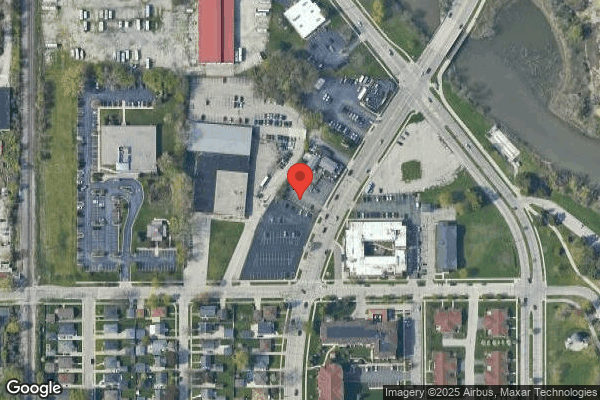
Understanding Severity Codes (click to expand)
Life-Threatening (Immediate Jeopardy)
J - Isolated K - Pattern L - Widespread
Actual Harm
G - Isolated H - Pattern I - Widespread
Potential for Harm
D - Isolated E - Pattern F - Widespread
No Harm (Minor)
A - Isolated B - Pattern C - Widespread

Questions to Ask on Your Visit

  • "What changes have you made since the serious inspection findings?"
  • "What safeguards are in place to prevent abuse and neglect?"
  • "Why is there high staff turnover? How do you retain staff?"
  • "Can I speak with families of current residents?"
  • "What's your RN coverage like on weekends and overnight?"

Our Honest Assessment

Strengths
  • • Licensed and certified facility. Meets minimum state requirements.
Concerns
  • • Multiple safety concerns identified: Federal abuse finding, 8 life-threatening violation(s), Special Focus Facility, 5 harm violation(s), $152,180 in fines, Payment denial on record. Review inspection reports carefully.
  • • 106 deficiencies on record, including 8 critical (life-threatening) violations. These warrant careful review before choosing this facility.
  • • $152,180 in fines. Extremely high, among the most fined facilities in Wisconsin. Major compliance failures.
  • • Grade F (0/100). Below average facility with significant concerns.
Bottom line: This facility has a substantiated abuse finding. Extreme caution advised. Explore alternatives.

About This Facility

What is Waters Edge Center's CMS Rating?

CMS assigns WATERS EDGE HEALTH AND REHABILITATION CENTER an overall rating of 1 out of 5 stars, which is considered much below average nationally. Within Wisconsin, this rating places the facility higher than 0% of the state's 100 nursing homes. A rating at this level reflects concerns identified through health inspections, staffing assessments, or quality measures that families should carefully consider.

How is Waters Edge Center Staffed?

CMS rates WATERS EDGE HEALTH AND REHABILITATION CENTER's staffing level at 2 out of 5 stars, which is below average compared to other nursing homes. Staff turnover is 65%, which is 19 percentage points above the Wisconsin average of 46%. High turnover can affect care consistency as new staff learn residents' individual needs. RN turnover specifically is 64%, which is notably high. RNs provide skilled clinical oversight, so turnover in this role can affect medical care quality.

What Have Inspectors Found at Waters Edge Center?

State health inspectors documented 106 deficiencies at WATERS EDGE HEALTH AND REHABILITATION CENTER during 2022 to 2025. These included: 8 Immediate Jeopardy (the most serious level, indicating potential for serious harm or death), 5 that caused actual resident harm, 92 with potential for harm, and 1 minor or isolated issues. Immediate Jeopardy findings are rare and represent the most serious regulatory concerns. They require immediate corrective action.

Who Owns and Operates Waters Edge Center?

WATERS EDGE HEALTH AND REHABILITATION CENTER is owned by a for-profit company. For-profit facilities operate as businesses with obligations to shareholders or private owners. The facility is operated by CHAMPION CARE, a chain that manages multiple nursing homes. With 128 certified beds and approximately 107 residents (about 84% occupancy), it is a mid-sized facility located in KENOSHA, Wisconsin.

How Does Waters Edge Center Compare to Other Wisconsin Nursing Homes?

Compared to the 100 nursing homes in Wisconsin, WATERS EDGE HEALTH AND REHABILITATION CENTER's overall rating (1 stars) is below the state average of 3.0, staff turnover (65%) is significantly higher than the state average of 46%, and health inspection rating (1 stars) is much below the national benchmark.

What Should Families Ask When Visiting Waters Edge Center?

Based on this facility's data, families visiting should ask: "What changes have been made since the serious inspection findings, and how are you preventing similar issues?" "What safeguards and monitoring systems are in place to protect residents from abuse or neglect?" "How do you ensure continuity of care given staff turnover, and what is your staff retention strategy?" "Can you walk me through typical staffing levels on day, evening, and night shifts?" These questions are particularly relevant given the facility's Immediate Jeopardy citations, the substantiated abuse finding on record, the facility's high staff turnover rate, and the below-average staffing rating.

Is Waters Edge Center Safe?

Based on CMS inspection data, WATERS EDGE HEALTH AND REHABILITATION CENTER has documented safety concerns. The facility has 1 substantiated abuse finding (meaning confirmed case of resident harm by staff or other residents). Inspectors have issued 8 Immediate Jeopardy citations (the most serious violation level indicating risk of serious injury or death). The facility is currently on the Special Focus Facility watch list (a federal program monitoring the lowest-performing 1% of nursing homes nationwide). The facility has a 1-star overall rating and ranks #100 of 100 nursing homes in Wisconsin. Families considering this facility should ask detailed questions about what corrective actions have been taken since these incidents.

Do Nurses at Waters Edge Center Stick Around?

Staff turnover at WATERS EDGE HEALTH AND REHABILITATION CENTER is high. At 65%, the facility is 19 percentage points above the Wisconsin average of 46%. Registered Nurse turnover is particularly concerning at 64%. RNs handle complex medical decisions and coordinate care — frequent RN changes can directly impact care quality. High turnover means new staff may not know residents' individual needs, medications, or preferences. It can also be disorienting for residents, especially those with dementia who rely on familiar faces. Families should ask: What is causing the turnover? What retention programs are in place? How do you ensure care continuity during staff transitions?

Was Waters Edge Center Ever Fined?

WATERS EDGE HEALTH AND REHABILITATION CENTER has been fined $152,180 across 7 penalty actions. This is 4.4x the Wisconsin average of $34,601. Fines at this level are uncommon and typically indicate a pattern of serious deficiencies, repeated violations, or failure to correct problems promptly. CMS reserves penalties of this magnitude for facilities that pose significant, documented risk to resident health or safety. Families should request specific documentation of what issues led to these fines and what systemic changes have been implemented.

Is Waters Edge Center on Any Federal Watch List?

WATERS EDGE HEALTH AND REHABILITATION CENTER is currently an SFF Candidate, meaning CMS has identified it as potentially qualifying for the Special Focus Facility watch list. SFF Candidates have a history of serious deficiencies but haven't yet reached the threshold for full SFF designation. The facility is being monitored more closely — if problems continue, it may be added to the official watch list. Families should ask what the facility is doing to address the issues that led to this status.