PLYMOUTH HEALTH SERVICES
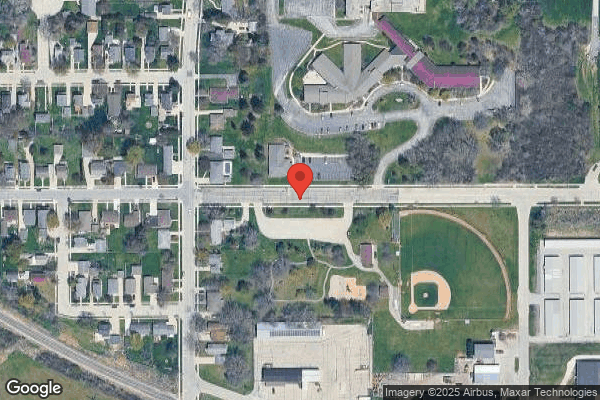

916 E CLIFFORD ST, PLYMOUTH, WI 53073 (920) 893-4777
For profit - Corporation 50 Beds NORTH SHORE HEALTHCARE Data: November 2025
Trust Grade
40/100
#235 of 321 in WI
Last Inspection: June 2024

Within standard 12-15 month inspection cycle. Federal law requires annual inspections.

Overview

Plymouth Health Services has received a Trust Grade of D, indicating below-average performance with some notable concerns. It ranks #235 out of 321 facilities in Wisconsin, placing it in the bottom half of nursing homes in the state, and #5 out of 8 in Sheboygan County, meaning only three local options are rated worse. Fortunately, the facility is showing improvement, with issues decreasing from 21 in 2024 to just 1 in 2025. Staffing is a mixed bag; while the facility has good RN coverage, exceeding 85% of Wisconsin facilities, it also faces a concerning staff turnover rate of 74%, significantly higher than the state average of 47%. The facility has not incurred any fines, which is a positive sign, but there have been serious concerns regarding food safety practices, including improper food storage and hygiene practices, which could potentially affect all residents. Additionally, there have been documented failures to hold care conferences for residents, which indicates a lack of engagement in their care planning. Overall, while there are strengths in RN coverage and a lack of fines, the issues with food safety and high turnover raise important questions for families considering this facility.

Trust Score
D
40/100
In Wisconsin
#235/321
Bottom 27%
Safety Record
Low Risk
No red flags
Inspections
Getting Better
21 → 1 violations
Staff Stability
⚠ Watch
74% turnover. Very high, 26 points above average. Constant new faces learning your loved one's needs.
Penalties
✓ Good
No fines on record. Clean compliance history, better than most Wisconsin facilities.
Skilled Nurses
✓ Good
Each resident gets 59 minutes of Registered Nurse (RN) attention daily — more than average for Wisconsin. RNs are trained to catch health problems early.
Violations
⚠ Watch
43 deficiencies on record. Higher than average. Multiple issues found across inspections.
★★☆☆☆
2.0
Overall Rating
★★★☆☆
3.0
Staff Levels
★☆☆☆☆
1.0
Care Quality
★★★☆☆
3.0
Inspection Score
Stable
2024: 21 issues
2025: 1 issues

The Good

  • Full Sprinkler Coverage · Fire safety systems throughout facility
  • No fines on record

Facility shows strength in fire safety.

The Bad

2-Star Overall Rating

Below Wisconsin average (3.0)

Below average - review inspection findings carefully

Staff Turnover: 74%

28pts above Wisconsin avg (46%)

Frequent staff changes - ask about care continuity

Chain: NORTH SHORE HEALTHCARE

Part of a multi-facility chain

Ask about local staffing decisions and management

Staff turnover is very high (74%)

26 points above Wisconsin average of 48%

The Ugly 43 deficiencies on record

Jul 2025 1 deficiency
CONCERN (D) 📢 Someone Reported This

A family member, employee, or ombudsman was alarmed enough to file a formal complaint

Potential for Harm - no one hurt, but risky conditions existed

Menu Adequacy (Tag F0803)

Could have caused harm · This affected 1 resident

Based on observation, staff interview, record review, and facility policy review, the facility did not provide mechanically altered diets as ordered by the physician for 2 residents (R) (R4 and R5) of...

Read full inspector narrative →
Based on observation, staff interview, record review, and facility policy review, the facility did not provide mechanically altered diets as ordered by the physician for 2 residents (R) (R4 and R5) of 2 sampled residents. Failure to provide diets as ordered by the physician places residents at risk for malnutrition, choking, and aspiration. Findings include:The facility's undated Therapeutic Diets policy indicates: All residents have a diet order, including regular, therapeutic, and texture modification that is prescribed by the attending physician, physician extender, or credentialed practitioner in accordance with applicable regulatory guidelines .Mechanically altered diet means one in which the texture of the diet is altered. When the texture is modified, the type of texture must be specific and part of the physician's or delegated registered or licensed dietitian's order .An L3/Advanced diet consists of mechanical advanced, soft, chopped, soft and bite-sized .The food consists of foods of varying textures with the exception of very hard, sticky, or crunchy foods. Foods need to be served moist and ground, chopped, or in bite- sized pieces (less than 1 inch).1. A Face Sheet contained in R4's medical record revealed an admission date of 4/4/24 with medical diagnoses that included unspecified dementia, type 2 diabetes, and unspecified severe protein-calorie malnutrition. R4's current care plan, dated 10/23/24, indicated: I am at increased nutritional risk related to history of (type 2 diabetes mellitus), dementia/Alzheimer's disease, and low (Body Mass Index). Interventions included: Palliative care: Will accept food and fluids as desired and/or tolerated .Will exhibit no chewing or swallowing problems with current diet texture as evidenced by no (signs/symptoms) of aspiration, choking, or complaints of difficulty eating .R4's Physician's Order Report, dated 1/27/25, indicated: Diet: L3/Advanced texture, Regular/thin consistency, no room trays.R4's Quarterly Minimum Data Set (MDS) assessment, with an Assessment Reference Date (ARD) of 5/21/25, revealed R4 had a Brief Interview for Mental Status (BIMS) score of 4 out of 15 which indicated R4 had severe cognitive impairment. The MDS assessment also indicated R4 experienced coughing or choking during meals during the assessment period.2. A Face Sheet contained in R5's medical record revealed an admission date of 10/06/14 with medical diagnoses that included dementia with severe agitation, Alzheimer's disease, and vascular dementia, severe with agitation. R5's care plan, dated 2/21/24, indicated: Potential for alteration in nutrition due to obesity .and (diagnosis) of dementia. Approaches included: The resident will not develop complications related to obesity, including skin breakdown, ineffective breathing pattern, altered cardiac output, diabetes, impaired mobility through review date .will continue to feed self .R5's physician order, dated 1/27/25, indicated: Diet: L3/Advanced texture, Regular/thin consistency, liberalize diet (due to) advanced age and dementia (diagnosis).R5's Quarterly MDS assessment, with an ARD of 5/30/25, revealed R5 had a BIMS score of 3 out of 15 which indicated R5 had severely impaired cognition. The MDS assessment also indicated R5 experienced coughing or choking during meals during the assessment period.On 7/9/25 at 12:45 PM, Certified Nurse Aide (CNA)1 asked Surveyor to look at R4 and R5's meal trays. Both residents had cubed pork loin in a dish. The cubes were hard and greater than one inch in size. R4 and R5 also had broccoli spears that were firm to the touch with a fork. Tray cards revealed R4 and R5 were to have ground meat and broccoli soft and mashed.During an interview on 7/9/25 at 1:00 PM, Dietary Aide (DA)7 revealed the meat was supposed to be ground but the blender that was used to chop food was broken. DA7 indicated the Dietary Manager (DM) brought a blender from home and would not let staff use the Robot Coupe (professional food blender) in the kitchen. On 7/9/25 at 4:30 PM, the DM stated R4 and R5 had problems with swallowing and chewing and were to receive an L3/Advanced diet with soft, bite-sized foods at meals. The DM confirmed staff should not have served R4 and R5 the pork loin in chunks and indicated the pork loin should have been in smaller pieces and the broccoli should have been soft and mashed. The DM stated the Robot Coupe was available and the DM had not told staff not to use it.During a phone interview on 7/9/25 at 5:30 PM, the Registered Dietitian (RD) stated an L3/Advanced diet allows for bite sizes up to one inch, although the food should be soft.During an interview on 7/10/25 at 9:00 AM, the Director of Nursing (DON) stated a resident's menu card/diet card should be followed. The DON stated both R4 and R5 had severe dementia and had trouble with eating. The DON indicated R4 and R5 ate slowly, had to be encouraged to eat, and their food must be softened.
Oct 2024 1 deficiency
CONCERN (D) 📢 Someone Reported This

A family member, employee, or ombudsman was alarmed enough to file a formal complaint

Potential for Harm - no one hurt, but risky conditions existed

Quality of Care (Tag F0684)

Could have caused harm · This affected 1 resident

**NOTE- TERMS IN BRACKETS HAVE BEEN EDITED TO PROTECT CONFIDENTIALITY** Based on staff interview and record review, the facility did not ensure care was provided in accordance with a physician order f...

Read full inspector narrative →
**NOTE- TERMS IN BRACKETS HAVE BEEN EDITED TO PROTECT CONFIDENTIALITY** Based on staff interview and record review, the facility did not ensure care was provided in accordance with a physician order for 1 resident (R) (R2) of 4 sampled residents. Staff did not provide a prescribed treatment for R2's wound and administered a treatment that was not ordered by the physician without the physician's knowledge. Findings include: The facility's Medication Reconciliation policy, with a review date of 10/24/22, indicates: The facility reconciles medications frequently throughout a resident's stay to ensure the resident is free of significant medication errors .Daily Process: a. Address any clinically significant medication irregularities reported by the pharmacy consultant. b. Verify medication labels match physician orders and consider rights of medication administration each time a medication is given. c. Obtain and transcribe any new orders in accordance with facility procedures, obtain clarification as needed. New orders should have a second nurse to review the order for accuracy. d. Order medications from pharmacy in accordance with facility procedures for ordering medications. e. Verify medications received match the medication orders. On 10/9/24, Surveyor reviewed R2's medical record. R2 was admitted to the facility on [DATE] with diagnoses including diabetes, morbid obesity, anxiety, Fournier's disease of the vagina and vulva, and necrotizing fasciitis. R2's Minimum Data Set (MDS) assessment, dated 10/4/24, stated R2's Brief Interview for Mental Status (BIMS) score was 15 out of 15 which indicated R2 had intact cognition. R2's medical record indicated R2 was responsible for R2's healthcare decisions. R2 had a physician order for Clotrimazole External Cream 1% apply twice daily to right inner thigh for 10 days for erythema (with a start date of 9/24/24). On 10/9/24, Surveyor reviewed R2's Medication Administration Record (MAR) from 9/24/24 through 9/30/24 and noted the following regarding R2's Clotrimazole cream: ~ 9/24/24 - Medication unavailable ~ 9/25/24 - No entry ~ 9/25/24 - On order ~ 9/26/24 - On order ~ 9/26/24 - N/A (not applicable) ~ 9/27/24 - No entry ~ 9/27/24 - Unavailable, on order ~ 9/28/24 - Medication administered ~ 9/28/24 - Medication administered ~ 9/29/24 - No entry ~ 9/29/24 - Unavailable ~ 9/30/24 - Unable to locate ~ 9/30/24 - Cream will be sent out today, resident updated ~ 9/30/24 - Medication on order from pharmacy, will be delivered on next run On 10/9/24 at 1:08 PM, Surveyor interviewed Director of Nursing (DON)-B who indicated the pharmacy did not have Clotrimazole cream in stock, so the facility used house stock antifungal cream until they were able to get Clotrimazole from the pharmacy. Surveyor noted R2 did not have a physician order for antifungal cream and R2's medical record did not indicate the physician was notified regarding the change in medication. On 10/9/24 at 1:37 PM, Surveyor interviewed DON-B who indicated the house stock antifungal cream was DermaFungal Antifungal Cream 2% Miconazole Nitrate. DON-B confirmed R2 did not have a physician order for the change in medication and staff did not update the physician. DON-B indicated DON-B expected staff to update R2's physician and MAR with the change in medication and initial the medication that was administered in place of Clotrimazole.
Aug 2024 3 deficiencies
CONCERN (D) 📢 Someone Reported This

A family member, employee, or ombudsman was alarmed enough to file a formal complaint

Potential for Harm - no one hurt, but risky conditions existed

Incontinence Care (Tag F0690)

Could have caused harm · This affected 1 resident

Based on observation, staff and resident interview, and record review, the facility did not ensure 1 Resident (R) (R5) of 2 sampled residents received appropriate care and services to prevent urinary ...

Read full inspector narrative →
Based on observation, staff and resident interview, and record review, the facility did not ensure 1 Resident (R) (R5) of 2 sampled residents received appropriate care and services to prevent urinary tract infections (UTIs). Staff did not ensure R5 was provided catheter care in a manner that decreased the risk of infection. Findings include: The facility's Catheter Care policy, revised 3/15/23, indicates: It is the policy of this facility to ensure that residents with indwelling catheters receive appropriate catheter care and maintain their dignity and privacy when indwelling catheters are in use .Privacy/dignity bags will be available and catheter drainage bags should be covered or shielded at all times while in use . On 8/26/24, Surveyor reviewed R5's medical record. R5 had diagnoses including type 2 diabetes with chronic kidney disease, retention of urine, and benign prostatic hyperplasia (BPH) with lower urinary tract symptoms. R5's Minimum Data Set (MDS) assessment, dated 6/11/24, had a Brief Interview for Mental Status (BIMS) score of 11 out of 15 which indicated R5 had moderately impaired cognition. On 8/26/24 at 8:25 AM, Surveyor observed R5 in R5's room and noted R5's catheter drainage bag was uncovered and attached to the bottom of R5's wheelchair. R5's catheter tubing and drainage bag were in contact with the floor. A dignity bag was hung on the bottom of the other side of R5's wheelchair. On 8/26/24 at 10:21 AM, Surveyor observed R5 in R5's room and noted R5's catheter bag was uncovered and attached to the bottom of R5's wheelchair. R5's catheter tubing and drainage bag were in contact with the floor. A dignity bag was hung on the bottom of the other side of R5's wheelchair. Surveyor interviewed R5 who stated nursing staff assist with catheter care which was completed earlier that morning. R5 stated R5's catheter bag was hung underneath R5's wheelchair and R5 could not see the bag and tubing. R5 stated R5 relied on nursing staff to ensure catheter care was performed without complications. On 8/26/24 at 1:20 PM, Surveyor observed R5 in R5's room and noted R5's catheter bag was uncovered and attached to the bottoms of R5's wheelchair. R5's catheter tubing and drainage bag were in contact with the floor. A dignity bag was hung on the bottom of the other side of R5's wheelchair. On 8/26/24 at 1:22 PM, Surveyor interviewed Assistant Director of Nursing (ADON)-C who was unsure of the facility's policy regarding covering catheter bags. ADON-C stated catheter bags should be hung below the level of the bladder and catheter bags and tubing should not be on the floor. During the interview, ADON-C and Surveyor went to R5's room. ADON-C confirmed R5's catheter bag was uncovered and the bag and tubing were in contact with the floor. ADON-C stated catheter bags and tubing should be kept off the floor for infection prevention and confirmed the facility's catheter care process was not followed.
CONCERN (D) 📢 Someone Reported This

A family member, employee, or ombudsman was alarmed enough to file a formal complaint

Potential for Harm - no one hurt, but risky conditions existed

Deficiency F0692 (Tag F0692)

Could have caused harm · This affected 1 resident

Based on observation, staff and resident interview, and record review, the facility did not ensure 3 Residents (R) (R1, R2, and R5) of 5 sampled residents received the necessary care and services to p...

Read full inspector narrative →
Based on observation, staff and resident interview, and record review, the facility did not ensure 3 Residents (R) (R1, R2, and R5) of 5 sampled residents received the necessary care and services to prevent dehydration. The facility did not provide consistent hydration for R1, R2, and R5. Findings include: The facility's Hydration policy, dated 7/26/22, indicates: The facility offers each resident sufficient fluid, including water and other liquids, consistent with resident needs and preferences to maintain proper hydration and health .4. b. Interventions will be individualized to address the specific needs of the resident. Examples include, but are not limited to: .i. Offer the resident a variety of fluids during and between meals . 1. On 8/26/24, Surveyor reviewed R1's medical record. R1 had diagnoses including type 2 diabetes, severe constipation due to opioid use with current complications involving impaction, history of pressure and diabetic wounds with recent amputation of partial toe, and gout. R1's Minimum Data Set (MDS) assessment, dated 8/8/24, had a Brief Interview for Mental Status (BIMS) score of 15 out of 15 which indicated R1 had intact cognition. On 8/26/24 at 8:16 AM, Surveyor interviewed R1 who stated the water cup on R1's bedside table was from two days ago. R1 stated nursing staff do not provide water unless R1 asks. R1 stated R1 asks for water but it is not provided at times. R1 stated R1 had a care conference approximately one month ago and brought the concern to administration's attention. R1 stated R1 brought up the concern again at a follow-up care conference approximately one week prior. R1 stated it upset R1 that water was not provided and R1 frequently did not receive water when R1 asked. R1 stated R1 was concerned for residents who did not have the ability to ask and wondered how they were being hydrated. 2. On 8/26/24, Surveyor reviewed R2's medical record. R2 had diagnoses including fracture of the left tibia and hemiplegia (weakness on one side of the body). R2's MDS assessment, dated 7/23/24, had a BIMS score of 15 out of 15 which indicated R2 had intact cognition. On 8/26/24 at 10:17 AM, Surveyor interviewed R2 who stated the water cup on R2's bedside table was from last night. R2 stated R2 has to ask staff if R2 wants water. R2 stated R2 resided in other facilities were staff provided water throughout the day which staff did not do at this facility. 3. On 8/26/24, Surveyor reviewed R5's medical record. R5 had diagnoses including type 2 diabetes with chronic kidney disease, diabetic polyneuropathy, retention of urine, benign prostatic hyperplasia (BPH) with lower urinary tract symptoms, and gout. R5's MDS assessment, dated 6/11/24, had a BIMS score of 11 out of 15 which indicated R5 had moderately impaired cognition. On 8/26/24 at 10:21 AM, Surveyor interviewed R5 who stated the cup on R5's bedside table (which contained under 100 cc (cubic centimeters) of water) was from yesterday. R5 stated staff do not offer water or ensure water cups are filled and R5 has to staff if R5 wants water. R5 stated R5 asked staff for water that morning but had yet to receive it. R5 stated R5 was unsure what residents could who not ask received for hydration which bothered R5. On 8/26/24 at 11:43 AM, Surveyor interviewed Certified Nursing Assistant (CNA)-F who stated CNA-F often did not have enough time to complete a water pass and provide hydration to residents. CNA-F stated water was provided per residents' request and confirmed staff were expected to complete a water pass each shift. On 8/26/24 at 11:38 AM, Surveyor interviewed CNA-D who stated staff were expected to complete a water pass once per shift and as needed. CNA-D stated water passes weren't completed at times due to staffing. CNA-D stated residents who asked for water were provided water and residents who were unable to ask received water at meals and during medication administration.
CONCERN (D) 📢 Someone Reported This

A family member, employee, or ombudsman was alarmed enough to file a formal complaint

Potential for Harm - no one hurt, but risky conditions existed

Pharmacy Services (Tag F0755)

Could have caused harm · This affected 1 resident

**NOTE- TERMS IN BRACKETS HAVE BEEN EDITED TO PROTECT CONFIDENTIALITY** Based on staff and resident interview and record review, the facility did not ensure accurate administration of medication for 1...

Read full inspector narrative →
**NOTE- TERMS IN BRACKETS HAVE BEEN EDITED TO PROTECT CONFIDENTIALITY** Based on staff and resident interview and record review, the facility did not ensure accurate administration of medication for 1 Resident (R) (R1) of 5 sampled residents. R1 did not consistently receive scheduled medications timely as ordered by R1's physician. Findings include: The facility's Medication Administration policy, dated 1/2024, indicates: Medications are administered as prescribed in accordance with manufacturers' specifications, good nursing principles and practices .Medications are administered within 60 minutes of the scheduled time, except before or after meal orders, which are administered based on mealtimes. Unless otherwise specified by the prescriber, routine medications are administered according to the established medication administration schedule for the nursing care center . On 8/26/24, Surveyor reviewed R1's medical record. R1 was admitted to the facility on [DATE] with diagnoses including diabetes mellitus, anxiety disorder, and history of urinary tract infections (UTIs). R1's Minimum Data Set (MDS) assessment, dated 5/29/24, stated R1's Brief Interview for Mental Status (BIMS) score was 15 out of 15 which indicated R1 had intact cognition. R1's medical record indicated R1 was responsible for R1's healthcare decisions. On 8/26/24 at 8:15 AM, Surveyor interviewed R1 who stated R1 often received R1's scheduled medications late. On 8/26/24, Surveyor reviewed R1's medical record which contained the following physician orders: ~ Cefadroxil (used to treat infection) oral capsule 500 mg (milligrams) give 1 capsule by mouth every morning and at bedtime (start date 8/8/24, end date 8/14/24). ~ Gabapentin (used to treat nerve pain) capsule 300 mg give 1 capsule by mouth three times a day. ~ Hydroxyzine HCl (hydrochloride) (used to treat anxiety) oral tablet 50 mg give 50 mg by mouth three times a day. ~ Insulin lispro (used to treat high blood sugar) (1 unit dial) subcutaneous solution pen injector 100 unit/ml (milliliter) Inject 10 units subcutaneously with meals .Give with sliding scale. ~ Insulin lispro (1 unit dial) subcutaneous solution pen injector 100 unit/ml inject as per sliding scale: if 0-100 = -2 (If less then 100 subtract 2 units); 150-199 = 2; 200-249 = 4; 250-299 = 6; 300-350 = 8, subcutaneously three times a day .hold if not eating. ~ Blood glucose monitoring before meals and at bedtime. Call Medical Doctor (MD) if blood glucose level is less than 100 or greater than 350. On 8/26/24 at 12:34 PM, Surveyor interviewed [NAME] President of Success (VPS)-E via phone. VPS-E stated the facility had liberalized medication pass times for most scheduled medications. VPS-E stated AM on the Medication Administration Record (MAR) meant a timeframe for medication pass of 6:00 AM to 10:00 AM; Noon meant a timeframe of 10:00 AM to 2:00 PM; PM meant a timeframe of 2:00 PM to 6:00 PM; and HS meant a timeframe of 6:00 PM to 10:00 PM. On 8/26/24, Surveyor reviewed R1's August 2024 MAR which indicated R1's cefadroxil was scheduled for AM and HS; R1's gabapentin was scheduled for AM, noon, and HS; R1's hydroxyzine was scheduled for AM, noon, and HS; R1's base dose of insulin lispro was scheduled for 8:00 AM, 12:00 PM and 5:00 PM; R1's sliding scale insulin was scheduled for AM, noon, and HS; and R1's blood sugar monitoring was scheduled for 7:30 AM, 11:30 AM, 5:00 PM, and 8:00 PM. On 8/26/24 at 1:05 PM, Surveyor interviewed Nursing Home Administrator (NHA)-A regarding meal times. NHA-A stated the facility's meal times were 8:30 AM for breakfast, 12:30 PM for lunch, and 5:30 PM for dinner. On 8/26/24, Surveyor reviewed a Medication Admin Audit Report which contained the medications R1 received from 8/9/24 through 8/26/24 and indicated the following: ~ On 8/9/24, R1's 8:00 AM dose of insulin lispro (to be given with meals as ordered) was administered at 9:56 AM; R1's AM dose of sliding scale insulin was administered at 9:57 AM; R1's blood sugar (to be obtained before meals as ordered) was obtained at 9:55 AM. ~ On 8/9/24, R1's 12:00 PM dose of insulin lispro was administered at 1:17 PM. ~ On 8/9/24, R1's noon dose of sliding scale insulin and blood sugar level was administered/obtained at 1:18 PM. ~ On 8/10/24, R1's 8:00 AM dose of insulin lispro was administered at 9:57 AM (to be given with sliding scale insulin as ordered); R1's AM dose of sliding scale insulin was administered at 10:44 AM from R1's 7:30 AM blood sugar level which was obtained at 8:57 AM. ~ On 8/10/24, R1's AM doses of cefadroxil, gabapentin, and hydroxyzine were administered at 10:47 AM. ~ On 8/10/24, R1's 12:00 PM dose of insulin lispro was administered at 1:28 PM; R1's noon dose of sliding scale insulin was administered at 3:04 PM from R1's 11:00 AM blood sugar level which was obtained at 1:28 PM. ~ On 8/10/24, R1's HS doses of gabapentin and hydroxyzine were administered at 10:17 PM. ~ On 8/11/24, R1's 12:00 PM dose of insulin lispro was administered at 2:00 PM; R1's noon dose of sliding scale insulin was administered at 2:01 PM from R1's 11:00 AM blood sugar level which was obtained at 2:00 PM. ~ On 8/12/24, R1's AM doses of gabapentin and hydroxyzine were administered at 10:42 AM. ~ On 8/12/24, R1's AM dose of sliding scale insulin was administered at 11:15 AM from R1's 7:30 AM blood sugar level which was obtained at 9:03 AM. ~ On 8/24/24, R1's 12:00 PM dose of insulin lispro was administered at 2:27 PM; R1's noon dose of sliding scale insulin was administered at 2:28 PM from R1's 11:00 AM blood sugar level which was obtained at 2:23 PM. ~ On 8/24/24, R1's noon doses of gabapentin and hydroxyzine were administered at 2:24 PM. On 8/26/24 at 1:47 PM, Surveyor interviewed VPS-E via phone. VPS-E verified R1's insulin should have been given with meals as ordered. VPS-E also verified the medications listed above were administered late based on the documentation.
Jul 2024 1 deficiency
CONCERN (D) 📢 Someone Reported This

A family member, employee, or ombudsman was alarmed enough to file a formal complaint

Potential for Harm - no one hurt, but risky conditions existed

Accident Prevention (Tag F0689)

Could have caused harm · This affected 1 resident

**NOTE- TERMS IN BRACKETS HAVE BEEN EDITED TO PROTECT CONFIDENTIALITY** Based on observation, staff and resident interview, and record review, the facility did not ensure adequate supervision was prov...

Read full inspector narrative →
**NOTE- TERMS IN BRACKETS HAVE BEEN EDITED TO PROTECT CONFIDENTIALITY** Based on observation, staff and resident interview, and record review, the facility did not ensure adequate supervision was provided for 1 Resident (R) (R2) of 11 sampled residents. On 6/19/24, facility staff discontinued R2's increased supervision after an allegation of sexual assault. The facility did not ensure adequate supervision was provided to prevent R2 from wandering and/or disrobing in front of other residents. Findings include: On 7/31/24, Surveyor reviewed R2's medical record. R2 was admitted to the facility on [DATE] with diagnoses including cognitive communication deficit, hypertension, and congestive heart failure. R2's most recent Minimum Data Set (MDS) assessment, dated 7/6/24, stated R2's Brief Interview for Mental Status (BIMS) score was 11 out of 15 which indicated R2 had moderate cognitive impairment. R2's wandering care plan, revised on 6/19/24, had a focus area of wandering related to cognitive impairment and a history of disrobing in public. The care plan contained interventions to continue to check frequently, encourage activities outside of room, and use a motion sensor to assist in monitoring R2's wandering. Nursing progress notes, dated 7/24/24 at 3:16 PM and 7/28/24 at 4:16 PM, indicated R2 came out of R2's room naked and was easily redirected. On 7/23/24 at 10:33 AM, Surveyor observed R2 asleep in a recliner in R2's room. Outside of R2's room, Surveyor observed a motion sensor that was switched to on. When Surveyor walked past the motion sensor, a green light flashed. Surveyor did not observe nursing or Certified Nursing Assistant (CNA) staff respond to the motion sensor. On 7/23/24 at 10:37 AM, Surveyor interviewed agency Licensed Practical Nurse (LPN)-C regarding R2's motion sensor. LPN-C stated LPN-C was not sure what the sensor was for. LPN-C checked with another staff and indicated the motion sensor was only for the night shift. LPN-C verified LPN-C did not keep track of the motion sensor. On 7/31/24 at 1:33 PM, Surveyor interviewed R8 regarding R2's wandering. R8 stated approximately one week ago, R8 saw R2 running around naked. R8 stated R8 had seen R2 naked approximately three times since R8's admission on [DATE]. R8 stated R8 had not told anyone about the occurrences because nothing was being done. On 7/31/24 at 2:53 PM, Surveyor interviewed LPN-D regarding R2's motion sensor. LPN-D verified the motion sensor should be on at all times. On 7/31/24 at 2:59 PM, Surveyor interviewed CNA-F regarding R2's wandering and motion sensor. CNA-F stated last week, R2 started to come out of R2's room naked again. CNA-F stated R8 told CNA-F that R2 was in R8's bathroom during the night sometime last week. CNA-F also observed R2 come out of R2's room without pants. On 7/31/24 at 3:05 PM, Surveyor interviewed CNA-E regarding R2's wandering and motion sensor. CNA-E stated R2 came out of R2's room a couple of times during the last few weeks without clothes on. CNA-E stated within the last week and a half, R2 was found naked in R11's bathroom after supper. On 7/31/24 at 3:08 PM, Surveyor interviewed Nursing Home Administrator (NHA)-A regarding R2's motion sensor and supervision. NHA-A verified the motion sensor should be on at all times. NHA-A was not aware of any instances where R2 was outside of R2's room naked. On 7/31/24 at 3:14 PM, Surveyor interviewed [NAME] President of Success (VPS)-G regarding R2's motion sensor and increased supervision. VPS-G verified R2's motion sensor should be monitored at all times. VPS-G stated 1:1 supervision education was provided after the incident on 6/7/24 but no formal education was provided related to R2's motion sensor. VPS-G stated regularly scheduled staff were aware of how to use the motion sensor but verified certain agency staff might not be.
Jun 2024 8 deficiencies
CONCERN (D)

Potential for Harm - no one hurt, but risky conditions existed

Deficiency F0551 (Tag F0551)

Could have caused harm · This affected 1 resident

**NOTE- TERMS IN BRACKETS HAVE BEEN EDITED TO PROTECT CONFIDENTIALITY** Based on staff interview and record review, the facility did not ensure court-ordered documents for guardianship and protective ...

Read full inspector narrative →
**NOTE- TERMS IN BRACKETS HAVE BEEN EDITED TO PROTECT CONFIDENTIALITY** Based on staff interview and record review, the facility did not ensure court-ordered documents for guardianship and protective placement were obtained and/or on file for 1 resident (R) (R14) of 14 sampled residents. R14 had a court-ordered guardian. The facility did not have court documents for determination of permanent guardianship on file. In addition, the facility did not ensure court-ordered protective placement was completed for R14. Findings include: WI State Statute Chapter 55.03(4). The law requires a court-ordered protective placement for any resident admitted to a nursing home who has a legal guardian and whose nursing home stay exceeds ninety days. WI State Statue Chapter 54 indicates Standby guardian means an individual designated by the court under s. 54.52 (2) whose appointment as guardian becomes effective immediately upon the death, resignation, or court's removal of the initially appointed guardian, or if the initially appointed guardian is temporarily or permanently unable, unavailable, or unwilling to fulfill his or her duties .Chapter 54.52(2) states upon assuming office, the standby guardian shall so notify the court. Upon notification, the court shall issue new letters of guardianship that specify that the standby guardianship is permanent or that specify the time period for a limited standby guardianship. From 6/24/24 through 6/26/24, Surveyor reviewed R14's medical record. R14 was admitted to the facility on [DATE] with diagnoses including cerebral palsy and mild cognitive impairment. R14's Minimum Data Set (MDS) assessment, dated 2/8/24, indicated R14 had severe cognitive impairment. R14 medical record indicated R14 had a court-appointed guardian. R14's medical record contained a court document indicating determination and order for standby guardian, termination of guardian of the estate, and protective placement with an unintelligible date. The document indicated the reason for guardianship with need for protective placement in a nursing home; however, the document did not specify the name of the facility or the date of protective placement or indicate when R14's protective placement was last reviewed. The name of R14's guardian was listed on the document with the words is new legal guardian as of Sept. 1997 handwritten on the document. The facility was not able to provide documents that indicated permanent guardianship was in place for R14 or an annual protective placement order. On 6/26/24 at 11:02 AM, Surveyor interviewed Social Services Director (SSD)-C and Nursing Home Administrator (NHA)-A. SSD-C confirmed the facility did not have documentation on annual review for protective placement or documentation on permanent guardianship. The facility was not able to provide additional documentation to show the facility filed for protective placement when R14 was admitted to the facility.
CONCERN (D)

Potential for Harm - no one hurt, but risky conditions existed

Transfer Notice (Tag F0623)

Could have caused harm · This affected 1 resident

**NOTE- TERMS IN BRACKETS HAVE BEEN EDITED TO PROTECT CONFIDENTIALITY** Based on staff interview and record review, the facility did not ensure 3 residents (R) (R7, R12 and R23) of 3 residents reviewe...

Read full inspector narrative →
**NOTE- TERMS IN BRACKETS HAVE BEEN EDITED TO PROTECT CONFIDENTIALITY** Based on staff interview and record review, the facility did not ensure 3 residents (R) (R7, R12 and R23) of 3 residents reviewed for hospitalization received a transfer notice that included the date of the transfer, the reason for the transfer, the location of the transfer, and appeal rights. In addition, the facility did not inform the State Long-Term Care Ombudsman for 2 (R7 and R23) of 3 residents reviewed for transfer/discharge. R7 was transferred to the hospital on 2/24/24. R7 was not provided with a written transfer notice. In addition, the Ombudsman was not notified of R7's transfer. R12 was transferred to the hospital on [DATE], 1/1/24, and 2/27/24. R12 was not provided with written transfer notices. R23 was transferred to the hospital on 6/11/24. R23 was not provided with a written transfer notice. In addition, the Ombudsman was not notified of R23's transfer. Findings include: The facility's Transfer and Discharge (including Against Medical Advice (AMA)) policy, with a revision date of 7/15/22, states that it is the policy of the facility to permit each resident to remain in the facility, and not to transfer or discharge the resident from the facility except as initiated by the resident, necessary for the health and safety of residents or other individuals are endangered, or as otherwise permitted by law. In the event of emergency transfers/discharges, the facility will notify the resident and/or resident representative, and complete and send with the resident (or provide as soon as practicable) a Transfer Form which documents the resident's status, diagnosis, allergies, reasons for transfer/discharge, contact information for practitioner, current medications, treatments, pertinent medical information, special risks, care plan goals, isolation precautions, and any other documentation, as applicable, to ensure a safe and effective transition of care. In addition, the Social Services Director (SSD) or designee shall provide notice of the transfer to a representative of the State Long-Term Care Ombudsman via a monthly list. 1. From 6/24/24 through 6/26/24 Surveyor reviewed R7's medical record. R7 was admitted to the facility on [DATE] with diagnoses including acute on chronic combined systolic (congestive) and diastolic (congestive) heart failure, generalized hypertension, and mild cognitive impairment. R7's Minimum Data Set (MDS) assessment, dated 6/11/24, had a Brief Interview for Mental Status (BIMS) score of 11 out of 15 which indicated R7 had moderate cognitive impairment. R7 was R7's healthcare decision maker. On 2/24/24, R7 was transferred to the hospital following a fall with injury and admitted with diagnoses including right frontal subdural hematoma and type II odontoid fracture. R7 returned to the facility on 3/5/24. R7's medical record did not indicate a written transfer notice was provided to R7 or R7's emergency contact. 2. From 6/24/24 through 6/26/24, Surveyor reviewed R12's medical record. R12 was admitted to the facility on [DATE] with diagnoses including hemiplegia (weakness on one side of the body) affecting the right dominant side, conversion disorder with motor symptom or deficit, and history of venous thrombosis and embolism. R12's MDS assessment, dated 1/15/24, had a BIMS score of 15 out of 15 which indicated R12 had intact cognition. R12 was R12's health care decision maker. On 11/13/23, R12 was sent to the hospital following a change in condition and admitted with a diagnosis of loss of sensation to bilateral lower extremities. R12 returned to the facility on [DATE]. R12's medical record did not indicate a written transfer notice was provided to R12 or R12's emergency contact. On 1/1/24, R12 was transferred to the hospital following a change in condition and admitted for a possible stroke. R12 returned to the facility on 1/5/24. R12's medical record did not indicate a written transfer notice was provided to R12 or R12's emergency contact. On 2/27/24, R12 was transferred to the hospital for pre-planned medical testing. R12 returned to the facility on 3/5/24. R12's medical record did not indicate a written transfer notice was provided to R12 or R12's emergency contact. 3. On 6/25/24, Surveyor reviewed R23's medical record. R23 was admitted to the facility on [DATE] with diagnoses including neurogenic bladder, history of urinary tract infections (UTIs), diabetes, and anxiety disorder. R23's MDS assessment, dated 5/29/24, had a BIMS score of 15 of 15 which indicated R23 had intact cognition. R23 was R23's healthcare decision maker. R23 was transferred to the hospital on 6/11/24 with stroke-like symptoms. R23's medical record did not indicate a written transfer notice was provided to R23 or R23's emergency contact. In addition, the State Long-Term Care Ombudsman was not notified of R23's transfer. On 6/25/24 at 2:44 PM, Surveyor interview Nursing Home Administrator (NHA)-A who confirmed transfer notices were not completed. NHA-A stated for emergent transfers, the nurse is responsible for completing the notice of transfer/discharge, at least verbally, and if the resident is not capable, the nurse should call the resident's emergency contact or representative. NHA-A stated the Social Worker is responsible for following up with the resident and/or their representative on the next business day. On 6/26/24 at 11:02 AM, Surveyor interview Social Service Director (SSD)-C who acknowledged residents should be notified of transfers. SSD-C stated when SSD-C is not in the facility, it is the responsibility of the nurse to issue the transfer/discharge notice. SSD-C stated if SSD-C is in the facility, the notice is provided by SSD-C. SSD-C acknowledged SSD-C has not been completing transfer/discharge notices. SSD-C also confirmed SSD-C has not been submitting monthly transfer/discharge notification to the State Long-Term Care Ombudsman. On 6/26/24 at 10:00 AM, NHA-A confirmed the facility has not been notifying the State Long-Term Care Ombudsman of transfers and discharges.
CONCERN (D)

Potential for Harm - no one hurt, but risky conditions existed

Deficiency F0625 (Tag F0625)

Could have caused harm · This affected 1 resident

**NOTE- TERMS IN BRACKETS HAVE BEEN EDITED TO PROTECT CONFIDENTIALITY** Based on staff interview and record review, the facility did not ensure 3 residents (R) (R7, R12 and R23) of 3 residents reviewe...

Read full inspector narrative →
**NOTE- TERMS IN BRACKETS HAVE BEEN EDITED TO PROTECT CONFIDENTIALITY** Based on staff interview and record review, the facility did not ensure 3 residents (R) (R7, R12 and R23) of 3 residents reviewed for hospitalization received the proper bed hold notice when transferred to the hospital. R7 was transferred to the hospital on 2/24/24. The facility did not provide R7 with a bed hold notification. R12 was transferred to the hospital on [DATE], 1/1/24 and 2/27/24. The facility did not provide R12 with a bed hold notifications. R23 was transferred to the hospital on 6/11/24. The facility did not provide R23 with a bed hold notification Findings include: The facility's Transfer and Discharge (including Against Medical Advice (AMA)) policy, with a revision date of 7/15/22, states it is the policy of the facility to permit each resident to remain in the facility, and not to transfer or discharge the resident from the facility except as initiated by the resident, necessary for the health and safety of residents or other individuals are endangered, or as otherwise permitted by law. The facility will provide a notice of the facility's bed hold policy to the resident and representative at the time of transfer, as possible, but no later than 24 hours after the transfer. 1. From 6/24/24 through 6/26/24, Surveyor reviewed R7's medical record. R7 was admitted to the facility on [DATE] with diagnoses including acute on chronic combined systolic (congestive) and diastolic (congestive) heart failure and mild cognitive impairment. R7's Minimum Data Set (MDS) assessment, dated 6/11/24, had a Brief Interview for Mental Status (BIMS) score of 11 out of 15 which indicated R7 had moderately impaired cognition. R7 was R7's healthcare decision maker. On 2/24/24, R7 was transferred to the hospital following a fall with injury and admitted with diagnoses including right frontal subdural hematoma and type II odontoid fracture. R7 returned to the facility on 3/5/24. R7's medical record did not indicate R7 or R7's representative were provided with a bed hold notification. 2. From 6/24/24 through 6/26/24, Surveyor reviewed R12's medical record. R12 was admitted to the facility on [DATE] with diagnoses including hemiplegia (weakness on one side of the body) affecting the right dominant side and conversion disorder with motor symptom or deficit. R12's MDS assessment, dated 1/15/24, had a BIMS score of 15 out of 15 which indicate R12 had intact cognition. R12 was R12's healthcare decision maker. On 11/13/23, R12 was transferred to the hospital following a change in condition and admitted with a diagnosis of loss of sensation to bilateral lower extremities. R12 returned to the facility on [DATE]. R12's medical record did not indicate R12 or R12's representative were provided a bed hold notification. On 1/1/24, R12 was transferred to the hospital following a change in condition and admitted for a possible stroke. R12 returned to the facility on 1/5/24. R12's medical record did not indicate R12 or R12's representative were provided a bed hold notification. On 2/27/24, R12 was transferred to the hospital for pre-planned medical testing. R12 returned to the facility on 3/5/24. R12's medical record did not indicate R12 or R12's representative were provided a bed hold notification. 3. On 6/25/24, Surveyor reviewed R23's medical record. R23 was admitted to facility on 2/2/24 with diagnoses including neurogenic bledder, history of urinary tract infections (UTIs), diabetes, and anxiety disorder. R23's MDS assessment, dated 5/29/24, had a BIMS score of 15 of 15 which indicated R23 had intact cognition. R23 was R23's healthcare decision maker. R23 was transferred to the hospital on 6/11/24 with stroke-like symptoms. R23's medical record did not indicate R23 or R23's representative were provided a bed hold notification. On 6/25/24 at 2:44 PM, Surveyor interview Nursing Home Administrator (NHA)-A who confirmed bed hold notices were not provided. NHA-A stated for emergent transfers, the nurse should provide a behold notice, at least verbally, and if the resident is not capable, the nurse should call the resident's emergency contact or representative. NHA-A stated the Social Worker is responsible for following up with the resident or their representative on the next business day. On 6/26/24 at 11:02 AM, Surveyor interview Social Service Director (SSD)-C who acknowledged residents should be provided the option for a bed hold. SSD-C stated when SSD-C is not in the facility, it is the responsibility of the nurse to provide a bed hold notice. SSD-C stated if SSD-C is in the facility, SSD-C provides the bed hold notice. SSD-C acknowledged SSD-C has not been completing bed hold notices.
CONCERN (D)

Potential for Harm - no one hurt, but risky conditions existed

Deficiency F0646 (Tag F0646)

Could have caused harm · This affected 1 resident

**NOTE- TERMS IN BRACKETS HAVE BEEN EDITED TO PROTECT CONFIDENTIALITY** Based on staff interview and record review, the facility did not ensure the state mental health authority was promptly notified ...

Read full inspector narrative →
**NOTE- TERMS IN BRACKETS HAVE BEEN EDITED TO PROTECT CONFIDENTIALITY** Based on staff interview and record review, the facility did not ensure the state mental health authority was promptly notified following a significant change in mental illness for 1 resident (R) (R12) of 6 sampled residents. R12 was admitted to the facility on [DATE] with a diagnosed mental illness (MI) with corresponding medication. The facility did not submit R12's Preadmission Screen and Resident Review (PASRR) Level I for a Level II Screen following R12's acute psychiatric hospital stay from 10/25/23 through 10/30/23. Findings include: According to Centers for Medicare and Medicaid Services' (CMS), Long-Term Care Facility Resident Assessment Instrument 3.0 User Manual, dated October 2023, if a significant change in status (SCSA) occurs for an individual known or suspected to have a mental illness, intellectual disability, or related condition (as defined by 42 CFR 483.102), a referral to the State Mental Health or Intellectual Disability/Developmental Disabilities Administration authority (SMH/ID/DDA) for a possible Level II PASRR evaluation must promptly occur as required by Section 1919(e)(7)(B)(iii) of the Social Security Act .The nursing facility must provide the SMH/ID/DDA authority with referrals as described below, independent of the findings of the SCSA. PASRR Level II is to function as an independent assessment process for this population with special needs, in parallel with the facility's assessment process. Nursing facilities should have a low threshold for referral to the SMH/ID/DDA, so that these authorities may exercise their expert judgment about when a Level II evaluation is needed .Referral should be made as soon as the criteria indicating such are evident - the facility should not wait until the SCSA is complete. In addition, a referral for Level II Resident Review Evaluations is required for individuals previously identified by PASRR to have mental illness, intellectual disability/developmental disability, or a related condition in the following circumstances: note: .A resident who exhibits behavioral, psychiatric, or mood related symptoms suggesting the presence of a diagnosis of mental illness as defined under 42 CFR 483.100 (where dementia is not the primary diagnosis) .A resident transferred, admitted , or readmitted to a NF following an inpatient psychiatric stay or equally intensive treatment. Between 6/24/24 and 6/26/24, Surveyor reviewed R12's medical record. R12 was admitted to the facility on [DATE] from another Skilled Nursing Facility (SNF) with diagnoses including hemiplegia (weakness on one side of the body) affecting the right dominant side, borderline personality disorder, obsessive-compulsive disorder (OCD), unspecified mood (affective) disorder, major depressive disorder, suicidal ideation, and conversion disorder with motor symptom or deficit. R12's Minimum Data Set (MDS) assessment, dated 1/15/24, had a BIMS score of 15 out of 15 which indicated R12 had intact cognition. R12 was R12's healthcare decision maker. R12's physician orders included: ~ Adderall ER10 MG (milligrams) once per day for OCD ~ Lithium Carbonate ER 450 MG give 0.5 tablet in the evening for unspecified mood (affective) disorder, major depressive disorder, suicidal ideations, and borderline personality disorder. R12's PASRR Level I Screen, dated 7/24/23, indicated R12 had a serious MI with corresponding medication of lithium carbonate and that R12 displayed symptoms of a major MI which indicated the need for a Level II Screen. R12's medical record did not indicate a Level II Screen was completed. On 10/25/23, R12 was admitted to a psychiatric hospital for acute inpatient behavioral health due to suicidal threats. R12 returned to the facility on [DATE] with medication changes. On 6/24/24 at 11:02 AM, Surveyor interviewed Social Service Director (SSD)-C and Nursing Home Administrator (NHA)-A. SSD-C verified a PASRR Level II Screen was not completed for R12. SSD-C acknowledged a Level II Screen should have been completed following R12's original admission to the facility and after R12's acute inpatient psychiatric hospital stay.
CONCERN (D)

Potential for Harm - no one hurt, but risky conditions existed

Deficiency F0757 (Tag F0757)

Could have caused harm · This affected 1 resident

**NOTE- TERMS IN BRACKETS HAVE BEEN EDITED TO PROTECT CONFIDENTIALITY** Based on staff interview and record review, the facility did not monitor for adverse reactions or side effects of high risk medi...

Read full inspector narrative →
**NOTE- TERMS IN BRACKETS HAVE BEEN EDITED TO PROTECT CONFIDENTIALITY** Based on staff interview and record review, the facility did not monitor for adverse reactions or side effects of high risk medications for 1 resident (R) (R3) of 5 residents reviewed for unnecessary medications. R3 was prescribed anti-convulsant medications for seizures. R3 did not have a care plan that addressed seizures or contained monitoring interventions for adverse reactions and side effects of the anti-convulsant medication. Findings include: The facility did not provide a policy related to non-psychotropic high-risk medications. Between 6/24/24 and 6/26/24, Surveyor reviewed R3's medical record. R3 was admitted to the facility on [DATE] with a diagnosis of epilepsy. R3's Minimum Data Set (MDS) assessment, dated 6/20/24, had a Brief Interview for Mental Status (BIMS) score of 3 out of 15 which indicated R3 had severely impaired cognition. R3's medical record indicated R3 was prescribed the following anti-convulsant medications since admission on [DATE]. ~ Gabapentin 300 mg (milligrams) by mouth three times a day for neuropathy ~ Levetiracetam 500 mg by mouth one time a day for seizures ~ Primidone oral tablet (Primidone) 100 mg by mouth three times a day for seizures R3's medical record did not contain a care plan that indicated R3 had seizures and did not contain monitoring interventions for seizures or adverse reactions and side effects of the anti-convulsant medications. On 6/26/24 at 8:48 AM, Surveyor interviewed Nursing Home Administrator (NHA)-A who verified there were no monitoring interventions in place for R3's anti-convulsant medication or seizures. NHA-A confirmed monitoring interventions should have been in place.
CONCERN (D)

Potential for Harm - no one hurt, but risky conditions existed

Deficiency F0806 (Tag F0806)

Could have caused harm · This affected 1 resident

**NOTE- TERMS IN BRACKETS HAVE BEEN EDITED TO PROTECT CONFIDENTIALITY** Based on observation, staff interview, and record review, the facility did not ensure meal preferences were followed for 2 resid...

Read full inspector narrative →
**NOTE- TERMS IN BRACKETS HAVE BEEN EDITED TO PROTECT CONFIDENTIALITY** Based on observation, staff interview, and record review, the facility did not ensure meal preferences were followed for 2 residents (R21 and R8) of 16 sampled residents. R21 stated the facility often lost R21's meal ticket which had R21's preferences for lunch on 6/24/24. During an observation of lunch service on 6/24/24, R21 did not receive R21's documented preferences. R8's care plan indicated R8 was legally blind and contained an intervention that staff should explain what was on R8's plate and where the food was located. The intervention was not consistently followed. Findings include: Between 6/24/24 and 6/25/24, Surveyor reviewed R21's medical record. R21 was admitted to the facility on [DATE] with a diagnosis of schizoaffective disorder. R21's Minimum Data Set (MDS) assessment, dated 6/7/24, had a Brief Interview for Mental Status (BIMS) score of 15 out of 15 which indicated R21 had intact cognition. R21 had an order for a regular diet. During lunch service in the dining room on 6/24/24 at 12:56 PM, Dietary Manager (DM)-D stated DM-D did not have a meal ticket for R21 and provided R21 with regular menu items including Salisbury steak, mashed potatoes, and buttered corn. On 6/24/24 at 1:04 PM, Surveyor followed up with R21 who stated R21 did not choose corn, but received corn with lunch. R21 stated R21 frequently crossed off items on the meal ticket ahead of time for items R21 did not want. R21 stated R21 crossed off corn because corn upsets R21's stomach and chose a salad instead. Surveyor observed a plate in front of R21. Surveyor noted all the the food was eaten except the corn. When Surveyor asked if R21 received the items that R21 requested on the meal ticket, R21 stated R21 did not have a meal ticket with the meal. R21 stated R21's meal ticket is often missing and R21 does not receive what R21 orders. Between 6/24/24 and 6/25/24, Surveyor reviewed R8's medical record. R8 was admitted to the facility on [DATE] with a diagnosis of unqualified visual loss, both eyes. R8's MDS assessment, dated 4/4/24, had a BIMS score of 12 out of 15 which indicated R8 had moderately impaired cognition. R8's medical record contained a nutrition care plan related to poor vision, type 2 diabetes, chronic diarrhea related to bowel resection due to colon cancer, history of weight loss, and impaired skin integrity. An intervention, dated 1/6/23, stated to explain food placement. During lunch service on 6/25/24 at 12:39 PM, Surveyor observed [NAME] (CK)-E plate food for R8 and state CK-E did not have a meal ticket for R8. Surveyor observed CK-E cut up and plate the correct food for R8. CK-E then passed R8's plate to Dietary Aid (DA)-H who provided R8 with the plate. DA-H set R8's plate down and walked away. Surveyor did not observe DA-H explain what was on R8's plate or where the food was located on the plate. On 6/25/24, Surveyor requested a copy of R8's meal ticket. On 6/26/24, staff provided a copy of R8's meal ticket which indicated R8 was prescribed a consistent carbohydrate diet with large protein portions. Instructions indicated to cut up R8's food. Surveyor noted the meal ticket did not indicate R8 was legally blind or contain an instruction to explain the placement of food to R8. On 6/25/24 at 2:00 PM, Surveyor interviewed R8 who stated R8 could not see well. R8 confirmed staff did not tell R8 what food was on R8's plate or the location of the food on the plate when staff set the plate down at lunch. R8 stated some staff explain the food placement but some do not. R8 stated it is important to R8 for staff to explain what is on R8's plate because R8 does not like the green stuff and does not want to get a mouthful of something R8 does not like. On 6/24/24, Surveyor interviewed DM-D who verified meal tickets get lost and stated DM-D was trying to devise a better system. DM-D stated DM-D prints a batch of meal tickets at a time and residents/staff go through the tickets and circle their preferences. DM-D stated DM-D installed a holder on the side of the refrigerator in the dining room with tickets stapled or clipped together but confirmed there were still issues with lost meal tickets. When asked about residents' preferences, DM-D confirmed residents should receive their preferences and ordered diets. On 6/26/24, Surveyor interviewed Nursing Home Administrator (NHA)-A who acknowledged dietary staff might not know specific approaches on a resident's care plan since dietary staff generally see meal tickets and not care plans.
CONCERN (D)

Potential for Harm - no one hurt, but risky conditions existed

Infection Control (Tag F0880)

Could have caused harm · This affected 1 resident

Based on observation, staff interview, and record review, the facility did not maintain an infection control program designed to prevent the development and transmission of disease and infection durin...

Read full inspector narrative →
Based on observation, staff interview, and record review, the facility did not maintain an infection control program designed to prevent the development and transmission of disease and infection during the provision of care for 1 resident (R) (R23) of 2 sampled residents. CNA (Certified Nursing Assistant)-I did not appropriately change gloves during the provision of care for R23. Findings include: The facility's Hand Hygiene Policy, dated 11/2/22, indicates: All staff will perform proper hand hygiene procedures to prevent the spread of infection to other personnel, residents, and visitors. This applies to all staff working in all locations within the facility .1. Staff will perform hand hygiene when indicated, using proper technique consistent with accepted standards of practice .a. The use of gloves does not replace hand hygiene. If your task requires gloves, perform hand hygiene prior to donning gloves, and immediately after removing gloves. On 6/26/24, Surveyor reviewed R23's medical record. R23 was admitted to facility on 2/2/24 with diagnoses including neurogenic bladder, history of urinary tract infections (UTIs), and diabetes. R23's Minimum Data Set (MDS) assessment, dated 5/29/24, had a Brief Interview for Mental Status (BIMS) score of 15 out of 15 which indicated R23 had intact cognition. The MDS also indicated R23 required extensive assistance with bed mobility, transfers, and hygiene. On 6/26/24 at 10:51 AM, Surveyor observed CNA-I and CNA-J provide peri and catheter care for R23. CNA-I and CNA-J washed hands and donned gloves. CNA-I then placed clean wash cloths on the bedside table and touched multiple items in the bathroom, including the faucet. CNA-J pulled down R23's brief in preparation for peri and catheter care. CNA-I wiped R23's peri area from front to back with a soapy cloth. CNA-I then folded the cloth and wiped again. CNA-I rinsed R23's peri area from front to back with a clean cloth and dried R23's peri area with a towel. CNA-J then wiped R23's Foley catheter tubing from the top of the tubing down to the drainage bag with a clean cloth. CNA-I dried R23's Foley tubing with the same towel used during peri-care. CNA-I and CNA-J then rolled R23 on the left side. With the same gloved hands, CNA-I wiped R23's buttocks from front to back with a clean cloth. CNA-I then rinsed R23's buttocks from front to back. With the same gloved hands, CNA-I dried R23's buttocks with a towel. CNA-I continued with cares and touched R23's side and clean brief and assisted R23 onto R23's back to apply the brief. During the process, CNA-I touched multiple areas on R23 and R23's bed. CNA-I then touched multiple surfaces in R23's bathroom and placed the soiled wash cloths in a bag. CNA-I tied the bag and set the bag on the floor. CNA-I then removed gloves and washed hands. On 6/26/24 at 10:21 AM, Surveyor interviewed CNA-I who verified CNA-I did not change gloves during the provision of care for R23. CNA-I verified CNA-I received hand hygiene education at the facility but forgot when CNA-I provided care for R23.
CONCERN (F)

Potential for Harm - no one hurt, but risky conditions existed

Food Safety (Tag F0812)

Could have caused harm · This affected most or all residents

Based on observation, staff interview, and record review, the facility did not ensure food was stored and prepared in a safe and sanitary manner. This practice had the potential to affect all 26 resid...

Read full inspector narrative →
Based on observation, staff interview, and record review, the facility did not ensure food was stored and prepared in a safe and sanitary manner. This practice had the potential to affect all 26 residents residing in the facility. Staff did not perform proper hand hygiene prior to donning gloves, while passing silverware, prior to touching ready to eat food, and while doing dishes. Staff did not wear a beard net while plating food. The handwashing sink in the nourishment room on a resident unit was not in clean condition and appeared to be used for things other than handwashing. Kitchen equipment, refrigerators, an ice machine, and dishes were not stored clean, in a down facing position, covered appropriately, and/or stored 6 inches off the floor. Food items in unit refrigerators were not labeled or dated and/or were expired. Findings include: On 6/24/24 at 10:16 AM, Surveyor began an initial kitchen tour of the kitchen with Dietary Manager (DM)-D who stated the facility follows the Federal and State food codes (whichever is stricter). Hand Hygiene: The Wisconsin Food Code documents at Chapter 2 Personal Cleanliness at 2-301.14 titled When to Wash: Food employees shall clean their hands and exposed portions of their arms as specified under 2-301.12 immediately before engaging in food preparation including working with exposed food, clean equipment and utensils, and unwrapped single-service and single-use articles and: (A) After touching bare human body parts other than clean hands and clean, exposed portions of arms .(E) After handling soiled equipment or utensils; (F) During food preparation, as often as necessary to remove soil and contamination and to prevent cross contamination when changing tasks; (H) Before putting on gloves to initiate a task that involves working with food; and after engaging in other activities that contaminate the hands. The Wisconsin Food Code documents at Chapter 4-904.11: (B) Knives, forks, and spoons that are not pre-wrapped shall be presented so that only the handles are touched by employees. The Wisconsin Food Code documents at Chapter 3-304.14 Wiping Cloths, Use Limitation: (A) Cloths in-use for wiping food spills from tableware and carry-out containers that occur as food is being served shall be: (1) Maintained dry; and (2) Used for no other purpose. (B) Cloths in-use for wiping counters and other equipment surfaces shall be: (1) Held between uses in a chemical sanitizer solution at a concentration specified under § 4-501.114; and (2) Laundered daily as specified under 4-802.11 (D). The facility's General Food Preparation and Handling policy, with a review date of 8/16/22, indicates: 5. Equipment: F. Tongs or other serving utensils will be used to serve breads or other items to avoid bare hand contact with food. The facility's Bare Hand Contact with Food and Use of Plastic Gloves policy, with a review date of 7/13/22, indicates: .1. Staff will use good hygienic practices and techniques with access to proper hand washing facilities (available soap, hot water, and disposable towels). Antimicrobial or antiseptic gel is not used in place of proper hand washing techniques. 3. Gloved hands are considered a food contact surface that can get contaminated or soiled. If used, single-use gloves shall be used for only one task, used for one purpose, and discarded when damaged or soiled, or when interruptions occur in the operation. 4. Hands are to be washed when entering the kitchen and before putting on the single-use gloves (before beginning work with food) and after removing single-use gloves. 6. Gloves are just like hands. They get soiled. Anytime a contaminated surface is touched, the gloves must be changed, and hand must be watched. 7. Wash hands after removing gloves. The facility's Hand Washing-Food and Nutrition Services policy, with a review date of 8/16/22, indicates: Hands and exposed portions of arms should be washed immediately before engaging in food preparation: .f. After handling soiled equipment or utensils, Before donning disposable gloves for working with food and after gloves are removed. 4. Hand washing procedures will be posted by each hand-washing sink. 5. Food preparation and/or pot sinks will not be used for handwashing. During lunch service on 6/24/24 at 12:23 PM, Surveyor observed [NAME] (CK)-F don a pair of gloves prior to food service. CK-F did not wash hands prior to donning gloves. On 6/24/24 at 12:24 PM, Surveyor observed Dietary Aid (DA)-H approach the silverware tray. DA-H picked up a stack of forks, spoons, knives, and napkins. DA-H then passed out silverware in the dining room. DA-H walked from resident to resident, placed a napkin next to each resident and placed a knife, fork, and spoon in front of each resident. Surveyor observed DA-H touch the tips of the knives with DA-H's bare hands during the process. DA-H did not wash hands prior to touching clean silverware and napkins. On 6/24/24 at 12:25 PM, Surveyor observed CK-F take pre-service meal temperatures. Surveyor observed CK-F remove gloves, record the temperature, don gloves, and check the next temperatures. CK-F did not wash hands prior to donning gloves. On 6/24/24 at 12:31 PM, Surveyor observed CK-F don gloves to begin meal service. Surveyor observed CK-F touch scoops and food covers on the steam table while plating food for a resident. CK-F did not wash hands prior to donning gloves for meal service. On 6/25/24 at 10:22 AM, Surveyor observed Dietary Aid (DA)-G wash dishes. Surveyor observed DA-G spray and rinse dirty dishes with gloved hands, place the dishes in a rack, and push the rack through the dishmachine. DA-G then removed gloves and rinsed DA-G's hands with the wand used to rinse dirty dishes. DA-G then walked to the clean side of the dish area, pulled a clean rack out of the dishmachine, and touched clean bowls in a bin with DA-G's unwashed hands. When Surveyor stopped DA-G and informed DA-G that Surveyor did not observe DA-G wash hands prior to touching clean dishes, DA-G confirmed DA-G did not wash DA-G's hands. On 6/24/24 at 1:03 PM, Surveyor interviewed Regional Dietary Manager (RDM)-K and informed RDM-K of Surveyor's observations during meal service. RDM-K confirmed staff should perform hand hygiene prior to donning gloves, should touch silverware by the handles, and should use a tong for ready-to-eat food during meal service. On 6/25/25 at 10:25 PM, Surveyor interviewed DM-D who confirmed DA-G should have washed hands prior to touching clean dishes. Beard Net: The State of Wisconsin Food Code documents at 2-402.11: Food employees shall wear hair restraints such as hats, hair coverings or nets, beard restraints, and clothing that covers body hair, that are designed and worn to effectively keep their hair from contacting exposed food; clean equipment, utensils, and linens; and unwrapped single-service and single-use articles. During lunch service on 6/24/24 at 12:23 PM, Surveyor observed CK-F put food in the steam table, obtain food temperatures, and plate two residents' meals behind the service area in the dining room. CK-F did not wear a beard net during the observation. On 6/24/24 at 2:42 PM, Surveyor interviewed DM-D who verified CK-F should have worn a beard net. Handwashing Sink: The Wisconsin State Food Code documents at 5-205.11 Using a Handwashing Sink: (A) A handwashing sink shall be maintained so that it is accessible at all times for employees use. (B) A handwashing sink may not be used for purposes other than handwashing. The Wisconsin State Food Code documents at 6-301.14 Handwashing Signage: A sign or poster that notifies food employees to wash their hands shall be provided at all handwashing sinks used by food employees and shall be clearly visible to food employees. The Wisconsin State Food Code documents at 4-501.11 (Equipment) Good Repair and Proper Adjustment: (A) Equipment shall be maintained in a state of repair and condition that meets the requirements specified under Parts 4-1 and 4-2. On 6/24/24 at 2:05 PM, Surveyor inspected the nourishment room located across from the dining room on a resident unit. Surveyor noted the room contained a single sink with a bottle of dish soap and a bottle of cleanser between the wall and the sink. In addition, the upper right corner of the sink contained a sponge with brown edges, the top of the faucet contained a dry, crusted, brown-stained maroon rag, and one of drains contained chunks of food. Surveyor observed splatter around the sink and behind the wall. Surveyor opened the cabinet underneath the sink and noted the bottom of the cabinet had fallen out and contained crumbling fiberboard with dark/brown areas that appeared to be mold/mildew. On 6/24/24 2:42 PM, Surveyor interviewed DM-D who stated the sink in the nourishment room was the sink kitchen staff needed to use for handwashing during meal service. DM-D stated the nourishment room sink was the only handwashing sink on the unit for kitchen staff. DM-D stated both housekeeping and kitchen staff cleaned the nourishment room. DM-D was unsure why there was dish soap, a dirty rag, and a sponge on/around the sink. DM-D confirmed the sink did not contain signage that indicated the sink was for handwashing. DM-D was also not aware of the condition of the cabinet underneath the sink. Cleanliness/Covering of Kitchen Equipment: The Wisconsin State Food Code documents at 4-903.11 Equipment, Utensils, Linens, and Single-Service and Single-Use Articles: (A) Except as specified in (D) of this section, cleaned equipment and utensils, laundered linens, and single-service and single-use articles shall be stored: (3) At least 15 cm (6 inches) above the floor and (2) Covered or inverted. The facility's General Food Preparation and Handling policy, with a review date of 8/16/22, indicates: 5. Equipment: A. All food service equipment should be cleaned, sanitized, air dried, and reassembled after each use. D. Flatware will be stored in such a manner to encourage contact with handles only. E. Staff will handle utensils, cups, glasses, and dishes in such a way as to avoid touching surfaces that food or drink will come in contact with. During the initial kitchen tour on 6/24/24, Surveyor observed an uncovered meat slicer on the counter that contained dried food. DM-D stated the meat slicer had not been used that day. DM-D stated DM-D would clean and cover the meat slicer. On 6/24/24 at 2:01 PM, Surveyor observed an uncovered three shelf utility cart in the dining room behind the kitchen service area that contained various dishes staff used to plate food during meal service. Surveyor observed a large plastic bag next to the cart that looked as if it was used to cover dishes on the cart. Surveyor noted the cart contained plates on the top shelf that faced up and bowls that were not inverted on two other shelves. On 6/24/24 at 1:57 PM, Surveyor observed a full size refrigerator in the dining room. The bottom of the refrigerator contained a dried pink and yellow substance. Surveyor also observed colored splatter behind juice containers on the second shelf. In addition, Surveyor observed dried pink splatter on the third shelf and cracks with what appeared to be a black substance at the bottom of the refrigerator. On 6/24/24 at 2:05 PM, Surveyor observed an ice machine in the nourishment room that contained drips on the inside and outside. Surveyor observed a coffee maker directly above the ice machine. Surveyor also observed a mini refrigerator/freezer in the nourishment room that contained dried brown splatter. In addition, a box of single-service decaf Folgers coffee packets was sitting on the floor. On 6/24/24 at 2:42 PM, Surveyor interviewed DM-D who confirmed food items should be stored 6 inches off the floor. DM-D also confirmed the refrigerators in the dining room and the nourishment room should be cleaned and stated the refrigerators are cleaned by housekeeping and kitchen staff. DM-D also verified the coffee splatter on the ice machine. Labeling, Dating, and Expired Food Items: The Wisconsin Food Code documents at 3-501.17 Ready-to-Eat, Time/Temperature Control for Safety Food, Date Marking: (A) Except when packaging food using a reduced oxygen packaging method as specified under paragraph 3-502.12, and except as specified in paragraph (E), (F), and (H) of this section, refrigerated, ready to eat, time/temperature control for safety food prepared and held in a food establishment for more than 24 hours shall be clearly marked to indicate the date or day by which the food shall be consumed on the premises, sold, or discarded when held at a temperature and time combination of 5 degrees Celsius (C) (41 degrees Fahrenheit (F)) or less for a maximum of 7 days. The day of preparation shall be counted as day 1. Commercially processed food open and hold cold (B) Except as specified in paragraph (E)-(H) of this section, refrigerated, ready to eat, time/temperature control for safety food prepared and packaged by a food processing plant shall be clearly marked at the time the original container is opened in a food establishment and, if the food is held for more than 24 hours, to indicate the date or day by which the food shall be consumed on the premises, sold, or discarded, based on the temperature and time combinations specified in paragraph (A) of this section and; (1) The day the original container is opened in the food establishment shall be counted as day 1; and (2) The day or date marked by the food establishment may not exceed a manufacturer's use-by date if the manufacturer determined the use-by date based on food safety On 6/24/24 at 2:01 PM, Surveyor observed the dining room refrigerator and noted three unlabeled and undated fruit plates covered in plastic wrap. The refrigerator also contained two covered and unlabeled resident meals. On 6/24/24 at 2:42 PM, Surveyor interviewed DM-D who confirmed the fruit plates should be labeled and stated one of the meal trays was left from lunch because the resident was at an appointment. DM-D confirmed the lunch trays were not labeled. On 6/24/24 at 2:23 PM, Surveyor reviewed the items in the nourishment room refrigerator with Certified Nursing Assistant (CNA)-I. Surveyor also observed the following: ~ One Ziploc bag labeled 209 which contained what appeared to be deli ham. The bag was not labeled with the contents, was not dated, and did not contain an expiration date. CNA-I confirmed the bag was not labeled and also stated the packaging looked puffy and full of air. CNA-I threw bag in the garbage. ~ One 24 ounce (oz) container of Great Value Lowfat Cottage Cheese with an expiration date of 6/17 and labeled M. D. CNA-I confirmed the cottage cheese was expired and stated when staff have time they check the refrigerator for expired and outdated items. ~ Three 4 oz containers of HC Plus 100% Prune Juice. Two containers did not contain written or manufacturer's expiration dates. The third container was dated 11/17/23. CNA-I was not sure how long the prune juice was for and stated licensed staff handle prune juice. On 6/24/24 at 2:42 PM, Surveyor interviewed DM-D who verified the items in the refrigerator should be dated and disposed of when expired.
Jun 2024 1 deficiency
CONCERN (D) 📢 Someone Reported This

A family member, employee, or ombudsman was alarmed enough to file a formal complaint

Potential for Harm - no one hurt, but risky conditions existed

Pharmacy Services (Tag F0755)

Could have caused harm · This affected 1 resident

**NOTE- TERMS IN BRACKETS HAVE BEEN EDITED TO PROTECT CONFIDENTIALITY** Based on staff and resident interview and record review, the facility did not provide routine drugs and biologicals for 1 reside...

Read full inspector narrative →
**NOTE- TERMS IN BRACKETS HAVE BEEN EDITED TO PROTECT CONFIDENTIALITY** Based on staff and resident interview and record review, the facility did not provide routine drugs and biologicals for 1 resident (R) (R1) of 3 residents reviewed for medication administration. R1 had an order for insulin lispro (a fast-acting medication to lower blood sugar) to be given three times a day. R1 did not receive one dose of insulin on 5/17/24 and received one dose outside of the scheduled administration time on 5/18/24. Findings include: The facility's Medication Administration policy, dated 1/2024, states that medications to be given with meals are to be scheduled for administration at the resident's meal times and medications to given before meals are to be scheduled 30 minutes to 2 hours prior to meals. Medications to be given at bedtime are to be scheduled for administration up to 1 hour prior to the resident's scheduled bedtime. On 6/10/24, Surveyor reviewed R1's medical record. R1 was admitted to the facility on [DATE] with diagnoses including type 2 diabetes, morbid obesity, anxiety, and adjustment disorder with depressed mood. R1's most recent Minimum Data Set (MDS) assessment, dated 5/29/24, indicated R1's cognition was fully intact with a Brief Interview for Mental Status (BIMS) score of 15 out of 15. R1 was readmitted to the facility on [DATE] around 6:00 PM. On 6/10/24 at 10:43 AM, Surveyor interviewed R1 who stated R1 did not receive R1's 6:00 PM insulin dose on 5/17/24 and did not receive R1's 10:00 AM insulin dose until after 3:00 PM on 5/18/24. R1 verified R1 ate dinner at the facility on 5/17/24 at approximately 6:30 PM. Surveyor reviewed R1's Medication Administration Audit Report (MAAR) for 5/17/24 and 5/18/24. The MAAR did not indicate R1 received R1's 6:00 PM insulin dose on 5/17/24. The MAAR also indicated R1's 10:00 AM insulin dose was administered at 3:43 PM on 5/18/24 by Licensed Practical Nurse (LPN)-C. Surveyor reviewed R1's hospital discharge paperwork, dated 5/17/24, which did not indicate R1 received R1's 6:00 PM insulin dose prior to discharge from the hospital. On 6/10/24 at 2:45 PM, Surveyor left a voicemail for LPN-C. The call was not returned. On 6/10/24, Surveyor interviewed [NAME] President of Success (VPS)-D regarding insulin administration. VPS-D verified there was no documentation that indicated R1 received R1's 6:00 PM insulin dose after R1 returned from the hospital on 5/17/24. VPS-D also confirmed R1's 10:00 AM insulin dose was administered outside of the acceptable time frame for insulin administration on 5/18/24.
Mar 2024 7 deficiencies
CONCERN (D) 📢 Someone Reported This

A family member, employee, or ombudsman was alarmed enough to file a formal complaint

Potential for Harm - no one hurt, but risky conditions existed

Resident Rights (Tag F0550)

Could have caused harm · This affected 1 resident

**NOTE- TERMS IN BRACKETS HAVE BEEN EDITED TO PROTECT CONFIDENTIALITY** Based on staff and resident interview and record review, the facility did not ensure 1 Resident (R1) of 1 resident was treated w...

Read full inspector narrative →
**NOTE- TERMS IN BRACKETS HAVE BEEN EDITED TO PROTECT CONFIDENTIALITY** Based on staff and resident interview and record review, the facility did not ensure 1 Resident (R1) of 1 resident was treated with respect and dignity regarding their preference for care. On 3/4/24, R1 told staff that R1 did not want to be woken up at night and checked for incontinence. R1's care plan was not updated and staff continued to check R1 at night. Findings include: Between 3/18/24 and 3/19/24, Surveyor reviewed R1's medical record. R1 was admitted to the facility on [DATE] following a hospitalization from 1/18/24 to 2/16/24. R1 had diagnoses including necrotizing fasciitis, schizophrenia, anxiety disorder, and insomnia. R1's Minimum Data Set (MDS) assessment, dated 2/27/24, contained a Brief Interview for Mental Status (BIMS) score of 15 out of 15 which indicated R1 had intact cognition. On 3/19/24 at 12:32 PM, Surveyor interviewed R1 who indicated R1 did not want to be woken up between 11:00 PM and 7:00 AM and is aware when R1 needs to be changed. R1 stated R1 takes multiple medications for sleep and it's difficult to go back to sleep if R1 is woken up. R1's medical record indicated R1 was prescribed the following medications: ~ziprasidone (an antipsychotic) 80 mg (milligrams) once daily for schizophrenia; ~zolpidem (a hypnotic) 10 mg once daily for insomnia; ~hydroxyzine 50 mg three times daily for anxiety; ~lorazepam 2 mg as needed for anxiety. A progress note, dated 3/4/24 at 9:00 PM, indicated: R1 asked writer to not have staff wake R1 up around 3:00 AM to be checked and changed. Informed R1 that we need to check on R1 through the night. R1 stated R1 is okay with not being woken at night. Informed R1 that staff still need to check on R1 and will attempt later in the shift. R1 was agreeable. A progress note, dated 3/12/24 at 5:17 AM, indicated: Certified Nursing Assistant (CNA) reported to writer that R1 stated to CNA that CNA violated R1 when CNA noted bowel movement smear on R1's brief. Per CNA, CNA informed R1 that it looked like there was bowel movement on R1's brief .Writer entered R1's room. R1 stated to writer that R1 felt violated, did not have a bowel movement, and if R1 says R1 did not have a bowel movement, staff should not touch R1. When writer asked R1 if it was okay to check R1's right foot, R1 was agreeable and asked writer to fix the tabs on R1's brief. Writer noted R1's brief contained an old smear of bowel movement, but the dressing on R1's peri-rectal area was clean, dry, and intact. A grievance, dated 3/12/24 at 12:45 PM, contained an interview Social Worker (SW)-H conducted with R1 that indicated: R1 prefaced our conversation by saying that R1 does not want to have nighttime checks done and R1 will sign a risk/benefit agreement. SW-H discussed some of the pros and cons. R1 stated R1 takes a lot of medication for sleep and once R1 is woken up, R1 can't go back to sleep. Between 3/18/24 and 3/19/24 Surveyor reviewed R1's plan of care and noted R1's care plan was not updated with R1's preference. On 3/18/24 at 10:17 AM, Surveyor interviewed Regional Consultant (RC)-F who reviewed the progress note from 3/4/24 and confirmed R1's care plan should have been updated at that time. RC-F stated RC-F was in agreement with having a risk/benefit statement completed for R1.
CONCERN (D) 📢 Someone Reported This

A family member, employee, or ombudsman was alarmed enough to file a formal complaint

Potential for Harm - no one hurt, but risky conditions existed

Notification of Changes (Tag F0580)

Could have caused harm · This affected 1 resident

**NOTE- TERMS IN BRACKETS HAVE BEEN EDITED TO PROTECT CONFIDENTIALITY** Based on staff interview and record review, the facility did not ensure a provider was notified when 1 Resident (R) (R1) of 3 re...

Read full inspector narrative →
**NOTE- TERMS IN BRACKETS HAVE BEEN EDITED TO PROTECT CONFIDENTIALITY** Based on staff interview and record review, the facility did not ensure a provider was notified when 1 Resident (R) (R1) of 3 residents experienced a change in condition. R1 experienced bladder spasms with increased pain on 2/23/24. Staff stated R1 needed to wait until 2/26/24 before something could be done. R1 was sent to the hospital on 2/24/24 and diagnosed with a urinary tract infection (UTI). Findings include: R1 was admitted to the facility on [DATE] after a hospitalization from 1/18/24 to 2/21/24. R1 had diagnoses including urinary retention, insomnia, necrotizing fasciitis, schizophrenia, and anxiety disorder and had an indwelling catheter. R1's Minimum Data Set (MDS) assessment, dated 2/27/24, contained a Brief Interview for Mental Status (BIMS) score of 15 out of 15 which indicated R1 had intact cognition. A medication administration note written by Registered Nurse (RN)-I on 2/23/24 at 8:26 PM indicated: R1 received 15 mg (milligram) of oxycodone which was ineffective. R1 rated R1's pain at a level 5 on a scale of 1 to 10. On 2/23/24 at 8:26 PM, RN-I administered 2 mg of lorazepam to R1 and documented the as needed (PRN) lorazepam was ineffective. On 2/23/24 at 9:00 PM, RN-I indicated R1 had a bladder scan at 9:00 PM and R1 was worried because R1 had bladder spasms for the first time in 2 months. The scan indicated R1's bladder contained 76 ml (milliliters) of urine. R1 stated the pain was worse than 10 out of 10 pain. On 2/24/24 at 1:25 PM, R1 received 100 mg of PRN Tylenol which was documented as ineffective. R1 rated R1's pain at a level 7 out of 10. On 2/24/24 at 2:57 PM, RN-I administered 15 mg of oxycodone to R1 and noted R1 had 10-10 pain and more than a 10 out of 10 pain per R1. At 3:25 PM, RN-I documented the oxycodone was ineffective. R1 rated R1's pain at a level 7 out of 10. A progress note, dated 2/24/24 at 7:08 PM, indicated R1 was sent to the hospital via non-emergent ambulance per R1's request after R1 complained of 10 out of 10 bladder pain. R1 stated R1 had spasms and felt like R1 was having a contraction. R1 received 15 mg of oxycodone at 3:00 PM. R1's Foley catheter was draining. The bladder scan indicated R1's bladder contained 76 ml of urine with no retention. R1's family was in the room and asked if R1 could be sent to the hospital. On 3/18/24 at 12:14 PM, Surveyor interviewed R1 who indicated R1 had bladder spasms and pain. R1 stated staff told R1 there was nothing they could do until Monday (2/26/24) because the facility used a service. R1 stated R1 was crying due to the pain. R1 said staff provided pain medication and did a bladder scan, but the medication did not help. R1 stated R1's family requested R1 be sent to the hospital where R1 was diagnosed with a UTI. On 3/19/24 at 10:17 AM, Surveyor interviewed Regional Consultant (RC)-F who indicated the facility completed a critical event based on R1's concern and the documentation that was reviewed in R1's medical record. RC-F indicated the facility identified that staff should have contacted R1's physician based on R1's symptoms and the fact that R1's pain medication was ineffective. The facility provided education to staff regarding recognizing a change in condition and contacting the physician. RC-F provided Surveyor with the education. On 3/19/24, Surveyor reviewed the staff schedules from 2/23/24 and 2/24/24 and noted RN-I and RN-J worked both days. Surveyor noted RN-I and RN-J did not sign the staff education provided on 3/1/24. Director of Nursing (DON)-B verified RN-I last worked on 3/9/24 and RN-J last worked on 3/5/24. DON-B stated DON-B knew RN-I completed the education because DON-B was at the facility when RN-I worked and gave RN-I the binder. DON-B was unsure if RN-J completed the education. On 3/19/24 at 12:45 PM, Surveyor contacted RN-J via phone and left a message. Surveyor did not receive a return call. On 3/19/24 at 2:47 PM, Surveyor interviewed RN-I via phone who indicated RN-I did not recall receiving recent education on changes in condition. When Surveyor asked if RN-I saw the education in a yellow binder or sat down with DON-B and received education related to changes in condition, wound care, glucometers, or peri-care the last time RN-I worked, RN-I indicated RN-I did not recall receiving education, but indicated the facility was always busy. RN-I started RN-I was a corporate agency staff and traveled between the corporation's facilities. RN-I indicated RN-I usually worked at the facility a couple times per month.
CONCERN (D) 📢 Someone Reported This

A family member, employee, or ombudsman was alarmed enough to file a formal complaint

Potential for Harm - no one hurt, but risky conditions existed

Grievances (Tag F0585)

Could have caused harm · This affected 1 resident

**NOTE- TERMS IN BRACKETS HAVE BEEN EDITED TO PROTECT CONFIDENTIALITY** Based on staff and resident interview and record review, the facility did not document, investigate, or thoroughly resolve griev...

Read full inspector narrative →
**NOTE- TERMS IN BRACKETS HAVE BEEN EDITED TO PROTECT CONFIDENTIALITY** Based on staff and resident interview and record review, the facility did not document, investigate, or thoroughly resolve grievances for 2 Residents (R) (R1 and R2) of 8 residents. R1 expressed grievances on multiple occasions. The facility did not appropriately document, investigate, or thoroughly resolve the grievances. R2 expressed medication-related grievances on multiple occasions. The grievances were not investigated or resolved. Findings include: The facility's Grievance Policy, with review date of 7/2022, indicates: The facility will seek to resolve concerns, complaints or grievances and provide residents, responsible parties, staff and others feedback and resolution in a timely manner. When a Complaint/Grievance Report is initiated: A copy of the initiated concern form will be placed in the grievance notebook as a reminder that the grievance is still being investigated and resolved. The original form will then be forwarded to the department head for which the grievance pertains. The department head that is assigned the concern form is responsible for investigating the issue and following up to provide a resolution within 72 hours of being assigned the grievance. Once the resolution of the grievance is achieved, the Grievance Officer will ensure that follow up with the concerned party, explanation of the investigation and resolution, and documentation of the concerned party's response to the resolution takes place. If additional documentation of the investigation is required, it can be typed and attached to the Grievance Report. The Grievance Officer will ensure that: written grievance resolution decisions include the date when the original concern was received, a summary statement of the concern, steps taken to investigate, a summary of findings or conclusions regarding the concern, whether the concern was confirmed or not, any corrective action taken, and the date the written decision was issued. 1. R1 was admitted to the facility on [DATE] after a hospitalization from 1/18/24 to 2/16/24. R1 had diagnoses including insomnia, necrotizing fasciitis, schizophrenia, and anxiety disorder. R1's Minimum Data Set (MDS) assessment, dated 2/27/24, contained a Brief Interview for Mental Status (BIMS) score of 15 out of 15 which indicated R1 had intact cognition. Between 3/18/24 and 3/19/24, Surveyor reviewed the facility's grievance file and noted handwritten notes with R1's name at the top that indicated: ~2/21/24: Another resident entered the room between 12:30-12:45 and fumbled with things on top of the bedside table. R1 called, but no one answered. The resident exhausted themselves and fell. Registered Nurses (RNs) picked the resident up 10-15 minutes later. ~2/22/24: Family was assured R1's meds would be there. R1 suffered undue pain. Family was promised R1's air mattress would be there. The mattress was still not there on Friday night and staff stated the mattress couldn't be addressed until Monday which caused R1 undue pain. Mattress working as of today. ~2/22/24: Staff don't answer call light fast enough; R1's pain pills were not given; R1's wound care is not done fast enough; R1 couldn't get TV remote to work (remote works per staff initials); R1's bathroom is a mess - there is bowel movement in the toilet; R1 hates everything about it here; R1's food was cold; R1 is going to call the State; R1 doesn't have Kleenex, toilet paper, or a calendar; There is blood on the left side rail of R1's bed; Staff put fingers in water cups; Staff don't tell R1 what R1 is taking. ~2/23/24: R1 had spasms most pain R1 has ever had; Last time R1's hair was washed was in the hospital; R1 hasn't received peri-care (not true staff did it); Since R1 has been here it has been a nightmare; R1's pain continued - nurses said they couldn't do anything until Monday due to no MD on call; A Certified Nursing Assistant (CNA) had Bluetooth on and talked to their family while wiping R1's butt; Staff are not educated about the facility; R1 will hold off on calling the State - (1) (resident) fell (2) pain meds (3) bed not here .pain shouldn't have gotten that bad. ~2/26/24: R1 was only washed up once by male from agency; Water isn't passed each shift; R1's cup hasn't been washed in 4 days; R1 wants a locked drawer for R1's purse. ~Another handwritten sheet contained the following: Frequent occurrences during stay thus far: Fingers in cups; No gloves when doing blood sugars; Trays not served until 9:30 AM, breakfast at 8:00 AM; Prepped wound change - did all on bed - contamination; 10-15 minutes is too long, 45 minutes to 1 hour is the standard; Pain control is number one thing. On 3/18/24, Surveyor reviewed a completed grievance form by Director of Nursing (DON-B), dated 2/23/24. The Notification of Representative (Name/Date) section of the form was blank. The grievance was in regard to R1's air mattress. On 3/18/24 at 12:14 PM, Surveyor interviewed R1 who indicated R1 had several conversations with staff who wrote down R1's concerns, but there was no follow up. R1 stated R1 was promised an air mattress which finally arrived several weeks ago, but then kept deflating. R1 said no one spoke to R1 about the mattress concerns. R1 stated in the days following R1's admission, staff told R1 they could not contact the doctor regarding R1's pain because it was the weekend. R1's family requested staff send R1 to hospital. R1 also mentioned pain control, wound care, meal timeliness, and follow up with grievances. When Surveyor stated Surveyor saw handwritten notes with R1's concerns, R1 said the notes were what staff wrote down when R1 told them R1's concerns. On 3/18/24 at 1:00 PM, Surveyor interviewed DON-B who indicated staff were working on the grievances and stated all but one of R1's concerns were addressed. DON-B indicated DON-B had not had time to put the notes on grievance forms. DON-B indicated DON-B would look for further documentation regarding what was addressed related to R1's concern on the grievance sheet provided. DON-B confirmed there should be documentation regarding investigation and follow-up for the grievances. On 3/19/24 at 9:45 AM, DON-B indicated the facility did not have further information regarding follow-up for R1's concerns listed on the handwritten notes and there was no documentation to indicate staff followed-up with R1. DON-B indicated DON-B spoke with R1 regularly. On 3/19/24 at 10:51 AM, Surveyor interviewed Regional Consultant (RC)-F who indicated the facility completed a critical event and provided staff education for several of R1's concerns. RC-F provided Surveyor critical events and staff education for physician notification of a change in condition and wound care/consistency of wound dressing changes. On 3/19/24 at 12:32 PM, Surveyor completed a follow-up interview with R1 who indicated DON-B spoke with R1 on 3/18/24 and followed-up on R1's air mattress concern. 2. On 3/18/24, Surveyor reviewed R2's medical record. R2 was admitted to the facility on [DATE] with diagnoses including unspecified seizure disorder, bipolar disorder, and borderline personality disorder. R2's MDS assessment, dated 1/11/24, contained a BIMS score of 15 out of 15 which indicated R2 had intact cognition. R2's medical record indicated R2 was responsible for R2's healthcare decisions. On 3/18/24 at 11:40 AM, Surveyor interviewed R2 who indicated R2 previously expressed concerns to staff regarding R2's medications. R2 indicated the facility stills run out of R2's medications and stated, They don't seem to be holding staff accountable for their actions. On 3/18/24, Surveyor reviewed the facility's grievances which included a document with concerns from R2 that included the following entries: ~1/24/24: . and too many times my medications are running out and I have to wait for the pharmacy. What I have noticed is no one wants to take responsibility for the mistakes . ~1/25/24: . so tonight there's no suppositories available anywhere because someone didn't order . ~2/7/24: I am short one of my Keppra medications again because we have nursing not refilling and DONs not making sure that medications are being reordered .This medication prevents my seizures .I could go into a seizure and die! This has been happening way too many times and this is why I am beyond upset . The grievance did not contain investigations for the above concerns. On 3/18/24 at 1:25 PM, Surveyor interviewed DON-B who indicated more than one physician ordered medication for R2. DON-B indicated the facility had concerns that the pharmacy was only able to send a certain number of R2's medications at a time related to insurance issues and DON-B was trying to sort out why. DON-B indicated DON-B had no documentation to verify follow-up for R2's concerns. DON-B indicated R2's physician did not order a suppository for R2 and R2's concern was not an availability thing. When asked about the facility's process for following up on grievance concerns, DON-B stated, I'm trying to get us into a better habit of doing it. On 3/18/24 at 3:00 PM, Surveyor interviewed DON-B and RC-F. DON-B verified the facility did not have proof of follow-up or resolution for R2's grievances. RC-F indicated R2 expressed the above concerns via the facility's hotline. When asked about the hotline process, RC-F indicated a few people man the hotline as part of an automated system. RC-F verified the above concerns were considered grievances. RC-F indicated the concerns should have been documented on grievance forms and R2 should have been notified of the results of the investigation. DON-B verified staff did not follow the facility's policy when R2's concerns were not documented on grievance forms for appropriate investigation and follow-up.
CONCERN (D) 📢 Someone Reported This

A family member, employee, or ombudsman was alarmed enough to file a formal complaint

Potential for Harm - no one hurt, but risky conditions existed

Abuse Prevention Policies (Tag F0607)

Could have caused harm · This affected 1 resident

Based on staff interview and record review, the facility did not ensure their abuse policy was implemented for 2 of 8 employees reviewed for caregiver background checks. Certified Nursing Assistant (C...

Read full inspector narrative →
Based on staff interview and record review, the facility did not ensure their abuse policy was implemented for 2 of 8 employees reviewed for caregiver background checks. Certified Nursing Assistant (CNA)-D's last completed background check forms were dated 3/2/20. Cook (CK)-E's last completed background check forms were dated 3/17/20. Findings include: The facility's Abuse, Neglect, and Exploitation policy, dated 7/15/22, indicates: Background, reference, and credentials checks shall be conducted on potential employees, contracted temporary staff background checks, including re-checks, will be completed consistent with applicable state laws and regulation. On 3/19/24, Surveyor reviewed a sample of employee background checks and noted CNA-D's most recent Background Information Disclosure (BID) form, and Department of Justice (DOJ) and Integrated Background Information System (IBIS) letters were dated 3/2/20. CNA-D was hired by the facility on 12/1/19. On 3/19/24, Surveyor noted CK-E's most recent BID form was dated 11/20/19. CK-E's most recent DOJ and IBIS letters were dated 3/17/20. CK-E was hired by the facility on 12/1/19. On 3/19/24 at 11:43 AM, Surveyor interviewed Nursing Home Administrator (NHA)-A regarding how frequently background checks should be completed. NHA-A stated background checks, including the BID form and DOJ and IBIS letters, should be completed upon hire and ever four years thereafter. NHA-A verified CNA-D and CK-E did not have a background check completed every four years.
CONCERN (D) 📢 Someone Reported This

A family member, employee, or ombudsman was alarmed enough to file a formal complaint

Potential for Harm - no one hurt, but risky conditions existed

Report Alleged Abuse (Tag F0609)

Could have caused harm · This affected 1 resident

**NOTE- TERMS IN BRACKETS HAVE BEEN EDITED TO PROTECT CONFIDENTIALITY** Based on staff and resident interview and record review, the facility failed to develop and/or implement policies and procedures...

Read full inspector narrative →
**NOTE- TERMS IN BRACKETS HAVE BEEN EDITED TO PROTECT CONFIDENTIALITY** Based on staff and resident interview and record review, the facility failed to develop and/or implement policies and procedures for ensuring the reporting of a reasonable suspicion of a crime in accordance with section 1150B of the Act for 1 Resident (R) (R1) of 8 residents. R1 informed staff that R1 felt violated when Certified Nursing Assistant (CNA)-G checked R1's peri-area after R1 told CNA-G that R1 did not want to be checked, was not wet, and did not have a bowel movement. The facility did not report the allegation of abuse to the State Agency (SA) or local law enforcement. Findings include: The facility's Abuse, Neglect, and Exploitation policy, with a review date of 7/15/22, indicates: VII. Reporting/Response: 1. Reporting of all alleged violations to the .State Agency .and to all other required agencies (e.g. law enforcement when applicable) within specified timeframes: b. Not later than 24 hours if the events that cause the allegation do not involved abuse and do not result in serious bodily injury. Between 3/18/24 and 3/19/24, Surveyor reviewed R1's medical record. R1 was admitted to the facility on [DATE] after a hospitalization from 1/18/24 to 2/16/24. R1 had diagnoses including insomnia, necrotizing fasciitis, schizophrenia, and anxiety disorder. R1's Minimum Data Set (MDS) assessment, dated 2/27/24, contained a Brief Interview for Mental Status (BIMS) score of 15 out of 15 which indicated R1 had intact cognition. On 3/18/24 at 12:14 PM, Surveyor interviewed R1 regarding an incident that occurred on the 3/12/24 night shift. R1 indicated CNA-G entered R1's room during the night and asked if CNA-G could check R1. R1 indicated R1 told CNA-G no because R1 was not wet, did not have a bowel movement, and wanted to sleep. R1 indicated CNA-G checked R1 anyway and dug around underneath R1's bottom like one would check a baby's bottom for a wet diaper. R1 indicated R1 said no again and CNA-G stopped and got the nurse. R1 stated R1's body and space felt violated. R1 indicated the nurse knew what happened and Social Worker (SW)-H spoke to R1 about the incident. R1 indicated CNA-G should have been placed on leave. R1 was not sure if an investigation was completed. R1's medical record contained a progress note, dated 3/12/24 at 5:17 AM, that indicated: CNA reported to writer that R1 stated to CNA that CNA violated R1 when CNA noted a bowel movement smear on R1's brief. Per CNA, CNA informed R1 that there was what looked like bowel movement on R1's brief .Writer entered R1's room. R1 stated R1 felt violated. R1 stated R1 did not have a bowel movement and if R1 states R1 did not have a bowel movement, staff should not touch R1. When writer asked if it was okay to check R1's right foot, R1 was agreeable and asked writer to fix the tabs on R1's brief. Writer noted an old bowel movement smear on R1's brief, but the dressing on R1's peri-rectal area was clean, dry, and intact. On 3/18/24, Surveyor requested the facility's grievance file. The file included a copy of the above progress note, a typed statement from SW-H who interviewed R1 following the incident, and 2 written statements from CNA-G. The grievance file did not indicate the allegation of abuse was reported to the SA or that local law enforcement was notified. SW-H's statement, dated 3/12/24 at 12:45 PM, indicated: R1 stated at approximately 3:00 AM, (CNA-G) came into R1's room and went into the bathroom to get a new brief to change R1. (CNA-G) asked if R1 needed to be changed. R1 replied no. (CNA-G) asked if (CNA-G) could check R1 anyway. R1 replied no. R1 stated (CNA-G) then lifted the sheet and dug around in the sheets and R1's brief. R1 stated R1 told (CNA-G) that R1 felt uncomfortable and said, I felt violated. (CNA-G) said, I'm only trying to help you. I'm sorry you feel that way. (CNA-G) stated (CNA-G) would get the nurse and left the room. R1 said R1 does not know (CNA-G's) name but described (CNA-G) .R1 said the nurse entered R1's room, acted like it was no big deal, and shrugged it off. The nurse refastened R1's brief and was in R1's room for approximately 2 minutes. R1 said R1 spoke with family and doesn't want (CNA-G) to care for R1 any more. R1 would like (CNA-G) to know (CNA-G) has to remember to respect boundaries when someone says no. On 3/18/24 at 1:00 PM, Surveyor interviewed Director of Nursing (DON)-B who confirmed the allegation of abuse was not reported to the SA or local law enforcement. DON-B indicated DON-B asked SW-H to get a statement from R1. DON-B indicated based on R1's statement and DON-B's conversation with SW-H, the facility determined the incident was a care issue and not abuse. On 3/19/24 at 1:58 PM, Surveyor completed a follow-up interview with DON-B who again indicated based on SW-H's interview with R1, the facility did not feel the concern was abuse. DON-B confirmed when the allegation was reported by R1, staff could not be certain abuse did not occur. DON-B verified the facility's abuse policy should have been followed.
CONCERN (D) 📢 Someone Reported This

A family member, employee, or ombudsman was alarmed enough to file a formal complaint

Potential for Harm - no one hurt, but risky conditions existed

Investigate Abuse (Tag F0610)

Could have caused harm · This affected 1 resident

**NOTE- TERMS IN BRACKETS HAVE BEEN EDITED TO PROTECT CONFIDENTIALITY** Based on staff and resident interview and record review, the facility did not ensure an allegation of abuse was thoroughly inves...

Read full inspector narrative →
**NOTE- TERMS IN BRACKETS HAVE BEEN EDITED TO PROTECT CONFIDENTIALITY** Based on staff and resident interview and record review, the facility did not ensure an allegation of abuse was thoroughly investigated for 1 Resident (R) (R1) of 8 residents. R1 informed staff that R1 felt violated when Certified Nursing Assistant (CNA-G) checked R1's peri-area after R1 told CNA-G that R1 did not want to be checked, was not wet, and did not have a bowel movement. The facility did not thoroughly investigate the allegation of abuse. Findings include: The facility's Abuse, Neglect, and Exploitation policy, with a review date of 7/15/22, indicates: V. Investigation of Alleged Abuse, Neglect, and Exploitation. A. An immediate investigation is warranted when allegation or suspicion of abuse, neglect or exploitation, or reports of abuse, neglect or exploitation occur. B. Identify and interview all involved persons, including the alleged victim, alleged perpetrator, witnesses, and others who might have knowledge of the allegation. 6. Provide complete and thorough documentation of the investigation. On 3/18/24 at 12:14 PM, Surveyor interviewed R1 regarding an incident that occurred on the 3/12/24 night shift. R1 indicated CNA-G entered R1's room during the night and asked if CNA-G could check R1. R1 indicated R1 told CNA-G no because R1 was not wet, did not have a bowel movement, and wanted to sleep. R1 indicated CNA-G checked R1 anyway, dug around underneath R1's bottom, and checked R1 like one would check a baby's bottom for a wet diaper. R1 indicated R1 said no again and CNA-G stopped and got the nurse. R1 stated R1's body and space felt violated. Between 3/18/24 and 3/19/24, Surveyor reviewed R1's medical record. R1 was admitted to the facility on [DATE] after a hospitalization from 1/18/24 to 2/16/24. R1 had diagnoses including insomnia, necrotizing fasciitis, schizophrenia, and anxiety disorder. R1's Minimum Data Set (MDS) assessment, dated 2/27/24, contained a Brief Interview for Mental Status (BIMS) score of 15 out of 15 which indicated R1 had intact cognition. A progress note, dated 3/12/24 at 5:17 AM, indicated: CNA reported to writer that R1 stated to CNA that CNA violated R1 when CNA noted a bowel movement smear on R1's brief. Per CNA, CNA informed R1 that R1's brief contained what looked like bowel movement .Writer entered R1's room. R1 stated to writer that R1 felt violated. R1 stated R1 did not have a bowel movement and if R1 states R1 did not have a bowel movement, staff should not touch R1. When writer asked R1 if it was okay to check R1's right foot, R1 was agreeable and asked writer to fix the tabs on R1's brief. Writer noted there was an old smear of bowel movement on R1's brief, but the dressing on R1's peri-rectal area was clean, dry, and intact. On 3/18/24, Surveyor requested the facility's grievance file which included a copy of the above progress note, a typed statement from Social Worker (SW)-H who interviewed R1 following the incident, and 2 written statements from CNA-G. SW-H's statement, dated 3/12/24 at 12:45 PM, indicated: R1 stated at approximately 3:00 AM, (CNA-G) entered R1's room and went into the bathroom to get a new brief to change R1. (CNA-G) asked R1 if R1 needed to be changed. R1 replied no. (CNA-G) asked if (CNA-G) could check R1 anyway. R1 replied no. R1 stated (CNA-G) then lifted the sheet and dug around in the sheets and R1's brief. R1 stated R1 told (CNA-G) that R1 felt uncomfortable and said, I felt violated. (CNA-G) said, I'm only trying to help you. I'm sorry you feel that way. (CNA-G) then left the room to get the nurse. R1 said R1 does not know (CNA-G's) name but described (CNA-G) .R1 said the nurse entered R1's room, acted like it was no big deal, and shrugged it off. The nurse refastened R1's brief and was in R1's room for approximately 2 minutes. R1 said R1 spoke with family and doesn't want (CNA-G) to take care of R1 any more. R1 would like (CNA-G) to know (CNA-G) has to remember to respect boundaries when someone says no. On 3/18/24 at 1:00 PM, Surveyor interviewed Director of Nursing (DON)-B who indicated DON-B asked SW-H to get a statement from R1. DON-B indicated based on R1's statement and DON-B's conversation with SW-H, the facility determined the issue was a care issue and not abuse. DON-B indicated CNA-G's shift ended and CNA-G was not on in the facility when the investigation was completed. DON-B stated Surveyor should speak with SW-H because SW-H was the one who spoke with R1. DON-B indicated the 3/12/24 progress note, SW-H's interview with R1, and the 2 written statements from CNA-G were all that was completed during the investigation. On 3/18/24 at 2:30 PM, Surveyor interviewed SW-H who indicated SW-H spoke to R1 on 3/12/24 around lunch time. SW-H could not recall how SW-H learned of the incident or who told SW-H what happened. SW-H indicated R1 told SW-H that CNA-G did not listen to R1 when R1 stated R1 did not want to be checked or changed. SW-H indicated R1 told SW-H that R1 has a difficult time going back to sleep if R1 is woken up. SW-H stated R1 used the word violated frequently during their conversation. SW-H indicated SW-H shared R1's interview with DON-B who indicated DON-B would read the statement and take further action. SW-H stated SW-H did not interview any other residents. SW-H indicated the interview with R1 was the only part of the investigation SW-H completed and SW-H was not sure if anything else was completed. On 3/19/24 at 1:58 PM, Surveyor conducted a follow-up interview with DON-B who again indicated based on SW-H's interview with R1, the facility did not feel the concern was abuse. DON-B confirmed at the time the allegation was reported by R1, staff could not be sure that abuse didn't occur. DON-B confirmed the facility should have followed their abuse policy and completed a thorough investigation.
CONCERN (D) 📢 Someone Reported This

A family member, employee, or ombudsman was alarmed enough to file a formal complaint

Potential for Harm - no one hurt, but risky conditions existed

Pharmacy Services (Tag F0755)

Could have caused harm · This affected 1 resident

**NOTE- TERMS IN BRACKETS HAVE BEEN EDITED TO PROTECT CONFIDENTIALITY** Based on staff interview and record review, the facility did not ensure accurate administration of medication for 1 Resident (R...

Read full inspector narrative →
**NOTE- TERMS IN BRACKETS HAVE BEEN EDITED TO PROTECT CONFIDENTIALITY** Based on staff interview and record review, the facility did not ensure accurate administration of medication for 1 Resident (R) (R2) of 8 sampled residents. R2 did not consistently receive medication doses as ordered by R2's physician. Findings include: The facility's Medication Administration policy, dated 1/24, indicates: Medications are administered as prescribed in accordance with manufacturer's specifications, good nursing principles and practices and only by persons legally authorized to do so .1. Medications are administered in accordance with written orders of the prescriber .4. Medications are to be administered at the time they are prepared. 5. The person who prepares the dose for administration is the person who administers the dose .14. Medications are administered within 60 minutes of scheduled time .Documentation: 1. The individual who administers the medication dose, records the administration on the resident's MAR (Medication Administration Record) immediately following the medication being given . On 3/18/24, Surveyor reviewed R2's medical record. R2 was admitted to the facility on [DATE] with diagnoses including bipolar disorder and borderline personality disorder. R2's Minimum Data Set (MDS) assessment, dated 1/11/24, contained a Brief Interview for Mental Status (BIMS) score of 15 out of 15 which indicated R2 had no cognitive impairment. R2's medical record indicated R2 was responsible for R2's healthcare decisions. On 3/18/24 at 11:40 AM, Surveyor interviewed R2 who indicated R2 previously expressed medication concerns to staff and stated, They (facility) don't seem to be holding staff accountable for their actions. R2 indicated R2 should receive estrogen injections every Thursday and stated, I haven't received them in a month. They say they have no proper needles to administer it. R2 indicated when R2 doesn't receive estrogen injections if affects R2's mood and stated, I'm moody because my hormones are so off. The last couple of days I've cried because I know they are low. R2's medical record indicated R2's physician ordered Delestrogen (used to provide estrogen therapy) intramuscular (into the muscle) oil 20 mg/ml (milligrams per milliliter) to be given via injection 1 ml every Thursday. Surveyor reviewed R2's February 2024 Medication Administration Record (MAR) which indicated R2 did not receive Delestrogen on 2/15/24 and directed the reader to See Progress Notes. The entry for R2's Delestrogen dose on 2/29/24 indicated R2 was hospitalized . R2's March 2024 MAR indicated R2 did not receive Delestrogen on 3/7/24 and did not list a reason for the missed dose. R2 received Delestrogen on 3/14/24. On 3/18/24, Surveyor reviewed R2's 2/15/24 progress note associated with Delestrogen. The progress note indicated the medication was reordered. On 3/18/24 at 3:00 PM, Surveyor interviewed Director of Nursing (DON)-B who indicated Nursing Home Administrator (NHA)-A obtained the correct needles for R2's Delestrogen from a sister facility. DON-B verified R2's MAR indicated R2 did not receive Delestrogen on 2/15/24 and 3/7/24. On 3/18/24 at 3:29 PM, Surveyor interviewed DON-B who indicated DON-B sometimes gave R2's Delestrogen doses and stated, Maybe I didn't document it. DON-B verified DON-B should document medications that are administered.
May 2023 6 deficiencies
CONCERN (D)

Potential for Harm - no one hurt, but risky conditions existed

Deficiency F0554 (Tag F0554)

Could have caused harm · This affected 1 resident

**NOTE- TERMS IN BRACKETS HAVE BEEN EDITED TO PROTECT CONFIDENTIALITY** Based on observation, staff and resident interview, and record review, the facility did not ensure a self-medication assessment ...

Read full inspector narrative →
**NOTE- TERMS IN BRACKETS HAVE BEEN EDITED TO PROTECT CONFIDENTIALITY** Based on observation, staff and resident interview, and record review, the facility did not ensure a self-medication assessment was completed for 1 Resident (R) (R14) of 1 resident observed with medication at the bedside. On 5/8/23, Surveyor observed 8 pills in varying sizes and colors on R14's bedside table. R14 did not have a physician's order to self-administer medication or a self-administration of medication assessment that indicated R14 could safely self-administer medication. Findings include: The facility's Medication Administration Self-Administration by Resident policy, dated 1/23, contained the following information: Residents who desire to self-administer medications are permitted to do so with a prescriber's order and if the nursing care center's interdisciplinary team has determined that the practice would be safe and medications are appropriate and safe for self-administration. R14 was admitted to the facility on [DATE] with diagnoses to include displaced intertrochanteric fracture of the right femur, diabetes mellitus type two, hypertension, malignant neoplasm of rectum, secondary malignant neoplasm of liver and intrahepatic bile duct, and tachycardia. R14's most recent Minimum Data Set (MDS) assessment, dated 3/17/23, contained a Brief Interview for Mental Status (BIMS) score of 8 out of 15 which indicated R14 had mild cognitive impairment. On 5/8/23 at 9:34 AM, Surveyor interviewed R14 and observed medications on R14's bedside table. Surveyor counted 8 pills in varying sizes and colors. Surveyor asked R14 about the medications. R14 stated staff always leave medications for R14 on the bedside table because R14's medications upset R14's stomach and R14 likes to take them after R14 eats. On 5/9/23, Surveyor reviewed R14's medical record. R14's Medication Self Administration Assessment, dated 3/11/23, indicated R14 was not assessed as able to self-administer medication. On 5/10/23 at 9:34 AM, Surveyor interviewed Nursing Home Administrator (NHA)-A regarding self-administration of medication. NHA-A verified medications should not be left at the bedside without staff in view unless the resident has a physician's order and a self-medication assessment that indicates the resident can safely and accurately self-administer medications.
CONCERN (D)

Potential for Harm - no one hurt, but risky conditions existed

Deficiency F0578 (Tag F0578)

Could have caused harm · This affected 1 resident

**NOTE- TERMS IN BRACKETS HAVE BEEN EDITED TO PROTECT CONFIDENTIALITY** Based on staff interview and record review, the facility did not ensure protective placement documentation was obtained for 1 Re...

Read full inspector narrative →
**NOTE- TERMS IN BRACKETS HAVE BEEN EDITED TO PROTECT CONFIDENTIALITY** Based on staff interview and record review, the facility did not ensure protective placement documentation was obtained for 1 Resident (R) (R3) of 3 residents reviewed. R3s medical record did not contain protective placement documentation. Findings include: From 5/8/23 through 5/10/23, Surveyor reviewed R3's medical record which documented R3 was admitted to the facility on [DATE]. R3's Minimum Data Set (MDS) assessment, dated 4/9/23, contained a Brief Interview for Mental Status (BIMS) score of 14 out of 15 which indicated R3 was not cognitively impaired. R3's medical record contained a guardianship document, dated 3/1/07. Surveyor noted R3's medical record did not include a protective placement document. On 5/8/23 at 1:45 PM, Surveyor interviewed Social Worker (SW)-D who verified the facility did not have a protective placement document for R3 and stated SW-D attempted unsuccessfully to obtain the document. SW-D stated a protective placement document should have been obtained prior to R3's admission or obtained as soon as possible from R3's guardian or responsible county. On 5/10/23 at 10:13 AM, Surveyor interviewed Nurse Consultant (NC)-C and Nursing Home Administrator (NHA)-A. NC-C verified R3 did not have a protective placement document. NC-C stated SW-D reviews new admission paperwork to ensure the proper paperwork is in place.
CONCERN (D) 📢 Someone Reported This

A family member, employee, or ombudsman was alarmed enough to file a formal complaint

Potential for Harm - no one hurt, but risky conditions existed

Report Alleged Abuse (Tag F0609)

Could have caused harm · This affected 1 resident

**NOTE- TERMS IN BRACKETS HAVE BEEN EDITED TO PROTECT CONFIDENTIALITY** Based on staff and resident interview, and record review, the facility did not ensure all allegations of misappropriation were r...

Read full inspector narrative →
**NOTE- TERMS IN BRACKETS HAVE BEEN EDITED TO PROTECT CONFIDENTIALITY** Based on staff and resident interview, and record review, the facility did not ensure all allegations of misappropriation were reported to the State Agency (SA) for 3 Residents (R) (R2, R3, and R11) of 3 sampled residents. On 4/1/23, R2's iPad was found in R3's possession. The facility did not report the allegation of misappropriation to the SA. On 4/23/23, an iPad, charger, and food were reported missing from R11's room and found in R3's room. The facility did not report the allegation of misappropriation to the SA. Findings include: The facility's Abuse, Neglect, and Exploitation policy, revised on 7/15/23, contained the following information: The facility will implement policies and procedures to prevent and prohibit all types of abuse, neglect, misappropriation of resident property, and exploitation .Reporting of all alleged violations to the Administrator, State Agency, Adult Protective Services and to all other required agencies within specified timeframes: .Not later than 24 hours if the events that cause the allegation do not involve abuse and do not result in serious bodily injury .The Administrator will follow up with government agencies to report the results of the investigation when final within 5 working days of the incident, as required by State Agencies. 1. On 5/9/23, Surveyor reviewed R3's medical record. R3 was admitted to the facility on [DATE] with diagnoses to include congestive heart failure, atrial fibrillation, diabetes mellitus type 2 and unspecified dementia. R3's Minimum Data Set (MDS) assessment, dated 4/6/23, contained a Brief Interview for Mental Statues (BIMS) score of 14 out of 15 which indicated R3 was cognitively intact. R3 had a guardian for healthcare since 2007. On 5/9/23, Surveyor reviewed R2's medical record. R2 was admitted to the facility on [DATE] with diagnoses to include cognitive communication deficit, muscle weakness, depression, and anxiety disorder. R2's MDS assessment, dated 3/7/23, contained a BIMS score of 10 out of 15 which indicated R2 had moderate cognitive impairment. R2's Power of Attorney for Healthcare (POAHC) was activated on 5/4/23. A progress note, dated 4/1/23, indicated R3 had an iPad with a light blue case in R3's hand and asked staff to connect the iPad to the Internet. Staff accessed the iPad settings and realized the iPad belonged to R2. R3 then grabbed the iPad from staff and took it to R3's room. When staff attempted to retrieve the iPad, R3 became angry and violent. Staff contacted administration to assist with returning the iPad to R2. Investigation notes, dated 5/9/23, indicated staff present at the time of the incident verified the iPad belonged to R2, but were unable to retrieve the iPad and return it to R2 until the next morning (4/2/23). On 5/9/23 at 2:41 PM, Surveyor interviewed Nursing Home Administrator (NHA)-A and Nurse Consultant (NC)-C who stated they were not aware R3 had R2's iPad on 4/1/23 and 4/2/23 and did not report the allegation of misappropriation to the SA. 2. On 5/9/23, Surveyor reviewed R11's medical record. R11 was admitted to the facility on [DATE] with diagnoses to include encounter for other orthopedic aftercare, muscle weakness, other specified disorder of brain, and mild cognitive impairment of uncertain or unknown etiology. R11's MDS assessment, dated 5/4/23, contained a BIMS score of 13 out of 15 which indicated R11 was cognitively intact. R11's POAHC was activated on 1/20/23. R11 was hospitalized from [DATE] until 4/22/23 for a surgical procedure. On 5/9/23, Surveyor reviewed a Resident Grievance/Complaint Report, initiated by R11's POAHC and dated 4/23/23. The report indicated staff called NHA-A at 10:30 AM to report missing items and searched the facility. NHA-A called R11's POAHC who asked NHA-A to contact the police; however, NHA-A asked to wait until staff searched the facility. Staff located R11's belongings in R3's room and returned the belongings to R11 after R11's POAHC used find my iPad from another device. On 5/9/23 at 11:49 AM, Surveyor interviewed R11 and R11's POAHC who indicated upon return from the hospital, R11 realized R11's iPad, charger and food were missing and contacted staff. R11 stated R11 wanted to call the police, but NHA-A asked to let staff search the facility first. R11 stated find my iPad was used on another device which caused R11's iPad to beep in R3's room behind R3's refrigerator. On 5/9/23 at 2:41 PM, Surveyor interviewed NHA-A and NC-C regarding R3 having R11's possessions. NHA-A and NC-C stated they did not report the allegation of misappropriation to the SA because R11's items were returned.
CONCERN (D) 📢 Someone Reported This

A family member, employee, or ombudsman was alarmed enough to file a formal complaint

Potential for Harm - no one hurt, but risky conditions existed

Investigate Abuse (Tag F0610)

Could have caused harm · This affected 1 resident

**NOTE- TERMS IN BRACKETS HAVE BEEN EDITED TO PROTECT CONFIDENTIALITY** Based on staff and resident interview, and record review, the facility did not ensure all allegations of misappropriation were t...

Read full inspector narrative →
**NOTE- TERMS IN BRACKETS HAVE BEEN EDITED TO PROTECT CONFIDENTIALITY** Based on staff and resident interview, and record review, the facility did not ensure all allegations of misappropriation were thoroughly investigated for 3 Residents (R) (R2, R3 and R11) of 10 sampled residents. On 4/1/23, R2's iPad was found in R3's possession. The facility did not thoroughly investigate the allegation of misappropriation. On 4/23/23, an iPad, charger, and food were reported missing from R11's room. The facility found R11's iPad and charger in R3's possession. The facility did not thoroughly investigate the allegation of misappropriation. Findings include: The facility's Abuse, Neglect and Exploitation policy, revised on 7/15/22, contained the following information: The facility will implement policies and procedures to prevent and prohibit all types of abuse, neglect, misappropriation of resident property, and exploitation .An immediate investigation is warranted when allegations of suspicion of abuse, neglect or exploitation, or reports of abuse, neglect or exploitation occur. 1. On 5/9/23, Surveyor reviewed R3's medical record. R3 was admitted to the facility on [DATE] with diagnoses to include congestive heart failure, atrial fibrillation, diabetes mellitus type 2 and unspecified dementia. R3's Minimum Data Set (MDS) assessment, dated 4/6/23, contained a Brief Interview for Mental Statues (BIMS) score of 14 out of 15 which indicated R3 was cognitively intact. R3 had a guardian for healthcare since 2007. On 5/9/23, Surveyor reviewed R2's medical record. R2 was admitted to the facility on [DATE] with diagnoses to include cognitive communication deficit, muscle weakness, depression, and anxiety disorder. R2's MDS assessment, dated 3/7/23, contained a BIMS score of 10 out of 15 which indicated R2 had moderate cognitive impairment. R2's Power of Attorney for Healthcare (POAHC) was activated on 5/4/23. A progress note, dated 4/1/23, indicated R3 had an iPad with a light blue case in R3's hand and asked staff to connect the iPad to the Internet. Staff accessed the iPad settings and realized the iPad belonged to R2. R3 grabbed the iPad back and took it to R3's room. When staff attempted to retrieve the iPad, R3 became angry and violent. Staff contacted administration to assist with returning the iPad to R2. On 5/9/23 at 1:45 PM, Surveyor interviewed R2 who stated R3 enters R2's room and R2 expressed concerns to the facility, but nothing was done. On 5/9/23 at 2:41 PM, Surveyor interviewed Nursing Home Administrator (NHA)-A and Nurse Consultant (NC)-C regarding R3 having R2's iPad in R3's possession. NHA-A and NC-C stated they were not aware of what occurred on 4/1/23 and did not have an investigation to provide to Surveyor. On 5/10/23, NC-C provided Surveyor with investigation notes regarding the allegation of misappropriation involving R2 and R3. The investigation notes, dated 5/9/23 at 4:54 PM, indicated staff present at the time of the incident were contacted and verified the iPad belonged to R2; however, staff were unable to retrieve the iPad and return it to R2 until the next morning (4/2/23). 2. On 5/9/23, Surveyor reviewed R11's medical record. R11 was admitted to the facility on [DATE] with diagnoses to include encounter for other orthopedic aftercare, muscle weakness, other specified disorder of brain, and mild cognitive impairment of uncertain or unknown etiology. R11's MDS assessment, dated 5/4/23, contained a BIMS score of 13 out of 15 which indicated R11 was cognitively intact. R11's POAHC was activated on 1/20/23. R11 was hospitalized from [DATE] until 4/22/23 for a surgical procedure. On 5/9/23, Surveyor reviewed a Resident Grievance/Complaint Report, initiated by R11's POAHC and dated 4/23/23. The report indicated staff called NHA-A at 10:30 AM to report missing items and staff searched the facility. NHA-A called R11's POAHC who asked NHA-A to contact the police; however, NHA-A asked to wait until staff searched the facility. Staff located R11's belongings in R3's room and returned them to R11 after R11's POAHC used find my iPad from another device. On 5/9/23 at 11:49 AM, Surveyor interviewed R11 and R11's POAHC. R11 stated R3 is in R11's room almost every day. R11's POAHC stated most days when R11's POAHC comes to visit, R3 attempts to enter R11's room. R11 stated R11 does not like that R3 continues to enter R11's room and does not feel safe when R11's POAHC leaves and R3 enters and walks around R11's room. R11 stated R11 expressed concerns to staff, but nothing has changed. When R11 returned from the hospital, R11 realized R11's iPad, charger and food were missing and contacted staff right. R11 wanted to call the police, but NHA-A asked to let staff search the facility first. R11 stated find my iPad was used on another device which caused R11's iPad to beep in R3's room behind R3's refrigerator. Surveyor reviewed R3's progress notes and noted R3 was observed in other residents' rooms, attempting to enter other residents' rooms or was in other areas of the facility R3 should not be on multiple dates, including 4/15/23, 4/28/23 and 4/29/23. Surveyor also noted R3's care plan was not revised after R3 was found in possession of R2's belongings on 4/1/23 and R11's belongings on 4/23/23. Surveyor noted R3 had an order, dated 5/6/23, to monitor R3 for increased agitation and going in others' rooms and taking others' items. If new behaviors were observed, staff were instructed to document the behaviors in a progress note every shift. On 5/9/23 at 2:41 PM, Surveyor interviewed NHA-A and NC-C regarding R3 having R11's possessions. NHA-A and NC-C stated they did not submit an investigation to the SA because the items were returned. Surveyor requested an investigation for the 4/23/23 allegation of misappropriation; however, Surveyor did not receive investigation documentation. Due to the lack of a thorough investigation for both incidents, NHA-A and NC-C also verified R3's care plan was not updated with interventions to protect other residents and their belongings following the incidents of misappropriation on 4/1/23 and 4/23/23.
CONCERN (D)

Potential for Harm - no one hurt, but risky conditions existed

Deficiency F0687 (Tag F0687)

Could have caused harm · This affected 1 resident

**NOTE- TERMS IN BRACKETS HAVE BEEN EDITED TO PROTECT CONFIDENTIALITY** Based on staff interview and record review, the facility did not provide foot care per standards of practice for 1 Resident (R) ...

Read full inspector narrative →
**NOTE- TERMS IN BRACKETS HAVE BEEN EDITED TO PROTECT CONFIDENTIALITY** Based on staff interview and record review, the facility did not provide foot care per standards of practice for 1 Resident (R) (R8) of 2 residents reviewed. R8 had a podiatry exam on 5/4/23 and a subsequent order to paint scabs/dry abrasions L (left) 2nd, 3rd, 4th, 5th toes daily with betadine until healed. The order was not contained or transcribed in R8's medical record. Findings include: R8 was admitted to the facility on [DATE] with diagnoses to include paranoid schizophrenia, delusional disorder, diabetes mellitus type two, unspecified dementia, anxiety disorder, and moderate protein-calorie malnutrition. R8's most recent Minimum Data Set (MDS) assessment indicated R8 was severely cognitively impaired. On 5/9/23, Surveyor reviewed R8's medical record and noted the following: A podiatry report, dated 5/4/23, contained the following information: Recommended New Orders: paint scabs/dry abrasions L 2nd, 3rd, 4th, 5th toes daily with betadine until healed. A progress note contained the following information: (R8) presents with fairly large dry abrasions/scabs dorsal L 4th toe (approximately 1.5 cm (centimeters) x 1.3 cm) and dorsal L 5th toe (approximately 1.5 x 1.2 cm) with no drainage or bleeding .Nurse was unaware of lesions. Discussed monitoring, pressure relief, painting toes with betadine. The nurse concurs and made a written note (regarding) above. Discussed consulting PCP (Primary Care Provider) with concerns, worsening, or if the toes do not continue to heal. The nurse concurs. A weekly skin review, dated 5/4/23, indicated R8 had scabbed over callouses on the left 2nd, 4th, and 5th toes noted by the podiatrist. Daily betadine was recommended. A physician's order, dated 5/9/23 at 6:00 AM, instructed staff to apply skin prep to open areas on toes on the left foot every shift until healed. A non-pressure weekly tracker, dated 5/9/23, noted redness to R8's left 2nd, 4th, and 5th toes and stated R8's corporate guardian was updated. The documentation did not contain measurements for R8's left 2nd, 4th or 5th toes. Surveyor noted the treatment order following R8's podiatry exam on 5/04/23 was not transcribed in R8's medical record and treatment was not initiated until 5/9/23. On 5/9/23 at 3:25 PM, Surveyor interviewed Nursing Home Administrator (NHA)-A and Nurse Consultant (NC)-C regarding the podiatry process. NHA-A and NC-C stated they expect podiatry to give orders to the floor nurse after podiatry sees a resident. NHA-A and NC-C stated they expected staff to enter R8's podiatry orders in R8's medical record and update R8's PCP and care plan. NHA-A and NC-C also stated they expected staff to complete a non-pressure weekly tracker and a post event observation on 5/4/23. NHA-A and NC-C verified R8 had an order for betadine to the left 2nd, 3rd, 4th and 5th toes and expected the order to be transcribed and initiated on 5/4/23. NHA-A and NC-C also stated the facility has a lot of new and/or agency staff which may have contributed to the missed order and treatment. Surveyor was unable to interview R8 during the investigation due to R8's cognitive impairment. Surveyor interviewed a Registered Nurse (RN) and Certified Nursing Assistant (CNA) on the 5/9/23 AM shift who both stated it was their first day working in the facility. Surveyor also interviewed nursing staff on the 5/10/23 AM shift who indicated they were new to the facility.
CONCERN (F)

Potential for Harm - no one hurt, but risky conditions existed

Food Safety (Tag F0812)

Could have caused harm · This affected most or all residents

Based on observation, staff interview, and record review, the facility did not store, prepare, and serve food in accordance with professional standards for food service safety. This practice had the p...

Read full inspector narrative →
Based on observation, staff interview, and record review, the facility did not store, prepare, and serve food in accordance with professional standards for food service safety. This practice had the potential to affect multiple residents residing in the facility. Food items in a dry storage area and prep cooler were open and undated. Temperature monitoring logs for the prep cooler and freezer contained missing entries. Findings include: Per ServSafe Essentials: Fifth Edition (2008), under the section titled Monitoring: Check cooler temperatures at least once during each shift. Place hanging thermometers inside the cooler to make this task easy to do. Some coolers have a temperature readout on the outside. On 5/8/23 at 8:28 AM, Surveyor began an initial tour of the kitchen with Dietary Manager (DM)-E. During the initial tour, Surveyor observed the following: Dry storage area Two open and undated packages of noodles One package of open and undated cereal Food cooler #1 Open and undated lettuce Open and undated butter Open and undated provolone cheese Undated leftover lasagna Undated leftover barbecued chicken Undated leftover vegetables Undated leftover carrot cake Surveyor also noted there was no temperature log documentation from 5/2/23 to 5/8/23 for food cooler #1, freezer #1 and freezer #2. On 5/8/23 at 9:01 AM, Surveyor interviewed DM-E who stated sometimes DM-E is the only one working in the kitchen and things get missed, including dating items and documenting temperature logs. DM-E verified the dates and logs were not completed as they should have been.
Mar 2023 1 deficiency
CONCERN (D) 📢 Someone Reported This

A family member, employee, or ombudsman was alarmed enough to file a formal complaint

Potential for Harm - no one hurt, but risky conditions existed

Deficiency F0553 (Tag F0553)

Could have caused harm · This affected 1 resident

Based on staff interview and record review, the facility did not ensure 1 Resident (R) (R1) of 3 sampled residents and their representative were invited to participate in quarterly care conferences. T...

Read full inspector narrative →
Based on staff interview and record review, the facility did not ensure 1 Resident (R) (R1) of 3 sampled residents and their representative were invited to participate in quarterly care conferences. The facility did not conduct quarterly care conferences in which R1 and R1's representative were invited to participate. In addition, the facility was unable to provide the date of R1's last care conference. Findings include: On 3/29/23, Surveyor reviewed R1's medical record. Surveyor noted R1's medical record did not contain care conference documentation. Surveyor requested the documentation from Nursing Home Administrator (NHA)-A. On 3/29/23 at 12:40 PM, Surveyor interviewed Director of Nursing (DON)-B who stated the facility did not have documentation of care conferences completed for R1. DON-B stated DON-B was unsure when R1's last care conference took place.
May 2022 14 deficiencies
CONCERN (D)

Potential for Harm - no one hurt, but risky conditions existed

Deficiency F0551 (Tag F0551)

Could have caused harm · This affected 1 resident

Based on Resident (R) interview, staff interview and record review, the facility did not ensure a resident with improved cognition was evaluated for capacity and deactivation of Power of Attorney (POA...

Read full inspector narrative →
Based on Resident (R) interview, staff interview and record review, the facility did not ensure a resident with improved cognition was evaluated for capacity and deactivation of Power of Attorney (POA) for health care for 1 (R4) of 12 sampled residents. The facility did not request and obtain a capacity evaluation when R4's cognition improved after recovering from COVID-19. Findings include: From 5/9/22 through 5/11/22, Surveyor reviewed R4's medical record which documented R4's Brief Interview for Mental Status (BIMS) score was 15 (cognitively intact) during every assessment between admission and R4's COVID-19 diagnosis on 11/2/21. On 11/4/22, R4's BIMS assessment was completed with scores of 7 and 9 (moderately impaired cognition). On 11/10/21, physicians determined R4 was incapacitated and R4's POA for health care was activated. On 12/9/21, R4's BIMS assessment score was 15. A progress note, dated 11/12/21, documented R4's POA requested facility to assess R4's mental status in one week to determine if cognitive status allowed R4 to determine future goals and code status preference. Surveyor was not able to locate follow-up information regarding POA 11/12/21 request. On 5/9/22 at 10:21 AM, Surveyor interviewed R4. Surveyor observed R4 answered questions in agreement with known information about R4, such as duration of residency at facility and code status. R4 was aware of having POA paperwork and whom was named as POA but did not disclose activated status at time of interview. On 5/10/22 at 2:36 PM, Surveyor interviewed Social Worker (SW)-D regarding R4's POA capacity assessment request from 11/12/21. SW-D was not able to verbalize what happened with R4's capacity at the time of interview. SW-D explained a different SW was employed at the facility at the time. On 5/11/22 at 11:19 AM, SW-D informed Surveyor that SW-D interviewed R4 and learned R4's POA was activated when R4 became ill with COVID-19. SW-D disclosed that R4 expressed a desire to be responsible for own decision making. SW-D said, (R4) should be re-assessed and likely de-activated.
CONCERN (D)

Potential for Harm - no one hurt, but risky conditions existed

Deficiency F0552 (Tag F0552)

Could have caused harm · This affected 1 resident

Based on staff interview and record review, the facility did not ensure 2 Residents (R) (R2 and R8) of 6 residents reviewed for unnecessary medications had documentation the resident or their legal re...

Read full inspector narrative →
Based on staff interview and record review, the facility did not ensure 2 Residents (R) (R2 and R8) of 6 residents reviewed for unnecessary medications had documentation the resident or their legal representative had been informed in advance of the risks and benefits of prescribed psychotropic medications. R2 was prescribed Mirtazapine (an antidepressant medication) and Aripiprazole (an antipsychotic medication). The facility did not obtain written consent from R2 or R2's legal representative for these medications. R8 was prescribed Lorazepam (an antianxiety medication), Sertraline (an antidepressant medication), and Risperdal (an antipsychotic medication). The facility did not obtain written consent from R8 or R8's legal representative for these medications. Findings include: 1. On 5/10/22, the Surveyor reviewed R2's medical record. R2 had diagnoses including: major depressive disorder (mental health disorder characterized by persistently depressed mood or loss of interest in activities, causing significant impairment in daily life), generalized anxiety disorder (excessive, exaggerated anxiety and worry about everyday life events for no obvious reason), and schizoaffective disorder (a mental health disorder that is marked by a combination of schizophrenia symptoms, such as hallucinations or delusions, and mood disorder symptoms, such as depression or mania). The Surveyor noted R2's current physician orders included the following medications with black box warnings (the strictest warning put in the labeling of prescription drugs or drug products by the Food and Drug Administration (FDA) when there is reasonable evidence of an association of a serious hazard with the drug.): -Mirtazapine Tablet 30 mg (milligrams). Give 30 mg by mouth at bedtime related to generalized anxiety disorder -Aripiprazole 15 mg every day for schizoaffective disorder R2's medical record did not include informed consents for these medications, including the risks and benefits of the medications, potential side effects or adverse reactions, or alternatives to treatment. 2. On 5/10/22, the Surveyor reviewed R8's medical record. R8 had diagnoses including: paranoid schizophrenia (severe mental health condition that can involve delusions and paranoia), delusional disorders (previously called paranoid disorder, is a type of serious mental illness called a psychosis in which a person cannot tell what is real from what is imagined), unspecified dementia without behavioral disturbance (a mental disorder in which a person loses the ability to think, remember, learn, make decisions, and solve problems), and anxiety disorder (persistent and excessive anxiety and worry about activities or events, even ordinary, routine issues). The Surveyor noted R8's current physician orders included the following medications with black box warnings (the strictest warning put in the labeling of prescription drugs or drug products by the Food and Drug Administration when there is reasonable evidence of an association of a serious hazard with the drug.): -Lorazepam 0.5 mg take 1/2 tablet (0.25 mg) by mouth 2 times a day as directed -Sertraline HCL 50 mg tablet take one tablet by mouth every day -Risperdal tablet 0.5 mg give 1 tablet by mouth one time a day for paranoid schizophrenia R8's medical record did not include informed consents for these medications, including the risks and benefits of the medications, potential side effects or adverse reactions, or alternatives to treatment. On 5/10/22 at 2:43 PM, the Surveyor interviewed CC (Corporate Consultant)-E regarding the informed consents for R2 and R8. CC-E verified the facility did not obtain informed consents for R2 and R8's medications. CC-E disclosed there has been frequent staff turnover in the facility, but the expectation was that the staff should obtain the informed consents from the resident or the residents legal representative.
CONCERN (D)

Potential for Harm - no one hurt, but risky conditions existed

Deficiency F0558 (Tag F0558)

Could have caused harm · This affected 1 resident

**NOTE- TERMS IN BRACKETS HAVE BEEN EDITED TO PROTECT CONFIDENTIALITY** Based on observation, interview, and record review the facility did not ensure accommodation of needs for 1 of 12 residents revi...

Read full inspector narrative →
**NOTE- TERMS IN BRACKETS HAVE BEEN EDITED TO PROTECT CONFIDENTIALITY** Based on observation, interview, and record review the facility did not ensure accommodation of needs for 1 of 12 residents reviewed. R11 was observed not to have call light within reach on 3 occasions and requested assistance from surveyor on two of those occasions. Findings Include: R11 was admitted to the facility on [DATE] with related diagnoses that included: macular degeneration; legally blind; hemiplegia and hemiparesis following cerebral infarction affecting left non-dominant side; contracture left hand; contracture, left wrist, contracture, left elbow. R11 had a Brief Interview of Mental Status Score of 15/15 which indicated that R11 was cognitively intact. Between 5/9/22 and 5/11/22, Surveyor reviewed R11's Electronic Health Record (EHR) which showed that R11 had an approach on R11's falls care plan which indicated: Be sure the resident's call light is within reach and encourage the resident to use it for assistance as needed. Surveyor also noted that R11's room was near the end of the wing on the right side of the hallway. There were only 2 other occupied rooms on the wing. One room occupied was the first room closest to the nurses station on the left, the 2nd room was mid-hall on the right, and R11's room was near the end of the hall on the right. On 5/10/22 at 9:44 AM, Surveyor interviewed CNA-G who indicated that CNA-G usually works days and R11's is up in his wheelchair unless R11 requests to stay in bed. R11 generally R11 generally stays in his room most of the day except for meals. CNA-G indicated staff answer R11's call light as needed and R11 usually to went to bed after supper at 7 or 7:30 PM. On 5/9/22 at 1:06 PM, Surveyor interviewed R11 as part of the Long Term Care Survey Process and observed R11 sitting in wheelchair facing his bedside table with his bed on his left side. R11's left hand/arm was noted to be contracted. R11 was listening to the radio. Surveyor also observed R11's call light lying on R11's bed, not within reach. On 5/10/22 at 8:42 AM, Surveyor observed R11 in R11's room sitting in wheelchair facing his bedside table listening to the radio. R11's call light was lying on R11's bed not within reach. On 5/10/22 at 9:04 AM, Surveyor checked in to see how R11 was doing. R11 offered R11 was not doing well and stated, I can't get the nurses call light. R11 indicated this happened often. Surveyor told R11 the call light was on R11's bed and R11 indicated R11 could not reach it. Surveyor went to get a staff and found Registered Nurse (RN-H) who came to resident's room and asked if R11 usually had it on bed or clipped on wheelchair. R11 indicated clipped on. RN-H apologized to R11. RN-H indicated the call light should be within reach of the resident. On 5/10/22, after eating lunch in the dining room, Surveyor observed R11 in their room, sitting in wheelchair with the call light clipped to R11. On 5/11/22 at 10:08 AM, Surveyor walked towards R11's room and as Surveyor approached R11's room, R11 stated, Nurse, are you here? Writer entered R11's room and asked what R11 needed and R11 indicated I need the nurse call light. Surveyor observed R11's call light was lying on R11's bed. R11 indicated R11 could not reach it. On 5/11/22 at 11:00 AM, Surveyor interviewed Nursing Home Administrator (NHA-A) who indicated that call lights should be within reach of residents and that R11 was also able to verbalize R11's needs. NHA-A confirmed the concern relating to R11's call light due to R11 being legally blind, having left-side hemi-paresis and the bed being on R11's left side with how R11 sits in the room, and R11's room being at the end of the hall. Informed NHA-A that R11 had requested it clipped to R11 twice and indicated the call light was out of reach for R11. NHA-A indicated they would be sure to follow up with staff regarding R11's call light.
CONCERN (D)

Potential for Harm - no one hurt, but risky conditions existed

Deficiency F0578 (Tag F0578)

Could have caused harm · This affected 1 resident

**NOTE- TERMS IN BRACKETS HAVE BEEN EDITED TO PROTECT CONFIDENTIALITY** Based on Resident (R) interview, staff interview and record review, the facility did not ensure provision of witness signatures ...

Read full inspector narrative →
**NOTE- TERMS IN BRACKETS HAVE BEEN EDITED TO PROTECT CONFIDENTIALITY** Based on Resident (R) interview, staff interview and record review, the facility did not ensure provision of witness signatures for completion of Power of Attorney (POA) for health care document for 1 (R10) of 12 sampled residents. The facility failed to follow up on R10's POA paperwork since admission on [DATE]. Findings include: From 5/9/22 through 5/11/22, Surveyor reviewed R10's medical records which documented R10 was admitted to facility on 2/17/21. admission documentation, dated 2/18/21, notes POA documentation exists, but not submitted. R10 was assessed for Brief Interview for Mental Status (BIMS) with a score of 15 (cognitively intact). Progress notes, dated 3/8/22, documented POA paperwork was in R10's room awaiting witness signatures. Surveyor noted R10's medical records did not include POA documents. On 5/9/22 at 11:13 AM, Surveyor interviewed R10. R10 disclosed not being invited to participate in care planning. (Surveyor noted advance directives such as POA documents are typically reviewed at care plan meetings. For concerns with care conferences see F553.) On 5/11/22 at 12:29 PM, Surveyor interviewed Social Worker (SW)-D. SW-D explained the usual practice for POA paperwork completion would include SW and one staff signing as witnesses. At time of interview SW-D accessed R10's medical records and verified there was no POA documentation. SW-D verbalized facility staff should re-approached the topic with R10.
CONCERN (D)

Potential for Harm - no one hurt, but risky conditions existed

Abuse Prevention Policies (Tag F0607)

Could have caused harm · This affected 1 resident

Based on staff interview and record review, the facility did not implement the employee screening procedure for 1 (Certified Nursing Assistant (CNA)-C) of 8 staff sampled for background checks. The fa...

Read full inspector narrative →
Based on staff interview and record review, the facility did not implement the employee screening procedure for 1 (Certified Nursing Assistant (CNA)-C) of 8 staff sampled for background checks. The facility did not complete CNA-C's background check prior to hire on 7/27/21. Findings include: Facility policy and procedure titled Abuse Prevention Program, effective dated March 2018, documented Procedures: Employee screening - Before new employees are permitted to work with residents, references will be verified as well as certifications, licenses, credentials, and criminal background checks. On 5/11/22, Surveyor reviewed background check information for sampled staff members. CNA-C was hired 7/27/21. Department of Justice (DOJ) and Department of Health Services (DHS) portions of background check were dated 5/10/21, which was the date Surveyor provided list of sampled staff to facility to gather background check materials for review. On 5/11/22 at 10:35 AM, Surveyor interviewed Nursing Home Administrator (NHA)-A regarding CNA-C's background check documentation date. NHA-A explained NHA-A could not locate CNA-C's DOJ and DHS letters so NHA-A obtained yesterday.
CONCERN (D)

Potential for Harm - no one hurt, but risky conditions existed

Deficiency F0645 (Tag F0645)

Could have caused harm · This affected 1 resident

**NOTE- TERMS IN BRACKETS HAVE BEEN EDITED TO PROTECT CONFIDENTIALITY** Based on staff interview and record review, the facility did not ensure Resident (R) level 1 Pre-admission Screening and Residen...

Read full inspector narrative →
**NOTE- TERMS IN BRACKETS HAVE BEEN EDITED TO PROTECT CONFIDENTIALITY** Based on staff interview and record review, the facility did not ensure Resident (R) level 1 Pre-admission Screening and Resident Review (PASRR) were completed prior to admission 2 (R7 and R212) of 7 residents reviewed for PASRR. The facility did not ensure R7's and R212's PASRR level 1 was completed prior to admission. Findings include: From 5/9/22 through 5/11/22, Surveyor reviewed R7's medical record R7 was admitted on [DATE] with diagnoses to include palliative care, anxiety disorder and chronic heart failure. Surveyor noted no PASRR level 1 was in R7's medical record. From 5/9/22 through 5/11/22, Surveyor reviewed R212's medical record R212 was admitted on [DATE] with diagnoses to include major depressive disorder and injury to right hip. Surveyor noted no PASRR level 1 was in R212's medical record. On 5/11/22 at 11:50 AM, Social Worker (SW)-D approached Surveyor to communicate R7 and R212's PASRR level 1 was not completed. SW-D verified R7 and R212 should have had PASRR level 1's completed prior to admission.
CONCERN (D)

Potential for Harm - no one hurt, but risky conditions existed

Deficiency F0657 (Tag F0657)

Could have caused harm · This affected 1 resident

**NOTE- TERMS IN BRACKETS HAVE BEEN EDITED TO PROTECT CONFIDENTIALITY** Based on interview and record review, the facility did not ensure care plans were updated for 1 resident (R11) of 9 residents re...

Read full inspector narrative →
**NOTE- TERMS IN BRACKETS HAVE BEEN EDITED TO PROTECT CONFIDENTIALITY** Based on interview and record review, the facility did not ensure care plans were updated for 1 resident (R11) of 9 residents reviewed. R11's use of left hand splint and daily leg exercises were not removed from R11's care plan after being discontinued. R11 had an order from Therapy to offer to lay down after meals or recline in chair and this was not added to R11's care plan timely. Findings include: R11 was admitted to the facility on [DATE] with related diagnoses that included: contracture, left elbow; macular degeneration (results in loss of vision), hemiplegia and hemiparesis following cerebral infarction (Stroke) affecting left non-dominant side; legal blindness; contracture of muscle, left hand; peripheral autonomic neuropathy; contracture left wrist; localized edema (swelling); muscle weakness; R11 most recent Brief Interview of Mental Status (BIMS) (A brief oral test that gives an indication of an individual's level of cognition) score was 12 out of 15 which indicates R11 was cognitively intact. On 5/10/22 at 1:31 PM, Surveyor interviewed R11 who indicated that R11 was not offered to do daily leg exercises and does not have a splint, but thought R11 used to have one. R11 further indicated that R11 would like to lay down after meals because his bottom gets sore and no one really offers this to R11. Between 5/9/22 and 5/11/22, Surveyor reviewed R11's Electronic Health Record (EHR) which showed R11 had the following care plans and approaches in place: ~Focus of Self care performance deficit due to hemiplegia to left side. Related approach included: Encourage resident to complete personal leg exercises provided by therapy to patient in room twice daily (initiated 1/31/2020). ~[NAME] (a brief summary of R11's care plans that staff can use for a quick reference) indicated - Encourage resident to complete personal leg exercises provided by therapy to patient in room twice daily. ~Focus of limited physical mobility due to hemiplegia of the left side. Approach of: Left hand splint put on with am cares for up to 6 hours or as tolerated (initiated 12/16/2020) Between 5/9/22 and 5/11/22, While reviewing R11's EHR, Surveyor noted the following order: ~On 7/20/2021 at 12:34 the order indicated: New order, per (MD): Discontinue left hand/arm splint. Resident verbalized understanding of order. On 5/9/22 at 9:44 AM, Surveyor interviewed Certified Nursing Assistant (CNA-G) who indicated R11 was usually up all day. CNA-G indicated that R11 can direct care and lets staff know what R11 needs or wants. CNA-G indicated R11 used the call light if R11 needed to use the restroom or wanted to lay down. CNA-G indicated that R11 is brought out by staff for all meals. On 5/10/22 at 1:27 PM, Surveyor interviewed Certified Nursing Assistant (CNA-G) who indicated that CNA-G was not aware that there was anyone that CNA-G does exercises with or anyone that has exercises to encourage to do. On 5/11/22 at 9:25 AM, Surveyor interviewed Physical Therapist (PT-I) who indicated that R11 had ended PT last week and was at a point of getting transfers when needed with nursing. PT recommended R11 to have position changes throughout the day so R11 had gotten a new wheelchair that could tilt back as R11 was noted to be slumping forward. As far as the exercises, PT-I was not aware that R11 had current exercises staff should be encouraging R11 to do. PT-I indicated that R11 has maintained his ROM and PT-I had chosen not to recommend any leg exercises. PT-I is going to continue to look at R11 for a left hand splint again because PT-I felt R11 could also benefit from this due to contracture. PT-I presented Surveyor with a written recommendation dated 5/6/22 that indicated Pt (patient) should either recline in wheelchair or transfer to bed after all meals, as tolerated for pressure relief and positional stretch to anterior trunk wall. PT-I indicated that once a recommendation is written, a copy is given to the Director of Nursing and one goes on the unit but it is up to nursing to update the care plans and communicate the change. On 5/11/22 at 9:49 AM, Surveyor interviewed Director of Nursing (DON-B) who indicated that recommendations should get over to the task list for CNAs to document on and any of the nurses can add these orders to resident records. DON-B indicated whoever gets a chance to look at it will and then enters the information into the EHR. The recommendations come directly to the nurses station and when DON-B looks at records, DON-B takes care of it as well. DON-B confirmed the recommendation from PT dated 5/6/22 was not updated to R11's care plan and generally this should happen as soon as possible after the recommendation or order is given. DON-B also indicated that R11 can make needs known and direct own care. DON-B confirmed PT is going to be reassessing R11 for a left hand splint as well. On 5/11/22 at 8:56 AM, Surveyor interviewed Corporate Consultant (CC-E) who provided surveyor with an updated [NAME] that had the leg exercises removed, application of splint removed. CC-E indicated that PT was actively treating resident and care plans had not been updated.
CONCERN (D)

Potential for Harm - no one hurt, but risky conditions existed

Accident Prevention (Tag F0689)

Could have caused harm · This affected 1 resident

**NOTE- TERMS IN BRACKETS HAVE BEEN EDITED TO PROTECT CONFIDENTIALITY** Based on interview and record review, the facility did not ensure a Resident (R) with an unwitnessed fall had neurological check...

Read full inspector narrative →
**NOTE- TERMS IN BRACKETS HAVE BEEN EDITED TO PROTECT CONFIDENTIALITY** Based on interview and record review, the facility did not ensure a Resident (R) with an unwitnessed fall had neurological checks completed to screen for a head injury for 1 resident (R7) of 2 residents reviewed for falls. The facility did not implement their policy to perform neurological checks after R7 had an unwitnessed fall on 1/29/22 and 2/6/22. Findings: The facility's policy titled, Fall Prevention and Management Guidelines revision date 3/10/21, states Neuro checks for unwitnessed fall or witness fall where res (resident) hits their head: Initially then q(every) 15 minutes x 3, Q 30 minutes x 2, hourly x 4 and Q8 hours x 9. 5/9/22 through 5/11/22, Surveyor reviewed R7's medical record and R7 was admitted on [DATE] with diagnoses to include palliative care, anxiety disorder and chronic heart failure. R7's care plan indicates R7 had limited physical mobility and required two assist for transferring. Surveyor observed R7 had documented falls on 1/29/22 and 2/6/22. On 1/29/22 at 12:12 PM, R7's Progress note states: RN (Registered Nurse) and Certified Nursing Assistant (CNA) heard R7 hollering help. Responded to find R7 had somehow slipped down the wall between bed and wall and was wedged (entire body). Vitals are stable. Patient fireman lifted back onto bed. Superficial abrasion to right knee, cleansed with normal saline and tegaderm applied. Bed was locked and in low position at time of incident. R7 unsure as to how R7 did this. Will monitor for any outward effect. ~On 1/29/22 at 12:12 PM, R7 had an unwitnessed fall. Neurological checks completed as follows: 1/29/22 at 1:12 PM and 1/29/22 at 11:55 PM. On 2/6/22 at 6:20 PM, R7's progress note states: R7 was yelling for help several times. When writer arrived in room, R7 was found lying on floor near bed. Did not use call light for assistance. Stated R7 was trying to get up to change soiled brief. R7 was assessed for injuries. No skin injuries noted. R7 denies new pain. Vitals stable. R7 was cleaned up and assisted back into bed with hoyer lift. Call light was clipped closer to R7, R7 reminded to call for assistance as needed. R7 verbalized understanding. ~On 2/6/22 at 6:20 PM, R7 had an unwitnessed fall. Neurological checks completed as follows: 2/6/22 at 5:50 PM, 2/6/22 at 6:05 PM, 2/6/22 at 6:20 PM, 2/6/22 at 6:50 PM, 2/6/22 at 7:20 PM, 2/6/22 at 8:20 PM, 2/6/22 at 9:20 PM, 2/6/22 at 10:20 PM, 2/6/22 at 11:20 PM, 2/7/22 at 7:20 AM, 2/8/22 at 3:20 PM, 2/10/22 at 8:20 PM, 2/11/22 at 4:20 AM, 2/11/22 at 12:20 PM, 2/11/22 at 8:20 PM, 2/12/22 at 4:20 AM, 2/12/22 at 12:20 PM and 2/12/22 at 8:20 PM. On 5/10/22 at 11:23 AM, Surveyor interviewed Corporate Consultant-E verified on 1/29/22 that R7 only had 2 neurological checks completed after an unwitnessed fall. Corporate Consultant-E discussed expects more neurological checks to be completed per policy. On 5/10/22 at 3:26 PM, Surveyor interviewed Corporate Consultant-E regarding R7's fall on 2/6/22 and Corporate Consultant-E verified from 2/7/22 at 7:20 AM until 2/8/22 at 3:20 PM R7 did not have any other neurological checks.
CONCERN (D)

Potential for Harm - no one hurt, but risky conditions existed

Medication Errors (Tag F0758)

Could have caused harm · This affected 1 resident

**NOTE- TERMS IN BRACKETS HAVE BEEN EDITED TO PROTECT CONFIDENTIALITY** 2. On 5/9/22 through 5/11/22, Surveyor reviewed R212's medical record. R212 was admitted to the facility on [DATE]. R212 had a d...

Read full inspector narrative →
**NOTE- TERMS IN BRACKETS HAVE BEEN EDITED TO PROTECT CONFIDENTIALITY** 2. On 5/9/22 through 5/11/22, Surveyor reviewed R212's medical record. R212 was admitted to the facility on [DATE]. R212 had a diagnoses of major depressive disorder and was prescribed Quetiapine Fumarate on 4/26/22. R212's medical record did not contain a completed TD screening prior to the initiation of the antipsychotic therapy. See interview from example 1. 3. On 5/9/22 through 5/11/22, Surveyor reviewed R213's medical record. R213 was admitted to the facility on [DATE]. R213 had a diagnoses of major depressive disorder and anxiety disorder and was prescribed Quetiapine Fumarate on 4/29/22. R213's medical record contained a TD screen completed on 5/10/22. On 5/11/22 at 12:05 PM, Surveyor interviewed CC-E regarding when a expects a TD screen to be completed for new admission. CC-E discussed would expect the TD screen to be completed within 72 hours of admission. See interview from example 1. Based on staff interview and record review, the facility did not ensure that residents were free from unnecessary antipsychotic medications by monitoring for adverse reactions for 3 of 6 Residents (R) (R2, R212, and R213) reviewed for unnecessary medications. R2 was prescribed Aripiprazole (an antipsychotic medication). The facility did not complete a baseline TD (Tardive Dyskinesia) screening assessment prior to initiation of therapy. R212 was prescribed Quetiapine Fumarate (an antipsychotic medication). The facility did not complete a baseline TD screen assessment prior to initiation of therapy. R213 was prescribed Quetiapine Fumarate. The facility did not complete a baseline TD screen assessment prior to initiation of therapy. Findings include: The National Alliance on Mental Illness, in a 2022 web based article entitled Tardive Dyskinesia, describes TD as one of the most disturbing potential side effects of antipsychotic medications .(it) is a movement disorder that occurs over months, years and even decades. TD is a principle concern of first generation antipsychotic medication but has been reported in second generation antipsychotic medication and needs to be monitored for all people who take these medications .causes a range of repetitive muscle movements in the face, neck, arms and legs. TD symptoms are beyond a person ' s control. These symptoms can make routine physical functioning difficult, significantly affecting quality of life. https://www.nami.org/About-Mental-Illness/Treatments/Mental-Health-Medications/Tardive-Dyskinesia The facility policy titled Psychoactive medications, dated 2/2017, states: Upon noting an order for psychoactive medication on admission or initiation of therapy: . 5. Complete a baseline Abnormal Involuntary Movement Scale at the initiation of psychoactive medication therapy. 1. On 5/10/22, the Surveyor reviewed R2's medical record. R2 was admitted to the facility on [DATE]. R2 had a diagnoses of schizoaffective disorder (mental health disorder that is marked by a combination of schizophrenia symptoms, such as hallucinations or delusions, and mood disorder symptoms, such as depression or mania) and was prescribed Aripiprazole. R2's medical record did not contain a completed TD screening prior to the initiation of antipsychotic therapy. On 5/10/22 at 2:43 PM, the Surveyor interviewed CC (Corporate Consultant)-E regarding TD assessments for R2, R212, and R213. CC-E verified the facility was not up to date on completing TD assessments, and disclosed there has been frequent staff turnover in the facility. CC-E stated the TD assessments should be getting completed at the appropriate times.
CONCERN (D)

Potential for Harm - no one hurt, but risky conditions existed

Deficiency F0761 (Tag F0761)

Could have caused harm · This affected 1 resident

Based on observation and staff interview, the facility did not ensure all drugs and biologicals were stored in accordance with currently acceptable standards of practice. 1 of 1 medication carts was o...

Read full inspector narrative →
Based on observation and staff interview, the facility did not ensure all drugs and biologicals were stored in accordance with currently acceptable standards of practice. 1 of 1 medication carts was observed unlocked and not under direct supervision of the nurse in charge of the cart. The medication cart was observed to be sitting in the facility lobby of the 2nd floor unlocked for approximately 1 hour and was not in direct supervision of the nurse on duty. Findings include: The facility policy titled Storage of Medication with an original effective date of 6/1/2017 states: Purpose-Ensure that all medications are store in a safe, secure and orderly manner. 6. Compartments containing medications are locked when not in use .Compartments include, but are not limited to, drawers, cabinets, rooms, refrigerators, carts and boxes. On 5/9/22 at 9:20 AM, the Surveyor noted the medication cart sitting in the lobby was unlocked. The Surveyor was able to open the drawers of the medication cart which contained numerous medications. The nurse in charge of the cart was not near the cart and the cart was not in direct supervision of the nurse. From approximately 9:20 AM to 10:08 AM, the Surveyor observed the RN (Registered Nurse)-F walking up and down the hallways and answering resident call lights. During this time, the Surveyor noted 2 CNA's (Certified Nursing Assistants) and other staff who walked past the unlocked medication cart several times. At approximately 10:08 AM, the Surveyor observed RN-F who entered the elevator on the unit, went to another floor and returned at approximately 10:12 AM with the MD (Medical Doctor). The nurse was providing information to the MD and again was not in direct supervision of the medication cart. At 10:19 AM, the medication cart was still unlocked and the Surveyor approached RN-F for an interview. RN-F verified the medication cart was unlocked but stated RN-F did not realize it was unlocked. RN-F stated RN-F always locks the medication cart when RN-F leaves it (the medication cart). RN-F stated RN-F wondered if someone else had been in the medication cart but then verified RN-F was the only nurse on duty with a key as the DON (Director of Nursing) also had a key, but was not in the facility at the time. RN-F stated the medication cart should be locked at all times when not in use. On 5/9/22 at 10:27 AM, the Surveyor interviewed NHA (Nursing Home Administrator)-A regarding the unlocked medication cart. NHA-A stated the cart should be locked when the nurse is not actively working or present. NHA-A added, if the nurse has to leave the cart, the cart should be locked at that time as well.
CONCERN (E)

Potential for Harm - no one hurt, but risky conditions existed

Deficiency F0553 (Tag F0553)

Could have caused harm · This affected multiple residents

4. From 5/9/22 through 5/11/22, Surveyor reviewed R7's medical record and note no care conferences were documented for R7. Surveyor made request from staff for documentation that care conferences were...

Read full inspector narrative →
4. From 5/9/22 through 5/11/22, Surveyor reviewed R7's medical record and note no care conferences were documented for R7. Surveyor made request from staff for documentation that care conferences were completed. Staff were unable to provide additional documentation. See staff interviews under example 1 and 2. 3. On 5/11/22 at 11:10 AM, the Surveyor interviewed R9, who stated R9 had not been invited to a care conference meeting for a year or more. From 5/10/22-5/11/22, the Surveyor reviewed R9's medical record and was unable to locate care conference notes in R9's medical record. The Surveyor made requests from facility staff for documentation that care conferences were completed. Staff were unable to provide the documentation. See staff interviews following examples 1 and 2. Based on Resident (R) interviews, staff interviews, and record review, the facility did not ensure residents were invited to participate in quarterly care conferences for 4 (R4, R10, R9, and R7) of 12 sampled residents. The facility did not create an opportunity for R4 and/or R4's resident representative to be included in care planning meetings since 2021. The facility did not create an opportunity for R10 and/or R10's resident representative to be included in care planning meetings since 2021. The facility did not create an opportunity for R9 and/or R9's resident representative to be included in care planning meetings since 2021. The facility did not create an opportunity for R7 and/or R7's resident representative to be included in care planning meetings since admission. Findings include: 1. On 5/9/22 at 10:19 AM, Surveyor interviewed R4, who could not recall having a care conference recently and alleged the most recent conference was more than six months prior to interview. From 5/9/22 through 5/11/22, Surveyor reviewed R4's medical record which documented R4's most recent care conference was 10/19/21. R4's Power of Attorney (POA) for health care was activated after 10/19/21. On 11/12/21, a communication with R4's out-of-state POA was documented. Surveyor noted no further care conferences were documented. On 5/9/22 at 8:42 AM, during entrance conference interview with Nursing Home Administrator (NHA)-A, NHA-A disclosed frequent and sudden facility personnel changes since last recertification survey. NHA-A explained Social Worker (SW) position was currently vacant and being partially filled by SW-D, who was SW at another facility under same corporation. On 5/11/22 at 10:32 AM, Surveyor interviewed NHA-A regarding care conferences. NHA-A verified SW position usually organized care conferences. NHA-A denied awareness of care conferences not happening prior to Surveyor investigation. On 5/11/22 at 12:34 PM, Surveyor interviewed SW-D regarding care conferences. SW-D disclosed that corporate consultants recently in-services social workers across facilities owned by corporation that care conference information should be entered under assessments in resident Electronic Health Records (EHR). SW-D verified each resident was supposed to be offered participation in a care conference every three months. SW-D confirmed resident's care conferences were usually organized by the facility SW. 2. On 5/9/22 at 11:13 AM, Surveyor interviewed R10, who could not recall ever having a care conference at the facility. From 5/9/22 through 5/11/22, Surveyor reviewed R10's medical record which documented one care conference on 5/28/21. On 5/11/22 at 12:34 PM, SW-D reviewed R10's EHR with Surveyor and located a note that a care conference was scheduled for 4/12/22. SW-D verified there was no documentation the 4/12/22 care conference occurred. On 5/9/22 at 8:42 AM, during entrance conference interview with Nursing Home Administrator (NHA)-A, NHA-A disclosed frequent and sudden facility personnel changes since last recertification survey. NHA-A explained Social Worker (SW) position was currently vacant and being partially filled by SW-D, who was SW at another facility under same corporation. On 5/11/22 at 10:32 AM, Surveyor interviewed NHA-A regarding care conferences. NHA-A verified SW position usually organized care conferences. NHA-A denied awareness of care conferences not happening prior to Surveyor investigation. On 5/11/22 at 12:34 PM, Surveyor interviewed SW-D regarding care conferences. SW-D disclosed that corporate consultants recently in-services social workers across facilities owned by corporation that care conference information should be entered under assessments in resident Electronic Health Records (EHR). SW-D verified each resident was supposed to be offered participation in a care conference every three months. SW-D confirmed resident's care conferences were usually organized by the facility SW.
CONCERN (E)

Potential for Harm - no one hurt, but risky conditions existed

Deficiency F0700 (Tag F0700)

Could have caused harm · This affected multiple residents

**NOTE- TERMS IN BRACKETS HAVE BEEN EDITED TO PROTECT CONFIDENTIALITY** Based on observation, record review, and staff interview, the facility did not assess for risk of entrapment and/or receive info...

Read full inspector narrative →
**NOTE- TERMS IN BRACKETS HAVE BEEN EDITED TO PROTECT CONFIDENTIALITY** Based on observation, record review, and staff interview, the facility did not assess for risk of entrapment and/or receive informed consent for 4 residents (R) (R6, R7, 212 and R213) of 4 sampled residents. 1. R6 was observed with bilateral (on both sides) upper bedrails in place without the facility assessing R6's risk of entrapment or receiving informed consent. 2. R7 was observed with bilateral upper bedrails in place without the facility receiving informed consent. 3. R212 was observed with bilateral upper bedrails in place without the facility assessing R212's risk of entrapment or receiving informed consent. 4. R213 was observed with bilateral upper bedrails in place without the facility assessing R13's risk of entrapment or receiving informed consent. Findings include: The facility documented titled Proper Use of Side Rails, dated 1/28/22, stated: Policy Explanation Compliance Guidelines: 1.the Side Rail Assessment will be completed in the electronic medical record. 3. b. Assess the residents for risk of entrapment, and other risks associated with the use of side/bed rails. 5. The use of side rails will be specified in the resident's plan of care. 6. b. A nurse assigned to the resident will complete reassessment in accordance with the facility's assessment schedule, but not less than quarterly, upon a significant change in status, or a change in the type of bed/mattress/rail. 1. R6 was observed for the duration of the survey (5/9/22 through 5/11/22) with bilateral upper bedrails in place. 5/9/22 through 5/11/22, Surveyor reviewed R6's medical record and R6 was admitted on [DATE] and R6 had diagnoses to include metabolic encephalopathy (problem in the brain caused by a chemical imbalance in the blood), abnormality of gait and mobility, muscle weakness, and chronic obstructive pulmonary disease (group of lung disease that block airflow and make it difficult to breathe). R6's care plan indicates R6 had limited physical mobility and required two assist for bed mobility. R6's most recent Side Rail (bedrail) Assessment completed by the facility was conducted on 12/5/2020 for risk for entrapment. R6's informed consent for the use of bedrail, date 5/11/21, indicates R6 signed consent for use of the left side rail for repositioning. Surveyor did not observe a care plan in place for R6 use of bedrails in R6's medical records. On 5/10/22 at 2:36 PM, Surveyor interviewed Corporate Consultant-E regarding bedrail assessment. Corporate Consultant-E discussed would expect R6 to have another bedrail assessment completed sooner. Corporate Consultant-E verified last bedrail assessment was completed 12/5/2020. 2. R7 was observed for the duration of the survey with bilateral upper bedrails in place. 5/9/22 through 5/11/22, Surveyor reviewed R7's medical record and R7 was admitted on [DATE] with diagnoses to include palliative care, anxiety disorder and chronic heart failure. R7's care plan indicates R7 had limited physical mobility and required two assist for transferring. R7's most recent Side Rail Assessment completed by the facility was conducted on 2/17/2022. Surveyor did not observe a care plan or informed consent for bedrail in R7's medical records. On 5/10/22 at 2:36 PM, Surveyor interviewed Corporate Consultant-E regarding no observed consent for R7 and Corporate Consultant-E verified no consent received for bedrails for R7. 3. R212 was observed for the duration of the survey with bilateral upper bedrails in place. 5/9/22 through 5/11/22, Surveyor reviewed R212's medical record R212 was admitted on [DATE] with diagnoses to include major depressive disorder, injury to right hip, abnormalities of gait and mobility, muscle weakness, and hemiplegia (paralysis and weakness on one side of the body) and hemiparesis following cerebral infarction affecting right dominate side. R212's care plan indicates R212 had impaired functional mobility and required staff assist with transfers. Surveyor did not observe a care plan, bedrail assessment used to ensure R212 would not be a risk of entrapment or informed consent for bedrails in R212's medical records. On 5/10/22 at 2:36 PM, Surveyor interviewed Corporate Consultant-E regarding bedrail assessments and informed consents for bedrails for R212 and R213. Corporate Consultant-E verified no bedrail assessment was completed and no informed consent for bedrails obtained. Corporate consultant discussed that would expect them to be completed. Corporate Consultant-E discussed there was some confusion for who was to completed the assessment between nursing and therapy and Corporate Consultant-E verified would expect them to be completed either way. 4. R213 was observed for the duration of the survey with bilateral upper bedrails in place. 5/9/22 through 5/11/22, Surveyor reviewed R213's medical record R213 was admitted on [DATE] with diagnoses to include hemiplegia and hemiparesis following cerebral infarction affecting left dominate side, muscle weakness, abnormalities of gait and mobility, and unsteadiness of feet. R213's care plan indicates R213 had impaired functional mobility and required staff assist with transfers. Surveyor did not observe a care plan, bedrail assessment used to ensure R213 was not a risk for entrapment or informed consent for bedrail in R213's medical records. On 5/10/22 at 2:36 PM, Surveyor interviewed Corporate Consultant-E regarding bedrail assessments and informed consents for bedrails for R212 and R213. Corporate Consultant-E verified no bedrail assessment was completed and no informed consent for bedrails obtained. Corporate consultant discussed that would expect them to be completed. Corporate Consultant-E discussed there was some confusion for who was to completed the assessment between nursing and therapy and Corporate Consultant-E verified would expect them to be completed either way.
CONCERN (E)

Potential for Harm - no one hurt, but risky conditions existed

Medical Records (Tag F0842)

Could have caused harm · This affected multiple residents

**NOTE- TERMS IN BRACKETS HAVE BEEN EDITED TO PROTECT CONFIDENTIALITY** 5. From 5/9/22 through 5/11/22, Surveyor reviewed R6's medical record which documented R6 was admitted on [DATE]. R6's EHR docum...

Read full inspector narrative →
**NOTE- TERMS IN BRACKETS HAVE BEEN EDITED TO PROTECT CONFIDENTIALITY** 5. From 5/9/22 through 5/11/22, Surveyor reviewed R6's medical record which documented R6 was admitted on [DATE]. R6's EHR documented provider visits on 7/23/21 and 12/30/21. Surveyor noted R6's EHR did not contain provider visit notes until 7/23/21 and did not contain provider visit notes between 7/23/21 and 12/30/21 or after 12/30/21. See interview in example 1 and 2. 6. From 5/9/22 through 5/11/22, Surveyor reviewed R7's medical record which documented R7 was admitted on [DATE]. R7's EHR documented provider visits on 12/16/21 and 2/17/22. Surveyor noted R7's EHR did not contain provider visit notes between 12/16/21 and 2/17/22 or after 2/17/22. See interview in example 1 and 2. 4. From 5/9/22 through 5/11/22, Surveyor reviewed R11's medical record which documented R11 was admitted to the facility on [DATE]. Throughout the survey, Surveyor requested 6 months of documented provider visits. Surveyor only received one provider visit on 4/26/22. Surveyor also noted R11's EHR was missing documented monthly provider visits between 2/24/20 and 4/26/22. See additional interviews under example #3, #2. 3. The Surveyor reviewed R9's medical record from 5/9/22-5/11/22 and noted the last routine physician visit note that was scanned in to R9's electronic medical record was dated 11/4/2021. Throughout the survey, the Surveyor requested 6 months of routine physician visit notes but the facility staff was unable to provide them. On 5/11/22 at 12:11 PM, the Surveyor interviewed CC (Corporate Consultant)-E regarding provider progress notes. CC-E stated the provider progress notes are not getting scanned into the EHR and that ideally they should be scanned into the EHR as close to real time as possible. CC-E stated there are piles of medical record information that need to be scanned into the resident's medical records. CC-E stated that the medical records person was responsible for scanning in the progress notes, but disclosed the facility currently does not employ a medical records staff person. See additional interviews following example #2. Based on staff interview and record review, the facility did not ensure Resident (R) medical records were complete with accessible provider (Medical Doctor (MD), Advanced Practice Nurse Practitioner (APNP), Physician Assistant (PA)) visit progress notes for 6 (R4, R10, R9, R11, R6, and R7) of 12 sampled residents. The facility did not obtain R4's provider progress notes from outside pain clinic visits. The facility did not ensure provider visit progress notes were attached to R4's Electronic Health Record (EHR) since 4/11/21. The facility did not attach provider visit progress notes to R10's EHR between 3/16/21 and 1/5/22 or after 2/23/22. The facility did not ensure provider visit progress notes were attached to R9's EHR since 11/4/21. The facility did not ensure provider visit progress notes were attached to R11's EHR between 2/24/20 and 4/26/22. The facility did not attach provider visit progress notes to R6's EHR until 7/23/21 and did not contain provider visit notes between 7/23/21 and 12/30/21 or after 12/30/21. The facility did not attach provider visit progress notes to R7's EHR between 12/16/21 and 2/17/22 or after 2/17/22. Findings include: 1. From 5/9/22 through 5/11/22, Surveyor reviewed R4's medical record which documented R4 visited an outside pain clinic on 5/5/22. Surveyor noted pain clinic provider progress notes were not available in R4's EHR at time of investigation. Surveyor noted R4's only routine physician visit note was dated 4/11/21. R4's APNP visited on 3/1/22, 4/6/22, and 4/13/22. No APNP visit progress notes for 3/1/22, 4/6/22, and 4/13/22 were included in R4's medical record. On 5/11/22 at 12:06 PM, Surveyor interviewed Corporate Consultant (CC)-E regarding provider progress notes. CC-E confirmed providers visited residents at required intervals. CC-E verified provider visit progress notes were supposed to be attached to each resident EHR. CC-E explained the facility's practice was to scan and attach documents in EHR and the facility did not maintain paper records for residents. CC-E verbalized a belief that a pile of progress notes were waiting somewhere to be scanned in. CC-E explained the facility had a vacate position for the medical records scanning responsibility at the time of investigation. CC-E confirmed R4's pain clinic provider notes were not at the facility and other provider notes were not attached. 2. From 5/9/22 through 5/11/22, Surveyor reviewed R10's medical record which documented R10's provider visits on 3/16/21, 1/5/22, and 2/23/22. Surveyor noted R4's EHR did not contain provider visit notes between 3/16/21 and 1/5/22 (10 months) or after 2/23/22. On 5/11/22 at 12:06 PM, Surveyor interviewed Corporate Consultant (CC)-E regarding provider progress notes. CC-E confirmed providers visited residents at required intervals. CC-E verified provider visit progress notes were supposed to be attached to each resident EHR. CC-E explained the facility's practice was to scan and attach documents in EHR and the facility did not maintain paper records for residents. CC-E verbalized a belief that a pile of progress notes were waiting somewhere to be scanned in. CC-E explained the facility had a vacate position for the medical records scanning responsibility at the time of investigation.
MINOR (C)

Minor Issue - procedural, no safety impact

Deficiency F0865 (Tag F0865)

Minor procedural issue · This affected most or all residents

Based on staff interview and record review, the facility did not have a Quality Assurance and Performance Improvement (QAPI) Plan. This had the potential to affect all 14 residents at the facility. Th...

Read full inspector narrative →
Based on staff interview and record review, the facility did not have a Quality Assurance and Performance Improvement (QAPI) Plan. This had the potential to affect all 14 residents at the facility. The facility did not create a QAPI plan. Findings include: On 5/9/22, Surveyor requested QAPI plan during entrance conference. On 5/10/22, Surveyor noted QAPI plan was not provided to survey team. On 5/10/22 at 12:07 PM, Surveyor interviewed Corporate Consultant (CC)-E regarding QAPI plan. CC-E confirmed the facility did not have a QAPI plan. Nursing Home Administrator (NHA)-A verified the facility did not have a QAPI plan.
Understanding Severity Codes (click to expand)
Life-Threatening (Immediate Jeopardy)
J - Isolated K - Pattern L - Widespread
Actual Harm
G - Isolated H - Pattern I - Widespread
Potential for Harm
D - Isolated E - Pattern F - Widespread
No Harm (Minor)
A - Isolated B - Pattern C - Widespread

Questions to Ask on Your Visit

  • "Why is there high staff turnover? How do you retain staff?"
  • "Can I speak with families of current residents?"
  • "What's your RN coverage like on weekends and overnight?"

Our Honest Assessment

Strengths
  • • No major safety red flags. No abuse findings, life-threatening violations, or SFF status.
  • • No fines on record. Clean compliance history, better than most Wisconsin facilities.
Concerns
  • • 43 deficiencies on record. Higher than average. Multiple issues found across inspections.
  • • Grade D (40/100). Below average facility with significant concerns.
  • • 74% turnover. Very high, 26 points above average. Constant new faces learning your loved one's needs.
Bottom line: Trust Score of 40/100 indicates significant concerns. Thoroughly evaluate alternatives.

About This Facility

What is Plymouth Health Services's CMS Rating?

CMS assigns PLYMOUTH HEALTH SERVICES an overall rating of 2 out of 5 stars, which is considered below average nationally. Within Wisconsin, this rating places the facility higher than 0% of the state's 100 nursing homes. A rating at this level reflects concerns identified through health inspections, staffing assessments, or quality measures that families should carefully consider.

How is Plymouth Health Services Staffed?

CMS rates PLYMOUTH HEALTH SERVICES's staffing level at 3 out of 5 stars, which is average compared to other nursing homes. Staff turnover is 74%, which is 28 percentage points above the Wisconsin average of 46%. High turnover can affect care consistency as new staff learn residents' individual needs. RN turnover specifically is 88%, which is notably high. RNs provide skilled clinical oversight, so turnover in this role can affect medical care quality.

What Have Inspectors Found at Plymouth Health Services?

State health inspectors documented 43 deficiencies at PLYMOUTH HEALTH SERVICES during 2022 to 2025. These included: 42 with potential for harm and 1 minor or isolated issues.

Who Owns and Operates Plymouth Health Services?

PLYMOUTH HEALTH SERVICES is owned by a for-profit company. For-profit facilities operate as businesses with obligations to shareholders or private owners. The facility is operated by NORTH SHORE HEALTHCARE, a chain that manages multiple nursing homes. With 50 certified beds and approximately 20 residents (about 40% occupancy), it is a smaller facility located in PLYMOUTH, Wisconsin.

How Does Plymouth Health Services Compare to Other Wisconsin Nursing Homes?

Compared to the 100 nursing homes in Wisconsin, PLYMOUTH HEALTH SERVICES's overall rating (2 stars) is below the state average of 3.0, staff turnover (74%) is significantly higher than the state average of 46%, and health inspection rating (3 stars) is at the national benchmark.

What Should Families Ask When Visiting Plymouth Health Services?

Based on this facility's data, families visiting should ask: "How do you ensure continuity of care given staff turnover, and what is your staff retention strategy?" "Can I visit during a mealtime to observe dining assistance and food quality?" "How do you handle medical emergencies, and what is your hospital transfer rate?" "Can I speak with family members of current residents about their experience?" These questions are particularly relevant given the facility's high staff turnover rate.

Is Plymouth Health Services Safe?

Based on CMS inspection data, PLYMOUTH HEALTH SERVICES has a clean safety record: no substantiated abuse findings (meaning no confirmed cases of resident harm), no Immediate Jeopardy citations (the most serious violation level indicating risk of serious injury or death), and is not on the Special Focus Facility watch list (a federal program monitoring the lowest-performing 1% of nursing homes). The facility has a 2-star overall rating and ranks #100 of 100 nursing homes in Wisconsin. While no facility is perfect, families should still ask about staff-to-resident ratios and recent inspection results during their visit.

Do Nurses at Plymouth Health Services Stick Around?

Staff turnover at PLYMOUTH HEALTH SERVICES is high. At 74%, the facility is 28 percentage points above the Wisconsin average of 46%. Registered Nurse turnover is particularly concerning at 88%. RNs handle complex medical decisions and coordinate care — frequent RN changes can directly impact care quality. High turnover means new staff may not know residents' individual needs, medications, or preferences. It can also be disorienting for residents, especially those with dementia who rely on familiar faces. Families should ask: What is causing the turnover? What retention programs are in place? How do you ensure care continuity during staff transitions?

Was Plymouth Health Services Ever Fined?

PLYMOUTH HEALTH SERVICES has no federal fines on record. CMS issues fines when nursing homes fail to meet care standards or don't correct problems found during inspections. The absence of fines suggests the facility has either maintained compliance or corrected any issues before penalties were assessed. This is a positive indicator, though families should still review recent inspection reports for the full picture.

Is Plymouth Health Services on Any Federal Watch List?

PLYMOUTH HEALTH SERVICES is not on any federal watch list. The most significant is the Special Focus Facility (SFF) program, which identifies the bottom 1% of nursing homes nationally based on persistent, serious quality problems. Not being on this list means the facility has avoided the pattern of deficiencies that triggers enhanced federal oversight. This is a positive indicator, though families should still review the facility's inspection history directly.