WHISPERING PINES NURSING AND REHAB, LLC
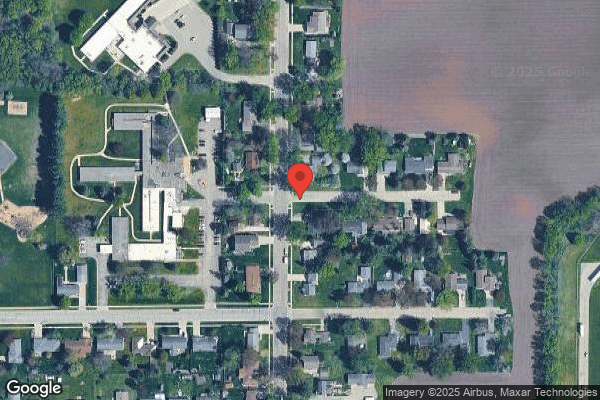
50 WOLVERTON AVE, RIPON, WI 54971 (920) 748-5638
For profit - Limited Liability company 50 Beds EDEN SENIOR CARE Data: November 2025 1 Immediate Jeopardy citation
Trust Grade
66/100
#127 of 321 in WI
Last Inspection: January 2025

Within standard 12-15 month inspection cycle. Federal law requires annual inspections.

Overview

Whispering Pines Nursing and Rehab, LLC has a Trust Grade of C+, indicating that it is decent and slightly above average among nursing homes. It ranks #127 out of 321 facilities in Wisconsin, placing it in the top half, and #3 out of 7 in Fond Du Lac County, meaning only two local options are better. The facility is currently improving, with a decrease in reported issues from 6 in 2023 to 5 in 2025. Staffing is a strength, with a 4 out of 5-star rating and turnover at 47%, which is average for Wisconsin. However, there are serious concerns, including a critical incident where a resident suffered a fatal choking episode due to improper food preparation, and issues with food safety and sanitation practices that could potentially affect all residents. While the facility has strengths, these significant concerns warrant careful consideration.

Trust Score
C+
66/100
In Wisconsin
#127/321
Top 39%
Safety Record
High Risk
Review needed
Inspections
Getting Better
6 → 5 violations
Staff Stability
⚠ Watch
47% turnover. Above average. Higher turnover means staff may not know residents' routines.
Penalties
○ Average
$12,649 in fines. Higher than 63% of Wisconsin facilities. Some compliance issues.
Skilled Nurses
✓ Good
Each resident gets 58 minutes of Registered Nurse (RN) attention daily — more than average for Wisconsin. RNs are trained to catch health problems early.
Violations
⚠ Watch
11 deficiencies on record. Higher than average. Multiple issues found across inspections.
★★★★☆
4.0
Overall Rating
★★★★☆
4.0
Staff Levels
★★★★★
5.0
Care Quality
★★★☆☆
3.0
Inspection Score
Stable
2023: 6 issues
2025: 5 issues

The Good

  • 4-Star Staffing Rating · Above-average nurse staffing levels
  • 5-Star Quality Measures · Strong clinical quality outcomes
  • Full Sprinkler Coverage · Fire safety systems throughout facility
  • No fines on record

Facility shows strength in staffing levels, quality measures, fire safety.

The Bad

Staff Turnover: 47%

Near Wisconsin avg (46%)

Higher turnover may affect care consistency

Federal Fines: $12,649

Below median ($33,413)

Minor penalties assessed

Chain: EDEN SENIOR CARE

Part of a multi-facility chain

Ask about local staffing decisions and management

The Ugly 11 deficiencies on record

1 life-threatening
Jan 2025 5 deficiencies
CONCERN (D)

Potential for Harm - no one hurt, but risky conditions existed

Report Alleged Abuse (Tag F0609)

Could have caused harm · This affected 1 resident

**NOTE- TERMS IN BRACKETS HAVE BEEN EDITED TO PROTECT CONFIDENTIALITY** Based on staff and resident interview and record review, the facility failed to implement policies and procedures for ensuring t...

Read full inspector narrative →
**NOTE- TERMS IN BRACKETS HAVE BEEN EDITED TO PROTECT CONFIDENTIALITY** Based on staff and resident interview and record review, the facility failed to implement policies and procedures for ensuring the reporting of a reasonable suspicion of a crime in accordance with section 1150B of the Act for 1 resident (R) (R22) of 15 sampled residents. R22 reported to staff that a staff member stole R22's soda. The facility did not report the allegation of misappropriation to the State Agency (SA) or local law enforcement. Findings include: The facility's Policy and Procedure Vulnerable Adult Abuse and Neglect Prevention, dated 10/29/24, indicates: Any nursing home employee or volunteer who becomes aware of abuse, mistreatment, neglect, or misappropriation shall intervene to safeguard the resident and then immediately report to the Administrator or designee. The Administrator or designee will report .to the State Agency per state and federal requirements .13. Misappropriation of Property: (a) The intentional taking, misplacement, carrying away, using, transferring, concealing, or retaining possession of a resident's movable property without the vulnerable adult's consent .6. Reporting of Incidents: a. All allegations and or suspicions .must be reported to the Administrator immediately .b. The facility must report to the State Agency immediately, but .not later than 24 hours if the alleged violation involves .misappropriation of resident property .10. Reporting Reasonable Suspicion of a Crime (under the Elder Justice Act): 1. All employees of this facility have the following responsibilities and rights under federal law: If you reasonably suspect that a crime has occurred against a resident or person receiving care, you must report that suspicion to the police and State Survey Agency . From 1/13/25 to 1/15/25, Surveyor reviewed R22's medical record. R22 was admitted to the facility on [DATE] and had diagnoses including depression and surgical wound complications. R22's most recent Minimum Data Set (MDS)assessment, dated 11/27/24, indicated R22 had moderate cognitive impairment. On 1/13/25 at 10:43 AM, Surveyor interviewed R22 who indicated R22 suspected a staff stole soda from R22's personal supply which was kept in R22's room. R22 indicated approximately two week prior, R22 returned to R22's room from an activity and noticed R22's soda was gone. R22 had two bottles of soda left and suspected a staff member had stolen the soda. R22 reported the theft concern to Assistant Director of Nursing (ADON)-D who informed R22 that the allegation of theft was addressed with the accused staff member. On 1/14/25 at 9:41 AM, Surveyor interviewed ADON-D who confirmed R22 had accused a staff of stealing R22's soda. ADON-D confirmed R22 made the allegation in the preceding week, however, ADON-D was unsure of the exact date the concern was reported. ADON-D indicated R22's daughter typically brought R22 a 24-case of soda, however, R22 had reported soda missing from a six-pack and ADON-D did not think R22's report was credible. ADON-D indicated ADON-D informed Nursing Home Administrator (NHA)-A and Director of Nursing (DON)-B about the allegation of misappropriation on the same day the allegation was made. ADON-D indicated ADON-D, NHA-A, and DON-B discussed the allegation. ADON-D was unable to provide Surveyor with documentation related to the allegation of misappropriation and confirmed ADON-D did not report the allegation of misappropriation to the SA. On 1/14/25 at 10:15 AM, Surveyor interviewed DON-B who confirmed R22 alleged that a staff took R22's soda. DON-B was unsure of the exact date R22 reported the theft but confirmed it was reported in the week preceding the interview. DON-B confirmed DON-B, NHA-A, and ADON-D discussed the allegation. DON-B was unable to provide Surveyor with documentation related to the allegation of misappropriation and confirmed the allegation of misappropriation was not reported to the SA. On 1/14/25 at 10:40 AM, Surveyor interviewed NHA-A who confirmed NHA-A, DON-B, and ADON-D discussed R22's allegation that a staff member took R22's soda. NHA-A confirmed NHA-A was made aware of the allegation in the week preceding the interview. On 1/15/25 at 2:28 PM, Surveyor again interviewed NHA-A who confirmed R22's report of missing soda was an allegation of misappropriation. NHA-A confirmed NHA-A did not report the allegation of misappropriation to the SA or local law enforcement.
CONCERN (D)

Potential for Harm - no one hurt, but risky conditions existed

Investigate Abuse (Tag F0610)

Could have caused harm · This affected 1 resident

**NOTE- TERMS IN BRACKETS HAVE BEEN EDITED TO PROTECT CONFIDENTIALITY** Based on staff and resident interview and record review, the facility did not ensure an allegation of misappropriation was thoro...

Read full inspector narrative →
**NOTE- TERMS IN BRACKETS HAVE BEEN EDITED TO PROTECT CONFIDENTIALITY** Based on staff and resident interview and record review, the facility did not ensure an allegation of misappropriation was thoroughly investigated for 1 resident (R) (R22) of 15 sampled residents. R22 reported that staff stole R22's soda. The facility did not thoroughly investigate the allegation of misappropriation. Findings include: The facility's Policy and Procedure Vulnerable Adult Abuse and Neglect Prevention, dated 10/29/24, indicates: Any nursing home employee or volunteer who becomes aware of abuse, mistreatment, neglect, or misappropriation shall intervene to safeguard the resident and then immediately report to the Administrator or designee. The Administrator or designee will report .to the State Agency per state and federal requirements .4. Investigation: a. Upon receiving a complaint of alleged maltreatment, the Administrator must be notified immediately and they, the Director of Nursing, or assigned designee, will coordinate an investigation which will include completion of witness statements . From 1/13/25 to 1/15/25, Surveyor reviewed R22's medical record. R22 was admitted to the facility on [DATE] and had diagnoses including depression and surgical wound complications. R22's most recent Minimum Data Set (MDS) assessment, dated 11/27/24, indicated R22 had moderate cognitive impairment. On 1/13/25 at 10:43 AM, Surveyor interviewed R22 who indicated R22 suspected a staff stole soda from R22's personal supply which was kept in R22's room. R22 indicated approximately two weeks prior, R22 returned to R22's room from an activity and noticed R22's soda was gone. R22 had two bottles of soda left and suspected a staff member had stolen the soda. R22 had reported the allegation of theft to Assistant Director of Nursing (ADON)-D who informed R22 the allegation of theft was addressed with the accused staff. On 1/14/25 at 9:41 AM, Surveyor interviewed ADON-D who confirmed R22 alleged that a staff stole soda from R22's personal supply. ADON-D confirmed R22 reported the allegation in the preceding week, however, ADON-D was unsure the exact date the allegation was reported. ADON-D indicated R22's daughter typically brought R22 a 24-pack of soda, however, R22 reported soda missing from a six-pack so ADON-D did not find R22's report credible. ADON-D indicated ADON-D informed Nursing Home Administrator (NHA)-A and Director of Nursing (DON)-B about R22's allegation on the same day the allegation was made. ADON-D indicated ADON-D, NHA-A, and DON-B discussed R22's allegation. ADON-D was unable to provide Surveyor with documentation related to R22's allegation of misappropriation. On 1/14/25 at 10:15 AM, Surveyor interviewed DON-B who confirmed R22 accused a staff of stealing R22's soda. DON-B was unsure of the exact date the allegation was reported but confirmed it was in the week preceding the interview. DON-B confirmed DON-B, NHA-A, and ADON-D discussed R22's allegation. DON-B indicated DON-B and ADON-D planned to monitor R22's supply of soda in response to the allegation. DON-B was unable to provide Surveyor with documentation related to R22's allegation of misappropriation. On 1/14/25 at 10:40 AM, Surveyor interviewed NHA-A who confirmed NHA-A, DON-B, and ADON-D discussed R22's allegation that a staff stole R22's soda. NHA-A confirmed NHA-A was made aware of the allegation in the week preceding the interview. NHA-A confirmed NHA-A and DON-B did not investigate R22's missing soda because NHA-A, DON-B, and ADON-D did not find R22's allegation credible. On 1/15/25 at 2:28 PM, Surveyor again interviewed NHA-A who confirmed R22's report of missing soda was an allegation of theft. NHA-A indicated NHA-A had begun an investigation into R22's allegation on the afternoon of 1/14/25. NHA-A indicated NHA-A did not expect R22's allegation to be substantiated during the investigation.
CONCERN (D)

Potential for Harm - no one hurt, but risky conditions existed

Quality of Care (Tag F0684)

Could have caused harm · This affected 1 resident

**NOTE- TERMS IN BRACKETS HAVE BEEN EDITED TO PROTECT CONFIDENTIALITY** Based on observation, staff and resident interview, and record review, the facility did not ensure proper surgical wound treatme...

Read full inspector narrative →
**NOTE- TERMS IN BRACKETS HAVE BEEN EDITED TO PROTECT CONFIDENTIALITY** Based on observation, staff and resident interview, and record review, the facility did not ensure proper surgical wound treatment was provided for 1 Resident (R) (R131) of 1 resident. R131 had a right below-the-knee amputation (BKA). R131's wound dressing was not changed per the physician's order. In addition, a weekly in-house wound assessment was not completed for R131's surgical wound. Findings include: The facility's Dressing Change, Sterile policy, dated 2/24/23, indicates: Medical record documentation and follow up as applicable. 1. The date and time the dressing was changed. The facility's Pressure Injury Prevention and Wound Care Management policy, revised 3/4/24, indicates: It is the policy of this facility that each resident receives the necessary care and services to attain or maintain the highest practicable physical, mental, and psychosocial well-being in accordance with the comprehensive assessment and plan of care .7. Skin impairments, including .surgical wounds .should be assessed and documented weekly by the wound nurse or designee using the (electronic) weekly wound assessment. From 1/13/25 to 1/15/25, Surveyor reviewed R131's medical record. R131 was admitted to the facility on [DATE], received dialysis services, and had diagnoses including below-the-knee amputation of the right leg (RBKA) and kidney failure. R131's Minimum Data Set (MDS) assessment, dated 1/6/25, had a Brief Interview for Mental Status (BIMS) score of 13 out of 15 which indicated R131 was not cognitively impaired. A hospital discharge summary indicated: Wound care dressing changes: Change right BKA stump incision with Xeroform gauze, fluff sponges, 4 x 4s, Kerlix, and ace wrap every other day. A treatment order, dated 1/7/25, indicated: RBKA, cleanse with wound wash, apply Xeroform, then gauze fluff, wrap with Kerlix, then ace every day shift every other day for wound care R131's medical record did not contain a weekly wound assessment for R131's surgical wound although R131 had been at the facility for over a week. On 1/14/25, Surveyor reviewed R131's Treatment Administration Record (TAR) and noted R131's dressing change was initialed as completed on 1/7/25, 1/9/25, and 1/11/25. The TAR indicated R131's treatment was not completed on 1/13/25. On 1/14/25 at 10:57 AM, Surveyor interviewed R131 who indicated R131's dressing change was not completed on 1/13/25. R131 indicated R131 had dialysis on 1/13/25 and was headed to a follow-up appointment that afternoon for R131's RBKA. On 1/14/25 at 11:41 AM, Surveyor interviewed Licensed Practical Nurse (LPN)-G who confirmed LPN-G worked the AM shift on 1/13/25 and did not complete R131's wound treatment because R131 had not yet returned from dialysis. LPN-G indicated LPN-G passed along in report that R131's wound dressing needed to be completed. On 1/14/25 at 1:57 PM, Surveyor interviewed Director of Nursing (DON)-B who confirmed R131's wound treatment should have been completed on 1/13/25. On 1/15/25 at 11:08 AM, Surveyor interviewed Assistant Director of Nursing (ADON)-D who was also the facility's wound nurse. ADON-D confirmed R131 did not have an in-house wound assessment since admission. ADON-D indicated ADON-D tries to complete an assessment as close to admission as possible (within 24-48 hours to get a baseline of the wound). Surveyor informed ADON-D that R131's wound dressing was not changed on 1/13/25. Surveyor noted R131's dressing was changed on Tuesday (1/7/25)/Thursday (1/9/25)/Saturday (1/11/25) during R131's first week of admission but the week of 1/13/25, R131's dressing changes fell on dialysis days. ADON-D indicated R131's dressing should have been changed either before or after dialysis and initialed on R131's TAR.
CONCERN (D)

Potential for Harm - no one hurt, but risky conditions existed

Infection Control (Tag F0880)

Could have caused harm · This affected 1 resident

**NOTE- TERMS IN BRACKETS HAVE BEEN EDITED TO PROTECT CONFIDENTIALITY** 2. From 1/13/25 to 1/15/25, Surveyor reviewed R131's medical record. R131 was admitted to the facility on [DATE] and had diagnos...

Read full inspector narrative →
**NOTE- TERMS IN BRACKETS HAVE BEEN EDITED TO PROTECT CONFIDENTIALITY** 2. From 1/13/25 to 1/15/25, Surveyor reviewed R131's medical record. R131 was admitted to the facility on [DATE] and had diagnoses including right below-the-knee amputation (RBKA) of the right leg and dependence on dialysis. R131's MDS assessment, dated 1/6/25, had a Brief Interview for Mental Status (BIMS) score of 13 out of 15 which indicated R131 had intact cognition. During an initial tour of the facility on 1/13/25, Surveyor observed an EBP sign on R131's door that indicated: Everyone must: clean their hands, including before entering the room and when leaving the room. Providers and staff must also: Wear gloves and a gown for the following high-contact resident care activities: dressing, bathing/showering, transferring, changing linens, providing hygiene, changing briefs or assisting with toileting, device care or use: central line, urinary catheter, feeding tube, tracheostomy, wound care: Any skin opening requiring a dressing. R131's medical record contained a treatment order that indicated R131 was on EBP due to a right BKA and PPE should be worn during high-contact activities. The order indicated to ensure PPE was stocked and available every shift. Surveyor noted R131 was a two assist for toileting and transferring. On 1/14/25 at 11:19 AM, Surveyor observed Certified Nursing Assistant (CNA)-E and CNA-F enter R131's room to assist R131 off the toilet. CNA-E and CNA-F completed hand hygiene outside R131's room and donned gloves but did not don gowns. Surveyor observed CNA-E and CNA-F open R131's door as they finished assisting R131 and noted CNA-E and CNA-F were wearing gloves but not gowns. On 1/14/25 at 11:24 AM, Surveyor observed R131's surgical wound with Licensed Practical Nurse (LPN)-G who indicated to CNA-F and Surveyor that gowns should be worn because LPN-G would be accessing R131's surgical wound. On 1/15/25 at 9:47 AM, Surveyor interviewed CNA-E regarding EBP. When Surveyor indicated Surveyor observed CNA-E assist R131 off the toilet on 1/14/25 while wearing gloves but not a gown, CNA-E confirmed Surveyor's observation. When Surveyor asked if CNA-E had received EBP training, CNA-E indicated CNA-E had just completed online training last week and was told that CNA-E only needed to wear a gown if R131's leg was exposed or while dealing with R131's wound. CNA-E indicated R131's leg was not exposed during toileting so CNA-E did not need to wear a gown. On 1/15/25 at 11:05 AM, Surveyor interviewed ADON-D who indicated if a resident is on EBP, staff should wear PPE when completing high-contact cares. ADON-D indicated if a resident has a catheter, PPE should be worn when completing catheter care. If a resident has a wound, PPE should be worn during wound care. When Surveyor asked about toileting, ADON-D indicated toileting was a high-contact activity. Based on observation, staff interview, and record review, the facility did not establish and maintain an infection prevention and control program designed to help prevent the development and transmission of communicable disease and infection for 2 residents (R) (R283 and R131) of 3 sampled residents. R283 was on contact precautions. During observations on 1/13/25 and 1/14/25, staff did not wear appropriate personal protective equipment (PPE) when they entered R283's room. R131 was on enhanced barrier precautions (EBP). During an observation on 1/14/25, staff did not wear appropriate PPE when providing care for R131. Findings include: The facility's Policy and Procedure Isolation Precautions, revised 5/8/24, indicates: Contact Precautions: 1. Implemented for residents suspected or confirmed to be infected with a communicable disease/infection that can be transmitted by direct contact with the resident or indirect contact with environmental surfaces/equipment in the resident's environment .3. Prior to entering the isolation room, the following steps are required: a. Perform hand hygiene and apply gloves and gown prior to entering room; .c. Remove gloves and perform hand hygiene before leaving room (do not use alcohol-based hand gels for isolation due to suspected or confirmed Clostridium difficile and Norovirus); d. Adequately clean/disinfect items with an approved solution prior to removing the item from the room and before use on another resident. 4. Whenever possible, use disposable or dedicated resident-care items/equipment to avoid sharing among residents .Enhanced Barrier Precautions (EBP): 1. Expands the use of PPE beyond situations in which exposure to blood and body fluids is anticipated, refers to the use of gown and gloves during high-contact resident care activities that provide opportunities for transfer of multidrug-resistant organisms (MDROs) to staffs' hands and clothing. Examples of high-contact resident care activities requiring gown and glove use for EBP include: dressing, bathing/showering, transferring, providing hygiene, changing linens, changing briefs or assisting with toileting, device care or use of a device, central line, urinary catheter, feeding tube, tracheostomy, wound care, any skin opening requiring a dressing. 2. Gown and gloves would not be required for resident care activities other than those listed above, unless otherwise necessary for adherence to standard precautions. Residents are not restricted to their rooms or limited from participation in group activities. 1. On 1/13/25, Surveyor reviewed R283's medical record. R283 was admitted to the facility on [DATE] and had diagnoses including chronic kidney disease, weakness, and enterocolitis (inflammation in intestine) due to Clostridium difficile (a bacteria that can cause symptoms ranging from diarrhea to life-threatening inflammation of the colon). R283 was newly admitted and did not have a completed Minimum Data Set (MDS) assessment. An Emergency Department (ED) to hospital admission document, dated 1/5/25, indicated R283 was positive for Clostridium difficile (C. diff) on 10/28/24 and was a C. diff carrier. A hospital discharge note, dated 1/5/25, indicated R283 was admitted to the hospital on a tapered dose of vancomycin (an antibiotic used to treat bacterial infections) for C. diff and (at discharge to the facility) should continue the tapered vancomycin dose of 125 milligrams (mg) twice daily for 7 days, then 125 mg daily for 7 days, then 125 mg every other day for 7 days for C. diff infection. A care plan, initiated 1/9/25, indicated R283 was incontinent of bowel and had chronic C. diff. The care plan indicated R283 was on antibiotic therapy and contact precautions and indicated the facility would provide PPE as needed. On 1/13/25 at 8:32 AM, Surveyor observed a contact precautions sign on R283's door. A cart containing PPE, including gowns, gloves, and masks, was located outside the room and next to the door. On 1/13/25 at 12:03 PM, Surveyor observed therapy staff take R283 into R283's room without donning the appropriate PPE as indicated on the contact precautions sign on R283's door. On 1/13/25 at 12:17 PM, Surveyor observed a staff deliver R283's meal tray without donning PPE prior to entering R283's room. On 1/14/25 at 9:38 AM, Surveyor observed Director of Therapy (DT)-C enter R283's room with a laptop on a cart without donning the appropriate PPE as indicated on the contact precautions sign on R283's door. Surveyor observed a PPE cart that contained masks and bleach wipes (the container indicated will kill C. diff for non-porous surfaces such as glucometers and hard surfaces) and observed a box of gloves on a railing above the PPE cart. Surveyor noted the PPE cart did not contain gowns. On 1/14/25 at 9:59 AM, Surveyor observed DT-C wash DT-C's hands with soap and water and leave R283's room. Surveyor interviewed DT-C who indicated since DT-C only observed R283 complete activities of daily living (ADL) cares and did not help with ADLs, DT-C did not have to wear PPE as indicated by the sign on R283's door. Surveyor observed DT-C bring the cart and laptop out of R283's room and noted DT-C did not wipe the cart after leaving R283's room. On 1/14/25 at 10:20 AM, Surveyor interviewed Assistant Director of Nursing (ADON)-D who verified R283 was on contact precautions due to chronic C. diff infection. ADON-D indicated chronic C. diff meant C. diff bacteria was always present and infectious in R283's gastrointestinal tract. ADON-D indicated staff only had to wear PPE if staff provided direct care to R283. ADON-D indicated staff who carried a tray into R283's room did not need to don PPE prior to entering the room. On 1/14/25 at 10:36 AM, Surveyor provided the facility's Isolation Precautions policy to ADON-D who reviewed the policy and acknowledged that contact precautions were not being followed correctly.
CONCERN (E)

Potential for Harm - no one hurt, but risky conditions existed

Transfer Notice (Tag F0623)

Could have caused harm · This affected multiple residents

**NOTE- TERMS IN BRACKETS HAVE BEEN EDITED TO PROTECT CONFIDENTIALITY** Based on staff interview and record review, the facility did not ensure the Ombudsman was notified of transfers and discharges f...

Read full inspector narrative →
**NOTE- TERMS IN BRACKETS HAVE BEEN EDITED TO PROTECT CONFIDENTIALITY** Based on staff interview and record review, the facility did not ensure the Ombudsman was notified of transfers and discharges for 5 residents (R) (R29, R26, R2, R16, and R13) of 5 sampled residents. R29 was discharged home on [DATE]. The facility did not notify the Ombudsman of R29's discharge. R26 was discharged home on [DATE]. The facility did not notify the Ombudsman of R26's discharge. R2 was transferred to the hospital on 7/11/24. The facility did not notify the Ombudsman of R2's transfer. R16 was transferred to the hospital on 5/28/24. The facility did not notify the Ombudsman of R16's transfer. R13 was transferred to the hospital on [DATE] and 12/28/24. The facility did not notify the Ombudsman of R13's transfers. Findings include: The facility did not provide a policy related to notifying the Ombudsman of transfers and discharges. 1. From 1/13/25 to 1/15/25, Surveyor reviewed R29's medical record. R29 was admitted to the facility on [DATE] following an exacerbation of congestive heart failure (CHF). R29 discharged home on [DATE]. 2. From 1/13/25 to 1/15/25, Surveyor reviewed R26's medical record. R26 was admitted to the facility on [DATE] following a hospitalization for sepsis. R26 was discharged home on [DATE]. 3. From 1/13/25 to 1/15/25, Surveyor reviewed R2's medical record. R2 was admitted to facility on 3/1/24 and had diagnoses including diabetes, anemia, and depression. R2 was transferred to the hospital on 7/11/24 for a positive blood culture. 4. From 1/13/25 to 1/15/25, Surveyor reviewed R16's medical record. R16 was admitted to the facility on [DATE] and had diagnoses including peripheral vascular disease (PVD) and diabetes. R16 was transferred to the hospital for evaluation of a foot wound on 5/28/24. 5. From 1/13/25 to 1/15/25, Surveyor reviewed R13's medical record. R13 was admitted to the facility on [DATE] and had diagnoses including dementia, diabetes type 2, and hypertensive heart disease. R13 was transferred to the hospital on [DATE] and 12/28/24. Surveyor reviewed the facility's November and December 2024 Ombudsman notifications for transfers and discharges and noted the transfers and discharges were faxed to the Ombudsman on 1/13/25. On 1/14/25, Nursing Home Administrator (NHA)-A provided Surveyor with copies of 4 months of Ombudsman notifications. Surveyor noted the fax cover sheet was sent on 1/13/25. NHA-A indicated staff were attempting to locate proof the notifications were sent monthly. On 1/15/25 at 10:56 AM, Surveyor interviewed Social Worker (SW)-H and showed SW-H the fax cover sheet and copies of the last 4 months of Ombudsman notifications that indicated they were sent on 1/13/25. SW-H indicated SW-H sends the notifications monthly via fax but does not save copies of the faxes so SW-H resent them. SW-H indicated SW-H was on leave for a period of time in the fall and NHA-A was going to send the notifications in SW-H's absence. On 1/16/25 at 12:10 PM, Surveyor interviewed Ombudsman (OMB)-I who confirmed OMB-I received faxes of the facility's last 4 months of transfers and discharges on 1/13/25. OMB-I indicated OMB-I tells facilities they need to keep the documents to prove they were sent. OMB-I indicated OMB-I covers 8 counties and could not recall if OMB-I received the monthly notifications from the facility.
Nov 2023 1 deficiency 1 IJ
CRITICAL (J) 📢 Someone Reported This

A family member, employee, or ombudsman was alarmed enough to file a formal complaint

Immediate Jeopardy (IJ) - the most serious Medicare violation

Deficiency F0805 (Tag F0805)

Someone could have died · This affected 1 resident

**NOTE- TERMS IN BRACKETS HAVE BEEN EDITED TO PROTECT CONFIDENTIALITY** Based on staff interview and record review, the facility did not ensure food was prepared in a form designed to meet individual ...

Read full inspector narrative →
**NOTE- TERMS IN BRACKETS HAVE BEEN EDITED TO PROTECT CONFIDENTIALITY** Based on staff interview and record review, the facility did not ensure food was prepared in a form designed to meet individual needs for 1 Resident (R) (R1) of 7 residents on mechanically altered diets. R1 had a mechanically altered diet. R1's diet was not followed on 11/7/23, which resulted in a choking episode that required intervention by nursing staff and emergency medical services (EMS) to clear R1's airway. R1 passed away on 11/7/23 as a result of the choking episode. Failure to ensure foods were served to residents in the appropriate texture created a finding of Immediate Jeopardy (IJ), which began on 11/7/23. Nursing Home Administrator (NHA)-A was notified of the immediate jeopardy on 11/9/23 at 3:45 PM. The immediate jeopardy was removed on 11/9/23; however, the deficient practice continues at a severity/scope level of D as the facility continues to implement its removal plan. Findings include: According to data from the National Safety Council, choking is the 4th most common cause of death. https://injuryfacts.nsc.org/all-injuries/deaths-by-demographics/deaths-by-age/data-details/ As of October 2021, the Academy of Nutrition and Dietetics announced International Dysphagia Diet Standardization Initiative (IDDSI) is the only professionally recognized standard of care for texture modified diets in the Nutrition Care Manual of the Academy of Nutrition & Dietetics for the United States. The facility's Diet and Diet Orders policy, with a revision date of 5/14/21, indicated: All diets will be prescribed by the Attending Physician. The Dietitian will review diets for accuracy and therapeutic goals and recommend changes to the Physician as deemed appropriate .When necessary, the Attending Physician will order therapeutic or mechanically altered diets to address certain diseases .8. The regular menu will be modified and reviewed by the Dietitian and for both therapeutic and consistency modifications, with input from the Food Service Manager or Dietary Manager. Spreadsheets will be available and used by the dietary staff in the service of all meals to ensure food provided is consistent with diet order. 9. The Center will utilize a tray identification system to ensure diet accuracy in the service of the meals .11. Residents on therapeutic or mechanically altered diets will not receive foods or fluids outside the diet order unless approved by the Attending Physician in conjunction with the Dietitian, nursing and/or therapy .Responsibilities: Dietitian - Monitor compliance with policy by ensuring accuracy of diets and communicating changes or recommendations. Ensures that care plan is updated with diet changes. Food Service Director/Dietary Manager - Ensures that food provided is consistent with diet order and that tray card accurately reflects resident/patient diet order and food preferences. Therapy Department - Screens, evaluates and treats residents/patients as applicable to provide least restrictive diet consistency. Provides written documentation of changes to diet or liquid consistency. Nursing Department - Enters diet orders in EMR (electronic medical record) per Physician's order and in compliance with approved diet type and texture. In cooperation with the other departments, ensures appropriate diet and liquids are provided and reports any discrepancies .Instructions: All diet orders must be consistent with diets offered .Diets offered will be as follows: .Diet texture: .Level 7 Easy to Chew . The facility's undated IDDSI education indicated: The International Dysphagia Diet Standardisation Initiative (IDDSI) is a global standard with terminology and definitions to describe texture modified foods and thickened liquids used for individuals with dysphagia of all ages, in all care settings, and for all cultures .7. Easy To Chew Description/Characteristics: Normal, everyday foods of soft/tender textures .Does not include: hard, tough, chewy, fibrous, stringy, crunchy, or crumbly foods .This level could present a choking risk for people with clinically identified increased risk of choking, because food pieces can be of any size. Restricting food piece sizes aims to minimize choking risk .(the next statement was added by the facility and not part of the original IDDSI verbiage) MOST SIMILAR TO DIET CALLED MECHANICAL SOFT - our policy calls for this level to have chopped meats .(original IDDSI verbiage resumes here) Food Specific Examples: Meat - Cooked until tender .(the next statement was added by the facility and not part of the original IDDSI verbiage) Per our policy, meat will be chopped unless tender enough to be flaked (fish) .(original IDDSI verbiage resumes here) Bread, sandwiches and toast that can be cut or broken apart into smaller pieces with the side of a fork or spoon can be provided at clinician discretion . On 11/9/23, Surveyor reviewed R1's medical record. R1 was admitted to the facility on [DATE] with diagnoses to include Parkinson's disease, cognitive communication deficit, and dysphagia (difficulty swallowing). R1's Minimum Data Set (MDS) assessment, dated 9/11/23, contained a Brief Interview for Mental Status (BIMS) score of 15 out of 15 which indicated R1 was not cognitively impaired. R1's Power of Attorney for Healthcare (POAHC) document, dated 11/13/14 and activated on 3/12/19, indicated R1's POAHC was responsible for R1's healthcare decisions. On 11/9/23, Surveyor reviewed R1's physician diet order which stated, Heart Healthy (Cardiac) diet, Level 7 Easy to chew texture, Level 0 Thin (Regular) consistency. On 11/9/23, Surveyor reviewed R1's care plan which stated, I have potential for altered nutritional/hydration status . with interventions to include DIET TEXTURE - Level 7 - Easy to chew. On 11/9/23, Surveyor reviewed a nursing progress note which indicated: 11/7/2023 .Writer alerted to choking episode in dining room. Heimlich maneuver initiated by (Registered Nurse (RN)-E) was unsuccessful. (R1) assisted to floor by (Director of Nursing (DON)-B), therapy and CNA (Certified Nursing Assistant). Crash cart obtained and suction started. (R1) was side lying while attempts to clear the obstruction continued. EMS were notified. (RN-G) attempted side lying Heimlich without success. (R1) noted to have weak pulse - not breathing, cyanotic. EMS arrived on scene and assumed care. At time of EMS arrival, (R1) was pulseless and non-breathing. Code status confirmed DNR (Do Not Resuscitate). EMS was able to clear obstruction with forceps and suction. Leads attached with no viable heart rhythm noted. Police present at time . On 11/9/23, Surveyor reviewed R1's physician code status order of DNR/No Code and R1's Wisconsin form titled Emergency Care, signed and dated by R1's POAHC and physician on 6/30/23, that indicated Emergency providers as appropriate will provide .Clear airway and Emergency providers will not .perform chest compressions . On 11/9/23, Surveyor reviewed the facility's report document, with date occurred 11/7/23, that indicated: (R1) unexpectedly passed away as a result of a choking incident in the dining room. (R1) was observed choking at approximately 12:54 PM and staff responded immediately and appropriately to the incident .Facility has suspended pending investigation staff that were involved in the event from dietary service to table service. Staff education initiated immediately on diet consistencies. Audits initiated immediately for cook to sign off on any resident on an altered diet consistency. On 11/9/23, Surveyor reviewed the facility's investigation which included the following staff interviews: Dietary Aide (DA)-C's handwritten statement, dated 11/7/23, indicated: I was rinsing dishes at the window by the dishwasher. I glanced up when I was putting a dish on a rack and saw (R1) was choking on (R1's) lunch. I immediately stopped what I was doing and ran into the dining room, which only took a couple seconds. I told the CNAs in the dining room (R1) was choking and they immediately called out for a nurse. CNA-D's handwritten statement dated, 11/7/23, indicated: I was sitting in the dining room feeding another resident when I heard a kitchen aide say 'I think (R1's) choking'. I looked around, noticing it was (R1). I went over to (R1) and confirmed (R1) was choking. I began to pat (R1's) back, when (R1) spit milk out of (R1's) mouth. I then screamed for help stating 'I need a nurse for help'. The nurse (RN-G) came running in for help. (RN-G) then stated to me to grab the crash cart and I did so. I continued to assist the nurse, until the hot dog was out of (R1's) throat. RN-E's handwritten statement, dated 11/7/23, indicated: Writer alerted to choking episode in dining room. Writer initiated Heimlich maneuver unsuccessfully. (R1) was assisted to floor by (DON-B), CNA and therapist. Crash cart obtained. Suction started. EMS activated. Continued attempts to clear obstruction. (RN-G) attempted side lying Heimlich without success. Weak pulse noted. Attempts to suction and clear continued. EMS arrived - noted no pulse, not breathing. EMS confirmed code status and continued to attempt to clear obstruction. EMS was successful in removing the obstruction with forceps and suction. No viable heart rhythm noted on leads. Police present. Medication Technician (MT)-F's handwritten statement, dated 11/7/23, indicated: (CNA-D), (DON-B), (RN-E) and I lifted (R1) out of (R1's) chair and put (R1) on the floor. (RN-E) used suction on (R1). We rolled (R1) to (R1's) side, patted (R1) on (R1's) back, suctioned and encouraged (R1) until EMT (emergency medical technicians) arrived. RN-G's handwritten statement, dated 11/7/23, indicated: When writer entered dining room, (R1) was on (R1's) left side with (DON-B) holding (R1's) head and nurse manager suctioning. (R1's) lips were purple, agonal breathing (short, labored, gasping breaths), sending faint pulse. Writer attempted abdominal thrusts for 15 seconds until ambulance arrived. We turned (R1) onto (R1's) back, opened the airway and attempted to remove sausage from blocking airway. Once small piece removed, (R1) went pulseless and eyes became fixed. Second larger piece was removed and leads showed (R1) was in PEA (pulseless electrical activity) and is a DNR. On 11/9/23 at 11:18 AM, Surveyor interviewed NHA-A who indicated NHA-A learned from interviews with staff that R1 was given the wrong food. NHA-A indicated the report from the staff interviews was not yet written and NHA-A had handwritten notes only. NHA-A indicated after the incident on 11/7/23, NHA-A spoke to Dietary Manager (DM)-H who told NHA-A that DM-H let [NAME] (CK)-I know R1 requested a hot dog on a bun and DM-H told CK-I to cut it up. NHA-A indicated CK-I assumed DA-C heard the directive from DM-H. NHA-A indicated DA-C told NHA-A that DA-C did not hear the directive from DM-H. NHA-A indicated the cooks were to have altered diets ready to serve. On 11/9/23, Surveyor reviewed undated handwritten notes by NHA-A who stated the notes were written on 11/7/23 during event and with start of investigation. The notes indicated: .(DM-H) told (CK-I) to cut the hot dog. (CK-I) did not cut hot dog. Hot dogs left whole for person serving. Assumed server heard. (DA-C) said (DA-C) did not hear that . On 11/9/23 at 11:50 PM, Surveyor interviewed Speech Language Pathologist (SLP)-J who verified SLP-J was involved in the assessment of R1's dietary needs. SLP-J stated, We tried pureed, but (R1) didn't like it. (R1) did fine on easy to chew (diet). When asked how small a cut up hot dog should be on a Level 7 Easy to Chew diet, SLP-J stated, Have to be able to cut with tongs of a fork on the side. Has to soften with a fork. Really not a size thing. Could serve someone a whole piece of salmon. Salmon is soft. Ground up hot dog would be easy to chew. Cut up hot dog would not be easy to chew .That would be what I'm comfortable with. When it says 'meat to be chopped', I would say into very small pieces. Like two-centimeter pieces probably. Small enough that it would soften with fork. On 11/9/23 at 12:47 PM, Surveyor observed a food item in a zip-lock bag in NHA-A's office. NHA-A verified the item was a piece of Kielbasa sausage which EMS pulled from R1's throat. The piece of Kielbasa was approximately two inches long and a little over one inch wide. The bag also contained a full Kielbasa sausage that was six and a half inches long and a little over one inch wide. NHA-A verified the full Kielbasa sausage was an example of what was served to R1 on 11/7/23. On 11/9/23 at 12:49 PM, Surveyor interviewed NHA-A who indicated the lunch meal on 11/7/23 was French onion pork loin, scalloped potatoes, and green beans. NHA-A indicated alternate meal items always available were soup of the day, sandwich of the day, salad with protein, and hot dog with bun. On 11/9/23 at 1:05 PM, Surveyor interviewed DM-H who indicated a Level 7 Easy to Chew diet required meats to be cut up into smaller pieces. When asked how small, DM-H stated, Level 6 is 1.6 centimeters, but bigger than that for Level 7 .We do chopped (meat) here for Level 7. Level 6 should be ground (meat). When asked about DM-H's instructions to CK-I for R1's lunch meal on 11/7/23, DM-H stated, The cook was not in the kitchen when I first heard (R1) wanted a hot dog for lunch. I left a note telling the cook (R1) wanted a hot dog for lunch. DM-H indicated the note did not instruct CK-I to cut up the hot dog. DM-H stated, So I talked to the cook to tell (CK-I) to cut up the hot dog in case (CK-I) didn't think of it. When asked if R1 was served a hot dog or a Kielbasa sausage, DM-H stated, It was a Kielbasa. (R1) was okay with getting that since we didn't have hot dogs, but it (Kielbasa) should have been cut up. When asked what size DM-H expected CK-I to cut the Kielbasa, DM-H stated, The way I cut it up, and the way I would expect them (cooks) to do it, is down the long way, then those strips cut the long way again so four long strips then cut the strips in one-half inch pieces. (1.2 centimeters equals one-half inch.) On 11/9/23 at 3:15 PM, Surveyor interviewed SLP-J via phone. When asked if SLP-J authorized any adjustments to R1's Level 7 Easy to Chew diet, SLP-J stated, I don't think so .I know I didn't adjust for Kielbasa. When asked if bread was allowed on a Level 7 Easy to Chew diet, SLP-J stated, Anyone can have bread on that diet .anything fork tender. Bread on Level 7 should be fine. A piece of bread. When asked if a bun was appropriate for a Level 7 Easy to Chew diet, SLP-J stated, Bun is fine. I would say that qualifies as easy to chew. Meat only if sliceable on side of fork. When Surveyor asked SLP-J's thoughts on the Kielbasa alternative, SLP-J stated, (R1) was not given correct texture. Not the right item. (R1) maybe could have been given Kielbasa in another form. Cut up into a size that loses its form with a fork. Or ground up. SLP-J indicated adjustments to IDDSI diet levels should be specifically added to a resident's diet order and care plan. SLP-J further stated, I didn't even know we (facility) served Kielbasa. The failure to ensure a resident received food in the correct form led to serious harm which created a reasonable likelihood for serious harm, thus leading to a finding of Immediate Jeopardy. The facility removed the jeopardy on 11/9/23 when it completed the following: 1. Reviewed all residents' diet orders and tray cards for accuracy. 2. Reviewed the IDDSI Level 7 Easy to Chew Framework with staff and updated the facility's policies and procedures accordingly. 3. Educated staff on the requirements of F805 and serving food in accordance with residents' diet orders. 4. Initiated meal and snack audits.
Nov 2023 1 deficiency
CONCERN (F)

Potential for Harm - no one hurt, but risky conditions existed

Food Safety (Tag F0812)

Could have caused harm · This affected most or all residents

Based on observation, staff interview, and record review, the facility did not ensure food was stored and served in a safe and sanitary manner. This practice had the potential to affect 37 of 37 resid...

Read full inspector narrative →
Based on observation, staff interview, and record review, the facility did not ensure food was stored and served in a safe and sanitary manner. This practice had the potential to affect 37 of 37 residents residing in the facility. Kitchen and food services areas were not in a clean and sanitary condition. Findings include: On 10/30/23 at 9:00 AM, Surveyor began an initial tour of the kitchen with Dietary Manager (DM)-C who indicated the facility followed the Food and Drug Administration (FDA) Food Code. The FDA Food Code 2022 documents at 4-601.11 Equipment, Food-Contact Surfaces, Nonfood-Contact Surfaces, and Utensils. (A) Equipment food-contact surfaces and utensils shall be clean to sight and touch. (B) The food-contact surfaces of cooking equipment and pans shall be kept free of encrusted grease deposits and other soil accumulations. The FDA Food Code 2022 documents at 4-602.12 Cooking and Baking Equipment. (A) Food-contact surfaces of cooking and baking equipment shall be cleaned at least every 24 hours. The FDA Food Code 2022 documents at 4-602.13 Nonfood-Contact Surfaces. Non-food-contact surfaces of equipment shall be cleaned at a frequency necessary to preclude accumulation of soil residues. On 10/31/23 at 9:25 AM, Surveyor noted the floors and walls in the dishwashing area were dirty and contained significant build up. The build up on the floor was dark in color and appeared to be dirt/grease/debris that was deposited throughout the dish area flooring. Spills, food, and debris were also visible on the shelving under and around the dish area. Surveyor also observed a layer of dirt/food/debris on top of the dishwashing machine, and noted the outside of the machine was soiled with splattered food particles and a white coating of debris. Three 3 level carts (which are used to carry resident food trays, drinks, and condiments) were also dirty and contained food/dirt/debris. On the shelving to the left of the dishwashing area, Surveyor observed a green bucket and a light blue plastic container that contained splatters of food and debris on the inside and outside. Surveyor also noted food/dirt/debris on the floor in the steam table area and throughout the kitchen cooking/prep area. Surveyor noted the front of the coffee machine was splashed with dripped coffee and debris. The shelf where the cutting boards were kept was visibly soiled with dirt/food/debris. Surveyor noted the outside of the convection oven (top to bottom) contained dirt/debris and the drawer under the oven contained dirt/food/debris. The stovetop/burners also contained food and debris on and around them. The metal divider between the flattop grill and the burners was caked with food and grease as well as droppings from food scraped off the grill. The garbage can near the flattop grill contained splashes that dripped down the can, and the area around the stove/flattop grill contained food/dirt/debris. Surveyor also noted the drain hole on the flattop grill was filled to the top with scraped off food. Surveyor observed the 3 compartment sink and noted the 3 sinks were dry; however, there was dried food and debris on the inside and bottom of the sinks and food/debris in the drains. Surveyor observed the steam table and noted cloudy water with debris in the bottom of two open sections. The other sections of the steam table contained shallow pans with stacked items used for food service, including plates and plate covers. Each of the shallow pans were dirty and contained food/dirt/debris. Surveyor observed two open areas between the kitchen and dishwashing area walls (similar to service windows). The ledges of the open areas were used as storage for various items, including cleaning supplies and seasonings. Both areas were dirty and soiled with dirt/food/debris. On 10/31/23 at 9:35 AM, Surveyor interviewed Dietary Aide (DA)-E who stated the PM shift is responsible for the cleaning list. DA-E confirmed there was debris and build up in the dish area, including the lower walls and floor, and showed Surveyor the cleaning list which was posted on the wall in the dish area. On 10/31/23 at 9:37 AM, Surveyor interviewed [NAME] (CK)-F who also stated cleaning is completed on the PM shift; however, staff are supposed to wipe up after themselves while working. CK-F acknowledged the build up of dirt/food/debris on the floors, walls, carts, and shelves in various areas of the kitchen. Surveyor reviewed the cleaning duties sign off sheet which included Cook duties listed as: wipe off counters, empty/wipe steam table, sweep/mop kitchen area, temp logs, garbage/cardboard to dumpsters- new liners, set trays, hang new menus. Surveyor noted the sign off sheet did not contain initials to indicate completion of the duties on 33 of 53 days from 9/10/23 to 11/1/23. On 10/31/23 at 10:33 AM, Surveyor interviewed DM-C and Registered Dietician (RD)-D. DM-C stated cleaning is done primarily on PM shift and verified it's DM-C's responsibility to ensure the cleaning is completed and the sign off sheets are audited. During a walk through of the kitchen, Surveyor showed DM-C and RD-D the areas of concern (steam table, dish area, carts, ledges, walls, floors, shelves, cooking areas, dish areas and multiple work/storage surfaces). DM-C and RD-D verified the areas were not in accordance with the kitchen's cleaning standards.
Oct 2023 3 deficiencies
CONCERN (D) 📢 Someone Reported This

A family member, employee, or ombudsman was alarmed enough to file a formal complaint

Potential for Harm - no one hurt, but risky conditions existed

Report Alleged Abuse (Tag F0609)

Could have caused harm · This affected 1 resident

**NOTE- TERMS IN BRACKETS HAVE BEEN EDITED TO PROTECT CONFIDENTIALITY** Based on staff and resident interview, and record review, the facility did not ensure alleged violations were reported to the ap...

Read full inspector narrative →
**NOTE- TERMS IN BRACKETS HAVE BEEN EDITED TO PROTECT CONFIDENTIALITY** Based on staff and resident interview, and record review, the facility did not ensure alleged violations were reported to the appropriate agencies, including local law enforcement and the State Agency (SA), for 1 Resident (R) (R3) of 7 sampled residents. R3 reported R3's wallet and money were missing. The facility did not report the missing money to the SA or local law enforcement. Findings include: The facility's Vulnerable Adult Abuse and Neglect Prevention policy, with a revision date of 10/4/23, indicated: 6. Reporting of Incidents: b. The facility must report to the State Agency immediately .but not later than 24 hours if the alleged violation involves, neglect, misappropriation of resident property, or exploitation and involves not serious bodily injury. iv. Call law enforcement officials if suspected concern is criminal in nature ( .theft/robbery). R3 was admitted to the facility on [DATE]. R3's Minimum Data Set (MDS) assessment, dated 8/7/23, contained a Brief Interview for Mental Status (BIMS) score of 15 out of 15 which indicated R3 was not cognitively impaired. On 10/12/23, Surveyor reviewed the facility's grievance file and noted a grievance, dated 7/21/23 at 8:30 AM, that was reported by R3. The grievance indicated: Missing wallet (dark in color) brown wallet is unsure how much money is in it. Stated it was missing for 1 to 2 days. Writer searched room and found a camouflage wallet. R3 stated it isn't the one. The grievance form was signed by Social Services Director (SSD)-E. The resolution, dated 7/21/23 at 11:50 AM, indicated: Writer searched the laundry and talked to laundry staff. They haven't seen it. Writer offered to call the police to report it missing and R3 stated, God no, why would you get them involved? On 10/12/23, Surveyor reviewed supporting documentation contained in the investigation for R3's grievance and noted the following: ~A witness statement from Director of Nursing (DON)-B, dated 7/21/23, indicated: Went to R3's room with Social Worker for statement from R3 who stated there may have been $150-$200 in the wallet. R3 also stated R3 was not sure. ~A witness statement from Business Office Manager (BOM)-F indicated: Met with R3 regarding past due invoice. R3 concerned because R3 is missing billfold. When asked how long it has been missing, R3 stated 3 to 4 days. Writer asked how much was in it and R3 stated $300-$400. Writer contacted (named taxi service) as R3 uses their service to see if anything was turned in. They stated no. Spoke to bank with R3. R3 withdrew $200 mid-June and paid R3's cell phone bill through August. ~SSD-E's summary indicated: R3 reported to SSD-E that R3's brown wallet was missing for 5-7 days. When asked if R3 had money in the wallet, R3 didn't think so. SSD-E searched R3's room/drawers with permission with DON-B as a witness. A camouflage with a credit card and ID was found. R3 stated it wasn't the right wallet. When SSD-E offered to call the police, R3 stated, God no, why would we involve the police? Staff were interviewed and statements were taken. Housekeeping and laundry were searched. One Certified Nursing Assistant (CNA) stated they bought R3 candy last week because R3 didn't have money. When DON-B asked R3 about the timeline of the missing wallet and amount of money in the wallet, R3 stated the wallet was missing for 1-2 days and the amount in the wallet was $150-$200. SSD-E attempted to look through the garbage/dumpster because R3 stated last time R3 saw the wallet, it was on the bedside table, but the dumpster was already emptied. R3 chooses to keep R3's garbage can under the bedside table. BOM-F met with R3 who R3 stated the wallet contained $300-$400. R3 verified R3 went to (named cell phone provider) to pay R3's cell phone bill. BOM-F verified with (named taxi service) that R3 took a taxi in mid-June to R3's bank and cell phone provider. R3 called the bank and verified the last withdrawal R3 made was $200 in mid-June. R3 also called (named cell phone provider) to verify how much R3 paid for R3's bill. The specialist stated R3 paid several months in advance and most plans are $33 per month. R3 also paid for the cab. In summary, R3's story changed several times and details were not consistent. It was determined that R3 spent R3's money on the cell phone bill and it was not misappropriated. Staff were not able to locate R3's wallet, however, personal property was located in the camouflage wallet. The 24 hour monitoring board for confusion/cognitive changes will be completed for 72 hours. On 10/12/23 at 11:50 AM, Surveyor asked if R3 felt R3's property was safe at the facility. R3 immediately said no and stated R3's wallet that contained several hundred dollars was stolen. R3 indicated R3 reported it, but the facility didn't do much about it and R3 wasn't going to press charges. On 10/12/23 at 12:45 PM, Surveyor interviewed SSD-E who indicated because R3's story was so variable and R3 spent money on a cell phone bill and a cab ride, it was determined R3's money was not stolen. SSD-E indicated R3 did not want the police called, so the facility did not contact the police. SSD-E indicated SSD-E investigates grievances and Nursing Home Administrator (NHA)-A makes the determination if the allegation needs to be reported to the SA. On 10/12/23 at 12:50 PM, Surveyor interviewed NHA-A who indicated NHA-A did not recall that R3 indicated R3's wallet was stolen. NHA-A indicated if NHA-A and the team felt the wallet was stolen, they would have reported it to the SA or local law enforcement. NHA-A indicated R3's story was variable and the team determined R3 spent the money on a cell phone bill and a cab ride. NHA-A also indicated R3 didn't want the police called. On 10/12/23, Surveyor and Regional Consultant (RC)-G reviewed the staff statements and investigation and noted R3 withdrew $200 from the bank in June. Another statement indicated R3 paid R3's cell phone bill for June through August and another statement indicated the cost might have been $33 per month. The calculation was $99 plus a cab ride, so R3 might have had a little less than $100 in R3's wallet. RC-G agreed that was a substantial amount of money. On 10/12/23 at 1:00 PM, Surveyor interviewed RC-G who confirmed R3's missing wallet probably should have been reported to local law enforcement as well as the SA given the potential amount of money in the wallet.
CONCERN (D) 📢 Someone Reported This

A family member, employee, or ombudsman was alarmed enough to file a formal complaint

Potential for Harm - no one hurt, but risky conditions existed

Investigate Abuse (Tag F0610)

Could have caused harm · This affected 1 resident

**NOTE- TERMS IN BRACKETS HAVE BEEN EDITED TO PROTECT CONFIDENTIALITY** Based on staff and resident interview, and record review, the facility did not ensure an allegation of misappropriation was thor...

Read full inspector narrative →
**NOTE- TERMS IN BRACKETS HAVE BEEN EDITED TO PROTECT CONFIDENTIALITY** Based on staff and resident interview, and record review, the facility did not ensure an allegation of misappropriation was thoroughly investigated for 1 Resident (R) (R3) of 7 sampled residents. R3 reported R3's wallet and money were missing. The facility did not complete a thorough investigation that included other resident interviews. Findings include: The facility's Vulnerable Adult Abuse and Neglect Prevention policy, with a revision date of 10/4/23, indicated: 4. Investigation b. all parties involved including two of the following: staff, residents, or visitors, who were potentially involved, or observed the alleged incident. R3 was admitted to the facility on [DATE]. R3's Minimum Data Set (MDS) assessment, dated 8/7/23, contained a Brief Interview for Mental Status (BIMS) score of 15 out of 15 which indicated R3 was not cognitively impaired. On 10/12/23, Surveyor reviewed the facility's grievance file and noted a grievance, dated 7/21/23 at 8:30 AM, that was reported by R3. The grievance indicated: Missing wallet (dark in color) brown wallet is unsure how much money is in it. Stated it was missing for 1 to 2 days. Writer searched room and found a camouflage wallet. R3 stated it isn't the one. The grievance form was signed by Social Services Director (SSD)-E. The resolution, dated 7/21/23 at 11:50 AM, indicated: Writer searched the laundry and talked to laundry staff. They haven't seen it. Writer offered to call the police to report it missing and R3 stated, God no, why would you get them involved? On 10/12/23, Surveyor reviewed supporting documentation for the investigation into R3's grievance and noted the only witness statements were from staff. On 10/12/23 at 11:50 AM, Surveyor asked if R3 felt R3's property was safe at the facility. R3 immediately said No and stated R3's wallet that contained several hundred dollars was stolen. R3 indicated R3 informed staff, but the facility didn't do much about it and R3 wasn't going to press charges. On 10/12/23 at 12:45 PM, Surveyor interviewed SSD-E who indicated SSD-E assists with grievance investigations and verified there were no resident interviews completed. SSD-E was not aware of any other missing items and stated nothing else was reported, however, SSD-E indicated SSD-E did not ask other residents. On 10/12/23 at 12:50 PM, Surveyor interviewed Nursing Home Administrator (NHA)-A who could not recall if other residents were interviewed, but indicated the facility did not feel R3's funds were misappropriated based on the investigation. NHA-A indicated NHA-A did not think R3 indicated R3's funds were stolen, though R3 indicated that to Surveyor. On 10/12/23 at 1:00 PM, Surveyor interviewed Regional Consultant (RC)-G who verified other resident interviews should have been completed as part of a thorough investigation to ensure other residents were not missing money or other items.
CONCERN (D) 📢 Someone Reported This

A family member, employee, or ombudsman was alarmed enough to file a formal complaint

Potential for Harm - no one hurt, but risky conditions existed

Infection Control (Tag F0880)

Could have caused harm · This affected 1 resident

**NOTE- TERMS IN BRACKETS HAVE BEEN EDITED TO PROTECT CONFIDENTIALITY** Based on observation, staff interview, and record review, the facility did not ensure staff performed proper hand hygiene during...

Read full inspector narrative →
**NOTE- TERMS IN BRACKETS HAVE BEEN EDITED TO PROTECT CONFIDENTIALITY** Based on observation, staff interview, and record review, the facility did not ensure staff performed proper hand hygiene during the provision of cares for 1 Resident (R) (R2) of 1 resident. Certified Nursing Assistant (CNA)-C and CNA-D did not consistently perform hand hygiene during the provision of perineal care for R2 on 10/12/23. Findings include: The facility's Hand Hygiene policy, last revised on 1/16/23, indicated: To provide guidelines to staff for proper and appropriate hand washing and hygiene techniques that will aid in the prevention of the transmission of infections .2. The use of gloves does not replace hand hygiene. 3. Hand hygiene is always the final step after removing and disposing of personal protective equipment (PPE) .If hands are not visibly soiled, use an alcohol-based hand rub for all the following situations: a. When hands are not visibly soiled .d. Before applying gloves and after removing gloves or other PPE; e. After handling items potentially contaminated with blood, body fluids, or secretions .f. Before moving from a contaminated body site to a clean body site during resident care . On 10/12/23, Surveyor reviewed R2's medical record. R2 was admitted to the facility on [DATE] with diagnoses to include neurocognitive disorder with Lewy bodies (a form of progressive dementia that affects a person's ability to think, reason, and process information). R2's Minimum Data Set (MDS) assessment, dated 8/10/23, contained a Brief Interview for Mental Status (BIMS) score of 00 out of 15 which indicated R2 had severe cognitive impairment. On 10/12/23 at 2:02 PM, Surveyor observed CNA-C and CNA-D provide front and rear perineal care for R2 who was incontinent of bowel movement (BM). Surveyor observed CNA-C provide front perineal care with gloved hands, and CNA-D provide front and rear perineal care with gloved hands. CNA-C removed R2's soiled brief, provided more rear perineal care, and then CNA-C and CNA-D repositioned R2 onto R2's back. CNA-C and CNA-D removed gloves and, without performing hand hygiene, CNA-C and CNA-D applied clean gloves. CNA-D removed a BM soiled lift sheet, provided rear perineal care, and removed a BM soiled Chux pad. CNA-C took the soiled Chux pad and lift sheet from CNA-D and placed them in a garbage bag. CNA-D provided additional rear perineal care and, with the same gloved hands, CNA-C and CNA-D placed a clean brief on R2. CNA-C and CNA-D repositioned R2 to properly apply the brief and CNA-D fastened the brief. CNA-C and CNA-D then removed gloves. Without performing hand hygiene, CNA-C exited the room, CNA-D lowered R2's bed, and CNA-C returned to the room with a clean lift sheet. CNA-C and CNA-D put pants on R2, CNA-D put shoes on R2, and CNA-C and CNA-D transferred R2 from bed to wheel chair with a mechanical lift. CNA-C then placed the mechanical lift in the hallway. CNA-C wheeled R2 out of the room to attend an activity. CNA-D removed a garbage bag from the container, repositioned linens on R2's bed, and placed a new bag in the garbage container. CNA-D left the room with the garbage bag, entered a door code to open the storage supply room, and then left the supply room to obtain gloves from R2's bathroom. CN-D again entered the door code to the supply room, sorted R2's soiled linens from the garbage, and placed the linens in the appropriate containers. CNA-D removed CNA-D's gloves and attempted to perform hand hygiene, but the wall container of hand sanitizer in the supply room was empty. CNA-D used the wall container in the hallway to perform hand hygiene. On 10/12/23 at 2:31 PM, Surveyor interviewed CNA-D who verified CNA-D did not perform hand hygiene after glove removal or when moving from dirty task to clean task. CNA-D stated, We need more hand sanitizer. CNA-D indicated the facility does not provide staff with pocket-size hand sanitizers and there aren't hand sanitizer wall units in resident rooms. CNA-D stated, They also need to make sure the wall ones are working. On 10/12/23 at 2:35 PM, Surveyor interviewed CNA-C who verified CNA-C did not perform hand hygiene after glove removal or when moving from dirty task to clean task. On 10/12/23 at 2:43 PM, Surveyor interviewed Director of Nursing (DON)-B who, following a discussion of the above observations, verified hand hygiene should be performed after glove removal and when moving from dirty task to clean task.
Feb 2023 1 deficiency
CONCERN (D) 📢 Someone Reported This

A family member, employee, or ombudsman was alarmed enough to file a formal complaint

Potential for Harm - no one hurt, but risky conditions existed

Pressure Ulcer Prevention (Tag F0686)

Could have caused harm · This affected 1 resident

**NOTE- TERMS IN BRACKETS HAVE BEEN EDITED TO PROTECT CONFIDENTIALITY** Based on staff interview and record review, the facility did not ensure necessary care and services were provided to promote hea...

Read full inspector narrative →
**NOTE- TERMS IN BRACKETS HAVE BEEN EDITED TO PROTECT CONFIDENTIALITY** Based on staff interview and record review, the facility did not ensure necessary care and services were provided to promote healing and/or prevent pressure injuries from developing/worsening for 1 Resident (R) (R1) of 5 sampled residents. On 1/31/23, R1 was admitted to the facility with a boggy left heel. On 2/14/23, the facility identified an open area with a blister and suspected deep tissue injury on R1's left heel. The facility did not consistently implement appropriate assessment and treatment interventions to prevent the development/worsening of R1's left heel pressure injury. Findings include: The facility's Pressure Injury Prevention and Wound Care Management policy, with a revision date of 2/24/23, contained the following information: The purpose of the policy is to provide healthcare staff with the standards of care, and processes to be followed for all residents .To identify factors that places residents at risk for the development of pressure injuries and to implement appropriate interventions to prevent the development of clinically avoidable wounds .To promote a systematic approach and monitoring process for the care of residents with existing wounds and for those who are at risk for skin breakdown .5. Residents' skin will be monitored daily during cares by the nursing assistants and skin checks will be completed weekly by licensed nurses .7. Skin impairments .should be assessed and documented weekly by the Wound Nurse, or designee .a. Weekly documentation will include pertinent characteristics of existing ulcers, including location, size, depth, maceration, color of the ulcer and surrounding tissues, and a description of any drainage, eschar (dead or devitalized tissue that is hard or soft in texture, usually black, brown, or tan in color, and may appear scab-like), necrosis (the death of body tissue due to illness, injury, infection, or lack of blood flow), odor, tunneling, or undermining (occurs when the tissue under the wound edges becomes eroded, resulting in a pocket beneath the skin at the wounds edge) .3. Wounds will be treated based on the etiology of the wound . Prevention and Treatment of Pressure Ulcers/Injuries Clinical Practice Guidelines, with a publishing date of 2019, states, .Suspected Deep Tissue Injury (SDTI) .Purple or maroon localized area of discolored intact skin or blood-filled blister due to damage of underlying soft tissue from pressure and/or shear. The area may be preceded by tissue that is painful, firm, mushy, boggy, warmer or cooler as compared to adjacent tissue .Evolution may include a thin blister over a dark wound bed. The wound may further evolve and become covered by thin eschar . The Clinical Practice Guideline did not include the use of loose weave gauze wrap dressings as appropriate intervention for SDTIs. On 2/28/23, Surveyor reviewed R1's medical record. R1 was admitted to the facility on [DATE] with diagnoses to include diabetes mellitus, diabetic ulcers on the right foot, congestive heart failure (CHF) and chronic kidney disease. R1's Minimum Data Set (MDS) assessment, dated 2/6/23, contained a Brief Interview for Mental Status (BIMS) score of 11 out of 15 which indicated R1 had moderate cognitive impairment. R1 was responsible for R1's healthcare decisions and was discharged from the facility on 2/16/23. R1's medical record contained an admission Screener, dated 1/31/23, that indicated R1's left heel was boggy. The admission Screener did not contain measurements of R1's left heel. R1's medical record contained a Weekly Skin Check, dated 2/7/23, that indicated no new skin alterations were identified. R1's medical record contained a nursing progress note, dated 2/14/23, that contained the following information: Incident Note .blister area to left heel, boggy upon admission, heel boots in place when in bed and in wheelchair, floating heels when in bed; area photographed; MD (Medical Doctor) updated. Orders received. DON (Director of Nursing), Admin (Nursing Home Administrator (NHA)) notified. Area cleansed and dressing applied. R1's medical record contained a Wound and Skin Evaluation, dated 2/14/23, that contained documentation of a blister on R1's left heel with the wound bed described as 100% eschar and an open area measured as 3.2 cm (centimeters) (length) by 1.2 cm (width). On 2/28/23 at 11:52 AM, Surveyor interviewed Nurse Manager (NM)-C who verified NM-C was the facility's wound nurse. NM-C stated NM-C assessed R1's left heel on 1/31/23. NM-C described the heel as boggy and stated the facility implemented an intervention of heel boots to decrease pressure on R1's heels. NM-C stated, They (staff) took heel boots off on (2/14/23) and found the blister. When questioned if R1's heel boots were removed prior to 2/14/23, NM-C stated, (R1's) heels should have been checked every night on night shift. NM-C verified NM-C was not made aware of the discoloration, blister, or open area on R1's left heel until 2/14/23. Surveyor reviewed with NM-C the picture in R1's medical record which NM-C stated NM-C took as part of an assessment of R1's left heel on 2/14/23. NM-C verified the picture showed an area of red-purple discoloration, which NM-C verified as a SDTI, outside an area of fluid-filled blister that included an open area with a black wound bed on one edge. NM-C stated NM-C only measured the open area of black wound bed during the 2/14/23 assessment (measurements listed above). NM-C verified NM-C did not measure the area of fluid-filled blister or the area of red-purple discoloration. NM-C verified staff should have notified NM-C when staff noticed a change in R1's boggy left heel. NM-C verified NM-C visualized R1's heel on 1/31/23 and verified R1's heel felt boggy with no discoloration noted. On 2/28/23, Surveyor reviewed R1's Treatment Administration Record (TAR) for February 2023 which stated, Diabetic foot check - notify provider if any concerns noted every night shift for monitoring. On 2/28/23, Surveyor reviewed the results of R1's ankle-brachial index (ABI) (a non-invasive test for peripheral artery disease), dated 2/11/23, which stated, .Impression: Moderate peripheral arterial disease seen bilaterally (both sides) . On 2/28/23 at 1:17 PM, Surveyor interviewed Certified Nursing Assistant (CNA)-D who stated, One morning, I don't remember the date, (R1's) left heel looked almost blackish. CNA-D stated R1's left heel did not have a blister or open area at that time. CNA-D stated CNA-D immediately told Licensed Practical Nurse (LPN)-E about the discoloration on R1's left heel. CNA-D verified LPN-E looked at R1's left heel. On 2/28/23 at 1:56 PM, Surveyor interviewed Registered Nurse (RN)-F who stated RN-F worked the night shift on 2/10/23. RN-F verified RN-F's initials on R1's February TAR indicated RN-F conducted R1's diabetic foot check on the 2/10/23 night shift. When questioned what R1's left heel looked like during the diabetic foot check, RN-F stated, To tell you the truth, I can't say. (R1) had tubigrips and heel protectors on both feet. RN-F verified RN-F did not visualize R1's heels during the 2/10/23 night shift, but should have. On 2/28/23 at 2:13 PM, Surveyor interviewed Medical Doctor (MD)-G via phone. MD-G verified MD-G conducted wound rounds at the facility. MD-G verified MD-G saw R1 on 2/3/23 for an initial assessment and again on 2/10/23 for a follow-up visit. MD-G indicated MD-G conducted a full body assessment during the initial visit on 2/3/23, but only visualized R1's previously identified wounds during the 2/10/23 visit. MD-G stated, When they tell me 'boggy' that means the heel feels soft. It doesn't mean there wasn't an underlying issue. MD-G stated, After that (initial visit), I rely on nurses to update me on any new areas (needed to be assessed by MD-G). MD-G verified MD-G was updated of a new area on R1's left heel on 2/14/23 and ordered a treatment. On 2/28/23 at 2:25 PM, Surveyor interviewed LPN-E via phone. LPN-E verified a CNA told LPN-E about the discolored area on R1's left heel and stated, I don't remember what day. It was kinda boggy and a little discolored. Between red and purple. LPN-E stated LPN-E could not recall if LPN-E notified anyone, such as NM-C or a physician, about the change in R1's left heel. LPN-E stated, I want to say I wrapped it that day (CNA) showed it to me. LPN-E stated LPN-E wrapped R1's left heel with a loose weave gauze wrap dressing. LPN-E verified R1's heel was only discolored on that day with no blister or open area observed. On 2/28/23, Surveyor reviewed nursing department schedules for February 2023 which indicated between the dates of 2/7/23 (when R1's medical record indicated no new skin alterations were identified on R1's Weekly Skin Check) and 2/14/23 (when R1's medical record contained an assessment of the open area on R1's left heel), CNA-D and LPN-E worked the same shifts on 2/10/23, 2/11/23 and 2/12/23. On 2/28/23 at 3:29 PM, Surveyor interviewed NM-C who verified via head nod, LPN-E should have notified NM-C of the new discoloration to R1's left heel. NM-C verified via head nod, a loose weave gauze wrap dressing was not an appropriate intervention for a SDTI. When questioned what NM-C would have done if LPN-E had informed NM-C of the new discoloration to R1's left heel, NM-C stated, I would have notified wound provider (MD-G). On 3/6/23, Surveyor reviewed a hospital Wound Nurse Consult Note, dated 1/30/23 (the day prior to R1's admission to the facility), that stated, .Pressure Injury Heel Left .1/30/2023 3:39 PM .Left heel suspected deep tissue injury. Deep purple discoloration with clear fluid filled blister noted. Edges approximated, no drainage noted . Included in the note was a color picture of R1's left heel taken on 1/30/23 which appeared to have a darkened area under approximately half of a fluid filled blister and an area of dried skin exterior to the fluid filled blister. No measurements were included in the note; however, the picture showed gloved fingers holding a measuring tool that indicated the fluid filled blister was approximately 4 cm in diameter and the dried skin area was approximately 1.5 cm in length and shorter width. The Wound Consult Note was in contrast to R1's admission Screener and NM-C's assessment of R1's left heel on 1/31/23.
Understanding Severity Codes (click to expand)
Life-Threatening (Immediate Jeopardy)
J - Isolated K - Pattern L - Widespread
Actual Harm
G - Isolated H - Pattern I - Widespread
Potential for Harm
D - Isolated E - Pattern F - Widespread
No Harm (Minor)
A - Isolated B - Pattern C - Widespread

Questions to Ask on Your Visit

  • "What changes have you made since the serious inspection findings?"
  • "Can I speak with families of current residents?"
  • "What's your RN coverage like on weekends and overnight?"

Our Honest Assessment

Strengths
  • • Licensed and certified facility. Meets minimum state requirements.
Concerns
  • • Multiple safety concerns identified: 1 life-threatening violation(s). Review inspection reports carefully.
  • • 11 deficiencies on record, including 1 critical (life-threatening) violation. These warrant careful review before choosing this facility.
  • • $12,649 in fines. Above average for Wisconsin. Some compliance problems on record.
Bottom line: Mixed indicators with Trust Score of 66/100. Visit in person and ask pointed questions.

About This Facility

What is Whispering Pines Nursing And Rehab, Llc's CMS Rating?

CMS assigns WHISPERING PINES NURSING AND REHAB, LLC an overall rating of 4 out of 5 stars, which is considered above average nationally. Within Wisconsin, this rating places the facility higher than 99% of the state's 100 nursing homes. This rating reflects solid performance across the metrics CMS uses to evaluate nursing home quality.
How is Whispering Pines Nursing And Rehab, Llc Staffed?

CMS rates WHISPERING PINES NURSING AND REHAB, LLC's staffing level at 4 out of 5 stars, which is above average compared to other nursing homes. Staff turnover is 47%, compared to the Wisconsin average of 46%.

What Have Inspectors Found at Whispering Pines Nursing And Rehab, Llc?

State health inspectors documented 11 deficiencies at WHISPERING PINES NURSING AND REHAB, LLC during 2023 to 2025. These included: 1 Immediate Jeopardy (the most serious level, indicating potential for serious harm or death) and 10 with potential for harm. Immediate Jeopardy findings are rare and represent the most serious regulatory concerns. They require immediate corrective action.
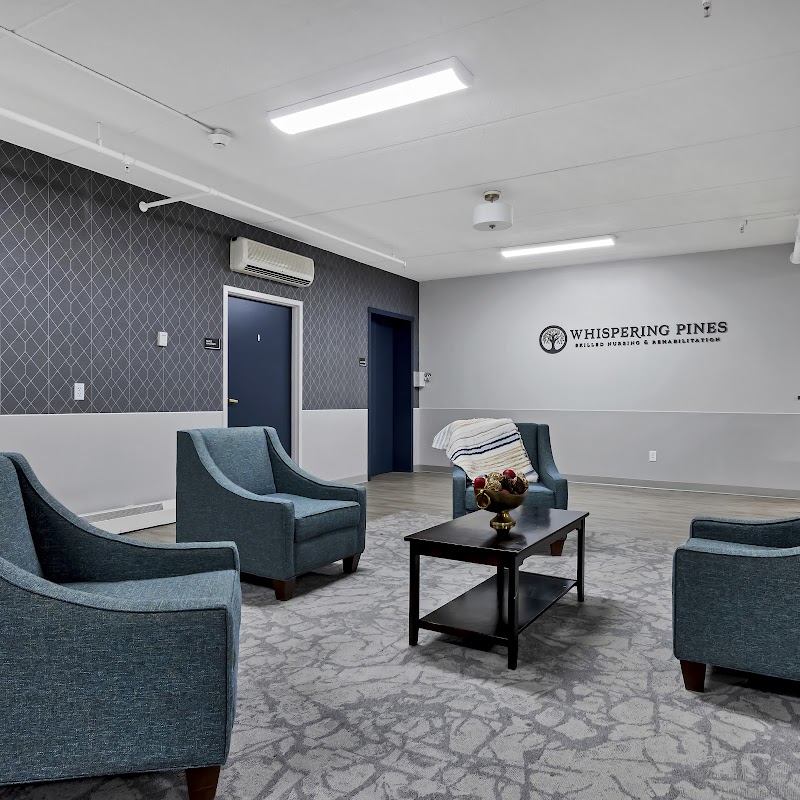
Who Owns and Operates Whispering Pines Nursing And Rehab, Llc?

WHISPERING PINES NURSING AND REHAB, LLC is owned by a for-profit company. For-profit facilities operate as businesses with obligations to shareholders or private owners. The facility is operated by EDEN SENIOR CARE, a chain that manages multiple nursing homes. With 50 certified beds and approximately 32 residents (about 64% occupancy), it is a smaller facility located in RIPON, Wisconsin.
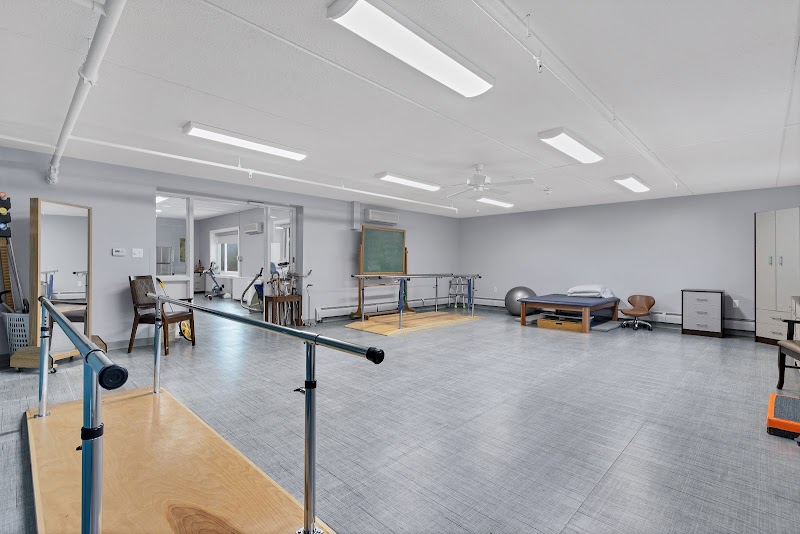
How Does Whispering Pines Nursing And Rehab, Llc Compare to Other Wisconsin Nursing Homes?

Compared to the 100 nursing homes in Wisconsin, WHISPERING PINES NURSING AND REHAB, LLC's overall rating (4 stars) is above the state average of 3.0, staff turnover (47%) is near the state average of 46%, and health inspection rating (3 stars) is at the national benchmark.

What Should Families Ask When Visiting Whispering Pines Nursing And Rehab, Llc?

Based on this facility's data, families visiting should ask: "What changes have been made since the serious inspection findings, and how are you preventing similar issues?" "Can I visit during a mealtime to observe dining assistance and food quality?" "How do you handle medical emergencies, and what is your hospital transfer rate?" "Can I speak with family members of current residents about their experience?" These questions are particularly relevant given the facility's Immediate Jeopardy citations.

Is Whispering Pines Nursing And Rehab, Llc Safe?

Based on CMS inspection data, WHISPERING PINES NURSING AND REHAB, LLC has documented safety concerns. Inspectors have issued 1 Immediate Jeopardy citation (the most serious violation level indicating risk of serious injury or death). The facility has a 4-star overall rating and ranks #1 of 100 nursing homes in Wisconsin. Families considering this facility should ask detailed questions about what corrective actions have been taken since these incidents.

Do Nurses at Whispering Pines Nursing And Rehab, Llc Stick Around?

WHISPERING PINES NURSING AND REHAB, LLC has a staff turnover rate of 47%, which is about average for Wisconsin nursing homes (state average: 46%). Moderate turnover is common in nursing homes, but families should still ask about staff tenure and how the facility maintains care continuity when employees leave.

Was Whispering Pines Nursing And Rehab, Llc Ever Fined?

WHISPERING PINES NURSING AND REHAB, LLC has been fined $12,649 across 1 penalty action. This is below the Wisconsin average of $33,205. While any fine indicates a compliance issue, fines under $50,000 are relatively common and typically reflect isolated problems that were subsequently corrected. Families should ask what specific issues led to these fines and confirm they've been resolved.

Is Whispering Pines Nursing And Rehab, Llc on Any Federal Watch List?

WHISPERING PINES NURSING AND REHAB, LLC is not on any federal watch list. The most significant is the Special Focus Facility (SFF) program, which identifies the bottom 1% of nursing homes nationally based on persistent, serious quality problems. Not being on this list means the facility has avoided the pattern of deficiencies that triggers enhanced federal oversight. This is a positive indicator, though families should still review the facility's inspection history directly.