SHEBOYGAN SENIOR COMMUNITY INC
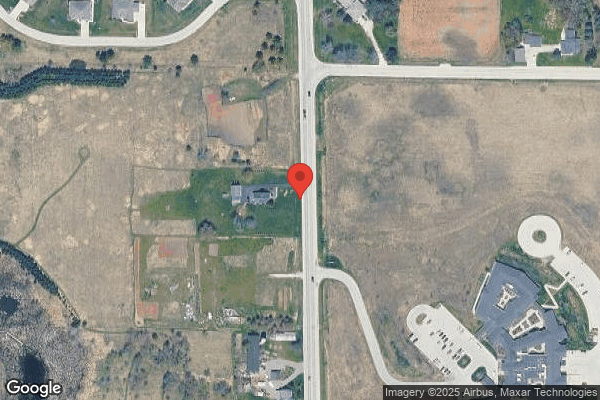

3505 COUNTY ROAD Y, SHEBOYGAN, WI 53083 (920) 458-2137
Non profit - Corporation 60 Beds Independent Data: November 2025
Trust Grade
50/100
#244 of 321 in WI
Last Inspection: September 2024

Within standard 12-15 month inspection cycle. Federal law requires annual inspections.

Overview

SHEBOYGAN SENIOR COMMUNITY INC has a Trust Grade of C, which means it is average compared to other nursing homes, falling in the middle of the pack. It ranks #244 out of 321 facilities in Wisconsin, placing it in the bottom half, and #7 out of 8 in Sheboygan County, indicating that only one local option is better. The facility is improving, having decreased its number of issues from 15 in 2024 to just 2 in 2025. Staffing is a strength with a rating of 4 out of 5 stars and a turnover rate of 35%, which is lower than the state average, suggesting that staff members are more likely to stay and build relationships with residents. However, there are concerns with RN coverage, as the facility has less than 99% of Wisconsin facilities, which may affect the quality of care. Specific incidents include a failure to ensure that the dietary manager was certified, which could impact food safety and quality, and issues with food storage and preparation that did not meet sanitary standards, risking the health of residents. Overall, while there are positive aspects regarding staffing, families should be aware of the ongoing concerns related to management and food safety practices.
Trust Score
C
50/100
In Wisconsin
#244/321
Bottom 24%
Safety Record
Low Risk
No red flags
Inspections
Getting Better
15 → 2 violations
Staff Stability
○ Average
35% turnover. Near Wisconsin's 48% average. Typical for the industry.
Penalties
✓ Good
No fines on record. Clean compliance history, better than most Wisconsin facilities.
Skilled Nurses
⚠ Watch
Each resident gets only 19 minutes of Registered Nurse (RN) attention daily — below average for Wisconsin. Fewer RN minutes means fewer trained eyes watching for problems.
Violations
⚠ Watch
28 deficiencies on record. Higher than average. Multiple issues found across inspections.
★★☆☆☆
2.0
Overall Rating
★★★★☆
4.0
Staff Levels
★★★★☆
4.0
Care Quality
★★☆☆☆
2.0
Inspection Score
Stable
2024: 15 issues
2025: 2 issues

The Good

  • 4-Star Staffing Rating · Above-average nurse staffing levels
  • 4-Star Quality Measures · Strong clinical quality outcomes
  • Full Sprinkler Coverage · Fire safety systems throughout facility
  • No fines on record
  • Staff turnover below average (35%)

    13 points below Wisconsin average of 48%

Facility shows strength in staffing levels, quality measures, fire safety.

The Bad

2-Star Overall Rating

Below Wisconsin average (3.0)

Below average - review inspection findings carefully

Staff Turnover: 35%

11pts below Wisconsin avg (46%)

Typical for the industry

The Ugly 28 deficiencies on record

Feb 2025 2 deficiencies
CONCERN (D) 📢 Someone Reported This

A family member, employee, or ombudsman was alarmed enough to file a formal complaint

Potential for Harm - no one hurt, but risky conditions existed

Report Alleged Abuse (Tag F0609)

Could have caused harm · This affected 1 resident

**NOTE- TERMS IN BRACKETS HAVE BEEN EDITED TO PROTECT CONFIDENTIALITY** Based on staff interview and record review, the facility did not ensure allegations of abuse were reported to the State Agency (...

Read full inspector narrative →
**NOTE- TERMS IN BRACKETS HAVE BEEN EDITED TO PROTECT CONFIDENTIALITY** Based on staff interview and record review, the facility did not ensure allegations of abuse were reported to the State Agency (SA) for 2 residents (R) (R4 and R6) of 7 sampled residents. On 11/22/24, R7 notified staff that R1 was physically aggressive toward R4 on 11/21/24. The facility did not report the allegation of abuse to the SA. On 11/22/24, R1 initiated a resident-to-resident altercation with R6. The facility did not report the allegation of abuse to the SA. Findings include: The facility's Abuse, Neglect, Mistreatment and Misappropriation of Resident Property and Exploitation policy, revised 5/2023, indicates: It is the policy of the facility to encourage and support all residents, staff, families, visitors, volunteers, and resident representatives in reporting any suspected acts of abuse .Residents will not be subjected to abuse by anyone, including but not limited to, facility staff, other residents .Any nursing home employee or volunteer who becomes aware of abuse, mistreatment, neglect, exploitation or misappropriation shall immediately report to the Nursing Home Administrator. The Nursing Home Administrator or designee will report abuse to the State Agency per state and federal requirements . On 2/27/25, Surveyor reviewed R1's medical record. R1 was admitted to the facility on [DATE] and had a diagnosis of Alzheimer's disease. R1's Minimum Data Set (MDS) assessment, dated 9/13/24, had a Brief Interview for Mental Status (BIMS) score of 5 out of 15 which indicated R1 had severe cognitive impairment. R1's medical record indicated R1 had a Power of Attorney for Healthcare (POAHC) who was responsible for R1's healthcare decisions. R1 passed away at the facility on 12/1/24. R1's medical record contained a note, dated 11/22/24, that indicated R1 was yelling in the dining room. After staff redirected R1 to R1's room, R1 re-entered the dining room, grabbed the handles of another resident's wheelchair, shook the wheelchair and yelled, Come on let's go. Staff redirected R1 out of the dining room. On 2/27/25, Surveyor reviewed a grievance investigation, dated 11/22/24, that indicated R7 (whose MDS assessment, dated 12/23/24, indicated R7 was not cognitively impaired) reported to staff that R1 attempted to stab R4 but missed and threw a knife or a fork at R4 on 11/21/24. The investigation indicated staff reported the allegation of abuse to Nursing Home Administrator (NHA)-A and placed R1 on 1:1 supervision at all times. On 2/27/25, Surveyor reviewed R4's medical record. R4 was admitted to the facility on [DATE] and had diagnoses including heart failure and major depressive disorder. R4's MDS assessment, dated 2/18/25, had a BIMS score of 9 out of 15 which indicated R4 had moderate cognitive impairment. R4's medical record indicated R4 had a POAHC who was responsible for R4's healthcare decisions. On 2/27/25 at 12:26 PM and 1:09 PM, Surveyor interviewed Director of Nursing (DON)-B and Social Worker (SW)-C. SW-C indicated the facility was informed that the incident involving R4 occurred in the evening on 11/21/24. SW-C indicated R6 was the resident in the wheelchair mentioned in the 11/22/24 note in R1's medical record. SW-C indicated R6 told SW-C that R1 swung out at (R6) but (R6) was able to move away. SW-C indicated decisions regarding reporting involve a group discussion with NHA-A who makes the final decision whether or not to report to the SA. SW-C indicated NHA-A chose not to report the above incidents. SW-C indicated the above incidents should have been reported to the SA from a regulation standpoint.DON-B indicated DON-B verbally re-educated staff regarding reporting requirements but did not document the education or which staff received the education. On 2/27/25, Surveyor reviewed R6's medical record. R6 was admitted to the facility on [DATE] and had diagnoses including congestive heart failure and asthma. R6's MDS assessment, dated 1/26/25, had a BIMS score of 13 out of 15 which indicated R6 was not cognitively impaired. R6's medical record indicated R6 had a POAHC who was responsible for R6's healthcare decisions. On 2/27/25, Surveyor reviewed handwritten notes that indicated SW-C reported R1's 11/22/24 incident of aggression toward R6 to NHA-A on 11/22/24. On 2/27/25 at 1:42 PM, Surveyor interviewed DON-B who indicated R4 and R6 were not physically harmed. DON-B indicated DON-B spoke with R4 a couple days after the 11/21/24 incident. DON-B indicated R4 told DON-B that R4 felt a little shaken up at the time (of the incident) but felt fine at the time of the discussion with DON-B.
CONCERN (D) 📢 Someone Reported This

A family member, employee, or ombudsman was alarmed enough to file a formal complaint

Potential for Harm - no one hurt, but risky conditions existed

Investigate Abuse (Tag F0610)

Could have caused harm · This affected 1 resident

**NOTE- TERMS IN BRACKETS HAVE BEEN EDITED TO PROTECT CONFIDENTIALITY** Based on staff interview and record review, the facility did not ensure allegations of abuse were thoroughly investigated for 2 ...

Read full inspector narrative →
**NOTE- TERMS IN BRACKETS HAVE BEEN EDITED TO PROTECT CONFIDENTIALITY** Based on staff interview and record review, the facility did not ensure allegations of abuse were thoroughly investigated for 2 residents (R) (R4 and R6) of 7 sampled residents. On 11/22/24, R7 notified staff that R1 was physically aggressive toward R4 on 11/21/24. The facility did not thoroughly investigate the allegation of abuse. On 11/22/24, R1 was physically aggressive toward R6. The facility did not thoroughly investigate the allegation of abuse. Findings include: The facility's Abuse, Neglect, Mistreatment and Misappropriation of Resident Property and Exploitation policy, revised 5/2023, indicates: The facility will immediately begin a thorough investigation of any reported incident, collect information that corroborates or disproves the incident and document the findings for the incident .A root cause investigation and analysis will be completed. A thorough investigation is an investigation that adequately addresses the circumstances of the allegation. The investigation will include the facts necessary to form a reasonable conclusion as to what happened. The facility will document the investigation and the reasons for the conclusion. The information gathered is given to Administration and the Grievance Officer . On 2/27/25, Surveyor reviewed R1's medical record. R1 was admitted to the facility on [DATE] and had a diagnosis of Alzheimer's disease. R1's Minimum Data Set (MDS) assessment, dated 9/13/24, had a Brief Interview for Mental Status (BIMS) score of 5 out of 15 which indicated R1 had severe cognitive impairment. R1's medical record indicated R1 had a Power of Attorney for Healthcare (POAHC) who was responsible for R1's healthcare decisions. R1 passed away at the facility on 12/1/24. R1's medical record contained a note, dated 11/22/24, that indicated R1 was yelling in the dining room. After staff redirected R1 to R1's room, R1 re-entered the dining room, grabbed the handles of another resident's wheelchair, shook the wheelchair, and yelled, Come on let's go. Staff redirected R1 out of the dining room. On 2/27/25, Surveyor reviewed a grievance investigation, dated 11/22/24, that indicated R7 (whose MDS assessment, dated 12/23/24, indicated R7 did not have impaired cognition) reported to staff that R1 attempted to stab R4 but missed and threw a knife or fork at R4 on 11/21/24. The investigation indicated staff reported the allegation to Nursing Home Administrator (NHA)-A and placed R1 on 1:1 supervision at all times. On 2/27/25, Surveyor reviewed R4's medical record. R4 was admitted to the facility on [DATE] and had diagnoses including heart failure and major depressive disorder. R4's MDS assessment, dated 2/18/25, had a BIMS score of 9 out of 15 which indicated R4 had moderate cognitive impairment. R4's medical record indicated R4 had a POAHC who was responsible for R4's healthcare decisions. On 2/27/25 at 12:26 PM and 1:09 PM, Surveyor interviewed Director of Nursing (DON)-B and Social Worker (SW)-C. SW-C indicated the facility was informed on 11/22/24 that the incident involving R4 occurred in the evening on 11/21/24. SW-C indicated the facility was not aware of the 11/21/22 incident until R7 reported it to staff on 11/22/24. When asked about the 11/22/24 note in R1's medical record, SW-C indicated the facility did not have an investigation aside from SW-C's handwritten notes. DON-B indicated DON-B thought a Dietary Aide witnessed the 11/21/24 incident and reported it to a nurse. SW-C indicated R6 was the resident in the wheelchair mentioned in the 11/22/24 note in R1's medical record. SW-C indicated R6 told SW-C that R1 swung out at (R6) but (R6) was able to move away. On 2/27/25, Surveyor reviewed R6's medical record. R6 was admitted to the facility on [DATE] and had diagnoses including congestive heart failure and asthma. R6's MDS assessment, dated 1/26/25, had a BIMS score of 13 out of 15 which indicated R6 was not cognitively impaired. R6's medical record indicated R6 had a POAHC who was responsible for R6's healthcare decisions. On 2/27/25, Surveyor reviewed five pages of handwritten notes that indicated SW-C reported R1's 11/22/24 incident of aggression toward R6 to NHA-A on 11/22/24. The handwritten notes contained a few dates and times. On the page that mentioned the stabbing attempt between R1 and R4, the word sobbing was written. The note did not indicate who was sobbing. On the page that mentioned R6, the words swung out and move away were written next to R6's name. On 2/27/25, Surveyor reviewed a grievance investigation, dated 11/22/24, that indicated R6 reported R1 swinging out but (R6) was not hurt and able to move away from (R1). The investigation was started on 11/25/24. On 2/27/25 at 1:42 PM, Surveyor interviewed DON-B and SW-C. DON-B indicated the forms used to document R1's 1:1 intervention were not filed in R1's medical record. DON-B stated, I assume staff threw the forms away. SW-C verified SW-C completed the grievance investigation, dated 11/22/24, regarding the incident against R6 on 2/27/25 and backdated the form to 11/22/24. SW-C stated, I had my notes, just put it in grievance format today. When asked about the 11/25/24 investigation start date on the grievance investigation, SW-C thought the 11/25/24 date was written in error by SW-C. Surveyor observed SW-C review SW-C's handwritten notes. SW-C indicated SW-C was confused regarding the dates and times. SW-C stated, I think we were called over the weekend. When asked if a thorough investigation was completed, SW-C indicated the documents did not contain details and timeframes. When asked if an investigation was not started until 11/25/24, SW-C indicated the incidents were reported to NHA-A on 11/22/24.
Sept 2024 15 deficiencies
CONCERN (D)

Potential for Harm - no one hurt, but risky conditions existed

Deficiency F0553 (Tag F0553)

Could have caused harm · This affected 1 resident

**NOTE- TERMS IN BRACKETS HAVE BEEN EDITED TO PROTECT CONFIDENTIALITY** Based on staff and resident representative interview, and record review, the facility did not ensure 1 resident (R) (R31) of 18 ...

Read full inspector narrative →
**NOTE- TERMS IN BRACKETS HAVE BEEN EDITED TO PROTECT CONFIDENTIALITY** Based on staff and resident representative interview, and record review, the facility did not ensure 1 resident (R) (R31) of 18 sampled residents and their activated Power of Attorney (POA) were offered care conferences and involved in continued care planning. R31's only care conference was completed on 9/17/21. Social Worker (SW)-C verified care conferences should be held yearly, when there is a change in a resident's condition, or if requested by a resident's family. Findings include: On 9/23/24, Surveyor reviewed R31's medical record. R31 was admitted to the facility on [DATE] with diagnoses including cerebral infarction (stroke), epilepsy, and cognitive communication deficit. R31's Minimum Data Set (MDS) assessment, dated 7/31/24, indicated R31 had severely impaired cognition. R31 had an activated POA. R31's medical record did not indicate care conferences were offered or declined by R31's POA. On 9/23/24 at 11:58 AM, Surveyor interviewed R31's POA who indicated they were not involved with R31's plan of care and had not attended any care conferences since R31 was first admitted . R31's POA indicated they would like to have care conferences and did not know why the facility didn't have them. R31's POA stated they lived farther away, could not visit R31 daily, and needed time to set up appointments to work around their schedule. R31's POA indicated they would like to be a part of decision making for R31's care prior to the implementation of cares and goals by the facility. On 9/24/24 at 11:08 AM, Surveyor interviewed SW-C who confirmed R31 had only one care conference since R31 was admitted on [DATE]. SW-C indicated R31's POA was involved with communication on a regular basis and SW-C was waiting for R31's POA to return a message. SW-C indicated R31's POA didn't come to the facility often and was not interested in an official conference. SW-C indicated care conferences were held yearly, with a change in condition, or if requested by a resident's family. Surveyor requested the facility's care conference policy from SW-C. SW-C indicated SW-C did not think R31 should have gone 3 years without a care conference. SW-C confirmed there was no documentation to indicate care conferences were offered or decined. SW-C indicated the facility did not have a process for tracking care conferences but set up care conferences annually. SW-C indicated residents' care plans were updated when MDS assessments were completed. Surveyor did not receive a care conference policy from the facility as of this writing.
CONCERN (D)

Potential for Harm - no one hurt, but risky conditions existed

Deficiency F0582 (Tag F0582)

Could have caused harm · This affected 1 resident

Based on staff interview and record review, the facility did not ensure 1 resident (R) (R109) of 3 sampled residents signed and received a copy of the Skilled Nursing Facility Advanced Beneficiary Not...

Read full inspector narrative →
Based on staff interview and record review, the facility did not ensure 1 resident (R) (R109) of 3 sampled residents signed and received a copy of the Skilled Nursing Facility Advanced Beneficiary Notice (ABN) form which is used to inform residents of their final day of Medicare Part A insurance coverage, potential liability for payment (daily cost of care and services at the facility), and standard claim appeal rights and instructions. The facility did not provide an ABN form (a document that explains financial liability, including the facility's daily rate for services) to R109 when R109's Medicare benefits ended on 5/16/24 and R109 remained in the facility. Findings include: The Centers for Medicare & Medicaid Services (CMS)-10055 Skilled Nursing Facility Advanced Beneficiary Notice of Non-Coverage (ABN) form indicates: The ABN provides information to the beneficiary so the beneficiary can decide whether or not to get the care that may not be paid for by Medicare and assume financial responsibility .The ABN is only issued if the beneficiary intends to continue services and the Skilled Nursing Facility believes the services may not be covered under Medicare. From 9/23/24 to 9/25/24 Surveyor reviewed R109's medical record. R109 was provided a Notice of Medicare Non-Coverage (NOMNC) form that indicated services would end on 5/16/24. R109 remained in the facility and started Medicare Part A on 5/20/24. The facility provided a generated form that indicated the last day of Medicare coverage was 5/16/24 and private pay for room and board would be effective 5/17/24. The form did not include the appropriate information including standard claim appeals rights with instructions. On 9/25/24 at 9:02 AM, Surveyor interviewed Social Worker (SW)-C who indicated SW-C did not provided an ABN form for residents who remained in the facility. SW-C indicated the facility rarely had Medicare residents (and most were Medicare Advantage residents) so SW-C had not been providing the Medicare ABN form.
CONCERN (D)

Potential for Harm - no one hurt, but risky conditions existed

Transfer Notice (Tag F0623)

Could have caused harm · This affected 1 resident

**NOTE- TERMS IN BRACKETS HAVE BEEN EDITED TO PROTECT CONFIDENTIALITY** Based on staff and resident representative interview and record review, the facility did not ensure 3 residents (R) (R1, R19 and...

Read full inspector narrative →
**NOTE- TERMS IN BRACKETS HAVE BEEN EDITED TO PROTECT CONFIDENTIALITY** Based on staff and resident representative interview and record review, the facility did not ensure 3 residents (R) (R1, R19 and R32) of 5 sampled residents received a written transfer notice that included the date of the transfer, the reason for the transfer, the location of the transfer, and appeal rights. R1 was transferred to the hospital on 8/7/24. Neither R1 or R1's Power of Attorney (POA) were provided with a written transfer notice. R19 was transferred to the hospital on 8/17/24. Neither R19 or R19's POA were provided with a written transfer notice. R32 was transferred to the hospital on 2/20/24. Neither R32 or R32's POA were provided with a written transfer notice. Findings include: The facility's Transfers and Discharges policy, dated 2/11/22, indicates: Involuntary Removal: 1. The transfer or discharge is necessary to meet the resident's welfare and the resident's welfare cannot be met in the facility .Residents will be transferred or discharged from Sheboygan Senior Community (SSC) only for medical reasons or for his or her welfare or that of other residents, and will be given reasonable advance notice to ensure orderly transfer or discharge, and such actions will be documented in the medical record. Residents will receive an explanation of the need for such transfers or discharges, except when there is a medical emergency .SSC has a system for reviewing complaints and/or allegations of violations of resident rights including involuntary discharge or transfer. A resident or resident representative does have the right to appeal any planned involuntary discharge or transfer. An individual must submit a signed written summary of the issue to the Administrator. If the complainant does not feel the matter has been resolved satisfactorily the individual may contact the Division of Health. 1. From 9/23/24 to 9/25/24, Surveyor reviewed R1's medical record. R1 was admitted to the facility on [DATE] with diagnoses including type 2 diabetes, chronic kidney disease (CKD), and vascular dementia. R1's Minimum Data Set (MDS) assessment, dated 6/11/24, had a Brief Interview for Mental Status (BIMS) score of 3 out of 15 which indicated R1 had severely impaired cognition. R1 had an activated POA. R1's medical record indicated R1 was transferred to the hospital on 8/7/24 for abdominal pain. R1's medical record did not indicate R1 or R1's POA were provided with a written transfer notice. On 9/23/24 at 10:48 AM, Surveyor interviewed R1's POA who did not recall receiving a transfer notice when R1 was transferred to the hospital on 8/7/24. 2. From 9/23/24 to 9/25/24, Surveyor reviewed R19's medical record. R19 was admitted to the facility January 2024 with diagnoses including Alzheimer's disease, dementia, unsteadiness on feet, and weakness. R19's MDS assessment, dated 8/26/24, had a BIMS score of 4 out 15 which indicated R19 had severely impaired cognition. R19 had an activated POA. R19's medical record indicated R19 was transferred to the hospital on 8/17/24 due to a fall. R19's medical record did not indicate R19 or R19's POA were provided with a written transfer notice. 3. From 9/23/24 to 9/25/24, Surveyor reviewed R32's medical record. R32 was admitted to the facility on [DATE] and had diagnoses including heart failure, CKD, and dementia. R32's MDS assessment, dated 2/29/24, had a BIMS score of 5 out 15 which indicated R32 had severely impaired cognition. R32's medical record indicated R32 was transferred to the hospital on 2/20/24 due to change in condition. R32's medical record did not indicate R32 or R32's POA were provided with a written transfer notice. On 9/24/24 at 10:49 AM, Surveyor interviewed Licensed Practical Nurse (LPN)-D who indicated Social Worker (SW)-C took care of written transfer notices when residents were transferred out of the facility. On 9/24/24 at 11:07 AM, Surveyor interviewed SW-C who indicated nursing staff were responsible for written transfer notices. SW-C indicated nursing staff clicked the form on the computer and provided the form to the resident at the time of the transfer. SW-C indicated SW-C gave Director of Nursing (DON)-B the information. On 9/25/24 at 9:10 AM, Surveyor interviewed DON-B who confirmed R1, R19, and R32 and/or their representatives were not provided with a written transfer notice. DON-B indicated written transfer notices should be provided to residents and/or their representatives when residents are transferred. On 9/25/24 at 9:35 AM, Surveyor interviewed DON-B who stated the transfer policy was in the facility's admission packet. DON-B confirmed DON-B did not know a written transfer notice should to be given to a resident or their representative each time a resident is transferred out of the facility. DON-B indicated DON-B thought the forms were sent with residents in the transfer packet. DON-B confirmed nursing staff were not aware and needed to be educated.
CONCERN (D)

Potential for Harm - no one hurt, but risky conditions existed

Deficiency F0625 (Tag F0625)

Could have caused harm · This affected 1 resident

**NOTE- TERMS IN BRACKETS HAVE BEEN EDITED TO PROTECT CONFIDENTIALITY** Based on staff and resident representative interview and record review, the facility did not ensure 3 residents (R) (R1, R19, an...

Read full inspector narrative →
**NOTE- TERMS IN BRACKETS HAVE BEEN EDITED TO PROTECT CONFIDENTIALITY** Based on staff and resident representative interview and record review, the facility did not ensure 3 residents (R) (R1, R19, and R32) of 4 sampled residents reviewed for hospitalization received written information on the duration of the bed-hold policy, the reserve bed payment policy, and the right to return to the facility. R1 was transferred to the hospital on 8/7/24. Neither R1 or R1's activated Power of Attorney (POA) were provided with a written bed-hold notice. R19 was transferred to the hospital on 8/17/24. Neither R19 or R19's POA were provided with a written bed-hold notice. R32 was transferred to the hospital on 2/20/24. Neither R32 nor R32's POA were provided with a written bed-hold notice. Findings include: The facility's Bed Hold, readmission or Return to the Facility policy, dated 2/11/22, indicates: The facility shall inform and provide in writing to the resident and/or the resident's representative the facility's bed hold and return to the facility policy at the time of transfer .specifying the duration of the bed hold policy. Procedure: 1) The nurse will obtain the Bed Hold Policy and Return to Facility notice and provide the notice to the resident and their representative at the time of transfer .2) The nurse will ensure that a copy of the notice accompanies the resident when the resident leaves the facility. 3) The nurse will inform the resident representative, on the telephone, if necessary, about the bed hold and return to facility policy and ask how best to provide a copy of the notice to the representative, a) The nurse will inform the representative that the notice accompanied the resident at the time the resident left the facility, b) The nurse will document the provision of the Bed Hold Policy and Return to Facility notice to the resident and information given to the representative in the resident's record. 4) The Social Worker will contact the resident representative on the next working day to ensure that the representative understands the bed hold and return to facility information. 1. From 9/23/24 to 9/25/24, Surveyor reviewed R1's medical record. R1 was admitted to the facility on [DATE] with diagnoses including type 2 diabetes, chronic kidney disease (CKD), and vascular dementia. R1's Minimum Data Set (MDS) assessment, dated 6/11/24, had a Brief Interview for Mental Status (BIMS) score of 3 out of 15 which indicated R1 had severely impaired cognition. R1 had an activated POA. R1's medical record indicated R1 was transferred to the hospital on 8/7/24 for abdominal pain. R1's medical record did not indicate R1 or R1's POA were provided with a written bed-hold notice. On 9/23/24 at 10:48 AM, Surveyor interviewed R1's POA who did not recall receiving a bed-hold notice when R1 was transferred to the hospital on 8/7/24. 2. From 9/23/24 to 9/25/24, Surveyor reviewed R19's medical record. R19 was admitted to the facility in January 2024 with diagnoses including Alzheimer's disease, dementia, unsteadiness on feet, and weakness. R19's MDS assessment, dated 8/26/24, had a BIMS score of 4 out 15 which indicated R19 had severely impaired cognition. R19 had an activated POA. R19's medical record indicated R19 was transferred to the hospital on 8/17/24 due to a fall. R19's medical record did not indicate R19 or R19's POA were provided with a written bed-hold notice. 3. From 9/23/24 to 9/25/24, Surveyor reviewed R32's medical record. R32 was admitted to the facility on [DATE] with diagnoses including heart failure, CKD, and dementia. R32's MDS assessment, dated 2/29/24, had a BIMS score of 5 out 15 which indicated R32 had severely impaired cognition. R32's medical record indicated R32 was transferred to the hospital on 2/20/24 due to change in condition. R32's medical record did not indicate R32 or R32's POA were provided with a written bed-hold notice. On 9/24/24 at 10:49 AM, Surveyor interviewed Licensed Practical Nurse (LPN)-D who indicated Social Worker (SW)-C took care of written bed-hold notices when residents were transferred out of the facility. On 9/24/24 at 11:07 AM, Surveyor interviewed SW-C who indicated nursing staff were responsible for bed-hold notices. SW-C indicated nursing staff clicked the form on the computer and gave the form to the resident prior to the transfer. SW-C indicated SW-C gave Director of Nursing (DON)-B the information. On 9/25/24 at 9:10 AM, Surveyor interviewed DON-B who confirmed R1, R19, and R32 did not receive written bed-hold notices. DON-B indicated bed hold notices should be provided to residents and/or their representatives when residents are transferred. On 9/25/24 at 9:35 AM, Surveyor interviewed DON-B who stated the bed-hold policy is in the facility's admission packet. DON-B confirmed DON-B did not know a written bed-hold notice should be given to a resident or their representative each time a resident is transferred out of the facility. DON-B indicated DON-B thought the forms were sent with the resident in the transfer packet. DON-B confirmed nurses were not aware and needed to be educated.
CONCERN (D)

Potential for Harm - no one hurt, but risky conditions existed

Deficiency F0657 (Tag F0657)

Could have caused harm · This affected 1 resident

**NOTE- TERMS IN BRACKETS HAVE BEEN EDITED TO PROTECT CONFIDENTIALITY** Based on staff interview and record review, the facility did not ensure the care plan was reviewed and revised as needed for 1 r...

Read full inspector narrative →
**NOTE- TERMS IN BRACKETS HAVE BEEN EDITED TO PROTECT CONFIDENTIALITY** Based on staff interview and record review, the facility did not ensure the care plan was reviewed and revised as needed for 1 resident (R) (R32) of 18 sampled residents. R32 had new diagnoses of cerebrovascular accident (CVA) (stroke) and Parkinson's disease. The facility did not revise R32's care plan to address R32's new diagnoses. Findings include: From 9/23/24 to 9/25/24, Surveyor reviewed R32's medical record. R32 was admitted to the facility on [DATE] with diagnoses including heart failure, chronic kidney disease (CKD), and dementia. R32's Minimum Data Set (MDS) assessment, dated 2/29/24, had a Brief Interview for Mental Status (BIMS) score of 5 out of 15 which indicated R32 had severely impaired cognition. R32 had an activated Power of Attorney (POA). R32's medical record indicated R32 was admitted to the hospital on [DATE] for a CVA and was re-admitted to the facility on [DATE]. A progress note, dated 3/28/24, indicated R32 had a new diagnosis of Parkinson's disease. R32's care plan did not address R32's CVA or Parkinson's diagnosis. On 9/25/24 at 9:10 AM, Surveyor interviewed Director of Nursing (DON)-B who reviewed R32's care plan during the interview. DON-B confirmed R32's care plan did not address R32's new diagnoses of CVA and Parkinson's disease. DON-B indicated if a resident had a new diagnosis, the resident's care plan should be updated.
CONCERN (D)

Potential for Harm - no one hurt, but risky conditions existed

Deficiency F0692 (Tag F0692)

Could have caused harm · This affected 1 resident

**NOTE- TERMS IN BRACKETS HAVE BEEN EDITED TO PROTECT CONFIDENTIALITY** Based on staff and resident interview and record review, the facility did not ensure 1 resident (R) (R19) of 19 sampled resident...

Read full inspector narrative →
**NOTE- TERMS IN BRACKETS HAVE BEEN EDITED TO PROTECT CONFIDENTIALITY** Based on staff and resident interview and record review, the facility did not ensure 1 resident (R) (R19) of 19 sampled residents received the necessary care and services to prevent or monitor weight loss. R19 had an order for weekly weights which were not consistently obtained and documented. In addition, R19 experienced a severe weight loss and the appropriate follow-up was not completed. Findings include: The facility's Weighing and Measuring the Resident policy, with a revised date of 3/2011, indicates: The purpose of this procedure is to determine the resident's weight and height, provide a baseline and an ongoing record of the resident's body weight as an indicator of the nutritional status and medical condition of the resident, and provide a baseline height in order to determine the ideal weight of the resident .4. Weight is usually measured upon admission and monthly during the resident's stay .1. Report significant weight loss/gain to the nurse supervisor. 2. The threshold for significant unplanned and undesired weight loss/gain will be based on the following criteria (where percentage of body weight loss = (usual weight-actual weight)/(usual weight) x 100): a. 1 month - 5% weight loss is significant; greater than 5% is severe; b. 3 months - 7.5% weight loss is significant; greater than 7.5% is severe; c. 6 months - 10% weight loss is significant; greater than 10% is severe .4. Report other information in accordance with facility policy and professional standards of practice. Between 9/23/24 and 9/25/24, Surveyor reviewed R19's medical record. R19 was admitted to the facility on [DATE] and had diagnoses including Alzheimer's disease, dementia, congestive heart failure (CHF), chronic kidney disease (CKD), and peripheral vascular disease (PVD). R19's Minimum Data Set (MDS) assessment, dated 8/26/24, had a Brief Interview for Mental Status (BIMS) score of 4 out of 15 which indicated R19 had severely impaired cognition. R19 had an activated Power of Attorney for Healthcare (POAHC). R19's plan of care indicated R19's weight should be obtained on bath day which was on the Wednesday PM shift. R19's medical record indicated R19's physician ordered weekly weights and indicated R19 could have a nutritional supplement per dietary discretion on 1/23/24. On 9/25/24, Surveyor reviewed R19's weights and noted the following: ~ 9/11/24 - 153.4 pounds (lbs) ~ 8/28/24 - 166.8 lbs ~ 8/14/24 - 166 lbs ~ 8/11/24 - 166.2 lbs ~ 8/07/24 - 160.8 lbs ~ 8/04/24 - 163 lbs ~ 7/31/24 - 171 lbs ~ 7/24/24 - 175.4 lbs ~ 7/17/24 - 163.8 lbs ~ 7/10/24 - 154.8 lbs ~ 7/03/24 - 168 lbs ~ 6/26/24 - 173.4 lbs ~ 6/23/24 - invalid weight noted ~ 6/19/24 - 173.2 lbs ~ 6/12/24 - 171 lbs ~ 6/05/24 - 170.8 lbs ~ 6/02/24 - 169 lbs ~ 5/22/24 - 168.2 lbs ~ 5/15/24 - 182.8 lbs ~ 5/08/24 - 168.2 lbs ~ 5/02/24 - 176.6 lbs ~ 4/24/24 - 175.4 lbs ~ 4/11/24 - 176 lbs ~ 4/07/24 - 167 lbs ~ 4/03/24 - 175.8 lbs ~ 3/27/24 - 177.8 lbs ~ 3/20/24 - 174.4 lbs ~ 3/13/24 - 174.6 lbs ~ 3/06/24 - 178.4 lbs ~ 2/28/24 - 176.6 lbs ~ 2/07/24 - 179 lbs ~ 1/31/24 - 177.2 lbs ~ 1/27/24 - 176.4 lbs ~ 1/25/24 - 175.8 lbs ~ 1/24/24 - 176.0 lbs ~ 1/23/24 - 175.6 lbs ~ 1/22/24 - 173.0 lbs ~ 1/21/24 - 175.4 lbs ~ 1/20/24 - 176.4 lbs ~ 1/19/24 - 178.4 lbs ~ 1/18/24 - 176.8 lbs ~ 1/17/24 - 177.8 lbs ~ 1/16/24 - 177 lbs ~ 1/15/24 - 176.4 lbs ~ 1/13/24 - 171.4 lbs ~ 1/12/24 - 178.6 lbs ~ 1/11/24 - 174.2 lbs ~ 1/10/24 - 170.9 lbs ~ 1/09/24 - 170.8 lbs The documented weights indicated R19 had a severe weight loss of 12.14% in 6 months. On 3/13/24, R19 weighed 174.6 lbs. On 9/11/24, R19 weighed 153.4 pounds (which was a -12.14 % weight loss). Surveyor noted there were missing weights on 2/14/24, 2/21/24, 4/17/24, 5/29/24, 8/21/24, 9/4/24, and 9/18/24. Surveyor reviewed R19's progress notes There were no progress notes that indicated R19's POAHC and the facility's dietitian were notified of R19's 9/11/24 weight loss. On 9/25/24 at 1:15 PM, Surveyor interviewed Director of Nursing (DON)-B who verified weights should be completed as ordered. DON-B stated DON-B and two other staff were responsible for reviewing weights. DON-B indicated the facility's system used red flags to indicate significant weight differences. DON-B stated the weight difference should be noted and the resident should be re-weighed to ensure the weight entered was correct. DON-B stated if the weight variance was correct, the resident's POAHC, physician, and the facility's dietitian should be notified. DON-B indicated there should be a progress note in R19's medical record to confirm notifications were completed. DON-B reviewed R19's weights and stated R19 had a 13-pound weight loss according to R19's 9/11/24 weight. DON-B stated R19's weight on 9/11/24 was red flagged and DON-B and the team must have missed it. DON-B indicated had DON-B caught the 9/11/24 red flagged 13-pound weight loss, DON-B would have had staff re-weigh R19. DON-B stated a 13-pound weight loss in two weeks should have been investigated and addressed even if the resident was on an end-of-life program or diuretic. DON-B also indicated staff should have weighed R19 on 9/18/24 as ordered.
CONCERN (D)

Potential for Harm - no one hurt, but risky conditions existed

Deficiency F0757 (Tag F0757)

Could have caused harm · This affected 1 resident

**NOTE- TERMS IN BRACKETS HAVE BEEN EDITED TO PROTECT CONFIDENTIALITY** Based on staff interview and record review, the facility did not ensure 1 resident (R) (R208) of 5 sampled residents was monitor...

Read full inspector narrative →
**NOTE- TERMS IN BRACKETS HAVE BEEN EDITED TO PROTECT CONFIDENTIALITY** Based on staff interview and record review, the facility did not ensure 1 resident (R) (R208) of 5 sampled residents was monitored for adverse reactions or side effects of a high-risk medication. R208 was prescribed clopidogrel (an anticoagulant medication). R208's care plan did not contain monitoring interventions for adverse reactions or side effects of the high-risk medication. Findings include: According to medlineplus.gov, clopidogrel may cause side effects including, but not limited to: Excessive tiredness, dizziness, nausea, vomiting, stomach pain, diarrhea, nosebleed, hives, rash, itching, difficulty breathing or swallowing, swelling of the face, throat, tongue, lips, eyes, hands, feet, ankles, or lower legs, black and tarry stools, red blood in stools, bloody vomit, vomit that looks like coffee grounds, unusual, bleeding or bruising, pink or brown urine, slow or difficult speech, weakness or numbness of an arm or a leg, changes in vision, shortness of breath, purple patches or bleeding under the skin, confusion, yellowing of the skin or eyes, or seizures. Between 9/23/24 and 9/25/24, Surveyor reviewed R208's medical record. R208 was admitted to the facility on [DATE] and had diagnoses including dysphagia following cerebral infarction, hemiplegia and hemiparesis following cerebral infarction affecting unspecified side, left ventricular failure, ischemic cardiomyopathy, and peripheral vascular disease (PVD). R208's Minimum Data Set (MDS) assessment, dated 9/10/24, had a Brief Interview for Mental Status (BIMS) score of 13 out of 15 which indicated R208 had intact cognition. R208's physician orders included clopidogrel 75 mg (milligrams) via gastric tube once daily (dated 9/4/24). R208's plan of care did not indicate R208 received anticoagulant medication. R208's Medication Administration Record (MAR) did not include monitoring orders for adverse reactions or side effects of clopidogrel. On 9/25/24 at 9:36 AM, Surveyor interviewed Licensed Practical Nurse (LPN)-G who stated LPN-G was unaware of any place where medication side effects were documented, monitored, or listed in the R208's medical record. LPN-G stated if LPN-G needed to know a medication's side effects, LPN-G Googled or looked up the medication in a reference book. LPN-G indicated the facility's medication monitoring was focused on behavior tracking and not side effects. On 9/25/24 at 9:00 AM, Surveyor interviewed Director of Nursing (DON)-B who confirmed side effect monitoring was not consistently in place for residents who receive high-risk medications. DON-B confirmed interventions should be in the resident's medical record for staff to monitor and be aware of side effects.
CONCERN (D)

Potential for Harm - no one hurt, but risky conditions existed

Deficiency F0840 (Tag F0840)

Could have caused harm · This affected 1 resident

**NOTE- TERMS IN BRACKETS HAVE BEEN EDITED TO PROTECT CONFIDENTIALITY** Based on staff interview and record review, the facility did not acquire a current contract/agreement in writing for outside dia...

Read full inspector narrative →
**NOTE- TERMS IN BRACKETS HAVE BEEN EDITED TO PROTECT CONFIDENTIALITY** Based on staff interview and record review, the facility did not acquire a current contract/agreement in writing for outside dialysis services for 1 resident (R) (R360) of 1 resident reviewed for dialysis services. R360's physician orders indicated R360 received dialysis three times per week. The facility did not have a current contract or agreement with the dialysis provider. The facility also did not have a policy related to dialysis treatment. Findings include: On 9/24/24, Surveyor reviewed R360's medical record. R360 was admitted to the facility on [DATE] with diagnoses including hypertensive chronic heart and kidney disease with stage 5 renal disease. R360 received hemodialysis three times weekly. On 9/24/24 at 11:15 AM, Surveyor requested the dialysis contract/agreement from Health Services Specialist (HSS)-F for R360's renal dialysis. HSS-F indicated the facility did not have a contract with the dialysis center. When Surveyor requested a policy and procedure for dialysis, HSS-F indicated the facility did not have a policy and procedure for dialysis. On 9/24/24 at 1:20 PM, Surveyor requested the dialysis contract/agreement from Nursing Home Administrator (NHA-A) for R360's renal dialysis. NHA-A indicated the facility did not have a contract with the dialysis center and did not know a contract was required. When Surveyor requested the facility's policy and procedure for dialysis, NHA-A indicated the facility did not have a policy and procedure. NHA-A indicated NHA-A did not know a policy and procedure was required and stated the facility did not usually have dialysis patients.
CONCERN (E)

Potential for Harm - no one hurt, but risky conditions existed

Resident Rights (Tag F0550)

Could have caused harm · This affected multiple residents

Based on observation and resident and staff interview, the facility did not maintain the dignity of 3 residents (R) (R18, R23, and R50) in the dining room during meal time with the potential to affect...

Read full inspector narrative →
Based on observation and resident and staff interview, the facility did not maintain the dignity of 3 residents (R) (R18, R23, and R50) in the dining room during meal time with the potential to affect more than 4 of 55 residents residing in the facility. R18's vital signs were obtained at the dining table during the lunch meal on 9/24/24. Medications were administered to residents at the dining table, including R23. Residents who sat at the same table were not served at the same time, including R50. Findings include: On 9/23/24 at 11:49 AM, Surveyor observed lunch service in the Oak dining room. There were thirteen residents in the dining room. Surveyor witnessed the following: ~ On 9/23/24 at 11:49 AM, staff obtained R18's blood pressure at the table with other residents present. Dining service had already started. ~ On 9/23/24 at 11:57 AM, staff administered medication to multiple residents while eating, including R23. ~ On 9/23/24 at 12:10 PM, four residents were served and 9 residents were without food. ~ On 9/23/24 at 12:35 PM, the last resident's food was served. All residents at the table had already finished eating. Dessert had not yet been served. On 9/24/24 at 7:45 AM, Surveyor observed breakfast service in the Maple dining room. There were seventeen residents in the dining room. Surveyor witnessed the following: ~ On 9/24/24 at 7:54 AM, five residents had food (three had yogurt, one had a sliced banana, and one had Cheerios). The other residents had drinks. ~ On 9/24/24 at 7:55 AM, staff administered medication to a resident. Medication pass continued throughout breakfast for multiple residents in the dining room. ~ On 9/24/24 at 7:55 AM, Surveyor observed Dietary Aide (DA)-N cook and serve breakfast alone in the Maple dining room. DA-N prepared meals one by one while residents waited and watched each resident get served. ~ On 9/24/24 at 8:00 AM, one resident was served the first full breakfast. There were seventeen residents in the dining room waiting to eat. ~ On 9/24/24 at 8:44 AM, the last full breakfast was served. There were seven residents in the dining room. Ten residents had already eaten and left the dining room. On 9/24/24 at 1:11 PM, Surveyor observed the Oak dining room during lunch service and witnessed the following: On 9/24/24 at 1:11 PM, Surveyor observed Licensed Practical Nurse (LPN)-D obtain R18's vital signs at the dining table. First LPN-D took R18's blood pressure and then checked R18's oxygen level. While LPN-D took R18's vital signs, R18 had food on R18's plate and was unable to eat. On 9/24/24 at 8:25 AM, Surveyor interviewed DA-N who confirmed DA-N cooked and served residents one by one and often went table by table which took awhile. DA-N stated the cooking process was typically relaxed and confirmed taking an hour to serve the meal was typical. On 9/24/24 at 8:37 AM, Surveyor interviewed Anonymous Staff (AS)-Q who stated AS-Q heard complaints from residents that food took too long because it was served one table at a time. AS-Q stated it could take fifteen minutes between residents at the same table and it was typical for the meal service to take an hour in the dining room. On 9/24/24 at 1:14 PM, Surveyor interviewed LPN-D who confirmed LPN-D checked R18's blood pressure and oxygen level prior to administering R18's medication. LPN-D stated R18 was not in distress or ill. LPN-D conceded LPN-D shouldn't obtain residents' vital signs at the dining table. On 9/24/24 at 2:21 PM, Surveyor interviewed R18 who indicated R18 was unable to eat while staff checked R18's vital signs at meals. On 9/24/24 at 2:49 PM, Surveyor interviewed R50 who indicated R50 often waited for food. R50 indicated it felt awkward when one resident received their food and the others did not get theirs. R50 indicated R50 would like it if everyone received their meals at the same time. R50 stated R50 waited a half hour that morning for a toaster waffle and a banana. On 9/24/24 at 2:58 PM, Surveyor interviewed R23 who stated meals took awhile and R23 felt R23 waited too long. R23 stated receiving medication in the dining room made the facility feel more like a hospital than a home. On 9/25/24 at 9:35 AM, Surveyor interviewed Director of Nursing (DON)-B who stated vital signs should be obtained in a resident's room and not at the dining table, unless the resident is in distress. On 9/25/24 at 12:35 PM, Surveyor interviewed Certified Nursing Assistant (CNA)-O who indicated when residents get antsy while waiting for food and other residents have food, CNA-O tells the cook to hurry up. On 9/25/24 at 12:58 PM, Surveyor interviewed CNA-P who indicated sometimes residents gets anxious if their table partners don't receive their food at the same time and don't want to eat if others don't have food. CNA-P stated it can take awhile in between serving each resident their food and staff have to occupy residents while they wait. CNA-P indicated CNA-P sometimes asks kitchen staff to get a specific resident their meal because the resident has waited awhile and the other residents at the table have their food. On 9/25/24 at 1:11 PM, Surveyor interviewed LPN-G who indicated sometimes residents don't understand why one resident gets their food and others have to wait. LPN-G stated a resident mentioned to LPN-G that other residents received their food ten minutes prior and wondered why they didn't have their food. LPN-G stated LPN-G explained to the resident that the kitchen was working on making their meal.
CONCERN (E)

Potential for Harm - no one hurt, but risky conditions existed

Medication Errors (Tag F0758)

Could have caused harm · This affected multiple residents

**NOTE- TERMS IN BRACKETS HAVE BEEN EDITED TO PROTECT CONFIDENTIALITY** Based on record review and staff interview, the facility did not ensure 4 residents (R) (R17, R45, R46, and R6) of 5 sampled res...

Read full inspector narrative →
**NOTE- TERMS IN BRACKETS HAVE BEEN EDITED TO PROTECT CONFIDENTIALITY** Based on record review and staff interview, the facility did not ensure 4 residents (R) (R17, R45, R46, and R6) of 5 sampled residents who received psychotropic medication were monitored for adverse reactions or side effects of the medication. R17 was prescribed lorazepam (an antianxiety medication), sertraline (an antidepressant medication), and quetiapine (Seroquel) (an antipsychotic medication). R17's plan of care did not indicate R17 was monitored for adverse reactions or side effects of the medications. R45 was prescribed Seroquel. R45's plan of care did not indicate R45 was monitored for adverse reactions or side effects of the medication. R46 was prescribed lorazepam, sertraline, and quetiapine (Seroquel). R46's plan of care did not indicate R46 was monitored for adverse reactions or side effects of the medications. R6 was prescribed lorazepam, sertraline, and mirtazapine (an antidepressant medication also used for appetite). R6's plan of care did not indicate R6 was monitored for adverse reactions or side effects of the medications. Findings include: The facility's Medication Utilization and Prescribing-Clinical Protocol policy, dated 2001, indicates: The staff and physician will identify and address unexpected, unintended, undesirable, or excessive responses to a medication based on the severity of underlying conditions, the seriousness of any adverse drug reactions, risk of worsening of medical conditions, and other factors .The staff and physician will periodically re-evaluate the conditions and symptoms for which each resident is receiving medications to ensure the medication and dosage are still relevant and not causing undesired complications. The facility's Antipsychotic Medication Use policy, dated July 2022, indicates: .17. Nursing staff shall monitor for and report any of the following side effects and adverse consequences of antipsychotic medications to the attending physician: a. General/anticholinergic: Constipation, blurred vision, dry mouth, urinary retention, sedation; b. Cardiovascular: orthostatic hypotension, arrhythmias; c. Metabolic: increase in total cholesterol/triglycerides, unstable or poorly controlled blood sugar, weight gain; d. Neurologic: akathisia, dystonia, extrapyramidal effects, akinesia; or tardive dyskinesia, stroke or TIA. The Abnormal Involuntary Movement Scale (AIMS) is a 12 item clinician-rated scale widely used to assess for the presence and severity of dyskinesias in residents taking antipsychotic medication. According to Medlineplus.gov: lorazepam may cause side effects including, but not limited to: Drowsiness, dizziness, weakness, unsteadiness, diarrhea, nausea, changes in appetite, restlessness or excitement, constipation, blurred vision, ringing in your ears, anxiety, memory problems, difficulty concentrating, sleep problems, seizures, shaking, muscle twitching, changes in mental health, aggression, depression, burning or prickling feeling in your hands, arms, legs or feet, seeing or hearing things that others do not see or hear, thoughts of harming or killing yourself or others, overexcitement, or losing touch with reality. According to Medlineplus.gov: mirtazapine may cause side effects including, but not limited to: Drowsiness, dizziness, anxiousness, confusion, increased weight and appetite, dry mouth, constipation, nausea, vomiting, flu-like symptoms (fever, chills, sore throat, mouth sores, other signs of infection), chest pain, fast heartbeat, seizures, new or worsening depression, thinking about harming or killing yourself or planning or trying to do so, extreme worry, agitation, panic attacks, difficulty falling asleep or staying asleep, aggressive behavior, acting without thinking, severe restlessness, and frenzied abnormal excitement. According to Medlineplus.gov: sertraline may cause side effects including, but not limited to: Nausea, diarrhea, constipation, vomiting, dry mouth, heartburn, loss of appetite, weight changes, dizziness, excessive tiredness, nervousness, uncontrollable shaking of a part of the body, excessive sweating, seizures, abnormal bleeding or bruising, hallucinations, fever, confusion, fast heartbeat, shivering, severe muscle stiffness or twitching, loss of coordination, rash, hives, swelling, difficulty breathing, new or worsening depression, thinking about harming or killing yourself or planning or trying to do so, extreme worry, agitation, panic attacks, difficulty falling asleep or staying asleep, aggressive behavior, irritability, acting without thinking, severe restlessness, and frenzied abnormal excitement. According to Medlineplus.gov, Seroquel may cause side effects, including but not limited to: Dizziness, feeling unsteady, or having trouble keeping your balance, pain in the joints, back, neck, or ears, dry mouth, vomiting, constipation, stomach pain or swelling, increased appetite, excessive weight gain, irritability, difficulty thinking or concentrating, difficulty speaking or using language, unusual dreams, numbness, burning, or tingling in the arms or legs, fainting, seizures, changes in vision, uncontrollable movements of your arms, legs, tongue, face, or lips, painful erection of the penis that lasts for hours, excess sweating, fast or irregular heartbeat, unusual bleeding or bruising, difficult or painful urination, or other signs of infection, hives, rash, blisters, tightening of the neck muscles or the throat, tongue sticking out, difficulty breathing, or swallowing. 1. From 9/23/24 to 9/25/24, Surveyor reviewed R17's medical record. R17 was admitted to the facility on [DATE] and had a diagnosis of Alzheimer's disease. R17's Minimum Data Set (MDS) assessment, dated 6/11/24, indicated R17 had severe cognitive impairment. R17 had an activated Power of Attorney for Healthcare (POAHC). R17's medical record contained the following physician orders: ~ Quetiapine 25 milligrams (mg) twice daily (dated 3/4/24) ~ Sertraline 75 mg once daily (dated 11/1/23) ~ Lorazepam 0.5 mg at bedtime (dated 6/14/24) ~ Lorazepam 0.5 mg one to two tablets as needed (PRN): one tablet for mild to moderate anxiety or terminal restlessness; two tablets for severe anxiety or terminal restlessness (dated 6/24/24) R17's care plan, dated 2/26/24, indicated R17 received psychotropic medication for Alzheimer's disease, anxiety, and depression and required ongoing monitoring for effectiveness and adverse effects of the medications. R17's medical record did not contain monitoring interventions for adverse reactions or side effects of quetiapine, sertraline, or lorazepam. In addition, R17 did not have a baseline or ongoing assessments for the medications. On 9/24/24 at 1:39 PM, Surveyor interviewed Director of Nursing (DON)-B who indicated staff and providers monitor residents for side effects of psychotropic medication, but it is not routinely documented in residents' medical records. On 9/25/24 at 9:36 AM, Surveyor interviewed Licensed Practical Nurse (LPN)-G who indicated psychotropic medication monitoring was completed by observing the resident's behavior and monitoring for sleepiness. LPN-G indicated psychotropic medication monitoring was focused on behavior rather than potential adverse drug reactions. LPN-G indicated residents' medical records had an automatic notification that prompted nursing staff to document behaviors every shift if the resident received antipsychotic medication. LPN-G showed Surveyor the prompt which read, Behavior charting every shift, please document refusals and aggressive behaviors. (Of note, R17 did not have the prompt in R17's medical record.) LPN-G indicated it was not routine practice to document monitoring for adverse drug reactions of antipsychotic medication and stated if an adverse drug reaction was identified, it would be documented in the resident's progress notes. LPN-G was unaware of any place in the medical record where potential adverse reactions to medication were listed for nursing staff to reference. LPN-G indicated if LPN-G needed to know potential medication side effects, LPN-G searched the Internet or used a reference book. 4. Between 9/23/24 and 925/24, Surveyor reviewed R6's medical record. R6 was admitted to the facility on [DATE] and had diagnoses including anxiety, major depression, heart failure, atrial fibrillation, abnormal weight loss, and anorexia. R6's MDS assessment, dated 6/17/24, had a BIMS score of 15 out of 15 which indicated R6 had intact cognition. R6's medical record contained the following physician orders: ~ Lorazepam 0.5 mg by mouth at bedtime ~ Mirtazapine 30 mg by mouth at bedtime ~ Sertraline 50 mg by mouth once daily. R6's plan of care indicated staff were to monitor for side effects of medication, but did not indicate what side effects were possible and what specifically to monitor for. R6's Medication Administration Record (MAR) and Treatment Administration Record (TAR) did not include information for staff to monitor R6 for adverse reactions or side effects of the medications. 3. Between 9/23/24 and 9/25/24, Surveyor reviewed R45's medical record. R45 was admitted to the facility on [DATE] and had diagnoses including dysphagia following cerebral infarction, hemiplegia and hemiparesis following cerebral infarction affecting unspecified side, panic disorder, adjustment disorder with mixed and anxiety and depressed mood, anxiety disorder, and cognitive communication deficit. R45's MDS assessment, dated 9/10/24, had a BIMS score of 15 out of 15 which indicated R45 had intact cognition. R45 had a physician order for Seroquel 25 mg once daily for visual hallucinations (dated 7/23/24). R45's medical record did not contain monitoring interventions for adverse reactions or side effects of Seroquel. On 9/25/24 at 9:00 AM, Surveyor interviewed DON-B who confirmed the facility did not have side effect monitoring in place for R45. DON-B stated R45's medical record should contain interventions for staff to monitor and be aware of adverse reactions and side effects of the antipsychotic medication. 2. On 9/24/24, Surveyor reviewed R46's medical record. R46 was admitted to the facility on [DATE] with diagnoses including Alzheimer disease, depression, agitation, and restlessness. R46's MDS assessment, dated 9/13/24, had a BIMS score of 5 out of 15 which indicated R46 had severe cognitive impairment. R46 had an activated Power Of Attorney (POA). R46's medical record contained the following physician orders: ~ Lorazepam oral tablet 0.5 mg give 0.25 mg twice daily ~ Sertraline oral tablet 50 mg once daily ~ Quetiapine oral tablet 50 mg twice daily R46's plan of care did not contain monitoring interventions for adverse reactions or side effects of lorazepam, sertraline, or quetiapine. R46's medical record also did not contain a baseline or ongoing assessments. On 9/24/24 at 11:32 AM, Surveyor interviewed DON-B confirmed DON-B was unable to locate assessments for R46.
CONCERN (F)

Potential for Harm - no one hurt, but risky conditions existed

Deficiency F0801 (Tag F0801)

Could have caused harm · This affected most or all residents

Based on staff interview and record review, the facility did not ensure the individual designated as the food and nutritional services director met the minimum qualifications for the role. This had th...

Read full inspector narrative →
Based on staff interview and record review, the facility did not ensure the individual designated as the food and nutritional services director met the minimum qualifications for the role. This had the potential to affect all 55 residents residing in the facility. Dietary Manager (DM)-H did not complete an approved dietary manager or food service manager certification course or other related education. Findings include: On 9/23/24 at 9:04 AM, Surveyor interviewed DM-H who indicated DM-H worked in the facility for several years and had been the Dietary Manager for 3 to 4 years. DM-H indicated DM-H was ServSafe certified; however, DM-H's certification expired in August and DM-H had not renewed it. DM-H indicated DM-H was not currently enrolled in a dietary or food service manager certification course. On 9/24/24 at 3:40 PM, Surveyor interviewed Nursing Home Administrator (NHA)-A who confirmed DM-H was not certified or enrolled in a certified training program. NHA-A stated it was not in the facility's budget to get DM-H certified.
CONCERN (F)

Potential for Harm - no one hurt, but risky conditions existed

Food Safety (Tag F0812)

Could have caused harm · This affected most or all residents

Based on observation, staff interview, and record review, the facility did not ensure food was stored and prepared in a sanitary manner. This practice had the potential to affect 54 of 55 residents re...

Read full inspector narrative →
Based on observation, staff interview, and record review, the facility did not ensure food was stored and prepared in a sanitary manner. This practice had the potential to affect 54 of 55 residents residing in the facility. Cooling temperature logs were not completed for leftover and pre-made food. Staff did not consistently monitor or document cooked food temperatures or hot/cold holding temperatures. Staff did not consistently test or document parts per million (PPM) of the quaternary sanitizing solution per manufacturer's instructions. Staff did not monitor and document dishwasher and surface temperatures. Staff did not follow procedures for reheating food in a microwave. Staff did not wear hair restraints when entering the kitchen where resident food was prepared. Staff did not perform appropriate hand hygiene and safe food handling practices when serving food. Findings include: On 9/23/24 at 9:04 AM, Surveyor completed an initial tour of the kitchen with Dietary Manager (DM)-H who stated the facility followed the Federal Food Code. Cooling Temperatures: The 2022 Federal Food and Drug Administration (FDA) Food Code documents at 3-501.14 Cooling: (A) Cooked time/temperature control for safety food shall be cooled: (1) Within 2 hours from 57° Celsius (C) (135° Fahrenheit (F)) to 21°C (70°F); and (2) Within a total of 6 hours from 57°C (135°F) to 5°C (41°F) or less. (B) Time/temperature control for safety food shall be cooled within 4 hours to 5°C (41°F) or less. The 2022 FDA Food Code section 3-501.15 documents at Cooling Methods: (A) Cooling shall be accomplished in accordance with the time and temperature criteria specified under § 3-501.14 by using one or more of the following methods based on the type of food being cooled: (1) Placing the food in shallow pans; (2) Separating the food into smaller or thinner portions; (3) Using rapid cooling equipment; (4) Stirring the food in a container placed in an ice water bath; (5) Using containers that facilitate heat transfer; (6) Adding ice as an ingredient; or (7) Other effective methods. The facility's undated Food Preparation and Service policy indicates: Food and nutrition services employees prepare, distribute, and serve food in a manner that complies with safe food handling practices .1. Potentially hazardous foods are cooled rapidly. This is defined as cooling from 135 degrees F to 70 degrees F within two hours and then to a temperature of 41 degrees F or below within the next 4 hours. The total cooling time between 135 degrees F to 41 degrees F is not to exceed 6 hours .2. Large or dense foods are cooled using special interventions in order to meet the time and temperature requirements for cooling. During an initial tour of the kitchen that began at 9:04 AM on 9/23/24, Surveyor observed multiple containers in the cooler, including sauerkraut, tuna salad, stuffing, and chili. DM-H confirmed the contents were leftover meals or pre-made meals for resident consumption. DM-H stated the facility did not maintain a cooling log to ensure appropriate cooling methods were followed for leftover or pre-made food. Food Holding Temperatures: The 2022 FDA Food Code documents at section 3-501.16 Time/Temperature Control for Safety Food, Hot and Cold Holding .Time/Temperature Control for Safety Food shall be maintained: (1) At 57° Celsius (C) (135°Fahrenheit (F)) or above, except that roast cooked to a temperature and for a time specified in 3-401.11 (B) or reheated as specified in 3-403.11 (E) may be held at a temperature of 54°C (130°F) or above; (2) At 5°C (41°F) or less. In a January 2001 report, the National Advisory Committee on Microbiological Criteria for Foods (NACMCF) recommended the minimum hot holding temperature specified in the Food Code: Be greater than the upper limit of the range of temperatures at which Clostridium perfringens (C. perfringens) and Bacillus cereus (B. cereus) may grow; and provide a margin of safety that accounts for variations in food matrices, variations in temperature throughout a food product, and the capability of hot holding equipment to consistently maintain product at a desired target temperature. C. perfringens have been reported to grow at temperatures up to 52°C (126°F). Growth at this upper limit requires anaerobic conditions and follows a lag phase of at least several hours. The literature shows that lag phase duration and generation times are shorter at incubation temperatures below 49°C (120°F) than at 52°C (125°F). Studies also suggest that temperatures that preclude the growth of C. perfringens also preclude the growth of B. cereus. The Centers for Disease Control and Prevention (CDC) estimates that approximately 250,000 foodborne illness cases can be attributed to C. perfringens and B. cereus each year in the United States. These spore-forming pathogens have been implicated in foodborne illness outbreaks associated with foods held at improper temperatures. This suggests that preventing the growth of these organisms in food by maintaining adequate hot holding temperatures is an important public health intervention. Taking into consideration the recommendations of NACMCF and the 2002 Conference for Food Protection meeting, the FDA believes maintaining food at a temperature of 57°C (135°F) or greater during hot holding is sufficient to prevent the growth of pathogens and is therefore an effective measure in the prevention of foodborne illness. The 2022 FDA Food Code documents at section 3-401.11 Raw Animal Foods: (A) Except as specified under (B) and in (C) and (D) of this section, raw animal foods such as eggs, fish, meat, poultry, and food containing these raw animal foods, shall be cooked to heat all parts of the food to a temperature and for a time that complies with one of the following methods based on the food that is being cooked .Internal Cooking Temperature Specifications for Raw Animal Foods .Raw eggs cooked for immediate service, fish, intact meat, except whole meat roasts and whole muscle intact beef steak at 145°F for 15 seconds .Commercially raised game animals, rabbits at 155°F for 17 seconds .Non-intact meats and raw eggs not for immediate service, wild game animals, poultry, stuffed fish, meat, pork, pasta, ratites, stuffing containing fish, meat, ratites, and poultry at 165°F for greater than 1 second. The 2022 FDA Food Code documents at section 3-403.11: .(C) and (D) Food that is taken from a commercially processed, hermetically sealed container or intact package cooked to a temperature of 135°F. From 9/23/24 through 9/25/24, Surveyor reviewed cooking logs for breakfast, lunch, and dinner from 9/1/24 through 9/22/24. Surveyor noted staff did not consistently document cooking temperatures for 43 of 66 meals served. On 9/23/24 at 11:54 AM, Surveyor observed dining service on the Hickory household. Surveyor noted staff did not check the temperature of the food prior to serving. Surveyor also noted a hot holding cart that contained food near the steam table was not plugged in. On 9/23/24 at 12:29 PM, Surveyor interviewed Dietary Aide (DA)-I and DA-J. DA-J stated the facility used to check hot and cold holding temperatures but staff were told they no longer needed to. DA-J and DA-I were unable to state why the facility stopped checking holding temperatures. On 9/23/24 at 11:45 AM, Surveyor observed dining service on the Maple household. Surveyor noted staff did not check the temperature of the food prior to serving. At 12:37 PM (which was the end of dining service), Surveyor asked DA-L to check the food temperatures of two trays and noted the following: ~ Mashed potatoes -126.1 degrees F ~ Three bean salad - 49.6 degrees F ~ Banana pudding - 48 degrees F ~ Cabbage roll - 125.1 degrees F ~ Cheesy potatoes- 130 degrees F ~ Carrots - 115.7 degrees F At 12:44 PM, Surveyor interviewed DA-L who stated DA-L did not know if the temperatures were within standards for food safety. DA-L stated DA-L had never temped food before and had not received training on checking temperatures. During an initial tour of the kitchen that began at 9:04 AM on 9/23/24, Surveyor reviewed food cooking and holding temperature logs with DM-H and noted missing entries. DM-H acknowledged the missing temperatures and indicated temperatures should be documented by the cook when the food is removed from the oven. DM-H stated staff do not complete holding temperatures because all food goes directly from the oven to the hot holder and is sent to the households to be served. Sanitizing Solution: The 2022 FDA Food Code documents at 4-501.116 Warewashing Equipment, Determining Chemical Sanitizer Concentration: Concentration of the sanitizing solution shall be accurately determined by using a test kit or other device. The facility's undated Sanitization policy indicates: The food service area is maintained in a clean and sanitary manner .6. Manual washing and sanitizing is a three-step process for washing, rinsing and sanitizing .c. Sanitize with hot water (at least 171 degrees F for 30 seconds) or chemical sanitizing solution. Chemical sanitizing solutions are used according to manufacturer's instructions. During an initial tour of the kitchen that began at 9:04 AM on 9/23/24, Surveyor reviewed the sanitization logs for the three-compartment sink with DM-H. The logs contained 10 entries for July 2024, 4 entries for August 2024, and 4 entries for September 2024. DM-H acknowledged the inconsistencies and stated the log should be completed each time the sink is filled which should be prior to each meal or when the water is dirty. Dishwasher/Surface Temperature Monitoring: The 2022 FDA Food Code documents at Section 4-501.110 Mechanical Warewashing Equipment, Wash Solution Temperature: (A) The temperature of the wash solution in spray type warewashers that use hot water to sanitize may not be less than: (1) For a stationary rack, single temperature machine, 74°C (165°F); (2) For a stationary rack, dual temperature machine, 66°C (160°F); (3) For a single tank, conveyor, dual temperature machine, 71°C (160°F) or (4) For a multi-tank, conveyor, multi-temperature machine, 66°C (150°F). The 2022 FDA Food Code documents at 4-302.13 Temperature Measuring Devices, Manual Warewashing: Water temperature is critical to sanitization in warewashing operations. This is particularly true if the sanitizer being used is hot water. The effectiveness of cleaners and chemical sanitizers is also determined by the temperature of the water used. A temperature measuring device is essential to monitor manual warewashing and ensure sanitization. Effective mechanical hot water sanitization occurs when the surface temperatures of utensils passing through the warewashing machine meet or exceed the required 71°C (160°F). Parameters such as water temperature, rinse pressure, and time determine whether the appropriate surface temperature is achieved. Although the Food Code requires integral temperature measuring devices and a pressure gauge for hot water mechanical warewashers, the measurements displayed by these devices may not always be sufficient to determine that the surface temperatures of utensils are reaching 71°C (160°F). The regular use of irreversible registering temperature indicators provides a simple method to verify that the hot water mechanical sanitizing operation is effective in achieving a utensil surface temperature of 71ºC (160ºF). The facility's undated Sanitization policy indicates: The food service area is maintained in a clean and sanitary manner .5. Dishwashing machines are operated according to manufacturer's instructions. General recommendations for heat and chemical sanitization are: High-Temperature Dishwasher (Heat Sanitization): (1) Wash temperature (150F -165F); and (2) Rinse temperature (180F) (160F at the rack level/dish surface reflects 180F at the manifold which is the area just before the final rinse nozzle where the temperature of the dish machine is measured); or 165F for a stationary rack, single temperature machine. During an initial tour of the kitchen that began at 9:04 AM on 9/23/24, Surveyor reviewed surface temperature logs and noted 10 entries for August 2024 and 5 entries for September 2024. DM-H stated test strips should be run through the dishwasher once per day. From 9/23/24 to 9/25/24, Surveyor requested to review dishwasher temperature logs for the main kitchen and the household dishwashers. The logs were not provided. Microwave Heating: The 2022 FDA Food Code documents at 3-403.11 Reheating for Hot Holding: (A) Except as specified under (B) and (C) and in (E) of this section, Time/Temperature Control for Safety food that is cooked, cooled, and reheated for hot holding shall be reheated so that all parts of the food reach a temperature of at least 165 degrees for 15 seconds. (B) Except as specified under (C) of this section, Time/Temperature Control for Safety food reheated in a microwave oven for hot holding shall be reheated so that all parts of the food reach a temperature of at least 165 degrees Fahrenheit and the food is rotated or stirred, covered, and allowed to stand covered for 2 minutes after reheating. The facility's undated Food Preparation and Service policy indicates: Previously cooked food is reheated to an internal temperature of 165F for at least 15 seconds before holding for hot service. On 9/23/24 at 11:54 AM, Surveyor observing dining service in the Hickory household. Surveyor observed DA-I reheat soup for a resident. DA-I reheated the soup for 30 seconds, stirred the soup, and reheated the soup for another 30 seconds. DA-I then served the soup to the resident without checking the temperature. On 9/23/24 at 12:29 PM, Surveyor interviewed DA-I who acknowledged DA-I did not check the temperature of the soup before serving. DA-I stated staff used to temp check all reheated items, but no longer do that. Hair Restraints: The 2022 FDA Food Code documents at 2-402.11: Food Employees shall wear hair restraints such as hats, hair coverings or nets, beard restraints, and clothing that covers body hair, that are designed and worn to effectively to keep their hair from contacting exposed food; clean equipment, utensils, and linens; and unwrapped single-service and single-use articles. The facility's undated Preventing Foodborne Illness-Employee Hygiene and Sanitary Practices policy indicates: Food and nutritional services employees follow appropriate hygiene and sanitary procedures to prevent the spread of food borne illness .All employees who handle, prepare or serve food are trained in the practice of safe food handling and preventing foodborne illness. Employees will demonstrate knowledge and competency in these practices prior to working with food or serving food to residents .Hairnets or caps and/or beard restraints are worn when cooking, preparing, or assembling food to keep hair from contacting exposed food, clean equipment, utensils and linens. On 9/24/24 at 8:14 AM, Surveyor observed Certified Nursing Assistant (CNA)-M in the kitchen without a hair restraint where food for resident consumption was being prepared. On 9/24/24 at 8:16 AM, Surveyor observed Nursing Home Administrator (NHA)-A in the main kitchen without a hair restraint. Surveyor observed NHA-A walk through the dish area into the cooking area past the hairnet station and stand approximately 3 feet into the cooking area where food for resident consumption was being prepared. On 9/24/24 at 8:30 AM, Surveyor interviewed CNA-M who stated CNA-M usually tried to get the attention of staff in the kitchen and did not enter the kitchen. CNA-M confirmed CNA-M should have donned a hair restraint when entering the kitchen. On 9/24/24 at 9:03 AM, Surveyor interviewed NHA-A who stated NHA-A was not required to wear a hairnet because NHA-A stood in the doorway and was not all the way into the kitchen. Hand Hygiene: The 2022 FDA Food Code documents at 2-301.14: Food Employees shall clean their hands and exposed portions of their arms as specified under § 2-301.12 immediately before engaging in food preparation including working with exposed food, clean equipment and utensils, and unwrapped single-service and single-use articles. The 2022 FDA Food Code documents at 3-301.11 Preventing Contamination from Hands: (A) Food Employees shall wash their hands as specified under § 2-301.12. (B) Except when washing fruits and vegetables as specified under §3-302.15 or as specified in (D) and (E) of this section, Food Employees may not contact exposed, ready-to-eat food with their bare hands and shall use suitable utensils such as deli tissue, spatulas, tongs, single-use gloves, or dispensing equipment. The facility's undated Preventing Foodborne Illness-Employee Hygiene and Sanitary Practices policy indicates: Food and nutritional services employees follow appropriate hygiene and sanitary procedures to prevent the spread of food borne illness .All employees who handle, prepare or serve food are trained in the practice of safe food handling and preventing foodborne illness. Employees will demonstrate knowledge and competency in these practices prior to working with food or serving food to residents .Gloves are considered single-use items and must be discarded after completing the task for which they are used. Gloves are removed, hands washed and gloves are replaced: .a. after direct contact with residents; b. after assisting medical treatments; c. between handling raw meats and ready-to-eat-foods; and d. between handling soiled and clean dishes .The use of disposable gloves does not substitute for proper handwashing .Food service employees are trained in the proper use of utensils such as tongs, gloves, deli paper and spatulas as tools to prevent foodborne illness. On 9/23/24 at 11:54 AM, Surveyor observed dining service on the Hickory household. Surveyor observed DA-J don gloves without completing hand hygiene. DA-J touched a hot dog bun and a baked bread roll and plated three plated with gloved hands. DA-J then removed gloves and donned new gloves without completing hand hygiene. DA-J touched baked bread rolls, cut breaded chicken with a knife, and picked up a hamburger bun with gloved hands. DA-J then removed gloves and donned new gloves without completing hand hygiene. DA-J opened the hot holding door with a gloved hand and touched a hamburger bun with the same gloved hand. DA-J also plated food and touched breaded chicken, a baked bread roll, and another breaded chicken breast with the same gloved hands. DA-J then removed gloves and donned new gloves without completing hand hygiene. DA-J touched a breaded chicken breast, DA-J's glasses, serving cards, and a grilled cheese sandwich with gloved hands. DA-J then removed gloves and did not complete hand hygiene. On 9/23/24 at 12:29 PM, Surveyor interviewed DA-J who stated proper hand hygiene is to perform hand hygiene between glove changes. DA-J confirmed DA-J did not wash DA-J's hands during dining service.
CONCERN (F)

Potential for Harm - no one hurt, but risky conditions existed

Deficiency F0868 (Tag F0868)

Could have caused harm · This affected most or all residents

Based on staff interview and record review, the facility did not ensure minimum required members of the Quality Assessment and Assurance (QAA) committee met at least quarterly. The facility did not ha...

Read full inspector narrative →
Based on staff interview and record review, the facility did not ensure minimum required members of the Quality Assessment and Assurance (QAA) committee met at least quarterly. The facility did not have documentation that indicated the minimum required members of the QAA committee met at least quarterly. As of 9/25/24, the facility's most recent QAA committee meeting with all required members in attendance was on 6/12/23. Findings include: On 9/24/24, Surveyor requested the facility's policy and procedure for Quality Assurance and Performance Improvement (QAPI). Director of Nursing (DON)-B provided Surveyor with an undated QAPI Plan which was worded in the style of a template and did not describe the facility's specific QAPI policy and procedure. The QAPI Plan did not designate staff (including the DON, Medical Director or designee, the Infection Preventionist, and at least 3 other staff members one of whom was the Nursing Home Administrator (NHA), owner, board member, or other individual in a leadership role) required to participate in the QAPI committee and did not establish the frequency of QAPI committee meetings. The QAPI Plan also did not outline how the facility developed, monitored, or evaluated quality indicators. On 9/24/24 at 8:49 AM, Surveyor reviewed the facility's QAA committee meeting sign in sheets and noted the following: ~ The 2023 2nd quarter meeting, dated 6/12/23, had all required members in attendance. ~ The QAA committee did not meet for the 3rd quarter (July, August, and September) of 2023. ~ The 2023 4th quarter meeting, dated 11/2/23, did not include the Medical Director or designee. ~ The 2024 1st quarter meeting, dated 3/29/24, did not include sufficient staff members. ~ The QAA committee did not meet for the 2nd quarter (April, May, and June) of 2024. ~ The 2024 3rd quarter meeting, dated 8/8/24, did not include the Infection Preventionist. On 9/25/24 at 10:14 AM, Surveyor interviewed NHA-A who confirmed the QAA committee meeting sign in sheets accurately reflected the committee's meeting dates and attendance.
CONCERN (F)

Potential for Harm - no one hurt, but risky conditions existed

Infection Control (Tag F0880)

Could have caused harm · This affected most or all residents

Based on staff interview and record review, the facility did not maintain an infection prevention and control program designed to provide a safe and sanitary environment and prevent the transmission o...

Read full inspector narrative →
Based on staff interview and record review, the facility did not maintain an infection prevention and control program designed to provide a safe and sanitary environment and prevent the transmission of communicable disease and infection. This practice had the potential to affect all 55 residents residing in the facility. The facility did not appropriately monitor residents and staff for infections and outbreaks. Findings include: The facility's Surveillance for Infections policy, dated 9/2017, indicates: The Infection Preventionist (IP) will conduct ongoing surveillance for healthcare-associated infections (HAIs) and other epidemiological significant infections that have substantial impact on potential resident outcome and that may require transmission-based precautions and other preventative interventions .1. The purpose of the surveillance of infections is to identify both individual cases and trends of epidemiological significant organisms and HAIs to guide appropriate interventions and prevent future infections .4. For targeted surveillance using facility-created tools, follow these guidelines. a. Daily (as indicated): record detailed information about the resident and infection on an individual infection report form; b. Monthly: Collect information from individual resident reports and enter line listing of infections by resident for the entire month; c. Monthly: Summarize monthly data for each nursing unit by site and by pathogen; d. Monthly/Quarterly: Identify predominant pathogens or sites of infection among residents in the facility or in particular units by recording them month to month and observing trends. Calculating Infection Rates: 1. Obtain the month's total resident days from the business office. The following days is used as the denominator to calculate the monthly infection rate: Total resident days (daily census of each day in the designated time period added together). 2. To determine the incidence of infection per 1000 residents days, divide the number of new HAIs for the month by total resident days for the month x 1000. From 9/23/24 to 9/25/24, Surveyor reviewed the facility's infection line lists for residents and staff. The facility provided Surveyor with a partial line list for residents with random dates and months for infections from February 2024 to September 2024. The line list did not include symptoms, labs, and dose or duration of antibiotics used. The line list also did not track and trend infections or contain monthly infection rates or percentages. In addition, the facility provided a staff illness line list for August 2024. The line list contained two staff and no return to work dates. On 9/25/24 at 9:12 AM, Surveyor interviewed Director of Nursing (DON)-B who verified the line lists and antibiotic tracking were incomplete. DON-B indicated DON-B started at the facility on 7/8/24 and was assigned the IP role along with another Registered Nurse (RN). DON-B indicated DON-B looked at previous line lists which also contained gaps but did not provide the line lists to Surveyor. DON-B indicated DON-B just started infection control training and had only completed two modules so far.
CONCERN (F)

Potential for Harm - no one hurt, but risky conditions existed

Deficiency F0882 (Tag F0882)

Could have caused harm · This affected most or all residents

Based on staff interview and record review, the facility did not ensure a staff person designated as the Infection Preventionist (IP) completed specialized training in infection prevention and control...

Read full inspector narrative →
Based on staff interview and record review, the facility did not ensure a staff person designated as the Infection Preventionist (IP) completed specialized training in infection prevention and control. This practice had the potential to affect all 55 residents residing in the facility. Director of Nursing (DON)-B and Registered Nurse (RN)-E were the facility's designated IPs and did not complete specialized training in infection prevention and control. Findings include: The facility's Infection Preventionist policy, dated 9/2017, indicates: The IP is responsible for coordinating the implementation and updating of the infection control program. Qualifications: 1. The IP is qualified by education, training, experience and/or certification and has sufficient knowledge to perform the role 2. The IP remains current with infection prevention and control issues and is aware of national organizations guidelines as well as those from national/state/local and public health authorities. 3. Evidence of training is provided through a certificate(s) of completion or equivalent documentation. On 9/25/24 at 9:12 AM, Surveyor interviewed DON-B who indicated DON-B started at the facility on 7/8/24 and was assigned the IP role. DON-B indicated DON-B started IP training recently and had only finished 2 modules. DON-B indicated another nurse would also be completing the training. DON-B indicated the other nurse would assume the IP role and DON-B would oversee the program. On 9/25/24 at 9:20 AM, Surveyor interviewed Nursing Home Administrator (NHA)-A who verified the facility did not have a qualified IP. NHA-A indicated the former DON and IP submitted a 30-day notice and ended employment with the facility on 6/30/24. NHA-A indicated NHA-A hired DON-B and planned to have a consultant monitor DON-B. NHA-A indicated DON-B should have been on board sooner with the infection prevention and control program and stated the facility had a plan moving forward to have DON-B and another nurse maintain the program.
Jul 2023 2 deficiencies
CONCERN (D)

Potential for Harm - no one hurt, but risky conditions existed

Medication Errors (Tag F0758)

Could have caused harm · This affected 1 resident

**NOTE- TERMS IN BRACKETS HAVE BEEN EDITED TO PROTECT CONFIDENTIALITY** Based on staff interview and record review, the facility did not ensure an as needed (PRN) psychotropic medication was not utili...

Read full inspector narrative →
**NOTE- TERMS IN BRACKETS HAVE BEEN EDITED TO PROTECT CONFIDENTIALITY** Based on staff interview and record review, the facility did not ensure an as needed (PRN) psychotropic medication was not utilized more than 14 days unless an alternate duration with rationale was provided for 1 Resident (R) (R45) of 5 residents reviewed for unnecessary medication. The facility did not discontinue R45's PRN Lorazepam (an anti-anxiety medication) order after 14 days or obtain an alternate duration with rationale. Findings include: The facility's Psychotropic Medication Use policy, dated 7/22, contained the following information: PRN orders for psychotropic medications are limited to 14 days. For psychotropic medications that are NOT antipsychotics: If the prescriber or attending physician believes it is appropriate to extend the PRN order beyond 14 days, he or she will document the rationale for extending the use and include the duration for the PRN order. From 7/17/23 through 7/19/23, Surveyor reviewed R45's medical record. R45 was admitted to the facility on [DATE] with diagnoses that included agitation and dementia. R45's Minimum Data Set (MDS) assessment, dated 6/15/23, indicated R45 had severe cognitive impairment and required up to extensive assistance of staff with most activities of daily living (ADLs). R45 had an order for lorazepam 0.5 mg (milligrams) every six hours as needed for agitation, dated 4/15/23, with an Open Ended end date. A memo sent to and signed by the provider on 4/11/23 indicated R45's lorazepam order would end on 4/14/23 and requested a continuation. The provider's response indicated continue it as (R45) needs it and Long term care does not need end dates and indicated the provider was writing a prescription for 90 tablets of lorazepam with four refills. The provider did not provide a rationale for extending the use of lorazepam or provide a specific duration. R45's Medication Administration Record (MAR) indicated R45 was administered lorazepam fifteen times from 7/1/23 through 7/18/23. On 7/18/23 at 9:25 AM, Surveyor interviewed Director of Nursing (DON)-B who verified there was not a rationale for continuation or an end date for R45's lorazepam order. DON-B indicated the provider did not feel it was necessary. DON-B agreed there should be an end date and rationale to continue the medication. DON-B confirmed the facility's Medical Director was not notified regarding the lack of a rationale and end date for R45's lorazepam order. On 7/18/23 at 1:53 PM, Surveyor interviewed Consultant Pharmacist (CP)-C who indicated CP-C requested a review of R45's PRN lorazepam use and indicated if PRN lorazepam was continued, a rationale and end date were needed. CP-C did not receive the rationale for continued use or an end date. CP-C indicated the facility was in transition with providers. CP-C requested a rationale and end date for continued PRN lorazepam use from the new provider the previous month and planned to review the provider's response when CP-C was at the facility on 7/19/23.
CONCERN (F)

Potential for Harm - no one hurt, but risky conditions existed

Infection Control (Tag F0880)

Could have caused harm · This affected most or all residents

Based on staff interview and record review, the facility did not establish and maintain an infection prevention and control program based on current standards of practice, designed to provide a safe e...

Read full inspector narrative →
Based on staff interview and record review, the facility did not establish and maintain an infection prevention and control program based on current standards of practice, designed to provide a safe environment and to help prevent the development and transmission of communicable disease and infection. This practice had the potential to affect all 57 residents residing in the facility. In addition, facility did not have a system to monitor staff illness, symptoms, and return to work dates. The facility did not have a system to prevent the growth and spread of Legionella in the facility's water system. The facility did not monitor staff illness, including onset of symptoms, end of symptoms and return to work dates. Findings include: 1. The 7/6/18 revised Centers for Medicaid and Medicare Services (CMS) Quality, Safety and Oversight Letter 17-30 titled Requirement to Reduce Legionella Risk in Healthcare Facility Water Systems to Prevent Cases and Outbreaks of Legionnaires' Disease (LD) contains the following information: Facilities must have water management plans and documentation that, at a minimum, ensure each facility: - Conducts a facility risk assessment to identify where Legionella and other opportunistic waterborne pathogens (e.g., Pseudomonas, Acinetobacter, Burkholderia, Stenotrophomonas, nontuberculous mycobacteria, and fungi) could grow and spread in the facility's water system. - Develops and implements a water management program that considers the ASHRAE (American Society of Heating, Refrigerating and Air-Conditioning Engineers) industry standard and the CDC (Centers for Disease Control and Prevention) toolkit. - Specifies testing protocols and acceptable ranges for control measures and documents the results of testing and corrective actions taken when control limits are not maintained. The 6/24/21 CDC Toolkit titled Developing a Water Management Program to Reduce Legionella Growth & Spread in Buildings identifies the key elements of a water management program for healthcare facilities that include: 1. Establish a water management program team. 2. Describe the building water systems using text and flow diagrams. 3. Identify areas where Legionella could grow and spread. 4. Describe where control measures should be applied and how to monitor them. 5. Establish ways to intervene when control limits are not met. 6. Make sure the program is running as designed and is effective. 7. Document and communicate all the activities. The CDC's Core Infection Prevention and Control Practices for Safe Healthcare Delivery in All Settings located at https://www.cdc.gov/infectioncontrol/guidelines/core-practices/index.html#anchor_72633 contains the following information: This document concisely describes a core set of infection prevention and control practices that are required in all healthcare settings, regardless of the type of healthcare provided. The practices were selected from among existing CDC recommendations and are the subset that represent fundamental standards of care that are not expected to change based on emerging evidence or to be regularly altered by changes in technology or practices and are applicable across the continuum of healthcare settings . Core Practice Category 4. Performance Monitoring and Feedback notes: 1. Identify and monitor adherence to infection prevention practices and infection control requirements. 2. Provide prompt, regular feedback on adherence and related outcomes to healthcare personnel and facility leadership. 3. Train performance monitoring personnel and use standardized tools and definitions. 4. Monitor the incidence of infections that may be related to care provided at the facility and act on the data and use information collected through surveillance to detect transmission of infectious agents in the facility. On 7/19/23, Surveyor reviewed the facility's water management program and noted the facility did not have a system to monitor potential Legionella growth and spread. On 7/9/23 at 11:43 AM, Surveyor interviewed Nursing Home Administrator (NHA)-A who indicated the facility did not monitor for Legionella or other opportunistic waterborne pathogen growth and did not have a system or policy in place to do so. NHA-A indicated NHA-A was not aware the facility needed to monitor for Legionella and stated the facility will develop a system moving forward. 2. On 7/19/23, Surveyor reviewed the facility's infection surveillance program. Surveyor asked Infection Preventionist (IP)-D how the facility monitored staff illness. IP-D indicated staff call in to the scheduler and a call-in sheet is filled out. IP-D indicated IP-D receives the sheets if there are respiratory issues. Surveyor reviewed an example of a call-in sheet. The call-in sheet did not address monitoring symptoms, onset of symptoms, end of symptoms, or return to work dates. The facility's call-in procedure, dated 7/19/23 and included in the facility's handbook, contained the following information: * Completing the call-in form, a copy is required to be sent to Human Resources * Find coverage if needed * If the employee is calling in sick, nurse manager is required to follow up with the employee in regards to symptoms On 7/19/23 at 11:02 AM, Surveyor interviewed IP-D who indicated IP-D uses employee call-in sheets to monitor for signs and symptoms of illness. IP-D indicated the scheduler documents the call-ins and the sheets are sent to IP-D to review. IP-D indicated things get missed and IP-D does not always receive all of the call-in sheets. IP-D also indicated IP-D does not monitor employee illness symptoms for potential outbreaks. IP-D indicated IP-D needs to have a better system to monitor employee signs and symptoms of illness for potential outbreaks and to ensure staff return to work at the appropriate time after symptom resolution.
Jun 2022 9 deficiencies
CONCERN (D)

Potential for Harm - no one hurt, but risky conditions existed

Deficiency F0578 (Tag F0578)

Could have caused harm · This affected 1 resident

**NOTE- TERMS IN BRACKETS HAVE BEEN EDITED TO PROTECT CONFIDENTIALITY** 2. On 6/27/22, Surveyor reviewed R5's medical record. R5 was admitted to the facility on [DATE] with diagnoses that included Mul...

Read full inspector narrative →
**NOTE- TERMS IN BRACKETS HAVE BEEN EDITED TO PROTECT CONFIDENTIALITY** 2. On 6/27/22, Surveyor reviewed R5's medical record. R5 was admitted to the facility on [DATE] with diagnoses that included Multiple Sclerosis. R5's most recent MDS dated [DATE] contained a BIMS score of 14/15 which indicated R5 had no cognitive impairment. R5's medical record did not contain an advance directive such as the (POAH) document. On 6/28/22 at 10:14 AM, Surveyor interviewed SW-C who confirmed the facility did not have R5's Power of Attorney for Healthcare document in R5's chart. SW-C indicated R5's family was going to bring the document to the facility that day. SW-C stated the document was supposed to be asked for at admission and confirmed the document should be located in R5's chart. 3. Between 6/27/22 and 6/28/22, Surveyor reviewed R34's medical record. R34 was admitted to the facility on [DATE] with diagnoses that included: Syndrome of inappropriate secretion of antidiuretic hormone (occurs when the body produces excessive amounts of hormone that help the kidneys and body conserve the correct amount of water. It causes the body to retain too much water), hypoosmolality (when electrolytes and protein in the blood are lower than normal) and hyponatremia (when the body holds onto too much water and causes low sodium levels), type 2 diabetes, cecal mass (mass near the colon), and anemia (low iron). R34 scored a 15/15 on a BIMS assessment dated [DATE]. On 5/24/22, R34 completed a POLST form (a form that designates how an individual wishes to approach end of life care). R34 indicated on the form that R34 wanted comfort measures only. R34 requested to go off any medications. The facility initiated a Significant Change of Condition MDS on 6/30/22 due to R34's decline. R34's medical record did not contain an advance directive such as a POAH document. On 6/28/22 at 1:07 PM, SW-C indicated SW-C could not locate R34's POAH document in R34's electronic health record and needed to do a little digging. SW-C indicated the document should be scanned into R34's medical record and a copy should be kept in R34's paper chart. On 6/28/22 at 2:38 PM, SW-C provided R34's POAH document and verified R34's POAH document was not contained R34's paper chart either. SW-C indicated SW-C called the hospital who had one on file for R34. SW-C stated the document should have been asked for upon admission and was unsure why it was not. Based on record review and staff interview, the facility did not ensure medical records contained advance directives for 3 Residents (R) (R7, R5 and R34) of 20 sampled residents. R7 was admitted to the facility on [DATE]. R7's medical record did not contain R7's completed advance directive document. R5 was admitted to the facility on [DATE]. R5's medical record did not contain R5's completed advance directive document. R34 was admitted to the facility on [DATE]. R34's medical record did not contain R34's completed advance directive document. Findings include: The facility provided policy titled Advance Directive Policy and Procedure with revision date of 8/2017 stated, .Upon admission, identify if the resident has an advance directive .All advance directive document copies will be obtained and located (identify the same section of the resident's medical record that would be readily retrievable by any facility staff.) . 1. On 6/27/22, Surveyor reviewed R7's medical record. R7 was admitted to the facility on [DATE] with diagnoses to include Multiple Sclerosis (an unpredictable disease of the central nervous system that disrupts the flow of information within the brain, and between the brain and body). R7's Minimum Data Set (MDS) assessment dated [DATE] stated R7's Brief Interview for Mental Status (BIMS) score was 15 out of 15, which indicated R7 had no cognitive impairment. R7's medical record did not contain advance directives such as Power of Attorney for Healthcare (POAH) documents. On 6/28/22 at 10:14 AM, Surveyor interviewed Social Worker (SW)-C. Regarding R7 not having advance directives in R7's medical record, SW-C stated, I don't know where it went to. SW-C further stated, I have a call out to [R7's family member] (to bring R7's advance directive document to facility). On 6/29/22 at 11:41 AM, Surveyor interviewed SW-C who stated, [R7's] [family member] said they were supposed to be dropping it off today. SW-C verified the facility did not have a copy of R7's advance directive in R7's medical record. SW-C stated, The hospital doesn't have record of it. SW-C indicated the facility requested R7's family bring in the document several times. When questioned if there was documentation of those requests, SW-C stated, I don't know. SW-C verified the facility should have obtained a copy of R7's advance directive upon admission or shortly thereafter.
CONCERN (D)

Potential for Harm - no one hurt, but risky conditions existed

Abuse Prevention Policies (Tag F0607)

Could have caused harm · This affected 1 resident

Based on staff interview and record review, the facility did not ensure new employee screening reference checks were implemented in accordance with the facility's policy for 2 (Certified Nursing Assis...

Read full inspector narrative →
Based on staff interview and record review, the facility did not ensure new employee screening reference checks were implemented in accordance with the facility's policy for 2 (Certified Nursing Assistant (CNA)-F and Registered Nurse (RN)-G) of 3 new employees reviewed for background checks. Human Resources (HR)-D did not attempt to complete reference checks for new employees CNA-F and RN-G. Findings include: The facility's policy titled Abuse, Neglect, Mistreatment, and Misappropriation of Resident Property and Exploitation, revision dated 3/2021, documents in section A. Screening Components a procedure: Before new employees (caregivers) are permitted to work with residents, references provided by the prospective employee will be verified . On 6/28/22, Surveyor selected a random sample of employees for background checks which included three employees hired within 120 days of review. CNA-F was hired 5/18/22 and RN-G was hired 3/31/22. Surveyor noted the facility did not provide reference check information for CNA-F and RN-G. On 6/28/22 at 12:14 PM, Surveyor interviewed HR-D regarding reference checks for new employees. HR-D explained the facility stopped attempting to do reference checks sometime in the past eighteen months because references stopped responding or returning information which caused delays in hiring. HR-D indicated that approximately one third of hires came from employee referrals. One new employee reviewed had a reference check that was undocumented; however, HR-D indicated the new employee completed hands-on education at the facility and the course instructor provided a reference. HR-D revealed CNA-F was not an employee referral but an applicant through an on-line job listing service. HR-D disclosed RN-G was not a direct employee referral but rather a contact of a contact of an employee.
CONCERN (D)

Potential for Harm - no one hurt, but risky conditions existed

PASARR Coordination (Tag F0644)

Could have caused harm · This affected 1 resident

**NOTE- TERMS IN BRACKETS HAVE BEEN EDITED TO PROTECT CONFIDENTIALITY** Based on staff interview and record review, the facility did not ensure a Pre-admission Screening and Resident Review (PASRR) Le...

Read full inspector narrative →
**NOTE- TERMS IN BRACKETS HAVE BEEN EDITED TO PROTECT CONFIDENTIALITY** Based on staff interview and record review, the facility did not ensure a Pre-admission Screening and Resident Review (PASRR) Level 1 was appropriately completed to initiate a PASRR Level 2 when a newly evident mental disorder was identified and/or medication for a mental disorder was initiated for 2 Residents (R) (R7 and R32) of 20 sampled residents. R7 was admitted to the facility on [DATE] and initially had a negative Level 1 PASRR screen. R7 received a diagnosis of depression on 10/11/21. R7 also began taking sertraline (an antidepressant) on 10/7/21 and Seroquel (an antipsychotic) on 11/5/2021. The facility did not complete a new Level 1 PASRR screen which would have initiated a Level 2 screen. R32 was admitted to the facility on [DATE] and initially had a negative Level 1 PASRR Screen. R32 received a diagnoses of generalized anxiety disorder on 5/18/22. The facility did not update the PASRR Level 1 screen which would have initiated a Level 2 screen. Findings include: 1. Between 6/27/22 and 6/29/22, Surveyor reviewed R7's medical record and noted R7 was admitted to the facility on [DATE]. At the time of admission, R7 had a negative Level 1 PASRR screen. On 10/7/21, R7 began taking sertraline for depression. On 11/5/2021, R7 began taking Seroquel for hallucinations. Surveyor could not locate an updated Level 1 or a Level 2 PASRR screen. On 6/28/22, SW (Social Worker)-C provided the updated Level 1 screen and the packet that was submitted to the State Mental Health Agency for a level 2 review. 2. Between 6/27/22 and 6/29/22, Surveyor reviewed R32's medical record and noted R32 was admitted to the facility on [DATE]. At the time of admission, R32 had a negative Level 1 PASRR screen. On 5/18/22, Surveyor noted that a diagnosis of generalized anxiety was added to R32's medical record. Surveyor also noted R32 had a Significant Change in Condition MDS (Minimum Data Set) due to decline. R32 was taking clonazepam (an anti-anxiety medication); however, the medication's indication was listed as treatment for tremors. Surveyor could not locate an updated Level 1 or a Level 2 PASRR screen. On 6/29/22, SW-C provided the updated Level 1 screen and the packet that was submitted to the State Mental Health Agency for a Level 2 review. On 6/28/22 at 10:14 AM, Surveyor interviewed SW-C who stated R7s and R32's Level 1 screens should have been updated and sent in when the additional diagnoses and/or medications were initiated. SW-C indicated SW-C was in training at the time and believed a Level 1 only needed to be submitted for a Level 2 review if a resident had a diagnosis and medication. SW-C stated that in the past few months it has been a little messy. The facility went from two Social Workers to one Social Worker and the Unit Manager handled some of the PASRR screens. SW-C stated PASRR screens were now back on (SW-C's) plate. SW-C stated that ideally, changes or updates are discussed at morning stand-up and if it's noted that there is a new medication or diagnosis, the PASRR should be updated. On 6/29/22 at 11:44 AM, Surveyor spoke with SW-C regarding SW-C's earlier indication regarding only submitting for a Level 2 if a resident had a diagnosis and medication. SW-C stated SW-C attended training a couple years ago and was taught a resident needed both a diagnosis and medication to submit for a Level 2. Surveyor contacted the State Mental Health Agency who confirmed a resident only needed a diagnosis to submit for a Level 2. Surveyor also showed SW-C in the Level 1 paperwork where it stated a Level 1 should be submitted if a resident has a diagnosis only. SW-C expressed understanding.
CONCERN (D)

Potential for Harm - no one hurt, but risky conditions existed

Deficiency F0645 (Tag F0645)

Could have caused harm · This affected 1 resident

**NOTE- TERMS IN BRACKETS HAVE BEEN EDITED TO PROTECT CONFIDENTIALITY** Based on staff interview and record review, the facility did not ensure Pre-admission Screening and Resident Review (PASRR) was ...

Read full inspector narrative →
**NOTE- TERMS IN BRACKETS HAVE BEEN EDITED TO PROTECT CONFIDENTIALITY** Based on staff interview and record review, the facility did not ensure Pre-admission Screening and Resident Review (PASRR) was completed prior to admission for 1 (R6) of 20 sampled residents. The facility did not ensure R6's PASRR (screening for mental disorders and intellectual disabilities) was completed prior to R6's admission on [DATE]. Findings include: From 6/27/22 through 6/29/22, Surveyor reviewed R6's medical record. R6's diagnoses at the time of admission on [DATE] included major depressive disorder and anxiety disorder. R6's prescription medications included anti-anxiety and anti-depressant medications. R6 was admitted to the facility as a transfer from another Skilled Nursing Facility (SNF). Surveyor noted R6 did not have PASRR Level 1 or Level 2 screens in R6's medical record. On 6/28/22 at 10:06 AM, Surveyor interviewed Social Worker (SW)-C regarding R6's PASRR. SW-C indicated R6's PASRR paperwork was not included with initial paperwork from the previous SNF at the time of R6's admission. SW-C stated SW-C requested PASRR documents from R6's former SNF multiple times since admission without success. SW-C denied contacting the third party authority who reviews PASRR determinations for Wisconsin nursing home residents to see if a PASRR Level 2 was on file for R6. SW-C was not able to explain why a new PASRR Level 1 was not completed when obtaining documentation from R6's previous SNF was not successful. Following the interview with SW-C, the facility provided information that a PASRR Level 1 was completed on 6/28/22 for R6 and R6 was referred for a PASRR Level 2.
CONCERN (D)

Potential for Harm - no one hurt, but risky conditions existed

Deficiency F0657 (Tag F0657)

Could have caused harm · This affected 1 resident

**NOTE- TERMS IN BRACKETS HAVE BEEN EDITED TO PROTECT CONFIDENTIALITY** 2. On 6/27/22, Surveyor reviewed R10's medical record. R10 was admitted to the facility on [DATE] with diagnoses to include Park...

Read full inspector narrative →
**NOTE- TERMS IN BRACKETS HAVE BEEN EDITED TO PROTECT CONFIDENTIALITY** 2. On 6/27/22, Surveyor reviewed R10's medical record. R10 was admitted to the facility on [DATE] with diagnoses to include Parkinson's Disease (a progressive nervous system disorder that affects movement), Lewy Body Dementia (a form of progressive dementia that affects a person's ability to think, reason, and process information) and Cognitive Communication Deficit (difficulty with any aspect of communication that is affected by disruption of cognition). R10's Power of Attorney for Healthcare (POAH) document dated 3/22/16 was activated on 12/3/18 and indicated R10's POAH agent was responsible for R10's healthcare decisions. R10's medical record indicated R10 had two falls within the previous 120 days. R10 fell on 5/27/22 and 6/15/22. On 6/27/22 at 10:48 AM, Surveyor observed R10 sitting in a recliner in R10's room. Surveyor observed a motion sensor in place on the floor in front of R10's recliner. On 6/28/22, Surveyor reviewed R10's care plan which stated, Potential for falls related to weakness and Parkinson's with interventions as follows: -Add reminder signs to residents room, to remind resident to use call light for transfers. -Answer call light in a timely manner. -Assess level of strength/fatigue/etc (etcetera) prior to transfers/mobility/etc and adjust accordingly. -Assess res' (resident's) ability to use call light. -Evaluate cause of falls. -Explain call light and keep within res' reach. -Follow FMPs (functional maintenance programs) provided by therapy. -Gather and assess information on past falls to determine cause. -Keep regularly used/needed items (ie (such as)-phone, call light, TV remote, water mug, etc) within res' reach. -Lab as ordered. Call/Fax results to dr (doctor). -Monitor for and document adverse effects of medication on resident. -Therapy as ordered. -Update dr and family prn (as needed). On 6/28/22 at 12:39 PM, Surveyor interviewed Director of Nursing (DON)-B who stated the interdisciplinary team (IDT) reviewed falls every morning. When asked if IDT fall reviews were documented, DON-B stated, Sometimes we document, sometimes we don't. DON-B stated, There should always be a progress note about the fall. On 6/28/22, Surveyor reviewed the facility provided fall reports with details as follows: Fall report for R10's 5/27/22 fall indicated the fall report was completed on 5/27/22 and stated, Resident was found laying on the ground next to [R10's] bed with wheelchair next to [R10]. When asked how [R10] fell, resident stated that [R10] slips off [R10's] chair while trying to get some kleenex and landed on [R10's] buttocks .Resident is currently on wander guard and floor alarm .Describe new interventions put into place. chair alarm . Fall report for R10's 6/15/22 fall indicated the fall report was completed by DON-B on 6/28/22 and stated, .Found on floor next to recliner .slid out of recliner reaching for blanket .Resident did not use call light, resident has a hx (history) of Parkinson's dx (diagnosis) which makes unsteady and shaky at times .Describe new interventions put into place. Resident re education . R10's medical record contained the following nursing progress note dated 6/15/22: Writer found resident siting on floor next to [R10's] recliner, resident explains [R10] was trying to get [R10's] blanket from small couch next to recliner. Resident states [R10] scooted [R10's] bottom to the edge of recliner to attempt to reach the blanket when [R10] slid down to the floor, resident did not use call light for assistance, call light was within reach .POA (POAH agent) updated, fax sent to MD (Medical Doctor). will continue to monitor. On 6/28/22 at 2:13 PM, Surveyor interviewed DON-B who verified DON-B completed R10's fall report for the 6/15/22 fall on 6/28/22 and stated, I filled it out because the nurse only put in a note. DON-B verified the note completed on 6/15/22 did not include a new fall intervention. DON-B verified reminders to use a call light were generally not effective for residents with cognitive impairment such as R10. Following a discussion regarding Surveyor's observation of a motion sensor in use for R10 and indication that the motion sensor was not listed on R10's care plan, DON-B indicated DON-B would investigate further. On 6/29/22 at 8:50 AM, Surveyor observed R10 sitting in a wheelchair at a dining table eating breakfast. Surveyor observed anti-rollback brakes on R10's wheelchair. On 6/29/22 at 10:40 AM, Surveyor interviewed DON-B. When asked if motion sensors and anti-rollback brakes should be on residents' care plans, DON-B stated, Usually they are (on care plan). DON-B verified residents' care plans should reflect current interventions in use. On 6/29/22 at 12:18 PM, Surveyor interviewed DON-B who provided Surveyor with a copy of R10's care plan. The care plan included interventions for a motion sensor and anti-roll back brakes with start dates of 5/27/22. (Of note: the facility's Electronic Medical Record (EMR) system had a 'snap-shot' feature to show what a care plan looked like on any specific date). Surveyor discussed with DON-B the EMR snap-shot feature showed the motion sensor and anti-rollback brake interventions were not on R10's 6/28/22 care plan. DON-B verified the motion sensor and anti-roll back brakes were added to R10's care plan sometime between 6/28/22 and 6/29/22. DON-B verified the motion sensor was listed on R10's 5/27/22 fall report as a current intervention in place at the time of R10's 5/27/22 fall and that a chair alarm was listed as a new intervention related to R10's 5/27/22 fall. Based on observation, Resident (R) interview, staff interview, and record review, the facility did not ensure care plans were reviewed and revised for 2 (R6 and R10) of 20 sampled residents. Facility staff did not revise R6's anxiety-related care plan to address increased picking at skin following the death of R6's spouse. Facility staff did not revise R10's care plan following R10's falls on the dates of 5/27/22 and 6/15/22. Findings include: 1. On 6/27/22 at 10:37 AM, Surveyor observed R6 had reddened areas of missing skin on both arms that were not actively bleeding, but not scabbed over. On 6/28/22 at 1:48 PM, Surveyor again observed the open areas on both of R6's arms. In addition, Surveyor noted R6's legs were uncovered. Surveyor observed open areas of missing skin on both upper legs that were not actively bleeding, but not scabbed over. At the time of the observation, Surveyor interviewed R6 who stated R6 picks at R6's skin. From 6/27/22 through 6/29/22, Surveyor reviewed R6's medical record which documented R6 had depression and anxiety diagnoses at the time of admission. R6's admission skin assessment, dated 3/25/22, documented R6's upper chest had small scabs where (R6) 'picks. R6 also had small scattered scabs from picking on the upper right arm/shoulder and both anterior thighs. A nursing note, dated 6/2/22, documented an update to R6's Primary Care Provider (PCP) that R6 had increased picking behaviors to arms and legs. R6's family member requested tubigrips (a tube of fabric open on both ends) on R6's arms to protect R6's skin. R6's family member alleged R6's picking behavior escalated and depression worsened following the death of R6's spouse in May 2022. On 6/3/22, R6's PCP responded with an order for an anti-anxiety medication as needed. Surveyor noted R6's care plan did not address picking skin on arms or legs or interventions initiated to address the present skin damage and prevent further skin damage. On 6/28/22 at 1:32 PM, Surveyor interviewed Social Worker (SW)-C regarding R6. SW-C verified R6's care plan was not updated regarding skin picking when R6's family member reported an increase and requested interventions.
CONCERN (D)

Potential for Harm - no one hurt, but risky conditions existed

Respiratory Care (Tag F0695)

Could have caused harm · This affected 1 resident

**NOTE- TERMS IN BRACKETS HAVE BEEN EDITED TO PROTECT CONFIDENTIALITY** Based on observation, Resident (R) interview, staff interview, and record review, the facility did not ensure oxygen orders were...

Read full inspector narrative →
**NOTE- TERMS IN BRACKETS HAVE BEEN EDITED TO PROTECT CONFIDENTIALITY** Based on observation, Resident (R) interview, staff interview, and record review, the facility did not ensure oxygen orders were in place and oxygen tubing changes occurred per facility policy for 1 (R109) of 1 sampled resident reviewed for oxygen. The facility did not transcribe a physician order for oxygen use and did not change R109's oxygen tubing every five days per facility policy. Findings include: The facility's policy Oxygen Administration, revision dated 3/25/22, documents 1. Get an order for oxygen from the M.D .17. Change cannula and tubing every 5 days . On 6/27/22 at 11:15 AM, Surveyor observed R109 utilizing oxygen via nasal cannula. R109 explained R109 used oxygen for a long time. R109 stated R109 utilized 4 Liters Per Minute (LPM) of oxygen while at home; however, since working with therapy at the facility, R109 was down to utilizing 2 LPM. R109 was not able to say how often R109's oxygen tubing was changed. Surveyor observed R109's oxygen tubing and was unable to find a change date. On 6/29/22 at 10:16 AM, during follow-up interview with R109, R109 expressed to Surveyor that R109 could not recall R109's oxygen tubing being changed at the facility since R109's admission on [DATE] (20 days prior to observation and interview). Surveyor observed R109 continued to use oxygen via nasal cannula at the time of the interview. From 6/27/22 through 6/29/22, Surveyor reviewed R109's medical record which included a care plan that indicated R109 should continuously receive 2 LPM of oxygen via nasal cannula. Surveyor noted R109's physician orders did not include an oxygen order. R109's Medication Administration Record (MAR) and Treatment Administration Record (TAR) did not document oxygen use or oxygen tubing changes. An Advanced Practice Nurse Practitioner (APNP) visit progress note, dated 6/21/22, documented R109 chronically used oxygen at 2 LPM. On 6/29/22 at 10:10 AM, Surveyor interviewed Licensed Practical Nurse (LPN)-E regarding R109's oxygen orders and oxygen tubing changes. LPN-E accessed R109's medical record at the time of the interview and verified no orders related to oxygen were entered for R109. LPN-E also verified R109 did not have a record of oxygen tubing changes. LPN-E explained to Surveyor that oxygen tubing was supposed to have a date marking on the tubing when the tubing was changed. At 10:16 AM, LPN-E entered R109's room with Surveyor and examined R109's oxygen tubing. LPN-E verified there was no date on R109's oxygen tubing. On 6/29/22 at 10:45 AM, Director of Nursing (DON)-B verified the facility policy required oxygen tubing to be changed every five days.
CONCERN (D)

Potential for Harm - no one hurt, but risky conditions existed

Medication Errors (Tag F0758)

Could have caused harm · This affected 1 resident

Based on staff interview and record review, the facility did not ensure as needed (PRN) psychotropic medications were not utilized more than 14 days unless an alternate duration with rationale was pro...

Read full inspector narrative →
Based on staff interview and record review, the facility did not ensure as needed (PRN) psychotropic medications were not utilized more than 14 days unless an alternate duration with rationale was provided for 1 Resident (R) (R6) of 6 residents reviewed for unnecessary medications. The facility did not discontinue R6's PRN lorazepam (an anti-anxiety medication) after 14 days or obtain an alternate duration with rationale. Findings include: From 6/27/22 through 6/29/22, Surveyor reviewed R6's medical record which documented R6 had diagnoses including major depressive disorder and anxiety disorder. On 6/2/22, the facility communicated to R6's Primary Care Provider (PCP) that R6's family member noticed R6 had an increased behavior of picking at R6's skin and causing open sores since the death of R6's spouse in May 2022. On 6/3/22, R6's PCP responded to communication with an order for PRN lorazepam up to four times per day for anxiety. No duration was included in the order or documented as clarified by nursing staff. On 6/22/22, the pharmacy reviewed R6's medications and recommended R6's PRN lorazepam be considered for scheduled administration and the PRN order be discontinued. Another physician, not R6's PCP, responded to the pharmacy recommendation on 6/28/22 (six days after the recommendation), disagreed with scheduling lorazepam and sent a new duration of three months. No rationale was provided. R6 utilized PRN lorazepam one or more times daily between 6/7/22 and 6/28/22 with the exception of 6/22/22 and 6/25/22. (A total of 22 doses were documented as administered between 6/7/22 and 6/28/22.) On 6/28/22 at 1:19 PM, Director of Nursing (DON)-B explained to Surveyor that the general process for PRN psychotropic medications was to obtain a physician order for medications based on behaviors. Medication use would then be reviewed to determine how often the medication was utilized and its effectiveness so a determination could be made if the resident truly needed the medication. Usually, a PCP would discuss the PRN order with the nurse on duty at the time of order. DON-B expected nurses to clarify duration for PRN medications without a stated duration. DON-B verified clarification should occur during the first 14 days after the PRN psychotropic medication was prescribed. On 6/29/22 at 12:24 PM, DON-B verified the physician's response to the pharmacy's recommendation did not include a rationale.
MINOR (C)

Minor Issue - procedural, no safety impact

Transfer Notice (Tag F0623)

Minor procedural issue · This affected most or all residents

**NOTE- TERMS IN BRACKETS HAVE BEEN EDITED TO PROTECT CONFIDENTIALITY** Based on interview and record review, the facility did not ensure 1 of 1 Residents (R) (R10) reviewed for hospitalizations recei...

Read full inspector narrative →
**NOTE- TERMS IN BRACKETS HAVE BEEN EDITED TO PROTECT CONFIDENTIALITY** Based on interview and record review, the facility did not ensure 1 of 1 Residents (R) (R10) reviewed for hospitalizations received written notice to include date of transfer, reason for transfer, location of transfer, appeal rights and contact information for the State Agency and Long-Term Care Ombudsman. Additionally, the facility did not notify the State Long-Term Care Ombudsman of hospital transfers unless the transfers resulted in an in-patient hospital stay. This had the potential to affect multiple residents. R10 was transferred to the hospital on 2/28/22. The facility did not provide R10 or R10's representative with a written transfer notice at the time of the transfer. The facility did not have a process in place to notify the State Long-Term Care Ombudsman of hospital transfers that did not involve an in-patient stay. Findings include: On 6/27/22, Surveyor reviewed R10's medical record. R10 was admitted to the facility on [DATE] with diagnoses to include Parkinson's Disease (a progressive nervous system disorder that affects movement), Lewy Body Dementia (a form of progressive dementia that affects a person's ability to think, reason, and process information) and Cognitive Communication Deficit (difficulty with any aspect of communication that is affected by disruption of cognition). R10's Power of Attorney for Healthcare (POAH) document dated 3/22/16 was activated on 12/3/18 and indicated R10's POAH agent was responsible for R10's healthcare decisions. R10's medical record indicated R10 was transferred to a hospital emergency department for a sudden change in condition on 2/28/22 and returned to the facility on 3/1/22. On 6/28/22, Surveyor reviewed facility provided forms after Surveyor requested Transfer Notice documents related to R10's 2/28/22 hospital transfer. The facility provided two forms. One form was titled Transfers and Discharges and contained a date of 11/2017 along with a sticker that contained R10's name, medical record number, room number, physician name, LOC:SNF (level of care skilled nursing facility) and R10's date of birth . The form appeared as a policy, but did not contain required elements to include R10's date of transfer, transfer location, or reason for transfer. The second form was titled Transfers and Discharges and contained a date of 2/11/22 along with a sticker with the same information listed above on the first form. The second form also appeared as a policy, but did not contain required elements to include R10's date of transfer, transfer location, reason for transfer, appeal rights or contact information for the State Agency or Ombudsman. On 6/28/22 at 1:19 PM, Surveyor interviewed Director of Nursing (DON)-B. Following a discussion that the forms provided did not contain information specific to R10's transfer on 2/28/22, DON-B stated, I'll look. I'm sure we have something. On 6/28/22, Surveyor reviewed facility provided emails sent to the Ombudsman by Social Worker (SW)-C as notification of transfers and discharges from the facility. One email with a date of 4/1/22 included a list of transfers and discharges for the timeframe of 12/21/21 through 3/31/22. R10's hospital transfer on 2/28/22 was not listed. On 6/28/22 at 2:01 PM, Surveyor interviewed DON-B who stated, We do not have anything that the family (or resident) signs. We have a transfer form that shows who was notified and when. Surveyor reviewed with DON-B a facility provided document which DON-B indicated goes to the hospital. The document contained R10's name, name of hospital, date of transfer, reason for transfer, name of relative/family member along with contact information for the relative/family member and check boxes that indicate the relative/family member was notified of the transfer and aware of the clinical situation. Additional information on the form included R10's vital signs at the time of transfer and other pertinent information needed to care for R10 at the receiving hospital. The document did not include appeal rights or contact information for the State Agency or Ombudsman. DON-B stated, We don't have a policy for written format, it's all verbal and documented in the hospital transfer form. Following discussion of the requirements, DON-B verified the facility did have a process in place to provide written notice to residents or resident representatives of Transfer Notice requirements. On 6/29/22 at 8:56 AM, Surveyor interviewed SW-C. When asked if hospital transfers that included just an emergency room visit were included in the information sent to the Ombudsman, SW-C stated, I'm assuming that report (sent) has it all. Upon review of the report sent to the Ombudsman as listed above, SW-C verified R10's 2/28/22 hospital transfer was not listed. SW-C verified the facility did not have a process in place to include emergency hospital transfers on the report to the Ombudsman unless the transfer resulted in an in-patient stay at the hospital.
MINOR (C)

Minor Issue - procedural, no safety impact

Deficiency F0625 (Tag F0625)

Minor procedural issue · This affected most or all residents

**NOTE- TERMS IN BRACKETS HAVE BEEN EDITED TO PROTECT CONFIDENTIALITY** Based on interview and record review, the facility did not ensure 1 of 1 Residents (R) (R10) reviewed for hospitalizations recei...

Read full inspector narrative →
**NOTE- TERMS IN BRACKETS HAVE BEEN EDITED TO PROTECT CONFIDENTIALITY** Based on interview and record review, the facility did not ensure 1 of 1 Residents (R) (R10) reviewed for hospitalizations received written information of the duration of the bed hold policy, the reserve bed payment policy and the right to return to the facility. R10 was transferred to the hospital on 2/28/22. The facility did not provide R10 or R10's legal decision maker with a written notice of bed hold. Findings include: On 6/27/22, Surveyor reviewed R10's medical record. R10 was admitted to the facility on [DATE] with diagnoses to include Parkinson's Disease (a progressive nervous system disorder that affects movement), Lewy Body Dementia (a form of progressive dementia that affects a person's ability to think, reason, and process information) and Cognitive Communication Deficit (difficulty with any aspect of communication that is affected by disruption of cognition). R10's Power of Attorney for Healthcare (POAH) document dated 3/22/16 was activated on 12/3/18 which indicated R10's POAH agent was responsible for R10's healthcare decisions. R10's medical record indicated R10 was transferred to a hospital emergency department for a sudden change in condition on 2/28/22 and returned to the facility on 3/1/22. On 6/28/22, Surveyor reviewed facility provided forms after Surveyor requested Bed Hold Notice documents related to R10's 2/28/22 hospital transfer. The facility provided two forms. One form was titled Transfers and Discharges and contained a date of 11/2017 along with a sticker that contained R10's name, medical record number, room number, physician name, LOC:SNF (level of care skilled nursing facility) and R10's date of birth . The form appeared as a policy, but did not contain R10's date of transfer or other proof that the form was provided to R10 or R10's POAH Agent on or about 2/28/22. The second form was titled Transfers and Discharges and contained a date of 2/11/22 along with a sticker that contained the same information listed above on the first form. The second form also appeared as a policy, but did not contain R10's date of transfer or proof that the form was provided to R10 or R10's POAH Agent on or about 2/28/22. On 6/28/22 at 1:19 PM, Surveyor interviewed Director of Nursing (DON)-B. Following a discussion that the forms provided did not contain information specific to R10's transfer on 2/28/22, DON-B stated, I'll look. I'm sure we have something. On 6/28/22 at 2:01 PM, Surveyor interviewed DON-B who stated, We do not have anything that the family (or resident) signs. We have a transfer form that shows who was notified and when. Surveyor reviewed with DON-B a facility provided document that DON-B indicated goes to the hospital. The document contained R10's name, name of hospital, date of transfer, reason for transfer, name of relative/family member along with contact information for the relative/family member and check boxes that indicate the relative/family member was notified of the transfer and aware of the clinical situation. Additional information on the form included R10's vital signs at the time of transfer and other pertinent information needed to care for R10 at the receiving hospital. The document did not include required information specific to bed hold information. DON-B stated, We don't have a policy for written format, it's all verbal and documented in the hospital transfer form. Following a discussion of the requirements, DON-B verified the facility did have a process in place to provide written notice to residents or resident representatives of Bed Hold requirements.
Understanding Severity Codes (click to expand)
Life-Threatening (Immediate Jeopardy)
J - Isolated K - Pattern L - Widespread
Actual Harm
G - Isolated H - Pattern I - Widespread
Potential for Harm
D - Isolated E - Pattern F - Widespread
No Harm (Minor)
A - Isolated B - Pattern C - Widespread

Questions to Ask on Your Visit

  • "Can I speak with families of current residents?"
  • "What's your RN coverage like on weekends and overnight?"

Our Honest Assessment

Strengths
  • • No major safety red flags. No abuse findings, life-threatening violations, or SFF status.
  • • No fines on record. Clean compliance history, better than most Wisconsin facilities.
  • • 35% turnover. Below Wisconsin's 48% average. Good staff retention means consistent care.
Concerns
  • • 28 deficiencies on record. Higher than average. Multiple issues found across inspections.
  • • Grade C (50/100). Below average facility with significant concerns.
Bottom line: Mixed indicators with Trust Score of 50/100. Visit in person and ask pointed questions.

About This Facility

What is Sheboygan Senior Community Inc's CMS Rating?

CMS assigns SHEBOYGAN SENIOR COMMUNITY INC an overall rating of 2 out of 5 stars, which is considered below average nationally. Within Wisconsin, this rating places the facility higher than 0% of the state's 100 nursing homes. A rating at this level reflects concerns identified through health inspections, staffing assessments, or quality measures that families should carefully consider.
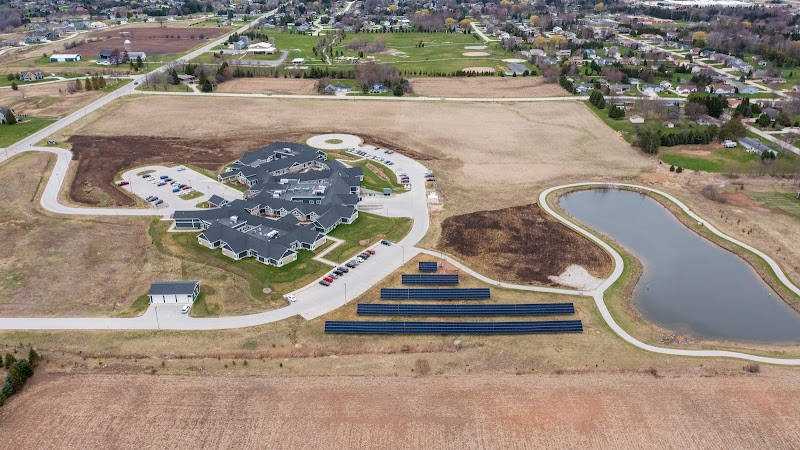
How is Sheboygan Senior Community Inc Staffed?

CMS rates SHEBOYGAN SENIOR COMMUNITY INC's staffing level at 4 out of 5 stars, which is above average compared to other nursing homes. Staff turnover is 35%, compared to the Wisconsin average of 46%. This relatively stable workforce can support continuity of care.

What Have Inspectors Found at Sheboygan Senior Community Inc?

State health inspectors documented 28 deficiencies at SHEBOYGAN SENIOR COMMUNITY INC during 2022 to 2025. These included: 26 with potential for harm and 2 minor or isolated issues.
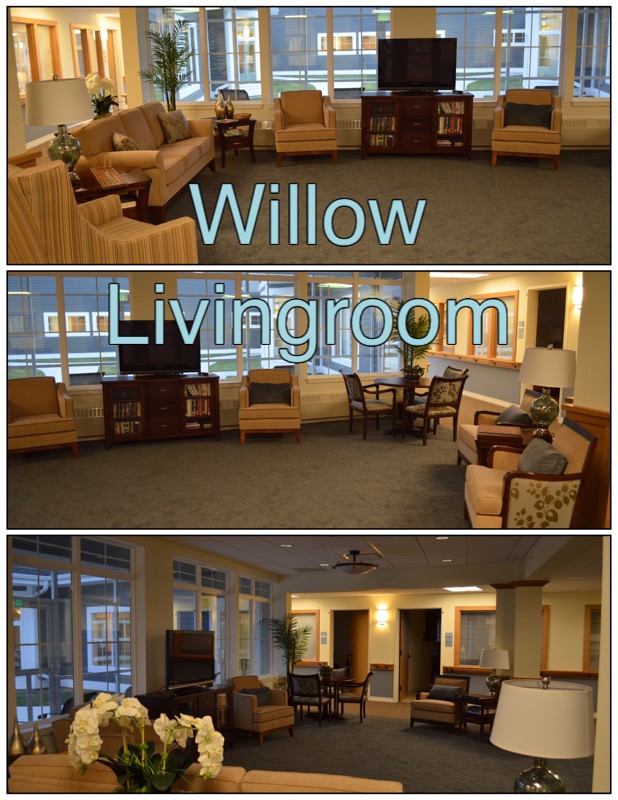
Who Owns and Operates Sheboygan Senior Community Inc?

SHEBOYGAN SENIOR COMMUNITY INC is owned by a non-profit organization. Non-profit facilities reinvest revenue into operations rather than distributing to shareholders. The facility operates independently rather than as part of a larger chain. With 60 certified beds and approximately 56 residents (about 93% occupancy), it is a smaller facility located in SHEBOYGAN, Wisconsin.

How Does Sheboygan Senior Community Inc Compare to Other Wisconsin Nursing Homes?

Compared to the 100 nursing homes in Wisconsin, SHEBOYGAN SENIOR COMMUNITY INC's overall rating (2 stars) is below the state average of 3.0, staff turnover (35%) is significantly lower than the state average of 46%, and health inspection rating (2 stars) is below the national benchmark.

What Should Families Ask When Visiting Sheboygan Senior Community Inc?

Based on this facility's data, families visiting should ask: "Can I visit during a mealtime to observe dining assistance and food quality?" "How do you handle medical emergencies, and what is your hospital transfer rate?" "Can I speak with family members of current residents about their experience?"

Is Sheboygan Senior Community Inc Safe?

Based on CMS inspection data, SHEBOYGAN SENIOR COMMUNITY INC has a clean safety record: no substantiated abuse findings (meaning no confirmed cases of resident harm), no Immediate Jeopardy citations (the most serious violation level indicating risk of serious injury or death), and is not on the Special Focus Facility watch list (a federal program monitoring the lowest-performing 1% of nursing homes). The facility has a 2-star overall rating and ranks #100 of 100 nursing homes in Wisconsin. While no facility is perfect, families should still ask about staff-to-resident ratios and recent inspection results during their visit.

Do Nurses at Sheboygan Senior Community Inc Stick Around?

SHEBOYGAN SENIOR COMMUNITY INC has a staff turnover rate of 35%, which is about average for Wisconsin nursing homes (state average: 46%). Moderate turnover is common in nursing homes, but families should still ask about staff tenure and how the facility maintains care continuity when employees leave.

Was Sheboygan Senior Community Inc Ever Fined?

SHEBOYGAN SENIOR COMMUNITY INC has no federal fines on record. CMS issues fines when nursing homes fail to meet care standards or don't correct problems found during inspections. The absence of fines suggests the facility has either maintained compliance or corrected any issues before penalties were assessed. This is a positive indicator, though families should still review recent inspection reports for the full picture.

Is Sheboygan Senior Community Inc on Any Federal Watch List?

SHEBOYGAN SENIOR COMMUNITY INC is not on any federal watch list. The most significant is the Special Focus Facility (SFF) program, which identifies the bottom 1% of nursing homes nationally based on persistent, serious quality problems. Not being on this list means the facility has avoided the pattern of deficiencies that triggers enhanced federal oversight. This is a positive indicator, though families should still review the facility's inspection history directly.