TWIN PORTS HEALTH SERVICES
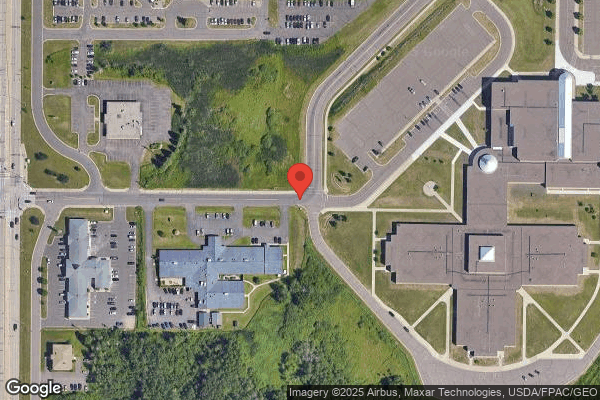
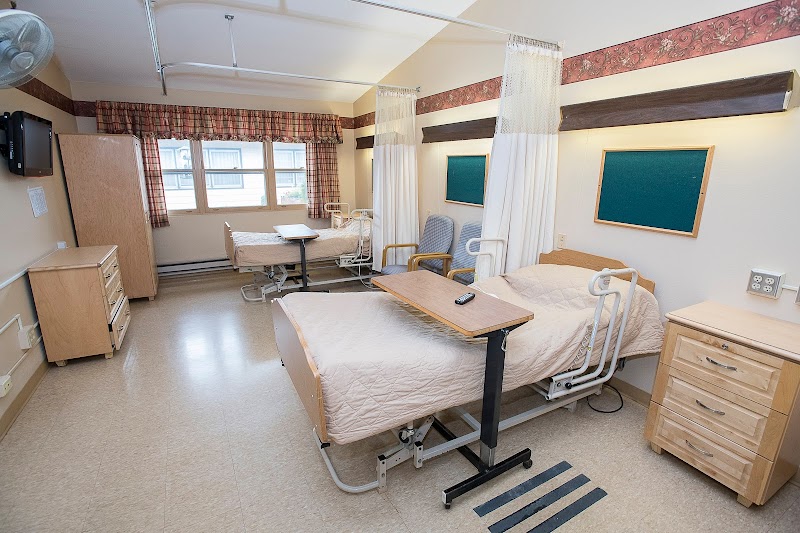
1612 N 37TH ST, SUPERIOR, WI 54880 (715) 392-5144
For profit - Corporation 90 Beds NORTH SHORE HEALTHCARE Data: November 2025
Trust Grade
83/100
#125 of 321 in WI
Last Inspection: September 2024

Within standard 12-15 month inspection cycle. Federal law requires annual inspections.

Overview

Twin Ports Health Services in Superior, Wisconsin, has a Trust Grade of B+, indicating it is above average and recommended for families seeking care. It ranks #125 out of 321 facilities in Wisconsin, placing it in the top half, and #1 of 4 in Douglas County, meaning it is the best option locally. The facility's performance is improving, with issues decreasing from four in 2024 to just one in 2025. Staffing is a strong point, with a 4/5 star rating and a low 29% turnover rate, which is significantly better than the state average. However, there have been concerns, such as inadequate food labeling, which could lead to foodborne illnesses, and a lack of supervision that allowed a resident to leave the facility in their personal vehicle. Despite these weaknesses, there are no fines or critical issues reported, and the facility boasts more RN coverage than 92% of Wisconsin facilities, ensuring high-quality care.

Trust Score
B+
83/100
In Wisconsin
#125/321
Top 38%
Safety Record
Low Risk
No red flags
Inspections
Getting Better
4 → 1 violations
Staff Stability
✓ Good
29% annual turnover. Excellent stability, 19 points below Wisconsin's 48% average. Staff who stay learn residents' needs.
Penalties
✓ Good
No fines on record. Clean compliance history, better than most Wisconsin facilities.
Skilled Nurses
✓ Good
Each resident gets 68 minutes of Registered Nurse (RN) attention daily — more than 97% of Wisconsin nursing homes. RNs are the most trained staff who catch health problems before they become serious.
Violations
○ Average
7 deficiencies on record. Average for a facility this size. Mostly minor or procedural issues.
★★★★☆
4.0
Overall Rating
★★★★☆
4.0
Staff Levels
★★★★☆
4.0
Care Quality
★★★★☆
4.0
Inspection Score
Stable
2024: 4 issues
2025: 1 issues

The Good

  • 4-Star Staffing Rating · Above-average nurse staffing levels
  • 4-Star Quality Measures · Strong clinical quality outcomes
  • Low Staff Turnover (29%) · Staff stability means consistent care
  • Full Sprinkler Coverage · Fire safety systems throughout facility
  • No fines on record
  • Staff turnover is low (29%)

    19 points below Wisconsin average of 48%

Facility shows strength in staffing levels, quality measures, staff retention, fire safety.

The Bad

Chain: NORTH SHORE HEALTHCARE

Part of a multi-facility chain

Ask about local staffing decisions and management

The Ugly 7 deficiencies on record

Jul 2025 1 deficiency
CONCERN (D) 📢 Someone Reported This

A family member, employee, or ombudsman was alarmed enough to file a formal complaint

Potential for Harm - no one hurt, but risky conditions existed

Accident Prevention (Tag F0689)

Could have caused harm · This affected 1 resident

**NOTE- TERMS IN BRACKETS HAVE BEEN EDITED TO PROTECT CONFIDENTIALITY** Based on record review, observation and interview, the facility did not ensure the resident environment remains free of accident...

Read full inspector narrative →
**NOTE- TERMS IN BRACKETS HAVE BEEN EDITED TO PROTECT CONFIDENTIALITY** Based on record review, observation and interview, the facility did not ensure the resident environment remains free of accident hazards as possible and each resident receives adequate supervision and assistance devices to prevent accidents for 1 of 3 residents (R)(R1) reviewed.The facility does not have a policy or procedure in place to assess risk for residents storing and using a personal vehicle on facility premises.R1 eloped from facility using personal vehicle parked on facility premises.This is evidenced by:State Operations Manual, Appendix PP, states in part: The facility must ensure the facility provides an environment that is free from accident hazards over which the facility has control and provides supervision.to each resident to prevent avoidable accidents. This includes: identifying hazard(s) and risk(s), evaluating and analyzing hazard(s) and risk(s), implementing interventions to reduce hazard(s) and risk(s), and monitoring for effectiveness and modifying interventions when necessary.'Risk' refers to any external factor, facility characteristic (e.g., staffing or physical environment) or characteristic of an individual resident that influences the likelihood of an accident.R1 was admitted to the facility on [DATE] with pertinent diagnoses of cognitive communication deficit, other symptoms and signs involving cognitive function following cerebral infarction, and alcohol abuse.R1's admission Minimum Data Set (MDS), dated [DATE], noted a Brief Interview for Mental Status (BIMS) score of 11 indicating moderate cognitive impairment.R1's care plan, dated 04/09/25, with a target date of 07/08/25, states: .history of alcohol abuse with interventions to educate on risks of leaving the facility to seek out substances and/or early, unplanned discharge, increase monitoring and supervision of resident and their visitors, and report changes in mood.Of note: no wandering behaviors were noted prior to incident.R1's care plan, dated 05/27/25, with a target date of 07/08/25, states: Potential for elopement due to history of resident leaving facility unescorted with interventions of accompany to meals and scheduled activities, allow to vent feelings and/or frustration PRN, observe for and report decline in ADL ability or behaviors, check alert bracelet functioning per manufacturer recommendations, remove items that may trigger attempt to leave facility (i.e. boots, coat).Surveyor reviewed R1's wandering risk assessment, dated 04/02/25, and noted a score of 3 - low risk.On 07/18/25, Surveyor reviewed facility reported incident submitted on 05/23/23 that states: [R1] notified facility staff that he would like the keys to his van, that are stored within the Business Office for safe keeping, that is parked in the facility parking lot to retrieve some papers. Facility staff walked with [R1] to vehicle and [R1] stated that he was going to grab some paperwork. [R1] stated that he wanted to start the car since it has been sitting for a while. [R1] stated he wasn't going to leave and preceded to drive forward and continued to leave the facility parking lot and leaving the facility ground. POA contacted. Police department contacted. Medical Director notified. Investigation ongoing.Of note: no documentation of R1 having a personal vehicle at facility on or after admission was noted. No risk assessment was documented for R1 having vehicle on facility premises or safety to drive a vehicle was noted.On 07/18/24 at 12:54 PM, Surveyor interviewed Nursing Home Administrator (NHA) A. Surveyor asked NHA A for the facility's policy/procedure for residents having a personal vehicle onsite. NHA A stated there wasn't one. Surveyor asked what risk assessment was completed for R1 to safely operate and store a personal vehicle on facility premises. NHA A stated no risk assessment was completed. Surveyor asked NHA A how R1 would access his personal vehicle. NHA A stated the facility stored the keys in the business. No other safety measures were implemented. Surveyor asked if any residents currently residing in facility had a personal vehicle onsite. NHA A stated no.On 07/18/25 at 2:00 PM, Surveyor interviewed NHA A about any additional policy or procedure changes implemented after incident. NHA A stated no additional policies were implemented for residents having a personal vehicle and no risk assessments were implemented to assess for safety if a resident were to have access to a personal vehicle on facility premises. Surveyor asked NHA A if she could see the potential risk associated with not having a procedure in place for this. NHA A acknowledged this.
Sept 2024 4 deficiencies
CONCERN (D)

Potential for Harm - no one hurt, but risky conditions existed

Transfer Notice (Tag F0623)

Could have caused harm · This affected 1 resident

**NOTE- TERMS IN BRACKETS HAVE BEEN EDITED TO PROTECT CONFIDENTIALITY** Based on interview and record review, the facility did not send a copy of the discharge notice to the Office of the State Long T...

Read full inspector narrative →
**NOTE- TERMS IN BRACKETS HAVE BEEN EDITED TO PROTECT CONFIDENTIALITY** Based on interview and record review, the facility did not send a copy of the discharge notice to the Office of the State Long Term Care Ombudsman for 3 of 7 residents reviewed who were discharged with return anticipated. (R7, R25 and R66). This is evidenced by: The facility policy, entitled Transfer and Discharge last reviewed and revised on 07/15/22, states under Section 7(k). Emergency Transfers/Discharges, Social Services Director (SSD), or designee, shall provide notice of transfer to a representative of the State Long-Term Care Ombudsman via monthly list. Example 1 R7 was admitted to the facility on [DATE] and has diagnoses that include congested heart failure, diabetes mellitus, chronic kidney disease, and post-traumatic stress disorder. R7's Minimum Data Set (MDS) assessment, dated 05/03/24, indicated that R7 was transferred to an acute care hospital. On 05/03/24, R7's medical record indicated R7 was emergency transferred to hospital due to uncontrolled nosebleeds following prior nasal surgery. R7 returned to the facility on [DATE]. Example 2 R66 was admitted to the facility on [DATE] and has diagnoses that include anemia, diabetes mellitus, history of liver transplant and hypertension (high blood pressure). R66's MDS assessment, dated 06/18/24, indicated that R66 was transferred to a critical access hospital. On 06/18/24, R66's medical record indicated this was an emergency transfer to the hospital due to critical lab values. R66 returned to facility on 06/19/24. On 09/24/24 at 1:36 PM, Surveyor requested documentation of notice of hospital transfers for R7 and R66 to State Long-Term Care Ombudsman from Social Services Director (SSD) C. On 09/24/24 at 1:57 PM, SSD C stated inability to locate documentation to support notification of hospital transfer to Ombudsman. Example 3 R25 was admitted to the facility on [DATE] and has diagnoses that include type 1 diabetes mellitus with diabetic polyneuropathy and hyperglycemia. R25's Minimum Data Set (MDS) assessments indicate that R25 was discharged to the hospital on [DATE] and returned to the facility on [DATE]. Nurses note dated 08/16/24 states that R25 was sent to the Emergency Department (ED) for shortness of breath and low oxygen saturation. Nurses note dated 08/17/24 states that R25 was admitted to the hospital for rhinovirus and hyperkalemia. On 09/24/24 at 3:48 PM, Surveyor received the list for August 2024 discharge notifications to the State Ombudsman. R25 was not on this list. Surveyor requested ombudsman notice for R25 from SSD D. SSD C stated inability to locate documentation to support notification of hospital transfer to Ombudsman. The State Ombudsman was not notified for R25's 8/16/24 hospitalization.
CONCERN (D)

Potential for Harm - no one hurt, but risky conditions existed

Deficiency F0625 (Tag F0625)

Could have caused harm · This affected 1 resident

**NOTE- TERMS IN BRACKETS HAVE BEEN EDITED TO PROTECT CONFIDENTIALITY** Based on interview and record review, the facility failed to ensure that written bed hold notice and reason for transfer require...

Read full inspector narrative →
**NOTE- TERMS IN BRACKETS HAVE BEEN EDITED TO PROTECT CONFIDENTIALITY** Based on interview and record review, the facility failed to ensure that written bed hold notice and reason for transfer required for facility-initiated transfers was provided to the residents or resident representatives at time of hospital transfer or within 24 hours of transfer for 2 of 2 residents (R7 and R66) reviewed for hospitalization. This is evidenced by: The facility policy, entitled (I) Transfer and Discharge last reviewed and revised on 07/15/22, states under Section 7 (i), Provide a notice of the resident's bed hold policy to the resident and representative at the time of the transfer, as possible, but no later than 24 hours of the transfer. Example 1 R7 was admitted to the facility on [DATE] and has diagnoses that include congested heart failure, diabetes mellitus, chronic kidney disease, and post-traumatic stress disorder. R7's Minimum Data Set (MDS) assessment, dated 05/03/24, indicated that R7 was transferred to an acute care hospital with return anticipated. On 05/03/24, R7 was emergency transferred to hospital due to uncontrolled nosebleeds following prior nasal surgery. R7 returned to the facility on [DATE]. Example 2 R66 was admitted to the facility on [DATE] and has diagnoses that include anemia, diabetes mellitus, history of liver transplant and hypertension. R66's MDS assessment, dated 06/1/24, indicated that R66 was transferred to a critical access hospital with return anticipated. On 06/18/24, R66 was emergency transferred to hospital due to critical lab values. R66 returned to facility on 06/19/24. On 09/24/24 at 1:36 PM, Surveyor requested bed hold notice documentation for R7 and R66 provided to the resident and/or representative at the time of the transfer or within 24 hours of the transfer. On 09/24/24 at 1:57 PM, Social Services Director C stated inability to locate bed hold notification provided to the resident and/or representative at the time of the transfer or within 24 hours of the transfer.
CONCERN (D)

Potential for Harm - no one hurt, but risky conditions existed

Comprehensive Care Plan (Tag F0656)

Could have caused harm · This affected 1 resident

**NOTE- TERMS IN BRACKETS HAVE BEEN EDITED TO PROTECT CONFIDENTIALITY** Based on interview and record review, the facility did not develop and implement a comprehensive person-centered care plan for 1...

Read full inspector narrative →
**NOTE- TERMS IN BRACKETS HAVE BEEN EDITED TO PROTECT CONFIDENTIALITY** Based on interview and record review, the facility did not develop and implement a comprehensive person-centered care plan for 1 of 18 sampled residents (R) R6, to meet a resident's medical, nursing, and psychosocial needs that are identified. R6 did not have a comprehensive person-centered care plan for trauma informed care identifying triggers related to post traumatic stress disorder (PTSD). Findings: The facility policy titled, Trauma Informed Care, dated 10/18/22, states: It is the policy of this facility to provide care and services which, in addition to meeting professional standards, are delivered using approaches which are culturally competent, account for experiences and preferences, and address the needs to trauma survivors by minimizing triggers and/or re-traumatization. Example 1 R6 was admitted to the facility on [DATE] with diagnoses that included renal failure, heart failure, depression, and PTSD. R6's admission Minimum Data Set, dated [DATE], indicates R6 has a Brief Interview for Mental Status (BIMS) of 14 (cognitively intact) and indicated R6 has PTSD. On 09/23/24 at 1:06 PM, Surveyor interviewed R6 regarding PTSD and triggers. R6 shared facility is aware of the diagnoses and has had no issues since admission. On 09/09/24, facility completed a trauma-informed care observation assessment regarding findings of physical abuse from husband in past and 9 years ago attacked with intent to kill by adult child. The assessment identified triggers that remind R6 of the events and were identified as loud voices, screaming and someone walking up from behind quietly. On 09/24/24 at 2:15 PM, Surveyor interviewed Certified Nursing Assistant (CNA) D regarding R6 having PTSD and triggers. CNA D stated was unaware of R6 having any specific triggers for PTSD. CNA D stated unawareness of any triggers causing re-traumatization since admission. On 09/24/24 at 2:25 PM, Surveyor interviewed Registered Nurse (RN) E and RN F regarding R6 having PTSD and triggers. Both RN E and F stated were unaware of R6 having PTSD or what may trigger re-traumatization. Both RN E and RN F stated unawareness of any triggers causing re-traumatization since admission. On 09/25/24 at 11:10 AM, Surveyor interviewed Nursing Home Administrator (NHA) A regarding trauma informed care process. NHA A stated that an assessment is completed by the Social Services Director. If the assessment identifies areas of focus and triggers are identified it was to automatically pull to the care plan. NHA A stated a contact to the information technology department has been made to make facility changes to ensure process is completed appropriately for future residents. NHA A shared a copy of a care plan developed on 09/24/24 to address PTSD.
CONCERN (F)

Potential for Harm - no one hurt, but risky conditions existed

Food Safety (Tag F0812)

Could have caused harm · This affected most or all residents

Based on observation, interview and record review, the facility did not ensure the safety of food handling in accordance with professional standards for food service safety. This had the potential to ...

Read full inspector narrative →
Based on observation, interview and record review, the facility did not ensure the safety of food handling in accordance with professional standards for food service safety. This had the potential to affect all 78 of 78 residents that eat orally. Food (milk and lettuce) placed in the walk-in cooler had been opened but was not labeled with an opened date, resulting in the potential for foodborne illnesses to spread. Findings include: The facility's policy entitled Food Storage dated 8/16/2022, states in part, .Refrigerated food storage: . f. All foods should be covered. Labeled and dated. All foods will be checked to assure that foods (including leftovers) will be consumed by their safe use by dates, or frozen (where applicable), or discarded. On 9/23/2024 at 9:50 AM during initial kitchen tour with Dietary Manager (DM) G, Surveyor observed a gallon of opened milk and lettuce in a covered container placed on shelves in the walk-in cooler. Neither had been labeled with an opened on or use by date. Milk had a received date of 9/17/24. Lettuce was not labeled with any dates. On 09/23/24 at 10:14 AM, Surveyor interviewed DM G regarding expectations for milk and opened food in refrigerator. DM G said they would expect that milk have an open date in marker and DM G did explain that the date on the milk was a received-on date. DM G would expect the milk to be used up in at minimum three days and usually it does not make it more than one day. DM G also expects that lettuce that is placed back in the fridge would be labeled with the open date.
Sept 2023 2 deficiencies
CONCERN (D)

Potential for Harm - no one hurt, but risky conditions existed

Incontinence Care (Tag F0690)

Could have caused harm · This affected 1 resident

**NOTE- TERMS IN BRACKETS HAVE BEEN EDITED TO PROTECT CONFIDENTIALITY** Based on observation, interview and record review, the facility did not ensure a resident with a urinary catheter received appro...

Read full inspector narrative →
**NOTE- TERMS IN BRACKETS HAVE BEEN EDITED TO PROTECT CONFIDENTIALITY** Based on observation, interview and record review, the facility did not ensure a resident with a urinary catheter received appropriate treatment to prevent urinary tract infections for 1 of 2 residents (R) with urinary catheters. (R33) Certified Nursing Assistant (CNA) did not follow proper procedure for urinary catheter care to prevent risk of infection. Findings include: R33 was admitted to the facility on [DATE] following acute hospitalization for severe urosepsis. R33 had a long-term indwelling Foley catheter due to diagnoses including, multiple sclerosis with neuromuscular dysfunction of the bladder, and benign prostatic hyperplasia [enlargement of the prostate] with urinary retention. R33 had a history of recurrent urinary tract infections (UTIs). Review of R33's medical record identified R33 had 4 UTIs since admission to the facility. Facility policy entitled, Catheter Care last reviewed/revised on 03/15/23, stated in part: .1. Catheter care will be performed with a.m. and h.s. cares and as needed .Male: 15. Gently grasp penis, draw foreskin back if applicable. 16. Using a circular motion, cleanse the meatus with a clean cloth moistened with water and perineal cleaner (soap). 17. With a new moistened cloth, starting at the meatus moving down, cleanse the shaft of the penis. 18. With a new moistened cloth, starting at the urinary meatus moving outward, wipe the catheter making sure to hold the catheter in place so as not to pull on the catheter. 19. Dry area with towel. 20. Perform hand hygiene . On 09/12/23 at 7:29 AM, Surveyor observed CNA E provide morning catheter care for R33. CNA E performed hand hygiene with alcohol based hand rub (ABHR) before entering R33's room. CNA E asked R33 if it was okay for Surveyor to observe the catheter cares. R33 gave approval. CNA E applied clean gloves and gathered a wash basin with warm water, soap, washcloths and towels at the bedside table. CNA E uncovered R33 and unfastened the incontinent brief and pulled down. CNA E took a wet washcloth from basin and applied liquid soap. CNA E washed R33's lower abdomen, groin area, between legs, under penis, and around scrotum, then with the same washcloth washed around the urinary meatus around the catheter and down the catheter tubing. CNA E placed the washcloth in a plastic bag and took a new washcloth from the basin and rinsed R33's skin in the same order as washing. CNA E placed the rinse washcloth in the plastic bag and took a clean towel and dried R33's skin in the same order as washing. CNA E and CNA F continued to provide morning cares and assist R33 to groom and dress. Immediately following the observation, Surveyor interviewed CNA E and asked what the proper procedure was for urinary catheter cares. CNA E stated they were taught they were supposed to wash starting at the urinary meatus out in a circle and then down the catheter tubing and penis. CNA E stated they did the catheter cares for R33 in the opposite direction today. On 09/12/23 at 2:56 PM, Surveyor interviewed Director of Nursing (DON) B and reported the above observation of catheter cares for R33. DON B stated CNA E should have performed catheter cares by cleansing around the urinary meatus first and then down the catheter before washing the rest of the perineal area. DON B confirmed R33 has had 4 UTIs since admission to the facility and is on a prophylactic antibiotic due to a history of severe urosepsis.
CONCERN (D)

Potential for Harm - no one hurt, but risky conditions existed

Infection Control (Tag F0880)

Could have caused harm · This affected 1 resident

**NOTE- TERMS IN BRACKETS HAVE BEEN EDITED TO PROTECT CONFIDENTIALITY** Example 2 R328 was admitted to facility on 08/02/23 with a Brief Interview for Mental Status (BIMS) of 15 indicating that R328 w...

Read full inspector narrative →
**NOTE- TERMS IN BRACKETS HAVE BEEN EDITED TO PROTECT CONFIDENTIALITY** Example 2 R328 was admitted to facility on 08/02/23 with a Brief Interview for Mental Status (BIMS) of 15 indicating that R328 was cognitively intact. Diagnoses include displace fracture of right hip and right pubis fracture. R328's doctors' orders include lamb's wool to toes every morning. Paint scabs with betadine daily and leave open to the air. On 09/11/12 at 11:14 AM, Surveyor observed Registered Nurse (RN) D perform wound care for R328. When RN D finished wound care, RN D threw the garbage in the garbage can, removed the gloves and left the room without performing any hand hygiene. Surveyor followed RN D to the medication cart, where RN D began typing on the computer without performing hand hygiene. On 09/13/23 at 8:00 AM, Surveyor interviewed Assistant Director of Nursing (ADON) C. Surveyor asked what the expectation is for a nurse that has just completed a task like wound care regarding hand hygiene. ADON C replied, You should always perform hand hygiene following any cares of a resident. Based on observation, interview and record review, the facility did not maintain an infection prevention and control program designed to help prevent the development and transmission of communicable diseases and infections when staff did not perform hand hygiene after removing soiled gloves during care observations. This affected 2 of 4 residents (R) observed for cares. (R33 and R328) Certified Nursing Assistant (CNA) did not perform hand hygiene when changing gloves during catheter cares. CNA did not perform hand hygiene when changing gloves after emptying urinary drainage bag. Registered Nurse (RN) did not perform hand hygiene after removing gloves following wound care. Findings include: Example 1 Facility policy entitled Hand Hygiene, last reviewed/revised on 11/02/22, stated in part: .The use of gloves does not replace hand hygiene. If your task requires gloves, perform hand hygiene prior to donning gloves, and immediately after removing gloves . On 09/11/23 at 2:47 PM, R33 stated they had a long-term indwelling Foley catheter with frequent infections. Record review identified R33 had 4 urinary tract infections since admission to the facility on [DATE]. On 09/12/23 at 7:29 AM, Surveyor observed CNA E provide morning catheter care for R33. CNA E performed hand hygiene with alcohol based hand rub (ABHR) before entering R33's room. CNA E applied clean gloves and provided urinary catheter cares, washed R33's perineal and rectal areas, and applied a barrier cream to R33's bottom. CNA E removed the gloves and applied clean gloves without washing hands or using ABHR. CNA E continued to provide morning cares and assist R33 to groom and dress. Immediately following the observation, Surveyor interviewed CNA E and asked what the proper procedure was when changing gloves. CNA E stated they were taught to wash hands or use hand sanitizer between glove changes, but they forgot to do that when providing cares for R33 this morning. On 09/12/23 at 7:29 AM, Surveyor observed CNA F empty R33's urinary drainage bag. CNA F performed hand hygiene with ABHR before entering the room and then applied clean gloves. CNA F placed a paper towel on the floor beside the bed and placed a graduate on the paper towel. CNA F proceeded to empty the urinary drainage bag using the proper procedure. Following the procedure CNA F removed the soiled gloves and applied clean gloves without washing hands or using ABHR. CNA F then continued to assist CNA E with morning cares for R33 Immediately following the observation, Surveyor asked CNA F what the proper procedure was for changing gloves during cares. CNA F stated they were taught they were supposed to wash hands or use hand sanitizer when changing gloves. CNA F stated they did not do that when changing gloves during cares for R33. On 09/12/23 at 2:56 PM, Surveyor interviewed Director of Nursing (DON) B and reported the above observation of catheter cares for R33. DON B stated both CNA E and CNA F should have performed hand hygiene after removing dirty gloves and prior to donning clean gloves.
Understanding Severity Codes (click to expand)
Life-Threatening (Immediate Jeopardy)
J - Isolated K - Pattern L - Widespread
Actual Harm
G - Isolated H - Pattern I - Widespread
Potential for Harm
D - Isolated E - Pattern F - Widespread
No Harm (Minor)
A - Isolated B - Pattern C - Widespread

Questions to Ask on Your Visit

  • "Can I speak with families of current residents?"
  • "What's your RN coverage like on weekends and overnight?"

Our Honest Assessment

Strengths
  • • Grade B+ (83/100). Above average facility, better than most options in Wisconsin.
  • • No major safety red flags. No abuse findings, life-threatening violations, or SFF status.
  • • No fines on record. Clean compliance history, better than most Wisconsin facilities.
  • • 29% annual turnover. Excellent stability, 19 points below Wisconsin's 48% average. Staff who stay learn residents' needs.
Concerns
  • • No significant concerns identified. This facility shows no red flags across CMS ratings, staff turnover, or federal penalties.
Bottom line: Generally positive indicators. Standard due diligence and a personal visit recommended.

About This Facility

What is Twin Ports Health Services's CMS Rating?

CMS assigns TWIN PORTS HEALTH SERVICES an overall rating of 4 out of 5 stars, which is considered above average nationally. Within Wisconsin, this rating places the facility higher than 99% of the state's 100 nursing homes. This rating reflects solid performance across the metrics CMS uses to evaluate nursing home quality.
How is Twin Ports Health Services Staffed?

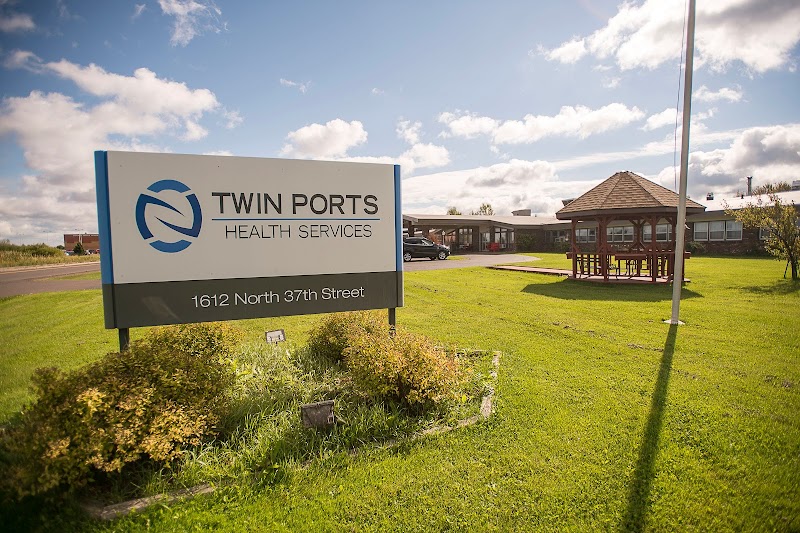
CMS rates TWIN PORTS HEALTH SERVICES's staffing level at 4 out of 5 stars, which is above average compared to other nursing homes. Staff turnover is 29%, compared to the Wisconsin average of 46%. This relatively stable workforce can support continuity of care.

What Have Inspectors Found at Twin Ports Health Services?

State health inspectors documented 7 deficiencies at TWIN PORTS HEALTH SERVICES during 2023 to 2025. These included: 7 with potential for harm.
Who Owns and Operates Twin Ports Health Services?

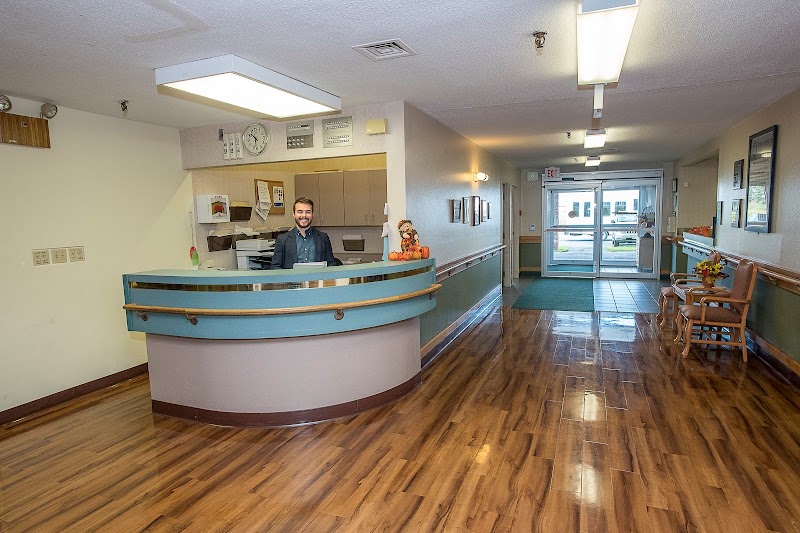
TWIN PORTS HEALTH SERVICES is owned by a for-profit company. For-profit facilities operate as businesses with obligations to shareholders or private owners. The facility is operated by NORTH SHORE HEALTHCARE, a chain that manages multiple nursing homes. With 90 certified beds and approximately 76 residents (about 84% occupancy), it is a smaller facility located in SUPERIOR, Wisconsin.
How Does Twin Ports Health Services Compare to Other Wisconsin Nursing Homes?

Compared to the 100 nursing homes in Wisconsin, TWIN PORTS HEALTH SERVICES's overall rating (4 stars) is above the state average of 3.0, staff turnover (29%) is significantly lower than the state average of 46%, and health inspection rating (4 stars) is above the national benchmark.

What Should Families Ask When Visiting Twin Ports Health Services?

Based on this facility's data, families visiting should ask: "Can I visit during a mealtime to observe dining assistance and food quality?" "How do you handle medical emergencies, and what is your hospital transfer rate?" "Can I speak with family members of current residents about their experience?"

Is Twin Ports Health Services Safe?

Based on CMS inspection data, TWIN PORTS HEALTH SERVICES has a clean safety record: no substantiated abuse findings (meaning no confirmed cases of resident harm), no Immediate Jeopardy citations (the most serious violation level indicating risk of serious injury or death), and is not on the Special Focus Facility watch list (a federal program monitoring the lowest-performing 1% of nursing homes). The facility has a 4-star overall rating and ranks #1 of 100 nursing homes in Wisconsin. While no facility is perfect, families should still ask about staff-to-resident ratios and recent inspection results during their visit.

Do Nurses at Twin Ports Health Services Stick Around?

Staff at TWIN PORTS HEALTH SERVICES tend to stick around. With a turnover rate of 29%, the facility is 17 percentage points below the Wisconsin average of 46%. Low turnover is a positive sign. It means caregivers have time to learn each resident's needs, medications, and personal preferences. Consistent staff also notice subtle changes in a resident's condition more quickly. Registered Nurse turnover is also low at 17%, meaning experienced RNs are available to handle complex medical needs.

Was Twin Ports Health Services Ever Fined?

TWIN PORTS HEALTH SERVICES has no federal fines on record. CMS issues fines when nursing homes fail to meet care standards or don't correct problems found during inspections. The absence of fines suggests the facility has either maintained compliance or corrected any issues before penalties were assessed. This is a positive indicator, though families should still review recent inspection reports for the full picture.

Is Twin Ports Health Services on Any Federal Watch List?

TWIN PORTS HEALTH SERVICES is not on any federal watch list. The most significant is the Special Focus Facility (SFF) program, which identifies the bottom 1% of nursing homes nationally based on persistent, serious quality problems. Not being on this list means the facility has avoided the pattern of deficiencies that triggers enhanced federal oversight. This is a positive indicator, though families should still review the facility's inspection history directly.